Russian forces appear to use AI to plan air attacks and recognize targets amid raids on Ukrainian cities. This may include recent air attacks on Odesa that have come in waves with short gaps, Deputy Air Force Commander for Air Defense Colonel Yurii Cherevashenko says, Ukrinform reports.
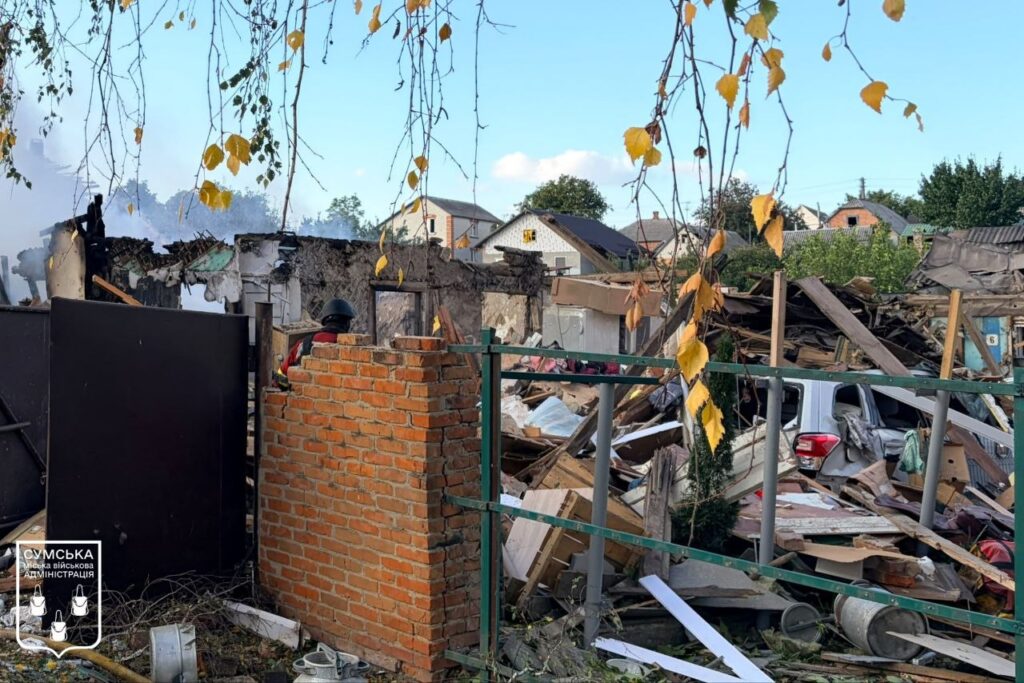
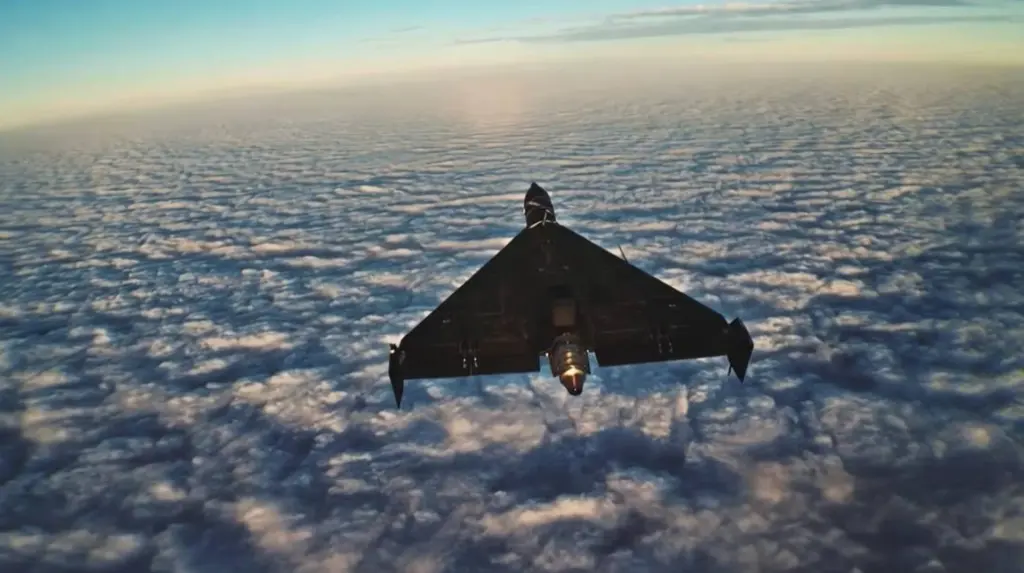
Russia has already equipped its jet-powered Geran-4 drones with machine vision, allowing them to recognize and track targets on their own in the final seconds of flight. Recently, a single jet drone hit a locomotive in Odesa Oblast in late September and killed two railway workers.
The scale of Russia's AI use is hard to measure, Cherevashenko continues, but Ukrainian specialists already see its elements in how attacks are organized. The long, wave-by-wave strikes on Odesa would be far harder to plan and coordinate without it, he believes.
"Russian forces use AI to lay out attack routes and to recognize targets," Cherevashenko says, framing it as his own assessment rather than a confirmed fact.
The sea is harder to defend than land
Odesa Oblast is home to the biggest port in Ukraine, "Southern". Protecting it is a challenging task as guarding the airspace over water is tougher than over land, Cherevashenko says. Some air defense assets do not perform as well at sea, and in some cases, crews can intercept a target only as it approaches.
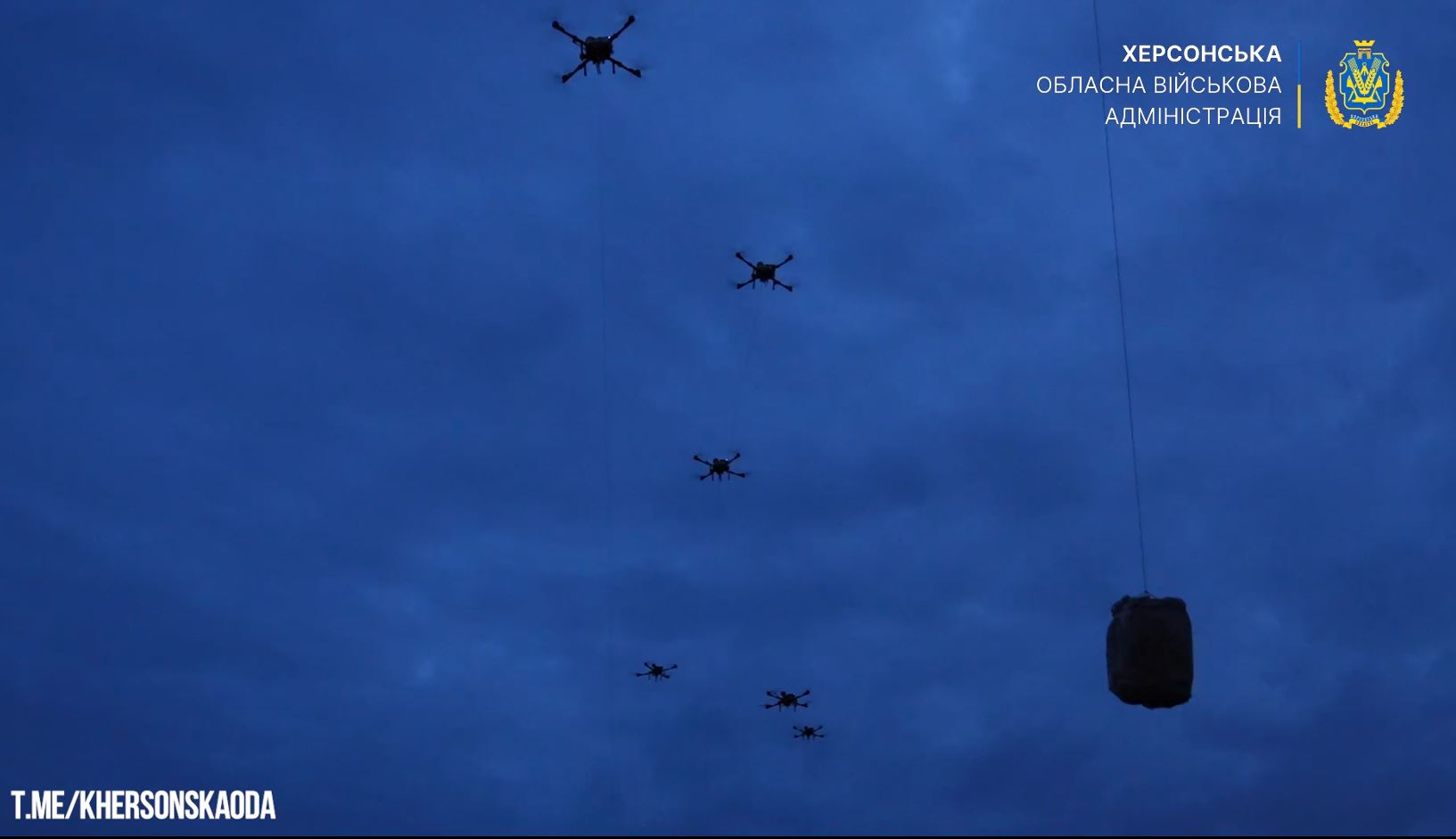
Weather adds to the problem, with storms and fog, while the open sea gives Russia more freedom to choose drone routes and launch points. To protect ports and the coast, Ukraine uses drone motherships, platforms that carry other drones aloft to extend their flight time and keep watch over set areas.
Ukraine answers AI with AI
Ukraine is also building its own AI for air defense. Automated turrets using machine vision now help counter Russian drones. According to Army Media, the Air Force says such turrets have scored their first shoot-downs, including of Geran-5 jet drones, with one soldier saying 50 rounds were enough to bring down a Geran.
Ukraine's Defense Ministry is going further. In late September, it unveiled an AI system called SPECTR, built by its A1 Artificial Intelligence Center and already in testing with several combat units, to analyze battlefield data, predict Russian moves, and suggest options to commanders.
"Skipper", an FPV company commander in Ukraine's 413th Raid Unmanned Systems Regiment, has described destroying a Russian UR-77 mine-clearing vehicle with drones during the 2023 counteroffensive as the strike he is proudest of, according to Army TV.
The UR-77, nicknamed "Zmiy Horynych" after a fire-breathing serpent of Slavic folklore, carries a rocket-fired line charge to blow paths through minefields, as per Militarnyi. Each charge carries more than two tons of explosives, which is why a cheap FPV hit can trigger a blast far larger than the drone itself.
"It exploded so hard that I thought it was a small nuclear blast. There are more than two tons of plastic explosive inside, and when it went off after the second hit, it was something unbelievable," Skipper says.
Skipper joined the army at the start of the full-scale invasion and moved from infantry and aerial reconnaissance to commanding an FPV unit. His regiment now operates on the Zaporizhzhia front, where FPV drones conduct combat missions.
From sailing yachts to FPV drones
In civilian life, Skipper was a sailing instructor, and he says the sport partly helps in military work, especially his knowledge of navigation and radio communication. He is convinced that a technological edge can be one of the keys to victory.
He counts the UR-77 strike among his unit's early work, from a time when few Ukrainian units were using FPV drones at all, he says. The hit came during hard fighting in the counteroffensive, when his crews were among the first to work the FPV niche.
Russia turns a mine-clearer into a wrecking tool
The UR-77 was built in the 1970s for a different war, one of fast tank thrusts that needed enemy minefields cleared quickly. Its base rides on the chassis of the 2S1 Gvozdika self-propelled howitzer, and its charge can cut a lane six meters wide, with some anti-personnel mines detonated across a band up to 15 meters wide.
Modern combat changed that role. The classic mine-clearing use remains, but Russia now more often turns these machines on Ukrainian fortifications, using the line charge to flatten defenses rather than open a path.
Kyiv is bolting two Soviet-era missile systems together to knock down Russia's fastest Geran-4 and Geran-5 drones. Ukraine's 156th Maksym Kryvonis Anti-Aircraft Missile Regiment has downed about 20 air targets using a Kub launcher firing under the radar and fire control of a Buk unit.
Russia has switched to jet-powered Gerans, faster drones that Ukraine's cheap interceptors struggle to catch, so more of them reach their targets. The damage from Russian strikes is set to reach up to $10 billion this year, according to Ukraine's Economy Ministry.
Meanwhile, Western resupply has thinned too. Deliveries of air defense missiles from partners fell threefold in the first half of 2026 against 2025, even though those partners hold the missiles, President Volodymyr Zelenskyy says.
So crews stretch what they have. In the Kub-Buk hybrid, a Kub launcher cannot aim on its own, lacking a radar to light up a target for its missile, according to Militarnyi. A Buk has that radar, so the two fire together, the Kub sending its 3M9 missile where the Buk points. The pairing is possible because both come from the same Soviet design line.
Western missiles in Soviet launchers
The same regiment reaches for a second workaround as Buk missiles run short. Its crews have rewired launchers to fire American RIM-7 interceptors, a Soviet-Western mongrel that troops nicknamed Frankenstein and the US calls FrankenSAM.
The patchwork earns its keep. One crew commander said some of these machines have more than 34 air kills each, and a single launcher has sent up RIM-7s 131 times, Ukrainian troops said.
A layered answer
The hybrids are one thread in a wider web. Ukraine is stitching together a layered defense against the jet-powered Gerans, leaning on electronic jamming, fighter jets, and a new class of homegrown interceptor drones. Each tool has limits, and the newest interceptors still bring down only the occasional jet drone.
The bet now is on numbers. Ukraine aims to build up to 400 interceptor drones a month by the end of October to chase the faster Gerans, Zelenskyy said on 2 October. Until that scale arrives, improvised launchers like the 156th Regiment keep filling the gap.
Russia is spending more on the war than at any point since it began. Russia's military funding is on track to hit a record this year after President Vladimir Putin added almost $60 billion to the outlays set in the budget, Bloomberg reports, citing people close to the government.
Defense spending is expected to approach about $199 billion by the end of 2026, roughly 40% above the plan Moscow announced in late 2025. That reverses the course of a year ago, when the Kremlin meant to slow military growth, narrow its deficit, and rebuild reserves drained by the war.
Alaska was the turning point
Putin ordered the shift late last year, after concluding that talks with the US in Alaska would not produce an acceptable deal to end the fighting, the report says.
By January, the Kremlin judged an agreement with Ukraine to be out of reach, and the government began accelerating advance payments to defense firms and raising other war-related spending.
"The government is finally budgeting for a prolonged war in Ukraine, but still understates its cost," Bloomberg Economics economist Ekaterina Vlasova said.
The deficit nearly doubles
Paying for the war has blown out the budget. The projected 2026 deficit has climbed to more than $81 billion, up from about $44 billion as first planned, and the government covered the extra spending through increased domestic borrowing and gold sales.
The budget plans years of war
The spending is not set to fall soon. Under the budget plans, Russia's military outlays reach about $200 billion in 2027, then ease to $194 billion in 2028 and about $191 billion in 2029, a signal that Moscow is planning for a long war.
Earlier, Euromaidan Press reported that Russia was raising 2027 defense spending by 27% to a record, even as its deficit widens and oil and gas revenues fall.
Russia's Kalashnikov concern has met its annual arms contract. The top producer of small arms has announced it delivered a batch of classic 7.62mm Dragunov sniper rifles to a Russian Security Forces customer and fully met its 2026 contract on time
The delivery shows how little the sanctions regime slows Russia's arms maker. In February 2026, Ukraine's Defense Intelligence said that nearly half of Kalashnikov's plants were still not subject to sanctions by any coalition country. Eight months later, the concern reports a full year's order delivered on schedule.
"The items were shipped on the set deadline, the obligations under the 2026 contract fully met," the manufacturer said.
A rifle in service for six decades
The weapon in that batch is not new. Designed by Yevgeny Dragunov between 1958 and 1963, the Dragunov sniper rifle entered serial production at the Izhevsk machine-building plant in 1963, so in 2026, it has remained in serial production for more than 60 years.
The self-loading 7.62mm rifle is meant to hit personnel and unarmored targets at ranges up to 800 meters, the concern said. It uses gas-operated automatics with a short-stroke piston and a gas regulator, and can fire any 7.62x54R round, though sniper ammunition yields the best grouping, according to the maker.
Sanctions chase a moving network
The sniper rifles are only one line in Kalashnikov's output. Russia's defense industry has leaned heavily on refurbishing Soviet-era armor as newer reserves run low, with Ukraine's intelligence reporting in June 2025 that Russia had begun deploying 1960s-era T-62 tanks.
The restoration work was centered primarily at the 103rd Armored Repair Plant in Atamanovka, Trans-Baikal Territory of Siberia. Ukrainian intelligence documented the transfer of 21 T-62 tanks from the eastern region to the western part.
Small arms are a different line of production, built new rather than pulled from storage. That is why a 1963 design keeps rolling off the line while the sanctions net, as Ukraine's intelligence describes it, still has holes.
Ukrainian rescuers are still pulling bodies from a collapsed apartment block in Pryluky. A Russian missile strike on the five-story residential building in the city of Chernihiv Oblast that borders both Russia and Belarus killed 19 people, including five children, and injured 55, Ukraine's State Emergency Service reported on 7 October.
Russia hit Kyiv and a dozen other regions overnight. Air defense downed five ballistic missiles, 39 cruise missiles, and 117 drones, while missiles and drones hit 18 locations, the Air Force said. The nationwide strike killed at least 24 people, including four children.
Among the dead in Pryluky were three one-year-old boys, Oleksandr, Kyrylo, and Serhii, and eight-year-old Maksym, President Volodymyr Zelenskyy says. Seven of the injured are children. Some residents are still unreachable, and all emergency services are working at the site. Russia keeps using missiles against Ukrainian cities and civilians by deliberate choice, he states.
"My condolences to all the families and loved ones," Zelenskyy says.
The strike comes on Putin's birthday
The attack came on Russian President Vladimir Putin's birthday on 7 October.
"Continuing to use missiles against Ukraine, against our people, our children, is an absolutely conscious choice of terror. This is what Moscow chooses despite all our efforts with partners to bring peace closer," Zelenskyy says.
He urges partners to increase pressure on Russia and bolster defense support for Ukraine, saying it is important that world leaders understand this and that the world not remain silent.
A pattern of strikes on Chernihiv Oblast
Pryluky, about 150 kilometers east of Kyiv, lies in a region Russia has hit repeatedly. The overnight barrage also damaged civilian and utility infrastructure across the Pryluky community, the city council said.
Ukraine had seen the attack. The day before, Zelenskyy warned that intelligence indicated a massive Russian strike was in preparation. Russia fired about 70 missiles overnight, killing two people each in the capital Kyiv and in the cities of Kremenchuk and Oleksandriia in addition to the Pryluky dead.
More than 50 Russian companies could default on their bonds this year, the most since 2009, a rating-agency analyst told Russian newspaper Izvestia, which reported it on 6 October.
Russia's wartime economy is straining under high interest rates, and the budget is too: the 2026 deficit has nearly doubled from the earlier forecast to a record $88 billion, with more deficits planned for the next three years as Moscow raises taxes to fund the war and plans its biggest defense budget since the full-scale invasion began.
A default is a situation in which a company cannot make promised interest payments to investors on time or repay borrowed money. If a payment is not made by the agreed deadline, the company becomes delinquent, which under certain conditions is recognized as a default.
So far this year, 20 companies have defaulted for the first time, compared with 24 in all of 2025, said Mikhail Nikonov of the Expert RA rating agency. Most of the companies that missed payments are small issuers of high-yield bonds, Izvestia reported.
In 2026, Russian companies have missed payments totaling 41 billion rubles (about $490 million), compared with 34 billion rubles (about $410 million) the previous year, according to investment bank Sinara.
Russia faces a new wave of corporate defaults
By the end of 2026, the number of Russian companies unable to service their ruble-denominated debt on time could reach 40–50, the highest level since 2010, said Pavel Zholobov, junior managing director at the NRA rating agency.
The number of bond defaults in 2026 has already reached its highest level in a decade, Zholobov said. Similar figures were recorded in the mid-2010s: in 2014, 35 companies missed payments; in 2015, 52 did so; and in 2016, there were 44 issuers. This occurred in part after Western sanctions were imposed on Russia over its annexation of Crimea and its war in Donbas, as well as amid a halving of oil prices and a sharp weakening of the ruble.
So-called "little green men" (the Russian occupation troops comprised special forces who removed insignia, wear face masks to prevent identification and call themselves a "Crimean self-defense force") surround a Ukrainian military base in Perevalne, Crimea, during the Russian annexation of the peninsula in February-March 2014.
There were more defaults only in 2009. At the time, amid the fallout from the global financial crisis, more than 100 issuers faced payment problems, while the volume of distressed debt reached nearly 200 billion rubles, Zholobov noted.
High interest rates put pressure on companies
This time, the main reason for companies' difficulties in making bond payments has been the prolonged period of high interest rates, which has continued since 2023. Companies are raising financing at high interest rates but are unable to refinance their debt on more favorable terms, explained Ekaterina Sidorova, head of the Foreign Exchange, Commodities and Debt Markets Department at SberCIB Investment Research.
At the same time, the situation does not yet resemble a systemic debt crisis: defaults are primarily being recorded among companies with low credit ratings and high debt burdens, Sidorova said.
If a company fails to repay bond debt, it is given 10 business days to meet its obligations. If it fails to do so, the company may offer investors a restructuring—for example, by postponing payments in exchange for a higher interest rate.
The number of defaults will remain high in 2027, Sidorova believes.
High interest rates were a response to accelerating inflation in Russia. Domestic demand was outpacing production, Russia's Central Bank said in October 2023. Sanctions over the war and rising defense spending had also hit the economy and the ruble, which had lost about 25% against the dollar that year. The bank raised its key rate from 7.5% in the first half of 2023 to 15% by the fall.
Ukraine targets Russia's oil industry to weaken its war economy
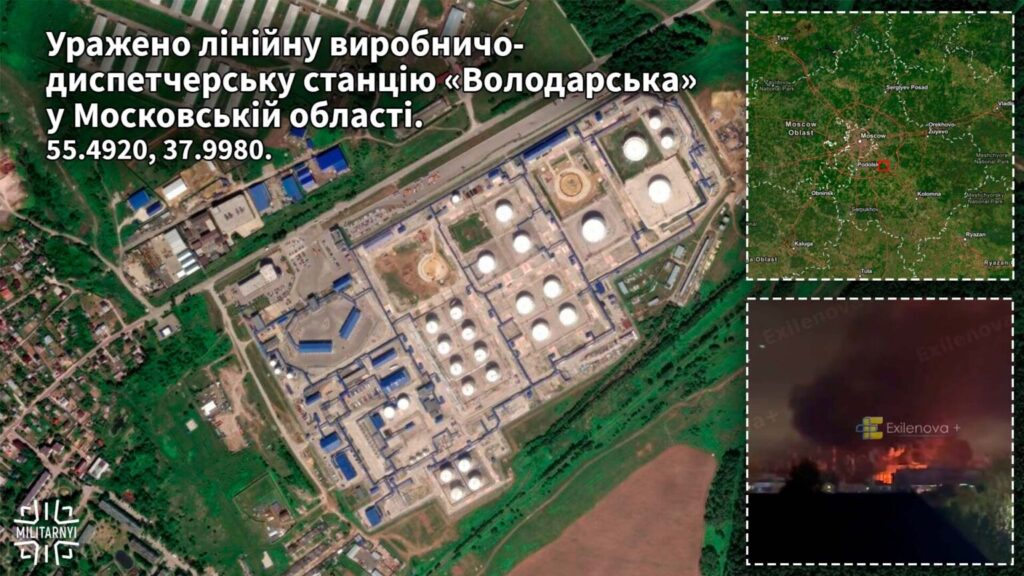
Ukraine is also seeking to weaken Russia's economy as part of efforts to reduce its ability to finance the war. In particular, Defense Minister Yevhenii Khmara said strikes on oil refineries are aimed at "bleeding the Russian war machine" and destroying its military and economic potential. According to the ministry, the attacks have knocked out more than 51% of Russia's oil refining capacity.
In the first half of July, Russian oil refineries processed about 3.9 million barrels of oil per day—the lowest level since March 2005. Due to the production cuts, Moscow was also forced to restrict fuel exports.
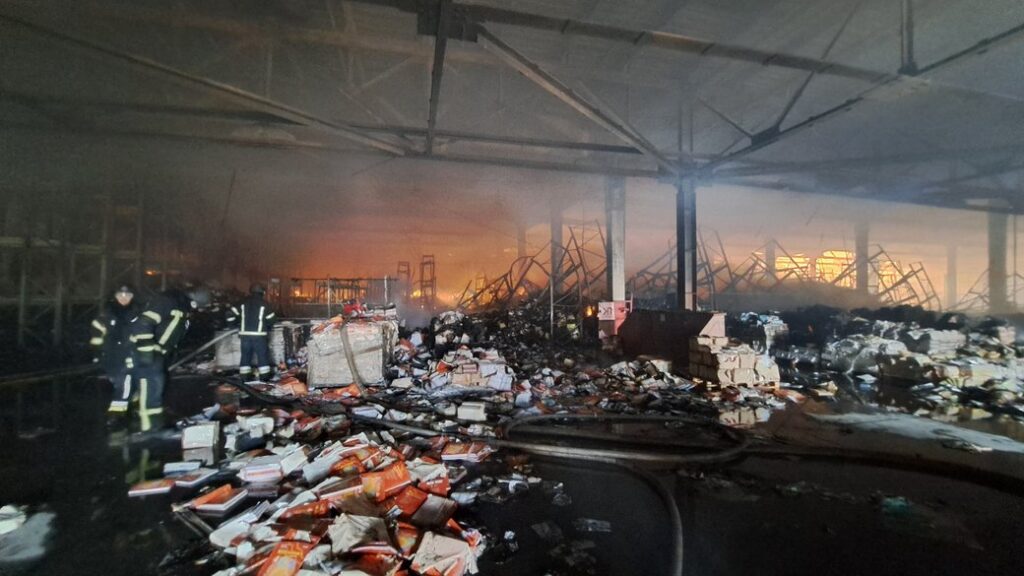
A Russian missile attack on Kyiv overnight on 7 October destroyed warehouse premises in the Podil district and badly damaged a book warehouse of Ukrainian publishing house Knyholav, the publisher said. Tens of thousands of books were lost, but no staff were hurt. It was the second time this year that Russia has destroyed Knyholav's stock.
Russia has destroyed Ukrainian books since the start of its invasion, seizing them from libraries in occupied areas and burning them in boiler houses. Since spring, it has also been aiming missiles and drones at the industry that makes them—printing houses, publishers' warehouses, and bookshops—destroying books by the millions. Each strike takes out not only stock but the reprints, new titles, and textbooks Ukrainian readers were waiting for, at a time when publishing in Ukrainian is part of how the country holds onto its identity.
Tens of thousands of books lost
The publisher can't yet say how many books were destroyed or can no longer be saved, it said, but tens of thousands were lost. The final count will be possible only once staff get full access to the warehouse and check the state of every book.
Explore further
Russian aggression devastates 1,000 Ukrainian libraries and 200 million books
The losses include new titles Knyholav received over the past two months. They also include reprints of books Russia had destroyed in July at its previous warehouse. Knyholav had moved its rebuilt stock to this new warehouse after a Russian strike on 19 July destroyed its previous one outside Kyiv, along with about 250,000 books.
"This is a tangible blow for us. These are books we created, printed, and prepared for you," the publisher wrote. "But despite everything, we are holding on!"
The strike hit Kyiv's Podilskyi district, where a Russian attack caused a fire and the partial collapse of the floors of an office and warehouse building, Kyiv Mayor Vitali Klitschko said. The same overnight attack killed people in Pryluky, Kyiv, Kremenchuk, and Oleksandriia.
Millions of books burned
Russia's attacks destroyed more than 1.5 million books in July alone, Culture Minister Tetiana Berezhna said. On 1 August, a strike on the logistics center of publisher Ranok and the distribution center of the KnyhoLand bookshop chain in Kharkiv destroyed 8 million books, including 628,000 new school textbooks. Over three months, Russia burned about 13 million Ukrainian books, nearly a third of everything the country printed in 2025. In August, Russian missiles also hit Kyiv's largest book market.
Ukraine's 413th Separate Raid Regiment of the Unmanned Systems Forces struck the Snizhne Machine-Building Plant in occupied Donetsk Oblast in September, working with other Defense Forces units, the regiment posted on 6 October, sharing a video of the strike. The General Staff reported the strike on the plant on 11 September, saying that the extent of the damage was being clarified.
The strike adds to Ukraine's campaign of long-range attacks on Russian military targets as Russia has begun its winter campaign of strikes against Ukraine's energy infrastructure. Hitting the suppliers of aircraft parts goes after Russia's ability to keep its attack jets and helicopters flying.
The regiment said the plant works for Russia's military industry, producing engine components for attack aircraft and combat helicopters.
A former Motor Sich plant in occupied Snizhne
The Snizhne plant was a separate division of Motor Sich, a Ukrainian aircraft-engine maker based in Zaporizhzhia, a city that remains under Ukrainian control. Snizhne has been under Russian occupation since 2014. The plant specializes in producing parts for gas-turbine engines, including compressor and turbine discs and blades, the General Staff said. It never built whole engines. In September 2014, months into the occupation, it was machining blanks from Motor Sich's Zaporizhzhia plant into turbine blades and was one of only two plants in the former Soviet Union making such blades for helicopters, a plant worker said.
Motor Sich said in December 2017 that it had lost control of the plant. Weeks later, Viacheslav Bohuslaiev, then Motor Sich's honorary president and a member of parliament, told RFE/RL's Donbas.Realii that Motor Sich still owned the plant and had handed its management to a foreign company, while keeping it under the company's "full control."
In February 2023, Ukraine's Prosecutor General's Office served Bohuslaiev a notice of suspicion of aiding a terrorist organization, alleging that Motor Sich shipped blanks to the Snizhne plant and received finished engine parts through foreign-registered companies. The case went to court in October 2023, and Bohuslaiev, who denies the charges, has been in pretrial detention since October 2022 as the trial continues.
Snizhne, which Russia uses as a rear base, has been hit before. In May, Ukraine's Unmanned Systems Forces and the Security Service of Ukraine struck a Russian training center for drone pilots in the city, and in September, a strike on energy infrastructure cut power across Snizhne.
German radar maker Hensoldt has signed a memorandum with Ukraine's Defense Ministry for more large-scale radar deliveries, the company said on 5 October. Ukrainian defense outlet Defense Express reads it as a step toward fitting Hensoldt's TRML-4D, already in Ukrainian service, into FREYJA, a planned shield against ballistic missiles.
Ballistic missiles remain the hardest threat in Russia's air war. After Russia's overnight barrage on 7 October, Ukrainian President Volodymyr Zelenskyy said Ukraine is still searching daily for Patriot missiles. The only other system Ukraine can use against them is the Franco-Italian SAMP/T, which fires Aster 30 interceptors made in small numbers. That gap is why Fire Point is reworking its FP-7 missile into a Patriot-like interceptor. Such an interceptor still needs radars to find its target first.
A memorandum signed during Merz's visit
Hensoldt CEO Oliver Dörre signed the document on the sidelines of German Chancellor Friedrich Merz's visit to Ukraine. Beyond deliveries, it covers further development of radar capabilities. The partners will also study options to deploy and jointly operate TRL-4D LR long-range radars. Hensoldt said this expands cooperation already agreed on in ballistic missile defense.
Explore further
Russia’s air defenses can’t protect all its strategic sites once Ukraine’s ballistic missiles are ready, expert says
The TRL-4D LR is the land-based version of a long-range radar Hensoldt also builds for the German Navy, German outlet Sicherheit & Verteidigung reported. The outlet cited Germany's defense procurement office as giving the naval version a range of more than 400 km (250 miles) against air targets. That, it concluded, puts the range well beyond the TRML-4D's.
"The Ukrainian air defence forces urgently need our high-performance radars to help protect infrastructure such as bridges," Dörre said.
Defense Express, describing the same memorandum, tied both the mass deliveries and the joint-operation plan to the TRML-4D. Hensoldt's release names no model for the deliveries and links joint operation to the TRL-4D LR.
Eyes for FREYJA
Hensoldt and Fire Point signed a memorandum on FREYJA at the Eurosatory arms show in Paris in June, with the TRML-4D to play a key role, Hensoldt announced. Fire Point is set to act as prime contractor and hold design authority. Hensoldt is to produce, test, and deliver the radars.
Explore further
Germany’s Hensoldt to supply Ukraine with six more TRML-4D radars to boost air defense capabilities
Defense Express expects any study of deployment options to focus on how well the radar detects ballistic missiles and relays that data. Hensoldt has its own unit in Ukraine to work closely with operators, the outlet noted. Earlier, the company began setting up a local hub so Ukraine can service and repair the TRML-4D itself.
Already on duty
Ukraine's military uses the TRML-4D both standalone and as the built-in radar of the IRIS-T SLM medium-range air defense system, Defense Express noted. Hensoldt lists an instrumented range of 250 km (155 miles) at altitudes up to 30 km (19 miles). Defense Express, citing the manufacturer, gives track ranges of more than 120 km (75 miles) for fighter jets and more than 60 km (37 miles) for supersonic missiles.
More radars give earlier warning of ballistic strikes, but they cannot stop them. Until the FP-7.X makes its first ballistic intercept, planned for mid-2027, that job stays with Patriot and SAMP/T missiles. Partners delivered three times fewer air defense missiles in the first half of 2026 than a year earlier, Zelenskyy said on 5 August.
Ukrainian drugmakers could lose the certificates that let them sell in Uzbekistan, their most important export market, Ukrainian business outlet Ekonomichna Pravda reported on 7 October. Uzbekistan is ending remote factory inspections next year, and industry sources say its inspectors are wary of traveling to a country at war.
Russia's war keeps reshaping Central Asia's trade with both warring countries: Ukrainian refinery strikes pushed Russian fuel shortages into the region, and Kazakhstan gained leverage over a Russian retail giant.
A market worth a third of export earnings
Uzbekistan brings in about 30% of the Ukrainian drug industry's foreign-currency earnings, and one in 10 medicine packs sold there is Ukrainian, Ekonomichna Pravda wrote. By the outlet's count, at least three of Ukraine's five biggest drugmakers by revenue rank it as their top foreign market.
The currency from Uzbekistan lets manufacturers keep prices low in Ukraine and absorb losses from Russian strikes, three industry sources told Ekonomichna Pravda. Losing the market would force producers to raise domestic prices or pull low-margin medicines, which "will hit the Ukrainian patient," said Hennadii Vovk, former deputy head of Ukraine's State Service on Medicines and Drug Control.
Exports reached $114 million in January–June 2026, more than in all of 2021, said Yevheniia Piddubna, government relations head at Farmak, Ukraine's largest drugmaker. She said Uzbekistan takes 35% of Farmak's exports.
Data from the YouControl business registry, cited by the outlet, complicates that picture. In 2022, 30–35% of Farmak's products went to Uzbekistan. In 2025, Uzbekistan was not among its direct buyers. Farmak explained that wartime currency rules cap payment terms at 180 days, while foreign buyers often demand longer. So part of its trade runs through the group's Polish company.
Remote checks end, and inspectors hesitate to travel
Uzbekistan grants three-year certificates of good manufacturing practice (GMP) after inspecting the factory. Since the pandemic, it has allowed remote checks. That suited Ukraine, where Uzbek experts avoided traveling because of Russia's invasion, industry sources told the outlet. Remote inspections end on 1 January 2027.
Explore further
Ukraine funds its war from wages, and a 1971 law keeps millions of women from earning them
Most Ukrainian certificates expire within a year. Farmak's runs out in November 2026, and the company may not manage to renew it in time. Three producers renewed under the old rules until 2029: Darnytsia, the Borshchahivskyi Chemical and Pharmaceutical Plant, and Farmex Group. According to Piddubna, Uzbekistan's regulator has drafted rules for remote inspections in force-majeure cases, but nothing has been put into practice. Industry sources said the Uzbek Presidential Administration must sign off.
Producers have asked the Office of the President, the Foreign Ministry, and the Health Ministry to raise the issue with Uzbekistan's government, but no Ukrainian experts have been sent there yet, the outlet reported. Russia, whose share of the Uzbek drug market is almost the same as Ukraine's, is ready to take Ukraine's place, its sources said.
NATO's Military Committee, the Alliance's highest military body, visited Kyiv on 6 October to reaffirm support for Ukraine, its chair, Admiral Giuseppe Cavo Dragone, said. It was the committee's first official visit to Ukraine's capital in eight years. The officers came to hear how Ukraine is fighting Russia and to draw lessons for NATO's own defense, and Dragone used the visit to warn Moscow.
Russia's war no longer stays inside Ukraine: its drones, saboteurs, and pressure campaigns increasingly reach NATO members. That turns Ukraine, the only European army facing Russia in combat, from a country the Alliance helps into one it learns from.
All 32 allies at the table
Dragone brought the military representatives of all 32 member states to hear the latest battlefield assessment directly from Ukraine's commander-in-chief, Mykhailo Drapatyi, and his staff. They also came to learn what more NATO can do to support Ukraine, he said in an address recorded in Kyiv.
"After eight years, the NATO Military Committee comes back to Kyiv for an official visit. But while we were not physically present here, Ukraine is in our thoughts, in our discussions, in our decisions and following action every single day," Dragone said.
The visit fulfilled a promise he made to Drapatyi during their last conversation in August, the admiral said. It also follows a June visit to Kyiv by the North Atlantic Council, NATO's main political decision-making body. "We are here in full strength with a clear message. The bond between NATO and Ukraine is stronger and stronger," he said.
With the whole NATO Military Committee, we visited Kyiv, yesterday, to reaffirm unwavering support for #Ukraine.
Discussions with Major General Drapatyi, Commander-in-Chief of the Armed Forces, focussed on Ukraine’s military priorities and lessons learned to strengthen… pic.twitter.com/kar2l1Xlq4
— Admiral Giuseppe CAVO DRAGONE - NATO CMC (@CMC_NATO) October 7, 2026
Lessons from Ukraine's commanders
The talks with Drapatyi focused on Ukraine's military priorities and lessons learned to strengthen Allied preparedness for current and future threats, Dragone wrote on X. The delegation also paid respects at the Wall of Remembrance of the Fallen for Ukraine in Kyiv.
Explore further
14 dead in Pryluky, two each in Kyiv, Kremenchuk, and Oleksandriia: Russia’s night of 70 missiles
In his address, Dragone said Ukraine's courageous and resilient spirit remains unbreakable and serves as an example to other nations.
"An example that combines with all the lessons we can learn from your commanders, from their experience, which will ultimately help our Alliance too to better face today's and tomorrow's threats," he said.
To Russia: "You are failing"
Dragone also addressed Russia directly. NATO stands unwavering with Ukraine in the face of Russia's continued aggression and its reckless hybrid activities in member countries, he said.
"To those who think that by perpetrating acts of sabotage, cyberattacks, and violation of the airspace in national NATO territory they will undermine this support and our resolve, I will respond: You are failing. NATO support for Ukraine continues to grow, and our unity is stronger than ever."
Commander-in-Chief of Ukraine's Armed Forces Mykhailo Drapatyi (right) speaks at talks with the NATO Military Committee as its chair, Admiral Giuseppe Cavo Dragone (center), listens, Kyiv, 6 October 2026. Photo: Admiral Giuseppe Cavo Dragone/X
Russia bears full responsibility for such dangerous and unacceptable behavior, and allies will keep sharpening their tools and strengthening deterrence and defense, the admiral added.
Drapatyi became Ukraine's commander-in-chief in July, when President Volodymyr Zelenskyy replaced Oleksandr Syrskyi after a week of political turmoil.
Kyiv under fire, Russian troops pushed back near Lyman
The day after the visit, Russia struck Kyiv and 12 oblasts with about 70 missiles. In recent weeks, Russian attacks have cratered the capital's bridges and hit a school, a café, and warehouses, as well as a maternity hospital. Ukrainian troops also retook ground near Lyman in the Vivaldi counteroffensive.
Ukraine's state railway, Ukrzaliznytsia, has added 18 Kyiv City Express shuttle runs between Vydubychi and Darnytsia for 5–9 October, while the government has begun preparatory work on temporary crossings over the Dnipro River after Russian strikes disrupted bridge traffic. Minister for Restoration, Infrastructure and Transport Mykola Kalashnyk outlined the backup plan in an interview with Suspilne on 3 October.
About 600,000 vehicles cross the Dnipro in Kyiv each day, making the river crossings critical to movement across the capital, Kalashnyk said. Russia's attacks on the Southern and Northern bridges have disrupted traffic, with the Southern Bridge fully closed to cars and metro on 2 October and restrictions introduced on other crossings. The risk of further damage is heightened by Russia's upgraded jet-powered Geran-4, which now carries a specialized warhead designed to cut through bridge structures and power-line supports, according to presidential adviser Serhii Beskrestnov.
Jams, restrictions, and extra trains
On 6 October, large traffic jams formed between Kyiv's left and right banks, with the heaviest queues on approaches to the Southern Bridge, Obozrevatel reported. The jams followed Russian strikes that cratered the Northern Bridge.
Green-line metro trains resumed carrying passengers between the banks during the yellow threat level on 4 October, Radio Svoboda reported. Under the current restrictions, traffic on the Southern and Podilskyi bridges is stopped in certain directions for at most the first 15 minutes after an air alert begins.
Explore further
14 dead in Pryluky, two each in Kyiv, Kremenchuk, and Oleksandriia: Russia’s night of 70 missiles
The additional Kyiv City Express shuttles run during the busiest hours, 06:00–09:00 and 16:00–21:00. Together with scheduled suburban and regional trains, they bring the number of peak-hour runs between the banks to up to six, Ukrzaliznytsia said.
Pontoons first, tunnel later
Kalashnyk said the government plans to build several backup crossings over the Dnipro. The sites have already been chosen, and he named a combination of earth embankments and pontoon crossings as measures that can be built quickly. He said construction could take up to three months and that the backup crossings should provide at least 50% of the capacity of the existing bridges. The government is also considering quick-build concrete structures and, in the longer term, a tunnel under the Dnipro, he told Suspilne.
Volodymyr Kreidenko, deputy head of the parliamentary committee on transport and infrastructure and an MP from the Servant of the People party, proposed reversible traffic across the bridges: "in the morning from the left bank to the right, in the evening from the right to the left." He also suggested hubs near the bridges where people could take a bicycle or e-scooter, and passenger ferry crossings, Radio Svoboda reported.
Andrii Koretskyi, an associate professor in the department of bridges, tunnels and hydraulic structures at the National Transport University, cautioned that temporary crossings cannot substitute for a permanent bridge.
"The only alternative to a bridge is a bridge as a permanent structure," he told Radio Svoboda.
He said a tunnel under the Dnipro is technically possible but "not a quick solution at all." He pointed to the scale involved: where the Irpin River requires spanning a few dozen or, in places, a few hundred meters, the Dnipro within Kyiv is "roughly 400 to 1,500 meters" wide.
Russia's jet-powered attack drones could eventually reach 800–900 km/h, and intercepting them will demand new piloting skills—so Ukraine has asked the makers of its interceptor drones to build simulators to train the crews, a senior Air Force officer told a parliamentary commission on 6 October, Suspilne reported.
Russia keeps modifying its jet Shaheds faster than Ukraine can field the drones meant to catch them, and Kyiv is now preparing crews for speeds its interceptors have never faced—a sign the air war is shifting from a contest of volume to one of raw speed.
The speed Russia hasn't reached yet
Colonel Yurii Cherevashenko, deputy commander of Ukraine's Air Force, told the commission that Russia's jet drones fly at around 600 km/h today but could eventually reach 800–900 km/h—speeds he said have not been recorded so far. That range sits near the cruising speed of a commercial airliner.
Explore further
Ukraine just caught a Geran-5 at 425 km/h—the jet drone that has often outrun Ukrainian interceptor drones since January
Intercepting such targets will take specific piloting skills, Cherevashenko said. When an interceptor and its target move at roughly the same speed, he noted, the pilot barely perceives the difference in their speeds. To train for that, Ukrainian interceptor-drone makers have been tasked with building simulators where crews can practice against high-speed targets.
Where Ukraine stands now
Ukraine already downs 85% to 90% of Russia's slower, propeller-driven drones, Ukrainian President Volodymyr Zelenskyy has said, but the jet models remain a tougher problem—Ukrainian interceptors scored their reportedly first kill of a jet-powered Shahed in November 2025. In a 28 September evening address, Zelenskyy put the jet-drone interception rate at about 57%, lower than required. Days later, he said Ukraine is testing five interceptor-drone models and could be producing about 400 of one of them by the end of October. Asked when jet-drone interceptors would arrive at the scale needed, Cherevashenko answered: "Not before the end of November."
Defense officials from Taliban-controlled Afghanistan spoke with North Korean representatives at Russia's Center-2026 strategic exercises, Afghanistan's Defense Ministry reported. So far, neither Moscow nor Pyongyang has confirmed any meeting, and Kabul disclosed no details of the talks or any agreement.
Since invading Ukraine, Russia has gathered a circle of sanctioned governments it both leans on for its war and props up in return—a trade that runs in opposite directions depending on the partner. Each new tie leaves one more isolated state with a stake in the war grinding on.
Observers among dozens
The exercises ran from 28 September to 3 October in Russia's Chelyabinsk Oblast. The Taliban attended as observers for the first time since it retook power in 2021, Militarnyi reported, one of dozens of foreign delegations present.
Explore further
Russia builds 3,000 jet drones monthly to counter Ukrainian interceptors, HUR says
Mawlawi Nasibullah Madani, commander of the Abdullah bin Masoud Joint Combat Training Command, led the Taliban delegation. The ministry said its officers held discussions with North Korea's military attaché and with officials from China, India, Vietnam, and other countries on bilateral ties and military cooperation. The delegation also toured an exhibition featuring heavy weapons, drones, long-range missiles, and robotic systems.
Moscow's expanding military network
On 27 May 2026, Russia and the Taliban signed a military-technical cooperation agreement. Russia's special envoy for Afghanistan, Zamir Kabulov, claimed the deal is a practical framework focused on repairing Soviet- and Russian-made equipment the Taliban already holds. Russia remains the only country to formally recognize the Taliban government, a step it took in July 2025.
North Korea signed a comprehensive strategic partnership treaty with Russia in June 2024 that includes a mutual defense clause. Pyongyang has since sent an estimated 14,000 troops to Russia's Kursk Oblast. In April, Ukraine's Coordination Headquarters for the Treatment of Prisoners of War put North Korea's losses at 7,058, including 2,251 killed.
Armed escorts in masks pushed a group of migrants from Belarus toward Latvia and threatened Latvian soldiers, and hours later masked people crossed into Latvia and stole border surveillance cameras, Latvian Interior Minister Jānis Dombrava said on 6 October. Latvia's military described the incident as part of a continuing hybrid campaign on the border, and Ukraine's foreign minister blamed Moscow.
Russia keeps probing the EU's eastern defenses with migrants pushed from its own soil and through its ally Belarus, alongside drone incursions and sabotage that ISW has linked into one Russian pattern across Europe.
Armed escorts threatened Latvian soldiers
Latvian soldiers stopped at least 20 migrants trying to cross the border illegally from Belarus, the Latvian National Armed Forces said. Masked escorts led the group, and this time they were armed, threatened the soldiers, and urged and drove the migrants toward Latvia, the military said.
"Unlike many previous incidents, this time the provocation was particularly demonstrative and aggressive," Dombrava said.
The incident confirms that deliberate provocations and hybrid threats on the border will continue, the armed forces said. Illegal migration is being used as a tool to pressure Latvia's border and, with it, the external border of the EU and NATO, they added.
Belarus began funneling migrants toward the EU in 2021, a campaign Poland's government called a hybrid attack in which the migrants end up as weapons. In 2023, Finland closed its border crossings with Russia, accusing Moscow of the same tactic, and by mid-July Latvia had logged 111 straight days of migrants pushed across from Belarus.
Masked people stole the cameras
Several hours after the standoff, people in masks entered Latvian territory, damaged a distribution cabinet, and stole surveillance cameras, Dombrava said. They returned to Belarus before the border guard patrol could arrive.
"Belarus should understand that such incidents could lead to more serious consequences for Belarus itself," he said.
Ukrainian Foreign Minister Andrii Sybiha said Ukraine stands in full solidarity with Latvia. "Make no mistake: Moscow is behind it," he wrote, adding that Russian President Vladimir Putin "deliberately weaponizes migration, with the help of Lukashenka, to destabilise Europe."
Tunnels, tear gas, and damaged cameras on the border
Latvia's border guards stopped 11,384 attempts to cross illegally from Belarus between the start of 2026 and 24 September. In January, Latvia's armed forces and border guard published evidence that Belarusian security agencies were organizing illegal migration across the border. Latvia has also recorded deliberate damage to cables, distribution cabinets, and camera poles on its eastern border, aimed at slowing the rollout of an automated border control system.
Explore further
Stop arming Ukraine or we shut down your defense firms, pro-Kremlin group tells Latvia, Poland, and Portugal
On 22 July, Latvian soldiers fired warning shots and used tear gas against migrants trying to cross. The next day, Prime Minister Andris Kulbergs said Russia and Belarus were stepping up their hybrid war against the Baltic States to distract from Russia's failures in Ukraine. Latvia temporarily halted crossings on the Belarus border on 31 July. In August, Latvian guards found the first tunnel dug from Belarus and turned back 15 migrants who used it.
Natalia is 25 years old and from Odesa. She has served in two armies—the Israeli and Ukrainian militaries. In the Armed Forces of Ukraine, she has, among other things, carried out missions as part of a UAV, FPV drone, and strike-wing crew on the Zaporizhzhia and Kupiansk fronts, NV reported on 5 October.
During the Russo-Ukrainian war, women in Ukraine have the right to voluntarily enlist in the military. As of March, more than 75,000 women were serving in the armed forces, more than 55,000 of them as service members, the commander-in-chief said, and their number has been growing every year. Recently, discussion around the mandatory mobilization of women has intensified. Keith Kellogg, former US Special Presidential Envoy for Ukraine under President Donald Trump, said that he considered mobilizing women in Ukraine appropriate. In response, Iryna Vereshchuk, Deputy Head of the Office of the President of Ukraine, said she would rather see more missiles and more will from the United States than advice to mobilize women.
In Israel, Natalia served in a search-and-rescue brigade as a rescue soldier and in the engineering corps during a deployment along the northern border.
Natalia was born in Russia’s Saint Petersburg but does not remember her life there
The young woman was born in St. Petersburg, where her family lived at the time. When she was a year and a half old, her mother returned to Odesa with her and her older son. Natalia says she remembers her life exclusively in Ukraine.
She spent the first nearly two years studying at Lviv University, but later decided to leave the university and look for other educational opportunities. Natalia studied, among other places, in Denmark through a scholarship program. After completing it, she planned to enroll at a European university to study sound engineering, but the coronavirus pandemic began at that time.
She moved to Israel under a program for Jewish youth at the end of 2020. After the program ended, due to quarantine restrictions and closed airports, Natalia faced a choice: obtain a work visa or acquire citizenship under the Law of Return. She chose the latter—and with it, she also became obligated to perform military service.
In May 2022, Natalia joined the Israeli military and chose a combat unit.
“When the war started in Israel itself, I still had six months of mandatory service left. I was discharged and immediately transferred to reserve service. Once I managed to resolve all the bureaucratic issues so that this would not be considered desertion, I returned to Ukraine,” the young woman says.
Natalia returned to Ukraine in March 2025, and in August signed a contract with the Armed Forces of Ukraine.
Natalia (right) and her fellow servicewoman. Photo courtesy of Natalia/NV
“The army—both Israeli and Ukrainian—gives you a deeper understanding of what society is made of”
Among the advantages of the Ukrainian army, she highlights its ability to quickly adapt to circumstances. In particular, she mentions the use of drones, OSINT, and solving complex technological tasks with minimal resources.
“The West could learn from this situational agility. They often spend huge budgets on developments that should be cheap and mass-produced,” the veteran says.
However, such Ukrainian ingenuity is largely a consequence of a lack of funding, Natalia notes.
In the Israeli military, Natalia highlights society’s readiness for the constant threat of war and more systematic planning of military service.
“There, preparation for and perception of the army begin at school: by the age of 14–15, teenagers already understand where they want to go, what skills they need, and undergo selection for special or intelligence units,” the young woman says.
She then gives the opposite example of the situation in Ukraine.
Explore further
This Ukrainian female soldier flies one of war’s heaviest drones. She turns down promotion twice to keep doing it
“In Ukraine, with very rare exceptions, people hide until they are mobilized, and suddenly face the reality of conscription without having any understanding of the system,” the veteran says.
Asked how adapted the Ukrainian army is to women, she answered: “In no way,” adding that the Israeli army is “also largely not fully adapted.”
In Ukraine, this is reflected, in particular, in the provision of clothing and equipment that often does not correspond to women’s sizes and physiology. She says she had to purchase her own anatomically fitted body armor. She cited the example of veteran Natalia Lishchyshyna, who had her breasts amputated due to prolonged wearing of body armor that was not adapted to the female anatomy.
In Israel, by contrast, there is a practice of reimbursing expenses for equipment that service members purchase at their own expense.
Serving in the military in both countries provides an opportunity to better understand what society is actually made of, the young woman says.
“The army—both Israeli and Ukrainian—gives you a deeper understanding of what society is made of. You encounter people you would never have crossed paths with in your civilian bubble because of differences in views or socioeconomic circumstances,” Natalia says.
She believes this makes it easier to accept mistakes, difficulties, and new challenges.
The Ukrainian army is not adapted to women in any way, Natalia says
In Natalia’s view, the problem is not only the living and working conditions but, above all, the lack of mechanisms necessary for the systematic mandatory mobilization of women. At the same time, she believes voluntary recruitment should be encouraged and expanded.
One of the problems is the lack of a legal procedure for temporary childcare in cases when both parents are simultaneously carrying out combat missions, Natalia says, stressing that she means the period of their service, rather than situations involving the death of one of the parents.
Another shortcoming is insufficient protection against sexual violence and harassment in the Ukrainian military.
“Here, any complaint goes through the direct chain of command. If the commander is not interested in resolving the problem or is involved in it themselves, the woman is left defenseless,” the veteran says.
In Israel, by contrast, there is a separate hotline and mechanisms for documenting such cases without directly approaching a commander.
Natalia (second from left) during her service in the Israeli army. Photo courtesy of Natalia/NV
Women in combat positions can also still be taken insufficiently seriously, denied participation in combat missions, or transferred to staff positions without their consent.
Natalia also emphasizes the lack of systematic military training for civilian women “at any level” and gives school education as an example.
“Even with the weak level of the school curriculum for the subject ‘Defense of Ukraine,’ boys had at least some basic knowledge. Girls were not involved in it at all,” the veteran says.
For now, Natalia believes that women’s military service should remain voluntary, as society as a whole is still not ready to fully accept women in the military.
Russia attacked Kyiv and 12 oblasts overnight on 7 October with about 70 missiles, many of them ballistic, as well as Shahed drones, President Volodymyr Zelenskyy said. The strikes killed at least 20 people, with the deadliest hit on an apartment block in Pryluky in Chernihiv Oblast. Russia also hit Kremenchuk, Oleksandriia, Dnipro, and Zaporizhzhia, while Poland scrambled its jets.
Moscow has likely begun its winter strike campaign earlier than usual, aiming to make civilian life in Ukraine unbearable, and UN figures already show civilian casualties running 55% above last year's.
Update: Pryluky death toll rises to 14, including four children
The death toll from the Russian strike on Pryluky has risen to 14, including four children, Ukraine's State Emergency Service said on the afternoon of 7 October. Fifty people were injured, seven of them children, and rescuers pulled 15 people from the rubble, including a child.
Russia attacked Pryluky with cruise missiles, and one scored a direct hit on the five-story apartment building, Chernihiv Oblast head Viacheslav Chaus said. Earlier in the day, he reported that 27 of the injured had been hospitalized, three in serious condition. The search-and-rescue operation was still under way.
Morning repoting: five dead in Pryluky
A Russian missile struck a five-story apartment building in Pryluky early in the morning, while residents were still asleep, Chernihiv Oblast head Viacheslav Chaus said. The strike completely destroyed one sectkion of the building, killing five people and injuring 26, including five children, Ukraine's National Police reported. Rescuers pulled three people from the rubble, including a child, and more people may still be trapped, Chaus said.
"Today, for Putin's birthday, the Russian army 'gave' him the destruction of an apartment building in Pryluky in Chernihiv Oblast. It was an ordinary five-story building," Zelenskyy said.
A five-story apartment building in Pryluky, Chernihiv Oblast, damaged by a Russian missile strike, 7 October 2026. Photo: State Emergency Service of Ukraine in Chernihiv Oblast
Kyiv, Kremenchuk, and Oleksandriia
In Kyiv, Russian missiles hit non-residential buildings and warehouses in the Obolonskyi and Podilskyi districts, Mayor Vitali Klitschko said. Strikes also hit the Shevchenkivskyi district, and debris burned in the Darnytskyi district, he added. In the Darnytskyi district, a missile set fire to a garage cooperative, where firefighters rescued two people and found two men dead, Klitschko wrote. Police and rescuers worked to defuse an unexploded ballistic missile that fell among apartment blocks in the same district, the National Police said.
Damaged high-rises and wrecked cars in a residential area of Kremenchuk after a Russian missile strike, 7 October 2026. Photo: Vitalii Diakivnych/Telegram
In Kremenchuk, Russian missiles hit a densely populated residential area, killing two people and injuring seven, Poltava Oblast head Vitalii Diakivnych said. Zelenskyy later put the number of injured at eight and said four high-rises were damaged.
Explore further
A school with children, a café, warehouses: Russia’s drones hit civilian Kyiv again
In Oleksandriia in Kirovohrad Oblast, Russia hit an enterprise. One person was killed, three injured, and two were out of contact, Kirovohrad Oblast head Andrii Raikovych said. Zelenskyy later put the death toll there at two.
A firefighter among burned cars at the site of a fire after a Russian missile attack on Kyiv, 7 October 2026. Photo: State Emergency Service of Ukraine in Kyiv
Drones and other targets
In Dnipro, Russian strikes damaged an industrial enterprise, apartment buildings, and a sports club, Dnipropetrovsk Oblast head Oleksandr Hanzha said. In Nikopol district, the attacks injured a 65-year-old woman and a 64-year-old man. Russia also struck Lozova in Kharkiv Oblast with a missile, and a drone hit an apartment building in Zaporizhzhia, police said.
In Zaporizhzhia, Russia attacked a transport infrastructure facility, acting oblast head Mykhailo Semikin said, a day after a strike on one of the city's bridges over the Dnipro halted traffic. In Kyiv Oblast, three production and warehouse buildings were damaged in Obukhiv district, with no casualties, the Kyiv Oblast Military Administration said.
A bomb technician works beside an unexploded Russian ballistic missile among residential buildings in Kyiv's Darnytskyi district, 7 October 2026. Photo: National Police of Ukraine
Air defense downed five ballistic missiles, 39 cruise missiles, and 117 drones, while missiles and drones hit 18 locations, the Air Force said. Polish military aircraft took off and Poland put its ground-based air defense on alert during the attack, Poland's Operational Command said.
Russian ballistic missiles remain the biggest challenge, Zelenskyy said, adding that Ukraine is searching daily for Patriot missiles.
Strikes across the front over the past day
Russian attacks killed one person and injured 11 in Kherson Oblast over the past day, the Kherson Oblast Military Administration reported. Russia injured 12 people in Donetsk Oblast on 6 October, Donetsk Oblast head Vadym Filashkin said. Two people were injured in Kharkiv Oblast, Kharkiv Oblast head Oleh Syniehubov said.
Bridges and a maternity hospital in Russia's sights
Russia has stepped up strikes on Kyiv's bridges and has now extended them to Zaporizhzhia. In September, a Russian ballistic and hypersonic missile attack on Kyiv damaged a maternity hospital.
Ukraine has found the US component in a Russian jet-powered drone targeting civilians, supermarkets, medical warehouses, and bridges. According to its Defense Intelligence, the new weapon contains a PNI5GA magneto-inductive sensor made by the US company PNI Sensor.
The US-made navigation component adds to evidence that Western technology continues to appear in Russia's strike drones. HUR had already identified US-made chips in the Geran-4 in May, but the newly reported PNI5GA is a navigation sensor in a modified version of the drone that Institute for the Study of War (ISW) says Russia may seek to field ahead of winter.
A Russian engine replaces the Chinese one
Russia has also replaced the drone's Chinese-made Telefly turbojet engine with a Russian-made equivalent produced in Alabuga. Russia is using the Alabuga zone to bring more of its drone production home rather than importing Iranian or Chinese parts, according to the ISW.
"The remaining electronic units and components are unchanged and identical to those used in previous Geran UAVs," HUR said.
What the warhead is built to cut
The modified drone also carries a specialized KRSN warhead designed to cut through bridge structures and power-line supports. Presidential adviser Serhii Beskrestnov described the warhead on 30 September, saying it consists of a 40-kilogram main charge and four strike modules. Its warhead is meant to destroy hardened targets made of steel and concrete and to damage cable-stayed bridges.
Russia has stepped up strikes on Kyiv's Northern and Southern bridges across the Dnipro in recent days with such drones.
However, Russia may try to field more resilient and more dangerous versions of its strike drones before Ukraine has effective countermeasures in place. Russia could use them to degrade Ukraine's energy infrastructure and logistics ahead of a winter strike campaign that it said will very likely be brutal.
Ukraine is thinning its state bureaucracy. Central government bodies will cut more than 4,000 vacant positions in the first stage of a civil service reform, Prime Minister Serhii Koretskyi says, with the number of deputy ministers to fall by about 20% and deputy heads of other central bodies by nearly 18%.
The reform aims to build a professional state apparatus that can carry out tasks quickly and effectively, Koretskyi said. It comes as Ukraine faces an economic crunch, and about $20 billion in EU aid is on hold, blocked by reforms Kyiv has not completed.
The cuts are only the visible first step, and the final headcount is not set yet. The number of deputies will be tied to the volume of tasks each office carries, Koretskyi states.
"The most important thing is that we are running a functional diagnostic of the state apparatus," he continues.
The Ukrainian government will assess which functions the bodies have and whether they align with the state's realities and priorities, and only then will it define the structure and final headcount.
Training is tied to the job
Another track reshapes how officials learn. Training will be linked to the tasks of each specific post, with outreach and internships for young people and a separate program for veterans, Koretskyi says.
The Public Administration Council, which brings together officials, members of parliament, and experts, has resumed work, presenting a detailed plan on the task and assigning responsibility for each area.
The squeeze that forces the cuts
The reform lands in a tight budget. The war is costing Ukraine about $155 billion a year, and with Western aid running late, Kyiv has frozen almost everything except the army, pensions, and public wages.
On 1 October, the state suspended a veterans' gym subsidy that had cost about $13 million and drawn more than 800,000 users, for lack of funds.
Russia keeps upgrading its jet-powered drones, and Ukraine's electronic warfare is racing to keep up. Kyiv has set extra tasks for its military and manufacturers to scale up the most effective electronic warfare approaches, President Volodymyr Zelenskyy said after a meeting of the Supreme Commander-in-Chief's Staff on electronic warfare and infrastructure protection.
Russia keeps modifying its jet-powered Shaheds to beat each new Ukrainian defense, and Ukraine's answers have to keep pace. The race is tight: from 1 to 26 September, air defenses downed only 55 percent of the 2,730 new jet-powered drones, against 90% of the slower ones.
Hidden relays blunt Kyiv's jammers
Jamming has to improve because Russia keeps finding new ways around it. On 3 October, presidential adviser Serhii "Flash" Beskrestnov said someone had installed Russian MESH radio repeaters in Kyiv, a short control channel that guides Shahed drones onto their targets. As long as they are there, he said, closing the city with electronic warfare will not be effective.
"As long as online control of drones exists, not only the bridges but the air defense assets will be under threat," Flash stressed.
Sanctions aim at the supply chain
Beyond the jamming task, the Staff turned to where Russia gets the parts for those drones. Defense Intelligence reported on Russia's technological priorities for this year and next, and on supplies of critical components and equipment for its weapons production, Zelenskyy said.
New sanctions packages will follow, with Defense Intelligence due to send proposals to the Ukrainian government and the National Security and Defense Council, and Ukraine is working to align its sanctions with partners' jurisdictions.
The Staff also set the main tasks for supplying Ukrainian forces with long-range drones next year.
"The main criterion is that we must be able to respond in kind to Russian strikes," Zelenskyy emphasized.
Those parts, and the drones built from them, keep changing
In August, Intelligence Deputy Chief Vadym Skibitskyi said Russia remained fully dependent on Chinese turbojets for the Geran-4 and Geran-5, each costing about $35,000 to $40,000.
However, two months later, Ukraine reported the Geran-4 had received a locally built engine and a new optical navigation system. Kyiv has to stay attuned to changes to keep pace with the technology race, and so far, it is still trying to catch up rather than get ahead.
A man convicted of manslaughter in Arizona will be resentenced because an AI-generated video of his victim speaking from beyond the grave was ruled to have carried “undue emotional weight” as an impact statement. An appellate court in Arizona ruled that the manslaughter charge will remain, but the judge must reconsider the length of the man’s prison term because of AI.
In 2021, Gabriel Horcasitas shot and killed Christopher Pelkey during a road rage incident. A jury found him guilty of manslaughter. During Horcasitas’ sentencing hearing, Pelkey’s sister Stacey Wales played an AI-generated video of her brother as part of her victim’s impact statement. In the video, which she scripted with her own words that she made an AI generated likeness of Pelkey say, the AI avatar of Pelkey forgives his killer and said they “could have been friends” in another life.
“I loved that video,” the judge said while handing down the maximum sentence of 10 and a half years.
Wales told 404 Media that her intent with the video was to sway the judge. “Isn’t that what you want human connection to be?” she said. “Do you ever come out of a movie and say: ‘Well, that was too emotional. That was too powerful. Human connection is powerful, and trying to convey that to somebody that's never known another person, this person on the earth, to convey their lifetime of 37 years down to a two-hour sentencing event is hard to do, and I think that victims and victims' families should be afforded every opportunity.”
After sentencing, Horcasitas appealed. He argued that the AI Pelkey video was inadmissible because it carried “undue emotional weight” and that the “lifelike AI recreation of the victim conveyed an authority and authenticity” had a “psychological impact” on the judge, according to court documents reviewed by 404 Media.
The appellate court agreed and cited State v. Rose, a 2007 murder case where a man was sentenced to death for the murder of a police officer. During the victim impact portion of the sentencing in that case, the judge saw photos of the police officer’s children at his graveside. The court said those photos almost crossed the line into prejudicing the judge.
“The AI video crossed that line. Unlike the photographs in Rose, which captured a particularly poignant moment for the young surviving victims, the AI video here [...] does not reflect actual events,” court documents said.
“It clearly impacted the sentencing judge, who said he ‘loved the video’ and felt it ‘was genuine,’ pointing to the AI victim’s ‘obvious forgiveness’ of Horcacistas,” the court documents said. “On this record, the judge’s consideration of the AI video so prejudiced Horcasitas as to render the sentencing procedure fundamentally unfair.”
Wales and the rest of Pelkey’s family have spent the last five years in and out of various court rooms related to his death. If the current ruling holds, then she'll travel to Arizona from New York and give the same statement she did the first time through her brother’s AI-generated mouth, minus the AI-generated video. The same judge who originally said “I loved that video” will do the sentencing.
“Likely, the same people will go back down and make their speeches, and I will be making my victims' impact statement that I wrote for myself the first time around again, and I will be delivering Chris's AI script sentiment again,” she said. “If I need to stand there and read it myself, which would be legally lawful, I am prepared to do that. Chris's sentiment does not change. The delivery method will.”
Wales said she wrote the words that came out of the AI version of her brother, they weren’t AI-generated. She also noted that only the judge, her family, and the Horcacistas family were the only people who saw it during the trial. “This was not offered as evidence. Juries never saw this,” she said. “This was only created after a verdict was solidified, a guilty verdict.”
She also noted that the AI video was only one of a larger piece of testimony given that day. “I think that [the judge] is unfairly represented with a soundbite,” she said. According to Wales, the judge spoke for around half an hour and only mentioned the AI video once. Wales herself uploaded the soundbite from the judge saying he loved the AI-generated impact statement to YouTube, where it went viral.
But she also said she understood that AI is a new technology and when she played the AI-generated video of her brother that she was doing something no one else had done yet. She compared it to the way courts thought of photography in the late 19th century.
“It took about 15 years [...] and about five landmark cases in the United States that went all the way up to the Supreme Court before photography was an accepted standard to be used in the courtroom for evidence, identification, and testimony, et cetera,” she said. “I believe that's what we're seeing now with AI. It is a brand new medium.”
Wales said she understood she was setting a precedent, for good and for bad, and that she was OK with that. “There is always that first case, and so that mantle weighs on me that I need to be careful with how I defend this and how I explain the impetus, the goals, the motivations, and the veracity of what was created, because there are victims that depend on freedom of speech for the future, and I do believe that victims and their families should have every opportunity available to them to make their their points,” she said.
There’s no firm date for the new sentencing. “We do respect the court's opinion, and if we need to operate in those guardrails, I am prepared to read the same script that the AI version of Chris read the first time around,” she said. “His sentiment has not changed. Our opinion of what we believed he would think about this whole thing has not changed. The words I penned as Chris's imagined opinion still have not changed and will not change.”
Only the US and Israel were hit by more cyberattacks than Ukraine this year. Ukraine ranked third in the world and first in Europe among the countries whose organizations and users were most often targeted by cyberattacks in the first half of 2026, accounting for 4.8% of all victims worldwide, up from fifth in the world and third in Europe a year earlier, Microsoft said in its Digital Defense Report 2026.
Microsoft processes more than 165 trillion security signals a day, which lets it show how often attackers go after customers in each country. Russian state hackers aimed 14% of their recorded activity at Ukraine, more than at any country except the US.
The era of machine-speed cyberattacks is here
Government agencies and services were the most targeted sector worldwide at 27%, up from 17% in 2025. Phishing drove 23% of intrusions Microsoft investigated, up from 7% a year earlier, and the median time from finding a vulnerability to weaponizing it has fallen well below 24 hours.
The use of artificial intelligence is pushing cyberspace into an era of “machine-speed” attacks that operate continuously and without fatigue, according to Dev.
“Many AI agents act on behalf of users and with their access rights, so a compromised agent combines user-level access with machine-scale actions,” Natalia Burlakova, Security Sales and Engineering Lead at Microsoft, says.
Deception beats code in attacks on Ukraine
Ukraine's own agency data show a similar pattern. Malware accounted for 33% of cyber incidents in the first half of 2026, and social engineering 31%, the State Service of Special Communications and Information Protection reported on 30 September. System infections made up 15%, and system compromises 4.5%.
Attackers rely less on technical complexity than on trust, according to the report by Ukraine's computer emergency response team, CERT-UA. Hacker groups create fake pages that mimic CERT-UA, Ukraine's Parliament's document management system, and the Brave1 defense technology platform.
Microsoft urges five government steps
Microsoft asks governments to prepare for faster-moving threats by assigning roles and coordinating agencies in advance of a crisis, and to treat AI security as part of national resilience. It also asks them to plan for incidents that spread, noting that 52.2% of intrusions involving valid accounts led to additional credential theft.
In September, Ukraine struck more Russian air defense systems than in each month since 2024. Its Defense Ministry reports that Ukraine stepped up strikes on targets deep in the Russian rear, and this is how it hit this amount of protective systems, radars among them, in the history of the ePoints program.
ePoints are points that Ukrainian units earn for verified combat missions, from strikes to reconnaissance and evacuation, and spend on drones, ground robots, and electronic warfare systems on the state's Brave1 Market. In September, units confirmed hits on 33,087 Russian soldiers under the program, more than in any month this year except March and April.
Every result is recorded on video in the DELTA battlefield system and verified by the Brave1 defense innovation cluster, the ministry said. Russian losses are also growing far from the contact line, it added, and units are finding new and unconventional ways to inflict them.
The strikes are meant for "bleeding the Russian war machine," Defense Minister Yevhenii Khmara said on 4 October.
Deep strikes pass 11,000
In September, the number of hits more than 20 kilometers behind the front line exceeded 11,000 for the first time. Hits beyond 50 kilometers also set a record, most of them along the Russian logistics route between Mariupol and Crimea. One air defense system was hit 552 kilometers away.
Ukraine also now has a ballistic missile for such depths, not simply drones. It fired its first FP-7 in combat on 1 October, President Volodymyr Zelensky announced without naming a target. Its maker, Fire Point, plans an interceptor version that aims to achieve a first ballistic missile shoot down by mid-2027.
Troops down more propeller Shaheds
Even as Russia kept changing its air attack tactics and launched more jet-powered drones, Ukrainian troops shot down 28% more non-jet-powered Shahed drones in September than in August, the ministry said.
Jet drones remain the harder target. Ukraine shoots down 85 to 92% of propeller-driven Shaheds but only 50 to 60% of jet-powered ones, Zelensky said on 4 October, when he announced a new small missile called Nika for testing against them. Ukraine's military intelligence estimates that Russia builds about 3,000 jet-powered drones a month.
Seven tankers made 14 trips from South Korea to Russia's Far East in July and August, carrying more than 176,000 metric tons of fuel, most of it diesel, the Guardian found in a 6 October analysis of port records and ship-tracking data. The UK and EU have sanctioned three of the ships, and one loaded its fuel from another tanker at sea off South Korea instead of at a terminal.
Ukrainian strikes have cut Russia's fuel output as Moscow scrambles for supplies, while fuel loaded at South Korean ports has flowed to Russia. Loadings began to surge in July, the same month South Korean President Lee Jae-myung pledged $100 million for Ukraine's reconstruction, the Guardian reported. That creates a tension in Seoul's policy toward the war: South Korea has provided Ukraine with humanitarian and non-lethal aid but ruled out sending weapons directly, while the fuel trade appears legal under South Korean law even though three of the tankers are under UK and EU sanctions.
Russia imported 368,000 metric tons of oil products by sea in August, 112,000 of them from South Korea, according to Kpler data analyzed by the Centre for Research on Energy and Clean Air (CREA) and cited by the Guardian. CREA's own August report gives 172,000 metric tons in total, including 18,000 from South Korea. Neither explains the gap.
Where the tankers said they were going
The Layla, a tanker under UK and EU sanctions, made two voyages from Ulsan to Vladivostok, carrying a total of 57,000 metric tons of diesel. It left South Korea on 19 July and 10 August. On the first trip, it told South Korean authorities it was bound for Vladivostok; on the second, it declared Niigata, Japan, but sailed to Vladivostok again.
The Astoria, a Russian-flagged tanker under UK, EU, and Australian sanctions, loaded nearly 11,000 metric tons of fuel at Ulsan on 1 August. It declared Japan as its destination but sailed to Vladivostok.
The Chongchon did not berth at a South Korean port. Instead, it took about 26,000 metric tons of fuel from the unsanctioned Celeste I at an anchorage off Yeosu in early August. It declared Singapore as its destination but headed to Vladivostok. The owners and managers of the four tankers did not respond to the Guardian's requests for comment.
Source: Guardian analysis of port records and ship-tracking data; sanctions listings: OpenSanctions. Map: Euromaidan Press
Why Russia needs the fuel
Ukrainian drone strikes have severely disrupted Russia's refining capacity, the Guardian reported. In July, Ukraine's General Staff said the strikes had knocked out 42% of Russia's refining capacity, costing the industry billions of dollars.
Russian refinery throughput fell in June to its lowest level in more than 20 years, and diesel output is down nearly 30% from a year earlier, the International Energy Agency said, according to the Guardian.
Russia has also restricted fuel exports to protect domestic supplies, extending its diesel export ban until the end of October; on 2 October, Deputy Prime Minister Alexander Novak said Moscow could consider partially lifting the ban if there was overproduction, according to the Moscow Times.
Responses to the shipments
Seoul's non-lethal aid has included helmets, body armor, and demining vehicles, and in 2023 it pledged $2.3 billion in support, mostly in loans.
Isaac Levi, an analyst at CREA, told the Guardian:
"It is shocking that EU-sanctioned tankers loaded fuel at South Korean ports and carried it to Russia. This undermines the sanctions regime and South Korea's support for Ukraine."
South Korea's Foreign Ministry did not address the shipments or the sanctioned tankers. In a statement, it said the government supports international efforts to help end the war in Ukraine and bring about a peaceful recovery. The ministry said it was strictly enforcing its export controls and had expanded them to cover 1,402 non-strategic items with high potential for diversion to military use. The UK Foreign Office did not answer the Guardian's questions about UK-sanctioned tankers using South Korean ports, saying only that it remains committed to monitoring its sanctions.
Ties between Kyiv and Seoul are also strained over Ukraine's disclosure of its transfer of two North Korean prisoners of war to South Korea, which Seoul said should have remained private.
Germany is expanding drone detection at its airports with a new system operated by German air traffic control provider Deutsche Flugsicherung (DFS), the German Federal Ministry for Transport (BMV) announced on 5 October.
Germany has accused Russia of attempting a hybrid attack at Germany’s Leipzig/Halle Airport near a Ukrainian An-124 aircraft using a drone carrying explosives. Earlier, Finnish President Alexander Stubb said Europe must be prepared for “continued hybrid and sabotage attacks” by Russia, adding that Russia seeks to sow panic through such actions.
On Monday, two more sites were added—Stuttgart and Hamburg. As of Monday, seven of Germany’s eight largest airports were equipped with the new drone detection system in their approach and departure areas.
Germany seeks responses to new hybrid threats
The Federal Ministry cited the reason for the new measure: drones near airports can affect air traffic very quickly.
Federal Transport Minister Steffen Bilger and Baden-Württemberg Transport Minister Nicole Razavi were briefed on the new system at Stuttgart Airport, where it is being put into operation, the ministry said. The system creates “an important technical basis for detecting potential threats at an early stage and quickly informing the competent authorities,” Bilger said.
“With today’s commissioning of the drone detection system at Stuttgart Airport, the federal government is fulfilling a key promise: it is not only talking about the dangers posed by unmanned aircraft, but is also following through with very concrete action. Protecting critical infrastructure and ensuring the safety of passengers at Stuttgart Airport require continuous adaptation to a changing security situation,” Razavi said, according to the ministry.
The new DFS system allows drones near airports to be detected at an early stage and information about possible threats to air traffic to be passed more quickly to the relevant authorities. This helps them assess risks and respond to them more quickly, the statement said.
DFS is responsible for detecting drones in approach and departure areas, while the Federal Police and other security services are responsible for preventing threats and defending against drones. The BMV, Federal Ministry of the Interior, DFS, Federal Police and airports coordinate their work to exchange information quickly and maintain a shared picture of the situation.
No further details about how the system operates have been disclosed.
The first stage of the expansion at Germany’s eight major commercial airports will be fully implemented this week, with the systems in Stuttgart and Hamburg being put into operation, the statement said.
Explore further
A drone came down beside a Bundeswehr air base, weeks after Berlin blamed Moscow for the Leipzig airport attack
The system will also be installed at the airport where a bomb-laden drone was found
The system will also be put into operation at Leipzig/Halle Airport this week, meaning that the first stage will be fully implemented at all eight of Germany’s largest commercial airports, according to the press release.
A quadcopter drone carrying a Semtex explosive flew directly toward a parked Ukrainian An-124 Ruslan cargo aircraft and struck its wing at Leipzig/Halle Airport in Germany on the evening of 4 August, Die Zeit reported on 10 August. The drone hit the aircraft at around 19:30 local time, bounced off the wing, and fell to the ground without detonating, according to the media outlet.
Ukrainian An-124 at Leipzig/Halle Airport in Germany, 5 August 2026. Photo: screenshot from Bild video
Germany has accused Russia of attempting the drone attack and announced further sanctions against Russian citizens and institutions, Tagesschau reported on 1 September.
At the crime scene, investigators found the drone configuration, explosives and detonation technology that had already appeared in other Russian hybrid operations and in Russia’s war against Ukraine, Federal Interior Minister Alexander Dobrindt said during a joint press conference with Federal Foreign Minister Johann Wadephul, the media outlet reported.
The German government assumes that Germany has been and will be a target of further such Russian attacks. Germany is not at war with Russia but is a “target of war,” Foreign Minister Wadephul said, according to the outlet.
Russian troops were taking selfies beside a jet-powered Shahed launcher when a Ukrainian drone hit them. A Ukrainian drone attacked a pickup truck converted to launch Russian Shahed drones in the Donetsk airport area while its crew prepared to fire a jet-powered Geran-4, according to video from the Cursed Empire drone unit of the 100th Separate Mechanized Brigade that volunteer Serhii Sternenko published on 6 October.
Three Russian soldiers struck a pose by their drone launcher near Donetsk airport
It was their last selfie. Ukrainian drones hit the crew moments later as they prepared to fire a jet-powered Geran-4 Serhii Sternenko pic.twitter.com/ri9bNztW5y
Russia launches Shahed drones, including jet-powered ones, from pickup trucks and fixed launchers, and the ruined Donetsk airport, about 50 kilometers from the front line, is one of its drone bases. In September, Oboronka outlet counted that in general, Russia has at least 63 launchers at its drone bases, which are built to survive strikes.
The video shows three carefree Russian soldiers next to a pickup fitted with a launch frame.
"That was their last photo shoot," Sternenko noted, commenting on the hit on the soldiers.
The primary target
Earlier, an officer of the 1st Separate Center of the Unmanned Systems Forces, call sign “Falco,” explained that the primary goal of strikes on drone bases is to disrupt Russia's ability to launch drones.
This is done by destroying launchers and storage facilities, as well as creating an aerial threat over the drone base. Such attacks can delay drone launches indefinitely, while the destruction of infrastructure can reduce the overall number of drones launched.
But the "jewel" of anti-drone port operations is the military staff
Although these facilities are important targets, the Unmanned Systems Forces have another priority: drone operators.
“The most difficult and, at the same time, the most valuable target is the operator. They don’t stay near the launchers for long,” Falco said.
By taking out drone operators, Ukraine inflicts losses on a scarce resource. There are already relatively few of them, and Russia will have to spend additional money and time training new crews.
Ukraine is canceling part of its planned military purchases and moving the money to other priorities. Ukraine's Defense Ministry has announced that it, together with the General Staff and the Logistics Forces Command, will free about $346 million by terminating some weapons contracts and dropping some planned purchases.
What the army planned to buy in 2024 and 2025 may no longer be suitable for the front, the ministry noted, because technology and tactics change quickly. The review comes four days after the Ukrainian government drew about $1.1 billion from the defense reserve to pay soldiers in October amid a looming economic crisis.
The ministry gives five reasons for the review: some weapons no longer match combat tasks, certain suppliers cannot build the planned volume, certain models have not been codified, partners already cover some needs, and cheaper means can perform specific jobs in larger numbers.
"For us, there is one criterion: does the item work for results in combat today. Every hryvnia released from irrelevant contracts must reach the troops as the weapons needed right now and in the right place," Col. Yurii Pohribnyi, commander of the Logistics Forces, says.
The procurement agency calls each producer
The General Staff set the final list of purchases for review, and the ministry forwarded the documents to the Defense Procurement Agency to implement the decision. For specific items, delivery volumes were adjusted rather than canceled, which the contracts allow when needs change.
Affected producers have been informed, and the agency is discussing each item with suppliers based on the status and payments of each contract. Artem Romaniuk, acting director of the agency, has explained that further steps on each contract will depend on the army's current needs and the contract terms. The list of weapons stays secret for security reasons.
Funds freed up by terminating contracts and canceling planned purchases will be redirected to the urgent needs of Ukraine’s Defense Forces.
Ukraine's drone pilots are killing and wounding far more Russian infantry than they did a month ago. Ukraine's Unmanned Systems Forces confirmed that their pilots took out 2,699 Russian infantry from 1 to 5 October, 39.7% more than in the first five days of September, Commander Robert "Madiar" Brovdi wrote on Telegram on 6 October.
The Unmanned Systems Forces, the branch of Ukraine's military that fights with drones, count only losses verified by their own pilots in the military's Delta system, so the full picture of Russian losses is larger, Brovdi stressed. Compared with the first five days of August, the rise is 76.5%, from 1,529 losses, which he ties to denser and more frequent Russian assaults.
The sharpest growth occurred in the area of the 1st Azov Corps of Ukraine's National Guard on the Dobropillia-Pokrovsk axis in Donetsk Oblast, as fighting for fortress-belt cities continues. Drone pilots recorded 1,268 Russian losses there, 43% more than the 884 of early September and 91% more than the 664 of early August.
"Russia's hidden mobilization is in action. This is the beginning," Brovdi said ironically.
Russia doubles its monthly recruitment pace
Russian recruitment, mobilization, and contracts run at about 70,000 people a month, twice the 35,000 monthly average from January to August 2026, Brovdi noted on 16 September, when he forecast 12,500 losses for his pilots in September.
He expected the toll to keep climbing. Bigger records still lie ahead because of Russia's unannounced mobilization, Brovdi added on 24 September.
Drone pilots outpaced August by a quarter
September was completed above that forecast. The pilots logged 13,358 Russians killed or wounded, 25.35% more than the 11,010 of August, an average of 445 a day against 355, Brovdi reported. By his count, that equals the full assault infantry of one battalion every day, and his pilots hit a Russian target every 42 seconds.
Two sets of axes took the heaviest toll. In the first 24 days of September, the Dobropillia and Pokrovsk axes accounted for 4,018 losses, and the Oleksandrivka and Huliaipole axes for 3,021, according to Brovdi. The first of those groups covers the same Dobropillia-Pokrovsk axis where the Azov corps zone recorded the sharpest October rise.
National Guard commander Major General Oleksandr Pivnenko signed a follow-on contract with Quantum Frontline Industries managing director Matthias Lehna and Frontline Robotics chief technology officer and co-founder Pavlo Kosolapkin to build two Ukrainian drones in Germany, Quantum Systems said on 5 October. The deal covers the Linza strike drone and the Zoom reconnaissance drone, exceeds the volume of the 2026 agreement, and schedules delivery for 2027.
The order scales up a line that is already running. Quantum Frontline Industries' first production year remains on track for completion in 2026, it has already delivered its first drones to Ukraine's Defense Forces, and it is now preparing to increase production capacity fivefold for next year, Quantum Systems said.
German plants, Ukrainian designs
Quantum Frontline Industries is a German-Ukrainian joint venture of Frontline Robotics and Quantum Systems. Both the Linza and the Zoom come from Frontline Robotics, and the systems are manufactured in Germany for Ukraine.
Explore further
German defense firm has made Ukraine its second-largest international base
Linza 3.0 carries up to 4 kg of payload out to 15 km and stays aloft up to 60 minutes, and it is already in service with more than 60 Ukrainian units, Frontline Robotics has said. Zoom 3.0 detects targets, fixes their coordinates, and corrects fire under active Russian jamming, the company told Militarnyi. It loiters for up to an hour and works at a tactical radius of up to 20 km. AI-driven navigation and autonomous operation over the target keep its data flowing even when standard radio links break down.
From ramp-up to serial production
Quantum Frontline Industries said the contract moves it from initial production ramp-up toward sustained, high-volume manufacturing. Kosolapkin told Militarnyi the firm keeps refining Linza and Zoom on feedback from Ukrainian troops, whose needs drive how the systems evolve, and that producing in Germany gives it extra capacity to scale Ukraine-proven designs and deliver them in larger volumes.
Ukraine's battlefield successes appear to be forcing Russian President Vladimir Putin to reevaluate his theory of victory and shift focus toward long-range strikes to compel Ukraine to surrender, rather than advances on the battlefield, the Institute for the Study of War said on 4 October.
Ukrainian President Volodymyr Zelenskyy said Russia used more than 800 jet-powered drones during the week of 27 September to 4 October. Ukraine currently intercepts only 50–60% of jet-powered drones, leaving it vulnerable to the large number of new drones Russia is deploying.
The late-September start and the campaign's aim
ISW said Russian forces began their winter 2026–27 strike campaign against Ukraine's energy infrastructure in late September and that the campaign is aimed at making civilian life unbearable enough to force Ukraine to capitulate.
Russian forces would step up attacks on military facilities, defense industry sites, and related infrastructure in Kyiv and elsewhere in Ukraine, the Russian Defense Ministry said on 4 October, according to Reuters. The announcement followed Zelenskyy's vow to increase attacks on Russian oil refineries.
The ministry also claimed its recent strikes on Kyiv and other Ukrainian regions were a response to alleged Ukrainian attacks on civilian targets inside Russia. Among the grievances it named were Ukraine's strikes on Leningrad Oblast during the St. Petersburg International Economic Forum in June and alleged strikes on electoral infrastructure in Moscow during the 18–20 September State Duma elections, according to ISW.
ISW called the Russian Defense Ministry's framing of the recent strikes as retaliation for Ukrainian attacks on Russian civilian targets unfounded, saying many of its specific claims are "blatantly false." Russia has provided no evidence that Ukraine targeted electoral infrastructure, and Ukraine's 19–20 September strikes on Moscow targeted oil refineries and warehouses, the think tank said. The Russian strikes "are not an actual response to specific events," it concluded.
The 135 drones, the bridges struck seven times
Overnight on 3–4 October, Russia launched 135 Shahed-type and Gerbera-type drones, while also using decoy drones and Banderol or Dan-T loitering munitions. Ukrainian forces downed 123 drones and two loitering munitions, and strikes hit five locations, according to ISW, which cited the Ukrainian Air Force. Russian forces struck Kyiv's Northern and Southern bridges seven times between 1 and 4 October in an effort to disrupt Ukraine's economy and daily civilian life, ISW said.
Ukraine builds new layers of defense against jet drones
More than 12 .50-caliber machine-gun turrets are already working in Kyiv against jet-powered drones, and eight more will be installed in Kyiv Oblast, Zelenskyy said, Suspilne reported. He added that F-16s help a lot against the drones, according to Ukrinform. Ukraine is set to receive 2,000 Bars interceptor drones through joint production with Germany, RBC-Ukraine reported.
Ballistic missiles may be Russia's next wave
Zelenskyy said Ukraine estimates Russia has up to 700 ballistic missiles in reserve and produces 130–140 a month. He made the remarks at a joint media briefing with German Chancellor Friedrich Merz in Kyiv, Ukrinform reported. Russia is likely stockpiling ballistic and quasi-ballistic missiles for intense strikes after its jet-powered drones lose their current advantage, ISW assessed. ISW also cited an ongoing shortage of Patriot interceptors.
OHCHR has verified some 15,280 civilian casualties in Ukraine in the first eight months of 2026, 55% more than in the same period of 2025, UN High Commissioner for Human Rights Volker Türk said on 2 October.
The Netherlands will help Ukraine with maintenance, spare parts, and ammunition for F-16 fighter jets, Dutch Prime Minister Rob Jetten promised in a statement on 5 October. He made this and other statements following a phone call with Ukrainian President Volodymyr Zelenskyy.
Russia attacks Ukrainian cities with drones every day, increasingly with jet-powered ones. F-16 fighter jets are one of the effective options for shooting down these UAVs, but Ukraine has far too few of them. The F-16s are used very frequently and therefore require maintenance. About half of the aircraft spend extended periods abroad undergoing repairs and maintenance, Ukrainian President Volodymyr Zelenskyy told the Financial Times this month. The process of returning the aircraft has taken too long, and Ukraine has lost time when the jets were most needed to protect Ukrainian airspace, he said.
“A further strengthening of Ukraine’s air defense is literally vital,” the prime minister said.
Russia’s aggression continues to escalate, and F-16 fighter jets can help stop it
Russia is deliberately attacking civilian facilities and energy infrastructure and wants to make Ukrainian cities uninhabitable, Jetten said, adding that “we must not allow this to happen.”
One effective solution is the use of F-16 fighter jets, while Ukraine faces shortages of both these aircraft and the missiles for them.
Ukrainian F-16 pilots lack air-to-air missiles and take off with only the aircraft’s cannon during some daytime missions, the War Zone reported on 2 September. The M61A1 Vulcan 20mm rotary cannon can pose a danger to civilians on the ground, the outlet noted.
A pilot in an F-16 fighter in Ukraine. Screenshot from the video of President Volodymyr Zelenskyy's speech on Ukraine's Air Force Day
Poland promised to provide Ukraine with F-16 missiles back in September, and several partners, including Poland, have already begun the process of transferring ammunition this month. Other partners include Spain and Belgium, which Foreign Minister Andrii Sybiha mentioned during a meeting with journalists, Hromadske reported on 1 October.
Ukraine critically needs this ammunition, especially as Russia prepares new strikes, Sybiha said.
“Against the backdrop of the fact that we have not yet built up the capability to repel jet-powered drones, against the backdrop of preparations for new strikes, it was critically important to help our military shoot down these drones. The most effective right now—apart from air defense systems, which are very expensive to use constantly against drones—are F-16 fighter jets,” the minister said.
Zelenskyy held talks with the president of France and the prime ministers of Poland and the Netherlands about means of protecting against Russian strikes, he said in his address on 5 October. In particular, he thanked the Dutch prime minister for his prompt response.
Whether Belgian maintenance delays are the reason for the low number of operational F-16s in Ukraine remains disputed
Fewer than 50% of the F-16s delivered to Ukraine may be operational, Defense Express reports, citing a Wall Street Journal (WSJ) editorial published on 29 September.
The Belgian company that services F-16s for Ukraine takes as long as 40 weeks to complete the work, retired US Navy Rear Admiral Mark Montgomery told the WSJ.
Belgian Defense Minister Ludivine Dedonder, Ukrainian President Volodymyr Zelenskyy, and Belgian Prime Minister Alexander De Croo visiting the Melsbroek Air Base, where Ukrainian personnel have been undergoing F-16 training, 28 May 2024. Photo: president.gov.ua
That day, Zelenskyy had already announced that Belgium would send three of its fighter jets to Ukraine this year. Ukraine will receive them under an accelerated procedure, he said.
Meanwhile, Ukraine’s Ministry of Foreign Affairs refutes claims that Ukrainian fighter jets have a catastrophically low operational availability rate and excessively long maintenance times.
“Contrary to these claims, our industrial sustainment partners are not only continuing to deliver overhauled aircraft, but are doing so at an increasing pace. Turnaround times are decreasing, not increasing,” Ukrainian Foreign Ministry spokesperson Heorhii Tykhyi said on 2 October.
Reports about the condition of Ukraine’s F-16s should not undermine confidence in international funding supporting F-16 maintenance or cast doubt on the need for additional F-16s from the stockpiles of partner countries, Tykhyi warned.
Drones sank two merchant ships and set a third on fire in the Black Sea economic zones of NATO members Romania and Bulgaria on 5 and 6 October, killing at least two seafarers, Romanian and Bulgarian authorities reported. Ukraine blamed Russia for the first attack. Neither Bucharest nor Sofia has said who launched the drones.
Russia has spent months striking ships bound to and from Ukrainian ports while denying responsibility or staying silent. Now merchant vessels are sinking inside NATO members' economic zones without either government naming the attacker, so Moscow pays no political price for hitting allied waters.
Grain ship sinks off Romania
The Royad Mammadov, a Turkish-owned ship carrying grain from Ukraine's port of Izmail to Italy, sank on 5 October near Romania's Pescăruș offshore platform, 20 nautical miles from the Romanian coast, Digi24 reported. The Romanian Naval Authority described the incident as a fire on board. Romania's Interior Ministry said 11 crew members were rescued and two people died.
Three injured sailors aged 22 to 50 were taken to the Constanța county hospital, conscious and stable, with multiple injuries. Adrian Mihălcioiu, the leader of Romania's Free Seafarers' Union, said the ship was attacked by Russian sea and aerial drones in waters Romanians consider safe.
"It is a commercial ship, a ship that is not part of the war… people who have nothing to do with the war, it is not their war," he said.
Ukrainian President Volodymyr Zelenskyy blamed the attack on "two Russian drones" and said the ship was in neutral waters carrying corn. Citizens of Azerbaijan and India were on board, and the captain was killed, he said. Romanian authorities have not attributed the sinking to Russia.
The Togo-flagged cargo ship Alfa Watan, which sank after a drone attack in Bulgaria's exclusive economic zone on 6 October 2026. Illustrative photo: Capt. Mohammad Yassine/MarineTraffic via Militarnyi
Two more ships hit in Bulgaria's zone
A day later, drones struck two merchant ships in Bulgaria's exclusive economic zone east of the town of Byala, the first known attack on ships there, Maritime.bg reported. The Togo-flagged Alfa Watan, sailing from Al-Arish, Egypt, to Sulina, Romania, suffered critical hull damage and sank, Militarnyi said. The Bulgarian ferry Dioscuria found only an overturned lifeboat and life jackets at the scene, and the search for the crew continues, Euronews reported.
The Palau-flagged Able, sailing from Galați, Romania, to Istanbul, caught fire, and the Dioscuria rescued its 18 crew members. Both ships are Turkish-owned, Türkiye Today reported. Two sailors with severe injuries were flown to a hospital in Varna, Prime Minister Rumen Radev said, according to AP. Sea and aerial drones hit the ships at about 3 a.m., he said, calling the attack "a blatant violation of international law and maritime law."
Explore further
Ten dead as Russia strikes a Turkish-owned bulk carrier off Odesa
Radev called an emergency meeting of four ministries, the presidency, and the security services. No one from the Alfa Watan has been found, he said, warning that if the war is not ended in time, it "will continue to expand its spatial scope." The origin of the drones is still being clarified, Maritime.bg said. Several Bulgarian media outlets cited sources as saying the drones were Russian, Sofia Globe reported.
The last reported position of the Alfa Watan off Bulgaria's coast on its voyage from Al-Arish, Egypt, to Sulina, Romania, before it sank in a drone attack on 6 October 2026. Map: MarineTraffic via Militarnyi
Russia's war on Black Sea shipping
Russia had already killed the captain of a Tanzanian-flagged ship in September, and days later it struck another civilian vessel, killing its captain too. Ukraine says that route carries 90% of its farm exports.
Romania has destroyed a sea drone near its Neptun Deep gas project and found Russian drones floating in its economic zone. In September, ISW linked drone crashes in Romania and Moldova to a wider Russian pattern of pressure on NATO.
EU foreign policy chief Kaja Kallas called for a moratorium on Black Sea attacks. Turkish President Recep Tayyip Erdoğan said Ankara was stepping up diplomacy to restore grain exports. Türkiye and the UN are organizing new Black Sea truce talks between Russia and Ukraine, Bloomberg reported, citing a diplomat. Russia earlier dismissed Kyiv's offer of a Black Sea ceasefire.
Russian FPV drones hit three ambulances and, separately, a residential high-rise in Kramatorsk late on 5 October, the Donetsk Oblast Prosecutor's Office said. The strike on the high-rise killed a woman and injured another, and three medical workers were wounded trying to save their vehicles. Prosecutors have opened war-crimes investigations.
Russian drones attack Ukrainian civilians every day, and Ukraine's UN envoy has cited "human safari" and repeat strikes on medics as grounds to strip Moscow of its Security Council seat. Kherson, Nikopol, and Kramatorsk are all cities where drone operators pick civilian targets in real time.
Drones aimed at ambulances
Between 22:00 and 22:25, the Russian army deliberately directed two FPV drones at ambulances parked on a Kramatorsk street, prosecutors said. Three workers of the ambulance service were injured while trying to save the vehicles after the first hit. They suffered blast injuries, shrapnel wounds to the body and limbs, burns, and concussions, and received medical care. Three ambulances were damaged.
FPV drones are flown by an operator watching a live camera feed until the moment of impact. Prosecutors called the strike targeted.
A residential high-rise in Kramatorsk damaged by a Russian drone strike that killed a woman on 5 October 2026. Photo: Donetsk Oblast Prosecutor's Office
A woman killed at home
At 22:10, a Russian drone hit a residential high-rise in the city. A 49-year-old woman was killed. Another resident, a 68-year-old woman, suffered a broken foot, shrapnel wounds to the body and limbs, and a concussion, according to prosecutors. The Kramatorsk district prosecutor's office has opened criminal proceedings over war crimes.
Explore further
Russian drone tears off 68-year-old man’s leg in Kherson’s daily “human safari”
Across Donetsk Oblast, Russian attacks killed three people on 5 October, in Sloviansk, Druzhkivka, and Sukhanivka, and injured 11, Donetsk Oblast head Vadym Filashkin said. His morning tally, posted before the prosecutors' report, did not include the Kramatorsk death.
A burned-out section of a residential high-rise in Kramatorsk after a Russian drone strike on 5 October 2026. Photo: Donetsk Oblast Prosecutor's Office
Kramatorsk under the drone hunt
Russian drone operators have hunted people in Kramatorsk for months. In June, a Russian pilot chose to kill a man he saw on a city street. Russia strikes the city daily, and in August it dropped eight FAB-250 bombs on Kramatorsk, killing one person and injuring 18.
The same drone hunting of civilians has run for years in Kherson, where Ukraine's Security Service has named 10 Russian servicemen it ties to the "human safari." A UN inquiry has traced the Kherson campaign up the chain of command. In April, ISW found Russians using such tactics across southern Ukraine, including in Nikopol.
Medics have been repeated targets. In March, a Russian FPV drone killed two medics in an ambulance in Kharkiv Oblast, and in February, Russian drones hit an ambulance and a shop there, killing three. In Kyiv, a Russian missile attack damaged a maternity hospital in September.
Ukraine has acquired new Korkut air defense guns from Türkiye
The Korkut is a pair of fast-firing guns on a tracked or wheeled chassis
Ground-based guns are effective defenses against drones
But the Russians are launching faster drones, and more of them are getting through
Ukraine has reportedly purchased Korkut self-propelled anti-aircraft guns (SPAAGs) from Türkiye. Effectively a Turkish take on the classic German-made Gepard SPAAG, a mainstay of Ukraine's defense against Russian one-way attack (OWA) drones, the Korkuts could help stiffen Ukrainian air defenses as winter looms and Russia intensifies its terror attacks on Ukrainian cities and power plants.
The problem for Ukrainian air defenders is that the latest jet-propelled Russian drones, the Geran-4 and Geran-5, are getting through. They fly at around 500 km/h, nearly three times as fast as an older, propeller-driven Geran-2, and in September Ukraine shot down just 55% of them, by Zelenskyy's count, against at least 90% of the slow ones, one analyst calculated. The Korkuts arrive in that gap. Ground-based guns are arguably Ukraine's most cost-effective anti-drone weapons, but they may not work so well against the fastest drones.
That means more Russian munitions are getting through. More Ukrainian homes are burning. More power plants are going dark. It's a crisis now. It'll be an even greater crisis when winter arrives and the temperature drops.
All that is to say, the handful of Korkut systems Ukraine has received from Turkish firm Aselsan are welcome, but they're not silver bullets against Russian drones.
A Korkut battery includes a command vehicle plus three tracked or wheeled vehicles armed with pairs of fast-firing, radar-cued 35-mm autocannons. The exact variant Ukraine received hasn't been disclosed; Middle East Eye's mention of 25-mm ammunition suggests it may be the smaller Korkut 100/25, built mainly to stop frontline drones. The Ukrainian Korkuts join a sizeable fleet of SPAAGs in Ukrainian service, most notably including potentially 90 or more 1960s-vintage Gepards with twin radar-cued 35-mm guns.
Explore further
Ukraine is running short of its best missiles for hunting Russia’s jet drones. Now MiG-29s are firing 1970s weapons
The tracked Gepards are old but effective. They, like all SPAAGs, can only engage incoming drones and other targets at fairly short range: just a few kilometers. But they're cheap. A SPAAG might fire a few hundred dollars' worth of shells to bring down a $50,000 Geran. A surface-to-air missile can hit a Geran from much farther away, but even the cheapest missiles cost tens of thousands of dollars apiece—and the supply is limited.
Gepards and other gun-based air defenses, along with wide-area strategic radio jamming, were the twin keys to Ukraine's temporary victory over Russian Gerans as recently as late last year. That's when the Russians were still mostly launching propeller-driven Gerans, and the Ukrainians were shooting down most of them.
Slipping interception rates
Vanquishing the slow Gerans didn't solve a separate air defense problem—how to shoot down supersonic ballistic missiles—but it did minimize Ukrainian casualties and mitigate the overall damage to Ukrainian infrastructure. Only the best, priciest, and rarest Ukrainian air defenses such as the Patriot and SAMP/T can hit incoming ballistic missiles. As missiles have run out for those batteries, more Russian ballistic missiles have gotten through.
But now more Gerans are getting through, too. On 26 September, President Volodymyr Zelenskyy said Russia had launched more than 2,730 jet-powered Gerans at Ukraine that month and that Ukrainian air defenses were shooting down 55% of them. Analyst and mapper Clément Molin set that against Air Force totals: of 5,437 drones launched between 1 and 26 September, the remaining 2,707 were slow Geran-2s and Gerbera decoys, and at least 90% of those were downed. The overall interception rate, he calculated, has fallen to close to 70%, from 86% to 90% earlier this year.
Ukrainian forces are scrambling to acquire more inexpensive surface-to-air missiles as well as faster interceptor drones. But they're racing against time and the growing preponderance of jet-propelled OWA drones. The Ukrainians' air defense problem may get worse before it gets better.
This statement from V. Zelensky is very interesting
Based on UA air-force numbers, Russia already launched 5 437 drones this month, including 2 730 Geran-4/5 based on Zelensky's claim, 50%. Based on UA air-force numbers, 4 524 drones were downed this month, while Zelensky… https://t.co/F2JhDm7qEVpic.twitter.com/vVtpQQH5wz
"Ballistic missile defense is a serious problem, but the increasing production of Geran-4, Geran-5, Banderol, and Filin jet-powered OWA drones/cheap cruise missiles will also be a growing challenge this fall and winter," Rob Lee, an analyst with the Foreign Policy Research Institute in Philadelphia, warned in August.
Winter weather reduces the effectiveness of interceptor drones and helicopters, Lee noted, and Ukraine will need more high-speed interceptors to counter the jet drones. "The interception rate for OWA drones will likely decrease."
But that doesn't mean the Korkut isn't helping forestall an even worse dip in the overall interception rate for incoming Russian drones. Ukrainian officials are reportedly pleased with the Turkish gun. "Korkut has been pretty much successful in countering the Russian attacks," a Ukrainian official toldMiddle East Eye. "There were of course some problems but nothing that couldn't be overcome through some small adjustments."
According to Middle East Eye, the Ukrainians are considering acquiring more Korkuts.
Drones attacked Moscow and Moscow Oblast overnight on 6 October, and a fire broke out at the Volodarskaya pipeline station, the region's largest oil depot, monitoring Telegram channels reported. The station supplies jet fuel to Moscow's main airports. Local authorities did not mention the fire, while claiming to have downed hundreds of drones.
Ukraine's long-range drones have spent years working through Russia's oil industry, and Kyiv says its strikes have now disabled more than half of Russia's refining capacity. The storage and pipeline hubs that move the remaining fuel are what keep the army, the capital, and the export flows supplied.
Fire at the Moscow region's largest fuel depot
Ukrainian monitoring channel Exilenova+ wrote that the Volodarskaya station was burning after the attack, and Ukrainian monitoring channel Supernova+ reported the strike on the depot. Exilenova+ then posted the site's coordinates near the village of Konstantinovo. Supernova+ said a storage tank was on fire, and Exilenova+, citing locals, later wrote that two tanks were burning.
Russian news Telegram channel Astra geolocated a Supernova+ video to Konstantinovo in Ramensky district. The station had not been reported attacked before, Astra said.
The Volodarskaya pipeline station in Moscow Oblast, attacked by drones on 6 October 2026, with its location marked on a map. Graphic: Militarnyi, ESRI map, photo: Exilenova+
The station lies 40 km from central Moscow, Militarnyi reported. Drone alerts in the area began at 23:43 on 5 October. From 03:24, reports came in of Ukrainian Peklo drones flying through Oryol Oblast toward Moscow Oblast, the outlet said. Ukraine's military has not commented on the strike.
Konstantinovo: the Volodarskaya oil products pumping and dispatch station continues to burn. According to local residents, two storage tanks are on fire.
The station, a branch of Transneft–Upper Volga, is directly linked to the Moscow aviation hub’s largest airports. pic.twitter.com/KooKJnV1X6
Early in the night, Exilenova+ claimed a strike on the Moscow refinery in Kapotnya. It later said the footage circulating from there was most likely archival.
Jet fuel for Vnukovo, Domodedovo, and Sheremetyevo
The station has 27 tanks with a combined capacity of about 250,000 m³, according to Militarnyi. It connects to the ring pipeline for petroleum products around Moscow, which carries aviation fuel to Vnukovo, Domodedovo, and Sheremetyevo airports. Russia's state pipeline operator Transneft has said the station can move up to 3 million tonnes of jet fuel, 2.8 million tonnes of diesel, and 1.6 million tonnes of gasoline a year.
Astra gave a lower figure: about 3 million tonnes of petroleum products a year in total, arriving from the Moscow and Ryazan refineries. Supernova+ described Volodarskaya as a branch of Transneft–Upper Volga, as did Militarnyi, while Astra named Transnefteprodukt.
Explore further
Russia has warned its cities about every strike for years. During the heaviest raid yet, on election day, it left the sirens silent
Russia claims hundreds of drones downed
Moscow Mayor Sergei Sobyanin claimed that 650 drones flew toward the Moscow region from the evening of 5 October to the morning of 6 October. Most were downed far from the city, and 105 near Moscow, he claimed, without mentioning any damage. Adding up his later posts, Astra counted at least 718 drones aimed at Moscow. Moscow Oblast Governor Andrei Vorobyov claimed that 185 drones were downed over 16 municipalities. He later called it one of the largest drone attacks and put the toll at two killed and nine injured, with 47 detached houses damaged in seven municipalities.
Explore further
Fifth drone-related NORSI shutdown in under five months leaves all major Lukoil refineries offline
Not the first Transneft site or Moscow fuel target
Ukraine has targeted Russia's pipeline network before. On 2 October, drones set Transneft's Samara station on fire. During Russia's Duma elections on 20 September, a strike reached Moscow's fuel supply. The Moscow refinery fully stopped processing oil after that attack. Days later, Kyiv offered to halt refinery strikes if Russia stopped hitting Ukraine's power grid. Russia has not taken the deal.
The UN Human Rights Office verified some 15,280 civilian casualties in Ukraine during the first eight months of 2026, 55% more than in the same period last year, UN High Commissioner for Human Rights Volker Türk said on 2 October.
Türk's statement comes as Russia has begun its Winter 2026-2027 campaign of long-range strikes against Ukrainian energy infrastructure. The Institute for the Study of War (ISW) said Russian forces began the campaign in late September. Damage to energy infrastructure disrupt electricity, heating, and water supplies during the winter, increasing the risks to civilians.
Russian glide bombs killed and injured nearly 2,500 civilians in Donetsk, Kharkiv, Sumy, and Zaporizhzhia oblasts during the first eight months of the year, 62% more than in the same period last year, according to UN figures.
"As winter approaches, Ukrainians fear the worst is yet to come," Türk said.
On 4 October, Russia's Defense Ministry announced that it was intensifying strikes on infrastructure in Kyiv City and Oblast and across Ukraine, according to ISW.
Why Russia is turning to long-range strikes
ISW said Ukraine's 2026 battlefield successes "appear to be forcing" Russian President Vladimir Putin to shift focus from advances on the battlefield toward a winter campaign intended to compel Ukraine to surrender.
A week earlier, ISW assessed that Putin was likely attempting to force Ukraine to capitulate before spring 2027, with his theory of victory heavily relying on cheap, jet-powered Geran-type drones.
A toll rising all year
The 15,280 figure extends a trend the UN has tracked all year. Over the first seven months of 2026, its monitoring mission verified 1,839 civilians killed and 10,638 injured. In September, UN Under-Secretary-General Rosemary DiCarlo told the Security Council that more civilians were killed or injured in the first eight months of 2026 than in all of 2025.
A Ukrainian drone maker just got its own air defense unit, and says it has already downed Russian jet-powered drones. Ukraine's Defense Ministry has issued an order granting the Night Hornets, the anti-Shahed unit of interceptor maker Wild Hornets, the status of a private air defense, and the company announced it is starting to build its own network of remotely launched interceptor drones.
Russia has sharply increased its use of jet-powered Shahed drones, which cuts the reaction time of Ukraine's mobile fire groups from about a minute to as little as six seconds. Now, a private company joins the air defense line, while Ukrainian military intelligence says Russia is producing up to 500 Geran-4 and Geran-5 jet drones a month.
The planned network will combine remote-control centers, a grid of remote interceptor launches built on the company's Hornet Vision Ctrl technology, and field positions. Wild Hornets will not sell protection for individual sites and will pay for the unit from drone sales profit.
"The unit has more than 50 downed Shaheds to its name, including jet-powered ones. We create technologies that work. We use them ourselves to protect our country," the company says.
Air Force commanders will direct the crews
The crews already go on daily combat duty alongside the military and will take orders from the Air Force command. The unit draws on Wild Hornets instructors and test pilots, including veterans of the war and pilots who rose from beginners to instructors. The company wants to fold private air defense into the country's overall system, including over Kyiv.
Air alerts now swallow nearly a third of mall hours
Due to Russia's jet-powered drones, air-raid alerts covered 30.8 percent of shopping-center operating hours across Ukraine in September, a record, up from 22 percent in August and 14.1 percent a year earlier, the Ukrainian Council of Shopping Centers reports. The average mall has now lost 176.5 working days since the full-scale invasion, including 9.6 in September alone.
Kyiv shows the sharpest jump. The share of alert time during mall hours in the capital rose from 11.6 percent in August to 32.7 percent in September, the council said.
The damage reaches well beyond the malls. Ukraine's Economy Ministry expects losses from Russian strikes to reach up to $10 billion this year, Economy Minister Oleksandr Kravchenko said on 12 September.
Russian missiles and drones destroyed 13 million Ukrainian books this summer, The Guardian reported. That is about a third of all books printed in Ukraine this year, the government estimates.
Russia is striking civilian warehouses, including those where publishers store their books. The uncertainty is pushing publishers toward safe international bestsellers, Publishers Weekly reported. "We'll all end up fed up with safe, non-risky books—if there are still publishers around to publish them," said Iryna Baturevych, co-founder of the publishing news outlet Chytomo.
Millions of Ukrainian books on fire
Ranok is one of Ukraine's largest publishing houses and a leader in children's literature and school textbooks. On one day in August, Russia destroyed more than 85% of its stock, The Guardian reported.
Viktor Kruhlov, the publisher's co-founder and chief executive, was on the warehouse floor at its headquarters in Kharkiv. The facility, built on the site of a former bread factory, covered about 10,000 m².
Together with five senior colleagues, he was discussing plans for the upcoming school year, the peak of the distribution season. Moments after the meeting began, a strike hit about 30 meters from where the staff had gathered. Kruhlov heard an explosion and almost at once saw a huge fire. As colleagues tried to put out the flames, a second strike came, and he realized there could be a third and a fourth, so the staff evacuated. Fifty people were on shift that day, and no one was injured, Kruhlov told The Guardian.
Eight million books, including 628,000 new school textbooks, were in the warehouse at the time. None could be saved. Firefighters battled the blaze for a week.
Several editorial staff members who saw the remains of the warehouse for the first time looked shaken as they recognized fragments of books they had helped create.
"When you see what was produced with your brain, with your hands, with your imagination, spoiled by Russia, it's an awful feeling," Kruhlov said.
He predicted shortages at Ranok's stores this fall, when the books in stock run out and there is nothing to replace them.
Literature is part of Ukrainian identity
Kruhlov is convinced that Russia deliberately targeted the book warehouse, but Bohdana Laiuk, Ukraine's deputy culture minister, sees the strikes as part of Russia's broader campaign against warehouses, The Guardian wrote.
"They cannot occupy Kyiv. So they target warehouses around Kyiv to take the possibility of everyday life from us—and books are part of everyday life," she said.
Books also matter to Russia's occupiers, Laiuk said.
"When the Russians occupy, the first thing they do—and we know this from the areas that were occupied and then liberated in 2022 in the Kherson and Kharkiv regions—is to go to the libraries, take the Ukrainian language books out, and destroy them," Laiuk said.
One of the Russian history textbooks that Russian troops brought to a school in Kherson Oblast, summer 2024. Photo: Ivan Antypenko
Before 2022, about 70% of the Ukrainian book market consisted of Russian-language titles, most of them imported from Russia.
Russian dominance in Ukrainian publishing developed over centuries, from tsarist bans on publishing in Ukrainian in the 19th century to Soviet Russification. Ukrainian writers were purged, and Ukrainian literature stayed in the shadow of Russian literature, the article notes.
Laiuk calls the dominance of Russian books a form of colonialism. Russia deliberately built its own information space in Ukraine through books, media, and television, she argues, so that everything would be ready for it once its tanks arrived.
Even after independence, a commercially successful Ukrainian-language novel was long seen as unlikely. But at the start of the full-scale invasion in 2022, Ukrainian bookstores stopped selling Russian imports, and interest in Ukrainian literature grew, from 1920s classics and poetry to contemporary authors and translations.
"So people are asking: what does it actually mean to be Ukrainian? Literary culture gives us the place to understand who we are," Laiuk told The Guardian in 2023.
The future of Ukrainian literature is uncertain
Ranok is now rushing to reprint textbooks and bestsellers: schools need the former, while sales of popular titles will help the publisher make up for lost revenue.
Shelves at the renovated Ranok bookstore during its opening in Rivne, June 2022. Photo: Rivne City Council
For debut authors and writers of less commercial or experimental books, the situation is particularly difficult. Even before the strike on Ranok's warehouse, some publications had been delayed by attacks on printing infrastructure.
Ksenia Shpak's debut novel, an urban fantasy about a girl displaced from eastern Ukraine to the Carpathians, was due out in February 2025 but was published only that November, the article says. Half of the print run was in Ranok's Kharkiv warehouse when it was attacked.
It was her first published book, and Shpak fears the publisher will now focus on bestsellers and reprint her novel only if money allows. The Ukrainian book market is also feeling demand level off and the cost of living rise, she said.
Despite the loss of 8 million books, Kruhlov remained optimistic. Looking over the ruined warehouse in Kharkiv, he said he planned to rebuild everything—and to do it better.
Ukraine is working on a satellite system of its own, something similar to SpaceX's Starlink, Ukrainian President Volodymyr Zelenskyy said on 4 October, Interfax-Ukraine reported. He argued Kyiv should be free to turn Starlink on Russian military targets, warning that China and other states will share comparable satellite technology with Moscow within months. Ukraine's battlefield communications still ride on a network owned by Elon Musk, who has clashed with Kyiv and once limited its wartime use.
Low-orbit satellite internet has turned into a frontline utility that a single company or government can switch on or off, and both armies are now racing to own that link instead of renting it. Control of the network decides whose drones can see the battlefield and fly through the jamming to strike it—leverage Kyiv has gone without while its connection rode on hardware it does not run.
Working on a Starlink of its own
Zelenskyy said there was groundwork in place and that Ukraine was working on a system similar to Starlink. He called it fair for Ukraine to aim Starlink at military sites inside Russia. The timing is the reason, he said: some states will share the technology with Russia late this year or early next, and the Chinese are among them. Moscow is already fielding its own Starlink-style constellation, Rassvet, though for now it reaches Ukraine only in brief passes.
Ukraine's troops and drones lean heavily on Starlink, a network Kyiv neither owns nor controls. Musk has used that control against Kyiv before: in 2022 SpaceX refused a Ukrainian request to extend Starlink over occupied Crimea for a drone strike on Russia's warships, and it has since restricted the network's use for drone operations.
Sanctions, and satellites of its own
Zelenskyy has asked US President Donald Trump several times to sanction the Russian and Chinese companies building Russia's Rassvet network, most recently at the UN General Assembly in New York, he said in a recent Financial Times interview.
Explore further
The EU sanctioned Russia’s Starlink rival but not the company that builds it. Experts call that the gap that matters
Denys Shtilerman, co-founder and chief designer at Ukrainian defense company Fire Point, told the Financial Times in May that the firm had launched two satellites this year and planned dozens more in 2027, aiming to reduce reliance on the US government and Western tech companies. To strike deep inside Russia and gather intelligence, he has said, Ukraine needs its own constellation covering all of Russia.
Nearly 400 parcels containing food, medicine, and children's kits were delivered to occupied Oleshky on the night of 4 October, weighing almost 4 tons in total, Interior Minister Ivan Vyhivskyi said. All the parcels reached their destinations, he added.
The operation was the second ton-scale drone delivery into the blockaded occupied town in a week. Ukrainian drone deliveries to Oleshky have run regularly since March, and on 27 September Ukrainian forces flew about 4,000 kg of food to 100 locations across the town.
What happens to the parcels after they land
Delivery does not mean the aid stays with the people it was meant for. Kherson Oblast head Oleksandr Prokudin said Russian forces shoot down drones carrying food and take supplies from residents. He also said Russian forces detain and use violence against people who receive the aid.
Explore further
Russia holds 2,000 people hostage in Oleshky without food or water—Ukraine flew 4,000 kg of food to locals across the Dnipro
Prokudin also said Russian forces take food intended for children and sell it, according to Radio Svoboda. Tetiana Hasanenko, head of the Oleshky City Military Administration, said Russian troops question residents about where the food came from and treat receiving Ukrainian aid as cooperation with Ukraine.
Monitors describe a blockade, and the Kremlin blames Ukraine
About 2,000 people remain in Oleshky, including nearly 50 children, Prokudin said. In June, Danielle Bell, head of the UN Human Rights Monitoring Mission in Ukraine, said that food could not get into Oleshky and that sick and injured people were not receiving the medical assistance they needed. Residents had reported that no shipments had reached the town for nearly a month.
The Institute for the Study of War has described Russia's restrictions on the town as an effective blockade. The Kremlin acknowledged a "genuine humanitarian catastrophe" in Oleshky but blamed Ukraine for it: spokesman Dmitry Peskov claimed to The New York Times that Ukraine was preventing residents from leaving and disrupting supplies of food and water with drones.
The drone crews behind the deliveries
Several Ukrainian units carried out the 4 October delivery. Vyhivskyi named the National Guard's 11th Mykhailo Hrushevskyi Brigade and 34th Kherson Regiment, the 30th Marine Corps, the 34th Separate Marine Brigade Borysfen, and the 79th Border Guard Detachment. The Perun drone crew also rescued six animals from the occupied territory, he said.
What has changed since 2023
Drone aid to Oleshky is not new. In 2023, Ukrainian drone operators dropped water and other supplies to civilians in Oleshky and nearby settlements. What distinguishes the current effort is its repeated, ton-scale deliveries into the occupied town.
arXiv, an open-access repository where researchers publish preprint academic research, has announced it will rate limit submissions because it has been inundated with AI-written papers. A researcher can now only send in two pieces per calendar month and have a total of three active submissions at any given time. In a blog post about the change, arXiv said AI has made it too easy to spam the publisher’s inbox and its volunteer moderation team is overwhelmed.
“The heart of arXiv’s process for detecting and rejecting low-quality papers is our many volunteer moderators,” Thomas Dietterich, an Oregon State University professor emeritus and the chair of arXiv’s editorial advisory council said in a statement. “We are so grateful that they donate their time and expertise every day. However, a relatively small proportion of authors are submitting a large number of low-quality papers and consuming a disproportionate fraction of the moderators’ time. This is unfair to authors who continue to submit quality papers — their papers can be delayed for days or weeks as a result.”
According to arXiv, it received 9,869 submissions in September 2016, 20,569 submissions in September 2024, and 40,363 submissions in September 2026. Submissions on the site have doubled in the last two years and have sextupled in the computer science category.
AI is driving this surge in multiple ways. Researchers are using LLM to parse massive data sets, write code, and design portions of experiments; some are also using AI to write the papers. “arXiv policy permits authors to employ AI as a tool in support of their research as long as it is disclosed and the research meets arXiv’s standards of scholarly interest and advances the field of research,” arXiv said in its rate limiting blog. “However, many of the submissions that arXiv is now receiving do not satisfy these requirements.”
arXiv said it’s seen an increase in “thin papers of narrow scope” as well as salami papers — where researchers write multiple articles based on one study. “There is also a marked increase in dense, AI-written papers. AI tools are making it easy for authors to flood arXiv and other repositories with these low-value papers,” it said.
Rate limiting was already part of arXiv’s policy, but it was originally left to each individual moderator’s discretion. “This policy update strives to fairly distribute the incredibly valuable work of our volunteer moderators who check that submissions meet these standards,” the publisher said.
This new policy is another part of a long battle the publication is having with AI-powered slop and spam. A little less than a year ago, the archive stopped accepting review articles and position papers in the computer science category and cited low effort LLM-written articles as the reason. In January it started requiring new authors to receive an endorsement from an existing author in the system. Previously the publisher accepted an academic email address as the sole qualifier. In May, arXiv took things a step farther and said it would ban researchers who submitted AI slop from the site for a year.

 Connexion

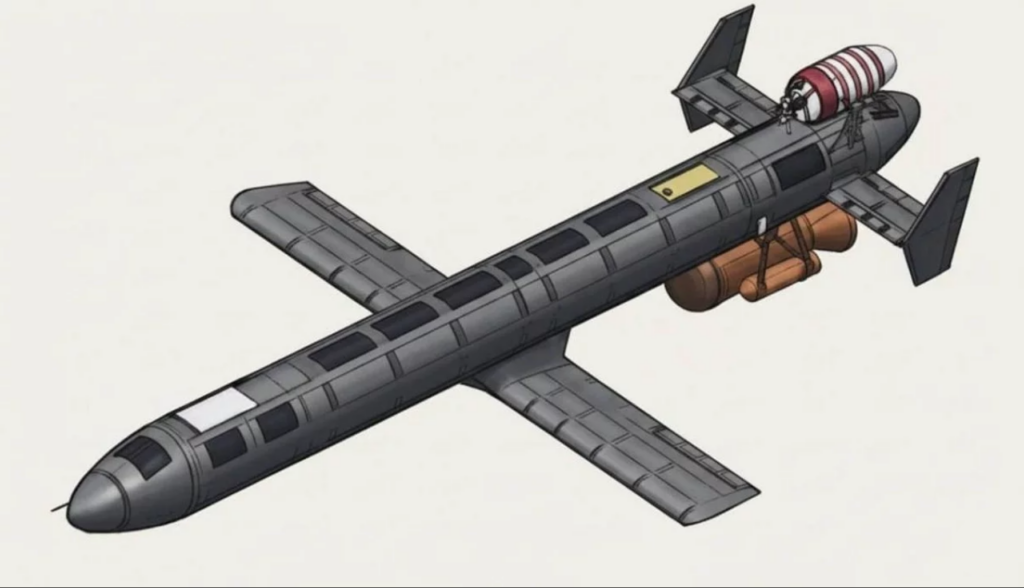
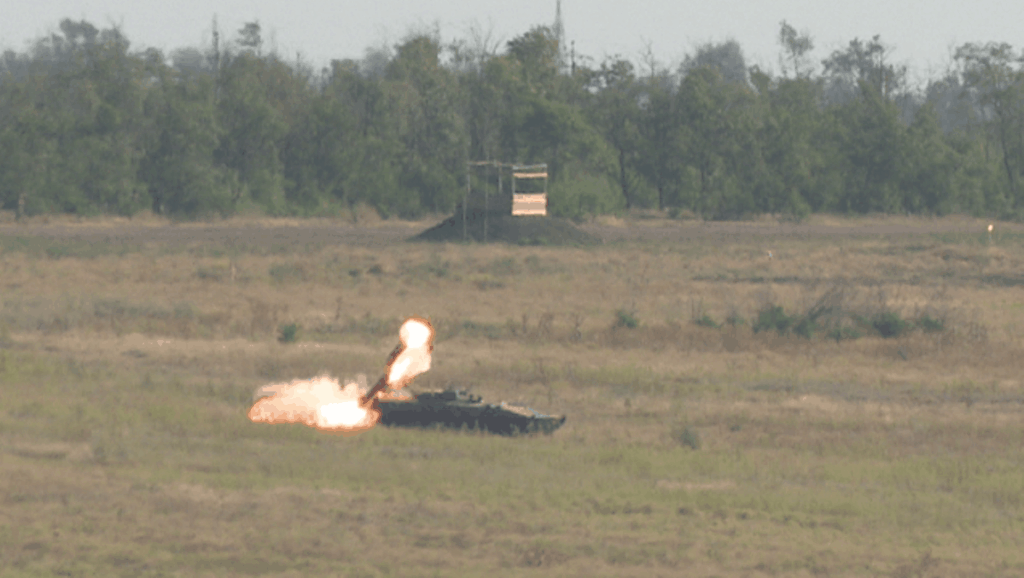


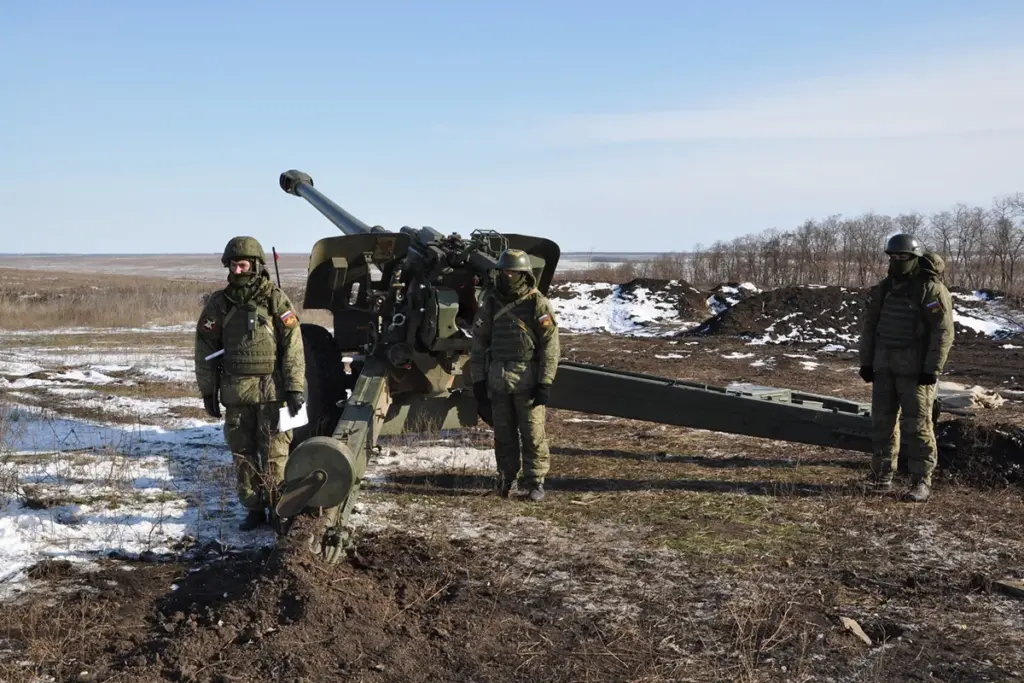
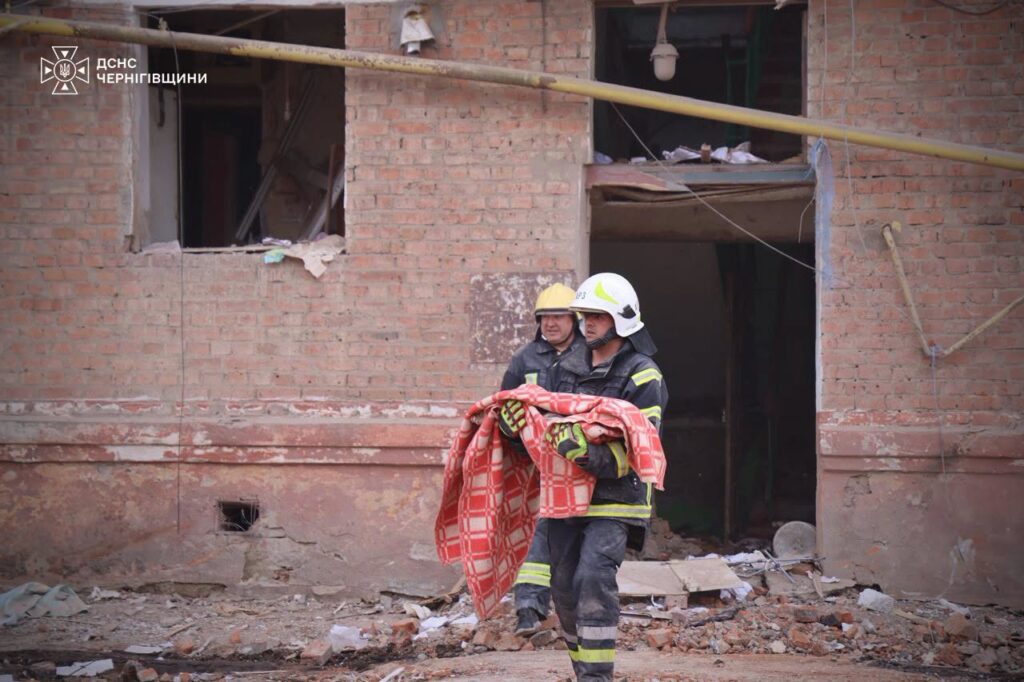
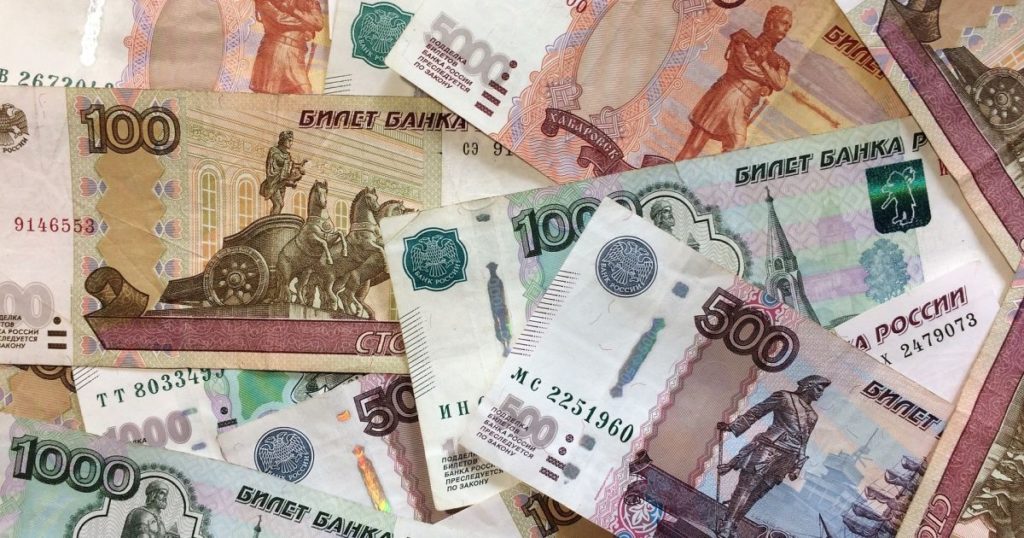
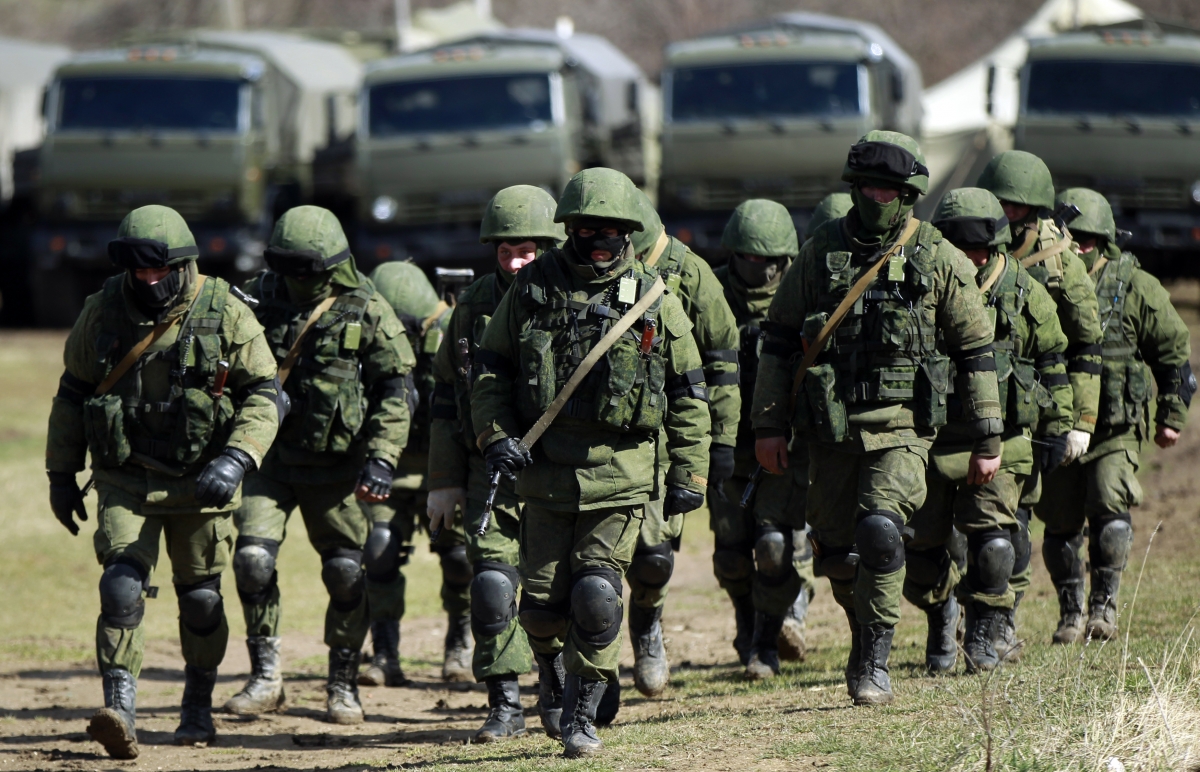

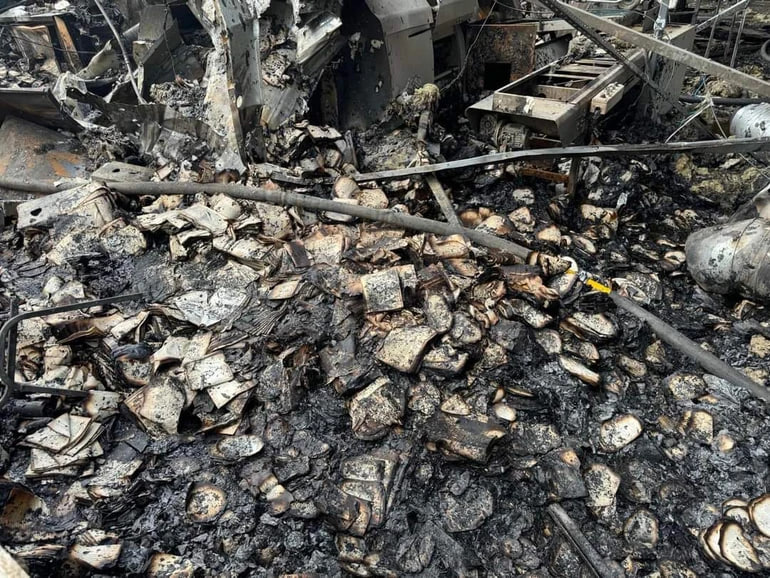

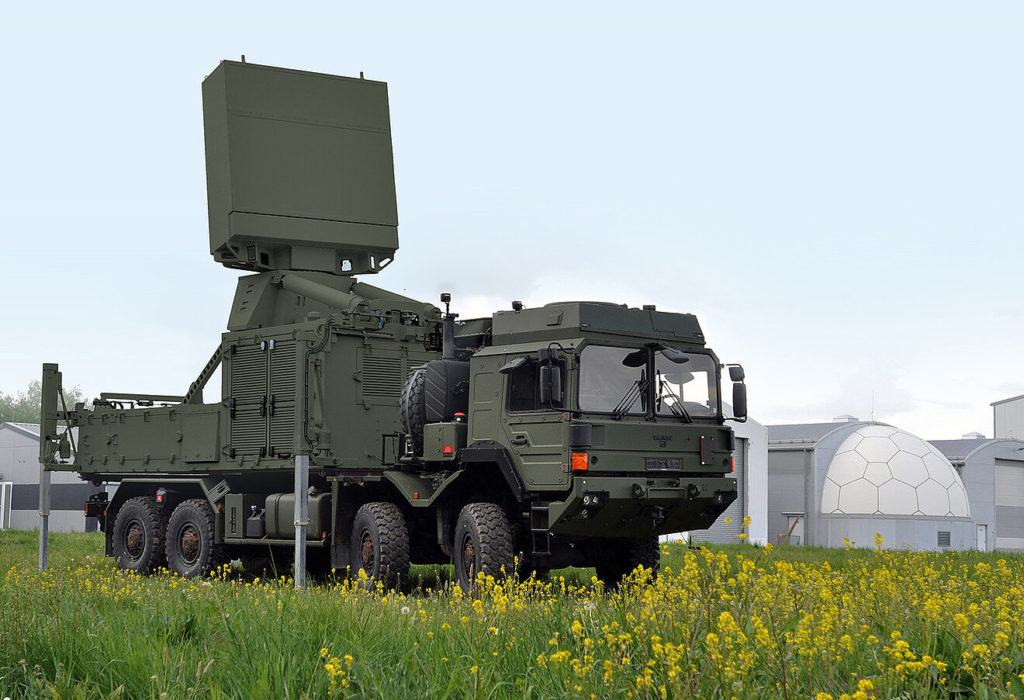
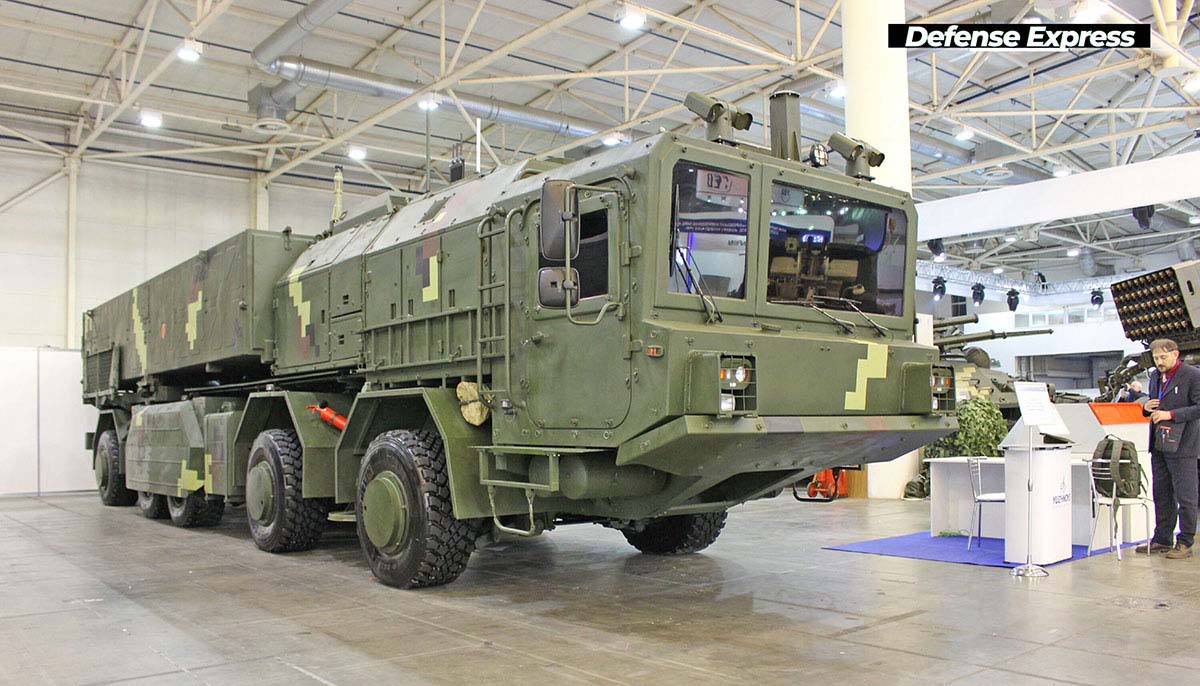



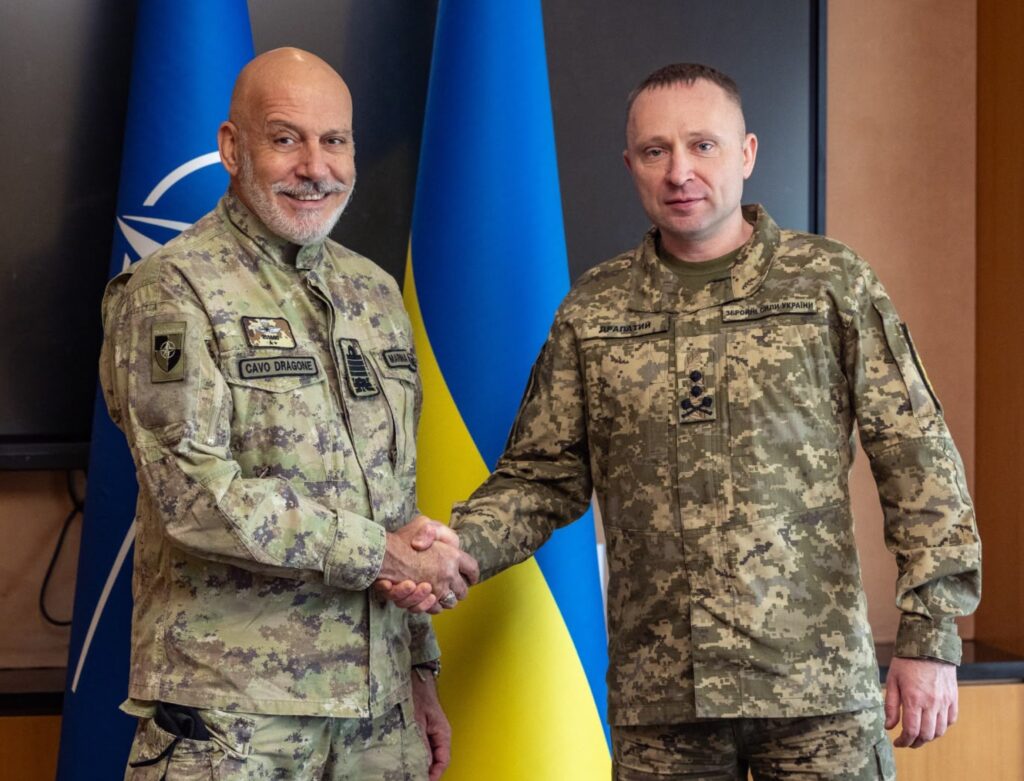
 Armed Forces, focussed on Ukraine’s military priorities and lessons learned to strengthen…
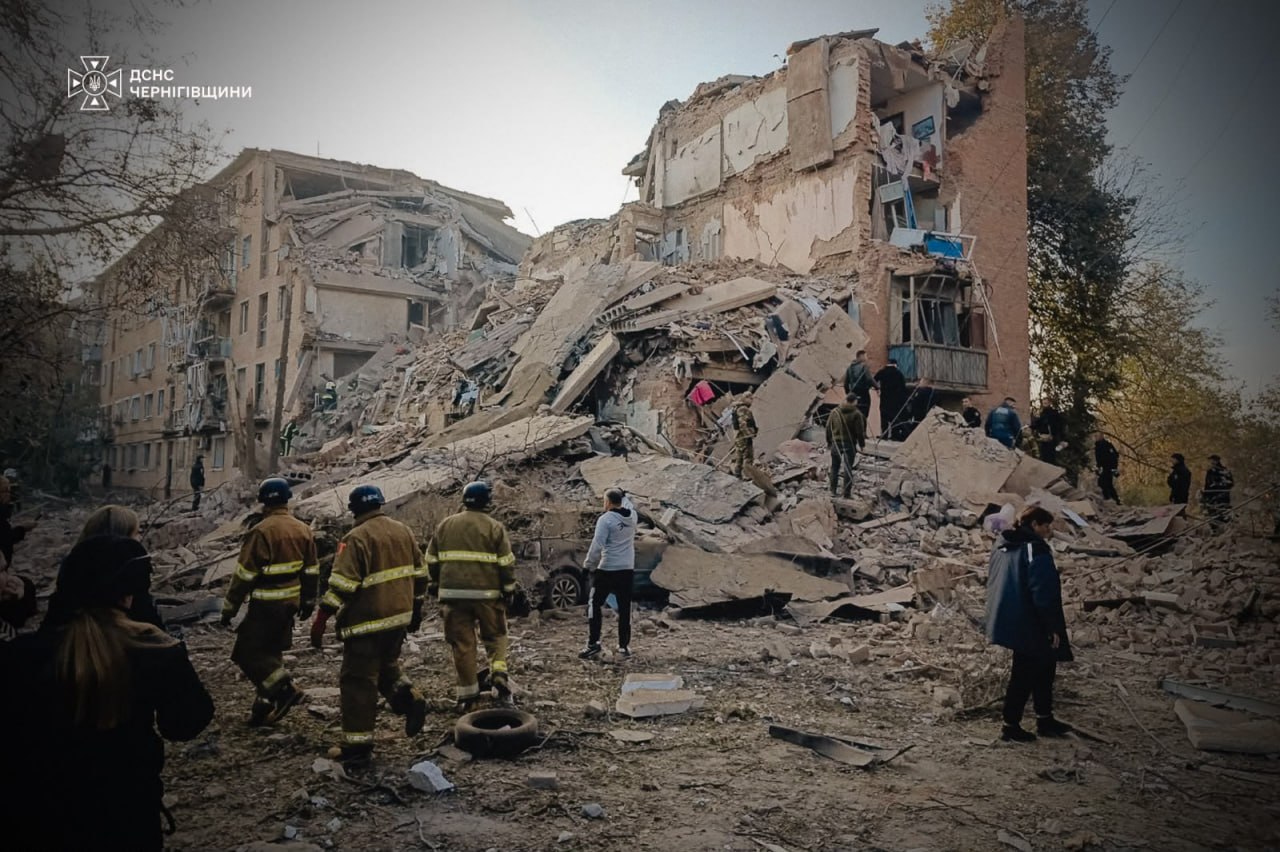

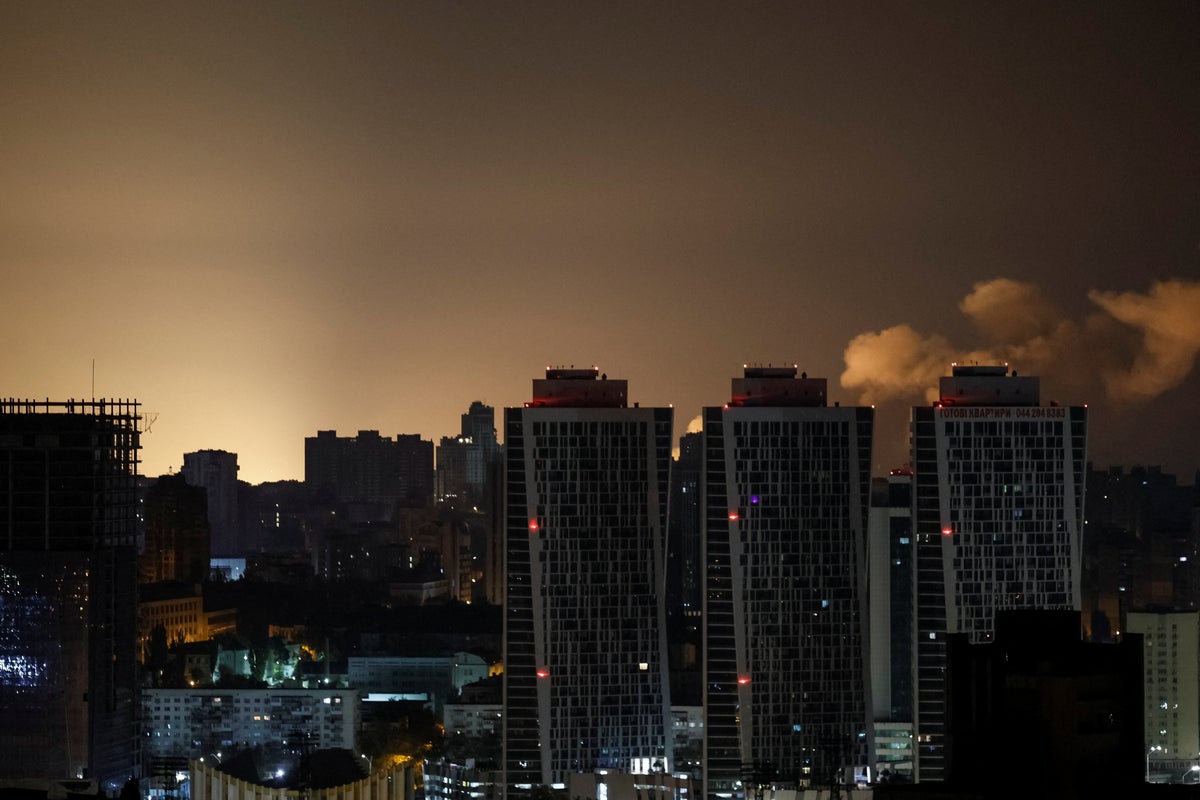

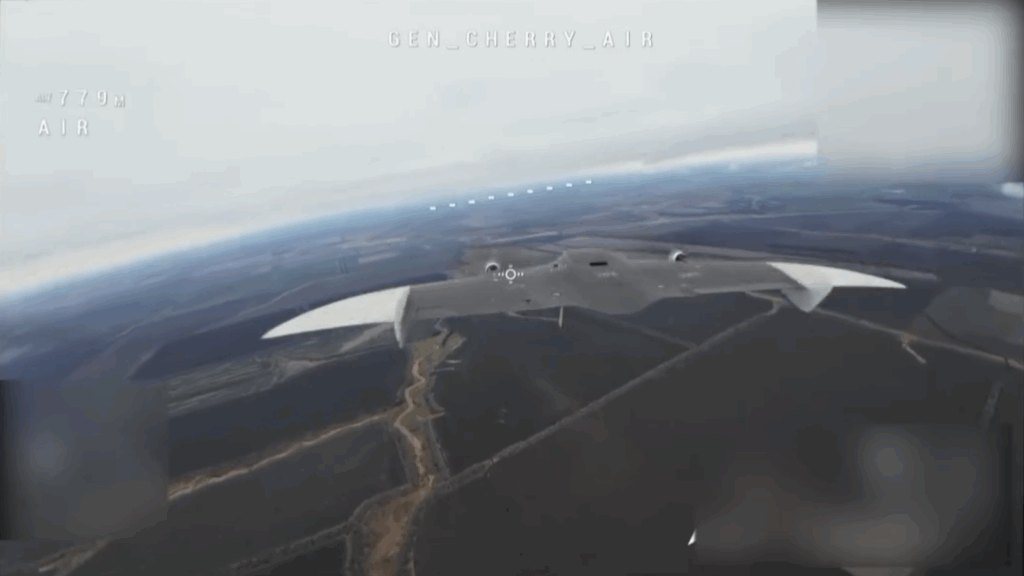
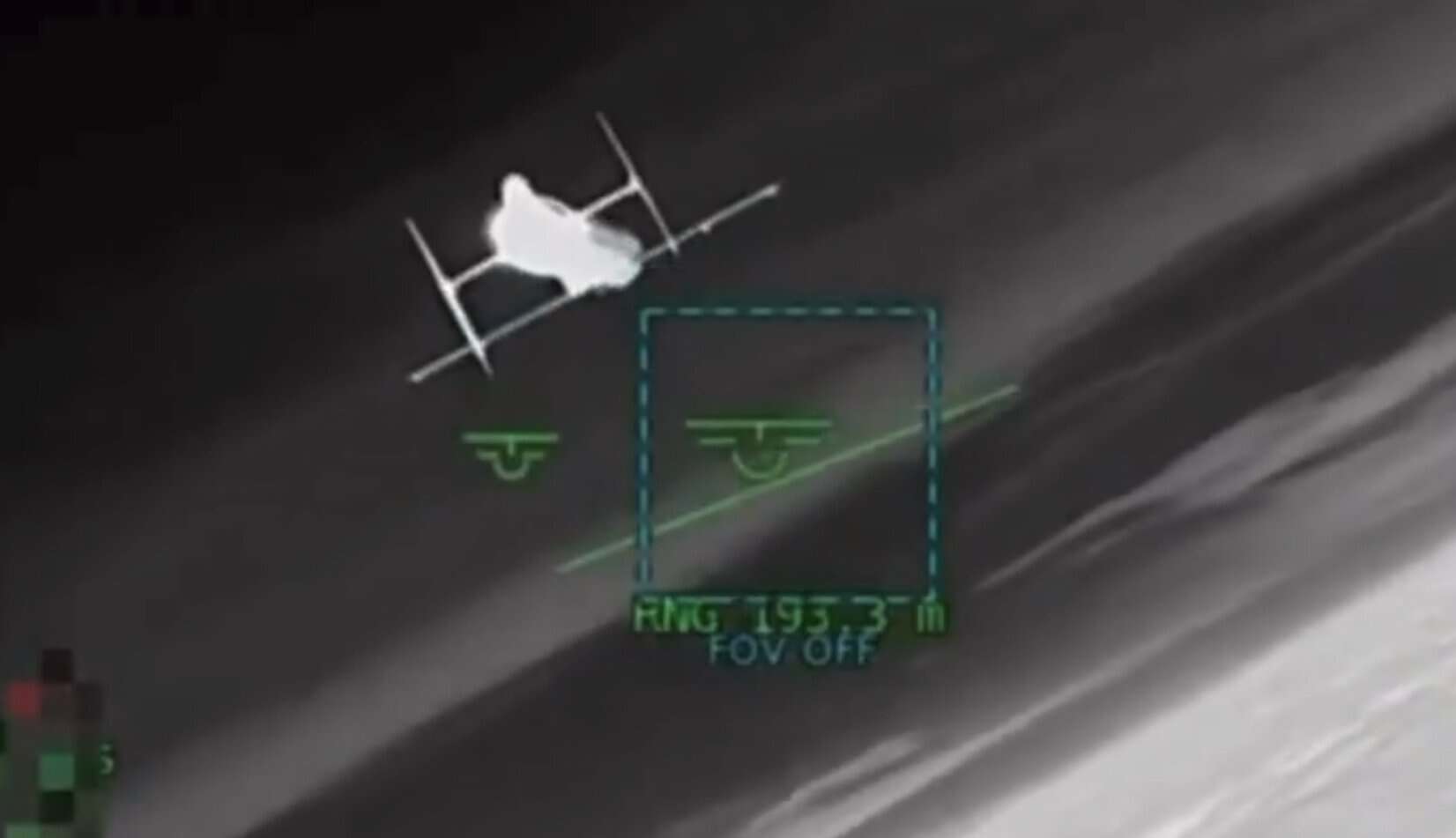
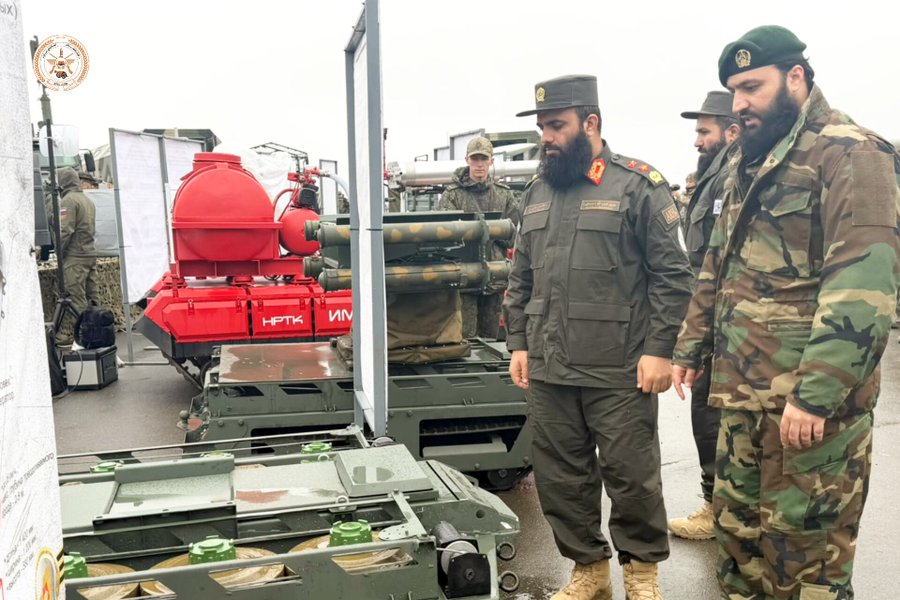
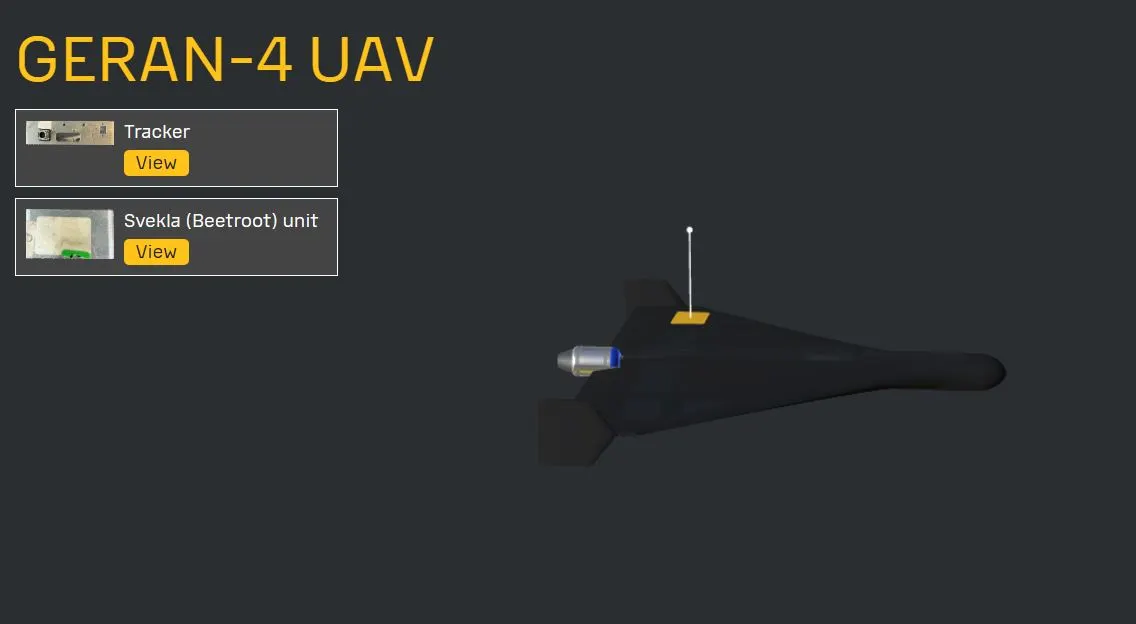




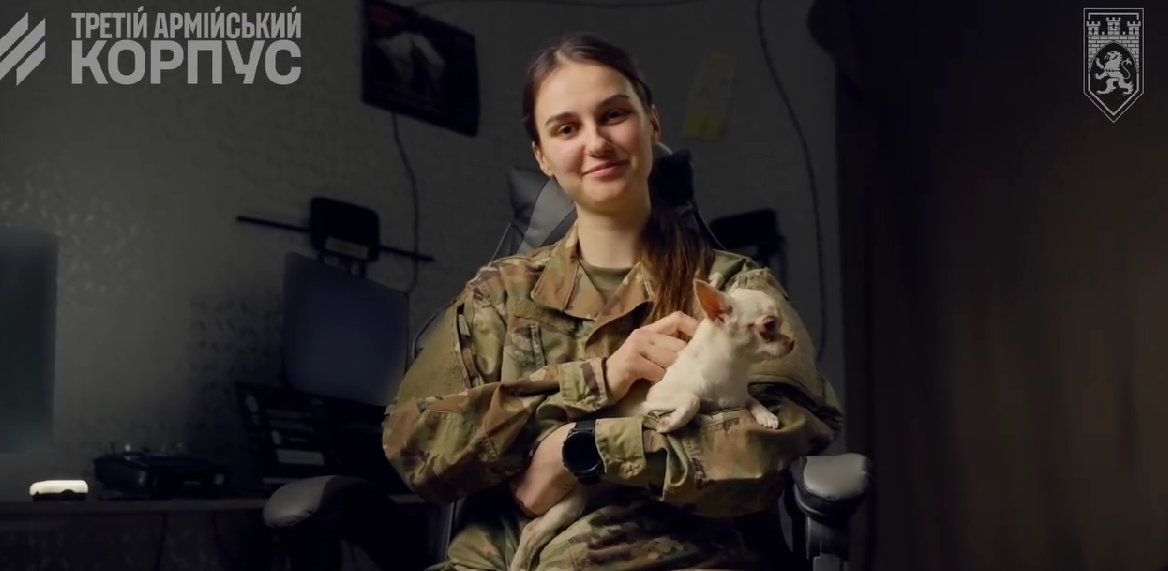

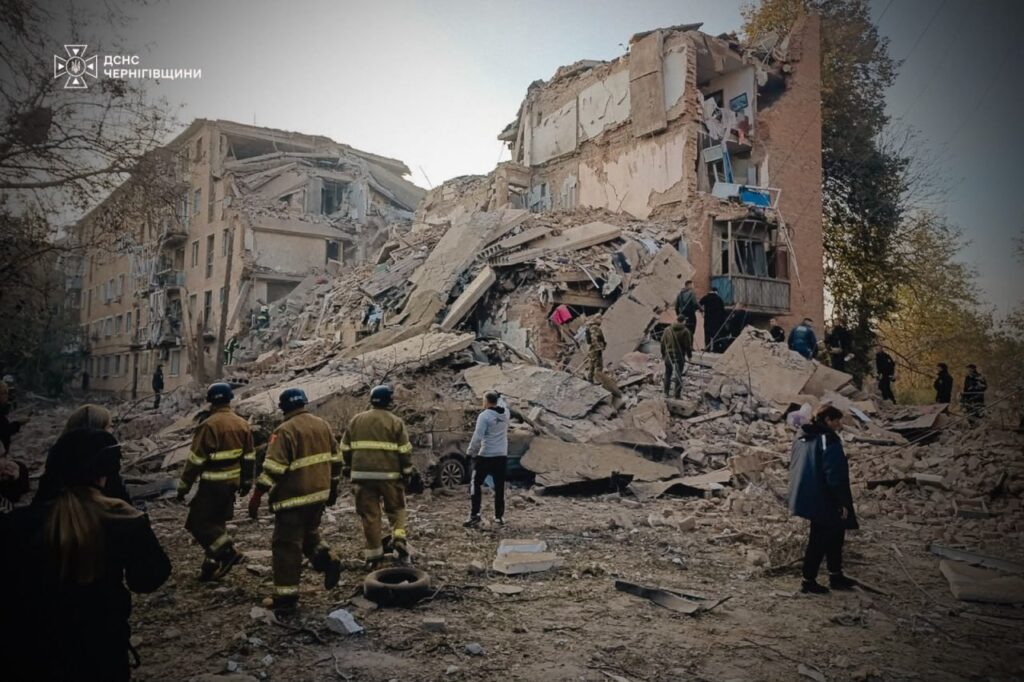
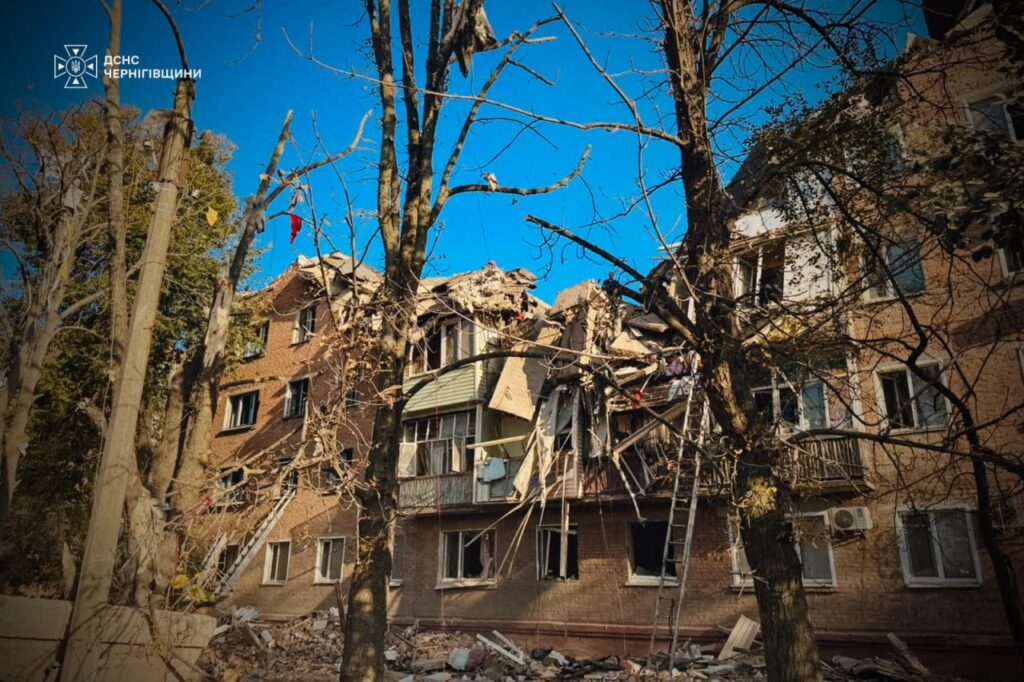

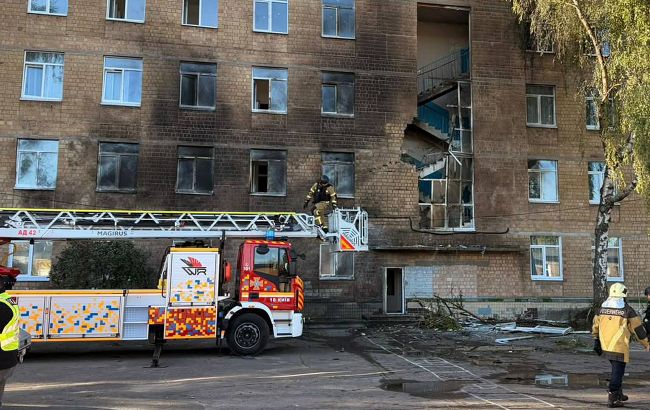
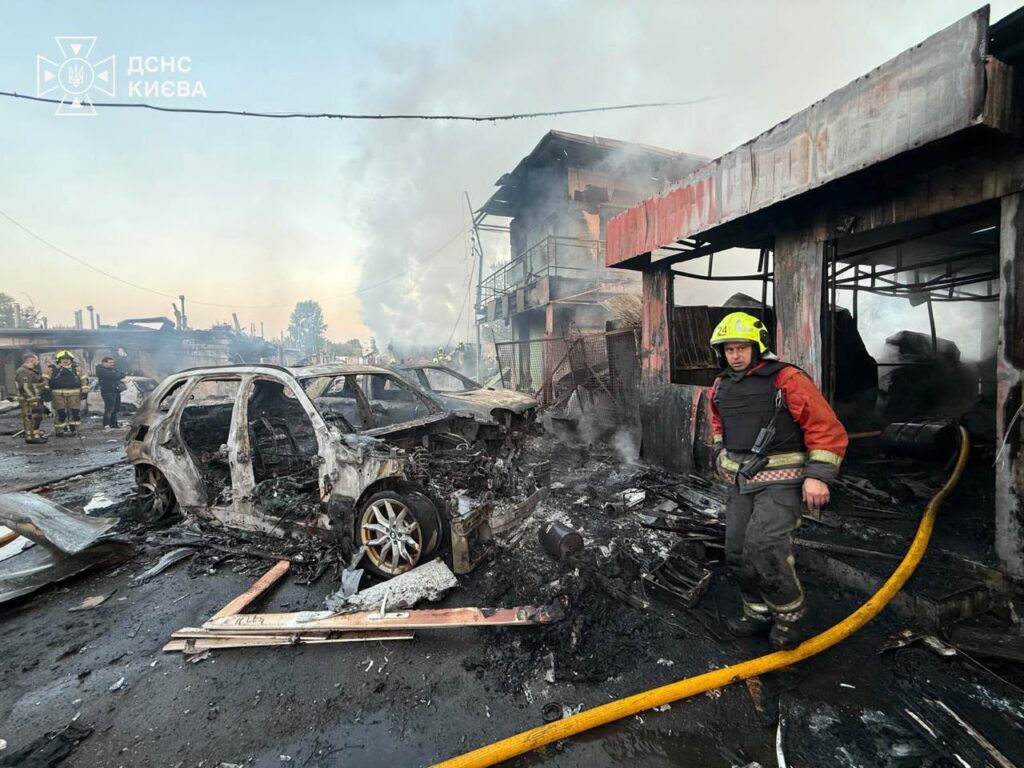
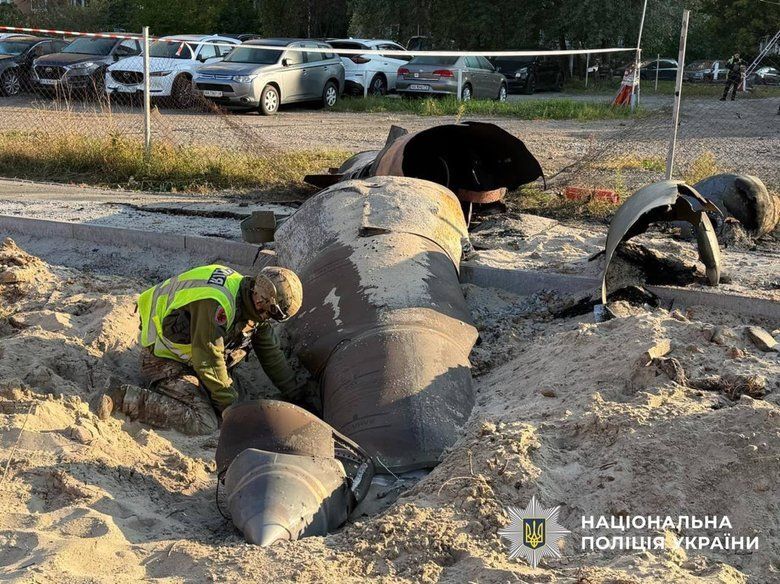
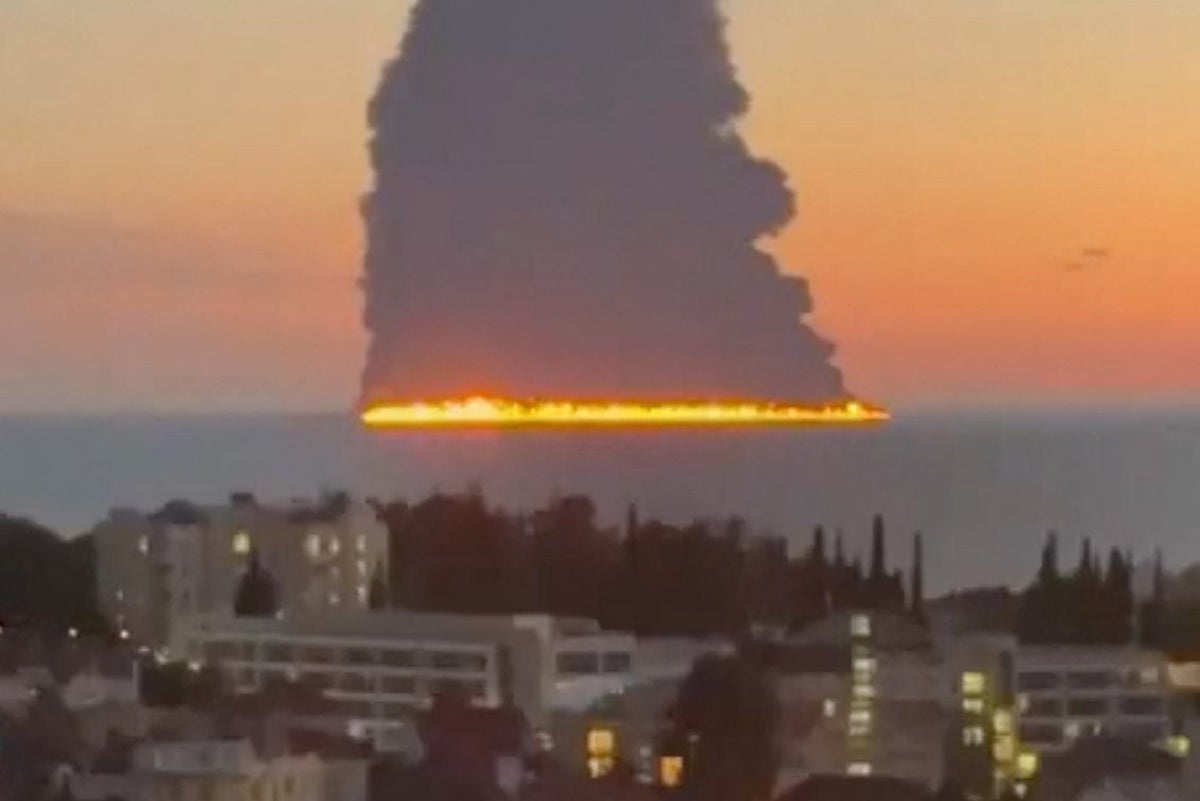
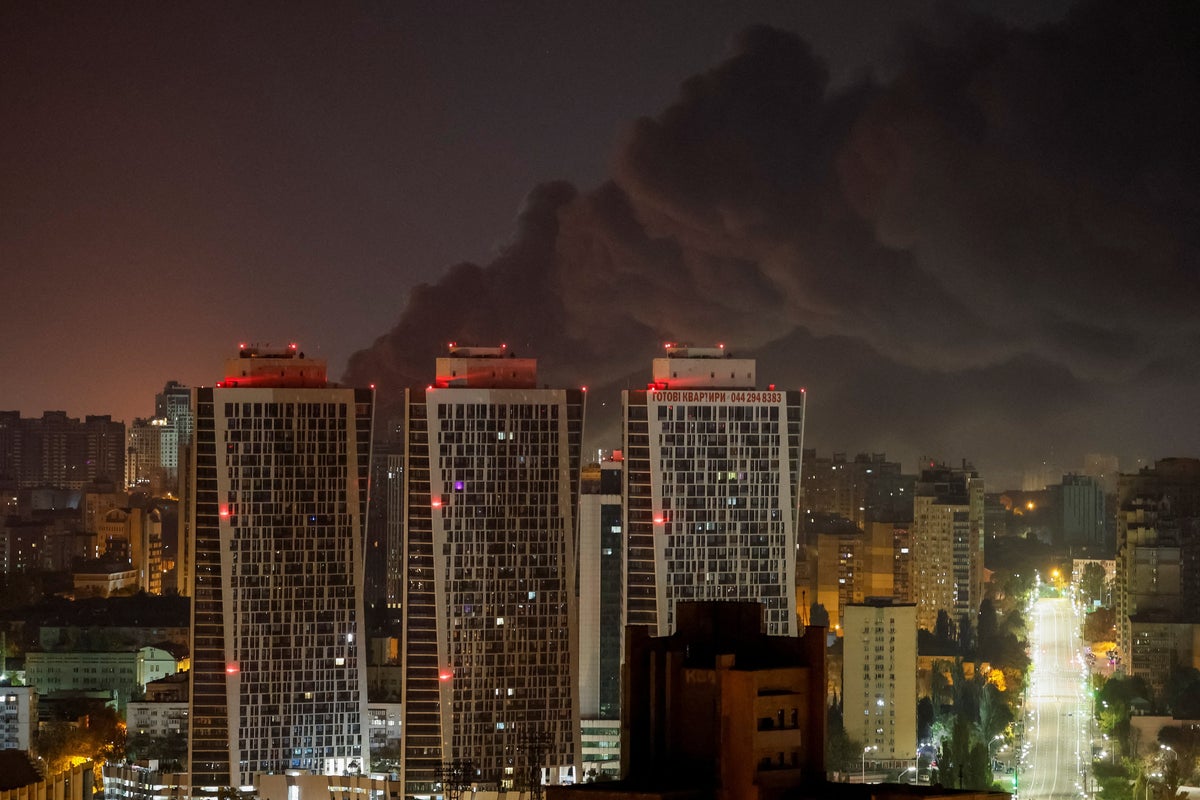
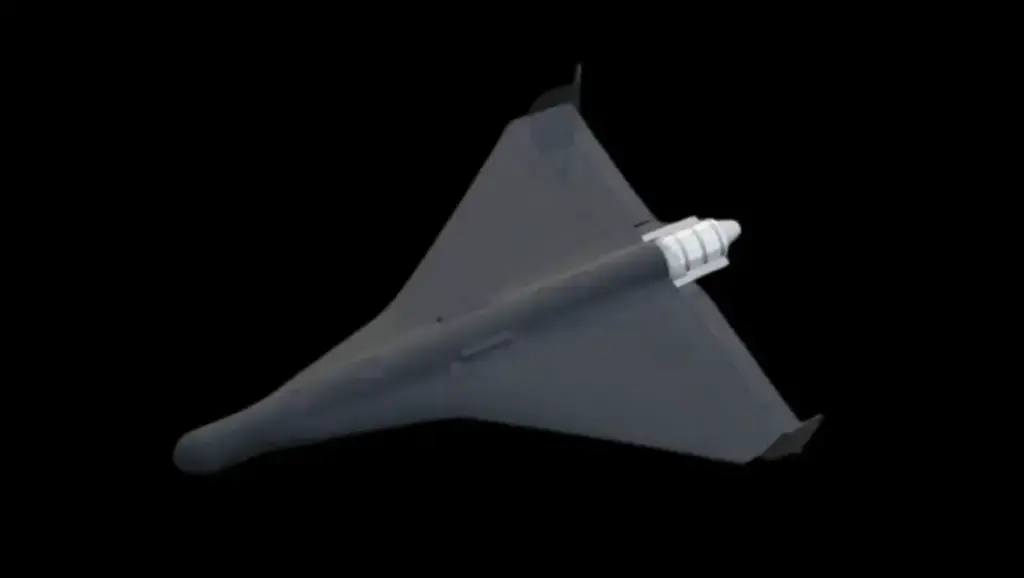

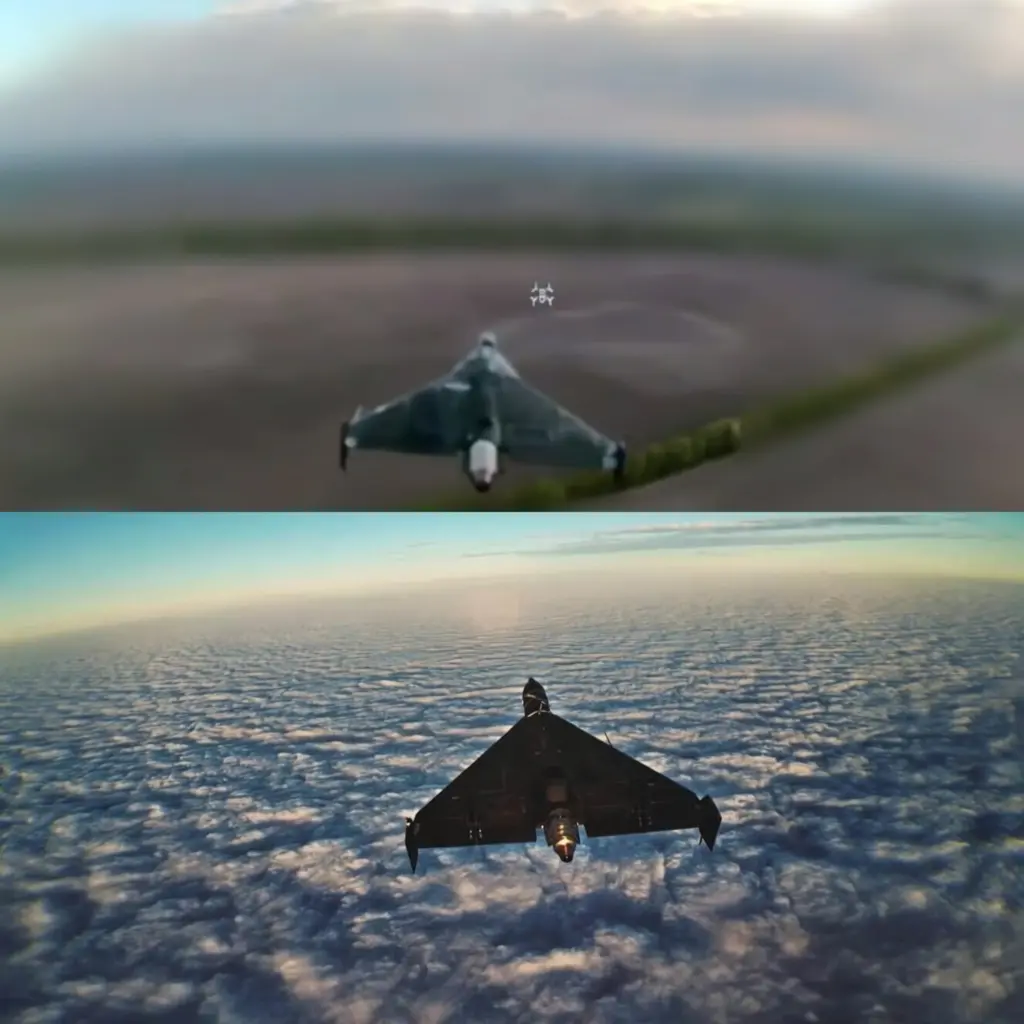


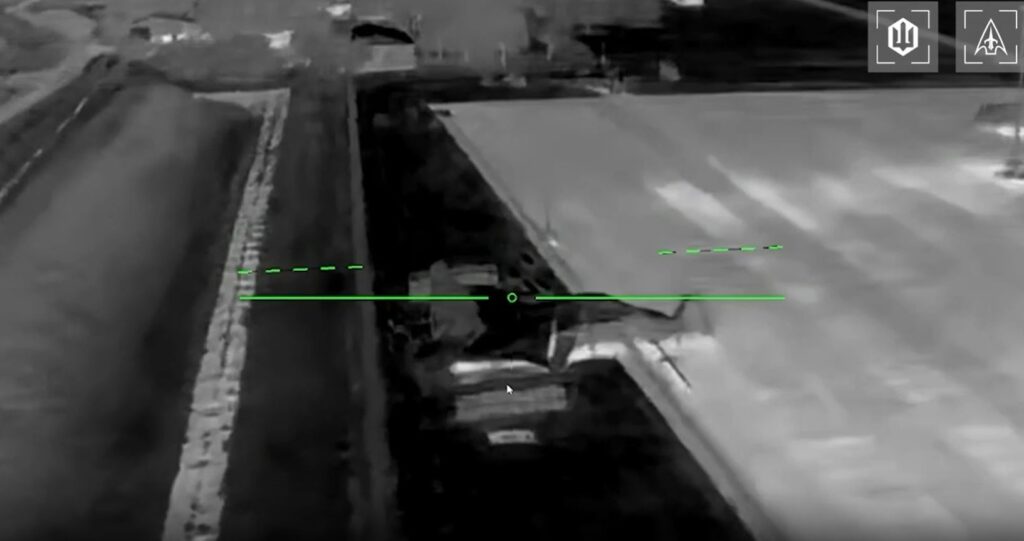
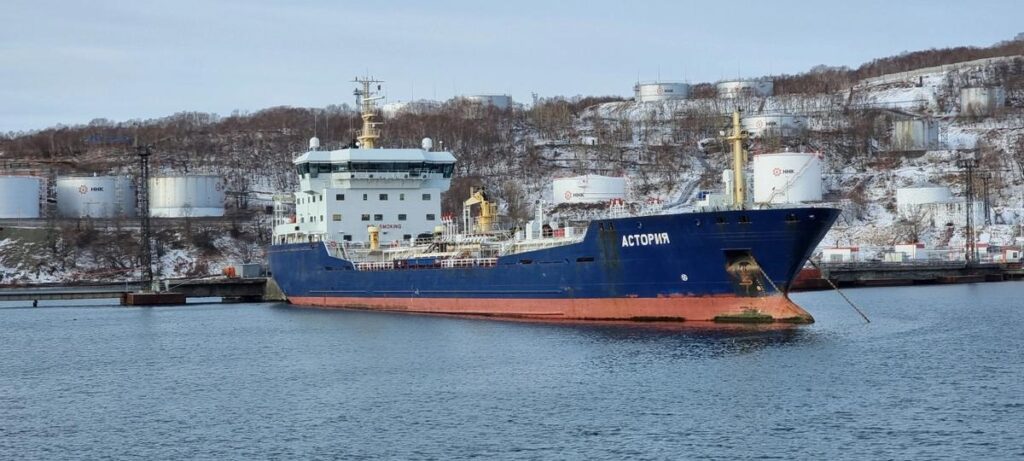
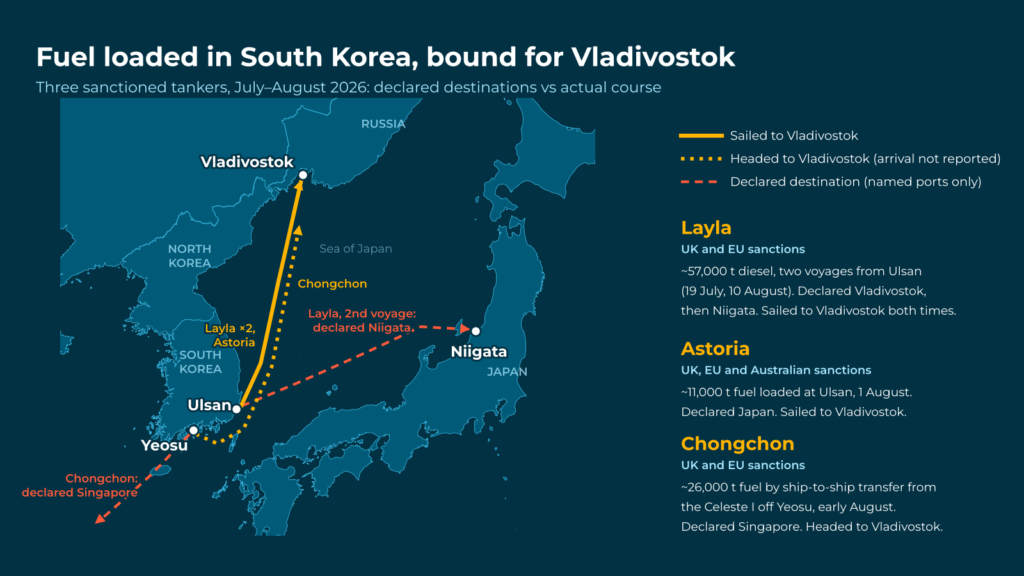

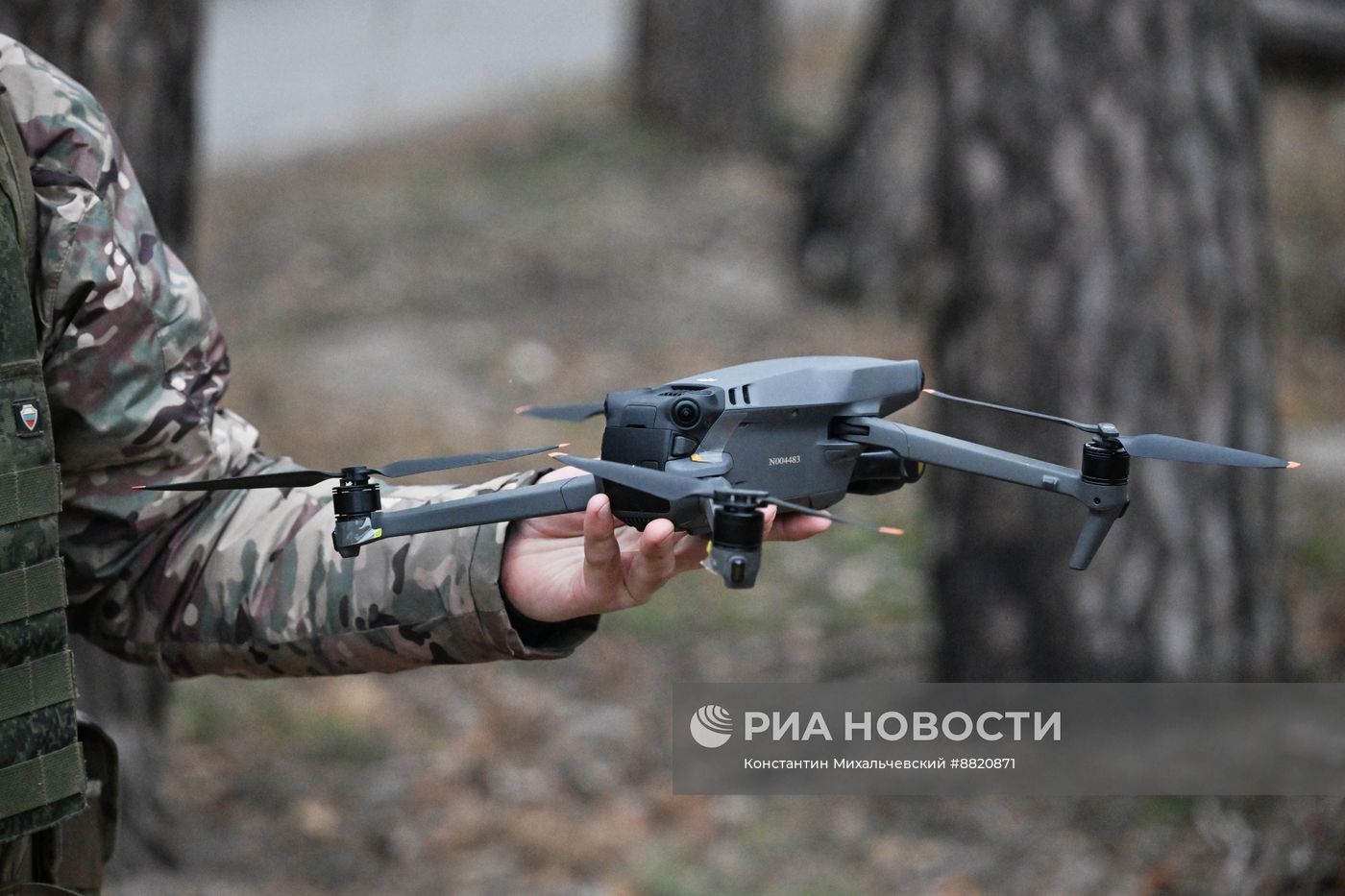

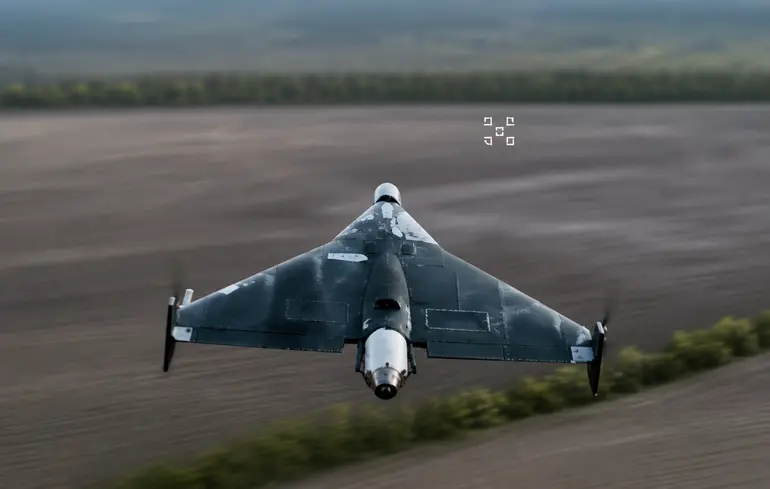
 Serhii Sternenko

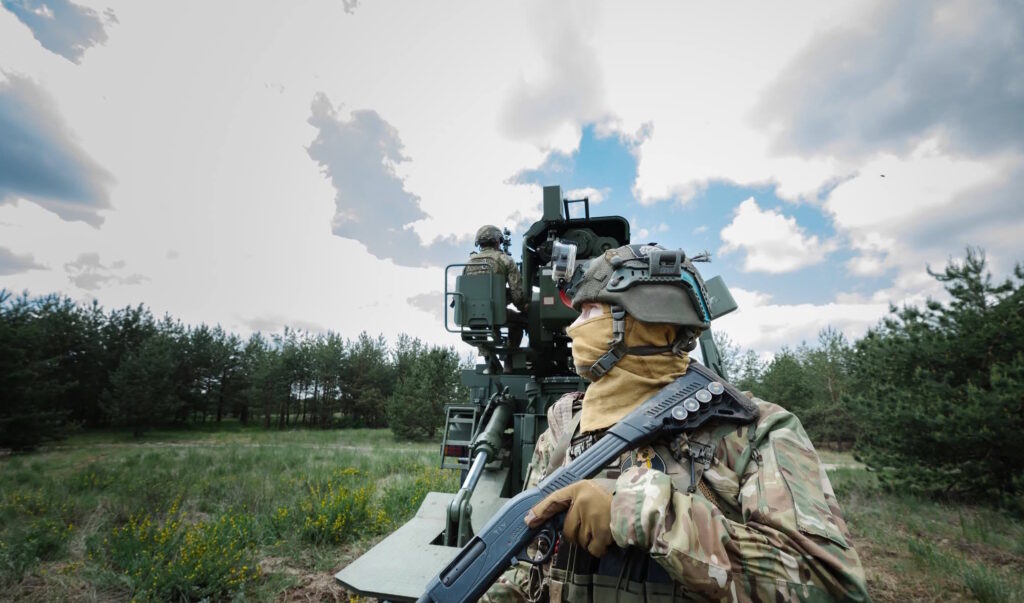
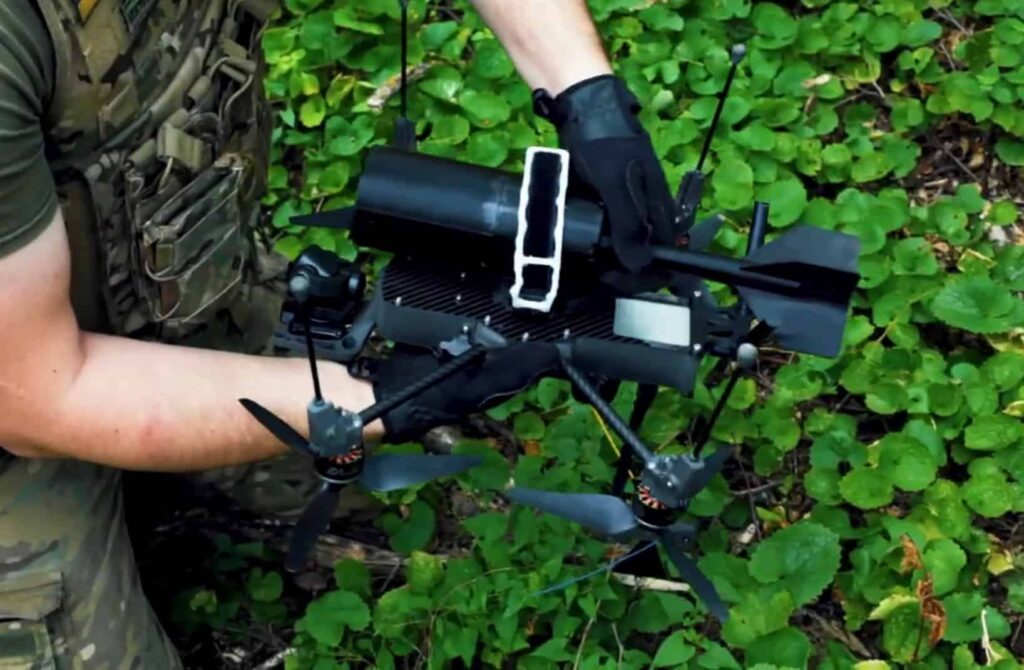
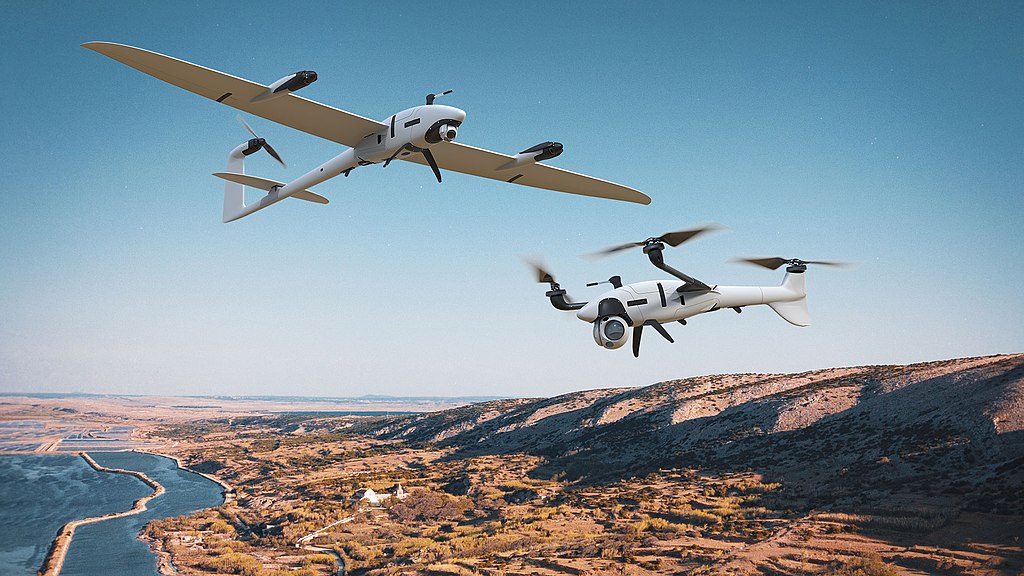

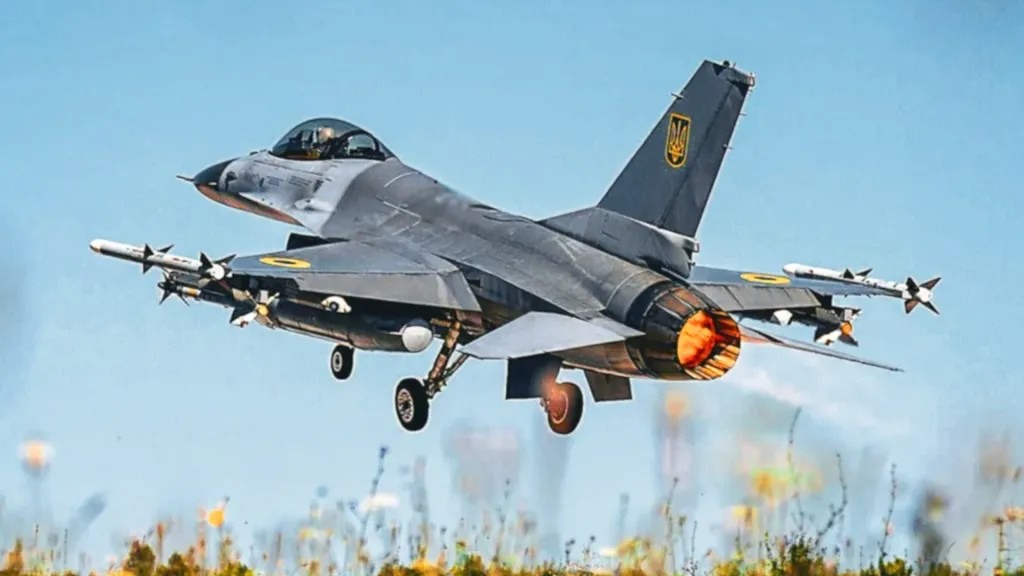
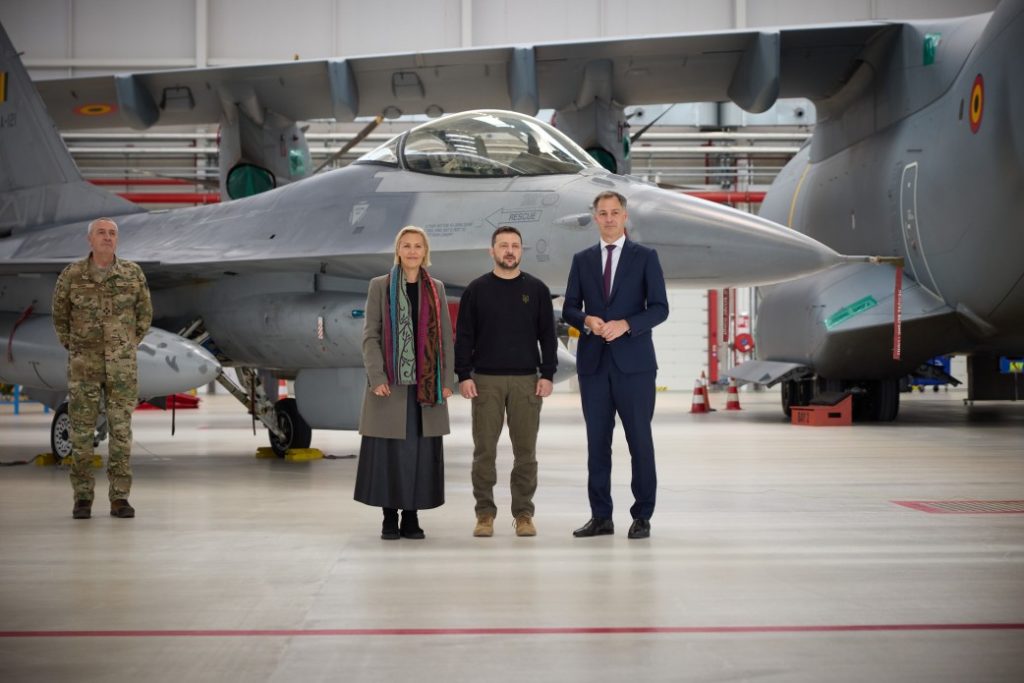


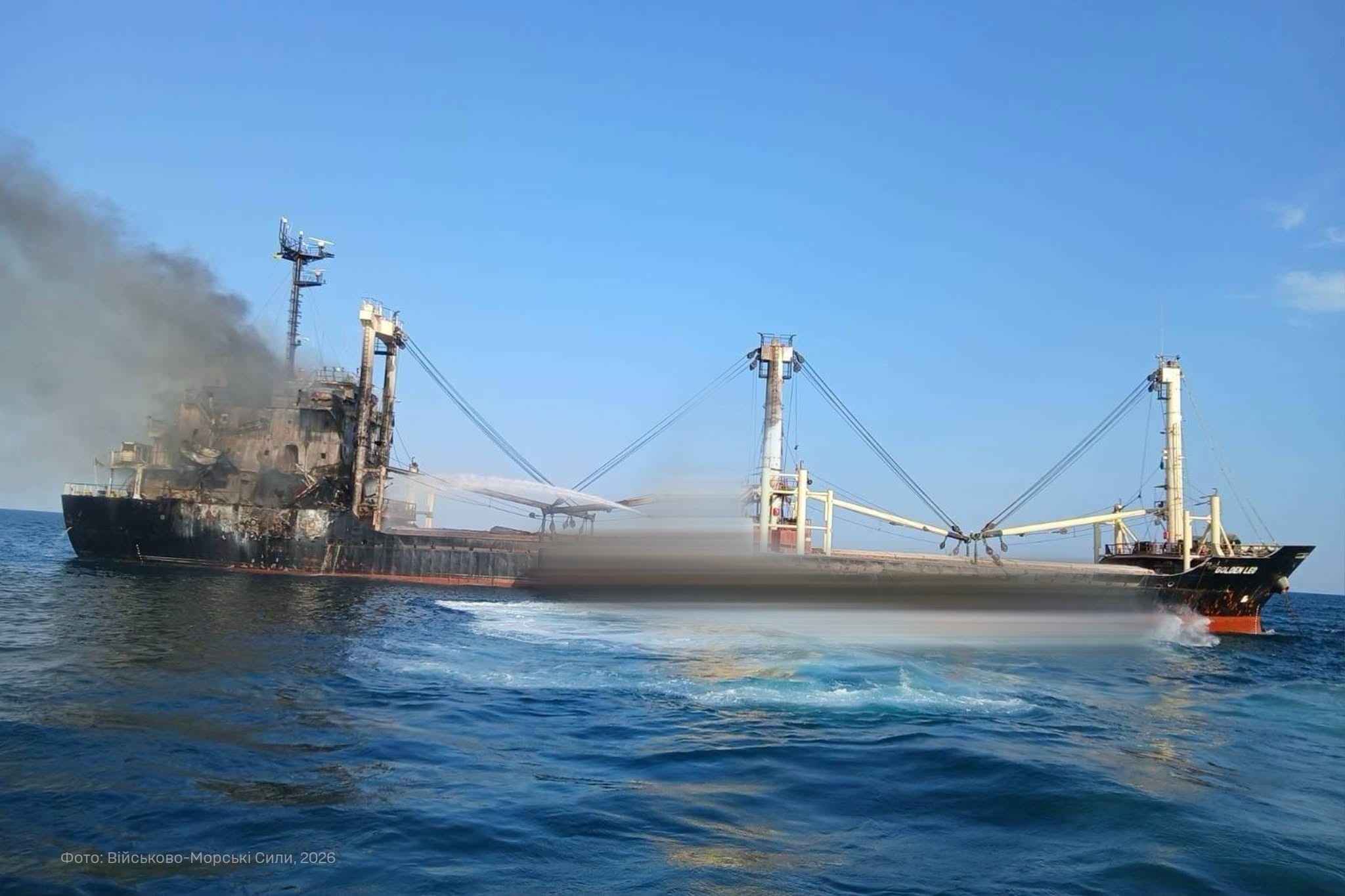
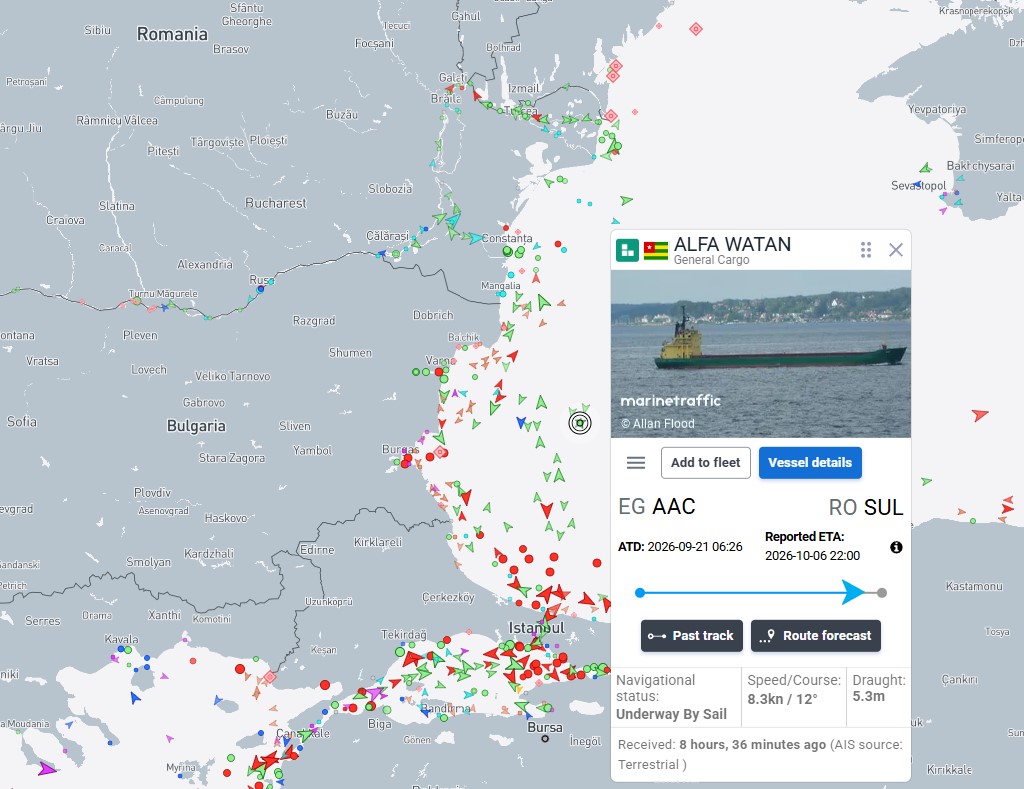
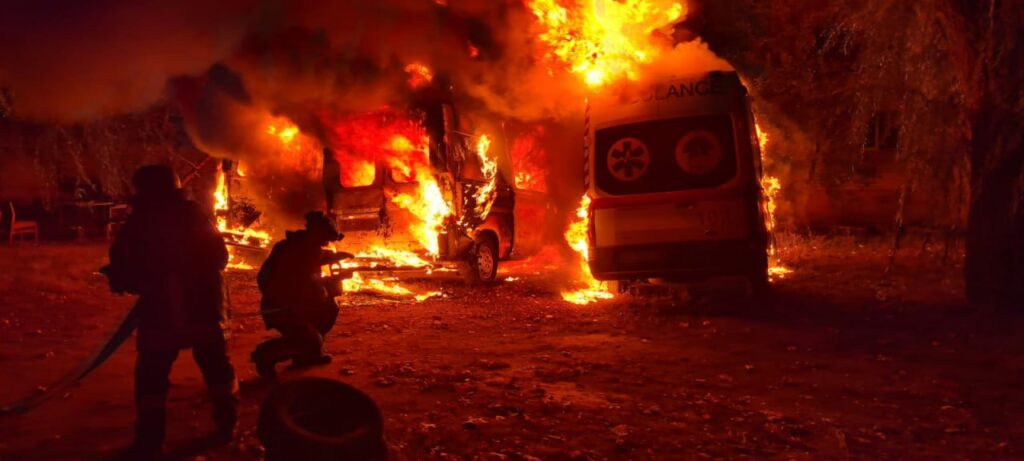


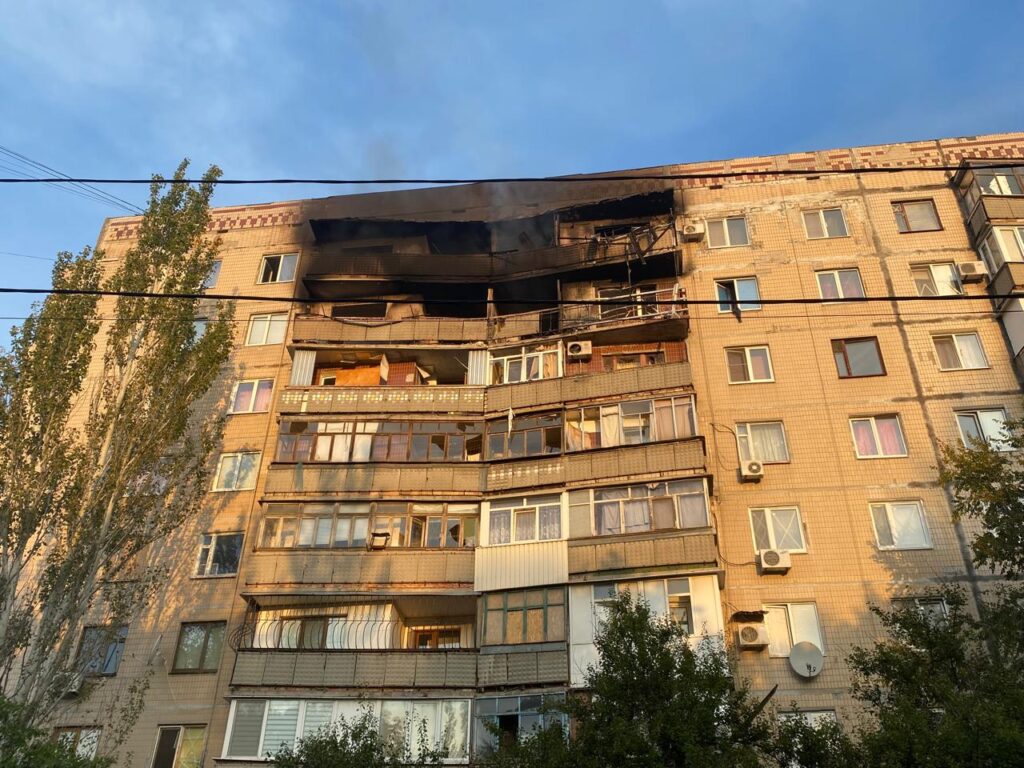
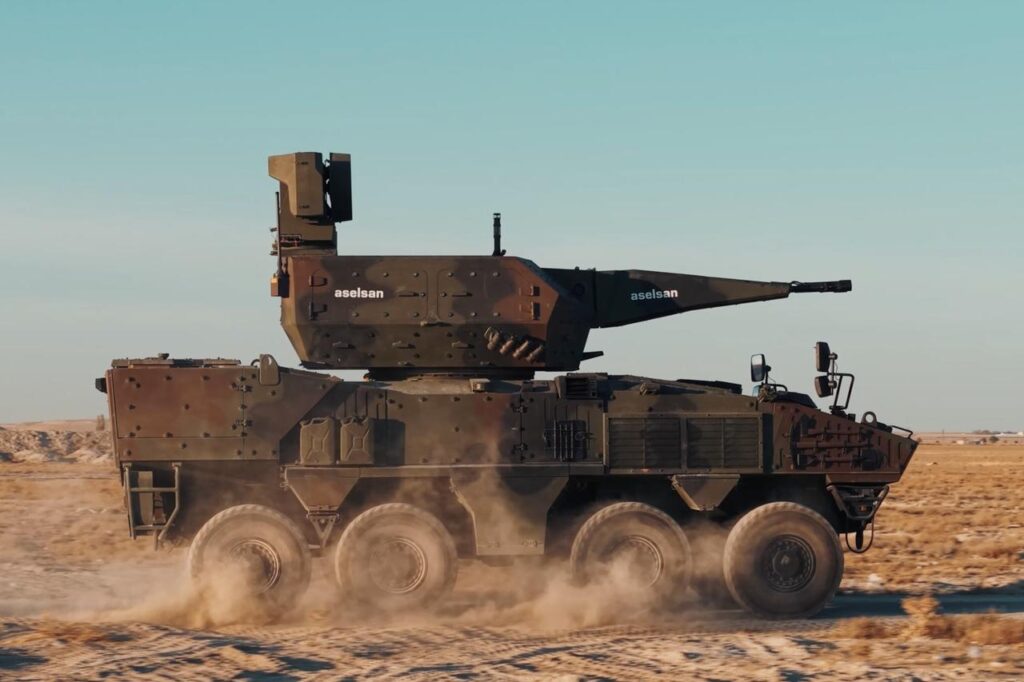
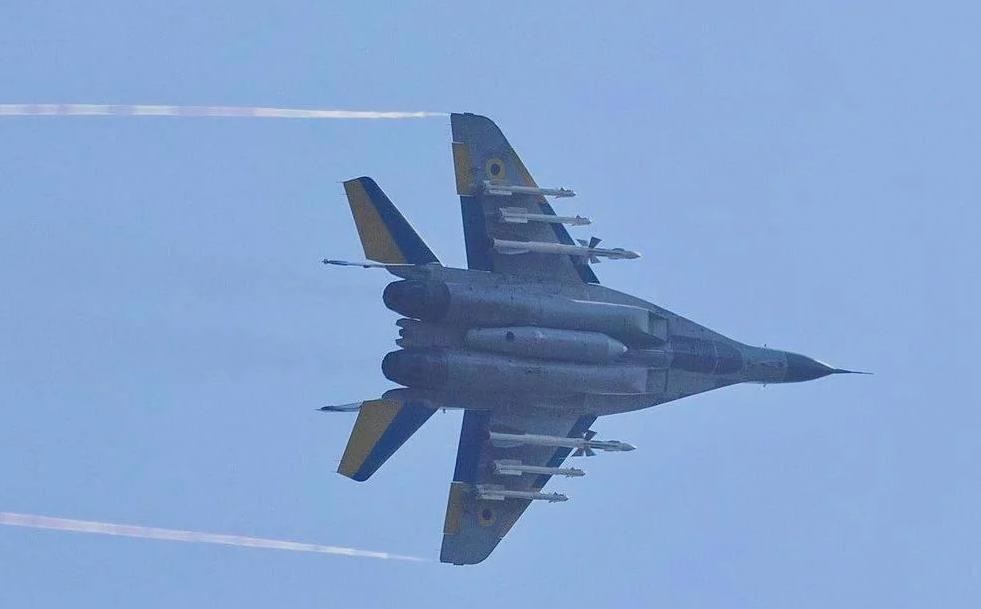
 Based on UA air-force numbers, Russia already launched 5 437 drones this month, including 2 730 Geran-4/5 based on Zelensky's claim, 50%.