A modern-day prospector promised rural Imperial thousands of jobs and millions in tax revenue – but his plan has set off a firestorm of resistanceSebastian Rucci zoomed in on a map in late 2024, looking closely at a large block of brown earth. The barren plot sandwiched between sprawling alfalfa fields and sleepy desert suburbs was exactly what he’d been searching for – the perfect place to realize his dream of building the largest artificial intelligence datacenter in California.The dusty expan
A modern-day prospector promised rural Imperial thousands of jobs and millions in tax revenue – but his plan has set off a firestorm of resistance
Sebastian Rucci zoomed in on a map in late 2024, looking closely at a large block of brown earth. The barren plot sandwiched between sprawling alfalfa fields and sleepy desert suburbs was exactly what he’d been searching for – the perfect place to realize his dream of building the largest artificial intelligence datacenter in California.
The dusty expanse wasn’t an obvious location. It was in the Sonoran desert, just north of the Mexican border, where temperatures regularly rose past 100F (37.8C). Water was scarce in the once-booming agricultural area, which gets its supply from the beleaguered Colorado River. And then, there was the city of Imperial – population 22,000 – to win over. As controversial datacenter projects have sprung up across the US, residents were naturally skeptical of a new, energy-guzzling neighbor.
US President Donald Trump called Ukraine’s renewed strikes on Russian oil refineries a disgrace in an interview with Newsmax and questioned President Volodymyr Zelenskyy’s will to settle the war on 15 October. His statements came after he made a deal with Russian President Vladimir Putin to allow Russian diesel back into the US ahead of the mid-term elections in the US.
Kyiv says its long-range strikes have knocked out more than half of Russia's refining capacity, one of the few levers
US President Donald Trump called Ukraine’s renewed strikes on Russian oil refineries a disgrace in an interview with Newsmax and questioned President Volodymyr Zelenskyy’s will to settle the war on 15 October. His statements came after he made a deal with Russian President Vladimir Putin to allow Russian diesel back into the US ahead of the mid-term elections in the US.
Kyiv says its long-range strikes have knocked out more than half of Russia's refining capacity, one of the few levers it controls on Moscow's war income, according to Ukraine's Defense Ministry. This is part of efforts to reduce the aggressor's capabilities to launch assaults, including the latest, during which four Russian regions fired 39 Iskander-M, North Korean KN-23, hypersonic Zircon, and supersonic anti-ship cruise Oniks missiles, Zelenskyy said.
Trump criticizes Zelenskyy over oil prices while remaining silent on Russian strikes
Earlier, Zelenskyy said that Ukraine stopped refinery strikes for three days to meet US wishes after Trump announced an “energy ceasefire” on 11 October. At the same time, Russia struck a Kharkiv heat-and-power plant within hours of the announcement, he emphasized.
Meanwhile, in the interview with Newsmax, Trump said Zelenskyy is only pushing world oil prices higher.
“Well, I think that’s a disgrace,” he said.
He added that Ukraine has other options: “There are a lot of targets that you can hit.”
At the same time, Trump didn't say a word about Russian strikes on Ukraine's civilian buildings and power infrastructure ahead of the winter.
Trump compares Zelenskyy to a circus showman
The US leader said he is “not a big fan” of Zelenskyy. He claimed both sides “would like to see it end,” but that he finds Zelenskyy “more difficult to deal with than Putin.”
Explore further
US weighs relief for sanctioned shadow fleet tankers, days after freeing Russian diesel
He also said that he believes the depletion of US ammunition stockpiles is linked to the aid provided to Ukraine under the Biden administration, rather than the war with Iran.
Ukraine has repeatedly offered to help the US counter Iranian drones during the operation. The New York Times reported that a Ukrainian team departed the day after the US made such a request.
Nevertheless, despite Kyiv’s offers and actions, Trump once again compared Zelenskyy to P. T. Barnum, the 19th-century American circus showman, saying that he received a tremendous number of Patriots and Tomahawks.
However, there is no public confirmation that Tomahawk missiles were transferred to Ukraine during the Biden administration.
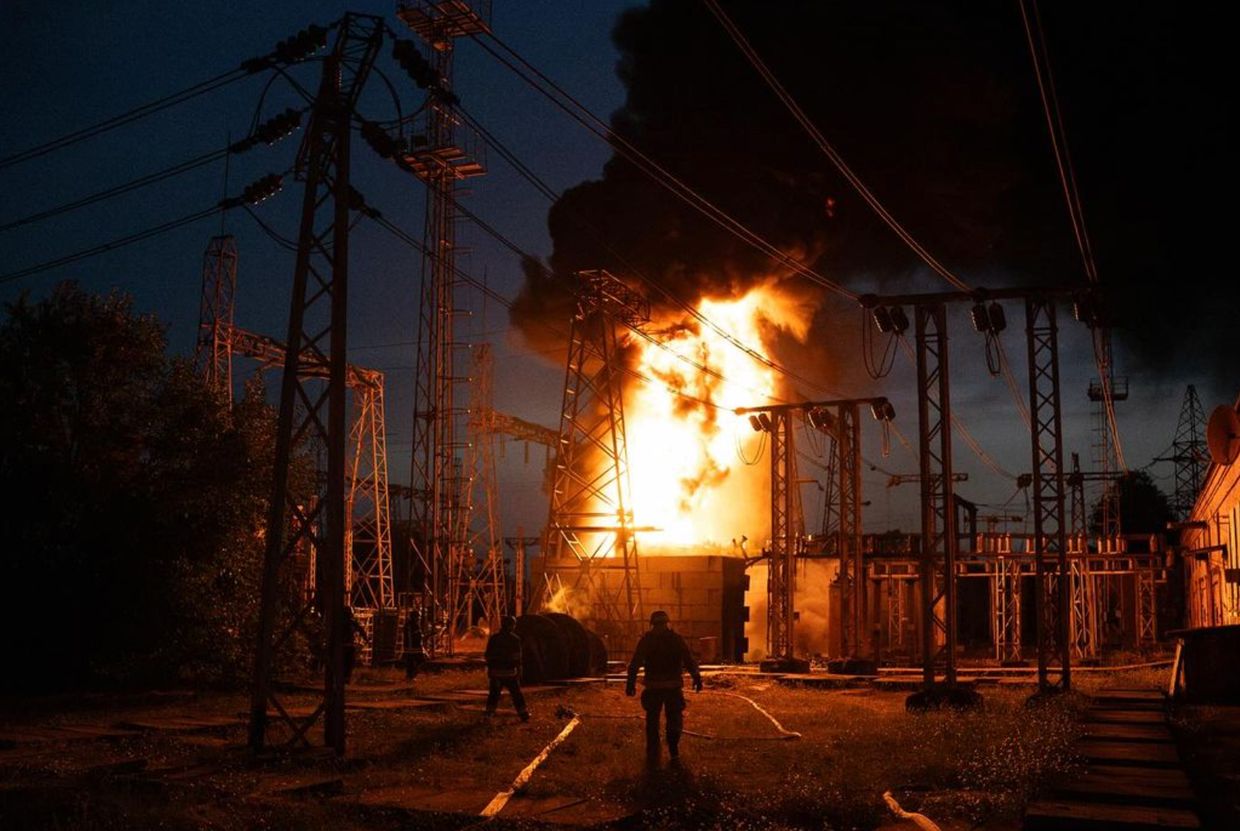
Russia has found a way to cut Ukraine’s power lines that no repair crew can undo. A unique power transmission tower that a Russian drone cut down at the Dnipro River crossing in Kyiv cannot be restored, Ukrenergo board chairman Vitaliy Zaichenko says, as the grid operator rushes to build alternative ways to keep electricity flowing, Interfax reports.
Russia has spent the war trying to switch off Ukraine’s lights. Now, it is widening the campaign before winter with a new tactic: drones
Russia has found a way to cut Ukraine’s power lines that no repair crew can undo. A unique power transmission tower that a Russian drone cut down at the Dnipro River crossing in Kyiv cannot be restored, Ukrenergo board chairman Vitaliy Zaichenko says, as the grid operator rushes to build alternative ways to keep electricity flowing, Interfax reports.
Russia has spent the war trying to switch off Ukraine’s lights. Now, it is widening the campaign before winter with a new tactic: drones that slice through the steel towers carrying high-voltage lines.
“Everyone has seen the video showing the destruction of one of the unique power transmission towers at the crossing over the Dnipro in Kyiv. It was severed, and it is impossible to restore it,” Zaichenko continues.
He adds that now the company is developing new technical solutions "on the fly, and very fast." It will start the procedures for those solutions from 15 October, he notes. Russia’s use of drones able to sever metal towers is a new and serious challenge for Ukraine’s power engineers.
Zaichenko did not say when the tower was hit. On 30 September, Russia first used a jet-powered drone carrying a 40-kilogram charge built to cut steel towers, and that evening an eyewitness filmed one striking a power line tower in Kyiv, which cut electricity in parts of three districts, Informator reported.
When the spare parts are as scarce as the targets are plentiful
Rebuilding is colliding with a global shortage. Ukrenergo faces serious difficulties getting backup equipment, Zaichenko explains, because the whole world’s energy system is expanding at once and everyone needs the same hardware.
“There is a real problem with equipment. The global power system is expanding, and everyone needs energy equipment. There is a tough queue,” Zaichenko says.
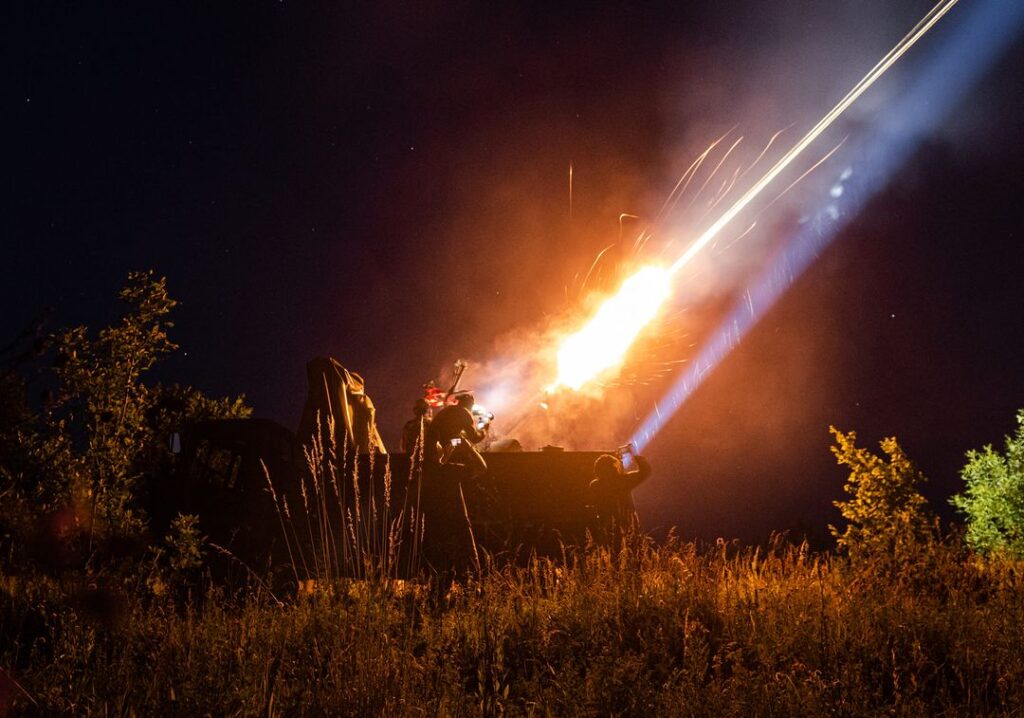
Ukraine has faced such challenges since August 2026, when Russia began launching its jet-powered drones. Kyiv still has no effective solution against them and relies more on a mix of air defenses, such as automated turrets and interceptor drones.
Kyiv has also engaged over 100 private air defense system brigades to protect its enterprises in the ranks of the Ukrainian Air Forces.
Ukrainian and Japanese officials discussed establishing backup bridge crossings in the event of Russian strikes, preparing municipal infrastructure for winter, and Japan's continued assistance with Ukraine's recovery, Ukraine's Minister for Restoration, Infrastructure and Transport, Mykola Kalashnyk, reported on 14 October.
Russia is targeting Kyiv's bridges to paralyze the city and break civilian morale, defense analyst Hamish de Bretton-Gordon wrote in The Telegraph. On 1 and 2 Octobe
Ukrainian and Japanese officials discussed establishing backup bridge crossings in the event of Russian strikes, preparing municipal infrastructure for winter, and Japan's continued assistance with Ukraine's recovery, Ukraine's Minister for Restoration, Infrastructure and Transport, Mykola Kalashnyk, reported on 14 October.
Russia is targeting Kyiv's bridges to paralyze the city and break civilian morale, defense analyst Hamish de Bretton-Gordon wrote in The Telegraph. On 1 and 2 October, Russia attacked Kyiv's Southern Bridge, then struck the Northern Bridge on 3 and 4 October. Ukraine is now working with international partners to establish backup bridge crossings that could maintain connectivity even if major routes are damaged.
The discussions took place during a meeting between Minister Kalashnyk, Japan's Ambassador to Ukraine Yo Osumi, and Osamu Hattori, head of the Japan International Cooperation Agency (JICA) office in Ukraine, according to the statement.
Ukraine's Minister for Restoration, Infrastructure and Transport Mykola Kalashnyk during a meeting with Japan's Ambassador to Ukraine Yo Osumi and JICA Ukraine Office Chief Osamu Hattori, October 2026. Photo: Mykola Kalashnyk/Telegram
Backup crossings could prevent logistical disruptions if major bridges are damaged
Kyiv's Southern Bridge, for example, plays a critical role in logistics because freight traffic uses it, transport planning expert Dmytro Bespalov noted in an article for Ukrainska Pravda. At the same time, installing additional metal structures to reinforce bridges could be dangerous given their technical condition and existing load levels, he said.
One potential solution is to establish backup bridge crossings.
Ukraine and JICA have agreed to continue working together on engineering solutions for setting up these crossings. Japan has already delivered 720 meters of prefabricated bridge structures to Ukraine, which are expected to be used to create alternative routes if Russia's attacks damage major bridges, Kalashnyk said.
The initiative is intended to help maintain transportation links, ensure the delivery of critical supplies, and preserve evacuation routes for civilians.
The flags of Japan and Ukraine displayed on a screen during a meeting between Ukraine's Minister for Restoration, Infrastructure and Transport Mykola Kalashnyk, Japan's Ambassador to Ukraine Yo Osumi, and JICA Ukraine Office Chief Osamu Hattori, October 2026. Photo: Mykola Kalashnyk/Telegram
Ukraine prepares water utilities and boiler plants for winter amid the threat of Russian infrastructure strikes
During the meeting, Ukraine and JICA discussed equipping water utilities with backup power supplies, addressing the need for modular boiler plants, and obtaining equipment to ensure uninterrupted heating and water services. Ukraine has already submitted lists of the necessary equipment to JICA for consideration as part of a new emergency assistance project, Kalashnyk said.
An intercepted document outlining an alleged Russian plan for strikes against Ukraine this winter reportedly describes attacks on 60 critical infrastructure facilities using up to 1,000 missiles, drones, and aerial bombs. Potential targets include electrical substations, hydroelectric power plants, thermal power plants, boiler facilities, and infrastructure related to water supply and wastewater management.
Kyiv during a blackout caused by Russian strikes on energy infrastructure, 11 October 2026. Photo: Yan Dobronosov
The document also describes potential strikes on facilities in Kyiv, Kharkiv, Odesa, and several other cities. Such attacks could disrupt electricity, heating, water supply, and wastewater services.
Russian forces attacked Epicentr’s hub in Khmelnytskyi, a city in western Ukraine, 10 times on 13 October, starting five large fires that destroyed about 85% of the goods stored inside, the company said.
Epicentr is a Ukrainian chain of home-improvement and household-goods stores. The attack adds pressure to Ukraine’s logistics network, already damaged by Russian strikes. On 10 September, Ukrainian entrepreneur Ruslan Shostak, co-owner of the popular retail chains Eva and Varus, said th
Russian forces attacked Epicentr’s hub in Khmelnytskyi, a city in western Ukraine, 10 times on 13 October, starting five large fires that destroyed about 85% of the goods stored inside, the company said.
Epicentr is a Ukrainian chain of home-improvement and household-goods stores. The attack adds pressure to Ukraine’s logistics network, already damaged by Russian strikes. On 10 September, Ukrainian entrepreneur Ruslan Shostak, co-owner of the popular retail chains Eva and Varus, said that 2.1 million square meters of Ukraine’s modern warehouse space had been destroyed since Russia’s full-scale invasion began. He put the country’s total modern warehouse space at approximately 5 million square meters. The strike on the hub came the same day Russia opened a barrage of 39 ballistic missiles on Ukraine’s power grid.
About 30 drones in the sky kept the fire from being put out, and the hub burned down completely overnight, Epicentr said. None of its people were hurt, the company said.
“The most important thing is that all our people are alive,” Epicentr wrote.
Russia had earlier completely destroyed Epicentr’s two largest logistics complexes, in Kyiv and Kyiv Oblast, the company said. The Khmelnytskyi hub had remained effectively its only surviving large warehouse complex. Goods were sent from there to the company’s shopping centers, and people worked there every day “so that millions of Ukrainians could buy what they need,” it wrote. Epicentr described every such attack as a blow to Ukrainian businesses’ ability to operate, pay wages, preserve jobs, and support the country’s economy.
Epicentr’s earlier losses
Epicentr said in August that 10 of its shopping centers had been completely destroyed since February 2022. Another 13 retail sites had been damaged, and one in Melitopol remained under Russian occupation, it said. At the time, the company operated 70 shopping centers, down from 80 at the end of 2021.
Earlier, during a Russian missile attack overnight on 5 August, Epicentr’s logistics center in Kyiv burned down completely, Epicentr’s Yulia Chudnovets said. The company’s ceramic tile plant in Kalynivka, one of the largest in Ukraine, was effectively lost, she said. One employee was killed and three were injured, she added.
Explore further
A fourth Ukrainian pharmaceutical warehouse has burned in a Russian strike since the start of the month
On 25 May 2024, Russian airstrikes on an Epicentr hypermarket in Kharkiv killed 19 people, Interior Minister Ihor Klymenko said.
Attacks across Khmelnytskyi Oblast
Fires broke out at enterprises in Khmelnytskyi and Shepetivka districts on 13 October, Serhii Tiurin, head of the Khmelnytskyi Oblast Military Administration, reported. He did not name the enterprises. On 14 October, Tiurin said one of the fires had been put out, and crews were still fighting the other. Khmelnytskyi Mayor Oleksandr Symchyshyn said six people were injured in Khmelnytskyi district that day, where Russian strikes damaged private enterprises, a gas station, and a medical facility.
Russian attacks have injured 1,125 Kyiv residents since the start of 2026. Of these, 379 people, or nearly 34%, were injured in just five weeks, from 27 August to 7 October, Tetiana Mostepan, director of the Kyiv City State Administration’s Department of Health, said in an interview published on 13 October.
Russian air attacks on Kyiv have intensified since late August. Air attacks occur both day and night, and Russian drones target not only military facilities but also civilian buildin
Russian attacks have injured 1,125 Kyiv residents since the start of 2026. Of these, 379 people, or nearly 34%, were injured in just five weeks, from 27 August to 7 October, Tetiana Mostepan, director of the Kyiv City State Administration’s Department of Health, said in an interview published on 13 October.
Russian air attacks on Kyiv have intensified since late August. Air attacks occur both day and night, and Russian drones target not only military facilities but also civilian buildings, including apartments. As a result, the number of casualties is also increasing. More than 40% of emergency medical responses to attacks this year occurred between late August and early October, Mostepan noted.
During this period, the capital’s emergency medical teams responded to 782 calls related to the attacks, the department director said. She also released data showing that 138 medical facilities in Kyiv have been damaged since the start of Russia’s full-scale invasion, including 47 this year.
“And when we talk about statistics, I always emphasize that behind every number is a human life. These are people who have been injured, as well as medical workers who respond to attack sites to save them,” Mostepan said.
People giving first aid to two women injured in the Russian drone strike, Kyiv, 8 September 2026. Photo: Zelenskyy's Telegram
Russian attacks on Kyiv have become more frequent
Russia attacked Kyiv with drones throughout the day, Suspilne Kyiv reported on 27 August. Air raid alerts were issued 12 times in the capital, drone debris was found in five districts, and at least four people were injured, the report said. Russian forces used about 140 attack drones against Ukraine throughout the day, more than 100 of them jet-powered, the Ukrainian Air Force reported at the time.
At least 38 people were killed and dozens injured in a Russian drone strike on an ammunition depot in the Bucha district near Kyiv, triggering a massive fire and hours of explosions in a residential area, CNN reported. The attack in the Bucha district came amid near-constant Russian airstrikes, which continued into Sunday, the outlet reported.
Russian forces were likely seeking to exhaust Ukraine’s air defenses, disrupt civilians’ daily lives, and increase the scale of destruction, analysts at the Institute for the Study of War (ISW) said, citing CNN’s reporting.
On 8 September, NATO Secretary General Mark Rutte stressed the urgent need to strengthen support for Ukraine, particularly by providing air defense systems. Delays in delivering assistance cost human lives, he said.
On 1 October, a Russian drone struck a school in Kyiv’s Solomianskyi district while 104 children were inside, Suspilne reported. Students and school staff took shelter, so no one was injured, the report said.
Aftermath of the Russian attack on a school in Kyiv’s Solomianskyi district, 1 October 2026. Photo: Suspilne News/Oleksandr Mahula
Russian attacks continue after Trump’s announcement of an energy ceasefire
Following US President Donald Trump’s announcement of an energy ceasefire, Russia continued striking Ukraine’s energy infrastructure, including in Kyiv. On 13 October, Russian ballistic missiles struck Kyiv, hitting a thermal power plant in the second attack in 24 hours without advance warning from Ukraine’s allies, Zelenskyy said. The evening and morning strikes killed four people in Kyiv, three of them women in a high-rise in Desnianskyi district, Kyiv prosecutors said.
Aftermath of the attack on Kyiv on the night of 14 October 2026. Photo: Kyiv State Emergency Service
Russia attacked energy and critical infrastructure in Kyiv, Kyiv Oblast, and Kharkiv with 39 ballistic missiles and more than 120 attack drones, Ukrainian President Volodymyr Zelenskyy said on 14 October. At least 600,000 people were left without electricity, he said. Later that day, an accident on the grid cut power to part of Kyiv’s right bank, energy company DTEK said.
Ukraine is drafting crisis scenarios for November to March as Russian strikes target the country’s biggest cities, Head of the Presidential Office Kyrylo Budanov said on 13 October after chairing a meeting with donor-country diplomats and humanitarian organizations. His deputy Iryna Vereshchuk warned the same day that this winter may bring a new type of humanitarian crisis. She asked donors to be ready with fast extra funding.
Russia has struck Ukraine’s grid deep into winter before: la
Ukraine is drafting crisis scenarios for November to March as Russian strikes target the country’s biggest cities, Head of the Presidential Office Kyrylo Budanov said on 13 October after chairing a meeting with donor-country diplomats and humanitarian organizations. His deputy Iryna Vereshchuk warned the same day that this winter may bring a new type of humanitarian crisis. She asked donors to be ready with fast extra funding.
Russia has struck Ukraine’s grid deep into winter before: last February, it launched more than 500 missiles and drones as temperatures fell below −20°C. Strikes have continued despite a US-announced energy truce Moscow has not confirmed. Kyiv now wants donors ready to pay for the humanitarian fallout in advance.
Crisis scenarios for November to March
The core task is clear crisis scenarios and synchronized response plans for that period, Budanov wrote. The government is building a baseline threat scenario through the State Emergency Service, while the military and intelligence will provide a risk assessment.
“The available resource must be concentrated where people will have the hardest time,” Budanov wrote.
Ukraine, he added, must hold its rear as reliably as the Defense Forces hold the front line.
What officials mean by a new type of crisis
A war of rear areas is underway, Vereshchuk wrote. Russia is changing tactics in an attempt to deepen the humanitarian crisis, especially in Kyiv, Kharkiv, Odesa, and Dnipro, she added.
Vereshchuk did not define what makes the crisis new, but she tied her warning to the big cities.
“This winter, it is the big cities that may become the testing ground of our national resilience,” she wrote.
Humanitarian organizations must adapt their plans to protect and support civilians, Vereshchuk wrote. Donors, she said, must be ready to provide additional crisis-response funding quickly.
The capital lags behind
Ukrainian President Volodymyr Zelenskyy wrote on 13 October that even border and frontline oblasts were ahead of Kyiv on resilience plans as of mid-October. Even single hits by Shahed attack drones can cut power and water across much of the capital, he noted. He also began consultations on urgent security and management steps to fix the situation in the city.
Explore further
Three days after Washington announced an energy ceasefire, Russia fires 39 ballistic missiles at Ukraine’s grid
Russia carried out more than 200 strikes on Ukraine’s power generation and transmission in the week to 11 October, Zelenskyy said. Overnight on 14 October, Russia fired 39 ballistic missiles and more than 120 drones at energy and critical infrastructure. The barrage left at least 600,000 people without power, Zelenskyy said.
Russia fired 39 ballistic missiles and more than 120 drones at Ukraine’s energy system overnight into 14 October, President Volodymyr Zelenskyy said. The barrage came three days after US President Donald Trump announced an energy ceasefire, which the Kremlin never confirmed, saying on 12 October only that contacts were continuing.
Ukraine held off strikes on Russian energy for two days after the announcement, Zelenskyy wrote on 13 October. Russia’s barrage opened that evening with a bal
Russia fired 39 ballistic missiles and more than 120 drones at Ukraine’s energy system overnight into 14 October, President Volodymyr Zelenskyy said. The barrage came three days after US President Donald Trump announced an energy ceasefire, which the Kremlin never confirmed, saying on 12 October only that contacts were continuing.
Ukraine held off strikes on Russian energy for two days after the announcement, Zelenskyy wrote on 13 October. Russia’s barrage opened that evening with a ballistic strike on Kyiv. For the second time in two days, it came without a launch warning from partners.
How the night unfolded
The Air Force described one massive combined strike that began at 18:00 on 13 October. By 09:00 the next day, it had counted 39 missiles on ballistic trajectories and 128 drones, aimed mainly at Kyiv, Kyiv Oblast, and Kharkiv Oblast. Air defenses downed or suppressed four missiles and 115 drones, but missiles and drones hit 22 locations, the Air Force said.
Explore further
Russian ballistic missiles hit Kyiv before sirens, gap that lands hard amid fears that Washington could cut data that warns of launches
The first wave hit Kyiv late on 13 October. Its primary target was CHP-4, a key power plant in the city, and there were hits, Zelenskyy said. Ukrainian systems spotted the missiles only on approach, with no warning from partners. After a call with Canadian Prime Minister Mark Carney, Zelenskyy wrote that Ukraine had not been warned for the second time. On 13 October, Trump said the US was still sharing intelligence with Ukraine.
A Russian strike also hit a high-rise in Desnianskyi district. Rescuers saved 16 residents, the State Emergency Service reported, and three women were killed there, the Kyiv City Prosecutor’s Office said. The prosecutor’s office counted 19 injured in the building, including a girl officials described as seven or eight, and five more hurt by shattered windows next door. Across Kyiv, the evening and morning attacks killed four people and injured 25, the prosecutor’s office said, while Suspilne counted 32 injured.
A rescuer helps a person evacuate a building in Kyiv after Russia’s 13–14 October 2026 attack. Photo: Kyiv State Emergency Service
The second wave came early on 14 October and hit several of the capital’s energy facilities, Kyiv Mayor Vitali Klitschko reported. It killed one person in Holosiivskyi district, he added. Russia attacked all three of Kyiv’s combined heat and power plants and key facilities in Kyiv Oblast that power the capital, Prime Minister Serhii Koretskyi said. Energy company DTEK reported emergency outages in five Kyiv districts.
Damage and demands
Zelenskyy reported damage to facilities and equipment at 26 elements of the power system and at four oil and gas facilities. At least 600,000 people lost electricity, he said, and outages could grow. He called the strike deliberate and said Russia had never before shown such demonstrative disrespect toward America.
A rescuer at the site of a Russian strike in Kyiv, 13–14 October 2026. Photo: Kyiv State Emergency Service
He asked Trump for strong sanctions under the Lindsey Graham sanctions law, which he said was recently passed and signed. He also asked for additional Patriot interceptors.
Ukrainian forces hit 12 large Russian refineries in September, Ukraine’s Ministry of Defense said, according to ArmyInform on 12 October. The farthest on the ministry’s list, Lukoil’s refinery in Perm, lies about 1,500 kilometers from Ukraine’s border. Since Trump's 11 October announcement, Euromaidan Press has found no reports of new Ukrainian refinery strikes in the official and unofficial Ukrainian and Russian sources it monitors.
A refinery-for-refinery pause would limit Ukraine’s a
Ukrainian forces hit 12 large Russian refineries in September, Ukraine’s Ministry of Defense said, according to ArmyInform on 12 October. The farthest on the ministry’s list, Lukoil’s refinery in Perm, lies about 1,500 kilometers from Ukraine’s border. Since Trump's 11 October announcement, Euromaidan Press has found no reports of new Ukrainian refinery strikes in the official and unofficial Ukrainian and Russian sources it monitors.
A refinery-for-refinery pause would limit Ukraine’s ability to disrupt Russia’s oil industry while leaving Moscow free to keep attacking Ukraine’s energy system, giving Russia an advantage in a war where both sides use energy infrastructure as a target. The issue has become urgent since Trump announced an “energy ceasefire” on 11 October, after which Ukraine reported holding off strikes on Russian energy facilities while Zelenskyy said Russia attacked several Ukrainian energy sites.
The campaign continued into October. Ukraine’s General Staff said Ukrainian forces struck the Samara oil pumping station overnight into 10 October, the third attack on the station that month, according to Radio Svoboda.
Ukraine held off, Russia hit six energy sites
Zelenskyy said Ukraine had refrained from striking Russian energy facilities overnight on 11–12 October following Trump's announcement. Monitoring channels and official Russian sources did not report any new refinery strikes on 13 October.
“Last night, we did not attack any energy facilities on the territory of Russia because President Trump said that there would be an energy ceasefire,” Ukrainian President Volodymyr Zelenskyy said.
He added that Ukraine does not announce its next operational steps. Zelenskyy said Russia attacked six Ukrainian energy facilities on 12 October alone, according to Radio Svoboda.
Refineries first, power plants possibly later
A White House official told Axios that the proposal would begin with both sides halting attacks on oil refineries, with a possible agreement covering power plants to follow. Axios reported that Russia had not accepted a ceasefire.
The Institute for the Study of War (ISW) said the proposal, as described, would give Russia a major concession without offering Ukraine anything in return: Russia has scores of operating refineries, while Ukraine has one. ISW also said the proposal would allow Russia to continue its winter strikes on Ukrainian power stations.
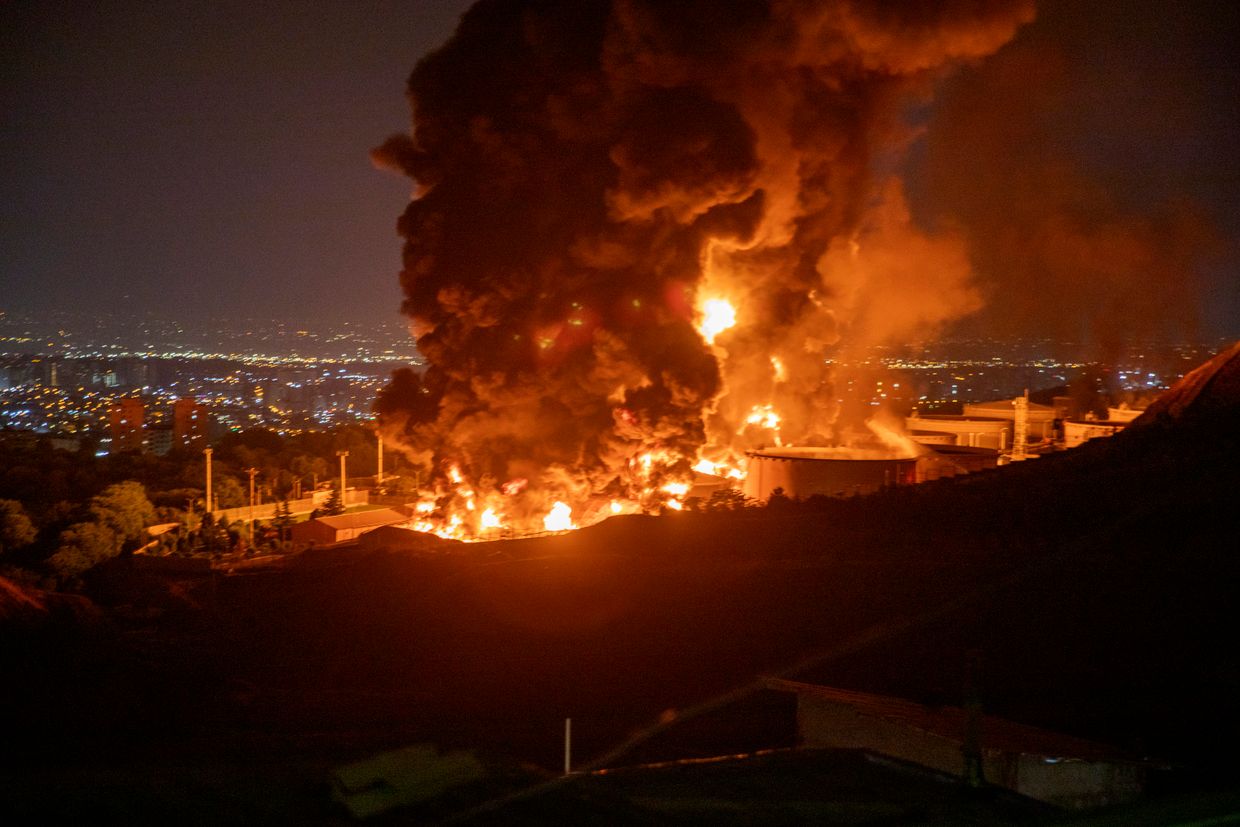
A drone strike on 10 October put more than half of the large fuel tanks out of action at an oil-loading terminal in Russia’s Rostov-on-Don, Russian news Telegram channel Astra found. The terminal loads fuel onto river and sea tankers for export, and it burned for two days while a local channel wrote that reeds might be on fire. Neither Kyiv nor Moscow has officially acknowledged the hit. It came hours after US President Donald Trump announced a diesel deal with Russian leader Vladimir Puti
A drone strike on 10 October put more than half of the large fuel tanks out of action at an oil-loading terminal in Russia’s Rostov-on-Don, Russian news Telegram channel Astra found. The terminal loads fuel onto river and sea tankers for export, and it burned for two days while a local channel wrote that reeds might be on fire. Neither Kyiv nor Moscow has officially acknowledged the hit. It came hours after US President Donald Trump announced a diesel deal with Russian leader Vladimir Putin.
Russia has spent the autumn hammering Ukraine’s power grid ahead of winter. Ukraine’s long-range drones keep hitting the refineries, depots, and terminals that fuel Russia’s army and earn it export revenue. Every burned tank turns that revenue into repair bills, while Moscow is already subsidizing its own fuel pumps. A refinery-only truce of the kind the White House described a day after the strike would shield the Russian plants that feed terminals like this one.
Seven of 12 tanks out of action
Astra’s analysts concluded from eyewitness footage that at least seven of the terminal’s 12 large tanks had been knocked out. Ukrainian monitoring channel Supernova+ counted seven burned-out tanks and one more scorched by the fire.
The fire was still burning in the early hours of 12 October. Local channel Rostov Glavny posted video of the burning tank farm, passing on rumors that reeds were on fire and noting the city’s second day under smoke, The Moscow Times reported. Footage filmed in the daytime on 12 October showed no more open flames, only gray smoke, according to Astra.
Satellite image of the oil-loading terminal of the Novoshakhtinsk refinery in Rostov-on-Don, Russia, during the fire, 10 October 2026. Satellite image: Radio Liberty
A terminal that loads fuel for export
The site is the oil-loading terminal of the Novoshakhtinsk Oil Products Plant, formerly known as Yug Rusi, in Rostov-on-Don’s Zheleznodorozhny District. It receives, stores, and transships fuel onto river and sea tankers, including for export, Ukrainian monitoring channel Exilenova+ said.
The terminal also supplies fuel to the Russian army and earns Moscow hard currency, ZN reported. The Moscow Times put its loading capacity at 3.5 million tons a year and its tank farm at about 60,000 cubic meters, roughly 16 million gallons.
Explore further
Trump’s Russian diesel deal, which drew fury in Ukraine, is unlikely to lower prices, experts say
The refinery itself stands in the town of Novoshakhtinsk near the border with Russian-occupied Luhansk Oblast. The terminal sits on the Don River with access to the Sea of Azov, Ukrainian military outlet Militarnyi noted. Ukraine hit the refinery in June, and Ukraine’s General Staff reported striking the Yug Rusi terminal on 9 July, placing it in Bataysk.
A night of drones over the region
Exilenova+ posted images of the burning terminal in the early hours of 10 October. It presented them as the site after Trump’s phone call with Putin. The channel later shared NASA satellite fire data showing the blaze.
Rostov Oblast Governor Yuri Slyusar claimed the attack injured six people. Slyusar further stated air defenses downed more than 100 drones over the region. Radio Liberty’s Russian Service noted that neither side had officially confirmed the hit on the terminal.
Aerial view of the oil-loading terminal of the Novoshakhtinsk refinery in Rostov-on-Don, Russia, with the tanks Astra assessed as hit marked in red and orange, 12 October 2026. Map: Astra
Hours after the US-Russia diesel deal
The strike came hours after Trump announced on 9 October that Russia had agreed to supply diesel to US and global markets. The US Treasury then cleared the trade with a sanctions license.
On 11 October, Trump declared an “energy ceasefire” between Russia and Ukraine. Under it, he expects Ukraine to stop striking Russian refineries, a White House official told Axios.
Ukrainian President Volodymyr Zelenskyy said that evening that Ukraine’s armed forces had received all relevant orders. Neither Ukrainian monitoring channels nor Russian officials have reported a new strike on a Russian oil facility since. On 13 October, Zelenskyy said Ukraine was ready to guarantee an energy ceasefire if Russia took matching steps.
German industry expects Russian sabotage against the country’s companies to persist and take more forms, the deputy head of the Federation of German Industries (BDI) told Handelsblatt. His warning follows alarms from Germany’s intelligence services, which describe the country as a main target of Russia’s covert campaign in Europe.
Russia keeps striking Ukrainian cities and power plants every day while trying to weaken the European support that keeps Ukraine fighting. Germany is home to
German industry expects Russian sabotage against the country’s companies to persist and take more forms, the deputy head of the Federation of German Industries (BDI) told Handelsblatt. His warning follows alarms from Germany’s intelligence services, which describe the country as a main target of Russia’s covert campaign in Europe.
Russia keeps striking Ukrainian cities and power plants every day while trying to weaken the European support that keeps Ukraine fighting. Germany is home to arms makers producing with and for Ukraine, so pressure on its companies targets the supply behind Ukraine’s defense.
Industry expects attacks to last and change form
The warning came from Holger Lösch, the BDI’s deputy managing director.
“German industry is preparing for the threat to persist and for attack methods to become more varied,” he told Handelsblatt. “Companies don’t end up in the crosshairs by chance,” he added.
Russian influence and sabotage operations are no longer an abstract scenario, and companies, critical infrastructure, and defense supply chains are already among their targets, Lösch said. Companies now receive more threat warnings, and their cooperation with the authorities has improved significantly, he noted. “What is still missing are joint procedures to quickly derive concrete measures from warnings,” Lösch said, calling the protection of the economy a cornerstone of national security.
German intelligence describes a Russian shadow war
The warning comes a week after a public hearing of the intelligence oversight panel of the Bundestag, Germany’s parliament, on 5 October. There, Martin Jäger, head of Germany’s Federal Intelligence Service (BND), said Russia was waging a shadow war against Germany. “Germany has become a main obstacle to Russian hegemonic power projection in Europe and thus a target of Russian action,” Jäger said. “The danger of attacks against targets in Germany remains real and present,” he warned.
Sinan Selen, head of the Federal Office for the Protection of the Constitution (BfV), Germany’s domestic intelligence agency, told the same hearing that Russia was showing a readiness for sabotage and killings.
German Chancellor Friedrich Merz said on 1 October that Germany was preparing for further hybrid attacks, “including serious ones,” and would respond “quickly and very clearly,” as it did after the drone attack at Leipzig airport.
Drone bombs, arson, and paid saboteurs on German soil
In August, a drone carrying Semtex explosives hit the wing of a Ukrainian An-124 cargo plane at Leipzig/Halle Airport but did not explode. Germany blamed Russia on 1 September, and German Foreign Minister Johann Wadephul said Germany was not at war with Russia but was a “target of war.”
German authorities suspect Russian intelligence of commissioning an arson attack near two Munich defense firms, and a confidential Federal Criminal Police Office (BKA) assessment counted more than 165 suspected sabotage cases in Germany between January and August. The same assessment recorded 747 suspicious drone incidents involving 1,068 drones over critical infrastructure, military sites, and defense companies.
Explore further
The throwaway agents Moscow sent after a Bavarian drone boss arming Ukraine—and how Germany stopped them
Germany’s Military Counterintelligence Service (MAD) warns that the threat from low-level agents, locals paid small sums for one-off jobs such as arson or photographing military sites, has increased significantly. European intelligence agencies also report that Russia is increasingly targeting defense company executives, including at smaller drone makers, and the BfV has advised some German firms to hire close protection.
As long as Germany keeps backing Ukraine, Russian pressure on its companies is unlikely to ease, and the gap between warnings and action that industry flagged leaves smaller firms, with fewer resources for security, the most exposed.
Russia hit the CHP-5 thermal plant in Kharkiv on the evening of 11 October. It came hours after US President Donald Trump announced an energy ceasefire between Ukraine and Russia, President Volodymyr Zelenskyy said in his nightly address.
Trump had announced the energy truce earlier that day, though Kyiv reported no part in any such deal, as well as Moscow. Yet in this one week, Russia carried out more than 200 strikes on Ukraine’s power generation and transmission and 17 on its gas and
Russia hit the CHP-5 thermal plant in Kharkiv on the evening of 11 October. It came hours after US President Donald Trump announced an energy ceasefire between Ukraine and Russia, President Volodymyr Zelenskyy said in his nightly address.
Trump had announced the energy truce earlier that day, though Kyiv reported no part in any such deal, as well as Moscow. Yet in this one week, Russia carried out more than 200 strikes on Ukraine’s power generation and transmission and 17 on its gas and oil sites, killing more than 150 people and wounding more than 700, according to Zelenskyy.
“All day today, there were Russian Shaheds in the sky. There are Shaheds in the sky now, too. There were strikes by aerial bombs. There were strikes on our energy. Just now there was a strike on CHP-5 in Kharkiv,” Zelenskyy states.
Ukraine welcomes the agreement Trump announced and is ready to stop striking Russian energy if Russia does the same. For that to mean anything, he stresses, it has to become part of reality.
A one-word answer from Moscow
Ukraine has offered many de-escalation steps, Zelenskyy notes, but Russian ruler Vladimir Putin met them all with the same refusal. He voices hope that the Russian leader would finally tell the US, Ukraine, and the world something other than killing and deception, something that leads to a real and dignified peace.
Ukraine wants peace, and the question is whether Russia does. The Armed Forces have received all the relevant orders to defend the country, he confirms.
Allies line up fresh support
Zelenskyy says he also spoke with members of the US Congress and, the day before with the UK prime minister, French President Emmanuel Macron, and Norway’s prime minister, all of whom offered help.
Ukraine is also working with the EU on financing for its defense and budget stability, and preparing new steps on European integration.
Russia is planning a winter strike campaign involving up to 1,000 missiles, drones, and bombs targeting, among other facilities, electrical substations, hydroelectric and thermal power plants, and boiler houses. The information is contained in a document that, according to sources cited by The New York Times, Ukraine's Energy Minister Denys Shmyhal presented as an intercepted Russian plan to destroy energy infrastructure systematically. The newspaper reported on 2 October.
Russia has be
Russia is planning a winter strike campaign involving up to 1,000 missiles, drones, and bombs targeting, among other facilities, electrical substations, hydroelectric and thermal power plants, and boiler houses. The information is contained in a document that, according to sources cited by The New York Times, Ukraine's Energy Minister Denys Shmyhal presented as an intercepted Russian plan to destroy energy infrastructure systematically. The newspaper reported on 2 October.
Russia has been striking critical infrastructure across Ukraine since the beginning of its full-scale invasion. Such attacks have become particularly frequent ahead of and during winter. Ukraine's recent battlefield gains may have prompted Putin to reconsider his strategy and attempt to force Ukraine to surrender through winter strikes, analysts at the Institute for the Study of War (ISW) suggest. Russia's reported plans to attack Ukraine's energy, water supply, and sewage systems could threaten the basic living conditions of millions of people. Such strikes could increase pressure on civilians and the Ukrainian economy while forcing the state to divert more resources to emergency infrastructure repairs instead of defense needs.
The New York Times was unable to verify the document's authenticity independently, but noted that it was written in Russian and dated August.
Explore further
Warehouses, a home-improvement store, a farm: Russia’s strikes aimed past the grid at Ukraine’s civilian economy
A representative of Ukraine's defense-industrial sector who has reviewed the document believes it is more of a calculation than a finalized Russian military operations plan, according to Schemes, an investigative journalism project by Radio Free Europe/Radio Liberty (RFE/RL), in a report published on 8 October.
60 targets: how Russia could attack Ukraine's critical infrastructure
The document outlines how many missiles, drones, and bombs Russia would need to deprive Kyiv, Kharkiv, and Odesa of electricity, heating, water, and sewage services, Radio Liberty reported on 9 October. The document's full list of priority cities also includes Dnipro, Zaporizhzhia, Mykolaiv, Kherson, Poltava, Chernihiv, Kryvyi Rih, Cherkasy, Kropyvnytskyi, Lviv, Vinnytsia, and Ivano-Frankivsk.
Regions of Ukraine containing cities listed as “priority” targets in Russia's plan to attack critical infrastructure this winter (shown in grey). Map: Euromaidan Press
According to the document, Russia plans to begin by attacking substations near Ukraine's western border, through which the country receives electricity from Europe. Hydroelectric power plants could be targeted next, followed by facilities intended to shut down Ukraine's three operational nuclear power plants, Radio Liberty reports. The document lists a total of 60 key targets.
According to Schemes, the document states that Russia would need up to 770 Molniya and Geran drones, Dan-T/Banderol missile-drones, 170 FAB guided aerial bombs, and 75 Kinzhal and Iskander-M ballistic missiles to carry out the attacks.
Sewage systems could become Russia's next target
The document devotes particular attention to water supply and wastewater systems. These include pumping stations, treatment facilities, and other infrastructure essential for cities to provide residents with water and dispose of wastewater.
One of the water supply facilities. Illustrative photo: Ukrinform
Russia has not previously attacked such facilities on a similar scale, The New York Times notes.
Preparing for possible attacks on water supply and sewage systems is significantly more difficult than protecting energy infrastructure, Oleh Popenko, head of the Ukrainian Union of Utility Services Consumers, told Current Time, RFE/RL's Russian-language network.
“Sewage is a very complex system. There are specific challenges: where to discharge wastewater, how to organize treatment facilities, and so on. Some work is also underway in this sector, but it will be much more difficult here than with district heating utilities,” Popenko says.
Creating alternative routes in case sewage pumping stations are destroyed is an expensive and technically challenging task, he adds. Such construction could cost billions of hryvnias.
Explore further
14 dead in Pryluky, two each in Kyiv, Kremenchuk, and Oleksandriia: Russia’s night of 70 missiles
The priority is to equip water utilities with backup power sources so they can continue operating during power outages. However, if Russian strikes damage the sewage system itself, resolving the problem quickly will be much more difficult, Popenko believes. Specific solutions, including wastewater disposal and the operation of treatment facilities, will have to be determined according to the extent of the damage.
Sewage pumping stations play a particularly important role. They pump wastewater onward for disposal and treatment. If such a station is put out of operation by a strike, the city needs an alternative way to divert wastewater while the damaged facility is being repaired, Popenko says. Bypass pipes or channels could be installed for this purpose, but setting up such a system during wartime is far from easy.
Air defenses remain crucial to Ukraine's winter preparations
Preparations for winter are underway, but protection for energy infrastructure remains inadequate, Popenko believes. The main concern is large substations that transmit electricity from nuclear power plants and distribute electricity imported from Europe.
Rescuers extinguish a fire caused by a Russian strike in Odesa Oblast. Illustrative photo: State Emergency Service of Ukraine in Odesa Oblast
At the same time, some protective measures are already proving effective. Despite drone attacks over two days, one of Kyiv's substations withstood the strikes, and the city did not lose power, although scheduled outages were in effect, the expert says.
Popenko considers a repeat of last winter's scenario, when parts of Kyiv went without heating for weeks, entirely possible. Russian forces continue to attack energy facilities, and in his assessment, strengthening air defenses in Kyiv is the only way to protect its combined heat and power (CHP) plants from large-scale attacks.
“There are no other ways — for example, building some sarcophagi around CHPs or constructing shelters — because Russia can destroy these facilities again through massive strikes. And then the city risks being left 50–60% without heat,” Popenko believes.
Residents are also preparing for winter, but their options vary, he says. Some homeowners' associations participate in government programs to insulate apartment buildings and purchase backup power supplies for elevators and pumping stations. Owners of private houses are buying generators, among other measures. However, such equipment and preparations require substantial funds, meaning not everyone can afford them, he notes.
Ukraine has already experienced prolonged power outages during previous winters, particularly in 2022 and 2023. At the time, some regions went without electricity for 18–20 hours a day, the expert says. This experience may help people prepare for possible disruptions, but it does not eliminate the risk of further attacks and infrastructure damage.
Russian drones hit Ukraine's power grid, warehouses, a food warehouse, a home-improvement store, and a farm overnight on 9 October, Ukrainian officials and emergency services reported. The strikes triggered emergency power cuts in Kyiv and other regions and killed at least three people across the country.
As Russia continues its daily terror attacks, it has likely begun its winter strike campaign early, aiming to make civilian life in Ukraine unbearable, ISW assessed. Those strikes now
Russian drones hit Ukraine's power grid, warehouses, a food warehouse, a home-improvement store, and a farm overnight on 9 October, Ukrainian officials and emergency services reported. The strikes triggered emergency power cuts in Kyiv and other regions and killed at least three people across the country.
As Russia continues its daily terror attacks, it has likely begun its winter strike campaign early, aiming to make civilian life in Ukraine unbearable, ISW assessed. Those strikes now reach beyond the grid to the businesses that store and sell goods, adding to damage Ukraine's Economy Ministry expects to reach up to $10 billion this year.
Power cut in Kyiv and other regions
Russia launched 136 drones overnight, 93 of them jet-powered, Ukraine's Air Force said. Air defenses downed or suppressed 114. Drones hit eight locations, and debris fell at seven more.
DTEK, Ukraine's largest private energy company, introduced emergency power cuts on Kyiv's right bank and in the Bucha and Vyshhorod districts on the grid operator's orders. Ukrenergo, the national grid operator, imposed emergency outages in some regions, citing the strain Russian attacks put on the system. Planned schedules were suspended there. Hourly cuts across parts of Ukraine had already been set for the whole day.
A Ukrainian air defense crew with a heavy machine gun in Cherkasy Oblast. Illustrative photo: Suspilne Cherkasy
The cuts came a day after a Russian strike knocked out several grid elements supplying Kyiv, leaving many consumers without power. Russia has sharply stepped up attacks on Ukraine's energy system in recent weeks, deliberately targeting power lines and transformers, Ukraine's Energy Ministry said.
Explore further
Ukraine’s war leadership sets new electronic warfare tasks as Russia’s jet-powered drones slip past nearly half of its air defenses
Warehouses and a store
In the Bucha district of Kyiv Oblast, Russia hit warehouses and injured three people, Ukraine's State Emergency Service said. One was hospitalized. Rescuers were searching for a woman who may be under the rubble.
In Odesa, a strike damaged the roof of a warehouse storing food and started a fire, the region's emergency service reported. In the south of the oblast, Russia damaged buildings at holiday resorts and destroyed a café.
A food warehouse damaged by a Russian attack on Odesa, 9 October 2026. Photo: State Emergency Service of Ukraine in Odesa Oblast
Near Chernihiv, Russia hit a site just outside the city after 03:00, the city council said. A Suspilne correspondent at the scene reported that a drone hit the Epicenter store, part of a large Ukrainian home-improvement chain. Russian forces also struck a farm in the Kulykivka community. No one was hurt in Chernihiv Oblast.
Russia has already destroyed more than two-fifths of Ukraine's modern warehouse space.
Three killed overnight
In Zaporizhzhia, Russia struck near an apartment building, killing a man, the Zaporizhzhia Oblast administration said. The number of injured rose to nine, including a 14-year-old girl, regional prosecutors said. One strike landed near an after-school education center.
In Ivano-Frankivsk, falling drone debris started a fire, and a man born in 1959 was killed, Ivano-Frankivsk Oblast head Svitlana Onyshchuk said.
Rescuers work at a damaged building in Ivano-Frankivsk after a Russian drone attack, 9 October 2026. Photo: State Emergency Service of Ukraine
In Shyroka Balka, Kherson Oblast, a Russian drone dropped explosives on a house at about 06:20, killing a 74-year-old woman and injuring a 68-year-old man, regional prosecutors reported.
Russia injured three women in a Kharkiv suburb, Kharkiv Oblast head Oleh Syniehubov said. In the Nikopol district, a 24-year-old woman was injured, Dnipropetrovsk Oblast head Oleksandr Hanzha said.
Poland scrambled military aircraft as Russia struck targets in western Ukraine, its Operational Command said.
The past day's toll
Over the past 24 hours, Russia killed two people and injured 18 in Zaporizhzhia and the Zaporizhzhia district, regional council head Ivan Fedorov said. In Sumy Oblast, one man was killed and 14 people were injured, including two 12-year-old boys, the regional administration reported.
In Kherson Oblast, four people were injured, including a child, Kherson Oblast head Oleksandr Prokudin said. In Mykolaiv Oblast, a Russian drone injured two children aged three months and one year, acting oblast head Heorhii Reshetilov said. Three people were injured in Kharkiv Oblast, Syniehubov reported.
In Donetsk Oblast, Russia killed 35 people and injured 25 on 8 October, Donetsk Oblast head Vadym Filashkin said. Thirty-two of them died in Kramatorsk, most in a Russian bomb strike on two passenger buses.
Russia is concentrating missiles on a smaller, more specific set of targets, and its jet-powered attack drones are part of the reason, the Institute for the Study of War (ISW) assessed. Its combined attack overnight on 7 October killed 22 people in Pryluky, the State Emergency Service (SES) said as of the morning of 8 October. Russian milbloggers noted the shift the same day.
Russia often uses concentrated drone and missile strikes to overwhelm localized Ukrainian air defenses and destr
Russia is concentrating missiles on a smaller, more specific set of targets, and its jet-powered attack drones are part of the reason, the Institute for the Study of War (ISW) assessed. Its combined attack overnight on 7 October killed 22 people in Pryluky, the State Emergency Service (SES) said as of the morning of 8 October. Russian milbloggers noted the shift the same day.
Russia often uses concentrated drone and missile strikes to overwhelm localized Ukrainian air defenses and destroy urban centers, ISW noted. Pryluky, where the strike killed children, was one of the areas a Russian channel says drew a significant share of the Kh-101s that night. With winter close, ISW expects the same pattern against Ukraine's energy grid, with jet drones partly letting Russia keep its missiles for priority targets without firing many more.
Missile waves on a few areas, Russian channels claim
Russia launched 48 Kh-101, Iskander-K, and Kalibr cruise missiles overnight on 7 October, Ukraine's Air Force reported. It also fired ballistic missiles, Zircon and Oniks anti-ship missiles, and 130 strike and decoy drones, 46 of them jet-powered Shahed-type models.
Explore further
22 killed in Russian missile strike on Pryluky, including five children
Russian milbloggers claimed the same day that Moscow had grouped a large part of its missile salvo into repeated waves on a few areas, while other weapons kept stretching Ukraine's air defenses elsewhere. The pro-war Russian Telegram channel Dva Mayora described the change as a switch from striking with splayed fingers to a series of hits with missile "fists." Defenders must then absorb a sharply rising load around one chosen site as one wave follows another, the channel claimed.
Citing Ukrainian monitoring channels, it claimed that roughly 30 or more Kh-101 cruise missiles flew toward Pryluky, Kremenchuk, Svitlovodsk, and Oleksandriia in Chernihiv, Poltava, and Kirovohrad oblasts. It put the Kremenchuk group at up to 15 missiles, Kh-101s and Kalibrs among them, aimed at the area of Kremenchuk and its hydroelectric plant.
Jet drones take some of the load off Russia's missiles
ISW said the jet-powered versions penetrate Ukrainian air defenses deeper and more reliably than propeller models. In ISW's assessment, that partly lets Russia concentrate cruise and ballistic missiles on priority targets without significantly raising missile use. Russia builds about 3,000 Geran-4 and Geran-5 jet drones a month, Ukraine's military intelligence agency (HUR) told Militarnyi in August.
Explore further
Ukraine spent three years learning to catch Russian drones—so Russia made them fly faster
ISW expects Russia to apply the pattern in a likely brutal winter campaign against energy infrastructure. Russia likely intends to make city life untenable and force Ukraine to capitulate to its demands, ISW assessed. Such tactics have not worked before and are unlikely to work now, analysts added.
They called cheap countermeasures to jet drones and small cruise missiles vital, alongside Western air defense aid such as US-made Patriots, which can stop ballistic missiles. Ukraine has already paired a Soviet-era Kub launcher with American RIM-7 interceptors to catch jet drones.
A Russian missile attack on Kyiv overnight on 7 October destroyed warehouse premises in the Podil district and badly damaged a book warehouse of Ukrainian publishing house Knyholav, the publisher said. Tens of thousands of books were lost, but no staff were hurt. It was the second time this year that Russia has destroyed Knyholav's stock.
Russia has destroyed Ukrainian books since the start of its invasion, seizing them from libraries in occupied areas and burning them in boiler houses.
A Russian missile attack on Kyiv overnight on 7 October destroyed warehouse premises in the Podil district and badly damaged a book warehouse of Ukrainian publishing house Knyholav, the publisher said. Tens of thousands of books were lost, but no staff were hurt. It was the second time this year that Russia has destroyed Knyholav's stock.
Russia has destroyed Ukrainian books since the start of its invasion, seizing them from libraries in occupied areas and burning them in boiler houses. Since spring, it has also been aiming missiles and drones at the industry that makes them—printing houses, publishers' warehouses, and bookshops—destroying books by the millions. Each strike takes out not only stock but the reprints, new titles, and textbooks Ukrainian readers were waiting for, at a time when publishing in Ukrainian is part of how the country holds onto its identity.
Tens of thousands of books lost
The publisher can't yet say how many books were destroyed or can no longer be saved, it said, but tens of thousands were lost. The final count will be possible only once staff get full access to the warehouse and check the state of every book.
Explore further
Russian aggression devastates 1,000 Ukrainian libraries and 200 million books
The losses include new titles Knyholav received over the past two months. They also include reprints of books Russia had destroyed in July at its previous warehouse. Knyholav had moved its rebuilt stock to this new warehouse after a Russian strike on 19 July destroyed its previous one outside Kyiv, along with about 250,000 books.
"This is a tangible blow for us. These are books we created, printed, and prepared for you," the publisher wrote. "But despite everything, we are holding on!"
The strike hit Kyiv's Podilskyi district, where a Russian attack caused a fire and the partial collapse of the floors of an office and warehouse building, Kyiv Mayor Vitali Klitschko said. The same overnight attack killed people in Pryluky, Kyiv, Kremenchuk, and Oleksandriia.
Millions of books burned
Russia's attacks destroyed more than 1.5 million books in July alone, Culture Minister Tetiana Berezhna said. On 1 August, a strike on the logistics center of publisher Ranok and the distribution center of the KnyhoLand bookshop chain in Kharkiv destroyed 8 million books, including 628,000 new school textbooks. Over three months, Russia burned about 13 million Ukrainian books, nearly a third of everything the country printed in 2025. In August, Russian missiles also hit Kyiv's largest book market.
Ukraine's state railway, Ukrzaliznytsia, has added 18 Kyiv City Express shuttle runs between Vydubychi and Darnytsia for 5–9 October, while the government has begun preparatory work on temporary crossings over the Dnipro River after Russian strikes disrupted bridge traffic. Minister for Restoration, Infrastructure and Transport Mykola Kalashnyk outlined the backup plan in an interview with Suspilne on 3 October.
About 600,000 vehicles cross the Dnipro in Kyiv each day, making the river
Ukraine's state railway, Ukrzaliznytsia, has added 18 Kyiv City Express shuttle runs between Vydubychi and Darnytsia for 5–9 October, while the government has begun preparatory work on temporary crossings over the Dnipro River after Russian strikes disrupted bridge traffic. Minister for Restoration, Infrastructure and Transport Mykola Kalashnyk outlined the backup plan in an interview with Suspilne on 3 October.
About 600,000 vehicles cross the Dnipro in Kyiv each day, making the river crossings critical to movement across the capital, Kalashnyk said. Russia's attacks on the Southern and Northern bridges have disrupted traffic, with the Southern Bridge fully closed to cars and metro on 2 October and restrictions introduced on other crossings. The risk of further damage is heightened by Russia's upgraded jet-powered Geran-4, which now carries a specialized warhead designed to cut through bridge structures and power-line supports, according to presidential adviser Serhii Beskrestnov.
Jams, restrictions, and extra trains
On 6 October, large traffic jams formed between Kyiv's left and right banks, with the heaviest queues on approaches to the Southern Bridge, Obozrevatel reported. The jams followed Russian strikes that cratered the Northern Bridge.
Green-line metro trains resumed carrying passengers between the banks during the yellow threat level on 4 October, Radio Svoboda reported. Under the current restrictions, traffic on the Southern and Podilskyi bridges is stopped in certain directions for at most the first 15 minutes after an air alert begins.
Explore further
14 dead in Pryluky, two each in Kyiv, Kremenchuk, and Oleksandriia: Russia’s night of 70 missiles
The additional Kyiv City Express shuttles run during the busiest hours, 06:00–09:00 and 16:00–21:00. Together with scheduled suburban and regional trains, they bring the number of peak-hour runs between the banks to up to six, Ukrzaliznytsia said.
Pontoons first, tunnel later
Kalashnyk said the government plans to build several backup crossings over the Dnipro. The sites have already been chosen, and he named a combination of earth embankments and pontoon crossings as measures that can be built quickly. He said construction could take up to three months and that the backup crossings should provide at least 50% of the capacity of the existing bridges. The government is also considering quick-build concrete structures and, in the longer term, a tunnel under the Dnipro, he told Suspilne.
Volodymyr Kreidenko, deputy head of the parliamentary committee on transport and infrastructure and an MP from the Servant of the People party, proposed reversible traffic across the bridges: "in the morning from the left bank to the right, in the evening from the right to the left." He also suggested hubs near the bridges where people could take a bicycle or e-scooter, and passenger ferry crossings, Radio Svoboda reported.
Andrii Koretskyi, an associate professor in the department of bridges, tunnels and hydraulic structures at the National Transport University, cautioned that temporary crossings cannot substitute for a permanent bridge.
"The only alternative to a bridge is a bridge as a permanent structure," he told Radio Svoboda.
He said a tunnel under the Dnipro is technically possible but "not a quick solution at all." He pointed to the scale involved: where the Irpin River requires spanning a few dozen or, in places, a few hundred meters, the Dnipro within Kyiv is "roughly 400 to 1,500 meters" wide.
Ukraine has found the US component in a Russian jet-powered drone targeting civilians, supermarkets, medical warehouses, and bridges. According to its Defense Intelligence, the new weapon contains a PNI5GA magneto-inductive sensor made by the US company PNI Sensor.
The US-made navigation component adds to evidence that Western technology continues to appear in Russia's strike drones. HUR had already identified US-made chips in the Geran-4 in May, but the newly reported PNI5GA is a navi
Ukraine has found the US component in a Russian jet-powered drone targeting civilians, supermarkets, medical warehouses, and bridges. According to its Defense Intelligence, the new weapon contains a PNI5GA magneto-inductive sensor made by the US company PNI Sensor.
The US-made navigation component adds to evidence that Western technology continues to appear in Russia's strike drones. HUR had already identified US-made chips in the Geran-4 in May, but the newly reported PNI5GA is a navigation sensor in a modified version of the drone that Institute for the Study of War (ISW) says Russia may seek to field ahead of winter.
A Russian engine replaces the Chinese one
Russia has also replaced the drone's Chinese-made Telefly turbojet engine with a Russian-made equivalent produced in Alabuga. Russia is using the Alabuga zone to bring more of its drone production home rather than importing Iranian or Chinese parts, according to the ISW.
"The remaining electronic units and components are unchanged and identical to those used in previous Geran UAVs," HUR said.
What the warhead is built to cut
The modified drone also carries a specialized KRSN warhead designed to cut through bridge structures and power-line supports. Presidential adviser Serhii Beskrestnov described the warhead on 30 September, saying it consists of a 40-kilogram main charge and four strike modules. Its warhead is meant to destroy hardened targets made of steel and concrete and to damage cable-stayed bridges.
Russia has stepped up strikes on Kyiv's Northern and Southern bridges across the Dnipro in recent days with such drones.
However, Russia may try to field more resilient and more dangerous versions of its strike drones before Ukraine has effective countermeasures in place. Russia could use them to degrade Ukraine's energy infrastructure and logistics ahead of a winter strike campaign that it said will very likely be brutal.
Ukraine's battlefield successes appear to be forcing Russian President Vladimir Putin to reevaluate his theory of victory and shift focus toward long-range strikes to compel Ukraine to surrender, rather than advances on the battlefield, the Institute for the Study of War said on 4 October.
Ukrainian President Volodymyr Zelenskyy said Russia used more than 800 jet-powered drones during the week of 27 September to 4 October. Ukraine currently intercepts only 50–60% of jet-powered drones,
Ukraine's battlefield successes appear to be forcing Russian President Vladimir Putin to reevaluate his theory of victory and shift focus toward long-range strikes to compel Ukraine to surrender, rather than advances on the battlefield, the Institute for the Study of War said on 4 October.
Ukrainian President Volodymyr Zelenskyy said Russia used more than 800 jet-powered drones during the week of 27 September to 4 October. Ukraine currently intercepts only 50–60% of jet-powered drones, leaving it vulnerable to the large number of new drones Russia is deploying.
The late-September start and the campaign's aim
ISW said Russian forces began their winter 2026–27 strike campaign against Ukraine's energy infrastructure in late September and that the campaign is aimed at making civilian life unbearable enough to force Ukraine to capitulate.
Russian forces would step up attacks on military facilities, defense industry sites, and related infrastructure in Kyiv and elsewhere in Ukraine, the Russian Defense Ministry said on 4 October, according to Reuters. The announcement followed Zelenskyy's vow to increase attacks on Russian oil refineries.
The ministry also claimed its recent strikes on Kyiv and other Ukrainian regions were a response to alleged Ukrainian attacks on civilian targets inside Russia. Among the grievances it named were Ukraine's strikes on Leningrad Oblast during the St. Petersburg International Economic Forum in June and alleged strikes on electoral infrastructure in Moscow during the 18–20 September State Duma elections, according to ISW.
ISW called the Russian Defense Ministry's framing of the recent strikes as retaliation for Ukrainian attacks on Russian civilian targets unfounded, saying many of its specific claims are "blatantly false." Russia has provided no evidence that Ukraine targeted electoral infrastructure, and Ukraine's 19–20 September strikes on Moscow targeted oil refineries and warehouses, the think tank said. The Russian strikes "are not an actual response to specific events," it concluded.
The 135 drones, the bridges struck seven times
Overnight on 3–4 October, Russia launched 135 Shahed-type and Gerbera-type drones, while also using decoy drones and Banderol or Dan-T loitering munitions. Ukrainian forces downed 123 drones and two loitering munitions, and strikes hit five locations, according to ISW, which cited the Ukrainian Air Force. Russian forces struck Kyiv's Northern and Southern bridges seven times between 1 and 4 October in an effort to disrupt Ukraine's economy and daily civilian life, ISW said.
Ukraine builds new layers of defense against jet drones
More than 12 .50-caliber machine-gun turrets are already working in Kyiv against jet-powered drones, and eight more will be installed in Kyiv Oblast, Zelenskyy said, Suspilne reported. He added that F-16s help a lot against the drones, according to Ukrinform. Ukraine is set to receive 2,000 Bars interceptor drones through joint production with Germany, RBC-Ukraine reported.
Ballistic missiles may be Russia's next wave
Zelenskyy said Ukraine estimates Russia has up to 700 ballistic missiles in reserve and produces 130–140 a month. He made the remarks at a joint media briefing with German Chancellor Friedrich Merz in Kyiv, Ukrinform reported. Russia is likely stockpiling ballistic and quasi-ballistic missiles for intense strikes after its jet-powered drones lose their current advantage, ISW assessed. ISW also cited an ongoing shortage of Patriot interceptors.
OHCHR has verified some 15,280 civilian casualties in Ukraine in the first eight months of 2026, 55% more than in the same period of 2025, UN High Commissioner for Human Rights Volker Türk said on 2 October.
The UN Human Rights Office verified some 15,280 civilian casualties in Ukraine during the first eight months of 2026, 55% more than in the same period last year, UN High Commissioner for Human Rights Volker Türk said on 2 October.
Türk's statement comes as Russia has begun its Winter 2026-2027 campaign of long-range strikes against Ukrainian energy infrastructure. The Institute for the Study of War (ISW) said Russian forces began the campaign in late September. Damage to energy infrastr
The UN Human Rights Office verified some 15,280 civilian casualties in Ukraine during the first eight months of 2026, 55% more than in the same period last year, UN High Commissioner for Human Rights Volker Türk said on 2 October.
Türk's statement comes as Russia has begun its Winter 2026-2027 campaign of long-range strikes against Ukrainian energy infrastructure. The Institute for the Study of War (ISW) said Russian forces began the campaign in late September. Damage to energy infrastructure disrupt electricity, heating, and water supplies during the winter, increasing the risks to civilians.
Russian glide bombs killed and injured nearly 2,500 civilians in Donetsk, Kharkiv, Sumy, and Zaporizhzhia oblasts during the first eight months of the year, 62% more than in the same period last year, according to UN figures.
"As winter approaches, Ukrainians fear the worst is yet to come," Türk said.
On 4 October, Russia's Defense Ministry announced that it was intensifying strikes on infrastructure in Kyiv City and Oblast and across Ukraine, according to ISW.
Why Russia is turning to long-range strikes
ISW said Ukraine's 2026 battlefield successes "appear to be forcing" Russian President Vladimir Putin to shift focus from advances on the battlefield toward a winter campaign intended to compel Ukraine to surrender.
A week earlier, ISW assessed that Putin was likely attempting to force Ukraine to capitulate before spring 2027, with his theory of victory heavily relying on cheap, jet-powered Geran-type drones.
A toll rising all year
The 15,280 figure extends a trend the UN has tracked all year. Over the first seven months of 2026, its monitoring mission verified 1,839 civilians killed and 10,638 injured. In September, UN Under-Secretary-General Rosemary DiCarlo told the Security Council that more civilians were killed or injured in the first eight months of 2026 than in all of 2025.
A recent arrest suggests that underground invaders of city’s sewer system are lured by the promise of lost valuablesThere’s been one thing in particular that has been intriguing New Yorkers this summer: the existence, and whereabouts, of so-called “mole people” – a mysterious group of individuals who spend at least some of their time wading about in the city’s sewers.New Yorkers learned a bit more about the phenomenon this week, when two men were caught red – or perhaps another color – handed, a
A recent arrest suggests that underground invaders of city’s sewer system are lured by the promise of lost valuables
There’s been one thing in particular that has been intriguing New Yorkers this summer: the existence, and whereabouts, of so-called “mole people” – a mysterious group of individuals who spend at least some of their time wading about in the city’s sewers.
New Yorkers learned a bit more about the phenomenon this week, when two men were caught red – or perhaps another color – handed, after allegedly emerging from a tunnel in Manhattan. Their arrests have shed some light on a slew of instances where people have been witnessed lifting manhole covers and clambering underground.
Russian forces have repeatedly struck Kyiv’s Southern Bridge with drones since 1 October, disrupting one of the capital’s main routes between the left and right banks of the Dnipro.
The strikes are part of a broader intensification of Russian drone attacks on the capital. In recent weeks, Russia has begun launching daily attacks involving jet-powered Geran drones, increasingly disrupting everyday life in Kyiv.
The Southern Bridge is an important road and rail crossing over the Dnipro
Russian forces have repeatedly struck Kyiv’s Southern Bridge with drones since 1 October, disrupting one of the capital’s main routes between the left and right banks of the Dnipro.
The strikes are part of a broader intensification of Russian drone attacks on the capital. In recent weeks, Russia has begun launching daily attacks involving jet-powered Geran drones, increasingly disrupting everyday life in Kyiv.
The Southern Bridge is an important road and rail crossing over the Dnipro. It carries road traffic between Kyiv's left and right banks and also forms part of the city's metro network.
The bridge was fully closed to traffic following the latest attacks, while restrictions were also introduced on the Metro and Paton bridges, according to Suspilne. Public transport has been diverted to alternative routes, while the disruptions have caused major traffic congestion across Kyiv.
Update 17:50: Kyiv Mayor Vitali Klitschko said Russian forces have struck the Southern Bridge again on the evening of 2 October. The bridge remains closed to road traffic and metro services following several previous attacks. Emergency services are heading to the site.
Bridge targeted repeatedly
The Southern Bridge came under attack multiple times on 1 October and was targeted again during the overnight attack into 2 October.
Ukrainian President Volodymyr Zelenskyy said Russian forces struck the bridge several times with drones during the night. He said the attacks were part of a larger Russian barrage involving more than 100 attack drones, nearly 50 of them jet-powered Gerans.
The bridge has not been destroyed, but the repeated strikes have forced authorities to limit its use and reorganize traffic across the Dnipro.
Ukrainian analyst Andrii Kovalenko said the Southern Bridge is difficult to destroy with the weapons Russia is using. However, he said such strikes can damage the bridge enough to disrupt its normal operation, while the resulting disruption can also be used to spread panic.
Russia’s repeated strikes on Kyiv’s Southern Bridge are now severely disrupting traffic across the capital.
Major roads are gridlocked, with some people reportedly walking across bridges as traffic comes to a standstill. Photos from Suspilne show the resulting congestion on… pic.twitter.com/7SyYG0WOCO
Zelenskyy: Russia is targeting bridges and critical infrastructure
Zelenskyy said Russia's intensified attacks are part of a broader effort to disrupt life in Ukrainian cities and damage infrastructure beyond individual military targets.
Citing Ukrainian intelligence and people he said are close to Russian President Vladimir Putin, Zelenskyy claimed Putin said in early September: “Now, there are no rules.” Zelenskyy said Russia had failed to occupy Ukraine and was therefore turning to mass attacks and killings.
“They want to destroy our bridges and, as we understand it, our data centers, internet, mobile networks, hospitals, kindergartens, schools, universities – everything,” Zelenskyy said.
He added that Russia wants to force Ukrainians to leave their cities. “They want people to flee their cities, and we need to do everything to save our people and our cities,” he said.
A key crossing for Kyiv disrupted
The bridge’s closure puts additional pressure on the capital's other bridges. On 2 October, traffic on the Metro Bridge was restricted to one lane toward the right bank, while traffic from the right bank toward the left was restricted on the Paton Bridge.
Several bus routes were diverted to other bridges. Kyiv authorities reported major traffic jams on the city's main roads as the restrictions disrupted normal movement between the two sides of the capital.
Metro service across the Southern Bridge also remains tied to an assessment of the structure. Kyiv Mayor Vitali Klitschko said on Friday the metro can resume crossing the bridge during yellow-level air alerts after experts provide an assessment confirming its condition.
Part of a wider campaign against Kyiv
The bridge strikes came alongside attacks on civilian areas of Kyiv. A Russian drone hit the upper floors of a 25-story residential building in the Darnytskyi district on 2 October, causing a fire on the 24th and 25th floors.
One person was killed and two were injured. The attack also damaged buildings and vehicles in the Holosiivskyi district.
A Russian drone struck a 25-story residential building in Kyiv’s Darnytskyi district this morning.
According to President Volodymyr Zelenskyy, Russia launched more than 100 attack drones at Ukraine overnight, including nearly 50 jet-powered drones.
The growing frequency of jet-powered Geran attacks is making the impact of Russian strikes increasingly visible beyond individual damage sites. Repeated attacks on infrastructure such as the Southern Bridge can disrupt transportation and daily routines across the capital even when the targeted structures are not destroyed.
Russia hit Kyiv with another round of drone strikes from the evening of 30 September into the morning of 1 October, striking a school, a café, and warehouse buildings across the capital, the city's mayor and emergency services said. The children inside the school were in its shelter and came through unharmed. Fires broke out across two districts, and one person in the city was wounded.
Children across Ukraine now start the school year in bomb shelters, as Russian drones, missiles, and g
Russia hit Kyiv with another round of drone strikes from the evening of 30 September into the morning of 1 October, striking a school, a café, and warehouse buildings across the capital, the city's mayor and emergency services said. The children inside the school were in its shelter and came through unharmed. Fires broke out across two districts, and one person in the city was wounded.
Children across Ukraine now start the school year in bomb shelters, as Russian drones, missiles, and glide bombs keep hitting schools, homes, and hospitals far from the front—part of a civilian toll the UN says has already outrun all of last year's.
A school full of children, all in the shelter
A Russian drone hit a school in Kyiv's Solomianskyi district on the morning of 1 October and started a fire, Kyiv Mayor Vitali Klitschko said, adding that the children were in the shelter. More than 100 students and about 60 staff were sheltering inside, and none were hurt, police said. The jet-powered drone damaged the building's facade at third-floor level, RBC-Ukraine reported.
A school in Kyiv damaged in a Russian drone attack, 1 October 2026. Photo: State Emergency Service of Ukraine
A café and warehouses among the sites hit
On the evening of 30 September, a Russian strike started a fire at a café on the ground floor of a residential building in Solomianskyi, while warehouse buildings burned in the northern Obolonskyi district. One person was injured in the warehouse fire and handed to medics, RBC-Ukraine reported.
42 sites damaged across Kyiv Oblast
Across Kyiv Oblast, Russian attacks over the previous 24 hours damaged 42 sites and injured six people, regional authorities reported.
A rescuer at the scene of a fire in Kyiv. Photo: State Emergency Service of Ukraine
Kyiv is now under Russian air attack daily. On 28 September, Russian drones hit the city center in daylight, including the National Academy of Sciences, and earlier waves struck filling stations and other everyday sites across the capital.
Russia has a new warhead for its drones, and it is built to cut down power lines. For the first time, a jet drone has carried a shaped "cumulative-cutting" charge designed to sever high-voltage pylons and iron bridges, Serhii Beskrestnov, presidential adviser, known as Flash, said, as Russia opened its heaviest assault on Ukraine's power grid since last winter.
On 30 September, Russia launched its massed fall-winter campaign on Ukraine's energy infrastructure since the last heating seas
Russia has a new warhead for its drones, and it is built to cut down power lines. For the first time, a jet drone has carried a shaped "cumulative-cutting" charge designed to sever high-voltage pylons and iron bridges, Serhii Beskrestnov, presidential adviser, known as Flash, said, as Russia opened its heaviest assault on Ukraine's power grid since last winter.
On 30 September, Russia launched its massed fall-winter campaign on Ukraine's energy infrastructure since the last heating season, hitting power sites across 11 regions overnight with missiles and drones, Prime Minister Serhii Koretskyi said.
The new warhead fits the aim: Flash says it is meant to bring down the high-voltage lines that carry the country's electricity. And Ukraine enters the winter exposed, with its energy resilience plans less than half complete.
A new charge targets the pylons
The device, which Flash calls a cumulative-cutting special load, is designed specifically to bring down high-voltage pylons and iron bridge structures.
"It consists of a main charge weighing 40 kilograms and four strike modules," he says.
In his reading, Russia intends to go after the major transmission lines that move power across the country, the backbone of the grid, rather than the substations it has struck before.
The campaign builds toward November
On 29 September, two senior Ukrainian officials told The Economist that Russia launched a three-part campaign of attacks on Kyiv, combining massive bombardments, sabotage, and the creation of political chaos. These efforts aimed at destabilizing the Ukrainian capital would peak by November, they said.
According to a representative of the Security Service of Ukraine, Russia has "thousands" of drones in its arsenal and is simultaneously expanding its stockpile of ballistic missiles. The plan is to "deploy the entire arsenal over the next two months," given that Ukraine lacks an effective weapon against jet-powered drones.
Russia is preparing to make daily life in Kyiv harder before winter, aiming at the ordinary places civilians use rather than at military sites, The Economist reported. Ukrainian officials say the push blends bombing, sabotage, and disinformation, and expect it to peak in November.
Every winter of its full-scale invasion, Russia has tried to freeze Ukrainians into surrender, and each year the strikes reach deeper into ordinary life. The civilian casualties recorded in 2026 have already p
Russia is preparing to make daily life in Kyiv harder before winter, aiming at the ordinary places civilians use rather than at military sites, The Economist reported. Ukrainian officials say the push blends bombing, sabotage, and disinformation, and expect it to peak in November.
Every winter of its full-scale invasion, Russia has tried to freeze Ukrainians into surrender, and each year the strikes reach deeper into ordinary life. The civilian casualties recorded in 2026 have already passed the whole of last year, the UN says.
From the power grid to the grocery store
Russia has already turned its drones on Kyiv's supermarkets, food warehouses, and data centers this year. On 28 September, a Russian jet drone struck the National Academy of Sciences in central Kyiv. The strike killed two people, the Academy said. Survivors climbed from the windows of the burning building. A senior Ukrainian official told The Economist the Kremlin now wants shoppers too afraid to enter a store. Russia is also keeping its winter routine, hitting electricity, water, and sewage systems.
Cheaper jet drones that stream live to their pilots
Most of the damage now comes from Russia's cheap jet drones, The Economist said. Pilots guide them onto targets and watch a live video feed. They are hard to stop, and Russia's ballistic missiles are deadlier still as Ukraine's supply of Patriot interceptors dwindles. Ukrainian President Volodymyr Zelenskyy said Kyiv had agreed a new Patriot interceptor package, but it remains short of interceptors of its own. A security official told The Economist that Russia has thousands of drones stockpiled and plans to use its entire ballistic missile stock within two months.
Explore further
War is costing Ukraine $155 billion per year. With Western aid running late, Kyiv is freezing everything but army, pensions, and public wages
Sabotage, chaos, and a city that won't switch off
Ukraine's counter-intelligence services say they foil seven or eight Russian plots a week, and officials believe some sleeper cells remain. The campaign's third element, disinformation, targets war fatigue and corruption scandals. Russia runs the same plan every year, hoping its bot farms will push Ukrainians onto the streets to demand surrender, said Andrii Kovalenko, who heads the Center for Countering Disinformation at the National Security and Defense Council.
"It's nonsense," he told The Economist, adding that someone is feeding the idea to Putin so they can steal more money.
Kyiv is also far harder to shut down than Moscow assumes, Kovalenko said. The city's internet is too decentralized for a handful of strikes to knock out, The Economist noted. Energy expert Olha Babii said the test is how fast crews restore power, not whether it can be destroyed. The capital is emptying, its population down from about 3.7 million to 3.3 million by The Economist's count.
Ukrainian drones struck two fuel depots in Krasnodar Krai overnight on 28 September, setting both on fire, Militarnyi reported. The targets were the NFB-Pavlovskaya depot in Pavlovskaya and the Edelveys-95 depot near Novotitarovskaya, about 25 km from Krasnodar.
Ukraine's deep-strike drone campaign has knocked out a significant share of Russia's refining capacity over the past year, hitting refineries and the fuel depots that store and distribute their output. Washington is pressing Kyiv to
Ukrainian drones struck two fuel depots in Krasnodar Krai overnight on 28 September, setting both on fire, Militarnyi reported. The targets were the NFB-Pavlovskaya depot in Pavlovskaya and the Edelveys-95 depot near Novotitarovskaya, about 25 km from Krasnodar.
Ukraine's deep-strike drone campaign has knocked out a significant share of Russia's refining capacity over the past year, hitting refineries and the fuel depots that store and distribute their output. Washington is pressing Kyiv to ease targeting of Russian refineries while Ukraine pitches a possible energy truce between Ukraine and Russia that Moscow has rejected.
Residents heard six explosions near the railway
A drone alert was declared in the region at 23:43. Residents of Novotitarovskaya then reported drones overhead and at least six explosions near the railway, Russian news Telegram channel Astra reported. Fires broke out at both depots. NASA FIRMS satellite data confirmed both blazes by 04:24, Militarnyi reported, citing imagery published by Ukrainian Telegram channel Exilenova+.
NFB-Pavlovskaya handles cargo operations with petroleum products, including wholesale trade in motor fuel and petroleum storage, Militarnyi reported.
Edelveys-95 is a similar facility. It specializes in wholesale distribution of diesel fuel (Euro-5 standard) and gasoline (AI-92, AI-95, and AI-100), Astra reported. Its capacity is 4,500 cubic meters, and it has its own rail siding for receiving and shipping fuel. The company has been selling petroleum products for 30 years, buying directly from Russia's largest refineries, according to its website.
Ilsky refinery struck days earlier in the same region
The overnight strikes came two days after SBU drones struck the Ilsky oil refinery in the same region on 26 September, triggering fires near the ELOU-AVT unit and the tank farm. Ilsky is one of the largest refineries in Russia's Southern Federal District, with a design capacity of roughly 6.6 million tonnes of crude per year, and has been struck more than 18 times since the start of Russia's full-scale invasion.
Ukraine's sustained campaign against Russian fuel infrastructure has earlier pushed Russia's fuel shortages into Central Asia and forced Moscow to seek emergency refining deals abroad.
Russian drones and missiles struck Kyiv data centers over 23–24 September, knocking out internet and hosting providers. The Digital Transformation Ministry said about 100,000 subscribers lost service, NV Business reported.
Russia has widened its air campaign from power plants and warehouses to railways, fuel stations, and now digital infrastructure as it tries to grind down the country's ability to function before another war winter.
"You'd have to destroy 70-80% of Kyiv's buildings"
Russian drones and missiles struck Kyiv data centers over 23–24 September, knocking out internet and hosting providers. The Digital Transformation Ministry said about 100,000 subscribers lost service, NV Business reported.
Russia has widened its air campaign from power plants and warehouses to railways, fuel stations, and now digital infrastructure as it tries to grind down the country's ability to function before another war winter.
"You'd have to destroy 70-80% of Kyiv's buildings"
MiroHost founder and Internet Invest Group head Oleksandr Olshanskyi told NV Business the attack destroyed his own data center.
"Most critically important data and systems have been moved abroad or to the cloud," Olshanskyi said. "If an online store stops working, that's unpleasant but not a tragedy."
He called rumors about a full internet blackout or sharp service price hikes baseless.
"Destroying all internet in a simple way is impossible—you'd have to use nuclear or chemical weapons or destroy 70-80% of buildings in Kyiv," he said.
What Russia hit
The strikes damaged a Kyiv data center housing UTELS switching equipment on 23 September. Overnight into 24 September, Russia destroyed equipment of hosting provider CityHost.UA and the data center housing MiroHost. About 95% of MiroHost's clients operate outside Ukraine and were unaffected, he said. Russia also struck the Pavutyna network's data center. Crazy Network said a missile struck Kyiv's central traffic exchange hub, cutting service for its subscribers in Vinnytsia, Kyiv, and Khmelnytskyi Oblast.
Providers KIEVNET, Domonet, FAUST, and Etherlink also reported disruptions. Ukraine's telecom regulator NKEK said on 24 September that providers were completing emergency restoration, and Domonet estimated service would return by 21:00 that evening.
The 23 September strikes killed two people and injured more than 40, and hit a college building in Kyiv while students were on campus, Ukrainian Foreign Minister Andrii Sybiha wrote that evening. Russia targeted major Ukrainian data centers "seeking to disrupt the flow of information," he said. "This is critical civilian infrastructure that ensures people can access life-saving information. It is not a military target."
"More sanctions pressure, more missile interceptors are the only way to stop this terror," Sybiha wrote. "These attacks must not become the new normal."
Panic, not military gain
Olshanskyi said Russia uses these strikes to spread fear, not achieve lasting results.
"The enemy's goal is to cause damage, inflame panic, and heighten nervousness," he said.
His data center's destruction "will not affect the situation at the front in any way," he said.
Russian strikes have killed or wounded more Ukrainian civilians in the first eight months of 2026 than in all of last year, a senior United Nations official told the Security Council, Censor.net reported. The official warned that the toll keeps climbing as missiles and drones increasingly reach cities far from the front line. She also cautioned that mounting attacks on Ukraine's battered energy grid could push millions into a dark, cold winter.
In the war's fifth year, Russia's long-ran
Russian strikes have killed or wounded more Ukrainian civilians in the first eight months of 2026 than in all of last year, a senior United Nations official told the Security Council, Censor.net reported. The official warned that the toll keeps climbing as missiles and drones increasingly reach cities far from the front line. She also cautioned that mounting attacks on Ukraine's battered energy grid could push millions into a dark, cold winter.
In the war's fifth year, Russia's long-range strikes on Ukrainian cities have shifted the danger from the front to the streets where people live, and the rising civilian toll now tracks how far those weapons reach.
Casualties outpace all of 2025
Rosemary DiCarlo, the UN Under-Secretary-General for Political and Peacebuilding Affairs, gave the toll as the Council met on Ukraine, Ukrinform reported.
"In just the first eight months, more civilians were killed or injured in Ukraine than in all of 2025," she said.
The heavy toll already recorded in September shows the trend continuing, she added, as strikes hit populated areas away from the front.
The UN human rights office has confirmed at least 17,257 civilians killed since February 2022, including 835 children. Another 53,693 people have been wounded, among them 3,247 children, and DiCarlo said the real numbers are likely far higher. Kyiv and other cities have faced near-daily attacks in recent weeks, she said, with strikes hitting railways, shopping centers, gas stations, warehouses, and food and logistics firms.
A warning over the coming winter
DiCarlo said the mounting strikes on Ukraine's already-damaged energy infrastructure are especially worrying with another war winter near.
"The cumulative impact of these strikes could plunge millions of people into darkness and cold in the coming months," she said.
She urged an immediate moratorium on strikes on populated areas and urgent action to protect the power grid. Targeting civilians and civilian sites is prohibited under international law, she noted.
The warning follows the deadliest stretch of the war for civilians, when UN monitors counted 437 people killed in July, the worst monthly toll since May 2022. Russia has also renewed strikes on gas production and power plants ahead of the heating season.
OpenAI, the US company behind ChatGPT, will hand Ukraine's government free access to a cyber-defense system and its most powerful artificial-intelligence (AI) model, Ukrainian defense outlet Militarnyi reported. The company unveiled the deal alongside the UN General Assembly, pitching it as a cyber shield for the hospitals and power plants Russia keeps targeting.
Russia's war on Ukraine runs through wires as much as skies. Its hackers have hammered energy, transport, and defense network
OpenAI, the US company behind ChatGPT, will hand Ukraine's government free access to a cyber-defense system and its most powerful artificial-intelligence (AI) model, Ukrainian defense outlet Militarnyi reported. The company unveiled the deal alongside the UN General Assembly, pitching it as a cyber shield for the hospitals and power plants Russia keeps targeting.
Russia's war on Ukraine runs through wires as much as skies. Its hackers have hammered energy, transport, and defense networks for years, on top of the blackouts its missiles already force on Ukrainian cities—and Western tech firms have kept stepping in to help hold the line.
What the Daybreak system does
The tool is called Daybreak. It scans digital systems, finds their weak points fast, and helps specialists close them, the report said. Daybreak handles the whole job on its own—a loop of inventory, detection, verification, assignment, remediation, and confirming the fix held.
The system is meant to shield civilian infrastructure, hospitals and power stations among it, from cyberattacks, BBC reported. Ukraine's Computer Emergency Response Team (CERT-UA) logged nearly 6,000 cyberattacks in 2025.
Explore further
14 killed as Russia unleashes massive overnight barrage on unprotected Kyiv, striking homes, hospital, school and railway infrastructure
Ukraine also gets OpenAI's top model
The agreement opens access to GPT 5.6 Sol, OpenAI's flagship and strongest model. The company built it for complex professional work—programming, research, science, and cybersecurity, the report said. Both come as part of one agreement between OpenAI and Kyiv.
George Osborne—Britain's former chancellor and now Head of OpenAI for Countries—put the aim plainly.
"Protecting civilian infrastructure means defending it against both physical and digital attacks, so people can continue to live, work and access essential services," he said.
Independent analysts called the deal useful but not unprecedented. Rafe Pilling of cyber firm Sophos said it could serve as a force multiplier for a Ukrainian cyber defense that is already highly capable but heavily burdened. Jamie MacColl of the Royal United Services Institute noted that Western tech firms have been supporting Ukraine for some time, partly altruistically but also because they gain valuable intelligence from an active conflict, and that Ukraine already has access to AI tools from OpenAI's competitors, including Google. The same frontier AI capabilities cut both ways—spotting weaknesses helps defenders block hackers and attackers find a way in.
OpenAI's rival Anthropic has restricted access to its most powerful cyber models on those grounds, while OpenAI has opened them to some European firms and UK banks, BBC reported.
Russia has destroyed a Ukrainian toilet-paper maker's warehouse for the second time. According to Snow Panda, an everyday brand of toilet paper, paper towels, and wipes, a Russian strike on 22 September again leveled its warehouse complex. This time, its workers came through unhurt, the company said.
The strike is a small piece of a systematic campaign against Ukraine's civilian economy. Russia has destroyed more than two-fifths of the country's modern warehouse space, some 2.1 million
Russia has destroyed a Ukrainian toilet-paper maker's warehouse for the second time. According to Snow Panda, an everyday brand of toilet paper, paper towels, and wipes, a Russian strike on 22 September again leveled its warehouse complex. This time, its workers came through unhurt, the company said.
The strike is a small piece of a systematic campaign against Ukraine's civilian economy. Russia has destroyed more than two-fifths of the country's modern warehouse space, some 2.1 million square meters, hitting the depots of retailers, food companies, drugmakers, and couriers far from the front.
Snow Panda makes nothing military, only household paper goods, and it has now been struck twice, in a pattern where rebuilt or dispersed storage becomes the next target.
A second strike levels the warehouse
"On 22 September, as a result of a Russianstrike, our warehouse complex was completely destroyed for the second time," the company said.
It provided no further detail on the damage or losses, but emphasized the outcome that mattered most to it.
"The most important thing is that the people are alive and unharmed," its press service said.
July's missile hit the main hub
The first blow came on 1 July, when a Russian missile struck the Snow Panda plant in Odesa Oblast and wounded people there. The company called it its most important hub, the point from which its goods and those of other brands were shipped across the country.
"Now we are assessing the scale of the destruction and making the first decisions to save our life's work," it declared after that strike.
Russia targets the civilian economy
Snow Panda's losses fit what Ukraine has faced all summer, as Russia turns drones and missiles on the warehouses, distribution centers, and railways that keep the country supplied. The target list has run from a toy retailer's depot near Kyiv to food, medicine, and parcel warehouses across the country.
Retailers, grocery chains, and pharmaceutical distributors have all been hit, often more than once, pushing companies to scatter their stock into smaller sites that then draw the next strike.
Ukraine’s Naftogaz has signed a memorandum with Hungarian energy company MOL to build fuel storage facilities in Hungary near the Ukrainian border, creating additional reserves outside the reach of Russian strikes.
Acting Naftogaz CEO Sergiy Fedorenko said the project will diversify fuel supply routes and provide storage capacity outside areas exposed to Russian attacks. He said this could make fuel supplies more reliable for Ukrainian consumers while also expanding cross-border energy
Ukraine’s Naftogaz has signed a memorandum with Hungarian energy company MOL to build fuel storage facilities in Hungary near the Ukrainian border, creating additional reserves outside the reach of Russian strikes.
Acting Naftogaz CEO Sergiy Fedorenko said the project will diversify fuel supply routes and provide storage capacity outside areas exposed to Russian attacks. He said this could make fuel supplies more reliable for Ukrainian consumers while also expanding cross-border energy infrastructure.
The agreement was announced during the Carpathian Economic Forum, held as part of the first summit of the Carpathian Eight regional cooperation format.
Why Ukraine needs fuel storage outside the country
Russia has repeatedly targeted Ukraine’s fuel infrastructure, including oil and gas production facilities, filling stations, and other sites needed to supply fuel across the country. These attacks increase in the lead up to and during winter months, where the impacts on civilians are especially severe.
Naftogaz said Russian attacks destroyed 37 of its filling stations during the first seven months of 2026. The company said fuel availability is particularly important for emergency services, medical teams, public transport, and communities near the front line.
Russia has also attacked Ukraine’s oil and gas production facilities. In August, Naftogaz said a major Russian attack damaged seven Ukrnafta production facilities and forced some of them offline, reducing oil and gas production.
Storing fuel in Hungary would give Ukraine additional reserves beyond the reach of these attacks and another route for bringing petroleum products into the country if domestic infrastructure is damaged.
Fedorenko said the agreement could make fuel supplies to Ukrainian consumers more reliable while supporting the development of energy infrastructure connecting the two countries.
Ukraine-Hungary ties improve
The deal comes as Kyiv and Budapest have begun rebuilding relations following years of tensions under former Hungarian Prime Minister Viktor Orbán.
Péter Magyar replaced Orbán as Hungary’s prime minister in 2026, and the new government has moved toward closer cooperation with Ukraine, although major disagreements remain.
In June, Ukrainian Foreign Minister Andrii Sybiha described the relationship as entering a “new page” after Kyiv and Budapest reached an agreement addressing longstanding disputes over the rights of Hungary’s ethnic minority in Ukraine.
The two countries have since continued talks on normalizing relations. In September, the relationship was showing tentative signs of improvement, including progress on minority-rights issues and preparations for a meeting between Ukrainian President Volodymyr Zelenskyy and Magyar.
Energy cooperation has already featured in the renewed dialogue. During a Ukrainian government visit to Budapest in 2025, the two sides discussed Hungarian participation in modernizing Ukraine’s energy infrastructure and agreed to continue economic cooperation.
The improvement in relations has not eliminated disagreements. Hungary continues to block progress on parts of Ukraine’s EU accession process, citing concerns over the rights of Hungary’s ethnic minority in Ukraine.
The planned fuel-storage facilities therefore mark a practical area of cooperation between the two countries at a time when Russia’s attacks are making secure fuel supplies increasingly important for Ukraine.
Russia has destroyed 2.1 million square meters of Ukraine’s modern warehouse space out of a total 5 million, wiping out more than two-fifths of the country’s storage capacity as Moscow expands its air campaign against Ukraine’s economy, according to the Financial Times.
Russia is increasingly targeting the infrastructure that keeps Ukraine’s economy running and its citizens supplied, including warehouses, distribution centers, railways, fuel stations, and other logistics facilities. By
Russia has destroyed 2.1 million square meters of Ukraine’s modern warehouse space out of a total 5 million, wiping out more than two-fifths of the country’s storage capacity as Moscow expands its air campaign against Ukraine’s economy, according to the Financial Times.
Russia is increasingly targeting the infrastructure that keeps Ukraine’s economy running and its citizens supplied, including warehouses, distribution centers, railways, fuel stations, and other logistics facilities. By hitting these sites far from the front line, Russia is disrupting the supply of everyday goods and making it harder for Ukrainians to find what they need.
Around 900,000 square meters of warehouse space has been destroyed in recent months alone, according to Ukrainian entrepreneur Ruslan Shostak, founder of the Eva and Varus retail chains, cited by the Financial Times.
Russia is destroying Ukraine’s warehouse capacity
The loss of warehouse space is creating problems for businesses across Ukraine.
Russian strikes have hit warehouses and distribution centers belonging to major Ukrainian retailers, pharmaceutical companies, publishers, and logistics operators.
One recent strike destroyed a warehouse belonging to toy retailer Budynok Ihrashok near Kyiv, FT reported. The facility was hit by a jet-powered drone and caught fire, but firefighters were unable to intervene while Russian drone attacks were continuing.
The company now plans to distribute its inventory among smaller warehouses and its network of 67 stores rather than rely on a single large distribution center.
The destruction of large warehouses is forcing companies to rethink how they store and distribute goods, increasing costs and making supply chains more vulnerable to further attacks.
Explore further
Kyiv stockpiles food and water as Russia’s new aerial tactics threaten a brutal winter
The attacks are spreading across Ukraine’s economy
Warehouses are not the only economic infrastructure being targeted.
Russian drones have increasingly struck railway infrastructure in western Ukraine, while fuel stations are also being hit farther from the front line. These attacks can disrupt the movement of goods even when they do not directly destroy the businesses producing them.
The result is a widening pressure on Ukraine’s logistics network. Companies must find alternative storage and transport routes while operating under the continuing threat of Russian airstrikes.
The attacks are part of Russia’s broader long-range air campaign against Ukraine’s civilian infrastructure. Moscow is increasingly using drones and missiles to hit economic targets deep inside Ukraine, putting strain on the systems that allow the country’s economy to function during the war.
Russia launched a large-scale missile and drone attack on Ukraine overnight on 17 September, striking Kyiv, Zaporizhzhia, and Odesa Oblast, among other regions.
The attack damaged civilian infrastructure in Kyiv, including apartment buildings and educational facilities, while water infrastructure was also affected. Kyiv mayor Vitali Klitschko reported 20 people injured, including at least two children.
Water infrastructure hit as winter concerns grow
The overnight strikes affected
Russia launched a large-scale missile and drone attack on Ukraine overnight on 17 September, striking Kyiv, Zaporizhzhia, and Odesa Oblast, among other regions.
The attack damaged civilian infrastructure in Kyiv, including apartment buildings and educational facilities, while water infrastructure was also affected. Kyiv mayor Vitali Klitschko reported 20 people injured, including at least two children.
Water infrastructure hit as winter concerns grow
The overnight strikes affected Kyiv’s water infrastructure, temporarily disrupting water supply on the left bank and reducing pressure in some areas on the right bank.
Kyivvodokanal said its specialists restored operations and that water supply is now fully functioning across the capital.
The damage comes as Ukrainian authorities have warned that Russia could target critical water infrastructure as winter approaches, potentially adding another major threat to civilians alongside attacks on Ukraine’s electricity and heating systems.
Russia has repeatedly used winter strikes to target Ukraine’s critical infrastructure, particularly electricity and heating, leaving civilians without power, heat, and basic services during freezing weather.
This winter is expected to bring a heavier campaign: Russia has intensified its attacks since the summer, increasingly targeting food-related infrastructure and supplies in addition to energy facilities.
No missiles intercepted, once again
Russia launched ballistic and cruise missiles alongside 157 Shahed-type attack drones and decoy drones, according to Ukraine’s Air Force.
The ballistic missiles included Iskander-M, S-400 and North Korean KN-23 missiles launched from Russia’s Bryansk and Voronezh oblasts. Russia also launched four Kalibr cruise missiles and Oniks missiles.
Ukraine’s air defenses reported destroying or suppressing 131 aerial targets, but none of the ballistic weapons were among those intercepted. The 131 targets consisted of seven Bandеrol/Dan-T missiles and 124 Shahed, Gerbera, and other drones.
Once again, Ukraine intercepted none of the Russian ballistic missiles, underscoring the country’s shortage of high-end air-defense interceptors needed to defend against Russia’s increasing ballistic missile attacks.
However, Ukraine’s General Staff reported strikes on two of the S-400 systems that Russia uses to launch ballistic missiles from Bryansk Oblast.
Explore further
Ukraine strikes two Russian S-400 launchers in Bryansk. The same systems were used to attack Kyiv overnight.
Kyiv hit across several districts
Kyiv police reported damage in the Darnytskyi, Dniprovskyi, and Solomianskyi districts.
Apartment buildings, educational facilities, a municipal building, vehicles, and railway tracks were damaged. Most of the 16 injured people were residents of a damaged 16-story apartment building in Dniprovskyi district.
The victims included a 10-year-old girl and a 12-year-old boy.
Kyiv’s military administration also reported a strike on a warehouse building in Podilskyi district.
Russian attacks on Kyiv have injured 20 people today, with five hospitalized.
A blast wave damaged apartment buildings in the Dniprovskyi district, while a car caught fire at another location.
Scenes like these are becoming a daily occurrence in the capital.
The Air Force said Russian missiles and attack drones hit 36 locations across Ukraine, while debris from intercepted targets fell at five locations.
Russia damaged the Berestyn station building and a Kyiv commuter stop in an overnight strike on the railways
A Russian drone hit the station at Berestyn in Kharkiv Oblast before dawn on 17 September, and passengers and staff sat out the attack in shelters, Ukraine's national… pic.twitter.com/OaeAaO58eX
Russia’s overnight attack on Odesa Oblast continued for much of the night, injuring seven people, including children aged four and 13, Odesa Oblast Governor Oleh Kiper reported.
One Russian drone struck a high-rise apartment building in Odesa, destroying 10 apartments on the 14th–16th floors and damaging 11 cars. Three people were injured there, including the four-year-old child.
Other strikes damaged at least five residential buildings, a kindergarten, a dormitory, a restaurant’s outdoor area, warehouses, garages, and cars. An elderly woman and the 13-year-old child were among four other people injured.
A Russian overnight attack on Odesa Oblast injured 7 people, including 2 children, after a strike hit a 19-story apartment building.
A private home in the region was also destroyed, while a kindergarten, cars, garages, and warehouses were damaged.
Zaporizhzhia was also hit by Russian missiles, with three people injured – a woman and two men. The missiles struck industrial facilities, partially damaging buildings and causing a fire at one site.
Later in the day, Russia attacked the village of Storchove in Zaporizhzhia Oblast with guided aerial bombs. One bomb hit a private house and outbuildings, killing a 51-year-old woman and injuring a 70-year-old man. The strike destroyed property the family had accumulated over decades, according to the Zaporizhzhia Regional Military Administration.
Russia also struck a passenger bus in Zaporizhzhia with an FPV drone near a public transport stop. Five people were injured. A regional official said Russia had “once again chosen not a military target, but people who were simply traveling about their business.”
A Russian FPV drone struck a passenger bus carrying people in Zaporizhzhia, right near a public transport stop. Three people were reportedly injured.
“Russians once again chose not a military target, but people who were simply going about their daily lives,” a Zaporizhzhia… pic.twitter.com/VRZcch4PRH
Ukraine has authorized 81 private companies to run their own air defense against Russian drones, letting the factories and infrastructure sites that Moscow hits daily shoot back, Ukraine's Defense Ministry says. The firms have been provided "authorized" status under an experimental program, a count that has climbed from 51 in mid-July, according to ArmyInform.
The idea is to let the targets defend themselves. Russian drones strike Ukrainian factories, warehouses, and power sites so rel
Ukraine has authorized 81 private companies to run their own air defense against Russian drones, letting the factories and infrastructure sites that Moscow hits daily shoot back, Ukraine's Defense Ministry says. The firms have been provided "authorized" status under an experimental program, a count that has climbed from 51 in mid-July, according to ArmyInform.
The idea is to let the targets defend themselves. Russian drones strike Ukrainian factories, warehouses, and power sites so relentlessly that the state cannot shield everyone, so the Defense Ministry is enlisting the companies being hit to form their own drone-defense teams.
Ninety-two firms have already applied, among them operators of critical infrastructure and businesses from across the country's industries and regions. The teams are not freelancers: they fold into Ukraine's layered air defense under the command of the Air Force, so they do not fire into a shared sky blind.
The count climbs fast
The program has grown quickly since it began in late 2025, from 24 companies in April to 30 in June, 51 in July, and 81 by mid-September. The units are made of trained, certified civilian staff, some running mobile fire teams with heavy machine guns, others flying interceptor drones.
By June, they had already shot down more than 20 Russian attack and reconnaissance drones, the ministry said, including one jet-powered Geran, the faster variant that has strained Ukraine's defenses.
Russia's drones drive the demand
The Defense Ministry launched the project at the end of 2025 to add a layer of protection for workers and production sites that had become routine targets.
The goal the ministry set for the wider effort is stark: detect every aerial threat and destroy 95 percent of them. The steady climb in members, roughly one company added per day since July, suggests that demand is not slowing.
Ukraine boosted electricity exports by 150% in June 2025 compared to the previous month, reaching over 237,000 megawatt-hours (MWh), according to consulting firm ExPro Electricity.Current export volumes have returned to autumn 2022 levels, before Russia launched systematic attacks against Ukraine's energy infrastructure that caused massive blackouts across the country.This marks Ukraine's return to exporting more electricity than it imports for the first time since October 2023, ExPro analysis r
Ukraine boosted electricity exports by 150% in June 2025 compared to the previous month, reaching over 237,000 megawatt-hours (MWh), according to consulting firm ExPro Electricity.
This marks Ukraine's return to exporting more electricity than it imports for the first time since October 2023, ExPro analysis reports.
Electricity cannot be stored in large volumes for long periods, so it can be exported during certain hours when there is surplus in Ukraine’s energy system, and imported during deficit hours.
Hungary imported the majority of Ukrainian exports, with shipments jumping from 34,000 to 122,000 MWh in a single month.
The recovery represents a dramatic turnaround from June 2024, when Ukraine had no exports at all and imported 858,000 MWh, four times more than in June 2025.
Russia continues to target Ukraine's energy infrastructure, with the latest strike hitting a critical energy facility in Kherson Oblast on June 27 that caused widespread blackouts across multiple communities.
Governor Oleksandr Prokudin warned residents to prepare for prolonged outages as power engineers work to restore electricity, saying "Russia decided to plunge Kherson Oblast into darkness."
In February 2025, Emergency energy power shutdowns were introduced in eight Ukrainian oblasts due to Russian attacks on the country's energy system.
Russian forces struck a critical energy facility in Kherson Oblast, causing widespread power outages across several communities, Governor Oleksandr Prokudin said on June 27."Russia decided to plunge Kherson Oblast into darkness," Prokudin wrote on Telegram. He said the attack has disrupted electricity supply to multiple settlements.Local power engineers are working to stabilize the situation, Prokudin said. "I ask the residents of the region to prepare for a prolonged power outage. Power enginee
Russian forces struck a critical energy facility in Kherson Oblast, causing widespread power outages across several communities, Governor Oleksandr Prokudin said on June 27.
"Russia decided to plunge Kherson Oblast into darkness," Prokudin wrote on Telegram. He said the attack has disrupted electricity supply to multiple settlements.
Local power engineers are working to stabilize the situation, Prokudin said.
"I ask the residents of the region to prepare for a prolonged power outage. Power engineers are doing everything possible to stabilize the situation," he said.
Kherson and the surrounding regions have frequently come under Russian fire since Ukrainian forces liberated the city from occupation in November 2022. Russian troops continue to attack the area with artillery and drones from across the Dnipro River.
The Russian army consistently targeted Ukrainian energy infrastructure. Throughout 2024, Moscow launched 13 mass attacks with drones and missiles on Ukraine's energy infrastructure. Ukraine was forced to introduce emergency blackouts across the country.
Ukraine and Russia agreed to a partial 30-day energy truce, following consultations with the U.S. in Riyadh on March 25. Moscow violated the ceasefire more than 30 times, Foreign Ministry Spokesperson Heorhii Tykhyi said on April 16.
Ukrainian state grid operator Ukrenergo's supervisory board has appointed Vitaliy Zaichenko, the company's current chief dispatcher, as its new head, Ukrainian media reported on June 23. The appointment comes after ten months of interim leadership following the controversial dismissal of former CEO Volodymyr Kudrytskyi in September 2024.The company has been under temporary management of Oleksiy Brekht while the supervisory board struggled with prolonged disputes over the selection process.Ukrene
Ukrainian state grid operator Ukrenergo's supervisory board has appointed Vitaliy Zaichenko, the company's current chief dispatcher, as its new head, Ukrainian media reported on June 23.
The company has been under temporary management of Oleksiy Brekht while the supervisory board struggled with prolonged disputes over the selection process.
Ukrenergo, which operates Ukraine's electricity transmission system and is a member of the European electricity grid network (ENTSO-E), plays a critical role in the country's energy security, especially during wartime when Russian attacks have repeatedly targeted energy infrastructure.
Zaichenko beat out two other finalists: Oleksiy Brekht, the interim head of Ukrenergo, and Ivan Yuryk, former acting head of Ukrainian Railways.
The supervisory board's June 4 attempt to elect a new CEO failed amid conflict with the Energy Ministry, which changed appointment rules without consulting the Energy Community Secretariat, drawing criticism from European partners.
The new rules complicated the selection process by requiring five out of seven supervisory board votes instead of the previous four needed to elect a chairman.
According to Ukrainian MP Max Khlapuk, the European Bank for Reconstruction and Development (EBRD) threatened to block 141 million euros ($152 million) in funding and demand early repayment of 533 million euros ($574 million) already received over the rule changes.
Former Ukrenergo CEO Volodymyr Kudrytskyi was dismissed on Sept.2, 2024, after President Volodymyr Zelensky called for his resignation over alleged failures to protect substations from Russian missiles and drones.
Kudrytskyi disputed this account, saying he initiated the supervisory board meeting himself, though he did not reveal the reasons for his dismissal.
Following Kudrytskyi's dismissal, supervisory board chairman Daniel Dobbeni and member Peder Andersen resigned early, citing political pressure in personnel decisions.
Ukraine's largest private energy company DTEK and British clean energy group Octopus Energy have launched a program to install rooftop solar panels and battery storage systems at Ukrainian businesses and public institutions, DTEK said in a press release on June 23.The program, called RISE (Resilient Independent Solar Energy), was announced at Octopus Energy's Tech Summit in London and aims to raise 100 million euros ($115 million) to finance 100 energy projects over three years, helping stabiliz
Ukraine's largest private energy company DTEK and British clean energy group Octopus Energy have launched a program to install rooftop solar panels and battery storage systems at Ukrainian businesses and public institutions, DTEK said in a press release on June 23.
The program, called RISE (Resilient Independent Solar Energy), was announced at Octopus Energy's Tech Summit in London and aims to raise 100 million euros ($115 million) to finance 100 energy projects over three years, helping stabilize the grid, lower electricity costs and protect customers from outages, the company said.
DTEK’s facilities have been repeatedly targeted since the start of Russia’s full-scale invasion as Moscow sought to cripple Ukraine's energy infrastructure. The company was forced to shut down its gas production facilities in Poltava Oblast in March.
"About 70% of Ukraine's thermal generation capacity has been damaged, destroyed or seized since the full-scale invasion," said DTEK CEO Maksym Timchenko in the press release.
“This has created not only an urgent need to rebuild but also an opportunity to accelerate the shift to a decentralized, renewable energy system,” he added.
The alternative energy systems will be installed by D.Solutions, DTEK's business unit operating under the Yasno retail brand.
Installed equipment will run on Octopus Energy's AI-powered Kraken operating system, enabling businesses to optimize energy use in real time, reduce consumption during peak hours and sell surplus electricity back to the grid.
"They (DTEK) are rebuilding at pace and pioneering a decentralized, smart energy system powered by homegrown renewables," said Greg Jackson, Octopus Energy Group founder and CEO.
According to DTEK, Ukraine's commercial and industrial energy market has an untapped potential of 300 megawatts annually, valued at 200 million euros ($229 million). DTEK's Yasno brand serves over 60,000 business customers and can generate projects worth 30 million euros per year.
DTEK previously announced plans to build one of Europe's largest energy storage facilities with six installations across the country, totaling 200 megawatts to power 600,000 households. The company secured a $72 million loan from three Ukrainian banks.
President Volodymyr Zelensky on June 15 condemned Russia's latest mass attack against Ukraine, calling the strikes on energy infrastructure "a spit in the face of everything the international community is trying to do to stop this war."Earlier in the day, Russia targeted the city of Kremenchuk in Poltava Oblast with a combined missile and drone attack, damaging energy and agricultural facilities. The strike involved nearly 200 drones and missiles, including both cruise and ballistic missiles. Th
President Volodymyr Zelensky on June 15 condemned Russia's latest mass attack against Ukraine, calling the strikes on energy infrastructure "a spit in the face of everything the international community is trying to do to stop this war."
Earlier in the day, Russia targeted the city of Kremenchuk in Poltava Oblast with a combined missile and drone attack, damaging energy and agricultural facilities. The strike involved nearly 200 drones and missiles, including both cruise and ballistic missiles. The attack came shortly after a phone call between U.S. President Donald Trump and Russian President Vladimir Putin.
In his nightly address, Zelensky said the attack on Kremenchuk was "deliberately and treacherously planned to target our civilian infrastructure" and that Russia intended to damage energy facilities.
"This is Russia's spit in the face of everything the international community is trying to do to stop this war," Zelensky said in his nightly address.
"It happened right after Putin's conversation with Trump. After the Americans asked us not to strike Russian energy facilities. At the same time as Putin tries to portray himself as a mediator for the Middle East ... The level of cynicism is staggering."
Following his call with Putin, Trump claimed he would be "open" to the Russian president acting as a mediator in the rapidly escalating conflict between Israel and Iran. Zelensky rejected the idea of Putin — who has waged war against Ukraine for over 10 years and has taken no steps towards a lasting ceasefire — playing the role of peacemaker.
Putin "is war itself," Zelensky said, urging the international community not to fall for "Russian manipulation and lies."
Zelensky also warned that Russia may be planning additional attacks on Ukraine's energy sector, including nuclear power infrastructure. According to the president, Ukrainian intelligence agencies have obtained evidence of Russia's threat and shared the information with the International Atomic Energy Agency (IAEA) and the Trump administration.
"Russia is planning further attacks on our energy sector — attacks that may be less visible to the world right now because all eyes are on the situation in the Middle East," he said.
Throughout the full-scale war, Russia has attempted to disrupt Ukraine's power grid through targeted attacks on energy infrastructure. After rejecting a U.S. proposal for a 30-day unconditional ceasefire in March, Moscow instead agreed to a month-long ceasefire on energy attacks.
Russia subsequently violated the partial ceasefire, which ended in in April. The Kremlin continues to refuse calls for an unconditional truce.

 Connexion

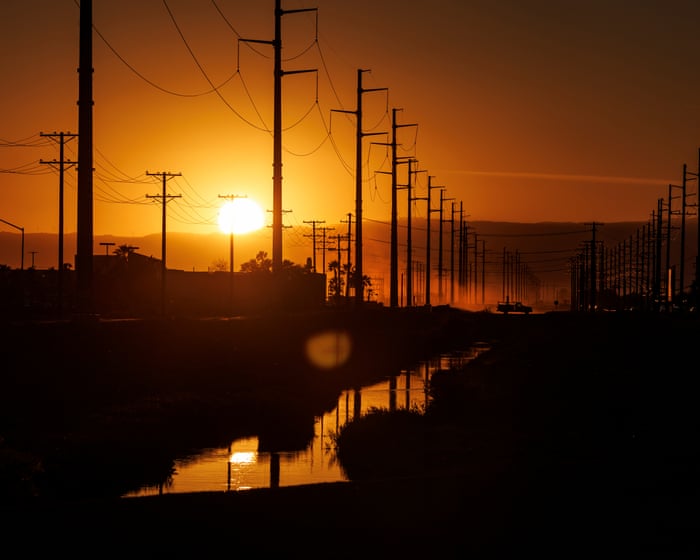



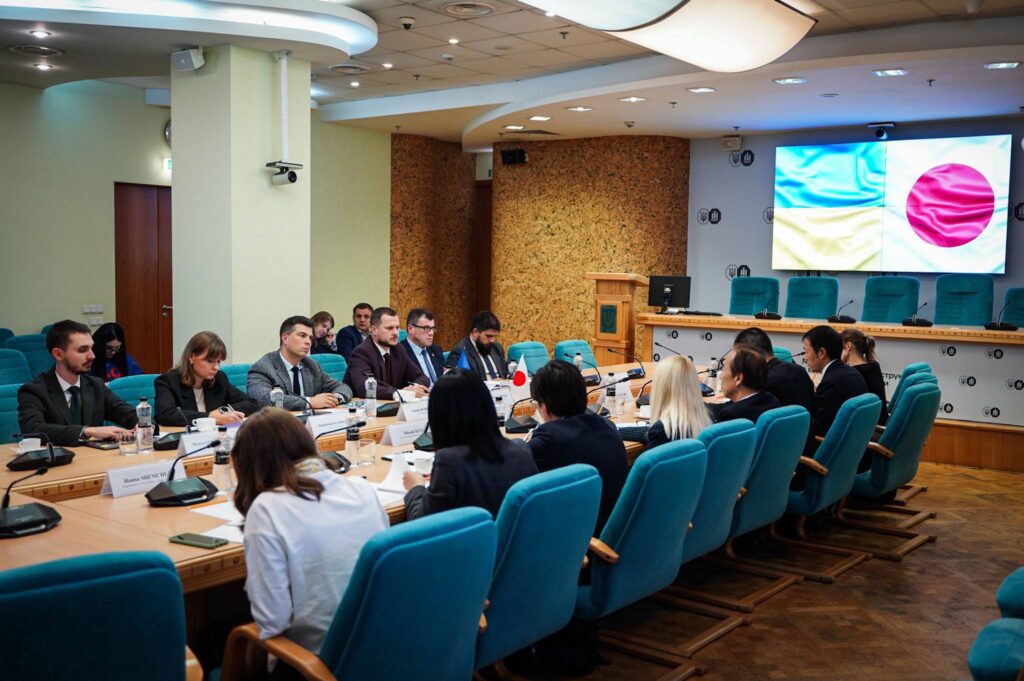



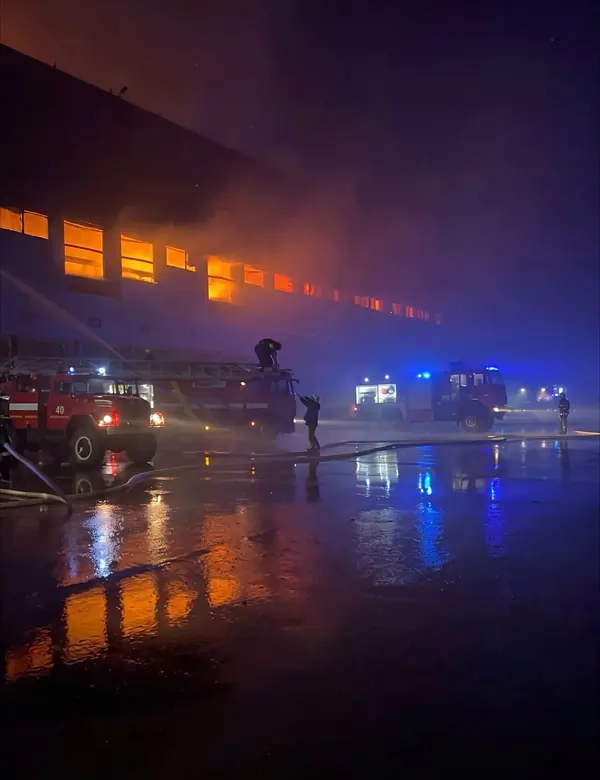

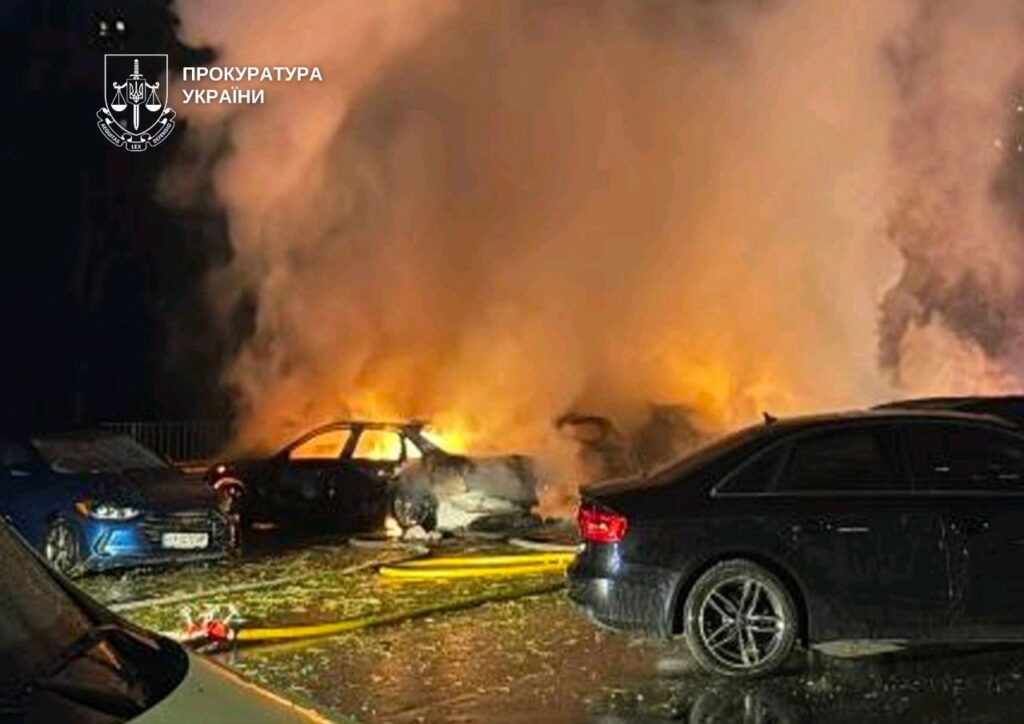

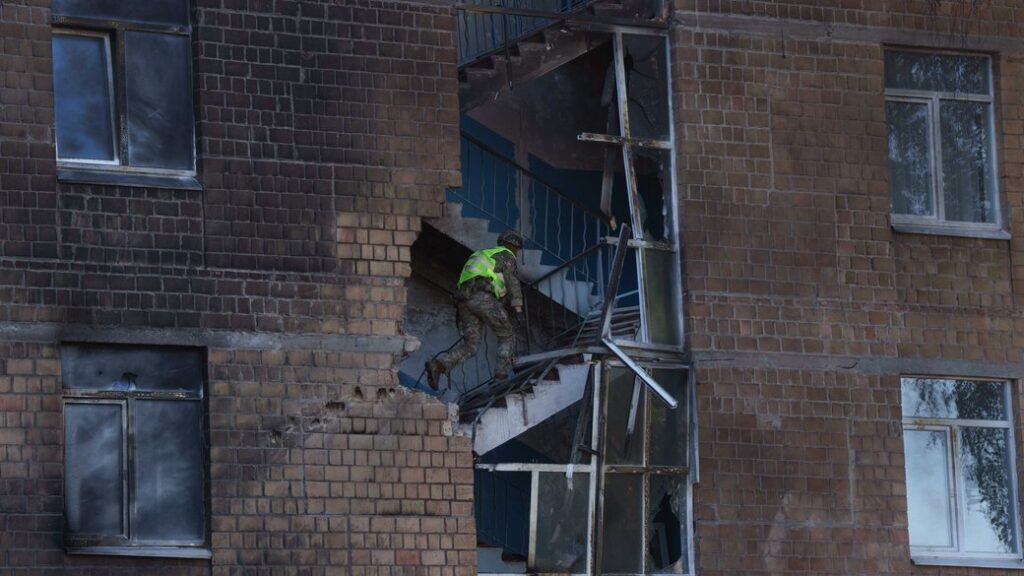

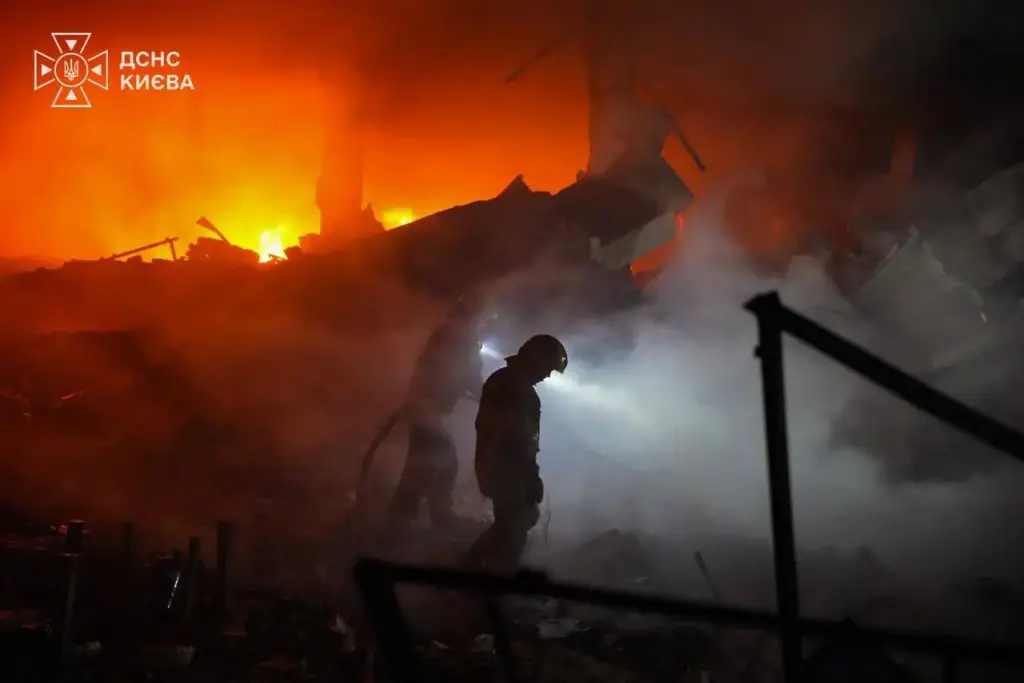

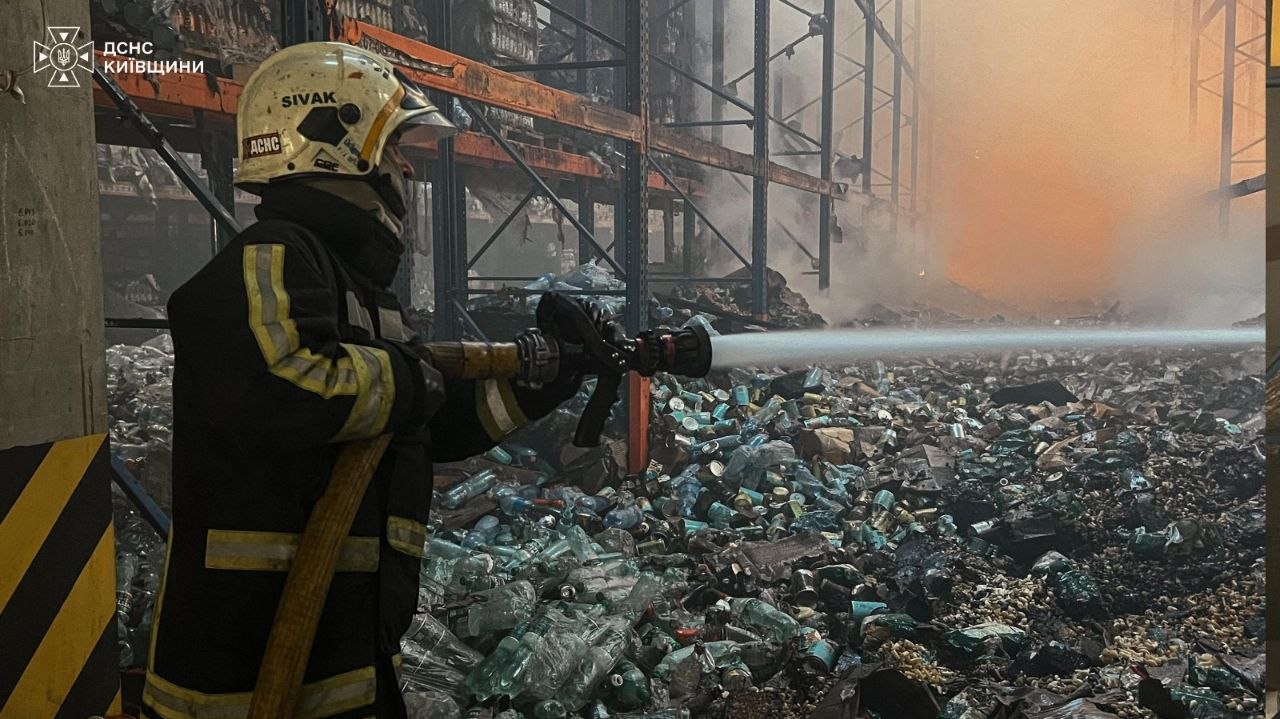


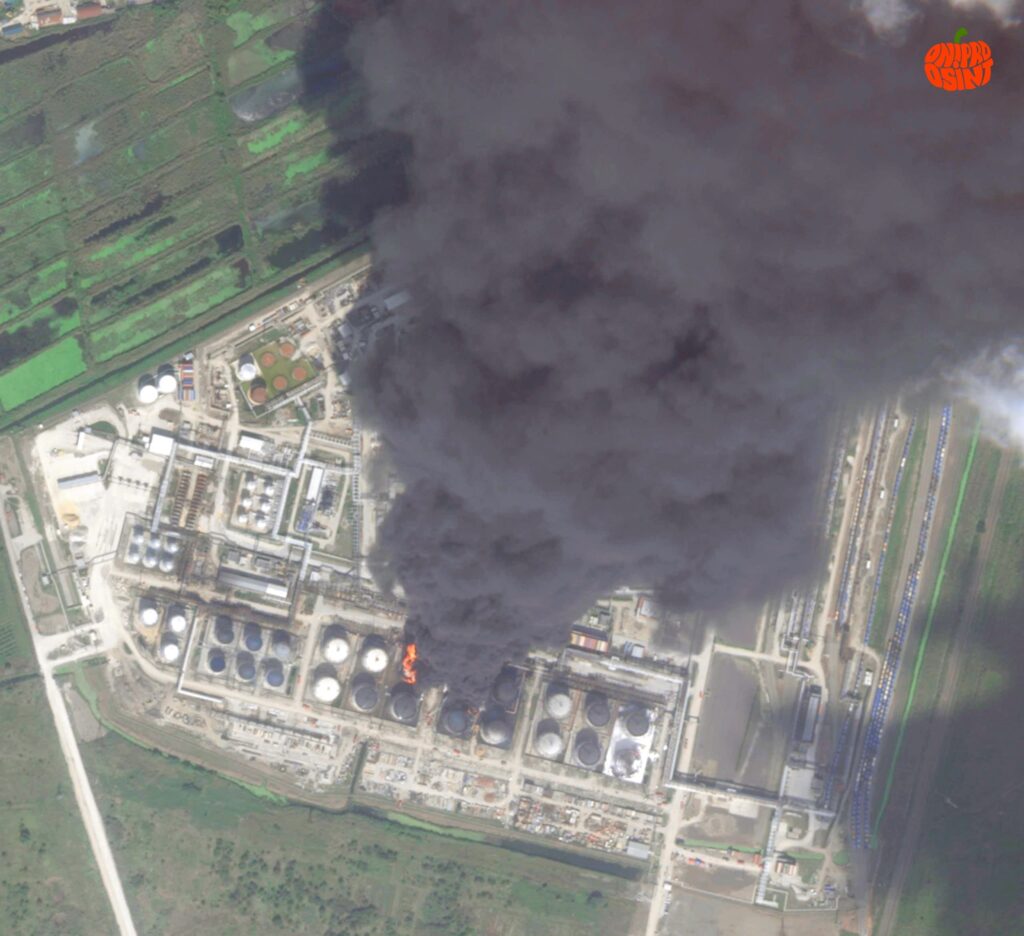
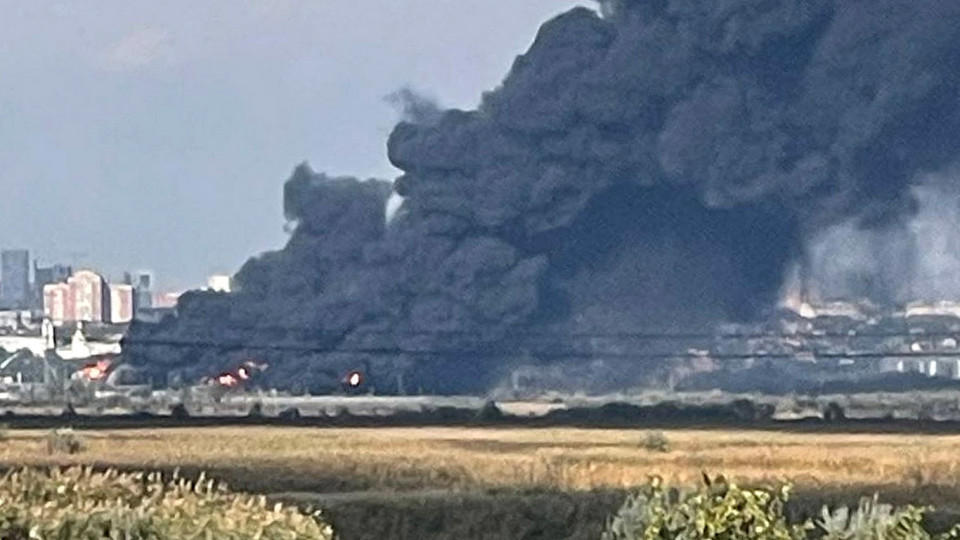




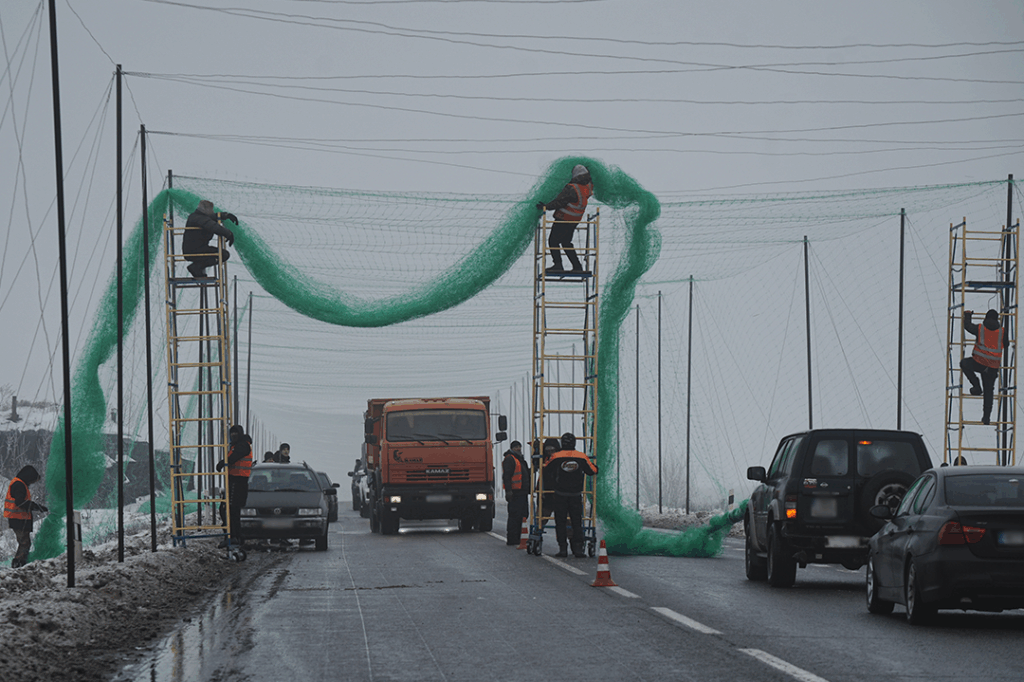


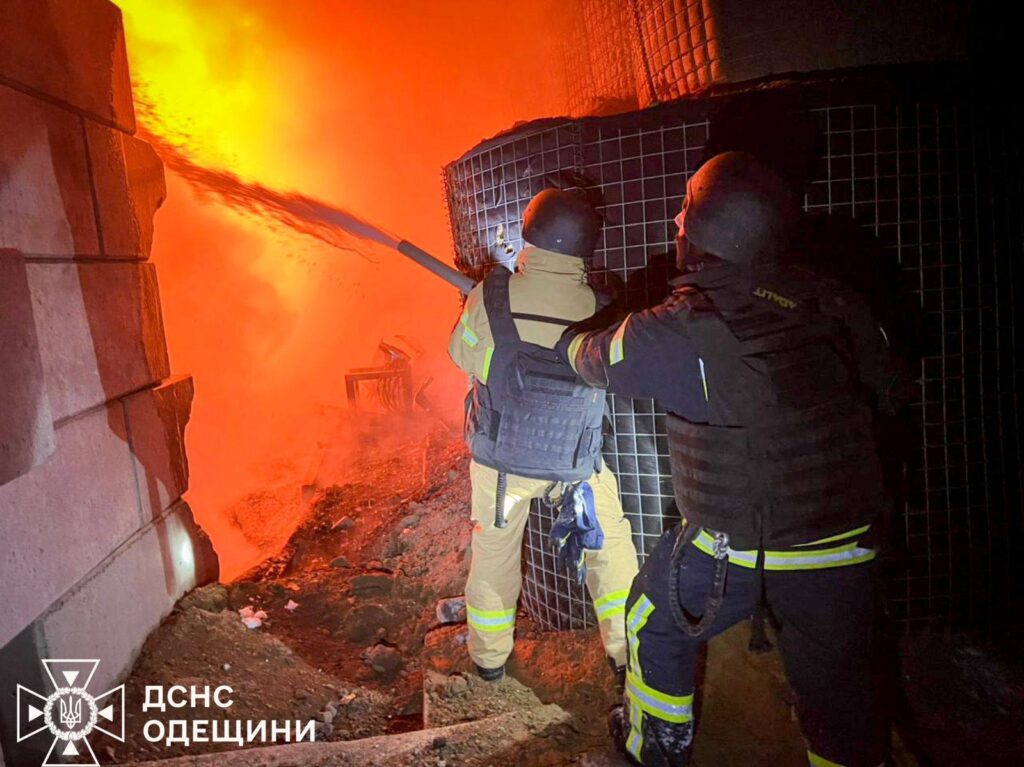
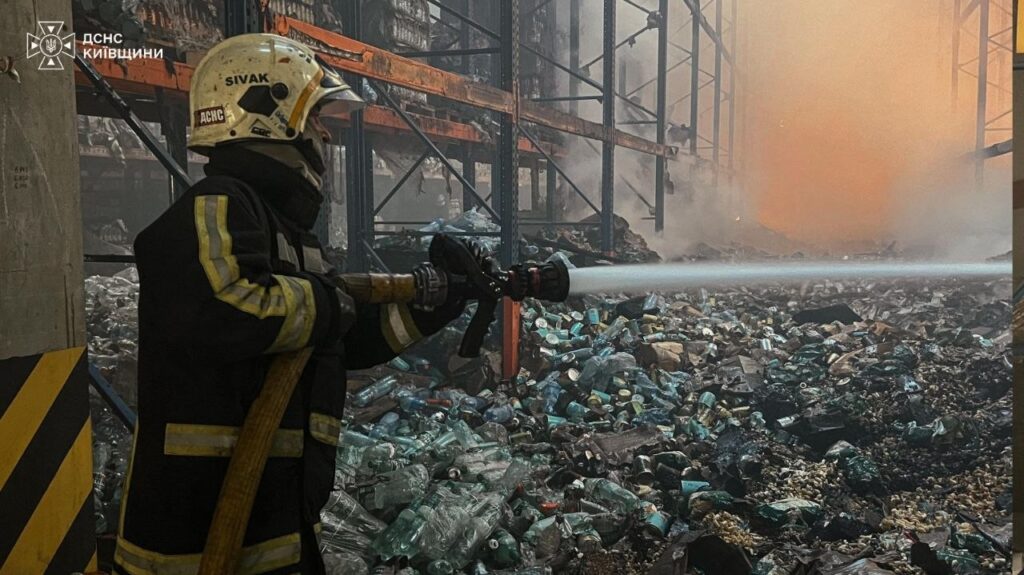

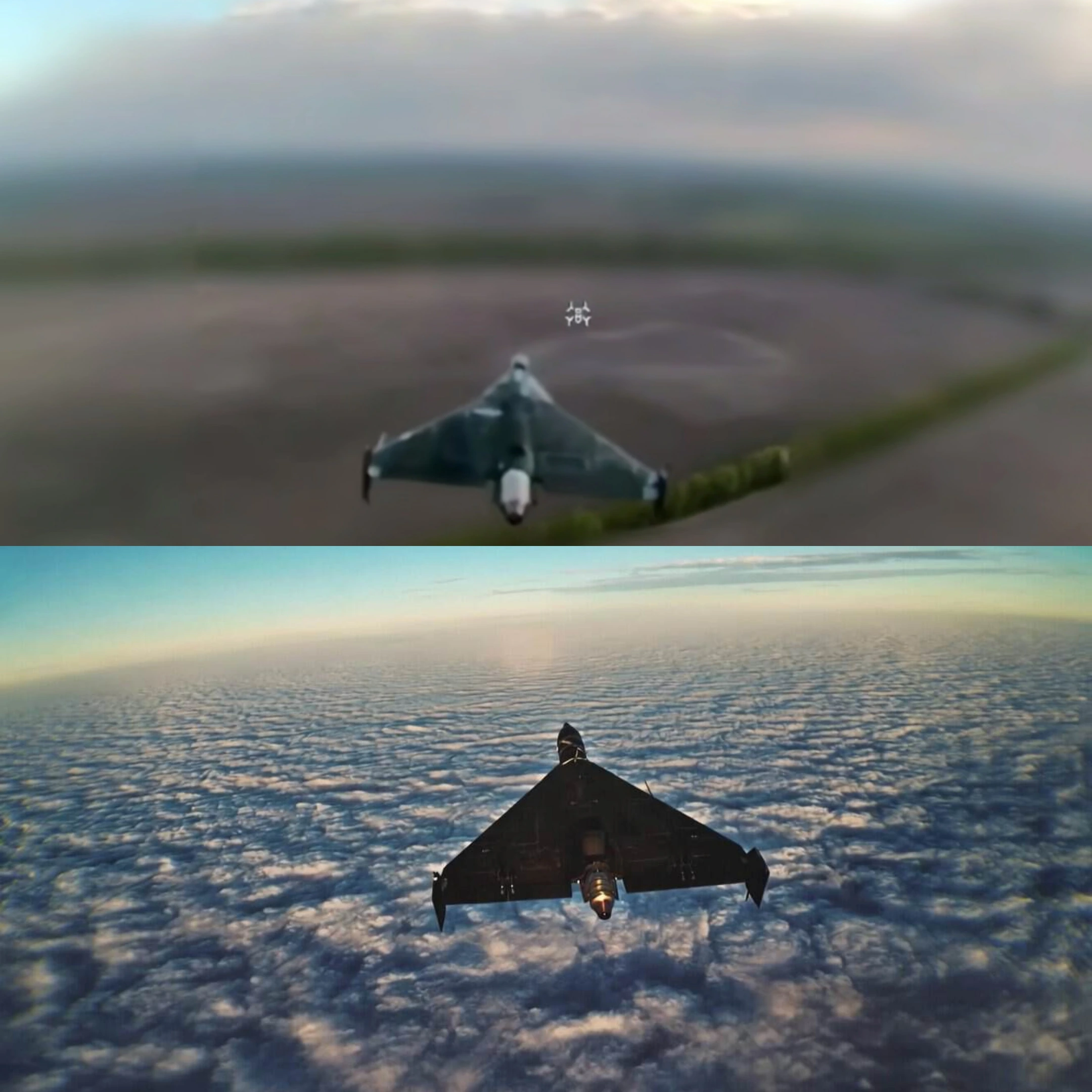

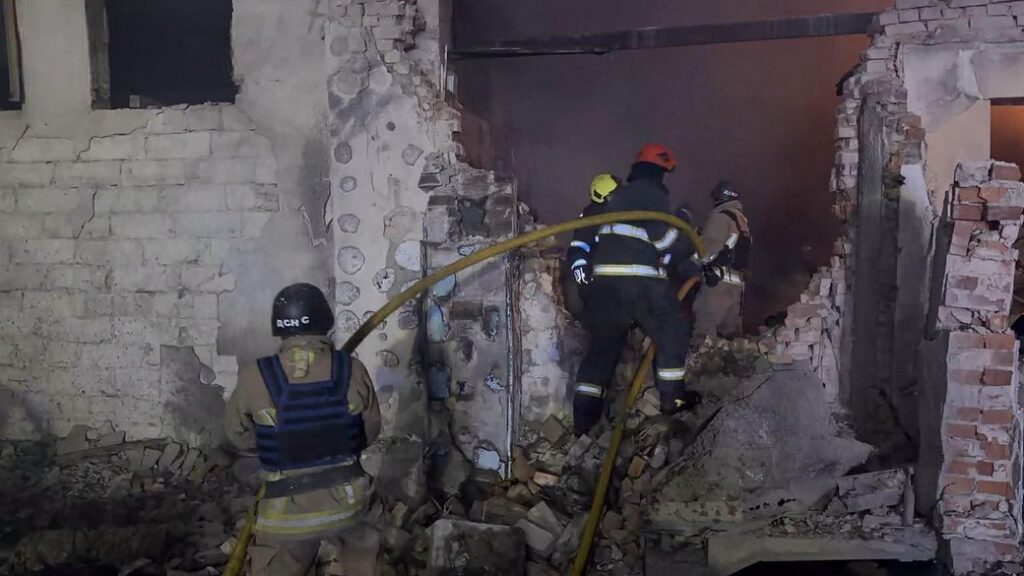

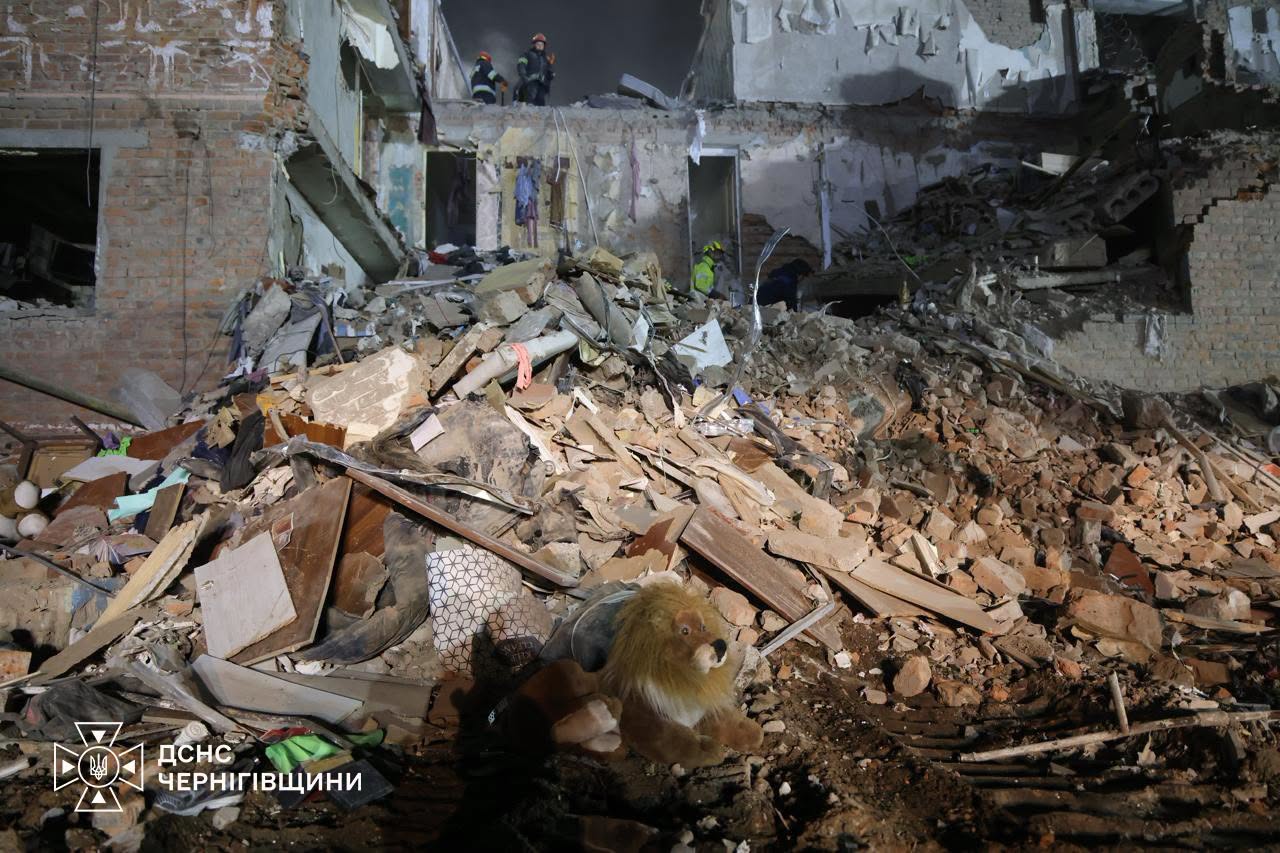
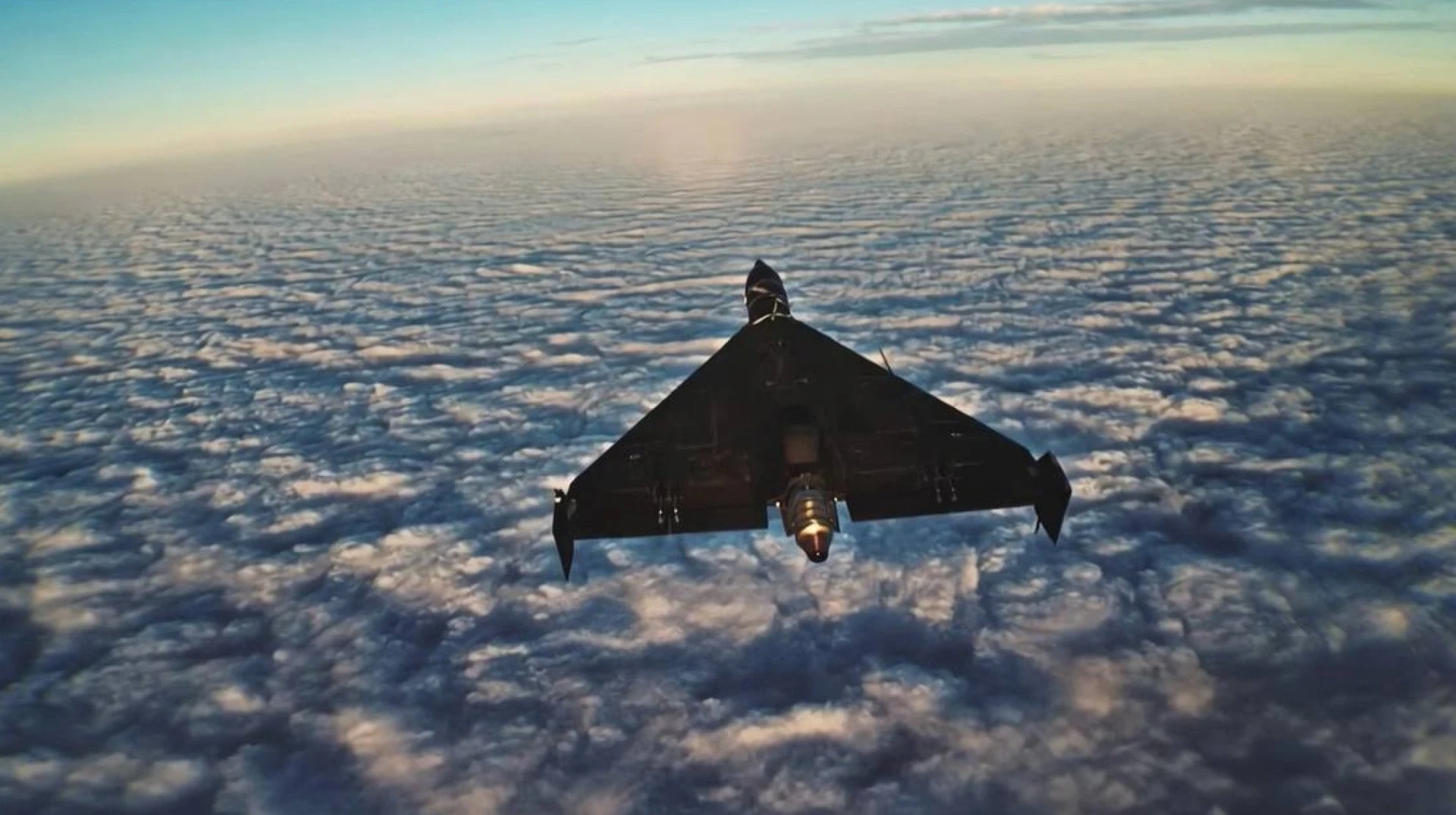

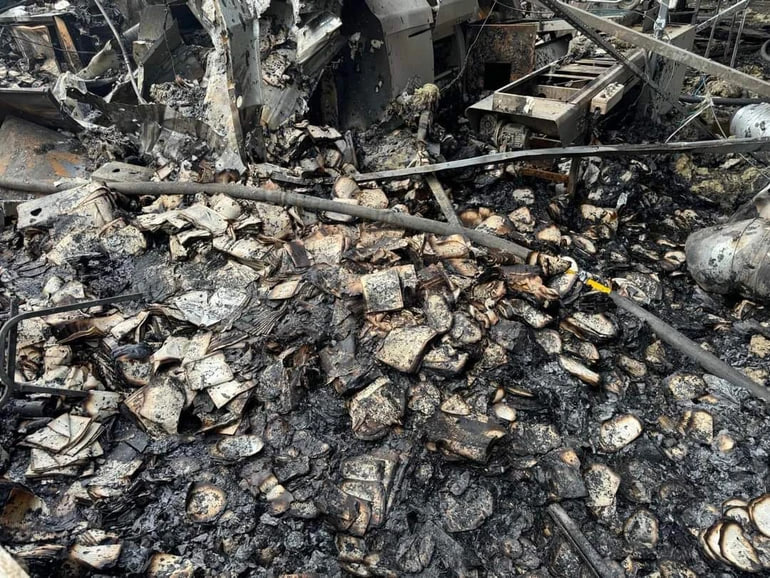


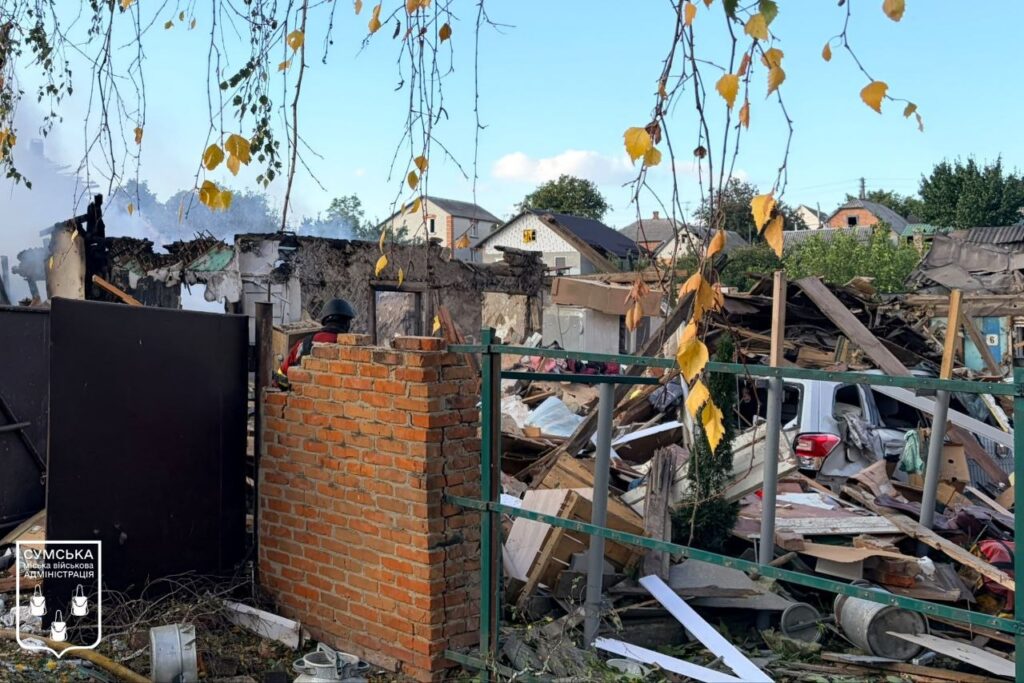





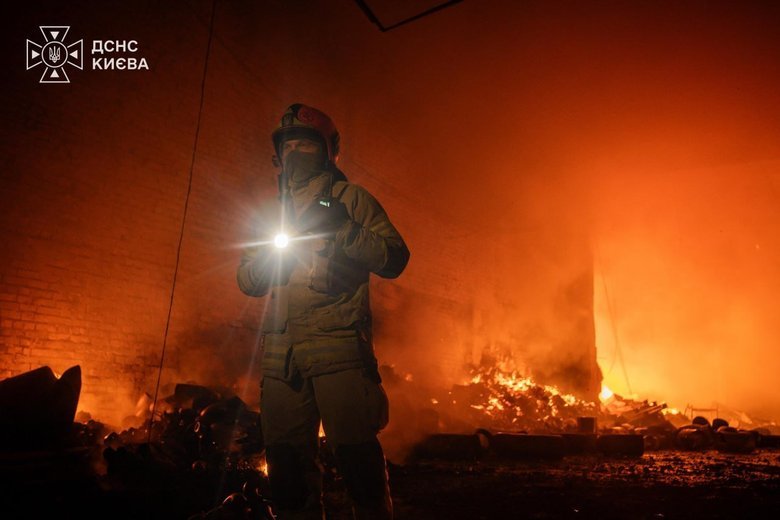
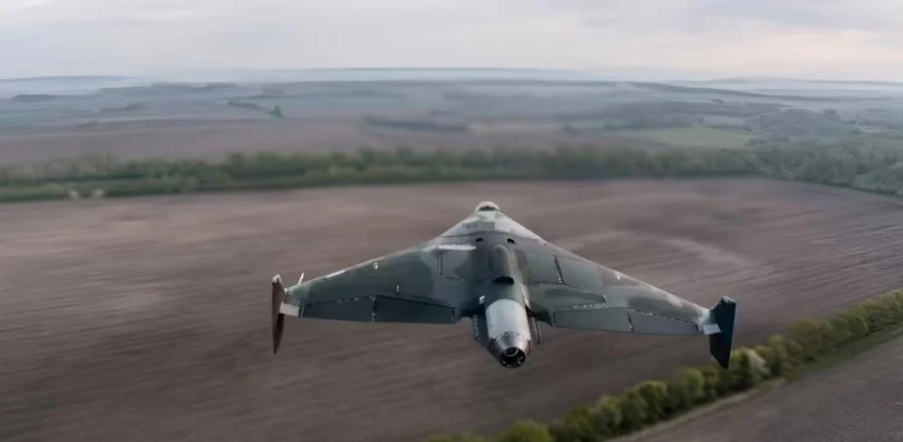
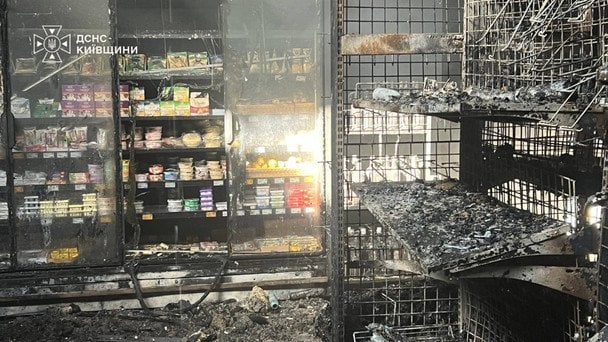
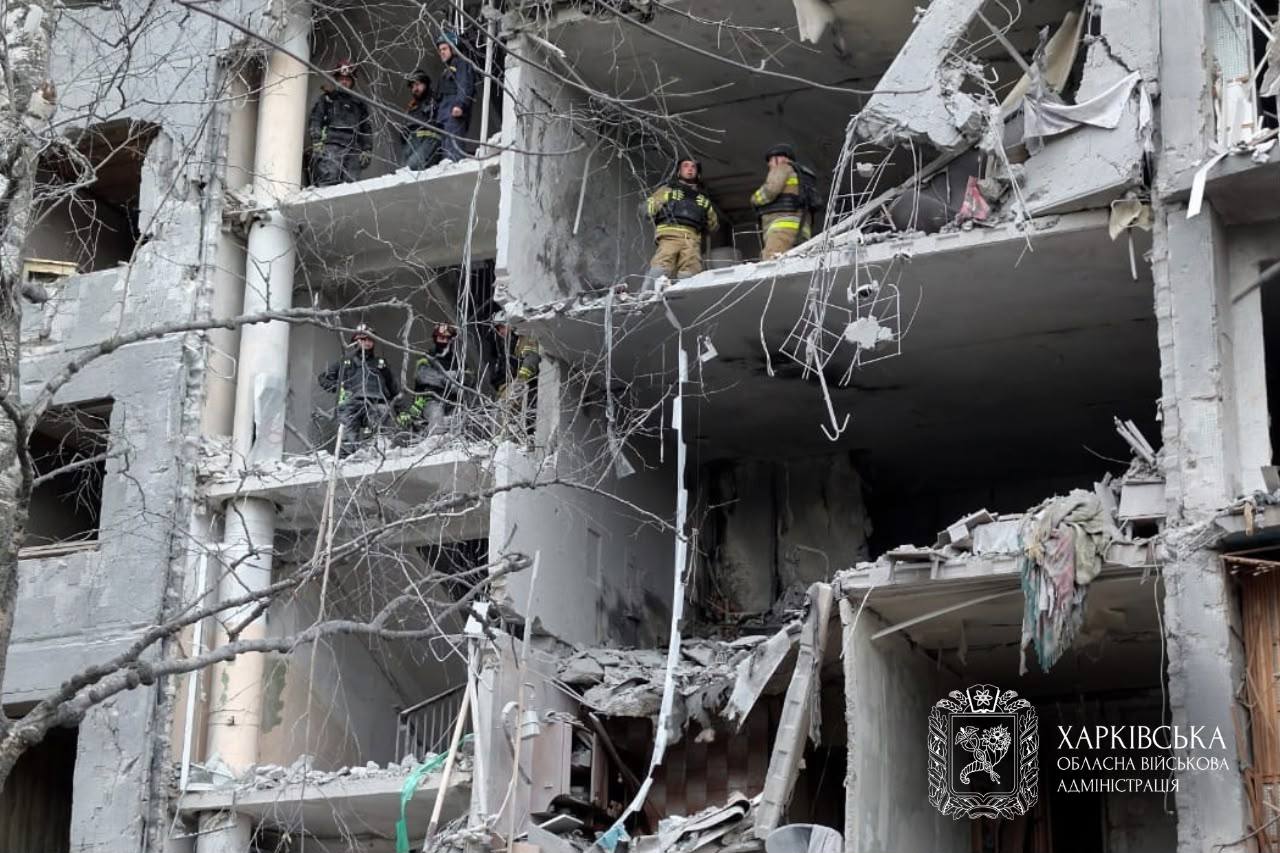
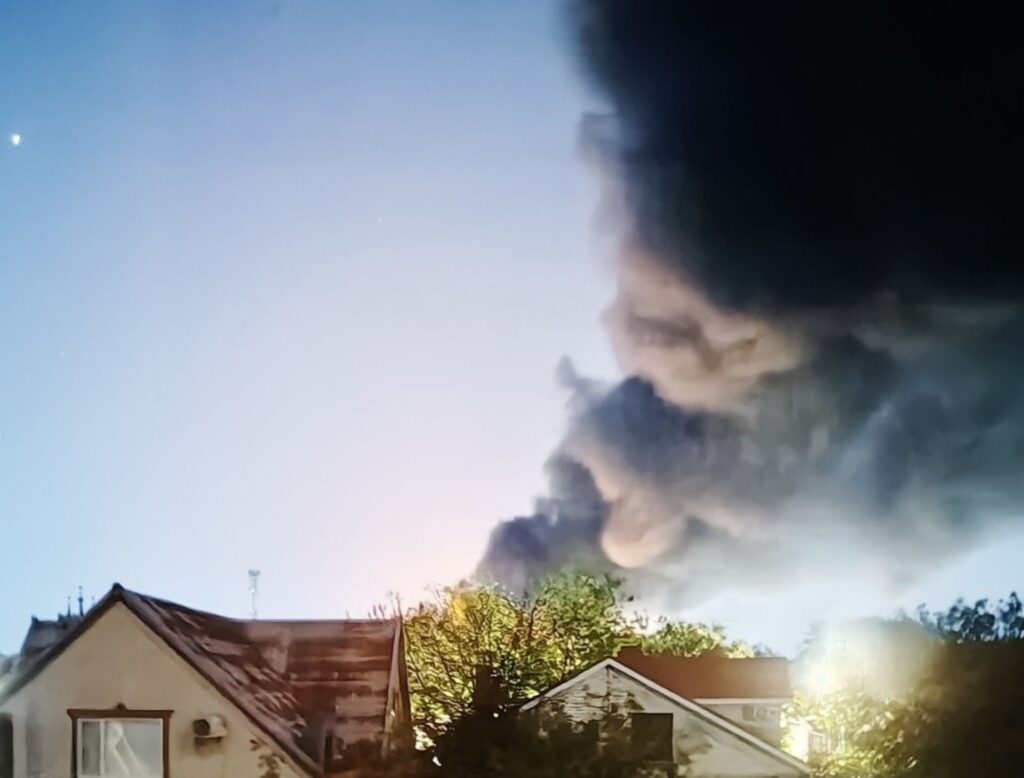



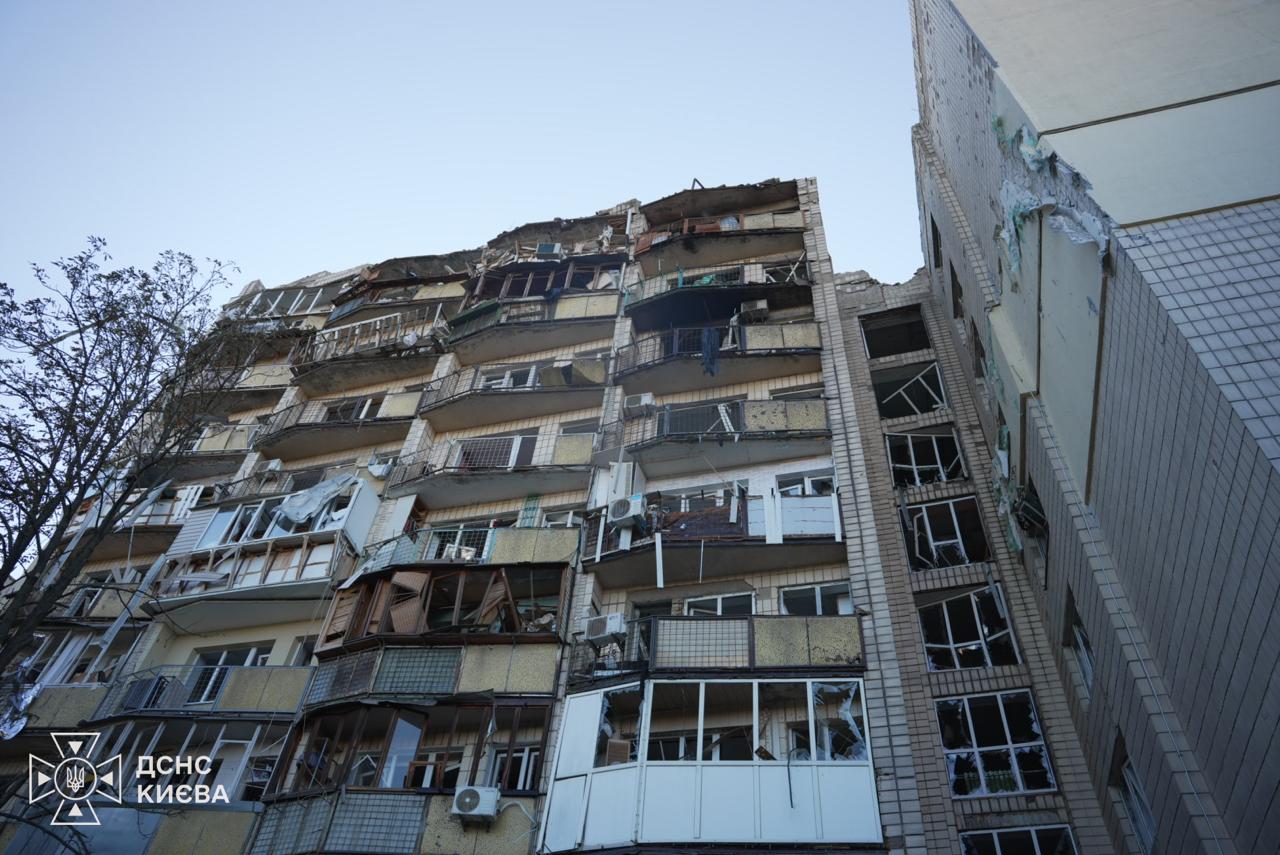
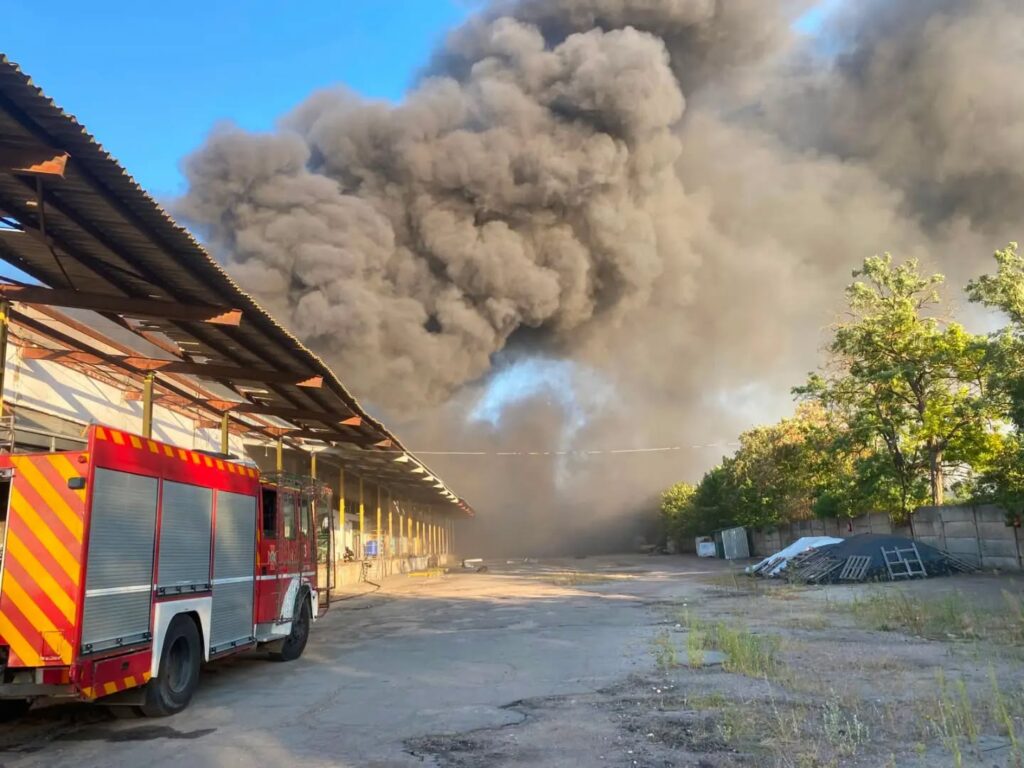

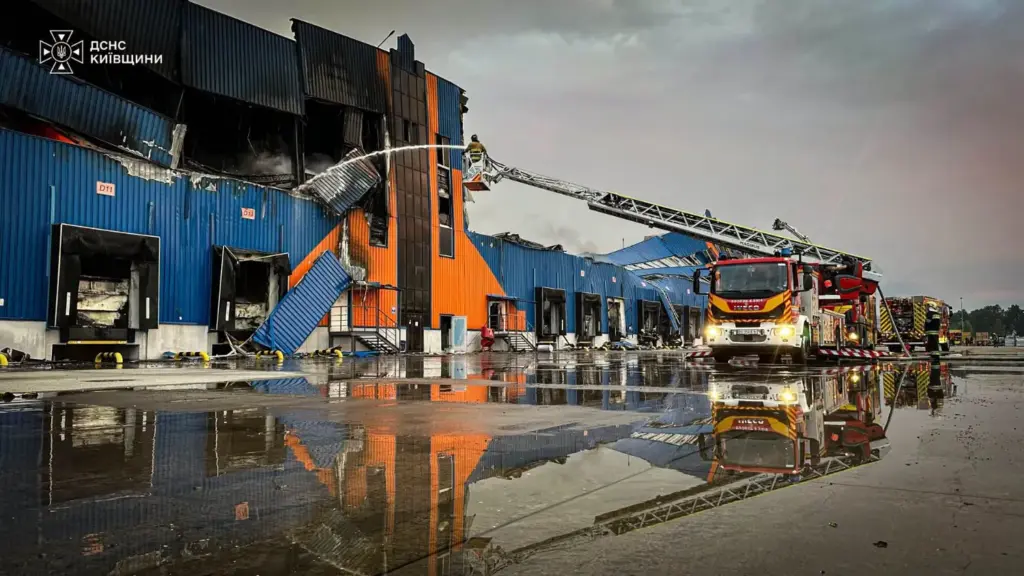
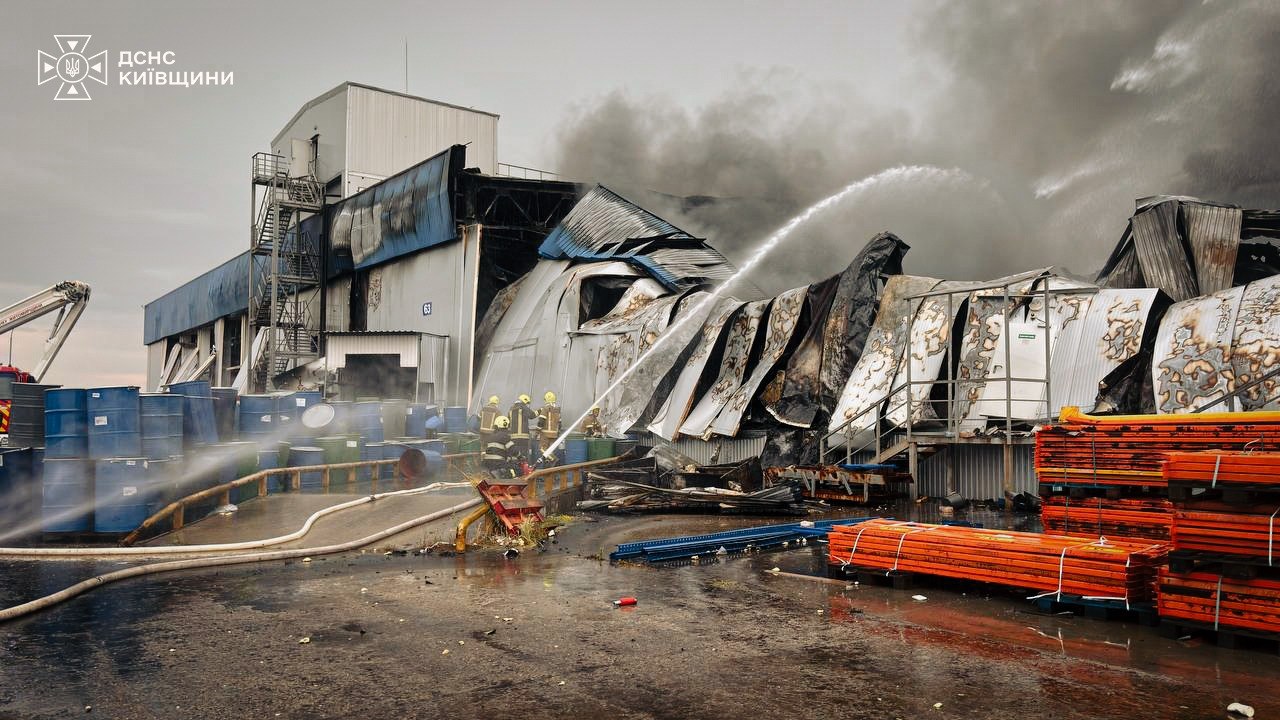
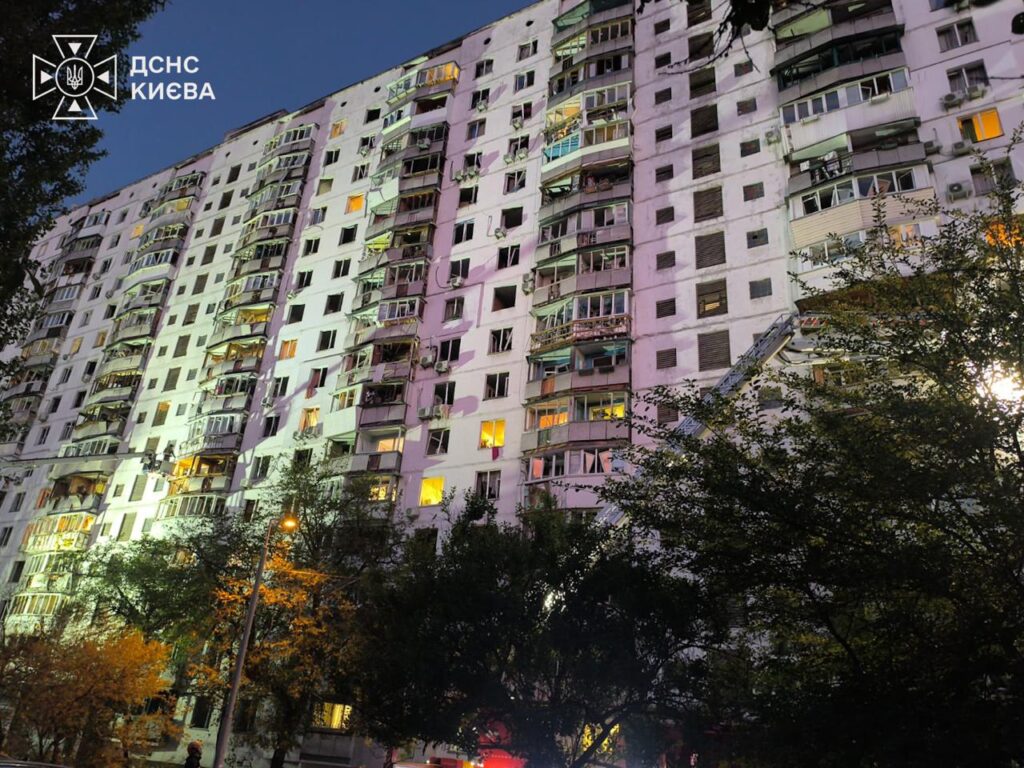
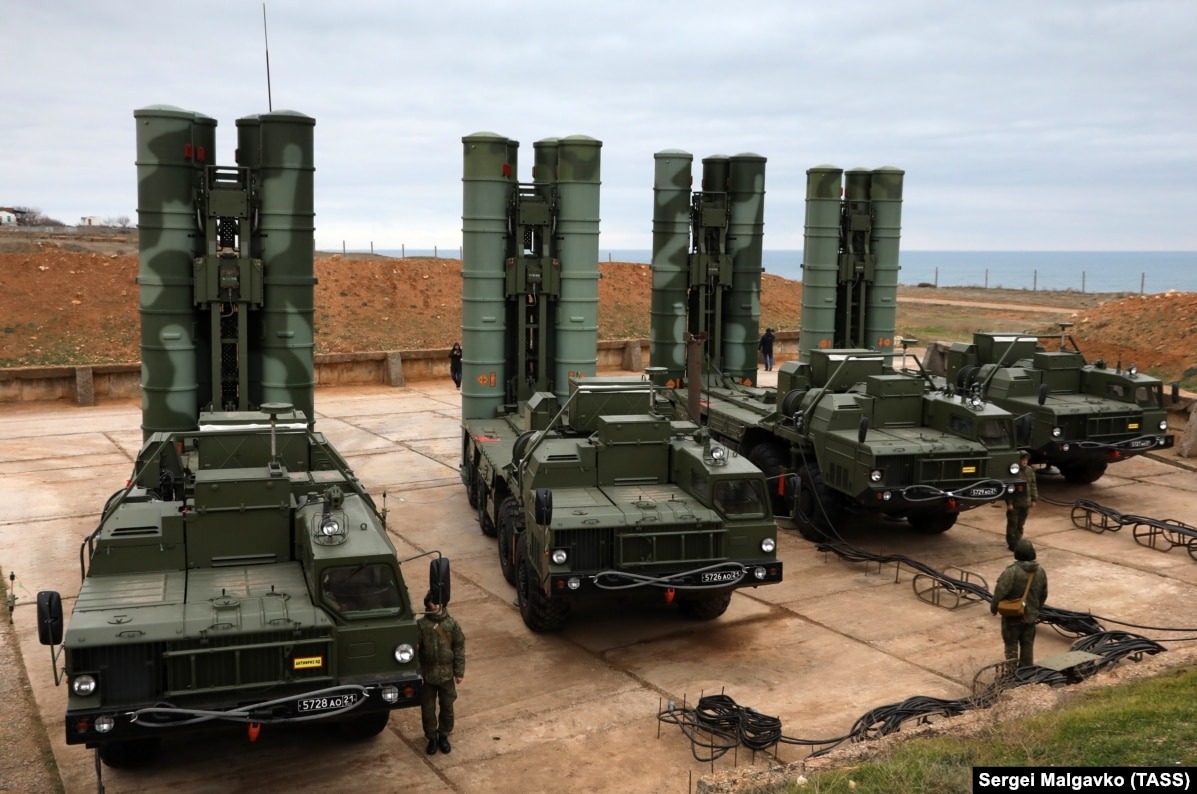
 Ukraine’s State…