Connexion
Twenty Ukrainian firms are racing to catch Russia’s jet-powered Shaheds. This one’s interceptor is already flying combat missions
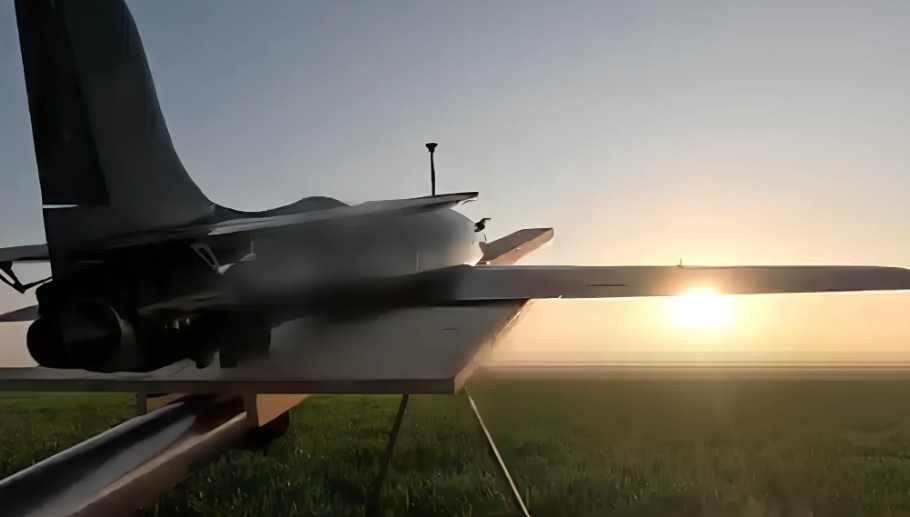
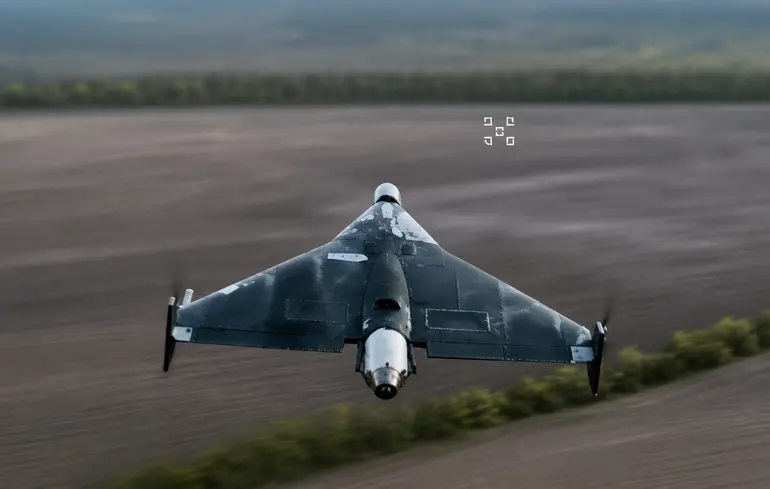
Twenty Ukrainian companies are now building jet-powered interceptors to down Russia's increasingly fast jet-powered drones. One of them, the Ukrainian-British startup Firebolt Engineering, already has an interceptor flying combat missions with two Air Force units and Ukraine's special operations forces, Defender Media reports.
Russia launched more than 2,500 jet-powered drones at Ukraine in August alone, straining air defenses built to catch the slower, piston-engine Shahed-136. Ukrainian Defense Minister Yevhen Khmara said on 30 August 2026 that four interceptor systems have cleared field testing and are being scaled toward mass production. It is unclear whether Griffen, Firebolt's drone, is among them.
Grenadyr funds a spinout
Firebolt was spun out after the UK-based investment fund Grenadyr backed the team behind the interceptor project. Grenadyr's director, Tomasz Wozniak, told the outlet that a reliable way to intercept jet-powered Shaheds "has never been more important" as Russia scales up the faster drones.
Grenadyr and Firebolt have not disclosed the size of the investment, though the fund's check ranged from $350,000 to $1.3 million.
The new company employs up to 25 people across Ukraine and the UK, split into component manufacturing, final assembly, and calibration, plus a separate R&D unit. Its CEO, who asked to be identified only as Mykola, led the interceptor project prior to the spinout.
Griffen flies, but not against jets yet
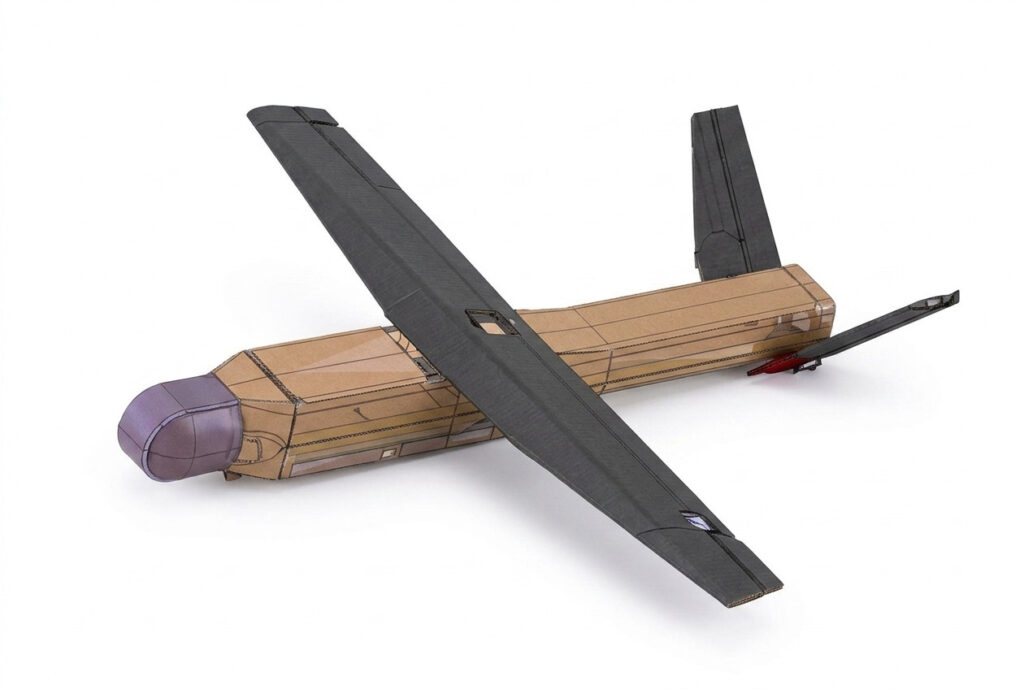
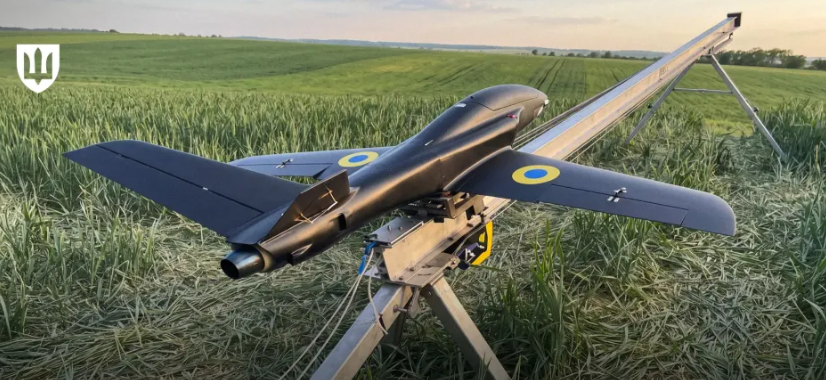
Griffen, Firebolt's first product, is a fixed-wing, jet-powered interceptor that reaches speeds above 350 km/h, altitudes above 7.5 km, and a range of up to 120 km, according to Defender Media. Mykola said the team aims to push its speed past 400 km/h through aerodynamic changes. The drone currently costs an estimated $8,300–$10,500.
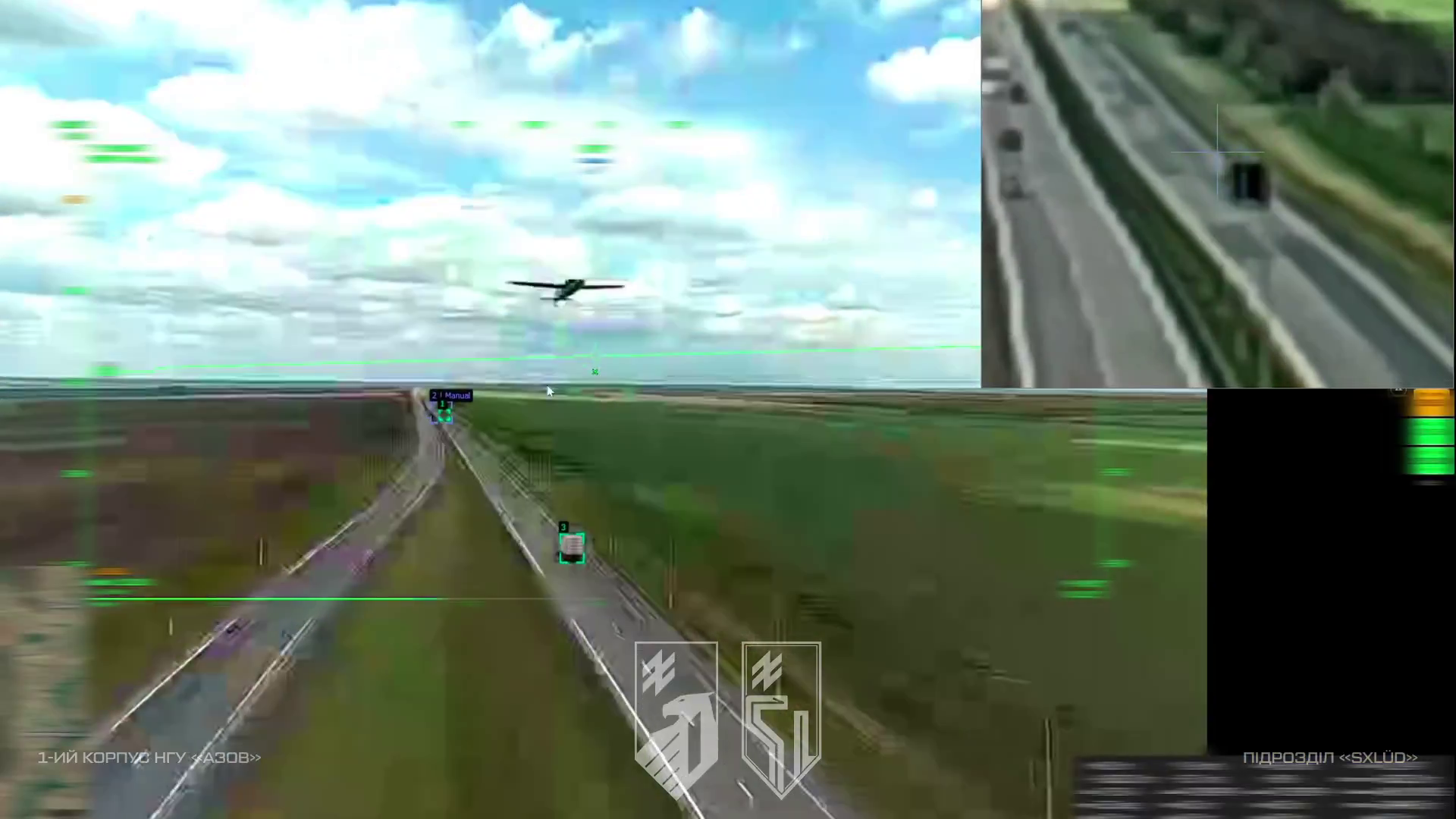
Griffen still flies on Chinese engines while its British partner, Dynamic Propulsion, develops a turbojet built specifically for the drone, with test samples expected by the end of summer. Firebolt can build 30 Griffens a month and is working to add more crews to fly them, Mykola said. The drone's first confirmed kill, however, was a conventional-engine Geran — not the jet-powered variant it was designed to catch.
Autonomy waits on Ukraine's radars
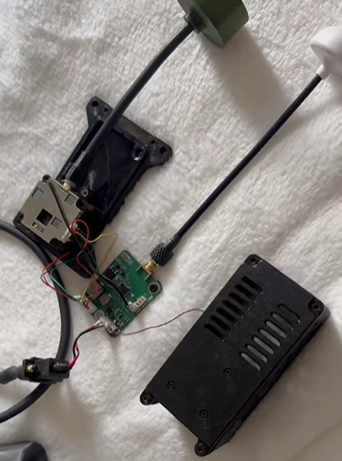
Firebolt is developing a homing system meant to let Griffen find and strike targets without an operator, a goal shared by rival interceptor makers The Fourth Law, SkyFall, and F-Drones. The system is in testing and expected to ship by default by mid-fall, Mykola said.
Full autonomy, he added, is bottlenecked by Ukraine's radar coverage, which he described as too thin and fragmented to reliably feed target data to an autonomous drone. Closing that gap, he said, depends on the state buying more radars — a decision outside Firebolt's control.
Read also
-
Russia’s air war has cost the average Ukrainian mall 166.8 working days since 2022, about eight months of closed floors
-
Russia’s air war has cost the average Ukrainian mall 166.8 working days since 2022, about eight months of closed floors
-
190 or 580 Patriot missiles? What Ukraine’s EU-loan request could buy—and why Washington still decides