Ukraine and the EU have agreed to establish a joint working group to accelerate rule-of-law and anti-corruption reforms. This will help Kyiv meet the interim benchmarks for EU accession, Enlargement Commissioner Marta Kos says on X after talks with Ukrainian Prime Minister Serhii Koretskyi.
Ukraine’s path into the EU runs through its courts and anti-corruption agencies, and the bloc releases membership progress and much of its money only as Kyiv delivers those reforms.
“Ukraine is a
Ukraine and the EU have agreed to establish a joint working group to accelerate rule-of-law and anti-corruption reforms. This will help Kyiv meet the interim benchmarks for EU accession, Enlargement Commissioner Marta Kos says on X after talks with Ukrainian Prime Minister Serhii Koretskyi.
Ukraine’s path into the EU runs through its courts and anti-corruption agencies, and the bloc releases membership progress and much of its money only as Kyiv delivers those reforms.
“Ukraine is among the countries making most progress towards EU membership,” Kos says, adding that the group will work through outstanding requirements on the rule of law and the fight against corruption.
The move follows a breakthrough on the accession track. On 13 October, the Council of the EU opened two more negotiating clusters for Ukraine after the Ukrainian Parliament passed a minority-language education law on 12 October, clearing Hungary’s veto.
Why the reforms decide the money and the timeline
The group lands amid pressure on both fronts. Kos cast the education law as proof the system can work, crediting Ukrainian lawmakers with the consensus needed to adopt the reforms membership requires.
Meanwhile, Koretskyi expects the remaining clusters to open by the end of the year.
“Our success will require unity and commitment from all involved Ukrainian partners,” Kos emphasizes.
The official made clear the outcome depends on Ukraine keeping its side. The reforms are the same ones tied to Ukraine’s wartime financing, with billions in EU aid released only as Kyiv meets its commitments.
Billions in EU money hang on laws Ukraine has not passed
The stakes are financial as well as political. Ukraine is deep in a budget crunch and leaning on EU financing to keep the country running, and the Ukrainian Parliament returned from a month-long break this week to work through reform bills tied to that support.
As of 12 October, none of the needed laws had passed, according to anti-corruption activist Vitaliy Shabunin, who said the delay is already costing the country and blamed lawmakers who have stalled the reforms the money is tied to.
“As of today, Ukraine has NOT received several BILLION euros from the EU and others, because members of parliament have blocked the reforms to which that money is linked,” Shabunin said.
The front changes faster than any headquarters, so Ukraine’s war chief went to the people who fight on it. On 16 October, Ukrainian Defense Minister Yevhenii Khmara met commanders and soldiers from front-line units to discuss the needs of the front, command practices that save lives, and ways to raise combat effectiveness, the Defense Ministry reported.
The front keeps changing, with technology, tactics and weapons shifting constantly, so decisions made far from it risk arriving late an
The front changes faster than any headquarters, so Ukraine’s war chief went to the people who fight on it. On 16 October, Ukrainian Defense Minister Yevhenii Khmara met commanders and soldiers from front-line units to discuss the needs of the front, command practices that save lives, and ways to raise combat effectiveness, the Defense Ministry reported.
The front keeps changing, with technology, tactics and weapons shifting constantly, so decisions made far from it risk arriving late and costing lives. Khmara’s answer is to anchor ministry policy in the experience of the soldiers who fight, a continuation of the “machines over men” program.
"The front does not stand still. But the key thing is people. People will always be the foundation and the main value of the Defense Forces,” Khmara said.
He claimed that the decisions of the Ministry of Defense must take into account the experience of warriors, those who directly carry out combat missions at the front.
Ukraine's most battle-hardened brigades say their word
The meeting drew commanders from across the force, including the Airborne Assault Forces, the Marine Corps, the 93rd, 100th, 28th and 155th mechanized brigades, the 1st, 425th and 475th assault regiments, the 3rd and 59th assault brigades, and Azov.
The last one, the 1st Azov Corps of the National Guard of Ukraine, is actively fighting in Donbas Oblast, where units have led counter-operations to disrupt Russian advances toward fortress cities that have been holding Russia's operation since 2014.
Meanwhile, the 93rd "Kholodnyi Yar" Separate Mechanized Brigade took part in fierce battles for Ilovaisk, the Donetsk Airport, Debaltseve, and Bakhmut, as well as in the liberation of the Kharkiv Oblast. Both units are known for their extensive implementation of advanced military technologies, including ground robotic complexes, FPV strike drones, and innovative anti-drone electronic warfare systems.
Command tricks that keep soldiers alive
The talk turned on how good commanders cut their own losses. Participants discussed command approaches that help save soldiers’ lives, use resources efficiently, and achieve combat results.
The ministry wants those methods studied and spread to other units, treating commanders' hard-won judgment as something to scale rather than leave in one brigade.
One goal: fewer Ukrainian losses, more Russian ones
Khmara framed the task in plain terms.
“We must adapt faster and give our warriors modern and effective tools,” he stressed, calling it the shared job of the Defense Ministry, the commander-in-chief and the General Staff.
President signed the legislation championed by late senator Lindsey Graham last month but has waived the restrictions as they were due to come into effectDonald Trump has put on hold a sweeping new sanctions package targeting the Russian economy, telling Congress the pause on the legislation passed by both chambers was in the national interest.In an executive order on Friday, the US president said he was waiving many sanctions, restrictions and duties on Russia, in a move that comes as he has
President signed the legislation championed by late senator Lindsey Graham last month but has waived the restrictions as they were due to come into effect
Donald Trump has put on hold a sweeping new sanctions package targeting the Russian economy, telling Congress the pause on the legislation passed by both chambers was in the national interest.
In an executive order on Friday, the US president said he was waiving many sanctions, restrictions and duties on Russia, in a move that comes as he has been publicly criticising Ukrainian president Volodymyr Zelenskyy, including suggesting that Ukraine needs a new leader.
Elon Musk approached US President Donald Trump with a proposal to limit the speed of Starlink satellite communications in Ukraine, disrupting Kyiv’s ability to counter Russian drone attacks, The Telegraph reported on 16 October, citing four sources familiar with the discussions.
The restrictions had immediate consequences for Ukraine’s defenses, forcing some drone missions against Russian positions to be called off and threatening the ability to intercept Russian jet-powered drones as t
Elon Musk approached US President Donald Trump with a proposal to limit the speed of Starlink satellite communications in Ukraine, disrupting Kyiv’s ability to counter Russian drone attacks, The Telegraph reported on 16 October, citing four sources familiar with the discussions.
The restrictions had immediate consequences for Ukraine’s defenses, forcing some drone missions against Russian positions to be called off and threatening the ability to intercept Russian jet-powered drones as they targeted Ukrainian cities at the time.
According to The Telegraph, Trump agreed with Musk’s suggestion, paving the way for the Pentagon to impose restrictions on Starshield, the military-grade version of SpaceX’s satellite network used by Ukrainian forces.
The report contradicts Musk’s public claim that the US military and ultimately Trump were responsible for deciding any limits on the system. However, Trump denied that either he or Musk was responsible for Ukraine losing access, while an anonymous US official told AFP that the president had not requested the reduction in service.
The reported restrictions come amid tensions between Washington and Kyiv over Ukrainian strikes on Russian oil refineries. The episode has raised concerns about Ukraine’s dependence on privately controlled communications infrastructure and the risk that changes to US support could weaken its battlefield capabilities.
Starshield is the military-grade version of Starlink, SpaceX’s satellite internet network. It allows Ukrainian drone operators to maintain communications with aircraft moving at high speeds, supporting both defensive interception missions and strikes against Russian targets.
The speed limit imposed on Ukrainian drones using Starshield was around 160 kph, making it difficult for them to intercept Russian jet-powered drones and missiles traveling at roughly twice that speed.
According to The Telegraph, a senior source said Musk had become concerned about potential backlash from European consumers following the restrictions. A high-ranking European official and two Ukrainian sources reportedly corroborated the account that Musk and Trump were both involved in the decision.
The Pentagon has not publicly explained the restrictions. The report’s account also remains disputed: Trump said on 16 October that he did not believe either he or Musk was responsible for Ukraine losing access, while an anonymous US official cited by AFP said the president had not requested the reduction.
Explore further
“Trump and Musk must be held accountable”: US senator warns Starlink network failing over Ukraine could cripple its shield against Russian missiles and drones
Ukraine says Starshield capabilities are being restored
Ukrainian President Volodymyr Zelenskyy said on 16 October that restrictions on SpaceX’s Starshield satellite communications system had disrupted several military operations, including efforts to intercept Russian jet-powered Geran drones attacking Ukrainian cities.
Zelenskyy said Ukraine did not use Starlink to support attacks inside Russia, but relied on the system to intercept drones targeting civilians, conduct mid-range strikes against Russian military targets in occupied Ukrainian territory, and deliver food and water to frontline troops using drones.
“When the speed was reduced, we were unable to intercept a certain number of jet-powered ‘shaheds,’ [Gerans - ed.]” Zelenskyy wrote on X, adding that Ukrainian forces had lost the ability to carry out some operations while the restrictions were in place.
Zelenskyy said Ukraine’s Defense Ministry was in contact with partners and had received signals from the White House that the capabilities would be restored. However, he stressed that speeds had not yet returned to their previous levels, although restoration was underway.
We don’t use Starlink for our responses inside Russia. We use Starlink to intercept jet-powered “shaheds” that attack our civilians and kill families.
Starlink wasn’t turned off – its speed was reduced. And when the speed was reduced, we were unable to intercept a certain number…
— Volodymyr Zelenskyy / Володимир Зеленський (@ZelenskyyUa) October 16, 2026
Europe warns against dependence on Musk’s network
The latest episode has renewed European concerns about relying on Musk and SpaceX for critical communications infrastructure. Polish Foreign Minister Radosław Sikorski warned Musk on social media that European customers were watching his actions, The Telegraph reported.
The European Union is developing its own satellite communications system, IRIS², intended to provide an alternative to Starlink, according to The Telegraph. The system is planned to become operational by 2030, leaving Ukraine and European governments dependent on existing providers in the meantime.
The report adds to concerns that decisions made in Washington or by private technology providers could directly affect Ukraine’s ability to defend itself against Russian attacks.
Belgium plans to deliver 10 F-16 fighter jets to Ukraine by the end of 2026, Prime Minister Bart De Wever announced on 16 October, raising the expected number from three amid delays in transferring the aircraft.
The expanded commitment comes as Ukraine faces sustained Russian drone and missile attacks and needs additional combat aircraft to strengthen its air defenses.
De Wever made the announcement at a press conference in Brussels alongside Ukrainian President Volodymyr Zelenskyy,
Belgium plans to deliver 10 F-16 fighter jets to Ukraine by the end of 2026, Prime Minister Bart De Wever announced on 16 October, raising the expected number from three amid delays in transferring the aircraft.
The expanded commitment comes as Ukraine faces sustained Russian drone and missile attacks and needs additional combat aircraft to strengthen its air defenses.
De Wever made the announcement at a press conference in Brussels alongside Ukrainian President Volodymyr Zelenskyy, Anadolu Agency reported. He said Belgium’s deliveries had fallen behind schedule because its new US-made F-35 fighter jets arrived later than expected.
Belgium also discussed supplying more ammunition for Ukraine’s F-16s.
F-16 deliveries delayed by F-35 schedule
“We will deliver 10 this year,” De Wever said, explaining that delays in receiving Belgium’s F-35s had held up the transfer of its F-16s. The new aircraft are now beginning to arrive, allowing Belgium to move forward with deliveries to Ukraine.
Zelenskyy confirmed that Kyiv expects additional F-16s from Belgium by the end of the year and thanked Brussels for the agreement.
The announcement marks an increase from Belgium’s previously reported plan to send three F-16s to Ukraine by the end of 2026. The new figure would more than triple the number expected under that earlier commitment.
F-16s to help counter Russian jet-powered drones
De Wever said Ukraine urgently needs operational fighter jets and described the F-16 as one of the few weapons capable of effectively countering Russian jet-powered drones.
The aircraft can also intercept cruise missiles and other aerial targets, while carrying out electronic warfare and combat missions. Ukraine received its first F-16s in 2024 after allies agreed to supply the aircraft and train Ukrainian pilots.
Explore further
Belgium rushes three F-16s to Ukraine as Russia expands its drone and missile assault
Belgium discusses ammunition and financial support
Zelenskyy and De Wever also discussed supplying additional ammunition for Ukraine’s F-16s, including 20 mm rounds produced by Belgian defense company FN Herstal.
The leaders also reportedly discussed Ukraine’s financial needs, though neither provided details on potential next steps. Belgium remains at the center of discussions over frozen Russian assets, as Brussels hosts Euroclear, which holds a large share of the immobilized funds.
Ukraine has received undisclosed assistance from Poland as it struggles to defend against increasingly intense Russian drone and missile attacks, President Volodymyr Zelenskyy hinted during a meeting with Polish Prime Minister Donald Tusk in Brussels on 15 October, Radio Svoboda reported.
Ukraine’s air defense needs are greater than at any point since 2022, as intensified Russian drone and missile attacks strain existing systems and expose shortages of interceptor missiles. With US supp
Ukraine has received undisclosed assistance from Poland as it struggles to defend against increasingly intense Russian drone and missile attacks, President Volodymyr Zelenskyy hinted during a meeting with Polish Prime Minister Donald Tusk in Brussels on 15 October, Radio Svoboda reported.
Ukraine’s air defense needs are greater than at any point since 2022, as intensified Russian drone and missile attacks strain existing systems and expose shortages of interceptor missiles. With US support increasingly uncertain amid tensions between Kyiv and Washington, European military aid is becoming more critical to Ukraine’s ability to defend its cities and infrastructure.
Zelenskyy thanked Warsaw for its support, suggesting that some assistance had to remain confidential. He also specifically mentioned 20 mm ammunition, which Ukraine needs to defend its cities against Russian attacks.
“Sometimes this has to stay between the two of us,” Zelenskyy said, thanking Tusk for the aid.
European support increasingly important amid US rift
Ukraine is facing mounting pressure on its air defenses as Russia increases the scale of its aerial attacks. Ukrainian forces are also struggling with shortages of interceptor missiles, particularly Patriot missiles needed to counter Russian ballistic strikes, leaving the country vulnerable to further attacks.
The need for additional support comes amid growing uncertainty over US assistance under President Donald Trump. Washington has taken steps that have strained ties with Kyiv, including easing some restrictions on Russian fuel and pressing for an energy ceasefire that Ukraine says Russia has continued to violate.
Recent disruptions to US-linked intelligence and satellite support have also raised concerns about Ukraine's ability to detect and counter Russian attacks.
As uncertainty over Washington's role grows, European military assistance is becoming increasingly important for Ukraine's defense.
Explore further
White House ordered limits on Ukraine’s military satellite service — Reuters. Who made the decision remains unclear
Defense cooperation continues despite political tensions
Tusk reaffirmed Poland's commitment to supporting Ukraine, saying Kyiv could count on Poland and the European Union. He also opposed easing EU sanctions against Russia, arguing that Europe should not take steps that help Moscow finance its war.
The meeting also came amid strained relations between Kyiv and Warsaw over historical disputes. However, Poland's government has maintained that these disagreements should not undermine military support for Ukraine, whose ability to resist Russian aggression is closely tied to Poland's own security.
Temporary restrictions on aircraft arrivals and departures were imposed at 27 Russian airports, Deutsche Welle reported on 16 October, citing its own calculations based on reports from Russia’s Federal Air Transport Agency.
Ukrainian President Volodymyr Zelenskyy warned airlines on 1 September that “Russian airspace is becoming completely unsafe.” Overnight, most of the airspace over European Russia was closed.
By morning, more than 200 flights had been canceled or delayed at Moscow
Temporary restrictions on aircraft arrivals and departures were imposed at 27 Russian airports, Deutsche Welle reported on 16 October, citing its own calculations based on reports from Russia’s Federal Air Transport Agency.
Ukrainian President Volodymyr Zelenskyy warned airlines on 1 September that “Russian airspace is becoming completely unsafe.” Overnight, most of the airspace over European Russia was closed.
By morning, more than 200 flights had been canceled or delayed at Moscow airports, Deutsche Welle reported, citing figures compiled by a Russian Telegram channel.
Тим часом у російських аеропортах – справжній апокаліпсис через нальоти дронів останніми днями.
Про це ниють росЗМІ. Було відмінено десятки рейсів, у терміналах – дуже багато людей. Пасажири скаржаться на задуху, дикі черги до туалетів та повну невідомість. pic.twitter.com/ZlXxY5c2mq
The list included airports in the capital. All four Moscow airports temporarily suspended arrivals and departures, the Russian outlet Astra reported on 16 October. Russian authorities said they had shot down dozens of drones, while flights were delayed and diverted to alternate airfields, according to the report.
Massive drone attack on Russia: 644 UAVs in one night, 94 shot down near Moscow
The temporary airport shutdowns were likely a consequence of a massive drone attack on Russia. From 8:00 p.m. on 15 October to 8:00 a.m. on 16 October, Russian air defenses allegedly intercepted and destroyed 644 Ukrainian unmanned aerial vehicles across 26 Russian regions, occupied Crimea, and the Black Sea, according to Russia’s Defense Ministry.
According to the list of regions published by the Russian Defense Ministry, the drone attacks covered a vast area of Russia, from regions bordering Ukraine to the Moscow region, the Volga region, the country’s northwest and southern regions, as well as occupied Crimea and the Black Sea.
Russian air defenses shot down a total of 94 drones approaching Moscow over the evening of 15 October and overnight, according to calculations by the Russian outlet RBC Radio, citing statements by Moscow Mayor Sergey Sobyanin.
In the Kaluga region, air defenses destroyed 27 drones over the evening and night, the regional governor reported. At 9:27 a.m., he updated the figures, saying another 48 UAVs had been shot down overnight, bringing the total to 75. According to preliminary information, there were no casualties or infrastructure damage.
In the Tula region, air defenses allegedly destroyed a total of 32 Ukrainian drones. There were no casualties, according to regional Governor Dmitry Milyaev in his Telegram channel.
In the Vladimir region in western Russia, authorities repelled drone attacks overnight. In the city of Vladimir, a drone attempted to attack a heating infrastructure facility, but the attack was stopped, Vladimir Region Governor Alexander Avdeyev reported. Minor damage was reported, but there was no information about casualties.
Ukraine has not yet commented on its involvement in the attacks.
The practical consequences of canceled Russian flights
Passengers on flight SU6312 from Kaliningrad to Moscow were unable to land in Moscow because of airspace closure, so the aircraft was diverted to Nizhny Novgorod, Terravia reported. After landing, passengers remained on board for about two hours before being allowed to disembark at 3:30 a.m. Instead of continuing their journey to Moscow by air, they were supposed to be transported by bus, with the trip expected to take about seven hours, the outlet reported.
A Russian Sukhoi Superjet 100 of the IrAero airline. Illustrative photo: TASS
Passengers were not provided with food or drinks, and one woman could not find a seat on the bus, so she purchased a ticket for an early-morning train herself.
Since the beginning of the year, all four Moscow airports have been completely shut down simultaneously at least 19 times, the Russian outlet Agentstvo reported. During the first 14 days of October, the restrictions lasted 101 hours and 38 minutes, compared with 46 hours and 33 minutes in September, according to the report.
The old certainties have gone. We will have to spend whatever it takes to protect ourselves in this new and dangerous worldDonald Trump must find it oddly frustrating. He keeps showing the world exactly who he is, and yet the world keeps refusing to believe it. As clearly as he can, he is announcing that he is not the leader of the free world, that he is not even a reliable member of the democratic west, that he is in fact an ally of its enemies – but the west, including Britain, either doesn’t
The old certainties have gone. We will have to spend whatever it takes to protect ourselves in this new and dangerous world
Donald Trump must find it oddly frustrating. He keeps showing the world exactly who he is, and yet the world keeps refusing to believe it. As clearly as he can, he is announcing that he is not the leader of the free world, that he is not even a reliable member of the democratic west, that he is in fact an ally of its enemies – but the west, including Britain, either doesn’t fully get the message or can’t quite bring itself to draw the obvious conclusion.
Trump had another go this week, finding multiple ways to declare that in the war between Russia and Ukraine, he is no mediator or peace broker but a partner of Vladimir Putin. In fairness to him, the US president had loudly issued that declaration within weeks of his return to the White House when, in February 2025, he delivered an on-camera dressing down of Volodymyr Zelenskyy in the Oval Office, seeking to humiliate the Ukrainian leader by telling him “you don’t have the cards”, even as JD Vance demanded their visitor show gratitude. That should have made Trump’s position sufficiently plain, but in the past few days he has all but put it up in lights.
Jonathan Freedland is a Guardian columnist
US midterms: Trump, war and America’s future
On Thursday, 5 November join Jonathan Freedland, Devika Bhat, Professor Adam Smith in London and David Smith and leading US commentator Tara Setmayer live from the US to discuss the results and their implications for the future of Trump, the US and global politics.
Book tickets here or at guardian.live
Where the two presidents’ war of words will end is anybody’s guess. But if it continues, it could threaten the crucial operational help that Ukraine still gets from the United States.
Where the two presidents’ war of words will end is anybody’s guess. But if it continues, it could threaten the crucial operational help that Ukraine still gets from the United States.
Ukraine's president, Volodymyr Zelenskyy, was asked by Sky News at a press conference in Brussels, Belgium, if he felt he was being made a 'scapegoat' by his US counterpart, Donald Trump, for domestic problems including high diesel prices before midterm elections. Zelenskyy paused for 15 seconds, before he eventually smiled and said: 'This is my answer.'Europe live – latest updates Continue reading...
Ukraine's president, Volodymyr Zelenskyy, was asked by Sky News at a press conference in Brussels, Belgium, if he felt he was being made a 'scapegoat' by his US counterpart, Donald Trump, for domestic problems including high diesel prices before midterm elections. Zelenskyy paused for 15 seconds, before he eventually smiled and said: 'This is my answer.'
White House officials instructed Pentagon leaders to limit Starshield, SpaceX’s military-grade satellite service used by Ukrainian forces, Reuters reported on 15 October, citing three officials. The report came a day after a senior US official told Axios the Trump administration had nothing to do with the alleged Starlink restrictions.
Ukrainian forces rely on US-controlled satellite technology for battlefield operations and for intercepting Russian drones aimed at Ukrainian cities, so
White House officials instructed Pentagon leaders to limit Starshield, SpaceX’s military-grade satellite service used by Ukrainian forces, Reuters reported on 15 October, citing three officials. The report came a day after a senior US official told Axios the Trump administration had nothing to do with the alleged Starlink restrictions.
Ukrainian forces rely on US-controlled satellite technology for battlefield operations and for intercepting Russian drones aimed at Ukrainian cities, so the latest restrictions have raised questions about how reliably they can depend on it.
Senior US official denies president requested restrictions
Asked about the order, a senior US official replied, “No such request was ever made by the president.” The White House did not respond to questions about whether other administration officials might have made the request.
Ukrainian officials contacted the White House, State Department and Pentagon on 13 and 14 October and were told it was a White House decision
European allies question Starlink restrictions
European officials raised concerns about the restrictions. German Foreign Minister Johann Wadephul criticized the throttling and said Ukraine must continue to receive full support, Spiegel reported on 15 October. Wadephul said Germany had questions for the US, noting that Germany finances part of the Starlink technology used in Ukraine.
On 16 October, UK Defense Secretary Wes Streeting said US Defense Secretary Pete Hegseth had assured him in a face-to-face meeting that Starlink was back up and running, the Guardian reported. However, a Ukrainian Defense Ministry source said that military-grade terminals were working in motion again, but only at speeds of up to 160 km/h.
New data-speed restrictions disrupted drone missions
The military Starshield package previously had no data-speed restrictions, Ukraine’s 7th Rapid Response Corps told Novynarnia. Ukrainian officials said that after the restrictions were imposed, terminals disconnected when drones exceeded 160 km/h and sometimes at 80 km/h.
The Corps also reported 10–20-second connection drops at 110–120 km/h on the Huliaipole front, which made drones harder to control. One unit had to cancel some missions.
The restrictions came as US President Donald Trump pressed Kyiv to stop striking Russian oil refineries, blaming them for soaring energy prices ahead of November’s midterm elections. Ukraine suspects SpaceX imposed the restrictions to pressure Kyiv over the refinery strikes, but that motive has not been confirmed.
US President Donald Trump called Ukraine’s renewed strikes on Russian oil refineries a disgrace in an interview with Newsmax and questioned President Volodymyr Zelenskyy’s will to settle the war on 15 October. His statements came after he made a deal with Russian President Vladimir Putin to allow Russian diesel back into the US ahead of the mid-term elections in the US.
Kyiv says its long-range strikes have knocked out more than half of Russia's refining capacity, one of the few levers
US President Donald Trump called Ukraine’s renewed strikes on Russian oil refineries a disgrace in an interview with Newsmax and questioned President Volodymyr Zelenskyy’s will to settle the war on 15 October. His statements came after he made a deal with Russian President Vladimir Putin to allow Russian diesel back into the US ahead of the mid-term elections in the US.
Kyiv says its long-range strikes have knocked out more than half of Russia's refining capacity, one of the few levers it controls on Moscow's war income, according to Ukraine's Defense Ministry. This is part of efforts to reduce the aggressor's capabilities to launch assaults, including the latest, during which four Russian regions fired 39 Iskander-M, North Korean KN-23, hypersonic Zircon, and supersonic anti-ship cruise Oniks missiles, Zelenskyy said.
Trump criticizes Zelenskyy over oil prices while remaining silent on Russian strikes
Earlier, Zelenskyy said that Ukraine stopped refinery strikes for three days to meet US wishes after Trump announced an “energy ceasefire” on 11 October. At the same time, Russia struck a Kharkiv heat-and-power plant within hours of the announcement, he emphasized.
Meanwhile, in the interview with Newsmax, Trump said Zelenskyy is only pushing world oil prices higher.
“Well, I think that’s a disgrace,” he said.
He added that Ukraine has other options: “There are a lot of targets that you can hit.”
At the same time, Trump didn't say a word about Russian strikes on Ukraine's civilian buildings and power infrastructure ahead of the winter.
Trump compares Zelenskyy to a circus showman
The US leader said he is “not a big fan” of Zelenskyy. He claimed both sides “would like to see it end,” but that he finds Zelenskyy “more difficult to deal with than Putin.”
Explore further
US weighs relief for sanctioned shadow fleet tankers, days after freeing Russian diesel
He also said that he believes the depletion of US ammunition stockpiles is linked to the aid provided to Ukraine under the Biden administration, rather than the war with Iran.
Ukraine has repeatedly offered to help the US counter Iranian drones during the operation. The New York Times reported that a Ukrainian team departed the day after the US made such a request.
Nevertheless, despite Kyiv’s offers and actions, Trump once again compared Zelenskyy to P. T. Barnum, the 19th-century American circus showman, saying that he received a tremendous number of Patriots and Tomahawks.
However, there is no public confirmation that Tomahawk missiles were transferred to Ukraine during the Biden administration.
Ukraine’s government has approved a Strategy for the Engineering Equipment of Defensive Lines through 2028. It makes strengthening anti-drone protection of logistics routes one of its priorities, the Defense Ministry says.
Russian FPV drones hunt almost anything that moves within 15 to 30 kilometers of the front, which has forced Ukraine to drape its logistics roads in overhead netting, wire-mesh canopies and reinforced barriers that catch an attacking drone before it reaches a vehicle.
Ukraine’s government has approved a Strategy for the Engineering Equipment of Defensive Lines through 2028. It makes strengthening anti-drone protection of logistics routes one of its priorities, the Defense Ministry says.
Russian FPV drones hunt almost anything that moves within 15 to 30 kilometers of the front, which has forced Ukraine to drape its logistics roads in overhead netting, wire-mesh canopies and reinforced barriers that catch an attacking drone before it reaches a vehicle. Ukraine had already built more than 1,066 kilometers of such protection by mid-July and aims for 4,000 kilometers by the end of 2026.
The new strategy turns that scramble into a single national standard, setting deadlines, assigning responsibility, and building control mechanisms, the ministry explained.
“Solutions that have proven effective we will scale. But we will also account for new challenges, threats and changes in Russian tactics. The main goal is the protection of our service members and civilians,” the Defense Ministry says.
One digital map for every trench and net
The plan puts the entire defensive network onto a screen. To track and monitor the state of defensive lines, Ukraine will introduce a single digital geographic information platform, built on and expanding existing systems, including the DELTA situational-awareness system.
The database will hold object passports, photographs, and data on each structure’s location and condition, helping officials verify that work is done, identify repair needs, and distribute resources on evidence rather than guesswork.
From trenches to supply roads, one cycle
The strategy covers the full span of military engineering. Its main lines of work are building and maintaining fortifications, laying engineering obstacles, strengthening anti-drone protection of logistics routes, using modern designs, materials and camouflage, creating a reserve of construction materials, and maintaining digital records of the work.
Developed on the Defense Ministry’s initiative based on combat experience, the document spans the entire cycle from planning and construction to accounting, upkeep, and restoration, the ministry noted. Financing will come from the state and local budgets for the relevant year and from other sources not prohibited by law.
US president says Zelenskyy ‘more difficult to deal with than Putin’ after ‘energy ceasefire’ collapsesEurope live – latest updatesDonald Trump has called Ukraine’s renewed strikes on Russian oil refineries “a disgrace” and criticised Volodymyr Zelenskyy after an energy ceasefire between Russia and Ukraine failed to take hold.Ukraine resumed strikes on Russian oil refineries after Zelenskyy said Kyiv was abandoning a ceasefire unilaterally declared by Trump on Sunday, having briefly halted i
Donald Trump has called Ukraine’s renewed strikes on Russian oil refineries “a disgrace” and criticised Volodymyr Zelenskyy after an energy ceasefire between Russia and Ukraine failed to take hold.
Ukraine resumed strikes on Russian oil refineries after Zelenskyy said Kyiv was abandoning a ceasefire unilaterally declared by Trump on Sunday, having briefly halted its attacks to demonstrate its readiness for peace talks. Russia had continued its strikes on Ukrainian power plants.
The Ukrainian president’s defiant decision to continue attacking Russian refineries underscores President Trump’s inability to end a war he had promised to resolve.
The Ukrainian president’s defiant decision to continue attacking Russian refineries underscores President Trump’s inability to end a war he had promised to resolve.
President Trump during a campaign stop in Alaska on Tuesday. He has not delivered on his promises to end the war in Ukraine, or to lower prices, and recent deals with Russia could complicate both issues.
The Ukrainian president’s defiant decision to continue attacking Russian refineries underscores President Trump’s inability to end a war he had promised to resolve.
The Ukrainian president’s defiant decision to continue attacking Russian refineries underscores President Trump’s inability to end a war he had promised to resolve.
President Trump during a campaign stop in Alaska on Tuesday. He has not delivered on his promises to end the war in Ukraine, or to lower prices, and recent deals with Russia could complicate both issues.
Republicans joined Democrats in calling on the Pentagon’s inspector general to look into whether the Trump administration was responsible for the interruption.
Republicans joined Democrats in calling on the Pentagon’s inspector general to look into whether the Trump administration was responsible for the interruption.
UK defence secretary trying to cool tensions and is arguing it is in America’s economic interests to support KyivWes Streeting urged the US to stand by Ukraine on his visit to the American capital and sought to cool tensions between the two countries in the wake of the Starlink row that is threatening to set back Kyiv’s war effort.The British defence secretary, giving a speech before a meeting with his US counterpart, Pete Hegseth, argued that supporting Ukraine was in the long-term interests of
UK defence secretary trying to cool tensions and is arguing it is in America’s economic interests to support Kyiv
Wes Streeting urged the US to stand by Ukraine on his visit to the American capital and sought to cool tensions between the two countries in the wake of the Starlink row that is threatening to set back Kyiv’s war effort.
The British defence secretary, giving a speech before a meeting with his US counterpart, Pete Hegseth, argued that supporting Ukraine was in the long-term interests of Washington – and a business opportunity.
Ukrainian and Japanese officials discussed establishing backup bridge crossings in the event of Russian strikes, preparing municipal infrastructure for winter, and Japan's continued assistance with Ukraine's recovery, Ukraine's Minister for Restoration, Infrastructure and Transport, Mykola Kalashnyk, reported on 14 October.
Russia is targeting Kyiv's bridges to paralyze the city and break civilian morale, defense analyst Hamish de Bretton-Gordon wrote in The Telegraph. On 1 and 2 Octobe
Ukrainian and Japanese officials discussed establishing backup bridge crossings in the event of Russian strikes, preparing municipal infrastructure for winter, and Japan's continued assistance with Ukraine's recovery, Ukraine's Minister for Restoration, Infrastructure and Transport, Mykola Kalashnyk, reported on 14 October.
Russia is targeting Kyiv's bridges to paralyze the city and break civilian morale, defense analyst Hamish de Bretton-Gordon wrote in The Telegraph. On 1 and 2 October, Russia attacked Kyiv's Southern Bridge, then struck the Northern Bridge on 3 and 4 October. Ukraine is now working with international partners to establish backup bridge crossings that could maintain connectivity even if major routes are damaged.
The discussions took place during a meeting between Minister Kalashnyk, Japan's Ambassador to Ukraine Yo Osumi, and Osamu Hattori, head of the Japan International Cooperation Agency (JICA) office in Ukraine, according to the statement.
Ukraine's Minister for Restoration, Infrastructure and Transport Mykola Kalashnyk during a meeting with Japan's Ambassador to Ukraine Yo Osumi and JICA Ukraine Office Chief Osamu Hattori, October 2026. Photo: Mykola Kalashnyk/Telegram
Backup crossings could prevent logistical disruptions if major bridges are damaged
Kyiv's Southern Bridge, for example, plays a critical role in logistics because freight traffic uses it, transport planning expert Dmytro Bespalov noted in an article for Ukrainska Pravda. At the same time, installing additional metal structures to reinforce bridges could be dangerous given their technical condition and existing load levels, he said.
One potential solution is to establish backup bridge crossings.
Ukraine and JICA have agreed to continue working together on engineering solutions for setting up these crossings. Japan has already delivered 720 meters of prefabricated bridge structures to Ukraine, which are expected to be used to create alternative routes if Russia's attacks damage major bridges, Kalashnyk said.
The initiative is intended to help maintain transportation links, ensure the delivery of critical supplies, and preserve evacuation routes for civilians.
The flags of Japan and Ukraine displayed on a screen during a meeting between Ukraine's Minister for Restoration, Infrastructure and Transport Mykola Kalashnyk, Japan's Ambassador to Ukraine Yo Osumi, and JICA Ukraine Office Chief Osamu Hattori, October 2026. Photo: Mykola Kalashnyk/Telegram
Ukraine prepares water utilities and boiler plants for winter amid the threat of Russian infrastructure strikes
During the meeting, Ukraine and JICA discussed equipping water utilities with backup power supplies, addressing the need for modular boiler plants, and obtaining equipment to ensure uninterrupted heating and water services. Ukraine has already submitted lists of the necessary equipment to JICA for consideration as part of a new emergency assistance project, Kalashnyk said.
An intercepted document outlining an alleged Russian plan for strikes against Ukraine this winter reportedly describes attacks on 60 critical infrastructure facilities using up to 1,000 missiles, drones, and aerial bombs. Potential targets include electrical substations, hydroelectric power plants, thermal power plants, boiler facilities, and infrastructure related to water supply and wastewater management.
Kyiv during a blackout caused by Russian strikes on energy infrastructure, 11 October 2026. Photo: Yan Dobronosov
The document also describes potential strikes on facilities in Kyiv, Kharkiv, Odesa, and several other cities. Such attacks could disrupt electricity, heating, water supply, and wastewater services.
Ukraine’s Security Service (SBU) detained two men suspected of scouting targets for Russian strikes on Sloviansk and Dnipro, the agency reported on 14 October. Catching both early let it secure Ukrainian reserve command posts and the gas stations the alleged agents had been hunting, the agency added.
Sloviansk anchors the northern end of the Fortress Belt, the chain of fortified cities that has held Ukraine’s defense of Donetsk Oblast since 2014. Russia is pushing to seize them, and its
Ukraine’s Security Service (SBU) detained two men suspected of scouting targets for Russian strikes on Sloviansk and Dnipro, the agency reported on 14 October. Catching both early let it secure Ukrainian reserve command posts and the gas stations the alleged agents had been hunting, the agency added.
Sloviansk anchors the northern end of the Fortress Belt, the chain of fortified cities that has held Ukraine’s defense of Donetsk Oblast since 2014. Russia is pushing to seize them, and its aircraft bombed a residential area of Sloviansk on 11 October. Where Ukrainian convoys stop and troops gather is exactly what Russian handlers allegedly asked these suspects to supply.
A gas station worker suspected of filming convoys
The first suspect worked at a gas station complex in Sloviansk, Donetsk Oblast. Russian intelligence allegedly reached him through a former classmate who left for Russia after the full-scale invasion and now works for its special services, the SBU said. He then allegedly used his phone to secretly film Ukrainian army convoys at or near gas stations. He was allegedly supposed to send the photos and videos to Russia to help it prepare a targeted strike. He also allegedly drove his own car around other gas stations and bridges that the Defense Forces use for logistics.
Spotted through Telegram comments
The second suspect, a former Pokrovsk resident, moved to Dnipro in 2024 and settled in a dormitory. Russian intelligence noticed him through pro-Kremlin comments he posted in Telegram chats, investigators say. A female handler in Russia allegedly tasked him with guiding missile and drone attacks on places in the city where Ukrainian troops and equipment were concentrated. He allegedly scouted on foot or took public transport to reach outlying districts.
Explore further
Ukrainians think their own security service is calling—it’s Russia recruiting saboteurs
Officers seized computers and smartphones containing evidence of the men’s alleged work for Russia. Both are suspected of treason under martial law and of unauthorized dissemination of information on Ukrainian troop movements or deployment, under Articles 111(2) and 114-2(2) of the Criminal Code. They remain in custody without bail and face up to life imprisonment with confiscation of property. The SBU’s office for Donetsk and Luhansk oblasts ran the operation under the Donetsk Oblast Prosecutor’s Office.
Tech billionaire Elon Musk wrote on X on 15 October: “And so the slaughter continues … Time for Zelensky to go.” Four days earlier, he had posted that Zelenskyy had gone too far, after US President Donald Trump said it was time for Ukraine to get a new president. Asked by Morgan on 14 October whether he would resign, Zelenskyy said he would not: “It’s my responsibility.”
Musk’s post comes as Washington squeezes Kyiv instead of Moscow: Ukraine’s military satellite links slowed, US missil
Tech billionaire Elon Musk wrote on X on 15 October: “And so the slaughter continues … Time for Zelensky to go.” Four days earlier, he had posted that Zelenskyy had gone too far, after US President Donald Trump said it was time for Ukraine to get a new president. Asked by Morgan on 14 October whether he would resign, Zelenskyy said he would not: “It’s my responsibility.”
Musk’s post comes as Washington squeezes Kyiv instead of Moscow: Ukraine’s military satellite links slowed, US missile warnings went missing, and the US threatened to cut intelligence unless Kyiv stops hitting Russian refineries.
Land and elections
Zelenskyy said elections could not be held under constant Russian attack: “From the point of security, you can’t do elections.”
Of any future president, he said: “I’m sure the new man or woman will defend our country.” He also reminded Trump that Crimea and parts of Donbas were already occupied when he took office, under another president, long before the full-scale invasion.
“I’m a realist, and I understand that people are more important than one kilometer or two kilometers. It’s not about kilometers. It’s about land and homes,” he told Morgan.
Zelenskyy has said Ukraine is ready for elections if a full 60-day ceasefire is in place. Numerous sources told The Atlantic that Trump sees Zelenskyy as the main obstacle to a peace deal and related business deals with Russia. One Trump adviser said he is also an obstacle to Trump’s hopes for the Nobel Peace Prize.
Starlink
Ukrainian forces reported restrictions on Starshield, the SpaceX satellite system they use for battlefield communications and drone operations, and Zelenskyy warned the decision would cost lives. On 14 October, Musk said Starshield is owned and controlled by the US government, which sets its limits, and that commercial Starlink cannot be used for offensive military action. Zelenskyy told the FT he did not know whether the decision was SpaceX’s or the US government’s, adding: “I think it’s about SpaceX.” A senior US official told Axios the Trump administration had nothing to do with the restrictions.
Intelligence and refineries
On two consecutive nights, air raid alerts in Kyiv sounded only after Russian ballistic missiles were already approaching or striking the capital. Zelenskyy said Ukraine received no warning from partners of the launches on 12 and 13 October, which hit civilian infrastructure and a major power plant. A Ukrainian official told CNN the loss of intelligence “will give Russians a real leverage on a frontline.” A European official questioned Washington’s explanation that weather caused the gaps in missile warnings. Trump denied halting intelligence sharing.
Washington had warned it could suspend intelligence sharing if Ukraine kept striking Russian refineries, Axios reported. A US official disputed that any explicit threat was made. Sources told CNN the US had also threatened to halt European purchases of US weapons for Ukraine. Zelenskyy told the FT the warning came through military channels.
To lower energy costs before next month’s midterm elections, Trump has pressed Kyiv to stop refinery strikes, CNN reported. Zelenskyy said he felt betrayed after Trump announced a diesel supply deal with Russia. On 14 October in London, he told the FT that Ukraine would resume strikes on Russian oil refineries.
A porcelain fish survived the Russian strike that destroyed a room in the Kyiv apartment of Andrii Dubenko, a volunteer, dentist, and medic, his cousin Anna Danylenko wrote on Facebook and told UP Life, the lifestyle site of Ukrainska Pravda. Dubenko and two others were inside the nine-story building in Lisovyi masyv when the 13 October strike hit. It killed other residents.
The strike came during a ballistic attack aimed mainly at CHP-4, one of Kyiv’s main power plants, Ukrainian Presi
A porcelain fish survived the Russian strike that destroyed a room in the Kyiv apartment of Andrii Dubenko, a volunteer, dentist, and medic, his cousin Anna Danylenko wrote on Facebook and told UP Life, the lifestyle site of Ukrainska Pravda. Dubenko and two others were inside the nine-story building in Lisovyi masyv when the 13 October strike hit. It killed other residents.
The strike came during a ballistic attack aimed mainly at CHP-4, one of Kyiv’s main power plants, Ukrainian President Volodymyr Zelenskyy said, two days after Washington announced an energy ceasefire that Moscow never confirmed.
Lifted out in a rescue basket
Dubenko, his girlfriend, and a 72-year-old aunt were inside when the blast hit, Anna told UP Life. Her family was lucky, she wrote, and the rule of two walls saved their lives. The rule tells anyone who can’t reach a shelter to keep at least two walls between themselves and the street, away from windows. Fifteen minutes after the blast, State Emergency Service rescuers lifted the three out in a basket, Anna wrote. The aunt comforted the girlfriend, telling her not to live in the past but to look to the future, Anna said.
The porcelain fish that survived Russia’s 13 October 2026 strike on an apartment building in Kyiv’s Lisovyi masyv. Photo: Anna Danylenko/Facebook
A hole where the window was
“Just on Monday I was sitting in their cozy apartment, where I grew up, and now I’m looking into a hole that just two days ago was a window,” Anna wrote.
She gathered what was left of the tea set the family used for samovar tea while her grandmother was alive. “It was my anchor, the anchor of our family,” she wrote. The porcelain fish survived. Her mother used to play with it, and Anna now calls it the “fish of unbreakability.” UP Life likened it to the ceramic rooster that survived in a wrecked kitchen in Borodianka, Kyiv Oblast, in 2022 and became a symbol of Ukrainian resilience.
The family didn’t sleep that night. Firefighters were still putting out the blaze overnight, so they could only get back inside in the morning.
“Charred ruins, lots of water in the hallway, which burned out. People are throwing broken things out the window, down by the building. The smell of burning is everywhere,” she told UP Life.
Debris from a Russian drone damaged Cosmogony, a painting that set a national record in Ukraine, the Korsaks Museum of Contemporary Ukrainian Art in Lutsk, where the artwork was exhibited, reported on 14 October. A fire destroyed part of the painting’s final section, titled The Future, according to the statement.
Russian drones continue to attack Ukraine. Overnight into 15 October alone, Ukrainian air defense forces downed or suppressed 536 Russian unmanned aerial vehicles (UAVs). In re
Debris from a Russian drone damaged Cosmogony, a painting that set a national record in Ukraine, the Korsaks Museum of Contemporary Ukrainian Art in Lutsk, where the artwork was exhibited, reported on 14 October. A fire destroyed part of the painting’s final section, titled The Future, according to the statement.
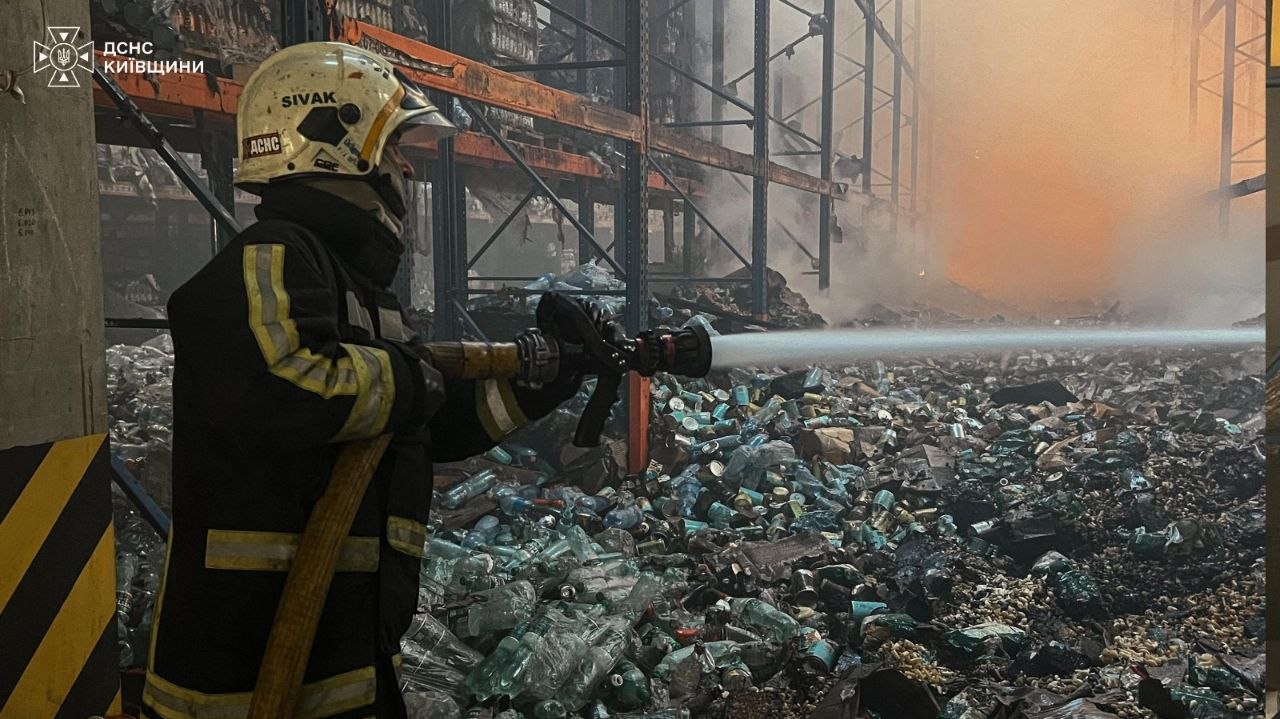
Russian drones continue to attack Ukraine. Overnight into 15 October alone, Ukrainian air defense forces downed or suppressed 536 Russian unmanned aerial vehicles (UAVs). In recent days, Lutsk, a city in northwestern Ukraine, has been among the cities damaged by Russian attacks. Russian UAV attacks set fire to an oil depot, a wholesale warehouse, and a shopping center. At the museum, located on the shopping center’s premises, the fire damaged Ukraine’s largest painting, which covers a canvas of more than 2,000 square meters.
Russian attack damages museum in Lutsk
A fire broke out at the Adrenalin City shopping and entertainment complex, where the museum is located, Suspilne Lutsk reported. The blaze damaged the last of the painting’s six sections, according to the report.
“By destroying art and culture, they are also trying to destroy Ukrainians,” Tetiana Repnytska, director of the Museum of Contemporary Ukrainian Art in Lutsk, told Suspilne Lutsk.
A section of Petro Antyp’s painting Cosmogony before a Russian drone attack on Lutsk on 13 October 2026. Photo: Korsaks Museum of Contemporary Ukrainian Art/Facebook
Museum staff also had to evacuate more than 300 works by Ukrainian artist Emma Andiievska, which were exhibited alongside Cosmogony, Oles Tomakh, the museum’s chief curator, told Suspilne Lutsk. Some works could not be removed in time, resulting in shattered glass. However, the museum’s other exhibition halls were unaffected, the chief curator said.
The museum is weighing whether to fully restore the damaged fragment or keep the fire’s traces as a reminder of the war, and will decide after consulting the artist, Petro Antyp, and restoration specialists, it said. Repnytska told Suspilne Lutsk that the painting’s authors could also create a new section.
“Despite the shelling, we will continue to develop contemporary Ukrainian art and preserve it,” the museum director said.
Cosmogony—Ukraine’s largest painting
Artist Petro Antyp began working on the painting in November 2022, Suspilne Lutsk reported, and it took almost two years to complete, according to the museum’s website. The painting covers an area of 2,086 square meters.
In September 2024, the project set a national record as Ukraine’s largest painting.
The artwork explores the evolution of the universe, Earth, nature, humanity, society, culture, and science. Its six sections combine myths, legends, scientific theories, and symbols from different cultures, according to the museum’s website.
A section of Petro Antyp’s painting Cosmogony. Photo: Taras Luchko
The project extends beyond the canvas, as the museum presents a multimedia performance that combines light, sound, and art.
Civilians killed and injured in Russia’s latest attack on Lutsk
Around noon on 14 October, a Russian jet-powered Shahed drone attacked Lutsk. Drone debris damaged a wholesale goods warehouse and a residential building, Roman Romaniuk, acting head of the Volyn Regional Military Administration, told Suspilne.
Falling drone debris sparked a large fire at the Yevrohurt wholesale warehouse. A nine-story residential building on Sobornosti Avenue was also damaged, Romaniuk later reported on social media.
Six people were killed in the strike on the warehouse: five were found at the scene, and another person died in the hospital. Eleven more people were injured, Romaniuk said.
Aftermath of Russia’s attack on Lutsk on 14 October 2026. Photo: Volyn Regional State Emergency Service
Two other people, including a child, were injured in the residential building. Twelve people remained hospitalized, one of whom was in serious condition, according to the report.
Ukrainian engineers are rushing to perfect A.I.-guided, jet-driven interceptors. Their goal: to stop a fast Russian threat in the latest round of a deadly tech duel.
Ukrainian engineers are rushing to perfect A.I.-guided, jet-driven interceptors. Their goal: to stop a fast Russian threat in the latest round of a deadly tech duel.
President Volodymyr Zelensky expressed overt frustration with the United States in an interview with The Financial Times. He had paused the strikes to comply with a demand from the United States.
President Volodymyr Zelensky expressed overt frustration with the United States in an interview with The Financial Times. He had paused the strikes to comply with a demand from the United States.
In today’s newsletter: As Russia resists a ceasefire and Trump’s shifting priorities unsettle allies, an end to the conflict isn’t getting any closerGood morning. In his usual asinine unconventional approach to international relations, Donald Trump announced on Sunday (via Truth Social, how else) an “ENERGY CEASEFIRE in the War between Russia and Ukraine”, apparently without checking with either side. Volodymyr Zelenskyy, who said any such deal was “news to me,” nonetheless declared he was “read
In today’s newsletter: As Russia resists a ceasefire and Trump’s shifting priorities unsettle allies, an end to the conflict isn’t getting any closer
Good morning. In his usual asinine unconventional approach to international relations, Donald Trump announced on Sunday (via Truth Social, how else) an “ENERGY CEASEFIRE in the War between Russia and Ukraine”, apparently without checking with either side. Volodymyr Zelenskyy, who said any such deal was “news to me,” nonetheless declared he was “ready and we will accept it”. Vladimir Putin responded by blowing up some Ukrainian power plants.
This has been the tenor of much diplomacy during Trump’s tenure: false starts, U-turns, incoherent positions (and some playful flirting with Vlad). Meanwhile fighting continues, and America’s allies attempt to manage the fallout. Andy Burnham hosted Zelenskyy at Downing Street yesterday, stating the UK is doubling down on its support for Ukraine, and pointedly calling on others to “follow suit”.
UK | Sally Rooney has said she is being forced to withdraw her books from sale in the UK because of her support for the banned organisation Palestine Action.
EU | Britain will benefit from much closer trading relations with the EU even if that means giving up its ability to negotiate free trade agreements, the Scotland secretary has said.
Ukraine | Ukraine’s military has suddenly had its access to Starlink satellite internet terminals restricted as the Trump administration has increased pressure on Ukraine to immediately halt long-range strikes on Russia’s oil industry.
Vaccine | Guinea-Bissau has not approved the controversial hepatitis B study in newborns that would be funded by the US government and private partners, the African country’s minister of health said.
The first France–Ukraine Municipal Innovation Forum is underway in Nice, focusing on community resilience, the modernization of urban infrastructure and the development of partnerships between the two countries.
The first France–Ukraine Municipal Innovation Forum is underway in Nice, focusing on community resilience, the modernization of urban infrastructure and the development of partnerships between the two countries.
Ukraine is seeking fresh funding for 2027 and says it is ready to deliver the reforms. Prime Minister Serhii Koretskyi says Ukraine’s external budget financing need for 2027 exceeds $52 billion, with more than $32.6 billion still to be raised.
That money underwrites the basics of a country at war: the army, pensions, hospitals, and support for business, he notes. Defense and security alone will take almost 44 percent of GDP in the 2027 budget, and the gap comes as Russia keeps hammerin
Ukraine is seeking fresh funding for 2027 and says it is ready to deliver the reforms. Prime Minister Serhii Koretskyi says Ukraine’s external budget financing need for 2027 exceeds $52 billion, with more than $32.6 billion still to be raised.
That money underwrites the basics of a country at war: the army, pensions, hospitals, and support for business, he notes. Defense and security alone will take almost 44 percent of GDP in the 2027 budget, and the gap comes as Russia keeps hammering the infrastructure that generates Ukraine’s own revenue.
“The defense capability of the country, the payment of pensions, the support of hospitals and business depend on these funds,” Koretskyi says.
The hole Russia keeps digging faster than Kyiv can fill it
Russia’s strikes widen the gap even as Kyiv tries to close it. Russia systematically attacks critical infrastructure, business, production and civilian sites, and the destruction and halted enterprises will leave tax revenues about $1.5 billion below forecast by the end of the year, he warns.
For instance, output of Ukraine's steel industry, one of the pillars of its wartime economy, fell 57.3% in August due to Russian strikes. This sector is Ukraine's second-largest foreign-currency earner, employing more than 70,000 people directly and another 250,000 in related industries, and paying close to $1 billion a year in taxes.
Beyond the budget itself, the off-budget needs of Ukraine’s Defense Forces for 2027 are estimated at $45 billion, or about 40 billion euros, a figure that sits on top of the $52 billion budget requirement, he says.
The reforms Kyiv must deliver to unlock the money
The money hinges on reforms Ukraine still has to deliver. In the next few days, the government is to approve all the decisions needed to continue financing.
“Ukraine continues to work on fulfilling its part of the commitments. This week, the government is expected to approve all the necessary decisions to ensure continued funding,” the Ukrainian prime minister says.
Meanwhile, the Parliament plans to consider the bills required under the support programs of the IMF, the World Bank and the EU.
Ukraine has completed its Operation Vivaldi, aimed at protecting its fortress belt cities of Donetsk Oblast, which helped Kyiv preserve the region from Russian occupation for 12 years. Brigadier General Andrii Biletskyi, the commander of the Third Army Corps behind the operation, has reported that the fourth phase secured 101 km² of territory. Among the latest achievements is the liberation of three settlements—Zelena Dolyna, Lypove, and Kolodiazi.
The operation's main objective was to
Ukraine has completed its Operation Vivaldi, aimed at protecting its fortress belt cities of Donetsk Oblast, which helped Kyiv preserve the region from Russian occupation for 12 years. Brigadier General Andrii Biletskyi, the commander of the Third Army Corps behind the operation, has reported that the fourth phase secured 101 km² of territory. Among the latest achievements is the liberation of three settlements—Zelena Dolyna, Lypove, and Kolodiazi.
The operation's main objective was to move Ukrainian troops into more advantageous defensive positions, Biletskyi said in the first days after the operation was made public. Vivaldi has now summed up the results of all four phases: Ukraine has established full control over 16 settlements, liberated 277 km² of territory, and inflicted 8,000 casualties on Russian forces.
Ukraine worked against Russia's deadline
During Operation Vivaldi, Ukrainian forces have prevented Russian troops from outflanking the Sloviansk-Kramatorsk agglomeration and cutting the Kharkiv–Sloviansk highway, a key supply route for Ukraine’s forces in Donbas, Biletskyi says.
“We thwarted the offensive of the Zapad grouping and forced it to redeploy some units of the 1st Tank Army, which eased pressure on Kupiansk-Vuzlovyi,” Biletskyi announces.
Previously, the Institute for the Study of War noted that Russian President Vladimir Putin was confident that Russian forces would be able to seize the entire Donetsk Oblast by the end of 2026 — the Kremlin’s latest deadline for achieving this goal.
Ukraine’s military was on a mission to prevent this.
Season one: clearing russian infiltration groups
On 15 September 2026, Ukraine’s Third Army Corps announced Operation Vivaldi in northern Donetsk Oblast. During the first phase, Ukrainian troops cleared Russian groups from 75 km² of territory and liberated another 10 km².
The Third Army Corps said it had struck Russian supply routes and fuel infrastructure, prompting Russia to relocate its fuel and lubricant reserves to Voronezh Oblast. According to the corps, Russian forces lost around 1,500 troops, more than 12,000 drones, and hundreds of pieces of equipment.
Season two: liberation of Shandryholove and Derylove
On 20 September, the Third Army Corps reported the liberation of Shandryholove and Derylove and the establishment of full control over Drobysheve.
During the second season, Russian forces lost another 800 troops, bringing their total losses across the first two seasons to more than 3,000, according to the corps.
During the first two seasons of the operation, Ukrainian troops and attached units regained control of 125 km² of territory, including 50 km² that had been fully liberated.
Soldiers of Ukraine’s Third Army Corps. Source: Ukraine’s Third Army Corps
The first phase of Vivaldi involved eliminating Russian groups that had infiltrated Ukrainian positions, explained the commander of a battalion in the 125th Brigade, callsign Darwin, per ArmyInform. After clearing those groups, the Defense Forces moved on to the operation’s second phase, using reconnaissance drones to detect Russian forces, he added.
For this, Ukraine used UAVs and ground robotic systems.
“The Third Army Corps was the first in the world to begin deploying ground robotic systems by air. Our heavy bombers deliver kamikaze ground robotic systems more than 10 kilometers behind enemy lines,” Biletskyi noted.
Season three: advances near Novе and Ridkodub
On 28 September, the Third Army Corps reported the liberation of Nove, Ridkodub, and Katerynivka and the restoration of control over Karpivka and Novomykhailivka. Ukrainian forces regained another 51 km² of territory, bringing the total area liberated since the start of the offensive to 176 km². Russian forces lost around 2,000 troops, and more than 250 were taken prisoner, the corps said in its summary of the operation’s third phase.
Settlements Ukraine's 3rd Army Corps says it liberated during Operation Vivaldi north of Lyman, Donetsk Oblast, Ukraine, as of 28 September 2026. Map: ISW
“The Russians were convinced that the main axis of attack was Shandryholove–Zelena Dolyna. This led it to squander its reserves in counterattacks along that very axis. The Russians slept through the actual strike, which was focused on capturing Nove,” Biletskyi said.
Operation Vivaldi aimed to disrupt Russia’s plans in Donetsk Oblast
The need for Operation Vivaldi arose amid Russian attempts to encircle Ukraine’s fortified belt in Donetsk Oblast. Ukrainian forces conducted preparatory efforts aimed at degrading Russia’s offensive capabilities, including strikes on Russian drone operators, the Institute for the Study of War reported on 9 October.
Ukrainian counterattacks in the Lyman direction and east of Sloviansk and Kramatorsk were intended to complicate Russian efforts to seize the fortified belt in Donetsk Oblast, the report noted.
The corps advanced gradually, reclaiming small areas instead of attempting a large-scale breakthrough.
SpaceX chief Elon Musk says the version of Starlink that Ukraine’s military uses, StarShield, is owned and controlled by the US government rather than by his company. His claims come amid a storm over Ukrainian reports that a speed cut had broken their frontline operations.
Ukraine’s drones and air defenses rely on Starlink to steer and strike, so a limit on the network hits combat directly. Ukrainian troops reported that overnight into 14 October, the faster military package they depen
SpaceX chief Elon Musk says the version of Starlink that Ukraine’s military uses, StarShield, is owned and controlled by the US government rather than by his company. His claims come amid a storm over Ukrainian reports that a speed cut had broken their frontline operations.
Ukraine’s drones and air defenses rely on Starlink to steer and strike, so a limit on the network hits combat directly. Ukrainian troops reported that overnight into 14 October, the faster military package they depend on was throttled, halting a series of missions. Musk’s answer shifts the decision and the blame from SpaceX to the US government and, ultimately, to the president.
“Any limits on speed or usage are decided by the US military and ultimately POTUS. StarShield systems are owned and controlled by the US government,” Musk says.
He draws a line between the two services. Ordinary Starlink is a commercial product owned by SpaceX, limited to civilian or defensive use and not for offensive military action, which he called inappropriate for a commercial company.
Their conversation took place the same week that Washington pressured Kyiv over its strikes on Russian oil refineries amid US President Donald Trump's diesel deal with Moscow.
The exchange that forced Musk to answer
The statement followed a direct appeal. Former Defense Minister Mykhailo Fedorov told Musk on X that Starlink connectivity at speeds of up to 160 km/h was being restored, and pressed for more.
“Removing StarShield’s speed limit entirely is now critical for Ukraine’s defense. Thank you, Elon Musk. We hope for your continued support,” Fedorov wrote, framing the cap as a direct constraint on the war.
The faster package Ukraine cannot do without
The ordinary Starlink Mini mounted on drones is capped at about 160 km/h, which is too slow for some missions, so faster flight requires access to the military version, StarShield, Ukrainska Pravda notes. Ukraine has used StarShield since 2024.
Washington is pressing the victim, not the aggressor, a Ukrainian diplomat says. President Donald Trump is using the threat of cutting military aid and intelligence as a tool to pressure Ukraine, while failing to apply enough pressure on Russia to stop the war, says Oleksandr Khara, executive director of the Center for Defense Strategies, Espreso reports.
Ukraine’s drones and air defense still lean on US satellite intelligence and weapons, which gives Trump room to squeeze Kyiv rather t
Washington is pressing the victim, not the aggressor, a Ukrainian diplomat says. President Donald Trump is using the threat of cutting military aid and intelligence as a tool to pressure Ukraine, while failing to apply enough pressure on Russia to stop the war, says Oleksandr Khara, executive director of the Center for Defense Strategies, Espreso reports.
Ukraine’s drones and air defense still lean on US satellite intelligence and weapons, which gives Trump room to squeeze Kyiv rather than Moscow. Khara argues Trump wants to end the war on Ukraine’s and Europe’s account to restore normal relations with Russian ruler Vladimir Putin, treating Ukraine as the weak link to be pushed.
“Trump wants to use restrictions, levers of influence on Ukraine to achieve his goal. To end or stop this war at any cost, at the expense of Ukraine and Europe, to restore normal relations with Putin,” Khara said.
Using American aid as leverage over Kyiv is not new for Trump, the diplomat noted, recalling earlier instances in which support was blocked or suspended.
The pressure points Trump picks, and the ones he leaves alone
Trump wants a visible success in ending the war, Khara says, partly against the backdrop of US domestic politics. He has economic tools to press Moscow but is in no hurry to use them, and his administration is instead gradually loosening sanctions on Russia.
“He doesn’t want to pressure Russia. He thinks Ukraine is the weak link and that it needs to be pushed,” Khara stressed.
Ukraine’s dependence on US support has fallen thanks to European partners, he added, so Kyiv has more room to keep fighting even as European states keep buying American weapons for it.
The one trade Kyiv might accept, and the pressure until then
An energy ceasefire is possible only on strict terms, Khara believes. Kyiv could agree to stop striking Russian refineries only if Moscow halts attacks on Ukraine’s power generation and transmission, heating, and the Black Sea ports and the ships heading to them.
Until such a deal exists, Ukraine must hit harder, he argued, because steadily draining Russia’s economic resources is what could force the Kremlin to reconsider.
“As long as there is no such agreement, and no desire from Russia, we must increase this pressure and destroy as much of their energy infrastructure as possible,” Khara said.
Russian attacks have injured 1,125 Kyiv residents since the start of 2026. Of these, 379 people, or nearly 34%, were injured in just five weeks, from 27 August to 7 October, Tetiana Mostepan, director of the Kyiv City State Administration’s Department of Health, said in an interview published on 13 October.
Russian air attacks on Kyiv have intensified since late August. Air attacks occur both day and night, and Russian drones target not only military facilities but also civilian buildin
Russian attacks have injured 1,125 Kyiv residents since the start of 2026. Of these, 379 people, or nearly 34%, were injured in just five weeks, from 27 August to 7 October, Tetiana Mostepan, director of the Kyiv City State Administration’s Department of Health, said in an interview published on 13 October.
Russian air attacks on Kyiv have intensified since late August. Air attacks occur both day and night, and Russian drones target not only military facilities but also civilian buildings, including apartments. As a result, the number of casualties is also increasing. More than 40% of emergency medical responses to attacks this year occurred between late August and early October, Mostepan noted.
During this period, the capital’s emergency medical teams responded to 782 calls related to the attacks, the department director said. She also released data showing that 138 medical facilities in Kyiv have been damaged since the start of Russia’s full-scale invasion, including 47 this year.
“And when we talk about statistics, I always emphasize that behind every number is a human life. These are people who have been injured, as well as medical workers who respond to attack sites to save them,” Mostepan said.
People giving first aid to two women injured in the Russian drone strike, Kyiv, 8 September 2026. Photo: Zelenskyy's Telegram
Russian attacks on Kyiv have become more frequent
Russia attacked Kyiv with drones throughout the day, Suspilne Kyiv reported on 27 August. Air raid alerts were issued 12 times in the capital, drone debris was found in five districts, and at least four people were injured, the report said. Russian forces used about 140 attack drones against Ukraine throughout the day, more than 100 of them jet-powered, the Ukrainian Air Force reported at the time.
At least 38 people were killed and dozens injured in a Russian drone strike on an ammunition depot in the Bucha district near Kyiv, triggering a massive fire and hours of explosions in a residential area, CNN reported. The attack in the Bucha district came amid near-constant Russian airstrikes, which continued into Sunday, the outlet reported.
Russian forces were likely seeking to exhaust Ukraine’s air defenses, disrupt civilians’ daily lives, and increase the scale of destruction, analysts at the Institute for the Study of War (ISW) said, citing CNN’s reporting.
On 8 September, NATO Secretary General Mark Rutte stressed the urgent need to strengthen support for Ukraine, particularly by providing air defense systems. Delays in delivering assistance cost human lives, he said.
On 1 October, a Russian drone struck a school in Kyiv’s Solomianskyi district while 104 children were inside, Suspilne reported. Students and school staff took shelter, so no one was injured, the report said.
Aftermath of the Russian attack on a school in Kyiv’s Solomianskyi district, 1 October 2026. Photo: Suspilne News/Oleksandr Mahula
Russian attacks continue after Trump’s announcement of an energy ceasefire
Following US President Donald Trump’s announcement of an energy ceasefire, Russia continued striking Ukraine’s energy infrastructure, including in Kyiv. On 13 October, Russian ballistic missiles struck Kyiv, hitting a thermal power plant in the second attack in 24 hours without advance warning from Ukraine’s allies, Zelenskyy said. The evening and morning strikes killed four people in Kyiv, three of them women in a high-rise in Desnianskyi district, Kyiv prosecutors said.
Aftermath of the attack on Kyiv on the night of 14 October 2026. Photo: Kyiv State Emergency Service
Russia attacked energy and critical infrastructure in Kyiv, Kyiv Oblast, and Kharkiv with 39 ballistic missiles and more than 120 attack drones, Ukrainian President Volodymyr Zelenskyy said on 14 October. At least 600,000 people were left without electricity, he said. Later that day, an accident on the grid cut power to part of Kyiv’s right bank, energy company DTEK said.
Firms turning crude oil into the ‘workhorse’ fuel stand to gain most despite economic fallout from record pricesDays after Donald Trump announced a deal to import Russian diesel into the US in an effort to lower soaring pump prices, the world’s energy watchdog has warned that the global fuel shortage will drag into 2027.Trump’s temporary sanctions reprieve was criticised for offering “too little, too late” to temper the sky high pump prices triggered by the shutdown of war-damaged refineries in
Firms turning crude oil into the ‘workhorse’ fuel stand to gain most despite economic fallout from record prices
Days after Donald Trump announced a deal to import Russian diesel into the US in an effort to lower soaring pump prices, the world’s energy watchdog has warned that the global fuel shortage will drag into 2027.
Trump’s temporary sanctions reprieve was criticised for offering “too little, too late” to temper the sky high pump prices triggered by the shutdown of war-damaged refineries in the Middle East and Russia – once the world’s second-largest diesel exporter behind the US.
President Volodymyr Zelensky, who met with Britain’s prime minister, has said Ukraine received no warning of Russian attacks, but President Trump has said Washington is still “sharing intel.”
President Volodymyr Zelensky, who met with Britain’s prime minister, has said Ukraine received no warning of Russian attacks, but President Trump has said Washington is still “sharing intel.”
Ukraine is drafting crisis scenarios for November to March as Russian strikes target the country’s biggest cities, Head of the Presidential Office Kyrylo Budanov said on 13 October after chairing a meeting with donor-country diplomats and humanitarian organizations. His deputy Iryna Vereshchuk warned the same day that this winter may bring a new type of humanitarian crisis. She asked donors to be ready with fast extra funding.
Russia has struck Ukraine’s grid deep into winter before: la
Ukraine is drafting crisis scenarios for November to March as Russian strikes target the country’s biggest cities, Head of the Presidential Office Kyrylo Budanov said on 13 October after chairing a meeting with donor-country diplomats and humanitarian organizations. His deputy Iryna Vereshchuk warned the same day that this winter may bring a new type of humanitarian crisis. She asked donors to be ready with fast extra funding.
Russia has struck Ukraine’s grid deep into winter before: last February, it launched more than 500 missiles and drones as temperatures fell below −20°C. Strikes have continued despite a US-announced energy truce Moscow has not confirmed. Kyiv now wants donors ready to pay for the humanitarian fallout in advance.
Crisis scenarios for November to March
The core task is clear crisis scenarios and synchronized response plans for that period, Budanov wrote. The government is building a baseline threat scenario through the State Emergency Service, while the military and intelligence will provide a risk assessment.
“The available resource must be concentrated where people will have the hardest time,” Budanov wrote.
Ukraine, he added, must hold its rear as reliably as the Defense Forces hold the front line.
What officials mean by a new type of crisis
A war of rear areas is underway, Vereshchuk wrote. Russia is changing tactics in an attempt to deepen the humanitarian crisis, especially in Kyiv, Kharkiv, Odesa, and Dnipro, she added.
Vereshchuk did not define what makes the crisis new, but she tied her warning to the big cities.
“This winter, it is the big cities that may become the testing ground of our national resilience,” she wrote.
Humanitarian organizations must adapt their plans to protect and support civilians, Vereshchuk wrote. Donors, she said, must be ready to provide additional crisis-response funding quickly.
The capital lags behind
Ukrainian President Volodymyr Zelenskyy wrote on 13 October that even border and frontline oblasts were ahead of Kyiv on resilience plans as of mid-October. Even single hits by Shahed attack drones can cut power and water across much of the capital, he noted. He also began consultations on urgent security and management steps to fix the situation in the city.
Explore further
Three days after Washington announced an energy ceasefire, Russia fires 39 ballistic missiles at Ukraine’s grid
Russia carried out more than 200 strikes on Ukraine’s power generation and transmission in the week to 11 October, Zelenskyy said. Overnight on 14 October, Russia fired 39 ballistic missiles and more than 120 drones at energy and critical infrastructure. The barrage left at least 600,000 people without power, Zelenskyy said.
Launch of Russian ballistic missiles on Ukraine, with no US warning, coincides with outage of Starlink managed by Musk’s SpaceXUkraine’s military has suddenly had its access to Starlink satellite internet terminals restricted as the Trump administration has increased pressure on Ukraine to halt long-range strikes on Russia’s oil industry immediately.The terminals, which are produced by Elon Musk’s SpaceX but managed by the US government, are a key component of Ukraine’s military operations and t
Launch of Russian ballistic missiles on Ukraine, with no US warning, coincides with outage of Starlink managed by Musk’s SpaceX
Ukraine’s military has suddenly had its access to Starlink satellite internet terminals restricted as the Trump administration has increased pressure on Ukraine to halt long-range strikes on Russia’s oil industry immediately.
The terminals, which are produced by Elon Musk’s SpaceX but managed by the US government, are a key component of Ukraine’s military operations and the sudden restrictions on the terminals travelling at high speeds on Tuesday evening led to the failure of several combat missions, said an adviser on military technology to Ukraine’s president, Volodymyr Zelenskyy.
Ukrainian reconnaissance troops used a captured Russian soldier’s radio for four days to listen to Russian military communications and relay important intelligence to their command, according to a report by ArmyInform, which covered the episode. The soldiers serve in the 23rd Separate Reconnaissance Battalion, which operates in the Oleksandrivka sector, the report noted.
Russia uses infiltration tactics involving small groups to slip through Ukrainian positions undetected, establish the
Ukrainian reconnaissance troops used a captured Russian soldier’s radio for four days to listen to Russian military communications and relay important intelligence to their command, according to a report by ArmyInform, which covered the episode. The soldiers serve in the 23rd Separate Reconnaissance Battalion, which operates in the Oleksandrivka sector, the report noted.
Russia uses infiltration tactics involving small groups to slip through Ukrainian positions undetected, establish themselves into the rear of Ukrainian positionse, and create conditions for the further advance of its main forces. They are countered not only by reconnaissance drones but also by specialized reconnaissance teams, which sometimes cover several dozen kilometers on foot to reach their designated targets.
Ukrainian scouts capture Russian soldier in the grey zone
Ukrainian reconnaissance troops captured a Russian soldier in the grey zone as he was trying to enter a neighboring house, the report said.
“He took off his body armour and set his rifle aside. He felt right at home. Our commander went over and offered him a chance to surrender, and he agreed. He then stayed with us for four days. He told us everything he knew,” a soldier with the call sign Kubik said in the report.
The soldiers’ hideout was later discovered. Fleeing a Ukrainian drone, a Russian infantryman ran into the building where the reconnaissance troops were staying. The position was subsequently attacked by FPV drones, followed by an artillery barrage.
Reconnaissance soldier with the call sign “Kubik” of the 23rd Separate Reconnaissance Battalion, 2026. Photo: ArmyInform
One Ukrainian soldier sustained a minor injury, but the group managed to withdraw without suffering serious losses.
Reconnaissance soldier Kubik spent 23 days on a combat mission
For reconnaissance troops, the journey to their positions and the return trip remain perhaps the most dangerous parts of a mission. During his year of service, Kubik has completed five combat missions, one of which lasted 23 days, according to the report.
During their most recent mission, the soldiers covered 20 kilometers on foot in one direction, moving mostly through tree lines, Kubik said. He added that they had to run across open areas and destroy enemy drones lying in wait before quickly retreating to cover.
Because of the constant threat from the air, the length of time reconnaissance troops can remain at their positions depends on the weather and the situation, the report noted. Sometimes, staying in place longer is safer than risking exposure while a team is being replaced.
Dzhus’s first mission: 20-year-old reconnaissance soldier chooses infantry
Twenty-year-old Mykyta, whose call sign is Dzhus, is preparing for his first combat mission as part of the 23rd Separate Reconnaissance Battalion, the report said. He joined the military under the “18–24 Contract” program after leaving the police force.
“Many people who join under the ‘18–24’ contract go into UAV operations, but I’m more interested in infantry work. We have many experienced reconnaissance soldiers, and the guys are constantly giving advice and sharing their experience,” Dzhus said.
Reconnaissance soldier with the call sign “Dzhus” of the 23rd Separate Reconnaissance Battalion, 2026. Photo: ArmyInform
He is heading out on the mission under the guidance of an experienced commander, he said. The soldiers prepare thoroughly for every mission, practicing at the training ground and rehearsing procedures tailored to the specific task, the media outlet noted.
Russian troops seek new hiding places for infiltration along the front
Russian forces continue to use small-group infiltration tactics. For example, the Russian army is likely increasing its infiltration efforts in Kharkiv Oblast, taking advantage of the remaining summer foliage for concealment, the Institute for the Study of War reported on 9 October. In particular, Russian forces are seeking to infiltrate the city of Kupiansk in small groups, according to an RBC-Ukraine report published on 7 October.
Similar incidents have also been reported in Donetsk Oblast. Russian troops are attempting to infiltrate the gaps between Ukrainian observation posts in small groups and establish positions there, Artem Prybilnov, spokesperson for the 155th Separate Mechanized Brigade, said during a broadcast on Suspilne.Studio on 7 October, NV reported. Their aim is to build up forces for a further advance toward Dobropillia. Ukrainian infantry, working alongside drone operators, is repelling the ongoing Russian attacks and preventing them from achieving this goal, Prybilnov added.
As autumn sets in and vegetation becomes thinner, Russian troops find it increasingly difficult to conceal themselves in tree lines, Prybilnov noted. During the summer, they used these areas for cover and to accumulate personnel, ammunition, and equipment, the spokesperson said. Russian forces are now attempting to infiltrate villages, where they can hide in buildings and basements and establish positions, he added.
Ukraine has been elected to the UN Human Rights Council for the 2027–2029 term, receiving support from 162 UN member states in a vote by the UN General Assembly on 13 October, Ukraine’s Permanent Mission to the UN said.
The three-year term gives Ukraine an opportunity to shape international human rights discussions while drawing attention to abuses stemming from Russia’s war. Kyiv says it will work with partners to strengthen accountability mechanisms and protect civilians affected by c
Ukraine has been elected to the UN Human Rights Council for the 2027–2029 term, receiving support from 162 UN member states in a vote by the UN General Assembly on 13 October, Ukraine’s Permanent Mission to the UN said.
The three-year term gives Ukraine an opportunity to shape international human rights discussions while drawing attention to abuses stemming from Russia’s war. Kyiv says it will work with partners to strengthen accountability mechanisms and protect civilians affected by conflict.
Ukraine’s Permanent Mission to the UN called the result a major diplomatic achievement, saying its team had spent more than a year securing support for the candidacy.
Ukraine’s Foreign Minister Andrii Sybiha said Kyiv would use its membership to push for accountability for Russian human rights violations, support international investigations, and advocate for prisoners of war and civilians unlawfully detained by Russia.
Ukraine will also continue efforts to secure the return of Ukrainian children deported or forcibly transferred by Russia, Sybiha said.
Ukraine to focus on accountability for Russian violations
Ukraine’s election comes as Russia continues its full-scale war against the country, which has brought grave violations of human rights and international humanitarian law consistently since 2022.
As a council member, Ukraine plans to work with international partners to strengthen mechanisms for documenting and investigating abuses, protect human dignity, and reinforce international human rights institutions, Sybiha said.
Ukraine has been elected to the UN Human Rights Council for 2027-2029. I thank all UN Member States that supported Ukraine’s candidacy.
Ukraine joins the Council while continuing to defend its people and its sovereignty against Russia’s ongoing aggression, which has brought…
Ukraine is returning to the council after previously serving multiple terms, most recently from 2021 to 2023. It was among the council’s founding members when the body was established in 2006.
Russia was suspended from the UN Human Rights Council in April 2022 following reports of gross and systematic human rights violations during its war against Ukraine. Moscow subsequently announced it was withdrawing from the council.
15 countries elected to the council
Alongside Ukraine, the General Assembly elected Brazil, Ghana, the Dominican Republic, Zambia, Ireland, Jordan, Kuwait, Moldova, Nepal, Nigeria, Germany, Uruguay, and Japan to the Human Rights Council.
The 47-member council is the UN’s principal intergovernmental body responsible for promoting and protecting human rights worldwide. Members serve three-year terms.
US President Donald Trump said on 13 October that the US continues to share intelligence with Ukraine, following reports that Washington had threatened to suspend intelligence assistance unless Kyiv stopped striking Russian oil refineries, POLITICO reported.
The comments came after Ukraine received no advance warning from its partners ahead of Russia's latest ballistic missile strike, raising fresh questions about intelligence sharing between Kyiv and Washington.
“We are helping them
US President Donald Trump said on 13 October that the US continues to share intelligence with Ukraine, following reports that Washington had threatened to suspend intelligence assistance unless Kyiv stopped striking Russian oil refineries, POLITICO reported.
The comments came after Ukraine received no advance warning from its partners ahead of Russia's latest ballistic missile strike, raising fresh questions about intelligence sharing between Kyiv and Washington.
“We are helping them, and we are sharing intel. We want the war to end,” Trump told reporters at the White House, according to POLITICO, reaffirming US support after his recent efforts to reach an agreement with Russian President Vladimir Putin drew criticism over his approach to the war.
Trump reaffirms support after backlash over Russia deal
Last week, the US threatened to cut intelligence sharing if Ukraine did not stop attacking Russian oil refineries. Zelenskyy did not publicly confirm the reported threat.
The reports came amid criticism of Trump’s announcement of a deal to buy Russian oil and his pressure on Kyiv to make concessions, even as Russia continued attacking Ukraine.
Zelenskyy said Ukraine had refrained from striking Russian oil refineries and the energy sector for two days after Trump announced an energy ceasefire. Russia, however, continued attacking Ukrainian energy facilities and critical infrastructure, he said, with 19 Ukrainian regions coming under attack during those two days.
Trump said Monday that both Russia and Ukraine had violated the energy ceasefire, arguing that each side was responsible. He also said Putin wanted a deal and that Washington needed to persuade Zelenskyy to agree.
Trump's latest comments publicly reaffirm that intelligence sharing is continuing. However, the circumstances surrounding the latest Russian strike have raised questions about whether Ukraine is receiving the early warnings it needs to protect civilians.
Ukraine received no warning before latest Russian strike
Early warnings of incoming Russian ballistic missiles give Ukrainians a brief window to reach shelter before impact. US intelligence helps make those warnings possible, giving civilians crucial time to protect themselves.
Zelenskyy said Russia's latest attack involved five ballistic missiles and more than 100 drones, and that Ukraine received no warning from its partners before the strike.
“Intelligence on Russian ballistic missile launches helps save lives,” Zelenskyy said Tuesday. “This is precisely what helps prevent people from being killed — when there is an early warning about ballistic missiles.”
He added that Ukraine had received no warning ahead of the attack.
Explore further
Russian ballistic missiles hit Kyiv before sirens, gap that lands hard amid fears that Washington could cut data that warns of launches
Ukraine normally receives alerts about impending Russian missile launches through the Battlespace Command and Control Center, a system operated by the US military and NATO members, among others, POLITICO reported.
Citing an unnamed official familiar with the matter, POLITICO reported that US officials attributed the missing warning to bad weather. The explanation reportedly raised doubts among Ukrainian officials.
Ukrainian Air Force spokesperson Yurii Ihnat said the warning system had failed to transmit information on previous occasions. He said specialists would work with international partners to resolve any technical problems.
Ukrainian Foreign Minister Andrii Sybiha said Tuesday that intelligence sharing through the platform was continuing, according to POLITICO.
Germany is preparing a new meeting of the Coalition of the Willing to coordinate further support for Ukraine, President Volodymyr Zelenskyy said on 12 October following a conversation with German Chancellor Friedrich Merz.
Russia continues to strike Ukraine’s energy infrastructure despite US President Donald Trump’s claim that Moscow has agreed to an energy truce. German Chancellor Friedrich Merz is initiating a meeting of European leaders to discuss assistance to Ukraine in this situat
Germany is preparing a new meeting of the Coalition of the Willing to coordinate further support for Ukraine, President Volodymyr Zelenskyy said on 12 October following a conversation with German Chancellor Friedrich Merz.
Russia continues to strike Ukraine’s energy infrastructure despite US President Donald Trump’s claim that Moscow has agreed to an energy truce. German Chancellor Friedrich Merz is initiating a meeting of European leaders to discuss assistance to Ukraine in this situation.
Kyiv and Berlin have also agreed to hold a meeting of national security advisers in the E3 format, with Ukraine participating, according to the statement. The format involves an informal grouping of three leading European countries: the United Kingdom, France and Germany.
Zelenskyy and Merz discuss energy truce and support for Ukraine
During the conversation, the two sides also discussed US President Donald Trump’s proposal for an energy truce and Russia’s subsequent actions. Russian forces continue to attack Ukraine’s energy infrastructure, Zelenskyy noted.
“This is exactly how the Russians behave when pressure eases. It is very important that Europe continue to act on principle,” Zelenskyy stressed.
German Chancellor Friedrich Merz speaks online with Ukrainian President Volodymyr Zelenskyy, 12 October 2026. Photo: Volodymyr Zelenskyy/X
Germany is coordinating preparations for a meeting of the Coalition of the Willing, the Ukrainian president noted. The two sides also discussed support for Ukraine’s financial stability. Further steps are to be coordinated in greater detail during a meeting scheduled for this week, Zelenskyy said.
The Coalition of the Willing seeks additional support for Ukraine
The Coalition of the Willing was initiated by the United Kingdom and France, which held talks with representatives of 37 countries in March 2025 on supporting Ukraine in the event of a peace agreement. The initiative envisaged financial assistance and the deployment of troops, air forces or naval forces to protect Ukraine against renewed Russian aggression, Bloomberg reported.
The latest meeting of the Coalition of the Willing took place on 24 August and was the 16th meeting, according to a statement on the website of the President of Ukraine. Zelenskyy called on partners to strengthen Ukraine’s air defense and provide at least 300 missiles for Patriot systems for the winter, the statement said.
The Patriot PAC-3 surface-to-air missile system. Photo: Swedish Ministry of Defense
The president also proposed bringing forward part of the European loan financing planned for 2027 so that Ukraine could receive the funds this year. He separately stressed the need to find a mechanism for using frozen Russian assets to defend Ukraine and to unblock the maritime corridor in the Black Sea.
“We value this format—the Coalition of the Willing. It brings together countries that are ready not only to talk about security but also to act. We need this—to act and build real security together,” Zelenskyy stressed.
A ceasefire in words, but fresh attacks on energy infrastructure in practice
Ukraine and Russia had allegedly agreed to an immediate energy ceasefire, US President Donald Trump said on Truth Social on 11 October. However, at the time of publication, neither Kyiv nor Moscow had confirmed such an agreement, Ukrainska Pravda reported.
Ukraine supports the ceasefire and is awaiting details from the US side, Volodymyr Zelenskyy said in a post on X the same day. Russia must also agree to halt the strikes, he stressed.
Ukrainian forces had received the relevant orders, and Kyiv was ready to refrain from striking Russian energy infrastructure provided Russia reciprocated, Zelenskyy said in his evening address on 11 October.
Russia continued attacking Ukraine’s energy infrastructure after the ceasefire was announced, including striking a gas production facility and a petrol station, Zelenskyy said on his official Telegram channel on 12 October. Moscow had shown no willingness to abide by the ceasefire, the president added.
Russian meddling probably didn’t affect the referendum result – but the Kremlin’s motives for wanting to undermine the EU still matterRussian territorial aggression against Ukraine didn’t feature much in the Brexit referendum campaign. It made headlines briefly when Boris Johnson blamed Moscow’s 2014 annexation of Crimea on the European Union.According to the Vote Leave frontman, Vladimir Putin’s land grab was a consequence of Brussels making foreign policy “on the hoof” and having “pretensions
Russian meddling probably didn’t affect the referendum result – but the Kremlin’s motives for wanting to undermine the EU still matter
Russian territorial aggression against Ukraine didn’t feature much in the Brexit referendum campaign. It made headlines briefly when Boris Johnson blamed Moscow’s 2014 annexation of Crimea on the European Union.
According to the Vote Leave frontman, Vladimir Putin’s land grab was a consequence of Brussels making foreign policy “on the hoof” and having “pretensions to running a defence policy”.
Russia has reaped a diesel deal and an increase in U.S. pressure on Ukraine as President Trump’s political needs align with his longstanding inclinations toward Russia.
Russia has reaped a diesel deal and an increase in U.S. pressure on Ukraine as President Trump’s political needs align with his longstanding inclinations toward Russia.
Ukrainian forces hit 12 large Russian refineries in September, Ukraine’s Ministry of Defense said, according to ArmyInform on 12 October. The farthest on the ministry’s list, Lukoil’s refinery in Perm, lies about 1,500 kilometers from Ukraine’s border. Since Trump's 11 October announcement, Euromaidan Press has found no reports of new Ukrainian refinery strikes in the official and unofficial Ukrainian and Russian sources it monitors.
A refinery-for-refinery pause would limit Ukraine’s a
Ukrainian forces hit 12 large Russian refineries in September, Ukraine’s Ministry of Defense said, according to ArmyInform on 12 October. The farthest on the ministry’s list, Lukoil’s refinery in Perm, lies about 1,500 kilometers from Ukraine’s border. Since Trump's 11 October announcement, Euromaidan Press has found no reports of new Ukrainian refinery strikes in the official and unofficial Ukrainian and Russian sources it monitors.
A refinery-for-refinery pause would limit Ukraine’s ability to disrupt Russia’s oil industry while leaving Moscow free to keep attacking Ukraine’s energy system, giving Russia an advantage in a war where both sides use energy infrastructure as a target. The issue has become urgent since Trump announced an “energy ceasefire” on 11 October, after which Ukraine reported holding off strikes on Russian energy facilities while Zelenskyy said Russia attacked several Ukrainian energy sites.
The campaign continued into October. Ukraine’s General Staff said Ukrainian forces struck the Samara oil pumping station overnight into 10 October, the third attack on the station that month, according to Radio Svoboda.
Ukraine held off, Russia hit six energy sites
Zelenskyy said Ukraine had refrained from striking Russian energy facilities overnight on 11–12 October following Trump's announcement. Monitoring channels and official Russian sources did not report any new refinery strikes on 13 October.
“Last night, we did not attack any energy facilities on the territory of Russia because President Trump said that there would be an energy ceasefire,” Ukrainian President Volodymyr Zelenskyy said.
He added that Ukraine does not announce its next operational steps. Zelenskyy said Russia attacked six Ukrainian energy facilities on 12 October alone, according to Radio Svoboda.
Refineries first, power plants possibly later
A White House official told Axios that the proposal would begin with both sides halting attacks on oil refineries, with a possible agreement covering power plants to follow. Axios reported that Russia had not accepted a ceasefire.
The Institute for the Study of War (ISW) said the proposal, as described, would give Russia a major concession without offering Ukraine anything in return: Russia has scores of operating refineries, while Ukraine has one. ISW also said the proposal would allow Russia to continue its winter strikes on Ukrainian power stations.

 Connexion



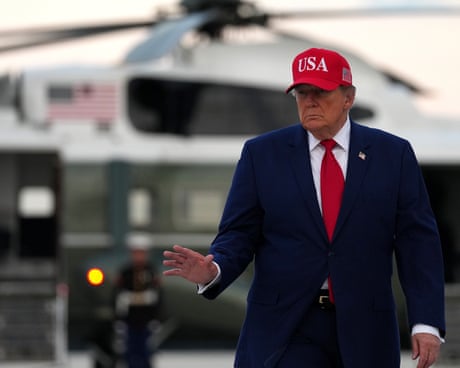
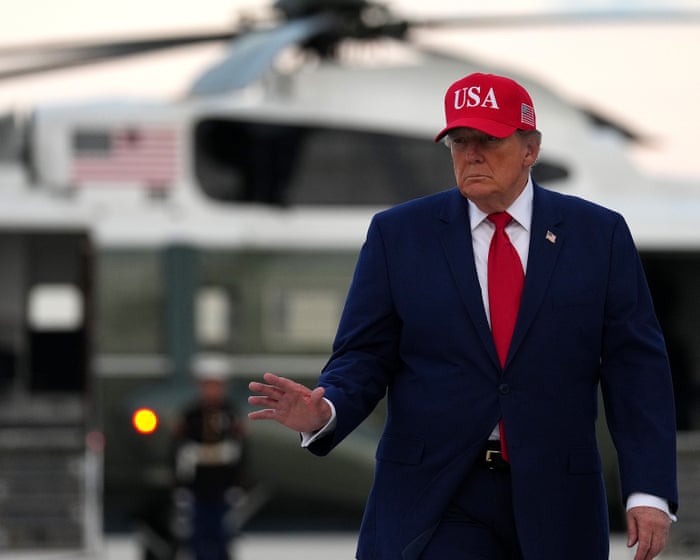


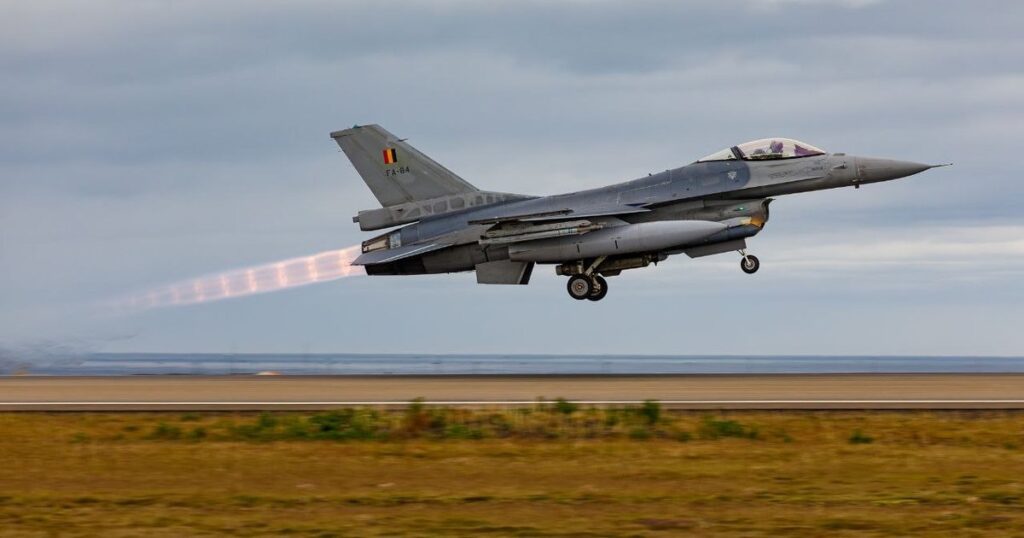
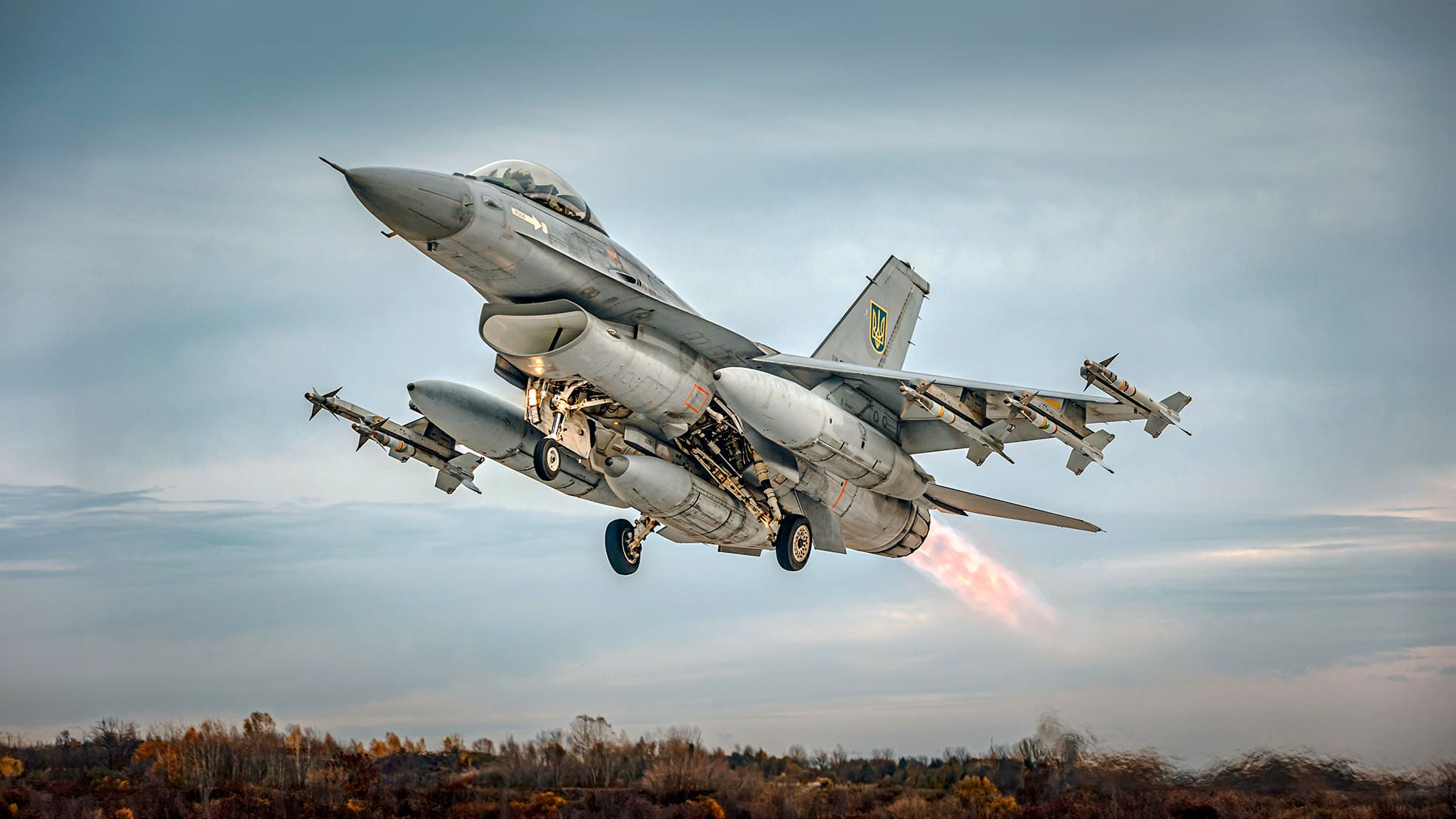
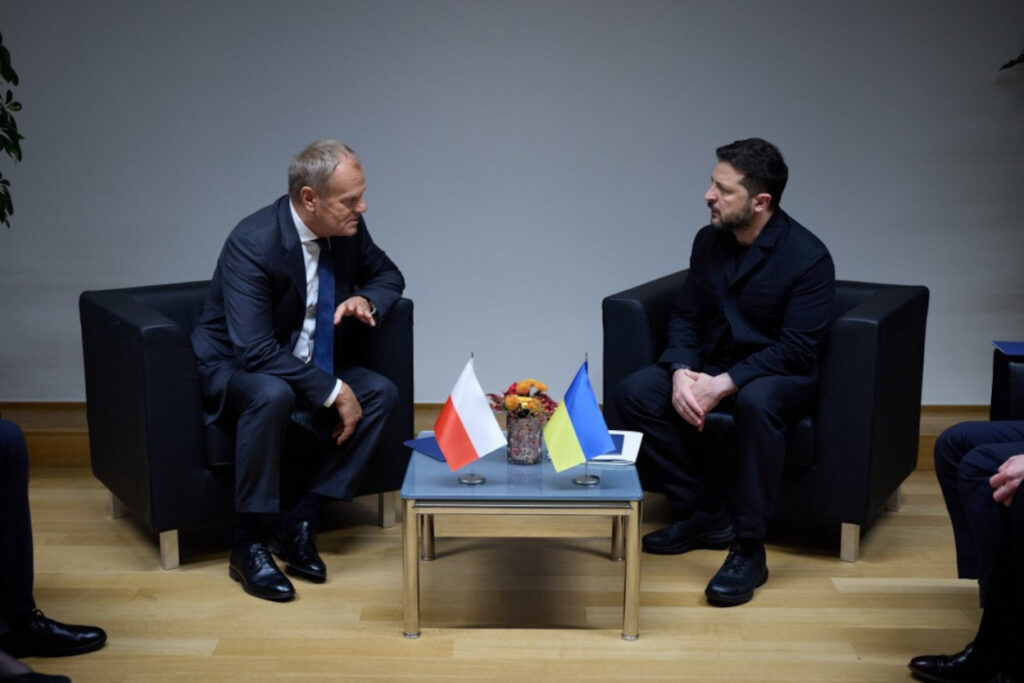


 Тим часом у російських аеропортах – справжній апокаліпсис через нальоти дронів останніми днями.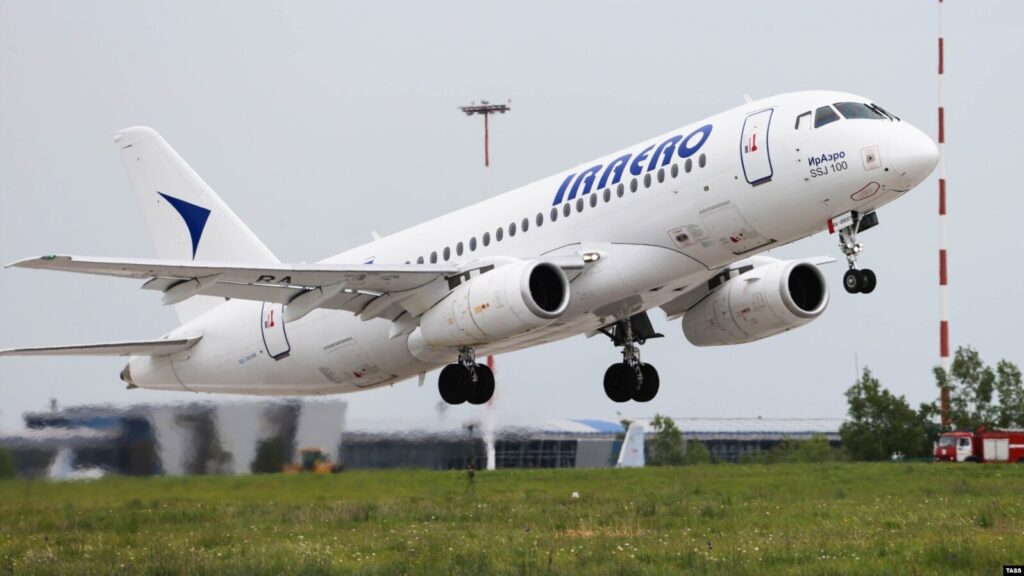

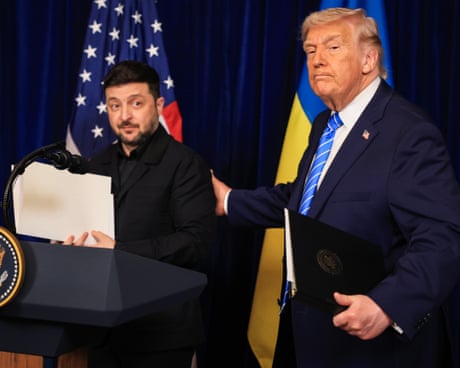
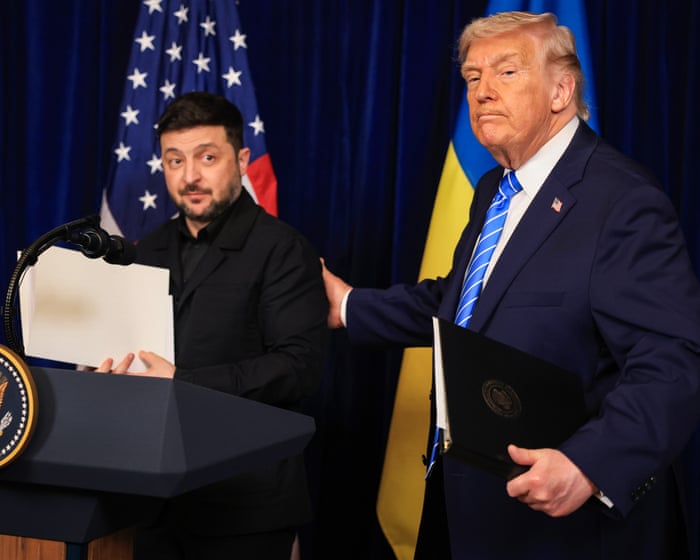


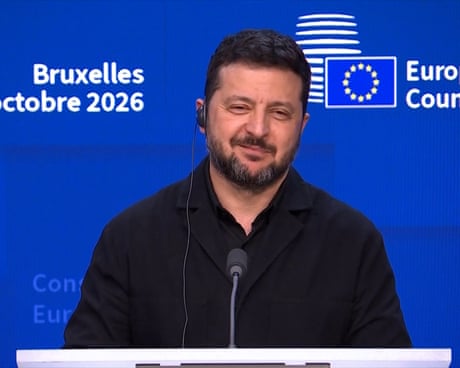

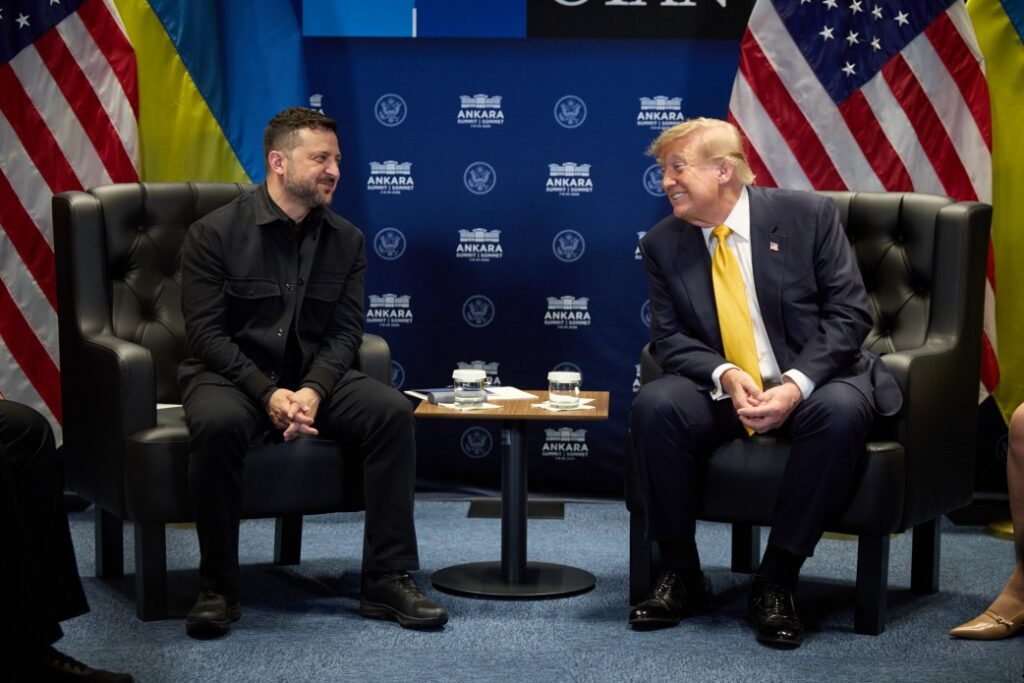

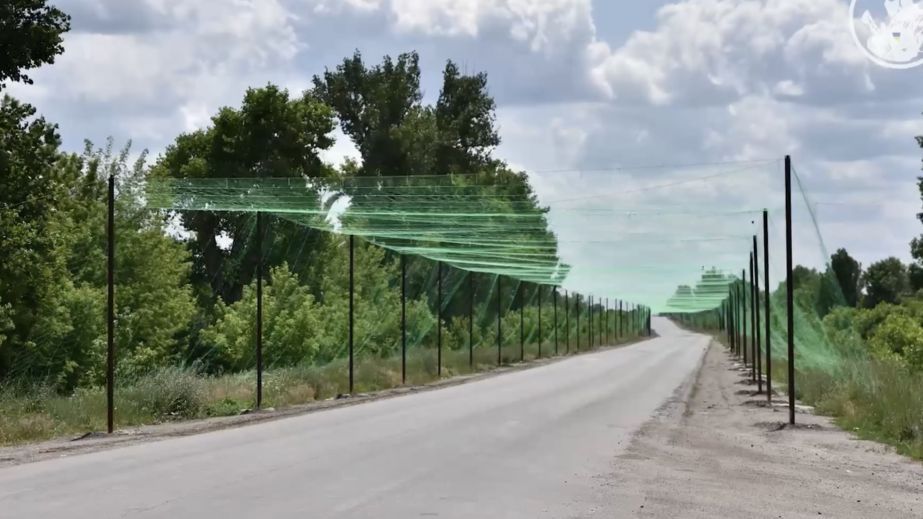

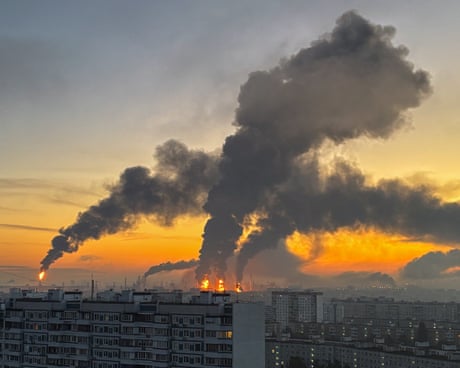
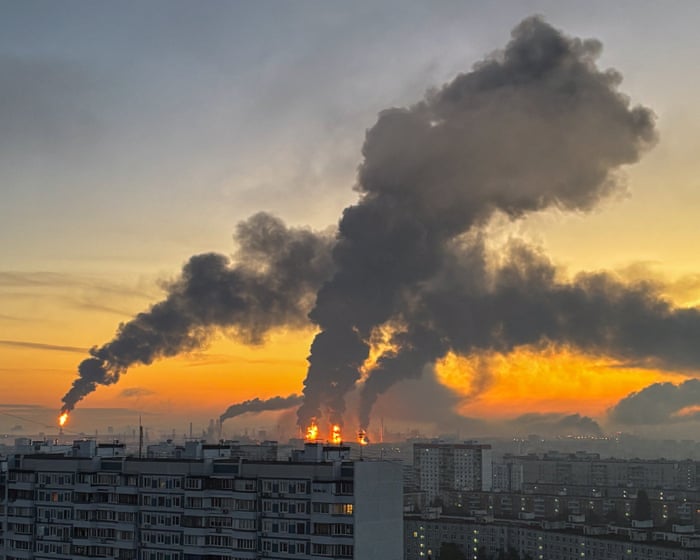




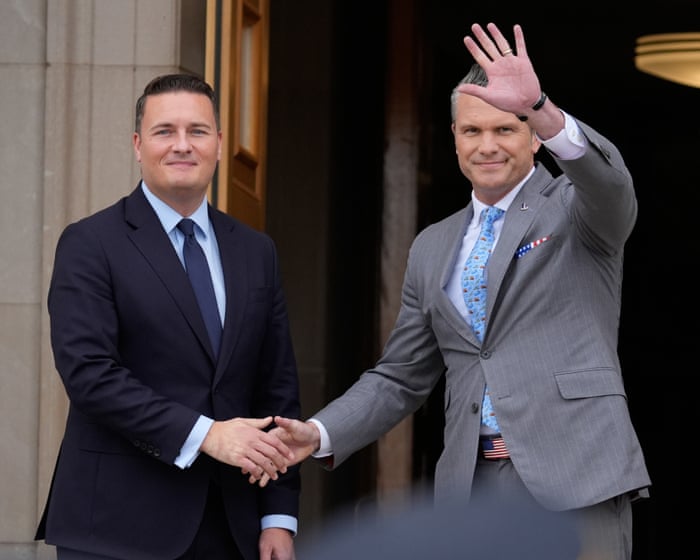
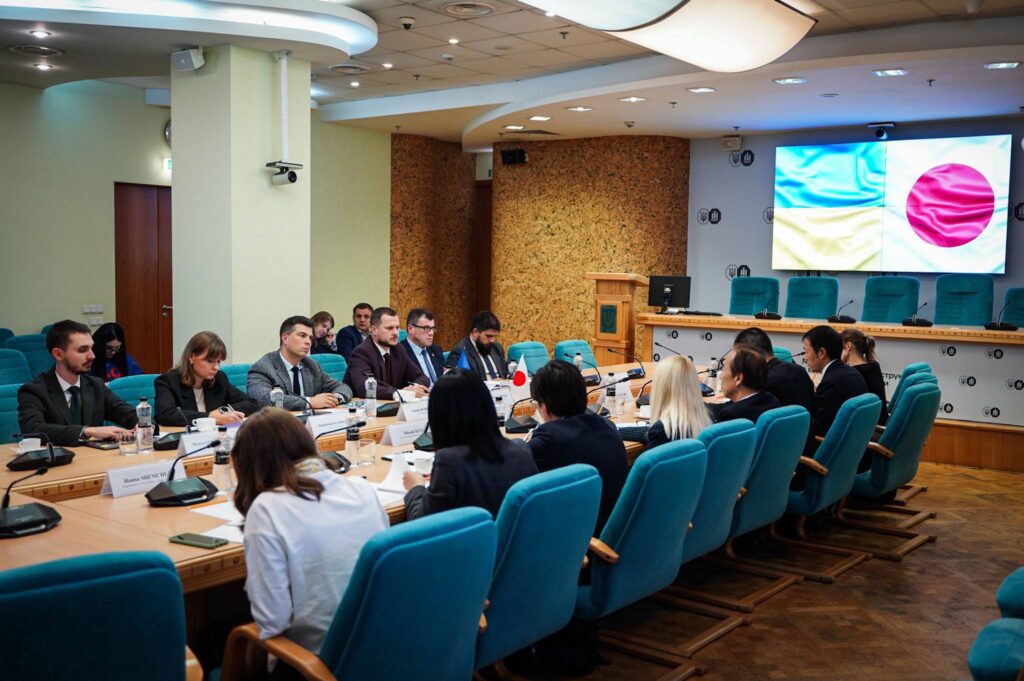



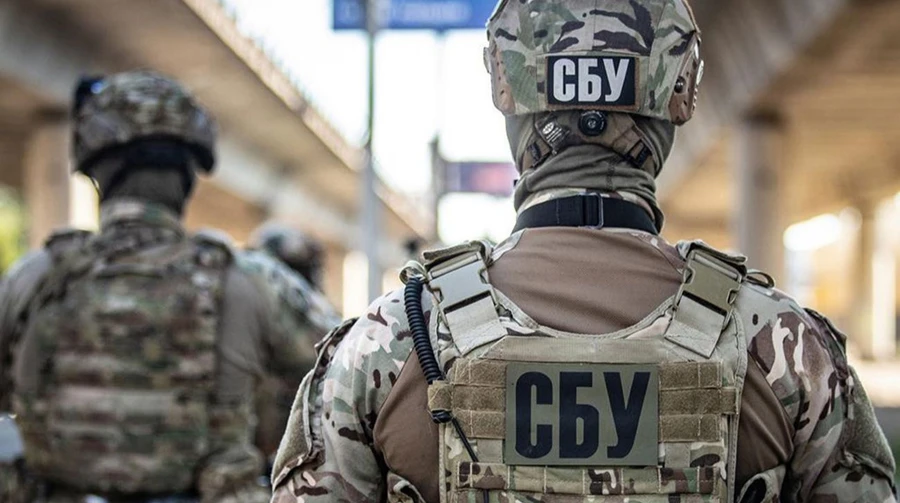









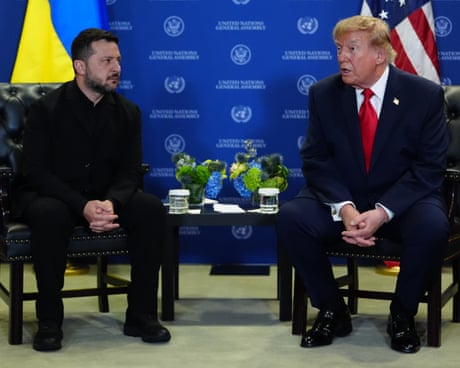
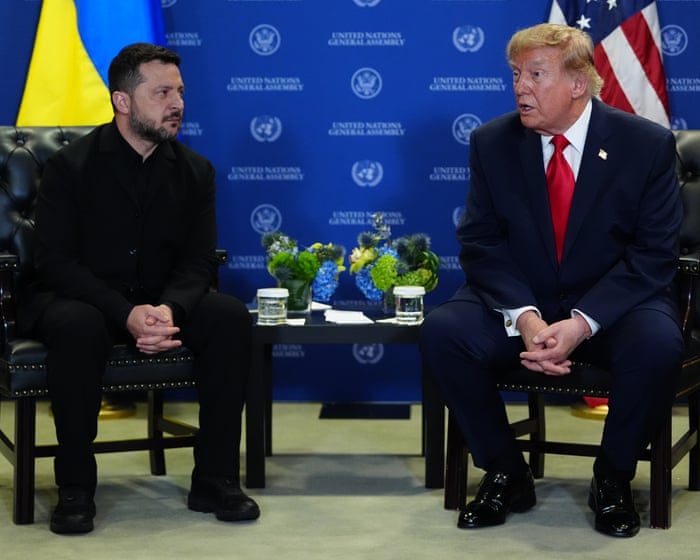


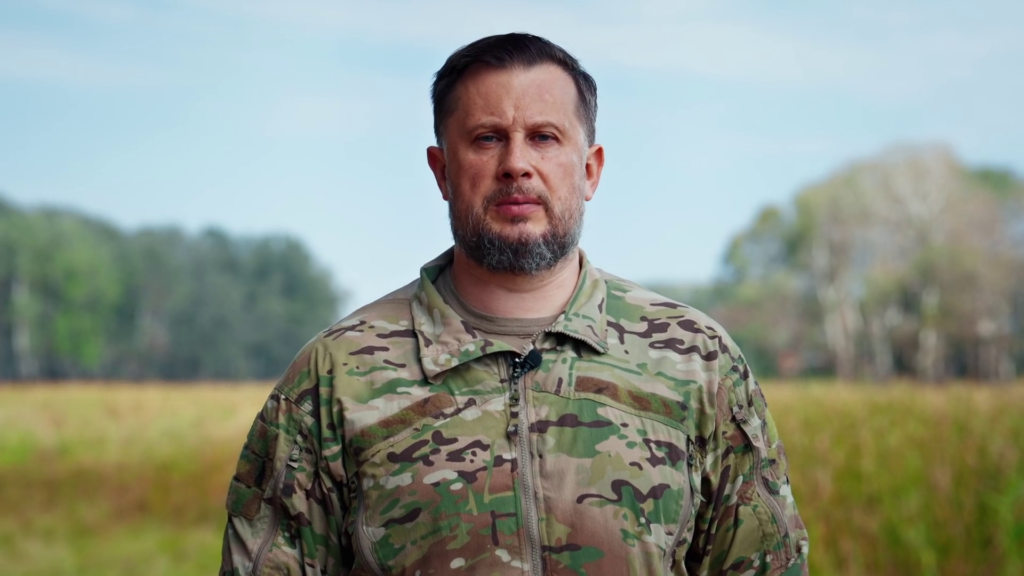


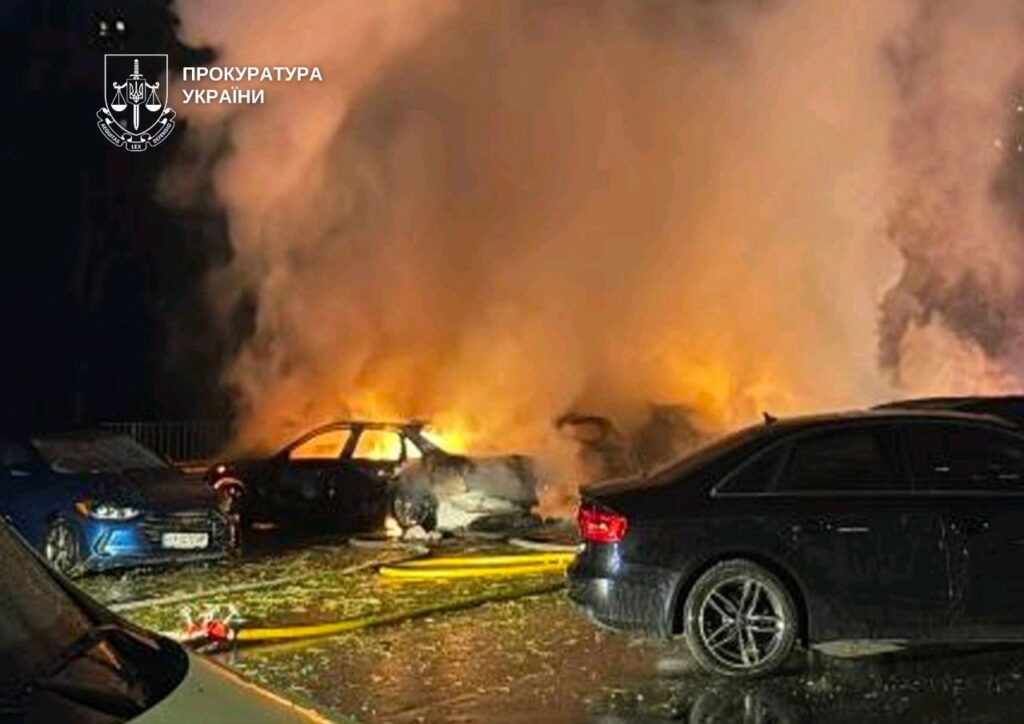

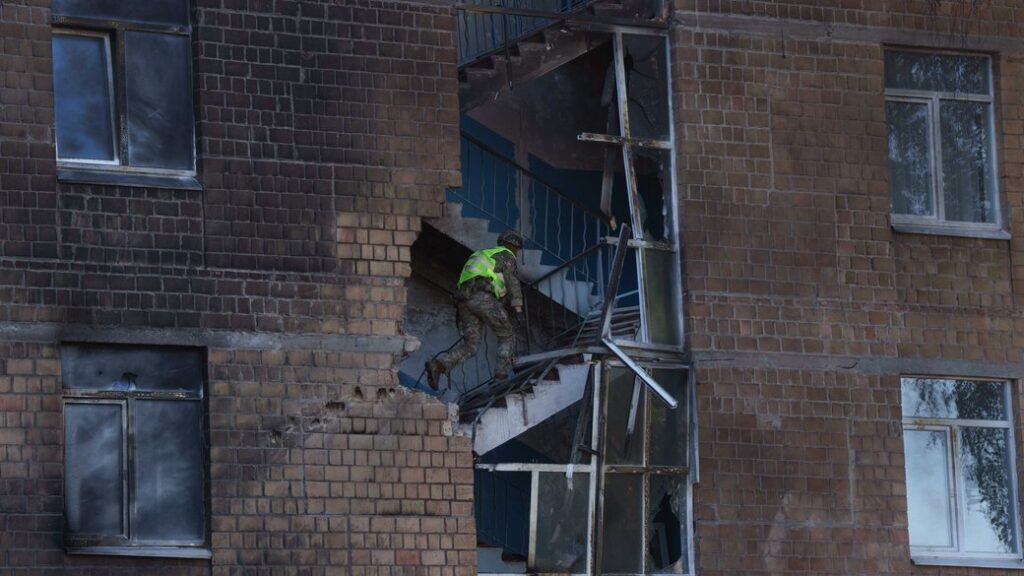






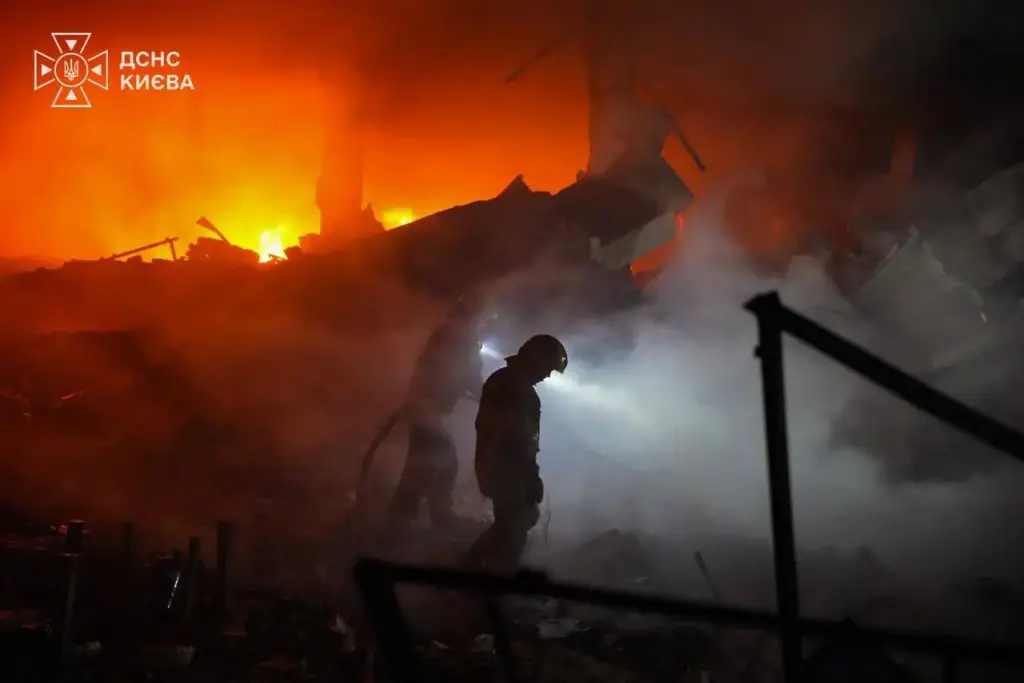

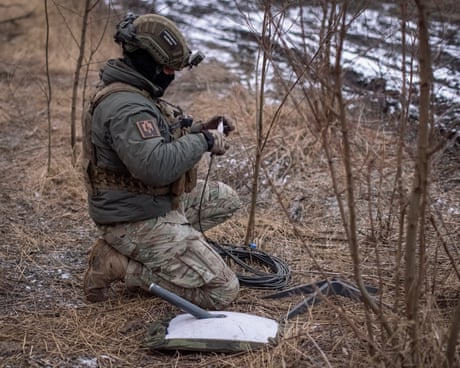

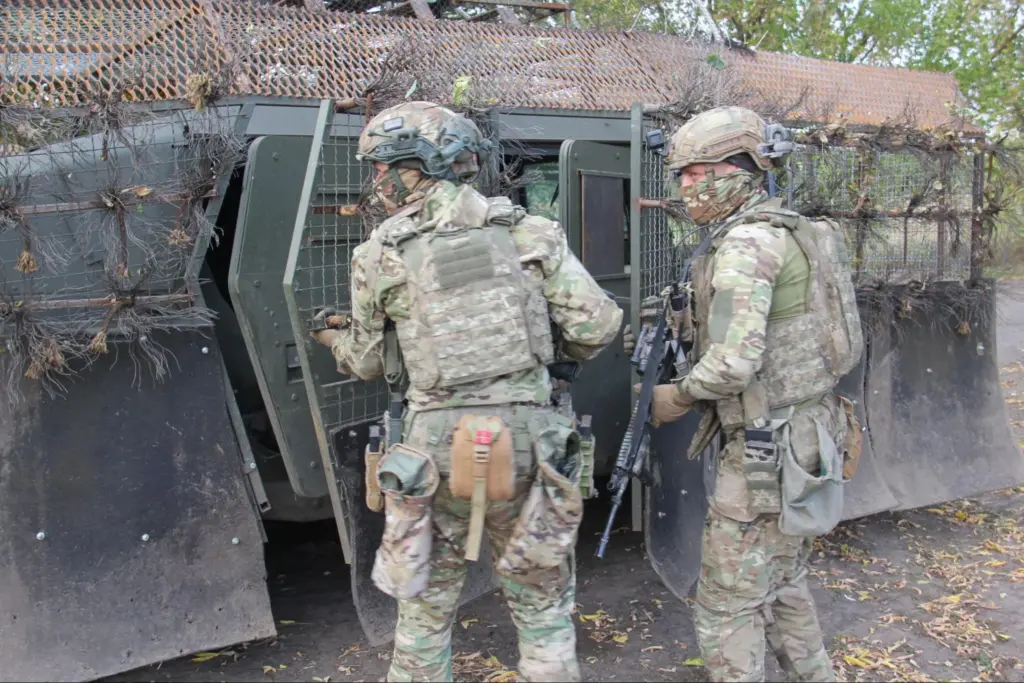
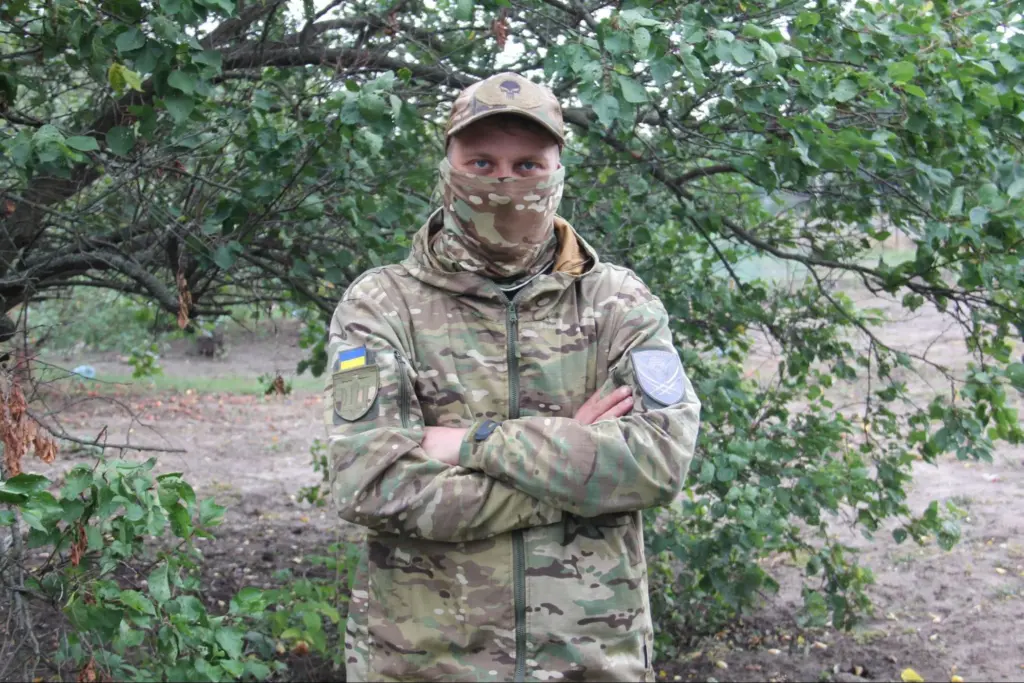

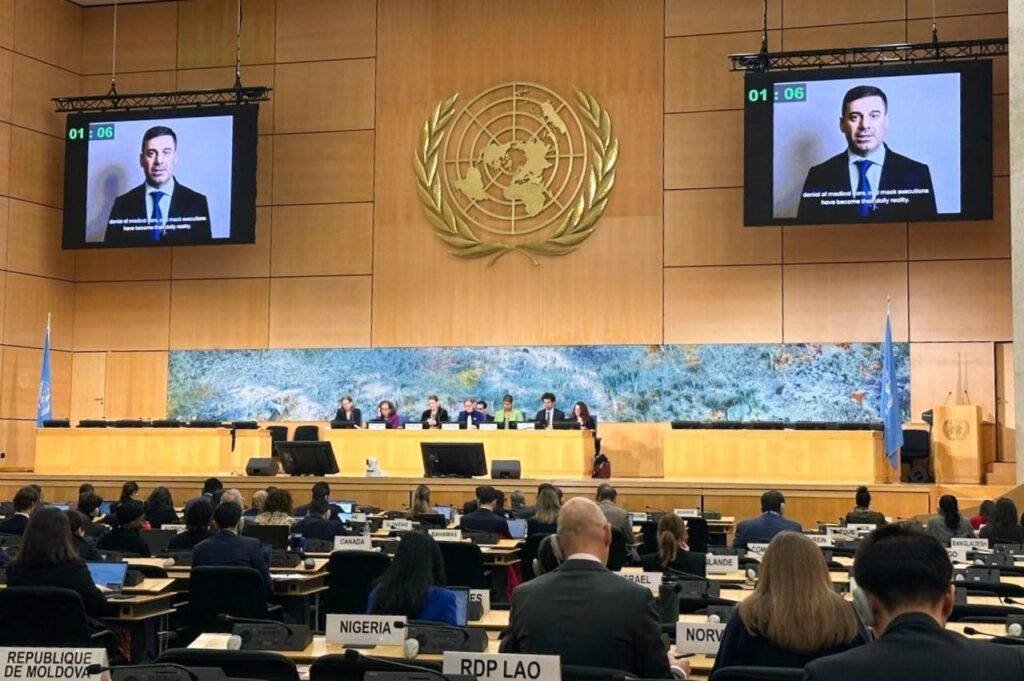
 (@andrii_sybiha)