❌

Vue normale

25-year-old Natalia, born in Russia, served in the Israeli army, returned to Ukraine during the full-scale invasion, and join the Armed Forces of Ukraine
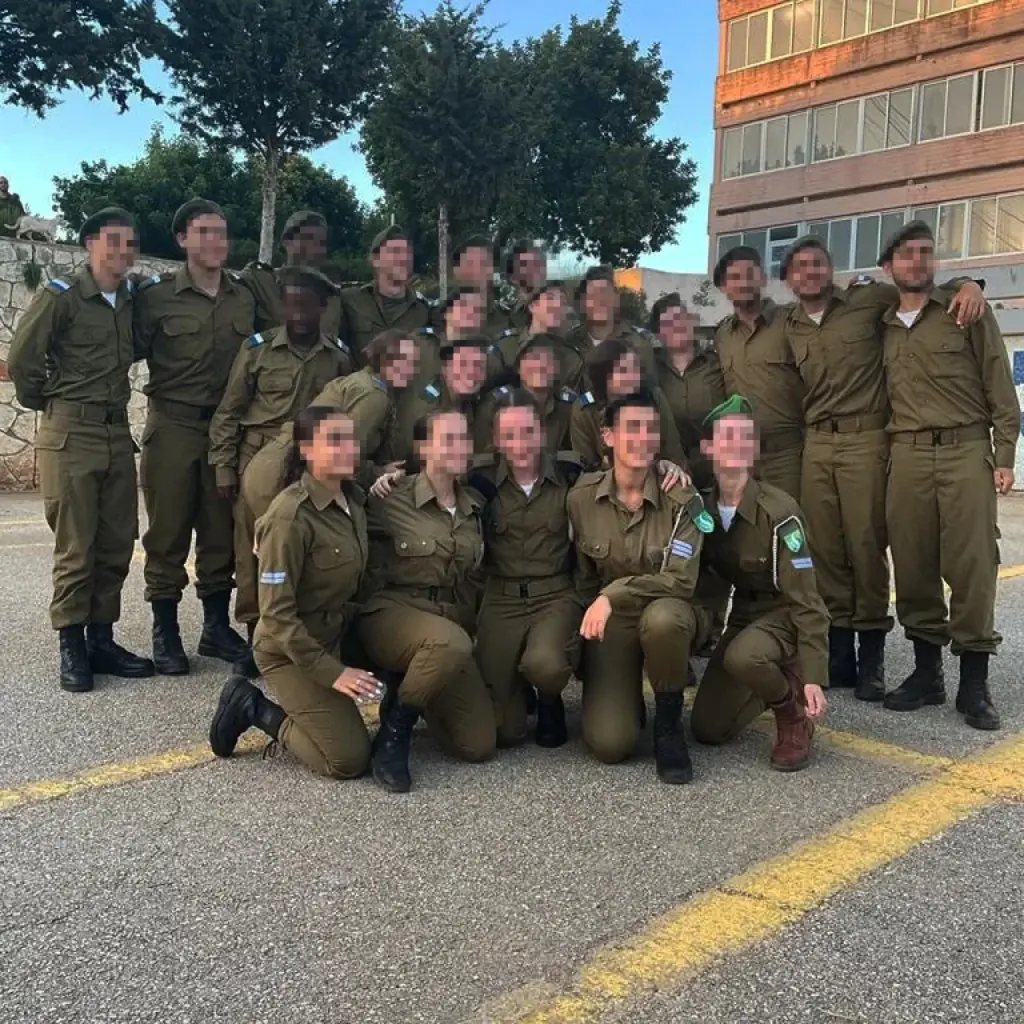
7 octobre 2026 à 06:10

25-year-old natalia born russia served israeli army returned ukraine during full-scale invasion join armed forces · post fellow soldiers service courtesy natalia/nv nataliia_israel_army news ukrainian reports

Natalia is 25 years old and from Odesa. She has served in two armies—the Israeli and Ukrainian militaries. In the Armed Forces of Ukraine, she has, among other things, carried out missions as part of a UAV, FPV drone, and strike-wing crew on the Zaporizhzhia and Kupiansk fronts, NV reported on 5 October.

During the Russo-Ukrainian war, women in Ukraine have the right to voluntarily enlist in the military. As of March, more than 75,000 women were serving in the armed forces, more than 55,000 of them as service members, the commander-in-chief said, and their number has been growing every year. Recently, discussion around the mandatory mobilization of women has intensified. Keith Kellogg, former US Special Presidential Envoy for Ukraine under President Donald Trump, said that he considered mobilizing women in Ukraine appropriate. In response, Iryna Vereshchuk, Deputy Head of the Office of the President of Ukraine, said she would rather see more missiles and more will from the United States than advice to mobilize women.

In Israel, Natalia served in a search-and-rescue brigade as a rescue soldier and in the engineering corps during a deployment along the northern border.

Natalia was born in Russia’s Saint Petersburg but does not remember her life there

The young woman was born in St. Petersburg, where her family lived at the time. When she was a year and a half old, her mother returned to Odesa with her and her older son. Natalia says she remembers her life exclusively in Ukraine.

She spent the first nearly two years studying at Lviv University, but later decided to leave the university and look for other educational opportunities. Natalia studied, among other places, in Denmark through a scholarship program. After completing it, she planned to enroll at a European university to study sound engineering, but the coronavirus pandemic began at that time.

She moved to Israel under a program for Jewish youth at the end of 2020. After the program ended, due to quarantine restrictions and closed airports, Natalia faced a choice: obtain a work visa or acquire citizenship under the Law of Return. She chose the latter—and with it, she also became obligated to perform military service.

In May 2022, Natalia joined the Israeli military and chose a combat unit.

“When the war started in Israel itself, I still had six months of mandatory service left. I was discharged and immediately transferred to reserve service. Once I managed to resolve all the bureaucratic issues so that this would not be considered desertion, I returned to Ukraine,” the young woman says.

Natalia returned to Ukraine in March 2025, and in August signed a contract with the Armed Forces of Ukraine.

Natalia (right) and her fellow servicewoman. Photo courtesy of Natalia/NV

“The army—both Israeli and Ukrainian—gives you a deeper understanding of what society is made of”

Among the advantages of the Ukrainian army, she highlights its ability to quickly adapt to circumstances. In particular, she mentions the use of drones, OSINT, and solving complex technological tasks with minimal resources.

“The West could learn from this situational agility. They often spend huge budgets on developments that should be cheap and mass-produced,” the veteran says.

However, such Ukrainian ingenuity is largely a consequence of a lack of funding, Natalia notes.

In the Israeli military, Natalia highlights society’s readiness for the constant threat of war and more systematic planning of military service.

“There, preparation for and perception of the army begin at school: by the age of 14–15, teenagers already understand where they want to go, what skills they need, and undergo selection for special or intelligence units,” the young woman says.

She then gives the opposite example of the situation in Ukraine.
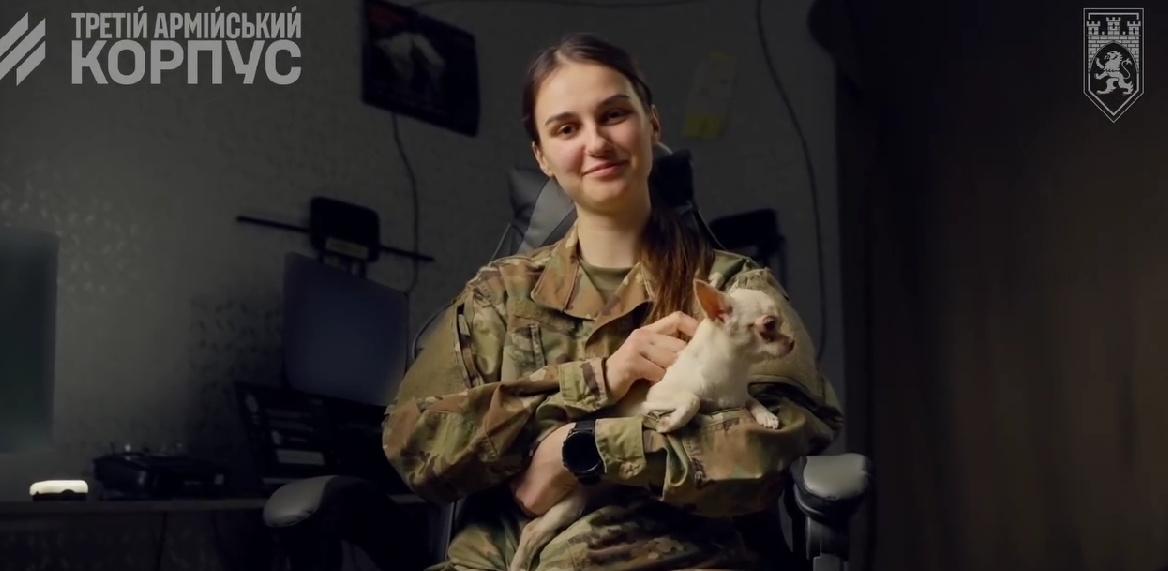
A Ukrainian female soldier with a call sign "Tsyhancha" went from FPV operator to piloting the Heavy Shot bomber. Image: The 125th Separate Heavy Mechanized Brigade
Explore further

This Ukrainian female soldier flies one of war’s heaviest drones. She turns down promotion twice to keep doing it

“In Ukraine, with very rare exceptions, people hide until they are mobilized, and suddenly face the reality of conscription without having any understanding of the system,” the veteran says.

Asked how adapted the Ukrainian army is to women, she answered: “In no way,” adding that the Israeli army is “also largely not fully adapted.”

In Ukraine, this is reflected, in particular, in the provision of clothing and equipment that often does not correspond to women’s sizes and physiology. She says she had to purchase her own anatomically fitted body armor. She cited the example of veteran Natalia Lishchyshyna, who had her breasts amputated due to prolonged wearing of body armor that was not adapted to the female anatomy.

In Israel, by contrast, there is a practice of reimbursing expenses for equipment that service members purchase at their own expense.

Serving in the military in both countries provides an opportunity to better understand what society is actually made of, the young woman says.

“The army—both Israeli and Ukrainian—gives you a deeper understanding of what society is made of. You encounter people you would never have crossed paths with in your civilian bubble because of differences in views or socioeconomic circumstances,” Natalia says.

She believes this makes it easier to accept mistakes, difficulties, and new challenges.

The Ukrainian army is not adapted to women in any way, Natalia says

In Natalia’s view, the problem is not only the living and working conditions but, above all, the lack of mechanisms necessary for the systematic mandatory mobilization of women. At the same time, she believes voluntary recruitment should be encouraged and expanded.

One of the problems is the lack of a legal procedure for temporary childcare in cases when both parents are simultaneously carrying out combat missions, Natalia says, stressing that she means the period of their service, rather than situations involving the death of one of the parents.

Another shortcoming is insufficient protection against sexual violence and harassment in the Ukrainian military.

“Here, any complaint goes through the direct chain of command. If the commander is not interested in resolving the problem or is involved in it themselves, the woman is left defenseless,” the veteran says.

In Israel, by contrast, there is a separate hotline and mechanisms for documenting such cases without directly approaching a commander.
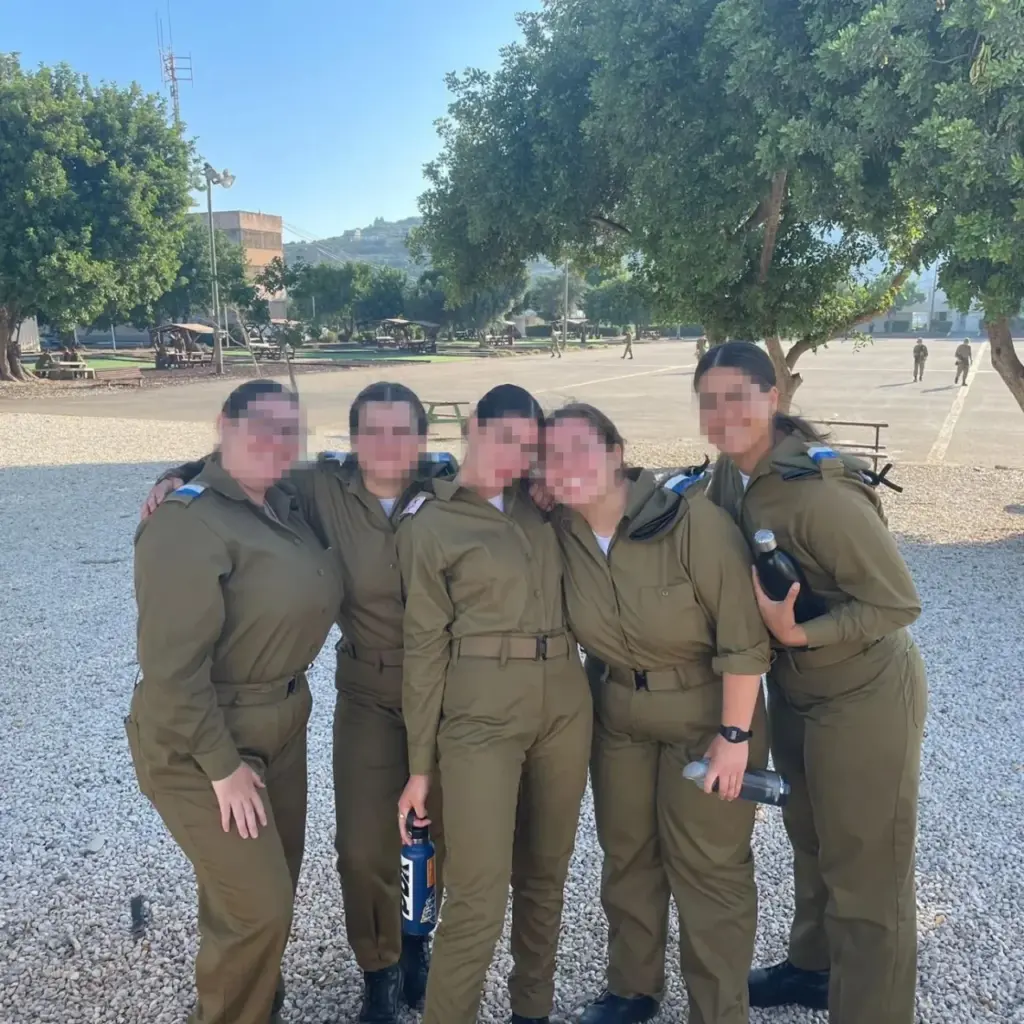
Natalia (second from left) during her service in the Israeli army. Photo courtesy of Natalia/NV

Women in combat positions can also still be taken insufficiently seriously, denied participation in combat missions, or transferred to staff positions without their consent.

Natalia also emphasizes the lack of systematic military training for civilian women “at any level” and gives school education as an example.

“Even with the weak level of the school curriculum for the subject ‘Defense of Ukraine,’ boys had at least some basic knowledge. Girls were not involved in it at all,” the veteran says.

For now, Natalia believes that women’s military service should remain voluntary, as society as a whole is still not ready to fully accept women in the military.
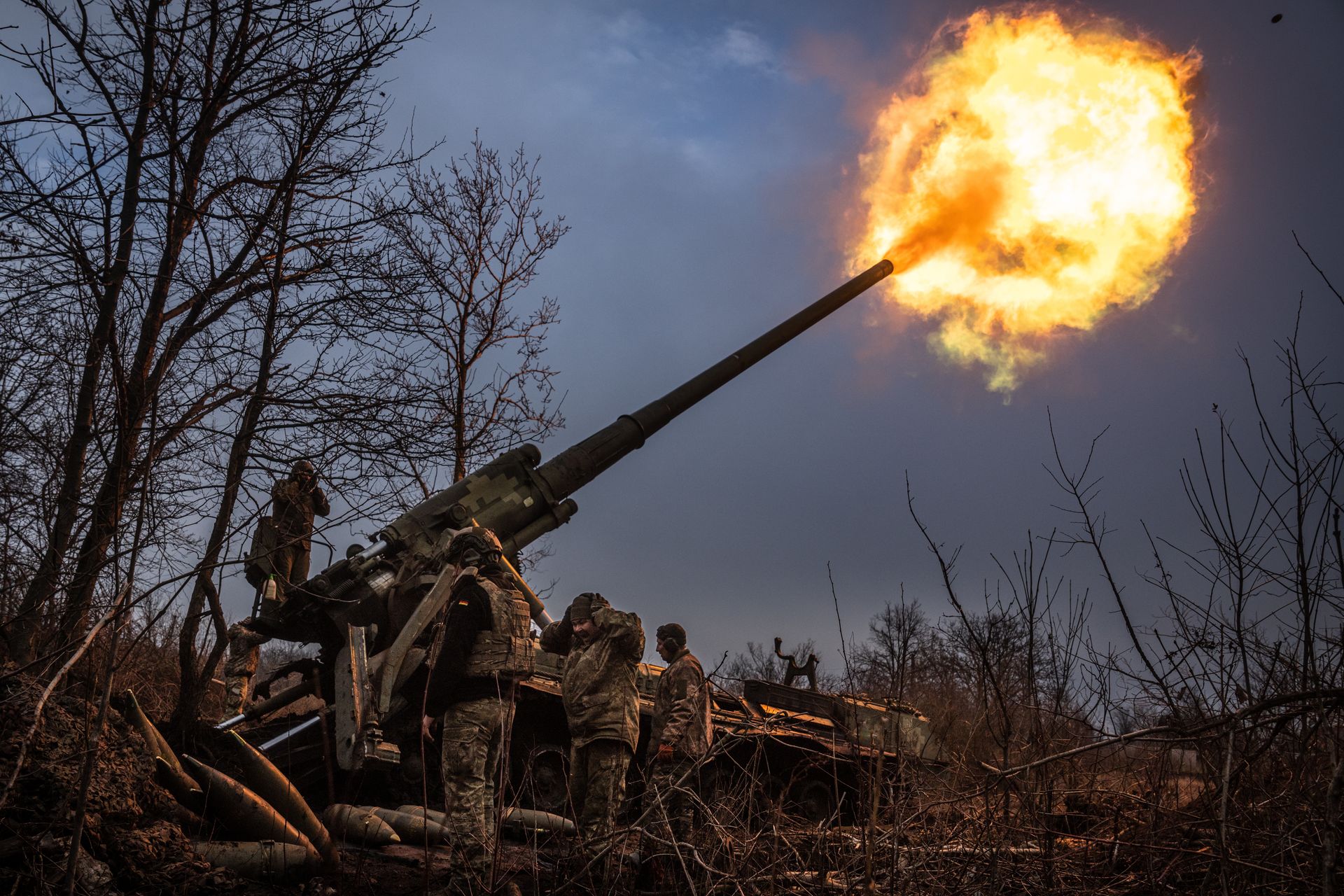
  • ✇The Kyiv Independent
  • Ukraine denies another Russian claim of Dnipropetrovsk Oblast breakthrough, says small incursion repelled
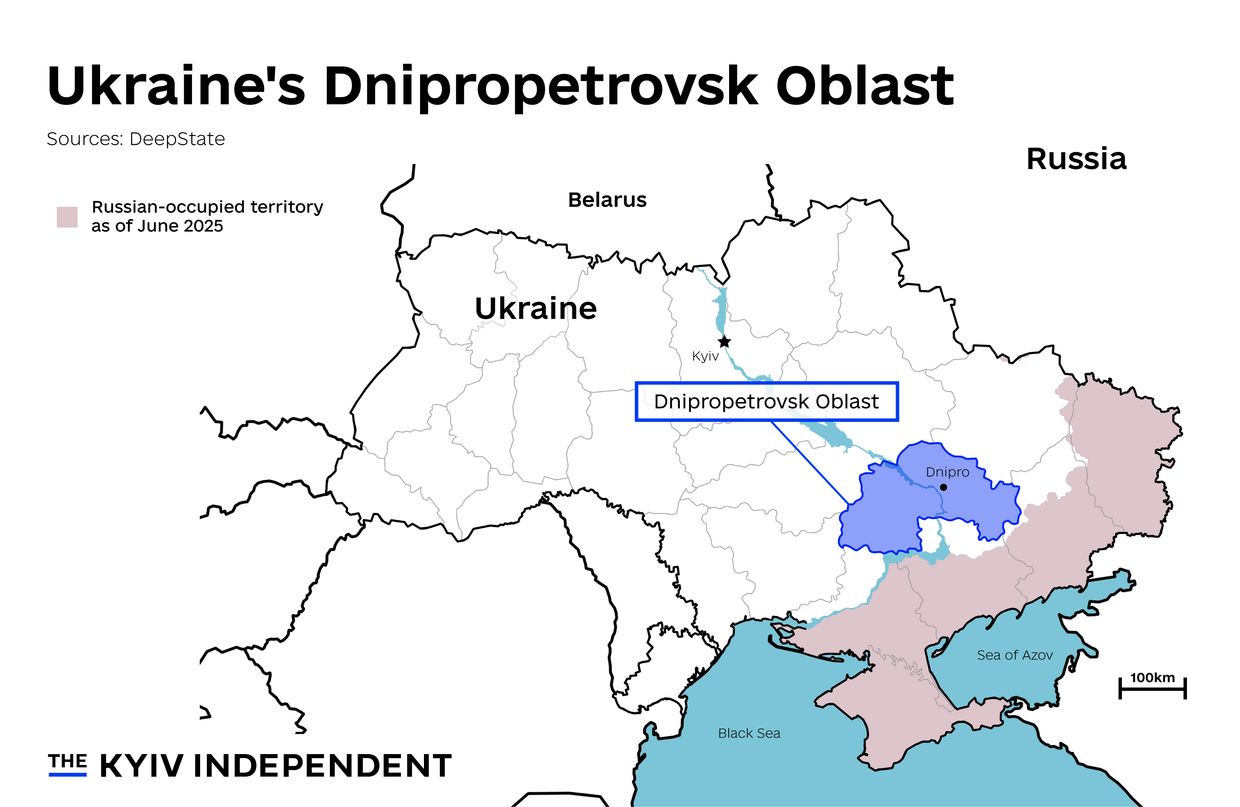
    Russian forces have not succeeded in crossing into Dnipropetrovsk Oblast, Ukraine's military said on July 2, refuting another Russian claim of a breakthrough into the central-eastern region.The General Staff of the Armed Forces of Ukraine dismissed Russian claims of territorial gains as disinformation and said a recent small incursion was repelled.According to the statement, a small Russian reconnaissance group managed to briefly enter the village of Dachne, located on the edge of Dnipropetrovsk
     

Ukraine denies another Russian claim of Dnipropetrovsk Oblast breakthrough, says small incursion repelled

2 juillet 2025 à 08:50
Ukraine denies another Russian claim of Dnipropetrovsk Oblast breakthrough, says small incursion repelled

Russian forces have not succeeded in crossing into Dnipropetrovsk Oblast, Ukraine's military said on July 2, refuting another Russian claim of a breakthrough into the central-eastern region.

The General Staff of the Armed Forces of Ukraine dismissed Russian claims of territorial gains as disinformation and said a recent small incursion was repelled.

According to the statement, a small Russian reconnaissance group managed to briefly enter the village of Dachne, located on the edge of Dnipropetrovsk Oblast. The group reportedly took photos with a Russian flag, but Ukrainian forces "eliminated them."

Russian troops have intensified efforts to breach the administrative border between Donetsk and Dnipropetrovsk oblasts in eastern Ukraine, but have failed to gain ground despite repeated assaults, the military said.

"(Russian troops) have had no success in achieving this demonstrative goal, no matter how many 'meat wave assaults' they launch with small infantry units and sabotage-reconnaissance groups," the General Staff said in a statement.

Donetsk Oblast, which has been a focal point of Russia's invasion since 2014 and a major battleground since the full-scale invasion in 2022, borders the more centrally located Dnipropetrovsk Oblast. Russian forces have not entered Dnipropetrovsk Oblast territory in force, although they regularly strike the region with missiles, drones, and aerial bombs.

In a separate incident, two Russian soldiers were captured during a subsequent assault on Dachne and are now in Ukrainian custody, the military said. They were detained by a unit of Ukrainian Marines and added to "Ukraine's prisoner exchange pool."

Ukraine denies another Russian claim of Dnipropetrovsk Oblast breakthrough, says small incursion repelled
Ukraine's Dnipropetrovsk Oblast (Nizar al-Rifai/The Kyiv Independent)

"Therefore, the Russian propaganda about the seizure of the bridgehead in Dnipropetrovsk Oblast is not true. Dachne remains under the control of the Ukrainian Defense Forces," the statement read.

The new claims echo a similar incident in May when Russian sources circulated a photo purporting to show Russian troops at the border of Dnipropetrovsk Oblast near the village of Novomykolaivka.

At the time, Ukrainian officials, including Dnipropetrovsk Oblast Governor Serhii Lysak, dismissed the photo as fake. The monitoring group DeepState later confirmed that the image had been taken in the village of Troitske in Donetsk Oblast and featured a Ukrainian vehicle abandoned under fire, which Russian forces later used for staged photos.

Russian forces have recently stepped up offensive operations across multiple sectors of the front line. Viktor Tregubov, spokesperson for Ukraine's Khortytsia group of forces, said on June 16 that Moscow had increased attacks in the Novopavlivka sector.

Tregubov noted that the escalation near Novopavlivka indicates an effort to breach into Dnipropetrovsk Oblast. "But they have failed to succeed," he said in a televised address.

Kremlin spokesperson Dmitry Peskov told Russian state-controlled media on June 9 that Russian forces were conducting operations in Dnipropetrovsk Oblast as part of efforts to create a so-called "buffer zone" on Ukrainian territory.

These remarks followed Russian President Vladimir Putin's May 22 statement that Russia was working to establish a "security buffer zone" along the Ukrainian border regions of Kursk, Bryansk, and Belgorod.

5 ways you can support Ukraine — even if your government doesn’t want to
Editor’s note: This is an edited version of a guide for members of the Kyiv Independent community, published on Feb. 24, 2025. If you would like to join a community of people united by wanting to help Ukraine, consider becoming a member today. U.S. President Donald Trump’s public
Ukraine denies another Russian claim of Dnipropetrovsk Oblast breakthrough, says small incursion repelledThe Kyiv IndependentBrooke Manning
Ukraine denies another Russian claim of Dnipropetrovsk Oblast breakthrough, says small incursion repelled
  • ✇The Kyiv Independent
  • Zelensky appoints Brigadier General Shapovalov as new Ground Forces chief
    President Volodymyr Zelensky on June 19 appointed Brigadier General Hennadii Shapovalov as the new commander of Ukraine's Ground Forces, following the resignation of Mykhailo Drapatyi earlier this month. Drapatyi stepped down on June 1 after a Russian missile strike killed at least 12 Ukrainian soldiers at a training ground in Dnipropetrovsk Oblast. He described the casualties as young recruits who "should have learned, lived, and fought — not died." Zelensky accepted Drapatyi's resignation and
     

Zelensky appoints Brigadier General Shapovalov as new Ground Forces chief

19 juin 2025 à 14:04
Zelensky appoints Brigadier General Shapovalov as new Ground Forces chief

President Volodymyr Zelensky on June 19 appointed Brigadier General Hennadii Shapovalov as the new commander of Ukraine's Ground Forces, following the resignation of Mykhailo Drapatyi earlier this month.

Drapatyi stepped down on June 1 after a Russian missile strike killed at least 12 Ukrainian soldiers at a training ground in Dnipropetrovsk Oblast. He described the casualties as young recruits who "should have learned, lived, and fought — not died."

Zelensky accepted Drapatyi's resignation and appointed him Commander of the Joint Forces on June 3. An investigation into the incident is ongoing, with the Ground Forces promising accountability if misconduct or negligence is confirmed.

Shapovalov, born in 1978 in Kirovohrad Oblast, is a career officer who graduated from the Military Institute of Tank Troops in Kharkiv and later studied at the National Defense University of Ukraine. He also received training at the U.S. Army War College.

Shapovalov previously led Ukraine's South Operational Command in 2024 and was appointed in February 2025 as Ukraine's representative to the NATO Security Assistance and Training for Ukraine (NSATU) mission in Germany.

Drapatyi, in his final remarks as Ground Forces chief on June 11, said he had overhauled more than half of the command's senior leadership, launched a revamp of recruitment centers, and pushed through reforms focused on decentralization, accountability, and modernization.

Zelensky said Drapatyi's new role would allow him to focus "exclusively on combat issues" as Ukraine faces intensifying Russian attacks across several fronts.

Trump’s peace push falters in both Ukraine and the Middle East — for similar reasons
U.S. President Donald Trump addressed a wide range of subjects during his inauguration speech. When speaking about international relations, he was adamant — “Our power will stop all wars and bring a new spirit of unity,” he said, talking about Russia’s war against Ukraine and the fighting in the Middle
Zelensky appoints Brigadier General Shapovalov as new Ground Forces chiefThe Kyiv IndependentOleg Sukhov
Zelensky appoints Brigadier General Shapovalov as new Ground Forces chief
  • ✇The Kyiv Independent
  • Ukrainian drone brigade distances itself from ex-volunteer commander's criticism
    Ukraine's 59th Brigade of the Unmanned Systems Forces said on June 17 that former fighter Ryan O'Leary no longer has access to current information about the unit's operations and cannot speak on its behalf.The statement follows public criticism from O'Leary, an American volunteer and former commander of the Chosen Company, who alleged widespread leadership failures within Ukraine's Armed Forces. On June 14, O'Leary said mismanagement within the military, rather than Russia's action, was responsi
     

Ukrainian drone brigade distances itself from ex-volunteer commander's criticism

17 juin 2025 à 16:53
Ukrainian drone brigade distances itself from ex-volunteer commander's criticism

Ukraine's 59th Brigade of the Unmanned Systems Forces said on June 17 that former fighter Ryan O'Leary no longer has access to current information about the unit's operations and cannot speak on its behalf.

The statement follows public criticism from O'Leary, an American volunteer and former commander of the Chosen Company, who alleged widespread leadership failures within Ukraine's Armed Forces.

On June 14, O'Leary said mismanagement within the military, rather than Russia's action, was responsible for "more deaths," accusing commanders of prioritizing personal power over troop welfare.

"The officer corps behaves like a caste system of untouchables or 'army lords,'" he wrote on X.

Chosen Company, originally formed as the 312 Swedish Volunteer Company at the start of Russia's full-scale invasion in 2022, has drawn members from more than 31 countries.

Its first commander, Swedish veteran Edvard Selander Patrignani, was killed in action in July 2022. O'Leary took command afterward, and the unit was integrated into the 59th Brigade in early 2023.

O'Leary accused the former commander of the 59th Brigade, Lieutenant Colonel Bohdan Shevchuk, of sending intelligence officers into reckless assaults, resulting in avoidable casualties. Shevchuk was recently removed from command after being accused of submitting false reports.

"In the first two months of his command, he sent soldiers into unattainable positions with no hope of reinforcement or survival," O'Leary claimed.

In response, the 59th Brigade, deployed in the Pokrovsk sector in Donetsk Oblast, said O'Leary voluntarily resigned from service on Feb. 8, 2024, and has not taken part in any operations or internal decisions since.

"He does not have up-to-date information on the state of affairs in the unit and cannot comment on it," the brigade said. "The dissemination of unfounded accusations and misinformation undermines morale and negatively affects the unit's combat readiness."

The 59th Brigade emphasized that its soldiers continue to perform combat missions under challenging conditions and "maintain high efficiency and effectiveness."

O'Leary had announced the disbandment of the Chosen Company on May 26, but said he would wait to discuss details until his contract officially ended.

‘A brutal strike’ — Massive Russian missile and drone attack hits Kyiv, killing 10, injuring at least 124
Russian drones and ballistic missiles targeted the capital overnight, killing 15 people and injuring at least 114, local authorities reported. Damage to civilian infrastructure has also been reported throughout the city.
Ukrainian drone brigade distances itself from ex-volunteer commander's criticismThe Kyiv IndependentOlena Goncharova
Ukrainian drone brigade distances itself from ex-volunteer commander's criticism
❌