Voters’ opposition to the state of Trump’s economy is well established – despite his desperate attempts to deflectTell us: what is your personal ‘recession indicator’?It’s indisputable that the political polarization of our time has reduced (and confused) the influence of economic conditions on US elections.In September of 2024, in the waning weeks of the Joe Biden presidency, 65% of Republicans believed the US economy was getting worse. About six months later, as Donald Trump launched a trade w
It’s indisputable that the political polarization of our time has reduced (and confused) the influence of economic conditions on US elections.
In September of 2024, in the waning weeks of the Joe Biden presidency, 65% of Republicans believed the US economy was getting worse. About six months later, as Donald Trump launched a trade war on the rest of the world with his “liberation day” tariffs, the share of Republican pessimists had dropped to 33%.
Nearly 61% believe country is in recession and 65% of independents say economy is worse, according to new Harris pollTell us: what is your personal ‘recession indicator’?With the midterm elections less than three weeks away, key voting groups including independents, rural voters and even some Republicans are increasingly disenchanted with Donald Trump’s economy, according to an exclusive Harris poll for the Guardian.The majority of those surveyed were pessimistic about the economy, with three-qu
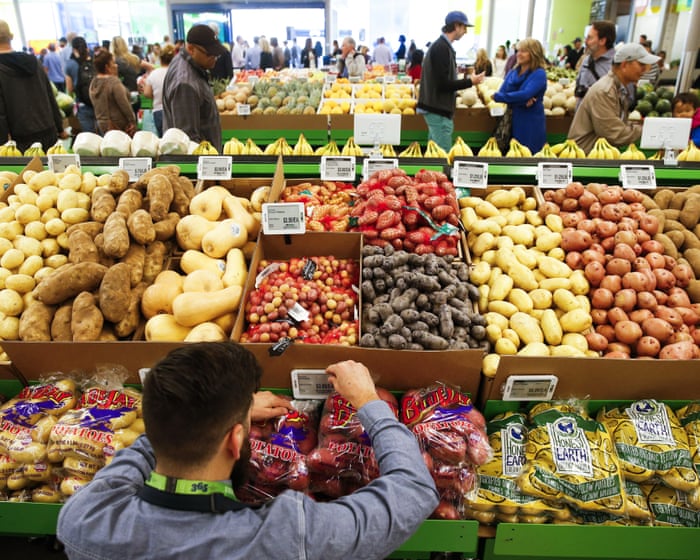
With the midterm elections less than three weeks away, key voting groups including independents, rural voters and even some Republicans are increasingly disenchanted with Donald Trump’s economy, according to an exclusive Harris poll for the Guardian.
The majority of those surveyed were pessimistic about the economy, with three-quarters of Americans saying they are concerned about a recession while 61% wrongly believe that the US is already experiencing one. By its typical definition, the US is not currently experiencing a recession.
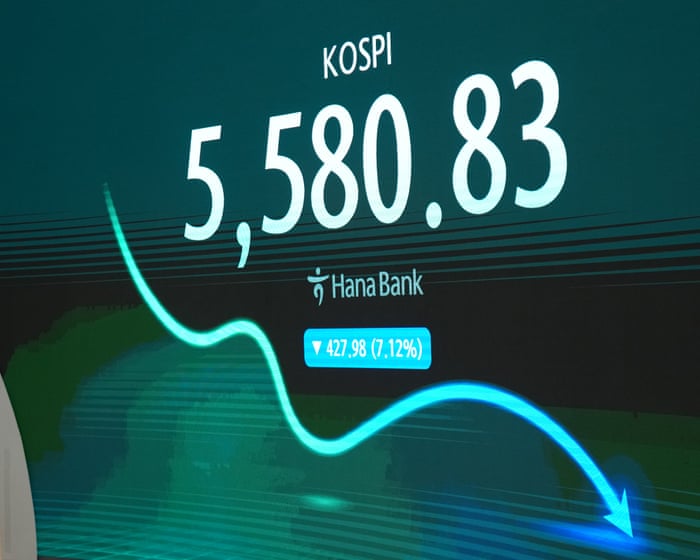
Chip makers and tech investors such as Samsung and SoftBank plunge as potential interest rate hikes spook marketsBusiness news – live updatesLarry Elliott: the global economy is muddling through. But a storm is comingAn accelerating sell-off of AI-linked shares has hit global markets, as fears over rising inflation and future interest rate hikes spooked traders already wary of the heavily indebted sector.South Korea’s benchmark Kospi 200 index, which is heavily skewed towards the companies that
An accelerating sell-off of AI-linked shares has hit global markets, as fears over rising inflation and future interest rate hikes spooked traders already wary of the heavily indebted sector.
South Korea’s benchmark Kospi 200index, which is heavily skewed towards the companies that make memory chips, fell more than 8% overnight to a six-month closing low, triggering circuit breakers that brought trading to a halt at various points.
Final inflation report before voters go to polls comes amid widespread anger over cost of living under TrumpSend us your questions on how the US economy is shaping the midterm electionsRepublicans are entering the midterm elections with the highest rate of inflation since the spring, according to a government report released on Wednesday.US price increases reached an annual rate of 3.7% in September, according to the latest data from the Bureau of Labor Statistics, up from 3.4% in August. This f
Republicans are entering the midterm elections with the highest rate of inflation since the spring, according to a government report released on Wednesday.
US price increases reached an annual rate of 3.7%in September, according to the latest data from the Bureau of Labor Statistics, up from 3.4% in August. This final inflation report before the pivotal midterm elections comes amid polls showing widespread dissatisfaction with the Trump administration over the cost of living.
More than 50 Russian companies could default on their bonds this year, the most since 2009, a rating-agency analyst told Russian newspaper Izvestia, which reported it on 6 October.
Russia's wartime economy is straining under high interest rates, and the budget is too: the 2026 deficit has nearly doubled from the earlier forecast to a record $88 billion, with more deficits planned for the next three years as Moscow raises taxes to fund the war and plans its biggest defense budget since t
More than 50 Russian companies could default on their bonds this year, the most since 2009, a rating-agency analyst told Russian newspaper Izvestia, which reported it on 6 October.
Russia's wartime economy is straining under high interest rates, and the budget is too: the 2026 deficit has nearly doubled from the earlier forecast to a record $88 billion, with more deficits planned for the next three years as Moscow raises taxes to fund the war and plans its biggest defense budget since the full-scale invasion began.
A default is a situation in which a company cannot make promised interest payments to investors on time or repay borrowed money. If a payment is not made by the agreed deadline, the company becomes delinquent, which under certain conditions is recognized as a default.
So far this year, 20 companies have defaulted for the first time, compared with 24 in all of 2025, said Mikhail Nikonov of the Expert RA rating agency. Most of the companies that missed payments are small issuers of high-yield bonds, Izvestia reported.
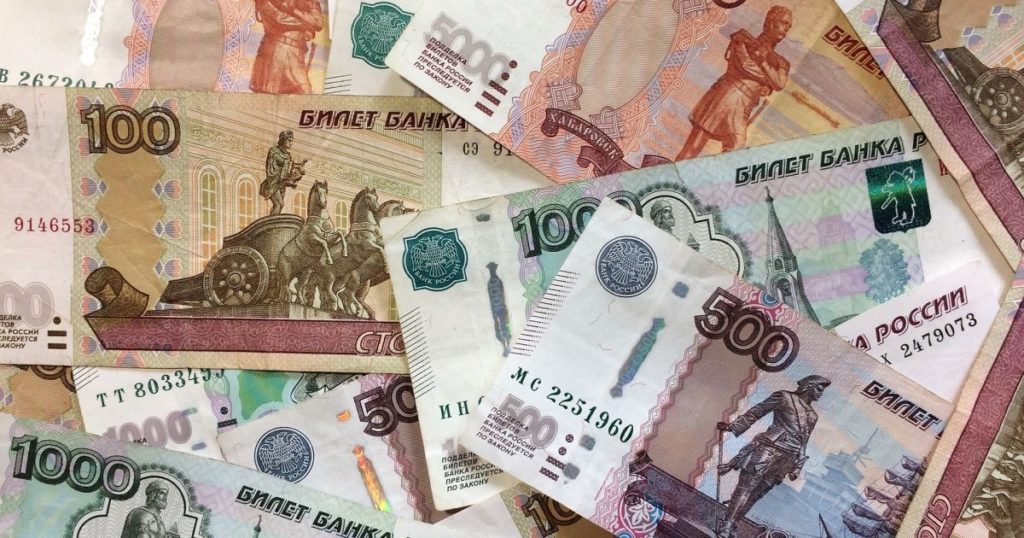
In 2026, Russian companies have missed payments totaling 41 billion rubles (about $490 million), compared with 34 billion rubles (about $410 million) the previous year, according to investment bank Sinara.
Russia faces a new wave of corporate defaults
By the end of 2026, the number of Russian companies unable to service their ruble-denominated debt on time could reach 40–50, the highest level since 2010, said Pavel Zholobov, junior managing director at the NRA rating agency.
The number of bond defaults in 2026 has already reached its highest level in a decade, Zholobov said. Similar figures were recorded in the mid-2010s: in 2014, 35 companies missed payments; in 2015, 52 did so; and in 2016, there were 44 issuers. This occurred in part after Western sanctions were imposed on Russia over its annexation of Crimea and its war in Donbas, as well as amid a halving of oil prices and a sharp weakening of the ruble.
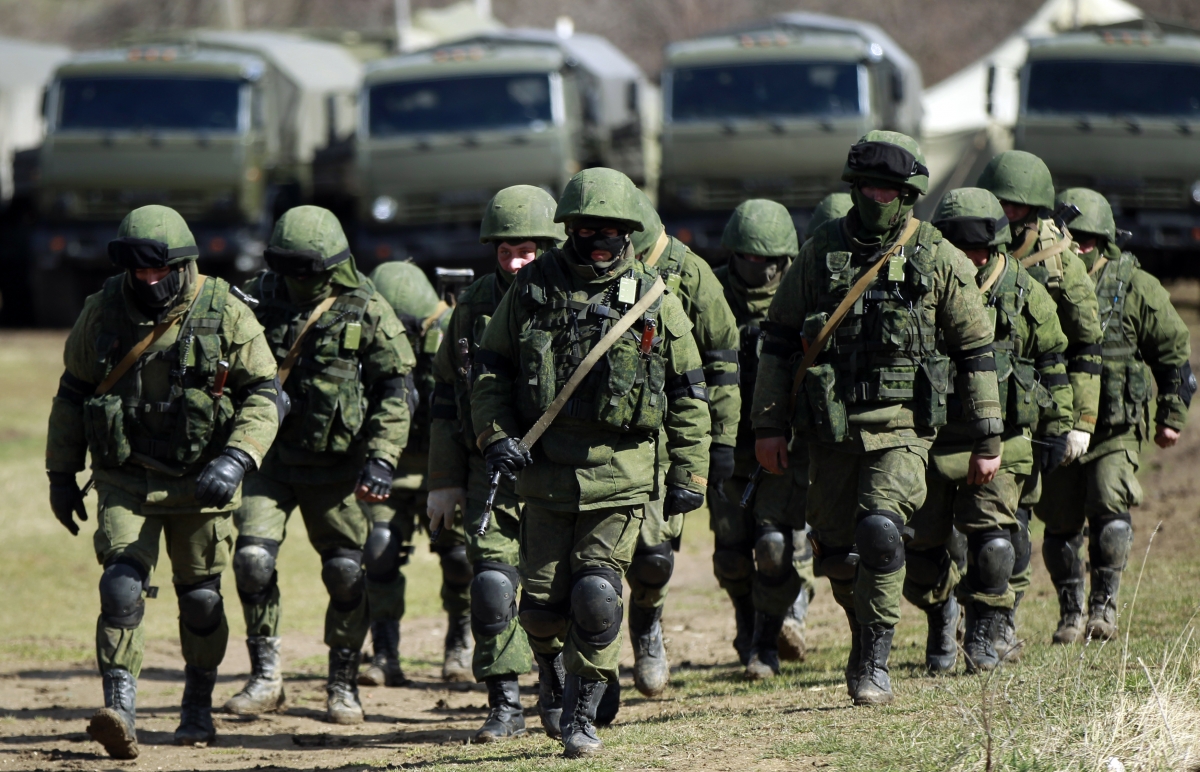
So-called "little green men" (the Russian occupation troops comprised special forces who removed insignia, wear face masks to prevent identification and call themselves a "Crimean self-defense force") surround a Ukrainian military base in Perevalne, Crimea, during the Russian annexation of the peninsula in February-March 2014.
There were more defaults only in 2009. At the time, amid the fallout from the global financial crisis, more than 100 issuers faced payment problems, while the volume of distressed debt reached nearly 200 billion rubles, Zholobov noted.
High interest rates put pressure on companies
This time, the main reason for companies' difficulties in making bond payments has been the prolonged period of high interest rates, which has continued since 2023. Companies are raising financing at high interest rates but are unable to refinance their debt on more favorable terms, explained Ekaterina Sidorova, head of the Foreign Exchange, Commodities and Debt Markets Department at SberCIB Investment Research.
At the same time, the situation does not yet resemble a systemic debt crisis: defaults are primarily being recorded among companies with low credit ratings and high debt burdens, Sidorova said.
If a company fails to repay bond debt, it is given 10 business days to meet its obligations. If it fails to do so, the company may offer investors a restructuring—for example, by postponing payments in exchange for a higher interest rate.
The number of defaults will remain high in 2027, Sidorova believes.
High interest rates were a response to accelerating inflation in Russia. Domestic demand was outpacing production, Russia's Central Bank said in October 2023. Sanctions over the war and rising defense spending had also hit the economy and the ruble, which had lost about 25% against the dollar that year. The bank raised its key rate from 7.5% in the first half of 2023 to 15% by the fall.
Ukraine targets Russia's oil industry to weaken its war economy
Ukraine is also seeking to weaken Russia's economy as part of efforts to reduce its ability to finance the war. In particular, Defense Minister Yevhenii Khmara said strikes on oil refineries are aimed at "bleeding the Russian war machine" and destroying its military and economic potential. According to the ministry, the attacks have knocked out more than 51% of Russia's oil refining capacity.
In the first half of July, Russian oil refineries processed about 3.9 million barrels of oil per day—the lowest level since March 2005. Due to the production cuts, Moscow was also forced to restrict fuel exports.
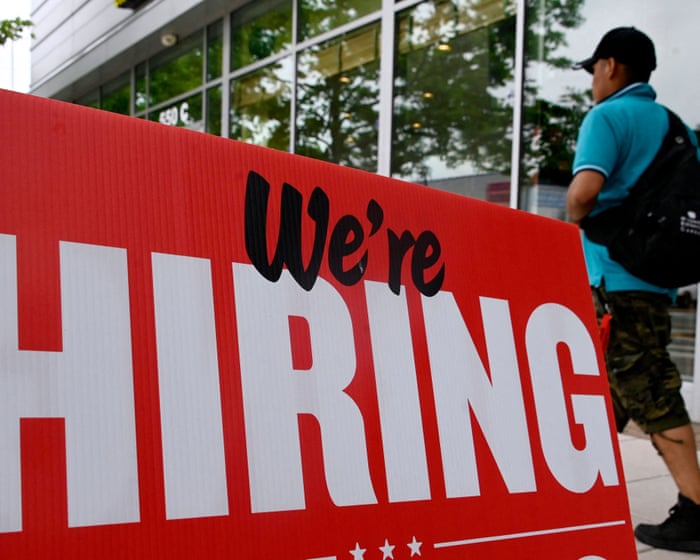
Final jobs report before the midterm elections also shows the US unemployment rate rose slightly to 4.2%US employers added just 29,000 jobs in September, a sharp drop from last month’s gains, and unemployment rose slightly to 4.2%, a sign of a cooling labor market in the final jobs report before the midterm election.The numbers were under half of economists’ expectations of just under 70,000 new jobs. Most job gains were concentrated in the healthcare industry, which added 17,000 new jobs, while
Final jobs report before the midterm elections also shows the US unemployment rate rose slightly to 4.2%
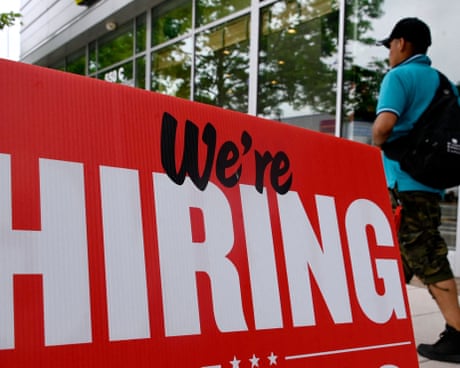
US employers added just 29,000 jobs in September, a sharp drop from last month’s gains, and unemployment rose slightly to 4.2%, a sign of a cooling labor market in the final jobs report before the midterm election.
The numbers were under half of economists’ expectations of just under 70,000 new jobs. Most job gains were concentrated in the healthcare industry, which added 17,000 new jobs, while the information, financial and professional industries saw losses, according to the latest data from the US Bureau of Labor Statistics.

 Connexion