Connexion
Russia burned 628,000 new school textbooks in Kharkiv at the peak of back-to-school season
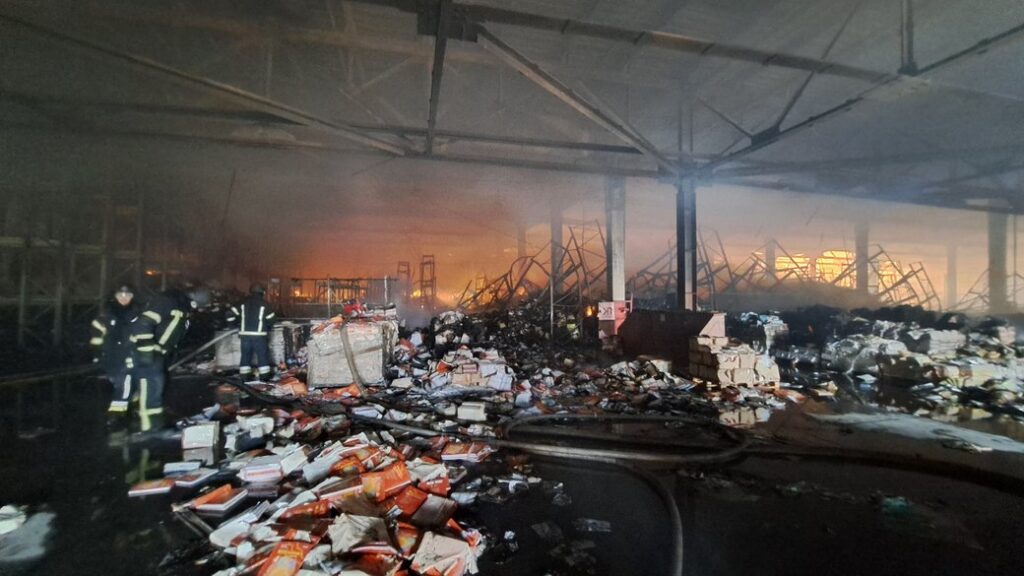
Russian missiles and drones destroyed 13 million Ukrainian books this summer, The Guardian reported. That is about a third of all books printed in Ukraine this year, the government estimates.
Russia is striking civilian warehouses, including those where publishers store their books. The uncertainty is pushing publishers toward safe international bestsellers, Publishers Weekly reported. "We'll all end up fed up with safe, non-risky books—if there are still publishers around to publish them," said Iryna Baturevych, co-founder of the publishing news outlet Chytomo.
Millions of Ukrainian books on fire
Ranok is one of Ukraine's largest publishing houses and a leader in children's literature and school textbooks. On one day in August, Russia destroyed more than 85% of its stock, The Guardian reported.
Viktor Kruhlov, the publisher's co-founder and chief executive, was on the warehouse floor at its headquarters in Kharkiv. The facility, built on the site of a former bread factory, covered about 10,000 m².
Together with five senior colleagues, he was discussing plans for the upcoming school year, the peak of the distribution season. Moments after the meeting began, a strike hit about 30 meters from where the staff had gathered. Kruhlov heard an explosion and almost at once saw a huge fire. As colleagues tried to put out the flames, a second strike came, and he realized there could be a third and a fourth, so the staff evacuated. Fifty people were on shift that day, and no one was injured, Kruhlov told The Guardian.
Eight million books, including 628,000 new school textbooks, were in the warehouse at the time. None could be saved. Firefighters battled the blaze for a week.
Several editorial staff members who saw the remains of the warehouse for the first time looked shaken as they recognized fragments of books they had helped create.
"When you see what was produced with your brain, with your hands, with your imagination, spoiled by Russia, it's an awful feeling," Kruhlov said.
He predicted shortages at Ranok's stores this fall, when the books in stock run out and there is nothing to replace them.
Literature is part of Ukrainian identity
Kruhlov is convinced that Russia deliberately targeted the book warehouse, but Bohdana Laiuk, Ukraine's deputy culture minister, sees the strikes as part of Russia's broader campaign against warehouses, The Guardian wrote.
"They cannot occupy Kyiv. So they target warehouses around Kyiv to take the possibility of everyday life from us—and books are part of everyday life," she said.
Books also matter to Russia's occupiers, Laiuk said.
"When the Russians occupy, the first thing they do—and we know this from the areas that were occupied and then liberated in 2022 in the Kherson and Kharkiv regions—is to go to the libraries, take the Ukrainian language books out, and destroy them," Laiuk said.
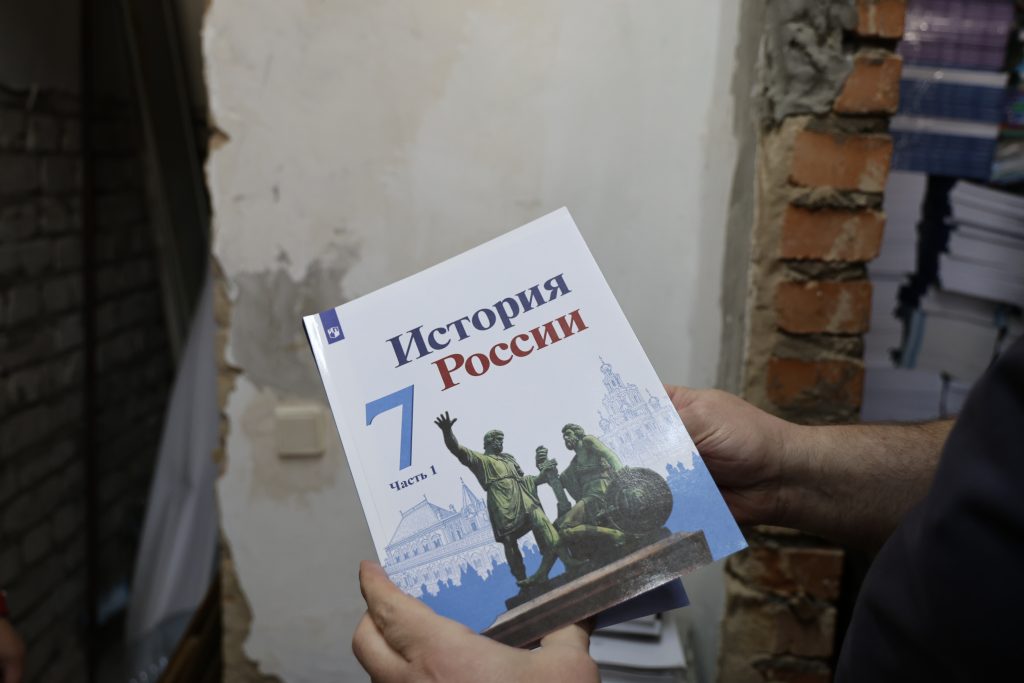
Before 2022, about 70% of the Ukrainian book market consisted of Russian-language titles, most of them imported from Russia.
Russian dominance in Ukrainian publishing developed over centuries, from tsarist bans on publishing in Ukrainian in the 19th century to Soviet Russification. Ukrainian writers were purged, and Ukrainian literature stayed in the shadow of Russian literature, the article notes.
Laiuk calls the dominance of Russian books a form of colonialism. Russia deliberately built its own information space in Ukraine through books, media, and television, she argues, so that everything would be ready for it once its tanks arrived.
Even after independence, a commercially successful Ukrainian-language novel was long seen as unlikely. But at the start of the full-scale invasion in 2022, Ukrainian bookstores stopped selling Russian imports, and interest in Ukrainian literature grew, from 1920s classics and poetry to contemporary authors and translations.
"So people are asking: what does it actually mean to be Ukrainian? Literary culture gives us the place to understand who we are," Laiuk told The Guardian in 2023.
The future of Ukrainian literature is uncertain
Ranok is now rushing to reprint textbooks and bestsellers: schools need the former, while sales of popular titles will help the publisher make up for lost revenue.

For debut authors and writers of less commercial or experimental books, the situation is particularly difficult. Even before the strike on Ranok's warehouse, some publications had been delayed by attacks on printing infrastructure.
Ksenia Shpak's debut novel, an urban fantasy about a girl displaced from eastern Ukraine to the Carpathians, was due out in February 2025 but was published only that November, the article says. Half of the print run was in Ranok's Kharkiv warehouse when it was attacked.
It was her first published book, and Shpak fears the publisher will now focus on bestsellers and reprint her novel only if money allows. The Ukrainian book market is also feeling demand level off and the cost of living rise, she said.
Despite the loss of 8 million books, Kruhlov remained optimistic. Looking over the ruined warehouse in Kharkiv, he said he planned to rebuild everything—and to do it better.
Read also
-
“Reminiscent of 11 September at World Trade Center”: Russia strikes Ukraine’s century-old National Academy of Sciences in central Kyiv, people are climbing onto windows not to be buried alive
-
Russian glide bombs scarred a statue of Christ and damaged a 19th-century church in Sumy
-
A school with children, a café, warehouses: Russia’s drones hit civilian Kyiv again