
 Connexion
25-year-old Natalia, born in Russia, served in the Israeli army, returned to Ukraine during the full-scale invasion, and join the Armed Forces of Ukraine
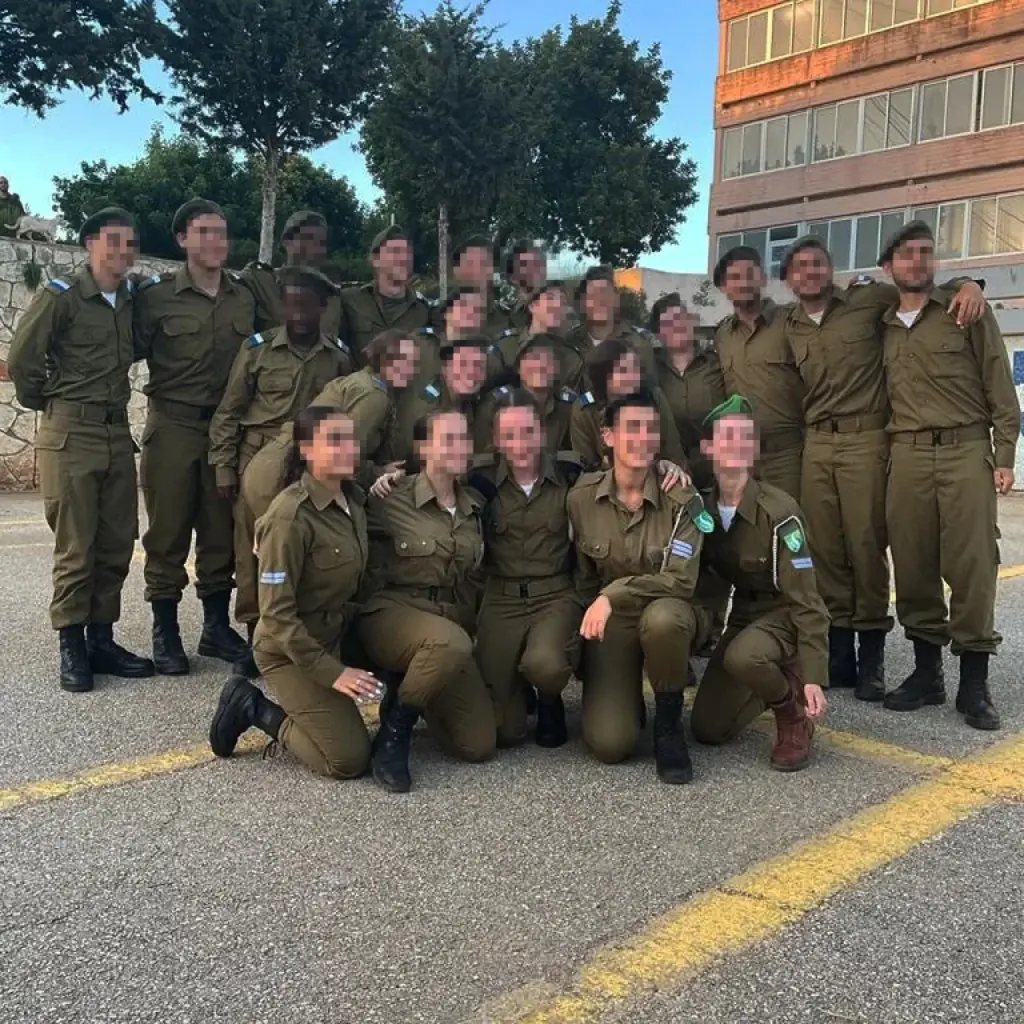
Natalia is 25 years old and from Odesa. She has served in two armies—the Israeli and Ukrainian militaries. In the Armed Forces of Ukraine, she has, among other things, carried out missions as part of a UAV, FPV drone, and strike-wing crew on the Zaporizhzhia and Kupiansk fronts, NV reported on 5 October.
During the Russo-Ukrainian war, women in Ukraine have the right to voluntarily enlist in the military. As of March, more than 75,000 women were serving in the armed forces, more than 55,000 of them as service members, the commander-in-chief said, and their number has been growing every year. Recently, discussion around the mandatory mobilization of women has intensified. Keith Kellogg, former US Special Presidential Envoy for Ukraine under President Donald Trump, said that he considered mobilizing women in Ukraine appropriate. In response, Iryna Vereshchuk, Deputy Head of the Office of the President of Ukraine, said she would rather see more missiles and more will from the United States than advice to mobilize women.
In Israel, Natalia served in a search-and-rescue brigade as a rescue soldier and in the engineering corps during a deployment along the northern border.
Natalia was born in Russia’s Saint Petersburg but does not remember her life there
The young woman was born in St. Petersburg, where her family lived at the time. When she was a year and a half old, her mother returned to Odesa with her and her older son. Natalia says she remembers her life exclusively in Ukraine.
She spent the first nearly two years studying at Lviv University, but later decided to leave the university and look for other educational opportunities. Natalia studied, among other places, in Denmark through a scholarship program. After completing it, she planned to enroll at a European university to study sound engineering, but the coronavirus pandemic began at that time.
She moved to Israel under a program for Jewish youth at the end of 2020. After the program ended, due to quarantine restrictions and closed airports, Natalia faced a choice: obtain a work visa or acquire citizenship under the Law of Return. She chose the latter—and with it, she also became obligated to perform military service.
In May 2022, Natalia joined the Israeli military and chose a combat unit.
“When the war started in Israel itself, I still had six months of mandatory service left. I was discharged and immediately transferred to reserve service. Once I managed to resolve all the bureaucratic issues so that this would not be considered desertion, I returned to Ukraine,” the young woman says.
Natalia returned to Ukraine in March 2025, and in August signed a contract with the Armed Forces of Ukraine.

“The army—both Israeli and Ukrainian—gives you a deeper understanding of what society is made of”
Among the advantages of the Ukrainian army, she highlights its ability to quickly adapt to circumstances. In particular, she mentions the use of drones, OSINT, and solving complex technological tasks with minimal resources.
“The West could learn from this situational agility. They often spend huge budgets on developments that should be cheap and mass-produced,” the veteran says.
However, such Ukrainian ingenuity is largely a consequence of a lack of funding, Natalia notes.
In the Israeli military, Natalia highlights society’s readiness for the constant threat of war and more systematic planning of military service.
“There, preparation for and perception of the army begin at school: by the age of 14–15, teenagers already understand where they want to go, what skills they need, and undergo selection for special or intelligence units,” the young woman says.
She then gives the opposite example of the situation in Ukraine.
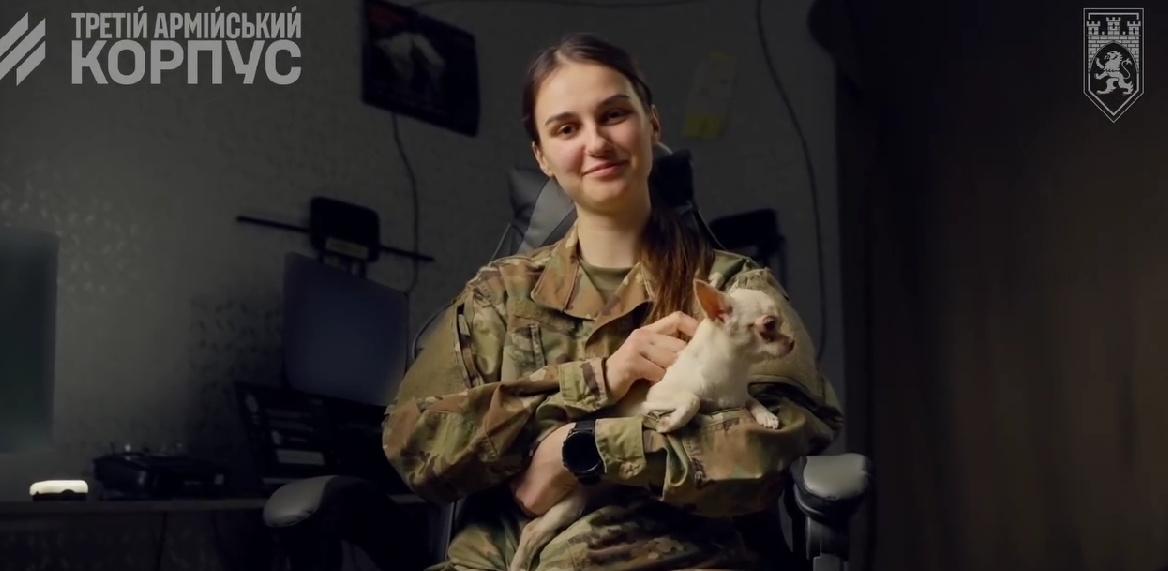
This Ukrainian female soldier flies one of war’s heaviest drones. She turns down promotion twice to keep doing it
“In Ukraine, with very rare exceptions, people hide until they are mobilized, and suddenly face the reality of conscription without having any understanding of the system,” the veteran says.
Asked how adapted the Ukrainian army is to women, she answered: “In no way,” adding that the Israeli army is “also largely not fully adapted.”
In Ukraine, this is reflected, in particular, in the provision of clothing and equipment that often does not correspond to women’s sizes and physiology. She says she had to purchase her own anatomically fitted body armor. She cited the example of veteran Natalia Lishchyshyna, who had her breasts amputated due to prolonged wearing of body armor that was not adapted to the female anatomy.
In Israel, by contrast, there is a practice of reimbursing expenses for equipment that service members purchase at their own expense.
Serving in the military in both countries provides an opportunity to better understand what society is actually made of, the young woman says.
“The army—both Israeli and Ukrainian—gives you a deeper understanding of what society is made of. You encounter people you would never have crossed paths with in your civilian bubble because of differences in views or socioeconomic circumstances,” Natalia says.
She believes this makes it easier to accept mistakes, difficulties, and new challenges.
The Ukrainian army is not adapted to women in any way, Natalia says
In Natalia’s view, the problem is not only the living and working conditions but, above all, the lack of mechanisms necessary for the systematic mandatory mobilization of women. At the same time, she believes voluntary recruitment should be encouraged and expanded.
One of the problems is the lack of a legal procedure for temporary childcare in cases when both parents are simultaneously carrying out combat missions, Natalia says, stressing that she means the period of their service, rather than situations involving the death of one of the parents.
Another shortcoming is insufficient protection against sexual violence and harassment in the Ukrainian military.
“Here, any complaint goes through the direct chain of command. If the commander is not interested in resolving the problem or is involved in it themselves, the woman is left defenseless,” the veteran says.
In Israel, by contrast, there is a separate hotline and mechanisms for documenting such cases without directly approaching a commander.
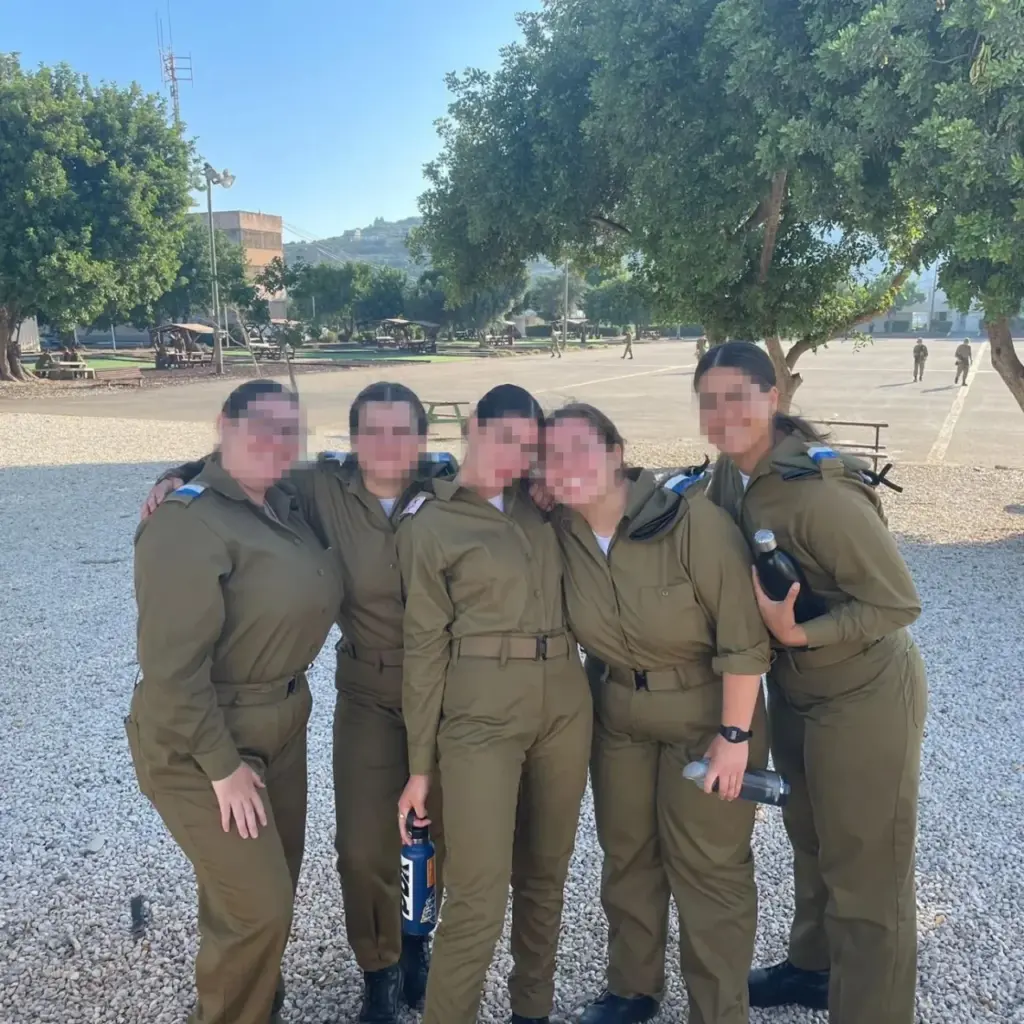
Women in combat positions can also still be taken insufficiently seriously, denied participation in combat missions, or transferred to staff positions without their consent.
Natalia also emphasizes the lack of systematic military training for civilian women “at any level” and gives school education as an example.
“Even with the weak level of the school curriculum for the subject ‘Defense of Ukraine,’ boys had at least some basic knowledge. Girls were not involved in it at all,” the veteran says.
For now, Natalia believes that women’s military service should remain voluntary, as society as a whole is still not ready to fully accept women in the military.
