❌

Vue normale

  • ✇Euromaidan Press
  • US weighs relief for sanctioned shadow fleet tankers, days after freeing Russian diesel
    The Trump administration is weighing looser sanctions on shadow fleet tankers that have hauled oil from Russia, Iran, and Venezuela, a US official said on 14 October, Reuters reported. An industry research group expects the change to do little for freight rates. With Reuters calling high fuel prices a risk for Trump before the 3 November midterms, Washington has already eased sanctions on Russian oil and diesel this year and is now looking at the ships blacklisted for hauling sanctioned
     

US weighs relief for sanctioned shadow fleet tankers, days after freeing Russian diesel

15 octobre 2026 à 05:25

Kremlin welcomes Trump National Security Strategy as aligned with Russian vision on Ukraine

The Trump administration is weighing looser sanctions on shadow fleet tankers that have hauled oil from Russia, Iran, and Venezuela, a US official said on 14 October, Reuters reported. An industry research group expects the change to do little for freight rates.

With Reuters calling high fuel prices a risk for Trump before the 3 November midterms, Washington has already eased sanctions on Russian oil and diesel this year and is now looking at the ships blacklisted for hauling sanctioned cargoes. In March, Treasury Secretary Scott Bessent said a waiver on Russian oil at sea would bring Moscow no significant financial benefit, yet Russia’s seaborne oil income jumped by $890 million in the week to 15 March, Bloomberg data showed.

“Legal oil” on blacklisted ships

The talks center on letting “legal oil” sail on previously sanctioned vessels, the official said. Only crude or fuel free of US sanctions would qualify, not Russian or Iranian oil. Washington wants more crude and refined products moving out of the Gulf, the official added. Companies would need US Treasury approval to use the ships.
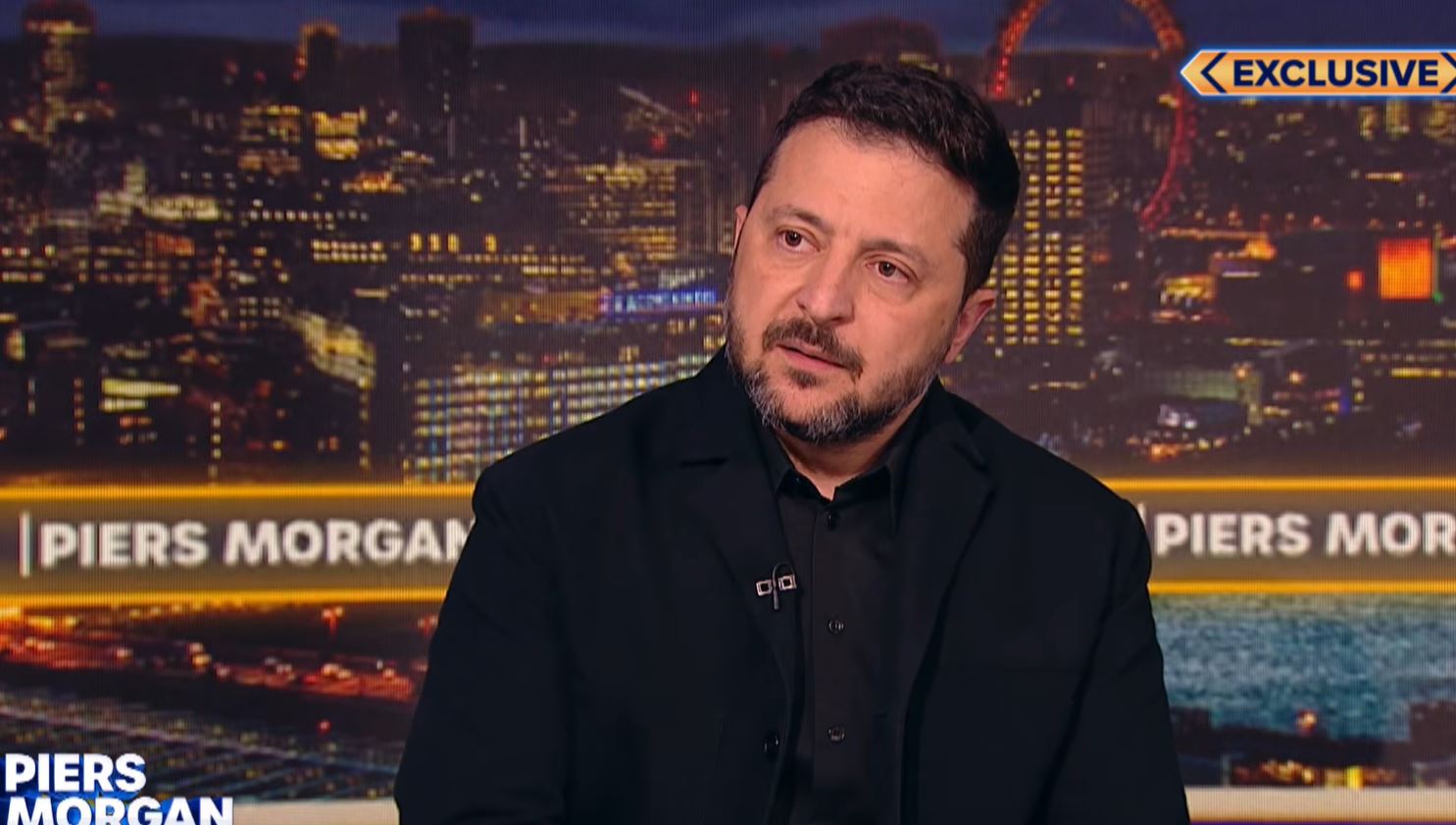
ukraine goes back hitting russian oil after its trump-forced pause left kyiv without warnings incoming ballistic missiles · post ukrainian president volodymyr zelenskyy during interview piers morgan london 14 2026
Explore further

Ukraine is going back to hitting Russian oil after its Trump-pressured pause, during which Kyiv got no US warnings of incoming ballistic missiles

Research group Energy Aspects said US Energy Secretary Chris Wright, in a video to the World Petroleum Congress in Riyadh, tied the easing to record freight rates. Those rates hit records after the Iran and Ukraine wars drove up inflation and left US crude too costly for Asian refiners, Reuters said. Energy Aspects itself expects the easing to do little for freight rates, since most tankers sanctioned over Russian or Venezuelan links have kept trading for the past three months.

The Energy Department said any relief would do nothing to help Russia ship its oil or refined products. Treasury referred questions to the Energy Department. Yet Reuters noted that both departments could face pressure to let these vessels carry Russian diesel, given Trump’s push to get it onto world markets fast.

Britain is pushing the other way. UK finance minister John Healey urged counterparts at International Monetary Fund meetings in Bangkok on 15 October to keep tough sanctions on Russia, “especially a tighter ban on shipping services” that keep Putin’s shadow fleet operating.

Diesel license criticism and an unconfirmed ceasefire

On 9 October, the US Treasury issued a license clearing Russian-origin diesel trade until 7 April 2027. Ukrainian President Volodymyr Zelenskyy told reporters it was a weak decision unworthy of Ukraine’s partners. Democratic Senators Jeanne Shaheen, Chuck Schumer, and Elizabeth Warren called it a “total betrayal of Ukraine.” Republican Senator Thom Tillis said there is “a legitimate case for saying the president’s not following the law.”

The White House in Washington DC, USA. Illustrative image: Wikimedia Commons.
Explore further

“He thinks Ukraine is a weak link and that it needs to be squeezed into giving in”: diplomat on why Trump pressures Kyiv, not Moscow

Trump then pressed Kyiv to spare Russian refineries and declared an “energy ceasefire” on 11 October. A White House official told Axios it covers only oil refineries. Neither side confirmed a similar announcement Trump made in mid-September, AAP reported.

Kremlin spokesperson Dmitry Peskov told reporters on 13 October that contacts on the ceasefire were continuing and referred further questions to Trump, Russian newspaper Vedomosti reported. He claimed the diesel deal was “a very mutually beneficial item of Russian-American cooperation” that serves the interests of Russia, the US, and world energy markets, Russian newspaper Kommersant reported.

  • ✇Euromaidan Press
  • Seoul backs Ukraine, but sanctioned tankers carried fuel from South Korea to Russia
    Seven tankers made 14 trips from South Korea to Russia's Far East in July and August, carrying more than 176,000 metric tons of fuel, most of it diesel, the Guardian found in a 6 October analysis of port records and ship-tracking data. The UK and EU have sanctioned three of the ships, and one loaded its fuel from another tanker at sea off South Korea instead of at a terminal. Ukrainian strikes have cut Russia's fuel output as Moscow scrambles for supplies, while fuel loaded at South Kor
     

Seoul backs Ukraine, but sanctioned tankers carried fuel from South Korea to Russia

6 octobre 2026 à 11:37

Seven tankers made 14 trips from South Korea to Russia's Far East in July and August, carrying more than 176,000 metric tons of fuel, most of it diesel, the Guardian found in a 6 October analysis of port records and ship-tracking data. The UK and EU have sanctioned three of the ships, and one loaded its fuel from another tanker at sea off South Korea instead of at a terminal.

Ukrainian strikes have cut Russia's fuel output as Moscow scrambles for supplies, while fuel loaded at South Korean ports has flowed to Russia. Loadings began to surge in July, the same month South Korean President Lee Jae-myung pledged $100 million for Ukraine's reconstruction, the Guardian reported. That creates a tension in Seoul's policy toward the war: South Korea has provided Ukraine with humanitarian and non-lethal aid but ruled out sending weapons directly, while the fuel trade appears legal under South Korean law even though three of the tankers are under UK and EU sanctions.

Russia imported 368,000 metric tons of oil products by sea in August, 112,000 of them from South Korea, according to Kpler data analyzed by the Centre for Research on Energy and Clean Air (CREA) and cited by the Guardian. CREA's own August report gives 172,000 metric tons in total, including 18,000 from South Korea. Neither explains the gap.

Where the tankers said they were going

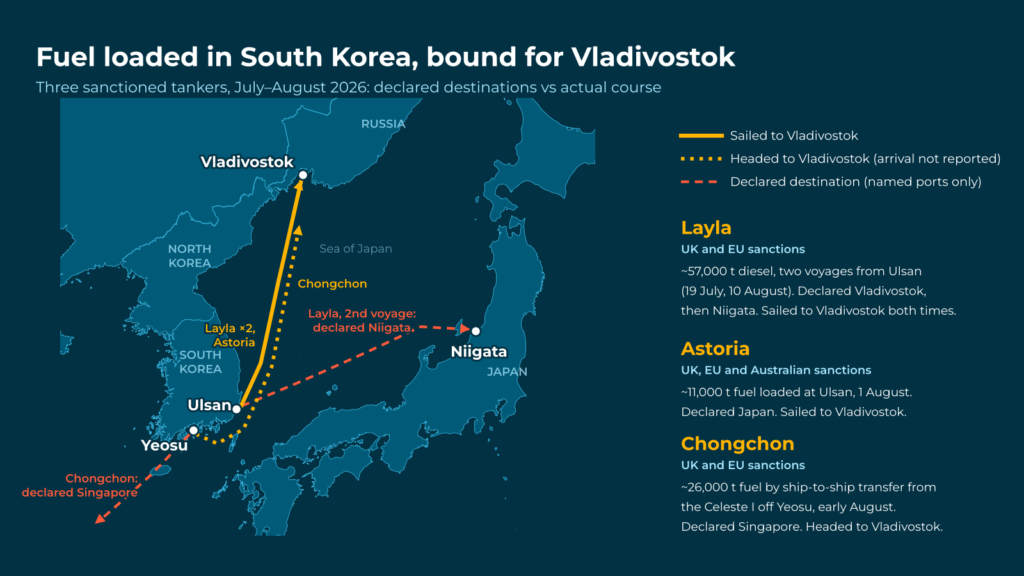
The Layla, a tanker under UK and EU sanctions, made two voyages from Ulsan to Vladivostok, carrying a total of 57,000 metric tons of diesel. It left South Korea on 19 July and 10 August. On the first trip, it told South Korean authorities it was bound for Vladivostok; on the second, it declared Niigata, Japan, but sailed to Vladivostok again.

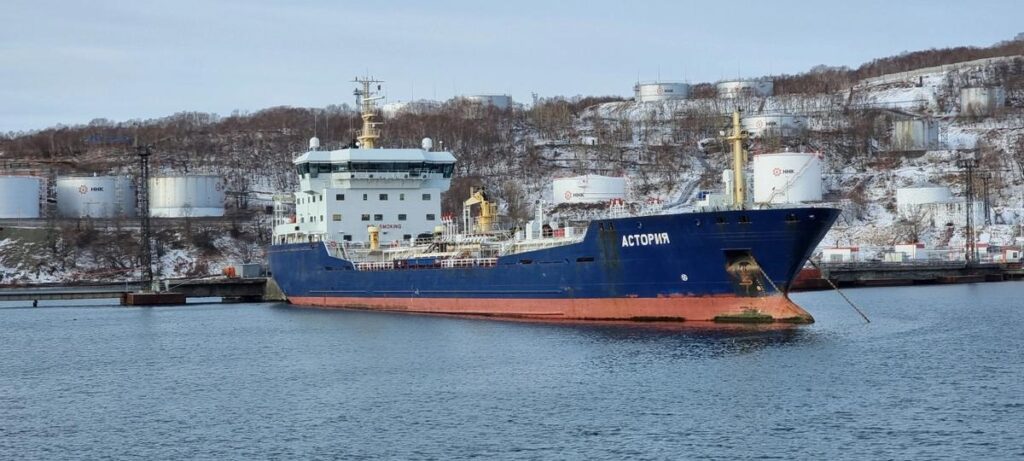
The Astoria, a Russian-flagged tanker under UK, EU, and Australian sanctions, loaded nearly 11,000 metric tons of fuel at Ulsan on 1 August. It declared Japan as its destination but sailed to Vladivostok.

The Chongchon did not berth at a South Korean port. Instead, it took about 26,000 metric tons of fuel from the unsanctioned Celeste I at an anchorage off Yeosu in early August. It declared Singapore as its destination but headed to Vladivostok. The owners and managers of the four tankers did not respond to the Guardian's requests for comment.

Map of sanctioned tankers' voyages from South Korea to Vladivostok
Source: Guardian analysis of port records and ship-tracking data; sanctions listings: OpenSanctions. Map: Euromaidan Press

Why Russia needs the fuel

Ukrainian drone strikes have severely disrupted Russia's refining capacity, the Guardian reported. In July, Ukraine's General Staff said the strikes had knocked out 42% of Russia's refining capacity, costing the industry billions of dollars.

Russian refinery throughput fell in June to its lowest level in more than 20 years, and diesel output is down nearly 30% from a year earlier, the International Energy Agency said, according to the Guardian.

Russia has also restricted fuel exports to protect domestic supplies, extending its diesel export ban until the end of October; on 2 October, Deputy Prime Minister Alexander Novak said Moscow could consider partially lifting the ban if there was overproduction, according to the Moscow Times.

Responses to the shipments

Seoul's non-lethal aid has included helmets, body armor, and demining vehicles, and in 2023 it pledged $2.3 billion in support, mostly in loans.

Isaac Levi, an analyst at CREA, told the Guardian:

"It is shocking that EU-sanctioned tankers loaded fuel at South Korean ports and carried it to Russia. This undermines the sanctions regime and South Korea's support for Ukraine."

South Korea's Foreign Ministry did not address the shipments or the sanctioned tankers. In a statement, it said the government supports international efforts to help end the war in Ukraine and bring about a peaceful recovery. The ministry said it was strictly enforcing its export controls and had expanded them to cover 1,402 non-strategic items with high potential for diversion to military use. The UK Foreign Office did not answer the Guardian's questions about UK-sanctioned tankers using South Korean ports, saying only that it remains committed to monitoring its sanctions.

Ties between Kyiv and Seoul are also strained over Ukraine's disclosure of its transfer of two North Korean prisoners of war to South Korea, which Seoul said should have remained private.

300 Russian shadow fleet ships disabled in 11 weeks—the Azov Sea is at a standstill, Ukrainian drone force commander says

22 septembre 2026 à 12:26

300 russian shadow fleet ships disabled 11 weeks—the azov sea standstill ukrainian drone force commander says · post seen cameras moments before strikes strike thats about thme telegram madyar ukraine

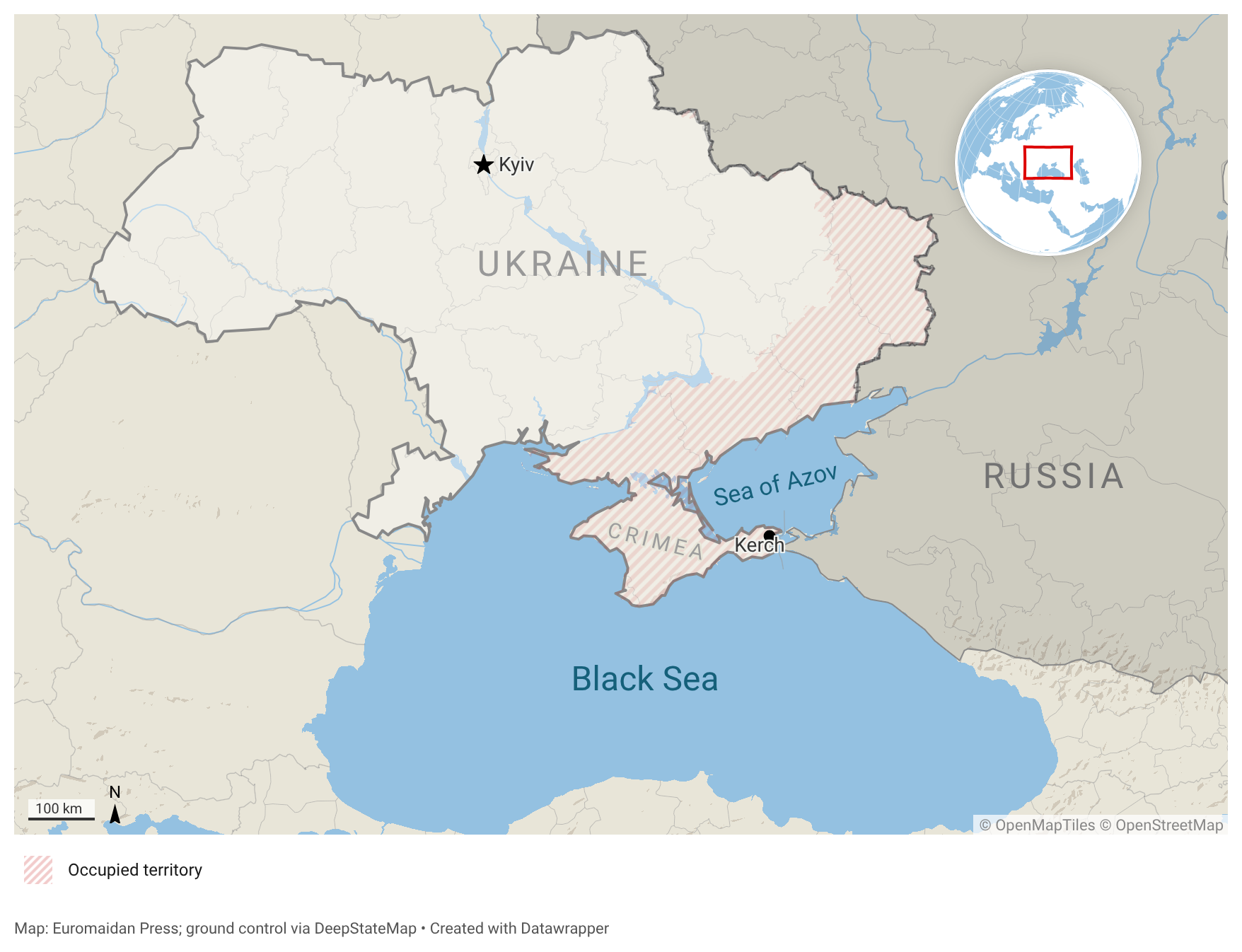
Operation MoLoChKa has now disabled 300 Russian shadow fleet ships in 11 weeks, SBS commander Robert "Madyar" Brovdi announced. The Unmanned Systems Forces (SBS) campaign has frozen the Azov Sea and the Kerch Strait, Brovdi said.

The Black and Azov seas have turned from Russian supply corridors into contested waters where Russia's shadow fleet—the aging tanker armada it uses to evade oil sanctions—now moves at its own risk, according to the SBS.

134 in the Azov, 166 in the Black Sea

SBS drones struck 134 vessels in the Azov Sea and 166 in the Black Sea since Operation MoLoChKa began on 6 July, the SBS wrote—all, Brovdi specified, stripped of the ability to move under their own power. He called it the "300th fleet," playing on the Ukrainian army's code for a wounded man, and "a suitcase without a handle and a torment for the worm budget."

The Azov Sea "stands and will stand, together with the Kerch Strait," Brovdi said. The northern and northeastern Black Sea operates on what he called a "maybe we'll slip through" gamble.

isw ukraine has opened new phase crimea's isolation hunting seaborne fuel tankers · post russian tanker burns off sea azov coast after ukrainian drone strike ablaze exilenova+ 1 appears have
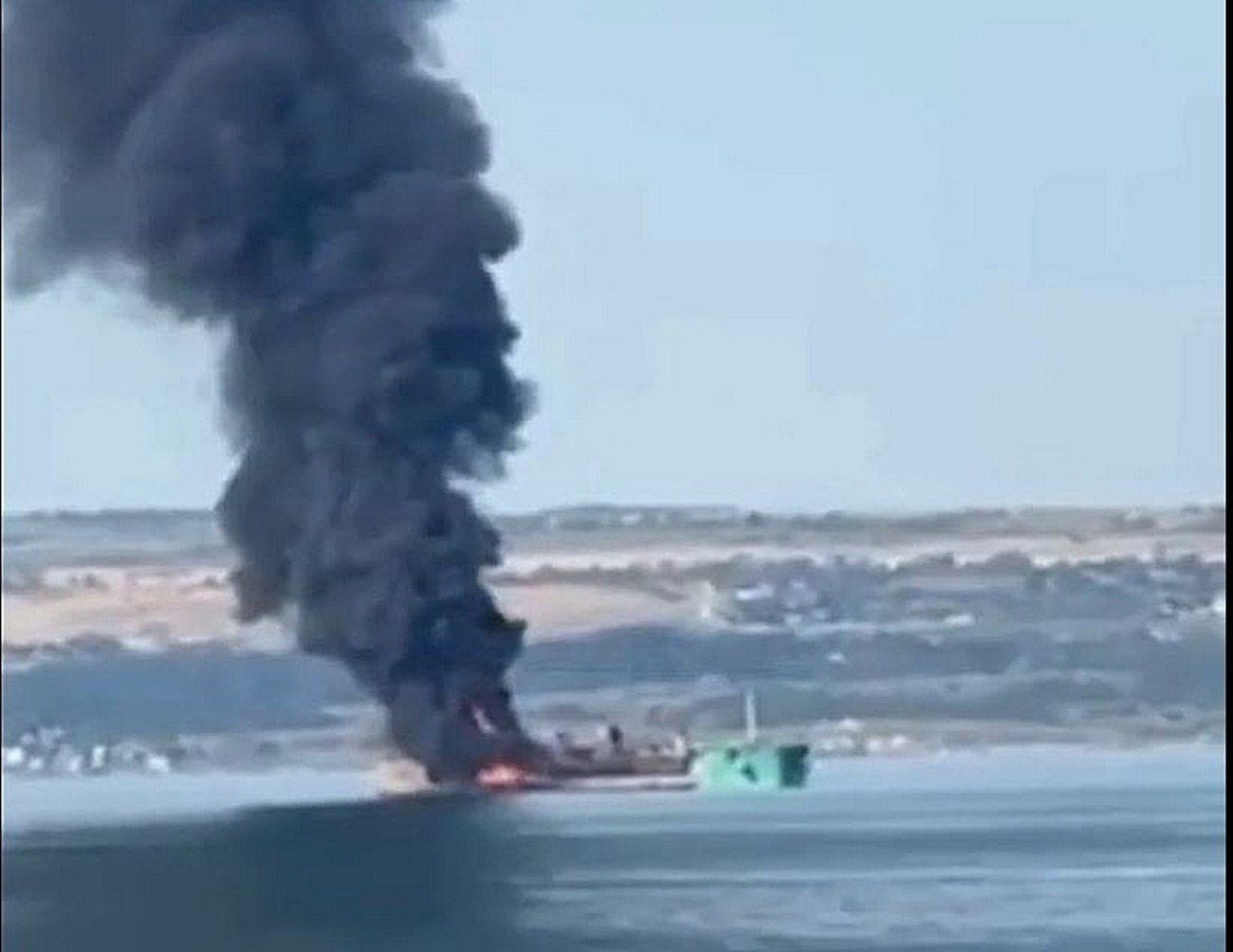
A Russian tanker burns off the Sea of Azov coast after a Ukrainian drone strike. Photo: Exilenova+/Telegram

The 300-ship count is the latest in a rapid progression. The SBS reported 201 vessels disabled by 29 July—just three weeks into the operation—when Brovdi said Crimea's supply route was "blocked indefinitely." By 11 September, the tally had reached 285, with 215 struck in July, 54 in August, and 16 in the first 11 days of September. The pace slowed as traffic in the strike zone thinned out.

The SBS figures are the unit's own and cannot be independently verified.

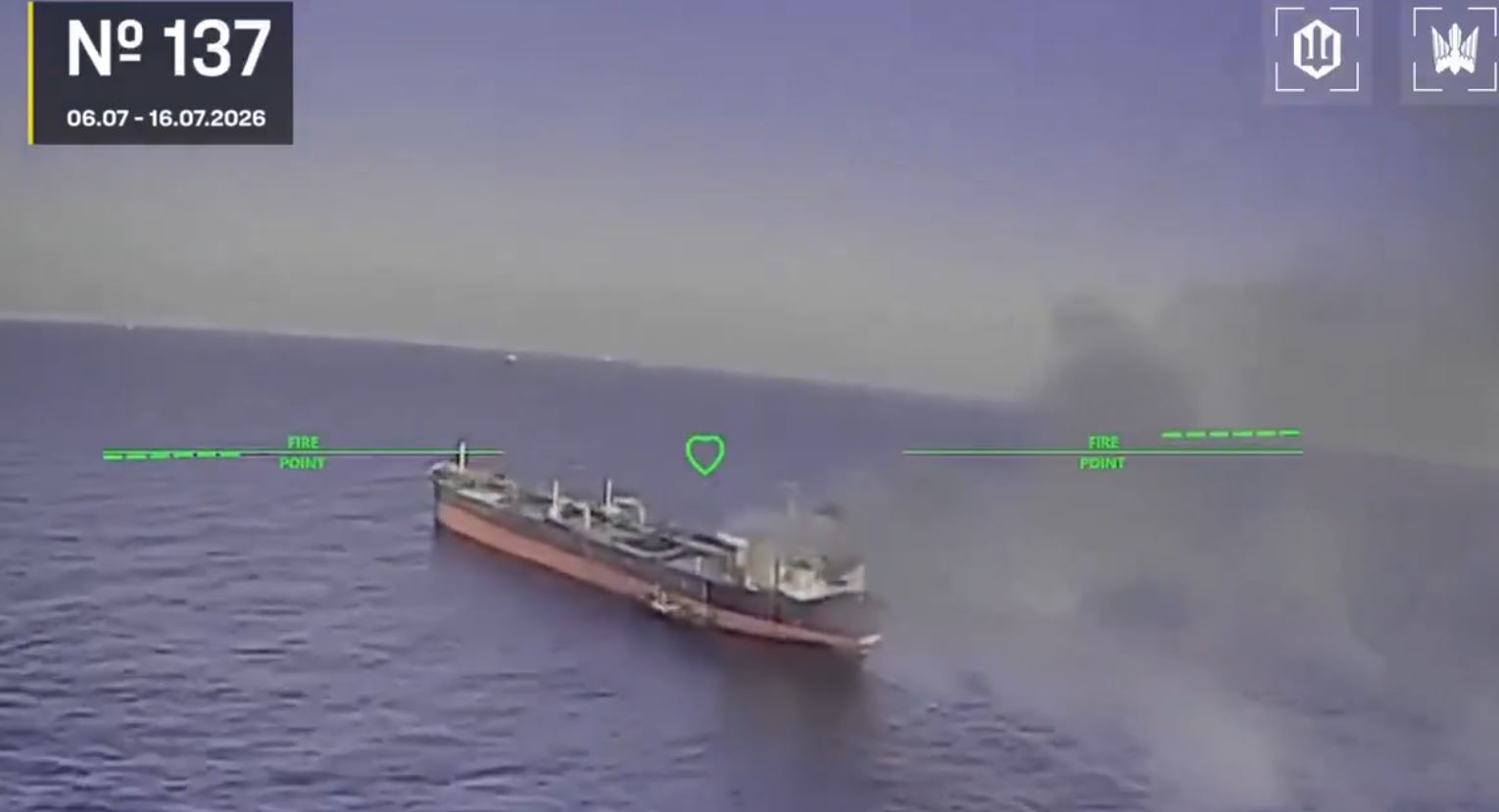
ukraine's spy service navy team up strike two russian crude tankers black sea · post shadow-fleet tanker marked 137th vessel struck 6–16 2026 operation sight ukrainian drone sbs video oil
Explore further

Ukraine hits 201 Russian shadow fleet ships in three weeks. Commander says Crimea’s supply route is now blocked indefinitely

Commercial shipping retreating from Russian ports

In late August, MSC Mediterranean Shipping Co., the world's largest container carrier, suspended new bookings for transport through the Russian port of Novorossiysk. Russia itself closed the Don-Azov shipping channel and the Kerch Strait in July after the opening wave of strikes.

By early August, Ukraine had turned Novorossiysk—Russia's main Black Sea export gateway—into a chokepoint, and in mid-August Ukrainian forces struck four Russian warships there in a single night. A 141-meter vessel disappeared near Novorossiysk the same week.

crimea black and azov sea reusable

A parallel campaign against Crimea's power grid

The SBS is running a second operation alongside MoLoChKa. Operation Crimean Switch Off, also launched on 6 July, had struck 374 energy nodes across occupied Crimea and other occupied areas in eastern and southern Ukraine by 10 September. The campaign has blacked out Crimea on multiple nights. Brovdi has said the SBS could strike seven times more targets with faster funding.

❌