Vue normale

  • ✇Euromaidan Press
  • Ukraine’s spy service and navy team up to strike two Russian crude tankers in the Black Sea
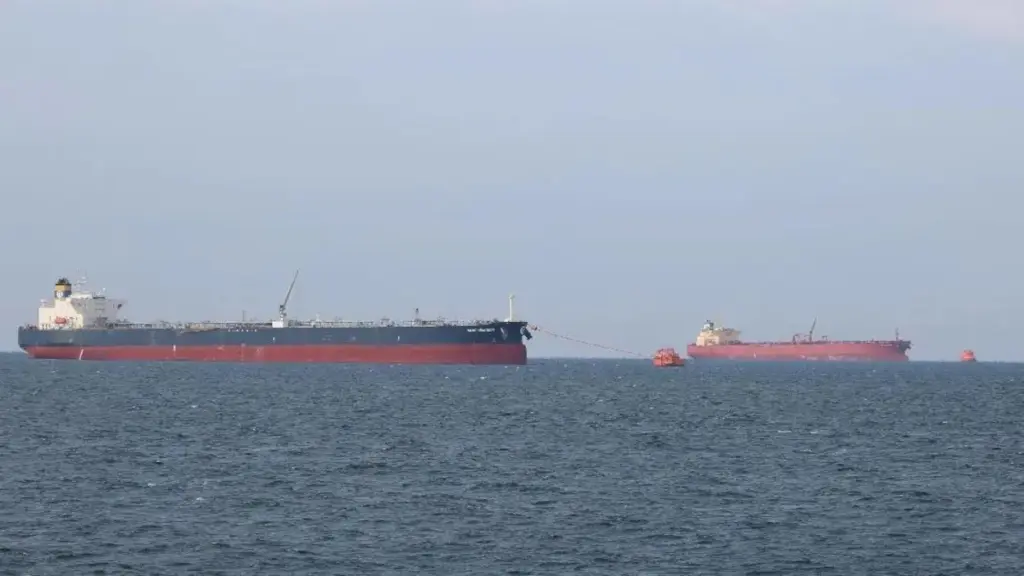
    Ukraine's Security Service (SBU) struck two sanctioned Russian oil tankers with naval drones in the Black Sea, the SBU said. The vessels belong to the shadow fleet Moscow uses to sell crude around Western sanctions, and Russian aircraft tried and failed to stop the attack. Oil exports remain the biggest source of cash for Russia's war, and Ukraine has spent 2026 attacking that revenue, where Western measures have left the money moving. Ukraine keeps targeting Russian oil re
     

Ukraine’s spy service and navy team up to strike two Russian crude tankers in the Black Sea

16 juillet 2026 à 08:37

ukraine's spy service navy team up strike two russian crude tankers black sea · post shadow-fleet tanker banda burns after sbu naval-drone 16 2026 video exploding ukraine news ukrainian reports

Ukraine's Security Service (SBU) struck two sanctioned Russian oil tankers with naval drones in the Black Sea, the SBU said. The vessels belong to the shadow fleet Moscow uses to sell crude around Western sanctions, and Russian aircraft tried and failed to stop the attack.

Oil exports remain the biggest source of cash for Russia's war, and Ukraine has spent 2026 attacking that revenue, where Western measures have left the money moving. Ukraine keeps targeting Russian oil refineries, oil pipelines, depots, export terminals, and tankers. Forcing Moscow to defend its own oil exports at sea makes every shipment slower and costlier, compounding a fuel crisis already reshaping daily life inside Russia.

Two tankers, one sanctions-busting job

The SBU, working with the Navy, hit the ocean-going tankers Louise 1 and Banda — both under Ukrainian sanctions — with Mamai naval drones. 

ukraine's spy service navy team up strike two russian crude tankers black sea · post sbu naval drone closes stern shadow-fleet tanker louise 1 16 2026 video drones nears shadow
An SBU naval drone closes on the stern of the Russian shadow-fleet tanker Louise 1 in the Black Sea, 16 July 2026. Screenshot from SBU video

Louise 1 had moved Russian crude through the G7 and EU embargo, loading at Baltic and Black Sea ports with its transponder switched off. In 2026 alone, it carried nearly 3 million tons of Russian Urals crude, the SBU said.

ukraine's spy service navy team up strike two russian crude tankers black sea · post sanctioned tanker banda sight sbu naval drone before 16 2026 video ukraine news ukrainian reports
The sanctioned Russian tanker Banda in the sight of an SBU naval drone before the strike in the Black Sea, 16 July 2026. Screenshot from SBU video

Banda had run Russian crude out of four ports: Ust-Luga, Kerch, Novorossiysk, and Nakhodka.

Ukraine's SBU hits two shadow-fleet tankers in the Black Sea

The Security Service of Ukraine and Navy struck the sanctioned tankers Louise 1 and Banda with Mamai sea drones, the SBU said. The Louise 1 alone moved nearly 3 mn tons of Russian crude in 2026.

📹SBU pic.twitter.com/wrWwpLGntC

— Euromaidan Press (@EuromaidanPress) July 16, 2026

As the drones closed in, Russian aircraft fired machine guns and dropped bombs at them, without success, the SBU said. 

The Russian shadow fleet's Louise 1 flies the Panama flag, the Banda sails under Liberia's.

The service calls each shadow-fleet tanker a legitimate target and a working part of Russia's war machine. Every strike, it says, cuts the oil money paying for the invasion.

A week earlier, the SBU's Sea Baby drone hit the sanctioned tanker Blue in Ukraine's waters off occupied Yalta. Ukraine has spent 2026 turning cheap drones into kinetic sanctions on Russia's tanker fleet. Sea Baby drones have wrecked shadow-fleet tankers across the Black Sea since late 2025.

The air campaign running alongside it

The naval strikes run in parallel with an aerial-drone campaign by the Unmanned Systems Forces (SBS). On 16 July, SBS operators struck 11 more shadow-fleet vessels — five oil tankers, a gas carrier, three dry-cargo ships, and two tugs.

Ukraine's drones hit 11 more shadow-fleet ships in a single day, pushing the 10-day total to 147

Ukraine's Unmanned Systems Forces (SBS) struck 11 vessels of Russia's sanctions-dodging shadow fleet on 16 July, commander Robert "Madyar" Brovdi said. The day's haul, in the Black… pic.twitter.com/4iZPIjoT2B

— Euromaidan Press (@EuromaidanPress) July 16, 2026

That brought the 6–16 July total to 147 vessels: 117 in the Sea of Azov and 30 in the Black Sea.

"The goal: paralysis of the logistics of oil, fuel, and cargo that bypasses sanctions," commander Robert "Madyar" Brovdi wrote. 

  • ✇US news | The Guardian
  • How Trump’s ‘original oil guy’ boosted US-Israel ties and played down risks of Iran war
    Fracking billionaire Harold Hamm is co-chair of a non-profit that has aggressively pushed for US energy dominanceTycoon Harold Hamm is one of the US’s most successful oilmen, the son of Oklahoma sharecroppers who hit it rich as a “wildcatter” and pioneered fracking techniques that drove the shale boom in 2008 that reversed declining US oil production. Donald Trump describes him as a “long time” friend and is said to have called him his “original oil guy” behind closed doors.The Continental Resou
     

How Trump’s ‘original oil guy’ boosted US-Israel ties and played down risks of Iran war

16 juillet 2026 à 08:00

Fracking billionaire Harold Hamm is co-chair of a non-profit that has aggressively pushed for US energy dominance

Tycoon Harold Hamm is one of the US’s most successful oilmen, the son of Oklahoma sharecroppers who hit it rich as a “wildcatter” and pioneered fracking techniques that drove the shale boom in 2008 that reversed declining US oil production. Donald Trump describes him as a “long time” friend and is said to have called him his “original oil guy” behind closed doors.

The Continental Resources founder has also faced scrutiny from climate advocates and groups and some Democratic lawmakers over his influence on Trump and role in pushing him to go all in on planet-heating fossil fuels and gut climate rules.

Continue reading...

© Photograph: SeongJoon Cho/Bloomberg via Getty Images

© Photograph: SeongJoon Cho/Bloomberg via Getty Images

© Photograph: SeongJoon Cho/Bloomberg via Getty Images

  • ✇Euromaidan Press
  • One Greek company keeps Russia’s Arctic gas moving—and Athens won’t let the EU touch it
    Greece is blocking the European Union's newest round of sanctions on Russian gas to shield a single shipping company, the Financial Times reported. The objection has stalled the bloc's 21st sanctions package for a week and forced an emergency extension of the cap on Russian oil prices. At the center sits one Greek tycoon and a fleet of tankers built for Russia's Arctic. As Russia's full-scale war grinds on, the money that funds it still moves by sea, and the tangle of Weste
     

One Greek company keeps Russia’s Arctic gas moving—and Athens won’t let the EU touch it

16 juillet 2026 à 03:46

one greek company keeps russia's arctic gas moving—and athens won't let eu touch · post greece-based dynagas ltd's lng carrier yenisei river named after russia dynagaspartnerscom yenisei_river_big greece blocking european

Greece is blocking the European Union's newest round of sanctions on Russian gas to shield a single shipping company, the Financial Times reported. The objection has stalled the bloc's 21st sanctions package for a week and forced an emergency extension of the cap on Russian oil prices. At the center sits one Greek tycoon and a fleet of tankers built for Russia's Arctic.

As Russia's full-scale war grinds on, the money that funds it still moves by sea, and the tangle of Western-owned vessels wired into that trade keeps blunting the sanctions meant to cut it off.

The company at the center

Athens is protecting Dynagas after its ambassador warned the sanctions would "ruin" the company owned by Greek shipowner George Prokopiou. Greece's ambassador to the EU told fellow envoys on Wednesday that the planned measures, which would ban transporting Russian LNG to third countries, would "ruin" the firm, two people briefed on his remarks said. Two others confirmed he had named Dynagas as the reason Greece could not back the package.

The company operates 27 gas tankers, according to maritime data portal Equasis. A third of them are Arc7 vessels, ice-hardened ships built to handle the frozen waters near the Yamal plant on Russia's northern coast. Only 15 such carriers keep Yamal's exports running year-round, and European companies control most of them, an arrangement that leaves Russia's Arctic gas trade exposed to any Western move against the ships. 

Dynagas has moved more than 10 million tons of Russian LNG since the start of 2025, the FT calculated using data from analytics firm Kpler, identifying 11 of its ships that completed 144 voyages in that time.

EU 17th sanctions package Russian LNG
Explore further

Europe can legally quit Russian LNG today. It keeps choosing not to.

A veto that freezes the whole package

The EU's 21st sanctions package needs unanimous support, so one refusal is enough to hold it. Greece's objection has left the rest of the package stalled, freezing planned measures against additional Russian banks, crypto platforms, and defense-industry firms. The package also carries a mechanism to lower the ceiling above which companies may legally buy and transport Russian crude. 

The bloc's previous round added 46 shadow-fleet tankers to its blacklist, bringing the total past 630 ships.

Prokopiou controls Dynagas alongside Dynacom, whose Russian-crude trade has brought in $915 million over three years — the biggest such haul of any Greek shipowner. When the US-Israel war with Iran erupted, Dynacom was among the earliest operators willing to run tankers through the Strait of Hormuz.

  • ✇Euromaidan Press
  • A month’s worth of Russia’s oil exports is stuck at sea—135 million barrels loaded but not delivered
    Ukraine's strikes on Russian refineries are pushing Moscow to export crude it can no longer process at home, Bloomberg reported. Buyers are not taking it fast enough, so Russian oil is piling up on tankers at sea. The value of those exports keeps sliding, and tanker loadings dipped in the week to 12 July. Sanctions were supposed to choke the money, yet Russia keeps its crude moving on a sprawling fleet of tankers bound for Asia — the very chain Kyiv now works to break. The
     

A month’s worth of Russia’s oil exports is stuck at sea—135 million barrels loaded but not delivered

15 juillet 2026 à 09:10

azov sea wasn't enough—ukraine's drones followed russia's oil fleet black · post russian tanker thermal sight ukrainian naval drone during strikes marked 119th vessel hit 6–15 2026 operation sbs video

Ukraine's strikes on Russian refineries are pushing Moscow to export crude it can no longer process at home, Bloomberg reported. Buyers are not taking it fast enough, so Russian oil is piling up on tankers at sea. The value of those exports keeps sliding, and tanker loadings dipped in the week to 12 July.

Sanctions were supposed to choke the money, yet Russia keeps its crude moving on a sprawling fleet of tankers bound for Asia — the very chain Kyiv now works to break. The near-term damage is to price, not volume, but cheaper barrels, slower sales, and a fresh US sanctions push could deepen the squeeze on the revenue that pays for the war.

Ukraine's refinery strikes are forcing crude onto the water

Ukraine has stepped up its strikes on Russia's refineries. Yesterday, it hit the Gazprom Neftekhim Salavat plant far inside Russia, and the Afipsky facility near the Black Sea. The wave of attacks has driven Russian refining runs to their lowest in more than 21 years this month. That deepens a domestic fuel crunch and squeezes the global market. With less crude to process at home, Moscow is likely diverting more into exports as its own production falls. Russia pumped 8.93 million barrels a day in June — about 830,000 below the level it promised the OPEC+ producer group.

The Azov Sea wasn’t enough—Ukraine’s drones followed Russia’s oil fleet into the Black Sea

The oil is piling up faster than buyers take it

Soaring exports are not being matched by deliveries. So Russian crude is stacking up on tankers, loaded but not yet discharged, Bloomberg wrote. The total has climbed back near its start-of-2026 highs — about 135 million barrels by Sunday.

month's worth russia's oil exports stuck sea—135 million barrels loaded delivered · post russian crude onto tankers yet discharged 2025–2026 sea ukraine news ukrainian reports
Russian crude loaded onto tankers but not yet discharged, 2025–2026. Chart: Bloomberg vessel-tracking data

Cargoes are building up near Egypt in the Mediterranean and east of Singapore. Five Urals tankers are anchored off Egypt, and another five have halted near Singapore, a gathering point for shadow-fleet ships hauling sanctioned oil. A growing share of the oil at sea is on vessels that seem to be sitting idle rather than sailing.

month's worth russia's oil exports stuck sea—135 million barrels loaded delivered · post tankers loading crude russian terminals port weeks ending 12 5 28 2026 ukraine news ukrainian reports
Tankers loading crude at Russian terminals by port, for the weeks ending 12 July, 5 July, and 28 June 2026. Chart: Bloomberg vessel-tracking data

Fewer tankers, and less money for the same oil

Russia shipped 3.98 million barrels of crude a day in the week to 12 July, down from 4.08 million. Year-to-date volumes remain above every annual average since 2022, yet the four-week export value fell $200 million to $1.68 billion a week. Urals prices have nearly halved since mid-April.

month's worth russia's oil exports stuck sea—135 million barrels loaded delivered · post gross weekly income seaborne crude 2022–2026 latest four-week average value ukraine news ukrainian reports
Gross weekly income from Russia's seaborne crude exports, 2022–2026, with the latest four-week average. Chart: Bloomberg calculation using Argus Media price data and vessel-tracking data

Russia sent 4 million barrels of oil a day toward Asia. Only about half was openly bound for India and China, while 1.9 million barrels a day remained undeclared, likely until tankers crossed the Arabian Sea. Türkiye took 160,000 barrels a day, and Syria 40,000.

  • ✇Euromaidan Press
  • The Azov Sea wasn’t enough—Ukraine’s drones followed Russia’s oil fleet into the Black Sea
    Ukraine's aerial attack drones opened a new front against Russia's sanctions-dodging shadow fleet, striking 20 vessels in the Black Sea in a single night, the Unmanned Systems Forces (SBS) reported. The raid launched the Black Sea phase of a campaign that had until now played out in the Sea of Azov, and it pushed the 10-day tally well past a hundred ships. Oil is Russia's war chest, and through 2026, Ukraine has turned cheap drones into a blockade of that revenue at bot
     

The Azov Sea wasn’t enough—Ukraine’s drones followed Russia’s oil fleet into the Black Sea

15 juillet 2026 à 06:55

azov sea wasn't enough—ukraine's drones followed russia's oil fleet black · post russian gas carrier thermal sight ukrainian drone during strikes marked 118th vessel hit 6–15 2026 operation sbs video

Ukraine's aerial attack drones opened a new front against Russia's sanctions-dodging shadow fleet, striking 20 vessels in the Black Sea in a single night, the Unmanned Systems Forces (SBS) reported. The raid launched the Black Sea phase of a campaign that had until now played out in the Sea of Azov, and it pushed the 10-day tally well past a hundred ships.

Oil is Russia's war chest, and through 2026, Ukraine has turned cheap drones into a blockade of that revenue at both ends — the tankers that move the oil and the refineries that turn it into cash. Extending the hunt from the shallow Azov feeder run to the deep-water Black Sea export anchorages widens the pressure on one of Moscow's biggest export earners and tightens the drone ring around occupied Crimea's fuel supply.

The Black Sea cluster opens

Overnight on 15 July, SBS operators struck 17 oil tankers, two gas carriers, and one tug in Black Sea waters. Six drone units ran the raid together: the 9th "Kairos" Battalion of the 414th "Magyar's Birds" Brigade, the 1st Separate Center, the 20th "K-2" Brigade, the 412th "Nemesis" Brigade, the 427th "Rarog" Brigade, and the 413th "Raid" Regiment.

azov sea wasn't enough—ukraine's drones followed russia's oil fleet black · post russian tanker thermal sight ukrainian naval drone during strikes marked 119th vessel hit 6–15 2026 operation sbs video
A Russian oil tanker in the thermal sight of a Ukrainian drone during strikes in the Black Sea, marked as the 119th vessel hit in the 6–15 July 2026 operation. Screenshot from SBS video

The two gas carriers fell to Nemesis and Raid operators. The 1st Separate Center took the tug.

azov sea wasn't enough—ukraine's drones followed russia's oil fleet black · post russian tug thermal sight ukrainian naval drone during strikes marked 136th vessel hit 6–15 2026 operation sbs video
A Russian tug in the thermal sight of a Ukrainian drone during strikes in the Black Sea, marked as the 136th vessel hit in the 6–15 July 2026 operation. Screenshot from SBS video

The timing was deliberate. SBS commander Robert "Madyar" Brovdi wrote that the Black Sea cluster of operation MoLoChKa ("Dairy") opened on 15 July, the Day of Ukrainian Statehood. He framed the night as a scoreline: 20 to nil.

Ukrainian drones switch to the Black Sea: 20 first tankers hit

Drone Forces Commander Robert Brovdi says the tally of ships hit in the Black Sea and the Sea of Azov now stands at 136.

📹Madyar pic.twitter.com/J30Fv9TNo1

— Euromaidan Press (@EuromaidanPress) July 15, 2026

136 ships in 10 days

The Black Sea haul adds to a running total that has climbed fast. From 6 to 15 July, Ukraine's drones struck 136 vessels of Russia's shadow fleet across both seas.

Of those, 116 went down in the Sea of Azov between 6 and 14 July, as an earlier daily count tracked. The 20 Black Sea kills on 15 July carried the campaign west into deeper, wider water.

Bigger tankers, a different aim point

The Black Sea vessels seen in the SBS video are ocean-going ships, far larger than the flat-bottomed river couriers Ukraine has been burning along the Azov feeder route. The footage from the FP-1 or FP-2 attack drones shows the operators aiming mostly for the deck structures rather than the bridges, with follow-up drones filming the fires that spread after the first strikes.

The shadow fleet exists to slip past international sanctions, move Russian oil and oil products, and funnel the proceeds into Moscow's budget for the war on Ukraine. Systematically hitting it breaks the enemy's logistics chains and jams the shadow maritime infrastructure, SBS said.

The operation's stated goal is steady disruption of Russian logistics and the money behind them. Disabling tankers, cargo ships, and support vessels complicates oil exports and limits Russia's ability to fuel its troops and the occupation force in Crimea.

  • ✇US news | The Guardian
  • Inflation cools to 3.5% in June in relief brought by brief US-Iran peace deal
    Recent strikes have sent oil prices climbing again, with average gas price per gallon up by $0.70 compared with 2025Inflation cooled to an annual rate of 3.5% in June as the brief US-Iran ceasefire, which has since ended, brought energy prices down, according to new data from the Bureau of Labor Statistics.The consumer price index (CPI), which measures a basket of goods and services, has been elevated since the start of the war, largely because of higher energy prices. After mostly staying under
     

Inflation cools to 3.5% in June in relief brought by brief US-Iran peace deal

14 juillet 2026 à 12:56

Recent strikes have sent oil prices climbing again, with average gas price per gallon up by $0.70 compared with 2025

Inflation cooled to an annual rate of 3.5% in June as the brief US-Iran ceasefire, which has since ended, brought energy prices down, according to new data from the Bureau of Labor Statistics.

The consumer price index (CPI), which measures a basket of goods and services, has been elevated since the start of the war, largely because of higher energy prices. After mostly staying under 3% since mid-2024, CPI reached a three-year high of 4.2% in May – up from 2.4% in February. Month-over-month, CPI fell 0.8% in June, the largest one-month decrease since April 2020.

Continue reading...

© Photograph: Mario Tama/Getty Images

© Photograph: Mario Tama/Getty Images

© Photograph: Mario Tama/Getty Images

Two months in office, three blows to Ukraine: Bulgaria’s premier stacks Coalition of the Willing exit on aid freeze and sanctions blocks

14 juillet 2026 à 07:48

two months office three blows ukraine bulgaria's premier stacks coalition willing exit aid freeze sanctions blocks · post founding document states new defense complement existing missile systems including sovereign european

Bulgaria has pulled out of the Coalition of the Willing, the group of nations backing Ukraine against Russian aggression, Bloomberg reportedPro-Russian Prime Minister Rumen Radev announced the exit on 14 July, a day after skipping the coalition's Paris summit. The move is the latest in a string of anti-Ukrainian steps Sofia has taken since Radev took office in May.

Europe's anti-Ukraine bench rotates rather than empties — Viktor Orbán, who plotted an anti-Kyiv axis inside the EU, lost power at the ballot box in April, but Radev now fills his seat alongside Andrej Babiš, who defunded Czechia's shell pipeline to Ukraine, Robert Fico, who still lays flowers at the Kremlin wall each May, and Poland's right-wing presidency, which feeds a memory war that has already cost Kyiv medals, MiGs, and goodwill — each turning another capital into a brake on Europe's support.

"Not prolonging it by military means"

Radev told reporters on 14 July that Bulgaria rejects the coalition's core purpose.

"We're not participating in a coalition that insists on continuing financial and military aid to Ukraine. The solution to this conflict is not in prolonging it by military means, but in a strong diplomatic mission that will finally put an end to the escalation," he stated.

Bulgaria attended previous coalition meetings but sent no representative to the Paris gathering. The withdrawal distances the Balkan country further from the EU majority standing behind Kyiv. Radev has repeatedly rejected accusations of siding with Russia, claiming he favors "pragmatic" relations with the Kremlin.

A pattern two months in the making

The coalition exit caps a rapid reversal of Bulgarian policy. Radev, a former president who called occupied Crimea Russian, became Prime Minister in May after his party won the country's eighth election in five years. He promptly halted government-supplied military aid to Kyiv, though commercial arms sales continue.

That freeze carries weight because of what Bulgaria makes. The country ranks among the EU's top producers of Soviet-standard ammunition — the shells that proved decisive for Ukraine's defense in the war's opening stages.
russian church courts strip priests rank refusing patriarch kirill's war prayer · post president vladimir putin orthodox kirill file 2022 earlier владимир путин и патриарх кирилл фото alexander nemenov dpa
Explore further

Italy joins Bulgaria in resisting EU sanctions on Patriarch Kirill

Radev has also promised to block EU sanctions moves against two prominent Russians: Patriarch Kirill, the head of the Russian Orthodox Church, and oligarch Vagit Alekperov, the founder of oil giant Lukoil.

Leaders of Denmark, France, Germany, Italy, the Netherlands, Norway, Spain, Sweden, and Britain agreed in Paris on 13 July to create an integrated anti-ballistic defense coalition together with Ukraine.
  • ✇US news | The Guardian
  • Oil price jumps as US-Iran clashes raise odds of interest rate rises
    Energy prices later stabilise after Trump abandons plan for 20% levy on traffic through strait of Hormuz Oil and gas prices jumped and expectations of interest rate rises in Europe increased on Tuesday after the US carried out a third night of military strikes against Iran.However, they later eased back after Donald Trump said he would abandon his proposal for the US to levy a 20% fee on cargo passing through the strait of Hormuz. Continue reading...
     

Oil price jumps as US-Iran clashes raise odds of interest rate rises

14 juillet 2026 à 07:24

Energy prices later stabilise after Trump abandons plan for 20% levy on traffic through strait of Hormuz

Oil and gas prices jumped and expectations of interest rate rises in Europe increased on Tuesday after the US carried out a third night of military strikes against Iran.

However, they later eased back after Donald Trump said he would abandon his proposal for the US to levy a 20% fee on cargo passing through the strait of Hormuz.

Continue reading...

© Photograph: US NAVY/AFP/Getty Images

© Photograph: US NAVY/AFP/Getty Images

© Photograph: US NAVY/AFP/Getty Images

A plant making 150 products from gasoline to polyethylene caught fire 1,300 km from the war zone—Ukraine hits two refineries overnight

14 juillet 2026 à 04:13

plant making 150 products gasoline polyethylene caught fire 1300 km war zone—ukraine hits two refineries overnight · post blazes afipsky oil refinery after ukrainian drone attack krasnodar krai russia 14

Ukrainian drones set fires at two Russian oil facilities at opposite ends of the country overnight on 14 July, according to monitoring channels and Russian regional authorities. The Gazprom Neftekhim Salavat petrochemical complex burned in Bashkortostan, some 1,300 km from the war zone, while the Afipsky refinery caught fire in Krasnodar Krai, around 400 km from the front. A Rosneft oil depot next to the Salavat plant was likely hit as well.

Ukraine's deep-strike campaign has idled more than 40% of Russia's refining capacity and pushed processing to its lowest level in two decades, forcing Moscow to ration gasoline in dozens of regions and smuggle fuel to the front hidden in grain trucks. With Omsk hit 2,500 km away and now Salavat burning, no major Russian gasoline producer sits beyond drone range anymore, and every repeat strike on plants like Afipsky resets repairs faster than Russia can finish them — a shortage of 400,000-600,000 tons a month that Belarusian and Kazakh supplies cover only halfway.

The last big gasoline producer still standing

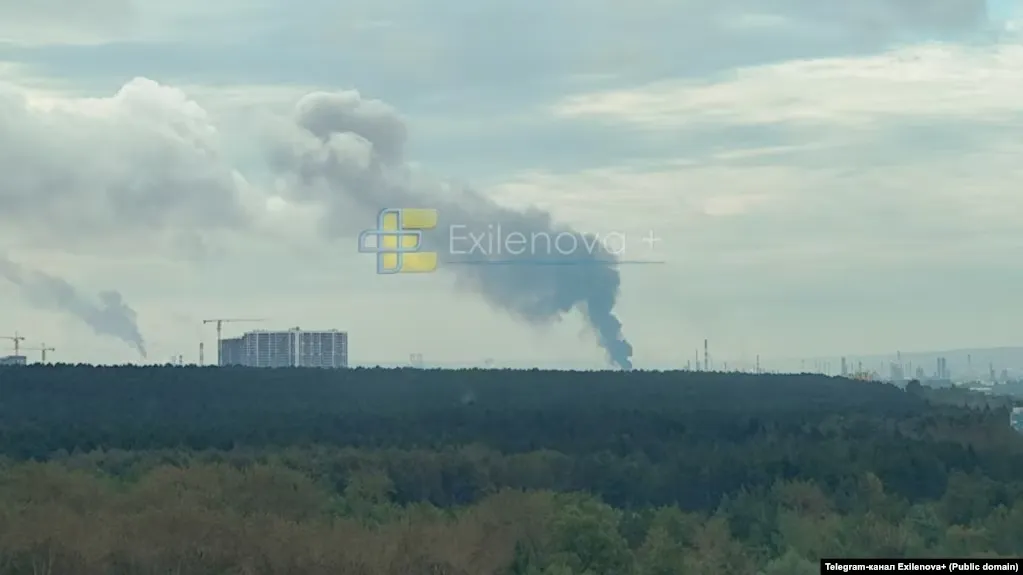
Residents of Salavat heard a series of explosions in the early hours, then watched thick black smoke climb over the industrial zone, visible across the city. Ukrainian monitoring Telegram channel Exilenova+ published footage of the fires. Russian news Telegram channel Astra confirmed through its OSINT analysis that the Gazprom Neftekhim Salavat complex was struck and burning.

plant making 150 products gasoline polyethylene caught fire 1300 km war zone—ukraine hits two refineries overnight · post black smoke rises over gazprom neftekhim salavat complex after ukrainian drone strike
Black smoke rises over the Gazprom Neftekhim Salavat complex after the Ukrainian drone strike, Salavat, Bashkortostan, Russia, 14 July 2026. Photo: Exilenova+
The plant is one of Russia's largest refining and petrochemical complexes. It processed 7.2 million tons of crude in 2024 — 2.7% of Russia's total refining — and produced 1.5 million tons of gasoline, 2.5 million tons of diesel, and 0.7 million tons of fuel oil, Reuters reported, citing industry sources. Its design capacity reaches 10 million tons a year, and it makes some 150 kinds of products, from jet fuel to polyethylene, ammonia, and plasticizers.

The complex was the last major gasoline producer that strikes had not yet touched in 2026. Its loss means roughly 11,000 tons of daily fuel deliveries gone from the Russian market — about 5% of domestic demand. Drones already struck the plant twice in September 2025, after which the regional head insisted it worked on as normal.

Preliminary damage: primary unit and polyethylene workshop

Ukrainian monitoring channel Supernova+ reported preliminary hits on the AVT-6 primary oil distillation unit and workshop No. 20, which produces high-density polyethylene. Nothing leaves a refinery without primary distillation, so damage there stops the whole production chain.

The strike likely reached beyond the complex itself. The Rosneft-Opt oil depot nearby probably caught fire too, according to Astra.

Bashkortostan head Radiy Khabirov claimed a "massive attack" of drones on Salavat's industrial zone was repelled. He attributed the "pockets of smoke" to falling debris of downed drones and stated nobody was hurt. Russia's aviation authority restricted operations at the Ufa airport during the attack.

Drones struck a refinery 1,300 km from the war zone: Gazprom Neftekhim Salavat is burning in Russia

Overnight on 14 July, residents of Salavat in Bashkortostan heard the explosions, then watched the smoke climb over a plant that refines 7.2 million tons of crude a year and makes… pic.twitter.com/emkIb4L3A1

— Euromaidan Press (@EuromaidanPress) July 14, 2026

Afipsky burns again at the other end of the fuel map

In Krasnodar Krai, the first explosions near the Afipsky refinery sounded around midnight, and a powerful fire followed, Ukrainian monitoring channel Krymsky Veter reported. The blaze rose near the plant's tank farm, according to Astra's analysis of witness footage. The Krasnodar Krai operational headquarters confirmed the fire at the refinery after the drone attack.

fires both ends russia's fuel chain lukoil depot stavropol krai ferry port facing kerch · post smoke oil fire drifts over industrial area near russia 13 2026 4a4773de-e3fe-4db0-a597-58f2dd5605cd ukraine news
Explore further

Fires at both ends of Russia’s fuel chain: a Lukoil depot in Stavropol Krai and a ferry port facing Kerch

The export-oriented plant runs two primary distillation units with capacities of 9,786 and 8,829 tons per day and does not currently make gasoline or diesel for the domestic market, Reuters reported. Together with the affiliated Krasnodar refinery, it processed 7.2 million tons in 2024 and 3 million tons in the first half of 2025. Ukraine's General Staff puts its share at about 2.1% of Russia's refining.

Drones have hit Afipsky at least eight times since May 2023, including a March 2026 strike that damaged the AT-22/4 primary processing unit and the previous attack on 11 June.

  • ✇US news | The Guardian
  • Oil prices leap and stocks fall as Trump reinstates Hormuz blockade on Iranian shipping
    Brent crude rises 5% after US president says 20% toll will be imposed on key trade route to cover ‘safety and security’Oil prices rose 5% on Monday as Donald Trump reinstated the US blockade of Iranian shipping in the Gulf and will charge other countries to pass through the strait of Hormuz.As the US and Iran exchanged strikes amid an escalating standoff over the vital trade route, the price of Brent crude climbed to $79.37 a barrel. Continue reading...
     

Oil prices leap and stocks fall as Trump reinstates Hormuz blockade on Iranian shipping

13 juillet 2026 à 12:36

Brent crude rises 5% after US president says 20% toll will be imposed on key trade route to cover ‘safety and security’

Oil prices rose 5% on Monday as Donald Trump reinstated the US blockade of Iranian shipping in the Gulf and will charge other countries to pass through the strait of Hormuz.

As the US and Iran exchanged strikes amid an escalating standoff over the vital trade route, the price of Brent crude climbed to $79.37 a barrel.

Continue reading...

© Photograph: Amirhossein Khorgooei/ISNA/AFP/Getty Images

© Photograph: Amirhossein Khorgooei/ISNA/AFP/Getty Images

© Photograph: Amirhossein Khorgooei/ISNA/AFP/Getty Images

  • ✇Euromaidan Press
  • Fires at both ends of Russia’s fuel chain: a Lukoil depot in Stavropol Krai and a ferry port facing Kerch
    Ukrainian drones struck an oil depot near Stavropol and set fire to the port that ferries Russian fuel and ammunition into occupied Crimea overnight on 13 July, according to monitoring channels. It was the second depot hit in the same locality in four days. Russia's local authorities confirmed the fire. Fuel keeps Russia's army in the occupied south running. Ukraine has spent months taking apart the chain that carries it — the refineries, the depots, the rail ferries, the t
     

Fires at both ends of Russia’s fuel chain: a Lukoil depot in Stavropol Krai and a ferry port facing Kerch

13 juillet 2026 à 10:30

fires both ends russia's fuel chain lukoil depot stavropol krai ferry port facing kerch · post smoke oil fire drifts over industrial area near russia 13 2026 4a4773de-e3fe-4db0-a597-58f2dd5605cd ukraine news

Ukrainian drones struck an oil depot near Stavropol and set fire to the port that ferries Russian fuel and ammunition into occupied Crimea overnight on 13 July, according to monitoring channels. It was the second depot hit in the same locality in four days. Russia's local authorities confirmed the fire.

Fuel keeps Russia's army in the occupied south running. Ukraine has spent months taking apart the chain that carries it — the refineries, the depots, the rail ferries, the tankers — while the gasoline shortage inside Russia spreads from one region to the next.

Two depots, four days, one kilometer apart

Drones hit the depot next to the railway in Vyazniki, near Stavropol, southern Russia, late at night, Russian news Telegram channel Astra reported after reviewing footage and eyewitness accounts. A powerful fire broke out. Ukrainian monitoring channel Exilenova+ showed it was still burning at 9 a.m. Ukrainian monitoring channel Supernova+ said at least two tanks caught fire. The blaze continued into the afternoon.

The site belongs to Lukoil-Yugnefteprodukt, a wholly owned subsidiary of Lukoil. It stores and ships gasoline, diesel, and other light petroleum products, and supplies Lukoil filling stations across Stavropol Krai and neighboring regions. The depot holds 17 large tanks, four medium ones, and 21 small vessels.

Ukrainian drones set a fuel depot burning in Russia's Stavropol Krai — again

Reservoirs caught fire at the oil depot in Mikhailovsk, a satellite city of Stavropol, after the overnight strike on 13 July, monitoring channels report.

Residents filmed the fire and thick smoke… pic.twitter.com/MWyg2XQ8Qo

— Euromaidan Press (@EuromaidanPress) July 13, 2026

Residents of Mykhailovsk — the town adjoining Vyazniki — and nearby settlements reported a series of powerful explosions. Fuel tanks then began exploding, spreading the fire.

Stavropol Krai governor Vladimir Vladimirov confirmed the drone raid on the "outskirts of Stavropol" and the fire in the industrial zone of Vyazniki. He claimed nobody was hurt. Authorities evacuated residents of the street next to the industrial zone because of the risk of further explosions.

fires both ends russia's fuel chain lukoil depot stavropol krai ferry port facing kerch · post column black smoke rises over burning oil near russia around noon 13 2026 40762774-35fa-4112-b58b-b8f8b981d4bc
A column of black smoke rises over the burning oil depot near Stavropol, Stavropol Krai, Russia, around noon of 13 July 2026. Photo: Exilenova+/Telegram
Drones already hit a depot in the same village on 9 July. That site, owned by Rosneft-Stavropolye, sits 1.2 km from the one burning now.

The port that keeps Crimea supplied

In Krasnodar Krai's Temryuk district, the regional operational headquarters reported a fire "on the territory of one of the enterprises." Ukrainian monitoring group Krymsky Veter identified the site from satellite imagery: the oil products transshipment complex and the railway station of the port of Kavkaz.

The terminal has a capacity of about 3 million tons a year. It moves crude and fuel oil from rail cars, road tankers, and ships, and holds a tank farm of roughly 100,000 cubic meters plus rail racks where fuel is drained from tank cars. Exilenova+ added that the tank farm itself was on fire.
Russian ships burning after successful Ukrainian strikes on 12-13 July 2026.
Explore further

Ukraine hits 15 Russian vessels as drone blockade of Crimea spreads across Azov Sea

Port Kavkaz links Russia to occupied Crimea through the Kerch ferry crossing. Russia has used those ferries to push ammunition, weapons, and fuel onto the peninsula. Ukraine hit the port on 21 and 23 June, igniting its oil terminal. After the first of those strikes, Krasnodar authorities suspended ferry traffic and told truck drivers to reach Crimea by the land corridor instead.

fires both ends russia's fuel chain lukoil depot stavropol krai ferry port facing kerch · post nasa firms satellite fire data 13 2026 shows blazes around strait sea near occupied
NASA FIRMS satellite fire data for 13 July 2026 shows blazes around the Kerch Strait: fires at sea near occupied Kerch (green circles) and at Russia's Port Kavkaz on the far side of the strait (magenta circle). Map: NASA FIRMS

Russia's Defense Ministry claimed air defenses and electronic warfare "intercepted" 342 Ukrainian fixed-wing drones over 16 regions, including Moscow and Moscow Oblast, and over the Azov and Black seas. 

  • ✇US news | The Guardian
  • Keystone pipeline operator agrees to pay $26.9m penalty over Kansas oil spill
    Proposed legal settlement over 2022 oil spill would resolve allegations that South Bow violated clean water lawsA proposed legal settlement with the US government would require the Keystone pipeline system’s operator to pay a $26.9m civil penalty over a large oil spill in Kansas in December 2022 and spend about $40m more to prevent future accidents.The agreement would resolve allegations from the US Environmental Protection Agency (EPA) and Kansas that South Bow, based in Canada, violated US and
     

Keystone pipeline operator agrees to pay $26.9m penalty over Kansas oil spill

13 juillet 2026 à 08:16

Proposed legal settlement over 2022 oil spill would resolve allegations that South Bow violated clean water laws

A proposed legal settlement with the US government would require the Keystone pipeline system’s operator to pay a $26.9m civil penalty over a large oil spill in Kansas in December 2022 and spend about $40m more to prevent future accidents.

The agreement would resolve allegations from the US Environmental Protection Agency (EPA) and Kansas that South Bow, based in Canada, violated US and state clean water laws. The rupture dumped nearly 13,000 barrels of heavy crude oil into a creek running through a rural pasture in Washington county, Kansas, about 150 miles (241km) north-west of Kansas City.

Continue reading...

© Photograph: AP

© Photograph: AP

© Photograph: AP

  • ✇US news | The Guardian
  • The Guardian view on Trump and Tehran: everyone loses when the US and Iran overplay their hands | Editorial
    Strikes and bluster on both sides, with Israel urging on Washington, are endangering the progress madeThe cycle’s familiarity should not obscure the gravity of the consequences as the US and Iran return to threats, strikes and a futile search for an exit from war via escalation. On Sunday, Tehran said that it had closed the strait of Hormuz again. The World Food Programme is already feeding 1.5 million fewer people this year owing to the illegal war launched by the US and Israel. Vulnerable coun
     

The Guardian view on Trump and Tehran: everyone loses when the US and Iran overplay their hands | Editorial

12 juillet 2026 à 13:02

Strikes and bluster on both sides, with Israel urging on Washington, are endangering the progress made

The cycle’s familiarity should not obscure the gravity of the consequences as the US and Iran return to threats, strikes and a futile search for an exit from war via escalation. On Sunday, Tehran said that it had closed the strait of Hormuz again. The World Food Programme is already feeding 1.5 million fewer people this year owing to the illegal war launched by the US and Israel. Vulnerable countries are suffering most as existing crises are compounded: an extra 2.5 million people in Somalia and 2.3 million in Afghanistan are struggling to meet basic food needs.

Even de-escalation would not fix this humanitarian crisis. The full impact on food production has yet to be felt. The strait was key to global fertiliser exports; as prices soared, many farmers cut back on use. The drying up of remittances from migrant workers in the Gulf hurts Asian as well as African nations.

Do you have an opinion on the issues raised in this article? If you would like to submit a response of up to 300 words by email to be considered for publication in our letters section, please click here.

Continue reading...

© Photograph: Anadolu/Getty Images

© Photograph: Anadolu/Getty Images

© Photograph: Anadolu/Getty Images

Drones set Russia’s Syzran refinery ablaze 800 km from the war zone — analysts count every primary unit hit

12 juillet 2026 à 06:52

drones set russia's syzran refinery ablaze 800 km war zone — analysts count every primary unit hit · post column black smoke rises over oil after ukrainian drone strike samara

Ukrainian FP-1 strike drones set Russia's Syzran oil refinery burning on 12 July, and the damage to the facility may be the campaign's largest single result in months, Ukrainian OSINT analysts assessed. Analysis of footage shared by local residents points to hits on every primary crude processing unit at the Rosneft plant. The facility, some 800 km from the warzone, has burned many times before.

Russian oil exports pay for the army destroying Ukrainian cities in the fifth year of Russia's full-scale invasion — so Ukraine hits the industry itself, and its drones now outrange every safety buffer Russia thought it had, from the Baltic coast to beyond the Urals.

Fire before dawn

The attack came in the night and morning of 11–12 July, with footage of the strikes appearing from around 4:30 a.m., monitoring Telegram channels Supernova+ reported along with Exilenova+ and others. A large fire broke out on the refinery grounds and was still burning as of 7 a.m. Kyiv time, per local residents' photos and videos. OSINT channel Dnipro Osint assessed that the strike probably damaged the ELOU-AVT-5 installation, which provides up to 30% of the plant's primary processing. Russian news Telegram channel Astra confirmed through its own OSINT analysis that the fire burned on the Syzran refinery's territory. 

Ukrainian drones set Russia's Syzran oil refinery ablaze 800 km from the warzone

The Rosneft plant in Samara Oblast — processing up to 8.5 million tons of oil a year into gasoline, diesel, and jet fuel — caught fire after the overnight strike on 12 July, footage from social… pic.twitter.com/Yi5XgQ18Di

— Euromaidan Press (@EuromaidanPress) July 12, 2026
The plant, part of Rosneft, is one of the largest refineries in Samara Oblast. It processes 8.5–8.9 million tons of oil a year — over 3% of Russia's total refining — turning out gasoline, Euro-5 diesel, aviation kerosene, fuel oil, and bitumen. It sits roughly 700 km from the occupied section of Ukraine's border.

"100% of primary processing capacity"

OSINT channel Cyberboroshno went further, mapping the damage to three key units, coordinates included. The FP-1 drones hit the AVT-5 primary processing unit (2.6 million tons a year, 30% of primary capacity) and the AVT-6 unit (6.3 million tons, the remaining 70%). A third hit landed on the LCh-35/11-600 catalytic reformer, which makes essential gasoline components.

drones set russia's syzran refinery ablaze 800 km war zone — analysts count every primary unit hit · post column black smoke rises over oil after ukrainian drone strike samara
A column of black smoke rises over the Syzran oil refinery after the Ukrainian drone strike, Samara Oblast, Russia, 12 July 2026. Photo: Exilenova+/Telegram

The hit on the reformer, the channel noted, was accidental. The video shared by Exilenova+ shows the unit's stack suddenly appearing in a drone's flight path, triggering an airburst of the warhead directly above the installation. The shrapnel cloud shredded the unit, which later footage shows on fire — an accident that worked in Ukraine's favor.

drones set russia's syzran refinery ablaze 800 km war zone — analysts count every primary unit hit · post smoke oil fire stretches over city samara oblast russia 12 2026
Smoke from the Syzran oil refinery fire stretches over the city of Syzran, Samara Oblast, Russia, 12 July 2026. Photo: Exilenova+/Telegram

The sum, per Cyberboroshno: 100% of the plant's primary processing capacity damaged, a combined 8.9 million tons a year. With no crude distillation running, the analysts noted, the refinery produces nothing at all. By the volume of capacity hit, the channel called it possibly the biggest single result of recent months — larger than the strike on the AVT-11 unit at the Omsk refinery, estimated at 8.4 million tons at the time of that attack.

drones set russia's syzran refinery ablaze 800 km war zone — analysts count every primary unit hit · post fire burns among processing units oil after ukrainian drone strike samara
Fire burns among the processing units of the Syzran oil refinery after the Ukrainian drone strike, Samara Oblast, Russia, 12 July 2026. Photo: Exilenova+/Telegram

As the long-range drones targeted the refinery deep inside Russia, the medium-range UAVs hit more tankers in the Sea of Azov: 

one russian ship every 112 minutes over six days ukraine hits 14 more vessels total tally nears 100 · post ukrainian drone closes tanker sea azov 6–12 2026 news reports
Explore further

One Russian ship every 112 minutes for a week: Ukraine hits 14 more vessels as total tally nears 100

A plant that keeps burning

The refinery is a veteran target. Drones struck it on 21 May 2026, seriously damaging the AVT-6 unit — then responsible for over 70% of the plant's capacity — and forcing a prolonged full stop. Reuters reported on 25 May, citing sources, that the plant had suspended operations. An earlier attack came on 18 April, and drones hit the plant three times in August 2025 alone. The 21 May attack was already the 11th strike on Syzran.

  • ✇Euromaidan Press
  • One Russian ship every 112 minutes for a week: Ukraine hits 14 more vessels as total tally nears 100
    Ukrainian drones hit 14 more Russian vessels — 10 tankers and four ferries — overnight on 12 July in the Sea of Azov, Unmanned Systems Forces (SBS) commander Robert "Madyar" Brovdi reported. The strikes cap a week in which Ukraine hit 90 ships serving Russia's continued occupation of Crimea and the fuel trade in the Black Sea region. Moscow, a week into the losses, has shown no visible attempt to defend its commercial shadow fleet. Russia's full-scale invasion of Ukraine is
     

One Russian ship every 112 minutes for a week: Ukraine hits 14 more vessels as total tally nears 100

12 juillet 2026 à 05:04

one russian ship every 112 minutes over six days ukraine hits 14 more vessels total tally nears 100 · post ukrainian drone closes tanker sea azov 6–12 2026 news reports

Ukrainian drones hit 14 more Russian vessels — 10 tankers and four ferries — overnight on 12 July in the Sea of Azov, Unmanned Systems Forces (SBS) commander Robert "Madyar" Brovdi reported. The strikes cap a week in which Ukraine hit 90 ships serving Russia's continued occupation of Crimea and the fuel trade in the Black Sea region. Moscow, a week into the losses, has shown no visible attempt to defend its commercial shadow fleet.

Russia's full-scale invasion of Ukraine is in its fifth year, and Kyiv is methodically burning down the Russian refineries, terminals, and fuel logistics that fund and feed the invasion — pressure designed to make the war too expensive for Moscow to sustain. Every drifting tanker chips at the two things Moscow cannot easily replace — export revenue and a fuel line to occupied Crimea — and the widening of the hunt, met by zero Russian resistance, leaves the garrison on the peninsula facing an ever-hungrier siege.

One vessel every 112 minutes 

This morning, Brovdi wrote:

"14 vessels on the night of 12 July: 10 tankers and 4 ferries," the commander said, adding that this puts the week of 6–12 July at 90 units of Russia's shadow fleet hunted down by the "birds" of SBS. 

one russian ship every 112 minutes over six days ukraine hits 14 more vessels total tally nears 100 · post fires occupied south including crimea sea azov 12 2026 hnapu6cxkaaziaj
Fires in occupied south of Ukraine, including Crimea and the Sea of Azov on 12 July 2026. Map: NASA FIRMS

That works out to one Russian tanker, tug, dry cargo carrier, or special vessel struck every 112 minutes of the week. 

"Moscow will fall," the commander added.

His post carries video of the strikes:

14 more Russian vessels hit overnight — July's tally reaches 91 ships

Ukraine's drone forces struck 10 tankers and four ferries in the Sea of Azov on the night of 12 July, commander Robert "Madyar" Brovdi reported with video, capping one hit every 112 minutes.

Earlier,… pic.twitter.com/ZytDbisS8a

— Euromaidan Press (@EuromaidanPress) July 12, 2026

Among the identifiable targets are the ferries Mariya, Yeysk, and Sky One — the latter hit in the port of occupied Kerch by pilots of the 413th Raid Regiment — plus an unnamed ferry used for transport across the Kerch Strait.

one russian ship every 112 minutes over six days ukraine hits 14 more vessels total tally nears 100 · post ukrainian drone approaches ferry mariya port occupied kerch crimea 6–12
A Ukrainian drone approaches the ferry Mariya in the port of occupied Kerch, Crimea, 6–12 July 2026. Screenshot: Robert "Madyar" Brovdi/Telegram

The SBS's live scoreboard currently shows 14 new strikes on Russian shipping. The tally can move in either direction during the day — up or down — as internal reports get verified. The total of Russian ships hit in July now stands at 91.

NASA FIRMS satellite data shows fires in the usual location — the anchorage north of occupied Kerch.

one russian ship every 112 minutes over six days ukraine hits 14 more vessels total tally nears 100 · post fires sea azov 12 2026 north occupeid kerch hnapu8dwcaaqi2u news
Fires in the Sea of Azov on 12 July 2026 north of occupeid Kerch. Map: NASA FIRMS

Small tankers, double duty

The shadow fleet tankers under attack are not blue-water, ocean-going ships. They are smaller—yet mostly also sanctioned—vessels built for Russia's internal waterways, sized to squeeze through the Volga-Don Canal. Russia has moved them en masse to the Azov and Black seas for two jobs: pumping export fuel at sea into ocean-going shadow-fleet tankers sailing with trackers switched off, and supplying occupied Crimea.

Damaging them en masse kills two birds with one stone. Each disabled tanker cuts the volume of Russian oil exports at the source and tightens the noose around the occupied peninsula. And beyond the material damage sits the sheer shame: shipping disabled in such quantities has not been seen since World War II.

Disable, don't sink

Madyar's videos show the method. Ukrainian drones consistently go for the ships' superstructure and bridge, or sometimes the propulsion section at the stern. The goal appears to be to render the vessels uncontrollable rather than send them under.

one russian ship every 112 minutes over six days ukraine hits 14 more vessels total tally nears 100 · post ukrainian drone aims ship's bridge sea azov — typical targeting
A Ukrainian drone aims at a Russian ship's bridge in the Sea of Azov — the typical targeting point used to disable vessels rather than sink them, 6–12 July 2026. Screenshot: Robert "Madyar" Brovdi/Telegram

Sinking would demand more drones per ship — and would cause an ecological disaster in the shallow Sea of Azov. Moreover, the tugs that come to evacuate the ships-turned-barges become the next targets.

Russia can't fight back

About a week into the campaign against its shipping, Russia has shown no sign of trying to protect the vessels — no warplanes or helicopters, no navy ships, not even onboard firearms. Some ships display metal bars rigged in front of the bridge, a passive, improvised anti-drone screen that is useless against the powerful FP-1 and FP-2 strike drones. 

one russian ship every 112 minutes over six days ukraine hits 14 more vessels total tally nears 100 · post improvised metal bars rigged shield vessel's superstructure — passive protection
Improvised metal bars rigged to shield a Russian vessel's superstructure — passive protection useless against Ukraine's FP-1 strike drones, 6–12 July 2026. Screenshot: Robert "Madyar" Brovdi/Telegram

Moscow's only visible reaction has been retreat: it halted shipping through the Don-Azov canal and closed the Kerch Strait after the tanker strikes — pulling its disabled vessels off the water instead of defending them.

one russian ship every 112 minutes over six days ukraine hits 14 more vessels total tally nears 100 · post ukrainian drone closes ferry sky port occupied kerch crimea strike
A Ukrainian drone closes on the ferry Sky One in the port of occupied Kerch, Crimea, in a strike by pilots of the 413th Raid Regiment of the Unmanned Systems Forces, 6–12 July 2026. Screenshot: Robert "Madyar" Brovdi/Telegram

The pace shows why. Just the night before, the tally was staggering: "28 vessels of Russia's shadow fleet hunted down on the night of 11 July in the Azov Sea by the Birds of SBS," Madyar wrote yesterday: 

+28 more 🚢
💥 USF Operators Struck 28 More Enemy Vessels Overnight

Operators of the Unmanned Systems Forces continue destroying sanctioned vessels in the Sea of Azov. In total, 73 effective hits on enemy vessels were recorded overnight.

On the night of July 11, the following… pic.twitter.com/9lXBDf4ffx

🇺🇦 Unmanned Systems Forces (@usf_army) July 11, 2026

And the ships were only part of that night's work — the SBS also hit nine energy nodes in the occupied territories, the Saky thermal power plant, a training ground, a special communications node, and what the commander called an enemy lair in Horlivka, Donetsk Oblast.

  • ✇Euromaidan Press
  • Anti-drone nets keep failing: Russia’s fuel tanks burn from Azov to Moscow
    Ukrainian drones set fires across Russia's oil infrastructure overnight and into midday on 10 July, monitoring channels and Russian officials reported. The Ilsky refinery in Krasnodar Krai, a port oil terminal in Taganrog, and a fuel depot in Azov burned, while fires were reported near refineries in Moscow and Tatarstan.  Russia's full-scale invasion is in its fifth year, and Ukraine's answer reaches ever deeper into the industry funding it: the deep-strike campaign has kno
     

Anti-drone nets keep failing: Russia’s fuel tanks burn from Azov to Moscow

10 juillet 2026 à 07:11

anti-drone nets keep failing russia's fuel tanks burn azov moscow · post fire oil terminal taganrog 10 2026 4 пожежа на нафтовому терміналі в російському таганрозі липня фото exilenova+ collage

Ukrainian drones set fires across Russia's oil infrastructure overnight and into midday on 10 July, monitoring channels and Russian officials reported. The Ilsky refinery in Krasnodar Krai, a port oil terminal in Taganrog, and a fuel depot in Azov burned, while fires were reported near refineries in Moscow and Tatarstan

Russia's full-scale invasion is in its fifth year, and Ukraine's answer reaches ever deeper into the industry funding it: the deep-strike campaign has knocked out 42% of Russia's refining and cost the industry $13.5 billion since August 2025, pushed fuel rationing into most Russian regions, and grew 1,150% in successful deep strikes this year — with oil facilities burning almost nightly this week alone.

Ilsky refinery burns for the fifth time this year

Drones struck the Ilsky refinery in the Severskaya settlement of Krasnodar Krai, the regional operational headquarters claimed, attributing the fire to "falling debris" of downed drones. Ukrainian channels published footage of the blaze. Drone fragments also fell in a courtyard of a detached house and at a local enterprise, the headquarters claimed, reporting no casualties.

The Ilsky plant is one of the largest refineries in Russia's south, with a design capacity of about 6.6 million tons of oil a year. It produces gasoline, fuel oil, and diesel, mostly for export. The plant has now been hit for the fifth time this year and at least the 17th since the full-scale war began, according to Astra's count.

Ukraine's General Staff confirmed the previous strike on 2 June.

Taganrog: the port's oil terminal ablaze, residents evacuated

The attack on Taganrog lasted all night, local residents reported. Fires broke out at the port, where the Kurganneftprodukt terminal — annual transshipment volume of 1.2 million tons — burned, Ukrainian channels reported. The facility reloads oil products from rail onto sea vessels in the Azov Sea. Astra's OSINT analysis identified the burning site as the Kurganneftprodukt fuel depot.

anti-drone nets keep failing russia's fuel tanks burn azov moscow · post fire smoke engulf reservoir kurganneftprodukt oil terminal taganrog russia 10 2026 3 фото astra telegram ukraine news ukrainian
Fire and smoke engulf a fuel reservoir at the Kurganneftprodukt oil terminal in Taganrog, Russia, 10 July 2026. Photo: Astra/Telegram

City mayor Svetlana Kambulova claimed an evacuation of residents whose homes fell into the emergency zone, TASS reported. Rostov Oblast Governor Yuri Slyusar claimed firefighters were extinguishing the port fire, with drone debris damaging a detached house and an administrative building's roof.

A fire also broke out near the Taganrog Aviation College, which trains specialists for Rostov Oblast's aviation and machine-building industries, Petro Andriushchenko of the Center for the Study of Occupation reported.

Drones damaged at least two tankers in Taganrog Bay the night before, and a tanker and a fuel reservoir burned there after strikes on 30 May. Ukraine's drone forces destroyed an Iskander launcher and two Tu-142 planes at the city's military airfield in late May.

Town of Azov: fuel tanks burn behind their protective nets

A series of explosions hit the city of Azov near Rostov-on-Don, where the largest fire engulfed an oil depot, Exilenova+ reported with OSINT analysts confirming the blaze. The depot sits by the Azov sea port and stores and transships light oil products. Ukrainian channels identified the site preliminarily as the DonTerminal depot. Footage shows Russia had covered the reservoirs with anti-drone nets — the strike hit them regardless on the morning of 10 July.

anti-drone nets keep failing russia's fuel tanks burn azov moscow · post reservoir burns oil depot rostov oblast russia protective visible over 10 2026 5 горіння резервуару на нафтобазі в
A fuel reservoir burns at the oil depot in Azov, Rostov Oblast, Russia, with protective nets visible over the tanks, 10 July 2026. Photo: Exilenova+

The drones also struck the Azov Optical-Mechanical Plant, which makes sights, rangefinders, thermal imagers, and fire-control systems for Russian aircraft, armor, and warships. The plant belongs to Russia's Tactical Missiles Corporation and was targeted by drones in July 2025.

Ukraine hit the Azov Optical-Mechanical Plant, Rostov region, a sanctioned Russian defense-industry site.

The plant produces electronics, optics, thermal-imaging systems and seeker components used in Russian precision weapons, missiles, anti-tank systems and military vehicles. pic.twitter.com/mpHFpShwLR

— Special Kherson Cat 🐈🇺🇦 (@bayraktar_1love) July 10, 2026

Slyusar claimed about 35 drones were downed over Taganrog, Azov, and two districts, with fires at two oil-product storage sites in Azov and an administrative building in the village of Kagalnik. An Azov resident wrote in the comments that the city's sirens sounded only after the fires had started. Eyewitness footage suggests Ukraine's Defense Forces used domestically made FP-1 or FP-2 kamikaze drones for the Rostov Oblast strikes, as the targets sit relatively close to the front line.

Moscow: drones through the night, a fire near the Kapotnya refinery

Moscow came under drone attack through the night of 10 July, with Domodedovo airport temporarily halting flights, Moscow Mayor Sergei Sobyanin claimed. Sobyanin's posts counted six drones downed overnight, four more toward morning, and five by midday — 19 claimed in total. Russian Telegram channels reported similar restrictions at St. Petersburg's Pulkovo airport.

anti-drone nets keep failing russia's fuel tanks burn azov moscow · post smoke plume rises over area kapotnya oil refinery 10 2026 2 kapotnia5371074539338536714 ukraine news ukrainian reports
A smoke plume rises over Moscow in the area of the Kapotnya oil refinery, 10 July 2026. Photo: Exilenova+

By midday, Exilenova+ shared a video showing a tank farm with one tank burning and reported a fire in the area of the Kapotnya refinery in Moscow, with details being clarified. Astra reported a declared missile danger in Moscow Oblast alongside the unconfirmed Kapotnya fire, with authorities urging residents to stay away from windows. 

Fire in Moscow

A fuel tank is ablaze in the Russian capital after a Ukrainian drone strike.

📹 Exilenova+ pic.twitter.com/mhYIBCRUcC

— Euromaidan Press (@EuromaidanPress) July 10, 2026

Nizhnekamsk smokes again

Exilenova+ also reported a fresh fire in the area of the Nizhnekamsk refinery in Tatarstan, with details pending. Ukrainian drones struck the Nizhnekamsk refining cluster two days earlier.

anti-drone nets keep failing russia's fuel tanks burn azov moscow · post smoke rises area nizhnekamsk oil refinery tatarstan russia 10 2026 1 також фіксуємо пожежу в районі нижнекамського нпз
Smoke rises in the area of the Nizhnekamsk oil refinery in Tatarstan, Russia, 10 July 2026. Photo: Exilenova+

Russia's Defense Ministry claimed air defenses intercepted 376 Ukrainian fixed-wing drones overnight across Belgorod, Bryansk, Kaluga, Kursk, Leningrad, Novgorod, Pskov, Rostov, Smolensk, and Tver oblasts, the Moscow region, Krasnodar Krai, occupied Crimea, and the Azov Sea.

Ukrainian drone attacks on Russian shipping in the Sea of Azov as seen from a commercial vessel

The video was published yesterday.

📹Exilenova+ pic.twitter.com/eKaV2o6Jem

— Euromaidan Press (@EuromaidanPress) July 10, 2026
In addition to the strikes on Russian oil facilities, the Ukrainian forces continued targeting Russian tankers in the Sea of Azov and hitting various targets across occupied Crimea.

  • ✇US news | The Guardian
  • Licensed to drill? How a Trump-linked Texas oil company is elbowing its way into Greenland
    Greenland Energy says billions of barrels of crude could lie beneath territory and claims it has permission to bring drilling kit ashore – a claim denied by NuukOn 10 June, a snowy-haired American in his 60s addressed the residents of a remote Greenland hamlet. He was there to tell them about a business venture supported by figures linked to Donald Trump. “So,” Robert Price said via an interpreter, “we have a project to drill for oil here.”The Texas oil company that Price represents, Greenland E
     

Licensed to drill? How a Trump-linked Texas oil company is elbowing its way into Greenland

9 juillet 2026 à 09:52

Greenland Energy says billions of barrels of crude could lie beneath territory and claims it has permission to bring drilling kit ashore – a claim denied by Nuuk

On 10 June, a snowy-haired American in his 60s addressed the residents of a remote Greenland hamlet. He was there to tell them about a business venture supported by figures linked to Donald Trump. “So,” Robert Price said via an interpreter, “we have a project to drill for oil here.”

The Texas oil company that Price represents, Greenland Energy, hopes to prove that billions of barrels of crude lie underground by bringing in 300 shipping containers of drilling kit.

Continue reading...

© Photograph: Adrian Wojcik/Getty/iStockphoto

© Photograph: Adrian Wojcik/Getty/iStockphoto

© Photograph: Adrian Wojcik/Getty/iStockphoto

  • ✇US news | The Guardian
  • US stock markets fall amid Iran strikes and potential higher interest rates
    Dow down 1.09%, or 500 points, as S&P 500 sees a small loss and tech-heavy Nasdaq rises slightlyMiddle East crisis liveUS stock markets fell on Wednesday as the US continued strikes on Iran and the Federal Reserve flagged concerns that would warrant higher interest rates.Donald Trump’s declaration at the Nato summit in Ankara that the Iran-US ceasefire is over sent oil prices sharply higher on Wednesday. Brent crude, the global benchmark, jumped more than 5% to crest $80 a barrel. US stocks
     

US stock markets fall amid Iran strikes and potential higher interest rates

8 juillet 2026 à 17:19

Dow down 1.09%, or 500 points, as S&P 500 sees a small loss and tech-heavy Nasdaq rises slightly

US stock markets fell on Wednesday as the US continued strikes on Iran and the Federal Reserve flagged concerns that would warrant higher interest rates.

Donald Trump’s declaration at the Nato summit in Ankara that the Iran-US ceasefire is over sent oil prices sharply higher on Wednesday. Brent crude, the global benchmark, jumped more than 5% to crest $80 a barrel. US stocks fell in step, with the Dow down 1.09%, or 500 points, at closing Wednesday afternoon. The S&P 500 saw a small loss while the tech-heavy Nasdaq rose slightly. Global stocks had fallen earlier in the day, with the UK’s FTSE 100 down 1% as Japan’s Nikkei fell 2.1%.

Continue reading...

© Photograph: Michael M Santiago/Getty Images

© Photograph: Michael M Santiago/Getty Images

© Photograph: Michael M Santiago/Getty Images

Russia’s refinery in Saratov, two in Tatarstan, a pumping station in Bashkortostan — one night’s oil target list

8 juillet 2026 à 08:22

refinery saratov two tatarstan pumping station bashkortostan — one night's russian oil target list · post smoke drifts over industrial zone nizhnekamsk after ukrainian drone strikes its refineries 8 2026

Ukrainian drones struck oil refineries and fuel infrastructure across several Russian regions overnight on 8 July, monitoring channels, Russian officials, and Ukraine's military reported. Fires broke out at the Saratov refinery, the Nizhnekamsk oil-processing plants in Tatarstan, and an oil-products pumping station in Bashkortostan, some 1,500 kilometers from the border. Ukrainian President Volodymyr Zelenskyy confirmed the hits, calling them the latest of Ukraine's "long-range sanctions."

Kyiv's deep-strike campaign has grown from occasional raids into near-nightly attacks that have already knocked out a large share of Russia's refining capacity and pushed fuel rationing into most of the country's regions. Each refinery, pipeline node, and pumping station burned narrows the fuel supply reaching both Russian consumers and the military-industrial base behind the invasion.

Saratov refinery burns after 3 a.m. strike

Monitoring groups began reporting explosions and a drone attack on the Saratov refinery around 3 a.m., the Telegram channel Exilenova+ said. The regional authorities had warned shortly before that Russian troops flagged a threat of drones. The local airport then restricted flights.

Saratov Governor Roman Busargin reported damage to civilian infrastructure, one person killed, and several injured. He did not name the refinery, though Ukrainian channels published footage of the moment of the strike. Astra confirmed the hit and fire.

refinery saratov two tatarstan pumping station bashkortostan — one night's russian oil target list · post smoke fire rise over russia after ukrainian drone strike 8 2026 saratov5075776523918314508 ukraine news
Smoke and fire rise over Saratov, Russia, after a Ukrainian drone strike on the Saratov oil refinery, 8 July 2026. Photo: Exilenova+
The Saratov plant belongs to Rosneft and ranks among the Volga region's oldest refineries. It processes about 4.8 million tons a year as of 2023 and produces over 20 petroleum products, including gasoline, diesel, and military-grade aviation fuel. Ukrainian drones last struck it on 31 May.

Also, last night the Ukrainian drones set an oil refinery ablaze in Russia's Saratov

📷Exilenova+ pic.twitter.com/t6ZyTTss4R

— Euromaidan Press (@EuromaidanPress) July 8, 2026

Two Nizhnekamsk refineries hit in Tatarstan

By morning, drones reached the refining cluster in Nizhnekamsk, Tatarstan, where smoke was visible from neighboring towns. Ukraine's Special Operations Forces said they struck the TANECO complex and the TAIF-NK plant.

refinery saratov two tatarstan pumping station bashkortostan — one night's russian oil target list · post black smoke flames rise nizhnekamsk following ukrainian drone strike 8 2026 tatar 5364341611166374016 ukraine
Black smoke and flames rise at an oil refinery in Nizhnekamsk, Tatarstan, following a Ukrainian drone strike, 8 July 2026. Photo: Exilenova+
TANECO, owned by Tatneft, is one of Russia's most modern refineries, with a refining depth up to 99% and a designed capacity of 16.2 million tons a year. TAIF-NK, the city's second large plant, processes up to 8.5 million tons annually and runs one of Russia's most complex facilities for heavy oil residues. The same industrial zone also holds the Nizhnekamskneftekhim petrochemical complex, one of Europe's largest.

Astra's OSINT analyst named the probable target as TAIF-NK, with eyewitness footage showing a drone falling near the plant. Other monitors reported drones grazing the TAIF refinery and then striking TANECO

Ukrainian drone struck the Nizhnekamsk oil refinery in Tatarstan—multiple fires visible across the facility

📹Exilenova+ pic.twitter.com/EEMn8oKwpG

— Euromaidan Press (@EuromaidanPress) July 8, 2026

Previously, the Ukrainian military hit both TANECO and TAIF-NK on 12 June, and earlier struck Nizhnekamskneftekhim itself.

refinery saratov two tatarstan pumping station bashkortostan — one night's russian oil target list · post plume black smoke drifts over nizhnekamsk bystanders watch after ukrainian drone strikes city's refineries
A plume of black smoke drifts over Nizhnekamsk, Tatarstan, as bystanders watch, after Ukrainian drone strikes on the city's refineries, 8 July 2026. Photo: Exilenova+

Security service hits Bashkortostan pumping station

Ukraine's SBU security service reported a successful strike on the Cherkassy oil-products pumping station in Bashkortostan, 1,500 kilometers from the border. At least eight SBU drones worked over the target, sparking a fire in the tank farm and at the station's production facilities.

The Cherkassy station — confusingly, bearing the name of Cherkasy, a Ukrainian city— is a key node of the Transneft-Ural system. It receives, stores, and pumps light petroleum products from the Ufa refining hub into trunk pipelines, moving almost two million tons a year through 27 reservoirs holding over 385,000 cubic meters.
refinery saratov two tatarstan pumping station bashkortostan — one night's russian oil target list · post smoke rises over ufa after probable ukrainian drone strike bashneft refining zone 8 2026
Smoke rises over Ufa, Bashkortostan, after a probable Ukrainian drone strike on the Bashneft refining zone, 8 July 2026. Photo: Exilenova+

"We consistently find and destroy the infrastructure that supplies the enemy army with fuel, logistics, and resources for war," SBU head Yevhen Khmara wrote

Astra separately assessed that Ukrainian drones probably also hit the Bashneft-UNPZ refinery in Ufa, where footage showed only smoke; Ukrainian channels said "Liutyi" drones carried out that attack.

Ukrainian drones struck an oil pumping station near Russia's Ufa, 1,300 km from Ukraine.

The station is a key node of the Transneft-Ural system: it pumps crude from Western Siberia to refineries in Bashkortostan and Tatarstan through four trunk pipelines.
📹 Supernova+,… pic.twitter.com/S9mIoK2DKI

— Euromaidan Press (@EuromaidanPress) July 8, 2026

Gas compressor station and airfield also targeted

The evening before, drones hit the Krasnodarskaya gas compressor station on Russia's Krasnodar KraiAstra said. The Gazprom facility cleans, dries, and compresses natural gas for trunk routes, including the "Blue Stream" pipeline. Krasnodar Krai's operational headquarters confirmed a fire at an enterprise in the village of Smolenskaya after drone debris fell.

Ukraine's General Staff said the overnight strikes also hit the Borisoglebsk military airfield in Voronezh Oblast, alongside the Saratov and Nizhnekamsk refineries and six Russian shadow fleet tankers in the Black and Azov seas.

9 more Russian shadow fleet tankers hit in Azov Sea last night

Drone forces commander Robert Brovdi says that brings the toll to 21 vessels in 72 hours: 19 tankers hauling fuel toward occupied Crimea, one cargo ship, and one ferry in the occupied port city of Kerch.

📹 Robert… pic.twitter.com/l8ISyOpjES

— Euromaidan Press (@EuromaidanPress) July 8, 2026

The six damaged tankers — one in the Black Sea, five in the Azov — were part of Russia's shadow fleet used to supply its forces in southern Ukraine, the General Staff said. Ukraine's drone forces reported that maritime campaign separately, putting the running total at 21 vessels struck in 72 hours.

President Zelenskyy confirmed the refinery hits. 

"Today our long-range sanctions reached the Saratov region, Tatarstan, and Bashkortostan, at distances of about 800, 1,400, and 1,500 km from the front line. Also, Voronezh Oblast, about 300 km from our border," he said.

  • ✇Euromaidan Press
  • Russia’s transport ministry quietly confirmed what happened to its border bridges in Belgorod
    Ukraine's Defense Forces destroyed two road bridges in Russia's Belgorod Oblast that fed a Russian army supply route toward the Kupiansk front, the Ukrainian military news outlet Militarnyi reported. Both crossings spanned the Urayeva River in the Valuysky district near the border. Russian authorities responded by closing a section of the road for nearly a month. Ukraine wages a systematic campaign against Russian military logistics behind the front line, hunting supply nod
     

Russia’s transport ministry quietly confirmed what happened to its border bridges in Belgorod

8 juillet 2026 à 05:15

russia's transport ministry quietly confirmed what happened its border bridges belgorod · post destroyed road oblast 7 2026 знищені автомобільні мости на бєлгородщині липня pepel ukraine news ukrainian reports

Ukraine's Defense Forces destroyed two road bridges in Russia's Belgorod Oblast that fed a Russian army supply route toward the Kupiansk front, the Ukrainian military news outlet Militarnyi reported. Both crossings spanned the Urayeva River in the Valuysky district near the border. Russian authorities responded by closing a section of the road for nearly a month.

Ukraine wages a systematic campaign against Russian military logistics behind the front line, hunting supply nodes, approach routes, and command posts up to 100 km from the contact line, alongside a counterbridge effort that has left Russian units improvising crossings under drone fire. This comes amid the "Logistics Lockdown" campaign all across the occupied territories and the mid-range strikes isolating the occupied Crimean peninsula.

Two bridges over one river in one day

The Belgorod-focused Telegram channel Pepel Belgorod reported the first destroyed crossing on 7 July. That bridge stood at the village of Kolykhalino, and a missile strike reportedly brought it down. The road over it led to the Russian border town of Urazovo and a cluster of border villages, including Dvoluchnoye, Zherdevka, Mirnoye, and Berezhanka.

Later the same day, eyewitness videos showed a second wrecked bridge over the same river, between Urazovo and the border village of Dvoluchnoye. Local residents believe an aviation bomb may have hit it.

The published footage shows severe destruction. The central span collapsed on one bridge. The other lost its road surface and suffered damage to load-bearing structures. Neither can carry vehicle traffic in its current state. Ukrainian aviation dropped two other Belgorod Oblast bridges serving Russian military movements back in March 2025.

Route fed Russia's Kupiansk grouping

Russian occupation forces used this route to move equipment, ammunition, and personnel toward the Kupiansk direction, the channel said. The road ran through the Logachyovka border crossing, which the Russian army used to supply its units on the occupied territory of Kharkiv Oblast.

 Map: ISW

Kupiansk remains one of the war's flashpoints. Ukrainian forces cleared the city of encircled Russian troops, yet Russia keeps pressing the area with infiltration attempts, including through disused gas pipelines.

Current situation in the northern Kharkiv Oblast of Ukraine and in the adjacent areas. Map: Deep State

Month-long road closure

After the reports about the bridges, Belgorod Oblast's transport ministry restricted movement on the Valuyki–Urazovo–Logachyovka road section. Driving and parking on that stretch are banned from 7 July to 5 August. With both crossings down, only two paved roads and several dirt tracks now lead into Urazovo, the channel noted.

The bridge strikes came the same night fire engulfed Belgorod's linear production facility of main gas pipelines after a missile strike, Militarnyi wrote earlier. That enterprise runs gas transport lines and supplies natural gas to the city and the region.

  • ✇Euromaidan Press
  • Russia claims “verified data” that Latvia opens air corridors for Ukrainian drones—shows none of it
    Russia has again accused the Baltic states of enabling Ukrainian drone attacks on its territory, this time claiming to hold "verified data," the Moscow Times reported. The accusation came right after Ukrainian drones struck Russian port infrastructure on the Baltic coast. It repeats a pattern of evidence-free Russian claims against NATO's eastern members that Western officials and analysts read as escalation groundwork. Russia wages a years-long hybrid campaign of sabotage,
     

Russia claims “verified data” that Latvia opens air corridors for Ukrainian drones—shows none of it

6 juillet 2026 à 05:59

russia claims verified data latvia opens air corridors ukrainian drones—shows none · post russian deputy foreign minister mikhail galuzin михаил галузин коммерсант has again accused baltic states enabling drone attacks

Russia has again accused the Baltic states of enabling Ukrainian drone attacks on its territory, this time claiming to hold "verified data," the Moscow Times reported. The accusation came right after Ukrainian drones struck Russian port infrastructure on the Baltic coast. It repeats a pattern of evidence-free Russian claims against NATO's eastern members that Western officials and analysts read as escalation groundwork.

Russia wages a years-long hybrid campaign of sabotage, disinformation, and intimidation against NATO's eastern flank, where military chiefs warn Moscow could turn to open aggression once its war against Ukraine winds down.

"Verified data" that no one has seen

Russian Deputy Foreign Minister Mikhail Galuzin claimed that Riga and other capitals of the region open "air corridors" for drones attacking Russia

"Let us remind you that we have verified data that Latvia and other Baltic republics have already provided their air corridors for Ukrainian drones that attacked our country's civilian infrastructure," he stated to Russian state news agency RIA Novosti. 

He presented no evidence — Russia never does when it levels such accusations.

ukraine confirms strikes two tatarstan refineries rocket-fuel rubber plant tolyatti · post black smoke rises over burning oil refining facility after ukrainian strike nizhnekamsk russia 12 2026 0b9bde49-e761-4e4b-9abe-9bd2dd867a7d ukraine's defense
Explore further

Fuel shortages reach Moscow and St. Petersburg as Ukraine’s strikes squeeze Russian refining

The strikes behind the timing

Ukrainian drones hit the St. Petersburg oil terminal, the Vysotsk port, and Kronstadt overnight on 4 July. Several fires broke out at the terminal, which handles 12.5 million tons of petroleum products a year. President Volodymyr Zelenskyy said Ukraine's forces struck the port infrastructure with which the Kremlin "earns money for the Russian war." In Kronstadt, he noted, the target was military. The raid extended Ukraine's campaign against Russia's Baltic oil export gateway.


soldiers left summer rotation estonia doesn't know how many coming back—or when · post army task force knighthawk 3rd combat aviation brigade 101st airborne division north medical centre staff during
Explore further

US soldiers left for a “summer rotation.” Estonia doesn’t know how many are coming back—or when

A recycled accusation

Russia's Defense Ministry made the same charge in May, claiming that a group of six Ukrainian-made Lutyi drones crossed Latvian airspace in an attempted "terrorist attack on civilian infrastructure objects" near St. Petersburg. Riga denied it, and Russia's UN envoy then threatened Latvia with retaliation, drawing condemnation from Washington and Brussels.

Before that, in April, Foreign Ministry spokeswoman Maria Zakharova and Maritime Board chief Nikolai Patrushev claimed the Baltic states and Finland lend their airspace to Ukrainian drones. Patrushev asserted this served strikes on Russia's "non-military maritime infrastructure and merchant fleet," naming the Primorsk and Ust-Luga ports in Leningrad Oblast.

what moscow does foreign embassies latvia now do russia's · post sign russian embassy riga fоtо leta ukraine news ukrainian reports
Explore further

What Moscow does to foreign embassies, Latvia will now do to Russia’s

Threats as a pattern

The recycled accusations fit a run of consistent Russian threats against the EU and the Baltic states. Institute for the Study of War analysts assessed in May that Moscow was manufacturing pretexts for aggression against the Baltics. Days before the latest claim, Russia shut seven rail crossings on its borders with Latvia, Estonia, and Finland without explanation, after reports it was preparing a "provocation" against the Baltic states or Poland.

  • ✇Euromaidan Press
  • Georgia’s only oil refinery to stop processing Russian crude from August, company says
    Georgia's only oil refinery plans to stop processing Russian crude oil from August–September 2026, marking a significant shift away from Russian feedstock, according to an announcement by its owner, Black Sea Petroleum. The decision to phase out Russian crude comes as countries and companies across Europe and the wider region continue to diversify energy supplies following Russia's full-scale invasion of Ukraine, although Georgia has maintained extensive trade ties with
     

Georgia’s only oil refinery to stop processing Russian crude from August, company says

3 juillet 2026 à 14:01

Kulevi Oil Refinery in Georgia. Photo: Black Sea Petroleum

Georgia's only oil refinery plans to stop processing Russian crude oil from August–September 2026, marking a significant shift away from Russian feedstock, according to an announcement by its owner, Black Sea Petroleum.

The decision to phase out Russian crude comes as countries and companies across Europe and the wider region continue to diversify energy supplies following Russia's full-scale invasion of Ukraine, although Georgia has maintained extensive trade ties with Russia throughout the war.

Georgia’s only refinery shifts away from Russian crude

The company said the Kulevi Oil Refinery will begin refining exclusively non-Russian crude oil, a move it says will allow its petroleum products to enter higher-margin export markets.

"Starting from August–September this year, the company will begin refining crude oil of entirely non-Russian origin. This will open doors to high-margin markets for products manufactured by Black Sea Petroleum," the company said in a statement.

The move is expected to broaden the refinery's export opportunities, as products refined from non-Russian crude generally face fewer commercial and regulatory barriers in international markets.

Refinery processed 650,000 tons in first half of 2026

Black Sea Petroleum said the refinery processed more than 650,000 tons of crude during the first half of 2026.

The company also announced an expanded partnership with US industrial technology firm Honeywell, covering the procurement of refinery equipment and automated control systems as part of a broader modernization program.

Aviation fuel production planned

According to the company's roadmap, the refinery plans to begin producing road bitumen in the first quarter of 2027 and aviation fuel in the second quarter of 2027.

Located in the Black Sea port town of Kulevi, the refinery has a nominal processing capacity of 4.5 million tonnes of crude oil per year. The refinery is Georgia's only oil-processing facility.

  • ✇Euromaidan Press
  • Russia’s refinery feeding occupied Crimea is burning after an overnight Ukrainian strike
    Overnight on 28 June, Ukraine struck two Russian oil refineries hundreds of kilometers apart, President Volodymyr Zelenskyy said. A large fire broke out at the Slavyansk plant in Krasnodar Krai, a key fuel supplier for occupied Crimea, while a second strike reached a top-five refinery near Yaroslavl, far to the north. Ukraine's months-long drone campaign has idled refineries across Russia and pushed fuel rationing into 25 Russian regions and six occupied Ukrainian territori
     

Russia’s refinery feeding occupied Crimea is burning after an overnight Ukrainian strike

28 juin 2026 à 05:25

refinery feeding occupied crimea burning after overnight ukrainian strike · post large fire slavyansk oil slavyansk-na-kubani krasnodar krai drone 28 2026 na kubani supernova+ ukraine news reports

Overnight on 28 June, Ukraine struck two Russian oil refineries hundreds of kilometers apart, President Volodymyr Zelenskyy saidA large fire broke out at the Slavyansk plant in Krasnodar Krai, a key fuel supplier for occupied Crimea, while a second strike reached a top-five refinery near Yaroslavl, far to the north.

Ukraine's months-long drone campaign has idled refineries across Russia and pushed fuel rationing into 25 Russian regions and six occupied Ukrainian territories. Russia's refineries convert crude into both the cash and the fuel that keep its invasion moving, so every plant Ukraine burns chips at the export revenue funding the war and at the gasoline that supplies the front and the occupied rear — a pressure Moscow has met by importing and shuffling supplies between regions faster than the shortages spread.

A "very fat target" near Crimea

The Slavyansk Oil Refinery, run by Slavyansk-EKO, sits at Slavyansk-na-Kubani, about 300 kilometers from the front. Ukraine struck it overnight, and a large fire broke out, the monitoring channel Exilenova+ reported. Locals said the storage tanks were burning, Supernova+ noted. Russia's Astra channel placed the blaze on the refinery grounds, geolocating footage shot from Shkolna Street about 1.8 kilometers away.

refinery feeding occupied crimea burning after overnight ukrainian strike · post black smoke towers over slavyansk oil slavyansk-na-kubani following 28 2026 na kubani ukraine news reports
Black smoke towers over the Slavyansk Oil Refinery in Slavyansk-na-Kubani following the Ukrainian strike, 28 June 2026. Photo: Exilenova+
The plant supplies fuel, including to occupied Crimea, which made it "a very fat target" given the current campaign against the peninsula, Exilenova+ wrote. With Crimea's pumps running dry, much of the gasoline trucked onto the peninsula comes from here, the channel added.

refinery feeding occupied crimea burning after overnight ukrainian strike · post krasnodar krai slavyansk yaroslavl kyraa-ukraine-targeted-two-russian-refineries-overnight-on-28-june-2026- ukraine news reports

The refinery is one of Russia's largest independent plants, with a capacity of about 5.2 million tons of crude a year, though 2023 throughput was closer to 4.19 million. It accounts for roughly 9% of refining in Russia's Southern Federal District and holds about 74 storage tanks of varying size. Ukraine has hit it this year, most recently on 2 June, and earlier in January.


NASA's FIRMS satellite system flagged the Slavyansk fire early today local time and detected a separate possible blaze at the "Slavyanskaya" oil-stabilization and gas-treatment unit nearby, Exilenova+ reported.

refinery feeding occupied crimea burning after overnight ukrainian strike · post nasa firms satellite data fire heat signatures slavyansk oil (bottom) slavyanskaya oil-stabilization unit (top) near slavyansk-na-kubani 28 2026 na
NASA FIRMS satellite data showing fire heat signatures at the Slavyansk Oil Refinery (bottom) and the "Slavyanskaya" oil-stabilization unit (top) near Slavyansk-na-Kubani, 28 June 2026. Map: NASA FIRMS

A second strike near Yaroslavl

Far to the north, Ukraine reached a refinery in Yaroslavl Oblast, about 700 kilometers from the border, Zelenskyy confirmed. Monitoring channels identified it as Slavneft-YANOS, one of Russia's five largest plants, with a capacity of about 15 million tons a year, the Moscow Times reported. The plant was last struck on 22 May.

refinery feeding occupied crimea burning after overnight ukrainian strike · post distant smoke column over slavneft-yanos yaroslavl 28 2026 ярославль был атакован нпз exilenova+ ukraine news reports
A distant smoke column over the Slavneft-YANOS refinery in Yaroslavl after the overnight Ukrainian strike, 28 June 2026. Photo: Exilenova+

Yaroslavl's governor reported a drone threat overnight, and then a temporary closure of routes toward Moscow, and Russia's aviation regulator briefly shut the local Tunoshna airport. Officials gave no account of any damage at the plant; monitors shared only a photo of a distant smoke column above the city.

Volgograd
Explore further

Ukrainian missiles strike Volgograd arms plant making Iskander components

"Long-range sanctions"

Zelenskyy tied both strikes to Ukraine's wider campaign. 

"Our long-range sanctions reached two oil refineries in Russia," he wrote, marking Constitution Day. 

Each deep strike, he said, cuts the resources feeding Russia's war machine and brings another step toward peace.

  • ✇Euromaidan Press
  • Trade, banks, energy, crypto—the EU keeps its full Russia economic sanctions wall standing to 2027
    The European Union renewed its economic sanctions on Russia for another 12 months, to 31 July 2027, the Council of the EU said on 25 June. The decision keeps the bloc's full economic regime against Moscow in place over the war on Ukraine. It follows the agreement EU leaders reached at their June summit. The EU first imposed these economic measures in 2014 over Russia's full-scale invasion of Ukraine, then sharply widened them after the full-scale invasion in February 2022.
     

Trade, banks, energy, crypto—the EU keeps its full Russia economic sanctions wall standing to 2027

26 juin 2026 à 04:42

trade banks energy crypto—the eu keeps its full russia economic sanctions wall standing 2027 · post flags member states headquarters council european union brussels belgium 17 2025 getty images/thierry monasse

The European Union renewed its economic sanctions on Russia for another 12 months, to 31 July 2027, the Council of the EU said on 25 June. The decision keeps the bloc's full economic regime against Moscow in place over the war on Ukraine. It follows the agreement EU leaders reached at their June summit.

The EU first imposed these economic measures in 2014 over Russia's full-scale invasion of Ukraine, then sharply widened them after the full-scale invasion in February 2022. Brussels has cast the renewal as keeping pressure on Moscow until it stops the war and negotiates.

What the renewed measures cover

The sanctions span trade, finance, energy, and dual-use technology, the Council said. They include the ban on importing or transferring Russian seaborne crude oil and certain petroleum products into the EU.

They also bar transactions with several Russian financial institutions and crypto service providers, including some based in third countries, and suspend the broadcasting licenses of several Kremlin-backed disinformation outlets in the EU. Other tools let the bloc counter attempts to circumvent the sanctions.

The Council said the EU would keep the measures in place and stood ready to add more as long as Russia continues its war.
russia's former soldiers face locked eu border—if france italy stop balking · post 9 parade moscow 2025 youtube/kremlin grate patriotic warr shitshow two european union's biggest members slowing plan bar
Explore further

Russia’s former soldiers may face a locked EU border—if France and Italy stop balking

Part of a wider sanctions push

The renewal builds on a regime that now spans 20 sanctions packages adopted since the February 2022 invasion. The bloc's leaders had agreed to the 12-month extension at the European Council on 18–19 June, when one member state's pro-Russian leader had vowed to veto the next batch.

EU leaders also called for swift adoption of a 21st sanctions package, aimed at further cutting Russia's energy revenue, curbing its shadow fleet, and constraining its banks. The renewal lands as enforcement draws scrutiny elsewhere: Washington has removed a string of Russians, ships, and firms from its own blacklist in recent months, giving no public reason.

Alongside the economic measures, the EU keeps separate restrictions on occupied Crimea, including Sevastopol, and on the Russian-occupied parts of the Donetsk, Kherson, Luhansk, and Zaporizhzhia oblasts, plus asset freezes and travel bans on a broad list of individuals and entities.

  • ✇Euromaidan Press
  • Russia’s former soldiers may face a locked EU border—if France and Italy stop balking
    Two of the European Union's biggest members are slowing a plan to bar Russia's war veterans from the bloc, according to Bloomberg. Italy and France back the idea of keeping ex-soldiers out but worry the proposal could widen into a ban on all Russian citizens. Member states sit down to discuss the wider sanctions package on Friday, 26 June. Western sanctions are the main tool for draining the export revenues and blocking the technology that keep Moscow's invasion running, bu
     

Russia’s former soldiers may face a locked EU border—if France and Italy stop balking

26 juin 2026 à 04:18

russia's former soldiers face locked eu border—if france italy stop balking · post 9 parade moscow 2025 youtube/kremlin grate patriotic warr shitshow two european union's biggest members slowing plan bar

Two of the European Union's biggest members are slowing a plan to bar Russia's war veterans from the bloc, according to Bloomberg. Italy and France back the idea of keeping ex-soldiers out but worry the proposal could widen into a ban on all Russian citizens. Member states sit down to discuss the wider sanctions package on Friday, 26 June.

Western sanctions are the main tool for draining the export revenues and blocking the technology that keep Moscow's invasion running, but every round meets a Kremlin that adapts faster than 27 governments can agree, routing trade through third countries and aging tankers to slip the net.

What France and Italy object to

The entry ban is one piece of a proposed 21st sanctions package against Russia's invasion of Ukraine. Rome and Paris are not against barring Moscow's former combatants, sources told Bloomberg. They fear the current wording could open the door to a blanket prohibition on Russians.

Both governments argue a targeted travel ban fits better in visa policy than in a sanctions package. They also raised a practical snag. The proposal would leave each member state to decide who has and has not fought, a determination the sources called far from simple.

When the European Commission unveiled the package on 9 June, President Ursula von der Leyen put the aim plainly. The bloc proposed to bar anyone who has served in Russia's armed forces since the war began, she said, so Europe stays off limits to anyone who took part in the invasion. The measure would touch about 1.5 million Russian veterans.

The friction sits awkwardly against the travel numbers. France, Italy, and Spain drew nearly three-quarters of all Schengen visa applications filed by Russians last year, when Russians lodged more than 670,000 such requests.

The rest of the package is stuck too

The veteran ban is not the only holdup. The package also aims to freeze the EU's price cap on Russian oil, squeeze Moscow's energy income, and hit banks, crypto operators, and tankers that help Russia dodge restrictions.

eu leaders agree renew russia sanctions full year first time bulgaria's pro-russian leader vows veto next batch · post president ukraine volodymyr zelenskyy (left) meeting prime minister bulgaria rumen radev
Explore further

EU leaders agree to renew Russia sanctions for a full year for the first time as Bulgaria’s pro-Russian leader vows to veto the next batch

The oil cap is its own tangle. EU rules now adjust the cap every six months to sit 15% below the average price of Russian Urals crude, which has pushed the limit to $44.10 a barrel. With the Iran war lifting fuel prices, a July review could send the floating cap to at least $65, above the old $60 ceiling. Officials are weighing whether to freeze the cap where it is or reset it to $60. Maritime nations have reservations about both.

Another contested clause would extend the rules used against tankers carrying Russian oil to ships moving its liquefied natural gas. The goal is to stop Moscow building a second shadow fleet for gas, as it has done for oil. Some members want a longer transition. A handful of capitals also have concerns about limiting imports of certain Russian fish.

ze carney
Explore further

Canada hits Russia with new sanctions at G7, a day after Lavra strike

The package carries other measures too: trade restrictions on some critical minerals, metals, and ores, plus export controls on about two dozen firms in China, India, Türkiye, and Central Asia accused of supplying Russia's weapons makers. It would add 30 more vessels to the shadow-fleet blacklist.

  • ✇Euromaidan Press
  • The UK may turn a captured Russian tanker’s cargo into cash for Ukraine’s troops
    Britain is weighing whether to sell a cargo of Russian oil seized from a shadow-fleet tanker and put the proceeds toward Ukraine, the Telegraph reported. The crude was taken from the Smyrtos, a tanker Royal Marines boarded in the English Channel this month. Officials now treat the cargo as British property. Russia's oil exports remain the main artery funding its invasion of Ukraine, and the seaborne trade that carries them has become a contested front—boarded, sanctioned, a
     

The UK may turn a captured Russian tanker’s cargo into cash for Ukraine’s troops

25 juin 2026 à 10:32

uk turn captured russian tanker's cargo cash ukraine's troops · post shadow-fleet tanker smyrtos currently flies flag cameroon marinetraffic/captainfantastic 5576527b8ccb4a22a26d7420cd0b312b9caebe5c8005792b9cdaa642f5f63828-big (1) ukraine news ukrainian reports

Britain is weighing whether to sell a cargo of Russian oil seized from a shadow-fleet tanker and put the proceeds toward Ukraine, the Telegraph reportedThe crude was taken from the Smyrtos, a tanker Royal Marines boarded in the English Channel this month. Officials now treat the cargo as British property.

Russia's oil exports remain the main artery funding its invasion of Ukraine, and the seaborne trade that carries them has become a contested front—boarded, sanctioned, and struck. Kyiv has long pressed allies to not just stop sanctioned tankers but seize them and put their cargo to use.

What Britain seized

Royal Marines and crime-agency officers boarded the Cameroon-flagged Smyrtos in the Channel on 14 June, the first British-led seizure of its kind. The ship, part of Russia's shadow fleet, was breaking UK sanctions law by carrying illicit oil, the Telegraph reported. It has since sat anchored off Weymouth under Britain's Defense Ministry.

uk forces board russian shadow-fleet oil tanker english channel first time · post smyrtos cameroon-flagged crude boarded british sitting anchor off south coast england near isle portland 14 2026 hkwn2azxiaanehe
Explore further

UK forces board the Russian shadow-fleet’s oil tanker in the English Channel for the first time

The Smyrtos appears on EU, UK, Swiss, Canadian, and Ukrainian sanctions lists, Ukraine's military intelligence records show.

Its captain, Ajay Pant, an Indian national, faces a charge of sanctions evasion and remains in custody before a court hearing on 16 July. His lawyers said he was "simply following orders" and had no control over the cargo or its destination.

The £35m question

Officials believe the 98,000 tons of Urals crude on board now legally belong to the UK, the report said. The oil has a market value of about £35 million or more than $46 million. One proposal would sell it and send the money to Ukraine, or use it to fund equipment for the front. A second would refine the crude in Britain to power homes, though it is unclear how it would pass from state hands to an energy firm.

eu leaders agree renew russia sanctions full year first time bulgaria's pro-russian leader vows veto next batch · post president ukraine volodymyr zelenskyy (left) meeting prime minister bulgaria rumen radev
Explore further

EU leaders agree to renew Russia sanctions for a full year for the first time as Bulgaria’s pro-Russian leader vows to veto the next batch

The plan is at an early stage. Whitehall sources said the Smyrtos itself would eventually be allowed to sail back toward Russia once the National Crime Agency finishes its investigation.

A fleet Britain keeps chasing

The seizure fits a widening Western campaign against the shadow fleet, the network of aging tankers Moscow uses to move oil past sanctions and bankroll its war on Ukraine. The fleet runs more than 1,000 vessels, flying flags of convenience to dodge UK, US, and EU restrictions, and Russia's illicit oil trade moves around 3.7 million barrels a day. Britain authorized its navy to board sanctioned tankers in its waters in March. Government sources said the Smyrtos raid was "just the beginning."

The "Caffa" vessel, part of Russia's "shadow fleet" under Swedish control on 6 March 2026. Photo: Swedish Coast Guard
Explore further

A ship linked to stolen grain from occupied Ukraine was seized in Sweden. A court says Kyiv can have it.

A warship in the Channel

Some tankers are harder to touch. A Russian Black Sea frigate, the Admiral Grigorovich, has escorted shadow-fleet ships through the Channel, the Telegraph revealed in April. The same warship fired warning shots at a British couple's yacht earlier this month.

Where Western law stops, drones start

Kyiv has not waited for Western navies. Ukraine has pounded the fleet itself and Russia's oil infrastructure with what it calls kinetic sanctions—drone strikes that reach the tankers, oil depots and refineries, where Western legal frameworks cannot. Sea drones struck the sanctioned tanker FINA A in the Black Sea in mid-June, one of a run of hits stretching from the Mediterranean to the Senegal coast. The attacks have tripled war-risk insurance on the ships and pushed at least one shipping firm to walk away from Russian business. Meanwhile, Russian oil depots and refineries now take hits every few days.

  • ✇Euromaidan Press
  • Drones flew 1,300 km to Russia’s Ufa—then struck Bashneft refineries
    Ukrainian long-range drones struck oil refineries in the Russian city of Ufa on 25 June, hitting two of the three plants in one of Russia's largest petrochemical hubs, the Ukrainian Telegram channel Exilenova+ reported. The drones flew more than 1,300 kilometers from Ukraine to reach Bashkortostan, deep in Russia's rear. Russia's regional head claimed air defenses downed the drones and that only debris fell. Ukraine has spent years striking Russian oil refineries, fuel depo
     

Drones flew 1,300 km to Russia’s Ufa—then struck Bashneft refineries

25 juin 2026 à 10:09

drones flew 1300 km russia’s ufa—then struck bashneft refineries · post black smoke rises over oil refinery ufa bashkortostan after ukrainian drone strike 25 2026 5325714827084766386 ukraine news reports

Ukrainian long-range drones struck oil refineries in the Russian city of Ufa on 25 June, hitting two of the three plants in one of Russia's largest petrochemical hubs, the Ukrainian Telegram channel Exilenova+ reportedThe drones flew more than 1,300 kilometers from Ukraine to reach Bashkortostan, deep in Russia's rear. Russia's regional head claimed air defenses downed the drones and that only debris fell.

Ukraine has spent years striking Russian oil refineries, fuel depots, and chemical plants to cut the fuel and revenue that feed Moscow's war. The ongoing deep-strike campaign has pushed Russian refinery output to multi-year lows and forced Moscow to spread its air defenses thinly across a vast country.

Drones over the city, smoke by afternoon

Local residents filmed the moments of the strikes and the drones passing overhead, footage Exilenova+ published. The video showed aircraft resembling Ukraine's long-range Liutyi drone, Militarnyi noted. Two of the three refineries clustered in Ufa were hit, by available accounts.

The Liutyi—Ukrainian for both "furious" and "February," the month Russia launched its full-scale invasion—is a domestically built drone with a claimed range of about 2,000 kilometers. It carries a 50-to-75-kilogram warhead and uses artificial-intelligence navigation that resists Russian electronic-warfare jamming.

Ufa's three Bashneft plants—Bashneft-Ufaneftekhim, Bashneft-Novoil, and Bashneft-UNPZ—sit almost wall to wall in the city's northern industrial zone, all controlled by the Russian oil company Rosneft.

drones flew 1300 km russia’s ufa—then struck bashneft refineries · post ukrainian liutyi long-range strike drone flies over russian city ufa bashkortostan 25 2026 video ukraine context український дрон “лютий”
A Ukrainian Liutyi long-range strike drone flies over the Russian city of Ufa, Bashkortostan, 25 June 2026. Screenshot from video: Ukraine Context

Russia's "debris" account

The OSINT analysis by the Russian Telegram channel Astra confirmed that two refineries took damage—Bashneft-Ufaneftekhim and, it said, probably Bashneft-UNPZ. Bashkortostan's head, Radiy Khabirov, confirmed an attack but claimed it was "repelled," with drone debris falling in the industrial zone, no one hurt, and the plants running normally.

drones flew 1300 km russia’s ufa—then struck bashneft refineries · post smoke rises over ufa skyline after ukrainian drone strike city's bashkortostan 25 2026 exilenova+ 5326017922926843615 (1) ukraine news reports
Smoke rises over the Ufa skyline after a Ukrainian drone strike on the city's refineries, Bashkortostan, 25 June 2026. Photo: Exilenova+

Astra noted that mobile-internet limits were imposed in the region during the drone alert. The "debris" explanation is Russia's standard line after successful strikes on its energy sites, attributing fires to falling wreckage rather than direct hits.

depot supplying two russian regions fuel burning after overnight drone strike · post tanks poltavskaya oil ukrainian krasnodar krai russia 25 2026 пожежа на нафтобазі у краснодарському краї рф червня
Explore further

A depot supplying two Russian regions with fuel is burning after an overnight drone strike

In mid-June, Khabirov had said the region was forming nearly a hundred mobile fire-groups to defend it. 

The Ufa strike was not the only one targeting Russian oil infrastructure. On 25 June, Ukrainian drones also hit a fuel depot in Russia's Krasnodar Krai, where storage tanks caught fire after an overnight attack.
  • ✇Euromaidan Press
  • A “fiery” night over occupied Crimea: Ukraine’s drone forces logged a 60-target sweep
    A Ukrainian commander of the Army's drone branch has put an official tally on the overnight assault that monitoring channels flagged across occupied Crimea earlier on 23 June. Ukraine's Unmanned Systems Forces (SBS) said the strikes ran through air defenses, fuel sites, and three costly Russian drones on the ground. The count topped 60 targets. Ukraine's middle-strike campaign, including stripping Russia of its air cover over the occupied territories, keeps widening, part o
     

A “fiery” night over occupied Crimea: Ukraine’s drone forces logged a 60-target sweep

23 juin 2026 à 13:02

fiery night over occupied crimea ukraine's drone forces logged 60-target sweep · post fuel storage tanks kerch oil depot during ukrainian strike another tank already burning background 23 2026 thermal

A Ukrainian commander of the Army's drone branch has put an official tally on the overnight assault that monitoring channels flagged across occupied Crimea earlier on 23 June. Ukraine's Unmanned Systems Forces (SBS) said the strikes ran through air defenses, fuel sites, and three costly Russian drones on the groundThe count topped 60 targets.

Ukraine's middle-strike campaign, including stripping Russia of its air cover over the occupied territories, keeps widening, part of a push to destroy the Russian logistics in southern and eastern occupied parts of Ukraine and turn the Crimean peninsula into a logistical island.

"Moscow will go down in Crimea"

SBS commander Robert "Madyar" Brovdi said: 

"Moscow will go down in Crimea. The SBS 'birds' will keep doing their part," he wrote

He called the overnight assault a "fiery" night in the occupied peninsula. The strikes reached deep into Russian-held territory.

Air defenses, fuel, and drones on the list

The targets spanned occupied Crimea and the southern front. Brovdi counted four air-defense systems among them. SBS hit a Pantsir-S1 system, a Russian short-range air-defense vehicle, near Baherove. It struck an S-300 launcher, part of a long-range missile system, and an anti-aircraft gun at Kurortne. Drones also hit a Nebo-U radar at Kerch

fiery night over occupied crimea ukraine's drone forces logged 60-target sweep · post russian pantsir-s1 air-defense system targeted ukrainian unmanned systems 20th asset destroyed force between 1 23 2026 video
A Russian Pantsir-S1 air-defense system targeted by a Ukrainian Unmanned Systems Forces drone, the 20th Russian air-defense asset destroyed by the force between 1 and 23 June 2026. Screenshot from video: Unmanned Systems Forces
The footage put SBS's June count of destroyed Russian air-defense assets at 23. The latest strikes added two launchers, a radar, and an anti-aircraft gun. Each loss further thins the cover Russia relies on over the peninsula.
fiery night over occupied crimea ukraine's drone forces logged 60-target sweep · post fuel storage tank kerch oil depot moments before ukrainian strike 23 2026 video unmanned systems - note
A fuel storage tank at the Kerch oil depot in occupied Crimea moments before a Ukrainian drone strike, 23 June 2026. Screenshot from video: Unmanned Systems Forces

The commander confirmed the strikes on the Kerch oil depot, a gas-distribution station, and an electrical substation.

fuel blockade tightens kerch struck again power knocked out across occupied crimea · post smoke rises over after ukrainian drone strike crimean bridge visible distance 23 2026 fire today 3
Explore further

The fuel blockade tightens: Kerch struck again, power knocked out across occupied Crimea

Three Orion drones caught near Kerch

SBS destroyed three Russian Orion drones near Kerch, Brovdi said. The Orion is a reconnaissance-strike aircraft that carries guided bombs and small cruise missiles. 

fiery night over occupied crimea ukraine's drone forces logged 60-target sweep · post russian orion reconnaissance-strike targeted ukrainian unmanned systems near kerch 23 2026 video ukraine news reports
A Russian Orion reconnaissance-strike drone targeted by Ukrainian Unmanned Systems Forces near Kerch, occupied Crimea, 23 June 2026. Screenshot from video: Unmanned Systems Forces

Footage confirmed one drone fully destroyed, likely as crews prepared it to fly, Militarnyi noted. The other two sat under camouflage nets. That left it unclear whether they were real Orions or full-size decoys. Russia increasingly fields such decoys to waste Ukrainian strike drones.

Convoys and fuel across the occupied territories

SBS units also hit multiple Russian supply and fuel trucks.

fiery night over occupied crimea ukraine's drone forces logged 60-target sweep · post russian military logistics vehicles sights ukrainian unmanned systems drones territory overnight 23 2026 video lockdown strikes nemesis
Russian military logistics vehicles in the sights of Ukrainian Unmanned Systems Forces drones in occupied territory, overnight on 23 June 2026. Screenshot from video: Unmanned Systems Forces

Strikes reached a fuel rail tanker in occupied Horlivka in Donetsk Oblast.

fiery night over occupied crimea ukraine's drone forces logged 60-target sweep · post russian fuel rail tank car targeted horlivka donetsk oblast overnight 23 2026 video unmanned systems ukraine news
A Russian fuel rail tank car targeted in occupied Horlivka, Donetsk Oblast, overnight on 23 June 2026. Screenshot from video: Unmanned Systems Forces

They hit supply transport at Pryazovske in Zaporizhzhia Oblast. More convoys went down across Crimea and four occupied oblasts. A Russian drone-pilot training ground near Debaltseve was also hit.

Part of a wider assault

The drone strikes reported by Brovdi formed part of a broader overnight attack on Crimea, setting a Kerch power plant ablaze and blacking out much of the peninsula. In the same push, the military intelligence hunted down the Russian supply trucks trying to enter Crimea from the north, while Ukraine's special forces also destroyed a railway bridge over the North Crimean Canal.

russia sent repair team fix bombed rail bridge crimea—ukraine's drones were waiting · post destroyed railway over north crimean canal near rozdolne occupied crimea 2026 video ukraine's special operations forces
Explore further

Russia sent a repair team to fix a bombed rail bridge in Crimea—Ukraine’s drones were waiting

Squeezing the crossings

Ukraine has battered the northern bridges to Crimea through June. It hit four bridges near the entrance on 11 June. It struck the Chonhar road bridge and rail bridge, then the bridges at Chonhar and Armiansk on 15 and 20 June. On 20 June, the drone force also struck Crimea's gas infrastructure.

EU leaders agree to renew Russia sanctions for a full year for the first time as Bulgaria’s pro-Russian leader vows to veto the next batch

19 juin 2026 à 07:19

eu leaders agree renew russia sanctions full year first time bulgaria's pro-russian leader vows veto next batch · post president ukraine volodymyr zelenskyy (left) meeting prime minister bulgaria rumen radev

The leaders of the EU's member states have agreed to keep their sanctions on Russia in place for a full year rather than the usual six months, according to Reuters and Euronews. The decision, taken at a Brussels summit on 18 June, marks the first time the bloc has stretched the rollover that long. Yet a pro-Russian Bulgarian PM is already threatening to block the EU's next round of measures.

Russia's full-scale war is in its fifth year, and the EU keeps adding sanctions faster than it can enforce them against Moscow's evasion. The bloc's leverage rests not just on new lists but on holding 27 governments together.

A year instead of six months

The bloc's national leaders renewed the economic sanctions for 12 months at the Brussels summit on 18 June. The measures hit certain sectors of the Russian economy and had always been rolled over every six months. That short cycle handed any single member a regular chance to bargain or threaten a veto. The rollover is the first stretched to a full year. The 27 leaders also backed joint conclusions on Ukraine, the first such agreement since March 2025, when Hungary balked.

Bulgaria threatens the next package

Bulgaria's prime minister, Rumen Radev, vowed to veto the EU's next sanctions package on Russia. He said it could hurt Bulgaria's economy and pointed to the risk to Lukoil, the Russian oil company that runs the country's only refinery at Burgas. Radev wants Lukoil struck from the list. He also cited possible disruptions to Sofia Metro spare parts and fertilizer supplies. Reuters describes him as a pro-Russian eurosceptic who won April's parliamentary election.

Decommissioning of the Bulgarian 2S1 Gvozdika howitzers, spring 2024. Photo via Defense Express
Explore further

Bulgaria’s defense minister banned weapons to Ukraine. It’s not that simple

Objection over a Russian bishop

Radev also opposes sanctions on a bishop of the Russian Orthodox Church. He argued the war should not reach into religion after spreading to culture and sports. 

"In what way have these sanctions so far stopped the war?" he asked.
Patriarch Kirill—the ROC leader—is a staunch supporter of Russia's war in Ukraine, while his church's infrastructure abroad often serves for Russian espionage activities. 

Still, Radev said Bulgaria would not block the EU's broader decisions on Ukraine and backs its accession talks.

The packages behind the threat

The next round, the EU's 21st package, would bar Russian soldiers from the bloc and add 30 more tankers to its shadow-fleet blacklist, alongside new curbs on Russian banks and the defense industry. The EU has imposed 20 packages since it first sanctioned Russia in 2014 over Crimea, with the twentieth lifting the tanker list to 632 ships. Brussels gained room for the new measures after Hungary's government unblocked steps its predecessor had stalled. Days earlier, on 15 June, the EU expanded its list with 34 individuals and 47 entities.

  • ✇The Kyiv Independent
  • Russia's crude exports fall to lowest level since February
    Russia's crude oil shipments have dropped to their lowest level since February, as refinery processing outpaces production growth and trims available export volumes, Bloomberg reported on July 8.Russia has used its revenues from energy exports to finance the war in Ukraine.Seaborne crude flows averaged 3.12 million barrels a day over the four weeks to July 6, a 3% decline from the previous period ending June 29, according to tanker-tracking data compiled by Bloomberg. That's the lowest level rec
     

Russia's crude exports fall to lowest level since February

8 juillet 2025 à 12:17
Russia's crude exports fall to lowest level since February

Russia's crude oil shipments have dropped to their lowest level since February, as refinery processing outpaces production growth and trims available export volumes, Bloomberg reported on July 8.

Russia has used its revenues from energy exports to finance the war in Ukraine.

Seaborne crude flows averaged 3.12 million barrels a day over the four weeks to July 6, a 3% decline from the previous period ending June 29, according to tanker-tracking data compiled by Bloomberg. That's the lowest level recorded since the four-week period ending Feb. 23.

The gross value of Moscow's oil exports rose by about $100 million, or 8%, to $1.36 billion for the week ending July 6, Bloomberg said. That increase was due to higher volume, although average export prices declined for a second consecutive week.

Most of Russia's oil continues to head to Asia. Shipments to the region averaged 2.73 million barrels per day, slightly lower than the previous month. Flows to Turkey fell to 370,000 barrels a day, and shipments to Syria held steady at 25,000 barrels a day.

The European Union is seeking to tighten sanctions on Russia. Ambassadors have yet to approve the EU's 18th sanctions package due to opposition from Hungary and Slovakia. The bloc failed to adopt the new package on June 27.

The new package includes restrictions targeting Russia's energy and banking sectors, as well as transactions linked to the Nord Stream gas pipeline.

Death of top Russian oil executive fuels fresh scrutiny of elite’s ‘window falls’
The unexplained death of a top Russian oil executive on July 4 is fueling renewed scrutiny over the rising number of high-profile Russian officials and businessmen who have died under mysterious circumstances, specifically, have fallen out of windows. Andrei Badalov, vice president of Transneft, Russia’s largest state-controlled pipeline transport company,
Russia's crude exports fall to lowest level since FebruaryThe Kyiv IndependentTim Zadorozhnyy
Russia's crude exports fall to lowest level since February
  • ✇The Kyiv Independent
  • Russia fails to meet OPEC+ oil production target in June, Bloomberg reports
    Russia's crude oil production in June fell below its agreed-upon OPEC+ target, according to individuals familiar with the data interviwed by Bloomberg. Russian producers reportedly pumped 9.022 million barrels per day last month, a figure 28,000 barrels per day below the required level, including compensation cuts. This marks the largest gap between Russia's output and its monthly quota this year, based on Bloomberg's calculations.Historically, Russia, which co-leads the OPEC+ alliance with Saud
     

Russia fails to meet OPEC+ oil production target in June, Bloomberg reports

7 juillet 2025 à 17:47
Russia fails to meet OPEC+ oil production target in June, Bloomberg reports

Russia's crude oil production in June fell below its agreed-upon OPEC+ target, according to individuals familiar with the data interviwed by Bloomberg.

Russian producers reportedly pumped 9.022 million barrels per day last month, a figure 28,000 barrels per day below the required level, including compensation cuts. This marks the largest gap between Russia's output and its monthly quota this year, based on Bloomberg's calculations.

Historically, Russia, which co-leads the OPEC+ alliance with Saudi Arabia, has faced criticism for poor compliance with production quotas. However, the nation has shown improved adherence for most of 2025, often pumping below its required levels, according to analysis of Russian data. This increased focus on production discipline follows earlier critiques from Riyadh.

Under the terms of the OPEC+ agreement, Russia's daily production quota for June had increased by 78,000 barrels to 9.161 million barrels. However, Moscow had also committed to a 111,000 barrel-a-day compensation cut for the month, bringing its actual output target to 9.050 million barrels per day.

On July 5, eight OPEC+ nations collectively agreed to raise production by 548,000 barrels per day in August, aiming to capitalize on strong summer consumption. Analysts suggest these additional barrels may be quickly absorbed but could contribute to a crude surplus later in the year.

Independent verification of Russia's oil output data has become challenging since Moscow classified official figures after Western sanctions targeting the nation's energy industry following its full-scale invasion of Ukraine. Consequently, market watchers now largely rely on indicators such as seaborne exports and domestic refinery runs to track trends in Russia's oil production.

Russia striking NATO while China invades Taiwan ‘plausible’ scenario, experts say
If Beijing moves against Taiwan, NATO might soon find itself in a two-front war with China and Russia — or so the alliance’s secretary general believes. “If Xi Jinping would attack Taiwan, he would first make sure that he makes a call to his very junior partner in all of this, Vladimir Vladimirovich Putin… and telling him, ‘Hey, I’m going to do this, and I need you to to keep them busy in Europe by attacking NATO territory,’” Secretary General Mark Rutte said in a July 5 interview with the New
Russia fails to meet OPEC+ oil production target in June, Bloomberg reportsThe Kyiv IndependentMartin Fornusek
Russia fails to meet OPEC+ oil production target in June, Bloomberg reports
  • ✇The Kyiv Independent
  • Kremlin's war economy shows cracks as military spending boom fades
    Russia's economy, which defied initial sanctions and saw growth propelled by massive military spending and robust oil exports, is now showing significant signs of a downturn. Recent economic indicators are flashing red, with manufacturing activity declining, consumer spending tightening, and inflation remaining stubbornly high, straining the national budget, the Wall Street Journal (WSJ) reported on July 4. Russian officials are openly acknowledging the risks of a recession. Economy Minister Max
     

Kremlin's war economy shows cracks as military spending boom fades

5 juillet 2025 à 18:49
Kremlin's war economy shows cracks as military spending boom fades

Russia's economy, which defied initial sanctions and saw growth propelled by massive military spending and robust oil exports, is now showing significant signs of a downturn.

Recent economic indicators are flashing red, with manufacturing activity declining, consumer spending tightening, and inflation remaining stubbornly high, straining the national budget, the Wall Street Journal (WSJ) reported on July 4.

Russian officials are openly acknowledging the risks of a recession. Economy Minister Maxim Reshetnikov warned last month that Russia was on the "verge of a recession," while Finance Minister Anton Siluanov described the situation as a "perfect storm." Companies, from agricultural machinery producers to furniture makers, are reducing output. The central bank announced on July 3 it would debate cutting its benchmark interest rate later this month, following a reduction in June.

While analysts suggest this economic sputtering is unlikely to immediately alter President Vladimir Putin’s war objectives—as his focus on "neutering Ukraine" overrides broader economic concerns—it exposes the limits of his war economy.

The slowdown indicates that Western sanctions, though not a knockout blow, are increasingly taking a toll. If sanctions intensify further or global oil prices fall, Russia’s economy could face more severe instability. This downturn undermines Putin's strategic bet that Russia can financially outlast Ukraine and its Western allies, suggesting Moscow may struggle to finance the war indefinitely.

Death of top Russian oil executive fuels fresh scrutiny of elite’s ‘window falls’
The unexplained death of a top Russian oil executive on July 4 is fueling renewed scrutiny over the rising number of high-profile Russian officials and businessmen who have died under mysterious circumstances, specifically, have fallen out of windows. Andrei Badalov, vice president of Transneft, Russia’s largest state-controlled pipeline transport company,
Kremlin's war economy shows cracks as military spending boom fadesThe Kyiv IndependentTim Zadorozhnyy
Kremlin's war economy shows cracks as military spending boom fades

Experts warn that Russia's economic growth model, overly reliant on military spending, is unsustainable and necessitates a contraction of civilian economic capacities to free up workers for the war machine, which is not a viable long-term strategy. Putin recently dismissed suggestions that the war is stifling the economy, echoing Mark Twain by stating reports of its death "are greatly exaggerated." However, he also cautioned that a recession or stagflation "should not be allowed under any circumstances."

After a brief recession in 2022, military spending, which accounts for over 6% of gross domestic product this year (the highest since Soviet times) and approximately 40% of total government spending, had propped up Russia’s economy and blunted the impact of Western sanctions. Russia’s ability to reroute oil exports to China and Beijing’s support with electronics and machinery provided additional economic stimulus. This created an economic paradox: the most sanctioned major economy was, for a period, growing faster than many advanced economies.

However, this military spending "sugar rush" fueled runaway inflation, compelling the central bank to raise interest rates to a record 21% to try and tame it. Higher interest rates increased borrowing costs for businesses, curbing investment, expansion plans, and squeezing profits. The economic comedown has already begun.

Official data shows Russian GDP growth slowed to 1.4% in the first quarter compared to a year earlier, down significantly from 4.5% in the fourth quarter of 2024. S&P Global’s purchasing managers’ index indicated Russia’s manufacturing sector contracted at its sharpest rate in over three years in June, and new car sales dropped nearly 30% year-over-year in June.

Businesses across Russia are feeling the effects, according to the WSJ. Rostselmash, the country’s largest producer of agricultural machinery, announced in May it would cut production and investment, and pull forward mandatory annual leave for its 15,000 employees due to a lack of demand. In Siberia, electricity grid operator Rosseti Sibir stated it was on the verge of bankruptcy due to high debt, halting investments and proposing tariff hikes for industrial users.

While some analysts argue the Russian banking system remains stable, others warn of increasing instability. A recent report by the Washington, D.C.-based Center for Strategic and International Studies (CSIS) highlighted risks from a government decision to control war-related lending at major Russian banks. The state could direct banks to offer preferential loans, potentially forcing the government to absorb losses if high interest rates prevent companies from meeting obligations.

The Moscow-based Center for Macroeconomic Analysis and Short-Term Forecasting also assessed in May that the risk of a protracted systemic banking crisis in 2026 was "moderate" and growing.

These economic challenges intensify pressure on the Kremlin by reducing its financial capacity to fund its war in Ukraine. The government has operated with a budget deficit throughout the war and projects this will continue for at least two more years. This fiscal strain could provide an opening for Western nations to implement more powerful sanctions.

Falling oil prices present another significant risk for Russia, as energy sales account for about a third of its budget revenues. The price of Russian crude has consistently remained below the level assumed in this year’s budget, and Russia’s oil-and-gas revenue in June fell to its lowest level since January 2023, according to Finance Ministry data.

Trump says Putin ‘wants to keep killing people,’ signals US may send Patriots to Ukraine
“It just seems like he wants to go all the way and just keep killing people. It’s not good,” U.S. President Donald Trump said.
Kremlin's war economy shows cracks as military spending boom fadesThe Kyiv IndependentTim Zadorozhnyy
Kremlin's war economy shows cracks as military spending boom fades
  • ✇The Kyiv Independent
  • Iran reportedly preparing to mine Strait of Hormuz, a possible boon for Russia's Ukraine war coffers
    Iran is reportedly preparing to mine the Strait of Hormuz, a move that would spike global oil prices and give a significant boost to the Russian economy and its war machine in Ukraine.Reuters reported on July 1 that Iran loaded naval mines onto vessels in the Persian Gulf last month, citing two U.S. officials, who said the preparations had been detected after Israel launched its "preemptive" attack against Iran on June 13.Amid the conflict with Israel which has currently settled into an uneasy c
     

Iran reportedly preparing to mine Strait of Hormuz, a possible boon for Russia's Ukraine war coffers

2 juillet 2025 à 12:04
Iran reportedly preparing to mine Strait of Hormuz, a possible boon for Russia's Ukraine war coffers

Iran is reportedly preparing to mine the Strait of Hormuz, a move that would spike global oil prices and give a significant boost to the Russian economy and its war machine in Ukraine.

Reuters reported on July 1 that Iran loaded naval mines onto vessels in the Persian Gulf last month, citing two U.S. officials, who said the preparations had been detected after Israel launched its "preemptive" attack against Iran on June 13.

Amid the conflict with Israel which has currently settled into an uneasy ceasefire, Iran has repeatedly threatened to block the Strait of Hormuz as a means of deterrence.

If the Strait were mined, Iran could block one-fifth of global oil demand and spike world energy prices — a boon for Russia's oil-dependent economy.

"Any disruption to Gulf supplies would push up global crude prices. Prices for Russian crude would rise in line," John Gawthrop, Argus Eurasia Energy editor, told the Kyiv Independent.

Russia’s energy sector made up 35-40% of its budget revenues pre-full-scale invasion and is powering its war machine.

Western sanctions on Russian energy and the G7’s Russian oil price cap of $60 per barrel have hampered its profits, with Russia losing more than $150 billion over the last three years, but have yet to deal a crippling blow.

The conflict between Israel and Iran caused a spike in prices — Brent crude, the global benchmark, on June 13 jumped from $69.36 to $75 per barrel, a surge that looked like it could grant Russia's economy a reprieve.

Until the Israeli attacks, the future for Russian crude wasn’t looking so bright. Europe was planning its 18th sanctions package targeting Russia's energy sector, and the G7 was pushing for a $45 price cap. Hungary and Slovakia have since blocked the sanctions package.

Prices have since settled along with the conflict and on July 2 Brent crude was $67.50, but if Iran does go ahead with mining the Strait of Hormuz, blocking one-fifth of global oil demand, another surge would follow.

This would also mean Iran blocks its own oil exports too, so it would only be a last resort from Tehran, David Fyfe, chief economist at Argus Media, a market analyst group, told the Kyiv Independent last month.

Arrests, raids, beaten and bloodied suspects — how Russia-Azerbaijan relations have unravelled
Deaths in custody, media offices raided, and beaten and bloodied suspects paraded in court — relations between Russia and Azerbaijan, once considered close, have sharply deteriorated in recent days amid a series of high-profile incidents. The latest tensions erupted over the weekend when Russian law enforcement officers detained over 50 Azerbaijani
Iran reportedly preparing to mine Strait of Hormuz, a possible boon for Russia's Ukraine war coffersThe Kyiv IndependentTim Zadorozhnyy
Iran reportedly preparing to mine Strait of Hormuz, a possible boon for Russia's Ukraine war coffers
  • ✇The Kyiv Independent
  • 'Important facility hit' — Ukraine attacks Russian oil refinery in Saratov Oblast, military says
    Ukrainian drones struck the Saratovorgsintez oil refinery in Russia's Saratov Oblast, causing damage to the facility, Ukraine's General Staff reported on July 1. "An important facility has been hit," the General Staff said via its official Telegram channel. The Saratovorgsintez refinery and chemical plant, owned by Russian energy giant Lukoil, is located nearly 1,500 kilometers (930 miles) from Ukraine's border in the city of Saratov. The city hosts multiple strategic military and industrial sit
     

'Important facility hit' — Ukraine attacks Russian oil refinery in Saratov Oblast, military says

1 juillet 2025 à 18:15
'Important facility hit' — Ukraine attacks Russian oil refinery in Saratov Oblast, military says

Ukrainian drones struck the Saratovorgsintez oil refinery in Russia's Saratov Oblast, causing damage to the facility, Ukraine's General Staff reported on July 1.

"An important facility has been hit," the General Staff said via its official Telegram channel.

The Saratovorgsintez refinery and chemical plant, owned by Russian energy giant Lukoil, is located nearly 1,500 kilometers (930 miles) from Ukraine's border in the city of Saratov. The city hosts multiple strategic military and industrial sites.

The refinery was targeted to "reduce the enemy's offensive capabilities," the General Staff wrote.

"The occupiers use the capacity of this refinery to supply fuel and lubricants to Russian military units involved in the armed aggression against Ukraine."

The attack was a joint operation carried out by Ukraine's military intelligence agency (HUR) and other military units, the General Staff said. A fire broke out at the site of the attack and damage to the refinery's technological installations has been confirmed. The full consequences of the strike are still being investigated.

The Kyiv Independent could not verify these claims.

The report is the latest in a series of announcements on July 1 about successful Ukrainian strikes on Russian targets. Earlier in the day, HUR released footage of Ukraine's UJ-26 drones, commonly known as Bober (Beavers), targeting high-value Russian air defenses and a fighter jet in occupied Crimea.

A source in the Security Service of Ukraine (SBU) told the Kyiv Independent that Ukrainian drones struck a major Russian military plant in the city of Izhevsk, over 1,300 kilometers (800 miles) from the front lines.

Ukraine also hit a Russian command post in occupied Donetsk Oblast, according to the General Staff.

Ukraine war latest: Ukrainian drones strike Russian plant 1,300km from border, SBU source says
Key developments on July 1: * ‘With surgical precision’ — Ukrainian drones strike Russian plant 1,300km away, SBU source says * Russian missile strike on Dnipropetrovsk Oblast kills brigade commander, injures 30 people, Zelensky says * Ukrainian forces hit Russian command post in occupied Donetsk Oblast, General Staff says * Zelensky signs ratification of
'Important facility hit' — Ukraine attacks Russian oil refinery in Saratov Oblast, military saysThe Kyiv IndependentThe Kyiv Independent news desk
'Important facility hit' — Ukraine attacks Russian oil refinery in Saratov Oblast, military says

  • ✇The Kyiv Independent
  • Oil tanker damaged by blast weeks after visiting Russian ports
    Editor's note: The article was updated with a statement from Ukraine's military intelligence agency.A tanker carrying 1 million barrels of oil experienced an explosion near Libya, its operator, TMS Tankers, said on June 30. The vessel, Vilamoura, is now being towed to Greece, where the extent of the damage will be assessed upon arrival. The blast caused the engine room to flood due to water intake, though the cause of the explosion remains unclear, according to a company spokesperson.The spokesp
     

Oil tanker damaged by blast weeks after visiting Russian ports

30 juin 2025 à 16:50
Oil tanker damaged by blast weeks after visiting Russian ports

Editor's note: The article was updated with a statement from Ukraine's military intelligence agency.

A tanker carrying 1 million barrels of oil experienced an explosion near Libya, its operator, TMS Tankers, said on June 30. The vessel, Vilamoura, is now being towed to Greece, where the extent of the damage will be assessed upon arrival.

The blast caused the engine room to flood due to water intake, though the cause of the explosion remains unclear, according to a company spokesperson.

The spokesperson confirmed that the crew is safe and no pollution has been reported.

The explosion occurred on June 27 as the vessel was departing the Libyan port of Zuwetina, some 150 kilometers (90 miles) northeast of Libyan territorial waters, Ukraine's military intelligence reported.

The incident comes amid a series of unexplained blasts targeting oil tankers that had previously visited Russian ports. In response, shipowners have started inspecting their vessels for mines using divers and underwater drones.

Vilamoura had visited Russian oil terminals twice since April, loading Kazakh-origin crude rather than Russian oil. According to Bloomberg vessel-tracking data, the tanker called at the Russian port of Ust-Luga in early April and at the Caspian Pipeline Consortium (CPC) terminal near Novorossiysk in May. Both terminals primarily handle Kazakh crude exports.

Maritime risk consultancy Vanguard Tech reported that four other vessels have been damaged by explosions since the beginning of the year. Each had recently docked at Russian ports, the firm said.

Ukraine has targeted Russian energy assets throughout the full-scale invasion, including a drone strike in February on the CPC pipeline, a route responsible for moving roughly 80% of Kazakhstan’s oil exports.

Russia-Iran alliance wavers as Tehran suffers major blows
Tehran, Russia’s main ally in the Middle East, has been dealt a heavy blow as Israel dismantled its network of proxies and then struck targets in Iran. The recent Iranian-Israeli war, which ended with a ceasefire on June 24, showed that the regional balance of power has shifted in Israel’s favor. This could have a major impact on Russian-Iranian relations as Moscow will have to recalibrate its approach to the region. Russian-Iranian cooperation is likely to continue but Iran’s ability to help
Oil tanker damaged by blast weeks after visiting Russian portsThe Kyiv IndependentOleg Sukhov
Oil tanker damaged by blast weeks after visiting Russian ports
  • ✇The Kyiv Independent
  • Half of Americans support sanctions on countries that buy Russian oil and gas, poll finds
    Around 50% of Americans support sanctions against countries that purchase Russian oil and gas, according to the results of a YouGov poll published on June 27. A bipartisan sanctions bill in the U.S. Senate aims to slap 500% tariffs on imports from countries that continue to purchase Russian energy products. U.S. President Donald Trump has not backed the measure and a vote on the bill has reportedly been postponed. In a YouGov survey of adult U.S. citizens conducted June 12-16, 24% said they "str
     

Half of Americans support sanctions on countries that buy Russian oil and gas, poll finds

28 juin 2025 à 00:25
Half of Americans support sanctions on countries that buy Russian oil and gas, poll finds

Around 50% of Americans support sanctions against countries that purchase Russian oil and gas, according to the results of a YouGov poll published on June 27.

A bipartisan sanctions bill in the U.S. Senate aims to slap 500% tariffs on imports from countries that continue to purchase Russian energy products. U.S. President Donald Trump has not backed the measure and a vote on the bill has reportedly been postponed.

In a YouGov survey of adult U.S. citizens conducted June 12-16, 24% said they "strongly support" sanctioning Russian energy buyers while 25% said they "somewhat support" secondary sanctions against these countries.

Like the Senate bill, support for secondary sanctions among respondents was bipartisan. Of "strong supporters," 26% indentified as Democrats while 27% were Republicans.

More Republicans than Democrats said they favored the specific 500% tariff penalty proposed by legislators. While 29% of respondents who "strongly supported" the measure were Democrats, 41% were Republicans. Only 32% of survey respondents overall said they supported the 500% tariff.

The 500% tariff has been championed by Republican Senator Lindsey Graham, a Trump ally and co-author of the sanctions bill alongside Democrat Richard Blumenthal. Along with tariffs on countries purchasing Russian oil, the bill would also slap "bone-crushing" new sanctions against Russia, according to Graham.

A majority of Americans support increasing or maintaining U.S. sanctions against Russia, the survey found. Here the division along party lines is stark, with 59% of those in favor of increasing sanctions on Moscow identifying as Democrats and only 37% identifying as Republicans.

The poll also showed that about 50% of Americans oppose cutting military aid to Ukraine. According to YouGov, 26% of U.S. adults are in favor of increasing military aid while 23% believe Washington should maintain its current levels of support.

The results illustrate the contrast between the prevailing views of the American public and the policies of the Trump administration. Trump has repeatedly undercut the Senate sanctions bill, requesting delays to the vote and calling on lawmakers to weaken the proposed measures.

While Trump has at times threatened to impose new sanctions on Russia, he has never followed through on any of those threats and consistently shoots down domestic and international appeals to get tough on Moscow. At the recent G7 Summit in Canada, Trump reportedly insisted that sanctions would be at odds with U.S. business interests.  

U.S. Defense Secretary Pete Hegseth also announced earlier this month that Washington will cut military aid to Ukraine in its upcoming defense budget.

‘Putin cannot stop’ – Estonian foreign minister says war in Ukraine existential for Russian president
As Russia continues to intensify its onslaught on Ukraine more than three years into the full-scale invasion, Kyiv faces a new challenge – keeping its Western allies, namely the new U.S. administration, engaged in the struggle. This became clear during the NATO summit in The Hague on June 24-25, where
Half of Americans support sanctions on countries that buy Russian oil and gas, poll findsThe Kyiv IndependentMartin Fornusek
Half of Americans support sanctions on countries that buy Russian oil and gas, poll finds
  • ✇The Kyiv Independent
  • Ukraine strikes Atlas oil depot in Russia's Rostov Oblast, General Staff says
    Ukraine's Armed Forces struck the Atlas oil depot in Russia's Rostov Oblast overnight on June 23, the General Staff reported. The attack ignited a fire at the site, with Ukrainian forces saying the strike had reached its intended target. The facility supplies fuel and lubricants to Russian military units.Yuri Slyusar, the acting governor of Rostov Oblast, confirmed that a fire occurred at an industrial facility after the attack. He added that no one was injured.The full extent of the damage is s
     

Ukraine strikes Atlas oil depot in Russia's Rostov Oblast, General Staff says

23 juin 2025 à 14:23
Ukraine strikes Atlas oil depot in Russia's Rostov Oblast, General Staff says

Ukraine's Armed Forces struck the Atlas oil depot in Russia's Rostov Oblast overnight on June 23, the General Staff reported.

The attack ignited a fire at the site, with Ukrainian forces saying the strike had reached its intended target. The facility supplies fuel and lubricants to Russian military units.

Yuri Slyusar, the acting governor of Rostov Oblast, confirmed that a fire occurred at an industrial facility after the attack. He added that no one was injured.

The full extent of the damage is still being assessed, according to the military.

Located near the Azov Sea and bordering Ukraine, Rostov Oblast plays a crucial logistical role for Russia's war effort due to its proximity to front-line operations. The same depot was previously targeted in November 2024.

"The defense forces continue to take all measures to undermine the military and economic potential of the Russian occupiers and force the Russian Federation to stop its armed aggression against Ukraine," the General Staff said.

The strike is part of Ukraine's broader campaign aimed at disrupting Russian supply chains and degrading its capacity to sustain the full-scale invasion.

Fuel depots, rail infrastructure, and ammunition stockpiles inside Russia and occupied territories have increasingly become targets for long-range drone and missile strikes.

Explained: How Ukraine and Russia swap prisoners of war
Even after Ukraine cut diplomatic ties with Russia in 2022, prisoner exchanges have continued as one of the few remaining channels of communication between the two countries. Negotiated behind closed doors and carried out irregularly, POW swaps — and the decisions surrounding them — have long been shrouded in secrecy. Controversies have
Ukraine strikes Atlas oil depot in Russia's Rostov Oblast, General Staff saysThe Kyiv IndependentDaria Shulzhenko
Ukraine strikes Atlas oil depot in Russia's Rostov Oblast, General Staff says
  • ✇The Kyiv Independent
  • Amid Iran-Israel tensions, Trump calls for action to keep oil prices down
    U.S. President Donald Trump on June 23 called for urgent measures to prevent rising oil prices amid escalating tensions with Iran."Everyone, keep oil prices down. I'm watching," Trump wrote on Truth Social. "To the Department of Energy: Drill, baby, drill! And I mean now."The post comes after global oil prices surged on June 13 following a series of Israeli air strikes on Iranian nuclear facilities. The escalation sparked fears of broader conflict in the energy-rich Middle East, home to critical
     

Amid Iran-Israel tensions, Trump calls for action to keep oil prices down

23 juin 2025 à 11:39
Amid Iran-Israel tensions, Trump calls for action to keep oil prices down

U.S. President Donald Trump on June 23 called for urgent measures to prevent rising oil prices amid escalating tensions with Iran.

"Everyone, keep oil prices down. I'm watching," Trump wrote on Truth Social. "To the Department of Energy: Drill, baby, drill! And I mean now."

The post comes after global oil prices surged on June 13 following a series of Israeli air strikes on Iranian nuclear facilities. The escalation sparked fears of broader conflict in the energy-rich Middle East, home to critical oil shipping routes.

The surge in oil prices risks undermining Western attempts to curb Russia's war funding, as the Kremlin relies heavily on oil revenues to sustain its invasion of Ukraine. President Volodymyr Zelensky has warned that a price surge could further embolden the Kremlin.

On June 21, the U.S. joined Israel in conducting airstrikes that targeted three nuclear facilities in Iran — Fordow, Natanz, and Esfahan. The operation triggered a strong response from Tehran, which threatened to block the Strait of Hormuz, a key global oil transit route.

U.S. Vice President JD Vance responded on June 22 that any Iranian attempt to shut the strategic waterway would "destroy their own economy." The strait is a vital chokepoint for global energy supplies, with nearly a fifth of the world's oil passing through it daily.

Amid the turmoil, the EU has reportedly postponed plans to tighten the $60-per-barrel price cap on Russian crude, originally imposed in December 2022. The mechanism restricts Western firms from shipping or insuring Russian oil sold above that threshold.

The Russian Finance Ministry has relied heavily on energy revenues to sustain defense spending, which hit record highs this year.

Ukraine has evidence Russia prepares military operations in Europe, Zelensky says
“We are observing a continued intellectual decline within the Russian leadership and have evidence that they are preparing new military operations on European territory,” President Volodymyr Zelensky said.
Amid Iran-Israel tensions, Trump calls for action to keep oil prices downThe Kyiv IndependentNatalia Yermak
Amid Iran-Israel tensions, Trump calls for action to keep oil prices down
  • ✇The Kyiv Independent
  • Ukraine's deep strikes cost Russia over $10 billion this year, Syrskyi says
    Ukrainian strikes deep inside Russian territory between January and May have cost Russia over $10 billion, including $1.3 billion in direct damage to industrial facilities and infrastructure, Commander-in-Chief Oleksandr Syrskyi told journalists on June 21. The indirect damage caused by the disruption of Russian industrial activities is estimated at $9.5 billion, putting the cost-to-result ratio of Ukrainian deep strikes at 1:15, Syrskyi said at a briefing attended by the Kyiv Independent.Kyiv h
     

Ukraine's deep strikes cost Russia over $10 billion this year, Syrskyi says

22 juin 2025 à 03:30
Ukraine's deep strikes cost Russia over $10 billion this year, Syrskyi says

Ukrainian strikes deep inside Russian territory between January and May have cost Russia over $10 billion, including $1.3 billion in direct damage to industrial facilities and infrastructure, Commander-in-Chief Oleksandr Syrskyi told journalists on June 21.

The indirect damage caused by the disruption of Russian industrial activities is estimated at $9.5 billion, putting the cost-to-result ratio of Ukrainian deep strikes at 1:15, Syrskyi said at a briefing attended by the Kyiv Independent.

Kyiv has ramped up drone attacks against Russian military and industrial sites far behind the border as part of its DeepStrike strategy, seeking to undermine Moscow's ability to wage war.

The attacks targeted Russia's oil refining sector, the fuel and lubricants facilities, energy and transport support, and strategic lines of communication.

"Remember that during negotiations, the Russian side listed a halt to strikes against the oil refining industry as one of the conditions. This shows that our strikes are truly effective," Syrskyi said.

Oil and gas exports are among Russia's key revenue sources and play a crucial role in sustaining its war effort.

"Of course, we will continue (attacking deep inside Russian territory). We will increase the scale and the depth," the commander added, stressing that the attacks target solely military facilities.

Ukraine has increased the production of long-range drones with the support of Western partners and developed new tactics in striking Russia behind the lines.

In one of the most audacious attacks, the Security Service of Ukraine (SBU) on June 1 struck dozens of Russian bombers and other aircraft across four different air bases in an operation dubbed Spiderweb. SBU drones were smuggled to Russia in trucks and then deployed to attack airfields thousands of kilometers from the Russia-Ukraine border.

Russia ‘afraid to admit’ scale of losses, trying to hide by dumping soldiers’ bodies on Ukraine, Zelensky says
Ukrainian authorities have confirmed that at least 20 of the bodies Russia returned as Ukrainian were actually Russian soldiers, President Volodymyr Zelensky said.
Ukraine's deep strikes cost Russia over $10 billion this year, Syrskyi saysThe Kyiv IndependentTim Zadorozhnyy
Ukraine's deep strikes cost Russia over $10 billion this year, Syrskyi says
  • ✇The Kyiv Independent
  • EU postpones lowering price cap for Russian oil amid tensions in Middle East, Politico reports
    The European Union has postponed a move to lower the existing price cap on Russian oil, after concerns that the Iran-Israel conflict could lead to higher prices, Politico reported on June 20, citing unnamed diplomatic sources.The price cap, introduced in December 2022 as a measure to limit the Kremlin's ability to finance its war against Ukraine, prohibits Western companies from shipping, insuring, or otherwise servicing Russian oil sold above $60 per barrel.Ukraine has been calling on Western p
     

EU postpones lowering price cap for Russian oil amid tensions in Middle East, Politico reports

20 juin 2025 à 11:41
EU postpones lowering price cap for Russian oil amid tensions in Middle East, Politico reports

The European Union has postponed a move to lower the existing price cap on Russian oil, after concerns that the Iran-Israel conflict could lead to higher prices, Politico reported on June 20, citing unnamed diplomatic sources.

The price cap, introduced in December 2022 as a measure to limit the Kremlin's ability to finance its war against Ukraine, prohibits Western companies from shipping, insuring, or otherwise servicing Russian oil sold above $60 per barrel.

Ukraine has been calling on Western partners to lower the price cap on Russian oil from $60 to $30 per barrel. Meanwhile, two diplomats told Politico that the escalation of the conflict between Iran and Israel would make it impossible to impose new restrictions.

"The idea of lowering the price cap is probably not going to fly because of the international situation in the Middle East and the volatility," said one diplomat on the condition of anonymity.

The issue of reducing the price cap on Russian oil was discussed during the Group of Seven (G7) summit, which was held June 15-17 in Canada. However, the participants failed to reach a consensus.

"At the G7 meeting this week, it was agreed by all the countries they would prefer not to take the decision right now," the diplomat added. "The prices were quite close to the cap; but now the prices are going up and down, the situation is too volatile for the moment."

European Commission President Ursula von der Leyen said during the G7 summit that the existing measures on Russian oil exports "had little effect," while noting that oil prices had risen in recent days, so "the cap in place does serve its function. "

Global oil prices spiked on June 13, after Israeli strikes on Iran triggered a long-range war between the two countries that has continued for over a week.

Brent and Nymex crude prices surged more than 10% before stabilizing around 7.5% higher, with Brent at $74.50 a barrel and Nymex at $73.20 as of June 20, the BBC reported.

The spike threatens to undermine Western efforts to restrict the wartime revenue of the Russian state, which depend heavily on oil exports.

EU High Representative Kaja Kallas previously urged the European Union to pursue lowering the oil price cap on Russian oil, even without U.S. support, warning that Middle East tensions could otherwise drive prices up and boost Russia's revenues.

After 3 years of full-scale war in Ukraine, Europe finally lays out road map to detox from Russian oil and gas
After three years of limited measures and political hangovers, the European Union has laid out a legal roadmap to finally end its long-standing addiction to Russian oil and gas. Under a new legislative proposal announced in Strasbourg on June 17, Brussels aims to cut off all remaining imports of Russian
EU postpones lowering price cap for Russian oil amid tensions in Middle East, Politico reportsThe Kyiv IndependentAlex Cadier
EU postpones lowering price cap for Russian oil amid tensions in Middle East, Politico reports
  • ✇The Kyiv Independent
  • For the first time, Australia sanctions Russian shadow fleet oil tankers
    Australia has, for the first time, imposed sanctions on Russia's so-called "shadow fleet" of oil tankers, targeting 60 vessels used to circumvent international sanctions and sustain the Kremlin's war effort in Ukraine, the Australian government said on June 18.The move aligns Canberra with similar measures introduced by the United Kingdom, Canada, and the European Union. Australia's Foreign Ministry said the sanctioned vessels operate under "deceptive practices, including flag-hopping, disabling
     

For the first time, Australia sanctions Russian shadow fleet oil tankers

18 juin 2025 à 08:20
For the first time, Australia sanctions Russian shadow fleet oil tankers

Australia has, for the first time, imposed sanctions on Russia's so-called "shadow fleet" of oil tankers, targeting 60 vessels used to circumvent international sanctions and sustain the Kremlin's war effort in Ukraine, the Australian government said on June 18.

The move aligns Canberra with similar measures introduced by the United Kingdom, Canada, and the European Union.

Australia's Foreign Ministry said the sanctioned vessels operate under "deceptive practices, including flag-hopping, disabling tracking systems and operating with inadequate insurance," enabling illicit Russian oil trade that undermines international sanctions.

"Russia uses these vessels to circumvent international sanctions and sustain its illegal and immoral war against Ukraine," the ministry said in a statement.

With this move, Australia has now sanctioned more than 1,400 Russian individuals and entities since Moscow's full-scale invasion of Ukraine began in February 2022, the government said.

The step comes amid the continued operation of Russia's shadow fleet. According to a recent study by the Kyiv School of Economics (KSE), Russia currently operates 435 tankers outside the control of Western regulators to evade sanctions such as the G7-EU price cap on Russian oil.

These vessels are typically un- or underinsured and pose a rising environmental risk due to their age and operational opacity.

KSE estimates that as of April 2024, 83% of Russia's crude oil and 46% of its petroleum product exports were shipped using shadow fleet tankers. The study warns that this undermines the effectiveness of Western sanctions and increases the likelihood of maritime disasters, as many of these ships fall outside international safety and insurance standards.

The EU formally adopted its 17th sanctions package against Russia in May, sanctioning nearly 200 vessels tied to the shadow fleet. EU foreign policy chief Kaja Kallas said the new measures also target hybrid threats and human rights violations, with more sanctions under consideration.

Some EU member states and observers have criticized the package for lacking stronger provisions to disrupt Russia's sanction evasion schemes.

Now, the EU seeks to approve its 18th sanctions package, which will add 77 more shadow fleet vessels to comply with the cap to prevent Russia from circumventing sanctions and propose imposing a ban on imports of petroleum products made from Russian oil.

The United States has signaled reluctance to pursue additional sanctions despite Moscow's continued aggression in Ukraine and rejection of ceasefire proposals supported by Western allies.

Putin ‘cannot be trusted’ as mediator, Kallas says, urges EU to tighten Russian oil cap after deadly Kyiv strike
EU High Representative Kaja Kallas urged the European Union to press forward with lowering the oil price cap on Russian crude, even without U.S. support, warning that Middle East tensions could otherwise drive prices up and boost Russia’s revenues.
For the first time, Australia sanctions Russian shadow fleet oil tankersThe Kyiv IndependentAnna Fratsyvir
For the first time, Australia sanctions Russian shadow fleet oil tankers

Putin 'cannot be trusted' as mediator, Kallas says, urges EU to tighten Russian oil cap after deadly Kyiv strike

18 juin 2025 à 02:24
Putin 'cannot be trusted' as mediator, Kallas says, urges EU to tighten Russian oil cap after deadly Kyiv strike

Russian President Vladimir Putin "cannot be trusted" to mediate peace in the Middle East while continuing to launch brutal attacks against civilians, EU High Representative Kaja Kallas said on June 17, following a mass Russian strike on Kyiv that killed at least 21 people and injured over 130.

"Clearly, President Putin is not somebody who can talk about peace while we see actions like this,” Kallas said during a briefing in Brussels. "He's not a mediator that can really be considered. Russia cannot be a mediator if they don't really believe in peace."

Russia has sought to position itself as a potential mediator in the escalating conflict between Israel and Iran. Kremlin spokesperson Dmitry Peskov said on June 17 that Israel appeared unwilling to accept Russia’s offer of mediation.

President Donald Trump said on June 15 that Putin had expressed willingness to help mediate between Tel Aviv and Tehran — an idea already dismissed by France. EU leaders have also questioned Moscow’s neutrality given its deep military ties with Iran, which has supplied Russia with drones and missiles used in attacks on Ukraine.

Kallas also pointed to Iran's role in enabling Russia's attacks. "Iran has helped Russia do these attacks… their cooperation is working in this regard," she said.

Kallas urged the European Union to press forward with lowering the oil price cap on Russian oil, even without U.S. support, warning that Middle East tensions could otherwise drive prices up and boost Russia's revenues.

"The whole idea of the oil price cap is to lower the prices," Kallas said. "We shouldn't end up in a situation where the crisis in the Middle East increases oil prices and makes Russia earn more… that would mean they can fund their war machine on a bigger scale."

Her warning comes after global oil prices soared on June 13, following an Israeli strike on Iran that raised fears of a broader regional conflict. Brent and Nymex crude prices surged more than 10% before stabilizing around 7.5% higher, with Brent at $74.50 a barrel and Nymex at $73.20, the BBC reported.

The spike threatens to undermine Western efforts to restrict Russia’s wartime revenues, which heavily depend on oil exports.

Earlier, Kallas said the EU can act independently to lower the oil price ceiling, noting that most Russian crude flows through European-controlled waters.

"Even if the Americans are not on board, we can still do it and have an impact," she said.

Her remarks come as the EU works on its 18th sanctions package targeting Russia's energy, banking, and defense sectors. The 17th package entered into force on May 20. European Commission President Ursula von der Leyen has said new measures will further target Russia's war-sustaining supply chains.

Kallas spoke hours after one of Russia's deadliest attacks on Kyiv since the start of its full-scale invasion. The nearly nine-hour assault saw Moscow fire 472 aerial weapons, including over 280 Shahed drones and multiple cruise and ballistic missiles.

Ukraine's Air Force reported intercepting 428 targets, but several missiles hit residential buildings, including a nine-story apartment block in Solomianskyi district, where 16 people were killed.

President Volodymyr Zelensky called the assault "one of the most horrifying attacks on Kyiv" and again called on Western leaders to act decisively.

After 3 years of full-scale war in Ukraine, Europe finally lays out road map to detox from Russian oil and gas
After three years of limited measures and political hangovers, the European Union has laid out a legal roadmap to finally end its long-standing addiction to Russian oil and gas. Under a new legislative proposal announced in Strasbourg on June 17, Brussels aims to cut off all remaining imports of Russian
Putin 'cannot be trusted' as mediator, Kallas says, urges EU to tighten Russian oil cap after deadly Kyiv strikeThe Kyiv IndependentAlex Cadier
Putin 'cannot be trusted' as mediator, Kallas says, urges EU to tighten Russian oil cap after deadly Kyiv strike
  • ✇The Kyiv Independent
  • Russia evading oil sanctions with illegal transfers near Greece, Cyprus, HUR says
    An uninsured Russian Aframax-class tanker has been illegally conducting ship-to-ship oil transfers in international waters near Greece and Cyprus since July 2024, Ukraine's military intelligence (HUR) reported on June 16.According to the agency, the vessel, operating without Western insurance, is part of Russia's expanding shadow fleet used to bypass G7 and EU sanctions on Russian oil exports. HUR said such transfers "pose an environmental threat, allow the aggressor to conceal the origin of oil
     

Russia evading oil sanctions with illegal transfers near Greece, Cyprus, HUR says

16 juin 2025 à 02:57
Russia evading oil sanctions with illegal transfers near Greece, Cyprus, HUR says

An uninsured Russian Aframax-class tanker has been illegally conducting ship-to-ship oil transfers in international waters near Greece and Cyprus since July 2024, Ukraine's military intelligence (HUR) reported on June 16.

According to the agency, the vessel, operating without Western insurance, is part of Russia's expanding shadow fleet used to bypass G7 and EU sanctions on Russian oil exports.

HUR said such transfers "pose an environmental threat, allow the aggressor to conceal the origin of oil, evade international control, and ensure its supply to third countries in circumvention of sanctions."

Ukraine has identified the tanker as IMO 9247443 and listed it on the War&Sanctions platform, along with 159 other tankers allegedly belonging to Russia's shadow fleet and 55 captains involved in sanction-busting operations.

Despite price caps and Western restrictions, Russia continues to profit from oil and gas exports, which remain a vital revenue source. According to HUR estimates, roughly one-third of those profits are expected to fund Russia's war against Ukraine in 2025.

In May, the EU approved its 17th sanctions package, targeting nearly 200 shadow fleet vessels. The U.S. Treasury had earlier sanctioned over 180 tankers, which together accounted for nearly half of Russia's offshore oil shipments.

While the Biden administration ramped up pressure on Russia's oil trade early in 2024, U.S. President Donald Trump has since declined to impose new sanctions, despite Moscow's continued refusal to agree to a ceasefire.

EU leaders call for tougher sanctions on Russia at G7 summit
“To achieve peaceful strength we must put more pressure on Russia to secure a real ceasefire, to bring Russia to the negotiating table, and to end this war. Sanctions are critical to that end,” European Commission President Ursula von der Leyen said.
Russia evading oil sanctions with illegal transfers near Greece, Cyprus, HUR saysThe Kyiv IndependentAbbey Fenbert
Russia evading oil sanctions with illegal transfers near Greece, Cyprus, HUR says
  • ✇The Kyiv Independent
  • US opposes lowering G7 cap on Russian oil, Bloomberg reports
    The United States is opposing a proposal by other Group of Seven nations to lower the price cap on Russian oil, Bloomberg reported on June 13.Citing unnamed sources, Bloomberg said the U.S. remains opposed to reducing the cap from $60 to $45 per barrel – a position it first took earlier this year when Treasury Secretary Scott Bessent declined to support a similar effort.The price cap, introduced in December 2022 as a measure to limit the Kremlin's ability to finance its war against Ukraine, proh
     

US opposes lowering G7 cap on Russian oil, Bloomberg reports

14 juin 2025 à 00:02
US opposes lowering G7 cap on Russian oil, Bloomberg reports

The United States is opposing a proposal by other Group of Seven nations to lower the price cap on Russian oil, Bloomberg reported on June 13.

Citing unnamed sources, Bloomberg said the U.S. remains opposed to reducing the cap from $60 to $45 per barrel – a position it first took earlier this year when Treasury Secretary Scott Bessent declined to support a similar effort.

The price cap, introduced in December 2022 as a measure to limit the Kremlin's ability to finance its war against Ukraine, prohibits Western companies from shipping, insuring, or otherwise servicing Russian oil sold above $60 per barrel.

Despite U.S. resistance, the European Union and United Kingdom – backed by other European G7 countries and Canada – have said they are prepared to move forward with the proposal, even without Washington's endorsement.

One source told Bloomberg that the EU and U.K. could explore lowering the cap without the U.S., as most of Russia's oil is transported in European waters. However, a unified G7 agreement would carry greater impact if it could be enforced by the U.S.

The price cap debate has become more urgent as oil prices, which had fallen below the $60 cap in recent months, surged following Israel's strikes against Iran in the past 24 hours.

G7 leaders will revisit the price cap discussion during the upcoming summit, hosted by Canada from June 15-17 in Kananaskis County, Alberta.

The summit agenda will also include topics such as support for Ukraine in the Russian war, global economic stability, digital transformation, and climate change.

The G7 currently includes Canada, France, Germany, Italy, Japan, the United Kingdom, and the United States. The European Union is also represented in the group.

Israel-Iran war could provide economic boost Russia needs to continue fight against Ukraine
Israel’s “preemptive” strikes against Iran targeting the country’s nuclear program and killing top military officials could have far-reaching implications for Ukraine and could boost Russia’s ability to continue its full-scale invasion, experts have told the Kyiv Independent. Iran has been one of Russia’s staunchest allies throughout the war, providing thousands
US opposes lowering G7 cap on Russian oil, Bloomberg reportsThe Kyiv IndependentChris York
US opposes lowering G7 cap on Russian oil, Bloomberg reports
  • ✇The Kyiv Independent
  • Oil prices surge after Israeli strike on Iran
    Global oil prices soared on June 13  after Israel launched a strike on Iran, triggering fears of a broader conflict in the energy-rich Middle East that could disrupt global supplies, the BBC reported. The spike threatens to undermine Western efforts to choke off a vital revenue stream for Russia, which relies heavily on oil profits to sustain its war in Ukraine.According to the BBC, Brent and Nymex crude prices jumped by more than 10% following the Israeli attack, reaching their highest levels s
     

Oil prices surge after Israeli strike on Iran

13 juin 2025 à 04:22
Oil prices surge after Israeli strike on Iran

Global oil prices soared on June 13  after Israel launched a strike on Iran, triggering fears of a broader conflict in the energy-rich Middle East that could disrupt global supplies, the BBC reported.

The spike threatens to undermine Western efforts to choke off a vital revenue stream for Russia, which relies heavily on oil profits to sustain its war in Ukraine.

According to the BBC, Brent and Nymex crude prices jumped by more than 10% following the Israeli attack, reaching their highest levels since January. Prices later stabilized but remained about 7.5% higher, with Brent at $74.50 a barrel and Nymex at $73.20.

The price surge comes at a crucial time for Ukraine and its Western allies, who are intensifying efforts to minimize the Kremlin's oil revenues — the backbone of Russia's wartime economy.

President Volodymyr Zelensky urged the European Union on June 11 to impose tougher sanctions on Russia, including a more aggressive price cap on oil exports.

"A ceiling of $45 per barrel of oil is better than $60, that's clear," Zelensky said at the Ukraine-Southeast Europe Summit in Odesa. "But real peace will come with a ceiling of $30. That's the level that will really change the mindset in Moscow."

The EU's current $60 per barrel cap, introduced in December 2022, prohibits Western companies from shipping, insuring, or servicing Russian oil sold above the threshold. While this measure has curtailed some of Russia's profits, the Kremlin continues to earn significant revenue, especially when market prices rise.

European Commission President Ursula von der Leyen said on June 10 that the EU is considering lowering the cap to $45, a move that will be discussed at the G7 summit in Canada between June 15 and 17. According to Reuters, most G7 countries, excluding the U.S. and Japan, are prepared to proceed with the reduction regardless of Washington’s stance.

Israeli Prime Minister Benjamin Netanyahu said early on June 13 that Israeli forces had launched "Operation Rising Lion," a preemptive strike targeting Iran's nuclear program. In a televised address, Netanyahu claimed Israeli forces struck Iran's main nuclear enrichment site in Natanz and targeted key nuclear scientists.

Key to Russia’s defeat lies in its economy
As the war in Ukraine grinds on, attention remains fixed on the battlefield. But Russia’s most vulnerable flank is not in the trenches — it’s in the treasury. The West, and especially the United States, holds economic levers that could push Vladimir Putin toward serious negotiations or even collapse
Oil prices surge after Israeli strike on IranThe Kyiv IndependentWojciech Jakóbik
Oil prices surge after Israeli strike on Iran

  • ✇The Kyiv Independent
  • G7 ready to lower Russian oil price cap without US support, Reuters reports
    Most Group of Seven (G7) nations are prepared to lower the Russian oil price cap from $60 to $45 a barrel even without support from the United States, Reuters reported on June 12, citing unnamed sources familiar with the matter.According to Reuters, the European Union and United Kingdom, backed by other European G7 countries and Canada, are ready to lead the charge in lowering the Russian oil price cap – even if U.S. President Donald Trump opts out.The price cap, which bans Western companies fro
     

G7 ready to lower Russian oil price cap without US support, Reuters reports

12 juin 2025 à 15:56
G7 ready to lower Russian oil price cap without US support, Reuters reports

Most Group of Seven (G7) nations are prepared to lower the Russian oil price cap from $60 to $45 a barrel even without support from the United States, Reuters reported on June 12, citing unnamed sources familiar with the matter.

According to Reuters, the European Union and United Kingdom, backed by other European G7 countries and Canada, are ready to lead the charge in lowering the Russian oil price cap – even if U.S. President Donald Trump opts out.

The price cap, which bans Western companies from shipping, insuring, or otherwise servicing Russian oil sold above $60 per barrel, was first introduced in December 2022 as a measure to limit the Kremlin's ability to finance its war against Ukraine.

The G7 had previously attempted to lower the Russian oil price cap; however, the proposal was dropped after U.S. Treasury Secretary Scott Bessent reportedly declined to support it.

It is unclear whether the U.S. will support the decision this time around. Japan's position is also undecided.

Participating country leaders will revisit the price cap discussion at the upcoming G7 summit. Canada, which holds the G7 presidency this year, will host the summit on June 15-17 in Kananaskis County, located in the western province of Alberta.

The summit agenda will include topics such as support for Ukraine in the Russian war, global economic stability, digital transformation, and climate change.

President Volodymyr Zelensky is expected to attend the summit and seek a meeting with U.S. President Donald Trump.

EU could impose Russian oil price cap without US support, Kallas says
The European Union can impose an additional price cap on Russian oil without U.S. support, EU High Representative Kaja Kallas said at the Brussels Forum on June 11.
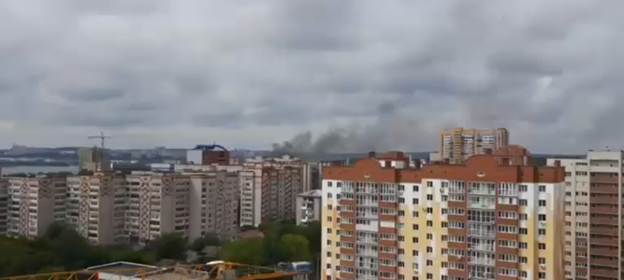

G7 ready to lower Russian oil price cap without US support, Reuters reportsThe Kyiv IndependentVolodymyr Ivanyshyn
G7 ready to lower Russian oil price cap without US support, Reuters reports
❌