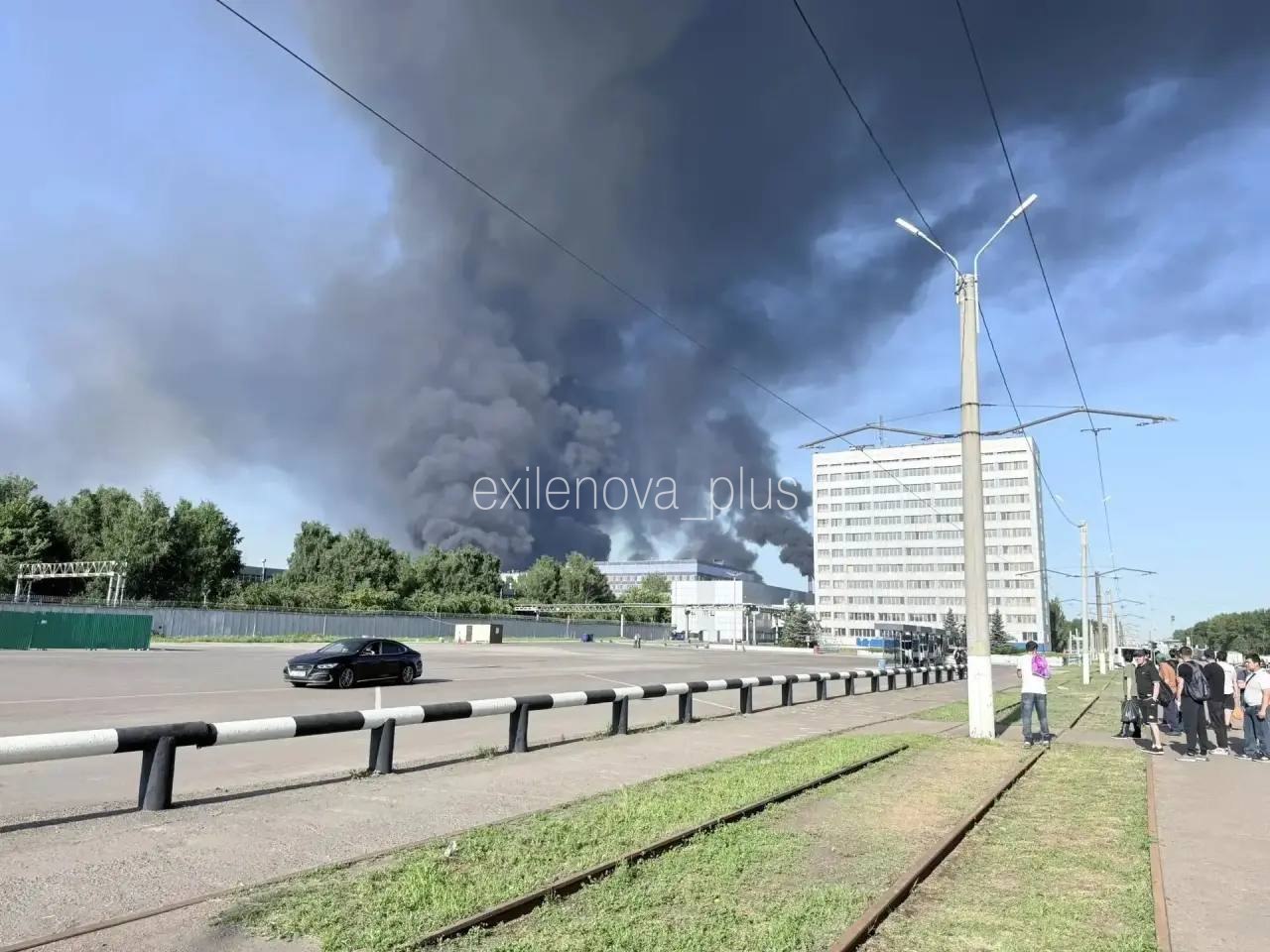
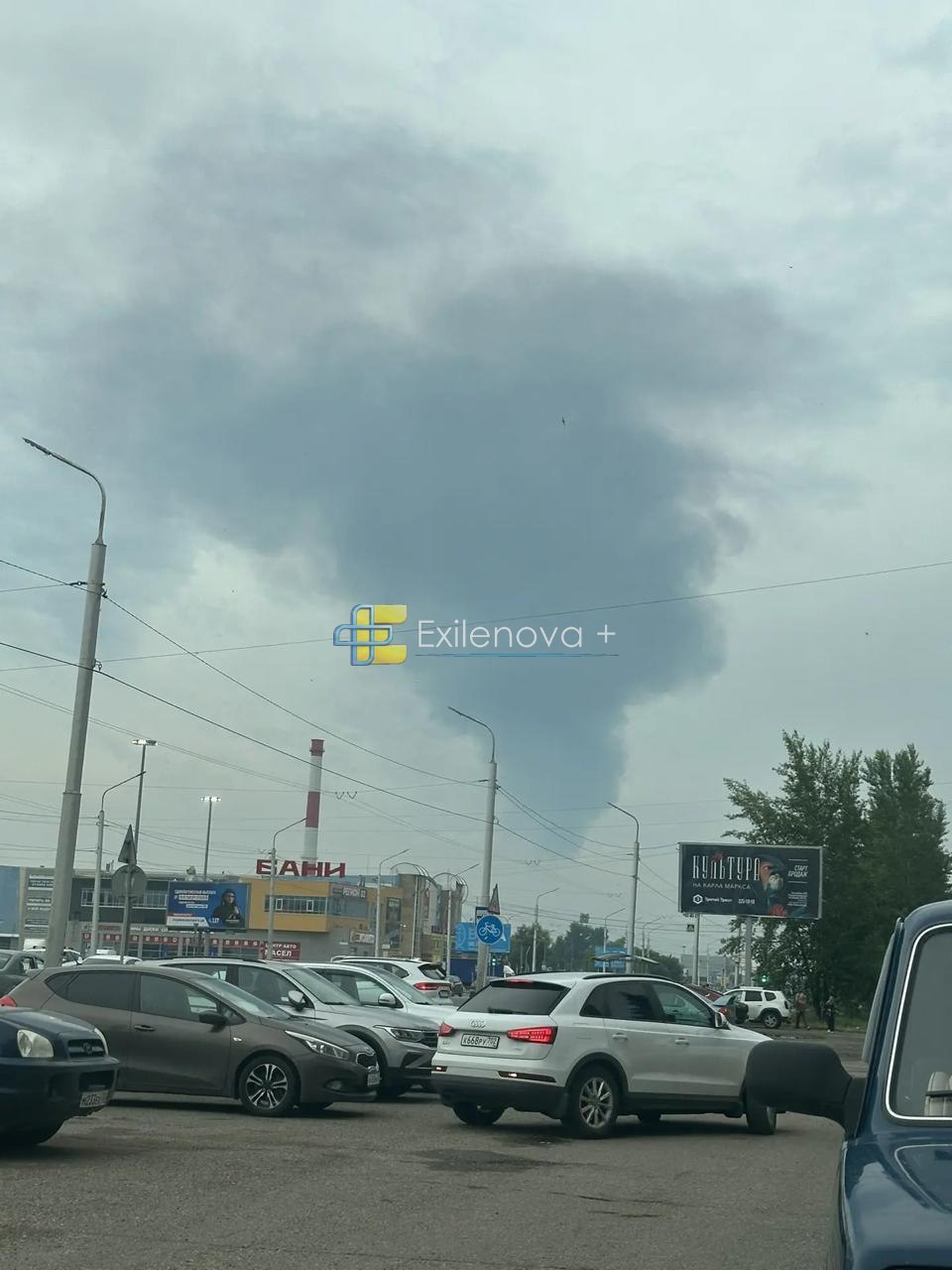
A reported overnight drone attack targeted Russia's Engels-2 strategic airbase in Saratov Oblast on 16 July, with open-source analysts identifying a fire on the installation that hosts bombers used in missile attacks against Ukraine.
The monitoring Telegram channel Exilenova+ reported that multiple drones targeted the airbase overnight. Videos published by the channel appeared to show a fire burning on or near the military installation.
Independent Russian outlet Ast
A reported overnight drone attack targeted Russia's Engels-2 strategic airbase in Saratov Oblast on 16 July, with open-source analysts identifying a fire on the installation that hosts bombers used in missile attacks against Ukraine.
The monitoring Telegram channel Exilenova+ reported that multiple drones targeted the airbase overnight. Videos published by the channel appeared to show a fire burning on or near the military installation.
Independent Russian outlet Astra reported, based on open-source analysis, that a fire broke out on the airbase following the strike.
Shahed-like drone design draws attention
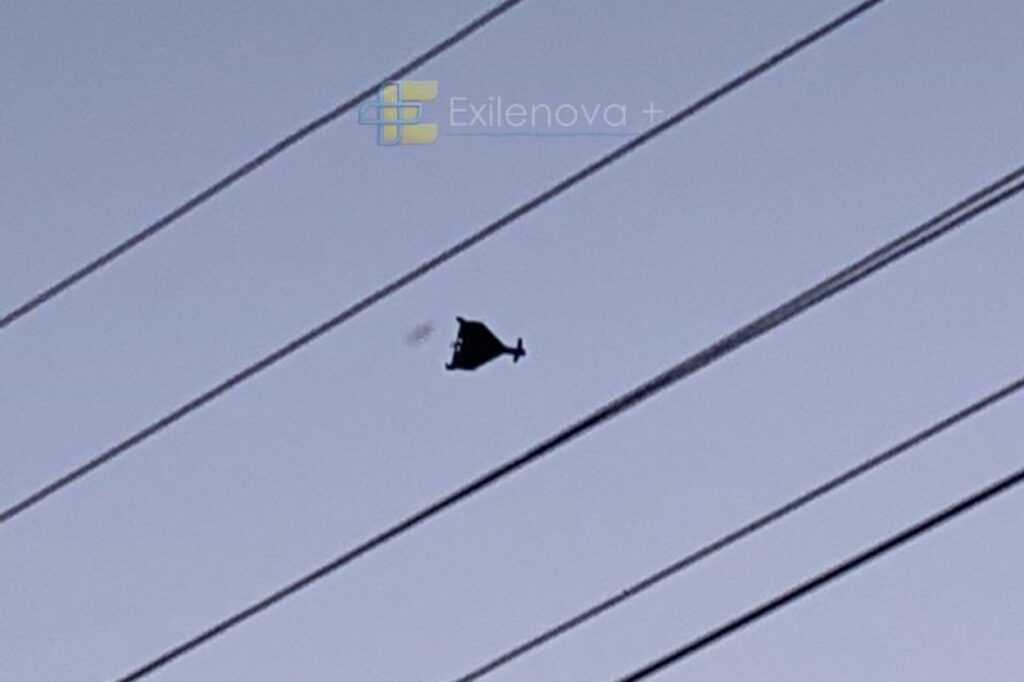
Ukrainian defense outlet Militarnyi noted that footage recorded by local residents appeared to show drones visually resembling Iranian-designed Shahed loitering munitions, which Russia has used extensively to strike Ukrainian cities and infrastructure throughout its full-scale invasion.
The outlet noted that visually similar drones have been observed during previous Ukrainian long-range strikes inside Russia.
An unidentified Ukrainian drone, visually resembling the Iranian-designed Shahed kamikaze drone, used to attack Russia's Engels-2 airbase on 16 July 2026. Photo: Exilenova+
Base used for missile attacks on Ukraine
Engels-2 is one of Russia's principal strategic aviation bases and hosts Tu-95MS and Tu-160 strategic bombers, which Russia regularly uses to launch Kh-101 cruise missiles against Ukrainian cities and infrastructure.
The base also stores munitions, fuel, and maintenance equipment supporting Russia's long-range bomber fleet. Militarnyi noted that Russia expanded the airbase last year by constructing additional aircraft parking areas to accommodate more strategic bombers.
The airbase has been targeted repeatedly since Russia launched its full-scale invasion of Ukraine in 2022, reflecting Ukraine's campaign to degrade Russia's long-range strike capabilities deep behind the front line.
Explosions reported across Engels
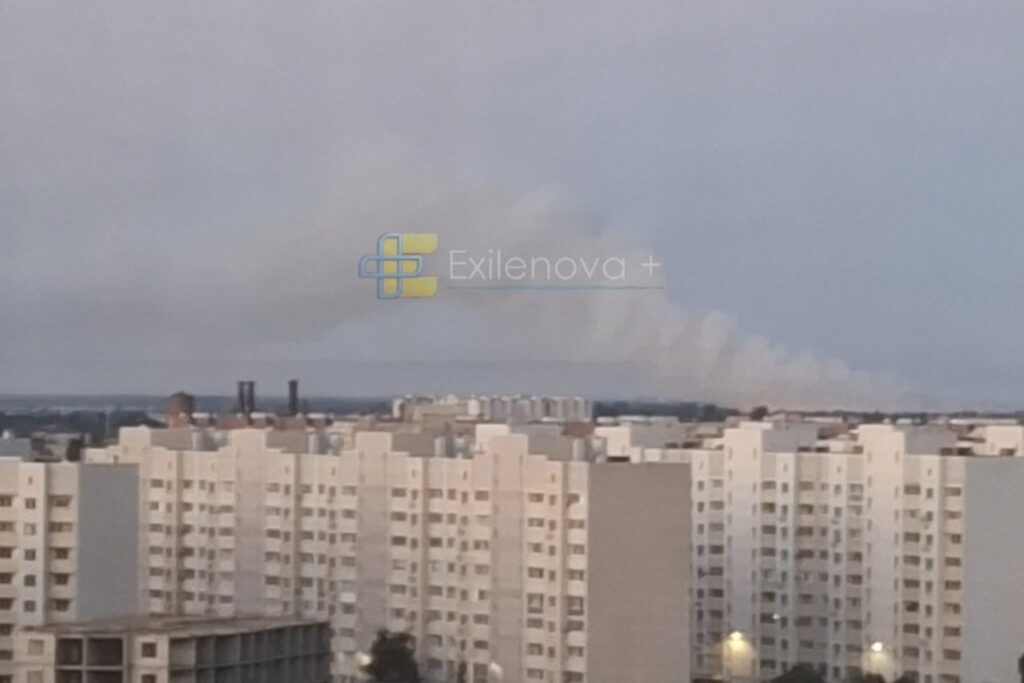
Residents of the Russian cities of Saratov and Engels reported hearing multiple explosions beginning around 2:30 a.m. local time, according to monitoring channels.
Saratov Oblast Governor Roman Busargin acknowledged a drone attack on the region, saying civilian infrastructure in Engels had been damaged but reporting no casualties. He did not confirm any strike on the military airfield.
According to Astra, one drone also struck a residential apartment building about two kilometers from the airbase. Militarnyi reported that local residents also described power outages following the explosions, with social media users suggesting a substation may have been hit.
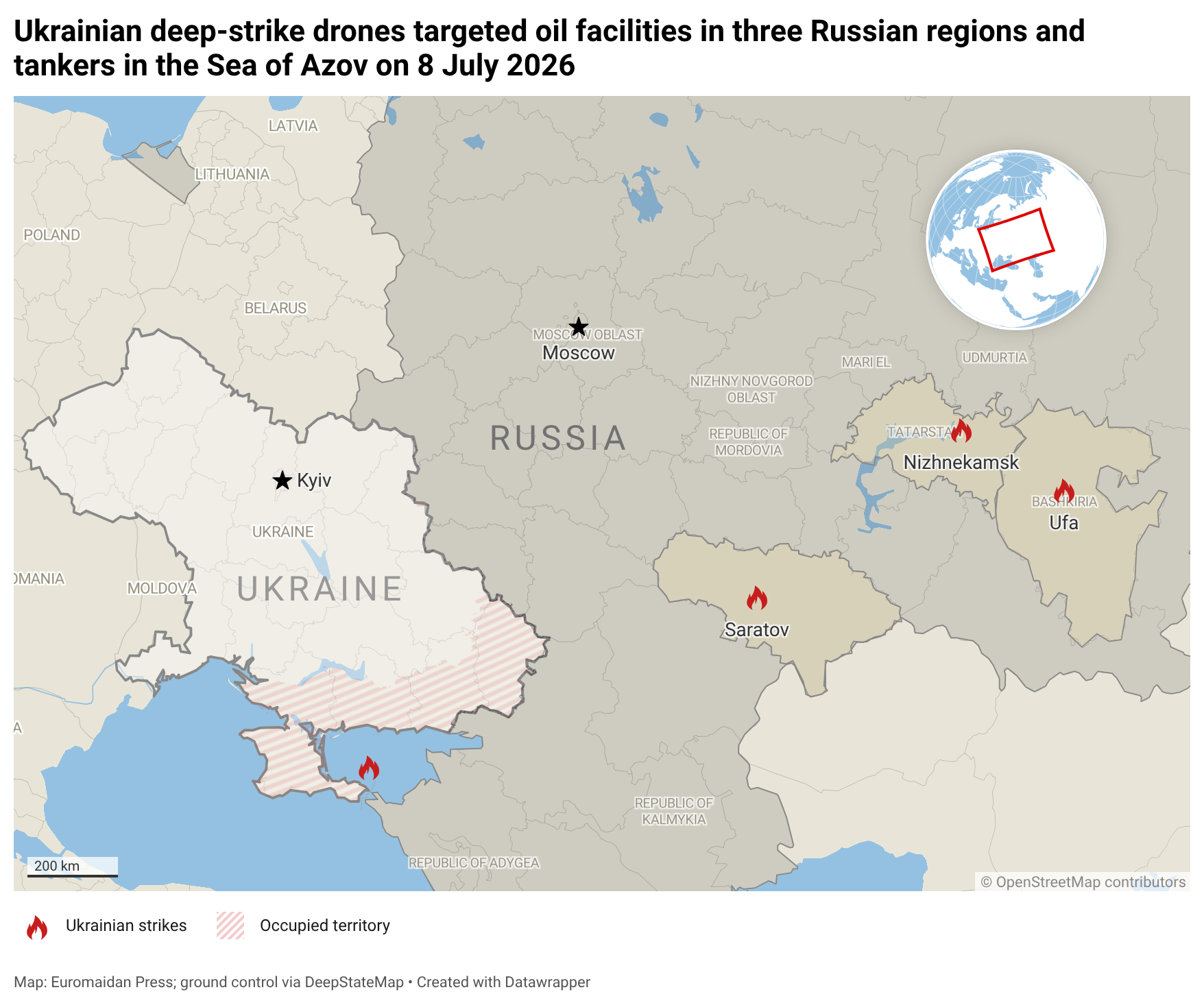
Ukrainian drones struck oil refineries and fuel infrastructure across several Russian regions overnight on 8 July, monitoring channels, Russian officials, and Ukraine's military reported. Fires broke out at the Saratov refinery, the Nizhnekamsk oil-processing plants in Tatarstan, and an oil-products pumping station in Bashkortostan, some 1,500 kilometers from the border. Ukrainian President Volodymyr Zelenskyy confirmed the hits, calling them the latest of Ukraine's "long-r
Ukrainian drones struck oil refineries and fuel infrastructure across several Russian regions overnight on 8 July, monitoring channels, Russian officials, and Ukraine's military reported. Fires broke out at the Saratov refinery, the Nizhnekamsk oil-processing plants in Tatarstan, and an oil-products pumping station in Bashkortostan, some 1,500 kilometers from the border. Ukrainian President Volodymyr Zelenskyy confirmed the hits, calling them the latest of Ukraine's "long-range sanctions."
Kyiv's deep-strike campaign has grown from occasional raids into near-nightly attacks that have already knocked out a large share of Russia's refining capacity and pushed fuel rationing into most of the country's regions. Each refinery, pipeline node, and pumping station burned narrows the fuel supply reaching both Russian consumers and the military-industrial base behind the invasion.
Saratov refinery burns after 3 a.m. strike
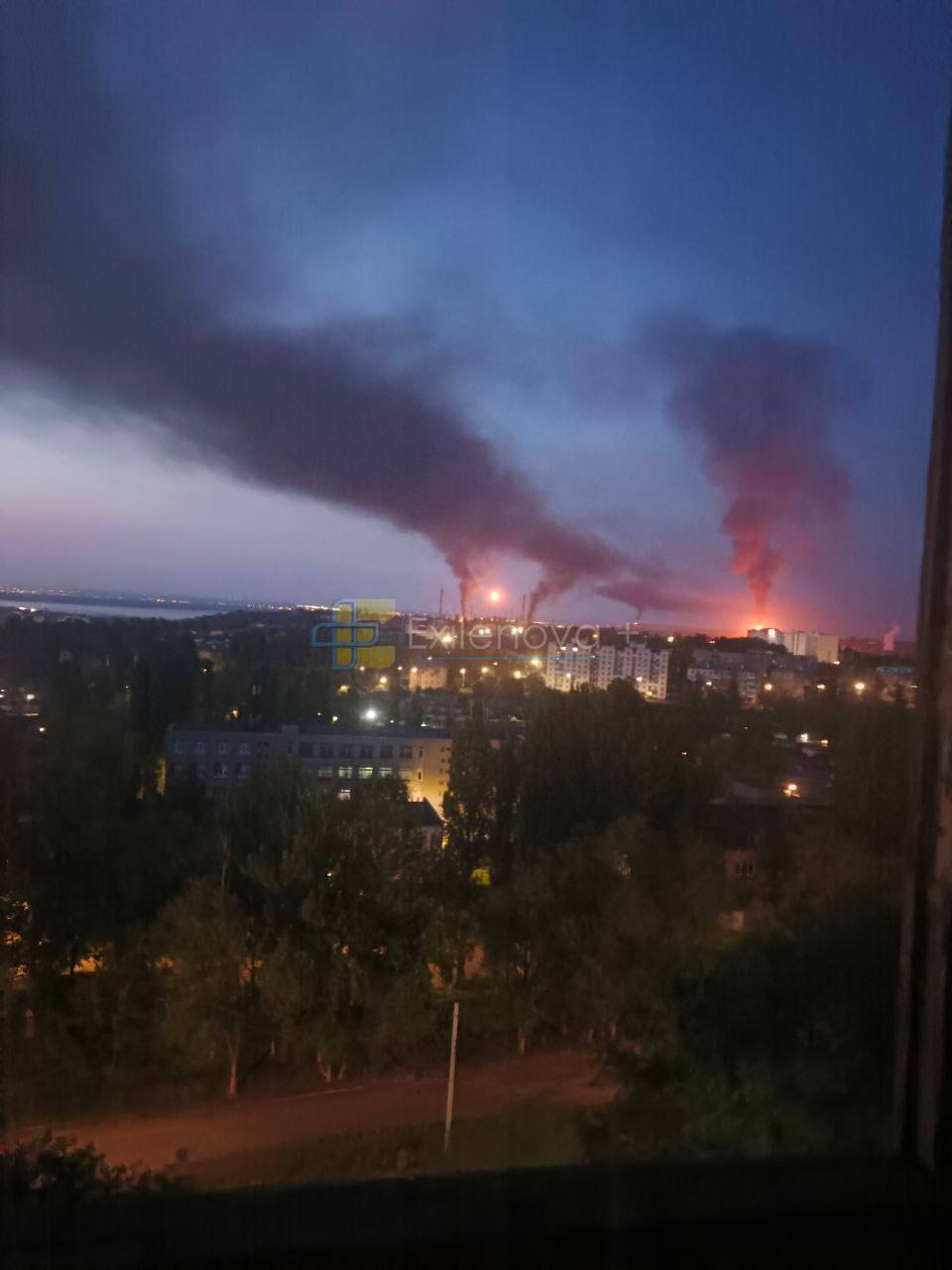
Monitoring groups began reporting explosions and a drone attack on the Saratov refinery around 3 a.m., the Telegram channel Exilenova+ said. The regional authorities had warned shortly before that Russian troops flagged a threat of drones. The local airport then restricted flights.
Saratov Governor Roman Busargin reported damage to civilian infrastructure, one person killed, and several injured. He did not name the refinery, though Ukrainian channels published footage of the moment of the strike. Astra confirmed the hit and fire.
Smoke and fire rise over Saratov, Russia, after a Ukrainian drone strike on the Saratov oil refinery, 8 July 2026. Photo: Exilenova+
The Saratov plant belongs to Rosneft and ranks among the Volga region's oldest refineries. It processes about 4.8 million tons a year as of 2023 and produces over 20 petroleum products, including gasoline, diesel, and military-grade aviation fuel. Ukrainian drones last struck it on 31 May.
Also, last night the Ukrainian drones set an oil refinery ablaze in Russia's Saratov
— Euromaidan Press (@EuromaidanPress) July 8, 2026
Two Nizhnekamsk refineries hit in Tatarstan
By morning, drones reached the refining cluster in Nizhnekamsk, Tatarstan, where smoke was visible from neighboring towns. Ukraine's Special Operations Forces said they struck the TANECO complex and the TAIF-NK plant.
Black smoke and flames rise at an oil refinery in Nizhnekamsk, Tatarstan, following a Ukrainian drone strike, 8 July 2026. Photo: Exilenova+
TANECO, owned by Tatneft, is one of Russia's most modern refineries, with a refining depth up to 99% and a designed capacity of 16.2 million tons a year. TAIF-NK, the city's second large plant, processes up to 8.5 million tons annually and runs one of Russia's most complex facilities for heavy oil residues. The same industrial zone also holds the Nizhnekamskneftekhim petrochemical complex, one of Europe's largest.
Astra's OSINT analyst named the probable target as TAIF-NK, with eyewitness footage showing a drone falling near the plant. Other monitors reported drones grazing the TAIF refinery and then striking TANECO.
Ukrainian drone struck the Nizhnekamsk oil refinery in Tatarstan—multiple fires visible across the facility
— Euromaidan Press (@EuromaidanPress) July 8, 2026
Previously, the Ukrainian military hit both TANECO and TAIF-NK on 12 June, and earlier struck Nizhnekamskneftekhim itself.
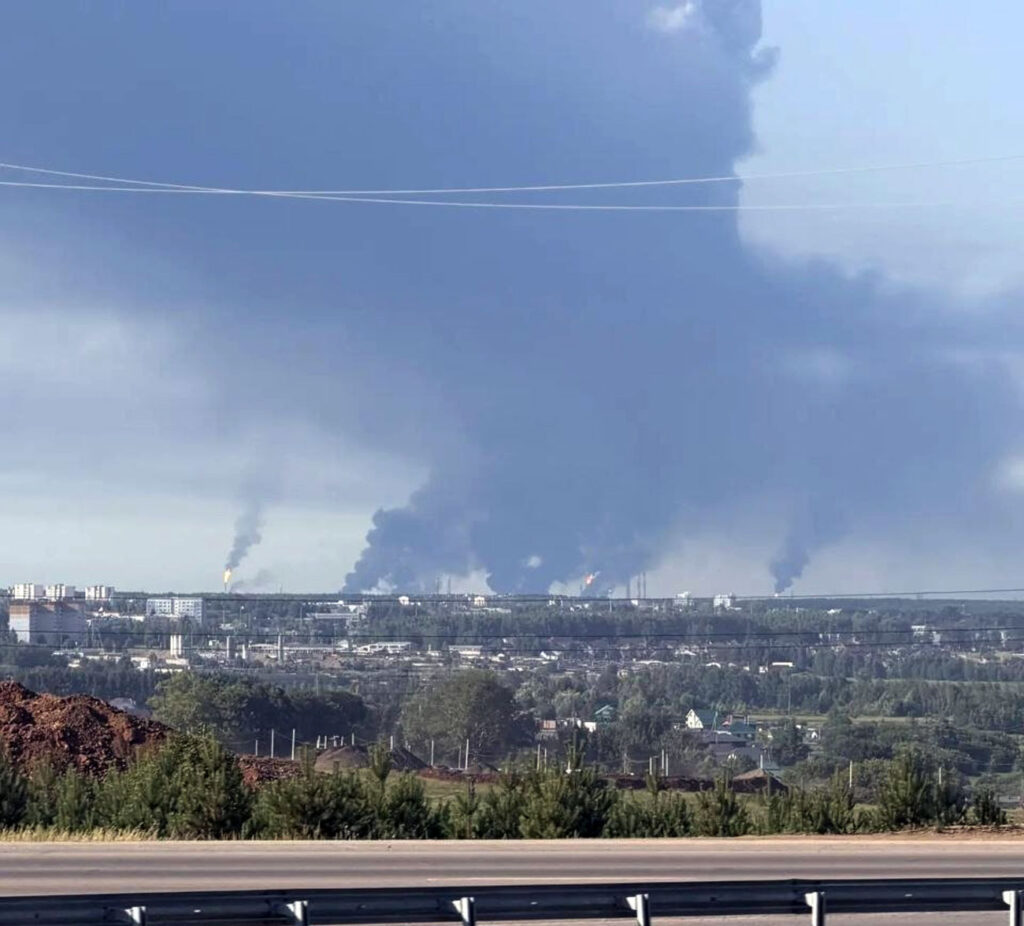
A plume of black smoke drifts over Nizhnekamsk, Tatarstan, as bystanders watch, after Ukrainian drone strikes on the city's refineries, 8 July 2026. Photo: Exilenova+
Security service hits Bashkortostan pumping station
Ukraine's SBU security service reporteda successful strike on the Cherkassy oil-products pumping station in Bashkortostan, 1,500 kilometers from the border. At least eight SBU drones worked over the target, sparking a fire in the tank farm and at the station's production facilities.
The Cherkassy station — confusingly, bearing the name of Cherkasy, a Ukrainian city— is a key node of the Transneft-Ural system. It receives, stores, and pumps light petroleum products from the Ufa refining hub into trunk pipelines, moving almost two million tons a year through 27 reservoirs holding over 385,000 cubic meters.
Smoke rises over Ufa, Bashkortostan, after a probable Ukrainian drone strike on the Bashneft refining zone, 8 July 2026. Photo: Exilenova+
"We consistently find and destroy the infrastructure that supplies the enemy army with fuel, logistics, and resources for war," SBU head Yevhen Khmara wrote.
Astra separately assessed that Ukrainian drones probably also hit the Bashneft-UNPZ refinery in Ufa, where footage showed only smoke; Ukrainian channels said "Liutyi" drones carried out that attack.
Ukrainian drones struck an oil pumping station near Russia's Ufa, 1,300 km from Ukraine.
The station is a key node of the Transneft-Ural system: it pumps crude from Western Siberia to refineries in Bashkortostan and Tatarstan through four trunk pipelines. Supernova+,… pic.twitter.com/S9mIoK2DKI
— Euromaidan Press (@EuromaidanPress) July 8, 2026
Gas compressor station and airfield also targeted
The evening before, drones hit the Krasnodarskaya gas compressor station on Russia's Krasnodar Krai, Astra said. The Gazprom facility cleans, dries, and compresses natural gas for trunk routes, including the "Blue Stream" pipeline. Krasnodar Krai's operational headquarters confirmed a fire at an enterprise in the village of Smolenskaya after drone debris fell.
Ukraine's General Staff said the overnight strikes also hit the Borisoglebsk military airfield in Voronezh Oblast, alongside the Saratov and Nizhnekamsk refineries and six Russian shadow fleet tankers in the Black and Azov seas.
9 more Russian shadow fleet tankers hit in Azov Sea last night
Drone forces commander Robert Brovdi says that brings the toll to 21 vessels in 72 hours: 19 tankers hauling fuel toward occupied Crimea, one cargo ship, and one ferry in the occupied port city of Kerch.
— Euromaidan Press (@EuromaidanPress) July 8, 2026
The six damaged tankers — one in the Black Sea, five in the Azov — were part of Russia's shadow fleet used to supply its forces in southern Ukraine, the General Staff said. Ukraine's drone forces reported that maritime campaign separately, putting the running total at 21 vessels struck in 72 hours.
"Today our long-range sanctions reached the Saratov region, Tatarstan, and Bashkortostan, at distances of about 800, 1,400, and 1,500 km from the front line. Also, Voronezh Oblast, about 300 km from our border," he said.

 Connexion
 Exilenova+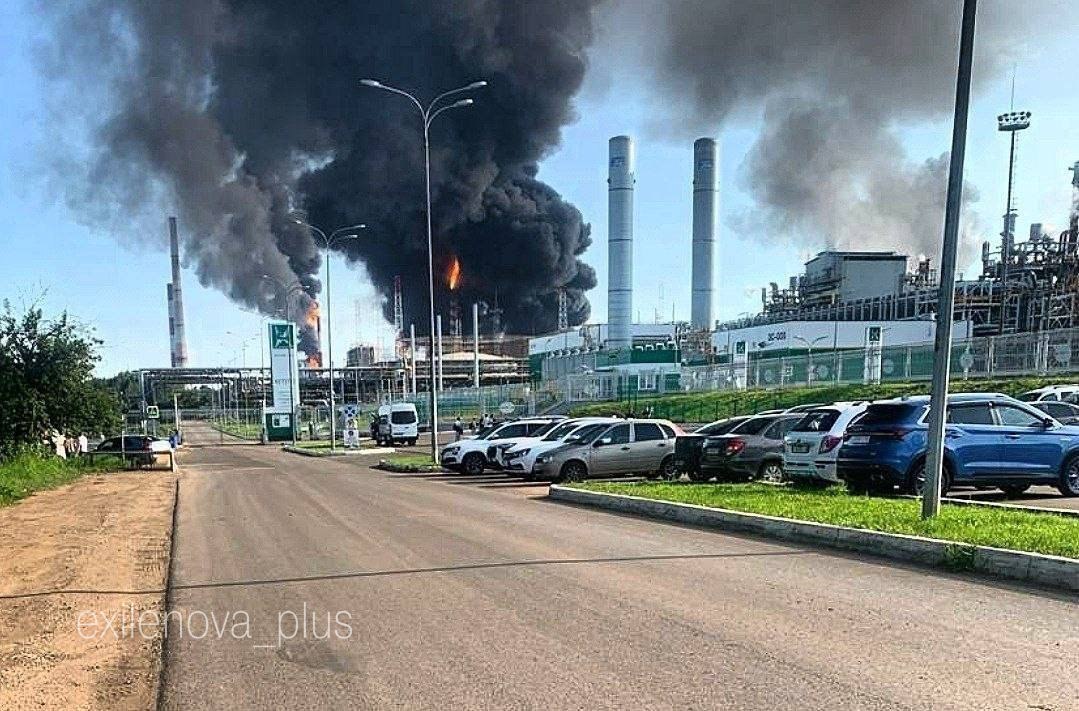
 Exilenova+