 Connexion
À Bruxelles, les Européens à couteaux tirés sur l’immigration
16 octobre 2026 à 17:39
L’épisode de Ceuta a été longuement évoqué, avant de donner lieu à des échanges très crus.


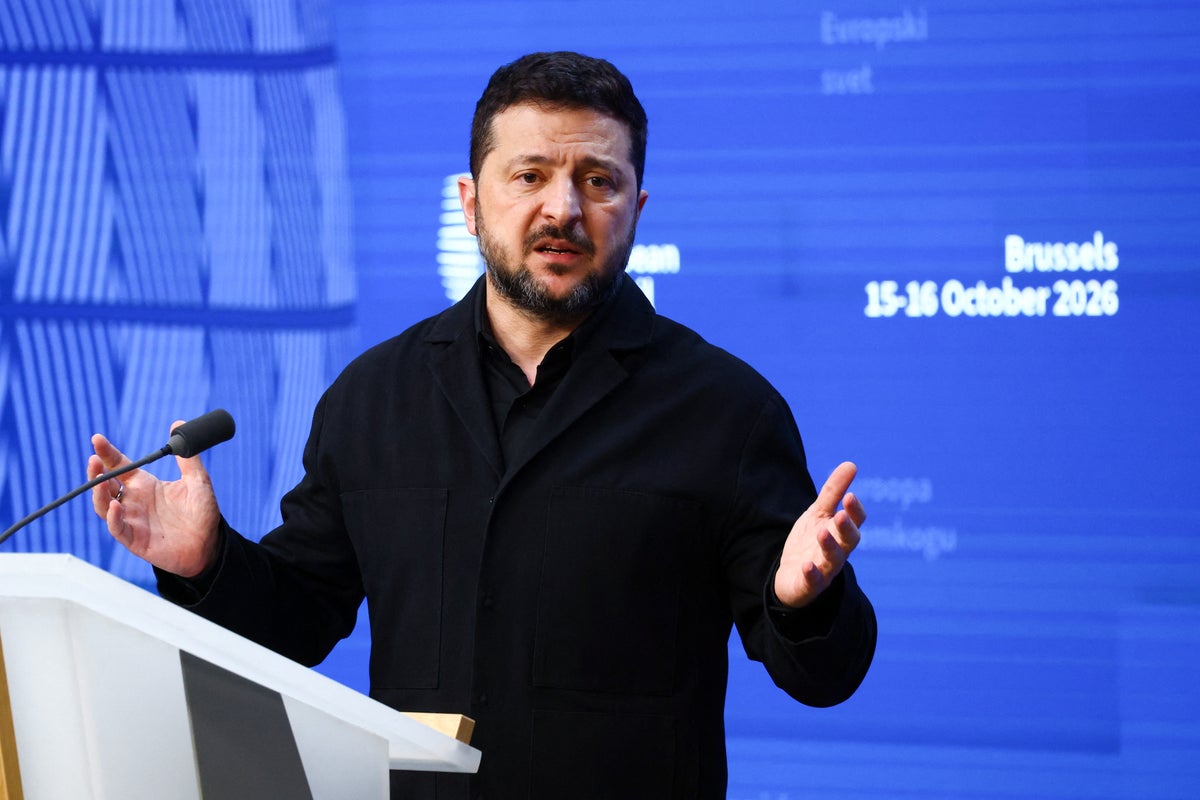
Zelensky warned Trump’s diesel deal puts money in ‘Putin’s pocket’ and can never offset the impact of the closure of the Strait of Hormuz
© Reuters


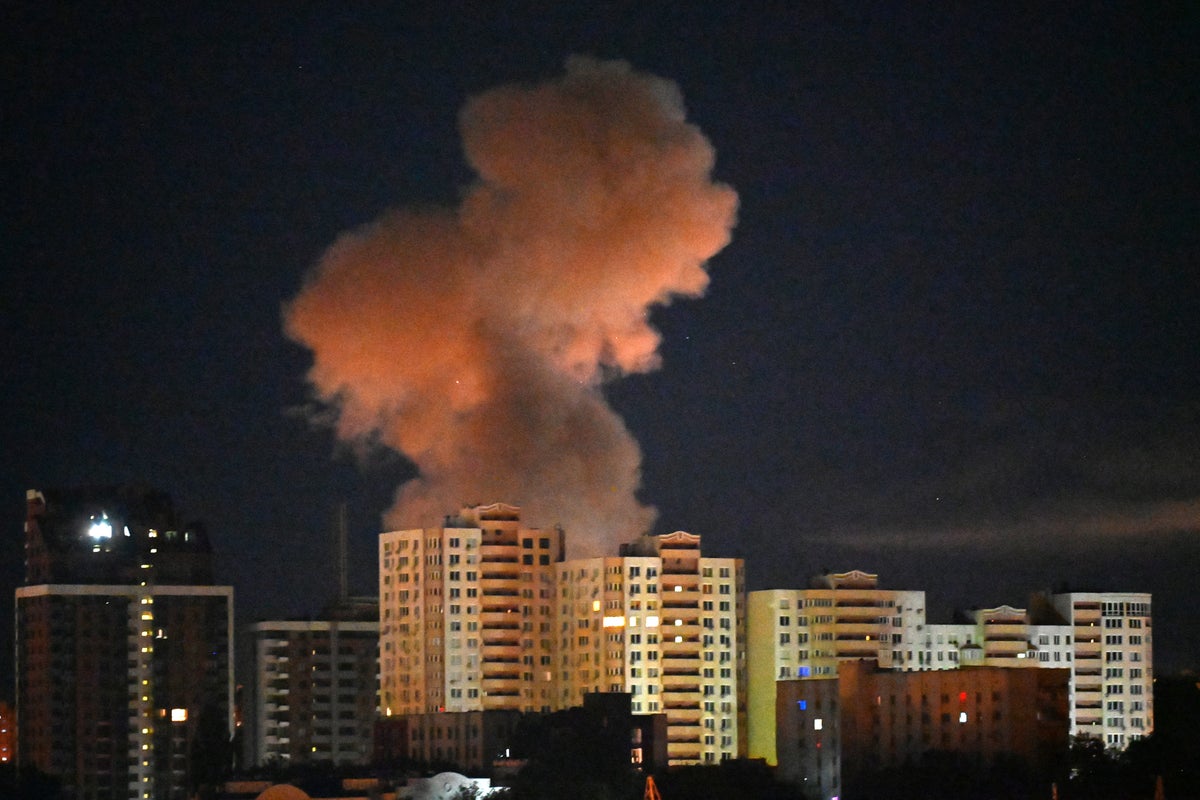
New speed restrictions, imposed without notice remotely by code, contributed to multiple mission failures for Ukraine
© AFP via Getty Images

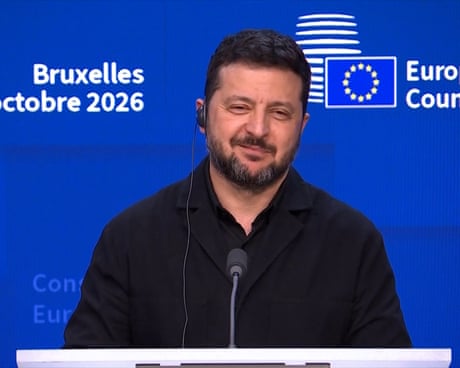
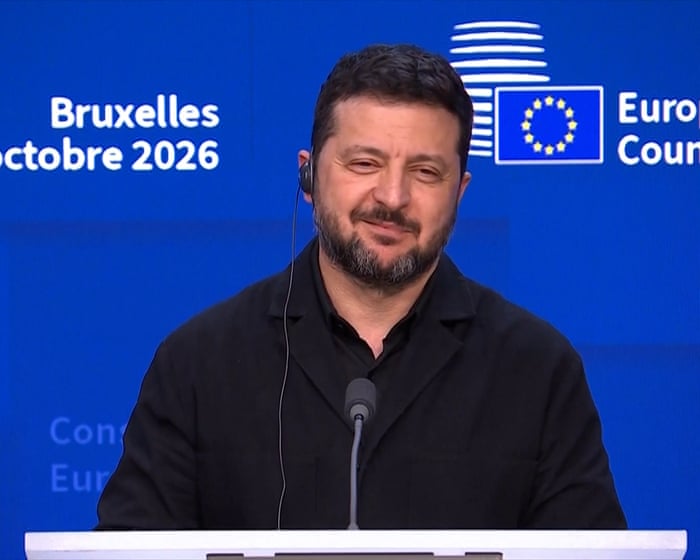
Ukraine's president, Volodymyr Zelenskyy, was asked by Sky News at a press conference in Brussels, Belgium, if he felt he was being made a 'scapegoat' by his US counterpart, Donald Trump, for domestic problems including high diesel prices before midterm elections. Zelenskyy paused for 15 seconds, before he eventually smiled and said: 'This is my answer.'
Continue reading...
© Photograph: reuters live feed
© Photograph: reuters live feed
© Photograph: reuters live feed

Russia's shadow fleet has allowed it to keep exporting oil without complying with Western sanctions
© AFP/Getty
As the Kyiv-Washington feud cuts off missile resupplies and blocks European aid, Ukraine’s Patriot systems have run out
© Reuters
US president says Zelenskyy ‘more difficult to deal with than Putin’ after ‘energy ceasefire’ collapses
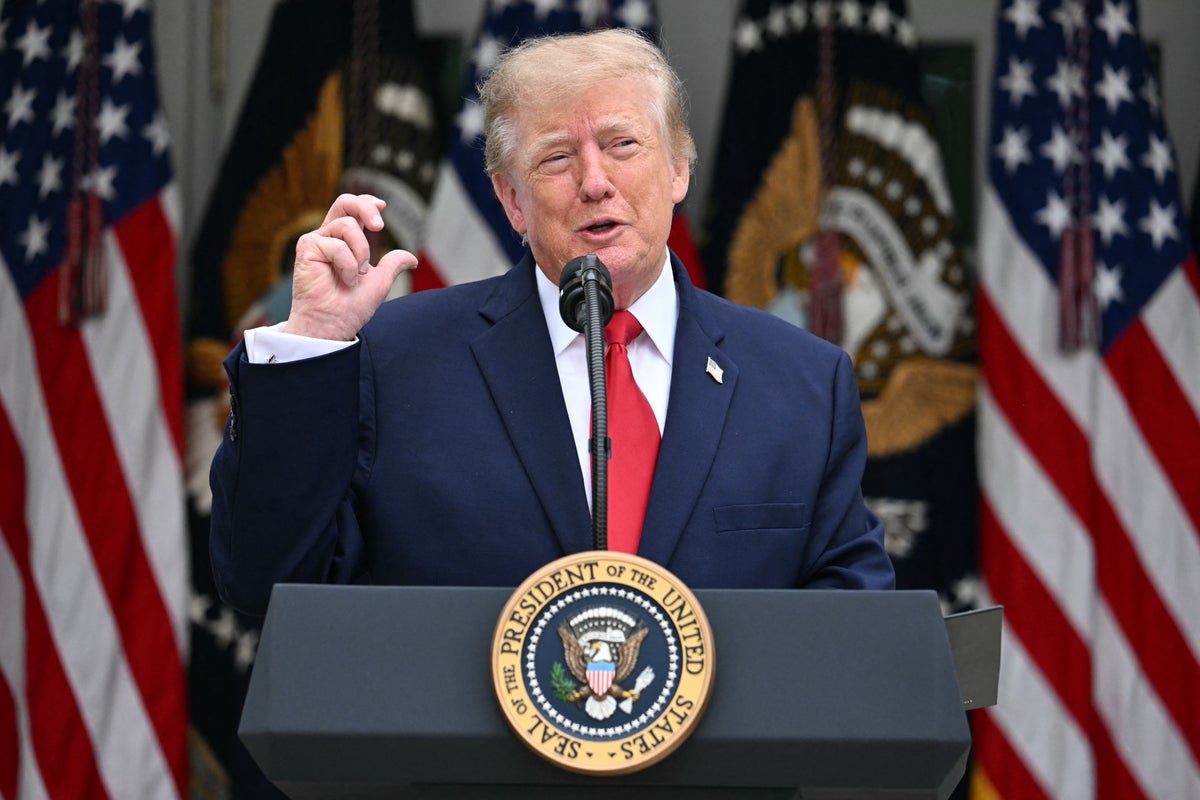
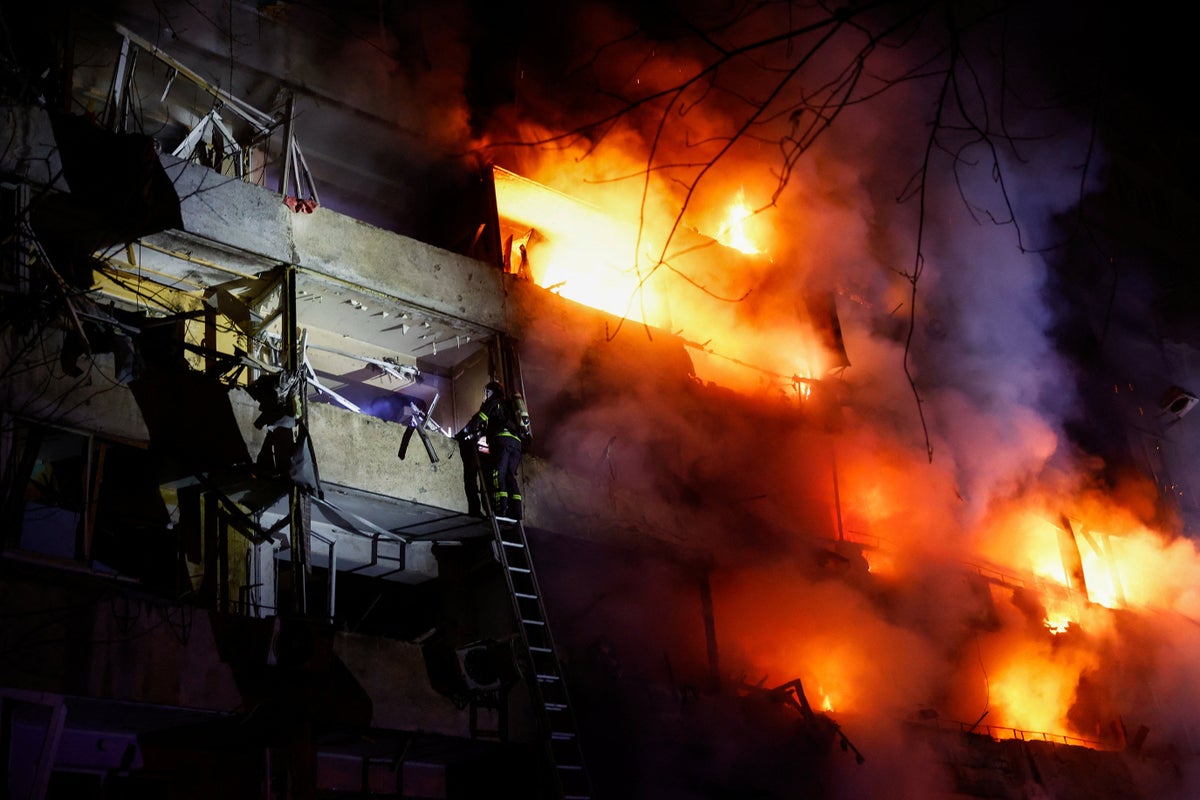
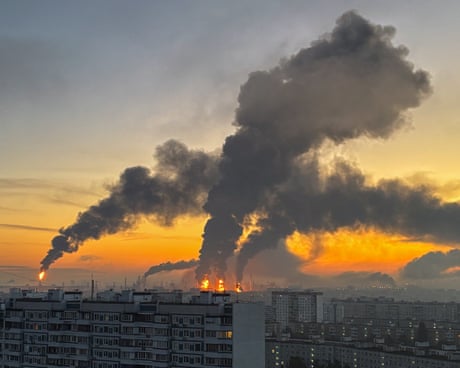
Donald Trump has called Ukraine’s renewed strikes on Russian oil refineries “a disgrace” and criticised Volodymyr Zelenskyy after an energy ceasefire between Russia and Ukraine failed to take hold.
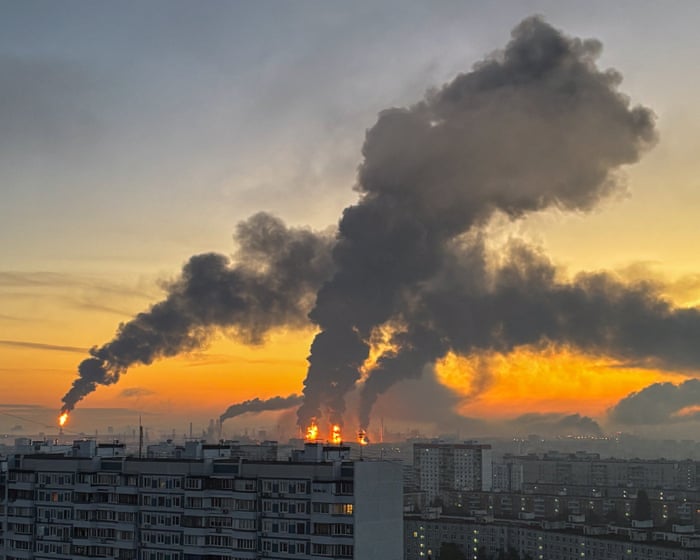
Ukraine resumed strikes on Russian oil refineries after Zelenskyy said Kyiv was abandoning a ceasefire unilaterally declared by Trump on Sunday, having briefly halted its attacks to demonstrate its readiness for peace talks. Russia had continued its strikes on Ukrainian power plants.
Continue reading...
© Photograph: Reuters
© Photograph: Reuters
© Photograph: Reuters
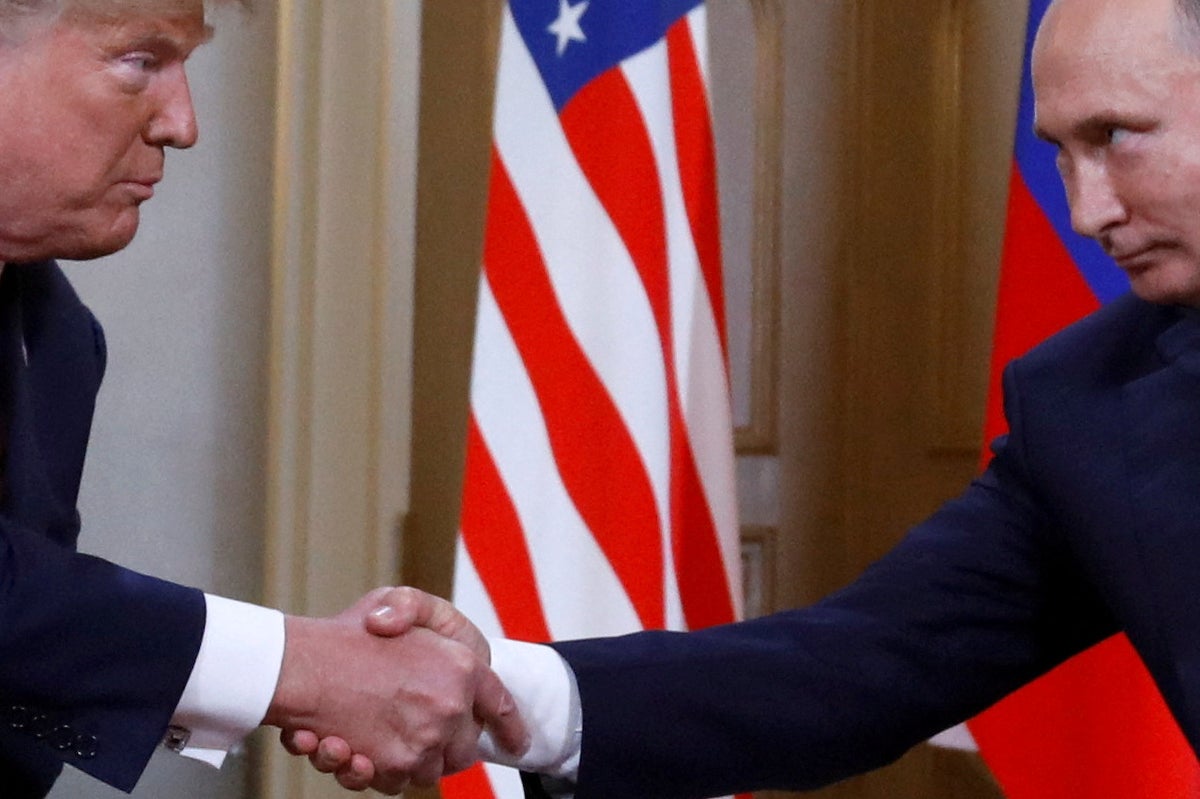
Volodymyr Zelensky has lashed out at President Trump after he struck a diesel deal with Russia
© Reuters


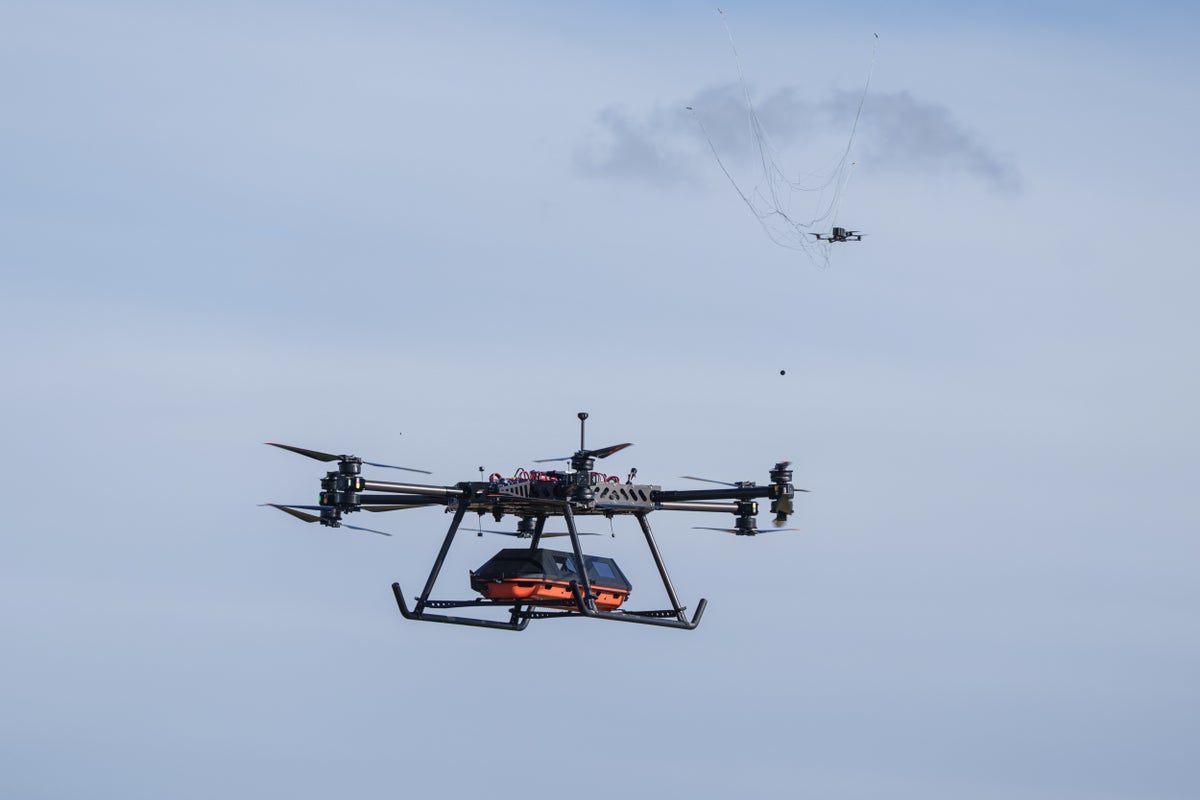
The futuristic drone can carry up to 330 pounds and reach speeds up to 65mph
© AP/Evgeniy Maloletka

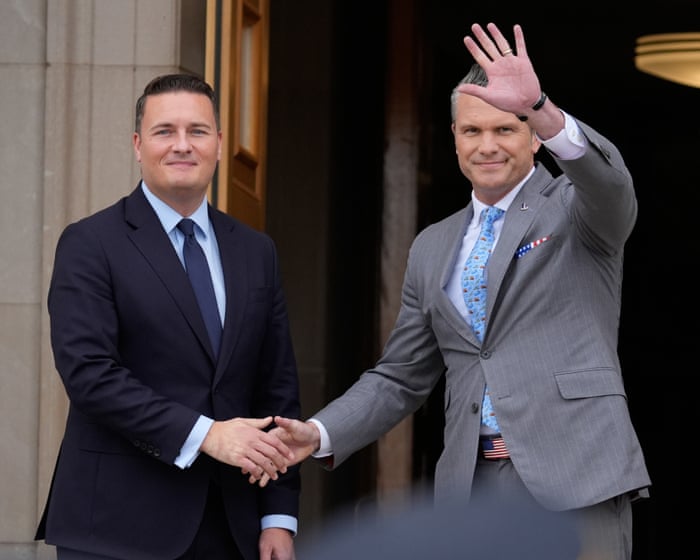
UK defence secretary trying to cool tensions and is arguing it is in America’s economic interests to support Kyiv
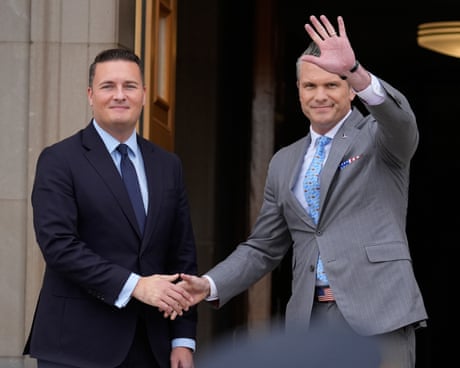
Wes Streeting urged the US to stand by Ukraine on his visit to the American capital and sought to cool tensions between the two countries in the wake of the Starlink row that is threatening to set back Kyiv’s war effort.
The British defence secretary, giving a speech before a meeting with his US counterpart, Pete Hegseth, argued that supporting Ukraine was in the long-term interests of Washington – and a business opportunity.
Continue reading...
© Photograph: Manuel Balce Ceneta/AP
© Photograph: Manuel Balce Ceneta/AP
© Photograph: Manuel Balce Ceneta/AP
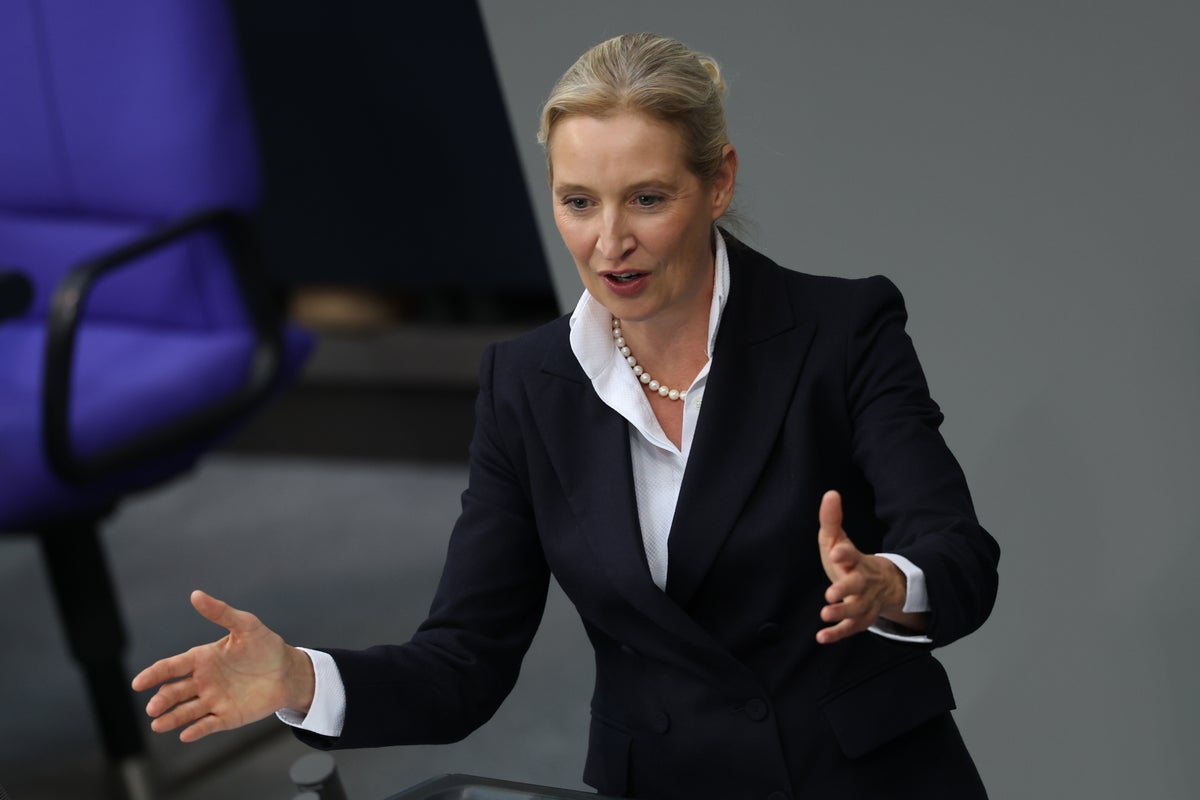
German chancellor Friedrich Merz said meanwhile that giving up on Kyiv would have ‘an enormous impact on the entire political order of this continent’
© Getty
© Copyright 2026 The Associated Press. All rights reserved.
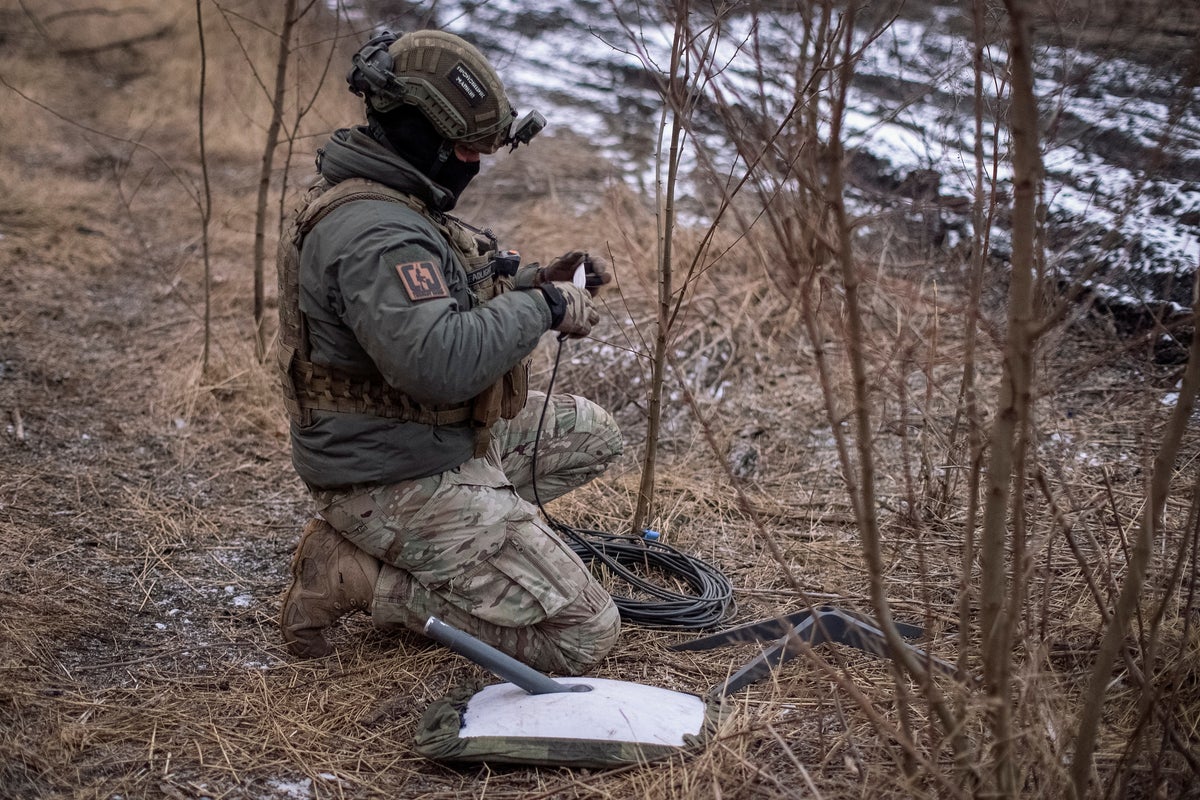
Elon Musk says the United States owns and controls the military-grade version of Starlink, which both Ukraine and Britain use
© Reuters


After Russian energy attacks left Ukrainians without heating and electricity last winter, Kyiv has in 2026 sought to disrupt Russian daily life in response
© Reuters
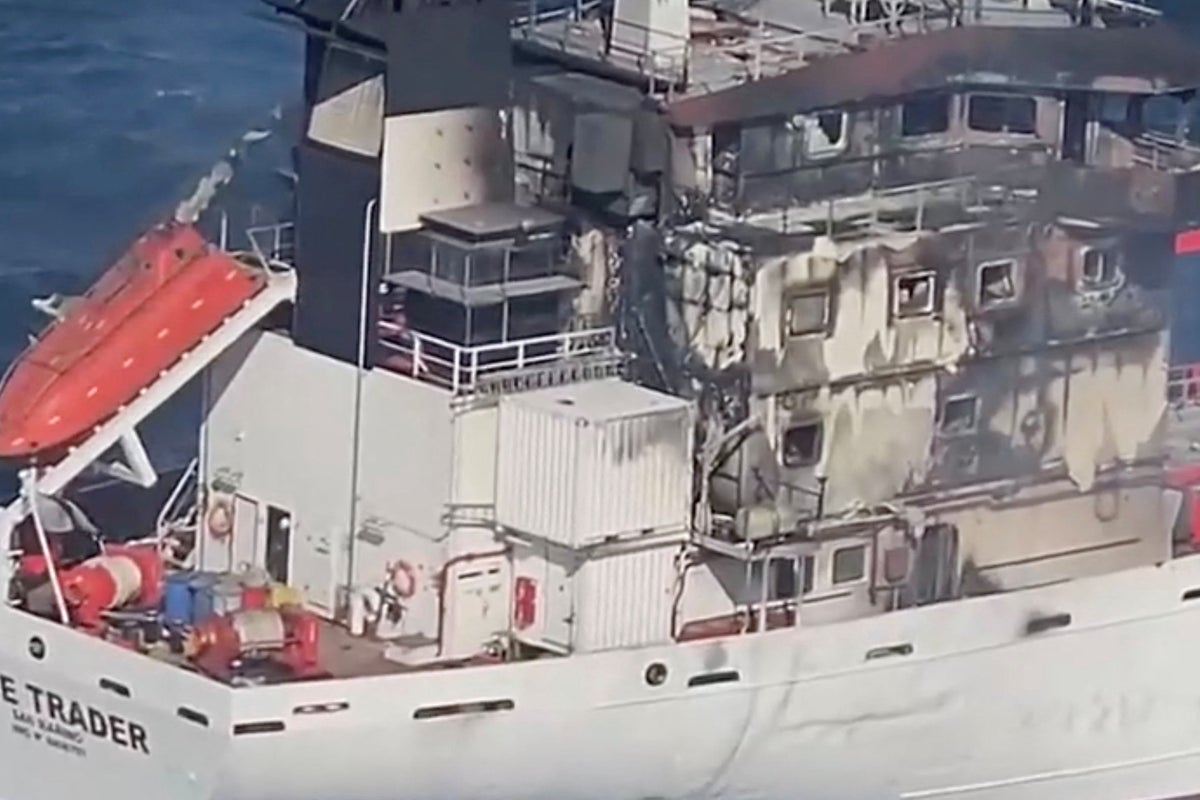
Romania's naval authority said it received an emergency alert from the San Marino-flagged tanker Wine Trader
© Romanian Interior Ministry

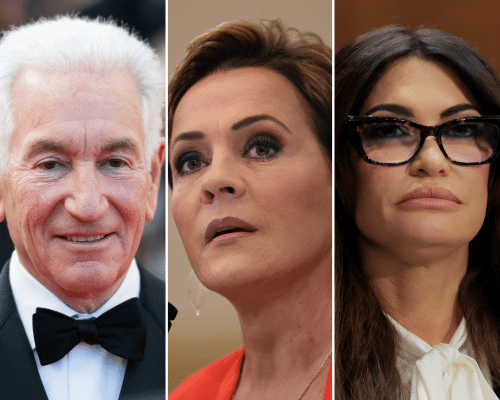
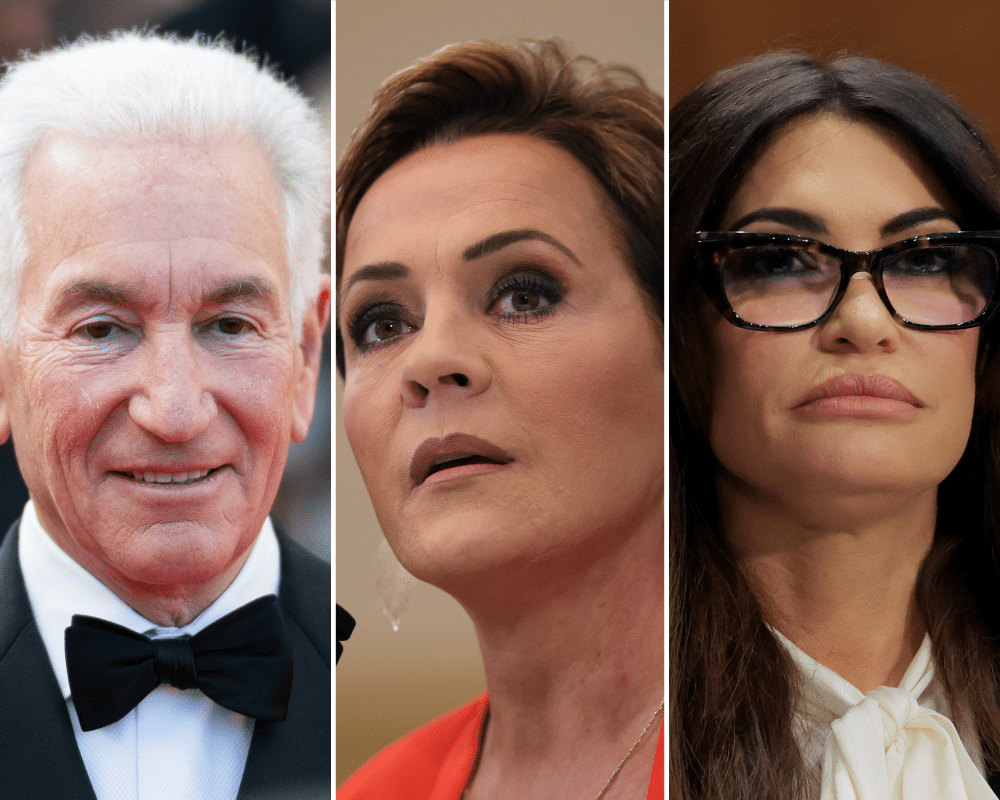
Kimberly Guilfoyle’s departure has renewed scrutiny of the president’s picks for diplomatic posts, from France to Jamaica
Donald Trump has appointed family members, friends and loyal political allies to represent the US on the world stage, dispatching an extraordinary array of characters to embassies across the world.
While presidents of both parties have long rewarded donors and allies with plum ambassadorships, Trump has chosen loyalists willing to go to bat for him regardless of the implications for US-foreign relationships.
Continue reading...
© Photograph: Getty Images
© Photograph: Getty Images
© Photograph: Getty Images


In today’s newsletter: As Russia resists a ceasefire and Trump’s shifting priorities unsettle allies, an end to the conflict isn’t getting any closer
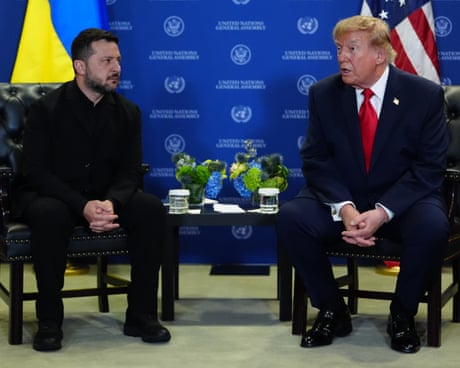
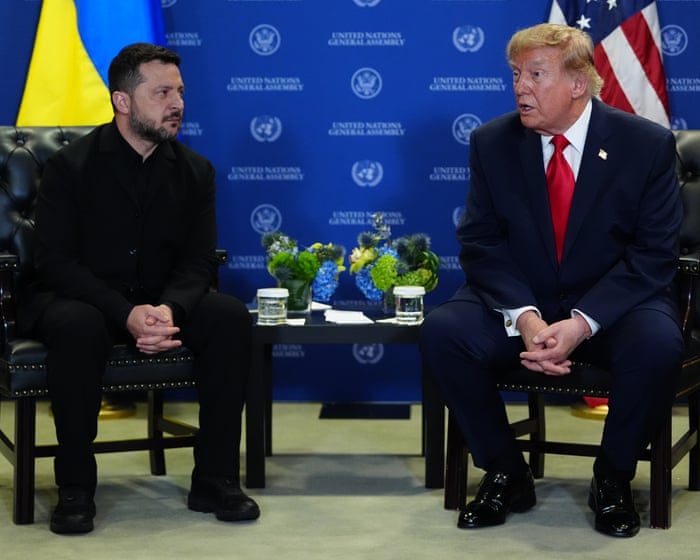
Good morning. In his usual asinine unconventional approach to international relations, Donald Trump announced on Sunday (via Truth Social, how else) an “ENERGY CEASEFIRE in the War between Russia and Ukraine”, apparently without checking with either side. Volodymyr Zelenskyy, who said any such deal was “news to me,” nonetheless declared he was “ready and we will accept it”. Vladimir Putin responded by blowing up some Ukrainian power plants.
This has been the tenor of much diplomacy during Trump’s tenure: false starts, U-turns, incoherent positions (and some playful flirting with Vlad). Meanwhile fighting continues, and America’s allies attempt to manage the fallout. Andy Burnham hosted Zelenskyy at Downing Street yesterday, stating the UK is doubling down on its support for Ukraine, and pointedly calling on others to “follow suit”.
UK | Sally Rooney has said she is being forced to withdraw her books from sale in the UK because of her support for the banned organisation Palestine Action.
Gaza | Israel is refusing to allow a key military outpost project for Donald Trump’s Board of Peace to proceed in Gaza, the Guardian has learned.
EU | Britain will benefit from much closer trading relations with the EU even if that means giving up its ability to negotiate free trade agreements, the Scotland secretary has said.
Ukraine | Ukraine’s military has suddenly had its access to Starlink satellite internet terminals restricted as the Trump administration has increased pressure on Ukraine to immediately halt long-range strikes on Russia’s oil industry.
Vaccine | Guinea-Bissau has not approved the controversial hepatitis B study in newborns that would be funded by the US government and private partners, the African country’s minister of health said.
Continue reading...
© Photograph: Julia Demaree Nikhinson/AP
© Photograph: Julia Demaree Nikhinson/AP
© Photograph: Julia Demaree Nikhinson/AP
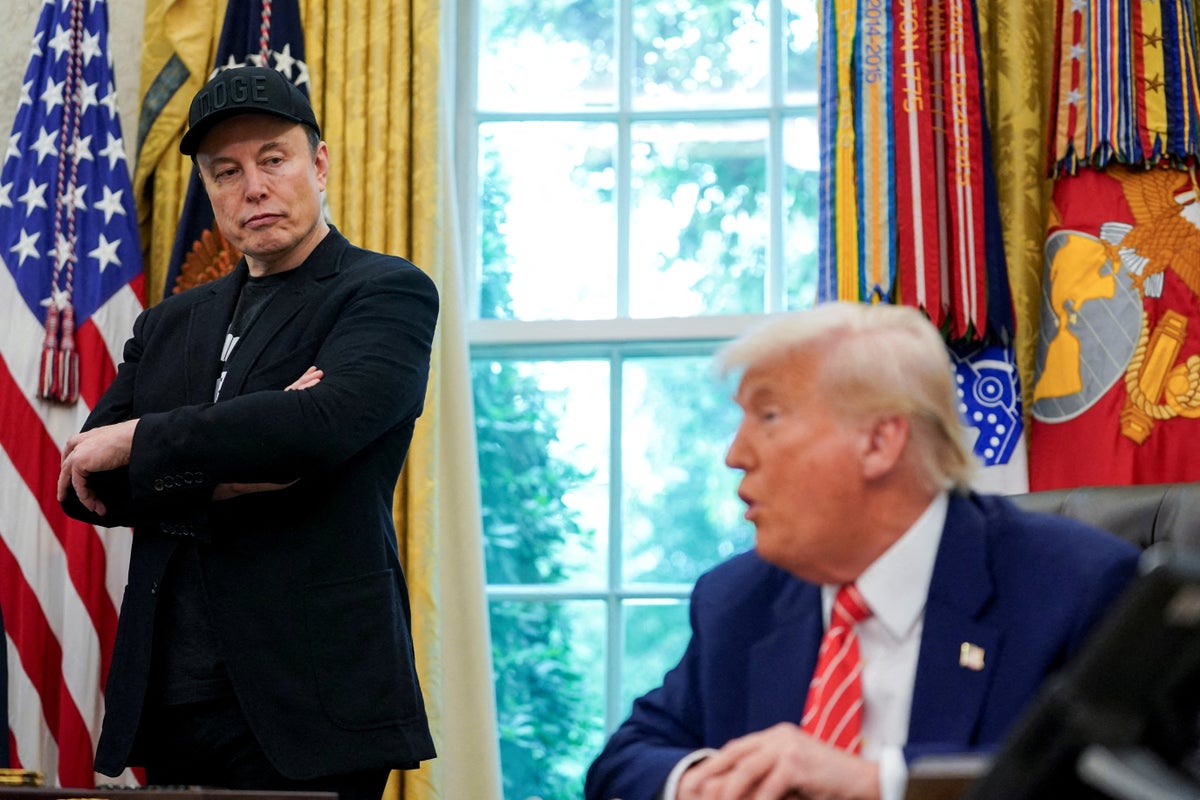
Trump calls Zelensky's resumption of airstrikes on Russian energy infrastructure a ‘disgrace’
© Reuters

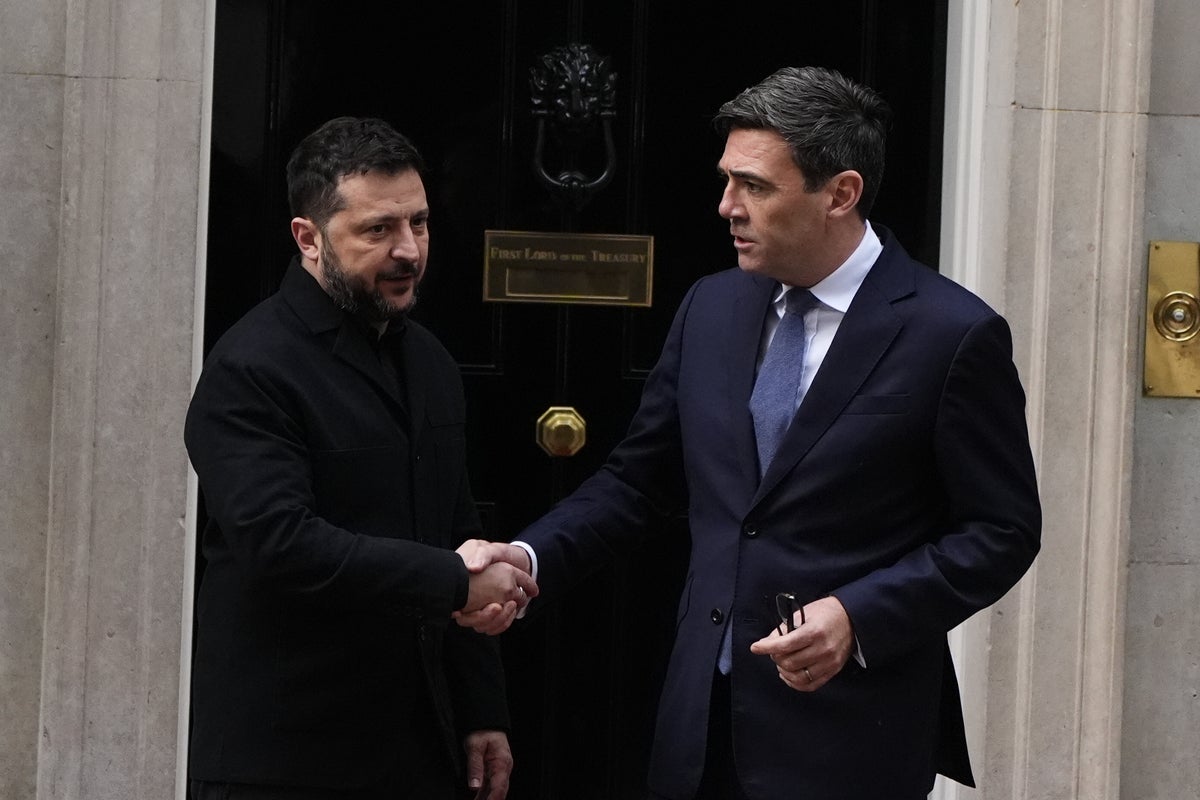
Andy Burnham reinforces support for Ukraine following talks with Volodymyr Zelensky
© PA Wire


© Christophe Archambault/Agence France-Presse — Getty Images


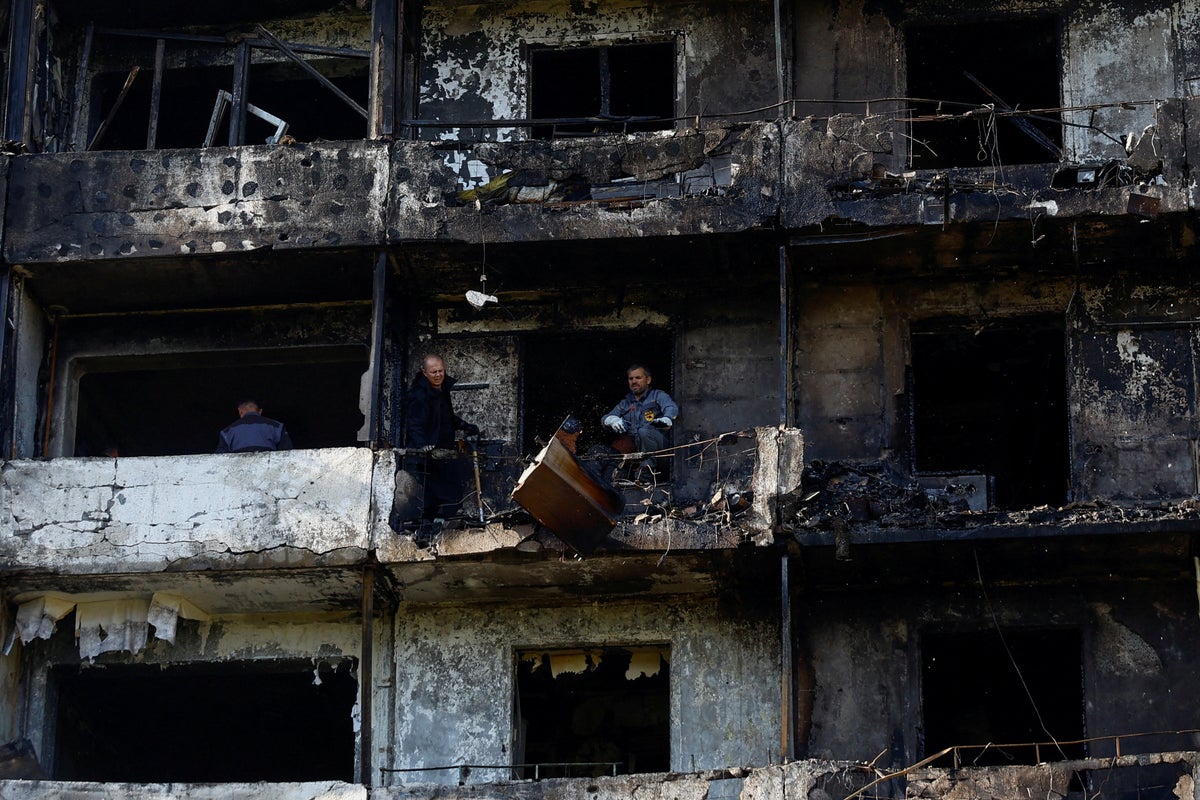
US-Ukrainian relations continue to deteriorate as Trump offers a lifeline to the Russian economy
© Reuters

A former Ukrainian military officer is on trial in Germany over what has been described as one of the ‘biggest sabotage operations of modern times’
© Getty

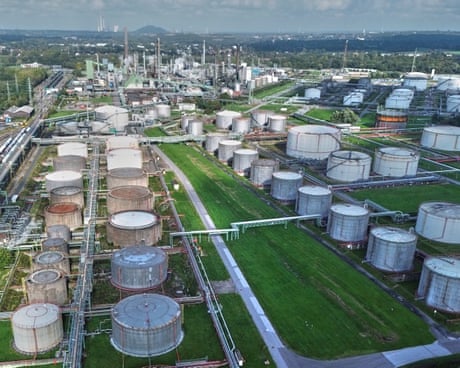
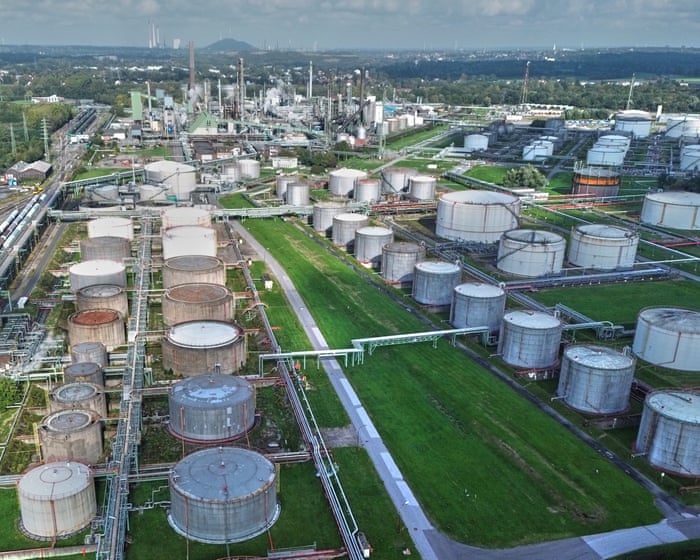
Firms turning crude oil into the ‘workhorse’ fuel stand to gain most despite economic fallout from record prices
Days after Donald Trump announced a deal to import Russian diesel into the US in an effort to lower soaring pump prices, the world’s energy watchdog has warned that the global fuel shortage will drag into 2027.
Trump’s temporary sanctions reprieve was criticised for offering “too little, too late” to temper the sky high pump prices triggered by the shutdown of war-damaged refineries in the Middle East and Russia – once the world’s second-largest diesel exporter behind the US.
Continue reading...
© Photograph: Martin Meissner/AP
© Photograph: Martin Meissner/AP
© Photograph: Martin Meissner/AP

© Jack Taylor/Reuters
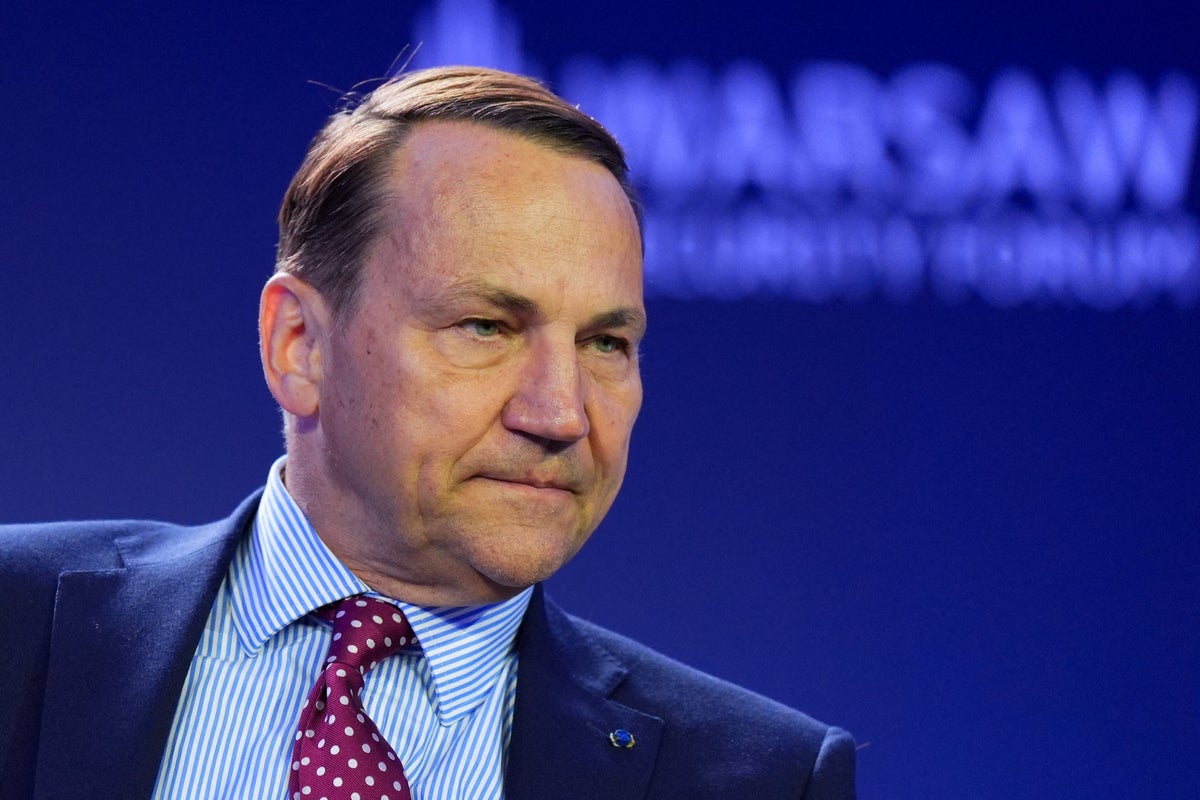
‘We are watching you,’ said Polish foreign minister Radoslaw Sikorski amid outcry about restriction of the technology
© Reuters
