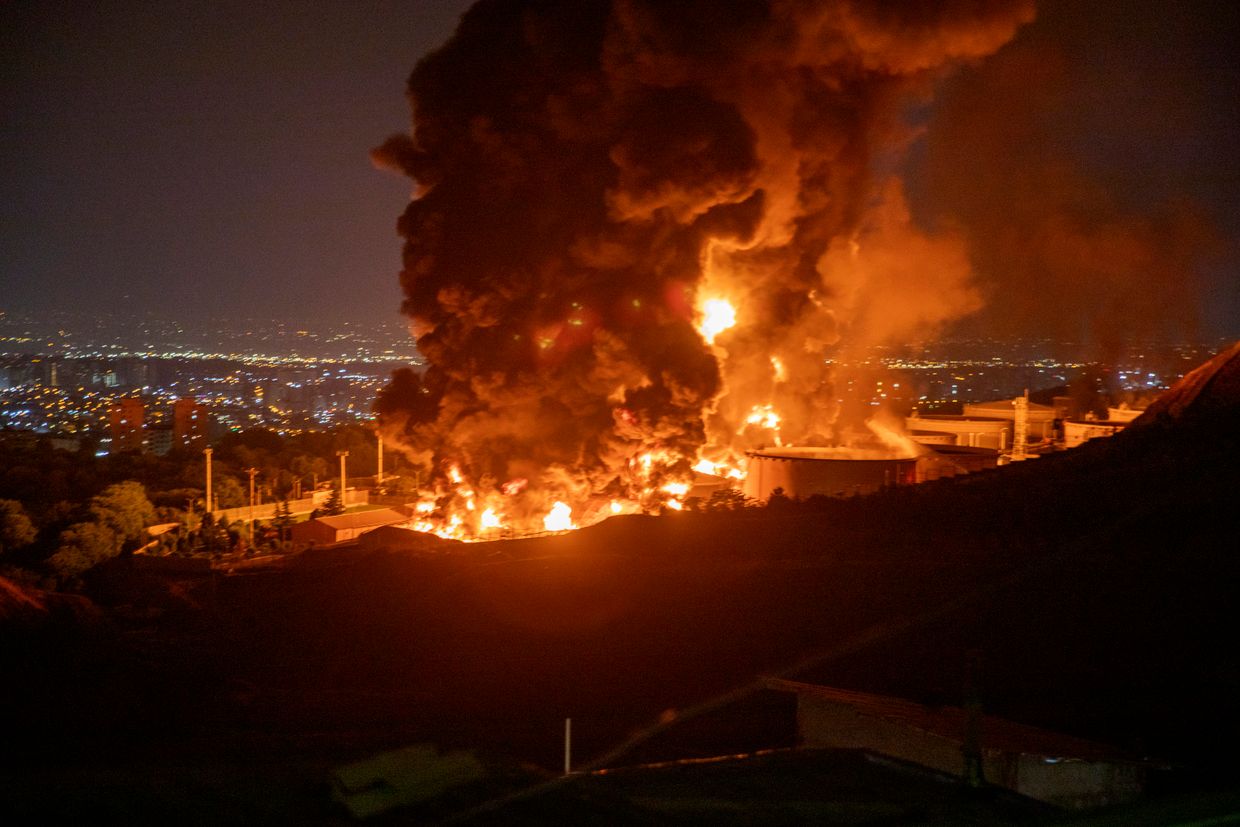
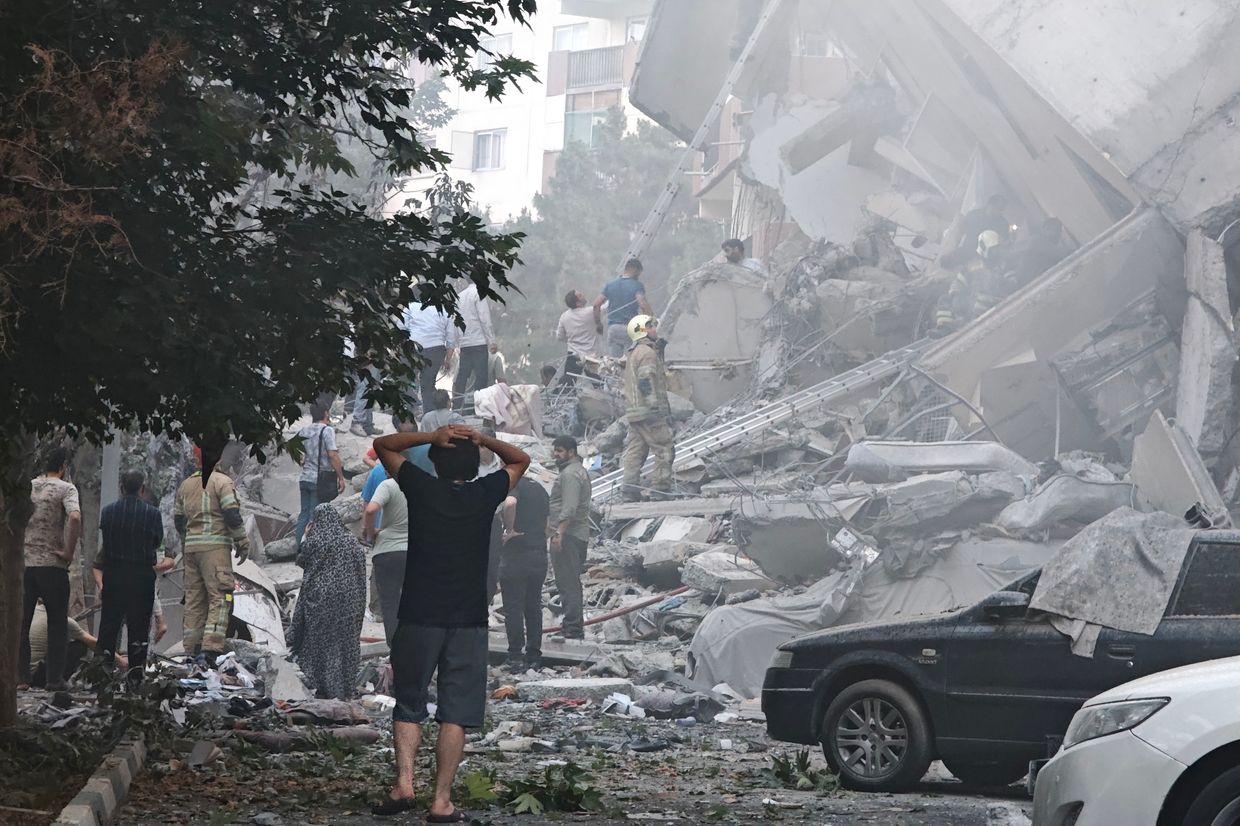
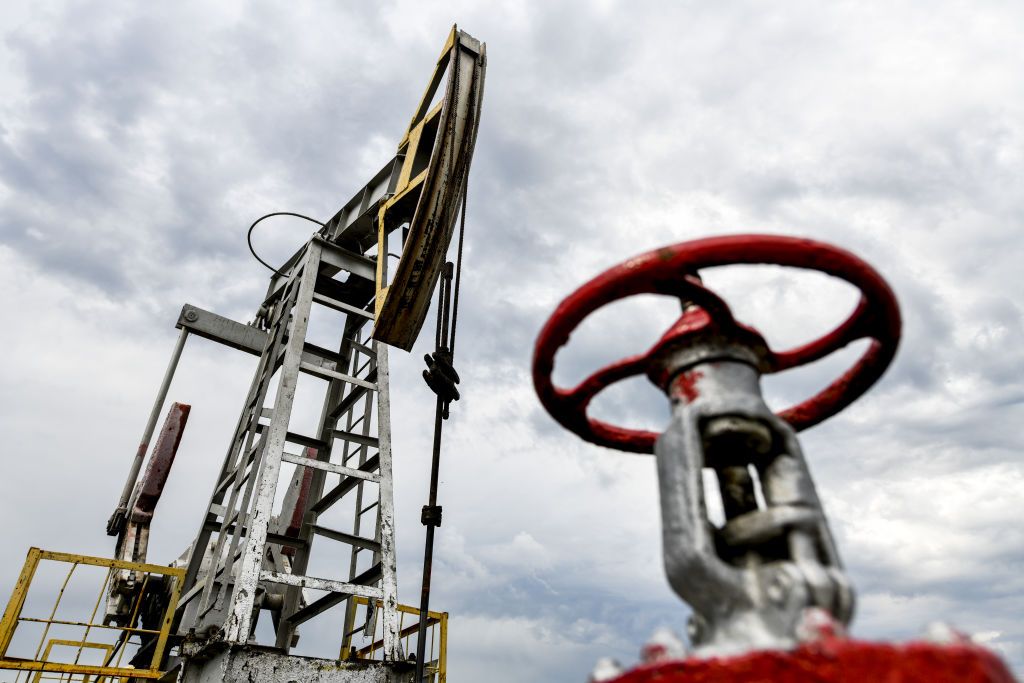
Higher prices for energy, food and air travel are likely to persist as the two sides escalate their clash over the Strait of Hormuz and launch airstrikes in the Middle East.
Higher prices for energy, food and air travel are likely to persist as the two sides escalate their clash over the Strait of Hormuz and launch airstrikes in the Middle East.
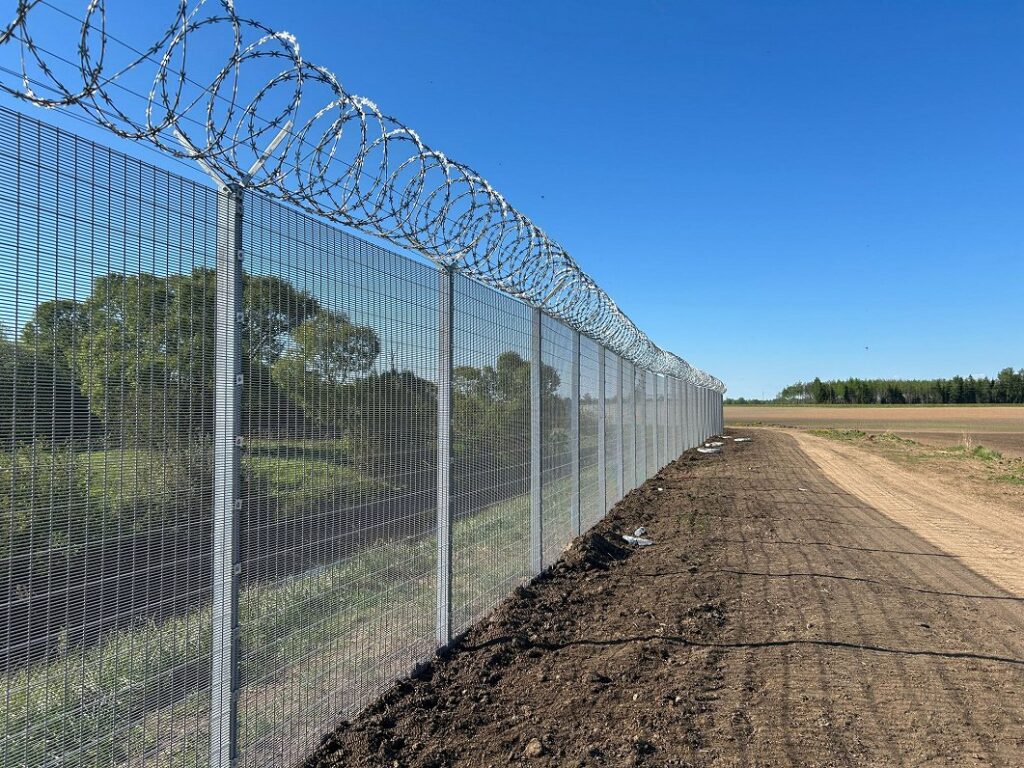
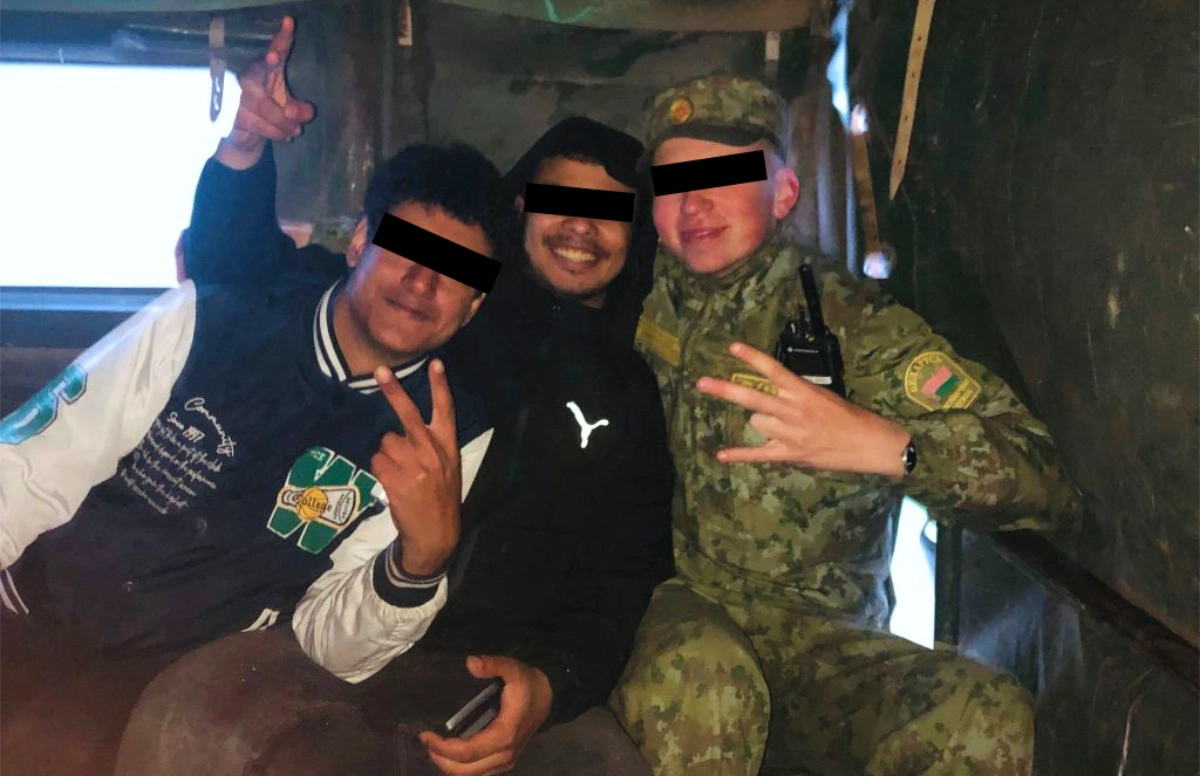
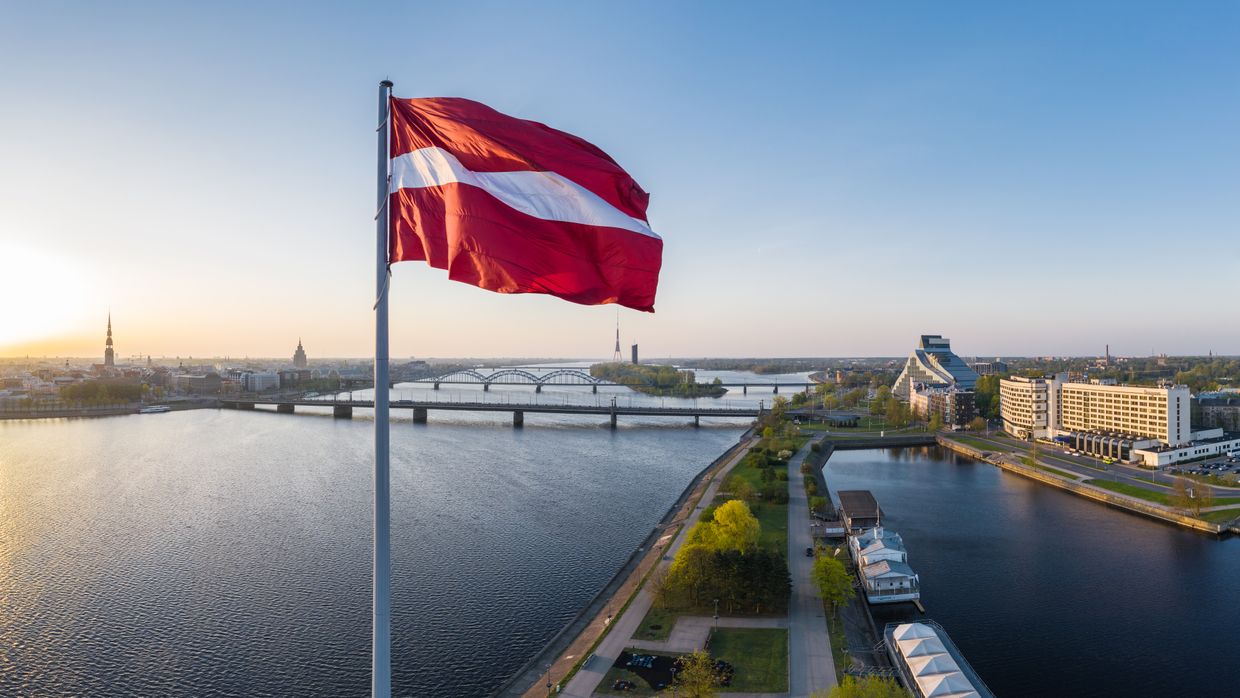
Latvia's frontier with Belarus has not gone a single day without an attempted illegal crossing since late March, according to Radio Svaboda, RFE/RL's Belarusian service. The country's border service ties the sustained pressure to a state-run hybrid campaign, and its chief has named Latvia's support for Ukraine among the reasons the country has become the primary target.
Russia and its closest ally, Belarus, probe the EU's eastern edge with tools short of open war — migrants
Latvia's frontier with Belarus has not gone a single day without an attempted illegal crossing since late March, according to Radio Svaboda, RFE/RL's Belarusian service. The country's border service ties the sustained pressure to a state-run hybrid campaign, and its chief has named Latvia's support for Ukraine among the reasons the country has become the primary target.
Russia and its closest ally, Belarus, probe the EU's eastern edge with tools short of open war — migrants funneled to the fence, balloons drifting into airspace, prompting border closures. The campaign forces the targeted state to spend heavily on fences, troops, and border surveillance.
An unbroken run since March
Latvia's State Border Guard has logged migrant crossing attempts from Belarus for 111 consecutive days, a Pozirk analysis of the agency's operational data found. Radio Svaboda reported the tally on 15 July.
Between 25 March and 13 July, officers recorded 7,791 attempts — an average of 70 a day. In winter the traffic was a fraction of that. From 1 January to 24 March, a span of 83 days, the agency counted just 141 attempts, or 1.7 a day. Pozirk calculated a year-to-date total of 7,932, or about 41 daily, while Latvia's State Border Guard listed 7,933.
On 13 July, the entire EU-Belarus frontier saw 42 attempts, 41 of them on the Latvian line and one on the Polish. The day before brought 41, then 87 on 11 July and 103 on 10 July, with Latvia taking the bulk each time. Lithuania has seen no crossing activity for five days.
Across the bloc's Belarus border, neighboring states logged 9,116 attempts since January. Latvia absorbed 87% of them. Lithuania took 9.9%, or 904, and Poland 3.1%, or 280.
Explore further
Latvia exposes Belarusian military’s direct role in weaponizing migration
Riga's border chief points to its stance on Ukraine
Latvia is the number-one target in a hybrid war unleashed by the Belarusian authorities, State Border Guard head Guntis Pujāts told Delfi. The situation at the border, he said, presents serious challenges.
Pujāts said the migrant smugglers have grown more aggressive, pushing officers toward harsher detention methods and a need for wider support from the National Armed Forces. Border guards stopped roughly 7,600 people from crossing illegally this year, far more than in the same period of 2025.He said one of the causes of such pressure is Latvia's consistent support for Ukraine and its condemnation of Russian aggression.
A campaign running since 2021
Neighboring EU states treat the flow as a hybrid attack organized by the regimes in Minsk and Moscow. Lukashenka has repeatedly said Belarusian guards will not stop migrants heading for the bloc through his country.
The crisis began in 2021, when thousands of people from Asian and African countries started crossing from Belarus into Latvia, Lithuania, and Poland in an organized way. It has continued at varying intensity since, and dozens of migrants have died along these borders.
US government says it wants to ‘systematically disable’ The Hague-based international criminal courtA spokesperson for the EU has pushed back against the Trump administration’s assertion that the international criminal court poses a threat to US sovereignty, a day after the US government said it would work to “systematically disable” a global tribunal that seeks to prosecute the perpetrators of the world’s gravest crimes.Anouar El Anouni, an EU spokesperson, said on Tuesday: “We stand firm in ou
US government says it wants to ‘systematically disable’ The Hague-based international criminal court
A spokesperson for the EU has pushed back against the Trump administration’s assertion that the international criminal court poses a threat to US sovereignty, a day after the US government said it would work to “systematically disable” a global tribunal that seeks to prosecute the perpetrators of the world’s gravest crimes.
Anouar El Anouni, an EU spokesperson, said on Tuesday: “We stand firm in our support for the international criminal court (ICC). Attacks or threats against the court, elected officials, personnel or those cooperating with the court are simply not acceptable.”
The Netherlands has been trying to figure out what to do with manure it can no longer use thanks to environmental rules. Volatile fertilizer costs may help.
The Netherlands has been trying to figure out what to do with manure it can no longer use thanks to environmental rules. Volatile fertilizer costs may help.
The Netherlands has been trying to figure out what to do with manure it can no longer use thanks to environmental rules. Volatile fertilizer costs may help.
The Netherlands has been trying to figure out what to do with manure it can no longer use thanks to environmental rules. Volatile fertilizer costs may help.
A team of engineers, foresters and scientists is helping the continent prepare for wildfires from a giant science park in Italy. Their arsenal includes satellites, weather models and expert analysis.
A team of engineers, foresters and scientists is helping the continent prepare for wildfires from a giant science park in Italy. Their arsenal includes satellites, weather models and expert analysis.
Firefighters in Patras, Greece, in August. National authorities fight fires within their borders, but the European Union helps coordinate responses and sends additional resources to places in need.
For months, Jordan Bardella was set to be the French far-right’s candidate for the presidency — until his mentor, Marine Le Pen, nudged him aside this week. Their relationship could define the campaign.
For months, Jordan Bardella was set to be the French far-right’s candidate for the presidency — until his mentor, Marine Le Pen, nudged him aside this week. Their relationship could define the campaign.
Governments across the continent have increased military spending, but the strikes are another warning that they need to be prepared if the conflict crosses into NATO territory.
Governments across the continent have increased military spending, but the strikes are another warning that they need to be prepared if the conflict crosses into NATO territory.
The numbers are impressive. But two days in Gdańsk—25 and 26 June—revealed developments that matter more than any single agreement. The conference showed how European thinking about Ukraine is changing from postwar reconstruction to wartime resilience, from humanitarian support to strategic investment.
It also exposed the distance that still separates political declarations from the scale of action Ukraine needs.
With Russia showing no sign of halting its invasion,
The numbers are impressive. But two days in Gdańsk—25 and 26 June—revealed developments that matter more than any single agreement. The conference showed how European thinking about Ukraine is changing from postwar reconstruction to wartime resilience, from humanitarian support to strategic investment.
It also exposed the distance that still separates political declarations from the scale of action Ukraine needs.
With Russia showing no sign of halting its invasion, the speed at which Ukraine rebuilds its economy, energy grid, and arms industry has become inseparable from its ability to keep fighting.
Recovery during war
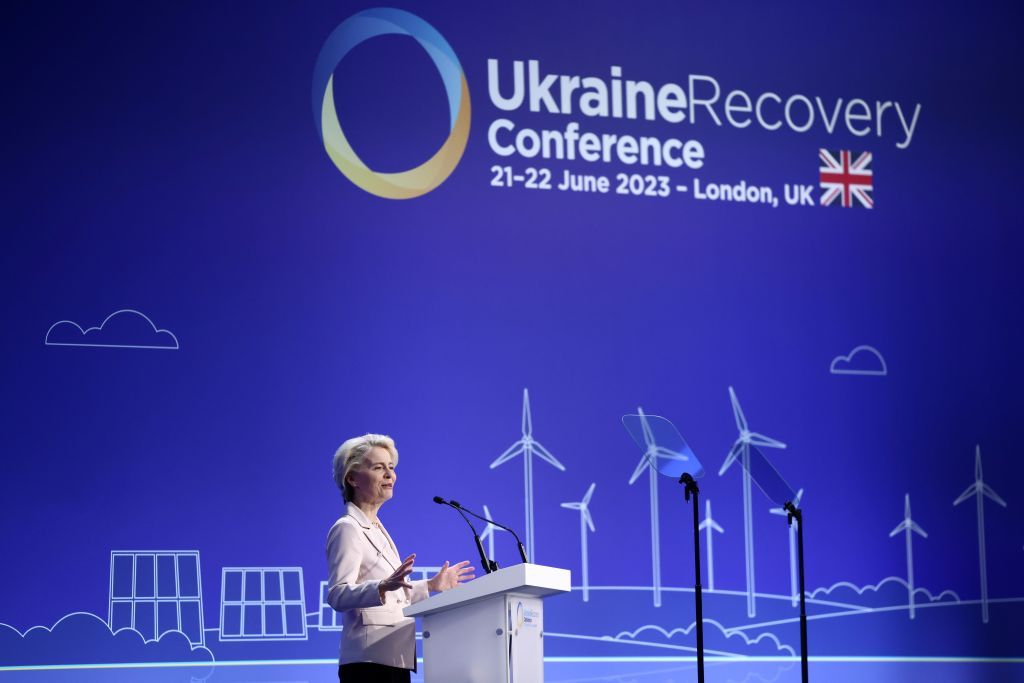
The most important shift from previous Ukraine Recovery Conferences is not in the numbers but in the logic. Partners have stopped talking about recovery as something that begins after. Alongside the first €3.2 billion tranche, the President of the EU Commission, Ursula von der Leyen, announced a separate €6 billion tranche specifically for drone production.
That is no longer humanitarian support, or even "reconstruction" in the classical sense — it is wartime capability funding, operating under the banner of a recovery conference.
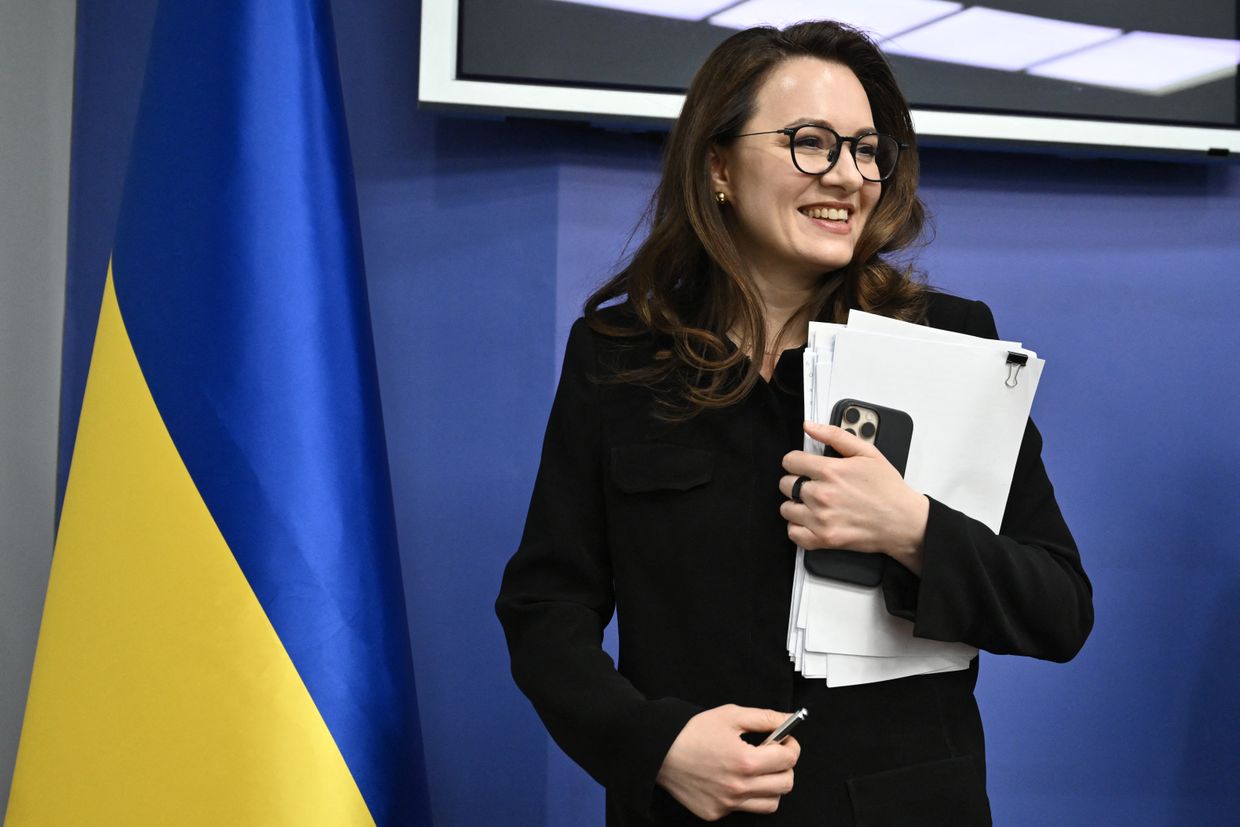
At the closing press conference, Ukraine's Economy Minister Oleksii Soboliev called the conference "the most practical in history." Not the most generous — the most practical. That is effectively an acknowledgment that since Lugano 2022, the format has traveled from a declarative forum to a transactional platform.
But "practical" has its limits. One topic quietly circulating in the margins was a certain fatigue around forums about Ukraine's future reconstruction. Investors show up. Agreements get signed.
Actual projects on the ground move considerably slower than signing ceremonies.
One example of success: a factory in the Bila Tserkva Industrial Park, built by an Italian investor within a year of the Rome conference. One factory in a year is not the scale Ukraine needs.
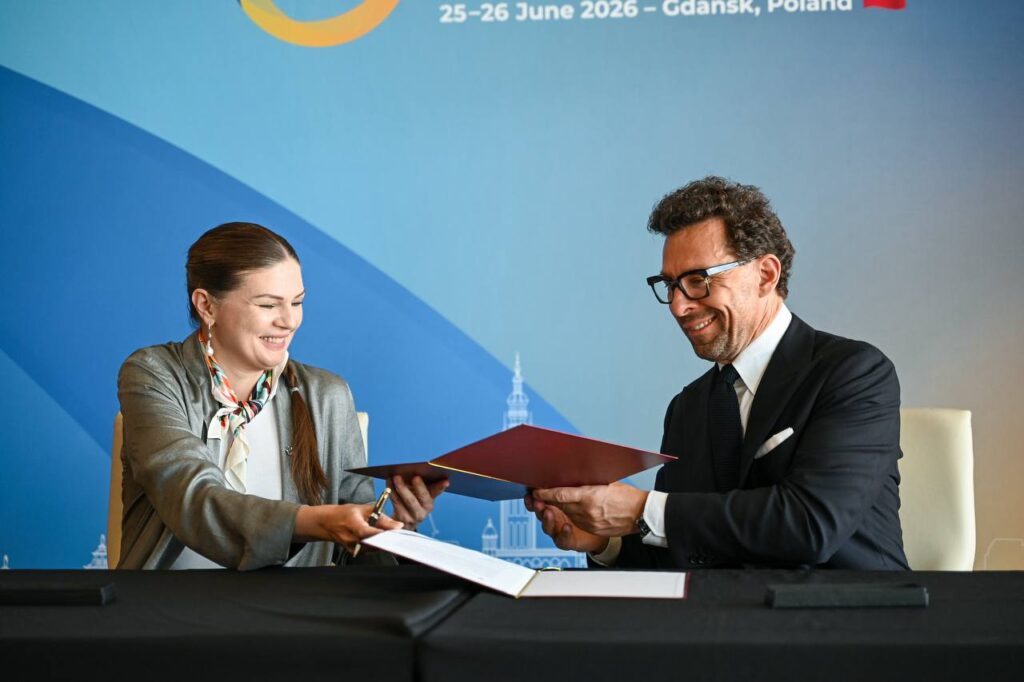
The signing of a Ukrainian-Polish agreement during the Ukraine Recovery Conference in Gdańsk, Poland. June 2026. Photo: Ukraine Recovery Conference
Defense joins the agenda
Von der Leyen announced in Gdańsk the expansion of defense cooperation between the EU and Ukraine in the field of drones. Defense technology has formally entered the reconstruction discourse. Defense Day, running in parallel, focused on concrete mechanisms — joint ventures, investment pipelines, and legal frameworks for integrating Ukrainian defense tech into allied supply chains.
But a gap remains between what was discussed at Defense Day and what filled the main panels. The defense sector was more prominently represented this year, yet prominence is not the same as priority. Of the roughly €10 billion in signed agreements, the bulk falls on energy, infrastructure, and financial instruments. The defense industry got its own side event, but not its own line in the final communiqué.
According to the Council on Foreign Relations, Ukraine produced around 4 million drones in 2025 and is on track for 5 to 6 million in 2026 — Kyiv's own Defense Ministry targets 7 million. The obstacle to scaling is not engineers or ideas; it is capital, certification, and the absence of integration into EU and NATO procurement ecosystems. Gdańsk mapped those obstacles. It did not remove them.
Explore further
Russia has hit Ukraine’s energy system 6,000 times. Allies pledge €375 million at Gdansk conference, but fund is still short
Europe opens the door — slightly
On 15 June, ten days before the conference opened, the EU and Ukraine opened negotiations on the first "Fundamentals" cluster, covering the rule of law, fundamental rights, and democratic institutions.
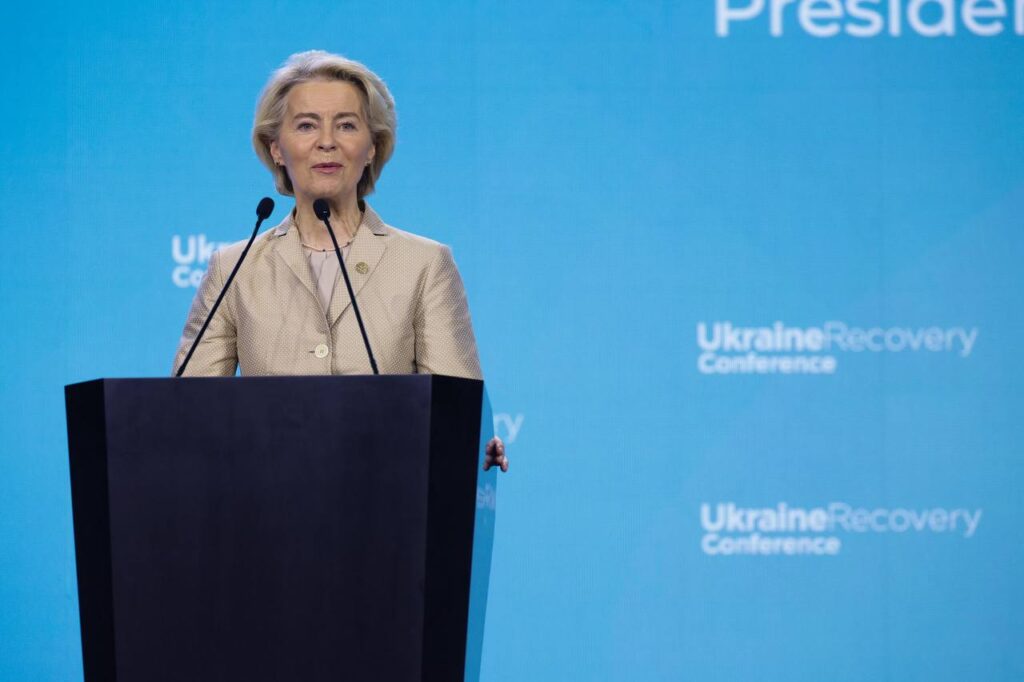
the President of EU Commission Ursula von der Leyen during the Ukraine Recovery Conference in Gdańsk, Poland. June 2026. Photo: Ukraine Recovery Conference
Polish Foreign Minister Radosław Sikorski said that the process is only the first step on a long journey: to join, Ukraine must meet a string of criteria on the rule of law, anti-corruption, and the alignment of its legislation with European standards.
He noted the process grows more complex every year as the EU's legislative framework expands, and cited Poland — which spent about seven years in technical accession talks before becoming a full member. That was unlikely to surprise anyone. But it matters that it was said out loud, and not only in the corridors.
That slots in directly under the "Europe opens the door — slightly" subhead, ahead of the Polish-Ukrainian agreements paragraph. Nothing else in the report changes.
Explore further
Recovery conference for Ukraine opens in Poland as Warsaw-Kyiv ties hit bottom
The diplomatic crisis between Poland and Ukraine had no significant effect on concrete outcomes: 15 of the 160 agreements were Ukrainian-Polish government-to-government deals, including cooperation between state-owned companies and credit agencies. Business separated itself from the presidential scandal. That is good news.
But Prime Minister Yulia Svyrydenko was not invited to the EU-member Eastern Flank summit, which took place in parallel with the conference. It is hard to imagine such a pointed exclusion had President Zelenskyy come to Gdańsk in person. The list of confirmed bilateral meetings she held over two days was limited to counterparts from the Czech Republic, Finland, Estonia, and the host, Donald Tusk. The president of Romania and the prime minister of Sweden flew into Gdańsk the same day — for the Eastern Flank summit, not for URC.
Diplomacy matters
Partners showed respect, but made clear that the level of representation affects the depth of discussions. That is not a footnote. At a conference where the weight of a voice is measured by who stands behind it, Ukraine arrived with its second-in-command.
Yulia Svyrydenko described the conference as a success that produced tangible results for Ukraine. But Zelenskyy framed Nawrocki's decision as domestic electoral maneuvering and said the Polish president had sought to derail the conference. If so, Nawrocki partly succeeded.
He did not cancel Gdańsk — but he changed its weight.
Without Zelenskyy, the conference remained a prime ministers' forum at a moment when Ukraine needed its head of state present not for protocol, but to sit at the tables where decisions on security guarantees and the pace of EU integration are actually made.
Two things are beyond dispute. First, European support for Ukraine is holding and, despite everything, growing. The conversation has shifted from humanitarian aid to strategic investment in a country at war. That shift is real.
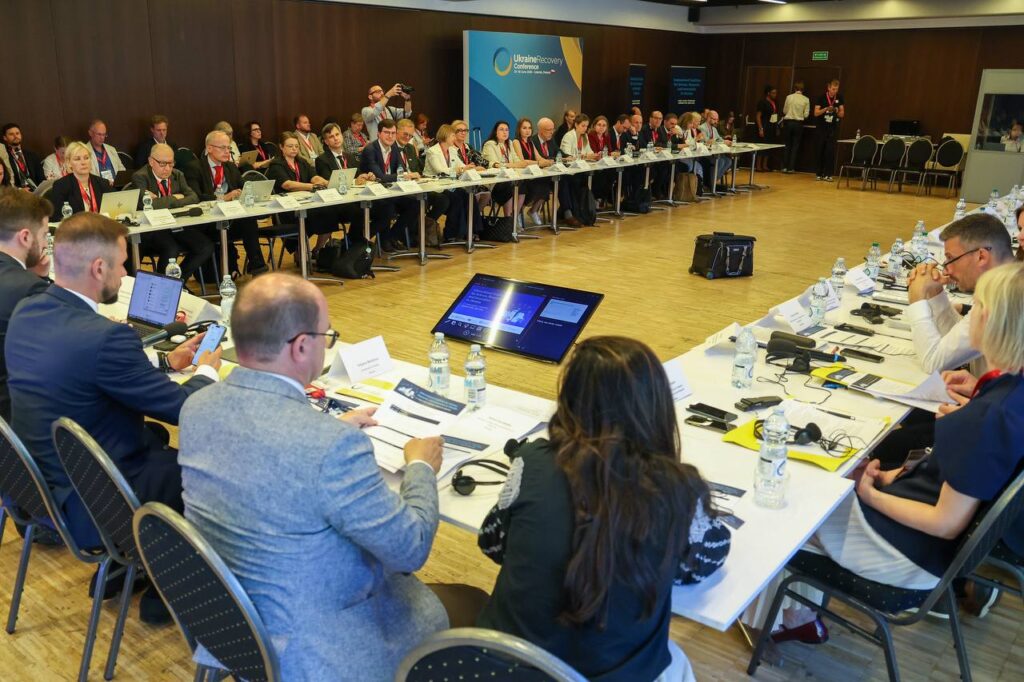
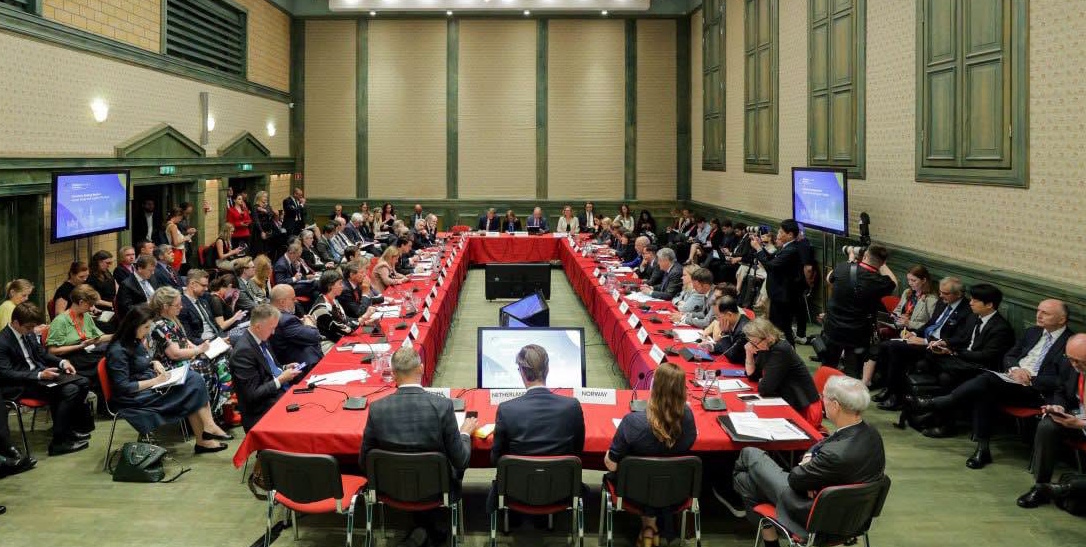
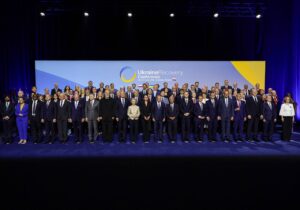
Participants of the Ukraine Recovery Conference in Gdańsk, Poland. June 2026. Photo: Ukraine Recovery Conference
Second, the distance between what was declared and what is sufficient remains large. Ukraine's external financing needs for 2026 stand at around $52 billion. Gdańsk closed part of that gap, not all of it. The defense industry received recognition, but not systematic integration into allied supply chains. EU accession moved, but the first cluster is not membership. And the largest continental donor's call to "freeze the front" sits uneasily at a conference dedicated to rebuilding a country where roughly 200 combat engagements occur every day.
The European Union renewed its economic sanctions on Russia for another 12 months, to 31 July 2027, the Council of the EU said on 25 June. The decision keeps the bloc's full economic regime against Moscow in place over the war on Ukraine. It follows the agreement EU leaders reached at their June summit.
The EU first imposed these economic measures in 2014 over Russia's full-scale invasion of Ukraine, then sharply widened them after the full-scale invasion in February 2022.
The European Union renewed its economic sanctions on Russia for another 12 months, to 31 July 2027, the Council of the EU said on 25 June. The decision keeps the bloc's full economic regime against Moscow in place over the war on Ukraine. It follows the agreement EU leaders reached at their June summit.
The EU first imposed these economic measures in 2014 over Russia's full-scale invasion of Ukraine, then sharply widened them after the full-scale invasion in February 2022. Brussels has cast the renewal as keeping pressure on Moscow until it stops the war and negotiates.
What the renewed measures cover
The sanctions span trade, finance, energy, and dual-use technology, the Council said. They include the ban on importing or transferring Russian seaborne crude oil and certain petroleum products into the EU.
They also bar transactions with several Russian financial institutions and crypto service providers, including some based in third countries, and suspend the broadcasting licenses of several Kremlin-backed disinformation outlets in the EU. Other tools let the bloc counter attempts to circumvent the sanctions.
The Council said the EU would keep the measures in place and stood ready to add more as long as Russia continues its war.
Explore further
Russia’s former soldiers may face a locked EU border—if France and Italy stop balking
Part of a wider sanctions push
The renewal builds on a regime that now spans 20 sanctions packages adopted since the February 2022 invasion. The bloc's leaders had agreed to the 12-month extension at the European Council on 18–19 June, when one member state's pro-Russian leader had vowed to veto the next batch.
EU leaders also called for swift adoption of a 21st sanctions package, aimed at further cutting Russia's energy revenue, curbing its shadow fleet, and constraining its banks. The renewal lands as enforcement draws scrutiny elsewhere: Washington has removed a string of Russians, ships, and firms from its own blacklist in recent months, giving no public reason.
Alongside the economic measures, the EU keeps separate restrictions on occupied Crimea, including Sevastopol, and on the Russian-occupied parts of the Donetsk, Kherson, Luhansk, and Zaporizhzhia oblasts, plus asset freezes and travel bans on a broad list of individuals and entities.
Two of the European Union's biggest members are slowing a plan to bar Russia's war veterans from the bloc, according to Bloomberg. Italy and France back the idea of keeping ex-soldiers out but worry the proposal could widen into a ban on all Russian citizens. Member states sit down to discuss the wider sanctions package on Friday, 26 June.
Western sanctions are the main tool for draining the export revenues and blocking the technology that keep Moscow's invasion running, bu
Two of the European Union's biggest members are slowing a plan to bar Russia's war veterans from the bloc, according to Bloomberg. Italy and France back the idea of keeping ex-soldiers out but worry the proposal could widen into a ban on all Russian citizens. Member states sit down to discuss the wider sanctions package on Friday, 26 June.
Western sanctions are the main tool for draining the export revenues and blocking the technology that keep Moscow's invasion running, but every round meets a Kremlin that adapts faster than 27 governments can agree, routing trade through third countries and aging tankers to slip the net.
What France and Italy object to
The entry ban is one piece of a proposed 21st sanctions package against Russia's invasion of Ukraine. Rome and Paris are not against barring Moscow's former combatants, sources told Bloomberg. They fear the current wording could open the door to a blanket prohibition on Russians.
Both governments argue a targeted travel ban fits better in visa policy than in a sanctions package. They also raised a practical snag. The proposal would leave each member state to decide who has and has not fought, a determination the sources called far from simple.
When the European Commission unveiled the package on 9 June, President Ursula von der Leyen put the aim plainly. The bloc proposed to bar anyone who has served in Russia's armed forces since the war began, she said, so Europe stays off limits to anyone who took part in the invasion. The measure would touch about 1.5 million Russian veterans.
The friction sits awkwardly against the travel numbers. France, Italy, and Spain drew nearly three-quarters of all Schengen visa applications filed by Russians last year, when Russians lodged more than 670,000 such requests.
The rest of the package is stuck too
The veteran ban is not the only holdup. The package also aims to freeze the EU's price cap on Russian oil, squeeze Moscow's energy income, and hit banks, crypto operators, and tankers that help Russia dodge restrictions.
Explore further
EU leaders agree to renew Russia sanctions for a full year for the first time as Bulgaria’s pro-Russian leader vows to veto the next batch
The oil cap is its own tangle. EU rules now adjust the cap every six months to sit 15% below the average price of Russian Urals crude, which has pushed the limit to $44.10 a barrel. With the Iran war lifting fuel prices, a July review could send the floating cap to at least $65, above the old $60 ceiling. Officials are weighing whether to freeze the cap where it is or reset it to $60. Maritime nations have reservations about both.
Another contested clause would extend the rules used against tankers carrying Russian oil to ships moving its liquefied natural gas. The goal is to stop Moscow building a second shadow fleet for gas, as it has done for oil. Some members want a longer transition. A handful of capitals also have concerns about limiting imports of certain Russian fish.
Explore further
Canada hits Russia with new sanctions at G7, a day after Lavra strike
The package carries other measures too: trade restrictions on some critical minerals, metals, and ores, plus export controls on about two dozen firms in China, India, Türkiye, and Central Asia accused of supplying Russia's weapons makers. It would add 30 more vessels to the shadow-fleet blacklist.
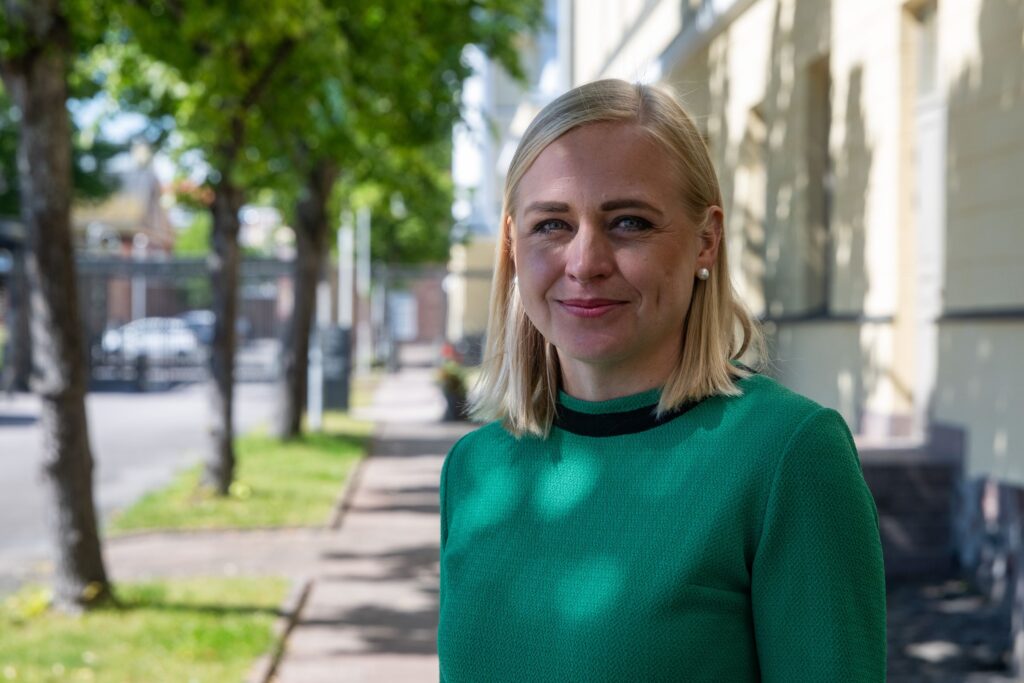
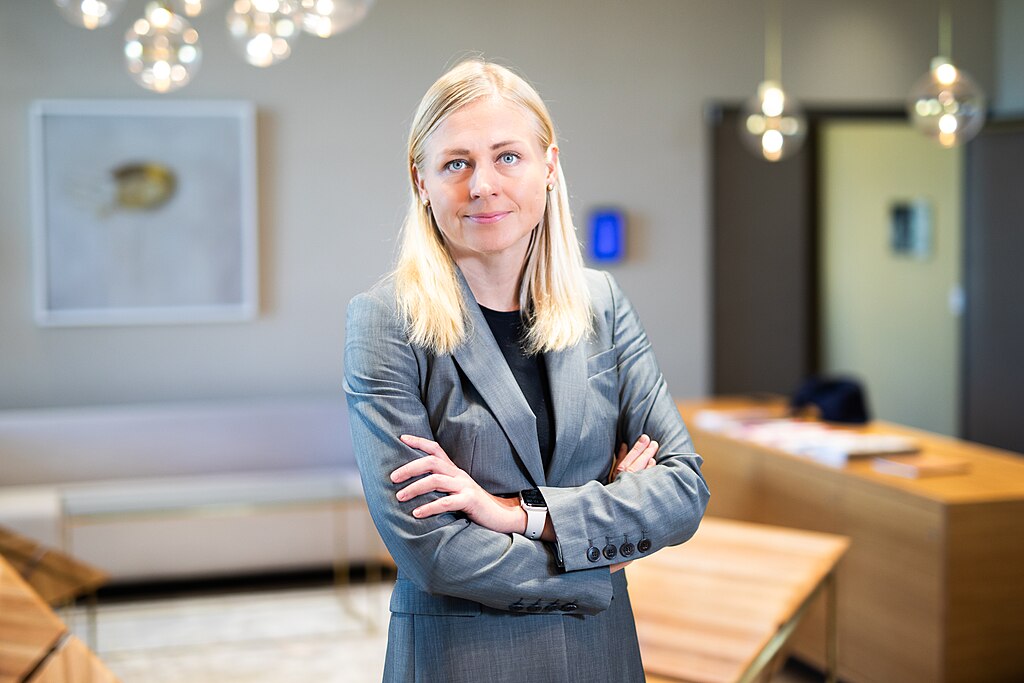
Finland's Foreign Minister says Europe should not rush into negotiations with Russia, even as the European Union debates reopening contact with Moscow, according to Yle. Helsinki ties any future talks to one condition it says Russia has not met. Meanwhile, disagreement on the timing of such talks with Russia runs through Finnish leadership itself.
Talk of ending the Russo-Ukrainian war has grown louder, yet Moscow keeps pressing unchanged maximalist demands that its forces
Finland's Foreign Minister says Europe should not rush into negotiations with Russia, even as the European Union debates reopening contact with Moscow, according to Yle. Helsinki ties any future talks to one condition it says Russia has not met. Meanwhile, disagreement on the timing of such talks with Russia runs through Finnish leadership itself.
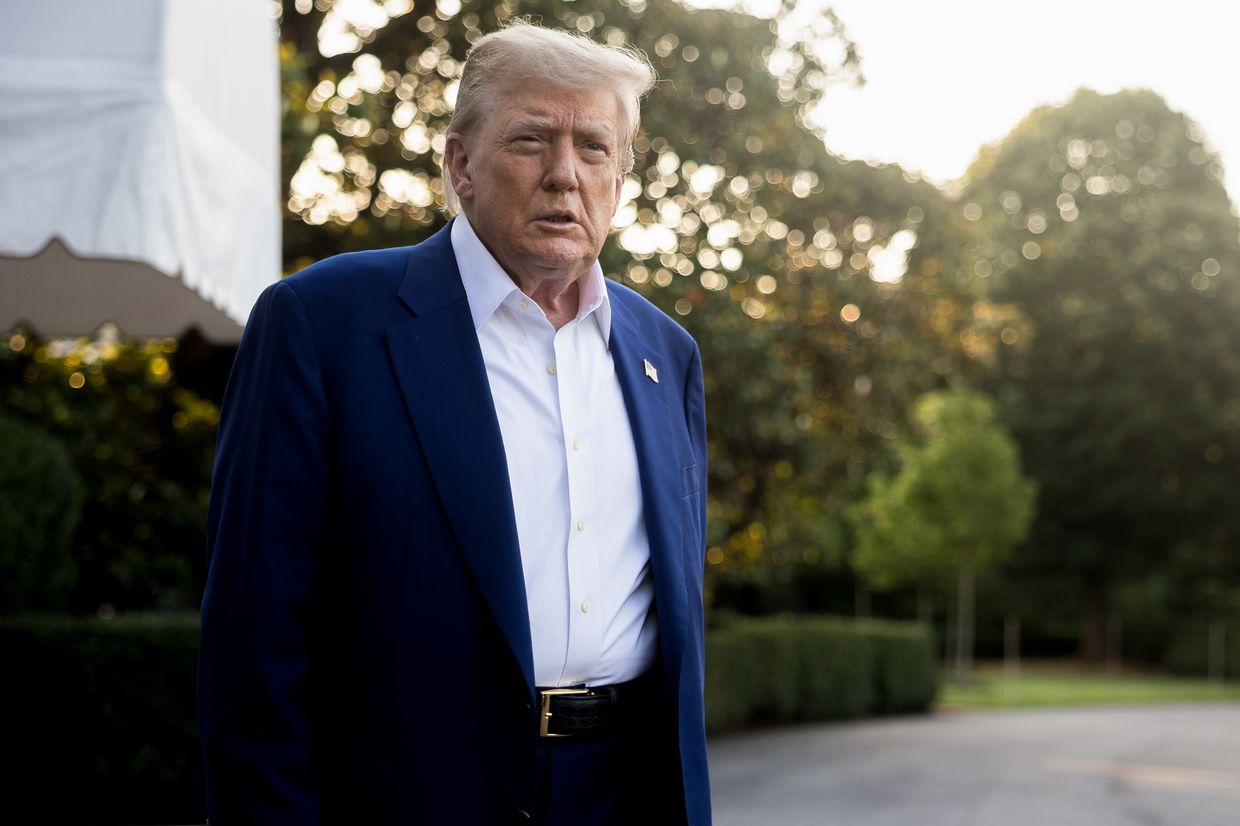
Talk of ending the Russo-Ukrainian war has grown louder, yet Moscow keeps pressing unchanged maximalist demands that its forces cannot win on the ground. Despite an idea of negotiations present in public discourse, any hopes on peace or even a ceasefire remain as unrealistic as they were more than a year ago, when US President Donald Trump started pushing for such peace talks.
Helsinki says the moment has not come
Foreign Minister Elina Valtonen told Yle it is not yet the time to negotiate with Russia. She acknowledged that the EU is discussing how to restore contact. Europe must first agree on its own goals and methods, she argued. Europe has come fairly far on that question, she added.
Valtonen linked any contact to the front-line situation and to Ukraine's position overall. Above all, she said, it depends on a real Russian desire for peace. No such signs have appeared. That holds despite Russia's sharply worse military and economic position. She expects Moscow to show readiness sooner or later.
Explore further
Finland’s foreign minister to the West: Ukraine doesn’t need help to surrender — it needs strength to win
Finland's leaders disagree on timing
President Alexander Stubb earlier urged Europe to establish contact with Russia within two months. Most EU leaders take the opposite view, including Finnish Prime Minister Petteri Orpo. They argued at an EU summit that the timing is wrong. The question had already reached the leaders' table.
"Just stalling for time"
In May, Valtonen said Putin was starting to show genuine interest in peace talks. She quickly qualified it. The Russians are "just stalling for time," she said. She pointed to July's NATO summit in Türkiye as a place to take a wider view.
Explore further
Finland doubts Trump’s pivot towards Moscow will end Russo-Ukrainian war
Kyiv and Washington weigh in
On 20 June, Ukrainian President Volodymyr Zelenskyy said he expects talks with Russia and wants partners involved. At the UN Security Council, US deputy envoy Dan Negrea said Russia must reach a deal, and that time is not on Moscow's side. Ukraine's UN envoy Andrii Melnyk said Kyiv could change its proposal on a ceasefire along the current contact line.
Ukraine has synchronized its sanctions against Russia with the last three packages of economic penalties imposed by the European Union, President Volodymyr Zelensky announced on July 8. "Three more packages of EU sanctions are fully effective in Ukraine," Zelensky said in his evening address. Earlier on July 8, the president announced a new round of sanctions, including restrictions on five Chinese-registered companies accused of supplying components found in Russian Shahed-type drones used to a
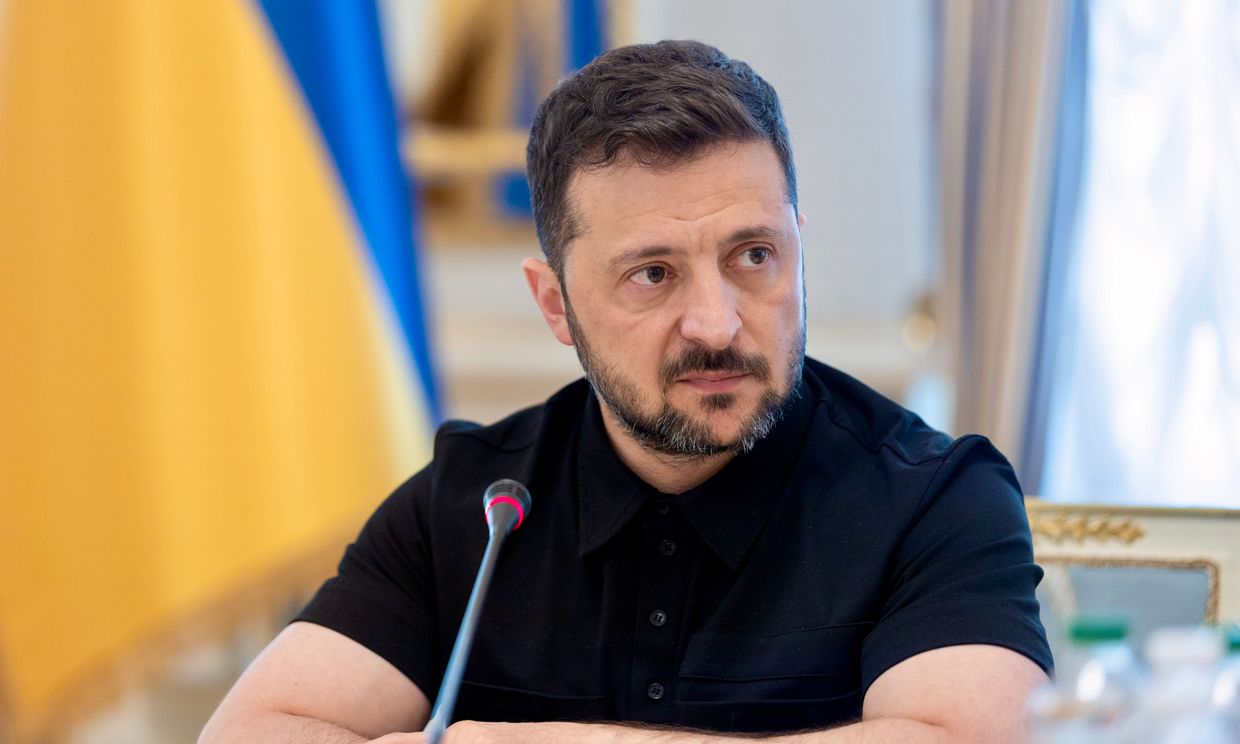
Ukraine has synchronized its sanctions against Russia with the last three packages of economic penalties imposed by the European Union, President Volodymyr Zelensky announced on July 8.
"Three more packages of EU sanctions are fully effective in Ukraine," Zelensky said in his evening address.
Earlier on July 8, the president announced a new round of sanctions, including restrictions on five Chinese-registered companies accused of supplying components found in Russian Shahed-type drones used to attack Ukraine.
Vladyslav Vlasiuk, Zelensky's sanctions commissioner, told reporters on July 8 that the latest decrees bring Ukrainian penalties in line with the EU's 15th, 16th, and 17th packages of sanctions against Russia.
The 15th package targets individuals from Russia, Belarus, and China, among other countries, according to Vlasiuk. It includes the Russian pilot Alexander Azarenkov, who was involved in the deadly attack on the Okhmatdyt children's hospital in Kyiv. Zelensky signed the sanctions decree on the one-year anniversary of the strike.
The 16th package includes individuals from Russia, China, Turkey, and other nations. It also targets the Voin Center, Russia's military-patriotic education organization operating in occupied Ukrainian territories, and Pivdennyi Flot LLC, which transports Russian oil via its "shadow fleet," Vlasiuk said.
The 17th package designates firms from Russia, China, Turkey, and other countries, including the gold-mining company Petropavlovsk and the Chinese company Skywalker Technology Co. Ltd, produce drone parts for Russia.
The EU is expected to approve its 18th package of sanctions against Russia later this week, after facing opposition from pro-Kremlin bloc members Slovakia and Hungary.
Ukraine has taken measures to coordinate sanctions with international partners in order to amplify pressure on Moscow. Zelensky on June 27 signed a decree to synchronize Ukraine's sanctions against Russia with those imposed by the EU and Group of Seven (G7).
The European Commission is discussing with EU member states various options to cover Ukraine's budget deficit for next year, which could range from $8 billion to $19 billion, the Financial Times reported on July 8.International partners have provided Ukraine with over $39 billion for its wartime economy so far this year, Prime Minister Denys Shmyhal announced.The financial hole in Ukraine's budget is linked to reduced U.S. support and the lack of prospects for a swift ceasefire with Russia that
The European Commission is discussing with EU member states various options to cover Ukraine's budget deficit for next year, which could range from $8 billion to $19 billion, the Financial Times reported on July 8.
International partners have provided Ukraine with over $39 billion for its wartime economy so far this year, Prime Minister Denys Shmyhal announced.
The financial hole in Ukraine's budget is linked to reduced U.S. support and the lack of prospects for a swift ceasefire with Russia that Europe had hoped for, the Financial Times reported.
A senior EU official told the publication that many of Ukraine's partners had previously counted on a peace deal in 2025, but are now forced to revise their funding plans.
This includes the European Commission, which has already adjusted spending from Ukraine-related funding streams.
Without support from Western partners, Kyiv would face a budget deficit of $19 billion in 2026, according to the Financial Times. However, even if additional international financing for the wartime economy can be secured, a gap of at least $8 billion would remain.
To support Ukraine's budget, Europe is considering providing military aid in the form of off-budget grants that would be recorded separately as external transfers but would count toward NATO member countries' national defense spending targets.
One EU diplomat told the Financial Times that military support for Ukraine is viewed as a contribution to the defense of all of Europe.
In a document for G7 countries reviewed by Financial Times, Kyiv proposed that European allies co-finance Ukrainian forces, framing this as a service to strengthen continental security.
Other support options under discussion include potentially accelerating payments from the existing $50 billion G7 loan program and reinvesting frozen Russian assets in higher-yield financial instruments that the EU allocated to help service the debt.
According to the Financial Times, two sources confirmed that the commission planned to discuss these options with EU finance ministers on July 8.
The funding issue will also be raised at the Ukraine Recovery Conference in Rome on July 10-11, dedicated to Ukraine's reconstruction needs. European Commission President Ursula von der Leyen will attend the event.
Ukraine's Cabinet of Ministers rejected a nominee to lead the economic crimes agency, drawing swift criticism from lawmakers and businesses over alleged interference in the selection process.The agency, the Bureau of Economic Security, was created in 2021 to investigate economic crimes. It has since faced accusations of being used to pressure — and in some cases extort — businesses, prompting multiple calls and efforts to overhaul it.Selecting a new director of the agency by the end of July is o
Ukraine's Cabinet of Ministers rejected a nominee to lead the economic crimes agency, drawing swift criticism from lawmakers and businesses over alleged interference in the selection process.
The agency, the Bureau of Economic Security, was created in 2021 to investigate economic crimes. It has since faced accusations of being used to pressure — and in some cases extort — businesses, prompting multiple calls and efforts to overhaul it.
Selecting a new director of the agency by the end of July is one of Ukraine's obligations to the EU and International Monetary Fund as part of international financing packages extended to the war-torn country by the institutions.
As part of a recent attempt to relaunch the bureau, Oleksandr Tsyvinsky on June 30 was officially nominated by the bureau's selection commission that consists of six members — three from the government and three international experts. Tsyvinsky is known for exposing schemes involving illegal land seizures in Kyiv..
But Ukraine's government on July 8 said it had rejected Tsyvinsky following alleged concerns raised by the country's intelligence service of potential Russian connections.
The government unanimously decided to ask the commission to submit two new candidates who meet all security requirements, the government press service wrote on its official Telegram channel, a move it claims aligns with the law.
Following Tsyvinsky's nomination, it was revealed that his father holds a Russian passport. He has said he hasn't spoken to his father, who lives in Russia, in years.
Tsyvinsky holds clearance for state secrets and has passed special vetting, backed by over 20 years in law enforcement, including nearly a decade at the National Anti-Corruption Bureau of Ukraine (NABU).
Opposition lawmaker Yaroslav Zhelizniak, said the government had no grounds to reject a properly nominated candidate, claiming President Volodymyr Zelensky's office is behind the blocking of the nomination.
"The (bureau's) legislation provides no legal grounds for the cabinet to demand a new shortlist or impose additional, undefined requirements such as 'security criteria.' The term itself is absent from any statute and therefore has no legal force," Zhelizniak said.
"The SBU letter in this case is nothing more than an indicator of the winner's disloyalty to the President's Office and a desire to block the appointment," said Olena Shcherban, deputy executive director of the AntAC in a statement following the news.
Major business associations have called on Zelensky, Parliament Speaker Ruslan Stefanchuk, and Prime Minister Denys Shmyhal to reverse the government's decision.
The business groups warned that failing to reform the agency will harm investment decisions, particularly as Ukraine's wartime economy needs to attract capital.
"War is a time for radical changes in the rule of law and business climate, otherwise the economy cannot ensure the country's survival," the businesses wrote in an open letter.
The EU will introduce the "toughest sanctions... imposed (on Russia) in the last three years" in coordination with U.S. senators, French Foreign Minister Jean-Noel Barrot said in a television interview on July 7."(Russian President Vladimir) Putin is no longer advancing on the front and is now limited to shelling residential areas with drones and missiles. This is leading to numerous casualties among the civilian population. This must stop," Barrot said.U.S. Senator Lindsey Graham said on June 2
The EU will introduce the "toughest sanctions... imposed (on Russia) in the last three years" in coordination with U.S. senators, French Foreign Minister Jean-Noel Barrot said in a television interview on July 7.
"(Russian President Vladimir) Putin is no longer advancing on the front and is now limited to shelling residential areas with drones and missiles. This is leading to numerous casualties among the civilian population. This must stop," Barrot said.
U.S. Senator Lindsey Graham said on June 29 that U.S. President Donald Trump was ready for the Senate to vote on a bill to impose new sanctions on Russia. The Republican senator has repeatedly called for implementing additional sanctions against Moscow.
Barrot noted the EU is planning to impose the strongest sanctions against Russia that the bloc has introduced since 2022.
"This (war) cannot continue; it must stop. To achieve this, in coordination with American senators, Europe is preparing to introduce, based on French proposals, the toughest sanctions we have imposed in the last three years," he said.
"They will directly deplete the resources that allow Vladimir Putin to continue his war," Barrot added.
In the U.S., senators have been working on a sanctions bill, with Graham saying voting on a bill is expected to begin following the end of the July congressional break.
Graham, earlier on July 7, said he expects "the Senate will move the bipartisan Russian sanctions bill that will allow tariffs and sanctions to be placed on countries who prop up Putin’s war machine and do not help Ukraine."
The bill led by Graham has been in the works for several months as the White House has failed attempts to broker a peace deal between Ukraine and Russia.
"Ukraine has said yes to ceasefires and to any and all meeting requests while Putin continues to defy peace efforts. It is now time to put more tools in President Trump’s toolbox in order to end the war," he said.
Russia has relied on its partners, including Belarus, China, and Iran, for trade and to bypass Western sanctions meant to inhibit Moscow's ability to continue its war against Ukraine.
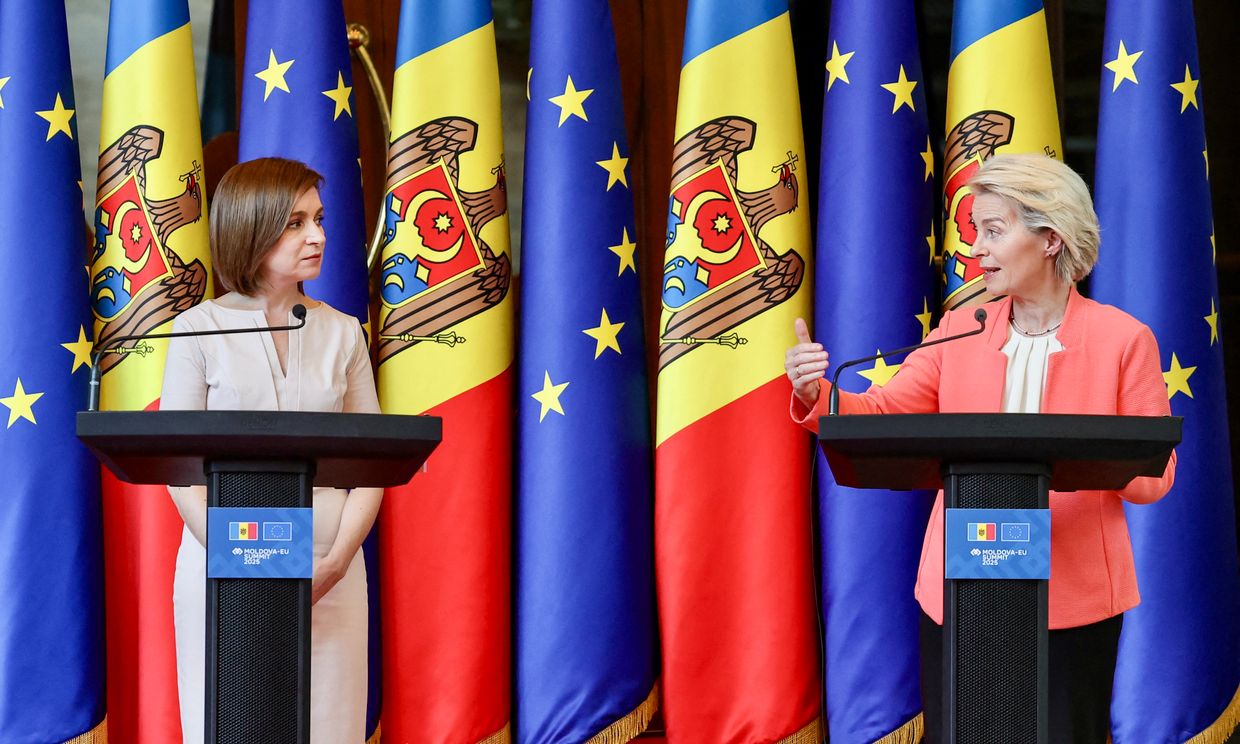
European Commission President Ursula von der Leyen pledged on July 4 that the European Union will help Moldova defend itself against hybrid threats by "agents of autocracy.""We are committed to protecting you against the hybrid attacks and the energy shocks that your country has been a victim of," von der Leyen said following the EU-Moldova summit in Chisinau."Who is behind those attacks is clear to all of us here. These are the same agents of autocracy trying to undermine our democracies everyw
European Commission President Ursula von der Leyen pledged on July 4 that the European Union will help Moldova defend itself against hybrid threats by "agents of autocracy."
"We are committed to protecting you against the hybrid attacks and the energy shocks that your country has been a victim of," von der Leyen said following the EU-Moldova summit in Chisinau.
"Who is behind those attacks is clear to all of us here. These are the same agents of autocracy trying to undermine our democracies everywhere in Europe."
Von der Leyen praised Moldova's support for Ukraine and the EU, noting its acceptance of hundreds of thousands of Ukrainian refugees and its assistance with European wildfire response efforts.
The visit was made in show of solidarity with Moldova, one of Europe's poorest countries, as it prepares for high-stakes parliamentary elections on Sept. 28.
The pro-European government of President Maia Sandu faces a challenge from the pro-Russian Socialist Party, amid growing fears of destabilization ahead of the vote.
Sandu has accused Russia of using its military presence in Moldova's Russian-occupied Transnistria region to stir unrest and derail the country's EU aspirations. On June 12, she warned that Moscow could provoke a crisis in Transnistria to influence the election outcome.
Transnistria has been under Russian-backed separatist control since the early 1990s, with approximately 1,000 to 1,500 Russian troops still stationed in the region.
On June 11, Transnistrian authorities declared a 30-day state of emergency after a sharp drop in natural gas supplies. The unrecognized region has faced mounting energy shortages since January, when Russian energy giant Gazprom halted deliveries in what many see as an attempt to destabilize the situation in Moldova.
Moldova was granted EU candidate status in 2022. Sandu's ruling Party of Action and Solidarity aims to maintain its parliamentary majority and move the country closer to full membership by 2030.
Moldovan Prime Minister Dorin Recean earlier told the Financial Times that Russia plans to send 10,000 troops to Transnistria and establish a pro-Kremlin government in Moldova.
Moldovan President Maia Sandu said on July 4 that her country's European Union aspirations depend on Moldovan citizens as a crucial September 28 election approaches. Sandu hopes her pro-European Party of Action and Solidarity (PAS) will retain its parliamentary majority, paving the way for Moldova, one of Europe's poorest nations, to join the EU by 2030.Sandu made her remarks at the conclusion of the 27-nation bloc's inaugural summit with Moldova. Her PAS party faces a challenge from the pro-Rus
Moldovan President Maia Sandu said on July 4 that her country's European Union aspirations depend on Moldovan citizens as a crucial September 28 election approaches.
Sandu hopes her pro-European Party of Action and Solidarity (PAS) will retain its parliamentary majority, paving the way for Moldova, one of Europe's poorest nations, to join the EU by 2030.
Sandu made her remarks at the conclusion of the 27-nation bloc's inaugural summit with Moldova. Her PAS party faces a challenge from the pro-Russian Socialist Party and its allies in the upcoming election. Sandu secured re-election last year by a narrow margin against a Socialist challenger in the ex-Soviet state, located between Ukraine and Romania. A referendum seeking public backing for EU membership also just barely surpassed a 50% majority.
"Prosperity and peace do not occur for nothing, you have to build them. With collective effort and unity. When citizens are united and choose the correct path and proceed along it," Sandu told a news conference after the summit. "The European Union is already happening here. The only risk is if we stop. If we decide this autumn that nothing will stop us, then everything is possible."
Sandu and her party have condemned Russia's invasion of Ukraine and accuse Moscow of destabilizing Moldova. Russia, in turn, claims many Moldovans desire to maintain ties with Moscow and accuses Sandu of fostering Russophobia.
Opinion polls suggest that no single party will likely secure a parliamentary majority. If no majority emerges, pro-European parties would need to engage in coalition talks.
At the summit, which included European Commission President Ursula von der Leyen and European Council head Antonio Costa, the EU announced the disbursement of the first €270 million ($318 million) tranche of an Economic Growth Plan for Moldova.
The European Union has reached a long-term trade agreement with Ukraine, marking the end of wartime trade liberalisation measures, though key details of the deal remain undisclosed.EU Trade Commissioner Maros Sefcovic and Agriculture Commissioner Christophe Hansen announced the agreement on June 30, calling it a "predictable" and "reciprocal" framework. However, they did not reveal the final quotas or volumes included in the deal. Sefcovic noted that the finer points would be finalised "in the c
The European Union has reached a long-term trade agreement with Ukraine, marking the end of wartime trade liberalisation measures, though key details of the deal remain undisclosed.
EU Trade Commissioner Maros Sefcovic and Agriculture Commissioner Christophe Hansen announced the agreement on June 30, calling it a "predictable" and "reciprocal" framework. However, they did not reveal the final quotas or volumes included in the deal. Sefcovic noted that the finer points would be finalised "in the coming days."
The new deal replaces the autonomous trade measures (ATMs) that allowed Ukrainian agri-food exports to enter the EU tariff-free since 2022. Those temporary measures expired on June 5, reinstating pre-war trade conditions for a brief period.
Structured in three tiers, the new framework introduces modest increases in quotas for products considered sensitive by EU member states, such as eggs, poultry, sugar, wheat, maize, and honey. A second group of products—including butter, skimmed milk powder, oats, barley, malt, and gluten—will see their quotas adjusted to reflect peak import levels reached since the start of the war. A third category, which includes items such as whole milk powder, fermented milk, mushrooms, and grape juice, will be fully liberalised.
Once finalised, the text of the agreement will be submitted to the Council for ratification.
Sefcovic said negotiations concluded over the weekend, less than a month after formal talks began. However, some critics claim the EU delayed the process to avoid backlash from farmers ahead of Poland’s presidential election.
The agreement also benefits EU producers, granting them greater access to the Ukrainian market for goods like pork, poultry, and sugar. But Hansen made it clear that expanded access for Ukrainian exports will depend on Ukraine’s compliance with EU agricultural standards by 2028, including rules on animal welfare and pesticide use. "This commitment also fits perfectly with Ukraine's EU accession path," he said.
The deal includes safeguard provisions, allowing the EU or individual member states to restrict imports if domestic markets face serious disruptions. “Both EU and Ukrainian producers deserve a stable and predictable basis for the future development of bilateral trade,” Hansen added.
Ukrainian Foreign Minister Andrii Sybiha on June 30 rebuked Slovakia's foreign minister after he suggested the international community might "perhaps even forgive" Russia's actions and reengage in dialogue with Moscow to end the war in Ukraine."Russia's sense of impunity is the root cause of its crimes," Sybiha wrote in a post on X. "It's naive to expect a criminal to stop if their crime is forgiven instead of punished. Russia will hit your other cheek as well. And those who have lost no one in
Ukrainian Foreign Minister Andrii Sybiha on June 30 rebuked Slovakia's foreign minister after he suggested the international community might "perhaps even forgive" Russia's actions and reengage in dialogue with Moscow to end the war in Ukraine.
"Russia's sense of impunity is the root cause of its crimes," Sybiha wrote in a post on X. "It's naive to expect a criminal to stop if their crime is forgiven instead of punished. Russia will hit your other cheek as well. And those who have lost no one in this war have no right to make such statements."
Sybiha's remarks came in response to comments made by Slovak Foreign Minister Juraj Blanar during a domestic media interview on June 29. Blanar argued the war in Ukraine could not be resolved militarily and called for a return to diplomacy, suggesting Russia could be forgiven.
"Let us return to respect for international law and seek ways to communicate with the Russian Federation," he said. "And perhaps even forgive everything that has happened."
Juraj, Russia's sense of impunity is the root cause of its crimes. It's naive to expect a criminal to stop if their crime is forgiven instead of punished. Russia will hit your other cheek as well. And those who have lost no one in this war have no right to make such statements. pic.twitter.com/ALLzGT6ugP
Slovakia recently requested a delay in adopting the European Union's 18th sanctions package against Russia, citing the need for further clarification on how it would impact member states, particularly in light of the EU's RePowerEU initiative to end dependence on Russian fossil fuels by 2030.
Fico's administration has distanced itself from the pro-Ukraine consensus within the EU and NATO. Since taking office in 2023, he has halted Slovak military aid to Ukraine and pursued diplomatic engagement with Russia. Earlier this year, Fico attended Russia's Victory Day Parade in Moscow and met with President Vladimir Putin — a gesture most Western leaders avoided.
Fico has dismissed the idea of meeting with President Volodymyr Zelensky, telling Slovak broadcaster STVR that Zelensky "hates me" and that such a meeting "has no significance."
Ukraine has consistently emphasized that peace can only come through justice and accountability for Russian war crimes and aggression, a position echoed by many Western governments.
Editor's note: The story was updated with Slovak Prime Minister Robert Fico's statement voiced during the EU summit. EU ambassadors have failed to approve the 18th package of sanctions against Russia due to opposition from Hungary and Slovakia, an unnamed EU official told the Kyiv Independent on June 27.After the 17th package of sanctions against Russia took effect on May 20, Ukraine's allies announced the following day that another round of restrictions was already in the works. Meanwhile, offi
Editor's note: The story was updated with Slovak Prime Minister Robert Fico's statement voiced during the EU summit.
EU ambassadors have failed to approve the 18th package of sanctions against Russia due to opposition from Hungary and Slovakia, an unnamed EU official told the Kyiv Independent on June 27.
After the 17th package of sanctions against Russia took effect on May 20, Ukraine's allies announced the following day that another round of restrictions was already in the works. Meanwhile, officials in Hungary and Slovakia protested against the approval of new restrictions against Russia.
Unlike Hungarian Prime Minister Viktor Orban, who has consistently opposed sanctions against Russia, Slovakia has not previously attempted to block EU sanctions.
"No agreement was reached. Ambassadors will return to this issue after two reservations are removed," the source told Suspilne in a reference to the position of Slovakia and Hungary.
Slovakia has requested that the adoption of the 18th package of EU sanctions against Russia be postponed until a decision is made on the consequences for the member states from RePowerEU, the European Commission's initiative to end dependence on Russian fossil fuels by 2030 in response to Russia's invasion of Ukraine.
Slovak Prime Minister Robert Fico voiced this proposal during the EU summit, the Slovak Foreign Ministry told Suspilne.
The ambassadors also agreed to extend sectoral sanctions against Russia for six months. These sanctions encompass a broad array of economic areas, including restrictions on trade, finance, technology and dual-use goods, industry, transport, and luxury goods.
In June, the European Commission presented the 18th package of sanctions, which includes new restrictions against the Russian energy and banking sectors and transactions related to the Nord Stream gas pipeline project.
Ukraine's European allies are tightening sanctions against Russia as Moscow refuses to accept a ceasefire. Despite Russia's refusal, no new U.S. sanctions have been imposed so far.
President Volodymyr Zelensky signed a decree on June 27 to coordinate sanctions against Russia with international partners, particularly the European Union and the Group of Seven (G7), the President's Office said on its website.A day earlier, EU member states' leaders gave their political consent to extend the sanctions previously imposed on Russia for its war against Ukraine. The EU Committee of Permanent Representatives (CORPER) also extended sectoral sanctions against Russia for another six m
President Volodymyr Zelensky signed a decree on June 27 to coordinate sanctions against Russia with international partners, particularly the European Union and the Group of Seven (G7), the President's Office said on its website.
A day earlier, EU member states' leaders gave their political consent to extend the sanctions previously imposed on Russia for its war against Ukraine.
The EU Committee of Permanent Representatives (CORPER) also extended sectoral sanctions against Russia for another six months on June 26, European Pravda reported, citing a diplomatic source. The sanctions include restrictions against entire sectors or industries of the Russian economy or areas of operation of Russian businesses.
Meanwhile, the participants did not approve the new 18th package of sanctions, which targeted Russia's energy and banking sectors, due to Slovakia's veto.
Zelensky's June 27 decree implements a decision by Ukraine's National Security and Defense Council's (NSDC) to synchronize the sanctions against Russia with the EU and G7.
According to the document, sanctions approved by partner states must be submitted to the NSDC for consideration and approval no later than the 15th day after the partner state's decision comes into force.
The Cabinet of Ministers, the Security Service of Ukraine (SBU), and the National Bank of Ukraine must also ensure the implementation of sanctions approved by international partners in Ukraine.
After the 17th package of sanctions against Russia took effect on May 20, Ukraine's allies announced the following day that another round of restrictions was already in the works.
The push for tighter sanctions comes as Russia continues to reject ceasefire proposals and presses forward with military operations.
European firms continue to ship critical weapons components to Russia, President Volodymyr Zelensky told the European Council on June 26 in a plea for tougher EU sanctions against Moscow. "Some European companies are still sending critical components to Russia. These end up in missiles and other weapons used to kill us, kill Ukrainians," Zelensky said in a video address to the European Council summit in Brussels. Ukraine is in the process of identifying these materials and will pass along eviden
European firms continue to ship critical weapons components to Russia, President Volodymyr Zelensky told the European Council on June 26 in a plea for tougher EU sanctions against Moscow.
"Some European companies are still sending critical components to Russia. These end up in missiles and other weapons used to kill us, kill Ukrainians," Zelensky said in a video address to the European Council summit in Brussels.
Ukraine is in the process of identifying these materials and will pass along evidence to EU officials, he said.
Zelensky's remarks were part of a broader appeal for the EU to expand and strengthen economic penalties on Russia. While the bloc reached an agreement in Brussels to extend current sectoral sanctions for another six months, it is still debating its proposed 18th package of sanctions against Russia.
Zelensky urged the EU to pass "a truly strong" 18th package, targeting "Russia's oil trade, its shadow tanker fleet, Russian banks and other financial instruments, and the supply chains that bring equipment or parts for making weapons."
The sanctions should not only penalize Russia's so-called "shadow fleet" vessels, but also the tankers' captains and the ports Russia uses to export oil, Zelensky said.
The president also reiterated his call to drop the current oil price cap to $30 per barrel.
"Russia's military ambitions grow when its oil revenues are high," he said.
Several European countries still rely heavily on Russian oil and gas, Zelensky pointed out. Ukraine understands the complexities of this situation and treads carefully in order to respect its partnership with the EU.
"Yet, sadly, we don't always feel this same understanding in return when it comes to Ukraine's needs," Zelensky said.
"It feels especially strange to hear such strong criticism — even political pressure from some leaders — while our respect for EU rules allows oil to keep flowing."
While Zelensky did not specify any particular EU leaders, Slovak Prime Minister Robert Fico in June threatened to veto the 18th sanctions package, citing concerns over Slovakia's reliance on Russia's energy imports. Fico has emerged as one of the EU's strongest supporters of Russia, alongside Hungarian Prime Minister Viktor Orban.
Orban took aim against Kyiv at the Brussels summit by blocking a unanimous statement of support for Ukraine's accession to the EU. All 26 other member states supported the statement, while Hungary was the sole opponent.
In his address to the Council, Zelensky urged the EU to send a clear signal of support for Ukraine's European path. Ukraine has fulfilled its obligations in the accession process, the president argued, and deserves recognition of its progress.
"Any delay by Europe at this point could create a global precedent and a reason to doubt Europe's words and commitments," he said.
Editor's Note: This is a developing story and is being updated. The European Union on June 26 reached an agreement to extend sanctions against Russia for another six months, an undisclosed EU official told the Kyiv Independent. Polish Prime Minister Donald Tusk confirmed the agreement shortly afterwards in a joint press conference alongside European Commission President Ursula von der Leyen and European Council President Antonio Costa at the EU summit in Brussels. The EU made the decision on Jun
Editor's Note: This is a developing story and is being updated.
The European Union on June 26 reached an agreement to extend sanctions against Russia for another six months, an undisclosed EU official told the Kyiv Independent.
Polish Prime Minister Donald Tusk confirmed the agreement shortly afterwards in a joint press conference alongside European Commission President Ursula von der Leyen and European Council President Antonio Costa at the EU summit in Brussels.
The EU made the decision on June 26 to extend its current sanctions against Russia for six more months, Tusk said.
"We still have a decision about the 18th sanctions package ahead of us," he added.
The EU votes to renew its sectoral sanctions against Russia every six months in January and July. Sanctions encompass a broad array of economic areas, including restrictions on trade, finance, technology and dual-use goods, industry, transport, and luxury goods.
The latest agreement comes amid fears that Hungary, one of the bloc's most Kremlin-friendly member states, would attempt to block the extension. Hungary has repeatedly threatened to use its veto power to obstruct the sanctions process.
The European bloc first adopted sanctions related to Russian aggression on July 31, 2014, after Moscow occupied Crimea and invaded Ukraine's eastern Donbas region. The EU has significantly scaled up its sanctions measures in the wake of the full-scale invasion, adopting 17 major sanctions packages since February 2022.
The EU on June 10 unveiled its 18th package of sanctions against Russia, expanding current measures to include new restrictions on energy, banking, oil, and other sectors. The initial proposal included banning transactions involving the Nord Stream 1 and Nord Stream 2 pipelines and reducing the oil price cap from $60 to $45 per barrel.
Soon after the package was announced, however, the EU reportedly postponed the effort to reduce the oil price cap.
The 18th round of sanctions is currently under debate. Slovak Prime Minister Robert Fico, another Moscow-friendly European leader, has threatened to veto the package. Slovakia has not previously attempted to block EU sanctions against Russia.
The European Council failed to unanimously adopt a statement of support for Ukraine during its June 26 meeting in Brussels, after Hungary once again failed to support it.On the eve of the European Council summit, Hungary's government announced on June 26 that 95% of participants in a so-called "national consultation" opposed Ukraine's accession to the EU.The highly-particized plebiscite, promoted by Prime Minister Viktor Orban's government, has already drawn criticism over its credibility and tu
The European Council failed to unanimously adopt a statement of support for Ukraine during its June 26 meeting in Brussels, after Hungary once again failed to support it.
On the eve of the European Council summit, Hungary's government announced on June 26 that 95% of participants in a so-called "national consultation" opposed Ukraine's accession to the EU.
The highly-particized plebiscite, promoted by Prime Minister Viktor Orban's government, has already drawn criticism over its credibility and turnout, raising concerns that Orban may use its results to justify future resistance to Ukraine’s EU accession.
To register their "vote" in the national consultation, Hungarian citizens received their "ballot" in the post, together with a letter from Orban urging people to vote against.
According to the European Council's statement, the document found "firmly supported" by 26 out of the 27 states. All EU states, except Hungary, reaffirmed Ukraine's "inherent right to choose its own destiny" and support for the country's "path towards EU membership."
"The European Council commends Ukraine for the pace of its accession-related reforms under the most challenging circumstances, welcomes the significant progress achieved, and encourages Ukraine and the Commission to intensify work in the accession process," the statement read.
EU member states also agreed to take note of the Commission’s assessment that Ukraine is ready to open the Fundamentals cluster. However, formal negotiations can only begin with the unanimous consent of all 27 member states.
Ukraine applied for EU membership shortly after Russia launched its war in 2022 and was granted candidate status within months.
As an EU member, Hungary has veto power over further progress.
Orban said he voted against Ukraine's accession to the EU in the consultation, publicly sharing photos of himself marking "against" on the poll ballot. He warned earlier this year that allowing Kyiv to join the EU would "destroy" Hungary.
Hungary's government announced on June 26 that 95% of participants in a national consultation opposed Ukraine's accession to the EU, Hungarian news outlet Telex reported. The poll, promoted by Prime Minister Viktor Orban's government, has already drawn criticism over its credibility and turnout. Telex reported that the system could be manipulated — testing showed that users were able to vote twice using different email addresses. According to Telex, 2,278,000 people participated in the consultat
Hungary's government announced on June 26 that 95% of participants in a national consultation opposed Ukraine's accession to the EU, Hungarian news outlet Telex reported.
The poll, promoted by Prime Minister Viktor Orban's government, has already drawn criticism over its credibility and turnout. Telex reported that the system could be manipulated — testing showed that users were able to vote twice using different email addresses.
According to Telex, 2,278,000 people participated in the consultation — approximately 29% of the electorate that voted in the 2024 European Parliament elections. Of those, the government claimed 95% voted against Ukraine joining the EU, while only 5% supported the bid.
Ukraine applied for EU membership shortly after Russia launched its war in 2022 and was granted candidate status within months. As an EU member, Hungary has veto power over further progress.
The consultation results were released on the eve of the European Council summit, giving Orban leverage to delay Ukraine's membership. But the process itself has drawn skepticism.
Government spokesman Gergely Gulyas claimed printed ballots were notarized and secure, and that electronic votes, which made up 10% of the total, were being verified. However, he could not confirm whether the system could detect if someone voted both by mail and online.
Opposition leader Peter Magyar on June 22 dismissed the consultation as a "government propaganda campaign" and cited internal data from Magyar Posta indicating that only 3-7% of mailed ballots were returned.
"It's the lowest-ever turnout for any such consultation," Magyar wrote on social media.
Since 2010, Orban's government has conducted more than a dozen similar national consultations — non-binding letter campaigns with leading questions designed to reinforce government positions.
Previous campaigns targeted topics like LGBTQ rights and EU migration policy. In one 2023 consultation, voters were asked whether they supported Brussels' alleged plans to create "migrant ghettos" in Hungary — 99% voted no, with turnout under 20%.
On April 22, Orban said he voted against Ukraine's accession to the EU in the consultation, publicly sharing photos of himself marking "against" on the poll ballot. He warned earlier this year that allowing Kyiv to join the EU would "destroy" Hungary.
Orban, the EU's most openly pro-Russian leader, has blocked or delayed military aid to Ukraine, maintained close ties with President Vladimir Putin, and echoed Kremlin talking points.
Hungary's opposition and Western critics view his administration as increasingly authoritarian, citing the erosion of press freedom, judicial independence, and electoral fairness.
Despite the low turnout and widespread allegations of manipulation, Orban is expected to use the consultation's outcome to justify future obstruction of Ukraine's EU integration.
European Commission President Ursula von der Leyen reiterated the EU's ongoing support for Ukraine at a NATO summit in The Hague on June 24."We have designed a funding program of 50 billion euros, we call it Safe, where member states, but also Ukraine and other partners, can take these loans to invest in the (Ukrainian) defense industry," she said, addressing President Volodymyr Zelensky."We are integrating our defense industries as if Ukraine was in the EU. This is good for Ukraine. And just as
European Commission President Ursula von der Leyen reiterated the EU's ongoing support for Ukraine at a NATO summit in The Hague on June 24.
"We have designed a funding program of 50 billion euros, we call it Safe, where member states, but also Ukraine and other partners, can take these loans to invest in the (Ukrainian) defense industry," she said, addressing President Volodymyr Zelensky.
"We are integrating our defense industries as if Ukraine was in the EU. This is good for Ukraine. And just as good for Europe, as Ukraine is now home to extraordinary innovation," von der Leyen later said in a post to social media.
NATO is holding a summit in The Hague from June 24-25 with world leaders, including Zelensky and U.S. President Donald Trump present.
"(M)y dear friend Volodymyr, you're here among friends and we stand by Ukraine from the very first day on and you can count on us also for the future," von der Leyen said.
The leader described the EU's 18th sanctions package as a "biting one" to apply pressure on Moscow and Russian President Vladimir Putin.
"Secondly, of course, there's constant financial support to Ukraine because we know you're fighting a war that is also protecting our values and our principles, and thirdly, indeed, we have to put pressure on President Putin (so) that he comes to the negotiation table," von der Leyen said.
She noted that members of the Group of Seven (G7) will also be implementing additional sanctions against Russia.
"All this shows you are among friends, you can count on us, we stand by your side," von der Leyen said.
The White House has confirmed that Trump and Zelensky will hold a meeting at the NATO summit.
Hungary's national consultation on Ukraine's accession to the EU had the lowest ever turnout at such a poll, Hungarian opposition leader Peter Magyar said on June 21."The... government propaganda campaign is a total failure. Based on information we received from multiple sources within Magyar Posta (Hungarian Post), only 3-7% of the sent 'ballots' were returned," Magyar said in a post to social media.The poll was announced by Hungarian Prime Minister Viktor Orban in early March and officially la
Hungary's national consultation on Ukraine's accession to the EU had the lowest ever turnout at such a poll, Hungarian opposition leader Peter Magyar said on June 21.
"The... government propaganda campaign is a total failure. Based on information we received from multiple sources within Magyar Posta (Hungarian Post), only 3-7% of the sent 'ballots' were returned," Magyar said in a post to social media.
The poll was announced by Hungarian Prime Minister Viktor Orban in early March and officially launched on April 19 with ballot papers sent to Hungarian citizens. Many ballot papers explicitly encouraged voters to reject Ukraine’s EU bid.
Orban, on April 22, said he voted against Ukraine's accession to the EU in the national consultation, publicly sharing photos of himself marking "against" on the poll ballot.
"This means that realistically, a maximum of 500,000 people may have 'voted' on paper... the Prime Minister’s Office revealed... that the number of online submissions was negligible compared to the paper-based ones," Magyar said.
"This aligns with information received from government sources — indicating that despite the propaganda lies, the total number of 'voters' could be at most 600,000," he added.
Despite the government's resistance, polling shows public support for Ukraine's accession to the bloc. According to Magyar's opposition party, Tisza's "Voice of the Nation" initiative, which received over 1.1 million responses, 58.18% of participants supported Ukraine's EU bid.
Magyar claims that the national poll garnered around 600,000 responses would mean that the opposition party's own polling received more responses than the government poll.
"This is the lowest number in the 'glorious' history of (national consultations). And this was only achieved over several months, with total mobilization and the burning of tens of billions in public funds. A total failure," Magyar said.
Hungarian officials have repeatedly threatened to undermine Ukraine's EU candidacy and EU support for Ukraine. Hungary has repeatedly blocked or delayed EU aid packages for Kyiv.
"(T)he failed, corrupt regime doesn’t care about people's real problems, and doesn’t dare to look people in the eye. They only send them letters," Magyar said.
Comrades, be proud of lying about two million pen pals, funded by 10 billion forints ($29 million) in state propaganda," he added, addressing Hungary's ruling government.
European officials have denounced Hungary for aligning with Russia. European officials, including Estonian Foreign Minister Margus Tsahkna, have suggested stripping Hungary of its voting power within the bloc.
Hungary maintains positive relations with Russia in contrast with other EU members. On March 26, Hungarian Foreign Minister Peter Szijjarto visited Moscow to discuss continued economic cooperation between the two countries.
Editor's note: This story has been updated to include the joint statement issued by the ministers of the Baltic states, Nordic countries, and Poland.A coalition of European Union countries is pushing to bar Russian citizens who participated in the war against Ukraine from entering the Schengen Area, citing serious security concerns, Estonian broadcaster ERR reported on June 19.The call comes as Russia increased its hybrid operations targeting the European Union. EU security agencies have repeat
Editor's note: This story has been updated to include the joint statement issued by the ministers of the Baltic states, Nordic countries, and Poland.
A coalition of European Union countries is pushing to bar Russian citizens who participated in the war against Ukraine from entering the Schengen Area, citing serious security concerns, Estonian broadcaster ERR reported on June 19.
The call comes as Russia increased its hybrid operations targeting the European Union. EU security agencies have repeatedly warned of Russian-linked sabotage operations, including arson attacks, orchestrated by Moscow as part of hybrid warfare strategies.
Interior ministers from the Baltic states, Nordic countries, and Poland met in Tallinn on June 19, where they issued a joint statement confirming their intent to prevent entry into the visa-free Schengen zone for Russians who took part in the war against Ukraine, ERR reported.
"There are hundreds of thousands of Russian citizens who have fought against Ukraine," Estonian Interior Minister Igor Taro said following the meeting. "We must take a clear stance; these individuals cannot freely travel across Schengen."
"We will not issue them residence permits or visas," he added. "This group, which has been killing and destroying, poses a very significant security threat to all of us."
The ministers emphasized that this restriction should remain in place even after active hostilities cease in Ukraine.
"Member States should take all necessary measures to ensure that individuals who are or have been contracted by the Russian armed forces or other armed groups acting on behalf of the regime are not allowed to undermine our security or move freely within the Schengen Area," the joint statement read.
The high-level meeting also included European Commissioner for Home Affairs and Migration Magnus Brunner, as well as representatives from the EU border agency Frontex.
The Schengen Area allows for visa-free travel across 29 European countries for up to 90 days in any 180-day period. While several EU member states have imposed national restrictions on Russian travelers, others continue processing applications, keeping access routes open.
Latvia has been among the most vocal proponents of stricter visa policies for Russian nationals. Latvian Foreign Minister Baiba Braze urged on May 25 all EU countries to suspend visa issuance to Russians, citing escalating security threats from Moscow.
"Latvia calls on the EU countries to halt visa issuance for Russian citizens, citing security concerns," Braze wrote on X. She noted that Schengen visa approvals for Russian nationals had surged by 25% in 2024 compared to 2023.
Latvia imposed entry restrictions in September 2022 as part of a coordinated effort with Lithuania, Estonia, and Poland. Czechia followed suit in October 2022.
Concerns over the abuse of Schengen visas and diplomatic privileges have intensified amid a wave of suspected Russian sabotage and espionage on EU soil. Polish and Czech authorities have recently led an effort to limit the movement of Russian diplomats within the bloc, targeting individuals allegedly working under diplomatic cover for Russian intelligence services.
The European Commission has proposed that Ukraine join the European Union's mobile roaming area starting January 1, 2026, providing Ukrainian users the ability to make phone calls, texts, and use mobile data in the bloc's 27 countries at no extra charge. "We want Ukrainian citizens to stay connected to their loved ones across the EU, as well as in their home country. That's why we propose that Ukraine join our roaming family," European Commission President Ursula von der Leyen said in a statemen
The European Commission has proposed that Ukraine join the European Union's mobile roaming area starting January 1, 2026, providing Ukrainian users the ability to make phone calls, texts, and use mobile data in the bloc's 27 countries at no extra charge.
"We want Ukrainian citizens to stay connected to their loved ones across the EU, as well as in their home country. That's why we propose that Ukraine join our roaming family," European Commission President Ursula von der Leyen said in a statement.
The proposal, first announced on June 16, will serve as a means of integration into the European Union's "Roam like at Home" provision in affect between all EU nations. The proposed change will impact the over four million Ukrainian refugees living in the EU.
Ukraine's full integration in the roaming provisions will replace voluntary measures that "allowed for roaming without surcharges and affordable international calls for EU and Ukrainian citizens abroad," according to the European Commission. The current measure will extend to December 31, 2025, ahead of the planned integration.
If approved, Ukraine will become the only country outside of the EU to join the bloc's "Roam like at Home" policy.
The move, which awaits European Council approval, comes as Ukraine continues to implement reforms in pursuing membership in the European Union.
Ukraine applied for EU membership at the onset of Russia's full-scale invasion in 2022. The country has made quick progress, achieving candidate status within months, with the initial negotiations formally launching in June 2024.
Since the start of 2025, Ukraine has opened three negotiation clusters under Poland's rotating presidency.
Poland lead the EU Council's presidency until June, and Denmark will take over the role in July. Ukraine aims to open the remaining three negotiation clusters in the second half of 2025 under the Danish chairmanship, the President Volodymyr Zelensky said.
There are six accession negotiation clusters, consisting of several individual chapters. Negotiations prepare a candidate country to become an EU member.
The EU’s Commissioner for Enlargement, Oliver Varhelyi, said that Ukraine could potentially join the bloc by 2029 if it successfully implements necessary reforms.
The European Union is developing a plan to generate more revenue for Ukraine by shifting nearly 200 billion euros ($215 billion) in frozen Russian assets into higher-yield, riskier investments, Politico reported on June 19, citing unnamed sources.The assets, largely held by Belgium-based clearinghouse Euroclear, have been immobilized since 2022 under EU sanctions imposed following Russia's full-scale invasion of Ukraine. Under the current framework, the funds are invested conservatively with the
The European Union is developing a plan to generate more revenue for Ukraine by shifting nearly 200 billion euros ($215 billion) in frozen Russian assets into higher-yield, riskier investments, Politico reported on June 19, citing unnamed sources.
The assets, largely held by Belgium-based clearinghouse Euroclear, have been immobilized since 2022 under EU sanctions imposed following Russia's full-scale invasion of Ukraine.
Under the current framework, the funds are invested conservatively with the Belgian central bank, generating low but steady returns. In 2024, this approach yielded around 4 billion euros ($4.3 billion) in windfall profits, which the EU allocated to help service a G7-backed 45-billion-euro loan for Ukraine (around $50 billion).
Now, with that loan largely disbursed and concerns mounting over future financing, especially amid signals from U.S. President Donald Trump that American support could be scaled back, EU officials are under pressure to find new funding streams.
According to Politico, the proposed plan would redirect the frozen Russian assets into a special investment fund under EU control, allowing for higher returns without confiscating the assets — a move designed to sidestep legal and political opposition.
As part of the current G7-led funding framework, Ukraine has already received 7 billion euros ($8 billion) from the EU under the Extraordinary Revenue Acceleration (ERA) initiative, which uses profits from frozen Russian sovereign assets to fund loans.
Prime Minister Denys Shmyhal confirmed on June 13 that a fifth tranche of 1 billion euros ($1.1 billion) had been disbursed to support Ukraine's state budget. The ERA mechanism, part of the broader $50 billion G7 program, aims to ensure stable financing for Kyiv while making Russia shoulder the cost of its aggression.
According to Politico, finance ministers from all 27 EU countries are expected to debate the idea during an informal dinner in Luxembourg on June 19.
Poland, which currently holds the Council of the EU's rotating presidency, emphasized the urgency of the discussions, writing in an invitation letter seen by Politico that "further steps regarding the sanctions regime" and the potential use of frozen Russian assets "must be addressed."
The European Commission has also been holding informal consultations with a group of member states, including France, Germany, Italy, and Estonia, to explore legal options for keeping the Russian assets frozen in case Hungary exercises its veto power during the semiannual sanctions renewal process. So far, no workaround has been finalized.
Hungarian Prime Minister Viktor Orban has repeatedly threatened to block sanctions extensions as a gesture of goodwill toward Moscow, raising concerns the assets could be unfrozen and returned to Russia by default.
By now, much of the EU's 50-billion-euro ($57 billion) Ukraine Facility, agreed in 2023 and intended to last through 2027, has already been spent. The bloc's broader 1.2-trillion-euro ($1.37 billion) budget is stretched thin, and any additional top-ups would also require unanimous support.
Failure to provide stronger military and financial support for Ukraine could leave Europe vulnerable to growing Russian influence, meaning Europeans might have to "start learning Russian," the EU's top diplomat, Kaja Kallas, said, the Guardian reported on June 17."We know that Russia responds to strength and nothing else," Kallas said. She called Ukraine "Europe's first line of defense" and emphasized the need for continued sanctions against Russia and more aid to Kyiv.The comments come as Russi
Failure to provide stronger military and financial support for Ukraine could leave Europe vulnerable to growing Russian influence, meaning Europeans might have to "start learning Russian," the EU's top diplomat, Kaja Kallas, said, the Guardian reported on June 17.
"We know that Russia responds to strength and nothing else," Kallassaid. She called Ukraine "Europe's first line of defense" and emphasized the need for continued sanctions against Russia and more aid to Kyiv.
The comments come as Russian forces are intensifying their attacks on Ukrainian cities and the Kremlin continues to reject a push by Kyiv and its Western allies for an unconditional ceasefire.
"To quote my friend, NATO Secretary General Mark Rutte: if we don’t help Ukraine further, we should all start learning Russian," Kallas said.
Kallas cited a sharp increase in Russia's military spending, noting that Moscow is now allocating more money to defense than the EU combined, and more than its own health care, education, and social policies put together.
"This is a long-term plan for a long-term aggression," she said.
In light of this, Kallas urged governments to adopt NATO's new target of spending 5% of GDP on defense, warning of Russia's hybrid warfare tactics, including airspace violations, attacks on critical infrastructure, and covert sabotage operations within EU borders.
The 5% defense spending target is expected to be formally adopted during the upcoming NATO summit, which will take place on June 24 and 25 in The Hague. U.S. President Donald Trump has insisted that the European allies increase their defense budgets.
Earlier, Kallas said Russian President Vladimir Putin "cannot be trusted" to mediate peace while continuing to bomb Ukrainian cities and civilians, as Moscow suggested to mediate negotiations between Israel and Iran amid growing escalation.
"Clearly, President Putin is not somebody who can talk about peace while we see actions like this," she said during a June 17 briefing, after a massive Russian missile and drone strike on Kyiv killed at least 28 people and wounded over 130.
Kallas also reiterated her call for the EU to move forward with tightening the oil price cap on Russian exports, even without U.S. backing. She warned that the ongoing Israel-Iran crisis could cause oil prices to spike, boosting Russia's war revenues.
The EU is currently preparing its 18th sanctions package against Moscow, targeting energy, defense, and banking sectors. The 17th round of sanctions came into effect in May.
Ukraine's parliament passed a reform of the Asset Recovery and Management Agency (ARMA) on June 18, a key step toward European integration and a condition listed in the EU's Ukraine Facility plan.The legislation passed with the support of 253 lawmakers "after months of obstructions... unblocking 600 million euros ($690 million) in EU funds," lawmaker Yaroslav Zhelezniak said.The ARMA is Ukraine's national agency tasked with locating, recovering, and managing assets seized in criminal proceedings
Ukraine's parliament passed a reform of the Asset Recovery and Management Agency (ARMA) on June 18, a key step toward European integration and a condition listed in the EU's Ukraine Facility plan.
The legislation passed with the support of 253 lawmakers "after months of obstructions... unblocking 600 million euros ($690 million) in EU funds," lawmaker Yaroslav Zhelezniak said.
The ARMA is Ukraine's national agency tasked with locating, recovering, and managing assets seized in criminal proceedings, namely during corruption cases.
Proposed reforms include stricter integrity and qualification standards for leadership candidates and merit-based hiring through open competitions involving civil society. They also call for independent external audits, clear deadlines for appointing asset managers, and the use of certified professionals held legally accountable for mismanagement.
The Ukraine Facility, an EU program providing Ukraine with 50 billion euros ($58 billion) in multi-year financial support contingent on reforms, set the end of March as the deadline for the ARMA's reform.
Anti-corruption experts, lawmakers, and Transparency International in Ukraine have backed the reforms, but discussions have dragged on for months since several versions of the bill were introduced in December 2024 and January.
The ARMA has long criticized the proposed legislation, arguing it had already carried out substantial and "transformative" reforms since 2023.
Transparency International reacted by saying that the ARMA's "public communication suggests that the agency’s primary concern is not the introduction of meaningful reforms, but ensuring that its current leadership can continue operating as it has."
Ukraine has embarked on extensive reforms as part of its efforts to join the EU and other Western structures, though Russia's full-scale invasion has presented fresh challenges to this effort.
Russian President Vladimir Putin "cannot be trusted" to mediate peace in the Middle East while continuing to launch brutal attacks against civilians, EU High Representative Kaja Kallas said on June 17, following a mass Russian strike on Kyiv that killed at least 21 people and injured over 130."Clearly, President Putin is not somebody who can talk about peace while we see actions like this,” Kallas said during a briefing in Brussels. "He's not a mediator that can really be considered. Russia cann
Russian President Vladimir Putin "cannot be trusted" to mediate peace in the Middle East while continuing to launch brutal attacks against civilians, EU High Representative Kaja Kallas said on June 17, following a mass Russian strike on Kyiv that killed at least 21 people and injured over 130.
"Clearly, President Putin is not somebody who can talk about peace while we see actions like this,” Kallas said during a briefing in Brussels. "He's not a mediator that can really be considered. Russia cannot be a mediator if they don't really believe in peace."
Russia has sought to position itself as a potential mediator in the escalating conflict between Israel and Iran. Kremlin spokesperson Dmitry Peskov said on June 17 that Israel appeared unwilling to accept Russia’s offer of mediation.
President Donald Trump said on June 15 that Putin had expressed willingness to help mediate between Tel Aviv and Tehran — an idea already dismissed by France. EU leaders have also questioned Moscow’s neutrality given its deep military ties with Iran, which has supplied Russia with drones and missiles used in attacks on Ukraine.
Kallas also pointed to Iran's role in enabling Russia's attacks. "Iran has helped Russia do these attacks… their cooperation is working in this regard," she said.
Kallas urged the European Union to press forward with lowering the oil price cap on Russian oil, even without U.S. support, warning that Middle East tensions could otherwise drive prices up and boost Russia's revenues.
"The whole idea of the oil price cap is to lower the prices," Kallas said. "We shouldn't end up in a situation where the crisis in the Middle East increases oil prices and makes Russia earn more… that would mean they can fund their war machine on a bigger scale."
Her warning comes after global oil prices soared on June 13, following an Israeli strike on Iran that raised fears of a broader regional conflict. Brent and Nymex crude prices surged more than 10% before stabilizing around 7.5% higher, with Brent at $74.50 a barrel and Nymex at $73.20, the BBC reported.
The spike threatens to undermine Western efforts to restrict Russia’s wartime revenues, which heavily depend on oil exports.
Earlier, Kallas said the EU can act independently to lower the oil price ceiling, noting that most Russian crude flows through European-controlled waters.
"Even if the Americans are not on board, we can still do it and have an impact," she said.
Her remarks come as the EU works on its 18th sanctions package targeting Russia's energy, banking, and defense sectors. The 17th package entered into force on May 20. European Commission President Ursula von der Leyen has said new measures will further target Russia's war-sustaining supply chains.
Kallas spoke hours after one of Russia's deadliest attacks on Kyiv since the start of its full-scale invasion. The nearly nine-hour assault saw Moscow fire 472 aerial weapons, including over 280 Shahed drones and multiple cruise and ballistic missiles.
Ukraine's Air Force reported intercepting 428 targets, but several missiles hit residential buildings, including a nine-story apartment block in Solomianskyi district, where 16 people were killed.
President Volodymyr Zelensky called the assault "one of the most horrifying attacks on Kyiv" and again called on Western leaders to act decisively.
The European Union and its allies are ready to toughen sanctions on Russia, French President Emmanuel Macron said on the sidelines of the Group of Seven (G7) summit on June 17."With President (Volodymyr) Zelensky at the G7. We stand in solidarity with the Ukrainian people after last night’s massive Russian strikes," Macron said in a post to social media."We are determined to increase pressure on Russia to accept the immediate and unconditional ceasefire that Ukraine is ready for," he added.Macro
The European Union and its allies are ready to toughen sanctions on Russia, French President Emmanuel Macron said on the sidelines of the Group of Seven (G7) summit on June 17.
"With President (Volodymyr) Zelensky at the G7. We stand in solidarity with the Ukrainian people after last night’s massive Russian strikes," Macron said in a post to social media.
"We are determined to increase pressure on Russia to accept the immediate and unconditional ceasefire that Ukraine is ready for," he added.
Macron attended the G7 summit in Kananaskis, Canada, from June 15-17. Global leaders discussed a wide range of topics, including Russia's war against Ukraine.
As the G7 leaders met in Canada, Russia launched one of its worst drone and missile attacks on Kyiv since it began its full-scale war against Ukraine in February 2022, killing 16 people and injuring at least 134.
"The common position that is emerging is to say, 'We need to strengthen sanctions,'" CBC News reported, citing Macron.
Europe is proposing much tougher sanctions than the U.S. has imposed on Russia, Macron said, adding that the EU is in "very close co-ordination" with Canada, Japan, and the U.K.
Several countries, including Canada and the U.K., introduced additional sanctions on Russia as the G7 summit was ongoing.
Canada introduced a new military aid package for Ukraine in addition to its sanctions against Russia.
"In our view, this has changed the situation because it will allow us to bring Russia back to the negotiating table, as (U.S.) President (Donald) Trump has been demanding," Macron said, according to CBC News.
Zelensky attended the summit and met with various leaders, including Macron and Canadian Prime Minister Mark Carney.
Zelensky left the summit early, citing Russia's attack on Kyiv. The nearly nine-hour-long attack saw Moscow's forces launch large numbers of drones and missiles at Ukraine's capital.
Foreign Minister Andrii Sybiha condemned the attack, calling it a "massive and brutal strike" timed deliberately to coincide with the G7 summit.
Zelensky described the drone and missile assault as "one of the most horrifying attacks on Kyiv."
The Group of Seven (G7) nations need to impose harsher sanctions on Moscow in order to secure a ceasefire in the war against Ukraine, European Commission President Ursula von der Leyen and European Council President Antonio Costa said at the start of the G7 summit in Canada.The G7 Leaders Summit kicked off on June 15 in Kananaskis, Canada, with official talks held June 16-17. While Ukraine hopes to win economic support and unified pressure against Russia, the rapidly escalating conflict between
The Group of Seven (G7) nations need to impose harsher sanctions on Moscow in order to secure a ceasefire in the war against Ukraine, European Commission President Ursula von der Leyen and European Council President Antonio Costa said at the start of the G7 summit in Canada.
The G7 Leaders Summit kicked off on June 15 in Kananaskis, Canada, with official talks held June 16-17. While Ukraine hopes to win economic support and unified pressure against Russia, the rapidly escalating conflict between Israel and Iran may dominate this year's conference.
"To achieve peaceful strength we must put more pressure on Russia to secure a real ceasefire, to bring Russia to the negotiating table, and to end this war. Sanctions are critical to that end," von der Leyen said at a press briefing on June 15 attended by a Kyiv Independent journalist.
Economic sanctions have been an effective intervention since the start of Russia's full-scale invasion, von der Leyen said. She noted that combined G7 and European Union sanctions have decreased Russian oil and gas revenues by nearly 80% since February 2022.
"(T)he sanctions are working, and we will do more," she said.
Von der Leyen urged the G7 to adapt the economic restrictions proposed in the EU's 18th sanctions package, announced on June 10. The new measures target Russia's energy and banking sectors and propose a further reduction in the oil price cap, bringing the cap down from $60 to $45 per barrel.
"I will invite all G7 partners to join us in this endeavor," she said.
Costa echoed the call for sanctions and the necessity of economic pressure in order to achieve a ceasefire. Europe is committed to "increasing additional sanctions to cripple (Russia's) ability to wage war and pressing for an unconditional ceasefire," he said.
Europe's call for unity may meet with resistance from the United States, which has assumed a dramatically different posture towards Ukraine and Russia since President Donald Trump took office in January. Trump has not imposed any new sanctions against Russia, even Moscow blatantly obstructs peace efforts and escalates mass strikes against Ukrainian cities.
The U.S. also reportedly opposes lowering the G7 oil price cap — a measure first introduced in December 2022 that prohibits Western companies from shipping, insuring, or otherwise servicing Russian oil sold above $60 per barrel.
The price cap debate has become more urgent as oil prices, which had fallen below the $60 cap in recent months, surged following Israel's recent strikes against Iran.
Despite U.S. resistance, the EU and the United Kingdom — backed by other European G7 countries and Canada — have said they are prepared to move forward with the proposal, even without Washington's endorsement.
President Volodymyr Zelensky, on the other hand, has said the EU sanctions and proposed price cap drop don't go far enough. Zelensky on June 11 said the EU's 18th round of sanctions "could be stronger" and proposed further slashing the oil price cap to $30 per barrel.
"A ceiling of $45 per barrel of oil is better than $60, that's clear, that's true. But real peace will come with a ceiling of $30," he said. "That's the level that will really change the mindset in Moscow."
Zelensky and Trump are expected to meet on the sidelines of the G7 summit on June 17. The meeting will mark their third in-person encounter since Trump took office.
Germany aims to prioritize defense spending in the next EU budget while firmly opposing any increase in national contributions, according to a position paper obtained by the Financial Times (FT). As the bloc’s largest economy and top net contributor, Berlin wants EU funds to support joint arms procurement and help expand production capacity among European weapons manufacturers.The paper reportedly reflects Germany’s broader shift toward higher domestic military spending in response to Russia’s o
Germany aims to prioritize defense spending in the next EU budget while firmly opposing any increase in national contributions, according to a position paper obtained by the Financial Times (FT).
As the bloc’s largest economy and top net contributor, Berlin wants EU funds to support joint arms procurement and help expand production capacity among European weapons manufacturers.
The paper reportedly reflects Germany’s broader shift toward higher domestic military spending in response to Russia’s ongoing threat and amid calls by U.S. President Donald Trump for Europe to shoulder more of its own defense.
Berlin argues the EU budget should also fund dual-use technologies, military transport corridors, and other security-related initiatives despite current treaty restrictions on defence spending from the common budget, according to FT.
To free up funds for these priorities, Germany proposes cutting administrative costs and simplifying the EU budget structure. The government supports reducing the number of programes, granting the European Commission more flexibility to shift funds, and focusing spending on strategic areas such as cross-border infrastructure, energy security, digitalisation, and innovation.
Germany also opposes any extension of the EU’s post-Covid joint borrowing programme, stressing that repayments for the 800 billion euro fund must begin in 2028 as scheduled. While Berlin is open to discussing new EU-level revenue sources such as a carbon border levy or minimum corporate tax, it continues to reject an increase in direct national contributions to the budget, which currently total about 1% of EU GDP.
President Volodymyr Zelensky's office has confirmed plans for a high-stakes meeting with U.S. President Donald Trump at the upcoming G7 summit on June 17, according to the Kyiv Independent journalist who attended a closed-door briefing with Zelensky on June 13. "Both teams are working to ensure we meet," Zelensky said. The meeting would mark the third in-person encounter between the two leaders during Trump's second term in the White House. Their most recent meeting took place on April 26 at St
President Volodymyr Zelensky's office has confirmed plans for a high-stakes meeting with U.S. President Donald Trump at the upcoming G7 summit on June 17, according to the Kyiv Independent journalist who attended a closed-door briefing with Zelensky on June 13.
"Both teams are working to ensure we meet," Zelensky said.
The meeting would mark the third in-person encounter between the two leaders during Trump's second term in the White House. Their most recent meeting took place on April 26 at St. Peter's Basilica in the Vatican, where they spoke privately on the sidelines of Pope Francis' funeral. Both sides described the meeting as productive and constructive, though details remained sparse.
Earlier in February, Zelensky met Trump and Vice President JD Vance in the White House when the infamous tense Oval Office exchange erupted, with Trump criticizing Kyiv's perceived lack of gratitude for U.S. support
Zelensky said his priority is to discuss with Trump sanctions against Russia, peace talks, weapons purchase, and U.S.-Ukraine economic cooperation.
"The United States communicates with the EU on sanctions at the level of senators and congressmen. But I want to raise this issue personally with President Trump," Zelensky said.
"There are steps forward we can take — but we need the political will of the U.S. president, if he wants."
He added that Ukraine has long prepared a "strong" weapons package to purchase from Washington. "Only at the presidential level can we finalize it," Zelensky said ahead of the G7 summit.
Russian offensives in Sumy, Dnipropetrovsk oblasts
Zelensky said that heavy fighting is ongoing along Ukraine's northeastern border. Russian forces have concentrated around 53,000 troops in the Sumy sector, pushing into multiple settlements such as Andriivka, Kindrativka, and Oleksiivka.
According to the open-source monitoring group DeepState, Russian troops have been advancing along the border in Sumy Oblast, with the current front line lying just about 20 kilometers away from the regional capital of Sumy.
According to media reports, Russia exploited a thinning of Ukraine's front-line forces, which were later replaced by newer, under-equipped formations.
Zelensky said that Russia only pushed seven kilometers deep into Sumy, adding that the Russian army "has been stopped there."
Zelensky added that Ukrainian forces had successfully struck Russian positions in the neighboring Russian Kursk Oblast, near Tyotkino, to stall Russian momentum and split their offensive groups.
In Dnipropetrovsk Oblast, Zelensky confirmed that small Russian reconnaissance groups had briefly crossed into Ukrainian territory — likely for propaganda purposes. One six-man unit was reportedly eliminated one kilometer from the administrative border.
"For them (Russia), it's an important story, to take a photo, video," Zelensky said. "That's why they are launching small working groups to do just that."
Earlier, the Kremlin has claimed the operations in Dnipropetrovsk are part of an effort to create a so-called "buffer zone." Ukrainian officials have rejected these claims as disinformation.
When speaking about the recent escalation between Israel and Iran in the Middle East, Zelensky said that the subsequent regional tension had driven up oil prices, enhancing Russia's war financing through energy exports.
"This factor clearly doesn't help us," he said, adding that Ukraine will urge Washington to implement stricter price caps on Russian oil at the G7.
He further revealed that U.S. weapons previously allocated to Ukraine, including 20,000 air-defense interceptors used to counter Iranian-designed Shahed drones, were redirected to support Israel ahead of its recent strikes on Iran.
"That was a serious blow... We were counting on these missiles," Zelensky said.
Zelensky warned that Ukraine must not become "a bargaining chip" in larger geopolitical negotiations involving the U.S., Russia, and the Middle East. Russia and Iran have deepened their cooperation since 2022, with Iran supplying weapons and technology to boost Moscow's war machine.
"I was constantly afraid that we could become a bargaining chip, just one factor in the negotiations between the United States and the Russians. So, along with the situation with Iran, the situation with Ukraine was also a factor. They are really dependent on each other," he said.
Zelensky voiced concerns about a slowdown in Western diplomatic momentum, particularly around the "coalition of the willing" initiative led by France and the UK.
Earlier, media reported that the "coalition of the willing," aimed at offering post-ceasefire security guarantees to Ukraine, has faced delays due to the absence of U.S. commitment.
"Europe hasn't yet decided what to do if America steps back," he said. "Their energy depended on U.S. resolve. Without it, things slow down."
Still, Zelensky made clear that Ukraine would not accept any ultimatums from Moscow amid the uncertainty of Western support. He described the latest Russian ceasefire proposals as capitulation.
"They pretend to be ready for talks, but all they offer is an ultimatum," Zelensky said. "We won't go along with that. Not now, not ever."
Zelesnky also expressed optimism that the European Union's 18th sanctions package would pass later this month and said he would personally push for closer U.S.-EU coordination at the G7.
Zelensky confirmed that prisoner exchanges with Russia are continuing and that another round of direct peace talks with Moscow may take place soon after.
"We expect that they (prisoner swaps) can be completed on the 20th or 21st (of June)," he said.
Over the week, Ukraine and Russia held a series of exchanges under an agreement reached during peace talks in Istanbul. Most recently, on June 12, Ukraine brought home another group of severely wounded and seriously ill service members.
The June 12 operation followed a similar swap two days earlier, both conducted without immediate disclosure of the number of released prisoners.
The June exchanges are part of a phased prisoner swap arrangement agreed during the second round of direct talks between Ukrainian and Russian delegations in Istanbul on June 2. While no political breakthroughs emerged from the discussions, both sides agreed to continue exchanging POWs and repatriating the remains of fallen soldiers.
The United States is opposing a proposal by other Group of Seven nations to lower the price cap on Russian oil, Bloomberg reported on June 13.Citing unnamed sources, Bloomberg said the U.S. remains opposed to reducing the cap from $60 to $45 per barrel – a position it first took earlier this year when Treasury Secretary Scott Bessent declined to support a similar effort.The price cap, introduced in December 2022 as a measure to limit the Kremlin's ability to finance its war against Ukraine, proh
The United States is opposing a proposal by other Group of Seven nations to lower the price cap on Russian oil, Bloomberg reported on June 13.
Citing unnamed sources, Bloomberg said the U.S. remains opposed to reducing the cap from $60 to $45 per barrel – a position it first took earlier this year when Treasury Secretary Scott Bessent declined to support a similar effort.
The price cap, introduced in December 2022 as a measure to limit the Kremlin's ability to finance its war against Ukraine, prohibits Western companies from shipping, insuring, or otherwise servicing Russian oil sold above $60 per barrel.
One source told Bloomberg that the EU and U.K. could explore lowering the cap without the U.S., as most of Russia's oil is transported in European waters. However, a unified G7 agreement would carry greater impact if it could be enforced by the U.S.
The price cap debate has become more urgent as oil prices, which had fallen below the $60 cap in recent months, surged following Israel's strikes against Iran in the past 24 hours.
G7 leaders will revisit the price cap discussion during the upcoming summit, hosted by Canada from June 15-17 in Kananaskis County, Alberta.
The summit agenda will also include topics such as support for Ukraine in the Russian war, global economic stability, digital transformation, and climate change.
The G7 currently includes Canada, France, Germany, Italy, Japan, the United Kingdom, and the United States. The European Union is also represented in the group.
Ukraine has received another 1 billion euros ($1.1 billion) in macro-financial assistance from the European Union as part of a G7 loan, Prime Minister Denys Shmyhal announced on June 13."This is the fifth tranche of macro-financial assistance from the EU under the ERA Extraordinary Revenue Acceleration) initiative," Shmyhal wrote on social media. "The funds will be directed toward key expenditures of the state budget."Shmyhal thanked Ukraine's partners for their "consistent and reliable support,
Ukraine has received another 1 billion euros ($1.1 billion) in macro-financial assistance from the European Union as part of a G7 loan, Prime Minister Denys Shmyhal announced on June 13.
"This is the fifth tranche of macro-financial assistance from the EU under the ERA Extraordinary Revenue Acceleration) initiative," Shmyhal wrote on social media. "The funds will be directed toward key expenditures of the state budget."
Shmyhal thanked Ukraine's partners for their "consistent and reliable support," adding, "Together, we will make (Russia) pay for all the damage caused to Ukraine."
According to Shmyhal, Ukraine has received a total of 7 billion euros ($8 billion) from the European Union under the ERA initiative, which is funded by the windfall profits generated from immobilized Russian sovereign assets.
The ERA mechanism, launched by the G7 and backed by the EU and the United States, is a $50 billion program designed to support Ukraine through loans repaid using future income from frozen Russian assets. Since Russia's full-scale invasion in 2022, G7 countries have frozen around $300 billion in Russian sovereign assets.
Ukraine received the previous 1-billion-euro tranche on May 8 as part of the fourth installment of EU aid under ERA.
Ylva Johansson, former European Commissioner for Home Affairs, will serve as the European Union's new special envoy for Ukrainians in the bloc, POLITICO reported on June 12.According to anonymous officials that spoke to POLITICO, Johansson will fill the newly created post, overseeing the Commission's long-term strategy for Ukrainian refugees currently residing in the European Union.Johansson, a former Swedish minister and European Commission official, previously visited Ukraine on several occasi
Ylva Johansson, former European Commissioner for Home Affairs, will serve as the European Union's new special envoy for Ukrainians in the bloc, POLITICO reported on June 12.
According to anonymous officials that spoke to POLITICO, Johansson will fill the newly created post, overseeing the Commission's long-term strategy for Ukrainian refugees currently residing in the European Union.
Johansson, a former Swedish minister and European Commission official, previously visited Ukraine on several occasions, including a refugee camp on the border with Romania. She received the Ukrainian order of merit in September 2024.
As special envoy, Johansson will be responsible for EU initiatives focused on helping Ukrainian refugees transition into permanent legal statuses or return home.
As part of these initiatives, the EU will launch "unity hubs" – information centers jointly managed with the Ukrainian government. The hubs will support Ukrainian refugees to integrate with EU host countries or repatriate to Ukraine.
Germany, which has has taken in more than 1 million Ukrainian refugees since the start of the full-scale invasion, recently committed to establishing unity hubs in Berlin. The unity hubs in Berlin will provide Ukrainians with access to educational and career opportunities both in Ukraine and Germany.
The European Commission also recently extended temporary protection Ukrainian refugees who fled to the EU following Russia's invasion of Ukraine.
According to Eurostat, 4.26 million Ukrainians currently hold temporary protection status in the EU as of April 2025.
Most Group of Seven (G7) nations are prepared to lower the Russian oil price cap from $60 to $45 a barrel even without support from the United States, Reuters reported on June 12, citing unnamed sources familiar with the matter.According to Reuters, the European Union and United Kingdom, backed by other European G7 countries and Canada, are ready to lead the charge in lowering the Russian oil price cap – even if U.S. President Donald Trump opts out.The price cap, which bans Western companies fro
Most Group of Seven (G7) nations are prepared to lower the Russian oil price cap from $60 to $45 a barrel even without support from the United States, Reuters reported on June 12, citing unnamed sources familiar with the matter.
According to Reuters, the European Union and United Kingdom, backed by other European G7 countries and Canada, are ready to lead the charge in lowering the Russian oil price cap – even if U.S. President Donald Trump opts out.
The price cap, which bans Western companies from shipping, insuring, or otherwise servicing Russian oil sold above $60 per barrel, was first introduced in December 2022 as a measure to limit the Kremlin's ability to finance its war against Ukraine.
The G7 had previously attempted to lower the Russian oil price cap; however, the proposal was dropped after U.S. Treasury Secretary Scott Bessent reportedly declined to support it.
It is unclear whether the U.S. will support the decision this time around. Japan's position is also undecided.
Participating country leaders will revisit the price cap discussion at the upcoming G7 summit. Canada, which holds the G7 presidency this year, will host the summit on June 15-17 in Kananaskis County, located in the western province of Alberta.
The summit agenda will include topics such as support for Ukraine in the Russian war, global economic stability, digital transformation, and climate change.
President Volodymyr Zelensky is expected to attend the summit and seek a meeting with U.S. President Donald Trump.
The Council of the EU on June 12 approved fresh tariffs on fertilizers and remaining agricultural goods from Russia and Belarus, aiming to reduce Russian export revenues.The measures target those goods that have not yet been subject to additional customs duties and will enter into force on July 1. The tariffs on fertilizers will increase gradually over the next three years.The step comes as the EU readies additional sanctions against Russia as it continues to wage its all-out war against Ukraine
The Council of the EU on June 12 approved fresh tariffs on fertilizers and remaining agricultural goods from Russia and Belarus, aiming to reduce Russian export revenues.
The measures target those goods that have not yet been subject to additional customs duties and will enter into force on July 1. The tariffs on fertilizers will increase gradually over the next three years.
"Polish Presidency motto is 'Security, Europe!' and these measures increase our economic security by reducing dependencies from Russia," said Michal Baranowski, the trade undersecretary at the Polish Economy Ministry.
"We are further reducing Russia’s export revenues and therefore its ability to finance its brutal war. This is united Europe at its best," he said in a statement.
The new tariffs will apply to goods that made up around 15% of all agricultural imports from Russia in 2023. Fertilizer tariffs will focus on certain nitrogen-based products, the Council said in a statement.
Russian fertilizers accounted for more than a quarter of all of the EU's imports in this sector in 2023, worth almost $1.5 billion.
Apart from stifling Russia's trade revenue, the step also aims to reduce the EU's dependence on Russian and Belarusian goods, protect European farmers, and diversify the supply.
The EU adopted higher tariffs on cereals, oilseeds, and some other products from Russia and Belarus in May 2024. Earlier this year, the European Commission proposed imposing similar measures on all remaining agricultural products from the two countries.

 Connexion