❌

Vue normale

  • ✇Euromaidan Press
  • 22 House lawmakers press Trump to implement Russia sanctions law. Diesel deal draws bipartisan backlash
    A bipartisan group of 22 House lawmakers is urging President Donald Trump to fully implement the new Russia sanctions law and revoke a license allowing certain Russian diesel transactions. In a letter sent on 15 October, they copied Secretary of State Marco Rubio and Treasury Secretary Scott Bessent and requested details on planned sanctions, tariffs and waivers. Their request comes as the law’s first requirements fall due on 18 October, while lawmakers from both parties challengethe ad
     

22 House lawmakers press Trump to implement Russia sanctions law. Diesel deal draws bipartisan backlash

16 octobre 2026 à 10:21

US President Donald Trump signs the Lindsey O. Graham Sanctioning Russia and Iran Act in the Oval Office, 18 September 2026

A bipartisan group of 22 House lawmakers is urging President Donald Trump to fully implement the new Russia sanctions law and revoke a license allowing certain Russian diesel transactions. In a letter sent on 15 October, they copied Secretary of State Marco Rubio and Treasury Secretary Scott Bessent and requested details on planned sanctions, tariffs and waivers.

Their request comes as the law’s first requirements fall due on 18 October, while lawmakers from both parties challengethe administration’s decision to allow certain Russian diesel transactions. Some restrictions take effect automatically, while others require presidential action. The law does not specify a penalty for the president missing the deadline.

    What the Russia sanctions law requires

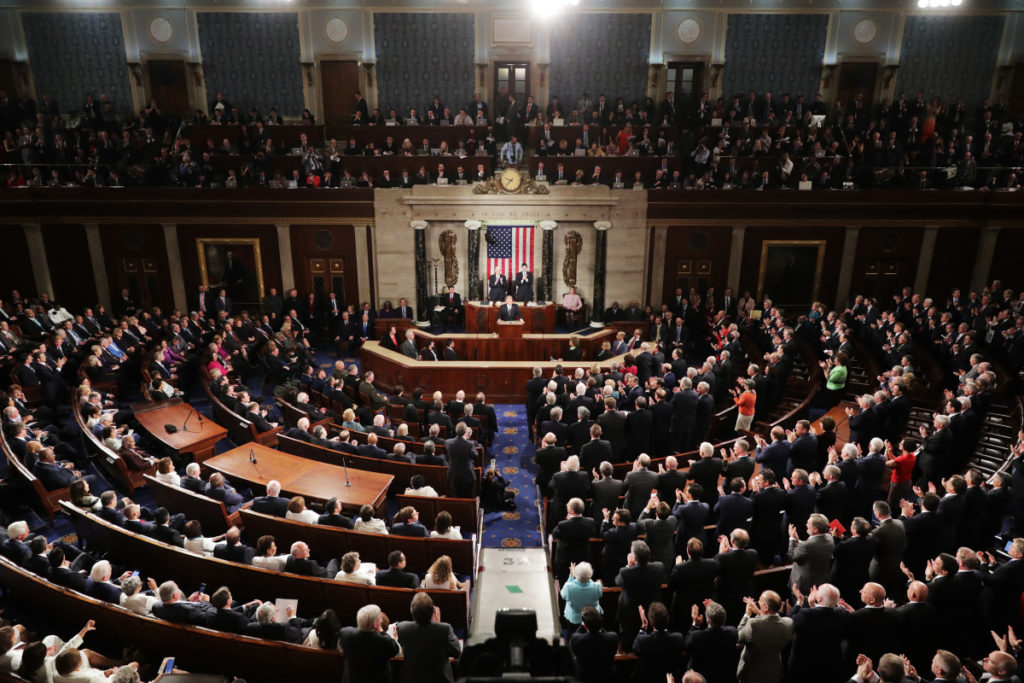
    Congress passed the Lindsey O. Graham Sanctioning Russia and Iran Act of 2026 by votes of 86–11 in the Senate and 262–159 in the House. Trump signed it on 18 September. Graham, a Republican senator from South Carolina, died in July.

    Restrictions taking effect automatically on 18 October include a ban on US banks and broker-dealers processing transfers to or from the Russian government, a ban on new US investment in Russia, a ban on new US investment in Russia’s energy sector, and a ban on US energy exports to Russia.

    Other measures require presidential action by the same date. The law directs Trump to review and sanction Russian officials, oligarchs and shadow-fleet vessels, sanction the Bank of Russia, specified Russian banks and state-owned companies, and impose tariffs of up to 500% on Russian goods. Tariffs of up to 100% can apply to goods from countries among the five largest importers of Russian oil or gas, or among the top five countries facilitating Russian oil sanctions evasion.

    Trump may waive sanctions, restrictions and tariffs under the law if he first certifies in writing to Congress that a waiver is in the US national interest and submits a report explaining its basis.

    The diesel license at the center of the dispute

    House members also urged Trump to revoke General License 135, which the Treasury Department issued on 9 October and that is valid until 7 April 2027. It permits certain transactions involving Russian-origin diesel, including imports into the United States. Trump said Russia would immediately supply more than 300,000 tons of diesel to US and global markets and predicted prices would fall sharply, according to a 9 October Truth Social post.

    On 13 October, a bipartisan group of 12 senators also urged Trump to rescind the deal and revoke the license. Seven senators said the deal conflicted with a 2022 law banning Russian energy imports.

    The Graham Act says nothing in its provisions affects the Treasury secretary’s existing authority to issue general licenses. That provision does not resolve whether the diesel license complies with the separate 2022 law.

    A White House official told Newsweek the administration would comply with the Graham Act. Bessent said the administration would use “all the legal authorities we have” and called the deal “good for the American people,” Fox News reported on 11 October.

    How the sanctions could be lifted

    Separately, the law sets a process for terminating sanctions, restrictions or duties against Russia. Trump must report to Congress that Russia has signed a peace agreement accepted by Ukraine’s government and ceased military hostilities against Ukraine, as well as activities to overthrow, dismantle or subvert its government. Congress has 30 days to block termination through a joint resolution of disapproval, or 60 days for reports submitted between 10 July and 7 September.

    • ✇Euromaidan Press
    • US weighs relief for sanctioned shadow fleet tankers, days after freeing Russian diesel
      The Trump administration is weighing looser sanctions on shadow fleet tankers that have hauled oil from Russia, Iran, and Venezuela, a US official said on 14 October, Reuters reported. An industry research group expects the change to do little for freight rates. With Reuters calling high fuel prices a risk for Trump before the 3 November midterms, Washington has already eased sanctions on Russian oil and diesel this year and is now looking at the ships blacklisted for hauling sanctioned
       

    US weighs relief for sanctioned shadow fleet tankers, days after freeing Russian diesel

    15 octobre 2026 à 05:25

    Kremlin welcomes Trump National Security Strategy as aligned with Russian vision on Ukraine

    The Trump administration is weighing looser sanctions on shadow fleet tankers that have hauled oil from Russia, Iran, and Venezuela, a US official said on 14 October, Reuters reported. An industry research group expects the change to do little for freight rates.

    With Reuters calling high fuel prices a risk for Trump before the 3 November midterms, Washington has already eased sanctions on Russian oil and diesel this year and is now looking at the ships blacklisted for hauling sanctioned cargoes. In March, Treasury Secretary Scott Bessent said a waiver on Russian oil at sea would bring Moscow no significant financial benefit, yet Russia’s seaborne oil income jumped by $890 million in the week to 15 March, Bloomberg data showed.

    “Legal oil” on blacklisted ships

    The talks center on letting “legal oil” sail on previously sanctioned vessels, the official said. Only crude or fuel free of US sanctions would qualify, not Russian or Iranian oil. Washington wants more crude and refined products moving out of the Gulf, the official added. Companies would need US Treasury approval to use the ships.

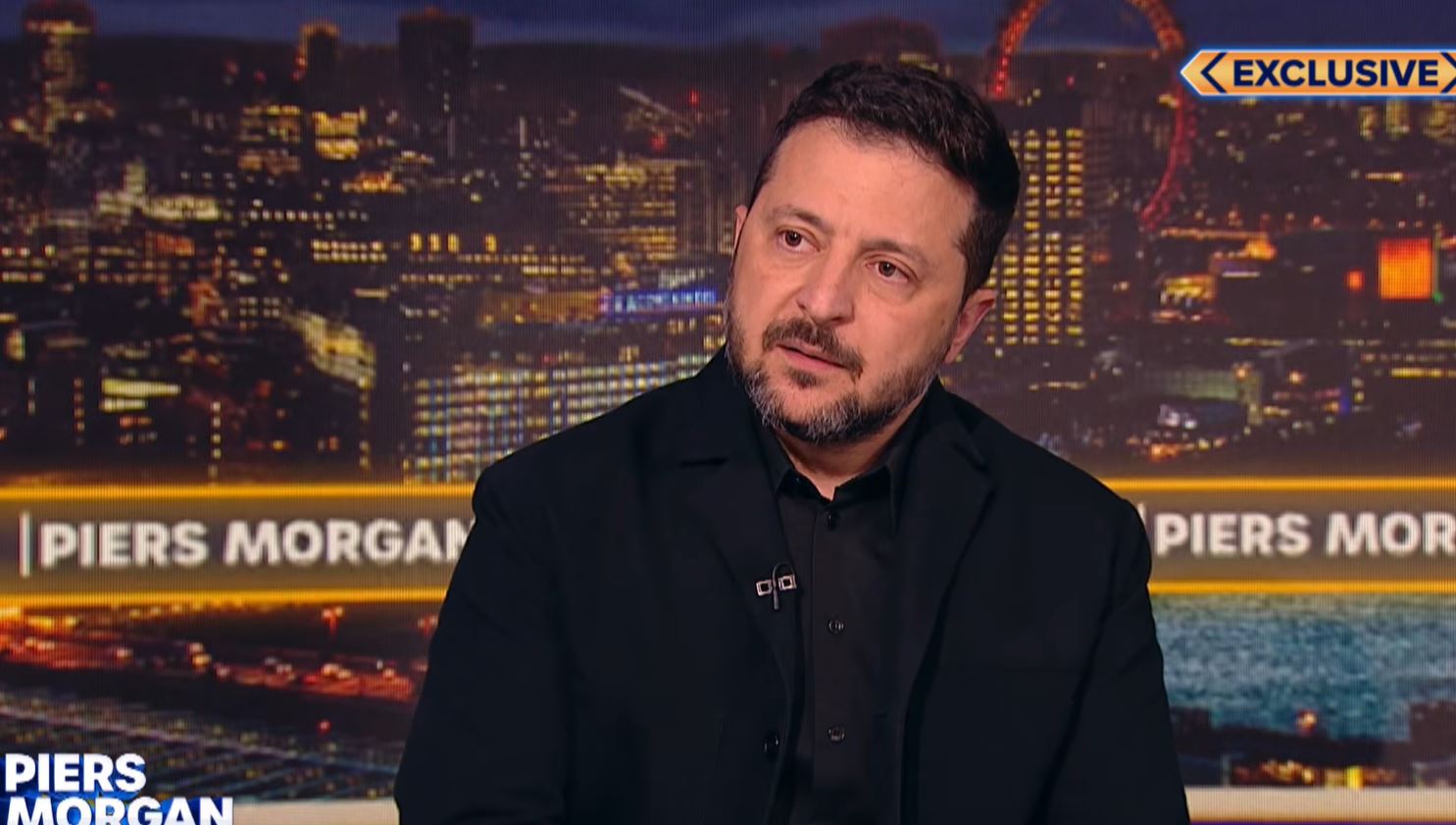
    ukraine goes back hitting russian oil after its trump-forced pause left kyiv without warnings incoming ballistic missiles · post ukrainian president volodymyr zelenskyy during interview piers morgan london 14 2026
    Explore further

    Ukraine is going back to hitting Russian oil after its Trump-pressured pause, during which Kyiv got no US warnings of incoming ballistic missiles

    Research group Energy Aspects said US Energy Secretary Chris Wright, in a video to the World Petroleum Congress in Riyadh, tied the easing to record freight rates. Those rates hit records after the Iran and Ukraine wars drove up inflation and left US crude too costly for Asian refiners, Reuters said. Energy Aspects itself expects the easing to do little for freight rates, since most tankers sanctioned over Russian or Venezuelan links have kept trading for the past three months.

    The Energy Department said any relief would do nothing to help Russia ship its oil or refined products. Treasury referred questions to the Energy Department. Yet Reuters noted that both departments could face pressure to let these vessels carry Russian diesel, given Trump’s push to get it onto world markets fast.

    Britain is pushing the other way. UK finance minister John Healey urged counterparts at International Monetary Fund meetings in Bangkok on 15 October to keep tough sanctions on Russia, “especially a tighter ban on shipping services” that keep Putin’s shadow fleet operating.

    Diesel license criticism and an unconfirmed ceasefire

    On 9 October, the US Treasury issued a license clearing Russian-origin diesel trade until 7 April 2027. Ukrainian President Volodymyr Zelenskyy told reporters it was a weak decision unworthy of Ukraine’s partners. Democratic Senators Jeanne Shaheen, Chuck Schumer, and Elizabeth Warren called it a “total betrayal of Ukraine.” Republican Senator Thom Tillis said there is “a legitimate case for saying the president’s not following the law.”

    The White House in Washington DC, USA. Illustrative image: Wikimedia Commons.
    Explore further

    “He thinks Ukraine is a weak link and that it needs to be squeezed into giving in”: diplomat on why Trump pressures Kyiv, not Moscow

    Trump then pressed Kyiv to spare Russian refineries and declared an “energy ceasefire” on 11 October. A White House official told Axios it covers only oil refineries. Neither side confirmed a similar announcement Trump made in mid-September, AAP reported.

    Kremlin spokesperson Dmitry Peskov told reporters on 13 October that contacts on the ceasefire were continuing and referred further questions to Trump, Russian newspaper Vedomosti reported. He claimed the diesel deal was “a very mutually beneficial item of Russian-American cooperation” that serves the interests of Russia, the US, and world energy markets, Russian newspaper Kommersant reported.

    Ukraine is going back to hitting Russian oil after its Trump-pressured pause, during which Kyiv got no US warnings of incoming ballistic missiles

    15 octobre 2026 à 03:25

    ukraine goes back hitting russian oil after its trump-forced pause left kyiv without warnings incoming ballistic missiles · post ukrainian president volodymyr zelenskyy during interview piers morgan london 14 2026

    Ukraine will resume strikes on Russian oil refineries, ending a three-day pause it held at Washington’s request, Ukrainian President Volodymyr Zelenskyy told the Financial Times in an interview published on 15 October. Russia kept bombing Ukraine’s energy system throughout the pause, while Kyiv lost US missile warnings and its Starlink service slowed. Zelenskyy said Ukraine would halt energy strikes again only in exchange for more US air defense.

    Ukraine's deep-strike campaign targets the Russian oil industry, which fuels Russia's army in Ukraine and earns the export revenue funding the war. Striking the plants that turn Russian crude into fuel, 12 of them hit in September alone, is one of the few levers Kyiv controls on Moscow’s war income. US President Donald Trump has blamed those strikes for higher US fuel prices, which most analysts attribute to the Iran war, and Washington has threatened to withhold intelligence, and reportedly weapons, unless Kyiv gives it up. Each step Washington takes toward Moscow, from fuel waivers to talk of frozen assets, widens the gap Europe and Ukraine must fill, while Russia gains revenue and time to keep striking.

    A pause that bought nothing

    Zelenskyy said he stopped the refinery strikes for three days to meet US wishes, but Russia kept hitting Ukraine’s energy infrastructure and killing civilians. During the pause, Ukraine received no US warnings of ballistic missile launches, he said. Starlink also slowed across the country, hampering front-line operations and mid-range strikes on Russian military targets, he added.

    Russia used those days to fire 39 ballistic missiles and more than 120 drones at Ukraine’s grid overnight into 14 October, leaving at least 600,000 people without power. “We hold energy ceasefire from our side,” Zelenskyy told Piers Morgan on 14 October. Of the Starlink slowdown, he added: “I’m sure that they knew what they did.”

    The price of another pause

    Ukraine could again stop hitting Russian energy only if it receives more US interceptors for its Patriot systems, Zelenskyy told the FT. He warned that a halt could simply invite more US-Russia deals that feed Russia’s war machine, and predicted the next one would involve gas.

    kyiv asking musk let strike inside russia its best line gone · post elon 2026 world economic forum / ciaran mccrickard wef ukraine news ukrainian reports
    Explore further

    “Starshield systems are owned and controlled by the US government”: Musk says Trump, not SpaceX, is behind cut hitting Ukraine

    US intelligence officials had warned Ukraine’s embassy in Washington that a new strike on Russia’s energy facilities would end all intelligence sharing at once, The Washington Post reported, citing a person familiar with the matter. Washington has not fully cut it off, but the threat stands, the person said. Trump said on 13 October that the US was still sharing intelligence.

    Washington’s other moves toward Moscow

    A senior US official told Axios the administration had nothing to do with the Starlink limits, which Elon Musk had blamed on the US military. The administration is also considering easing sanctions on shadow fleet tankers, which have carried oil from Russia, Iran, and Venezuela, so the blacklisted vessels could haul non-sanctioned cargo, a US official told Reuters. The US Energy Department said the move would not help Russia ship its oil or fuel.

    Washington eased sanctions on Russian oil this spring, after which Russia’s oil income jumped $890 million in a week, and it extended that waiver despite telling allies it would not. US envoys also proposed unfreezing part of Russia’s frozen assets to lure Moscow back to talks, an idea European officials rejected, the Financial Times reported.

    France seizes Russian shadow fleet tanker in Indian Ocean, vows to combat illicit oil trade “wherever it may be in the world”

    13 octobre 2026 à 11:45

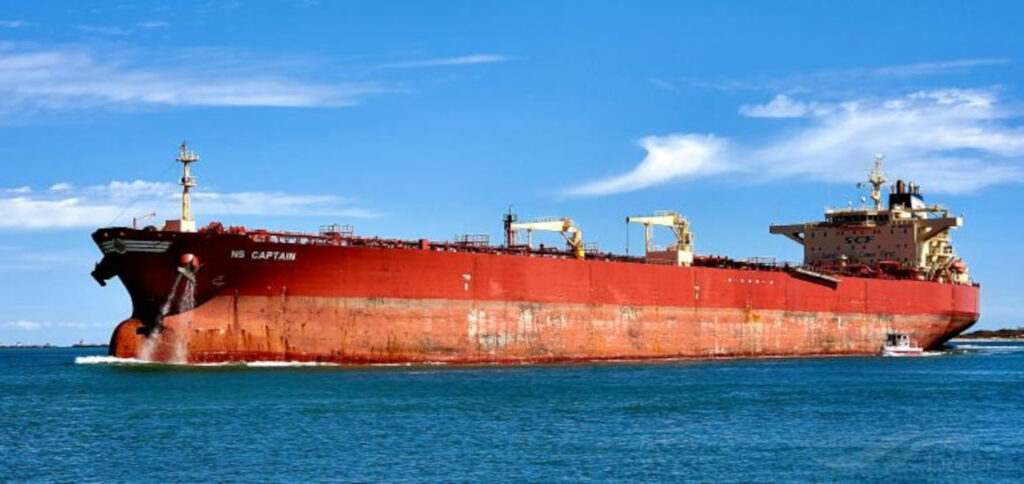
    The DF Peak crude oil tanker, part of Russia's shadow fleet. Photo: VesselFinder

    France has seized an oil tanker suspected of belonging to Russia’s shadow fleet after intercepting it more than 450 nautical miles south of Réunion in the Indian Ocean, French President Emmanuel Macron announced on 12 October.

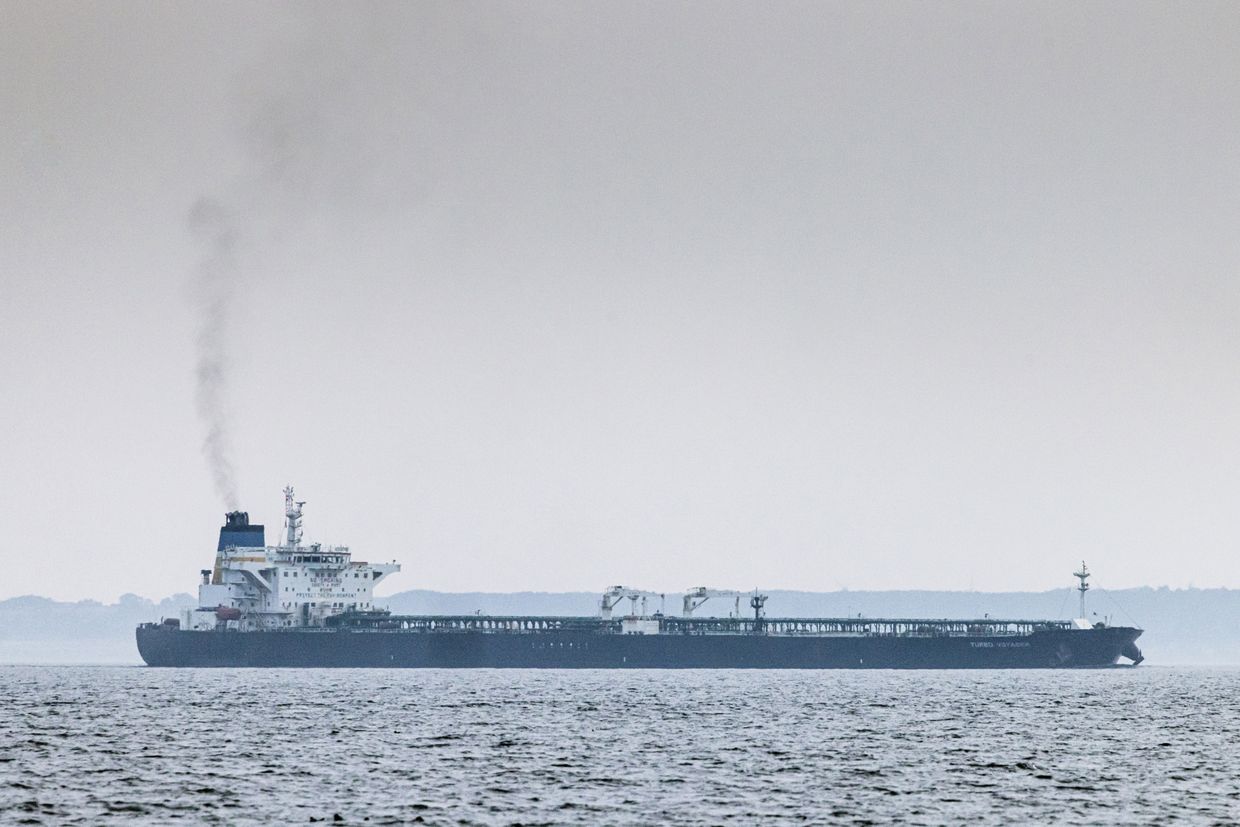
    The seizure targets a network Russia relies on to keep oil revenues flowing despite Western sanctions imposed over its full-scale invasion of Ukraine. The shadow fleet allows Moscow to continue exporting oil and funding its war in Ukraine. 

    The French Navy boarded the DF Peak over suspicions that it was sailing under a false flag and involved in illegal fuel transportation, Macron said. French forces escorted the vessel to an anchorage near Réunion for further checks as part of a judicial investigation. 

    La France est déterminée à lutter contre la flotte fantôme, partout dans le monde.

    Ce matin, à plus de 450 nautiques au sud de La Réunion, notre Marine nationale a arraisonné le pétrolier DF Peak, suspecté de naviguer sous un faux pavillon et impliqué dans des activités… pic.twitter.com/GS91egdvzN

    — Emmanuel Macron (@EmmanuelMacron) October 12, 2026

    What is Russia’s shadow fleet?

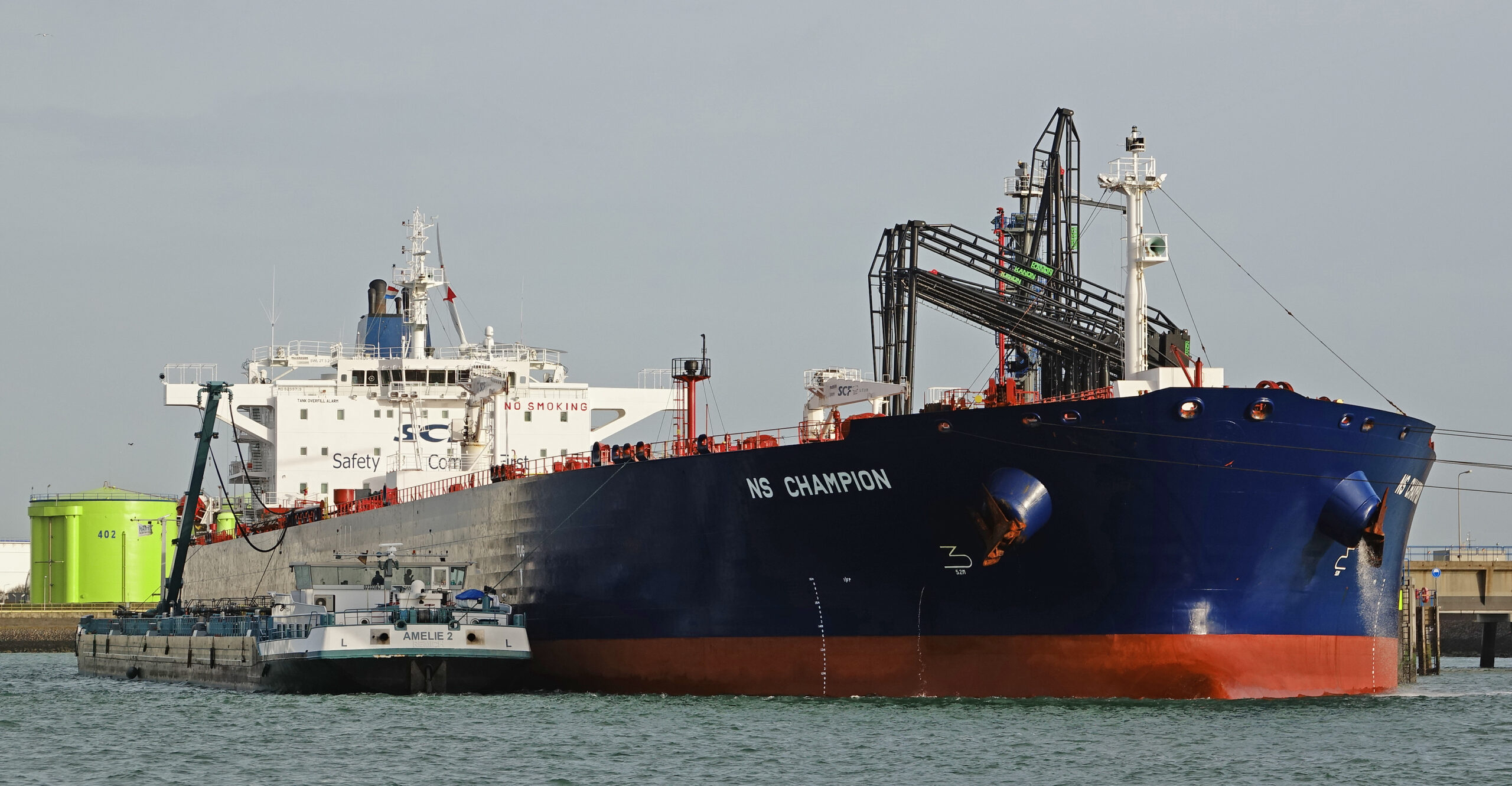
    Russia’s shadow fleet consists of oil tankers used to keep Russian oil and petroleum exports moving despite Western sanctions imposed after Moscow launched its full-scale invasion of Ukraine in 2022.

    The vessels often operate through opaque ownership structures, change names or flags, and use registration practices that make it harder to establish who controls them and where their cargo originates. These methods help Russia maintain oil revenue while limiting the impact of sanctions and restrictions on shipping and insurance. 

    The fleet also raises safety and environmental concerns. Many of the vessels are older tankers operating with unclear insurance coverage or limited oversight, increasing the risk of accidents and oil spills.

    DF Peak previously sailed under different name

    The DF Peak was previously named Kaliningrad and sailed under the flag of Benin. It has been subject to US, UK, and EU sanctions since 2024, according to Reuters. Ukrainian military intelligence has also linked the tanker to Russian crude oil transportation and the shipping company Sovcomflot. 

    The tanker was last tracked near Madagascar on 12 October after departing from Venezuela, according to shipping data cited by Reuters. French authorities said the vessel would be taken to Réunion for a closer examination of its registration and activities. 

    Russia condemns seizure

    Russia’s embassy in France condemned the seizure, calling it a violation of international law and describing the operation as “piracy,” according to Russian state media cited by Reuters. The embassy said France had not notified Moscow about the seizure and that it was checking whether Russian citizens were among the crew. 

    The seizure is part of wider European efforts to enforce sanctions against Russia’s oil exports and target vessels suspected of using false flags. France has seized at least five Russian-linked tankers since 2024, Reuters reported. 

    Russia quietly grows fleet that funds its war: one shell firm in Marshall Islands buys two gas tankers from Chinese and Greek owners

    10 octobre 2026 à 11:11

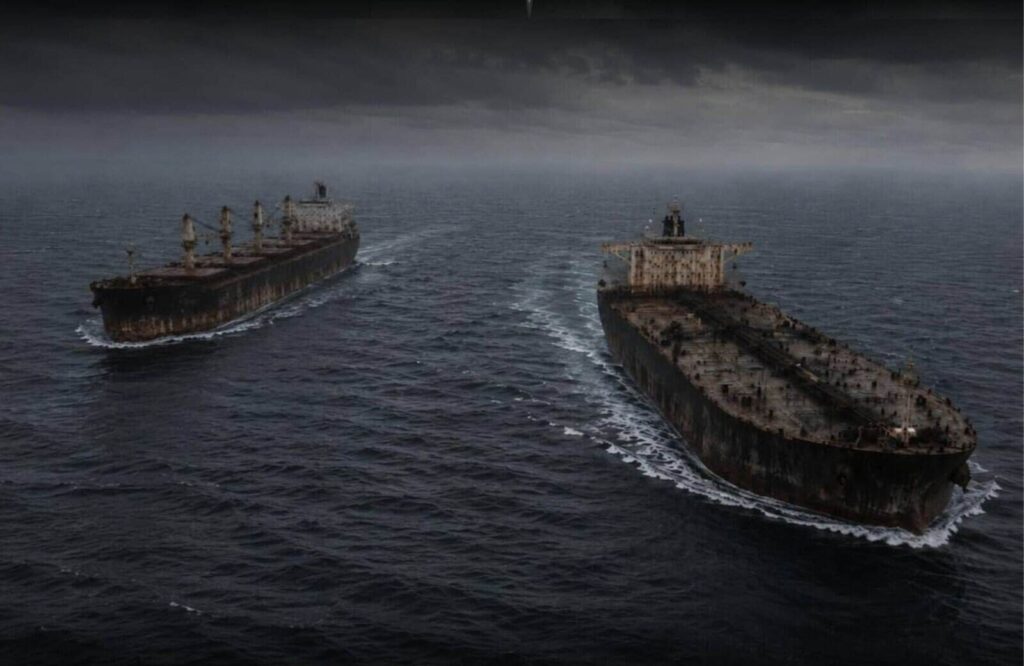
    Two weathered cargo ships sail across a dark sea beneath heavy storm clouds.

    Ukraine has published data on 20 vessels that carry Russian oil and liquefied natural gas or refuel the sanctioned fleet, parts of the logistics network the Kremlin uses to fund its war, Ukraine's Defense Intelligence reports. All 20 are under British or Ukrainian sanctions, and only one faces US restrictions.

    Russia’s shadow fleet runs on roughly 500 aging ships of uncertain ownership that dodge sanctions and keep oil money flowing. That seaborne oil trade is worth more than 80 billion euros a year.

    The headline vessel is the Russian ship Portovyy, an LNG carrier and floating gas store owned by the sanctioned Gazprom since 2021, according to the agency. On 15 August 2026, it left the Gulf of Finland with Russian LNG for the first time since November 2021, sailing the Northern Sea Route to the Chinese port of Beihai to unload.

    Portovyy is now at the Zhoushan Huafeng Shipyard in China, which has been set as the site for its maintenance, intelligence says, an example of the foreign yards Kyiv wants closed to the sanctioned fleet.

    Russia buys up gas carriers through shells

    Two more gas carriers show how Moscow expanded the fleet in spring 2026 through front companies, intelligence said. The Avacha, once owned by China’s Jovo Energy, was bought by the little-known Tudor Maritime of the Marshall Islands, took the Russian flag in June, and now ships gas from the Arctic LNG 2 project to Beihai.

    The Chaivo, formerly owned by Greece’s Maran Gas Maritime, was also bought by Tudor Maritime and moved under the Russian flag in July. Now it carries cargo to Beihai from a floating gas storage facility off Kamchatka, intelligence says.

    A call to close the loopholes

    Intelligence urged partners to act together: tighten control over sales of commercially owned ships, block servicing of the sanctioned fleet at foreign yards, and cut off the energy revenue that Russia turns into weapons against civilians.

    Russia is building ice-class ships at home and, at the same time, widening its shadow fleet through offshore networks. The UK Foreign Office made the same point on 1 October, saying Moscow is assembling a new shadow fleet to keep its gas revenues flowing.

    • ✇Euromaidan Press
    • Seoul backs Ukraine, but sanctioned tankers carried fuel from South Korea to Russia
      Seven tankers made 14 trips from South Korea to Russia's Far East in July and August, carrying more than 176,000 metric tons of fuel, most of it diesel, the Guardian found in a 6 October analysis of port records and ship-tracking data. The UK and EU have sanctioned three of the ships, and one loaded its fuel from another tanker at sea off South Korea instead of at a terminal. Ukrainian strikes have cut Russia's fuel output as Moscow scrambles for supplies, while fuel loaded at South Kor
       

    Seoul backs Ukraine, but sanctioned tankers carried fuel from South Korea to Russia

    6 octobre 2026 à 11:37

    Seven tankers made 14 trips from South Korea to Russia's Far East in July and August, carrying more than 176,000 metric tons of fuel, most of it diesel, the Guardian found in a 6 October analysis of port records and ship-tracking data. The UK and EU have sanctioned three of the ships, and one loaded its fuel from another tanker at sea off South Korea instead of at a terminal.

    Ukrainian strikes have cut Russia's fuel output as Moscow scrambles for supplies, while fuel loaded at South Korean ports has flowed to Russia. Loadings began to surge in July, the same month South Korean President Lee Jae-myung pledged $100 million for Ukraine's reconstruction, the Guardian reported. That creates a tension in Seoul's policy toward the war: South Korea has provided Ukraine with humanitarian and non-lethal aid but ruled out sending weapons directly, while the fuel trade appears legal under South Korean law even though three of the tankers are under UK and EU sanctions.

    Russia imported 368,000 metric tons of oil products by sea in August, 112,000 of them from South Korea, according to Kpler data analyzed by the Centre for Research on Energy and Clean Air (CREA) and cited by the Guardian. CREA's own August report gives 172,000 metric tons in total, including 18,000 from South Korea. Neither explains the gap.

    Where the tankers said they were going

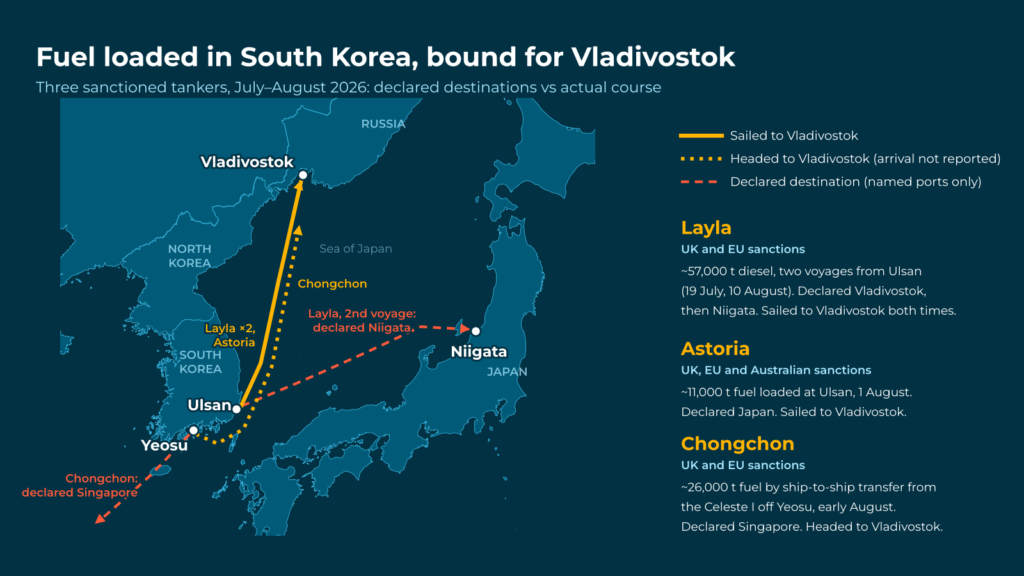
    The Layla, a tanker under UK and EU sanctions, made two voyages from Ulsan to Vladivostok, carrying a total of 57,000 metric tons of diesel. It left South Korea on 19 July and 10 August. On the first trip, it told South Korean authorities it was bound for Vladivostok; on the second, it declared Niigata, Japan, but sailed to Vladivostok again.

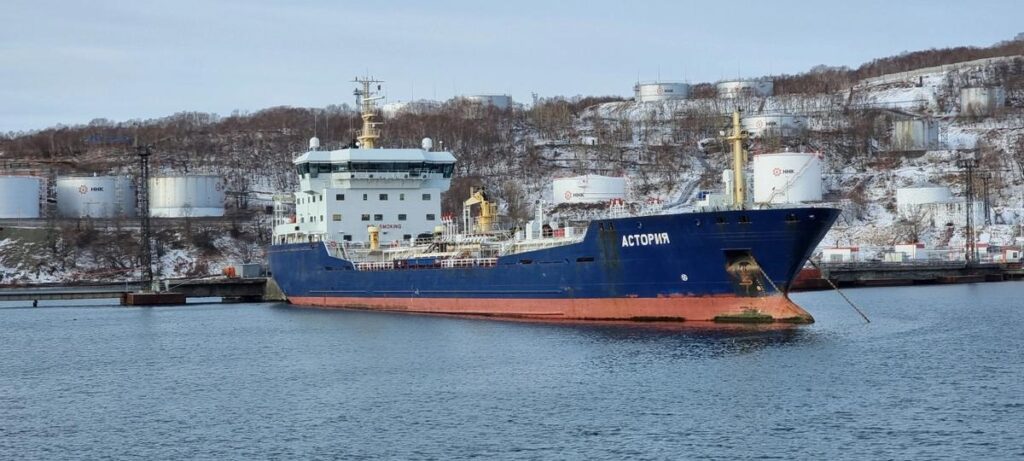
    The Astoria, a Russian-flagged tanker under UK, EU, and Australian sanctions, loaded nearly 11,000 metric tons of fuel at Ulsan on 1 August. It declared Japan as its destination but sailed to Vladivostok.

    The Chongchon did not berth at a South Korean port. Instead, it took about 26,000 metric tons of fuel from the unsanctioned Celeste I at an anchorage off Yeosu in early August. It declared Singapore as its destination but headed to Vladivostok. The owners and managers of the four tankers did not respond to the Guardian's requests for comment.

    Map of sanctioned tankers' voyages from South Korea to Vladivostok
    Source: Guardian analysis of port records and ship-tracking data; sanctions listings: OpenSanctions. Map: Euromaidan Press

    Why Russia needs the fuel

    Ukrainian drone strikes have severely disrupted Russia's refining capacity, the Guardian reported. In July, Ukraine's General Staff said the strikes had knocked out 42% of Russia's refining capacity, costing the industry billions of dollars.

    Russian refinery throughput fell in June to its lowest level in more than 20 years, and diesel output is down nearly 30% from a year earlier, the International Energy Agency said, according to the Guardian.

    Russia has also restricted fuel exports to protect domestic supplies, extending its diesel export ban until the end of October; on 2 October, Deputy Prime Minister Alexander Novak said Moscow could consider partially lifting the ban if there was overproduction, according to the Moscow Times.

    Responses to the shipments

    Seoul's non-lethal aid has included helmets, body armor, and demining vehicles, and in 2023 it pledged $2.3 billion in support, mostly in loans.

    Isaac Levi, an analyst at CREA, told the Guardian:

    "It is shocking that EU-sanctioned tankers loaded fuel at South Korean ports and carried it to Russia. This undermines the sanctions regime and South Korea's support for Ukraine."

    South Korea's Foreign Ministry did not address the shipments or the sanctioned tankers. In a statement, it said the government supports international efforts to help end the war in Ukraine and bring about a peaceful recovery. The ministry said it was strictly enforcing its export controls and had expanded them to cover 1,402 non-strategic items with high potential for diversion to military use. The UK Foreign Office did not answer the Guardian's questions about UK-sanctioned tankers using South Korean ports, saying only that it remains committed to monitoring its sanctions.

    Ties between Kyiv and Seoul are also strained over Ukraine's disclosure of its transfer of two North Korean prisoners of war to South Korea, which Seoul said should have remained private.

    The US has until 18 October to choose its Russia sanctions targets—if any. Kyiv’s wish list leads with the firms feeding Russia’s Starlink clone

    1 octobre 2026 à 04:18

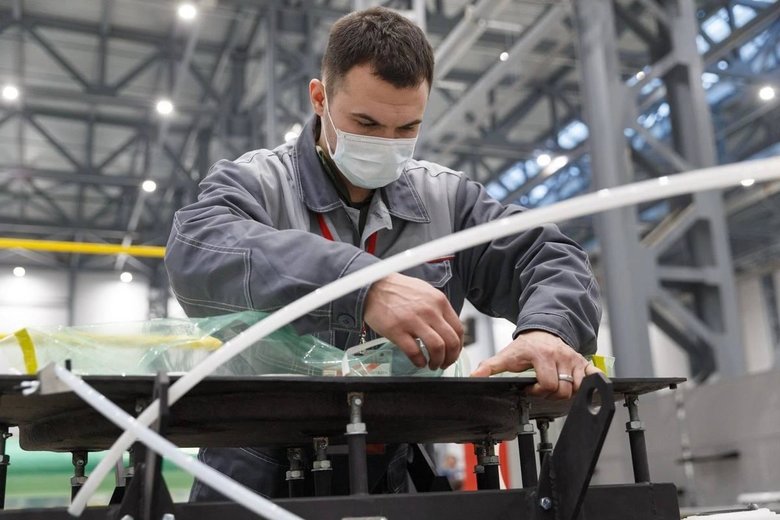
    A worker at the Kronstadt UAV production plant in Dubna.

    Ukraine is about to tell Washington exactly which Russian targets it wants punished under America's new sanctions law, the Associated Press reported. A senior Ukrainian diplomat said Kyiv will hand the Trump administration and Congress a wish list of companies, ships, and people this week—and at the top are the firms supplying parts for Russia's answer to Starlink.

    The law requires Washington to act but lets the president waive the sanctions if he certifies that doing so serves US national interests, and the first choice falls due in weeks. For Ukraine, a measure that names no targets changes nothing on the ground—which is why the fight now is over whose names make the list before the clock runs out.

    A list topped by Russia's Starlink clone

    Denys Sienik, chargé d'affaires at Ukraine's embassy in Washington, said the priority is a group of Russian firms making components for Rassvet, Moscow's homegrown satellite network, which Russia hopes to complete by the end of the year—though its own officials have put the start of service in 2027. Bureau 1440, the firm building Rassvet, is not itself on US sanctions lists, but its parent company, ICS Holding, is under US blocking sanctions, according to Militarnyi. The suppliers feeding the network parts are not sanctioned, and those are the ones Kyiv wants added to the list.

    Russia sped up the project after Ukraine and SpaceX cut off the Starlink terminals its troops had used without authorization at the front. If Russia completes the constellation, Sienik said, it could strike Ukraine at will with real-time information—a danger he warned would bite hardest this winter. "If these entities are not sanctioned, it will actually make this program possible for Russia and that will be a game-changer," he told reporters, Reuters reported. Kyiv wants access to Starlink inside Russia, too, so it can strike targets there.

    Euromaidan Press has reported how such a network would change the battlefield: the satellites transmit in high-frequency bands that are hard to jam, and a relay overhead would feed drones and missiles fresh coordinates mid-flight, letting them fly low under air defenses that struggle to see them.

    Oil tankers and attacks on US firms

    Ukraine is pushing for tougher action against Russia's shadow fleet, too—the aging tankers that sell its oil around Western restrictions—and is asking the administration and American industry to publicly condemn Russian attacks on US companies' operations inside Ukraine, Sienik said.

    The deadline Washington is now facing

    The requests arrive as the administration faces an 18 October deadline to decide which Russian entities, if any, to sanction under the Lindsey O. Graham Sanctioning Russia and Iran Act, which US President Donald Trump signed into law on 18 September. The law directs the White House to impose tariffs on Russia's biggest oil buyers and to block its banks, officials, and tankers—but lets the president waive those measures, which is why Kyiv is lobbying for the toughest list it can get.

    • ✇Euromaidan Press
    • Russia may target southern Europe with drones launched from merchant ships—El Mundo
      US intelligence has warned Spain, France, and Italy that Russia may be preparing to launch drones at one of them from merchant ships in the Mediterranean, El Mundo reported on 23 September, citing sources familiar with the alert. Neither the CIA nor the three governments have confirmed it. Russia has intensified a campaign of sabotage, airspace incursions, and other provocations against European states supporting Ukraine while keeping its actions below the threshold of open conflict wit
       

    Russia may target southern Europe with drones launched from merchant ships—El Mundo

    24 septembre 2026 à 06:01

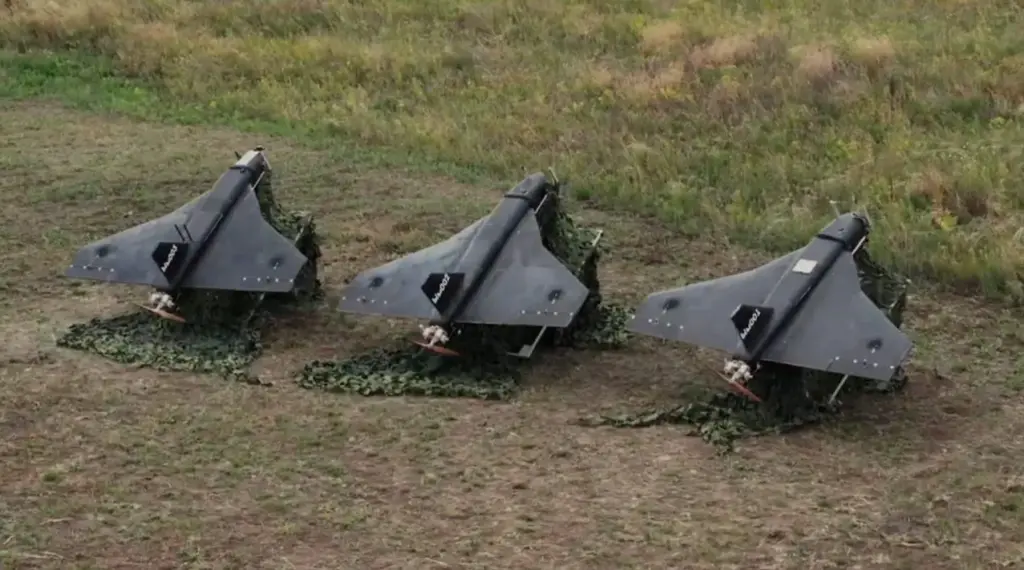
    Three gray, triangular-wing drones sit on camouflage netting in a grassy field.

    US intelligence has warned Spain, France, and Italy that Russia may be preparing to launch drones at one of them from merchant ships in the Mediterranean, El Mundo reported on 23 September, citing sources familiar with the alert. Neither the CIA nor the three governments have confirmed it.

    Russia has intensified a campaign of sabotage, airspace incursions, and other provocations against European states supporting Ukraine while keeping its actions below the threshold of open conflict with NATO. A maritime drone attack would extend that campaign into southern Europe, turning the Mediterranean into a launch zone for deniable strikes on civilian or military infrastructure.

    El Mundo based its account on a source close to Lithuania's Defense Ministry and analysts familiar with a CIA report circulated among European foreign ministries. The reported plan would hide small Russian Gerbera drones inside shipping containers aboard merchant ships and launch them from the Mediterranean.

    According to El Mundo, a Gerbera drone can travel up to 600 kilometers depending on payload and wind, potentially putting targets along NATO's southern coast within reach of a ship offshore.

    The Gerbera drone's reported 4–5 kilogram explosive payload would be unlikely to destroy a large facility, the newspaper said, but could start a fire, damage exposed equipment, or temporarily close an airport or port.

    All three countries hold elections in 2027 and have political forces capable of exploiting fear and fatigue with Ukraine, with connections to Kremlin interests especially visible in France and Italy, El Mundo reported. Keir Giles, a British defense analyst, said frontline states are not necessarily the targets—the target will be wherever Europe's weakest point is, naming the UK and Spain as countries that have not invested in air and missile defense adequate to the Russian threat.

    El Mundo placed the warning alongside earlier Russian drone incidents on NATO territory. In September 2025, 19 unarmed drones strayed into Polish airspace. German authorities later attributed an explosive-carrying drone incident at Leipzig airport to Russia.

    The war has reached Mediterranean shipping

    Russia's oil shipments and naval presence, alongside reported Ukrainian operations, have brought the conflict into the region in several ways.

    A source cited by Ukrainian media said Ukraine's Security Service struck a Russian shadow-fleet tanker there in December 2025. Such vessels carry Russian oil outside Western sanctions, making the sea a route for Moscow's war revenue and a target for Kyiv.

    The French outlet RFI later reported that Ukraine may have established a drone launch site in Libya for strikes on Russian shipping. Kyiv has not confirmed the reported site.

    Russia's military position in the region has also shifted. British intelligence assessed in January 2025 that its Mediterranean naval force lacked access to its Syrian base at Tartus after Bashar al-Assad's fall.

    A fresh $42 million, new sanctions, and a seat in the coalition rebuilding Ukraine’s Navy. Australia just signed its long-term security pact with Ukraine

    24 septembre 2026 à 04:46

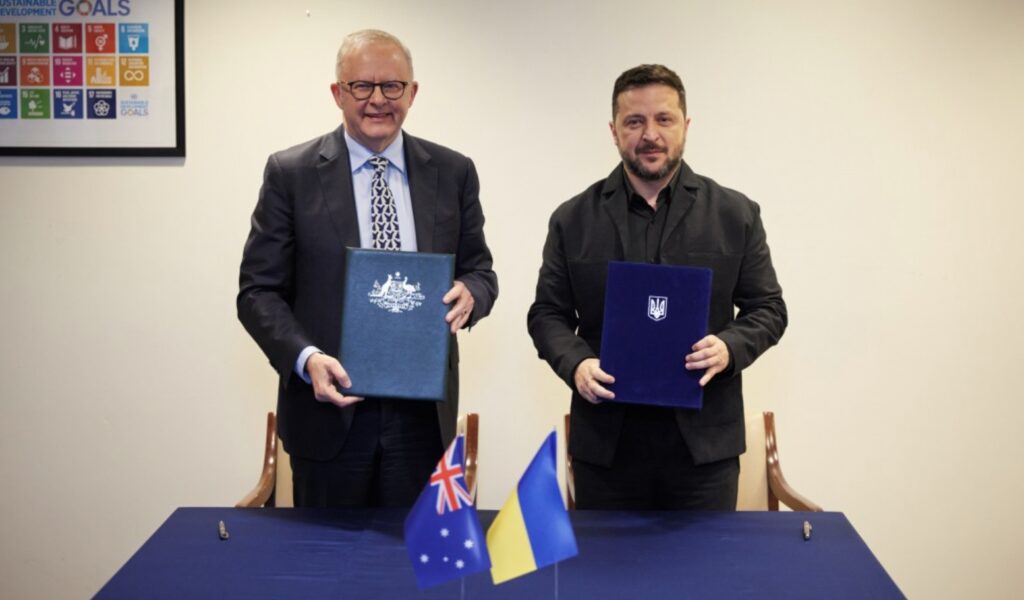
    Anthony Albanese and Volodymyr Zelenskyy.

    A new bilateral security agreement puts Australia's support for Ukraine on a long-term footing, the Australian government said. The pact bundles fresh money for Kyiv, wider sanctions on Russia, and a new role for Australia in a multinational effort to rebuild Ukraine's Navy.

    Australia sits half a world from the front, yet it wants what Ukraine has learned. The deal runs both ways—Australia sends money and equipment, and treats more than four years of Ukrainian war-fighting as a lesson for its own forces. One-off aid packages are giving way to long-term security pacts as Ukraine's partners lock in support—and, more and more, ask to learn from the force that has spent years fighting Russia.

    A bigger package and new sanctions

    Prime Minister Anthony Albanese and President Volodymyr Zelenskyy signed the agreement on 24 September. Albanese pledged an additional A$60 million ($42 million) in support. It splits into A$45 million ($32 million) of Australian Defence Force equipment, A$10 million for Ukraine's Energy Support Fund, and A$5 million in humanitarian aid. That lifts Australia's total contribution to almost A$1.9 billion ($1.3 billion). Australia also widened its sanctions on Russia to almost 1,900 measures and listed nearly 300 shadow-fleet vessels—the aging tankers Moscow uses to move oil around Western price caps.

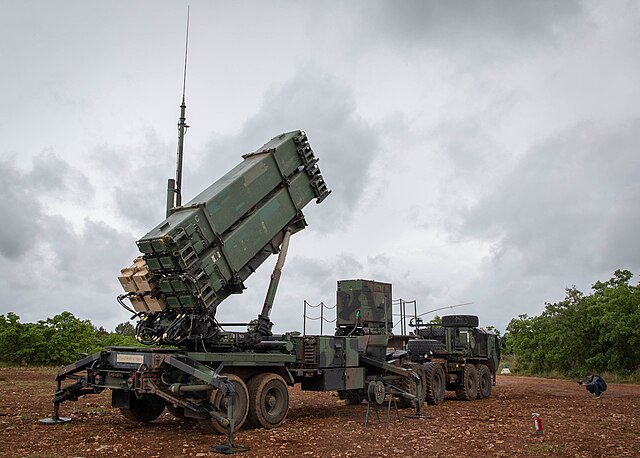
    ukraine's patriot systems starvation ration air force spox says · post defense system's launcher 210519-a-so154-750_-_patriot_missile_system_operates_in_croatia ukraine news ukrainian reports
    Explore further

    “What happens in Ukraine matters in Indo-Pacific”: Australia pledged Ukraine another $70 million

    Australia will also join the Maritime Capability Coalition for Ukraine, a UK- and Norway-led group building up Ukraine's Navy. The government cast the move as another two-way exchange: it helps Ukraine at sea while giving Australian planners insights into advanced maritime capabilities and their operational use.

    Lessons that run both ways

    The agreement frames the partnership as a trade in know-how, not just aid. Deputy Prime Minister Richard Marles said that through deeper cooperation Australia could "lend our strengths and insights to help grow Ukraine's defence industrial base, and likewise learn from the hard-fought lessons of Ukraine's resistance in developing our future capabilities." Ukraine has shown what an innovative, agile force can do in a drone-heavy war, and Canberra wants the lessons. Australia has already supplied 49 retired M1A1 Abrams tanks and 120 Bushmaster protected vehicles, hardware Ukrainian crews took straight into frontline use. Two Australian companies are also developing Arrow interceptor drones for delivery to Ukraine.

    300 Russian shadow fleet ships disabled in 11 weeks—the Azov Sea is at a standstill, Ukrainian drone force commander says

    22 septembre 2026 à 12:26

    300 russian shadow fleet ships disabled 11 weeks—the azov sea standstill ukrainian drone force commander says · post seen cameras moments before strikes strike thats about thme telegram madyar ukraine

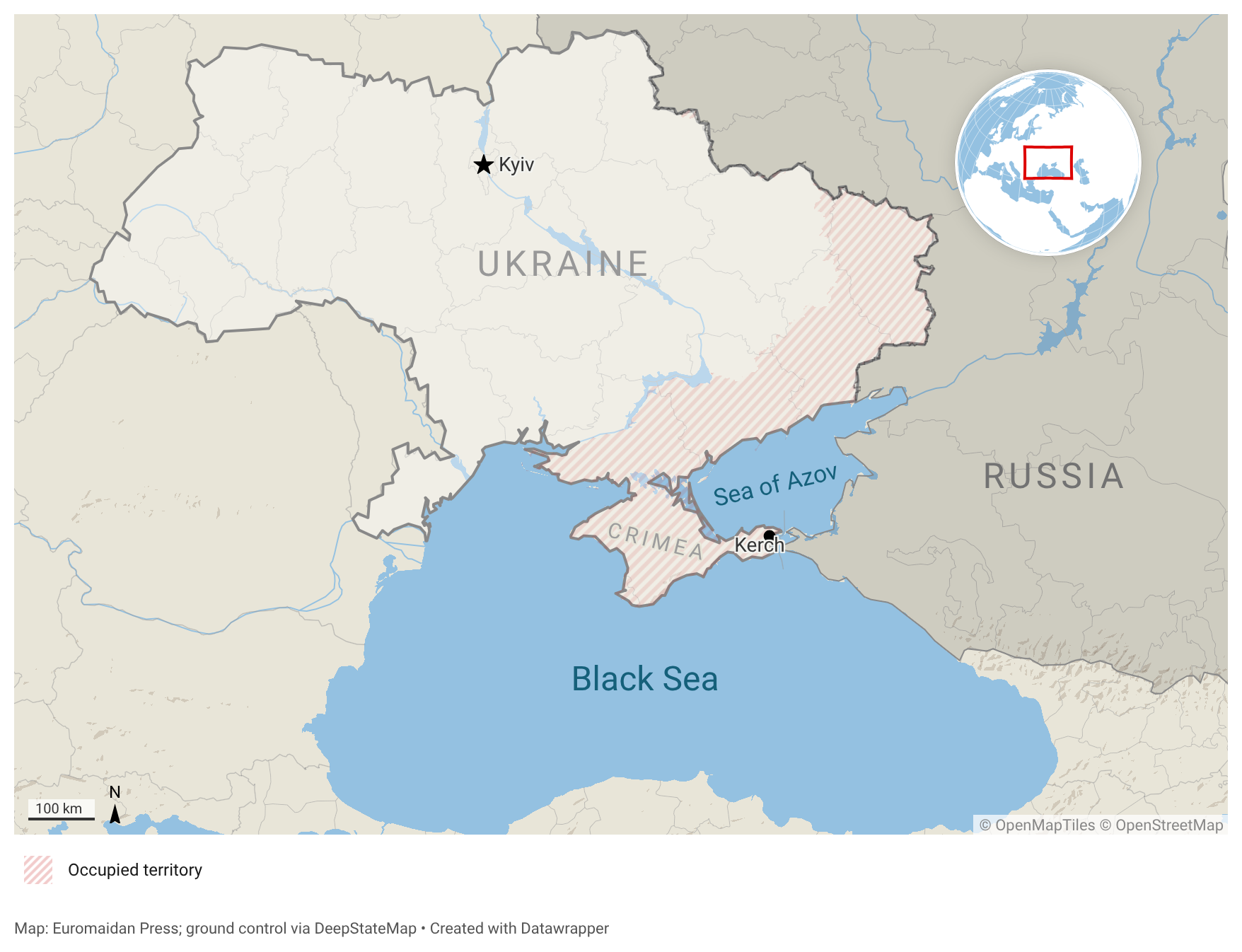
    Operation MoLoChKa has now disabled 300 Russian shadow fleet ships in 11 weeks, SBS commander Robert "Madyar" Brovdi announced. The Unmanned Systems Forces (SBS) campaign has frozen the Azov Sea and the Kerch Strait, Brovdi said.

    The Black and Azov seas have turned from Russian supply corridors into contested waters where Russia's shadow fleet—the aging tanker armada it uses to evade oil sanctions—now moves at its own risk, according to the SBS.

    134 in the Azov, 166 in the Black Sea

    SBS drones struck 134 vessels in the Azov Sea and 166 in the Black Sea since Operation MoLoChKa began on 6 July, the SBS wrote—all, Brovdi specified, stripped of the ability to move under their own power. He called it the "300th fleet," playing on the Ukrainian army's code for a wounded man, and "a suitcase without a handle and a torment for the worm budget."

    The Azov Sea "stands and will stand, together with the Kerch Strait," Brovdi said. The northern and northeastern Black Sea operates on what he called a "maybe we'll slip through" gamble.

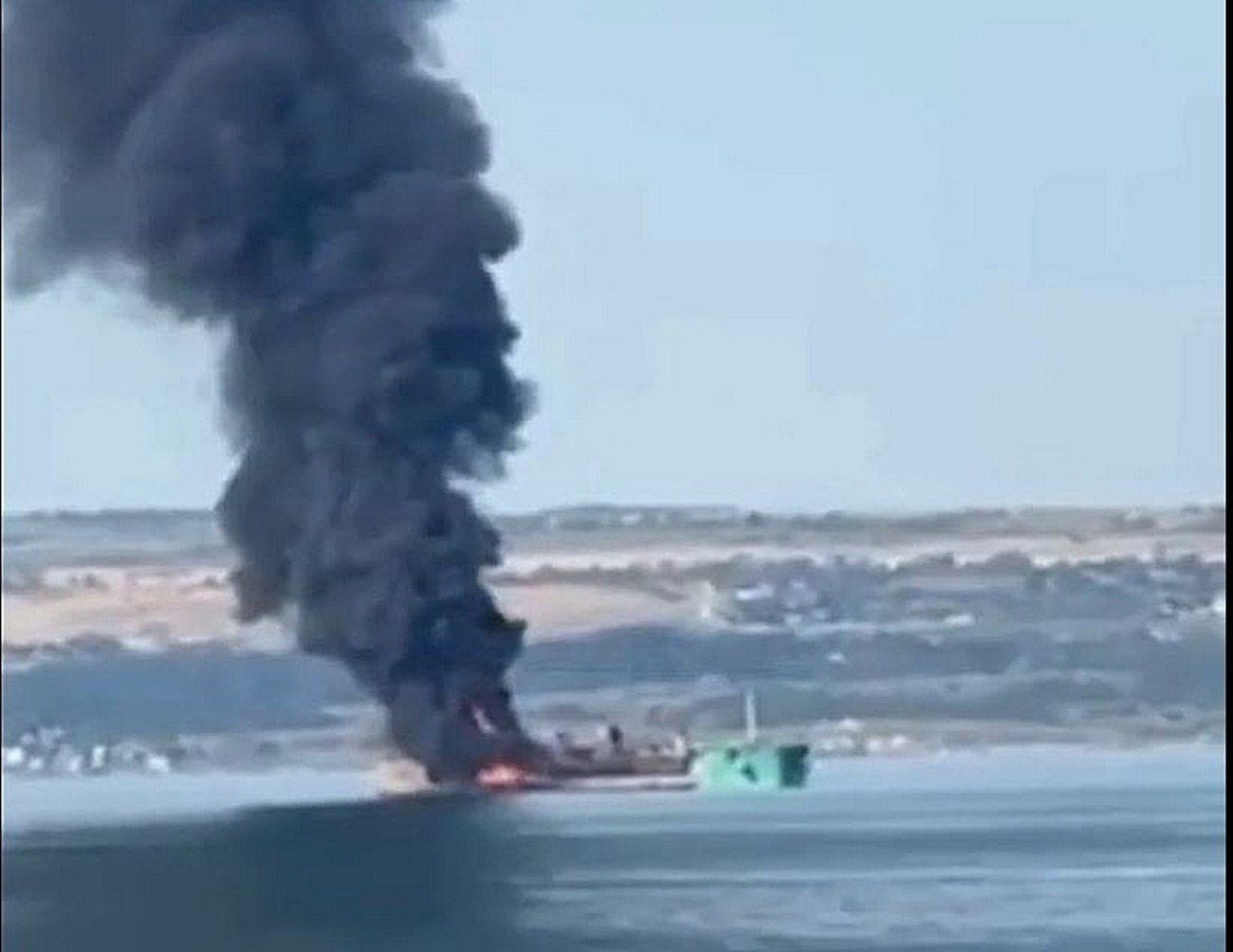
    isw ukraine has opened new phase crimea's isolation hunting seaborne fuel tankers · post russian tanker burns off sea azov coast after ukrainian drone strike ablaze exilenova+ 1 appears have
    A Russian tanker burns off the Sea of Azov coast after a Ukrainian drone strike. Photo: Exilenova+/Telegram

    The 300-ship count is the latest in a rapid progression. The SBS reported 201 vessels disabled by 29 July—just three weeks into the operation—when Brovdi said Crimea's supply route was "blocked indefinitely." By 11 September, the tally had reached 285, with 215 struck in July, 54 in August, and 16 in the first 11 days of September. The pace slowed as traffic in the strike zone thinned out.

    The SBS figures are the unit's own and cannot be independently verified.

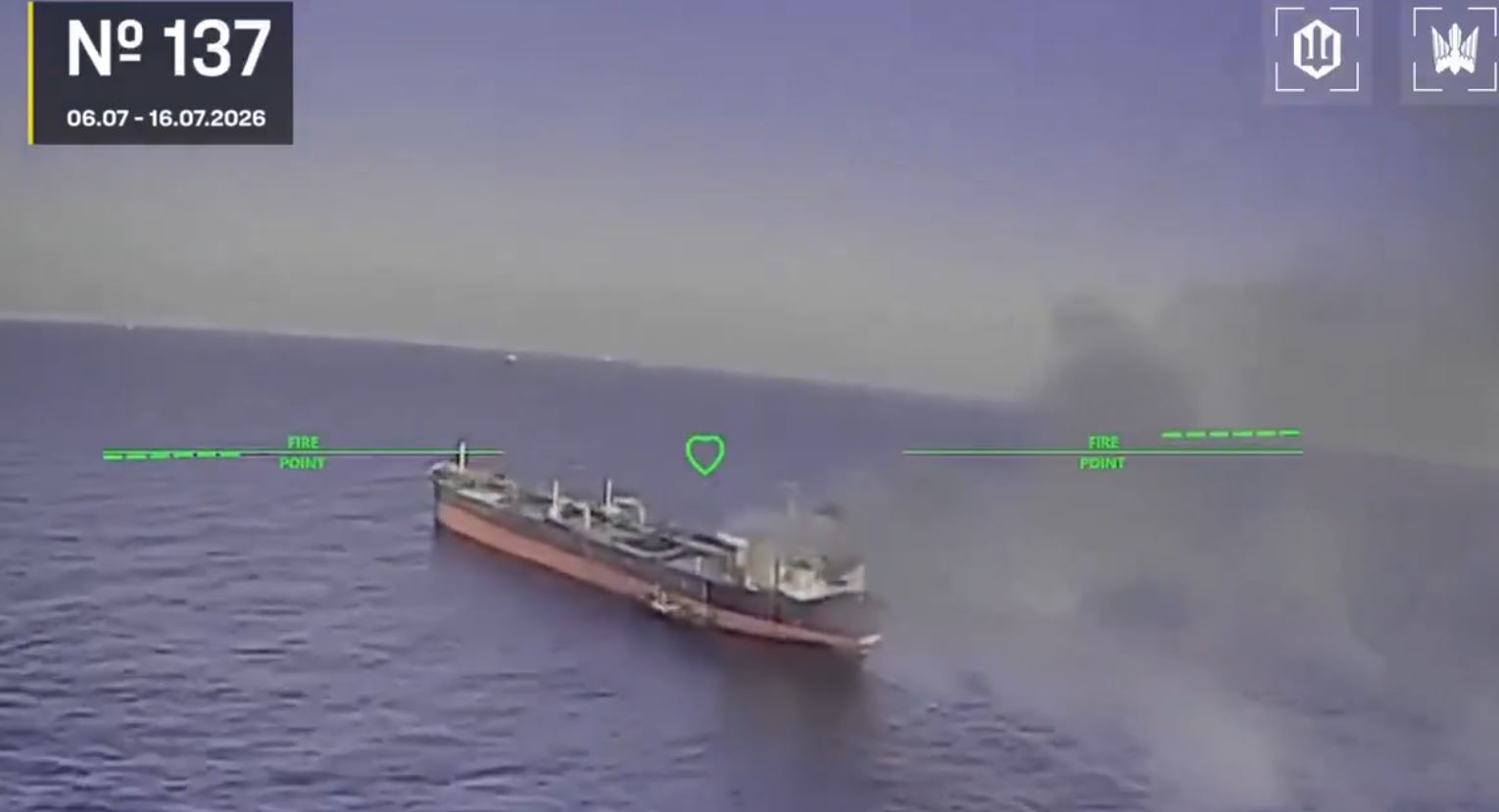
    ukraine's spy service navy team up strike two russian crude tankers black sea · post shadow-fleet tanker marked 137th vessel struck 6–16 2026 operation sight ukrainian drone sbs video oil
    Explore further

    Ukraine hits 201 Russian shadow fleet ships in three weeks. Commander says Crimea’s supply route is now blocked indefinitely

    Commercial shipping retreating from Russian ports

    In late August, MSC Mediterranean Shipping Co., the world's largest container carrier, suspended new bookings for transport through the Russian port of Novorossiysk. Russia itself closed the Don-Azov shipping channel and the Kerch Strait in July after the opening wave of strikes.

    By early August, Ukraine had turned Novorossiysk—Russia's main Black Sea export gateway—into a chokepoint, and in mid-August Ukrainian forces struck four Russian warships there in a single night. A 141-meter vessel disappeared near Novorossiysk the same week.

    crimea black and azov sea reusable

    A parallel campaign against Crimea's power grid

    The SBS is running a second operation alongside MoLoChKa. Operation Crimean Switch Off, also launched on 6 July, had struck 374 energy nodes across occupied Crimea and other occupied areas in eastern and southern Ukraine by 10 September. The campaign has blacked out Crimea on multiple nights. Brovdi has said the SBS could strike seven times more targets with faster funding.

    The US House just passed the first major Russia oil sanctions in two years—one signature stands between them and law

    17 septembre 2026 à 05:21

    The US House of Representatives.

    The US House of Representatives has approved sweeping new sanctions on Russia and the countries and companies that help finance its war, sending the measure to the president to sign into law, The Hill reported. The vote breaks a nearly two-year stretch in which Congress passed no major measure to back Ukraine. It also hands Washington fresh power to choke the oil money that keeps Moscow's war running.

    For most of the full-scale war, US backing for Kyiv came through emergency spending battles, not laws built to cut off Moscow's income. Washington's long wager that negotiations would end the fighting kept its sharpest economic tools on the shelf. That bet has now shifted toward squeezing the customers who keep the Kremlin's oil trade alive.

    The vote and what comes next

    In the House, 58 Democrats broke from their party's leaders on 16 September to join most Republicans. The bill passed 262-159, with 203 Republicans and one independent also voting yes, and seven Republicans joining 152 Democrats against.

    Whether the full weight of the bill lands is now Trump's call. A White House official said he planned to sign it, and the White House had pushed House Republican leaders to move it. The bill directs him to impose the tariffs and mandates sanctions on Putin, senior officials, and Russian banks, though he can waive them by certifying that it serves US national interests, and how far he goes stays uncertain.

    His posture on Russia keeps shifting. Days before the vote, he urged Kyiv to stop striking Russian oil refineries. He said the strikes were pushing diesel prices up worldwide. Those same strikes drain the war economy this bill sets out to squeeze.

    russian shadow fleet tanker
    Explore further

    US sanctions relief for Russian oil shipments appears to end with no renewal issued

    What the sanctions do

    The bill directs Washington to impose tariffs of up to 100% on the five biggest buyers of Russian crude, the five biggest buyers of its gas, and the five countries doing most to help Moscow evade oil sanctions—a target aimed squarely at China and India. Countries whose Russian gas imports are less than 15% of everything Russia exports in gas, and that take significant steps to cut them, would be exempt from the gas-based tariff. There is no such carve-out for crude.

    It also blacklists Russian officials, banks, and the aging tankers of Russia's shadow fleet, the vessels that move sanctioned crude around Western restrictions. The measure also extends US sanctions on Iran's energy and weapons sectors, a piece Trump asked for. That is why the bill's full name is the Lindsey O. Graham Sanctioning Russia and Iran Act.

    tehran
    Explore further

    US sanctions 13 Iran-Belarus-China entities supplying Iran’s IRGC. That’s three of four “Axis of Upheaval” states

    Why a stalled bill finally moved

    For more than a year, the package sat frozen. It had a veto-proof majority of co-sponsors, but the White House wanted room to negotiate with Moscow, and the bill never reached a vote. Its author, Senator Lindsey Graham of South Carolina, spent more than a year negotiating the measure before he died in July. Lawmakers in both parties revived and fast-tracked it in his name, and Trump dropped his resistance and signaled he would sign.

    Not everyone wanted it. Most House Democrats voted against, saying the bill hands the president broad new tariff powers and lets him waive away the sanctions it claims to impose. Nearly a dozen Republicans privately pressed leaders to strip the new powers out, alarmed they could push up prices at home before the midterm elections. Their leaders moved it through anyway. Ukrainian President Volodymyr Zelenskyy had lobbied for weeks, even watching an early Senate vote from the chamber.

    "To Vladimir Putin—we have your number," said Senator Richard Blumenthal, who co-wrote the bill, after the vote. "And to Ukraine—you are not alone."

    Kyiv's response

    Ukraine welcomed the vote within hours. Foreign Minister Andrii Sybiha thanked the House for its bipartisan leadership and said Ukraine honors Graham's legacy. Parliament speaker Ruslan Stefanchuk thanked both chambers of Congress and House Speaker Mike Johnson. He singled out Blumenthal for carrying the bill through after Graham's death. What matters for Ukraine, Stefanchuk said, is that pressure on Russia's war funding is turning into concrete decisions.

    President Zelenskyy called the timing symbolic: the House voted during another Russian missile and drone attack on Ukraine. The bill and other strong sanctions steps are "an extremely powerful instrument capable of stopping this terrorist war," he said.

    • ✇The Kyiv Independent
    • After airport chaos, tanker blast, Putin fires Russian transport minister
      Russian President Vladimir Putin dismissed Transport Minister Roman Starovoit on July 7, following a series of high-profile disruptions to Russia's aviation and shipping sectors.The official decree was published on Russia's legal information portal. No reason was given, but Starovoit's departure comes after nearly 300 flights were grounded at major Russian airports on July 5–6 due to security threats from Ukrainian drone attacks.Adding to the turmoil, an explosion aboard the Eco Wizard tanker at
       

    After airport chaos, tanker blast, Putin fires Russian transport minister

    7 juillet 2025 à 03:45
    After airport chaos, tanker blast, Putin fires Russian transport minister

    Russian President Vladimir Putin dismissed Transport Minister Roman Starovoit on July 7, following a series of high-profile disruptions to Russia's aviation and shipping sectors.

    The official decree was published on Russia's legal information portal. No reason was given, but Starovoit's departure comes after nearly 300 flights were grounded at major Russian airports on July 5–6 due to security threats from Ukrainian drone attacks.

    Adding to the turmoil, an explosion aboard the Eco Wizard tanker at the Ust-Luga port in Leningrad Oblast caused an ammonia leak on July 6, prompting an emergency response.

    Starovoit, sanctioned by Ukraine and Western countries for his role in the war against Ukraine, had served as governor of Russia's Kursk Oblast before being appointed transport minister in May 2024.

    According to the Russian state-controlled newspaper Vedomosti, Deputy Transport Minister Andrei Nikitin, a former Novgorod Oblast governor, is a leading candidate to replace Starovoit.

    On July 6, the Russian Federal Aviation Agency confirmed that 287 flights were delayed or canceled at Moscow's Sheremetyevo Airport, St. Petersburg's Pulkovo Airport, and Nizhny Novgorod's Strigino Airport due to safety concerns from drone activity.

    Kyiv's drone campaign, which has increasingly disrupted civilian air travel in Russia, is part of Ukraine's broader strategy to undermine Russia's logistics far beyond the front line.

    Russian authorities said the ammonia leak at Ust-Luga was "minor," but the pro-Kremlin Telegram channel, Baza, reported that an unexplained explosion preceded the incident.

    The Eco Wizard tanker is believed to be part of Russia's "shadow fleet" — a network of vessels used to bypass international sanctions on Russian oil and chemical exports. Five tankers have been damaged by explosions at Russian ports since the start of 2025.

    The Kremlin has not made a formal statement on the minister's dismissal.

    Death of top Russian oil executive fuels fresh scrutiny of elite’s ‘window falls’
    The unexplained death of a top Russian oil executive on July 4 is fueling renewed scrutiny over the rising number of high-profile Russian officials and businessmen who have died under mysterious circumstances, specifically, have fallen out of windows. Andrei Badalov, vice president of Transneft, Russia’s largest state-controlled pipeline transport company,
    After airport chaos, tanker blast, Putin fires Russian transport ministerThe Kyiv IndependentTim Zadorozhnyy
    After airport chaos, tanker blast, Putin fires Russian transport minister
    • ✇The Kyiv Independent
    • Explosion damages tanker in Russian port, marking 6th mysterious blast this year
      An explosion aboard the Eco Wizard tanker in Russia's Ust-Luga port caused an ammonia leak and is under investigation, the Russian Transportation Ministry announced on July 6. Explosions have damaged five tankers at Russian ports since the beginning of the year. The Russian Transportation Ministry alleged that "a minor leak of liquid ammonia" occurred at the Ust-Luga seaport in Leningrad Oblast due to "an incident" while unloading and loading the Eco Wizard tanker. According to the Russian Teleg
       

    Explosion damages tanker in Russian port, marking 6th mysterious blast this year

    6 juillet 2025 à 13:12
    Explosion damages tanker in Russian port, marking 6th mysterious blast this year

    An explosion aboard the Eco Wizard tanker in Russia's Ust-Luga port caused an ammonia leak and is under investigation, the Russian Transportation Ministry announced on July 6.

    Explosions have damaged five tankers at Russian ports since the beginning of the year.

    The Russian Transportation Ministry alleged that "a minor leak of liquid ammonia" occurred at the Ust-Luga seaport in Leningrad Oblast due to "an incident" while unloading and loading the Eco Wizard tanker.

    According to the Russian Telegram news channel Baza, "an explosion of an unknown nature" preceded the leak.

    The ship's 23-person crew was evacuated and port emergency services are working on site to eliminate the consequences. Loading operations were stopped and emergency rescue services put on high alert. Russian Transportation Minister Roman Starovoit held a meeting on the incident and a diving inspection of the vessel is planned.

    No casualties have been reported.

    The Eco Wizard tanker arrived in Ust-Luga from Antwerp, Belgium on July 3, according to ship-tracking data from VesselFinder. The vessel was built in 2024 to transport liquefied petroleum gas (LPG) and flies the flag of the Marshall Islands.

    The vessel is suspected to belong to Russia's "shadow fleet," a group of tankers Moscow uses to circumvent sanctions.

    A week prior to the Eco Wizard explosion, a blast occurred on the shadow fleet tanker Vilamoura shortly after it visited Russian ports. The ship was carrying 1 million barrels of oil at the time of the explosion.

    The Eco Wizard is the sixth tanker linked to Russia to have suffered an explosion since the start of this year.

    Ukraine war latest: Drones attack Russia’s Black Sea Fleet; Russian pipelines explode in country’s Far East, HUR says
    Key developments on July 5-6: * Drones reportedly attack Russia’s Black Sea fleet * Pipelines supplying Russian military explode in Russia’s Far East, HUR source says * Ukrainian drone strike on Russian airfield hits bomb depot, aircraft * Ukraine hits Russian electronic warfare facility making Shahed, Iskander components, General Staff says * Ukraine’s army chief warns of new Russian offensives in northeast as he visits Kharkiv Oblast front Drones attacked Russia’s Black Sea Fleet at the
    Explosion damages tanker in Russian port, marking 6th mysterious blast this yearThe Kyiv IndependentThe Kyiv Independent news desk
    Explosion damages tanker in Russian port, marking 6th mysterious blast this year
    • ✇The Kyiv Independent
    • Russia reviving efforts to expand LNG exports after US sanctions, Bloomberg reports
      Russia is making another attempt to expand its exports of liquefied natural gas (LNG) after U.S. sanctions disrupted production at its flagship Arctic LNG 2 plant, Bloomberg reported on June 28. Arctic LNG 2, owned by the Russian company Novatek, was envisaged as Russia's largest LNG plant and aimed to produce almost 20 million metric tons of LNG per year. The U.S. State Department targeted the Arctic LNG 2 project with sanctions in 2024. An LNG vessel has reportedly docked at the Arctic LNG 2 f
       

    Russia reviving efforts to expand LNG exports after US sanctions, Bloomberg reports

    28 juin 2025 à 23:09
    Russia reviving efforts to expand LNG exports after US sanctions, Bloomberg reports

    Russia is making another attempt to expand its exports of liquefied natural gas (LNG) after U.S. sanctions disrupted production at its flagship Arctic LNG 2 plant, Bloomberg reported on June 28.

    Arctic LNG 2, owned by the Russian company Novatek, was envisaged as Russia's largest LNG plant and aimed to produce almost 20 million metric tons of LNG per year. The U.S. State Department targeted the Arctic LNG 2 project with sanctions in 2024.

    An LNG vessel has reportedly docked at the Arctic LNG 2 facility for the first time since October, according to ship-tracking data and satellite images analyzed by Bloomberg. Data suggests that at least 13 vessels of Russia's "shadow fleet" have been assembled to potentially serve Arctic LNG 2.

    These include four ice-class vessels, including the one currently docked at Arctic LNG 2. Three others are idling in the Barents Sea, along with three traditional LNG vessels. Two more vessels are being repaired in China and another two are idled in the Gulf of Finland. One ship is located near a floating storage facility in Russia's Far East.

    While pipeline shipments of Russian gas to Europe have declined sharply since the full-scale invasion of Ukraine, Russia's shadow fleet — a group of aging oil tankers used to circumvent global sanctions — continues to grow.

    Moscow now has more vessels at its disposal than it did last year, according to Malte Humpert, founder of the Arctic Institute think tank.

    "If (Russia) can find buyers, this small fleet should be sufficient to lift cargoes," Humpert told Bloomberg.

    Finding buyers may present a difficulty, due to wariness about sanctions violations. Former U.S. President Joe Biden sanctioned ships and companies connected with exports from Arctic LNG 2 in 2024, thought it is not yet clear if U.S. President Donald Trump will enforce sanctions as strictly.

    Representatives of Arctic LNG 2 have continued to search for buyers in China and India, but have not yet made any sales, traders familiar with the matter told Bloomberg.

    Arctic LNG 2 cut production from its gas fields to almost zero in November 2024, after halting liquefaction the previous month due to Western sanctions. The U.S. sanctioned two vessels and two entities connected to Arctic LNG 2 in September 2024, after previously targeting the project in a sweeping round of sanctions late August.

    The August sanctions likely forced Novatek to scale back its operations at the facility. Novatek itself was sanctioned after the outbreak of the full-scale war in 2022.

    Despite escalating war plans, Putin claims Russia will cut military spending starting in 2026
    Russian President Vladimir Putin claimed on June 27 that Moscow plans to cut its military expenditure beginning next year, in a rebuke of NATO members’ plans to increase defense spending to 5% of GDP.
    Russia reviving efforts to expand LNG exports after US sanctions, Bloomberg reportsThe Kyiv IndependentDmytro Basmat
    Russia reviving efforts to expand LNG exports after US sanctions, Bloomberg reports

    • ✇The Kyiv Independent
    • For the first time, Australia sanctions Russian shadow fleet oil tankers
      Australia has, for the first time, imposed sanctions on Russia's so-called "shadow fleet" of oil tankers, targeting 60 vessels used to circumvent international sanctions and sustain the Kremlin's war effort in Ukraine, the Australian government said on June 18.The move aligns Canberra with similar measures introduced by the United Kingdom, Canada, and the European Union. Australia's Foreign Ministry said the sanctioned vessels operate under "deceptive practices, including flag-hopping, disabling
       

    For the first time, Australia sanctions Russian shadow fleet oil tankers

    18 juin 2025 à 08:20
    For the first time, Australia sanctions Russian shadow fleet oil tankers

    Australia has, for the first time, imposed sanctions on Russia's so-called "shadow fleet" of oil tankers, targeting 60 vessels used to circumvent international sanctions and sustain the Kremlin's war effort in Ukraine, the Australian government said on June 18.

    The move aligns Canberra with similar measures introduced by the United Kingdom, Canada, and the European Union.

    Australia's Foreign Ministry said the sanctioned vessels operate under "deceptive practices, including flag-hopping, disabling tracking systems and operating with inadequate insurance," enabling illicit Russian oil trade that undermines international sanctions.

    "Russia uses these vessels to circumvent international sanctions and sustain its illegal and immoral war against Ukraine," the ministry said in a statement.

    With this move, Australia has now sanctioned more than 1,400 Russian individuals and entities since Moscow's full-scale invasion of Ukraine began in February 2022, the government said.

    The step comes amid the continued operation of Russia's shadow fleet. According to a recent study by the Kyiv School of Economics (KSE), Russia currently operates 435 tankers outside the control of Western regulators to evade sanctions such as the G7-EU price cap on Russian oil.

    These vessels are typically un- or underinsured and pose a rising environmental risk due to their age and operational opacity.

    KSE estimates that as of April 2024, 83% of Russia's crude oil and 46% of its petroleum product exports were shipped using shadow fleet tankers. The study warns that this undermines the effectiveness of Western sanctions and increases the likelihood of maritime disasters, as many of these ships fall outside international safety and insurance standards.

    The EU formally adopted its 17th sanctions package against Russia in May, sanctioning nearly 200 vessels tied to the shadow fleet. EU foreign policy chief Kaja Kallas said the new measures also target hybrid threats and human rights violations, with more sanctions under consideration.

    Some EU member states and observers have criticized the package for lacking stronger provisions to disrupt Russia's sanction evasion schemes.

    Now, the EU seeks to approve its 18th sanctions package, which will add 77 more shadow fleet vessels to comply with the cap to prevent Russia from circumventing sanctions and propose imposing a ban on imports of petroleum products made from Russian oil.

    The United States has signaled reluctance to pursue additional sanctions despite Moscow's continued aggression in Ukraine and rejection of ceasefire proposals supported by Western allies.

    Putin ‘cannot be trusted’ as mediator, Kallas says, urges EU to tighten Russian oil cap after deadly Kyiv strike
    EU High Representative Kaja Kallas urged the European Union to press forward with lowering the oil price cap on Russian crude, even without U.S. support, warning that Middle East tensions could otherwise drive prices up and boost Russia’s revenues.
    For the first time, Australia sanctions Russian shadow fleet oil tankersThe Kyiv IndependentAnna Fratsyvir
    For the first time, Australia sanctions Russian shadow fleet oil tankers
    • ✇The Kyiv Independent
    • Russia evading oil sanctions with illegal transfers near Greece, Cyprus, HUR says
      An uninsured Russian Aframax-class tanker has been illegally conducting ship-to-ship oil transfers in international waters near Greece and Cyprus since July 2024, Ukraine's military intelligence (HUR) reported on June 16.According to the agency, the vessel, operating without Western insurance, is part of Russia's expanding shadow fleet used to bypass G7 and EU sanctions on Russian oil exports. HUR said such transfers "pose an environmental threat, allow the aggressor to conceal the origin of oil
       

    Russia evading oil sanctions with illegal transfers near Greece, Cyprus, HUR says

    16 juin 2025 à 02:57
    Russia evading oil sanctions with illegal transfers near Greece, Cyprus, HUR says

    An uninsured Russian Aframax-class tanker has been illegally conducting ship-to-ship oil transfers in international waters near Greece and Cyprus since July 2024, Ukraine's military intelligence (HUR) reported on June 16.

    According to the agency, the vessel, operating without Western insurance, is part of Russia's expanding shadow fleet used to bypass G7 and EU sanctions on Russian oil exports.

    HUR said such transfers "pose an environmental threat, allow the aggressor to conceal the origin of oil, evade international control, and ensure its supply to third countries in circumvention of sanctions."

    Ukraine has identified the tanker as IMO 9247443 and listed it on the War&Sanctions platform, along with 159 other tankers allegedly belonging to Russia's shadow fleet and 55 captains involved in sanction-busting operations.

    Despite price caps and Western restrictions, Russia continues to profit from oil and gas exports, which remain a vital revenue source. According to HUR estimates, roughly one-third of those profits are expected to fund Russia's war against Ukraine in 2025.

    In May, the EU approved its 17th sanctions package, targeting nearly 200 shadow fleet vessels. The U.S. Treasury had earlier sanctioned over 180 tankers, which together accounted for nearly half of Russia's offshore oil shipments.

    While the Biden administration ramped up pressure on Russia's oil trade early in 2024, U.S. President Donald Trump has since declined to impose new sanctions, despite Moscow's continued refusal to agree to a ceasefire.

    EU leaders call for tougher sanctions on Russia at G7 summit
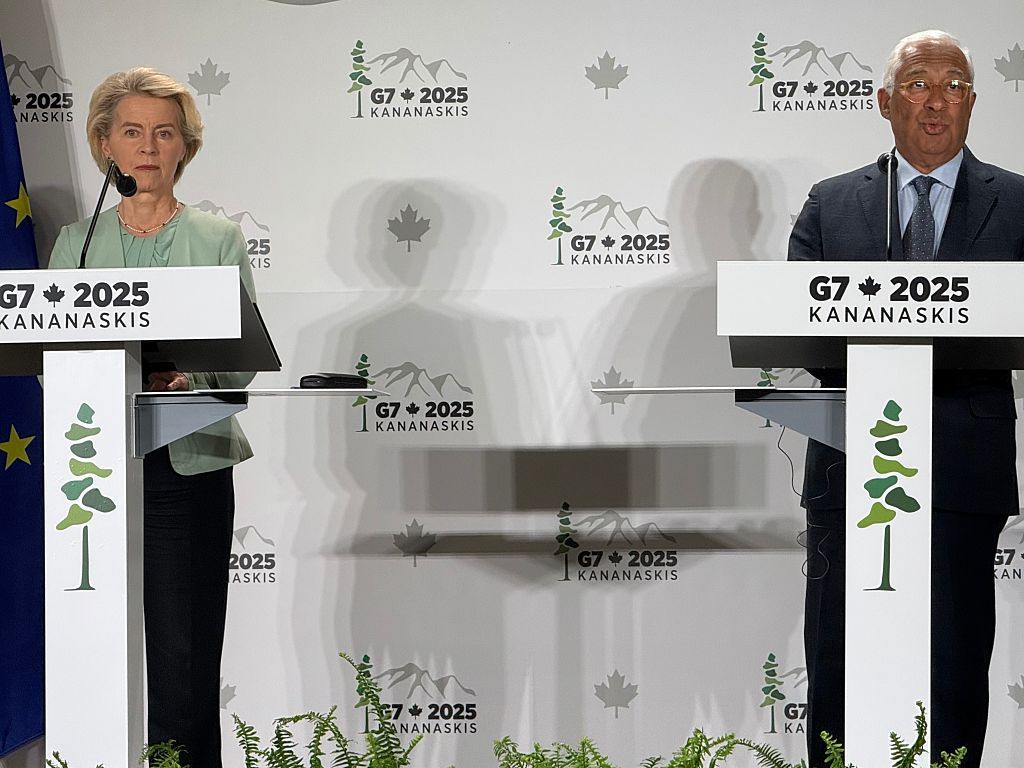
    “To achieve peaceful strength we must put more pressure on Russia to secure a real ceasefire, to bring Russia to the negotiating table, and to end this war. Sanctions are critical to that end,” European Commission President Ursula von der Leyen said.
    Russia evading oil sanctions with illegal transfers near Greece, Cyprus, HUR saysThe Kyiv IndependentAbbey Fenbert
    Russia evading oil sanctions with illegal transfers near Greece, Cyprus, HUR says
    ❌