❌

Vue normale

Ukraine’s Patriots stand empty, Zelenskyy warns, while Italy, one of its Aster suppliers, says: “We have some to keep for ourselves”

12 novembre 2026 à 06:36

Ukrainian President Volodymyr Zelenskyy at a meeting during his working visit to Denmark, 10–11 November 2026

Ukraine meets Russian ballistic missiles with “empty Patriot systems” because the interceptors it seeks keep going to the Middle East, leaving it in most cases with nothing to shoot the missiles down, President Volodymyr Zelenskyy told Denmark’s parliament on 11 November.

Ukraine needs Patriots and the European SAMP/T to stop Russia’s ballistic missiles, which Russia fires at Ukrainian cities and at the power grid that keeps people warm in winter. Those strikes are intensifying. On 7 November, Russia launched 36 missiles on ballistic paths in one night, and Ukraine downed four, Zelenskyy wrote. That single night equaled about a quarter of October’s total. Russia fired ballistic missiles again on the night of 12 November, and Ukraine’s Air Force reported downing none of them. The Patriot shortage itself is months old: in October, Ukraine downed 11 of the roughly 150 ballistic missiles Russia fired, about 7%, according to Air Force figures. What is new is that Europe’s backup appears to be thinning too.

A day earlier, Italian Defense Minister Guido Crosetto told reporters that Italy has Aster missiles it needs to keep for itself, and declined to say what Rome’s new aid package for Kyiv contains. The Asters set aside for Ukraine are reportedly exhausted, and Rome may in effect suspend deliveries, as Germany did with Patriot systems, the Italian daily Il Sole 24 Ore reported on 11 November.

What Ukraine still has against ballistic missiles

Ukraine’s air force has two SAMP/T batteries, and few Asters reach them. Ukraine has received about 12 Patriot missiles a month from the US this year, Zelenskyy told journalists on 27 October. The 500 PAC-3s Washington approved may take years to arrive.

At the same time, Kyiv is going after the launchers. Ukrainian forces have hit eight Russian ballistic missile systems since September and destroyed three, a minister said in October. Ukraine has also asked the E5 group, which includes Italy and Germany, to consider handing over 10% of their Patriot and IRIS-T interceptors in exchange for deliveries Kyiv has already contracted, Ukraine’s Defense Ministry said on 26 October.

Zelenskyy pitches FREYJA in Copenhagen

In the same speech, Zelenskyy urged Danish lawmakers to back FREYJA, the joint European anti-ballistic program, which he said 11 countries have joined. Its office is ready to open in Copenhagen together with Norway, he said. Ukraine says it has finished its part of the project, while partners are still working on their share, and the program runs on an early-2027 clock.

  • ✇Euromaidan Press
  • Poland nears swap of MiG-29s its army can’t use for Ukrainian counter-drone know-how
    Ukraine and Poland signed an agreement in Kyiv on 10 November to set up working groups on drone and counter-drone technologies, Polish Deputy Defense Minister Cezary Tomczyk announced on X after signing it with Ukraine’s Deputy Defense Minister Serhii Boiev. He added that Warsaw is finalizing the MiG-29 transfer in exchange for access to Ukrainian drone and counter-drone technologies. It comes nearly a year into talks on the swap. On 29 October, Defense Ministry planning chief Gen. Dari
     

Poland nears swap of MiG-29s its army can’t use for Ukrainian counter-drone know-how

11 novembre 2026 à 08:46

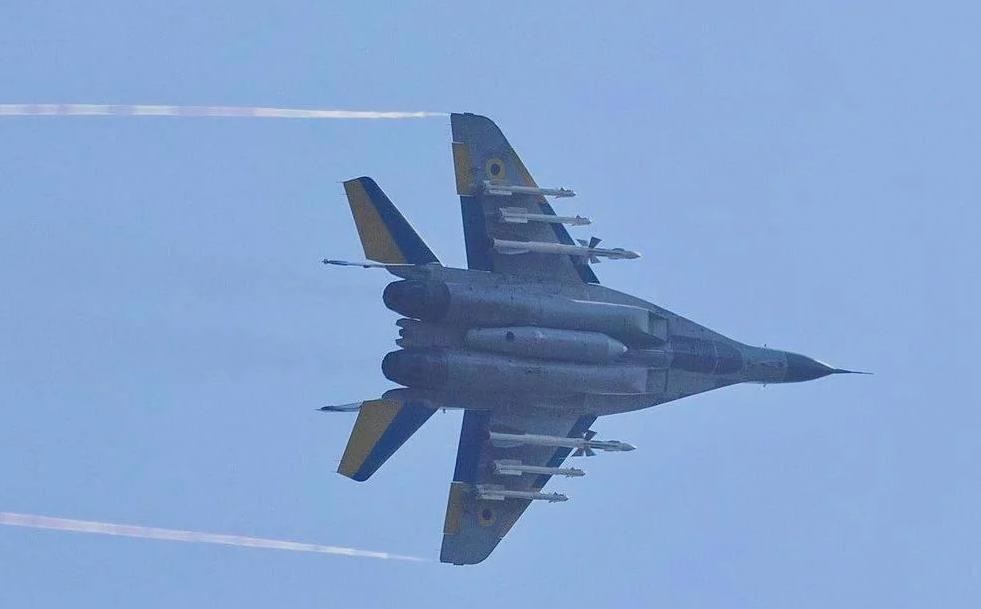
MiG-29 with R-27s and R-73s

Ukraine and Poland signed an agreement in Kyiv on 10 November to set up working groups on drone and counter-drone technologies, Polish Deputy Defense Minister Cezary Tomczyk announced on X after signing it with Ukraine’s Deputy Defense Minister Serhii Boiev. He added that Warsaw is finalizing the MiG-29 transfer in exchange for access to Ukrainian drone and counter-drone technologies.

It comes nearly a year into talks on the swap. On 29 October, Defense Ministry planning chief Gen. Dariusz Łukowski told Rzeczpospolita Poland had decided to hand over two MiG-29s. The next day, Defense Minister Władysław Kosiniak-Kamysz said the two jets would be of no use to the Polish army and that unmanned systems would come in return. For Ukraine, that means two jets instead of up to nine discussed in January.

What Poland gets

Tomczyk did not say which technologies Ukraine will share or when. Earlier that day, he wrote that Ukraine had agreed to provide the counter-drone technologies Poland needs. Ukraine’s Defense Ministry has not yet commented.

Ukrainian President Volodymyr Zelenskyy during a meeting of the Coalition of the Willing, which brought together representatives of 30 countries both online and in person, on 24 August 2026. Photo: Official Website of the President of Ukraine
Explore further

Europe’s future force for Ukraine from 11 countries will hold its first rehearsal in Poland—for a peace that doesn’t exist yet

In a 17 July opinion piece, Defence24’s Maksymilian Dura argued Polish drone solutions cost several times more than Ukrainian ones. He set one Sochaczew plant’s plan of up to several hundred Hornet drones a month against the several hundred long-range drones Ukraine sends over Russia daily. In Ukraine, he added, a design often lasts no more than a few weeks before front-line signals bring changes.

How the deal shrank

In December 2025, Tomczyk told RMF24 that six to eight MiG-29s could go to Ukraine for drone technology. In January, Deputy Defense Minister Paweł Zalewski said the number could reach nine.

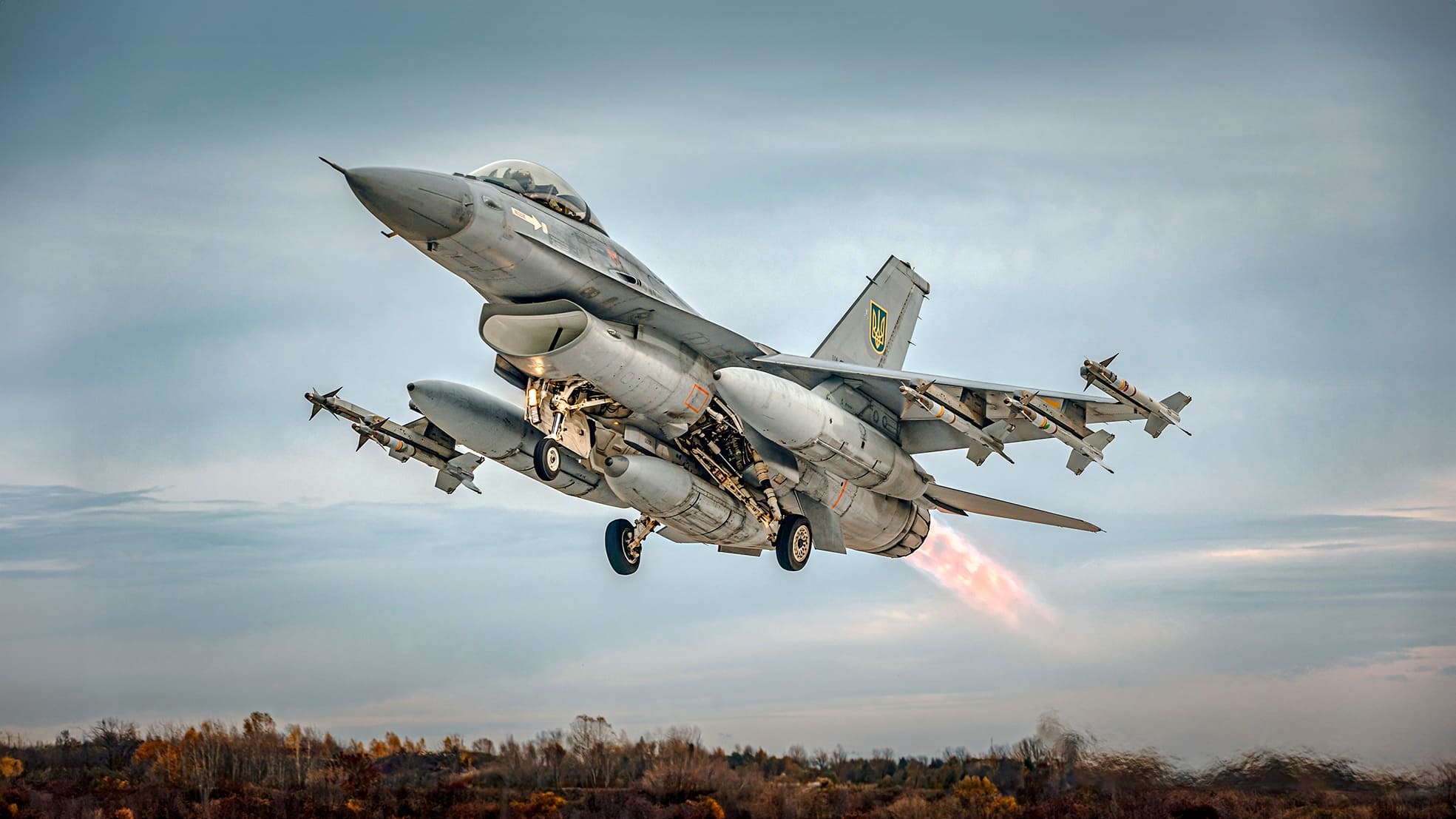
A Ukrainian Air Force F-16AM Fighting Falcon fighter jet takes off armed with AIM-9 Sidewinder air-to-air missiles. Photo: Ukrainian Air Force\X
Explore further

“What Ukraine needs right now”: Poland to provide Ukraine with scarce F-16 missiles to shoot down jet-powered drones

However, on 15 June, Tomczyk told Radio ZET the jets were on hold until the technology transfer was settled, TVN24 reported. On 29 June, Kosiniak-Kamysz said on Polsat News that Ukraine had agreed to the arrangement and later backed out. On 11 July, he said Ukraine had returned to talks.

At his 30 October briefing, Kosiniak-Kamysz also said Poland is weighing selling some remaining MiG-29s, above all to Bulgaria. The same day, Ukrainian Foreign Ministry spokesperson Heorhii Tykhyi confirmed Kyiv was working to obtain two MiG-29s, European Pravda reported.

  • ✇Euromaidan Press
  • Denmark says it outgives much bigger countries for its size—its 32nd Ukraine package is mostly air defense
    Denmark will send Ukraine a 32nd military aid package worth DKK 4.8 billion (about $719 million), Danish broadcaster DR reported on 10 November. Most of it will go to air defense, and Copenhagen is adding money for Ukraine's energy sector as Russian strikes leave Ukrainians in the cold. The announcement came on the day President Volodymyr Zelenskyy visited Denmark. Russia is going into another winter of strikes on Ukraine's power plants and grid, with one recent barrage of 59 cruise mis
     

Denmark says it outgives much bigger countries for its size—its 32nd Ukraine package is mostly air defense

10 novembre 2026 à 07:33

Danish Prime Minister Mette Frederiksen and Ukrainian President Volodymyr Zelenskyy. Illustrative photo: Office of the President of Ukraine

Denmark will send Ukraine a 32nd military aid package worth DKK 4.8 billion (about $719 million), Danish broadcaster DR reported on 10 November. Most of it will go to air defense, and Copenhagen is adding money for Ukraine's energy sector as Russian strikes leave Ukrainians in the cold. The announcement came on the day President Volodymyr Zelenskyy visited Denmark.

Russia is going into another winter of strikes on Ukraine's power plants and grid, with one recent barrage of 59 cruise missiles in a single night this month. Ukraine's main shield against them, the Patriot, is in short supply, and new interceptors bought today may arrive only in years. European governments are still arguing over who pays to close Ukraine's funding gap. Meanwhile, Kyiv depends on individual allies' own packages to keep its air defenses and power grid running.

Most of the money goes to air defense

Foreign Minister Lars Løkke Rasmussen spoke after consulting the Danish parliament's Foreign Policy Committee. "Today we consulted the committee on the 32nd donation package to Ukraine of DKK 4.8 billion in military support," he said.

Defense Minister Jeppe Bruus said the bulk of the package will pay for air defense. The money comes from Denmark's own defense budget of around DKK 100 billion, he explained. Some budget lines were underspent, and that money will now go to Ukraine instead of construction projects.

Denmark is also giving an extra DKK 150 million (about $22 million) to Ukraine's energy sector. Rasmussen tied it to the winter Russia is forcing on Ukrainians.

"People are already freezing in Ukraine. There are power outages on a level we have not seen since the war started," Rasmussen said.

Neither minister listed the specific weapons in the package.

Zelenskyy's visit and a "strong defense package"

The timing was deliberate. Denmark wanted to use the day of the visit to show that Ukraine "can count on Denmark's action," Rasmussen said. He also called Denmark the country that has given Ukraine the most relative to its size.

Zelenskyy said he came to Denmark to meet Prime Minister Mette Frederiksen, lawmakers, and defense companies. He is also due to meet King Frederik X and the prime ministers of Denmark, Norway, Sweden, Iceland, and Finland. He thanked Denmark for "a strong defense package" and said the talks would focus on strengthening Ukraine's defenses.

Denmark elections
Explore further

Denmark outspends everyone on Ukraine. I walked the streets to find out why.

The visit coincided with the first three-way talks between Ukraine, Russia, and the US since February, which opened in Abu Dhabi the same day.

A steady stream from Copenhagen

Denmark's 30th package, announced in June, was worth $670 million, and part of it went straight to Ukrainian arms makers under the "Danish model." Last month, Ukraine received more than 50,000 Danish rounds for the cannons of its F-16s, which pilots use against Russian jet drones. Copenhagen also backed a loan for the Danish arm of Fire Point, the maker of Ukraine's Flamingo cruise missiles.

Ukraine’s skies need interceptors. Spain’s new €437 million came out of a Madrid meeting with no list attached

6 novembre 2026 à 14:15

Ukrainian President Volodymyr Zelenskyy and Spanish Prime Minister Pedro Sánchez hold talks at the Moncloa Palace in Madrid, Spain, 5 November 2026

Spain will give Ukraine a new €437 million (about $490 million) military aid package, Spanish Prime Minister Pedro Sánchez told Ukrainian President Volodymyr Zelenskyy at their meeting in Madrid on 5 November, the Ukrainian president’s office reported. Neither government has said what the package contains. Whether it will help Ukraine’s thinning air defense is still an open question.

Russia is striking Ukraine’s cities, power plants, and railways daily as winter approaches. Ukraine’s main shield against ballistic missiles is nearly empty: in October, it stopped only about 7% of them. Foreign aid packages now arrive in a war where the scarcest item is the interceptor. The size of a pledge says little until its contents are known.

Zelenskyy says the package will help troops at the front

Zelenskyy thanked Spain after the talks. “Throughout all the years of this war, Spain has consistently helped and supported us,” he wrote. He said the two leaders discussed the package’s contents and Ukraine’s most urgent defense needs, without naming any weapons.

The next day, he said the package “will help our warriors at the front.” In the same post, he listed a German winter package for energy resilience and work to speed up deliveries of Patriot missiles, IRIS-T systems, and help for F-16 jets. He did not say whether Spain is part of that effort.

Madrid’s own account left the money out. The Spanish government’s readout said Sánchez reaffirmed support for Ukraine and its EU membership, condemned Russia’s recent attacks on Ukrainian cities, and noted €570 million Spain mobilized for Ukraine’s reconstruction in 2026. It did not mention a military package.

Ukraine asked Spain for help with air defense

Zelenskyy was in Madrid for the Ibero-American Summit, the first time Ukraine took part. He also met King Felipe VI and told him about Russia’s daily strikes. “We are now actively working with partners to strengthen our air defense and better protect people. We count on Spain’s support in this,” he posted after the audience.

Power-grid help is on the table too. On 6 November, Zelenskyy said Ukraine has agreements with Germany and Spain to supply generators, cables, and other equipment, which he discussed with leaders and companies during his visits.

Spain has sent Patriot missiles and F-16 rounds before

Spain is one of the few European countries that operate Patriot systems, and it has shared their missiles with Ukraine. In March, Madrid pledged five older PAC-2 interceptors, and in September its foreign minister confirmed a new batch was being prepared. Spain, like Greece, has refused to part with its Patriot systems themselves, calling them essential for national defense. Spain also began handing over cannon rounds that Ukrainian F-16s use against Russia’s jet-powered drones.

zelenskyy and sánchez
Explore further

Spain pledged €1 billion to Ukraine—then helped block NATO’s plan to count it

In March, Sánchez pledged €1 billion in military aid for 2026, part of it through the EU’s SAFE defense loans. Neither government has said whether the new package comes out of that pledge or on top of it. During Zelenskyy’s previous Madrid visit in November 2025, the two countries launched a joint project to supply long-range detection radars.

Other aid stalls as Russia’s winter strikes build

Other deliveries have hit snags. German Chancellor Friedrich Merz admitted occasional resupply difficulties after meeting Zelenskyy on 3 November. He said he will try to resolve them at a Berlin summit of Ukraine’s backers on 19 November.

The US is delaying the PAC-3 Patriot missiles built to stop ballistic strikes, while older PAC-2s keep arriving, a NATO source told Radio Svoboda in late October. Zelenskyy also said 16 billion in US aid agreed under earlier decisions was stopped and never provided. “At the very least, Ukraine must fight for this money,” he said.

Kill the archer, not the arrows: Ukraine asked Trump again and again to free Starshield against Russia’s ballistic launchers

3 novembre 2026 à 07:14

US President Donald Trump and Ukrainian President Volodymyr Zelenskyy meet at the UN headquarters in New York, US, 22 September 2026

Ukrainian President Volodymyr Zelenskyy has asked US President Donald Trump again and again to lift limits on Starshield, SpaceX's military satellite network, he told PBS NewsHour in an interview published on 2 November. Kyiv wants to use the network over Russia to find and hit ballistic missile launchers before they fire, rather than rely only on scarce interceptors. Trump told him the decision rests mostly with SpaceX, Zelenskyy said, and the restrictions remain.

Russia keeps attacking along the front line while striking Ukrainian cities and power plants behind it with drones, cruise missiles, and ballistic missiles. Ballistic missiles are the hardest to stop, and Ukraine depends on US-made Patriots to shoot them down. In the two weeks after 14 October, Russia fired more than 100 of them at Kyiv and Kyiv Oblast alone, Zelenskyy said. He called the US approval of 500 Patriot interceptors a strong decision, but deliveries may start only in years. In the meantime, the US is delaying the newest anti-ballistic PAC-3s while older PAC-2s keep arriving. Every launcher destroyed on the ground means fewer missiles Ukraine has to catch in the air.

Three or four meetings about one request

Zelenskyy spoke to PBS anchor Amna Nawaz from Kyiv in an interview that aired on 2 November. He said he had raised the Starshield restrictions with Trump about four times, in three or four meetings devoted to the issue.

His argument rested on the Patriot shortage. He said he told Trump: “Look, you will never have enough Patriot missiles to give Middle East and us.” Kyiv knew Trump would send more of them to the Middle East, and he is doing so, Zelenskyy added.

So he put forward a different fix. “Only one thing, open for Starshield, and we will block their ballistic launchers,” Zelenskyy said he told Trump. “It will be very helpful for civilians to save lives.”

Launchers only, not energy sites

Ukraine would use Starshield in Russia only to find where the ballistic launchers stand, Zelenskyy said. If that happened, Russia would lose the chance to fire ballistic missiles at Ukraine every day, he argued.

Asked whether Kyiv would target only launch sites and not energy facilities, he answered “Absolutely.” He agreed these were defensive actions. Without Starshield, he said, Ukraine can't risk massive attacks, because many civilians could die. “We don't work like Russians,” he said.

A Starlink satellite terminal set up in a Ukrainian wheat field. Illustrative image shared by Digital Minister Mykhailo Fedorov via Telegram
Explore further

Ukraine wants to aim Starlink at Russian targets—and build a version Elon Musk can’t switch off

The idea isn't new. In July, Zelenskyy asked Trump to secure Elon Musk's permission to use Starlink against launchers in Russia. Denys Shtilerman, co-founder of Ukrainian defense company Fire Point, summed up the logic to The Atlantic then: “Instead of shooting down the arrows, we would strike the archers.”

Ukraine already goes after launchers by other means. Its forces hit eight launchers used for ballistic strikes in September and early October, destroying three, Defense Minister Yevhenii Khmara said. He added that supplies of anti-ballistic interceptors still fall short of the threat.

Trump points to SpaceX

Trump said he would try, according to Zelenskyy. “It doesn't depend on him. He said that it depends mostly on SpaceX,” Zelenskyy said. Trump also told him he was supportive, Zelenskyy added, and he was very thankful.

The restrictions have not moved. “When we speak about Starshield, they don't want to lift restrictions,” Zelenskyy said. In October, he said Kyiv had asked both SpaceX and Trump to open the network over Russia.

A soldier of Ukraine's Support Forces installs a Starlink terminal, 21 July 2022
A soldier of Ukraine's Support Forces installs a Starlink terminal, 21 July 2022. Illustrative photo: Support Forces of Ukraine Command

Who throttled Starshield in October

The talks sit on top of a separate dispute. From 14 October, a speed cap on Starshield cut Ukrainian drone links above 161 km/h, until full speed returned on 24 October. Musk then said SpaceX had simply enforced its own terms.

Earlier, Musk had said such limits were decided by the US military and “ultimately” the US President, while Defense Secretary Pete Hegseth denied any US directive. Zelenskyy doubts Musk acted alone, because Starshield is a government version of the network. “I'm not sure that he could do it personally alone, without any representatives from American government,” he said.

Troops of Ukraine's 96th Anti-Aircraft Missile Brigade show Ukrainian President Volodymyr Zelenskyy their Patriot system on Air Force Day, Ukraine, 6 August 2023
Troops of Ukraine's 96th Anti-Aircraft Missile Brigade show Ukrainian President Volodymyr Zelenskyy their Patriot system on Air Force Day, Ukraine, 6 August 2023. Photo: President of Ukraine

He said he does not know who in Washington allowed it. “I think it was a dialogue between some people,” Zelenskyy said, adding that the decision was negative for Ukraine.

Zelenskyy said he wanted to talk to Musk after the slowdown, but SpaceX did not respond to Kyiv. He said he remains thankful for Starlink, but Musk's signals about Ukraine are not pro-Ukrainian.

Kyiv is also looking at options it would control itself. Days after the slowdown, Zelenskyy said Ukraine and Türkiye are weighing joint work on satellite technology.

  • ✇Euromaidan Press
  • US delays the Patriot missiles Ukraine needs against ballistic strikes but keeps sending older PAC-2s
    The US is delaying PAC-3 interceptors for Ukraine’s Patriot air defense systems while older PAC-2s keep arriving, a NATO source told Radio Svoboda on 29 October. PAC-3 is the Patriot missile built mainly to stop ballistic missiles. The delay comes as Russia leans on ballistic missiles against the capital. In two weeks, Russia launched more than 100 at Kyiv and Kyiv Oblast, President Volodymyr Zelenskyy said in his 27 October evening address. “And above all, we do not have enough missile
     

US delays the Patriot missiles Ukraine needs against ballistic strikes but keeps sending older PAC-2s

30 octobre 2026 à 12:20

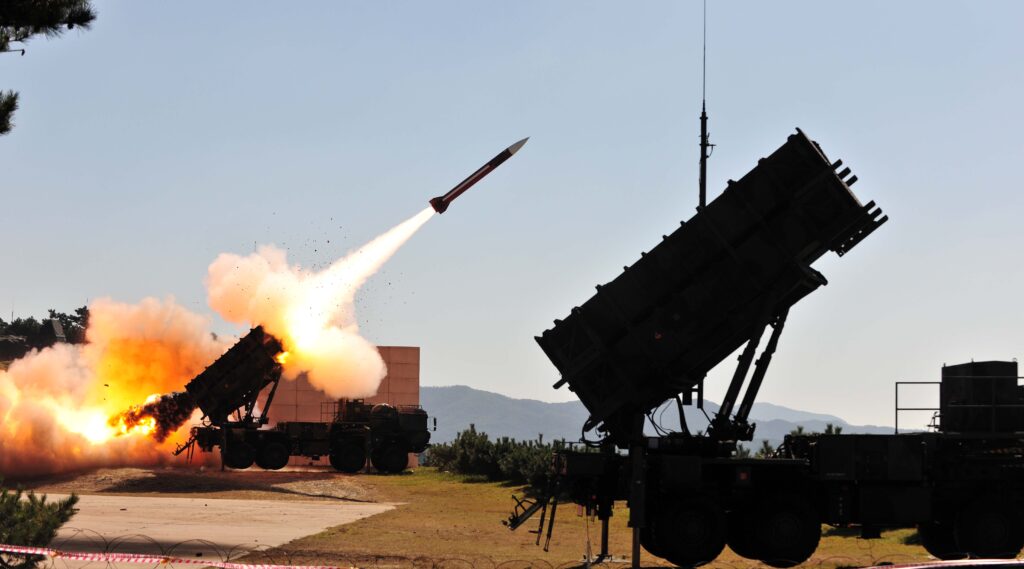
A Patriot air defense missile launcher. Photo: South Korean defense ministry.

The US is delaying PAC-3 interceptors for Ukraine’s Patriot air defense systems while older PAC-2s keep arriving, a NATO source told Radio Svoboda on 29 October. PAC-3 is the Patriot missile built mainly to stop ballistic missiles.

The delay comes as Russia leans on ballistic missiles against the capital. In two weeks, Russia launched more than 100 at Kyiv and Kyiv Oblast, President Volodymyr Zelenskyy said in his 27 October evening address. “And above all, we do not have enough missiles for Patriots,” he added. On 29 October, Zelenskyy said Ukraine has intelligence that Russia is preparing new ballistic missile attacks. Kyiv is “awaiting the relevant decisions” on interceptor packages, “primarily for Patriots,” he said.

A question for politicians

The PAC-2s, used mostly against aircraft and cruise missiles, arrive through PURL, the NATO mechanism under which allies pay for US weapons for Ukraine. The PAC-3 delay is under discussion at a high political level, the NATO source said. It is unclear when the situation will change.

What Washington said before

On 20 October, Hegseth said in Wisconsin: “We haven’t changed our posture in any way toward the Ukrainians, but certainly with things like interceptors, we want to make sure our guys have the most possible as well.”

“We haven’t changed our posture in any way toward the Ukrainians, but certainly with things like interceptors, we want to make sure our guys have the most possible as well.” Hegseth said in Wisconsin

The same day, Secretary of State Marco Rubio conceded that some interceptors bought for Ukraine through PURL may not have been delivered, Reuters reported. “There’s nothing being deliberately denied to Ukraine,” he said, adding: “We have our own needs, too.”

  • ✇Euromaidan Press
  • “Above all, we do not have enough missiles for Patriots”—Zelenskyy after 100+ ballistic missiles
    Russia has fired more than 100 ballistic missiles at Kyiv and Kyiv Oblast since 14 October, President Volodymyr Zelenskyy said in his evening address on 27 October. He said partners’ air defense packages are being delayed. Ukraine’s front-line positions are stronger than they have been in a long time, Zelenskyy said. If partners’ support for Patriots and other air defense remained just as strong, he argued, Ukraine would be in a much better position diplomatically as well. He expects tr
     

“Above all, we do not have enough missiles for Patriots”—Zelenskyy after 100+ ballistic missiles

28 octobre 2026 à 03:44

Ukrainian President Volodymyr Zelensky visits a Patriot battery in Germany in 2024.

Russia has fired more than 100 ballistic missiles at Kyiv and Kyiv Oblast since 14 October, President Volodymyr Zelenskyy said in his evening address on 27 October. He said partners’ air defense packages are being delayed.

Ukraine’s front-line positions are stronger than they have been in a long time, Zelenskyy said. If partners’ support for Patriots and other air defense remained just as strong, he argued, Ukraine would be in a much better position diplomatically as well. He expects trilateral talks with US and Russian representatives in November. The US, on which, he said, “almost everything concerning Patriots depends,” will be one of the three sides.

Delays and the war on logistics

Overnight on 27 October, Russia launched 16 ballistic missiles and more than 280 drones, in what Zelenskyy called a serious escalation of Russia’s campaign against Ukraine’s logistics. The strikes hit the State University of Trade and Economics campus and the Southern Bridge in Kyiv.

Residents stand outside a high-rise building in Kyiv after a Russian ballistic missile attack, 26 October 2026
Explore further

Russian ballistic missiles hit a Kyiv university campus, then return before dawn for the Southern Bridge again

A 46-year-old woman was killed and 15 people were injured, among them dormitory residents and two medics, the Kyiv prosecutor’s office said on the morning of 27 October.

Zelenskyy wrote that artificial and lengthy delays in interceptor packages for Patriots and NASAMS directly help Russia achieve the goals of its terror campaign. In his evening address, he added:

“And everyone hears, everyone sees that right now, it is difficult for us to defend against Russian ballistic missiles. And above all, we do not have enough missiles for Patriots.”

A month waiting on Hegseth

Earlier, on 26 October, Zelenskyy wrote that Ukraine had waited almost a month for US Defense Secretary Pete Hegseth’s signature on missiles for Patriots and NASAMS. Kyiv is also working with Europe and other partners, he added.

ukraine raises its stalled patriot request washington again after almost month without hegseth’s signature · post air defense system’s launcher 21051 9-a-so154-750_-_patriot_missile_system_operates_in_croatiajpg news ukrainian reports
Explore further

Ukraine raises its stalled Patriot request with Washington again after almost a month without Hegseth’s signature

Separately, The Washington Post reported on 19 October that some transfers come from allies and need Hegseth’s approval, because the US must sign off on re-transfers. Zelenskyy’s post does not say whether his wait concerns those transfers.

Before Zelenskyy’s latest statements, US officials rejected claims of a deliberate hold. A US government official called Ukraine’s claims “not true,” the Kyiv Independent reported. On 20 October, Secretary of State Marco Rubio said there was “nothing being deliberately denied to Ukraine.” Hegseth said the US had not changed its posture toward Ukraine but wants “our guys” to have as many interceptors as possible.

Poland paused a military aid package over Lviv’s vote honoring WWII nationalists, Ukrainian source says. Polish ministry denies it

22 octobre 2026 à 05:24

polish defense

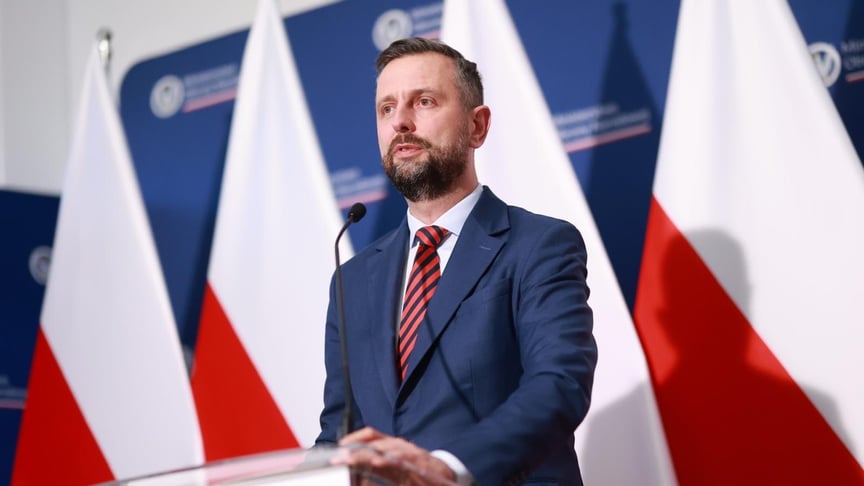
Poland has paused the delivery of a large military aid package to Ukraine after a Lviv regional council honored the Ukrainian Insurgent Army (UPA), a WWII nationalist force, a source in the Ukrainian government told European Pravda on 21 October. A Polish Defense Ministry spokesperson told Fakt the report was untrue, though he told WP he knew nothing about a possible delay in shipment.

If confirmed, the freeze would carry a history dispute into Poland’s military aid. The row flared in May, when Kyiv named a special forces unit after the UPA, and in June Poland’s president stripped Zelenskyy of Poland’s highest honor. Even so, Ukraine’s ambassador said in August that Polish military aid was still flowing.

A vote and a disputed freeze

The Lviv Oblast Council voted on 20 October to name 2027 the year of the UPA, its commander Roman Shukhevych, and nationalist activist Oleh Olzhych. The UPA fought Nazi Germany and the Soviet Union, but Poland holds it responsible for mass killings of Poles in Volhynia and Eastern Galicia in 1943–1944. The resolution disappeared from the council’s website late that evening, RMF24 reported.

The source blamed what it called the councilors’ irresponsible actions, saying the vote came as Poland prepared the shipment and that work through closed channels is underway. The ministry spokesperson, Janusz Sejmej, called the report untrue. Asked whether it could reflect a delay in shipment, he said he knew nothing about that.

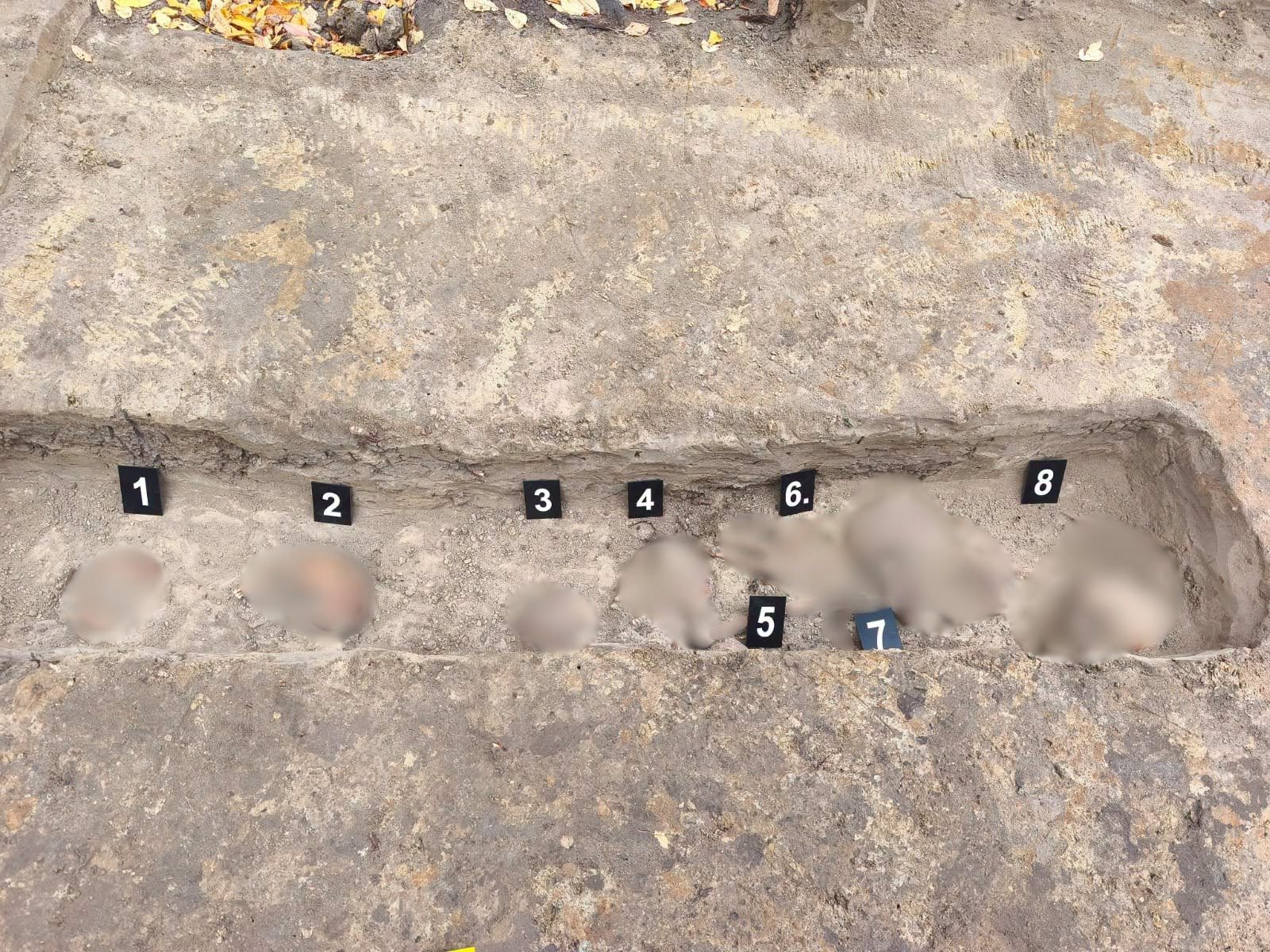
Human remains, likely belonging to a Ukrainian killed in 1944 in the village of Łasków, Lublin Voivodeship, Poland, October 2026
Explore further

Progress on a sore point for Ukraine and Poland: remains of over 40 Ukrainians killed by Polish WWII units found in Łasków

Polish officials push back

On 20 October, Defense Minister Władysław Kosiniak-Kamysz wrote that Ukraine’s authorities must distance themselves from the council’s position.

The next morning, Prime Minister Donald Tusk called the vote unwise and harmful above all to Ukraine. He said he had warned Zelenskyy earlier that such gestures hinder Ukraine’s friends, though the president was not responsible for this vote. At such moments, Tusk said, Russians always rub their hands.

Foreign Minister Radosław Sikorski then requested that councilor Sviatoslav Sheremeta, who proposed the resolution, be added to Poland’s list of unwanted persons. That afternoon, Interior Minister Marcin Kierwiński said the decision had been made. Sheremeta is barred from the Schengen zone until 2031, RMF24 reported. Poland had already barred him once, in 2017, the outlet said.

Kyiv asks for restraint

Earlier on 21 October, before the ban, Ukraine’s Foreign Ministry called the vote counterproductive in a reply to journalists and urged Warsaw to avoid abrupt steps. Zelenskyy’s closest aides had also promised the resolution would not take effect, Deputy Foreign Minister Marcin Bosacki told TVN24.

❌