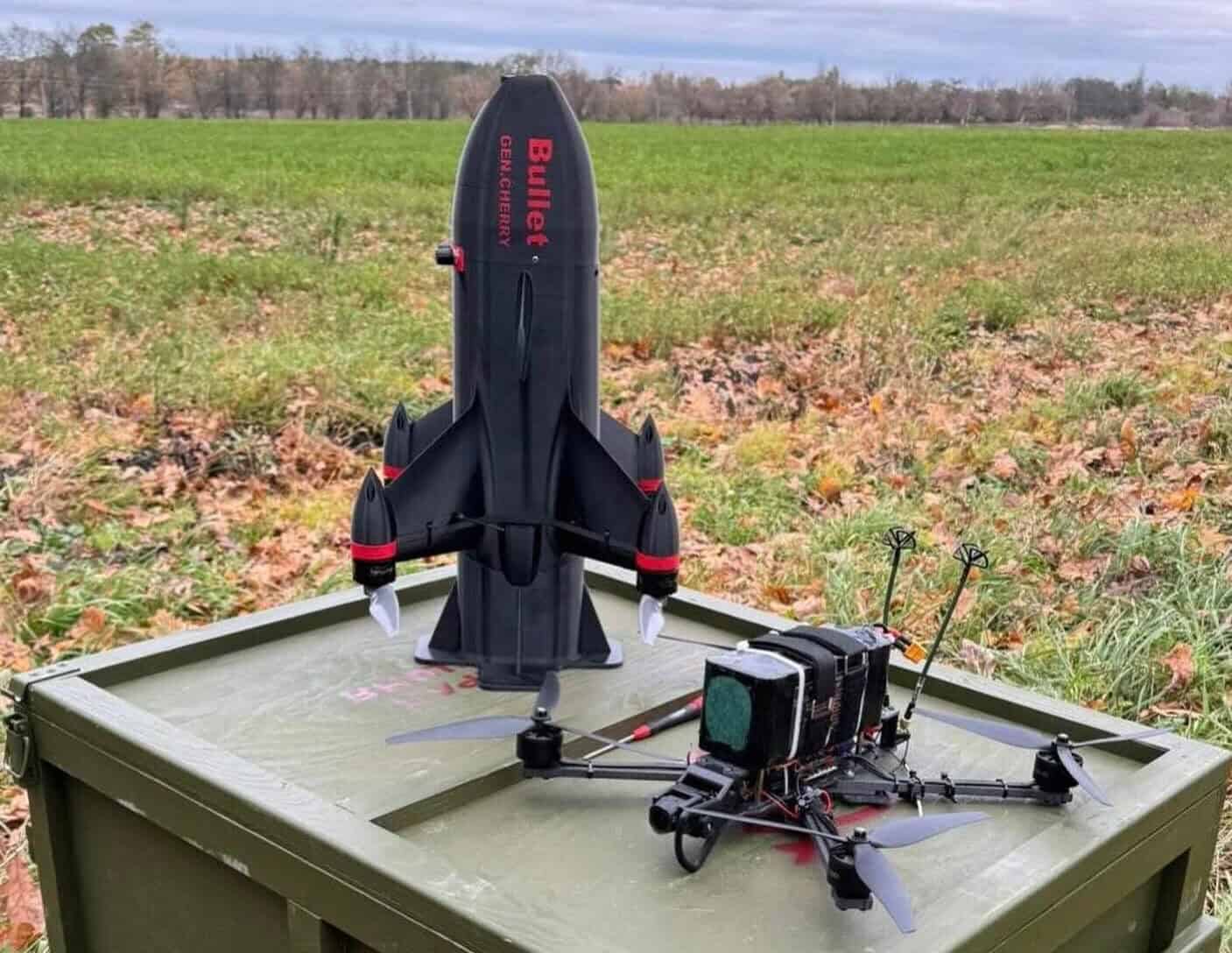
A Ukrainian drone maker is preparing to build unmanned systems in the heart of western Europe. TAF Industries and Luxembourg's LUXUAV have signed a memorandum to jointly develop, industrialize, and field weapons in Belgium and Luxembourg, under the Build with Ukraine initiative, TAF said.
The deal is part of Build with Ukraine, an initiative that enables Ukrainian arms manufacturers to take their operations to a new level by scaling up production beyond the country’s borders. This invol
A Ukrainian drone maker is preparing to build unmanned systems in the heart of western Europe. TAF Industries and Luxembourg's LUXUAV have signed a memorandum to jointly develop, industrialize, and field weapons in Belgium and Luxembourg, under the Build with Ukraine initiative, TAF said.
The deal is part of Build with Ukraine, an initiative that enables Ukrainian arms manufacturers to take their operations to a new level by scaling up production beyond the country’s borders. This involves exporting Ukrainian military technologies to partner countries that support Ukraine financially and politically. In return, joint production lines will be established on their territory, according to Ukraine's Arms Council.
The deal targets the Benelux
The memorandum is a first step, TAF said, with joint work on autonomous systems in the two countries to follow. The aim is to move from signed intent to shared production lines and fielded drones.
TAF Industries, a Ukrainian unmanned-systems maker, and LUXUAV, a Luxembourg defense-tech firm, plan to develop, industrialize, and deploy drone solutions across Luxembourg and Belgium, pooling Ukraine's battlefield experience with European manufacturing muscle.
Build with Ukraine spreads west
TAF's chief executive, Volodymyr Zinovskyi, framed the memorandum as a way of "combining Ukrainian innovations, proven by war, with European industrial and technological capabilities," arguing that European security now depends on industry, states, and research working across borders.
Belgium has already contracted a Ukrainian producer to build drones and counter-drone systems on Belgian soil.
Europe wants the know-how
The timing fits Europe's new urgency. Russian drones have strayed into Polish, Romanian, and Moldovan skies in recent weeks, and member states scrambling to build defenses increasingly look to Ukraine, the one country fighting a mass drone war, for the technology and the lessons.
Earlier, Polish Prime Minister Donald Tusk warned of very difficult weeks and months ahead, “linked to Russia’s extremely aggressive stance toward Ukraine," according to TVP Info. As he emphasized, Polish security services were on heightened alert due to the situation along the country’s eastern border.
The Russian government has submitted a draft federal budget for 2027–2029 to the State Duma, Meduza reported on 30 September, citing TASS. In all three years, Russia's expenditures will exceed its revenues, the outlet noted.
Russia's finances have been eroding since it launched its full-scale invasion of Ukraine. To keep paying for the war, the Kremlin has drained its reserves, borrowed more, and pushed tax burdens onto residents and businesses, while the wider economy stalls.
The go
The Russian government has submitted a draft federal budget for 2027–2029 to the State Duma, Meduza reported on 30 September, citing TASS. In all three years, Russia's expenditures will exceed its revenues, the outlet noted.
Russia's finances have been eroding since it launched its full-scale invasion of Ukraine. To keep paying for the war, the Kremlin has drained its reserves, borrowed more, and pushed tax burdens onto residents and businesses, while the wider economy stalls.
The government listed social obligations, including aid to those who fought in its war against Ukraine and their families, along with defense needs among the budget's priorities, while its press release left out the planned cuts to social spending and the rise in military spending, Meduza noted, citing The Bell.
Spending will exceed revenue by about 2% of GDP a year
Russia's federal budget for 2027 sets spending at 48.8 trillion rubles ($585 billion) and revenue at 43.3 trillion ($519 billion), the Russian government stated, leaving a deficit of 5.5 trillion rubles ($66 billion). It claimed the draft is "balanced" and that healthcare spending will rise compared with 2026.
Deficits of 5.1 trillion rubles ($61 billion) in 2028 and 5.3 trillion ($64 billion) in 2029 are also planned, about 2% of GDP a year, Meduza noted.
This year's deficit is now set to reach a record 7.345 trillion rubles ($88 billion), nearly double the previous forecast of 3.785 trillion ($45 billion), The Moscow Times reported on 1 October. To help close the gap, Moscow plans an array of tax hikes for 2027–2029 to fund military spending. Already by May, its four-month deficit had run 50% above what it had planned for the whole year.
Head office of the Central Bank of the Russian Federation in Moscow. Photo: Central Bank of Russia
Even as the deficit widens, Russia plans its highest defense spending since the full-scale invasion began: 17.1 trillion rubles ($202.58 billion) in 2027, 27% more than the 13.5 trillion originally planned.
Only 2.3 trillion rubles ($28 billion) of that sum is itemized in public documents, and 34.9% of all 2027 spending will be classified, the highest share in at least 12 years, exiled outlet Vyorstka reported. The Duma is expected to hold the first of three readings on 29 October, the date proposed by Budget Committee chairman Andrei Makarov, Interfax reported.
Ukraine's steel industry, one of the pillars of its wartime economy, may produce almost no steel at all next month. Output fell 57.3% in August under Russian strikes and could approach zero in October, and the recovery of giants like Zaporizhstal and ArcelorMittal Kryvyi Rih depends less on Kyiv than on Brussels, says Stanislav Zinchenko, director of the GMK Center, the center for industrial, mining, and metals sector expertise, in an analysis for ThePage.
Steel is Ukraine's second-larg
Ukraine's steel industry, one of the pillars of its wartime economy, may produce almost no steel at all next month. Output fell 57.3% in August under Russian strikes and could approach zero in October, and the recovery of giants like Zaporizhstal and ArcelorMittal Kryvyi Rih depends less on Kyiv than on Brussels, says Stanislav Zinchenko, director of the GMK Center, the center for industrial, mining, and metals sector expertise, in an analysis for ThePage.
Steel is Ukraine's second-largest foreign-currency earner and a prop for the hryvnia, employing more than 70,000 people directly and another 250,000 in related industries, and paying close to $1 billion a year in taxes.
Russian missile strikes on the big plants, compounded by an energy crisis, closed ports, and EU competition, have cut production to a fraction and threaten to halt it, Zinchenko says.
He calls it the worst crisis the industry has faced since independence, "a perfect storm" that has struck all at once. The sector supplies 6% of Ukraine's GDP and 13% of its foreign-currency earnings.
Output could hit zero
The fall has been precipitous. In August, steel output dropped 57.3 percent year on year to 277,000 tonnes and pig iron 65.6%, Zinchenko says. Across eight months, the decline is 12.5%, and he warns that October could bring output to zero. Exports have cratered too: iron ore down 27% over eight months, long rolled steel down 45.8%, semi-finished products down 76% in a single month, and pig-iron exports halted entirely.
September may yield just 100,000 to 150,000 tonnes of steel, he says. Four producers bore the brunt: Zaporizhstal, Kametstal, ArcelorMittal Kryvyi Rih, and Interpipe.
Rebuilding breaks new ground
"No one in the world has learned how to rebuild metallurgical giants after missile strikes," Zinchenko says.
In reality, it means technical audits, clearing rubble, and ordering unique new equipment, at a cost the plants cannot meet after four and a half years of war spent at a loss or at zero margin, their reserves gone.
Three steps for Kyiv
Zinchenko sets out three moves the state could make at once to stabilize the industry:
Frontline rail. Give steelmakers priority access to locomotives from the state railway Ukrzaliznytsia within 150 kilometers of the front, so the product can still be moved out.
Energy parity. Scrap or soften the rule forcing industry to import 80% of its electricity, which leaves plants paying European prices they cannot match.
Market protection. Tax scrap-metal exports to keep raw material for decarbonization at home, and curb Turkish imports that undercut Ukrainian steel.
However, the recovery depends not on Kyiv, but on Brussels
Recovery is impossible without international funds and guarantees. No one will provide loans to enterprises on foreign capital markets during the war. No one will invest in recovery "into a void," the expert says.
He names four steps that would support the industry:
A recovery fund. A dedicated fund for the steel industry, modeled on those partners built for Ukraine's energy sector, to pool grants and cheap loans.
A safe sea corridor. Reopen the deepwater ports, as Ukraine managed in 2023 and 2024; without them, rail costs make exports unprofitable.
No EU quotas. Remove the European Union's restrictive quotas and tariffs on Ukrainian metal.
A CBAM exemption. Free Ukrainian steel, for the duration of the war and reconstruction, from the EU's carbon border levy, which Zinchenko says would otherwise finish off its competitiveness.
Meet those, he says, and bringing the plants back to baseline could take three to six months, with a full rebuild one to two years.
Both sides are finding it increasingly difficult to finance the conflict in Ukraine. Russia’s 2027 budget envisions more debt, higher taxes and lower social benefits.
Both sides are finding it increasingly difficult to finance the conflict in Ukraine. Russia’s 2027 budget envisions more debt, higher taxes and lower social benefits.
A Russian military recruitment poster in Moscow says “Who, if not you.” Russia intends to spend more than $200 billion on its military in 2027, a sharp increase.
Less than 50% of the F-16 fighter jets delivered to Ukraine may be operational, Defense Express reports, citing a Wall Street Journal (WSJ) editorial published on 29 September. On the same day, Ukrainian President Volodymyr Zelenskyy said that Belgium would deliver three F-16 fighter jets this year.
F-16s are used extensively to intercept Russian cruise missiles and drones. As the number of Russian attacks has increased, these aircraft have become particularly important for Ukraine. How
Less than 50% of the F-16 fighter jets delivered to Ukraine may be operational, Defense Express reports, citing a Wall Street Journal (WSJ) editorial published on 29 September. On the same day, Ukrainian President Volodymyr Zelenskyy said that Belgium would deliver three F-16 fighter jets this year.
F-16s are used extensively to intercept Russian cruise missiles and drones. As the number of Russian attacks has increased, these aircraft have become particularly important for Ukraine. However, the jets Ukraine receives are old, and keeping them flying takes regular maintenance, extra work, and hard-to-find parts.
Routine inspections are taking as long as 40 weeks in Belgium, retired US Navy Rear Admiral Mark Montgomery told the WSJ.
The maintenance process for these aircraft for Ukraine is lengthy
A likely reason for the problem is the lengthy maintenance process handled by Belgian company Sabena Aerospace Engineering, according to the WSJ, whose questions the company declined to answer. This process, according to Defense Express's estimates, takes 6–20 times longer than maintenance in the United States, which usually takes between 2 and 6 weeks. Ukraine uses the services of the Belgian company, meaning its F-16s are not being serviced quickly enough.
Ukrainian F-16 armed with SDB bombs and AIM-120 and AIM-9 missiles. Photo via Militarnyi
Delivering three additional fighter jets will not significantly help the Ukrainian military until the issue with aircraft maintenance times is resolved, Defense Express notes. The lengthy turnaround may be caused by a large maintenance backlog at the company, limited capacity, or logistical constraints, and older jets may need extra work and scarcer parts.
The delivery is part of an earlier commitment. Belgium plans to provide seven fighter jets this year: three for operational use and four for spare parts, Belgian Defense Minister Theo Francken said in June.
"I'll propose to the government to send all our F-16s to Ukraine in the coming years. It depends on having the F-35s in place because, of course, we have DCA [dual-capable aircraft] capacity. We have our role in the nuclear doctrine of NATO," Francken said.
Belgium has pledged its entire F-16 fleet of 53 aircraft as F-35s replace them, according to Defense Express.
F-16s in Ukraine have already shot down several thousand Russian aerial targets
F-16s operated by Ukrainian pilots have shot down more than 3,150 aerial targets. These include 666 cruise missiles and around 2,500 drones of various types. The aircraft have also carried out more than 650 strikes against Russian ground targets, Lieutenant General Anatolii Kryvonozhko, Commander of the Ukrainian Air Force, said during a meeting between a Ukrainian Air Force delegation and representatives of Lockheed Martin on 29 September.
At the meeting, Conor McGuire, Lockheed Martin's head of F-16 capability development, highly praised the combat use and operation of F-16s by Ukrainian pilots and the entire ground aviation personnel. He also expressed his intention to help Ukrainians enhance the capabilities of the existing platform, the statement said.
Ukraine is about to tell Washington exactly which Russian targets it wants punished under America's new sanctions law, the Associated Press reported. A senior Ukrainian diplomat said Kyiv will hand the Trump administration and Congress a wish list of companies, ships, and people this week—and at the top are the firms supplying parts for Russia's answer to Starlink.
The law requires Washington to act but lets the president waive the sanctions if he certifies that doing so serves US natio
Ukraine is about to tell Washington exactly which Russian targets it wants punished under America's new sanctions law, the Associated Press reported. A senior Ukrainian diplomat said Kyiv will hand the Trump administration and Congress a wish list of companies, ships, and people this week—and at the top are the firms supplying parts for Russia's answer to Starlink.
The law requires Washington to act but lets the president waive the sanctions if he certifies that doing so serves US national interests, and the first choice falls due in weeks. For Ukraine, a measure that names no targets changes nothing on the ground—which is why the fight now is over whose names make the list before the clock runs out.
A list topped by Russia's Starlink clone
Denys Sienik, chargé d'affaires at Ukraine's embassy in Washington, said the priority is a group of Russian firms making components for Rassvet, Moscow's homegrown satellite network, which Russia hopes to complete by the end of the year—though its own officials have put the start of service in 2027. Bureau 1440, the firm building Rassvet, is not itself on US sanctions lists, but its parent company, ICS Holding, is under US blocking sanctions, according to Militarnyi. The suppliers feeding the network parts are not sanctioned, and those are the ones Kyiv wants added to the list.
Russia sped up the project after Ukraine and SpaceX cut off the Starlink terminals its troops had used without authorization at the front. If Russia completes the constellation, Sienik said, it could strike Ukraine at will with real-time information—a danger he warned would bite hardest this winter. "If these entities are not sanctioned, it will actually make this program possible for Russia and that will be a game-changer," he told reporters, Reuters reported. Kyiv wants access to Starlink inside Russia, too, so it can strike targets there.
Euromaidan Press has reported how such a network would change the battlefield: the satellites transmit in high-frequency bands that are hard to jam, and a relay overhead would feed drones and missiles fresh coordinates mid-flight, letting them fly low under air defenses that struggle to see them.
Oil tankers and attacks on US firms
Ukraine is pushing for tougher action against Russia's shadow fleet, too—the aging tankers that sell its oil around Western restrictions—and is asking the administration and American industry to publicly condemn Russian attacks on US companies' operations inside Ukraine, Sienik said.
The deadline Washington is now facing
The requests arrive as the administration faces an 18 October deadline to decide which Russian entities, if any, to sanction under the Lindsey O. Graham Sanctioning Russia and Iran Act, which US President Donald Trump signed into law on 18 September. The law directs the White House to impose tariffs on Russia's biggest oil buyers and to block its banks, officials, and tankers—but lets the president waive those measures, which is why Kyiv is lobbying for the toughest list it can get.
Fourteen more Ukrainian children have crossed from Russian-occupied Kherson Oblast back onto Ukrainian-held ground, the oblast's military administration said on 29 September. They join a years-long effort to recover children from land Russia seized in 2022, with thousands more still deported or unaccounted for.
Ukrainian authorities say Russia has deported nearly 20,000 children since its 2022 full-scale invasion, and Zelenskyy insists the true figure is far higher. Those taken to Russi
Fourteen more Ukrainian children have crossed from Russian-occupied Kherson Oblast back onto Ukrainian-held ground, the oblast's military administration said on 29 September. They join a years-long effort to recover children from land Russia seized in 2022, with thousands more still deported or unaccounted for.
Ukrainian authorities say Russia has deported nearly 20,000 children since its 2022 full-scale invasion, and Zelenskyy insists the true figure is far higher. Those taken to Russia are placed in institutions or Russian families and pushed through Russian "re-education" aimed at erasing their Ukrainian identity.
These 14 add to roughly 2,000 children Ukraine has brought back since 2022—a recovery effort still dwarfed by the numbers Russia holds and keeps adding to.
Who made it out
The 14 are four boys and 10 girls, aged 6 to 17, said Oleksandr Prokudin, who heads the administration. Rescuers also brought back one young adult who had been deprived of parental care.
Each case shows what pushed the children toward the return. One 16-year-old boy was being forced onto Russia's military registration rolls under occupation, part of a pipeline that moves teenagers from a Russian passport toward conscription at 18. A 17-year-old girl had sought a Ukrainian education despite the risks and Russian control, Prokudin said. A 10-year-old girl, he added, had longed to come home and did all she could to reach safety.
The running tally
The children left through Bring Kids Back UA, the repatriation program President Volodymyr Zelenskyy launched in 2023, working with the Ukrainian charity Save Ukraine. That brings to 204 the number of children returned from occupied Kherson Oblast since the start of 2026, regional authorities said.
The wider deportation campaign
In 2023, the International Criminal Court in The Hague issued arrest warrants for Russian leader Vladimir Putin and his children's rights commissioner, Maria Lvova-Belova, over the illegal deportation of children from occupied Ukraine to Russia.
The Russian army deliberately struck a school in Sumy with a 250-kilogram aerial bomb while students—children in grades 1–4—were there, Serhii Kryvosheienko, head of the Sumy City Military Administration, reported on 29 September. The strike was one of a series of mass attacks on Ukrainian territory over the past 24 hours.
Across Ukraine, children now begin the school year in bomb shelters, because Russian missiles, drones, and glide bombs keep hitting schools, hospitals, and homes far
The Russian army deliberately struck a school in Sumy with a 250-kilogram aerial bomb while students—children in grades 1–4—were there, Serhii Kryvosheienko, head of the Sumy City Military Administration, reported on 29 September. The strike was one of a series of mass attacks on Ukrainian territory over the past 24 hours.
Across Ukraine, children now begin the school year in bomb shelters, because Russian missiles, drones, and glide bombs keep hitting schools, hospitals, and homes far from the front. The first eight months of 2026 brought more civilian casualties than all of last year, the UN says, and places where children gather are part of that toll.
Kryvosheienko said the Russians aimed the bomb at the school on purpose.
"With no pity or compassion whatsoever, they strike at children? There is nothing human in the enemy! He is not fighting on the battlefield—he is destroying a nation," Kryvosheienko said.
About 40 students were in the school's shelter at the time, a school employee told Suspilne correspondents. Preliminary reports indicate the children were not injured, Suspilne said.
Ukrainian President Volodymyr Zelenskyy confirmed the strike on the school.
"Four KABs struck the city center, right at the school building, where classes were underway. Thank you to the teachers and the school administration: the children and teachers were in the shelter, a total of 100 people were evacuated in time," he wrote.
Two people were killed in Sumy, and children are among those injured
Over the past 24 hours, Russian forces carried out more than 60 strikes on 25 population centers in 13 territorial communities of Sumy Oblast, the Sumy Regional Military Administration reported. Two people were killed and 15 others were injured, including two children, according to the administration's figures for each community. Over the course of the day, the oblast was under an air-raid alert for 22 hours and two minutes.
In particular, a 74-year-old man and a 70-year-old woman were killed in the Sumy community as a result of strikes by guided aerial bombs (KABs), the report said. Four people were injured and three people sustained trauma as a result of the Russian attack, including a one-year-old girl. A six-year-old girl was also injured, while a 49-year-old man sustained injuries in a UAV attack.
Aftermath of the Russian attack on Sumy Oblast, Ukraine, 29 September 2026. Photo: Sumy City Military Administration
Over the past 24 hours, the Russians attacked Mykolaiv Oblast with Shahed/Gerbera-type attack UAVs, killing a 56-year-old man, the Mykolaiv Regional State Administration reported. The attack destroyed one detached house, damaged two others and four outbuildings, and caused fires, according to the report.
An 8-year-old girl and an 85-year-old woman suffered acute stress reactions as a result of Russian shelling
Russian forces attacked Kharkiv and 10 population centers in Kharkiv Oblast, according to Oleh Syniehubov, head of the Kharkiv Regional Military Administration. Two people were hurt, both with acute stress reactions.
In Kharkiv, an 8-year-old girl suffered an acute stress reaction, as did an 85-year-old woman in the village of Ohurtsivka, Syniehubov reported.
The Russians used various types of weapons against Kharkiv Oblast: one guided aerial bomb (KAB), one multiple rocket launcher system (MLRS), five Molniya-type UAVs, seven FPV drones, and eight UAVs whose type is still being determined, according to the report.
In Kharkiv, Russian shelling damaged the windows of an apartment building, two cars, a private house, and the roof of a shopping center. A car was also damaged in the village of Myronivka, and three cars in the village of Mali Fesky.
A car damaged in the Russian attack on Kharkiv Oblast, Ukraine, 29 September 2026. Photo: Kharkiv Regional Military Administration
The Russians also injured six residents of Donetsk Oblast: three people in Bilbasivka, one person in Sloviansk, one person in Shabelkivka, and one person in Druzhkivka, Donetsk Regional State Administration head Vadym Filashkin reported on his social media.
Over the past day, 18 population centers in Kherson Oblast came under Russian airstrikes, drone attacks, and artillery shelling, leaving five people injured, says Oleksandr Prokudin, head of the Kherson Regional Military Administration. He adds that Russian forces targeted critical and social infrastructure as well as residential areas, damaging two detached houses in particular.
Russian forces carried out 686 strikes on Zaporizhzhia Oblast
Over the past 24 hours, the Russians carried out 686 strikes on 51 population centers in Zaporizhzhia Oblast, but no civilians were injured, co-chair of the Zaporizhzhia Regional Defense Council Ivan Fedorov reported, adding that:
Russian forces carried out 22 airstrikes on 18 population centers.
530 UAVs of various modifications, predominantly FPV drones, attacked 37 population centers.
Five MLRS strikes were recorded against Orikhiv, Novoandriivka, and Kosivtseve.
129 artillery strikes hit 19 population centers.
44 reports were received concerning damage to infrastructure, homes, and vehicles.
A house damaged in the Russian attack on Zaporizhzhia, Ukraine, 29 September 2026. Photo: Zaporizhzhia Regional Defense Council
Seven facilities in Zhytomyr Oblast were damaged during the evening and overnight hours leading into 30 September, says Vitalii Bunechko, head of the Zhytomyr Regional Military Administration. Food and processing industry enterprises as well as energy facilities came under Russian attack. Four cars also burned as a result of the attack, Bunechko added.
The Russian army attacked three districts of Dnipropetrovsk Oblast with UAVs, Dnipropetrovsk Regional Military Administration head Oleksandr Hanzha wrote on social media. The attacks damaged infrastructure, and a fire broke out in one of the communities, he said, adding that there were no casualties.
Air defense forces neutralized three Russian UAVs over Cherkasy Oblast, with no casualties, Ihor Taburets, head of the Cherkasy Regional Military Administration, reported. However, the fall of an enemy target caused a fire at an infrastructure facility, which was quickly extinguished, he added.
Residents who have recently escaped Russian-occupied Oleshky describe being subjected to threats, intimidation, and exploitation by Russian soldiers, according to the head of the Oleshky City Military Administration.
Oleshky is facing severe shortages of food, water, and medicine, with around 1,500 civilians, including up to 50 children, still trapped in the Russian-occupied city with no safe way out.
Tetiana Hasanenko told Ukrinform on September 29 that people escaping the city on f
Residents who have recently escaped Russian-occupied Oleshky describe being subjected to threats, intimidation, and exploitation by Russian soldiers, according to the head of the Oleshky City Military Administration.
Oleshky is facing severe shortages of food, water, and medicine, with around 1,500 civilians, including up to 50 children, still trapped in the Russian-occupied city with no safe way out.
Tetiana Hasanenko told Ukrinform on September 29 that people escaping the city on foot were severely weakened and had lost up to 15 kilograms. She said those who managed to leave described not only hunger, but also abuse by Russian troops.
“They were really fleeing from hunger and from abuse,” Hasanenko told Ukrinform.
Russian troops threaten residents for food and alcohol
According to Hasanenko, Russian soldiers are entering residents’ homes, taking them over, and forcing the civilians living there to feed them despite having little food themselves.
“They move in and demand that people feed them and give them alcohol,” she said, adding that some of the soldiers appeared to be drug or alcohol users.
She described one family’s account in which a Russian soldier allegedly locked them in a shower while in an apparently intoxicated state and threatened to throw a grenade at them.
Another woman reportedly told Ukrainian officials that a Russian soldier threatened to kill her because the homemade wine she gave him was sour.
“They move in and demand to eat and drink,” Hasanenko said.
Oleshky, Kherson Oblast, has been under Russian occupation since 2022, following Russia’s capture of the city during the initial phase of its full-scale invasion of Ukraine. Photo: Dmyto Lubinets
Residents face hunger and mines
The accounts come as Oleshky in Ukraine’s Kherson Oblast faces a severe humanitarian crisis. Ukrainian authorities say around 1,500 people remain in the occupied city, including up to 50 children, with residents lacking reliable access to food and water.
Those trying to escape face minefields around the city. Hasanenko said some residents have attempted to leave on foot and that there are people who have failed to return after entering mined areas.
She said one family tried to return because children had been left behind at home but never made it back.
Recent escapees have reportedly lost 10–15 kilograms, with some leaving only after becoming severely weakened by hunger.
Russian troops accused of using civilians as cover
Hasanenko also said Russian soldiers are deliberately living in civilian homes to protect themselves.
By occupying homes and remaining among local residents, she said, Russian troops are effectively using civilians as a “human shield” because they fear for their own safety.
Ukraine has been seeking an organized evacuation of civilians from Oleshky and has said the International Committee of the Red Cross is prepared to participate if Russia agrees to the necessary arrangements. Russia has not confirmed its readiness to allow such an evacuation.
Russian-occupied Oleshky, in Ukraine's Kherson Oblast.
Over 90 percent of Ukraine’s scientific discoveries have been attributed to Ukraine’s National Academy of Sciences, including advancements in astronomy and military technology.
Over 90 percent of Ukraine’s scientific discoveries have been attributed to Ukraine’s National Academy of Sciences, including advancements in astronomy and military technology.
Ukrainian company Vyriy Industries is bringing a new tactical reconnaissance drone, Slavic, to the market, Oboronka reports, citing information from the manufacturer. The control system of the new drone will be familiar to DJI Mavic operators, the company also said.
Mavic has long been one of the main reconnaissance tools used by Ukrainian forces, with Ukraine relying heavily on supplies of these drones from abroad. After Ukrainian President Volodymyr Zelenskyy said China had stopped se
Ukrainian company Vyriy Industries is bringing a new tactical reconnaissance drone, Slavic, to the market, Oboronka reports, citing information from the manufacturer. The control system of the new drone will be familiar to DJI Mavic operators, the company also said.
Mavic has long been one of the main reconnaissance tools used by Ukrainian forces, with Ukraine relying heavily on supplies of these drones from abroad. After Ukrainian President Volodymyr Zelenskyy said China had stopped selling drones to Ukraine, the country began seeking alternatives. Slavic is one of these domestic alternatives, designed not only to replace Mavic but also to adapt its capabilities to current battlefield conditions, allowing reconnaissance crews to operate farther from the line of contact and reducing risks to personnel.
Slavic has a tactical range of up to 30 kilometers without GPS
Slavic can remain airborne for up to 1.5 hours because it is equipped with a 40,000 mAh solid-state battery, the media outlet notes. The drone has a tactical range of up to 30 kilometers, the report says.
Illustration showing the positions of the Slavic pilot (left) and Mavic pilot (farther to the right), as well as the drones’ flight ranges relative to enemy positions (shown in red). Illustration: Vyriy Industries
The aircraft can operate without GPS, as Slavic uses optical positioning for navigation. The pilot can also select a less congested channel and operate more effectively in difficult terrain because the communications system operates across a wide range of channels.
The manufacturer notes that for surveillance, Slavic is equipped with a daytime 2K digital camera mounted on a three-axis stabilized gimbal, with 10x optical and 30x hybrid zoom.
Part of the drone with the camera. Photo: Vyriy Industries
The system is supplied as a ready-to-use package “out of the box,” with all the equipment needed for operation without additional field modifications.
The drone is designed to keep crews farther from the front line
The company said its new drone has successfully completed initial combat trials with seven units of the Ukrainian Defense Forces and is preparing for scale-up, the media outlet notes.
“The war has changed, and so have the working conditions for crews. The kill zone has expanded, while available commercial drones have a limited tactical range. The main task now is to provide the military with a specialized platform that can fly longer and farther, so crews can operate farther from the line of contact. This is exactly why we began developing Slavic,” said Oleksii Babenko, founder and CEO of Vyriy Industries.
At the same time, the team is working on new Slavic configurations, including testing thermal imaging modules for nighttime reconnaissance. The manufacturer is also preparing the platform for scaled-up production and deliveries to the Ukrainian Defense Forces, the company told the media.
“Frankensteins” and Ukrainian-made drones are among the options for replacing scarce Mavics
The Ukrainian military had widely used Chinese DJI Mavic 3 drones, including to adjust artillery fire, monitor infantry positions and conduct surveillance, prompting Ukraine to seek ways to replace the shortage. More than five alternatives to the Chinese drone had already been developed in Ukraine, the Ministry of Strategic Industries of Ukraine confirmed to RBC-Ukraine in July 2025.
DJI Mavic 3 in use by a Ukrainian servicemember. Photo: Ministry of Defense of Ukraine
There are also other options for replacing them. The main work in military units is being done with “Frankensteins,” drones assembled from two or three damaged aircraft, Mavic UAV pilot instructor “Dobryi” said in an interview with Militarnyi in July this year. At the same time, such drones are less reliable than new ones, he added.
Ukraine is set to receive three more F-16 fighter jets from Belgium by the end of 2026, Ukrainian President Volodymyr Zelenskyy said, as Russia intensifies its missile and drone attacks on Ukrainian cities.
The aircraft are particularly valuable as Russia increases its use of Shahed/Geran drones, including faster jet-powered variants that are harder for Ukraine’s cheaper interceptor drones to stop. Russia’s growing aerial campaign is already placing additional pressure on Ukraine’s limi
Ukraine is set to receive three more F-16 fighter jets from Belgium by the end of 2026, Ukrainian President Volodymyr Zelenskyy said, as Russia intensifies its missile and drone attacks on Ukrainian cities.
The aircraft are particularly valuable as Russia increases its use of Shahed/Geran drones, including faster jet-powered variants that are harder for Ukraine’s cheaper interceptor drones to stop. Russia’s growing aerial campaign is already placing additional pressure on Ukraine’s limited air-defense resources.
Zelenskyy said the aircraft will be delivered through an accelerated process. Ukraine has already received urgent F-16 ammunition from Belgium and other partners, including Spain.
“As Russia escalates its attacks every day, we need to increase our capabilities to shoot down aerial targets and protect people,” Zelenskyy said.
F-16s help counter Russia’s air campaign
Ukraine received its first F-16s in 2024 after an 18-month international effort to secure the aircraft and train Ukrainian pilots. The jets have since become an important part of Ukraine’s air defense.
Ukrainian F-16s are used primarily to intercept Russian cruise missiles and attack drones, while also carrying out electronic warfare and other missions. In one January 2025 mission, a Ukrainian F-16 pilot shot down six Russian cruise missiles.
Explore further
Allies supplied the F-16s — Ukrainian pilots figured out the tactics
F-16s can also carry precision-guided bombs and air-to-air missiles, allowing them to support strikes against Russian forces and other targets near the frontline. Ukrainian pilots have developed tactics for using the aircraft despite Russia’s dense air-defense network.
For Ukraine, the additional jets therefore provide both another layer against Russia’s expanding aerial attacks and additional capacity for combat operations on the frontline.
A Russian drone struck near the Yahodyn border crossing on the Ukrainian-Polish border, the Ukrainian Border Service and the Polish Armed Forces Operational Command reported on 28 September. Geolocated footage of the attack shows the jet-powered Geran-5 striking near the facility. Following the incident, Poland is reviewing its air security measures.
Russia systematically strikes Ukraine’s border crossings to complicate logistics. Russian strikes near the Ukrainian-Polish border have i
A Russian drone struck near the Yahodyn border crossing on the Ukrainian-Polish border, the Ukrainian Border Service and the Polish Armed Forces Operational Command reported on 28 September. Geolocated footage of the attack shows the jet-powered Geran-5 striking near the facility. Following the incident, Poland is reviewing its air security measures.
Russia systematically strikes Ukraine’s border crossings to complicate logistics. Russian strikes near the Ukrainian-Polish border have increased over the past month. Yahodyn is one of the largest border crossings with Poland, on a route leading, among other destinations, to Warsaw, and has repeatedly been used by senior foreign officials visiting Ukraine.
The blast wave damaged the checkpoint building at the terminal entrance, Ivan Romaniuk, head of the Volyn Regional Military Administration, reported on 28 September. It was a jet-powered drone, but there was “preliminarily no direct hit” on the border crossing, BBC Ukraine reported, citing its own sources in the State Border Guard Service of Ukraine.
Russian drone strikes near Yahodyn
On the afternoon of 28 September, Poland reported the involvement of Polish military aviation because of Russian drone attacks against Ukraine. That day, it was also reported that the airports in Rzeszów and Lublin suspended operations.
Jacek Horyszewski, a spokesperson for the Polish Armed Forces Operational Command, said on TVN24 that a Russian drone had struck near the Yahodyn border crossing in Volyn Oblast on the border with Poland.
Romaniuk confirmed the attack in the village of Starovoitove, Kovel district, Volyn Oblast, where the Yahodyn international border crossing is located.
“There have been no reports of injuries or fatalities,” he said.
Videos that appeared online show the drone falling in a forest near people and border infrastructure.
Момент удару «Герані-5» поблизу КПП «Ягодин», – місцеві канали.
BBC з посиланням на ДПСУ пише, що реактивний дрон вдарив неподалік кордону з Польщею: «Влучання у пункт пропуску «Ягодин» попередньо, не було». pic.twitter.com/VNq7QMy2Ly
The Russians carry out such attacks on Ukraine’s western regions using repeaters on Belarusian territory that amplify signals for Shahed- and Gerbera-type drones, BBC Ukraine reported, citing State Border Guard Service data.
Detonation of a Russian Geran-5 drone at the YAGODIN BORDER CORSSING, Ukraine. The explosion occurred ~1km from Polish territory.
Poland is already considering changes to its air security rules after the incident
The same day, Polish Deputy Defense Minister Cezary Tomczyk said Poland will change its engagement rules "in the coming days." Currently, helicopter and fighter jet pilots can use weapons only after visually identifying a target: the aircraft must approach the object and determine what it is. After the rules are changed, however, a pilot or operational commander will be able to make a decision to engage based solely on radar data.
Cezary Tomczyk. Photo: Paweł Skraba / Super Express
“It is notable that Polish authorities have taken this step as NATO states attempt to find an adequate response to Russian drones nearing or entering their airspace from Ukraine, often leaving NATO air defense insufficient time to identify and target such threats before they have entered allied airspace,” the Institute for the Study of War noted in its 28 September report.
Recent strikes near the Polish border
On 10 September, Polish Prime Minister Donald Tusk said that Poland had prevented a threat to one of its border crossings with Ukraine overnight and expected its border crossings to be attacked as Moscow targets trade routes in an attempt to economically weaken Kyiv. He made the statement after drones struck a border crossing between Ukraine and Moldova on the previous day, killing two people.
On 13 September, Russian forces struck the locomotive of a passenger train two kilometers from the Polish border and hit a gas station near the Yahodyn international border crossing on the Ukrainian-Polish border.
На Волині внаслідок атаки РФ пошкоджено АЗС біля ПП «Ягодин» на кордоні з Польщею - речниця Волинської митниці Валентина Черниш.
Також на кордоні із Польщею рашисти атакували залізничну інфраструктуру - відео. pic.twitter.com/3XLc3B4FFw
The drone attack forced passengers on a train from Ukraine to leave the carriages for safety. Those evacuated included Boris Johnson, security advisers to European governments, German Bundestag lawmakers, diplomats, and academics.
After the Russian attacks, Poland deployed military units on the border with Ukraine and strengthened infrastructure near the border crossings, Polish Defense Minister Władysław Kosiniak-Kamysz said on 15 September.
On 17 September, Russian forces struck near the Yahodyn border crossing with a jet-powered drone.
Russia is likely attempting to force Ukraine to capitulate by spring 2027 through a large-scale campaign of long-range strikes, the Institute for the Study of War (ISW) said in its 27 September report. Russian President Vladimir Putin's new theory of victory relies heavily on the mass use of jet-powered drones and ballistic missiles against Ukraine, the institute assesses.
Russia keeps shifting to faster jet-powered drones that Ukraine's defenses struggle to stop, forcing it to spend sc
Russia is likely attempting to force Ukraine to capitulate by spring 2027 through a large-scale campaign of long-range strikes, the Institute for the Study of War (ISW) said in its 27 September report. Russian President Vladimir Putin's new theory of victory relies heavily on the mass use of jet-powered drones and ballistic missiles against Ukraine, the institute assesses.
Russia keeps shifting to faster jet-powered drones that Ukraine's defenses struggle to stop, forcing it to spend scarce missiles on them. Russia's use of jet-powered drones rose eightfold from June to August, with Moscow launching around 7,700 such drones since their initial deployment, Ukrainian Air Force spokesperson Yurii Ihnat said on 23 September. But Putin likely does not expect the campaign to last indefinitely, and he may hold off on a new mobilization until he sees whether the strikes work, ISW assesses.
Putin's modified theory of victory
Putin's modified theory of victory largely depends on Russia's ability to mass-launch cheap jet-powered Gerans that get through Ukrainian defenses often enough, the institute notes.
Even a Kremlin-linked Russian milblogger claimed on 27 September that the Russian strategy, which relies heavily on long-range strikes, is costly and cannot continue indefinitely, not least because Ukraine is hitting Russia harder too, according to the analysis.
At the same time, Putin stated on 25 September that Ukraine "must feel" Russia's "retaliatory" strikes. ISW assesses that this suggests he intends to intensify Russia's strike campaign in winter, as he has in previous winters.
The aftermath of the Russian attack on Kyiv, Ukraine, 27 December 2025. Photo: National Police
If Putin is counting on Ukraine to break and capitulate this winter, he may be ignoring what the campaign will cost Russia over time, the institute notes. This strategy also counts on Ukraine's shortage of Patriot interceptors against ballistic missiles, and on the country's power grid and other vital systems giving way under months of strikes.
Until that approach runs out, Putin is unlikely to back down on his demands or agree to real ceasefire talks, ISW assesses.
Ukrainian interceptors could disrupt Russia's plan
A Kremlin-linked Russian milblogger claimed on 27 September that Russian forces launched predominantly jet-powered Geran-5 drones at Odesa, Mykolaiv, and Kyiv during the night of 26–27 September. According to the blogger, Russia's diverse arsenal of strike weapons and Ukraine's shortage of air defense assets allow Russian forces to maintain the current pace of strikes and expand the range of targets, ISW writes in its analysis.
At the same time, Ukrainian President Volodymyr Zelenskyy said on 26 September that Ukraine's interception rate for jet-powered Shahed drones currently stands at 55%. Of more than 2,730 such drones Russia had launched in September by then, Ukrainian forces had downed or suppressed more than 1,500, he added.
Jet-powered drones Geran-5 (above) and Geran-4 (below). Image: TurDef
Ukraine is testing interceptor drone prototypes in combat conditions, Ukrainian Presidential Office head Kyrylo Budanov told Novyny.LIVE on 27 September. The mass deployment of interceptors capable of shooting down jet-powered Gerans could begin within several months, he added. Ukrainian companies have already successfully tested several interceptor drones capable of intercepting Russian jet-powered drones in field conditions, the institute notes.
At the same time, it remains unclear whether Ukraine will be able to scale up its interceptor program quickly enough and achieve sufficient success to disrupt the intensification of Russia's campaign during the winter, ISW notes.
Why Putin may hold off on a new mobilization
Expanding Russia's arsenal of strike weapons is cheaper than carrying out a second mobilization economically, militarily, and socially, a Kremlin-linked Russian milblogger cited by the institute claimed.
Putin may put off large-scale forced mobilization until he sees whether the strikes deliver, ISW assesses, though his officials have been laying the groundwork for it despite Kremlin denials. Still, the need to replace Russia's enormous battlefield losses could push him to order such a mobilization as early as this fall, ISW notes, as Ukrainian and other sources have repeatedly reported he is preparing to do.
Russia says it is punishing Ukraine, and it is not hiding it. Dmitry Peskov, Kremlin spokesperson, says Ukraine must "pay a price" for its actions in recent months and calls Russia's intensified strikes "part of this price," according to UNIAN, citing Russian media.
Russia rarely admits its strikes are meant to punish a country rather than hit military targets, but Peskov did just that, casting the wave of attacks on Ukraine, which have struck apartment blocks, trains, and this week Ky
Russia says it is punishing Ukraine, and it is not hiding it. Dmitry Peskov, Kremlin spokesperson, says Ukraine must "pay a price" for its actions in recent months and calls Russia's intensified strikes "part of this price," according to UNIAN, citing Russian media.
Russia rarely admits its strikes are meant to punish a country rather than hit military targets, but Peskov did just that, casting the wave of attacks on Ukraine, which have struck apartment blocks, trains, and this week Kyiv's Academy of Sciences, as a "price" Ukraine has to pay. In the Kremlin's telling, Ukraine is being punished for its own deep strikes inside Russia.
Moscow calls the strikes a 'price'
Asked how Ukraine's strikes had affected Russia's position on peace talks, Peskov says Ukraine "will have to pay a price for the actions that have taken place in recent months," adding, "This is what is happening now."
Russia, he says, must ensure "no one gets the idea to announce plans to inflict devastating strikes on it."
Kyiv's deep strikes draw the reprisal
The "actions" are Ukraine's strikes deep in the Russian rear, targeting its assets, helping it to fund the war. Russian President Vladimir Putin complained last week of a large Ukrainian drone attack on Moscow during Russia's parliamentary election and a June strike on St. Petersburg during an economic forum, Reuters reported.
Ukraine has also battered Russian refineries with long-range drones and missiles, cutting fuel output enough to spark shortages and force Moscow to curb exports and buy fuel abroad.
The price falls on civilians
What the Kremlin calls a price has fallen largely on Ukrainian civilians. Through September, Russian strikes have hit trains, data centers, gas stations, and educational institutions, and on 28 September, a drone set fire to the National Academy of Sciences in central Kyiv as people inside fled through the windows.
A Ukrainian Hornet drone struck a Russian radar system about 120 kilometers behind the front, Taras Myshak, senior communications officer of the 59th Separate Assault Brigade of Unmanned Systems, said on Suspilne on 28 September, ArmyInform reported. The brigade's Signum unmanned systems battalion carried out the strike about a week earlier, he added.
Russia's air defenses depend on radars to see Ukrainian drones and missiles coming. Every radar it loses weakens that watch and gives the
A Ukrainian Hornet drone struck a Russian radar system about 120 kilometers behind the front, Taras Myshak, senior communications officer of the 59th Separate Assault Brigade of Unmanned Systems, said on Suspilne on 28 September, ArmyInform reported. The brigade's Signum unmanned systems battalion carried out the strike about a week earlier, he added.
Russia's air defenses depend on radars to see Ukrainian drones and missiles coming. Every radar it loses weakens that watch and gives the next Ukrainian strike a better chance of getting through.
According to Myshak, the target was a "quite expensive" Russian radar system.
A radar system is effectively the "eyes" of the Russian air defense system: it detects aerial targets, determines their coordinates, and transmits information to other elements of the system.
Russians continue probing Ukrainian defenses
Russian forces in the brigade's zone, roughly along the Donetsk Oblast border, continue to operate in small infantry groups and use infiltration tactics, Myshak says. At the same time, the Russians are trying to cut Ukrainian logistics, he adds, saying that the brigade is effectively holding the Russian army back from infiltrating into Dnipropetrovsk Oblast.
Defensive fortifications in Dnipropetrovsk Oblast, Ukraine. Illustrative photo: Hanna Sokolova-Stekh/DW
The Russians' main means in this sector remain drones and infantry, the serviceman says. The number of infantry has decreased somewhat compared with previous periods, but the pressure from the enemy has not stopped, he adds.
"Of course, they will try, they will constantly probe, so to speak, our defense with their infiltrations. And likewise with drones, of various ranges, working on logistics, making it impossible for us to enter positions, to deliver everything necessary to the positions, in order to make our defense impossible," Myshak emphasized.
At the same time, Ukrainian troops are trying not only to defend against these actions but also to deprive the Russians of radars, electronic warfare systems, and other equipment, the serviceman says. "We likewise don't let them relax," he said.
Russians tried to prevent the strike, but Ukrainian forces hit the target
This was likely the same strike that Ukrainian volunteer fundraiser Serhii Sternenko reported on his Telegram channel on 18 September. Operators of the Signum unit of the 59th Brigade, together with the First Separate Unmanned Systems Center, hit a Russian Nebo-M radar about 120 kilometers from the front line, he wrote.
The radar, which Sternenko valued at about $100 million, was damaged over two drone sorties, which also wounded two Russian servicemen, according to his post. During the operation, the Russians tried to jam the drone's video feed with electronic warfare, but the operators flew on using only flight data and their own experience, he added.
The unfolded Protivnik-GE radar station of the Nebo-M complex, with other components of the system folded nearby. Screenshot from pvo.guns.ru via RFE/RL
Ukraine systematically knocks out the "eyes" of Russian air defense
In October 2024, Ukraine's military said it had hit a Russian Nebo-M radar station with ATACMS ballistic missiles to blunt Moscow's ability to spot and shoot down aircraft and missiles, Reuters reported. The military estimated each such system at more than $100 million.
Ukraine is systematically increasing its use of medium-range strike drones, which can hit targets up to 200 kilometers deep inside enemy territory, the Ukrainian Defense Ministry reported in May this year. Russian air defenses and radars are among the main priorities of such operations, as their destruction weakens the system for detecting and intercepting aerial targets, the ministry said. Medium-class drones, including the FP-2, Hornet, and Bulava, play a critical role in such strikes, the ministry noted.
According to the General Staff of the Armed Forces of Ukraine, Ukrainian forces struck at least 25 major Russian air defense and radar systems during April, about 12 of which were radar systems, the Ukrainian Defense Ministry also wrote in May this year.
A Russian strike on an apartment building in Kharkiv injured dozens of people, many of them children, early on 28 September, regional prosecutors reported. Through the rest of the day, Russian drones hit Kyiv, Dnipro, and other cities, killing civilians in several of them.
Russia has moved much of its aerial campaign to jet-powered drones that fly too fast for the cheap interceptors Ukraine built against older models. Every switch to a faster weapon reopens gaps in city defenses that Uk
A Russian strike on an apartment building in Kharkiv injured dozens of people, many of them children, early on 28 September, regional prosecutors reported. Through the rest of the day, Russian drones hit Kyiv, Dnipro, and other cities, killing civilians in several of them.
Russia has moved much of its aerial campaign to jet-powered drones that fly too fast for the cheap interceptors Ukraine built against older models. Every switch to a faster weapon reopens gaps in city defenses that Ukraine had only just begun to close.
Two floors partly destroyed in a Kharkiv apartment block
Russia hit a nine-story building in Kharkiv's Saltivskyi district around 04:00. By early afternoon, the count had risen to 43 injured, including 11 children, prosecutors said.
A man of 43 and a girl of 14 remain in hospital with blast wounds, and the others have moderate or light injuries, Kharkiv Oblast head Oleh Syniehubov said. Three children lived in the apartment that took the hit. Their father carried them out himself, and none of them was seriously hurt.
Rescuers on the destroyed floors of an apartment building hit by Russia in Kharkiv, Ukraine, 28 September 2026. Photo: Kharkiv Oblast Military Administration
The strike hit the second floor and destroyed the ceiling between the third and fourth floors. Rescuers brought 32 people out of the building. Across the district, the attack damaged 18 apartment buildings and blew out more than 1,500 windows. More than 100 volunteers are helping city services seal them, Syniehubov added.
A resident who fled Kramatorsk a year and a half ago said her family never heard the blast itself.
"We didn't hear any explosion. Glass came pouring down, and a column of smoke stood there," Yuliia Baldzhy told Suspilne Kharkiv. "The children were sleeping in another room, and my husband and I barely squeezed through, grabbed them, and got out."
Yuliia Baldzhy, a resident of the damaged apartment building in the Saltivskyi district of Kharkiv, Ukraine, 28 September 2026. Photo: Suspilne Kharkiv
Kharkiv Mayor Ihor Terekhov said the city had not taken a hit "of this level" in some time. Officials are still establishing the weapon. Syniehubov named guided aerial bombs (KABs) and counted six of them over the oblast in the past day. Prosecutors named a UMPB-5, a Russian munition, as the preliminary version. Terekhov said the city was checking whether it was a KAB or a Banderol, a small cruise missile.
Fire among wrecked structures after overnight Russian strikes in Kharkiv Oblast, Ukraine, 28 September 2026. Photo: Kharkiv Oblast Military Administration
Russia has hit Kharkiv high-rises with guided bombs before. In November 2024, one such strike injured 25 people, including an infant.
Explore further
Combat shows speed alone can’t catch Russia’s jet-powered drones, despite eight Ukrainian makers’ assurances. So why can’t they stop them?
Kyiv hit through the night and into the day
In the middle of the working day, a Russian jet drone struck the main building of the National Academy of Sciences in Kyiv's historic center. The attack killed a woman and injured five people, the Kyiv City Military Administration said. Three of them were hospitalized, Klitschko said. People climbed out of windows to escape the fire.
Firefighters put out fires at the main building of the National Academy of Sciences of Ukraine and at burning cars after a Russian drone strike in Kyiv, Ukraine, 28 September 2026. Photo: State Emergency Service of Kyiv
"Russia will definitely get a response to this," Ukrainian President Volodymyr Zelenskyy said.
Overnight and into the morning, Russian drones hit a gas station in Obolon, a café by a gas station, office buildings, and a 16-story residential building in Podil. The attacks injured three teenagers in Podil, Kyiv Mayor Vitali Klitschko said. A 17-year-old boy was hospitalized.
A firefighter tackles a blaze in a two-story house after a Russian drone attack in Kyiv, Ukraine, 28 September 2026. Photo: State Emergency Service of Kyiv
Nationwide, Russia launched 165 drones overnight, 79 of them jet-powered, the Air Force reported. Air defenses downed or suppressed 112, and hits were recorded at 14 locations.
The capital is now under attack daily. On 27 September, Russian strikes injured nine people in Kyiv, and Russia hit a Kyiv data center twice. That evening, a Russian drone struck the Stolychnyi market in Sofiivska Borshchahivka, just outside the city, and killed two people. Zelenskyy wrote that one of the two killed in Kyiv Oblast was a citizen of Azerbaijan.
Deaths in Dnipro and Synelnykove
Around 11:15, a Russian drone hit a business center in central Dnipro, killing three people. The number of injured rose to 15, Dnipropetrovsk Oblast head Oleksandr Hanzha said. Rescuers led 47 people out of the burning building, regional council head Mykola Lukashuk said.
"Nearby are residential buildings, a park, a library, offices, shops. The center of Dnipro. In the middle of the working day, hundreds of people are here," Hanzha wrote.
In Synelnykove, a Russian strike on a logistics company's branch killed one person. It injured three others, including a 15-year-old boy now in hospital in serious condition.
Overnight, Russian drones also hit infrastructure in the Vasylkivka community and a market in Nikopol.
Strikes across other regions
In Kharkiv Oblast on 27 September, a Russian FPV drone killed a 67-year-old driver in Shestakove, prosecutors said. A drone on fiber-optic control also killed a 41-year-old woman in a car in Velykyi Burluk and injured a 46-year-old man.
Debris at a warehouse after an overnight Russian strike in Odesa Oblast, Ukraine, 28 September 2026. Photo: Odesa Oblast Military Administration
Explosions sounded in Poltava overnight. In Rivne Oblast, a Russian attack damaged a detached house without injuring anyone. In Odesa Oblast, Russia struck a warehouse, and an evening attack injured a man of 62 and a woman of 63. Zelenskyy also listed a Palau-flagged ship hit in Odesa Oblast and an ice cream plant damaged in Zhytomyr Oblast, in the same post.
Russia’s foreign minister met with his German counterpart during the U.N. General Assembly but spent part of his address defending his country’s war on Ukraine.
Russia’s foreign minister met with his German counterpart during the U.N. General Assembly but spent part of his address defending his country’s war on Ukraine.
Russian President Vladimir Putin has again told US officials that Russia can capture Ukraine’s Donetsk Oblast within several months, according to Ukrainian President Volodymyr Zelenskyy.
Speaking to the UN General Assembly on 24 September, Zelenskyy said this was the latest in a long series of similar promises as Russia has spent nearly five years trying to seize the region. He said Putin has made such promises 17 or 18 times, repeatedly pushing the deadline further back.
He contrast
Russian President Vladimir Putin has again told US officials that Russia can capture Ukraine’s Donetsk Oblast within several months, according to Ukrainian President Volodymyr Zelenskyy.
Speaking to the UN General Assembly on 24 September, Zelenskyy said this was the latest in a long series of similar promises as Russia has spent nearly five years trying to seize the region. He said Putin has made such promises 17 or 18 times, repeatedly pushing the deadline further back.
He contrasted those promises with Russia’s heavy battlefield losses and relatively limited territorial gains.
Russia has paid a huge price for its Donetsk offensive
Zelenskyy said Russian forces suffered 248,964 troops killed or severely wounded between January and August 2026.
He said Russia had captured only slightly more than 1,000 square kilometers of Ukrainian territory this year, while Ukraine had already liberated a significant portion of those gains.
Zelenskyy presented the figures as the human cost of Putin’s continued attempt to seize Donetsk, arguing that Russia is paying an enormous price for relatively limited territorial gains.
“Always the same: ‘Just a few more months,’” Zelenskyy said, adding that Putin would again fail to meet his latest deadline.
The Russian offensive is also facing a recent setback in northern Donetsk. Ukraine launched Operation Vivaldi in September to clear Russian infiltrators and retake ground near Lyman, disrupting Russia’s plan to encircle the fortified cities of the Donetsk “Fortress Belt.”
Ukrainian forces have reported retaking several settlements and clearing up to 125 square kilometers in the operation, although the full scope of the offensive remains undisclosed.
Explore further
Ukraine retakes ground in a region Russia has fought for years to capture. “Vivaldi” is only getting started but is already “one of the most important victories for Ukraine in 2026”
Zelenskyy also warned that Russia’s ambitions extend beyond Donetsk. After saying Putin would again fail to capture the region, he said Russia would continue seeking other Ukrainian cities, naming Odesa, Kharkiv and Dnipro, while also pointing to Russian pressure on Moldova and threats toward Poland and the Baltic states.
Russia continues to pour missiles and drones into Ukraine
The battlefield campaign has been accompanied by a sustained Russian long-range attack campaign against Ukrainian cities and infrastructure.
Since the beginning of 2026, Russia has launched more than 2,100 missiles against Ukraine, including more than 950 ballistic missiles, according to Zelenskyy.
Ballistic missiles are particularly difficult for Ukraine to counter because it has a limited supply of interceptors capable of engaging them. Russia’s heavy use of ballistic weapons is therefore contributing directly to civilian deaths and infrastructure destruction.
Over the first eight months of the year, Russia also used 63,000 attack drones of various types, Zelenskyy said. More than 7,700 were jet-powered Geran drones, which he described as particularly destructive and dangerous.
The newer jet-powered drones are faster and more advanced than earlier Shahed-type models, making them harder to intercept and adding to the pressure on Ukraine’s air defenses as Russia attacks cities and infrastructure.
Zelenskyy said Russia was using the drones continuously to disrupt economic activity and normal life in Ukrainian cities, including by making it harder for children to attend school.
The figures show the scale of the Russian campaign beyond the front line. Alongside its ground offensive, Russia is using sustained missile and drone strikes to kill civilians, destroy infrastructure, and exhaust Ukraine’s air-defense resources.
North Korean troops add to Russia’s war effort
Zelenskyy also highlighted North Korea’s direct involvement in Russia’s war, saying its troops have suffered heavy losses while gaining battlefield experience alongside Russian forces.
He said North Korea’s military capabilities were also benefiting from its cooperation with Russia, pointing to improvements in its ballistic missiles and drone capabilities.
Ukraine recently transferred two North Korean prisoners of war to South Korea. Zelenskyy said capturing the soldiers alive had been difficult and described one prisoner’s attempt to take his own life after realizing he was about to be captured.
He said the soldiers had been conditioned to believe they had to die rather than surrender.
“Do you really want to give such a force more time to learn how to fight?” Zelenskyy asked.
Zelenskyy calls for de-escalation before winter
Zelenskyy separately warned that Russia could again target Ukraine’s energy and heating infrastructure this winter.
Russia has already intensified attacks on Ukraine’s energy system ahead of the cold season.
Russia has also explicitly threatened to “freeze” Ukraine this winter, with its Defense Ministry linking the threat to attacks on Ukrainian infrastructure. The country spent much of the previous winter dealing with the consequences of Russian strikes on power and heating infrastructure, including blackouts and disruptions to heat supplies.
Zelenskyy said Ukraine expects the coming winter to be difficult but warned that if Russia continues attacking Ukraine’s energy and heating systems, Ukraine will make the winter painful for Russia as well.
He called for steps toward de-escalation before winter, saying that diplomacy and military strength were both needed to end the war.
OpenAI, the US company behind ChatGPT, will hand Ukraine's government free access to a cyber-defense system and its most powerful artificial-intelligence (AI) model, Ukrainian defense outlet Militarnyi reported. The company unveiled the deal alongside the UN General Assembly, pitching it as a cyber shield for the hospitals and power plants Russia keeps targeting.
Russia's war on Ukraine runs through wires as much as skies. Its hackers have hammered energy, transport, and defense network
OpenAI, the US company behind ChatGPT, will hand Ukraine's government free access to a cyber-defense system and its most powerful artificial-intelligence (AI) model, Ukrainian defense outlet Militarnyi reported. The company unveiled the deal alongside the UN General Assembly, pitching it as a cyber shield for the hospitals and power plants Russia keeps targeting.
Russia's war on Ukraine runs through wires as much as skies. Its hackers have hammered energy, transport, and defense networks for years, on top of the blackouts its missiles already force on Ukrainian cities—and Western tech firms have kept stepping in to help hold the line.
What the Daybreak system does
The tool is called Daybreak. It scans digital systems, finds their weak points fast, and helps specialists close them, the report said. Daybreak handles the whole job on its own—a loop of inventory, detection, verification, assignment, remediation, and confirming the fix held.
The system is meant to shield civilian infrastructure, hospitals and power stations among it, from cyberattacks, BBC reported. Ukraine's Computer Emergency Response Team (CERT-UA) logged nearly 6,000 cyberattacks in 2025.
Explore further
14 killed as Russia unleashes massive overnight barrage on unprotected Kyiv, striking homes, hospital, school and railway infrastructure
Ukraine also gets OpenAI's top model
The agreement opens access to GPT 5.6 Sol, OpenAI's flagship and strongest model. The company built it for complex professional work—programming, research, science, and cybersecurity, the report said. Both come as part of one agreement between OpenAI and Kyiv.
George Osborne—Britain's former chancellor and now Head of OpenAI for Countries—put the aim plainly.
"Protecting civilian infrastructure means defending it against both physical and digital attacks, so people can continue to live, work and access essential services," he said.
Independent analysts called the deal useful but not unprecedented. Rafe Pilling of cyber firm Sophos said it could serve as a force multiplier for a Ukrainian cyber defense that is already highly capable but heavily burdened. Jamie MacColl of the Royal United Services Institute noted that Western tech firms have been supporting Ukraine for some time, partly altruistically but also because they gain valuable intelligence from an active conflict, and that Ukraine already has access to AI tools from OpenAI's competitors, including Google. The same frontier AI capabilities cut both ways—spotting weaknesses helps defenders block hackers and attackers find a way in.
OpenAI's rival Anthropic has restricted access to its most powerful cyber models on those grounds, while OpenAI has opened them to some European firms and UK banks, BBC reported.
Russia’s Defense Ministry claimed on 22 September 2026 that it had surrounded Dobropillia, but the Institute for the Study of War (ISW) found no evidence to support the announcement. Dobropillia is a small town in Donetsk Oblast, known as the "pearl of the Donbas" for its coal industry, which has helped make Ukraine's Fortress Belt cities, holding the region from Russians since 2014, per RBC Ukraine.
Ukraine’s Vivaldi counteroffensive in Donetsk Oblast broke the northern arm of Russia’s
Russia’s Defense Ministry claimed on 22 September 2026 that it had surrounded Dobropillia, but the Institute for the Study of War (ISW) found no evidence to support the announcement. Dobropillia is a small town in Donetsk Oblast, known as the "pearl of the Donbas" for its coal industry, which has helped make Ukraine's Fortress Belt cities, holding the region from Russians since 2014, per RBC Ukraine.
Ukraine’s Vivaldi counteroffensive in Donetsk Oblast broke the northern arm of Russia’s plan to surround the fortified cities. ISW says Moscow’s Dobropillia claim diverts attention from that setback and portrays Ukrainian defenses as collapsing during the 81st session of the UN General Assembly, held on 21-28 September. The institute says Russia is likely spreading such claims to support its push for Ukraine’s capitulation.
Meanwhile, Ukrainian officers say Russian assault groups are still trying to break through toward Dobropillia, but have made no major gains.
Russia’s encirclement claim clashes with Ukrainian battlefield reports
Russia’s Ministry of Defense has claimed its troops were advancing toward Oleksandrivka, a village northwest of Dobropillia, but published no map to support its account.
At the same time, Ukrainian military observer Kostyantyn Mashovets said Ukrainian troops still held positions south and northeast of the city, which the experts said was inconsistent with the claimed encirclement.
ISW reported that a Ukrainian artillery reconnaissance battalion chief of staff said on 22 September that Russia had made no major advances near Dobropillia. He said Russian commanders kept postponing deadlines because of heavy losses and a gap between their plans and battlefield conditions.
A Ukrainian battalion officer said Russian troops were still trying to slip through Ukrainian lines in small groups.
How Dobropillia fits Russia’s plan to surround the fortress belt
Dobropillia is a transport hub on the southwestern approach to Ukraine’s “fortress belt,” which includes Kostiantynivka, Druzhkivka, Kramatorsk, and Sloviansk. These cities have anchored Ukraine’s defense in Donetsk Oblast since 2022.
Ukraine’s Third Army Corps commander, Andrii Biletskyi, whose corps is conducting the Vivaldi counteroffensive north of Lyman, explained that Russian forces advancing through Dobropillia were meant to join another force coming from north of Lyman, behind the fortified cities, encircling them rather than attacking them head-on.
Ukraine’s Third Army Corps commander, Brigadier General Andrii Biletskyi, announced “Operation Vivaldi” on 15 September 2026. Source: screenshot from Ukraine’s Third Army Corps announcement of Vivaldi
ISW had already assessed on 16 September that Vivaldi had made the two-sided plan infeasible. In its 22 September report, ISW said Russia’s false claim about Dobropillia partly aims to divert attention from those Ukrainian gains.
Russian assaults toward Dobropillia continue
The setback north of Lyman has not stopped Russia’s push toward Dobropillia. Ukrainian staff sergeant Dmytro Davydenko reported on 14 September a sharp increase in assault groups moving toward the city, sometimes more than his unit could engage. He said Ukrainian troops had mined, blocked, or destroyed the main approaches.
ISW reported that Russia was preparing armor and drone support for possible assaults using armored vehicles this fall. A Ukrainian battalion officer said fog might help Russia move that equipment, although Ukrainian reconnaissance and drones would make it difficult. He said Russian glide bombs continued to strike infrastructure in the area.
Ukraine's Vivaldi counteroffensive rolled back a Russian advance north of Lyman in Donetsk Oblast. However, Moscow shifted part of its forces south, Roman Pohorilyi, co-founder of the Ukrainian battlefield mapping project DeepState, told Radio NV. Russian troops are now infiltrating Mykolaivka, a key strongpoint on the approach to the fortress city of Sloviansk, Pohorilyi said.
The halted advance was one arm of Russia's plan to encircle Ukraine's Donetsk fortress belt—the fortified citi
Ukraine's Vivaldi counteroffensive rolled back a Russian advance north of Lyman in Donetsk Oblast. However, Moscow shifted part of its forces south, Roman Pohorilyi, co-founder of the Ukrainian battlefield mapping project DeepState, told Radio NV. Russian troops are now infiltrating Mykolaivka, a key strongpoint on the approach to the fortress city of Sloviansk, Pohorilyi said.
The halted advance was one arm of Russia's plan to encircle Ukraine's Donetsk fortress belt—the fortified cities of Sloviansk, Kramatorsk, Druzhkivka, and Kostiantynivka. Pohorilyi warned that losing Mykolaivka would create serious problems for Sloviansk's defenders. Russia is still pressing toward Dobropillia on the belt's southwestern flank.
Pohorilyi said Russia formed a "claw" north of Lyman by exploiting Ukrainian brigades short of personnel and pushing small groups into their lines. Ukraine's Third Army Corps stabilized the area, built up forces, and counterattacked. The push "multiplied all [Russia's] previous efforts by zero," he said.
Russian forces had repeatedly tried to capture or bypass Lyman, Pohorilyi said. Russian groups still infiltrate the approaches to the city, although Ukrainian forces have stabilized the situation there.
The corps says Vivaldi's first two phases regained control of 125 square kilometers, including 50 that had been under Russian occupation. It reported liberating Shandryholove and Derylove, securing Drobysheve, and inflicting more than 3,000 Russian personnel losses. Those battlefield figures have not been independently verified.
Explore further
Vivaldi’s secret weapon was the targeting, not the robots: Third Corps reconnaissance mapped Russian command nodes, then hit them to cause panic
Pohorilyi noted that the area around Mykolaivka had, until recently, been under the responsibility of Ukraine's 11th Army Corps and is now under the Third Army Corps.
Ukrainian troops must now find and stop infiltrating Russian groups before they establish control, he said. Personnel shortages on the Lyman axis persist, although he said reinforcements are being distributed more evenly.
Map: ISW
Operation Vivaldi and the wider fight for Donetsk's fortress belt
The Third Army Corps first disclosed Operation Vivaldi on 15 September after conducting the counteroffensive north of Lyman under information silence. Commander Andrii Biletskyi said the announced gains were only the first phase; the corps said its attacks had disrupted Russian supply routes.
A 60th Mechanized Brigade captain said Ukrainian units quietly assembled near Derylove and Drobysheve, then struck Russian drone launch sites at planned times so infantry could advance. The corps disclosed a second phase on 20 September.
Farther southwest, Dobropillia faces even heavier pressure, Pohorilyi said. Russia has concentrated large forces there and is pushing with relentless infantry across a wide front, backed by thousands of drones each month—reconnaissance, strike, FPV, and Lancets—with numbers still rising. Russian troops are moving on settlements south of Dobropillia to establish a strongpoint and push deeper into Donetsk Oblast.
The pressure is not new: Biletskyi said Ukrainian troops halted a Russian incursion there last year. After Moscow claimed on 22 September to have encircled the town, the Institute for the Study of War found no evidence to support the claim.
Russian missile strikes shut down or damaged four of Ukraine's largest steel plants in August and September, halving steel output and prompting the operator of the country's largest plant to call on the government to pass a dedicated rescue plan, RBC-Ukraine reported.
Russia's full-scale war has already cost Ukraine the Azovstal plant in Mariupol, one of its largest steel mills, and more than two years of disrupted production across the sector. The latest strikes hit plants that produce
Russian missile strikes shut down or damaged four of Ukraine's largest steel plants in August and September, halving steel output and prompting the operator of the country's largest plant to call on the government to pass a dedicated rescue plan, RBC-Ukraine reported.
Russia's full-scale war has already cost Ukraine the Azovstal plant in Mariupol, one of its largest steel mills, and more than two years of disrupted production across the sector. The latest strikes hit plants that produce the bulk of remaining capacity, concentrated in a single month, in what the industry describes as a deep crisis for a sector that supplies 6% of the country's GDP.
Steel output halved as missiles hit plants producing 70% of Ukraine's steel
The 11 August strike on Zaporizhstal killed seven workers and injured 21 as they headed for a shelter, Metinvest said; a second ballistic strike on the plant followed on 27 August. Two died and 13 were injured at ArcelorMittal Kryvyi Rih, and five were killed at Kametstal. Russia also hit the Dnipro Metallurgical Plant. On 12 September, Russia struck both Zaporizhstal and ArcelorMittal Kryvyi Rih again with ballistic missiles.
Zaporizhstal and Kametstal, both part of the Metinvest group, stopped entirely. ArcelorMittal Kryvyi Rih—Ukraine's largest steel plant—partially shut down. Zaporizhstal and ArcelorMittal alone produce more than 70% of Ukraine's steel.
August steel production fell to 277,000 tons, down 57.3% year on year and 39.4% from July, according to Ukrmetalurhprom data cited by GMK Center. Rolled-metal output dropped to 270,000 tons.
Strikes, a port blockade, and rising costs hit at once
The strikes came on top of a Black Sea port blockade that has shut down maritime exports of iron ore and steel since late July. A 30% increase in rail tariffs took effect on 1 August. Alternative routes—rail through western border crossings, Danube ports, and roads—can carry at most 50% of what the Black Sea ports handled, GMK Center analyst Andrii Hlushchenko said. Steelmakers also have to compete with farmers for that limited rail capacity.
Rail exports of iron ore and metals dropped 2.5 times in the first 15 days of September compared with the same period last year, Ukrzaliznytsia said. Shipping iron-ore pellets through European ports costs $50–60 per ton, making many deliveries unprofitable.
Ukraine's mining and metallurgical complex exports by destination. Infographic: RBC Ukraine
The steel sector generated 6% of Ukraine's GDP last year, brought in 13% of all foreign-currency earnings, and paid UAH 27 billion (about $606 million) into budgets between January and July. Deputy chair of the parliamentary economic committee Dmytro Kysylevskyi called the situation "a perfect storm."
Meanwhile, Türkiye re-rolls Russian slabs and sells the resulting steel on Ukraine's domestic market. China uses cheap Russian energy to undercut Ukrainian prices.
"We are effectively importing Russian metal in the form of finished products," Ukrmetalurhprom President Oleksandr Kalenkov said.
ArcelorMittal calls for a Cabinet rescue resolution
ArcelorMittal Kryvyi Rih CEO Mauro Longobardo said the government should pass a dedicated Cabinet resolution assigning specific tasks and deadlines to multiple agencies at once.
"No single agency can solve the full set of problems. Without a single document with assigned responsibilities and deadlines, each issue is dealt with in isolation and stalls," ArcelorMittal Kryvyi Rih representatives said.
The resolution should cover EU negotiations on deferring the carbon border tax (CBAM) until at least the end of martial law plus one year, restoring steel quotas to last year's level, stabilizing rail tariffs, securing long-term electricity contracts for industry, and launching anti-dumping investigations against Turkish and Chinese imports, Longobardo said.
Ukraine's Economy and Environment Ministry said it is in talks with the European Commission on easing CBAM and expanding quotas. A Cabinet source told the outlet that Black Sea trade negotiations with Russia are possible in October, after the Duma elections that ended on 20 September.
Four foreign volunteers serving in the Babai rifle battalion are training to operate FPV drones in Ternopil Oblast in western Ukraine, where they have formed a dedicated drone team, Suspilne reported on 22 September.
Ukraine's military increasingly looks to unmanned systems for roles traditionally carried out by soldiers. In May, an adviser to the commander of Ukraine's Third Army Corps said the corps planned to replace roughly 30% of its infantry with ground robotic systems by the end
Four foreign volunteers serving in the Babai rifle battalion are training to operate FPV drones in Ternopil Oblast in western Ukraine, where they have formed a dedicated drone team, Suspilne reported on 22 September.
Ukraine's military increasingly looks to unmanned systems for roles traditionally carried out by soldiers. In May, an adviser to the commander of Ukraine's Third Army Corps said the corps planned to replace roughly 30% of its infantry with ground robotic systems by the end of 2026 "to save the lives of our soldiers." The plan concerns ground robots rather than FPV aircraft, but reflects the broader move toward using unmanned systems on the battlefield.
From mortars to FPV drones
The team was assembled by Harry, a British volunteer who has fought in Ukraine since arriving in March 2022. He served as a machine gunner in Kharkiv and during the Kharkiv counter-offensive, as well as in Bakhmut and Zaporizhzhia.
Before coming to Ukraine, Harry served with People's Defense forces against ISIS in Syria. He said Ukraine's battlefield is fundamentally different, with drones and artillery making combat more dangerous.
British volunteer Harry. Screenshot from video: Suspilne Ternopil
For Fuzzy, a former British Army infantryman and counterterrorism specialist, the transition came after more than two years as a mortar operator. He arrived in April 2022 and initially trained Ukrainian defenders before moving into combat roles.
Fuzzy said he had initially been reluctant to switch from mortars to FPVs but found the drones not as difficult to operate as he had expected after training for more than two months.
Former British Army infantryman Fuzzy. Screenshot from video: Suspilne Ternopil
Not everyone on the team flies. Rupert, who served in the British and Israeli armies, called Ukraine the clearest case of right against wrong since 1939 and said anyone who does nothing will regret it. His role on the team is technical: setting up antennas and checking drones before flights. "The younger guys can fly," he said.
Mac, an American with no previous military service, joined the war in a different role. He arrived in February 2025 and served with the Azov brigade as a logistics specialist in Donbas. Ukraine first appeared on his radar with the 2014 Maidan protests, he said, and when Russia's full-scale invasion began—"seeing the massacre in Bucha, the maternity hospital blown up in Mariupol"—he called it a higher calling and began preparing to come.
Adapting to the battlefield
The volunteers came to Ukraine with different backgrounds and have taken different roles during the war. Harry assembled the FPV team from fighters he had served with in different Ukrainian units. Fuzzy said the changing nature of the war made the transition necessary.
"The war has changed so much that what I was teaching could no longer be applied everywhere," Fuzzy added. "At this stage of the war, we have to keep pace with the times—everything is improving now."
Harry said his long-term goal is to live permanently in Ukraine and open a business. "I see Ukraine as my home," he said. "I want to defend not just the Ukrainian people but also the place where I want to live the rest of my life."
Russia is trying to "scare Europe" through hybrid attacks so that it provides less support to Ukraine, but Moscow has neither an interest in nor the capability to escalate to a full-scale military confrontation with NATO, Finnish President Alexander Stubb told Politico on 21 September during an interview on the sidelines of the UN General Assembly—even as other European leaders warn that Russian strikes on NATO territory could come within months.
Ukraine critically needs Western support
Russia is trying to "scare Europe" through hybrid attacks so that it provides less support to Ukraine, but Moscow has neither an interest in nor the capability to escalate to a full-scale military confrontation with NATO, Finnish President Alexander Stubb told Politico on 21 September during an interview on the sidelines of the UN General Assembly—even as other European leaders warn that Russian strikes on NATO territory could come within months.
Ukraine critically needs Western support as Russia's full-scale invasion continues. NATO's PURL program has provided about 75% of all Patriot battery missiles and 90% of the missiles used in other air defense systems since its launch last summer, according to NATO Secretary General Mark Rutte on 3 February. Some countries are also hubs for defense companies that produce weapons for Ukraine. Russia is trying to pressure such countries, including through hybrid attacks. Polish Prime Minister Donald Tusk and the head of the Czech security service have warned that Russia could strike NATO territory within months. The Finnish president says his own intelligence sees activity but no imminent military threat, and calls it an "overreaction" when intelligence services tell their neighbors they are next for a Russian invasion.
Finnish intelligence sees Russian activity but no imminent military threat, Stubb says
Stubb calls claims by some intelligence services that Europe is next for a Russian invasion an "overreaction" and says he sees no evidence of this.
"We think we have to be vigilant and awake. But, you know, we have the longest border in NATO with Russia, it's half the border. In our intelligence we see that there is activity but no imminent military threat right now," Stubb added.
He says Russia will continue hybrid attacks, so Europe must be prepared and support Ukraine
Europe should prepare for Russia's "continued hybrid and sabotage attacks," but should not "overreact" to them, as Russia wants to scare its allies so that they slow down their support for Ukraine, the Finnish president said.
"And any time we overreact to a hybrid attack, they have actually won the battle in that particular way," Stubb told Politico.
Europe should remain "cool, calm and collected" during such Russian intimidation, the Finnish president said.
Germany's recent decision to officially hold Russia responsible for an attempted drone attack in Leipzig is "exactly what you need to do," Stubb said.
"You need to point the finger and say, we know what you're doing, and these are the consequences," he added.
Drone found near a Ukrainian An-124 aircraft in Leipzig, Germany, on 5 August, 2026. Photo: screenshot from Bild video
A pro-Kremlin group, Global Citizens Against War 1984, issued an ultimatum to Latvia, Poland, and Portugal to stop supplying weapons to Ukraine by 7 October, threatening to disrupt defense companies in those countries.
Warnings from Warsaw and Prague paint a different picture
Russia could carry out "accidental" drone or missile strikes against NATO countries supporting Ukraine in an attempt to weaken the Alliance's integrity and persuade members that Article 5 is more theoretical than practical, Polish Prime Minister Donald Tusk said in parliament on 17 September, citing NATO, Ukrainian, and Polish intelligence assessments.
"There is a real risk that drones or other types of missiles could enter the territory of one or several NATO countries on the eastern flank," Tusk said.
The head of the Czech security service warned separately that Russia could undertake a limited incursion, false-flag provocations, and a massive influence campaign in a matter of months rather than years.
The EU locked in its sanctions on Russia for an unprecedented three years this week, and paid for it by letting two of the country's richest men off the list. Alisher Usmanov and Mikhail Fridman were delisted at the insistence of Slovakia, France, and Luxembourg, DW reported.
France pushed to remove Usmanov, a Kremlin-linked metals and telecoms magnate, as part of a secret deal to free prisoners held in Azerbaijan, and Luxembourg pushed to remove Fridman, who is pursuing the country
The EU locked in its sanctions on Russia for an unprecedented three years this week, and paid for it by letting two of the country's richest men off the list. Alisher Usmanov and Mikhail Fridman were delisted at the insistence of Slovakia, France, and Luxembourg, DW reported.
France pushed to remove Usmanov, a Kremlin-linked metals and telecoms magnate, as part of a secret deal to free prisoners held in Azerbaijan, and Luxembourg pushed to remove Fridman, who is pursuing the country for about $16 billion in arbitration over the losses his sanctions caused, the Financial Times reported.
Kyiv's reaction was immediate and furious
Foreign Minister Andrii Sybiha called the decision shameful and unjustified and urged EU states to impose their own national sanctions on the pair.
"In Moscow, they celebrate, because they got what they wanted: a sense of impunity, humiliation of the European Union, and division among Europeans," he wrote on X.
President Volodymyr Zelenskyy, who raised the issue with European Commission chief Ursula von der Leyen in New York, called the delisting "suicidal and counterproductive."
"Wars end with resolve and strength, not concessions to the aggressor's cronies," he said, thanking von der Leyen for agreeing to work on adding more Russian names to the lists.
At the same time, he stated that he "is grateful to Ursula for her willingness to work on adding more Russian individuals to the EU sanctions lists."
The step was a bargain of durability for names. Rather than roll the sanctions over for the usual six months, the EU previously extended them to 22 September 2029, keeping some 2,600 Russians and companies, including President Vladimir Putin, frozen out for three years, after weeks of deadlock that at one point nearly let the whole regime lapse.
The deal came only after the bloc pushed its deadline back a week to buy time, and its Irish presidency called the result a difficult compromise.
NATO's top generals gathered in Copenhagen, and Ukraine was at the center of the table. The Alliance's Military Committee, its 32 chiefs of defense and two strategic commanders, met to reaffirm support for Ukraine, accelerate its readiness, and appoint a new chairman, Ukraine's General Staff said.
The meeting comes as intelligence services and Western leaders warn that Russia may be preparing to move against NATO itself, not only Ukraine. Polish Prime Minister Donald Tusk has recently t
NATO's top generals gathered in Copenhagen, and Ukraine was at the center of the table. The Alliance's Military Committee, its 32 chiefs of defense and two strategic commanders, met to reaffirm support for Ukraine, accelerate its readiness, and appoint a new chairman, Ukraine's General Staff said.
The meeting comes as intelligence services and Western leaders warn that Russia may be preparing to move against NATO itself, not only Ukraine. Polish Prime Minister Donald Tusk has recently told his parliament that intelligence points to Russian plans for drone and missile strikes on NATO countries.
Ukraine anchors the agenda
The annual conference, held in Copenhagen and chaired by Admiral Giuseppe Cavo Dragone alongside the Alliance's two strategic commanders, followed up on decisions from the recent NATO summit in Ankara and centered on deterrence, defense, and new technology, with Ukraine running through it all, according to the NATO Representation in Ukraine.
Cavo Dragone said the Alliance maintains its unwavering support for Ukraine, and that allies continue to send equipment, conduct training, and provide aid while absorbing the hard lessons of Ukraine's defense.
The chair calls out Russia
Cavo Dragone framed the moment bluntly. The Alliance had again seen "the reckless behavior of Russia, including airspace violations, drone incidents, hybrid activities," he said at a joint press conference. He credited allied forces for their swift responses to those incidents and vowed the Alliance would defend every inch of its territory.
Germany's Breuer takes the helm
The chiefs have also elected General Carsten Breuer, Germany's chief of defense, as the next chair of the Military Committee, NATO's highest military body. He will take over in the summer of 2027 for a three-year term, succeeding Cavo Dragone.
Breuer, Germany's chief of defense since 2023, was the front-runner, and his selection, backed by Washington, hands the role to Europe's largest military spender and signals Germany's growing weight in the Alliance's command.
A Kremlin-backed program aimed at primary-school children claims 10,154 participants in occupied Zaporizhzhia, nearly 30 times Yunarmia's 355 members—Russia's uniformed military youth organization—Petro Andryushchenko, head of the Center for the Study of Occupation, said. Cadet classes in the same region account for another 387, according to Andryushchenko.
Yunarmia may represent only a fraction of Moscow’s system for militarizing Ukrainian children under occupation. Movement of the Fir
A Kremlin-backed program aimed at primary-school children claims 10,154 participants in occupied Zaporizhzhia, nearly 30 times Yunarmia's 355 members—Russia's uniformed military youth organization—Petro Andryushchenko, head of the Center for the Study of Occupation, said. Cadet classes in the same region account for another 387, according to Andryushchenko.
Yunarmia may represent only a fraction of Moscow’s system for militarizing Ukrainian children under occupation. Movement of the First, a Kremlin-backed mass youth group covering ages 6 to 18, claims about 65 times Yunarmia's membership in occupied Zaporizhzhia—over 23,000 by the end of 2025, up from about 14,000 a year earlier, according to Andryushchenko's breakdown of the series. A separate infographic in the same series puts the figure at over 19,000. Moscow has sustained the broader campaign throughout the full-scale invasion, combining classroom indoctrination, Kremlin youth movements, military games, and weapons training.
Andryushchenko explains why: Movement of the First is not a military organization, and that is precisely its function—a mass base that enrolls children without their joining any military-patriotic structure, then moves some into specialized programs. Through it, Zarnitsa stopped being a school game and became part of Russia's military-patriotic system. The movement functions as a gateway, not an endpoint.
In Kherson Oblast, the pattern repeated: over 2,700 children and young people passed through Movement of the First events in 2024, and by spring 2025, the registered count had reached 6,200, with primary cells growing from about 70 to 114–115.
From Eaglets to Zarnitsa: programs across occupied Zaporizhzhia
Andryushchenko said Eaglets of Russia, a program aimed at primary-school children aged 6 to 10, claims 10,154 participants across 97 schools and 626 class-teams in occupied Zaporizhzhia, while more than 2,000 children aged 11 to 17 have passed through the Zarnitsa 2.0 military game. In May 2026, children from all four occupied oblasts appeared at a federal Eaglets session alongside children from Russian regions—a sign the occupied territories are already integrated into the system.
He said military-applied instruction now fills about half of the OBZR course, Russia’s “Fundamentals of Security and Defense of the Motherland” subject, in occupation schools. He described a broader system stretching from kindergarten and mass children's organizations through military games and cadet structures to practical training in drones, tactics, weapons, and military medicine.
So-called "dedication ceremony for students of Milove secondary school to become members" of Russia's paramilitary organization Yunarmia. Occupied Sorokyne (ex-Krasnodon), Luhansk Oblast, April 2023. Image: lug-info.ru.
Military training center claims thousands across four occupied territories
Beyond Zaporizhzhia, Andryushchenko said the Russian military-sports training center VOIN claims 14,450 trained cadets across four occupied Ukrainian territories in his overview post. A later infographic in the series gives 10,381 for the same four territories, suggesting the figures may count differently.
That cannot be read as a count of children because VOIN programs accept participants aged 14 to 35, according to the Center's own website, and no age breakdown was provided. VOIN says it has trained more than 100,000 cadets across 21 Russian regions overall.
Andryushchenko's post opened a six-part series tracing the system "from first grade to cadet"—though the series itself showed the pipeline actually begins in kindergarten, with "Conversations about Important Things" starting at age 5. Part two, published on 22 September, broke down Movement of the First's role as a gateway, with Zarnitsa 2.0 next. The participation totals cited in his post are claims by Russian-run organizations relayed by the Center. They may overlap, have not been independently verified, and do not show how many individual children participated or whether children move from one program to another.
Luhansk school students wearing the uniform of the so-called "Young Army." 2022. Photo: lug-info
Militarization has continued throughout the full-scale invasion
These latest participation claims are the newest snapshot of a campaign that has expanded steadily throughout Russia’s full-scale invasion. In 2023, occupation schools were already teaching children to use assault rifles and provide battlefield first aid.
By late 2024, Putin had ordered the expansion of military-sports camps and youth indoctrination programs.
Reports published in 2025 and 2026 described mandatory “patriotism” lessons from first grade and documented Ukrainian orphans who entered cadet schools and later appeared in Russian military uniforms.
A man who volunteered to fight for Ukraine has landed in a Russian prison—seized not on the battlefield but on another continent, according to an investigation by Finnish daily Helsingin Sanomat (HS). He had gone to West Africa for civilian work when a Russia-aligned junta grabbed him and handed him to Moscow.
Russia has turned the Sahel's coup governments into clients, trading security for mining access. Its grip now reaches far enough that in what Yle calls the first such case, a man
A man who volunteered to fight for Ukraine has landed in a Russian prison—seized not on the battlefield but on another continent, according to an investigation by Finnish daily Helsingin Sanomat (HS). He had gone to West Africa for civilian work when a Russia-aligned junta grabbed him and handed him to Moscow.
Russia has turned the Sahel's coup governments into clients, trading security for mining access. Its grip now reaches far enough that in what Yle calls the first such case, a man who once fought against Moscow was picked up on another continent and delivered to its courts—the war's reach no longer stops at Ukraine's borders.
From Ukraine's army to an African gold mine
The 50-year-old, identified in the reporting only as Mikael, joined a Ukrainian army unit soon after Russia's full-scale invasion in 2022. Fluent in Finnish and Russian, he later worked as a liaison between foreign fighters and Ukrainian troops. His return to Finland at the end of winter 2025 was abrupt: Ukrainian authorities had opened an investigation into his handling of funds and imported cars.
HS's investigation also found he had given false information about himself to both his family and Finnish authorities, and that his Finnish criminal record includes embezzlement and fraud. By spring, he joined about ten men bound for Sierra Leone to guard a gold mine, HS reported, as Yle relayed. They wanted work that wasn't the war.
Handcuffed hours after arrival
When most of the group moved on, Mikael and an Italian named Paolo—another Ukraine volunteer—continued to Burkina Faso for the same mining firm. Within hours of reaching their hotel in Ouagadougou in June 2025, men blindfolded and handcuffed the two and drove them off, according to the same HS investigation, carried by NV. Burkina Faso's Russia-backed junta found Mikael's Ukrainian military passport and identified both as men who had fought in Ukraine. Italy's embassy freed Paolo after three months. Mikael stayed behind.
Stateless on paper—but maybe not
In autumn 2025, Burkina Faso secretely handed Mikael to Russia, which charged him with "mercenarism"—the statute carrying seven to 15 years that Moscow uses against foreigners who fought for Ukraine. His trial lasted about two months. Moscow's Basmanny District Court, which handles cases the state treats as sensitive, ruled in November 2025 and classified its decision. The sentence and its finality stay unknown, and he now sits in a prison in Samara. Mikael holds no Finnish passport: born in the Soviet Union, he lived in Finland on a residence permit and traveled on documents marking him "stateless"—a status HS's investigation calls into question.
HS's investigation, though, found he likely holds a Russian passport—a status Russia has not confirmed, and one that may explain why Helsinki never treated him as its own to rescue. His relatives pressed Finland's Foreign Ministry to help while he was still in Burkina Faso, but it never demanded his return. Russia tried him, it seems, as a foreigner—a citizen would have faced treason charges. Finnish police, the security service, and the Foreign Ministry are now investigating, with National Bureau of Investigation commissioner Sami Liimatainen saying they aim to locate a missing man and suspect no crime.
Ukraine’s Naftogaz has signed a memorandum with Hungarian energy company MOL to build fuel storage facilities in Hungary near the Ukrainian border, creating additional reserves outside the reach of Russian strikes.
Acting Naftogaz CEO Sergiy Fedorenko said the project will diversify fuel supply routes and provide storage capacity outside areas exposed to Russian attacks. He said this could make fuel supplies more reliable for Ukrainian consumers while also expanding cross-border energy
Ukraine’s Naftogaz has signed a memorandum with Hungarian energy company MOL to build fuel storage facilities in Hungary near the Ukrainian border, creating additional reserves outside the reach of Russian strikes.
Acting Naftogaz CEO Sergiy Fedorenko said the project will diversify fuel supply routes and provide storage capacity outside areas exposed to Russian attacks. He said this could make fuel supplies more reliable for Ukrainian consumers while also expanding cross-border energy infrastructure.
The agreement was announced during the Carpathian Economic Forum, held as part of the first summit of the Carpathian Eight regional cooperation format.
Why Ukraine needs fuel storage outside the country
Russia has repeatedly targeted Ukraine’s fuel infrastructure, including oil and gas production facilities, filling stations, and other sites needed to supply fuel across the country. These attacks increase in the lead up to and during winter months, where the impacts on civilians are especially severe.
Naftogaz said Russian attacks destroyed 37 of its filling stations during the first seven months of 2026. The company said fuel availability is particularly important for emergency services, medical teams, public transport, and communities near the front line.
Russia has also attacked Ukraine’s oil and gas production facilities. In August, Naftogaz said a major Russian attack damaged seven Ukrnafta production facilities and forced some of them offline, reducing oil and gas production.
Storing fuel in Hungary would give Ukraine additional reserves beyond the reach of these attacks and another route for bringing petroleum products into the country if domestic infrastructure is damaged.
Fedorenko said the agreement could make fuel supplies to Ukrainian consumers more reliable while supporting the development of energy infrastructure connecting the two countries.
Ukraine-Hungary ties improve
The deal comes as Kyiv and Budapest have begun rebuilding relations following years of tensions under former Hungarian Prime Minister Viktor Orbán.
Péter Magyar replaced Orbán as Hungary’s prime minister in 2026, and the new government has moved toward closer cooperation with Ukraine, although major disagreements remain.
In June, Ukrainian Foreign Minister Andrii Sybiha described the relationship as entering a “new page” after Kyiv and Budapest reached an agreement addressing longstanding disputes over the rights of Hungary’s ethnic minority in Ukraine.
The two countries have since continued talks on normalizing relations. In September, the relationship was showing tentative signs of improvement, including progress on minority-rights issues and preparations for a meeting between Ukrainian President Volodymyr Zelenskyy and Magyar.
Energy cooperation has already featured in the renewed dialogue. During a Ukrainian government visit to Budapest in 2025, the two sides discussed Hungarian participation in modernizing Ukraine’s energy infrastructure and agreed to continue economic cooperation.
The improvement in relations has not eliminated disagreements. Hungary continues to block progress on parts of Ukraine’s EU accession process, citing concerns over the rights of Hungary’s ethnic minority in Ukraine.
The planned fuel-storage facilities therefore mark a practical area of cooperation between the two countries at a time when Russia’s attacks are making secure fuel supplies increasingly important for Ukraine.
Russia has destroyed 2.1 million square meters of Ukraine’s modern warehouse space out of a total 5 million, wiping out more than two-fifths of the country’s storage capacity as Moscow expands its air campaign against Ukraine’s economy, according to the Financial Times.
Russia is increasingly targeting the infrastructure that keeps Ukraine’s economy running and its citizens supplied, including warehouses, distribution centers, railways, fuel stations, and other logistics facilities. By
Russia has destroyed 2.1 million square meters of Ukraine’s modern warehouse space out of a total 5 million, wiping out more than two-fifths of the country’s storage capacity as Moscow expands its air campaign against Ukraine’s economy, according to the Financial Times.
Russia is increasingly targeting the infrastructure that keeps Ukraine’s economy running and its citizens supplied, including warehouses, distribution centers, railways, fuel stations, and other logistics facilities. By hitting these sites far from the front line, Russia is disrupting the supply of everyday goods and making it harder for Ukrainians to find what they need.
Around 900,000 square meters of warehouse space has been destroyed in recent months alone, according to Ukrainian entrepreneur Ruslan Shostak, founder of the Eva and Varus retail chains, cited by the Financial Times.
Russia is destroying Ukraine’s warehouse capacity
The loss of warehouse space is creating problems for businesses across Ukraine.
Russian strikes have hit warehouses and distribution centers belonging to major Ukrainian retailers, pharmaceutical companies, publishers, and logistics operators.
One recent strike destroyed a warehouse belonging to toy retailer Budynok Ihrashok near Kyiv, FT reported. The facility was hit by a jet-powered drone and caught fire, but firefighters were unable to intervene while Russian drone attacks were continuing.
The company now plans to distribute its inventory among smaller warehouses and its network of 67 stores rather than rely on a single large distribution center.
The destruction of large warehouses is forcing companies to rethink how they store and distribute goods, increasing costs and making supply chains more vulnerable to further attacks.
Explore further
Kyiv stockpiles food and water as Russia’s new aerial tactics threaten a brutal winter
The attacks are spreading across Ukraine’s economy
Warehouses are not the only economic infrastructure being targeted.
Russian drones have increasingly struck railway infrastructure in western Ukraine, while fuel stations are also being hit farther from the front line. These attacks can disrupt the movement of goods even when they do not directly destroy the businesses producing them.
The result is a widening pressure on Ukraine’s logistics network. Companies must find alternative storage and transport routes while operating under the continuing threat of Russian airstrikes.
The attacks are part of Russia’s broader long-range air campaign against Ukraine’s civilian infrastructure. Moscow is increasingly using drones and missiles to hit economic targets deep inside Ukraine, putting strain on the systems that allow the country’s economy to function during the war.
For years, Ukraine’s air defenses blunted Russia’s attempts to terrorize its cities from the sky. Now, after four years of adaptation, Moscow is fielding faster drones, massing ballistic missiles, and finding new ways to overwhelm a Ukrainian air-defense network running short of the interceptors needed to stop them.
Russia’s aerial campaign is becoming harder to contain just as its attacks are killing more Ukrainian civilians. July recorded at least 437 civilian deaths, the highest mont
For years, Ukraine’s air defenses blunted Russia’s attempts to terrorize its cities from the sky. Now, after four years of adaptation, Moscow is fielding faster drones, massing ballistic missiles, and finding new ways to overwhelm a Ukrainian air-defense network running short of the interceptors needed to stop them.
Russia’s aerial campaign is becoming harder to contain just as its attacks are killing more Ukrainian civilians. July recorded at least 437 civilian deaths, the highest monthly toll since the early months of the full-scale invasion, with UN monitors pointing to Russian missile and drone attacks as a key factor.
That shift is visible most clearly in Russia’s rapidly expanding use of jet-powered Geran drones. These drones can exceed 400 km/h, making them significantly harder to intercept than the slower, propeller-driven Shaheds Ukraine has spent years learning to counter. Russia reportedly launched as many as 2,850 jet-powered drones in August alone.
Ukrainian President Volodymyr Zelenskyy has warned that Russia’s escalation with the new drones is becoming “increasingly terrorist” and called for urgent efforts to develop defenses against them.
While Ukraine’s Western partners have taken steps to strengthen its air defenses, Russia has spent the same period adapting and expanding its ability to attack from the air. The gap is becoming increasingly visible in the skies over Ukrainian cities.
Ukrainian civilians are already paying the price
Russia has increasingly turned its ability to strike deep inside Ukraine into a weapon against civilian life itself: hitting residential areas, fuel stations, railways, energy infrastructure and other sites across cities far from the front.
Since late August, Kyiv has faced near-continuous Russian drone attacks, with Russia increasingly sending waves of drones against the capital throughout the day and night. The shift has made air-raid alerts, explosions and disruptions to daily life a near-constant reality.
For Ukrainians, Russia’s evolving aerial campaign is measured in destroyed homes, injuries, deaths, and lives permanently changed.
In Kyiv, it has also changed everyday life: explosions interrupt sleep and work, people run for shelter as strikes unfold overhead, and the threat of another attack is never far away.
And the pressure is no longer confined to Kyiv. Kharkiv, Odesa, Sumy and Zaporizhzhia are all facing increasingly sophisticated combinations of drones and missiles.
The danger is not simply that Russia is launching more weapons. It is that Moscow has spent years learning which weapons can penetrate Ukraine’s defenses, how to combine them, and how to force Ukraine to spend its most valuable interceptors.
Zelenskyy’s warning captures the urgency: “You cannot simply wait for Russia to perfect its repertoire of killings.”
Emergency workers respond to a Russian strike on a shopping center in Kharkiv, Ukraine, on 28 August 2026. Photo: Ukraine’s State Emergency Service
Russia is adapting faster than Ukraine can rebuild its shield
The jet-powered Geran is only one part of the problem.
Russia has also dramatically increased its use of ballistic missiles. Reuters reported that 228 ballistic and hypersonic missiles were launched in July and the first eight days of August, with more than half being inaccurate RM48U training missiles repurposed for combat.
Ukraine has virtually exhausted its US-made Patriot interceptors, the only systems in its arsenal capable of reliably intercepting Russia’s ballistic missiles, while Moscow continues launching them at a high tempo.
The result is a more complex aerial threat: fast drones that are difficult to intercept, ballistic missiles that are extremely difficult to stop, and large waves of cheaper weapons that can force Ukraine to expend scarce defensive ammunition.
Ukraine is developing new ways to counter them, including interceptor drones specifically designed to hunt down the jet-powered Gerans. But Ukraine is developing these systems as Russia is already deploying its new weapons at scale.
Western countries have continued providing air-defense assistance. Canada, for example, announced a C$350 million package for interceptors earlier this month. But Ukrainian officials continue to say that deliveries remain far below what is needed to protect the country from Russia’s expanding aerial campaign.
Russia has spent years expanding the weapons it can use against Ukraine, while Ukraine and its partners are still racing to develop and supply the systems needed to stop them.
The threat Europe helped Russia develop
Some of Ukraine’s Western partners are now confronting a threat Russia has spent years developing over Ukraine: an increasingly sophisticated aerial arsenal that could eventually be turned against them.
European officials and defense analysts are increasingly warning that NATO countries themselves lack enough air and missile defenses to deal with a large Russian attack.
Latvia’s President Edgars Rinkēvičs recently said Europe is not sufficiently prepared for the kind of drone and aerial warfare Russia has developed in Ukraine, including because of delays in supplying Ukraine with critical air-defense systems.
Those concerns are no longer hypothetical. On 14 September, an Italian NATO fighter jet shot down a Russian-made Geran-2 drone over Lithuania after it entered the country from Belarus. Poland and Romania have also faced Russian drone incursions since 2025.
Lithuanian military police at the site near Pratkūnai where NATO fighters shot down a drone, Kaišiadorys district, Lithuania, 15 September 2026. Photo: D. Umbrasas / LRT
This creates a problem that is partly of Europe’s own making. Russia has had more than four years to refine its drones, missiles, production lines and tactics while Ukraine’s partners have often been too slow to provide enough weapons to counter those systems as they were developed and deployed at scale.
In that same period, many European countries continued trading with Russia, particularly in fossil fuels, allowing Moscow to keep generating revenue from European markets even as those same governments were providing military aid to Ukraine.
The result is a Russian aerial arsenal that is more capable than the one Ukraine faced in 2022 – while some of the countries now worried about a future Russian threat lack the air defenses needed to protect themselves.
Western governments helped Ukraine fight Russia’s air war, but not at a scale or speed sufficient to prevent Russia from adapting.
Ukrainian civilians are paying the price for the time Russia was given to expand and refine its aerial warfare. Now, Europe is having to prepare for the possibility that those capabilities could one day be used against it.
Ukraine’s Third Army Corps says its forces have liberated Shandryholove and Derylove and established full control over Drobysheve in Donetsk Oblast as part of its ongoing “Vivaldi” offensive.
Ukraine is taking the initiative in northern Donetsk, where Russia has spent years trying to seize the remaining Ukrainian-held territory. By retaking ground and disrupting Russian logistics, the “Vivaldi” counteroffensive could complicate Moscow’s plans for a broader offensive in the Donbas.
Ac
Ukraine’s Third Army Corps says its forces have liberated Shandryholove and Derylove and established full control over Drobysheve in Donetsk Oblast as part of its ongoing “Vivaldi” offensive.
Ukraine is taking the initiative in northern Donetsk, where Russia has spent years trying to seize the remaining Ukrainian-held territory. By retaking ground and disrupting Russian logistics, the “Vivaldi” counteroffensive could complicate Moscow’s plans for a broader offensive in the Donbas.
According to the corps, Ukrainian forces and attached units have regained control of 125 square kilometers during the first two phases of the operation, including 50 square kilometers that had been under Russian occupation.
The corps said the operation has also inflicted more than 3,000 Russian personnel losses across the two phases, including 800 more during the latest phase.
Ukraine expands gains in “Vivaldi” offensive
The Third Army Corps said its forces captured Shandryholove and Derylove and established full control over Drobysheve during the second phase of the offensive.
The offensive is aimed at degrading Russian forces operating in the area, with the corps saying it is targeting elements of Russia’s 20th and 25th Combined Arms Armies and 1st Guards Tank Army.
Brigadier General Andrii Biletskyi, commander of the Third Army Corps, said Ukrainian assault groups are preceded by drones and unmanned ground vehicles.
The corps said its heavy bombers have been used to deliver kamikaze ground robots more than 10 kilometers behind Russian lines. Artillery and drone units have targeted Russian command posts, communications nodes, logistics, crossings, and reserves.
Ukrainian air defense and electronic warfare units have also helped shield the area of operations, according to the corps.
The operation involved units from the 60th Mechanized Brigade, 125th Heavy Mechanized Brigade, 3rd Assault Brigade, KRAKEN, the 3rd Separate Reconnaissance Battalion, and the corps’ 25th Anti-Tank Battalion, along with attached units.
Explore further
“Only the first season” – Ukraine unveils secret counteroffensive in a region Russia has been trying to seize for 12 years
“One of the most important victories for Ukraine in 2026”
Open-source analyst Clément Molin, who has tracked the offensive using publicly available information, described the developments as highly significant.
“This is one of the most important victories for Ukraine in 2026, which will delay the offensive on northern Donbas,” Molin said.
After 4 months of the Lyman counter-attack, Ukraine 3rd Army Corps managed to cut Russian salient north of Lyman and liberate more than 200 km2
This is one of the most important victory for Ukraine in 2026 which will delay the offensive on northern Donbas
He also cautioned against claims that a large Russian grouping had been encircled, while assessing that Ukrainian advances had put pressure on Russian positions and supply routes.
The information surrounding the operation has remained limited, with Ukrainian forces maintaining operational security around their movements.
The Third Army Corps said the offensive is continuing and that further developments are expected soon.
Ukrainian engineers near the front rewrite their drones' software every couple of days. A NATO army needs about six months to push the same update. That gap in speed is the central challenge for the Western trainers working with Ukrainian troops in Poland, who say Ukraine's wartime tempo is exposing how slowly the West moves in peacetime, the Business Insider reports.
Russia's war forces the Ukrainian Army to buy, train, and adapt at a pace peacetime armies are not built for, and its ex
Ukrainian engineers near the front rewrite their drones' software every couple of days. A NATO army needs about six months to push the same update. That gap in speed is the central challenge for the Western trainers working with Ukrainian troops in Poland, who say Ukraine's wartime tempo is exposing how slowly the West moves in peacetime, the Business Insider reports.
Russia's war forces the Ukrainian Army to buy, train, and adapt at a pace peacetime armies are not built for, and its experience is pushing NATO to confront how much its own bureaucracy slows it down.
The alliance has studied that experience without yet fully absorbing it: in an Estonian war game last winter, a ten-person Ukrainian drone team wiped out two NATO battalions in a day.
Now NATO Secretary General Mark Rutte is calling for a large-scale transformation of the West's defense industry so its armies can react faster.
Two speeds meet in Poland
The place where those speeds collided was Camp Jomsborg, a base Norway built in an eastern Polish forest in a matter of months. There, under an operation called Legio, trainers from across northern Europe drill Ukrainian soldiers while the Ukrainians hand their front-line lessons back to NATO.
The camp sits, as its operations officer, a major identified only as John, put it, at "the mental and geographical middle point between war in the east and peacetime mechanism in the West."
A drone update tells the story
Brigadier General Atle Molde, who commands the task force, put the gap in numbers. If a Western drone needs new software, he said, "you have to send it to a Western country or a company, and an update takes six months."
In Ukraine, "they have the engineers sitting close to the front updating every two days, every two weeks, developing software, adapting it to genuine situations."
Molde said he wants to see greater initiative in innovation within Western armies, but to achieve that, "it has to be some major changes that have to be done on all levels when it comes to legislation."
Russia has placed the Russian assets of French retailer Auchan, Swiss food giant Nestlé, and the former Leroy Merlin chain under temporary management, stripping the companies of effective control over their businesses in the country.
Foreign companies have long been urged to leave Russia because their continued operations generate revenue for a state waging war against Ukraine. They also face growing risks of asset seizure, legal and financial liabilities, and reputational damage as the
Russia has placed the Russian assets of French retailer Auchan, Swiss food giant Nestlé, and the former Leroy Merlin chain under temporary management, stripping the companies of effective control over their businesses in the country.
Foreign companies have long been urged to leave Russia because their continued operations generate revenue for a state waging war against Ukraine. They also face growing risks of asset seizure, legal and financial liabilities, and reputational damage as the Kremlin increasingly uses foreign-owned businesses as political leverage.
Russian President Vladimir Putin signed the decree on 17 September, transferring the assets to L.E.V. Management, a little-known Russian company. The decree also covers Russian assets linked to French logistics companies FM Logistic and Bati Logistics.
The measure does not formally change ownership. However, the companies' Russian assets are now controlled by the Kremlin-appointed administrator, and similar temporary-management arrangements have previously preceded forced sales or transfers to Russian buyers.
L.E.V. Management is headed by Andrei Krayushkin, a Russian Interior Ministry major general who previously served as first deputy head of the ministry's migration department.
According to Reuters, the Kremlin justified the move by pointing to the companies' ties to countries Russia considers "unfriendly." Kremlin spokesperson Dmitry Peskov said the countries involved are actively supporting Ukraine and participating in actions against Russia.
Companies warned they could lose their assets
The move comes after years of warnings to Western companies that remained in Russia carried an increasing risk of expropriation.
Denys Svyrydenkov, a representative of the B4Ukraine coalition, told Euromaidan Press that the organization had repeatedly contacted Auchan, Nestlé, and Leroy Merlin, warning them that their Russian assets could be seized.
"We repeatedly warned these companies about the serious and growing risks of continuing to operate in Russia, including the possibility of losing their businesses through nationalisation," Svyrydenkov said.
According to Svyrydenkov, the companies defended their continued presence in Russia by arguing that they provided essential goods and protected the livelihoods of Russian employees.
He rejected both arguments, saying Russia is largely self-sufficient in food and that Western sanctions do not prevent food or humanitarian goods from reaching the country. He also pointed to Russia's severe labor shortage and historically low unemployment, arguing that alternative employment opportunities are widely available.
"By staying, they were effectively running businesses that were no longer truly theirs," Svyrydenkov said.
Auchan and Nestlé remained in Russia
The three companies took different approaches after Russia launched its full-scale invasion of Ukraine in February 2022.
Auchan did not leave Russia and continued operating its large retail network. It currently has around 230 stores across 100 Russian cities. The chain's Russian turnover reached 127 billion rubles ($1.5 billion) in the first half of 2026, according to The Moscow Times.
Nestlé also remained, but reduced its Russian operations. The company halted investments, withdrew some brands including KitKat and Nesquik, and said it did not intend to profit from its Russian business. It still operates six production sites in Russia, making products including coffee, confectionery, baby food, and pet food.
Leroy Merlin's owner announced its departure from Russia in 2023. Its Russian legal entity was renamed Le Monlid, while its stores now operate under the Lemana Pro brand.
Nestlé said on 18 September that it was assessing its options and would take "all necessary steps" to protect its rights and ensure business continuity, particularly for its employees.
Auchan mall in Russia. Illustrative image: News.ru
A warning to companies still operating in Russia
The seizure reflects a broader pattern that has emerged since Russia began using temporary administration to take control of Western-owned businesses.
Companies including Danone, Carlsberg and Finnish energy firm Fortum have previously seen their Russian assets placed under state control. Reuters reported that Russia had seized more than $50 billion in foreign assets by 2025.
Svyrydenkov said the latest move was "more than predictable," arguing that Russia has repeatedly used Western companies' exposure to its domestic market as leverage.
"The Kremlin's seizure of the Russian assets of Auchan, Nestle and the former Leroy Merlin reinforces a reality that has been evident for years: Russia is a hostile and unpredictable environment where foreign companies' assets remain at the mercy of an authoritarian regime," he said.
He warned that companies remaining in Russia face the possibility of sudden expropriation while also continuing to generate economic activity inside a country waging war against Ukraine.
"The latest asset seizures should serve as a warning to all companies still operating in Russia: waiting for the Kremlin to decide the fate of your business is not a risk-management strategy," Svyrydenkov said.
Drones get most of the attention in this war, and deservedly so—but the snipers are still out there, two Ukrainian marksmen told Army Inform, and the same drones have made their work far harder to survive. It now turns on watching, not shooting: long stretches at a hidden position, a thermal scope always running, and a constant fight to stay unseen.
Across the drone-saturated front, cheap cameras overhead have rewritten nearly every job—infantry, logistics crews, and now marksmen—so tha
Drones get most of the attention in this war, and deservedly so—but the snipers are still out there, two Ukrainian marksmen told Army Inform, and the same drones have made their work far harder to survive. It now turns on watching, not shooting: long stretches at a hidden position, a thermal scope always running, and a constant fight to stay unseen.
Across the drone-saturated front, cheap cameras overhead have rewritten nearly every job—infantry, logistics crews, and now marksmen—so that surviving depends less on firepower than on never being seen.
The job is mostly watching
The men—a squad leader in a special-purpose sniper company, callsign Efiop, and his partner Maister—serve in the National Guard of Ukraine's 3rd Operational Purpose Brigade Spartan. Maister worked a factory milling machine before joining in 2022. He saw what Russian troops were doing, he said, and Ukrainian children started dying: he went to fight for the children, and he has a daughter of his own. A team takes a sector and holds it around the clock through a thermal scope.
"We can sit 40 days and never fire a shot. Or we go in, and in a single day we take down a lot of them," Efiop said.
His longest stint at one spot ran 48 days, and the greatest distance he has worked was 2,540 meters—more than a mile and a half.
Up to 154 pounds on your back, over 12 miles to cross
Reaching a position is often the hardest part. A sniper carries a vest, helmet, an assault rifle and the sniper rifle, and what supplies will fit—60 to 70 kilograms, or 132 to 154 pounds. They stay more than a month, and a month's worth will not go on one back. That load sometimes crosses more than 20 kilometers, over 12 miles, of open ground with no tree line to hide behind.
"You don't walk, you run," Maister said.
Lately it has eased a little: food can be dropped in by a heavy Vampire bomber drone.
Drones rewrote the rulebook
The biggest shift came from the sky. Russian drones with thermal cameras can see a bullet in flight because it is warm, Efiop said, and then burn out the position.
"They caught us like that once. We took out three, they saw where we fired from and burned the spot. We moved right away, and everyone lived," Efiop noted.
Now the snipers watch remotely from a safer place instead of lying behind the scope for hours. Once, that safer setup saved a life outright: a mortar round came in and pierced only the rifle scope.
Salvo, a large black-and-tan dog rescued as a puppy in Pokrovsk, Donetsk Oblast, now visits patients at the UNBROKEN rehabilitation center in Lviv with his owner, volunteer Kostyantyn Bidnyi, according to a 16 September report by Ratusha. The visits bring dogs and patients together for play, simple activities, or time spent nearby.
The visits are part of UNBROKEN ANIMALS, a volunteer project in which people bring their own household dogs to the rehabilitation center. UNBROKEN says its c
Salvo, a large black-and-tan dog rescued as a puppy in Pokrovsk, Donetsk Oblast, now visits patients at the UNBROKEN rehabilitation center in Lviv with his owner, volunteer Kostyantyn Bidnyi, according to a 16 September report by Ratusha. The visits bring dogs and patients together for play, simple activities, or time spent nearby.
The visits are part of UNBROKEN ANIMALS, a volunteer project in which people bring their own household dogs to the rehabilitation center. UNBROKEN says its center has treated more than 20,000 wounded Ukrainians since Russia's full-scale invasion and provides physical, psychological and psychosocial rehabilitation, making the dog visits one small part of a much larger rehabilitation setting.
Patients can choose whether to play with a dog, walk it on a leash or simply spend time nearby. One patient, Vyacheslav, said, “I almost never skip the dog sessions.”
In one session, a blind patient who had lost both arms could not take part in most of the usual activities with Salvo. Volunteers described the dog's size, coloring, ears and tail to him, and he tried to touch Salvo, spoke to him, and then talked with people nearby, Bidnyi told Ratusha.
Kostyantyn Bidnyi and Salvo at the UNBROKEN rehabilitation center in Lviv. Photo: Ratusha
The activities can include throwing a ball, giving a command, offering a treat or walking the dog on a leash. Bidnyi said these simple actions can work on movement and coordination while the dog provides emotional motivation.
“We don't treat anyone,” Bidnyi said. Doctors and rehabilitation specialists handle patients' medical recovery, while the volunteers provide emotional support.
Salvo is one of several dogs that take part in the sessions. Ratusha reports that two or three owners usually come with their pets, giving patients different dogs to interact with. The animals are not specially trained working dogs; they are the volunteers' own pets, who accompany them to UNBROKEN on designated days. What starts as a regular outing becomes an hour of volunteering before the pairs return to their usual routines.
Salvo's name carries both halves of his story: in Latin, the language medicine still runs on, salvo means I heal,I keep safe — and the same root gave English "salvo," an artillery volley.
Russia launched a large-scale missile and drone attack on Ukraine overnight on 17 September, striking Kyiv, Zaporizhzhia, and Odesa Oblast, among other regions.
The attack damaged civilian infrastructure in Kyiv, including apartment buildings and educational facilities, while water infrastructure was also affected. Kyiv mayor Vitali Klitschko reported 20 people injured, including at least two children.
Water infrastructure hit as winter concerns grow
The overnight strikes affected
Russia launched a large-scale missile and drone attack on Ukraine overnight on 17 September, striking Kyiv, Zaporizhzhia, and Odesa Oblast, among other regions.
The attack damaged civilian infrastructure in Kyiv, including apartment buildings and educational facilities, while water infrastructure was also affected. Kyiv mayor Vitali Klitschko reported 20 people injured, including at least two children.
Water infrastructure hit as winter concerns grow
The overnight strikes affected Kyiv’s water infrastructure, temporarily disrupting water supply on the left bank and reducing pressure in some areas on the right bank.
Kyivvodokanal said its specialists restored operations and that water supply is now fully functioning across the capital.
The damage comes as Ukrainian authorities have warned that Russia could target critical water infrastructure as winter approaches, potentially adding another major threat to civilians alongside attacks on Ukraine’s electricity and heating systems.
Russia has repeatedly used winter strikes to target Ukraine’s critical infrastructure, particularly electricity and heating, leaving civilians without power, heat, and basic services during freezing weather.
This winter is expected to bring a heavier campaign: Russia has intensified its attacks since the summer, increasingly targeting food-related infrastructure and supplies in addition to energy facilities.
No missiles intercepted, once again
Russia launched ballistic and cruise missiles alongside 157 Shahed-type attack drones and decoy drones, according to Ukraine’s Air Force.
The ballistic missiles included Iskander-M, S-400 and North Korean KN-23 missiles launched from Russia’s Bryansk and Voronezh oblasts. Russia also launched four Kalibr cruise missiles and Oniks missiles.
Ukraine’s air defenses reported destroying or suppressing 131 aerial targets, but none of the ballistic weapons were among those intercepted. The 131 targets consisted of seven Bandеrol/Dan-T missiles and 124 Shahed, Gerbera, and other drones.
Once again, Ukraine intercepted none of the Russian ballistic missiles, underscoring the country’s shortage of high-end air-defense interceptors needed to defend against Russia’s increasing ballistic missile attacks.
However, Ukraine’s General Staff reported strikes on two of the S-400 systems that Russia uses to launch ballistic missiles from Bryansk Oblast.
Explore further
Ukraine strikes two Russian S-400 launchers in Bryansk. The same systems were used to attack Kyiv overnight.
Kyiv hit across several districts
Kyiv police reported damage in the Darnytskyi, Dniprovskyi, and Solomianskyi districts.
Apartment buildings, educational facilities, a municipal building, vehicles, and railway tracks were damaged. Most of the 16 injured people were residents of a damaged 16-story apartment building in Dniprovskyi district.
The victims included a 10-year-old girl and a 12-year-old boy.
Kyiv’s military administration also reported a strike on a warehouse building in Podilskyi district.
Russian attacks on Kyiv have injured 20 people today, with five hospitalized.
A blast wave damaged apartment buildings in the Dniprovskyi district, while a car caught fire at another location.
Scenes like these are becoming a daily occurrence in the capital.
The Air Force said Russian missiles and attack drones hit 36 locations across Ukraine, while debris from intercepted targets fell at five locations.
Russia damaged the Berestyn station building and a Kyiv commuter stop in an overnight strike on the railways
A Russian drone hit the station at Berestyn in Kharkiv Oblast before dawn on 17 September, and passengers and staff sat out the attack in shelters, Ukraine's national… pic.twitter.com/OaeAaO58eX
Russia’s overnight attack on Odesa Oblast continued for much of the night, injuring seven people, including children aged four and 13, Odesa Oblast Governor Oleh Kiper reported.
One Russian drone struck a high-rise apartment building in Odesa, destroying 10 apartments on the 14th–16th floors and damaging 11 cars. Three people were injured there, including the four-year-old child.
Other strikes damaged at least five residential buildings, a kindergarten, a dormitory, a restaurant’s outdoor area, warehouses, garages, and cars. An elderly woman and the 13-year-old child were among four other people injured.
A Russian overnight attack on Odesa Oblast injured 7 people, including 2 children, after a strike hit a 19-story apartment building.
A private home in the region was also destroyed, while a kindergarten, cars, garages, and warehouses were damaged.
Zaporizhzhia was also hit by Russian missiles, with three people injured – a woman and two men. The missiles struck industrial facilities, partially damaging buildings and causing a fire at one site.
Later in the day, Russia attacked the village of Storchove in Zaporizhzhia Oblast with guided aerial bombs. One bomb hit a private house and outbuildings, killing a 51-year-old woman and injuring a 70-year-old man. The strike destroyed property the family had accumulated over decades, according to the Zaporizhzhia Regional Military Administration.
Russia also struck a passenger bus in Zaporizhzhia with an FPV drone near a public transport stop. Five people were injured. A regional official said Russia had “once again chosen not a military target, but people who were simply traveling about their business.”
A Russian FPV drone struck a passenger bus carrying people in Zaporizhzhia, right near a public transport stop. Three people were reportedly injured.
“Russians once again chose not a military target, but people who were simply going about their daily lives,” a Zaporizhzhia… pic.twitter.com/VRZcch4PRH
Ukraine's arms industry wants the government to scrap a steep fee on weapons exports, warning it undercuts their prices just as Europe's defense market opens, RBC-Ukraine reported. The same fee has opened a second fight in Kyiv, where parliament this week declined to turn its revenue into money for the army.
Russia's war on Ukraine has pushed Europe into rearming, and Ukraine's battle-tested arms makers are among the few that can deliver at scale right now—an opening that domestic red t
Ukraine's arms industry wants the government to scrap a steep fee on weapons exports, warning it undercuts their prices just as Europe's defense market opens, RBC-Ukraine reported. The same fee has opened a second fight in Kyiv, where parliament this week declined to turn its revenue into money for the army.
Russia's war on Ukraine has pushed Europe into rearming, and Ukraine's battle-tested arms makers are among the few that can deliver at scale right now—an opening that domestic red tape could blunt, handing the advantage to competitors just as the market grows.
A €60 billion European window—and a fee in the way
The push comes as Europe opens a major market for Ukrainian weapons. The EU's €90 billion Ukraine Support Loan for 2026-2027 reserves €60 billion for defense purchases, and partners increasingly want weapons built on their own soil. International partners report more than 200 cooperation approaches to Ukrainian firms still without a decision, according to the industry's press release. Producers link the fee fix to Build with Ukraine, a co-production push they consider strategically significant.
Explore further
Ukraine’s Build with Ukraine has 200-plus foreign cooperation bids pending decision. Its arms industry, representing 400-plus firms, wants to help fix mechanism
Parliament won't route the money to the army
On 15 September, the Verkhovna Rada—Ukraine's parliament—rejected a bill in first reading that would have sent fee revenue collected from 1 August 2026 into a special budget fund for the Defense Ministry, half for buying, modernizing, and repairing weapons, half for soldiers' pay. The vote left the fee itself untouched, since it rests on the Cabinet resolution, and settled only that its revenue will not be earmarked for the army.
The fee producers want gone
The Ukrainian Council of Arms Manufacturers, joined by other defense and employer groups, prepared proposals to rework the July government resolution, No. 875. They want the fee—20% on finished goods and technologies, 30% on parts—cut to zero, or capped at 5%. Firms must also pay upfront, before any foreign payment lands, with no refund guaranteed if a deal collapses. A UAH 15 million (about $337,000) threshold shuts out the small test shipments new clients often begin with.
Explore further
Ukraine put an Italian-Swiss Skyguard into combat duty. The missile inside is a Cold War design derived from the American Sparrow
The fee has drawn complaints since the resolution took effect in early July. Ihor Fedirko, the council's executive director, earlier said the 30-day review window was welcome but warned it could clog into a bureaucratic queue as staff leave the agencies running it. One of the associations behind the submission calls the 30% rate on parts prohibitive, since Europe is where Ukrainian firms would undercut Chinese suppliers on price.
Ukraine has swung from banning weapons sales abroad to courting foreign buyers, and its defense sector now ranks among the country's fastest-growing industries. Wartime certification to NATO standards is turning that output into something European militaries can actually buy.
Ukraine's air defense forces have put another Western-supplied system to work as the country prepares for a fifth winter of Russian aerial strikes on its energy grid, Militarnyi reported. The 38th Anti-Aircraft Missile Regiment released the first public footage of the Italian-Swiss Skyguard/Aspide on combat duty.
Ukraine enters the 2026-2027 heating season with an interceptor gap that keeps widening. Patriot deliveries fell from 675 in 2023 to 364 last year and 264 projected for 2026, a
Ukraine's air defense forces have put another Western-supplied system to work as the country prepares for a fifth winter of Russian aerial strikes on its energy grid, Militarnyi reported. The 38th Anti-Aircraft Missile Regiment released the first public footage of the Italian-Swiss Skyguard/Aspide on combat duty.
Ukraine enters the 2026-2027 heating season with an interceptor gap that keeps widening. Patriot deliveries fell from 675 in 2023 to 364 last year and 264 projected for 2026, according to President Volodymyr Zelenskyy. F-16 pilots have resorted to gun-only sorties when missiles run out. Every additional short-range system that covers drones and cruise missiles frees scarce high-end interceptors for the ballistic threats Russia keeps sending.
Ukraine just showed the system in action
The Ukrainian unit posted a video of crews loading missiles onto the launcher and the system standing watch.
Loading a Skyguard/Aspide air defense system. Screenshot from a video by the 38th Anti-Aircraft Missile Regiment
The system arrived through two European pipelines. Spain delivered the first batch in November 2022, then-Defense Minister Oleksii Reznikov confirmed. A month earlier, 19 Ukrainian troops had trained on the system at Spain's Zaragoza base. Madrid also asked Switzerland for re-export permission, Texty reported, since the Swiss firm Oerlikon Contraves— now Rheinmetall Air Defense — built the Skyguard fire control unit the missiles are paired with.
Italy pledged additional Skyguard units in February 2023. The Italian launchers differ from the Spanish ones. They carry a target-illumination radar and a TV tracking unit mounted directly on the launcher.
A Cold War-era missile in a drone war
Skyguard/Aspide, a related variant of Italy's Spada, is a short-range air defense system built to guard military sites and critical infrastructure from aircraft, helicopters, cruise missiles, and drones. It pairs a Swiss fire control unit with Italian Aspide missiles derived from the American AIM-7 Sparrow, a radar-guided weapon the US Navy developed starting in the late 1940s to shoot down jet bombers during the Cold War. The system can engage targets at distances up to 12–25 km and altitudes from 15 m to 6,000 meters.
A US-based recruit was promised up to $1,500 to surveil a prominent Russian dissident before being offered $40,000 to “eliminate” or “disappear” the target, the US Justice Department (DOJ) said on 15 September.
The charges connect that alleged plot to what prosecutors describe as a wider Russian assassination network operating since at least 2024 against dissidents, defectors, and countries perceived as supporting Ukraine.
A federal grand jury in Manhattan indicted five alleged membe
A US-based recruit was promised up to $1,500 to surveil a prominent Russian dissident before being offered $40,000 to “eliminate” or “disappear” the target, the US Justice Department (DOJ) said on 15 September.
The charges connect that alleged plot to what prosecutors describe as a wider Russian assassination network operating since at least 2024 against dissidents, defectors, and countries perceived as supporting Ukraine.
A federal grand jury in Manhattan indicted five alleged members of what prosecutors call the “RIS Network”:
Yuri Khrameev, 63: A Russian national and former colonel in the Russian intelligence services who allegedly recruited people to kill Russian dissidents.
Kirill Khrameev, 27: Yuri Khrameev’s son and an officer in the FSB, Russia’s principal security service and a successor to the Soviet KGB.
Oemis Romagoza Durruthy, 35: A Cuban national living in Russia who allegedly coordinated attacks and arranged travel for operatives.
Yaidel Delgado Suarez, 35: A Cuban national accused of recruiting people in the US for surveillance and murder.
Angel Eduardo Castro, 22: A Venezuelan national accused of helping Suarez recruit US residents to spy on and kill a Russian dissident.
Suarez sent the US resident two locations associated with the dissident, according to the indictment. After the resident delivered photographs and videos, prosecutors say, Suarez and Castro made the $40,000 offer. When the resident declined to carry out the killing, they allegedly asked whether he knew “someone [who] can do the work.”
In 2025, the indictment alleges, Kirill Khrameev recruited a US citizen to photograph a target in Lithuania for a promised $200. Yuri Khrameev then offered approximately $25,000 to kill the man. When the recruit refused, Khrameev allegedly proposed a “simpler job”: burning a warehouse or attacking an electrical substation. He said the purpose was to target countries helping Ukraine, according to prosecutors.
Prosecutors also allege that Durruthy coordinated travel and logistics for attacks in Prague, Czechia, in June 2024 and in Lithuania that September. The Justice Department did not specify what either attack involved.
All five defendants are charged with conspiracy to finance terrorism, carrying up to 20 years in prison. Yuri Khrameev, Suarez, and Castro also face a murder-for-hire conspiracy charge carrying up to 10 years.
All five remain at large. Kremlin spokesperson Dmitry Peskov said Moscow saw no need to comment without “credible evidence,” Reuters reported. An indictment is an allegation, and the defendants are presumed innocent.
From military espionage to alleged murder plots
Since Russia’s full-scale invasion, its covert campaign against Ukraine’s Western allies has combined intelligence gathering with escalating sabotage. CSIS found that suspected Russian attacks in Europe nearly tripled from 2023 to 2024, often using locally recruited agents against infrastructure and industries supporting Ukraine.
In August 2025, US prosecutors charged active-duty soldier Taylor Adam Lee with trying to transmit Abrams tank information and deliver hardware to someone he believed represented the Russian government, allegedly in exchange for Russian citizenship. That case involved an American insider allegedly offering military secrets, not a proven Russian recruitment operation.
Ukraine's largest arms-industry group says it is backing the country's drive to sell and co-produce weapons abroad, while pressing the government to fix two separate obstacles in its way. The Council of Defense Industry, which represents more than 400 companies, wants a costly new export-permit fee and a stalled joint-production program to be upgraded, it said on Facebook.
The two problems are distinct. Resolution 875, the wartime rules for shipping arms abroad, charges a 20-30 percent
Ukraine's largest arms-industry group says it is backing the country's drive to sell and co-produce weapons abroad, while pressing the government to fix two separate obstacles in its way. The Council of Defense Industry, which represents more than 400 companies, wants a costly new export-permit fee and a stalled joint-production program to be upgraded, it said on Facebook.
The two problems are distinct. Resolution 875, the wartime rules for shipping arms abroad, charges a 20-30 percent fee on export permits, which the industry says prices Ukrainian goods out of the market.
The export fee bites
Resolution 875, adopted in July, was intended to streamline exports, with a 30-day review period and a streamlined path for partner countries. But the fee has choked it: only about 10 small export contracts have been signed since exports began, and not one permit has been issued under the new rules, Militarnyi reports.
"Resolution 875 in its current form contains provisions that could substantially worsen the competitiveness of Ukrainian producers," the group says.
Build with Ukraine is a separate track
The program lets producers export their technology and set up joint production abroad, reaching EU markets, financing, and infrastructure, while partners fund weapons production inside Ukraine.
The program lets producers export their technology and set up joint production abroad, reaching EU markets, financing, and infrastructure, while partners fund weapons production inside Ukraine. Talks are underway with Denmark, Norway, and Germany.
President Zelenskyy has said $43 billion was raised for Ukraine's defense industry in 2025, floated a goal of partner states each spending 0.25 percent of their GDP on it, and stressed that no Ukrainian technology will reach countries tied to Russia.
The Council, whose ecosystem spans more than 360 manufacturers, 28 drone-pilot schools, and 20 defense venture funds, says it is ready to help refine the mechanism.
La vidéo d’un cycliste ukrainien ciblé par un drone posté vendredi par l’armée russe puis dépubliée a suscité un vif émoi en ligne. Ce n’est pourtant pas la première fois que les opérateurs de drones…
— Permalien
La vidéo d’un cycliste ukrainien ciblé par un drone posté vendredi par l’armée russe puis dépubliée a suscité un vif émoi en ligne. Ce n’est pourtant pas la première fois que les opérateurs de drones…
— Permalien
On pense souvent la guerre comme un moment profondément transformateur, qui modifie les logique sociales et rebat les cartes, modifiant les statuts sociaux, introduisant de nouvelles pratiques et de nouvelles relations avec l’État. Bien sûr, cela est vrai à bien des égards. Il n’y a rien d’ordinaire à vivre sous les bombardements, à prendre les armes ou à se mobiliser pour combattre. Cependant, la sociologie des sociétés en guerre démontre que les comportements en temps de guerre sont fortem
On pense souvent la guerre comme un moment profondément transformateur, qui modifie les logique sociales et rebat les cartes, modifiant les statuts sociaux, introduisant de nouvelles pratiques et de nouvelles relations avec l’État. Bien sûr, cela est vrai à bien des égards. Il n’y a rien d’ordinaire à vivre sous les bombardements, à prendre les armes ou à se mobiliser pour combattre. Cependant, la sociologie des sociétés en guerre démontre que les comportements en temps de guerre sont fortement ancrés dans les dynamiques sociales en temps de paix. Les transformations en temps de guerre sont enracinées dans les expériences sociales, l’histoire et les valeurs préexistantes.
Les analystes s’appuient souvent sur des schémas binaires familiers lorsqu’ils comparent la Russie et l’Ukraine : autoritarisme contre démocratie, cercle restreint vieillissant autour de Poutine contre jeune leadership ukrainien, agression contre résistance, et répression contre mobilisation. Mon analyse adopte une perspective différente, en explorant trois dimensions clés qui façonnent l’évolution des deux sociétés : l’importance de l’adaptation en tant que compétence sociale fondamentale ; la relation des citoyens à l’État ; et l’évolution des perceptions de soi et de l’autre.
Un commentaire à chaud sur la vidéo enregisrée par l’ancien ministre de la défense Fedorov, où il formule une critique du fonctionnement politique du pays et appelle à des élections.Vous entendrez parler de crise politique, de fragilisation de l’équipe présidentielle, de l’émergence d’un opposant politique. Rien de cela n’est faux, on rentre dans une zone de turbulence. Mais pour moi, le vrai sujet n’est pas forcément là.
Les critiques que l’ancien ministre fait dans sa vidéo ne sont pa
Un commentaire à chaud sur la vidéo enregisrée par l’ancien ministre de la défense Fedorov, où il formule une critique du fonctionnement politique du pays et appelle à des élections. Vous entendrez parler de crise politique, de fragilisation de l’équipe présidentielle, de l’émergence d’un opposant politique. Rien de cela n’est faux, on rentre dans une zone de turbulence. Mais pour moi, le vrai sujet n’est pas forcément là.
Les critiques que l’ancien ministre fait dans sa vidéo ne sont pas nouvelles. Elles sont partagées par un grand nombre d’Ukrainiens: nécessité de faire vivre la démocratie, critique de la gestion d’équipe par le président, inacceptabilité de la corruption en temps de guerre. Comme je l’ai dit à plusieurs reprises, les Ukrainiens savent faire la part des choses entre ce qu’ils reprochent à leur président et à leur parlement, et la nécessité de soutenir leurs institutions pour préserver la souveraineté de l’Etat. Mais tout le monde sait que le jour où les élections se tiendront, ce bilan va peser.
Sur le fond, les critiques de Fedorov ne sont pas le signe d’un dysfonctionnement politique, mais plutôt d’un fonctionnement assez sain. Un acteur politique de premier plan se positionne comme une alternative à Zelensky. Ce n’est pas un militaire mais un civil; ce n’est pas non plus quelqu’un d’étranger à la défense de l’Ukraine. C’est une personnalité qui a des soutiens dans la société; il est populaire dans les milieux tech des forces armées et de la société. Fedorov a clairement la posture d’un canddiat à la prochaine présidentielle. Et c’est tout ce que l’on peut souhaiter à une démocratie: une pluralité de candidats portant des projets sérieux. Que cet opposant potentiel soit issu du cercle même des proches de Zelensky est aussi, finalement, très banal dans un fonctionnement démocratique. Il y a peut-être une crise politique, mais pas de crise systémique.
Ce qui est nouveau dans l’adresse de Fedorov, c’est cependant l’idée que les élections sont possibles. L’argument politique est recevable: la guerre s’est installée dans la durée, refuser la tenue d’élections, c’est aussi donner à la Russie une victoire en la laissant rythmer le timing du jeu politique ukrainien. Mais Fedorov ne parle pas seulement du principe. Sans rentrer dans le détail, il dit: la tenue d’élections est possible. L’Ukraine doit retrouver un processus d’alternance démocratique, sans attendre la sortie de loi martiale.
Et là, il faut se rappeler qui est Fedorov: ancien ministre de la numérisation qui a transformé une bureaucratie d’imprimante et de papier en un système modernisé et rapide. Ancien ministre de la Défense qui a accompagné l’innovation et l’esprit d’initiative qui permettent aujourd’hui à l’armée ukrainienne d’accomplir des choses que personne n’avait anticipées. S’il travaille vraiment à un projet permettant de tenir des élections en temps de guerre, nous avons tout intérêt à suivre le sujet de près. J’imagine que le vote électronique sera au coeur de ce projet – collègues spécialistes du sujet, réglez vos radars, car ce sera riche d’enseignements.
J’attends la suite avec intérêt plus qu’avec inquiétude. Une fois de plus, l’Ukraine pourrait être là où personne ne l’attend.

 Connexion
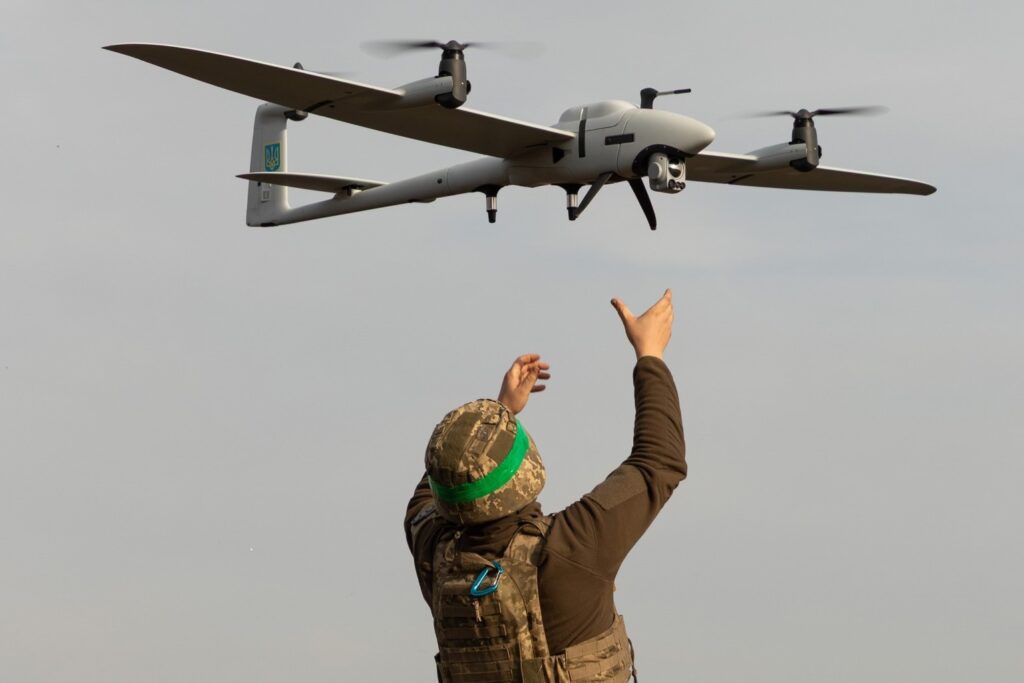

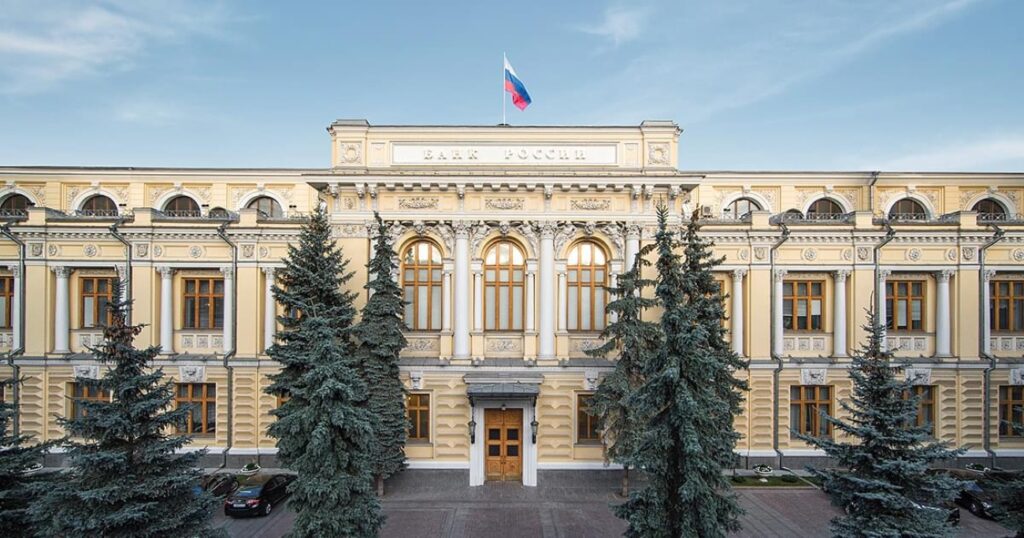


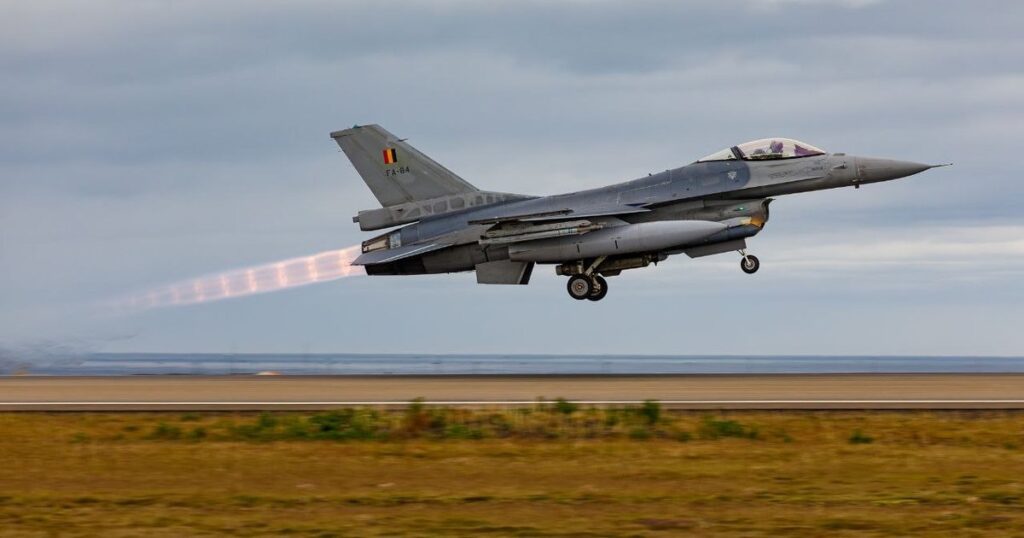

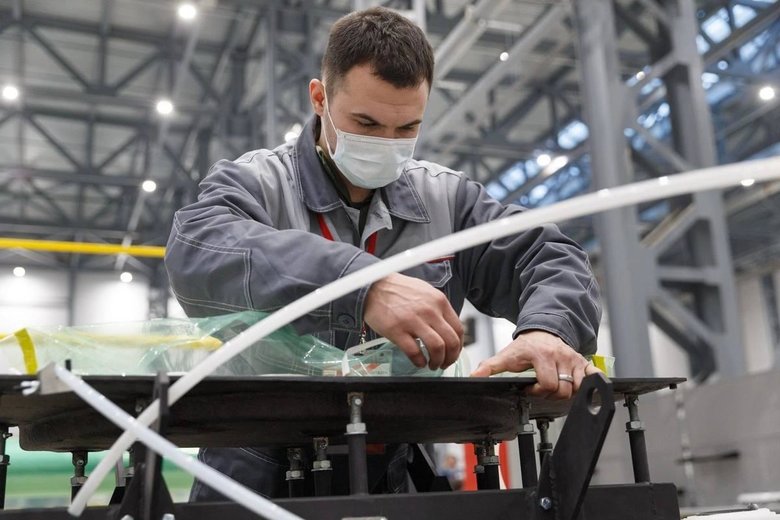
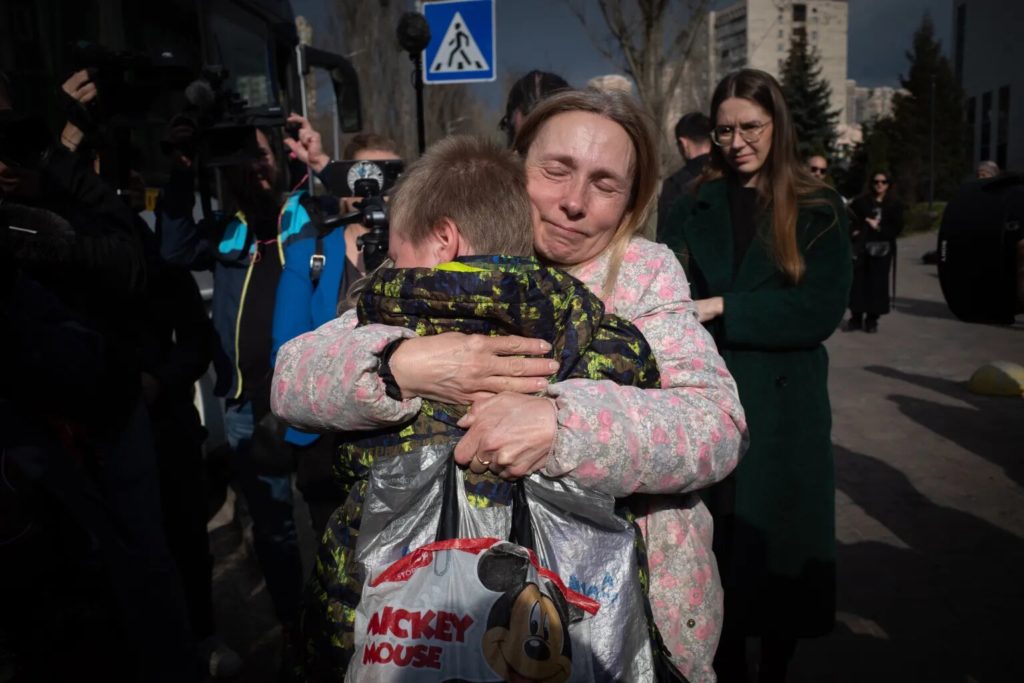
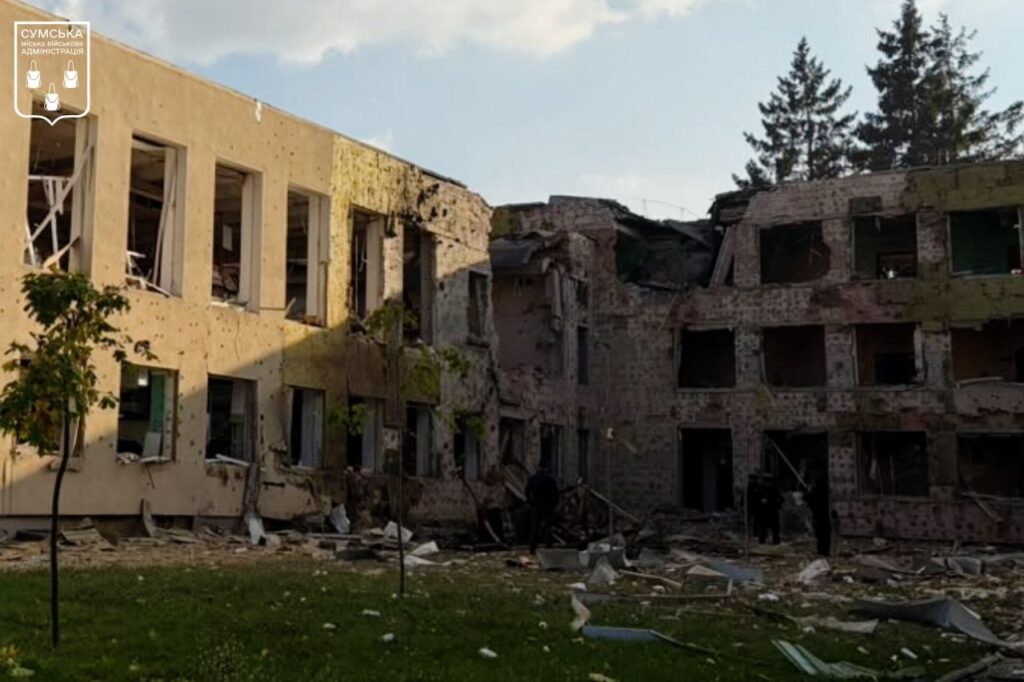
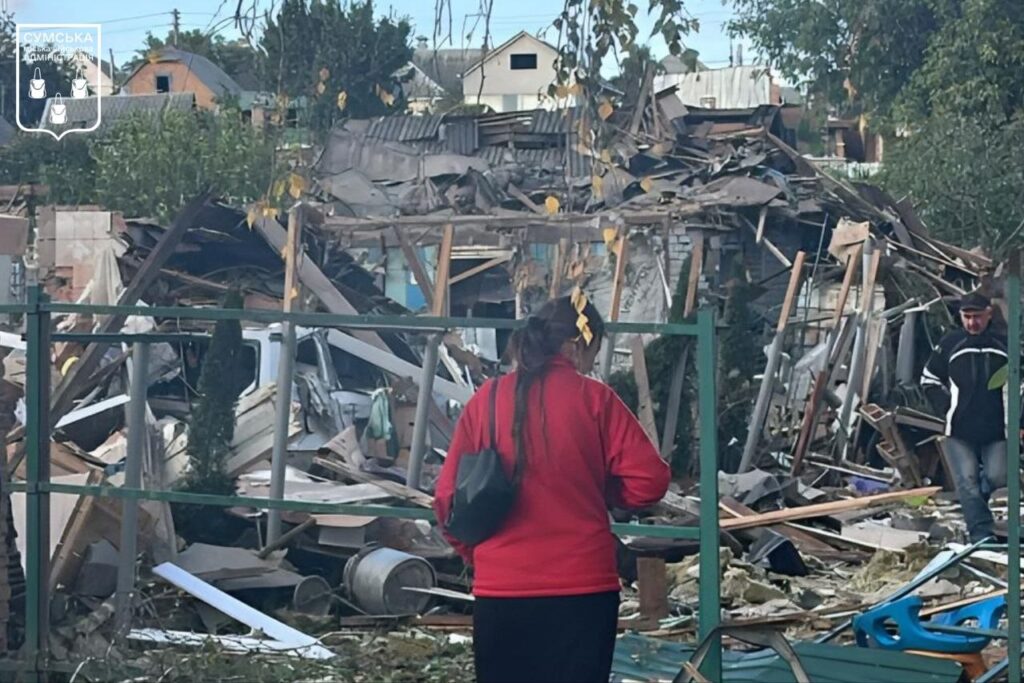


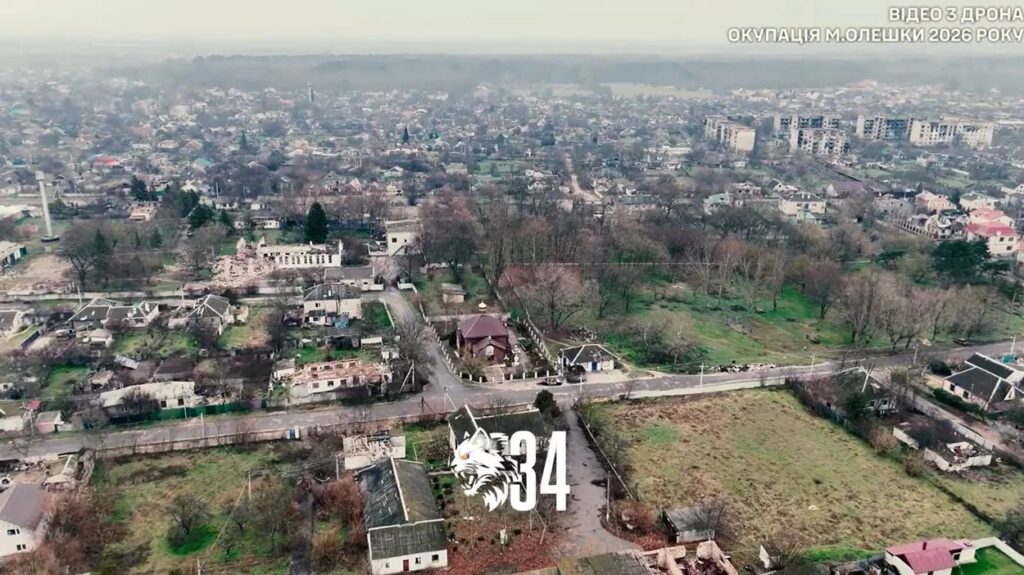

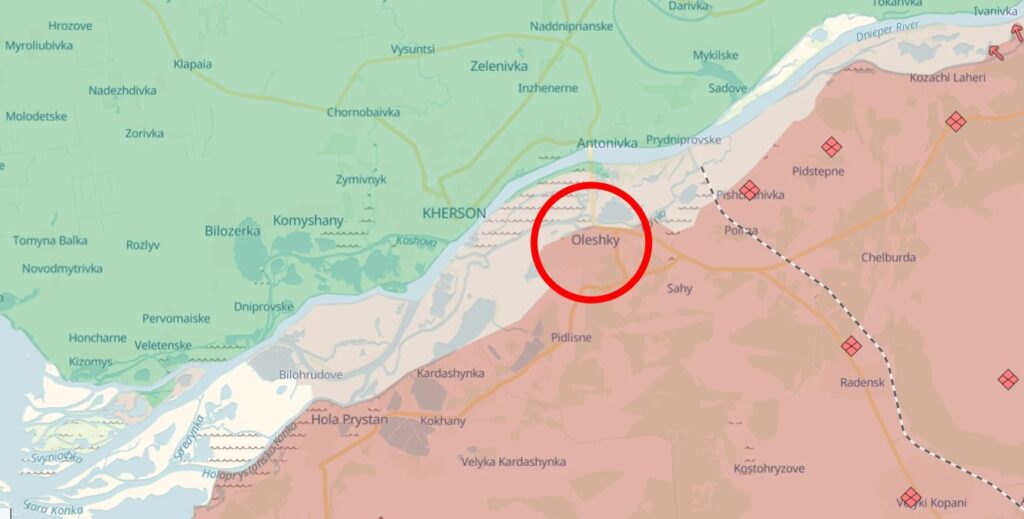

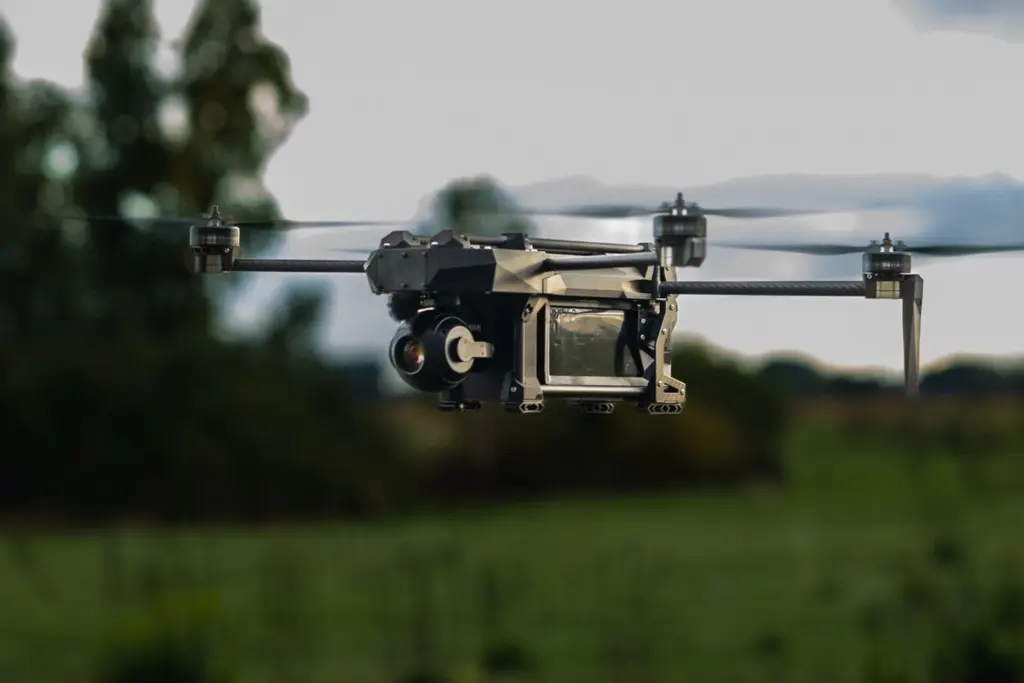


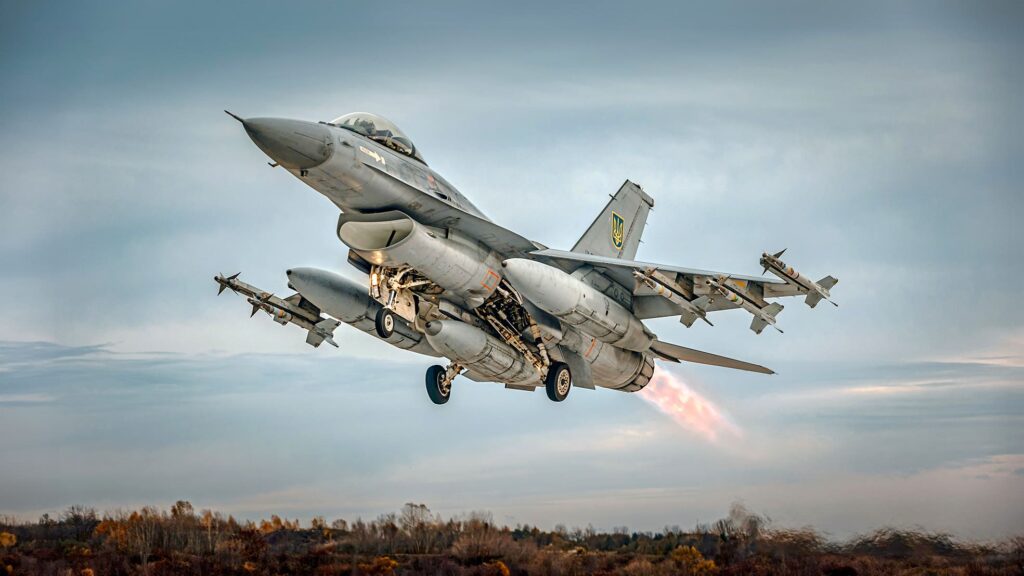
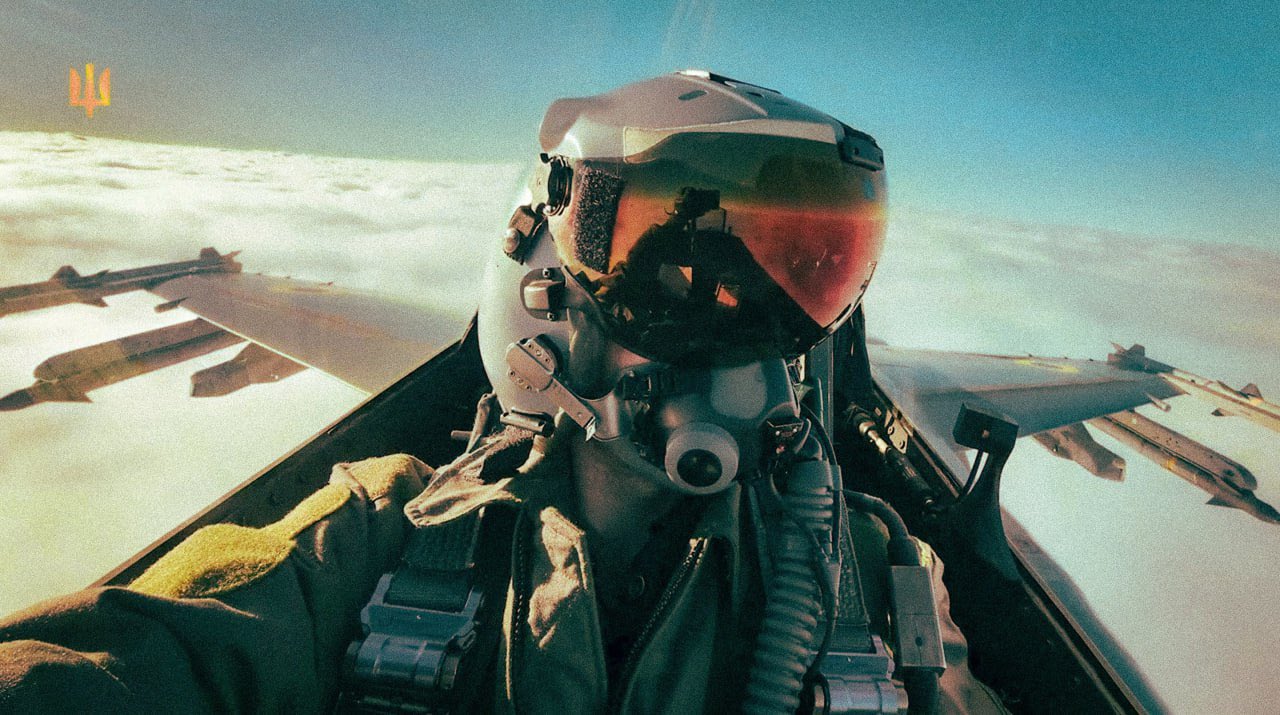

 Момент удару «Герані-5» поблизу КПП «Ягодин», – місцеві канали.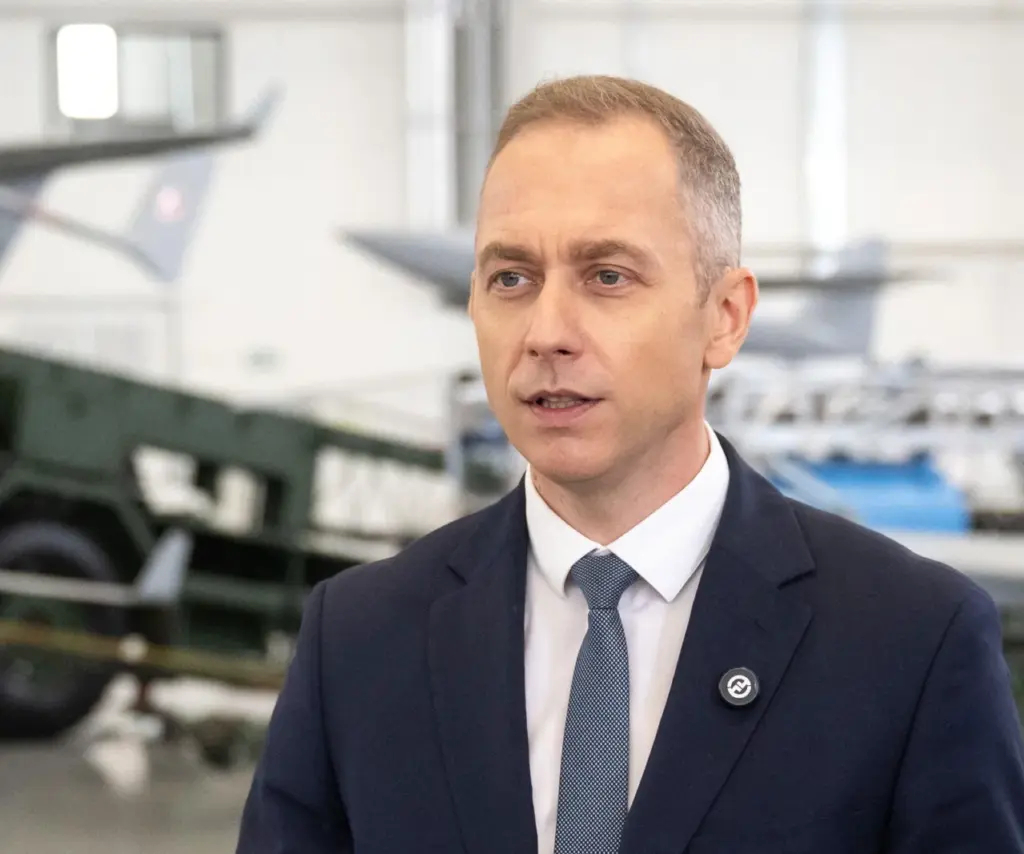
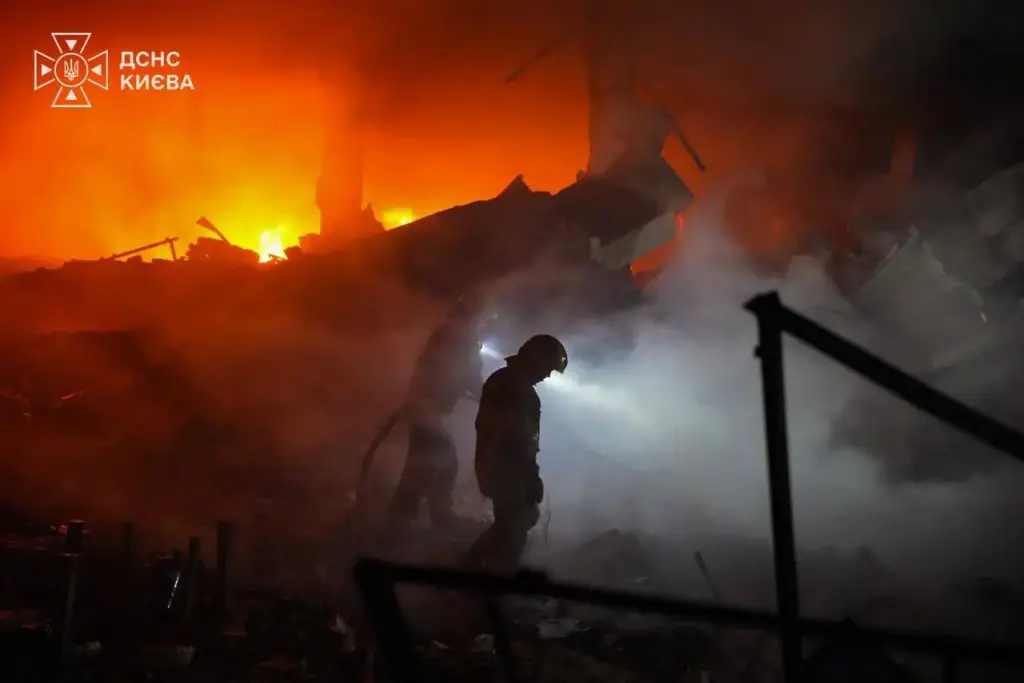


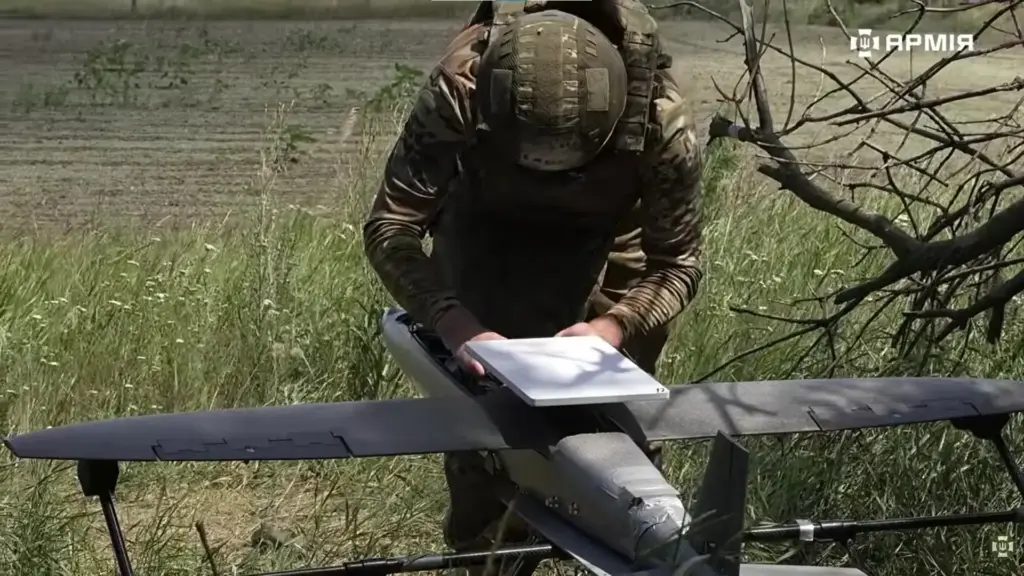
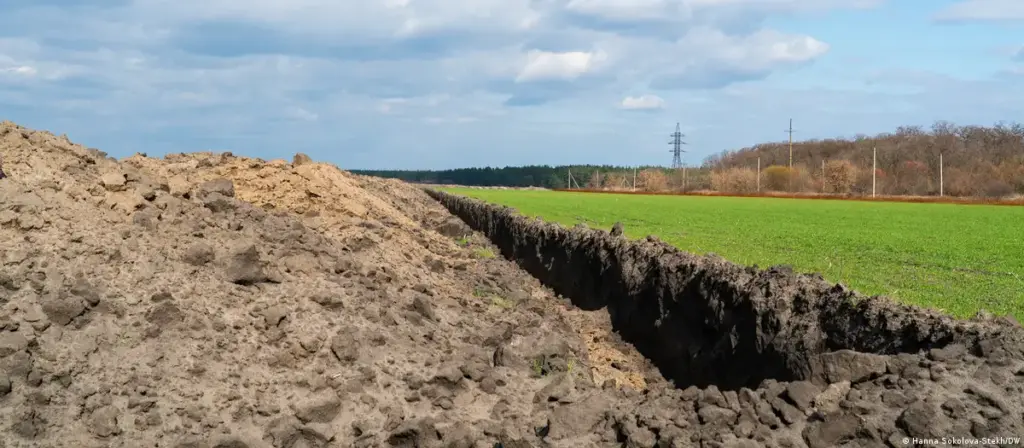
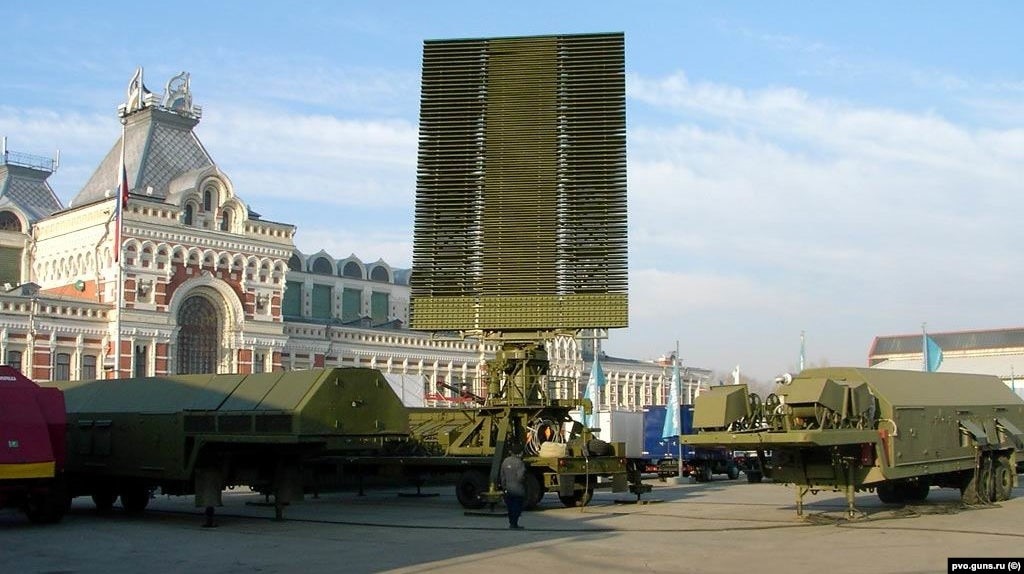
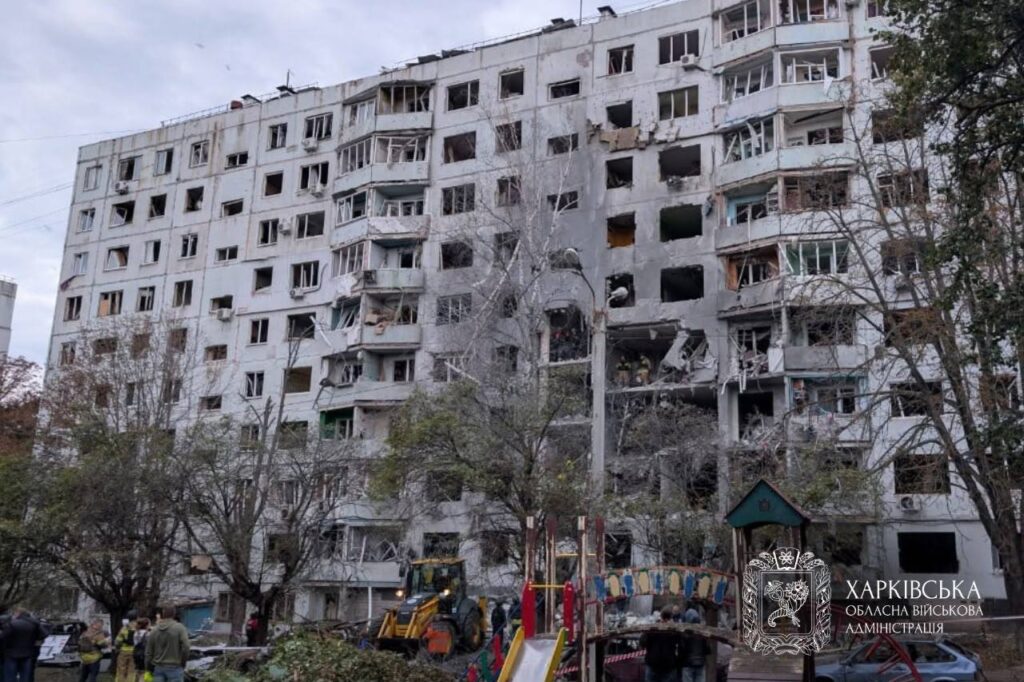


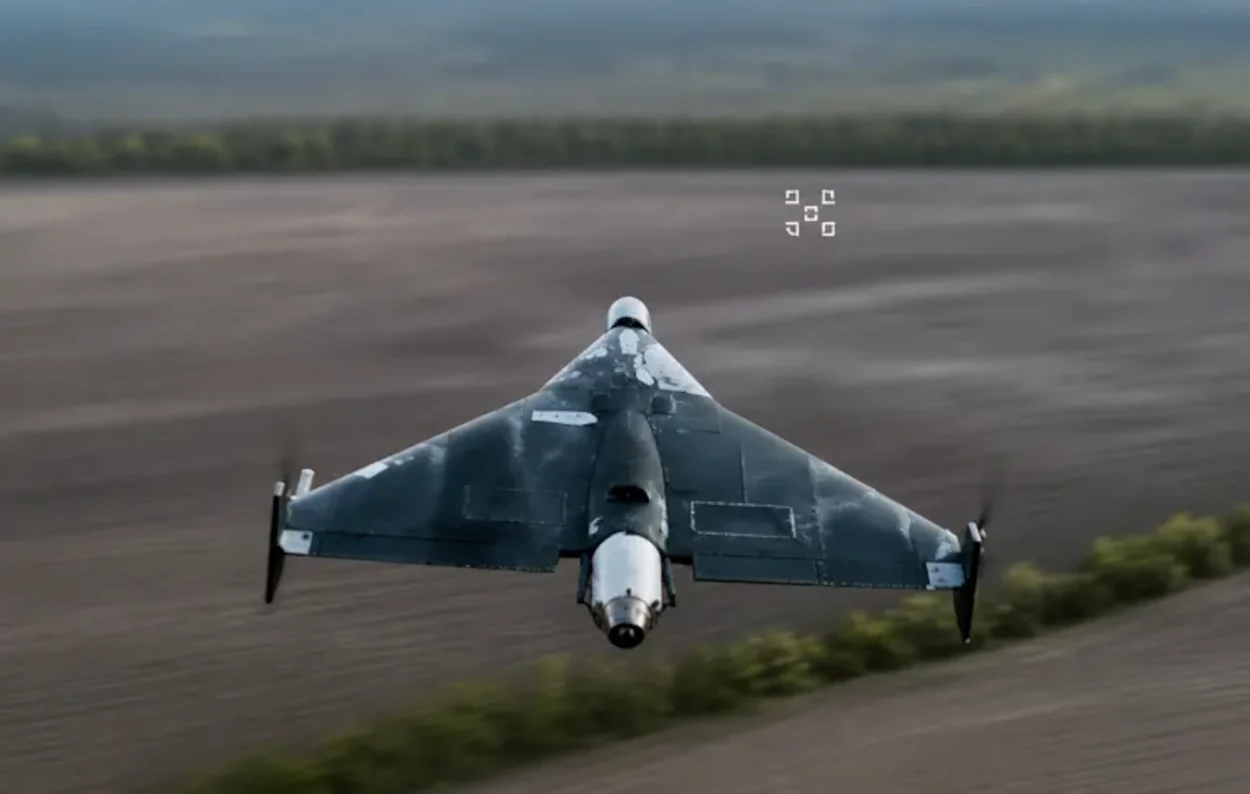


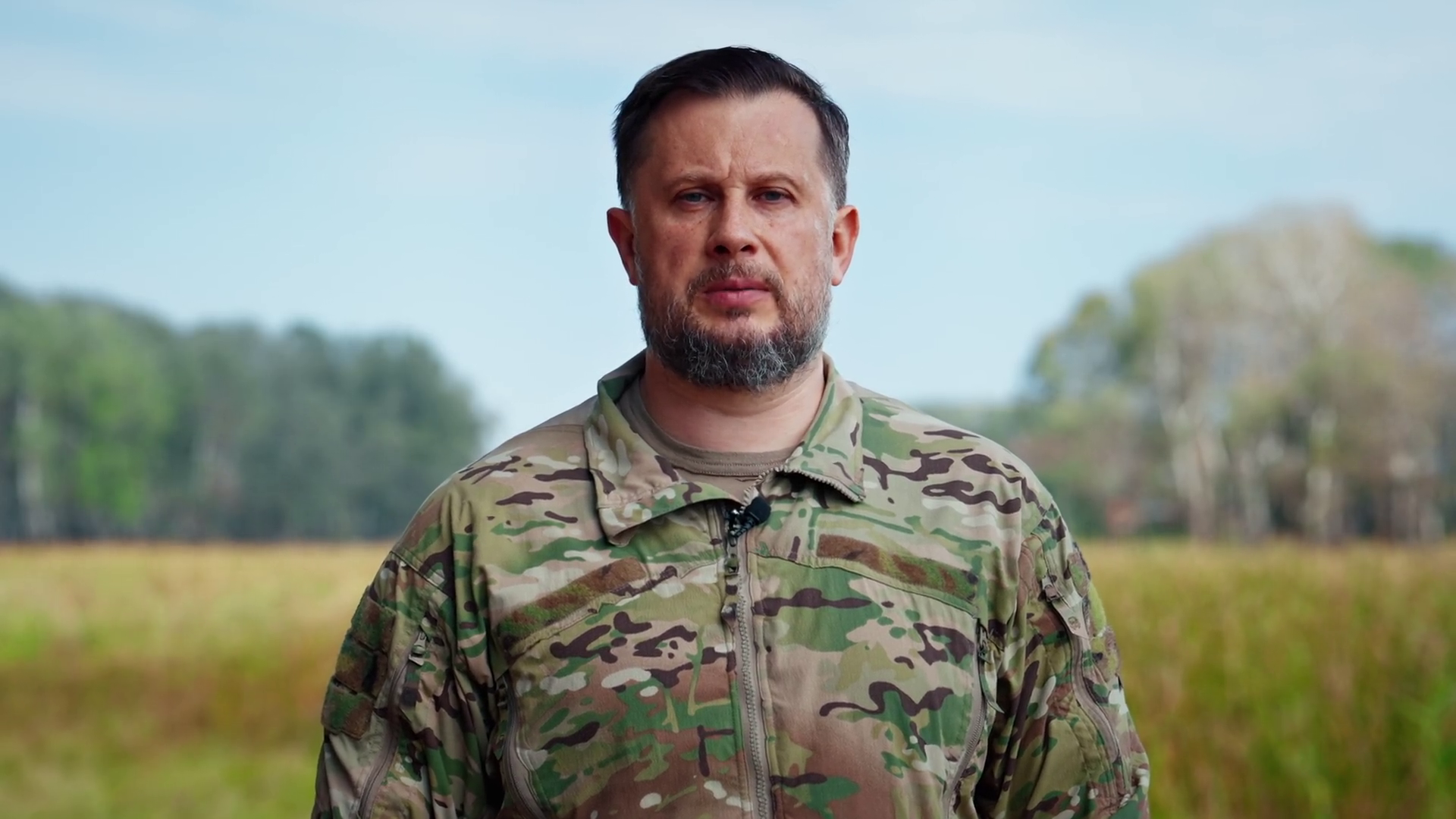

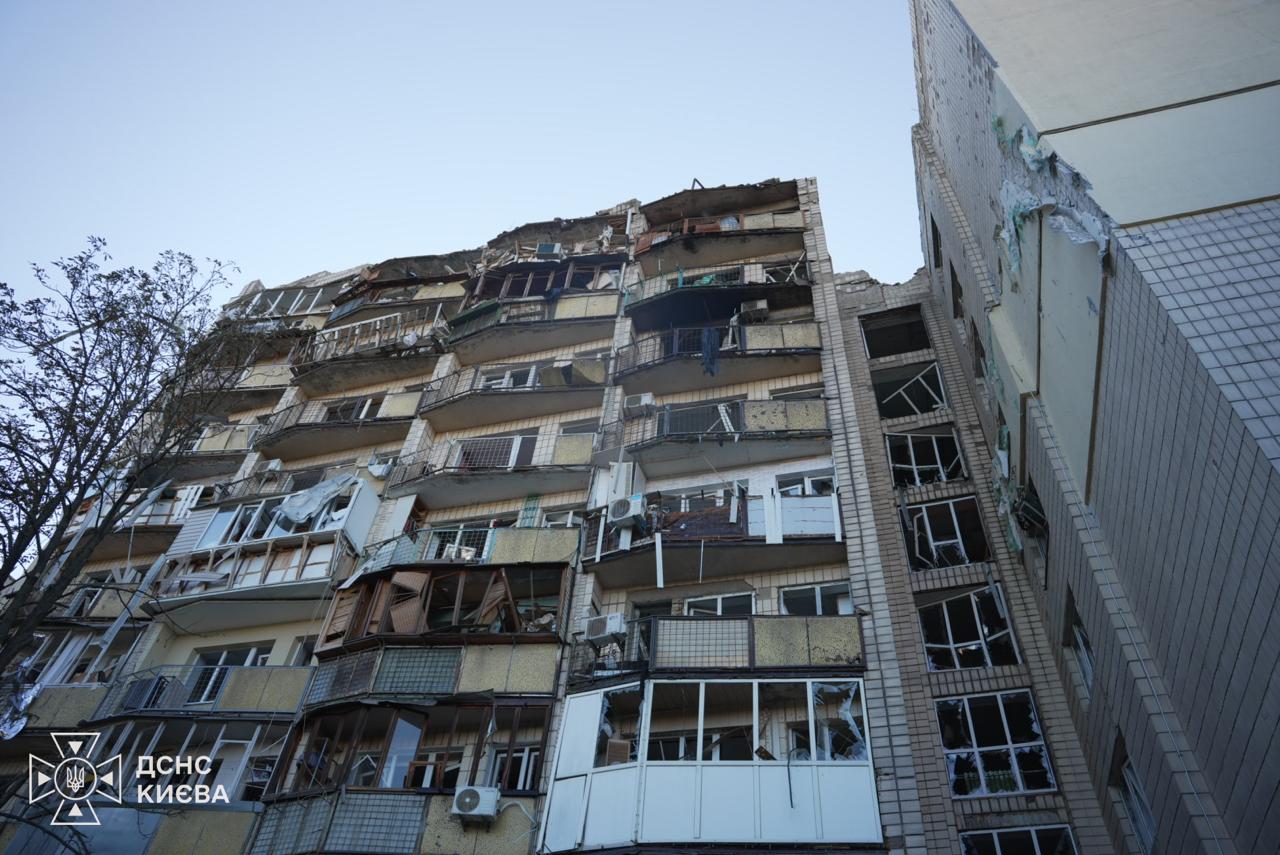
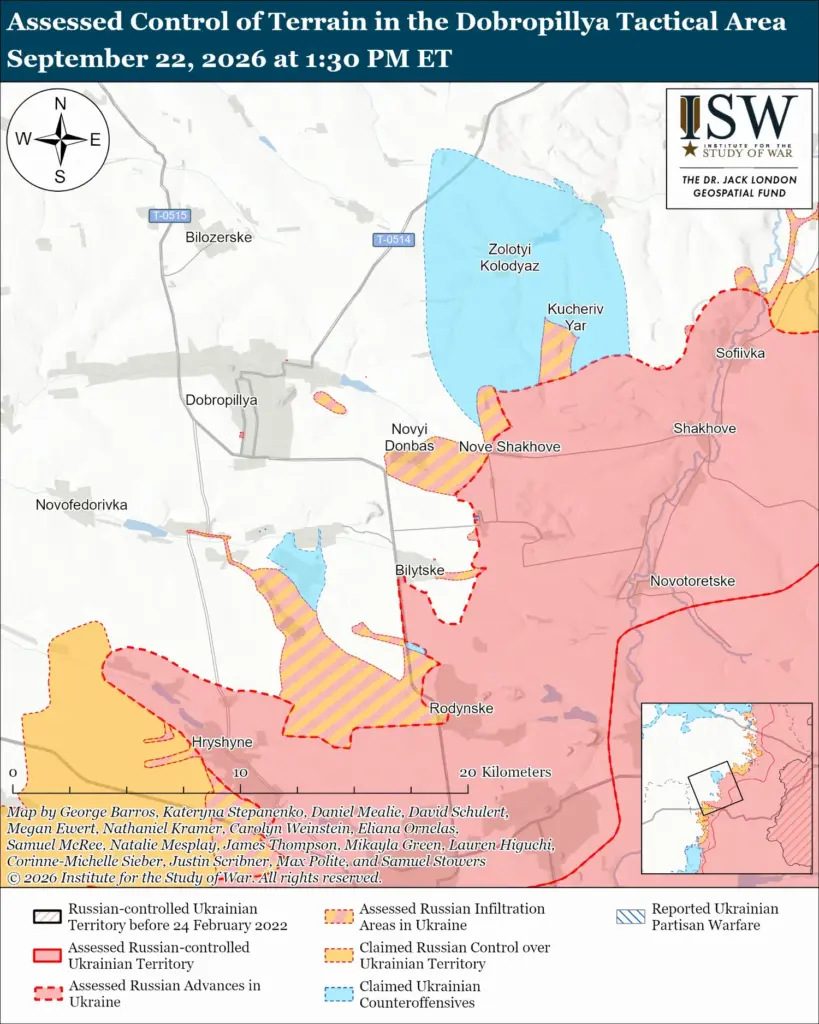


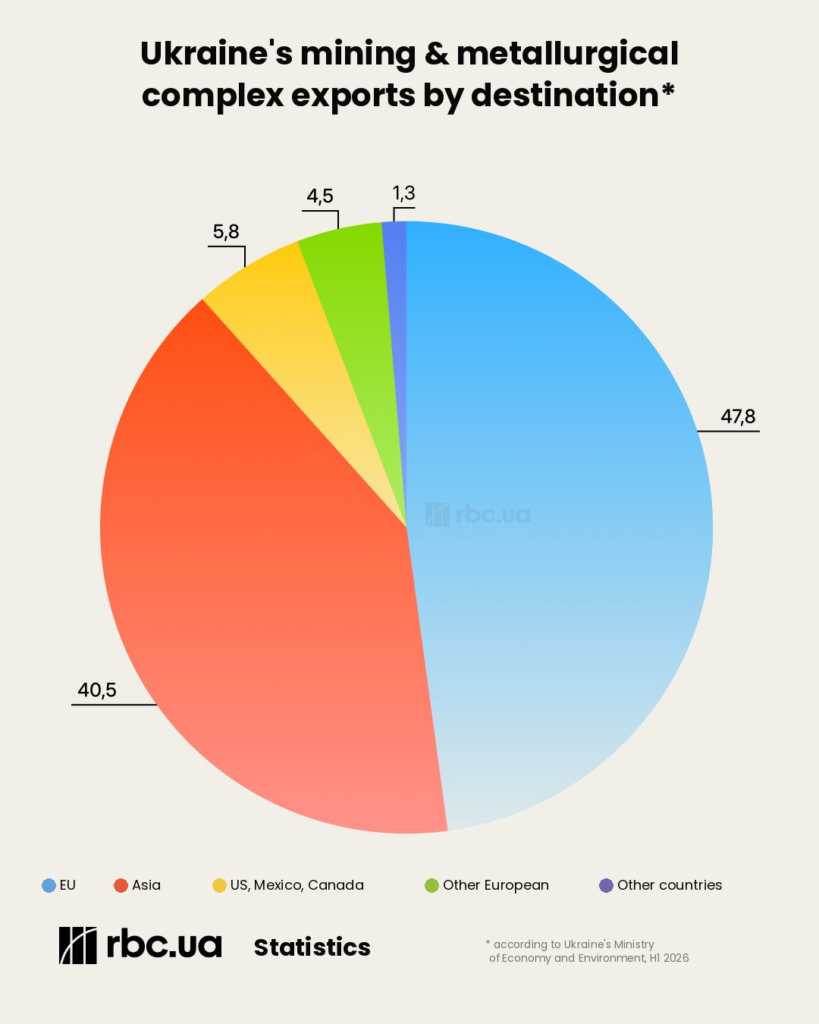

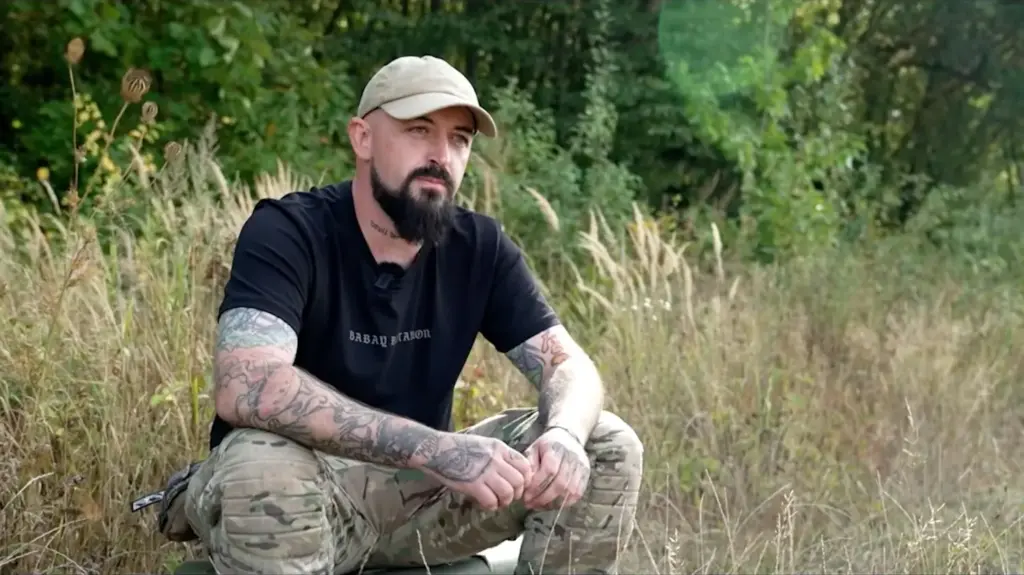

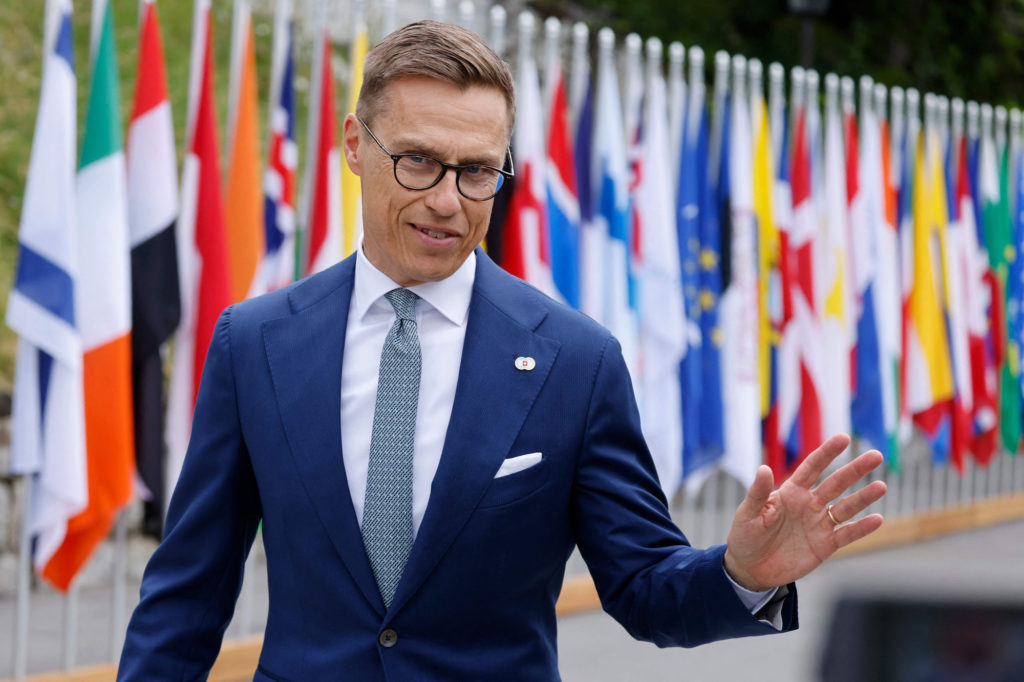


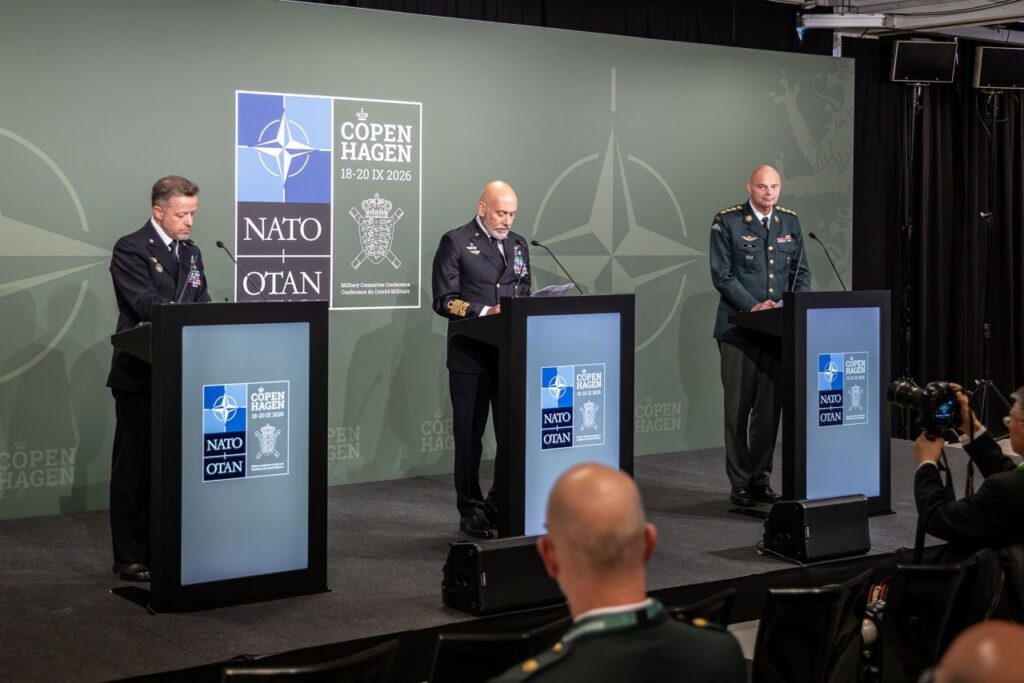
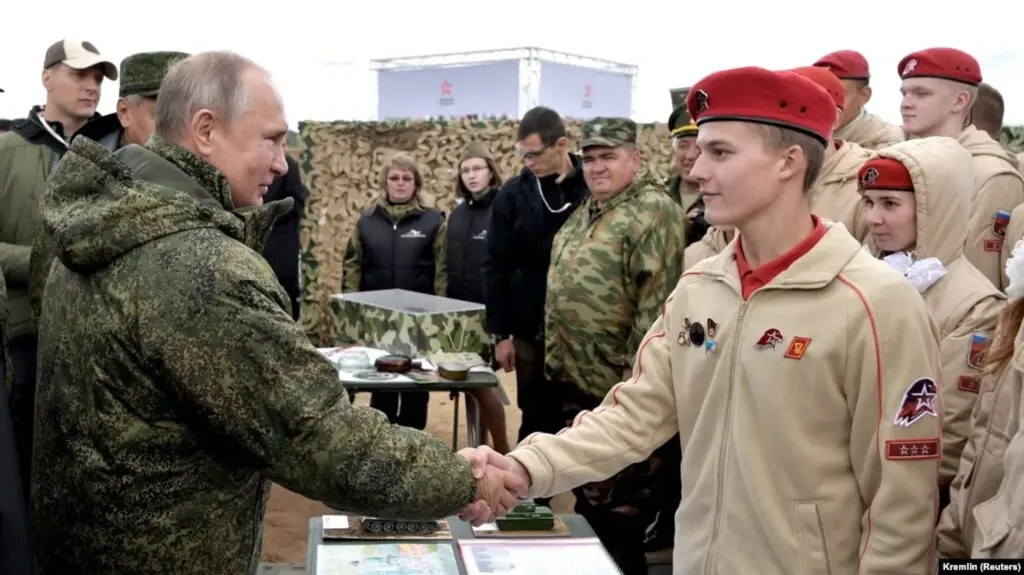



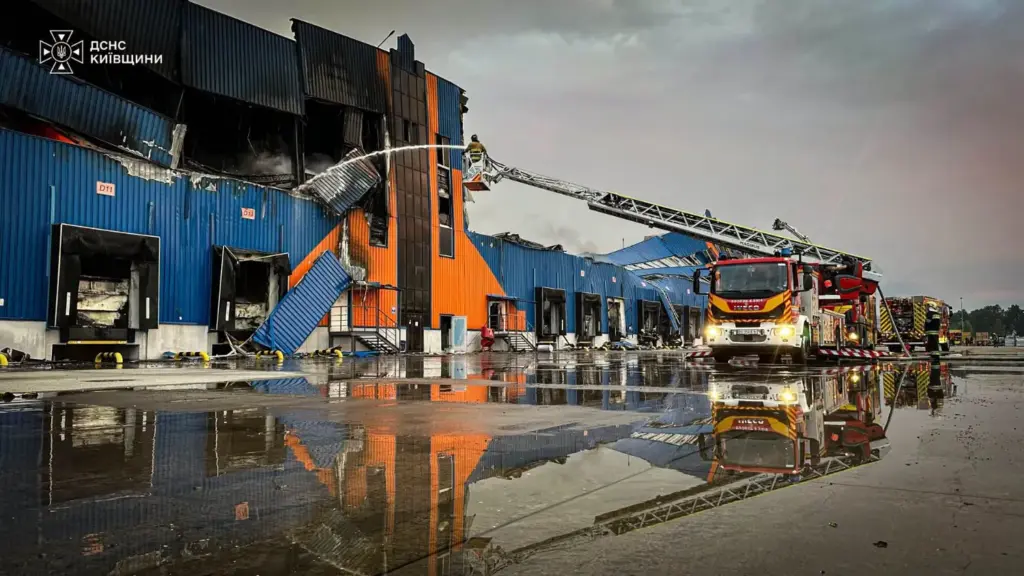
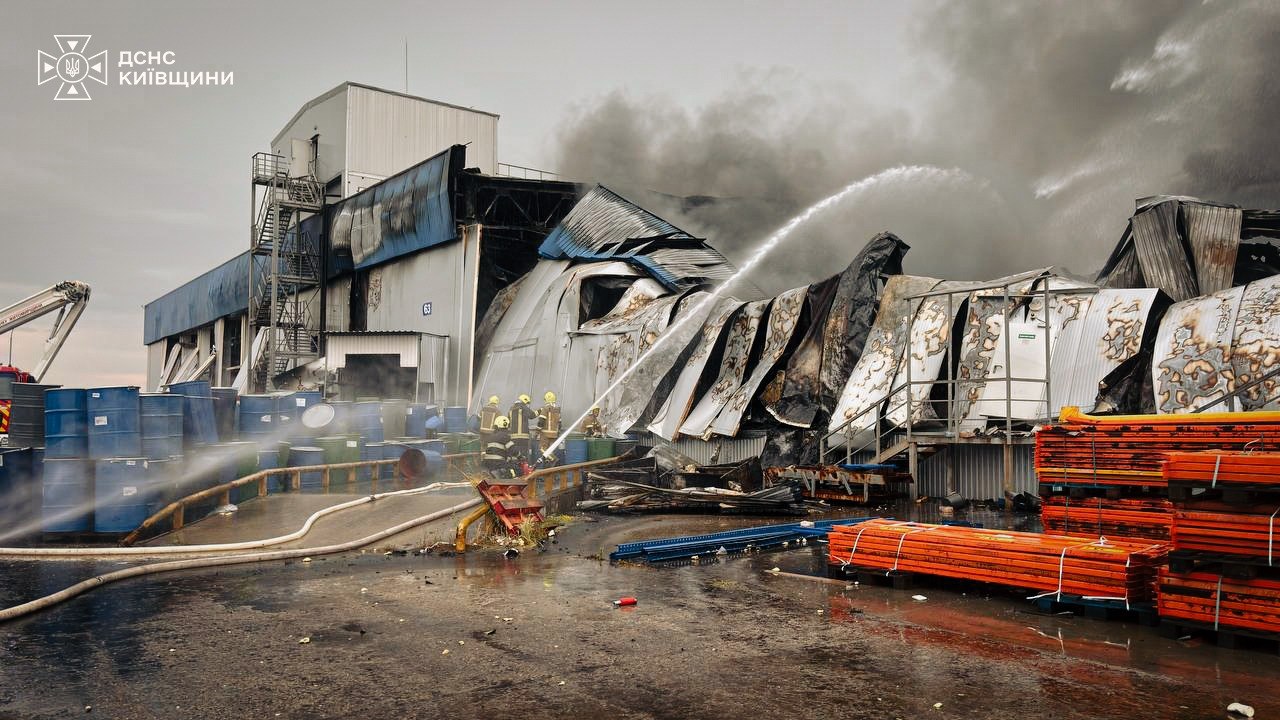
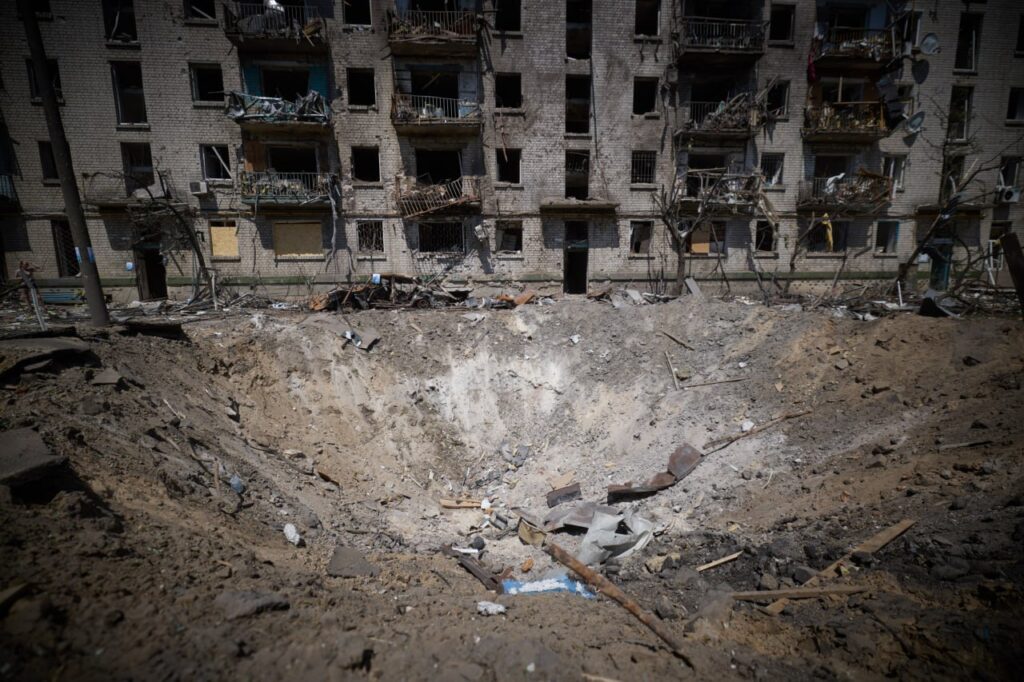
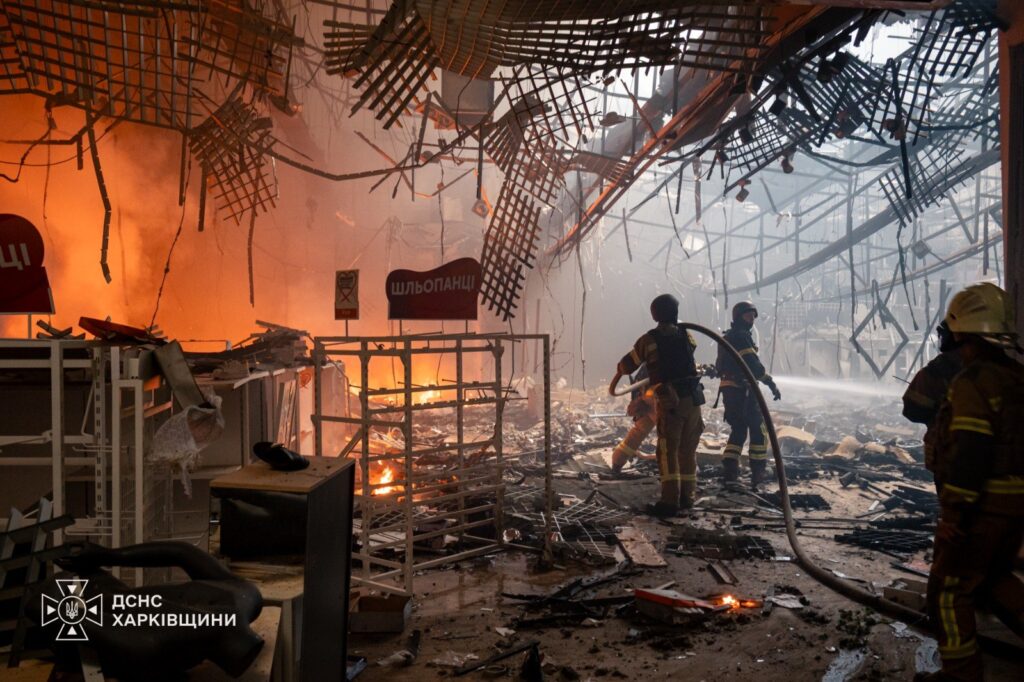
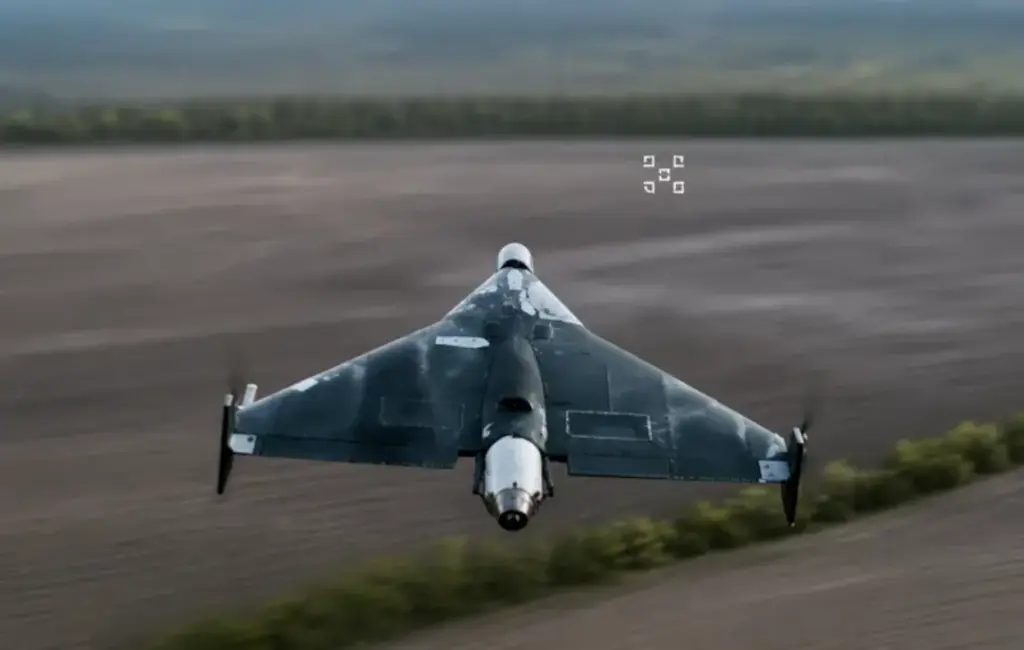
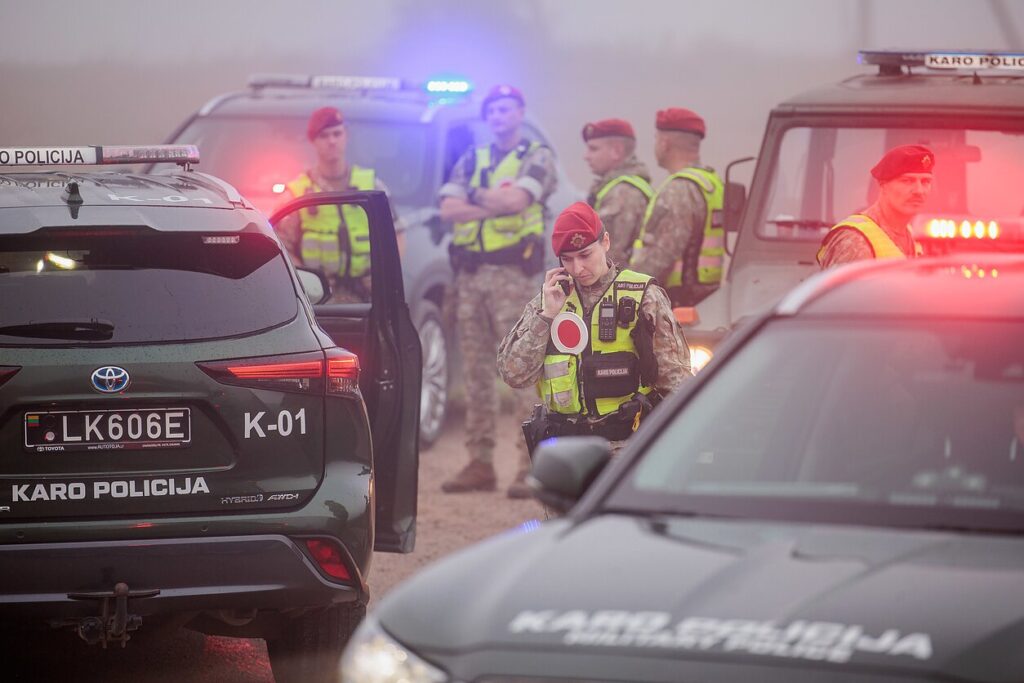
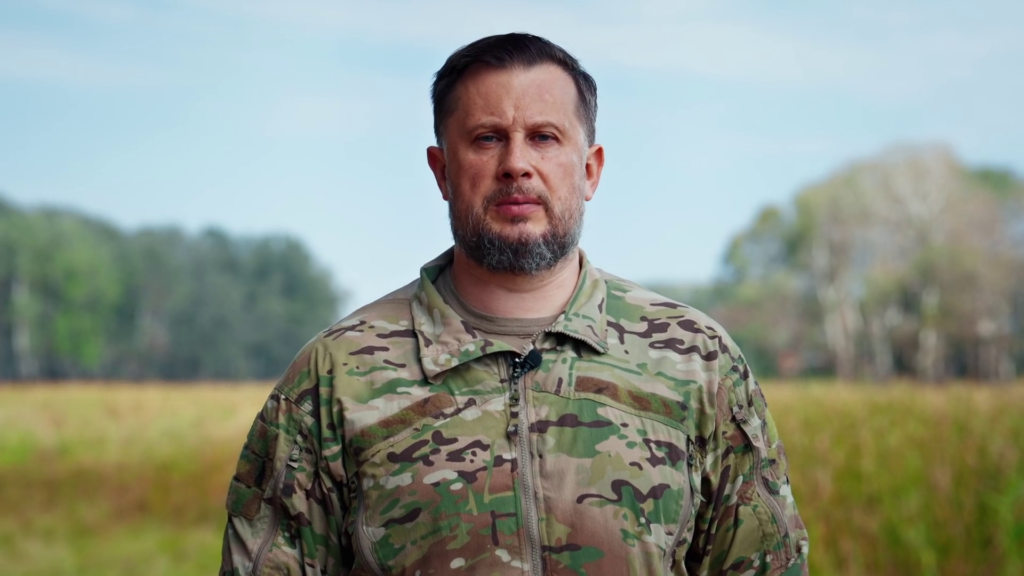
 3rd Army Corps managed to cut Russian
  salient north of Lyman and liberate more than 200 km2
 THREAD
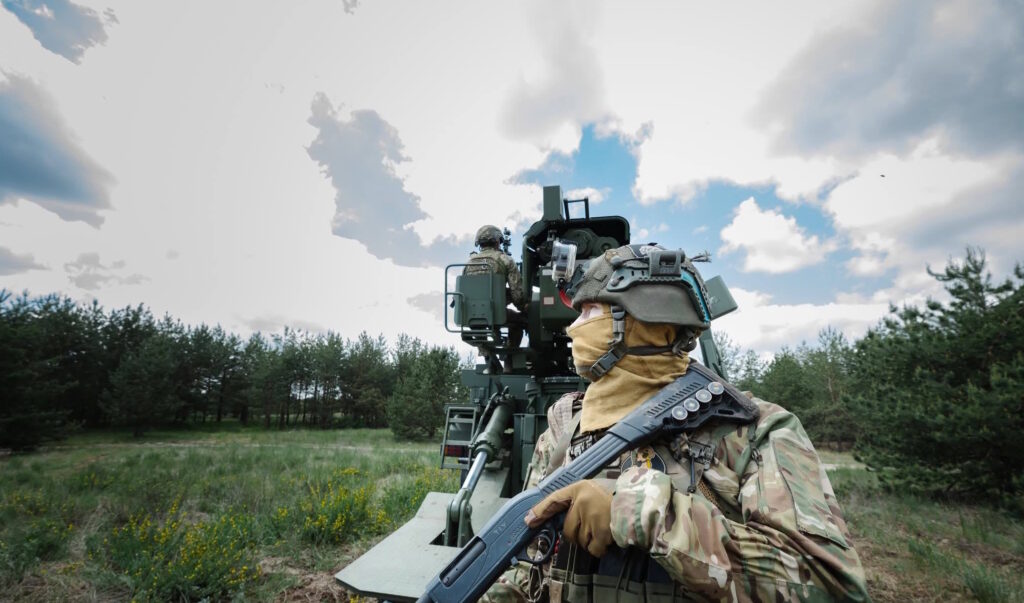



 Ukraine’s State…