Vue normale

Ukraine’s Build with Ukraine has 200-plus foreign cooperation bids pending decision. Its arms industry, representing 400-plus firms, wants to help fix mechanism
16 septembre 2026 à 11:40

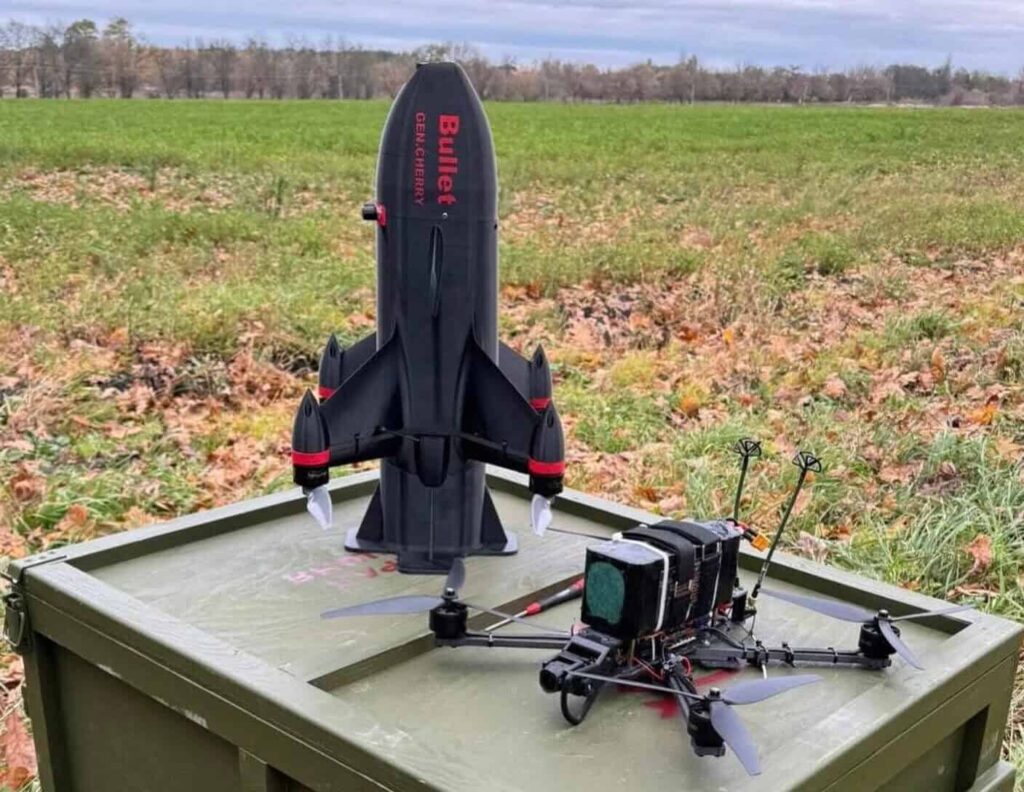
interceptor drones General Cherry (Chereshnia)

Ukraine's largest arms-industry group says it is backing the country's drive to sell and co-produce weapons abroad, while pressing the government to fix two separate obstacles in its way. The Council of Defense Industry, which represents more than 400 companies, wants a costly new export-permit fee and a stalled joint-production program to be upgraded, it said on Facebook.

The two problems are distinct. Resolution 875, the wartime rules for shipping arms abroad, charges a 20-30 percent fee on export permits, which the industry says prices Ukrainian goods out of the market.

The export fee bites

Resolution 875, adopted in July, was intended to streamline exports, with a 30-day review period and a streamlined path for partner countries. But the fee has choked it: only about 10 small export contracts have been signed since exports began, and not one permit has been issued under the new rules, Militarnyi reports.

"Resolution 875 in its current form contains provisions that could substantially worsen the competitiveness of Ukrainian producers," the group says.

Build with Ukraine is a separate track

The program lets producers export their technology and set up joint production abroad, reaching EU markets, financing, and infrastructure, while partners fund weapons production inside Ukraine.

The program lets producers export their technology and set up joint production abroad, reaching EU markets, financing, and infrastructure, while partners fund weapons production inside Ukraine. Talks are underway with Denmark, Norway, and Germany.

President Zelenskyy has said $43 billion was raised for Ukraine's defense industry in 2025, floated a goal of partner states each spending 0.25 percent of their GDP on it, and stressed that no Ukrainian technology will reach countries tied to Russia.

The Council, whose ecosystem spans more than 360 manufacturers, 28 drone-pilot schools, and 20 defense venture funds, says it is ready to help refine the mechanism.

More than 400 defense firms ask Kyiv to create one state body with real authority over $6.8 billion industry

5 septembre 2026 à 10:50

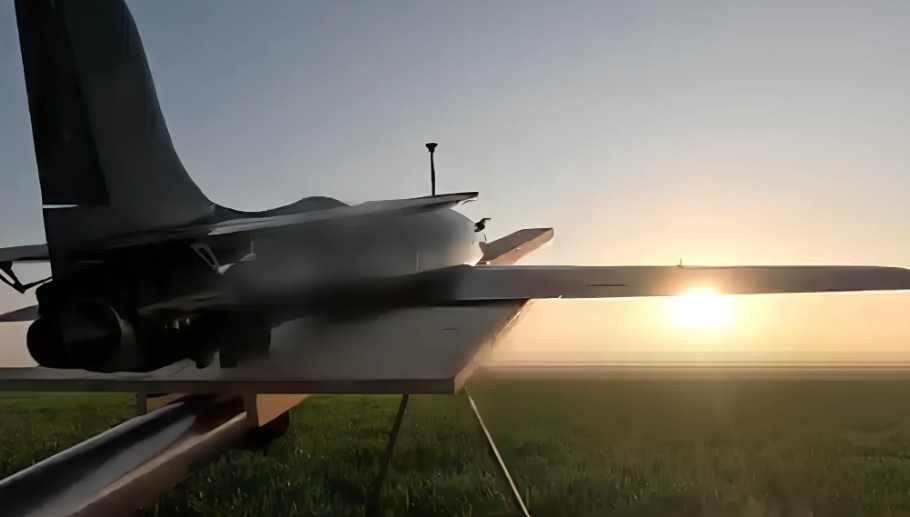
Griffen, Ukraine's jet-powered interceptor. Source: Firebolt Engineering

Ukraine's private defense industry says no single part of the government is actually responsible for it. The Ukrainian Council of Defense Industry, an alliance of more than 400 companies, has called on the authorities to create a state body with clear powers over defense-industry policy.

The gap sits under a fast-growing sector: Ukraine's top defense-market segments more than doubled to $6.8 billion in 2025, and the private arms market has grown roughly tenfold since 2022. By industry estimates, the sector now employs on the order of 300,000 people. The council argues that a sector of that scale has no government home with the authority to steer it.

Responsibility with no owner

The council traces the problem to July 2025, when the government merged the Ministry of Strategic Industries into the Ministry of Defense, a move meant to unify defense management. More than a year on, the council says the relevant functions remain split among the Defense Ministry, the ministries of economy, finance, and digital transformation, the National Security and Defense Council, and various state agencies.

Each institution handles one slice, the council says, but none holds enough authority or bears comprehensive responsibility for developing the defense industry. That, it argues, makes it harder to solve producers' problems, coordinate policy, attract investment, scale production, and enter foreign markets.

What the council wants

The council stresses that it is not demanding the restoration of the Strategic Industries Ministry. Instead, it wants a capable body with clear powers, adequate resources, and defined political responsibility — a single point of contact between the state and Ukrainian producers.

Such an institution should:

  • Develop a medium-term defense-industrial policy aligned with the needs of the Defense Forces and budget planning;
  • Coordinate the development of production capabilities, technologies, testing infrastructure, investment, and joint production;
  • Serve as the state’s single point of contact with Ukrainian defense manufacturers;
  • Ensure the systematic promotion of Ukrainian defense products abroad and protect the interests of Ukrainian companies in international partnerships;
  • Involve manufacturers and relevant industry associations in developing decisions that affect the sector.

    The council, chaired by presidential adviser Oleksandr Kamyshyn, groups more than 360 private producers, 28 drone-pilot schools, and 20 defense venture funds.

    "We represent the industry's common position and help producers work with the state, the military, and international partners," it says of its role.

    The defense-industrial complex is critical to Ukraine's ability to defend itself, the council says, and its scale now demands a matching system of state management.

    ❌