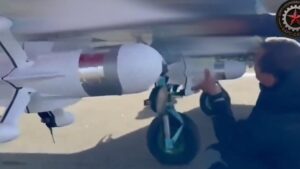
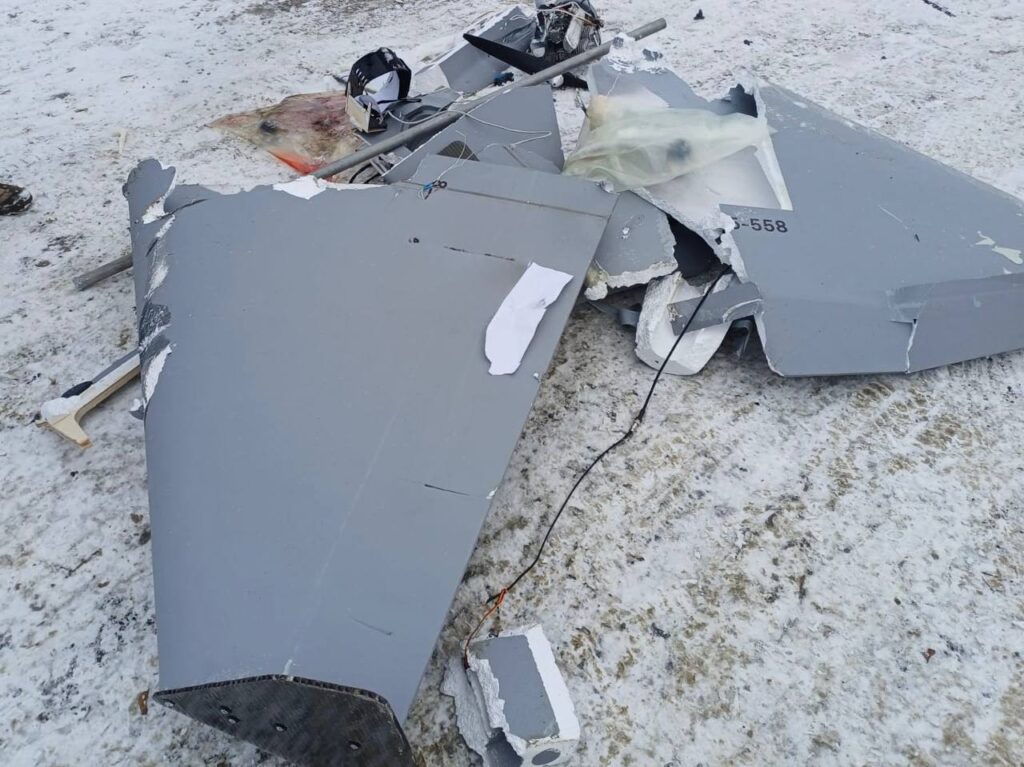
Ukraine chased a Russian spy drone to 6,400 meters and shot it down. Pilots of the National Guard's Lasar's Group interceptor unit spotted and struck a Russian reconnaissance drone at an unimaginable altitude, the unit reported, publishing video of the engagement on 28 July.
The target was a Russian ZALA Z-20 reconnaissance drone, a platform designed to detect targets at distances up to 100 kilometers, which Ukraine's interceptor crews brought down over southern Ukraine
Ukraine chased a Russian spy drone to 6,400 meters and shot it down. Pilots of the National Guard's Lasar's Group interceptor unit spotted and struck a Russian reconnaissance drone at an unimaginable altitude, the unit reported, publishing video of the engagement on 28 July.
The target was a Russian ZALA Z-20 reconnaissance drone, a platform designed to detect targets at distances up to 100 kilometers, which Ukraine's interceptor crews brought down over southern Ukraine in late July.
The Russian drone climbed to this height trying to avoid being shot down, but the Ukrainian pilot caught and hit it, the unit said, calling it one of the record altitudes at which Ukrainian troops have downed an enemy drone.
It is a direct answer to a Russian tactic: Russian reconnaissance drones increasingly fly high-altitude missions specifically to climb above Ukraine's interceptor engagement zones, a move Ukraine has documented as Russia's response to mounting drone losses.
Altitude is the recon drone's last refuge, and Ukraine is closing it
Downing one at 6,400 meters is Ukraine following the target into its refuge. Russian recon drones like the ZALA and Orlan are the eyes that spot for Russian artillery and missile strikes, so each one destroyed blinds a piece of the Russian targeting system, and doing it at altitude means the high-flying evasion no longer guarantees safety. Ukraine has been pushing its interceptors steadily higher: a Ukrainian team demonstrated an interceptor reaching 11 kilometers in 2025, higher than Everest and into the band where airliners cruise.
High-flying recon drones were, until recently, a relatively safe Russian asset. Ukraine's interceptor makers have been racing to close exactly that gap.
New systems like the Tsyklop are built specifically to climb above Russia's strike and reconnaissance drones and strike them from higher up, and the 6,400-meter kill is a field demonstration of that capability working. As Ukraine's interceptors reach higher altitudes, the altitude Russia's reconnaissance drones fled to stops being a refuge, and the spotters who guide Russian strikes lose the last piece of sky they were safe in.
Ukraine says its drones have hit 201 Russian ships in three weeks. Robert "Madiar" Brovdi, commander of Ukraine's Unmanned Systems Forces (SBS), reported that Ukrainian drones have struck the vessels of Russia's shadow fleet in three weeks of the SBS operation "MoLoChKa," which began on 6 July.
The tally splits between the two seas: 129 vessels in the Sea of Azov from 6 to 28 July, and 72 in the Black Sea from 15 to 28 July, per Brovdi, figures that do not include ships
Ukraine says its drones have hit 201 Russian ships in three weeks. Robert "Madiar" Brovdi, commander of Ukraine's Unmanned Systems Forces (SBS), reported that Ukrainian drones have struck the vessels of Russia's shadow fleet in three weeks of the SBS operation "MoLoChKa," which began on 6 July.
The tally splits between the two seas: 129 vessels in the Sea of Azov from 6 to 28 July, and 72 in the Black Sea from 15 to 28 July, per Brovdi, figures that do not include ships hunted in the same period by the Security Service of Ukraine (SBU) and other Defense Forces.
Euromaidan Press cannot independently verify the count, which is the SBS commander's own running tally, though it is consistent with the day-by-day progression EP has tracked since the operation began, from 21 ships by 8 July to 159 by 17 July.
Brovdi said Russia's fleet in the area is essentially gone.
"They'll have to strain themselves, because there's simply nothing left there except cripples turned into non-self-propelled barges. The Kerch Strait is blocked for an indefinite period," he said.
The campaign burns the small ships that feed the big ones
The operation, codenamed MoLoChKa, a Ukrainian word for dairy products, targets the courier fleet that keeps Russian oil moving under sanctions. Ukraine's drones strike the small tankers and support vessels that ferry crude to the large export tankers and haul fuel to occupied Crimea, rather than the export giants themselves.
One big export tanker needs 12 to 15 small courier vessels to fill it, Brovdi has said, so burning the small ones paralyzes the whole chain.
His operators strike the ships without sinking them, turning them into what he called ghosts drifting across the sea, damaged hulks that can no longer carry cargo.
"The shadow fleet is wasting away, but it must disappear as a species," Brovdi wrote earlier in the campaign.
The blockade is choking Russia's oil revenue and Crimea's supply
The ship-hunting is one half of a squeeze on two things Russia needs: oil money and a supplied Crimea. Oil exports are the biggest source of cash for Russia's war, and Ukraine has spent 2026 attacking that revenue, where Western sanctions left the money moving, hitting both the refineries that produce the fuel and the tankers that carry it.
The blockage of the Kerch Strait is the sharp end. The strait is the gateway between the Azov and Black seas and the supply artery for occupied Crimea, and, if it holds, Brovdi's claim that it is blocked indefinitely means Russia's fuel run to the peninsula and its Azov oil exports both run through waters that Ukraine now controls with drones.
Ukraine has for years absorbed a persistent and rising volume of Russian missile, drone, and guided glide-bomb strikes. Across reporting from the UN, the World Health Organization, the World Bank and conflict-monitoring groups, the infrastructure struck most consistently falls into three categories:
residential buildings, the leading source of civilian casualties;
the energy system, the principal target of Russia's strategic long-range campaign;
and critical c
Ukraine has for years absorbed a persistent and rising volume of Russian missile, drone, and guided glide-bomb strikes. Across reporting from the UN, the World Health Organization, the World Bank and conflict-monitoring groups, the infrastructure struck most consistently falls into three categories:
residential buildings, the leading source of civilian casualties;
the energy system, the principal target of Russia's strategic long-range campaign;
and critical civilian services—healthcare, education, transport, water, ports and agriculture—degraded to undermine Ukraine's economy and civilian resilience.
The cost is a state being hollowed out. Public debt has risen from 49% of GDP in 2021 to a projected 123% in 2026, on the back of unprecedented wartime borrowing and a GDP that contracted sharply in 2022, according to the IMF. More than half of Ukraine's electricity generation capacity has been destroyed, damaged, or is under Russian occupation.
By the end of 2025 the World Bank estimated reconstruction and recovery needs at €500 billion—close to three times Ukraine's nominal GDP for the year.
The demographic damage may prove the hardest to reverse. Ukraine's pre-war population is usually put at 41 to 42 million, excluding Crimea; current estimates suggest only 28 to 32 million now live in government-controlled territory, and UN projections see it falling to 25 to 29 million.
On that trajectory, the Washington Post notes, Ukraine will have effectively halved its 2001 population of 48.5 million—driven by refugee flight and a death rate roughly three times the number of live births. There is broad agreement among demographers that this is one of the most severe population crises a European country has faced since the Second World War.
These are only a few indicators of the destructive nature of Russia's war of attrition, whose aim is to destroy the basis for Ukrainian statehood. As I have previously argued, Russia's war is getting cheaper, which extends its ability to sustain that destruction for years.
Explore further
Russia’s war is getting cheaper. That’s the worst news Europe has heard in years.
2026 has been the most brutal year yet. Based on Ukrainian General Staff daily reports, long-range drone strikes are up 160% on last year. The use of tactical and operational drones—surveillance, reconnaissance and strike—is up a staggering 756%. First-person-view drone launches have risen 304% as Russia expands its "human safari" strikes on civilians. Guided glide bombs are up 214% as their range and destructive scale grow.
From a Ukrainian perspective, the attrition war is unsustainable. If the present trajectory holds, the country's future existence is in question.
Russia is losing the war it planned to fight—and potentially winning the one it is fighting instead. Ukraine forced Russia to abandon maneuver warfare. Having chosen attrition, Russia is now forcing Ukraine to adapt in turn. That is why Ukraine is bringing the war to Russia and its population.
On 10 May, Zelenskyy said Ukraine would respond in kind. "If the Russians decide to return to full-scale warfare, our 'sanctions' [meaning missile and drone strikes] for this will be immediate and tangible," he said.
On 14 May, the President instructed Ukraine's defense forces and special services to identify "possible formats for our response to this Russian attack." The phrasing signalled a possible shift: Ukraine adopting Russia's playbook and bringing the war home by striking civilian infrastructure—residential buildings, power, heating and water plants, railways, airports and ports.
The shift is no longer hypothetical. On 25 June, Zelenskyy publicly announced a 40-day campaign. In a statement published on Facebook, Telegram and X, he wrote: "I approved a 40-day operation by the [Ukrainian Security] Service to influence the aggressor state in order to press for an end to the war."
Analysts described the campaign as combining military, economic, and psychological effects rather than seeking a battlefield breakthrough.
The announcement opened weeks of increasingly intensive Ukrainian long- and medium-range strikes on clearly military targets inside Russia: oil refineries, fuel depots, military airfields, ammunition depots, logistics hubs and military-industrial plants. But the campaign also reached targets that fall outside the traditional category of purely military objectives—energy, ports, civilian vessels and warehouses—and whose legality turns not on the category but on the dual-use test. That is where the legal question begins.
Two weeks in, on 10 July, Zelenskyy signed a decree establishing a special command within the Armed Forces for long-range—effectively global—impact on Russia, concentrating available resources on degrading Russia's warfighting potential. The move turned the campaign into a permanent institution rather than a time-limited operation.
Energy facilities
Fire blazes at the Afipsky oil refinery after the Ukrainian drone attack, Krasnodar Krai, Russia, overnight on 14 July 2026. Photo: Astra
In July, Ukraine sharply increased its targeting of the energy sector in Russia and on occupied territory. ISW identified and geolocated 62 substations, power plants, transformer stations and transfer nodes struck one or more times over 1 to 24 July—necessarily a partial count, since targets are not always named. Ukraine's Unmanned Systems Forces claimed a far higher figure, reporting on 25 July that it had struck 136 substations across the month.
The situation on occupied territory—especially Crimea, but increasingly parts of occupied Kherson, Zaporizhzhia, Donetsk and Luhansk oblasts—deteriorated sharply through July. The strikes caused recurring blackouts, degraded grid resilience and reduced redundancy.
The intent is to degrade Russia's military logistics rather than inflict civilian hardship. By repeatedly hitting substations, plants, transformers and transfer nodes, Ukraine cut power to the railways, ports, air bases and logistics hubs sustaining Russia's war of aggression. The campaign has forced Russia to divert scarce air-defense systems and personnel to protect an expanding number of rear-area assets, complicating sustainment, reducing operational resilience and raising the economic cost of the occupation.
Explore further
Is Ukraine about to repeat Hitler’s mistake with the London Blitz?
Maritime shipping
The moment a Ukrainian drone strike hits a Russian tanker in the Sea of Azov, thermal footage, overnight on 14 July 2026. Screenshot from video: Unmanned Systems Forces
Ukraine has also sharply increased its attacks on shipping in the Sea of Azov and the Black Sea under Operation MoLoChKa—an acronym for Moskva liazhe cherez Krym, "Moscow will fall through Crimea." Launched by the Unmanned Systems Forces, it is a large-scale aerial and sea-drone campaign against Russia's "shadow fleet" of oil tankers, gas carriers and cargo ships, aimed at isolating Crimea by severing its logistics.
Between 6 and 22 July, the USF reportedly struck more than 196 vessels—oil and gas tankers, bulk carriers, ferries, tugboats and cargo vessels supporting Russian military sustainment. The strikes disrupted fuel and supply movements, forced Russia to impose shipping restrictions, and pushed logistics onto more vulnerable road and rail. In occupied Crimea the campaign degraded basic living conditions, prompting panic and an exodus, as strikes on the peninsula's fuel routes and power grid converged through July.
Russia was also forced to pull 200 crews from its Rubicon drone unit off the front line to protect shipping, according to the USF.
Ukraine's strikes on Russia's ships is called Operation MoLoChKa—an acronym for Moskva liazhe cherez Krym, "Moscow will fall through Crimea."
"Russia's Amazon"
Fire at a Wildberries warehouse after a Ukrainian drone strike in occupied Simferopol, Crimea, 24 July 2026. Photo: Krymsky Veter
Wildberries, often called "Russia's Amazon," is the country's largest online retailer—a marketplace that accounts for more than 2% of Russia's GDP, handles over 20 million orders a day, and is used by an estimated 85% to 90% of the economically active population, making it a fixture of daily life in remote regions.
The Kremlin calls it a strictly civilian retailer. Human-rights watchdogs, independent media and Ukrainian intelligence note that the platform openly serves the war effort, listing military gear, body armor, tactical radios and drone-assembly components—often tagged "SVO fighters' choice," a reference to the "special military operation." Kyiv is now targeting the logistics hubs Russian forces use to source equipment, striking at least 12 Wildberries warehouses in Russia and occupied Ukraine since 17 July.
The stated rationale is that the network functions as a decentralized supply chain for the armed forces. Zelenskyy confirmed the strikes, saying the hubs are used "to supply the Russian army with drone components, navigation equipment and gear." Serhii Kuzan, chairman of the Ukrainian Security and Cooperation Center, noted that while the primary goal is choking the supply of critical components, the disruption reaches deep into the wider Russian economy.
The strikes generate military, economic and political pressure inside Russia. They force Moscow to divert scarce air defense to protect commercial infrastructure far in the rear. They disrupt one of Russia's largest retail networks, bringing the war closer to urban populations the Kremlin has tried to shield. And they reportedly inflicted around RUB 170 billion in damage, raising financial pressure on elites tied to Wildberries and potentially widening tensions inside Putin's circle.
Explore further
“From Simferopol to St. Petersburg”—Ukraine’s drone commander sums up one night of fire at Russia’s online giant
The Ukrainian justification
The stated objective of the 40-day campaign was to "pressure" or "influence" Russia into ending the war by raising the cost of continuing it. Ukraine has adopted the term "military-economic" targets for civilian or dual-use assets that enable Russia's ability to wage war:
Energy infrastructure supporting military bases, railways, ports and the defense industry.
Oil and gas infrastructure—refineries, depots, terminals and pipelines that fuel the military and generate export revenue.
Military-industrial plants producing drones, missiles, electronics, bearings and explosives.
Transport and logistics—railway hubs, ports, ferries and logistics centers moving military cargo.
Commercial logistics firms supporting military supply chains, such as the Wildberries warehouses Ukraine alleges distribute equipment to Russian forces.
Merchant shipping carrying fuel, ammunition, equipment or sanctioned dual-use goods.
To a degree, the strategy is working. Russia is straining under unsustainable war spending, rising inflation, labor shortages and a shrinking sovereign wealth fund.
The war has reached the citizens the Kremlin tried to shield. Independent tracking by the Levada Center—Russia's most reputable non-governmental pollster—recorded a shift months before Ukraine's July campaign: in a survey conducted 18 to 25 February, a record 67% of Russians said it was time to move to peace negotiations, while 24% wanted military operations to continue—the lowest figure recorded since the full-scale invasion began.
Support for the armed forces themselves held at 72%, and 57% still called Russia's strikes on Ukraine's energy grid justified. Russians increasingly want the war over; they have not turned against it. The same paradox ran through the December poll.
The Russian justification
Ironically, Russia's justification for its strikes on Ukraine's energy sector, maritime trade and warehouses is identical to Ukraine's: that the strikes are directed at military and dual-use infrastructure, not at civilians. Russian officials call the targets legitimate military objectives because they support Ukraine's military-industrial complex and its ability to wage war.
Russia's Defense Ministry has stated that all ships bound for Ukrainian ports will be treated as potentially carrying military cargo, and it classifies Ukrainian storage sites and warehouses as covert logistics hubs, ammunition depots or drone-manufacturing nodes. Damaging Ukraine's energy system, ports and trade, Moscow argues, weakens Ukraine's economy and its ability to sustain operations.
The two justifications are word-for-word the same. The legal verdict is not.
Explore further
Ukraine is turning Crimea into an island. It just fired the minister who armed the effort
The verdict
Wildberries logistics warehouses burning after a Ukrainian drone strike near St. Petersburg, Russia, 24 July 2026. Photo: Exilenova+
From a military point of view, Ukraine's strikes are fully justified: they create strategic effects that may help end the war. The harder question is whether they are justifiable in law.
Western governments, the UN and many legal experts reject Russia's justification. They argue that Russia's campaign has repeatedly caused widespread civilian harm—prolonged blackouts, disrupted water, heating and healthcare—and that many strikes have likely violated the principles of distinction, proportionality and precaution under international humanitarian law.
Because Ukraine strikes similar categories, one might assume the same verdict applies to its campaign.
It does not, and the reason is that legality never rested on the category. From a legal perspective, none of these categories—energy, merchant shipping, commercial warehouses—is automatically protected or automatically targetable. Their legality depends on evidence that the target makes an effective contribution to military action, and that the attack satisfies distinction, proportionality and precaution.
That is where the comparison ends.
Ukraine's strikes appear to meet the three principles:
Distinction—attack only military objectives, defined in Article 52(2) of Additional Protocol I as objects that "by their nature, location, purpose or use make an effective contribution to military action" and whose destruction "offers a definite military advantage."
Proportionality—expected civilian harm must not be excessive relative to the anticipated military advantage.
Precaution—feasible measures must be taken to minimize civilian harm.
The war began with Crimea and, in Zelenskyy's repeatedly stated position, must end with Crimea's liberation—a loss that would likely bring Putin's political downfall.
Ukraine's methods may in part be drawn from Russia's playbook. They will never be assessed as equal. One side is the aggressor, the other the victim. One wages war because it can. The other, because it has no other choice.
Hans Petter Midttun, independent analyst on hybrid warfare, Non-Resident Fellow at the Centre for Defense Strategies, board member of the Ukrainian Institute for Security and Law of the Sea, former Defense Attaché of Norway to Ukraine, and officer (R) of the Norwegian Armed Forces.
Editor's note. The opinions expressed in our Opinion section belong to their authors. Euromaidan Press' editorial team may or may not share them.
Exclusives
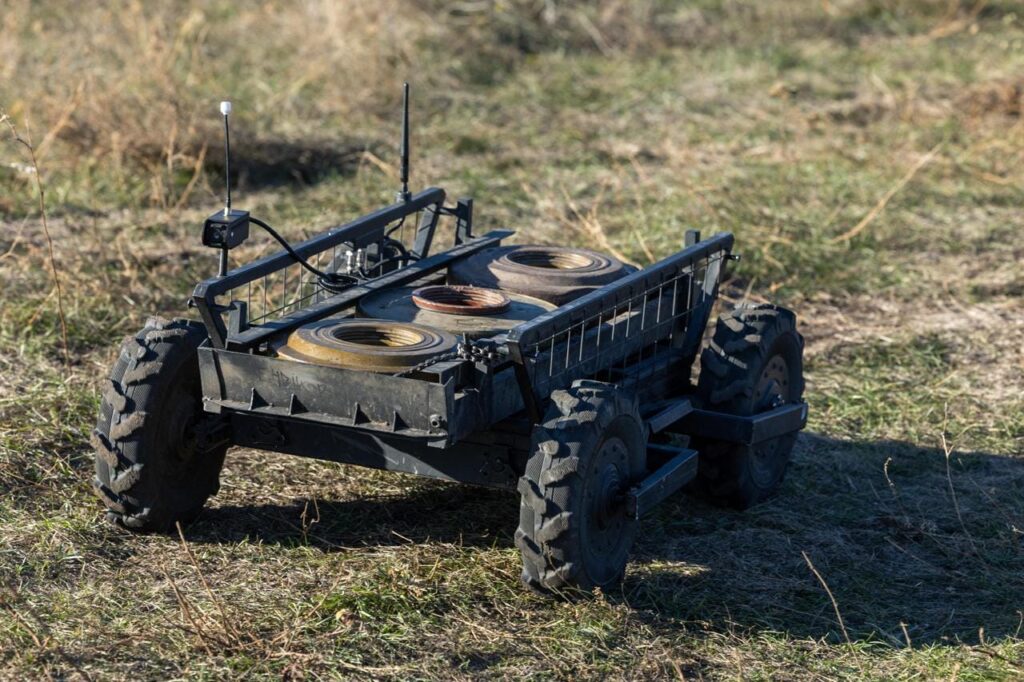
Ukraine takes a Cold War-era American APC—and turns it into mine-blasting robot. Allies have shipped Ukraine more than 1,700 M113s. Khartia's engineers just showed what one looks like with nobody inside.
A couple beaten for being Ukrainian—the latest case in Poland's rising anti-Ukrainian violence. The video, filmed by a Ukrainian living nearby, spread online, and police detained two suspects the next day.
How tight is Russia's fuel crisis? Altai now c
Volodymyr Zelenskyy has spent an entire day in Washington amid a shortage of Patriot interceptors. The Ukrainian president met representatives of the American defense company Lockheed Martin, which makes ATACMS missiles, HIMARS rocket systems, and Patriot air-defense interceptors, during his 28 July visit to the US, he wrote on Telegram.
Zelenskyy's Washington trip layered defense-industry diplomacy over a funeral. He came for the memorial of Senator Lindsey Graham, who
Volodymyr Zelenskyy has spent an entire day in Washington amid a shortage of Patriot interceptors. The Ukrainian president met representatives of the American defense company Lockheed Martin, which makes ATACMS missiles, HIMARS rocket systems, and Patriot air-defense interceptors, during his 28 July visit to the US, he wrote on Telegram.
Zelenskyy's Washington trip layered defense-industry diplomacy over a funeral. He came for the memorial of Senator Lindsey Graham, who died suddenly on 11 July at 71 and was among Kyiv's most influential and outspoken allies in the US Congress.
On the same day, the Senate moved to advance a Russia sanctions bill, renamed the "Lindsey O. Graham Sanctioning Russia and Iran Act of 2026" in his honor, with a procedural vote set for Tuesday evening, at which Zelenskyy was to address senators beforehand, according to Bloomberg. Zelenskyy also met with US President Donald Trump at the White House.
The Lockheed talks are about building weapons together
Zelenskyy framed the Lockheed Martin meeting as the same joint-production effort he has been pressing across the US defense industry. He discussed further developing cooperation through joint production and technology exchange, he said.
"Ukraine has something to share with those who help us protect lives. We talked about our joint capabilities regarding Patriot and other systems," Zelenskyy wrote.
Teams are already working on concrete solutions to move to joint production as quickly as possible and increase Ukraine's ability to protect lives, he added.
The meeting pairs with several days earlier. On 22 July, Zelenskyy met a team from Raytheon, the Patriot's other manufacturer, and said Ukraine was negotiating joint production of Patriot interceptors. Meeting both Patriot makers within a week, Ukraine is pressing the companies on production, after Trump pledged at the Ankara NATO summit on 8 July to grant Ukraine a license to manufacture Patriots, a promise the manufacturers said this month they had barely begun to act on.
The sanctions bill is the day's larger stakes
Shortly after midnight Kyiv time, Zelenskyy is expected to address US senators ahead of a procedural vote on a bipartisan bill imposing sanctions on Russia.
The legislation advancing in Graham's name is among the most consequential Russia measures the US Congress has produced. A bipartisan group of senators announced on 28 July that they had finalized the bill's language, and Senate leaders scheduled a procedural vote for that evening.
It would allow the president to impose tariffs of up to 500% on goods imported directly from Russia and up to 100% on imports from the largest buyers of Russian oil and gas, as well as from countries that help Russia evade sanctions. It also targets Russian officials, oligarchs, banks, and the shadow fleet, bars Russian uranium imports, and extends Iran sanctions. With more than 60 cosponsors, it is expected to pass the Senate, though the House is in recess until 31 August, so it will not reach Trump's desk until after that.
However, the bill carries a real geopolitical cost of its own. The secondary tariffs would fall hardest on China and India, the biggest buyers of Russian energy, and the measure could strain already-unstable US trade relations with both. That is the tension built into the tribute to Graham: the bill that bears his name would squeeze Russia's war revenue by pressuring the countries that keep it flowing, at the cost of a confrontation with two of the world's largest economies.
Clearing mines is hard, dangerous work requiring a big, heavy vehicle
To take the crew out of the blast radius, the Ukrainian National Guard's Khartia Corps has converted an old M113 armored personnel carrier into a robot
More vehicles could be in line for similar conversion
The Ukrainian National Guard has found a new way to speed armored robots to the front line. Instead of building all its 'bots from scratch, the 2nd National Guard Corps "Khartiia" has conv
Clearing mines is hard, dangerous work requiring a big, heavy vehicle
To take the crew out of the blast radius, the Ukrainian National Guard's Khartia Corps has converted an old M113 armored personnel carrier into a robot
More vehicles could be in line for similar conversion
The Ukrainian National Guard has found a new way to speed armored robots to the front line. Instead of building all its 'bots from scratch, the 2nd National Guard Corps "Khartiia" has converted at least one old American-designed M113 armored personnel carrier into a big, capacious unmanned vehicle.
If it works, and there's no reason to think it won't, the robotic M113 could become common in Ukrainian service. After all, allies have shipped Ukraine at least 1,729 M113s and vehicles built on the same chassis over the course of the war, making it one of the most numerous Western armored types in Ukrainian service.
The Khartiia Corps took one of its 12-ton M113s, added external cameras, control servos, and a radio-based command system and fitted it with anti-drone armor and a front-mounted mine flail. "Re-equipped by the engineers of Khartiia, it performs missions involving remote de-mining and logistics, allowing the operator to control the armored personnel carrier from a remote control unit," the corps stated.
The robotic M113 clears a safe path where every meter could be mined.
Роботизований М113 прокладає безпечний шлях там, де кожен метр може бути замінований.
Переобладнаний інженерами «Хартії», він виконує місії з дистанційного розмінування та логістики, дозволяючи оператору керувати бронетранспортером з пульта.
Ukrainian forces use thousands of small unmanned ground vehicles. Some carry guns into battle. Others haul supplies or speed injured troops from the gray zone to field hospitals. Most of these UGVs are purpose-made models with wheeled or tracked chassis and remote control systems based on line-of-sight, mesh or satellite radio, or fiber-optic cable.
The purpose-made UGVs tend to be small, lightweight, and limited in range. They might weigh a couple hundred kilograms, range a few tens of kilometers and cost $10,000. The small size, light weight, and limited range might not be a major constraint on a UGV whose main mission is, say, speeding a single wounded infantryman away from his front-line fighting position along a road or path.
But clearing mines or other obstacles is a whole other matter. Mine-clearing plows, rollers, or flails might weigh tons. The vehicle carrying the mine-clearing gear must be able to withstand the blasts from any mines it triggers. Clearing mined roads and fields leading to and across the disputed gray zone is tedious work requiring greater endurance and cross-country mobility than a small, under-torqued UGV can manage under battery power.
It's not for no reason that most existing Ukrainian mine-clearing vehicles are big, heavily armored, and powerful. They include American-made Assault Breachers, German-made Wisents and an array of ex-Soviet engineering vehicles. The problem, of course, is that these vehicles are manned. And their crews are exposed to extreme danger while inching along mined roads and fields within range of Russian drones and artillery.
Explore further
Dust and demining in Lviv Oblast—where the future of clearing the world’s most mined country meets the county fair
The Khartia Corps unmanned M113. Pavlo Itkin photo for the Khartia Corps.
Attritable vehicles
In fitting a diesel-powered, aluminum-armored M113 for remote operation, the Khartia Corps has removed the most vulnerable component of the best mine-clearing systems: the people. Now the corps can clear mines without worrying about losing precious manpower. If the M113 gets blown up, just add servos and radios to another one of the M113s still in the Ukrainian inventory.
It's such a good idea that more than one army has tried it. The US Army, which still owns tens of thousands of the 1960s-vintage M113s, has experimented with several types of unmanned M113. One essayist, writing for an official US Army blog, urged the American ground combat branch to convert M113s into unmanned "breaching" vehicles.
"Obsolete M113s can be repurposed to deliver massed unmanned assaults to reduce the enemy’s strongest defenses," Jason Flores Rutledge wrote. "Turning obsolete vehicles into remotely-operated machines can save money and lives."
Explore further
Ukraine lost 500 American battle taxis. Now it’s building a tougher one.
Best of all, the basic equipment that transforms a manned M113 into an unmanned M113 is platform agnostic. That is, it should work just fine on almost any vehicle, as Rutledge noted. "As the Army runs out of M113s, subsequent generations of Armored Fighting Vehicles could be automated as they approach obsolescence."
With refinement and scaling, Ukrainian forces could produce reliable, inexpensive kits for converting an array of wheeled and tracked vehicles into robots. Tanks and infantry fighting vehicles with manually loaded main guns and complex fire control systems might not be eligible for conversion. But engineering vehicles, supply vehicles, and ambulances should be first in line.
Think of manned-to-unmanned vehicle conversions as an expedient. In a bid to reduce risk to their most precious resource, their soldiers, Ukrainian forces have already contracted more than 22,000 domestically built UGVs so far this year—nearly double the total for all of 2025—with more contracts still coming, the Defense Ministry reported. They could add thousands of vehicles to that total by converting M113s and other (currently) manned vehicles.
Russia may be about to fire its Banderol cruise missiles from the ground, and that could change the warning Ukraine has. Photos of a new Russian ground launcher for the S8000 "Banderol" cruise missile have appeared online, and Russia reportedly presented the launcher to Russian ruler Vladimir Putin at a closed exhibition in 2025, the Ukrainian defense outlet Defense Express reported.
Until now, the only confirmed launch platform for the Banderol was the Orion strike-and
Russia may be about to fire its Banderol cruise missiles from the ground, and that could change the warning Ukraine has. Photos of a new Russian ground launcher for the S8000 "Banderol" cruise missile have appeared online, and Russia reportedly presented the launcher to Russian ruler Vladimir Putin at a closed exhibition in 2025, the Ukrainian defense outlet Defense Express reported.
Until now, the only confirmed launch platform for the Banderol was the Orion strike-and-reconnaissance drone, and no ground launcher for the missile had appeared online. That mattered for Ukraine's defense: the Orion is rare, with only nine confirmed losses throughout the war, and it has to be flown in first, where Ukraine can spot it in advance.
A ground launcher removes that warning. The Banderol is a fast, cheap jet-powered cruise missile that flies up to 500 km at 500 to 560 km/h with a 114.3-kg warhead, and Russia has used it in its largest combined strikes on Kyiv. The threat is that ground launchers let Russia fire Banderols without the Orion's telltale takeoff, and can be assembled in large numbers for mass attacks.
The launcher strips away the time Ukraine had to react
The second danger is volume. A single Orion can carry only one Banderol, but ground launchers can be built in dozens and used for mass attacks. That turns a missile previously limited by its scarce drone carrier into one Russia could salvo, the same shift from trickle to swarm that has made Shaheds so hard to stop.
The launcher may still be in testing, the analysts cautioned, and Russia may be trying to conceal its use. But the fact that Russia has ground launchers at all is the threat, because it changes how and how many Banderols can reach Ukraine.
The tradeoff is the range for surprise
Ground launch is not free for Russia either. Fired from a launcher on the ground, the Banderol will have a shorter range than when dropped from an Orion already at altitude and speed. Even with a booster, the missile has to accelerate and climb to its cruising height on its own, spending the energy an air launch provides for free.
The launcher's design reflects that. Judging by its construction, the missile rail can be lowered to a horizontal position, and, given its small size, the launcher could theoretically be mounted on trailers or other mobile platforms. A small solid-fuel booster is probably used to get the missile off the ground. That mobility is its own threat: a trailer-mounted launcher can hide, move, and fire from unexpected locations, trading the Banderol's maximum range for the surprise of a ground launch close to the border.
Ukrainian intelligence has mapped its 30-company foreign component supply chain, down to a Chinese jet engine available on AliExpress, and President's adviser Serhii "Flash" Beskrestnov, who first identified the missile, has called it "nothing outstanding, a budget cruise missile with a small warhead."
Russia cannot yet use guided kamikaze drones against the regions in the west of Ukraine because of technical limits on its remote-control system. But activating relays in Belarus could change that and put Lviv, Volyn, and other oblasts at risk, presidential adviser Serhii "Flash" Beskrestnov said on the national telethon, Telegraf reports.
Russia's online control system currently works only within a limited range of the border, and the front line, Beskrestnov said, so
Russia cannot yet use guided kamikaze drones against the regions in the west of Ukraine because of technical limits on its remote-control system. But activating relays in Belarus could change that and put Lviv, Volyn, and other oblasts at risk, presidential adviser Serhii "Flash" Beskrestnov said on the national telethon, Telegraf reports.
Russia's online control system currently works only within a limited range of the border, and the front line, Beskrestnov said, so the "red zone" where drones can be steered in real time does not yet reach the west. If relays in Belarus come online, that zone would expand toward the Belarusian border and cover them.
The warning is concrete because Russia has done exactly this before: it built a network of signal repeaters on Belarusian towers and rooftops that boosted Shahed control signals to reach Kyiv, Rivne, and Volyn oblasts, until Ukraine dismantled it in February 2026.
The Belarus threat is a switch Russia can flip back on
The relay question is not hypothetical. Repeaters in Belarus let Shaheds flying the northern route hit targets across Kyiv, Rivne, and Volyn that Russia struggles to reach from its own soil, and President Volodymyr Zelenskyy has said some strikes on Ukrainian energy and railway sites would not have been possible without that help.
Ukraine has fought to keep it off. After Ukraine tore down the network in February, Kyiv gave Belarusian ruler Alyaksandr Lukashenka a week to pull Russia's drone relays in June, and they went silent in three days. ISW has assessed that operating Shaheds and cheaper Molniyas from Belarusian territory would put the highway and rail line carrying Polish supplies from the border within precision range, and allow Russian operators to hit moving convoys and trains.
The camera-lock tactic is how a guided Shahed hits a moving train
The reason online control matters so much is a new tactic Russia uses to defeat Ukrainian electronic warfare. Russian guided drones now carry powerful cameras with target-capture capability, Beskrestnov said, allowing them to hit specific moving targets rather than fixed coordinates.
He described how it works. From three kilometers out, the pilot sees a locomotive with his own eyes through the drone's camera, switches on a capture box around it, and a Shahed then automatically controls its own flight and attacks the locomotive, Beskrestnov said. Locking onto the target visually and letting the drone fly itself in for the final approach means the operator no longer needs a continuous control link at the moment of impact, which is part of how the drone gets past jamming. Russia understands that mass attacks are ineffective, Beskrestnov said, and is trying to strike important targets with this new tactic.
Ukraine and NATO are funding joint teams to turn battlefield prototypes into weapons. Ukraine's Brave1 defense cluster and its allies have begun accepting applications for their first joint grant program, UNITE - Brave NATO, Ukraine's Defense Ministry announced.
The program helps bring successful defense-technology prototypes to serial production and battlefield use, pairing a Ukrainian company with a company from a NATO country in joint teams.
The competition focuse
Ukraine and NATO are funding joint teams to turn battlefield prototypes into weapons. Ukraine's Brave1 defense cluster and its allies have begun accepting applications for their first joint grant program, UNITE - Brave NATO, Ukraine's Defense Ministry announced.
The program helps bring successful defense-technology prototypes to serial production and battlefield use, pairing a Ukrainian company with a company from a NATO country in joint teams.
The competition focuses on developing Ukraine's drone capabilities, protection against enemy drones, and strengthening air defense. Depending on the type of technology, winners can receive up to $293,000 or about $585,000 per side of the joint team.
Applications for the first stage are accepted until 3 August 2026. It is the working phase of a program EP has tracked since NATO and Ukraine launched UNITE - Brave NATO in November 2025, with a €10 million pilot budget split equally between NATO and Ukraine.
The program routes Ukraine's combat experience into the NATO industry
The pairing requirement is the point. By requiring a Ukrainian company and a NATO-country company on each team, UNITE - Brave NATO connects the world's most combat-tested defense innovators with allied industry and channels the real-time battlefield lessons Ukraine generates back into the Alliance.
NATO wants that experience deliberately. NATO's Communications and Information Agency manages the competition on the Alliance side, while Brave1 coordinates it in Ukraine. The first round targets the very technologies Ukraine faces daily: countering unmanned aerial systems, strengthening air defenses, and securing frontline communications.
Brave1 is the hub that the whole system runs through
The grant program is one node in the innovation network Ukraine has built at the center of its war effort. Brave1 has become the central hub of Ukraine's wartime defense innovation, and as of June 2026, the cluster had processed over $235 million in procurement orders, registered more than 3,600 developments, secured 300 NATO-codified items, and disbursed $50 million in defense innovation grants.
UNITE - Brave NATO sits alongside a widening set of bilateral partnerships that Brave1 runs with individual NATO members, including Brave Germany, launched with Berlin in May 2026, and Brave France, a €20 million drone-development program launched with Paris in June. The common thread is the Test in Ukraine framework, which allows foreign manufacturers to trial new technologies under conditions close to actual combat and to obtain performance data that no peacetime range can produce.
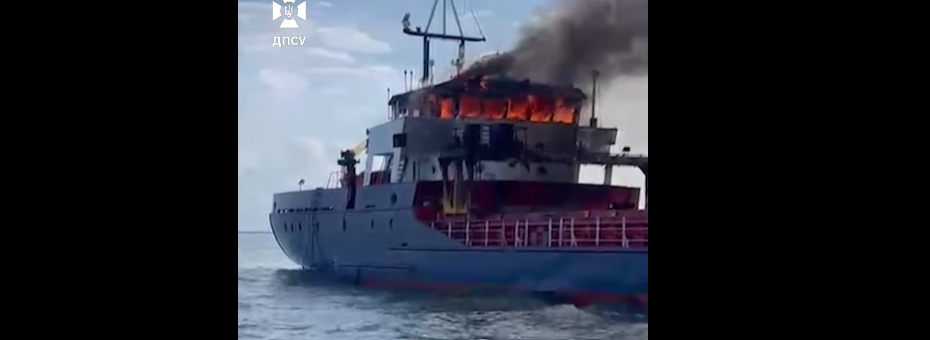
Russia's strikes on cargo ships have now shut down an iron ore giant. Pivdennyi Mining and Processing Plant (Pivdennyi GZK) has announced it has begun suspending mining and temporarily curtailing operations due to ongoing Russian attacks on civilian merchant ships bound for Ukraine's Black Sea ports.
The plant cannot mine because it cannot ship. Russia's strikes on merchant vessels have effectively blocked the ports through which Pivdennyi GZK exports, leaving several s
Russia's strikes on cargo ships have now shut down an iron ore giant. Pivdennyi Mining and Processing Plant (Pivdennyi GZK) has announced it has begun suspending mining and temporarily curtailing operations due to ongoing Russian attacks on civilian merchant ships bound for Ukraine's Black Sea ports.
The plant cannot mine because it cannot ship. Russia's strikes on merchant vessels have effectively blocked the ports through which Pivdennyi GZK exports, leaving several shiploads of iron ore piled up at the ports and in the plant's warehouses with nowhere to go, so the company was forced to stop digging more, per its statement.
The plant is owned by Ukraine's richest man, Rinat Akhmetov, and Smart Holding, which employs 4,480 people, and earned about $463 million in revenue in 2024, according to Forbes Ukraine. It plans to resume mining in August 2026, security permitting, and will keep staff on repair and maintenance work in the meantime. It is the major industrial casualty of a Black Sea shipping blockade that Russia has tightened to a chokehold in late July.
The sea trade has effectively stopped
The plant's shutdown is one consequence of a campaign that has emptied Ukraine's main export corridor. Since Russia began deliberately striking civilian merchant ships, war-risk insurance rates for calling at a Ukrainian port have jumped roughly fivefold, making the voyage economically unviable, and crews have begun demanding double or triple hazard pay, according to UA.News. As of 24 July, the waters around the Greater Odesa ports sat empty for days, with no ship daring to enter Ukrainian territorial waters to load or unload.
The scale of the strikes is what stopped the ships. Russia has hit at least 12 civilian vessels heading to Ukrainian ports, according to Pivdennyi GZK, including ships carrying Ukrainian metallurgical products.
The plant survived everything until the sea closed
Pivdennyi GZK's shutdown is notable because the plant held on through years of conditions that would have closed a weaker operation. The suspension was a forced measure; it was delayed as long as possible, the company said.
Since the start of the full-scale war, the plant operated under constant critical pressures: Russian shelling, power outages, sharply rising logistics costs, the European Union's carbon border adjustment mechanism (CBAM), and tightened EU quotas on Ukrainian metallurgical products.
The plant produces high-grade iron ore concentrate with iron content above 65% and up to 67.8%, which is supplied to Ukrainian metallurgical plants and exported. Without functioning ports, that export has nowhere to go. The pattern echoes 2022, when Russia's blockade of the seaports halted operations at the plant from 1 July that year, with operations only partly resuming in November.
The plant is appealing to the state to reopen the sea
Pivdennyi GZK turned its shutdown into a direct appeal to allies and the Ukrainian government. The plant's collective addressed President of Ukraine Volodymyr Zelenskyy, the government, and parliamentarians, calling the unblocking of logistics routes for Ukraine's Black Sea ports a vital task not only for the mining and metallurgical sector but for the entire Ukrainian economy.
"Restoring access to logistics routes serving Ukraine's Black Sea ports is essential for ensuring the long-term viability of not only the mining and metals sector, but the Ukrainian economy as a whole," the company said.
Iran is threatening to hit back after Ukraine struck its ships. Meanwhile, Ukrainian monitoring channels that help the Ukrainians track Russian drones and missiles carried information that soon Iran might attack Ukraine with ballistic missiles.
The threat is real, but a ballistic strike on Ukraine is not confirmed. It follows Ukrainian long-range strikes on 25 and 26 July against vessels in the Caspian Sea, which President of Ukraine Volodymyr Zelenskyy publicly confirm
Iran is threatening to hit back after Ukraine struck its ships. Meanwhile, Ukrainian monitoring channels that help the Ukrainians track Russian drones and missiles carried information that soon Iran might attack Ukraine with ballistic missiles.
The threat is real, but a ballistic strike on Ukraine is not confirmed. It follows Ukrainian long-range strikes on 25 and 26 July against vessels in the Caspian Sea, which President of Ukraine Volodymyr Zelenskyy publicly confirmed, saying Ukraine hit ships used in military cargo shipments involving Iran, as well as a warship, according to Al Jazeera.
Iran's Foreign Ministry accused Ukraine of attacking what it called a commercial vessel, said the strike killed one sailor and wounded others, called it an "act of aggression," and warned of "expanding the fire of war."
Iranian Foreign Minister Abbas Araghchi said the attack "cannot go unanswered." But Andrii Kovalenko, head of Ukraine's Center for Countering Disinformation, said there is no official data on any Iranian intent to strike Ukraine with ballistic missiles, while noting Tehran potentially has the weapons to do so.
The threat comes from a strike Ukraine confirmed carrying out
The Caspian route is a documented artery of the Iran-Russia weapons trade. It links Iran's northern ports to the Russian port of Astrakhan, and Ukraine has struck it before: in August 2025, a cargo ship reportedly loaded with Shahed drone components and Iranian munitions was destroyed there, CNN reports. Iran has supplied Russia with thousands of Shahed drones used against Ukrainian cities since 2022, which is why Ukraine treats the shipping between the two countries as a military target.
Iran's Foreign Ministry summoned Ukraine's chargé d'affaires in Tehran over the strike, and Araghchi said he raised a response in calls with Russian Foreign Minister Sergei Lavrov and EU foreign policy chief Kaja Kallas, accusing Israel of provoking the attack to draw Europe into its war.
Iran has missiles that could reach Ukraine, according to Defense Express
On the question of capability, the Ukrainian defense outlet Defense Express assessed what Iran could theoretically use. Iran does have an arsenal of medium-range ballistic missiles able to reach Ukrainian territory, of which the most threatening is the Khorramshahr, which has demonstrated a range of about 4,000 kilometers.
The technical profile is Defense Express's analysis, not evidence of intent. First shown in 2017 and believed to be based on the North Korean BM-25 Musudan, itself derived from the Soviet R-27 submarine-launched missile, the Khorramshahr is a liquid-fuel single-stage missile with several variants. A 2,000-kilometer version carries a warhead of up to 1,500 kilograms, and Iran has developed and used against Israel a submunition warhead closer to a cluster type, dispersing up to 20 separate warheads within a radius of about 8 kilometers, designed to strike cities and defeat missile defense.
To intercept such missiles, Israel used Arrow-2 and Arrow-3, and the US used THAAD and SM-3 to defend its ally. Ukraine has none of these systems. That is a genuine vulnerability, but it describes what could happen if Iran chose to strike, not a decision Tehran has made.
Polish police have detained two of the three men suspected of beating a young Ukrainian couple in the city of Wrocław, Suspilne reported. Investigators are treating the assault as a hate crime driven by the victims' nationality, and the two detainees now face criminal charges and possible prison time. Officers are still searching for the third attacker as Kyiv presses for a full investigation.
Nearly 987,000 Ukrainians held temporary protection status in Poland by m
Polish police have detained two of the three men suspected of beating a young Ukrainian couple in the city of Wrocław, Suspilne reported. Investigators are treating the assault as a hate crime driven by the victims' nationality, and the two detainees now face criminal charges and possible prison time. Officers are still searching for the third attacker as Kyiv presses for a full investigation.
Nearly 987,000 Ukrainians held temporary protection status in Poland by mid-April 2026, according to UN refugee agency data. The beating adds to a run of anti-Ukrainianattacks across Poland. Ukrainians filed 180 hate-crime reports in the first half of 2026, more than 30% above a year earlier and nearly 35% above 2024.
Two suspects detained, one still sought
Wrocław police detained the two men on 27 July, and both had prior records. Interior Minister Marcin Kierwiński announced the arrests on X, writing that brutal violence would never go unpunished. Counter-terrorism officers stopped one suspect as he tried to leave Wrocław. The third man remains at large.
A man suspected of beating a Ukrainian couple is detained in Wrocław, 27 July 2026. Photo: Marcin Kierwiński/X
The two detainees were to be questioned and charged at the Wrocław-Psie Pole district prosecutor's office. They face up to five years in prison, prosecution spokesman Jakub Dłubacz told Ukrinform. The charges combine battery with violence motivated by national intolerance under Poland's criminal code.
"Are you Ukrainian?" — three Polish men beat the couple
The attack happened around 18:30 on 26 July in Wrocław's Zakrzów district. The victim's mother, Karina Kitsai, recounted the events to Radio Svoboda. Her daughter Nastia had stopped at a supermarket to buy coffee and food while her boyfriend Maksym waited in the car. At the checkout, one man set a beer in front of Nastia. When she pointed to the queue, he asked whether she was Ukrainian and began insulting her.
Screenshot from a video of the attack on the Ukrainian couple, Wrocław, 26 July 2026.
The men waited outside. As Nastia reached the car, they ran up and started beating Maksym. She screamed for them to stop, and one attacker turned on her.
"One of them ran up to her and started hitting her in the face. She fell on her back," Kitsai said. The men briefly stepped back, then attacked again as the couple tried to stand.
Nastia, the Ukrainian woman injured in the Wrocław attack, her neck stitched and face bandaged, 26 July 2026. Photo: Karina Kitsai/Facebook
Nastia suffered a cut neck that needed stitches, a torn ear, and a badly bruised face. Her mother believes one attacker may have used a knife. The men beat Maksym's head and shocked him with the stun gun he had tried to use to defend himself. Both Nastia and Maksym were treated for suspected concussion.
A neighbor heard the cries and filmed the assault from his balcony, and the family later published the video.
Custom Code
"We are compelled to note that cases of violence and aggression whose victims are Ukrainian citizens have recently become more frequent in Poland," Ukraine's Consulate General in Wrocław wrote, sharing the video.
Kyiv presses for justice as attacks climb
Ukraine's acting Foreign Minister Andrii Sybiha thanked Polish authorities, law enforcement, and Wrocław's mayor for their swift response. He wrote that Kyiv expects a full and impartial investigation and fair punishment for everyone involved.
Sybiha again urged "certain Polish politicians" to stop fueling hostility that turns into street violence.
"We need dialogue and mutual respect, not looking for reasons to hate," he wrote.
Reports of attacks on Ukrainians in Poland, from verbal abuse to physical violence, have grown more frequent this year — several drew national attention in July alone:
Poznań — two men linked to the far right, including an ex-soldier suspected of spying for Russia, confronted a Ukrainian woman running a legal-aid office, demanding entry and asking whether she "supports Stepan Bandera."
Płock — prosecutors opened a case after a 15-year-old Ukrainian boy was struck and pushed off a city bus by a man who demanded he speak Polish.
Łódź — a man beat a passerby he mistook for Ukrainian, breaking his nose and jaw, then told him his place was not in Poland.
Bielsko-Biała — a man hurled insults at a group of Ukrainians, including two 11-year-old girls, one of whom filmed it.
Legnica — a 26-year-old woman was charged after assaulting two 13-year-old Ukrainians, allegedly over their nationality.
Poznań — a 60-year-old Polish man was beaten so badly he suffered memory loss after stepping in to defend a Ukrainian teenager who was being insulted by three men on a tram.
Drivers in Russia’s Altai Republic had found a way around fuel rationing: fill up just before midnight, then again just after, and pocket two days’ gasoline in one stop.This week, the Siberian republic—bordering Kazakhstan, China, and Mongolia—closed that window, ordering fuel stations to allow each car only one fill every 24 hours. The fix is local and granular. The cause is not: Ukraine’s drone war on Russian refineries has reached Siberia’s gas pumps.Ukraine has spent m
Drivers in Russia’s Altai Republic had found a way around fuel rationing: fill up just before midnight, then again just after, and pocket two days’ gasoline in one stop.
This week, the Siberian republic—bordering Kazakhstan, China, and Mongolia—closed that window, ordering fuel stations to allow each car only one fill every 24 hours. The fix is local and granular. The cause is not: Ukraine’s drone war on Russian refineries has reached Siberia’s gas pumps.
Ukraine has spent months striking the plants that turn Russian crude into gasoline and diesel, driving the country’s refining to a two-decade low and sending its drones as far as the giant Omsk refinery, roughly 2,500 kilometers away, hit on 6 July.
Kyiv calls the campaign its long-range sanctions and says Siberia is within reach. The result is now showing up at pumps far from any front line.
Explore further
Russia’s fuel crisis has moved from the pump to the harvest
The Altai Republic’s government set out the rule on its official Telegram channel: stations scan each car’s registration into a regional system and refuse a second sale until 24 hours have passed, with fuel sold only to drivers who show a vehicle registration.
The old daily limit reset at midnight, letting drivers take one ration late in the evening and another once the clock turned. “There is fuel, but the flows need regulating to supply everyone—both essential services and citizens,” Alexander Prokopyev, the head of the republic’s government, said. Farmers, alongside emergency crews, get the one exception: a second fill between 05:00 and 07:00.
Fill up just before midnight, then again just after, and pocket two days' gasoline in one stop.
Rationing tightens as the government grounds itself
The caps are tight. In the districts where most of the republic’s 210,000 people live, drivers may buy 30 liters of gasoline a day—about half a tank—or 50 liters of diesel. Elsewhere, the ceilings are 50 and 100.
The government has reined in its own officials too, cutting work trips, banning out-of-region travel on state vehicles, and moving meetings online to save fuel. The limits are set to run until 1 September.
Altai is not alone. Rationing now stretches across dozens of Russian regions, and the strain is spilling past the pump: about 25 regions have raised transit fares or cut routes to conserve fuel, from Stavropol in the south to Irkutsk and Buryatia in the east.
Deputy Prime Minister Alexander Novak, who oversees Russia's energy sector, said fuel imports were now one of the government's key measures to stabilize the market. Photo: russia.ru
The federal government is steering supply by hand—Deputy Prime Minister Alexander Novak said on 25 July that officials were weighing extra shipments to the Altai Republic, neighboring Altai Krai, Yakutia, Irkutsk Oblast, and Trans-Baikal.
Next door in the Kuzbass coal region, the shortage is being counted in days of jet fuel. Governor Ilya Seredyuk said this week that 213 rail tankers were en route and that reserves stood at 16 days of jet fuel for Kemerovo’s airport and seven for Novokuznetsk’s—figures from a single official’s briefing, not independently confirmed.
Moscow has conceded the point: Putin acknowledged the strikes are causing fuel problems. The Altai Republic’s own announcements name a different culprit—speculation and panic-buying among its drivers.
Someone impersonated Ukraine's newly appointed top general on X, posting false statements in his name until the platform removed the account, according to Ukraine's Center for Countering Disinformation. The fake carried a verified badge—which on X currently signals a paid X subscription, not identity verification—and pushed fabricated announcements before officials exposed it. The watchdog says a wider effort to discredit the country's military leadership now reaches other
Someone impersonated Ukraine's newly appointed top general on X, posting false statements in his name until the platform removed the account, according to Ukraine's Center for Countering Disinformation. The fake carried a verified badge—which on X currently signals a paid X subscription, not identity verification—and pushed fabricated announcements before officials exposed it. The watchdog says a wider effort to discredit the country's military leadership now reaches other senior commanders.
Ukraine's institutions operate under a continuous effort by Moscow to manipulate the information around the ongoing Russo-Ukrainian war, from fabricated news sites to coordinated influence networks.
A fake page speaks for the new commander
The Center for Countering Disinformation (CPD), a body under Ukraine's National Security and Defense Council, reported on 28 July that X had blocked a page impersonating the official account of the newly appointed Commander-in-Chief, Major General Mykhailo Drapatyi. The account had earlier spread fakes in his name. The watchdog thanked X for acting on the complaint.
The counterfeit profile, created in July 2026, carried a verified badge and gathered more than 5,500 followers before its exposure. It had published around 30 posts issuing statements in the commander's voice.
Explore further
From “flying BMP” to commander-in-chief: Ukraine’s new army leader stopped Russia at Kryvyi Rih and held Vovchansk
A fabricated "army audit" that reached the media
On 26 July, the fake page posted that an "audit of the Armed Forces" was starting, claiming there would be "no untouchables" and that anyone tied to alleged violations would answer for it. Ukrainska Pravda—a popular Ukrainian publication—ran a story sourced to the account, then annulled the report and apologized to readers.
The General Staff confirmed the X page did not belong to Drapatyi.
The CPD said the operation reaches beyond one general. Posts also try to discredit acting Defense Minister Major General Yevhenii Khmara, Ground Forces Commander Major General Hennadii Shapovalov, and other senior figures in the Defense Forces. The aim, the watchdog said, is to sow division and distrust among the public and troops by spreading fake biographies and building artificially inflated expectations through counterfeit pages.
Impersonating trusted Ukrainian figures and institutions has been a recurring feature of the information war running alongside Russia's invasion. Russian operatives have previously counterfeited summonses from Ukraine's Security Service (SBU), signed in the names of senior officials, to pressure people into cooperating, and have built AI-generated fake personas — fake soldiers, clergy, and officials — to lend false statements the weight of authority. Ukrainian intelligence has described how that machine, once aimed at flooding Ukraine, has shifted its targets over the years.
Russia's Tyumen oil refinery has fully halted crude processing and fuel output since a late-July Ukrainian drone strike, two industry sources told Reuters on 28 July. The plant sits more than 2,000 kilometers from Ukraine, deep in western Siberia. How long the damaged gasoline production will take to repair remains unclear.
Ukraine's drone campaign against Russian fuel plants and depots has pushed rationing from Russian border regions all the way into Siberia, turni
Russia's Tyumen oil refinery has fully halted crude processing and fuel output since a late-July Ukrainian drone strike, two industry sources told Reuters on 28 July. The plant sits more than 2,000 kilometers from Ukraine, deep in western Siberia. How long the damaged gasoline production will take to repair remains unclear.
Ukraine's drone campaign against Russian fuel plants and depots has pushed rationing from Russian border regions all the way into Siberia, turning gasoline supply and oil revenue into pressure points on Moscow's war economy. Every refinery knocked offline trims the fuel and cash that sustain Russia's invasion, and Kyiv often keeps returning to the same targets faster than Moscow can rebuild them.
The plant stopped making fuel
RI-Invest, which owns the Tyumen refinery, shut down crude processing and all product output on 25 July, when the Ukrainian drones hit the facility, according to the two sources in a Reuters report carried by The Moscow Times. The drone strike that day damaged the plant's secondary units and set them on fire.
The blaze hit a diesel hydrotreating unit rated at 2.6 million tons a year. It also struck the combined high-octane gasoline complex, which pairs a catalytic reformer with an isomerization unit. Neither source could estimate how long the gasoline repairs would run, according to Reuters.
Explore further
Oil sites 1,300 km east, a port terminal near the front—Russia’s deep rear had one loud night
A plant already patching an older fire
The same diesel hydrotreating unit spent last month under repair after a 6 June fire from internal causes. The gasoline complex was built under a license from the US firm UOP and started operating in 2018. The refinery's full capacity reaches 9 million tons a year, the sources said. In 2024 it processed 5.7 million tons of crude, turning out 0.5 million tons of gasoline and 2.8 million tons of diesel.
Drones over Siberia, far from any front
On 25 July, Tyumen Oblast Governor Alexander Moor confirmed the drone attack on the region and reported no casualties.
Ukrainian drones had already reached the same plant on 20 June. The lost output tightens a home fuel market that has run short since spring, as Kyiv escalated its campaign against oil-processing plants.
Tyumen Oblast is currently also bracing for major flooding as the Tura River rises.
Russian strikes on Black Sea shipping have brought Ukraine’s grain corridor to its first full stop since it opened in August 2023, Ag Bull Trading reported. The freeze is splitting the price of wheat in two, pushing it down on Ukrainian farms even as it climbs abroad, Latifundist’s analysis found.Rapeseed now sells for about $70 a ton less than it did a week earlier, and wheat at the farm is fetching roughly a fifth less than last autumn. Some buyers are cutting their offe
Russian strikes on Black Sea shipping have brought Ukraine’s grain corridor to its first full stop since it opened in August 2023, Ag Bull Trading reported. The freeze is splitting the price of wheat in two, pushing it down on Ukrainian farms even as it climbs abroad, Latifundist’s analysis found.
Rapeseed now sells for about $70 a ton less than it did a week earlier, and wheat at the farm is fetching roughly a fifth less than last autumn. Some buyers are cutting their offers overnight, market participants reported.
With ships no longer calling, traders have stopped buying, and grain that would have sailed has nowhere to go; the near-total halt of seaport trade has pushed prices down at the ports. More than 90% of Ukraine’s farm exports move through three deepwater Odesa ports.
Explore further
Russia’s port strikes leave Ukraine’s grain with almost nowhere else to go
Carriers pull out as world prices climb
Maersk suspended service at a terminal in Chornomorsk’s fishing port and rerouted cargo to Romania’s Constanta, while the main ports and the corridor itself stayed open, as ThePublic reported; Hapag-Lloyd also paused its Chornomorsk calls.
On world exchanges, the same grain is moving the other way: Chicago wheat has jumped about 16% in July as attacks on Black Sea shipping stoke supply fears. Egypt, Algeria, and Indonesia together buy about 60% of Ukraine’s wheat, USDA figures show.
The freeze is splitting the price of wheat in two, pushing it down on Ukrainian farms even as it climbs abroad.
Grain piles up with nowhere to go
Seaborne farm exports have all but stopped, and with about 10 million metric tons of grain unsold from last season already competing for storage with the new crop, prices for growers keep sliding. The strain on the farm sector could turn critical within two to three months, the All-Ukrainian Agrarian Council’s deputy head Denys Marchuk warned.
The state has imposed no restrictions—shipowners paused their own calls after a run of Russian strikes on civilian cargo ships, Agriculture Minister Taras Vysotskyi told Latifundist.
He urged growers who can afford it to hold off selling, and said Ukraine may need to store an extra 10 to 12 million metric tons of grain it cannot ship, appealing to international partners for temporary storage capacity. The strikes went to the UN Security Council on 27 July, a session convened at Kyiv’s request.
Explore further
Russia’s ship strikes stall Ukraine’s grain corridor. The damage is moving inland
Growers face rising costs of their own—fuel, fertilizer, and equipment—and some are buying diesel on credit at about 87 hryvnias ($1.93) a liter, leaving little room to hold grain off a falling market.
Yet nothing has been formally closed. The deadliest strike came on 19 July, when Russian missiles hit the Golden Leo, a Turkish-owned bulk carrier, as it left Odesa loaded with grain, a strike killing 10. The corridor remains officially open. The harvest has fewer ways out.
Ukrainian drones struck logistics and industrial sites across Russia's Moscow Oblast on the morning of 28 July, according to monitoring channels and local authorities. Fires broke out near Podolsk and in Chekhov, while Russia's biggest online marketplace said its own warehouse kept running. Russian officials claimed air defenses downed hundreds of drones.
Earlier this month, Ukraine expanded its deep-strike campaign from primarily oil refineries and fuel depots in R
Ukrainian drones struck logistics and industrial sites across Russia's Moscow Oblast on the morning of 28 July, according to monitoring channels and local authorities. Fires broke out near Podolsk and in Chekhov, while Russia's biggest online marketplace said its own warehouse kept running. Russian officials claimed air defenses downed hundreds of drones.
Earlier this month, Ukraine expanded its deep-strike campaign from primarily oil refineries and fuel depots in Russia to the warehouses of Wildberries, Russia's largest e-marketplace. The campaign aims at undermining Russia's wartime economy that sustains the ongoing invasion of Ukraine.
Aimed at Russia's Amazon, the hit landed next door
Early on 28 July, Ukrainian monitoring channel Exilenova+ started reporting drone activity over Moscow Oblast. Over the next hours it posted photos, video, and its own read of the target. The channel judged the strike as a likely attempt on the large Wildberries logistics center in Koledino, south of Podolsk. Air-defense fire, it said, probably pushed the hit onto the third-party warehouse right beside it.
Wildberries is Russia's biggest online retailer, its answer to America's Amazon or China's AliExpress. The neighboring depot belongs to Koledino 3PL, an independent logistics and fulfillment operator.
Russian news Telegram channel Astra identified the burning building as that 3PL site. Residents of nearby Podolsk reported explosions and a fire that same morning. Supernova+ backed the account of a hit on the 3PL warehouse.
The operator's own site lists the warehouse at about 10,000 m². It stores goods, packs orders, labels and ships for clients that include Auchan, Magnit, Lenta, Pyaterochka, Fix Price and Detsky Mir. Next to it sits what one industry listing calls the marketplace's largest distribution center, over 200,000 m². Wildberries' press service said the complex was working normally. Monitoring channels still believe the intended target was the Wildberries hub.
Warehouse of the 3PL logistics operator is burning near Moscow
In Koledino, Ukrainian drones struck the facility sitting next to a large Wildberries warehouse, which remains unharmed.
Podolsk district head Grigory Artamonov played it down, reporting only a damaged fence at a private house and a fire in a wooded area.
A rubber plant on fire in Chekhov
Video published by Exilenova+ also showed drones hitting an enterprise in Chekhov. More footage captured a fire after a drone reportedly struck a smokestack on a plant's grounds. Astra's analysis placed the blaze at the Chekhov Regeneration Plant. Residents had reported explosions overnight.
The plant recycles worn car tires into regenerate, rubber crumb and powder, and makes more than 600 rubber goods. By its own account, it is one of Russia's biggest producers in the field. Chekhov municipal head Mikhail Sobakin confirmed the attack, saying rubber had caught fire at the plant and crews were putting it out, with several buildings in the city damaged.
Moscow mayor Sergei Sobyanin first claimed 12 drones downed near the capital around 5 a.m. He later put more than 390 aircraft over the region between 20:30 and 6:30, saying air defenses hit most "on distant approaches" and 81 near Moscow. Russia's Defense Ministry claimed its air defenses downed 356 Ukrainian drones overnight, across a dozen regions plus the Moscow area, occupied Crimea and the Azov Sea. None of the figures could be independently checked.
Explore further
Ukraine went for Russia’s “AliExpress” again—its next-door warehouse was ablaze
Deep-strike campaign continues
Since 18 July, Ukrainian drones have hit at least ten of the marketplace's centers, in Elektrostal, Kotovsk, Krasnodar, Nevinnomyssk, Voronezh and Yekaterinburg. The previous successful strike came on 24 July, at complexes near St. Petersburg, in Leningrad Oblast and in occupied Simferopol. On 20 July, drones struck the Wildberries center in Podolsk and an oil depot in nearby Lvovsky, both catching fire, as the effort widened from oil refineries to retail and industry.
Ukrainian President Volodymyr Zelenskyy has earlier explained the strikes on the "Russian AliExpress" by saying Moscow uses the platform to bring in sanctioned drone and navigation parts.
Ukrainian police handcuffed an investigative journalist over a draft violation, which his newsroom says does not exist. On 27 July in Kyiv, police detained hromadske journalist Yevhen Shulhat, stopping the taxi he was riding in. At hromadske, Shulhat investigated corruption, including alleged cases involving members of Ukraine's law enforcement agencies.
The officers said the stop was based on an alleged violation of military registration rules, but according to documen
Ukrainian police handcuffed an investigative journalist over a draft violation, which his newsroom says does not exist. On 27 July in Kyiv, police detained hromadske journalist Yevhen Shulhat, stopping the taxi he was riding in. At hromadske, Shulhat investigated corruption, including alleged cases involving members of Ukraine's law enforcement agencies.
The officers said the stop was based on an alleged violation of military registration rules, but according to documents in the newsroom's possession, the journalist had no such violation.
The detention echoes a case that two years ago cost a senior security official his job. Shulhat is the investigative journalist who, in 2024, while at Slidstvo.info, exposed the elite real estate of Illia Vitiuk, head of the Security Service of Ukraine's (SBU) cybersecurity department, and was then targeted with a draft summons that surveillance footage showed had been arranged by Vitiuk's subordinate. The resulting public outcry led President Volodymyr Zelenskyy to fire Vitiuk in May 2024.
The newsroom says the detention was targeted
Shulhat said the police used physical force against him. His editors questioned how the officers could have known anything about his military-registration status in the first place.
"How police officers could have known about a taxi passenger's military-registration violation is unclear. At the same time, the driver's documents did not interest the police, which gives grounds to assume the detention was targeted," said Yaroslava Volvach, head of hromadske's investigations desk.
The detail she points to, that the officers checked only the passenger and not the driver, is what makes an ordinary document check look like something aimed at a specific person.
The police account shifted through the evening
The official version arrived in pieces and changed. Kyiv police first said they had stopped the car to check documents and that Shulhat refused, then offered to take him to a territorial recruitment center to clarify his military-registration data.
Later updates complicated that account. Police said they had delivered Shulhat to a district recruitment center because, by their preliminary information, he had not passed a military medical commission in the established order, while the newsroom's documents showed no registration violation before the two officers detained him. Then, the police told hromadske they did not know Shulhat's current whereabouts and were checking the claim that he had not passed the medical commission. The journalist was out of contact. Kyiv's city recruitment center eventually confirmed he had been delivered to a district center and said he had been sent to undergo the medical commission.
The draft has been used against critics before
Shulhat's case may become the sharpest example of how Ukrainian authorities have been accused of turning conscription into a tool against inconvenient people.
Euromaidan Press could not independently verify Shulhat's military-registration status. What is established is that hromadske says its documents show no violation and that the officers checked only the journalist, not the driver.
Lithuania wants Russians who performed in occupied Ukraine to sign a declaration condemning the war or stay out. Lithuania's Foreign Ministry has proposed amending the national sanctions law with new restrictions on Russians and Belarusians who support the war against Ukraine, including barring them from entering the country, the Baltic News Service (BNS) reported.
The proposal targets Russians and Belarusians in culture, science, art, or sport who performed in Russian-
Lithuania wants Russians who performed in occupied Ukraine to sign a declaration condemning the war or stay out. Lithuania's Foreign Ministry has proposed amending the national sanctions law with new restrictions on Russians and Belarusians who support the war against Ukraine, including barring them from entering the country, the Baltic News Service (BNS) reported.
The proposal targets Russians and Belarusians in culture, science, art, or sport who performed in Russian-occupied Ukrainian territories or directly or indirectly supported the war, who would be denied entry to Lithuania.
To be allowed in for educational or cultural events, citizens of those countries would have to sign and publicly release a declaration condemning Russian aggression and supporting Ukraine's territorial integrity. The refusal to sign would mean an automatic entry ban.
The Foreign Ministry also proposed suspending the right of Russians and Belarusians with residence permits to buy real estate near national security sites and military training grounds.
If the Seimas adopts the amendments, they would take effect on 1 January next year.
"This is part of the state's efforts to strengthen resilience to the influence of hostile regimes and to protect Lithuania's national security interests," the ministry said.
The proposal extends a steady Lithuanian tightening
The measure is the latest in a progression Lithuania has been building for years. In May 2025, Lithuania stripped residence permits from Russians and Belarusians who frequently visited their home countries, a measure affecting more than 14,000 Russian permit holders, and already bans Russians without residence permits from buying Lithuanian real estate.
The new proposal adds a cultural-and-scientific dimension and a novel requirement: a public loyalty declaration as the price of entry for artists and academics.
The real-estate provision fits a separate security logic. Restricting Russian and Belarusian nationals from buying property near military sites addresses sabotage concerns that Baltic states have repeatedly raised, part of hardening NATO's eastern flank against the hostile regimes on Lithuania's borders.
Romania is learning what an expensive way this is to shoot down a cheap drone. The Romanian military spent approximately €1.5 million downing three drones that violated the country's airspace over three days, the Romanian outlet Digi24 reported.
The cost is almost all in the missiles. Most of the spending was on AIM-9X missiles fired from F-16 fighters, which cost about $400,000 each.
Three drones were downed with three missiles, for roughly $1.2 million, and adding
Romania is learning what an expensive way this is to shoot down a cheap drone. The Romanian military spent approximately €1.5 million downing three drones that violated the country's airspace over three days, the Romanian outlet Digi24 reported.
The cost is almost all in the missiles. Most of the spending was on AIM-9X missiles fired from F-16 fighters, which cost about $400,000 each.
Three drones were downed with three missiles, for roughly $1.2 million, and adding the flight hours and aircraft maintenance brings the total for the three operations to about $1.75 million.
Those three shootdowns are the ones Romania carried out on 24, 25, and 26 July, when, for the first time, Romanian jets fired on drones violating its airspace rather than merely escorting them. Romania's Defense Ministry is now searching for more economical solutions.
This is the cost problem Ukraine already solved
Romania is meeting the exact economic trap that has defined air defense in the war next door. A Russian Shahed or Geran drone costs on the order of $10,000 to $50,000. A Western air-to-air missile that downs one costs many times that, and Romania has just spent an F-16 missile worth $400,000 on each of three drones.
Ukraine spent two years fighting its way out of that trap. It drove the cost-per-intercept down by scaling interceptor drones that kill Shaheds for a few thousand dollars each, standing up machine-gun fire groups, and reviving cheap guns, precisely because using a million-dollar missile against a $20,000 drone is a trade that bankrupts the defender long before it bankrupts the attacker.
Digi24 suggested Romania could intercept drones more cheaply with helicopters, using their onboard machine guns instead of missiles, one of the same low-cost methods Ukraine reached for.
The drones keep coming because the war is next door
The three-day run of incursions is not an anomaly but the spillover of Russia's air war on Ukraine. Romania shares a 650-kilometer border with Ukraine, and Russian strike drones aimed at Ukrainian ports on the Danube regularly stray or push into Romanian airspace, having crossed into NATO territory dozens of times during the war.
On 29 May, a Russian Geran-2 hit a residential building in Galați on 29 May, injuring people inside a NATO and EU member state, which is part of why Romania shifted from escorting strays to shooting them down.
Exclusives
Russia's ship strikes stall Ukraine's grain corridor. The damage is moving inland. Not one ship passed through the corridor on 22 July, at the height of harvest. The choke is now reaching Ukraine's farmers and its railways.
Ukraine's strikes left Crimea's prepaid fuel coupons worthless—and the biggest chain won't refund them. It is invoking a 14-day return law, a Russian lawyer says doesn't apply—he calls it unjust enrichment.
Military
Oil s
Ukraine's rescuers have a powerful new firefighting truck. The vehicle fleet of Ukraine's State Emergency Service (SES) gained a Rosenbauer Panther 8×8 airport firefighting vehicle, which will soon enter service and help rescuers carry out the most difficult tasks, the SES announced.
According to the UN, since the start of Russia's full-scale war, at least 16,141 civilians, including 803 children, have been confirmed killed, while 48,613 people, including 2,960 children
Ukraine's rescuers have a powerful new firefighting truck. The vehicle fleet of Ukraine's State Emergency Service (SES) gained a Rosenbauer Panther 8×8 airport firefighting vehicle, which will soon enter service and help rescuers carry out the most difficult tasks, the SES announced.
According to the UN, since the start of Russia's full-scale war, at least 16,141 civilians, including 803 children, have been confirmed killed, while 48,613 people, including 2,960 children, have been injured, UkrInform has reported.
The Rosenbauer Panther is a heavy airport crash-and-rescue vehicle, among the most capable firefighting machines, built to reach large fires quickly and deliver water and foam at high volume.
Donation came from Luxembourg
Its transfer to Ukraine was made possible by the charitable foundation "Ukrainian Firefighters", the company North Defence, and the Ministry of Defense of the Grand Duchy of Luxembourg, which systematically support Ukrainian emergency workers with equipment, gear, and training.
It is one more piece of European backing for the rescuers who work on the aftermath of Russian strikes on Ukrainian cities.
During the handover, Deputy Head of the SES Roman Prymush thanked the partners for their trust and constant, systematic support, saying that this help strengthens the service's ability to save lives every day.
A Rosenbauer Panther 8×8 airport firefighting vehicle. Source: The Ukrainian State Emergency Service
The rescuers who receive it work under fire
The equipment matters because of what Ukraine's emergency service now does. Beyond ordinary fires and accidents, SES crews are the ones who arrive at the sites of Russian missile and drone strikes, pulling people from collapsed buildings and fighting the fires that follow, often under the threat of a second strike aimed at the responders.
A heavy firefighting vehicle built for airport-scale fires adds capacity for exactly the large blazes that strike fuel depots, warehouses, and infrastructure. The Panther joins a steady flow of European donations of vehicles and equipment to Ukraine's rescue services.
Ukraine has cleared a remote-controlled turret that fires two Kalashnikovs simultaneously. The Ukrainian company Roboneers completed codification of its "ShaBlya K-2" remote-controlled combat module, meaning the turret is ready for official supply to units of Ukraine's Defense Forces, per Oboronka.
The K-2's design is two AK-74 rifles in one paired mount, which doubles fire density and provides reliable cover for infantry at close range.
The ShaBlya has been one of Ukra
Ukraine has cleared a remote-controlled turret that fires two Kalashnikovs simultaneously. The Ukrainian company Roboneers completed codification of its "ShaBlya K-2" remote-controlled combat module, meaning the turret is ready for official supply to units of Ukraine's Defense Forces, per Oboronka.
The K-2's design is two AK-74 rifles in one paired mount, which doubles fire density and provides reliable cover for infantry at close range.
The ShaBlya has been one of Ukraine's most effective remote turrets since 2014, letting troops hold defensive lines and engage enemy personnel and light targets from cover
The operator chooses the firing mode based on the tactical situation: the left rifle, the right, or both at once in a volley. It is the newest variant of the ShaBlya, one of Ukraine's oldest and most proven remote turrets, developed by a volunteer group in 2014 and in service since, with the earlier ShaBlya M2 mounting heavy machine guns on the Ironclad combat robot. Codification opens the path to serial supply and scaling onto the Defense Forces' platforms.
Two rifles trade caliber for volume of fire
The twin-AK design is a specific tactical choice. Where the earlier ShaBlya mounts a single 7.62mm or 12.7mm machine gun, the K-2 pairs two 5.45mm AK-74 rifles, trading the heavier round for the ability to put more bullets downrange from a compact, cheap mount.
That suits its stated job, close-range infantry cover. A remote turret firing two rifles can pin an approaching enemy or cover a withdrawal at short distance without any soldier exposing themselves to return fire, and the volley mode doubles the suppressive output at the moment it matters.
The AK-74 is also the rifle Ukraine has in the greatest abundance, making ammunition and spares trivial to supply, unlike the belt-fed machine guns the heavier ShaBlya variants use.
Three cameras and a Starlink link
The K-2 carries the sensors a remote gunner needs to fight without directly seeing the target. It has a three-camera observation system: a wide-angle day camera for reconnaissance and surveying terrain, a narrow-angle day camera for aimed fire, and a thermal camera for working at night and in limited visibility.
Its connectivity is built for flexibility. The turret operates via both a cable and a Starlink satellite link, and Roboneers describes it as a network-independent, self-contained unit that integrates easily onto ground platforms. Its power system includes a built-in backup source and can run from a ground robotic complex or an external battery in the 20-to-60-volt range, letting the module be mounted on different types of platforms.
That connectivity note matters in the context of a known problem. Ukraine's combat robots and remote systems live or die by their control link, and keeping ground platforms connected through terrain, tree lines, and Russian jamming is the hardest part of fielding them. A turret that can fall back from cable to Starlink is built with that fragility in mind.
Just three months after blocking it, the European Union has cleared raw Russian sable pelts to return to its market, according to Euractiv. The reversal sits inside the sanctions package Brussels adopted last week, after Italy and Greece pushed for the exemption. Coats made from the fur stay barred from the bloc.
The EU first hit Moscow with sanctions over its 2014 seizure of Crimea, then rolled out numbered packages every few months after the 2022 full-scale invasion to ch
Just three months after blocking it, the European Union has cleared raw Russian sable pelts to return to its market, according to Euractiv. The reversal sits inside the sanctions package Brussels adopted last week, after Italy and Greece pushed for the exemption. Coats made from the fur stay barred from the bloc.
The EU first hit Moscow with sanctions over its 2014 seizure of Crimea, then rolled out numbered packages every few months after the 2022 full-scale invasion to choke the revenue bankrolling the war, even as analysts keep debating how fast the measures actually bite. Russia uses export revenue to help finance its all-out war against Ukraine.
A reprieve tucked into the toughest package yet
The bloc had caught sable in its sanctions net only in April. Now the exemption rides inside the 21st package of measures Brussels adopted last week, the round it promoted as its heaviest economic hit on Moscow to date. The change appears in the bloc's published sanctions text.
Euractiv says the European Commission defended the carve-out on supply grounds. It argued that Russia dominates the global sable market and that European makers have few alternative suppliers.
"Apparently, it's very difficult to get them anywhere else," a senior EU official told Euractiv.
The sable is a small carnivorous animal from the forests of northern Asia, and its pelt is considered exceptionally soft and prized by luxury fashion houses. A single coat can run into the hundreds of thousands of euros.
An EU diplomat told Euractiv that Italy and Greece drove the lobbying, the two biggest buyers of Russian pelts inside the bloc.
Explore further
EU adopts largest sanctions package on Russia: 218 names and 100+ banks and crypto platforms among those on the list
Coats stay out as Europe debates its own farms
The sanctions still block finished fur garments in both directions — barred from entering the bloc and from reaching Russian buyers, The EU’s wider luxury-goods restrictions also cover products such as diamonds and caviar. Greece's fur producers, clustered around Kastoria and Siatista, fought those wartime measures in 2022, warning they would kill the industry.
It lands as Brussels weighs a bloc-wide ban on its own fur farming, after a citizens' initiative demanded an end to the practice. Only a few EU countries, including Spain, Greece, Hungary, Finland, and Poland, still have active fur farms.
Russia’s strikes on civilian cargo ships have brought traffic through Ukraine’s Black Sea grain corridor—the route that carries the overwhelming share of the country’s farm exports—to a near-standstill at the peak of harvest.Traders are buying less grain from farmers, prices are climbing, and Ukraine’s state railway has begun restricting grain shipments to Odesa’s ports. The UN Security Council meets on 27 July at Kyiv’s request.
This is not a blanket shutdown. The ord
Russia’s strikes on civilian cargo ships have brought traffic through Ukraine’s Black Sea grain corridor—the route that carries the overwhelming share of the country’s farm exports—to a near-standstill at the peak of harvest.
Traders are buying less grain from farmers, prices are climbing, and Ukraine’s state railway has begun restricting grain shipments to Odesa’s ports. The UN Security Council meets on 27 July at Kyiv’s request.
This is not a blanket shutdown. The orders name specific shipments and destinations, and they hold until further notice.
Russian strikes drive the ships away
The corridor has not been formally closed. Shipowners simply stopped sending vessels in. Agriculture Minister Taras Vysotskyi said four or five ships entered Ukraine’s ports on 21 July and none by 22 July—the owners’ own decision, he stressed, not any Ukrainian restriction on navigation, he told Latifundist.
What stopped them was a run of Russian missile and drone strikes on the ships themselves. Foreign Minister Andrii Sybiha said no vessel passed through the corridor on 22 July and that Russia had bombed at least three civilian cargo ships in the preceding days, killing and wounding dozens of crew.
“Russia is holding global food security hostage,” Sybiha wrote, comparing the campaign to Iran’s targeting of energy routes in the Strait of Hormuz.
The deadliest single strike came on 19 July, when three cruise missiles hit the Golden Leo, a Turkish-owned bulk carrier, as it left Odesa loaded with grain, killing ten.
Explore further
Ten dead as Russia strikes a Turkish-owned bulk carrier off Odesa
Over the past month, Russian strikes have damaged 28 ships bound to or from Greater Odesa’s ports, about 11–12% of the traffic, killing 21 seafarers and wounding 34, according to Andrii Klymenko’s tally at the Institute of Black Sea Strategic Studies monitoring group.
The image shows a train in Ukraine on fire, hit by a Russian drone. Source: Oleksii Kuleba
The disruption reaches Ukraine’s railways
Ukraine’s state railway has restricted grain shipments to Odesa’s ports, its restriction register shows. All freight to the Chornomorska-Export station serving the Odesa Port Plant was halted from 24 July. Barley bound for Louis Dreyfus Commodities Ukraine, one of the country’s three largest grain exporters, was restricted from 25 July, and wheat for the same firm from 26 July.
This is not a blanket shutdown. The orders name specific shipments and destinations, and they hold until further notice. The register gives no reason or volume, and Ukrzaliznytsia has not linked the orders to the shipping stoppage.
The squeeze on farmers predates the rail orders. Ukrainian traders were already cutting purchases from growers by 15 July, S&P Global reported, and one market source put cancellations at 30–40% of the shipowners due to call in late July and early August. “We won’t be trading as vessels cannot arrive at the port,” one Ukrainian seller told S&P Global.
Prices moved. December wheat on the Chicago exchange gained about $17 a metric ton in the week to 17 July, reaching $257, with the Black Sea escalation named as one of the drivers, AHDB reported. Russia and Ukraine together are forecast to supply more than 30% of the world’s wheat exports in 2026/27.
Who pays if the grain stops moving
Prolonged disruption would land hardest far from Ukraine. Egypt bought 2.4 million metric tons of Ukrainian wheat between July 2025 and February 2026; with Algeria and Indonesia, it took 60% of Ukraine’s wheat, while China, Türkiye, Libya, and Saudi Arabia bought 80% of its barley, USDA figures show.
The overland and river routes cannot make up the difference. Low water levels are limiting the Danube, Vysotskyi told Delo, and nothing can replace Ukraine’s deepwater ports in the medium term. If the delays hold, he said, Ukraine may have to store an extra 10 to 12 million metric tons of grain it cannot ship.
Ukraine has a new armored tow truck built to drag wrecked MRAPs out of the kill zone. The Defense Ministry has codified the Ukrainian armored recovery tractor INGUAR-4 and cleared it for use in the Defense Forces, the Defense Ministry announced.
The INGUAR-4 exists to recover the armored vehicles Ukraine cannot afford to lose. It is designed to quickly evacuate most special armored vehicles of Ukrainian and foreign make from the battlefield, and can pull the Inguar-3, t
Ukraine has a new armored tow truck built to drag wrecked MRAPs out of the kill zone. The Defense Ministry has codified the Ukrainian armored recovery tractor INGUAR-4 and cleared it for use in the Defense Forces, the Defense Ministry announced.
The INGUAR-4 exists to recover the armored vehicles Ukraine cannot afford to lose. It is designed to quickly evacuate most special armored vehicles of Ukrainian and foreign make from the battlefield, and can pull the Inguar-3, the Canadian Roshel Senator, the Turkish Kirpi, the Ukrainian "Kozak," "Novator," and "Gyurza," the American International MaxxPro, and other machines weighing up to 30 tons.
It shares its components with the Inguar-3 MRAP, which has logged years of frontline service after young engineers from the Igor Sikorsky Kyiv Polytechnic Institute developed it and the Azov Brigade tested it in Luhansk Oblast, but adds a reinforced frame, an extra drive axle, a powerful winch, and a hydraulic system for lifting and recovery.
Wheels beat tracks for pulling armor out fast
The INGUAR-4's advantage is that it is wheeled, whereas most recovery vehicles are tracked. During testing, it demonstrated its ability to recover armor under difficult combat conditions and offers advantages over the tracked combat recovery vehicles commonly used in the Defense Forces.
Those advantages are about speed and cost. The INGUAR-4 moves faster on public roads, has a greater range, requires no trailer for transport, costs less to operate and maintain, is quieter, and tires out its crew less over long periods of use, the Defense Ministry says.
It has a 6×6 wheel formula built for heavy work. Due to its powerful engine and design, the INGUAR-4 achieves higher top speed and mobility than 8×8 wheeled recovery vehicles, including Ukraine's own BREM-3BR and BREM-4M, as well as the Canadian LAV Super Bison.
The armor protects the crew that does the recovering
Recovery crews work under fire, so the INGUAR-4 is built to protect them. The vehicle has multilayer armor of Armox steel and aluminum elements meeting STANAG 4569 Level 3, blast-protected seats, an automatic fire-suppression system, heated armored glass, and non-flammable interior materials.
Nearly 60% of the INGUAR-4's chassis and suspension components are manufactured in Ukraine, and the first vehicles are already performing tasks in the Defense Forces. That domestic content matters for the same reason the whole vehicle does: a war fought on armored vehicles, Ukraine struggles to replace its needs with the means to recover the ones it has, built from parts Ukraine can make itself.
Recovery is the unglamorous half of keeping armor in the fight
The INGUAR-4 joins a fast-expanding family of Ukrainian armored vehicles and the wider push to keep Western and domestic equipment running. Ukraine codified the Gyurza-2 and the drone-proofed MAC OWL "Sova" MRAP in June 2026, and the Inguar line alone now spans the Inguar-3 MRAP, the Inguar-7 infantry fighting vehicle concept, and this recovery variant.
A damaged armored vehicle recovered is one that is repaired and returned to service rather than written off; in a war of attrition, it is worth nearly as much as a new one.
Ukrainian long-range drones struck targets across several Russian regions overnight on 27 July, hitting sites from the front line to more than a thousand kilometers inside the country, monitoring channels reported. President Volodymyr Zelenskyy confirmed the attacks and tied them to what he calls Ukraine's plan of long-range sanctions on Moscow's war economy. The targets ran from a sea-port terminal near the war zone to oil infrastructure deep in Russia's rear.
Russia built
Ukrainian long-range drones struck targets across several Russian regions overnight on 27 July, hitting sites from the front line to more than a thousand kilometers inside the country, monitoring channels reported. President Volodymyr Zelenskyy confirmed the attacks and tied them to what he calls Ukraine's plan of long-range sanctions on Moscow's war economy. The targets ran from a sea-port terminal near the war zone to oil infrastructure deep in Russia's rear.
Russia built its war economy behind an interior it assumed no weapon could reach, but years of increasingly deep Ukrainian strikes have steadily eroded the protection once afforded by distance.
Belgorod: a strike near the FSB, then a missile system detonated
In Belgorod, drones hit near the Federal Security Service (FSB) compound, Russia's domestic security agency, while more explosions and fires were recorded elsewhere in the city, local outlet Pepel reported. Ukrainian reports also listed Interior Ministry offices among the targets.
A smoke cloud lit by fire rises over Belgorod, Russia, after a Ukrainian drone attack, overnight on 27 July 2026. Photo: Exilenova+
Ukraine likely struck an air-defense system in the city too. Footage shared by Exilenova+ showed a fixed-wing drone hitting a target in the center, followed by a detonation typical of a solid-fuel missile and a column of black smoke, Militarnyi reported.
Belgorod's operational headquarters confirmed the attack, claiming several apartments and more than 15 parked cars caught fire. Parts of the city lost power and water, Pepel noted.
Rostov-on-Don: fire at the sea port
At Rostov-on-Don, Astra placed the strike at the sea trade port, with smoke rising over its fourth cargo district by morning. The port sits on the Don River but holds sea-port status in the Azov–Black Sea basin, handling foreign-flagged ships bound for the Black Sea and Mediterranean.
Flames and smoke rise after a Ukrainian drone strike in Rostov-on-Don, 27 July 2026. Photo: Exilenova+
At the time of the strike, ship-tracking service MarineTraffic showed five civilian vessels in the Don near the city, Militarnyi reported. Rostov's governor, Yuri Slyusar, claimed fires at a private enterprise and warehouses, though his casualty figures shifted between statements.
The port already runs at minimal capacity amid Operation MoLoChKa—whose stylized name abbreviates “Moscow will fall through Crimea”—Ukraine's campaign against Russian maritime logistics, including the shadow fleet that circumvents sanctions to transport oil. Its drones have struck 200 vessels in the Azov and Black seas, according to the current stats on the drone forces website.
Udmurtia: explosions 1,300 km away
Far to the east, explosions hit the Udmurt Republic near Sarapul, Astra reported, and Exilenova+ noted smoke on the town's outskirts. The head of the republic, Aleksandr Brechalov, claimed air defenses were repelling a large attack and that several drones were shot down.
Haze from a fire drifts over the river at Sarapul, in Russia's Udmurt Republic, after a Ukrainian drone attack, 27 July 2026. Photo: Exilenova+
Zelenskyy and the General Staff confirm
Zelenskyy confirmed drones hit an export terminal in Rostov Oblast, about 250 kilometers from the front line. Deep strikes also hit oil facilities in Yaroslavl Oblast and the Udmurt Republic, roughly 1,300 kilometers from Ukraine's border, he said.
"This night our long-range sanctions worked in Rostov Oblast," he wrote, saying the strikes reduce Russia's ability to finance the war.
Ukraine's General Staff said its forces struck the Rostov-on-Don terminal, recording a hit followed by a fire.
Russia's Defense Ministry claimed it downed 276 drones overnight, without saying how many got through.
Explore further
Ukraine draws up a new target list for its long-range drones—and vows to keep firing
A week earlier, Ukraine's Security Service said drones damaged the tank farm of the Subkhankulovo oil-pumping station in Bashkortostan, then the agency's farthest strike at 1,350 kilometers.
On 25 June, Ukrainian drones hit the Tyumen oil refinery some 2,000 km out and set fire to a Wildberries warehouse in Yekaterinburg roughly 1,800 km away.
Russia has reshaped its air war on Ukraine, tilting toward ballistic missiles and daytime strikes, Ukraine's Air Force said. Recovered missile debris suggests Moscow is struggling to accumulate all the weaponry its attacks require, even as its daily drone attacks continue unchanged.
Russia's aerial assault on Ukrainian cities has grown heavier through 2026, and ballistic missiles now account for a growing share of the missile threat.
Ballistic missiles crowd out cruise
Russia has reshaped its air war on Ukraine, tilting toward ballistic missiles and daytime strikes, Ukraine's Air Force said. Recovered missile debris suggests Moscow is struggling to accumulate all the weaponry its attacks require, even as its daily drone attacks continue unchanged.
Russia's aerial assault on Ukrainian cities has grown heavier through 2026, and ballistic missiles now account for a growing share of the missile threat.
Ballistic missiles crowd out cruise missiles
Air Force spokesman Yurii Ihnat said Russian forces now favor ballistic missiles over cruise missiles, NV reported. Over the past week, Russia launched more than 50 ballistic missiles, he said. Ihnat added that Moscow cannot build up all the weaponry its attacks demand.
"Debris found with markings three weeks, a month, or two months old — that is, missiles that just came off the assembly line — shows that they can't accumulate and scale everything up there, and that they do have a problem with this," Ihnat said.
Ihnat noted that Ukrainian long-range strikes are adding to Russia's difficulties. Ukraine's Defense Forces now hit not only oil refineries but also factories with unique technologies that make missile parts, he said.
Explore further
Russia launches record ballistic missile barrage on Kyiv, firing over 40 missiles in under an hour
Strikes move into daylight
"The enemy seeks to achieve the effect of surprise, so that our Defense Forces have less time to prepare. When everyone gets used to ballistics flying at night — from 2:00 to 4:00 — by striking in the morning, the enemy tries to achieve certain goals precisely through surprise," Ihnat said.
The daily drone barrage grinds on
Russia's overall Shahed-drone tactic has not changed, Ihnat said. Its forces keep hitting Ukraine with Shahed drones — the Iranian-designed attack drones Moscow launches in swarms — every day and every night.
Overnight on 27 July, Russia sent 147 strike drones at Ukraine, including Shahed, Gerbera, and Italmas types plus Parodiya decoys. Air-raid alerts sounded across several oblasts. A Russian strike damaged homes and a shop in Dnipro, and an attack on Zaporizhzhia killed one person.
Drivers in Russian-occupied Crimea who paid in advance for gasoline can’t use their coupons—and at the peninsula’s largest station network, they can’t get their money back either.It is the newest turn in a fuel crisis that Ukrainian strikes on Russian refineries and supply routes have driven since spring: the occupation has gone from rationing fuel to sitting on residents’ prepaid cash, with no date for when the fuel returns or the money is refunded.The two biggest chains,
Drivers in Russian-occupied Crimea who paid in advance for gasoline can’t use their coupons—and at the peninsula’s largest station network, they can’t get their money back either.
It is the newest turn in a fuel crisis that Ukrainian strikes on Russian refineries and supply routes have driven since spring: the occupation has gone from rationing fuel to sitting on residents’ prepaid cash, with no date for when the fuel returns or the money is refunded.
The two biggest chains, TES and ATAN, stopped fueling ordinary customers on prepaid coupons and cards in late May, serving only emergency and life-support vehicles under an order from Crimea’s Russian-installed leader Sergey Aksyonov, Sevastopol news outlet ForPost reported.
ATAN is at least letting holders swap or reclaim expired coupons. TES, the largest network, is not: it is keeping the cash, citing a law that allows returns only within 14 days of purchase. In Sevastopol, TES coupons can be reclaimed through a feedback form; in Crimea, they cannot.
Ukrainian strikes have driven the occupation from rationing fuel to sitting on residents’ prepaid cash.
Holding the cash has a legal name
A Russian consumer-rights lawyer says that reasoning is wrong. Artur Badalov told the outlet that the 14-day rule covers goods a buyer didn’t like, not fuel that was paid for but never delivered. The provision that applies, Article 487 of Russia’s Civil Code, entitles anyone who prepaid to either the product or a refund. Refusing both, he said, is unjust enrichment.
TES says its coupons are open-ended and that, once the market stabilizes, it will honor them and meet every obligation. It did not say when.
The shortage has run for months, driven by Ukrainian strikes on refineries and on the sea and land routes into Crimea—part of a wider counter-logistics campaign.
Explore further
ISW: Ukraine has opened a new phase of Crimea’s isolation by hunting seaborne fuel tankers
Sevastopol went to QR-code rationing in early June; residents have since driven to the Russian mainland or bought from resellers at a markup, and often from scammers. On 27 July, even as coupon-holders stayed frozen out, the peninsula’s energy ministry advertised fuel back on free sale at 61 stations for premium gasoline and 56 for diesel.
But fuel is not the only strain. Also on 27 July, water was cut across Simferopol, Feodosia, Alushta, and other districts, which authorities blamed on grid failures; Ukraine has hit Crimea’s power system repeatedly.
Vladimir Putin ordered officials on 9 July to arrange fuel subsidies for Crimea and Sevastopol; Aksyonov has floated a subsidy of about 85 rubles ($1.10) a liter.
Not everyone is keeping a straight face. On 26 July, Oleg Tsarev, a former Ukrainian lawmaker turned Russian collaborator, invited Russia’s energy ministry—and the officials responsible for its air defense—to relocate to occupied Crimea. Easier to fix problems, he wrote, when you can look out the window and see them.
Ukrainian drone operators hit the S-400 Russian long-range air-defense battery in occupied Crimea overnight, Ukraine's Defense Intelligence (HUR) reported on 27 July. They burned a missile launcher and the radar that lets the system detect incoming aircraft and missiles, then published video of the strikes.
The raid extends a years-long effort to blind and disarm Russia's air cover over the peninsula. Russian radars and launchers have been a standing priority for Ukrai
Ukrainian drone operators hit the S-400 Russian long-range air-defense battery in occupied Crimea overnight, Ukraine's Defense Intelligence (HUR) reported on 27 July. They burned a missile launcher and the radar that lets the system detect incoming aircraft and missiles, then published video of the strikes.
The raid extends a years-long effort to blind and disarm Russia's air cover over the peninsula. Russian radars and launchers have been a standing priority for Ukraine's strike units, because clearing them opens the sky for the drones and missiles that follow. Every system removed is one less set of eyes watching for the next raid.
The strike
Overnight on 25–26 July 2026, operators from HUR's Unmanned Systems Department tracked down a Russian S-400 Triumf system on the occupied peninsula. They set fire to its launcher and to the 96L6 radar that feeds it targeting data, the agency reported while sharing the footage. The S-400 is one of Moscow's high-value air-defense complexes.
The video first follows the point of view of a one-way attack UAV — a cheap drone built to crash into its target — as it approaches the parked launcher, the picture cutting out the instant it hits. A second drone films the blast from a distance. A third then lines up the system's radar.
The drones Russia's S-400 was built to shoot down torched two of its parts
The S-400 SAM system is designed to knock aircraft and missiles out of the sky from up to 400 km away. Overnight on 25–26 July, that didn't save the launcher and radar sitting in occupied Crimea, when… pic.twitter.com/lyPmnWWAMj
Ukrainian units have torched S-400 radars and launchers on the peninsula before, part of a steady push against Russia's air cover, targeting long-, medium-, and short-range systems, different types of surveillance radar, and even the mobile fire groups — the drone-hunting squads with machine guns.
What the S-400 and its radar do
The S-400 Triumf is Russia's long- and medium-range air-defense system, built to shoot down aircraft, cruise missiles, and ballistic missiles. Depending on the missile it carries, it can engage aerodynamic targets up to 400 km away and ballistic targets up to 60 km with its 40N6E and 48N6 interceptors.
A Russia's S-400 air defense system launchers. Illustrative photo: Russian Defense Ministry.
The 96L6 is the system's key target-detection radar. It works in the C-band, can track up to 100 objects at once, and spots targets at very low, medium, and high altitudes out to 300 km. Take out such radars and the launchers have nothing to aim by.
The wider squeeze on Crimea
The strike came amid a run of attacks tightening around the occupied peninsula. Overnight on 27 July, explosions were followed by power outages reported in at least Simferopol and Sevastopol. Fire broke out at a main substation in Bakhchysarai and near the Black Sea Fleet's 133rd separate logistics brigade close by.
Explore further
Russia’s Arctic bases sit near-naked as air defenses vanish to guard Moscow and refineries burning inland
A night earlier, Ukraine's Defense Forces struck a Chornomornaftogaz gas facility near Vnukove and a relay station used to guide Russia's Geran and Gerbera long-range attack drones near Chornomorske.
Occupied Yalta stayed without power as of 26 July. In nearby Alushta and its villages, occupation authorities declared a state of emergency on 25 July after more than 48 hours of darkness, opening the door to cash compensation for residents. Yalta's occupiers instead set up so-called assistance centers where people can charge phones, power banks, and flashlights, under restrictions and video surveillance. Some residents complain that poor-quality fuel may be causing their generators to fail.
Ukraine's drone-force commander Robert Brovdi said earlier that the liberation of occupied Crimea is already underway, without a classic ground assault. The main task, he said, is to cut off the Russian grouping on the peninsula from the resources it needs to sustain itself.
Ukraine's counterintelligence of a spy agency has detained a young woman accused of helping Russia prepare an air strike meant to leave Poltava—a city in central Ukraine—without power, the Security Service of Ukraine (SBU) said. Investigators say the student mapped the city's energy sites in Poltava and the surrounding area and filmed Ukrainian air-defense units for Russian handlers before any strike could land. She now sits in custody and faces life imprisonment with c
Ukraine's counterintelligence of a spy agency has detained a young woman accused of helping Russia prepare an air strike meant to leave Poltava—a city in central Ukraine—without power, the Security Service of Ukraine (SBU) said. Investigators say the student mapped the city's energy sites in Poltava and the surrounding area and filmed Ukrainian air-defense units for Russian handlers before any strike could land. She now sits in custody and faces life imprisonment with confiscation of property.
As the war drags on, Russia increasingly fishes for hard-up civilians over the internet, recruiting people inside Ukraine to do its scouting and sabotage cheaply and at arm's length.
A student lured by "easy money"
The suspect is a student at a local university in Poltava Oblast, the SBU reported. She came to the attention of Russia's Federal Security Service (FSB) while hunting for easy money in Telegram channels, according to the agency. After recruiting her, her handlers set her to work in her own hometown.
Mapping the grid, filming the defenses
Under the guise of walks, she moved through the city and surrounding area to fix the locations of energy facilities that feed the oblast center and nearby districts. Those were the sites Russia was preparing to hit from the air. She also rode around Poltava Oblast by taxi, taking photos and video of Ukrainian air-defense units. Officers say they exposed her in advance and detained her before any strike. During a search, they seized smartphones and computer equipment holding evidence of her work for the enemy.
Investigators served her a suspicion notice under Part 2 of Article 111 of Ukraine's Criminal Code, which covers high treason committed under martial law. She is being held without the right to bail. She faces life imprisonment with confiscation of property.
Explore further
Bomb-maker working for Russia’s military intelligence in Zaporizhzhia loses his freedom for 15 years
What came before
Russia keeps leaning on Ukrainians recruited online to scout for its strikes, and Ukraine's security service reports such arrests regularly. Days earlier, officers detained another suspect in Kharkiv Oblast, accused of planting hidden cameras to guide Russian attacks. The kind of energy sites she scouted have sat at the center of Russia's long campaign against Ukraine's power grid, which has forced blackouts through successive winters.
Exclusives
EU sanctions Georgia’s only oil refinery over processing Russian crude. Company says it will switch suppliers. Brussels has imposed sanctions on Georgia's only oil refinery for processing Russian crude, expanding efforts to curb Moscow's energy revenues while giving the company six months before the restrictions take effect.
A Cold War submarine hunter is Ukraine’s newest Shahed killer. Ukraine's tiny interceptor drones need a little help getting i
As of 27 JUL 2026, the approximate losses of weapons and military equipment of the Russian Armed Forces from the beginning of the invasion to the present day:
The parts of Russia that once felt too far away to worry about are now on Ukraine's strike map, President Volodymyr Zelenskyy said after a meeting with his top military commanders on 26 July. Kyiv will press ahead with its long-range campaign and has updated which sites to hit first, he added. The commanders did not reveal the targets themselves.
Russia built its war economy behind a rear it assumed no one could touch, and Ukraine's deep-strike campaign has spent ye
The parts of Russia that once felt too far away to worry about are now on Ukraine's strike map, President Volodymyr Zelenskyy said after a meeting with his top military commanders on 26 July. Kyiv will press ahead with its long-range campaign and has updated which sites to hit first, he added. The commanders did not reveal the targets themselves.
Russia built its war economy behind a rear it assumed no one could touch, and Ukraine's deep-strike campaign has spent years taking that assumption apart, region by region. The further Kyiv's drones travel, the harder it becomes for Moscow to call any refinery or warehouse safe, no matter how remote it is.
Kyiv's commanders sign off on the next phase
Zelenskyy convened Ukraine's military leadership to review the long-range strikes. He left with two decisions—keep the operations going and refresh the priority list.
Photos the President posted showed new Commander-in-Chief of the Armed Forces Mykhailo Drapatyi, acting Defense Minister Yevhenii Khmara and Chief of the General Staff Ihor Skybiuk among those at the table. Kyiv chose the new priorities by one measure: how much each site damages Russia's ability to keep waging the war.
Commander-in-Chief of the Armed Forces Mykhailo Drapatyi (center) and Chief of the General Staff Ihor Skybiuk (right) at the meeting, 26 July 2026. Photo: Zelenskyy/Telegram
Zelenskyy once again called the effort Ukraine's plan of "long-range sanctions," carried out along set priorities.
Explore further
One plant makes the seats that save Russian pilots—Ukraine’s Flamingo missile torched it 1,200 km from home
Russia's depth stops being an advantage
Ukrainian strike distances now run past 3,000 km, Zelenskyy noted, saying Kyiv keeps building the range to reach further. For years, Russia's size kept its factories and fuel plants out of harm's way.
"The strategic depth of the rear, which for a long time was a Russian advantage, is now becoming a particular problem for Russia's political and military leadership," he said.
Most of Russia's air defense, he noted, sits bunched around Moscow, state residences, the Kerch Strait Bridge and St. Petersburg. Ukrainian drones, he added, have shown they can reach targets in the Urals, in Siberia and in other lands far from the capital.
Acting Defense Minister Yevhenii Khmara at a meeting on Ukraine's long-range strikes, 26 July 2026. Photo: Zelenskyy/Telegram
What Ukraine has hit—and what it still targets
Since the plan began this year, Ukraine has run more than a thousand fire missions, striking oil sites, critical military production and key nodes of Russian logistics, Zelenskyy said. Several parallel deep- and mid-range campaigns run at once. They target:
oil and fuel sites in Russia and occupied territories
The point of all this pressure, Zelenskyy said, is to force Russia toward negotiations. He wants the strikes to make weapons components harder to build, pile up oil and economic losses, and, in his words, bring the war back to its "home harbor." Ukraine has handed Russia's leadership everything it needs to end the war on decent terms, he said, and its partners know what that takes.
"Our precision is working effectively to create conditions for real diplomacy," Zelenskyy said.
Recent long-range hits
Several notable long-range strikes occurred in the days before the meeting. On 24 July, an FP-5 Flamingo cruise missile hit the Avitek military plant in Kirov, about 1,200 km from Ukraine. The next day, drones hit the Tyumen oil refinery some 2,000 km out and set fire to a Wildberries warehouse in Yekaterinburg roughly 1,800 km away.
Russia wants another 30,000 troops from North Korea and new ballistic-missile launchers as it prepares its options for the fall, Ukrainian President Volodymyr Zelenskyy said while discussing Ukrainian intelligence reports on Russia’s plans. The push lands as Russian casualties run ahead of new recruits, and as Kyiv sees preparations for a wider draft rather than any turn toward ending the war.
Moscow’s war economy is drawing on an increasingly scarce workforce: the army
Russia wants another 30,000 troops from North Korea and new ballistic-missile launchers as it prepares its options for the fall, Ukrainian President Volodymyr Zelenskyy said while discussing Ukrainian intelligence reports on Russia’s plans. The push lands as Russian casualties run ahead of new recruits, and as Kyiv sees preparations for a wider draft rather than any turn toward ending the war.
Moscow’s war economy is drawing on an increasingly scarce workforce: the army, defense production, emigration, and demographic decline have all reduced Russia’s available labor pool, while Russian personnel losses exceeded recruitment across the first half of 2026, according to the Ukrainian military.
More North Korean troops and ballistic-missile launchers
Russia wants another 30,000 troops from North Korea, and it has been readying Voronezh Oblast to receive them since June, Zelenskyy said in his evening address on 25 July. Pyongyang is also getting ready to transfer new launchers for ballistic missiles, he said. Militarnyi suggested that the launchers would probably come with ammunition.
Explore further
300 defense factories, 500,000 workers: North Korea’s arms industry reaches records amid Russia’s demand for shells in war
Kyiv has watched Moscow work to enlarge the Korean force since at least July 2025, when Ukrainian intelligence projected another 25,000–30,000 troops. That was a planned deployment, not a confirmed transfer, andN orth Korea actually sent about 14,000 troops to Russia by January 2026, with more than 6,000 killed, wounded, or missing.
"This is a threat not only to Ukraine. Russia is helping North Korea learn to wage war, improving their weapons — giving them experience of real weapons use," Zelenskyy said.
Those troops have been building that experience at the front for months. Anyone in Asia within reach of North Korean missiles faces this threat, he said, adding: "We will counter it."
Explore further
Russia launches record ballistic missile barrage on Kyiv, firing over 40 missiles in under an hour
Losses now outpace recruitment
Ukrainian intelligence has mapped out Russia's autumn plans, and peace is not in them, Zelenskyy said. Putin is laying the groundwork to widen mobilization, he said, citing the country's casualties. Over less than seven months this year, 221,000 people entered the Russian armed forces. Russian losses in that time came to nearly 225,500 — 131,000 killed and nearly 93,000 wounded, many of the wounds severe because Russian frontline medicine is extremely poor, he said.
Moscow's recruiting has fallen behind, and a broader call-up may arrive this autumn.
Explore further
Kim Jong Un urges North Korean youth aged 14 to 30 to fight for Russia after losing 6,000 troops in Kursk
Russia's July missile use exceeds some monthly production estimates
In July 2026 it fired 107 ballistic missiles and 20 Zircon missiles by 19 July. Militarnyi compared the ballistic-missile count with estimated combined monthly output of roughly 100 9M723 and RM-48U missiles, although those categories are not fully identical.
Ukraine's Defense Ministry's military intelligence agency (HUR) estimate monthly output at about 60 9M723 missiles for the Iskander-M system and 40 RM-48U missiles fired from S-400 launchers, roughly 100 together.
For all of 2026, though, Russia plans to produce only 30 Zircon missiles — and the 20 fired by 19 July equaled two-thirds of that planned annual output.
Russia struck two Ukrainian cities hundreds of kilometers apart in daytime attacks on 26 July, hitting a supermarket and residential areas and killing civilians including a child, according to President Volodymyr Zelenskyy and local officials in Chernihiv and Zaporizhzhia. The local authorities reported deaths and more than a dozen wounded. Zelenskyy called the strikes deliberate terror with no military purpose and renewed his push for tougher sanctions on Moscow.
Russi
Russia struck two Ukrainian cities hundreds of kilometers apart in daytime attacks on 26 July, hitting a supermarket and residential areas and killing civilians including a child, according to President Volodymyr Zelenskyy and local officials in Chernihiv and Zaporizhzhia. The local authorities reported deaths and more than a dozen wounded. Zelenskyy called the strikes deliberate terror with no military purpose and renewed his push for tougher sanctions on Moscow.
Russian missiles, attack drones, and glide bombs strike Ukrainian cities away from the front, while Russian attacks of several kinds continue every day. The small drones have become the weapons that kill the most Ukrainian civilians than any other weapon, according to UN monitors.
Zelenskyy wrote on Telegram that Russian forces keep "defeating" ordinary civilian objects, calling the Chernihiv strike an absolutely cynical drone attack on an ordinary supermarket. Meanwhile, Zaporizhzhia was struck by aerial bombs.
"They hit people directly, with no military sense at all," he said. "This is deliberate Russian terror that has no military justification whatsoever."
Russia struck a supermarket full of shoppers and killed a 9-year-old girl
A Russian drone tore into an ATB grocery store in Chernihiv on 26 July while people shopped inside, setting the building on fire. The strike killed two people, one of them the young girl, and wounded… pic.twitter.com/8AguDH4gP8
In the northern city of Chernihiv, a Russian drone struck an ATB supermarket, part of Ukraine’s largest no-frills grocery network, around the middle of the day. City military administration head Dmytro Bryzhynskyi first reported two people killed and three wounded. He later noted that a child was among the dead. As rescuers worked, he reported one victim in serious condition, then said the number of wounded had climbed to seven.
Later that afternoon, he updated the toll to 13 injured — four men and nine women — with three hospitalized in moderate condition. In a subsequent update, he said 20 people had sought medical care and three were hospitalized.
Russia struck a supermarket in Chernihiv, killing two people, including a 9-year-old girl
Thirteen others were wounded in the attack, including a 10-year-old boy. Officials continue clarifying the full extent of the damage State Emergency Service of Ukraine pic.twitter.com/l3mMxKmQKM
Chernihiv Oblast administration head Viacheslav Chaus identified the dead child as a 9-year-old girl. He said a 10-year-old boy was among the wounded and that three people were in intensive care. Other strikes in the city damaged cars and vehicle service stations, Chaus added.
Guided bombs killed a man in Zaporizhzhia
Far to the south, Russian guided aerial bombs hit the city of Zaporizhzhia. Regional administration head Ivan Fedorov reported that the bombs damaged residential and non-residential buildings and an educational institution. One person was killed and six were wounded, according to Fedorov and the regional prosecutor’s office. The man who died was 46. The regional prosecutor's office said a gas station was also damaged.
Explore further
Russia destroys a Home Depot-style megastore in Kryvyi Rih—the third one it has erased in the same region since 2024
Hours earlier, Russian drones burned down a home-improvement megastore in Kryvyi Rih, the third such store wrecked in that southern region since 2024.
Paintings that Ukraine sent to Poland to save from Russian bombs may not come home. The heirs of Polish prince Andrzej Lubomirski are going to court to prevent the return of two paintings from the Lviv Historical Museum's collection to Ukraine, which were taken to Poland at the start of the full-scale invasion, Polish outlet Rzeczpospolita reported.
The dispute turns a wartime rescue into a legal trap. The two works are a 16th-century "Portrait of Roksolana" and "Portra
Paintings that Ukraine sent to Poland to save from Russian bombs may not come home. The heirs of Polish prince Andrzej Lubomirski are going to court to prevent the return of two paintings from the Lviv Historical Museum's collection to Ukraine, which were taken to Poland at the start of the full-scale invasion, Polish outlet Rzeczpospolita reported.
The dispute turns a wartime rescue into a legal trap. The two works are a 16th-century "Portrait of Roksolana" and "Portrait of a Young Man" by the artist Aloys Reichan, now held at the Museum of Central Pomerania in Słupsk. They were brought to Poland as part of efforts to safeguard Ukrainian museum collections threatened by the war, and were shown in an exhibition of treasures from the Lviv Historical Museum.
A lawyer for the Lubomirski heirs, Maciej Obrębski, has asked the Słupsk district court to bar the paintings' transfer until a court case concludes, arguing the heirs believe the works belonged to the Lubomirski collection and must stay in Poland. The Lviv Historical Museum holds the opposite position: the paintings are part of Ukraine's state museum fund and were removed to Poland only temporarily, for safekeeping during the war.
The rescue is the reason the paintings are at risk
The paintings are in Poland for the same reason Ukraine has been moving its cultural heritage across the country and abroad throughout the war: to keep it from Russian destruction. Ukraine has evacuated collections, dismantled monuments, and shipped artworks out of harm's way from Kramatorsk to Kherson, and sent works abroad for exhibition and protection.
The exhibition organizers framed the loan in exactly those terms.
"The exhibits were brought to Poland as part of efforts to ensure the preservation of Ukrainian museum collections threatened by the ongoing war. The presence of the collection in Poland guarantees its safety," they wrote of the show, "The Borderlands of Europe — from the Treasury of the Lviv Historical Museum".
The irony is sharp. Works sent to Poland precisely because Poland was safe are now the ones Ukraine may struggle to bring back, caught not by Russian shelling but by a Polish ownership claim in a Polish court.
Ukraine has been here before, in 2024
This is not the first time a wartime loan to Poland has drawn an ownership claim, and the earlier case shows how Ukraine responded. A similar situation arose in 2024 during an exhibition at the Royal Castle in Warsaw.
Then, after an analogous motion was filed, Ukraine removed the disputed exhibits back to Lviv ahead of schedule, and the court later refused to apply the requested protective measures.
The Lubomirskis are an old aristocratic house with claims across the border
The claim reaches back into the shared history that makes Polish-Ukrainian heritage disputes so tangled. The Lubomirskis were an influential princely family of the Polish-Lithuanian Commonwealth, holding large estates across what is now both Poland and Ukraine, and their members were patrons, politicians, soldiers, and collectors, according to Zahid.NET.
In 1823, Henryk Lubomirski transferred his vast art collection to the Ossolineum institution in Lviv, and the Museum of the Lubomirski Princes was created on its basis as a separate part of the Ossolineum. That entangled history is the root of the present claim: collections assembled by Polish aristocrats in a city that was then part of Poland and is now part of Ukraine, whose ownership the two countries' institutions and heirs can read in very different ways.
The case sits against the backdrop of a fraught moment in Polish-Ukrainian relations, strained this year by disputes over historical memory.
Poland and the three Baltic states have not built a continuous, defense-in-depth line of fortifications along their borders with Russia and Belarus, according to open-source intelligence (OSINT) analyst Clément Molin. He assessed Poland and the three Baltic states, while the Polish account Służby i Obywatel separately examined one fortification section near Poland’s border with Russia. The works mentioned in Molin’s review remain patchy and shallow, and he called Lithua
Poland and the three Baltic states have not built a continuous, defense-in-depth line of fortifications along their borders with Russia and Belarus, according to open-source intelligence (OSINT) analyst Clément Molin. He assessed Poland and the three Baltic states, while the Polish account Służby i Obywatel separately examined one fortification section near Poland’s border with Russia. The works mentioned in Molin’s review remain patchy and shallow, and he called Lithuania both the country most at risk and the least fortified.
Since the beginning of Russia's ongoing full-scale invasion of Ukraine in 2022, European capitals have raced to announce bigger defense budgets and hardened frontiers, but Molin’s imagery review found that visible fortification work in Poland and the Baltic states remains fragmented and lacks depth.
What the satellites actually show
Molin wrote on X about Poland and the Baltic states, while the Polish account Służby i Obywatel argued separately about the placement of one Polish fortification section visible on Google Maps.
On Poland's 210-kilometer border with Kaliningrad, Russia'sheavily militarized exclave, defenses appear in only four zones, according to Molin. The longest runs about two kilometers. The visible fortifications include a discontinuous anti-tank ditch and one or two rows of dragon's teeth — concrete anti-tank blocks. Neither forms a continuous line.
The ditches break off wherever they reach a forest line. Molin wrote that bunkers and trenches sit in open fields, most key roads stay unprepared, and little barbed wire is visible. The researcher said he could see only anti-migrant barriers in open areas along the Belarusian border, with little additional reinforcement underway.
Molin's sweep also rated Finland's groundwork as strong despite its recent entry into NATO, while Norway, he wrote, offered "nothing particular to see."
The Baltic region. Map: Euromaidan Press
Trenches at the fence line
Near the Polish village of Rutka, trenches were dug just 300 meters from the border fence. Militarnyi wrote that positions this close would remain under observation and drone control, while Służby i Obywatel said a defending unit would face concentrated fire at the outset of fighting.
Google Maps satellite view of Poland's border fortifications near the village of Rutka, on the frontier with Russia's Kaliningrad Oblast. Photo: Służby i Obywatel
Służby i Obywatel compared the works to the historical Mława Position, built five to 15 kilometers back from the frontier, which gave troops time to occupy defenses once an invasion started. They also noted that such border barriers can be bypassed or flanked, while Militarnyi wrote that their placement does not always channel enemy movement. Służby i Obywatel questioned whether building so tight to the fence makes sense, arguing that positions a few kilometers back on better terrain would make Russia deploy its forces and reveal its intent before attacking.
The Baltic states
The Suwałki Gap is a 65-km strip along the Poland–Lithuania border between Kaliningrad and Belarus—NATO's only land link to the Baltic states, whose loss would cut them off by land, leaving only sea and air routes exposed to Russian missiles.
Molin called Lithuania the country most at risk because it borders Kaliningrad and Belarus and sits beside the Suwałki Gap. It has fortified the least. Despite an official roadmap, Molin said he found no prepared defenses and no coverage of key roads on the imagery. The country is, however, building road infrastructure to reach remote areas along its eastern border.
Explore further
Lithuania and Finland to start domestic landmine production for themselves and Ukraine amid Russian threat
Estonia’s current fortification level as very low and pointed to the persistent threat around Narva, according to Molin. Direct construction work has not begun.
Latvia is further along than either neighbor. Crews have started installing dragon's teeth and clearing a strip to create a defensive line, helped by extensive border forests and greater strategic depth, though the works there remain fragmentary too.
Explore further
Estonia switches on first border sensors to detect drones as Baltic incursions mount
The "Eastern Shield"
Poland began building its Eastern Shield fortification system on the borders with Russia and Belarus in October 2024. The system is meant to cover nearly 700 kilometers, with 400 to 500 kilometers protected by various fortification types and the rest by natural barriers. The plan calls for a coherent network of engineering obstacles and storage sites on designated land. The government intends to invest about €2.3 billion, with completion set for 2028.
From October 2024 to mid-July 2026, Poland reportedly built 61 kilometers of defensive lines under the program. Of that, linear fortifications account for only about 10 kilometers.
Russian drones struck and burned down the Epicenter, a major home-improvement hypermarket, in the central city of Kryvyi Rih on the morning of 26 July, the head of the Dnipropetrovsk Oblast Council and the local Telegram channels said. No one was hurt, but the strike destroyed a store that employed around 400 people. It was the third store of the same chain that Russia has destroyed in this one region since the full-scale invasion began.
Russian missiles and drones cont
Russian drones struck and burned down the Epicenter, a major home-improvement hypermarket, in the central city of Kryvyi Rih on the morning of 26 July, the head of the Dnipropetrovsk Oblast Council and the local Telegram channels said. No one was hurt, but the strike destroyed a store that employed around 400 people. It was the third store of the same chain that Russia has destroyed in this one region since the full-scale invasion began.
Russian missiles and drones continue hitting residential areas and civilian infrastructure across Ukraine on a daily basis. Russia and pro-Russian commentators may present the Kryvyi Rih strike as payback for Ukraine's ongoing drone raids on Wildberries, Russia's Amazon-style company — but Russia has been burning down Ukrainian shopping centers since June 2022, from the Amstor mall in Kremenchuk to the Epicenter store where glide bombs killed 19 people in Kharkiv in 2024, years before Ukraine ever hit a Wildberries warehouse.
Russian attack sets a Kryvyi Rih superstore ablaze
Russian forces launched several strikes on the Epicenter hypermarket in Kryvyi Rih, regional council head Mykola Lukashuk wrote on Telegram. Telegram channels posted video of the impact and reported that Russia used Shahed drones, the Iranian-designed attack drones Moscow launches at Ukrainian cities in swarms.
Epicenter is Ukraine's largest home-improvement chain, a rough local equivalent of Home Depot.
Fire spread across more than 16,000 m² of the building, the State Emergency Service reported. Crews contained the blaze, but firefighting remained difficult. Repeated air-raid alerts and the threat of fresh strikes kept forcing them back. No one was injured. The store was completely destroyed, Epicenter's head of public relations, Yulia Chudnovets, told Liga.
"The assessment of the destroyed property will be carried out after the inspection is completed and the scale of the losses is determined," she said.
Russia injures three people in attack on Kyiv
One person was hospitalized after the Russian attack, Kyiv Mayor Vitali Klitschko reported. Two others received outpatient treatment.
Third store the chain has lost in Dnipropetrovsk Oblast
The Kryvyi Rih hypermarket is the third Epicenter that Russia has destroyed in Dnipropetrovsk Oblast since the full-scale invasion, Lukashuk said. Earlier strikes burned down the chain’s store in Nikopol and destroyed its store in Kamianske. The Kryvyi Rih strike landed exactly one year, to the day, after that attack on Kamianske.
The Kryvyi Rih store had traded for nearly 19 years, employing around 400 people and paying taxes into the local budget.
Russia strikes Kharkiv homes, injuring two children
Seven people were injured in the city’s Slobidskyi district, including two children. The attack damaged more than 10 private houses, Mayor Ihor Terekhov said. The full extent of the destruction is still being assessed.
Across Ukraine, Russia has now completely destroyed 11 Epicenter shopping centers and damaged 14 more since the start of the full-scale invasion, the company reported. One of its logistics complexes has been wrecked as well.
The chain has been a repeated target.
Overnight on 21 July, Russian drones destroyed an Epicenter in Sumy, where repeated strikes stopped rescuers from starting to put out the fire at once and one State Emergency Service vehicle was destroyed.
In February 2026, a Russian strike damaged an Epicenter in Zaporizhzhia, though crews saved most of the building and the company said it would rebuild.
The deadliest attack on the chain came in Kharkiv, where Russian glide bombs tore through an Epicenter store and killed 19 people in 2024.
Russian forces struck a Nova Poshta sorting terminal in Zaporizhzhia
Attacking a parcel delivery network makes no military sense, but it fits Russia's broader strategy of wearing down Ukraine's civilian economy Ochi Vsiudy pic.twitter.com/hBe14UFBHD
Russian drones and missiles regularly hit Ukrainian cities, while Russian attacks of all types killed at least seven civilians and injured 58 across the country over the past day, regional authorities reported on 26 July.
A Romanian Air Force fighter jet shot down a drone over the country's Black Sea waters for the third time in three days, President Nicușor Dan announced. The repeated interceptions mark a shift for Romania, which for years only tracked or escorted uncrewed aircraft that drifted across its border during Russia's attacks on Ukraine. Bucharest is now preparing a diplomatic protest to Moscow, after prosecutors identified one of the downed drones as a Russian attack drone.
R
A Romanian Air Force fighter jet shot down a drone over the country's Black Sea waters for the third time in three days, President Nicușor Dan announced. The repeated interceptions mark a shift for Romania, which for years only tracked or escorted uncrewed aircraft that drifted across its border during Russia's attacks on Ukraine. Bucharest is now preparing a diplomatic protest to Moscow, after prosecutors identified one of the downed drones as a Russian attack drone.
Russia's nightly missile and drone barrages on Ukraine increasingly spill past the border, pushing uncrewed aircraft into the skies of neighboring NATO members, where allied pilots have only lately won the authority and the will to fire rather than watch them pass.
Third shootdown in three days
A Romanian F-16 shot down the drone at 10:13 on 26 July over territorial waters near the Sulina–Chilia area in the Danube delta, Dan wrote on X. It came down over the sea, off Romania's coast.
A Russian Shahed and a protest to Moscow
Romania's General Prosecutor's Office identified the drone downed on 24 July as a Shahed, the type Russia launches at Ukraine, Dan said. Investigations into the drones shot down on 25 and 26 July are still underway, and Romania's diplomatic protest to Russia will rest on those findings.
"It is inadmissible and intolerable for the Russian Federation to keep violating Romania's airspace, which is at the same time the airspace of NATO and the European Union," Dan said. "Such actions are unacceptable, and we treat them with the utmost seriousness, together with our allies."
Explore further
From escorting to firing: Romania changes how it meets Russia’s wandering drones
From escorting to firing
Romania downed its first drone on 24 July, when an F-16 fired on an intruder over uninhabited land northeast of Bucharest. It was the first known time a Romanian jet had destroyed a drone in the country's airspace, ending years of only escorting strays. A second drone came the next day, again shot down away from homes near the Ukrainian border.
Explore further
Romanian F-16 shoots down second drone in 2 days after another incursion over airspace near Ukraine
The country's pilots had already fired beyond their own skies, too. In May 2026, a Romanian F-16 on NATO's Baltic patrol carried out the first such shootdown over Estonia. Russian drones have repeatedly crossed into Romanian airspace during attacks on Ukraine, and the country has also faced naval drones in its territorial waters.
Russian forces on the Pokrovsk axis in eastern Ukraine are preparing to intensify their assaults toward the town of Dobropillia, Ukraine's National Guard 4th Rubizh Brigade reported. The brigade says the enemy keeps trying to break through the defense but fails to reach its goals, with Russian troops destroyed on the approaches and armored equipment lost during this week’s mechanized assault. This week Ukrainian forces broke up a large mechanized attack in the sector.
F
Russian forces on the Pokrovsk axis in eastern Ukraine are preparing to intensify their assaults toward the town of Dobropillia, Ukraine's National Guard 4th Rubizh Brigade reported. The brigade says the enemy keeps trying to break through the defense but fails to reach its goals, with Russian troops destroyed on the approaches and armored equipment lost during this week’s mechanized assault. This week Ukrainian forces broke up a large mechanized attack in the sector.
For years, Russia has continued feeding assault groups into Ukrainian fire despite marginal gains, and Ukraine's drones and defenses keep converting those attacks into losses rather than ground.
Russia readies its next push toward Dobropillia
In the brigade's area of responsibility, Russian troops are getting ready to intensify offensive operations, the report says. They are running aerial reconnaissance and trying to clear mines from routes to move assault groups forward. Those groups lean on quad bikes—four-wheeled all-terrain vehicles—and motorcycles. This kind of transport will likely become one of the main ways the enemy tries to break the defense, the brigade said.
Russia has spent this stretch of the war trying to break out toward Dobropillia, a gateway to Kramatorsk and Sloviansk in the free northern Donbas. Its main aim on this axis remains reaching the town, which sits north of the ruins of Pokrovsk.
Explore further
Russia bet 50 vehicles that the drones would miss. The drones did not miss.
Assault groups keep dying at the approaches
Despite constant assault actions, the enemy cannot achieve its goals, the brigade said. Rubizh forces detect Russian troops and destroy them on the approaches to Ukrainian positions. Russia concentrates its effort here but cannot realize its intentions.
To slip past Ukrainian drones, Russia has largely traded massed armored assaults for small groups on bikes and on foot, though most are killed before reaching Ukrainian lines. Ukrainian drones have also hit a Russian vehicle column elsewhere in Donetsk Oblast, striking more than 50 vehicles near Malynivka.
A mechanized assault broken up this week
This week, the brigade's soldiers joined a fight against a large mechanized Russian attack. The 1st Azov Corps of the National Guard and adjacent units broke it up, the brigade said on Facebook. In the fighting, Rubizh troops destroyed one armored combat vehicle and an MTU-72 bridge-layer—a tank chassis built to drop bridges across obstacles for advancing forces. They also helped strike other Russian equipment.
Ukraine's military logged 258 combat clashes along the front over the past day, with the largest number of engagements on the Pokrovsk axis.
Russia hit a civilian grain ship, waited, and hit it again. A Russian Shahed drone struck a Palau-flagged vessel carrying corn twice as it left a port in Odesa Oblast, setting it on fire, Ukraine's Minister for Restoration, Infrastructure and Transport Mykola Kalashnyk said. Two sailors are missing, and seven crew members and a Ukrainian pilot were rescued.
The double strike on a grain carrier is the maritime edge of Russia's campaign against Ukraine's food exports. The
Russia hit a civilian grain ship, waited, and hit it again. A Russian Shahed drone struck a Palau-flagged vessel carrying corn twice as it left a port in Odesa Oblast, setting it on fire, Ukraine's Minister for Restoration, Infrastructure and Transport Mykola Kalashnyk said. Two sailors are missing, and seven crew members and a Ukrainian pilot were rescued.
The double strike on a grain carrier is the maritime edge of Russia's campaign against Ukraine's food exports. The ship was carrying almost 2,800 tons of corn when it was hit as it left the port, and after the strikes, a fire broke out on board.
The State Border Guard Service, which carried out the rescue, reported that the vessel was leaving the mouth of the Danube bound from a Ukrainian port to Greece with nine crew and a pilot aboard when the Shahed hit it, then struck again, the second blast causing a large fire.
This is a deliberate attack on the civilian shipping that carries Ukrainian grain to world markets, and it fits a Russian campaign that has made ports and merchant ships a target through July.
"Russia continues deliberate attacks on civilian shipping and Ukraine's port infrastructure," Kalashnyk said.
The rescue pulled eight from a burning ship
The border guards' maritime security units rescued eight people after the double drone strike, the State Border Guard Service said. The sailors reacted quickly to the distress signal and evacuated eight from the burning vessel, all delivered to safety, with medics monitoring their condition.
The search continues for two crew members who went into the water after the first blast. The two accounts differ slightly on the totals, as they do in the first hours after any strike: Kalashnyk cited seven crew plus a Ukrainian pilot rescued, while the border guards counted eight evacuated. Both agree that two sailors are missing and a search-and-rescue operation is underway. What is confirmed is that a civilian grain ship was struck twice, caught fire, and lost two of its crew to the sea.
The strike is the maritime front of the grain war
The attack extends a campaign that has hammered Ukraine's grain export capacity through July.
From 11 to 15 July, Russian strikes hit three Greater Odesa ports and the merchant ships anchored there, cutting the region's grain-export capacity by roughly a third, according to Reuters. Odesa's ports carry more than 90% of Ukraine's agricultural exports.
Ukraine is pulling its wounded out of the front line in buggies built partly from destroyed Russian tanks. A new modification of the "Predator" evacuation buggy has reached the 17th and 20th Army Corps, Ukrainian military and political analyst Oleksandr Kovalenko of the Information Resistance group reported.
The two corps received 10 experimental "Predator" evacuation buggies, delivered with the help of the international charitable foundation Nova Ukraine, a US-based Uk
Ukraine is pulling its wounded out of the front line in buggies built partly from destroyed Russian tanks. A new modification of the "Predator" evacuation buggy has reached the 17th and 20th Army Corps, Ukrainian military and political analyst Oleksandr Kovalenko of the Information Resistance group reported.
The two corps received 10 experimental "Predator" evacuation buggies, delivered with the help of the international charitable foundation Nova Ukraine, a US-based Ukrainian diaspora organization founded in 2014.
The vehicles are meant to evacuate wounded quickly from hard-to-reach areas, one of the deadliest problems on a front where Russian FPV drones hunt anything that moves. Casualty evacuation has become so dangerous that wounded soldiers can wait months for extraction, and Ukraine has turned to ground robots, multicopter drones, and purpose-built vehicles to pull people out without exposing rescuers.
The Predator buggy is the cheap, fast, human-driven end of that effort.
The buggies are made partly from salvaged Russian equipment
The detail Kovalenko flagged as symbolic is what the buggies are built from. A number of the buggy's components are machined at the manufacturer's own lathes from materials taken from captured Russian equipment beyond repair, in particular the aluminum alloy ABT-102, he said.
Russia's destroyed vehicles are being turned into the machines that save Ukrainian lives.
A volunteer project that outruns Western serial production
The Predator is what Kovalenko calls a "people's buggy," and its origin is the story. The buggies began reaching Ukraine's Defense Forces in 2022 as a volunteer initiative by enthusiasts from Vinnytsia and became among the most sought-after vehicles in the near-front-line zone.
Kovalenko drew a careful distinction to head off misreading. This is not an assault vehicle, he stressed, but a machine for logistics, evacuation, and raiding or sabotage operations.
Over time, the buggies have been heavily upgraded: production shifted to exclusively all-wheel-drive versions, the frame and components were reinforced, and an all-wheel-drive buggy now weighs a little over a ton.
The performance he describes is serious. The buggy reaches over 120 km/h on rough terrain, climbs steep slopes, and can mount a turret with a 360-degree traverse and almost no blind spots, which Kovalenko called a good option for mobile fire groups. Its cross-country ability, he said, is better than that of many pickups, allowing it to work in the hardest terrain rather than only on roads and hard ground.
The economics are the point he closes on. The Predator's production remains possible thanks to volunteer support and regular fundraisers for units in acute need of such vehicles. In Ukraine, the buggy has practically no competitors on price and quality, Kovalenko said, calling it a project that even Western serial-production analogs struggle to match.
Exclusives
A Cold War submarine hunter is Ukraine’s newest Shahed killer. Ukraine's tiny interceptor drones need a little help getting into the air. An old naval helicopter is just the thing.
Russia took the cages off its newest tanks. The new Arena-M shield bought them a few minutes.. The Russians' new Arena-M systems shoots tiny projectiles at incoming enemy drones. But it didn't save a rare Russian tank assault this week.
Washington taxes Russian goods at the
Ukrainian Lieutenant Colonel Serhii Mahlovanyi has received the award in one of NATO's most prestigious professional military education programs, according to the ArmyInform. The Advanced Command and Staff Course (ACSC) prepares operational- and strategic-level officers for service in multinational headquarters, joint operations, and the implementation of defense reforms.
This achievement carries particular significance in the context of Ukraine's strategic goal of join
Ukrainian Lieutenant Colonel Serhii Mahlovanyi has received the award in one of NATO's most prestigious professional military education programs, according to the ArmyInform. The Advanced Command and Staff Course (ACSC) prepares operational- and strategic-level officers for service in multinational headquarters, joint operations, and the implementation of defense reforms.
This achievement carries particular significance in the context of Ukraine's strategic goal of joining NATO and integrating into the European security architecture.
Mahlovanyi began his military career in 2004 as an enlisted soldier in Ukraine's Air Assault Forces. Rising through every non-commissioned officer rank, he eventually became a brigade command sergeant major before receiving his commission as an officer.
Commenting on the award, the lieutenant colonel said he viewed the award as recognition of all Ukrainian service members.
"This award belongs not only to me, but to every Ukrainian warrior. It is a great honor that Ukraine will now forever be represented among the recipients recognized by the UK Defense Academy," he said.
A historic achievement
Upon completing the course, Mahlovanyi received the Thales Prize as the Best International Student, selected from 252 senior military officers and civil servants representing nearly 50 countries.
It marks the first time in the nearly 30-year history of the course that the name of a Ukrainian representative will be added to the UK Defense Academy's roll of international prize winners.
In addition, the Ukrainian officer received the course's highest military award for operational planning.
In its final assessment, the UK Defense Academy described Mahlovanyi as an "exceptional, highly respected and outstanding officer."
He graduated among the top 10% of the course with an overall Grade A, while his written assignments and presentations received the highest possible marks of A+.
Contributions beyond the classroom
Mahlovanyi organized meetings between British course participants and Ukrainian military commanders, co-authored a leadership and command handbook, supported the work of Ukraine's defense attaché in the United Kingdom and the Ukrainian community in London, and contributed to the development of the Operation INTERFLEX training program.
Mahlovanyi has also completed a master's degree at King's College London while simultaneously pursuing a second master's degree at a Ukrainian higher education institution.
Italy's Defense Minister Guido Crosetto has said he offered former Ukrainian Defense Minister Mykhailo Fedorov a position as his adviser, Reuters reported.
On 16 July, Ukrainian President Volodymyr Zelenskyy said he had decided to dismiss Fedorov after a prolonged conflict between him and then Commander-in-Chief of the Armed Forces of Ukraine Oleksandr Syrskyi.
The decision triggered mass protests in Kyiv, Lviv, and even the frontline city of Sumy. Demonstrators gathere
Italy's Defense Minister Guido Crosetto has said he offered former Ukrainian Defense Minister Mykhailo Fedorov a position as his adviser, Reutersreported.
On 16 July, Ukrainian President Volodymyr Zelenskyy said he had decided to dismiss Fedorov after a prolonged conflict between him and then Commander-in-Chief of the Armed Forces of Ukraine Oleksandr Syrskyi.
The decision triggered mass protests in Kyiv, Lviv, and even the frontline city of Sumy. Demonstrators gathered to support Fedorov despite the risk of Russian KAB glide bomb and FPV drone attacks. Nevertheless, Zelenskyy did not reverse his decision.
The minister who returned the initiative to Ukraine
"I called him the day after his dismissal and said: When do you want to come to Rome and work with me as an adviser?" Crosetto said.
Asked how Fedorov reacted, Crosetto said the former minister was "moved" and regarded the offer as "a demonstration of esteem and friendship."
Crosetto praised Fedorov as "one of those people who completely rewrote the rules of the game on the battlefield."
According to the Italian defense minister, Fedorov helped return the battlefield initiative to Ukraine by fundamentally changing the way the war was fought through the use of new technologies.
Recognition of Fedorov's work was also reflected in the EU's reaction to his dismissal
European Commissioner for Defense Andrius Kubiliussaid Fedorov's removal as Ukraine's defense minister came as a major surprise, according to Europeiska Pravda.
According to Kubilius, the EU had worked closely with Fedorov both before and after he became defense minister. He noted that significant progress had been made during that time, particularly in developing Ukraine's long-range strike capabilities and expanding its defense industrial production.
Fedorov's legacy at the Defense Ministry
On 15 July, Fedorov summarized the achievements of his tenure as defense minister.
Among them, he said his team had succeeded in cutting off Russian forces' access to Starlink, significantly reducing their ability to wage effective drone warfare.
He also highlighted the "Logistics Lockdown" program—a separately funded initiative that, combined with improved procurement and support for Ukraine's top combat units, disrupted Russian logistics and began isolating occupied Crimea.
Another achievement, he said, was introducing an After Action Review (AAR) process following every large-scale Russian strike. During his tenure, the interception rate for Russian drones increased from 83% to 91%, while the interception rate for cruise missiles rose from 47% to 87%.
What remained unfinished
Fedorov acknowledged that several major reforms remained incomplete.
These included completing the organizational transformation of the Ministry of Defense in line with NATO standards, moving all procurement to competitive tenders, and building a culture of accountability for decision-making.
Zelenskyy reportedly offered Fedorov several other government positions, but he declined them
Explaining his decision, Fedorov said that among the positions that "truly determine the course of the war," only that of the defense minister carries the authority necessary to drive meaningful change.
In his view, no other public office has sufficient authority to eliminate corruption in defense procurement, complete the military transformation he initiated, plan asymmetric operations against Russia, or eradicate what he described as a culture of dishonesty and irresponsibility within the system.
Ukraine’s Ministry of Defense reported that newly appointed UK Defense Secretary Wes Streeting held his first conversation with Ukraine’s Acting Minister of Defense Yevhen Khmara. Coincidentally, both officials were appointed to their positions five days ago as part of government reshuffles in their respective countries.
The main focus of the discussion was strengthening Ukraine’s air defense. A year ago, Russia fired 28 ballistic missiles in a month at Ukraine. Now it’
Ukraine’s Ministry of Defense reported that newly appointed UK Defense Secretary Wes Streeting held his first conversation with Ukraine’s Acting Minister of Defense Yevhen Khmara. Coincidentally, both officials were appointed to their positions five days ago as part of government reshuffles in their respective countries.
The main focus of the discussion was strengthening Ukraine’s air defense. A year ago, Russia fired 28 ballistic missiles in a month at Ukraine. Now it’s firing three times that number amid a limited supply of Patriot interceptors following the US war against Iran. Moscow has also begun using dangerous jet-powered Banderol drones.
According to Ukraine’s Ministry of Defense, Ukraine and the UK are building a long-term and mutually beneficial defense partnership.
Key areas of cooperation include strengthening Ukraine’s air defense, supporting its air capabilities, countering Russian drones, and procuring Ukrainian-made unmanned systems for the Defense Forces.
"We are ready to share our experience of modern war and solutions that have already proven effective on the battlefield," Khmara said.
Pushing Russian aircraft away from Ukraine’s borders
To strengthen its air defense capabilities, Ukraine is counting on British support for a project to supplyGripen fighter jets and Meteor missiles. This would be important for countering Russian aircraft and protecting Ukrainians from aerial attacks.
The combination of Gripen aircraft and Meteor missiles would allow Ukraine to push back Russian aircraft that launch guided glide bombs (KABs) at Ukrainian positions from just behind the front line.
Russian fighter-bombers carrying KABs have heavily targeted Ukrainian frontline positions throughout the war, typically launching these weapons from within Russian airspace beyond the reach of Ukrainian air defense systems. Currently, Ukraine does not have a systematic capability to counter these aircraft.
It is also critically important to continue supplying ammunition for Ukraine’s F-16 aircraft. One of the tasks set by the President of Ukraine is to protect the grain corridor from Russian attacks. Achieving this requires strong air capabilities.
Countering Russia’s new generation of strike drones
Another key focus of the discussion was countering Russian attack drones. Russia is increasing its use of jet-powered Shahed-type drones, including systems such as Banderol.
These drones reportedly have a cruising speed of 520–560 km/h, a maximum speed of up to 650 km/h, a range of up to 500 km, and carry a 114.3 kg fragmentation high-explosive warhead.
The sides also discussed procuring Ukrainian-made drones for the Defense Forces through the ERA Loan mechanism, financed by revenues from frozen Russian assets.
The planned procurements include interceptor drones, medium-range strike drones, and deep-strike systems.
A new large-scale study of the results of mine-action work in Ukraine has been launched in Kyiv. It is run by the Tony Blair Institute for Global Change in partnership with the UN Development Program in Ukraine, with financial support from the Netherlands, the leading international partner in Ukraine's demining sector, ArmyInform reported.
In 2025, the UN Mine Action Service (UNMAS) described war-torn Ukraine as the most heavily mine-contaminated country in the world.
A new large-scale study of the results of mine-action work in Ukraine has been launched in Kyiv. It is run by the Tony Blair Institute for Global Change in partnership with the UN Development Program in Ukraine, with financial support from the Netherlands, the leading international partner in Ukraine's demining sector, ArmyInform reported.
In 2025, the UN Mine Action Service (UNMAS) described war-torn Ukraine as the most heavily mine-contaminated country in the world. Since Russia's full-scale invasion on 24 February 2022, millions of landmines and other explosive hazards have been scattered across Ukraine's battlefields.
The study aims to assess comprehensively how mine action affects economic recovery, public safety, community development, environmental rehabilitation, and Ukraine's progress toward the Sustainable Development Goals.
It will combine analysis of existing data, field research, and consultations with a wide range of state and international partners, with Ukraine's Defense Ministry as one of the key state partners shaping its methodology.
The country is learning to clear the densest minefields in the world
The Ukrainian side's contribution is what makes the study distinctive, and it was set out plainly at the launch. Colonel Oleh Shuvarskyi, head of the mine-action directorate at the Defense Ministry, argued the research should draw on operational and technical data and analyze the specific threats of the Russia-Ukraine war.
"Ukraine faces unprecedented challenges," he said, urging the study to account for contamination profiles across territories and Russia's use of new types of mines, munitions, disguised explosive objects, and improvised explosive devices.
Why does it matter for the world?
This is not the demining of a peace that has already arrived. It is a clearance happening while the mines are still being laid, against an adversary actively innovating in how it hides them.
That distinction is the reason the Ukrainian experience may matter beyond Ukraine.
Shuvarskyi pointed to the combat experience being accumulated, the effectiveness of innovative clearance technologies, their integration into training programs, and the interagency coordination between the Defense Ministry, the Armed Forces, the State Special Transport Service, the State Emergency Service, and mine-action operators, calling all of it a key factor in responding to contamination on this scale.
An Angolan court has found two Russian nationals, Lev Lakshtanov and Igor Ratchin, guilty of terrorism and espionage. They were sentenced to eight and 11 years in prison after being accused of plotting a coup and helping organize deadly demonstrations in the country last year, The Guardian reported.
Over the past decade, Russia has significantly expanded its presence in Africa. Angola, whose economy depends heavily on oil exports, has historically maintained close ties
An Angolan court has found two Russian nationals, Lev Lakshtanov and Igor Ratchin, guilty of terrorism and espionage. They were sentenced to eight and 11 years in prison after being accused of plotting a coup and helping organize deadly demonstrations in the country last year, The Guardian reported.
Over the past decade, Russia has significantly expanded its presence in Africa. Angola, whose economy depends heavily on oil exports, has historically maintained close ties with Moscow. However, since taking office in 2017, Angolan President João Lourenço has sought to strengthen relations with the United States and Europe.
Prosecutors also alleged that the two men were linked to African Politology, a Russian disinformation and propaganda network that emerged from the Wagner mercenary group, which also played a major role in Russia's war against Ukraine.
According to media investigations, including those by Forbidden Stories, African Politology was taken over by Russia's Foreign Intelligence Service (SVR) following the death of Wagner chief Yevgeny Prigozhin in 2023. Wagner itself was rebranded as the Africa Corps and absorbed into the Russian military.
Why did the Russians allegedly carry out the operation?
Angolan prosecutors said Lakshtanov and Ratchin sought to influence next year's presidential election. According to the prosecution, they intended either to finance Angola's main opposition party, the National Union for the Total Independence of Angola (UNITA), or to force a leadership change within the ruling People's Movement for the Liberation of Angola (MPLA), which has governed the country since independence from Portugal in 1975.
The two Russians denied the allegations, insisting they were in Angola for legitimate cultural and business activities.
What were demonstrations?
Between 28 and 30 July 2025, a strike by minibus taxi operators protesting fuel price increases escalated into widespread riots and looting. According to official figures, 22 people were killed, and more than 1,600 were arrested.
Angolan security forces were accused of firing live ammunition at protesters. Human Rights Watch had previously criticized the government for using "excessive force," including rubber bullets and tear gas, to disperse a peaceful protest against rising fuel prices on 12 July 2025.
The Angolan government defended the actions of its security forces, arguing that the "progressive use of force" was justified under the circumstances.
Ukraine is fighting Russian drones not only by shooting them down. Electronic warfare (EW) operators from the 413th "Raid" Regiment report that over 19 days, they suppressed 696 Russian UAVs, including 646 FPV drones and 50 Molniya drones.
The Russian military has upgraded its Molniya drones, turning them into low-cost reconnaissance and surveillance platforms that are increasingly replacing traditional strike roles.
Earlier, drone warfare expert Serhii "Flash" B
Ukraine is fighting Russian drones not only by shooting them down. Electronic warfare (EW) operators from the 413th "Raid" Regiment report that over 19 days, they suppressed 696 Russian UAVs, including 646 FPV drones and 50 Molniya drones.
The Russian military has upgraded its Molniya drones, turning them into low-cost reconnaissance and surveillance platforms that are increasingly replacing traditional strike roles.
Earlier, drone warfare expert Serhii "Flash" Beskrestnov said Russia has been reducing its use of expensive strike UAVs in favor of cheaper systems such as the Molniya drone.
According to Beskrestnov, the main challenge posed by these drones is their low radar visibility. Flying at very low altitudes and using airframe materials that reduce detectability, Molniya drones are significantly harder for counter-drone systems to intercept. To counter them effectively, Ukraine must continuously improve its electronic warfare capabilities.
As a result, Ukrainian units receive additional protection
"Thanks to the daily work of EW operators, Russia is increasingly losing the ability to effectively employ its own UAVs, while Ukrainian units receive additional protection," the Raid Regiment said, commenting on the results of its operations.
One Ukrainian electronic warfare unit suppressed 696 Russian UAVs in 19 days
"Thanks to the daily work of EW operators, Russia is increasingly losing the ability to effectively employ its own UAV," the defenders said
The independent Raid Battalion was established in 2024. In a short period of time, it expanded into a regiment and has become one of the key units carrying out frontline missions.
During the 2013–2014 Revolution of Dignity, many of its fighters took part in clashes on Kyiv's Maidan. After the start of Russia's aggression in eastern Ukraine, they participated in major operations as members of volunteer battalions and later the Armed Forces of Ukraine.
Today, the regiment uses advanced drone technologies to gather precise intelligence, adjust artillery fire, identify enemy positions, and provide Ukrainian forces with a battlefield advantage.
Russia sees targets in real time when striking FPVs
The ability to neutralize FPV drones using electronic warfare is particularly important because it deprives Russian operators of the ability to carry out targeted attacks against civilians in real time.
Ukraine has documented more than 11,000 Russian FPV drone attacks on civilians, including "double-tap" strikes in which the same location is attacked again after medics and firefighters arrive to respond to the initial strike.
In May 2025, the Independent International Commission of Inquiry on Ukraine concluded that FPV drone attacks in Kherson Oblast constituted crimes against humanity. Ukrainian authorities continue to document similar attacks in other frontline regions, including Donetsk Oblast.
The Russian military has upgraded its Molniya drones, turning them into low-cost reconnaissance and surveillance platforms that are increasingly replacing traditional strike roles.
Ukraine's Security Service (SBU) says it has detained a suspected Russian agent accused of illegally verifying more than 1,000 Starlink satellite terminals for use by Russian forces.
The suspect reportedly helped Russia circumvent restrictions on the satellite internet system, which Russian forces use to coordinate units, control drones, and conduct operations over Ukrainian territory, including strikes on cities and frontline positions.
According to the SBU, the sus
Ukraine's Security Service (SBU) says it has detained a suspected Russian agent accused of illegally verifying more than 1,000 Starlink satellite terminals for use by Russian forces.
The suspect reportedly helped Russia circumvent restrictions on the satellite internet system, which Russian forces use to coordinate units, control drones, and conduct operations over Ukrainian territory, including strikes on cities and frontline positions.
According to the SBU, the suspect was arrested in the central city of Dnipro after allegedly organizing a large-scale scheme to activate Starlink systems using the identities of third parties.
Investigators identified the suspect as a native of Luhansk Oblast who was allegedly recruited by Russian intelligence through Telegram channels advertising "easy money."
SBU says suspect recruited others
The SBU says the suspect initially registered a Starlink terminal using credentials provided by his Russian handler.
He was then allegedly instructed to recruit as many people as possible to help verify additional terminals. According to investigators, the suspect used the identities of third parties to activate Starlink systems through postal service branches.
The SBU says the scheme resulted in more than 1,000 Starlink terminals being verified for Russian use.
During a search of the suspect's home, investigators said they seized a mobile phone containing evidence of contacts with Russian handlers. The agency also said it had blocked all Starlink terminals allegedly registered through the scheme.
The suspect has been charged with aiding the aggressor state under Article 111-2 of Ukraine's Criminal Code. If convicted, he faces up to 12 years in prison.
One day earlier, the SBU announced the arrest of two other alleged Russian agents in Kyiv accused of fraudulently registering 76 Starlink terminals for Russian intelligence. According to investigators, those terminals were intended to support Russian missile and drone strikes and help identify Ukrainian electronic warfare systems protecting frontline positions.
Explore further
Ukraine arrests two alleged Russian agents in Kyiv accused of activating Starlink terminals to support Russian missile and drone strikes
Why Starlink matters
Starlink, operated by SpaceX, has become one of the most important communications systems on the modern battlefield, providing fast, reliable satellite internet that is difficult to jam.
Ukraine has relied extensively on the network throughout Russia's full-scale invasion to maintain communications between military units and support drone operations.
Russian forces have also sought access to the system, but their use has been significantly constrained. In cooperation with SpaceX, Ukraine has introduced verification measures and whitelisted legitimate users operating on Ukrainian territory, limiting Russian access and forcing Moscow to seek alternative communications systems.
The SBU did not specify where or how the more than 1,000 allegedly verified terminals were intended to be used by Russian forces.
Wreckage of a Russian BM-35 drone with Starlink integration. Photo: Serhii Flash on Telegram

 Connexion
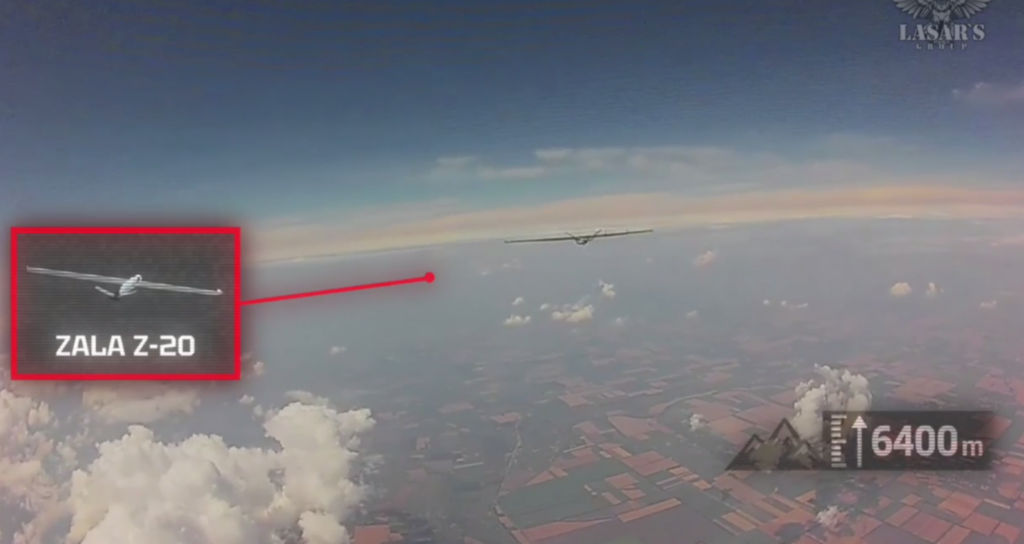
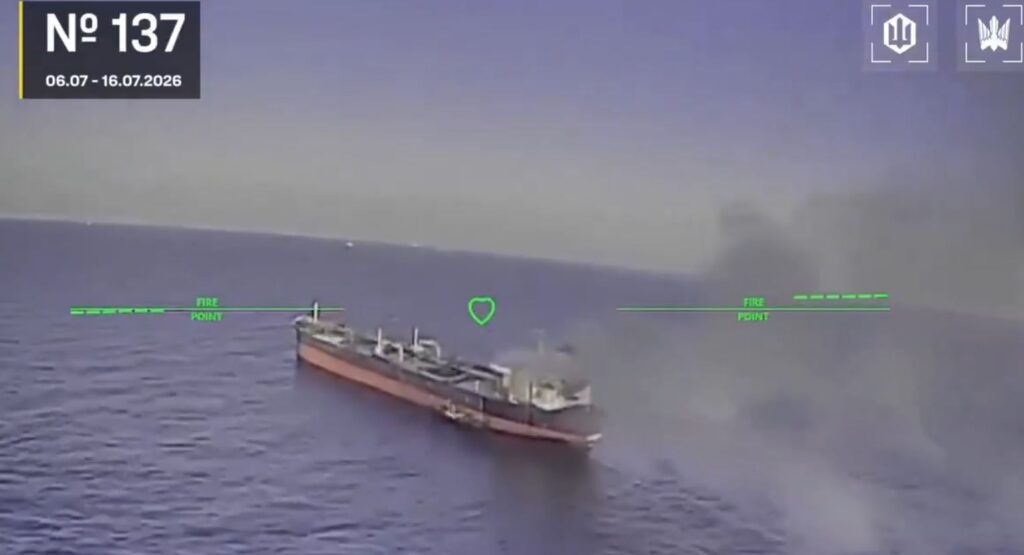
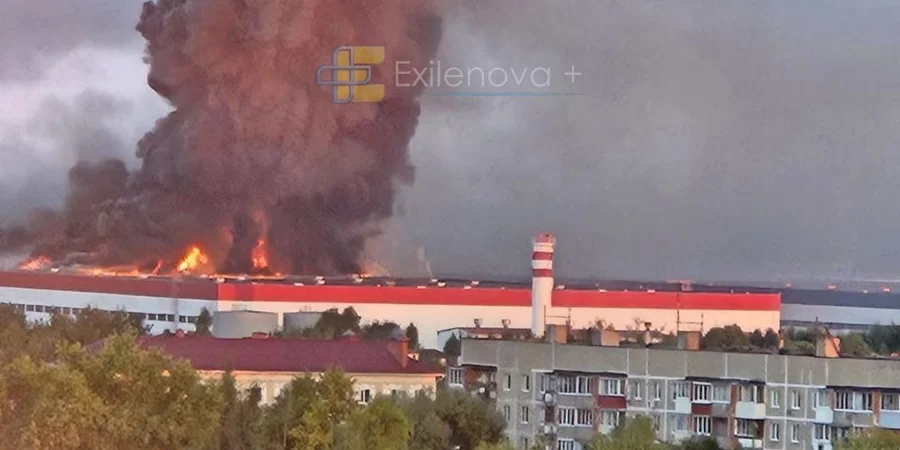
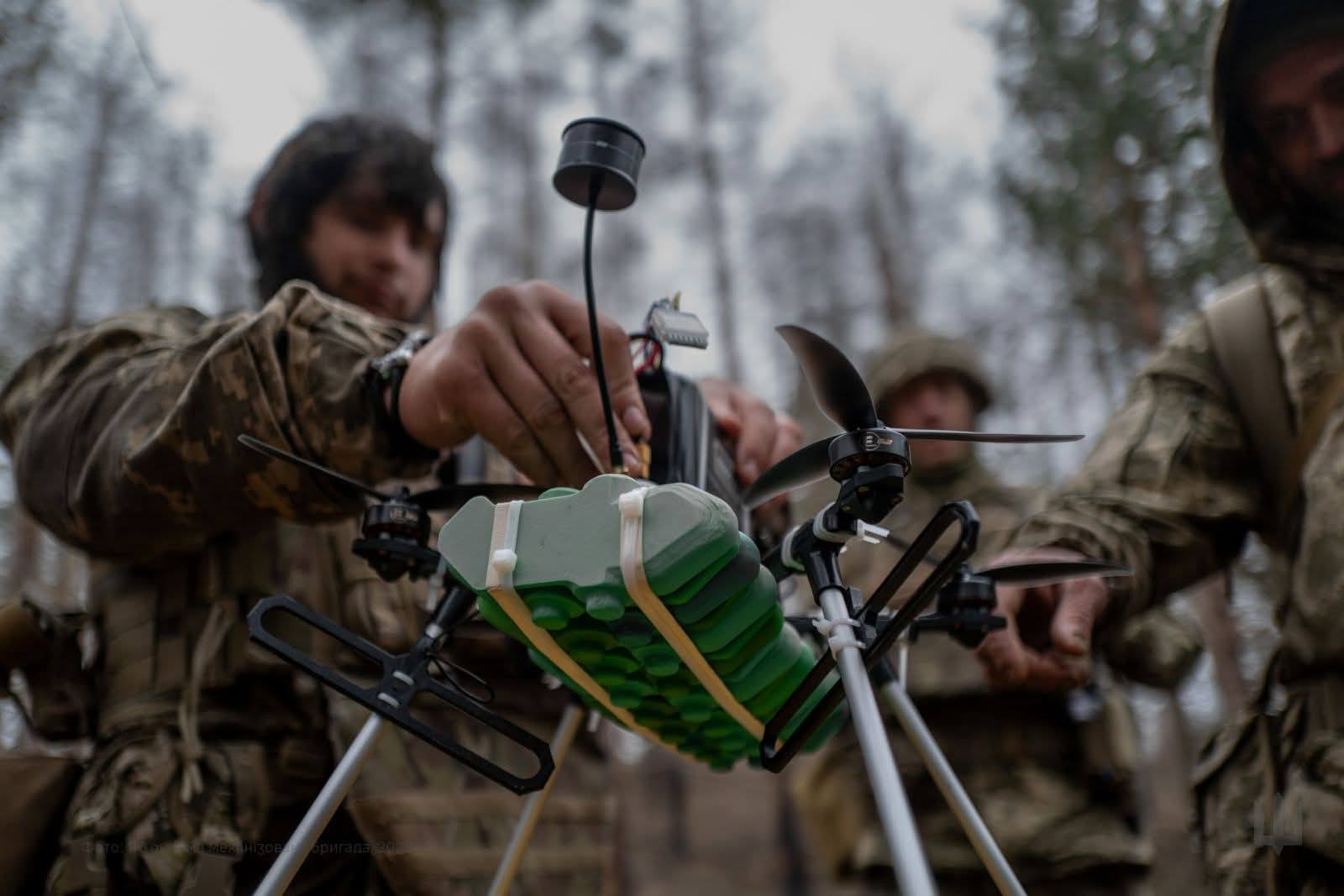
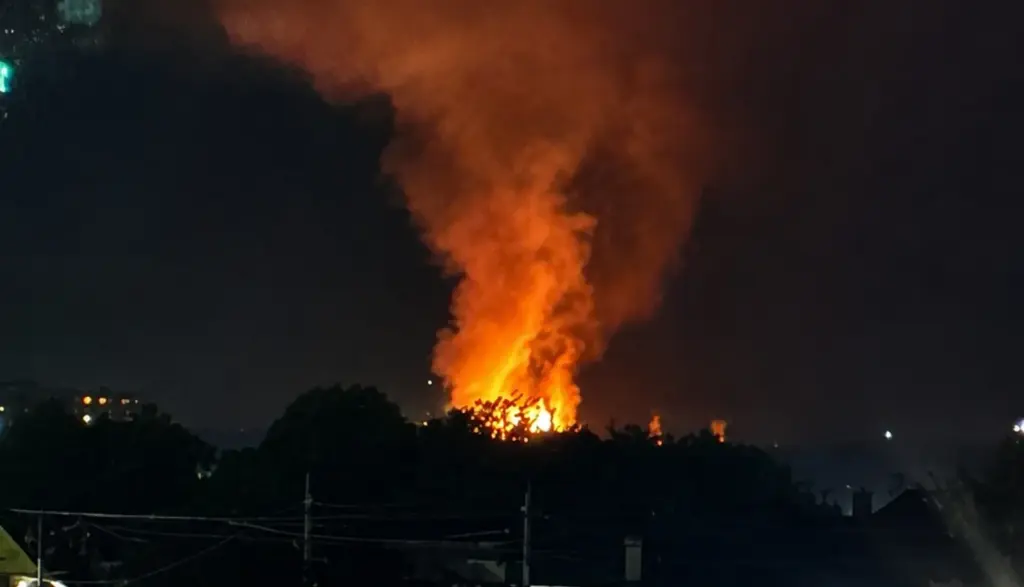
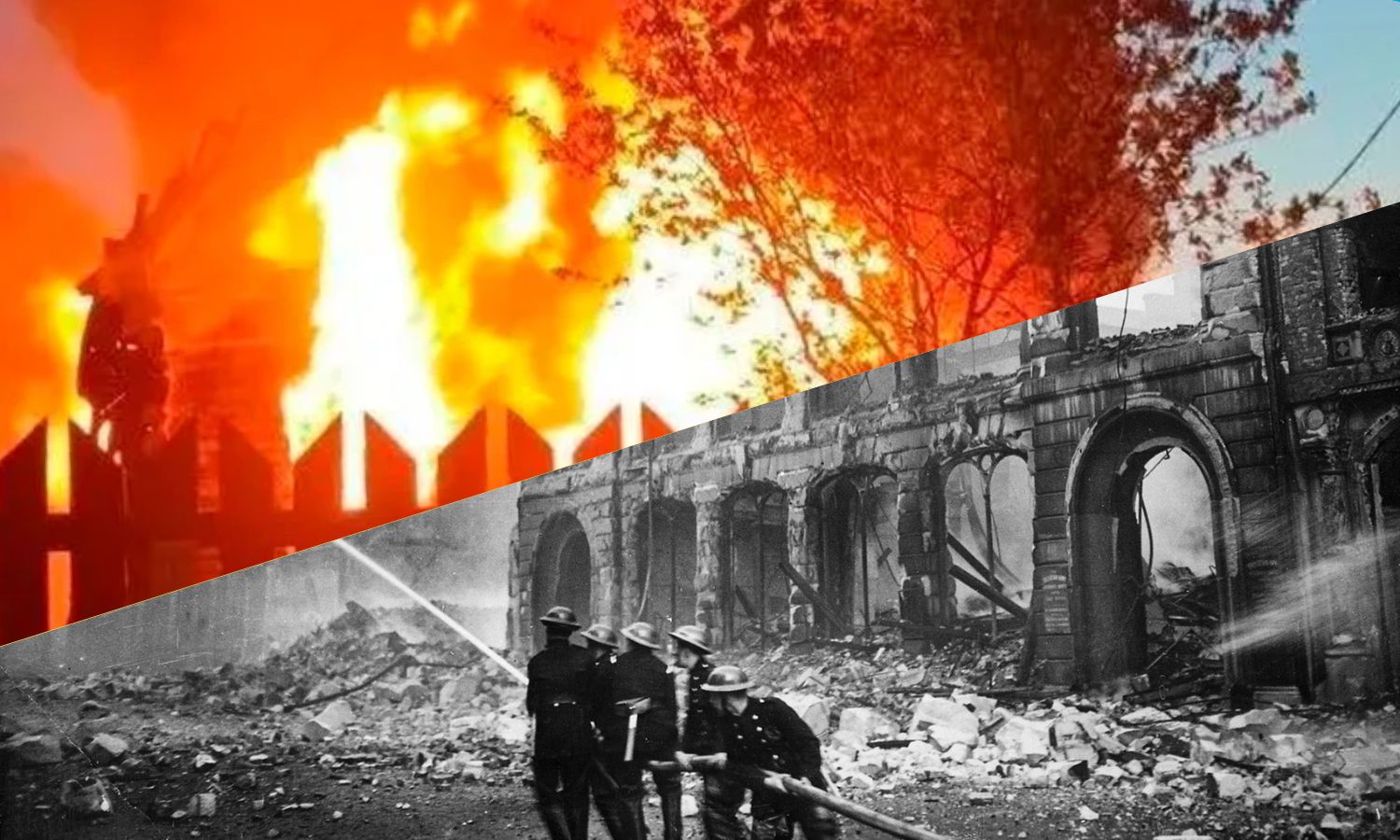
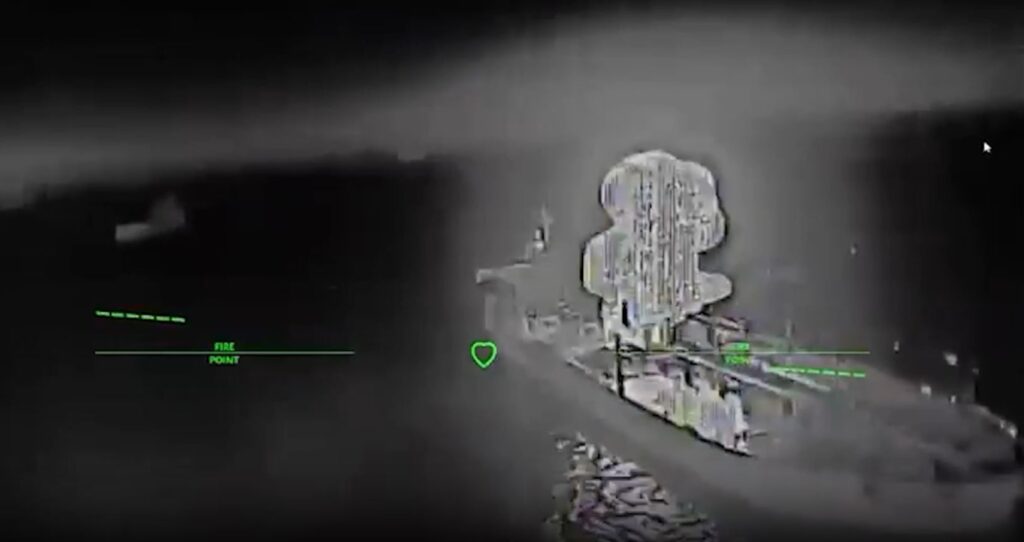
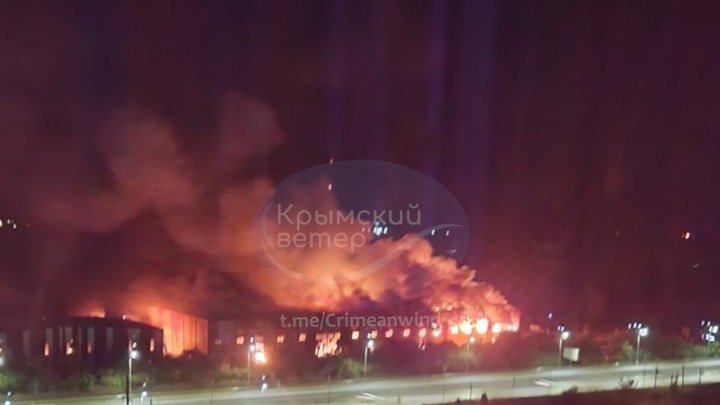
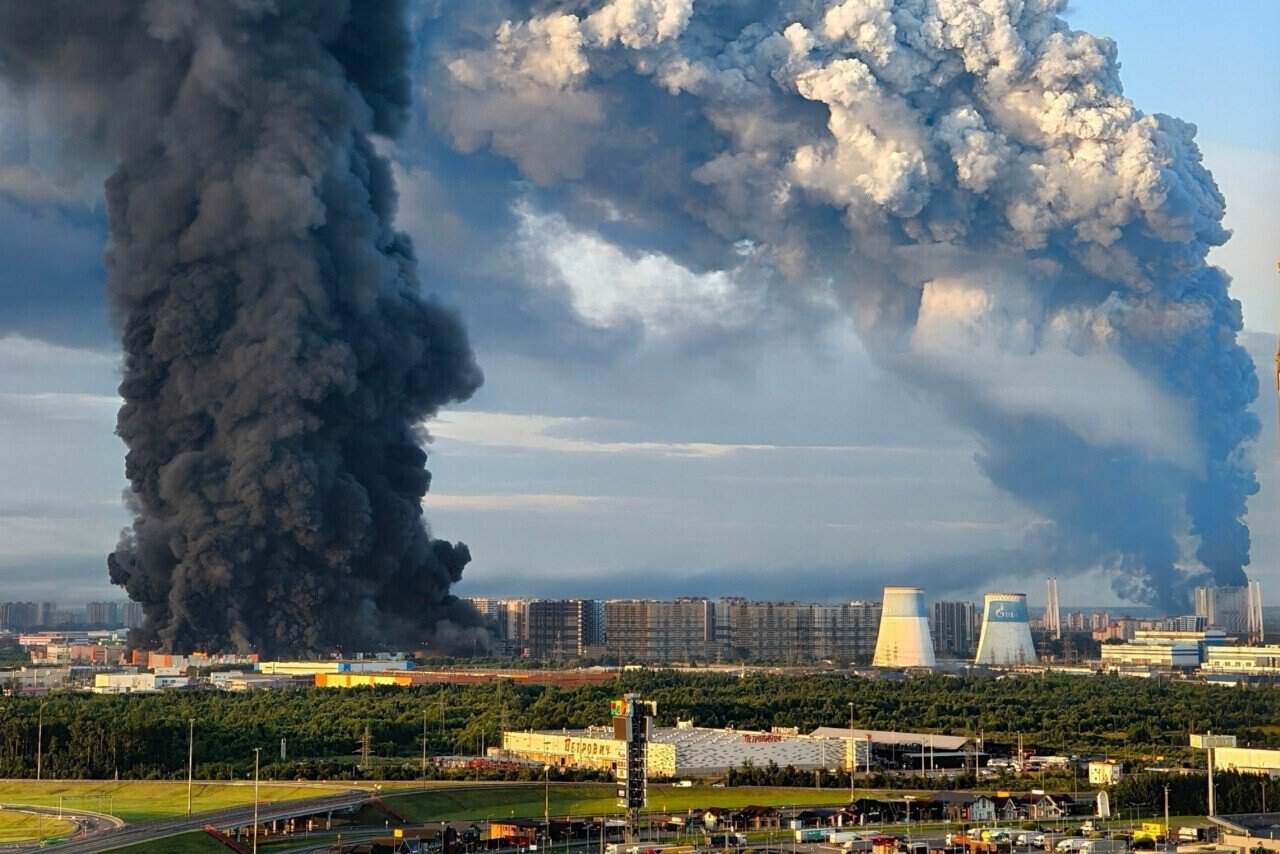


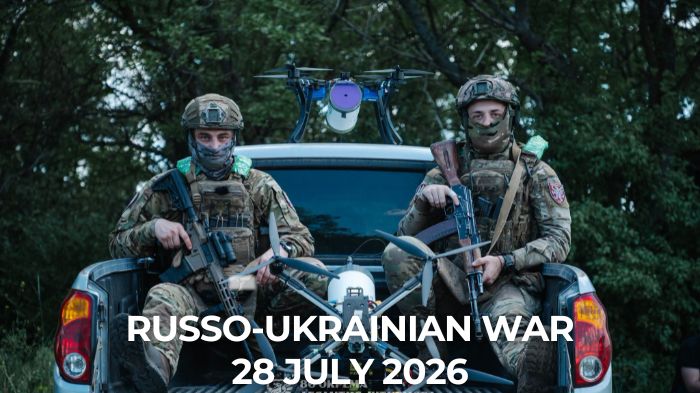



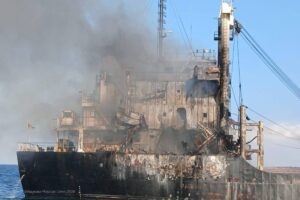



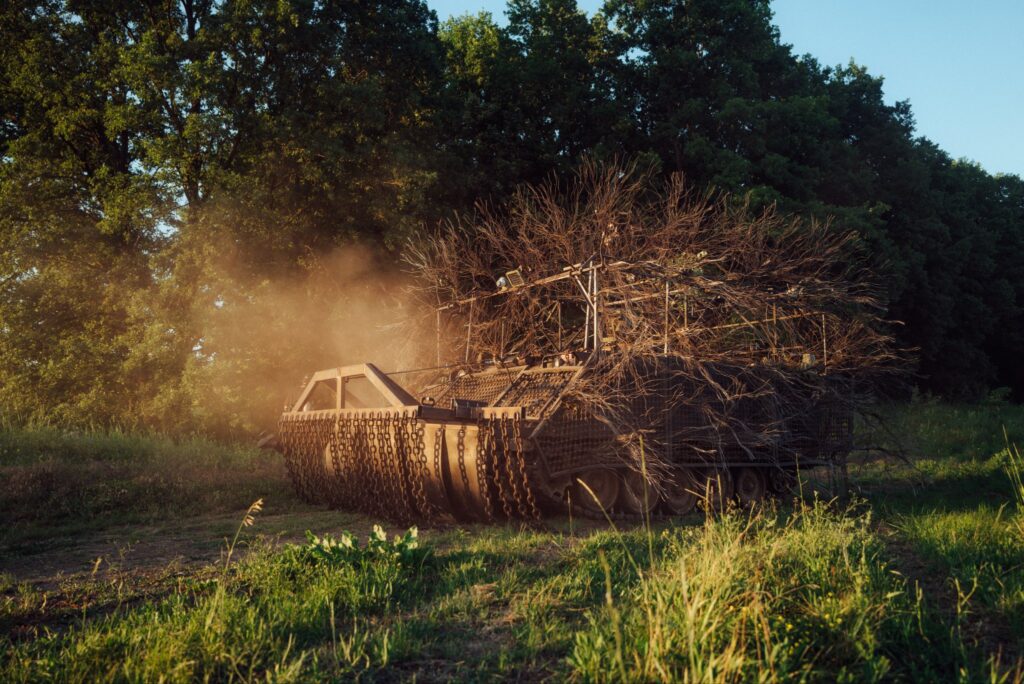
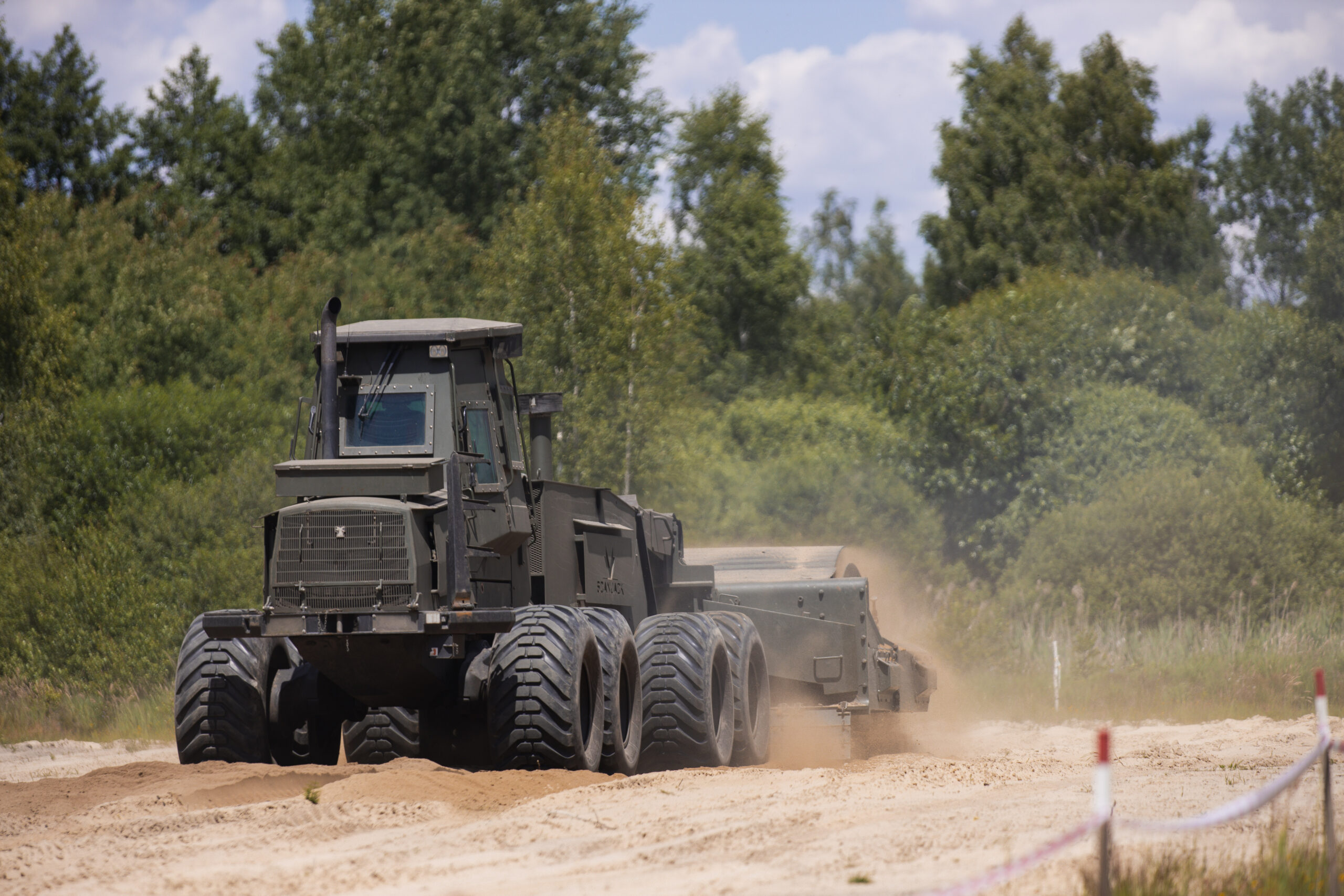

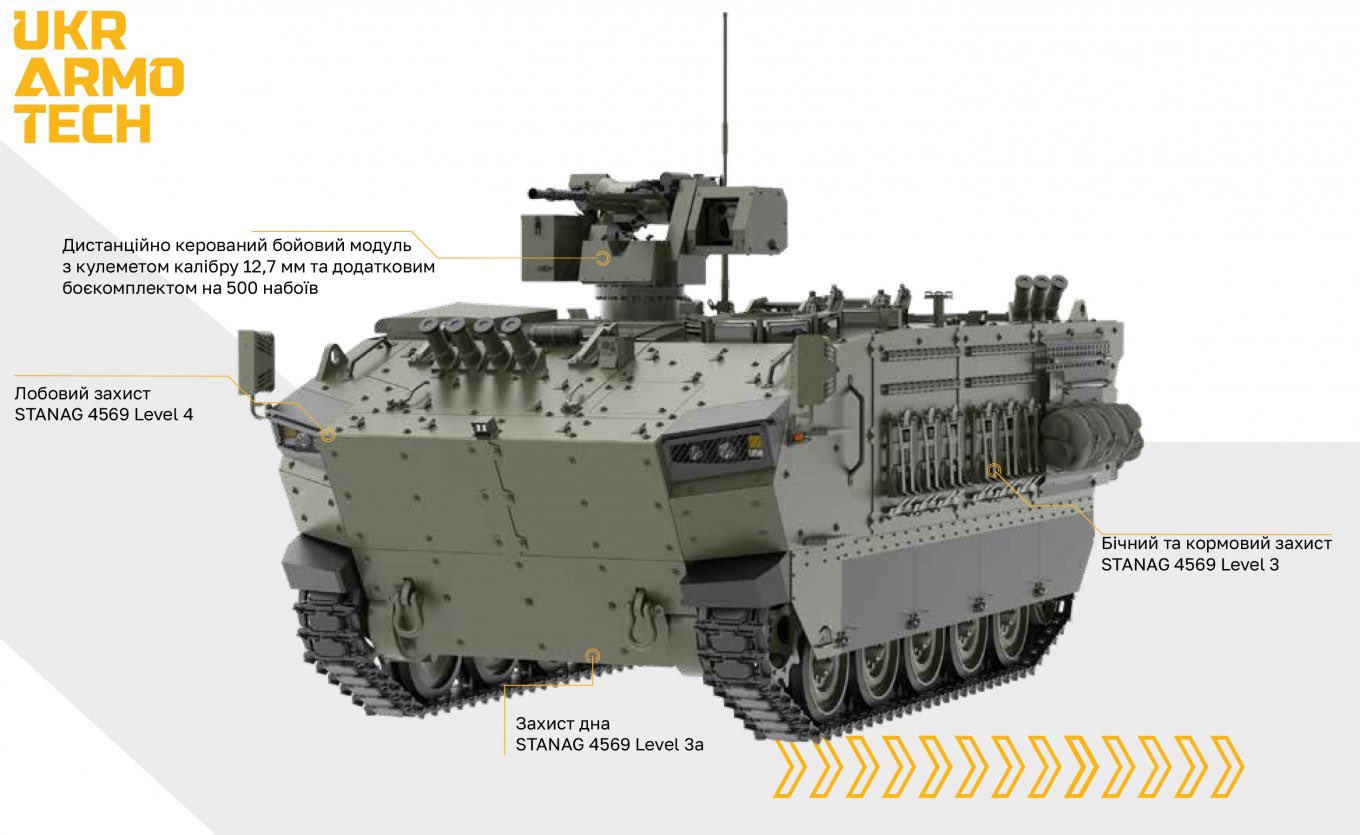
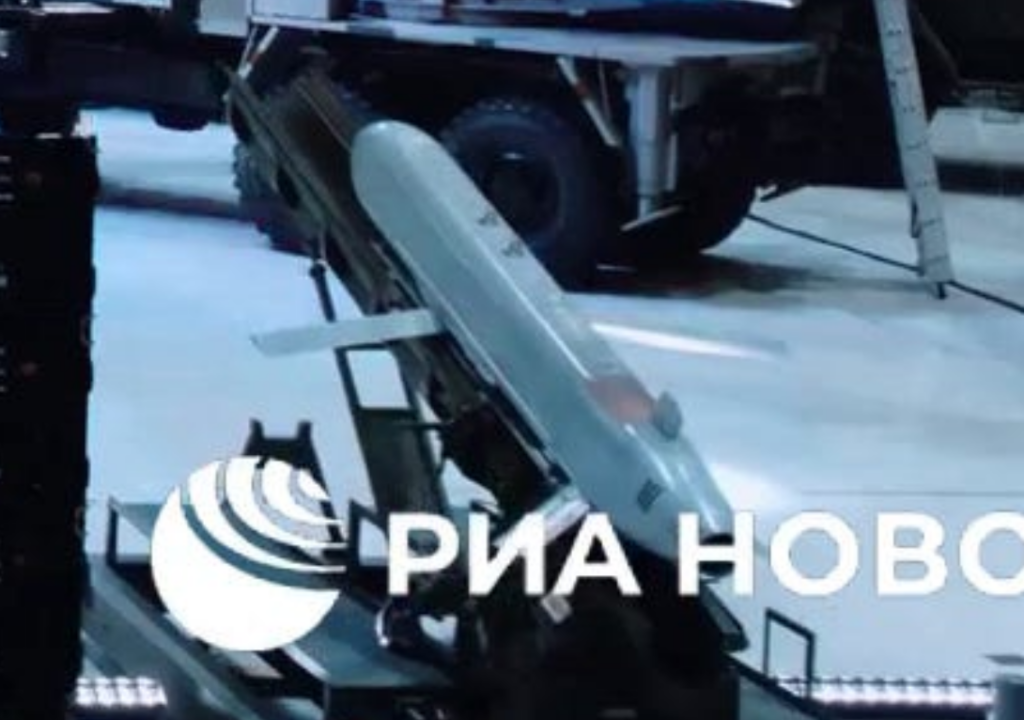
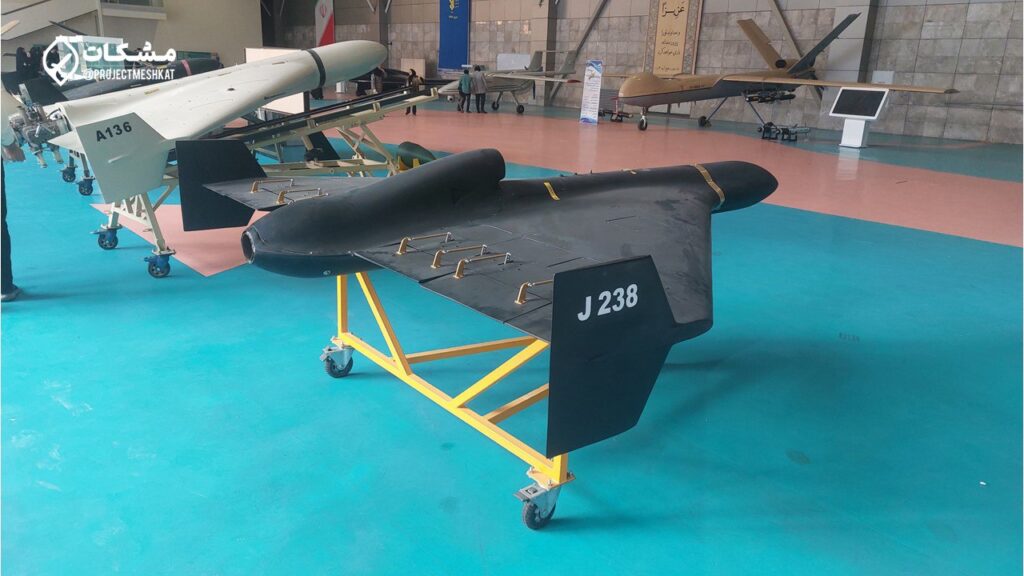
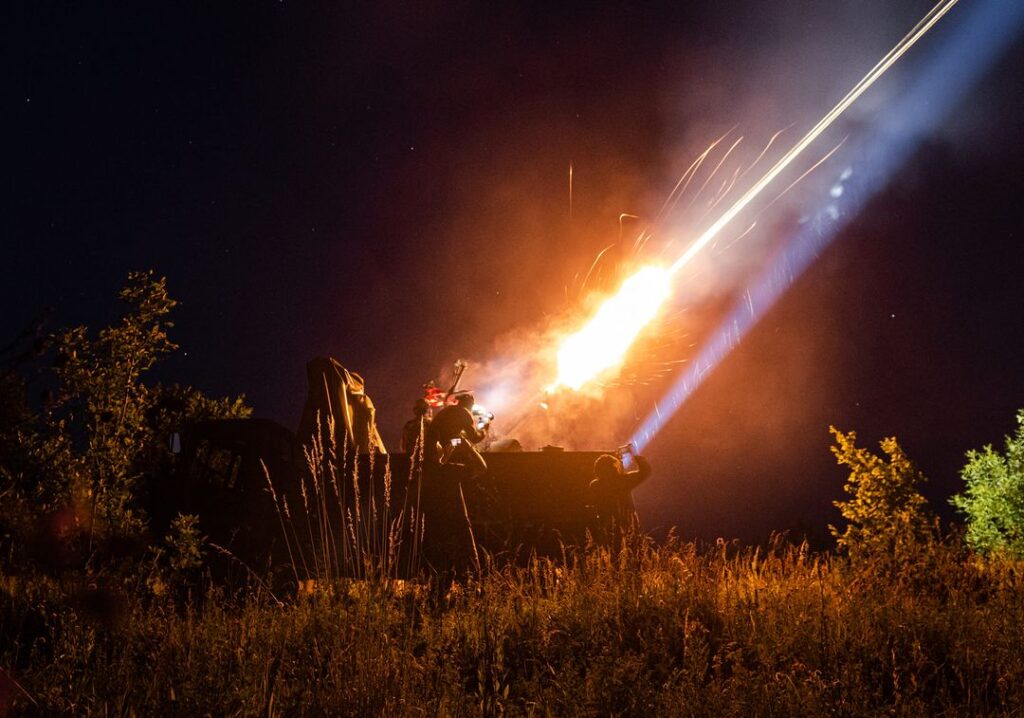



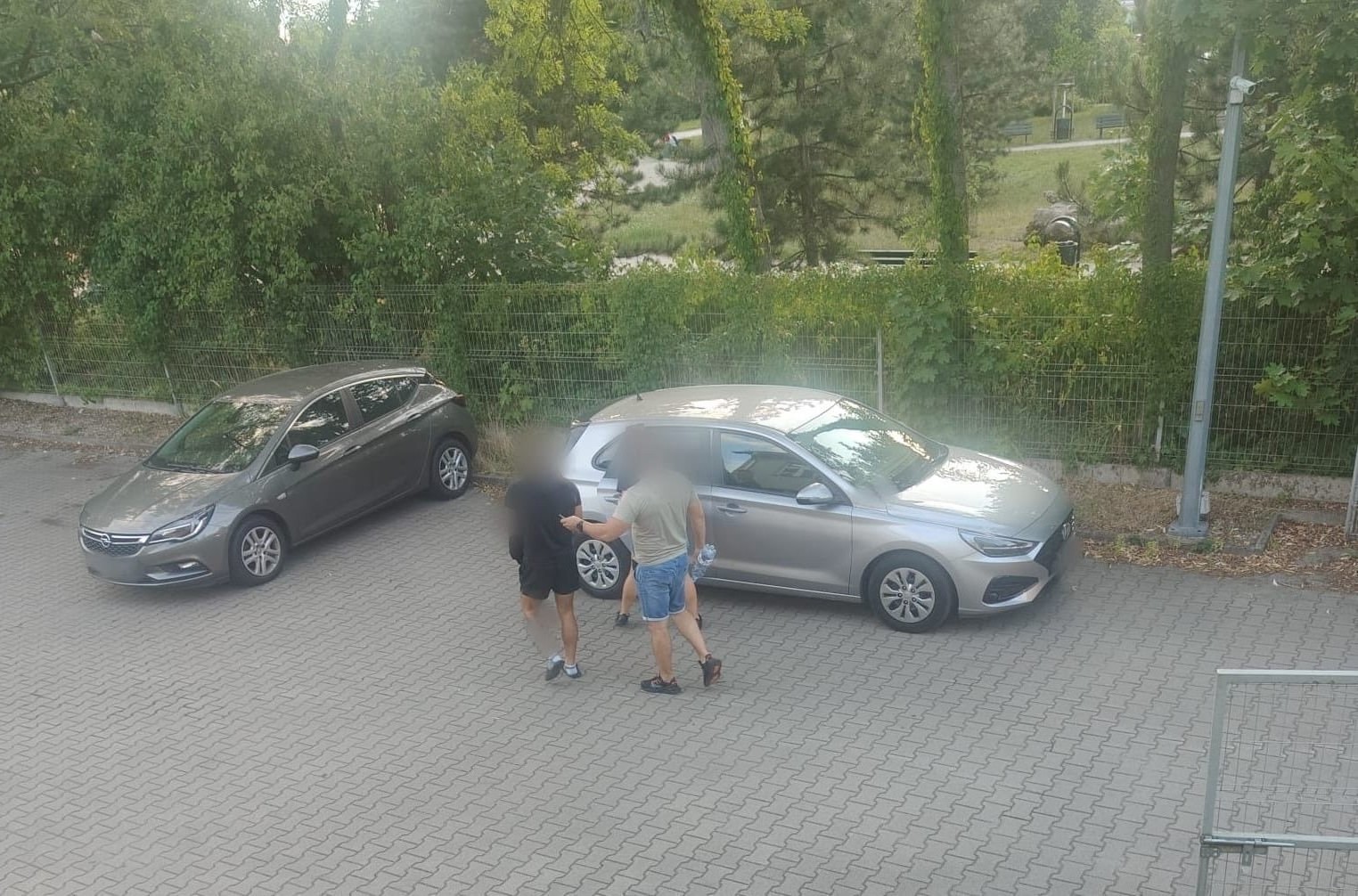




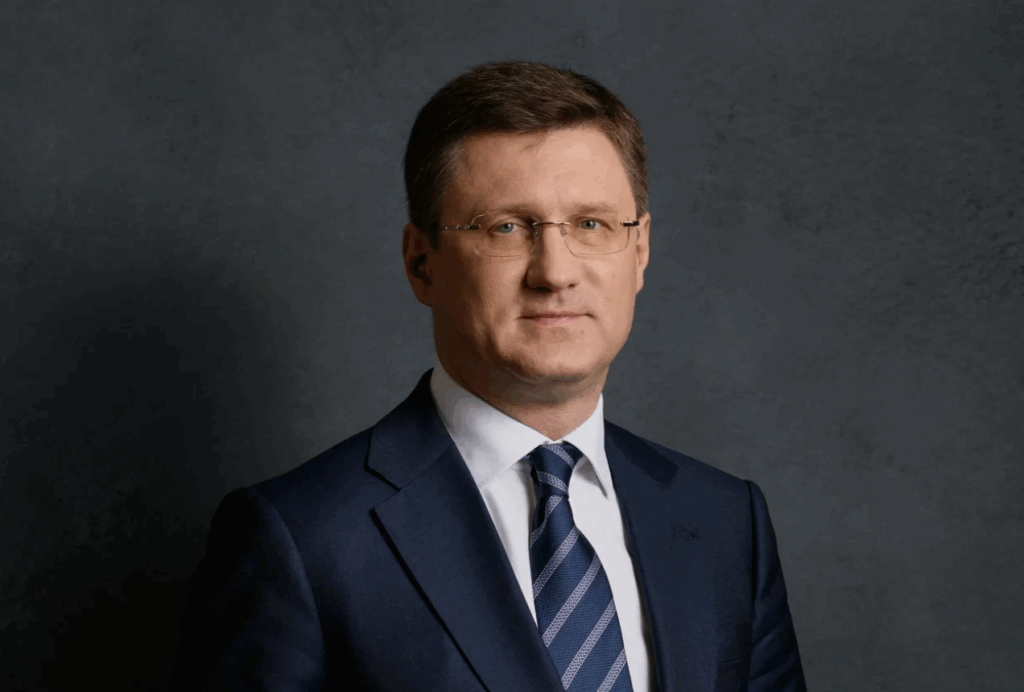
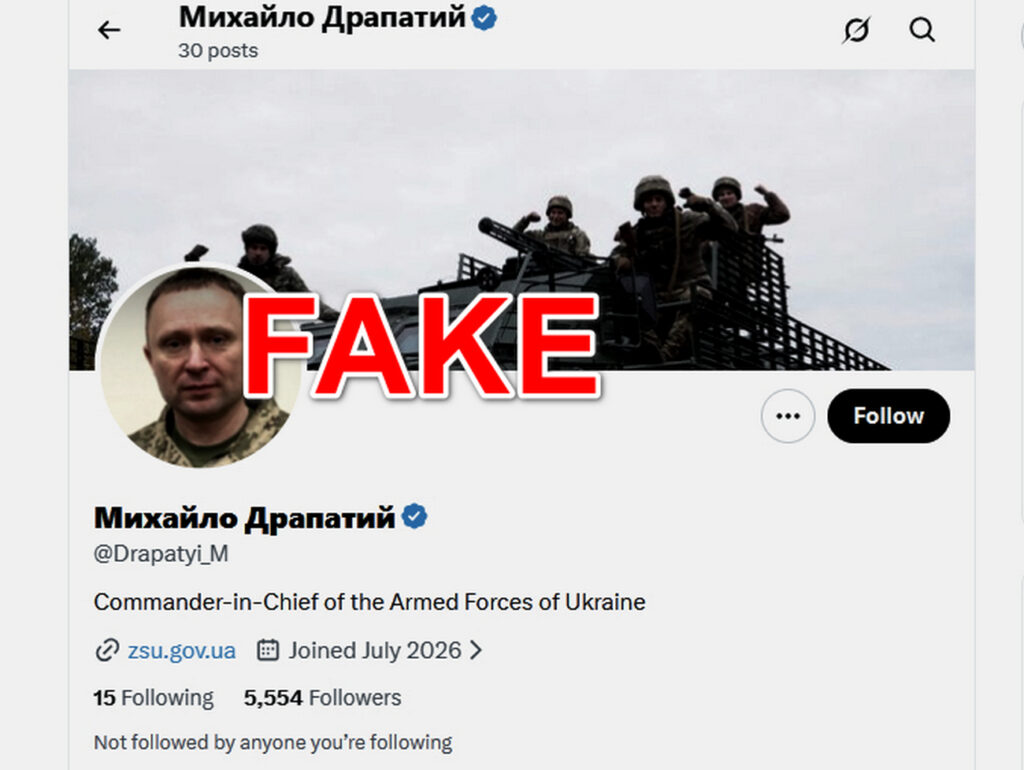
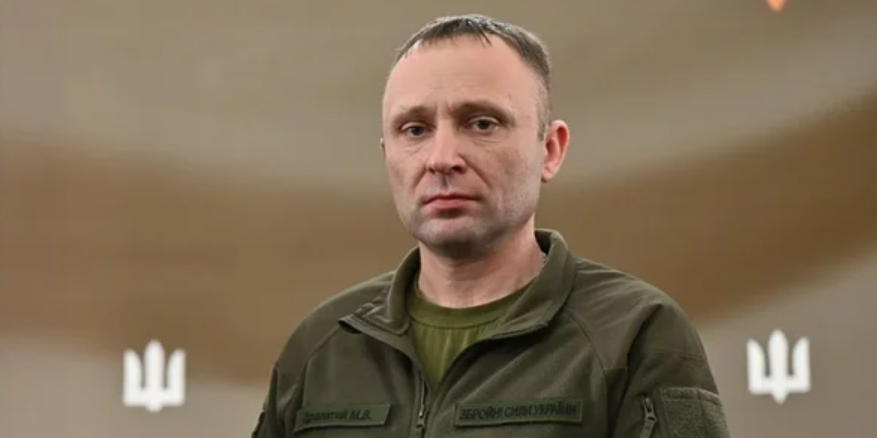
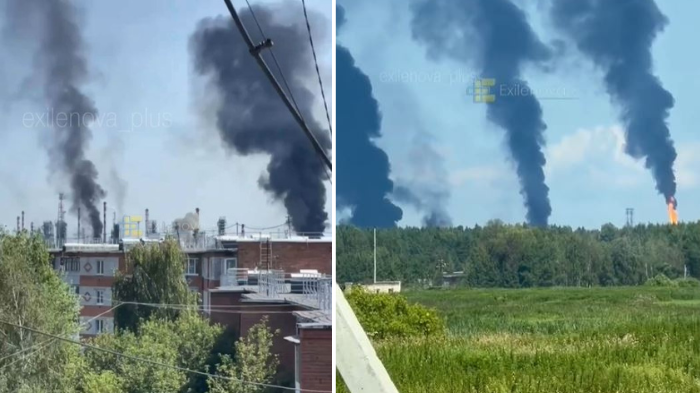
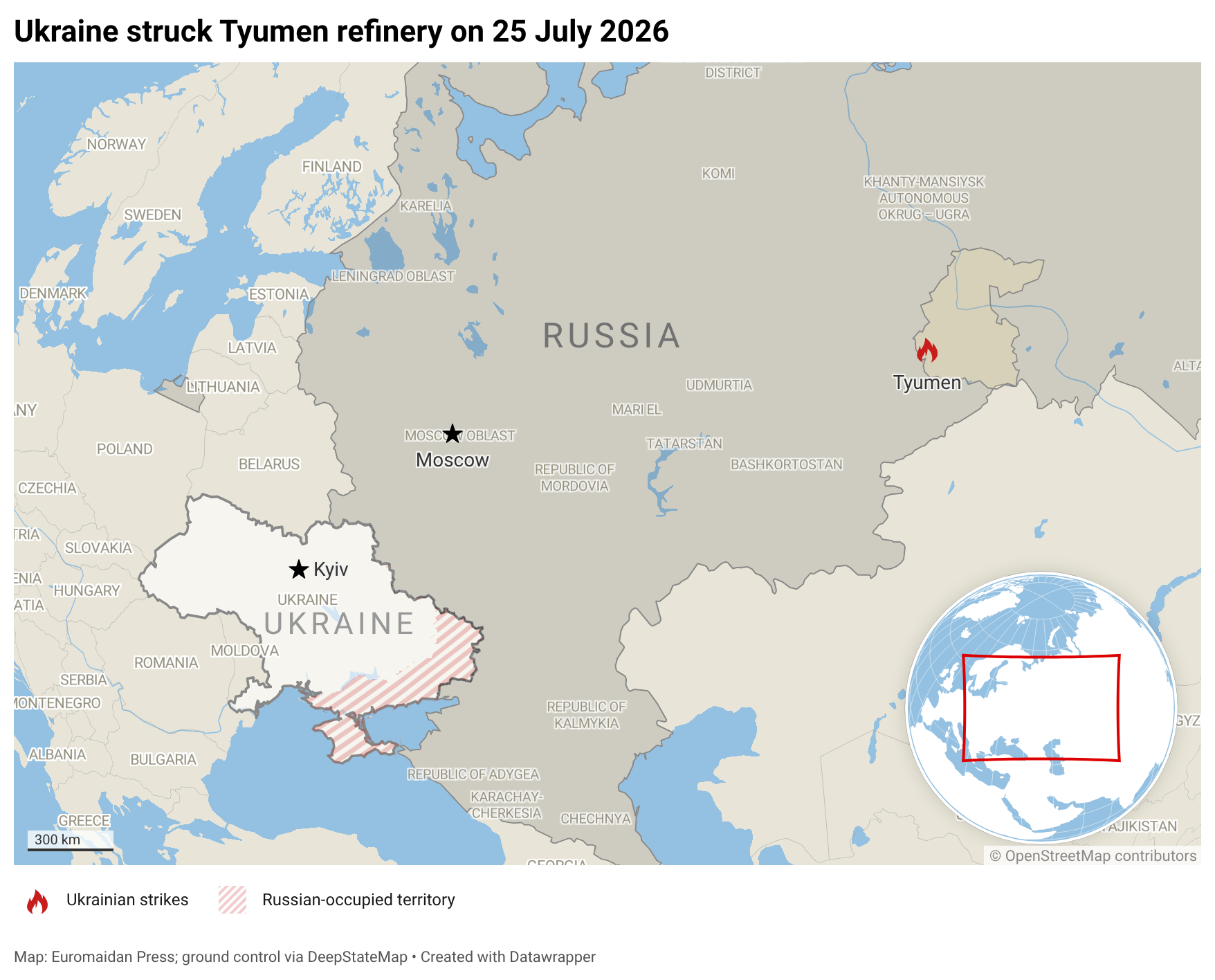
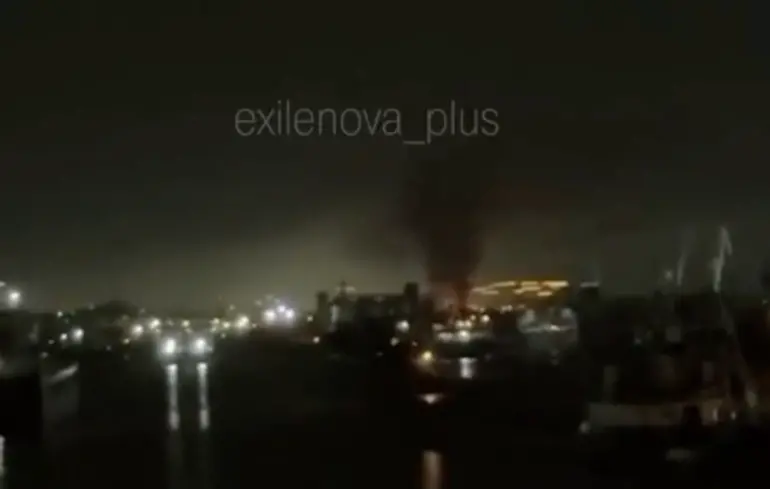
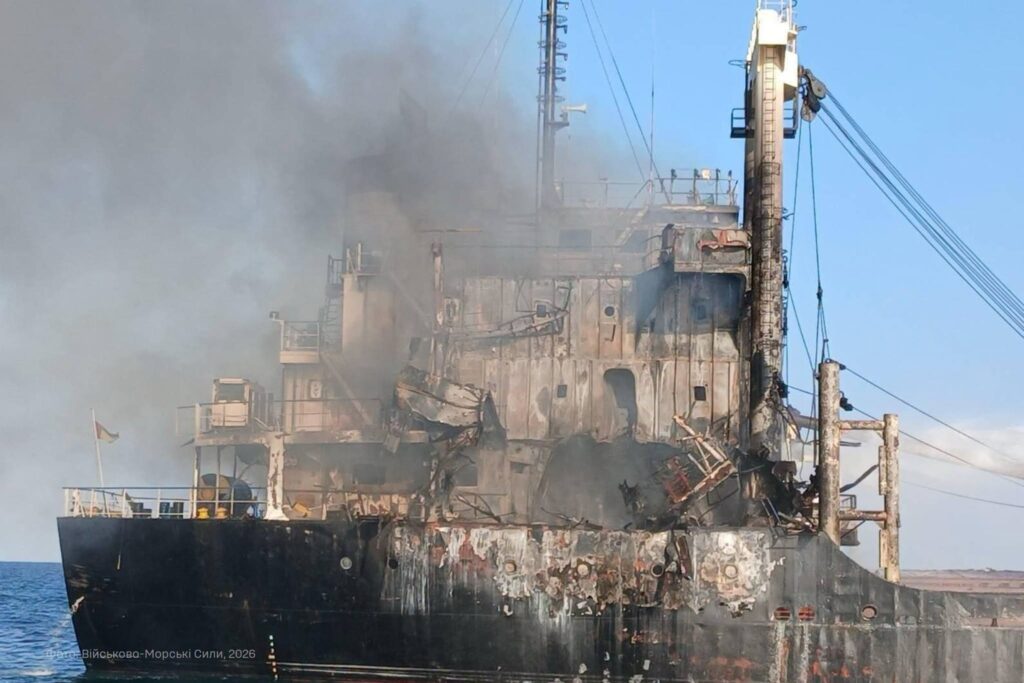

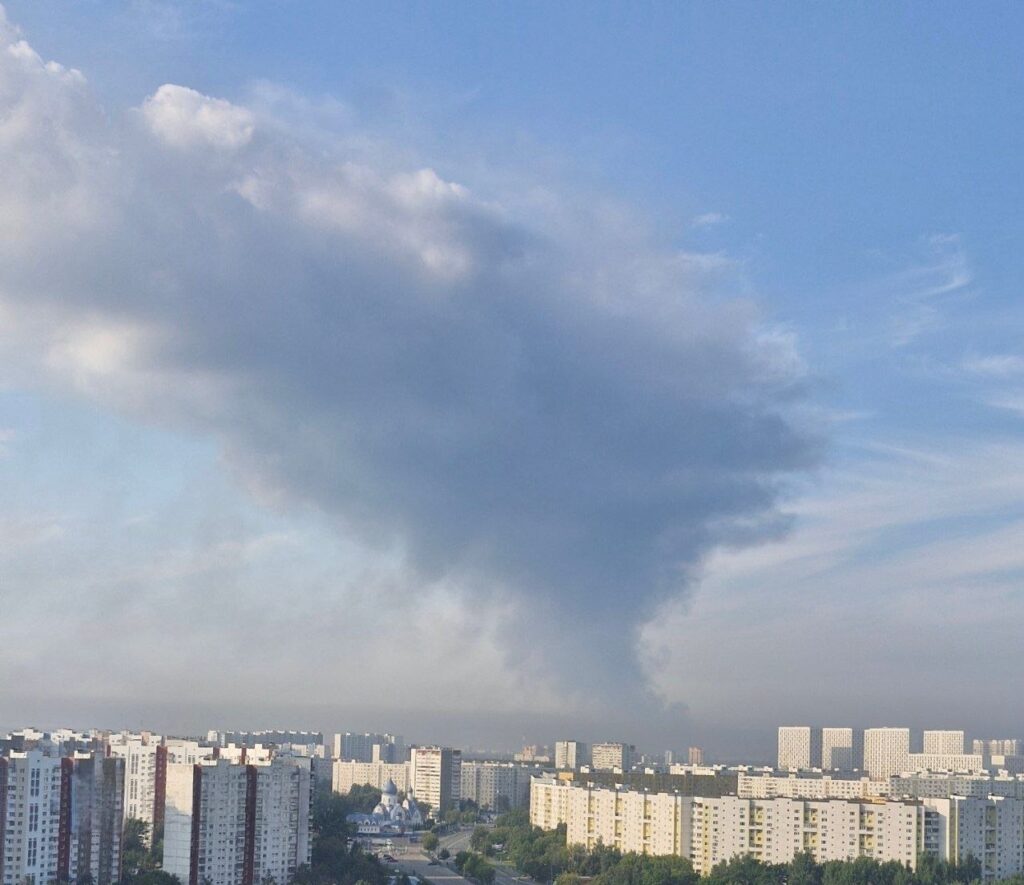
 Exilenova+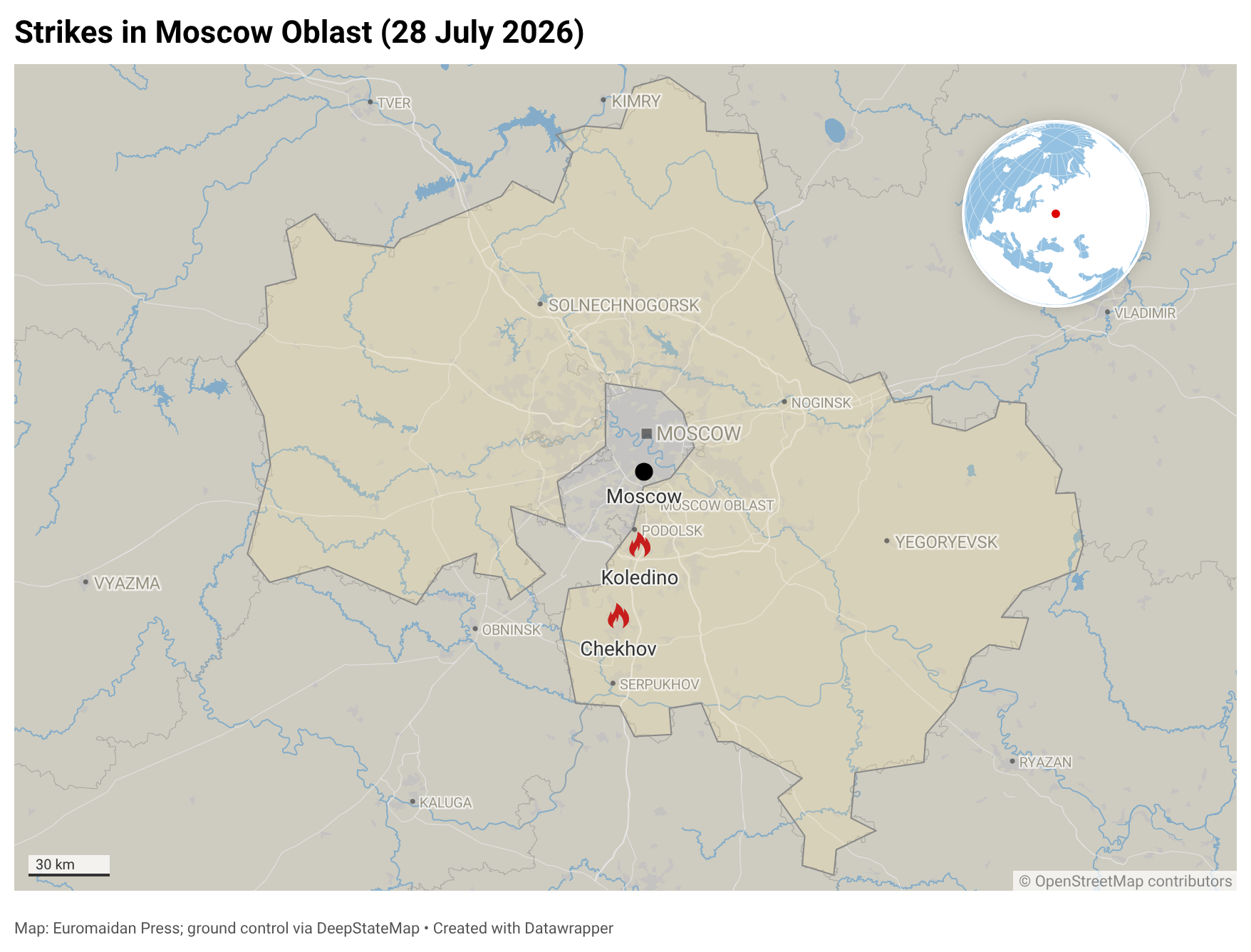
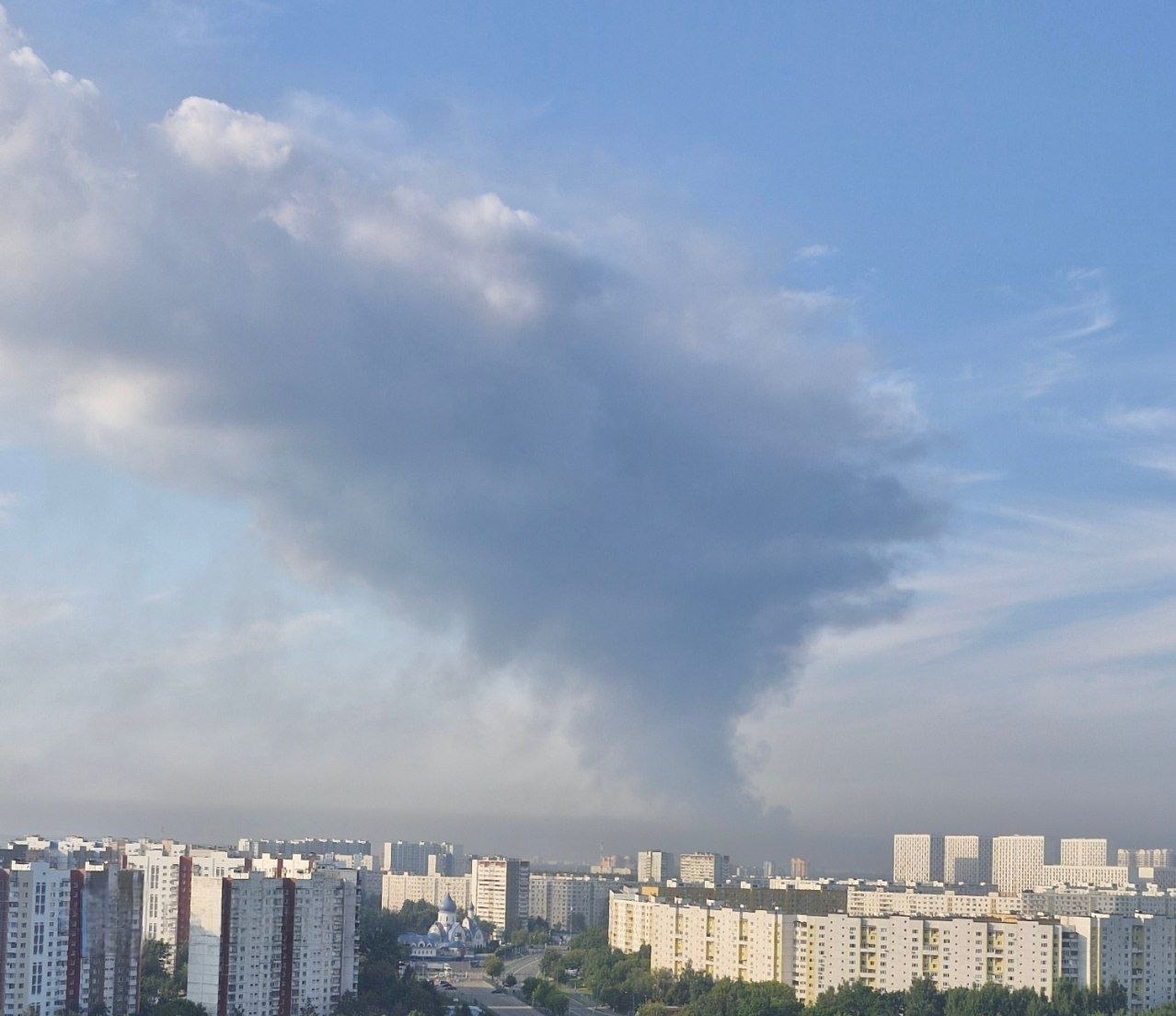


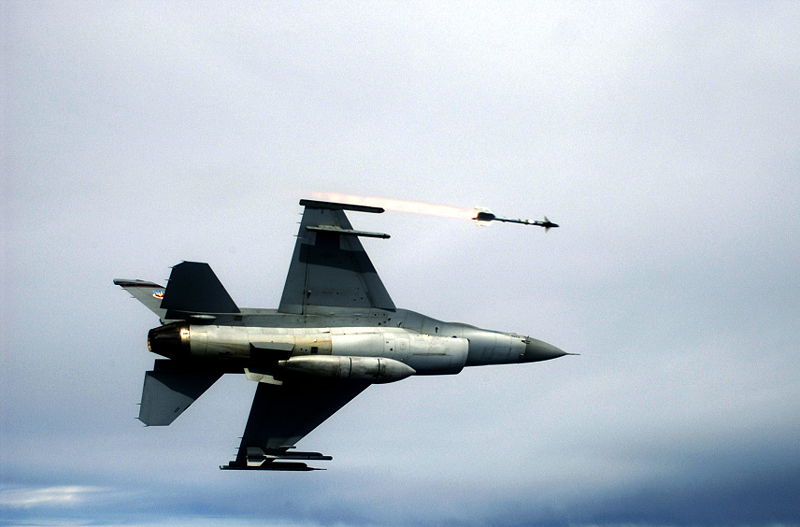
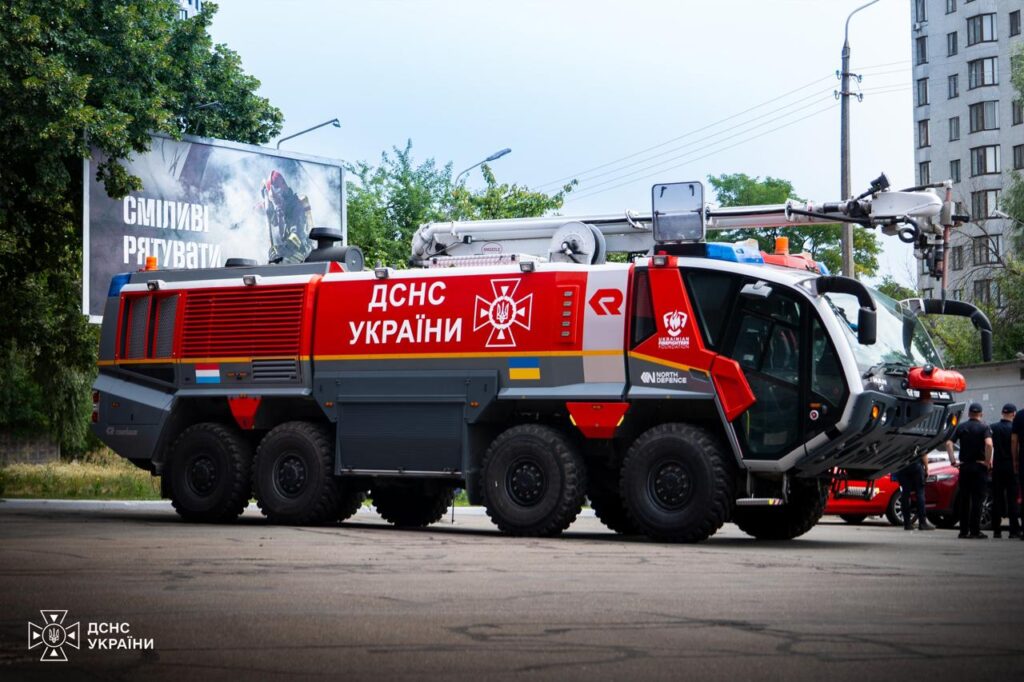

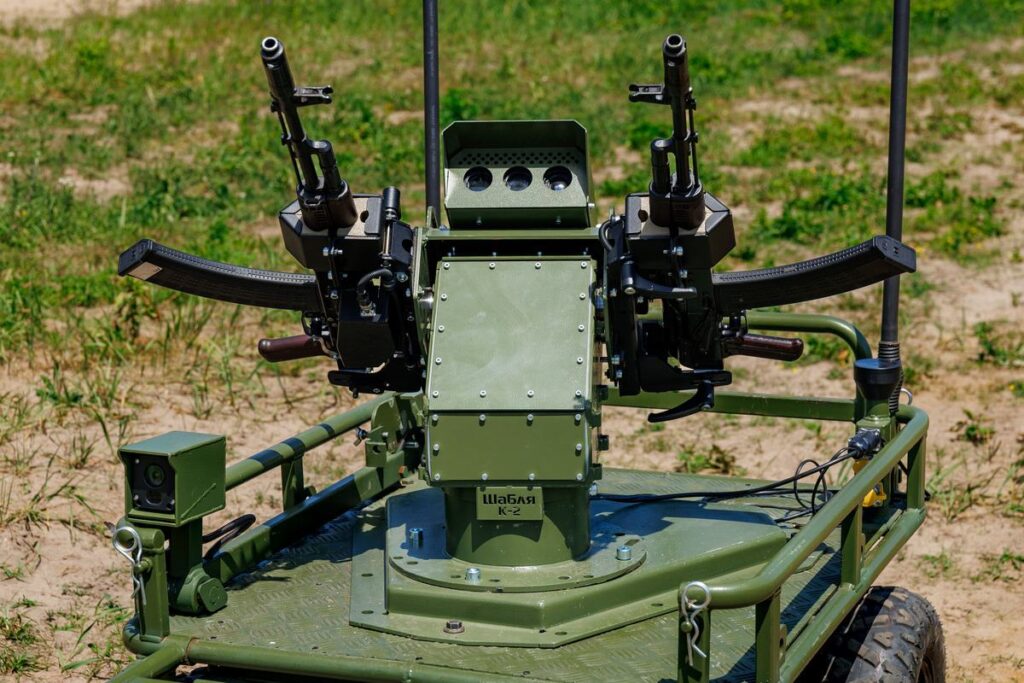


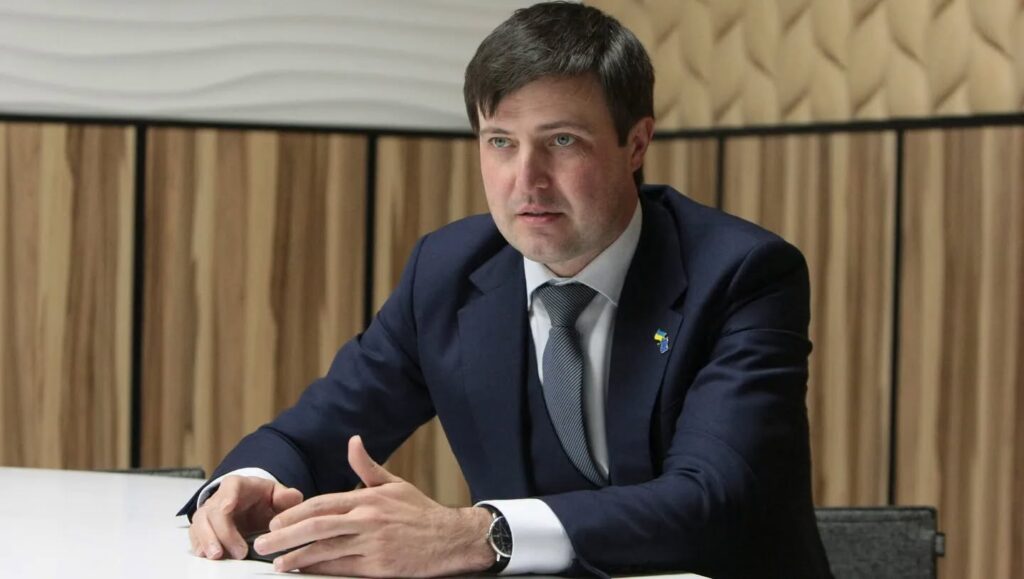
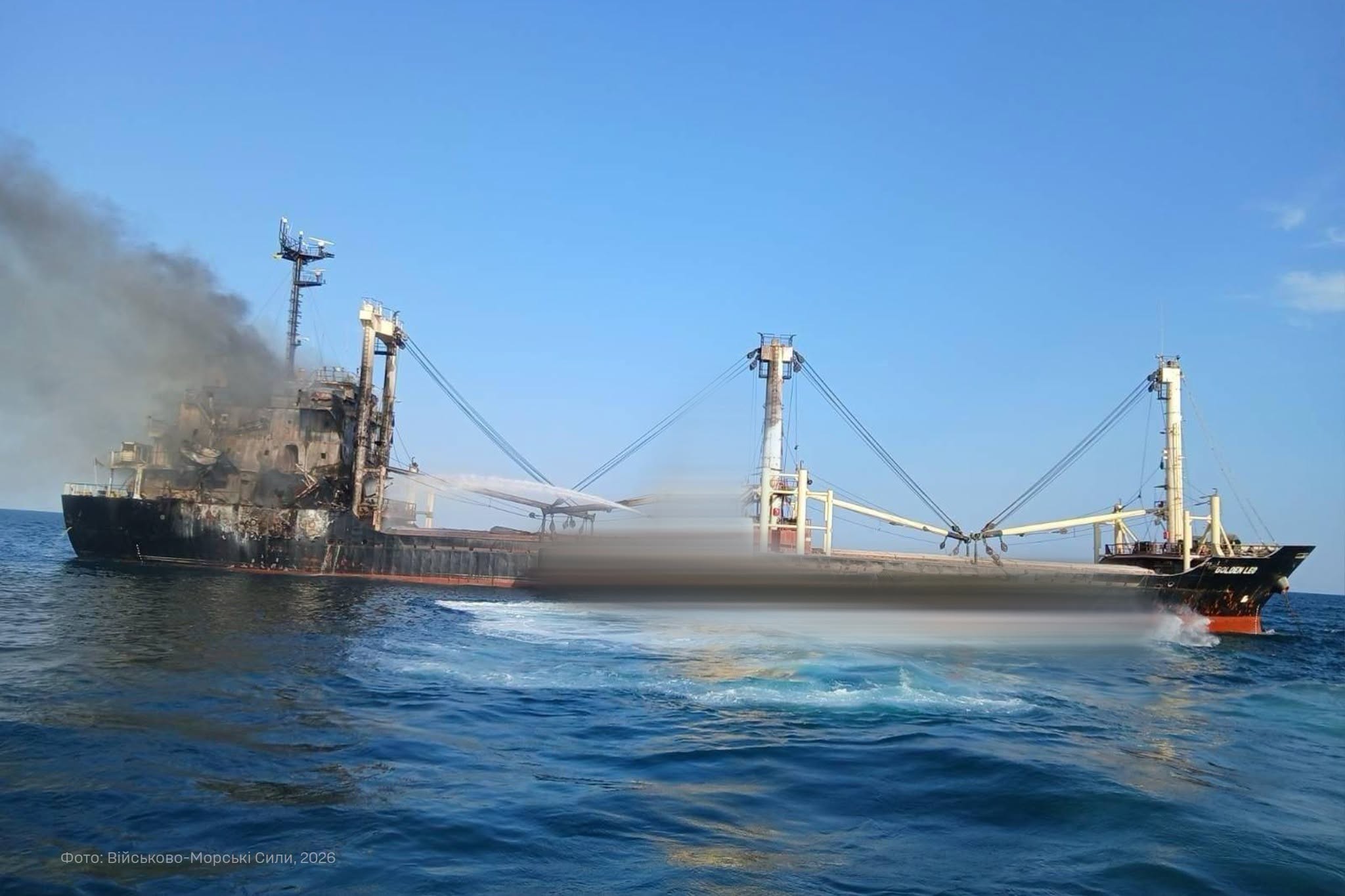
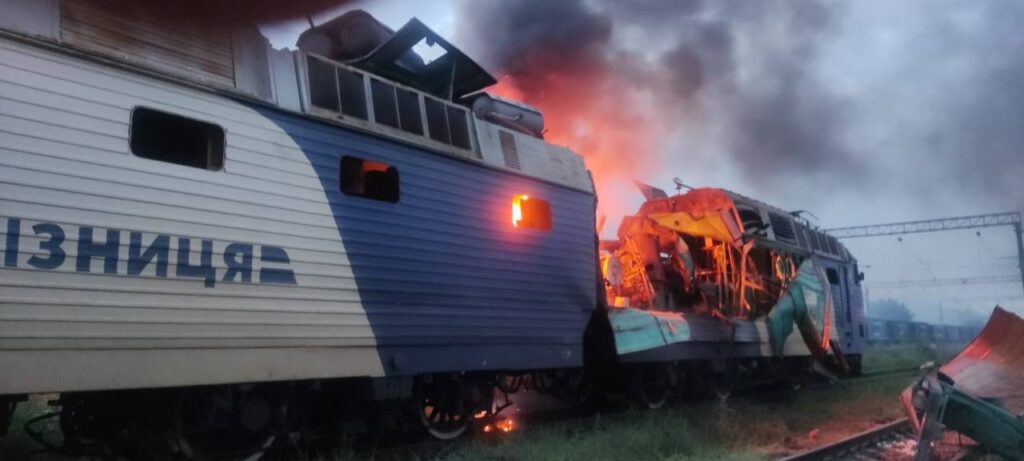
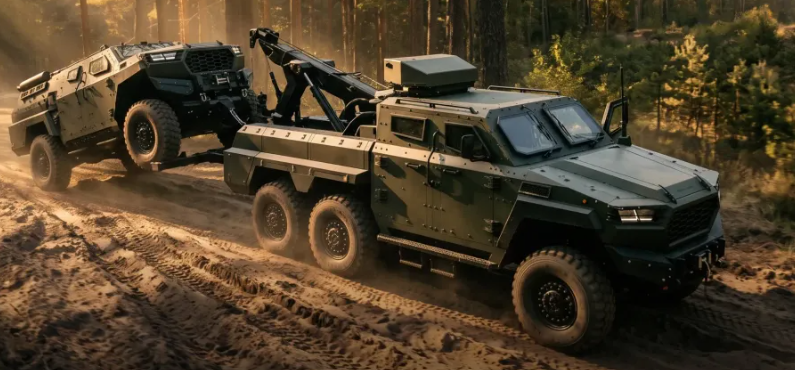
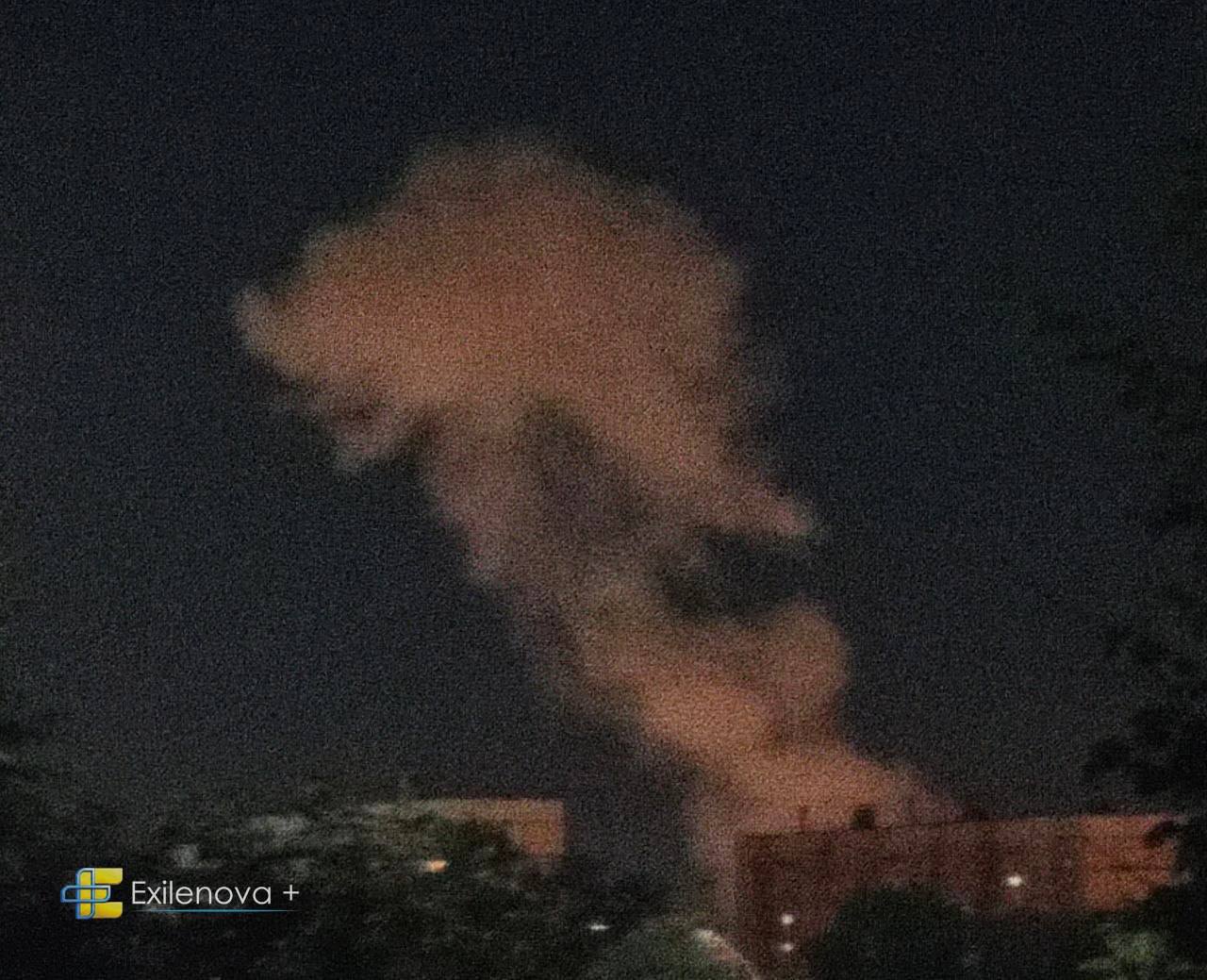
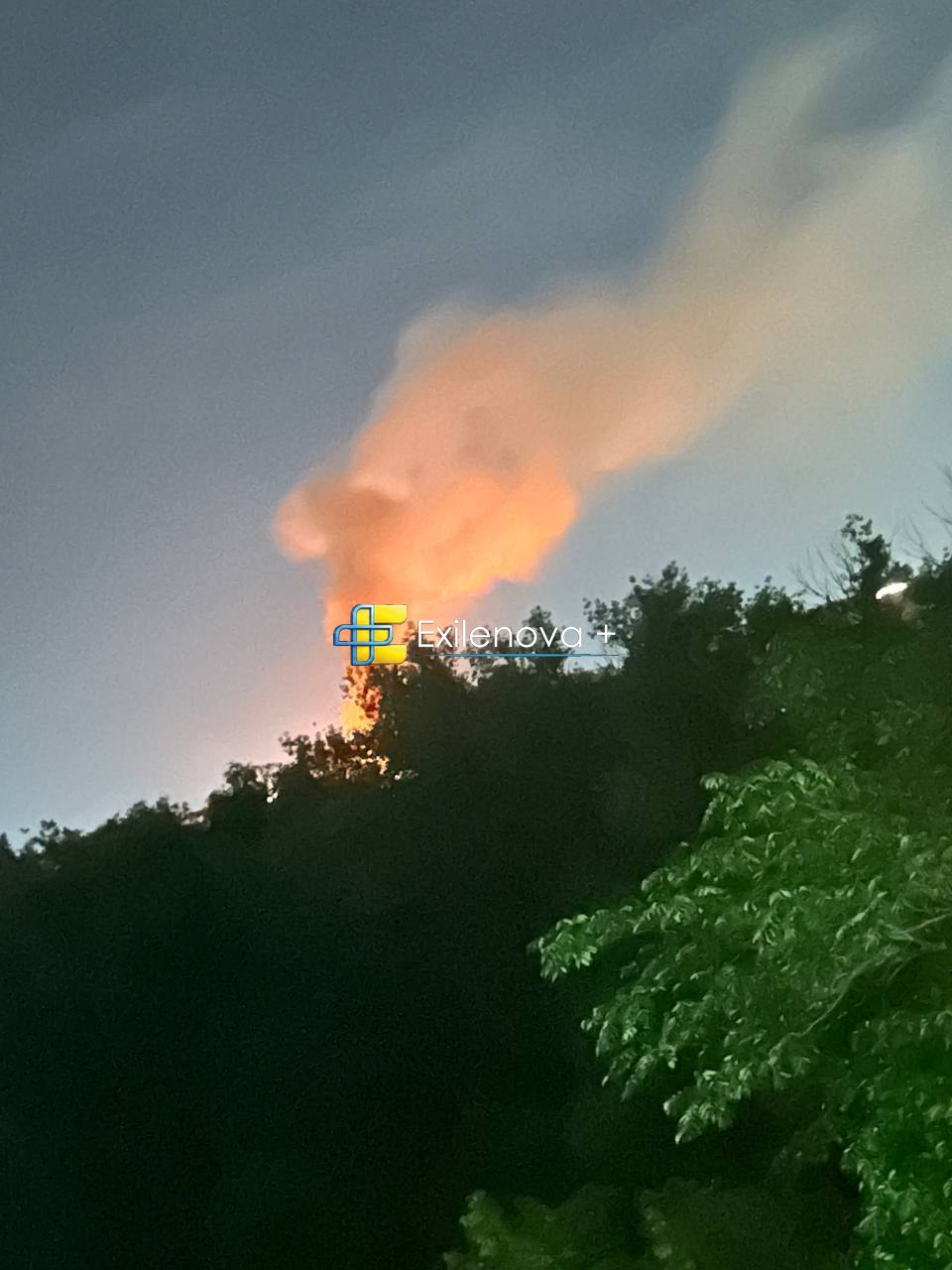

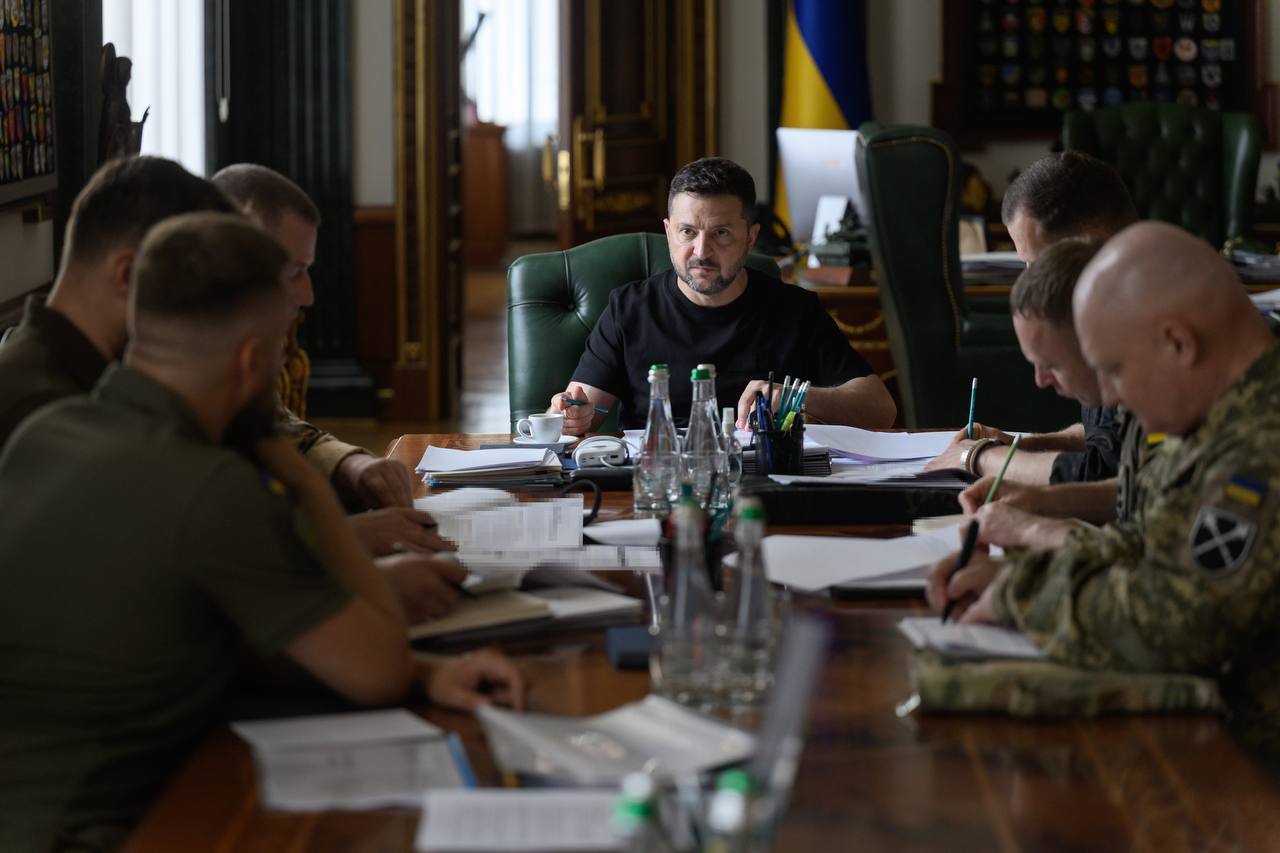
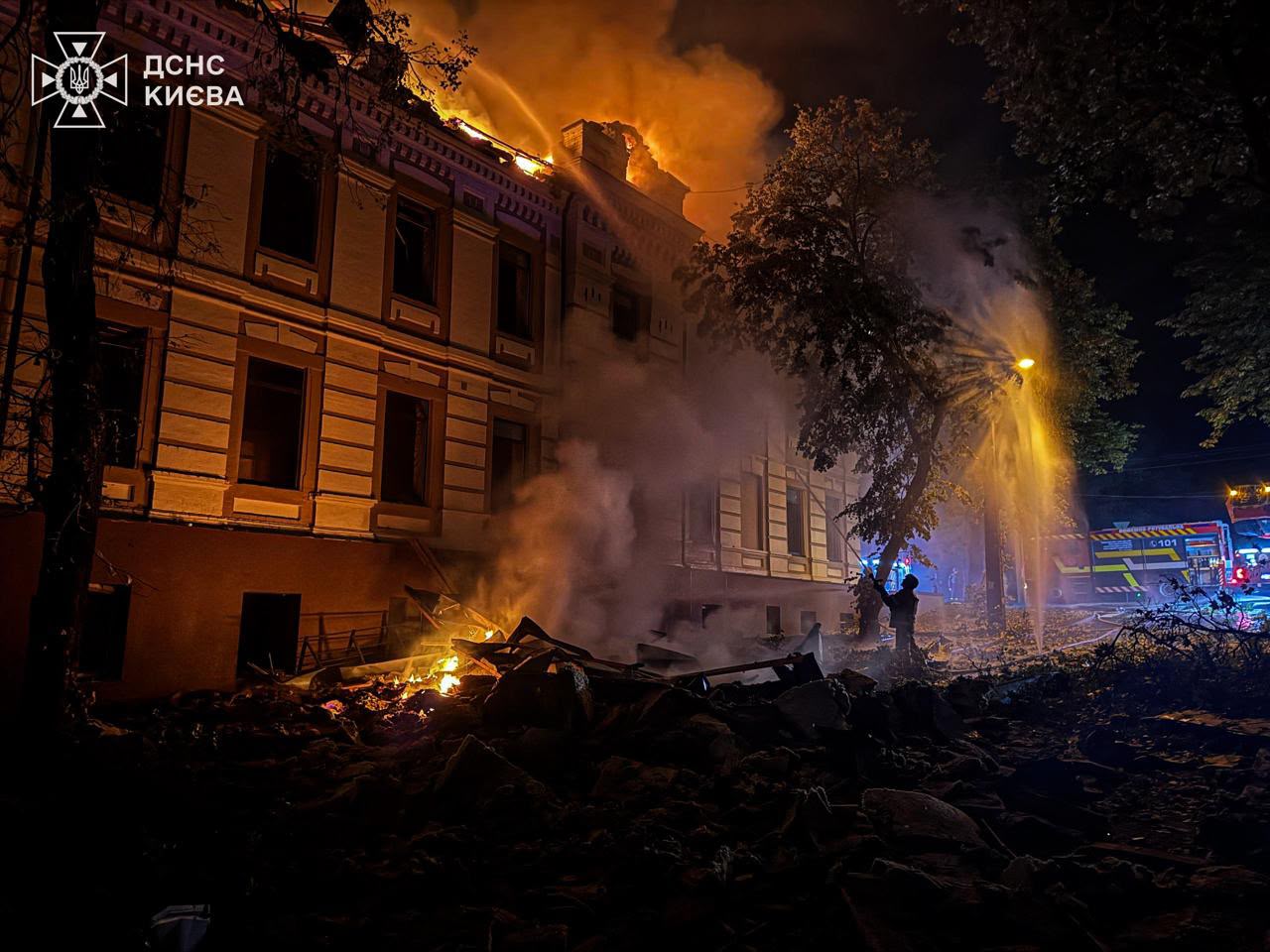
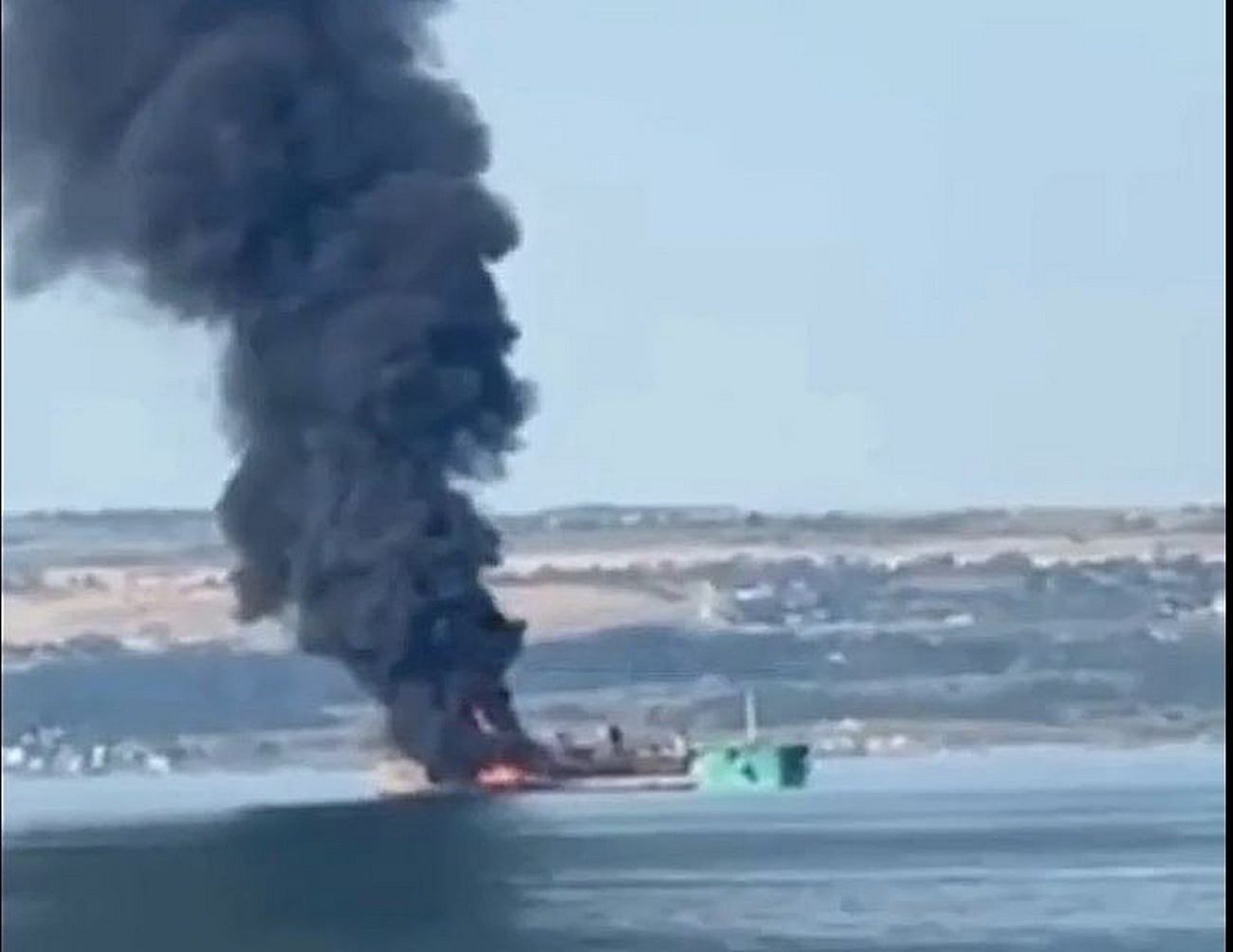
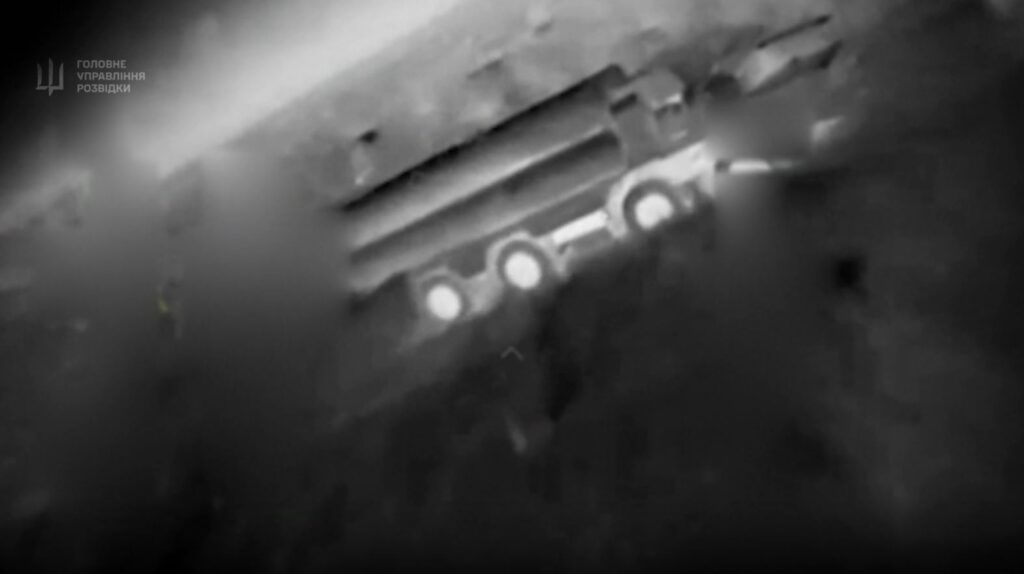

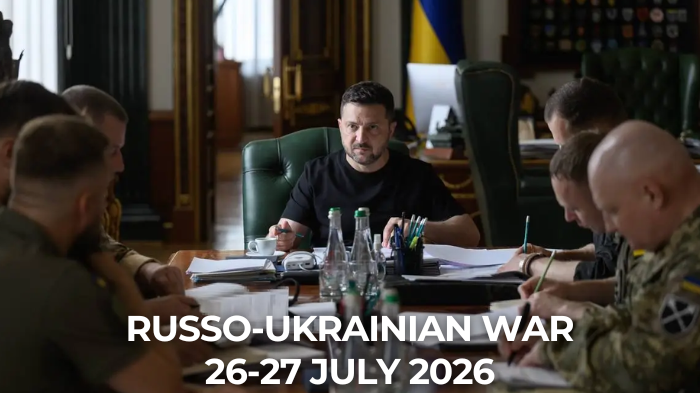

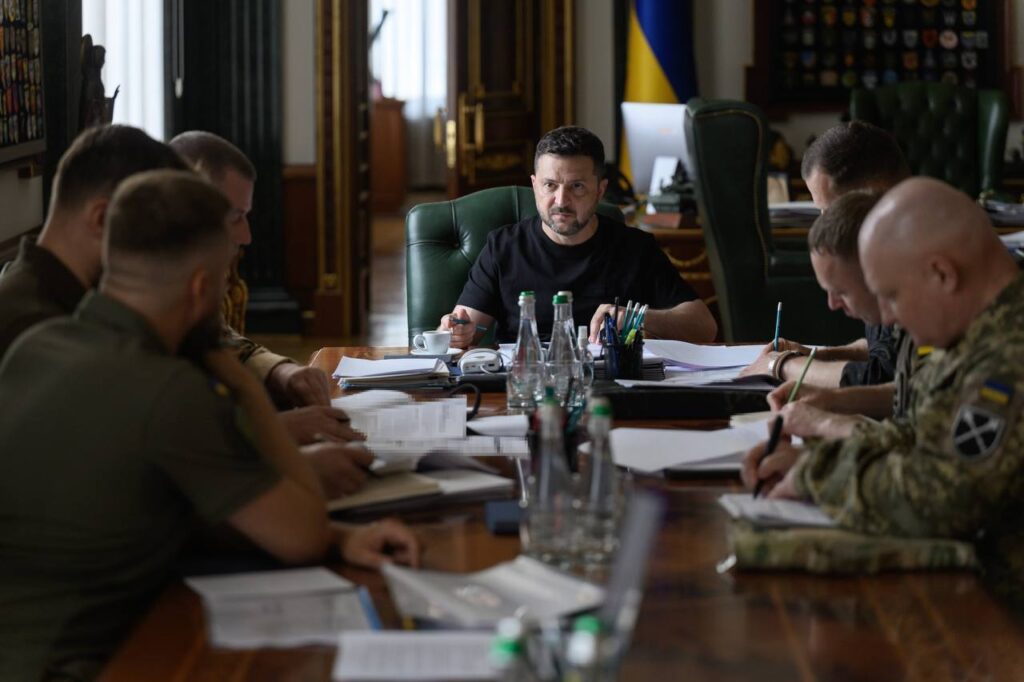

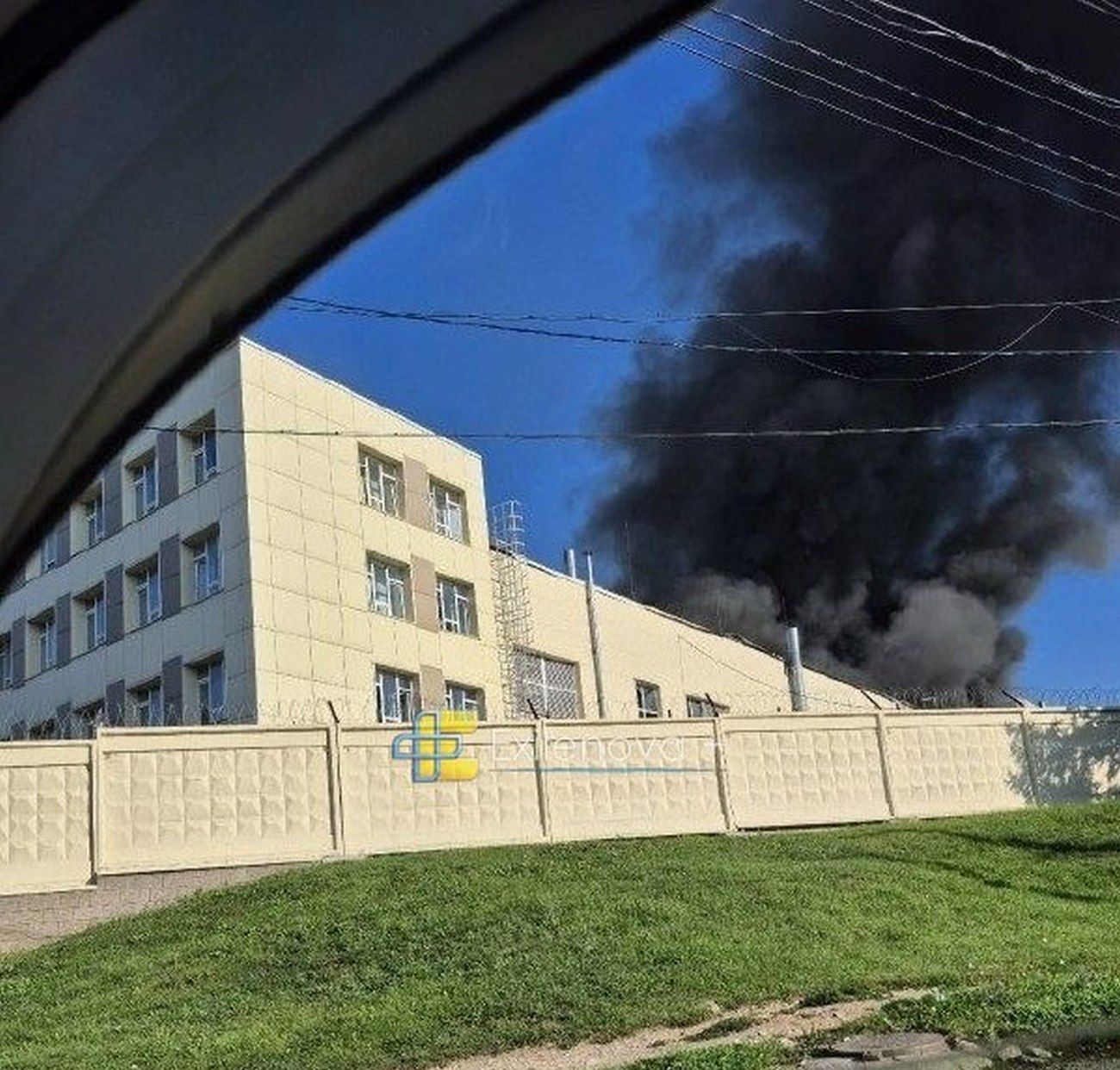
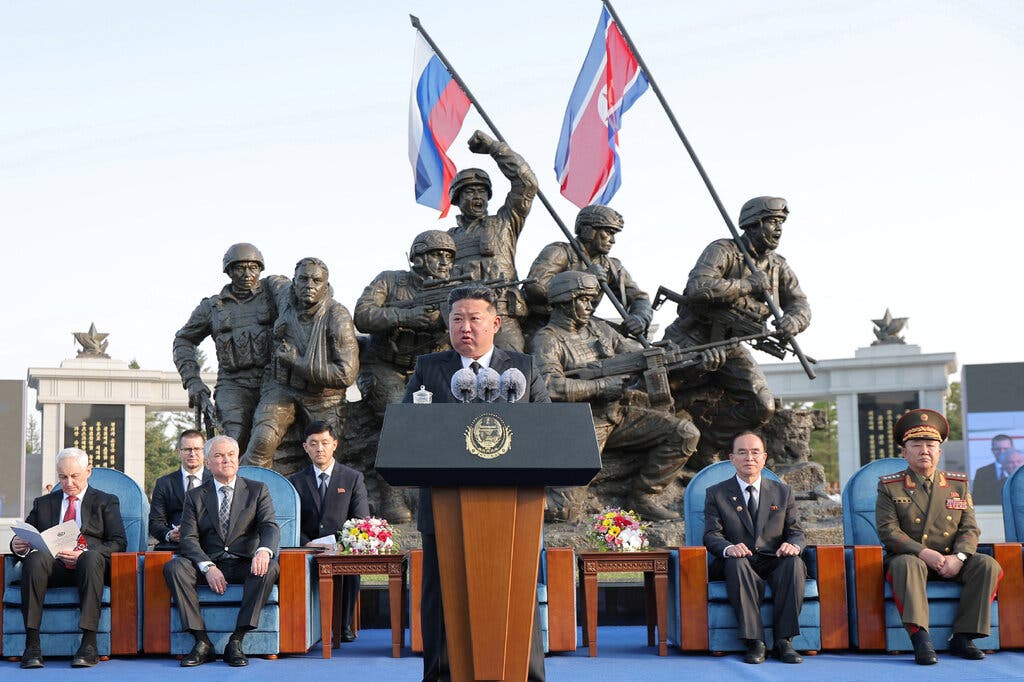
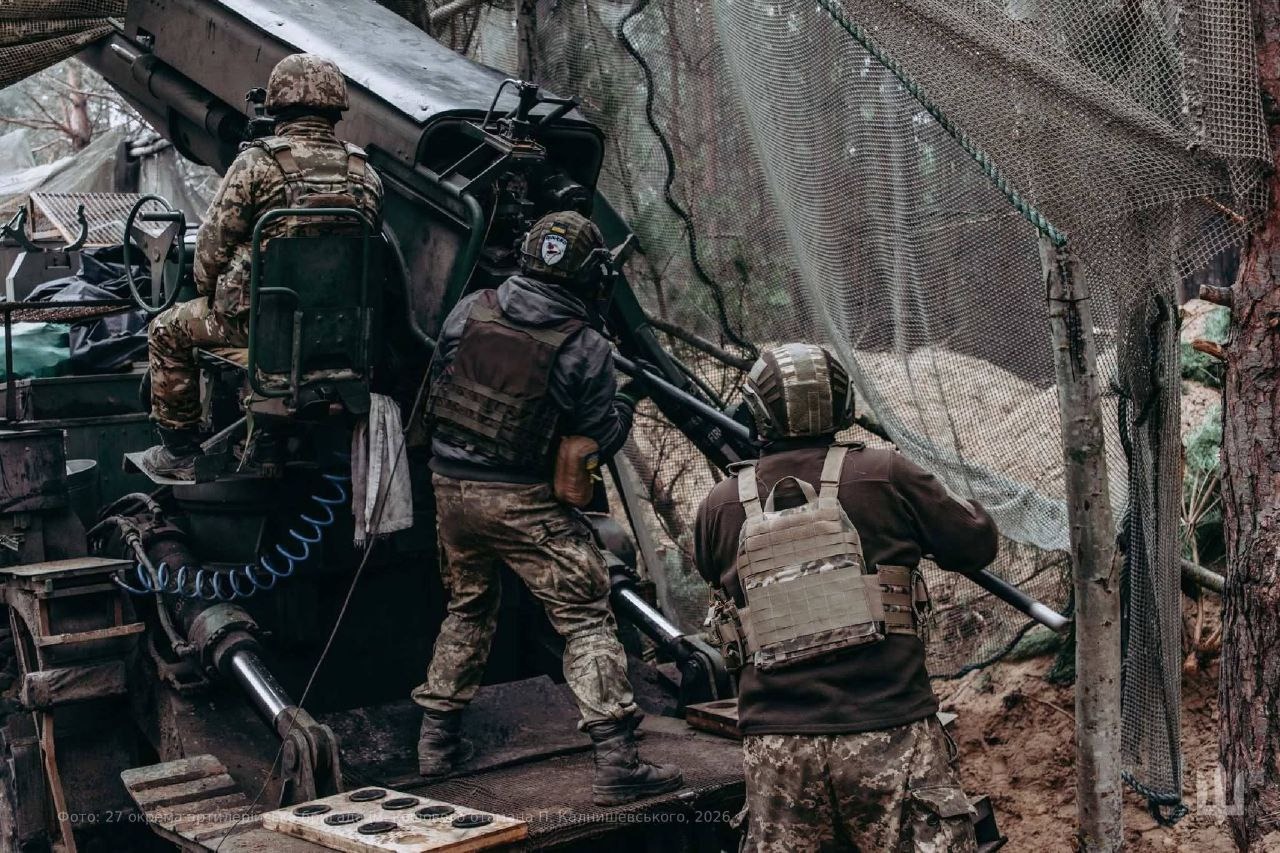

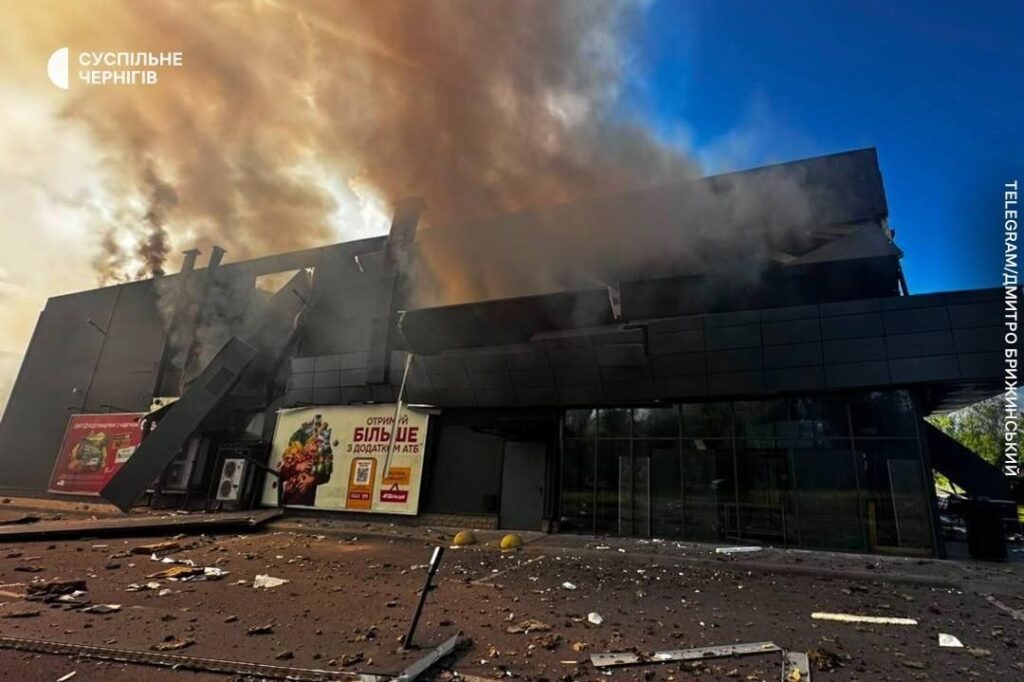
 State Emergency Service of Ukraine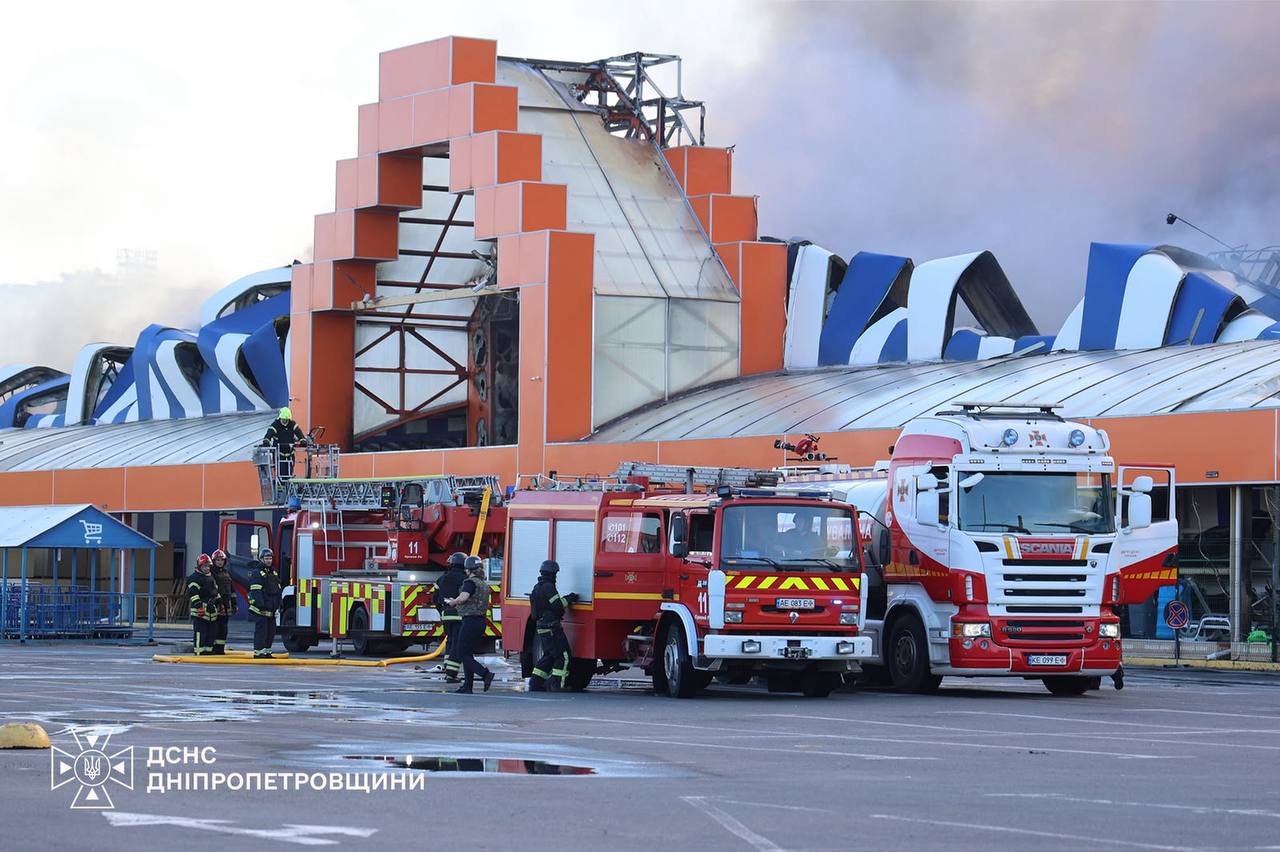

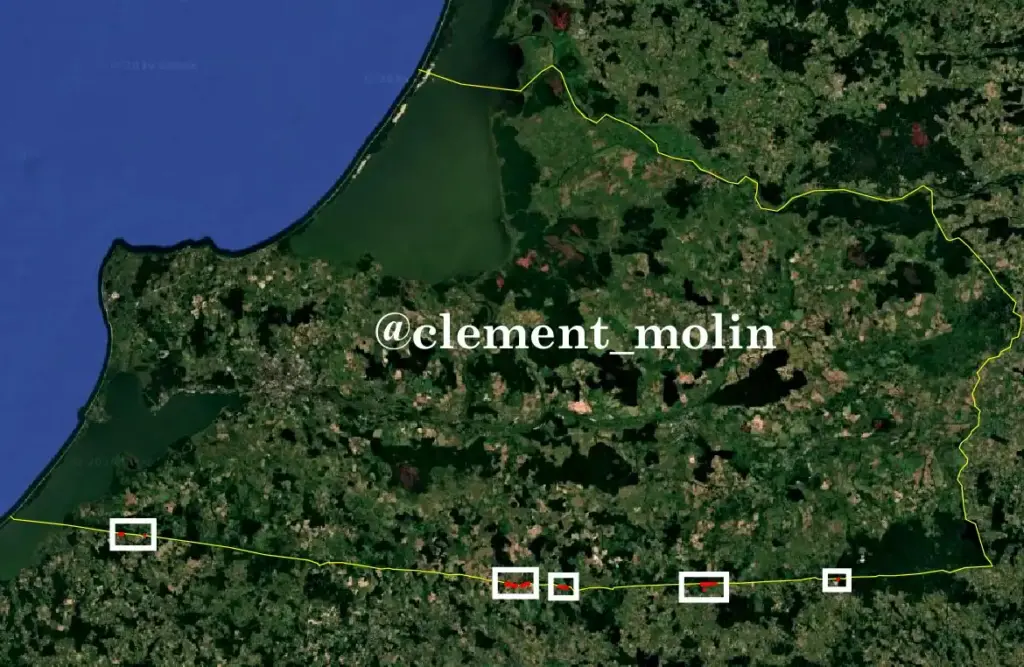
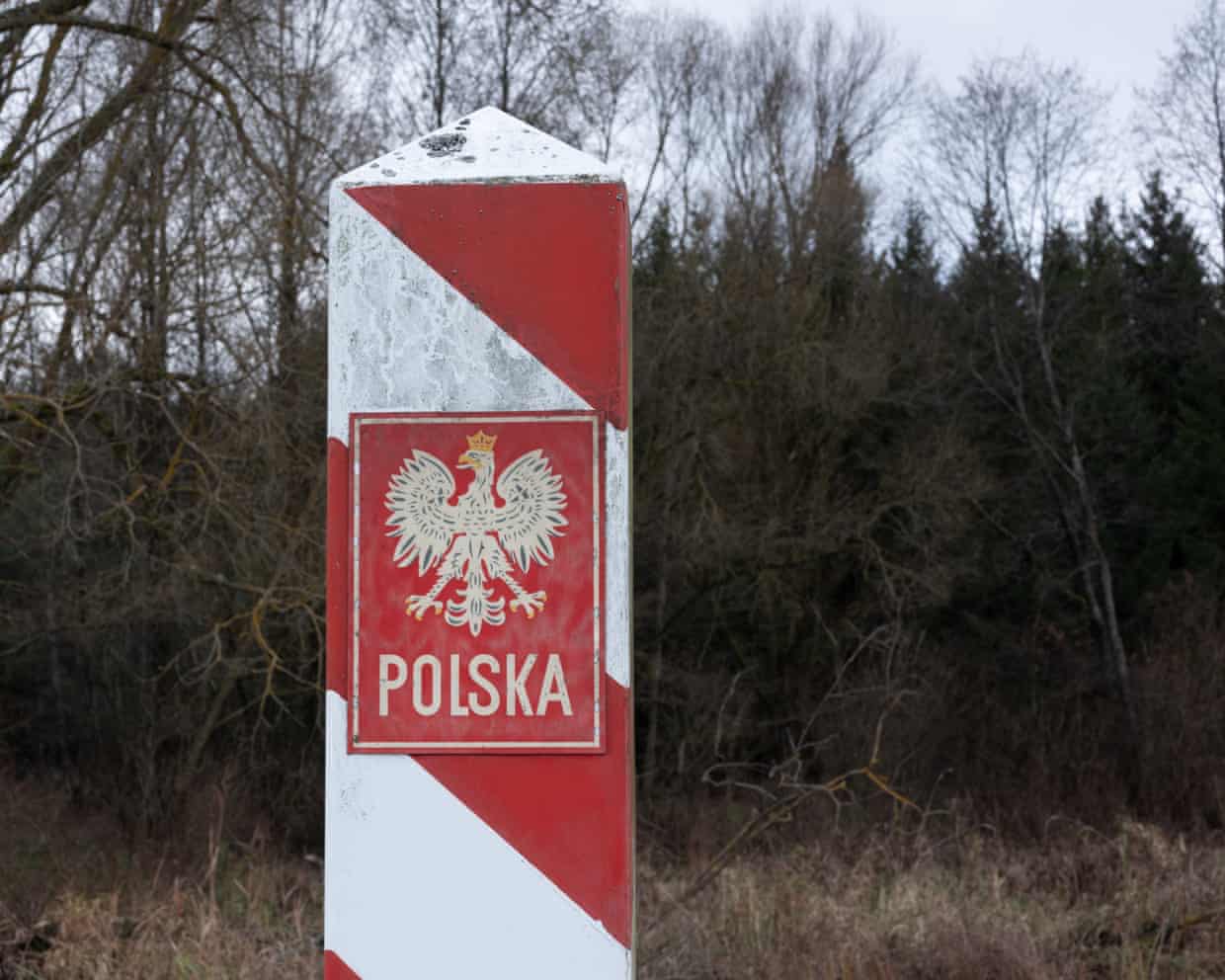
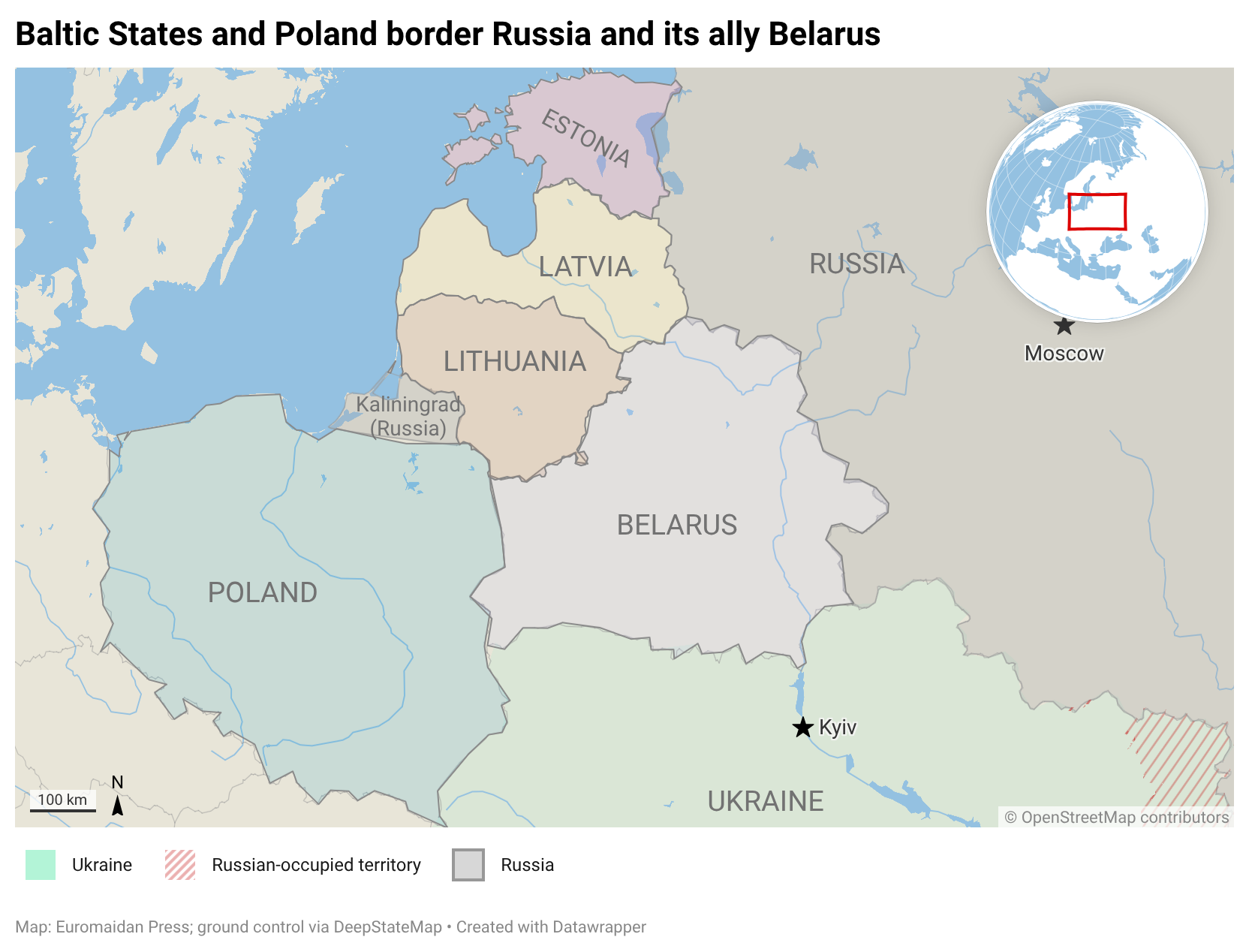
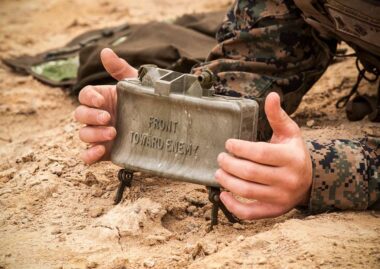
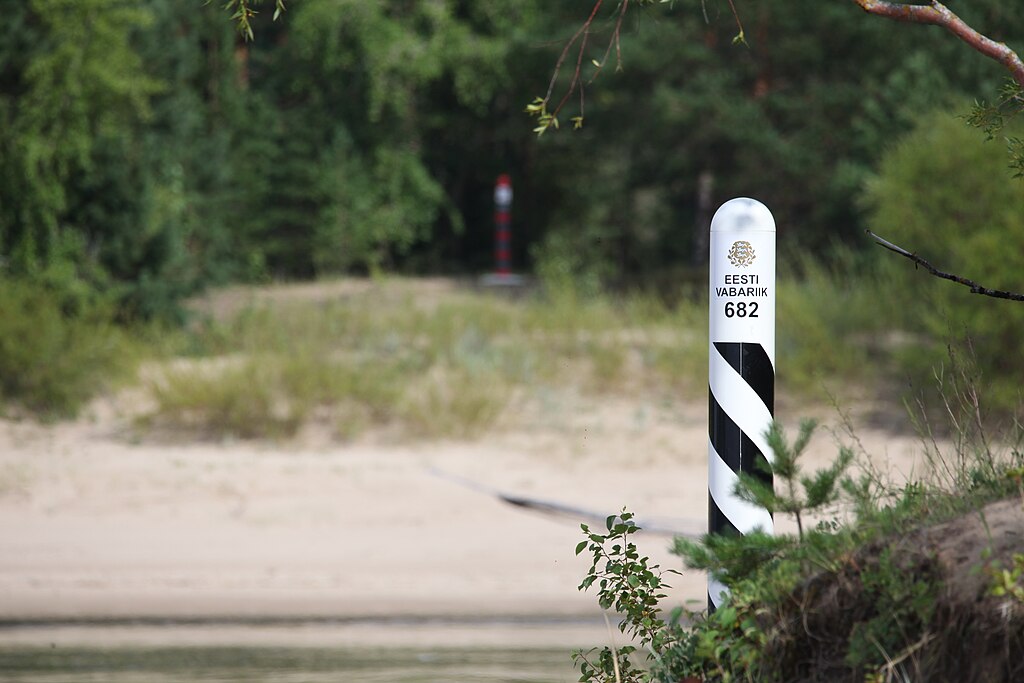
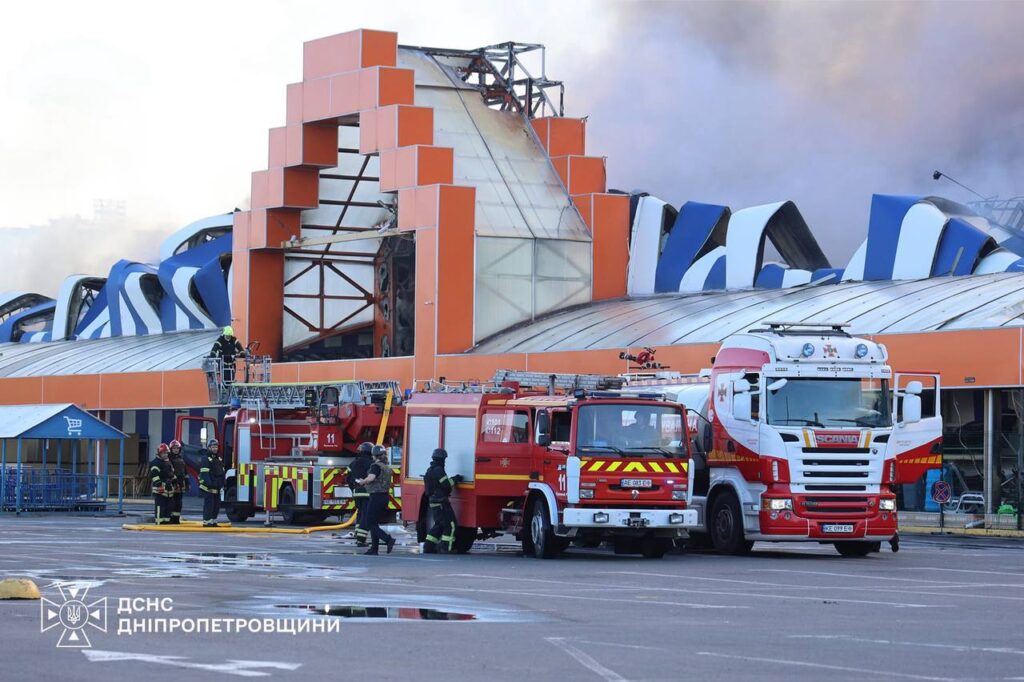
 Suspilne News