Vue normale

  • ✇Euromaidan Press
  • Russia can rebuild Wildberries warehouses more easily than it can replace warehouse workers
    Another Wildberries warehouse burned overnight, this time in Penza, over 600 kilometers southeast of Moscow—the latest in Ukraine’s two-week drone campaign against Russia’s biggest online retailer. The buildings, it turns out, are the least of it. The strikes work not by destroying warehouses, which can be replaced, but by breaking what a business this size cannot run without: workers willing to staff it, and sellers willing to stock it. That campaign has already kil
     

Russia can rebuild Wildberries warehouses more easily than it can replace warehouse workers

30 juillet 2026 à 06:11

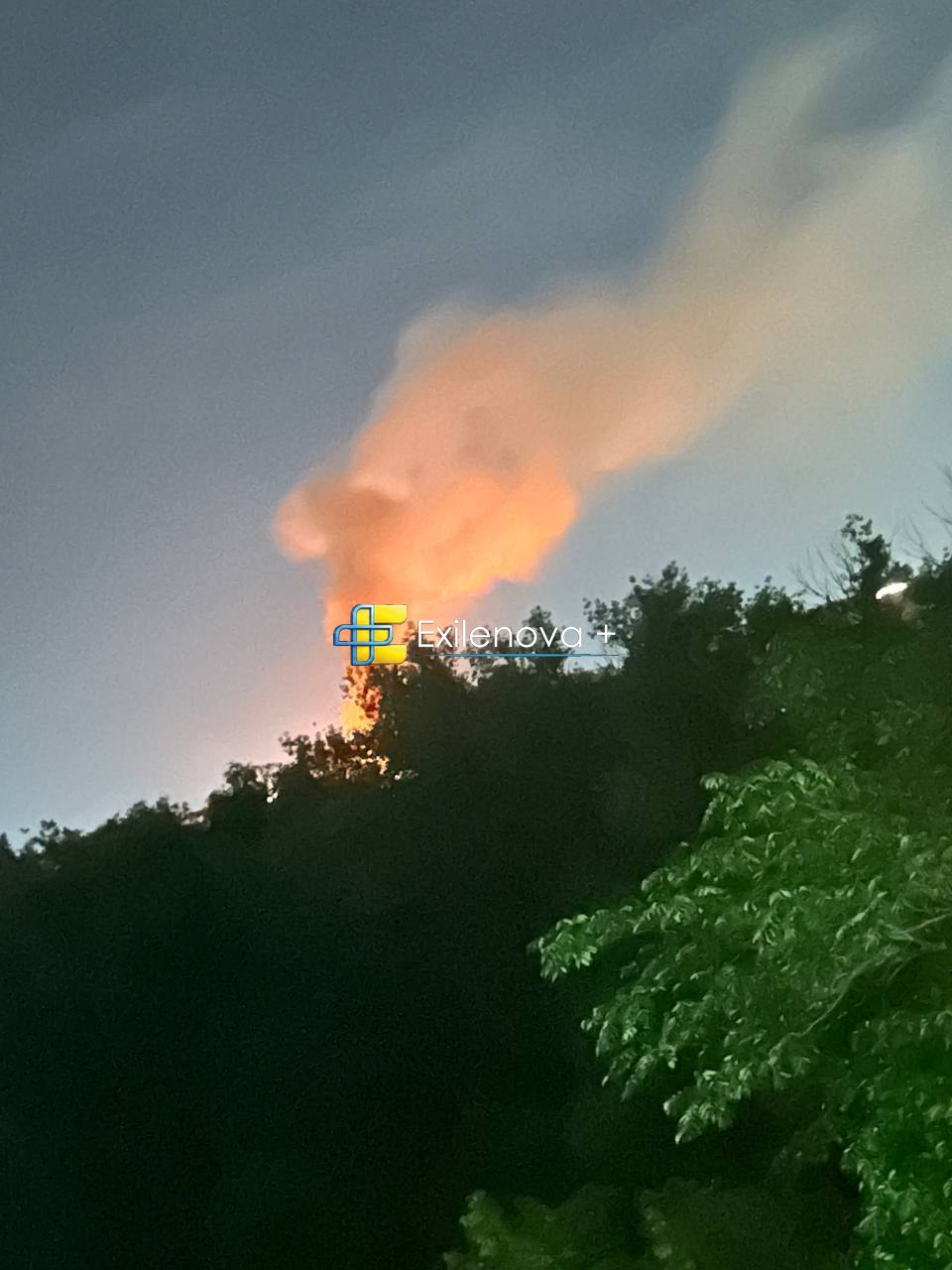
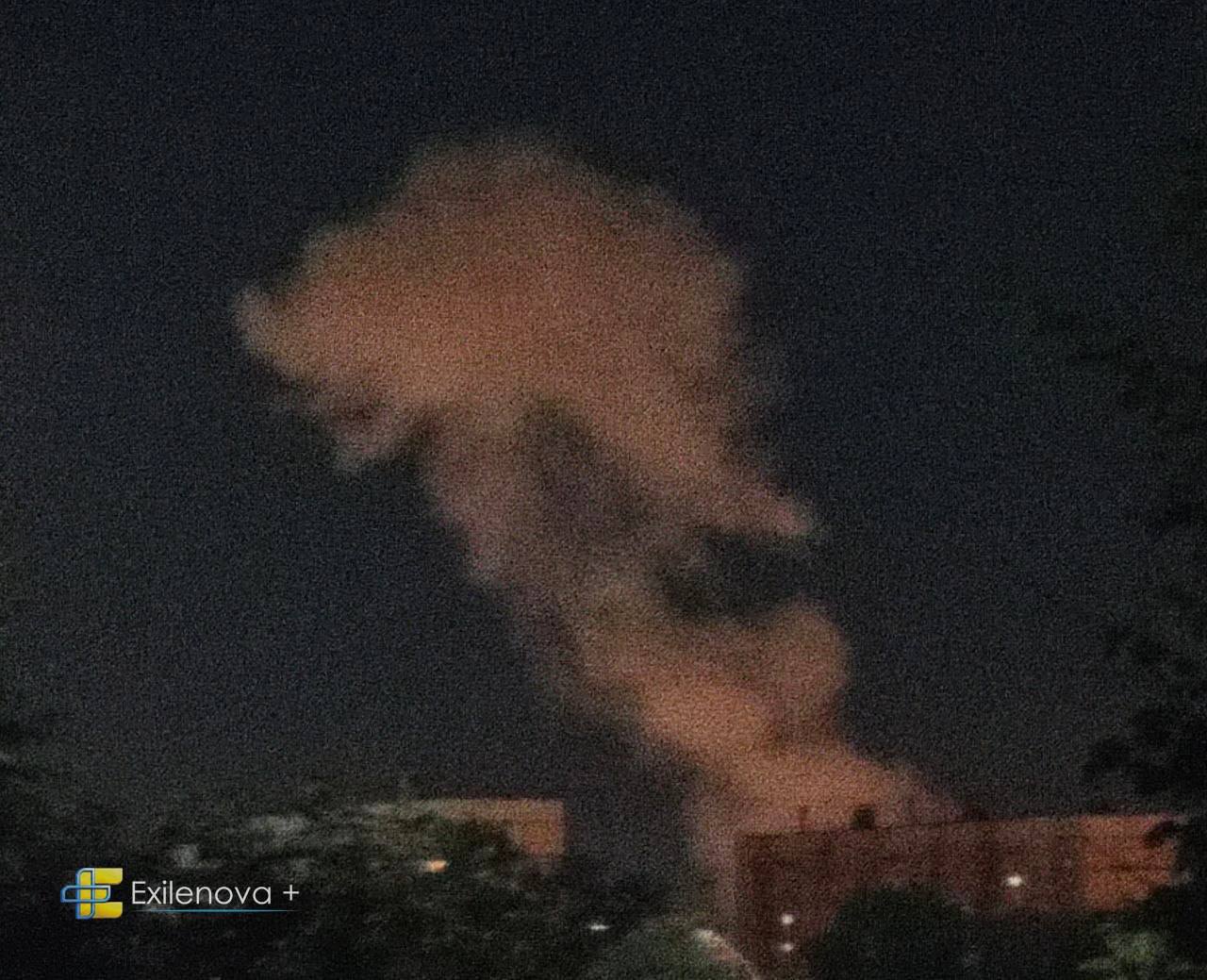
smoke rises from a fire at a wildberries storage in penza, russia, on 30 july 2026

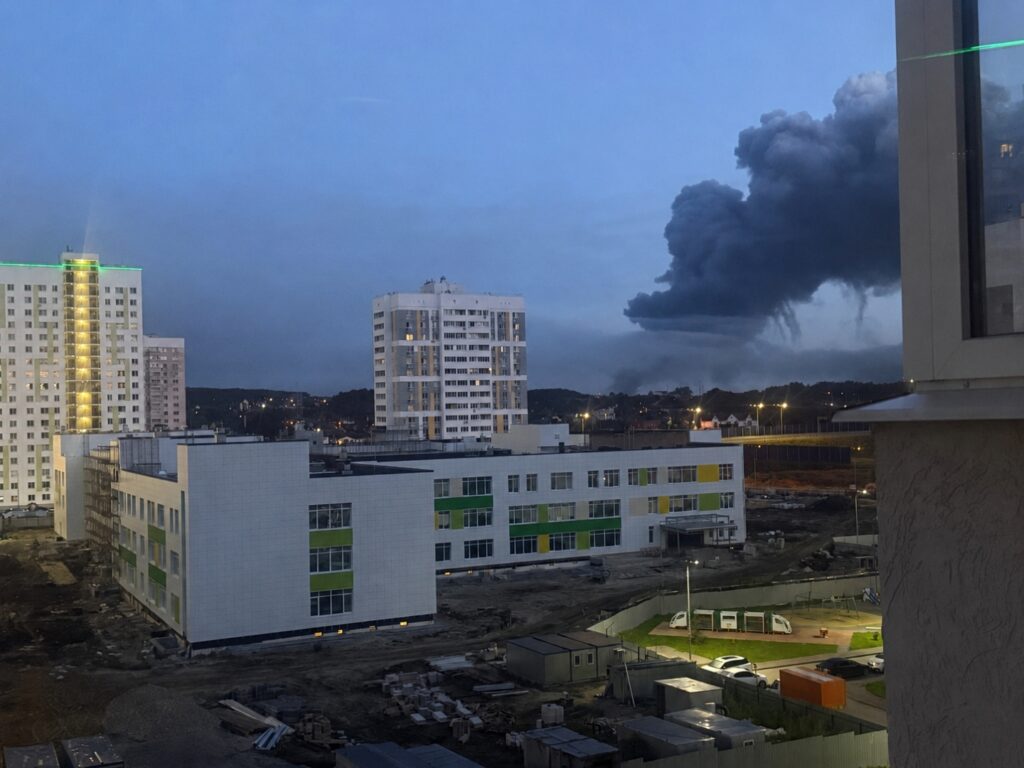
Another Wildberries warehouse burned overnight, this time in Penza, over 600 kilometers southeast of Moscow—the latest in Ukraine’s two-week drone campaign against Russia’s biggest online retailer. The buildings, it turns out, are the least of it.

The strikes work not by destroying warehouses, which can be replaced, but by breaking what a business this size cannot run without: workers willing to staff it, and sellers willing to stock it.

That campaign has already killed. Whether it can spread into the wider Russian economy is the harder question—and for now, the answer looks like no.

Ukraine torches a Wildberries hub near Penza

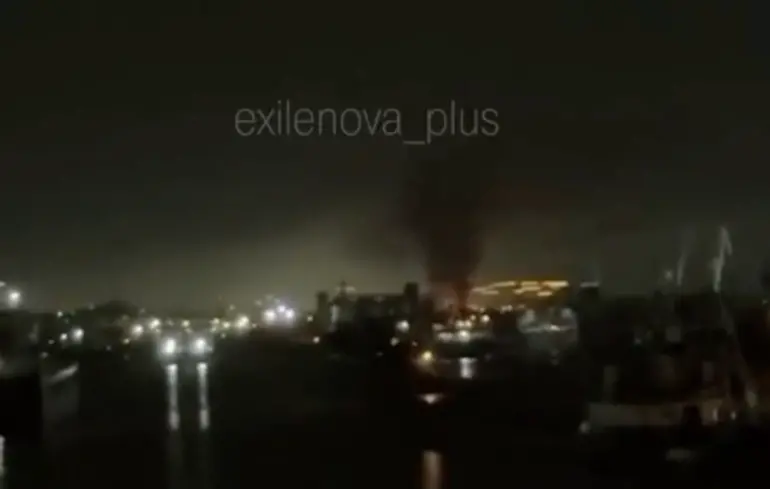
Ukrainian FP-1 drones struck a Wildberries distribution center ~600 km from the front overnight on 30 July. About 200 workers were evacuated as it burned.

📹Exilenova+ pic.twitter.com/FPprk6Aoys

— Euromaidan Press (@EuromaidanPress) July 30, 2026

Burning a warehouse barely dents Wildberries

The Penza hub—90,000 square meters, a main sorting node for Russia’s Volga region and only the first stage of a complex built to reach double that—was only the newest. Regional governor Oleg Melnichenko confirmed the fire, and staff had been evacuated before dawn, with the company shifting orders to other warehouses.

The same morning, drones struck a second Wildberries hub in Sarapul, in Udmurtia, where staff were evacuated ahead of the fire and no casualties were reported. Both were part of a campaign that opened in mid-July and has rolled across the country since.

A Wildberries warehouse 1,200 km from the front is burning

Liutyi drones reached deep into Udmurtia, torching Russia's biggest online retailer in Sarapul (pictured). Another Wilderries hub got struck near Penza.

📹Exilenova+ pic.twitter.com/gc5bClviE5

— Euromaidan Press (@EuromaidanPress) July 30, 2026

Any single warehouse is close to disposable. Ukraine has knocked out more than a tenth of Wildberries’ storage network, and the network keeps absorbing the losses. Hubs like these run largely independent of one another: merchants ship goods straight to a given warehouse, where the stock waits until a local order pulls it out.

Burn one, and the next does not fall with it. No domino effect. The reading that the strikes therefore break Wildberries’ business model rather than its buildings comes from a Lines on Maps video analysis of the campaign.

On the physical damage alone, Wildberries can take the loss and carry on.
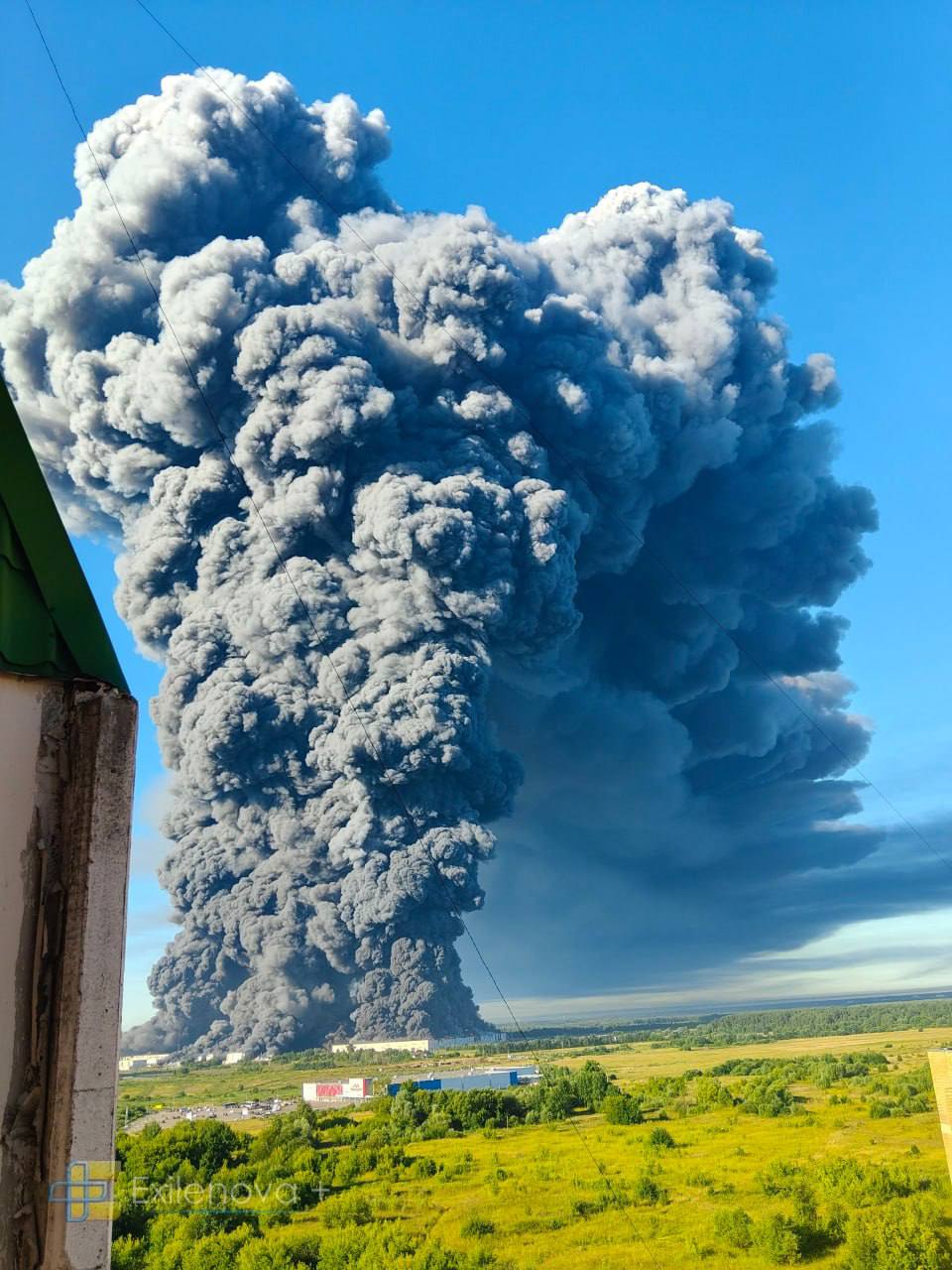
The black smoke somes from the Wildberries warehouse in Moscow Oblast. Image: Exilenova_Plus
Explore further

“When karma works”: Ukraine torched 188,000-square-meter warehouse of Russia’s biggest online retailer after years of strikes on leading logistics company

The real target is who staffs them

So the strikes are aimed at something harder to replace than a building. The campaign has killed at least eight people and injured more than 80, most of them night-shift workers caught in the first strikes. A warehouse job was never a prize, and it now carries a real chance of not surviving a shift.

Russia’s labor market makes the rest easy. Unemployment has reached a record 2.1%, the lowest figure Rosstat has ever logged, as mobilization and emigration drain the workforce, with the state forecasting a shortfall of some 3.1 million workers by 2030.

A worker who no longer wants to gamble on the next wave of drones does not have to. The staff who cleared out of the Penza hub before dawn can be hired somewhere safer by week’s end, and no one is paying them to stand under the flight path.
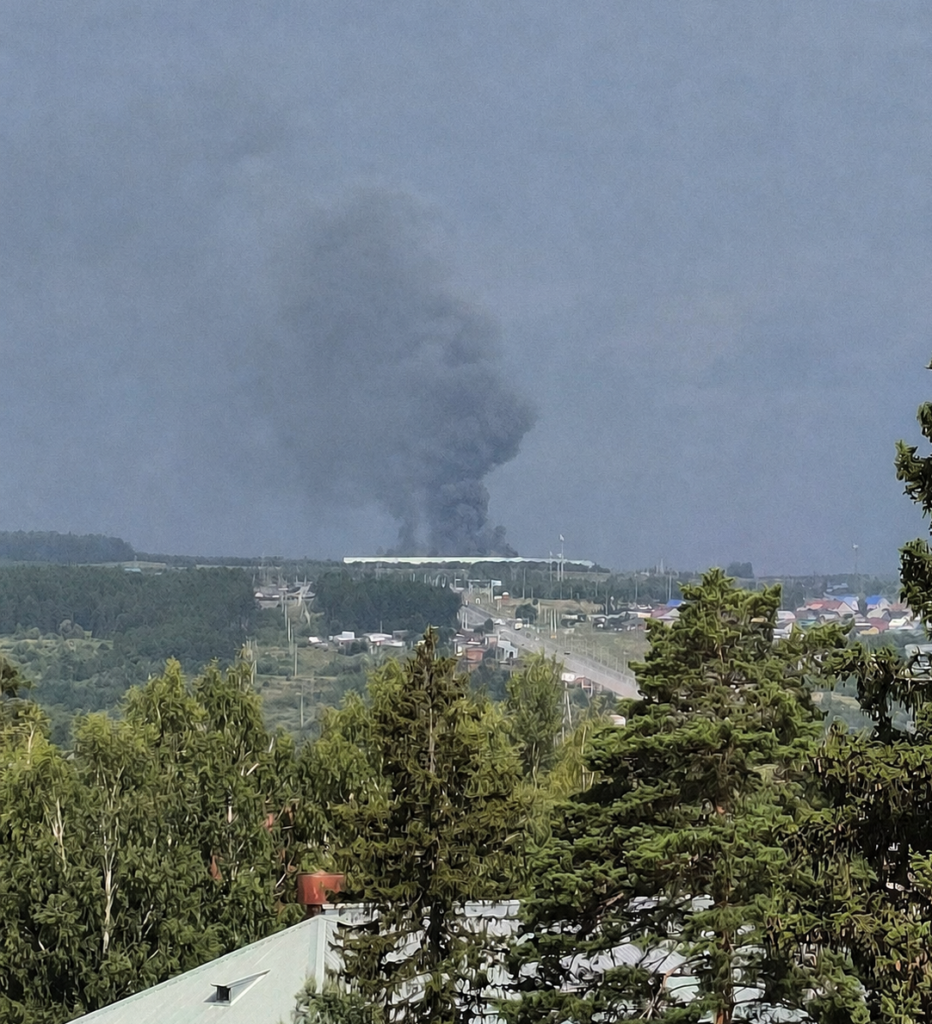
some rises from a wildberries storage in sarapul, udmurtia, on 30 july 2026
Caption: Smoke rises from burning Wildberries warehouses in Sarapul, Russia’s Udmurt Republic, on July 30, 2026. Credit: Exilenova+ / Telegram

Sellers who cannot afford to stay

The other half is the sellers. Wildberries had rewritten its seller terms just weeks before the strikes, reclassifying drone attacks as force majeure and shedding its liability for goods lost in them. So a trader whose stock sat inside a burning hub swallows the loss.

For Anastasia, a clothing-store owner, that meant watching a business vanish between one day and the next. “Just yesterday I was an entrepreneur, and today I am bankrupt. My entire clothing collection has burned down,” she wrote in an Instagram post.

And the sellers cannot easily flee the platform. The whole model runs on scale. Wildberries cannot simply put up smaller, less tempting warehouses without wrecking the economics that make it work, and nobody revives brick-and-mortar retail overnight. The smallest sellers needed the scale. The scale is what is burning.

How much of Russia’s economy is at stake

The sums are large enough to explain why Ukraine bothered. Goods sold through Wildberries in 2025 came to about 3% of Russia’s GDP, and the strikes have caused up to $2 billion in direct damage, Estonian military intelligence estimates—turnover moving across the platform, not Wildberries’ own revenue, which is a fraction of it. Much of the coverage has treated the two as the same.
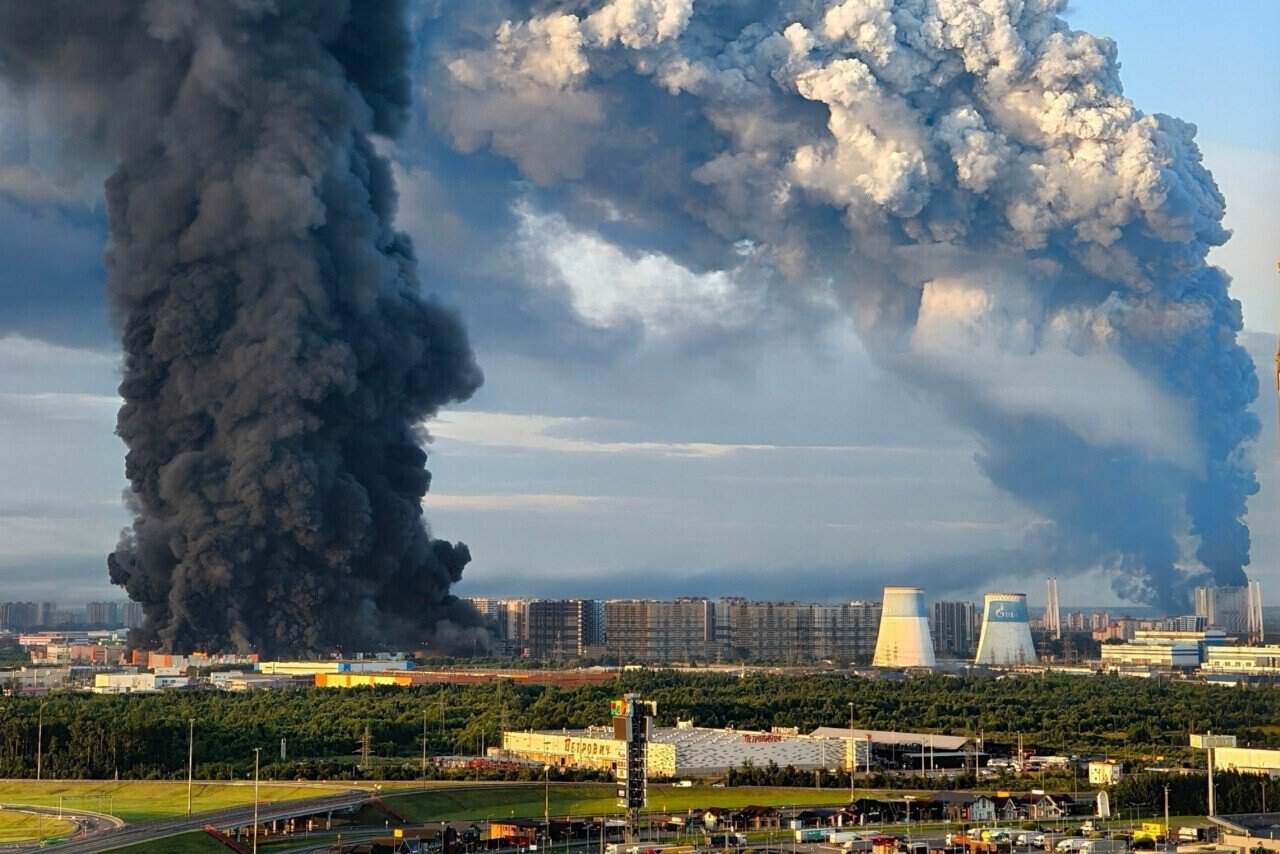
simferopol st petersburg—ukraine's drone commander sums up one night fire russia's online giant · post wildberries logistics warehouses burning after ukrainian strike near petersburg russia 24 2026 exilenova+ ukraine news
Explore further

Ukrainian drones destroyed nearly 15.4% of Russian retail giant’s storage space in July

Russia’s business climate index fell to its lowest reading since the middle of 2022 in July, on the Central Bank’s own numbers. Even so, the hit is easy to overstate: that 3% does not vanish with a warehouse, because a share of it reroutes, slower and costlier, through whatever the vendors improvise.

Wildberries is not a purely civilian target: the platform moves military kit—body armor, uniforms, drone parts—bought through it by Russian units, Estonian military intelligence says.

Why the fire probably won’t spread

Which leaves the biggest question, and the one it is easiest to overstate: could the fires reach the wider Russian economy?

Probably not. The company is heavily indebted and has already breached the terms of its bank loans—the sort of covenant breach that lets creditors call in everything at once. They have not. The Russian government has signaled it may prop the retailer up if it comes to that, with state-controlled VTB, Russia’s second-largest bank, cast in the central role.

On prediction markets, where the calls are backed by money rather than clicks, a bankruptcy this year is priced as unlikely. The damage that lasts is not on any balance sheet—the warehouse worker who will not clock in tomorrow, the trader who will not restock a shelf they have already watched burn once.
  • ✇Euromaidan Press
  • Oil sites 1,300 km east, a port terminal near the front—Russia’s deep rear had one loud night
    Ukrainian long-range drones struck targets across several Russian regions overnight on 27 July, hitting sites from the front line to more than a thousand kilometers inside the country, monitoring channels reported. President Volodymyr Zelenskyy confirmed the attacks and tied them to what he calls Ukraine's plan of long-range sanctions on Moscow's war economy. The targets ran from a sea-port terminal near the war zone to oil infrastructure deep in Russia's rear. Russia built
     

Oil sites 1,300 km east, a port terminal near the front—Russia’s deep rear had one loud night

27 juillet 2026 à 10:04

oil sites 1300 km east port terminal near front—russia's deep rear had one loud night · post smoke rises over rostov-on-don sea after ukrainian drone strike overnight 27 2026 rostov

Ukrainian long-range drones struck targets across several Russian regions overnight on 27 July, hitting sites from the front line to more than a thousand kilometers inside the country, monitoring channels reported. President Volodymyr Zelenskyy confirmed the attacks and tied them to what he calls Ukraine's plan of long-range sanctions on Moscow's war economy. The targets ran from a sea-port terminal near the war zone to oil infrastructure deep in Russia's rear.

Russia built its war economy behind an interior it assumed no weapon could reach, but years of increasingly deep Ukrainian strikes have steadily eroded the protection once afforded by distance.

Belgorod: a strike near the FSB, then a missile system detonated

In Belgorod, drones hit near the Federal Security Service (FSB) compound, Russia's domestic security agency, while more explosions and fires were recorded elsewhere in the city, local outlet Pepel reported. Ukrainian reports also listed Interior Ministry offices among the targets. 

oil sites 1300 km east port terminal near front—russia's deep rear had one loud night · post smoke cloud lit fire rises over belgorod russia after ukrainian drone attack overnight
A smoke cloud lit by fire rises over Belgorod, Russia, after a Ukrainian drone attack, overnight on 27 July 2026. Photo: Exilenova+

Ukraine likely struck an air-defense system in the city too. Footage shared by Exilenova+ showed a fixed-wing drone hitting a target in the center, followed by a detonation typical of a solid-fuel missile and a column of black smoke, Militarnyi reported.

More from Belgorod pic.twitter.com/a4Iu6YN2PD

— Exilenova+ (@Exilenova_plus) July 26, 2026

Belgorod's operational headquarters confirmed the attack, claiming several apartments and more than 15 parked cars caught fire. Parts of the city lost power and water, Pepel noted.

Rostov-on-Don: fire at the sea port

At Rostov-on-Don, Astra placed the strike at the sea trade port, with smoke rising over its fourth cargo district by morning. The port sits on the Don River but holds sea-port status in the Azov–Black Sea basin, handling foreign-flagged ships bound for the Black Sea and Mediterranean.

oil sites 1300 km east port terminal near front—russia's deep rear had one loud night · post flames smoke rise after ukrainian drone strike rostov-on-don 27 2026 flame rostov ukraine
Flames and smoke rise after a Ukrainian drone strike in Rostov-on-Don, 27 July 2026. Photo: Exilenova+

At the time of the strike, ship-tracking service MarineTraffic showed five civilian vessels in the Don near the city, Militarnyi reported. Rostov's governor, Yuri Slyusar, claimed fires at a private enterprise and warehouses, though his casualty figures shifted between statements.

The port already runs at minimal capacity amid Operation MoLoChKa—whose stylized name abbreviates “Moscow will fall through Crimea”—Ukraine's campaign against Russian maritime logistics, including the shadow fleet that circumvents sanctions to transport oil. Its drones have struck 200 vessels in the Azov and Black seas, according to the current stats on the drone forces website.

Udmurtia: explosions 1,300 km away

Far to the east, explosions hit the Udmurt Republic near Sarapul, Astra reported, and Exilenova+ noted smoke on the town's outskirts. The head of the republic, Aleksandr Brechalov, claimed air defenses were repelling a large attack and that several drones were shot down. 

oil sites 1300 km east port terminal near front—russia's deep rear had one loud night · post haze fire drifts over river sarapul russia's udmurt republic after ukrainian drone attack
Haze from a fire drifts over the river at Sarapul, in Russia's Udmurt Republic, after a Ukrainian drone attack, 27 July 2026. Photo: Exilenova+

Zelenskyy and the General Staff confirm

Zelenskyy confirmed drones hit an export terminal in Rostov Oblast, about 250 kilometers from the front line. Deep strikes also hit oil facilities in Yaroslavl Oblast and the Udmurt Republic, roughly 1,300 kilometers from Ukraine's border, he said. 

"This night our long-range sanctions worked in Rostov Oblast," he wrote, saying the strikes reduce Russia's ability to finance the war. 

Ukraine's General Staff said its forces struck the Rostov-on-Don terminal, recording a hit followed by a fire.

Russia's Defense Ministry claimed it downed 276 drones overnight, without saying how many got through. 

ukraine draws up new target list its long-range drones—and vows keep firing · post president volodymyr zelenskyy chairs meeting military commanders deep strikes russia 26 2026 middle news ukrainian reports
Explore further

Ukraine draws up a new target list for its long-range drones—and vows to keep firing

A week earlier, Ukraine's Security Service said drones damaged the tank farm of the Subkhankulovo oil-pumping station in Bashkortostan, then the agency's farthest strike at 1,350 kilometers.

On 25 June, Ukrainian drones hit the Tyumen oil refinery some 2,000 km out and set fire to a Wildberries warehouse in Yekaterinburg roughly 1,800 km away.

❌