❌

Vue normale

  • ✇Euromaidan Press
  • Two 14-year-old boys killed by an explosive device in a field in Sumy Oblast
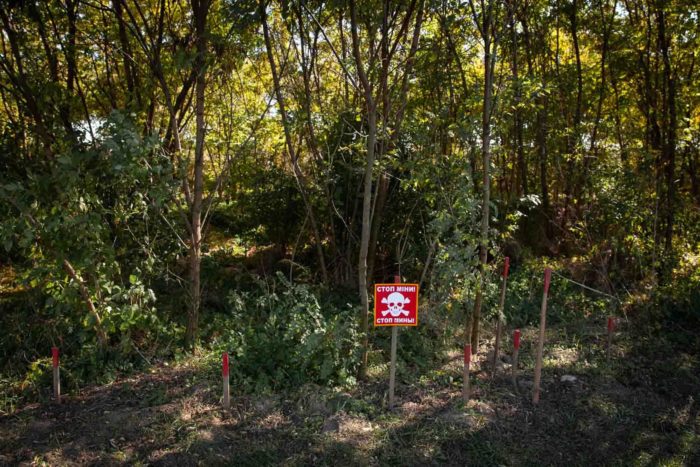
    Two 14-year-old boys were killed when an explosive device detonated in the evening in the Konotop district of Sumy Oblast, according to the statement by Oleh Hryhorov, head of the Sumy Regional Military Administration. The children encountered the dangerous device in a field, suffered severe injuries, and died at the scene, the statement said. In 2022, Russian forces occupied parts of Sumy Oblast, but Ukraine liberated the region in April. Russia intensified its offensive again in 2025.
     

Two 14-year-old boys killed by an explosive device in a field in Sumy Oblast

8 octobre 2026 à 12:28

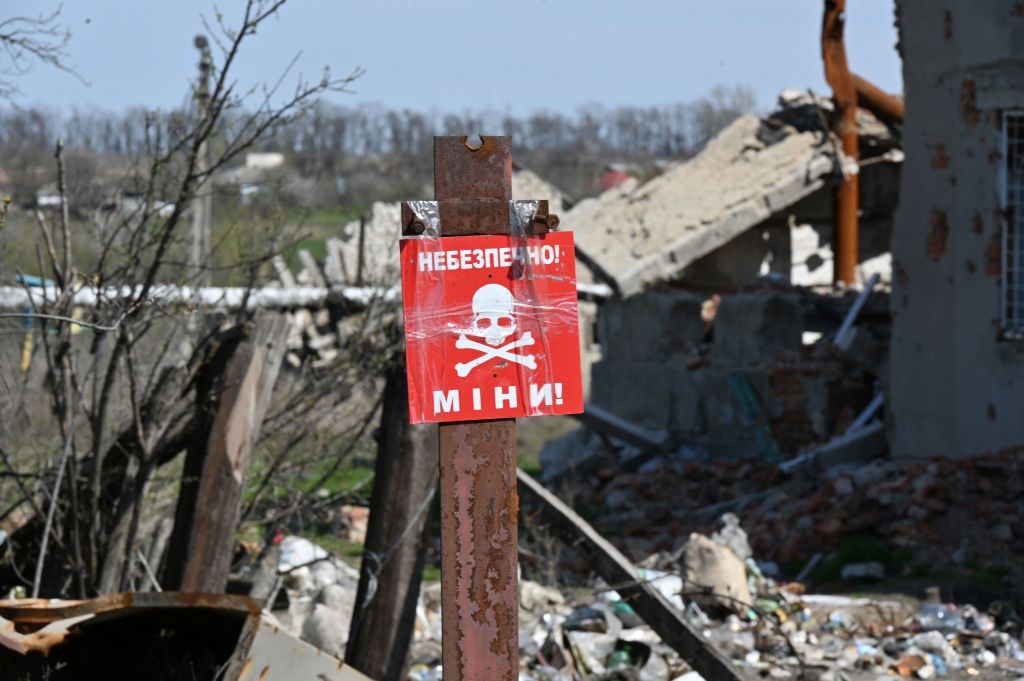
warning signs landmines kyiv oblast brovary

Two 14-year-old boys were killed when an explosive device detonated in the evening in the Konotop district of Sumy Oblast, according to the statement by Oleh Hryhorov, head of the Sumy Regional Military Administration. The children encountered the dangerous device in a field, suffered severe injuries, and died at the scene, the statement said.

In 2022, Russian forces occupied parts of Sumy Oblast, but Ukraine liberated the region in April. Russia intensified its offensive again in 2025. Today, mines, unexploded ordnance and Russian drones shot down over the region pose a danger, as their warheads can detonate after falling. Overall, 146 children in Ukraine have suffered mine-related injuries, former Interior Minister Ihor Klymenko reported in April. For example, two months ago, an 11-year-old boy and a 15-year-old boy in Sumy Oblast were injured when an explosive device detonated.

Hryhorov expressed his condolences to the parents and relatives of the victims and urged people to remain cautious:

“Please be as careful as possible and remind children: do not approach unknown or suspicious objects, touch them, or try to move them. Take care of yourselves and your loved ones,” Hryhorov said.

Demining efforts continue in Sumy Oblast

On 24 February 2022, Russian forces entered the territory of Sumy Oblast. The first battles in the region took place that same day. In particular, Russian forces attempted to break through to Sumy, but Ukrainian troops repelled the offensive. On 11 April 2022, Ukraine restored control over the entire Sumy region.

As early as 7 June 2022, deminers were working in the Konotop, Sumy, and Okhtyrka districts, according to the Government Portal. That day, they surveyed areas and neutralized explosive devices.

The work of deminers remains deadly dangerous. In September 2024, two pyrotechnicians from Dnipropetrovsk Oblast were hit by a mine while demining Sumy Oblast: one died, while the other was hospitalized. In July 2025, deminer Oleh Petrenko was killed during humanitarian demining operations in Shostka District when a Russian FPV drone detonated, the State Emergency Service of Ukraine reported. Another pyrotechnician was injured, the statement said.

Nevertheless, the work continues despite the danger. In 2025, State Emergency Service deminers in the Sumy Oblast found and neutralized 5,283 explosive devices, the agency said in April. Sumy Oblast ranked sixth among all Ukrainian regions by this figure.

Twenty-two percent of Ukraine’s territory is potentially contaminated with explosive devices — more than 133,000 square kilometers, former Interior Minister Ihor Klymenko reported in April this year. Since the beginning of the full-scale invasion, State Emergency Service and National Police deminers have surveyed more than 248,000 hectares of territory and found more than 1 million 112 thousand explosive devices, the statement said.

  • ✇Euromaidan Press
  • Ukraine put robots where its soldiers used to die clearing mines—and lost none
    Ukraine's Third Army Corps says it became the first military unit in the world to use ground robots for mine clearance inside a live offensive, sending the machines ahead of its infantry into the deadliest sectors to keep soldiers out of the line of fire, Censor.NET reported. The corps built the capability from nothing during its Operation Vivaldi counteroffensive in Donetsk Oblast. Keeping soldiers alive has become the organizing principle of how Ukraine fights, and handing the jobs mo
     

Ukraine put robots where its soldiers used to die clearing mines—and lost none

24 septembre 2026 à 14:04

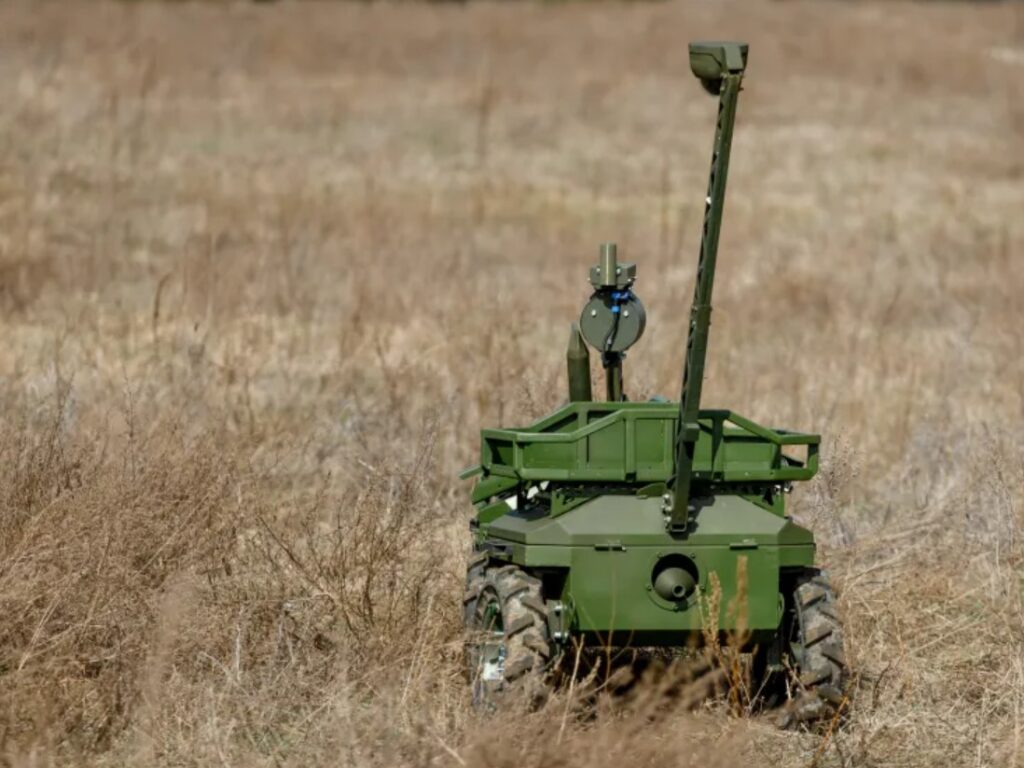
One of Ukraine's fiber optic-controlled UGVs.

Ukraine's Third Army Corps says it became the first military unit in the world to use ground robots for mine clearance inside a live offensive, sending the machines ahead of its infantry into the deadliest sectors to keep soldiers out of the line of fire, Censor.NET reported. The corps built the capability from nothing during its Operation Vivaldi counteroffensive in Donetsk Oblast.

Keeping soldiers alive has become the organizing principle of how Ukraine fights, and handing the jobs most likely to kill them to ground robots is how an army that refuses to treat its people as expendable defends the line.

Robots cleared 30 km of routes in two nights

On the Shandryholove axis, the robots cleared 30 kilometers of routes in two nights—work that two companies of sappers would have needed a full week to finish. The corps reported no losses among its sappers there. Announcing the operation's second phase, corps commander Brigadier General Andrii Biletskyi said protecting personnel drives how his troops plan and fight:

"People often ask, but what about our losses? My answer: we minimize them by every possible means. In assault operations, drones and ground robots always move ahead of the infantry," he said.

Robots clear most of the mines and mine Russian routes in return

The corps says it built the system from scratch and scaled it from a single squad up to the entire corps, arguing that manual clearing would be impossible across open terrain swept by fire. Ground robots now lift roughly 60% of the anti-personnel mines in its area of responsibility. They also work in reverse, remotely mining Russian advance routes—one crew can lay up to 200 meters a day, cutting off enemy reserves. The same machines carry frontline logistics, evacuating the wounded and hauling in provisions and equipment.

Operation Vivaldi continues in Donetsk Oblast, where the corps recently air-dropped robots behind Russian lines. Its advance has disrupted Russia's plan to encircle the fortified belt of Donetsk cities. In the second phase, the Third Army Corps liberated Shandryholove and Derylove and took full control of Drobysheve. Across the operation's first two phases, it has retaken 125 square kilometers.

  • ✇The Kyiv Independent
  • Zelensky signs decree to withdraw from Ottawa Convention banning anti-personnel mines
    President Volodymyr Zelensky signed a decree to withdraw from the Ottawa Convention banning anti-personnel mines, a step that follows the Baltic nations and Poland's move to boost their defense as the war rages on in Ukraine. The 1997 treaty, joined by over 160 countries, bans the use, production, stockpiling, and transfer of anti-personnel landmines in efforts to protect civilians from the scattered explosives that could still injure them long after the conflict is over. "Russia has never been
     

Zelensky signs decree to withdraw from Ottawa Convention banning anti-personnel mines

29 juin 2025 à 07:15
Zelensky signs decree to withdraw from Ottawa Convention banning anti-personnel mines

President Volodymyr Zelensky signed a decree to withdraw from the Ottawa Convention banning anti-personnel mines, a step that follows the Baltic nations and Poland's move to boost their defense as the war rages on in Ukraine.

The 1997 treaty, joined by over 160 countries, bans the use, production, stockpiling, and transfer of anti-personnel landmines in efforts to protect civilians from the scattered explosives that could still injure them long after the conflict is over.

"Russia has never been a party to this convention and uses anti-personnel mines extremely cynically," Zelensky said in justifying the decision. "And not only now, in the war against Ukraine. This is the signature style of Russian killers — to destroy life by all methods at their disposal.

Earlier in March, the Baltic states and Poland announced their intention to withdraw from the Ottawa Convention, a significant shift in defense policy that shows how countries near Ukraine are preparing for a potential war in Europe.

Anti-personnel mines are scattered across the battlefield in Ukraine, with soldiers and civilians often losing their feet or limbs due to detonations. Territories liberated by Ukraine since 2022 have been heavily covered with mines, making it extremely difficult and dangerous to clear them. Russia has used more than a dozen variants of anti-personnel mines since it launched a full-scale invasion of Ukraine in 2022, according to Human Rights Watch's June report.

In a surprise move that angered Moscow, the Biden administration in 2024 approved the provision of anti-personnel mines to Ukraine. Then Defense Secretary Lloyd Austin said it was to help Ukraine stall the Russian advances in the east as the front-line situation deteriorated.

"This is a step that the reality of war has long demanded," lawmaker Roman Kostenko, secretary of the parliament's defense committee, said in the Facebook post announcing a significant move forward in withdrawing from the major mine treaty.

Now that Zelensky signed the decree enacting the decision of the National Security and Defense Council of Ukraine, it will land on the parliament's table, Kostenko said. The dates when the decision will take effect are still unclear.

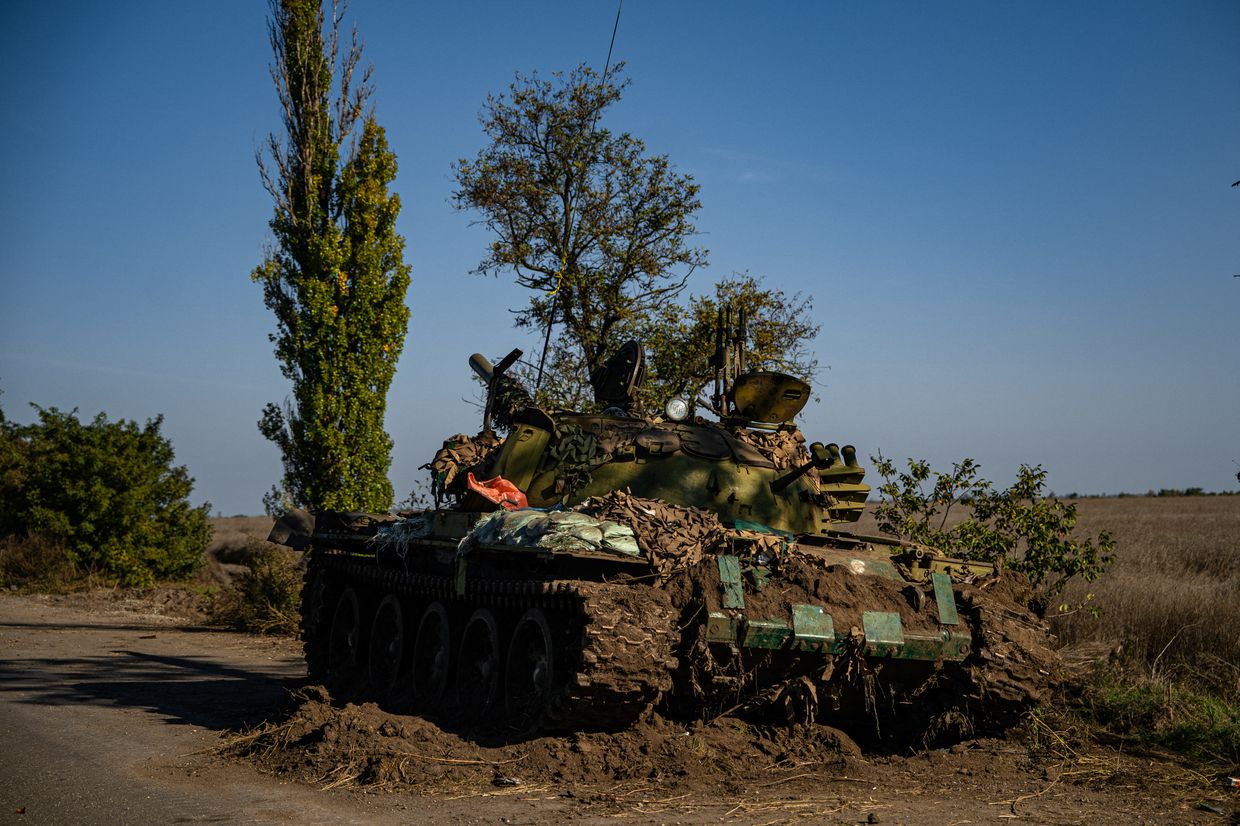
Russia revives obsolete T-62 tanks amid equipment shortages, Ukraine’s intel claims
“The key factors limiting the ability to produce modern armored vehicles in Russia are a lack of industrial capacity and a shortage of imported high-tech components,” Ukraine’s military intelligence said.
Zelensky signs decree to withdraw from Ottawa Convention banning anti-personnel minesThe Kyiv IndependentKateryna Denisova
Zelensky signs decree to withdraw from Ottawa Convention banning anti-personnel mines
  • ✇The Kyiv Independent
  • Finland votes to withdraw from landmine treaty, citing Russian threat
    Finland's parliament voted on June 19 to withdraw from the Ottawa Convention banning anti-personnel landmines, citing growing security concerns from Russia's aggressive posture and the threat it poses to the region, Reuters reported.The vote aligns Finland with its Baltic allies, Estonia, Latvia, and Lithuania, whose parliaments have already approved similar exits from the treaty.Defending the decision earlier this week, Finnish President Alexander Stubb said the security reality along Finland's
     

Finland votes to withdraw from landmine treaty, citing Russian threat

19 juin 2025 à 06:14
Finland votes to withdraw from landmine treaty, citing Russian threat

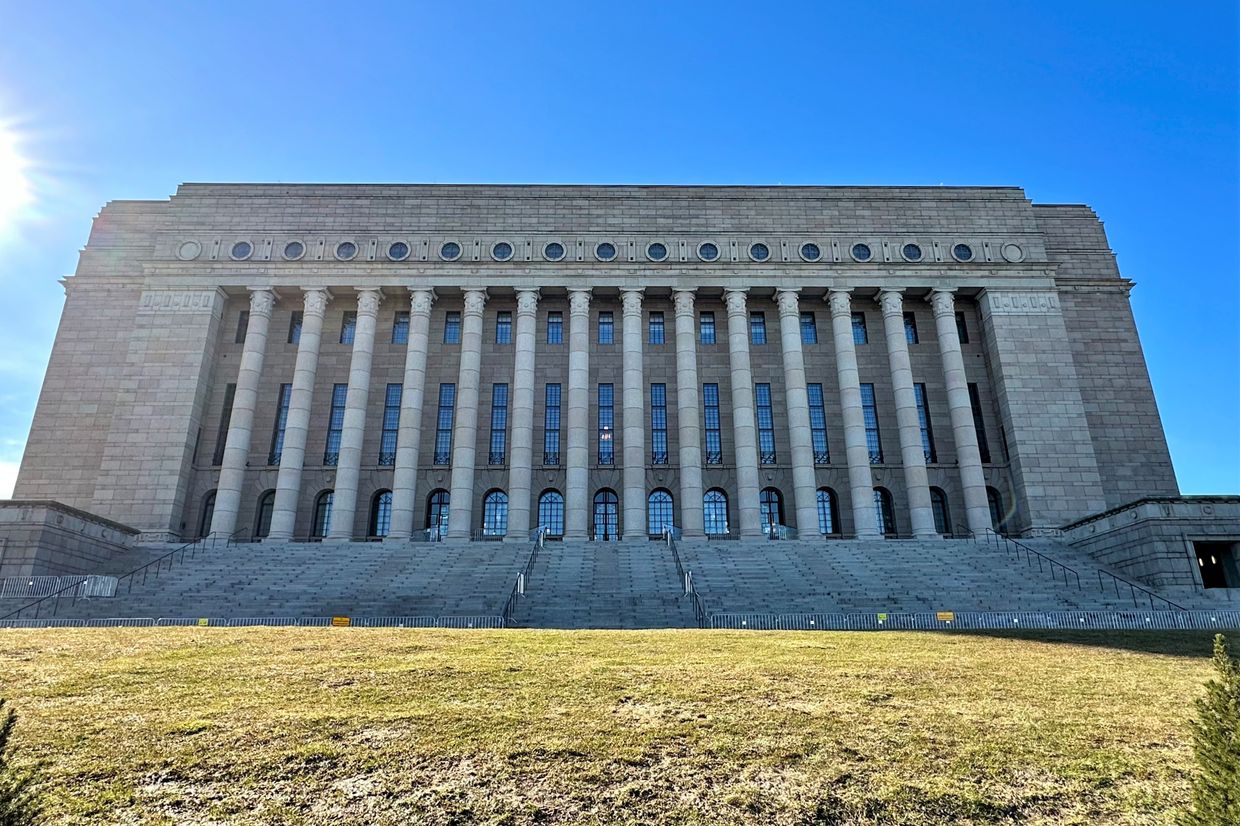
Finland's parliament voted on June 19 to withdraw from the Ottawa Convention banning anti-personnel landmines, citing growing security concerns from Russia's aggressive posture and the threat it poses to the region, Reuters reported.

The vote aligns Finland with its Baltic allies, Estonia, Latvia, and Lithuania, whose parliaments have already approved similar exits from the treaty.

Defending the decision earlier this week, Finnish President Alexander Stubb said the security reality along Finland's 1,300-kilometer (800-mile) border with Russia had changed dramatically since the full-scale invasion of Ukraine, according to TVP.

"The reality in the endgame is that we have as our neighboring country an aggressive, imperialist state called Russia, which itself is not a member of the Ottawa Treaty and which itself uses landmines ruthlessly," Stubb said.

Russia has widely deployed landmines across Ukrainian territory since launching its invasion in 2022, a tactic condemned by human rights organizations and Western governments.

Finland, which joined NATO in 2023, has significantly ramped up its defense posture amid growing concern over potential Russian provocations. The country closed its border with Russia over a year ago, accusing Moscow of orchestrating a "hybrid operation" by directing asylum seekers toward Finnish territory. Helsinki claims such hybrid tactics have intensified since it joined the alliance.

The Finnish Border Guard completed the first 35 kilometers (22 miles) of a planned 200-kilometer (124-mile) fence along its eastern frontier on May 21. The move came amid growing evidence of Russian military infrastructure expansion near the Finnish border.

Finland is "closely monitoring and assessing Russia's activities and intentions," Finland's Defense Minister Antti Hakkanen told AFP on May 22.

"We have excellent capabilities to observe Russian operations. As a member of the alliance, Finland holds a strong security position."

Russia's Defense Minister Andrei Belousov said in December 2024 that Moscow must be ready for a potential conflict with NATO within the next decade. Western officials have repeatedly warned of the possibility that Moscow could target NATO members in the coming years.

Diplomacy in crisis: G7 letdowns reveal limits to Western solidarity on Ukraine
KANANASKIS, Canada — The Group of Seven (G7) Leaders’ Summit ended on June 17 with no joint statement in support of Ukraine, no commitments to provide desperately needed U.S. weapons, and no meeting between President Volodymyr Zelensky and U.S. President Donald Trump. The Ukrainian delegation headed into the summit,
Finland votes to withdraw from landmine treaty, citing Russian threatThe Kyiv IndependentDmytro Basmat
Finland votes to withdraw from landmine treaty, citing Russian threat
❌