Vue normale

  • ✇Euromaidan Press
  • Ukraine says drones hit Russia’s gas heartland over 3,000 km from its border—a wartime record
    Ukraine's Special Operations Forces (SSO) said the 9 September operation struck the Purovsky and Novy Urengoy gas processing plants in the Yamalo-Nenets Autonomous Okrug. Kyiv's earlier energy campaign concentrated on oil refineries and export hubs in western Russia. The new operation shifts the target set toward Siberian gas processing and challenges the protection once provided by distance, although its effect on production remains unknown. The SSO said drones operate
     

Ukraine says drones hit Russia’s gas heartland over 3,000 km from its border—a wartime record

10 septembre 2026 à 12:39

A tall flame rises above an industrial facility in Novy Urengoy at night.

Ukraine's Special Operations Forces (SSO) said the 9 September operation struck the Purovsky and Novy Urengoy gas processing plants in the Yamalo-Nenets Autonomous Okrug.

Kyiv's earlier energy campaign concentrated on oil refineries and export hubs in western Russia. The new operation shifts the target set toward Siberian gas processing and challenges the protection once provided by distance, although its effect on production remains unknown. The SSO said drones operated by its Deep Strike units traveled more than 3,000 kilometers, making the operation Ukraine's deepest strike of the war.

Both the Purovsky and Novy Urengoy plants feed Russia's fuel and petrochemical industries. Ukraine's broader deep-strike campaign aims to cut the revenue and supplies sustaining Moscow's war.

Fire Point, the Ukrainian manufacturer of the FP-1, identified the drones as FP-1s and put the distance to the Novy Urengoy plant at more than 3,200 kilometers. The company reported a hit on the plant grounds but did not describe the damage.

Russian authorities have not confirmed the full Ukrainian account. Yamalo-Nenets Governor Dmitry Artyukhov said Russian forces had repelled the attack, according to The Times. Falling drone debris nevertheless caused a fire at an industrial facility in Novy Urengoy, he said.

Artyukhov reported no injuries but did not identify the facility. Russian officials have not acknowledged any strike on Purovsky.

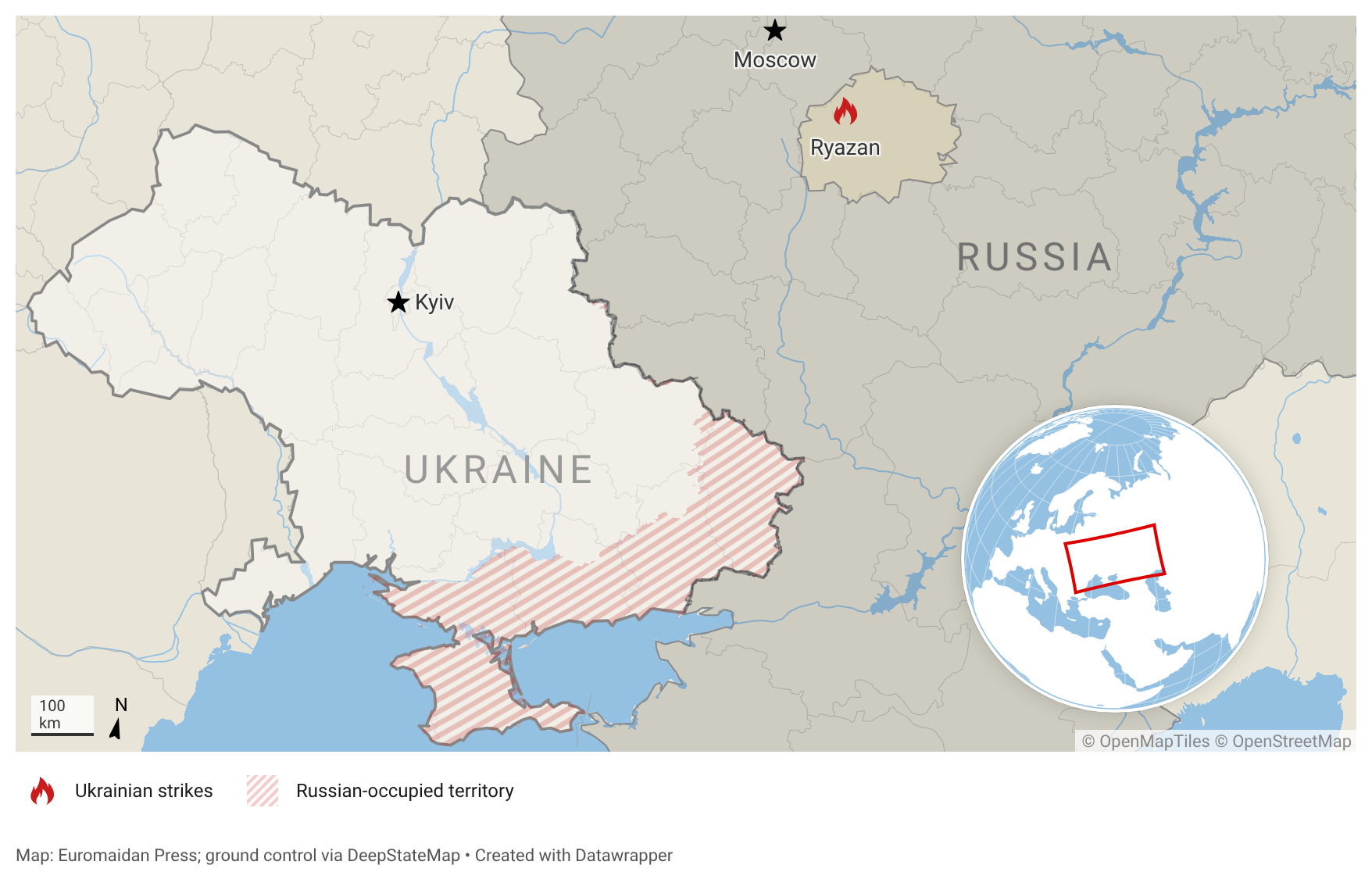
Ukraine says drones hit two Siberian gas plants over 3,000 km from its border in Novy Urengoy, Russia, 9 September 2026. Map: Euromaidan Press

Fire Point put the Novy Urengoy plant's annual design capacity at up to 19.5 million metric tons of raw material.

CyberBoroshno, a Ukrainian group that analyzes public imagery and data, said the strike hit a gas-processing unit at Gazprom Processing's Urengoy plant. Dnipro OSINT shared the analysis.

Gas condensate is a liquid produced alongside natural gas. The reported target separates ethane-rich gases from it. Those gases can be used to make polyethylene, a common plastic. CyberBoroshno said damage to the unit could disrupt supplies to a nearby chemical plant. Neither its identification of the unit nor the extent of the damage has been independently verified.

At Purovsky, the SSO reported damage but did not identify the equipment hit. Owned by Russian gas producer Novatek, the plant processes condensate into fuels and raw materials for the petrochemical industry. It processed 13.4 million metric tons in 2025, according to the SSO.

The effect on production at either plant remains unknown, as does whether any damage will be lasting.

The wider campaign

Ukraine's deep-strike units repeatedly struck Novatek's Ust-Luga gas-condensate complex on the Baltic Sea. Ukraine says drones hit two Siberian gas plants over 3,000 km from its border earlier in 2026. The facility processes stabilized gas condensate and has a design capacity of over 6 million metric tons a year, according to the General Staff.

A 31 March attack briefly halted port operations, while the 14 August strike was the sixth attack on the port that year. Ukraine has not disclosed how much production those attacks disrupted.
  • ✇Euromaidan Press
  • Ukrainian drones took Ryazan’s blending unit after knocking out two of its four crude units
    Ukrainian drones struck the Ryazan oil refinery in Russia on the morning of 6 September and set one of its core units on fire, Ukrainian defense outlet Militarnyi reported. The unit produces the high-octane component the Rosneft plant needs for its higher grades of gasoline. Russian regional authorities acknowledged a fire without naming the site. Ryazan is situated southeast of Moscow, about 470 km from Ukraine. Ukraine has spent this year pushing long-range drones dee
     

Ukrainian drones took Ryazan’s blending unit after knocking out two of its four crude units

6 septembre 2026 à 05:32

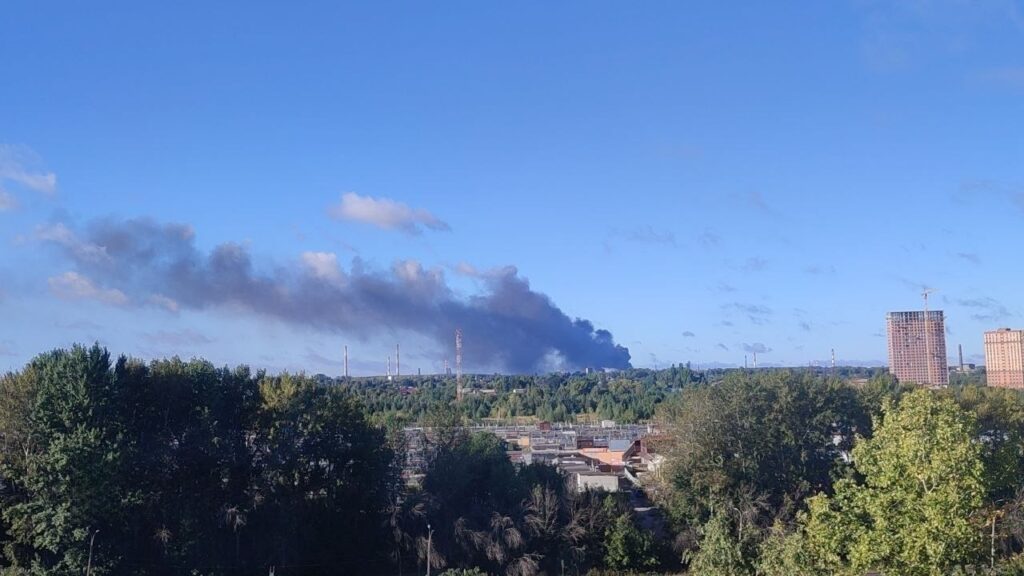
ukrainian drones took ryazan's blending unit after knocking out two its four crude units · post black smoke rising over ryazan oil refinery drone strike russia 6 2026 пожежа на

Ukrainian drones struck the Ryazan oil refinery in Russia on the morning of 6 September and set one of its core units on fire, Ukrainian defense outlet Militarnyi reported. The unit produces the high-octane component the Rosneft plant needs for its higher grades of gasoline. Russian regional authorities acknowledged a fire without naming the site. Ryazan is situated southeast of Moscow, about 470 km from Ukraine.

Ukraine has spent this year pushing long-range drones deeper into Russia, working methodically through refineries, pipelines, and export terminals to cut the fuel that moves Russian armies and the oil income that pays for the war. The pressure now runs deep past Russia's borders, with the shortage reaching Central Asian markets.

What burned at Ryazan

Drones hit the low-temperature isomerization unit for pentane-hexane fractions, designated Izomalk-2-LIN-800, according to Militarnyi's analysis. The unit sits on the refinery's grounds and is one of the critically important links in the plant's production cycle.

It converts low-octane straight-run oil fractions into a cleaner high-octane blending component. That component is what allows the refinery to produce gasolines of the higher environmental classes, Euro-5 among them, without adding harmful additives. 

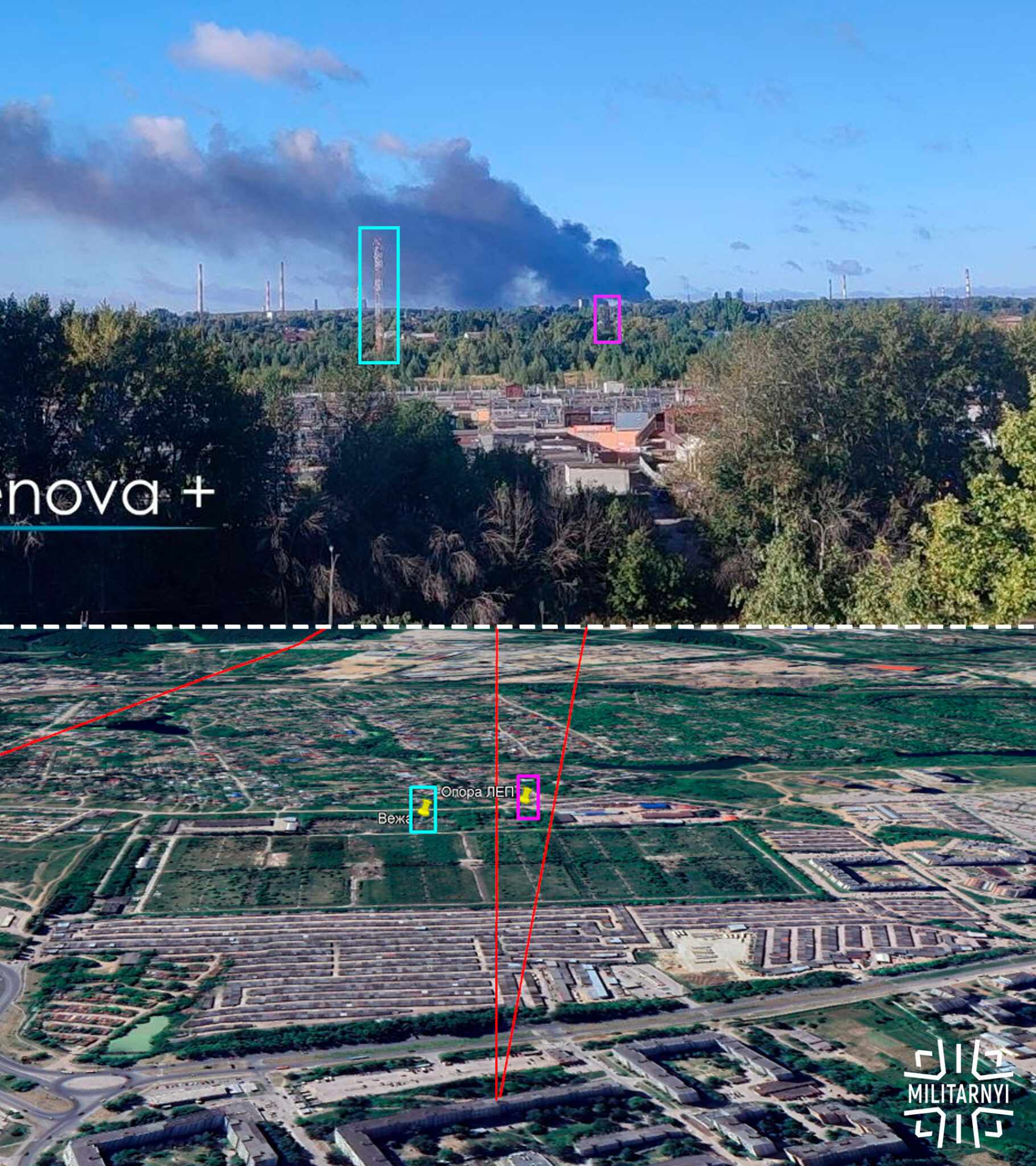
ukrainian drones took ryazan's blending unit after knocking out two its four crude units · post geolocation fire ryazan oil refinery drone strike russia 6 2026 sss ukraine news reports
Geolocation of the fire at the Ryazan oil refinery after a Ukrainian drone strike, Ryazan, Russia, 6 September 2026. Graphic: Militarnyi, imagery: ESRI
The refinery belongs to Rosneft and ranks among Russia's largest refining enterprises, with a capacity of about 17 million tons of crude a year. It makes motor gasolines of all grades, diesel, aviation kerosene, fuel oil, liquefied gases, bitumen, and petrochemical feedstock. Four crude distillation units sit on the site, along with equipment for vacuum gasoil hydrotreating, cracking, and catalytic reforming.

Ukrainian monitoring channel Exilenova+ published videos of the strike.

Ryzan Oil refinery pic.twitter.com/VcPfnSGgi4

— Exilenova+ (@Exilenova_plus) September 6, 2026

The same unit was hit in December

Drones already attacked this unit in December 2025 and damaged it. Earlier waves targeted the plant's ELOU-AVT-3, ELOU-AVT-6, and AVT-1 units.

By May 2026 the refinery had lost 90–100% of its refining capacity. Satellite imagery from 3 August 2026 showed Ukraine's Defense Forces had disabled two of the four crude distillation units on site.

Ukrainian drones struck the refinery in May, and FP-1 drones set it and a nearby warehouse burning in July.

Russian officials report a fire, not a target

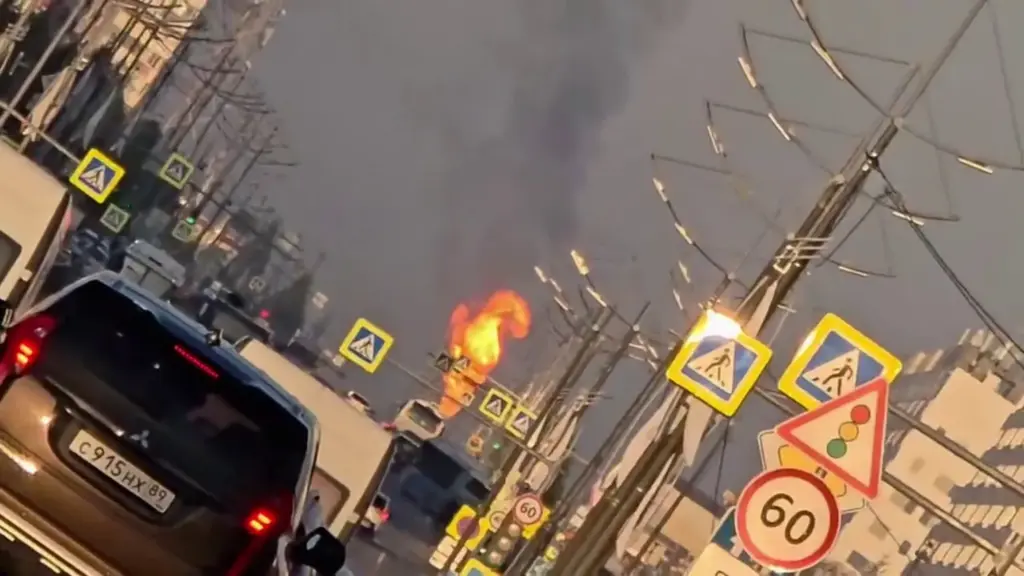
Ryazan Oblast governor Pavel Malkov confirmed the region came under drone attack. Drone debris damaged residential buildings in Ryazan and Sapozhkovsky district, he stated, and a fire broke out at an enterprise he did not name. He said there were no casualties and that emergency services were working.

Russian news Telegram channel Astra said its analysis of photographs taken by residents established that the fire was on the grounds of the Ryazan refinery. Ukrainian channel Exilenova+, which tracks such attacks, also reported a hit on the plant.

Ryazan, locals report oil refinery is on fire after attack pic.twitter.com/0Dqhjo5FNI

— Exilenova+ (@Exilenova_plus) September 6, 2026

Russia's fuel squeeze

Ukraine's General Staff said strikes on 26 August and 1 September fully stopped two large refining enterprises: Lukoil-Nizhegorodnefteorgsintez in Kstovo, Nizhny Novgorod Oblast, and the Novatek-Ust-Luga complex in Leningrad Oblast. Both supply the Russian army.

Short of gasoline, Russia has been buying more fuel abroad. Moscow discussed importing gasoline from Kazakhstan in June, and a Kazakh refinery deal would cover 0.3% of Russian demand. Belarus increased its gasoline supplies to Russia nearly 20-fold in the first half of the year.

  • ✇Euromaidan Press
  • Ukraine confirms strike hit Novatek fuel plant at Russia’s Ust-Luga port
    Ukraine’s General Staff confirmed that Ukrainian forces struck the Novatek-Ust-Luga production complex in Russia’s Leningrad Oblast on 1 September, saying the target was hit and a fire followed. The scale of the damage remains under assessment. Russian authorities initially acknowledged damage and a fire but did not identify the facility. Ukraine’s military intelligence later named the Novatek complex as the target, and the General Staff has now confirmed the strike and
     

Ukraine confirms strike hit Novatek fuel plant at Russia’s Ust-Luga port

2 septembre 2026 à 12:05

A thick gray plume of smoke rises above a distant tree line beneath a pink early-morning sky.

Ukraine’s General Staff confirmed that Ukrainian forces struck the Novatek-Ust-Luga production complex in Russia’s Leningrad Oblast on 1 September, saying the target was hit and a fire followed. The scale of the damage remains under assessment.

Russian authorities initially acknowledged damage and a fire but did not identify the facility. Ukraine’s military intelligence later named the Novatek complex as the target, and the General Staff has now confirmed the strike and said the facility supports Russia’s armed forces. It did not explain how, nor say whether, production was disrupted.

Ukraine’s military intelligence agency, HUR, was first to identify the target, saying on 1 September that its operators had struck the complex alongside Ukraine’s Defense Forces in a joint deep-strike operation. Key elements of the site’s oil-processing installation and other equipment were hit, and a large fire broke out, the agency said. The General Staff confirmed the strike the following day.

Video of the overnight attack on the port of Ust-Luga in Russia’s Leningrad region. pic.twitter.com/dXG5XTkhab

— Exilenova+ (@Exilenova_plus) September 1, 2026

The Novatek complex at Ust-Luga separates stable gas condensate—a liquid produced during natural gas extraction—into fuel and petroleum components and handles their shipment through the Baltic port. Its design capacity exceeds six million tons a year, the General Staff said. The plant produces light and heavy naphtha, kerosene, a diesel fraction, and a marine-fuel component.

A thick gray plume of smoke rises above a distant tree line beneath a pink early-morning sky.
Explore further

Drone attack damages Russia’s Baltic oil port as drone crosses Latvia into Estonia

Ukraine has repeatedly targeted the Ust-Luga port

Before Ukraine named the target, Leningrad Oblast Governor Alexander Drozdenko acknowledged infrastructure damage and a fire at Ust-Luga on 1 September, but did not identify the specific facility. HUR subsequently named the Novatek complex as the target and reported damage to key equipment.

The operation continued Ukraine’s campaign against Ust-Luga’s energy and port infrastructure. Ukrainian agencies confirmed the first strike on Novatek’s complex overnight on 24–25 March. Drones returned on 31 March, setting fuel-storage tanks ablaze, damaging a pier and pumping equipment, and temporarily halting port operations, followed by another reported attack on 7 April. Ukrainian drones last hit the port on 14 August, marking the sixth such attack there in 2026.

❌