Russia's Tyumen oil refinery has fully halted crude processing and fuel output since a late-July Ukrainian drone strike, two industry sources told Reuters on 28 July. The plant sits more than 2,000 kilometers from Ukraine, deep in western Siberia. How long the damaged gasoline production will take to repair remains unclear.
Ukraine's drone campaign against Russian fuel plants and depots has pushed rationing from Russian border regions all the way into Siberia, turni
Russia's Tyumen oil refinery has fully halted crude processing and fuel output since a late-July Ukrainian drone strike, two industry sources told Reuters on 28 July. The plant sits more than 2,000 kilometers from Ukraine, deep in western Siberia. How long the damaged gasoline production will take to repair remains unclear.
Ukraine's drone campaign against Russian fuel plants and depots has pushed rationing from Russian border regions all the way into Siberia, turning gasoline supply and oil revenue into pressure points on Moscow's war economy. Every refinery knocked offline trims the fuel and cash that sustain Russia's invasion, and Kyiv often keeps returning to the same targets faster than Moscow can rebuild them.
The plant stopped making fuel
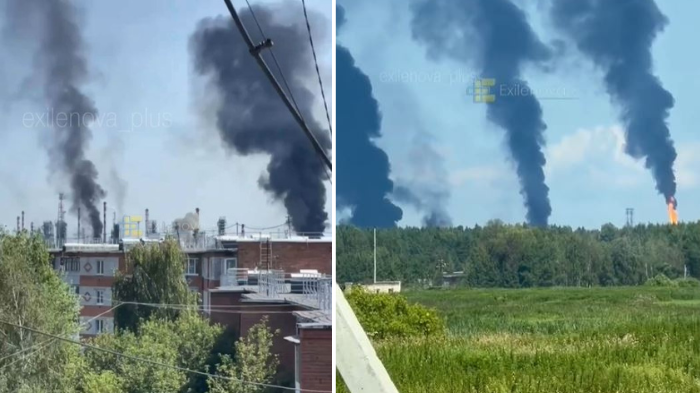
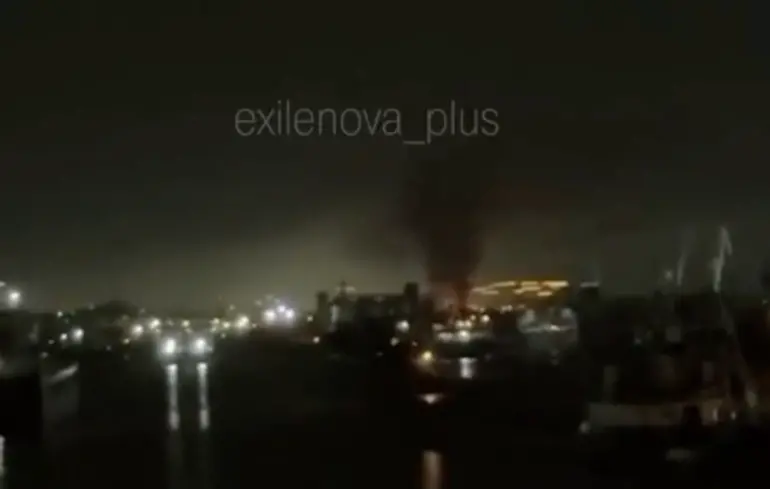
RI-Invest, which owns the Tyumen refinery, shut down crude processing and all product output on 25 July, when the Ukrainian drones hit the facility, according to the two sources in a Reuters report carried by The Moscow Times. The drone strike that day damaged the plant's secondary units and set them on fire.
The blaze hit a diesel hydrotreating unit rated at 2.6 million tons a year. It also struck the combined high-octane gasoline complex, which pairs a catalytic reformer with an isomerization unit. Neither source could estimate how long the gasoline repairs would run, according to Reuters.
Explore further
Oil sites 1,300 km east, a port terminal near the front—Russia’s deep rear had one loud night
A plant already patching an older fire
The same diesel hydrotreating unit spent last month under repair after a 6 June fire from internal causes. The gasoline complex was built under a license from the US firm UOP and started operating in 2018. The refinery's full capacity reaches 9 million tons a year, the sources said. In 2024 it processed 5.7 million tons of crude, turning out 0.5 million tons of gasoline and 2.8 million tons of diesel.
Drones over Siberia, far from any front
On 25 July, Tyumen Oblast Governor Alexander Moor confirmed the drone attack on the region and reported no casualties.
Ukrainian drones had already reached the same plant on 20 June. The lost output tightens a home fuel market that has run short since spring, as Kyiv escalated its campaign against oil-processing plants.
Tyumen Oblast is currently also bracing for major flooding as the Tura River rises.
The parts of Russia that once felt too far away to worry about are now on Ukraine's strike map, President Volodymyr Zelenskyy said after a meeting with his top military commanders on 26 July. Kyiv will press ahead with its long-range campaign and has updated which sites to hit first, he added. The commanders did not reveal the targets themselves.
Russia built its war economy behind a rear it assumed no one could touch, and Ukraine's deep-strike campaign has spent ye
The parts of Russia that once felt too far away to worry about are now on Ukraine's strike map, President Volodymyr Zelenskyy said after a meeting with his top military commanders on 26 July. Kyiv will press ahead with its long-range campaign and has updated which sites to hit first, he added. The commanders did not reveal the targets themselves.
Russia built its war economy behind a rear it assumed no one could touch, and Ukraine's deep-strike campaign has spent years taking that assumption apart, region by region. The further Kyiv's drones travel, the harder it becomes for Moscow to call any refinery or warehouse safe, no matter how remote it is.
Kyiv's commanders sign off on the next phase
Zelenskyy convened Ukraine's military leadership to review the long-range strikes. He left with two decisions—keep the operations going and refresh the priority list.
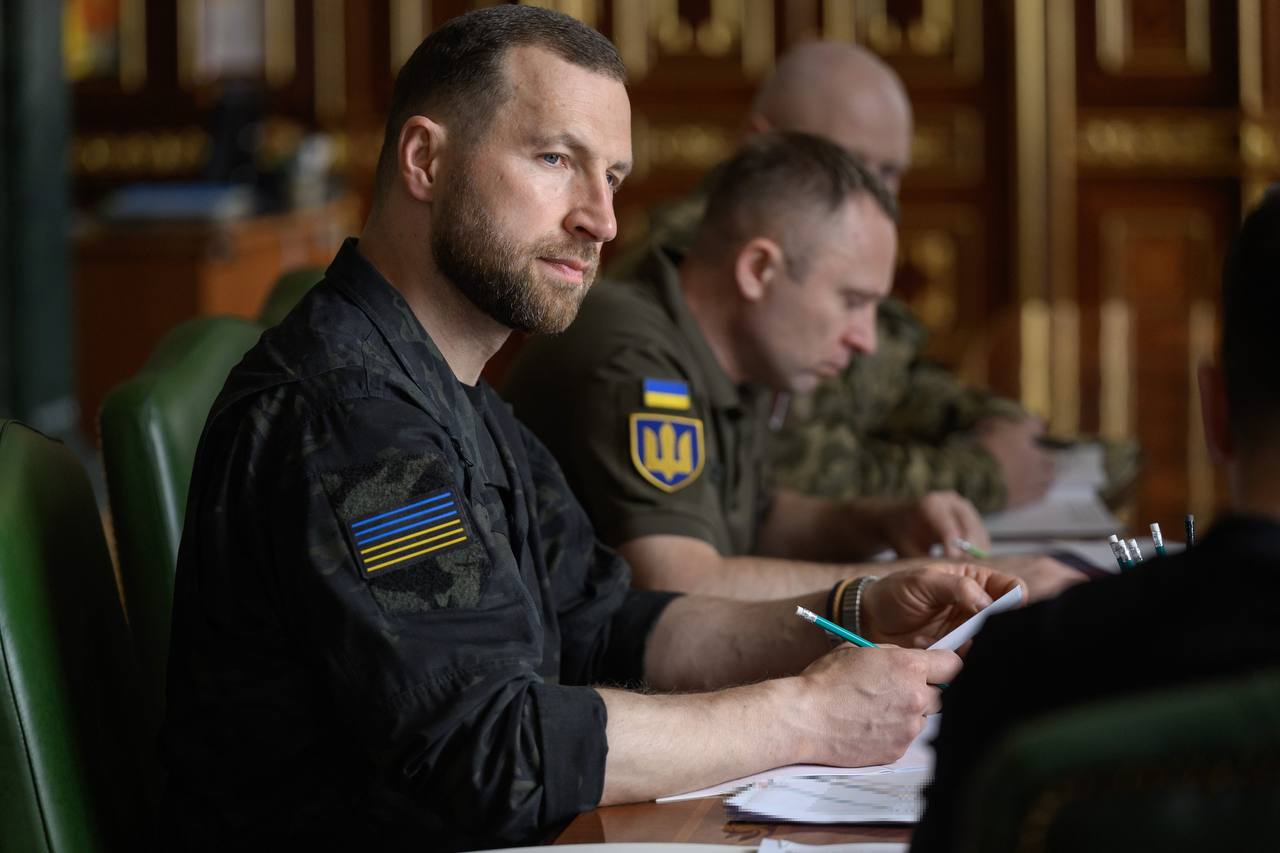
Photos the President posted showed new Commander-in-Chief of the Armed Forces Mykhailo Drapatyi, acting Defense Minister Yevhenii Khmara and Chief of the General Staff Ihor Skybiuk among those at the table. Kyiv chose the new priorities by one measure: how much each site damages Russia's ability to keep waging the war.
Commander-in-Chief of the Armed Forces Mykhailo Drapatyi (center) and Chief of the General Staff Ihor Skybiuk (right) at the meeting, 26 July 2026. Photo: Zelenskyy/Telegram
Zelenskyy once again called the effort Ukraine's plan of "long-range sanctions," carried out along set priorities.
Explore further
One plant makes the seats that save Russian pilots—Ukraine’s Flamingo missile torched it 1,200 km from home
Russia's depth stops being an advantage
Ukrainian strike distances now run past 3,000 km, Zelenskyy noted, saying Kyiv keeps building the range to reach further. For years, Russia's size kept its factories and fuel plants out of harm's way.
"The strategic depth of the rear, which for a long time was a Russian advantage, is now becoming a particular problem for Russia's political and military leadership," he said.
Most of Russia's air defense, he noted, sits bunched around Moscow, state residences, the Kerch Strait Bridge and St. Petersburg. Ukrainian drones, he added, have shown they can reach targets in the Urals, in Siberia and in other lands far from the capital.
Acting Defense Minister Yevhenii Khmara at a meeting on Ukraine's long-range strikes, 26 July 2026. Photo: Zelenskyy/Telegram
What Ukraine has hit—and what it still targets
Since the plan began this year, Ukraine has run more than a thousand fire missions, striking oil sites, critical military production and key nodes of Russian logistics, Zelenskyy said. Several parallel deep- and mid-range campaigns run at once. They target:
oil and fuel sites in Russia and occupied territories
The point of all this pressure, Zelenskyy said, is to force Russia toward negotiations. He wants the strikes to make weapons components harder to build, pile up oil and economic losses, and, in his words, bring the war back to its "home harbor." Ukraine has handed Russia's leadership everything it needs to end the war on decent terms, he said, and its partners know what that takes.
"Our precision is working effectively to create conditions for real diplomacy," Zelenskyy said.
Recent long-range hits
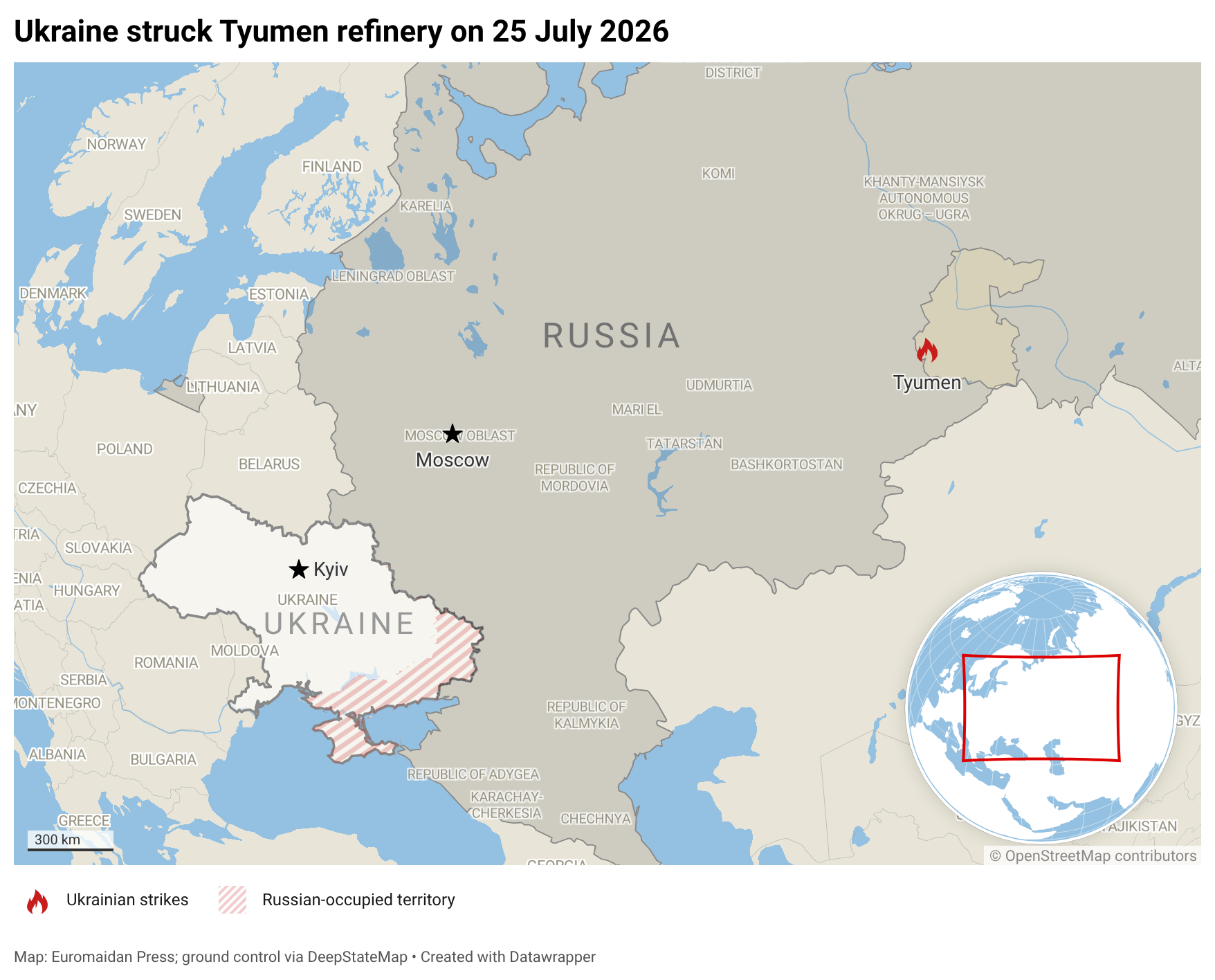
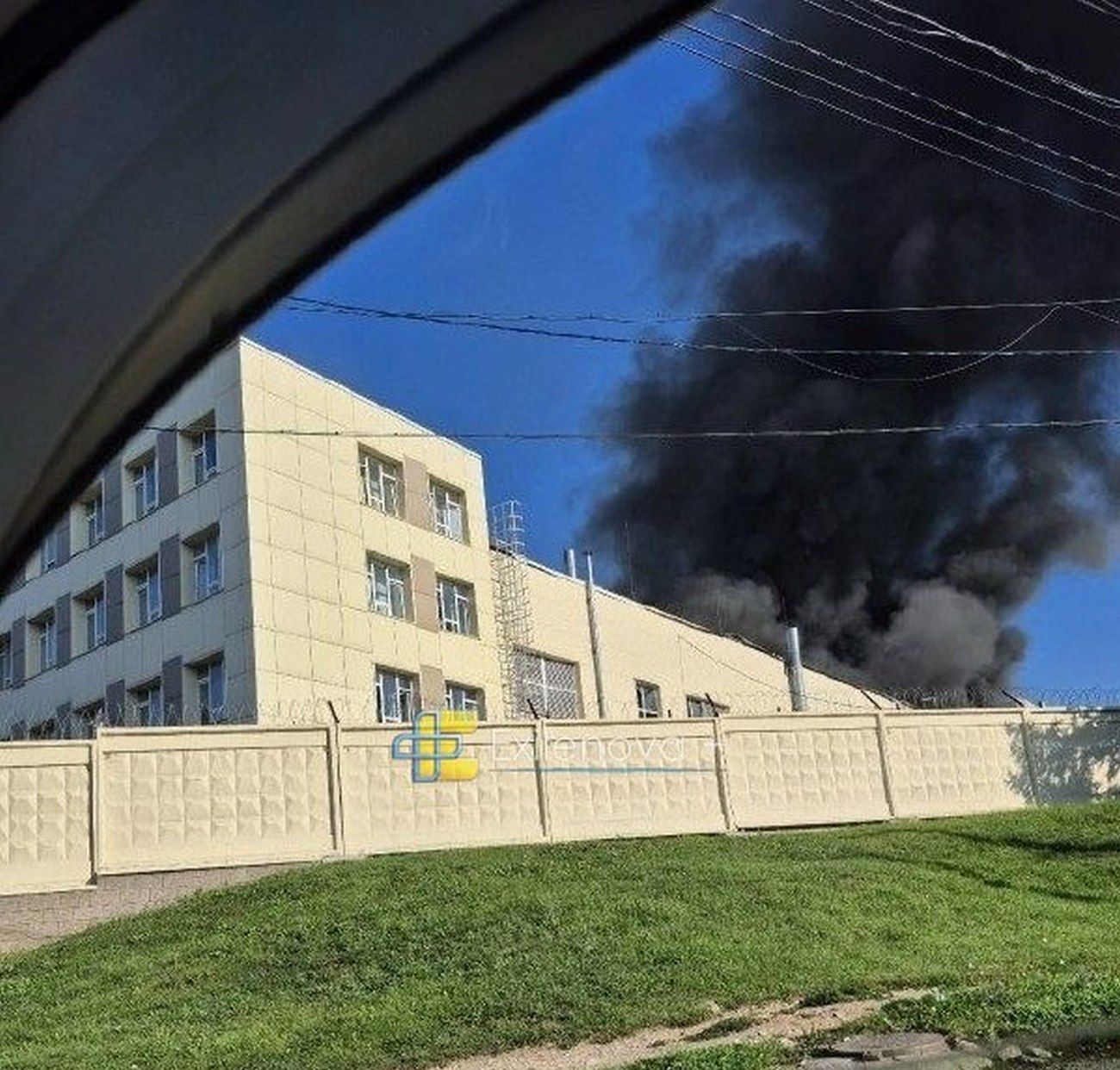
Several notable long-range strikes occurred in the days before the meeting. On 24 July, an FP-5 Flamingo cruise missile hit the Avitek military plant in Kirov, about 1,200 km from Ukraine. The next day, drones hit the Tyumen oil refinery some 2,000 km out and set fire to a Wildberries warehouse in Yekaterinburg roughly 1,800 km away.

 Connexion


 Exilenova+