The parts of Russia that once felt too far away to worry about are now on Ukraine's strike map, President Volodymyr Zelenskyy said after a meeting with his top military commanders on 26 July. Kyiv will press ahead with its long-range campaign and has updated which sites to hit first, he added. The commanders did not reveal the targets themselves.
Russia built its war economy behind a rear it assumed no one could touch, and Ukraine's deep-strike campaign has spent ye
The parts of Russia that once felt too far away to worry about are now on Ukraine's strike map, President Volodymyr Zelenskyy said after a meeting with his top military commanders on 26 July. Kyiv will press ahead with its long-range campaign and has updated which sites to hit first, he added. The commanders did not reveal the targets themselves.
Russia built its war economy behind a rear it assumed no one could touch, and Ukraine's deep-strike campaign has spent years taking that assumption apart, region by region. The further Kyiv's drones travel, the harder it becomes for Moscow to call any refinery or warehouse safe, no matter how remote it is.
Kyiv's commanders sign off on the next phase
Zelenskyy convened Ukraine's military leadership to review the long-range strikes. He left with two decisions—keep the operations going and refresh the priority list.
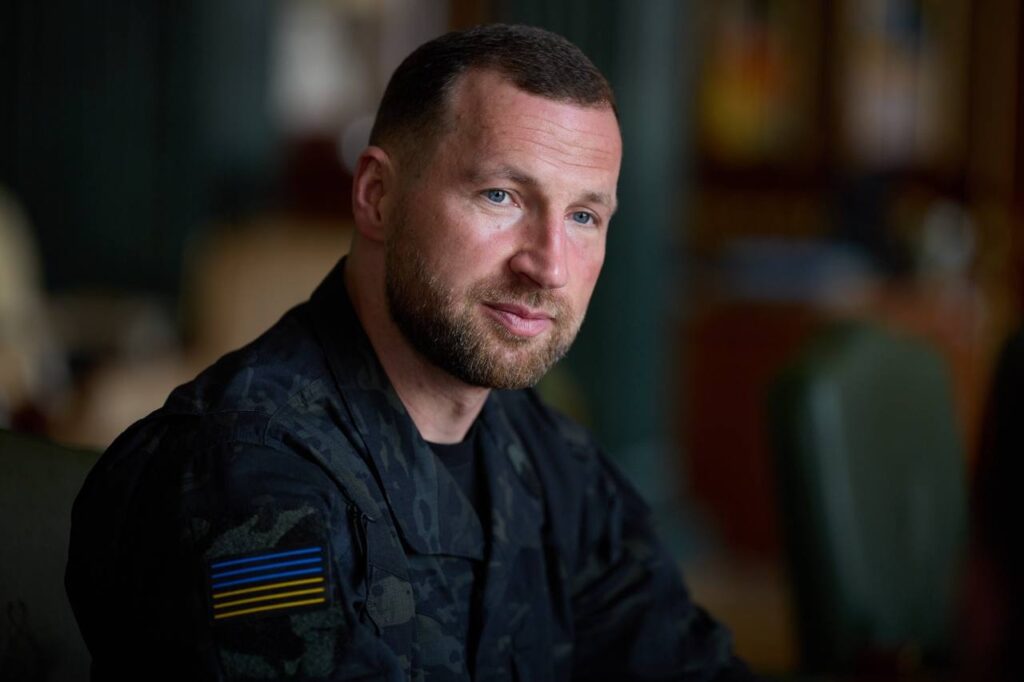
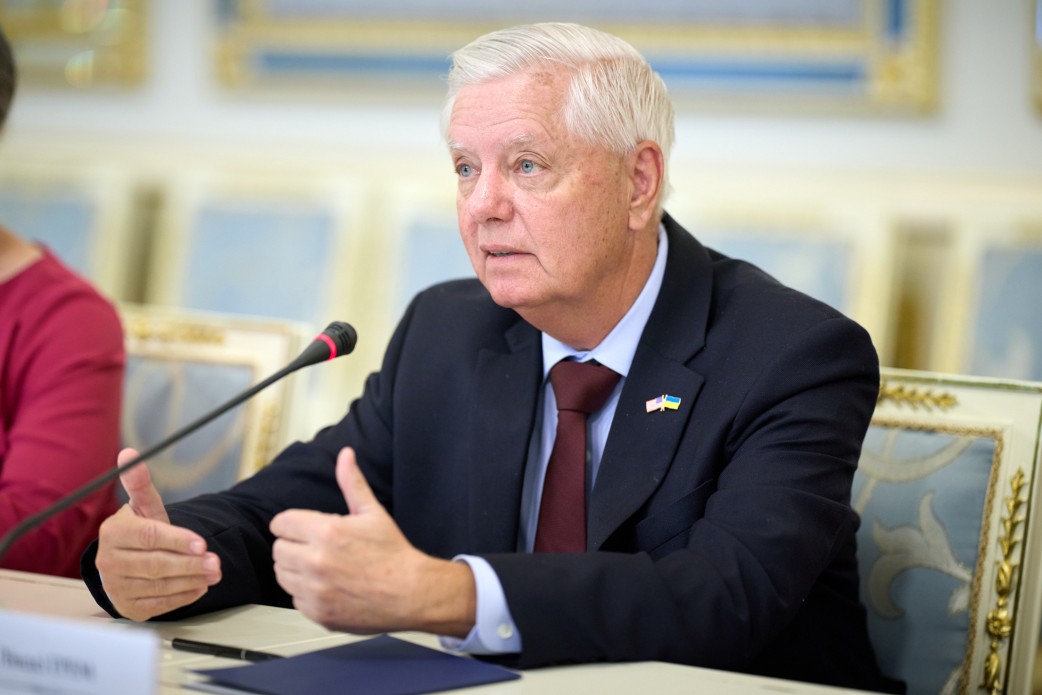
Photos the President posted showed new Commander-in-Chief of the Armed Forces Mykhailo Drapatyi, acting Defense Minister Yevhenii Khmara and Chief of the General Staff Ihor Skybiuk among those at the table. Kyiv chose the new priorities by one measure: how much each site damages Russia's ability to keep waging the war.
Commander-in-Chief of the Armed Forces Mykhailo Drapatyi (center) and Chief of the General Staff Ihor Skybiuk (right) at the meeting, 26 July 2026. Photo: Zelenskyy/Telegram
Zelenskyy once again called the effort Ukraine's plan of "long-range sanctions," carried out along set priorities.
Explore further
One plant makes the seats that save Russian pilots—Ukraine’s Flamingo missile torched it 1,200 km from home
Russia's depth stops being an advantage
Ukrainian strike distances now run past 3,000 km, Zelenskyy noted, saying Kyiv keeps building the range to reach further. For years, Russia's size kept its factories and fuel plants out of harm's way.
"The strategic depth of the rear, which for a long time was a Russian advantage, is now becoming a particular problem for Russia's political and military leadership," he said.
Most of Russia's air defense, he noted, sits bunched around Moscow, state residences, the Kerch Strait Bridge and St. Petersburg. Ukrainian drones, he added, have shown they can reach targets in the Urals, in Siberia and in other lands far from the capital.
Acting Defense Minister Yevhenii Khmara at a meeting on Ukraine's long-range strikes, 26 July 2026. Photo: Zelenskyy/Telegram
What Ukraine has hit—and what it still targets
Since the plan began this year, Ukraine has run more than a thousand fire missions, striking oil sites, critical military production and key nodes of Russian logistics, Zelenskyy said. Several parallel deep- and mid-range campaigns run at once. They target:
oil and fuel sites in Russia and occupied territories
The point of all this pressure, Zelenskyy said, is to force Russia toward negotiations. He wants the strikes to make weapons components harder to build, pile up oil and economic losses, and, in his words, bring the war back to its "home harbor." Ukraine has handed Russia's leadership everything it needs to end the war on decent terms, he said, and its partners know what that takes.
"Our precision is working effectively to create conditions for real diplomacy," Zelenskyy said.
Recent long-range hits
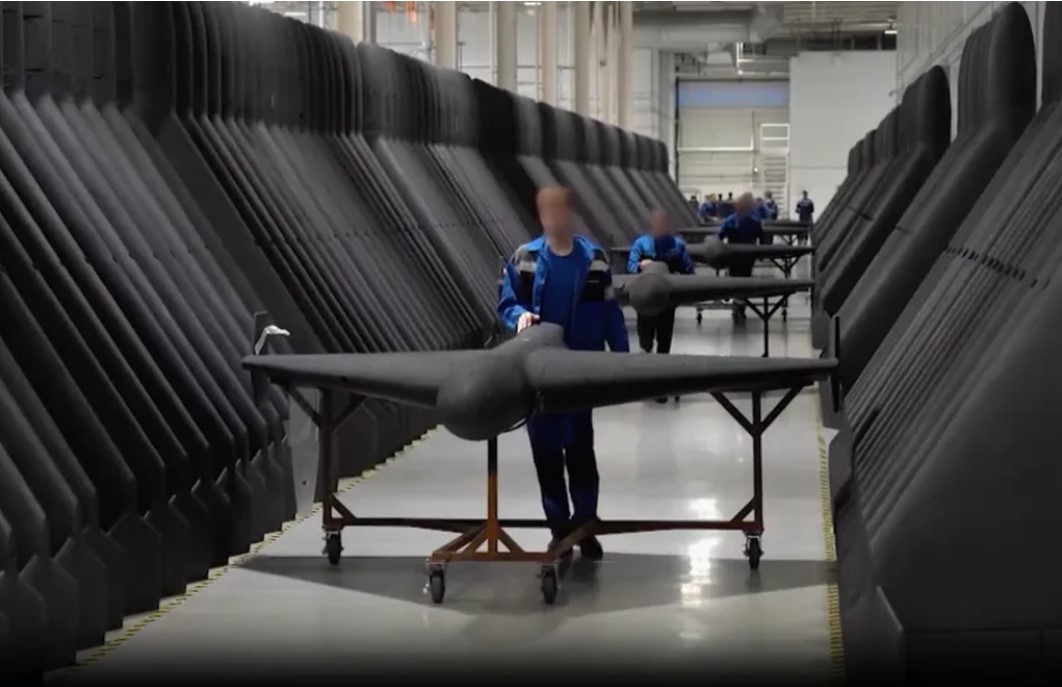
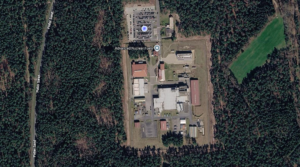
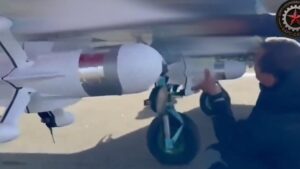
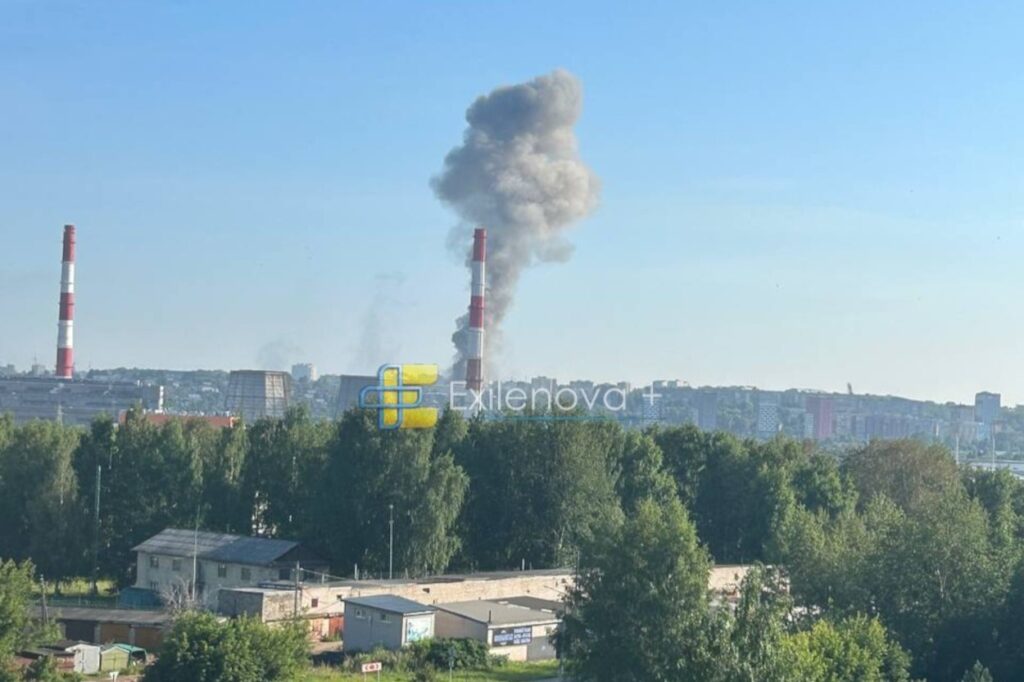
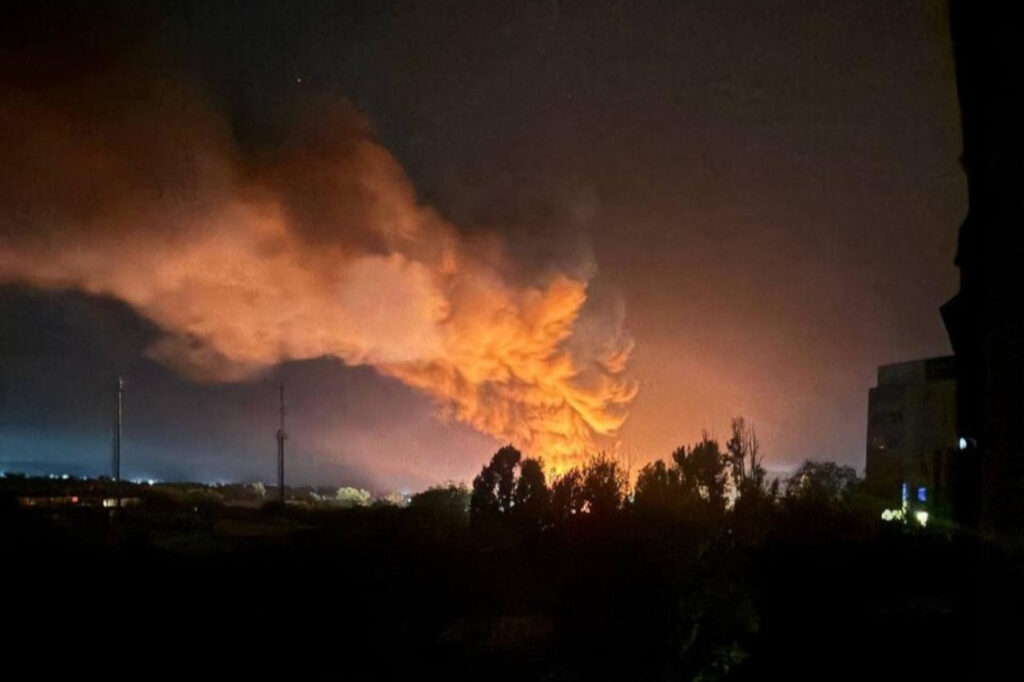
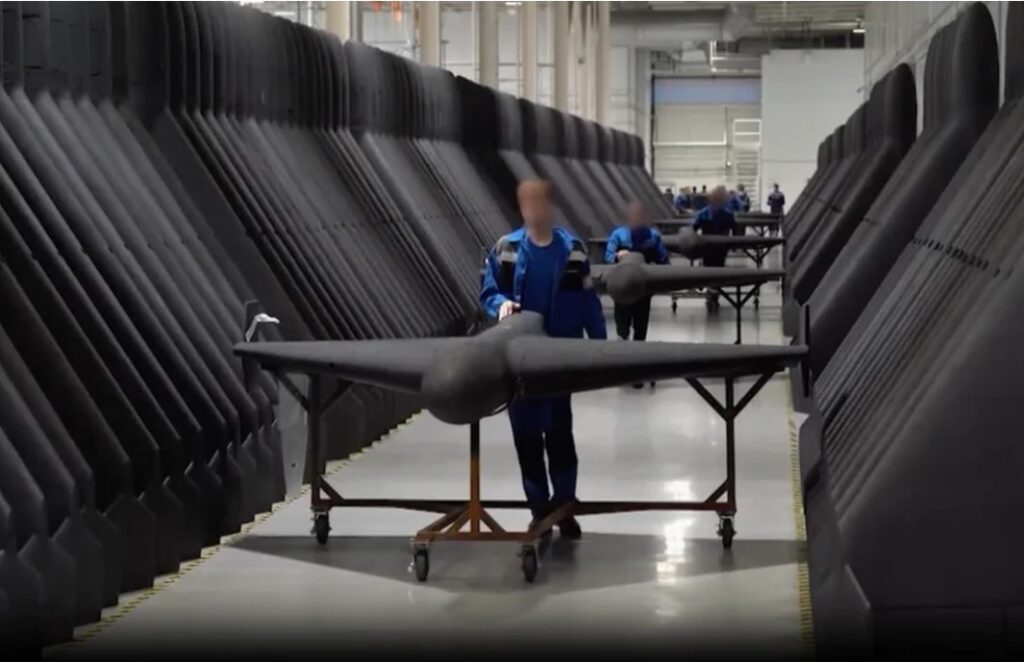
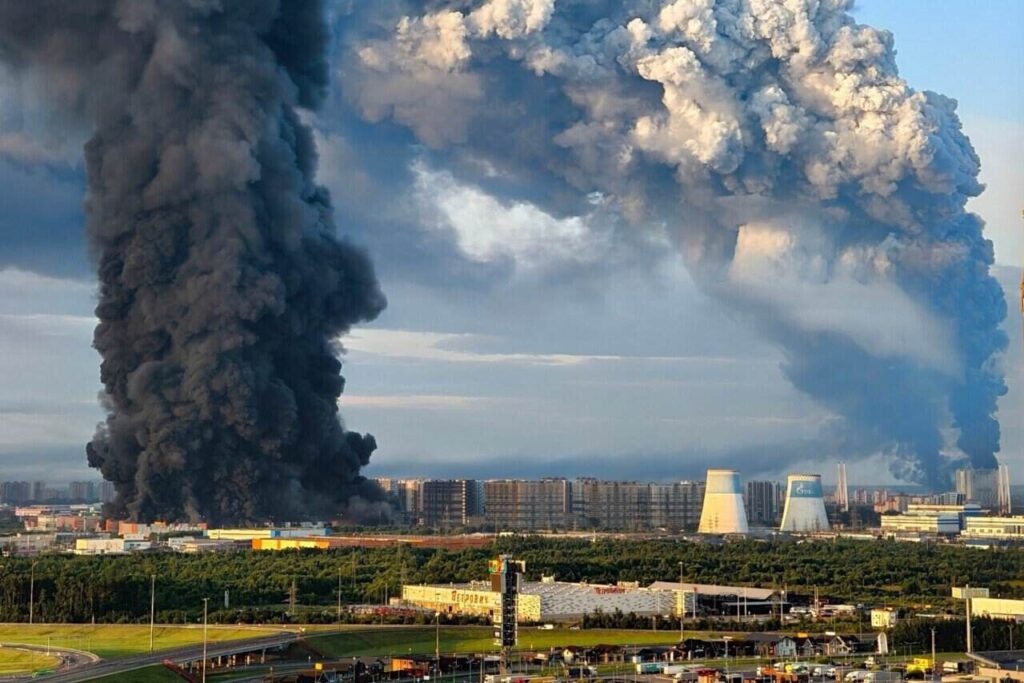
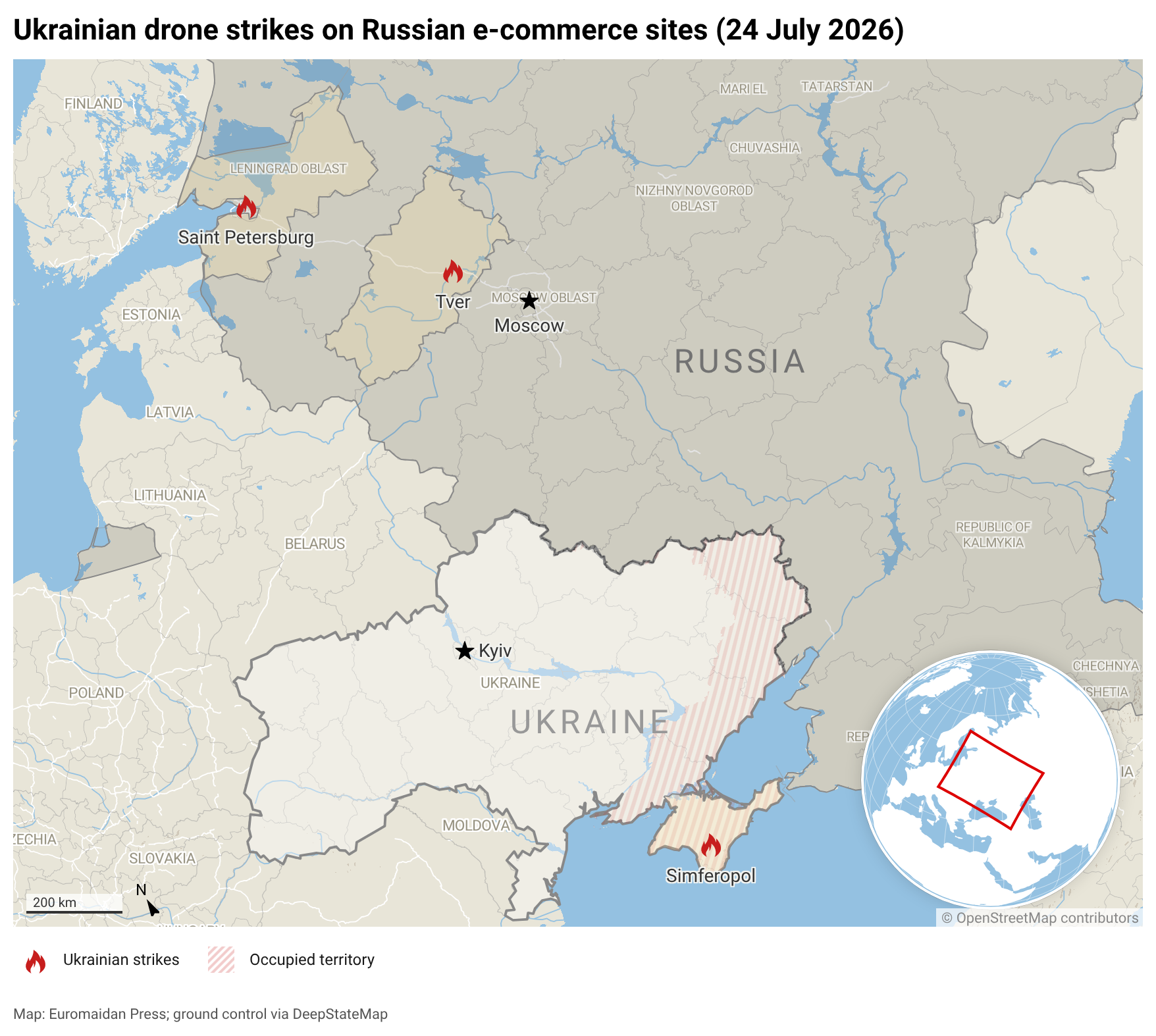
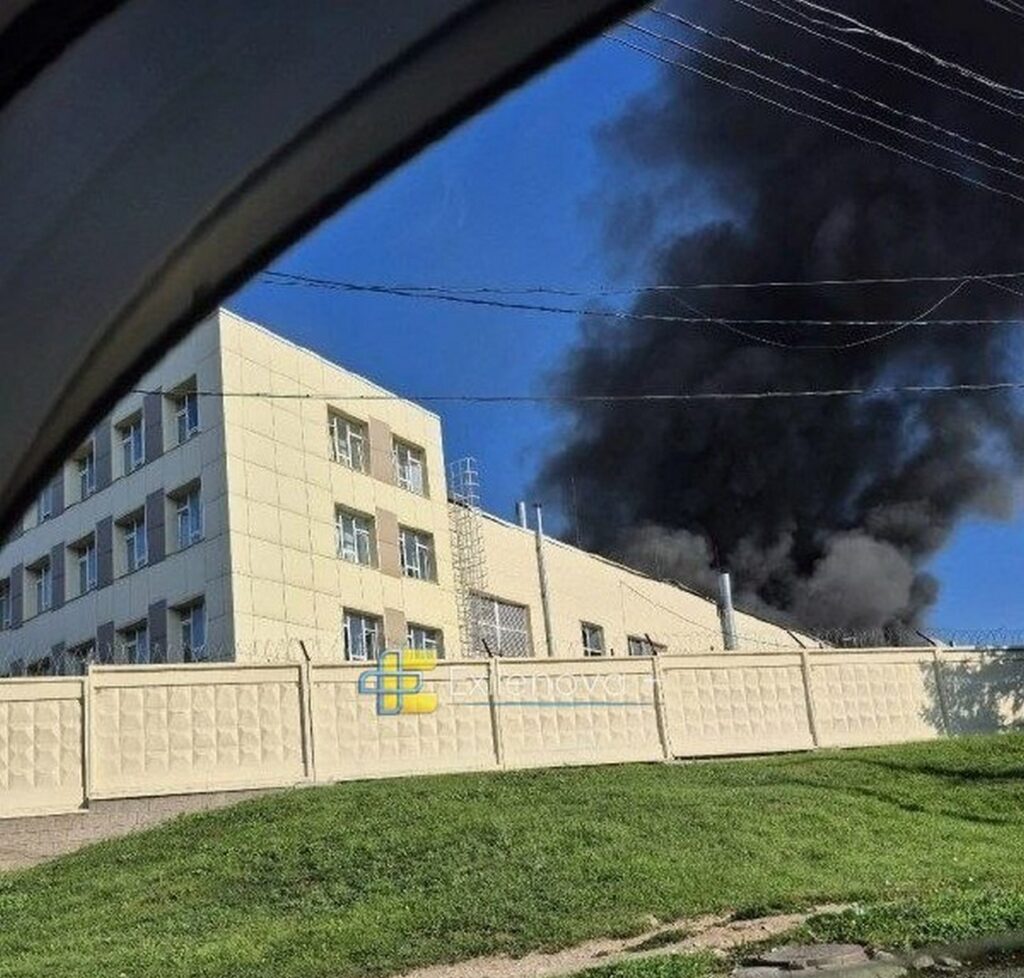
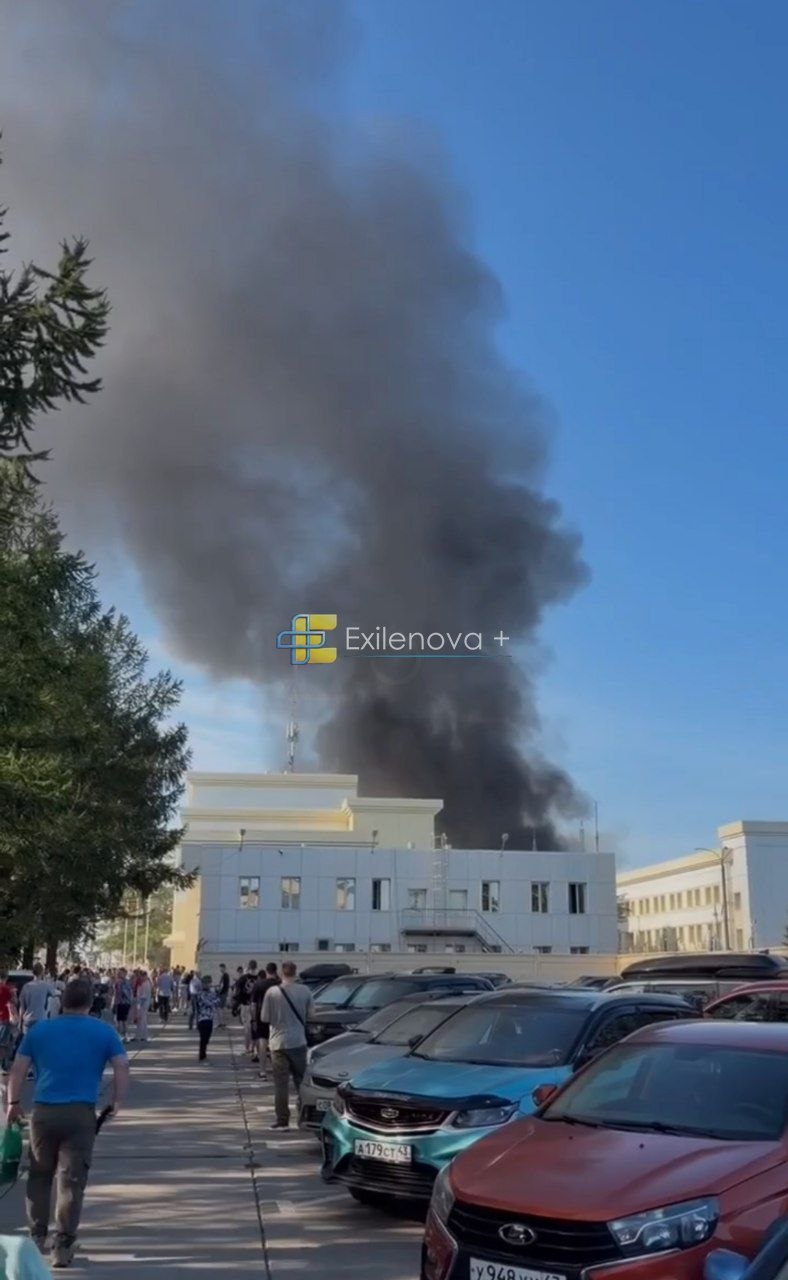
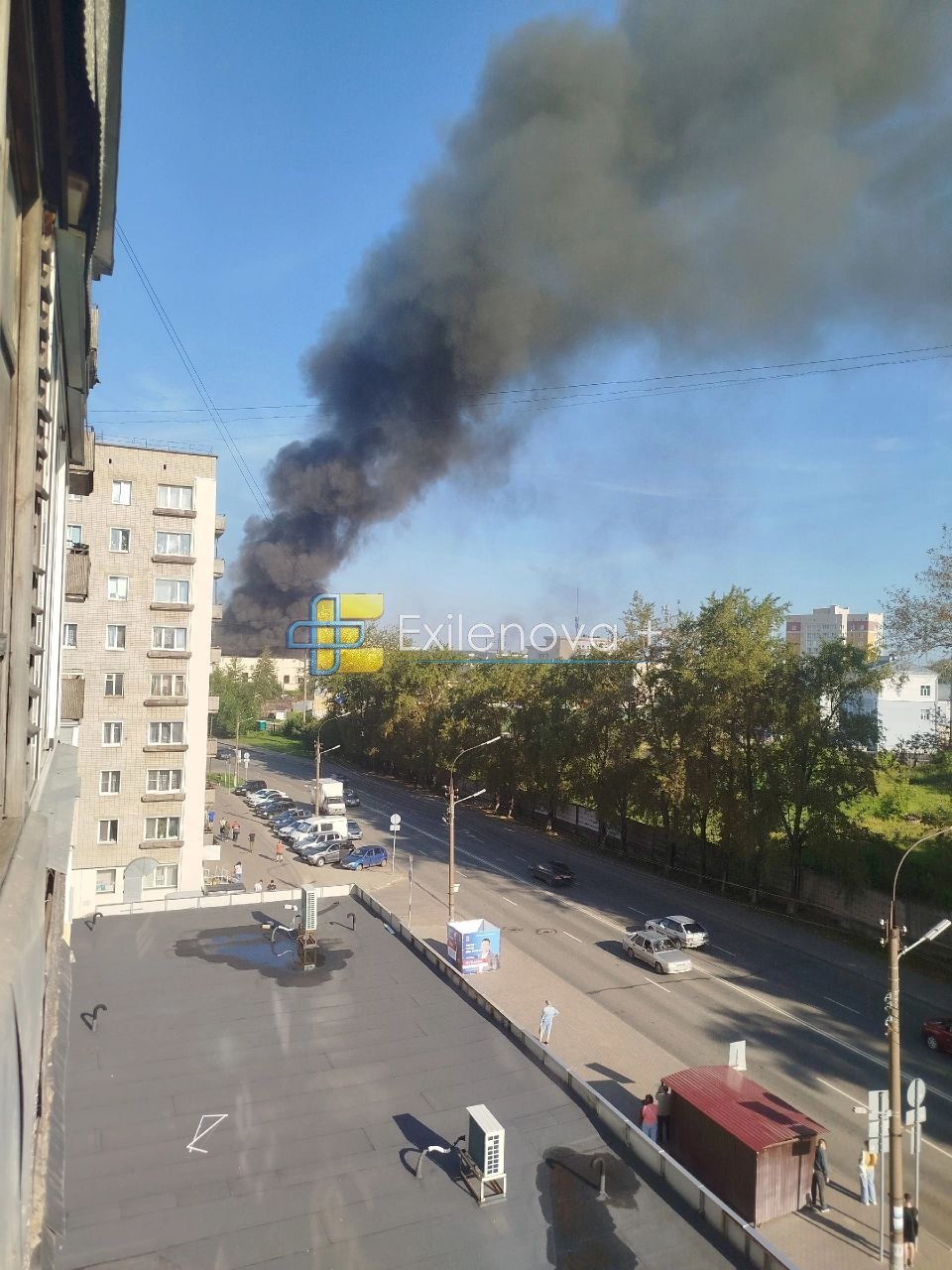
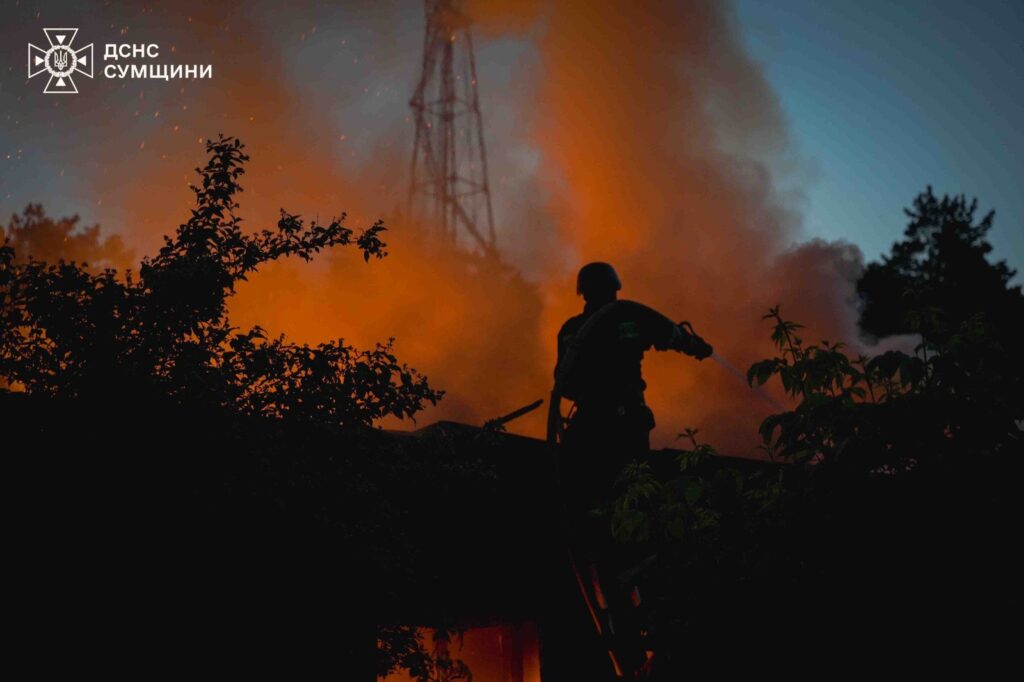
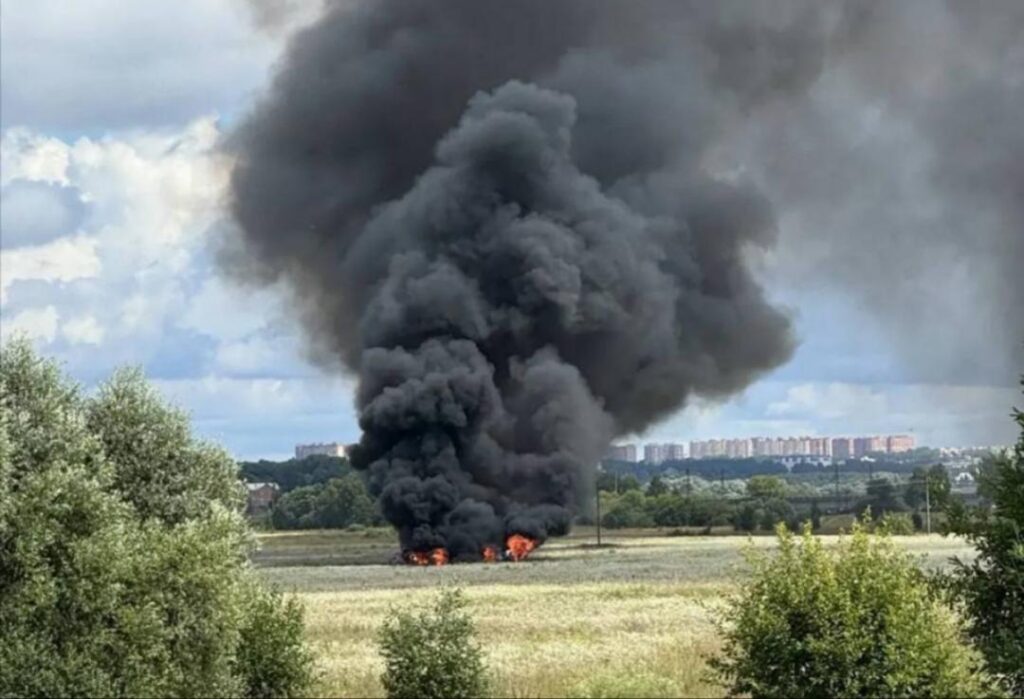
Several notable long-range strikes occurred in the days before the meeting. On 24 July, an FP-5 Flamingo cruise missile hit the Avitek military plant in Kirov, about 1,200 km from Ukraine. The next day, drones hit the Tyumen oil refinery some 2,000 km out and set fire to a Wildberries warehouse in Yekaterinburg roughly 1,800 km away.
Russia wants another 30,000 troops from North Korea and new ballistic-missile launchers as it prepares its options for the fall, Ukrainian President Volodymyr Zelenskyy said while discussing Ukrainian intelligence reports on Russia’s plans. The push lands as Russian casualties run ahead of new recruits, and as Kyiv sees preparations for a wider draft rather than any turn toward ending the war.
Moscow’s war economy is drawing on an increasingly scarce workforce: the army
Russia wants another 30,000 troops from North Korea and new ballistic-missile launchers as it prepares its options for the fall, Ukrainian President Volodymyr Zelenskyy said while discussing Ukrainian intelligence reports on Russia’s plans. The push lands as Russian casualties run ahead of new recruits, and as Kyiv sees preparations for a wider draft rather than any turn toward ending the war.
Moscow’s war economy is drawing on an increasingly scarce workforce: the army, defense production, emigration, and demographic decline have all reduced Russia’s available labor pool, while Russian personnel losses exceeded recruitment across the first half of 2026, according to the Ukrainian military.
More North Korean troops and ballistic-missile launchers
Russia wants another 30,000 troops from North Korea, and it has been readying Voronezh Oblast to receive them since June, Zelenskyy said in his evening address on 25 July. Pyongyang is also getting ready to transfer new launchers for ballistic missiles, he said. Militarnyi suggested that the launchers would probably come with ammunition.
Explore further
300 defense factories, 500,000 workers: North Korea’s arms industry reaches records amid Russia’s demand for shells in war
Kyiv has watched Moscow work to enlarge the Korean force since at least July 2025, when Ukrainian intelligence projected another 25,000–30,000 troops. That was a planned deployment, not a confirmed transfer, andN orth Korea actually sent about 14,000 troops to Russia by January 2026, with more than 6,000 killed, wounded, or missing.
"This is a threat not only to Ukraine. Russia is helping North Korea learn to wage war, improving their weapons — giving them experience of real weapons use," Zelenskyy said.
Those troops have been building that experience at the front for months. Anyone in Asia within reach of North Korean missiles faces this threat, he said, adding: "We will counter it."
Explore further
Russia launches record ballistic missile barrage on Kyiv, firing over 40 missiles in under an hour
Losses now outpace recruitment
Ukrainian intelligence has mapped out Russia's autumn plans, and peace is not in them, Zelenskyy said. Putin is laying the groundwork to widen mobilization, he said, citing the country's casualties. Over less than seven months this year, 221,000 people entered the Russian armed forces. Russian losses in that time came to nearly 225,500 — 131,000 killed and nearly 93,000 wounded, many of the wounds severe because Russian frontline medicine is extremely poor, he said.
Moscow's recruiting has fallen behind, and a broader call-up may arrive this autumn.
Explore further
Kim Jong Un urges North Korean youth aged 14 to 30 to fight for Russia after losing 6,000 troops in Kursk
Russia's July missile use exceeds some monthly production estimates
In July 2026 it fired 107 ballistic missiles and 20 Zircon missiles by 19 July. Militarnyi compared the ballistic-missile count with estimated combined monthly output of roughly 100 9M723 and RM-48U missiles, although those categories are not fully identical.
Ukraine's Defense Ministry's military intelligence agency (HUR) estimate monthly output at about 60 9M723 missiles for the Iskander-M system and 40 RM-48U missiles fired from S-400 launchers, roughly 100 together.
For all of 2026, though, Russia plans to produce only 30 Zircon missiles — and the 20 fired by 19 July equaled two-thirds of that planned annual output.
Russia struck two Ukrainian cities hundreds of kilometers apart in daytime attacks on 26 July, hitting a supermarket and residential areas and killing civilians including a child, according to President Volodymyr Zelenskyy and local officials in Chernihiv and Zaporizhzhia. The local authorities reported deaths and more than a dozen wounded. Zelenskyy called the strikes deliberate terror with no military purpose and renewed his push for tougher sanctions on Moscow.
Russi
Russia struck two Ukrainian cities hundreds of kilometers apart in daytime attacks on 26 July, hitting a supermarket and residential areas and killing civilians including a child, according to President Volodymyr Zelenskyy and local officials in Chernihiv and Zaporizhzhia. The local authorities reported deaths and more than a dozen wounded. Zelenskyy called the strikes deliberate terror with no military purpose and renewed his push for tougher sanctions on Moscow.
Russian missiles, attack drones, and glide bombs strike Ukrainian cities away from the front, while Russian attacks of several kinds continue every day. The small drones have become the weapons that kill the most Ukrainian civilians than any other weapon, according to UN monitors.
Zelenskyy wrote on Telegram that Russian forces keep "defeating" ordinary civilian objects, calling the Chernihiv strike an absolutely cynical drone attack on an ordinary supermarket. Meanwhile, Zaporizhzhia was struck by aerial bombs.
"They hit people directly, with no military sense at all," he said. "This is deliberate Russian terror that has no military justification whatsoever."
Russia struck a supermarket full of shoppers and killed a 9-year-old girl
A Russian drone tore into an ATB grocery store in Chernihiv on 26 July while people shopped inside, setting the building on fire. The strike killed two people, one of them the young girl, and wounded… pic.twitter.com/8AguDH4gP8
In the northern city of Chernihiv, a Russian drone struck an ATB supermarket, part of Ukraine’s largest no-frills grocery network, around the middle of the day. City military administration head Dmytro Bryzhynskyi first reported two people killed and three wounded. He later noted that a child was among the dead. As rescuers worked, he reported one victim in serious condition, then said the number of wounded had climbed to seven.
Later that afternoon, he updated the toll to 13 injured — four men and nine women — with three hospitalized in moderate condition. In a subsequent update, he said 20 people had sought medical care and three were hospitalized.
Russia struck a supermarket in Chernihiv, killing two people, including a 9-year-old girl
Thirteen others were wounded in the attack, including a 10-year-old boy. Officials continue clarifying the full extent of the damage State Emergency Service of Ukraine pic.twitter.com/l3mMxKmQKM
Chernihiv Oblast administration head Viacheslav Chaus identified the dead child as a 9-year-old girl. He said a 10-year-old boy was among the wounded and that three people were in intensive care. Other strikes in the city damaged cars and vehicle service stations, Chaus added.
Guided bombs killed a man in Zaporizhzhia
Far to the south, Russian guided aerial bombs hit the city of Zaporizhzhia. Regional administration head Ivan Fedorov reported that the bombs damaged residential and non-residential buildings and an educational institution. One person was killed and six were wounded, according to Fedorov and the regional prosecutor’s office. The man who died was 46. The regional prosecutor's office said a gas station was also damaged.
Explore further
Russia destroys a Home Depot-style megastore in Kryvyi Rih—the third one it has erased in the same region since 2024
Hours earlier, Russian drones burned down a home-improvement megastore in Kryvyi Rih, the third such store wrecked in that southern region since 2024.
Paintings that Ukraine sent to Poland to save from Russian bombs may not come home. The heirs of Polish prince Andrzej Lubomirski are going to court to prevent the return of two paintings from the Lviv Historical Museum's collection to Ukraine, which were taken to Poland at the start of the full-scale invasion, Polish outlet Rzeczpospolita reported.
The dispute turns a wartime rescue into a legal trap. The two works are a 16th-century "Portrait of Roksolana" and "Portra
Paintings that Ukraine sent to Poland to save from Russian bombs may not come home. The heirs of Polish prince Andrzej Lubomirski are going to court to prevent the return of two paintings from the Lviv Historical Museum's collection to Ukraine, which were taken to Poland at the start of the full-scale invasion, Polish outlet Rzeczpospolita reported.
The dispute turns a wartime rescue into a legal trap. The two works are a 16th-century "Portrait of Roksolana" and "Portrait of a Young Man" by the artist Aloys Reichan, now held at the Museum of Central Pomerania in Słupsk. They were brought to Poland as part of efforts to safeguard Ukrainian museum collections threatened by the war, and were shown in an exhibition of treasures from the Lviv Historical Museum.
A lawyer for the Lubomirski heirs, Maciej Obrębski, has asked the Słupsk district court to bar the paintings' transfer until a court case concludes, arguing the heirs believe the works belonged to the Lubomirski collection and must stay in Poland. The Lviv Historical Museum holds the opposite position: the paintings are part of Ukraine's state museum fund and were removed to Poland only temporarily, for safekeeping during the war.
The rescue is the reason the paintings are at risk
The paintings are in Poland for the same reason Ukraine has been moving its cultural heritage across the country and abroad throughout the war: to keep it from Russian destruction. Ukraine has evacuated collections, dismantled monuments, and shipped artworks out of harm's way from Kramatorsk to Kherson, and sent works abroad for exhibition and protection.
The exhibition organizers framed the loan in exactly those terms.
"The exhibits were brought to Poland as part of efforts to ensure the preservation of Ukrainian museum collections threatened by the ongoing war. The presence of the collection in Poland guarantees its safety," they wrote of the show, "The Borderlands of Europe — from the Treasury of the Lviv Historical Museum".
The irony is sharp. Works sent to Poland precisely because Poland was safe are now the ones Ukraine may struggle to bring back, caught not by Russian shelling but by a Polish ownership claim in a Polish court.
Ukraine has been here before, in 2024
This is not the first time a wartime loan to Poland has drawn an ownership claim, and the earlier case shows how Ukraine responded. A similar situation arose in 2024 during an exhibition at the Royal Castle in Warsaw.
Then, after an analogous motion was filed, Ukraine removed the disputed exhibits back to Lviv ahead of schedule, and the court later refused to apply the requested protective measures.
The Lubomirskis are an old aristocratic house with claims across the border
The claim reaches back into the shared history that makes Polish-Ukrainian heritage disputes so tangled. The Lubomirskis were an influential princely family of the Polish-Lithuanian Commonwealth, holding large estates across what is now both Poland and Ukraine, and their members were patrons, politicians, soldiers, and collectors, according to Zahid.NET.
In 1823, Henryk Lubomirski transferred his vast art collection to the Ossolineum institution in Lviv, and the Museum of the Lubomirski Princes was created on its basis as a separate part of the Ossolineum. That entangled history is the root of the present claim: collections assembled by Polish aristocrats in a city that was then part of Poland and is now part of Ukraine, whose ownership the two countries' institutions and heirs can read in very different ways.
The case sits against the backdrop of a fraught moment in Polish-Ukrainian relations, strained this year by disputes over historical memory.
Poland and the three Baltic states have not built a continuous, defense-in-depth line of fortifications along their borders with Russia and Belarus, according to open-source intelligence (OSINT) analyst Clément Molin. He assessed Poland and the three Baltic states, while the Polish account Służby i Obywatel separately examined one fortification section near Poland’s border with Russia. The works mentioned in Molin’s review remain patchy and shallow, and he called Lithua
Poland and the three Baltic states have not built a continuous, defense-in-depth line of fortifications along their borders with Russia and Belarus, according to open-source intelligence (OSINT) analyst Clément Molin. He assessed Poland and the three Baltic states, while the Polish account Służby i Obywatel separately examined one fortification section near Poland’s border with Russia. The works mentioned in Molin’s review remain patchy and shallow, and he called Lithuania both the country most at risk and the least fortified.
Since the beginning of Russia's ongoing full-scale invasion of Ukraine in 2022, European capitals have raced to announce bigger defense budgets and hardened frontiers, but Molin’s imagery review found that visible fortification work in Poland and the Baltic states remains fragmented and lacks depth.
What the satellites actually show
Molin wrote on X about Poland and the Baltic states, while the Polish account Służby i Obywatel argued separately about the placement of one Polish fortification section visible on Google Maps.
On Poland's 210-kilometer border with Kaliningrad, Russia'sheavily militarized exclave, defenses appear in only four zones, according to Molin. The longest runs about two kilometers. The visible fortifications include a discontinuous anti-tank ditch and one or two rows of dragon's teeth — concrete anti-tank blocks. Neither forms a continuous line.
The ditches break off wherever they reach a forest line. Molin wrote that bunkers and trenches sit in open fields, most key roads stay unprepared, and little barbed wire is visible. The researcher said he could see only anti-migrant barriers in open areas along the Belarusian border, with little additional reinforcement underway.
Molin's sweep also rated Finland's groundwork as strong despite its recent entry into NATO, while Norway, he wrote, offered "nothing particular to see."
The Baltic region. Map: Euromaidan Press
Trenches at the fence line
Near the Polish village of Rutka, trenches were dug just 300 meters from the border fence. Militarnyi wrote that positions this close would remain under observation and drone control, while Służby i Obywatel said a defending unit would face concentrated fire at the outset of fighting.
Google Maps satellite view of Poland's border fortifications near the village of Rutka, on the frontier with Russia's Kaliningrad Oblast. Photo: Służby i Obywatel
Służby i Obywatel compared the works to the historical Mława Position, built five to 15 kilometers back from the frontier, which gave troops time to occupy defenses once an invasion started. They also noted that such border barriers can be bypassed or flanked, while Militarnyi wrote that their placement does not always channel enemy movement. Służby i Obywatel questioned whether building so tight to the fence makes sense, arguing that positions a few kilometers back on better terrain would make Russia deploy its forces and reveal its intent before attacking.
The Baltic states
The Suwałki Gap is a 65-km strip along the Poland–Lithuania border between Kaliningrad and Belarus—NATO's only land link to the Baltic states, whose loss would cut them off by land, leaving only sea and air routes exposed to Russian missiles.
Molin called Lithuania the country most at risk because it borders Kaliningrad and Belarus and sits beside the Suwałki Gap. It has fortified the least. Despite an official roadmap, Molin said he found no prepared defenses and no coverage of key roads on the imagery. The country is, however, building road infrastructure to reach remote areas along its eastern border.
Explore further
Lithuania and Finland to start domestic landmine production for themselves and Ukraine amid Russian threat
Estonia’s current fortification level as very low and pointed to the persistent threat around Narva, according to Molin. Direct construction work has not begun.
Latvia is further along than either neighbor. Crews have started installing dragon's teeth and clearing a strip to create a defensive line, helped by extensive border forests and greater strategic depth, though the works there remain fragmentary too.
Explore further
Estonia switches on first border sensors to detect drones as Baltic incursions mount
The "Eastern Shield"
Poland began building its Eastern Shield fortification system on the borders with Russia and Belarus in October 2024. The system is meant to cover nearly 700 kilometers, with 400 to 500 kilometers protected by various fortification types and the rest by natural barriers. The plan calls for a coherent network of engineering obstacles and storage sites on designated land. The government intends to invest about €2.3 billion, with completion set for 2028.
From October 2024 to mid-July 2026, Poland reportedly built 61 kilometers of defensive lines under the program. Of that, linear fortifications account for only about 10 kilometers.
Russian drones struck and burned down the Epicenter, a major home-improvement hypermarket, in the central city of Kryvyi Rih on the morning of 26 July, the head of the Dnipropetrovsk Oblast Council and the local Telegram channels said. No one was hurt, but the strike destroyed a store that employed around 400 people. It was the third store of the same chain that Russia has destroyed in this one region since the full-scale invasion began.
Russian missiles and drones cont
Russian drones struck and burned down the Epicenter, a major home-improvement hypermarket, in the central city of Kryvyi Rih on the morning of 26 July, the head of the Dnipropetrovsk Oblast Council and the local Telegram channels said. No one was hurt, but the strike destroyed a store that employed around 400 people. It was the third store of the same chain that Russia has destroyed in this one region since the full-scale invasion began.
Russian missiles and drones continue hitting residential areas and civilian infrastructure across Ukraine on a daily basis. Russia and pro-Russian commentators may present the Kryvyi Rih strike as payback for Ukraine's ongoing drone raids on Wildberries, Russia's Amazon-style company — but Russia has been burning down Ukrainian shopping centers since June 2022, from the Amstor mall in Kremenchuk to the Epicenter store where glide bombs killed 19 people in Kharkiv in 2024, years before Ukraine ever hit a Wildberries warehouse.
Russian attack sets a Kryvyi Rih superstore ablaze
Russian forces launched several strikes on the Epicenter hypermarket in Kryvyi Rih, regional council head Mykola Lukashuk wrote on Telegram. Telegram channels posted video of the impact and reported that Russia used Shahed drones, the Iranian-designed attack drones Moscow launches at Ukrainian cities in swarms.
Epicenter is Ukraine's largest home-improvement chain, a rough local equivalent of Home Depot.
Fire spread across more than 16,000 m² of the building, the State Emergency Service reported. Crews contained the blaze, but firefighting remained difficult. Repeated air-raid alerts and the threat of fresh strikes kept forcing them back. No one was injured. The store was completely destroyed, Epicenter's head of public relations, Yulia Chudnovets, told Liga.
"The assessment of the destroyed property will be carried out after the inspection is completed and the scale of the losses is determined," she said.
Russia injures three people in attack on Kyiv
One person was hospitalized after the Russian attack, Kyiv Mayor Vitali Klitschko reported. Two others received outpatient treatment.
Third store the chain has lost in Dnipropetrovsk Oblast
The Kryvyi Rih hypermarket is the third Epicenter that Russia has destroyed in Dnipropetrovsk Oblast since the full-scale invasion, Lukashuk said. Earlier strikes burned down the chain’s store in Nikopol and destroyed its store in Kamianske. The Kryvyi Rih strike landed exactly one year, to the day, after that attack on Kamianske.
The Kryvyi Rih store had traded for nearly 19 years, employing around 400 people and paying taxes into the local budget.
Russia strikes Kharkiv homes, injuring two children
Seven people were injured in the city’s Slobidskyi district, including two children. The attack damaged more than 10 private houses, Mayor Ihor Terekhov said. The full extent of the destruction is still being assessed.
Across Ukraine, Russia has now completely destroyed 11 Epicenter shopping centers and damaged 14 more since the start of the full-scale invasion, the company reported. One of its logistics complexes has been wrecked as well.
The chain has been a repeated target.
Overnight on 21 July, Russian drones destroyed an Epicenter in Sumy, where repeated strikes stopped rescuers from starting to put out the fire at once and one State Emergency Service vehicle was destroyed.
In February 2026, a Russian strike damaged an Epicenter in Zaporizhzhia, though crews saved most of the building and the company said it would rebuild.
The deadliest attack on the chain came in Kharkiv, where Russian glide bombs tore through an Epicenter store and killed 19 people in 2024.
Russian forces struck a Nova Poshta sorting terminal in Zaporizhzhia
Attacking a parcel delivery network makes no military sense, but it fits Russia's broader strategy of wearing down Ukraine's civilian economy Ochi Vsiudy pic.twitter.com/hBe14UFBHD
Russian drones and missiles regularly hit Ukrainian cities, while Russian attacks of all types killed at least seven civilians and injured 58 across the country over the past day, regional authorities reported on 26 July.
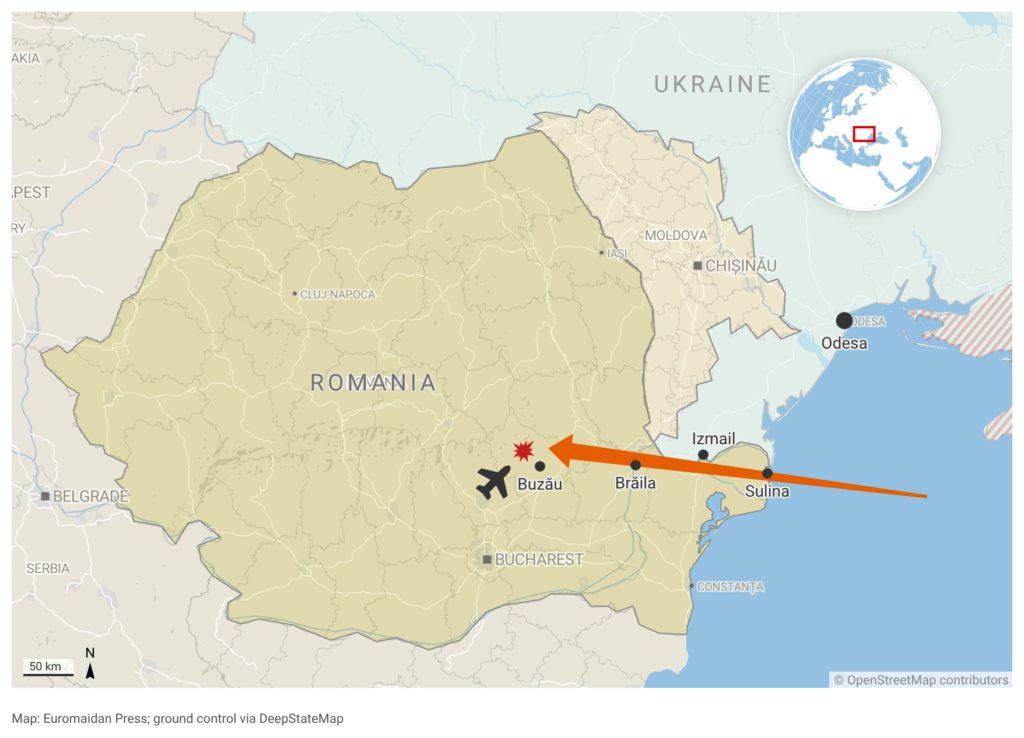
A Romanian Air Force fighter jet shot down a drone over the country's Black Sea waters for the third time in three days, President Nicușor Dan announced. The repeated interceptions mark a shift for Romania, which for years only tracked or escorted uncrewed aircraft that drifted across its border during Russia's attacks on Ukraine. Bucharest is now preparing a diplomatic protest to Moscow, after prosecutors identified one of the downed drones as a Russian attack drone.
R
A Romanian Air Force fighter jet shot down a drone over the country's Black Sea waters for the third time in three days, President Nicușor Dan announced. The repeated interceptions mark a shift for Romania, which for years only tracked or escorted uncrewed aircraft that drifted across its border during Russia's attacks on Ukraine. Bucharest is now preparing a diplomatic protest to Moscow, after prosecutors identified one of the downed drones as a Russian attack drone.
Russia's nightly missile and drone barrages on Ukraine increasingly spill past the border, pushing uncrewed aircraft into the skies of neighboring NATO members, where allied pilots have only lately won the authority and the will to fire rather than watch them pass.
Third shootdown in three days
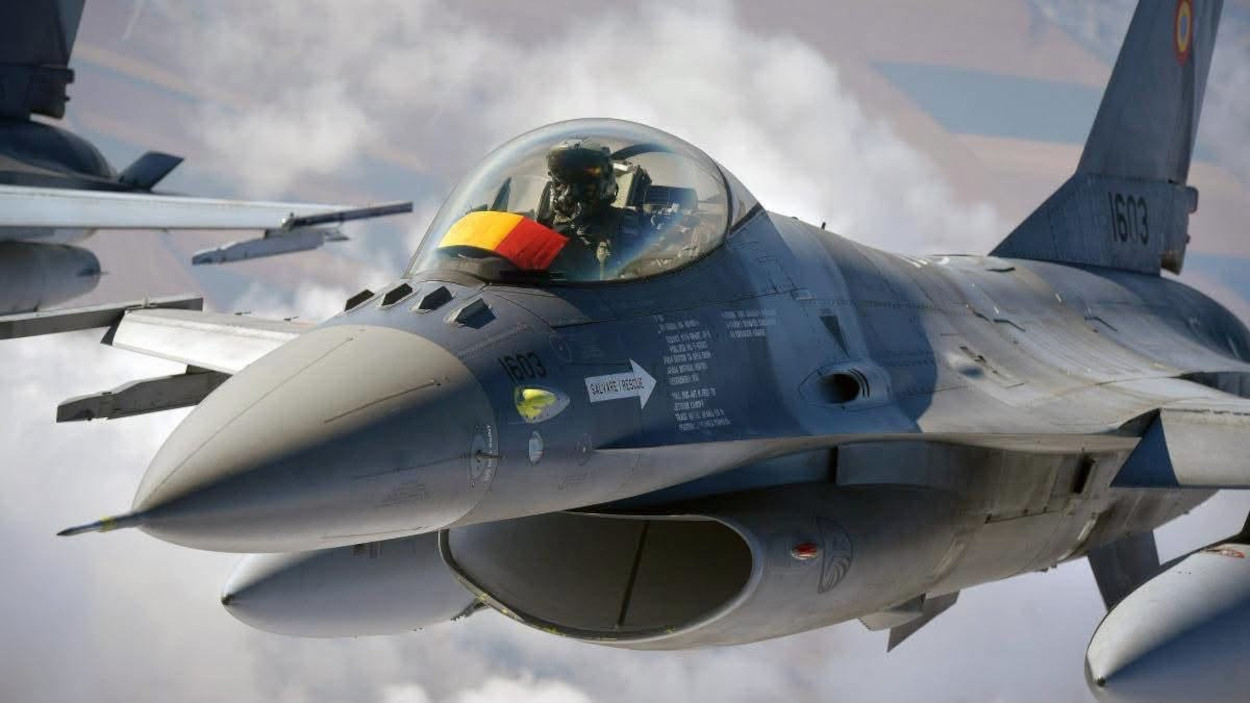
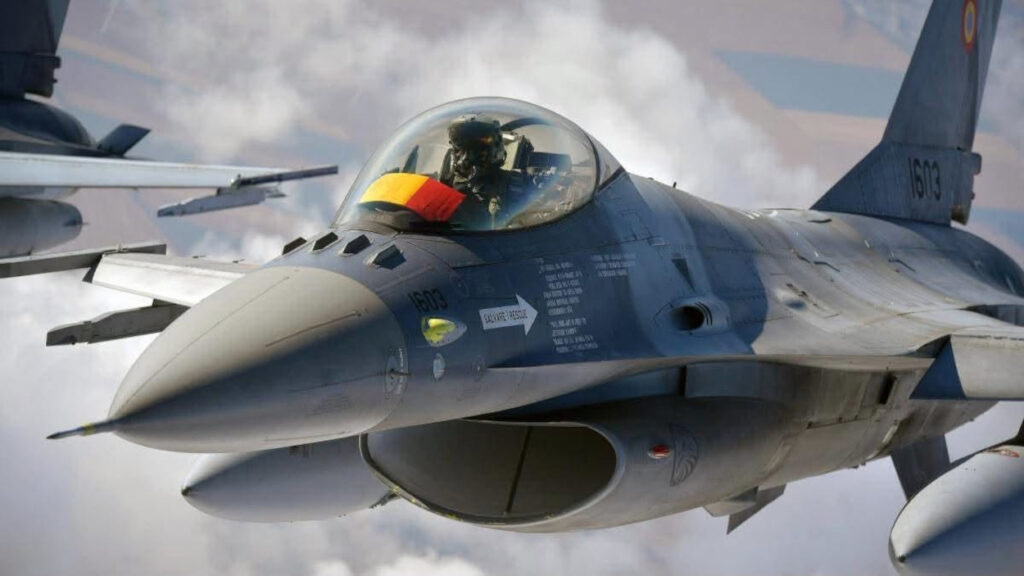
A Romanian F-16 shot down the drone at 10:13 on 26 July over territorial waters near the Sulina–Chilia area in the Danube delta, Dan wrote on X. It came down over the sea, off Romania's coast.
A Russian Shahed and a protest to Moscow
Romania's General Prosecutor's Office identified the drone downed on 24 July as a Shahed, the type Russia launches at Ukraine, Dan said. Investigations into the drones shot down on 25 and 26 July are still underway, and Romania's diplomatic protest to Russia will rest on those findings.
"It is inadmissible and intolerable for the Russian Federation to keep violating Romania's airspace, which is at the same time the airspace of NATO and the European Union," Dan said. "Such actions are unacceptable, and we treat them with the utmost seriousness, together with our allies."
Explore further
From escorting to firing: Romania changes how it meets Russia’s wandering drones
From escorting to firing
Romania downed its first drone on 24 July, when an F-16 fired on an intruder over uninhabited land northeast of Bucharest. It was the first known time a Romanian jet had destroyed a drone in the country's airspace, ending years of only escorting strays. A second drone came the next day, again shot down away from homes near the Ukrainian border.
Explore further
Romanian F-16 shoots down second drone in 2 days after another incursion over airspace near Ukraine
The country's pilots had already fired beyond their own skies, too. In May 2026, a Romanian F-16 on NATO's Baltic patrol carried out the first such shootdown over Estonia. Russian drones have repeatedly crossed into Romanian airspace during attacks on Ukraine, and the country has also faced naval drones in its territorial waters.
Russian forces on the Pokrovsk axis in eastern Ukraine are preparing to intensify their assaults toward the town of Dobropillia, Ukraine's National Guard 4th Rubizh Brigade reported. The brigade says the enemy keeps trying to break through the defense but fails to reach its goals, with Russian troops destroyed on the approaches and armored equipment lost during this week’s mechanized assault. This week Ukrainian forces broke up a large mechanized attack in the sector.
F
Russian forces on the Pokrovsk axis in eastern Ukraine are preparing to intensify their assaults toward the town of Dobropillia, Ukraine's National Guard 4th Rubizh Brigade reported. The brigade says the enemy keeps trying to break through the defense but fails to reach its goals, with Russian troops destroyed on the approaches and armored equipment lost during this week’s mechanized assault. This week Ukrainian forces broke up a large mechanized attack in the sector.
For years, Russia has continued feeding assault groups into Ukrainian fire despite marginal gains, and Ukraine's drones and defenses keep converting those attacks into losses rather than ground.
Russia readies its next push toward Dobropillia
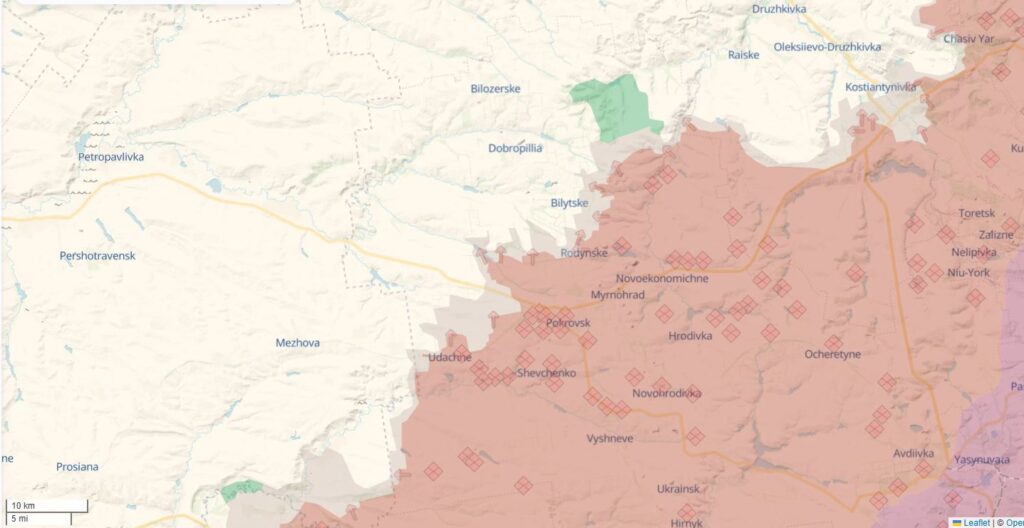
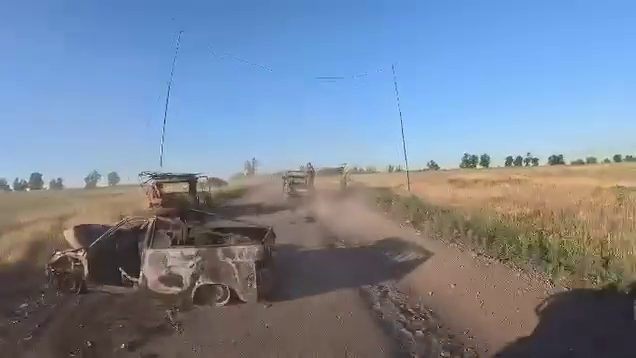
In the brigade's area of responsibility, Russian troops are getting ready to intensify offensive operations, the report says. They are running aerial reconnaissance and trying to clear mines from routes to move assault groups forward. Those groups lean on quad bikes—four-wheeled all-terrain vehicles—and motorcycles. This kind of transport will likely become one of the main ways the enemy tries to break the defense, the brigade said.
Russia has spent this stretch of the war trying to break out toward Dobropillia, a gateway to Kramatorsk and Sloviansk in the free northern Donbas. Its main aim on this axis remains reaching the town, which sits north of the ruins of Pokrovsk.
Explore further
Russia bet 50 vehicles that the drones would miss. The drones did not miss.
Assault groups keep dying at the approaches
Despite constant assault actions, the enemy cannot achieve its goals, the brigade said. Rubizh forces detect Russian troops and destroy them on the approaches to Ukrainian positions. Russia concentrates its effort here but cannot realize its intentions.
To slip past Ukrainian drones, Russia has largely traded massed armored assaults for small groups on bikes and on foot, though most are killed before reaching Ukrainian lines. Ukrainian drones have also hit a Russian vehicle column elsewhere in Donetsk Oblast, striking more than 50 vehicles near Malynivka.
A mechanized assault broken up this week
This week, the brigade's soldiers joined a fight against a large mechanized Russian attack. The 1st Azov Corps of the National Guard and adjacent units broke it up, the brigade said on Facebook. In the fighting, Rubizh troops destroyed one armored combat vehicle and an MTU-72 bridge-layer—a tank chassis built to drop bridges across obstacles for advancing forces. They also helped strike other Russian equipment.
Ukraine's military logged 258 combat clashes along the front over the past day, with the largest number of engagements on the Pokrovsk axis.
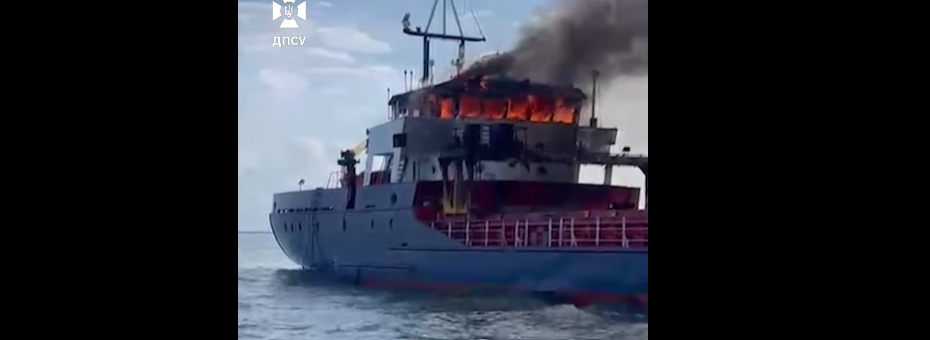
Russia hit a civilian grain ship, waited, and hit it again. A Russian Shahed drone struck a Palau-flagged vessel carrying corn twice as it left a port in Odesa Oblast, setting it on fire, Ukraine's Minister for Restoration, Infrastructure and Transport Mykola Kalashnyk said. Two sailors are missing, and seven crew members and a Ukrainian pilot were rescued.
The double strike on a grain carrier is the maritime edge of Russia's campaign against Ukraine's food exports. The
Russia hit a civilian grain ship, waited, and hit it again. A Russian Shahed drone struck a Palau-flagged vessel carrying corn twice as it left a port in Odesa Oblast, setting it on fire, Ukraine's Minister for Restoration, Infrastructure and Transport Mykola Kalashnyk said. Two sailors are missing, and seven crew members and a Ukrainian pilot were rescued.
The double strike on a grain carrier is the maritime edge of Russia's campaign against Ukraine's food exports. The ship was carrying almost 2,800 tons of corn when it was hit as it left the port, and after the strikes, a fire broke out on board.
The State Border Guard Service, which carried out the rescue, reported that the vessel was leaving the mouth of the Danube bound from a Ukrainian port to Greece with nine crew and a pilot aboard when the Shahed hit it, then struck again, the second blast causing a large fire.
This is a deliberate attack on the civilian shipping that carries Ukrainian grain to world markets, and it fits a Russian campaign that has made ports and merchant ships a target through July.
"Russia continues deliberate attacks on civilian shipping and Ukraine's port infrastructure," Kalashnyk said.
The rescue pulled eight from a burning ship
The border guards' maritime security units rescued eight people after the double drone strike, the State Border Guard Service said. The sailors reacted quickly to the distress signal and evacuated eight from the burning vessel, all delivered to safety, with medics monitoring their condition.
The search continues for two crew members who went into the water after the first blast. The two accounts differ slightly on the totals, as they do in the first hours after any strike: Kalashnyk cited seven crew plus a Ukrainian pilot rescued, while the border guards counted eight evacuated. Both agree that two sailors are missing and a search-and-rescue operation is underway. What is confirmed is that a civilian grain ship was struck twice, caught fire, and lost two of its crew to the sea.
The strike is the maritime front of the grain war
The attack extends a campaign that has hammered Ukraine's grain export capacity through July.
From 11 to 15 July, Russian strikes hit three Greater Odesa ports and the merchant ships anchored there, cutting the region's grain-export capacity by roughly a third, according to Reuters. Odesa's ports carry more than 90% of Ukraine's agricultural exports.
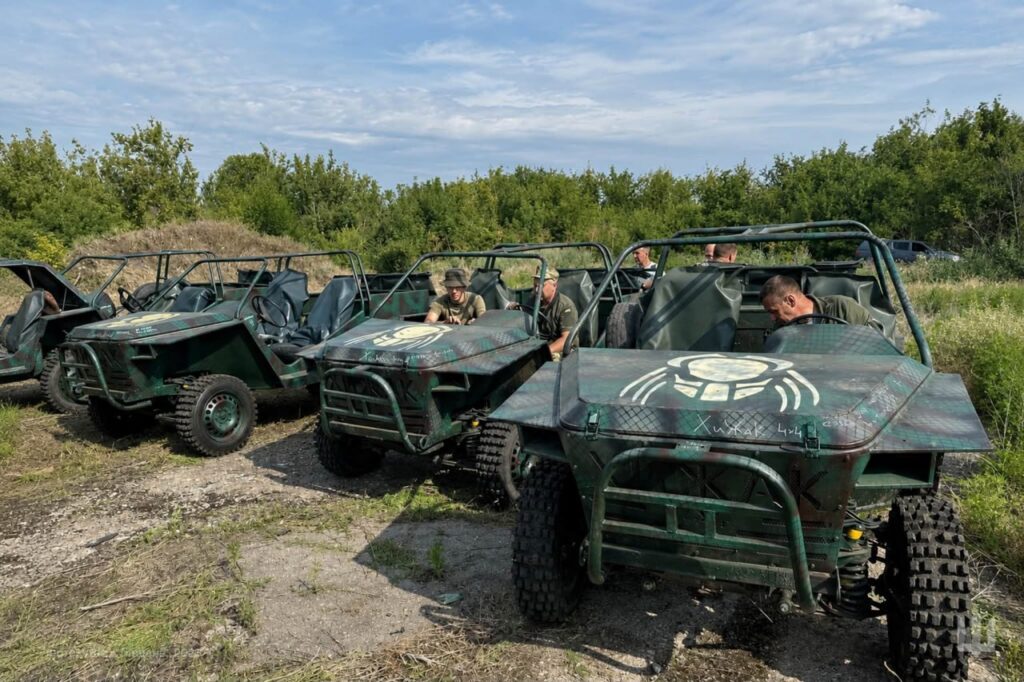
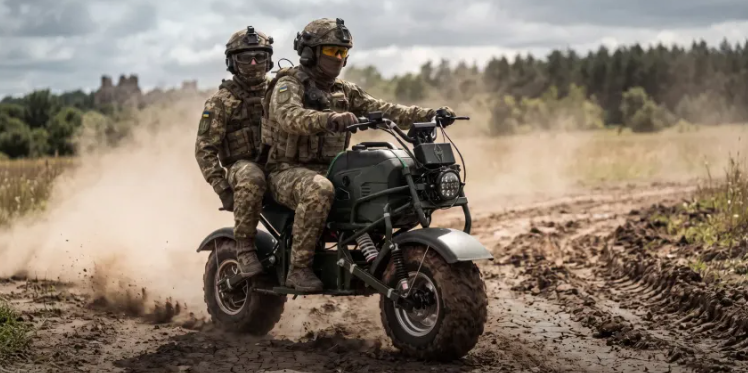
Ukraine is pulling its wounded out of the front line in buggies built partly from destroyed Russian tanks. A new modification of the "Predator" evacuation buggy has reached the 17th and 20th Army Corps, Ukrainian military and political analyst Oleksandr Kovalenko of the Information Resistance group reported.
The two corps received 10 experimental "Predator" evacuation buggies, delivered with the help of the international charitable foundation Nova Ukraine, a US-based Uk
Ukraine is pulling its wounded out of the front line in buggies built partly from destroyed Russian tanks. A new modification of the "Predator" evacuation buggy has reached the 17th and 20th Army Corps, Ukrainian military and political analyst Oleksandr Kovalenko of the Information Resistance group reported.
The two corps received 10 experimental "Predator" evacuation buggies, delivered with the help of the international charitable foundation Nova Ukraine, a US-based Ukrainian diaspora organization founded in 2014.
The vehicles are meant to evacuate wounded quickly from hard-to-reach areas, one of the deadliest problems on a front where Russian FPV drones hunt anything that moves. Casualty evacuation has become so dangerous that wounded soldiers can wait months for extraction, and Ukraine has turned to ground robots, multicopter drones, and purpose-built vehicles to pull people out without exposing rescuers.
The Predator buggy is the cheap, fast, human-driven end of that effort.
The buggies are made partly from salvaged Russian equipment
The detail Kovalenko flagged as symbolic is what the buggies are built from. A number of the buggy's components are machined at the manufacturer's own lathes from materials taken from captured Russian equipment beyond repair, in particular the aluminum alloy ABT-102, he said.
Russia's destroyed vehicles are being turned into the machines that save Ukrainian lives.
A volunteer project that outruns Western serial production
The Predator is what Kovalenko calls a "people's buggy," and its origin is the story. The buggies began reaching Ukraine's Defense Forces in 2022 as a volunteer initiative by enthusiasts from Vinnytsia and became among the most sought-after vehicles in the near-front-line zone.
Kovalenko drew a careful distinction to head off misreading. This is not an assault vehicle, he stressed, but a machine for logistics, evacuation, and raiding or sabotage operations.
Over time, the buggies have been heavily upgraded: production shifted to exclusively all-wheel-drive versions, the frame and components were reinforced, and an all-wheel-drive buggy now weighs a little over a ton.
The performance he describes is serious. The buggy reaches over 120 km/h on rough terrain, climbs steep slopes, and can mount a turret with a 360-degree traverse and almost no blind spots, which Kovalenko called a good option for mobile fire groups. Its cross-country ability, he said, is better than that of many pickups, allowing it to work in the hardest terrain rather than only on roads and hard ground.
The economics are the point he closes on. The Predator's production remains possible thanks to volunteer support and regular fundraisers for units in acute need of such vehicles. In Ukraine, the buggy has practically no competitors on price and quality, Kovalenko said, calling it a project that even Western serial-production analogs struggle to match.
Exclusives
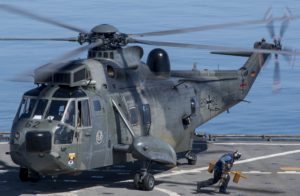
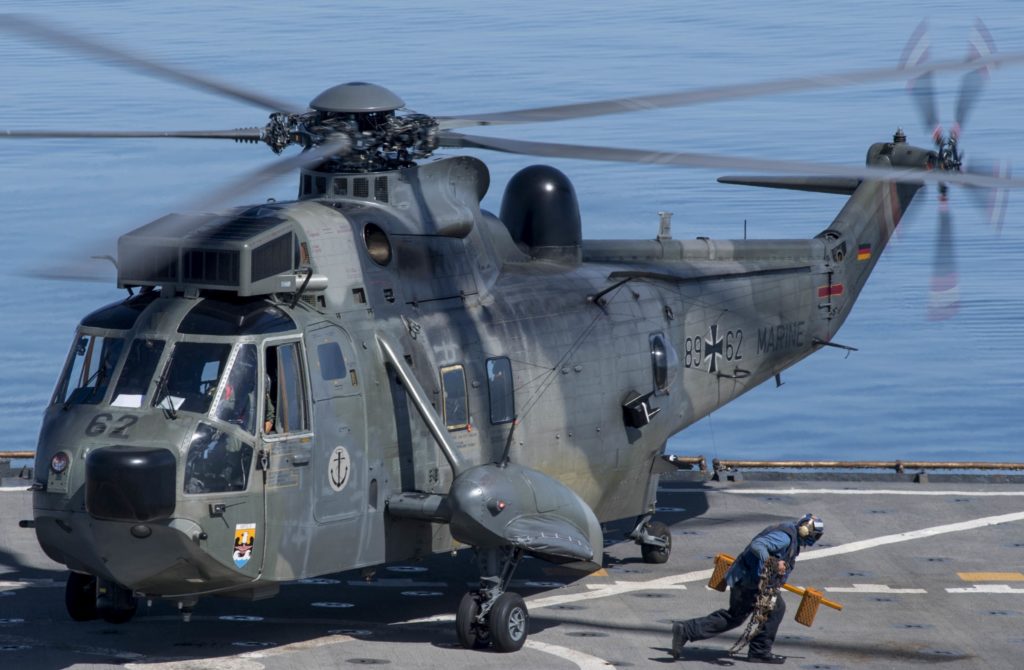
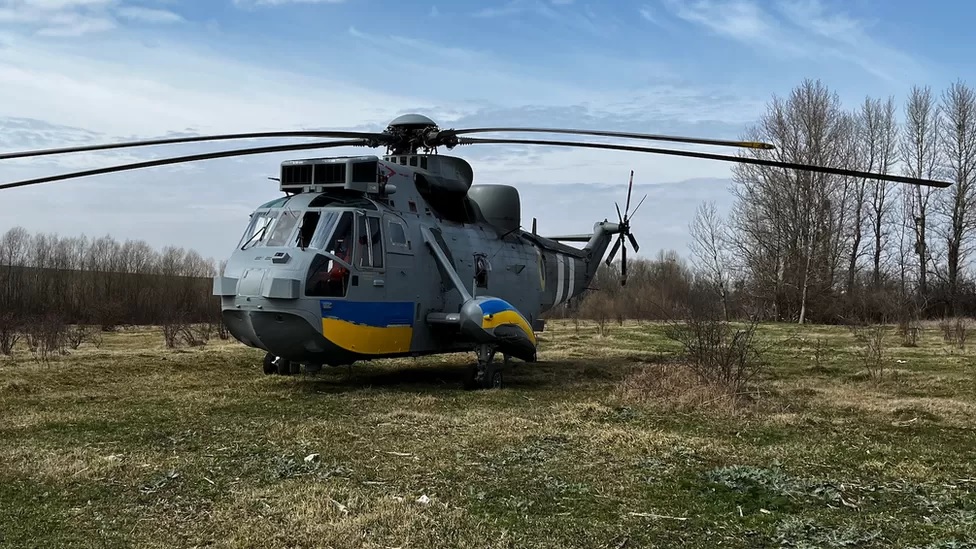
A Cold War submarine hunter is Ukraine’s newest Shahed killer. Ukraine's tiny interceptor drones need a little help getting into the air. An old naval helicopter is just the thing.
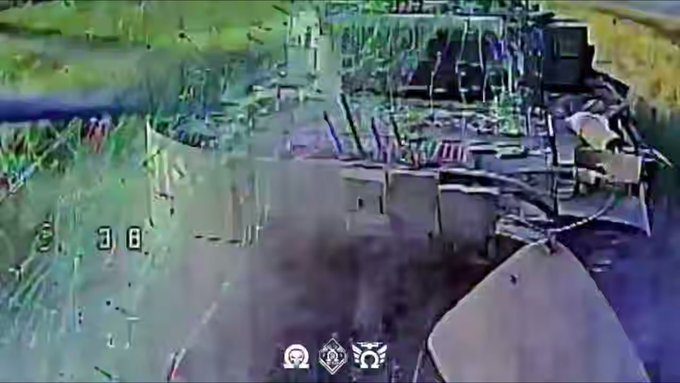
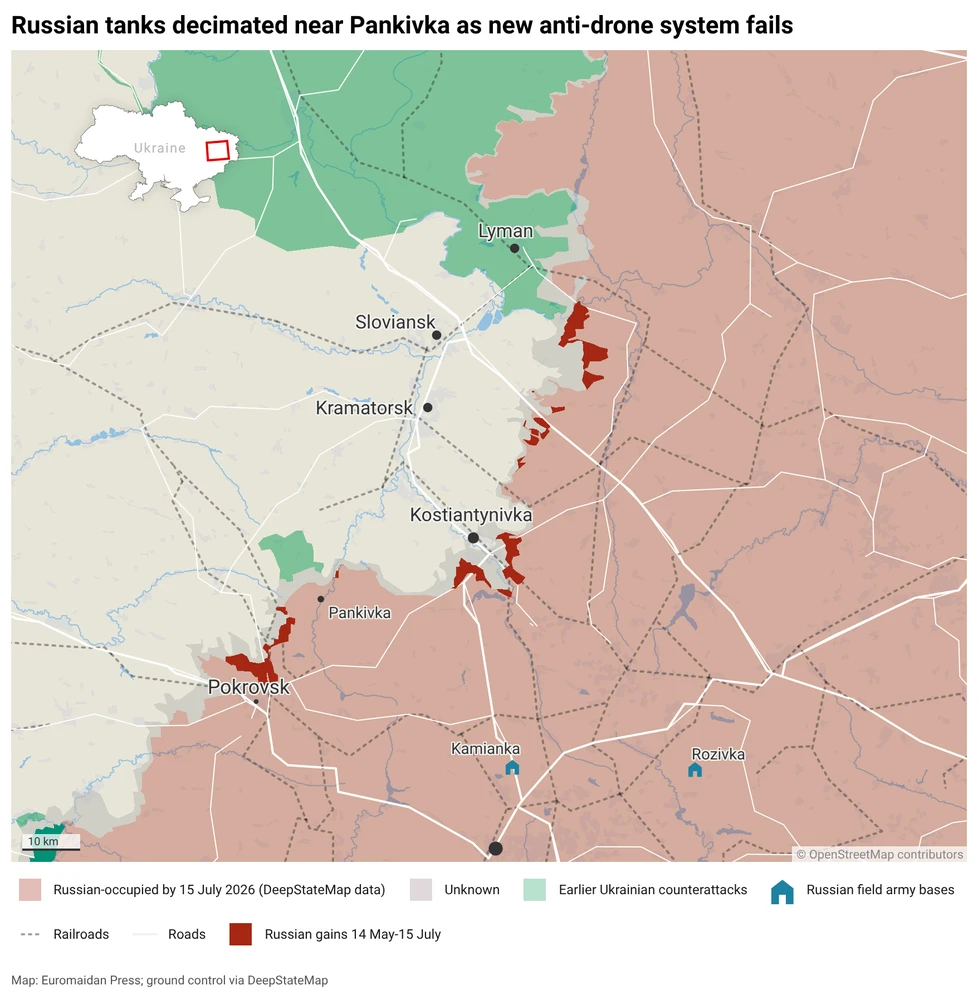
Russia took the cages off its newest tanks. The new Arena-M shield bought them a few minutes.. The Russians' new Arena-M systems shoots tiny projectiles at incoming enemy drones. But it didn't save a rare Russian tank assault this week.
Washington taxes Russian goods at the
Ukrainian Lieutenant Colonel Serhii Mahlovanyi has received the award in one of NATO's most prestigious professional military education programs, according to the ArmyInform. The Advanced Command and Staff Course (ACSC) prepares operational- and strategic-level officers for service in multinational headquarters, joint operations, and the implementation of defense reforms.
This achievement carries particular significance in the context of Ukraine's strategic goal of join
Ukrainian Lieutenant Colonel Serhii Mahlovanyi has received the award in one of NATO's most prestigious professional military education programs, according to the ArmyInform. The Advanced Command and Staff Course (ACSC) prepares operational- and strategic-level officers for service in multinational headquarters, joint operations, and the implementation of defense reforms.
This achievement carries particular significance in the context of Ukraine's strategic goal of joining NATO and integrating into the European security architecture.
Mahlovanyi began his military career in 2004 as an enlisted soldier in Ukraine's Air Assault Forces. Rising through every non-commissioned officer rank, he eventually became a brigade command sergeant major before receiving his commission as an officer.
Commenting on the award, the lieutenant colonel said he viewed the award as recognition of all Ukrainian service members.
"This award belongs not only to me, but to every Ukrainian warrior. It is a great honor that Ukraine will now forever be represented among the recipients recognized by the UK Defense Academy," he said.
A historic achievement
Upon completing the course, Mahlovanyi received the Thales Prize as the Best International Student, selected from 252 senior military officers and civil servants representing nearly 50 countries.
It marks the first time in the nearly 30-year history of the course that the name of a Ukrainian representative will be added to the UK Defense Academy's roll of international prize winners.
In addition, the Ukrainian officer received the course's highest military award for operational planning.
In its final assessment, the UK Defense Academy described Mahlovanyi as an "exceptional, highly respected and outstanding officer."
He graduated among the top 10% of the course with an overall Grade A, while his written assignments and presentations received the highest possible marks of A+.
Contributions beyond the classroom
Mahlovanyi organized meetings between British course participants and Ukrainian military commanders, co-authored a leadership and command handbook, supported the work of Ukraine's defense attaché in the United Kingdom and the Ukrainian community in London, and contributed to the development of the Operation INTERFLEX training program.
Mahlovanyi has also completed a master's degree at King's College London while simultaneously pursuing a second master's degree at a Ukrainian higher education institution.
Italy's Defense Minister Guido Crosetto has said he offered former Ukrainian Defense Minister Mykhailo Fedorov a position as his adviser, Reuters reported.
On 16 July, Ukrainian President Volodymyr Zelenskyy said he had decided to dismiss Fedorov after a prolonged conflict between him and then Commander-in-Chief of the Armed Forces of Ukraine Oleksandr Syrskyi.
The decision triggered mass protests in Kyiv, Lviv, and even the frontline city of Sumy. Demonstrators gathere
Italy's Defense Minister Guido Crosetto has said he offered former Ukrainian Defense Minister Mykhailo Fedorov a position as his adviser, Reutersreported.
On 16 July, Ukrainian President Volodymyr Zelenskyy said he had decided to dismiss Fedorov after a prolonged conflict between him and then Commander-in-Chief of the Armed Forces of Ukraine Oleksandr Syrskyi.
The decision triggered mass protests in Kyiv, Lviv, and even the frontline city of Sumy. Demonstrators gathered to support Fedorov despite the risk of Russian KAB glide bomb and FPV drone attacks. Nevertheless, Zelenskyy did not reverse his decision.
The minister who returned the initiative to Ukraine
"I called him the day after his dismissal and said: When do you want to come to Rome and work with me as an adviser?" Crosetto said.
Asked how Fedorov reacted, Crosetto said the former minister was "moved" and regarded the offer as "a demonstration of esteem and friendship."
Crosetto praised Fedorov as "one of those people who completely rewrote the rules of the game on the battlefield."
According to the Italian defense minister, Fedorov helped return the battlefield initiative to Ukraine by fundamentally changing the way the war was fought through the use of new technologies.
Recognition of Fedorov's work was also reflected in the EU's reaction to his dismissal
European Commissioner for Defense Andrius Kubiliussaid Fedorov's removal as Ukraine's defense minister came as a major surprise, according to Europeiska Pravda.
According to Kubilius, the EU had worked closely with Fedorov both before and after he became defense minister. He noted that significant progress had been made during that time, particularly in developing Ukraine's long-range strike capabilities and expanding its defense industrial production.
Fedorov's legacy at the Defense Ministry
On 15 July, Fedorov summarized the achievements of his tenure as defense minister.
Among them, he said his team had succeeded in cutting off Russian forces' access to Starlink, significantly reducing their ability to wage effective drone warfare.
He also highlighted the "Logistics Lockdown" program—a separately funded initiative that, combined with improved procurement and support for Ukraine's top combat units, disrupted Russian logistics and began isolating occupied Crimea.
Another achievement, he said, was introducing an After Action Review (AAR) process following every large-scale Russian strike. During his tenure, the interception rate for Russian drones increased from 83% to 91%, while the interception rate for cruise missiles rose from 47% to 87%.
What remained unfinished
Fedorov acknowledged that several major reforms remained incomplete.
These included completing the organizational transformation of the Ministry of Defense in line with NATO standards, moving all procurement to competitive tenders, and building a culture of accountability for decision-making.
Zelenskyy reportedly offered Fedorov several other government positions, but he declined them
Explaining his decision, Fedorov said that among the positions that "truly determine the course of the war," only that of the defense minister carries the authority necessary to drive meaningful change.
In his view, no other public office has sufficient authority to eliminate corruption in defense procurement, complete the military transformation he initiated, plan asymmetric operations against Russia, or eradicate what he described as a culture of dishonesty and irresponsibility within the system.
Ukraine’s Ministry of Defense reported that newly appointed UK Defense Secretary Wes Streeting held his first conversation with Ukraine’s Acting Minister of Defense Yevhen Khmara. Coincidentally, both officials were appointed to their positions five days ago as part of government reshuffles in their respective countries.
The main focus of the discussion was strengthening Ukraine’s air defense. A year ago, Russia fired 28 ballistic missiles in a month at Ukraine. Now it’
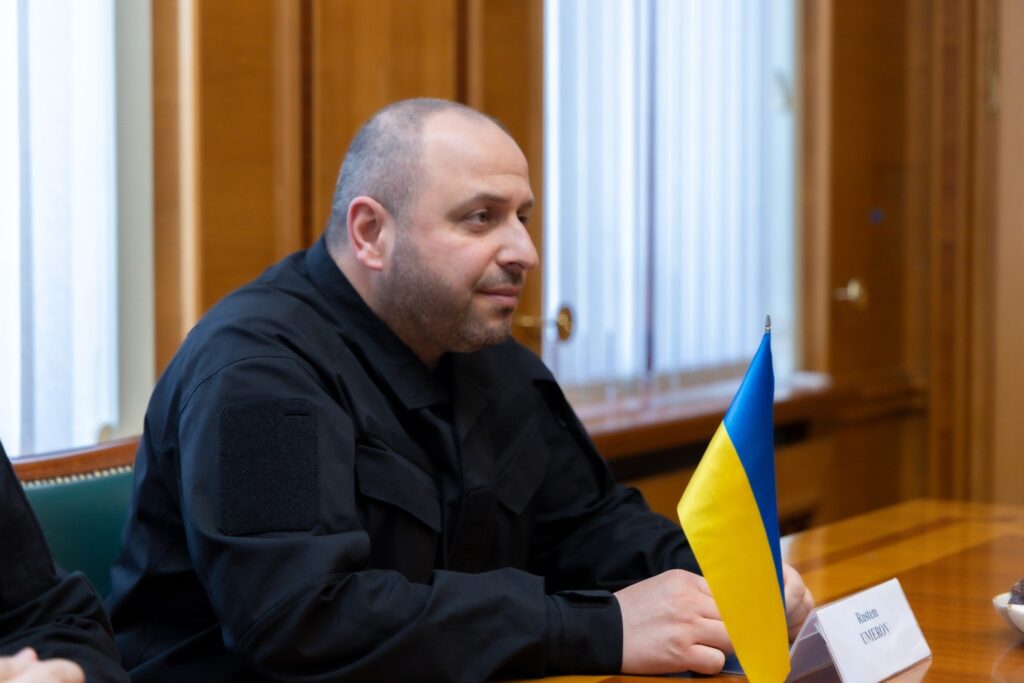
Ukraine’s Ministry of Defense reported that newly appointed UK Defense Secretary Wes Streeting held his first conversation with Ukraine’s Acting Minister of Defense Yevhen Khmara. Coincidentally, both officials were appointed to their positions five days ago as part of government reshuffles in their respective countries.
The main focus of the discussion was strengthening Ukraine’s air defense. A year ago, Russia fired 28 ballistic missiles in a month at Ukraine. Now it’s firing three times that number amid a limited supply of Patriot interceptors following the US war against Iran. Moscow has also begun using dangerous jet-powered Banderol drones.
According to Ukraine’s Ministry of Defense, Ukraine and the UK are building a long-term and mutually beneficial defense partnership.
Key areas of cooperation include strengthening Ukraine’s air defense, supporting its air capabilities, countering Russian drones, and procuring Ukrainian-made unmanned systems for the Defense Forces.
"We are ready to share our experience of modern war and solutions that have already proven effective on the battlefield," Khmara said.
Pushing Russian aircraft away from Ukraine’s borders
To strengthen its air defense capabilities, Ukraine is counting on British support for a project to supplyGripen fighter jets and Meteor missiles. This would be important for countering Russian aircraft and protecting Ukrainians from aerial attacks.
The combination of Gripen aircraft and Meteor missiles would allow Ukraine to push back Russian aircraft that launch guided glide bombs (KABs) at Ukrainian positions from just behind the front line.
Russian fighter-bombers carrying KABs have heavily targeted Ukrainian frontline positions throughout the war, typically launching these weapons from within Russian airspace beyond the reach of Ukrainian air defense systems. Currently, Ukraine does not have a systematic capability to counter these aircraft.
It is also critically important to continue supplying ammunition for Ukraine’s F-16 aircraft. One of the tasks set by the President of Ukraine is to protect the grain corridor from Russian attacks. Achieving this requires strong air capabilities.
Countering Russia’s new generation of strike drones
Another key focus of the discussion was countering Russian attack drones. Russia is increasing its use of jet-powered Shahed-type drones, including systems such as Banderol.
These drones reportedly have a cruising speed of 520–560 km/h, a maximum speed of up to 650 km/h, a range of up to 500 km, and carry a 114.3 kg fragmentation high-explosive warhead.
The sides also discussed procuring Ukrainian-made drones for the Defense Forces through the ERA Loan mechanism, financed by revenues from frozen Russian assets.
The planned procurements include interceptor drones, medium-range strike drones, and deep-strike systems.
A new large-scale study of the results of mine-action work in Ukraine has been launched in Kyiv. It is run by the Tony Blair Institute for Global Change in partnership with the UN Development Program in Ukraine, with financial support from the Netherlands, the leading international partner in Ukraine's demining sector, ArmyInform reported.
In 2025, the UN Mine Action Service (UNMAS) described war-torn Ukraine as the most heavily mine-contaminated country in the world.
A new large-scale study of the results of mine-action work in Ukraine has been launched in Kyiv. It is run by the Tony Blair Institute for Global Change in partnership with the UN Development Program in Ukraine, with financial support from the Netherlands, the leading international partner in Ukraine's demining sector, ArmyInform reported.
In 2025, the UN Mine Action Service (UNMAS) described war-torn Ukraine as the most heavily mine-contaminated country in the world. Since Russia's full-scale invasion on 24 February 2022, millions of landmines and other explosive hazards have been scattered across Ukraine's battlefields.
The study aims to assess comprehensively how mine action affects economic recovery, public safety, community development, environmental rehabilitation, and Ukraine's progress toward the Sustainable Development Goals.
It will combine analysis of existing data, field research, and consultations with a wide range of state and international partners, with Ukraine's Defense Ministry as one of the key state partners shaping its methodology.
The country is learning to clear the densest minefields in the world
The Ukrainian side's contribution is what makes the study distinctive, and it was set out plainly at the launch. Colonel Oleh Shuvarskyi, head of the mine-action directorate at the Defense Ministry, argued the research should draw on operational and technical data and analyze the specific threats of the Russia-Ukraine war.
"Ukraine faces unprecedented challenges," he said, urging the study to account for contamination profiles across territories and Russia's use of new types of mines, munitions, disguised explosive objects, and improvised explosive devices.
Why does it matter for the world?
This is not the demining of a peace that has already arrived. It is a clearance happening while the mines are still being laid, against an adversary actively innovating in how it hides them.
That distinction is the reason the Ukrainian experience may matter beyond Ukraine.
Shuvarskyi pointed to the combat experience being accumulated, the effectiveness of innovative clearance technologies, their integration into training programs, and the interagency coordination between the Defense Ministry, the Armed Forces, the State Special Transport Service, the State Emergency Service, and mine-action operators, calling all of it a key factor in responding to contamination on this scale.
An Angolan court has found two Russian nationals, Lev Lakshtanov and Igor Ratchin, guilty of terrorism and espionage. They were sentenced to eight and 11 years in prison after being accused of plotting a coup and helping organize deadly demonstrations in the country last year, The Guardian reported.
Over the past decade, Russia has significantly expanded its presence in Africa. Angola, whose economy depends heavily on oil exports, has historically maintained close ties
An Angolan court has found two Russian nationals, Lev Lakshtanov and Igor Ratchin, guilty of terrorism and espionage. They were sentenced to eight and 11 years in prison after being accused of plotting a coup and helping organize deadly demonstrations in the country last year, The Guardian reported.
Over the past decade, Russia has significantly expanded its presence in Africa. Angola, whose economy depends heavily on oil exports, has historically maintained close ties with Moscow. However, since taking office in 2017, Angolan President João Lourenço has sought to strengthen relations with the United States and Europe.
Prosecutors also alleged that the two men were linked to African Politology, a Russian disinformation and propaganda network that emerged from the Wagner mercenary group, which also played a major role in Russia's war against Ukraine.
According to media investigations, including those by Forbidden Stories, African Politology was taken over by Russia's Foreign Intelligence Service (SVR) following the death of Wagner chief Yevgeny Prigozhin in 2023. Wagner itself was rebranded as the Africa Corps and absorbed into the Russian military.
Why did the Russians allegedly carry out the operation?
Angolan prosecutors said Lakshtanov and Ratchin sought to influence next year's presidential election. According to the prosecution, they intended either to finance Angola's main opposition party, the National Union for the Total Independence of Angola (UNITA), or to force a leadership change within the ruling People's Movement for the Liberation of Angola (MPLA), which has governed the country since independence from Portugal in 1975.
The two Russians denied the allegations, insisting they were in Angola for legitimate cultural and business activities.
What were demonstrations?
Between 28 and 30 July 2025, a strike by minibus taxi operators protesting fuel price increases escalated into widespread riots and looting. According to official figures, 22 people were killed, and more than 1,600 were arrested.
Angolan security forces were accused of firing live ammunition at protesters. Human Rights Watch had previously criticized the government for using "excessive force," including rubber bullets and tear gas, to disperse a peaceful protest against rising fuel prices on 12 July 2025.
The Angolan government defended the actions of its security forces, arguing that the "progressive use of force" was justified under the circumstances.
Ukraine is fighting Russian drones not only by shooting them down. Electronic warfare (EW) operators from the 413th "Raid" Regiment report that over 19 days, they suppressed 696 Russian UAVs, including 646 FPV drones and 50 Molniya drones.
The Russian military has upgraded its Molniya drones, turning them into low-cost reconnaissance and surveillance platforms that are increasingly replacing traditional strike roles.
Earlier, drone warfare expert Serhii "Flash" B
Ukraine is fighting Russian drones not only by shooting them down. Electronic warfare (EW) operators from the 413th "Raid" Regiment report that over 19 days, they suppressed 696 Russian UAVs, including 646 FPV drones and 50 Molniya drones.
The Russian military has upgraded its Molniya drones, turning them into low-cost reconnaissance and surveillance platforms that are increasingly replacing traditional strike roles.
Earlier, drone warfare expert Serhii "Flash" Beskrestnov said Russia has been reducing its use of expensive strike UAVs in favor of cheaper systems such as the Molniya drone.
According to Beskrestnov, the main challenge posed by these drones is their low radar visibility. Flying at very low altitudes and using airframe materials that reduce detectability, Molniya drones are significantly harder for counter-drone systems to intercept. To counter them effectively, Ukraine must continuously improve its electronic warfare capabilities.
As a result, Ukrainian units receive additional protection
"Thanks to the daily work of EW operators, Russia is increasingly losing the ability to effectively employ its own UAVs, while Ukrainian units receive additional protection," the Raid Regiment said, commenting on the results of its operations.
One Ukrainian electronic warfare unit suppressed 696 Russian UAVs in 19 days
"Thanks to the daily work of EW operators, Russia is increasingly losing the ability to effectively employ its own UAV," the defenders said
The independent Raid Battalion was established in 2024. In a short period of time, it expanded into a regiment and has become one of the key units carrying out frontline missions.
During the 2013–2014 Revolution of Dignity, many of its fighters took part in clashes on Kyiv's Maidan. After the start of Russia's aggression in eastern Ukraine, they participated in major operations as members of volunteer battalions and later the Armed Forces of Ukraine.
Today, the regiment uses advanced drone technologies to gather precise intelligence, adjust artillery fire, identify enemy positions, and provide Ukrainian forces with a battlefield advantage.
Russia sees targets in real time when striking FPVs
The ability to neutralize FPV drones using electronic warfare is particularly important because it deprives Russian operators of the ability to carry out targeted attacks against civilians in real time.
Ukraine has documented more than 11,000 Russian FPV drone attacks on civilians, including "double-tap" strikes in which the same location is attacked again after medics and firefighters arrive to respond to the initial strike.
In May 2025, the Independent International Commission of Inquiry on Ukraine concluded that FPV drone attacks in Kherson Oblast constituted crimes against humanity. Ukrainian authorities continue to document similar attacks in other frontline regions, including Donetsk Oblast.
The Russian military has upgraded its Molniya drones, turning them into low-cost reconnaissance and surveillance platforms that are increasingly replacing traditional strike roles.
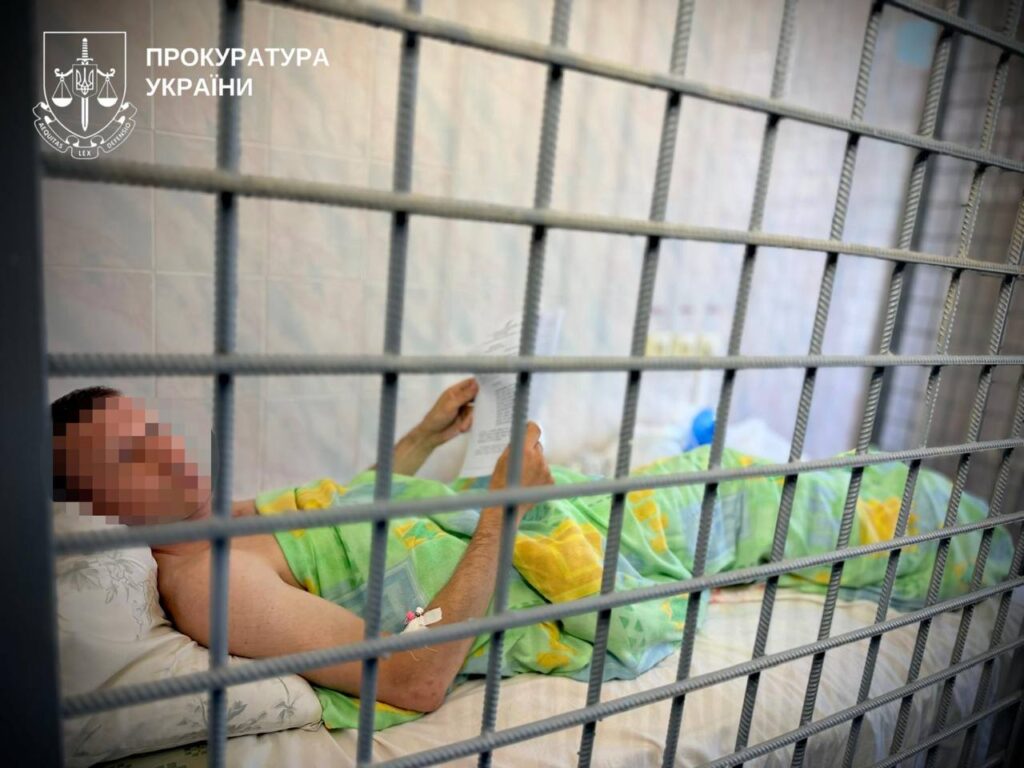
Ukraine's Security Service (SBU) says it has detained a suspected Russian agent accused of illegally verifying more than 1,000 Starlink satellite terminals for use by Russian forces.
The suspect reportedly helped Russia circumvent restrictions on the satellite internet system, which Russian forces use to coordinate units, control drones, and conduct operations over Ukrainian territory, including strikes on cities and frontline positions.
According to the SBU, the sus
Ukraine's Security Service (SBU) says it has detained a suspected Russian agent accused of illegally verifying more than 1,000 Starlink satellite terminals for use by Russian forces.
The suspect reportedly helped Russia circumvent restrictions on the satellite internet system, which Russian forces use to coordinate units, control drones, and conduct operations over Ukrainian territory, including strikes on cities and frontline positions.
According to the SBU, the suspect was arrested in the central city of Dnipro after allegedly organizing a large-scale scheme to activate Starlink systems using the identities of third parties.
Investigators identified the suspect as a native of Luhansk Oblast who was allegedly recruited by Russian intelligence through Telegram channels advertising "easy money."
SBU says suspect recruited others
The SBU says the suspect initially registered a Starlink terminal using credentials provided by his Russian handler.
He was then allegedly instructed to recruit as many people as possible to help verify additional terminals. According to investigators, the suspect used the identities of third parties to activate Starlink systems through postal service branches.
The SBU says the scheme resulted in more than 1,000 Starlink terminals being verified for Russian use.
During a search of the suspect's home, investigators said they seized a mobile phone containing evidence of contacts with Russian handlers. The agency also said it had blocked all Starlink terminals allegedly registered through the scheme.
The suspect has been charged with aiding the aggressor state under Article 111-2 of Ukraine's Criminal Code. If convicted, he faces up to 12 years in prison.
One day earlier, the SBU announced the arrest of two other alleged Russian agents in Kyiv accused of fraudulently registering 76 Starlink terminals for Russian intelligence. According to investigators, those terminals were intended to support Russian missile and drone strikes and help identify Ukrainian electronic warfare systems protecting frontline positions.
Explore further
Ukraine arrests two alleged Russian agents in Kyiv accused of activating Starlink terminals to support Russian missile and drone strikes
Why Starlink matters
Starlink, operated by SpaceX, has become one of the most important communications systems on the modern battlefield, providing fast, reliable satellite internet that is difficult to jam.
Ukraine has relied extensively on the network throughout Russia's full-scale invasion to maintain communications between military units and support drone operations.
Russian forces have also sought access to the system, but their use has been significantly constrained. In cooperation with SpaceX, Ukraine has introduced verification measures and whitelisted legitimate users operating on Ukrainian territory, limiting Russian access and forcing Moscow to seek alternative communications systems.
The SBU did not specify where or how the more than 1,000 allegedly verified terminals were intended to be used by Russian forces.
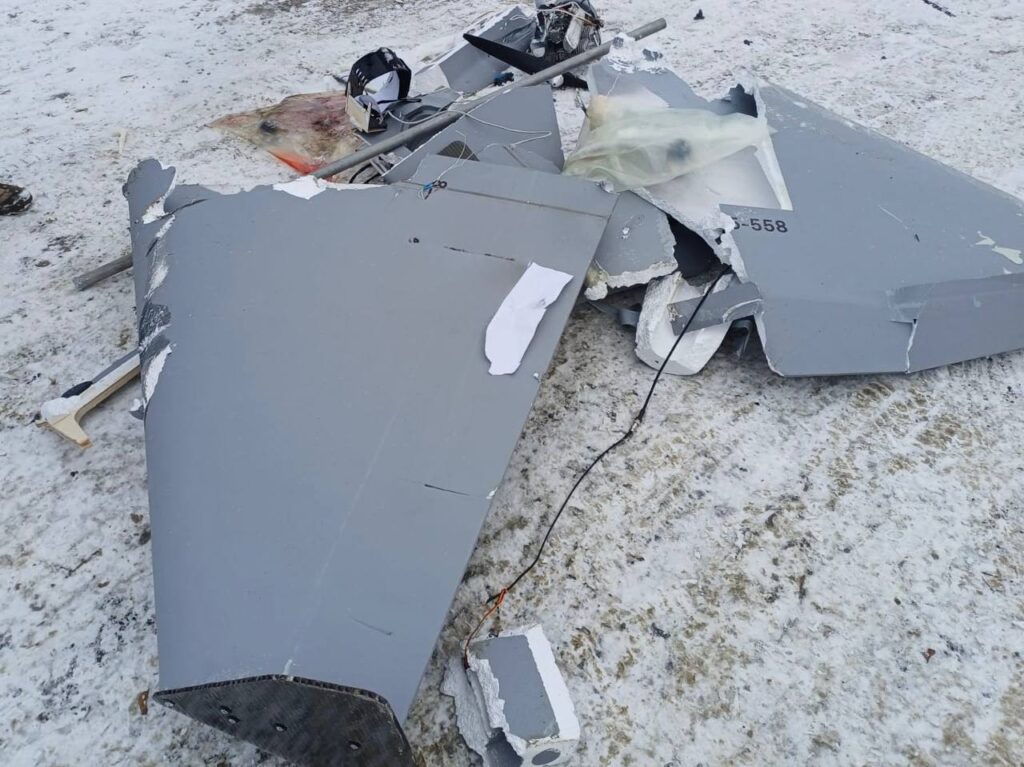
Wreckage of a Russian BM-35 drone with Starlink integration. Photo: Serhii Flash on Telegram
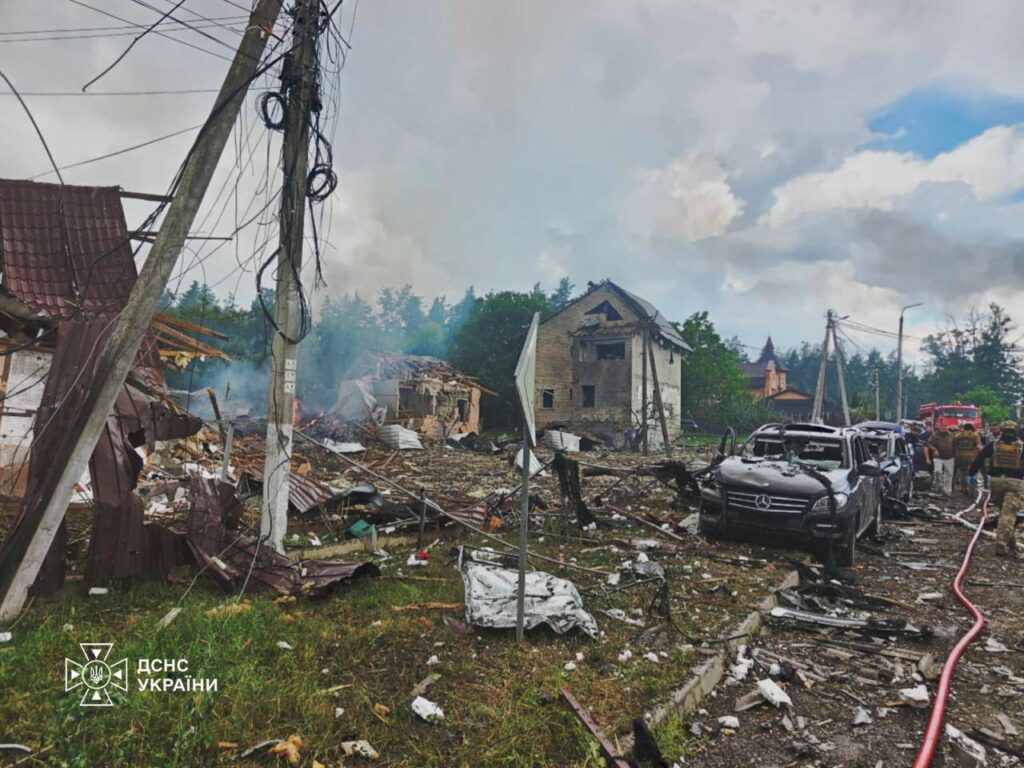
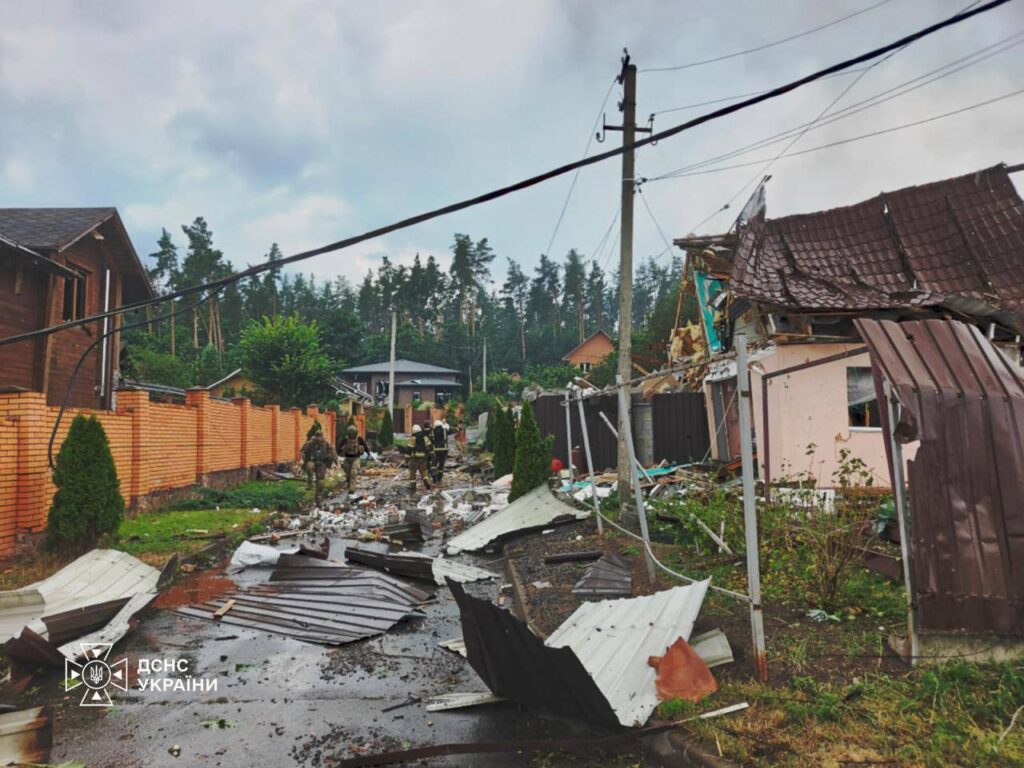
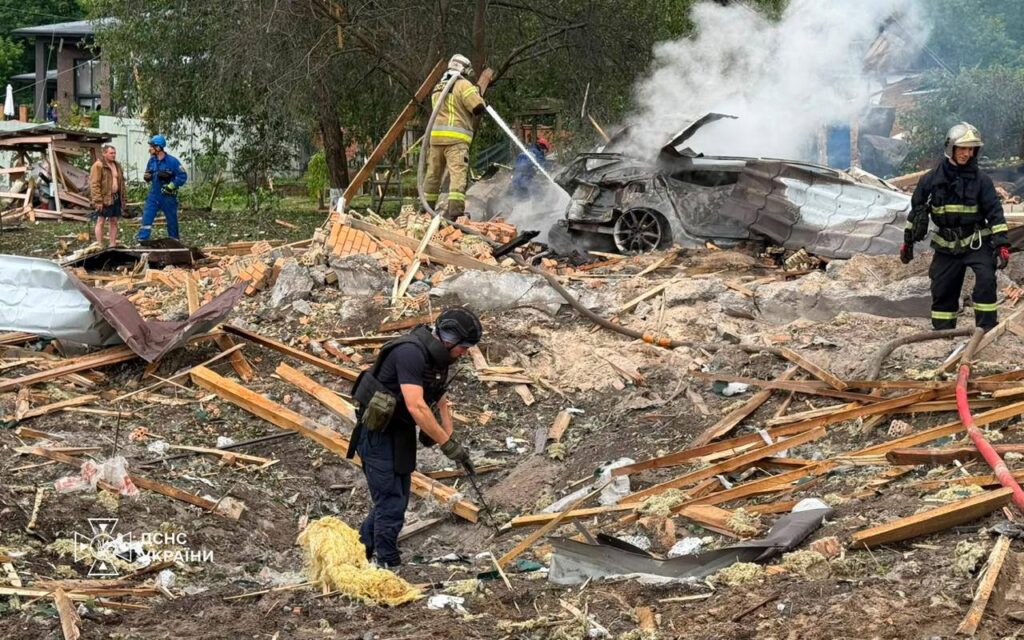
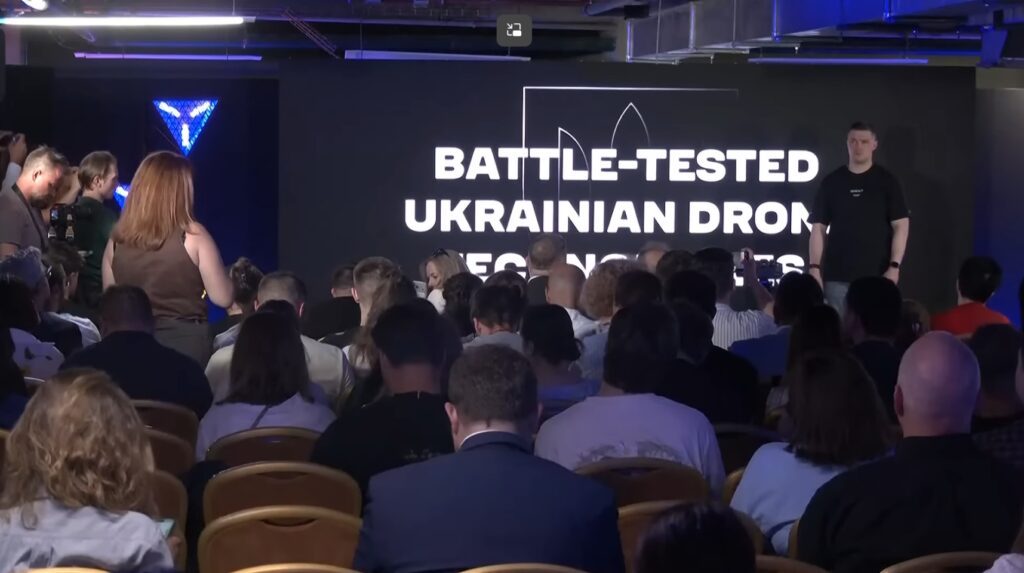
Ukraine has detained the chief organizer of the defense industry event struck by a Russian ballistic missile in Kyiv Oblast on 24 July, as investigators examine whether security failures contributed to an attack that killed 10 people and injured about 100.
Prosecutor General Ruslan Kravchenko stressed that Russia alone bears responsibility for the strike, calling it another war crime, while saying investigators are also examining circumstances that may have increased th
Ukraine has detained the chief organizer of the defense industry event struck by a Russian ballistic missile in Kyiv Oblast on 24 July, as investigators examine whether security failures contributed to an attack that killed 10 people and injured about 100.
Prosecutor General Ruslan Kravchenko stressed that Russia alone bears responsibility for the strike, calling it another war crime, while saying investigators are also examining circumstances that may have increased the scale of the tragedy.
"Russia committed this war crime," Kravchenko said. "But the investigation is also establishing the circumstances that may have increased the scale of this tragedy."
Investigation focuses on event organization
According to the Prosecutor General's Office, an arms industry association organized the event without approval from the military command or regional and district military administrations.
Investigators say more than 300 people were invited to the outdoor demonstration, which featured Ukrainian air defense technologies and other defense systems. The nearest bomb shelter, measuring just 34 square meters, was located about 100 meters from the venue.
Authorities said invitations were distributed nine days before the event, while the exact location and time were shared with confirmed participants one day before it took place. Investigators are examining whether those arrangements could have enabled Russia to prepare a targeted missile strike.
The event's chief organizer has been detained on suspicion of official negligence resulting in grave consequences. Prosecutors said searches were carried out at the association's office and the homes of individuals involved in organizing the event.
Kravchenko said investigators will also assess whether officials from the National Police, Security Service of Ukraine (SBU), military command, state authorities, or local governments failed to respond appropriately to potential security risks.
Explore further
Russia kills at least 10 in rare daytime ballistic strike on Kyiv defense industry event, as fears grow of larger attack to come
Association rejects claims of public disclosure
The ARMADA Association, which organized the demonstration, said it would fully cooperate with investigators but rejected claims that the venue had been publicly advertised.
In a statement, the association said the event was a closed practical demonstration for representatives of Ukraine's defense industry and potential users of anti-aircraft and counter-drone technologies.
It said the exact location was never publicly disclosed and was shared only with registered and vetted participants. The association also disputed online claims that promotional materials circulating on social media were public announcements, saying they were invitations distributed through closed channels.
ARMADA said the demonstration required an open area because participants were testing air defense, electronic warfare, radar, and drone interception systems under realistic conditions.
The association urged the public not to share photographs, videos, participant information, or the exact location while the investigation is ongoing.
Russia's strike killed 10 and injured 100
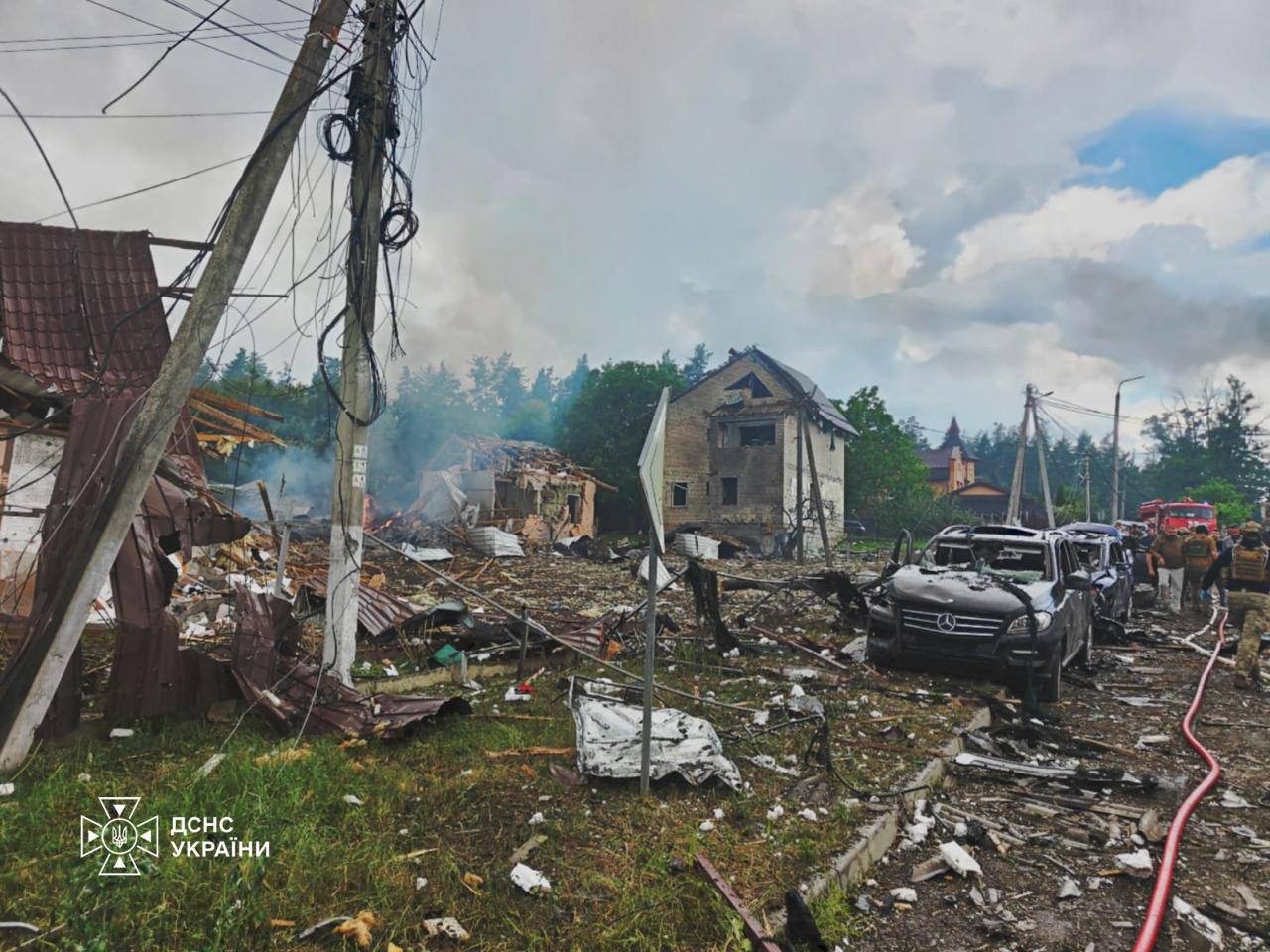
Russia launched the daytime ballistic missile attack on 24 July, striking the event in Bucha district, Kyiv Oblast. The attack killed 10 people, injured around 100 others, and damaged dozens of nearby homes and vehicles.
Ukraine's Air Force said Russia launched three ballistic missiles during the attack. Air defenses intercepted one, while two struck Bucha district.
Kyiv Oblast observed a day of mourning on 25 July in memory of those killed, with flags lowered across the region and entertainment events restricted.
Ukraine says it carried out a series of overnight long-range strikes against Russian military infrastructure, air defense systems, logistics hubs, and naval assets across multiple regions of Russia and occupied Ukraine as part of its campaign to degrade Moscow's war capabilities.
Ukraine has been expanding long- and medium-range strikes across Russia and occupied territories in recent months in an effort to reduce the capacity of the Russian military and the economy tha
Ukraine says it carried out a series of overnight long-range strikes against Russian military infrastructure, air defense systems, logistics hubs, and naval assets across multiple regions of Russia and occupied Ukraine as part of its campaign to degrade Moscow's war capabilities.
Ukraine has been expanding long- and medium-range strikes across Russia and occupied territories in recent months in an effort to reduce the capacity of the Russian military and the economy that sustains Russia’s ability to continue their invasion of Ukraine.
President Volodymyr Zelenskyy said Ukrainian forces struck facilities supporting Russia's war effort in Kirov, Tyumen, Yekaterinburg, Rostov-on-Don, and the Caspian Sea.
Among the targets, he identified a defense-related enterprise in Kirov, about 1,200 kilometers from Ukraine's border, the Tyumen oil refinery, a logistics facility in Yekaterinburg, and a fuel depot in Rostov-on-Don.
"We have very good results from our long-range strikes in the Caspian Sea," Zelenskyy said, adding that the operation targeted vessels used to transport military cargo from Iran as well as a Russian warship.
Ukraine carried out another wave of long-range strikes overnight against targets supporting Russia's war effort, President Volodymyr Zelenskyy said.
According to Zelenskyy, Ukrainian forces struck a defense-related enterprise in Kirov, about 1,200 km from the Ukrainian border,… pic.twitter.com/Thf6deOJVN
Open-source analysts said the strike in Kirov targeted the Avitek defense plant. Exilenova+ said the attack was carried out with a Ukraine-made Flamingo missile.
According to their assessment, satellite imagery indicates the munition penetrated the roof of a production building before detonating inside, triggering a large fire.
SBU claims strikes on S-400 systems and Caspian vessels
Ukraine's Security Service (SBU) said its long-range drones struck several military targets in Russia's Rostov Oblast.
According to the agency, the attack hit a 92N6E "Grave Stone" radar and its antenna tower, components of Russia's S-400 air defense system. The SBU also claimed to have destroyed a Tor-M2 air defense system, a Pole-21 electronic warfare complex, and two warehouses storing FPV drones.
The agency further said its drones struck the Filanovsky offshore oil production platform in the Caspian Sea, two cargo vessels under international sanctions that it says were transporting military cargo between Iran and Russia, and a Project 12418 Molniya-class missile boat.
The SBU described the operation as part of Ukraine's effort to disrupt Russian military logistics and respond to Russian attacks on Ukrainian ports.
General Staff reports additional strikes
Separately, Ukraine's General Staff reported strikes on several additional military targets on 24-25 July.
According to the military, Ukrainian forces hit an early-warning radar near Olenivka in occupied Crimea and an ammunition depot near Novosemenivka in occupied Kherson Oblast.
The General Staff also said Ukrainian forces struck Russian drone command posts near Bilovody in Sumy Oblast, Ledneva in Russia's Bryansk Oblast, Kamianske, Novoivanivka and Myrne in Zaporizhzhia Oblast, and Komar in Donetsk Oblast.
It also reported a strike on a Russian command and observation post near Kazachya Lisitsa in Russia's Belgorod Oblast.
Reports point to another Wildberries warehouse strike
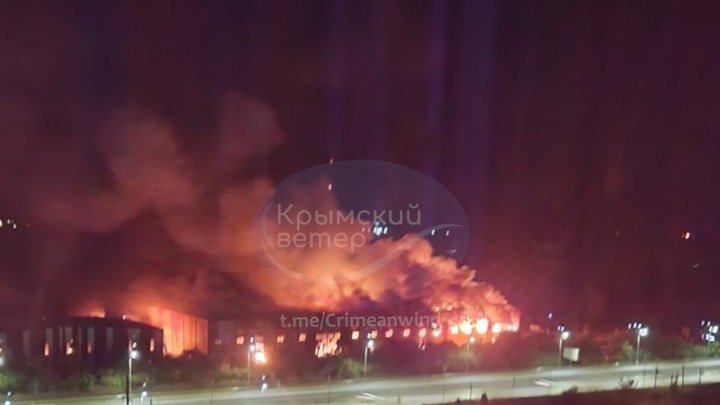
Videos circulating online and cited by OSINT observers appeared to show a fire at a Wildberries warehouse in Yekaterinburg, roughly 1,750 kilometers from the Ukrainian border.
Wildberries is Russia's largest online retailer and logistics operator. Ukrainian officials and analysts say its warehouses and distribution network are increasingly used to store and transport military equipment, drones, and other supplies for Russia's armed forces, making them legitimate military targets. Facilities linked to the company have been struck repeatedly in recent days as Ukraine expands its campaign against Russian logistics infrastructure.
A Wildberries warehouse in Yekaterinburg, Russia, was reportedly hit in an overnight Ukrainian drone strike. The site is roughly 1,750 kilometers from the Ukrainian border.
Wildberries, Russia's largest online retailer, has become a frequent target as Ukraine says its logistics… pic.twitter.com/f1thgo6UFL
Russian authorities acknowledged drone attacks in the region but did not confirm the reported strike on the warehouse. Sverdlovsk Oblast Governor Denis Pasler said air defenses repelled a drone attack on the Yekaterinburg area, with falling debris igniting a 300-square-meter fire in the city's Chkalovsky district. He said no economic or infrastructure facilities were damaged and no casualties were reported.
The reported strikes are the latest in Ukraine's expanding long-range campaign targeting Russia's military infrastructure, defense industry, fuel facilities, logistics networks, and naval assets far from the front line.
Romanian fighter jets shot down a second drone that entered the country's airspace on 25 July, one day after Romania carried out its first known aerial interception of an unauthorized drone, the Romanian Ministry of National Defense said.
According to the ministry, radar systems detected the drone entering Romanian airspace at 08:22 in the border area with Ukraine. Two Romanian Air Force F-16 Fighting Falcon jets on air policing duty intercepted the target and carried o
Romanian fighter jets shot down a second drone that entered the country's airspace on 25 July, one day after Romania carried out its first known aerial interception of an unauthorized drone, the Romanian Ministry of National Defense said.
According to the ministry, radar systems detected the drone entering Romanian airspace at 08:22 in the border area with Ukraine. Two Romanian Air Force F-16 Fighting Falcon jets on air policing duty intercepted the target and carried out standard identification and neutralization procedures.
The drone was destroyed over an uninhabited area near the Ukrainian border. Military teams are being deployed to the crash site to investigate, while authorities said they continue to monitor Romania's airspace in close coordination with NATO allies.
Second shootdown in two days
Romania's Defense Ministry said the same F-16 pilot who downed a drone on 24 July also destroyed the second aircraft while flying the same fighter jet, assisted by the same colleague.
The latest interception comes a day after Romania announced its first known combat shootdown of a drone that violated its airspace. That incident marked a shift in Bucharest's response after years of scrambling fighter jets to monitor or escort drones that crossed into Romanian territory.
Explore further
From escorting to firing: Romania changes how it meets Russia’s wandering drones
Airspace violations linked to Russian attacks
Romania did not identify the drone's origin. However, the latest incident occurred as Russia continues to launch large-scale drone attacks against Ukraine, including strikes targeting areas along the Danube and Black Sea coast near the Romanian border.
Russian Shahed attack drones have repeatedly crossed into Romanian airspace during attacks on Ukraine's southern regions, particularly Odesa Oblast. Previous incursions have prompted NATO air policing missions, emergency alerts for residents, and growing calls for a stronger response to protect Romanian territory.
Romania, a NATO member bordering Ukraine, has increased its readiness along the frontier as Russian aerial attacks near its border have become more frequent since the start of Moscow's full-scale invasion.
Explore further
NATO jets over the Baltics get authority to shoot down “objects that pose a threat”
The European Union has imposed sanctions on Georgia's Kulevi oil refinery for processing Russian crude, marking the first time Brussels has targeted a major Georgian company under its sanctions regime against Russia, according to Reuters.
The measure forms part of the EU's 21st sanctions package adopted on 24 July in response to Russia's full-scale war against Ukraine. It prohibits transactions with the refinery beginning in six months, broadening the bloc's efforts to
The European Union has imposed sanctions on Georgia's Kulevi oil refinery for processing Russian crude, marking the first time Brussels has targeted a major Georgian company under its sanctions regime against Russia, according to Reuters.
The measure forms part of the EU's 21st sanctions package adopted on 24 July in response to Russia's full-scale war against Ukraine. It prohibits transactions with the refinery beginning in six months, broadening the bloc's efforts to target companies outside Russia that help sustain Moscow's oil revenues, Reuters reported.
First sanctions against a major Georgian company
Located on Georgia's Black Sea coast, the Kulevi refinery came under scrutiny after Reuters reported in October 2025 that Russian oil producer Russneft had begun supplying crude to the facility.
Georgia's Foreign Ministry said it was concerned by Kulevi's inclusion in the sanctions package but remained ready to cooperate with EU institutions and share information to ensure the country is not used to circumvent sanctions, according to Reuters.
Refinery pledges shift away from Russian crude
Earlier this month, Black Sea Petroleum said it would stop refining Russian crude from August-September and instead source oil from Kazakhstan and Turkmenistan. The company said the switch would allow its petroleum products to access higher-value export markets.
Black Sea Petroleum reportedly processed more than 650,000 tonnes of crude during the first half of 2026. It announced a modernization partnership with US industrial technology company Honeywell and plans to begin producing road bitumen in early 2027 and aviation fuel later that year.
According to Reuters, an EU official said discussions with the refinery remain ongoing and welcomed its commitment to phase out Russian crude, while stressing that the bloc wants to see the pledge implemented before considering lifting the sanctions.
"We'll give them some credit, but we want to see... that they do what they promised, and then we can propose to the council to delist them," the official told reporters in Brussels, according to Reuters.
Explore further
Georgia’s only oil refinery to stop processing Russian crude from August, company says
Energy trade under scrutiny
Although Georgia and Russia have had no formal diplomatic relations since the 2008 war, the ruling Georgian Dream party has expanded economic ties with Moscow during Russia's full-scale invasion of Ukraine, including increased imports of Russian oil.
Research by the Centre for Research on Energy and Clean Air (CREA), cited by Reuters, found that the Kulevi refinery received six shipments of Russian crude between October 2025 and May 2026. During that period, refined products from Kulevi were exported to EU member states including Spain and Bulgaria.
According to CREA's research, also cited by Reuters, the EU and the United States imported 1.46 million tonnes of oil products worth €811 million from the Kulevi port between February 2023 and February 2026.
Explore further
EU adopts largest sanctions package on Russia: 218 names and 100+ banks and crypto platforms among those on the list
Ukraine's latest drone hunter is a surplus European naval helicopter
The nine Sea Kings in or bound for Ukraine are stable, capacious and cheap to operate
That makes them good platforms for launching small interceptor drones
The Ukrainian navy's tiny fleet of donated Westland Sea King helicopters appears to have a new mission: hunting Russian Geran drones.
Aviation reporter H.I. Sutton was the first to note the new mission, when he spotted a specially equip
Ukraine's latest drone hunter is a surplus European naval helicopter
The nine Sea Kings in or bound for Ukraine are stable, capacious and cheap to operate
That makes them good platforms for launching small interceptor drones
The Ukrainian navy's tiny fleet of donated Westland Sea King helicopters appears to have a new mission: hunting Russian Geran drones.
Aviation reporter H.I. Sutton was the first to note the new mission, when he spotted a specially equipped Sea King on the ground at the Farnborough Air Show in the United Kingdom this week.
The 1970s-vintage Sea King had new equipment: an under-fuselage railing for small interceptor drones. Ukrainian forces use the inexpensive interceptors to chase down and take down Russia's Geran one-way attack drones. Some of the remote-controlled interceptors feature A.I.-assisted targeting and pack tiny explosive charges. Others are strictly manually controlled and knock down their targets through the sheer force of impact.
Regardless of the details of their designs, interceptors costing just a few thousand dollars apiece have helped Ukrainian air defenders blunt the impact of the thousands of Gerans, drones modeled after Iranian-made Shaheds, that Russia launches at Ukrainian cities every month. Air defenders typically take out around 90% of incoming Gerans.
But interceptor drones come with limitations. They're powered by batteries that exhaust themselves after just a few minutes of flight. And they are prone to being blinded by bad weather and low clouds. To prolong the interceptors' flights and get them above the rain and clouds, Ukrainian forces have begun using manned aircraft to loft the interceptors into the air before launching them.
The Sea King, it seems, is Ukraine's latest interceptor drone carrier. While the helicopter Sutton spotted at Farnborough was unmarked, it's likely one of six Sea Kings Germany has donated to the Ukrainian war effort. The United Kingdom previously donated three surplus Sea Kings to Ukraine. The Ukrainian navy's sole helicopter unit, the 10th Naval Aviation Brigade, reportedly operates the Ukrainian Sea Kings.
Before now, it seems the Ukrainian Sea Kings strictly flew coastal search and rescue flights in support of Ukrainian ground and naval forces. But there's an obvious need for more air defenses over the Ukrainian coast. Sea Kings hauling interceptor drones under their bellies, and the drones' operators in their cabins, could be just the thing.
Westland Sea King helicopter of Ukraine's Navy. April 2023. Photo: BBC News
Geran killer
The threat: A.I.-assisted Geran drones. Shortly after Ukrainian drone forces began targeting the tankers, dry cargo ships and auxiliaries belonging to the unregistered "shadow fleet," Russian forces retaliated, launching cruise missiles and Gerans at grain ships and infrastructure in Odesa and other ports in southern Ukraine. Over weeks of near-daily port strikes, Russian missiles and drones have repeatedly hit grain carriers and terminals; the deadliest, a cruise-missile strike on the bulk carrier Golden Leo on 19 July, killed 10 of its crew.
An interceptor drone flying around 350 km/h is too slow to hit a cruise missile flying 900 km/h, but all but the fastest jet-powered Gerans are within the targeting envelope of all but the slowest interceptor drones. The problem, of course, is battery life and weather. To stand the greatest chance of hitting the most Gerans, the interceptors should launch from around a thousand meters in the air.
The Sea King is an old helicopter. But it's also reliable, cheap to operate and capacious. A solid platform for drone launches.
And it's part of a widening trend. This spring, Ukrainian forces armed an Antonov An-28 light turboprop transport with interceptor drones, complementing the An-28's existing side-firing gun and giving the lumbering transport great reach during its drone hunts.
As a drone platform, the An-28 apparently works. Well enough, in fact, that Russian forces have copied the concept. A recent video depicts two old Russian warplanes getting the fittings for aerial interceptor drone launch: a Yakovlev Yak-52 turboprop trainer and an Antonov An-2 piston-powered transport.
Like the Ukrainians do, the Russians hang drones under the planes' wings and seat the drones' operators inside the cabin or cockpit. All aerial drone platforms require add-on radios and antennae to connect the seated operators to their interceptors so that the operators can see what the drones see, and steer them to a hit.
If the Sea Kings also work well as drone platforms (and there's no reason they shouldn't), the Ukrainians may well extend the concept to other airframes. Any helicopter, transport or trainer with a reasonable payload and some space in the cabin or cockpit is eligible.
The Sea King is the latest Ukrainian drone hunter, but it's probably not the last.
Exclusives
Russia took the cages off its newest tanks. The new Arena-M shield bought them a few minutes.. The Russians' new Arena-M systems shoots tiny projectiles at incoming enemy drones. But it didn't save a rare Russian tank assault this week.
Washington taxes Russian goods at the same rate as Norway’s. It is a blanket forced-labor measure, not a Russia policy—and the sanctions that would hurt Moscow are still stuck in Congress.
Germany’s Zeitenwende stops at
Russian tanks attacked toward the free city of Kramatorsk this week
Tank attacks are vanishingly rare owing to the threat from tiny drones
The tanks carried a new anti-drone shield instead of the usual welded cages
The shield bought them minutes, not survival
Overeager to break through Ukrainian defenses and march on the city of Kramatorsk from the south, the Russian Center Group of Forces got desperate and sloppy this week. They paid for their desperation
Russian tanks attacked toward the free city of Kramatorsk this week
Tank attacks are vanishingly rare owing to the threat from tiny drones
The tanks carried a new anti-drone shield instead of the usual welded cages
The shield bought them minutes, not survival
Overeager to break through Ukrainian defenses and march on the city of Kramatorsk from the south, the Russian Center Group of Forces got desperate and sloppy this week. They paid for their desperation and sloppiness in lives and metal. The tanks were carrying a brand-new anti-drone shield, and they had left the welded scrap metal at home.
That combination is the news. For more than a year, Russian commanders have kept their armor off the roads because Ukrainian drones kill tanks faster than factories can rebuild them. The Arena-M active protection system is the fix that was supposed to let the tanks come back—reliable enough, the Kremlin's own press said 10 days ago, to make the improvised cages unnecessary. This week it went out on a road in Donetsk Oblast without them.
Pankivka on a map. Image: Euromaidan Press
On and around 23 July, the Russians rolled tanks along the road through the village of Pankivka, roughly 36 km southwest of Kramatorsk and its twin free city of Sloviansk in eastern Ukraine's Donetsk Oblast. Ukrainian drones spotted the tanks coming, and attacked.
When the smoke and dust cleared, the Russians had lost at least 9 tanks. Ukrainian tank kills were already running hot: the general staff in Kyiv claimed Ukrainian forces took out 28 Russian tanks across the 1,200-km gray zone in the two days before, 21–22 July. "It was a good day," wrote Dimko Zhluktenko, a soldier with the Ukrainian Unmanned Systems Forces' 413th Regiment.
The mechanized assault was unusual for its rarity. For more than a year now, the Russian army of occupation in Ukraine has mostly parked its armored vehicles, and instead attacked on foot or on motorcycles or other light vehicles. The pause in mechanized assaults has bought time for the Kremlin to ramp up vehicle production and bring battered regiments and brigades back to up to their full allotment of tanks and other armored vehicles.
But those vehicles aren't necessarily being used in Ukraine. Ukrainian tiny explosive drones are everywhere all the time, and Russian forces have few ways of reliably defeating them. Russian commanders correctly concluded that small groups of infantry stand a better chance of slipping past Ukraine's undermanned defenses than big, easy-to-detect tanks do.
Infantry infiltrations work. They're how Russian assault groups have ground their way into the city of Kostiantynivka, 24 km southeast of Kramatorsk. Moscow claimed the city on 3 July. Ukraine's general staff says it still holds it. And infiltration is how the Russians are gradually creeping around the city of Lyman, 21 km northeast of Sloviansk. The infiltrations are slowly closing a vice around Kramatorsk and Sloviansk, the last free big cities in Donetsk Oblast.
But the infantry action is costly. The Kremlin recruits around 30,000 fresh troops every month but, if the Ukrainian general staff's tallies of killed and wounded are accurate, loses roughly that many troops every month. Ukraine is desperately short of infantry. Russia isn't nearly as desperate, but that doesn't mean it's got infantry to spare.
Last month, analyst Jompy predicted that if infantry casualties spiked or recruitment slipped, Russian commanders "could also be forced to go back to mechanized warfare." That may be why the Center Group of Forces pivoted back to tank-led assaults in their south-to-north push toward Kramatorsk.
The shield that replaced the scrap metal
Without so-called "active defenses" that can shoot down incoming drones, "it is currently very easy to throw a tank battalion into [an] assault and lose it all without achieving anything," analyst Jakub Janovsky explained. The Arena-M is Russia's answer. It uses a Doppler radar to spot incoming rockets, missiles, and drones, and 12 launchers ringed around the turret fire tiny charges meant to shred the threat a few meters out.
Twelve is the whole magazine. And the system does not run itself: the commander switches it on when reconnaissance or a drone detector warns him, the Russian state newspaper Izvestia reported on 13 July, in a dispatch from a training range where crews of the Center grouping's 90th Tank Division were learning the new machines.
T-72B3A tank equipped with the Arena-M active protection system (APS). Photo: iz.ru/Dmitry Astrakhan
That dispatch is worth reading for what the reporter noticed was missing. No turtle armor. No tsar-mangal. No dreads, no cages, no hedgehogs—none of the welded scrap the Russian army has bolted onto its armor for two years. A company commander told Izvestia the system had shown high effectiveness against drones on the range, and that the tanks would reach the line of contact within days. Russian industry has been calling the Arena-M the first system in the world able to protect armor from FPV drones and loitering munitions. Israel's Rafael announced drone-interception upgrades to its Trophy system in January 2025.
Ten days later the tanks were on the road, without the cages, and Ukrainian drones found them. Footage published by Ukraine's border guards and by the National Guard's Omega unit shows a T-72B3A taking a hit to the rear, then two more drones finishing it. A second tank—this one wearing a conventional mangal cage—was leading it and was immobilized too. Both Russian answers to the drone problem were on that road. Neither one came off it.
What the shield actually did is contested, and the argument is worth following. One Russian armor specialist watching the video saw no reaction at all—countermeasures still sitting in their launchers, no attempt to engage. Observer Matt Drew, watching the same footage, read it the other way: a puff of smoke off the turret in the opening seconds, an explosion to the side, and several drone feeds that cut out before reaching the tank—which is what an interception looks like from the drone's camera. Only after the tanks were disabled and abandoned could the drones close in and linger, and it took bomber drones to finish the hulks. "Probably not the success the Russians were hoping for," Drew wrote, "but it definitely worked for a while."
A while is the problem. Twelve charges is a finite number and Ukrainian drone crews do not attack in twelves. A shield that intercepts the first drones and runs dry against the tenth turns a tank into a slower target, not a surviving one. And the latest push toward Kramatorsk failed.
That doesn't mean Kramatorsk and Sloviansk are safe. Hurling tens of thousands of troops and, occasionally, a few armored vehicles against Ukrainian defenses, the Russian Center Group of Forces is making very, very slow progress toward the twin cities from both the south and the north.
But every assault the Ukrainians defeat delays the day when Kramatorsk and Sloviansk come under direct siege and infiltration. The cities are most vulnerable from the north around Lyman, mapper Clément Molin noted. "The current situation is not very good for Ukraine in this direction."
At the current rate of advance, the Russians may be able to slip their first infiltrators into Sloviansk from the north some time next year, Molin concluded.
Poland has proposed a three-way defense industry partnership with the United States and Ukraine to produce missiles for Patriot air defense systems, Polish Deputy Defense Minister Magdalena Sobkowiak-Czarnecka said during talks in Washington, according to Polish state news agency PAP.
The proposal comes as Ukraine faces a growing threat from Russian ballistic missile attacks, while supplies of interceptors for the few systems capable of stopping them remain limited. Pat
Poland has proposed a three-way defense industry partnership with the United States and Ukraine to produce missiles for Patriot air defense systems, Polish Deputy Defense Minister Magdalena Sobkowiak-Czarnecka said during talks in Washington, according to Polish state news agency PAP.
The proposal comes as Ukraine faces a growing threat from Russian ballistic missile attacks, while supplies of interceptors for the few systems capable of stopping them remain limited. Patriot is currently Ukraine’s main defense against these weapons, making expanded production a key priority for Kyiv.
The proposal would involve cooperation between Poland, Ukraine, and the US, with production located in a secure location. Sobkowiak-Czarnecka said the offer was aimed at addressing concerns over where such manufacturing could take place, as Ukraine remains under Russian missile and drone attacks.
Proposal follows discussions on Patriot production in Ukraine
According to PAP, Sobkowiak-Czarnecka said her talks with officials from the Pentagon and the US State Department included potential Patriot missile production, defense cooperation, US military presence in Poland, and the SAFE financing mechanism.
She said discussions also covered remarks by US President Donald Trump at a NATO summit in Ankara about the possibility of establishing a Patriot production facility in Ukraine.
“The idea is for this production to be connected with Ukraine,” Sobkowiak-Czarnecka said, according to PAP.
The Polish deputy minister proposed expanding the arrangement into a trilateral partnership involving the US, Ukraine, and Poland, arguing that Poland could help provide a safer environment for production.
Explore further
Zelenskyy meets team from Raytheon, US company that builds Patriots, and says Ukraine is now negotiating joint interceptor production
Poland seeks role in Patriot maintenance and broader defense cooperation
Sobkowiak-Czarnecka also presented arguments for establishing a Patriot maintenance center in Poland, citing the country’s growing defense industry and strategic location on NATO’s eastern flank.
The talks in Washington also covered additional US military presence in Poland. Sobkowiak-Czarnecka said both countries have established teams working on preparations for a potential US base, though final decisions on troop deployments would depend on President Trump.
She also said discussions continued on a possible $4 billion US Foreign Military Financing loan for Poland to purchase American military equipment, with hopes that an agreement could be signed within weeks.
Ukraine seeks expanded air defense production amid Russian attacks
Patriot systems have become among Ukraine’s most important air defense assets, particularly against Russian ballistic missile attacks that are difficult to intercept with many other systems.
Ukraine has repeatedly called for greater air defense support as Russia continues large-scale missile and drone attacks against Ukrainian cities and infrastructure. Expanding production capacity for Patriot-related systems has become part of wider efforts by Kyiv and its partners to strengthen long-term defense capabilities.
Explore further
Russia launches record ballistic missile barrage on Kyiv, firing over 40 missiles in under an hour
Ukrainian forces struck a parking area for Russian military fuel trucks in occupied Luhansk, according to the pro-Ukrainian partisan movement ATESH, which said its agent inside the Russian military reported the attack.
The strike reportedly took place overnight on 22–23 July in the city’s Leninskyi district, hitting a location where five military fuel trucks were stationed before being sent to support Russia’s 15th Separate Motorized Rifle Brigade operating in the Donet
Ukrainian forces struck a parking area for Russian military fuel trucks in occupied Luhansk, according to the pro-Ukrainian partisan movement ATESH, which said its agent inside the Russian military reported the attack.
The strike reportedly took place overnight on 22–23 July in the city’s Leninskyi district, hitting a location where five military fuel trucks were stationed before being sent to support Russia’s 15th Separate Motorized Rifle Brigade operating in the Donetsk direction.
ATESH is a partisan network operating in Russian-occupied territories and inside Russia. Founded in 2022, the group says it consists of Ukrainians, Crimean Tatars, and anti-war Russians who conduct sabotage operations, gather intelligence on Russian military activity, and pass information to Ukrainian forces.
The group has previously claimed responsibility for identifying Russian military positions, tracking troop movements, and reporting information used in Ukrainian strikes.
Partisan group says strike disrupted fuel supplies
According to ATESH, the fuel trucks were destroyed or damaged before they could reach their intended destination, leaving the Russian unit without the supplies they were meant to provide.
The group said its agents, including local residents and members of the Russian military, continue gathering information on Russian troop movements, equipment concentrations, and logistics sites in occupied territories.
ATESH said the latest operation demonstrates the continued role of partisan networks in monitoring Russian military activity behind the front line, where they provide information on supply routes and concentrations of equipment.
Logistics remain a key target in Ukraine’s strikes
Fuel depots, supply routes, and military logistics hubs have increasingly become targets of Ukrainian strikes as Kyiv seeks to disrupt Russia’s ability to sustain operations on the front line.
Military fuel trucks are particularly important for maintaining armored vehicles, artillery systems, and other equipment operating away from fixed supply bases.
The reported strike comes as Ukraine continues targeting Russian military infrastructure in occupied territories and deeper inside Russia with drones and other long-range weapons.
Ukraine's Security Service (SBU) says it has arrested two alleged Russian agents accused of illegally registering 76 Starlink satellite internet terminals for Russian forces, which investigators say were intended to support missile and drone strikes against Ukraine and identify Ukrainian electronic warfare systems.
According to an SBU statement on 24 July, the suspects were unemployed Kyiv residents allegedly recruited by Russia's Federal Security Service (FSB) through
Ukraine's Security Service (SBU) says it has arrested two alleged Russian agents accused of illegally registering 76 Starlink satellite internet terminals for Russian forces, which investigators say were intended to support missile and drone strikes against Ukraine and identify Ukrainian electronic warfare systems.
According to an SBU statement on 24 July, the suspects were unemployed Kyiv residents allegedly recruited by Russia's Federal Security Service (FSB) through Telegram channels advertising "easy money."
Agents allegedly used fake passports to activate Starlink terminals
The SBU said the two men initially registered Starlink terminals in their own names before passing the account credentials to their FSB handler.
Investigators allege they later used forged Ukrainian passports to activate additional terminals while unknowingly involving an employee at a postal branch to bypass Starlink's identity verification procedures.
Authorities say the scheme enabled the suspects to register 76 satellite internet terminals for Russian intelligence.
During searches of the suspects' homes, investigators said they seized mobile phones containing evidence of communication with the FSB.
The SBU added that all Starlink terminals allegedly registered through the scheme have now been blocked.
Explore further
Alleged Russian agent arrested in Dnipro, accused of activating 1,000+ Starlink communications terminals to support Russian forces
SBU says terminals were intended to support Russian military operations
According to the SBU, Russian intelligence planned to use the Starlink systems to coordinate missile and drone strikes against Ukraine and identify Ukrainian electronic warfare systems protecting frontline positions.
The agency did not say whether any of the terminals had already been deployed by Russian forces.
Starlink, operated by SpaceX, has become one of the most important communications systems on the modern battlefield, providing fast, reliable satellite internet that is difficult to jam. Ukraine has relied extensively on the network throughout Russia's full-scale invasion to maintain communications between military units and operate drones.
Russian forces have also sought access to the system, but their use has been significantly constrained. In cooperation with SpaceX, Ukraine has worked to limit Russian access by introducing verification measures and whitelisting legitimate users on the territory of Ukraine, disrupting Russian battlefield communications and forcing Moscow to seek alternative systems.
According to the SBU, the suspects' alleged scheme was designed to bypass those restrictions by fraudulently registering Starlink terminals using fake Ukrainian identities, allowing Russian forces to regain access to the satellite network.
Suspects face life imprisonment
The two suspects have been charged with high treason committed under martial law, an offense punishable by life imprisonment with confiscation of property under Ukraine's Criminal Code.
Both remain in custody pending further investigation.
The operation was carried out by the SBU's Main Directorate in Kyiv and Kyiv Oblast under the procedural supervision of the regional prosecutor's office.
For the first known time, a Romanian fighter jet has fired on and destroyed a drone that violated the country's airspace. The intercept happened during a large Russian overnight attack on Ukraine that pushed some of the explosive drones toward the Romanian border. Bucharest has not said where the drone came from.
Russia's missiles and explosive drones batter Ukrainian homes and civilian infrastructure night after night, and some of those drones wander across borders
For the first known time, a Romanian fighter jet has fired on and destroyed a drone that violated the country's airspace. The intercept happened during a large Russian overnight attack on Ukraine that pushed some of the explosive drones toward the Romanian border. Bucharest has not said where the drone came from.
Russia's missiles and explosive drones batter Ukrainian homes and civilian infrastructure night after night, and some of those drones wander across borders into NATO states, where allied jets only lately opened fire after years of merely tracking them.
A pilot, an empty field, and an air-to-air missile
Romanian President Nicușor Dan announced the shootdown on X, saying a pilot flying an F-16 downed the drone around 11:00 on 24 July 2026. He noted the target fell over an uninhabited area, so the pilot could fire without endangering anyone below.
"At present, specialist teams from the relevant agencies are surveying the area to establish all the circumstances of the incident," Dan said some 30 minutes after the strike.
Romania's Defense Ministry detailed the sequence. Radar detected the drone at 09:39, roughly 20 km east of Sulina in the Danube delta. It then entered national airspace and flew a Sulina–Brăila–Fetești–Buzău route. Two Italian Air Force Eurofighter Typhoon jets on a NATO air policing mission from Mihail Kogălniceanu airbase went up, along with two Romanian F-16s from the 86th airbase at Fetești. At 11:02, one of the Romanian jets struck the drone with an air-to-air missile over an uninhabited area near Padina, in Buzău county.
The drone's flight path points to the Black Sea as its way in — the same route Russian drones tend to take when they go after the nearby Ukrainian Danube port of Izmail.
Until now, Romanian jets had only escorted a Russian drone near the Ukrainian border until it disappeared from radars. Overnight on 29 May, during a Russian attack on Odesa Oblast, a Geran-2 drone crashed into a 10-story residential building in Galați, hospitalizing two people and forcing 70 to evacuate.
Russia's overnight barrage on Ukraine
The intercept coincided with one of Russia's mass overnight strikes. Ukraine's Air Force reported that Russia launched 180 strike drones — Shahed types, including jet-powered ones, plus Gerbera, Italmas, and Parodiya decoy drones — and five X-59/69 guided missiles by preliminary count from the Black Sea areas, Russian regions and occupied territory. By 08:00, air defenses had downed or suppressed 160 drones and four missiles, though one missile and 14 drones hit across nine locations.
In Odesa Oblast, a Russian strike on a residential sector injured a woman and a child overnight, damaging an apartment roof, homes, cars, and an enterprise, the head of the Odesa Oblast military administration, Oleh Kiper, reported.
"The residential sector and industrial infrastructure were struck. Unfortunately, a woman and a 4-year-old child were injured," he said.
Farther south, Russia hit the Izmail district — the part of Odesa Oblast bordering Romania — damaging homes and a business without casualties, the district military administration said.
Explore further
NATO jets over the Baltics get authority to shoot down “objects that pose a threat”
Russian aerial bombs struck Izium in Kharkiv Oblast, hitting a Nova Poshta parcel depot and cutting power to part of the district. Four Geran drones set a boarding house in Radychiv, Chernihiv Oblast, ablaze, and the State Emergency Service noted the site was not in use. An evening attack damaged a house and an enterprise in Kirovohrad Oblast, without casualties, the regional administration said.
Russia launched a rare daytime ballistic missile strike on Kyiv Oblast on 24 July, killing at least 10 people and injuring around 100 after two missiles hit a private training ground where representatives of Ukraine's defense industry were gathered, Ukrainian officials said.
The attack came after an overnight drone assault on the Kyiv region and amid repeated warnings from Ukrainian military monitoring channels that Russia had accumulated large numbers of missiles and a
Russia launched a rare daytime ballistic missile strike on Kyiv Oblast on 24 July, killing at least 10 people and injuring around 100 after two missiles hit a private training ground where representatives of Ukraine's defense industry were gathered, Ukrainian officials said.
The attack came after an overnight drone assault on the Kyiv region and amid repeated warnings from Ukrainian military monitoring channels that Russia had accumulated large numbers of missiles and attack drones in preparation for a new mass strike on Kyiv.
Beyond the strike on the training ground, the attack damaged 27 private homes and 44 vehicles in Bucha district, according to local authorities.
Aftermath of a Russian ballistic missile attack on Bucha district in Kyiv Oblast, Ukraine, 24 July 2026. Photo: Zelenskyy
Homes were torn apart after Russia's daytime ballistic missile attack on Ukraine’s Kyiv Oblast.
The strike killed at least 10 people and injured around 100 after missiles hit Bucha district. The attack damaged 27 private homes, leaving residents to pick through the wreckage.… pic.twitter.com/hAVKtYdeFt
Two ballistic missiles hit Kyiv Oblast, one intercepted
According to Prosecutor General Ruslan Kravchenko, at least 10 people were killed and about 100 injured in the strike. The casualty toll may rise as emergency crews continue working at the scene.
President Volodymyr Zelenskyy confirmed that Russia struck the grounds of a private training facility in Kyiv Oblast where an event was taking place. The Kyiv Oblast Military Administration said the Bucha district suffered the heaviest damage.
Ukraine's Air Force later clarified that Russia launched three Iskander-M or S-400 ballistic missiles from the north at around 11:30 a.m. Air defenses intercepted one missile, while two struck targets in Bucha district.
Air Force spokesperson Yurii Ihnat said the military has long prohibited large public gatherings because of the constant threat of Russian missile strikes, adding that investigators would determine whether security procedures had been properly followed, according to Suspilne.
The Prosecutor General's Office has opened two criminal investigations: one into a Russian war crime and another into possible negligence in organizing the event that may have contributed to the deaths.
Aftermath of a Russian ballistic missile attack on Bucha district in Kyiv Oblast, Ukraine, 24 July 2026. Photo: Zelenskyy
Ballistic missiles remain Ukraine's most difficult aerial threat
The daytime strike was unusual. Although Russia has sharply increased its use of ballistic missiles against Kyiv in recent months – now targeting the capital roughly once or twice a week – most of those attacks have been launched overnight. Friday's daylight strike showed that the threat is no longer confined to nighttime raids.
Ballistic missiles are among the most dangerous weapons in Russia's arsenal because they travel at several times the speed of sound, often leaving civilians only a few minutes to seek shelter after an air raid alert, which is simply impossible for most. Unlike slower cruise missiles and drones, they descend on steep trajectories, making them much harder to intercept.
Only a small number of advanced air defense systems, primarily the US-made Patriot, are capable of reliably engaging Russian ballistic missiles such as the Iskander-M and North Korean KN-23 variants. Ukraine has repeatedly warned that it does not have enough Patriot batteries or interceptor missiles to defend every threatened city, forcing commanders to prioritize protection of the most critical areas.
Russia has increasingly exploited those limitations. In recent months, ballistic missile attacks on Kyiv have become a weekly occurrence, causing repeated civilian casualties and widespread destruction despite Kyiv's otherwise-strong air defenses.
Aftermath of a Russian ballistic missile attack on Bucha district in Kyiv Oblast, Ukraine, 24 July 2026. Photo: Zelenskyy
More than 90 drones launched as warnings of larger strike persist
The ballistic attack formed part of a broader day of Russian aerial assaults.
According to the Air Force, Russia launched more than 90 attack drones between 7:00 a.m. and 4:30 p.m., over one-third of them jet-powered variants. Ukrainian air defenses reported shooting down or electronically suppressing 81 drones by 4:30 p.m.
The Air Force urged Ukrainians not to ignore air raid alerts, particularly when ballistic missile threats are announced.
For several days, Ukrainian military monitoring channels have warned that Russia has been conserving cruise missiles, ballistic missiles, and Shahed drones instead of expending them in routine nightly attacks, raising expectations of another coordinated mass strike.
As of Friday afternoon, those monitoring groups continued to assess that the main wave of the anticipated attack may still lie ahead, with Kyiv remaining among the most likely targets later on 24 July. Ukrainian authorities have not officially confirmed those assessments but continue to urge residents to respond immediately to all air raid alerts.
Aftermath of a Russian ballistic missile attack on Bucha district in Kyiv Oblast, Ukraine, 24 July 2026. Photo: Zelenskyy
Russian ballistic missiles killed six people and wounded dozens at a Ukrainian defense-industry site in Kyiv Oblast on 24 July.
The strike hit workers connected to Ukraine's defense sector—one of the industry's partner companies, according to Ihor Fedirko, executive director of… pic.twitter.com/si8LvA8Ieu
Later on Friday, Zelenskyy said he had received reports from Commander-in-Chief Mykhailo Drapatyi and senior military officials on the battlefield situation and Ukraine's response to Russia's missile campaign.
The president said Ukrainian authorities had approved a coordinated package of measures involving the Armed Forces, Defense Ministry, intelligence agencies, and other state institutions in response to Russia's continuing attacks on Kyiv and Kyiv Oblast, Ukraine's border and frontline regions, Odesa Oblast, and the country's Black Sea shipping corridor.
"We have a clear list of measures at every level," Zelenskyy said, adding that new decisions are also being prepared to speed delivery of commanders' operational requirements.
The United States put a new 12.5% tariff on Russian goods on 24 July, and it was not aimed at Russia. Moscow was swept in as one of 60 countries under a single trade order, taxed at the same rate as Norway or Australia, and higher than the allies who had moved against forced labor, the abuse the tariff targets.
The tariff that looks like pressure on Russia is a formality—the same rate a NATO neighbor pays, on trade already hollowed out by the war.
Countries that ba
The United States put a new 12.5% tariff on Russian goods on 24 July, and it was not aimed at Russia. Moscow was swept in as one of 60 countries under a single trade order, taxed at the same rate as Norway or Australia, and higher than the allies who had moved against forced labor, the abuse the tariff targets.
The tariff that looks like pressure on Russia is a formality—the same rate a NATO neighbor pays, on trade already hollowed out by the war.
Countries that ban imports made with forced labor—or pledged to bring in such a ban—paid a lower 10%: Canada, India, Mexico, and the United Kingdom among them. Everyone else paid the full rate. Russia was in that group—one of some 40 economies from Norway to Saudi Arabia—charged the standard rate for any country that had done nothing on forced labor, a Federal Register notice shows.
Why not the war
There is a reason the label is forced labor and not the war. Trump’s tariffs keep collapsing—the Supreme Court threw out his first attempt early this year as an abuse of emergency powers, and the temporary fix he reached for next ran out the same day.
A trade law built around forced labor gives them a sturdier footing that courts are likelier to uphold, a congressional analysis explains. Russia was just one of dozens named in the replacement.
For Russia, the sting is close to nothing. Years of sanctions have already cut what the United States buys from Russia to about $3.8 billion a year, according to US trade office figures—a rounding error beside the oil and gas money that funds the war.
For comparison, in 2025 the United States imported about $600 billion in goods from the European Union. A tariff on the scraps changes nothing in Moscow’s budget.
US Senator Lindsey Graham in Kyiv on 10 July 2026. Photo: president.gov.ua
The measure that would truly bite Moscow is different, and it is stuck. The measure that would truly bite Moscow is different, and it is stuck. A bill championed by the late Senator Lindsey Graham would let Washington put tariffs of up to 100% on the biggest buyers of Russian oil and gas—China and India—aiming at the revenue that keeps the war going.
Graham died on 11 July, a day after a visit to Kyiv. The bill now carries his name.
Explore further
US Sen. Graham’s Russia sanctions bill sat stalled for over a year—now the Senate has the votes to pass it
Already watered down from an earlier 500%, it still faces hurdles in the Senate and has yet to reach a vote.
So the tariff that looks like pressure on Russia is a formality—the same rate a NATO neighbor pays, on trade already hollowed out by the war. The one built to hurt Moscow is not law yet.
Ukrainian long-range drones struck warehouses of Russia's biggest online retailer overnight and into the morning of 24 July, hitting occupied Crimea and Russia's second-largest city, according to Ukrainian and Russian monitoring channels. Fires broke out at Wildberries logistics sites, and the company suspended operations near St. Petersburg while evacuating its sorting center in occupied Simferopol. Another—less successful—strike occured in Tver. Russia scrambled fight
Ukrainian long-range drones struck warehouses of Russia's biggest online retailer overnight and into the morning of 24 July, hitting occupied Crimea and Russia's second-largest city, according to Ukrainian and Russian monitoring channels. Fires broke out at Wildberries logistics sites, and the company suspended operations near St. Petersburg while evacuating its sorting center in occupied Simferopol. Another—less successful—strike occured in Tver. Russia scrambled fighter jets and claimed dozens of drones downed, but the warehouses burned.
Ukraine's long-range drone units have spent the summer turning Russia's rear-area commercial and fuel logistics into a repeat target, part of a widening deep-strike campaign that has hit warehouses and depots deep inside Russian territory.
Fires from occupied Crimea to the Baltic coast
The night's strikes began over occupied Simferopol. The monitoring Telegram channel Krymsky Veter logged explosions from 23:55, pointing to a likely hit on a thermal power plant and a Wildberries warehouse, and later noted a fire at a substation in the Feodosia district. Ukrainian monitoring channel Exilenova+ also reported the Simferopol strike, while the Astra Telegram channel said the sorting center there was attacked overnight.
Fire at a Wildberries warehouse after a Ukrainian drone strike in occupied Simferopol, Crimea, 24 July 2026. Photo: Krymsky Veter
Wildberries confirmed it, saying it evacuated staff from the Simferopol center at 01:40 "in line with safety requirements." Founder Tatyana Kim later confirmed the warehouse had been hit.
By morning, the drones struck the St. Petersburg area. Videos published by Exilenova+ and reports cited by Astra documented two logistics centers on fire — one at Shushary in the city's Pushkinsky district, a roughly 106,000-square-meter complex among the retailer's largest in northwest Russia, and one at Utkina Zavod in the village of Novosaratovka, just across the city's administrative line.
Astra reported the Novosaratovka blaze. Wildberries said it had temporarily halted work at both. Ukraine's Defense Forces used long-range FP-1 drones made by Fire Point.
Russia's Amazon clone is burning again, and now its rival has joined it
Overnight strikes hit the Shushary complex inside Saint Petersburg, about 106,000 m² and one of Wildberries' biggest distribution centers in northwest Russia, along with the sprawling Utkina Zavod logistics… pic.twitter.com/8t0Cvnz8Yd
Ukraine's drone-force commander Robert Brovdi, call sign "Madyar," wrote on Facebook:
"Today from Simferopol to Piter" — Piter being the Russian nickname for St. Petersburg.
Leningrad Oblast Governor Aleksandr Drozdenko claimed air defenses shot down 59 drones. He also confirmed a hit on the Novosaratovka Wildberries warehouse that injured three people, and said drones struck a storage building at the "Severnaya" poultry farm in Sinyavino, collapsing part of one structure. St. Petersburg Governor Aleksandr Beglov acknowledged a drone hitting a "civilian infrastructure object."
A fire also broke out at a logistics-center administrative building in Tver after a drone attack, which the acting regional governor said was already put out—one version held it was also a Wildberries warehouse.
Explore further
One plant makes the seats that save Russian pilots—Ukraine’s Flamingo missile torched it 1,200 km from home
Another week of strikes on the retailer
The day before, Ukrainian drones hit a Wildberries distribution center in Voronezh Oblast, where the governor acknowledged roof damage, and tried to reach a warehouse in Kazan, where locals said air defenses downed them.
Over the past week, Ukrainian drones struck about 10% of Wildberries' logistics network and knocked out 8% of its warehouses, Russian business daily Kommersant calculated from open data. Rebuilding the lost storage space alone, without equipment, was estimated at about $450 million, and company sources warned some sites may need full reconstruction.
In July 2026, two things happened that the German government insists have nothing to do with each other. A German state licensed a factory to make nuclear fuel with Vladimir Putin’s atomic corporation. And a newspaper exposed a secret channel in Baku, where retired German grandees had been meeting Putin’s allies to talk about the war.Berlin is right: the two are unconnected. No shared actors. No money moving between them. Because the pull back toward Russia does not need t
In July 2026, two things happened that the German government insists have nothing to do with each other. A German state licensed a factory to make nuclear fuel with Vladimir Putin’s atomic corporation. And a newspaper exposed a secret channel in Baku, where retired German grandees had been meeting Putin’s allies to talk about the war.
Berlin is right: the two are unconnected. No shared actors. No money moving between them. Because the pull back toward Russia does not need to be coordinated.
Three years of war have changed Germany’s language about Moscow faster than its instinct to keep a door open—and the instinct keeps surfacing, in the quiet judgment calls that go Russia’s way, and in the old networks its elders keep warm.
The company that would supply the license is the same one that controls the occupied Zaporizhzhia nuclear plant, seized by Russian troops in 2022.
“No legal way to refuse”
On 22 July, the state of Lower Saxony approved plans for the French firm Framatome to produce Russian-designed fuel elements at its Lingen plant, using the technology of Rosatom’s subsidiary TVEL. The company that would supply the license is the same one that controls the occupied Zaporizhzhia nuclear plant, seized by Russian troops in 2022.
Explore further
Surprise! Rosatom, that Russian “energy” giant, is actually building nukes for Putin
The decision came wrapped in a now-familiar argument: our hands are tied. German law compels an authority to grant a license once the technical conditions are met; political misgivings carry no weight.
The only instrument that could stop such cooperation, the federal environment ministry said, would be EU-wide nuclear sanctions—for which there is no majority among member states. The law had no off-switch, and the sanctions that would supply one do not exist.
It is a tidy account, and the legal mechanism is real: once the conditions are met, the ministry said in a statement, an atomic-law permit must be granted. But the account skips past where the discretion sat.
German atomic law allows the authority to refuse a permit on security grounds—the discretion the ministry had Professor Gerhard Roller assess in 2023—and the ministry’s own statement concedes the risks lie “within the authority’s discretion.” The license became unavoidable only after the government judged those risks manageable, subject to conditions.
Nor is the deal inevitable. Europe could make the same fuel rods with the US firm Westinghouse, Oleh Savytskyi of the Ukrainian campaign group Razom We Stand told Euromaidan Press. TVEL’s technology, he said, is “not secret and not exclusive anymore.” The claim that there is no alternative is not a fact.
Viktor Zubkov, former Russian prime minister and chairman of Gazprom's board. Photo: kremlin.ru
The grandees never left the room
Five days before the Lingen approval, a Die Zeit and ARD investigation revealed the other face of the reflex. Since 2024, two retired German grandees—Ronald Pofalla, once Angela Merkel’s chief of staff, and Matthias Platzeck, former Social Democrat premier of Brandenburg—had been meeting Putin’s allies in Baku, among them Gazprom board chair and former Russian prime minister Viktor Zubkov.
Azerbaijan’s president confirmed the July trip from flight records; Chancellor Friedrich Merz said he had known nothing about it. According to the journalistic investigation, German security services read these gatherings as a Russian influence operation designed to shape German policy.
Pofalla and Zubkov once co-chaired the Petersburg Dialogue, the forum built under Putin and Gerhard Schröder that Germany only abandoned after the full-scale invasion. An earlier Baku round, in 2025, included a sitting Social Democrat member of the Bundestag.
Azerbaijani President Ilham Aliyev and German Chancellor Friedrich Merz in Berlin, 21 July 2026. Photo: Azertag
Two costumes
“We had no legal way to refuse” and “we didn’t know about the meeting” are the same sentence in different clothes—each a way of keeping a channel to Russia open while disowning responsibility for it. One is procedural, licensed, and on the record. The other is clandestine and deniable.
The gas sector shows the reflex in a third register. Industry lobbying to revive Russian gas imports, Razom We Stand has documented, returns whenever prices spike—the same appeal to pragmatism and mutual interest that once sold Nord Stream, and that sells Lingen now.
Explore further
The lobbying to bring back Russian gas is back. Faster electrification is the answer
Nord Stream is the warning the others should have read: a project marketed for a decade as commercial common sense, until Russia turned the gas into a weapon and Germany learned what strategic dependence costs. The argument for Lingen is almost word-for-word the argument once made for the pipeline.
The Germans pushing the other way
None of this makes Germany a Russian client, though. Germany is among Ukraine’s largest arms suppliers. It was Germany’s own intelligence services that flagged the Baku channel as hostile. Berlin says it is still pressing for EU nuclear sanctions to end the Lingen loophole.
And the sharpest objections to the deal came from within Germany: the Green environment minister who signed the approval called it “grundfalsch”—fundamentally wrong—and Marc Henrichmann, the CDU lawmaker who chairs the Bundestag’s intelligence oversight panel, urged Framatome to abandon the partnership.
German Chancellor Olaf Scholz in the German parliament. Photo: Olaf Scholz via Facebook
The reflex, then, is not the whole country. On the sanctions that would shut the loophole for good, Berlin is pushing, not blocking. The obstacle is the lack of a majority among member states, with Hungary and Slovakia the most resistant. The people resisting the reflex are largely doing it in public and on the record. The reflex itself works out of sight—a discretionary judgment here, a private flight to Baku there.
That is the measure of Germany’s Zeitenwende, the historic turn German chancellor Olaf Scholz declared after February 2022. The state that proclaimed Russia its adversary keeps letting its laws, its lobbyists, and its elders find the exceptions—and the exceptions do not need to know each other to point in the same direction.
The European Union has adopted its largest sanctions package against Russia in four years, targeting the banks, oil refineries, and drone-manufacturing networks that fund Moscow's war in Ukraine. The Council of the EU approved the measures on 23 July.
The EU has sanctioned Russia its 2014 seizure of Crimearolling out numbered packages every few months since the 2022 full-scale invasion, even as member states repeatedly clash over how far each package should reach. Becau
The European Union has adopted its largest sanctions package against Russia in four years, targeting the banks, oil refineries, and drone-manufacturing networks that fund Moscow's war in Ukraine. The Council of the EU approved the measures on 23 July.
The EU has sanctioned Russia its 2014 seizure of Crimearolling out numbered packages every few months since the 2022 full-scale invasion, even as member states repeatedly clash over how far each package should reach. Because sanctions take months to negotiate and adopt, Russia has repeatedly adapted and evaded many restrictions using various evasion schemes.
What the package includes
The 21st round adds 218 new designations, 48 individuals and 170 entities, the biggest batch of listings in four years. The Council said the package aims to further weaken Russia's economy and war machine, in response to Russia's recent strikes on civilian energy, water, and health infrastructure.
EU foreign policy chief Kaja Kallas said the bloc is hitting over a hundred banks and crypto operators, more than 40 shadow fleet vessels, and several oil refineries in Russia and Belarus, plus more than 50 military-industrial entities tied to Russia's long-range drones.
Explore further
Italy joins Bulgaria in resisting EU sanctions on Patriarch Kirill
The 21st package covers several sectors. It includes:
Banks and finance: asset freezes on 94 banks and financial institutions, a transaction ban extended to 33 more Russian credit institutions, a Kyrgyz bank linked to Russia, and three other non-Russian banks accused of helping Moscow evade sanctions.
Crypto: 14 platforms in Georgia, Panama, the UAE, the Marshall Islands, Kyrgyzstan, and Belarus added to the transaction ban, plus a first-time option for a full EU ban on crypto providers in an entire third country.
Oil price cap: automatic adjustments paused until 15 July 2027 amid market disruption from the Strait of Hormuz closure.
Shadow fleet: rules widened to cover fuel and support providers, with 41 tankers added to a blacklist already covering 632 ships.
Oil sector: 18 entities and one individual designated, including three Russian refineries and a major Belarusian one, plus a new tool to ban third-country refineries processing Russian crude, applied to one in Kulevi, Georgia, effective in six months.
Drone supply chains: 56 listings tied to Russia's military-industrial complex, 37 linked to long-range drones, and 51 more entities facing tighter dual-use export curbs, including firms in China, India, Kazakhstan, Kyrgyzstan, Türkiye, and the UAE.
Visa ban: legal basis laid for a future EU-wide ban on current and former Russian military personnel, with no effective date set. A European Commission official told Suspilne details could take until October, with Italy and France objecting over scope.
Propaganda and war crimes: eight individuals sanctioned for spreading Russian war propaganda, and a Russian major general designated over the torture, execution, and desecration of Ukrainian prisoners of war, building on human rights sanctions from 13 July.
President Volodymyr Zelenskyy thanked EU member states, calling the package a set of strong steps to limit Russian revenue. Acting Foreign Minister Andrii Sybiha welcomed the measures too, singling out the visa-ban groundwork as a step to keep who fight for, aid, or profit from the war out of the EU.
Ukraine struck deep inside Russia on the morning of 24 July 2026, hitting a defense plant in the city of Kirov with a Flamingo cruise missile, according to monitoring channels. The target builds ejection seats for Russia's fighter jets, along with anti-aircraft missiles and other aviation gear. The Ukrainian company that makes the Flamingo indirectly confirmed the strike.
Ukraine's deep-strike program has turned the European part of Russia into a target map, chasing the
Ukraine struck deep inside Russia on the morning of 24 July 2026, hitting a defense plant in the city of Kirov with a Flamingo cruise missile, according to monitoring channels. The target builds ejection seats for Russia's fighter jets, along with anti-aircraft missiles and other aviation gear. The Ukrainian company that makes the Flamingo indirectly confirmed the strike.
Ukraine's deep-strike program has turned the European part of Russia into a target map, chasing the plants, refineries, depots, and warehouses that arm and bankroll the invasion far behind the front.
A Flamingo missile hits Kirov
Ukraine's Defense Forces struck the Avitek plant in Kirov on the morning of 24 July, some 1,200 km from Ukraine. Residents woke to explosions and a fire, Russian news Telegram channel Astra reported. Monitoring Telegram channel Exilenova+ published videos of a thick black column of smoke rising over the city, and wrote that a missile may have hit the plant.
A Russian aviation-defense plant is burning in Kirov
A missile reportedly hit the Aviatek plant this morning, and black smoke rose over the site. Aviatek builds aviation equipment and products for Russia's defense industry—the same industry feeding Russia's war. Kirov sits about… pic.twitter.com/eGBD9ljZ1R
Astra, citing open-source analysts, identified the burning site as Avitek, and Russians filming the strike said the hit landed on the factory.
Fire Point confirms the strike
Denys Shtilierman, co-owner and chief designer of Ukrainian missile maker Fire Point, confirmed the strike on X, posting a flamingo emoji beside a cited tweet.
Monitoring channels noted that the missile hit one of the plant's central buildings.
Residents watch black smoke billow behind a building in Kirov following the strike on the Avitek plant, Russia, 24 July 2026. Photo: Exilenova+
What the Avitek plant makes
Avitek — formally the Vyatka Machine-Building Enterprise — belongs to Russia's Almaz-Antey air-defense concern, according to tracker OSINT Varta. It is the country's only serial producer of ejection seats for every fighter and attack aircraft in Russia's fleet. The plant also turns out anti-aircraft guided missiles, target missiles, and air-target simulators, plus winches and beam holders for warplanes.
The works supplies engines for Tor air-defense systems and parts for the Kh-101 and Kh-59 missiles that Russia fires at Ukrainian cities. It also builds, repairs, and modernizes the K-36DM ejection seats used in the Su-34 and Su-57 jets. Ukraine's military intelligence project War & Sanctions lists Avitek as a maker of surface-to-air missiles tied to Tor production.
Smoke drifts over Kirov's industrial zone after the strike on the Avitek plant, Russia, 24 July 2026. Photo: Exilenova+
Avitek falls under sanctions from the US, EU, Ukraine, Canada, Switzerland, and New Zealand over its work supplying Russia's military.
Where the Flamingo has struck before
Ukraine's Flamingo campaign has widened through the summer.
On 27 June, the missile destroyed parts of two buildings at the Titan-Barrikady plant in Volgograd, a launcher maker inside Russia's Roscosmos space corporation, after at least five Flamingos struck the site that day.
On 10 June, the missiles hit the VNIIR-Progress plant in Cheboksary, which makes satellite-navigation antennas for the Russian army.
On 1 July, drones hit the Mayak plant and a physical-measurements institute in Penza, both involved in equipping the Su-57.
The day before the Kirov strike, one of Russia's Su-57 stealth fighters crashed near Moscow, possibly downed by its own side's air defenses.
Russia is now tearing apart brand-new planes to keep older ones in the air. The country's civil aviation continues to deteriorate under international sanctions, forcing it to dismantle even new, fully equipped aircraft to obtain spare parts, Ukraine's Defense Intelligence (HUR) reports.
About 95% of all passenger traffic in Russia operates on Western-built aircraft, mostly Airbus and Boeing, according to HUR, a figure consistent with the roughly 90% EP has reported in e
Russia is now tearing apart brand-new planes to keep older ones in the air. The country's civil aviation continues to deteriorate under international sanctions, forcing it to dismantle even new, fully equipped aircraft to obtain spare parts, Ukraine's Defense Intelligence (HUR) reports.
About 95% of all passenger traffic in Russia operates on Western-built aircraft, mostly Airbus and Boeing, according to HUR, a figure consistent with the roughly 90% EP has reported in earlier Ukrainian intelligence assessments.
Much of that fleet has flown past its guaranteed service life and would long since have been retired under international norms, but cut off from certified maintenance, Russia keeps flying it against the rules.
Repairs are carried out without proper certification, parts are often handmade from unsuitable materials, and what cannot be made is imported through third countries.
The usable fleet is shrinking toward a hard floor
The risk of seizure abroad has boxed Russia's usable fleet into a narrow set of planes. Because of the danger of arrest in foreign jurisdictions, Russia can relatively safely operate only about 400 foreign aircraft and fewer than 150 Soviet and Russian-built machines, according to HUR.
The 400-aircraft figure tracks the roughly 400 Western jets Russia appropriated from foreign leasing companies after the 2022 full-scale war, planes it re-registered domestically and cannot fly to most of the world without risking impoundment. Ukraine's Foreign Intelligence Service reported in October 2025 that Russian carriers could shed hundreds of planes by 2030 as sanctions block imports of aircraft, parts, and maintenance, with more than a third of the civil fleet already cannibalized for parts.
The homegrown replacement program is failing on the specifics
Russia's plan to replace Western aircraft with its own is ambitious on paper and stalling in practice. The state has a program running to 2030, worth about $12 billion, to build 994 civilian aircraft and 765 helicopters, according to HUR, but an industry cut off from Western technology cannot make components of adequate quality.
The failures are specific and checkable. The MC-21, meant to replace the Airbus A320 and Boeing 737, had to have its capacity cut from 210 to 163 seats because of problems with its domestic PD-14 engines. The Superjet has hit similar engine trouble, and Russia has abandoned new modifications of the Il-96 entirely.
Regional aviation is no better. The LMS-901 "Baikal," meant to replace the Ukrainian-designed An-2, cannot do what its predecessor could: take off and land on unprepared dirt strips. The Il-114-300, meant to replace the An-24 and An-26, can operate only from paved airfields, and the use of unsuitable propeller materials carries a risk that the propellers could fail.
Ukraine's president has taken the question of Patriot production to the company that builds the missile. Volodymyr Zelenskyy met a team from the American defense company Raytheon and said Ukraine is negotiating joint production of interceptors for the Patriot air defense systems, one of the country's key air defenses, he announced.
The meeting is the first direct, publicly reported contact between Zelenskyy and Raytheon since US President Donald Trump pledged at the An
Ukraine's president has taken the question of Patriot production to the company that builds the missile. Volodymyr Zelenskyy met a team from the American defense company Raytheon and said Ukraine is negotiating joint production of interceptors for the Patriot air defense systems, one of the country's key air defenses, he announced.
The meeting is the first direct, publicly reported contact between Zelenskyy and Raytheon since US President Donald Trump pledged at the Ankara's NATO summit on 8 July to grant Ukraine a license to manufacture Patriots.
At the Farnborough Airshow this week, senior executives from Raytheon parent RTX and from Lockheed Martin described talks on Ukrainian Patriot production as "early days" and said they were awaiting US government guidance on licensing.
Zelenskyy's meeting, led by Raytheon Vice President Joseph Deantona, is the Ukrainian side pushing that process forward directly with the company rather than waiting on it.
Zelenskyy ties talks back to Ankara
Raytheon is a powerful defense company whose equipment Ukraine has long used to protect people from Russian attacks, Zelenskyy said at the meeting, thanking the team for its readiness to take the partnership to a new level, specifically on joint production of Patriot interceptors.
The sides also discussed other areas of cooperation, including non-offensive military equipment, and agreed that Ukrainian teams at the government level and in the private sector should stay in contact with Raytheon to work out the details of the partnership.
Interceptor shortage is reason for urgency
The Patriot interceptor is the weapon Ukraine most needs and can least produce, which is what makes any production deal so consequential and its timeline so pressing. Ukraine's interception rate against ballistic missiles was roughly 40% in June, against 89% for air threats overall, and only Patriots reliably engage the ballistic and hypersonic missiles in Russia's massed strikes.
The gap between negotiation and missile is the catch. Independent estimates put the first Ukrainian-built interceptors well over a year away, and the deepest bottleneck is a Boeing guidance component made in only two places on Earth.
For the near term, Zelenskyy has been clear that the missiles that matter come from existing American stocks.
He told NATO's United States envoy this week that increased interceptor deliveries through the PURL mechanism are "the key priority, because Russia's massed strikes do not stop." The Raytheon talks are about the year after this one, while the PURL deliveries are about tonight.
Ireland brought more aid to Ukraine. Irish Prime Minister Micheál Martin and Minister for Foreign Affairs and Trade Helen McEntee announced a new $146 million package of bilateral support for Ukraine in 2026, during the visit to Kyiv on 23 July, the Irish government reports.
Ireland has provided $643 million in support to Ukraine since February 2022, in addition to hosting around 85,000 Ukrainians under Temporary Protection.
The package splits into $117 million for pr
Ireland brought more aid to Ukraine. Irish Prime Minister Micheál Martin and Minister for Foreign Affairs and Trade Helen McEntee announced a new $146 million package of bilateral support for Ukraine in 2026, during the visit to Kyiv on 23 July, the Irish government reports.
Ireland has provided $643 million in support to Ukraine since February 2022, in addition to hosting around 85,000 Ukrainians under Temporary Protection.
The package splits into $117 million for priority non-lethal military equipment and $29 million to help repair and protect Ukraine's critical infrastructure, with a focus on energy ahead of winter.
Martin arrived in Kyiv to show Irish solidarity three weeks after President of Ukraine Volodymyr Zelenskyy visited Dublin to mark the start of Ireland's presidency of the Council of the European Union, which runs through the end of 2026.
Alumina question follows Martin to Kyiv
The discussions were also focused on a Russian-owned refinery in Ireland, according to the Irish government.
"I also briefed the President on the findings of our investigation into Aughinish Alumina and the export of alumina to Russia," he said.
The Aughinish plant is owned by the Russian metals giant Rusal, and the investigation into it is the uncomfortable subtext of Ireland's support for Ukraine.
Ireland's Department of Enterprise opened a review after The Irish Times and the Organized Crime and Corruption Reporting Project published an investigation into the plant's alleged role in supplying Russia's military industry.
Speaking during a visit to Kyiv on Thursday, Martin said the investigation into the Co Limerick facility did not find "definitive" evidence that it was supplying alumina to the Russian military, but could not rule out that scenario.
“What we have said is that the evidential threshold isn’t there to prove that it goes into weapon making; on the other hand, neither can you say definitively that it doesn’t," Martin said.
He said close to half of Ireland's alumina exports go to Europe, namely Sweden and France.
The government may look for another route to the same end. Ireland would work with the European Commission to find a way to ensure its alumina exports do not feed the Russian war machine, without necessarily sanctioning the product, Martin said, calling it "both an Irish issue and a European issue."
Exclusives
Russia just copied Ukraine's cleverest drone hunter. A $500,000 missile is a costly way of taking down a $50,000 attack drone. So the Russians are arming old planes with cheap interceptor drones.
Ukraine's defense minister explained how the country buys weapons—after he was sacked. A sacked minister spent 90 minutes explaining how Ukraine buys shells. He told more than the ministry had published in six months.
Russia will read shops' ca
Ukrainian forces armed a civilian-style transport plane with interceptor drones
It's such a good idea that Russian forces have copied it
Russian training planes and transports hauling cheap interceptors could help fill gaps in Russian air defenses
Sometime late last year, some enterprising Ukrainian volunteers mounted a 7.62-millimeter minigun to the port fuselage hatch of an Antonov An-28 turboprop transport—and went hunting for Russian Shahed attack drones.
Ukrainian forces armed a civilian-style transport plane with interceptor drones
It's such a good idea that Russian forces have copied it
Russian training planes and transports hauling cheap interceptors could help fill gaps in Russian air defenses
Sometime late last year, some enterprising Ukrainian volunteers mounted a 7.62-millimeter minigun to the port fuselage hatch of an Antonov An-28 turboprop transport—and went hunting for Russian Shahed attack drones.
Months later, in April, the same crew added much heavier armament to their Shahed-killing gunship—in the form of inexpensive interceptor drones hanging from the old transport's wings. Interceptor drones normally launch from the ground before slamming into their Russian targets. But low clouds can blind them. Launching from an airborne An-28 means the interceptors can get above the clouds—and continue their hunt in all but the worst weather.
It's such a good idea that Russian forces have copied it. A new video that circulated online depicts Russian aircrew arming an Antonov An-2 biplane and a Yakovlev Yak-52 turboprop training plane with underwing interceptor drones. The Ukrainians also use Yak-52s for air defense against drones, albeit with a gun-armed shooter in the back seat.
The An-2 was designed in the 1940s. It cruises at barely 250 km/hr. The 1970s-vintage Yak-52 is slightly faster at 285 km/hr. But both types are stable and maneuverable and cheap to operate. They may not be able to take down the highest and fastest aerial targets, but they don't have to. They're for the lower, slower targets.
In other words, the An-2s and Yak-52s complement surface-to-air missiles and missile-armed fighters. They don't replace them. "This is the low-cost way if providing area air defense," wrote Michael Bohnert, an analyst with the California think tank RAND.
The interceptor drones hanging under the An-2 and Yak-52's wings function as inexpensive air-to-air missiles, helping the old planes hit Ukrainian drones from potentially 10 km away or farther. The concept is simple. The biplane or trainer takes off, maneuvers between incoming Ukrainian drones and their target and launches its underwing interceptors, most likely one at a time.
A crew member in the cabin of the An-2 or the back seat of the Yak-52 sees what the interceptor sees on a handheld console, and steers the interceptor to a collision with a Ukrainian drone. Some interceptors drones have a small explosive payload, but they don't normally need it: the impact alone should take down a drone.
Explore further
Ukraine’s 59-kill cargo plane proves low-tech can beat high-tech
Enviable concept
It's obvious why the Russians copied the Ukrainian gunship concept. Ukrainian drones struck no fewer than 1,000 Russian air defense systems and related facilities just between June and March, according to Ukrainian analysis group Tochnyii. The resulting gaps in Russian air defenses helped more Ukrainian drones reach strategic targets such as munitions factories and oil refineries.
Now the Ukrainians are launching more than 11,000 one-way attack drones a month at targets in occupied Ukraine and Russia itself, steadily bleeding the Russian war effort through thousands of pinpricks. Russia needs more air defenses, fast. The cheaper the better as it scrambles to replace destroyed missile batteries and plug gaps in the overall air defense network.
Old turboprop planes costing just a few thousand dollars and hour to fly, and carrying interceptor drones also costing just a few thousand dollars, are just the thing. An-2s and Yak-52s could fly over Moscow or other cities in western Russia, swatting down incoming Ukrainian drones and freeing up higher-end air defenses to focus on harder targets such as Ukraine's Fire Point FP-5 cruise missiles.
Explore further
Russia is running out of its best eyes in the sky
Where a propeller-driven attack drone cruising at just 200 km/hr is vulnerable to an interceptor drone speeding along at 350 km/hr or faster, an FP-5 jetting along at 950 km/hr is too fast to intercept with a drone. It's not that the Russians can't shoot down an FP-5—they can and do—but it's apparent they usually do so with missiles costing hundreds of thousands of dollars apiece or more.
Those missiles are in increasingly short supply in Russia, just as they are in Ukraine. The Russians are keen to save them for the hardest targets. And that means taking down the easiest targets with something like an old transport plane lugging $2,000 interceptor drones.
The Russians' improvised gunships aren't foolproof, of course. Russian forces adapted to Ukrainian forces' gunships by acquiring more jet-propelled Shaheds that can outrun the gunships. The Ukrainians could adapt in the same way: adding more jet drones to their attack mix in order to thwart the Russian gunships.
Ukraine's newest frontline motorcycle can carry two soldiers, avoid the mines that kill trucks, and recharge a unit's drones. The Defense Ministry codified the MUL.E, Ukraine's first all-wheel-drive electric motorcycle, and cleared it for use in the Armed Forces, the Defense Ministry announced.
Motorcycles have become one of the most sought-after vehicles on the front, alongside pickups, giving Ukrainian troops speed and mobility where logistics are hard, roads are absent,
Ukraine's newest frontline motorcycle can carry two soldiers, avoid the mines that kill trucks, and recharge a unit's drones. The Defense Ministry codified the MUL.E, Ukraine's first all-wheel-drive electric motorcycle, and cleared it for use in the Armed Forces, the Defense Ministry announced.
Motorcycles have become one of the most sought-after vehicles on the front, alongside pickups, giving Ukrainian troops speed and mobility where logistics are hard, roads are absent, or small groups operate.
In 2026, Ukraine's Defense Procurement Agency contracted 1,500 motorcycles for the Armed Forces, three times last year's volume, and by bringing six companies into a competitive tender, it cut the final price and saved the state budget nearly $290,000. The MUL.E is the sharper end of that push: not just cheaper transport bought in bulk, but a purpose-built machine with capabilities no internal-combustion motorcycle has.
The MUL.E was developed at a Ukrainian defense enterprise in response to soldiers' requests for high-intensity modern warfare. It carries personnel with weapons, small cargo, and wounded across all surfaces, including off-road, and can tow a loaded trailer, per the Defense Ministry.
What sets MUL.E apart
During testing, the MUL.E confirmed its stated characteristics, the Defense Ministry said. Its distinctive features are the ones a conventional military motorcycle lacks: a 2×2 all-wheel-drive design, two independent motors for survivability if one fails, near-silent operation, fast deployment and packing, long autonomous running time, and significant range.
The mine resistance is the standout. The MUL.E's wide off-road tires and all-wheel drive let it cross difficult terrain, washed-out ground, sand, deep snow, and marsh, and because it exerts low ground pressure, roughly like an infantryman's foot, it does not trigger most mines designed to destroy cars and armored vehicles. A vehicle that can drive over anti-vehicle mines without setting them off is a real advantage on a front where mining has made many routes impassable.
Bike is also power station
The MUL.E's second role is what its makers call a bike-generator. A full charge lasts nearly 100 kilometers, and unlike other electric vehicles, the MUL.E does not simply stop when its batteries run out.
Mounted on the frame is an additional gasoline generator that recharges the onboard batteries. It is detachable, so it can be lifted off and used as a power source in its own right: charging the batteries of phones, communications equipment, and FPV drones, or supplying electricity to a unit in field conditions. That turns the motorcycle into mobile infrastructure.
A small group operating far from any grid can ride the MUL.E in silently, then use it to keep their drones and radios powered.
The dual function fits Ukraine's wider drive toward electric frontline transport that is quiet and hard to detect. Ukraine approved the WOLFSTORM electric motorcycle in June 2026, an 80 km/h machine that defeats thermal and acoustic detection and carries two soldiers in full gear.
The MUL.E adds all-wheel drive, mine resistance, and a generator to that concept, extending what an electric two-wheeler can do for the small mobile groups that increasingly define how Ukraine fights.
Russia has connected two of its drones that could not talk to each other before. Ukraine has documented a case in which Russia controlled "Molniya" drones via "Gerbera" relay drones over a MESH network, which was previously impossible due to a licensing restriction, presidential adviser on defense technology development Serhii "Flash" Beskrestnov said.
That MESH network is the technology Russia now relies on for its entire drone-control system. In it, radio modems on the dr
Russia has connected two of its drones that could not talk to each other before. Ukraine has documented a case in which Russia controlled "Molniya" drones via "Gerbera" relay drones over a MESH network, which was previously impossible due to a licensing restriction, presidential adviser on defense technology development Serhii "Flash" Beskrestnov said.
That MESH network is the technology Russia now relies on for its entire drone-control system. In it, radio modems on the drones connect to one another in the air, each relaying to the next, so that if one drone drops out, the signal routes around it through another, Beskrestnov explained.
Same Chinese manufacturer produces these drones
Even if 80% of the drones are destroyed, the rest can still relay. The network lets operators inside Russia steer drones over Ukraine from hundreds of kilometers away, and it is what makes the online-controlled Shahed a hard air-defense problem Ukraine faces.
The new development is that two previously separate drones have joined the same mesh. The MESH modems on the Molniya and the Shahed-family Gerbera come from the same Chinese manufacturer and operate on the same frequency band, Beskrestnov said, but until now they were not compatible with each other due to a licensing restriction.
"Today we have the first case of controlling Molniyas through a Gerbera," he said.
Flash says fix is simple: kill Gerbera
Beskrestnov called the change expected and told Ukraine's air defenders how to answer it. He asked everyone to note the fact, because the scheme will probably spread.
"If anything, we drop the Gerbera, and the Molniyas fall on their own," he said.
The logic is the relay chain's own weakness: if the Gerbera is the node passing control to the Molniyas, destroying that relay severs the Molniyas from their operators. A drone flying on a link that no longer exists loses its guidance.
That points at a target Ukraine already tracks. The Gerbera is a cheap foam decoy-and-reconnaissance drone Russia flies alongside Shaheds to draw fire, scout air defenses, and, increasingly, carry the mesh modems that relay control to other drones. Turning it into a control node for Molniyas makes it more valuable to Russia and more worth shooting down for Ukraine.
The former Ukrainian defense minister says he will only take back his old job, not another role. Mykhailo Fedorov explains that he is refusing every position Ukrainian President Volodymyr Zelenskyy has offered him in the state sector, because only the defense minister is among the roles that "really determine the course of the war," Suspilne reported.
His words came amid the fallout from a reshuffle that had run for over a week. Zelenskyy dismissed Fedorov on 15 July, per h
The former Ukrainian defense minister says he will only take back his old job, not another role. Mykhailo Fedorov explains that he is refusing every position Ukrainian President Volodymyr Zelenskyy has offered him in the state sector, because only the defense minister is among the roles that "really determine the course of the war," Suspilne reported.
His words came amid the fallout from a reshuffle that had run for over a week. Zelenskyy dismissed Fedorov on 15 July, per his own announcement, triggering six days of protests in Kyiv and at least 16 other cities that demanded his reinstatement.
Fedorov said he is grateful to Zelenskyy for the proposed ways to keep working for Ukraine, but that only three positions, apart from the soldiers on the battlefield, actually shape the war: the president, the defense minister, and the commander-in-chief.
"That is why I am not agreeing to any position other than that of the defense minister," he said.
No other post, in his view, has the real authority to defeat corruption in procurement, complete the army transformation he began, plan asymmetric operations against the enemy, and root out what he called a culture of lies and irresponsibility within the system.
Fedorov names the plan he says he was hired to finish
Fedorov grounded his refusal in unfinished work. He recalled that he came to the Defense Ministry in January 2026 at Zelenskyy's invitation, with a team and "a concrete plan for how to end the war."
That plan he called AIR-LAND-ECONOMY: defend the sky, halt the front, and strike the enemy's economy.
"Over six months, we consistently implemented exactly this plan. For the first time in recent years, Ukraine began to seize the initiative," Fedorov said.
The results, he argued, created something that had not existed before — a window of opportunity to force Russia to peace through strength — "and it cannot be lost."
Stance corners president
Fedorov's all-or-nothing position converts public sympathy into leverage. A Rating Group poll conducted on 20 and 21 July found that 72% of Ukrainians opposed his dismissal and 5% supported it, while 55% backed the removal of then-Commander-in-Chief Oleksandr Syrskyi.
President Volodymyr Zelenskyy has granted the demand with less public backing, Syrskyi's removal, and stalled on the one with more, Fedorov's return.
Now Fedorov has removed the middle option. By refusing any role other than the defense minister, he leaves President Volodymyr Zelenskyy two choices: reinstate the minister he fired a week ago, or leave out of government the official three-quarters of Ukrainians wanted kept.
An American activist who spent years repeating Russian talking points told her followers she had been wrong about Ukraine. Laura Loomer, a far-right blogger and ally of US President Donald Trump, shared her impressions with hundreds of thousands of followers after visiting the Kyiv-Pechersk Lavra and the Dormition Cathedral, damaged by a Russian drone strike.
The visit is the public face of a documented reversal. Loomer long echoed Kremlin narratives and criticized US aid
An American activist who spent years repeating Russian talking points told her followers she had been wrong about Ukraine. Laura Loomer, a far-right blogger and ally of US President Donald Trump, shared her impressions with hundreds of thousands of followers after visiting the Kyiv-Pechersk Lavra and the Dormition Cathedral, damaged by a Russian drone strike.
The visit is the public face of a documented reversal. Loomer long echoed Kremlin narratives and criticized US aid to Ukraine, and after a fact-finding trip to Kyiv in July 2026, she acknowledged she had been "propagandized by Russian media."
"I was living in a media echo chamber, and I was propagandized by Russian media on social media to believe those things. So I came to Ukraine to see the country for myself," she wrote.
The Lavra tour, alongside senior Ukrainian officials, was the culmination of that trip, which also took her to the mass graves in Bucha and through Russian strikes on the capital.
"Putin droned Jesus Christ. The Woke Reich and Russia don't want you to see this video..." Loomer wrote on X, attaching a four-minute clip recorded inside the Lavra's main cathedral.
Ukrainian officials welcomed visit
Loomer toured the Lavra with Deputy Prime Minister and Minister of Culture Tetiana Berehna and First Deputy Head of the Office of the President of Ukraine Serhii Kyslytsia.
The National Reserve said she was shown the Tower of St. John the Recluse, the Mystetskyi Arsenal building, and the Dormition Cathedral, all of which were damaged in the 15 June Russian attack, and was briefed on the restoration.
"It was interesting to sit down and talk to LauraLoomer and then to go to Kyiv-Pechersk Lavra on Wednesday," Kyslytsia wrote, thanking Loomer for "taking the initiative and traveling to Ukraine at this time."
Berehna framed it as a matter of witness.
"Russia is destroying Ukraine’s cultural heritage while Ukrainians simply want to live, create, raise children, and build our future. Thank you, Laura, for visiting Ukraine," she said.
Dormition Cathedral lost most of its roof
The site Loomer filmed carries a specific loss. The Dormition Cathedral lost more than 80% of its roof in the Russian attack, and over a dozen sites across the National Reserve were damaged.
The cathedral is not incidental to the war on heritage. The Kyiv-Pechersk Lavra is a UNESCO World Heritage site and one of the holiest places in Eastern Orthodox Christianity, founded in 1051.
A Russian strike damaging it is the kind of event Ukraine has documented across its cultural landscape: nearly 2,000 heritage sites damaged or destroyed since 2022, according to Ukraine's prosecutor general.
Russia's strike at the Kyiv Pechersk Lavra prompted condemnation from European foreign ministers. French Foreign Minister Jean-Noël Barrot said that "For us French, this would be equivalent to bombing Notre-Dame or the Basilica of Saint-Denis."
Estonian Foreign Minister Margus Tsakhna said Russia had "once again demonstrated its barbarity and contempt for humanity's shared heritage," describing the Lavra as a UNESCO World Heritage site and "one of Christianity's holiest monasteries" that had "been a place of worship for nearly a thousand years."
Ukraine says Russia keeps putting uranium in the drones it fires at Chernihiv Oblast, the only region of the country that borders both Russia and Belarus. Ukraine's Security Service (SBU) documented six more cases of Russian forces using munitions with uranium components against Ukraine, found in Geran-2 attack drones that struck Chernihiv Oblast between April and June 2026.
The findings extend a pattern EP first reported in May, when the SBU found depleted-uranium striking
Ukraine says Russia keeps putting uranium in the drones it fires at Chernihiv Oblast, the only region of the country that borders both Russia and Belarus. Ukraine's Security Service (SBU) documented six more cases of Russian forces using munitions with uranium components against Ukraine, found in Geran-2 attack drones that struck Chernihiv Oblast between April and June 2026.
The findings extend a pattern EP first reported in May, when the SBU found depleted-uranium striking elements in a Geran-2 warhead near Chernihiv.
Russia mounts old Soviet R-60 air-to-air missiles on the Geran-2 drones, and the uranium sits in those missiles' warheads. The purpose is the arms race in the sky: the R-60 turns a strike drone into an air-to-air weapon meant to kill the Ukrainian aircraft and helicopters that intercept incoming drone swarms. What the SBU is now documenting is that the radioactive warhead configuration is not a one-off but a recurring feature of the strikes.
The radiation readings are the concrete findings. During inspection of the drone impact sites and radiological survey of the warheads, an SBU investigative group and State Emergency Service specialists recorded radiation up to 80 times the natural background, with gamma readings on individual drone fragments running from 8.3 to 24 microsieverts per hour against a permissible sanitary norm of 0.3.
What SBU claims, and one caution on isotopes
The SBU's forensic account is specific. Its expert examination found the missile warheads contained nuclear material identified as Uranium-235 and Uranium-238, confirmed with dosimetric equipment and a mobile automated radiological complex. The agency opened a criminal case under Article 438 of Ukraine's Criminal Code, on war crimes, and neutralized the munitions.
Depleted uranium is dangerous mainly as dust and as toxin
The health risk from these munitions is real but specific, and worth stating precisely to neither understate nor inflate it. Depleted uranium's principal hazards are chemical toxicity as a heavy metal and the radioactive dust released when a round burns or shatters, rather than penetrating radiation from an intact fragment.
That is why the SBU has issued a warning about handling. The service urged citizens who find fragments of drones, missiles, or other munitions not to approach, touch, or move them, but to move to a safe distance and report the find to the SBU hotline at 1516, the State Emergency Service at 101, or the National Police at 102.
Damaged or burned munitions pose the greatest danger, as they may release radioactive dust hazardous to people and the environment. A gamma reading of 24 microsieverts per hour is roughly 80 times background and enough to flag debris as hazardous to anyone in prolonged contact, though a single brief exposure at that level is far below the dose that causes acute harm.
The companies that actually build the Patriot say the deal with Ukraine has barely started. RTX, the parent company of Raytheon, is studying how to proceed after US President Donald Trump announced the US would grant a license, a senior executive said Monday, cautioning that talks are still early, Breaking Defense reported from the Farnborough Airshow near London.
The manufacturer's account confirms the gap between Trump's promise and any actual missile. Trump announced at
The companies that actually build the Patriot say the deal with Ukraine has barely started. RTX, the parent company of Raytheon, is studying how to proceed after US President Donald Trump announced the US would grant a license, a senior executive said Monday, cautioning that talks are still early, Breaking Defense reported from the Farnborough Airshow near London.
The manufacturer's account confirms the gap between Trump's promise and any actual missile. Trump announced at the NATO summit in Ankara on 8 July that the US would let Ukraine manufacture Patriots, but did not actually grant the license, and Lockheed Martin and RTX, the two firms that build the system, had not been informed. Two weeks later, at Farnborough, both companies described the process as just beginning.
"That process has just started. And we'll of course be following the US government's lead" on licensing, said Tom Laliberty, Raytheon's president of land and air defense systems.
The Patriot is not one product but several, which is why "a license" is not a single act. The system consists of an RTX radar and other subsystems, as well as interceptors built by both RTX and Lockheed Martin. RTX makes the GEM-T interceptor. Lockheed Martin makes the PAC-3, and both can engage air and missile threats.
Manufacturers describe separate tracks, all early
Laliberty laid out where Ukrainian involvement could enter, and none of it is close to a decision. There are different levels at which RTX's supply chain could be engaged, he said, pointing to partners worldwide that produce components, operate maintenance facilities, and, in some cases, assemble complete missiles.
The feasibility studies and the licensing work would run in parallel, he added, and then "hopefully something of all that will yield the ability for Ukraine to get the right level of support that they desire for increased Patriot production.”
Lockheed Martin's account matched it. Tim Cahill, President of Missiles and Fire Control at Lockheed Martin, said "it's early" and that discussions were underway with the US Army.
“We’re going to support the US Army and the [Trump] administration on what they want to go do. I believe they are evaluating options, and we will support each of those options and do what needs to be done based upon that,” he said.
Gap is measured against war that will not wait
The manufacturers' caution matters because the timeline they describe collides with the calendar Russia is setting. Ukraine's interception rate against ballistic missiles was roughly 40% in June, against 89% for air threats overall, and Russia's massed strikes continue nightly.
Independent estimates put the first Ukrainian-built interceptors far off. Lieutenant General Ben Hodges, former Commanding General of US Army Europe, told Euromaidan Press he is "pretty certain it will not produce anything in the next three to six months.
Through-line is promise still catching up to reality
What the manufacturers confirmed on Monday is that, despite all the political momentum since Ankara, the license that would let Ukraine build its own Patriots is, in their words, still in its early days.
The missiles Ukraine needs tonight will keep coming, if they come, from existing American stocks through PURL, not from a Ukrainian production line that does not yet exist.
What Mykhailo Fedorov described the day after his dismissal is not the residue of wartime secrecy. It is the result of conscious decisions taken on specific dates, by named ministers, against the advice of the partners paying for the weapons.Speaking to Ukrainian journalists on 16 July, Fedorov said the largest ammunition tender in the country’s history had closed with five winners. A sixth company had joined late.This firm had publicly campaigned against competitive biddi
What Mykhailo Fedorov described the day after his dismissal is not the residue of wartime secrecy. It is the result of conscious decisions taken on specific dates, by named ministers, against the advice of the partners paying for the weapons.
Speaking to Ukrainian journalists on 16 July, Fedorov said the largest ammunition tender in the country’s history had closed with five winners. A sixth company had joined late.
This firm had publicly campaigned against competitive bidding, had been searched by law enforcement, and had cut its own price by $1,000 per shell the moment it understood the tender would go ahead anyway.
Mykhailo Fedorov at his briefing on 16 July 2026, the day after his dismissal as defense minister. Photo: screenshot from Novyny.LIVE
Fedorov said department heads at his ministry had been appointed by private companies, and would not attend meetings without bringing law-enforcement officers along. He described a contract proposal with a markup of 200–300%, for a company he said belongs to a well-known person who does not live in Ukraine.
Ninety minutes of it. Names withheld, sums exact, mechanisms laid out.
Not one word verifiable by anyone outside the ministry.
The ministry said the savings on the 155mm tender paid for tens of thousands of extra shells. A procurement figure is not accounting. It is whether a gun fires in October.
Ukraine will spend about $51 billion on weapons and equipment this year, much of it borrowed from the European Union. More than 90% of that spending is classified—NATO’s own figure, against an alliance norm of 5%.
How the money becomes rounds is decided inside a system that publishes percentages and withholds everything else.
That is the story, not whether Fedorov was fired to protect someone’s schemes, which cannot be established and which this article will not pretend to establish.
The story is why a country that spent four years building an oversight system for its arms spending has now reached a point where the only account of how that money moves comes from a fired ex-minister, and cannot be checked.
An FH-70 howitzer, which uses 155mm rounds, at the frontline in Ukraine. Photo: General Staff
What the state published
In May, Ukraine’s Defense Procurement Agency signed the largest artillery contract in its history: six manufacturers, 155mm shells, a competitive procedure against a starting price, savings above 16%—enough, the ministry said, for tens of thousands more shells than planned.
Six manufacturers, unnamed. A percentage with no unit price on either side of it. No count of who bid and lost. That is the complete public record.
Explore further
Competition across six manufacturers saves Ukraine 16% on its largest-ever 155mm shell contract
There is a reason, though. A supplier named in a public document is one with a Ukrainian address Russia can find, so the procedure runs closed. Every specialist accepts the logic.
The rule is written down. NATO’s 2024 procurement review set the 90% against a Euro-Atlantic standard of up to 5%, a level it treats as a peacetime target. The six unnamed manufacturers are not an exception to Ukraine’s approach to buying weapons. They are the rule, and the alliance Ukraine wants to join has said so in writing.
Now read that against what Fedorov told reporters on 16 July. The published figure is accurate. It hides the holdout, the searches, and the $1,000 climbdown—everything that made the number mean something. True and useless.
Mykhailo Fedorov during a June interview, a month before his dismissal, in which he described leaks and private-company influence inside the defense ministry. Photo: screenshot from PRESSING / Army—Media of Ukraine's Defense Forces
Importantly, Fedorov had said something similar already before he was fired.
In a June interview, he described officials leaking material from meetings with the procurement agency and telling excluded companies why they had been excluded.
That cannot be dismissed as the grievance of a dismissed man. It also cannot be confirmed.
His own account contains the reform’s limits. By his description, only a fifth of drone purchases run through competitive tender; four-fifths go to manufacturers ranked highest on battlefield performance data.
That may be the right design. But it is not what “moving procurement to open tenders” sounds like.
A tender with one bidder is competitive in name only.
What the monitors can see
StateWatch, a think tank that monitors defense contracts, went through every tender the Defense Procurement Agency published in March—99 of them, worth about 15 billion hryvnias ($340 million). The average number of companies bidding on each was 1.6, which means that most drew a single bidder. Drone purchases attracted more.
A tender with one bidder is competitive in name only.
StateWatch also marks the limit of its own work. It sees only what passes through Prozorro, the open electronic bidding system. Direct contracts never enter it.
Neither does anything classified, which is most of it.
What StateWatch can see is only a fraction of what Ukraine spends. It has recorded one clear improvement: the General Staff now specifies drones by technical characteristics rather than by manufacturer name, a change the think tank had recommended to remove preferences for particular producers.
The Logistics Forces command went public against Fedorov last week, arguing that announced tenders and signed contracts are not the same as equipment reaching units.
Procurement volume is presented as delivered supply, which a spokesperson called pure PR, citing grenade launcher rounds made in 1984 as an example of what arrives.
A serious argument, resting on the same unverifiable ground as the claims it disputes.
Ukraine’s Secretary of the National Security and Defense Council Rustem Umerov, 10 February 2026. Photo: Rustem Umerov on Facebook
The oversight, unbuilt
It’s not that the oversight system was just thrown overboard. It was first built, then dismantled in stages, each stage documented—and it was built partly at the insistence of the states paying for the weapons.
The Defense Procurement Agency was set up in August 2022. At the Washington summit two years later, NATO and Ukraine approved a joint review of Ukrainian defense procurement—requested by Ukraine’s defense minister—resulting in 21 recommendations.
It told Kyiv to run two agencies throughout the war, one for lethal purchases and one for everything else, and to establish independent supervisory boards immediately to provide the agencies with governance and oversight outside the ministry.
But the agreed structure did not hold.
Over the following year, Defense Minister Rustem Umerov narrowed the board’s powers by decree and removed the agency’s procurement chief, despite the board voting unanimously to keep her. In December 2025, his successor Denys Shmyhal merged the two agencies into one, effective 1 January 2026.
Denys Shmyhal (L) as Defense Minister of Ukraine and Mykhailo Fedorov as First Vice Prime Minister of Ukraine pose together. Photo: Ministry of Defense of Ukraine
NATO’s review had recommended the merger, but for peacetime. Regarding doing it mid-war, NATO said the opposite: no further centralization while the fighting continues—it would disrupt supply and erode public support for the reform.
Fedorov arrived thirteen days later.
So the tenders ran inside an agency consolidated during the period the review said not to consolidate, supervised by boards whose powers had been narrowed a year earlier, under a ministry that had already removed one procurement chief for reasons her own board rejected.
The secrecy protecting suppliers is unavoidable, and no one in Berlin or Washington disputes it.
But the narrowing of oversight is a different matter: the boards were weakened, and the agencies merged by choice, directly against the written advice of the countries paying for the weapons.
Prime Minister Yuliia Svyrydenko addresses the Verkhovna Rada before the vote on her dismissal, 14 July 2026. Photo: Svyrydenko/Telegram
The dismissal
Fedorov was removed on 15 July during a cabinet reshuffle.
Yulia Svyrydenko lost the premiership the same week, and nobody marched for her. For Fedorov, protests broke out in 17 cities the next day, with signs reading “They removed the auditor, not the thieves.”
Officially, no reason was given. What exists is an account of a closed faction meeting, reconstructed by Ukrainska Pravda from deputies in the room.
The president said he could no longer tolerate a defense ministry and general staff at war with each other, and that Fedorov had not delivered his promised mobilization reform. In a line that has aged strangely, he added that both Fedorov and Syrskyi should by rights go—but that he could not do both at once.
The Financial Times reported a fourth reason, citing people familiar with the situation: that Fedorov had repeatedly blocked attempts to steer lucrative contracts toward favored companies. The presidential office declined to comment. The General Staff denied there was any dispute at all.
Four explanations, arriving by four routes. The analyst best placed to weigh them, Volodymyr Fesenko, told the paper there seemed to have been a trigger “which we still do not fully understand.”
Olexiy Haran, professor of comparative politics at Kyiv-Mohyla Academy and research director at the Ilko Kucheriv Democratic Initiatives Foundation. Photo: Olexiy Haran / Facebook
Euromaidan Press reported a fifth reading: Oleksiy Haran, a professor of comparative politics at Kyiv-Mohyla Academy, argued that Fedorov’s real liability was that he had grown too popular to be a reliable subordinate for Zelenskyy.
Fedorov’s trust rating had just overtaken the president’s own. The Financial Times also noted that people around Zelenskyy suspected the minister of his own political ambitions.
Explore further
“They removed the auditor, not the thieves”: why Ukrainians are protesting Zelenskyy’s reshuffle
Fedorov had asked for two men to be fired: the commander-in-chief and the chief of the General Staff. Instead, he himself was dismissed.
Six days later, amid ongoing protests, Zelenskyy dismissed Oleksandr Syrskyi and named Mykhailo Drapatyi as his replacement. On 22 July, the president signed the decree and appointed Ihor Skybiuk chief of the General Staff in place of Andrii Hnatov.
Five days before his own appointment, on the day after Fedorov’s dismissal, Drapatyi had written that the army needed rules under which making the right decision would not depend on an individual commander’s courage or on the backing of particular officials, and that the transformation had to continue regardless of which ministers or teams came and went.
A Ukrainian soldier prepares 155mm artillery shells in his fighting position. Illustrative image, photo via Eastnews.ua.
What is not public
The personnel decisions are public. The procurement record, largely, is not. What stays sealed inside the 155mm tender and the cases around it:
The five winners of the 155mm procedure, and the sixth company that joined late
the initial and final unit price
the losing bidders, in any category
the companies said to have been represented by ministry officials
the company said to carry a 200–300% margin, and the person said to own it
the Bureau of Economic Security letter, or any case number attached to it
the results of the internal investigations and the polygraphs
which direct contracts were canceled, and which companies lost them.
Why he was fired cannot be known. Whether his reform survives him can—it will show in what the ministry does next, in public.
The second 155mm tender closed for offers on 7 July, eight days before Fedorov’s dismissal. Whether it was completed, how many bidders it drew, whether contracts were awarded—the ministry either publishes that or does not.
The drone tender is at the same stage. The share of procurement that is competitive rather than direct is a number the ministry chose to publish under Fedorov; whether it keeps publishing is a decision, and a visible one.
An acting minister runs the ministry now. Yevhenii Khmara, a career security service officer, took over on 20 July but has not been confirmed by parliament.
The merged agency’s supervisory board still exists, and what it is permitted to see is the closest thing the system has left to an independent instrument.
Fedorov said he did not know what to say. He said he was sorry.
Emergency workers responding to a Russian strike on Romny in Ukraine's Sumy Oblast overnight on 3 July 2026. Photo: Ukraine's State Emergency Service
Sumy Oblast, the week before
The week before he was dismissed, Fedorov went to Sumy Oblast. He had been getting messages, he said, that the region had been abandoned.
What he found he called typical: several units responsible for the area on paper, and nobody responsible for the sky over the city.
At a building struck by a guided bomb, Fedorov, still the minister then,met a man who had buried his wife and daughter the day before. The man, a soldier, had been heading back to the front when it happened. He was on the phone with his family and saw the bomb come in. The first one missed. The second hit the building.
Fedorov said he did not know what to say. He said he was sorry.
Then the man told him he had seen that Ukraine had signed the Gripen contract, that Gripen shoots down the aircraft that drops those bombs, and asked him to push it through and destroy the people who killed his family.
That contract wassigned on 30 June: 16 Gripen E fighters, about $2.5 billion, paid for with a European Union loan. The aircraft are scheduled to arrive in 2029 and 2030.
A Russian military jet — reported to be the newest Su-57, the country's only operational stealth fighter — crashed in Moscow Oblast on 23 July, Russian and Ukrainian channels reported. The pilot ejected and survived, and officials reported no casualties on the ground. Russia's own pro-war blogger pointed the finger at Russia's air defense.
Russia keeps losing warplanes it cannot quickly replace — burned at their bases by Ukrainian drones, dropped by accidents on aging airfr
A Russian military jet — reported to be the newest Su-57, the country's only operational stealth fighter — crashed in Moscow Oblast on 23 July, Russian and Ukrainian channels reported. The pilot ejected and survived, and officials reported no casualties on the ground. Russia's own pro-war blogger pointed the finger at Russia's air defense.
Russia keeps losing warplanes it cannot quickly replace — burned at their bases by Ukrainian drones, dropped by accidents on aging airframes flown at high sortie rates, and, more recently, shot out of the sky in air-to-air combat with Ukraine's F-16 fighters — such a case possibly occurred earlier this month. Every combat jet comes off the line slowly, and in small numbers, so each loss lands hard on a stretched force.
What is known about the crash
The jet went down around 13:50 in the Odintsovo district near Zvenigorod, west of Moscow. Russian outlet REN TV reported the crash, and local channel Zven_Info published photos of a fire in a field near homes. Russian Telegram channel Mash saidthe aircraft was a Su-57 on a training flight and that the pilot ejected.
Russia's Defense Ministry, through state news agency TASS, said a combat-trainer crashed during takeoff, that the pilot ejected, and that there was no destruction on the ground. Officials did not confirm the aircraft type or the cause.
Russia's own bloggers point at Moscow's air defense
Russia's bloggers went further than the officials. Milblogger Romanov wrote that "a number of questions" should go to the crew of BARS-Moskva, a mobile air-defense group guarding the capital. Another Russian channel, arrowsmap, said the jet's own air-defense crew shot it down and asked whether a shoulder-fired missile had felled a fifth-generation fighter.
Those bloggers also warned that pulling such crews back would leave Moscow's skies open to Ukrainian drones. Ukraine had no role in the loss, and none of the friendly-fire claims carried official confirmation.
Explore further
Russia kept its “fifth-generation” Su-57 stealth fighter near the Urals — Ukrainian drones found it anyway
The Su-57, and how often it meets trouble
The Su-57 is Russia's most advanced fighter, built by Sukhoi and first flown in 2010. Russia took its first serial jet into service in 2020, in small numbers. The type has a rough record: one of the first serial aircraft crashed in Khabarovsk Krai in December 2019, before the military even received it.
Ukrainian drones first damaged two Su-57s at the Akhtubinsk airbase in June 2024. In spring 2026, drones reached more of them at Shagol near the Urals, where Russian unit-cost estimates run to $100–120 million each. Russia has since kept the jet away from missions over Ukraine.
Explore further
“Quiet as mice”: Ukrainian pilots neutralized Russia’s Su-57 marketing campaign over their skies
Friendly fire
More often than not, Russian air defenders are yet another threat to their own pilots.
Russia's air defenses shot down their own Su-27 over occupied Crimea in March 2024, killed a Su-35 pilot with an S-300 over occupied Tokmak in 2023, and opened fire on one of their own helicopters near Moscow in 2025 after mistaking it for a drone.
Poor coordination between Russian aviation and its air-defense crews has cost Moscow its own aircraft again and again. Losing a scarce fifth-generation jet the same way would say more about the air defense meant to shield Moscow than about anything Ukraine did that day.
UNESCO has officially recognized that Russia is destroying Crimea's only World Heritage site. The UN body added "the Ancient City of Tauric Chersonese and its Chora" to its List of World Heritage in Danger, Ukrainian Foreign Minister Andrii Sybiha announced on X. The decision was taken at the 48th session of the World Heritage Committee.
Chersonesus Taurica is an ancient Greek city founded by colonists in the 6th century BCE on the territory of modern Sevastopol, inscribed
UNESCO has officially recognized that Russia is destroying Crimea's only World Heritage site. The UN body added "the Ancient City of Tauric Chersonese and its Chora" to its List of World Heritage in Danger, Ukrainian Foreign Minister Andrii Sybiha announced on X. The decision was taken at the 48th session of the World Heritage Committee.
Chersonesus Taurica is an ancient Greek city founded by colonists in the 6th century BCE on the territory of modern Sevastopol, inscribed on the UNESCO World Heritage List in 2013, and the only site of world significance in Crimea, per Suspilne.
Since occupying Crimea in 2014, Russia has stripped the site of its contents. Ukraine's Defense Intelligence has documented Russia appropriating cultural artifacts from Chersonesus and other Crimean sites through unauthorized digs, with 178 items tracked in the "Stolen Heritage" section of the War & Sanctions portal by late 2025.
The frescoes, pottery, household objects, and icons taken from Chersonesus went to museums in Russia. Russian construction on the site, backed by illegal excavations, has unlocked access to up to 500,000 artifacts.
Site is target because of what it means
Chersonesus is where, by tradition, the medieval Kyivan prince Volodymyr was baptized in 988. This is the event Russian state ideology claims as the origin point of Russian Orthodoxy and, by extension, of a shared "all-Russian" history that absorbs Ukraine.
Russia has built its occupation narrative on that claim, making the Ukrainian site tell a Russian story, which is why Russian President Vladimir Putin personally backed turning it into the centerpiece of one of Russia's most ambitious propaganda projects.
That project is the "New Chersonesus" museum-and-park complex, opened in July 2024 on the grounds of the ancient site. Russian authorities built a sprawling development that includes museums, a Christian-themed park, an open-air theater, and reconstructed quarters, marketing it as a showcase of Orthodox and Russian civilization.
To raise it, Russian archaeologists and developers dug through the untouched layers of the ancient city, and the complex drew 700,000 visitors by October 2024, its foot traffic accelerating the destruction of the fragile archaeology beneath it. The result is a Russian-built theme park standing on, and made from the ruins of, a Ukrainian World Heritage site.
Russia built theater on necropolis
In 2024, Russian archaeologists and developers completely destroyedthe authentic monument, building a new open-air theater on the site of the excavations, said Evelina Kravchenko, senior researcher at the Institute of Archaeology of Ukraine's National Academy of Sciences, per Ukrainska Pravda.
Russia substitutes new construction for original monuments, destroying their authenticity, Kravchenko said at the Crimea Platform expert network forum.
"Negative processes are now happening with the only monument of world significance that we managed to nominate and inscribe on the list of monuments in Crimea, with Chersonesus Taurica," she claimed.
What Russia presents as heritage preservation, Ukrainian experts describe as the erasure of the original under a replica.
Listing rests on documented violations
The basis for the UNESCO decision was Russia's documented conduct on the peninsula: illegal archaeological excavations, large-scale construction on the monument's territory and its protective zones, destruction of the archaeological context, and the illegal movement of cultural property, the President's Representative Office in Crimea explained.
The decision also called on the international community to strengthen cooperation to prevent the illegal circulation of cultural property originating from occupied Crimea. During the discussion, representatives of Poland, the Czech Republic, and Switzerland openly supported Ukraine.
One site in vast toll
Chersonesus is a single entry in a campaign against Ukrainian heritage that spans the whole war. Russia has damaged or destroyed nearly 2,000 Ukrainian cultural heritage sites since 2022, and looted over 7.8 million artifacts from museums in occupied territory since 2014, Ukraine's prosecutor general reportedin June 2026.
From 1 January 2027, authorities will track the cost of meat, milk, bread, and a dozen other staples at every step from producer to store shelf, using tax-secret data pulled from shops’ cash registers—and even Russian retail experts say it won’t make groceries cheaper. The State Duma passed the measure on 22 July 2026.The Federal Tax Service will hand a still-unnamed list of agencies the sales volumes, revenues, and prices of food companies along the whole supply chain—wha
From 1 January 2027, authorities will track the cost of meat, milk, bread, and a dozen other staples at every step from producer to store shelf, using tax-secret data pulled from shops’ cash registers—and even Russian retail experts say it won’t make groceries cheaper. The State Duma passed the measure on 22 July 2026.
The Federal Tax Service will hand a still-unnamed list of agencies the sales volumes, revenues, and prices of food companies along the whole supply chain—what Deputy Industry and Trade Minister Roman Chekushov called visibility “from zero to the shelf.”
From producer to store shelf, the state will track the price of bread from zero to the shelf.
The stated aim is to let the government act faster on a power it already holds: capping markups on socially important goods. Until now, regulators worked blind, relying on average statistics that missed what was happening on the ground, a deputy chair of the State Duma’s budget committee, Kaplan Panesh, said.
Officials call this the first end-to-end monitoring of the entire chain. The list runs from beef, pork, and eggs to buckwheat, potatoes, onions, and apples—the basic food basket, and the goods whose prices people feel first.
The reach reflects how hard it is to hide inflation. By early 2026, bread prices had risen almost 15%, half again as fast as headline inflation, and Russian newspapers were describing “galloping inflation” at the start of the year, after the government raised VAT from 20% to 22% on 1 January.
Explore further
Russia cut small business support by a third—then sent the tax collector
Moscow has reached for price tools before, weighing forced fixed-price contracts in mid-2025; this one goes further, giving the state a live feed of the market.
Why watching prices won’t lower them
What the system cannot do is lower the bill, and the reason is structural. Russia’s inflation comes from wartime demand colliding with a shrinking workforce—the labor pool has fallen by 2.5 million since the full-scale invasion began—so money keeps chasing goods the economy cannot supply. None of that shows up in a till.
The costs that actually set food prices—logistics, rent, and wages—stay off the tax record, so the system can expose a retailer’s markup but not shrink a shopper’s receipt, trade-policy scholar Svetlana Ilyashenko said. She reads it as legalizing state access to raw transaction data and tilting the balance of power in the food market.
Others warn it could backfire. Past rounds of manual price capping on sugar, oil, and eggs “unbalanced the market,” and pooling that much commercial data invites leaks to competitors, retail-experts association head Andrei Karpov said.
Explore further
Russia’s fuel crisis has moved from the pump to the harvest
For most of the war, Moscow shielded ordinary Russians from its cost; that buffer is thinning—in many regions, fuel is now rationed.
A separate, still-pending plan flagged by Ukrainian intelligence would freeze the assets of Russians who have left the country, ahead of a possible new wave of mobilization this autumn.

 Connexion
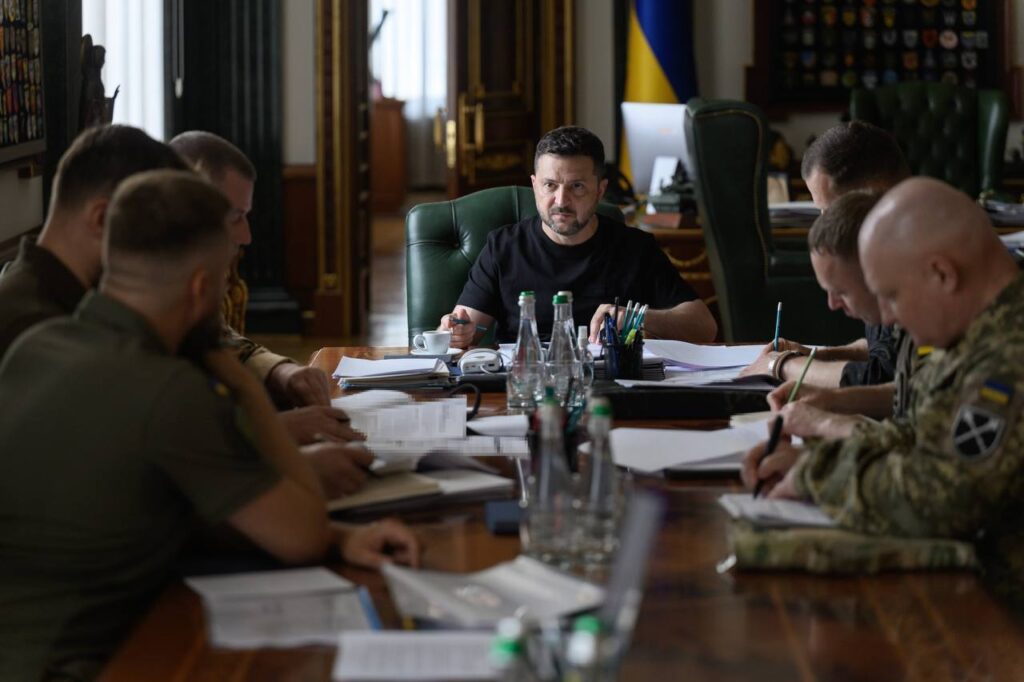

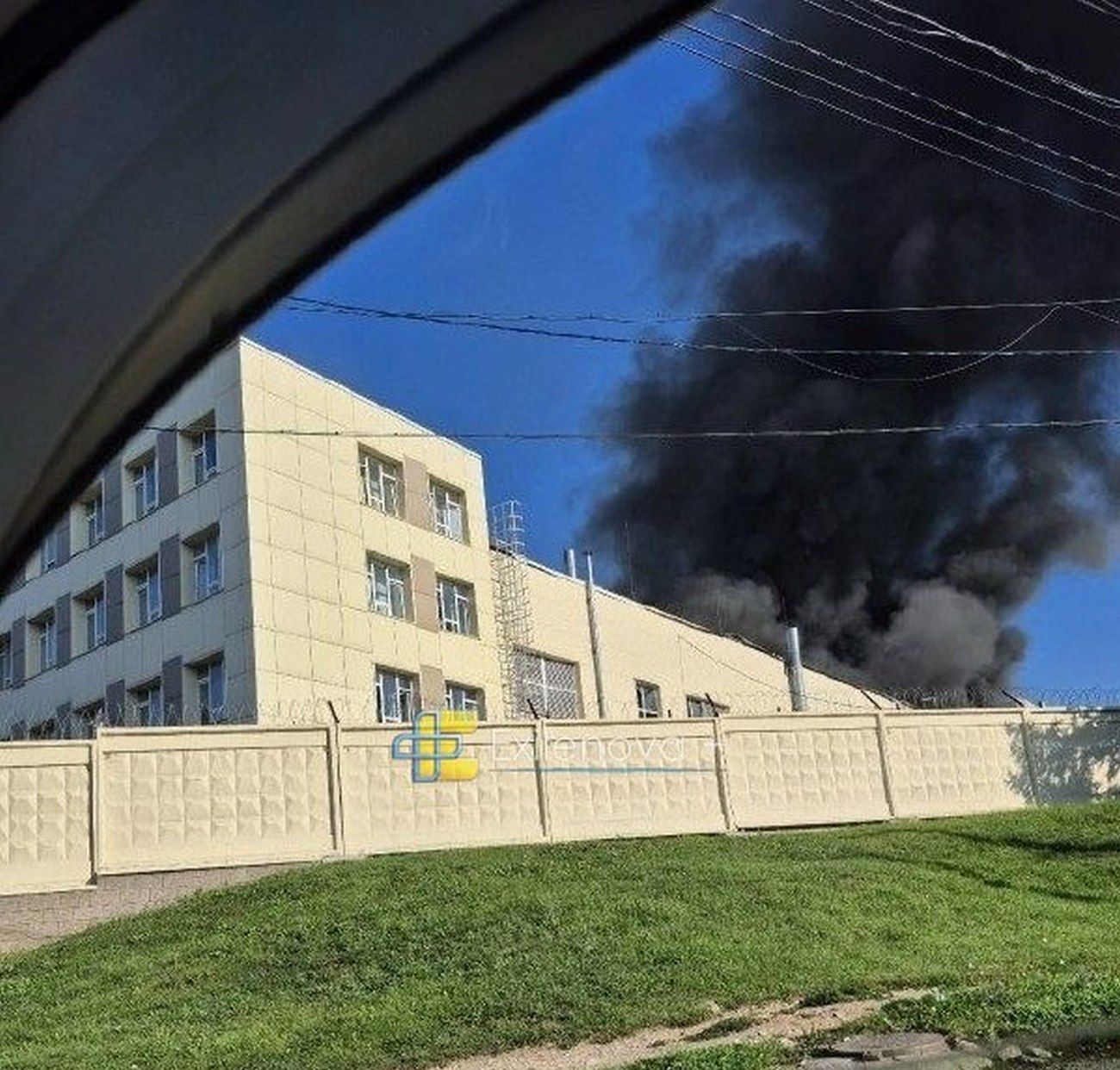
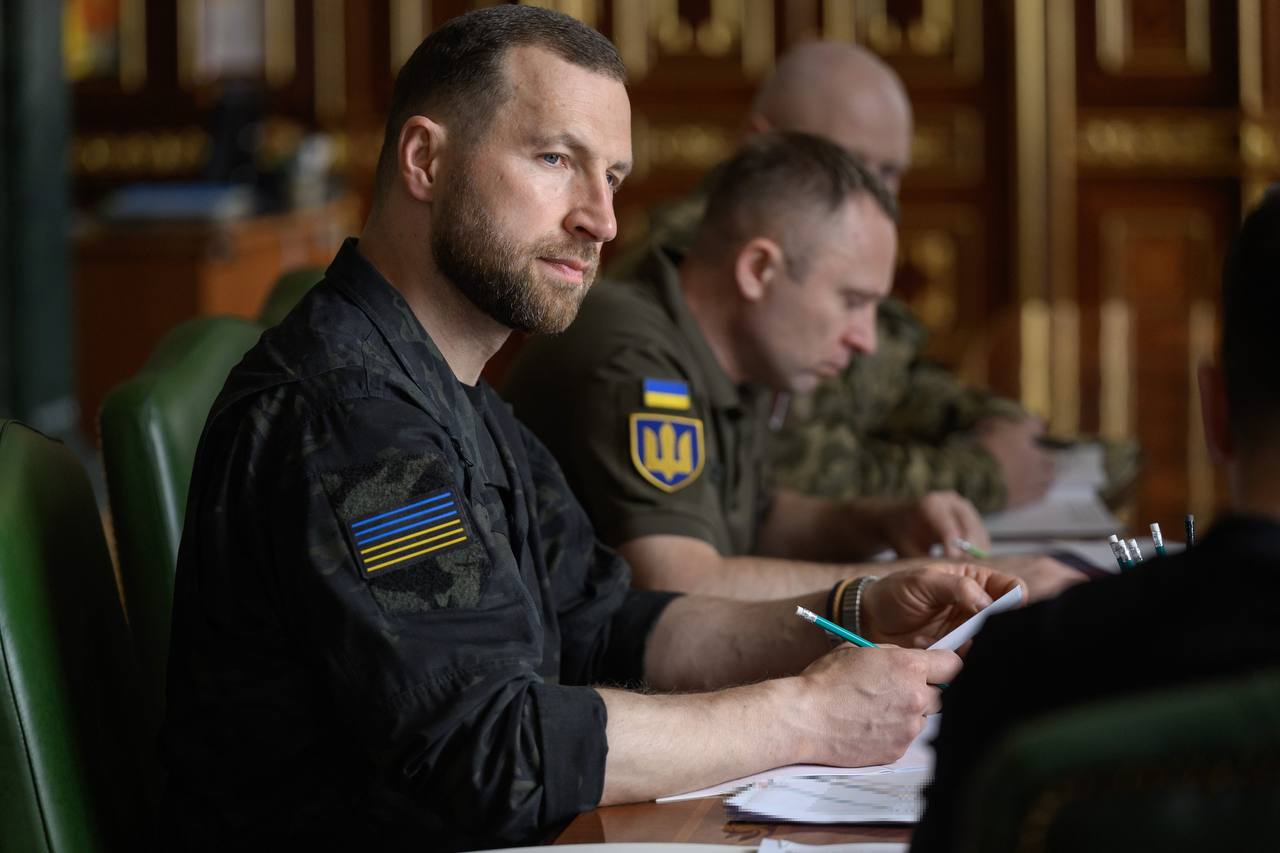
Exilenova+ pic.twitter.com/z2TL9Gl7OZ
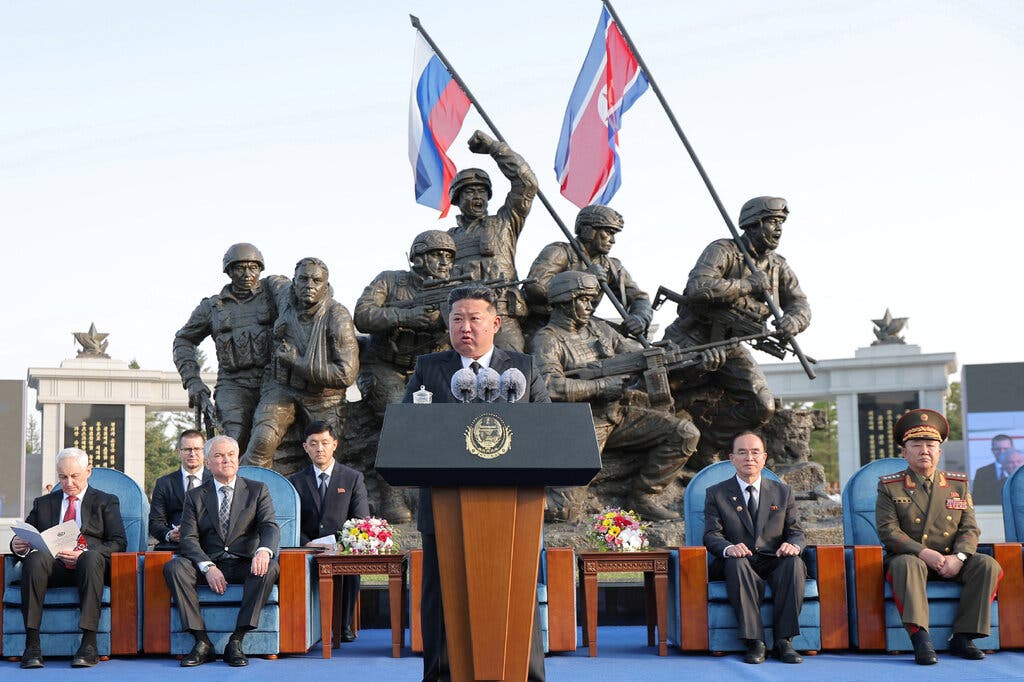
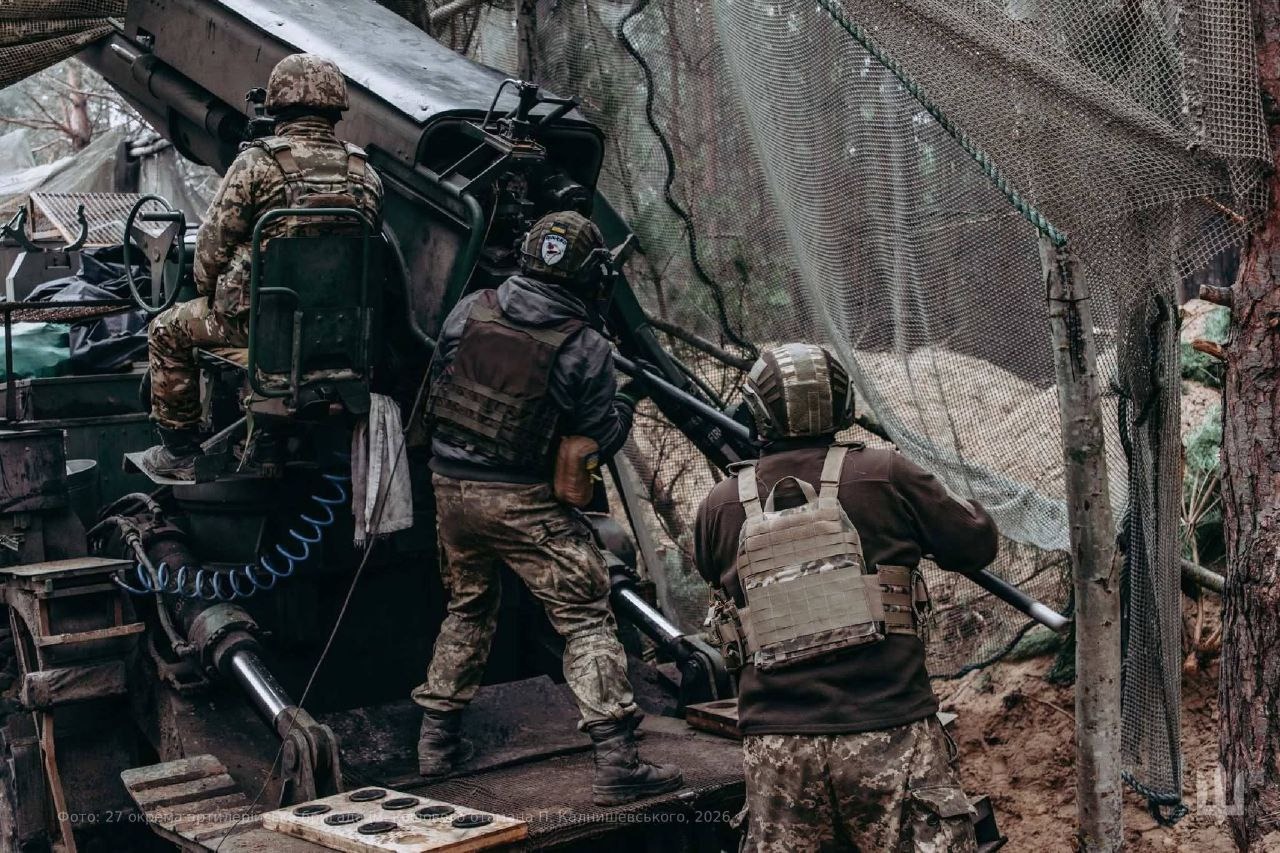
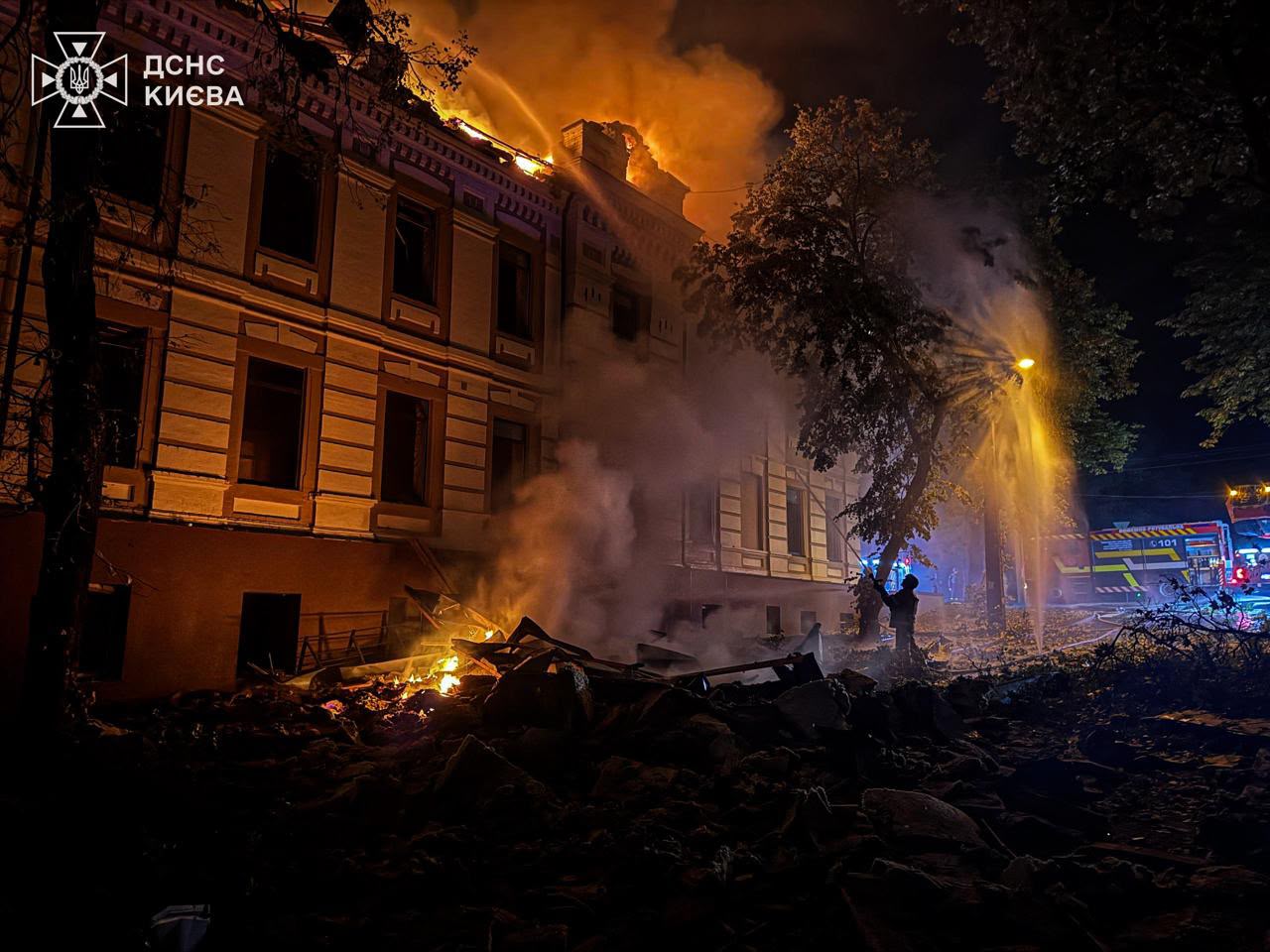

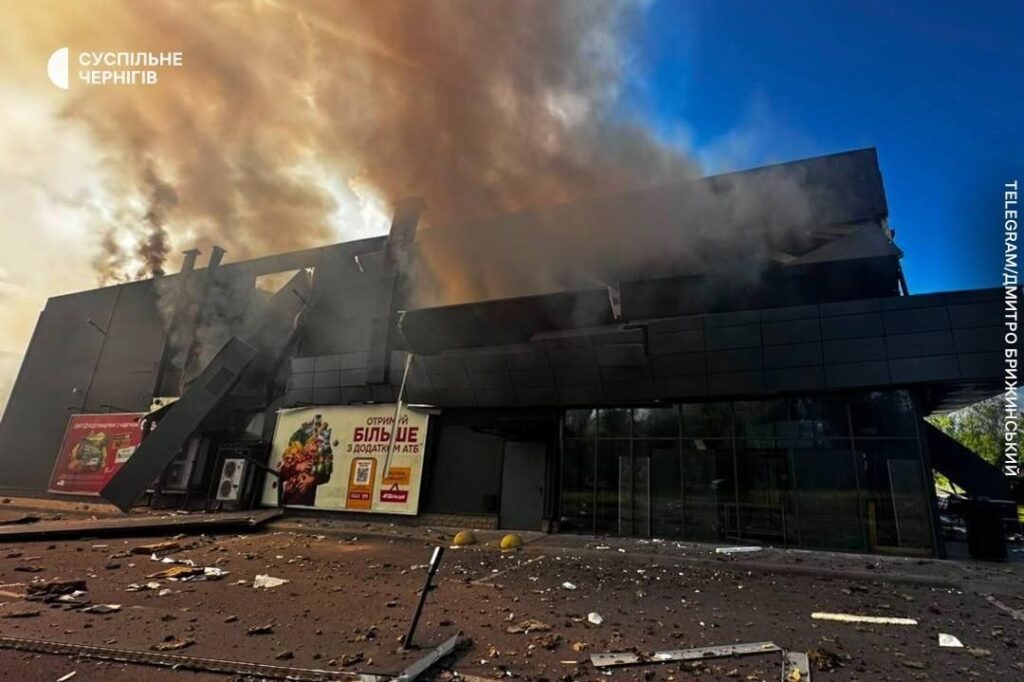
 State Emergency Service of Ukraine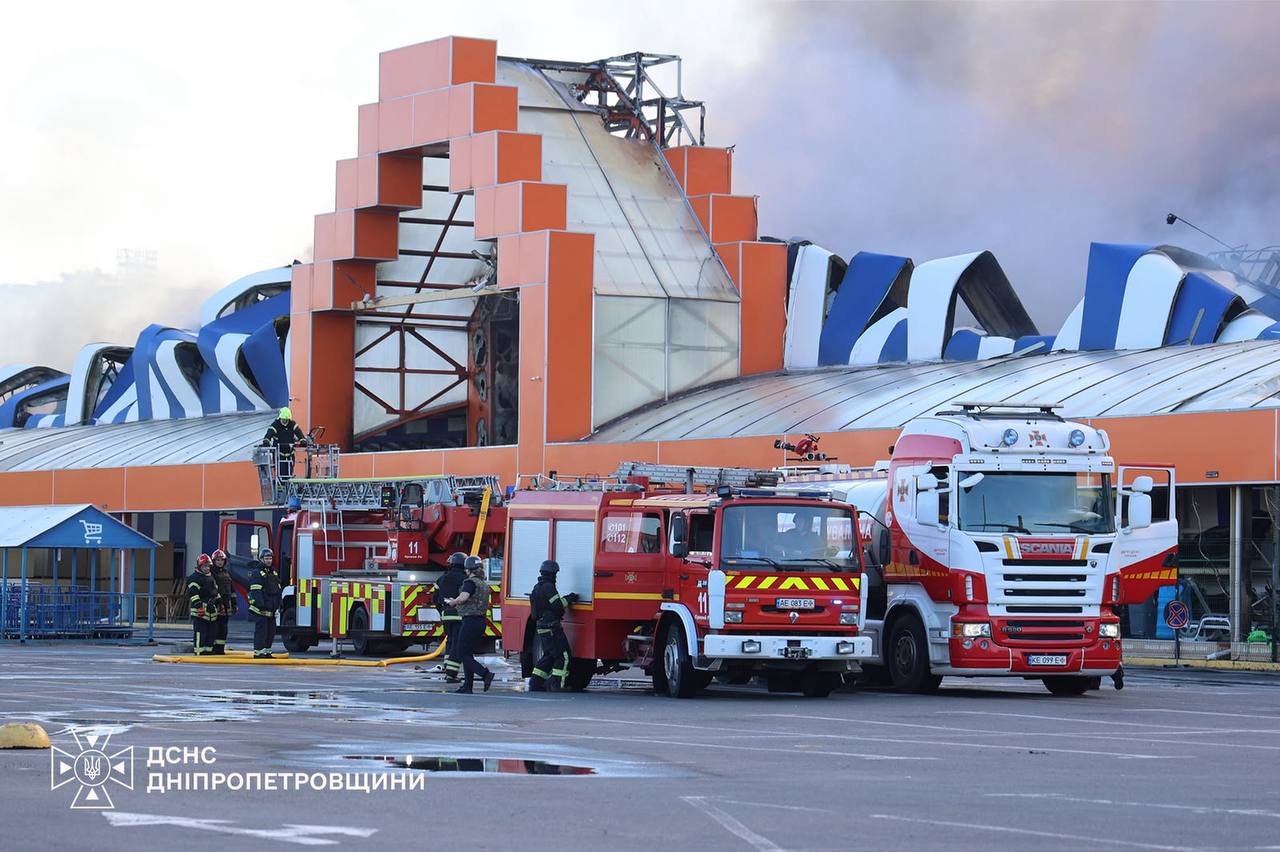

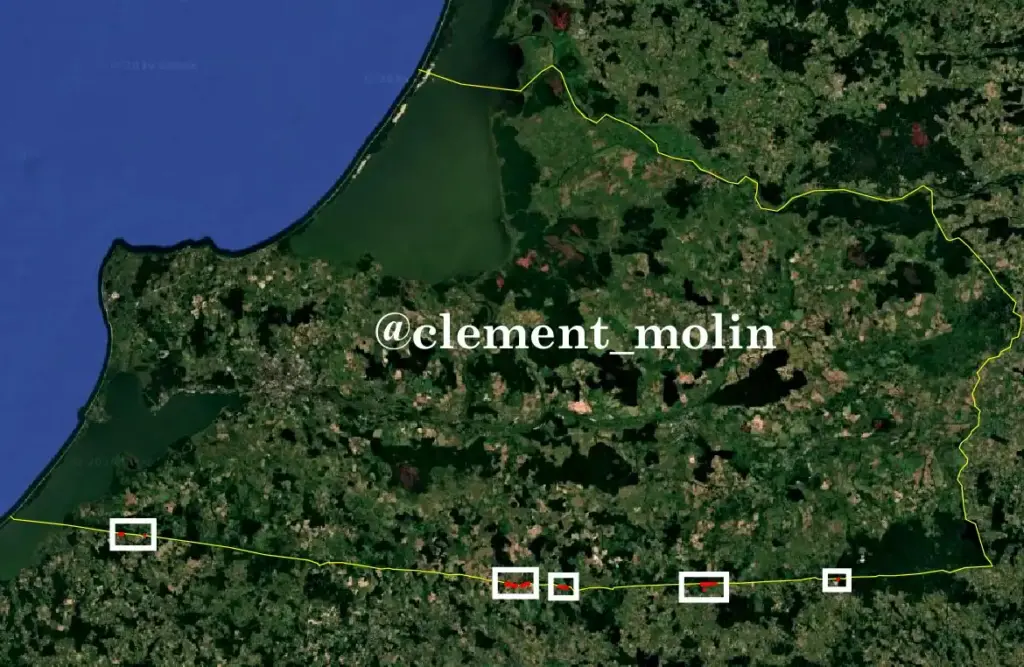
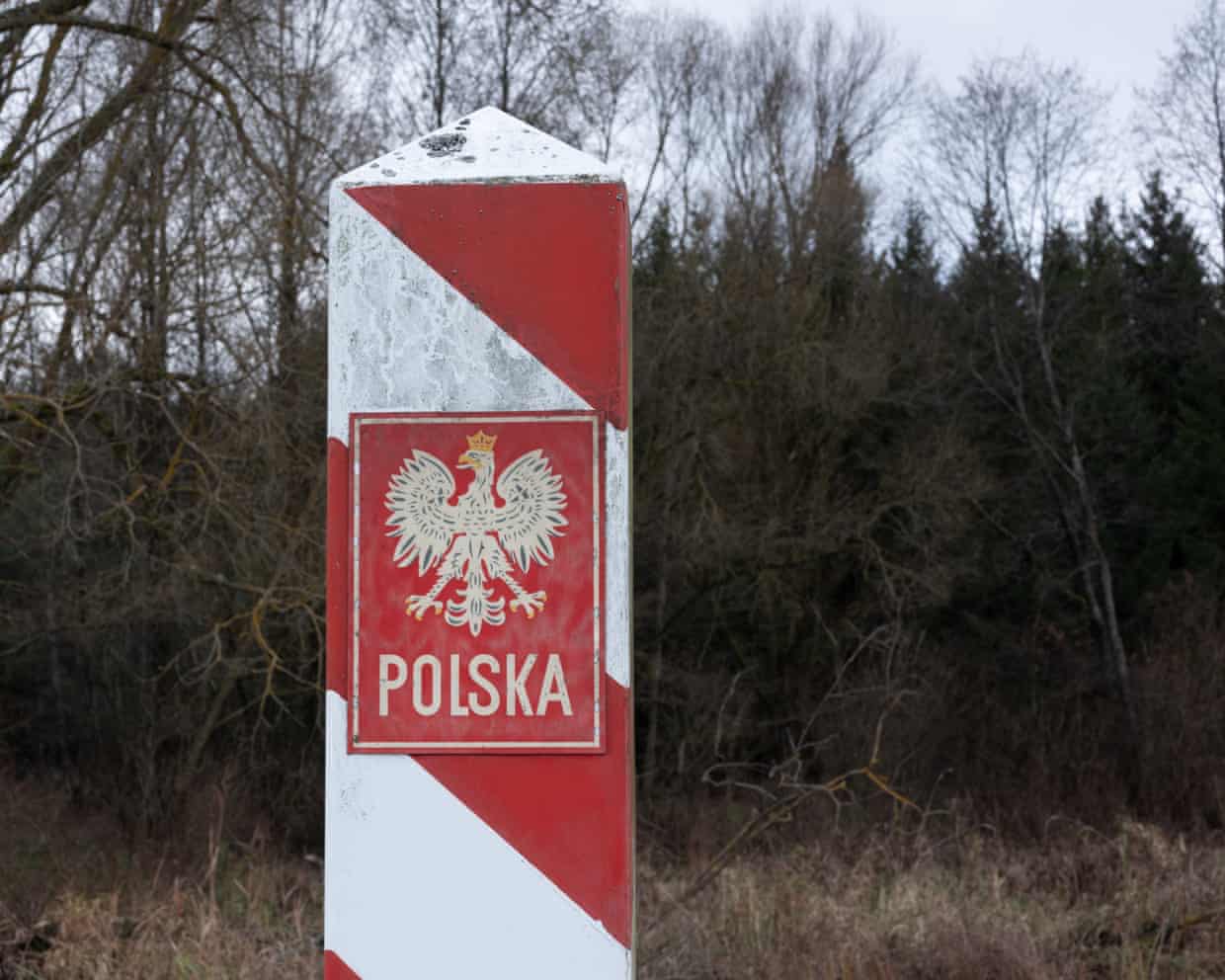
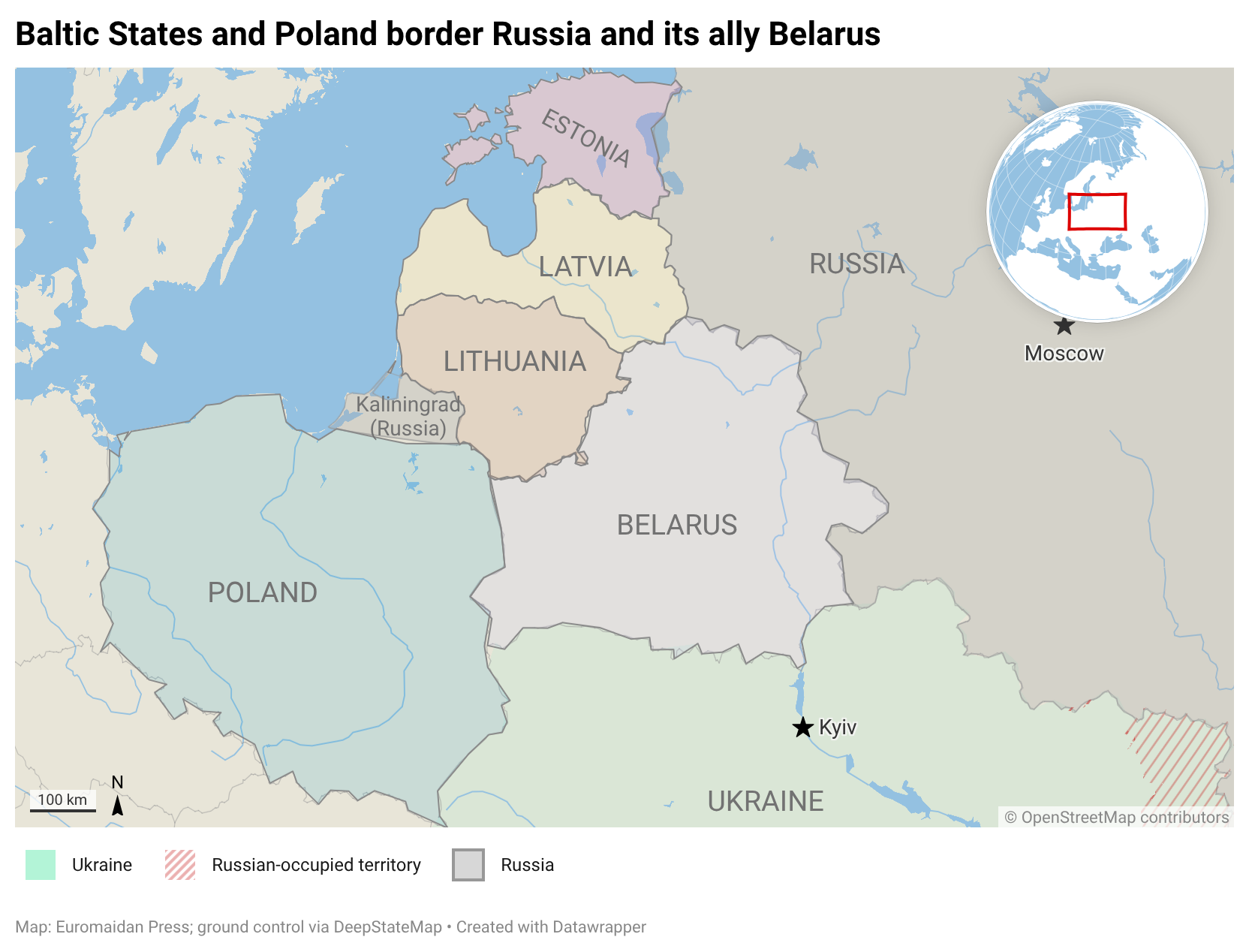
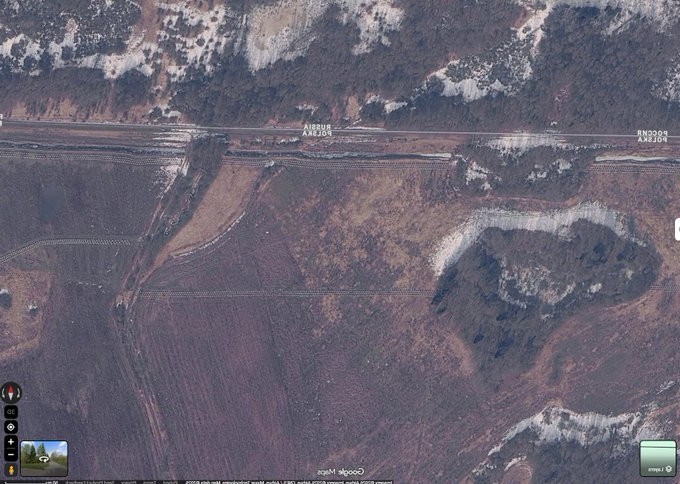
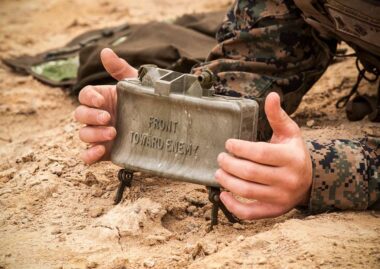
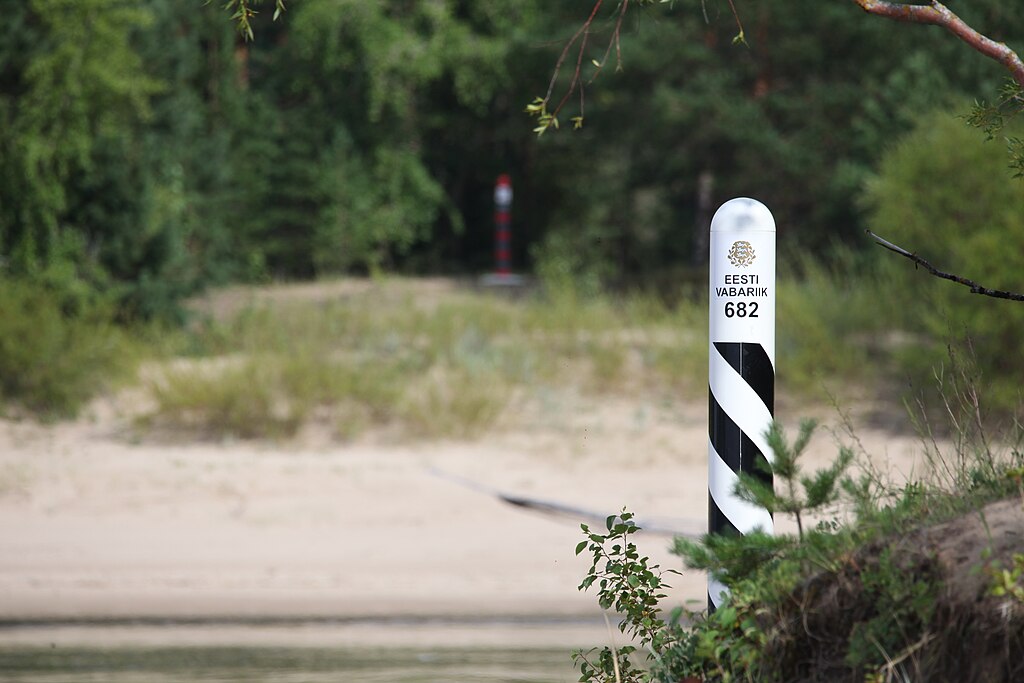
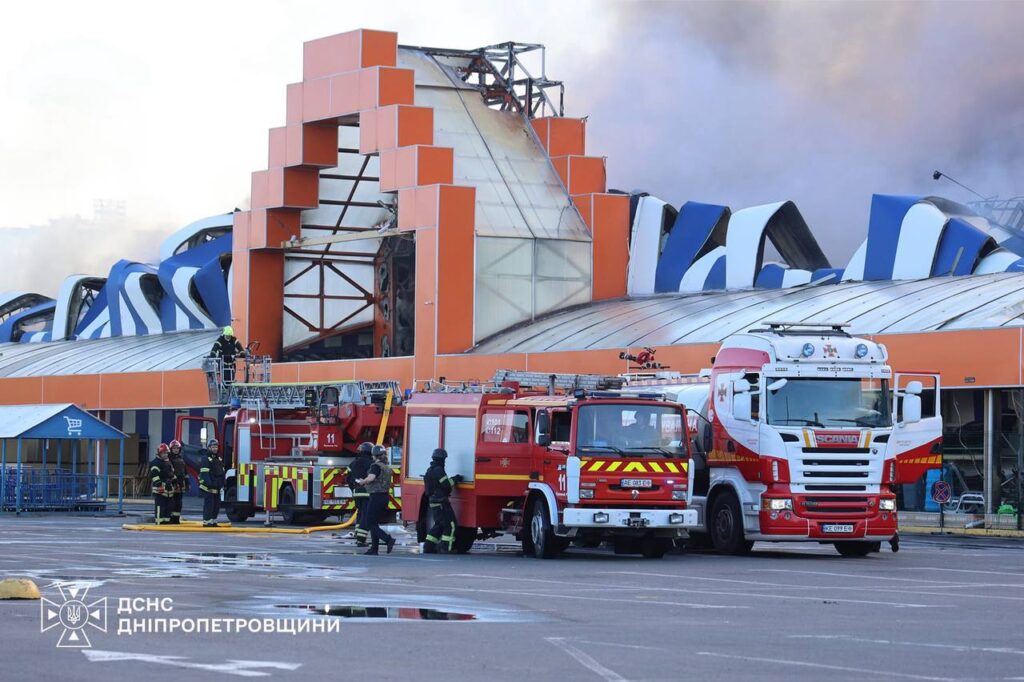
 Suspilne News