
 Connexion
Fog blinds Ukrainian drones. Russia resumes mechanized assaults in the south after months-long pause, military officials say
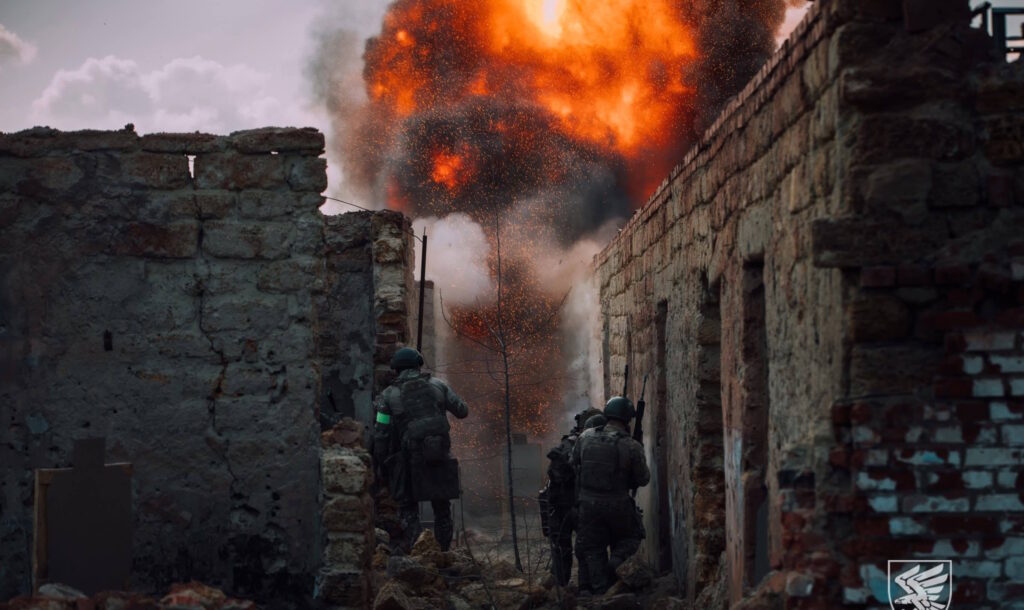
Russian forces are preparing to resume mechanized assaults in southern Ukraine after a pause of several months and are moving armored vehicles toward areas where they plan to launch offensives, Anastasiia Shevchenko, deputy spokesperson for the Southern Forces Grouping, told Ukrinform on 22 October. The Huliaipole axis remains the hottest in the Southern grouping’s zone, with 10 to 20 combat engagements reported on an average day, she said.
On the Huliaipole axis, one of Russia’s largest force groupings is fighting Ukrainian forces, comprising units from several Russian combined-arms armies, the spokesperson says. Over the past week, as the weather worsened, Russian forces began local assaults there with infantry, motorcycles, and armored vehicles, seeking to break through toward Zaporizhzhia and blockade the city, Ukraine’s 7th Air Assault Corps reported, adding that the area is one of Russia’s key priorities in southern Ukraine. Russia has used fog this way before: last November, Russian troops moved under its cover to avoid detection by Ukrainian drones as they advanced on Huliaipole, the Institute for the Study of War assessed.
Russian forces have abandoned large-scale assaults across a broad front and are attempting to infiltrate Ukrainian positions in small groups. They periodically use motorcycles and quad bikes for assaults, Shevchenko said, adding that these vehicles are fast and maneuverable.
However, Russian forces should not expect to advance unimpeded, the spokesperson noted. Ukrainian units control Russian supply routes and systematically detect and strike Russian personnel and equipment while they are still moving toward their launch positions, she added.
“Specifically, speaking in numbers, since the beginning of October alone, units of the Southern Forces Grouping (Forces) have destroyed more than 3,000 occupiers and 1,300 pieces of weapons and military equipment. Thus, the enemy is suffering significant losses in the operational zone of the Southern Forces Grouping (Forces),” the spokesperson concluded.
Ukrainian drones disrupt Russian logistics
Russian forces had stopped using military vehicles because Ukraine’s unmanned systems forces controlled their logistics, Shevchenko said in comments to Ukrinform on 16 September. Ukrainian drones spotted Russian troops and equipment in time and struck them mostly on their routes of advance, she said.
Ukrainian air strikes destroyed bridges near Polohy in Zaporizhzhia Oblast, complicating Russian supply operations along the Huliaipole axis, Ukraine’s 7th Air Assault Corps reported on 21 September. Russian forces had used these bridges to move personnel, heavy equipment, and ammunition for their offensive toward Orikhiv. Disruptions to logistics have forced Russian units to rely more on motorcycles, which are more vulnerable to Ukrainian strikes, the corps said.
Ukraine timed its Huliaipole operation around the weather — and it worked. Here’s why that won’t happen again soon
Russian forces are also expected to use fog and rain as cover for assaults, Mykola Zinko, deputy commander of the unmanned systems battalion of the 5th Assault Brigade, said on 19 October. Russia has brought up reserves, and its heavy equipment will move out under the fog, he said.
