A fire at a Polish plant that makes drone parts for Ukraine's and Poland's militaries is being investigated as possible sabotage by a foreign intelligence service, Militarnyi reported. Poland's National Prosecutor's Office opened the case on two counts: foreign-intelligence activity against the country and a terrorist offense.
Fires and break-ins like this fit a widening pattern — the factories and supply lines that keep Ukraine armed are increasingly targets far from the front line. Across the continent, prosecutors keep opening the same kind of arson case against plants tied to Ukraine's defense.
A masked intruder and a two-hour fire
The fire started shortly after midnight on 31 August in the assembly hall of the WB Electronics plant in Skarżysko-Kamienna and spread to the storage rooms. Five crews put it out in under two hours. No one was hurt, but the storage rooms were destroyed, leaving at least 15 million zloty ($4 million) in damage. The plant had no permanent guards on site; a security company monitoring it remotely reported the fire.
Prosecutors say the blaze was set deliberately with a planted charge of flammable material, and no one has been charged. Security cameras recorded a masked person who climbed a fence and got onto the site.
Why Poland is looking at Moscow
Czesław Mroczek, deputy head of Poland's Interior Ministry, told RMF FM radio that many signs point to arson, and that a Russian trail is the obvious inference. An attack on the defense industry can suggest Russian involvement, he said, since European states have faced sabotage for years while backing Ukraine. Mroczek said protection plans for key defense plants must be richer than what this site had. No one has been detained, and investigators are still tracing how the intruder got in and who may have ordered it.
Explore further
After CIA head’s visit to Moscow, Poland’s PM warns Russia is preparing to escalate war. He puts critical window at seven or eight months
What the plant actually makes
WB Electronics is the core of WB Group, Poland's biggest private arms holding, whose firms build reconnaissance and strike drones such as the FlyEye and the Warmate. The Skarżysko-Kamienna site itself makes drone components for unmanned systems, used by both Polish and Ukrainian forces. Ukraine received FlyEye drones back in 2022 under its Army of Drones program, and in 2025 WB Group launched drone production inside Ukraine.
The president’s call for the FCC to scrutinize Kristen Welker’s innocuous remarks is a sign of desperation
With his approval ratings tanking, the crucial midterm elections looming, and his war with Iran turning into a quagmire, Donald Trump has entered full freak-out mode.
It’s not hard to tell. Just look at what happened this week when he lashed out at Kristen Welker, the well-respected host of NBC’s Meet the Press, and one of the best-known journalists in the nation.
CBS analyst was arrested in July after traffic stop
Former QB has been absent from CBS duty
CBS NFL analyst and former Dallas Cowboys quarterback Tony Romo has pleaded no contest to a charge of operating while intoxicated and has apologized for the actions that led to his July arrest.
Romo was arrested on 23 July following a traffic stop in Wisconsin. CBS has since placed him on leave from his role as its lead NFL analyst.
The president is lashing out at an NBC host. As the agency’s former chair, I can only hope it stands up for free speech
Will the FCC chairperson again abuse his authority over broadcast licenses to put a Band-Aid on Donald Trump’s thin skin?
Since the opening days of the Trump presidency, Brendan Carr has acted as the president’s attack dog to coerce broadcasters to say things that please his client. Only days after taking office in January 2025, Carr revived a previously dismissed complaint against CBS for the editing of 60 Minutes that tracked candidate Trump’s specious lawsuit on the matter. At the time, the FCC was considering the transfer of CBS licenses to Skydance, a decision that did not come until after CBS agreed to pay $16m to settle with Trump. In September, after Jimmy Kimmel’s remarks about Charlie Kirk, Carr urged broadcasters to take action, saying “we can do this the easy way or the hard way” – an attack even the senator Ted Cruz said sounded “right out of Goodfellas”. In March 2026, he threatened broadcasters over their coverage of the Iran war after the president complained on Truth Social. In April, he ordered Disney’s eight ABC-owned television stations to submit their licenses for premature review, even though most aren’t even halfway through their license term (Disney, ABC and the stations are suing).
Tom Wheeler was chairperson of the Federal Communications Commission from 2013 to 2017
Latest purchases take value of deals to leave capital’s stock market this year past $100bn
Three more London-listed companies are set to be taken over as the value of deals removing firms from the capital’s under-pressure stock market passes $100bn (£74bn) so far this year.
On Tuesday, Bodycote, the FTSE 250 industrials group that has been listed on the London Stock Exchange since 1972, agreed a £1.84bn takeover by the US private equity group Veritas.
A Ukrainian defense company has built a single device that finds an FPV drone, reads its video feed, and jams it. Rebel Group has developed Brama, a stationary electronic warfare and reconnaissance system to counter FPV drones, which it plans to codify for use by the Defense Forces, the company's press service told Oboronka.
Brama can both detect a drone's signal and jam it, allowing an operator to move from spotting a drone to suppressing it.
Two jobs from one point
Brama can detect the frequency of an analog video signal, decode it, and then apply directed electronic warfare to suppress both the video channel and the drone's control link, the press service explained. Once an operator receives target data and locates a drone, they can suppress it immediately without additional equipment, Militarnyi reports.
"Both functions are implemented in a single device, so the operator does not need to use additional equipment to move from detection to suppression," a Rebel Group representative says.
Rebel Group is seeking codification
Brama has already passed laboratory testing and trials in combat conditions, according to the company. It is now going through Ukraine's military codification procedure, the required step before defense equipment can be approved for broader use by the armed forces.
Its producer company, Rebel Group, specializes in electronic warfare and reconnaissance systems, and some of its equipment has already been codified and tested at the General Staff's proving grounds, the press service noted.
It joins a widening Ukrainian EW effort
Brama is one of several recent Ukrainian counter-drone systems. In July, Ukraine unveiled Lima Quant, an upgraded electronic warfare system built to defeat the advanced satellite-navigation antennas Russia now fits to Shahed drones, cruise and ballistic missiles, and guided bombs, United24 reported.
Those antennas, newer 12- and 16-element arrays, had proven resistant to earlier jammers, which is why each side keeps building the next countermeasure as the other adapts.
A Ukrainian drone maker is selling its unmanned aerial vehicle as a kit that users assemble themselves. BlueBird Tech has unveiled the Bebradrone Kit, a modular drone whose configuration the buying unit sets when it orders, choosing the control system, video transmitter, camera, flight electronics, and navigation gear, Defender Media reports.
The name Bebradron comes from the Ukrainian joke meme “nyukhai bebru” (“sniff the bebra”), a humorous euphemism for the male genitalia.
The airframe comes in three grades
Units choose how much is pre-assembled. The Base version is a bare mechanical airframe for self-installation, at about $150, according to Brave1 Market. The ARF adds pre-installed motors for about $335, and the Pro comes with a configured flight controller for about $130.
A fully built Bebradrone glider without added configuration runs about $875 on the marketplace. BlueBird also offers a custom option, with its own engineers selecting and integrating equipment for a specific mission.
The specifications hold in the base build
In its base configuration, the Bebradrone Kit cruises at 90 kilometers per hour and reaches up to 150. Its tactical radius is up to 45 kilometers, and it carries up to 7.5 kilograms.
Flight time can reach 30 minutes, with a working altitude of 150 to 500 meters. The drone launches from a pneumatic catapult, which needs no runway or prepared strip.
The company grew from a volunteer group
BlueBird describes itself as having started with a small group of enthusiasts testing drone ideas and learning from their own mistakes. That grew into an R&D operation and production workshops, with separate units for development, manufacturing, quality control, service, and military contact.
The company now employs more than 350 specialists across several Ukrainian cities, building electronic warfare, drone detection, strike FPV, and communications systems. Its products are tested under real-world conditions and refined based on feedback from the front lines.
In Lithuania, a photograph of a company executive with a black mourning ribbon was placed next to funeral wreaths, and similar objects turned up near a Czech defense company, Delfi reported on 30 August. Law enforcement officials are investigating whether the two incidents are connected.
Russia is trying to obstruct the defense assistance that NATO countries provide to Ukraine. To this end, Russia uses various forms of intimidation: exerting political pressure, carrying out cyberattacks, and recruiting people to conduct sabotage against foreign defense companies. Russia is suspected of using a new form of psychological pressure against the executives of companies that supply aid to Ukraine: through the use of elements symbolically associated with death.
Wreaths outside a Vilnius drone maker, and a suspect in custody
In Vilnius, funeral wreaths were left near the offices of RSI Europe, a company that manufactures unmanned systems and supplies Ukraine with FPV drones and remote detonation systems. Next to the wreaths, unknown individuals placed a photograph of company head Tomas Milašauskas, tied with a black mourning ribbon. Milašauskas is alive and well.
"We are not afraid. This is ordinary intimidation, a provocation, the usual methods of Russians' work. Our reaction is absolutely normal—we continue to work, we do not react and do not get distracted, because their goal is to distract our attention and direct it where it should not go," Milašauskas told LNK Žinios, as relayed by Delfi.
Milašauskas said that this was the first time RSI Europe had faced such a provocation. But the company had previously faced attempts to interfere with its operations, including cyberattacks.
A similar incident occurred in Czechia at almost the same time. Funeral wreaths also appeared near the offices of Czech defense group CSG, which makes ammunition and military equipment. A photograph of CSG executive director David Chour was placed nearby, Delfi reported.
Lithuanian police have already detained one suspect and launched a pre-trial investigation. National Crisis Management Centre head Vilmantas Vitkauskas said he believed the monitoring and the measures taken after earlier talks with defense firms made the detention possible. The detainee is a Ukrainian citizen, LNK's sources said. Preliminary information suggests that he may have been hired to deliver the wreaths, while the person who ordered them may have been a Belarusian citizen.
Funeral wreaths outside the office of RSI Europe, a drone manufacturer supplying Ukraine, in Vilnius, Lithuania, August 2026. Screenshot: LNK Žinios via Delfi
“This is probably only the beginning”
Lithuanian officials are treating the use of mourning symbols against defense companies as a possible provocation linked to Russian intelligence, after warning the sector to expect such attempts. Remigijus Motuzas, chairman of the Lithuanian parliament's Foreign Affairs Committee, said:
"I think that such cases may become more frequent—and they have already become more frequent. This is probably only the beginning," he said.
He said the warnings are serious enough to require particular vigilance, although security at infrastructure facilities in the country has already been strengthened.
The Lithuanian authorities are also paying particular attention to the fact that photographs and videos of the wreaths quickly spread on social media and Telegram channels following the incidents. Posts accompanying the material promoted claims that NATO is allegedly fighting Russia with Ukraine’s hands, while European companies assisting Kyiv are supposedly making money from the war. Lithuanian officials consider this information component characteristic of information operations by Russian intelligence services.
Ukraine's former defense minister Mykhailo Fedorov has offered to help the United States build a fleet of attack drones if Washington sends Ukraine the Patriot interceptor missiles it needs to get through winter, he told the Financial Times. The idea is Fedorov's own proposal, not a deal, and he holds no government post that would let him negotiate one for Kyiv. He is in Washington mainly to raise American money for a fund that would both invest in Ukrainian defense-tech companies and build new ones of its own.
Over the past year, Ukraine's partners have shifted from handing over weapons off their shelves to funding and co-producing Ukrainian-designed drones and missiles, inside and outside the country.
What the fund would do
Fedorov used his working trip to Washington to line up venture funds, entrepreneurs and tech companies as backers, Suspilne reported. The fund would not simply invest in existing Ukrainian defense-tech firms, he wrote; it would also create new companies around the technologies the front line needs most. He set out three targets: battlefield robots to replace soldiers in the most dangerous positions, jet-powered interceptor drones to bring down Russia's faster new attack drones, and cheap missiles that use artificial intelligence. He did not say what his own role would be, or whether he would profit. He said the next step is to assemble a team and launch the first projects.
Explore further
The Fedorov protesters lost. But they backed a man for what he built, not what he promised—and that may be new in Ukraine.
The interceptors behind the offer
Fedorov framed the drone help as a straight swap.
"I'm ready to make that trade," he told the FT.
Ukraine is running low on interceptor missiles for its Patriot batteries, one of the few air-defense systems able to reliably stop Russia's ballistic missiles. Fedorov declined to say whether he would meet anyone from the Trump administration.
Ukraine's ex-minister turns open critic
President Volodymyr Zelenskyy dismissed Fedorov on 15 July, after six months in the job. Fedorov said a feud with Commander-in-Chief Oleksandr Syrskyi, who he says blocked his reforms, drove the split, Zelenskyy removed Syrskyi on 21 July as protests spread. in an interview with Reuters published on 25 August.
"it looks as though we're gradually, slowly losing," he said in an interview with Reuters.
Another Russian strike has destroyed tens of thousands of Ukrainian books around Kyiv, adding to a summer of attacks that has wiped out millions of copies and damaged the warehouses, printing plants and markets that keep Ukraine’s publishing industry running.
Since Russia’s full-scale invasion began in 2022, Ukrainian publishers, printers, bookstores, warehouses and other parts of the literature industry have repeatedly been hit by Russian attacks.
The destruction has drawn comparisons to earlier Russian and Soviet efforts to suppress the Ukrainian language, culture and national identity, with publishers and cultural figures warning that the current attacks are damaging not only businesses and infrastructure but the means through which Ukrainian culture is produced and preserved.
The latest loss came on 28 August, when a Russian drone struck a Nova Post fulfillment and sorting center in Sviatopetrivske, Kyiv Oblast. More than 60,000 books stored there were destroyed, including books belonging to Ukrainian publishers and retailers such as Vivat, A-BA-BA-HA-LA-MA-HA, Osnovy, Readeat and Book.ua.
The destruction is taking a growing toll on Ukrainian culture
Nova Post director Yevhen Tafiichuk said the strike destroyed the company's most modern robotic fulfillment center, along with books from several publishers and stores. He said the company is working with affected partners to compensate their losses and is moving toward a decentralized fulfillment system to reduce the risk of losing large inventories in a single strike.
“For centuries, the enemy has tried to destroy the Ukrainian language, culture and memory. Once, it burned libraries and banned printing; today, it launches missiles at printing plants and warehouses filled with books,” Tafiichuk said.
The latest destruction comes after the Ukrainian publishing industry estimated that Russian attacks had already destroyed about 13 million books in July and August – nearly a third of the number of books Ukrainian publishers printed during all of 2025.
Explore further
Russia has burned 13 million Ukrainian books in three months, nearly third of everything country printed in 2025
Another warehouse full of books goes up in flames
The Sviatopetrivske strike hit a logistics facility rather than a publishing house itself, but the consequences spread across much of the book market.
Readeat founder Dmytro Feliksov said more than 60,000 physical books were destroyed and estimated his company's losses at more than UAH 23 million. The warehouse held stock for several publishers and booksellers.
Vivat CEO Yuliia Orlova said the publisher also lost books stored at the Kyiv warehouse in the attack. The company had already begun moving some print runs to other parts of Ukraine, including Lviv, after earlier Russian strikes destroyed publishing infrastructure. But many new releases and books by Ukrainian authors remained in Kyiv.
The same attack destroyed a warehouse used by A-BA-BA-HA-LA-MA-HA to fulfill direct orders. The losses came as publishers were already trying to spread their inventories across multiple locations to reduce the risk posed by Russian strikes.
Millions of books destroyed across Ukraine, publishers hit again and again
On 1 August, a Russian strike on the warehouses of RNK-Ranok destroyed nearly 8 million books, including hundreds of thousands of school textbooks. The Ukrainian Book Institute said the loss from that strike alone was equivalent to about 30% of the country's annual book production.
A separate Russian strike on 19 July destroyed the Konvi printing facility and about 250,000 books belonging to Knyholav, along with print runs and materials belonging to numerous other publishers.
BookChef has suffered some of the largest losses around Kyiv. A Russian strike in July destroyed about 800,000 books at its main warehouse. A second strike in August hit a backup warehouse opened after the first loss, destroying more than 100,000 additional books, Interfax-Ukraine reported.
The attacks have also damaged publishing offices and warehouses. On 16 August, Russian strikes near Kyiv’s Pochaina metro station damaged the offices and warehouses of BookChef and RM, including areas where books were stored.
Kyiv’s Pochaina market also burned
The damage is not limited to modern distribution centers.
On 16 August, a Russian strike set fire to Kyiv’s Pochaina book market, one of the capital’s best-known places to buy new, used and second-hand books. Much of the market burned, with the fire covering more than 2,000 square meters of commercial space.
The market, formerly known as Petrivka, had operated for about 30 years and was a major hub for second-hand books and other goods. Dozens of thousands of books were destroyed, according to local reporting.
Kyiv’s Pochaina book market was hit again during Russia’s overnight missile attack, with rows of stalls burned and books damaged.
“Pochaina Book Market is finished. Three missiles hit the stalls. This time, the story is over,” Oleksandr Krasovytskyi, CEO of Folio publishing… pic.twitter.com/fum3LNN5Dt
The destruction was extensive enough that 60–70% of the market's commercial space was lost. The surviving Bukinist section began reopening later in August, with booksellers returning to trade where their stock had survived, RBC reported.
The market's destruction also meant the loss of a part of Kyiv's book culture that cannot simply be replaced by reprinting new editions. Second-hand books, older editions and used collections had been traded there for generations.
Explore further
Kyiv’s largest book market hit by Russian missiles
The losses are hitting an already fragile industry
The Ukrainian publishing sector had been growing before Russia's latest attacks, helped in part by rising demand for Ukrainian-language books during the full-scale invasion.
But publishers now face the repeated cost of replacing destroyed print runs, warehouses and equipment while also trying to keep books moving to stores and readers.
Olesia Ostrovska-Liuta, director general of Mystetskyi Arsenal, said the Ukrainian book industry had only recently begun to grow, making the latest losses especially painful.
“Losses are accumulating, while the tools to minimize them are being built extremely slowly,” she said. “Culture will not disappear, but it will once again be drained of its strength.”
Publishers seek help to rebuild and protect a supply chain under attack
The Ukrainian Publishing Association has called for additional support, including war-risk insurance for book stocks, affordable financing to rebuild printing capacity and the restoration of state purchases of books for libraries.
The Ukrainian Book Institute has also appealed for international support for the publishing sector, saying Russia has systematically targeted publishing houses, bookstores, printing facilities and warehouses since the start of the full-scale invasion.
For publishers, the latest strikes show that moving books from a printer to a reader has itself become a wartime vulnerability. A single warehouse can contain the output of dozens of publishers, and losing it can erase months of work and leave books unavailable even when the companies themselves survive.
Nova Post says it is responding by distributing inventory across more locations rather than relying on large centralized facilities. The strategy may help reduce future losses, but it also reflects how deeply Russia’s ongoing attacks have altered the basic infrastructure through which Ukrainians produce, store and buy books.
A Ukrainian maker known for ground robots has built a flying attack drone. Ratel Robotics has unveiled the Ratel K1, a strike FPV drone for ground targets with a tactical range of up to 30 kilometers, according to Defender Media.
The K1 will likely join the number of weapons that clear out Russian logistics. The campaign scales medium-range drone strikes against Russian supply convoys, depots, command nodes, and air defenses 20 to 200 kilometers behind the front. On 29 May, Ukrainian forces destroyed 483 Russian vehicles in a single day, an all-time record that pushed cumulative Russian motor-transport losses past 100,000.
A 30-kilometer FPV sits at the near edge of that fight, reaching supply routes and second-line positions that shorter drones cannot.
The company came from ground robots
Ratel Robotics is a Ukrainian ground robotics maker whose fielded line includes logistics, casualty evacuation, mining, and demining platforms. The K1 is its move into aerial strike, and the company brings a wartime production record to it rather than starting from scratch.
Ratel's ground systems took part in the military parade in Kyiv on 24 August, marking Ukraine's 35th Independence Day, the company said. The firm has also joined a campaign, with the National WWII Museum and the Tallboy brand, to raise nearly $447,000 for a planned museum of modern military technologies, according to Ratel.
The specifications come from the maker
The K1 is built on a 22-inch frame, reaches a top speed of 75 kilometers per hour, remains airborne for up to 35 minutes, and carries up to 2 kilograms.
The drone uses a digital video system and a daytime camera and is controlled via a satellite link through Starlink. Per Brave1 Market, it has no built-in autonomous navigation, no auto-takeoff, and no automatic return-to-home landing.
The manufacturer is currently working on the next iteration of the Ratel K1, refining the system based on test results and operational experience.
President faces criticism over plan to import up to 300,000 metric tons of foreign beef without charging higher tariffs
Donald Trump has pledged to allow cattle ranchers and farmers to process their own food amid a backlash from the US agricultural sector over his decision to pause US tariffs on foreign beef.
The US president has been sharply criticized, including from members of his own party, since announcing the US will temporarily import up to 300,000 metric tons of foreign beef without charging higher tariffs in an effort to bring down prices.
A Russian drone company is developing an interceptor drone—the cheap counter-drone weapon Ukraine has fielded at scale against Russian attack drones—internal documents published by the Russian resistance group Black Spark describe, the defense outlet Militarnyi reported. The documents describe two designs under consideration, and Black Spark alleges the company cooperated with Boeing before the full-scale invasion and spied on European companies.
Interceptor drones—unmanned aircraft that hunt other drones—scaled up out of Ukraine's need to shoot down Russia's mass Shahed attacks without spending million-dollar missiles on them. Ukraine now fields them from dozens of licensed makers, and their spread has pushed Russia toward faster jet-powered attack drones. Russia already flies anti-drone interceptors of its own—Ukrainian troops downed one in July—and the leaked designs would fly far faster than that machine.
Mortar-launched drone-killer
NIK is considering two interceptor designs. The first modifies the company's existing UBB-M, a folding-wing loitering munition that launches from a 160 mm container by mortar-style ejection. For the interceptor role, designers changed the wing from straight to swept, shrank the wingspan, installed a larger battery, and fitted a more powerful motor.
Explore further
Russia’s attack drones now jam the cheap interceptors sent to kill them
The modified drone weighs 15-16 kg, carries a 3 kg payload—likely a warhead—and flies at 250-300 km/h with a 20 km operating radius and up to 10 minutes of flight time, operating between 20 meters and 4.5 km altitude. NIK's second design has a cone-shaped fuselage with four electric motors. Its specifications remain unknown.
Espionage claim comes with no documents
Black Spark says the documents came from someone inside the company, not a break-in, and that it holds evidence the firm spied on European companies. It gave no details on the Boeing cooperation beyond dating it before the invasion.
The leak is Black Spark's latest operation against Russia's defense industry. The group, which operates inside Russia, says it infiltrated the Alabuga factory where Russia assembles Shahed-derived Geran drones and copied personnel databases. Ukraine's Special Operations Forces have acknowledged joint missions with Black Spark, including attacks on Russian oil infrastructure.
Mayor Karen Bass said food vendors discourage restaurant patrons, mentioning them alongside homeless encampments. Her opponent, Nithya Raman, said vendors should be brought into the system.
A controller let a jet take off after missing warnings that Marine One was about to fly through the area, according to the National Transportation Safety Board.
A passenger jet came within a mile of Marine One in early August, after an air traffic controller at Ronald Reagan National Airport appeared to have missed multiple warnings.
One wonders when, if ever, a US broadcast can win the same plaudits presenting the English league with a more American voice
There they were again, signaling with their unchanging faces and voices and their unchanging studio backdrop that another Premier League season had begun. On Friday afternoon, and again on Saturday and Sunday morning, Rebecca Lowe welcomed American viewers to what is somehow already the 14th season of the world’s most popular sporting circuit to air on NBC.
She was flanked, as ever, by her merry band of pundits, her gang of fellow British expats. The Robbies and the other ones. Also, Tim Howard as the token American, albeit one who spent 13 seasons of his goalkeeping career in the Premier League, deemed sufficiently English by osmosis to join the crew.
Leander Schaerlaeckens is the author of The Long Game: U.S. Men’s Soccer and Its Savage, Four-Decade Journey to the Top, or Thereabouts, which is out now. He teaches at Marist University.
A 15-year-old using social media apps in Australia in July, more than half a year after the country had implemented a ban on children under 16 using many platforms.
Ukraine has unveiled the largest robot boat in its Magura sea-drone family, and this one is built to carry and launch other drones instead of ramming enemy ships, the company UFORCE told Militarnyi. UFORCE showed the new V11 during Ukraine's Independence Day drone parade, signaling a move from single-use attack craft toward a floating base at sea.
Ukraine has fought its Black Sea war with throwaway robot boats—cheap, one-way, built to hit a ship and go down with it. Shifting toward reusable platforms that keep other machines running far from any coast marks a different bet.
A floating base, not a battering ram
The V11 is the biggest drone in its class. Earlier, Magura boats were made to hit warships. This one is a transport platform that carries other unmanned systems and gear. Its main feature is the ability to launch a larger number of unmanned systems straight from its deck, turning one boat into a mobile base for them. The company refers to the drone as both the V11 and the MV11.
Explore further
American defense company Red Cat announces serial production of copy of Ukraine’s Magura V7 and says it’s their own development
What the V11 can do
UFORCE says the drone carries up to 2,200 kg (about 4,850 pounds) and can stay at sea for up to seven days. The company built it for reconnaissance, surveillance, support of landing operations, and resupplying fuel and equipment to other naval drones.
"It is a platform that provides multi-domain capability: one carrier that carries and launches other unmanned systems far from shore for operations across all domains," said Oleh Rogynskyy, CEO of UFORCE.
He said the investment the company attracts works for Ukraine's Defense Forces.
From strikes to a US production line
UFORCE's design and engineering office in Portugal developed the V11, drawing on international investment and aiming at the needs of Ukraine's Defense Forces. Its work there was first reported in September 2025.
Explore further
Meet the Magura W6: Ukraine’s latest threat to Russian warships
In July, the company and the US firm ReconCraft signed a memorandum for the licensed production of Magura naval drones in the US. Ukraine's Magura boats have forced Russia's Black Sea Fleet back to safer ports, and some versions have even shot down Russian fighter jets.
The Technological Forces of Ukraine have presented a strike drone built to cut Russian logistics. The new fixed-wing Baton is designed to hit firing positions, supply routes, and other targets at tactical depth, out to 90 kilometers, according to the association's announcement.
Everything Russian troops eat, fire, and drive reaches them by road and train. Ukraine has pushed cumulative Russian motor-transport losses past 100,000 vehicles by working that ground, destroying 483 in a single day on 29 May, the highest daily figure since February 2022. Baton is built for that band.
The numbers come from the association
Baton carries three kilograms over a stated range of up to 90 kilometers, stays airborne for 50 minutes, and cruises at 105 kilometers per hour, with a maximum of 140 kilometers per hour, according to the announcement. Its working altitude ranges from 150 to 500 meters, with a ceiling of 1,500 meters.
Eight airframes fit in one pickup, launch comes from a catapult under ground-station control, and preparation takes about 15 minutes, the association said.
Autonomy takes over at two kilometers
The drone locks onto a target and flies to it automatically from up to 2 kilometers away and at altitudes up to 500 meters, the association said. That final stretch is where Russian jamming would otherwise break the link.
Depending on the version, it carries analog or digital video, communicates over LTE or Starlink, and navigates a route autonomously with real-time positioning, according to the announcement.
Two figures do not sit together
Fifty minutes at the stated cruising speed covers roughly 87 kilometers. The 90-kilometer range is therefore a one-way distance at near-full endurance rather than an operating radius.
Earlier, a Ukrainian drone maker pitched a weapon that functions like a mortar, rather than a drone. F-Drones unveiled the F5, a compact five-inch strike FPV built for assault units working treelines, built-up areas, and position support at short range.
Ukraine's ground robots ran more than 100,000 missions in the first eight months of 2026. The Defense Procurement Agency will now buy logistics and strike ground robotic complexes according to specifications set by the Defense Ministry, rather than approving models one at a time, the ministry announced.
The mechanism is three days old. The agency applied the same structure to fiber-optic FPV drones on 22 August—classes, multiple lots each, no supplier above half a class. Ukraine is standardizing how it buys entire weapons categories, one category at a time.
The rules sort makers by class
Complexes will be divided into classes by operating range and payload, with four to five lots per class. No single manufacturer may take more than half the order within one class.
Suppliers must meet the technical specifications and hold at least one codified ground robotic complex. The procurement runs in a closed environment under defense security requirements.
"A tender is one of the best instruments for this, because we can buy more equipment for the same money and minimize the risk of supply disruptions by splitting the order among different manufacturers," Deputy Defense Minister Mstyslav Banik said.
Mission volume keeps climbing
Monthly figures of ground robot missions logged in the DELTA combat system rose almost without interruption: 7,511 in January, 11,028 in April, 19,969 in July. Units recorded another 15,729 between 1 and 20 August, about 790 a day compared with roughly 640 a day in July, The Defense Post reported.
Ukraine has contracted more than 22,000 ground robots since January, nearly double the total for all of 2025. The number of units operating them grew from 117 at the end of 2025 to 230 by mid-2026.
A commander disputes the evacuation case
The ministry lists casualty evacuation as one of the tender's purposes. A frontline officer challenged that three days ago.
Tetiana Chornovol, who commands an anti-tank guided missile platoon, said ground robots are too slow for evacuation and often easy targets for Russian drones, arguing brigades need staffed evacuation teams and small light-armored vehicles instead.
A Ukrainian drone maker is pitching a weapon that works like a mortar, not a drone. F-Drones has unveiled the F5, a compact five-inch strike FPV built for assault units working treelines, built-up areas, and position support at short range, according to the company's announcement.
Fiber-optic drones are now a bulk consumable. Ukraine's military received 374,000 under state contracts in 2025 and nearly as many again in the first four months of 2026, the Defense Ministry reported in April.
The F5 arrives three days after Ukraine's Defense Procurement Agency launched its first purchase of fiber-optic FPV drones, in line with ministry-set specifications rather than individual manufacturers.
The specifications come from the manufacturer
F-Drones describes a lightweight five-inch carbon frame that carries up to one kilogram and is supplied in two control configurations.
The fiber-optic version flies about six kilometers. The radio version reaches roughly twice that, up to 13 kilometers. Several drones fit in one backpack, and a ground robot can deliver nine to a position at once, compared with the six FPVs per carrier on the Black Widow ground system.
Fiber optics buys immunity at a cost
F-Drones calls the fiber version fully invulnerable to electronic warfare. Fiber-optic control does defeat jamming because the drone emits no radio signal, but the cable restricts range and maneuverability and can snap or tangle mid-flight, cutting control. Ukrainian crews have also tracked Russian operators by following reflective fibers in sunlight back to the launch point.
The company compares its drone to a mortar
The pitch is about availability, not reach.
"In its role, the F5 is closer to an 82mm mortar than to a classic long-range FPV: always nearby and ready to close out the task here and now," the company said.
The F5 ships with a codified Opera electronic initiation board, and F-Drones says the aircraft has been tested and codified by Ukraine's Defense Ministry.
Ukraine's military intelligence has named the Russian companies that build the Su-35S fighter jet and singled out those no country has sanctioned, according to the Main Intelligence Directorate of Ukraine's Defense Ministry (HUR). The unsanctioned suppliers make parts as ordinary as wheels and fuel-system units, and one of them helped develop the aircraft. Kyiv wants sanctions efforts synchronized across every link of Russia's military-industrial complex.
More than four years of harsh restrictions have made Russia's arms industry slower and costlier to run rather than idle, and it keeps closing the gaps by substituting parts and buying through third countries. Every restriction works one company at a time, which makes the depth of a sanctions list, not its length, the thing that decides whether production slows.
The 22 firms no one has sanctioned
HUR identified 79 companies in the Su-35S production chain. Of those, 22 face no sanctions from any country restricting Russia over the war. The agency highlighted three. Rubin Aviation Corporation supplies the aircraft's braking and non-braking wheels. Gidroavtomatika builds the AU46-05 control units inside the fuel system. The Oktava research institute carried out design and development work on the Su-35S itself.
The 79 firms develop and produce the engines and fuel system, the control, communications, and guidance systems, the electronic warfare suite, and the main aviation missiles the jet carries into the war against Ukraine. HUR set the data out in the "Components in weapons" section of its War&Sanctions portal. The page carries a rotatable 3D model of the aircraft whose parts open onto the firms behind them, alongside directory listings and a profile for each company.
Russia uses the jet mainly to cover its own Su-34 fighter-bomber strike groups, ground troops, and installations. It also intercepts Ukrainian drones and cruise missiles, and works against Ukrainian air defense systems. Ukraine's Air Force said in July it had shot one down over the east, and such losses are hard for Moscow to replace: Russian factories ordered 12 of the jets in 2024 and delivered 10.
Explore further
Ukraine mapped Russia’s Su-35 down to individual control units—and found 22 firms nobody has sanctioned
Three sanctions regimes, loosely aligned
The gaps HUR points to exist because the restrictions are not one list. The EU legislates in packages, the US and other G7 states maintain their own designations, and Ukraine issues sanctions by presidential decree, each covering a different set of firms. Kyiv has spent years asking partners to synchronize those lists, and its own designations often run ahead of them. A company can therefore supply a frontline fighter and still trade freely under most of them.
Previously, HUR ran the same exercise on the Su-34, where a third of the production network was still unsanctioned. The same pattern shows up above the component level, with Russia's largest arms conglomerate covered by EU measures while hundreds of its subsidiaries are not, and Western machine tools still sitting inside Russian missile plants.
Danish toymaker also scores success with KPop Demon Hunters, Star Wars and botanicals products
Lego sales have risen by more than a fifth as tie-ups with the football World Cup, Formula One and the hit film KPop Demon Hunters as well as its flower-based and Star Wars kits drive demand.
The toymaker said its revenues had increased by 21% to 41.9bn Danish kroner (£4.8bn) in the first six months of 2026, driven by strong growth in the Americas, Europe and the Asia-Pacific regions, offsetting stalled sales in China.
The Australian Recording Industry Association (ARIA), which oversees the charts of the country’s most popular music, said the changes will apply from Friday.
Retailer removes kid’s clown costume after people said it resembled a racist caricature used in minstrel shows
Target, the US retail corporation, said it pulled a controversial Halloween costume off its shelves after criticism across social media that it resembled a racist caricature.
The ad image for the costume, sold as the “Kids’ Glows Under Blacklight Circus Clown Halloween Costume,” depicted a Black child in a bright orange and black top with solid black gloves and a mask with a wide, toothy smile. Both the child’s pose and the costume’s gloves and mask were likened to caricatures of Black people used in minstrel shows.
Move is latest deterioration in trade relations between neighbors with historically strong economic ties
Donald Trump announced a new 50% tariff on automobiles and crucial raw materials from Canada, the latest deterioration in trade relations between the two neighbors with historically strong economic ties.
The US president said that the increased tariffs would start on 1 January 2027 on all cars, trucks, automobile parts and steel. He also derided the nation’s tariffs on American farmers, writing on social media that Canada has been “ripping off” the US “for years”.
Ukraine is building a sea-facing layer of air defense along its southern coast, Kyrylo Liukov, head of the unmanned technologies department at the Serhii Prytula Foundation, wrote in a column for RBC-Ukraine. Winged interceptors now reach the Russian spy drones that guide strikes in the south.
Russia's nightly drone strikes on Ukrainian cities have turned air defense into a race to close every corridor Russia can fly through, over land first and now over the open sea. Kyiv does it with cheap interceptors rather than costly missiles, and keeps having to chase Russian workarounds. The sea was the stretch air defense could not reach, and it is where Russia keeps the spotters that make its Shahed swarms steerable.
Land and sea are two different fights
Defending the sky over land and over open water are two different problems, Liukov wrote. Multirotor copters are fast and simple to launch near the coast, but past roughly 25 km offshore, a multirotor is almost useless. Russia builds its mission routes so that drones cross dozens of kilometers over sea before they turn toward Ukrainian targets. Fixed-wing drones close the gap. Built like gliders, they loiter for over an hour and hold a link at 40 km and beyond, helped by an open radio horizon that land's terrain and buildings deny them.
Recon drones are the priority target for a reason. Beyond spotting and confirming hits, they work as relays in a MESH network for a group of strike drones. In that setup, Russian crews can steer Shaheds by hand right up to the moment of impact, Liukov wrote.
Southern units recently set three distance records with foundation-supplied interceptors. The 18th aviation commandant's office of Air Command South downed a Russian Orlan-30 reconnaissance drone 110 km out. It used a Wovkulaka Spitfire interceptor, the longest kill on record for that system.
The 12th Separate Special Purpose Center set the other two, flying a system from the miltech company TechnoTaras: an Orlan downed at 86 km, and a 145 km hunt measured from the takeoff point that held a stable digital link the whole way, Liukov wrote. That leaves Russia's drones exposed much farther from shore than its planners assume, he added—and if such results become routine, Russia has to pull its transit routes farther out still.
The Maiachnia beacon line
A less obvious problem was navigation, not shooting. A drone flying without GPS steers by landmarks, and over open sea, there are none. Late last year, the foundation, the 12th Separate Special Purpose Center, and TechnoTaras launched a project called Maiachnia. It strings radio beacons on the Skyline system along the coast from Ochakiv to Izmail. The beacons work on their own and keep backup power, tied to a central network that operators can adjust remotely. An operator can then track the drone even under GPS jamming, bad weather, or a temporary loss of link, and bring it home. More than five southern units now fly the foundation's winged drones.
The real stakes sit offshore—the southern ports and the Black Sea grain corridor that Russian drones threaten and that land-based copters can barely reach. Keeping Russian drones farther offshore would buy room there. But Russia is scaling up a faster, jet-powered Shahed, and the interceptor answer to it is early—so the offshore edge just won will have to be defended again.
Ukraine celebrated 35 years of independence on 24 August, and Ukrainian President Volodymyr Zelenskyy marked the day with an address listing what the invasion has cost Russia, published by the President's Office. He said Putin is mortal and out of time to understand Ukraine, and said Ukraine will not hand over Donbas or save the Kremlin half a million soldiers. He also asked partners for sanctions and weapons strong enough to force an end to the war.
Russia has been invading Ukraine since 2014 and fighting a full-scale war on it since 2022, and Ukraine now supplies a growing share of the missiles and drones it fights back with, while the air defense shielding its cities still hangs on decisions taken in Washington and European capitals—which is what makes a holiday speech a statement of what Kyiv will not trade and what it needs built or delivered next.
The losses he read back to Moscow
President Zelenskyy turned from his own citizens to Russia partway through the speech.
"You wanted to take all our Ukraine, all our land; instead, you lost your oil refineries, your fleet, your profits, your entire generation that you sent into the meat grinder," he said.
A country that wanted Ukraine erased from the map, he added, is now absent from the international agenda of the future civilization.
For five years now, Russia has tried to exhaust and break Ukrainians — cutting light and heat, destroying homes, Kyiv Mayor Klitschko said on Ukraine's 35th Independence Day
"The aggressor failed to understand one fundamental thing: above all else, Ukrainians love freedom," he… pic.twitter.com/NvVVKSKIK1
He set Moscow's self-image against its filling stations.
"For 27 years, the head of Russia has talked about greatness, while Russia is standing in lines for gasoline," Zelenskyy said.
Moscow and St. Petersburg brought back gasoline rationing this month, and Rosneft capped fills at every station in the country.
On the Russian leader he was blunt.
"Putin hopes that we are tired. But we know that he is mortal," he said, adding that Putin never understood Ukraine and now will not have the time to.
A fifth Independence Day at war
Before the holiday, Russian ballistic missiles hit Kyiv and its main airport hub twice in 24 hours. A solution to Russian ballistic terror must be found, Zelenskyy said, and that gamble must not pay off.
Russia does not want peace, it wants mobilization, the president said. Ukraine will not let Moscow seize the initiative or convince Europe that surrendering Donbas ends the war. Russia keeps pushing back the dates for taking all of Donetsk Oblast and will keep pushing them back, he said.
The president called Ukraine's defense industry a giant that forges independence around the clock, and demanded more from it. Mid-range strikes cut Russian logistics and long-range weapons cut Russian profits, he said, listing Moscow, Tuapse, Tula, Ryazan, Olenya, and Omsk among the places already hit.
Explore further
Ukraine’s drones hit two Russian fighters and a spy drone—and blinded radars from occupied Crimea to Rostov
Ukraine's home-built Flamingo cruise missiles should stop being a rare species and arrive en masse: "They must 'winter' in Russia," Zelenskyy noted.
Previously, Flamingos have hit defense plants more than 1,000 km from the border, though they still appear in strikes in small numbers.
"China should no longer remain silent"
Ukraine is not asking anyone to fight for it, the president said — only for everything needed to stop the war before Putin starts the next one. He wants sanctions that make Russians howl and Moscow at a negotiating table, and said Washington has lost its illusions about Russian intentions. Europe must be Europe, he said: united, ambitious, brave.
"China should no longer remain silent," he added, saying Beijing must cool the ardor of someone who puts on a sailor's uniform and cap and talks about a nuclear strike—a description that fits Putin.
Shein, which built a fast-fashion empire on what seemed like impossibly low prices, has been forced to lower its own valuation in a cut-price stock market float, after falling into the red earlier this year.
The online retailer will list on the Hong Kong stock exchange on 1 September at a valuation of close to $27bn (£19.8bn), significantly down from a near-$100bn private market peak four years ago.
Michael Jeffries is ruled mentally competent to stand trial after being hospitalized for months for dementia symptoms
The former CEO of Abercrombie & Fitch has been ruled mentally competent to stand trial as he faces sex-trafficking charges after being hospitalized for months for dementia and Alzheimer’s symptoms.
Michael Jeffries, who is 82 and free on bond for now, is scheduled to be tried in late October, alongside two co-defendants: his partner Matthew Smith and staffer James Jacobson. A pretrial hearing was slated for Thursday.
Ukrainian defense manufacturer Fire Point has delayed its Danish missile-fuel plant until late 2027 after the original building failed to meet safety requirements, pushing the estimated cost above €150 million, Euractiv reported on 19 August.
The plant will produce solid rocket propellant for Fire Point’s Flamingo cruise missiles. Denmark was the first NATO country to permit Ukrainian military production on its territory, the German outlet BILD reported. The site is intended to move some production away from Russian attacks in Ukraine, but the delay postpones that capacity by a year.
Fire Point is building the plant in Vojens, near Skrydstrup Air Base in southern Denmark, Euromaidan Press reported.
Fire Point CEO Iryna Terekh announced the revised plan at DALO Industry Days, a defense-industry conference in Herning. She said Fire Point had originally expected the project to cost €50 million and called the new estimate “very rough.”
Denmark had already removed more than 20 legal barriers to speed up the project, Euractiv reported. Terekh said other European countries also remained interested in hosting Fire Point production.
What is Fire Point
Fire Point currently makes missiles and drones at 90 locations across Ukraine, Terekh told Euractiv in July.
The company supplies more than half of Ukraine’s deep-strike weapons—arms used to hit targets far behind the front line—and says it produces 300 drones daily, in a July 2026 interview with Liga.
In August 2025, Fire Point was producing 100 FP-1 long-range attack drones each day, according to the Associated Press. Its later figure includes FP-1 and FP-2 drones.
Denmark directly funds Ukrainian arms makers
Denmark has created the “Danish model” of aid, which uses allied money to buy weapons directly from Ukrainian manufacturers instead of taking equipment from donor stockpiles.
About $200 million of the €590 million military aid package announced in June was directed through the mechanism, Euromaidan Press reported. Denmark has committed about $11.7 billion in military support to Ukraine from 2022 through 2028, according to its Defense Ministry.
Italian defense giant Leonardo has quietly registered a research subsidiary in Kyiv, planting a direct corporate flag in Ukraine's wartime defense ecosystem, Euractiv reported. The move reverses the company's previous public stance against opening operations in Ukraine.
European defense firms are quickly embedding inside Ukraine's defense industry, as Ukraine's wartime manufacturing base has become a draw rather than a risk for Western capital.
Kyiv-based R&D company
Leonardo Ukraine appeared in Ukraine's business register on 20 May, but the company disclosed the step only in its H1 2026 financial report at the end of July. The subsidiary's share capital stands at about $125,000. Leonardo International wholly owns it.
"We have completed the legal process to begin operations. The new company will be used to work in this region," a Leonardo spokesperson said.
The subsidiary will focus on R&D covering communications and navigation systems, software, IT services, and electronic and optical technologies. The step brings Leonardo closer to Ukraine's drone and missile industry, which has expanded rapidly during the war.
Explore further
Italy wants continental defense alliance, including Ukraine. Kyiv already out-produces all of NATO on drones
From no factory to a Kyiv office
Just over a year ago, then-CEO Roberto Cingolani said that Leonardo had no plans to open a factory in Ukraine, as Reuters reported. At the same time, Cingolani pledged to test Leonardo's Michelangelo Dome air defense system in Ukraine. The Italian government did not reappoint him in April 2026. Lorenzo Mariani took over as CEO in May.
The subsidiary is not a factory. But it gives Mariani a registered legal presence inside Ukraine's defense innovation ecosystem, positioned near the drone and electronic warfare sectors Leonardo wants to tap.
Explore further
Yes, Italy is arming Ukraine — here’s what military aid data shows
Leonardo is not the first major European defense firm to set up inside Ukraine. Germany's Quantum Systems established three joint ventures and made the country its second-largest international base. Rheinmetall is building an ammunition plant there. Ukrainian defense companies, in turn, have opened production facilities across Europe.
A Ukrainian drone maker is taking its battle-tested technology to a European factory floor. Ukrainian producer Airlogix has agreed with Finnish technology company Innokas to establish a joint venture in Finland, the company reported.
Under the "Build with Ukraine" initiative, the partnership will manufacture uncrewed systems based on Airlogix's Ukrainian technology in Finland, scaling production of Ukrainian drones in Europe and increasing supply to Ukraine's Defense Forces.
The deal was signed in Denmark
The two companies formalized their intent at a defense event. Airlogix and Innokas signed a Letter of Intent to establish manufacturing in Finland for uncrewed systems based on Airlogix's Ukrainian technology during DALO Industry Days in Denmark.
The next stage will focus on developing the manufacturing model in Finland and establishing the joint venture, according to Airlogix.
Airlogix is a globally ranked drone maker
Airlogix is one of Ukraine's most recognized drone developers. In 2025, it ranked 84th on The Defense Post's list of the world's top 100 unmanned-systems makers, a ranking that weighed revenue, R&D investment, and growth. It was one of three Ukrainian companies on the list, alongside TAF Drones and Ukrspecsystems.
Airlogix makes the GOR unmanned aerial system, designed for reconnaissance and artillery spotting, which flies for two to two-and-a-half hours, has a range of 150 kilometers, and maintains communication at a range of 30 to 40 kilometers.
It is Airlogix's second European production deal
The Finnish venture follows a similar one across the Atlantic. In May 2026, Airlogix formed a 50-50 joint venture, Airlogix-Sentinel, with a Hamilton-based manufacturer to produce Ukrainian reconnaissance drones on Canadian soil for Ukraine's forces, under the same "Build with Ukraine" initiative.
The Trump administration wants average Americans to be able to buy guns online and have them shipped to their doors. Small gun stores warn it could upend the industry and risk public safety.
Colin Overbey, the manager for Dunn’s Attic in Ormond Beach, Fla., is one of hundreds of people lobbying the A.T.F. to halt proposals that could alter the gun industry.
A retired Russian FSB major-general whose company built secure communications for the Kremlin's security services and military has been found dead in his Moscow apartment, RFE/RL's Current Time reported. Russian outlets, citing their own sources, say the 83-year-old apparently killed himself, though authorities have released nothing. His death adds to a run of senior Russian military and security figures dying in the capital.
Russia's war keeps killing the people who build and run it — defense-industry figures and officers assassinated near Moscow, occupation officials blown up in occupied Ukraine — so a reported suicide in a Kremlin insider's apartment rarely settles how he actually died.
An FSB veteran who wired Russia's spies
Igor Laptev, 83, was found dead in an apartment in Moscow. Russian outlet MK and others, citing sources, wrote that he probably took his own life on the afternoon of 20 August. Izvestia claimed he died from a gunshot wound to the head. No suicide note or motive has been reported, and Russian law enforcement has issued no official statement.
Products of Russia's Informtekhnika company on display. Illustrative photo: Minicom.ru via Militarnyi
Laptev was a chemist-technologist by training who served in the Soviet KGB, including combat in Afghanistan, according to Delovoy Peterburg. In the KGB and later the FSB, he worked on information security. In the late 1990s, he was a deputy minister for taxes and duties, and from 1998, he chaired the board of Informtekhnika i Svyaz, now the Informtekhnika group.
Explore further
Leading Russian electronic warfare designer killed in Bryansk car explosion
A supplier to the FSB, the guards, and the army
The company says on its own site that it makes communications systems for federal authorities and security structures, including the FSB, the FSO federal guard service, the Defense Ministry, and the interior ministry. According to OSINT VARTA, it develops and produces specialized telecom equipment and software for secure communications, building switching systems and special-comms platforms for security agencies and state bodies. It also works with Voentelecom, a Russian Defense Ministry structure, to supply troops with digital telecom gear, Militarnyi reported.
A string of deaths among Russia's brass
Laptev's death is not the first in Moscow involving retired Russian generals. On 2 May, retired colonel-general Stanislav Petrov — founder of Russia's radiological, chemical and biological defense troops, who helped create the TOS-1 Buratino heavy flamethrower system — was found dead in a central Moscow apartment. Weeks ago, Moscow buried a general under roadblocks and metal detectors after a bombing that likely killed him at a commander's gathering.
Polish officers have detained a Ukrainian accused of trying to murder a figure from Ukraine's weapons sector on Moscow's orders, Reuters reported. Investigators say his homemade explosive failed to detonate, and he fled to Poland, where officers detained him. The case is the latest in a run of Russian-directed plots targeting people tied to Ukraine across Europe.
Russia increasingly pays ordinary Ukrainians to set fires, plant bombs, and carry out killings inside their own country, recruiting them with offers of "easy money". That recruitment machine now stretches across Europe, where handlers surface on Telegram to enlist spies and saboteurs and mark out targets before the violence lands.
A car bomb that failed
The suspect, named only as Serhii P. under Polish privacy rules, allegedly went after a figure in Ukraine's weapons sector in Irpin, a town in Kyiv Oblast just northwest of the capital. The ABW, Poland's Internal Security Agency, said he planted an improvised explosive device under a car used by the potential victim. The device was meant to be set off remotely with a cellphone, but it "did not detonate due to a malfunction," the agency said.
The suspect, a 63-year-old Ukrainian, fled to Poland after the attempt collapsed and was arrested in Warsaw on 5 August 2026, the Ukrainian outlet NV says. Polish authorities announced the arrest on 20 August and said it kept him from using Poland as a hideout while he dodged investigators. Prosecutors charged him with trying to kill with a bomb and with holding explosives without a permit. The charges carry a floor of 15 years behind bars and a ceiling of life, they said.
Explore further
Ukraine detains organizer of defense industry event struck by Russian missile that killed 10, charged with negligence
The ABW framed the case as proof that Russian intelligence runs operations far beyond its own borders, using people who move between countries to do the work. For years, Kyiv and Western capitals have said Moscow enlists people — Ukrainians among them — to run sabotage and spying missions, a charge Russia keeps rejecting.
A pattern across Europe
The plot fits a wider Russian campaign. Weeks earlier, Warsaw detained a Russian man whom Moscow had allegedly recruited to murder a Ukrainian-American in the same city.
Earlier this year, Ukrainian investigators recently exposed a coordinated scheme to kill a Russian dissident and Ukraine supporter in Lithuania, German prosecutors filed sabotage charges against a Ukrainian and a Latvian, and an earlier plot targeted the chief of German arms-maker Rheinmetall.
Poland and the Baltic States have been named prime targets for Russian sabotage over their backing for Kyiv.
Tyson Foods, the largest meatpacking company in the US, announced last week that it is closing two of its facilities in Illinois and Utah and selling a beef facility in Washington state, and will lay off hundreds of workers as the supply of cattle hits a 75-year low.
The historic cattle shortage has been driven by a multi-year drought, rising costs and severe economic pressures, including consolidation among cattle ranchers. Beef prices have soared over the last year due to the shortage, though economists said the Tyson plant closures likely won’t hit consumer prices so hard.
The transportation secretary’s six-part YouTube series is fueling ethical concerns over family adventures funded in large part by corporate sponsors regulated by his department.
Christine Hunsicker, former CEO of CaaStle, gave investors falsified documents that overstated profit and cash reserves
A fashion tech founder was sentenced to five years in federal prison for her involvement in a $300m “fraud scheme” spanning from 2019 to 2025, the Manhattan US attorney’s office announced on Thursday. Christine Hunsicker, 49, was also sentenced to three years of supervised release.
Hunsicker, the founder and ex-CEO of CaaStle Inc, had pleaded guilty this March to one count of securities fraud in relation to a scheme that “defrauded hundreds of investors”, authorities said. Her attorneys did not immediately respond to a request for comment.
The sports fashion retailer JD has cut £50m from its profit forecast as cost of living pressures, fuelled by the US war on Iran, weighed on sales of trainers.
JD Sports, which sells brands including Nike and Adidas, said widespread inflation had hit shoppers’ wallets, particularly its core young shoppers, resulting in a drop in sales across important markets such as the US, where it struggled to shift trainers and other footwear.
The US Army Contracting Command—Detroit Arsenal has published a market survey seeking companies that can supply components for M2A2 ODS-SA Bradley infantry fighting vehicles (IFVs) headed to Ukraine—parts that original manufacturers have stopped making. The posting asks for firms with immediate access to the components or a realistic plan to restart their production, Militarnyi reported.
Maintaining Western armored vehicles in active combat has strained repair chains throughout the war, with licensing requirements and long lead times slowing restoration of battle-damaged equipment. When components go out of production entirely, the problem shifts from delayed repairs to no repairs at all.
Parts nobody makes
The survey targets components affected by what the command calls an aging manufacturing base. Original suppliers have discontinued production of multiple subsystems, including turret drive control units, transmission control modules, heater mounts, ammunition chutes, specialized Dialight Corp lens assemblies, and other structural, electrical, and mechanical parts unique to the M2A2 ODS-SA.
The Ukrainian Army's Bradley IFV. Photo: Ukraine's General Staff
The posting is not a tender and does not guarantee a contract. Its stated goal is to identify companies that can either deliver the parts now or credibly restart production.
Restoring and sustaining Bradleys for Ukraine
The parts shortage creates a two-stage problem. Before Bradleys can be shipped to Ukraine, the US military refurbishes them at its depots—restoring each vehicle to combat-ready condition under a standard called Fully Mission Capable + Safety. Without the discontinued components, that refurbishment stalls.
Explore further
Ukraine’s M-2 Bradleys engage Russian infantry at point-blank range
The same parts are also needed to keep Bradleys already fighting in Ukraine on the road. The posting specifies that field servicing must proceed without delays caused by parts shortages—meaning the crisis affects both the pipeline into Ukraine and the fleet already there.
Potential contractors must demonstrate repair and technical validation capabilities, supply chain management, and the ability to quickly resume manufacturing of parts that no longer have a producer. The command requires a detailed transition plan with a timeline from contract signing to the delivery of the first restored vehicle.
The US also plans to involve the future contractor in training Ukrainian military mechanics. The contractor would develop courses, manuals, and provide specialized tools and equipment—including instruction on armored recovery vehicles.
Explore further
Chile secretly sells 30 Marder IFVs to Germany in likely Ukraine ring exchange
The 25-mm cannon, stops T-72s, if the turret still turns
The M2 Bradley carries infantry into combat and mounts a 25-mm M242 Bushmaster cannon that fires up to 500 rounds per minute and can defeat Russian light armored vehicles and the side and rear armor of main battle tanks. The US has supplied more than 200 Bradleys to Ukraine under the previous administration, with combat losses mounting across multiple frontline sectors.
Separately, the US Army presented XM30 infantry fighting vehicle candidates at the Michigan Defense Expo 2026—the program is eventually designed to replace the Bradley.
President Trump at the White House with crypto executives on Wednesday. A onetime crypto skeptic, Mr. Trump embraced the technology on the campaign trail in 2024.
The rule to require efficient replacement tires was praised by environmentalists. But manufacturers warned that the change would hurt American companies and increase tire prices.
Ukraine's weapons marketplace DOT-Chain Defense has compressed delivery times from months to weeks after one year of operation, the country's Defense Ministry reported. For the fastest product categories—electronic warfare gear, ground robots, interceptor drones—orders now reach units within 24 hours.
Ukraine's war against Russia's invasion has pushed Kyiv to rebuild military procurement from the ground up, trading slow bureaucratic pipelines for digital platforms where frontline units pick and receive their own weapons faster than Western militaries have managed. Domestic manufacturers now make 90% of newly authorized systems.
Fastest deliveries measured in hours
The Defense Ministry and the Defense Procurement Agency DOT have jointly driven the acceleration, according to the ministry's statement.
"Delivery times for drones and other systems have shrunk from months to a matter of weeks, and often to days," the ministry said.
Beyond that general compression, several categories saw delivery within a single day. Electronic warfare systems, ground robotic platforms, reconnaissance and bomber drones, interceptor drones, and FPV drones on both fiber-optic and radio control all reached units within 24 hours. Ammunition for unmanned systems arrived within six days.
Explore further
Russian drone attacks on Ukraine’s Danube ports hit recent high, Romania says
Over the first year, the platform shipped more than 1.2 million drones and other systems. Units now choose from 1,181 products made by 300 domestic manufacturers.
How the marketplace works
DOT-Chain Defense supplements centralized state supply rather than replacing it, the ministry noted. Combat units use allocated funds to browse and order the equipment they need for their section of the front. The marketplace handles contracts, payments, and delivery.
The platform's drone constructor tool lets units customize drone configurations before ordering. A dedicated training course on using the marketplace recently launched inside the Army+ mobile app.
Explore further
US copies Ukraine: Washington launches Amazon-backed UAVs marketplace, inspired by Kyiv’s Brave1 Market and DOT-Chain Defense
Broader procurement picture
The one-year milestone caps a period of rapid scaling across Ukraine's defense procurement. The country contracted about $8 billion worth of drones in the first half of 2026—double the same period last year, according to the Defense Ministry.
More than 400 combat units now shop for weapons through the marketplace's companion Brave1 Market program using points earned for confirmed battlefield activity. Washington modeled its own Unmanned Aircraft Systems Marketplace on the Ukrainian original earlier this year.
Satellite imagery shows the damage Ukraine's Flamingo missiles inflicted on Russia's main rocket-assembly plant, the Ukrainian Telegram channel Exilenova+ reported on 18 August. The overhead photo show a collapsed roof section over a key hall at the Progress Rocket Space Center in Samara, a Russian city about 900 km from the war zone in Ukraine. It puts a measurable figure on damage Kyiv had until now only claimed.
Ukraine has steadily carried its war into Russia's industrial rear, striking the plants that sustain Moscow's war machine hundreds of kilometers from any front in a sharply growing deep-strike campaign. Every confirmed hit on an irreplaceable Russian factory narrows Moscow's ability to rebuild what it loses, extending a reach Kyiv keeps pushing farther into Russia.
The satellite photo centers the damage on building 106A, Exilenova+ said. Crews there wire the rockets' control systems, cabling and instrument bays. The imagery shows two missile hits on that hall, the channel reported.
The collapsed roof section runs 85 meters long and 35 meters wide. Ukraine struck the plant on 15 August with its home-built Flamingo cruise missiles, which President Volodymyr Zelenskyy confirmed at the time.
Explore further
Reported Flamingo strike hits Samara industrial area housing factory that builds rockets for Russia’s Starlink rival
A rocket hall with no domestic replacement
Progress is the only plant in Russia that serially assembles the Soyuz-2 rocket family, used to launch military reconnaissance and targeting satellites, Exilenova+ noted.
The plant also lofts the Rassvet satellites built by Bureau 1440, Russia's answer to Starlink. The country has no full alternative to the Samara site, they added. Next to building 106A stands 106B, the complex's final-assembly hall.
Ukraine's Fire Point company builds the Flamingo, a long-range cruise missile. Its growing reach lets Kyiv strike defense and space plants far from the front. Overhead imagery has exposed earlier Flamingo damage deep inside Russia.
Slovak company STV Machinery has produced the first two prototype hulls for the BMP-1 infantry fighting vehicle after a 36-year break in production. The plant in Dubnica nad Váhom began developing an updated design in 2024, and a contract with an unnamed foreign customer was signed in late 2025, with serial production scheduled for 2026 to 2027.
The Slovak outlet Future Army reported this on 15 August, citing STV Group's director of special projects, Pavel Beran. He said one prototype is being used to test final assembly and the integration of weapons systems, while the second is undergoing physical and stress testing. The company will not disclose the customer's identity, citing security and business-ethics considerations.
Ukraine has a substantial need for armoured vehicles. Its forces already use and modernise the BMP-1, and cooperation with Western manufacturers could help replenish the fleet faster. In 2024, for example, Ukraine and Germany's Rheinmetall agreed to produce the Lynx IFV and to expand defence cooperation.
Digitised BMP-1 project. Photo: STV Machinery
The Slovak plant has returned to BMP-1 production
According to Militarnyi, the new hulls remain outwardly similar to the Soviet BMP-1 design but have been reworked to more modern requirements. STV Machinery revised the design to meet NATO standards for ergonomics and materials, and strengthened the armour using more modern materials.
Future vehicles will offer a choice of powerplant, with Western-made engines among the options. STV Machinery, the Slovak firm, will produce the hulls and other components, after which its Czech sister company STV Group will carry out full assembly and testing.
The exact size of the order is not yet known, though earlier reports suggested production could eventually reach up to 100 hulls a year.
The company has not named the customer. Defense Express suggested as early as December 2025 that it could be Ukraine. One scenario the outlet floated was the supply of hulls or turretless vehicles, which would allow other combat modules to be fitted.
Production of the BMP-1 hull by the Slovak company STV Machinery. 2025. Photo: STV Machinery
Why Slovakia is building the BMP-1 again
The Dubnica nad Váhom plant previously built licensed versions of the BMP-1, known locally as the BVP-1. Serial production there ran until 1989, after which the plant went more than three decades without making new hulls for the vehicle. The site is the same, but the manufacturer is not: the original vehicles came off the ZŤS Dubnica nad Váhom line in the Czechoslovak era, while today's hulls are made by STV Machinery.
At the same time, the BMP-1 remains a vehicle of the 1960s. Even a modernised hull does not change the platform's fundamental limitations, particularly its level of protection. So if Ukraine really is behind the order, it is likely more a way to rapidly increase the number of armoured vehicles than a long-term replacement for modern Western IFVs, Defense Express noted in 2025.
Also Defense Express stressed that the customer's identity remains only speculation, adding that the buyer could turn out to be another country that operates or once operated the BMP-1, and that firmer detail will have to wait for the company.
Ukraine has knocked out seven of the 10 largest logistics hubs run by Russia's biggest online retailer, the US-based Institute for the Study of War assessed. The strikes are part of a campaign to wear down Russia's defense industry and the dual-use supply lines that feed its war. The newest raids hit two warehouses near Moscow overnight.
Ukraine has pushed its long-range drone war deep into Russia, hunting the oil, freight, and factory sites that keep Moscow's invasion supplied. Each strike that lands far from the front tests how much of its own territory Russia can actually defend. ISW assessed that the campaign is squeezing both Russia's economy and its overstretched air defenses, with no sign the retailer's biggest depots are getting any safer.
Two hubs near Moscow burned overnight
On 15-16 August, Ukrainian drones struck Wildberries' single largest hub, a 250,000-square-meter depot in the Koledino Industrial Park in Podolsk, Moscow Oblast. Ukraine's Defense Ministry reported the hit, about 420 kilometers from the border.
Explore further
“One of the most massive” Ukrainian drone attacks hits Moscow Oblast: two major warehouses ablaze
Wildberries confirmed the fire and said it had to reorganize its supply chains. Moscow Oblast Governor Andrei Vorobyov acknowledged the strike, and geolocated footage showed the depot ablaze.
Drones also hit a second warehouse the same night, in Domodedovo, roughly 430 kilometers from the border. Footage showed a fire at the Severnoye Domodedovo complex.
Why the warehouses are targets
Ukrainian officials say Wildberries helps supply the Russian military, moving drone components and navigation gear. Kyiv folded the retailer into a deep-strike campaign that began in mid-July.
The company is Russia's answer to Amazon, its largest online marketplace. Its sprawling depots make broad, hard-to-defend targets.
Wildberries warehouse burning in Russia's Koledino following a Ukrainian drone strike, 16 August 2026. Screenshot from video: bayraktar_1love
The damage keeps growing
By early August, the strikes had destroyed at least 1.18 million square meters of Wildberries storage, about a fifth of its capacity, ISW noted. The toll has climbed since.
The losses ripple outward to independent sellers who rent space in the hubs. Many have watched their stock burn with no compensation.
Samara Oblast Governor Vyacheslav Fedorishchev confirmed that a missile struck an unnamed industrial enterprise overnight on 15 August 2026. Andrii Kovalenko, head of Ukraine’s Center for Countering Disinformation, said the Progress Rocket Space Center was burning. He provided no damage details.
Progress would be a significant target because it builds Soyuz-2 rockets used to launch Rassvet, Russia’s planned alternative to Starlink. Its Soyuz-2.1b rockets carried Russia’s first serial-production Rassvet satellites into orbit this year. However, neither the governor’s statement nor available imagery establishes that Progress itself was hit.
Exilenova+ published early footage from Samara and reported that a Flamingo cruise missile had struck the city.
A mature Rassvet network could reduce Russia’s dependence on unauthorized Starlink terminals. For now, neither damage to Progress nor the reported use of a Flamingo missile has been independently confirmed.
Two Ukrainian FP-5 Flamingo cruise missiles reportedly struck Samara. The likely target was TsSKB-Progress. TsSKB-Progress develops, produces and operates medium-class launch vehicles and spacecraft for Earth observation and scientific purposes. The enterprise says more than… pic.twitter.com/VW09MVpRuU
Open-source analysts at Falcon Insight Map geolocated the smoke near Aviakor’s Building No. 106. Militarnyi said Aviakor and Progress sit a few hundred meters apart, and available images could not establish which enterprise was hit. The industrial area lies roughly 900 kilometers from Ukraine.
Kyiv pushes strikes deeper into Russia
Ukraine has increasingly attacked factories far behind the front to disrupt the supply chains sustaining Russian weapons production.
Speaking separately to Euromaidan Press, defense scholar Marc DeVore urged Ukraine to disrupt Russian missile production and launches. Retired US Lieutenant General Ben Hodges noted that Ukraine’s interceptor shortage means it is better to “kill the archer” than try to stop every arrow.
In June 2026, Ukrainian cruise missiles hit a Voronezh semiconductor plant supplying components for the Pantsir-S1, Iskander-K, and Kh-101.
A reported Flamingo strike in July also damaged the Avitek defense plant in Kirov, more than 1,200 kilometers from Ukraine.
The deeper strikes come as Ukraine’s military intelligence (HUR) says Russian factories are producing 110% to 120% of their monthly missile quotas.
How the Samara plant supports Russia’s Starlink alternative
The Progress factory in Samara makes the Soyuz-2.1b rockets used to launch Rassvet satellites developed by Russia’s Bureau 1440. A second batch of 16 entered orbit in July, bringing the serial constellation to 32.
Rassvet’s coverage remains intermittent. However, Moscow plans to deploy 292 satellites by the end of 2027 and 924 by 2035. A Ukrainian defense adviser estimated that continuous service would require 200–250 satellites.

 Connexion

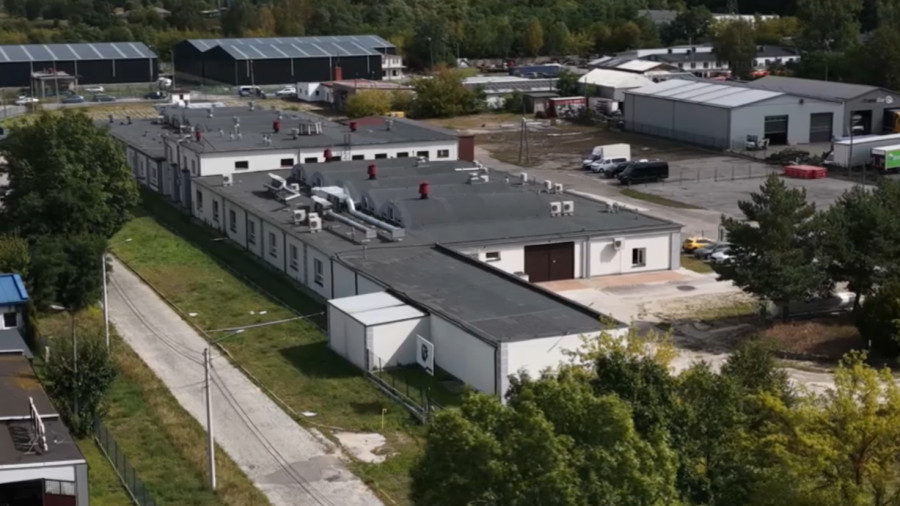


















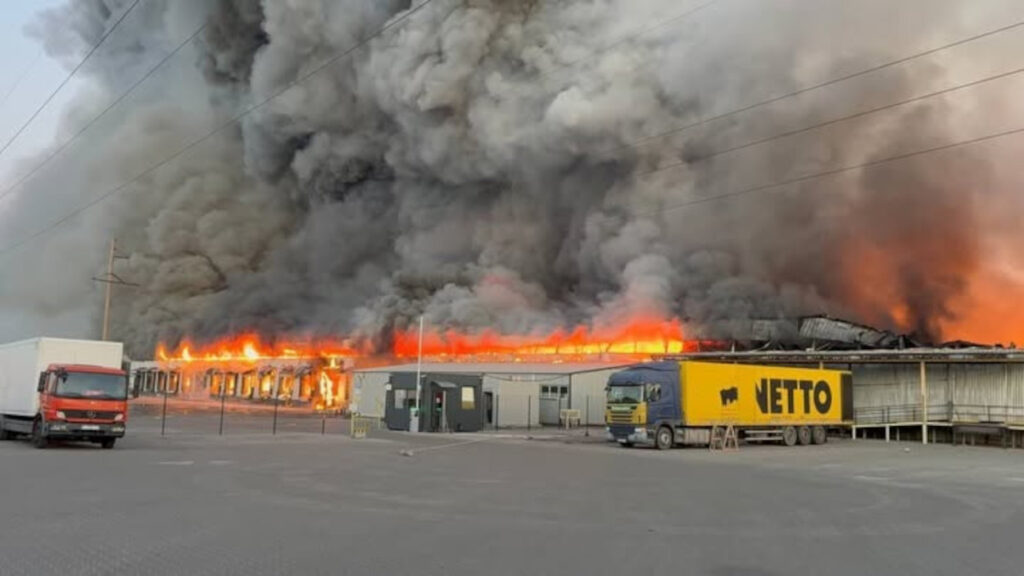
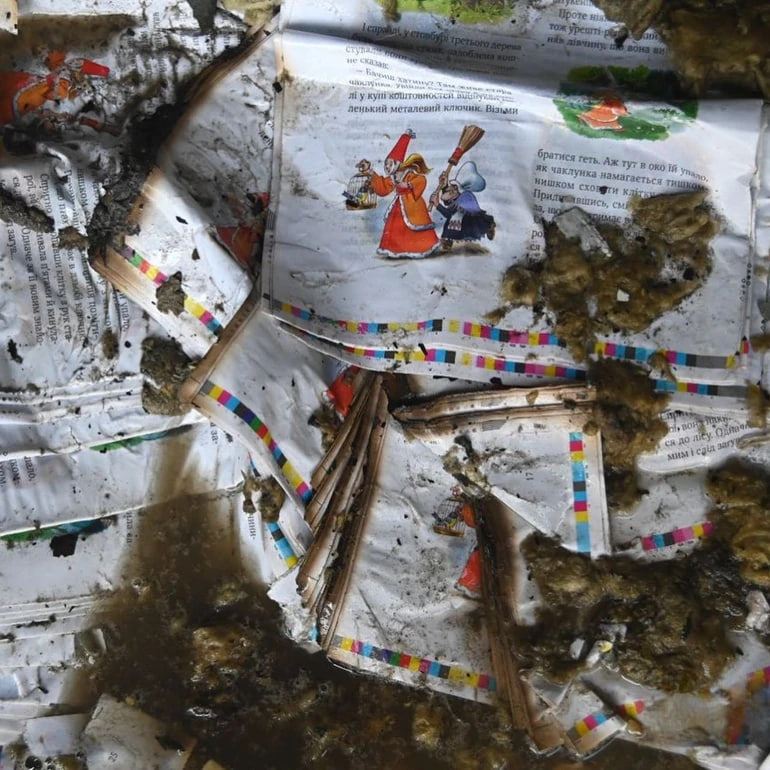
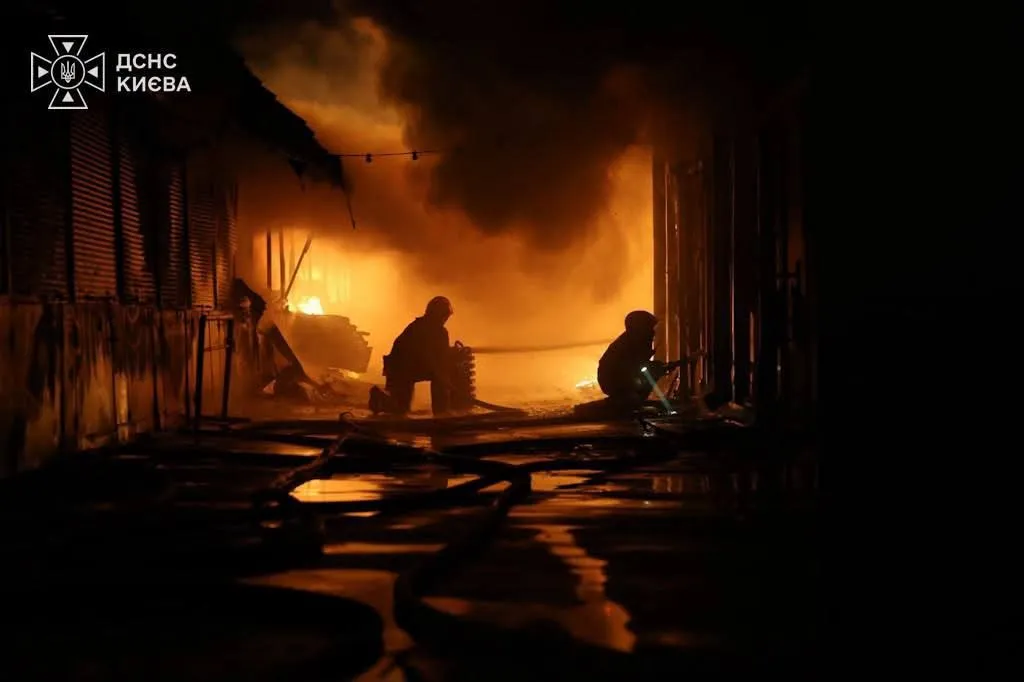


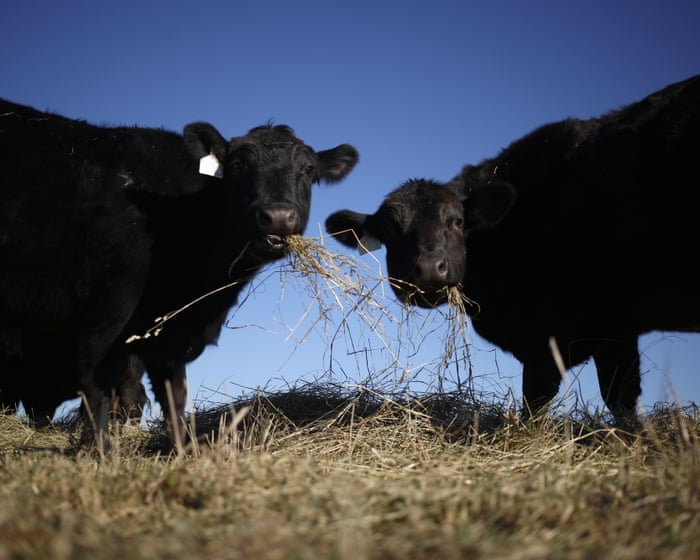
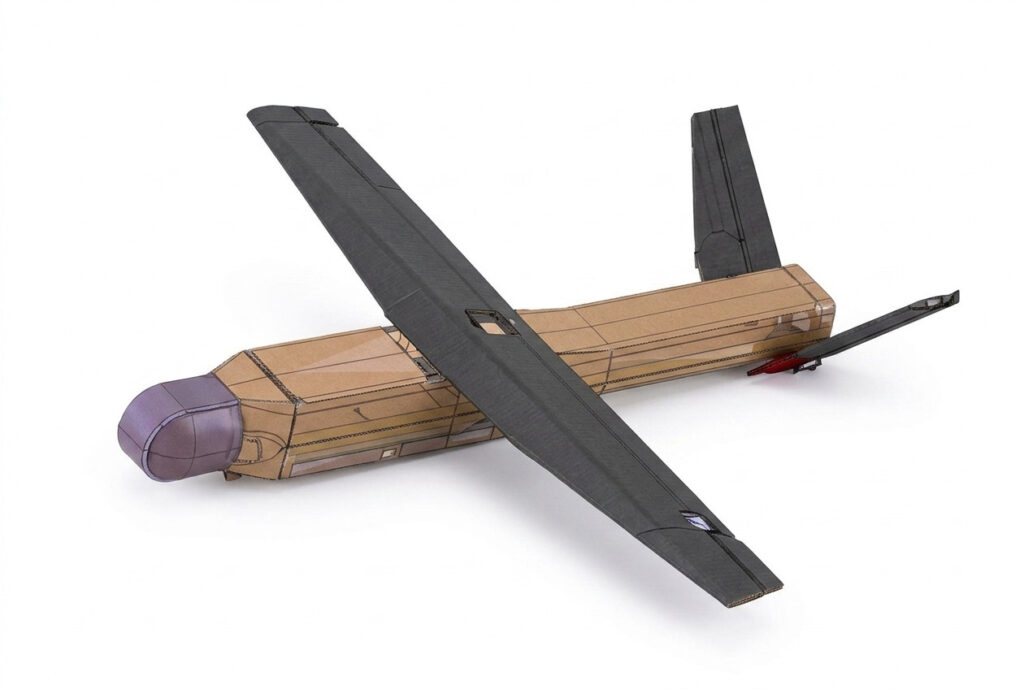







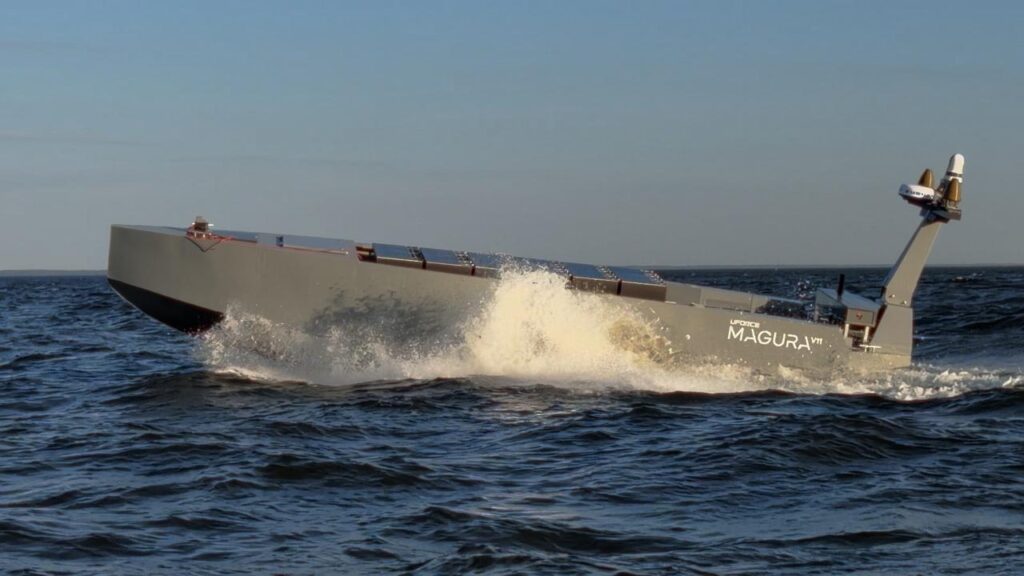

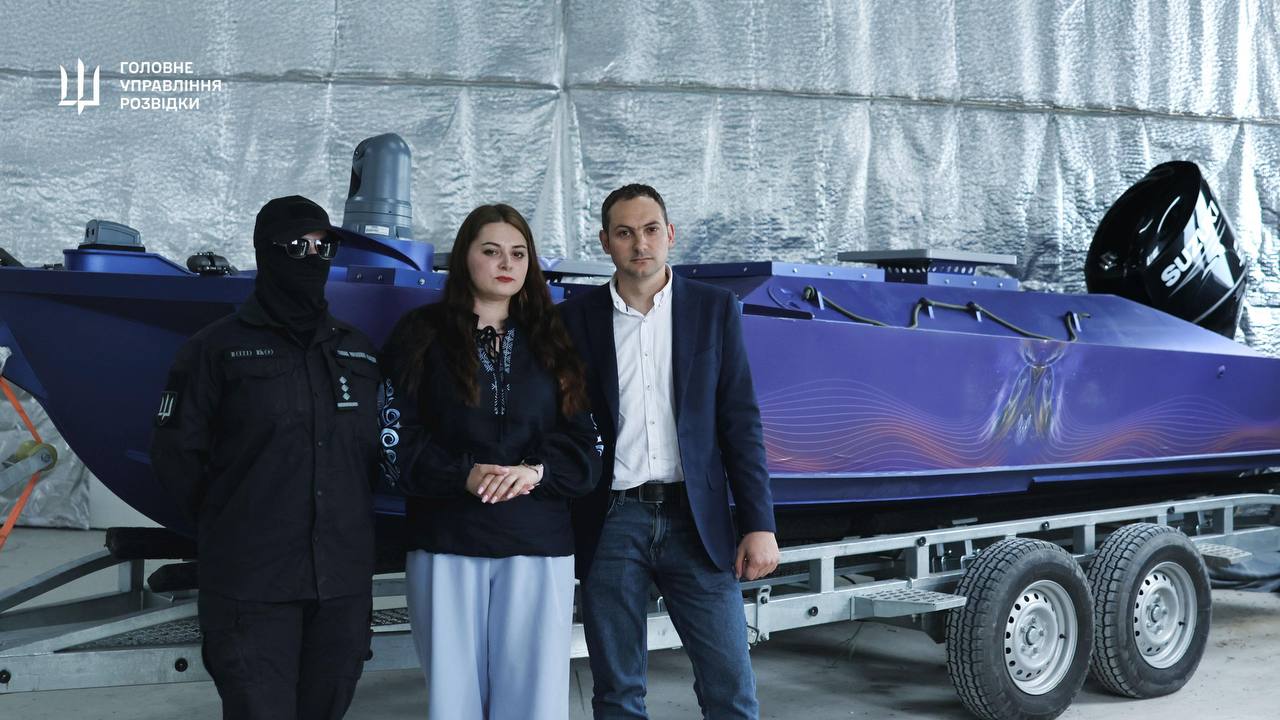
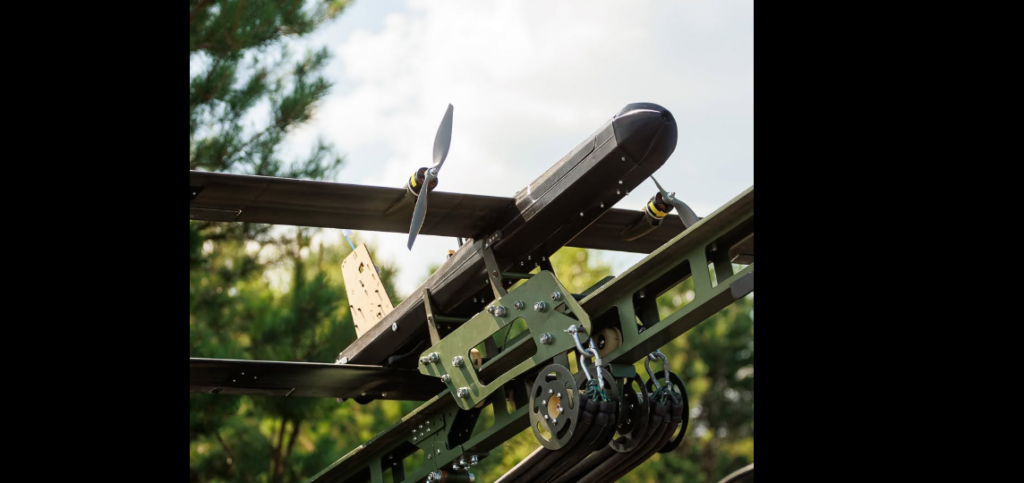
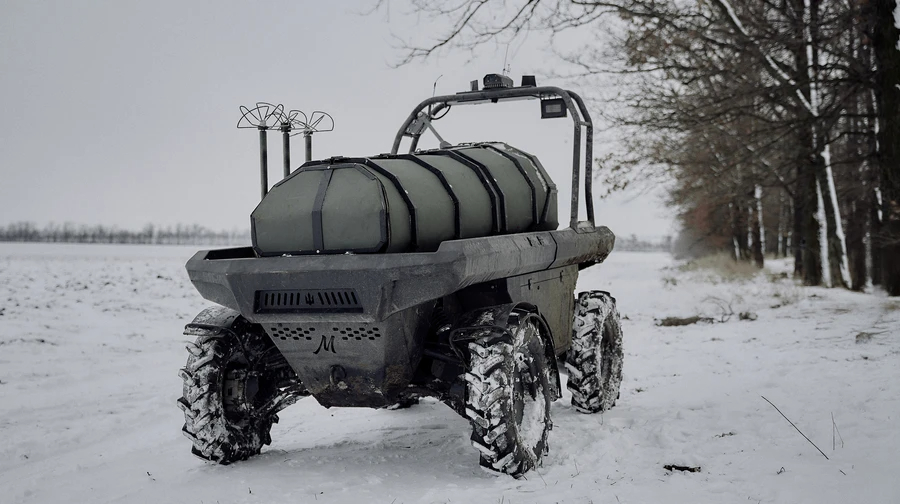
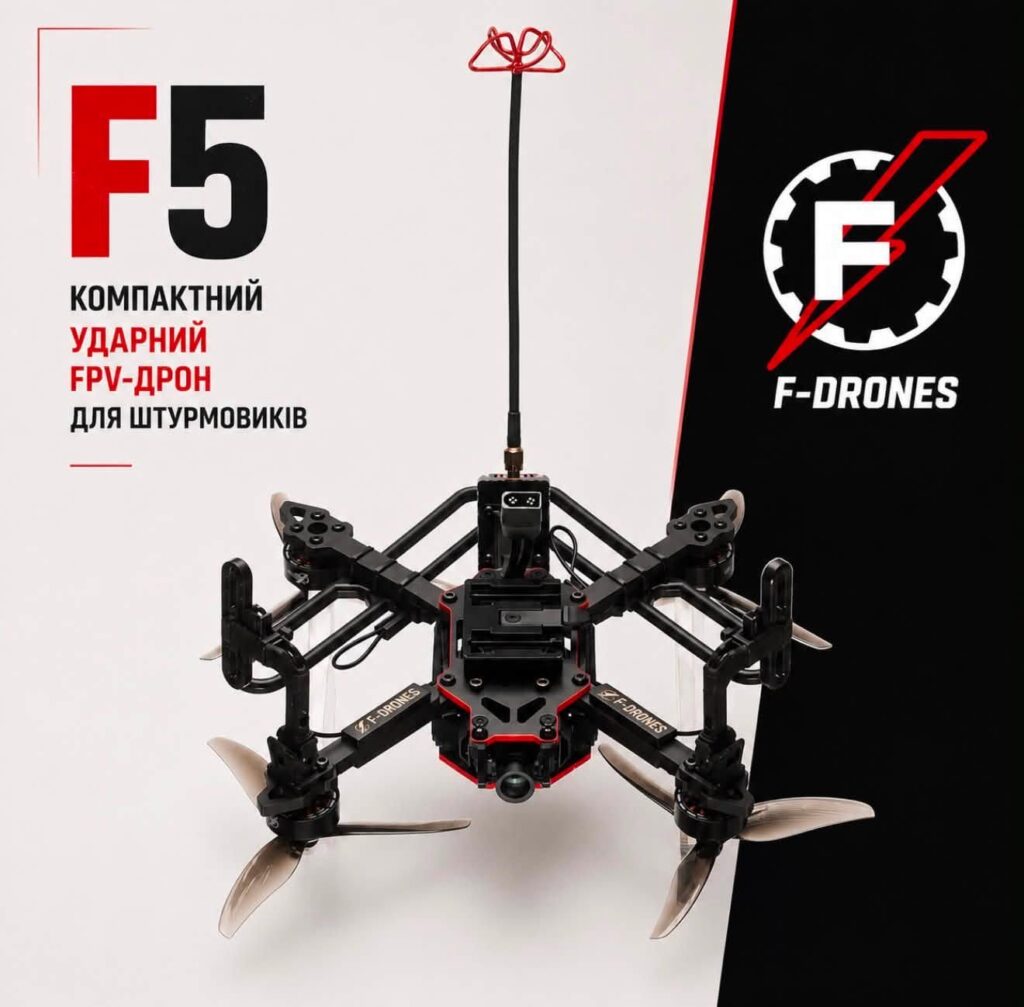
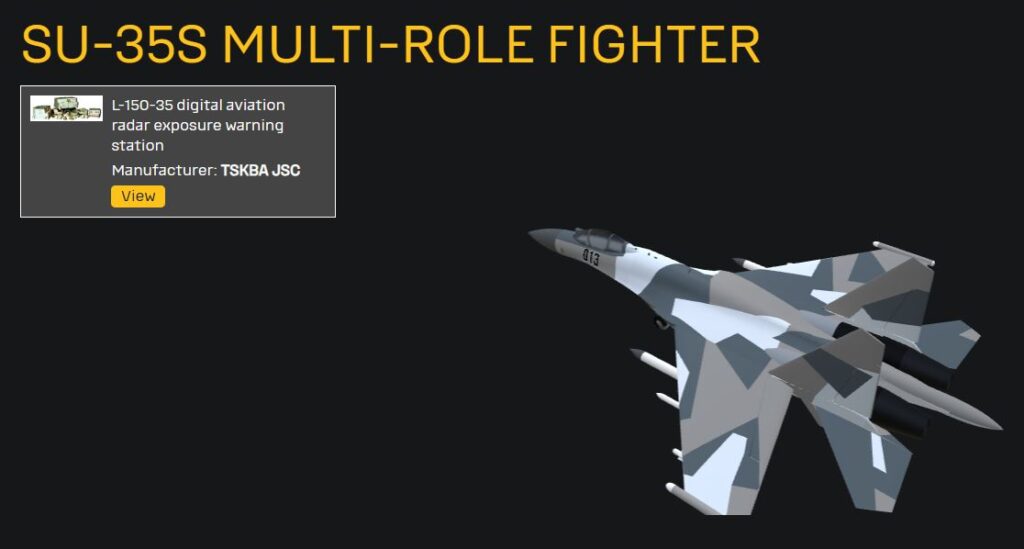
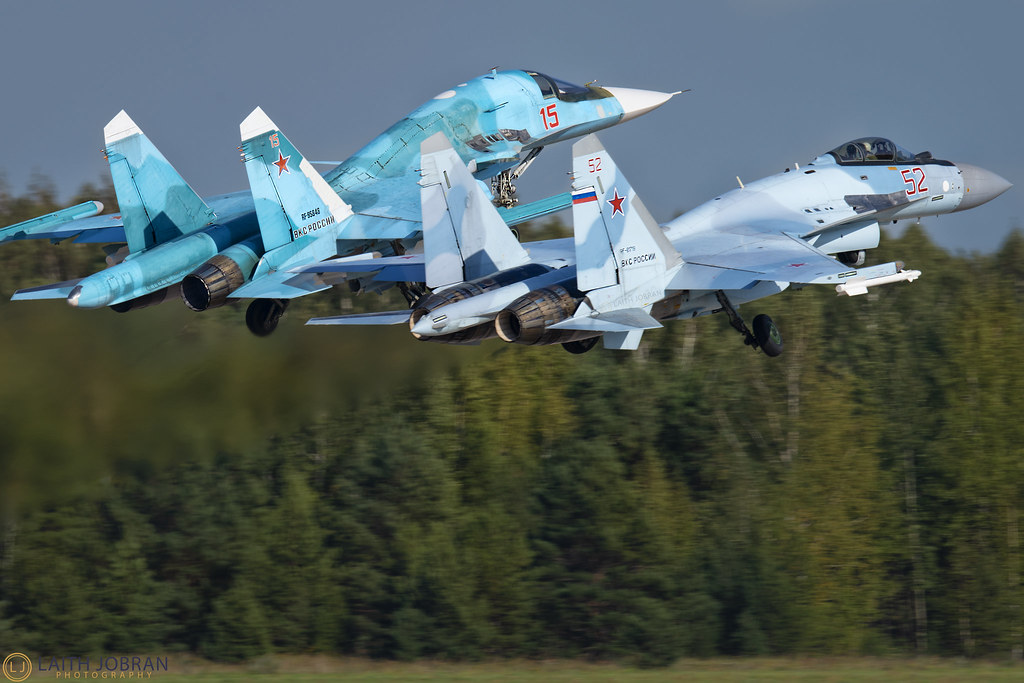
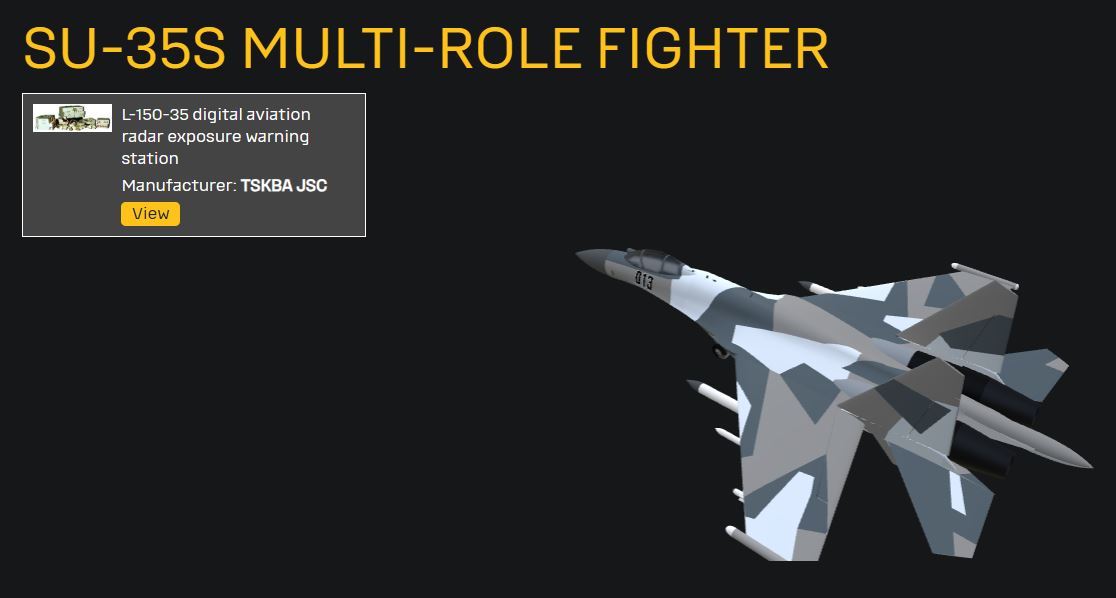









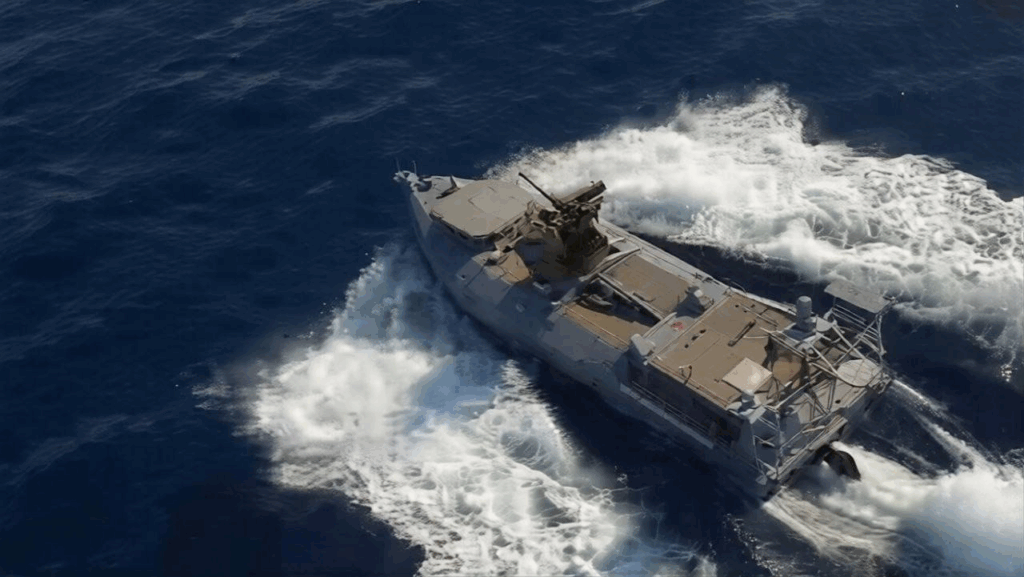

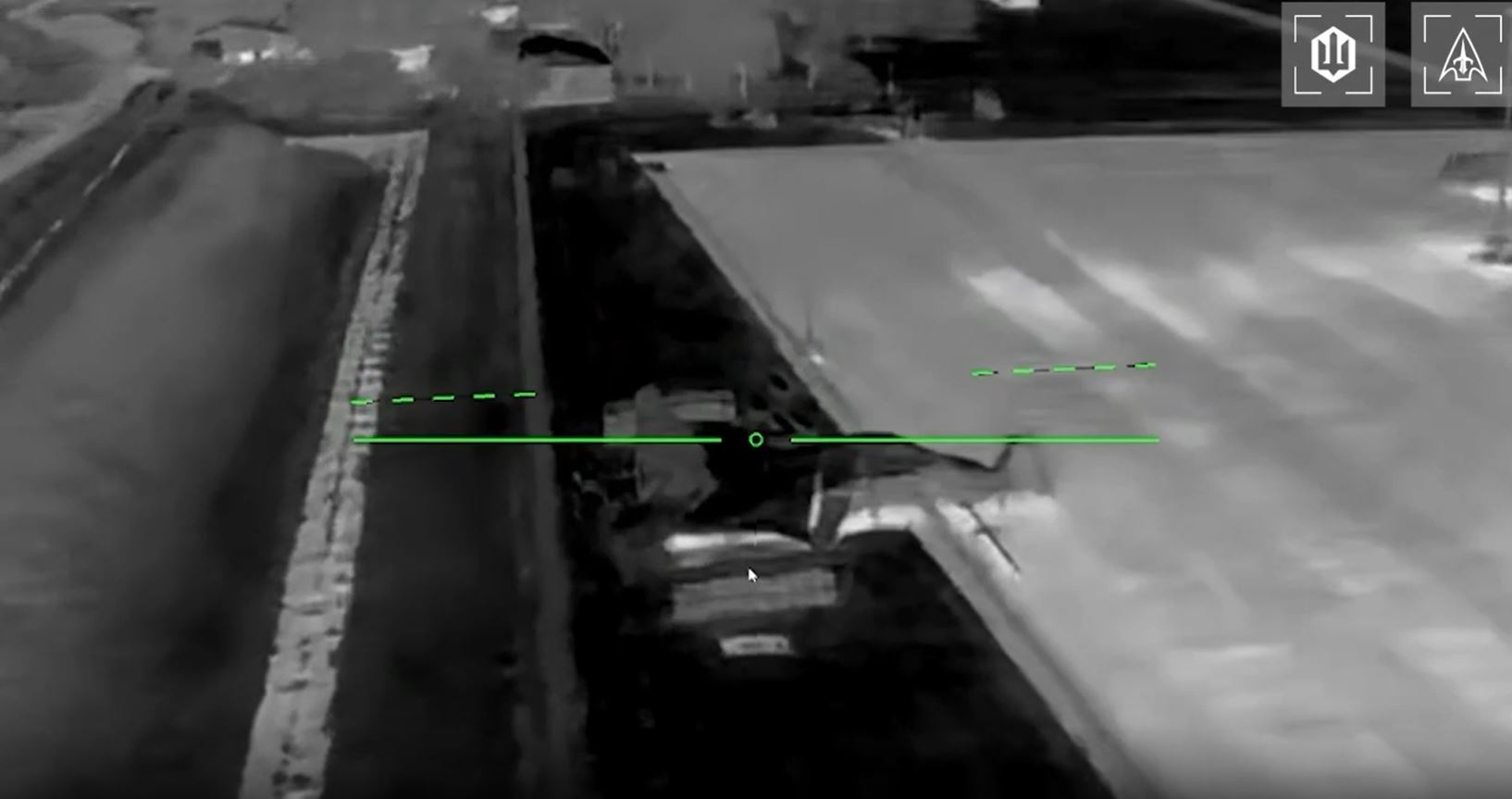






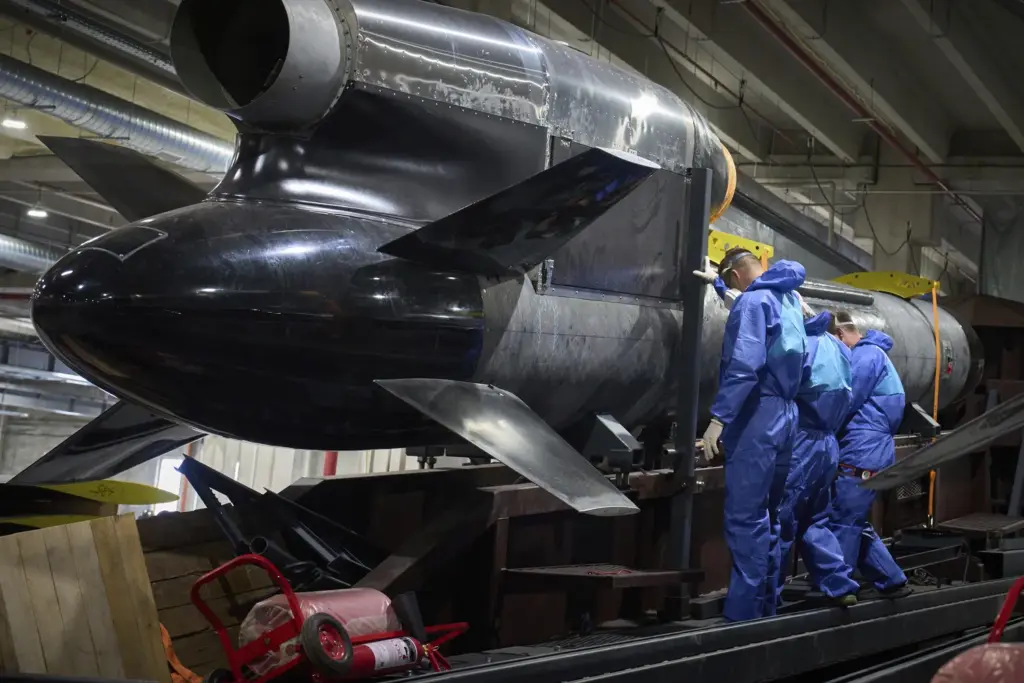
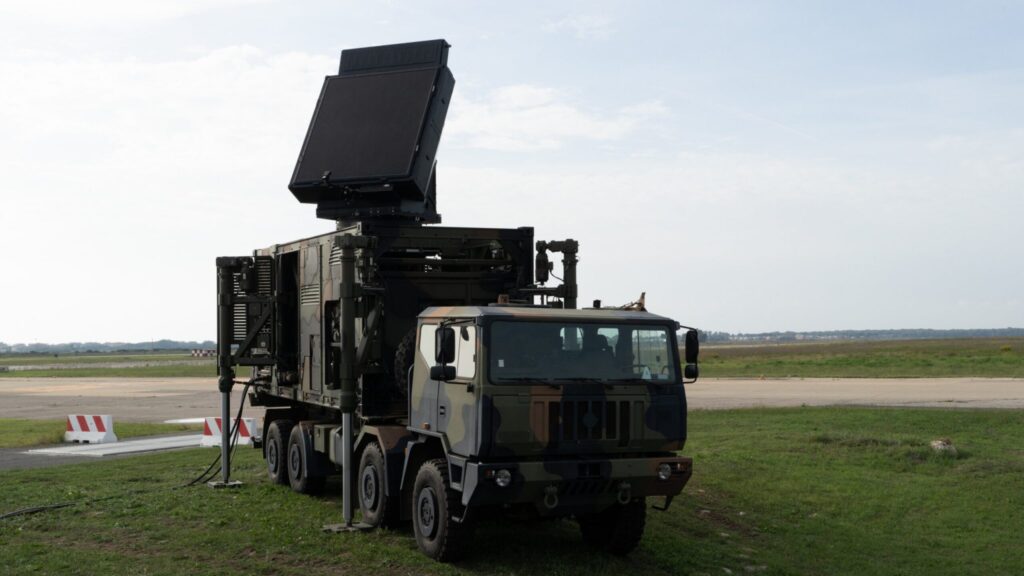


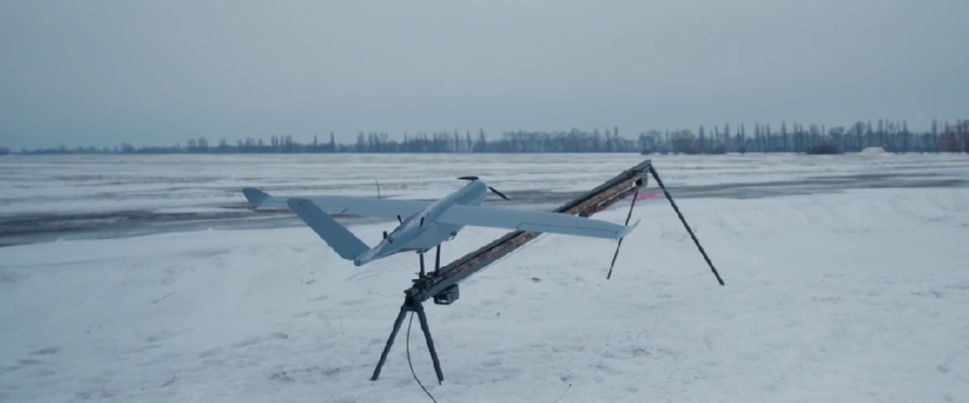





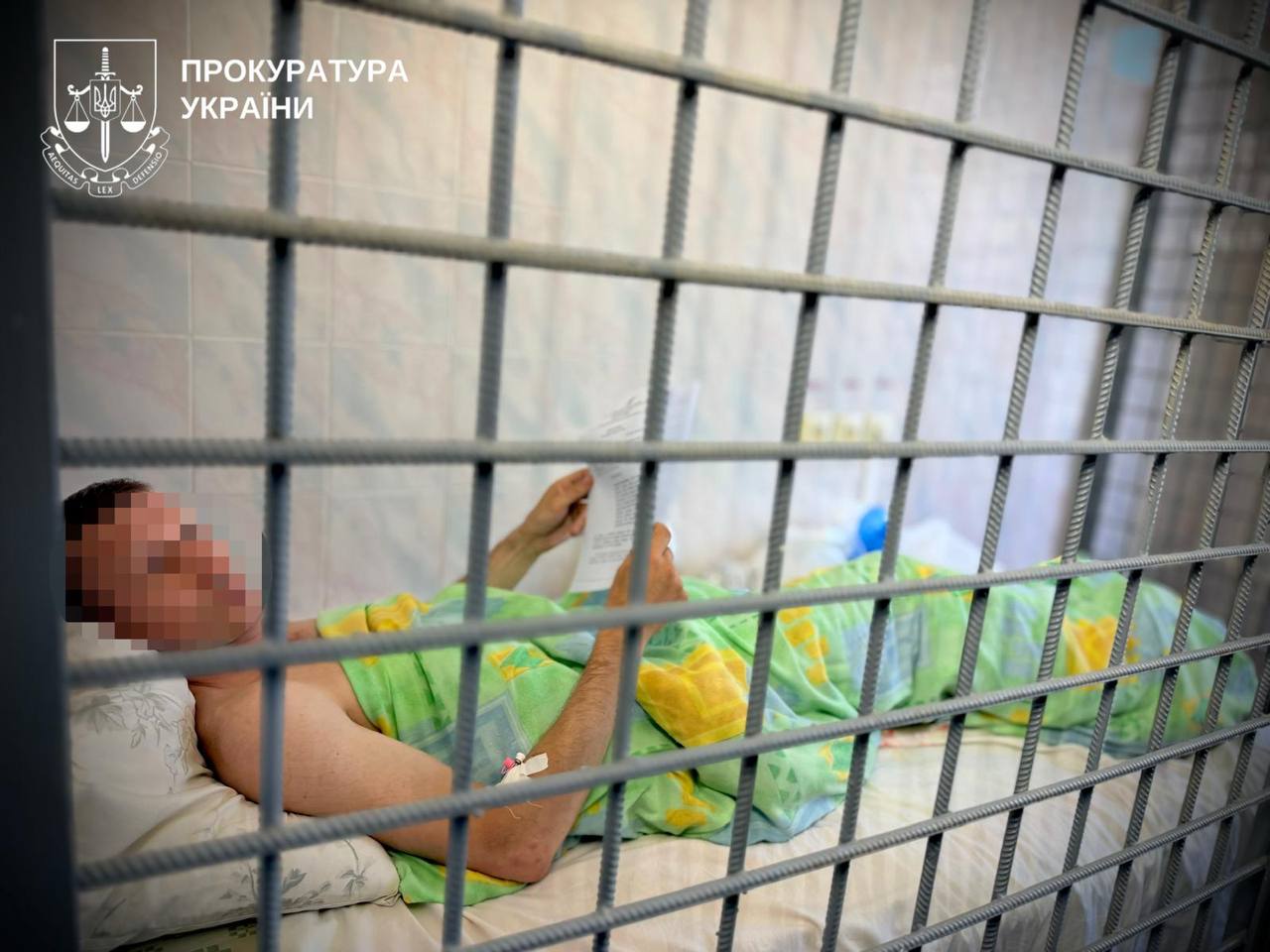










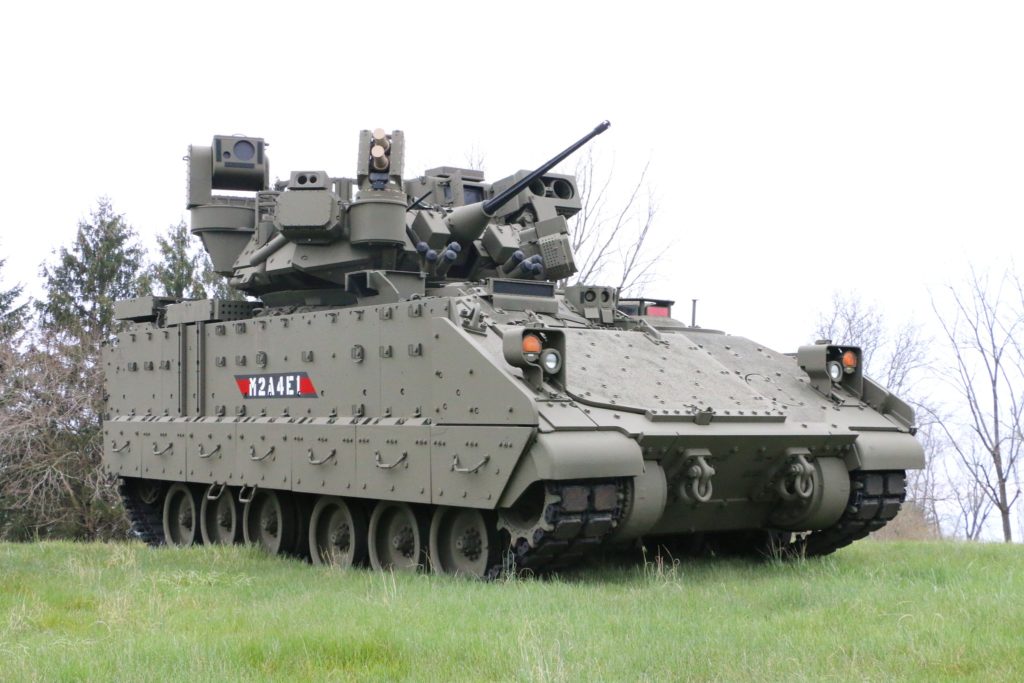
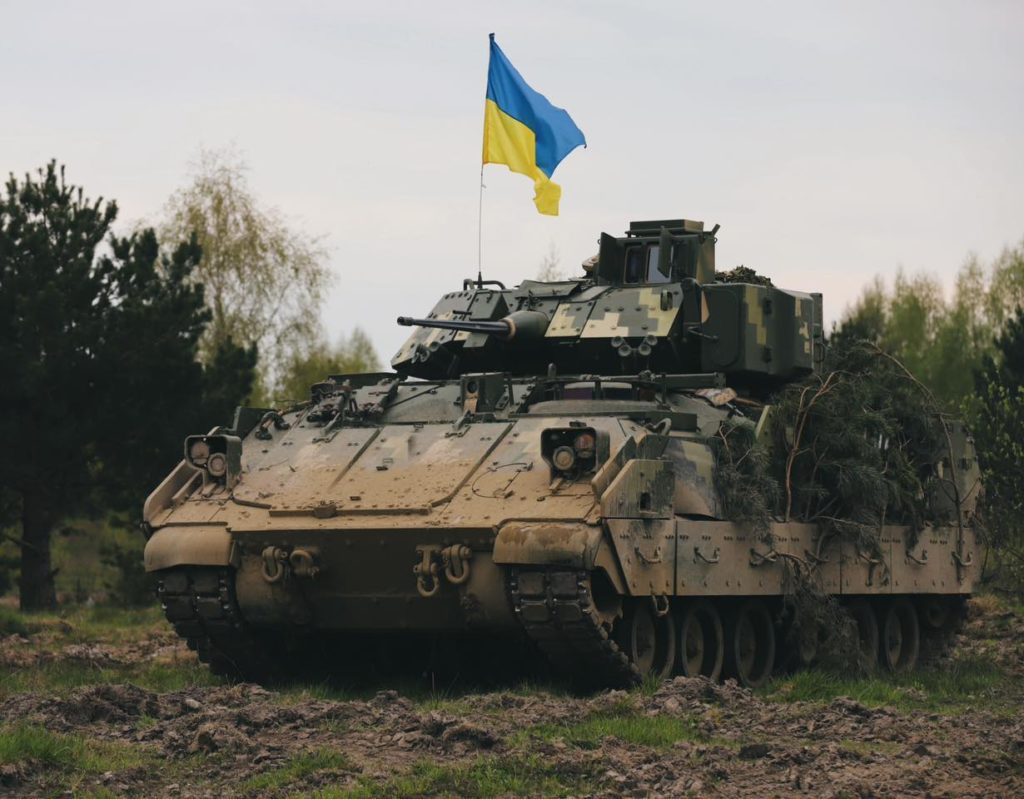
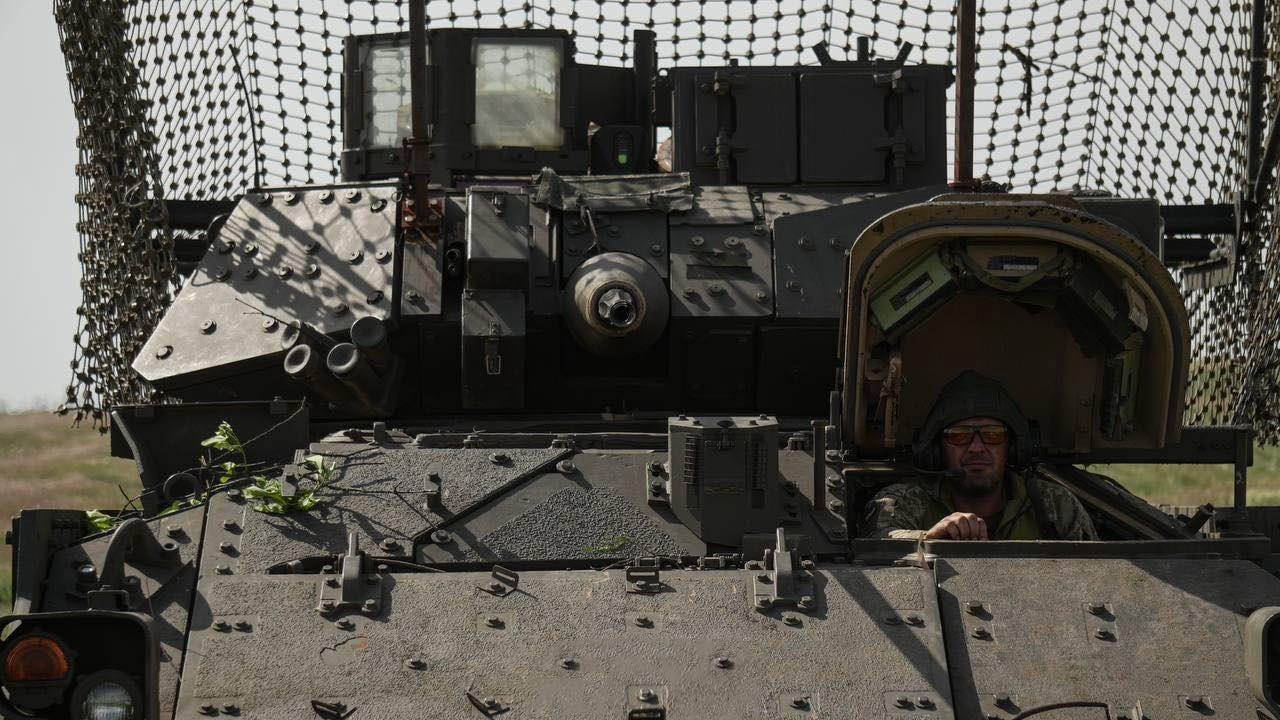
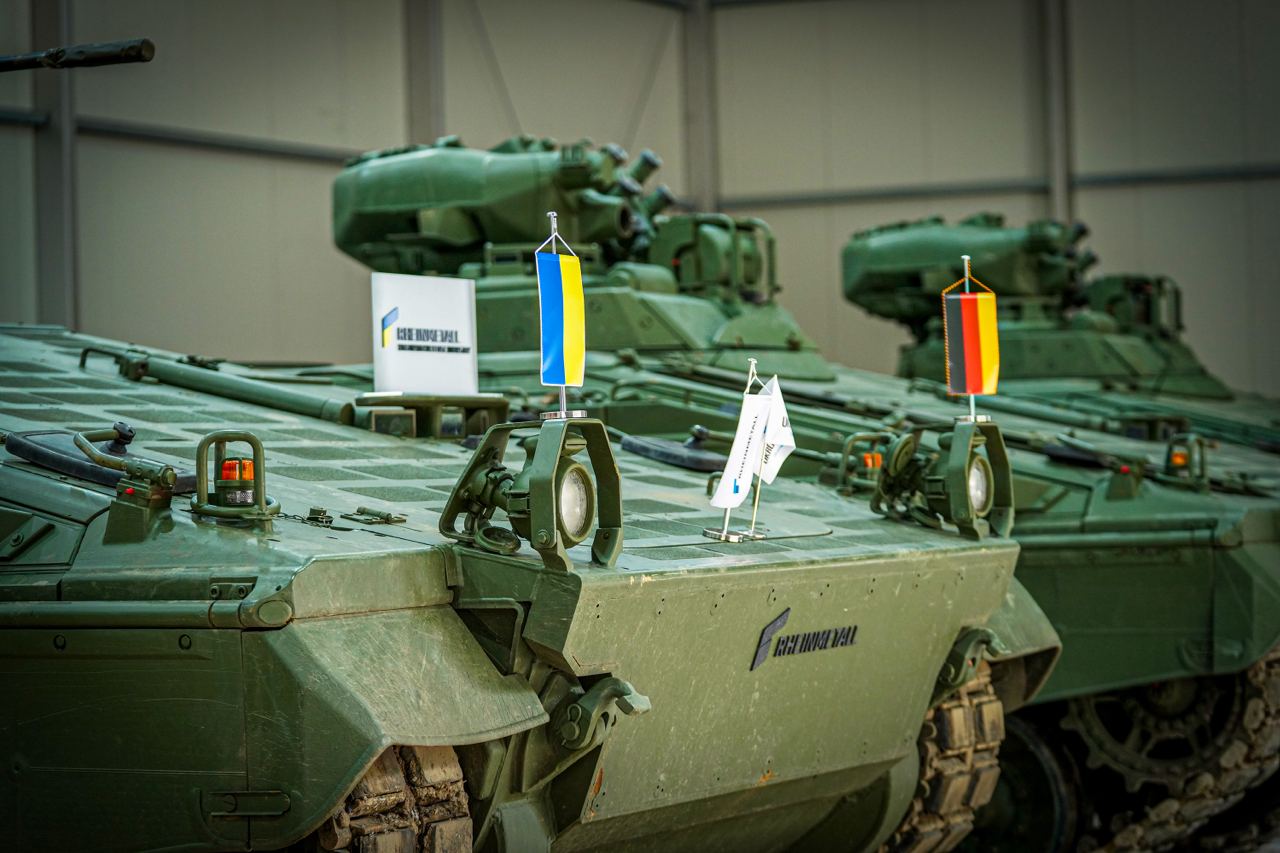


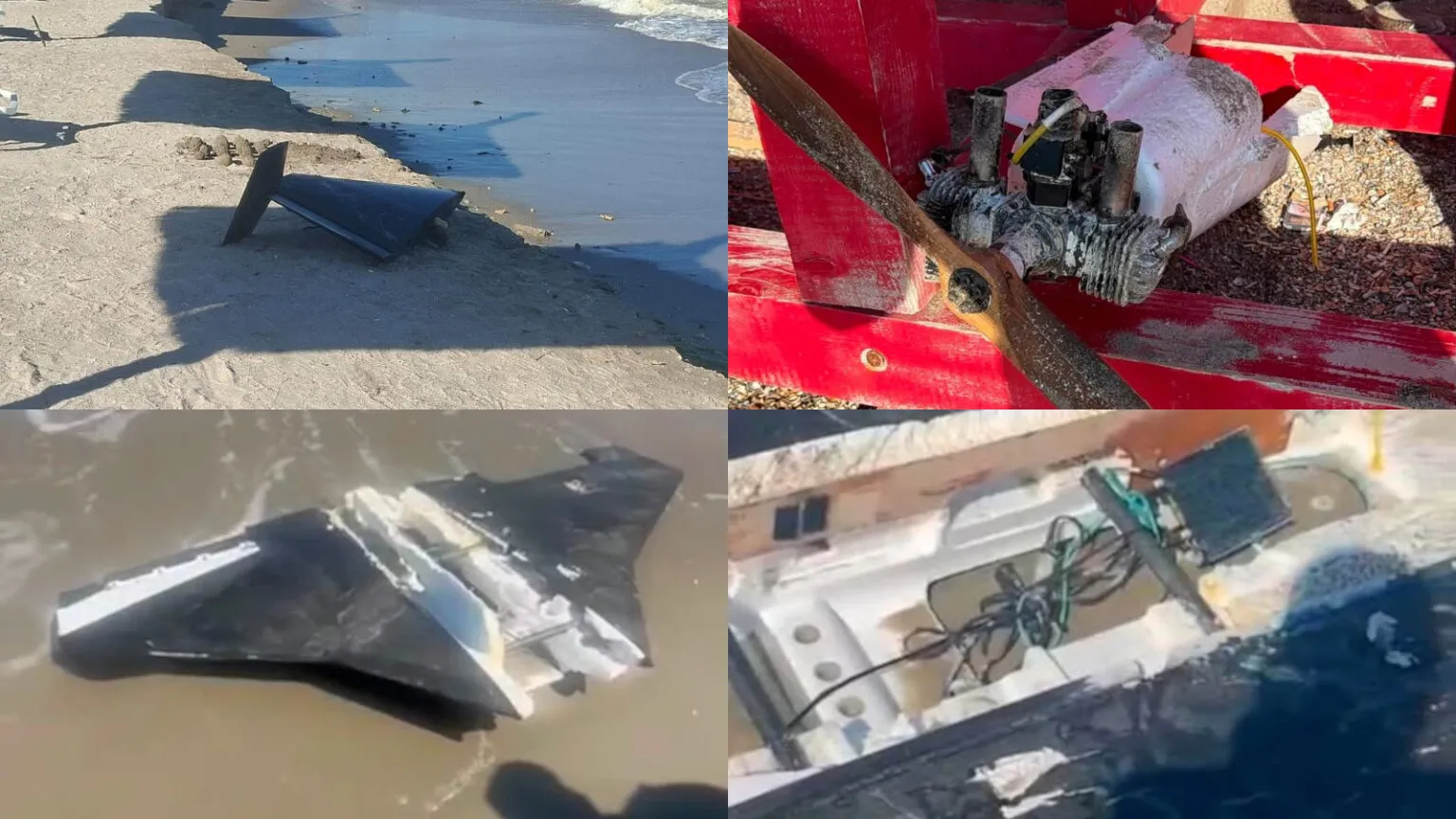

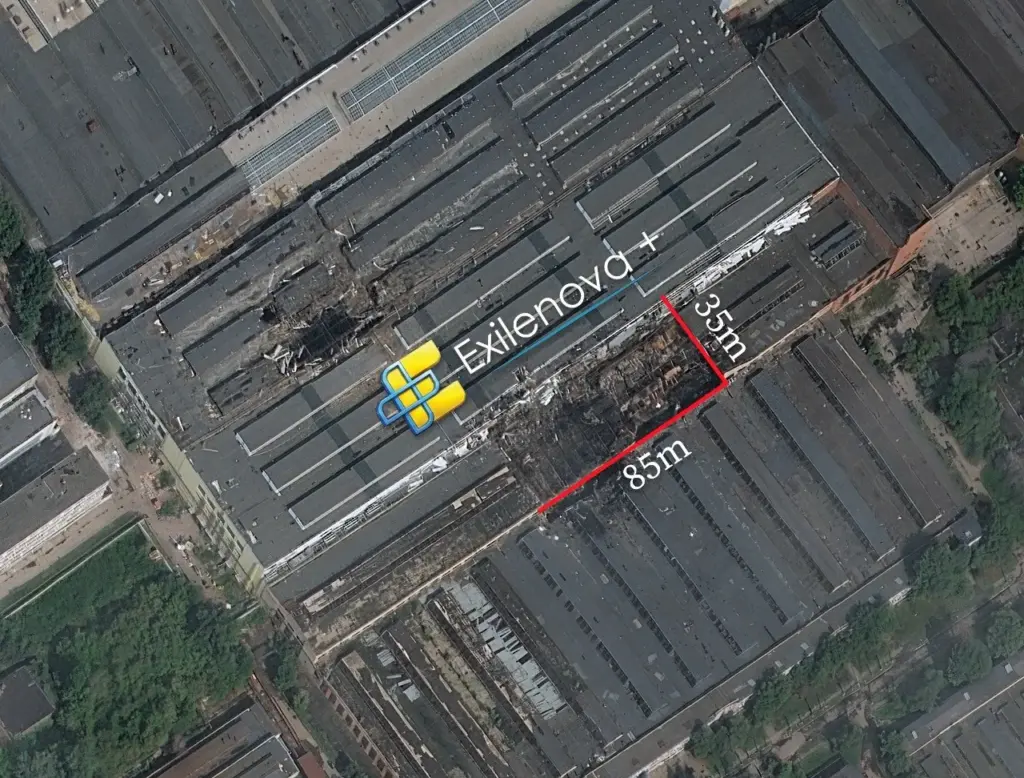
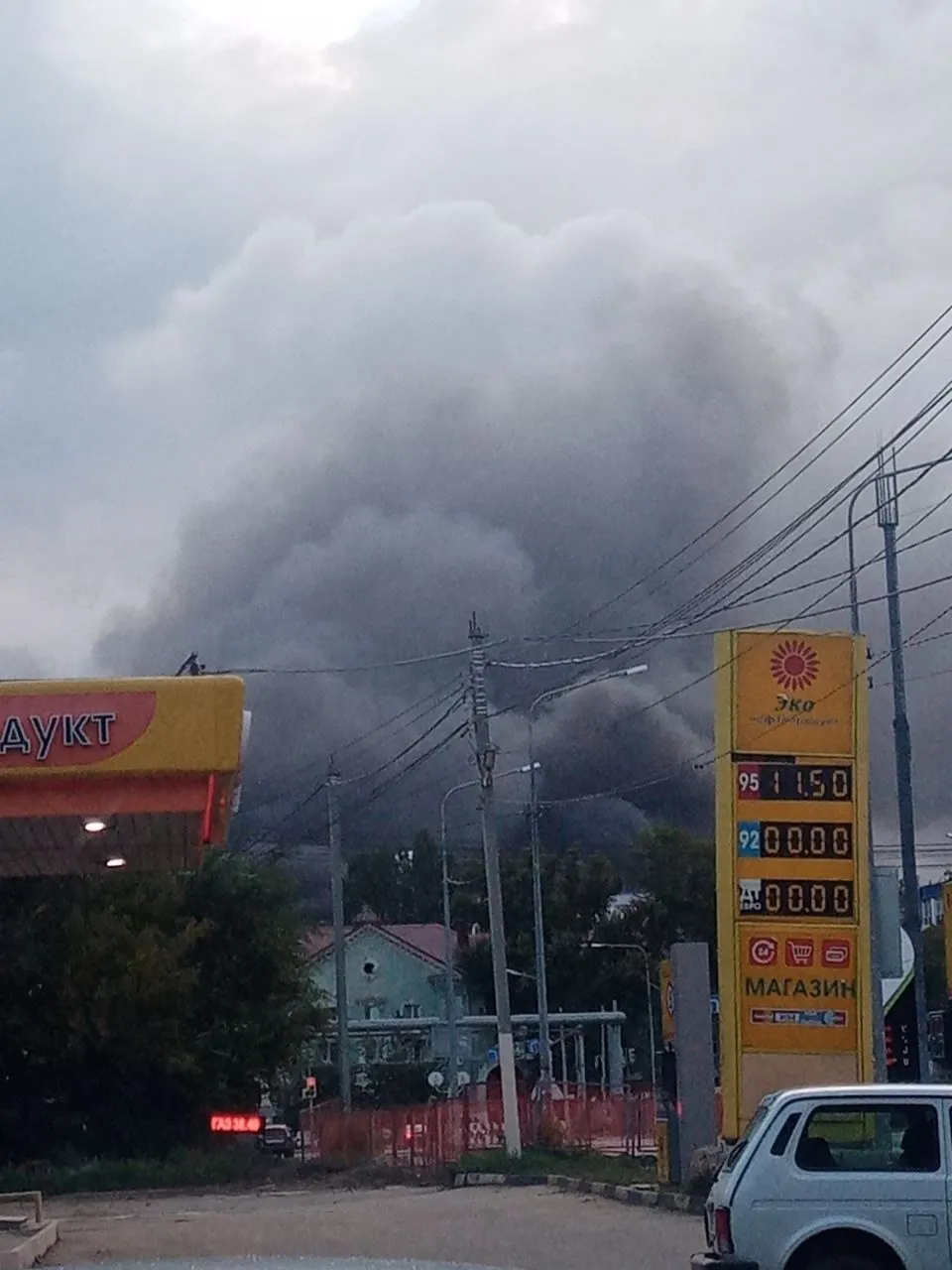

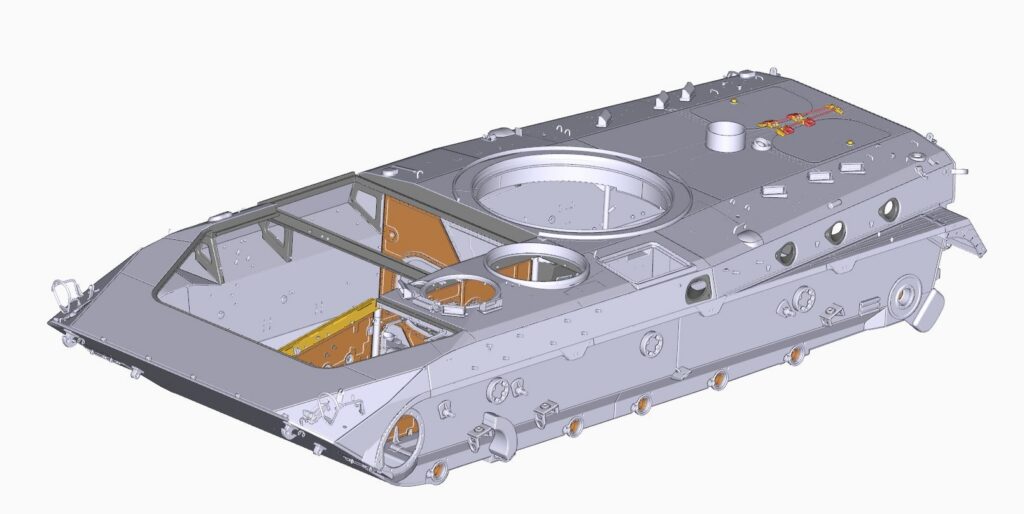

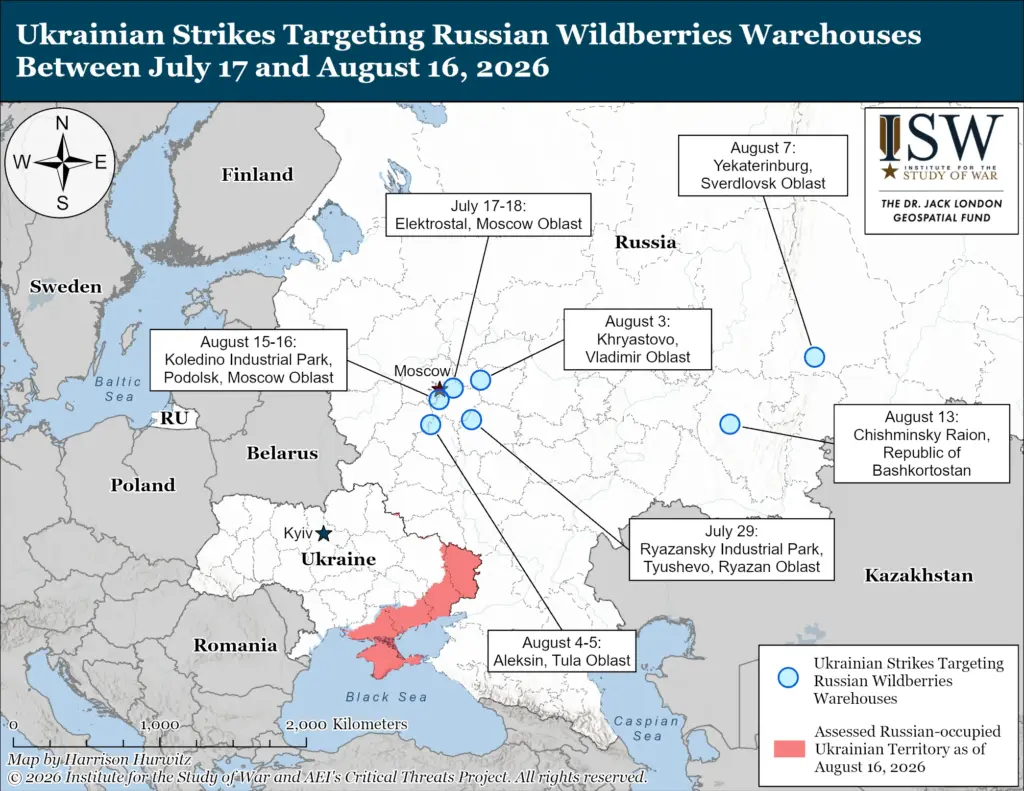
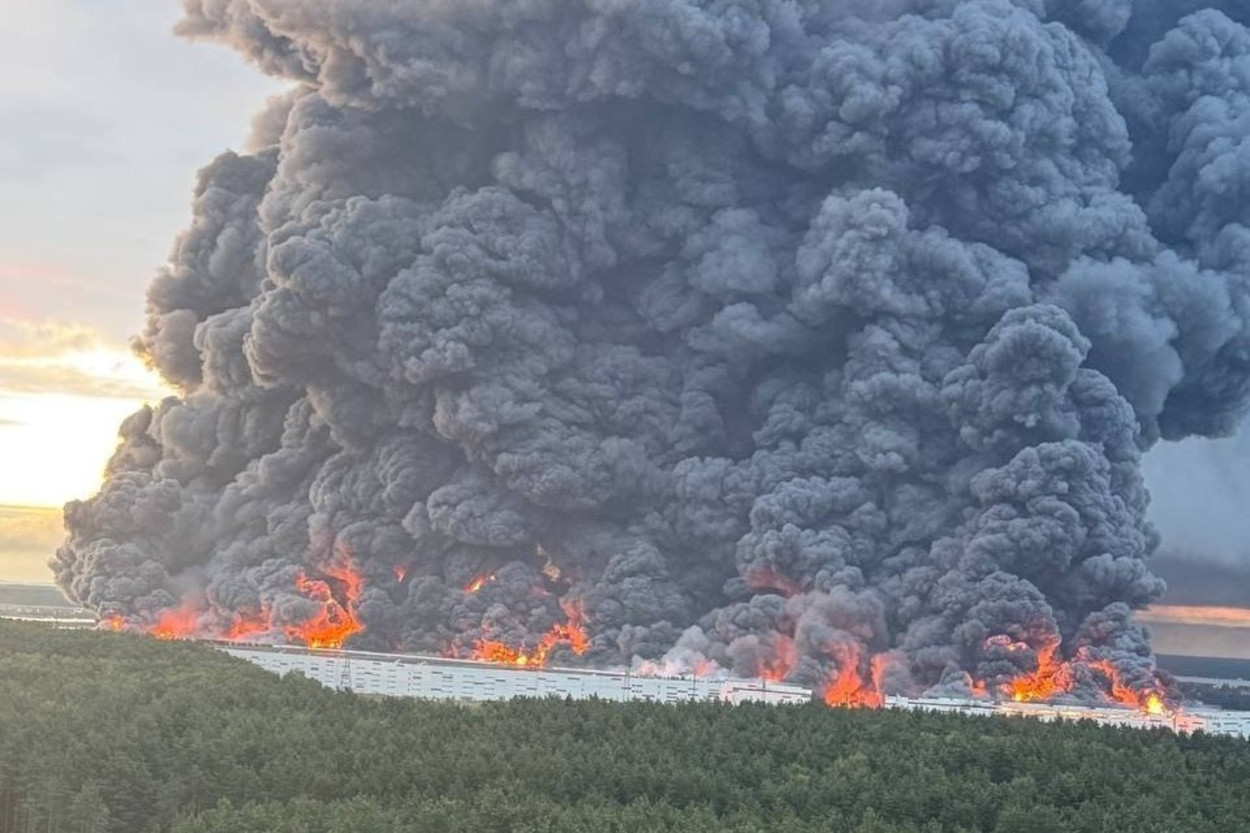
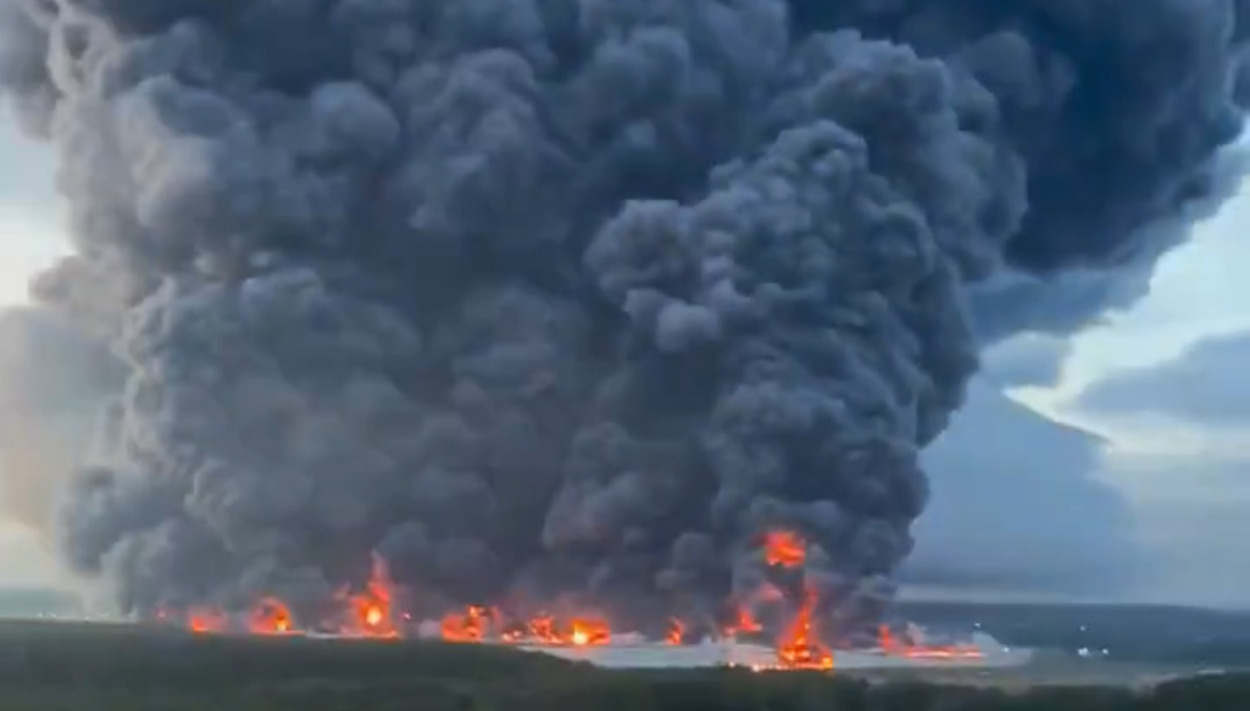
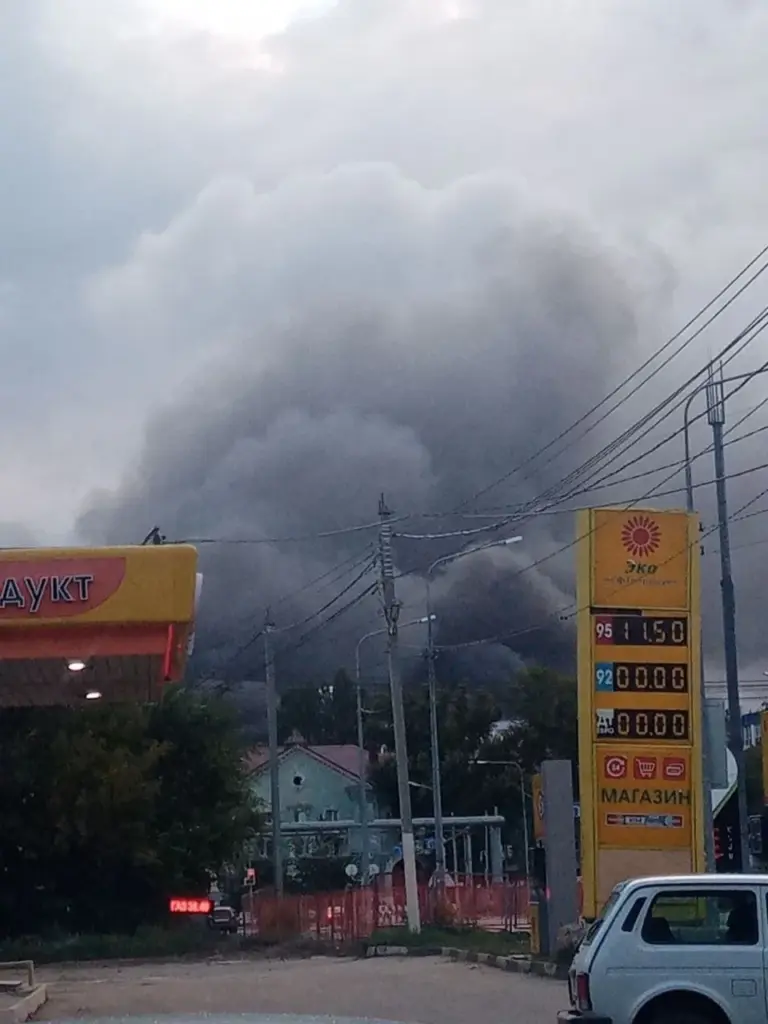
 Two Ukrainian FP-5 Flamingo cruise missiles reportedly struck Samara. The likely target was TsSKB-Progress. TsSKB-Progress develops, produces and operates medium-class launch vehicles and spacecraft for Earth observation and scientific purposes. The enterprise says more than…
 (@NOELreports)


