This Tiny Village Is Picture Perfect, Apart From All the Tourists

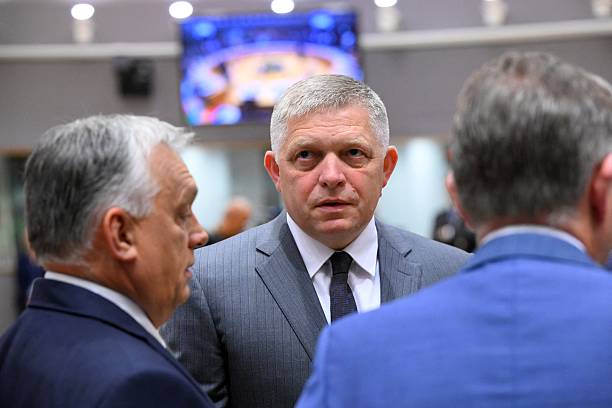
© Joe Klamar/Agence France-Presse — Getty Images


© Joe Klamar/Agence France-Presse — Getty Images


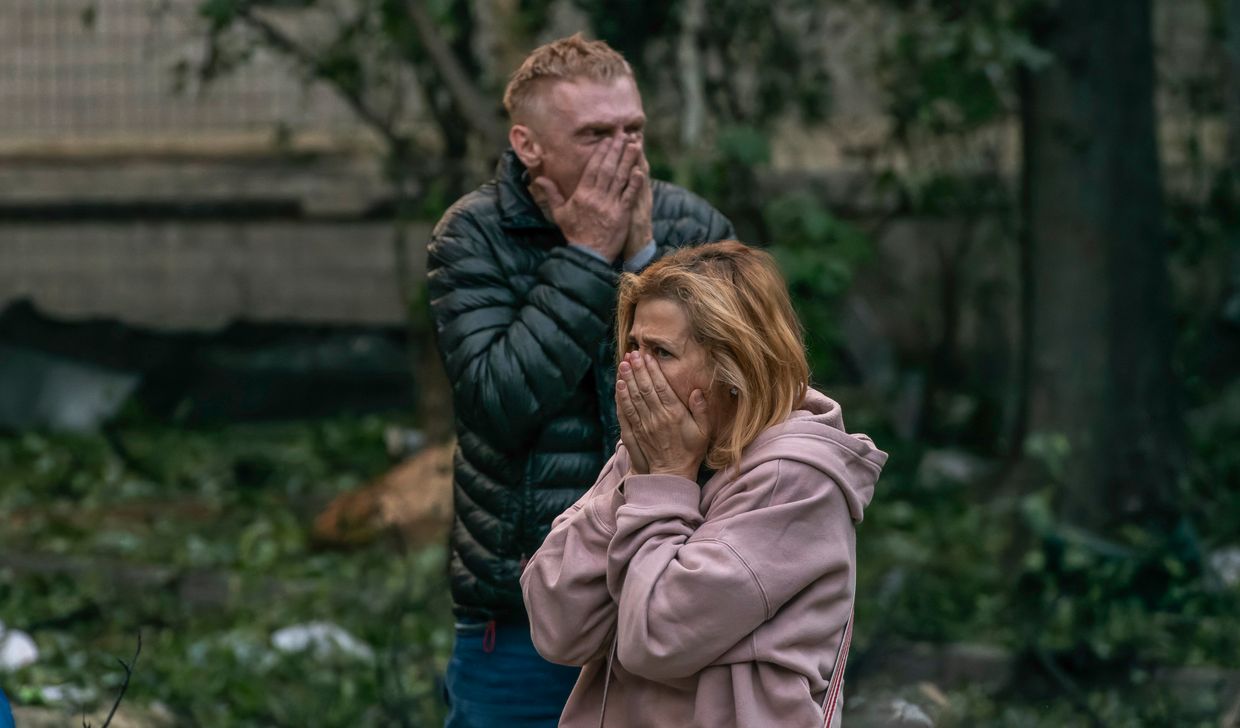
ZVS Holding evacuated its ammunition factory in Snina, a town in eastern Slovakia, on 16 September after a fire broke out on the roof of a production building. Work stopped temporarily in the affected section, but nobody was injured, Militarnyi reported.
The Snina plant has an annual capacity of roughly 100,000 shells and plans to triple it, Noviny reported. The blaze briefly disrupted part of a facility under expansion for Europe’s ammunition buildup, although co-owner CSG expects no impact on customer deliveries. Authorities across Europe are investigating suspected Russian sabotage against defense companies, but no evidence links the Snina fire to that campaign.
ZVS Holding is owned equally by the Slovak state and the Czech defense conglomerate Czechoslovak Group (CSG). It makes 155 mm artillery shells, 120 mm tank rounds, and 30/35 mm cannon ammunition.
In December 2025, ZVS signed a seven-year framework agreement with Slovakia’s Defense Ministry to supply EU states. Purchases under the agreement may be financed through the bloc’s SAFE defense-loan program. Its Euro 58 billion ceiling represents the maximum possible value of future orders, not guaranteed purchases.
Firefighters brought the blaze under control during the afternoon. As thick black smoke rose over Snina, town officials advised nearby residents to limit time outdoors, close windows and doors, and switch off ventilation systems drawing in outside air.
Slovak Defense Minister Robert Kaliňák said the fire had not reached the plant’s production equipment and that the affected part of the building was not being used for manufacturing at the time. That section makes metal projectiles, he said.
Kaliňák said welding during the renovation may have sparked the fire, but stressed that investigators had not established the cause.
CSG said the fire started during roof repairs conducted by an external contractor. The company said the damage and cause still had to be assessed, but it did not expect the incident to affect customer deliveries, STVR reported.
The Snina blaze was at least the fourth fire or explosion at a European ammunition facility since 10 August, after two fires struck a Bulgarian company and an explosion hit an Italian factory. No common cause has been established.
Preliminary findings pointed away from outside interference in the first Bulgarian fire. No evidence of sabotage, however, was reported after the Italian blast, and only the second Bulgarian fire remains under investigation for possible sabotage.
Czech authorities are examining a possible Russian trail behind an arson attack on a factory making drones and thermal optics for Ukraine.
Estonia has also probed suspected arson at a military-robot maker after courts documented earlier attacks directed by Russian military intelligence.


Ukrainian Foreign Minister Andrii Sybiha on June 30 rebuked Slovakia's foreign minister after he suggested the international community might "perhaps even forgive" Russia's actions and reengage in dialogue with Moscow to end the war in Ukraine.
"Russia's sense of impunity is the root cause of its crimes," Sybiha wrote in a post on X. "It's naive to expect a criminal to stop if their crime is forgiven instead of punished. Russia will hit your other cheek as well. And those who have lost no one in this war have no right to make such statements."
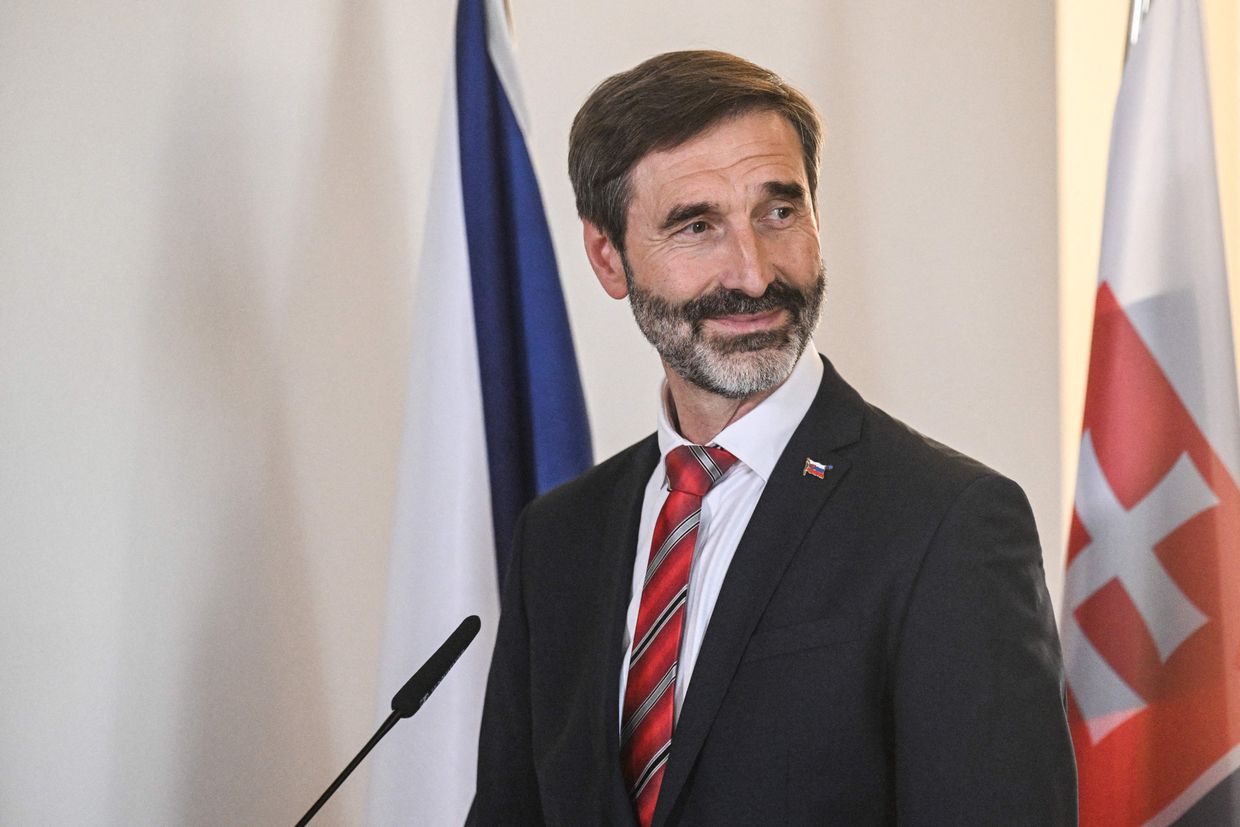
Sybiha's remarks came in response to comments made by Slovak Foreign Minister Juraj Blanar during a domestic media interview on June 29. Blanar argued the war in Ukraine could not be resolved militarily and called for a return to diplomacy, suggesting Russia could be forgiven.
"Let us return to respect for international law and seek ways to communicate with the Russian Federation," he said. "And perhaps even forgive everything that has happened."
Juraj, Russia's sense of impunity is the root cause of its crimes. It's naive to expect a criminal to stop if their crime is forgiven instead of punished. Russia will hit your other cheek as well. And those who have lost no one in this war have no right to make such statements. pic.twitter.com/ALLzGT6ugP
— Andrii Sybiha 🇺🇦 (@andrii_sybiha) June 30, 2025
Slovakia recently requested a delay in adopting the European Union's 18th sanctions package against Russia, citing the need for further clarification on how it would impact member states, particularly in light of the EU's RePowerEU initiative to end dependence on Russian fossil fuels by 2030.
Fico's administration has distanced itself from the pro-Ukraine consensus within the EU and NATO. Since taking office in 2023, he has halted Slovak military aid to Ukraine and pursued diplomatic engagement with Russia. Earlier this year, Fico attended Russia's Victory Day Parade in Moscow and met with President Vladimir Putin — a gesture most Western leaders avoided.
Fico has dismissed the idea of meeting with President Volodymyr Zelensky, telling Slovak broadcaster STVR that Zelensky "hates me" and that such a meeting "has no significance."
Ukraine has consistently emphasized that peace can only come through justice and accountability for Russian war crimes and aggression, a position echoed by many Western governments.


Slovakia’s Foreign Minister Juraj Blanar has suggested that the international community may need to "perhaps" forgive Russia’s actions and resume dialogue with Moscow as a means to end the war in Ukraine.
His remarks came after Slovakia requested that the adoption of the 18th package of EU sanctions against Russia be postponed until a decision is made on the consequences for the member states from RePowerEU, the European Commission's initiative to end dependence on Russian fossil fuels by 2030 in response to Russia's invasion of Ukraine.
Blanar, speaking to domestic media, said the ongoing war cannot be resolved on the battlefield and stressed the importance of diplomacy and international law. "Let us return to respect for international law and seek ways to communicate with the Russian Federation," he said on June 29. "And perhaps even forgive everything that has happened."
The comments mark another example of how Slovakia’s current leadership is diverging from the broader pro-Ukraine stance of the EU and NATO.
Under Prime Minister Robert Fico, Bratislava has adopted a more conciliatory tone toward Moscow, including continuing diplomatic engagement while most Western nations cut ties following Russia’s full-scale invasion in 2022.
Earlier this year, Fico attended Russia’s Victory Day Parade in Moscow, where he met with President Vladimir Putin. However, he dismissed the idea of engaging with President Volodymyr Zelensky.
"I see no reason to meet with the Ukrainian president," Fico said in a recent interview with Slovak broadcaster STVR. "My meeting with President Zelensky has no significance because he hates me," he added. Zelensky has not yet responded to Fico's claims.
While Fico halted Slovak military support for Ukraine upon taking office in 2023, he has paradoxically voiced support for Ukraine’s European Union membership. "Ukraine's EU membership brings more advantages than disadvantages for Slovakia," the prime minister said.


Slovak Prime Minister Robert Fico said on June 28 that he does not intend to meet directly with President Volodymyr Zelensky, claiming that the Ukrainian president "hates" him, as relations between the two countries continue to sour.
Fico's comments come just one day after Slovakia joined Hungary in blocking an 18th package of sanctions against Russia, an unnamed EU official told the Kyiv Independent. Unlike Hungarian Prime Minister Viktor Orban, who has consistently opposed sanctions against Russia, Slovakia has not previously attempted to block EU sanctions.
"I see no reason to meet with the Ukrainian president," Fico told Slovak broadcaster STVR, stressing he has better relations with Ukrainian Prime Minister Denys Shmyhal. "My meeting with President Zelensky has no significance because he hates me," he added.
Fico's comments on a potential meeting refer to talks on improving bilateral relations between the two countries, including in areas of Ukraine's EU accession as well as additional sanctions on Russia.
"I’m the Prime Minister of the Slovak Republic, and my task is to do everything to ensure that gas prices in Slovakia do not rise because of Ukraine," Fico told STVR, in reference to concerns over Slovakia's reliance on Russian gas and energy exports that were allegedly not addressed in the 18th sanctions package.
Slovakia has requested that the adoption of the 18th package of EU sanctions against Russia be postponed until a decision is made on the consequences for the member states from RePowerEU, the European Commission's initiative to end dependence on Russian fossil fuels by 2030 in response to Russia's invasion of Ukraine.
EU foreign policy decisions, including sanctions, require unanimous approval by all member states. A Slovak veto could continue to force concessions or delay enforcement in future rounds.
Despite the criticism, Fico added that "Ukraine's EU membership brings more advantages than disadvantages for Slovakia," but stressed that other officials, including Slovakian President Peter Pellegrini would handle discussions with top Ukrainian leadership.
Since taking office in 2023, Fico has also reversed Slovakia's previous pro-Ukraine policy, ending military aid to Kyiv and questioning the value of EU sanctions on Russia.
Zelensky has not responded to Fico's claims.


Editor's note: The story was updated with Slovak Prime Minister Robert Fico's statement voiced during the EU summit.
EU ambassadors have failed to approve the 18th package of sanctions against Russia due to opposition from Hungary and Slovakia, an unnamed EU official told the Kyiv Independent on June 27.
After the 17th package of sanctions against Russia took effect on May 20, Ukraine's allies announced the following day that another round of restrictions was already in the works. Meanwhile, officials in Hungary and Slovakia protested against the approval of new restrictions against Russia.
Unlike Hungarian Prime Minister Viktor Orban, who has consistently opposed sanctions against Russia, Slovakia has not previously attempted to block EU sanctions.
"No agreement was reached. Ambassadors will return to this issue after two reservations are removed," the source told Suspilne in a reference to the position of Slovakia and Hungary.
Slovakia has requested that the adoption of the 18th package of EU sanctions against Russia be postponed until a decision is made on the consequences for the member states from RePowerEU, the European Commission's initiative to end dependence on Russian fossil fuels by 2030 in response to Russia's invasion of Ukraine.
Slovak Prime Minister Robert Fico voiced this proposal during the EU summit, the Slovak Foreign Ministry told Suspilne.
The ambassadors also agreed to extend sectoral sanctions against Russia for six months. These sanctions encompass a broad array of economic areas, including restrictions on trade, finance, technology and dual-use goods, industry, transport, and luxury goods.
In June, the European Commission presented the 18th package of sanctions, which includes new restrictions against the Russian energy and banking sectors and transactions related to the Nord Stream gas pipeline project.
Ukraine's European allies are tightening sanctions against Russia as Moscow refuses to accept a ceasefire. Despite Russia's refusal, no new U.S. sanctions have been imposed so far.


The Slovak police sought to detain ex-Defense Minister Jaroslav Nad over alleged misconduct during the donation of ammunition to Ukraine in 2022, the Slovak newspaper Dennik N reported on June 18, citing two undisclosed sources.
According to his social media, Nad is currently vacationing in Canada. The Slovak police reportedly also seek to detain a former Defense Ministry official and have detained an ex-head of the Konstrukta Defense state company in a move denounced by Nad's opposition Democrats party as politically motivated.
The police operation reportedly concerns 120 mm rounds that Slovakia donated to Ukraine at the onset of Russia's full-scale invasion in 2022. The Slovak Defense Ministry allegedly initially sold the obsolete ammunition to a private company, only to later purchase it through Konstrukta Defense for a higher price for swift deliveries to the war-torn nation.
Nad was the defense minister between 2020 and 2023, during which time Slovakia decisively supported Ukraine against Russian aggression and provided substantial military aid.
Bratislava's foreign policy radically shifted after the election victory of left-nationalist Robert Fico in September 2023, who halted military aid from Slovak military stocks, adopted more hostile rhetoric toward Kyiv, and sought close energy ties with Russia.
Nad dismissed the allegations as a "theater," portraying it as the government's attempt to distract the public from internal problems.
"Today's theater didn't shock or upset me in the slightest," Nad said on Facebook.
"I'll keep reminding myself of how proud I am of the support we gave to Ukraine. I'd make the same decision again — without hesitation."
Fico has long criticized Western military aid to Ukraine and the defense assistance provided to Kyiv under the previous Slovak government. In a separate case last year, Slovak Defense Minister Robert Kalinak denounced last year a decision to send MiG-29 jets to Ukraine as "treason."