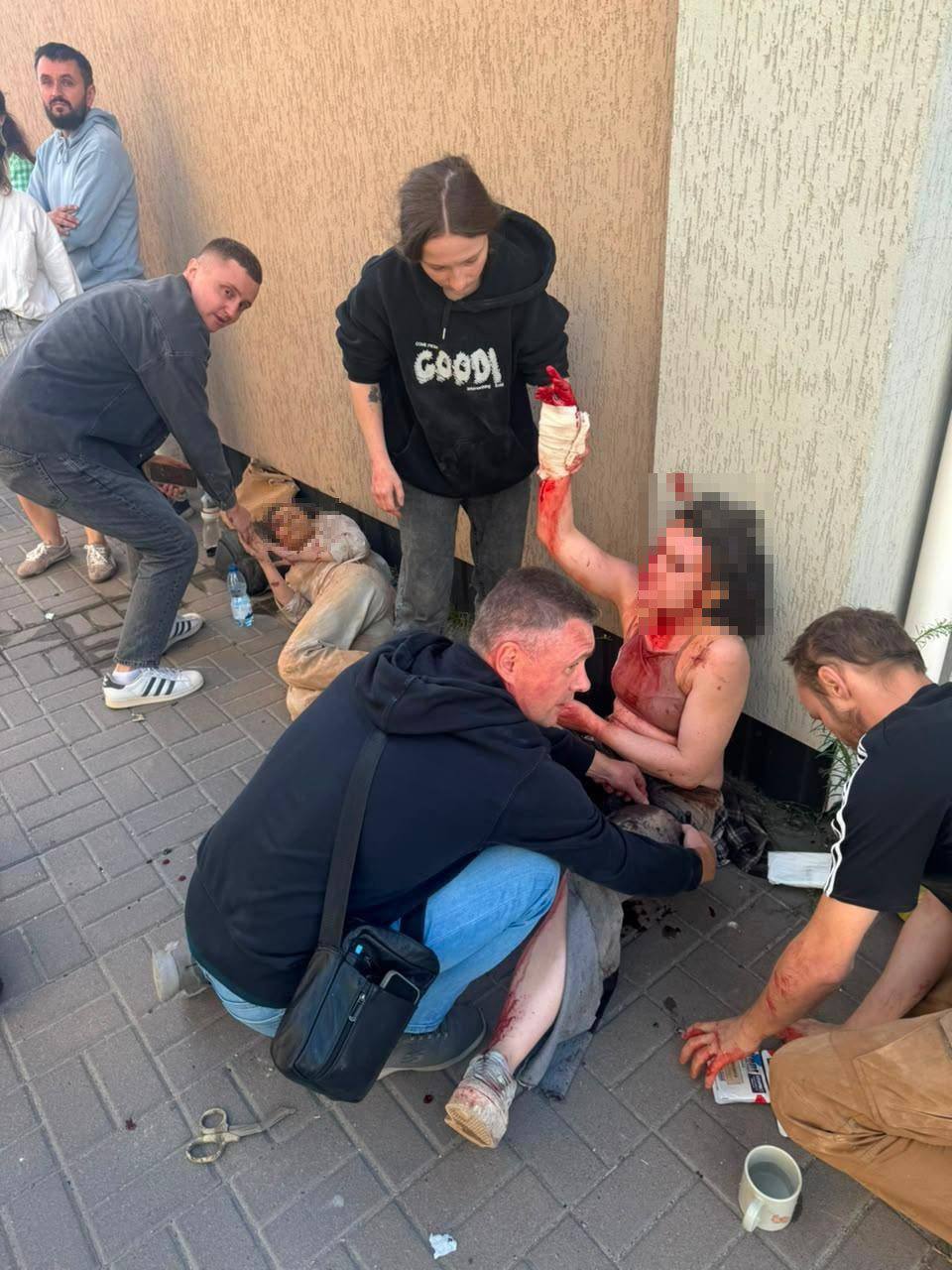
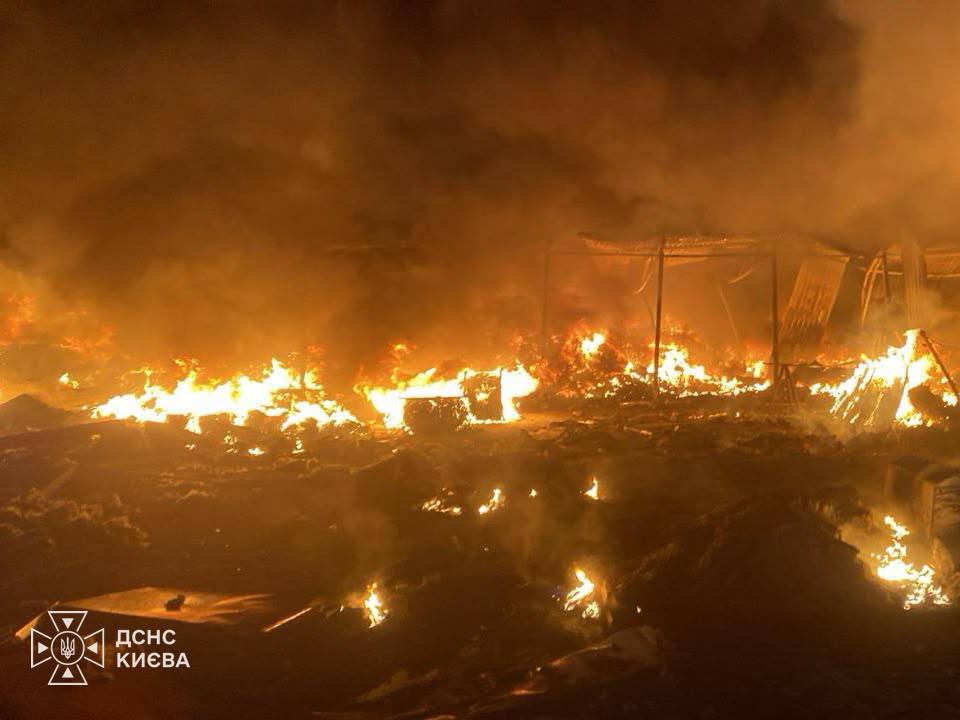
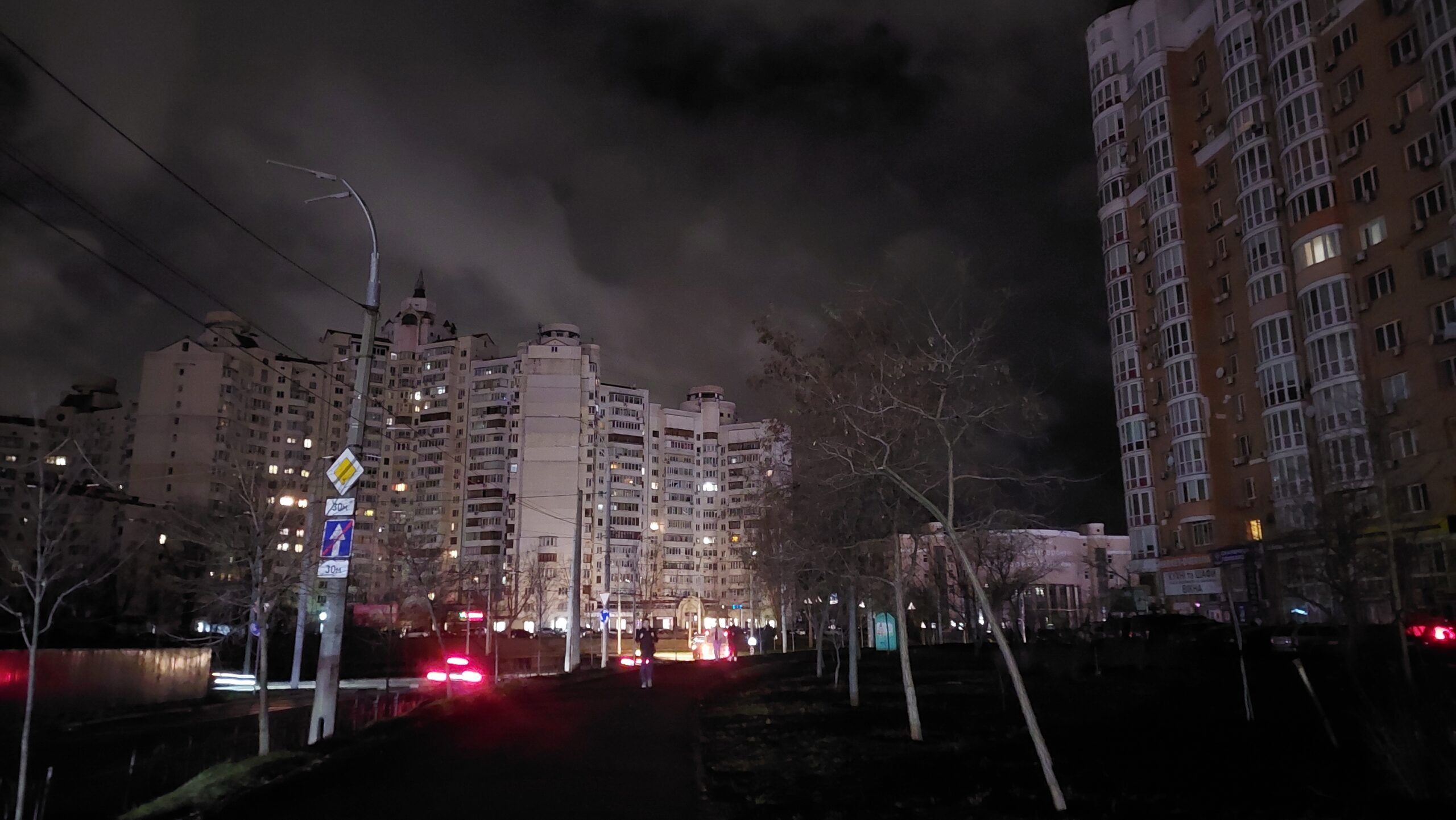
Russia hit Kyiv with another round of drone strikes from the evening of 30 September into the morning of 1 October, striking a school, a café, and warehouse buildings across the capital, the city's mayor and emergency services said. The children inside the school were in its shelter and came through unharmed. Fires broke out across two districts, and one person in the city was wounded.
Children across Ukraine now start the school year in bomb shelters, as Russian drones, missiles, and glide bombs keep hitting schools, homes, and hospitals far from the front—part of a civilian toll the UN says has already outrun all of last year's.
A school full of children, all in the shelter
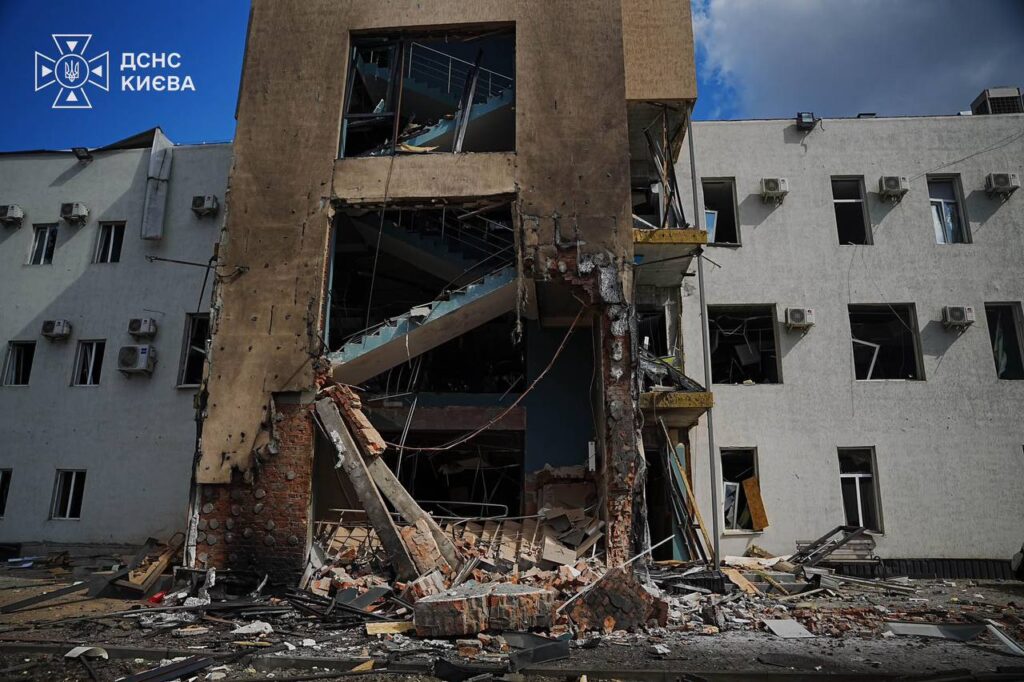
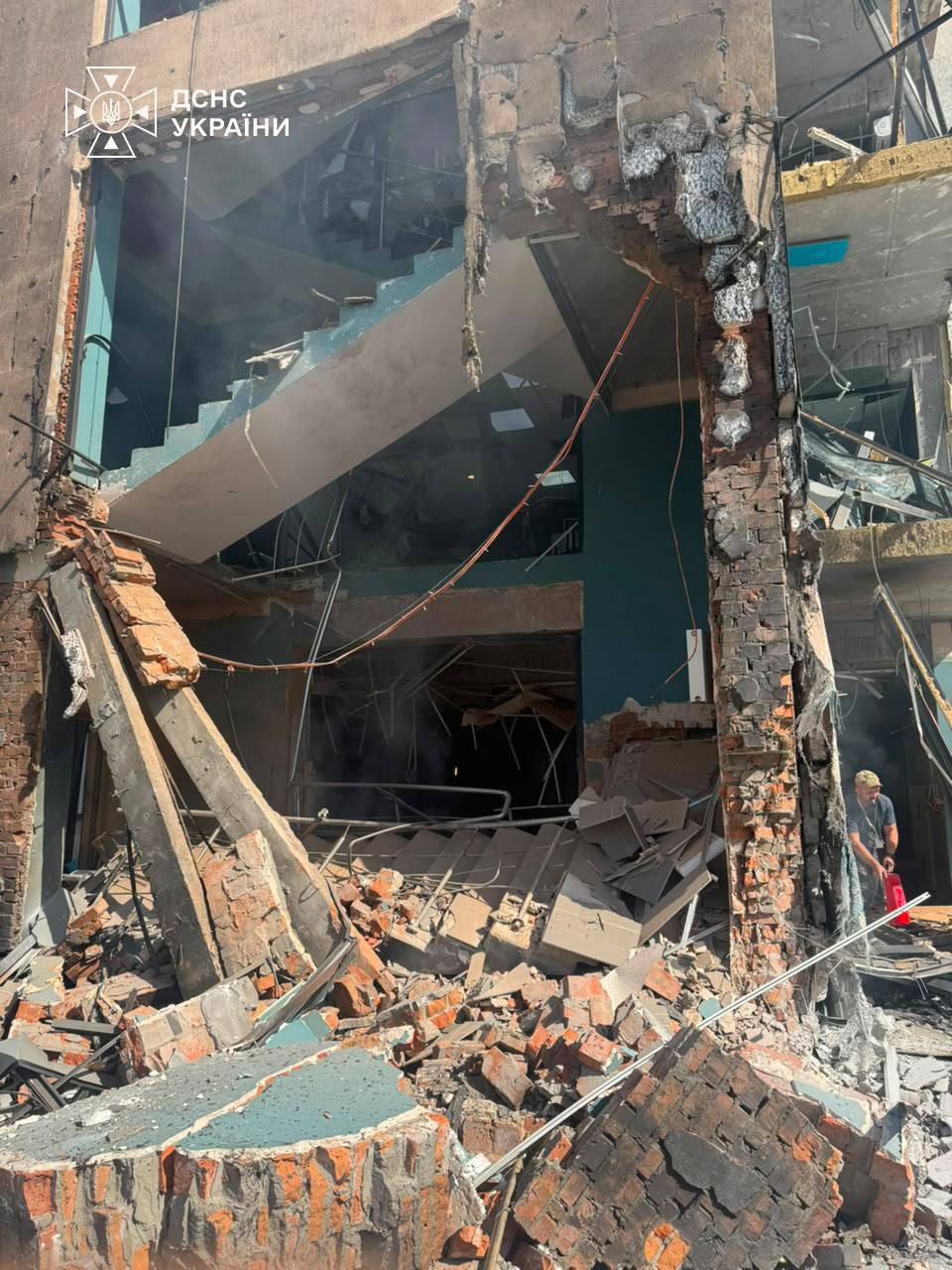
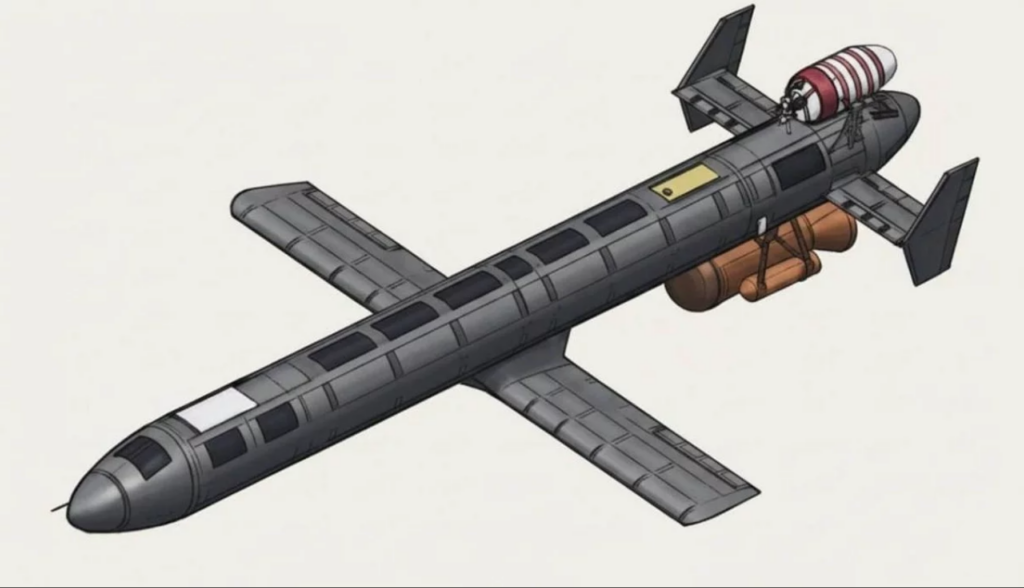
A Russian drone hit a school in Kyiv's Solomianskyi district on the morning of 1 October and started a fire, Kyiv Mayor Vitali Klitschko said, adding that the children were in the shelter. More than 100 students and about 60 staff were sheltering inside, and none were hurt, police said. The jet-powered drone damaged the building's facade at third-floor level, RBC-Ukraine reported.
A school in Kyiv damaged in a Russian drone attack, 1 October 2026. Photo: State Emergency Service of Ukraine
A café and warehouses among the sites hit
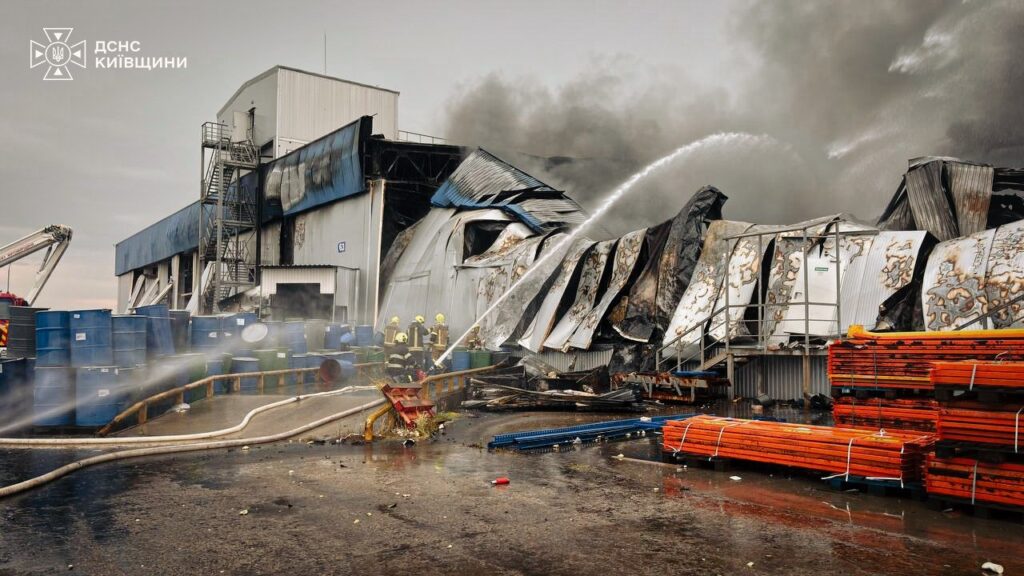
On the evening of 30 September, a Russian strike started a fire at a café on the ground floor of a residential building in Solomianskyi, while warehouse buildings burned in the northern Obolonskyi district. One person was injured in the warehouse fire and handed to medics, RBC-Ukraine reported.
42 sites damaged across Kyiv Oblast
Across Kyiv Oblast, Russian attacks over the previous 24 hours damaged 42 sites and injured six people, regional authorities reported.
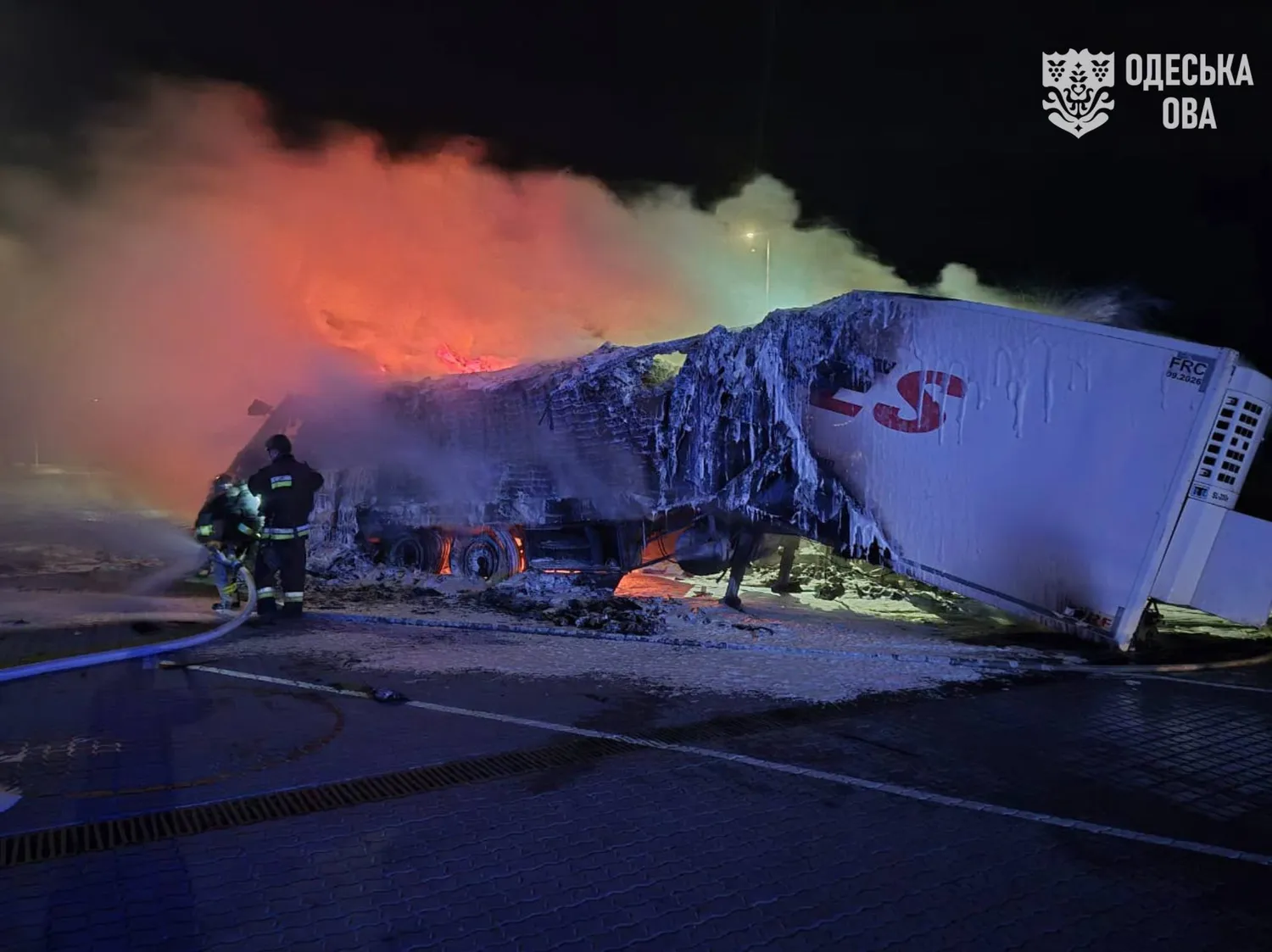
A rescuer at the scene of a fire in Kyiv. Photo: State Emergency Service of Ukraine
Kyiv is now under Russian air attack daily. On 28 September, Russian drones hit the city center in daylight, including the National Academy of Sciences, and earlier waves struck filling stations and other everyday sites across the capital.
Russia is wiring its long-range attack drones together by a mesh network in flight and buying pricier, higher-resolution cameras for them, Ukraine's Air Force reported on 29 September. Its spokesperson said one drone could serve as a scout, strike drone, and relay for the rest, which is why they often fly one behind another over long distances. Chains of them keep crossing near the Belarus border, UkrInform reports.
For Ukraine, the danger in each such upgrade is arithmetic: the more Russia networks cheap, once-disposable drones and pushes its control links away from the front, the harder they become to jam or shoot down, and the more of them reach the cities they are aimed at.
Sharper, pricier eyes
Ihnat said on a national broadcast that Russia is sourcing higher-quality materials and raising the resolution of its drone cameras. The cameras it buys are increasingly expensive and higher-quality, he said, which lets its operators study the ground in fine detail and use each drone for a specific purpose.
On a mesh network, he said, the drones talk to each other and hand the control signal back toward the operator, so no single link has to carry it alone.
Explore further
Russia is mapping everyday targets across Kyiv, from trolleybus depots to Zhuliany airport, top monitoring channel says, ahead of next ballistic strike
Chains along the Belarus border
Asked about relays operating out of Belarus and about Russia's guidance of jet-powered Shaheds, the exploding drones it fires in swarms, Ihnat said Moscow had already claimed its satellite network was ready. He confirmed mesh networks are in use and said their use was quite dangerous. Ukraine has no information yet on whether Russia is using towers, he said.
It often sees drones crossing long distances in chains along the Ukrainian-Belarusian border, so nothing can be ruled out, but intelligence would have to confirm whether such relays exist. Asked whether Russia is preparing a fresh ballistic strike, he said intelligence would warn when extra vigilance is needed.
Explore further
Russia deploys missile brigade to Belarus as fears grow over new threat to Kyiv
Ukraine's countermeasures
Ihnat has also said Russia launched more attack drones in September than in August, counting 3,177 jet-powered drones so far this month against 2,850 in August. To knock them down, Ukraine leans mainly on tactical aviation, including F-16 fighters, and on ground-based air defense when missiles are available, he said, with shoulder-fired man-portable air-defense systems (MANPADS) working well against jet drones inside their range. He said Ukraine needs more missiles for both Patriot systems and ground-based launchers, plus faster domestic solutions it can scale up.
The Russian army deliberately struck a school in Sumy with a 250-kilogram aerial bomb while students—children in grades 1–4—were there, Serhii Kryvosheienko, head of the Sumy City Military Administration, reported on 29 September. The strike was one of a series of mass attacks on Ukrainian territory over the past 24 hours.
Across Ukraine, children now begin the school year in bomb shelters, because Russian missiles, drones, and glide bombs keep hitting schools, hospitals, and homes far from the front. The first eight months of 2026 brought more civilian casualties than all of last year, the UN says, and places where children gather are part of that toll.
Kryvosheienko said the Russians aimed the bomb at the school on purpose.
"With no pity or compassion whatsoever, they strike at children? There is nothing human in the enemy! He is not fighting on the battlefield—he is destroying a nation," Kryvosheienko said.
About 40 students were in the school's shelter at the time, a school employee told Suspilne correspondents. Preliminary reports indicate the children were not injured, Suspilne said.
Ukrainian President Volodymyr Zelenskyy confirmed the strike on the school.
"Four KABs struck the city center, right at the school building, where classes were underway. Thank you to the teachers and the school administration: the children and teachers were in the shelter, a total of 100 people were evacuated in time," he wrote.
Two people were killed in Sumy, and children are among those injured
Over the past 24 hours, Russian forces carried out more than 60 strikes on 25 population centers in 13 territorial communities of Sumy Oblast, the Sumy Regional Military Administration reported. Two people were killed and 15 others were injured, including two children, according to the administration's figures for each community. Over the course of the day, the oblast was under an air-raid alert for 22 hours and two minutes.
In particular, a 74-year-old man and a 70-year-old woman were killed in the Sumy community as a result of strikes by guided aerial bombs (KABs), the report said. Four people were injured and three people sustained trauma as a result of the Russian attack, including a one-year-old girl. A six-year-old girl was also injured, while a 49-year-old man sustained injuries in a UAV attack.
Aftermath of the Russian attack on Sumy Oblast, Ukraine, 29 September 2026. Photo: Sumy City Military Administration
Over the past 24 hours, the Russians attacked Mykolaiv Oblast with Shahed/Gerbera-type attack UAVs, killing a 56-year-old man, the Mykolaiv Regional State Administration reported. The attack destroyed one detached house, damaged two others and four outbuildings, and caused fires, according to the report.
An 8-year-old girl and an 85-year-old woman suffered acute stress reactions as a result of Russian shelling
Russian forces attacked Kharkiv and 10 population centers in Kharkiv Oblast, according to Oleh Syniehubov, head of the Kharkiv Regional Military Administration. Two people were hurt, both with acute stress reactions.
In Kharkiv, an 8-year-old girl suffered an acute stress reaction, as did an 85-year-old woman in the village of Ohurtsivka, Syniehubov reported.
The Russians used various types of weapons against Kharkiv Oblast: one guided aerial bomb (KAB), one multiple rocket launcher system (MLRS), five Molniya-type UAVs, seven FPV drones, and eight UAVs whose type is still being determined, according to the report.
In Kharkiv, Russian shelling damaged the windows of an apartment building, two cars, a private house, and the roof of a shopping center. A car was also damaged in the village of Myronivka, and three cars in the village of Mali Fesky.
A car damaged in the Russian attack on Kharkiv Oblast, Ukraine, 29 September 2026. Photo: Kharkiv Regional Military Administration
The Russians also injured six residents of Donetsk Oblast: three people in Bilbasivka, one person in Sloviansk, one person in Shabelkivka, and one person in Druzhkivka, Donetsk Regional State Administration head Vadym Filashkin reported on his social media.
Over the past day, 18 population centers in Kherson Oblast came under Russian airstrikes, drone attacks, and artillery shelling, leaving five people injured, says Oleksandr Prokudin, head of the Kherson Regional Military Administration. He adds that Russian forces targeted critical and social infrastructure as well as residential areas, damaging two detached houses in particular.
Russian forces carried out 686 strikes on Zaporizhzhia Oblast
Over the past 24 hours, the Russians carried out 686 strikes on 51 population centers in Zaporizhzhia Oblast, but no civilians were injured, co-chair of the Zaporizhzhia Regional Defense Council Ivan Fedorov reported, adding that:
Russian forces carried out 22 airstrikes on 18 population centers.
530 UAVs of various modifications, predominantly FPV drones, attacked 37 population centers.
Five MLRS strikes were recorded against Orikhiv, Novoandriivka, and Kosivtseve.
129 artillery strikes hit 19 population centers.
44 reports were received concerning damage to infrastructure, homes, and vehicles.
A house damaged in the Russian attack on Zaporizhzhia, Ukraine, 29 September 2026. Photo: Zaporizhzhia Regional Defense Council
Seven facilities in Zhytomyr Oblast were damaged during the evening and overnight hours leading into 30 September, says Vitalii Bunechko, head of the Zhytomyr Regional Military Administration. Food and processing industry enterprises as well as energy facilities came under Russian attack. Four cars also burned as a result of the attack, Bunechko added.
The Russian army attacked three districts of Dnipropetrovsk Oblast with UAVs, Dnipropetrovsk Regional Military Administration head Oleksandr Hanzha wrote on social media. The attacks damaged infrastructure, and a fire broke out in one of the communities, he said, adding that there were no casualties.
Air defense forces neutralized three Russian UAVs over Cherkasy Oblast, with no casualties, Ihor Taburets, head of the Cherkasy Regional Military Administration, reported. However, the fall of an enemy target caused a fire at an infrastructure facility, which was quickly extinguished, he added.
Russia is likely attempting to force Ukraine to capitulate by spring 2027 through a large-scale campaign of long-range strikes, the Institute for the Study of War (ISW) said in its 27 September report. Russian President Vladimir Putin's new theory of victory relies heavily on the mass use of jet-powered drones and ballistic missiles against Ukraine, the institute assesses.
Russia keeps shifting to faster jet-powered drones that Ukraine's defenses struggle to stop, forcing it to spend scarce missiles on them. Russia's use of jet-powered drones rose eightfold from June to August, with Moscow launching around 7,700 such drones since their initial deployment, Ukrainian Air Force spokesperson Yurii Ihnat said on 23 September. But Putin likely does not expect the campaign to last indefinitely, and he may hold off on a new mobilization until he sees whether the strikes work, ISW assesses.
Putin's modified theory of victory
Putin's modified theory of victory largely depends on Russia's ability to mass-launch cheap jet-powered Gerans that get through Ukrainian defenses often enough, the institute notes.
Even a Kremlin-linked Russian milblogger claimed on 27 September that the Russian strategy, which relies heavily on long-range strikes, is costly and cannot continue indefinitely, not least because Ukraine is hitting Russia harder too, according to the analysis.
At the same time, Putin stated on 25 September that Ukraine "must feel" Russia's "retaliatory" strikes. ISW assesses that this suggests he intends to intensify Russia's strike campaign in winter, as he has in previous winters.
The aftermath of the Russian attack on Kyiv, Ukraine, 27 December 2025. Photo: National Police
If Putin is counting on Ukraine to break and capitulate this winter, he may be ignoring what the campaign will cost Russia over time, the institute notes. This strategy also counts on Ukraine's shortage of Patriot interceptors against ballistic missiles, and on the country's power grid and other vital systems giving way under months of strikes.
Until that approach runs out, Putin is unlikely to back down on his demands or agree to real ceasefire talks, ISW assesses.
Ukrainian interceptors could disrupt Russia's plan
A Kremlin-linked Russian milblogger claimed on 27 September that Russian forces launched predominantly jet-powered Geran-5 drones at Odesa, Mykolaiv, and Kyiv during the night of 26–27 September. According to the blogger, Russia's diverse arsenal of strike weapons and Ukraine's shortage of air defense assets allow Russian forces to maintain the current pace of strikes and expand the range of targets, ISW writes in its analysis.
At the same time, Ukrainian President Volodymyr Zelenskyy said on 26 September that Ukraine's interception rate for jet-powered Shahed drones currently stands at 55%. Of more than 2,730 such drones Russia had launched in September by then, Ukrainian forces had downed or suppressed more than 1,500, he added.
Jet-powered drones Geran-5 (above) and Geran-4 (below). Image: TurDef
Ukraine is testing interceptor drone prototypes in combat conditions, Ukrainian Presidential Office head Kyrylo Budanov told Novyny.LIVE on 27 September. The mass deployment of interceptors capable of shooting down jet-powered Gerans could begin within several months, he added. Ukrainian companies have already successfully tested several interceptor drones capable of intercepting Russian jet-powered drones in field conditions, the institute notes.
At the same time, it remains unclear whether Ukraine will be able to scale up its interceptor program quickly enough and achieve sufficient success to disrupt the intensification of Russia's campaign during the winter, ISW notes.
Why Putin may hold off on a new mobilization
Expanding Russia's arsenal of strike weapons is cheaper than carrying out a second mobilization economically, militarily, and socially, a Kremlin-linked Russian milblogger cited by the institute claimed.
Putin may put off large-scale forced mobilization until he sees whether the strikes deliver, ISW assesses, though his officials have been laying the groundwork for it despite Kremlin denials. Still, the need to replace Russia's enormous battlefield losses could push him to order such a mobilization as early as this fall, ISW notes, as Ukrainian and other sources have repeatedly reported he is preparing to do.
A Russian strike on an apartment building in Kharkiv injured dozens of people, many of them children, early on 28 September, regional prosecutors reported. Through the rest of the day, Russian drones hit Kyiv, Dnipro, and other cities, killing civilians in several of them.
Russia has moved much of its aerial campaign to jet-powered drones that fly too fast for the cheap interceptors Ukraine built against older models. Every switch to a faster weapon reopens gaps in city defenses that Ukraine had only just begun to close.
Two floors partly destroyed in a Kharkiv apartment block
Russia hit a nine-story building in Kharkiv's Saltivskyi district around 04:00. By early afternoon, the count had risen to 43 injured, including 11 children, prosecutors said.
A man of 43 and a girl of 14 remain in hospital with blast wounds, and the others have moderate or light injuries, Kharkiv Oblast head Oleh Syniehubov said. Three children lived in the apartment that took the hit. Their father carried them out himself, and none of them was seriously hurt.
Rescuers on the destroyed floors of an apartment building hit by Russia in Kharkiv, Ukraine, 28 September 2026. Photo: Kharkiv Oblast Military Administration
The strike hit the second floor and destroyed the ceiling between the third and fourth floors. Rescuers brought 32 people out of the building. Across the district, the attack damaged 18 apartment buildings and blew out more than 1,500 windows. More than 100 volunteers are helping city services seal them, Syniehubov added.
A resident who fled Kramatorsk a year and a half ago said her family never heard the blast itself.
"We didn't hear any explosion. Glass came pouring down, and a column of smoke stood there," Yuliia Baldzhy told Suspilne Kharkiv. "The children were sleeping in another room, and my husband and I barely squeezed through, grabbed them, and got out."
Yuliia Baldzhy, a resident of the damaged apartment building in the Saltivskyi district of Kharkiv, Ukraine, 28 September 2026. Photo: Suspilne Kharkiv
Kharkiv Mayor Ihor Terekhov said the city had not taken a hit "of this level" in some time. Officials are still establishing the weapon. Syniehubov named guided aerial bombs (KABs) and counted six of them over the oblast in the past day. Prosecutors named a UMPB-5, a Russian munition, as the preliminary version. Terekhov said the city was checking whether it was a KAB or a Banderol, a small cruise missile.
Fire among wrecked structures after overnight Russian strikes in Kharkiv Oblast, Ukraine, 28 September 2026. Photo: Kharkiv Oblast Military Administration
Russia has hit Kharkiv high-rises with guided bombs before. In November 2024, one such strike injured 25 people, including an infant.
Explore further
Combat shows speed alone can’t catch Russia’s jet-powered drones, despite eight Ukrainian makers’ assurances. So why can’t they stop them?
Kyiv hit through the night and into the day
In the middle of the working day, a Russian jet drone struck the main building of the National Academy of Sciences in Kyiv's historic center. The attack killed a woman and injured five people, the Kyiv City Military Administration said. Three of them were hospitalized, Klitschko said. People climbed out of windows to escape the fire.
Firefighters put out fires at the main building of the National Academy of Sciences of Ukraine and at burning cars after a Russian drone strike in Kyiv, Ukraine, 28 September 2026. Photo: State Emergency Service of Kyiv
"Russia will definitely get a response to this," Ukrainian President Volodymyr Zelenskyy said.
Overnight and into the morning, Russian drones hit a gas station in Obolon, a café by a gas station, office buildings, and a 16-story residential building in Podil. The attacks injured three teenagers in Podil, Kyiv Mayor Vitali Klitschko said. A 17-year-old boy was hospitalized.
A firefighter tackles a blaze in a two-story house after a Russian drone attack in Kyiv, Ukraine, 28 September 2026. Photo: State Emergency Service of Kyiv
Nationwide, Russia launched 165 drones overnight, 79 of them jet-powered, the Air Force reported. Air defenses downed or suppressed 112, and hits were recorded at 14 locations.
The capital is now under attack daily. On 27 September, Russian strikes injured nine people in Kyiv, and Russia hit a Kyiv data center twice. That evening, a Russian drone struck the Stolychnyi market in Sofiivska Borshchahivka, just outside the city, and killed two people. Zelenskyy wrote that one of the two killed in Kyiv Oblast was a citizen of Azerbaijan.
Deaths in Dnipro and Synelnykove
Around 11:15, a Russian drone hit a business center in central Dnipro, killing three people. The number of injured rose to 15, Dnipropetrovsk Oblast head Oleksandr Hanzha said. Rescuers led 47 people out of the burning building, regional council head Mykola Lukashuk said.
"Nearby are residential buildings, a park, a library, offices, shops. The center of Dnipro. In the middle of the working day, hundreds of people are here," Hanzha wrote.
In Synelnykove, a Russian strike on a logistics company's branch killed one person. It injured three others, including a 15-year-old boy now in hospital in serious condition.
Overnight, Russian drones also hit infrastructure in the Vasylkivka community and a market in Nikopol.
Strikes across other regions
In Kharkiv Oblast on 27 September, a Russian FPV drone killed a 67-year-old driver in Shestakove, prosecutors said. A drone on fiber-optic control also killed a 41-year-old woman in a car in Velykyi Burluk and injured a 46-year-old man.
Debris at a warehouse after an overnight Russian strike in Odesa Oblast, Ukraine, 28 September 2026. Photo: Odesa Oblast Military Administration
Explosions sounded in Poltava overnight. In Rivne Oblast, a Russian attack damaged a detached house without injuring anyone. In Odesa Oblast, Russia struck a warehouse, and an evening attack injured a man of 62 and a woman of 63. Zelenskyy also listed a Palau-flagged ship hit in Odesa Oblast and an ice cream plant damaged in Zhytomyr Oblast, in the same post.
Ukraine, the country under daily Russian attack, is offering to help defend others from it. President Volodymyr Zelenskyy says Ukraine will share its drone-defense experience with partners facing Russia's hybrid and drone attacks, NATO members and non-members alike, through its "Drone Deal" agreements, according to UNIAN.
Russia's hybrid and drone attacks are spreading past Ukraine, to Moldova, Germany, and Romania, and Kyiv is casting itself as the country that knows how to counter them.
Asked whether he would send Ukrainian troops to defend NATO members, Zelenskyy instead pointed to the drone agreements, bilateral pacts open to partners in or out of NATO, that pair weapons sales and joint production with the transfer of Ukraine's combat experience.
Ukraine had signed such deals with nine countries by early August and is negotiating more than a dozen others, becoming, as its officials put it, "a security provider for Europe."
The attacks spread past NATO
"Russia will continue hybrid attacks against various countries, and not only NATO members," Zelenskyy said, pointing to drone incursions over Moldova, which belongs to neither NATO nor the EU.
Those crossings have become routine: Moldova logged 39 Russian drone incursions in the first eight months of the year, and on 24 September, drones entered both Moldova and Romania as Poland scrambled fighters. Ukraine has offered help, Zelenskyy said, "above all to those countries that help us during the war."
The Drone Deal shares experience
The Drone Deal agreements cover the sale of drones and missiles and joint production, he added, "but also an exchange of experience."
He offered a precedent: "How we sent our specialists to the Middle East, how we helped protect critical infrastructure." Sharing how to defend against drones, he said, is "precisely part of this exchange."
Ukraine turns security provider
Zelenskyy did not answer the question on whether Ukraine would put troops into NATO countries under attack, steering instead to what Ukraine can already give, its hard-won experience of fighting the very weapons now reaching its neighbors' skies.
Russian strikes have killed or wounded more Ukrainian civilians in the first eight months of 2026 than in all of last year, a senior United Nations official told the Security Council, Censor.net reported. The official warned that the toll keeps climbing as missiles and drones increasingly reach cities far from the front line. She also cautioned that mounting attacks on Ukraine's battered energy grid could push millions into a dark, cold winter.
In the war's fifth year, Russia's long-range strikes on Ukrainian cities have shifted the danger from the front to the streets where people live, and the rising civilian toll now tracks how far those weapons reach.
Casualties outpace all of 2025
Rosemary DiCarlo, the UN Under-Secretary-General for Political and Peacebuilding Affairs, gave the toll as the Council met on Ukraine, Ukrinform reported.
"In just the first eight months, more civilians were killed or injured in Ukraine than in all of 2025," she said.
The heavy toll already recorded in September shows the trend continuing, she added, as strikes hit populated areas away from the front.
The UN human rights office has confirmed at least 17,257 civilians killed since February 2022, including 835 children. Another 53,693 people have been wounded, among them 3,247 children, and DiCarlo said the real numbers are likely far higher. Kyiv and other cities have faced near-daily attacks in recent weeks, she said, with strikes hitting railways, shopping centers, gas stations, warehouses, and food and logistics firms.
A warning over the coming winter
DiCarlo said the mounting strikes on Ukraine's already-damaged energy infrastructure are especially worrying with another war winter near.
"The cumulative impact of these strikes could plunge millions of people into darkness and cold in the coming months," she said.
She urged an immediate moratorium on strikes on populated areas and urgent action to protect the power grid. Targeting civilians and civilian sites is prohibited under international law, she noted.
The warning follows the deadliest stretch of the war for civilians, when UN monitors counted 437 people killed in July, the worst monthly toll since May 2022. Russia has also renewed strikes on gas production and power plants ahead of the heating season.
Neria Leiter, a reserve soldier, sustained life-threatening injuries after a Palestinian man drove into a military checkpoint in the West Bank, the Israeli military said.
Neria Leiter, a reserve soldier, sustained life-threatening injuries after a Palestinian man drove into a military checkpoint in the West Bank, the Israeli military said.
OpenAI, the US company behind ChatGPT, will hand Ukraine's government free access to a cyber-defense system and its most powerful artificial-intelligence (AI) model, Ukrainian defense outlet Militarnyi reported. The company unveiled the deal alongside the UN General Assembly, pitching it as a cyber shield for the hospitals and power plants Russia keeps targeting.
Russia's war on Ukraine runs through wires as much as skies. Its hackers have hammered energy, transport, and defense networks for years, on top of the blackouts its missiles already force on Ukrainian cities—and Western tech firms have kept stepping in to help hold the line.
What the Daybreak system does
The tool is called Daybreak. It scans digital systems, finds their weak points fast, and helps specialists close them, the report said. Daybreak handles the whole job on its own—a loop of inventory, detection, verification, assignment, remediation, and confirming the fix held.
The system is meant to shield civilian infrastructure, hospitals and power stations among it, from cyberattacks, BBC reported. Ukraine's Computer Emergency Response Team (CERT-UA) logged nearly 6,000 cyberattacks in 2025.
Explore further
14 killed as Russia unleashes massive overnight barrage on unprotected Kyiv, striking homes, hospital, school and railway infrastructure
Ukraine also gets OpenAI's top model
The agreement opens access to GPT 5.6 Sol, OpenAI's flagship and strongest model. The company built it for complex professional work—programming, research, science, and cybersecurity, the report said. Both come as part of one agreement between OpenAI and Kyiv.
George Osborne—Britain's former chancellor and now Head of OpenAI for Countries—put the aim plainly.
"Protecting civilian infrastructure means defending it against both physical and digital attacks, so people can continue to live, work and access essential services," he said.
Independent analysts called the deal useful but not unprecedented. Rafe Pilling of cyber firm Sophos said it could serve as a force multiplier for a Ukrainian cyber defense that is already highly capable but heavily burdened. Jamie MacColl of the Royal United Services Institute noted that Western tech firms have been supporting Ukraine for some time, partly altruistically but also because they gain valuable intelligence from an active conflict, and that Ukraine already has access to AI tools from OpenAI's competitors, including Google. The same frontier AI capabilities cut both ways—spotting weaknesses helps defenders block hackers and attackers find a way in.
OpenAI's rival Anthropic has restricted access to its most powerful cyber models on those grounds, while OpenAI has opened them to some European firms and UK banks, BBC reported.
Russia is trying to "scare Europe" through hybrid attacks so that it provides less support to Ukraine, but Moscow has neither an interest in nor the capability to escalate to a full-scale military confrontation with NATO, Finnish President Alexander Stubb told Politico on 21 September during an interview on the sidelines of the UN General Assembly—even as other European leaders warn that Russian strikes on NATO territory could come within months.
Ukraine critically needs Western support as Russia's full-scale invasion continues. NATO's PURL program has provided about 75% of all Patriot battery missiles and 90% of the missiles used in other air defense systems since its launch last summer, according to NATO Secretary General Mark Rutte on 3 February. Some countries are also hubs for defense companies that produce weapons for Ukraine. Russia is trying to pressure such countries, including through hybrid attacks. Polish Prime Minister Donald Tusk and the head of the Czech security service have warned that Russia could strike NATO territory within months. The Finnish president says his own intelligence sees activity but no imminent military threat, and calls it an "overreaction" when intelligence services tell their neighbors they are next for a Russian invasion.
Finnish intelligence sees Russian activity but no imminent military threat, Stubb says
Stubb calls claims by some intelligence services that Europe is next for a Russian invasion an "overreaction" and says he sees no evidence of this.
"We think we have to be vigilant and awake. But, you know, we have the longest border in NATO with Russia, it's half the border. In our intelligence we see that there is activity but no imminent military threat right now," Stubb added.
He says Russia will continue hybrid attacks, so Europe must be prepared and support Ukraine
Europe should prepare for Russia's "continued hybrid and sabotage attacks," but should not "overreact" to them, as Russia wants to scare its allies so that they slow down their support for Ukraine, the Finnish president said.
"And any time we overreact to a hybrid attack, they have actually won the battle in that particular way," Stubb told Politico.
Europe should remain "cool, calm and collected" during such Russian intimidation, the Finnish president said.
Germany's recent decision to officially hold Russia responsible for an attempted drone attack in Leipzig is "exactly what you need to do," Stubb said.
"You need to point the finger and say, we know what you're doing, and these are the consequences," he added.
Drone found near a Ukrainian An-124 aircraft in Leipzig, Germany, on 5 August, 2026. Photo: screenshot from Bild video
A pro-Kremlin group, Global Citizens Against War 1984, issued an ultimatum to Latvia, Poland, and Portugal to stop supplying weapons to Ukraine by 7 October, threatening to disrupt defense companies in those countries.
Warnings from Warsaw and Prague paint a different picture
Russia could carry out "accidental" drone or missile strikes against NATO countries supporting Ukraine in an attempt to weaken the Alliance's integrity and persuade members that Article 5 is more theoretical than practical, Polish Prime Minister Donald Tusk said in parliament on 17 September, citing NATO, Ukrainian, and Polish intelligence assessments.
"There is a real risk that drones or other types of missiles could enter the territory of one or several NATO countries on the eastern flank," Tusk said.
The head of the Czech security service warned separately that Russia could undertake a limited incursion, false-flag provocations, and a massive influence campaign in a matter of months rather than years.
Poland will have more than 1,000 automated warning sirens in Lublin Voivodeship by the end of 2026, Interior Minister Marcin Kierwiński said on 19 September, up from nearly 350 now. The region had about 30 remotely activated sirens at the beginning of 2024.
The expansion comes as Russian attacks on the west of Ukraine are reaching closer to Poland. Prime Minister Donald Tusk said Russia is expected to intensify attacks on Ukraine's critical infrastructure and warned of possible "accidental" drone or missile strikes on NATO countries, including Poland. He also said Russia is introducing jet-powered drones that move much faster and at higher altitudes.
Sirens sound as drones approach the border
A Russian air attack on western Ukraine triggered air-raid warnings in Poland's Lublin and Podkarpackie regions on 17 September. Sirens sounded in Lublin and Rzeszów, while residents received an SMS warning: "ATTENTION! ATTENTION! ATTENTION! Threat of an air attack. Find a safe place. Follow the instructions of the emergency services. Await further announcements."
The Polish military said its aircraft were activated in response to Russian strikes involving jet-powered drones against western Ukraine. A Russian drone flying toward Poland fell on Ukrainian territory about four kilometers from the Polish border, according to Polish authorities. Polish airspace was not violated.
Airports in Lublin and Rzeszów temporarily suspended operations to give military aircraft freedom of movement. Polish authorities said the measures were preventive and intended to protect Polish airspace.
More strikes on the border zone
On 13 September, Russian strikes near the Yahodyn-Dorohusk border crossing damaged a gas station and hit the locomotive of a Kyiv-Warsaw passenger train about two kilometers from the Polish border. No deaths were reported, and the border crossing temporarily halted operations.
On 19 September, Poland again activated ground-based air-defense systems and increased radar reconnaissance in response to another wave of Russian strikes on Ukraine. The operation ended the same day with no violation of Polish airspace recorded.
Shelters, sirens, and a 1939 echo
Beyond sirens, authorities have marked nearly 3,500 official shelter locations in Lublin Voivodeship. More than 500 State Fire Service stations and volunteer fire units took part in special exercises on 19 September to practice responses to warning signals and emergency alerts.
"We are building a civil-protection system virtually from scratch," Kierwiński said at a briefing in Lublin. "We have very, very little time."
The 17 September strikes fell on the anniversary of the Soviet Union's 1939 invasion of Poland. Prime Minister Donald Tusk described the Russian attack as "massive, extremely brutal."
The 13 September strikes near the border also drew a response from Kyiv. Foreign Minister Andrii Sybiha described them as Putin's terror "knocking" directly on the doors of the EU and NATO and called for a "full trade embargo, a total entry ban, and complete sanctions against Russia's military-industrial complex."
Russia has destroyed 2.1 million square meters of Ukraine’s modern warehouse space out of a total 5 million, wiping out more than two-fifths of the country’s storage capacity as Moscow expands its air campaign against Ukraine’s economy, according to the Financial Times.
Russia is increasingly targeting the infrastructure that keeps Ukraine’s economy running and its citizens supplied, including warehouses, distribution centers, railways, fuel stations, and other logistics facilities. By hitting these sites far from the front line, Russia is disrupting the supply of everyday goods and making it harder for Ukrainians to find what they need.
Around 900,000 square meters of warehouse space has been destroyed in recent months alone, according to Ukrainian entrepreneur Ruslan Shostak, founder of the Eva and Varus retail chains, cited by the Financial Times.
Russia is destroying Ukraine’s warehouse capacity
The loss of warehouse space is creating problems for businesses across Ukraine.
Russian strikes have hit warehouses and distribution centers belonging to major Ukrainian retailers, pharmaceutical companies, publishers, and logistics operators.
One recent strike destroyed a warehouse belonging to toy retailer Budynok Ihrashok near Kyiv, FT reported. The facility was hit by a jet-powered drone and caught fire, but firefighters were unable to intervene while Russian drone attacks were continuing.
The company now plans to distribute its inventory among smaller warehouses and its network of 67 stores rather than rely on a single large distribution center.
The destruction of large warehouses is forcing companies to rethink how they store and distribute goods, increasing costs and making supply chains more vulnerable to further attacks.
Explore further
Kyiv stockpiles food and water as Russia’s new aerial tactics threaten a brutal winter
The attacks are spreading across Ukraine’s economy
Warehouses are not the only economic infrastructure being targeted.
Russian drones have increasingly struck railway infrastructure in western Ukraine, while fuel stations are also being hit farther from the front line. These attacks can disrupt the movement of goods even when they do not directly destroy the businesses producing them.
The result is a widening pressure on Ukraine’s logistics network. Companies must find alternative storage and transport routes while operating under the continuing threat of Russian airstrikes.
The attacks are part of Russia’s broader long-range air campaign against Ukraine’s civilian infrastructure. Moscow is increasingly using drones and missiles to hit economic targets deep inside Ukraine, putting strain on the systems that allow the country’s economy to function during the war.
For years, Ukraine’s air defenses blunted Russia’s attempts to terrorize its cities from the sky. Now, after four years of adaptation, Moscow is fielding faster drones, massing ballistic missiles, and finding new ways to overwhelm a Ukrainian air-defense network running short of the interceptors needed to stop them.
Russia’s aerial campaign is becoming harder to contain just as its attacks are killing more Ukrainian civilians. July recorded at least 437 civilian deaths, the highest monthly toll since the early months of the full-scale invasion, with UN monitors pointing to Russian missile and drone attacks as a key factor.
That shift is visible most clearly in Russia’s rapidly expanding use of jet-powered Geran drones. These drones can exceed 400 km/h, making them significantly harder to intercept than the slower, propeller-driven Shaheds Ukraine has spent years learning to counter. Russia reportedly launched as many as 2,850 jet-powered drones in August alone.
Ukrainian President Volodymyr Zelenskyy has warned that Russia’s escalation with the new drones is becoming “increasingly terrorist” and called for urgent efforts to develop defenses against them.
While Ukraine’s Western partners have taken steps to strengthen its air defenses, Russia has spent the same period adapting and expanding its ability to attack from the air. The gap is becoming increasingly visible in the skies over Ukrainian cities.
Ukrainian civilians are already paying the price
Russia has increasingly turned its ability to strike deep inside Ukraine into a weapon against civilian life itself: hitting residential areas, fuel stations, railways, energy infrastructure and other sites across cities far from the front.
Since late August, Kyiv has faced near-continuous Russian drone attacks, with Russia increasingly sending waves of drones against the capital throughout the day and night. The shift has made air-raid alerts, explosions and disruptions to daily life a near-constant reality.
For Ukrainians, Russia’s evolving aerial campaign is measured in destroyed homes, injuries, deaths, and lives permanently changed.
In Kyiv, it has also changed everyday life: explosions interrupt sleep and work, people run for shelter as strikes unfold overhead, and the threat of another attack is never far away.
And the pressure is no longer confined to Kyiv. Kharkiv, Odesa, Sumy and Zaporizhzhia are all facing increasingly sophisticated combinations of drones and missiles.
The danger is not simply that Russia is launching more weapons. It is that Moscow has spent years learning which weapons can penetrate Ukraine’s defenses, how to combine them, and how to force Ukraine to spend its most valuable interceptors.
Zelenskyy’s warning captures the urgency: “You cannot simply wait for Russia to perfect its repertoire of killings.”
Emergency workers respond to a Russian strike on a shopping center in Kharkiv, Ukraine, on 28 August 2026. Photo: Ukraine’s State Emergency Service
Russia is adapting faster than Ukraine can rebuild its shield
The jet-powered Geran is only one part of the problem.
Russia has also dramatically increased its use of ballistic missiles. Reuters reported that 228 ballistic and hypersonic missiles were launched in July and the first eight days of August, with more than half being inaccurate RM48U training missiles repurposed for combat.
Ukraine has virtually exhausted its US-made Patriot interceptors, the only systems in its arsenal capable of reliably intercepting Russia’s ballistic missiles, while Moscow continues launching them at a high tempo.
The result is a more complex aerial threat: fast drones that are difficult to intercept, ballistic missiles that are extremely difficult to stop, and large waves of cheaper weapons that can force Ukraine to expend scarce defensive ammunition.
Ukraine is developing new ways to counter them, including interceptor drones specifically designed to hunt down the jet-powered Gerans. But Ukraine is developing these systems as Russia is already deploying its new weapons at scale.
Western countries have continued providing air-defense assistance. Canada, for example, announced a C$350 million package for interceptors earlier this month. But Ukrainian officials continue to say that deliveries remain far below what is needed to protect the country from Russia’s expanding aerial campaign.
Russia has spent years expanding the weapons it can use against Ukraine, while Ukraine and its partners are still racing to develop and supply the systems needed to stop them.
The threat Europe helped Russia develop
Some of Ukraine’s Western partners are now confronting a threat Russia has spent years developing over Ukraine: an increasingly sophisticated aerial arsenal that could eventually be turned against them.
European officials and defense analysts are increasingly warning that NATO countries themselves lack enough air and missile defenses to deal with a large Russian attack.
Latvia’s President Edgars Rinkēvičs recently said Europe is not sufficiently prepared for the kind of drone and aerial warfare Russia has developed in Ukraine, including because of delays in supplying Ukraine with critical air-defense systems.
Those concerns are no longer hypothetical. On 14 September, an Italian NATO fighter jet shot down a Russian-made Geran-2 drone over Lithuania after it entered the country from Belarus. Poland and Romania have also faced Russian drone incursions since 2025.
Lithuanian military police at the site near Pratkūnai where NATO fighters shot down a drone, Kaišiadorys district, Lithuania, 15 September 2026. Photo: D. Umbrasas / LRT
This creates a problem that is partly of Europe’s own making. Russia has had more than four years to refine its drones, missiles, production lines and tactics while Ukraine’s partners have often been too slow to provide enough weapons to counter those systems as they were developed and deployed at scale.
In that same period, many European countries continued trading with Russia, particularly in fossil fuels, allowing Moscow to keep generating revenue from European markets even as those same governments were providing military aid to Ukraine.
The result is a Russian aerial arsenal that is more capable than the one Ukraine faced in 2022 – while some of the countries now worried about a future Russian threat lack the air defenses needed to protect themselves.
Western governments helped Ukraine fight Russia’s air war, but not at a scale or speed sufficient to prevent Russia from adapting.
Ukrainian civilians are paying the price for the time Russia was given to expand and refine its aerial warfare. Now, Europe is having to prepare for the possibility that those capabilities could one day be used against it.
Russia has begun using large numbers of a missile originally designed as a training target for air-defense crews, despite the weapon being significantly less accurate than the ballistic missiles Russia normally uses for precision strikes. The RM48U is now being launched against targets in Ukraine from S-400 air-defense systems.
The development comes as Russia has sharply increased its use of ballistic missiles against Ukrainian cities in recent months, while Ukraine faces a critical shortage of the interceptors needed to defend against them. Russian forces had more than tripled their monthly ballistic missile launches between April and July, according to Ukrainian military intelligence, as Ukraine's stocks of Patriot interceptors have dwindled.
More than half of the 228 ballistic and hypersonic missiles Russia launched in July and the first eight days of August were RM48Us, according to Ukrainian data reviewed by Reuters in an investigation published on 18 September.
A training missile turned into an inaccurate weapon
The RM48U was originally developed as a training target to help Russian air-defense crews practice intercepting incoming threats. It was not designed as a precision ground-attack missile.
Ukrainian investigators told Reuters that the missile is less powerful and less accurate than the Iskander, Russia's main short-range ballistic missile. They estimate that RM48Us deviate from their intended targets by around 300 meters on average.
The missiles nevertheless follow a high-speed ballistic trajectory when used in combat, making them difficult for Ukrainian air defenses to intercept.
Russia launches the RM48U from S-400 systems, repurposing part of its air-defense arsenal for offensive strikes.
Explore further
Ukraine strikes two Russian S-400 launchers in Bryansk. The same systems were used to attack Kyiv overnight.
Russia is using inaccurate missiles at scale
The number of RM48U launches increased sharply during the summer.
Russia launched 158 ballistic and hypersonic missiles against Ukraine in July, according to Ukrainian data reviewed by Reuters. Of those, 87 were RM48Us.
Russia then launched another 36 RM48Us among 70 ballistic and hypersonic missiles fired during the first eight days of August.
July was the highest month for Russian ballistic and hypersonic missile launches since the start of the full-scale invasion, according to the Ukrainian data.
The surge in RM48U use also coincided with a major decline in Russia's use of Iskanders. Russia launched more than 100 Iskanders in June but only 38 in July.
The shift indicates that Russia is using the less capable RM48U to sustain its ballistic missile campaign to continue causing indiscriminate destruction in Ukrainian cities while conserving more capable weapons.
RUSI analyst Sidharth Kaushal told Reuters that this allows Russia to preserve missiles such as Iskanders, as well as other more advanced weapons, for future attacks.
Less accurate does not mean less dangerous
The RM48U's poor accuracy has already had deadly consequences.
Ukrainian investigators concluded that an RM48U struck a railway platform in the Brovary district of Kyiv Oblast on 5 August, killing eight people.
According to Ukrainian prosecutors cited by Reuters, the missile's warhead also scatters metal fragments over a wide area.
The attack illustrates the danger of Russia using a weapon that was never designed for precision strikes in populated areas. Even when the missile misses its intended target, its large deviation can leave civilians and civilian infrastructure within the affected area.
Russia denies deliberately targeting civilians and says it strikes military and other strategic targets.
Russia plans to produce more
Ukraine's military intelligence told Reuters that Russia plans to produce 480 RM48U missiles in 2026, more than twice the 200 produced last year.
That would give Russia a growing supply of a relatively simple ballistic weapon that can be used alongside its more sophisticated missiles.
The large-scale deployment of the RM48U represents a new development in Russia's ballistic campaign: a missile built to serve as a training target for air-defense crews is now being used as an offensive weapon against Ukraine.
At a time when Ukraine is struggling to replenish the scarce interceptors needed to stop Russia’s ballistic missiles, Moscow is expanding the range of weapons it can use to strike Ukrainian cities, killing more civilians and destroying more civilian infrastructure with each escalation.
Oleshky, a Ukrainian city under Russian occupation in Kherson Oblast, is facing a severe humanitarian crisis, with more than 6,000 people, including around 200 children, potentially trapped there, according to Ukrainian Ombudsman Dmytro Lubinets.
Civilians are going without food, drinking water, medicine, and other basic necessities while facing daily shelling and drone attacks, Lubinets said.
The crisis has become so desperate that some residents are trying to escape on their own without waiting for an organized evacuation, crossing mined fields because they see no other way out. They risk being killed by mines or Russian drones, but are attempting to leave because staying in Oleshky has become even more dangerous.
“People need to be saved,” Lubinets said, describing the city as a “death trap.”
Thousands remain trapped
Lubinets said his office has received 176 appeals concerning the humanitarian situation in the temporarily occupied territories of Kherson Oblast and has verified 358 people who urgently need assistance to safely leave the area.
He stressed that these are only people his office has managed to identify. Based on the population of Oleshky and the surrounding area, more than 6,000 people may still remain there, including around 200 children, he said.
The civilians remaining in the city are effectively in a “gray zone,” according to Lubinets. They face daily shelling and drone attacks while lacking food, drinking water, medicine, and other essential assistance.
“The stories make your blood run cold. And so there is only one task — to get our people out of this deadly danger,” Lubinets said.
People in Oleshky wait for food supplies. Hola Prystan is near Oleshky. Photo: BBC
“There is real hunger there”
Other reporting indicates that the shortages have persisted for months. According to Kherson Regional Military Administration head Oleksandr Prokudin, food deliveries to Oleshky have almost completely stopped, while Russian forces prevent residents from evacuating.
Natalia Soboleva, an Odesa volunteer who tracks the situation in Oleshky, told Espreso that residents are gathering grass and searching through destroyed basements for food.
The blockade has also affected humanitarian efforts. Soboleva said Russian forces attacked humanitarian vehicles attempting to bring food and water into the city. During the latest reported attempt on 1 September, Russian troops shelled four volunteer vehicles.
The crisis in Oleshky has been independently documented by international organizations and media. The UN, Human Rights Watch and the OSCE have all reported severe shortages of food and medical care, dangerous conditions for civilians, and restrictions on humanitarian aid and evacuation.
Explore further
International monitors confirm Russia’s blockade of occupied Oleshky, where the living starve and the dead go unburied
Russia has not confirmed evacuation, so civilians risk mines to escape
The ombudsman said some people are now trying to leave independently. They are crossing mined areas despite the risk of being killed by a mine or targeted by a drone because they do not see another way to escape.
This desperation has also been documented by Human Rights Watch, which said there is no organized evacuation route from Oleshky and that people attempting to leave face Russian military checkpoints and a dangerous journey through occupied territory.
Lubinets said Ukraine has been pressing for an organized humanitarian evacuation.
Ukraine and Russia had previously reached agreements and established clear procedures for such a mission, he said. Lubinets also secured the International Committee of the Red Cross’ readiness to participate within its mandate.
Ukraine prepared a list of people for evacuation and coordinated with its Security and Defense Forces to establish a ceasefire during the humanitarian mission.
But Russia has not confirmed its readiness to carry out the evacuation, according to Lubinets.
Explore further
Mined in, starved out, hunted from above—life in the towns Russia demands at the peace table
Months ago, he said, he informed international organizations, including the United Nations and the ICRC headquarters in Geneva, about the critical situation and called for assistance to prevent mass deaths.
Lubinets said his office continues to collect and verify information and coordinate with the ICRC, international organizations and Ukrainian authorities. It is also continuing to press Russia for an urgent evacuation of civilians remaining in Oleshky.
The situation is difficult to independently verify because Oleshky is under Russian occupation and access to the city is severely restricted. But reports of the humanitarian crisis have been corroborated by the UN, Human Rights Watch, the OSCE and other international organizations, as well as Ukrainian and international media.
Donetsk Oblast’s preliminary economic losses from Russia’s full-scale invasion exceeded 1.08 trillion hryvnias ($26 billion) as of 1 August 2026, according to data provided by the Donetsk Regional Military Administration to Radio Free Europe/Radio Liberty’s Donbas.Realities project.
Donetsk Oblast has been at the center of Russia’s war against Ukraine since 2014, with the frontline running through the region and Ukrainian-controlled towns facing daily Russian attacks since 2022. Only about 30% of the oblast remains under Ukrainian control.
Industry accounts for most losses
According to the administration, businesses in the region’s real economy suffered more than 1.08 trillion hryvnias in losses, including lost profits, Donbas.Realities reported.
Industry accounted for 909.4 billion hryvnias ($22 billion) of the estimate, while the electricity and gas sectors suffered 156.5 billion hryvnias ($3.8 billion) in losses.
Agriculture accounted for 11.8 billion hryvnias ($285 million), transport for 1.5 billion hryvnias ($36 million), and other sectors for another 1 billion hryvnias ($24 million).
The losses among businesses operating in the social sphere were separately estimated at 100 million hryvnias ($2.4 million).
Emergency workers responding to the aftermath of a Russian airstrike on a residential building in Kramatorsk, Donetsk Oblast, Ukraine, on 4 August 2026. Photo: Ukraine's State Emergency Service
Full extent of damage remains unknown
The administration said its Department of Economy is collecting and consolidating information on losses caused by Russia’s invasion.
The regional administration said the figure is likely incomplete, as ongoing fighting and the scale of destruction make it impossible to determine the full extent of the damage.
“Determining the full extent of material damage caused in Donetsk Oblast is currently impossible,” the administration said, citing ongoing hostilities, the scale of destruction, limited access to damaged or destroyed sites, and the loss of documentation from occupied territories and areas of active fighting.
The administration emphasized that the figures are preliminary estimates and do not represent the region’s full material losses.
A final assessment can only be made after the security situation stabilizes and temporarily occupied territories are liberated, allowing authorities to properly document and assess the damage, it said.
Ruins in Kostyntynivka, Donetsk Oblast, May 2025. Photo: 93rd Brigade
Most of Donetsk Oblast remains under Russian control
About 30% of Donetsk Oblast remains under Ukrainian control, according to the regional administration.
The region has been a major battlefield throughout the full-scale war, with Russian forces continuing to attack Ukrainian-controlled areas while large parts of the region remain occupied.
The scale of the damage in Donetsk Oblast forms part of the much broader economic cost of Russia’s invasion. At the beginning of 2026, Ukrainian authorities and international organizations estimated Ukraine’s overall losses since the start of the full-scale invasion at more than $195 billion, Donbas.Realities reported.
Poland will provide another aid package to Ukraine, which will include, among other things, “what Ukraine needs right now,” Deputy Minister of National Defense Stanisław Wziątek said, reports Polskie Radio. He said the package would include missiles for F-16 fighter jets, which the Ukrainian military uses to shoot down Russian drones.
Ukraine is critically short of missiles for F-16 fighter jets, which shoot down Russian UAVs. Recently, it was reported that pilots sometimes took off without missiles, using only the aircraft’s built-in M61A1 Vulcan cannon, which is dangerous for civilians. Poland’s newly promised aid will include these missiles for Ukraine.
Among other things, Poland will provide aviation equipment, the report said. Media reports added that the aid package may be worth around €50 million.
Ammunition for F-16s and possible aviation equipment
“Our aid is in the process of being prepared. Everything will happen in a moment. I cannot say what it contains, I can only say that it is what Ukraine needs right now. This includes basic ammunition. These are the ones mounted on F-16s to shoot down Russian drones,” Wziątek said.
AIM-9 and AIM-120 are air-to-air missiles that the Ukrainian Armed Forces use with F-16s to fight Russian aviation, Militarnyi says. The outlet adds that last year Ukrainian F-16s were spotted with APKWS II missiles, which are effective against drones. As for the aforementioned aviation equipment, Poland may provide decommissioned MiG-29 fighter jets or drones, the media outlet suggests.
A MiG-29 fighter jet of Poland's Air Force. Photo: WZL-2 via Facebook
The MiG-29 does not use the same scarce stocks of AIM-9 and AIM-120 missiles.
Missile shortage is not new
In July 2025, America abruptly suspended arms supplies to Ukraine, affecting some types of weapons. Among them were more than 90 US-made AIM air-to-air missiles that were in Poland and on their way to Ukraine, but were withdrawn by the US, according to a Wall Street Journal article. Since then, Ukraine has received Western aid for air defense systems, but missiles have remained among the items in short supply.
Ukraine faced a severe shortage of F-16 missiles from late November to mid-December, according to Reuters. One source said Ukraine had "nothing to put on its jets for almost a month."
While F-16s likely rank first by number in the Ukrainian Armed Forces, the Soviet-made MiG-29 ranks second, Euromaidan Press. Ukraine had enough R-73 missiles for this fighter, but when the Ukrainian Armed Forces also began using them for ground-based launchers after 9M33 missiles for Soviet Osa air defense systems ran out, the rate of consumption increased sharply.
Ukrainian forces were observed resuming the use of older missiles that had been considered obsolete. There is an alternative: using the fighter’s cannon. However, this practice is dangerous.
Russia launched a large-scale missile and drone attack on Ukraine overnight on 17 September, striking Kyiv, Zaporizhzhia, and Odesa Oblast, among other regions.
The attack damaged civilian infrastructure in Kyiv, including apartment buildings and educational facilities, while water infrastructure was also affected. Kyiv mayor Vitali Klitschko reported 20 people injured, including at least two children.
Water infrastructure hit as winter concerns grow
The overnight strikes affected Kyiv’s water infrastructure, temporarily disrupting water supply on the left bank and reducing pressure in some areas on the right bank.
Kyivvodokanal said its specialists restored operations and that water supply is now fully functioning across the capital.
The damage comes as Ukrainian authorities have warned that Russia could target critical water infrastructure as winter approaches, potentially adding another major threat to civilians alongside attacks on Ukraine’s electricity and heating systems.
Russia has repeatedly used winter strikes to target Ukraine’s critical infrastructure, particularly electricity and heating, leaving civilians without power, heat, and basic services during freezing weather.
This winter is expected to bring a heavier campaign: Russia has intensified its attacks since the summer, increasingly targeting food-related infrastructure and supplies in addition to energy facilities.
No missiles intercepted, once again
Russia launched ballistic and cruise missiles alongside 157 Shahed-type attack drones and decoy drones, according to Ukraine’s Air Force.
The ballistic missiles included Iskander-M, S-400 and North Korean KN-23 missiles launched from Russia’s Bryansk and Voronezh oblasts. Russia also launched four Kalibr cruise missiles and Oniks missiles.
Ukraine’s air defenses reported destroying or suppressing 131 aerial targets, but none of the ballistic weapons were among those intercepted. The 131 targets consisted of seven Bandеrol/Dan-T missiles and 124 Shahed, Gerbera, and other drones.
Once again, Ukraine intercepted none of the Russian ballistic missiles, underscoring the country’s shortage of high-end air-defense interceptors needed to defend against Russia’s increasing ballistic missile attacks.
However, Ukraine’s General Staff reported strikes on two of the S-400 systems that Russia uses to launch ballistic missiles from Bryansk Oblast.
Explore further
Ukraine strikes two Russian S-400 launchers in Bryansk. The same systems were used to attack Kyiv overnight.
Kyiv hit across several districts
Kyiv police reported damage in the Darnytskyi, Dniprovskyi, and Solomianskyi districts.
Apartment buildings, educational facilities, a municipal building, vehicles, and railway tracks were damaged. Most of the 16 injured people were residents of a damaged 16-story apartment building in Dniprovskyi district.
The victims included a 10-year-old girl and a 12-year-old boy.
Kyiv’s military administration also reported a strike on a warehouse building in Podilskyi district.
Russian attacks on Kyiv have injured 20 people today, with five hospitalized.
A blast wave damaged apartment buildings in the Dniprovskyi district, while a car caught fire at another location.
Scenes like these are becoming a daily occurrence in the capital.
The Air Force said Russian missiles and attack drones hit 36 locations across Ukraine, while debris from intercepted targets fell at five locations.
Russia damaged the Berestyn station building and a Kyiv commuter stop in an overnight strike on the railways
A Russian drone hit the station at Berestyn in Kharkiv Oblast before dawn on 17 September, and passengers and staff sat out the attack in shelters, Ukraine's national… pic.twitter.com/OaeAaO58eX
Russia’s overnight attack on Odesa Oblast continued for much of the night, injuring seven people, including children aged four and 13, Odesa Oblast Governor Oleh Kiper reported.
One Russian drone struck a high-rise apartment building in Odesa, destroying 10 apartments on the 14th–16th floors and damaging 11 cars. Three people were injured there, including the four-year-old child.
Other strikes damaged at least five residential buildings, a kindergarten, a dormitory, a restaurant’s outdoor area, warehouses, garages, and cars. An elderly woman and the 13-year-old child were among four other people injured.
A Russian overnight attack on Odesa Oblast injured 7 people, including 2 children, after a strike hit a 19-story apartment building.
A private home in the region was also destroyed, while a kindergarten, cars, garages, and warehouses were damaged.
Zaporizhzhia was also hit by Russian missiles, with three people injured – a woman and two men. The missiles struck industrial facilities, partially damaging buildings and causing a fire at one site.
Later in the day, Russia attacked the village of Storchove in Zaporizhzhia Oblast with guided aerial bombs. One bomb hit a private house and outbuildings, killing a 51-year-old woman and injuring a 70-year-old man. The strike destroyed property the family had accumulated over decades, according to the Zaporizhzhia Regional Military Administration.
Russia also struck a passenger bus in Zaporizhzhia with an FPV drone near a public transport stop. Five people were injured. A regional official said Russia had “once again chosen not a military target, but people who were simply traveling about their business.”
A Russian FPV drone struck a passenger bus carrying people in Zaporizhzhia, right near a public transport stop. Three people were reportedly injured.
“Russians once again chose not a military target, but people who were simply going about their daily lives,” a Zaporizhzhia… pic.twitter.com/VRZcch4PRH
Sanna Marin has made the journey to Kyiv and back many times since February 2022, in winter, summer, and autumn. Speaking at the Book 2.0 conference in Lisbon on Wednesday, days after returning from the September 2026 Yalta European Strategy conference, the former Finnish prime minister said this trip stood apart.
"This was the first time that I noticed so many drone alarms," she said. "I think there was only one missile alarm at that time we visited previously. Now in Kyiv, in this international meeting, I have never seen so many alarms going off when there's an international meeting, also with the US quite heavily represented there on site."
The knock at 5 a.m.
Marin was traveling back to Poland by train when the drone threat reached her carriage. "There was a knock on the door at 5 a.m. saying that we need to evacuate the train," she said. "I quickly put on my clothes and then saw what was happening. But then for some reason we were able to continue, so we never evacuated."
Another train on the same route was less fortunate. "Another train that was also traveling to Poland was evacuated several times, and it was also hit by a drone, and there was a missile that landed quite near as well."
Damaged locomotive of the Kyiv–Warsaw passenger train at Yahodyn station after a Russian drone strike on 13 September 2026. The train was hit approximately two kilometers from the Polish border; passengers had been evacuated 15 minutes earlier and no one was injured.
Photo: Ukrzaliznytsia / State Emergency Service of Ukraine (DSNS Volyn)
That strike, on 13 September, hit the locomotive of a passenger train near the Polish border, at the Yahodyn crossing in Volyn Oblast. Ukraine's state railway operator, Ukrzaliznytsia, said the Russian drone may have been aimed at a diplomatic train carrying security advisers from several EU states and former European leaders, including former UK prime minister Boris Johnson, which had left the station earlier than scheduled as staff adjusted movements in real time. Former CIA director David Petraeus was on another train at the crossing during the attack.
Marin was careful not to assert what Russia intended. "I don't know what are the motives behind this. Was it just an accident where they're trying to hit a gas station, or whatever? So I don't know about the motives." A gas station near the Yahodyn crossing was indeed struck the same night, setting off a large fire.
What Marin could say was that the restraint she had seen on earlier visits was gone. "I think it is alarming that there isn't that kind of restraint any more from attacking when there are international people in Kyiv."
She read it as a message aimed at everyone who backs Ukraine, and framed her Lisbon remarks as a warning to Europe. "I think Putin is trying to send a signal that if you support Ukraine, we will bomb you. It's about creating fear. We shouldn't reply to that with fear but with determination."
Damaged locomotive of the Kyiv–Warsaw passenger train at Yahodyn station after a Russian drone strike on 13 September 2026. The train was hit approximately two kilometres from the Polish border; passengers had been evacuated 15 minutes earlier and no one was injured.
Photo: Ukrzaliznytsia / State Emergency Service of Ukraine (DSNS Volyn)
Russia has made Ukraine's railways a deliberate target. It struck the network around 1,200 times in 2025, more than the previous two years combined, shifting its aim from track and stations to the rolling stock itself, and about 40 railway workers have been killed since 2022, according to Ukrzaliznytsia. Strikes on trains have averaged about six a day since early March.
Why the west is suddenly in range
Western regions were long considered safer because of their distance from the front. Two changes have brought them within reach, and what Marin noticed on this trip is the product of both.
The first is control range. Russia's drones are steered in real time only within a "red zone" near the border and the front, and until recently that zone did not reach the west. Russia extended it by building signal repeaters on towers and rooftops in Belarus, boosting Shahed control signals far enough to reach Kyiv, Rivne, and Volyn.
Ukrainian hackers exposed the network in February 2026, and by June President Volodymyr Zelenskyy was giving Belarus's Aliaksandr Lukashenka one week to strip the repeaters from its border towers, warning that if Belarus did not, Ukraine would. Russia has also used signal-relay balloons drifting from Belarus to keep its drones connected.
The second is speed. Ukrainian interceptor drones had learned to bring down about half of the incoming Shaheds by mid-2026, up from roughly 10% over the winter, so Russia reached for jet power: the jet-powered Geran-4 is built to fly at up to 500 kilometers an hour, several times faster than the piston-engine drones Ukraine spent three years learning to intercept.
Jet-powered Gerans now make up a large and growing share of Russia's nightly launches, and the largest model, the Geran-5, is credited with a range of up to 1,000 kilometers, far enough to put Warsaw within reach of the drone bases Russia has built near its borders. The near-miss on a diplomatic train two kilometers from Poland is what that reach looks like at its western edge.
Explore further
Russia turns to 500-km/h Geran-4 jet drones to outrun Kyiv’s cheap interceptors
"That is a luxury"
Marin said she had not felt afraid on the train, and drew the distinction herself.
"Ukrainian people are living in fear every single day. I can travel back to Finland and be safe with my family. I think that is a luxury."
She said she would return. "I didn't feel intimidated or afraid, and I will definitely go back."
A Russian drone struck a scheduled passenger minibus in Ukraine's Dnipropetrovsk Oblast on the morning of 16 September, killing and injuring people on board, the oblast military administration reported. The vehicle was running an intercity route when the drone reached it on the open road. Prosecutors opened a criminal case, and the head of the oblast council called the attack a cynical strike on people going about their day.
Russia is fighting a ground war along a largely static front and reaching everything behind it with drones, missiles, and glide bombs. In the oblasts closest to that front, the cheapest of those drones have turned ordinary movement—the trip to work, to the shop, to the clinic—into a lethal risk, and Ukrainian investigators have named the crews flying them while UN monitors have traced the practice up Russia's chain of command.
Five killed on the Pokrov to Dnipro run
Five people died at the scene, and doctors are treating at least seven injured, the head of the Dnipropetrovsk Oblast Military Administration, Oleksandr Handzha, said. Russian forces struck Nikopol district with an FPV drone, damaging a route minibus that was travelling on the highway, the Prosecutor General's Office said.
A man injured in the Russian drone strike on a passenger minibus in Nikopol district, Dnipropetrovsk Oblast, Ukraine, 16 September 2026. Photo: Dnipropetrovsk Oblast Council
Mykola Lukashuk, who heads the Dnipropetrovsk Oblast Council, wrote that the strike was aimed and cynical.
"Russians cynically struck a passenger bus. Just a minibus in which people were travelling on their own business," he wrote.
The photograph Handzha published shows the windows torn out along one side of the white van, with blood running down the panel below them. In Lukashuk's image of the front end, the destination board behind the cracked windshield reads Pokrov, via Nikopol, to Dnipro, three towns strung along the same road.
The front of the minibus struck by a Russian drone, its route board reading Pokrov via Nikopol to Dnipro, Nikopol district, Dnipropetrovsk Oblast, Ukraine, 16 September 2026. Photo: Dnipropetrovsk Oblast Council
The Dnipropetrovsk Oblast prosecutor's office opened proceedings under Article 438 of Ukraine's Criminal Code, which covers violations of the laws and customs of war, Interfax-Ukraine reported.
The side of the minibus struck by a Russian drone in Nikopol district, Dnipropetrovsk Oblast, Ukraine, 16 September 2026. Photo: Dnipropetrovsk Oblast Council
Drones had also attacked the district center and the Marhanets community in the same region, damaging an apartment building without hurting anyone, the administration said.
Explore further
Russia’s drone hits Nikopol bus mid-route: 3 dead, 12 injured at city-centre stop
Buses on these roads have been hit all year
Nikopol district lies on the Dnipro River directly across from Russian-occupied territory, which puts its roads inside the range of short-range drones. A drone hit a city bus in central Nikopol in April, killing four people and injuring 17, after which the mayor cut services and ran the rest off the fixed schedule. In June, a drone struck a minibus in Nikopol, killing two people and injuring 12, among them two 12-year-old girls, and in August a drone burned out another route minibus elsewhere in the district, injuring at least seven passengers.
The pattern runs past this district. A drone hit a bus near Dnipro in May, injuring six people including a child and a pregnant woman, and war analysts have assessed that Russian forces use harm to civilians as an instrument of the war in southern Ukraine rather than as its by-product.
An FPV drone, short for first-person view, sends a live video feed back to whoever is flying it. The operator watches the target grow in the frame and steers the drone into it. A bus in motion is a target that has to be chosen and followed. FPV models are not the only cheap weapon over these roads: Russia also flies Molniya strike drones, which reach further and are switching to digital video that Ukraine's current detectors cannot pick up.
The Prosecutor General's Office documented more than 11,000 attacks by short-range drones on civilians, medics, rescuers, and police, with criminal cases rising from 2,427 in 2024 to 6,771 in 2025 and another 2,010 opened in the first four months of 2026.
Gas stations across Kyiv Oblast will receive access to a military air-awareness system to help them respond more quickly to Russian drone attacks, Kyiv Oblast military administration head Tymur Tkachenko said on 15 September.
The move comes as Russian forces increasingly target fuel infrastructure during their attacks on Ukrainian cities. Two gas stations were hit in Kyiv on 15 September, killing one person and injuring 11, while at least three other Ukrnafta stations in the capital have been struck since 10 September.
The new system will allow designated gas-station employees to see real-time information about the movement of Russian aerial targets rather than relying only on the general air-raid alert. This should give stations more time to suspend operations, protect employees, and move customers away from danger.
Gas stations are becoming a recurring target
The attacks on Kyiv’s gas stations are part of a broader pattern. More than 300 gas stations across Ukraine have been attacked since the current wave began, according to Ukraine’s Energy Ministry, with strikes increasingly reaching deeper into the country.
In Kyiv, Russian forces have repeatedly used drones against fuel stations over the past week. The 15 September attack hit two more stations during a wider wave of around 200 drones launched against Ukraine.
Explore further
Russian drones killed a man and injured eight in Kyiv, hitting two gas stations
The targeting of fuel infrastructure adds another dimension to Russia’s campaign against Ukraine’s civilian supply system. Gas stations are not only businesses but critical points in the country’s transportation and fuel network, making repeated attacks capable of affecting both public safety and civilian mobility.
Tkachenko said the new air-awareness access is intended to give businesses “maximum available tools” to detect threats earlier and react in time.
He also urged drivers to follow gas-station employees’ instructions during air raids, as the facilities adapt their operations to the growing threat.
Ukraine's former top commander has a warning for anyone betting that new gadgets will win the war, he wrote in a column for Ukrainska Pravda. Valerii Zaluzhnyi, the country's Commander-in-Chief until 2024 and now its ambassador to the UK, argues 2026 is a war of technologies and, no less, of the strategies and doctrines that must keep pace with them. Bolting modern tech onto an old Soviet playbook, he says, drove mobilization into a dead end.
A year ago, Zaluzhnyi warned that Ukraine would need thousands of counter-drone systems and mass drone production to cope with the growing role of UAVs in war. A year later, those capabilities still aren't there at the scale he called for, mobilization has hit the dead end he now describes, and the four measures he proposed have not kept pace with how quickly drones are spreading.
Drones are already cheap, widespread, and shaping the war, and the front has gone static, Zaluzhnyi writes, while Russian strikes keep reaching railways and fuel stations far behind it.
This is no longer a drone war
The drones filling headlines no longer exist on their own, Zaluzhnyi writes. They have evolved into more familiar weapon types, cheaper and more effective—anyone still treating drones as a stand-alone class is about three years behind. Fixating on individual gadgets, he argues, misses the real contest: strategy and doctrine.
He reaches back to World War I for the danger he sees, running the line from Verdun and the Somme to Robotyne and Bakhmut. Before that war, soldiers in one army marched in bright red trousers that were supposed to help against repeating rifles, machine guns, and long-range artillery, and later against tanks and aircraft.
Today's faith in old security guarantees, he warns, is that same proud symbol worn onto a modern battlefield.
"The red trousers taught them nothing," he writes of those still moving tanks and artillery toward the fight by yesterday's logic.
New weapons, old strategy
The war has surrendered itself to marketers and wheeler-dealers, Zaluzhnyi writes—people who, without understanding or strategy, stoke it for quick profit while flaunting the pace of technological progress. Trying to retake land with Soviet methods and new weapons drove mobilization into a dead end, and fewer and fewer people were willing to take the one chance it offered.
"Damn marketing that kills," he adds.
The way out, he argues, is to treat technology as a new weapon, build tactics around it, and only then reshape the force.
That is what he calls doctrine, built through resource and technological alliances into a strategy for victory. Ukraine and Russia, he writes, have become real-time testing grounds.
What he warned a year ago
In September 2025, Zaluzhnyi named the four fights Ukraine had to win to survive mass drone warfare: counter-drone systems at scale, state-level drone production, integrated battlefield networks, and channeling tech talent into defense industries.
The counter-drone systems he put first are still short of the scale he warned Ukraine would need. Mobilization, he writes, has hit a dead end, and marketers—not the doctrine he calls for—are setting the pace.
Russia struck a fourth Ukrainian pharmaceutical warehouse in two weeks on 14 September, setting fire to the Odesa depot of medicine distributor BaDM, Ekonomichna Pravda reported. Russian forces hit it during an attack they ran across the country through the night.
Russia fights a ground war on the front and bombs the country behind it with drones, cruise and ballistic missiles, and glide bombs, and in recent months it has aimed much of that at the civilian supply system, taking out the depots of retailers and carriers along with the rail that moves them. Burning stored goods does not move the front line, but it changes how a country at war feeds, supplies, and treats itself.
The fourth depot, and what Russia did to it
The BaDM complex stands on the edge of Odesa. The strike started a fire on the grounds, and the State Emergency Service worked at the site. It left significant damage to the storage buildings.
Preliminarily, nobody was hurt, sources on the pharmaceutical market told Ekonomichna Pravda. BaDM is one of the biggest wholesalers moving medicines to Ukrainian pharmacies.
The three depots Russia hit before it
Russia opened the run on 3 September, when it damaged the Biokon logistics complex in Boryspil raion, Kyiv Oblast. That site counts as the country's largest specialized pharmaceutical warehouse.
Overnight on 8 September, Russian forces attacked the Kyiv warehouse of Optima-Pharm with two ballistic missiles. They had already destroyed that site, which belongs to one of the largest distributors, in 2025.
On 13 September, Russian forces struck Universal Logistic, the second-largest medicine warehouse in Ukraine. Four specialized sites in two weeks is a pattern, and Russia now hits medicine storage as it has hit food, construction materials, and parcels.
Explore further
WHO humanitarian warehouse in Dnipro destroyed in strike, Director-General says
The attack the Odesa strike came in
Russia launched 108 strike drones from 18:00 on 13 September, Ukraine's Air Force said. The wave carried Shahed-type drones, among them jet-powered ones, Gerbera drones, and Parodiya decoys. Air defense downed or suppressed 85 of them by 08:00. Ukrainian forces recorded hits at seven locations, and the Air Force said the attack was still running when it published that count.
Medicine is not the only category on Russia's list. Its strikes have wrecked so much large-format storage that Ukrainian retailers are now building small sites everywhere instead of a few big ones. In August, a strike destroyed a World Health Organization humanitarian warehouse in Dnipro, which held medical supplies for frontline facilities, and the WHO did not name who fired it.
Russia is building large new production halls at the Tatarstan site where it assembles the Shahed/Geran-type attack drones it fires at Ukrainian cities, the Ukrainian geospatial and satellite intelligence analyst Dnipro Osint reported, publishing satellite images of the work. At least five long buildings stand finished in the southern part of the Alabuga special economic zone, with internal roads and access ways laid around them and further construction under way. What the new halls are for is not known yet.
Russia has spent three years enlarging the drone campaign against Ukrainian cities rather than narrowing it, and the cheap Iranian-designed Shahed is the weapon carrying it—fired in nightly waves that now reach the Polish border and paired with the missiles Ukraine intercepts least often. Growth in that campaign starts as floor space in Tatarstan, which makes new assembly halls a forecast of the winter rather than a construction story.
What the images show
Several of the large workshops in the zone's southern section are already complete, and several more sites are in active construction, the analyst said. Laid roadways, and the outlines of additional buildings appear beside the finished rows, and he published the coordinates of the site along with the images.
The plant behind the nightly waves
The zone lies near the city of Yelabuga, more than 1,000 kilometers from the Ukrainian border, and has been one of Russia's principal military plants since 2023. It assembles the Shahed-type strike drones Russia calls Gerans, along with the Gerbera decoys flown alongside them, built at a tenth of a Shahed's cost to make Ukrainian air defense spend interceptors on empty airframes.
Explore further
800 jet drones in four days: Russia is now firing type Ukraine’s interceptors cannot catch
Output has climbed with the attacks. Russia builds about 3,000 of the jet-powered version a month, by Ukrainian military intelligence's count, and has accumulated a reserve of more than 6,000 Gerans for large-scale attacks. The zone itself expanded by 340 hectares in a year, media reported in May.
Russia's drone factory in Tatarstan. Photo: Screenshot from the video
Chinese firms supply the engines, navigation systems, and avionics, with Iran's role reduced to consultations and occasional deliveries, while Moscow claims the drones are fully localized. The workforce includes teenage students from the site's own Alabuga Polytech college and women recruited as labor migrants from African and Central Asian countries, some of whom were later sent to the occupied Zaporizhzhia nuclear plant.
Russia’s new “Geran-4 Seeker” Shahed variant uses machine-vision AI for targeting. Source: Dyki Shershni
Struck repeatedly, expanding anyway
Ukrainian long-range drones have hit the zone's workshops more than once, including a confirmed strike on Shahed storage there. None of them disabled the facility, since Ukrainian long-range drones carry too little explosive to wreck industrial buildings. Russia has also fortified the site, installing more than 20 towers with heavy machine guns on its territory and perimeter.
Russia struck a passenger train just two kilometers from Ukraine’s border with Poland on 13 September, as Moscow continued a second day of attacks on Ukraine’s railway network and expanded strikes against transport and logistics infrastructure far from the front line.
Russia is increasingly using its expanding drone fleet to reach transport, logistics, industrial and civilian infrastructure deep inside Ukraine. Western regions, long considered safer because of their distance from the front, are now seeing strikes on railways and border crossings, making even civilian travel and routes out of the country increasingly dangerous.
The latest attack took place in Ukraine’s north-western Volyn Oblast, near the Yahodyn border crossing with Poland. According to Ukraine’s state railway operator Ukrzaliznytsia, a Russian drone struck the locomotive of a passenger train.
A monitoring team detected the threat in advance and warned the train crew, preventing casualties. The railway operator said trains to Warsaw and back were already running again after the strike, although with significant delays.
A gas station was also struck in a Russian drone strike near the Yahodyn crossing, causing a large fire, according to UNN, adding to the danger around a key transport route between Ukraine and Poland.
Poland also issued an air-raid alert for areas near the Ukrainian border, including Włodawa, Łęczyński and Świdnik counties and the cities of Chełm and Krasnystaw.
The attacks came alongside Russian strikes on railway infrastructure in several other parts of Ukraine.
A Russian drone struck a Kyiv–Warsaw passenger train just two kilometers from Ukraine’s border with Poland on 13 September, as Russia continued a second day of attacks on Ukraine’s railway network.
The strike hit the train’s locomotive in Volyn Oblast near the Yahodyn border… pic.twitter.com/vb9FuOJTQ5
Update: Diplomatic train may have been Russian drone’s target
Update 19:00: Ukrzaliznytsia later said a diplomatic train carrying security advisers from several EU member states and former European leaders, including former UK Prime Minister Boris Johnson, had been at Yahodyn shortly before the strike. Another train at the station during the attack carried former CIA Director David Petraeus.
Ukrzaliznytsia said the Russian drone may have been targeting the diplomatic train, which departed earlier than scheduled as railway staff adjusted train movements in real time because of the ongoing threat of Russian strikes. The operator said it continues to change routes and schedules as tracks are damaged or blocked by attacks.
Russia targets railways across Ukraine
Ukrzaliznytsia said this was the second consecutive day of Russian attacks on the railway network.
On 12 September, Russian drones struck railway facilities in Lutsk, Volyn Oblast, including a passenger train, as well as Fastiv, Kyiv Oblast. Passengers were evacuated after the threat was detected.
Ukrzaliznytsia said its monitoring center and railway personnel remain on heightened alert as Russia continues targeting the network. Evacuations and diversions have caused delays on several routes, including services toward Dnipro, Zaporizhzhia and Kryvyi Rih.
Russia also attacked a railway infrastructure site in Vinnytsia Oblast on 13 September, according to Ukraine’s State Emergency Service.
Russia’s drone campaign is expanding
Russian attacks are increasingly reaching critical infrastructure and civilian areas across Ukraine. Ukrainian President Volodymyr Zelenskyy said Russia struck energy facilities, railway sites, businesses and residential buildings during the latest wave of attacks, including missile and drone strikes on Odesa.
Zelenskyy said Russia had launched around 2,100 drones against Ukraine in the past week, alongside nearly 1,700 guided aerial bombs and 78 missiles.
He said Russia is using jet-powered Geran drones to “destroy the economy and destroy people’s lives.”
Russia has sharply increased its use of upgraded Geran attack drones in recent months, which are faster than earlier versions and can cover the long distances needed to strike targets deep inside Ukraine. Their growing speed and scale are putting additional pressure on Ukraine’s air-defense system, which has to detect and intercept large numbers of drones across the country.
“Russia’s terrorism is a common threat for many,” Zelenskyy said, arguing that the threat must be defeated in Ukraine rather than allowed to spread further into Europe.
Border crossings increasingly targeted
The strike near Yahodyn comes after Russia began targeting Ukrainian border crossings farther from the front line.
Since late August, Russian forces have struck at least five Ukrainian crossings with Moldova and NATO member Romania. The crossings handle civilian traffic, trade and logistics that are increasingly important to Ukraine as the war continues.
On 9 September, Russian drones struck the Starokozache crossing with Moldova, killing two civilians and injuring three others. One Russian drone entered Moldovan airspace and flew toward Romania, prompting NATO aircraft conducting air-policing duties to scramble.
Russia also struck the Orlivka ferry crossing on the Romanian border twice in early September.
The attacks prompted growing concern in Poland. On 10 September, Polish Prime Minister Donald Tusk said Poland expected Russia could target Ukrainian border crossings with Poland as Moscow expands its strikes against transport and logistics routes.
Tusk said Poland had received intelligence indicating that similar attacks could occur against crossings involving other countries. He also warned that Poland and Europe needed to prepare for different scenarios along Europe’s eastern flank.
The strike near Yahodyn came only three days after that warning.
Explore further
Poland expects Russia to target border crossings as attacks on Ukraine escalate – Russia has already hit crossings with Moldova and Romania
“Russia is trying to expand the geography of its terror”
Ukrainian Foreign Minister Andrii Sybiha said Russia was deliberately expanding the geography of its attacks.
“Moscow tries to expand the geography of its terror,” Sybiha said, arguing that Russia is trying to turn the entire territory of Ukraine into a battlefield as it fails to achieve its objectives on the front.
He said Moscow was targeting “civilians, trains, and the infrastructure that keeps the country moving.”
Sybiha called for stronger air defenses, interceptors and counter-drone capabilities, as well as measures targeting Russia’s drone production and supply chains.
In a separate statement after the Yahodyn attack, Sybiha said Russia’s strikes near the Polish border were “not just a continuation of its attacks on our state borders.”
“This is Putin’s terror ‘knocking’ directly on the doors of the EU and NATO. Russian barbarians are at your gate, dear partners,” he said, urging European countries to respond with stronger sanctions.
Moscow tries to expand the geography of its terror. Unable to achieve its goals on the battlefield, Russia attempts to make the entire territory of Ukraine a battlefield and turns to systematic attacks against civilians, trains, and the infrastructure that keeps the country… pic.twitter.com/Kw85G0DEHM
Estonian Foreign Minister Margus Tsahkna said members of his ministry had been stuck at the same Ukrainian-Polish border crossing only hours before the latest images emerged because of the Russian drone threat.
“Russia’s attacks are becoming more intense and moving ever closer to NATO and the EU,” Tsahkna said.
Poland expects Russia to target border crossings with Ukraine as Moscow expands its strikes on trade and logistics routes far from the front line, Polish Prime Minister Donald Tusk said on 10 September, according to Reuters.
The warning comes after Russia has already struck at least five Ukrainian border crossings with Moldova and NATO member Romania since late August. The attacks mark a significant escalation in Russia’s targeting of Ukraine’s civilian transport, trade, and logistics infrastructure, far from the front line.
“Last night, thanks to cooperation between our services and their Ukrainian counterparts, a direct threat to one of the border crossings was averted,” Tusk said at a press conference in Bratislava, according to Reuters.
He said Poland expected Russia to take similar action against border crossings in other countries, including Poland.
Russia has significantly ramped up its aerial attacks across Ukraine in recent months, increasingly striking civilian transport, energy, industrial, and logistics infrastructure while deploying newer and more capable weapons. The expanded use of drones and missiles has also made these attacks harder to stop, allowing Russia to hit targets farther from the front line with greater frequency and inflict more damage and casualties.
Russia is striking Ukraine’s civilian travel and logistics routes
The Russian attacks have targeted crossings in Ukraine’s southern Odesa Oblast, hundreds of kilometers from the front line.
Four of the crossings hit since late August are on Ukraine’s border with Moldova, while another is on the Romanian border. The sites handle civilian traffic, trade, and logistics that have become increasingly important to Ukraine as the war continues.
On 9 September, Russian drones struck the Starokozache crossing with Moldova, killing two civilians and injuring three others. During the attack, one Russian drone entered Moldovan airspace and flew toward Romania, prompting NATO aircraft conducting air-policing duties to scramble.
Russian drones also struck the Orlivka ferry crossing on the Romanian border twice in early September.
The Ukrainian Starokozache border crossing near Moldova, targeted by a Russian attack, September 2026. Photo: Odesa Oblast Military Administration / Telegram
Explore further
Far from any front line: Russia has hit at least five of Ukraine’s western border crossings with Moldova and NATO member since late August
Poland prepares for further escalation
Tusk said he had received a “fairly precise report” from the CIA about possible developments in the coming months, which he said aligned with warnings he had made previously.
“Poland and all of Europe need to be prepared for different possibilities,” Tusk said, including developments not only on the Russian-Ukrainian front but also along the EU’s eastern flank.
The warning comes as Russian strikes increasingly reach toward Ukraine’s borders with NATO and EU countries. The drone incursions into Moldovan and Romanian airspace during attacks on Ukrainian infrastructure have already brought NATO forces into the response.
The latest attacks represent a broader shift in Russia’s targeting: Moscow is not only striking Ukraine’s cities and military infrastructure, but increasingly hitting the trade, transport, and civilian logistics routes that keep the country functioning during the war.
Moldova closed its airspace on the afternoon of 8 September and delayed the plane carrying Ukraine's President Volodymyr Zelenskyy to Norway after a Russian drone crossedinto the country, its government said in a statement to Reuters. The aircraft was cleared for takeoff once officials established that it had come down on Moldovan territory. Norway's prime minister described the episode as a near-miss, and neither government has said how close the drone came.
Russia runs three things at once along the EU's eastern frontier—mass drone attacks on Ukraine, drones crossing into Moldovan and Romanian airspace almost weekly, and strikes on the border checkpoints tying the three countries together—and states without interceptors can answer only by closing their skies.
What happened, and when
Moldova's National Army detected a Shahed-type drone entering from Ukraine at 16:20, the country's Defense Ministry reported. It flew toward Bender, a city in the Russian-backed breakaway region of Transnistria, then turned toward the capital, Chișinău, by 16:32. At 16:37, it left the country over western Moldova and headed into eastern Romania, across the Prut river border.
The route of Zelenskyy's flight from Moldova to Oslo, 8 September 2026. Map: NRK
Controllers restricted the airspace over central Moldova at 16:30. The same drone came back from the Romanian side, crossed the north of the country, and came down outside a village in the northwest, near the Romanian border, setting dry vegetation alight, according to the log. Nobody was hurt, and the airspace reopened at 17:39, more than an hour after it closed. The BBC's Ukrainian service placed the crash near a different northern village, without naming a source, so the exact spot is unsettled.
People look at an Iranian-designed Shahed 136, (Geranium-2) drone of Russian Army at an open-air exhibition of destroyed Russian equipment near Saint Michael's Golden-Domed Cathedral in Kyiv on November 2, 2025, amid the Russian invasion of Ukraine. Photo by Sergei SUPINSKY / AFP/Eastnews
The violation fell in the window when Zelenskyy's aircraft was preparing to take off, Militarnyi reported, citing the ministry. The civilian airport he was leaving from suspended operations and the border service closed the nearby crossings, the outlet added. Three departures and four arrivals were delayed in all, Reuters said.
Explore further
A drone nearly hit Zelenskyy’s plane taking off from Moldova on his way to a king’s funeral, Norway’s PM says
How the plane and the drone crossed paths
Zelenskyy flies an Airbus A319 corporate jet, and the threat to it probably came from a jet-powered Geran drone that crossed Romanian and then Moldovan airspace at around 17:00 that day, Militarnyi wrote, publishing the drone's track from the monitoring channel Oko Hora. That fits the return leg in the army's log, though no authority has tied a specific aircraft to the delay.
The route of a Russian jet-powered Geran drone across Romania and Moldova, 8 September 2026. Map: Oko Hora
Norwegian Prime Minister Jonas Gahr Støre told the broadcaster NRK the plane was almost hit as it prepared to leave, without naming his source. His office later described a danger recorded in Moldovan airspace that forced the delay. Norway's Finance Minister Jens Stoltenberg said Zelenskyy recounted the details himself at a closed meeting in Oslo.
Zelenskyy and First Lady Olena Zelenska attended the farewell ceremony for King Harald V, who died on 28 August. Around it, the president worked on air defense, meeting Støre and then executives of defense companies from partner countries about the FREYJA anti-ballistic missile program, which Norway's government casts as a cheaper alternative to the Patriot.
The next night, the border crossing
Overnight on 9 September, Russian drones struck the Starokozache crossing on Ukraine's border with Moldova, killing two people and injuring three. The dead were Ukrainians, and a Moldovan citizen was among the injured, Moldova's Foreign Ministry told the broadcaster TV8. Border guards reopened the crossing that afternoon.
Russia claimed it had struck the crossing because it was used for military logistics. Moldova's Foreign Ministry rejected that outright, saying no weapons move through its territory, and that the people crossing there are families, children with their mothers, and the elderly. It is one of the working crossings on the Odesa Oblast stretch of the Ukrainian-Moldovan border, where the heaviest traffic runs through Palanca and Giurgiulești.
Moldova's President Maia Sandu condemned both the strike and the Geran-type drone that had forced her country to close its airspace the day before, and said the events show Ukraine needs more air defense.
Explore further
Moldova is investing in air defense against the Russian drones crossing from Ukraine—Romania shoots down the ones that reach it
The pattern, and Moldova's empty sky
Russia has hit at least five checkpoints on Ukraine's western borders since late August, four of them facing Moldova and one facing Romania, and the drone that struck the Kotlovyna crossing on 20 August flew in through Moldovan airspace. Euromaidan Press has covered part of that campaign, including burned food cargo near the Giurgiulești crossing in August. The State Border Guard Service has called such strikes an act of terrorism, because people are present at the crossings when they are hit.
In the air, Moldova can do little. It is still buying its first serious air defenses, so it restricts airspace and waits while Romania scrambles jets against the drones that reach its side. It logged three airspace breaches in nine days in August, and more than 100 drones were detected near Romania in four days that month.
A Russian strike drone hit the Kyiv premises of the television channels My-Ukraina and My-Ukraina+ in the middle of the day on 8 September, the channel reported. The main blow landed on the newsroom and the working offices while My-Ukraina was live on the national newscast. Ukrainian President Volodymyr Zelenskyy urged a response from Europe and the world.
During its ongoing all-out war, Russia runs a parallel campaign against the people who document it, jailing reporters as terrorists in the territory it occupies, killing them with drones near the front, and accumulating hundreds of crimes against them that European bodies have counted.
The strike landed on the editorial floor
My-Ukraina was broadcasting the national United News telethon, the joint wartime newscast that Ukrainian channels share, at the moment of the attack. Rescuers and medics worked at the site and treated the injured, the channel said. The strike came in daylight, hours after a mass overnight assault on the capital.
Fire and structural destruction hit the business center in the Solomianskyi district, and rescuers evacuated two people from its upper floors, the State Emergency Service said. It put the number injured at five and called that figure preliminary, with the count of victims still being clarified.
People giving first aid to two women injured in the Russian drone strike, Kyiv, 8 September 2026. Photo: Zelenskyy's Telegram
"A new page of Russian degradation"
Zelenskyy wrote on Telegram that Russia had struck at media and at journalists with a Shahed, one of the Iranian-designed attack drones it launches at Ukrainian cities in mass waves.
"Right in the middle of the day. Exactly when the journalists were on air. The building is partly destroyed," he said.
Emergency workers had already put out the fire, and the number of injured could still grow, he added.
"Shaheds against media is a new page of Russian degradation, and there must certainly be a reaction from Europe and the world," Zelenskyy said.
Explore further
Trump’s peace envoys left, and Russia hit Kyiv with ballistics—the one thing Ukraine still struggles to stop
Russia had already damaged the channel's office overnight on 20 August during a mass attack on Kyiv. That blast blew out the windows, badly damaged the newsroom, and tore down part of the ceiling in the corridors.
A rescuer inside the wrecked stairwell of the building hit by the Russian drone, Kyiv, 8 September 2026. Photo: State Emergency Service of Ukraine
Three killed in the capital over the day
Kyiv Mayor Vitalii Klitschko said the number of people killed by Russian strikes in Kyiv since the start of 8 September had reached three. The city military administration put the number of injured across the capital at 19.
Medics loading an injured woman into an ambulance after the Russian drone strike, Kyiv, 8 September 2026. Photo: Zelenskyy's Telegram
Explosions ran for almost five hours overnight and damaged more than 50 sites in Kyiv, the Interior Ministry reported. Russia fired ballistic, cruise, and anti-ship missiles along with jet-powered drones in that attack.
Kyiv is building reserves of food and drinking water to help residents during prolonged power outages and other emergencies, the Kyiv City Council said on 7 September.
The preparations come as Russia continues to target Ukraine’s critical infrastructure and food supply chains, while Ukrainian officials warn that water systems could also come under attack. Kyiv is therefore preparing for a broader range of disruptions this winter, not just power outages.
The city is preparing the reserves ahead of the 2026–2027 fall and winter season, with priority given to low-income residents and people facing difficult circumstances.
The supplies will also be available at Points of Invincibility, emergency support centers set up to provide basic services during prolonged blackouts, for people affected by emergencies, and for workers involved in emergency and other urgent response operations.
Kyiv prepares for attacks on food and water supplies as Russia makes air attacks harder to stop
Russia has increasingly targeted infrastructure connected to Ukraine’s food supply in recent months. Russian strikes have hit food warehouses and distribution facilities around Kyiv, contributing to shortages and periods of empty supermarket shelves in the capital and other parts of the country.
Ukrainian officials have also warned that Russia could target water infrastructure as part of its attacks on critical civilian systems, raising concerns about access to drinking water during prolonged disruptions.
This year, the threat is particularly acute as Russia has expanded its use of ballistic missiles and introduced faster, jet-powered Geran drones that are harder for Ukraine to intercept. Ballistic missiles can only be reliably intercepted by a limited number of air defense systems, while the faster drones reduce the time available to detect and engage them.
Explore further
Russia has destroyed 90% of Ukraine’s modern commercial storage capacity. Retail logistics are being reshaped
Kyiv prepares for another difficult winter
Russia's strikes have repeatedly targeted Ukraine's energy infrastructure during previous winters, causing extended blackouts and disruptions to heating and other essential services.
Kyiv is now preparing for the possibility that attacks could again leave residents without electricity or access to essential supplies for extended periods.
Explore further
Behind the black windows: How Kyiv survives a winter in the dark
Kyiv says food supply remains stable, for now
Oleh Kuіavskyi, deputy head of the Kyiv City State Administration, said the city's preparations are focused not only on accumulating supplies but also on ensuring they can quickly reach people who need them.
“Food security in the capital is not only about having the necessary reserves, but also a clear system for their distribution and delivery to those who need help most,” Kuіavskyi said, according to the Kyiv City Council.
He said Kyiv's consumer market remains stable and predictable, while the city continues to hold agricultural food fairs across its districts to help maintain access to basic food products.
Empty shelves in a Lviv supermarket. Photo: Times of Ukraine/Telegram
Reserves could feed 25,000 people
According to the city council, Kyiv has already formed and is maintaining reserves of key food products for use if the energy system comes under severe strain.
With support from charitable and civic organizations, the city can organize hot meals for up to 25,000 people, officials said.
The city's Department of Industry and Entrepreneurship Development also plans to purchase another 20,000 food packages for use during emergencies.
The reserves are being coordinated through Kyiv's Humanitarian Headquarters, established in February 2022. The body coordinates the city administration, district administrations, municipal companies, charities, and donors, including the accounting and distribution of emergency resources.
A Russian drone struck the central building of Ukraine’s Security Service (SBU) on Volodymyrska Street in central Kyiv on September 4, injuring 12 people, according to Ukrainian officials.
The strike hit the SBU’s central headquarters directly opposite St. Sophia’s Cathedral, one of Kyiv’s best-known historic landmarks.
Kyiv Mayor Vitali Klitschko said nine of the injured were hospitalized, with two in serious condition.
Drone targeted SBU chief’s office
Ukrainian President Volodymyr Zelenskyy said the drone was directed toward the office of SBU chief Oleksandr Poklad inside the building.
The SBU confirmed that the strike was deliberately aimed at Poklad’s office, but said he was not injured.
Zelenskyy said he had ordered Poklad to prepare a “meaningful” and, if possible, symmetrical response to the Russian attack, with Ukraine’s military supporting the operation.
Later, Zelenskyy said Ukraine had already determined the "geography" of its response and would choose the timing based on when it could achieve an effective result.
SBU chief Oleksandr Poklad meets with Ukrainian President Volodymyr Zelenskyy following a Russian drone strike on SBU headquarters in Kyiv, 4 September 2026. Photo: Zelenskyy
Ukrainian Foreign Minister Andrii Sybiha called the strike on the SBU headquarters “major escalation that demands resolute responses,” saying it showed Moscow’s rejection of diplomacy during a renewed push for peace.
The Russian attack on Ukraine’s Security Service Headquarters is a major escalation that demands resolute responses.
Moscow launched this strike during a renewed push for peace — laying bare its true rejection of diplomacy.
The strike occurred in the middle of the day in one of central Kyiv’s busiest areas, with large numbers of civilians and vehicles on nearby streets, according to Euromaidan Press sources on the ground.
The attack came amid a sustained Russian campaign of drone attacks on Kyiv and the surrounding oblast, with the capital repeatedly targeted by large waves of jet-powered Geran drones and other weapons.
The attacks have increasingly brought explosions, fires and falling debris to residential and civilian areas across the capital and its suburbs, forcing emergency crews to respond repeatedly as the city remains under a persistent aerial threat.
Russia’s new models of Geran drones, developed from Iranian-designed Shaheds, are harder for Ukrainian air defenses to intercept. Moscow is deploying them in growing numbers, increasing the chances that drones reach Ukrainian cities and intensifying the threat to civilians.
Building damaged and fire breaks out
The drone strike caused a fire in the building, which emergency crews later extinguished.
Klitschko said sections of the building’s ceiling and an exterior wall were destroyed. Emergency services remained at the scene after the fire was brought under control.
The SBU said the damaged headquarters would be restored.
The agency also vowed that Russia would face a response through further Ukrainian operations, including strikes against Russian assets and networks.
A Russian drone struck the Ukrainian Security Service (SBU) headquarters on Volodymyrska Street in central Kyiv on September 4, injuring 12 people.
The drone was deliberately directed at the office of SBU chief Oleksandr Poklad, according to Ukrainian officials, but he was not… pic.twitter.com/DQ76MyAEeO
The Russian strike also damaged a building within the National Conservation Area “Sofia Kyivska,” located directly across Volodymyrska Street from the SBU headquarters, according to Suspilne.
According to the reserve’s director general Nelia Kukovalska, the blast shattered windows and destroyed the glass entrance structure of the complex’s Consistory building, whose exterior faces Volodymyrska Street.
No one at the reserve was injured, as staff and visitors took shelter. The historic St. Sophia Cathedral itself was not damaged, according to Kukovalska.
The St. Sophia Cathedral in Kyiv was founded in 1011, under the reign of Volodymyr the Great, the king who ruled Kyivan Rus from 980 to 1015. (Photo: ukrmandry.com.ua)
The nearby Zavertailo bakery was also damaged, though all staff and customers survived after taking shelter in the basement.
Russia has started launching its strike drones during the day, not only after dark. The reason is the new jet-powered Geran drones, which fire groups cannot take down, so for Russia there is no longer any difference between attacking by day or by night, Serhii "Flash" Beskrestnov, President Zelenskyy's adviser on defense technologies, told Glavcom.
The near-hourly daytime raids are the new face of a campaign that culminated on 1 September, Knowledge Day, when Russia hit Kyiv and its region with ballistic missiles and jet-powered drones and killed 12 people. That strike culminated a six-day assault on the capital that began on 27 August, two days after CIA Director John Ratcliffe arrived in Moscow. However, even after that, the attack continued. Sirens now sound across Kyiv and the surrounding oblast roughly once an hour, around the clock.
Why the shift to daylight
The daytime raids carry an added economic and psychological weight, he said. The threat of strikes forces shops and businesses to open and close unpredictably, snarls transport, and can halt rail service.
"They understand perfectly well that daytime attacks hurt the population and business," Beskrestnov said, adding that the state railway Ukrzaliznytsia is paralyzed.
Keeping the defenders on their feet
A further aim is to hold Ukraine's air defense in a permanent state of readiness, Beskrestnov said. Round-the-clock attacks mean radar stations and generators must run without pause.
"Radar stations and generators run constantly, and that also puts a strain on our troops," he added.
Kyiv remains a Russian prime target because it carries symbolic as well as military weight, as the capital houses the government, business, and warehouses, and a strike there would resonate far more than terrorizing a small town.
Russian forces first concentrated on districts nearer the drones' launch corridors — Kyiv's Left Bank, and the Brovary and Boryspil raions — before switching to the other bank to hunt for targets. As the cold season approaches, he expects Russia to intensify strikes on the energy infrastructure it has so far spared.
Estonia is automatically diverting emails using Russia’s .ru internet domain into quarantine for additional security checks before they reach state institutions connected to the country’s secure government network, Justice and Digital Affairs Minister Liisa Pakosta told Estonia's public broadcaster ERR.
The measure is intended to protect Estonian government computer systems amid a post-2022 surge in cyberattacks that officials link to Russia. It applies only to institutions operating inside the secure state network, leaving local governments and some state bodies outside.
Many Estonian residents, particularly Russian speakers, still use .ru email services, ERR noted. Because the filter is triggered solely by the address ending, legitimate messages will be screened alongside potentially malicious ones and may take longer to arrive.
Pakosta said the safeguard was necessary because cyberattacks against Estonia had increased “exponentially” since 2022 and that many were linked to Russia. She said such attacks had not succeeded against Estonia, while major public-sector cyberattacks had succeeded in both Latvia and Lithuania.
The rerouting is automatic and handled centrally, so agencies do not need to take any action, Pakosta said. A large proportion of state institutions have already moved behind the government’s unified cyber shield, while the transition continues.
Pakosta described the quarantine as one small measure within Estonia’s wider cybersecurity work. Estonia’s courts have gone further, saying they will ask parties in legal proceedings to stop using .ru addresses for official communication, according to ERR.
How the Baltic states are hardening against Russia
Estonia's email quarantine forms part of a broader Baltic effort to limit Russian influence and strengthen defenses against military, cyber, and covert threats.
Estonia, Latvia, and Lithuania are constructing a Baltic Defense Line, a planned network of bunkers, anti-tank ditches, and other barriers, along their borders with Russia and Belarus. Latvia has also banned imports of Russian and Belarusian books, clothing, toys, and other goods.
The threat extends beyond cyberattacks: an Estonian court found that Russia’s military intelligence agency, the GRU, ordered the 2024 firebombing of a Ukrainian restaurant in Tallinn, part of a wider Russian sabotage campaign targeting European supporters of Ukraine.
A fire at a Polish plant that makes drone parts for Ukraine's and Poland's militaries is being investigated as possible sabotage by a foreign intelligence service, Militarnyi reported. Poland's National Prosecutor's Office opened the case on two counts: foreign-intelligence activity against the country and a terrorist offense.
Fires and break-ins like this fit a widening pattern — the factories and supply lines that keep Ukraine armed are increasingly targets far from the front line. Across the continent, prosecutors keep opening the same kind of arson case against plants tied to Ukraine's defense.
A masked intruder and a two-hour fire
The fire started shortly after midnight on 31 August in the assembly hall of the WB Electronics plant in Skarżysko-Kamienna and spread to the storage rooms. Five crews put it out in under two hours. No one was hurt, but the storage rooms were destroyed, leaving at least 15 million zloty ($4 million) in damage. The plant had no permanent guards on site; a security company monitoring it remotely reported the fire.
Prosecutors say the blaze was set deliberately with a planted charge of flammable material, and no one has been charged. Security cameras recorded a masked person who climbed a fence and got onto the site.
Why Poland is looking at Moscow
Czesław Mroczek, deputy head of Poland's Interior Ministry, told RMF FM radio that many signs point to arson, and that a Russian trail is the obvious inference. An attack on the defense industry can suggest Russian involvement, he said, since European states have faced sabotage for years while backing Ukraine. Mroczek said protection plans for key defense plants must be richer than what this site had. No one has been detained, and investigators are still tracing how the intruder got in and who may have ordered it.
Explore further
After CIA head’s visit to Moscow, Poland’s PM warns Russia is preparing to escalate war. He puts critical window at seven or eight months
What the plant actually makes
WB Electronics is the core of WB Group, Poland's biggest private arms holding, whose firms build reconnaissance and strike drones such as the FlyEye and the Warmate. The Skarżysko-Kamienna site itself makes drone components for unmanned systems, used by both Polish and Ukrainian forces. Ukraine received FlyEye drones back in 2022 under its Army of Drones program, and in 2025 WB Group launched drone production inside Ukraine.
Zaporizhzhia’s largest shopping and entertainment complex, City Mall, will remain closed throughout September following a Russian drone strike on a neighboring hypermarket last week.
Russia’s attacks are increasingly disrupting the basic civilian life of Ukrainian cities, as strikes on shops and other commercial facilities make it harder for businesses to operate and residents to go about their daily lives. The pattern is especially pronounced in cities close to the front, where Russia is unable to seize territory but can continue attacking from the air.
City Mall announced the closure on 1 September, apologizing to visitors and saying it would provide updates on when operations could resume. The complex did not give an official reason for the decision.
The announcement came four days after a Russian strike hit an Epicentr hypermarket located near the mall on 28 August. The attack sparked a fire covering about 2,000 square meters.
Russia targets Ukraine’s civilian economy
Shopping centers and other commercial facilities have increasingly been caught up in Russia’s attacks on Ukrainian cities.
In recent weeks, Russia has stepped up attacks on commercial sites and retail storage facilities, particularly in and around Kyiv, as well as other major cities closer to Russia and the frontlines.
On 21 August, a Russian drone strike on a shopping center in Kryvyi Rih killed at least 15 people and injured 130, including 23 children, according to local authorities. A second strike hit emergency responders about 30 minutes later as they worked at the scene.
The attacks have also hit Ukraine’s retail sector financially. As of August, three shopping centers had been destroyed and nine more damaged by Russian attacks since the beginning of 2026, with direct losses to the sector reaching 3.226 billion hryvnias ($72.5 million), according to industry data cited by Censor.NET.
Fear of attacks is also keeping shoppers away. Air raid alerts accounted for 21.8% of shopping centers’ operating hours in August, up from 20.1% in July and 9.4% a year earlier.
Explore further
Russia has burned millions of Ukrainian books, striking at the infrastructure of Ukrainian culture
Zaporizhzhia under Russian attack
For Zaporizhzhia, the pressure is particularly severe. The major city lies close to the front line and has faced sustained Russian attacks throughout the full-scale war.
Unable to seize the city through ground advances, Russia has repeatedly used missiles and drones to strike its infrastructure and civilian areas.
The result is a city where even businesses that survive direct strikes can be forced to close because of the continuing threat.

 Connexion


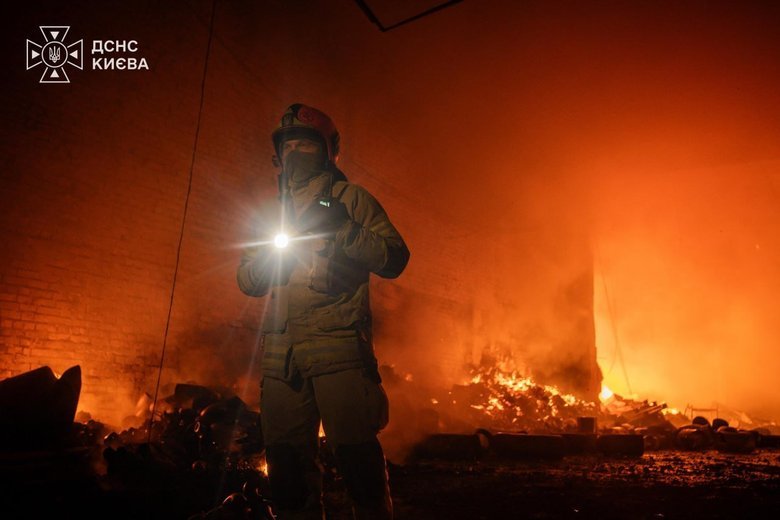

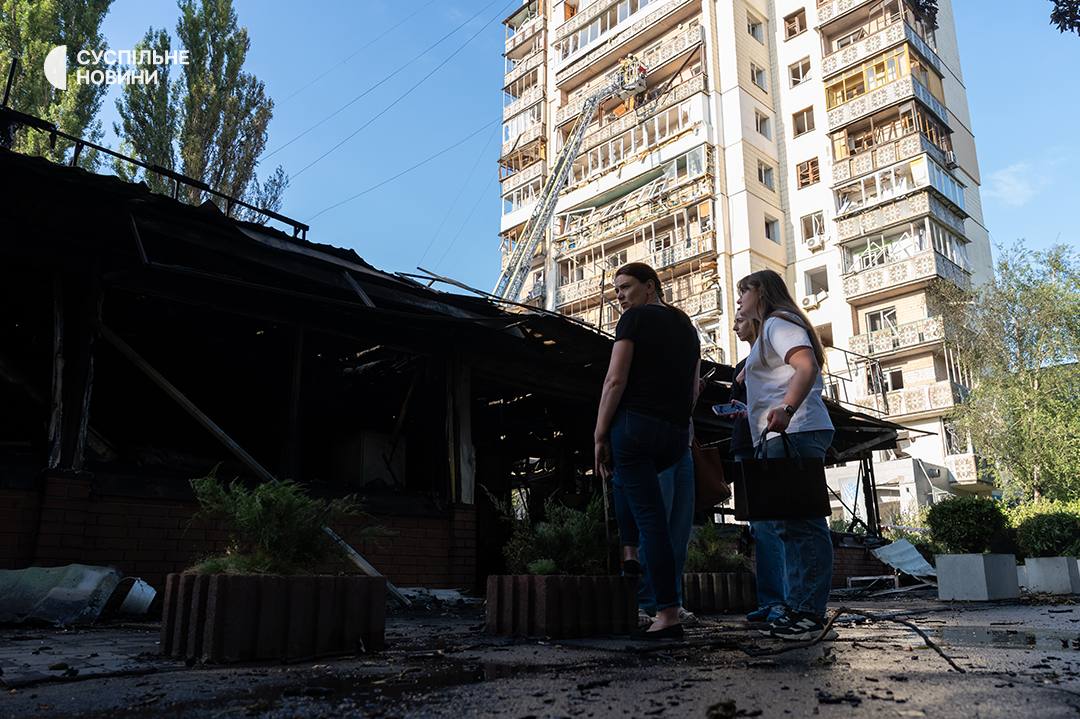
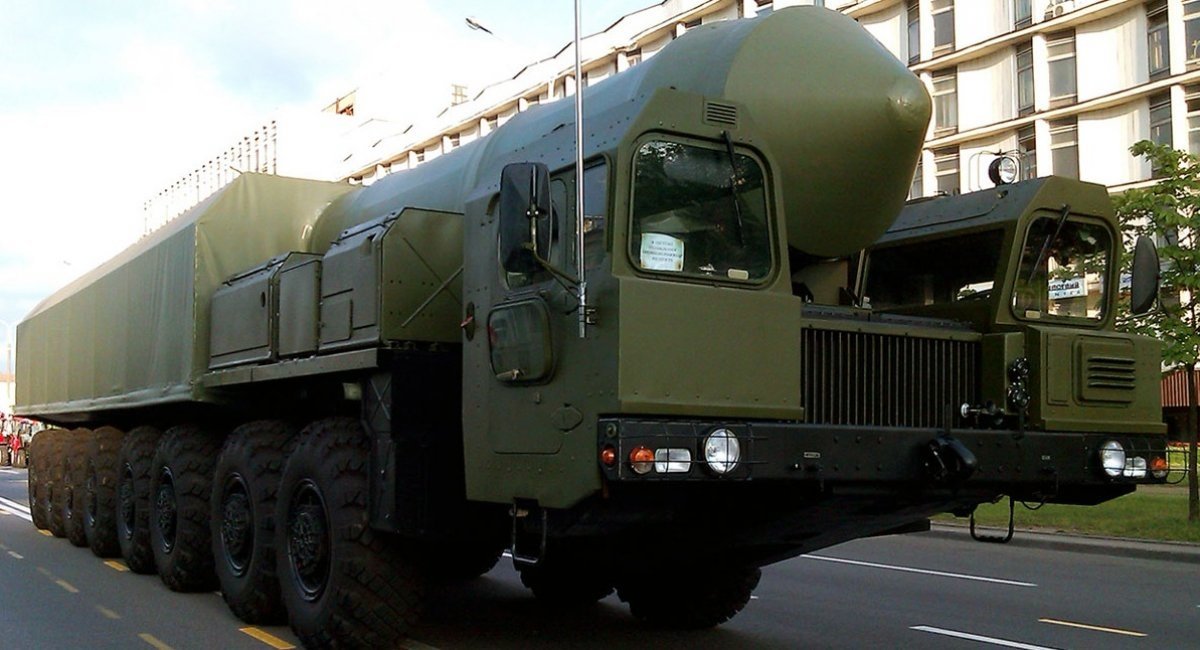
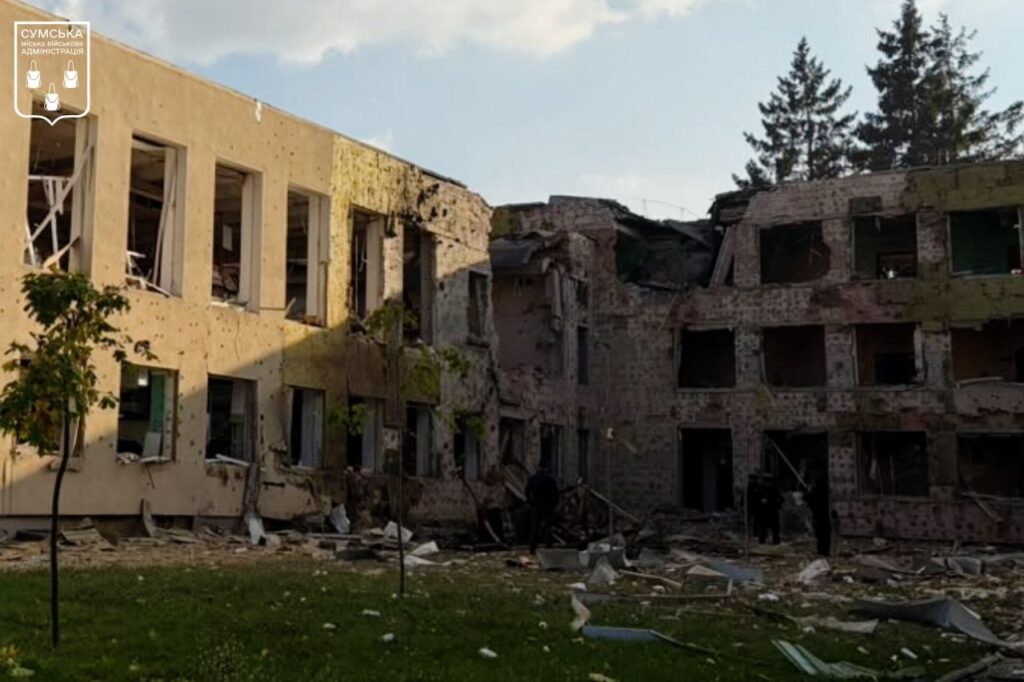
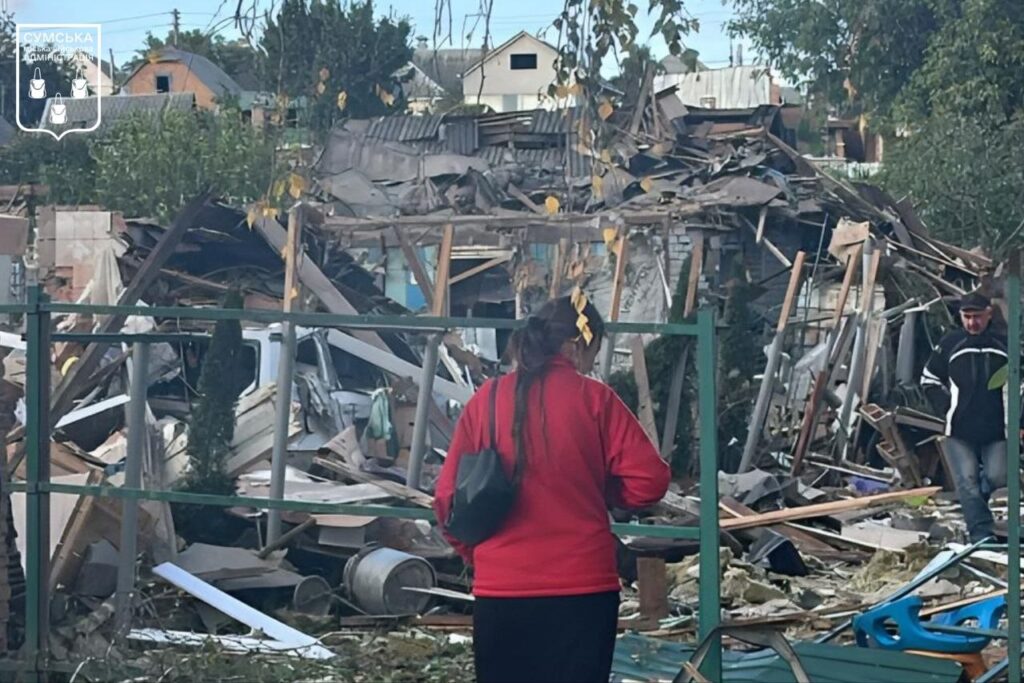


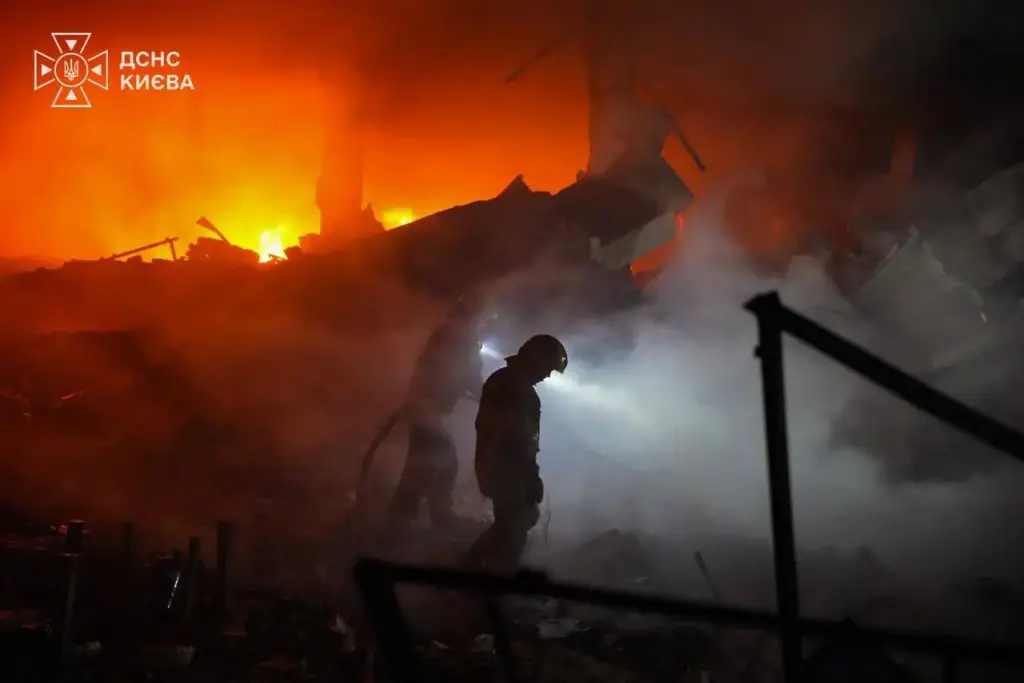


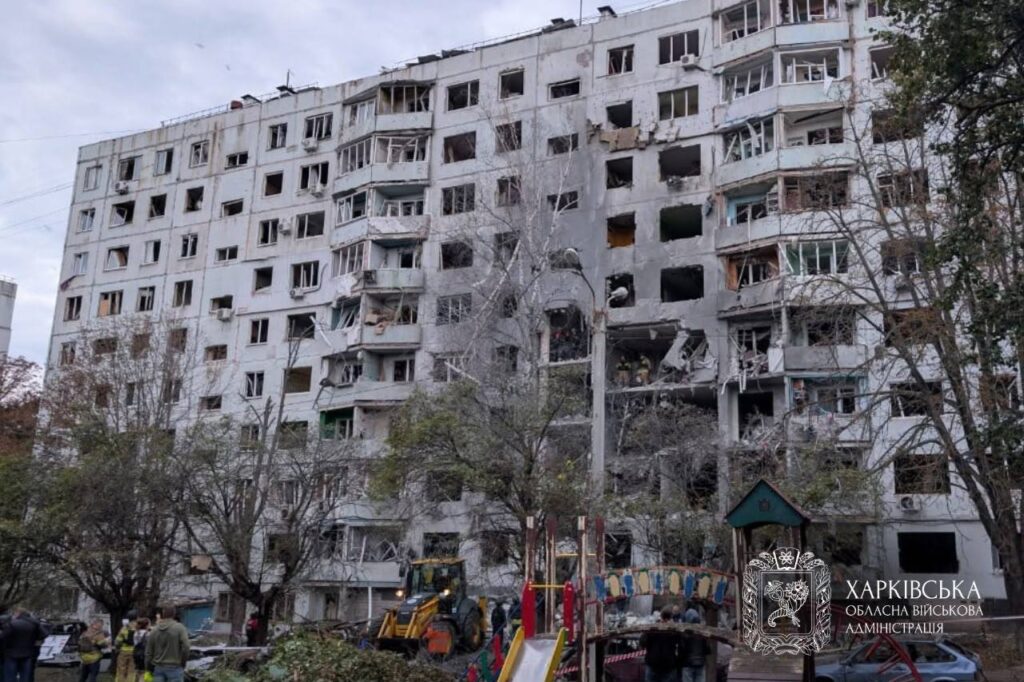


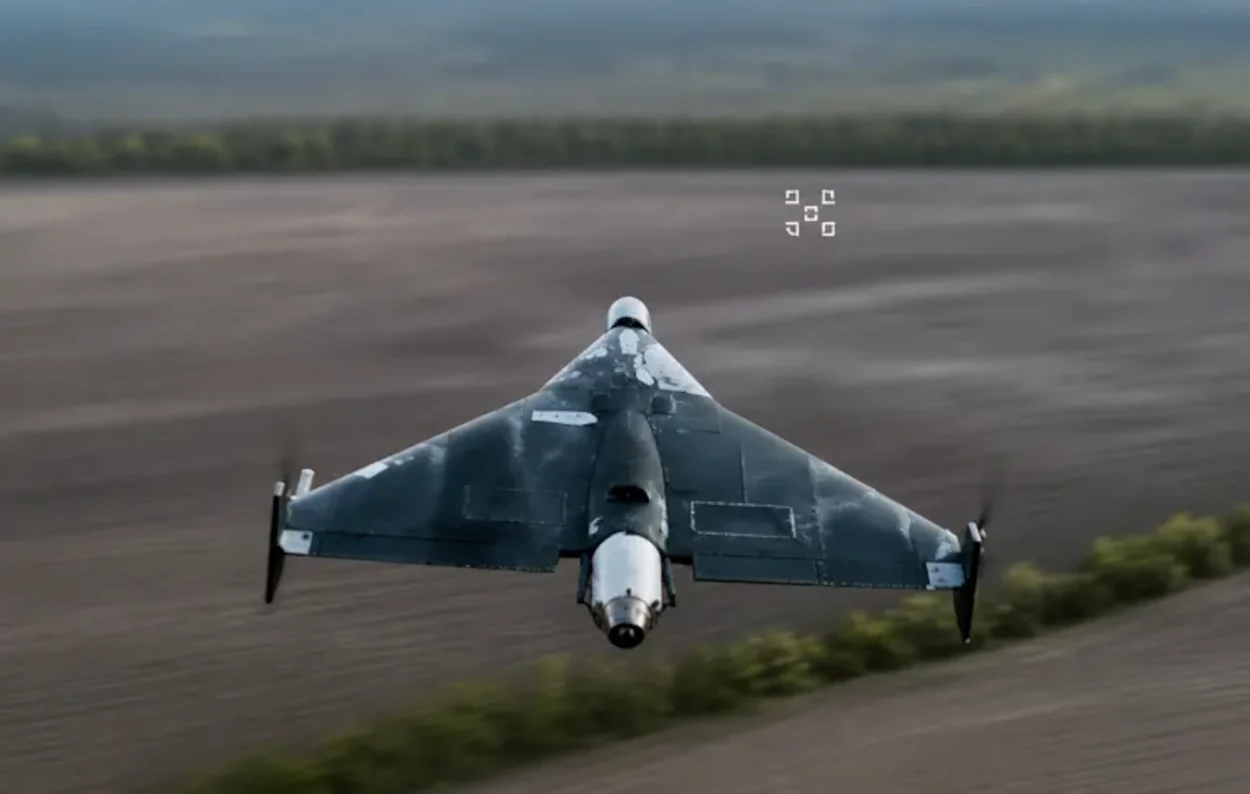



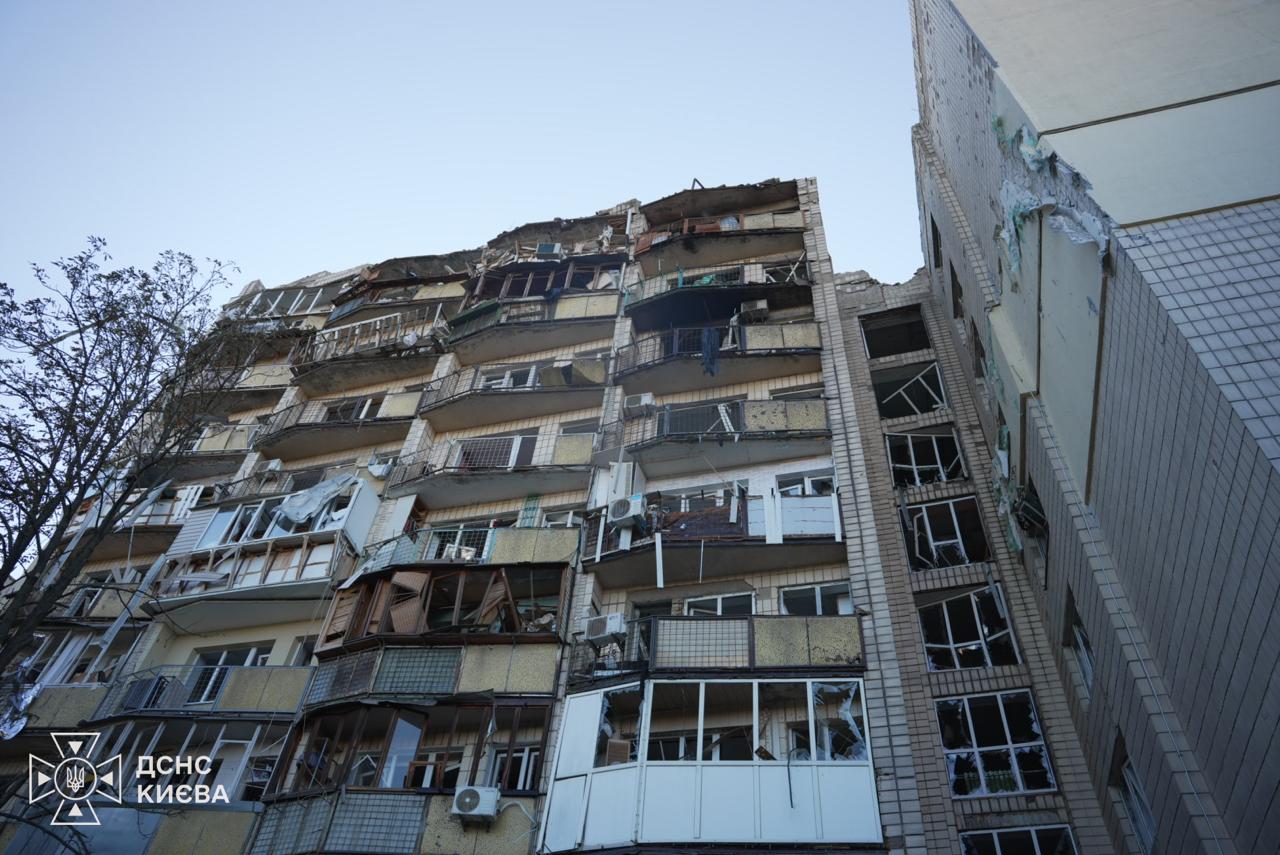




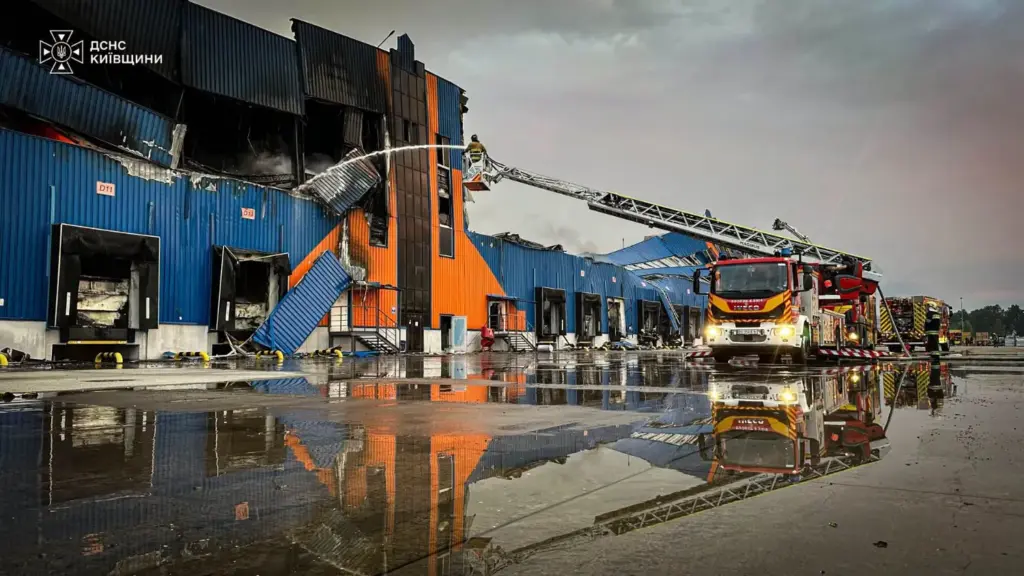
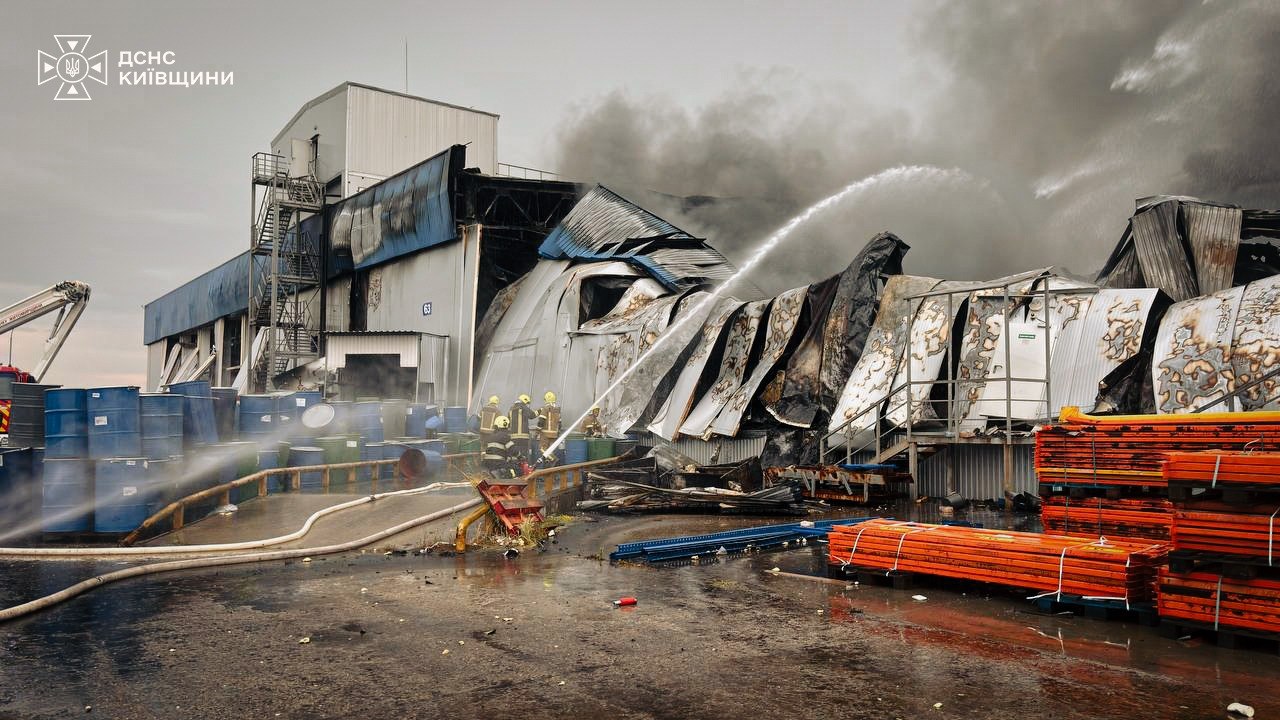
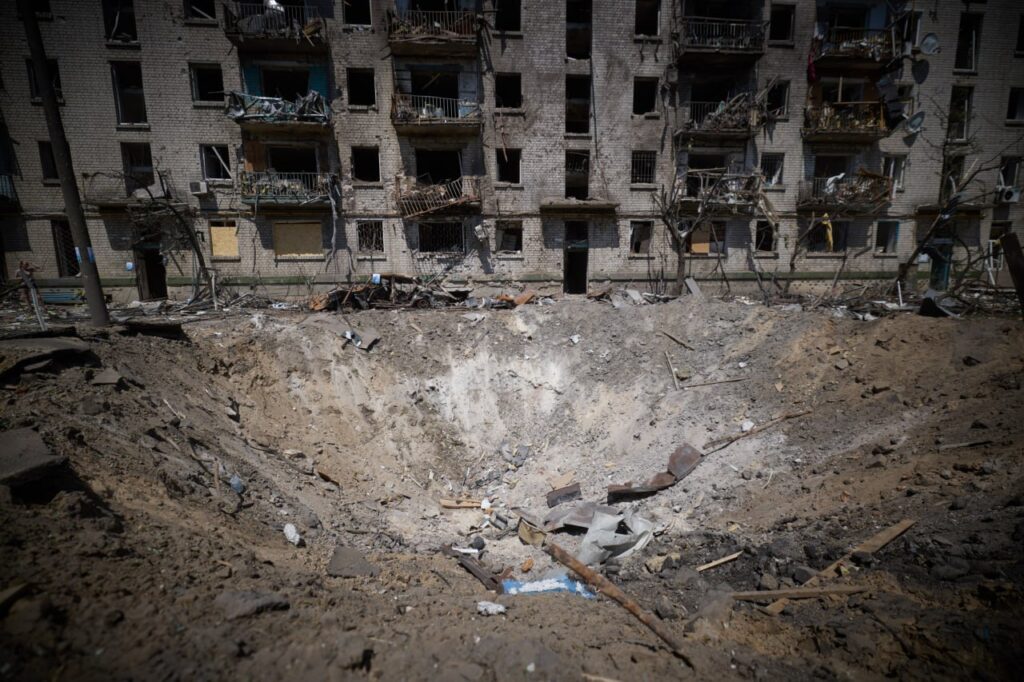
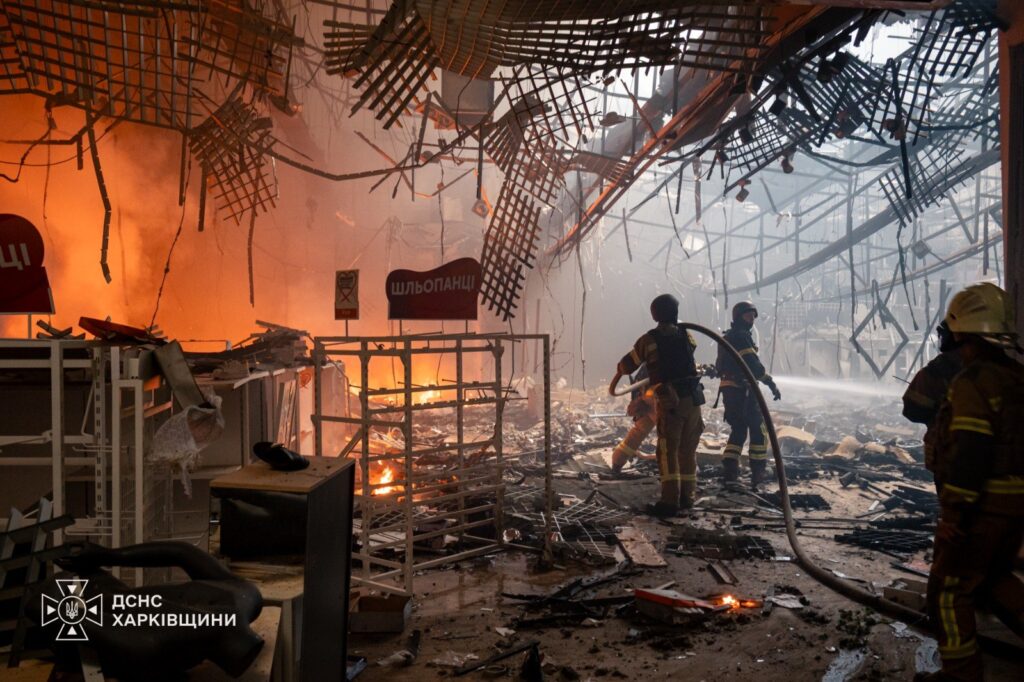
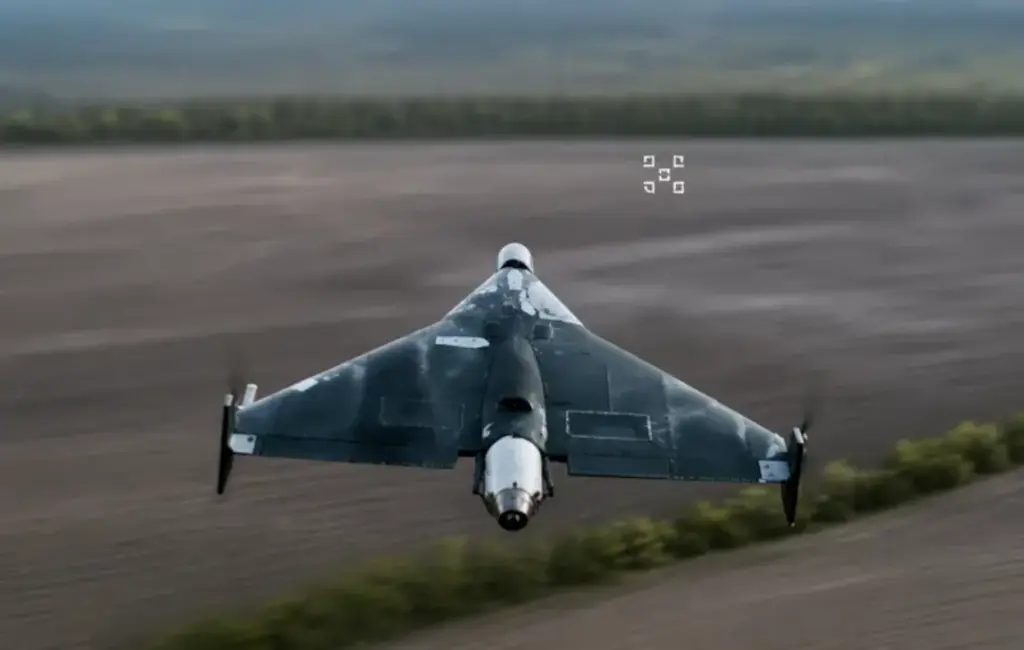
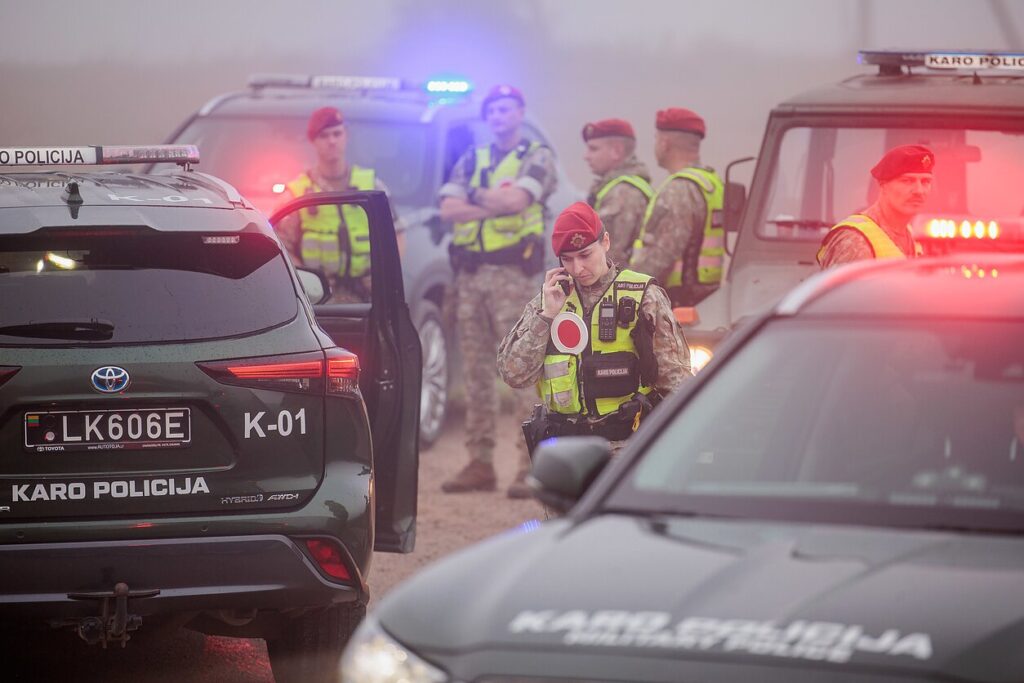
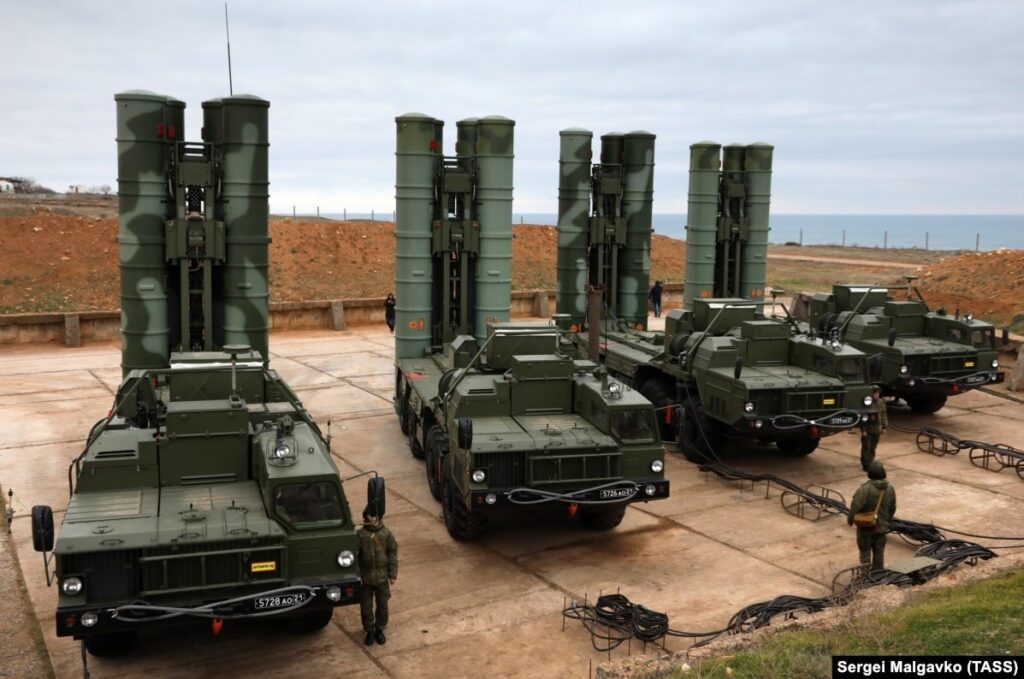


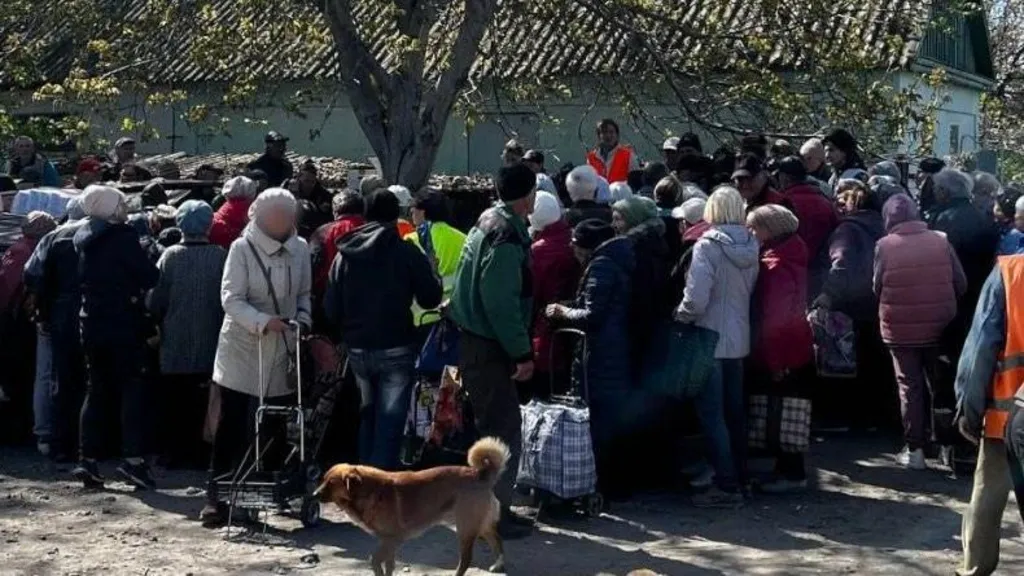
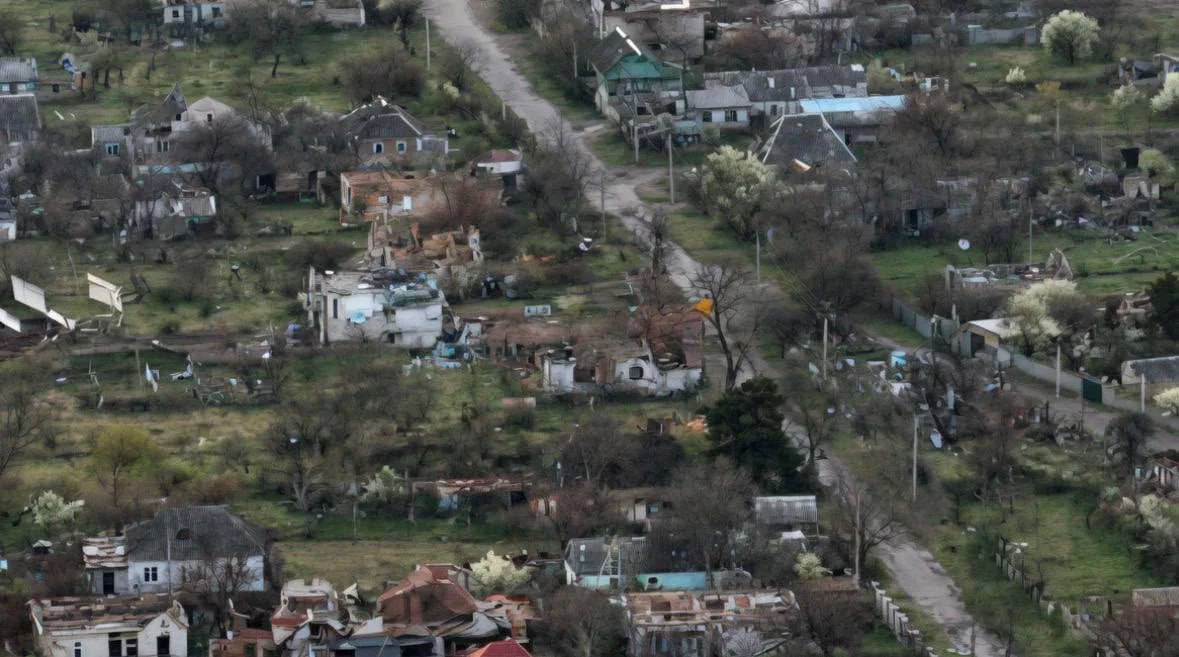

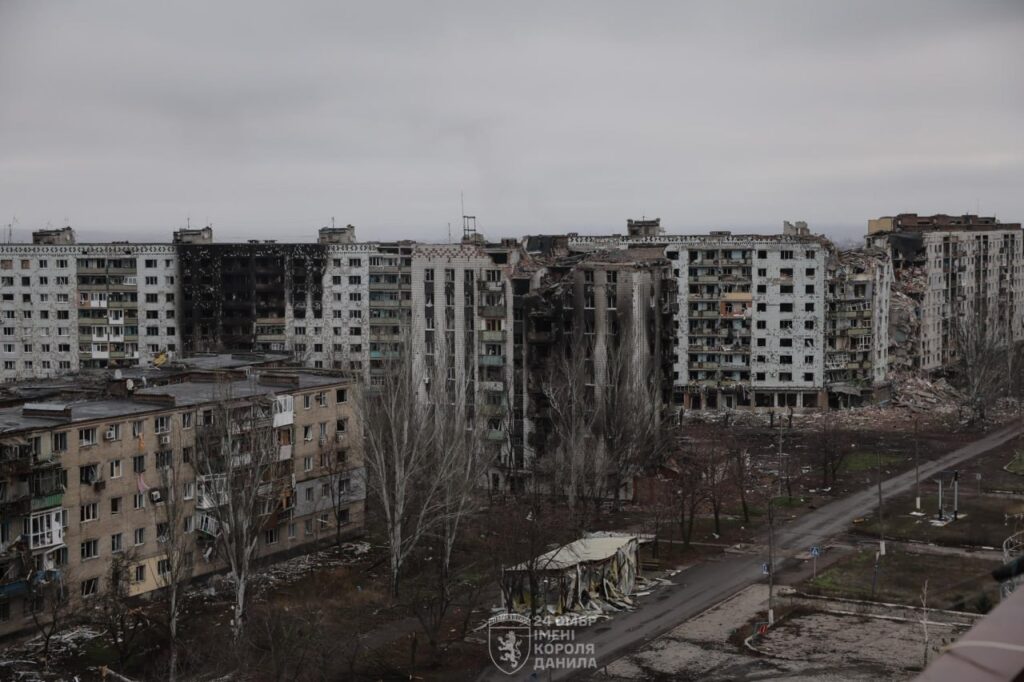
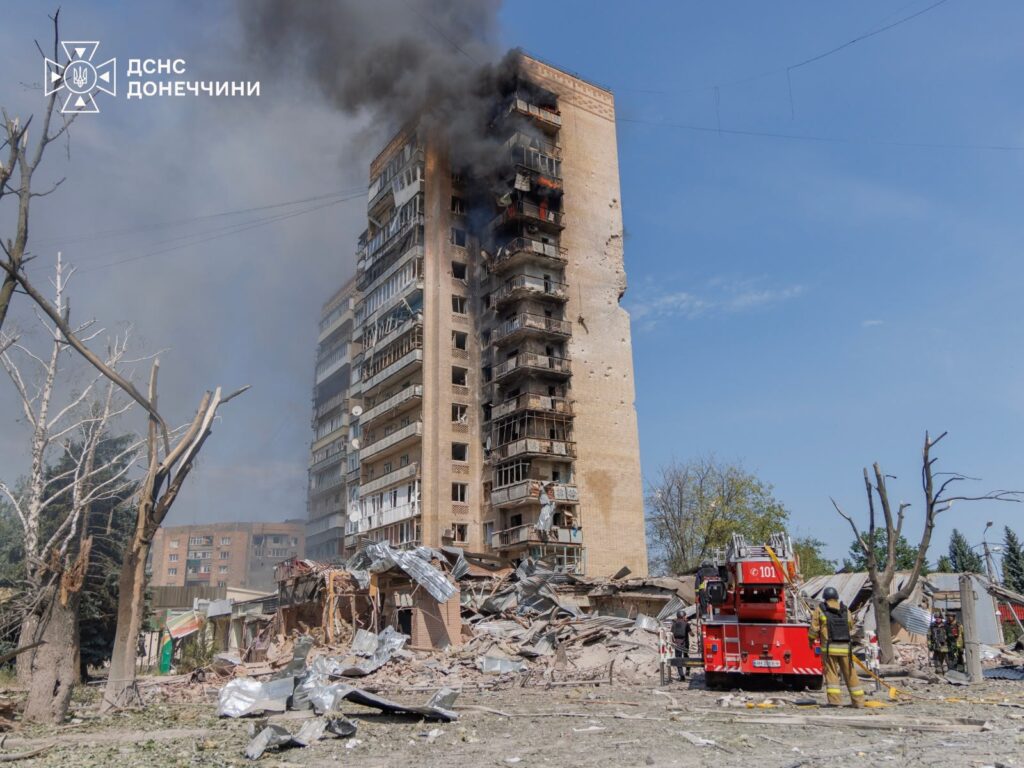
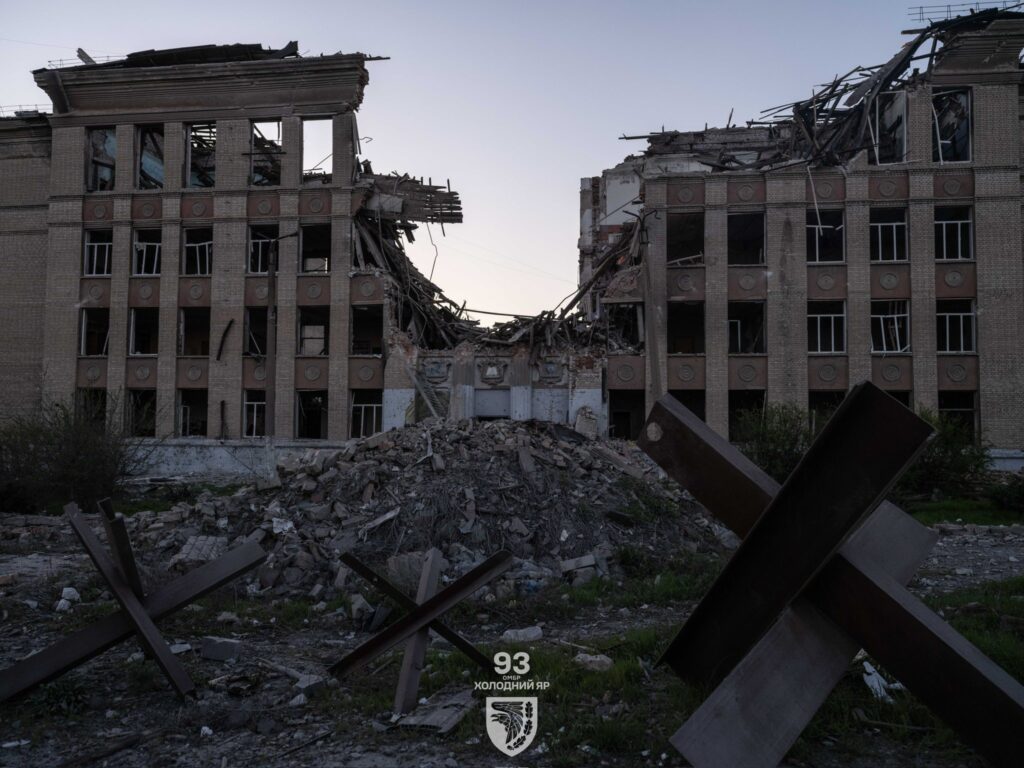
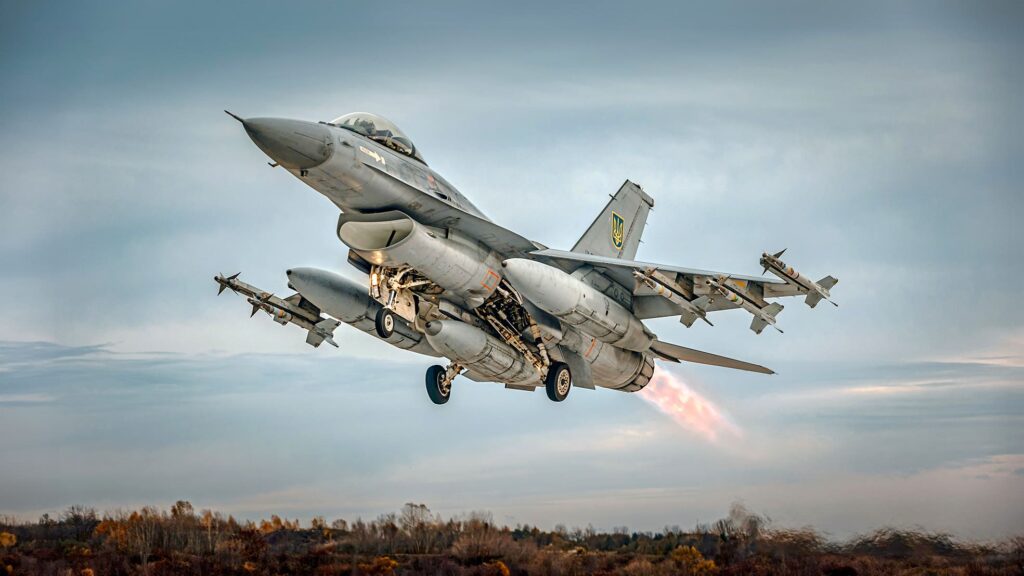
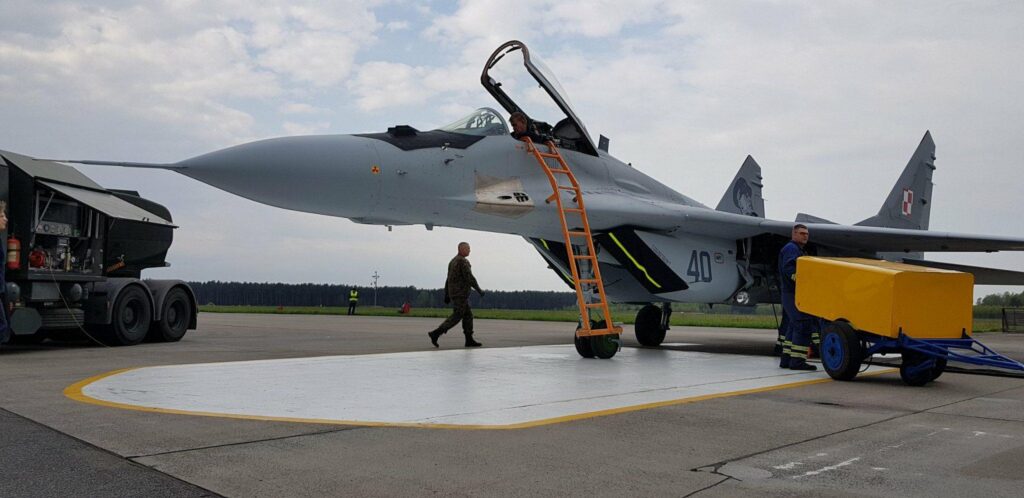

 Ukraine’s State…
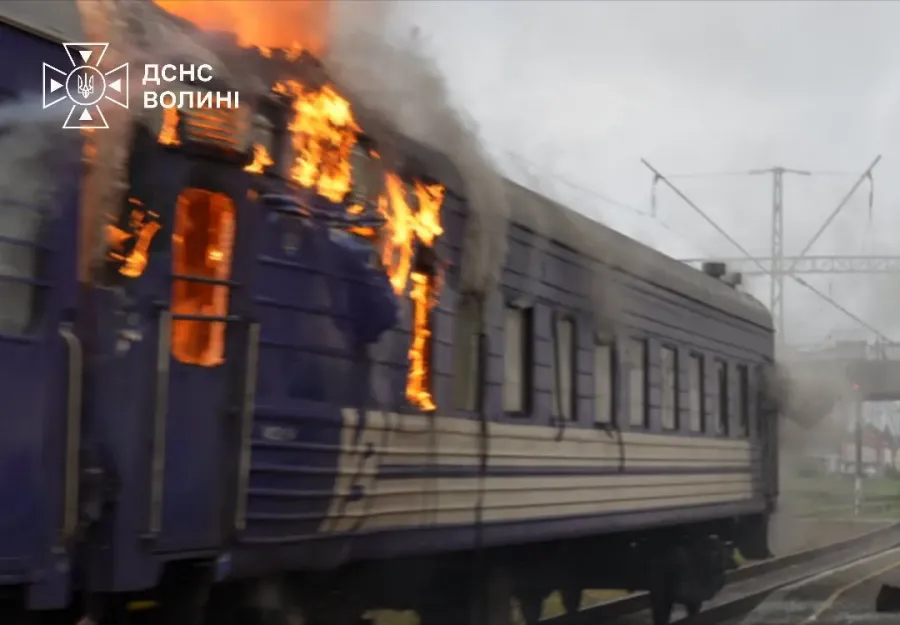
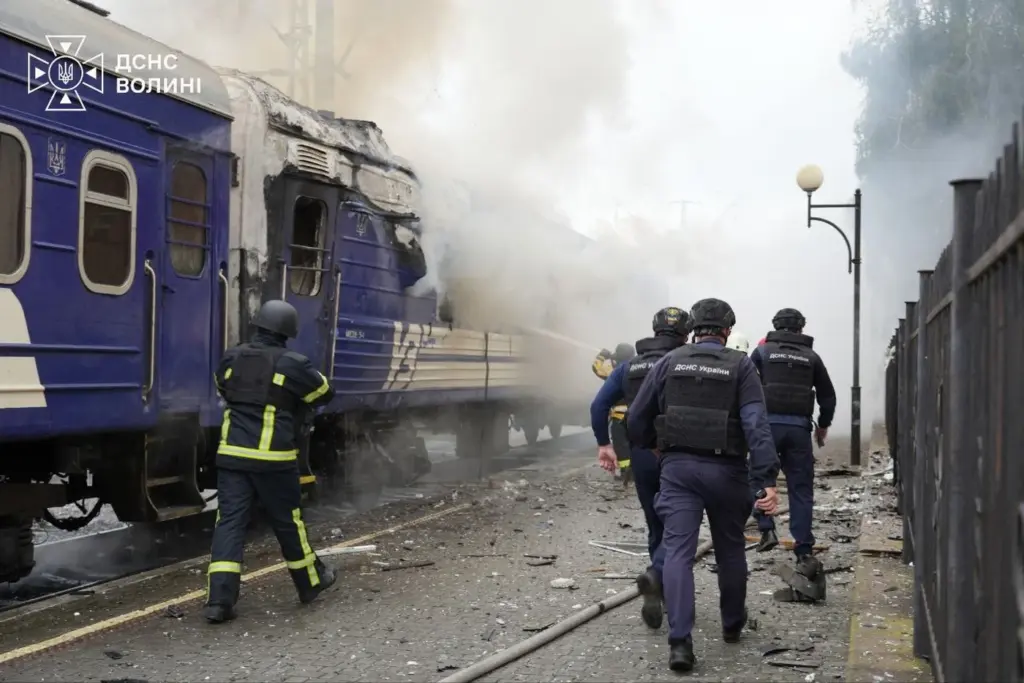
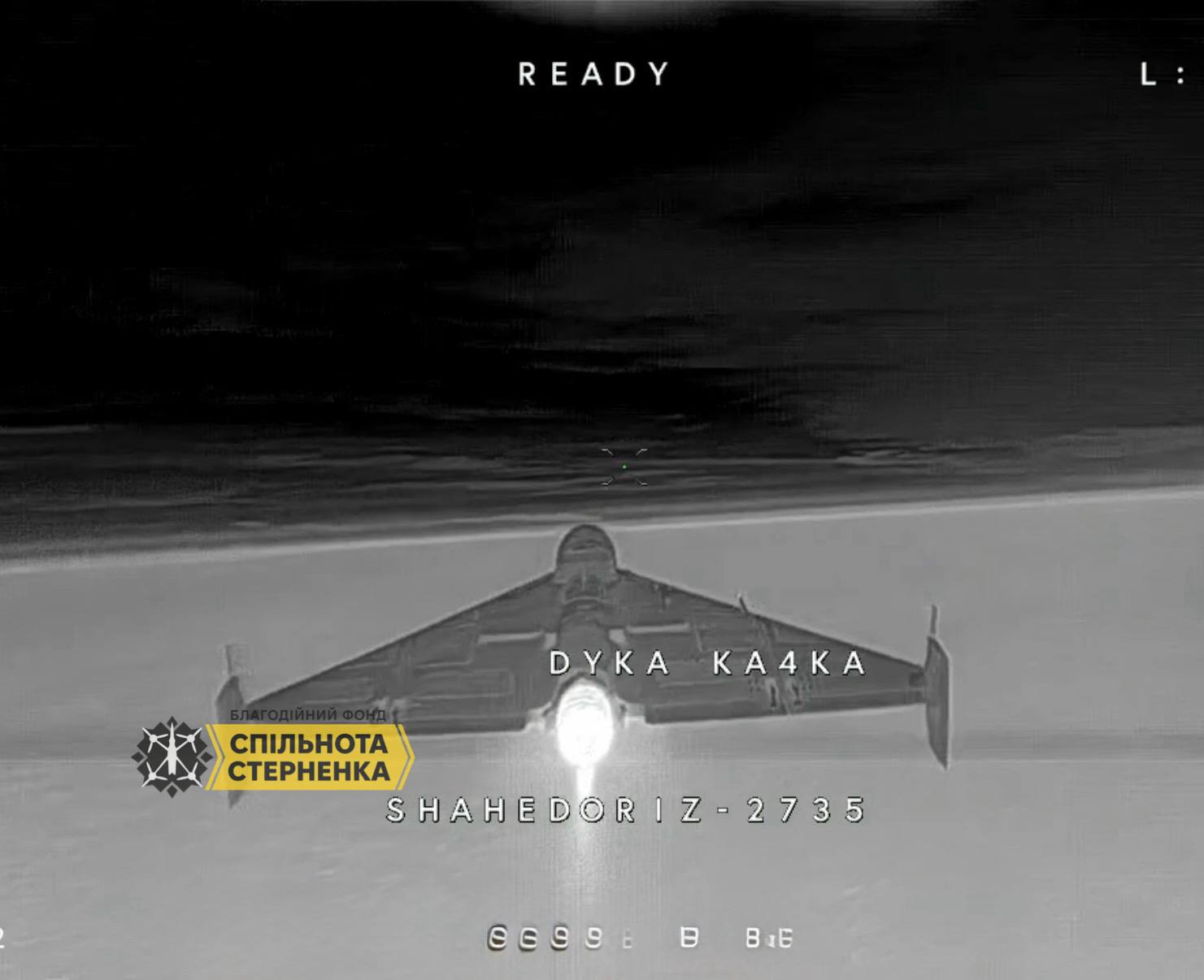




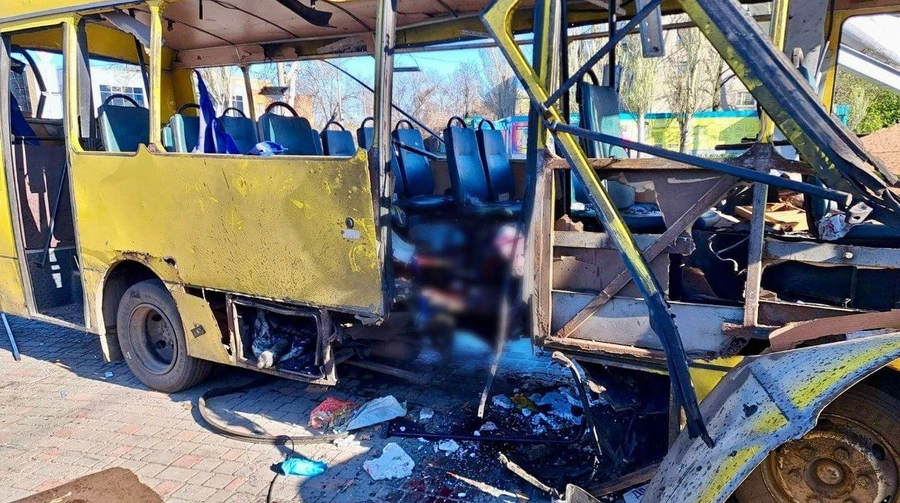
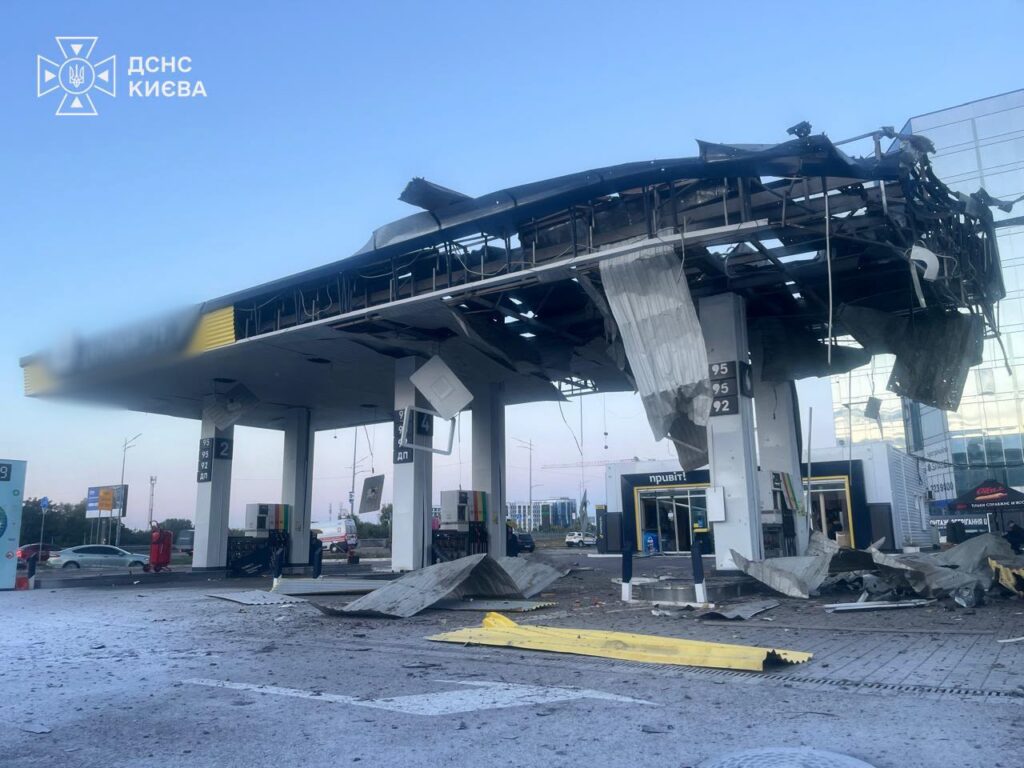
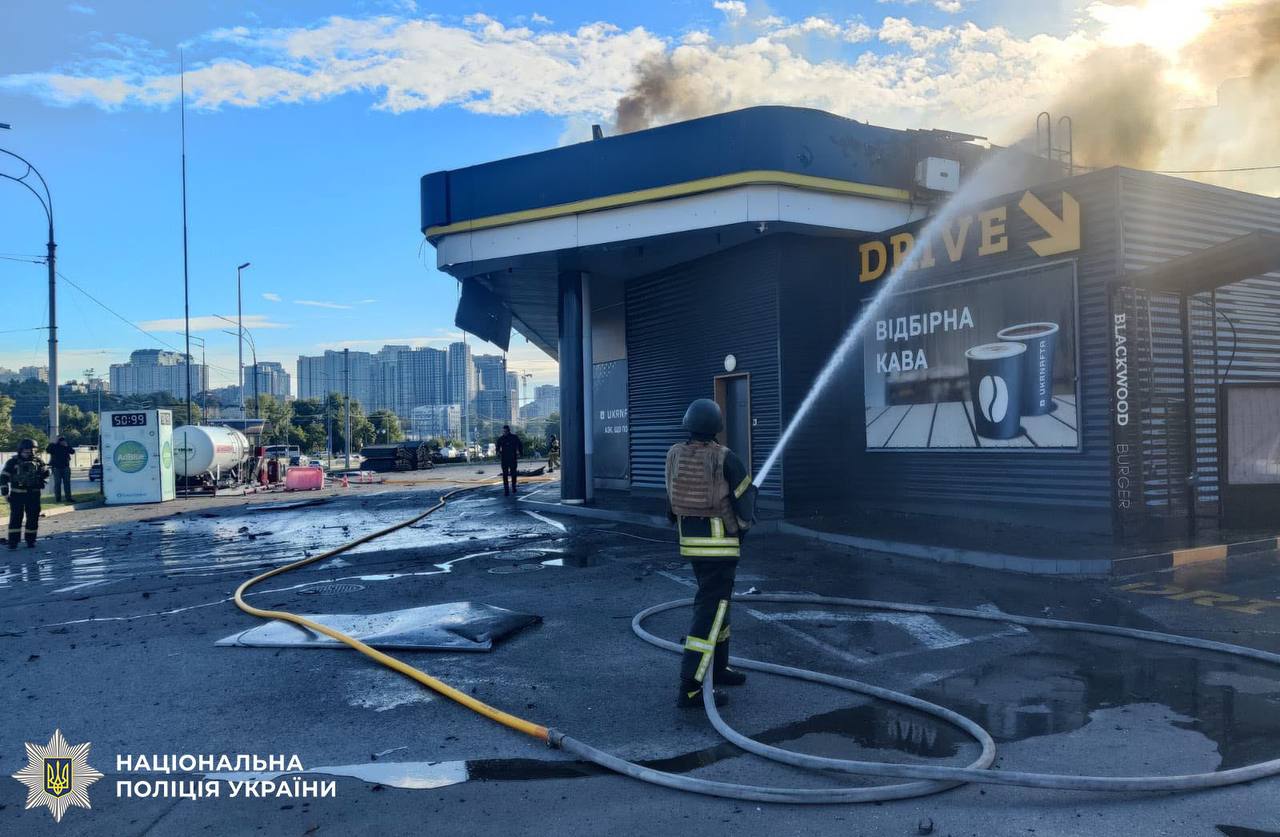


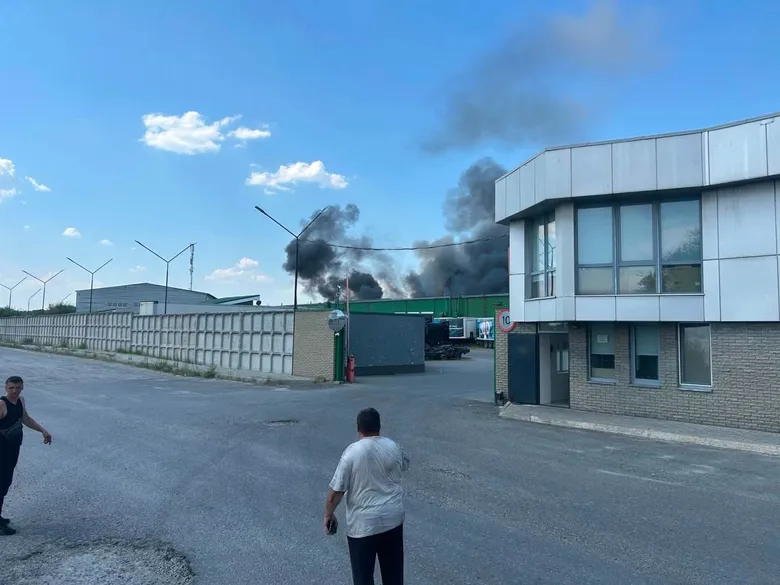

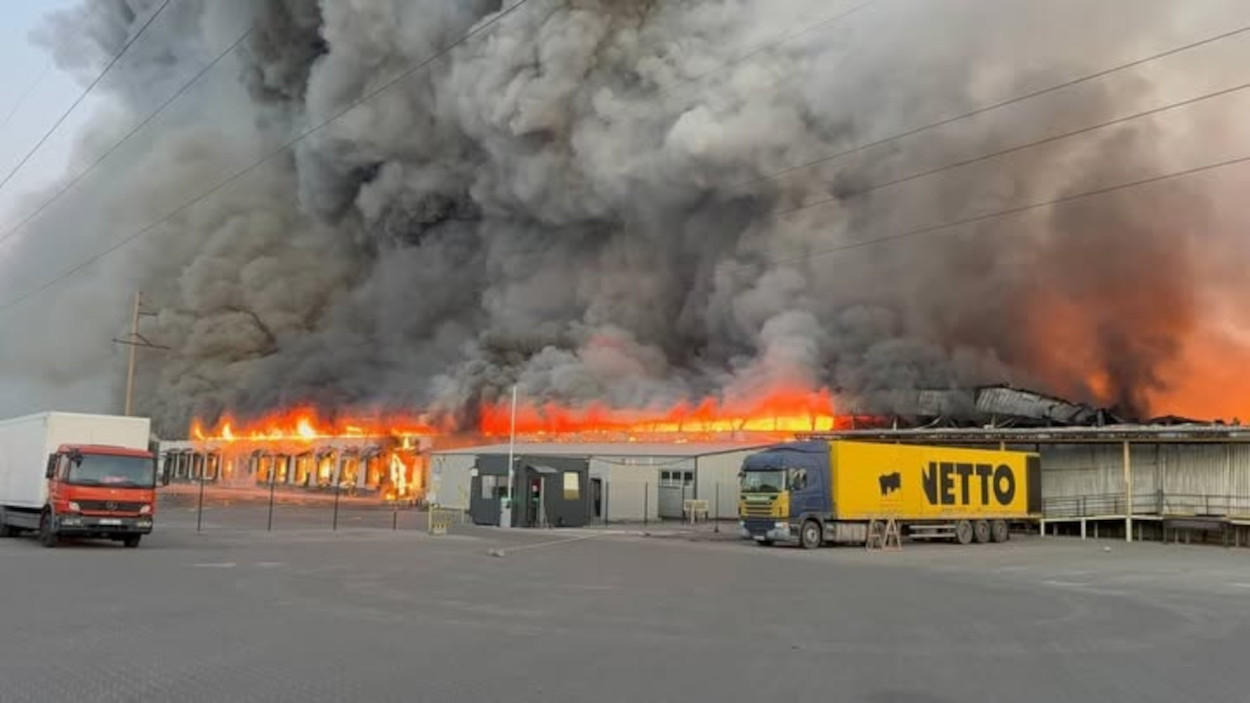

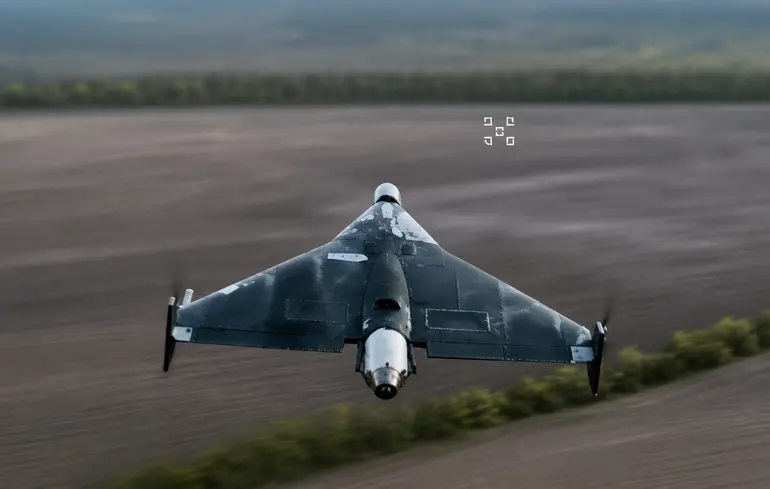
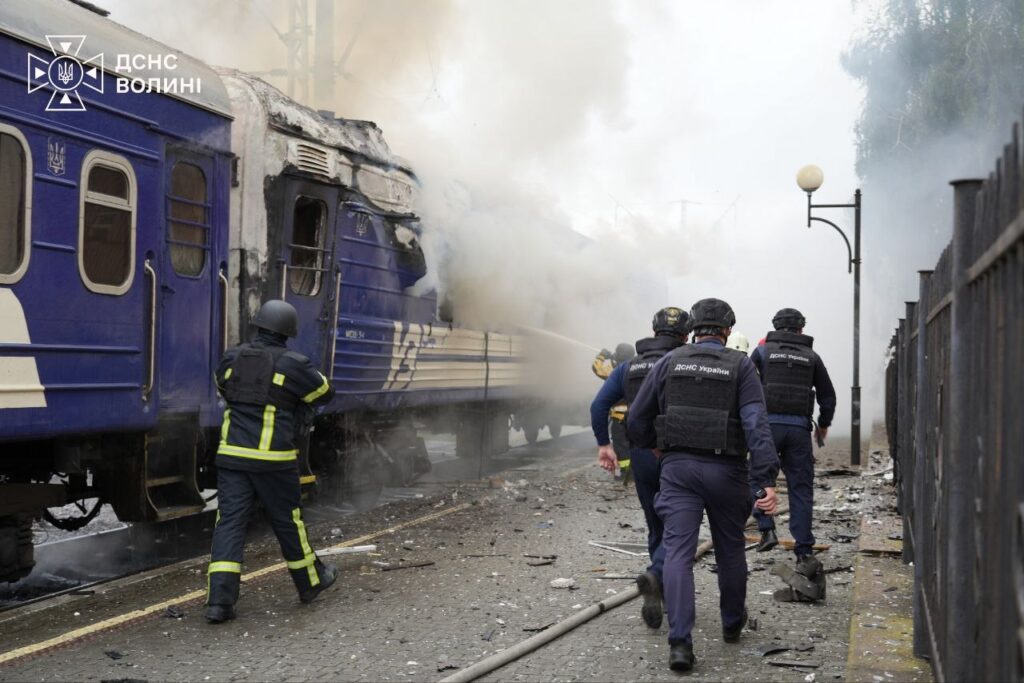
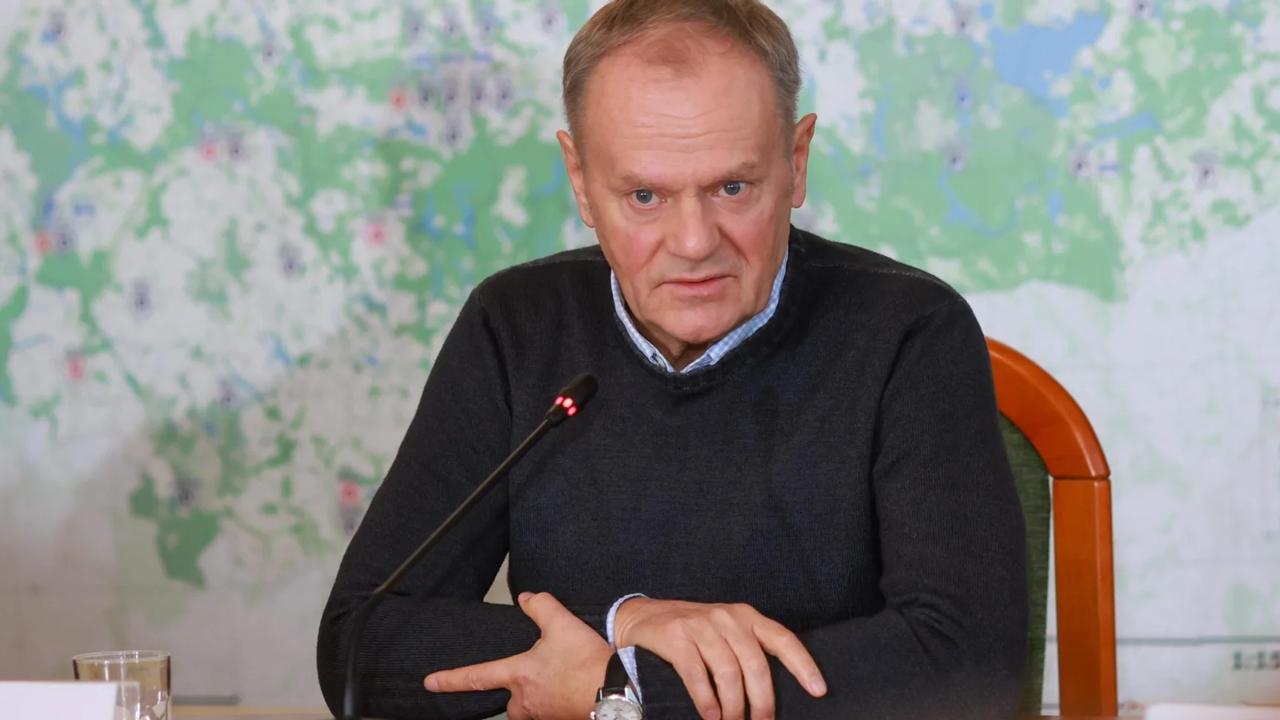
 (@andrii_sybiha)