
 Connexion
Russia built five more halls for the drones it assembles using Chinese parts to hit Ukrainian cities
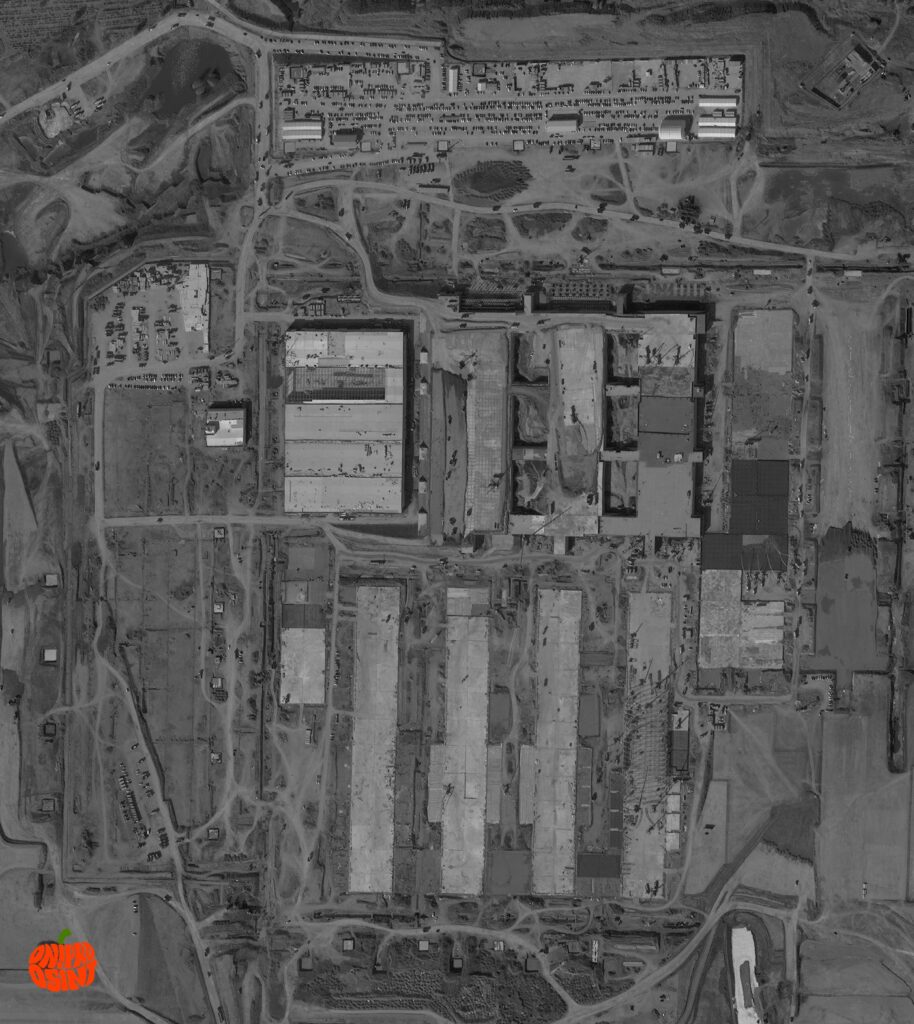
Russia is building large new production halls at the Tatarstan site where it assembles the Shahed/Geran-type attack drones it fires at Ukrainian cities, the Ukrainian geospatial and satellite intelligence analyst Dnipro Osint reported, publishing satellite images of the work. At least five long buildings stand finished in the southern part of the Alabuga special economic zone, with internal roads and access ways laid around them and further construction under way. What the new halls are for is not known yet.
What the images show
Several of the large workshops in the zone's southern section are already complete, and several more sites are in active construction, the analyst said. Laid roadways, and the outlines of additional buildings appear beside the finished rows, and he published the coordinates of the site along with the images.
The plant behind the nightly waves
The zone lies near the city of Yelabuga, more than 1,000 kilometers from the Ukrainian border, and has been one of Russia's principal military plants since 2023. It assembles the Shahed-type strike drones Russia calls Gerans, along with the Gerbera decoys flown alongside them, built at a tenth of a Shahed's cost to make Ukrainian air defense spend interceptors on empty airframes.
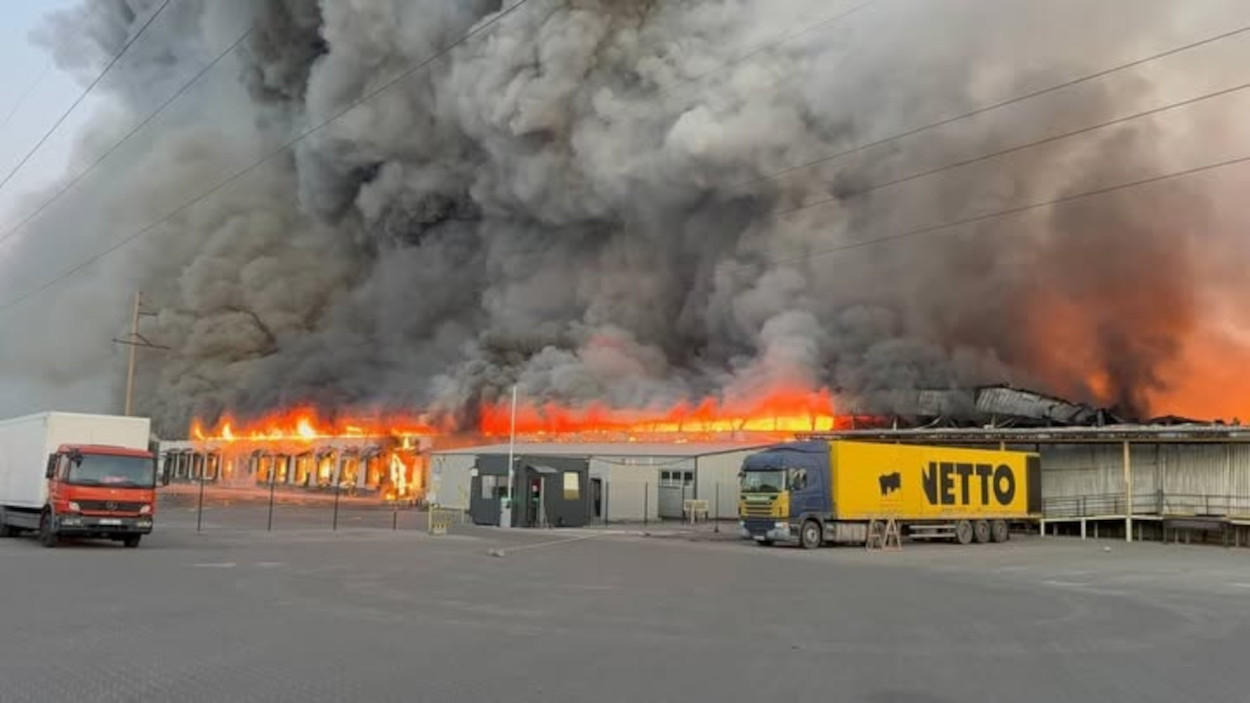
800 jet drones in four days: Russia is now firing type Ukraine’s interceptors cannot catch
Output has climbed with the attacks. Russia builds about 3,000 of the jet-powered version a month, by Ukrainian military intelligence's count, and has accumulated a reserve of more than 6,000 Gerans for large-scale attacks. The zone itself expanded by 340 hectares in a year, media reported in May.
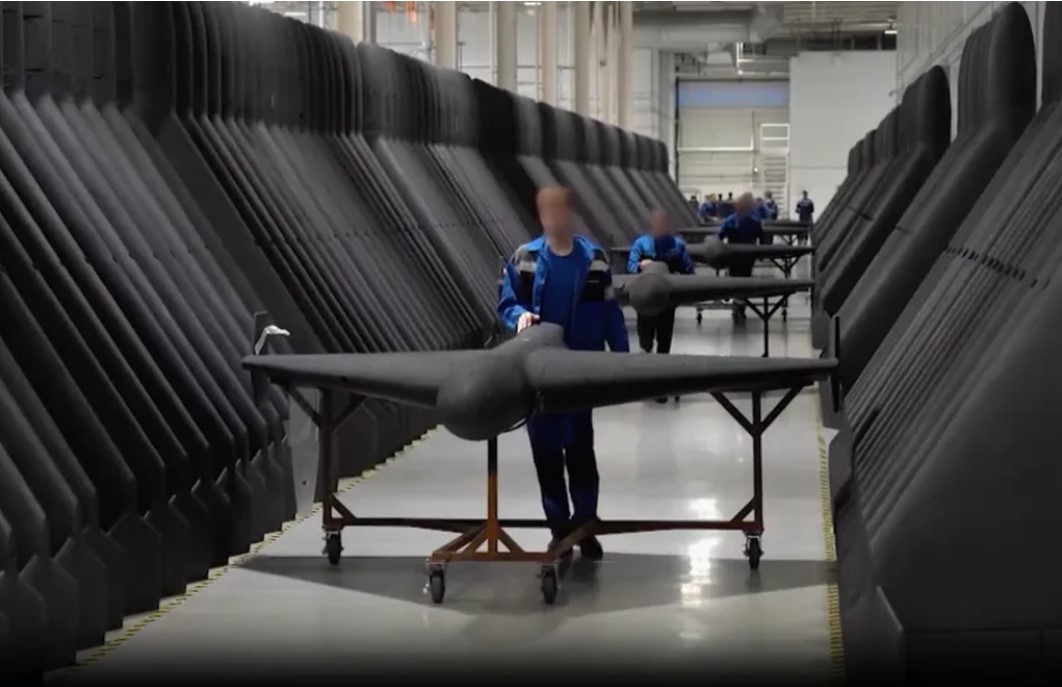
Chinese firms supply the engines, navigation systems, and avionics, with Iran's role reduced to consultations and occasional deliveries, while Moscow claims the drones are fully localized. The workforce includes teenage students from the site's own Alabuga Polytech college and women recruited as labor migrants from African and Central Asian countries, some of whom were later sent to the occupied Zaporizhzhia nuclear plant.
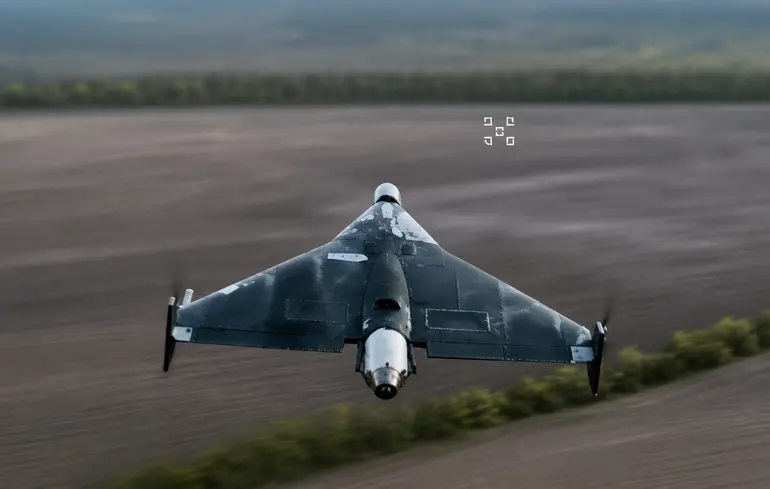
Struck repeatedly, expanding anyway
Ukrainian long-range drones have hit the zone's workshops more than once, including a confirmed strike on Shahed storage there. None of them disabled the facility, since Ukrainian long-range drones carry too little explosive to wreck industrial buildings. Russia has also fortified the site, installing more than 20 towers with heavy machine guns on its territory and perimeter.
Read also
-
Money, not engineering, is what stands between Ukraine and Russia’s fastest drones, Zelenskyy says
-
Russia builds 3,000 jet drones monthly to counter Ukrainian interceptors, HUR says
-
Ukraine says Russia’s Alabuga workers, including minors, are now inside Zaporizhzhia’s reactor complex, turned into military base
