Vue normale

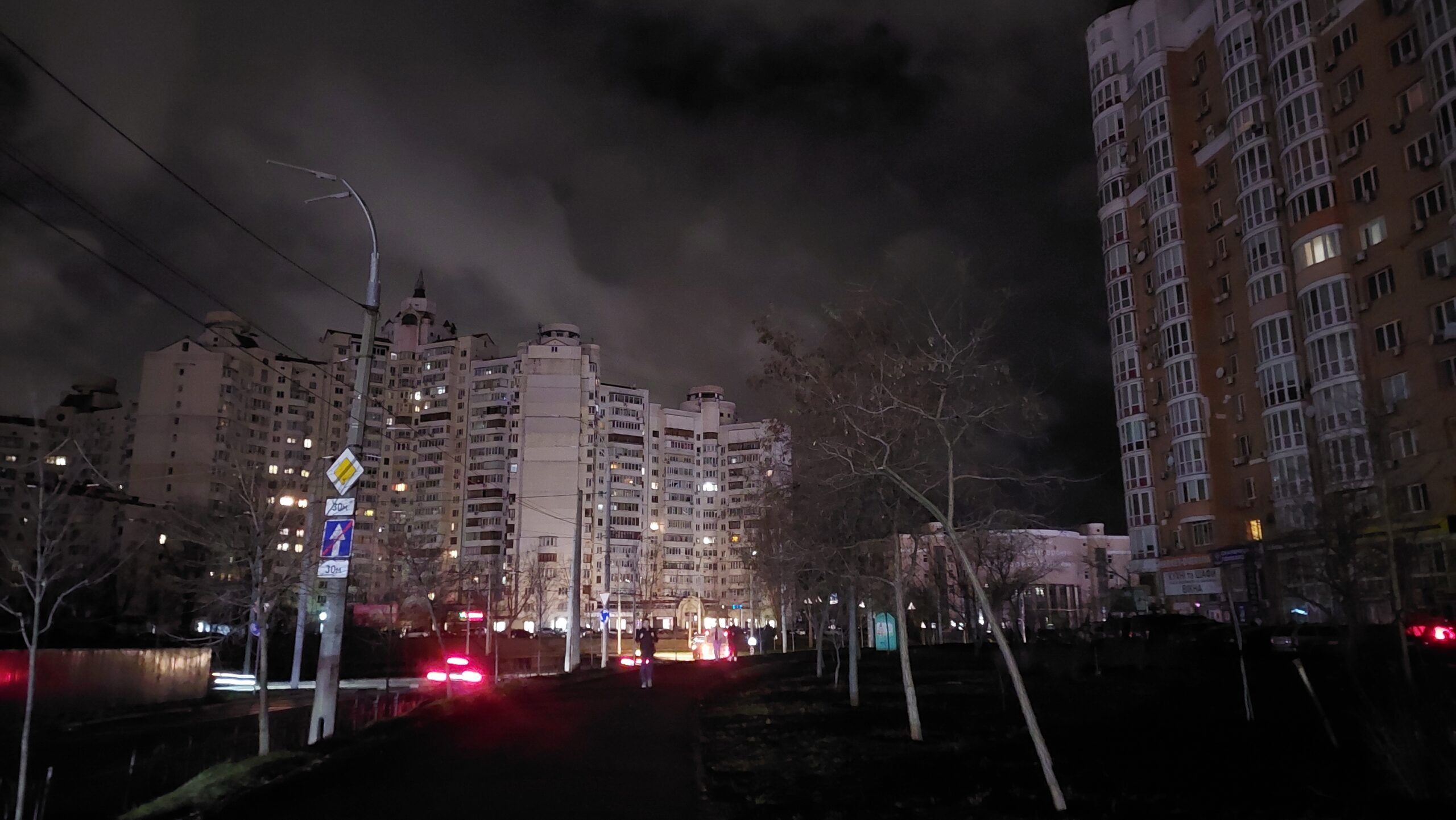
Russia plans to make upcoming winter unsurvivable for Ukrainian civilians: Moscow is hitting Ukraine’s gas extraction sites to make heating impossible in cold

9 août 2026 à 11:20

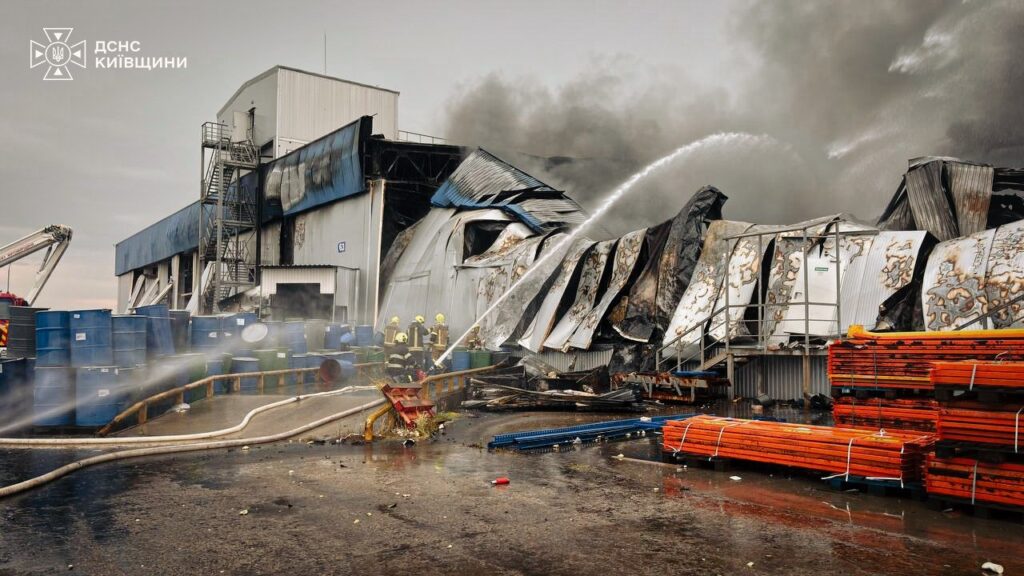
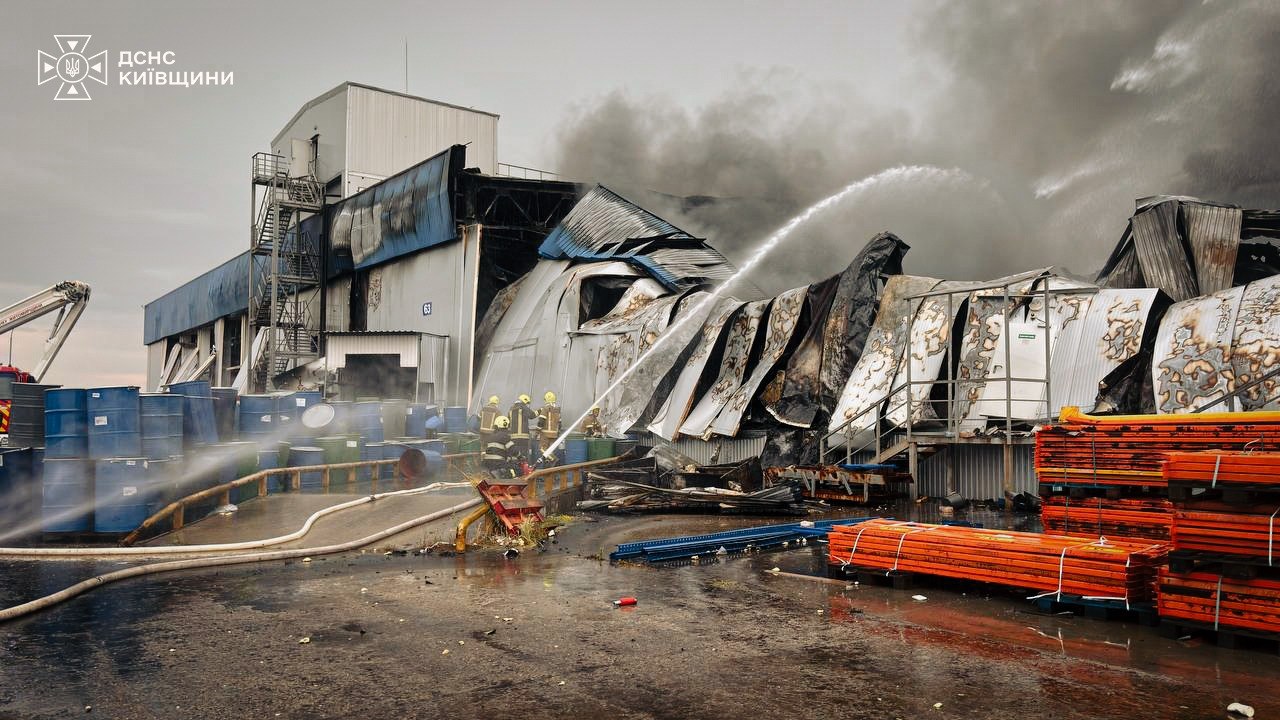
Blaze at Ukrainian gas facility following Russian strike, 3 October, 2025

Russia is trying to knock out Ukraine's gas production before the cold comes. Russia carried out massive strikes on the assets of the Naftogaz Group in eastern, western, and central Ukraine, the company reported.

The strikes target Ukraine's ability to produce the gas it needs for winter. The Russians aim to inflict maximum damage on Ukrainian production and other critical infrastructure to make preparation for the heating season impossible, acting Naftogaz chairman Serhii Fedorenko said, calling the intensity of attacks on oil-and-gas infrastructure sharply higher in recent days.

The strikes hit extraction across the country

Russia targeted the sites where Ukraine pulls gas from the ground. On the night of 9 August, the extraction assets of Ukrnafta and a company drilling site came under massive attack, with Russian forces using dozens of strike drones against the extraction infrastructure.

The damage stopped production. There is substantial destruction at the site; part of the equipment has been put out of commission, and the asset's operation has been halted. However, safety measures meant that workers at the attacked facilities were unhurt.

Fuel stations and production sites were also hit

The campaign extended to Naftogaz's retail and production network. On 7 and 8 August, seven UKRNAFTA filling complexes in Dnipropetrovsk, Zaporizhzhia, and Mykolaiv oblasts came under drone attack, and a worker at one station was injured and is in hospital receiving care.

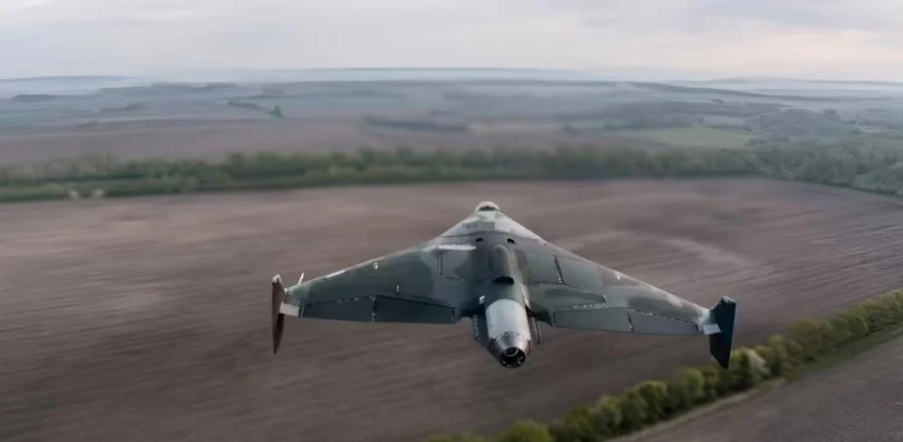
Central Ukraine was struck, too. On 8 August, Russia attacked Naftogaz production facilities in the central part of the country with jet-powered drones, and the facility suffered serious destruction, though staff were in shelter at the time of the strike.

The target is the heating season

The strikes match the warning from First Deputy Prime Minister and Energy Minister Denys Shmyhal, who has said Russia's aim this winter is to destroy the systems Ukrainians need to survive the cold, from power to water, Politico reported. Damaging gas production now, months before winter, is meant to leave Ukraine unable to heat itself when temperatures drop, turning the coming season into another front against civilians in Russia's war.

  • ✇Euromaidan Press
  • Luxembourg adds €8 million to Ukraine’s energy fund, bringing total to €30 million
    Luxembourg contributed an additional €8 million ($8.7 million) to the Ukraine Energy Support Fund, raising its total donations to €30 million ($32.7 million), Ukraine's Ministry of Energy reported. The contribution arrives as the fund—which crossed €2 billion ($2.18 billion) in total lifetime contributions in July—races to close a €650 million ($709 million) gap in unfunded needs ahead of the 2026/2027 winter season. Russia has destroyed more than 9 gigawatts of generat
     

Luxembourg adds €8 million to Ukraine’s energy fund, bringing total to €30 million

7 août 2026 à 10:24

Ukrainian energy infrastructure damaged after a Russian attack. Screenshot from video: Ukrainian Ministry of Energy

Luxembourg contributed an additional €8 million ($8.7 million) to the Ukraine Energy Support Fund, raising its total donations to €30 million ($32.7 million), Ukraine's Ministry of Energy reported.

The contribution arrives as the fund—which crossed €2 billion ($2.18 billion) in total lifetime contributions in July—races to close a €650 million ($709 million) gap in unfunded needs ahead of the 2026/2027 winter season. Russia has destroyed more than 9 gigawatts of generation capacity since the start of the most recent heating season alone, and all previously available fund resources have been fully contracted.

Luxembourg's steady commitment

This marks Luxembourg's fourth donation to the fund since 2024. The country initially transferred €2 million in 2024, followed by €10 million in June 2025 and another €10 million in December 2025. The latest €8 million brings the total to €30 million—a notable sum from a country with a population of roughly 660,000.

Energy Minister Denys Shmyhal thanked Luxembourg and its Agency for Development Cooperation for what he called systematic support for Ukrainian energy, adding that the contribution would help provide energy companies with essential equipment and strengthen the resilience of Ukraine's power grid, European Pravda reported.

A fund preparing for its fifth wartime winter

The Energy Support Fund was established in April 2022 and is managed by the Energy Community Secretariat. It has become the primary international mechanism for channeling emergency energy assistance to Ukraine, with contributions from 37 donors across 26 countries and three international organizations.

In a June 2026 joint statement, the G7+ Energy Ramstein Group identified €650 million in priority needs for winter preparation and called for swift mobilization of additional funding.

Luxembourg's contribution is part of a broader wave of European support. Ireland announced €25 million ($29 million) for energy and critical infrastructure protection during its prime minister's visit to Kyiv on 23 July. Sweden's €123 million contribution on 8 July pushed the fund past the €2 billion milestone. Denmark has also recently added over €10 million.

Russia has destroyed 80% of Ukraine’s power capacity. Its next target makes blackout survivable for only three days

4 août 2026 à 12:12

The Darnytska Combined Heat and Power Plant in Kyiv sustained critical damage from a Russian strike on 3 February 2026. Photo: Vitali Klitschko

Russia has found a way to make a Ukrainian winter deadlier than power cuts alone. Russia's new goal is the targeted destruction of Ukraine's water systems, First Deputy Prime Minister and Energy Minister Denys Shmyhal said in an interview with Politico published on 4 August.

Water is the one utility people cannot outlast. Last winter, Russia targeted electricity and heating, which people could survive with gas and water, but without water and sewage, it is hard to survive more than three days.

Destroying water systems could turn a winter blackout from an ordeal into a threat to life itself.

The energy grid is already devastated

The water warning comes on top of damage that has gutted Ukraine's power generation. Before 2014, Ukraine produced 54.5 gigawatts of electricity. The full-scale war cut that number to 32 GW, and after last winter's strikes, Ukraine was generating only about 12 GW, a shortfall of 6 GW that forces rolling blackouts nationwide.

The cumulative toll is staggering. Russia has destroyed or damaged more than 80% of Ukraine's power-generating capacity, the minister said. Ukraine now produces less than a quarter of the electricity it produced before Russia's war began.

Ukraine is racing to fund resilience before the cold

Shmyhal put numbers on what Ukraine needs to get through the winter. Ukraine requires $585 million from Western partners to boost its energy resilience before winter, and an additional $468 million to help the state gas company, Naftogaz, recover from Russian attacks, with Kyiv hoping for Canadian support.

Meanwhile, Ukraine is answering Russia's energy war with its own. Its long-range strikes have knocked out about 40% of the Kremlin's main refining capacity, causing fuel shortages across Russia, and Kyiv hopes those strikes and allied sanctions push Russian leader Vladimir Putin to end the war this fall, Shmyhal said. If that fails, Ukraine faces a repeat of last winter, with water systems now in the crosshairs.

❌