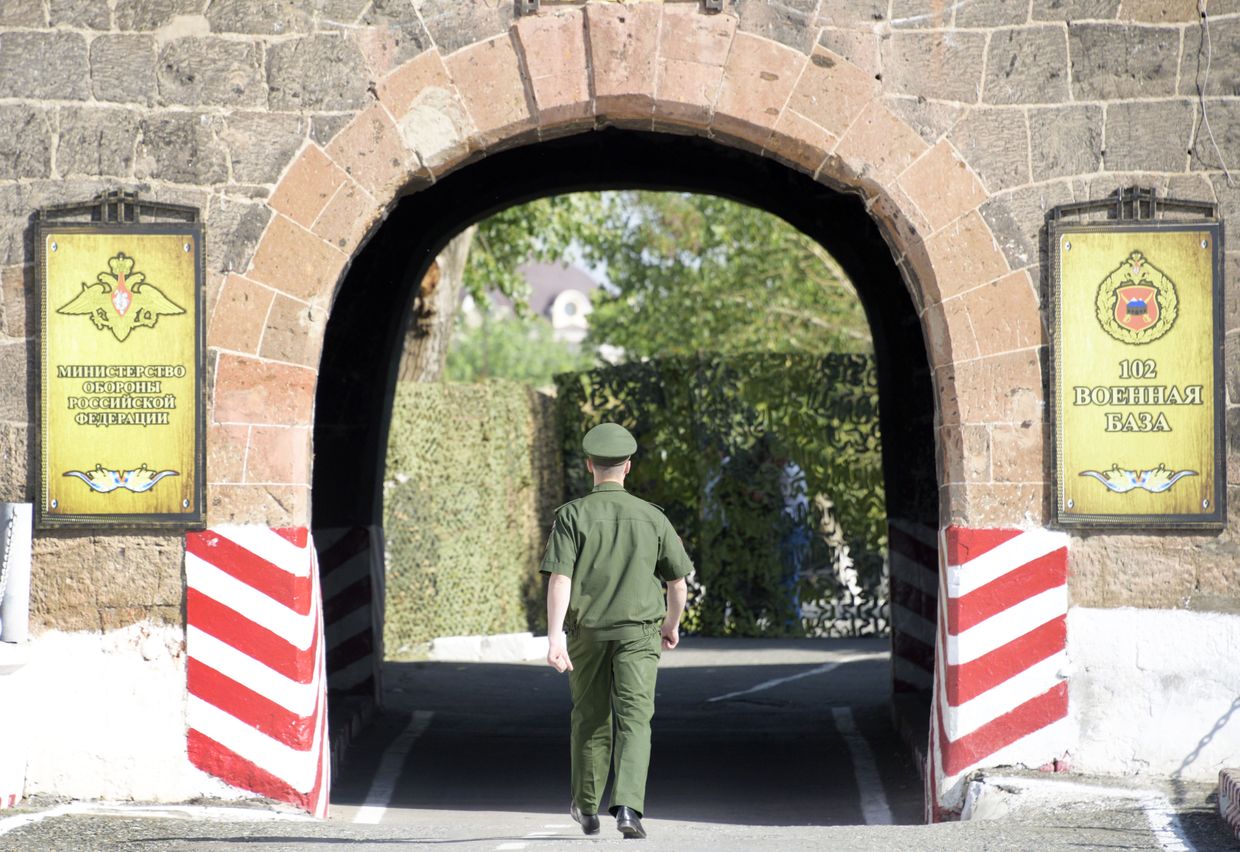
Belarus sent tank and mechanized battalions to training grounds near Poland and Lithuania for four-day drills that Minsk says focus on border security, counter-sabotage operations, and defense against drones and light aircraft, Militarnyi reported on 17 September, citing the Belarusian Defense Ministry.
The exercise includes tank and mechanized infantry battalions, units typically used in conventional ground warfare. Minsk says their tasks include guarding checkpoints and infrastructure and defending against drones. Some drills are taking place near the Suwałki Gap, the only land route connecting Lithuania, Latvia, and Estonia to the rest of NATO. The corridor lies between Belarus and Russia’s Kaliningrad region, which is separated from the rest of Russia. Belarus denies any offensive intent.
What Belarus says it is practicing
Belarus’s Western Operational Command is holding the exercises from 15 to 18 September under Chief of the General Staff Pavel Muraveyko, according to the ministry’s schedule outlined by Militarnyi.
The drills are taking place at the Gozha range near Lithuania and at the Brest and Ruzhany ranges near Poland. RBC-Ukraine wrote that mechanized and tank battalions are taking part and that the Brest and Ruzhany sites lie about 15 and 60 kilometers from the Polish border, respectively. Reservists have also been called up to local territorial-defense units, the ministry said.
Militarnyi cited the ministry as saying that one unit guarded a water intake, another directed traffic with police, and a mechanized brigade manned a checkpoint with border guards. The ministry also said truck-mounted fire teams were posted around the clock to defend against drones and practiced firing at targets imitating surveillance drones.
Muraveyko said the army was not considering offensive action and called allegations of preparations for an attack baseless, according to remarks quoted by Militarnyi. Belarus has not disclosed the total number of troops involved, and the exercise’s scale has not been independently verified.
The Moscow Times reported that the ministry also claimed the exercise remained below the notification thresholds set by the 2011 Vienna Document, an international agreement requiring advance notice of large military exercises.
How Russia could exploit the Suwałki Gap
In December 2025, security analyst Taras Zhovtenko warned that Russian propaganda had laid the groundwork to cite an alleged blockade of Kaliningrad to justify a limited incursion and the establishment of temporary checkpoints.
A German war game later modeled Russia staging border incidents before seizing key routes, although Baltic officials said the scenario severely underrated their armed forces.
Separately, French open-source analyst Clément Molin found that defenses along the Polish and Baltic borders with Russia and Belarus remained patchy and shallow, with Lithuania the most exposed. These assessments describe possible vulnerabilities, not evidence that an attack is planned.
À quelques semaines des élections de mi-mandat, un nouveau sujet de fracture apparaît dans les bastions républicains du Texas. Et il est directement lié à l’essor de l’intelligence artificielle…. Selon une analyse du Texas Tribune, près de 60 % des nouveaux projets de data centers sont prévus dans des circonscriptions qui ont voté pour Donald Trump en 2024.
À quelques semaines des élections de mi-mandat, un nouveau sujet de fracture apparaît dans les bastions républicains du Texas. Et il est directement lié à l’essor de l’intelligence artificielle…. Selon une analyse du Texas Tribune, près de 60 % des nouveaux projets de data centers sont prévus dans des circonscriptions qui ont voté pour Donald Trump en 2024.
Firms manage $7.3tn in assets and could afford to transition away from fossil fuels yet invest in natural gas and coal-fired plants to power datacenters
The energy portfolios of 20 private equity firms produce 1.5bn tons of greenhouse gases a year, more than the annual emissions of any country except China, the US, India and Russia, according to a new report.
Together, these firms manage $7.3tn in assets of all kinds, affording them the ability to shape the pace of the transition away from fossil fuels. However their energy investments include significant fossil fuel assets including natural gas and coal-fired power plants to provide electricity to datacenters.
NATO fighter jets shot down a drone over Lithuania shortly after midnight on 15 September, the first time alliance aircraft have destroyed one over that country, LRT reported. The aircraft crossed in from Belarus and came down near a village in the center of the country, where military police sealed the site. Its type and operator have not been established.
Russia is fighting a war it has not confined to Ukraine, and NATO's eastern flank now absorbs the overflow — drones crossing the border, sabotage inside Europe, and warnings from Western intelligence that Moscow could turn on the alliance within a year of the fighting in Ukraine ending.
What happened over Lithuania
Lithuania's National Crisis Management Center issued a yellow air alert after midnight, first for the capital and the districts around it, then for the Kaunas region further west. Italian Air Force Eurofighter Typhoons flying NATO's Baltic air policing mission from Šiauliai Air Base destroyed the drone with missile armament, Lithuania's Defense Ministry confirmed, and the army published the first images from the crash site.
Map showing Pratkūnai in Kaišiadorys district, Lithuania, where the drone came down. Map: Google Maps via LRT
The drone was over Lithuanian territory for about half an hour, crisis center head Vilmantas Vitkauskas told LRT radio. He said there is a high probability it carried an explosive charge, though the wreckage does not yet show whether it was a combat drone. Lithuania chose a yellow alert rather than red because red is used when a strike or a fall is unavoidable, he explained, and the drone was destroyed within seconds of the air defense crews reacting, over farmland with no homes nearby.
Debris from the drone destroyed over Lithuania, found near Pratkūnai, Kaišiadorys district, 15 September 2026. Photo: Lithuanian Armed Forces via Delfi
Military and civilian police are working at the site under the Shield security plan, and the area has been fenced off and guarded. President Gitanas Nausėda thanked the allied personnel for their swift response, saying that with Russia intensifying its aggression against Ukraine such readiness is vital for the region.
Lithuanian military police and police block the road to the site where a drone was shot down, Kaišiadorys district, Lithuania, 15 September 2026. Photo: Delfi
Whose drone it was
Nothing has been established beyond the direction it came from. The army has not commented on the drone's possible origin while the wreckage is still being collected, and the launch point also remains unreleased. Vilnius airport suspended operations during the alert, and flights from Türkiye and Iceland were delayed.
The same night as this incursion, Poland scrambled fighter jets and raised air defense readiness over Russian drone strikes on western Ukraine, and Romania did the same, with neither country recording a violation of its airspace. The day before, the Polish military recovered a drone from the Baltic Sea that its defense minister said preliminary inspection indicated was Russian and military.
A Romanian F-16 flying the same NATO mission shot down a Ukrainian strike drone over southern Estonia on 19 May, the first NATO drone shootdown in Baltic airspace. Ukrainian drones have been knocked off course into the Baltics by Russian electronic warfare, and Estonia's foreign minister has accused Russia of steering them into NATO territory deliberately.
Across the US, anti-datacenter organizers are harnessing community anger to win local elections
After four months of teach-ins and canvassing, Steven Kung helped Monterey Park, just east of Los Angeles, become the first US city to ban datacenter construction. Now, the organizer is running for city council – and he’s taking on an incumbent who supported the development of the sprawling facility.
“The datacenter coming to my neighborhood turned my life upside down,” said Kung. “I saw that there’s a dismantling of democracy at a local level.”
Republican Greg Abbott says datacenters must help ‘protect’ drought-prone state and disclose water use
Greg Abbott, the Texas governor, has directed state regulators to penalize datacenters that fail to comply with state laws requiring them to disclose their water use.
“Data centers must share the duty to protect Texas water,” the Republican governor said on Monday. “The Texas Water Code requires a complete and accurate water use survey. I direct the Texas Water Development Board to use its enforcement authority to penalize past failures and to impose legal consequences for any future failure to comply,” he added.
Ukraine's battlefield-tested drone makers and Europe's arms firms have sat down together for the first time to build drones and the systems to shoot drones down as a single industry. Eighteen companies, nine Ukrainian and nine European, held the opening meeting of the EU-Ukraine Drone Alliance in Brussels, Defender Media reported.
The alliance answers a threat both sides now share. Russia is scaling up its own drone production. Its drone war has spilled past Ukraine, with its drones crossing repeatedly into NATO airspace this summer and showing Europe how unready it is for the fighting Ukraine has learned the hard way.
The Alliance will support Ukraine's capabilities it needs on the battlefield, while strengthening Europe's defense readiness for the future.
The alliance sets up shop
The first job is organizational, said Roman Tkachenko, a co-founder of the Ukrainian firm Tencore: form the governing bodies and set the priorities. The 18 members were chosen from about 400 applicants, Kubilius said, and the alliance is designed as a decision-making body, according to UA News.
On the Ukrainian side, it includes Tencore, Athlon Avia, and Vyriy Industry. On the European side, Germany's Quantum Systems, Italy's Fincantieri, and Denmark's Terma.
Kubilius, who opened the session and called it historic, said the first tangible results should come by the end of the year. He named accelerating joint ventures and counter-drone projects as the top tasks.
Europe wants Ukraine's combat edge
Kubilius was blunt about what Europe hopes to learn: how to adapt a product in days, shorten development cycles, and scale a production line from a peacetime trickle to full output within weeks. In return, he said, the EU offers Ukraine cutting-edge technology and continent-wide manufacturing.
The Alliance will bring together companies, start-ups, researchers, armed forces, and other users from EU countries and Ukraine.
The Alliance is a result of the Drone Deal, announced by President Ursula von der Leyen in Kyiv on 15 July, according to the EU Commission.
Belarus' Defense Ministry said a command-staff exercise will run from 14 to 16 September in the Cherven and Berezino districts of Minsk Oblast. It closes a reservist training camp that began there on 25 August, part of a wider round that also took in the Vawkavysk district of Hrodna Oblast from 26 August, the ministry announced.
Under Alyaksandr Lukashenka's rule, Belarus remains Russia's closest ally in the war against Ukraine, supplying weapons, intelligence, and industrial capacity while Moscow fights. That alliance is what makes drills inside Belarus a question for its neighbors: Russia may again use Belarus to launch an attack on Ukraine or a NATO member state.
The Belarusian army is "preparing for war so that there will be no war," Belarusian ruler Lukashenka said during a visit to a military training ground in Brest Oblast on 11 September. He said the whole armed forces would be checked, up to mobilization, with some units deployed to wartime norms, while denying any intention to attack, since Belarus could not win a war against its neighbors.
Belarus prepares reservists for military missions
The exercise is meant to sharpen officers' command of subordinate territorial defense forces and drill personnel in coordinated action, and the deputy chairman of the Minsk oblast executive committee will lead it.
"Particular attention will be paid to the interaction of territorial troops with internal affairs bodies, internal troops, as well as people's militia units in the protection of important facilities, ensuring martial law and fighting enemy sabotage groups," the ministry said.
The people's militia is a volunteer reserve, and the internal troops are the Interior Ministry's own armed formations rather than part of the army.
Belarusian reservists take part in military exercises during a training camp for territorial defense command staff in Malaryta District, Brest Oblast, Belarus, in July 2026. Photo: Belarusian Defense Ministry / Telegram
Minsk steps up territorial defense training as Lithuania launches military drills
Since late March 2026, Belarus' Defense Ministry has announced at least 11 events involving territorial troops, Poland-based Belarusian broadcaster Belsat reported. Most of them were training camps, but command-and-staff exercises and drills were also held, the media outlet said.
Uladzimir Zhyhar, a representative of BELPOL, an association of former Belarusian security officers opposing Lukashenka's regime, highlighted in comments to Belsat the exercises conducted for Belarus' Interior Ministry. The Interior Ministry is preparing to suppress internal protests, while the Defense Ministry wants to conduct exercises that would, among other things, practice responding to saboteurs entering Belarus and breaches of the state border, he said.
"Why can this happen? BELPOL representatives have repeatedly said that there is currently no threat from either NATO countries or Ukraine to Belarus. Therefore, something must change around the country as a whole," Zhyhar said, adding: "And that change would bring both possible destabilization inside Belarus, meaning a threat to the regime, and the likelihood of a breach of the state border."
One scenario he sees is Belarus being drawn into a war against Ukraine or NATO countries, which would prompt a response. The skills currently being practiced by the Defense Ministry and Interior Ministry could then be needed, the expert said.
On 14 September, military exercises began in 12 municipalities in Lithuania and run until 18 September, LRT reported. The NATO member shares a 679-kilometer border with Belarus, and its troops are training to act together against military threats of various kinds, using drones, boats, and weapons.
Belarus has been militarizing steadily since 2022, holding exercises almost without pause, including joint drills with Russian forces.
Le tsunami de boue et de glace qui a ravagé le nord du Népal le 26 août dernier dépasse l'imaginable. Le bilan, qui s'alourdit de jour en jour, atteint désormais près de 1 400 morts et 5 130 disparus, dont environ 600 ressortissants étrangers originaires de 35 pays.
Workers should start with a moratorium against building until our livelihoods and communities are protected
For the surging number of Americans who now live alongside constantly humming computer-filled mega-warehouses, it is clear AI datacenters come with significant drawbacks.
Opposition to datacenters grows on both sides of the political aisle as developers plan to invest $8tn to build them in the coming years. The bet is massive – roughly a quarter of our country’s entire GDP – but AI CEOs think it will pay off because they believe this technology will allow businesses across industries to rake in profits by cutting out their largest expense: labor. If all goes according to their plan, AI data centers will enable corporations to redistribute workers’ salaries to themselves.
Some of the everyday struggles animating voters have a climate link lurking in the background
When Florida governor Ron DeSantis signed a law erasing the words “climate change” from state statutes in May 2024 – colloquially known as the “don’t say climate change” law – Democrats were outraged. Just six months later, many liberal politicians began to go quiet on the issue themselves. After Donald Trump won the 2024 election, mentions of the climate crisis started to disappear from Democrats’ rhetoric. As the 2026 midterms approach, that retreat is still shaping how some candidates talk about climate on the campaign trail.
The trend, known as “climate-hushing”, may reflect the limitations of Joe Biden’s climate policies, said Daniel Aldana Cohen, assistant sociology professor at the University of California, Berkeley, who studies climate politics and inequality. Green jobs and housing investments fell short of the climate movement’s desires, consumer incentives disproportionately benefited wealthier households, and Democrats struggled to effectively communicate their accomplishments. The president has since rolled back many Biden-era clean energy incentives and regulations.
David Petraeus was at a rail station when a drone hit. Another train, with former Prime Minister Boris Johnson of Britain and other dignitaries, had just left, Ukrainian officials said.
The European Commission has formally approved €6.1 billion ($7.1 billion) for Ukraine's air defense, drones, and missiles, EU Defense and Space Commissioner Andrius Kubilius announced on 12 September. The decision lets Ukraine order American Patriot Advanced Capability-3 (PAC-3) interceptors for its Patriot launchers, and it includes five exceptions to the EU's own purchasing rules. With it, all the defense money Europe set aside for Ukraine this year has been assigned.
As Russia keeps hitting Ukrainian cities with missiles and drones, Ukraine defends them with two supply chains it does not control—an American interceptor pipeline measured in years, and a domestic drone industry limited by how much anyone will pay for it. European money is the biggest lever that moves either.
What the decision unlocks
The funding will support Ukraine's ability to withstand what Kubilius called the continued intensification of Russian ballistic missile and drone strikes.
The money comes from the €90 billion ($105 billion) loan the EU built for Ukraine, of which €60 billion ($70 billion) is set aside for weapons across 2026 and 2027. One route runs through PURL, the arrangement under which allied governments pay for American weapons and NATO organizes delivery.
Five exceptions to Europe's own rules
The package carries five exemptions from the loan's standard purchasing rules, Kubilius said. Three of them cover Ukrainian-made drones and components that cost more than the rules allow. The other two cover American equipment, including the PAC-3 missiles.
The exceptions are what was settled this week. The Commission had signed off on the €6.1 billion package on 24 August, covering air and missile defense systems, missiles, ammunition, and radars. What remained was the rules governing how the money could be spent.
Explore further
1,000 Patriot missiles arrive too late for this winter, so Ukraine asked the Ramstein arms coalition to open its warehouses
This year's money is all committed
All €28.3 billion ($33 billion) allocated for Ukraine's defense from the loan in 2026 has now been agreed, Kubilius said.
Earlier slices went the same way. In July, the Commission released €3.47 billion ($4 billion) for drones, missiles, air defense, and Swedish Gripen fighter jets, the first 16 of which reach Ukraine in early 2027. On 8 September Brussels approved Ukraine's own application, filed five days earlier, to spend more than €2 billion ($2.3 billion) of loan money on Patriot interceptors.
What money cannot buy quickly
An approval is not a delivery. The 1,000 Patriot interceptors Ukraine has ordered arrive too late for this winter, which is why Kyiv asked allied governments to release rounds from their warehouses now and accept replacements later. A sum above €2 billion buys somewhere between roughly 190 and 580 interceptors, depending on the price Washington sets.
Russia, meanwhile, turns out about 100 of its deadliest missiles a month, 60 of them Iskander-Ms, and about 3,000 jet-powered drones in the same period. Ukraine intercepted one of the 57 ballistic missiles fired in the first eight days of August.
International agencies and foreign donors have long driven campaigns to defeat diseases like Ebola. Dr. Jean Kaseya, the head of the Africa C.D.C., wants to change that.
La saison des légumes est loin d’être terminée au Marché public de Rimouski. Les étalages sont encore pleins de produits locaux et c’est la saison parfaite pour certaines récoltes du Québec comme l’ail, les tomates, le maïs et les poires.
Pendant le Marché, le Musée de Rimouski présentera une œuvre immersive qui fait voyager grâce à ses diapositives rétroéclairées. Les visiteurs pourront se laisser guider par leur curiosité et prendre le temps de scruter ces images hors du commun.
Pour servir le café du jour, ce sera le retour du Centre d’action bénévole Rimouski-Neigette.
Finalement, en collaboration avec Chez Demain – épicerie zéro déchet, le Marché public de Rimouski présentera une séance de yoga pour tous, de 9 h à 10 h. Les participants doivent apporter leur tapis.
A member of Russia's parliament has threatened a fresh strike on Ukraine with the Oreshnik, Russia's intermediate-range ballistic missile. Andrei Kolesnik, of the State Duma's defense committee, says the "hour is not far" when Ukraine will "feel what Oreshnik is," casting the strike as revenge for a Ukrainian attack on the Russian city of Sochi, Russian state media reported, according to UNIAN.
Russia has already fired the Oreshnik at Ukraine three times, starting with Dnipro in November 2024, then the Lviv Oblast in January, a strike that landed roughly 70 kilometers from the Polish border and NATO's edge, and again near Bila Tserkva in Kyiv Oblast in May.
Kolesnik frames a strike as revenge
Kolesnik cast the coming strike as an answer to what he called Ukrainian terrorism against civilians. He pointed to a recent Ukrainian attack on Sochi, noting that Ukraine's forces used unmanned naval boats rather than drones.
"This is a terrorist attack in its purest form," he said, adding, "I think the hour is not far when the Ukrainian side will feel what Oreshnik is."
But what Kolesnik did not mention in his threats is that Russia hits Ukraine daily. Kyiv has been under a constant attack by jet-powered drones that trigger an air alert almost hourly since 27 August. Russia also fires presumably two ballistic missile attacks on the Ukrainian capital two times a week, inflicting $12 million in damages per strike and killing civilians. Meanwhile, other regions come under Russian attacks with the same intensity and suffer from Russian advances in the east and south of Ukraine.
The missile is a message more than a weapon
The Oreshnik carries six warheads and flies at around Mach 11. All three strikes were launched from the Kapustin Yar range in southern Russia, according to Ukraine's air force.
Russia has kept up that pressure by deploying a missile brigade to Belarus, positioning that would put more of Europe within the missile's reach.
Three of five Iranian oil tankers struck by the US military on 8 September were also involved in Russia’s oil trade and sanctions-evasion network, according to Ukraine’s presidential sanctions commissioner Vladyslav Vlasiuk.
Russia’s shadow fleet is a network of aging, often opaque-owned tankers used to transport Russian oil while evading Western sanctions, price caps, and restrictions. Moscow uses these vessels to continue generating income from global sources to finance its war against Ukraine.
Vlasiuk told Ukrinform that the vessels – Kaviz, Charminar, and Riesco – had carried Russian oil, visited Russian ports, or operated alongside vessels already under sanctions.
Russia’s shadow fleet overlaps with Iran’s
The three tankers illustrate how Russia and Iran’s efforts to move sanctioned oil can overlap. According to Vlasiuk, the networks share vessels, shipping managers, intermediaries, and routes.
Kaviz had called at Russia’s Ust-Luga and Novorossiysk ports and carried Russian oil. It was also linked to Fractal Marine DMCC, a company that became a major operator of vessels used to transport Russian oil after Western sanctions were imposed.
Charminar had visited several Russian ports, including Ust-Luga, Primorsk, Vysotsk, and St Petersburg. Vlasiuk said it was connected to a shipping network controlled by Iranian oil magnate Mohammad Hossein Shamkhani, which handles both Iranian and Russian oil.
Riesco had also transported oil from both countries, including through ship-to-ship transfers involving other sanctioned tankers.
Explore further
Russia’s 1,392-vessel shadow fleet is now hybrid-warfare tool. It will continue as long as its export capacity remains unharmed
The vessels were already sanctioned
Ukraine and the US had sanctioned all three tankers, while Kaviz was also under sanctions from the EU, UK, Canada, and Switzerland.
The US military struck five Iranian oil tankers on 8 September, according to Ukrinform, following Iran’s attempts to attack a US Navy vessel. The strikes brought renewed attention to the networks used to transport Iranian oil despite sanctions.
Russia rehearsed an operation to disable critical undersea cables near Norway’s Svalbard archipelago this spring, according to two Western officials cited by Reuters.
The exercise comes as Russia continues a broader hybrid campaign against European countries, using covert sabotage, cyberattacks, espionage, and surveillance of critical infrastructure alongside its war against Ukraine.
The operation involved Russia’s Main Directorate of Deep-Sea Research, known as GUGI, which used deep-sea submersibles to simulate deploying technology designed to disable undersea cables.
British, Norwegian, and US forces tracked the Russian vessels and confronted them at sea, preventing them from completing the exercise, the officials told Reuters. The vessels eventually left the area.
No cables were damaged.
Russian forces rehearsed cable attacks
The operation took place near two 1,400-kilometer fiber-optic cables connecting Svalbard with mainland Norway. The cables carry satellite data from SvalSat, the world’s largest satellite ground station and part of NASA’s Near Space Network.
Britain and Norway disclosed in April that they had uncovered covert Russian activity in Arctic waters, but the details of the operation, including the technology involved and US participation, had not previously been reported.
Norwegian Defense Minister Tore Sandvik said the joint operation sent Russia a message that covert activity would be detected and face consequences.
The US and UK have sanctioned GUGI over its activities in European waters.
Explore further
“Will not be tolerated” – UK exposes Russian spy submarine operation targeting its undersea cables
Europe watches its undersea infrastructure
European governments have become increasingly concerned about Russian activity around telecommunications cables, power lines, and pipelines. Reuters reported that since 2023, vessels have increasingly been observed moving slowly over or near sensitive infrastructure, raising concerns that they could be mapping potential targets.
NATO has expanded monitoring in response. Its Baltic Sentry operation increases surveillance around critical infrastructure in the Baltic Sea, while the UK-led Nordic Warden monitors northern European waters.
Windward data cited by Reuters showed that vessels classified as “drifting” in the North Sea increased 52% in 2025, to 13,079. At least 11 subsea cables were damaged or cut in the Baltic between October 2023 and the end of 2025.
Western officials are increasingly concerned that Russia could use sabotage against European infrastructure to test NATO's response without immediately triggering open conflict. Some US intelligence officials have raised the possibility that Moscow could eventually test the alliance’s Article 5 mutual-defense commitment, according to Reuters.
Russia’s Defense Ministry did not respond to Reuters’ request for comment. The Kremlin has repeatedly denied conducting sabotage operations in NATO countries.
The Svalbard exercise did not damage infrastructure, but it involved rehearsing capabilities that could be used against critical European infrastructure in a future conflict.
The very mechanisms that allow the census bureau to resist partisan interference are coming undone. And Congress is silent
When the constitutional architects of the United States got together, they came up with a crazy plan: “What if we count everyone in the country and allocate political representation that way?”
It was a radical act. Until then, censuses had been used by kings to levy taxes and conscript men into war. With the penning of article 1, section 2 of the US constitution, being counted ensured that states would get financial resources and political representatives. Congress was tasked with building the processes to anchor representation to the population. People wanted to be counted. And politicians wanted their people to be counted more.
The proposals for 2030 are among significant changes that would upend a process for helping allot congressional seats and shape policies that address disparities.
A naturalization ceremony at Ellis Island in 2022. The Trump administration has proposed new census regulations that would no longer ask Americans about race, ethnicity and sexual orientation, and would exclude noncitizens without green cards.
Census Bureau also considers race and ethnicity questions in overhaul that would have dramatic effect on voter maps
The Trump administration on Wednesday proposed changes to the US census intended to exclude immigrants without legal status in addition to other groups, with potentially significant effects on the allocation of federal resources and drawing of districts in the US House of Representatives.
In a proposed rule published in the Federal Register, the Census Bureau also announced it was considering changes to the data it collects about race and ethnicity, amid the Trump administration’s push to rid the government of diversity, equity and inclusion programs.
Russia plans to test-fire a new type of ballistic missile before the end of 2026, one built to fly farther than the Iskander missiles it now launches at Ukraine, according to Ukraine's military intelligence. Its deputy chief outlined the plan at a Ukraine-NATO meeting on 8 September, ZN reported.
A longer-range missile would erode the relative safety of western Ukraine, where the routes carrying Western aid run beyond the front, and stretch air defenses already struggling against ballistic strikes.
A longer reach into western Ukraine
Russia plans final tests of a new ballistic missile with a range of up to 800 kilometers, or about 500 miles, by year's end, Vadym Skibitskyi, deputy head of the Defense Intelligence of Ukraine (HUR), told the Ukraine-NATO Interparliamentary Council, citing the agency's own assessments. Russian forces may try to hit targets in western Ukraine during those tests, he said.
The deputy chief noted that Moscow is raising both the output and the range of its ballistic missiles to intensify strikes and push Ukraine into a social and economic crisis. He urged partners to tighten sanctions until Russia loses access to the foreign components in its long-range weapons.
Russia's modernized 9M723-2, also called the Iskander-1000, reaches up to 550 km, HUR says, and the older 9M723-1 covers 390 km. An 800-km weapon would carry strikes well past the front.
The missile Russia already fields
Russia already fields a longer-range Iskander variant. This summer, its forces first fired the modernized 9M723-2—part of the Bora-M system—in a combined missile strike on Kyiv. A bigger engine and a larger launcher gave that missile its extended reach, HUR said. Ballistic missiles are the hardest of Russia's strikes for Ukraine to stop, and Moscow has poured them out in recent months, running its plants above quota and firing them in larger salvos.
Losing more soldiers than it signs up
Russia is waging a war of attrition despite heavy losses and has not given up on destroying Ukrainian statehood, Skibitskyi said. Skibitskyi put Russia's August losses at 43,000 soldiers against 39,000 recruited. Russia has struggled to fill its ranks for months. Russia's General Staff sees intensified mobilization as the only way to reach its main goals—fully occupying the Ukrainian Donbas and seizing the strategic initiative—he explained.
The Kremlin plans to mobilize about 600,000 people across 2026 and 2027, half of them by the end of this year, he said. Russia will also try to close the Black Sea to Ukraine and to drag Belarus into the war and into hybrid operations against NATO, he added, though HUR sees no signs of Russian strike groupings forming there yet.
Each new kilometer of range puts more of Ukraine within reach from deep inside Russia, without moving a launcher closer to the border.
When a truck driver unexpectedly collapsed and died in a remote village, frontline medical staff scrambled to safely isolate his body, triggering a standoff.
A coffin maker in the Democratic Republic of Congo has seen a significant increase in the number of coffins needed in Bunia since the latest Ebola outbreak began in May.
Ukraine is contracting about 1,000 missiles for its American-made Patriot air defense systems, but most arrive only in later years, so at the Ramstein meeting of its allies it asked for interceptors out of their existing stocks before winter, the Defense Ministry said. Nine governments announced new contributions there, and Germany was the only one to commit interceptors from its own stocks. The Ramstein format meeting is the Ukraine Defense Contact Group, a coalition of roughly 50 countries that coordinates weapons for Ukraine, named after the US air base in Germany where it first met in 2022.
Kyiv is short of the anti-ballistic interceptors that stop Russian ballistic missiles, and Russia keeps exploiting the gap. Arming Ukraine has become mostly a European job, run through a coalition that meets every couple of months, pledges its own arms supplies, and pays for weapons built elsewhere. Willingness is not the only limit now — so is lead time: orders placed this autumn defend the country a year from now, so the coming winter gets fought with whatever already sits in warehouses.
Ukraine contracts for later, asks for stock now
Ukraine's Defense Minister Yevhenii Khmara told partners the country is signing for roughly 1,000 Patriot missiles, whose PAC-3 version is the only round in its arsenal that reliably stops Russian ballistic missiles, paid for with partner support and the European Union's credit line. Those deliveries take time. So Ukraine asked allies to release missiles from their warehouses now and take the improved contracted rounds later. It made the same case for air-to-air missiles and shoulder-fired launchers, which crews use against cruise missiles and, as a stopgap, against the jet-powered Shahed attack drones, the Iranian-designed weapons Russia now flies at Ukrainian cities by day.
A Patriot PAC-2 missile launch. Illustrative photo: Yonhap
The European Commission cleared the loan money for interceptors days earlier. How many rounds it buys depends on the price Washington sets.
Germany promised interceptors for Patriot systems and for F-16 fighter jets, plus drone purchases.
The United Kingdom put up £100 million ($135 million) through PURL, short for the Prioritized Ukraine Requirements List, the NATO mechanism that lets allied and partner governments buy US-made arms for Ukraine. London added another 95,000 drones by the end of the year and tens of thousands of extended-range artillery shells financed by other countries.
The Netherlands pledged $300 million for the Drone Line, Ukraine's program that holds a drone-strike zone over the front, and 300 counter-drone missiles.
Estonia committed to keep its support at at least 0.25% of its economic output in 2027.
Norway confirmed a previously announced $200 million for Patriot missiles.
Spain gave €2 million ($2.3 million) for fuel through NATO's procurement agency, plus air-defense missiles and artillery ammunition.
Lithuania put $10 million into PURL.
Poland prepared a €50 million ($58 million) package including air-defense equipment.
Sweden pledged $28 million, half of it to PURL.
It was the coalition's 36th session, co-chaired online by Germany and the United Kingdom according to the German Defense Ministry's invitation, and the first for Khmara and for Commander-in-Chief Mykhailo Drapatyi, the general who took over Ukraine's army in July.
Explore further
Brussels cleared Ukraine to spend EU loan money on American Patriot missiles for the coming winter of Russian attacks
Germany opens its own warehouse
German Defense Minister Boris Pistorius said he decided, alongside the NATO summit, to give Ukraine urgently needed PAC-2 interceptors, an older Patriot round, from the stocks of the Bundeswehr, Germany's armed forces, before winter. Russia has announced it will attack Ukraine's energy system. He told the others to check their reserves and do the same.
Germany will also step up deliveries of AIM-9 air-to-air missiles from the same stocks, the US-made rounds fighter jets fire at incoming drones and missiles, and keep delivering IRIS-T air defense systems, including serially produced guided missiles for them. Ukraine intends to order several thousand more IRIS-T rounds using the EU loan.
Transporter-loader vehicle 9T250 of Russia's Iskander missile system. Photo via Militarnyi.
The money and the deadline
Allies allocated more than $10 billion over the past year for American weapons through PURL and the US foreign military sales program, $3.5 billion of it under the EU loan, NATO Secretary General Mark Rutte said. Khmara said partners promised €70 billion ($81 billion) this year, while Ukraine sees €62 billion, and the missing €8 billion is needed to meet that pledge, with the total defense deficit at €23 billion ($27 billion), according to the ministry's readout. He asked for those decisions by November. A day earlier, Ukraine handed the alliance a list of priority air- and missile-defense needs, the Defense Ministry reported.
Two timelines at the table
Elbridge Colby, the US under secretary of war for policy and the Pentagon's top policy official, told the group his department cannot predict when the war ends, that Russia is rebuilding its forces and defense industry, and that Ukraine's needs will persist for months and years. Europeans already lead on conventional defense and provide most of the support, he said.
Russia is expanding its manpower too, and by Ukraine's estimate plans to mobilize about 300,000 more soldiers this year and the same in 2027, Khmara said, Radio Svoboda reported. He presented the war plan Ukrainian forces now operate under, and said their drone kill zone stops Russian advances and kills more than 30,000 Russian soldiers a month, by the military's own count.
The European Commission has approved Ukraine's request to buy US-made Patriot interceptor missiles with money from the European Union's €90 billion ($105 billion) loan, an EU official told Suspilne. Kyiv filed the application four days earlier and asked for more than €2 billion ($2.3 billion). The decision settles who pays, not when the missiles arrive.
Russia has been firing ballistic missiles at Ukrainian cities faster than the country's air defense can destroy them, and the interceptors that stop that class of missile come off one production line in one country. Currently, most of Russia's ballistics reach their targets.
Brussels signed off four days after the request
Ukraine submitted the application on 3 September under the Ukraine Support Loan program. The Commission said at the time it was working to clear it in the shortest possible period.
Kyiv asked for the money to buy interceptors, and it falls under the EU credit line for 2026 and 2027. That sum can buy anywhere from about 190 to 580 interceptors, depending on the price Washington sets.
Explore further
Trump’s peace envoys left, and Russia hit Kyiv with ballistics—the one thing Ukraine still struggles to stop
What the €90 billion covers
The European Council decided to create the loan in December 2025, and the Council of the EU finalized the financing mechanism in April 2026. Hungary's veto held the package up for months before it cleared, and Ukraine's parliament then accepted a wartime tax overhaul to unlock the first tranche.
About €30 billion ($35 billion) of the total goes to economic support and €60 billion ($70 billion) to military needs and defense capabilities. The EU raises the money by borrowing on international capital markets against guarantees from its own budget.
Why European money buys American missiles
The military half of the program funds arms purchases, Ukrainian and European defense industry in particular. It also allows purchases outside the bloc when European producers cannot supply enough of what Ukraine needs.
On 6 August the Commission confirmed Ukraine may use loan money for interceptors, noting that Kyiv defines its own requirements and files the applications. That opened the door to non-European weapons. Nothing in Ukraine's inventory stops Russian ballistic missiles without Patriot interceptors, as Russia showed in August by hitting Kyiv and the Boryspil airport hub twice inside a day.
A Patriot MIM-104 air defense system in service with a unit of Air Defense Forces West, 10 April 2026. Photo: Air Command West, Ukrainian Air Force
Ukraine's interceptor arithmetic
Zelenskyy has said Ukraine agreed with the US on monthly interceptor deliveries, while calling the volumes short of what the country needs. He put the winter requirement at no less than about 5% of American output of these missiles.
A shortage of allied Patriot missiles, combined with heavier Russian strikes, made July the deadliest month for Ukrainian civilians since April 2022, according to UN figures.
Russia has deployed units of its 101st Missile Brigade to Belarus, a formation equipped with the Oreshnik intermediate-range missile system, according to Ukraine’s military intelligence chief Oleh Ivashchenko, Ukrinform reports.
Russia has been ramping up missile and drone attacks on Ukraine in recent weeks, including increasingly frequent strikes on Kyiv from the north, launched from Russian territory close to Belarus. Russia used Belarusian territory to launch its 2022 invasion of northern Ukraine, while Belarus is now allowing Russia to use its territory to support drone attacks. The latest deployment could give Moscow another launchpad for strikes deeper into Ukraine or potentially against targets in Europe.
Belarus not preparing to enter war, but threat remains
Ivashchenko said in an interview with Ukrinform that Ukraine currently assesses the military threat from Belarus as low and sees no signs that Belarus is preparing to directly enter the war.
But he said Kyiv is concerned by the growing Russian military presence in Belarus and the role Belarusian territory is playing in Russian attacks on Ukraine.
“Units of the 101st Missile Brigade of the Russian Armed Forces, which are equipped with the Oreshnik missile system, are also deployed on the territory of Belarus,” Ivashchenko told Ukrinform.
The Oreshnik is a Russian intermediate-range ballistic missile system that Moscow has presented as a new weapon capable of striking targets deep inside Europe. Russia first used an Oreshnik missile against Ukraine in November 2024, striking the city of Dnipro.
Oreshnik has been stationed in Belarus
Russia has maintained Oreshnik missile systems in Belarus since at least December 2025, when Belarusian leader Aliaksandr Lukashenka said an Oreshnik system had been placed on combat duty there as part of expanded military cooperation with Moscow.
The system is capable of carrying nuclear warheads, although Russia has used Oreshnik against Ukraine in a non-nuclear strike. Ukrainian intelligence has previously said the deployment is aimed in part at increasing pressure on Europe and NATO by shortening the missile's flight time to European targets.
The Oreshnik systems in Belarus remain under Russian control rather than Belarusian command, according to Ukrainian intelligence.
Explore further
Nuclear-capable but carrying concrete: Expert explains Russia’s Oreshnik is psychological weapon, not military one
Belarus allows Russia to use its territory to guide drone strikes
Ivashchenko also said Belarus has allowed Russia to deploy radio-signal repeaters that help guide Russian Shahed-type attack drones toward Ukrainian civilian and critical infrastructure targets.
“If Belarus did not give such permission, this indicates that Minsk no longer controls Russia’s activities on its own territory,” he said, according to Ukrinform.
The use of Belarusian territory to support Russian attacks has stopped short of Belarusian forces directly entering the war, but it demonstrates Minsk's growing role in enabling Russia's military operations.
That cooperation makes the prospect of Russia using Belarusian territory for additional military capabilities less remote, particularly as Moscow expands its forces and intensifies attacks on Kyiv from the northern direction.
Renewed concern over a northern Russian offensive
The comments come as Russian strikes on Kyiv have intensified in recent weeks, while Ukrainian officials have increasingly warned about the possibility of another Russian offensive from the north toward Kyiv and Chernihiv.
There is no reported Russian ground offensive from Belarus underway. But the northern direction remains a major concern for Ukraine because of the precedent set in 2022, when Russian forces crossed from Belarus and advanced toward Kyiv before withdrawing in early April.
For now, Ivashchenko assesses the military threat from Belarus as low. The deployment of Russian missile forces nevertheless adds another significant Russian weapons capability to Belarus, while leaving open questions about how Moscow could use the territory in a future escalation.
After a months-long pause, US President Donald Trump's envoys Steve Witkoff and Jared Kushner opened their first round of peace talks in Kyiv to end the Russo-Ukrainian war. Ukrainian President Volodymyr Zelenskyy announced their visit and talks on Telegram on 6 September. A day earlier, they visited Moscow and met with Russian President Vladimir Putin there. Ukraine came in with prepared proposals and a demand for security guarantees. Witkoff called the discussion substantive, and the British, French, and German national security advisers joined the later rounds. Despite their previous multiple visits to Moscow, this was their first-ever visit to Kyiv.
Moscow has carried the same core condition since 2022 and tabled it again this year: Ukraine outside NATO, with its army cut down to a size Russia sets. Talks keep opening on what a settlement would contain, and the answer from the Russian side keeps arriving as the terms of a capitulation, including a flat refusal of the partial truces Kyiv has offered in between.
Zelenskyy came with a written package and one demand
Zelenskyy gathered his negotiating team before the meeting and wrote on Telegram that Ukraine was ready to talk.
"Peace is needed. Security guarantees are needed. A dignified character of the post-war peace is needed. Our proposals have been prepared," he said, adding that it was important to work in a coordinated, substantive, and realistic way.
The preparatory meeting brought together head of the President's Office Kyrylo Budanov, Foreign Intelligence Service head Rustem Umierov, Servant of the People faction leader David Arakhamia, and First Deputy Head of the President's Office Serhii Kyslytsia—Ukraine's likely negotiating team.
The post announcing the start of the talks, published shortly after 2 p.m., carried video of Zelenskyy greeting the two Americans. He also told reporters the day would run in stages: one session with the US side, then another with the European advisers. After the first part, Zelenskyy thanked American and European partners.
First-ever Kyiv sit-down for Trump's envoys, and Ukraine came with its own plan
Zelenskyy met Steve Witkoff and Jared Kushner beside St Sophia's Cathedral on 6 September, walked them inside, and then put Ukraine's written proposals in front of them.
The presidential website had published no report on the talks by the time this article went out.
Ending the fighting is not the goal, the envoys said
Witkoff called the talks substantive and said the US team was ready to continue working, TSN reported. He said Washington was looking for openings on external security issues and coordinating closely with Germany, France, and the UK.
Kushner said the goal was not only to end the fighting but to create conditions for a lasting peace. He called it “a very, very hard and complex problem,” but “a very worthy problem of solving,” and said a lasting peace should allow Ukraine to turn its wartime “bravery and ingenuity and strength” toward rebuilding the country.
Kushner also said Trump is determined to end the war and then shift toward investment and economic cooperation, which he argued could bring the countries closer and open new opportunities for Ukraine and Europe. He added that the talks continue between visits, with the US side speaking almost daily with the four Ukrainian negotiators, whom he named only by their first names.
Explore further
Ukraine logged impacts at 11 sites while the American peace delegation was still in Moscow
The Europeans joined the later rounds
Zelenskyy's spokesman Serhii Nykyforov saidthe first round with Witkoff and Kushner had finished, and that a second, expanded round with the national security advisers of the UK, France, and Germany would follow after a short break. A source familiar with the matter told Reuters the three advisers were in Kyiv on Sunday, without specifying which sessions they would attend.
A third round then opened, public broadcaster Suspilne reported. Witkoff described the discussion as substantive, concrete, and important shortly before it started.
Moscow, the day before
Witkoff and Kushner held three hours of talks with Putin in Moscow on 5 September. Putin's aide Yuri Ushakov stated the meeting was substantive, very frank, and constructive, and said Putin told them Russia would achieve its war aims and that the war's so-called "root causes" must be removed—Kremlin shorthand for Ukraine abandoning NATO membership and disarming, which Kyiv rejects.
Explore further
Ukraine orders temporary ceasefire as US envoys visit Moscow. Air raid alert sounds in Kyiv immediately as pause begins
A White House representative told Radio Svoboda that the sides discussed concrete plans for next steps, to be announced in the coming weeks. Bloomberg reported that sources close to the Kremlin said Putin is ready to end the war only on his own terms, with Moscow's demands hardening. Axios reported that a US Treasury official responsible for sanctions policy joined the trip but did not attend the Putin meeting, alongside State Department and National Security Council staff.
Trump said on 4 September that Witkoff and Kushner were carrying a proposal to both Moscow and Kyiv, which he described as fresh, without giving details.
How the envoys reached Kyiv
Umierov published video this morning showing Budanov, Umierov, Arakhamia, and Kyslytsia welcoming Witkoff and Kushner at Kyiv’s railway station as the US envoys arrived for talks.
Ukraine had prepared to receive the envoys by air, but Russian strikes made that impossible, Zelenskyy said. He met them instead on Sofiivska Square before the delegation went inside St Sophia's Cathedral. In a 4 September address, Zelenskyy said Ukraine would keep Russian airspace safe for the envoys’ travel and demanded Moscow do the same.
A pause that covered two capitals
Ukraine ordered a three-day halt to strikes on Moscow around the visit, and the Kremlin claimed it would pause strikes on Kyiv until Monday. Nothing else stopped. Ukraine logged impacts at 11 sites across the country while the American delegation was in the Russian capital. Ukraine's 6 September strike hit the Ryazan oil refinery and set a core unit on fire, about 470 km from Ukraine.
Explore further
Witkoff and Kushner to visit Kyiv and Moscow to revive peace talks as Russia ramps up attacks across Ukraine
Twenty months of rounds without a deal
Trump made ending Russia’s war a priority after taking office in January 2025, but US-mediated talks produced little and later stalled during the US-Israeli war against Iran. Washington said in early August it intended to step up the effort, and Russian attacks intensifying pushed a planned August visit to Kyiv back.
The visit was confirmed on 4 September, after two weeks of heavy Russian attacks on Kyiv, including a drone strike on the headquarters of the Security Service of Ukraine (SBU) and an earlier six-day bombardment. Previous talks also left Kyiv and Moscow far apart over Donbas, where Russia demands Ukrainian withdrawal from fortified cities still under Kyiv’s control.
Russia attacked Ukraine from 18:00 on 5 September and through the night into 6 September with 108 strike drones and S8000 Banderol cruise missiles, Ukraine's Air Force reported. The assault ran while US envoys Steve Witkoff and Jared Kushner were finishing three hours of talks with Russian President Vladimir Putin in Moscow. They left the Russian capital after midnight and were expected in Kyiv on 6 September, again carrying a US proposal to end the war. Ukraine's own offer of a four-day pause in the fighting went unmatched by Russia.
Russia has kept up daily air attacks on Ukrainian cities and towns throughout the ongoing war, killing civilians in apartment blocks, hospitals, and shelters. No round of diplomacy or declared truce has interrupted it — Russia's own Easter ceasefire drew thousands of violations within hours.
The attack was still running in the morning
By 09:30 air defenses had downed or suppressed 82 Shahed-type, Gerbera, and other drones, along with six Banderol missiles. The military logged impacts at 11 locations and falling debris at seven more, and warned that Russian drones were still in Ukraine's airspace.
Over the previous day, Russian strikes killed seven people and injured 57 across Kharkiv, Kherson, Zaporizhzhia, Dnipropetrovsk, and Donetsk oblasts, according to oblast administration figures published on the morning of 6 September. Kharkiv Oblast lost four people, three of them one family in Chuhuiv. Zaporizhzhia Oblast reported one death, 25 injured, and 886 strikes on 54 settlements.
A children's playground in the center of Chuhuiv, the morning after a Russian drone hit the town
Russia killed three members of one family in the strike on the evening of 5 September: an 11-year-old boy, his 19-year-old sister, and their 45-year-old father. The children's mother… pic.twitter.com/OHDSJg2Qdj
Witkoff and Kushner met Putin on 5 September and left the Kremlin close to midnight. Putin opened by telling them he had "full trust" in the US side, Axios reported, and Washington's goal is to restart direct Russian-Ukrainian talks that stopped six months ago. Putin's aide Yuri Ushakov called the discussion "substantive, constructive, exceptionally candid," ABC News reported, and stated the envoys had promised to carry Putin's own assessments into their meetings in Kyiv. Ushakov also repeated that Russia will achieve its goals and that the war's "root causes" must be removed — the Kremlin's shorthand for barring Ukraine from NATO and cutting down its army.
Jared Kushner shakes hands with Russian President Vladimir Putin, with US special envoy Steve Witkoff beside him, at the Kremlin in Moscow, Russia, 5 September 2026. Photo: Gavriil Grigorov/Sputnik
A White House official told RFE/RL that the sides discussed "concrete plans" for next steps, to be announced in the coming weeks. Kremlin envoy Kirill Dmitriev, who sat in on the talks, called the Moscow trip an important peacemaking visit, Al Jazeera reported. The Kyiv leg would be the envoys' first trip to Ukraine since taking over the US effort; it was set for August and postponed as Russian strikes intensified.
Ukrainian Defense Forces units have been ordered to temporarily observe a ceasefire along the line of contact from 00:00 on 5 September through 23:59 on 8 September, Ukrainska Pravda reported, citing sources in several military brigades and a senior security official.
The order comes as US President Donald Trump’s special envoys Steve Witkoff and Jared Kushner are expected to visit Moscow and Kyiv this weekend for talks aimed at ending Russia’s war against Ukraine.
According to Ukrainska Pravda’s sources, Ukrainian units operating across the front have received instructions to observe the temporary “silence regime” during the four-day period.
An air raid alert was issued in Kyiv at 00:00 on 5 September just as the temporary ceasefire was due to take effect, with Russian drones reported over Kyiv and Kharkiv oblasts.
Pause coincides with US envoys’ visits
Witkoff and Kushner are expected to meet Russian President Vladimir Putin in Moscow on 5 September before traveling to Kyiv for talks with Ukrainian President Volodymyr Zelenskyy on 6 September.
Their visit comes after months of stalled negotiations. US-mediated talks between Russia and Ukraine froze in February following the outbreak of war between the US, Israel and Iran, while subsequent contacts between US, Russian and Ukrainian officials have failed to produce a breakthrough.
Explore further
Witkoff and Kushner to visit Kyiv and Moscow to revive peace talks as Russia ramps up attacks across Ukraine
Zelenskyy said on 4 September that Ukraine would ensure conditions for the US envoys’ safe travel and called for Russia to reciprocate by refraining from strikes during the period needed for the meetings and related logistics.
The reported Ukrainian order would extend the pause beyond the envoys’ visits, covering 5–8 September.
Russia has continued its intensive drone campaign against Ukrainian cities even as diplomatic contacts have resumed. Kyiv remains skeptical of Moscow’s willingness to accept a genuine ceasefire, with Ukrainian officials warning that Russia may use negotiations to buy time while continuing its military campaign.
Alors que la période des récoltes se poursuit et que les étudiants sont de retour en ville pour la rentrée scolaire, le Marché public de Rimouski accueille, cette semaine, la Ferme Vue d’en Haut pour la première fois de la saison.
Cette ferme maraîchère située à Les Hauteurs sera présente tous les samedis pour offrir ses produits frais, savoureux et biologiques.
Les autres exposants présents ce samedi 5 septembre, de 10h à 14h, au parc de la Gare de Rimouski :
Dans le cadre des Escales du Festi Jazz International de Rimouski, le groupe rimouskois Les Minouches débarquera au marché dès 11h pour vous jouer leurs meilleurs morceaux de jazz manouche.
Au Café du marché, c’est la Coopérative de solidarité Paradis qui se fera un grand plaisir de vous servir et de vous jaser de leurs portes ouvertes qui auront lieu bientôt.
US President Donald Trump’s special envoys Steve Witkoff and Jared Kushner are expected to travel to Moscow and Kyiv this weekend for talks aimed at restarting efforts to end Russia’s war against Ukraine, Axios reported, citing US officials.
The planned trip comes as Washington seeks to revive negotiations that stalled earlier this year and as Russia continues its military campaign against Ukraine. Russia has dramatically stepped up its attacks on Ukraine in recent weeks, launching increasingly large waves of drones and missiles against Ukrainian cities and infrastructure.
Moscow talks Saturday, Kyiv on Sunday
Witkoff and Kushner are expected to travel to Moscow on Friday, 4 September, and meet Russian President Vladimir Putin on Saturday, 5 September, Axios reported.
They are then scheduled to travel to Kyiv for talks with Ukrainian President Volodymyr Zelenskyy on Sunday, 6 September. Zelenskyy confirmed the planned meetings on 4 September.
The Kyiv visit would be the first by Witkoff and Kushner since Trump returned to the White House. The two envoys have traveled to Moscow several times to meet Putin but have not previously visited Kyiv during the current Trump administration.
Ukrainian and US officials have discussed a Kyiv visit for several months, but it has reportedly been postponed multiple times for various reasons.
Zelenskyy confirms visit, calls for reciprocal pause in strikes
Zelenskyy said Ukraine is preparing for the envoys’ visit and will ensure the necessary conditions for their safe arrival.
He said Ukraine would refrain from airstrikes against Russia for the period required for the talks and related logistics, and called on Moscow to provide a reciprocal pause in its air attacks.
“We care specifically about them, not Russia,” Zelenskyy said, adding that Kyiv expects Russia to “mirror” the pause.
Zelenskyy said Ukraine wants the visit and negotiations to be as constructive and substantive as possible, while acknowledging that the outcome will depend on the proposals Witkoff and Kushner bring and Russia’s response to them.
Talks stalled earlier this year
The Trump administration’s mediation between Russia and Ukraine was effectively frozen in February after the outbreak of the US-Israeli war with Iran.
Witkoff and Kushner have continued holding separate discussions with Russian and Ukrainian negotiators in the months since, but the talks have produced little significant progress.
The renewed push comes as Washington has again sought a path toward direct negotiations. CIA Director John Ratcliffe also recently traveled to Moscow and discussed the possibility of restarting diplomatic efforts, including a potential Trump-Putin-Zelenskyy summit.
Kyiv remains skeptical of Moscow’s intentions
The diplomatic effort comes alongside continued Russian attacks and an increasingly escalatory military situation.
Kyiv has faced near-constant large-scale drone attacks in recent weeks, while Ukrainian officials have warned that Russia may be preparing further military escalation. Axios reported that Ukrainian officials remain highly skeptical of Putin’s intentions and believe Russia could be preparing a major escalation in the war.
Explore further
Russian drone strikes SBU headquarters in central Kyiv. Zelenskyy says “geography” of Ukraine’s response is set
At the same time, Ukrainian officials have continued to argue that negotiations should not be abandoned.
Kyrylo Budanov, Zelenskyy’s chief of staff and former military intelligence chief, told The New York Times that US-mediated talks could resume in September. He said, however, that conditions for a ceasefire were unlikely to emerge before spring 2027.
Budanov has argued that Ukraine must keep diplomatic channels open even while fighting continues, saying that “the war cannot be eternal.”
The planned meetings will therefore take place against a backdrop of continued battlefield fighting and increased air attacks, with major disagreements still unresolved between Kyiv and Moscow.
Ukrainian drones set fire to two fuel depots around Sochi and hit a Russian air defense position overnight on 4 September, according to monitoring channels. They also reported that drones struck an explosives factory and a petrochemical plant in Bashkortostan the same night, more than a thousand kilometers from Ukraine. Russian officials acknowledged the depot fire and said nothing about the air defense site.
The strikes are part of Ukraine's long-range campaign against Russian refineries, fuel depots, and military plants, run with cheap drones deep inside Russia. Oil proceeds fuel Russia's war machine and its whole economy.
Two depots burned behind their anti-drone screens
Astra's OSINT analysts geolocated the fires to the Rosneft-Kubannefteprodukt depot in Sochi's Adler district and to the Lukoil-Yugneftprodukt depot on the federal territory of Sirius. Sochi mayor Andrei Proshunin confirmed a fire at a depot. The regional operational headquarters claimed there were no casualties. Sochi is a Russian resort city on the eastern Black Sea coast, about 600 km from the frontline in Ukraine.
Fires broke out at two fuel depots in and beside Sochi, southern Russia, after drones struck overnight
One is a Rosneft depot in the resort's Adler district, the other a Lukoil site on the federal territory of Sirius, reported the Russian news Telegram channel Astra, which… pic.twitter.com/JqXiw2pRYG
The Ukrainian OSINT channel Cyberboroshno identified one of the hit sites as the BATO aviation fuel terminal, which fuels aircraft at airports across Krasnodar Krai. Every tank there stood behind purpose-built protective structures, Militarnyi reported, and the Lukoil site holds 12 tanks with a combined volume of about 8,400 m³. The burning depot sits roughly 100 meters from Sochi international airport, Russia's fifth-busiest by passenger traffic in 2024, the Russian outlet Agentstvo found.
Protective structures around the fuel tanks at the BATO aviation fuel terminal in Sochi, Russia, September 2026. Photo: Cyberboroshno
Panoramic imagery from this year shows anti-drone netting around the tanks at both depots. Two days before the strikes, Russian Deputy Prime Minister Aleksandr Novak claimed Russian refineries were better protected than those in the UAE, and Russian President Vladimir Putin said their protection level was now completely different.
An air defense position caught fire near the Abkhazia border
Astra analyzed eyewitness footage and placed a detonation and fire at a launch position near the settlement of Sirius, by the Psou river on the Abkhazia border, where an S-300 or S-400 system is based. The Ukrainian monitoring channels Exilenova+ and Supernova+ said drones struck the air defenses directly. Russia's Defense Ministry and local authorities reported nothing about it.
The site of the strike on Russian air defense positions in Sochi, Russia, 4 September 2026. Photo: Exilenova+
Drones had tried the same area in May. A Ukrainian sea drone struck the Russian supply vessel Nefrit at Sochi port the previous day.
Explosives and petrochemicals hit in Bashkortostan
Drones reached Sterlitamak on the morning of 4 September, hitting the Avangard plant and the Sterlitamak Petrochemical Plant, footage published by Supernova+ shows. Residents reported a series of explosions, and one man said on video that about a dozen drones had already flown toward the petrochemical works. The frames show Ukrainian FP-1 strike drones.
Smoke over Sterlitamak, Russia, after the strike on the Avangard plant, 4 September 2026. Photo: Supernova+
Russia's Defense Ministry claimed it downed 490 drones overnight across several regions, occupied Crimea, and the Black Sea.
Avangard makes explosives, ammunition, and casings on Russian state defense orders, and also disposes of ballistic missile solid fuel. It belongs to Rostec and sits on the sanctions lists of several countries. The petrochemical plant, about 1,300 km from Ukraine's border, produces rubber, aviation gasoline, and the additive ionol for Russian industry, Militarnyi said. Drones have hit it in November 2025 and in January and April 2026.
On 1 September 2026, Latvia banned imports of Russian- and Belarusian-made books, clothing, toys, and other consumer goods, including shipments routed through third countries, Latvian Public Media reported.
The restricted goods were worth approximately €12.5 million ($14.5 million) in 2025, or 6.5% of Latvia’s remaining imports from the two countries. Although modest economically, the measure goes beyond EU-wide sanctions and advances Riga’s effort to deny Moscow and Minsk revenue during Russia’s war against Ukraine.
The restrictions cover the following:
Books, newspapers, and other printed material
Clothing, textiles, footwear, and headwear
Toys, games, and sporting equipment.
Latvia’s Cabinet approved the final product list on 25 August following a Foreign Ministry proposal, completing restrictions parliament authorized on 23 July.
The ban applies regardless of whether the products arrive directly or through another country. Russian- and Belarusian-made goods may still transit Latvia on their way to other EU markets, Meduza reported.
Food and beverages are not covered. The restrictions are scheduled to remain in force until 1 July 2027 and will be reviewed annually.
The Foreign Ministry said the measure is also intended to limit the entry of Russian propaganda material. The targeted products accounted for only 0.05% of Latvia’s total imports in 2025, according to Euronews.
How Latvia has been cutting off trade with Russia and Belarus
Latvia’s combined imports from Russia and Belarus have already fallen by 91%, from €2.13 billion ($2.47 billion) in 2022 to €193 million ($224 million) in 2025, according to Latvian Public Media. Much of that decline followed the country’s departure from Russian energy supplies and the Baltic states’ disconnection from the Russian and Belarusian electricity grids.
The latest prohibition blocks consumer goods that Brussels has not collectively banned.
Latvian Prime Minister Andris Kulbergs previously pledged to eliminate the country’s remaining commercial links with Russia and Belarus, although pharmaceutical exporters were expected to remain exempt.
In August, Latvia also resumed publishing a monthly register of businesses trading with either country, naming 171 companies. Inclusion on the list does not itself indicate a sanctions violation.
Les vacances tirent à leur fin, mais c’est encore le temps de profiter des bons produits frais de la région et de venir, ce samedi 29 août, au Marché public de Rimouski.
N’oublie« surtout pas de rester pour notre « après marché » tout spécial ! Les rumeurs racontent qu’il y aura tout ce dont tu auras besoin pour un pique-nique rêvé avec votre gang.
Voici les exposants prévus pour ce samedi au parc de la Gare :
Au marché de ce samedi, nous vous invitons à une épluchette de maïs qui débutera autour de 11h30 à la place centrale, une gracieuseté de notre partenaire Caisse Desjardins de Rimouski.
Belarus is fitting a new base near its border with Ukraine to receive heavy military hardware by rail, according to Radio Svaboda, the Belarus service of Radio Free Europe/Radio Liberty. On paper it is a training ground—but the leaked design documents describe a site built to unload trainloads of vehicles. The work is moving ahead even as Belarusian commanders have begun saying there is no real threat from the West.
Belarus keeps adding permanent military infrastructure on its Ukrainian frontier even as its own commanders now drop the Western-threat case behind it.
A rail line sized for military trains
Construction is under way near the village of Yakimaŭka in Homiel Oblast, the part of Belarus that runs along Ukraine's northern edge. Radio Svaboda reported that the new rail infrastructure is designed to receive military trains. The finding rests on project documents obtained by a community of Belarusian railway workers.
The papers describe a separate access track sized for up to 60 railcars and a cargo platform with a ramp for unloading wheeled and tracked vehicles. A state military-design institute, Vaenpraekt, is listed as the client.
A base for a new assault brigade
The papers pin the range only to Homiel Oblast, but Radio Svaboda links it to a wider military complex built near Homiel since late 2023. That complex is the planned home of the 37th separate air-assault brigade of Belarus's Special Operations Forces. Cadastral maps split it into an eastern "military town" and a western "training-tactical field."
Alyaksandr Lukashenka's government created the brigade in 2025 to strengthen the country's southern sector, ostensibly against a threat from Ukraine. Part of the military town was reported finished in June 2026, and crews have since moved to the rail tracks.
Belarus drops its own threat talk
For months, Belarusian officials have claimed the West was preparing to attack. In June 2026, the Minister of Defense of Belarus Viktar Khrenin pressed the line at a meeting of defense ministers from the Russia-led Collective Security Treaty Organization (CSTO) in Moscow, and again at an "anti-fascist congress" in Minsk, where he accused Europeans of a "Nazi mentality."
Khrenin told Lukashenka the situation around Belarus was calm, with no sign that neighbors were preparing to act. On 16 August, the commander of Belarus's air force and air defense, Andrei Lukyanovich, said there was no external threat and that operational contacts with Latvia, Lithuania, and Poland were ongoing.
Belarus is building railway infrastructure capable of receiving military trains near the village of Yakimauka in Homiel Oblast, according to Radio Free Europe/Radio Liberty. Project documentation obtained by the Belarusian Association of Railway Workers confirms that separate railway infrastructure is being designed for a facility officially called "Construction of a training ground in Homiel Oblast," with the Military Design Institute named as the client.
Minsk backed Russia's aggression against Ukraine and opened its military infrastructure and airspace to the Russian army for the war and for strikes on Ukrainian cities. The first ballistic missiles in 2022 to Kyiv Oblast were launched from the territory of Belarus, killing dozens of civilians.
The site under construction lies about 40 kilometers from the Ukrainian border, and Belarus's three existing air assault brigades sit in Vitsebsk, Brest, and Maryina Horka, none of them on the southern frontier.
The documents specify 60 wagons
The project includes a separate access track designed for up to 60 wagons and a freight platform with a ramp for unloading wheeled and tracked equipment, according to the documentation. The exact location of the new training ground is not yet known.
A new base against "threats from Ukraine"
Large-scale construction of a military base has been underway near Homiel since late 2023, and the 37th Separate Air Assault Brigade of Belarus's Special Operations Forces is likely to be deployed there. Part of the new military town was finished in June 2026, and rail construction continues.
Belarus has formed one battalion of the brigade and plans a second this year, along with combat support, artillery, air defense, and reconnaissance units, Special Operations Forces commander Colonel Aliaksandr Iliukevich said, according to Dzerkalo Tyzhnia.
The government of Alexander Lukashenka established this brigade to “strengthen the southern sector,” ostensibly to counter threats from Ukraine. The eastern part of the new facility is designated on Belarusian state cadastral maps as a “military camp,” while the western section is marked as a “training and tactical field.”
Ukraine celebrated 35 years of independence on 24 August, and Ukrainian President Volodymyr Zelenskyy marked the day with an address listing what the invasion has cost Russia, published by the President's Office. He said Putin is mortal and out of time to understand Ukraine, and said Ukraine will not hand over Donbas or save the Kremlin half a million soldiers. He also asked partners for sanctions and weapons strong enough to force an end to the war.
Russia has been invading Ukraine since 2014 and fighting a full-scale war on it since 2022, and Ukraine now supplies a growing share of the missiles and drones it fights back with, while the air defense shielding its cities still hangs on decisions taken in Washington and European capitals—which is what makes a holiday speech a statement of what Kyiv will not trade and what it needs built or delivered next.
The losses he read back to Moscow
President Zelenskyy turned from his own citizens to Russia partway through the speech.
"You wanted to take all our Ukraine, all our land; instead, you lost your oil refineries, your fleet, your profits, your entire generation that you sent into the meat grinder," he said.
A country that wanted Ukraine erased from the map, he added, is now absent from the international agenda of the future civilization.
For five years now, Russia has tried to exhaust and break Ukrainians — cutting light and heat, destroying homes, Kyiv Mayor Klitschko said on Ukraine's 35th Independence Day
"The aggressor failed to understand one fundamental thing: above all else, Ukrainians love freedom," he… pic.twitter.com/NvVVKSKIK1
He set Moscow's self-image against its filling stations.
"For 27 years, the head of Russia has talked about greatness, while Russia is standing in lines for gasoline," Zelenskyy said.
Moscow and St. Petersburg brought back gasoline rationing this month, and Rosneft capped fills at every station in the country.
On the Russian leader he was blunt.
"Putin hopes that we are tired. But we know that he is mortal," he said, adding that Putin never understood Ukraine and now will not have the time to.
A fifth Independence Day at war
Before the holiday, Russian ballistic missiles hit Kyiv and its main airport hub twice in 24 hours. A solution to Russian ballistic terror must be found, Zelenskyy said, and that gamble must not pay off.
Russia does not want peace, it wants mobilization, the president said. Ukraine will not let Moscow seize the initiative or convince Europe that surrendering Donbas ends the war. Russia keeps pushing back the dates for taking all of Donetsk Oblast and will keep pushing them back, he said.
The president called Ukraine's defense industry a giant that forges independence around the clock, and demanded more from it. Mid-range strikes cut Russian logistics and long-range weapons cut Russian profits, he said, listing Moscow, Tuapse, Tula, Ryazan, Olenya, and Omsk among the places already hit.
Explore further
Ukraine’s drones hit two Russian fighters and a spy drone—and blinded radars from occupied Crimea to Rostov
Ukraine's home-built Flamingo cruise missiles should stop being a rare species and arrive en masse: "They must 'winter' in Russia," Zelenskyy noted.
Previously, Flamingos have hit defense plants more than 1,000 km from the border, though they still appear in strikes in small numbers.
"China should no longer remain silent"
Ukraine is not asking anyone to fight for it, the president said — only for everything needed to stop the war before Putin starts the next one. He wants sanctions that make Russians howl and Moscow at a negotiating table, and said Washington has lost its illusions about Russian intentions. Europe must be Europe, he said: united, ambitious, brave.
"China should no longer remain silent," he added, saying Beijing must cool the ardor of someone who puts on a sailor's uniform and cap and talks about a nuclear strike—a description that fits Putin.
Les récoltes sont en abondance dans les kiosques au Marché public de Rimouski. On croule sous les végétaux de toutes sortes: tomates, maïs, fleurs, bleuets, concombres, carottes.
Présentez-vous ce samedi 22 août de 10h et 14h, au parc de la Gare de Rimouski, pour rencontrer tous nos exposants :
Latvia has resumed publishing monthly lists of locally registered companies trading goods with Russia or Belarus after a nearly three-year pause, public broadcaster LSM reported on 20 August 2026.
Prime Minister Andris Kulbergs has pledged to sever its remaining economic ties with Russia and Belarus, but substantial trade remains legal because EU sanctions are not a full embargo. The monthly register makes that commerce visible by identifying the companies involved.
The Central Statistical Bureau, Latvia's national statistics agency, published the names of 171 companies for July. A subsequent analysis by Latvian news agency LETA found that more than two-thirds operated in logistics, food and agriculture, or medicine.
The disclosure is, in effect, a form of naming and shaming. Yet the statistics bureau stopped publishing a similar list in autumn 2023 because names without transaction details could not support objective conclusions. The register is not a sanctions blacklist, and inclusion does not indicate a sanctions violation.
Under an amendment adopted on 18 June 2026, Latvia’s tax authority must send the data to the statistics bureau each month. The change also lifted tax-confidentiality rules that had kept company names private, LSM reported.
The explanatory note accompanying the law said disclosure was intended to support Ukraine. The amendment's authors argued that Latvian companies should not contribute to Russian and Belarusian state revenues while Russia’s invasion continues, according to LSM.
Latvia seeks to cut its remaining trade
The Prime Minister said in June that Latvia must sever its remaining economic ties with Russia and Belarus. However, he indicated that pharmaceutical exporters would likely be exempted on national-security grounds.
Latvia’s exports to Russia and Belarus each fell only about 7% in 2025, while imports from Russia plunged by more than two-thirds, according to official data cited by Euromaidan Press.
EU sanctions do not prohibit all trade
The EU renewed its economic sanctions on Russia through July 2027, preserving restrictions on trade, finance, and energy, as well as on goods and technology with both civilian and military uses, Euromaidan Press reported in June.
The Council of the EU says its trade restrictions exclude health, pharmaceutical, food, and agricultural products to avoid harming Russian civilians. Those exclusions allow EU companies to continue lawful trade with Russia even while other parts of its economy remain under sanctions over the invasion of Ukraine.
Le 3 février 2025, je rentre du judo et je descends récupérer Oscar à l’eclau. Il aime rester installé sur la plate-forme devant la chatière condamnée: bonne vue sur le jardin, et effluves de l’extérieur.
En arrivant, je suis surprise par un matou gris et blanc de l’autre côté de la vitre. Je le surprends aussi. Il a pas l’air commode: oreilles aplaties, balafré, bajoues de compét’ – et il souffle. “Toi, t’es pas castré, ça c’est sûr!”
J’ai le réflexe de prendre une photo, je récupère Oscar, je laisse quelques croquettes de l’autre côté de la chatière et je braque la caméra de surveillance dessus. Le lendemain, je verrai qu’il a mangé les croquettes.
Les chats errants n’ont pas une belle vie, contrairement à ce que voudrait faire croire le mythe populaire de la liberté et de “la nature“. Les bonnes âmes qui mettent une gamelle dehors ont bonne conscience et sont tout attendries, mais la réalité est une vie de bagarres, de dangers, de kilomètres parcourus poussés par leurs hormones, un risque de maladies plus élevé et évidemment, pas de soins médicaux. Non, il n’y a pas de soins médicaux dans la nature, c’est vrai, et le résultat c’est de la souffrance, encore de la souffrance, des vies qui se terminent misérablement dans les buissons, oui, dans la souffrance.
Il y a quelques années, j’avais tenter d’attirer un des matous errants du quartier, les oreilles déformées par la gale, le pas boiteux vu son âge avançant, pour le castrer. J’ai échoué. Je ne sais pas ce qu’il est devenu. Sans doute mort dans un coin.
Donc quand j’ai vu Juju, j’ai passé à l’action. Quand j’ai vu qu’il revenait, j’ai lancé l’opération “rendez-vous croquettes sur le rebord de la fenêtre”.
J’ai vérifié s’il était pucé, j’ai mis des affiches dans le quartier, j’ai mis des annonces sur internet. J’ai vu que je pouvais le toucher, même s’il avait peur. Une voisine aussi. J’ai préparer le terrain pour qu’on puisse le castrer quand je l’attrapais – vétérinaire, WCs aménagés pour pouvoir l’y enfermer quelques heures le cas échéant. Quand tout était prêt, j’ai attendu que l’opportunité se présente.
Elle s’est présentée le mercredi 26 février 2025, vers midi et demie. Dire que ça s’est bien passé serait mentir. J’ai pu le saisir mais au moment de l’approcher de la cage de transport, il a commencé à se débattre comme un beau diable. Je ne sais pas combien de temps ça a duré, mais j’ai tenu bon et lui aussi. La fenêtre était ouverte, je savais que si je le lâchais, il y avait toutes les chances que l’opportunité ne se représente plus. Lui luttait pour sa vie. A un moment il a failli m’échapper et je l’ai rattrapé par une patte. Il m’a mordue. J’ai réussi à fermer la fenêtre avec le pied et je l’ai laissé filer dans l’espace coworking.
Par chance, il s’était planqué quelque part d’accessible et était plus paralysé de peur que bête sauvage. Après avoir pansé mes doigts, je l’ai attrapé et mis dans les WC. La suite a été moins aventureuse: un peu d’aide pour le choper avec une couverture et mettre le tout dans la grosse grosse cage de transport que j’avais achetée pour les trajets Lausanne-chalet avec Oscar, direction véto, récupération, convalescence, apprivoisement.
Direction véto.Après le véto.
Je n’avais pas prévu de le garder. Mon projet était de le remettre dehors, avec abri et gamelle à puce (j’en avais profité pour le faire pucer). J’avais prévu de le relâcher. Une personne de l’immeuble était peut-être intéressée à tenter de l’adopter. On ferait les choses en douceur.
Mais vu comment s’était passée sa capture, je me suis dit qu’il valait mieux le garder quelques jours dedans avant de le laisser filer. Pas dit qu’il revienne, après avoir eu la peur de sa vie. En plus, c’était quand même mieux pour lui après l’intervention.
On me demande régulièrement pourquoi “Julius”. Avant sa capture, j’avais vaguement réfléchi à un nom temporaire pour lui. Oscar était mon premier chat à avoir un “nom d’humain”, et ça m’a un peu inspirée. Je voulais un nom qui colle pour un matou barreur et un peu patibulaire. Victor? Julius? Je n’y ai pas beaucoup pensé, je ne cherchais pas vraiment de nom, j’avais juste pris quelques secondes pour envisager des possibilités, puis je n’y ai plus repensé. En le récupérant chez le vétérinaire, l’assistante me demande “quel nom mettre sur le dossier”. Je suis prise de court, je me souviens de “Julius”, je me dis “bah, s’il est sympa on pourra dire Juju”. Autant vous dire que “Julius” est inusité, même ça reste son “vrai nom”.
Mon projet initial de le remettre dehors a été mis au rebut dès le premier soir. Juju était terré au fond de sa cage de transport, n’en était pas sorti. J’ai tenté une caresse. Sous ma main, j’ai vu se fermer ses yeux, sa posture se détendre, et sa tête se poser. J’ai gratté un peu sous le cou, et il a tendu le menton pour en profiter. Cet instant-là, j’ai décidé que je n’allais pas prendre le risque de le remettre dehors, et qu’il valait la peine de tenter de le resocialiser pour adoption. Surtout que j’avais quelqu’un sur les rangs. Je me suis dit qu’un chat qui se détendait sous les caresses d’une main inconnue après la journée qu’il avait eue, il avait du potentiel.
La tentative d’adoption n’a pas fonctionné. Juju est un nocturne — et aussi, ce que je n’avais pas réalisé à l’époque, il y avait certainement une minette en chaleur dehors, ce qui expliquait les bagarres terribles qui avaient déchiré nos nuits de février, et simplement, la présence de Juju, qui normalement ne venait pas par ici. Le jour, il restait planqué, craintif, prudent. La nuit, l’appel de l’extérieur et probablement des hormones l’amenait à miauler, miauler, miauler, miauler. De plus, après des années d’errance, il y avait quand même pas mal à reconstruire pour qu’il surmonte sa crainte de l’humain. C’est un gros investissement et mine de rien, ça nécessite des compétences en matière de comportement qui ne sont pas toujours simples à acquérir sur le tas.
Je l’ai récupéré, en bas dans ma salle de réunion, ou au moins, s’il passait la nuit à miauler, même si ce n’était pas rigolo pour lui, il n’empêchait personne de dormir.
Je ne prévoyais pas de le garder. J’avais Oscar, et j’avais décidé que tant qu’Oscar était là, je ne prendrais pas de deuxième chat. J’avais aussi décidé qu’après Oscar, je m’octroierais une “pause chat“, après avoir enchaîné des années de soins pour deux très vieux chats. J’ai donc commencé à réfléchir au profil de la maison d’accueil ou de l’adoptant qu’il lui faudrait. Et je suis arrivée à la conclusion, dans un contexte où choisir l’option la moins lourde pour moi était un critère important, que partir du principe que je gardais Juju serait paradoxalement beaucoup plus simple à gérer que de lui chercher un foyer à la hauteur de ses besoins.
Cette décision prise et sa garde organisée, je suis partie au chalet le 17 mars avec Oscar pour profiter de mes vacances tant attendues, les premières depuis bien trop longtemps… Mais ça, c’est une autre histoire !
Juju s’est super bien bien adapté. C’est un chat super câlin, super tolérant, qui aime les caresses et les genoux. Il ronronne bien. Il est plutôt bonne pâte. Il me fait penser à Quintus, côté tempérament. Un peu plus craintif. Mais il apprend à faire confiance si on prend le temps de lui montrer qu’il n’a rien à craindre. Ses oreilles aplaties, c’est leur position naturelle. Elles doivent avoir été implantées bizarrement. Comme dit une copine “il est en mode avion”. Elle l’a aussi surnommé “le chavion”.
Il continue à courir le quartier chaque nuit, parfois jusqu’à Prilly Centre et même en-dessous, parfois juste autour du pâté d’immeubles. Son tracker m’a montré que son coeur de territoire n’était certainement pas ici, mais plus au sud. Avec le temps, il va moins par là-bas, et reste plus proche d’ici. Il n’aime pas les trajets en voiture, pas du tout. Il est plutôt chill avec les autres chats, pas dans le genre “je suis le roi” comme Oscar (qui le poursuit sans merci quand il en a l’occasion… Juju a appris qu’il suffisait de s’éloigner un peu vu la vitesse de déplacement de papy), mais si on vient le chercher dans son espace vital, il le défendra. J’ai déjà perdu le compte des abcès et mises sous antibios.
Seule ombre au tableau: il s’est bien enrobé. C’est un euphémisme. J’ai honte, vraiment. Comme dit sa véto “au moins vous êtes pas dans le déni, c’est déjà ça!” Comme je n’ai pas envie d’avoir un nouveau chat diabétique tout de suite (et aussi parce que le diabète n’est pas la seule menace qui pèse sur le chat obèse), on va prendre ça en main plus sérieusement. Il a déjà des croquettes Metabolic, mais cela ne semble pas tout à fait suffisant. Pour marquer le coup, ce matin je lui ai appris à monter sur la balance (merci les Churu).
Ukraine's military intelligence (HUR) on July 7 published what it claimed was a Russian army order to increase its military presence at a base in Armenia, two days after HUR's warning of such a move was denied by Yerevan.
HUR first made the claim on July 5, saying Russia was increasing its forces at the Gyumri base to exert greater influence in the South Caucasus and "destabilize the global security situation."
Armenia's Foreign Ministry denied the claim on the same day.
In a post on social media on July 7, HUR published a document which it said was a "order from the commander of the troops of the Southern Military District of the Russian Armed Forces on the 'replenishment' of the Russian military base in Armenia."
"The telegram lists a list of measures for the urgent “replenishment” of the units of the Russian unit by selecting personnel from among the servicemen of the 8th, 18th, 49th and 58th combined arms armies of the Southern Military District of the Russian Armed Forces," HUR said.
The news comes amid a major deterioration in Russian-Azerbaijani relations after a deadly June 27 operation in Russia's Yekaterinburg, where Russian security forces killed two Azerbaijani nationals and injured several others in a raid linked to a 2001 murder case.
Armenia has had a historically close relationship with Russia but the relations between Yerevan and Moscow have recently deteriorated.
Russia's leverage over both Baku and Yerevan has diminished dramatically since Azerbaijani troops captured Nagorno-Karabakh, an Armenian-controlled region in Azerbaijan, in 2023.
Russian peacekeepers later withdraw from the region, and now Baku and Yerevan are negotiating a permanent peace deal.
Armenia, which has lambasted Moscow for failing to help it during the Nagorno-Karabakh conflict, is drifting closer to the West.
Armenian Prime Minister Nikol Pashinyan has suspended the country's membership in a Russian-led military alliance and announced plans to join the European Union. Recently there has also been a crackdown on the pro-Russian opposition in Armenia.

 Connexion
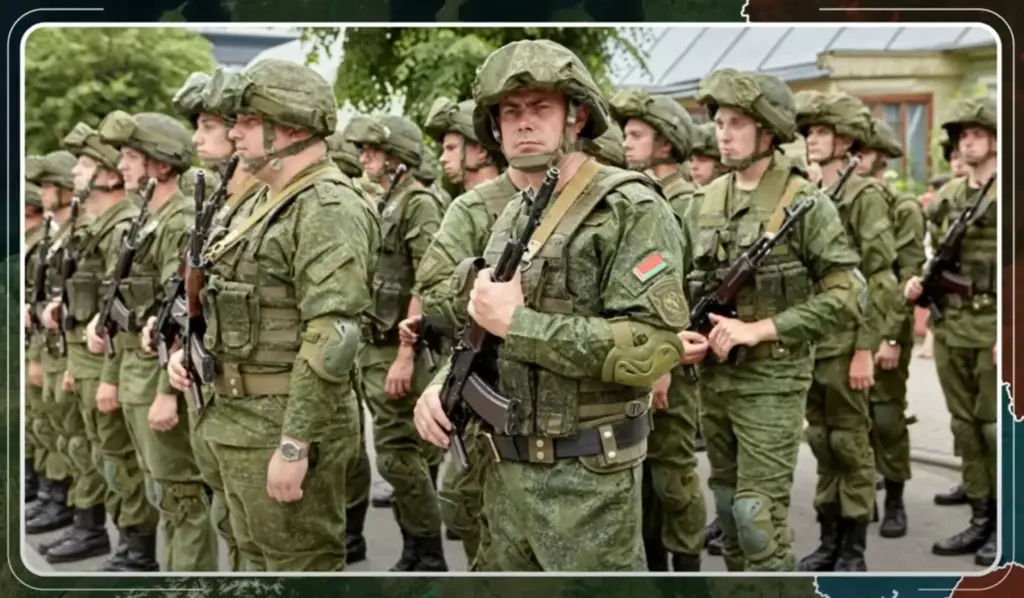





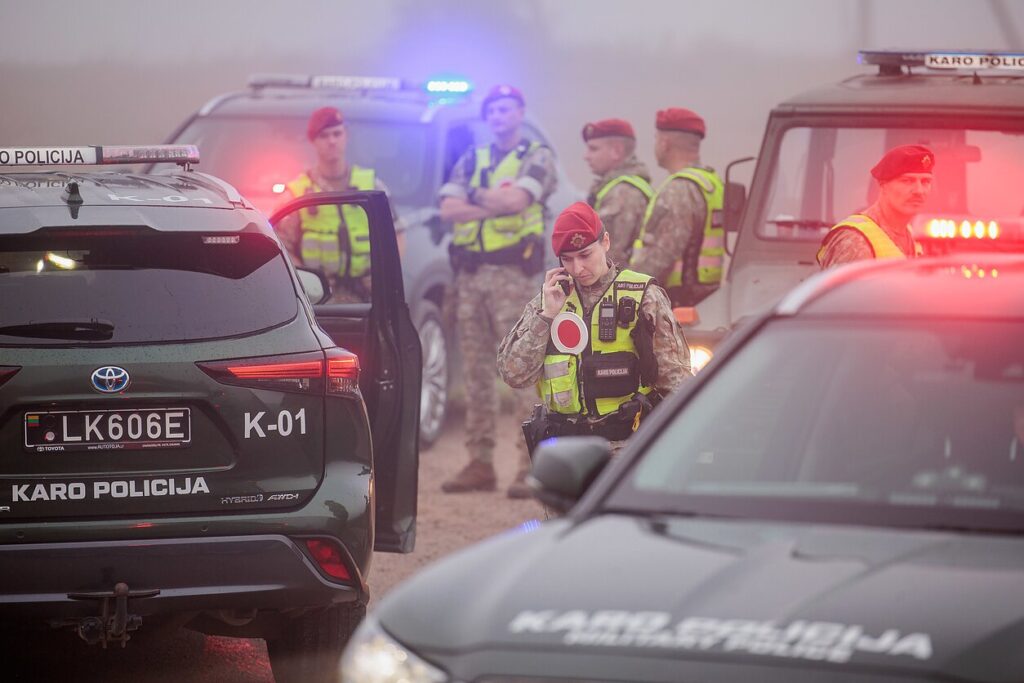
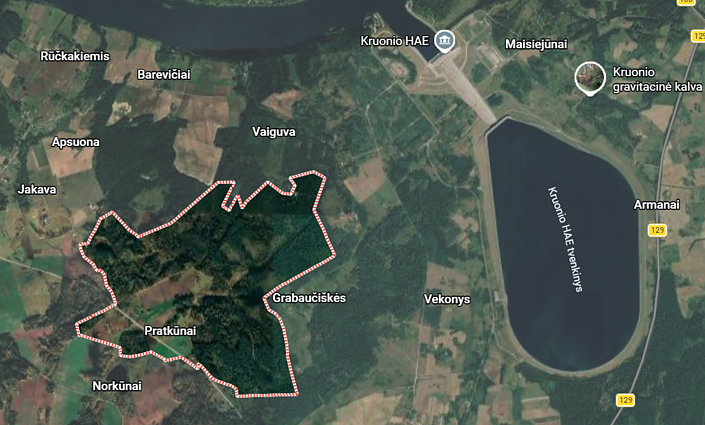

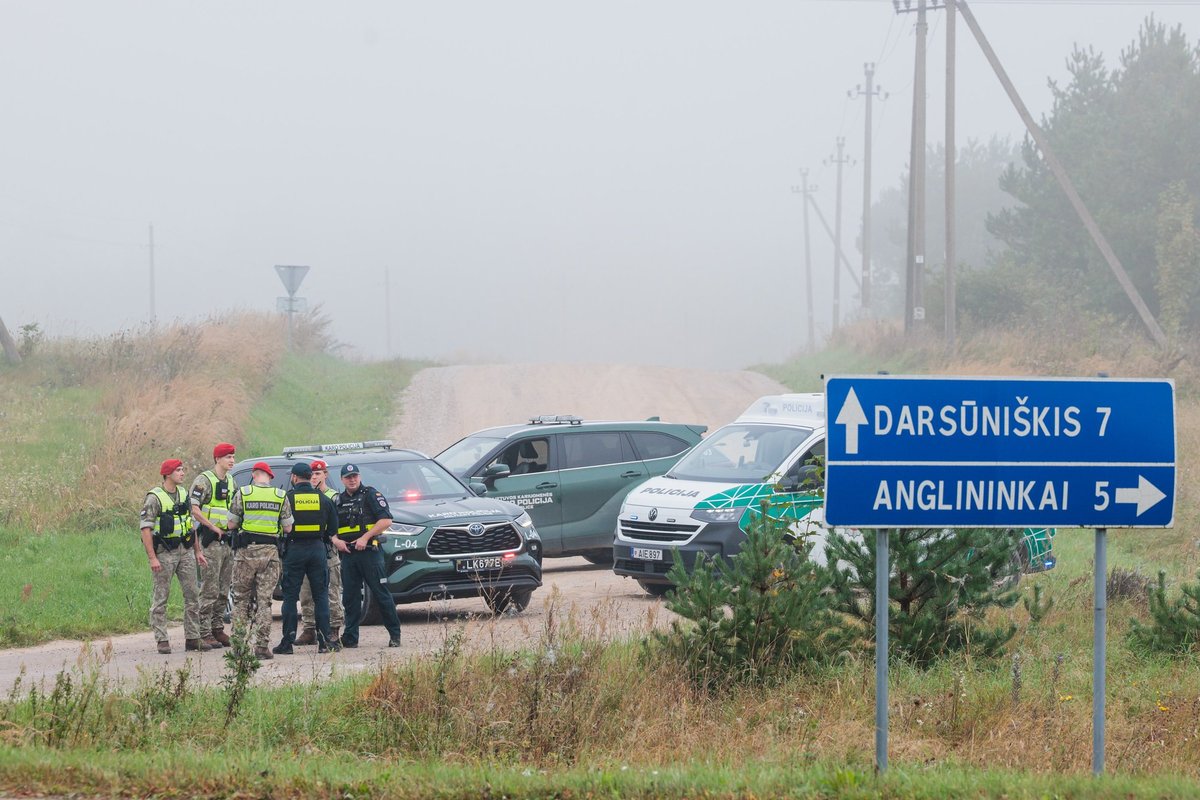






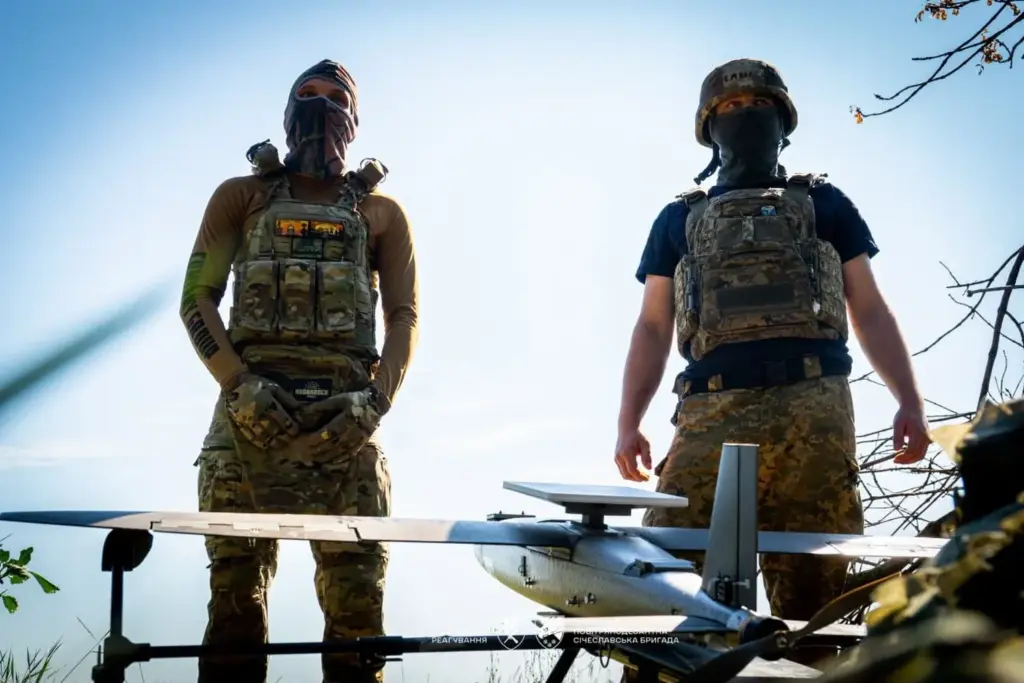
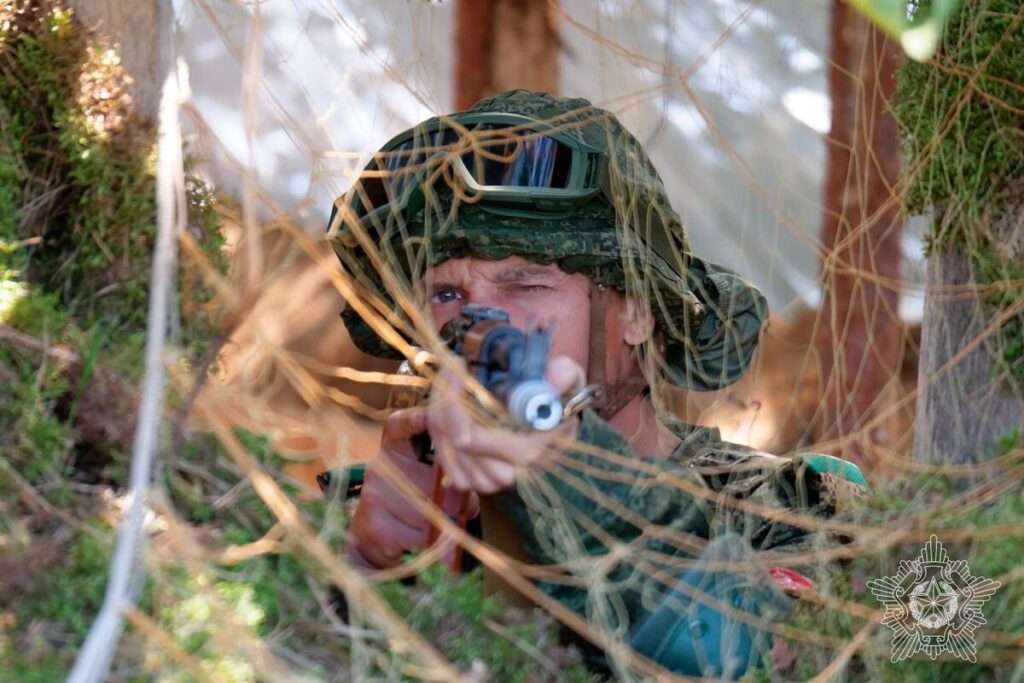
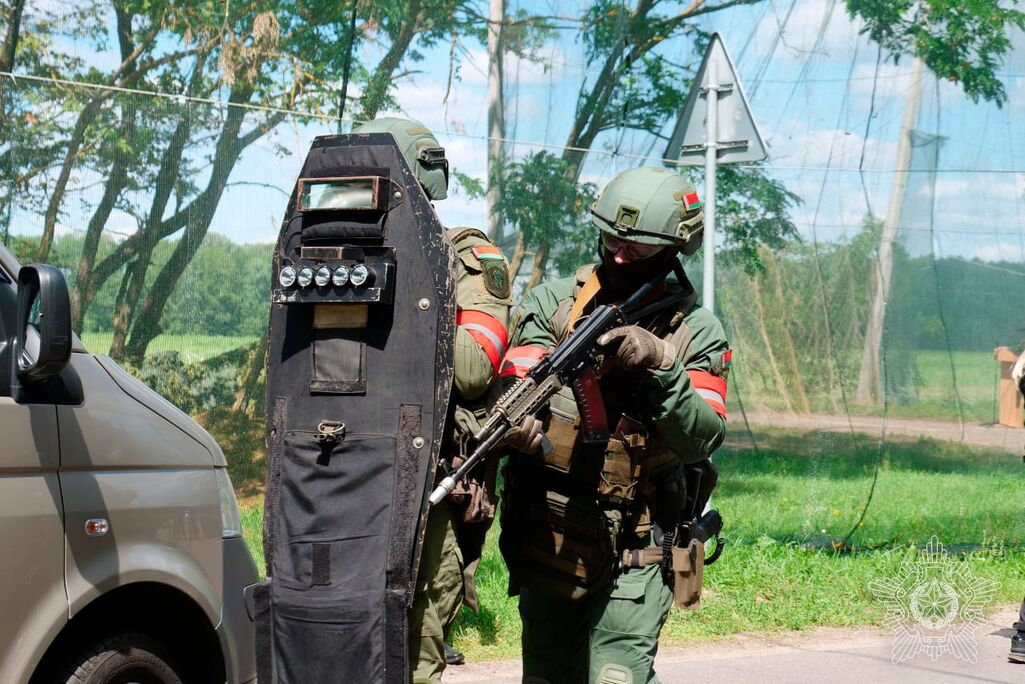










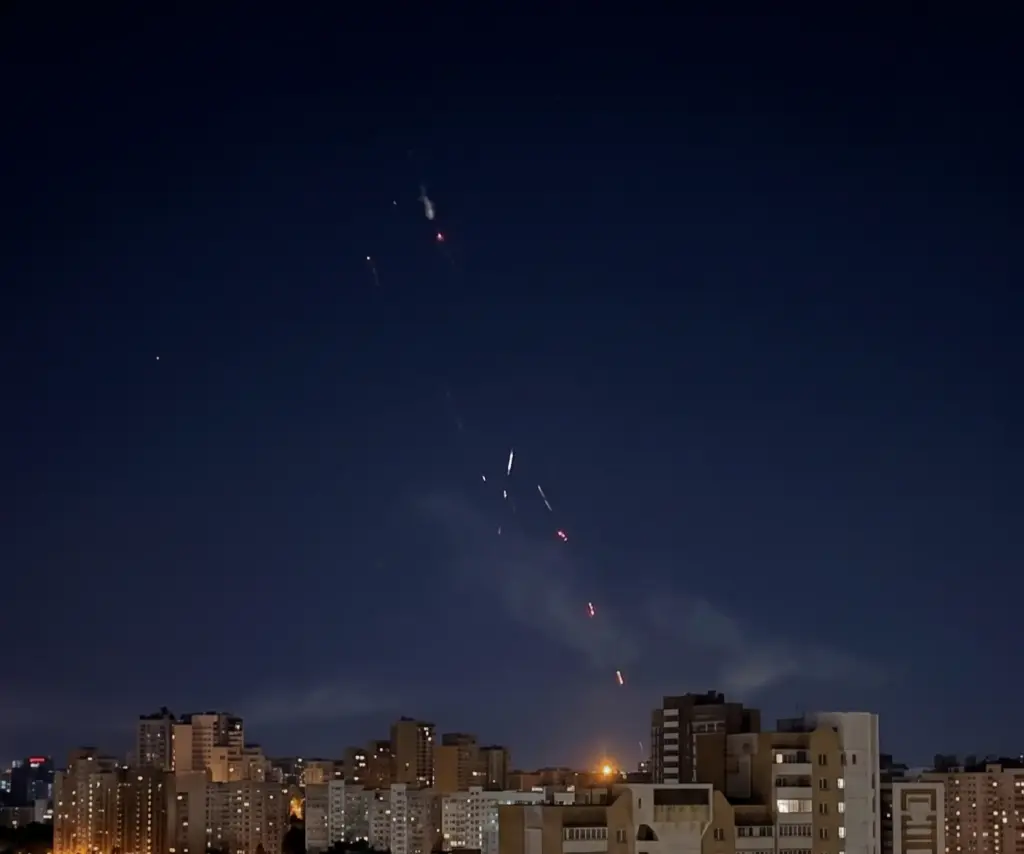
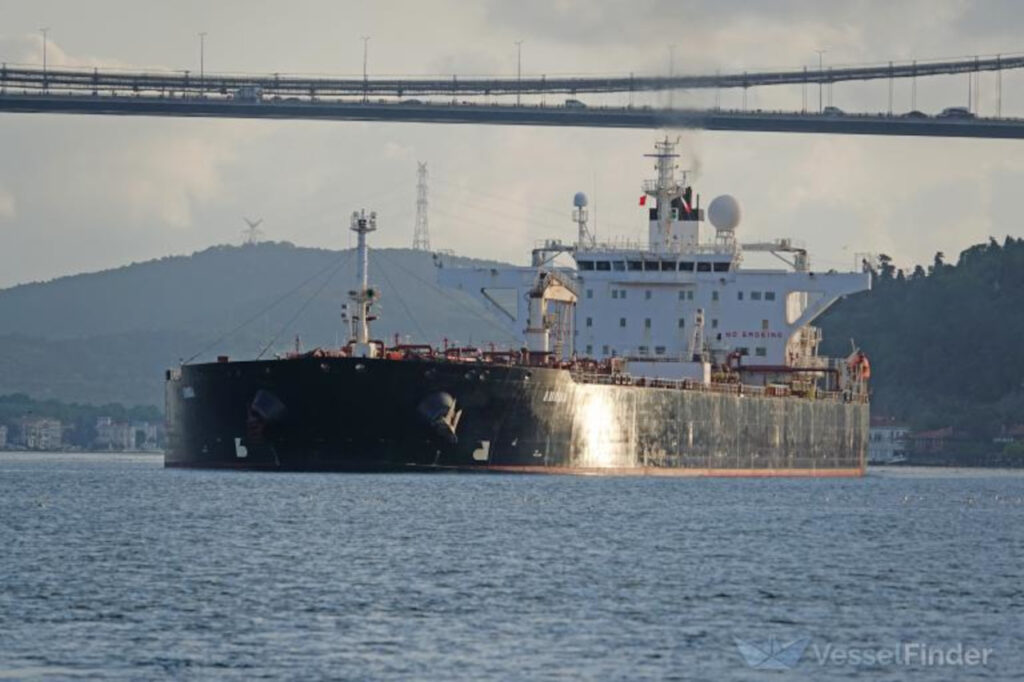

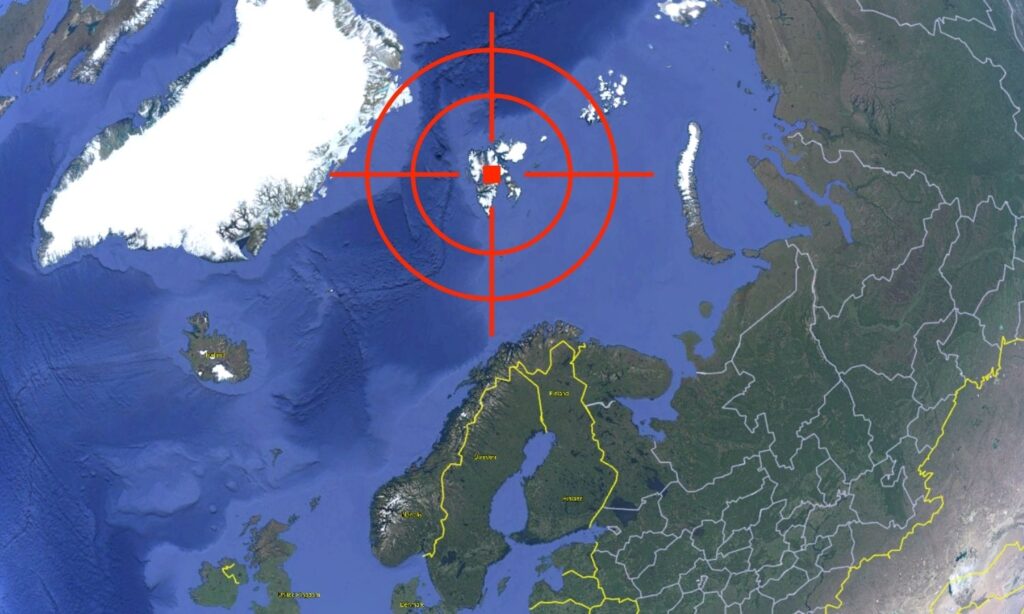
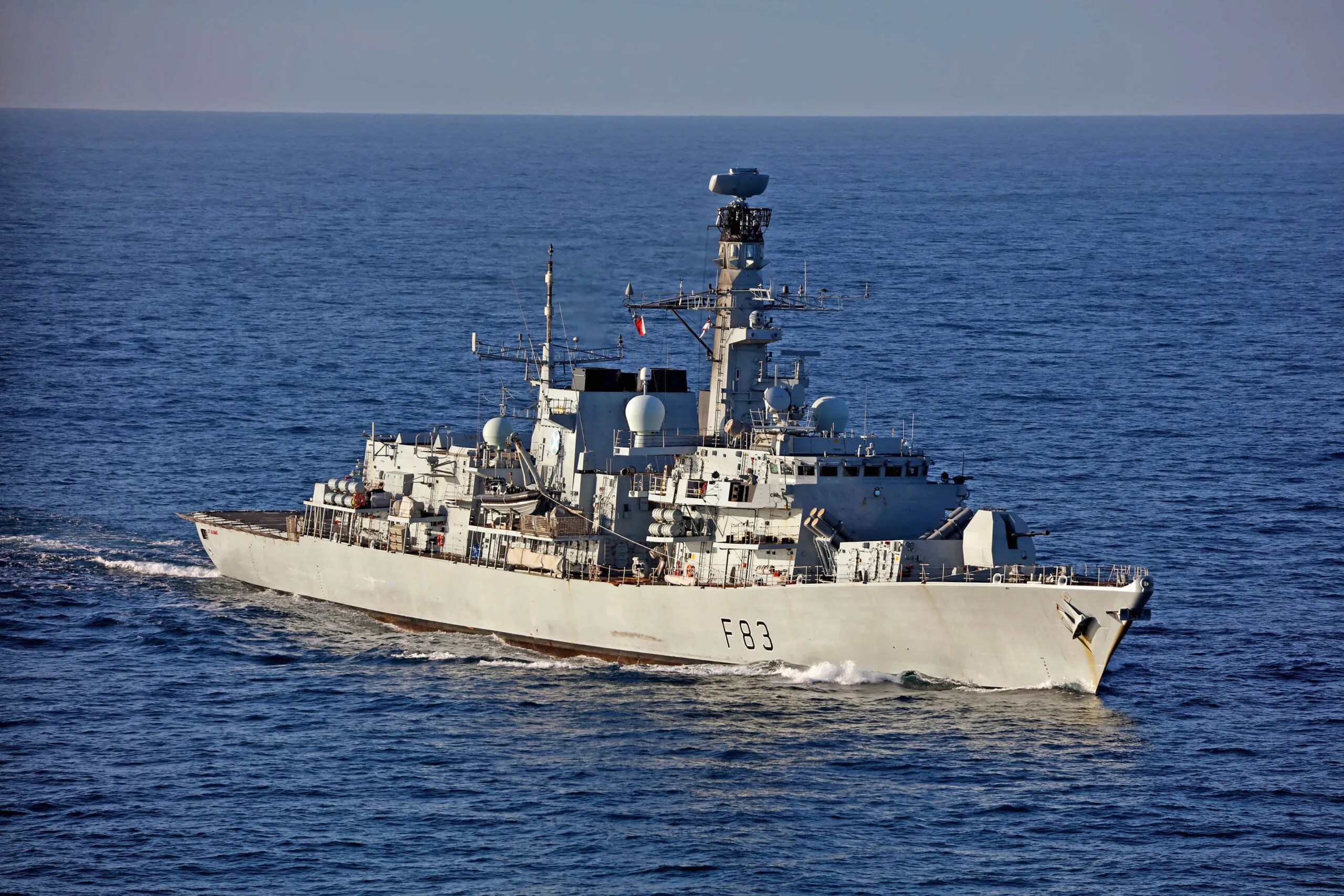










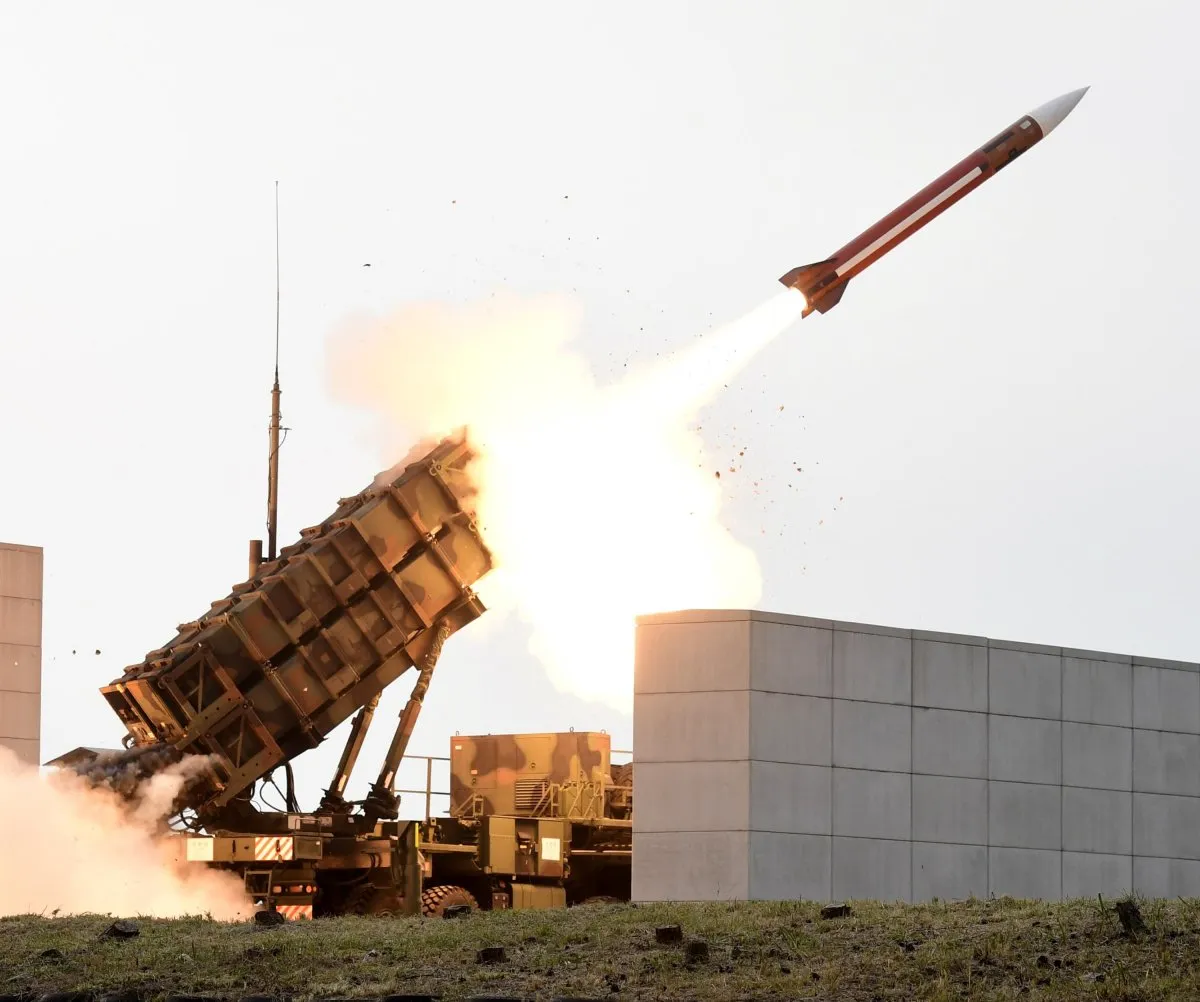
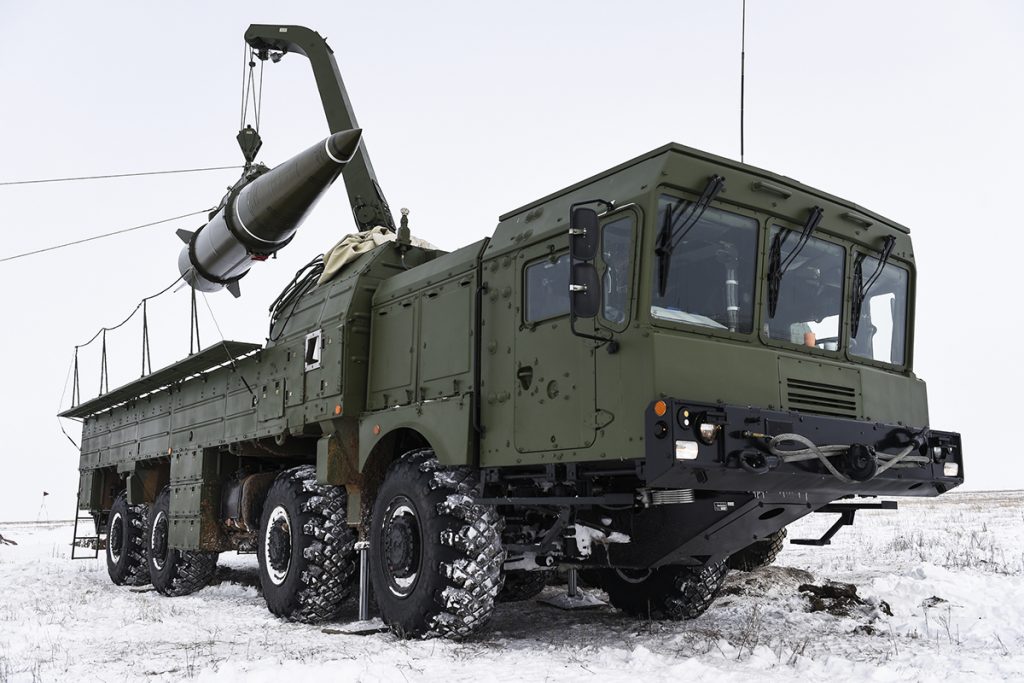
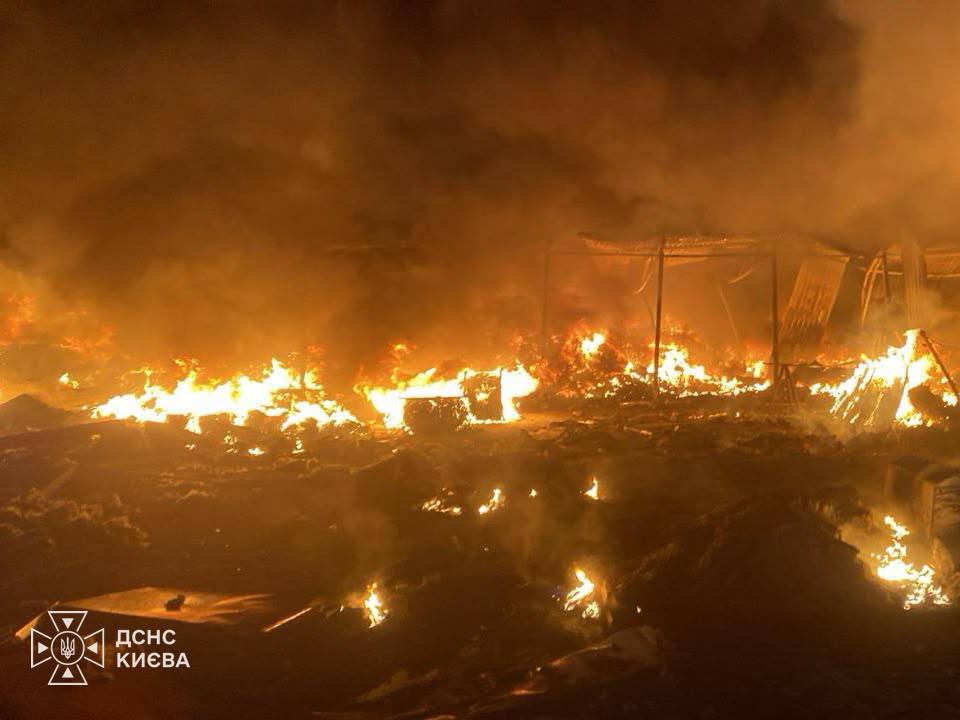
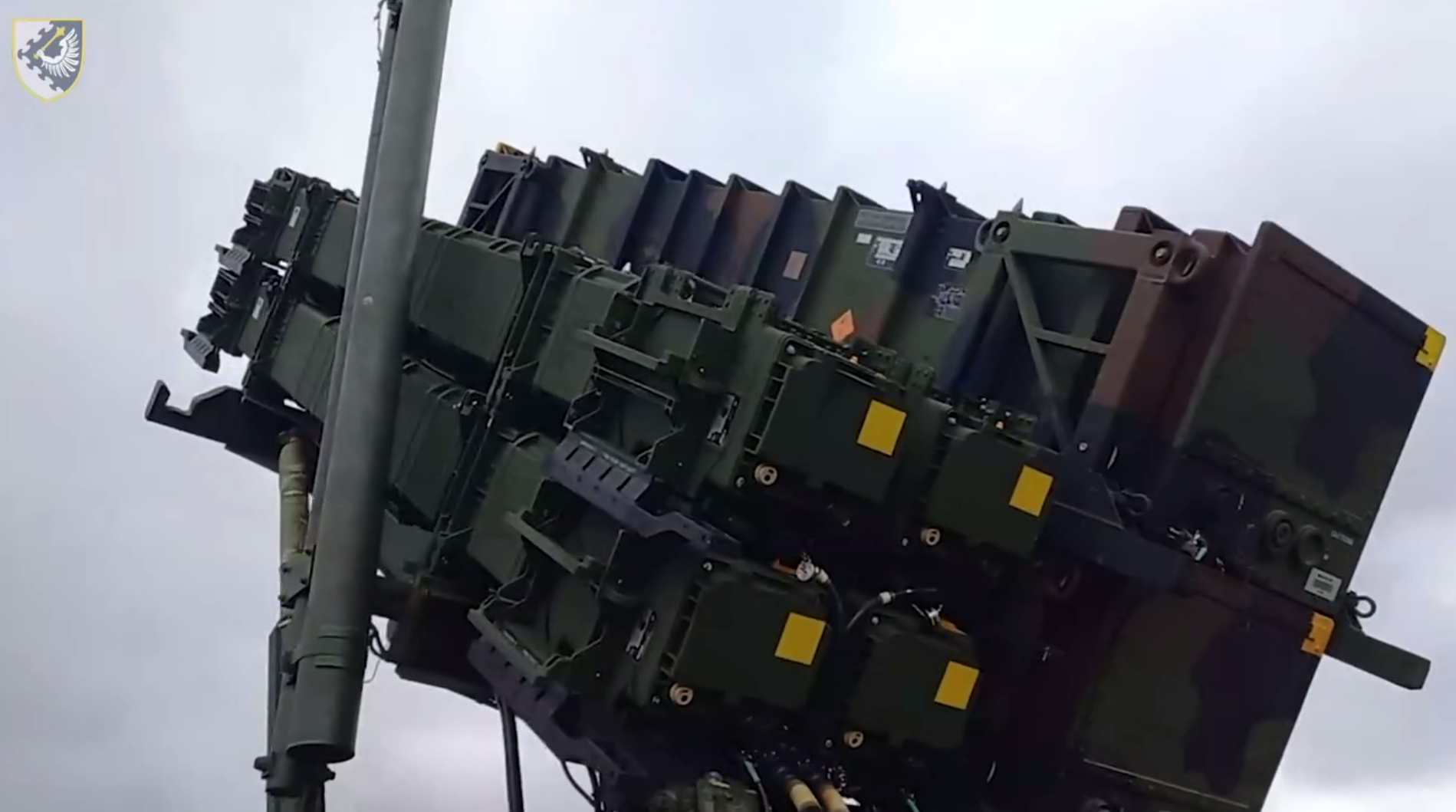
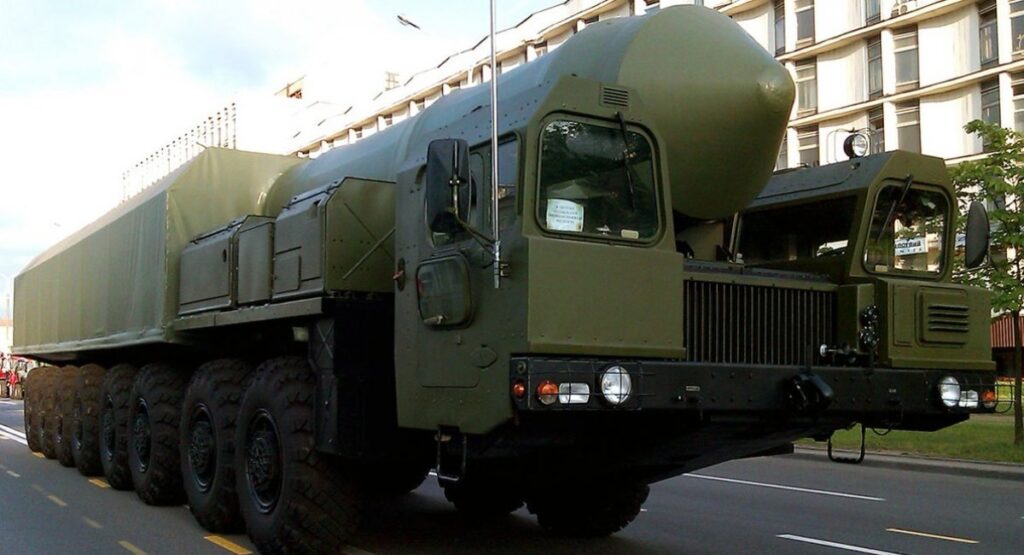
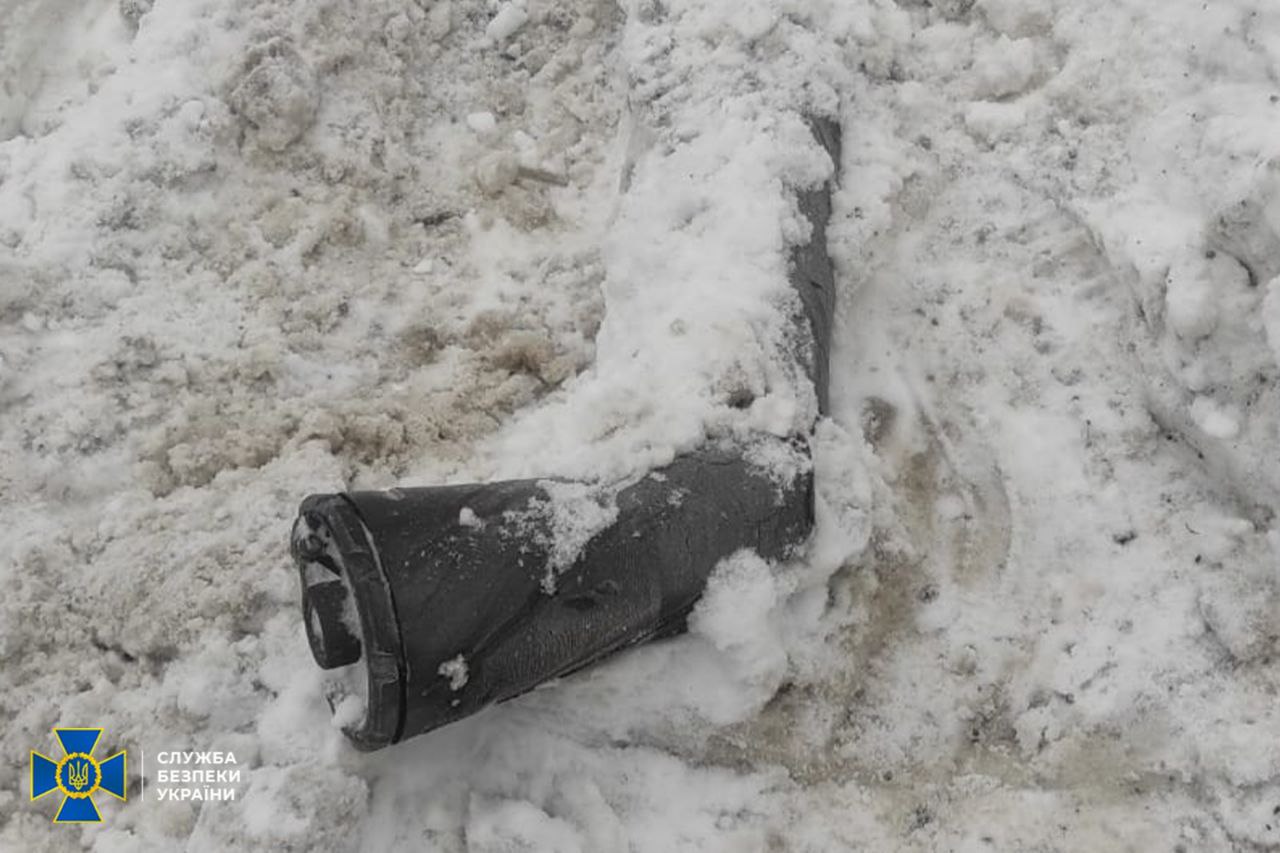

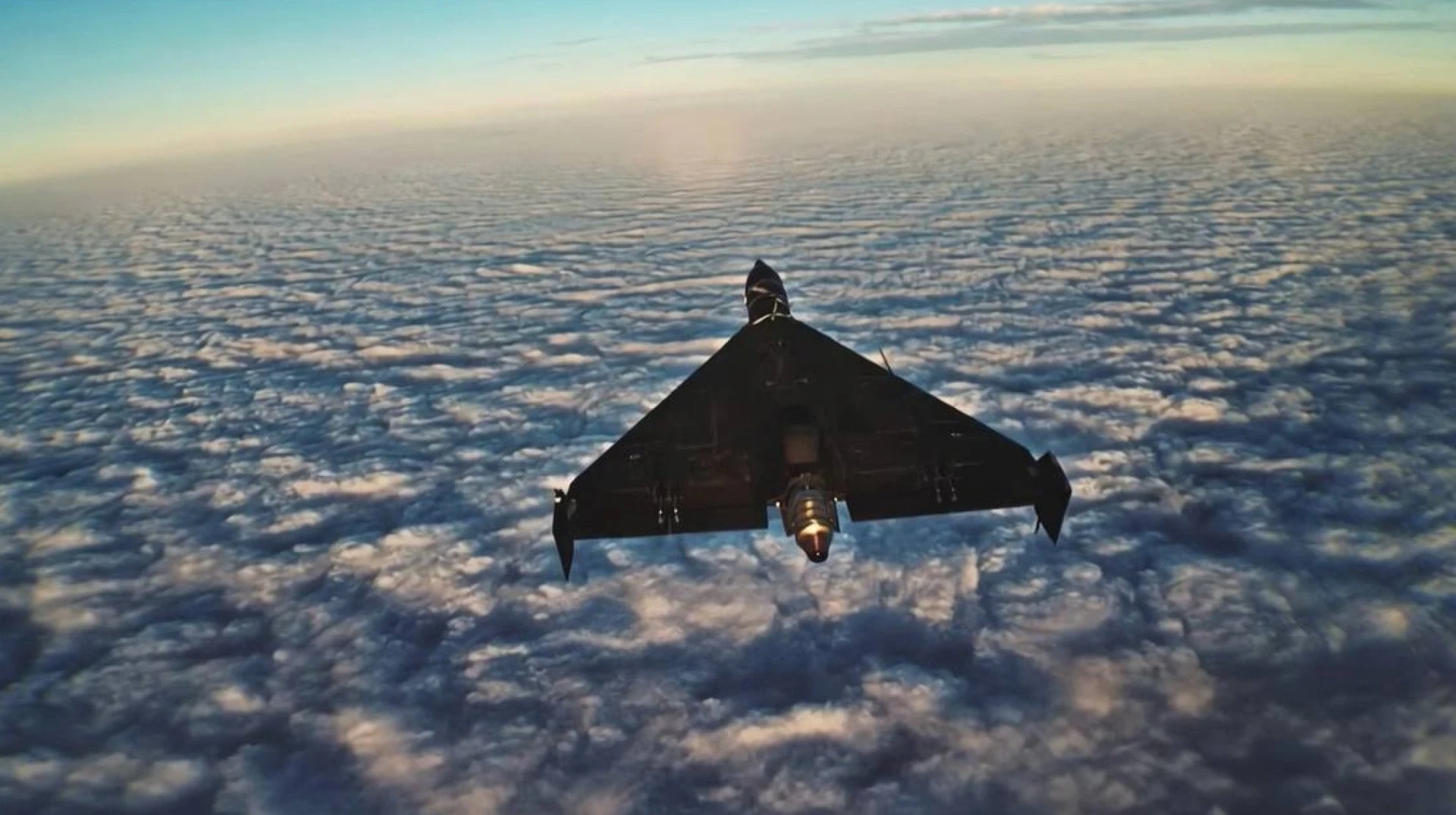
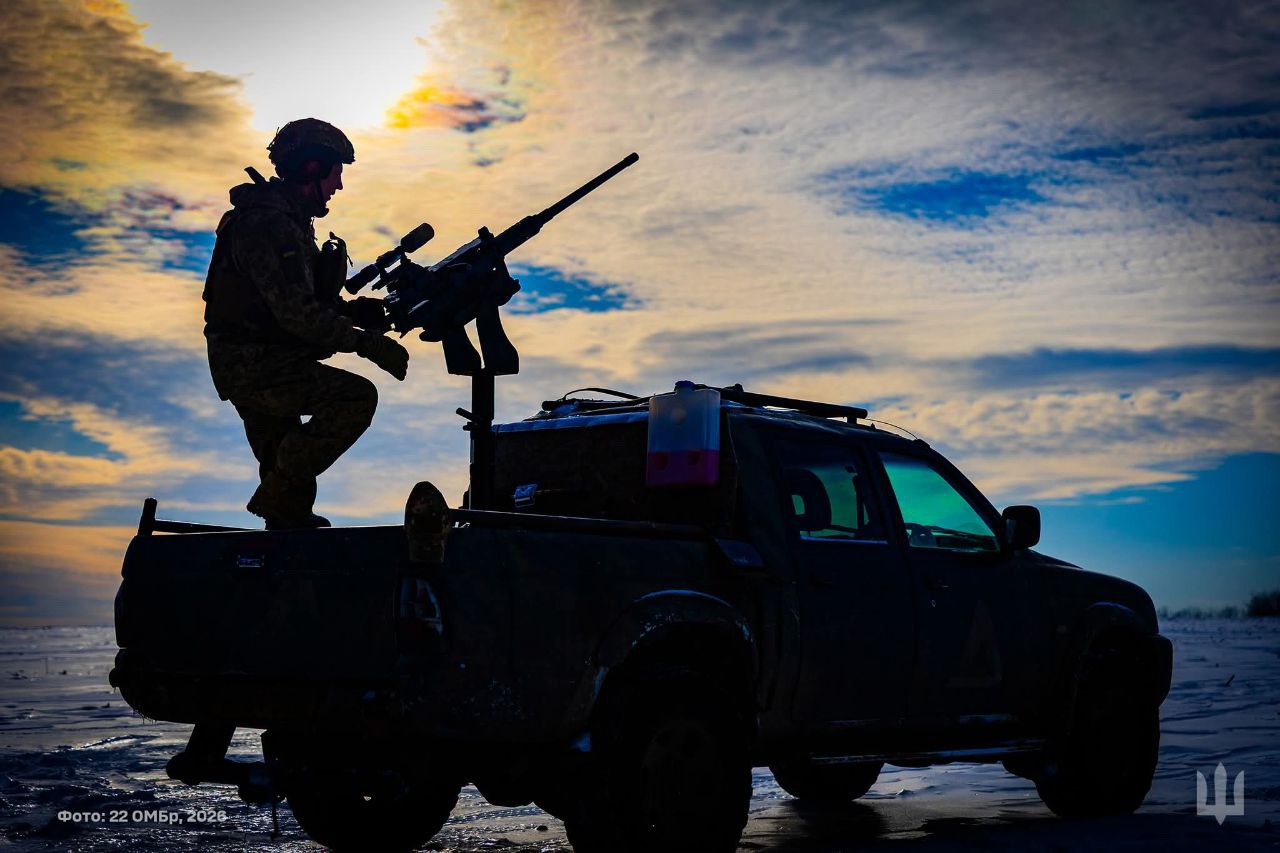
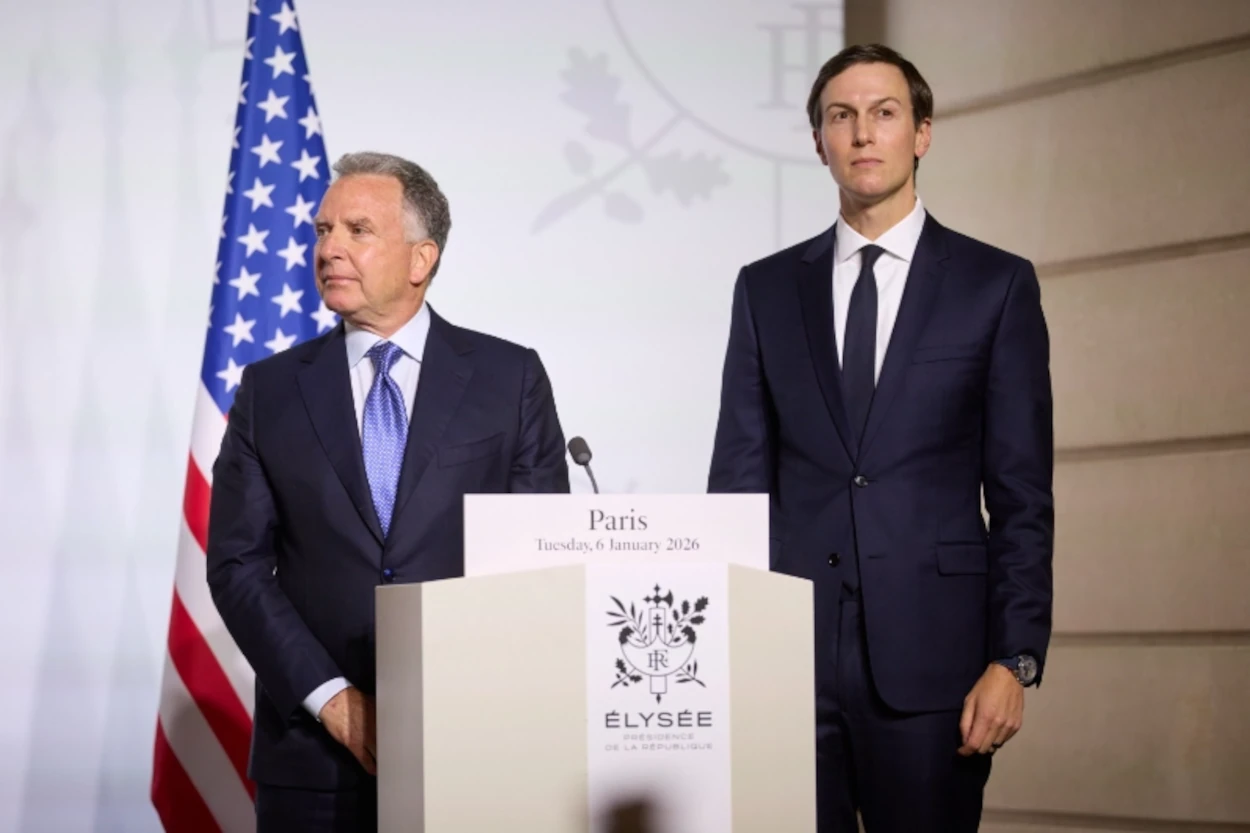
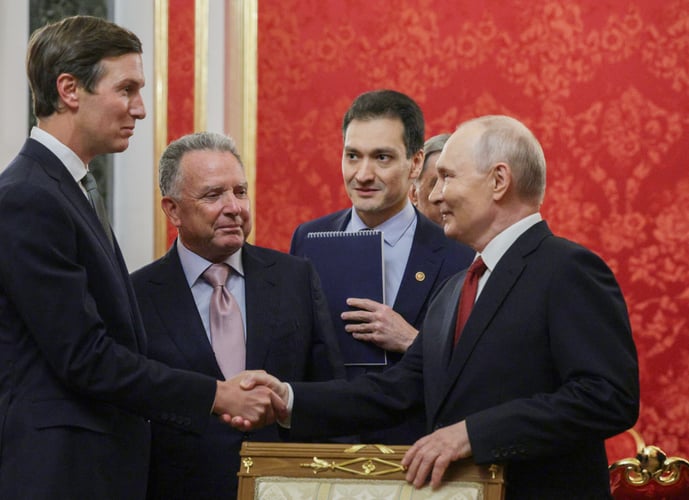
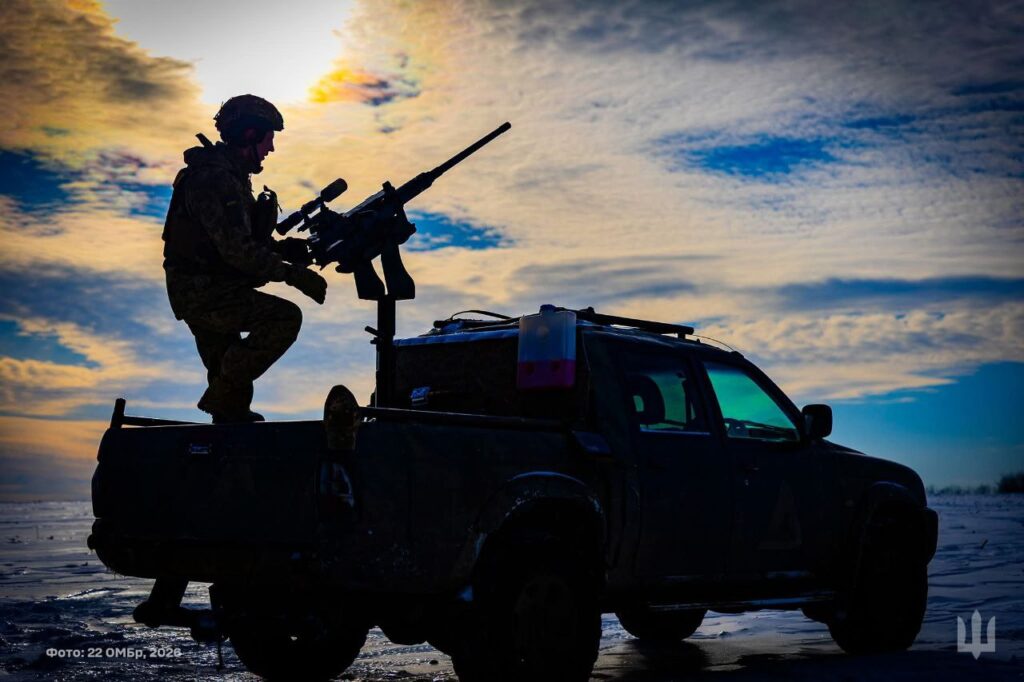


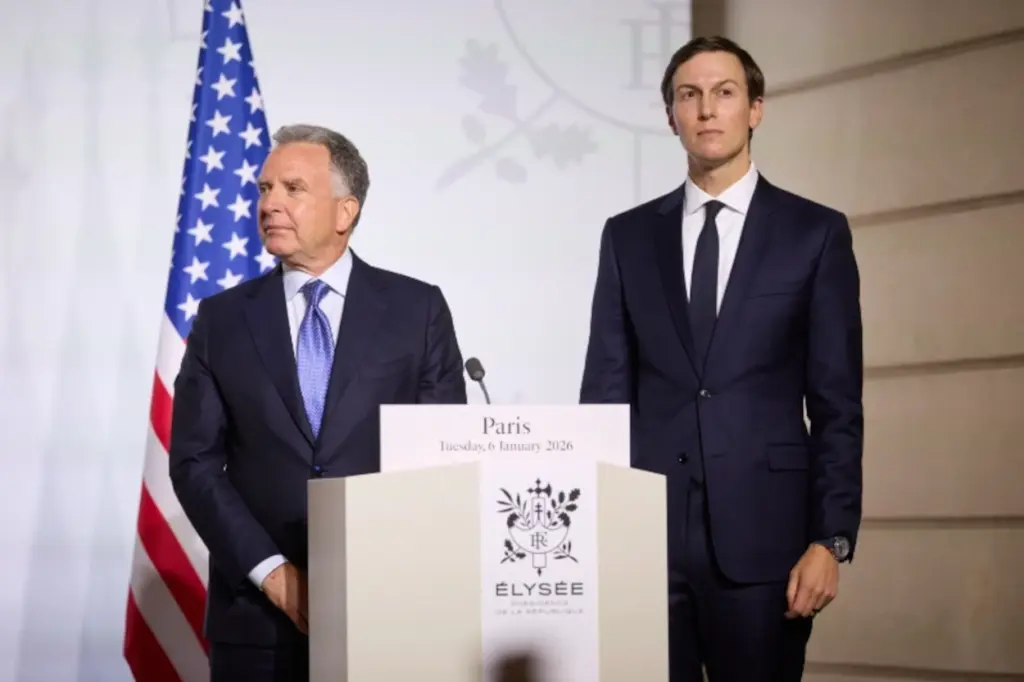
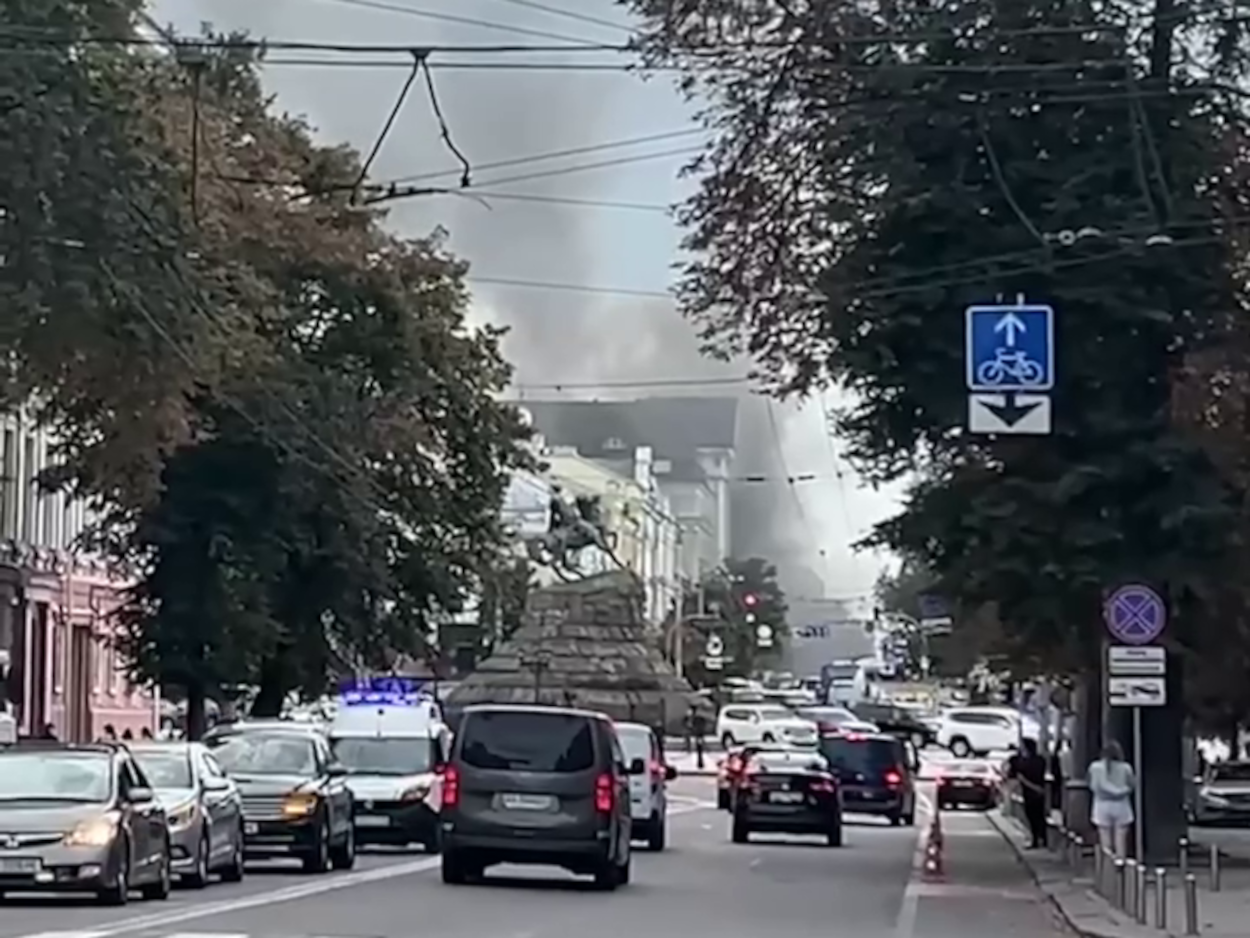
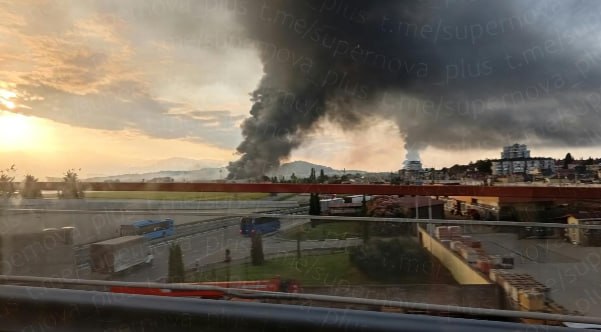
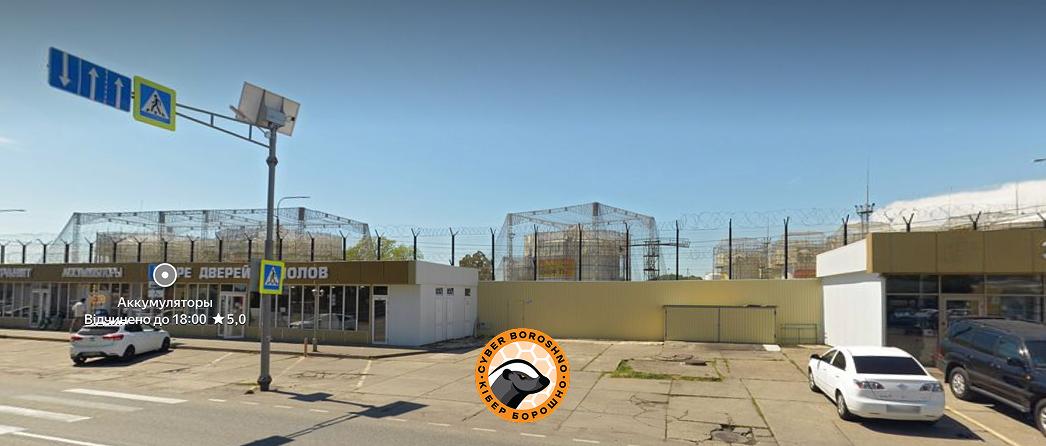







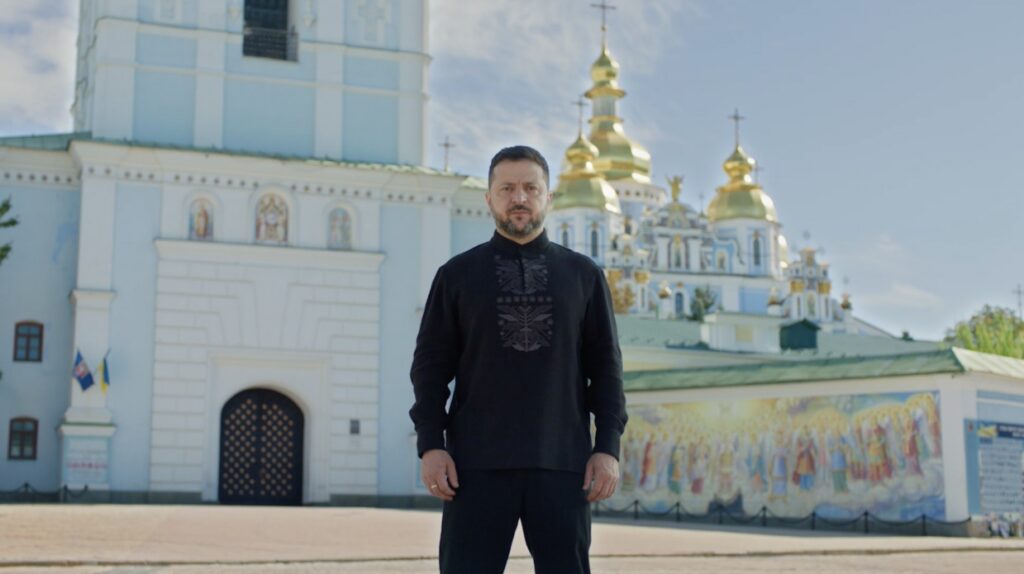
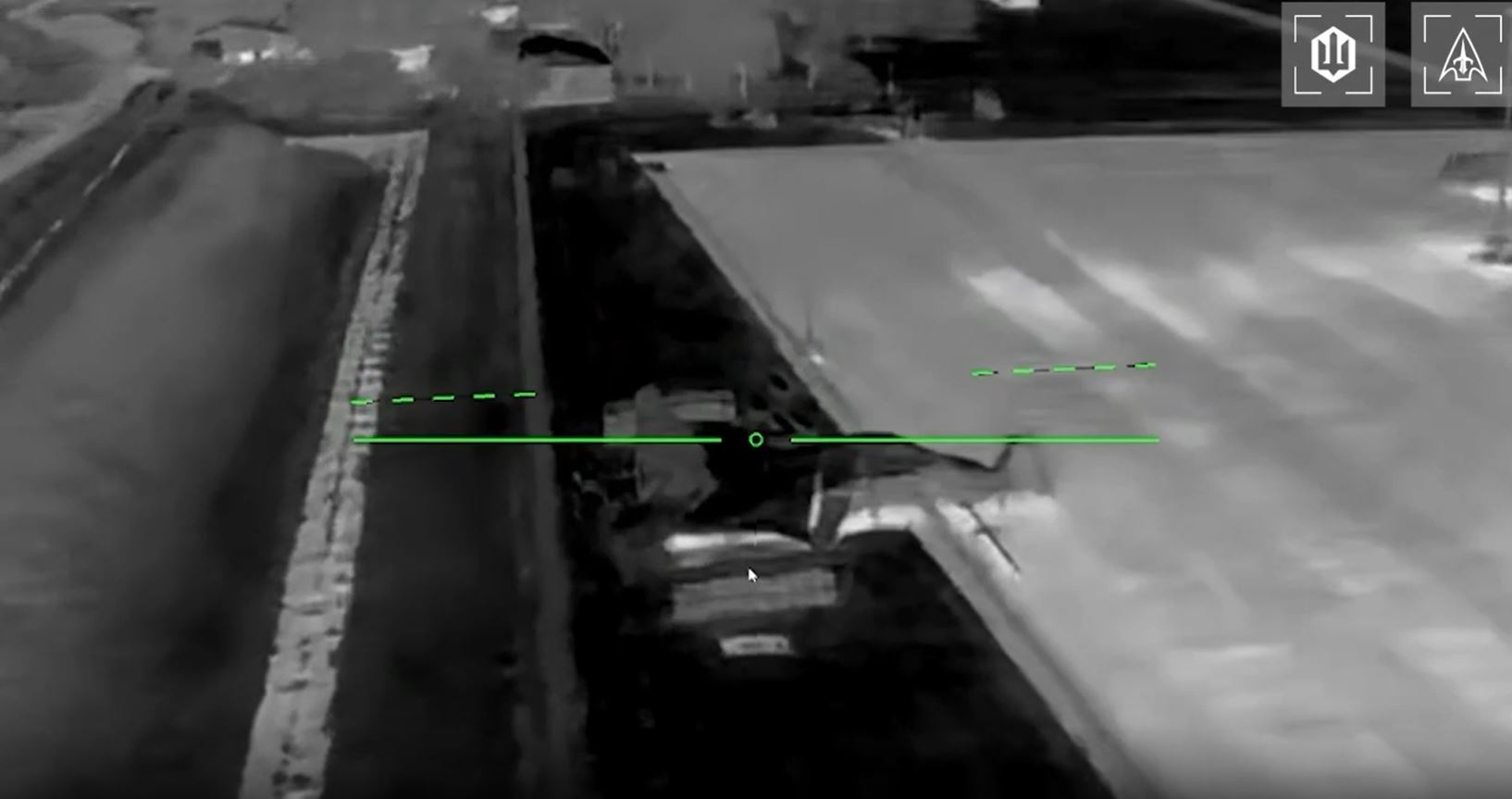



 !
!