Vue normale

Ukrainian commander, whose unit destroyed 57,000 Russia’s targets: US telling allies to brace for years of war at Ramstein means no “miraculous de-escalation” is coming
9 septembre 2026 à 19:29

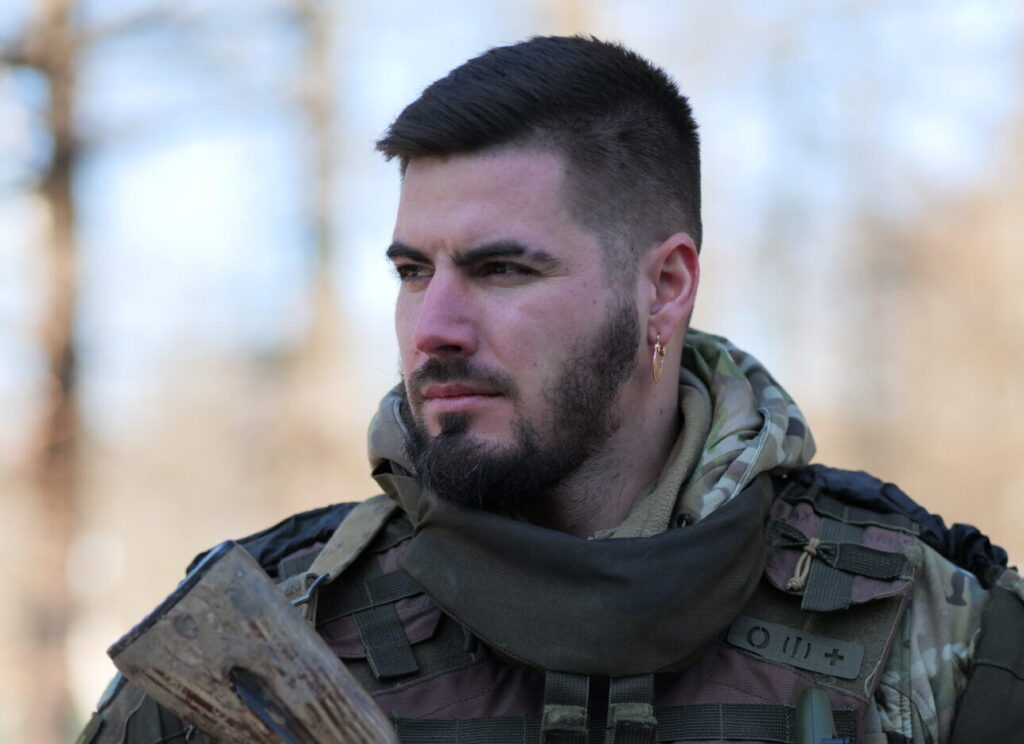
Yurii Fedorenko, commander of Ukraine's 429th Separate Unmanned Systems Regiment Akhilles.

The US told Ukraine's allies to prepare for a war lasting years at the latest Ramstein meeting, the forum where Kyiv's partners decide the military aid it gets. Yurii Fedorenko, commander of the 429th "Achilles" Unmanned Systems Brigade, said that the message confirms there will be no "miraculous de-escalation" from the latest round of US-Russia talks.

Fedorenko commands one of Ukraine's most effective drone units, a brigade credited with more than 57,000 strikes, as per Militarnyi. The unit was formed around volunteers who, on 24 February, 2022, established a rifle company within the 128th Battalion of the 112th Territorial Defense Brigade.

Fedorenko reads a long war

He took the message from US defense policy chief Elbridge Colby, who told the 36th Ramstein contact group to prepare for a protracted war.

“A cold shower for everyone hoping for a quick peace: the US representatives urge preparation for years of war," Fedorenko says.

It means that the allies must brace for a hard winter in Ukraine, for Russia sharpening its hybrid war against Europe, and for Ukraine's military needs lasting a long time.

Colby, he says, dispelled the illusions of anyone still hoping for a "miraculous de-escalation" and made clear no timeline for a settlement is in view.

Peace talks hinge on side deals

A real peace process is unlikely in the coming months, Fedorenko argues. Recalling NATO Secretary General Mark Rutte’s remarks, he says that, in his view, the collective West should not simply maintain its current level of support for Ukraine, but strengthen it.

“Western media, quoting these remarks, conclude that the attempt to revive negotiations with the Kremlin has failed. In reality, that is too categorical a statement,” the commander says.

He explains that any long-term track of so-called “peace negotiations” is inevitably linked to resolving “parallel", yet highly important issues, such as the exchange of prisoners of war, navigation in the Black Sea, and the need for temporary ceasefires during visits to Kyiv or Moscow by international delegations, among others.

At the same time, Russia will use — and is already using — this mechanism to manipulate and advance its own interests. We need to be prepared for that as well,” Fedorenko adds.

Force alone moves the Kremlin

His bottom line is stark. Grounds for a serious conversation will appear, he said, only when Russia exhausts its reserves and its ability to attack and begins to fall back.

"Whatever signals the Kremlin sends, our partners and we should firmly remember: the aggressor understands only the language of force," Fedorenko says.

Until the moment of its weakness comes, he adds, the West should do two specific things before the cold sets in: tighten sanctions on Russia and send Ukraine more support.

1,000 Patriot missiles arrive too late for this winter, so Ukraine asked the Ramstein arms coalition to open its warehouses

9 septembre 2026 à 04:14

1000 patriot missiles arrive too late winter so ukraine asked ramstein arms coalition open its warehouses · post ukraine's defense minister yevhenii khmara right commander-in-chief major general mykhailo drapatyi meeting

Ukraine is contracting about 1,000 missiles for its American-made Patriot air defense systems, but most arrive only in later years, so at the Ramstein meeting of its allies it asked for interceptors out of their existing stocks before winter, the Defense Ministry saidNine governments announced new contributions there, and Germany was the only one to commit interceptors from its own stocks. The Ramstein format meeting is the Ukraine Defense Contact Group, a coalition of roughly 50 countries that coordinates weapons for Ukraine, named after the US air base in Germany where it first met in 2022.

Kyiv is short of the anti-ballistic interceptors that stop Russian ballistic missiles, and Russia keeps exploiting the gap. Arming Ukraine has become mostly a European job, run through a coalition that meets every couple of months, pledges its own arms supplies, and pays for weapons built elsewhere. Willingness is not the only limit now — so is lead time: orders placed this autumn defend the country a year from now, so the coming winter gets fought with whatever already sits in warehouses.

Ukraine contracts for later, asks for stock now

Ukraine's Defense Minister Yevhenii Khmara told partners the country is signing for roughly 1,000 Patriot missiles, whose PAC-3 version is the only round in its arsenal that reliably stops Russian ballistic missiles, paid for with partner support and the European Union's credit line. Those deliveries take time. So Ukraine asked allies to release missiles from their warehouses now and take the improved contracted rounds later. It made the same case for air-to-air missiles and shoulder-fired launchers, which crews use against cruise missiles and, as a stopgap, against the jet-powered Shahed attack drones, the Iranian-designed weapons Russia now flies at Ukrainian cities by day.

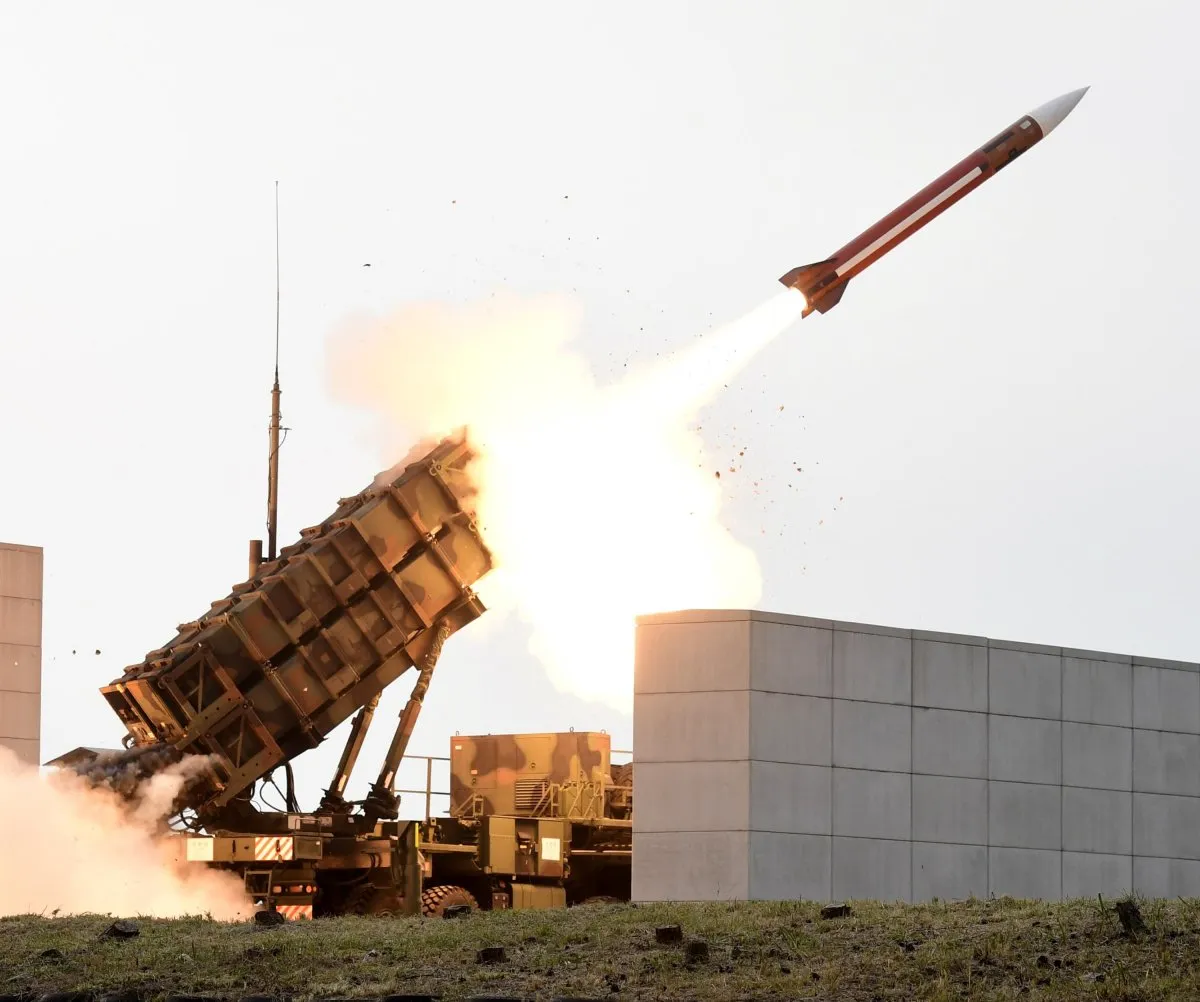
brussels cleared ukraine spend eu loan money american patriot missiles get through upcoming winter russian attacks · post pac-2 missile launch yonhap пуск ракети illlustrative militarnyi news ukrainian reports
A Patriot PAC-2 missile launch. Illustrative photo: Yonhap

The European Commission cleared the loan money for interceptors days earlier. How many rounds it buys depends on the price Washington sets.

What partners pledged

The ministry listed the results by country. 

  • Germany promised interceptors for Patriot systems and for F-16 fighter jets, plus drone purchases. 

  • The United Kingdom put up £100 million ($135 million) through PURL, short for the Prioritized Ukraine Requirements List, the NATO mechanism that lets allied and partner governments buy US-made arms for Ukraine. London added another 95,000 drones by the end of the year and tens of thousands of extended-range artillery shells financed by other countries.

  • The Netherlands pledged $300 million for the Drone Line, Ukraine's program that holds a drone-strike zone over the front, and 300 counter-drone missiles.

  • Estonia committed to keep its support at at least 0.25% of its economic output in 2027.

  • Norway confirmed a previously announced $200 million for Patriot missiles. 

  • Spain gave €2 million ($2.3 million) for fuel through NATO's procurement agency, plus air-defense missiles and artillery ammunition. 

  • Lithuania put $10 million into PURL.

  • Poland prepared a €50 million ($58 million) package including air-defense equipment.

  • Sweden pledged $28 million, half of it to PURL.

It was the coalition's 36th session, co-chaired online by Germany and the United Kingdom according to the German Defense Ministry's invitation, and the first for Khmara and for Commander-in-Chief Mykhailo Drapatyi, the general who took over Ukraine's army in July.

brussels cleared ukraine spend eu loan money american patriot missiles get through upcoming winter russian attacks · post pac-2 missile launch yonhap пуск ракети illlustrative militarnyi news ukrainian reports
Explore further

Brussels cleared Ukraine to spend EU loan money on American Patriot missiles for the coming winter of Russian attacks

Germany opens its own warehouse

German Defense Minister Boris Pistorius said he decided, alongside the NATO summit, to give Ukraine urgently needed PAC-2 interceptors, an older Patriot round, from the stocks of the Bundeswehr, Germany's armed forces, before winter. Russia has announced it will attack Ukraine's energy system. He told the others to check their reserves and do the same.

Germany will also step up deliveries of AIM-9 air-to-air missiles from the same stocks, the US-made rounds fighter jets fire at incoming drones and missiles, and keep delivering IRIS-T air defense systems, including serially produced guided missiles for them. Ukraine intends to order several thousand more IRIS-T rounds using the EU loan.

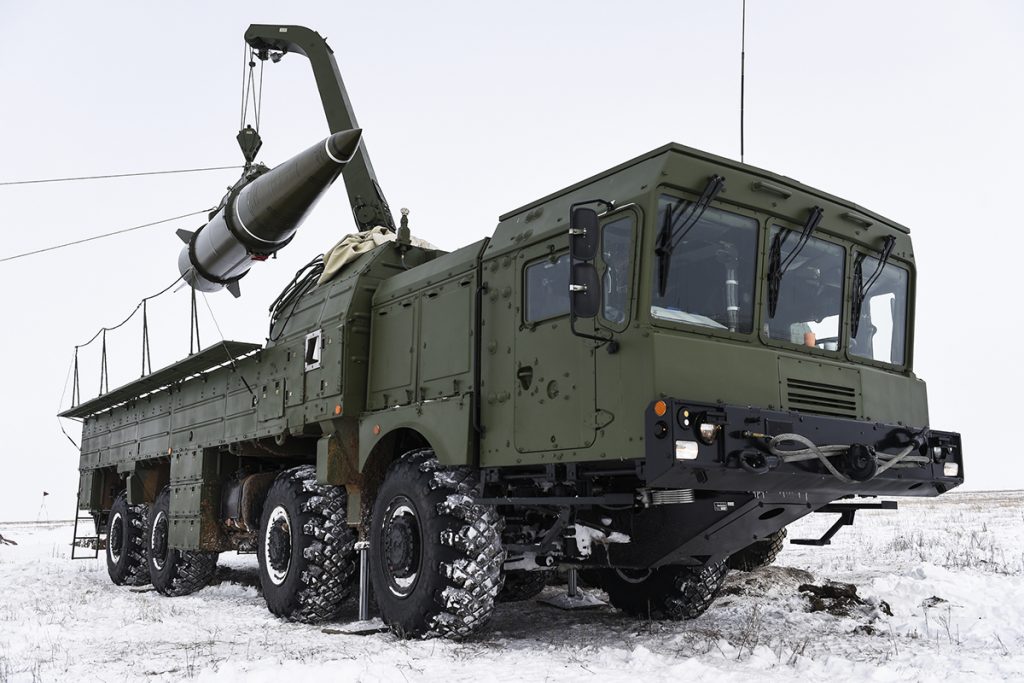
Transporter-loader vehicle of Russia's Iskander ballistic missile system
Transporter-loader vehicle 9T250 of Russia's Iskander missile system. Photo via Militarnyi.

The money and the deadline

Allies allocated more than $10 billion over the past year for American weapons through PURL and the US foreign military sales program, $3.5 billion of it under the EU loan, NATO Secretary General Mark Rutte said. Khmara said partners promised €70 billion ($81 billion) this year, while Ukraine sees €62 billion, and the missing €8 billion is needed to meet that pledge, with the total defense deficit at €23 billion ($27 billion), according to the ministry's readout. He asked for those decisions by November. A day earlier, Ukraine handed the alliance a list of priority air- and missile-defense needs, the Defense Ministry reported.

Two timelines at the table

Elbridge Colby, the US under secretary of war for policy and the Pentagon's top policy official, told the group his department cannot predict when the war ends, that Russia is rebuilding its forces and defense industry, and that Ukraine's needs will persist for months and years. Europeans already lead on conventional defense and provide most of the support, he said.

Russia is expanding its manpower too, and by Ukraine's estimate plans to mobilize about 300,000 more soldiers this year and the same in 2027, Khmara said, Radio Svoboda reported. He presented the war plan Ukrainian forces now operate under, and said their drone kill zone stops Russian advances and kills more than 30,000 Russian soldiers a month, by the military's own count.

❌