Prosecutors said the driver was impaired by drugs and ran a red light before ramming a city bus on Tuesday. Two people died. Compounding the tragedy, a news helicopter also crashed.
Vasily Nebenzya, the Russian ambassador to the United Nations, condemned what he called “the destructive path of our Western colleagues” when it came to exerting pressure on Iran.
ZVS Holding evacuated its ammunition factory in Snina, a town in eastern Slovakia, on 16 September after a fire broke out on the roof of a production building. Work stopped temporarily in the affected section, but nobody was injured, Militarnyi reported.
The Snina plant has an annual capacity of roughly 100,000 shells and plans to triple it, Noviny reported. The blaze briefly disrupted part of a facility under expansion for Europe’s ammunition buildup, although co-owner CSG expects no impact on customer deliveries. Authorities across Europe are investigating suspected Russian sabotage against defense companies, but no evidence links the Snina fire to that campaign.
ZVS Holding is owned equally by the Slovak state and the Czech defense conglomerate Czechoslovak Group (CSG). It makes 155 mm artillery shells, 120 mm tank rounds, and 30/35 mm cannon ammunition.
In December 2025, ZVS signed a seven-year framework agreement with Slovakia’s Defense Ministry to supply EU states. Purchases under the agreement may be financed through the bloc’s SAFE defense-loan program. Its Euro 58 billion ceiling represents the maximum possible value of future orders, not guaranteed purchases.
Firefighters brought the blaze under control during the afternoon. As thick black smoke rose over Snina, town officials advised nearby residents to limit time outdoors, close windows and doors, and switch off ventilation systems drawing in outside air.
Slovak Defense Minister Robert Kaliňák said the fire had not reached the plant’s production equipment and that the affected part of the building was not being used for manufacturing at the time. That section makes metal projectiles, he said.
Kaliňák said welding during the renovation may have sparked the fire, but stressed that investigators had not established the cause.
CSG said the fire started during roof repairs conducted by an external contractor. The company said the damage and cause still had to be assessed, but it did not expect the incident to affect customer deliveries, STVR reported.
Why sabotage fears shadow Europe’s arms plants
The Snina blaze was at least the fourth fire or explosion at a European ammunition facility since 10 August, after two fires struck a Bulgarian company and an explosion hit an Italian factory. No common cause has been established.
Preliminary findings pointed away from outside interference in the first Bulgarian fire. No evidence of sabotage, however, was reported after the Italian blast, and only the second Bulgarian fire remains under investigation for possible sabotage.
Czech authorities are examining a possible Russian trail behind an arson attack on a factory making drones and thermal optics for Ukraine.
Estonia has also probed suspected arson at a military-robot maker after courts documented earlier attacks directed by Russian military intelligence.
Ukraine's arms industry wants the government to scrap a steep fee on weapons exports, warning it undercuts their prices just as Europe's defense market opens, RBC-Ukraine reported. The same fee has opened a second fight in Kyiv, where parliament this week declined to turn its revenue into money for the army.
Russia's war on Ukraine has pushed Europe into rearming, and Ukraine's battle-tested arms makers are among the few that can deliver at scale right now—an opening that domestic red tape could blunt, handing the advantage to competitors just as the market grows.
A €60 billion European window—and a fee in the way
The push comes as Europe opens a major market for Ukrainian weapons. The EU's €90 billion Ukraine Support Loan for 2026-2027 reserves €60 billion for defense purchases, and partners increasingly want weapons built on their own soil. International partners report more than 200 cooperation approaches to Ukrainian firms still without a decision, according to the industry's press release. Producers link the fee fix to Build with Ukraine, a co-production push they consider strategically significant.
Explore further
Ukraine’s Build with Ukraine has 200-plus foreign cooperation bids pending decision. Its arms industry, representing 400-plus firms, wants to help fix mechanism
Parliament won't route the money to the army
On 15 September, the Verkhovna Rada—Ukraine's parliament—rejected a bill in first reading that would have sent fee revenue collected from 1 August 2026 into a special budget fund for the Defense Ministry, half for buying, modernizing, and repairing weapons, half for soldiers' pay. The vote left the fee itself untouched, since it rests on the Cabinet resolution, and settled only that its revenue will not be earmarked for the army.
The fee producers want gone
The Ukrainian Council of Arms Manufacturers, joined by other defense and employer groups, prepared proposals to rework the July government resolution, No. 875. They want the fee—20% on finished goods and technologies, 30% on parts—cut to zero, or capped at 5%. Firms must also pay upfront, before any foreign payment lands, with no refund guaranteed if a deal collapses. A UAH 15 million (about $337,000) threshold shuts out the small test shipments new clients often begin with.
Explore further
Ukraine put an Italian-Swiss Skyguard into combat duty. The missile inside is a Cold War design derived from the American Sparrow
The fee has drawn complaints since the resolution took effect in early July. Ihor Fedirko, the council's executive director, earlier said the 30-day review window was welcome but warned it could clog into a bureaucratic queue as staff leave the agencies running it. One of the associations behind the submission calls the 30% rate on parts prohibitive, since Europe is where Ukrainian firms would undercut Chinese suppliers on price.
Ukraine has swung from banning weapons sales abroad to courting foreign buyers, and its defense sector now ranks among the country's fastest-growing industries. Wartime certification to NATO standards is turning that output into something European militaries can actually buy.
Ships unloading humanitarian aid at the Port of Havana this year. The challenges in shipping to the island nation are intensifying a humanitarian crisis.
The North Korean leader’s financial and diplomatic leverage rests on the brutal exploitation of his own people, from coal miners to diplomats, at home and abroad.
North Korea celebrated the 78th anniversary of its founding with a parade last week in Pyongyang, the capital. The country is now in one of the strongest positions it has ever been in, financially and diplomatically.
The North Korean leader’s financial and diplomatic leverage rests on the brutal exploitation of his own people, from coal miners to diplomats, at home and abroad.
North Korea celebrated the 78th anniversary of its founding with a parade last week in Pyongyang, the capital. The country is now in one of the strongest positions it has ever been in, financially and diplomatically.
Dozens more are missing after shafts collapsed on Sunday, according to a charity, which said that the chances of rescuing those trapped were “limited” because of a lack of specialized equipment.
For the first time, a foreign government is paying to build a Ukrainian drone-training program. Under its Military Training and Cooperation Program, Canada has funded a 24-month course for FPV and fixed-wing drone operators at the training center of the Serhii Prytula Foundation, one of Ukraine's largest charities, the foundation said.
The money buys a system. Canada is paying to build a training cycle that can be scaled and copied, the instructors, methods, standards, and infrastructure behind the courses, so it can keep pace with a technology that changes by the month.
The arrangement runs both ways: Canada, which was slow to adopt the FPV drones now dominating the battlefield, gains access to the combat experience of the country that leads the world in drone warfare.
Canada buys a training system
The deal recognizes what Ukraine's front-line schools have built.
"This is recognition not only of our experience but of the quality and standards of our training," said Andrii Shuvalov, CEO of the Serhii Prytula Foundation.
Both sides gain from the deal
Canada's military attaché framed it as an exchange, not simply aid.
"This is a mutually beneficial partnership. Ukrainian service members will train with leading instructors, and Canada will benefit from Ukraine's deep combat and training experience," said Colonel Eric Andresen.
The problem the program targets is one every modern army now faces: technology evolves so fast that training has to keep pace, or fall behind.
The foundation brings the scale
The problem the program targets is one every modern army now faces: technology evolves so fast that training has to keep pace, or fall behind.
The Prytula Foundation, founded by the volunteer and public figure Serhii Prytula, is a credible partner given its track record. It has bought roughly $39 million in strike drones and $10 million in reconnaissance drones for Ukraine's forces, along with about $8.6 million in vehicles and some $1.9 million each in optics and communications gear, spending that has put it among the country's biggest private suppliers of the war.
Iran’s foreign minister, Abbas Araghchi, in August. In a meeting on Wednesday with Mr. Araghchi, China’s top diplomat, Wang Yi, emphasized the two countries’ partnership.
The Houthis are increasingly using artificial intelligence and other tools to produce advanced weaponry on their own, making them less reliant on Iran.
NATO fighter jets shot down a drone over Lithuania shortly after midnight on 15 September, the first time alliance aircraft have destroyed one over that country, LRT reported. The aircraft crossed in from Belarus and came down near a village in the center of the country, where military police sealed the site. Its type and operator have not been established.
Russia is fighting a war it has not confined to Ukraine, and NATO's eastern flank now absorbs the overflow — drones crossing the border, sabotage inside Europe, and warnings from Western intelligence that Moscow could turn on the alliance within a year of the fighting in Ukraine ending.
What happened over Lithuania
Lithuania's National Crisis Management Center issued a yellow air alert after midnight, first for the capital and the districts around it, then for the Kaunas region further west. Italian Air Force Eurofighter Typhoons flying NATO's Baltic air policing mission from Šiauliai Air Base destroyed the drone with missile armament, Lithuania's Defense Ministry confirmed, and the army published the first images from the crash site.
Map showing Pratkūnai in Kaišiadorys district, Lithuania, where the drone came down. Map: Google Maps via LRT
The drone was over Lithuanian territory for about half an hour, crisis center head Vilmantas Vitkauskas told LRT radio. He said there is a high probability it carried an explosive charge, though the wreckage does not yet show whether it was a combat drone. Lithuania chose a yellow alert rather than red because red is used when a strike or a fall is unavoidable, he explained, and the drone was destroyed within seconds of the air defense crews reacting, over farmland with no homes nearby.
Debris from the drone destroyed over Lithuania, found near Pratkūnai, Kaišiadorys district, 15 September 2026. Photo: Lithuanian Armed Forces via Delfi
Military and civilian police are working at the site under the Shield security plan, and the area has been fenced off and guarded. President Gitanas Nausėda thanked the allied personnel for their swift response, saying that with Russia intensifying its aggression against Ukraine such readiness is vital for the region.
Lithuanian military police and police block the road to the site where a drone was shot down, Kaišiadorys district, Lithuania, 15 September 2026. Photo: Delfi
Whose drone it was
Nothing has been established beyond the direction it came from. The army has not commented on the drone's possible origin while the wreckage is still being collected, and the launch point also remains unreleased. Vilnius airport suspended operations during the alert, and flights from Türkiye and Iceland were delayed.
The same night as this incursion, Poland scrambled fighter jets and raised air defense readiness over Russian drone strikes on western Ukraine, and Romania did the same, with neither country recording a violation of its airspace. The day before, the Polish military recovered a drone from the Baltic Sea that its defense minister said preliminary inspection indicated was Russian and military.
A Romanian F-16 flying the same NATO mission shot down a Ukrainian strike drone over southern Estonia on 19 May, the first NATO drone shootdown in Baltic airspace. Ukrainian drones have been knocked off course into the Baltics by Russian electronic warfare, and Estonia's foreign minister has accused Russia of steering them into NATO territory deliberately.
Belarus' Defense Ministry said a command-staff exercise will run from 14 to 16 September in the Cherven and Berezino districts of Minsk Oblast. It closes a reservist training camp that began there on 25 August, part of a wider round that also took in the Vawkavysk district of Hrodna Oblast from 26 August, the ministry announced.
Under Alyaksandr Lukashenka's rule, Belarus remains Russia's closest ally in the war against Ukraine, supplying weapons, intelligence, and industrial capacity while Moscow fights. That alliance is what makes drills inside Belarus a question for its neighbors: Russia may again use Belarus to launch an attack on Ukraine or a NATO member state.
The Belarusian army is "preparing for war so that there will be no war," Belarusian ruler Lukashenka said during a visit to a military training ground in Brest Oblast on 11 September. He said the whole armed forces would be checked, up to mobilization, with some units deployed to wartime norms, while denying any intention to attack, since Belarus could not win a war against its neighbors.
Belarus prepares reservists for military missions
The exercise is meant to sharpen officers' command of subordinate territorial defense forces and drill personnel in coordinated action, and the deputy chairman of the Minsk oblast executive committee will lead it.
"Particular attention will be paid to the interaction of territorial troops with internal affairs bodies, internal troops, as well as people's militia units in the protection of important facilities, ensuring martial law and fighting enemy sabotage groups," the ministry said.
The people's militia is a volunteer reserve, and the internal troops are the Interior Ministry's own armed formations rather than part of the army.
Belarusian reservists take part in military exercises during a training camp for territorial defense command staff in Malaryta District, Brest Oblast, Belarus, in July 2026. Photo: Belarusian Defense Ministry / Telegram
Minsk steps up territorial defense training as Lithuania launches military drills
Since late March 2026, Belarus' Defense Ministry has announced at least 11 events involving territorial troops, Poland-based Belarusian broadcaster Belsat reported. Most of them were training camps, but command-and-staff exercises and drills were also held, the media outlet said.
Uladzimir Zhyhar, a representative of BELPOL, an association of former Belarusian security officers opposing Lukashenka's regime, highlighted in comments to Belsat the exercises conducted for Belarus' Interior Ministry. The Interior Ministry is preparing to suppress internal protests, while the Defense Ministry wants to conduct exercises that would, among other things, practice responding to saboteurs entering Belarus and breaches of the state border, he said.
"Why can this happen? BELPOL representatives have repeatedly said that there is currently no threat from either NATO countries or Ukraine to Belarus. Therefore, something must change around the country as a whole," Zhyhar said, adding: "And that change would bring both possible destabilization inside Belarus, meaning a threat to the regime, and the likelihood of a breach of the state border."
One scenario he sees is Belarus being drawn into a war against Ukraine or NATO countries, which would prompt a response. The skills currently being practiced by the Defense Ministry and Interior Ministry could then be needed, the expert said.
On 14 September, military exercises began in 12 municipalities in Lithuania and run until 18 September, LRT reported. The NATO member shares a 679-kilometer border with Belarus, and its troops are training to act together against military threats of various kinds, using drones, boats, and weapons.
Belarus has been militarizing steadily since 2022, holding exercises almost without pause, including joint drills with Russian forces.
A Russian state-linked espionage group ran much of its campaign against Ukraine on Claude, the AI assistant sold by US company Anthropic, which set out the case in a threat report published on 10 September, covering activity it disrupted between December 2025 and August 2026. Ukrainian government, military, and diplomatic staff recurred most often among the targets, with the drone supply chain second. Other Russian users of the same chatbot produced on-air tickers and voiceover scripts for state broadcasters, while Russian-speaking criminals went after the AI industry itself.
Russia's invasion runs on more than troops: the same war that shells Ukrainian cities also targets the networks, newsrooms, and inboxes of those backing Kyiv, pushing European states toward defenses as blunt as quarantining email from Russian domains.
Ukrainian ministries and diplomats led the target list
Anthropic tracks the group as GTG-20006 and says its attribution matches public reporting that links it to Midnight Blizzard, a hacking group the US and UK governments attribute to Russia's SVR foreign intelligence service. A Russian-speaking operator using the handle JackPoterz ran campaigns against military intelligence targets in Ukrainian and European governments, plus diplomatic and defense bodies and individuals connected to US foreign policy.
More than 20 organizations appeared in the actor's planning and live operations, from ministries and embassies to think tanks and defense companies. Ukrainian government, military, and diplomatic staff came up most often, and the operators scanned email and remote-access systems across more than two dozen Ukrainian state organizations. Russia has worked these networks all war, treating Ukrainian media as a priority cyber target.
Explore further
Ukraine’s media are top Russian cyber target: Hackers hit Ukrainian TV site with 200,000 requests in minute
Drone technology was the other target
The operators bulk-exported the mailboxes of at least two drone component manufacturers and went after a military drone maker. They also stole a complete proprietary software development kit for a drone vision system, the code and documentation engineers need to build on that hardware, then spent days pulling it apart. They recovered the product architecture, the parts list, the supplier dependencies, and details of a product the company had not announced. Military drone control and AI vision firmware drew their particular interest.
Explore further
AI against AI over Ukraine: Russia’s Shahed now sees its target, and Ukraine’s interceptor sees Shahed
To reach people indirectly, the group also compromised at least three vendors running hotel guest WiFi and redirected guests to its own servers, pushing malware at their devices and hunting for Ukrainian officials and drone manufacturers. To reach people indirectly, the group also compromised at least three vendors running hotel guest WiFi and redirected guests to its own servers, pushing malware at their devices and hunting for Ukrainian officials and drone manufacturers. Microsoft documented the same method on 31 July, calling it CaptiveCrunch and tracing it to a Midnight Blizzard sub-cluster. Russian services have tracked the weapons pipeline before, tapping private cameras in Europe to watch arms shipments bound for Ukraine.
What the chatbot did for the operation
Claude fingerprinted mail systems, built the phishing infrastructure, ran commands inside victim networks, harvested credentials, and organized hundreds of gigabytes of stolen data, Anthropic found. Automated agents also checked whether the group's implants were being detected, rewrote flagged malware until it passed, and staged it for the next intrusion. The operators also seized WhatsApp accounts and targeted at least two former high-level Ukrainian officials that way, and stole cloud email from at least eight bodies, including a national prosecutor office and a military education institute.
Russian state media used the same chatbot
Four individual operators fed state outlets, among them a former Sputnik Moldova editor-in-chief. Anthropic says content generated with Claude reached Sputnik Moldova, RIA Novosti, Sputnik en Español, Sputnik Africa, and RT's English newsroom, including fabricated claims about Moldova's President Maia Sandu before the parliamentary election of 28 September 2025.
A Russian-speaking operator in Bangui also supplied daily material to Radio Lengo Songo, a station investigators say the Wagner Group founded and funded in 2017, coordinating with RT, Sputnik Afrique, and TASS.
Explore further
Estonia quarantines emails from Russian domains over cyberattack risk
Two crews went after the AI company itself
A Russian-speaking actor moved from hotel-booking and fintech intrusions to attacking AI firms, planting instructions in one vendor's testing system and hitting roughly 30 companies in four days while chasing an unreleased Claude model. The hunt for the model failed, though the actor did take production API keys from that testing system, and Anthropic says its own systems were never breached. A Russian- and Ukrainian-speaking group meanwhile sold fake discounted access to the assistant, routing customers to a different model and stealing their logins.
A Ukrainian company has unveiled a homegrown strike drone built to fly deep behind Russian lines, Militarnyi reported on 13 September. Octava Defence showed the new long-range aircraft—a bigger version of a drone already used in combat—at the MSPO 2026 defense expo in Kielce, Poland. The company says the smaller drone is built to keep working in electronic warfare conditions without a reliable satellite signal.
Russian jamming is one of the biggest obstacles to Ukrainian strikes deep in the rear, which is why Ukrainian makers keep building guidance that does not depend on satellite signals.
The workhorse is already in the fight
The base FLYCAT, presented in January 2026 by another Ukrainian firm, Venator Technologies, is a strike drone Ukrainian forces have used in combat since March. An improved model went into action in July and August and is now undergoing codification—entry into Ukraine's official weapons register.
Explore further
Watch first naval battle in history fought entirely by drones: Ukrainian uncrewed boat spots, fires on, and sinks Russian one in Black Sea
The company says the updated drone can fly more than 80 km, stay in the air for an hour, and carry a warhead weighing up to 3.7 kg. It is built to hunt armored vehicles, artillery, radars, and air-defense systems, as well as lighter shelters and communications gear. It can pair with a scout drone that finds the target and passes the coordinates. Several FLYCATs can also strike a single target together or hit multiple targets at once.
Nearly everything on it is built in Ukraine—the communications, navigation, guidance, and warhead. Only the engines come from abroad. Its two cameras—day-only or day-and-night—feed a terminal-guidance module that picks out the target from 2,000 m as it closes in.
The one that reaches deeper
The FLYCAT SL is a bigger, longer-range version, and it is still in testing. The company says it is built to fly more than 200 km, stay airborne for over two and a half hours, and carry a heavier load of up to 7 kg.
One of the warhead variants of the FLYCAT strike drone, shown at MSPO 2026 in Kielce, Poland. Photo: Militarnyi
That range is meant to let it go after command posts, armored vehicles, artillery, and air defenses far behind the front line.
Even as Beijing urges the United States not to hype the dangers of A.I., its own spy chief is framing the technology as a threat to the Communist Party’s security.
Today’s chatbots aren’t likely to help lone actors invent a deadly pathogen, experts say. But newer models, trained in biology, may need stronger safeguards.
As global temperature increase shoots past 1.5 degrees Celsius, the vulnerable countries that fought for that Paris Agreement target face a brutal new reality.
Talks between the United States and Iran hit a dead end weeks ago, leaving Arab countries struggling to manage their ties to Tehran amid ongoing attacks.
The EU's ambassadors failed again on 11 September to extend the bloc's sanctions on individual Russians, days before the listings lapse, according to Radio Free Europe/Radio Liberty's Europe editor Rikard Jozwiak. Slovakia wants two Russian oligarchs delisted, and France now backs the same for one of them, Alisher Usmanov. The EU listed him in 2022 as a pro-Kremlin oligarch close to Russian President Vladimir Putin.
Russia has been invading Ukraine since 2014 and waging all-out war since 2022, and sanctions are the main instrument the West has outside weapons deliveries to cut the money and the components that keep that war running. Enforcement is where it breaks down: tankers that carry oil and stolen grain without ever being listed, weapons makers whose hundreds of subsidiaries keep buying what the parent company cannot, and arbitration claims filed to force the restrictions off. Every gap left open buys Moscow more time and more ammunition.
France picks up a demand Bratislava has carried for years
Paris has called for the delisting of Usmanov, an Uzbek-born multi-billionaire under EU sanctions since the full-scale invasion in 2022, four EU diplomats told Euronews. His money came out of metals and mining and later out of telecoms and tech holdings. Usmanov denies being close to the Kremlin. Forbes ranks him 10th among Russia's wealthiest people this year, at $14.5 billion.
One diplomat, speaking anonymously because of the sensitivity of the discussions, said the request raised questions about the motive and that it "seems mostly economic reasons at play here." All four diplomats described huge frustration among other member states, against the background of Russia's widening hybrid attacks in Europe, among them the explosive-laden drone found beside a Ukrainian cargo plane at Leipzig airport. A French official said Paris supports renewing the sanctions but would not discuss the negotiations.
Explore further
Italy joins Bulgaria in resisting EU sanctions on Patriarch Kirill
Slovakia holds out for two names
Bratislava has pushed for years to remove both Usmanov and a second Russian oligarch, Mikhail Fridman, and it repeated the demand when the sanctions were last extended in March. Slovak Prime Minister Robert Fico's government has threatened to block EU decisions on Ukraine before, and it halted all military aid to Kyiv in January. It has opposed the rollover across several ambassadors' meetings and wants the six-month review cycle kept.
Paris pitched the move as a political trade-off, wagering that Bratislava would stand by both of its delisting demands this time instead of dropping them as it did at the last renewal, Euronews reported.
Explore further
EU lawmakers renew push to seize frozen Russian assets as Ukraine faces its toughest winter yet with a €23 billion defense funding gap
What runs out on 15 September
The deadline falls on 15 September. The listings at stake cover around 2,600 people and companies by the Council's own count, while Euronews puts the whole regime at more than 3,000, from arms-industry firms to individuals the bloc blames for sustaining the war against Ukraine. Individual listings have run in six-month blocks, and a 12-month cycle is now under discussion. The bloc's economic measures switched to annual renewals over the summer, and a July package added 218 names. Renewal requires unanimity, so one capital can let everything lapse. Ambassadors return to it on Monday.
How the last delisting in Usmanov's family was arranged
Recordings of a 2024 call, published this spring, showed Russian Foreign Minister Sergei Lavrov asking Hungary's then-foreign minister, Péter Szijjártó, to help remove Usmanov's sister, Gulbahor Ismailova, from the list. The Hungarian minister replied that his country and Slovakia were submitting a delisting proposal together. Ismailova came off the list in March 2025.
For more than four months, Brian, a commercial fisherman in his late 40s, had been waiting for the weather conditions to be right for us to go fishing outside Bagenkop, a small harbor town on the southern tip of the Danish island of Langeland.
“One more problem has come up,” Brian told me over the phone in early May. “I have lost my fishing license." He was no longer allowed to sell fish for a living. Instead of preparing his boat to go out to sea and to show me how fishing in Denmark had changed over his lifetime, Brian was now removing the registration number from its hull.
Across Denmark, coastal fishing communities are shrinking as catches decline. At the same time, warming seas, overfishing and pollution are putting increasing pressure on marine ecosystems.
“Plenty of fish in the sea”? Not anymore, say UN experts, with 35% of the world’s marine fish stocks being fished faster than they can be biologically replaced. Today, more than half of the fish we consume worldwide comes from fish farms.
This summer, sea temperatures along Denmark’s beaches reached 28 degrees Celsius, a record high. On September 2, the UN Environment Program warned that the world is likely to cross 1.5 C of warming above pre-industrial levels within the next few years. As the climate warms, the pressure on marine ecosystems grows.
In August, Iceland voted not to restart accession talks with the European Union, in part because of concern that it would lose sovereign control of its fishing industry. While fishing is not as major a part of Denmark’s GDP as it is Iceland’s, the EU’s impact has meant independent Danish fishermen have struggled to survive in the face of corporate competition.
For Brian, though, it’s about more than regulations. It is about watching the ocean he grew up with slowly disappear.
Nets covered in black slime
His story reflects a larger shift happening along the Danish coastline. Coastal fishermen, once a central part of the country’s history, are a vanishing breed.
For Brian, it was never about the money. Even when he was a teenager and he told his father he wanted to be a fisherman, his father said it was a bad idea. But the pull of the sea was irresistible. His life as a fisherman began as a hobby, accumulating experience and knowledge just by spending as much time as possible on water. He learned how to read the currents, the weather, and fish movements through experience rather than education. In 2019, despite the uncertainty surrounding the industry, he bought a commercial fishing boat. “When I started as a teenager, there were fish everywhere,” he said. But over the years, the numbers have dwindled starkly. Every few years, another Danish harbor became economically unsustainable. First Bogense, then Kerteminde, later Nyborg and Spodsbjerg. Each one of them followed the same pattern: fewer fish, declining landings, and growing questions about whether it was possible for small fisheries to continue their operations.
While working on this story, I spoke to ten small-scale Danish fisheries across the country. Half of them said they do not expect to still be fishing five years from now. In 2019, they said, ten nets could bring in between 150-200 kilos of plaice on a single trip. Two years later, the same nets would return with only two kilos. As the catches became smaller, so did the possibility of keeping a commercial license. Brian no longer caught and sold enough fish to keep his permit.
One day still stands out to him as perhaps the single worst he has experienced at sea. He had three nets in the water. The first one he hauled in looked normal. The second held fewer fish than expected. Then he started pulling in the third — the net was completely empty and covered in thick, black slime.
Marine biologist Stiig Markager told me that what Brian saw was a tell-tale sign of oxygen depletion. In 2025, around 40% of Danish marine areas were affected by low oxygen levels. Oxygen depletion happens when too many nutrients, mainly nitrogen and phosphorus from agriculture and wastewater, enter the sea. These nutrients fuel large algae blooms.
When the algae die and sink to the seabed, bacteria begin decomposing them, consuming enormous amounts of oxygen in the process. Climate change exacerbates the problem. “Warmer water contains less oxygen. At the same time, biological processes speed up when temperatures rise.” In practice that means algae grow faster, oxygen is consumed more quickly, and deep waters struggle to recover. Together, these processes reinforce each other. “When oxygen disappears, it damages the seabed ecosystem,” Markager said.
A new global study argues that aquatic deoxygenation is approaching an “unsafe space” and should be considered a potential tenth planetary boundary. The global ocean has lost around 2% of its oxygen over the past 50 years. The consequences for marine life are catastrophic, forcing either flight or suffocation.
Marine biologists have studied oxygen depletion in the Danish seas for decades. But, Brian says, “fishers are often the first people to see the effects of that depletion, directly in their nets.” It is a first-hand experience, fishers say, that is often discounted or ignored. Many independent coastal fishers say they feel increasingly excluded from political conversations about the ocean, despite spending their working lives at sea.
Source: DCE – Danish Centre for Environment and Energy, Aarhus University, Oxygen depletion in Danish waters, 2014–2025.
“It feels like we’re not really welcome anymore,” Brian said. He believes small-scale fisheries like his are being pushed out while decisions about the seas are increasingly made by those on land. “I think they don’t want so many people out there seeing what’s actually happening.”
For years, debates about oxygen depletion in Denmark have become deeply political. Marine scientist Stiig Markager says that the results of environmental research have repeatedly clashed with agricultural and political interests. “There is complete opposition from agriculture and from Venstre (a major center-right political party) to making research publicly available,” he said. “There is a clear political strategy from Venstre that there must be no interference with agriculture.”
According to Markager, tensions between environmental researchers and agricultural interests intensified during the early 2000s, as scientists linked nitrogen runoff from farming to oxygen depletion in Danish waters. Despite decades of plans and political promises, Markager says, the recovery many researchers hoped for never fully arrived.
For this story, I also contacted both the Minister of Environment and the Minister for Food, Agriculture and Fisheries to ask for an interview about the state of Danish waters and the future of small-scale fishing. Neither had time to answer questions.
“When I started as a teenager, there were fish everywhere.” Brian said in BK Kar“Fishers are often the first people to discover oxygen depletion, directly in their nets,” Brian explained."I have lost my fishing license," Brian said on a phone call.
What remains is behind glass
One harbor that has felt the impact of the changing nature of Danish waters is Bønnerup Strand, which has transformed from a fishing town into a tourist destination. The harbor now features an ice cream shop, a hot dog kiosk, a seafood restaurant, and a mini golf course. The iconic blue Danish fishing boats are conspicuous only by their absence. Instead, boats built for leisure, not commercial fishing, are docked at the harbor.
Along the quay, an outdoor exhibition has been installed behind glass panels. It started last year, created by a local group of volunteers trying to preserve what Bønnerup Strand used to be. The pictures show fishing nets piled high, men in blue overalls, boats unloading their catch, and fish laid out in crates.
Movement. Noise. Purpose. It was a harbor bustling with life. Hans, in his 60s now, was once a fisherman in Bønnerup Strand. He walks past the diorama and tells me that twenty years ago “there were 60 or 70 fishing boats here, now there are two.” Some of the independent fishers chose to leave, their lives no longer making economic sense. Others lost their licenses. The rest have disappeared, not all at once, but gradually. Some left before it was too late, others had their boats seized by the bank when their revenue became too low. “Quite a lot of my colleagues had their boats taken by them," says Hans, referring to banks who repossessed boats because independent fishermen no longer made enough money to pay for them.
You could say that the gradual suffocation of the Danish seas began in 1909 with the invention of the artificial nitrogen fertilizer that transformed global agriculture. Artificial fertilizer rapidly became central to modern-day farming. By 1959, nearly 75% of farms were using fertilizer to increase crop production. At first, the growing amounts of nitrogen entering the sea did not appear harmful. During the 1960s and 70s, the extra nutrients actually increased algae and plankton growth, creating more food for some fish species. “There were actually more fish,” says Markager, the marine scientist, “but by the mid-1980s, the consequences had become impossible to ignore.”
Fish auction hall, Esbjerg, 1968. Tonny Sørensen. Esbjerg harbor, 1972. Knud Rasmussen.Fish auction, Esbjerg, 1934. Gustav Bjerknæs .
On October 8, 1986, on Danish television fishermen in Gilleleje were seen pulling dead lobsters from the sea. The images became the subject of alarmed national conversation. For the first time, the public saw what oxygen depletion meant for life beneath the surface of the sea.
Hans, the fisherman from Bønnerup Strand, told me he was part of the television coverage himself. “Fishers had talked about pollution long before the dead lobsters,” he said. “But suddenly people started paying attention.” The public outrage pushed Denmark to act. In 1987, the country introduced its first Water Environment Plan, aiming to reduce phosphorus emissions from wastewater by 80% and nitrogen emissions by 50% within five years. For many fishers and marine scientists, it became the first real sign that the environmental crisis in Danish waters was finally being taken seriously. During the 1990s, nitrogen and phosphorus pollution declined significantly. Water in several fjords and coastal areas became clearer, and conditions slowly began improving. For a moment, it appeared the damage could still be reversed.
But by the early 2000s, many coastal fisheries were once again experiencing declining catches and, with it, a growing uncertainty about the future. Hans was one of those affected. Coming from a family that had fished for five generations, the harbor was never a tourist destination for Hans. It was a way of life. But on a sunny Friday in April back 2005, he sailed out to Kattegat for plaice. He knew it was over. “I said to my employee: “this is the last trip. I start working on land from Monday.”” He had made the decision months earlier, as the numbers of fish dwindled and regulations tightened.
It wasn’t an easy choice, but he had four children to think of. Climate change had taken away his livelihood. “You can’t do anything about it,” he said. “If you think too much about it, you go crazy.” Researchers describe this kind of environmental grief as solastalgia, the distress caused by watching a familiar environment change beyond recognition. Unlike homesickness, solastalgia happens while still remaining in the same place. For coastal fishers, the sea remains physically present, but the ecosystem they once knew and depended on, is disappearing.
Adapting has always been part of the job, says Hans. “There has always been a species that disappeared and then another one came.” But eventually, nothing was replacing what was lost anymore.
Hans in his shop, Møllefisk.
In 2002, marine scientists Stiig Markager and Peter Bondo Christensen from DMU, the Danish Environmental Research Institute, published research showing that around 75% of Denmark’s nitrogen emissions originated from agriculture through waterways and atmospheric pollution. The findings intensified tensions between marine scientists, politicians, and agricultural organizations about who was responsible for the declining marine environment.
In response to the worsening marine crisis, Denmark established DMU in 1989 to monitor oxygen depletion, nutrient pollution, and ecological changes beneath the surface. But their findings were inconvenient. By 2007, after nearly two decades as an independent institution, DMU was folded into Aarhus University as part of a wider restructuring of Denmark’s research sector. The decision sparked criticism from several environmental researchers and organizations, who feared the changes could weaken the independence of Danish environmental monitoring.
“Agriculture succeeded in closing DMU,” former researcher Bo Normander told the media. “Nature has lost.” In 2015, the Danish government introduced the controversial Landbrugspakke, easing environmental regulations on fertilizer use in an effort to increase agricultural production.
Critics warned that the policy could worsen nitrogen pollution in Danish waters at a time when oxygen depletion remained a recurring problem. In the years that followed, researchers from Aarhus University reported rising nitrogen emissions instead of the reductions politicians had promised. Markager argues that despite decades of environmental warnings, nitrogen pollution reductions largely stalled. While nitrogen pollution in Danish waters declined significantly after the first Danish Water Environment Plans in the 1980s and 1990s, researchers say the reductions have largely stagnated over the last 20-25 years.
Now, Denmark is trying to reverse that trend. In the first week of September, the country passed a historic new law changing how agricultural nitrogen is regulated. The law will take effect in 2027 and represents a significant tightening of the rules introduced in 2015.
Under the system introduced in 2015, farmers were allowed to fertilize closer to what was considered the agronomic optimum for their crops, while still operating within nationally defined nitrogen quotas and other rules. The new system moves in the opposite direction. Instead of relying primarily on broad national rules, nitrogen regulation will increasingly take the environmental sensitivity of individual areas into account.
Where a farm is located will thus matter much more. The requirements will vary depending on factors such as whether fields drain towards vulnerable rivers or coastal waters, and whether they lie above areas important for groundwater and drinking-water protection. For farmers, this means that the amount of nitrogen they can use will become more restricted in areas where the surrounding environment is particularly vulnerable.
For fishermen like Brian and Hans, the law represents a change they have long been asking for: an attempt to redress the damage done to Danish seas.
“I don’t think we’ll have fish out here ever again.” said Hans Fisker, owner Møllefisk at Bønnerup Strand“Quite a lot of my colleagues had their boats taken by them." Boat on land, Bønnerup Strand.
But understanding how the water became polluted is more complicated than it first appears. Much of the pollution data commonly referred to in public debates focuses on point-source pollution, which emanates from identifiable sources like wastewater treatment plants, industrial discharge, and fish farms, and is generally easier to measure. But most nitrogen pollution in Danish waters actually comes from diffuse sources, mainly agricultural runoff carried from fields through rainwater, rivers, groundwater, and the atmosphere. Unlike point sources, diffuse pollution is far harder to measure directly and comes with greater uncertainty in the data. As a result, wastewater pollution can often appear to be the biggest issue, even though agriculture remains the dominant source of nitrogen input into Danish waters.
For Hans, the consequences appear almost irreversible. These days, the fish often do not return. “There are still plaice here, but they’re too thin. They don’t gain weight.” Scientists point to several overlapping causes, and the suggested solutions are just as diverse. Activists call for stricter rules, fishers say there are already too many. Farmers reject blame, and governments insist wastewater is already being purified. Plenty of fingers are being pointed, but the problem remains.
Hans doesn’t expect it to change. “I don’t think we’ll have fish out here ever again.” These days, he’s on the other side of the industry, buying catch from fisheries and selling it to customers. “People have to get used to the fact that we don’t always have everything available on demand. With a changing climate, fish shops may no longer offer cod, salmon, or plaice like we’ve been used to.” Instead, he says, squid is becoming the new normal.
Still, while independent fisheries disappear, the demand for fish continues to grow. Instead of restoring the ocean, parts of the fishing industry are increasingly moving onto land.
In northern Denmark, companies like Skagen Salmon are now raising fish entirely inside closed artificial systems, where the water, oxygen, and temperature are carefully controlled. Outside, Skagen Salmon looks like a factory. No windows, just a large grey box near the coastline.
If the building had windows, the fish inside could look out at the sea. But these fish will never see, taste, or feel those waters. Instead, they are raised in artificial tanks until they reach market size. They are then slaughtered and sold to supermarkets and fish shops across the country.
https://youtu.be/XKDIe7PXMCw
Video from Skagen Salmon recirculating aquaculture system (RAS), by Victoria Jensen.
More than 100 European Parliament members are urging EU leaders to revive plans to use frozen Russian assets to support Ukraine, as Kyiv faces a €23 billion shortfall in defense funding, Euronews reports.
Russia is expanding its attacks across Ukraine, with growing numbers of missiles and drones striking cities and critical infrastructure far from the front line. Kyiv expects the coming winter to be the most difficult period of the full-scale war yet, increasing the need for reliable funding to sustain air defenses, energy repairs, and the military.
A letter signed by 122 MEPs from across the political spectrum calls for a new proposal to overcome legal and financial concerns that have stalled the use of the assets. Euronews reported on the letter on 10 September.
The EU holds more than €200 billion in Russian central bank assets, most of them in Belgium. The European Commission previously proposed using the assets to back a zero-interest loan for Ukraine, but EU governments failed to reach an agreement over the legal risks, particularly concerns raised by Belgium.
Ukraine faces a major funding gap
The renewed push comes as Ukraine prepares for another year of war while its defense spending needs continue to grow.
According to the MEPs cited by Euronews, Ukraine has identified a €23 billion gap in defense funding. Kyiv needs sustained financing for weapons, ammunition, air defense, drones, and other military needs as Russia continues its war and expands the scale of its attacks.
The EU has already approved a €90 billion support loan for Ukraine, but lawmakers argue that this will not cover the country’s needs. The estimated cost of damage caused by Russia’s invasion has already surpassed €600 billion, according to the letter.
For Ukraine, securing predictable long-term funding is particularly important as it cannot rely indefinitely on individual EU governments finding additional money in their national budgets.
MEPs seek a way around legal concerns
The proposal is backed by lawmakers from the European People’s Party, Renew Europe, Socialists and Democrats, Greens/EFA, European Conservatives and Reformists, and The Left.
They are calling on the European Commission to create a new mechanism that could take on the legal obligations linked to Russia’s central bank assets. This could allow the funds to be used to support Ukraine without directly transferring the frozen assets to Kyiv.
Belgium has been the main obstacle to the previous proposal because the assets are largely held by Euroclear, a Brussels-based financial institution. The Belgian government is afraid that Russia could pursue legal action against Belgium if Moscow’s assets are used.
Explore further
Belgium blocks EU’s last-ditch push to unlock €210B of frozen Russian assets for Ukraine
The MEPs argue that Russia should ultimately bear the financial cost of the destruction caused by its invasion.
“Russia should bear the financial consequences of its war of aggression,” the letter says.
Romania’s presidential administration denied rumors circulating online that the country would send military personnel to the front in Ukraine. It called such claims “an alarmist manipulation.” Up to 20 officers are expected to join the command structure of the multinational support force, which is based in France and the United Kingdom, according to the statement.
Russia’s war against Ukraine is affecting Black Sea region states, including Romania, the Romanian presidential administration said on 9 September. Consequently, the country is taking measures to protect, first and foremost, its own citizens, the statement said. Romania is bolstering its defense capabilities against the backdrop of Russian drone airspace violations.
Why is Romania sending these military personnel?
“Romania's top priority is protecting and defending our citizens, which is why our country participates in all international formats that help achieve this major security objective,” the presidential administration explained.
It cited the Coalition of the Willing for Ukraine as one such format, which was established to provide Ukraine with a system of political and legal guarantees after a ceasefire agreement is reached. The administration said that the coalition’s work would provide guarantees of peace and stability for the entire Black Sea region.
The administration highlighted the Operational Command for the Multinational Force in Support of Ukraine, which has been operating since 2025 and which Romania plans to join. For this purpose, the president asked parliament to approve the participation of up to 20 military personnel. They will work at the headquarters and in subordinate command structures.
Bucharest stressed that these military personnel will not take part in combat operations on Ukrainian territory and that Romania will not send its combat troops to Ukraine.
Romania has supported Ukraine for years
Romania is an EU member and has supported Ukraine since the start of the full-scale invasion. The country is also ready to become a transit hub for Western peacekeeping forces, then-Romanian President Ilie Bolojan said last year. He said that supporting Ukraine is also necessary for the security of Romanian citizens.
"Our consultations confirmed Romania's principled readiness to continue supporting Ukraine. It is not just about helping a victim of aggression—an essential issue—but also about protecting our own security. If Russia's current course continues, and given this region's history, Ukraine may only be the first target," Bolojan warned.
In December of the same year, Romania allocated €50 million for Ukraine’s defense through the US-led PURL initiative. The initiative aims to purchase US weapons for Ukraine, with allies providing the funds while NATO handles the logistics.
Ukraine's Bulava strike drone can now hunt around the clock, its crews no longer switching optics between day and night. Its maker, DeViRo, showed the upgraded drone at a defense exhibition in Poland, the Military news outlet Militarnyi reported. The overhaul brings a new camera and lengthens the drone's flight time, and the developers say they substantially improved its flight characteristics. The company said every future production batch will carry the new optics.
Ukraine's war effort increasingly runs on small private firms that keep sharpening cheap drones in months, reworking weapons already in the fight rather than waiting years for a new model. A drone that sees in the dark can work the same targets after sunset that it hunts by day.
One camera for day and night
The updated loitering munition carries a multispectral optical station that lets it operate at any hour, a company representative told Militarnyi at the MSPO defense exhibition in Poland. The station packs a daytime channel and a thermal-imaging channel into one body, so crews no longer swap in different camera modules depending on the time of day. Operators flip between the two modes in the control station's software while the drone is already in the air.
Explore further
Ukraine shows a home-built missile designed to hit ballistic targets for the first time, the Koral, at Poland’s MSPO
Longer in the air, 120 to 130 km out
Bulava now stays aloft for up to 110 minutes, and its guaranteed working range runs from 120 to 130 km, with room to grow depending on conditions and crew training.
DeViRo tied the drone to a summer campaign against Russian logistics, in which it says Bulava crews cleared the way for deeper strikes.
"We knocked out enemy radars and air defenses so that deep strikes could fly as deep as possible," the company representative said.
The company says its crews took a very active part in that campaign, which hit Russian supply routes across the south.
An interceptor in the same family
DeViRo builds more than strike drones. In March, it introduced the Sokyra interceptor, a prototype built to shoot down Russian attack drones. The prototype was listed at 240 km/h, a 45 km range, 30 minutes aloft, and a 750-gram warhead at the alpha-testing stage.
Ukraine's National Guard now uses fiber-optic control for 70% of its drones, its commander said in an interview reported by Ukrinform on 9 September. Russian jamming cannot touch that link.
On a front where both sides jam radio signals around the clock, cable-guided drones have become some of the most effective weapons in the war—and Russia has turned to them too.
From radio signals to a cable
National Guard Commander Oleksandr Pivnenko gave that share on the YouTube channel LB Live. Earlier, the split ran the opposite way—about 20% fiber-optic, 80% radio-controlled.
These drones swap the radio link for a hair-thin cable that unspools as they fly, leaving Russian jammers no signal to block. The change was not smooth. Pivnenko said the National Guard first wrestled with the cable's quality and the way the drones handled. Crews have since learned to fly them for reconnaissance and strikes.
Twice as many drone-hunting crews
The force has also doubled its number of interceptor-drone crews over the past six months, Pivnenko said.
The National Guard plans to keep building those capabilities, Pivnenko added, calling the development of unmanned systems units one of its priorities. Ukraine's Defense Procurement Agency has also opened its first competitive tenders for fiber-optic and deep-strike drones, bought to Defense Ministry specifications rather than by product name. Since the full-scale invasion began, the force's drone crews had struck more than 243,000 enemy targets, Pivnenko said in late July.
Ukraine's government has moved to restore an anti-corruption safeguard it had quietly weakened — the rule that requires banks to monitor the accounts of former senior officials. It has registered a new bill, No. 16051, that rewrites the provision, Deputy Olha Vasylevska-Smahliuk says, Ekonomichna Pravda reports.
The new bill changes the rules for monitoring former PEPs: enhanced financial monitoring after leaving office must remain in place for at least 12 months and will no longer automatically end upon its expiration, Deputy Yaroslav Zhelezniak says.
After that, the bank must conduct an individual risk assessment. If the risks associated with PEP status persist, enhanced monitoring will continue until the bank determines that those risks no longer exist. The assessment must be repeated at least once a year.
The same approach is proposed for family members and close associates of former PEPs.
A tax law hid the loosening
The weak version reached the statute book by stealth. Lawmakers slipped it into an unrelated measure, the digital-platform tax law No. 15111-d, passed in June, to gather the votes they needed. Under that wording, a bank could continue monitoring a former official for more than 12 months only with documented high risk.
That reversed the burden of proof. Ukraine's European partners were caught off guard, arguing the new text no longer matched the EU directive it was meant to implement. The EU Council and European Commission urged the president not to sign, and he refused. In June, the IMF said the change pushed Ukraine's anti-money-laundering system out of the FATF standards it must meet.
Former PEP status alone cannot justify bank's refusal
At the same time, the mere fact that a person was once a PEP cannot, after the 12-month period has expired, by itself constitute sufficient grounds for a bank to refuse to provide services. If a bank nevertheless refuses to establish or maintain a business relationship, the client would have a separate right to request a review of that decision.
The difference is fundamental. Under Bill No. 15111-d, after one year, a bank would have to separately establish that the client posed a high or unacceptably high risk in order to continue enhanced monitoring.
“The new government bill, No. 16051, provides for enhanced monitoring for at least one year, after which it continues for as long as an individual assessment shows that risks associated with PEP status persist,” Vasylevska-Smahliuk adds.
A Ukrainian company has placed third in a NATO contest to find ways of keeping an enemy's airfields shut down over time. Its artificial-intelligence targeting module finished among the top three of more than 60 entries in the Persistent Airfield Denial Innovation Challenge, Ukraine's Defense Ministry said.
The challenge was run jointly by NATO Allied Command Transformation and the NATO-Ukraine Joint Analysis, Training and Education Center, the first jointly staffed NATO-Ukraine body. The result shows NATO is building a direct channel for Ukraine's combat-tested technology into its own capability development.
On the NATO side, the finalists' proposals were evaluated by representatives of the Alliance's Commands, as well as the NATO Defense Innovation Accelerator DIANA.
An AI module lands third place
Organizers received more than 60 applications and brought nine finalists to Warsaw. The Ukrainian team took third place with a module designed to enhance the autonomy and accuracy of strike systems. The Ukrainian Defense Ministry did not name the developer.
A Czech firm, LPP Holding, won with a long-range system designed to work with minimal outside control, and a Polish team came second with a plan for the pre-planned destruction of key airfield infrastructure.
JATEC feeds Ukraine's lessons to NATO
Ukrainian experts helped define the problem and judge the entries, including officers from the Air Force Command, the Unmanned Systems Forces, and the National Guard's Omega unit.
The challenge, which carried up to €250,000 in prize funding, was the second of the two bodies to run together, after a 2025 round that fast-tracked European firms to counter Russian glide bombs.
In July 2026, Russian aviation used approximately 8,000 guided aerial bombs against Ukrainian cities.
The winning solutions now move to testing and combat validation, which the Defense Ministry said will show how well they work and whether they can scale.
Shipping documents show how a Chinese state company kept supplying Russia's drone factories with the raw material used in its long-range attack drones, Politico reported. Chinese parts have been recovered from downed Russian drones before. These records are the first to show the raw material shipped straight to the factory—a sanctioned arm of Russia's nuclear giant Rosatom.
Russia's mass-produced attack drones run on parts sourced worldwide that keep slipping past Western export controls, and Ukrainian cities take the hits almost nightly. Kyiv has spent the war naming the foreign suppliers behind that hardware, one component at a time.
What the documents show
The papers trace 46 metric tons of carbon-fiber chemicals from Jilin Chemical Fiber Group to Alabuga-Volokno, a Rosatom subsidiary in Tatarstan. The exporter disguised the cargo under a customs code meant for civilian fibers like nylon, said weapons expert David Albright, who studies Russia's drone production. That precursor, polyacrylonitrile, is the raw ingredient for the light carbon fiber in Russia's Shahed-type attack drones.
Explore further
Ukraine’s new Tu-95 killer is a $48,000 copy of a drone China refused to sell
Drones of that type killed at least 15 people at a shopping mall in central Ukraine in August. Albright estimated the load could yield enough for as many as 1,300 kamikaze drones. The Kyiv-based Ukrainian Security and Cooperation Center, a think tank close to Ukraine's government, gathered the documents and shared them with Western governments. The US House Select Committee on China judged them legitimate, and Ukraine confirmed their authenticity.
Why Beijing can't plead ignorance
Alabuga-Volokno has faced Western sanctions since 2023 from the US, UK, EU, Ukraine, and others. Jilin faces none. Albright said the documents would let the State Department sanction the Chinese supplier. Serhii Kuzan, who heads the Ukrainian center, called China arguably the main and only source of these composite materials.
Former US officials rejected any idea that Beijing was unaware.
"The idea that Chinese state-owned enterprises can hide things from the Chinese government just doesn't wash," said Dennis Wilder, a former CIA deputy assistant director for East Asia and the Pacific.
Explore further
Russia’s jam-resistant drones run on a Chinese modem no one has sanctioned
Denials and a summit
Rosatom claimed it works in full compliance with the law. China's embassy in Washington called the evidence an attempt to "smear and scapegoat China," saying Beijing has never supplied lethal weapons.
The disclosure lands as US President Donald Trump prepares to meet Xi Jinping in Washington this month. In late August, Xi told Vladimir Putin their ties were set to strengthen.
Estonia's defense minister resigned on 2 September over a failed €70 million ammunition deal for Ukraine, ERR reported. The state procurement agency paid EU funds to companies that had never sold artillery shells. Estonian taxpayers may now have to cover the losses.
The Baltic states have poured billions into defense since Russia's full-scale invasion of Ukraine. Estonia alone redirected €500 million toward air defense and drones. It pledged 0.25% of GDP in annual aid for Kyiv. Defense budgets have grown faster than the procurement systems managing them.
Minister walks over "socks and ammunition"
Hanno Pevkur has held the post since 2022. Amid the scandal, he told Estonian public broadcaster ETV he would step down.
"The minister does not count socks and ammunition," Pevkur said.
RKIK's former chief countered that no major decisions were made without the ministry's approval.
Three opposition parties called for his resignation before he announced it. Prime Minister Kristen Michal said Pevkur was not personally at fault but acknowledged political responsibility applied. The resignation followed a National Audit Office report released on 28 August. Estonia's Prosecutor's Office has also opened a criminal investigation into the procurement.
The deal that fell apart
In 2024, Estonia's Center for Defense Investments (RKIK) signed four contracts with Datasel S.R.L., an Italian-registered firm. Eesti Ekspress reported that the Indian company Neco Defense Munitions owned it. Neither had ever sold a single artillery shell. RKIK paid roughly $81 million in advance using the EU's European Peace Facility. The first delivery was due in November 2024. Ammunition that arrived failed to meet quality standards. Estonia canceled the deals and filed a case at the European Court of Arbitration in Strasbourg.
Pevkur is the second Baltic defense minister to resign in four months. Latvia's Andris Sprūds stepped down in May after drone incursions from Russia's war destabilized the country's government.
Je profite que le programme de mon samedi soit chamboulé par les fumées de l’incendie de Thévenaz-Leduc hier soir pour écrire ici. Comme toujours quand je n’ai pas écrit régulièrement, j’ai eu depuis mon dernier article des dizaines d’idées de choses à dire et à écrire au fil du temps, certaines de passage, d’autres plus tenaces, toutes aux abonnés absents à l’instant.
Je continue mon petit train-train de convalescente avec blessure invisible. Plus le temps passe, plus c’est invisible. On oublie plus facilement un cerveau blessé d’une jambe en moins (pour prendre un exemple extrêmement visible), surtout quand la blessure en question ne se montre que rarement lors des moments de contact.
C’est toujours la même chose: à petite échelle, un heure ou deux, ou même un peu plus, je fonctionne complètement normalement à l’oeil extérieur. Mais ça s’arrête là. Le gros du problème est dans la quantité que je peux faire. Je peux faire mes courses comme avant. Mais après, je suis hors service. C’est à peu de chose près mon activité de la journée. On peut se faire un bon tél d’une heure pour papoter: mais pas à l’improviste, je dois être sûre de pouvoir me reposer avant et après, et ne pas avoir prévu grand-chose d’autre ce jour-là.
Quantité devient qualité, à un certain point: 30 minutes de balade au parc, OK. Une heure ou deux tranquille en forêt, à peu près OK aussi (mais faut pas me demander de faire quelque chose après). Petite rando en montagne? On oublie. Souper avec des copines? oui, mais c’est ma dose d’interaction pour la journée.
J’ai l’impression de ressasser. C’est déjà compliqué de réussir à prendre conscience “moi pour moi” de mes limites, de mes besoins, de ce à quoi je dois m’astreindre pour éviter “le crash”. L’expliquer à autrui, c’est un bout de plus. Et le problème c’est que même quand on explique, comme c’est une situation tellement surréaliste par rapport au vécu “normal” (et j’inclus là-dedans celui qui était le mien avant l’accident), ça n’entre pas vraiment. C’est pas une question de mauvaise volonté – c’est juste que ça n’a pas assez de sens, ça n’est pas quelque chose qu’on arrive à relier à son vécu ou qui correspond à notre expérience.
Alors on me demande si j’ai pris des vacances. On me propose d’aller boire un café. On imagine que tout doit être rentré dans l’ordre, depuis le temps. On me propose une activité pour le week-end quelques jours avant, ou alors un truc en semaine. Le pire c’est que je sais bien que ça part d’une bonne intention. Mais en fait, à la longue, c’est presque isolant. Parce que ça révèle le décalage entre ce que je vis et ce que mon entourage en perçoit et comprend. Je ne blâme personne, qu’on soit clair. C’est un phénomène normal. J’ai aussi ma part dedans: ce que je dis, ce que je ne dis pas, comment je communique. Je ne me blâme pas non plus. On fait tous au mieux, mais purée ce que c’est merdique comme situation.
Il y a quelques semaines je suis partie en week-end prolongé en France avec ma famille. Je me réjouissais. J’allais plutôt bien, nettement plus stable grâce à ce que j’avais pu commencer à mettre en place dans le cadre du programme de gestion de l’énergie en ergo. Ça a été une grosse baffe, en fait. Réussir à gérer son énergie quand on est avec des gens et qu’on ne fait pas le programme est une autre paire de manches que seule à la maison.
Un incident banal mais parlant: à l’aller, un programme qui pouvait sembler relax. 2h de voiture (comme passagère), repas de midi tranquille au restau, un dernier petit bout de route, courses, puis arrivée au gîte. Sauf que non. Après le restau j’étais complètement grillée. J’ai fait un peu la sieste dans la voiture. Au centre commercial, “impossible” de rester à attendre dans la voiture (canicule) – je ne me joins pas aux courses et je m’adresse au service client dans l’espoir de trouver un coin calme où je peux m’allonger et faire un brin de sieste durant 10-15 minutes. Au pire, je me dis, ils doivent bien avoir une infirmerie.
J’explique en quelques mots la situation, tant bien que mal – d’une part parce que c’est compliqué à expliquer, d’autre part parce que quand je suis grillée, justement, j’ai premièrement plus de mal à parler (perte de fluidité, mots qui crochent) et deuxièmement plus de peine à “fonctionner”: penser, décider, communiquer, savoir ce que je veux, résoudre des problèmes, etc. Résultat: y’a un banc là dans le passage, y’a un bar/café, et non l’infirmerie c’est pour les situations médicales et s’ils ouvrent ils doivent faire venir les pompiers/ambulanciers (on est en France). Je me suis rabattue sur le café, qui heureusement était relativement vide et calme, mais je ne me voyais quand même pas m’allonger sur la banquette après avoir bu mon jus d’orange.
Imaginons le même scénario. Si j’avais été enceinte de 7 mois et que j’avais demandé un endroit où m’allonger durant 10 minutes pour souffler avant de pouvoir reprendre mon chemin, qu’est-ce que ça aurait donné? Et si j’avais été en béquilles avec un pied en moins ou une attelle médicale impressionnante, visses, tiges et câbles visibles? Est-ce que ça aurait changé quelque chose? Pas certain mais… je ne sais pas si on m’aurait dit de marcher encore 50m pour aller voir si là-bas ils avaient quelque chose pour m’aider. Et moi, en fait, chaque fois que je me retrouve dans une situation où je dois prendre sur moi de demander/expliquer/organiser ce dont j’ai besoin, je suis la personne en béquilles qui a vraiment besoin de se poser mais qui doit encore se déplacer “là-bas” pour voir s’il y a quelque chose qui peut l’aider.
Alors je ne suis pas naïve. Je sais que même les blessures et handicaps physiques ne sont pas toujours bien pris en considération, loin de là. Mais je crois que quand ça ne se voit pas, c’est encore moins facile. Je sais aussi qu’il n’y a que moi qui puisse “savoir ce qu’il me faut”, mais le souci c’est que justement la nature de mes difficultés fait que gérer cet aspect-là représente un travail que je devrais justement éviter, d’autant plus quand je n’en peux plus. J’ai vraiment tellement souvent l’impression d’être la femme enceinte ou la personne en béquilles qui n’arrive plus à avancer, qui a vraiment besoin de s’asseoir, et à qui ont dit “l’office du tourisme est juste à 300m d’ici, va leur demander s’ils ont une chaise ou bien où sont les bancs”.
Je sais aussi que je suis une femme blanche qui parle bien – même quand mon cerveau rechigne – et que ça ouvre bien plus facilement certaines portes. Mais purée, qu’est-ce que c’est épuisant.
Histoire de ne pas faire que dans le déprimant, il y a quand même du positif. J’ai reconstruit une routine quotidienne depuis la mort d’Oscar, donc récupéré un rythme. Juju monte à l’appartement maintenant et y passer volontiers du temps, même toute la journée. Je me couche plus tôt (généralement), je me lève plus tôt et j’arrive à me mettre au travail à une heure plus “normale” – un pas important pour envisager d’augmenter mon pourcentage: je serai à 60% dès le 1er septembre. Après tout ce temps coincée à 50%, ça me remonte le moral, même si je sais que je vais devoir m’accrocher.
Côté “vie en dehors du travail”, ça reste très réduit. J’ai appris à me reposer avant d’en avoir besoin (pas toujours facile à mettre en application), donc une grande part de ma journée part dans du “repos”: sieste, petite promenade au parc, m’allonger pour écouter un peu de musique ou un podcast, regarder ma série TV le soir (j’en suis à la saison 17 de Grey’s Anatomy, en plein Covid). Je fais très attention à être régulière dans mes routines et activités domestiques, et l’application Multi-Counter m’aide énormément avec ça. J’ai des compteurs pour plein de choses, entre autres les étapes de mes routines quotidiennes, et quand je les fais, je marque un point de plus sur le compteur correspondant. C’est motivant, ça rend visible, et ça me donne un historique. J’ai attaqué sérieusement le problème de ma quantité de rendez-vous médicaux et j’ai pu diminuer un bout (et répartir autrement) ce qui décharge mes semaines. Je suis en train de faire une reprise thérapeutique au chant (je reste la première heure de la répétition et puis je rentre) depuis deux semaines, et j’aimerais mettre en place quelque chose de similaire pour le judo, mais il faut encore organiser ça.
J’ai déjà mentionné que le programme d’ergo en gestion de l’énergie m’avait été très profitable. Il mérite un article à part entière… à l’occasion. En plus des pauses et de mieux équilibrer le rythme des activités, une piste qui s’est ouverte est celle de “simplifier” des activités pour qu’elles nécessitent moins d’énergie. Les activités qui me fatiguent sont essentiellement cognitives, mais là aussi, on peut agir: en ce qui me concerne, en particulier, faire les choses moins “à fond” (pas en termes de résultat mais en termes d’investissement et de mobilisation sur le moment), et aussi identifier en amont les “dépenses inutiles” d’énergie (par exemple pour ce qui est de ma tendance à signaler des dysfonctionnements administratifs ou les prévenir).
Côté logo, j’ai des exercices pour entrainer/dynamiser mon accès au lexique, mais j’ai aussi réalisé que je suis quelqu’un qui met de façon générale un grand soin un choix des mots et des tournures, à exprimer les choses précisément et avec nuance, à anticiper les malentendus et interprétations possibles dans la conversation. C’est une qualité évidemment, mais dans le contexte actuel, une stratégie de communication coûteuse sur le plan énergétique. Quand un mot “croche” dans la conversation et que je fais l’effort de le sortir, ça me fatigue — et généralement plus je suis fatiguée, plus ça croche, et ce n’est en fait pas une bonne idée de me fatiguer encore plus en compensant. Donc là clairement, une piste que je n’avais pas anticipée, c’est de “désapprendre” ça et de m’entraîner à privilégier la fluidité à la précision dans la vie de tous les jours, et de réserver l’expression orale “coûteuse” aux situations qui le justifient. D’avoir mieux compris comment ça fonctionnait éclaire aussi pourquoi l’écrit est bien moins fatiguant: à l’écrit il n’y a pas la pression du flux de production de parole comme à l’oral. Idem pour “lire” versus “écouter”: on lit à son rythme, tandis que l’écoute, c’est au rythme de celui qui parle. (Faites-moi des messages écrits plutôt que des vocaux, SVP!)
Il reste une piste (c’est dans les trucs positifs) récemment apparue sur mon radar, et qui avait passé entre les gouttes jusqu’ici: un éventuel souci vestibulaire et/ou neurovisuel qui expliquerait pourquoi 30 minutes de balade au parc me laissent étourdie, pourquoi le déplacement me fatigue autant, pourquoi je n’arrive toujours pas à aller me promener quelques heures sans conséquences, et aussi l’apparition ponctuelle d’un mal des transports dans le train lorsque je suis à l’ordi, quelque chose qui m’était inconnu jusque-là. Je prévois un rendez-vous chez l’ORL, on va rajouter du mouvement dans mon entrainement neurovisuel, et voir où ça nous mène. La reprise du sport reste une priorité (avec coaching) mais c’est vrai que c’est compliqué si une simple marche de deux heures est incompatible avec une journée de travail. Je vais aussi être référée en médecine intégrative d’ici quelques mois. A suivre.
Globalement le moral va, même si je fatigue. Je dis toujours ça, c’est toujours vrai, c’est toujours un peu pire. La frustration d’être limitée à si peu d’activité ne s’arrange pas avec le temps. La crainte de ne pas réussir à récupérer “à temps” (administrativement) ma capacité de travail augmente. D’être durablement limitée aussi. Bon, on est déjà dans le durable. Mais on se comprend. Le fait que je sois en train de travailler est très positif, car il semblerait que les cas de réelle chronicisation se retrouvent surtout chez des personnes qui n’arrivent pas du tout à reprendre le travail. Mais il n’y a pas que le travail dans la vie. Est-ce que je vais pouvoir faire des randonnées d’une journée? Quand est-ce que je pourrai imaginer repartir en voyage pour mes vacances? Actuellement, un week-end de trois jours c’est en fait pas possible: deux semaines pour reprendre à peu près pied. Je dois continuer à “prendre congé” au travail chaque fois que je veux pouvoir faire un peu plus que mon pas grand-chose habituel, sinon c’est la galère. Mais “ça va”. Je prends mon mal en patience, même si ma patience a un peu plus mal qu’avant.
En dehors de ma santé, sur mon radar: la canicule bien sûr, comme tout le monde, je pense que cet été n’aura laissé personne la tête dans le sable. Prévoir de m’équiper en ventilateurs (de plafond idéalement, il y a des modèles compacts à pales protégées qui sont compatibles avec nos hauteurs de plafond “normales” de 2m30) et en clim (mini-split mobile peut-être) cet hiver. L’incendie actuel me motive aussi à regarder du côté des purificateurs d’air et appareils de mesure.
Avec la chaleur, j’ai commencé (l’an dernier déjà) à m’intéresser aux plantes succulentes. J’ai une petite colonie de sempervivums qui se portent bien, et j’ai aussi fait un petit achat compulsif de succulentes diverses (2.95CHF/pièce) à la Migros il y a quelques semaines. Ce sera l’occasion (quand j’aurai l’énergie) de créer un joli arrangement.
La chaleur me fait aussi méditer sur ma garde-robe: c’est une remarque en passant d’une connaissance qui a attiré mon attention. Ça fait un moment déjà qu’on n’a plus vraiment d’entre-saisons. Le climat change, et avec lui, certaines catégories d’habits dans nos armoires n’ont plus tellement de raison d’être. Manteau léger, vous avez porté ça quand, vous, pour la dernière fois? Soit on a froid et c’est pulls, polaires, et gros manteau, soit il fait chaud et c’est “le moins de tissu possible” (sauf si on sort, et là je suis en train de me dire que certains de mes habits indiens amples, légers et couvrants ne sont peut-être pas un mauvais calcul; surtout si le moustique tigre continue à s’installer). Donc un jour, dans mon chapitre “continuer à ranger/aménager mon chez moi”, quand j’attaquerai l’armoire, il y aura ça à prendre en compte: ce vêtement est-il encore adapté au nouveau climat suisse.
J’ai levé le pied sur mes explorations de l’intelligence artificielle, temporairement. L’assistant IA que j’ai installé est en développement très actif, il y a eu de gros gros changements, du côté des modèles aussi, et honnêtement ça bouge tellement vite et je n’ai pas assez d’énergie à dispo pour suivre le rythme, donc j’attends que ça mûrisse, j’ai réduit mon abonnement, mis certains de mes projets sur pause, et je suis à nouveau comme tout le monde en mode “chatbot IA”.
Numérique toujours, j’ai migré le site de l’eclau vers WordPress histoire de ne pas payer l’abonnement devenu exorbitant de Squarespace. Le layout est tout cassé, il y a du contenu à mettre à jour, mais j’ai pu profiter de ma familiariser avec les “bloc themes” de WordPress et je suis conquise. Mais voilà, peu de bande passante, ça reste en chantier.
Ça c’est un de mes gros apprentissages post-accident: même quand tout va bien, on ne peut pas répondre à tous les “faudrait” de la vie. On fait l’impasse sur certaines choses. Certains font l’impasse sur prévoir leur retraite à temps ou gérer leurs finances. D’autres sur leur santé. D’autres encore, sur leur vie sociale ou leurs relations ou leurs loisirs, sur la culture, sur contrôler ses remboursements d’assurance maladie, sur faire réparer la lanière du store qui a cassé, faire les services pour sa voiture, aller chez le dentiste, faire du sport, avoir des plantes ou des animaux domestiques. Bref, l’art de faire l’impasse sur des choses “qu’on devrait” faire (je ne parle même pas de “ce qu’on voudrait” faire), c’est ça la vie. Donc j’apprends à faire l’impasse, et à accepter que c’est un élément essentiel et inévitable de la vie. Savoir que “on peut pas tout faire”, comme on dit toujours, c’est tout à fait autre chose. Quand on dit ça, c’est genre, n’aie pas les yeux plus gros que le ventre, tu peux pas faire tout ce que tu as envie de faire. C’est souvent un peu moralisateur. Moi je ne parle pas de ça, là. Je parle du fait que ce que notre culture nous “vend” comme “ce qu’il faut faire dans la vie”, pour juste gérer sa vie de façon responsable, vivre bien, c’est juste pas possible. La culture et le système administratif dans lesquels on évolue font semblant que c’est possible. Mais ça ne l’est pas.
Et quand on se retrouve avec une capacité de faire qui n’atteint pas le 50% de son “normal”, que ce soit suite à un accident ou à une maladie ou autre aléa de la vie, eh bien on fait encore plus l’impasse sur encore plus de trucs. Je n’aime pas ça. Ça va contre ma nature. Mais il y a un moment où il faut arrêter de se voiler la face. C’est indispensable.
Donc le site de l’eclau est cassé, et c’est très con car l’eclau a besoin de nouveaux membres, mais juste là, je fais l’impasse, parce que maintenir ma santé (physique et mentale) au-dessus de la ligne de flottaison pour ne pas compromettre ma reprise du travail ou mes perspectives à long terme, c’est la priorité absolue. Donc si vous connaissez des personnes cool, qui aiment les chats, les plantes vertes et les puzzles et qui voudraient télétravailler (ou travailler tout court) à l’eclau un jour ou plus par semaine, envoyez-les-moi.
A part ça, parlant de l’eclau: on y hébergera début octobre trois après-midis “ateliers créatifs” de création de bijoux origami. C’est la belle-fille d’une voisine qui fait ça: inspiration artisanat, couture et Japon, faites un saut pour regarder ce qu’elle fait, je trouve vraiment très chouette (et elle est super sympa, un jolie rencontre). Elle est sur instagram aussi, évidemment. Donc si ça vous dit de prendre une petite après-midi pour faire un truc que vous ne faites pas d’habitude, ambiance cosy en petit groupe, inscrivez-vous. Je serai par là (je vais très certainement aussi prendre part à un atelier, histoire de faire ce que je dis) et ça me fera plaisir de vous croiser. Ou parlez-en à vos connaissances! Mon but c’est aussi simplement que l’eclau vive et serve, et ce genre d’activité colle parfaitement au lieu.
J’avance toujours, à pas de limace, sur la migration de la communauté Diabète Félin vers Discourse. Ça prend gentiment forme, mais à nouveau, j’aurais besoin de pouvoir dégager tellement plus de temps que ce qui est possible juste là pour que ça ne stagne pas. Mais j’ai la chance d’avoir une aide ultra efficace qui s’est attaquée à copier, mettre en forme (et même mettre à jour) toute notre documentation sur le diabète félin, donc c’est quasi fonctionnel – mais comme avec le site de l’eclau, c’est encore plein de chenit qu’il faudrait régler.
Au travail, je suis (presque) en train de me réconcilier avec Powerpoint. Je déteste toujours autant le fait qu’on utilise cet outil à toutes les sauces, mais je fais le constat qu’il y a quelque chose d’utile dans la démarche consistant à “distiller” un point spécifique d’une idée complexe dans une slide ou deux. Pas en tant que véhicule primaire de l’information, mais en tant que synthèse, rappel, pense-bête ou “légitimation” de ce qui a été développé au cours de discussions ou dans d’autres contextes. C’est vrai qu’on a besoin “d’ancrer” des idées nouvelles sur quelque chose d’un peu tangible. Dans ce sens, ça rejoint la popularité des carrousels sur les réseaux. Moi, à la base, je suis quelqu’un qui s’étale. La synthèse n’est pas mon fort. J’écris des tartines, je fais des vidéos dans lesquelles je donne une conférence de 40 minutes sans notes et sans préparation, et il y a des gens qui aiment ça, mais je sais bien que côté communication, ce n’est pas très percutant ou efficace.
J’ai conscience depuis des années que dans ce que je produis, il y a deux courants: il y a ce que je produis en tant qu’expression, comme cet article. J’ai besoin de dire ou écrire. Le processus de production a une utilité pour moi, et tant mieux si le résultat présente un intérêt pour autrui. Evidemment que je suis contente si on me lit ou si on écoute mes vidéos. Mais il y a l’autre courant, celui où c’est important pour moi de faire passer un message, au-delà de mon témoignage ou de mon histoire racontée. Je veux activement avoir une influence sur ce que pensent, savent, ou croient les gens. C’est le cas au travail, où mon job consiste à amener/accompagner du changement, au sens large, et aussi dans mon investissement autour du diabète félin, où on souhaite que les gens puissent apprendre de façon efficace, devenir autonomes, faire les bonnes choses pour soigner leur chat. Il y a aussi, ici et là, d’autres sujet qui me tiennent à coeur. Et dans ce deuxième courant, la longue tartine ou la vidéo interminable va perdre d’entrée la grande majorité des gens que je souhaiterais toucher. Donc, plus concis, plus visuel. Je vais d’ailleurs suivre une formation en animation visuelle dans quelques semaines. Tout ça mijote depuis des mois, même des années, mais se rejoint aujourd’hui.
Parlant de visuel, j’ai “hérité” récemment de deux bons appareils photos, avec lesquels j’ai commencé à m’amuser lors de mes sorties. J’adore prendre des photos. En tâche de fond, je réfléchis toujours à quoi en faire, comment les mettre en valeur. Ça viendra. Déjà, j’ai découvert qu’on pouvait faire des impressions facilement à l’automate de la Migros ou d’Interdiscount, donc ça va mettre quelque chose en route, je pense. J’ai aussi envie d’investir (grand mot, acquérir est peut-être plus adéquat) dans un micro potable pour la prise de son sur mon iPhone — justement, plus de vidéo, peut-être même de l’audio. Je pensais l’autre jour à un enregistrement blabla un peu sympa pour accompagner la personne dans une pause. Le nombre de gens à qui je parle de pauses, depuis mon programme d’ergo, et qui m’avouent qu’eux aussi (comme moi, moi avant, moi maintenant) ils ont beau savoir qu’il faut faire des pauses, ils “arrivent pas”, sans compter l’hyperactivité mentale qui vient s’en mêler et qui fait que même quand on a réussi à s’arracher à ce qu’on faisait pour “se mettre en pause”, il faut encore que le cerveau accepte de ne plus turbiner, de ne pas passer la pause à vérifier des e-mails, scroller sur les réseaux ou regarder des vidéos. Une astuce que j’ai trouvée, c’est d’écouter de la musique. “Une pause de quatre chansons.” C’est déjà ça. Et je me suis dit, ce serait cool un enregistrement calme, sympa et peut-être un peu hypnotique pour “une pause de 12 minutes”. Evidemment, je suis inspirée par les “podcasts pour dormir” comme Sleep With Me ou Get Sleepy, ou encore Sleepy History, qui pour moi marche mieux pour une sieste ou une pause où le sommeil n’est pas forcément le but. Ah oui c’est juste, j’avais pas assez de projets…
Il est bientôt midi et demi. J’ai faim. Le dernier article du 24heures sur l’incendie n’est pas très clair concernant les mesures de confinement et la situation côté pollution. Est-on encore coincés dedans pour éviter à nos poumons les particules fines? Vais-je aller au restau ce soir avec mes copines? Juju va-t-il pouvoir sortir? L’alerte ne semble pas levée, mais on est plutôt dans le fameux (et parfois mal avisé) “principe de précaution”, selon la mise à jour récente de la RTS. Alors on va garder les fenêtres fermées, éviter les “sorties inutiles” (définir utile), et peut-être se la jouer style pandémie en arborant un FFP2 probablement périmé en allant au restau ce soir…
Une loi française interdit désormais à la plupart des entreprises et des organisations de contacter les consommateurs sans leur consentement préalable.
Le gouvernement français estime qu’environ trois Français sur quatre recevaient jusqu’à maintenant au moins un appel non sollicité par semaine sur leur téléphone cellulaire.
Au Canada, le Conseil de la radiodiffusion et des télécommunications canadiennes autorise les télévendeurs à contacter les consommateurs qui n’ont pas inscrit leur numéro sur une liste d’exclusion.
I was planning to write another blog post. I may still write it – or not. But as I opened my computer, I had a pile of open tabs. I’d clicked on a bunch of articles of Daniel Miessler’s blog for possible further reading. Daniel is the guy behind LifeOS (previously PAI), a personal AI framework (infrastructure) I have written about and spent many (many!) hours battling with since April.
It had been a pleasant surprise to discover Daniel’s blog was active, and even more that it was readable, as most of what I’ve seen “from him” these last months is in the GitHub repo or PAI/LifeOS documentation and rather AI-sloppy, sometimes even to the extent that it sounds like his DA (Digital Assistant) posting on his behalf. (I say this with all due respect, the thinking behind PAI/LifeOS is genius.)
Not so with the blog, clearly well-written by a human (see, by the way, his AI Influence Level system, something in the same vein as AI Labels).
So I fell in the trap of looking at the topmost open tab before closing it, and I started reading, and I was even more pleasantly (ephorically?) surprised to read this:
I value text because I see it as one step away from thought.
I believe thinking is the one thing we should be careful not to outsource, and I worry what this idea smuggles in is a major step toward making our creations opaque to humans. Not just AI’s creations, but ours as well.
The reason I value Paul Graham so much is because of the idea compression work that goes into writing super clean prose. It’s difficult to write clearly because it requires thinking clearly.
I worry that if we vibe-think to AI and have it spit out amazing HTML, we’re instantly disconnected from the idea. Like where did the idea go? It started as vibes and got put through a woodchipper and turned into someone else’s HTML.
I see this happen so much. A lot of writing is a way of thinking, it’s not “path to an output”. And I think that when thinking is missing in the process, we feel it, which is why AI Slop and even many “decently AI-generated texts” are so distasteful to read.
We could maybe apply this analysis to badly constructed, hastily-written reports whose sections have been copy-pasted to death and which lack overall integrity and structure.
I just feel like if you didn’t put the hard thinking and writing work into the original idea, and then maintain it in a format that’s easy for humans to read and edit, then you have somehow surrendered something Holy to the machines. I say this as a total AI maximalist.
This reminds me of two things that came upon my radar recently.
The first is this post by Alex Hillman about how generative AI has broken the social contract by upending the balance of effort from producing to consuming content. What used to be expensive (writing, creating a song, shooting a video, etc.) is now super cheap, in terms of effort (if not tokens). Sure, we used to have content farms and the like, but it was still a lot of manual labour. Now I can feed a one-line prompt to an AI model, leave the computer running and come back to a whole book of content. Sloppy, but a lot of words.
Over time, the world we live in has shifted more and more in the direction of “too much content, not enough brain time to absorb it”. It’s something humans have been complaining of since before the internet. But like everything, it’s speeding up like a hockey stick. The democratisation of online publishing, and social media on its heels, has brought in another height of cognitive overload and collective anguish about there being “too much stuff out there”. And now that more and more of this stuff is produced by machines that never need to sleep or eat (except a prompt or two), the overall quality of what is out there is going down as fast as its quantity is going up.
This reminds me somewhat of my thoughts about audio and video versus text, back in the day. If you record a 30-minute video and post it online, it took you 30 minutes, but it will also take each person who watches it 30 minutes. If you spend 30 minutes writing up your message, it will take the people reading it much less time.
Because what has not changed is the finitude of human existence. Not only is our time limited, but also our energy and ability to read, watch, learn, concentrate. This is, now more than ever, our bottleneck. Producing something today is pretty much worthless. Producing more is senseless. What has value is: does it enter somebody’s mind in a meaningful way?
There is a link between this and the AI brain fry explanation that I referenced some time back. AI has no limits on the concurrent projects it can work on, and no limits on how much content it can produce. But we have limits on how much delegation we can supervise, how many open loops we can stand, and how much content we can absorb.
And this brings me to the second thing: understanding cannot be outsourced. Andrej Karpathy now famously said you can outsource thinking, but not understanding. A lot of what AI produces does not help us understand anything. It gives the illusion of opening the door to that, but it’s more often than not just word froth. Reading is about understanding. It’s about meaning. There is no shortcut to that. Only you can learn and understand so that you later know.
When Karpathy says you can outsource thinking: well, some of it. But what we writers-as-thinkers know very well is that the thinking that we do when we write is the kind of thinking that leads to understanding. Saying that thinking can be outsourced is a slippery slope because it drags down a chunk of understanding with it.
Ah, les titres! Ces derniers temps, prise d’une inspiration subite, j’ai fait quelques exercices d’écriture à la main. Promis, je demanderai à une IA de me les retranscrire pour que vous ne soyez pas obligés de zoomer sur les photos de mes ratures sur votre smartphone. C’est une expérience intéressante, d’autant plus que je résiste depuis des années à cette idée que l’écriture à la main possède une qualité fondamentalement différente, sur le plan cognitif, à celle où on tape sur un clavier (ou l’autre, où on dicte, que je connais aussi).
Une chose très claire quand on se met à écrire à la plume dans un cahier en mode “exercice d’écriture”, c’est qu’on ne part pas avec une idée préconçue de ce qu’on va dire, et surtout pas avec un titre. L’article de blog, lui, appelle haut et fort son titre, et je suis de plus en plus convaincue que ce qui pourrait sembler être un détail joue un rôle fondamental dans le fait que les blogs aient été délaissés au profit des réseaux sociaux. Juste là, j’écris sans titre. Je mettrai quelques mots au pif une fois que j’aurai fini d’écrire.
Je crois vraiment qu’il y a des démarches fondamentalement différentes dans l’écriture en ligne.
On peut avoir une intention claire, un message à faire passer. On va écrire un article avec une certaine structure, un titre réfléchi pour bien rendre compte du contenu, et être un peu efficace pour les moteurs de recherche. OK.
Mais le blog, il n’est pas né du magazine en ligne, il n’est pas l’enfant de la presse traditionnelle qui s’aventure au pays du numérique. Non, le blog est plutôt l’enfant des diaristes, des gens qui expriment quelque chose qu’ils ont sur le coeur ou dans les doigts, des gens qui écrivent parce que ça leur sert à quelque chose d’écrire et de partager, des gens qui racontent quelque chose qui leur parle. La mission d’informer le monde et d’atteindre le plus grand nombre, ce n’est pas ce sur quoi le blog s’est construit. Le blog c’est le lieu des bouteilles à la mer, de la réflexion à haute voix, de la correspondance d’avant internet qui nous tombe par hasard sous les yeux.
Et dans ce monde-là, même si le titre a son utilité pour le lecteur – pour s’y retrouver, pour avoir une vague idée de quoi sa parle, peut-être même décider si on lit ou non la première phrase – il dessert plutôt l’écriveur. Il est une première marche haute sur laquelle il faut se hisser, il enferme le texte dans une boîte, et la pensée aussi.
Je refuse les titres, de plus en plus. Vous l’avez peut-être remarqué, ces dernières semaines, ces derniers mois. Je veux écrire, surtout. Tant mieux si vous voulez me lire, aussi. Mais le titre, franchement… c’est comme la photo d’illustration. Il y a quelques années j’ai commencé à mettre presque systématiquement une photo pour illustrer mes articles de blog. Parce que quand on partage sur les réseaux, ça donne mieux. Et aussi parce qu’on aime les photos, et j’aime prendre des photos, et j’ai des tas de jolies photos, d’ailleurs. Mais vous avez peut-être remarqué que ma photo d’illustration n’a pas toujours grand-chose à voir avec ce dont je parle. Des fois oui, un peu. Mais la plupart du temps, je regarde juste dans mes photos récentes, j’en choisis une sympa. Parfois elle me parle un peu par rapport à ce que j’ai écrit, mais pas toujours. Des fois c’est juste parce qu’elle est jolie.
Je me dis que je devrais nourrir la “médiathèque” de mon WordPress avec un petit stock de photos choisies, à l’avance, au gré de mes égarements dans mes albums photos. Je pourrais par la suite piocher directement dedans quand je suis prête à publier mon article, plutôt que de scroller sur mon téléphone pour chercher quelque chose d’exploitable, entre les captures d’écran, les photos de tickets de caisse ou de plantes malades, les mauvais clichés du quotidien et de mon salon en désordre, ou ma dernière mesure de tension artérielle.
Ecrire pour écrire, un peu, sans but précis. C’est peut-être pas génial à lire, surtout si vous me connaissez pas. Mais moi ça me fait du bien.
Ces temps je réfléchis beaucoup à l’équilibre de ma vie, au système complexe d’ingrédients multiples qui me permet de fonctionner et qui s’est effondré il y a 16 mois aujourd’hui. Je reconstruis. La fatigabilité est le sable dans les rouages. Je fais des allers-retours: faut-il me reposer plus? Faire moins? Faire plus mais d’autres choses?
Le manque d’activité physique peut nourrir la fatigue. Le manque de plaisir aussi, le manque de contact. Je me demande de plus en plus si le plus gros obstacle à ma récupération en ce moment n’est pas ce qui est en trop, mais ce qui manque. J’apprends à me reposer mieux – plus tôt, plus consciemment. Il faut faire des pauses avant d’en avoir besoin. C’est pas simple pour moi, les pauses, mais je trouve des stratégies: un moment de puzzle, écouter quelques chansons, m’étendre avec un podcast ou un livre, même regarder ma série.
Mais le gros de ce qui manque juste maintenant c’est le mouvement et le plaisir. Donc je suis en train de me mettre à reprendre l’activité physique. Pas juste me promener au parc. Ramer ou pédaler et me retrouver à bout de souffle et les pulsations à 180. Il n’y a pas besoin de faire ça longtemps – ça me fait déjà un bien fou. Justement: je ne peux pas juste “reprendre” ce que je faisais avant directement. Je dois reconstruire. Alors reconstruisons. Ma vie sociale et mes loisirs ont pâti: ça aussi, il faut reprendre. En mars, j’ai tout coupé, mais peut-être était-ce trop radical? Ou nécessaire sur le moment, mais plus maintenant?
J’ai été à deux concerts ces dernières semaines. Mika et Lewis Capaldi. Ça fait un bien fou. Même pas de mal de tête le lendemain, malgré des nuits courtes. La semaine prochaine, je vais à Paléo deux soirs. Je me réjouis. Je vais remettre les pieds au judo et au chant dans les semaines qui viennent, à voir exactement quand, en mode “thérapeutique” pour commencer. Pas tout le cours, pas toute la répète – une dose limitée pour en tirer les bénéfices sans déclencher l’alerte de surcharge. Il trotte aussi dans ma tête l’idée d’organiser une après-midi par mois “sociale”: apéro ou thé, jeux de société ou puzzle. J’en ai marre de ne pas voir les gens que j’aime. Je vais aussi couper dans les rendez-vous médicaux: bien sûr qu’on ne peut pas tout envoyer balader, je dois faire mon job de patiente, mais certaines choses peuvent peut-être être espacées, ou repoussées, ou même mises sur pause “jusqu’à ce que”.
L’autre chose qui est cruciale pour moi c’est la structure, les routines, les habitudes. Pas évident, entre l’accident et le changement brutal de rythme qu’il a amené, la reprise du travail un peu par à-coups, l’alternance de congés pour cause de formation ou de festival, le décès d’Oscar aussi. Tout ça a bien mis à mal la structure de mes journées et de mes semaines qui me sert de support. Pas facile de remettre ça en place entre les coups de mou dûs à la fatigue subite que je n’avais pas vue venir, les semaines de canicule en mode survie, les gens qui meurent et les diverses petites urgences de la vie qui ne prennent pas de vacances, elles. Mais je reconstruis.
J’essaie de me lever à heure régulière, même si ça peut vouloir dire moins de sommeil. En passant, c’est moins tentant de se coucher à pas d’heure quand on sait que le réveil sonne le lendemain que quand on se dit “bah je peux dormir si besoin”. Je mets en place des petites habitudes avec Juju – monter à l’appartement pour le petit déj sur le balcon et le souper. Il pionce à côté de moi en ce moment, pendant que je pianote sur mon clavier dans le noir. Mettre en route Bob et ranger la cuisine dans la foulée quand je ramène mes assiettes — sinon, le risque est grand que je ne le fasse pas par la suite. Un épisode de Grey’s Anatomy le soir: un objectif réaliste si je prends garde de me “programmer/vacciner” (“à la fin de l’épisode je sais que je vais vouloir enchaîner avec un deuxième, c’est fait pour ça, mais je vais quand même éteindre la télé et l’ordi et m’arrêter là même si c’est frustrant”) et si j’évite de mettre en route la série quand mon moral est en berne (mieux vaut juste écrire ou lire, à ce moment-là, et faire l’impasse sur la télé). Voilà un petit aperçu, il y en a d’autres.
Sur ce, il est grand temps que je descende (avec Juju) voir ce qui se passe ce soir à Grey Sloan Memorial Hospital!
I’m on the balcony, Juju by my side. He’s not afraid of the storm, after all his years outside. He’s more afraid of people, moving objects, loose cloth and phone lights in the dark. It’s nice that the temperature is bearable again. It rained yesterday evening.
I’m trying to figure out how to get my life back. It feels like my “life energy” is the product of a lot of moving parts, a complex dynamic system that feeds it, in a state of delicate equilibrium that got toppled when I had my accident, and that I’m struggling to put back in movement although almost all the individual pieces are now repaired. But it’s one of these 3D mobile puzzles which only manage to stay together when every single piece is in place and moving right.
If anything is missing, the whole thing collapses. Not because anything is fundamentally broken, but because there is no easy path to putting everything back together at the same time.
It’s a scaffolding held together by routines, habits, ongoing motivation, exercise, fun and challenges, the right amount of social contact and rest, a sprinkle of urgency and pressure.
The trap is to try to rebuild what was. That ship has sailed. As with any crisis, loss or transition, what comes after can be good, as good or even better, but it will not be copy-paste from before. “Time waits for no-one”, sang Cat Stevens, I think.
Today’s struggles and challenges look a lot like my old ones. Some I recognize from the times preceding the accident. Others — and that is a little more demoralizing — carry me back to my pre-diagnosis years, a sense of being untethered that I thought I had left behind me for good.
I can’t just pick up the pieces and put them back the way they were. I need to rebuild. Re-solve issues I thought I had dealt with. That’s where patience comes in. If my ADHD diagnosis and treatment gave me the user manual and admin rights, the accident “upgraded” the system. There are regressions. The user interface has changed. And I’m the one who has to update the manual.
Right now I’m trying to work out the new usage limits and understand which runaway processes are hogging the resources. I’m spending a lot of time using workarounds, and monitoring, and doing trial-and-error.
A few things are becoming clear: lack of physical exercise is definitely an issue. It has to be reintroduced progressively. Lack of social life and fun activities, too. These will increase available resources in time, but right now they are limited and need to be carefully allocated. Certain activities that require excessive executive function are now placing a visible burden on the system, when before, the extra expenditure was just background noise… So I need to track them more carefully and spread them out over the day and the week. I need to make sure I can exit certain activities early, press pause regularly so the system doesn’t overheat.
I’ve looked at a bunch of habit or symptom-tracking apps. No surprise, none of them does precisely what I need. I took Claude’s suggestion and set up a very simple Google form that allows me to checkbox-capture the various dimensions and signals I think are useful. It all goes in a Google spreadsheet, timestamped, data to be tortured in any way I see fit.
As I have been writing night has fallen, it has almost become cold, and rain started threatening my words of ink. I have retreated inside, escorted by rolls of thunder and discreet flashes of lightning. Juju followed close behind and is now working on his kibble.
This week has been up and down. Lewis Capaldi in Montreux two days ago. Learning the death of a young colleague yesterday. A pit of discouragement this morning. Calm and hope tonight.
It’s too hot. Is this the second or the third heat wave? I’m losing count. I think it’s the third, because we’re already hearing about the fourth, right on the heels of the third. So it’s the third, but it’s also just a blur of trying to function day after day in a building that definitely wasn’t designed for this type of weather. Between seven and eight I can enjoy my balcony with Juju. Before it got too hot, I tidied the kitchen, but by the time I was done, somewhere between 8:30 and 9:00, it was already too hot to move. Check the various temperature sensors, close windows, head downstairs for a more static activity.
In addition to figuring out how to function with less energy — still a problem following my accident — I have to figure out dealing with heatwaves. We’ve had them all these last years of course, but this year is way worse. I am so thankful I don’t have an old, sick cat to care for right now, and that Juju is self-maintaining.
Writing on paper is a more linear experience than writing on-screen. Although I’ve always very much been a “first draft” kind of person (even at school, I never made that many changes in between the first “pencil draft” and the “copied copy” I handed in), when typing I am more concerned about the structure of what I’m writing. Not overly, but more. I generally don’t proofread my blog posts, but I do pause whilst writing to read back up and sometimes make some changes as I go along.
Here, I’m approaching writing much more as a “handwriting exercise” (let’s see what it does to my brain!) and so I don’t start writing with a clear intention. It’s stream-of-consciousness, to a large extent. I sometimes write blog posts like that, but less often. A blog post (nowadays) has a TITLE, it’s supposed to be about SOMETHING. Not this. This is about getting legible words on paper with a pen. So I might as well talk-write about something.
The linear experience of lining up words on a page is funneling my scattered hyperactive mind into one direction. Left to → right (write?), the next word can be written in only one place, and once it is written it cannot be taken back. Lines above this one are dead and gone, set in ink, nothing more can be done about them. The only thing that counts is the next word I will write, following the sentence that is taking shape in my head, with the brakes on, because writing by hand is a slow process. As soon as I try to speed up to catch up with my brain, words become scribbles and hand muscles start to cramp.
So it’s interesting. Slowing down is the point. One can train a lot of things, including things our brain does, and “training”, repeating an exercise again and again, is how you train.
I have a lot of trouble resting, stopping, taking a break — not to mention “doing nothing”. Post-accident, I am trying to learn. Actually, I was already trying before (half-heartedly), but now I HAVE to, or the consequences are severe. Lying down and closing my eyes for just five minutes is often impossible, because it’s just too uncomfortable. Try staying still and “doing nothing” when your head is a beehive of thoughts, ideas, emotions, intentions, and desires. Sadly, I often end up scrolling. It gives the illusion of “stopping”, but it doesn’t help the beehive.
So I have a collection of “rest activities”. Jigsaw puzzles. Listen to a podcast or watch a TV series. Read a book. Listen to a song. Physical activity of course, but that’s off the table, particularly with this heat. I’m going to add writing. Not for the content, but for giving my brain a linear experience without input. Because input feeds the bees.
Bees are good. They produce honey. (Can you see I’m tiring?) But when they’re just buzzing around, agitated or angry, no honey is being made. And that helps no one, especially not me.
Je me demande si l’invasion de nos écrans par l’IA va redonner une place à l’écriture manuscrite.
Transcription IA non vérifiée (22.07.2026):
Paris, le 4.7.2026, 8h45
Ce cahier est immense. Je l’ai acheté pour écrire. J’ai un doute en écrivant la date, pourtant je ne devrais pas, c’est le 4, l’anniversaire de Delphine, mais je vérifie quand même. Ce n’est pas ça que j’avais prévu d’écrire. Mais je repense à elle, je repense à il y a un an. Je mange à midi avec une de ses amies, que je n’aurais sans doute jamais connue si Delphine était encore là aujourd’hui pour fêter ses 42 ans. J’ai cherché sur Facebook, “Delphine anniversaire”, parce que j’ai un doute alors que je sais — c’est bien le 4, son anniversaire, c’est juste ? Je sais mais je vérifie quand même. Pas parce que c’est Delphine, parce que ma mémoire et ma vie sont faites de ces milliers de petites vérifications, chaque jour, tout le temps, avant l’accident aussi. Elles sont efficaces, mes vérifications, même moi je ne les remarquais généralement pas. Elles évitent oublis et erreurs.
J’écris moins bien que l’autre soir. Parce que c’est le matin ? Les lignes du cahier ? La fatigue ? J’ai dormi huit heures et j’émerge avec peine. Les mots sur une page sont plus visiblement ancrés dans un instant précis du temps que ceux sur un écran, plus facilement retravaillés, malaxés et transformés. Le temps de la production n’est pas différent de celui de l’impression.
Je pense à Delphine, il y a un an et un jour, seule dans sa voiture. La tristesse m’envahit en tombant sur un des nombreux avis de recherche qu’on avait lancés sur Facebook. Je me souviens la peur au ventre, les appels à la police, les échanges avec ceux et celles qui l’aimaient, chaque nouvelle personne amenant malgré elle plus de fermeté à la certitude que personne n’avait de nouvelles, que personne ne savait rien, que le pire était à craindre. L’angoisse, l’urgence, l’impuissance, se soutenir comme on pouvait, les maux de tête qui ne me quittaient plus, l’attente, l’espoir sous perfusion mais le cœur qui a déjà sombré…
L’incompréhension — alors, depuis, maintenant. Chacun tente de construire du sens comme il peut, ou supporte son absence, plus ou moins bien.
L’intensité extraordinaire, au sens premier, entre le 5 et le 12 juillet, entre la prise de conscience de sa disparition et son enterrement, le cauchemar de réaliser qu’elle avait laissé des instructions de suppression de son compte Facebook après son décès lorsque j’ai demandé sa mémorialisation, peine redoublée que ma santé ne me permette pas de garder le lien avec ceux et celles qui partageaient cette peine du départ abrupt de Delphine. Encore maintenant, j’aurais voulu, mais je ne peux pas, et ça me pèse, de ne pas être en mesure d’honorer sa vie et sa mémoire comme je le voudrais.
Ce n’est pas nouveau, mais c’est criant depuis mon accident : ma vie n’a pas la place pour tout ce que je voudrais. Voilà donc de quoi je voulais parler à ce cahier tout à l’heure quand j’ai commencé à écrire, avant qu’une date m’envoie sur un chemin de traverse.
“Les arbres ne poussent pas jusqu’au ciel”, métaphore évoquée dans la discussion d’un cas servant de support à ma formation sur l’épuisement professionnel. Évidemment qu’au-delà de ce que cette formation m’a apportée en tant qu’intervenante systémicienne, j’en ai aussi tiré plein d’idées enrichissantes sur le plan personnel. Entre une hyperactivité marquée qui m’a déjà amenée plus d’une fois à l’épuisement ou à ses portes, et une fatigabilité accrue durant cette trop longue période post-accident, ce n’est pas surprenant.
Ce n’est pas parce que quelque chose marche bien et a du succès qu’en faire toujours plus sera toujours mieux. Il y a des effets de seuil. L’entrepreneur qui développe encore et encore son projet finira un jour par ne plus réussir à suivre, même si jusqu’ici ça a toujours bien marché pour lui, de développer toujours encore de nouvelles idées. Et moi alors ?
Moi aussi, j’ai des idées, je lance des choses, je fais. Je n’aime pas l’idée que les arbres ne poussent pas jusqu’au ciel. Je pense qu’en optimisant on peut toujours plus que ce qu’on croit. J’adore Tetris. Quand la voiture semble pleine et qu’il faut encore y glisser un sac, j’y parviens. Idem avec la cave, la valise, le frigo, et l’agenda. Mais l’agenda est trompeur, car il ne dessine que le temps, pas “l’énergie”. Je sais depuis longtemps la nécessité de freiner, sans en être persuadée dans ma chair. Je vois ma fatigue comme un échec d’optimisation, pas l’atteinte d’un seuil.
L’accident a changé ça, et continue de le changer. Je ne vais pas retracer toutes les étapes ici, mais l’accident a l’avantage de balayer l’excuse du défaut d’optimisation.
Le problème avec les idées et les envies, pour moi, c’est que ça coûte en énergie de ne rien en faire. Mais j’ai mis le doigt sur une chose qui les amène : l’input. Tout ce qui rentre chez moi a tendance à générer une réponse multibranches. L’IA m’a mise sur la piste. J’ai pas mal bidouillé avec l’IA ces derniers mois (et aussi avant). Et ce qui m’a frappée, c’était la tendance qu’avait mon assistant IA, quand il mettait à jour un fichier (l’état d’avancement d’un projet, une idée à développer, une liste de modifications faites…) à toujours ajouter un peu plus de texte que la fois d’avant. Il a clairement tendance à être verbeux — si c’est moi qui le dis ! J’ai mis énormément d’énergie à essayer de corriger ce travers. J’ai donné plus d’instructions. Mais rien ne parvenait à réduire l’usine à gaz. C’est une défaillance de fond : un biais vers un peu plus de production, dans le doute. Mieux vaut en faire un peu plus, produire plus de mots. Et ce qui amène à cette production de mots, c’est mon input, mes prompts, ce que je fais entrer dans le système. Si je ne donne rien à manger à mon assistant IA, les fichiers cessent de se multiplier et de s’allonger.
Hier, sur LinkedIn, je vois passer des conseils pour prompter Fable, le dernier et plus puissant modèle de Claude : il faut lui en donner moins. Moins de détails, moins d’instruction. Si on construit nos instructions comme pour les anciens modèles, il sous-performe.
L’IA m’intéresse en tant qu’outil, bien sûr, mais aussi en tant que support de réflexion (possiblement modèle et métaphore) pour appréhender ce qu’on appelle le langage, l’intelligence, le sens, et même la vie. La façon dont nous observons et réagissons, en tant qu’humains, à une production “mécanique”, est fascinante et riche de considérations philosophiques.
L’IA nous amène dans un monde où produire du contenu est devenu plus facile qu’avant — tellement facile que la production n’est plus le facteur limitant, et que notre monde, qui n’est pas prévu pour y faire face, s’y noie.
Moi, ça ne me coûte rien de produire des idées. Mon cerveau est comme l’IA qui crache des mots dès qu’on appuie sur un bouton. En plus de ça, malgré (grâce à ?) mon TDAH, j’ai assez de facilité à en faire quelque chose de tangible, de ces idées. Je suis orientée vers l’action, le faire. Je pense à un truc, je suis prête à démarrer avec.
Tout ça m’a été très bénéfique au cours de ma vie, et l’est encore, dans plein de circonstances. Je me dis qu’il faudrait peut-être une prise en charge logo pour mes symptômes linguistiques, quelques semaines plus tard j’ai trouvé quelqu’un. J’ai eu une carrière entrepreneuriale et je fonctionne encore comme ça. Ma capacité à avoir des idées, à vouloir des choses, et à les réaliser : tout ça m’a amené beaucoup de succès et est très valorisé. Mais c’est aussi ce qui me fait souffrir car il y a non seulement une limite au nombre d’heures dans une journée et au nombre d’années dans une vie, mais aussi à la capacité de notre corps et de notre cerveau à travailler et à fournir des efforts. La route vers l’épuisement et la surcharge est toute tracée. Et dans un contexte comme le mien maintenant, où “l’énergie” est objectivement limitée, où je veux réellement me ménager pour récupérer, c’est extrêmement frustrant, au point d’être douloureux, d’être assaillie en permanence d’idées et d’envies “réalisables” mais impossibles. Alors oui : prendre du recul, accepter la frustration, tout ça c’est très bien. Mais ne pourrait-on pas freiner cette production spontanée et effrénée d’envies et d’idées ? Oui : en étant plus sélectif avec ce qui rentre, et fait leur terreau et leur engrais.
Ça fait longtemps que je n’écris plus à la main. Encore plus longtemps que je n’écris plus à la main avec soin. Depuis mes TMS en 2002 ou 2003, ce n’est pas confortable. Ça crampe, ça tétanise. Je regarde un peu de haut ces exercices qui disent de faire à la main. Je tape à l’aveugle plus vite que mon ombre. Bref : se passe-t-il vraiment autre chose dans mon cerveau quand j’écris à la main ? Avec mes “petits problèmes linguistiques” depuis mon accident, je me pose la question, à nouveau, de l’utilité de ce genre d’exercice. Pourquoi pas. Écrire à la main, c’est me reconnecter à un rapport plus primitif de mon rapport à l’expression écrite : le seul que j’avais jusqu’au milieu de mon adolescence, quand j’ai appris à taper ; et le principal, jusqu’à la fin de mes études, justement autour de 2002-2003. C’est moins rapide et moins confortable, mais en ces temps post-commotion, je me réconcilie — tant bien que mal — avec le temps lent.
Je suis à Paris. Une semaine pour deux journées de formation à l’IGB. La dernière était aujourd’hui. Mon cerveau est cuit [?], et c’était fascinant et ultra riche, comme toujours à l’IGB. C’est le genre de formation où je prends des notes à la main, relativement illisibles, parce que les schémas de boucles interactionnelles entre les différents protagonistes des situations abordées, c’est quand même assez galère à faire à l’ordi. Avec ma logo la semaine dernière, j’ai évoqué ce que je ressens un peu comme une récalcitrance à l’effort cognitif, parfois. Il y a des articles un peu pointus que je veux lire, mais je rechigne à la perspective de cet effort. Un peu peur d’en faire trop, aussi, bien sûr. On s’est dit que ce serait peut-être un exercice utile de m’y mettre, de façon contrôlée : limité dans le temps, lentement, et — sa suggestion — en surlignant les points clés ou prenant des notes. Ça m’a parlé — et travaillé.
J’ai passé une décennie de ma vie à lire en prenant des notes — quand j’étais aux études. Je prenais aussi des notes de livres que je lisais “en plus”, par intérêt. Prendre des notes m’aide à comprendre. Quand j’écoute aussi, d’ailleurs. C’est ce qui m’a amenée à live-bloguer, en fait. Je peinais à rester concentrée sur des conférences (le TDAH était très loin d’être sur mon radar !) et j’ai fait l’expérience, un peu par hasard, qu’en prenant des notes ça allait beaucoup mieux. Pas très étonnant en fait, après avoir fait ça quasi quotidiennement sur les bancs de l’uni.
Alors oui, si on se dit que je dois peut-être “ré-entraîner” mon cerveau à certaines choses, lire en prenant des notes pourrait être une pratique intéressante à revisiter.
Ce qui est marrant, c’est que je n’ai pas arrêté de lire des choses “difficiles”, après mes études. Mais j’ai lâché la discipline de la prise de notes, en partie je pense car elle n’était plus forcément nécessaire en vue des raisons par lesquelles je lisais, aussi un peu en partie parce que c’est un effort en plus, et parce qu’avec les supports numériques dans lesquels on peut “rechercher”, les notes semblent un peu moins utiles — en tant que résumé permettant d’accéder au contenu.
Mais le travail cognitif de tri de l’information, de synthèse, d’organisation des idées, il se produit. Et au fil de toutes ces dernières années, j’ai parfois senti, en toile de fond, que je pourrais perdre un peu en rigueur, que les choses que j’avais lues et comprises finissaient par manquer de précision, qu’avec le temps il me manquait quelques bouts — rien de très grave — et qu’évidemment je n’allais que rarement replonger dans la source (si tant est que j’étais capable de la retrouver, malgré les miracles de la loupe et des images…)
Alors oui, écrire comme exercice, prendre des notes, pourquoi pas. Je me dis que je pourrais mettre au propre mes notes IGB par exemple. Il y a quelques articles écrits par un psychologue français sur la question de “l’énergie” dans le TDAH qui m’intéressent et qui méritent une lecture attentive, d’autant plus que je suis aux prises avec ces questions de “gestion de l’énergie” de façon criante depuis mon accident — je suis d’ailleurs au milieu d’un programme en ergothérapie sur la gestion.
“Journaler”, c’est aussi une pratique que je souhaite reprendre. Ma mémoire épisodique est souvent un peu confuse, et c’est pire depuis mon accident. Prendre quelques notes en fin de journée m’aide à ne pas me sentir en dérive temporelle. Il y a dix-huit mois, quand j’ai pris deux semaines de vacances pour réaménager mon chez-moi, j’ai eu envie de me mettre au scrapbooking. Peut-être qu’il y a une idée à creuser là. Écrire à la main, c’est peut-être aussi quelque chose qui pourrait être pour moi une forme de “repos”. Le rythme plus lent, la linéarité, je sens en effet que c’est différent de taper ou dicter sur l’ordi ou le tél. Chaque mot écrit est écrit.
On verra.
J’étais partie pour faire une page. J’en ai fait cinq. J’arrête là pour aujourd’hui.
I’m on the train to Paris. I’ll be coming back a week on Monday. It’s a comfortable, easy trip. The reason for my travel is I’m attending a two-day course on burnout – part of my training at the Gregory Bateson Institute. I’d planned on postponing this module until next year or the year after, given that my main priority now is building my working capacity back up following last year’s accident. But earlier this year, the whole curriculum was redesigned (it’s a good thing!), and the material on burnout will be incorporated into a longer module which is largely redundant with the courses I’ve already taken. So: now or never.
Following my relapse/brain crash earlier this year, I took the decision in March to pretty much clear out anything that was in my calendar. It was a tough decision, but it was the right one (people who have experience with chronic fatigue will know what I’m talking about). For those few plans I held on to, I « cleared the decks » around them to ensure they would not interfere with getting my work done, and that work would not jeopardise them. This means I took the whole week off for these two days of training, just like I took the whole week off a fortnight ago to go and see Mika live at the Caribana Festival. It worked.
In my pre-accident life, I might have travelled on Monday, attended the training on Tuesday and Wednesday, and travelled home Thursday. The « recovery » version of this is to add at least a day of padding in between training and travel, with nothing planned, so I can rest/stock up on « energy »/recover, and reduce the risk of (for example) travelling on a maxed out brain. I figured I might as well add on a few extra days (particularly as Oscar is not around anymore – something I’m really thankful for to be honest, with the awful heat wave that hit us over the last week), and catch up with a couple of people, if I’m in good enough shape.
This is my fourth « real trip » since my accident. I went to France twice for extended week-ends with family or friends last year. Each time was absolutely exhausting (but nice). Then after Christmas I went to spend some time at the chalet – first time I was going back since my accident – and we know what a disaster that turned out to be. This time, I think I’ve planned and organised things well enough and with a lot of caution.
As I was packing and preparing for departure yesterday, I realised I was really stressed out. More than usual. Packing and preparing to travel has always been stressful for me. It’s not the actual travel or being in a strange place or away from home. Or maybe just a little. What it is mainly is all the executive function acrobatics required in dealing with travel-related logistics:
making sure I do the things that need to be done before leaving
deciding what to bring with me (this is a huge one)
organising cat- and plant-sitting
inserting these « unusual activities » into my days at the right time, in the right order, and with enough time to carry them out
leaving wherever I’m at to go “somewhere else” – the transition itself.
Putting things in the suitcase is actually a part I like. It’s real-life Tetris: fun. Once I’ve locked the door behind me and am heading out with my luggage, I’m good. But before that, it’s complicated. I have got much better at dealing with it over the years, and with the clearer view on my executive function challenges that my ADHD diagnosis brought me a few years ago (and meds!) it’s even better.
I don’t have a very clear memory of how preparation for my two France trips went last year (only that I overpacked, a sign that making decisions regarding what to take or not was difficult, so in doubt, pack more). But I do know that packing for the chalet in December was a nightmare.
OK, I had already « crashed » during the previous week, but I’d taken rest to recover and felt functional enough to tackle it. And yes, it was also the first time back to the chalet since my accident, but I was really looking forward to heading back. I was aware there was maybe a little (normal) underlying apprehension that I might not be perceiving.
What apprehension I could feel was not about going to the chalet, but about the possibility of an unexpected emotional reaction to being there again. It was the same thing when I went back on the ski slopes: not scared of skiing, just worried I might have misjudged my readiness and have some kind of PTSD-like reaction to being back on my skis or where the accident took place. Nothing like that happened, by the way. Everything was fine.
This illustrates where most of my post-accident anxiety lies. I am normally pretty good, in general, in predicting how I’ll react, what will be challenging, what I can and can’t deal with. I know myself well, including my biases, and of course I know that when you expect something to do this way or that, it does have an influence on the outcome – I do my best to correct for that. Since my accident however, I have been blindsided by my brain more times than I can count. At times I feel like I do not know myself anymore, though of course I’m still me and very much feel me, but when it comes to “what I can take”, whether mentally, physically or emotionally, I’ve had a lot of bad surprises.
I am repeatedly finding myself in the situations where my brain does not deliver in the way I expect it to, and where I misjudge what I’m able to do. In my accident-recovery-life, the consequences of these prediction errors are swift: I crash. I don’t know if it hits everybody this hard, but for me in any case, it’s pretty traumatising to have my brain brutally and unexpectedly go on strike like that. Both the “brain not working” and the “didn’t see that coming” aspects are really scary.
So now, as time goes on and my recovery stretches out way longer than I initially imagined, as the clock of certain administrative deadlines regarding my return to full work capacity start audibly ticking, as I fail again and again to know my fluctuating limits, I can feel my underlying confidence in my abilities and self-awareness slowly erode, leaving place to self-doubt and increased anxiety about dealing with life and the world. It sucks: the anxiety is not crippling, it’s just a nuisance and an energy-drain at this stage, but I can see the process and the slope I’m on, and I do not like it one bit. Breathe. Relax. Deal with today. Be patient. Hang in there. Keep at it. Trust the recovery process. All this works, and I don’t feel in danger, but it’s more and more work to not let myself be dragged down.
Right. So there’s that. My trust in my ability to manage myself and deal with life is weaker than it was. So my baseline anxiety is higher, my executive function is struggling more, and I tire quickly. But as I was walking to my neighbourhood station to catch the local train a few hours ago, I understood that something else was probably coming into play in terms of post-accident travel and packing anxiety.
You see, my accident happened on the very day I travelled to the chalet for my holidays. I hadn’t been there for a while, I’d actually emptied the chalet of all my stuff and Oscar’s when I had last departed, so it was already an “increased stress” packing and travel operation. Nothing disastrous, still quite within the realm of ordinary, but not a walk in the park.
I got to the chalet (later than I had intended), got Oscar settled, dumped my unopened luggage in a corner and headed off immediately to get a couple of hours of skiing in on this first day. When I fell, I was heading back to unpack and enjoy the evening. I didn’t make it back: I spent the night at the hospital, in the haze and stress you can imagine, worried about my shoulder and my old diabetic cat who was alone at the chalet, trying to make decisions and organise logistics (How can I get back to the chalet? Should I go back to Lausanne? Who has a good shoulder specialist? Who can help me with my car as I can’t drive? That’s just the start of them). The next day a friend picked me up at the hospital and drove me back to the chalet, and another one came to help me empty the chalet and drive me back home. It was horribly stressful. I was in pain, I was freaked out, and instead of resting my concussed brain I was in full crisis management mode. It didn’t get better over the next two weeks.
I wouldn’t be surprised if my accident taking place just on the heels of travelling to the chalet didn’t add an extra layer of “negative association” to a transition that was never that easy for me to begin with.
Say you have a pet who always stressed out when heading to the vet’s. You do stuff to make it smoother: stay calm yourself, get your pet used to the carrier or the car, add treats, maybe a mild sedative, maintain usual routines as much as possible… It’s not great, but it’s not a disaster anymore, it’s manageable. And then, one fateful vet visit, something “bad” happens there. Not on purpose, of course. An exam that’s longer or more intrusive. A different vet. A loud noise at the wrong time. The pet freaks out, has a really bad experience.
Well, chances are that the next time you prepare to take your pet to the vet, it’s going to be more complicated.
That’s how I feel it’s playing out for me. I’m not actively scared of travelling or having an accident. But I’m clearly more stressed when preparing to travel, and some part of that could very well be the proximity of my accident to travel which has left a negative association. Not PTSD of course, but maybe on that continuum, probably closer to normal than pathological.
In 2019 I had a bad car accident (which resulted in surgery on my right wrist six months later). I was in a roundabout when a car entering it hit the back of my car right from the side. I didn’t see anything – there was a loud bang and choc and suddenly I was heading off the road right onto a big metal signpost solidly anchored in the ground. The car flattened it, ripped it out of the ground, and in turn it bent the car frame into a right angle. The car was totalled, we were lucky. I drove quickly afterwards with a rental, without issues. I’ve always liked driving and never been afraid at the wheel. But for months afterwards I felt a tiny surge of apprehension when going through roundabouts (it even still happens sometimes now when I’m on the precise spot of the accident). Nothing huge, but a clear signal – and this was on the backdrop of an activity (driving) that was very positive in terms of associations, compared to packing/traveling which was already fraught.
We’ll see how things play out over the next months and years. But I think I’ve put my finger on something that wasn’t on my radar. You know how sometimes you have an insight that just feels like it’s the missing piece? That’s what this feels like. In my experience, it’s often enough for me to just understand this kind of mechanism to defuse it. Like when I understood that a huge amount of my anxiety over Oscar’s impending death was the possible consequences this loss would have on my recovery timeline, given the post-accident uncharted territory I described higher up when it comes to my ability to “deal with life” in these times.
I typed this on my phone, with an external keyboard. Pretty comfortable I have to say, but not quite enough that I feel like adding links (there would be a good handful to add). I’d also like to say more regarding continuums between normal and pathological, and also on the somewhat related question of normality: when it comes to living beings, normal/average is a mathematical abstraction (or a bell curve), which should make us think real hard about how we frame certain realities (e.g. “neurodiversity”).
Anyway, I’m going to leave things there. I’m starting to feel a bit of motion-sickness and I feel just about ready for a nap in my comfy train seat.
Tellement trop chaud que mes neurones sont liquéfiés. Je sais, c’est comme ça pour tout le monde dans cette vague de chaleur caniculaire. Faites attention à vous.
Je voulais écrire des trucs, ces derniers temps. Mais j’ai dû faire plus attention à économiser mon énergie. Je suis en train d’apprendre, encore. Je suis dans un programme d’ergo (quelques séances en individuel, quelques séances en groupe) sur la gestion de l’énergie, et je suis déjà en train de comprendre des trucs utiles et nouveaux.
Comme par exemple: ça vaut la peine d’économiser l’énergie, comme l’argent. Le but c’est pas juste de ne pas se retrouver dans le rouge (batterie à zéro ou réservoir d’essence vide). C’est plutôt de rester dans le vert et de recharger dès que le orange fait mine de se pointer à l’horizon.
Ça me fait penser au diabète félin. Un chat diabétique peut entre en rémission, c’est-à-dire ne plus avoir besoin d’insuline. C’est pas garanti mais c’est réaliste. Ce qui va aider, c’est de maintenir la glycémie du chat quasi tout le temps dans des valeurs de glycémie “non-diabétique” (dans le vert). Et si on fait ça pendant assez de temps, on peut réduire l’insuline, petit à petit, prudemment, en prenant garde de toujours rester “dans le vert”… jusqu’à pouvoir complètement arrêter l’insuline.
Ça change ma façon de voir les choses. C’est pas parce que là, je me sens assez en forme pour m’activer et faire quelque chose, que c’est une bonne idée. Il vaut peut-être mieux me reposer et “mettre de côté”.
Une autre chose que je remarque, en remplissant un tableau journalier de mes activités et de mon “niveau d’énergie” (estimé, entre 0 et 10, au début on fait ça n’importe comment, avec l’entrainement on devient plus précis). Alors oui, ça fluctue le long de la journée. Mais j’observe déjà des choses intéressantes. Par example, c’est bête, hein, mais manger, ça me redonne du jus. Je vais remettre en place mes snacks entre les repas.
Aussi, quand je suis active, j’ai de l’énergie, ma fatigue disparaît – et du coup, je ne peux pas me fier à ce “signal” pour savoir si c’est trop ou pas. S’écouter, c’est pas toujours la solution. Des fois il faut se connaître et se calculer. Prévoir des pauses même si on n’en ressent pas le besoin, pour s’extraire de l’activité et pouvoir évaluer où on en est. Ça paraît bête, aussi, je sais. Mais c’est en train de rentrer. C’est comme boire et manger, au fond: on n’attend pas de crever la dalle ou de crever de soif. On a des heures de repas, ou quelque chose qui y ressemble. On sait ce qu’on a besoin de manger pour tenir jusqu’au repas suivant. On sait qu’on a besoin d’un snack – ou pas.
Donc voilà, c’est intéressant, déjà utile, et ça me donne de l’espoir.
L’autre truc cool: demain j’ai mon premier rendez-vous de logo. Je sais que je n’ai pas l’air d’avoir des soucis de langage, comme ça, mais j’en ai. Ils sont légers, je les compense. Mais certainement que ça me fatigue. C’est ce qui fait, aussi, que “boire un verre” ou “s’appeler” ou “se voir”, ces activités sociales que j’apprécie tant et qui paraissent si banales, ce sont maintenant des choses que je dois bien prévoir, à côté des rendez-vous médicaux, des séances du boulot. J’ai un quota interactionnel. Frustrant, mais je ne peux pas me permettre de l’ignorer. Se voir pour papoter, c’est un truc qui me coûte plus d’énergie que ce qu’on pense, même si c’est de la discussion légère. Je dois rationner.
Il fait chaud, donc mes bonnes intentions de reprendre mes balades quotidiennes, elles ont fondu. J’ai réinstallé ma clim dans la chambre tout à l’heure, même si je n’ai pas de vieux chat malade, parce que la nuit passée il faisait tellement chaud que j’ai dû dormir avec tout ouvert, et qu’à 5h30 du matin la lumière et les oiseaux m’ont réveillée, la chambre même pas tellement plus fraîche qu’au coucher. Donc tant pis, c’est chiant, mais j’ai installé ma clim.
Un truc au sujet duquel je dois écrire, et dont je parlais hier avec ma binôme de planification hebdomadaire, c’est l’idée de “programmer sa tour de contrôle”. (Oui, stratégie TDAH répertoriée, qui mérite sa propre publi, et que j’appelle dans ma tête le “si… alors…”) La tour de contrôle, c’est la partie de nous qui nous observe pendant qu’on vit, et aussi pendant qu’on s’enlise ou bien qu’on fait des trucs qu’on sait qu’on ne devrait pas faire, mais on ne peut pas s’en empêcher. C’est probablement pas présent la même chose chez tout le monde, évidemment. Mais si c’est là, on peut l’utiliser, en préparant à l’avance des instructions ou des “vaccins” pour parer à nos travers récurrents.
Un exemple: je regarde une série télé, le soir. Un épisode. Oui, je vous entends, rire, là-bas au fond. Un épisode, c’est l’objectif. Oui, oui. On sait comme c’est: oh, allez, juste un autre. Tout est construit pour nous faire céder et regarder le suivant. Alors que faire? Parce que quand j’arrive à m’en tenir à un épisode par soir, c’est un très bon élément de mon rituel du soir. Mais quand j’arrive pas… et que j’enchaîne jusqu’à bien trop tard… c’est pas bon du tout.
Donc ce que je fais, c’est la chose suivante: avant de lancer mon épisode, je me rappelle (je ne le fais pas à haute voix, mais on pourrait) que je veux regarder un seul épisode, et qu’à la fin de l’épisode, soit ça va se terminer sur un cliffhanger qui me donne envie de connaître la suite, soit il y aura des tensions pas résolues entre les personnes ou dans l’histoire, qui me laisseront frustrée et désireuse de continuer pour ne pas rester sur ça, et que je vais quand même arrêter là, malgré tout ce qui est mis en place pour me donner envie de continuer, même si c’est frustrant et pénible, je vais cliquer sur la pomme en haut à gauche et déconnecter ma session télé.
En gros, je me prépare moralement à faire face à la difficulté que va représenter pour moi de m’en tenir à ma décision de regarder un seul épisode. (Pourquoi un et pas deux? on pourrait se poser la question. J’ai réalisé que si j’en ai regardé deux, je suis trop prise dans l’histoire et c’est encore plus difficile d’arrête qu’après en avoir regardé juste un. Un, j’arrive. OK stop bye.)
Ça peut s’appliquer à des tas de choses, qui méritent donc d’être détaillées correctement dans un autre article.
Il fait trop chaud, mon ordinateur a trop chaud, mon téléphone a trop chaud, mon chat a trop chaud. L’immeuble a trop chaud. Bref, trop chaud.
Hier j’avais deux ou trois choses à cuisiner. J’ai déclaré “soirée fournaise à la cuisine”, j’ai fermé la porte, et j’ai cuisiné tout en parallèle. Les poivrons à la poêle, la tarte tatin à la tomate, et l’aubergine (“popbergine”) dans le air fryer. Assez contente de mon organisation. Là je suis bonne pour un bout sans avoir besoin d’allumer une plaque.
Comme chaque année en période de canicule, je suis effarée-consternée de voir à quel point, même après toutes ces années (on devrait être rôdés maintenant quand même) les gens continuent à laisser des fenêtres ouvertes (à l’imposte ou normalement, peu importe) en plein après-midi quand les presque 35 degrés à l’ombre vous assomment contre le bitume dès que vous faites un pas dehors. Je pige pas, les gens. Quand l’air du dehors est plus chaud que dedans, ouvrir, ça réchauffe l’air de dedans. Physique élémentaire. Si vous voulez un bain frais et que vous rajoutez de l’eau chaude dedans parce que vous trouvez qu’il se réchauffe trop vite, il ne va pas devenir plus frais… Si vous voulez de l’air (c’est bien l’air), y’a des trucs qui s’appellent des ventilateurs.
Et en passant, les animaux domestiques, comme ils ne transpirent pas comme nous, et que le ventilateur nous rafraîchit en favorisant notre transpiration, ils profitent pas tant du ventilateur. Le seul truc qui leur importe, c’est la vraie température de l’air. Et pouvoir se poser sur un truc frais: les catelles, un tapis refroidissant…
Je vais arrêter là, histoire de ne pas entraîner votre cerveau dans la fonte du mien. Il fait vraiment trop chaud.
In the days of early grief, the pull towards the being you lost is still there. It pulls at your heart but has nowhere to go. It is a ghost. A ghost of habits and rituals, a ghost of familiarity, who feeds on unmoored love – another name for grief.
Like a phantom limb in your life, it makes you feel, it makes you want, it can almost make you speak. You stop yourself, of course, because there’s nothing there, nothing left. Nobody to check on, nobody to touch, nobody to look at. Nobody to love you back.
In the days where grief is young, where reality is ripped apart from what is true, the truth inside us hangs on to its last shuddering breaths, unwilling to fold into reality and offer peace. For truth is made of actions and feelings more than words or ideas, and keeps trying to draw us towards the one who is gone. The presence of absence takes up all the space.
The pull is sometimes so strong that we hear them speak or think we have seen them. These ghosts are within us, like rogue processes that have lost their purpose but will not stop running.
They make for strange times, which don’t last that long. Sometimes a few weak echoes follow you down the weeks or even the years, but few and far between, nothing like those first few days in a foreign life. The life without.
TL;DR: enter card details manually, not using Link, if you need to change your payment method and it’s stuck.
Three days ago my Claude Pro subscription was up for renewal but I’d forgotten to top-up the prepaid credit card I use for this. It was (logically) declined and my subscription was suspended.
I was using Link as the payment method.
No sweat, I thought, I’ll top up the credit card and “try again”. No luck, still declined.
Cool cucumber, I’ll just use another card this month. Clicked through to select an other payment method, but… once I was back on the Anthropic payment screen, the active payment method displayed was still the first card that had been declined.
What I did:
What I got:
Then I went a bit wild. I tried to change the payment method again. I went into Link and removed the card, leaving only the second one, but the payment was still attempted by Anthropic (Link?) with the card I had removed
I logged out of Link and back in. I even tried Apple Pay. My card transaction statement shows a string of $0 card checks, and my inbox is full of e-mails telling me my payment was unsuccessful, but that is all that there is to show for these efforts. Whatever card I chose, Anthropic insisted on trying the same one again and again.
At some point, inspiration hit and I tried settling the open subscription invoice from inside Link directly, with my other card, instead of through the Anthropic billing screen. That worked!
But I wasn’t out of the woods. I wanted to buy some extra usage (I know, I know). The same frustrating dance started again, to no avail.
I decided to let it rest 24 hours and try again.
I tried again today. Same same.
In desperation (of course I’d already had a frustrating chat with Fin the Anthropic “support bot” and sent an e-mail to support) I tried chatting up the Link support chatbot. It confirmed that there was indeed a trace of the failed purchase on their side. At least something! I requested a human, and started chatting up my credit card’s support too, as I now had a clear indication that the purchase request had left Anthropic’s walls.
I’ll spare you the hour of slow, mind-numbing, half-chatbot-half-human support chats. You’ve been there I’m sure. There would be a lot to say.
In the end, after going around in many more circles, here is what worked:
I clicked to change the payment method on checkout on the Anthropic site
I disconnected Link in there
I entered my card details manually
What I did (notice how I’m not signing into Link here):
What I got (notice how this time I actually did manage to get it to switch to the Mastercard and drop the Visa!):
Lo and behold, the payment went through!
(This is the second card, mind you, I’m not that crazy. Next step, before my next subscription invoice comes around, will be to try and make a purchase with the initial – preferred – card. Maybe by then the e-mail the service cyborg promised with details of why the transaction failed will have reached me.)
Sharing this in hope it can spare at least one other person some headaches.
End 2024 is when I really started to get going with “AI” (or LLMs – I know saying “AI” is kinda wrong, but there seems to be no good way to escape it right now). I’d been dabbling a bit before that: as a search engine, to help me with my excel formulas at work, or translating an e-mail here or there. But over that Christmas break, I realised it went further than that: helping me manage my tasks; keep lists updated; make sense of my investment portfolio; troubleshooting technical stuff that’s above my pay-grade; and build actual systems to do stuff. I didn’t really know what I was doing, but I saw enough to find it really exciting. I was quite busy with work and life during that period, and not finding time to blog much.
And then I had a skiing accident. Everything stopped, but in time, as I started becoming more functional, I turned back to playing with AI some more, doing a little more vibe-coding too. Excitement grew. But I was also hitting limitations, fed up with the sycophancy, context bloat, hallucinations and endless rabbit-holes. Oh, and really sick of AI slop. (Really: nobody wants to read your AI slop, people.) But the exciting was still there, I was just biding my time. Integrations, agents and AI-powered browsers showed up, with the security risks that are bundled in. I was tempted but stopped myself. And a few loved ones.
Three articles amongst many that tell cautionary tales. I have more to say, particularly about the brain fry one, but not today.
In it, the author describes one key aspect of working with AI that I had understood to be important, but that I didn’t know how to put into practice: using different conversations for different “roles” or aspects of the project. And here I had a real example.
I put that in practice (a bit as an exercise) in applying these instructions to migrate my personal context from ChatGPT to Claude. It was extremely satisfying and a great learning experience. I was itching to get going with Claude Cowork and Claude Code, but still a bit anxious. As I see it, Cowork is like being handed a powerboat when all you’re used to are the free permitless motorboats you can rent by the hour on a sunny Sunday afternoon like this one. You can really get in trouble if you’re not careful. And probably, even if you are.
I asked around a bit and Claire pointed me to this wonderful guide to Cowork. What she also explained to me is that Cowork is sandboxed, so it only has access to the folders you give it access to. That’s reassuring. And just a few days ago, Matt shipped Taxonomist, an AI-app (? what do we call these things?) that he used to cleanly recategorise all his blog posts. Unsurprisingly, categories here on CTTS have been a mess since time immemorial, and one of the things that has been clear for some time for me is that AI can help me clean things up a bit around here – in general, not just the categories. But that felt like a great way to get started seeing what the powerboat can do, with a trusted friend on board to keep me from crashing on the rocks.
So earlier today I installed Claude Desktop, downloaded the guide, and started it in Cowork. And wow. Honestly. It’s wild. My 3TB of archived files going back nearly three decades are now hopeful they will one day be deduplicated and cleaned up. Of course, I hit my usage limit (which is why I’m writing this instead of playing with my new AI friend), so I went to have a look at what something like Taxonomist really looks like under the hood. You know, open the files and read them. And it’s starting to come together in my mind. The powerboat is starting to feel like something I will be able to manage in time.
Of course, I’m not going to point Cowork at my external hard drive right now. There are still a lot of steps until I feel comfortable enough with the powerboat to attempt that. But doors are opening. My diabetic cat community migration feels more manageable. I’m hopeful I can tidy my files and clean up my blog. Come up with a system to make sharing links to the open web as easy as on Facebook. Reboot the blogosphere. And I’m sure other ideas will come along the way. I am also trying to be very, very careful about AI brain fry, as I already have my own concussion brain fry to deal with.
If you haven’t yet started learning how to use AI beyond as a proxy for Google or Wikipedia, really, it’s time to get cracking. I’m going back to Lesson 5 (honestly, just read through that page for starters if you don’t know what to do first), making a note to check out Cursor (I’m using Visual Studio Code for now) and read this article on Teaching AI to Design.
Devoir mettre un titre à un article, c’est clairement un frein à l’initiation de la tâche “écrire un article”. Vous avez déjà remarqué ça? De mon point de vue, c’est aussi une des raisons pour lesquelles ce qui se racontait sur les blogs à gentiment migré vers les réseaux. Sur Facebook ou LinkedIn, nul besoin de choisir un titre pour ce qu’on va écrire. On ouvre notre cerveau et il se déverse sur la page. Pas besoin d’avoir un sujet, pas besoin d’avoir quelque chose de structuré. Juste une pensée qui passe, et hop, on a publié quelque chose. Très souvent, une fois qu’on a commencé à écrire, le quelque chose prend de l’ampleur – enfin, si on est quelqu’un qui aime écrire et parler et qui a tendance à avoir des tas de choses à dire. Je ne compte plus le nombre “d’articles de blog” que j’ai en fait écrits dans Facebook ou LinkedIn, parce que je pensais que j’allais “vite partager un truc”.
Alors que sur le blog, ouh là là, on va écrire un article, faut savoir de quoi on va parler, d’ailleurs y’a qu’à voir, on commence par écrire un titre en haut de la page. Je pense que ça joue un rôle énorme dans la façon dont notre expression en ligne se déploie. Messagerie instantanée? Pas de titre, juste écrire, contrairement à un e-mail, ou un forum.
D’ailleurs, à ce moment précis, cet article n’a pas de titre. Je suis très consciente, pour ma part (TDAH oblige), à la question des freins à l’action. J’en parlais d’ailleurs tout à l’heure avec une amie alors que nous étions en balade. Ça ne date pas de mon diagnostic, cet intérêt, parce que j’avais perçu très tôt dans ma vie que “commencer était difficile”. Il y a d’ailleurs des tonnes d’articles dans ce blog sur ce sujet (si on arrive à les trouver). Mon intérêt pour la UX (avant “usability”) et le comportement animal sont deux branches de mon intérêt général pour cette problématique, en passant.
Donc cette histoire de titre, c’est sur mon radar de façon lointaine depuis des années, et de façon bien plus présente depuis la fin de l’été dernier, avec la suspension de mon compte Facebook, et le sentiment d’urgence à relancer la blogosphere et créer de véritables alternatives aux réseaux propriétaires. Je ne laisse donc plus ça m’arrêter. Soit j’écris un peu n’importe quoi, soit, comme aujourd’hui, si rien ne me vient, je laisse vide et je commence à écrire. Je trouverai bien un n’importe quoi à mettre une fois que j’aurai fini.
Parfois, évidemment, j’ai un article en tête à écrire qui a un titre. Mais souvent, j’ai des trucs à dire, pas forcément très bien organisés et très bien identifiés, mais je n’écris pas parce que ça ne fait pas “un article sur quelque chose”. J’essaie de changer ça. J’essaie de retrouver la liberté des débuts des blogs, du monde d’avant Facebook. Bien sûr, on n’est pas dans le monde d’avant Facebook. On est 20-25 ans plus tard, donc c’est clair qu’il y a des choses qui à l’époque allaient sur mon blog et qui n’y auraient plus leur place aujourd’hui.
Mais une chose demeure: écrire a toujours été, pour moi, un moyen de canaliser ma pensée (hyperactive), un moyen de faire sens de tout ce qui tourne dans ma tête en le lâchant dans le monde, comme une petite bouteille à la mer qui peut-être voudra dire quelque chose pour quelqu’un. Il y a un enjeu existentiel là-derrière. Ça compte pour moi que ces lignes puissent être lues par quelqu’un d’autre, dans une heure, dans un mois, dans un an ou même dix. Mais ce n’est pas juste le regard (ou l’oreille) qui compte, c’est aussi vraiment que ça réduit ma charge cognitive, de mettre des choses par écrit. Le processus m’aide à réfléchir, à sentir aussi. Les “articles sur quelque chose” sont peut-être un peu plus pour autrui, mais ils sont aussi pour moi, car ils couvrent souvent des idées ou informations que je me retrouve à répéter souvent à beaucoup de personnes différentes. Alors des fois, c’est pratique pour moi, de pouvoir dire “attends j’ai un article là-dessus”.
Je ne sais honnêtement plus si j’en ai parlé sur mon blog ou pas, mais ces dernières années j’ai beaucoup réfléchi à comment étaient structurées mes interactions sociales avec les gens. Ce qu’il y avait de satisfaisant là-dedans, et d’insatisfaisant, sur quoi j’avais prise et ce qui était hors de mon contrôle. J’ai pris conscience que j’étais souvent un peu la “sorcière de mon village” – et même si c’est un rôle qui me convient et que j’encourage, parce qu’être utile à autrui fait partie de mes valeurs et de mon sens, c’est pas toujours une bonne chose pour mes amitiés ni pour ma charge mentale ou mon emploi du temps (et post-accident, c’est encore plus clair). Donc écrire certaines choses sur mon blog, c’est – depuis toujours d’ailleurs, c’est l’impulsion qui m’a fait créer ma “homepage” en 1998 – une façon de faire ça.
Je vis avec un backlog permanent de choses à écrire et de choses à dire, tout comme il y a trop de choses que j’ai envie de faire. Je pense honnêtement qu’aujourd’hui je pourrais écrire non-stop pendant des jours ou même des semaines. Le hic c’est que l’écriture, pour moi, comme pour beaucoup d’autres tâches, c’est quelque chose qui vient facilement quand la motivation ou l’impulsion de m’y mettre est là, mais pas autrement. Et (TDAH toujours), la motivation et l’impulsivité sont, chez moi, des choses sur lesquelles je n’ai pas un très bon contrôle.
Je me suis donc dit, il y a quelque temps (un moment déjà en fait, mais vous savez comment c’est les prises de conscience et les décisions concernant “faire autrement”, souvent ça vient par couches de peinture successives, et il faut un moment pour que la couleur finale soit bien visible), bref je me suis dit que j’allais écrire plus sur mon blog, même si c’est désorganisé, même si c’est pas de jolis articles bien ficelés, pour réduire la pression mentale du backlog des choses à écrire. Juste là, réduire ma charge mentale c’est capital. Et en fait, quand j’écris pas, ça s’accumule, et plus ça s’accumule moins je m’y mets, bref (encore oui j’aime bien ce mot), vous voyez le truc.
C’est pas encore en place. Je me suis dit: “hop, timer 30 min, je ferai 45 min à une heure, j’écris ce qui tournicote dans ma tête, je fais ça chaque jour”. Evidemment, pas si simple à mettre en place. Mais aujourd’hui, voilà, j’ai attrapé l’ordi et je me suis mise sur le balcon (il commence à faire frisquet, je vais peut-être rentrer), et je vous parle de ce qui me passe par la tête, et du coup ça fait 30 minutes que je vous écris des histoires de titres et d’écriture alors que c’était pas du tout ça qui se promenait dans ma tête à la base. Bienvenue dans mon cerveau.
Cette histoire d’initiation de tâche, ça me fait penser à deux choses. Premièrement, ma vidéo sur le sujet. Je ne sais plus ce que j’y raconte, vous me direz – purée, en allant chercher le lien je vois que c’était il y a sept mois , j’ai certainement dû en parler ici déjà. Mon sens du temps qui passe est complètement à l’ouest. Sept mois? C’était déjà pas terrible à la base, chez moi, mais post-accident c’est bien pire, et post-rechute encore plus. Heureusement que j’ai une bonne mémoire des dates, je compense avec ça. Mais bref, cette vidéo, c’est une parmi d’autres. Après la suspension de mon compte Facebook et sa récupération, j’ai pris la peine de faire une sauvegarde en bonne et due forme de mes données là-bas, y compris toutes mes vidéos Live. J’en ai surtout fait beaucoup pour la communauté Diabète Félin, mais aussi quelques-unes, de temps en temps, sur d’autres sujets. Je fais des vidéos comme j’écris des articles: je lance l’enregistrement, je cause, je publie. Le montage c’est pas mon truc, pas plus que la relecture et le travail minutieux de mes textes. Je suis une deverseuse. J’ai donc fait quelques vidéos ces derniers temps, après avoir décidé que mes vidéos live iraient pour le moment sur Youtube, et la plupart mériteraient un article ici, mais je ne l’ai pas encore fait. C’est dans le backlog. Mais en attendant, vous pouvez déjà aller sur mon compte YouTube, vous abonner, écouter, piocher dedans.
Là, je pourrais partir aussi sur tout ce qui est en route concernant Diabète Félin, et en particulier la mise en place de Discourse pour héberger la communauté. C’est encore le gros chantier mais vous pouvez déjà jeter un oeil. Si vous voulez une visite guidée, dites-moi – je compte à terme en faire un multi-site, comme j’ai fait avec mon installation WordPress, ce qui voudra dire que si quelqu’un veut profiter du fait que je me suis cassée les dents sur Discourse pour mettre plus facilement sur pied une communauté en ligne hors Facebook, ça devrait être possible, un fois ou l’autre.
Et maintenant je pourrais rebondir là-dessus pour vous raconter mes pérégrinations avec l’IA, parce que oui il y a un lien, ma migration de ChatGPT à Claude (comme tant d’autres), le potentiel que j’y vois mais aussi les risques, comment je pense en faire usage pour mes projets (dont DF, c’est le lien).
Mais je vais nous épargner ça car je suis sûre que comme moi, vous avez besoin d’aller manger à un moment où un autre.
Donc je vais juste mentionner la deuxième chose à laquelle me refait penser cette histoire d’initiation de tâche (vous aviez gardé le fil?) – parmi mes “articles à écrire sur un truc”, il y a quelque chose de l’ordre du “briefing TDAH”. Genre “tu penses que tu as peut-être un TDAH, ou tu sais que tu en as un mais t’en fais pas grand-chose, voici ce qui est important”. Mais pas ce soir, hein. J’ai aussi un article en souffrance sur les questions de sommeil et d’endormissement. Deux brouillons aussi dans WordPress qui sont écrits aux trois-quarts, quelque chose que j’évite vraiment de faire parce que franchement, c’est tellement dur de m’y remettre pour les terminer. (J’ai pas choisi les interruptions, en l’occurrence: une crise convulsive d’Oscar et l’inondation de mon espace coworking.) Puis tiens, je pourrais écrire un article sur ces histoires de difficulté d’initiation de tâche, vous pensez pas?
Je vais quand même vous parler d’un truc que je mijote avec Claude, parce que ça concerne quelque chose qui est un peu bête mais qui prend beaucoup de place dans ma tête. Dans mon quotidien, je découvre plein d’articles intéressants à lire. J’aime les partager, on ne sait jamais à qui ça peut servir. C’est une des choses que je fais avec Facebook: partager des liens. (Et peut-être qui m’a desservie, en passant.) Et j’aimerais, beaucoup, mais vraiment beaucoup, m’affranchir de Facebook pour ça et pouvoir publier ici (ou sur un blog parallèle) des sortes de pelotes de liens quotidiennes. Pas n’importe comment bien sûr: il faut que je puisse rajouter un petit mot d’explication concernant le lien si je veux, il faut que le lien soit présenté avec une “carte” de prévisualisation (comme c’est sur les réseaux), il faut que ce soit aussi facile pour moi de rajouter un lien à la collection que de le balancer dans Facebook, et il faut que les liens partagés soient également répercutés dans mes réseaux, parce qu’il faut être pragmatique et la réalité d’aujourd’hui c’est que tout le monde est encore sur Facebook ou Linkedin.
Ça, c’est typiquement le genre de projet qui est juste hors de ma portée. Je vois assez clair pour pouvoir dire que techniquement, ça devrait être faisable, mais je n’ai ni les connaissances ni les compétences techniques pour. C’est le genre de chose, pré-IA, qui me fait perdre un temps fou en recherche pour déterminer comment monter ce genre de système, avec quels outils, comprendre ce qui existe et si je peux l’adapter à mes besoins, identifier les pièces manquantes, réaliser tout ça une fois que j’ai un plan pour le faire, et régler les inévitables bugs qui surviendront. Une montagne.
Avec un assistant IA, c’est nettement plus accessible. En quelques échanges dans une conversation l’autre jour, j’ai déjà dégrossi les enjeux techniques et pu établir la faisabilité (vraiment) de mon idée. Je peux utiliser l’IA pour m’assister d’une part dans la gestion des différentes étapes (savoir où j’en suis et ce que je dois faire ensuite) et dans l’implémentation technique, sans que je me retrouve limitée par mes connaissances en matière d’administration système ou développement, qui même si elles sont plutôt bonnes pour une non-technicienne, ne sont pas suffisantes pour mes ambitions.
C’est un projet qui me démange, car chaque jour, je partage des liens, et ce système me manque. Evidemment, mon objectif est de vous tenir au courant de la solution que j’aurai trouvée et mise en place. Et aussi, de vous parler plus de comment j’utilise Claude et de ce à quoi je fais attention. Je suis encore en train d’apprendre, comme tout le monde d’ailleurs!
A friendly colleague I share some geeky interests with told me today I was courageous to announce my blogging intentions yesterday. I told him “not that much”, because if I didn’t stick to my declaration of intent, it’s not something I’d feel terribly bad about. Writing that quick post yesterday made me feel a bit better, and announcing I would write today increased the probability I’d actually do it today. Making clear plans and public accountability aren’t binding, but they can help tip the scales.
I’ve lost other cats before Oscar, but in my post-accident world, there is no known territory anymore. I don’t know what it will do to me – because my brain is still very much in the process of recovering. I’m working 50% again but have set aside pretty much all my non-work activities and projects, and I’m exhausted. So, I’m on edge emotionally, and not dealing well with the usual/inevitable stuff life in our day and age throws at me, particularly the stuff that has to do with broken systems, bureaucracy, and people being a pain in the neck. I am stuck in between a rock and a hard place: either deal with it or let it go, and both are costly, and I don’t have spoons to spare these days.
On the sunny side, when I’m feeling kind of OK, I have to face the frustration of prioritising rest, when I have a pile of blog post ideas (I even have a couple of proper drafts that need finishing up), want to make progress with the migration of the diabetic cat community to Discourse (and write about it), finish setting up Claude so it’s properly usable for the half-dozen “top of mind” projects I want to work on with it, continue tidying/organising my flat, have a social life, go to judo, singing rehearsals, skiing and hiking, whatever, the stuff I used to do and took for granted before my accident. It sucks.
I have a ton of links to share, but no good system to do it in the way I want. I keep throwing them into the socials, which is better than nothing, but I’d like to collect them here or at least some place I control, and I have a path/plan to do that (thanks Claude) – but it’s going to take time and effort to do.
So here’s a small dump. The timer is going off.
Current RSS reader (and go read the rest of the stuff this guy has written, I love his brain)
Some videoblogging of mine (yep, want to write those up as articles too here, another thing I haven’t got around to doing)
Early March, my old talk on structured portable social networks popped up on Facebook. Heavens, I can’t believe we’ve been stuck with these issues for 18 years. So I dug the video out of my hard drive archive and stuck it on YouTube, because all the other places it was are dead and gone, except Facebook, and, well, yeah, Facebook.
That’ll be it for today. Grey’s Anatomy is waiting. I’m going to try and blog a bit more frequently (with timer) just to dump stuff out of my brain. Probability increased, certainty unavailable.
Bonus picture: the puzzle I was very tempted to continue working on tonight instead of writing.
Do you know the line? “All my good intentions don’t add up to very much…” It’s been coming and going in my mind since 1997, probably. There is a mismatch between intentions and actions. Always has been. Always will be.
The world is too small for our intentions. They’re always struggling to get out there into reality, but there is not enough space, not enough time. It’s not just me. It’s me of course. It’s some of us more than others. But it’s everywhere. In our lives, in our companies, our communities and societies. In our friendships and our governments.
It’s like inflation, in a way: if our wants and our intentions didn’t pull us onwards, beyond, further faster more, we would stagnate, or worse. We need this gap. It’s where action comes from, the desire for change and for better.
But when the gap becomes a chasm and intentions pile up in our heart right up to our throat faster than we can turn them into something real in the world, they start feeding off each other like hungry beasts and threaten to rip us open and smother our soul.
How do we set them free, all those good and worthy intentions that can’t find a place to bloom? Where can they go to find peace? I wish we had a way of letting them loose, all of us, and that I could sit on my balcony and watch them flutter across the sky like dancing clouds of coloured butterflies.
Il faut absolument (j’insiste) décrocher. Il y a un risque réel de se traumatiser via l’exposition aux contenus autour de cette histoire.
Donc: priorité absolue, faire autre chose. Regarder des films ou des séries. Faire un puzzle ou du nettoyage. Trouver quelqu’un qui va nous traîner dehors pour prendre l’air.
Considérez cette consigne comme une nécessité médicale, vraiment.
Prenez soins de vous et ne vous exposez pas de manière non nécessaire à des images traumatisantes. Protégez-vous, et protégez les enfants et adolescent·es sous votre responsabilité.
Les algorithmes liés aux #Reels (Insta, Facebook, Tiktok) sont susceptibles de vous inonder très rapidement de scènes tragiques et de témoignages terribles et poignants. Les algorithmes sont terriblement efficaces et il y a un risque réel de se laisser prendre dans une spirale de visionnage de contenu potentiellement traumatique #doomscrolling.
Ces vidéos, via des phénomènes d’empathie et d’engagement émotionnel, risquent de provoquer chez vous de la détresse, de l’anxiété, ou même des symptômes qui peuvent s’apparenter à ce qu’on observe suite à l’exposition à des événements traumatisants. Ces risques ont été documentés dans des études scientifiques.
Suivant la situation, on peut aussi essayer d’appeler le 143 (la main tendue) mais le mieux est vraiment, si on n’est pas directement impacté de mettre le paquet (pardon) pour se prendre par la peau des fesses afin de mettre son cerveau sur autre chose. « Mécaniquement », même si on n’a pas envie, même si on est bouleversé, même si on veut comprendre, même si on ne sait pas quoi faire de ses émotions.
Un tuyau: « arrêter » n’est pas une bonne instruction, en fait, il faut vraiment remplacer l’activité non souhaitable par une activité plus souhaitable et incompatible, comme en comportement animal.
Quelle est votre « activité plus souhaitable », même sans être motivé•e? C’est ça la chose à faire, peu importe ce que c’est, juste là. Une série, un puzzle ou une promenade c’est très bien. Et on lâche le tel et l’ordi car sur les réseaux, impossible d’y échapper pour le moment.

 Connexion


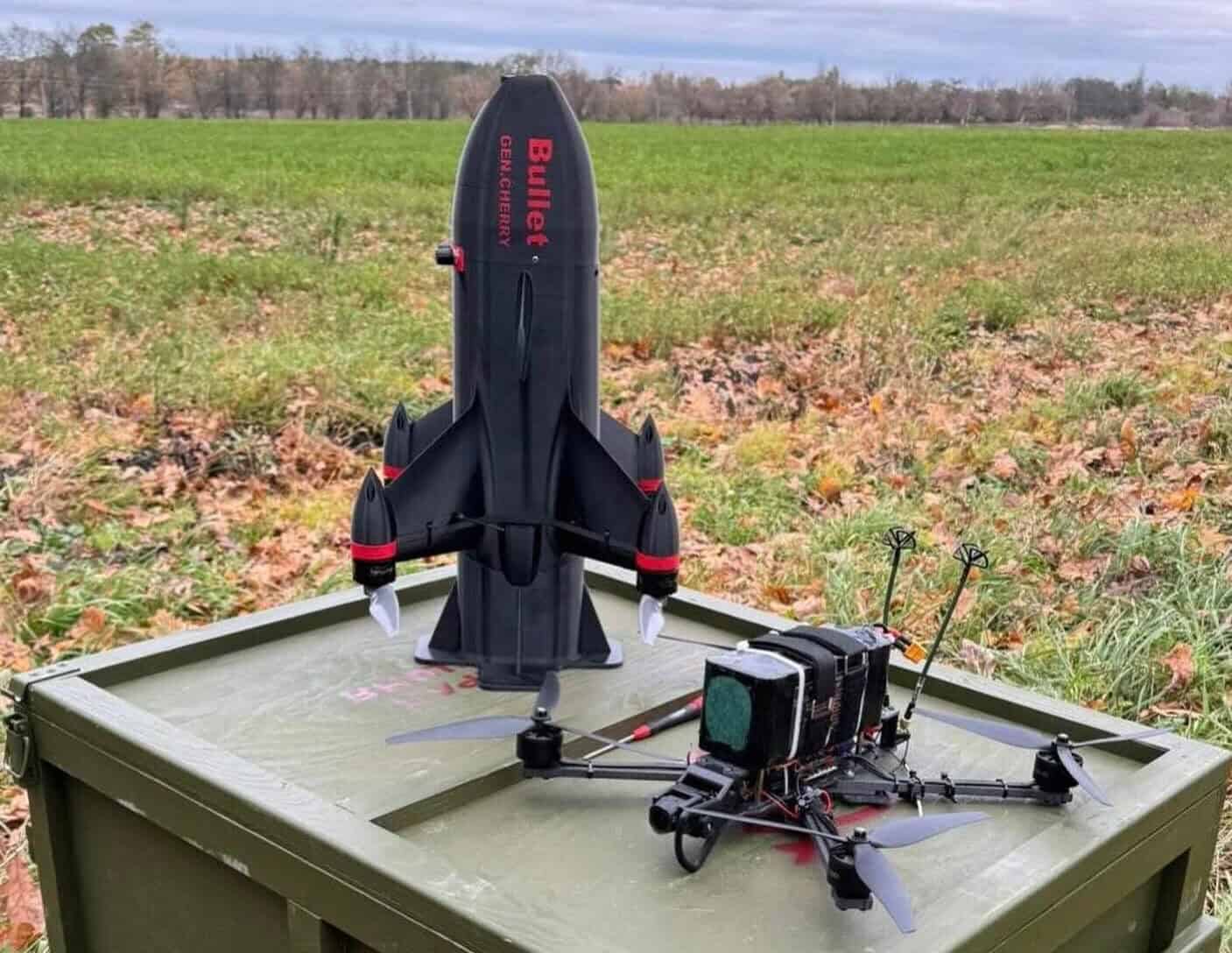





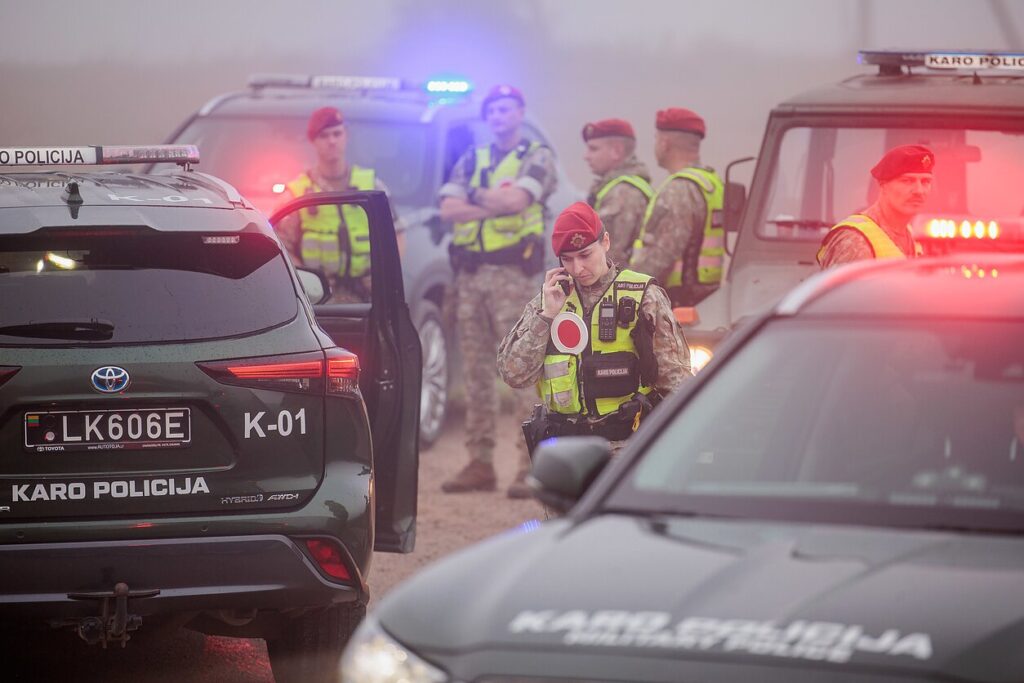
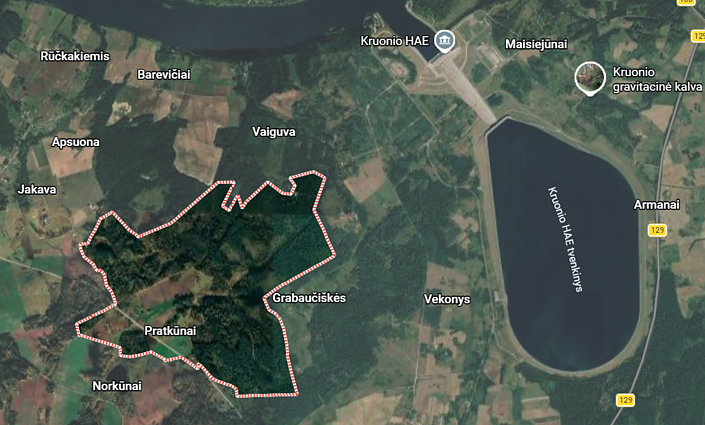

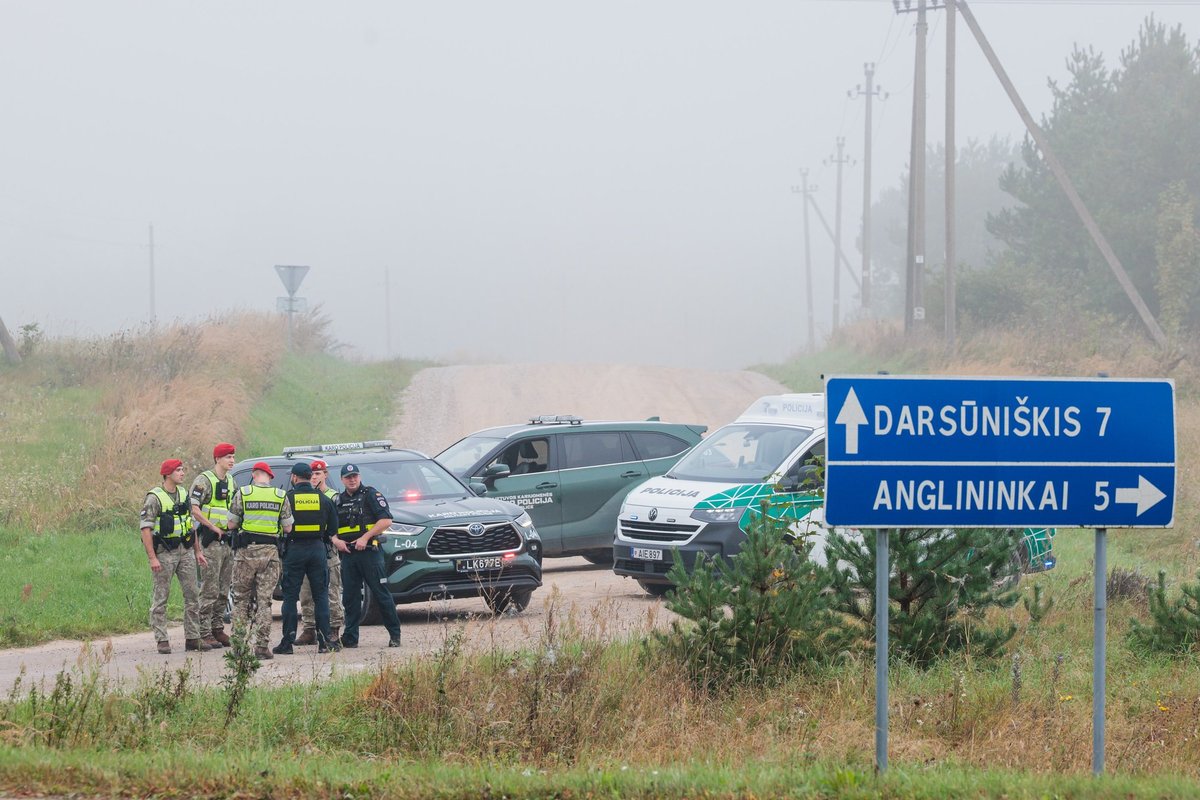


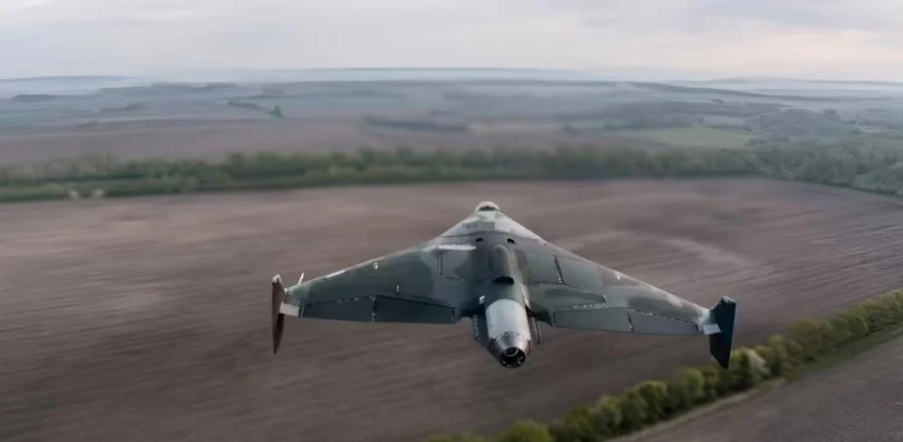

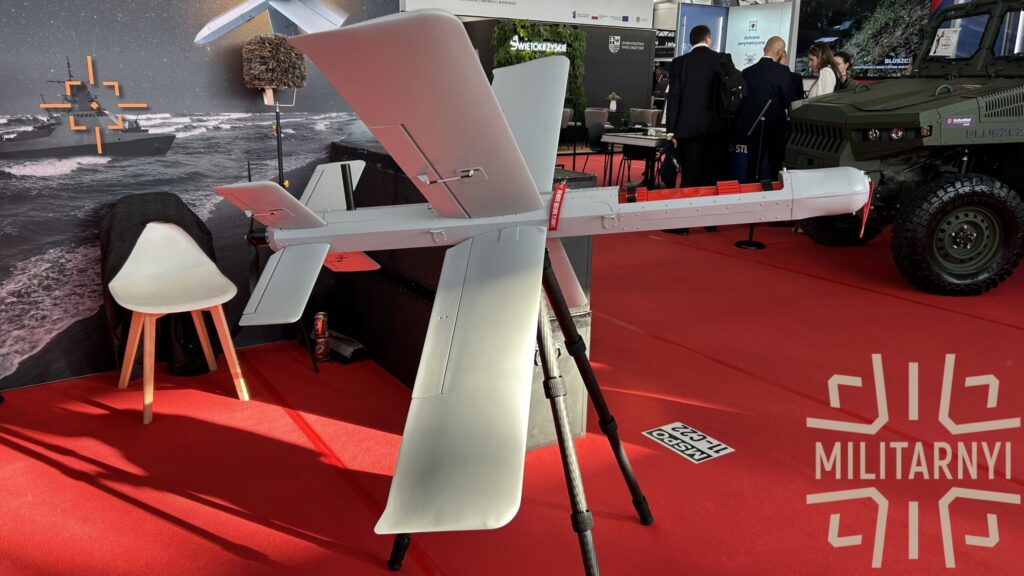



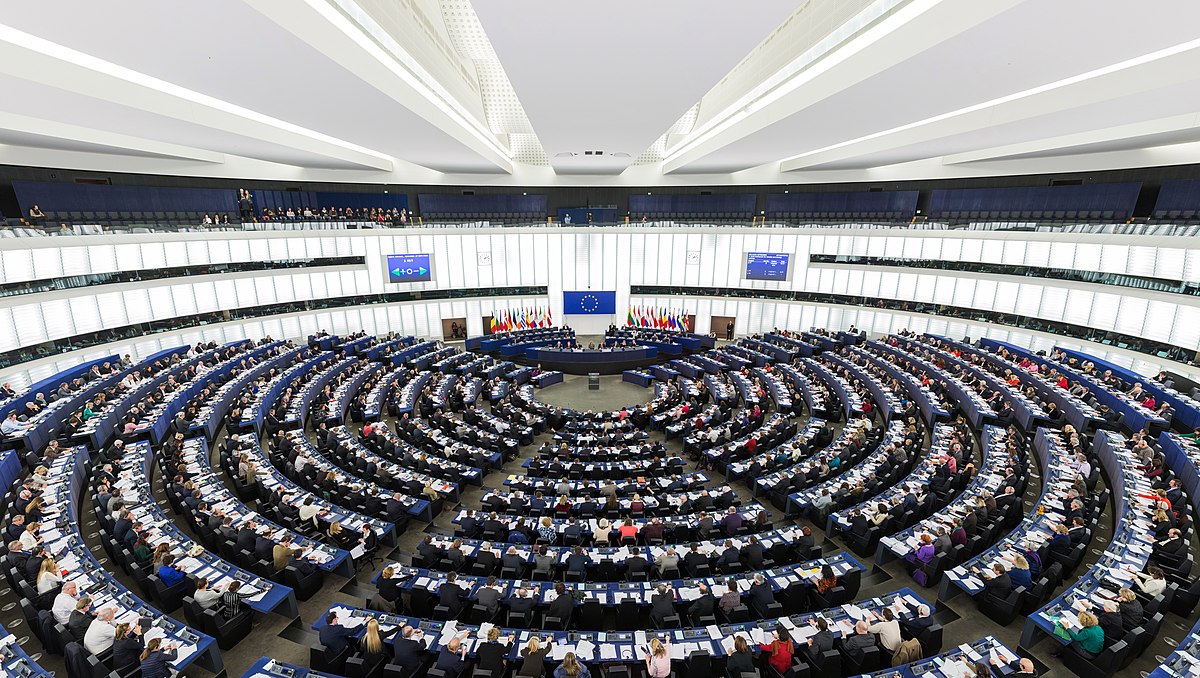





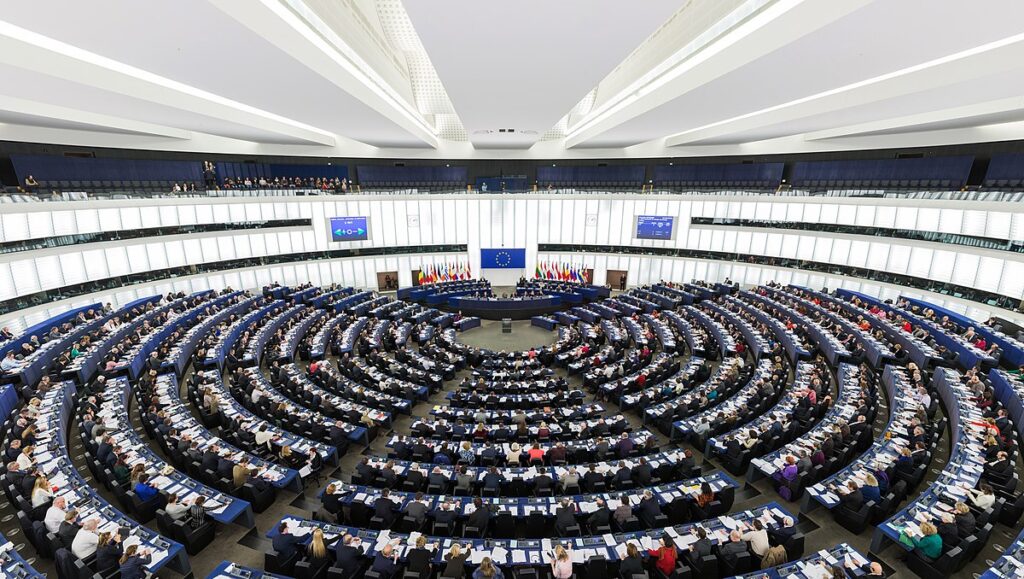
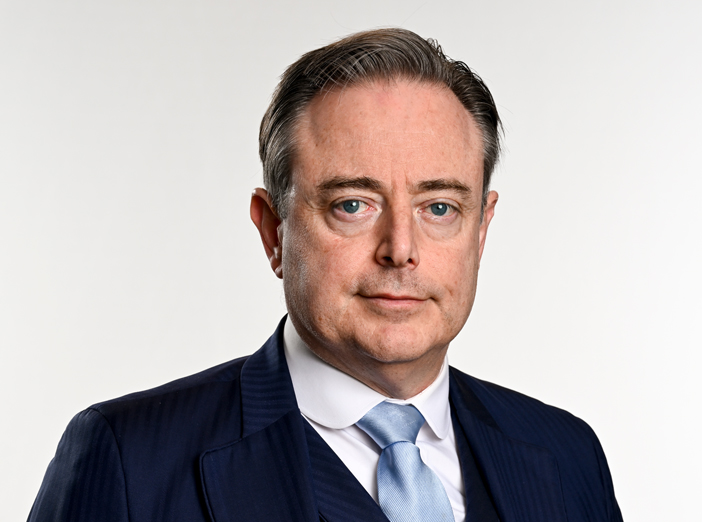
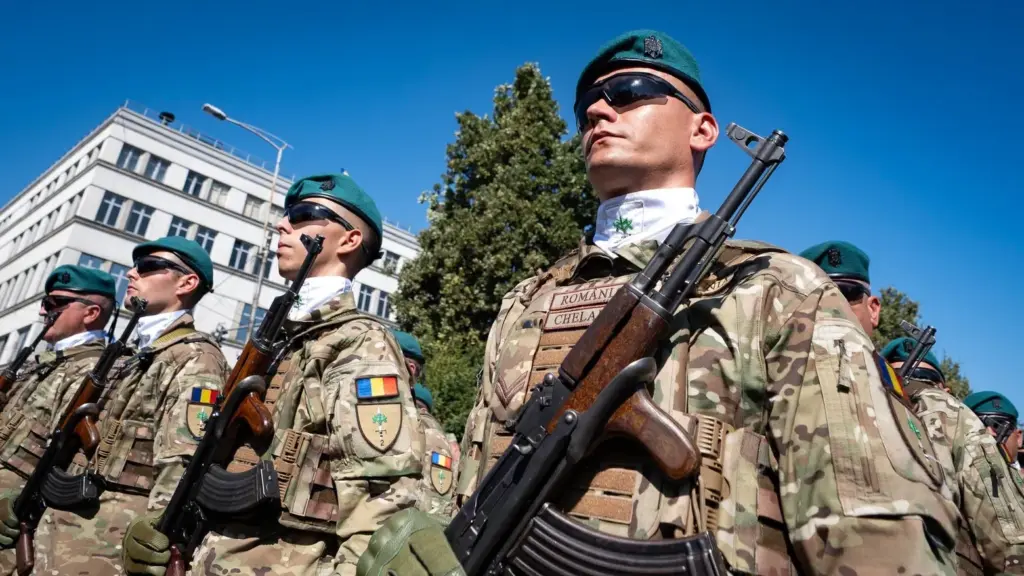
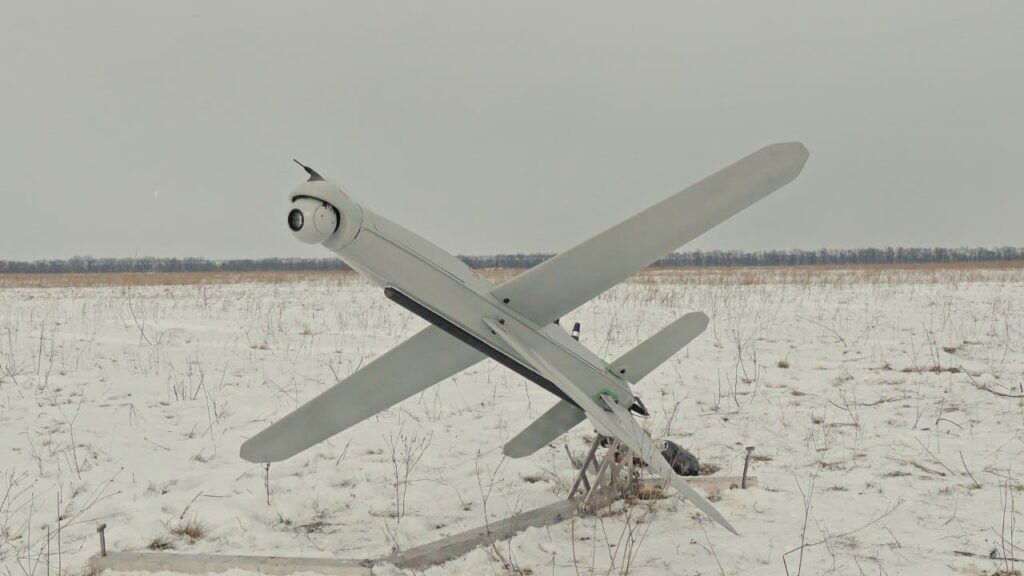
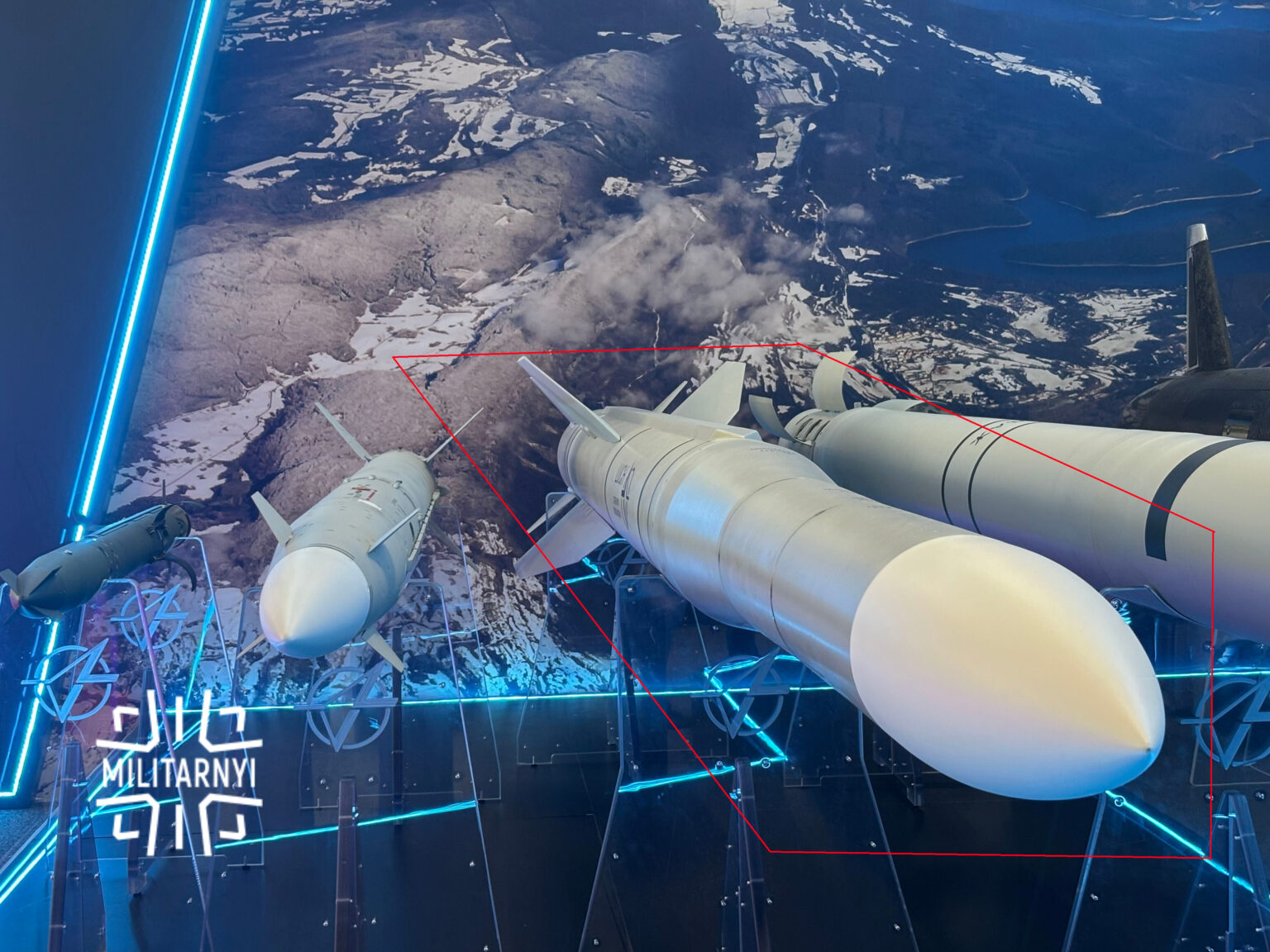

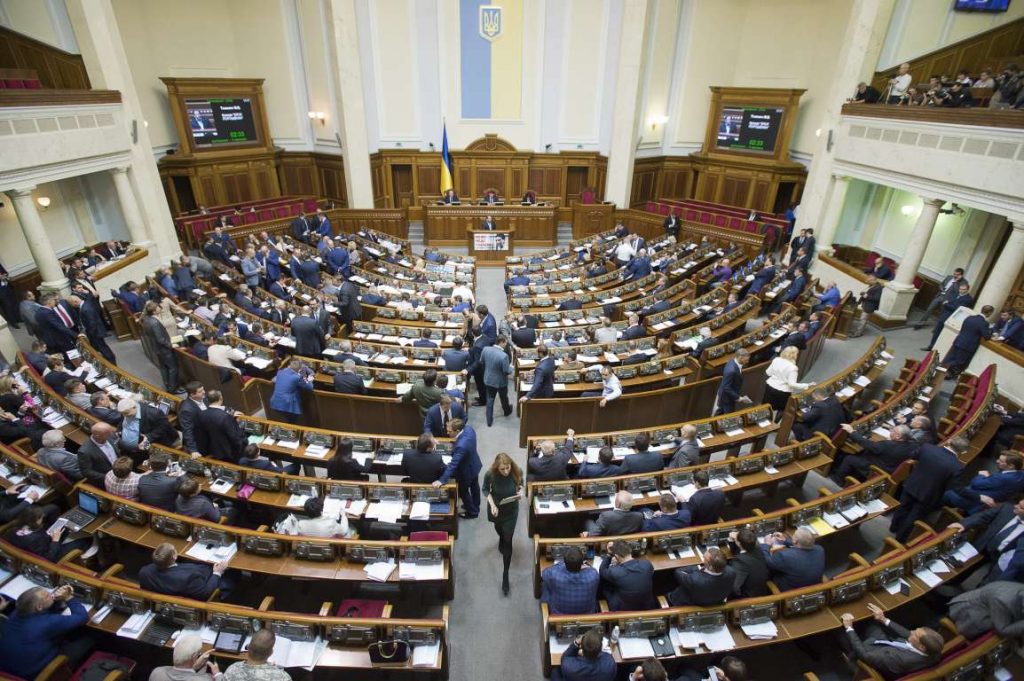
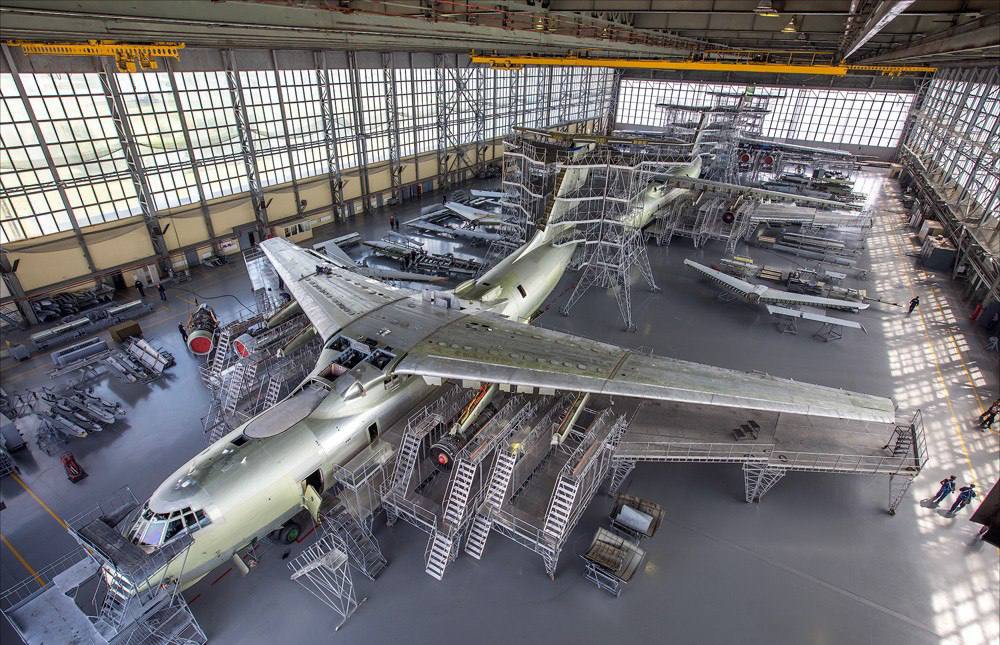

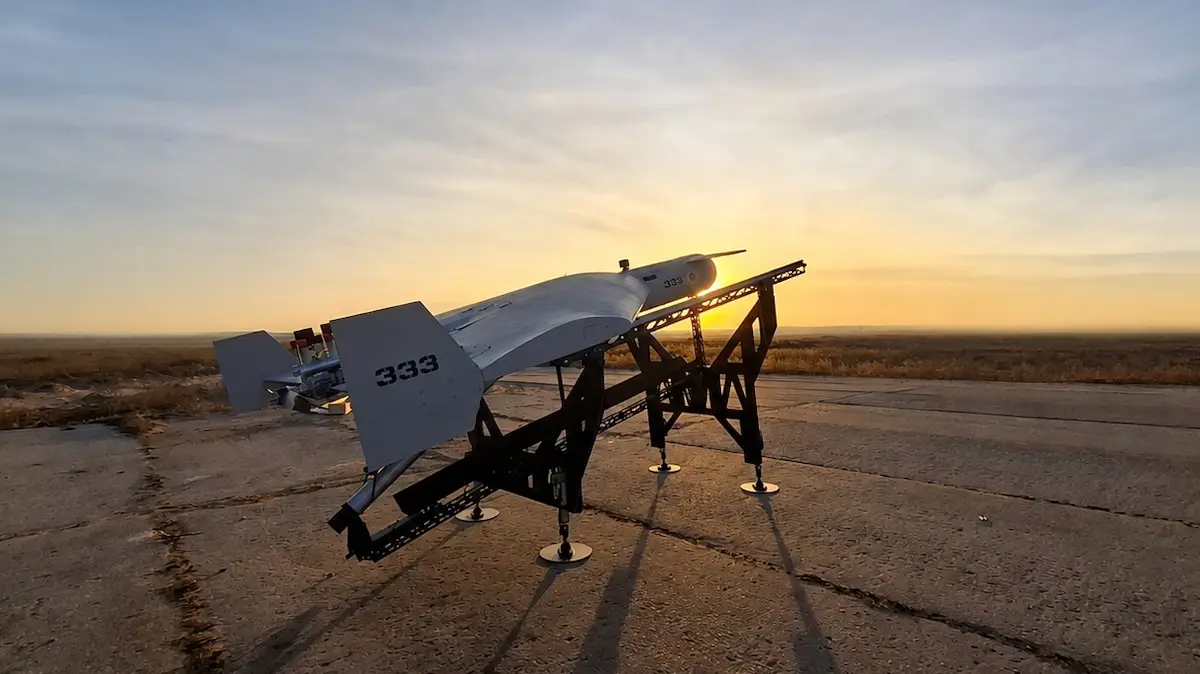
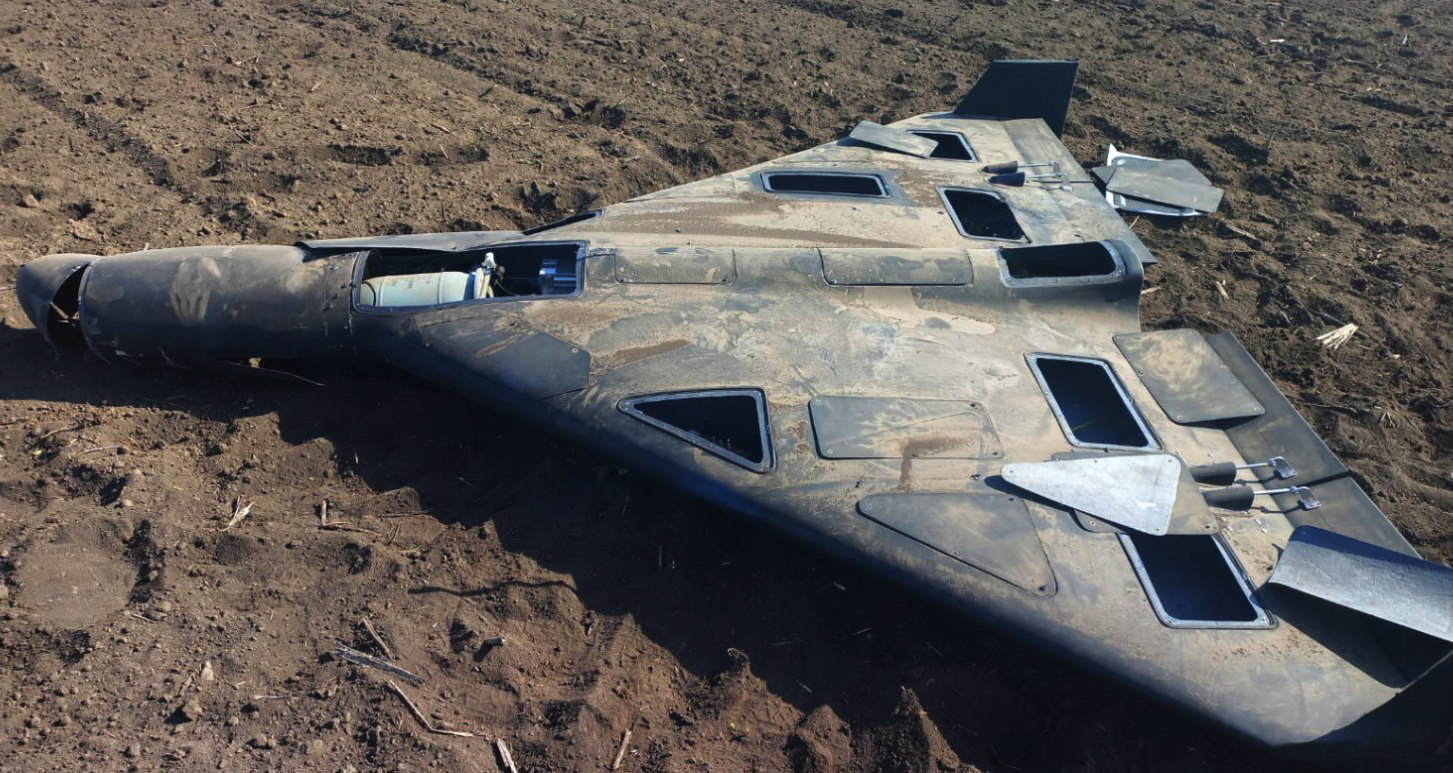
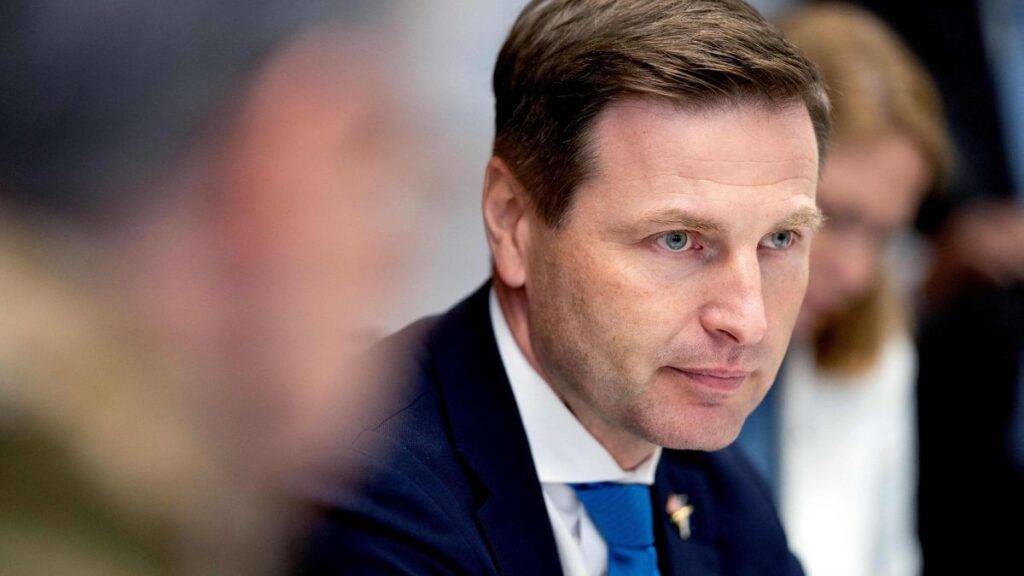


 , j’ai certainement dû en parler ici déjà. Mon sens du temps qui passe est complètement à l’ouest. Sept mois? C’était déjà pas terrible à la base, chez moi, mais post-accident c’est bien pire, et post-rechute encore plus. Heureusement que j’ai une bonne mémoire des dates, je compense avec ça. Mais bref, cette vidéo, c’est une parmi d’autres. Après la suspension de mon compte Facebook et