Vue lecture

Hillary Clinton, Lena Dunham and Others Celebrate Gloria Steinem

After Ms. Steinem’s death at 92, celebrities and politicians reflected on her decades of activism for women’s rights and equality.

© Robert Walker/The New York Times

Gloria Steinem “pushed open doors not just for herself, but for literally millions of women behind her,” Hillary Clinton, the former secretary of state and presidential candidate, said in a tribute on Thursday.
  •  

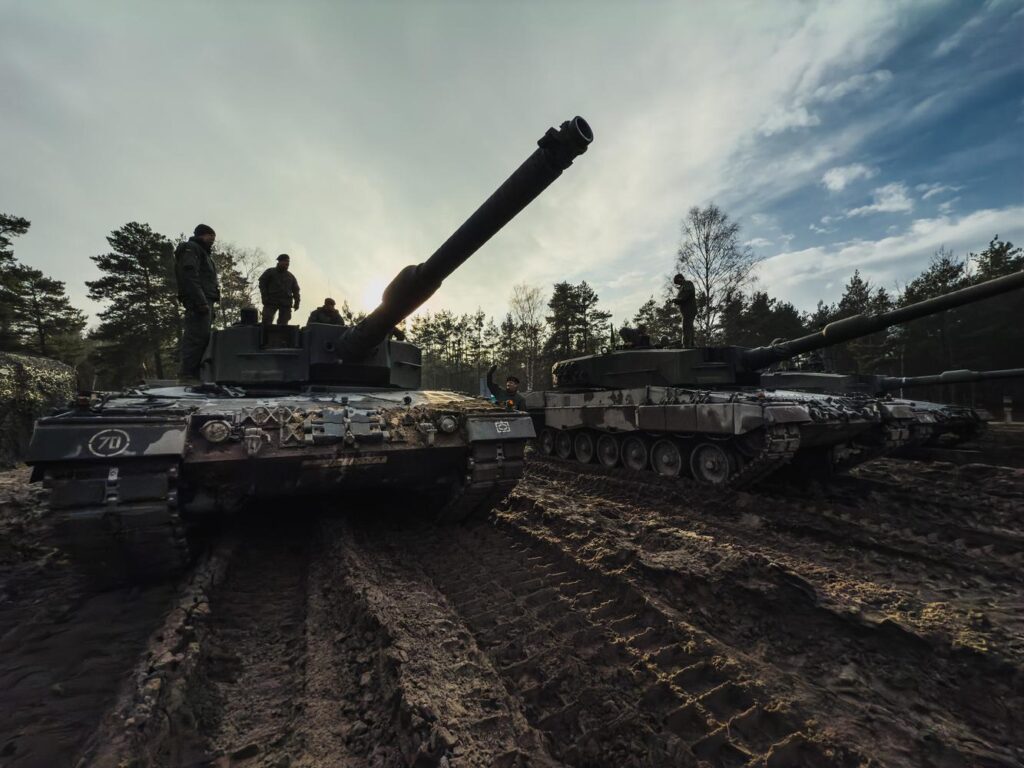
Poland sent Ukraine 350 tanks—Europe just agreed to refund it half a billion dollars

Ukrainian troops train in Poland to master Allied Leopard 2 tanks

Poland will recover hundreds of millions of euros from a shared European Union fund for weapons it handed to Ukraine, the defense outlet Militarnyi reported. The money had been frozen for two years and only started moving after a change of government in Hungary lifted a veto.

Europe's ability to keep weapons moving to Ukraine rests on members trusting they will be paid back for what they give away. When that cost-sharing seizes up, national governments face the full bill alone, and the case for the next donation gets harder. A single member's veto can jam that machinery for years.

The money starts flowing again

Poland will receive up to $500 million in 2027 from the European Peace Facility (EPF), an EU fund that reimburses member states for military aid to Ukraine. Deputy Defense Minister Paweł Zalewski told the Polish news agency PAP that the ceiling combines the $465 million now secured with a possible $12–35 million more, depending on which of the two payout options the European Commission picks. Warsaw had already collected $960 million earlier, bringing its total EU reimbursement to roughly $1.4 billion.

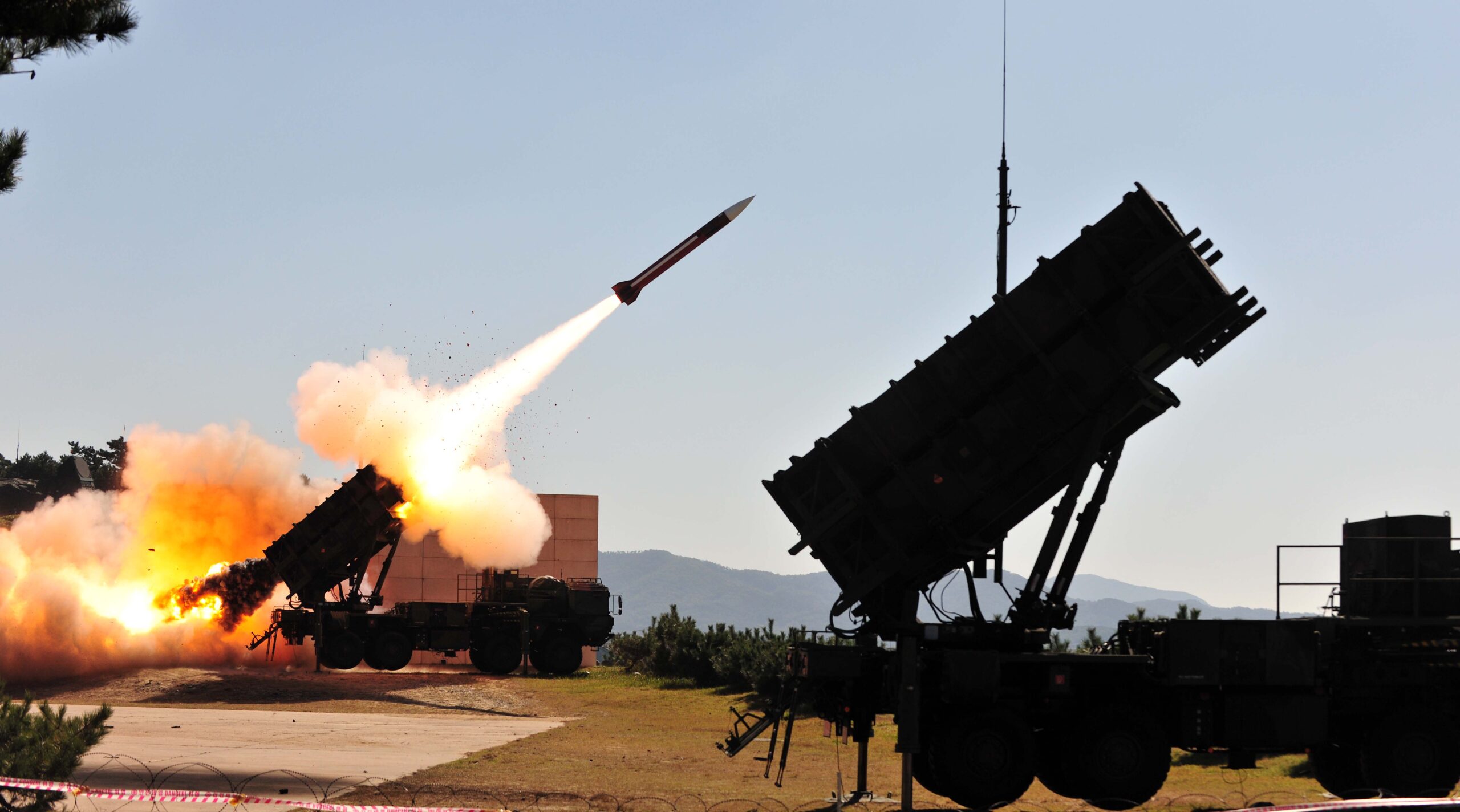
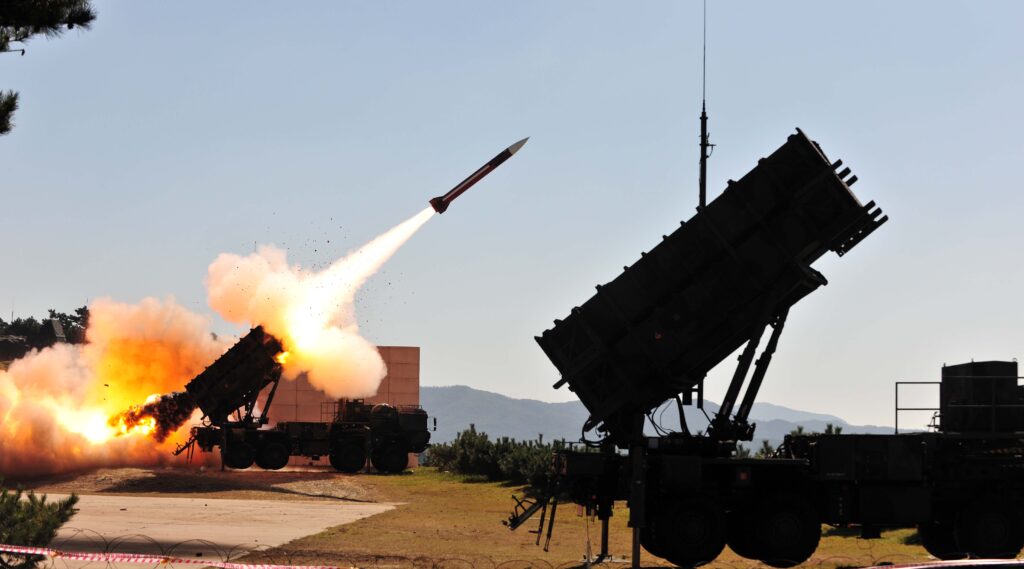
A Patriot air defense missile launcher. Photo: South Korean defense ministry.
Explore further

190 or 580 Patriot missiles? What Ukraine’s EU-loan request could buy—and why Washington still decides

The reimbursements had stalled in 2024, when Hungary blocked a $7.7 billion tranche. Budapest dropped the veto in June 2026 after a new government took over, unfreezing the funds. The bloc is now steering part of the money toward joint arms purchases and its training mission for Ukraine, rather than just reimbursement.

Where Poland stands among donors

By Militarnyi's tally of Kiel Institute figures, total Polish aid has reached $6.8 billion, with $5.2 billion of that military. That ranks Poland 11th among donors by raw volume. When weighed against each country's economy, it ranks 9th, equal to 1.021% of Polish GDP, with the military share at 0.775%.

View of the WB Group factory building in Skarżysko-Kamienna, Poland. August 2026.
Explore further

A masked figure got into a Polish drone-parts plant—Poland now suspects a foreign spy service set the fire

What Warsaw handed over

Poland has supplied ammunition and other weapons since early 2022, before the full-scale invasion, and has since handed over more than 350 tanks—14 Leopard 2A4, about 60 PT-91 Twardy, and roughly 280 Soviet-era T-72 variants. Warsaw also sent Krab self-propelled howitzers, Piorun shoulder-fired air-defense missiles, and Grad rocket launchers. Alongside Slovakia, it was among the first NATO states to send Ukraine fighter jets, delivering 14 MiG-29 jets and 10 Mi-24 attack helicopters between 2022 and 2024.

  •  

Los Angeles District Bans Most A.I. for Students

New York City announced a similar plan. The Los Angeles moratorium appears to go further with strict limits even for older students.

© Philip Cheung for The New York Times

The A.I. ban will go into effect for the current school year, even as the officials consider how to deploy A.I. in the future.
  •  

Athletic investigation finds Dianna Russini-Mike Vrabel ties violated standards

  • NFL reporter resigned after fallout from photo scandal

  • Patriots coach, Russini were pictured at Arizona resort

  • Investigation unable to find ‘exact nature’ of relationship

The Athletic’s internal investigation found that the relationship between former NFL reporter Dianna Russini and New England Patriots coach Mike Vrabel was in “clear violation” of the newsroom’s standards.

The outlet, which is owned by the New York Times, released a report Thursday detailing the findings of a five-months-long investigation. Mike Semel, the Athletic’s editorial director for standards and quality, wrote that he was unable to find signs of clear bias in her coverage or determine the exact “nature of their relationship”, but said it gave the appearance of a conflict of interest.

Continue reading...

© Photograph: Icon Sportswire/Getty Images

© Photograph: Icon Sportswire/Getty Images

© Photograph: Icon Sportswire/Getty Images

  •  

Ukraine’s Khartiia soldiers clear 4 km² near Kupiansk, while Russia pushes for main rail hub (VIDEO)

Aerial photo of Kupiansk in Ukraine’s Kharkiv Oblast, August 2026. Photo: 41st Separate Mechanized Brigade

Ukraine's National Guard says its assault units have cleared four square kilometers of ground near Kupiansk. According to the military, fighters of the 23rd R.U.G. Assault Regiment of the Khartiia corps have pushed Russian forces out of territory between the settlements of Dvorichna and Zapadne, working with the 35th Separate Marine Brigade on one stretch.

Russia wants Kupiansk as a logistics node and a springboard for pushing deeper into Kharkiv Oblast. Just outside the city sits the Kupiansk-Vuzlovyi station, a key rail hub whose capture would let Russian forces move supplies and equipment far more easily.

“Overall, another 4 square kilometers of Ukrainian territory have been liberated. As long as the enemy remains on our land, the work continues,” the National Guard said.

Ukraine said its assault units have cleared another four square kilometers of ground near Kupiansk

Fighters of the 23rd R.U.G. Assault Regiment of the Khartiia corps pushed Russian forces out of the territory between the settlements of Dvorichna and Zapadne
🎥The National Guard pic.twitter.com/aOXrXm0BRw

— Euromaidan Press (@EuromaidanPress) September 3, 2026

A city fought over from both banks

The clearing north of the city is only one part of a contested picture. Kupiansk straddles the Oskil River: Ukraine holds the left, eastern bank, while Russian forces have pushed onto the right, western bank closer to Ukraine's rear.

On 2 September, Viktor Tregubov, head of communications for Ukraine's Joint Forces Group, said Russian troops had infiltrated part of northern Kupiansk on that right bank.

"On the right bank, the Russians are trying to hold the northern parts of the city, where they've already infiltrated some of their fighters," he told Suspilne, adding that Ukrainian forces are making trouble for them there.

The infiltrators are trying to reach the city through the village of Holubivka, he said.

On the left bank, Russian units are trying to reach the railway station.

"The Russians are pushing very hard toward it. They want to narrow our bridgehead," Tregubov reported.

No confirmed Russian advance

Back in July, Trehubov mentioned the Russian forces’ logistical problems in this direction, according to ArmyInform.

He explained that logistics for Russian forces in the area had been effectively paralyzed by a fuel shortage, with even water being delivered exclusively by drones.

  •  

Russian Black Sea attacks, low Danube waters push EU to seek alternative routes for Ukrainian grain exports

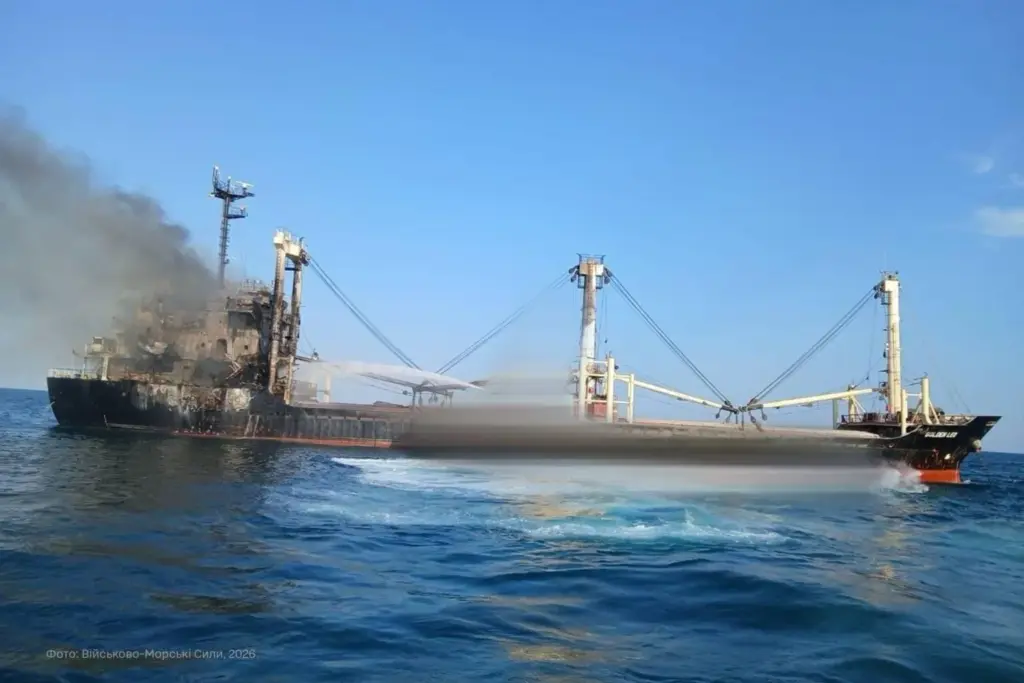
russian black sea attacks low danube waters push eu seek alternative routes ukrainian grain exports · post civilian bulk carrier golden leo ablaze after missiles hit left odesa cargo corn

The European Union is discussing export support with Ukraine and its neighboring countries, including through so-called solidarity lanes, Agriculture Commissioner Christophe Hansen told Bloomberg on 2 September.

Strikes in the Black Sea have curtailed exports from both Ukraine and Russia, while low water limits how much grain vessels can carry on the Danube, Ukraine’s main fallback when sea traffic slows. Wheat and corn prices are at multiyear highs, and the Bloomberg Agriculture Spot Index jumped by more than 13% in August, its sharpest monthly rise in over a decade. Hansen said the EU’s role as a major food exporter means drought-driven production losses could cause shortages elsewhere.

Created after Russia's full-scale invasion, the solidarity lanes carry Ukrainian exports by road, rail, and river through neighboring countries when Black Sea shipping is disrupted.

The European Commission is separately weighing relief for drought-hit EU farmers. Hansen urged governments to use flexibilities in the Common Agricultural Policy, the EU's farm-subsidy system, including exemptions for circumstances beyond farmers' control, emergency fertilizer aid, and earlier payments, but proposed no new measures in a letter seen by Bloomberg. EU agriculture ministers are due to discuss the drought in Ireland next week and in Brussels later in September.

Russian attacks squeeze Ukraine’s export routes

Low water is only one obstacle to Ukraine’s southern export routes. Russia has repeatedly attacked ports and transport links along the Danube and on Odesa Oblast’s Black Sea coast. Some Ukrainian farmers have sold wheat below production cost as port prices fell, leaving less money for the next sowing.

Romania detected more than 100 drones during seven attacks on Danube ports in mid-August, interim Romanian Defense Minister Radu Miruță said. Russia struck Izmail, Ukraine's largest Danube port, three times in August. The 29 August attack killed one person and destroyed five grain trucks, Odesa regional authorities said.

Ukraine and Moldova have pursued a rail corridor through Moldova to Constanța, Romania’s main Black Sea port, as an alternative. Moldova later halved transit tariffs through 31 December. Ukrainian officials estimate the corridor could handle around 10% of Ukraine's grain exports, Reuters reported.

  •  

Judge rules 2,000 Catalina Island deer can be killed to save native plant species

Cull of animals that eat native shrubs, causing spread of fast-igniting grasses, to go ahead despite fierce opposition

Locals and tourists have long fawned over Catalina Island’s mule deer population. For nearly a century, the ungulates have roamed the land’s waterfronts and woodlands, so comfortable around humans that it is not uncommon to spot deer roaming downtown Avalon.

But that sight will soon disappear, after a judge this week paved the way for the island’s conservancy to kill nearly all the island’s 2,000 deer.

Continue reading...

© Photograph: Allen J Schaben/Los Angeles Times/Getty Images

© Photograph: Allen J Schaben/Los Angeles Times/Getty Images

© Photograph: Allen J Schaben/Los Angeles Times/Getty Images

  •  

Ukraine takes Zelenskyy’s Russian airspace warning to UN aviation body

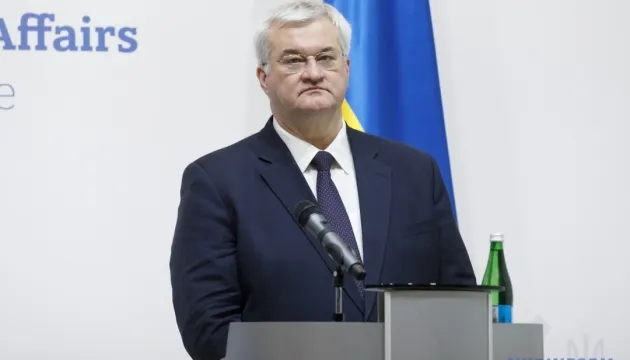
Ukrainian Foreign Minister Andrii Sybiha stands behind a lectern with a microphone and a Ukrainian flag in the background.

Ukraine formally notified the International Civil Aviation Organization (ICAO) on 2 September that Russian airspace is unsafe for civilian flights because of increased military activity, Ukrainian Foreign Minister Andrii Sybiha said. The letter behind the notification asks the organization to urge its member states to stop civil flights over Russia altogether, ZN reported.

ICAO, the UN aviation agency, cannot close Russian airspace or order carriers to reroute. European and US airlines already avoid Russia's airspace, while carriers from China, Türkiye, and the Gulf states have kept flying through it. Those remaining airlines must assess the safety of flying amid drone and air defense operations. Drone alerts during reported Ukrainian attacks have repeatedly shut Russian airports and delayed hundreds of flights.

The notification follows a 1 September warning by Ukrainian President Volodymyr Zelenskyy, who told airlines, insurers, and other aviation stakeholders that Russian skies were becoming unsafe as Ukrainian drones reached deeper into the country.

Zelenskyy said Ukraine's Foreign Ministry would pass information about the risks to international organizations. The letter to ICAO came from another office—Mykola Kalashnyk, Ukraine's minister for recovery, infrastructure, and transport, whose portfolio covers aviation.

Russian President Vladimir Putin said Zelenskyy's statement amounted to "a bid for state terrorism" and that Moscow would find a way to respond if civilian "tragedies" followed.

Sybiha urged airlines to avoid Russian airspace and said the notice was meant to prevent unintended incidents, arguing that Moscow was failing to disclose the dangers its war had created. He invoked Ukraine’s inherent right to self-defense under Article 51 of the UN Charter, the provision that recognizes states’ right to defend themselves against an armed attack. The foreign minister further stated that the war was “returning home to Russia.”

In its separate statement, ICAO warned of rising threats to civil aviation worldwide. It did not mention Russia, endorse Ukraine’s assessment, or say Kyiv’s notification had prompted it.

The UN aviation body identified long-range weapons, drones, navigation-signal interference, and advanced air-defense systems as growing dangers to civilian aircraft. It reiterated that international aviation law prohibits the use of weapons against them.

ICAO urged member states to assess airspace under their control, share threat intelligence quickly, and improve military-civilian coordination.

Russian airports were already facing repeated closures

Russian airspace has not been legally or completely closed. The disruption has instead taken the form of temporary restrictions at individual airports.

From 5–7 May 2026, restrictions during reported Ukrainian attacks delayed more than 450 flights at Moscow airports, while limits at Vnukovo remained in place for nearly 18 hours.

On 6 July 2025, Moscow's Sheremetyevo airport canceled 171 flights, while airports in five other cities suspended operations. During an earlier wave on 22 May 2025, Domodedovo halted flights four times in one day and Sheremetyevo three times, while Vnukovo and Zhukovsky also restricted operations.

Airports in Kaluga, Nizhny Novgorod, Saratov, and Tambov were temporarily closed during a 27 May attack in which Moscow claimed 99 drones were intercepted. Two days later, another alert delayed 20 arrivals and 14 departures at Vnukovo, pro-Kremlin Telegram channels claimed.

  •  

Gloria Steinem, Personification of the Feminist Movement, Dies at 92

She challenged sexist assumptions, helping women develop a sense of self-worth and gain a measure of equality at work, at home and in society at large.

© Robert Walker/The New York Times

Ms. Steinem at a rally in 1968. “The truth will set you free,” she liked to say, “but first it will piss you off.”
  •  

Bill Simmons’s embrace of ChatGPT is a breach of his website’s creative spirit

The founder of The Ringer and Grantland was famous for discovering and developing writers. Now he is promoting a technology eroding the creative industries

Bill Simmons may have stopped writing with any regularity in the mid-2010s – he claims his fingers don’t work – but that won’t stop him from reminding you of his greatest hits. On a recent podcast about Russell Westbrook’s retirement, he couldn’t stop quoting his old columns. He first referenced an article from the 2012 NBA finals, and wasn’t finished until 11 minutes into the podcast. His guest, The Ringer contributor Kirk Goldsberry, deserved an award for patience. But the biggest blight on the episode came later, in the form of a bizarre ad read.

“This episode,” Simmons announced, “is brought to you by ChatGPT, the Bill Simmons Podcast AI sponsor.” (Emphasis mine; his overenthusiastic delivery mandates the italics.) Simmons said that he had asked ChatGPT what Westbrook’s defining game was. “That was a pretty good answer,” he said of ChatGPT’s offerings, as if it were a precocious, loveable nephew, before encouraging his listeners to try the platform.

Continue reading...

© Photograph: Rebecca Sapp/Getty Images for The Recording Academy

© Photograph: Rebecca Sapp/Getty Images for The Recording Academy

© Photograph: Rebecca Sapp/Getty Images for The Recording Academy

  •  

The wars in Ukraine and Iran are becoming dangerously enmeshed | Christopher S Chivvis

As the Trump administration refuses to end its war in Iran, it is steering into the storm, not out of it

Russia hasn’t yet killed large numbers of Europeans outside Ukraine, but it’s getting closer. The night of 4-5 August, an airport bus driver discovered an armed drone lying near the tarmac of the Leipzig-Halle airport, which is a central hub of Europe’s logistical support to Ukraine’s war effort. A cargo jet, meanwhile, may have struck a second drone shortly after takeoff, forcing an abrupt landing, and investigators found a third drone laden with military explosives nearby.

In 2024, incendiary devices hidden in parcels ignited in DHL cargo at the same airport. Had these detonated in the air, a major air catastrophe and large-scale civilian casualties would have ensued, probably resulting in a broader war.

Continue reading...

© Photograph: Tom Williams/CQ-Roll Call, Inc/Getty Images

© Photograph: Tom Williams/CQ-Roll Call, Inc/Getty Images

© Photograph: Tom Williams/CQ-Roll Call, Inc/Getty Images

  •  

For Russia and Ukraine, an Escalating Spiral With No End in Sight

Each side is using missiles and drones to try to pound the other into giving up, breeding ceaseless human suffering. But there is no sign that either country’s determination will weaken.

© Oleksandr Ratushniak/Reuters

After an attack on Kyiv, Ukraine, late last month.
  •  

The New Jet-Powered Drones That Are Breeding Anxiety in Ukraine

These Russian drones are more destructive, faster and harder to shoot down than the propeller-driven models that Moscow has used throughout the war.

© Gleb Garanich/Reuters

Police officers inspecting parts of a Russian drone at the site of an apartment building damaged by a strike in Kyiv this week.
  •  

Syrians Want Justice for Assad-Era Killings and Torture

Hundreds of thousands were killed and tortured. But prosecuting everyone involved in atrocities could be impractical and risk renewed civil strife.

© Emile Ducke for The New York Times

In the Tadamon neighborhood of Damascus, residents hoped the new government would collect the bones and exhume the bodies buried in mass graves underfoot.
  •  

States Sue Over Move to End to Federal Funds for Transgender Youth for Transition Care

The Trump administration wants to bar Medicaid and the Children’s Health Insurance Program from paying for gender-transition medication and surgery for transgender adolescents.

© Nathan Frandino/Reuters

Rob Bonta, the attorney general of California, was among state officials behind the lawsuit.
  •  

Man Is Rescued From Inside Garbage Truck in San Francisco

The city’s Fire Department said it received a call just after 4 a.m. on Wednesday reporting that a person was stuck in the vehicle after it collected trash from a dumpster.
  •  

Pennsylvania officer charged in killing of college student who went to wrong house

Police officer who fatally shot unarmed 22-year-old Glenwood Pysher IV faces voluntary manslaughter charge

A Pennsylvania police officer was charged on Tuesday with voluntary manslaughter for last week’s fatal shooting of a college student who was looking for his friends late at night and went to the wrong house.

Police body-camera video reviewed by investigators showed the officer yelled: “Drop to the ground,” then: “Stop or I’ll ...”. Before he finished the sentence, he fired two shots at the man who was unarmed and had his hands in the air. He hit 22-year-old Glenwood Earl Pysher IV twice in the chest, killing him.

Continue reading...

© Photograph: Matt Rourke/AP

© Photograph: Matt Rourke/AP

© Photograph: Matt Rourke/AP

  •  

USPS Is Building a Mail-In Ballot Screening System Despite Legal Battles Over Trump Order

Election officials warn that the creation of a new online portal for states to upload voter information is already fueling confusion and could ultimately disenfranchise voters.

© Philip Cheung for The New York Times

Workers in the City of Industry, Calif., sorting through ballots cast during a statewide special election last November.
  •  

Jay Leno’s Classic Car Bill Passes in California Legislature

The bipartisan bill, backed by Mr. Leno, the comedian and car collector, would exempt some older vehicles from having to meet California’s stringent emissions rules.

© Rich Pedroncelli/Associated Press

Jay Leno, the comedian and former “Tonight Show” host, climbs out of a classic Pontiac Trans Am after taking it on a drive around the State Capitol in Sacramento.
  •  

190 or 580 Patriot missiles? What Ukraine’s EU-loan request could buy—and why Washington still decides

A Patriot air defense missile launcher. Photo: South Korean defense ministry.

Ukraine has asked the EU to spend billions from its support loan on Patriot air-defense missiles, a request European Commission President Ursula von der Leyen confirmed the bloc is weighing. How far the money would stretch depends on a price only Washington controls.

Russia keeps firing more ballistic missiles at Ukrainian cities than the country can shoot down, the warheads hardest for its air defenses to stop. Only a US-made Patriot system can catch them, and their interceptors remain in short supply worldwide, so who pays for them and Washington that agrees or disagrees to sell them now shapes how many cities stay covered.

The exemption Kyiv needs

The European Commission has already received a payment request covering Ukraine's air defenses, including the PAC-3 interceptors that arm Patriot systems. Von der Leyen put it at "several billion euros" and said member states were reviewing it, without naming a figure.

Suspilne, citing its own sources, reported that the request seeks just over $2.3 billion, with another $4.6 billion from the loan's defense tranche going to arms manufactured in Ukraine and the EU, mostly drones.

The money would come from the EU's $104 billion support loan for 2026–27. Because PAC-3 is US technology, spending loan money on it needs an EU exemption. National representatives will take up the decision on 7 September.

What the money actually buys

Defense Express has calculated how many interceptor missiles Ukraine can get with the loan. At the $4–5 million per round the US Army pays, $2.3 billion would fund 460-580 interceptors. At the $6.61 million export price Germany paid in late 2024, about 315. At up to $12.3 million each, the US cleared for Saudi Arabia on 30 January 2026, just 190.

Why money isn't the real problem

For Ukraine, the harder question is not price but whether it can get the missiles at all. Even 315 rounds would equal about half the world's current yearly output, which the sole producer, Lockheed Martin, is straining to lift from around 600 a year to 2,000 by 2030.

Kyiv has been short of interceptors for months. In August, Zelenskyy said Ukraine reached a deal with the US for monthly Patriot deliveries, but that it still needs at least around 5% of American output to get through winter. EU Foreign Policy Chief Kaja Kallas has urged member states to hand over interceptors, especially those with shelf lives nearing their end.

  •  

US prosecutors refuse to say if they secretly obtained Don Lemon’s phone records

Experts have expressed deep concerns that the practice runs afoul of the fourth amendment’s right to privacy

Federal prosecutors have declined to say whether they secretly obtained phone records for the journalist Don Lemon using an unusual administrative summons, his lawyers said in a Monday court filing, highlighting concern about a controversial legal authority the government has claimed to gather information as it charged Lemon and dozens of others with civil rights crimes in connection to a January protest at a church in Saint Paul, Minnesota.

In January, officials served Verizon with an administrative summons for a log of Lemon’s phone records between 19 December and 20 January. The subpoena did not come from a grand jury, as is typical in criminal investigations, and also was not a court-approved search warrant. Instead, it was a unilateral request from the Department of Homeland Security (DHS), which said it was requesting the information under 19 USC 1509 – an obscure law that gives the department power to investigate records related to customs issues. Experts say the government is abusing that authority to gather records on journalists, activists, unions, non-profits and online critics, and have expressed deep concerns that the practice runs afoul of the fourth amendment’s right to privacy.

Continue reading...

© Photograph: Paras Griffin/Getty Images

© Photograph: Paras Griffin/Getty Images

© Photograph: Paras Griffin/Getty Images

  •  

Kazakh refinery deal could ease Russia’s front-line fuel pressure—but it covers just 0.3% of demand

Kazakh President Kassym-Jomart Tokayev and Russian President Vladimir Putin walk past an honor guard in Astana, Kazakhstan, on 27 November 2024.

Kazakhstan’s privately owned Kondensat refinery will process Russian crude and return about 70% of the resulting petroleum products to Russia, Kazakh Energy Minister Yerlan Akkenzhenov said on 25 August, Radio Liberty reported.

Based on figures reported by Radio Liberty, the roughly 70% of Kondensat’s maximum gasoline output bound for Russia would amount to about 0.3% of the country’s daily summer gasoline demand. That makes the arrangement a limited stopgap rather than a solution. John Roberts of the Atlantic Council nevertheless told the outlet that even small additional supplies could help during an acute shortage, including at the front: “It helps, but it doesn’t solve the problem.”

Ukrainian drone strikes have knocked dozens of Russian refineries offline in recent months, forcing Moscow to restrict fuel exports and reimpose rationing, Radio Liberty reported. Gasoline caps returned to Moscow and St. Petersburg in August, while Rosneft reportedly limited fills to 30 liters per car at every station nationwide.

Kondensat has processed Russian oil before. The refinery began handling supplies delivered through Tatneft’s TANECO refinery in 2024, when Kazakhstan and Russia agreed to permit exports of fuel produced from Russian feedstock back to Russia. The arrangement was renewed in 2025, according to Radio Liberty.

Central Asia has no spare refining capacity that could materially change Russia’s situation, Ukrainian energy analyst Hennadiy Riabtsev told Radio Liberty’s Schemes project. Possible contributions from Kazakhstan, Kyrgyzstan, India, China, and Belarus would remain a drop in the ocean for the Russian market, he said.

Prospective suppliers also understand that Russian fuel demand supports the war effort and that assisting Moscow could carry sanctions risks, Ukraine’s presidential sanctions commissioner, Vladyslav Vlasiuk, told Schemes. Kyiv therefore does not expect a queue of countries willing to supply Russia with petroleum products, he said.

Russia’s fuel shortage gives Kazakhstan room to bargain

Russia’s shortage has spread from gas station queues to farming and public transport, with fuel-sale restrictions officially covering more than 40 regions by July, Euromaidan Press reported, citing The Moscow Times. Moscow’s export restrictions have also raised prices and tightened supplies across Central Asia.

Yet Russia’s growing dependence gives Kazakhstan additional bargaining room. Ukrainian strikes have previously prompted Russian retailer Wildberries to expand its warehousing operations in Kazakhstan, while Astana has promoted domestic competitors.

  •  

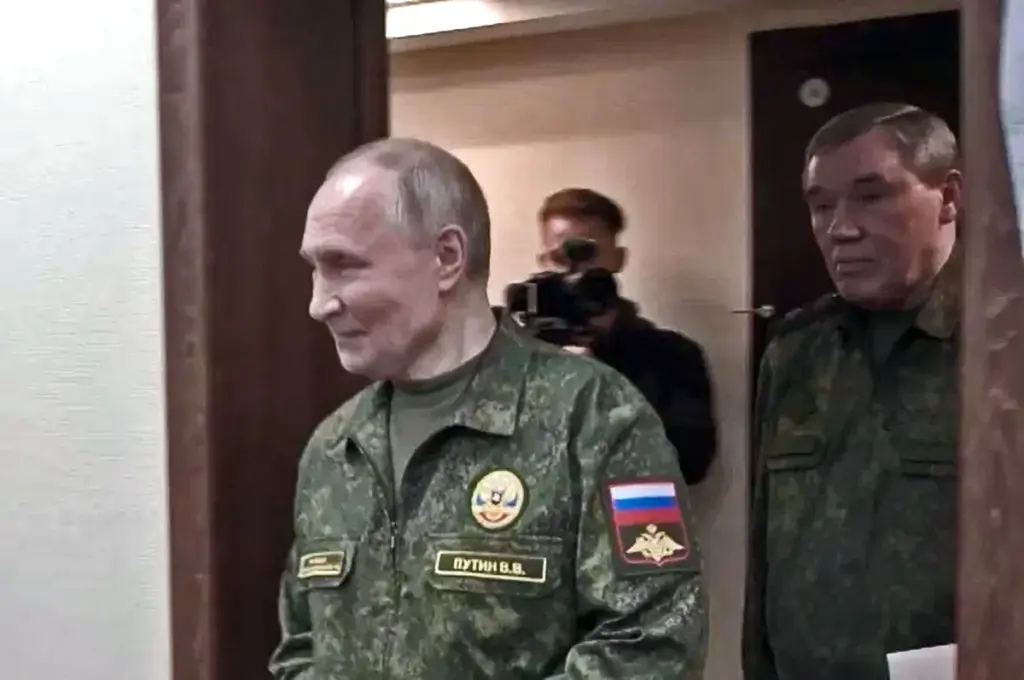
Putin dismisses mobilization reports as Ukraine warns Russia could call up 600,000 to war

Vladimir Putin walks through a doorway in a military uniform, followed by Russian Chief of the General Staff Valery Gerasimov.

Asked about reports in Ukrainian and Western media that Russia could order a mass mobilization after September’s parliamentary elections, Vladimir Putin replied: “That’s complete nonsense. It’s an information attack on Russia,” RBC reported. He was speaking after the Shanghai Cooperation Organization summit in Bishkek.

Ukraine’s military and foreign intelligence services say Russia’s General Staff has prepared a scenario for mobilizing an additional 600,000 people during 2026 and 2027—300,000 each year. Their briefing described a contingency, not an issued call-up, and did not say mobilization had begun. If activated, the agencies said, the recruits would primarily reinforce units fighting Ukraine and newly formed military units.

Ukraine’s intelligence services linked the scenario to mounting battlefield losses and a slowdown in contract recruitment. They said Russia lost roughly 240,000 personnel from January through July, including at least 140,000 killed or permanently lost, while recruiting about 232,000 contract soldiers. The figures could not be independently verified.

Russia’s military also rehearsed procedures for mobilizing residents of Kaliningrad Oblast in July, Ukrainska Pravda reported, citing The Wall Street Journal.

Reports of a possible draft have generated concern inside Russia. More than 20,000 people crossed into Georgia through the Verkhny Lars checkpoint in a single day amid fears of mobilization, as EP previously reported.

Ukraine’s warnings and Russia’s denials

Ukrainian President Volodymyr Zelenskyy said in August that Moscow planned to mobilize several hundred thousand people after the elections and roughly the same number in 2027, citing military intelligence. HUR deputy chief Vadym Skibitskyi later assessed that a call-up could provide troops for a northern offensive by February 2027, while stressing that the agency saw no preparations underway at the time.

Dmitry Medvedev, Vasily Nebenzya, and the State Duma’s defense committee have all denied plans for another mass draft. Russian officials issued similar denials shortly before Putin announced the 2022 call-up. RBC notes that the decree authorizing that mobilization was never formally revoked. No new call-up has been publicly announced or reported as underway.

  •  

Ukraine confirms strike hit Novatek fuel plant at Russia’s Ust-Luga port

A thick gray plume of smoke rises above a distant tree line beneath a pink early-morning sky.

Ukraine’s General Staff confirmed that Ukrainian forces struck the Novatek-Ust-Luga production complex in Russia’s Leningrad Oblast on 1 September, saying the target was hit and a fire followed. The scale of the damage remains under assessment.

Russian authorities initially acknowledged damage and a fire but did not identify the facility. Ukraine’s military intelligence later named the Novatek complex as the target, and the General Staff has now confirmed the strike and said the facility supports Russia’s armed forces. It did not explain how, nor say whether, production was disrupted.

Ukraine’s military intelligence agency, HUR, was first to identify the target, saying on 1 September that its operators had struck the complex alongside Ukraine’s Defense Forces in a joint deep-strike operation. Key elements of the site’s oil-processing installation and other equipment were hit, and a large fire broke out, the agency said. The General Staff confirmed the strike the following day.

Video of the overnight attack on the port of Ust-Luga in Russia’s Leningrad region. pic.twitter.com/dXG5XTkhab

— Exilenova+ (@Exilenova_plus) September 1, 2026

The Novatek complex at Ust-Luga separates stable gas condensate—a liquid produced during natural gas extraction—into fuel and petroleum components and handles their shipment through the Baltic port. Its design capacity exceeds six million tons a year, the General Staff said. The plant produces light and heavy naphtha, kerosene, a diesel fraction, and a marine-fuel component.

A thick gray plume of smoke rises above a distant tree line beneath a pink early-morning sky.
Explore further

Drone attack damages Russia’s Baltic oil port as drone crosses Latvia into Estonia

Ukraine has repeatedly targeted the Ust-Luga port

Before Ukraine named the target, Leningrad Oblast Governor Alexander Drozdenko acknowledged infrastructure damage and a fire at Ust-Luga on 1 September, but did not identify the specific facility. HUR subsequently named the Novatek complex as the target and reported damage to key equipment.

The operation continued Ukraine’s campaign against Ust-Luga’s energy and port infrastructure. Ukrainian agencies confirmed the first strike on Novatek’s complex overnight on 24–25 March. Drones returned on 31 March, setting fuel-storage tanks ablaze, damaging a pier and pumping equipment, and temporarily halting port operations, followed by another reported attack on 7 April. Ukrainian drones last hit the port on 14 August, marking the sixth such attack there in 2026.

  •  

A16z Says You Actually Love Social Media, Enshittification Isn’t Real

A16z Says You Actually Love Social Media, Enshittification Isn’t Real

Yesterday a16z published an article in which NYU Professor of Design, AI and Media Theory Ruby Thelot argued that “enshittification,” or the concept that technology platforms get worse after they lock in users, isn’t real. In reality, Thelot says, people use social media more than ever and report that they are satisfied with it. 

Thelot argues that, enshittification, a term coined by Cory Doctrow which has become one of the stickiest ideas of our era to explain the current state of technology and capitalism, is a misdiagnosis of what he describes as “platform narcissism.” The idea is that people, namely older people like Doctrow and western geratric millennials who used to get a lot of value out of Facebook, selfishly think platforms should continue to cater to their needs even though they aged out of them and should be focused on raising their kids. The platforms are actually popular and well liked, but by younger people who are using Instagram and deriving value from it in a way older people can’t understand, or by people in other countries and contexts than their own. Additionally, Thelot argues, the theory of enshittification allows users who should log off an excuse to stay on platforms that it is fashionable to hate. They spend time there, but say they hate it and can’t leave because they are trapped. 

“Perhaps the reason why the platform seems worse is because your life has changed,” Thelot says. “Over the same period of time, your goals have changed, and they no longer fit with the platform’s new features. Why the hell would a fifty-five year-old be watching Reels? Go take care of your kids.”

The indisputable fact of Thelot’s argument is that various social media platforms have more users and are more profitable than ever. This data is readily available from reliable market surveys, polls, and quarterly earning reports from the companies themselves. It’s important to note that companies like Meta have a history of juking the numbers, and that despite this it recently reported its first ever decline of 20 million users, but Thelot’s point stands: Instagram, Facebook, and TikTok are massively popular. 

I will also cosign Thelot’s advice that people should log off. There are many reasons why some people can’t, present company included, but it’s never not good advice and even if you have to be on social media you can probably reduce your time scrolling. 

Thelot’s argument falls apart when he tries to prove people are actually satisfied with their time on these platforms. To prove this, he points to research from American Customer Satisfaction Index, a private company which surveys customers’ satisfaction with various products and services. In its ACSI Entertainment Study 2026 it surveyed 30,886 customers and found that overall satisfaction with social media rose by 1 percent to a score of 75 out of 100. If satisfaction with social media is rising instead of falling and doesn’t have a terrible score, it’s doing the opposite of enshittifying and people don’t actually hate it, he argues.

Kudos to Thelot for finding data that appears to contradict the human civilization-wide backlash to social media and nearly the only political issue that a deeply divided country can agree on, but this is cherry picking. 

Here are the type things customers are asked to evaluate with a score of 0-100 in the survey this rising satisfaction score for social media: “Quality of mobile app, reliability of mobile app (minimal down time, crashes, lags), loading speed and reliability, ease of navigation, ease of using the site on different devices, speed and reliability of video clips, variety of services and information, freshness of content, relevance of content, ability to use site without disruption, personal relevance of ads seen.”

Customers scored all these aspects of social media highly (between 68 and 84), and I agree with their evaluation. Instagram loads really fast. I can scroll videos on TikTok very quickly. I watched one YouTube Short about Warhammer 40,000 lore, and then was served more than a dozen other YouTube Shorts about Warhammer 40,000 lore that were both fresh and relevant. I do not contest any of this and I don’t think that is why both my friends in the DSA and my Trump supporting family members agree that Instagram is bad. 

If we wanted to find out why Americans have negative feelings about social media or why we think these platforms are enshittifying, we might ask questions like: Does using Instagram make you feel good? Do you think children younger than 13 should have unlimited access to TikTok? Has Facebook been a net positive for your family?

Let’s look at some other data. A recent survey from The Searchlight institute found that voters “overwhelmingly believe social media has a negative impact on society.” Last year, anEmerson College poll found that Americans have low confidence in information they get from social media and that social media platforms are most responsible for the creation of “fake news.” In 2021, the Cato Institute found that 75 percent of Americans don’t trust social media to make fair content moderation decisions. In August, a Reuters/Ipsos poll found that three in five Americans support stronger oversight of social media companies. 35 percent said social media stressed them out. 52 percent said they spend too much time on social media. A Pew poll in July found that 6 in 10 Americans supported a social media ban for kids under 16. 

These opinions, especially as they relate to the impact social media has on younger people, has nothing to do with how fast videos load on Instagram or how effective the ads are. The apps function well technically and the ads are making money, this is self-evident and the reason we have a problem. The reason people feel like social media is enshittifying is that these companies promised to connect people across the world but in reality have chased engagement, catering to basest the human urges to hold our attention. Kids especially feel socially pressured to use these apps because that’s what every other kid is doing and where they feel their community is. It is such a clearly awful and obvious result of the way these apps have enshittified that in August Meta agreed to pay $17 billion dollars in penalties and finally curb the most dangerous aspects of its platforms over claims it endangered children. 

People need to be on Linkedin to find jobs. Municipalities and news organizations share important updates on social media first. You might be pulled onto Facebook or WhatsApp against your will because your local school or community of parents congregate there. That doesn’t mean they like it. It is possible to hate something with your entire being and still participate in it.

There are Warhammer and cute cat videos, but every scroll is a spin of a slot machine that cycles between hate, fear, jealousy, disgust, and horniness. We all see it and no amount of pro big tech propaganda, funded by the same firm that invested in these companies is going to convince anyone otherwise. 

  •  

Estonia quarantines emails from Russian domains over cyberattack risk

Abstract illustration of computer code and binary numbers glowing blue and green against a dark background.

Estonia is automatically diverting emails using Russia’s .ru internet domain into quarantine for additional security checks before they reach state institutions connected to the country’s secure government network, Justice and Digital Affairs Minister Liisa Pakosta told Estonia's public broadcaster ERR.

The measure is intended to protect Estonian government computer systems amid a post-2022 surge in cyberattacks that officials link to Russia. It applies only to institutions operating inside the secure state network, leaving local governments and some state bodies outside.

Many Estonian residents, particularly Russian speakers, still use .ru email services, ERR noted. Because the filter is triggered solely by the address ending, legitimate messages will be screened alongside potentially malicious ones and may take longer to arrive.

Pakosta said the safeguard was necessary because cyberattacks against Estonia had increased “exponentially” since 2022 and that many were linked to Russia. She said such attacks had not succeeded against Estonia, while major public-sector cyberattacks had succeeded in both Latvia and Lithuania.

The rerouting is automatic and handled centrally, so agencies do not need to take any action, Pakosta said. A large proportion of state institutions have already moved behind the government’s unified cyber shield, while the transition continues.

Pakosta described the quarantine as one small measure within Estonia’s wider cybersecurity work. Estonia’s courts have gone further, saying they will ask parties in legal proceedings to stop using .ru addresses for official communication, according to ERR.

How the Baltic states are hardening against Russia

Estonia's email quarantine forms part of a broader Baltic effort to limit Russian influence and strengthen defenses against military, cyber, and covert threats.

Estonia, Latvia, and Lithuania are constructing a Baltic Defense Line, a planned network of bunkers, anti-tank ditches, and other barriers, along their borders with Russia and Belarus. Latvia has also banned imports of Russian and Belarusian books, clothing, toys, and other goods.

The threat extends beyond cyberattacks: an Estonian court found that Russia’s military intelligence agency, the GRU, ordered the 2024 firebombing of a Ukrainian restaurant in Tallinn, part of a wider Russian sabotage campaign targeting European supporters of Ukraine.

  •  

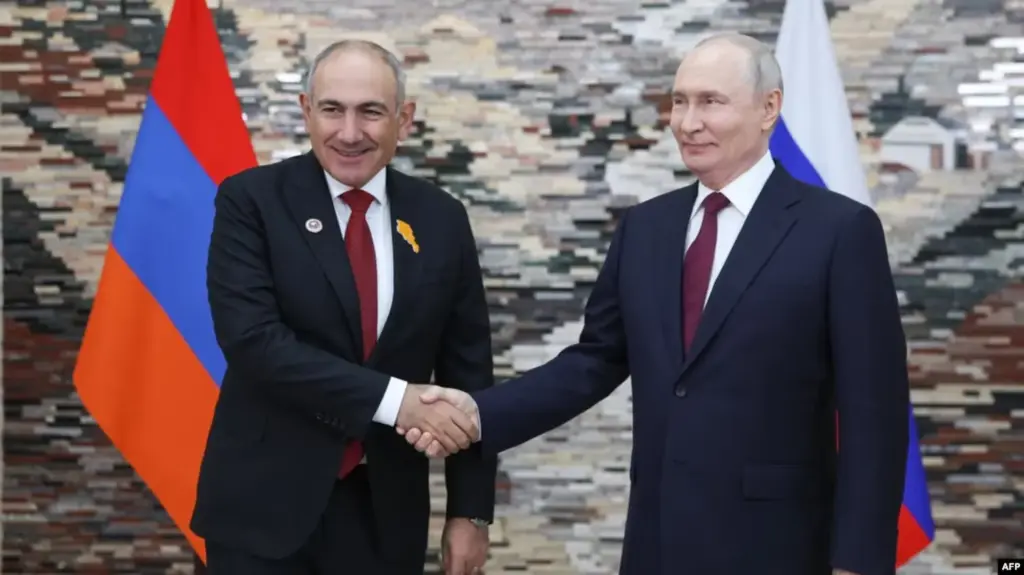
Russia says Armenia’s EU accession law means leaving Moscow-led trade bloc. Yerevan disagrees

Nikol Pashinyan and Vladimir Putin meet in Bishkek

Russian President Vladimir Putin said Armenia's 2025 law launching the EU accession process "amounts to a declaration of withdrawal" from the Russia-led Eurasian Economic Union. Armenian Prime Minister Nikol Pashinyan replied that Armenia had filed no notice to leave and had violated none of the bloc's rules. The leaders met on 1 September in Bishkek, Kyrgyzstan, during a Shanghai Cooperation Organization summit.

The exchange turns Armenia's westward shift into an open dispute over how far it has already moved from Moscow. Yerevan is preparing an EU application and has frozen participation in Russia's military alliance, but it still belongs to the trade bloc. Russia remains Armenia's largest trade partner, accounting for about 35% of its foreign trade.
The disagreement

In the opening minutes, Putin acknowledged that Armenia's aspiration to join the EU was the country's "legitimate right," but said it "creates difficulties" given Armenia's membership in the bloc that links Russia, Belarus, Kazakhstan, Kyrgyzstan, and Armenia. He told Pashinyan that adopting a law launching the process of joining another organization "amounts to a declaration of withdrawal from ours."

Putin urged Armenia to decide quickly and repeated his call for a referendum on whether Armenia should remain in the trade bloc or pursue EU membership, telling Pashinyan to give the people a choice so the matter could be closed.

Pashinyan pushed back. He noted that the bloc's rules have no mechanism to expel a member state—only a voluntary withdrawal process requiring six months' notice—and that Armenia has filed no such notice. He told Putin the issue had not matured enough for a referendum, arguing that Armenia first needs to submit a formal EU application, receive a response, and agree on an accession roadmap.

How far Armenia has moved

Armenia's parliament passed a law launching the EU accession process in March 2025, though the government has said the law does not amount to a formal membership bid. On 24 August, Pashinyan told lawmakers that the government would begin preparing a formal application "in the near future." Armenia has also dropped the "strategic partner" label for Russia from its new government program and effectively frozen its participation in the Russian-led Collective Security Treaty Organization since early 2024.

Russia's response

Since May 2026, Moscow has imposed a series of bans on Armenian agricultural imports—including fruit, vegetables, and mineral water—citing phytosanitary concerns. The EU called the measures "economic coercion" and announced a support package of more than €50 million for Armenia in June.

Pashinyan says dialogue will continue

After the meeting, Pashinyan posted a video describing the talks as "very good" and saying the two leaders had agreed to continue a "sincere and constructive dialogue" during a future visit to Moscow. He said bilateral relations needed to be "rethought" under new circumstances.

  •  

What’s really behind Trump’s deference to Putin?

Whether or not US president fits the definition of a Russian asset, his actions align closely with the Kremlin’s interests

Don’t get This Is Europe delivered to your inbox? Sign up here

Could Donald Trump be a Russian asset? The headline on a review in the Guardian of my new book Betrayal has provoked heated international debate. Written by the historian Lawrence Freedman, the piece generated thousands of comments from across Europe and beyond on social media. Many people responded with a single word: “Duh!”

Trump’s relationship with Vladimir Putin is the biggest mystery in international politics. In 2017 I wrote a book called Collusion, which set out Moscow’s operation to support and cultivate Trump, going back decades. The US president, of course, denies links with Russia. But in his second term, his behaviour towards Putin has been as weird and perplexing as during his first.

Continue reading...

© Photograph: Thilo Schmülgen/Reuters

© Photograph: Thilo Schmülgen/Reuters

© Photograph: Thilo Schmülgen/Reuters

  •  

Putin says Russia is 12 km from Sumy—1.5 km farther than in June

Russian President Vladimir Putin in the Russian army command center, 26 October, 2025. Screenshot from video.

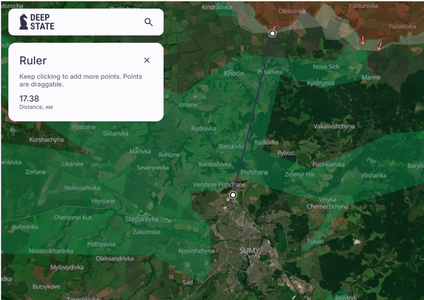
On 1 September, Russian President Vladimir Putin said during a conversation with journalists that Russian troops had 12 km left to reach Sumy. Censor.NET estimated from DeepState’s map that Russian forces were approximately 17 km from Sumy’s administrative boundary.

Russian military commanders have systematically exaggerated their gains on the battlefield. The Institute for the Study of War (ISW) describes such claims as part of a Kremlin information campaign aimed at creating the impression of major Russian gains. In this case, the Russian president cited exaggerated gains that, compared with his previous claims, appear to be a setback.

What Putin said

“The ‘North’ group of forces continues to create a security belt along the Russian-Ukrainian border in the border areas of the Sumy region... There are 12 km left to Sumy, to the Sumy ring road,” Putin said during the press conference.

Censor.NET reported that Russian forces were about 17 km from Sumy without specifying the reference point, while Putin did not say which section of the city’s ring road his 12 km figure referred to.

Approximate visualization of Censor.NET’s reported 17 km distance from the DeepState frontline toward Sumy. Map: DeepState / Chart: Euromaidan Press

Putin previously gave a different distance

On 28 June, during an interview with Russian propagandist Pavel Zarubin, Putin said that Russian troops had “about 10.5 km” left to reach Sumy. At the time, he also explained the offensive as the creation of a “security zone” along Russia’s border.

Putin’s claimed distance to Sumy therefore increased by approximately 1.5 km in just over two months, contradicting the Kremlin’s portrayal of a continuing advance.

Other exaggerations

In July 2026, Putin claimed that Russian forces had “completely captured” Kostiantynivka. Ukraine’s General Staff rejected the claim, saying Ukrainian forces continued defensive operations in the city. ISW also said some videos of Russian flags being raised in Kostiantynivka were likely AI-altered.

On 2 December 2025, Putin claimed that Russian forces had captured Pokrovsk in Donetsk Oblast. ISW found no evidence confirming the city’s complete capture and assessed that its fall would not enable Moscow to achieve a significant breakthrough.

  •  

Zaporizhzhia’s largest mall closes as Russia’s attacks seek to make Ukrainian cities unlivable

Zaporizhzhia’s City Mall, the city’s largest shopping and entertainment complex. Photo: City Mall

Zaporizhzhia’s largest shopping and entertainment complex, City Mall, will remain closed throughout September following a Russian drone strike on a neighboring hypermarket last week.

Russia’s attacks are increasingly disrupting the basic civilian life of Ukrainian cities, as strikes on shops and other commercial facilities make it harder for businesses to operate and residents to go about their daily lives. The pattern is especially pronounced in cities close to the front, where Russia is unable to seize territory but can continue attacking from the air.

City Mall announced the closure on 1 September, apologizing to visitors and saying it would provide updates on when operations could resume. The complex did not give an official reason for the decision.

The announcement came four days after a Russian strike hit an Epicentr hypermarket located near the mall on 28 August. The attack sparked a fire covering about 2,000 square meters.

Russia targets Ukraine’s civilian economy

Shopping centers and other commercial facilities have increasingly been caught up in Russia’s attacks on Ukrainian cities.

In recent weeks, Russia has stepped up attacks on commercial sites and retail storage facilities, particularly in and around Kyiv, as well as other major cities closer to Russia and the frontlines.

On 21 August, a Russian drone strike on a shopping center in Kryvyi Rih killed at least 15 people and injured 130, including 23 children, according to local authorities. A second strike hit emergency responders about 30 minutes later as they worked at the scene.

The attacks have also hit Ukraine’s retail sector financially. As of August, three shopping centers had been destroyed and nine more damaged by Russian attacks since the beginning of 2026, with direct losses to the sector reaching 3.226 billion hryvnias ($72.5 million), according to industry data cited by Censor.NET.

Fear of attacks is also keeping shoppers away. Air raid alerts accounted for 21.8% of shopping centers’ operating hours in August, up from 20.1% in July and 9.4% a year earlier.

A fire burns at a Nova Poshta fulfillment and sorting center in Sviatopetrivske, Kyiv Oblast, after a Russian drone strike on 28 August 2026. More than 60,000 books were destroyed in the attack. Photo: Readeat
Explore further

Russia has burned millions of Ukrainian books, striking at the infrastructure of Ukrainian culture

Zaporizhzhia under Russian attack

For Zaporizhzhia, the pressure is particularly severe. The major city lies close to the front line and has faced sustained Russian attacks throughout the full-scale war. 

Unable to seize the city through ground advances, Russia has repeatedly used missiles and drones to strike its infrastructure and civilian areas.

The result is a city where even businesses that survive direct strikes can be forced to close because of the continuing threat.

  •  

‘It always comes around’: fans react to conviction in Tupac Shakur’s murder 30 years later

Rapper’s supporters reflect on ‘astonishing’ events leading to Duane Davis being found guilty over 1996 fatal shooting

A criminal conviction this week in the murder of Tupac Shakur, the first since the rapper was gunned down in 1996, sent shockwaves through his sea of fans who have waited three decades for answers.

Duane “Keffe D” Davis, a former California gang leader, was found guilty of murder on Monday for the role he played in orchestrating the fatal shooting of Shakur.

Continue reading...

© Photograph: Bob Berg/Getty Images

© Photograph: Bob Berg/Getty Images

© Photograph: Bob Berg/Getty Images

  •  

Trump’s threat against an NBC journalist is an attack on reality | Margaret Sullivan

The president’s call for the FCC to scrutinize Kristen Welker’s innocuous remarks is a sign of desperation

With his approval ratings tanking, the crucial midterm elections looming, and his war with Iran turning into a quagmire, Donald Trump has entered full freak-out mode.

It’s not hard to tell. Just look at what happened this week when he lashed out at Kristen Welker, the well-respected host of NBC’s Meet the Press, and one of the best-known journalists in the nation.

Continue reading...

© Photograph: NBC/NBCU Photo Bank/Getty Images

© Photograph: NBC/NBCU Photo Bank/Getty Images

© Photograph: NBC/NBCU Photo Bank/Getty Images

  •  

Federal judge tosses Trump lawsuit over young trans athletes in California school sports

In a major LGBTQ+ rights victory, the justice department cannot force the state to ban trans girls from women’s sports

A federal judge has dismissed the Trump administration’s lawsuit challenging California’s policy of allowing transgender youth to play on sports teams that match their gender, a major loss for Donald Trump and the Department of Justice (DoJ).

The justice department had been fighting for a year to force California to ban trans girls from women’s sports, with the president directly singling out one trans track and field athlete in online attacks and regularly mocking trans athletes in his speeches.

Continue reading...

© Photograph: Jessica Christian/San Francisco Chronicle via Getty Images

© Photograph: Jessica Christian/San Francisco Chronicle via Getty Images

© Photograph: Jessica Christian/San Francisco Chronicle via Getty Images

  •  

Putin Pledges Increased Strikes in Ukraine and Support for Iran

The Russian president promised continued retaliation against the Ukrainians and “full solidarity” with Iran.

© Atta Kenare/Agence France-Presse — Getty Images

Pedestrians walking past a mural of Iran’s slain supreme leader, Ayatollah Ali Khamenei, in downtown Tehran on Monday.
  •  

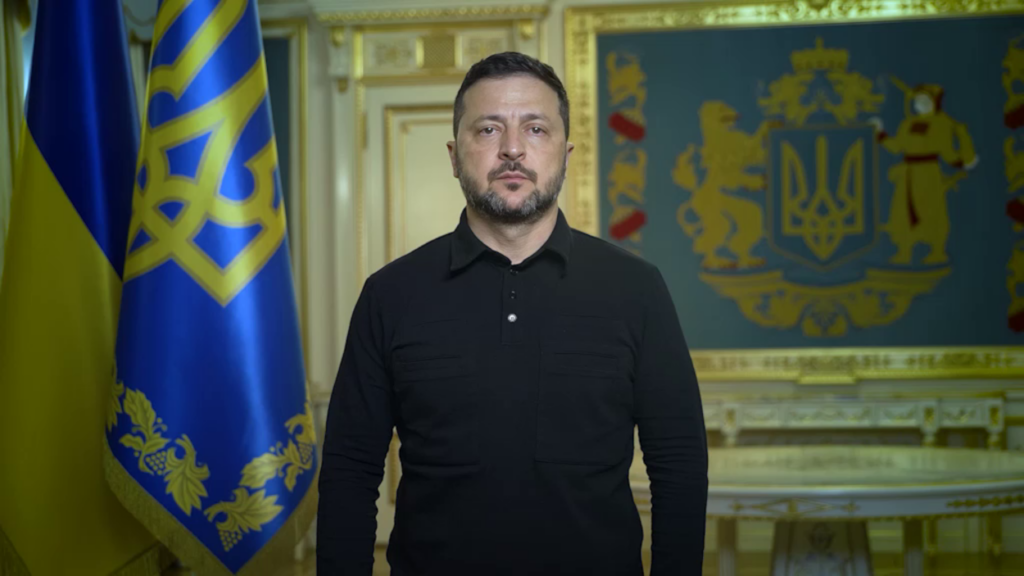
“Russian airspace will effectively be closing”: Zelenskyy warns airlines Russian skies are no longer safe

Ukrainian President Volodymyr Zelenskyy during his evening address, 1 September 2026. Screenshot from video: Zelenskyy

Ukrainian President Volodymyr Zelenskyy warned airlines, insurers, and other aviation stakeholders on 1 September that Russian airspace is becoming increasingly dangerous as Ukrainian drones operate deeper inside the country.

The warning comes as Ukraine has increasingly carried out long-range drone strikes deep inside Russia, targeting military, energy, industrial, and other infrastructure. Russian authorities have repeatedly reported temporary airport closures and flight disruptions during drone attacks as part of air defense measures.

“We want to warn every airline that uses Russian airspace, every insurer, and everyone who still uses Russia’s key airports: Russian airspace is becoming completely unsafe,” Zelenskyy said.

“Russian airspace will effectively be closing”

Zelenskyy said Ukraine does not intend to threaten civilian aviation or civilian aircraft, but warned that the growing presence of drones over Russia means airlines must account for the risks.

“We in Ukraine do not want innocent lives to be lost. That is why we are warning our partners: the safe days in Russia’s skies are over,” he said.

Zelenskyy accused Russian authorities of failing to properly inform airlines about the risks, saying they have not adequately communicated the growing danger posed by drones in Russian airspace.

“Although the Russian authorities are not properly informing people about this, Russian airspace will effectively be closing,” Zelenskyy said, arguing that Russia’s war against Ukraine is making its own airspace unsafe.

Zelenskyy warned that the growing scale of Ukrainian drone operations over Russia will have to be factored into aviation risks. “There will simply be drones in Russia’s skies on a scale that has to be taken into account,” he said.

He called on foreign ambassadors in Ukraine and Russia to relay the warning to their governments, and said Ukraine’s Foreign Ministry and other institutions would provide international organizations with information about the risks to Russian airspace.

“Drone-infested skies are no place for civilian aviation,” Zelenskyy said.

Ukraine closed its skies in 2022. Russia has kept flying

The warning highlights a stark difference between the two countries. Ukraine has kept its airspace closed to civilian aviation since Russia launched its full-scale invasion in February 2022. 

The risk is familiar to Ukraine. Russian forces have repeatedly attacked Ukrainian airports and aviation infrastructure during the full-scale invasion, making the continued operation of civilian aviation impossible.

Russia is also responsible for the 2014 downing of Malaysia Airlines Flight MH17 over occupied eastern Ukraine, which killed all 298 people aboard, showing the danger Russia’s military activities can pose to civilian aviation. 

Russia, meanwhile, has continued operating major airports and regular passenger flights despite Ukrainian drones increasingly reaching deep into its territory. EASA has warned that Russian air defenses responding to Ukrainian drone and missile attacks could pose risks to civilian aircraft, including through misidentification, particularly around major airports.

Russian airports increasingly disrupted by Ukrainian drones

Russian authorities have repeatedly restricted or suspended flights at Moscow and other airports during Ukrainian drone attacks. The disruptions have generally come as Russia activates air defenses against drones targeting military, energy, industrial, and logistics infrastructure.

Russia has also moved toward broader restrictions on civilian aviation. In June, Russia imposed new restrictions on light aircraft around Moscow and neighboring regions, while regular passenger and charter flights remained exempt.

The result is a growing disruption to Russian aviation even as Moscow continues to keep its main passenger airspace open: Ukrainian drones are not being used to target civilian aircraft, but their increasing presence is making normal aviation operations more difficult and forcing Russia to restrict or suspend flights during attacks.

  •  

Russia’s Starlink rival falters as latest satellite batch stalls in low orbit, ISW says

Employees of Russian company Bureau 1440 work on a Rassvet communications satellite.

The Rassvet communications satellites Moscow launched in July are likely to have shorter operational lifespans than planned because atmospheric drag increases at their current altitudes, the Institute for the Study of War (ISW) reported.

Moscow accelerated Rassvet’s deployment after its forces lost unauthorized Starlink access in February. A complete network could support battlefield communications and remotely controlled strikes against Ukraine, but existing satellites provide only brief connectivity windows. The latest setback will likely delay continuous coverage, ISW assessed.

Russian forces had relied heavily on unauthorized Starlink terminals for frontline communications, drone operations, and command-and-control. Ukraine and SpaceX blocked them on 5 February, disrupting Russian communications and assaults across several sectors. A Russian-controlled network could reduce Moscow’s dependence on SpaceX and illicit supply chains for terminals.

None of the 16 satellites launched on 19 July had reached 550 kilometers as of 31 August, according to N2YO tracking data cited by ISW. Many remained between 300 and 400 kilometers, some were gradually losing altitude, and at least two were reportedly heading toward atmospheric reentry.

ISW identified 550 kilometers as the altitude reached by the successful first-batch satellites, while reporting 870 kilometers as Rassvet’s intended operational altitude. At lower altitudes, satellites must use more fuel to counter greater atmospheric drag, shortening their operating lives.

Of the 32 Rassvet satellites launched in 2026, only 12—all from the first batch launched on 24 March—reached sustainable altitudes. They remained at roughly 550 kilometers and provided two daily connectivity windows over Ukraine totaling up to 90 minutes, ISW reported.

Russia needs at least 200–300 working satellites for stable, round-the-clock coverage, presidential defense-technology adviser Serhii “Flash” Beskrestnov assessed. Bureau 1440 plans “dozens” more launches and “hundreds” more satellites, but Russia depends on the scarce, costly Soyuz-2.1b rocket.

Only six to eight Soyuz-2.1b launches of all types have occurred since 2022, limiting Russia to a maximum of 128 Rassvet satellites over four years at that rate, ISW assessed.

Ukraine struck the Progress Space Rocket Center, which builds Soyuz-type vehicles, on 14–15 August and attempted to strike Plesetsk Cosmodrome on 23 August, ISW noted. Both Rassvet batches launched from Plesetsk, showing Ukraine can threaten the rockets and launch infrastructure required to expand the constellation, the institute assessed.

What is Rassvet?

Rassvet, meaning “Dawn,” is a low-Earth-orbit broadband constellation developed by Bureau 1440 as Russia’s domestic alternative to Starlink. Its 5G-based satellites are intended to provide high-speed, low-latency internet independently of SpaceX.

Although initially designed for civilian communications, a mature network could provide Russian forces with battlefield connectivity, command-and-control links, and connections to long-range drones. Moscow aims to place 292 satellites in orbit by the end of 2027 and 924 by 2035.

  •  

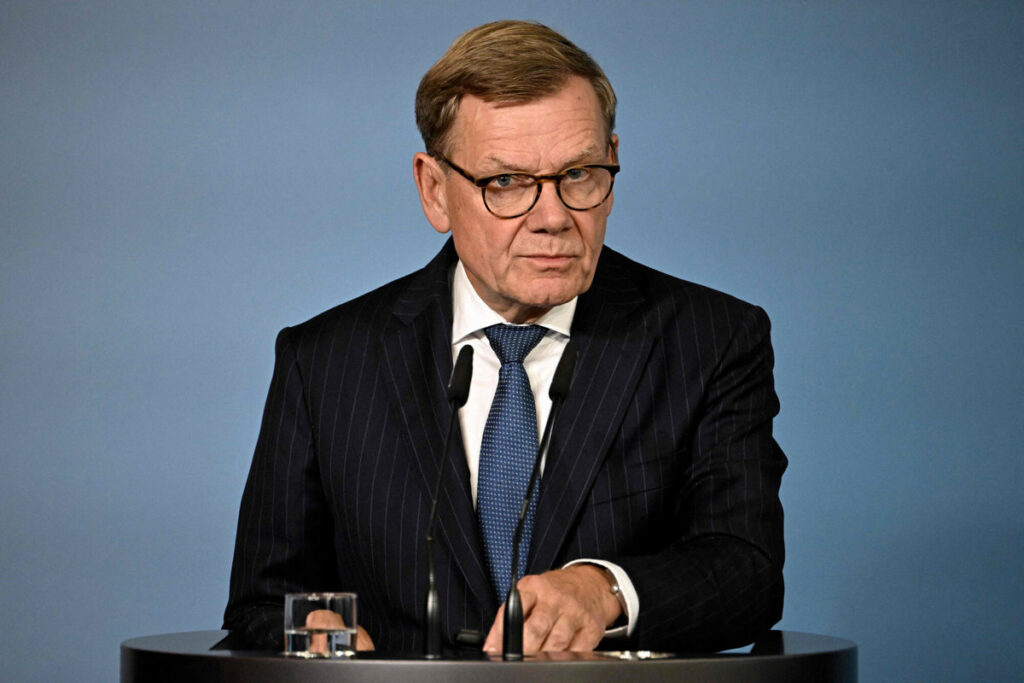
Germany blames Moscow for Leipzig drone attack, closes consulate and cultural center among sweeping diplomatic measures

German Foreign Minister Johann Wadephul stands behind a lectern during a press conference.

An explosives-laden drone aimed at a Ukrainian cargo aircraft at Leipzig/Halle Airport was part of a Russian state operation, Interior Minister Alexander Dobrindt said on 1 September.

Germany has moved from suspecting foreign sabotage to formally blaming Russia for the Leipzig attack. The finding has prompted diplomatic and security measures against Moscow while the criminal investigation continues.

Police investigations, the attack pattern, and intelligence findings established Russian responsibility, Dobrindt said. The drones' configuration, components, explosives, and detonation systems resembled those used in other Russian hybrid operations—covert sabotage and disruption below the threshold of open war—and in Russia's war against Ukraine, Foreign Minister Johann Wadephul said.

The first drone, carrying explosives, was found near a Ukrainian cargo aircraft on the evening of 4 August and defused. Investigators believe a DHL freighter may have collided with a second drone while aborting its landing after the airport closed; that drone was never recovered. A third drone was found on 14 August in a field at Kabelsketal, where investigators subsequently discovered roughly 50 grams of suspected military explosive.

Leipzig/Halle is an international freight hub used by Ukrainian Antonov aircraft and NATO's strategic airlift program, through which allies charter heavy transport aircraft to move oversized military cargo.

Berlin will close the Bonn consulate on 18 September, end the operating agreement for the Russian House, a Moscow-backed cultural center, tighten entry controls for Russian nationals, seek to add more targets to EU sanctions lists, and pressure Russia's shadow fleet—opaquely owned tankers used to move Russian oil outside Western restrictions. Wadephul also summoned the Russian ambassador. Russia's Berlin embassy will remain open.

Russian Foreign Ministry spokesperson Maria Zakharova told Interfax that Moscow would respond to Germany's “anti-Russian action,” without specifying how.

NATO Secretary General Mark Rutte said the alliance stood in full solidarity with Germany, and European Commission President Ursula von der Leyen described Berlin's measures as a strong response.

Dobrindt said Germany expects further Russian hybrid attacks. The Leipzig incident follows a widening campaign of suspected Russian sabotage across Europe, including a 2024 incendiary-device attack at the same airport that Western security officials suspected Russian intelligence organized.

How the Leipzig attack unfolded

Euromaidan Press reported on 12 August, citing Die Zeit, that footage showed an explosives-laden quadcopter striking the wing of a parked Ukrainian Antonov An-124 before falling without detonating. The article also noted that a US Defense Department official told CNN that Washington assessed the drone belonged to Russian intelligence.

On 25 August, EP reported, citing Tagesschau’s NDR/WDR/SZ investigation, that investigators had expanded the case to three drones and found the third with suspected military explosive nearby in Kabelsketal, 10 days after the original attempt.

  •  

Former NFL star Tony Romo given driving ban and vows to ‘own my mistakes’ after OWI arrest

  • CBS analyst was arrested in July after traffic stop

  • Former QB has been absent from CBS duty

CBS NFL analyst and former Dallas Cowboys quarterback Tony Romo has pleaded no contest to a charge of operating while intoxicated and has apologized for the actions that led to his July arrest.

Romo was arrested on 23 July following a traffic stop in Wisconsin. CBS has since placed him on leave from his role as its lead NFL analyst.

Continue reading...

© Photograph: CBS Photo Archive/CBS/Getty Images

© Photograph: CBS Photo Archive/CBS/Getty Images

© Photograph: CBS Photo Archive/CBS/Getty Images

  •  

For These Children, Getting a Safe Education Means Going Underground

In a frontline Ukrainian city, parents don’t see schools built below ground as apocalyptic. Instead, they offer relief from worry about the threat of Russian strikes.

© Jędrzej Nowicki for The New York Times

The first day of school at Sichovy Collegium in Zaporizhzhia, Ukraine, on Tuesday. The school operates from an underground space, built to allow children to continue learning safely amid the war.
  •  

US lawmakers demand investigation into Trump administration’s secret surveillance of Americans

Exclusive: Two congressmembers respond to revelations of government snooping on journalists, non-profits and unions

Two congressional Democrats asked a government watchdog on Tuesday to investigate the Trump administration’s use of an obscure law to secretly collect records on journalists, non-profits and unions without judicial oversight.

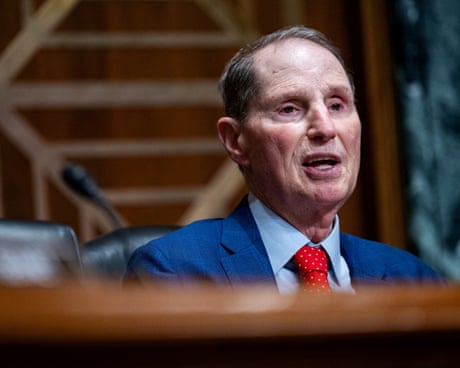
The request from the Oregon senator Ron Wyden and the representative Pramila Jayapal of Washington seen by the Guardian comes amid mounting scrutiny over the way the Department of Homeland Security (DHS) recently used its power to issue administrative summonses related to customs matters to make extraordinary unilateral demands for information. They sent their request to the government accountability office (GAO), the non-partisan congressional watchdog.

Continue reading...

© Photograph: Annabelle Gordon/Reuters

© Photograph: Annabelle Gordon/Reuters

© Photograph: Annabelle Gordon/Reuters

  •  

Weeks After Failed Drone Attack, Germany Points Finger at Russia

The country said Moscow was behind an explosive-laden drone found near a Ukrainian plane at a German airport last month. President Vladimir Putin of Russia called the accusation “a grave mistake.”

© John MacDougall/Agence France-Presse — Getty Images

A Ukrainian cargo plane sat at the Leipzig/Halle Airport in eastern Germany the day after an explosive-laden drone was found near it.
  •  

Los Angeles villa that was hub for German exiles fleeing Nazis reopens after narrow wildfire escape

Spectacular Villa Aurora, which was nearly destroyed in last year’s fires, leading the recovery as Pacific Palisades emerges from a dark chapter

A hillside villa that served as a cultural hub for German writers and artists fleeing the Nazis and narrowly escaped destruction in last year’s Los Angeles wildfires reopened its doors to the public this weekend, marking the latest milestone in the city’s slow recovery from one of the darkest chapters in its history.

Hundreds of friends of the Villa Aurora, a 1920s Spanish Mediterranean house that has taken on a second life as a cultural center with a fierce commitment to artistic freedom, international dialogue and democracy, crowded into the house on Sunday to mark the resumption of speaker events and artistic residencies.

Continue reading...

© Photograph: Photo by Mike Kelley, Courtesy of Villa Aurora

© Photograph: Photo by Mike Kelley, Courtesy of Villa Aurora

© Photograph: Photo by Mike Kelley, Courtesy of Villa Aurora

  •  

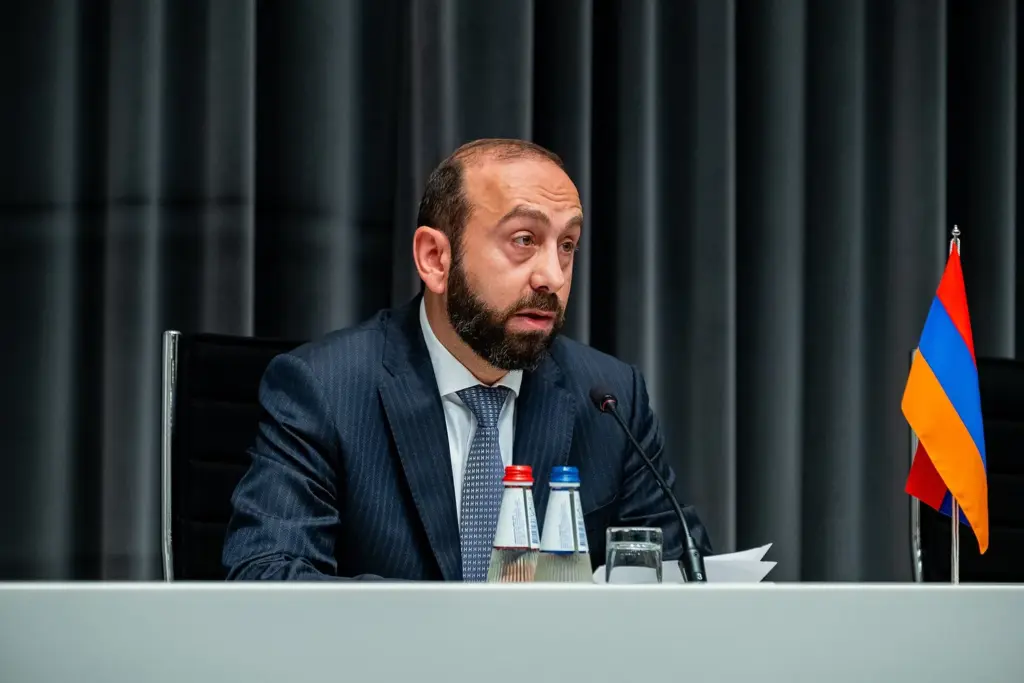
Armenia drops Russia’s ‘strategic partner’ label, but foreign minister says alliance remains

Estonian Foreign Ministry Ararat Mirzoyan

Foreign Minister Ararat Mirzoyan said in an interview aired on 31 August that Russia remains "more than a strategic partner" because existing treaties make the two countries allies, adding that the change in the government program's wording should not be interpreted as an end to that relationship.

Mirzoyan was responding to Armenia's new 2026–2031 government program, which replaces the "strategic ally" and "strategic partnership" language used in the previous five-year plan with a commitment to "transform and deepen" relations with Russia. The previous program referred to an "Armenian-Russian strategic alliance" and pledged to strengthen "allied relations and strategic partnership" with Moscow.

Prime Minister Nikol Pashinyan explained on 27 August that keeping the strategic-partnership language would raise questions about why Russia and the Russia-led Collective Security Treaty Organization had failed to fulfill their security obligations to Armenia in 2022.

Armenia has removed the language of alliance from its government program without ending the treaties, CSTO membership, or energy ties that still bind it to Moscow.

Azerbaijan attacked Armenian territory near Jermuk in September 2022, striking positions inside sovereign Armenia rather than the disputed Nagorno-Karabakh region. Yerevan invoked Article 4 of the Collective Security Treaty, the clause treating an attack on one member as an attack on all, and requested assistance. The alliance sent a fact-finding mission but no troops. requested military assistance. Armenia froze its participation in the CSTO at all levels in 2024, stopped financing it, and has boycotted its summits and military exercises.

Why the alliance frayed

Armenian trust in Moscow had deteriorated further by September 2023, when Azerbaijan retook Nagorno-Karabakh after a brief offensive and Russian peacekeepers deployed to the region did not intervene. Armenian officials accused them of failing to protect the enclave's population.

Yerevan has since moved closer to the European Union. In March 2025, Armenia's parliament passed a law to launch the accession process, though Pashinyan has said any actual membership would require a referendum, and Armenia has not applied to join.

What still ties Armenia to Russia

Even so, Armenia remains heavily dependent on Russia for energy. Russia supplied the bulk of Armenia's natural gas in 2021, and Armenia imports all of its nuclear fuel from Russia, leaving it effectively reliant on imported fuel for nearly 70% of its electricity, according to the International Energy Agency. The country remains a member of the Russian-led Eurasian Economic Union.

Mirzoyan acknowledged that strains had emerged in recent years, citing statements by Russian officials, coverage in Russian media, and Moscow's restrictions on imports of Armenian goods. He called for relations to be made "healthier" and returned to a course of "mutual respect," and said Yerevan did not want a "war of words" with Moscow. Pashinyan said on 1 September that he expected to meet Russian President Vladimir Putin later that day in Bishkek.

  •  

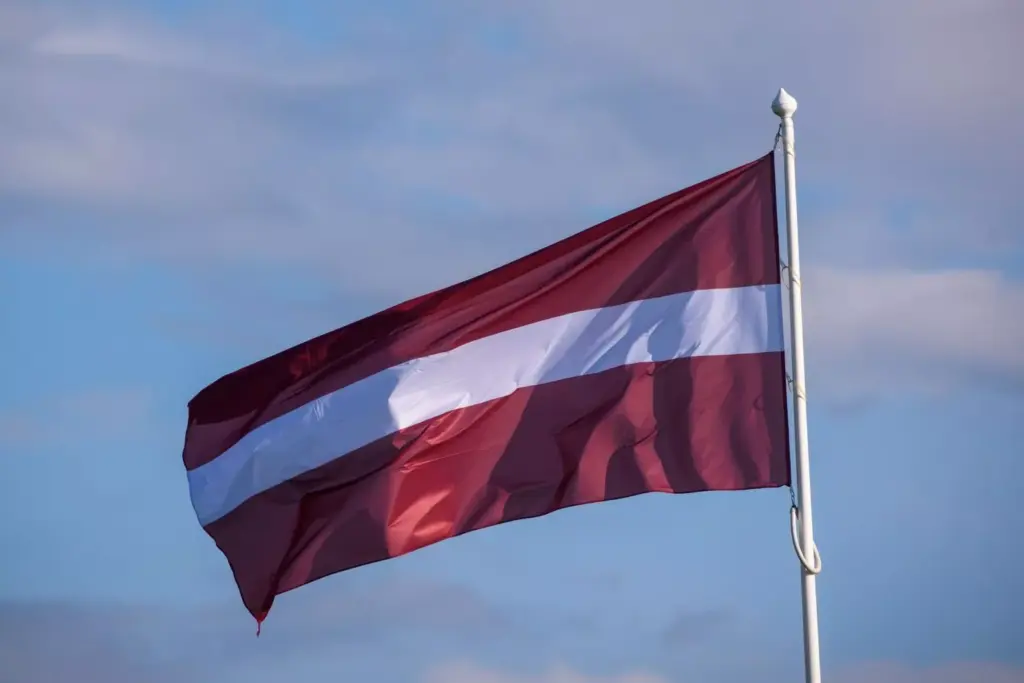
Latvia blocks Russian and Belarusian books, clothes and toys

Latvian flag flying from a white flagpole against a blue, lightly clouded sky.

On 1 September 2026, Latvia banned imports of Russian- and Belarusian-made books, clothing, toys, and other consumer goods, including shipments routed through third countries, Latvian Public Media reported.

The restricted goods were worth approximately €12.5 million ($14.5 million) in 2025, or 6.5% of Latvia’s remaining imports from the two countries. Although modest economically, the measure goes beyond EU-wide sanctions and advances Riga’s effort to deny Moscow and Minsk revenue during Russia’s war against Ukraine.

The restrictions cover the following:

  • Books, newspapers, and other printed material
  • Clothing, textiles, footwear, and headwear
  • Toys, games, and sporting equipment.

Latvia’s Cabinet approved the final product list on 25 August following a Foreign Ministry proposal, completing restrictions parliament authorized on 23 July.

The ban applies regardless of whether the products arrive directly or through another country. Russian- and Belarusian-made goods may still transit Latvia on their way to other EU markets, Meduza reported.

Food and beverages are not covered. The restrictions are scheduled to remain in force until 1 July 2027 and will be reviewed annually.

The Foreign Ministry said the measure is also intended to limit the entry of Russian propaganda material. The targeted products accounted for only 0.05% of Latvia’s total imports in 2025, according to Euronews.

How Latvia has been cutting off trade with Russia and Belarus

Latvia’s combined imports from Russia and Belarus have already fallen by 91%, from €2.13 billion ($2.47 billion) in 2022 to €193 million ($224 million) in 2025, according to Latvian Public Media. Much of that decline followed the country’s departure from Russian energy supplies and the Baltic states’ disconnection from the Russian and Belarusian electricity grids.

The latest prohibition blocks consumer goods that Brussels has not collectively banned.

Latvian Prime Minister Andris Kulbergs previously pledged to eliminate the country’s remaining commercial links with Russia and Belarus, although pharmaceutical exporters were expected to remain exempt.

In August, Latvia also resumed publishing a monthly register of businesses trading with either country, naming 171 companies. Inclusion on the list does not itself indicate a sanctions violation.

  •  

‘Demonic oppression’ and ‘girly convos’: the podcast wooing young women back to Christianity

Girls Gone Bible is on tour in the US, touting a regressive ideal of femininity through discussions of abstinence and mental health struggles

At first glance, the crowd gathering outside a music venue in Red Bank, New Jersey, could have passed for a group of sorority rush hopefuls – or Ella Langley fans on their way to the country star’s show. Most of them were under the age of 30. They wore cowboy boots, maxi sundresses and soft, bouncy blowouts, scrolling on their phones outside the doors as they waited for friends to arrive.

But one accessory gave them away: the Bibles they toted. These women were there to pray.

Continue reading...

© Photograph: Jessie Wardarski/AP

© Photograph: Jessie Wardarski/AP

© Photograph: Jessie Wardarski/AP

  •  

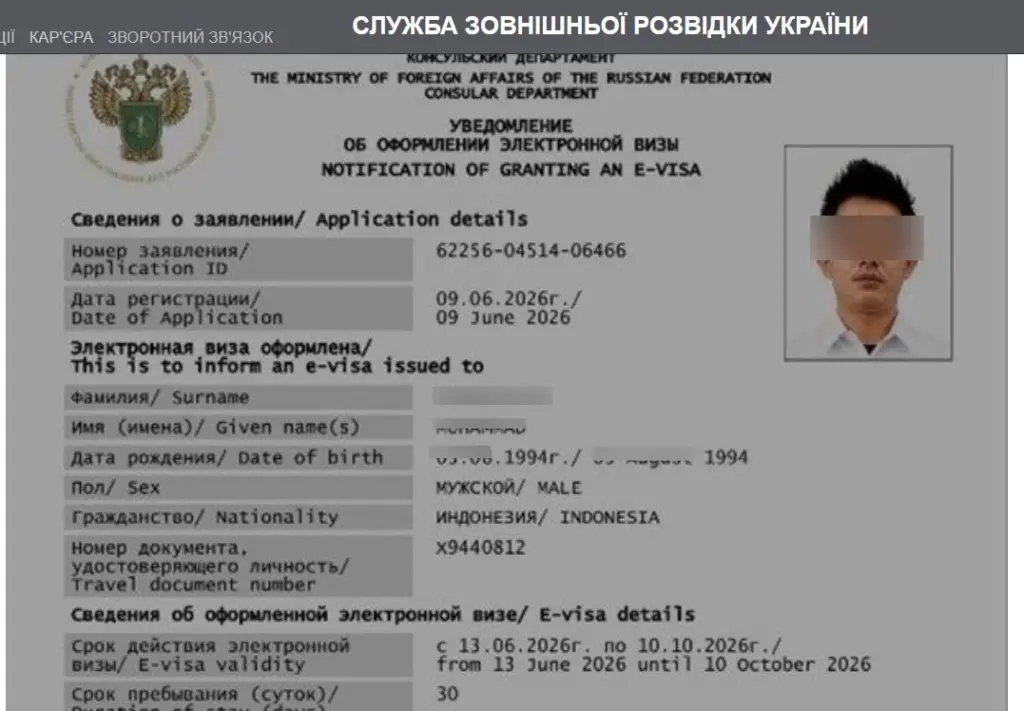
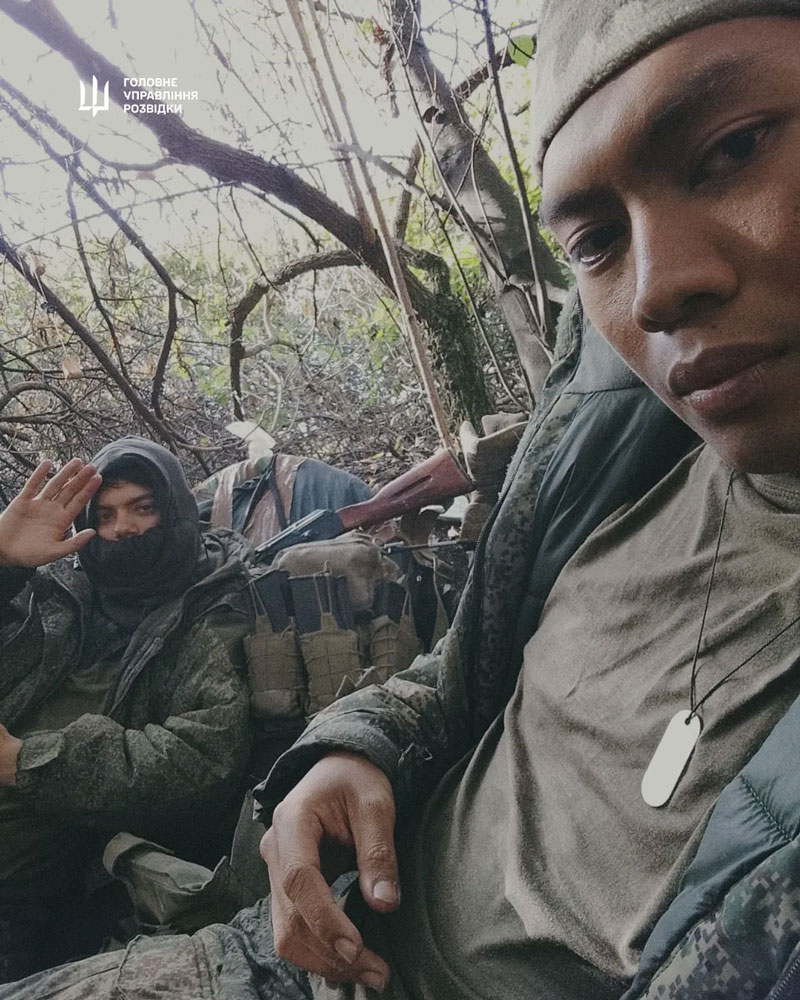
Indonesia is examining whether traffickers put its citizens into Russia’s war on Ukraine

indonesia examining whether traffickers put its citizens russia's war ukraine · post notification russian foreign ministry's consular department granting e-visa indonesian citizen valid 13 10 2026 holder's name eyes obscured

Indonesia's Foreign Ministry is verifying reports that Russia recruited one of its citizens into its armed forces to fight against Ukraine, the Indonesian state news agency Antara reported on 31 August. Ukraine named eight Indonesians serving in the Russian army.

Russia is fighting a war it can no longer man from its own population—losses have outrun replacement for months, and the Kremlin keeps publicly denying that a new mass mobilization is coming, which leaves foreign recruits the option that costs it least at home. Moscow keeps filling the ranks of its illegal war with local contract soldiers and foreign nationals, and Jakarta is now establishing how its citizens entered that pipeline. 

Jakarta cannot yet name the citizen in the Russian ranks

Indonesian diplomatic missions are running the verification together with other government agencies, Foreign Ministry spokesperson Yvonne Mewengkang said on 31 August. She said information on the man's identity, citizenship status, and recruitment process "still requires further confirmation." Mewengkang added that Indonesia would not treat a confirmed enlistment as anything the state endorsed or authorized.

Russia feeds foreign recruits into the illegal war it started against Ukraine. The Indonesian government is checking whether its nationals were trafficked, misled, or hired through fake vacancies before they ended up in uniform. Anyone shown to have been deceived that way will get whatever protection Indonesian law allows, Mewengkang said.

A Kenyan man holds two printed photographs of his son killed fighting for Russia.
Explore further

Nearly 500 Africans recruited into Russia’s army have died, Ukraine says

Indonesian law contains clear provisions on citizens who join foreign militaries, and the consequences are severe, including the potential loss of Indonesian citizenship once the facts have been fully verified, according to the ministry. 

Ukraine's intelligence traced the scheme into Southeast Asia

Ukraine's Foreign Intelligence Service reported on 27 August that it has obtained documents on at least eight Indonesian citizens recruited into the Russian army. Recruiters offer high pay, non-combat work, and fast-tracked Russian citizenship, and many of those who sign have no idea where they will be sent, the service said.

extends russian-oil waiver second time — one bessent had told allies wouldn't make · post filipino mercenary john patrick other russian soldiers forest belt donetsk oblast philippines- mercenary-john-patrick-killed-near-donetsk has extended
Filipino mercenary John Patrick with other Russian soldiers in a forest belt in Donetsk Oblast. Photo: HUR

Each foreigner fills a personnel gap at the front and doubles as propaganda about supposed global support for the war, according to the same report. 

Kyiv had documented the identical model working earlier on citizens of Nepal, Cuba, Kenya, and India.

signed up kill africa refused die ukraine russia's corps recruit flees philippines after gru unit rerouted front · post left russian mercenary georgy kochkin full gear training base mulino nizhny
Explore further

Signed up to kill in Africa, refused to die in Ukraine: Russia’s Africa Corps recruit flees to Philippines after GRU unit rerouted him to the front

Governments elsewhere are counting their dead and missing

Ukrainian intelligence data show that Russia uses the recruitment of foreigners to fill out its personnel. Russia has taken in at least 27,000 foreign nationals from more than 130 countries since February 2022, a joint report by the International Federation for Human Rights and Truth Hounds found in April.

More than a quarter of the 459 Peruvians who joined Russian forces are dead or unaccounted for, official figures show, with the missing far outnumbering the confirmed dead. A Colombia-registered recruiter sent Peruvians into the war on a welcome bonus that never arrived. 

extends russian-oil waiver second time — one bessent had told allies wouldn't make · post nepali man manoj singh bhatta russian military uniform date location unspecified provided kathmandu has extended
Nepali man Manoj Singh Bhatta in Russian military uniform, date and location unspecified. Photo: Provided to The Kathmandu Post.

India has confirmed cases among its own nationals, and Ukrainian intelligence has counted hundreds of dead Africans in Russian units. Ghana accused Russia of luring its citizens into the war after Kenya and South Africa raised the same complaint.

  •  

Once again, Trump wants the FCC to put a bandage on his thin skin | Tom Wheeler

The president is lashing out at an NBC host. As the agency’s former chair, I can only hope it stands up for free speech

Will the FCC chairperson again abuse his authority over broadcast licenses to put a Band-Aid on Donald Trump’s thin skin?

Since the opening days of the Trump presidency, Brendan Carr has acted as the president’s attack dog to coerce broadcasters to say things that please his client. Only days after taking office in January 2025, Carr revived a previously dismissed complaint against CBS for the editing of 60 Minutes that tracked candidate Trump’s specious lawsuit on the matter. At the time, the FCC was considering the transfer of CBS licenses to Skydance, a decision that did not come until after CBS agreed to pay $16m to settle with Trump. In September, after Jimmy Kimmel’s remarks about Charlie Kirk, Carr urged broadcasters to take action, saying “we can do this the easy way or the hard way” – an attack even the senator Ted Cruz said sounded “right out of Goodfellas”. In March 2026, he threatened broadcasters over their coverage of the Iran war after the president complained on Truth Social. In April, he ordered Disney’s eight ABC-owned television stations to submit their licenses for premature review, even though most aren’t even halfway through their license term (Disney, ABC and the stations are suing).

Tom Wheeler was chairperson of the Federal Communications Commission from 2013 to 2017

Continue reading...

© Photograph: Daniel Cole/Reuters

© Photograph: Daniel Cole/Reuters

© Photograph: Daniel Cole/Reuters

  •  
❌