The development of the Freyja interceptor as part of an anti-ballistic coalition of 10 countries is progressing at an accelerated pace, with its first combat test scheduled for mid-2027.
The development of the Freyja interceptor as part of an anti-ballistic coalition of 10 countries is progressing at an accelerated pace, with its first combat test scheduled for mid-2027.
A Ukrainian defense company has shown a new way to knock FPV drones out of the sky, unveiling a net-firing interceptor at the IT Arena tech conference in Lviv, dev.ua reported. The system, called Mangal and developed by Phantom Defense, is still a prototype—the company says the first production units could reach the market in a few months.
Ukraine's counter-drone work has turned into a crowded contest, with firms racing to field jammers, interceptor drones, and net-throwers that can blu
A Ukrainian defense company has shown a new way to knock FPV drones out of the sky, unveiling a net-firing interceptor at the IT Arena tech conference in Lviv, dev.ua reported. The system, called Mangal and developed by Phantom Defense, is still a prototype—the company says the first production units could reach the market in a few months.
Ukraine's counter-drone work has turned into a crowded contest, with firms racing to field jammers, interceptor drones, and net-throwers that can blunt Russia's growing use of cheap FPVs.
What Mangal does
Phantom Defense designed the modular launcher to defend positions, vehicles, and other targets against enemy drones. It fires a special net weighted with sinkers. The net opens the moment it fires, tangling the drone and dragging it down. One module holds six charges. Two cameras give the crew a clearer view, and the system can detect targets on its own, which speeds up how fast an operator spots a threat. Crews can fix Mangal in place to guard checkpoints, trenches, or infrastructure, or bolt it onto a vehicle.
Why a net
FPV drones—aircraft a pilot flies straight into a target—have become a routine danger along the front. A small, fast drone is hard to hit with a single round. A net spreads as it travels, so it is more forgiving to aim. Neither Phantom Defense nor the outlets covering the launch have said how far Mangal's net can reach.
Explore further
Ukraine’s newest interceptor doesn’t ram its target. It nets it for $27, then flies home to catch another
Other net-based counters
Other developers are turning to nets too. The WINFLY Spider is an interceptor drone that snares a target in a net and returns to its launch point intact, at about $27 a shot. That lets one aircraft make repeated intercepts instead of being spent on a single kill. Scan Horizon comes from Postup Solutions, a firm registered in Wrocław, Poland, and pairs a net launcher from Ukrainian company Ptashka Drones. Its net reaches about 30 meters. Contra Drone, meanwhile, has shown interceptor missiles that can reportedly carry net warheads alongside other options.
Ukraine is set to receive three more F-16 fighter jets from Belgium by the end of 2026, Ukrainian President Volodymyr Zelenskyy said, as Russia intensifies its missile and drone attacks on Ukrainian cities.
The aircraft are particularly valuable as Russia increases its use of Shahed/Geran drones, including faster jet-powered variants that are harder for Ukraine’s cheaper interceptor drones to stop. Russia’s growing aerial campaign is already placing additional pressure on Ukraine’s limi
Ukraine is set to receive three more F-16 fighter jets from Belgium by the end of 2026, Ukrainian President Volodymyr Zelenskyy said, as Russia intensifies its missile and drone attacks on Ukrainian cities.
The aircraft are particularly valuable as Russia increases its use of Shahed/Geran drones, including faster jet-powered variants that are harder for Ukraine’s cheaper interceptor drones to stop. Russia’s growing aerial campaign is already placing additional pressure on Ukraine’s limited air-defense resources.
Zelenskyy said the aircraft will be delivered through an accelerated process. Ukraine has already received urgent F-16 ammunition from Belgium and other partners, including Spain.
“As Russia escalates its attacks every day, we need to increase our capabilities to shoot down aerial targets and protect people,” Zelenskyy said.
F-16s help counter Russia’s air campaign
Ukraine received its first F-16s in 2024 after an 18-month international effort to secure the aircraft and train Ukrainian pilots. The jets have since become an important part of Ukraine’s air defense.
Ukrainian F-16s are used primarily to intercept Russian cruise missiles and attack drones, while also carrying out electronic warfare and other missions. In one January 2025 mission, a Ukrainian F-16 pilot shot down six Russian cruise missiles.
Explore further
Allies supplied the F-16s — Ukrainian pilots figured out the tactics
F-16s can also carry precision-guided bombs and air-to-air missiles, allowing them to support strikes against Russian forces and other targets near the frontline. Ukrainian pilots have developed tactics for using the aircraft despite Russia’s dense air-defense network.
For Ukraine, the additional jets therefore provide both another layer against Russia’s expanding aerial attacks and additional capacity for combat operations on the frontline.
The information of potentially tens of thousands of former and current F.B.I. employees may have been compromised in a breach by the criminal hacking group known as ShinyHunters.
A Russian drone struck near the Yahodyn border crossing on the Ukrainian-Polish border, the Ukrainian Border Service and the Polish Armed Forces Operational Command reported on 28 September. Geolocated footage of the attack shows the jet-powered Geran-5 striking near the facility. Following the incident, Poland is reviewing its air security measures.
Russia systematically strikes Ukraine’s border crossings to complicate logistics. Russian strikes near the Ukrainian-Polish border have i
A Russian drone struck near the Yahodyn border crossing on the Ukrainian-Polish border, the Ukrainian Border Service and the Polish Armed Forces Operational Command reported on 28 September. Geolocated footage of the attack shows the jet-powered Geran-5 striking near the facility. Following the incident, Poland is reviewing its air security measures.
Russia systematically strikes Ukraine’s border crossings to complicate logistics. Russian strikes near the Ukrainian-Polish border have increased over the past month. Yahodyn is one of the largest border crossings with Poland, on a route leading, among other destinations, to Warsaw, and has repeatedly been used by senior foreign officials visiting Ukraine.
The blast wave damaged the checkpoint building at the terminal entrance, Ivan Romaniuk, head of the Volyn Regional Military Administration, reported on 28 September. It was a jet-powered drone, but there was “preliminarily no direct hit” on the border crossing, BBC Ukraine reported, citing its own sources in the State Border Guard Service of Ukraine.
Russian drone strikes near Yahodyn
On the afternoon of 28 September, Poland reported the involvement of Polish military aviation because of Russian drone attacks against Ukraine. That day, it was also reported that the airports in Rzeszów and Lublin suspended operations.
Jacek Horyszewski, a spokesperson for the Polish Armed Forces Operational Command, said on TVN24 that a Russian drone had struck near the Yahodyn border crossing in Volyn Oblast on the border with Poland.
Romaniuk confirmed the attack in the village of Starovoitove, Kovel district, Volyn Oblast, where the Yahodyn international border crossing is located.
“There have been no reports of injuries or fatalities,” he said.
Videos that appeared online show the drone falling in a forest near people and border infrastructure.
Момент удару «Герані-5» поблизу КПП «Ягодин», – місцеві канали.
BBC з посиланням на ДПСУ пише, що реактивний дрон вдарив неподалік кордону з Польщею: «Влучання у пункт пропуску «Ягодин» попередньо, не було». pic.twitter.com/VNq7QMy2Ly
The Russians carry out such attacks on Ukraine’s western regions using repeaters on Belarusian territory that amplify signals for Shahed- and Gerbera-type drones, BBC Ukraine reported, citing State Border Guard Service data.
Detonation of a Russian Geran-5 drone at the YAGODIN BORDER CORSSING, Ukraine. The explosion occurred ~1km from Polish territory.
Poland is already considering changes to its air security rules after the incident
The same day, Polish Deputy Defense Minister Cezary Tomczyk said Poland will change its engagement rules "in the coming days." Currently, helicopter and fighter jet pilots can use weapons only after visually identifying a target: the aircraft must approach the object and determine what it is. After the rules are changed, however, a pilot or operational commander will be able to make a decision to engage based solely on radar data.
Cezary Tomczyk. Photo: Paweł Skraba / Super Express
“It is notable that Polish authorities have taken this step as NATO states attempt to find an adequate response to Russian drones nearing or entering their airspace from Ukraine, often leaving NATO air defense insufficient time to identify and target such threats before they have entered allied airspace,” the Institute for the Study of War noted in its 28 September report.
Recent strikes near the Polish border
On 10 September, Polish Prime Minister Donald Tusk said that Poland had prevented a threat to one of its border crossings with Ukraine overnight and expected its border crossings to be attacked as Moscow targets trade routes in an attempt to economically weaken Kyiv. He made the statement after drones struck a border crossing between Ukraine and Moldova on the previous day, killing two people.
On 13 September, Russian forces struck the locomotive of a passenger train two kilometers from the Polish border and hit a gas station near the Yahodyn international border crossing on the Ukrainian-Polish border.
На Волині внаслідок атаки РФ пошкоджено АЗС біля ПП «Ягодин» на кордоні з Польщею - речниця Волинської митниці Валентина Черниш.
Також на кордоні із Польщею рашисти атакували залізничну інфраструктуру - відео. pic.twitter.com/3XLc3B4FFw
The drone attack forced passengers on a train from Ukraine to leave the carriages for safety. Those evacuated included Boris Johnson, security advisers to European governments, German Bundestag lawmakers, diplomats, and academics.
After the Russian attacks, Poland deployed military units on the border with Ukraine and strengthened infrastructure near the border crossings, Polish Defense Minister Władysław Kosiniak-Kamysz said on 15 September.
On 17 September, Russian forces struck near the Yahodyn border crossing with a jet-powered drone.
Ukraine's air defenders now have purpose-built interceptors for Russia's jet-powered attack drones—weapons whose speed and altitude make them difficult for conventional defenses to catch, Militarnyi reported. A crew from the 1020th Anti-Aircraft Missile and Artillery Regiment downed a Geran-5 over Chernihiv Oblast with a newly delivered interceptor, according to the Serhiy Prytula Foundation.
Russia's long-range drone and missile attacks have become central to its effort to wear down Uk
Ukraine's air defenders now have purpose-built interceptors for Russia's jet-powered attack drones—weapons whose speed and altitude make them difficult for conventional defenses to catch, Militarnyi reported. A crew from the 1020th Anti-Aircraft Missile and Artillery Regiment downed a Geran-5 over Chernihiv Oblast with a newly delivered interceptor, according to the Serhiy Prytula Foundation.
Russia's long-range drone and missile attacks have become central to its effort to wear down Ukraine's air defenses and grid before winter, and the war in the sky now turns on which side scales its answer faster.
The Chernihiv intercept
The crew, callsign Yastrub (Hawk), made its first successful engagement with the new interceptor, hitting the jet drone at 425 km/h and above 3 km, the foundation said, releasing footage of the strike. The Prytula Foundation supplied the interceptors and said it has contracted several manufacturers to counter the jet threat.
"Our task is to scale this up and strengthen units," it said.
Why it kept slipping through
Russia first used the Geran-5 in January 2026. HUR's own specifications put its warhead at 90 kg, cruise speed at 450–600 km/h, and range at 950 km, with a ceiling of 6 km. That mix of jet speed and high altitude kept it clear of machine guns, shoulder-fired missiles, and the cheap interceptors built to swat slower piston-engine Shaheds.
Ukraine's military intelligence estimates Russian plants now turn out around 3,000 jet-powered Geran-4 and Geran-5 drones a month, according to HUR. A monitoring Telegram channel, Polkovnyk HSh, reports a newer variant that steers by ground imagery instead of satellites, which would blunt jamming—though HUR has not confirmed it and lists no such system among the drone's components. Separately, Russia moved the jet engine inside the fuselage, a change aimed at more speed and range.
Explore further
After Russia hits Kyiv’s Academy of Sciences with jet-powered drone, the Kremlin says Ukraine must “pay a price”
Where the fight stands
Ukraine intercepts about 55% of Russia's jet drones, against more than 90% of the older models, President Volodymyr Zelenskyy said on 26 September. Since the start of September, Russia had launched more than 2,730 jet drones, and Ukraine had downed or suppressed more than 1,500, he added. Zelenskyy also said Russia plans to spend $12 billion in 2027 on jet drones and loitering munitions alone. Ukraine already has several interceptor prototypes in combat use, and the 1020th crew's kill is one of several jet Geran intercepts Ukrainian units and drone makers have logged this month.
Military personnel from one of the separate mechanized brigades of the Armed Forces of Ukraine have carried out the first logistics mission using a Ukrainian-developed amphibious unmanned ground vehicle.
Military personnel from one of the separate mechanized brigades of the Armed Forces of Ukraine have carried out the first logistics mission using a Ukrainian-developed amphibious unmanned ground vehicle.
Russia is likely attempting to force Ukraine to capitulate by spring 2027 through a large-scale campaign of long-range strikes, the Institute for the Study of War (ISW) said in its 27 September report. Russian President Vladimir Putin's new theory of victory relies heavily on the mass use of jet-powered drones and ballistic missiles against Ukraine, the institute assesses.
Russia keeps shifting to faster jet-powered drones that Ukraine's defenses struggle to stop, forcing it to spend sc
Russia is likely attempting to force Ukraine to capitulate by spring 2027 through a large-scale campaign of long-range strikes, the Institute for the Study of War (ISW) said in its 27 September report. Russian President Vladimir Putin's new theory of victory relies heavily on the mass use of jet-powered drones and ballistic missiles against Ukraine, the institute assesses.
Russia keeps shifting to faster jet-powered drones that Ukraine's defenses struggle to stop, forcing it to spend scarce missiles on them. Russia's use of jet-powered drones rose eightfold from June to August, with Moscow launching around 7,700 such drones since their initial deployment, Ukrainian Air Force spokesperson Yurii Ihnat said on 23 September. But Putin likely does not expect the campaign to last indefinitely, and he may hold off on a new mobilization until he sees whether the strikes work, ISW assesses.
Putin's modified theory of victory
Putin's modified theory of victory largely depends on Russia's ability to mass-launch cheap jet-powered Gerans that get through Ukrainian defenses often enough, the institute notes.
Even a Kremlin-linked Russian milblogger claimed on 27 September that the Russian strategy, which relies heavily on long-range strikes, is costly and cannot continue indefinitely, not least because Ukraine is hitting Russia harder too, according to the analysis.
At the same time, Putin stated on 25 September that Ukraine "must feel" Russia's "retaliatory" strikes. ISW assesses that this suggests he intends to intensify Russia's strike campaign in winter, as he has in previous winters.
The aftermath of the Russian attack on Kyiv, Ukraine, 27 December 2025. Photo: National Police
If Putin is counting on Ukraine to break and capitulate this winter, he may be ignoring what the campaign will cost Russia over time, the institute notes. This strategy also counts on Ukraine's shortage of Patriot interceptors against ballistic missiles, and on the country's power grid and other vital systems giving way under months of strikes.
Until that approach runs out, Putin is unlikely to back down on his demands or agree to real ceasefire talks, ISW assesses.
Ukrainian interceptors could disrupt Russia's plan
A Kremlin-linked Russian milblogger claimed on 27 September that Russian forces launched predominantly jet-powered Geran-5 drones at Odesa, Mykolaiv, and Kyiv during the night of 26–27 September. According to the blogger, Russia's diverse arsenal of strike weapons and Ukraine's shortage of air defense assets allow Russian forces to maintain the current pace of strikes and expand the range of targets, ISW writes in its analysis.
At the same time, Ukrainian President Volodymyr Zelenskyy said on 26 September that Ukraine's interception rate for jet-powered Shahed drones currently stands at 55%. Of more than 2,730 such drones Russia had launched in September by then, Ukrainian forces had downed or suppressed more than 1,500, he added.
Jet-powered drones Geran-5 (above) and Geran-4 (below). Image: TurDef
Ukraine is testing interceptor drone prototypes in combat conditions, Ukrainian Presidential Office head Kyrylo Budanov told Novyny.LIVE on 27 September. The mass deployment of interceptors capable of shooting down jet-powered Gerans could begin within several months, he added. Ukrainian companies have already successfully tested several interceptor drones capable of intercepting Russian jet-powered drones in field conditions, the institute notes.
At the same time, it remains unclear whether Ukraine will be able to scale up its interceptor program quickly enough and achieve sufficient success to disrupt the intensification of Russia's campaign during the winter, ISW notes.
Why Putin may hold off on a new mobilization
Expanding Russia's arsenal of strike weapons is cheaper than carrying out a second mobilization economically, militarily, and socially, a Kremlin-linked Russian milblogger cited by the institute claimed.
Putin may put off large-scale forced mobilization until he sees whether the strikes deliver, ISW assesses, though his officials have been laying the groundwork for it despite Kremlin denials. Still, the need to replace Russia's enormous battlefield losses could push him to order such a mobilization as early as this fall, ISW notes, as Ukrainian and other sources have repeatedly reported he is preparing to do.
A criminal hacking group known as ShinyHunters said it had targeted the F.B.I. as retribution for its public warning in the spring that the group was known to harass its victims and their family members.
A Ukrainian Hornet drone struck a Russian radar system about 120 kilometers behind the front, Taras Myshak, senior communications officer of the 59th Separate Assault Brigade of Unmanned Systems, said on Suspilne on 28 September, ArmyInform reported. The brigade's Signum unmanned systems battalion carried out the strike about a week earlier, he added.
Russia's air defenses depend on radars to see Ukrainian drones and missiles coming. Every radar it loses weakens that watch and gives the
A Ukrainian Hornet drone struck a Russian radar system about 120 kilometers behind the front, Taras Myshak, senior communications officer of the 59th Separate Assault Brigade of Unmanned Systems, said on Suspilne on 28 September, ArmyInform reported. The brigade's Signum unmanned systems battalion carried out the strike about a week earlier, he added.
Russia's air defenses depend on radars to see Ukrainian drones and missiles coming. Every radar it loses weakens that watch and gives the next Ukrainian strike a better chance of getting through.
According to Myshak, the target was a "quite expensive" Russian radar system.
A radar system is effectively the "eyes" of the Russian air defense system: it detects aerial targets, determines their coordinates, and transmits information to other elements of the system.
Russians continue probing Ukrainian defenses
Russian forces in the brigade's zone, roughly along the Donetsk Oblast border, continue to operate in small infantry groups and use infiltration tactics, Myshak says. At the same time, the Russians are trying to cut Ukrainian logistics, he adds, saying that the brigade is effectively holding the Russian army back from infiltrating into Dnipropetrovsk Oblast.
Defensive fortifications in Dnipropetrovsk Oblast, Ukraine. Illustrative photo: Hanna Sokolova-Stekh/DW
The Russians' main means in this sector remain drones and infantry, the serviceman says. The number of infantry has decreased somewhat compared with previous periods, but the pressure from the enemy has not stopped, he adds.
"Of course, they will try, they will constantly probe, so to speak, our defense with their infiltrations. And likewise with drones, of various ranges, working on logistics, making it impossible for us to enter positions, to deliver everything necessary to the positions, in order to make our defense impossible," Myshak emphasized.
At the same time, Ukrainian troops are trying not only to defend against these actions but also to deprive the Russians of radars, electronic warfare systems, and other equipment, the serviceman says. "We likewise don't let them relax," he said.
Russians tried to prevent the strike, but Ukrainian forces hit the target
This was likely the same strike that Ukrainian volunteer fundraiser Serhii Sternenko reported on his Telegram channel on 18 September. Operators of the Signum unit of the 59th Brigade, together with the First Separate Unmanned Systems Center, hit a Russian Nebo-M radar about 120 kilometers from the front line, he wrote.
The radar, which Sternenko valued at about $100 million, was damaged over two drone sorties, which also wounded two Russian servicemen, according to his post. During the operation, the Russians tried to jam the drone's video feed with electronic warfare, but the operators flew on using only flight data and their own experience, he added.
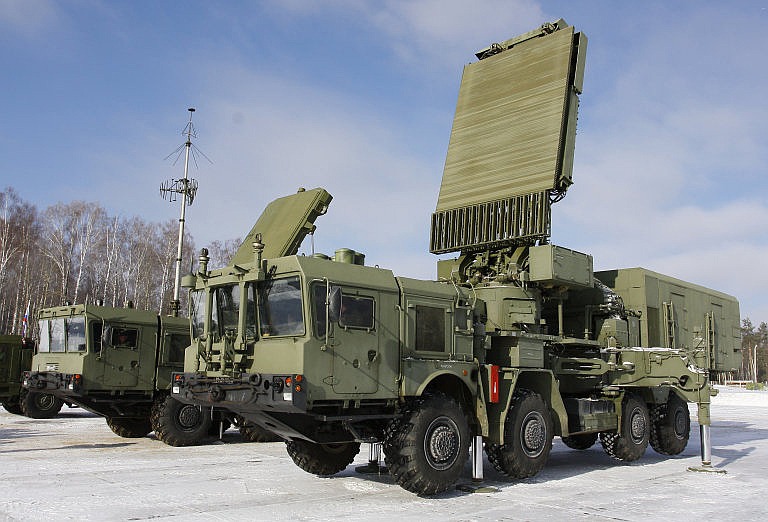
The unfolded Protivnik-GE radar station of the Nebo-M complex, with other components of the system folded nearby. Screenshot from pvo.guns.ru via RFE/RL
Ukraine systematically knocks out the "eyes" of Russian air defense
In October 2024, Ukraine's military said it had hit a Russian Nebo-M radar station with ATACMS ballistic missiles to blunt Moscow's ability to spot and shoot down aircraft and missiles, Reuters reported. The military estimated each such system at more than $100 million.
Ukraine is systematically increasing its use of medium-range strike drones, which can hit targets up to 200 kilometers deep inside enemy territory, the Ukrainian Defense Ministry reported in May this year. Russian air defenses and radars are among the main priorities of such operations, as their destruction weakens the system for detecting and intercepting aerial targets, the ministry said. Medium-class drones, including the FP-2, Hornet, and Bulava, play a critical role in such strikes, the ministry noted.
According to the General Staff of the Armed Forces of Ukraine, Ukrainian forces struck at least 25 major Russian air defense and radar systems during April, about 12 of which were radar systems, the Ukrainian Defense Ministry also wrote in May this year.
Ukraine's defense forces intercepted 55% of Russia's jet-propelled drones in September—more than 1,500 out of over 2,730 launched—Ukrainian President Volodymyr Zelenskyy said in his 26 September evening address.
Russia's full-scale aerial campaign has shifted from propeller-driven Shaheds Ukraine learned to shoot down at over 90% to jet-propelled models that fly faster, resist jamming, and often slip past existing defenses.
55% and climbing
Zelenskyy said military intelligence had
Ukraine's defense forces intercepted 55% of Russia's jet-propelled drones in September—more than 1,500 out of over 2,730 launched—Ukrainian President Volodymyr Zelenskyy said in his 26 September evening address.
Russia's full-scale aerial campaign has shifted from propeller-driven Shaheds Ukraine learned to shoot down at over 90% to jet-propelled models that fly faster, resist jamming, and often slip past existing defenses.
55% and climbing
Zelenskyy said military intelligence had briefed him on Russian weapons production—not just jet Shaheds but other technological systems. The documents detail what Moscow is preparing for next year: the volumes and the financing. "We are preparing our countermeasures, and for every line item there must be a Ukrainian answer," he said.
Several effective interceptor prototypes are already in combat.
"Interceptors have been identified that can become the main tool of our defense. Production, components—all of this we are scaling up. There will be an answer," Zelenskyy said.
The goal is to match the interception rate for regular propeller-driven Shaheds, which exceeds 90%. At 55%, the jet-drone rate is climbing but still leaves nearly half reaching their targets.
$12 billion for one category
Russia plans to spend $12 billion in 2027 on jet drones and loitering munitions alone, Zelenskyy said. "This concerns not only Ukraine and not only us," he added, warning that multiple intelligence agencies have information Russia wants to expand its war to other countries and regions.
He said this is why Ukraine is pushing for stronger sanctions and the Drone Deal format. Ukraine has signed 11 such agreements, the latest with Finland at the UN General Assembly this week, and is preparing a 12th with what Zelenskyy called "a strong country."
The warning came as Russia struck a Kyiv data center twice on the morning of 27 September, injuring three people including two children, Zelenskyy wrote. Overnight strikes killed three people in Zaporizhzhia Oblast and one man in Kyiv.
In total this week, Russia launched more than 2,200 strike drones, roughly 1,650 aerial bombs, and 38 missiles—a significant share of them ballistic—at Ukraine, he said.
Explore further
A $50 computer just flew Russia’s newest jet drone into a Ukrainian grain ship—and jamming couldn’t stop it
Jet drones are now Russia's main aerial weapon
Russia's jet-propelled Geran-4 and Geran-5 drones have become the dominant threat in Russia's aerial campaign against Ukrainian cities. By August, production of jet Geran-4/5 models exceeded that of propeller-driven Geran-2s, according to Ukraine's military intelligence (HUR). Russian factories produce roughly 3,000 jet models per month alongside about 2,800 of the older type. The Geran-5 is technically a drone but functions as a small cruise missile—faster, harder to jam, and increasingly guided by AI and mesh networking that complicate interception.
Ukraine's answer has been interceptor drones—cheap, fast enough to chase a Geran, and guided by machine vision. A Ukrainian interceptor recently scored its first kills against jet Gerans and is heading into mass production, though a presidential adviser warned that speed alone cannot catch them—machine vision and automatic guidance decide the chase.
The gap between technology and policymaking has gotten wider than ever with artificial intelligence, leaving a global policy vacuum as A.I. models rapidly advance.
The gap between technology and policymaking has gotten wider than ever with artificial intelligence, leaving a global policy vacuum as A.I. models rapidly advance.
Ukraine has destroyed a record 76 Russian air-defense systems this month, and September is not over. The tally beats a record that had stood since July 2023 and reflects a systematic Ukrainian campaign to hunt down Russia's air defenses, opening the skies over occupied territory and inside Russia, the analyst Oleksandr Kovalenko said on Telegram.
Ukraine is methodically peeling apart Russia's layered air defense, and September has been its worst month yet: 76 systems destroyed, past the
Ukraine has destroyed a record 76 Russian air-defense systems this month, and September is not over. The tally beats a record that had stood since July 2023 and reflects a systematic Ukrainian campaign to hunt down Russia's air defenses, opening the skies over occupied territory and inside Russia, the analyst Oleksandr Kovalenko said on Telegram.
Ukraine is methodically peeling apart Russia's layered air defense, and September has been its worst month yet: 76 systems destroyed, past the 73 lost in July 2023, by Kovalenko's count, with days still to go.
It is part of a campaign in which Ukrainian drones and special forces have hunted Russian radars and missile launchers across occupied territory and Crimea, and each one destroyed opens a corridor for the next strike.
The record falls with days to spare
Kovalenko credited Ukraine's Defense Forces' sustained hunt for Russian anti-air, which he said pays off twice: it clears the defenses that would otherwise stop Ukraine's strikes, making later attacks on occupied territory and on Russia itself more effective.
Each kill opens a corridor
Ukrainian drone and special-operations units have picked off Pantsir, Tor, Buk, and pieces of S-300 and S-400 systems across occupied territory and Crimea, sometimes several in a single night throughout 2026.
As Russia pulls its scarce long-range systems back to guard Moscow, fewer are left to cover occupied Ukraine, widening the openings for the next wave of Ukrainian strikes.
Russia cannot replace the losses
Over the full-scale war, Kovalenko said, Russia has lost more than 1,673 air-defense systems of every kind, from radars to surface-to-air missiles and self-propelled anti-aircraft guns.
That, he argued, is a level Moscow can no longer make good with a defense industry already stretched thin by the war.
"Such a quantity of equipment Russia will never be able to restore and compensate," he thinks.
He added that this means it would no longer be able to return to the pre-war level of closing the sky, neither technically nor technologically."
Ukraine, the country under daily Russian attack, is offering to help defend others from it. President Volodymyr Zelenskyy says Ukraine will share its drone-defense experience with partners facing Russia's hybrid and drone attacks, NATO members and non-members alike, through its "Drone Deal" agreements, according to UNIAN.
Russia's hybrid and drone attacks are spreading past Ukraine, to Moldova, Germany, and Romania, and Kyiv is casting itself as the country that knows how to counter the
Ukraine, the country under daily Russian attack, is offering to help defend others from it. President Volodymyr Zelenskyy says Ukraine will share its drone-defense experience with partners facing Russia's hybrid and drone attacks, NATO members and non-members alike, through its "Drone Deal" agreements, according to UNIAN.
Russia's hybrid and drone attacks are spreading past Ukraine, to Moldova, Germany, and Romania, and Kyiv is casting itself as the country that knows how to counter them.
Asked whether he would send Ukrainian troops to defend NATO members, Zelenskyy instead pointed to the drone agreements, bilateral pacts open to partners in or out of NATO, that pair weapons sales and joint production with the transfer of Ukraine's combat experience.
Ukraine had signed such deals with nine countries by early August and is negotiating more than a dozen others, becoming, as its officials put it, "a security provider for Europe."
The attacks spread past NATO
"Russia will continue hybrid attacks against various countries, and not only NATO members," Zelenskyy said, pointing to drone incursions over Moldova, which belongs to neither NATO nor the EU.
Those crossings have become routine: Moldova logged 39 Russian drone incursions in the first eight months of the year, and on 24 September, drones entered both Moldova and Romania as Poland scrambled fighters. Ukraine has offered help, Zelenskyy said, "above all to those countries that help us during the war."
The Drone Deal shares experience
The Drone Deal agreements cover the sale of drones and missiles and joint production, he added, "but also an exchange of experience."
He offered a precedent: "How we sent our specialists to the Middle East, how we helped protect critical infrastructure." Sharing how to defend against drones, he said, is "precisely part of this exchange."
Ukraine turns security provider
Zelenskyy did not answer the question on whether Ukraine would put troops into NATO countries under attack, steering instead to what Ukraine can already give, its hard-won experience of fighting the very weapons now reaching its neighbors' skies.
Last winter, eight Ukrainian companies told the defense minister that their interceptors were ready to knock Russia's jet-powered drones out of the sky. They were not. A fast-flying drone is the easy part of the design, while combat testing exposed what the interceptors lacked in key features to chase an evading jet-powered Geran, presidential adviser Serhii Beskrestnov, known as Flash, said in an interview with NV.
Ukraine's answer to Russia's fast, hard-to-stop jet drones was suppose
Last winter, eight Ukrainian companies told the defense minister that their interceptors were ready to knock Russia's jet-powered drones out of the sky. They were not. A fast-flying drone is the easy part of the design, while combat testing exposed what the interceptors lacked in key features to chase an evading jet-powered Geran, presidential adviser Serhii Beskrestnov, known as Flash, said in an interview with NV.
Ukraine's answer to Russia's fast, hard-to-stop jet drones was supposed to be cheap interceptors, and last winter, their makers said they had them. But a jet Geran flies 450 to 500 kilometers an hour, up from the Geran-3's 320, varies its speed to slip past defenses, and will dodge harder once interceptors appear.
Catching one takes maneuverability, machine-vision target-lock, and fuel to loiter and search, not just speed, Flash said. Ukraine's cheap interceptors have already downed about half of Russia's slower drones, but the jet-powered systems have stayed a step ahead.
Eight makers said "ready"
At a meeting last winter called by Mykhailo Fedorov, then-defense minister, all eight interceptor makers reported the same thing: "everything's ready, the solution exists, it flies, we tested it, speed is sufficient," Flash recalled.
The mistake, he said, was that no one checked on them week to week. There were also too few jet Gerans in the skies then to test against.
"On the range, they showed: it flies. That was the problem," explained Flash.
Speed is the easy part
The engines are not the obstacle, Flash continues, since they can be bought abroad, and neither is a plane that flies fast in a straight line. The hard part is a machine agile enough to chase a jet-powered Geran, which is far more maneuverable than the propeller kind and will start changing altitude and throwing evasive maneuvers once interceptors appear.
Because an operator's aim frays at such speeds, he said, the decisive pieces are automatic target capture by machine vision and automatic terminal guidance.
"Building a construction that just flies fast is the easiest part," he added.
Mass orders must wait
That is why Ukraine cannot simply order thousands to blanket the country, Flash said: it first needs a proven design that works for any crew, from Security Service specialists to territorial defense soldiers, and is simple to launch, operate, and maintain.
Once such a sample exists, he said, scaling up is only a question of money. Meanwhile, the work is moving: a Ukrainian interceptor recently notched its first kills against jet Gerans and is heading toward mass production.
Russia's best defenses against ballistic missiles ring Moscow, leaving much of the rest of the country exposed to Ukraine's growing missile arsenal. That concentration is why Ukraine's homegrown ballistic missiles could cause Russia real trouble beyond the capital, even as Russia's air defenses show gaps elsewhere, expert Vadym Kushnikov says, Ukrainian Radio reports.
Russia has the systems to stop ballistic missiles, Kushnikov continues, but it has massed the best of them around Mosco
Russia's best defenses against ballistic missiles ring Moscow, leaving much of the rest of the country exposed to Ukraine's growing missile arsenal. That concentration is why Ukraine's homegrown ballistic missiles could cause Russia real trouble beyond the capital, even as Russia's air defenses show gaps elsewhere, expert Vadym Kushnikov says, Ukrainian Radio reports.
Russia has the systems to stop ballistic missiles, Kushnikov continues, but it has massed the best of them around Moscow: the S-500 "Prometey", with interceptors adapted from the A-135, the Soviet-era shield built to defend the capital from missiles.
Other regions, by his assessment, are left more open to Ukraine's massed and combined strikes. That matters now that Ukraine's own ballistic missile, such as the Sapsan, is entering combat.
The best defenses ring Moscow
"If you analyze the characteristics, Russia today has concentrated its most modern S-500 complexes, with 77N6-N and 77N6-N1 interceptors, in Moscow Oblast," Kushnikov says.
Elsewhere, he said, Russia is short of air-defense complexes, the S-400 among them, a shortfall he said is visible in satellite imagery.
Ukraine's ballistic program grows
Ukraine's deep-strike arsenal has been shifting from foreign-supplied systems to homegrown ones. Alongside its Neptune and Flamingo cruise missiles, it now fields the Sapsan, an Iskander-class ballistic missile with a range of about 500 kilometers, which President Volodymyr Zelenskyy confirmed was in combat late last year.
A domestic ballistic missile will let Ukraine strike deep inside Russia without waiting for a Western green light.
Production faces hard hurdles
Building them is the hard part. Ukraine's rocket-engineering tradition runs deep, Kushnikov suggests, but its production sites, mostly in the east, are direct targets of Russian strikes.
The missiles also depend on components that are difficult to make, chiefly solid-fuel rocket engines and the guidance that steers a warhead flying at five times the speed of sound along a ballistic arc.
"The combination of all these factors is exactly what our engineers have worked on for years, building the Ukrainian ballistic shield," he adds.
Ukraine is building an artificial intelligence system to analyze battlefield data, help commanders plan operations, and forecast Russia's possible moves, its Defense Ministry said. The system keeps the data it runs on behind a protected perimeter.
The logic behind the project: Ukraine can already read the battlefield from drone footage and sensor feeds, but converting that picture into orders is the harder, still-human half where wars are decided.
What SPECTR is built to do
SPECTR
Ukraine is building an artificial intelligence system to analyze battlefield data, help commanders plan operations, and forecast Russia's possible moves, its Defense Ministry said. The system keeps the data it runs on behind a protected perimeter.
The logic behind the project: Ukraine can already read the battlefield from drone footage and sensor feeds, but converting that picture into orders is the harder, still-human half where wars are decided.
What SPECTR is built to do
SPECTR comes from A1, the AI center inside Ukraine's Defense Ministry. Its head, Danylo Tsvok, said Ukraine holds a unique store of data on how this war is fought, and SPECTR is designed to help turn that into a real edge on the ground.
The system is built to analyze incoming information, spot patterns, draft recommendations for planning operations, and automate the routine work in headquarters. Troops would work with frontline information faster.
"Essentially, we are building an operating system for warfighting. It will help the military choose effective courses of action and predict the enemy’s possible moves," Tsvok said.
SPECTR will run inside systems the Defense Forces already use, and on local devices set aside for sensitive data.
The center behind an AI-driven army
The ministry set up A1 in March 2026 with backing from the UK government, aiming to turn AI into Ukraine's battlefield advantage and build an "AI-driven army." That effort runs along three tracks: faster, data-based decisions, AI built into weapons and less bureaucracy in the ranks. The center is working on three flagship projects. Some of its solutions are already being tested by units.
President Trump softened much of his stance toward China as he prepared to host its leader. But his disregard of a topic that has consumed him — the 2020 election — was particularly stark.
President Trump softened much of his stance toward China as he prepared to host its leader. But his disregard of a topic that has consumed him — the 2020 election — was particularly stark.
France delivered additional MICA air-to-air missiles and 30mm cannon ammunition for Ukraine's Mirage 2000 fighter jets, Militarnyi reported, citing France's Armed Forces Ministry.
Delivering an aircraft is one step, keeping it armed is another. France's weapons resupply reflects a shift from one-off hardware transfers to sustained combat support as Russia's aerial campaign against Ukrainian cities grinds on.
What MICA does
The MICA, developed by MBDA, comes in two versions: radar-
France delivered additional MICA air-to-air missiles and 30mm cannon ammunition for Ukraine's Mirage 2000 fighter jets, Militarnyi reported, citing France's Armed Forces Ministry.
Delivering an aircraft is one step, keeping it armed is another. France's weapons resupply reflects a shift from one-off hardware transfers to sustained combat support as Russia's aerial campaign against Ukrainian cities grinds on.
What MICA does
The MICA, developed by MBDA, comes in two versions: radar-guided (MICA RF) and infrared (MICA IR). It weighs about 112 kg, flies at Mach 4.9—nearly five times the speed of sound—and can engage targets 60 to 80 km away.
Ukraine's Mirages have also carried older Magic 2 missiles limited to roughly 20 km. MICAs were reportedly included with the original donation, but the supply may have been limited, which would explain why the Magic 2s stayed in use. MICA triples to quadruples that engagement window, letting pilots intercept cruise missiles far earlier in their flight path. The fresh delivery keeps Ukraine's small fleet supplied with the missiles that make these longer-range interceptions possible.
Explore further
Ukraine is running short of its best missiles for hunting Russia’s jet drones. Now MiG-29s are firing 1970s weapons
Cheap shells for cheap drones
The 30mm ammunition feeds the Mirage's two built-in DEFA 554 cannons, which fire at a selectable rate of 1,200 or 1,800 rounds per minute. A pilot who uses the gun on a Shahed drone saves a MICA for a target that actually needs one.
Ukraine's F-16 operations follow a similar logic: pilots use their 20mm Vulcan cannons alongside AIM-9 and AIM-120 missiles, though Zelenskyy called the missile option expensive—used when nothing else can reach a jet drone, because "a human life is more important."
A Ukrainian Mirage 2000 shot down a Russian Kh-101 cruise missile during its very first combat mission, on 7 March 2025. France has delivered about a dozen modified Mirage 2000-5F jets since February 2025, and the fleet is still growing.
The first known breach of a government website by rogue artificial intelligence agents has prompted global calls for more regulation of the technology.
The first known breach of a government website by rogue artificial intelligence agents has prompted global calls for more regulation of the technology.
Prime Minister Anthony Albanese of Australia at the U.N. General Assembly in New York on Thursday. He has called for international standards to govern A.I.
Ukrainian President Volodymyr Zelenskyy announced that Ukraine has agreed on a new package of Patriot interceptor missiles with an unnamed partner, Suspilne reported. He made the announcement on 24 September during a meeting with the Ukrainian community in the United States. Zelenskyy did not reveal the partner's identity, the quantity, or the delivery timeline.
Russia's aerial campaign against Ukrainian cities is heading into its most dangerous winter yet, with ballistic strikes on hos
Ukrainian President Volodymyr Zelenskyy announced that Ukraine has agreed on a new package of Patriot interceptor missiles with an unnamed partner, Suspilne reported. He made the announcement on 24 September during a meeting with the Ukrainian community in the United States. Zelenskyy did not reveal the partner's identity, the quantity, or the delivery timeline.
Russia's aerial campaign against Ukrainian cities is heading into its most dangerous winter yet, with ballistic strikes on hospitals, power stations, and residential buildings pushing monthly civilian casualties to their highest level since the war's opening weeks. The gap between the interceptors Ukraine needs and what allies have so far committed has become a central factor in both the defense of Ukrainian cities and the diplomatic standoff.
What Zelenskyy said
Zelenskyy made the announcement during a broader address to the diaspora about diplomacy, the peace effort, and cooperation with US President Donald Trump's team.
"We agreed today—I won't say with whom—on a package of [interceptor] missiles for Patriot systems. This is an important decision," Ukrainian President Volodymyr Zelenskyy told the Ukrainian diaspora in New York.
He gave no further details. Zelenskyy said ending the war was the most important question facing Ukraine and awarded decorations to community members who had contributed to the country's defense.
Before the New York trip, the interceptor question had been raised with several partners. After meeting Trump on 22 September, Zelenskyy said he had asked Washington for a winter package of Patriot interceptors. That same week, he pitched Japan's Prime Minister Sanae Takaichi on air-defense cooperation, noting that Mitsubishi Heavy Industries runs the only plant outside the US licensed to assemble PAC-3 missiles. Suspilne noted the issue had also been discussed with other partners Zelenskyy did not name.
Intercepting more, but not enough
On 24 September, air defenses intercepted 60% of the ballistic missiles Russia fired at Kyiv—a figure the president called significant.
"It was 60%—not 10% and not zero. And this year we had moments when it was zero. Not because someone lacks experience, but because someone lacks missiles," Zelenskyy told journalists in New York.
Since 12 August, Ukraine's Air Force has stopped publishing detailed figures on how many missiles Russia launches, reporting only what it downs—which makes Zelenskyy's percentage a rare public benchmark. By that count, Russia has fired at least 794 ballistic missiles at Ukraine since January, about 43% of all missiles used this year, with July's 174 the monthly high.
The overnight attack
Hours after Zelenskyy spoke in New York, Russia launched 295 drones at Ukraine overnight on 24–25 September. In Odesa, Russian drones killed two people—a 40-year-old woman and a 51-year-old man—and injured two others. In Kyiv, Shaheds struck high-rises in Solomianskyi district, and strikes across the broader region killed a 14-year-old boy.
Explore further
1,000 Patriot missiles arrive too late for this winter, so Ukraine asked the Ramstein arms coalition to open its warehouses
Romania scrambled jets as drones drifted toward its airspace. A woman was injured in Dnipropetrovsk Oblast, and the morning brought further Russian strikes on Zaporizhzhia and Poltava, injuring two more people.
The interceptor crisis
Zelenskyy's announcement lands in the middle of a worsening shortage. In August, he told CNN that Ukraine held roughly 1% of American Patriot stocks and that 5% would get Kyiv through the winter. ISW assessed the same month that the interceptor shortage was one reason Russia saw no incentive to negotiate.
The EU has moved to fill the gap. Brussels cleared Ukraine to spend loan money on Patriot missiles and later released €6.1 billion ($7.1 billion) for interceptors and drones. But Ukraine's air force commander warned that newly ordered missiles would arrive too late for this winter and asked the Ramstein coalition to open existing stockpiles.
At least one partner has now moved from discussion to commitment. The quantity and delivery date remain unknown, and Russia produces ballistic missiles faster than Ukraine's allies have so far been willing to part with the interceptors that stop them.
"We agreed today—I won't say with whom—on a package of [interceptor] missiles for Patriot systems. This is an important decision," Ukrainian President Volodymyr Zelenskyy told the Ukrainian diaspora in New York.
"It was 60%—not 10% and not zero. And this year we had moments when it was zero. Not because someone lacks experience, but because someone lacks missiles," Zelenskyy told journalists in New York.
The General Staff of the Armed Forces of Ukraine has streamlined the procedure for discharging service members from military service by consolidating all applicable legal provisions on the matter into a single practical instruction.
The General Staff of the Armed Forces of Ukraine has streamlined the procedure for discharging service members from military service by consolidating all applicable legal provisions on the matter into a single practical instruction.
Moldova’s Defense Ministry reported four drone incursions, Romania’s Defense Ministry confirmed a drone crash, and Poland’s Operational Command scrambled fighters twice during Russia’s 24 September attack on Ukraine.
The strike wave forced Moldova to close part of its airspace, Romania to warn residents and launch F-16 fighter jets, and Poland to activate aircraft, air defenses, and radar. No casualties were reported in the two confirmed crashes, and Poland detected no incursion during
Moldova’s Defense Ministry reported four drone incursions, Romania’s Defense Ministry confirmed a drone crash, and Poland’s Operational Command scrambled fighters twice during Russia’s 24 September attack on Ukraine.
The strike wave forced Moldova to close part of its airspace, Romania to warn residents and launch F-16 fighter jets, and Poland to activate aircraft, air defenses, and radar. No casualties were reported in the two confirmed crashes, and Poland detected no incursion during its first deployment. Moldova has recorded dozens of Russian drone incursions this year.
The drones approached from Ukraine’s Vinnytsia, Odesa, and Chernivtsi oblasts, according to Moldova’s Defense Ministry. Authorities temporarily closed part of the country’s northern airspace.
Near Cernița in northern Moldova, one drone struck a tree, fell into a field beside a farm, and exploded, police said. No casualties were reported.
Investigators preliminarily identified the camera-equipped wreckage as a Gerbera, a low-cost Russian drone often used during attacks on Ukraine. Police said it was the first device of that type found in Moldova.
Police also reported a resident’s account of another explosion near Vadul Rașcov, but said they were still investigating the location.
Romanian radar first tracked an aerial target over Ukraine near the border before it entered northern Romania, the Defense Ministry said. Romania launched two F-16s and sent emergency alerts to residents’ phones in the area. The drone remained in Romanian airspace for about four minutes before crashing near Solca, the ministry said. Officials reported no casualties or damage and had not identified the drone’s origin.
Poland’s Operational Command launched fighters twice in response to Russian strikes on western Ukraine. The first Polish deployment ended around 08:00 with no airspace violation detected; the command announced a second at 09:07. It also activated ground-based air defenses and radar.
The incursions came amid a wider assault. Ukraine’s Air Force said Russia launched 282 drones of various types, along with ballistic and other missiles, overnight into 24 September. Ukrainian officials reported detecting four drones over Chernivtsi Oblast, the Ukrainian region bordering Moldova and Romania, and shooting down three.
Moldova’s repeated airspace breaches
The latest incident followed several breaches in August. An unidentified drone exploded near Crocmaz on 9 August. Another object exploded near Talmaza on 17 August after Moldova briefly closed part of its airspace.
President Maia Sandu said Russian drones had entered Moldovan airspace 39 times in 2026, compared with 17 times throughout 2025. Moldova has portable air-defense weapons and electronic warfare equipment, but Sandu said these chiefly protect individual sites. Her government is working with partners to expand air-defense coverage and speed up threat warnings.
Ukrainian President Volodymyr Zelenskyy has used the UN General Assembly in New York to court partners outside Ukraine's NATO core, pitching air-defense cooperation with Japan and drone cooperation with Chile, Ukrainska Pravda reported. In a single day of bilateral talks, he met Japan's Prime Minister Sanae Takaichi, Chile's President José Antonio Kast, and UK Prime Minister Andy Burnham.
The meetings turned on shielding civilian infrastructure before winter and trading Ukraine's battle
Ukrainian President Volodymyr Zelenskyy has used the UN General Assembly in New York to court partners outside Ukraine's NATO core, pitching air-defense cooperation with Japan and drone cooperation with Chile, Ukrainska Pravda reported. In a single day of bilateral talks, he met Japan's Prime Minister Sanae Takaichi, Chile's President José Antonio Kast, and UK Prime Minister Andy Burnham.
The meetings turned on shielding civilian infrastructure before winter and trading Ukraine's battlefield-tested technology for capabilities it still needs. More than four years into Russia's war, a nation that entered the war reliant on donated arms now iterates drones faster than many of its Western backers, and that expertise has become leverage in its own diplomacy.
Zelenskyy pitches Ukraine's know-how for Japan's air-defense tech
In their first summit meeting, Zelenskyy cast the relationship as a two-way exchange.
"Ukraine is ready to share its experience and technologies on a mutually beneficial basis," he said.
While Japan has advanced technologies for protecting lives, particularly in air defense, that could carry Ukraine through the winter if Russia again rejects talks, the President's Office reported.
Ukraine walks into winter with two air-defense problems. It is still testing home-built interceptors to catch Russia's jet-powered drones. And it does not have enough Patriot interceptors to stop ballistic missiles over its cities. Japan holds the key to the second one.
Explore further
North Korea has fired around 150 ballistic missiles at Ukraine, learning from each one. Same missiles threaten Japan, and Kyiv just shows its speaker what is inside them
Mitsubishi Heavy Industries runs the only plant outside the US licensed to assemble the PAC-3, the advanced Patriot interceptor. Japan is also the sole maker of the guidance gyroscopes inside older PAC-2 missiles. It has already shipped Japanese-made PAC-3s to the US to refill stocks drained by transfers to Ukraine, and Zelenskyy has floated Mitsubishi as the model for Ukraine's own Patriot line.
The exchange runs both ways. Russia keeps pressing Japan over the Kuril Islands the Soviet Union seized in 1945. Against that backdrop, Ukraine's combat-tested drones could appeal to Tokyo. Kyiv offers the drone know-how it now leads in, and asks for the air-defense edge Japan already has.
Zelenskyy also thanked Tokyo for its sanctions on Russia, energy packages, and humanitarian projects, and Takaichi assured him of continued support. Zelenskyy invited her to Ukraine, including the Kyiv-Pechersk Lavra, which Japan helped restore after a Russian drone strike in June.
Explore further
Japan weighs sanctions after Putin’s first visit to disputed Kuril Islands
Chile opens a door to Latin America
With Kast, Zelenskyy discussed deepening security and drone-technology ties and thanked Chile for backing Ukraine at international forums and for helping return Ukrainian children abducted by Russia. He welcomed Santiago's willingness to help expand Ukraine's presence across Latin America, calling it an opening for "even more promising opportunities," and invited Kast to visit.
Building on ties already in place
Both partnerships rest on existing ground. Japan, barred by its own laws from sending lethal weapons, has delivered generators, transformers, and non-lethal gear, pledged a $6 billion package for 2026, and agreed to help rebuild the Lavra through UNESCO. Talks in Tokyo in July recast Ukraine as a security partner rather than an aid recipient.
Chile joined the coalition to bring abducted Ukrainian children home and, in an April call, heard Zelenskyy float a security arrangement modeled on Ukraine's Gulf-state pacts. The outreach tracks Kyiv's drive to turn its wartime industry into an export business under its "Drone Deals" framework.
If President Vladimir V. Putin was hoping to get Europeans’ attention, he’s succeeded with a series of close-call incursions. The question now is what they will do about it.
If President Vladimir V. Putin was hoping to get Europeans’ attention, he’s succeeded with a series of close-call incursions. The question now is what they will do about it.
TAF Industries signed a joint-venture memorandum with Danish firm Upteko for production but says bureaucracy is slowing the process. Meanwhile, Resist.UA agreed to invest in BlueShadow, a Danish maritime-defense startup whose founder commanded a US nuclear submarine and whose engineering team works largely in Ukraine, Defender Media reported.
Ukraine's defense industry has outgrown much of its own 2022-era hardware in two years of rapid wartime iteration, but a government fee of 20-30%
TAF Industries signed a joint-venture memorandum with Danish firm Upteko for production but says bureaucracy is slowing the process. Meanwhile, Resist.UA agreed to invest in BlueShadow, a Danish maritime-defense startup whose founder commanded a US nuclear submarine and whose engineering team works largely in Ukraine, Defender Media reported.
Ukraine's defense industry has outgrown much of its own 2022-era hardware in two years of rapid wartime iteration, but a government fee of 20-30% on export permits and over 200 stalled co-production bids have left the country's foreign arms sales far behind battlefield demand. Deals like the two in Denmark route Ukrainian technology into allied markets without waiting for Kyiv's export apparatus to catch up.
Ukrainian first-person-view drones, made on Danish soil
Drone maker TAF Industries plans to produce its first batch in Denmark by the end of 2026, through a joint venture with local firm Upteko. The two signed a memorandum in August 2026, but paperwork on both sides has slowed things down.
"We need to pass a fairly large number of bureaucratic procedures to make it possible," chief business development officer Mykhailo Diachenko told NordicDefenceWatch.
He called the year-end target reachable, "though maybe it will look more like a miracle."
TAF wants footholds in other countries that support Ukraine. It has started the process in Norway and is negotiating with Sweden's Recas. Diachenko said the goal is local production plus sharing Ukrainian combat experience and technology with European partners. TAF builds FPV drones, with capacity near 1 million units a year.
A Ukrainian fund bets on Odesa's sea defense
Ukrainian fund Resist.UA signed a letter of intent to invest an undisclosed sum in Danish maritime-defense startup BlueShadow's €2 million ($2.29 million) pre-seed round, the company announced. BlueShadow's software collects data from maritime sensors, commercial feeds, and open sources, merges them into a single operational picture, and uses AI to detect threats, Defender Media reported.
The company has also built an open software platform it says can help intercept Shahed-type drones. BlueSentry, designed to protect ports, offshore wind farms, undersea cables, and maritime borders from hybrid attack, is one product that the company plans to launch in the Baltic and North seas in October. BlueDragon, now in prototype testing with Defense Ministry certification targeted for late 2026 and deployment planned for spring 2027, is designed to defend Odesa with autonomous swarms of armed sea drones meant to shoot down Russian attack drones.
Founder Charles Maher is a former US Navy submarine commander who ran a nuclear-powered boat, Defender Media reported. Almost his entire engineering team works in Ukraine, drawing on more than 15 Ukrainian suppliers. Resist.UA this summer launched Resist 2.0, an Estonia-based fund aiming to raise €50 million for Ukrainian defense-tech companies.
NATO's top generals gathered in Copenhagen, and Ukraine was at the center of the table. The Alliance's Military Committee, its 32 chiefs of defense and two strategic commanders, met to reaffirm support for Ukraine, accelerate its readiness, and appoint a new chairman, Ukraine's General Staff said.
The meeting comes as intelligence services and Western leaders warn that Russia may be preparing to move against NATO itself, not only Ukraine. Polish Prime Minister Donald Tusk has recently t
NATO's top generals gathered in Copenhagen, and Ukraine was at the center of the table. The Alliance's Military Committee, its 32 chiefs of defense and two strategic commanders, met to reaffirm support for Ukraine, accelerate its readiness, and appoint a new chairman, Ukraine's General Staff said.
The meeting comes as intelligence services and Western leaders warn that Russia may be preparing to move against NATO itself, not only Ukraine. Polish Prime Minister Donald Tusk has recently told his parliament that intelligence points to Russian plans for drone and missile strikes on NATO countries.
Ukraine anchors the agenda
The annual conference, held in Copenhagen and chaired by Admiral Giuseppe Cavo Dragone alongside the Alliance's two strategic commanders, followed up on decisions from the recent NATO summit in Ankara and centered on deterrence, defense, and new technology, with Ukraine running through it all, according to the NATO Representation in Ukraine.
Cavo Dragone said the Alliance maintains its unwavering support for Ukraine, and that allies continue to send equipment, conduct training, and provide aid while absorbing the hard lessons of Ukraine's defense.
The chair calls out Russia
Cavo Dragone framed the moment bluntly. The Alliance had again seen "the reckless behavior of Russia, including airspace violations, drone incidents, hybrid activities," he said at a joint press conference. He credited allied forces for their swift responses to those incidents and vowed the Alliance would defend every inch of its territory.
Germany's Breuer takes the helm
The chiefs have also elected General Carsten Breuer, Germany's chief of defense, as the next chair of the Military Committee, NATO's highest military body. He will take over in the summer of 2027 for a three-year term, succeeding Cavo Dragone.
Breuer, Germany's chief of defense since 2023, was the front-runner, and his selection, backed by Washington, hands the role to Europe's largest military spender and signals Germany's growing weight in the Alliance's command.
Ukraine's forces have shot down more than 350,000 Russian drones since the start of the year. The count, some 220,000 fixed-wing drones, 100,000 quadcopters, and 31,000 long-range Gerans, was filmed hit by hit in the DELTA combat system and verified by the Brave1 defense-innovation cluster, the Defense Ministry said.
Meanwhile, Russia is now threatening NATO countries directly, its drones probing Polish and Baltic skies, and those countries manage to down only a small fraction of what c
Ukraine's forces have shot down more than 350,000 Russian drones since the start of the year. The count, some 220,000 fixed-wing drones, 100,000 quadcopters, and 31,000 long-range Gerans, was filmed hit by hit in the DELTA combat system and verified by the Brave1 defense-innovation cluster, the Defense Ministry said.
Meanwhile, Russia is now threatening NATO countries directly, its drones probing Polish and Baltic skies, and those countries manage to down only a small fraction of what crosses their borders. In one incursion, Poland shot down just four of about 19 Russian drones.
Ukraine's 350,000 is the record of a force that has had to master drone defense at an industrial scale, night after night.
The tally runs to hundreds of thousands
Most of the kills belong to the Defense Forces' unmanned-systems units, which downed more than 320,000 Russian fixed-wing and copter drones. Those units, together with mobile fire groups and army aviation, also brought down faster Geran-type attack drones.
The pace has been relentless: in August alone, Ukraine destroyed some 35,000 fixed-wing drones and nearly 24,000 copters, the ministry said.
DELTA verifies every hit
Every downing is logged and confirmed in DELTA, the digital system Ukraine uses to run the battlefield, and which the ministry calls a key to its edge over Russia. Filming and verifying each kill lets commanders study how it was done and scale up whatever works.
The purpose is concrete: knocking down fixed-wing drones blinds Russian reconnaissance, and blunts strikes on cities and critical infrastructure, while downing copters keeps Russia from finding and hitting front-line positions. Each drone stopped, the ministry says, is potentially the life of a Ukrainian soldier or civilian saved.
The same threat now shadows NATO
That threat is spreading. Prime Minister Donald Tusk told Poland's parliament that intelligence points to Russian plans for drone and missile strikes on countries backing Ukraine.
The allies being warned are the ones that have struggled to stop even a handful of drones, while Ukraine, out of necessity, has learned to bring them down by the hundred thousand.
An unknown drone has flown right up to the US missile-defense base in northern Poland, and how the military responded has raised questions about how well the site is protected from the air. Rather than shoot the drone down near Redzikowo, a cornerstone of NATO's missile shield, the unit followed a set of procedures that included a call to 112, Poland's civilian emergency line, Onet reported.
Meanwhile, European intelligence officials are considering the possibility that Russia could tes
An unknown drone has flown right up to the US missile-defense base in northern Poland, and how the military responded has raised questions about how well the site is protected from the air. Rather than shoot the drone down near Redzikowo, a cornerstone of NATO's missile shield, the unit followed a set of procedures that included a call to 112, Poland's civilian emergency line, Onet reported.
Meanwhile, European intelligence officials are considering the possibility that Russia could test NATO’s resolve in the near future. According to one official, a potential attack could occur “within months, not years," The Guardian reports.
Surveillance systems detected the drone about half a kilometer from the base on 15 September, where it operated for roughly five minutes.
This incident is linked to a similar one in 2025. Almost a year ago, also in September, around 19 Russian drones crossed into Polish airspace. Poland shot down only four Russian drones with modern Polish F-16s and Dutch F-35s. Meanwhile, Ukraine downs 87.4% of Russian long-range drones. Poland only shot down 17-21% of the drones that entered its airspace.
The base sits at the heart of NATO's shield
Redzikowo hosts the US Navy's Aegis Ashore installation, an American component of NATO's missile-defense system and one of the most sensitive military sites in Poland. It matters strategically to Poland, NATO, and the US. While American personnel guard it, Poland has taken primary responsibility for its security and assigned a dedicated unit.
Even before the base opened, there were efforts to secure anti-drone systems for it, on the logic that a site best protected from the ground can stay exposed from the air.
The ministry keeps its methods quiet
The Polish Defense Ministry says it established where the operator was flying from, notified the relevant services, including the police, and treats every case of unauthorized drone activity near a guarded site seriously. What it will not say is whether it tried to neutralize the drone, or whether the anti-drone and electronic-warfare systems at Redzikowo were used at all, citing security.
Warnings pile up across the flank
The stakes are rising along NATO's eastern edge. Prime Minister Donald Tusk told parliament on 17 September that, by the assessment of NATO, Ukrainian, and US intelligence, Russia's plans include drone and missile strikes on countries backing Ukraine, Poland among them, possibly staged to look "accidental" and test whether Article 5 means anything. Warsaw insists it is ready and will hit back at any attack. The Redzikowo drone, and the four-of-nineteen record behind it, are why that confidence keeps drawing questions.
Russian drones have entered Moldovan airspace 39 times since the start of 2026, against 17 in all of last year, President Maia Sandu said after a meeting of the country's National Security Council, Liga reported. Moldova's military can defend individual sites and little more, and Sandu said the country has to speed up building air defenses it spent three decades without. The council also ordered better protection for the energy facilities the country runs on, drones included.
Russia's d
Russian drones have entered Moldovan airspace 39 times since the start of 2026, against 17 in all of last year, President Maia Sandu said after a meeting of the country's National Security Council, Liga reported. Moldova's military can defend individual sites and little more, and Sandu said the country has to speed up building air defenses it spent three decades without. The council also ordered better protection for the energy facilities the country runs on, drones included.
Russia's drone war has outgrown Ukraine's borders, and the countries around it answer with what they have: Poland scrambles jets and extends sirens along its eastern edge, Italian fighters under NATO command downed a Geran over Lithuania, Romanian F-16s shot down three drones over the Danube delta in a single 72 hours. Moldova is the one state in that arc with no alliance behind it and no interceptors of its own, so nothing over its territory stops a drone or costs Russia anything for sending it, which is how a violation hardens into a routine.
What Moldova has to shoot with
Moldovan forces hold portable anti-aircraft missiles, anti-aircraft machine guns, and electronic warfare equipment, Sandu said. Their capabilities are mostly limited to protecting individual pieces of critical infrastructure. Three decades of ignoring air defense will not be paid off in five, she said, and Moldova is working with partners to speed the process up.
The military is now working to extend the range its air defenses cover. Moldova received €120 million from the EU to buy a medium-range system, and it is looking with international partners for more modern and cheaper ways to bring drones down.
Chișinău is also deepening cooperation with countries in the region to receive and pass on threat data faster. Interception is the part Moldova cannot yet do: Romania has shot down drones that reached it after crossing Moldovan territory, while Moldova mostly records them.
Explore further
Moldova is investing in air defense against the Russian drones crossing from Ukraine—Romania shoots down the ones that reach it
A month of incidents
The pace has picked up this month. A drone tracked over Moldova on 8 September held up seven flights, among them Volodymyr Zelenskyy's plane as it took off for King Harald V's funeral in Norway.
Three days later, Moldova temporarily withdrew its staff from three border crossings on Ukrainian territory because of the threat of Russian strikes, after Russia hit at least five of Ukraine's western crossings since late August.
On the morning of 18 September, a loud explosion went off near Chișinău and police found drone wreckage at the site. In August, a blast near the village of Talmaza marked the country's third airspace breach in nine days.
Warning the public is the other gap
Moldova is still building the system that would tell people a drone is overhead. MD-Alert needs more time to implement and is costed at €5 million, Sandu said, and until it works the government will use whatever notification mechanisms it already has.
The council that produced the drone count was convened on energy, and its decisions ran from gas reserves and fuel stocks to cyber vulnerabilities. Among them, Sandu wrote, were measures to better protect the facilities the country's energy supply depends on from hostile action, including the danger of drones.
Russia wants to build 14,000 of a new cruise missile next year, enough to fire them at Ukrainian cities by the thousand. The weapon, the Dan-T, is a cheap air-launched jet missile that flies hundreds of kilometers on its own, RBC-Ukraine reported.
The danger is volume, not finesse. Russia aims to produce up to 2,000 Dan-T missiles by the end of this year and scale it drastically, RBC-Ukraine's sources say. Fired in large numbers, it would add a fresh layer to the Gerans and the cruise a
Russia wants to build 14,000 of a new cruise missile next year, enough to fire them at Ukrainian cities by the thousand. The weapon, the Dan-T, is a cheap air-launched jet missile that flies hundreds of kilometers on its own, RBC-Ukraine reported.
The danger is volume, not finesse. Russia aims to produce up to 2,000 Dan-T missiles by the end of this year and scale it drastically, RBC-Ukraine's sources say. Fired in large numbers, it would add a fresh layer to the Gerans and the cruise and ballistic missiles that already saturate Ukraine's skies on the worst nights.
Numbers make the threat
The experts are less worried about any single Dan-T than about the swarm. High speed, long range, and the ability to launch the missiles by the thousand would stretch Ukraine's air defense further with every strike, forcing crews to spend scarce interceptors on yet another cheap target.
The missile flies to its objective autonomously, and Russia claims a special flight profile designed to make it harder for air defense to spot and shoot down.
A target drone becomes a weapon
The Dan-T has an unusual pedigree. It began as the Dan-M, a jet-powered target drone Russia's Sokol bureau built in the early 1990s and imitated US Tomahawk cruise missiles for air-defense practice, now planned to be stripped of its recovery parachute, fitted with a warhead, and fired at Ukrainian cities. Like Russia's other new cruise weapons, it carries no operator link, steering itself by satellite and inertial navigation.
The Banderol joins the list
The Dan-T is not the only new weapon unsettling Ukraine's military. The experts named it alongside the S8000 Banderol, a separate cheap cruise missile that Russia already builds at up to 80 a month and has used in some of its heaviest strikes on Kyiv. The Dan-T closely resembles the Banderol and, being cheaper, may end up replacing it.
The US is preparing to sell Ukraine something unusual: American-made missiles for its Soviet S-300 air-defense systems. The missiles, labeled "S-300 Clone" in the paperwork, are part of a $2.68 billion package that the State Department approved on 18 September, financed by European partners and unused US military aid, Defense Express reports.
Ukraine has plenty of Soviet-era S-300 launchers but not the missiles to feed them. Russia will not sell more, and an earlier Ukrainian attempt to
The US is preparing to sell Ukraine something unusual: American-made missiles for its Soviet S-300 air-defense systems. The missiles, labeled "S-300 Clone" in the paperwork, are part of a $2.68 billion package that the State Department approved on 18 September, financed by European partners and unused US military aid, Defense Express reports.
Ukraine has plenty of Soviet-era S-300 launchers but not the missiles to feed them. Russia will not sell more, and an earlier Ukrainian attempt to build its own went nowhere, according to Defense Mirror.
Not a Soviet 5V55 replica
At the same time, the missile itself is not actually a "clone" or replica of the Soviet 5V55. According to Defense Express's own information, this is a new development with enhanced characteristics and a different, more modern targeting guidance principle.
At the same time, the American side did not disclose the index, characteristics, or manufacturer of the missiles mentioned in the State Department's statement.
In September 2024, then-US Defense Secretary Lloyd Austin announced at the Ramstein contact group that Washington, in partnership with several European companies, was working with Ukraine to "design and build a substitute" for the Soviet S-300 and the R-27 air-to-air missile used by fighter jets, Newsweek reports. He never spelled out what that substitute would be.
Anti-radar missile project from the 1950s
The package will also include GAM-67. As for the GAM-67, despite the existence of an unrealized American anti-radar missile project from the 1950s, this is also a new development. It is intended for medium-range systems, both existing ones, including Soviet ones, and future ones.
The package also provides for modernization and maintenance: spare parts, consumables, and accessories, support during repair and return, software, transportation support, engineering, technical, and logistical services from the US government and contractors, and other related elements of logistical and program support.
Ukrainian drones struck Rostov-on-Don for the second consecutive night, with OSINT channels reporting the military airbase was likely targeted again, Militarnyi reported on 18 September. The previous night's strike hit the same installation, and Ukrainian President Volodymyr Zelenskyy reported the destruction of three military aircraft and three helicopters there.
Russia's full-scale war against Ukraine grinds through its fifth year with Russian military airfields serving as launch pads
Ukrainian drones struck Rostov-on-Don for the second consecutive night, with OSINT channels reporting the military airbase was likely targeted again, Militarnyi reported on 18 September. The previous night's strike hit the same installation, and Ukrainian President Volodymyr Zelenskyy reported the destruction of three military aircraft and three helicopters there.
Russia's full-scale war against Ukraine grinds through its fifth year with Russian military airfields serving as launch pads for guided-bomb strikes on Ukrainian cities and front-line positions. Ukraine's drone campaign against these bases and against the defense-industrial plants that supply them aims to destroy the aircraft, radars, and production lines Russia needs to sustain the war.
Second consecutive overnight strike
The attack began around midnight, Russian news Telegram channel Astra reported. Rostov-on-Don city mayor Aleksandr Skryabin stated around 02:00 that air defenses were active and urged people to take cover indoors.
Rostov Oblast governor Yurii Slyusar claimed more than 50 drones were downed overnight over Rostov-on-Don, Taganrog, Bataysk, and five other districts. He listed damage to private houses, apartment buildings, cars, and gas pipes but made no mention of the airbase.
Ukrainian OSINT channel Supernova+ suggested the airbase was the target again. Krymsky Veter reported a fire near the airfield. However, Astra noted the published footage had not been verified by its OSINT expert, and the results of the repeat strike on the base remain unverified.
Residents told Astra they heard no air-raid sirens and did not know where shelters were located. The Moscow Times reported locals described "deafening bangs" from around 00:30.
Explore further
Drones hit Rostov-on-Don for the second straight night—OSINT monitors say the military airbase was likely the target again
Russia's Defense Ministry claimed 629 Ukrainian drones downed overnight across all regions.
Ukraine's General Staff did not mention the airbase
Ukraine's General Staff reported verified results from several earlier strikes, including a hit on Kombinat Kamensky, a solid-rocket-fuel factory in Kamensk-Shakhtinsky, also in Rostov Oblast. The batch did not mention the Rostov-on-Don airbase. That does not necessarily mean the second attack did not take place—the General Staff can report strike results on the same day or days later, once damage is assessed.
Previous night: reported aircraft kills
The previous strike hit the Rostov-on-Don Central military airfield overnight on 17 September. Zelenskyy reported hits on a military transport An-12, two An-26 aircraft, and three helicopters. The SBU said a fire erupted on the aircraft parking area and secondary detonation of ammunition followed, with local residents reporting a large-scale blaze visible across the city. There is no independent verification of these figures.
Explore further
Drones hit Rostov-on-Don for the second straight night—OSINT monitors say the military airbase was likely the target again
Ukraine's General Staff had earlier reported strikes on the same airfield on 6 September. Ukrainian forces also reported destroying a Podlyot radar and two Pantsir-S1 air defense systems at the base, though no imagery was released.
Ukraine has been systematically targeting Russian military airfields and their air defenses with drones across the front, from occupied Crimea to Rostov Oblast. In August, a combined strike also hit a Rostov Oblast airfield alongside a major refinery.
EU Commission President Ursula von der Leyen says Europe will provide Ukraine with another €3.3 billion for missiles and drones as Russia intensifies attacks on Kyiv and seeks to make daily life in Ukraine's cities impossible.
Ukraine has repeatedly appealed to its partners for more air defense as Russia develops increasingly sophisticated ways to attack Ukrainian cities, while Ukraine’s stocks of air-defense interceptors have fallen to critically low levels.
Following a call with Pr
EU Commission President Ursula von der Leyen says Europe will provide Ukraine with another €3.3 billion for missiles and drones as Russia intensifies attacks on Kyiv and seeks to make daily life in Ukraine's cities impossible.
Ukraine has repeatedly appealed to its partners for more air defense as Russia develops increasingly sophisticated ways to attack Ukrainian cities, while Ukraine’s stocks of air-defense interceptors have fallen to critically low levels.
Following a call with President Volodymyr Zelenskyy, von der Leyen said the EU would disburse the funds on 18 September. She also said the EU had approved funding for Patriot air defense systems through its Ukraine Support Loan.
Ukraine needs more air defense
Russia has increasingly combined large numbers of attack drones with ballistic and cruise missiles, forcing Ukraine to defend vast areas while facing shortages of high-end interceptors.
The most difficult targets are Russia’s ballistic missiles, which can reach Ukrainian cities within minutes and require specialized systems such as Patriot to intercept. Ukraine has repeatedly called for more Patriot batteries and interceptors as Russia increases missile attacks.
Ukraine also needs additional air defense capabilities to counter Russia’s increasingly sophisticated drone attacks. Russia is deploying faster, more advanced Geran-type drones that are more difficult to intercept, increasing pressure on Ukraine’s already limited air-defense stocks.
Von der Leyen said the EU had approved funding for Patriot systems last week, but acknowledged that “clearly more is needed.”
The new €3.3 billion package will fund the procurement of missiles and drones for Ukraine, strengthening its ability to defend against Russian attacks.
I just had a phone call with President @ZelenskyyUa.
Tomorrow we will disburse €3.3 billion for missile and drones in Ukraine.
Von der Leyen also announced that the EU is prepared to use remaining funds from its Security Action for Europe (SAFE) program to launch a new joint EU-Ukraine defense initiative.
The proposed program would focus on developing a European air and missile defense system, building on the jointly developed anti-ballistic Freya system.
The goal is to combine Ukraine’s battlefield experience and defense innovation with European technology and industrial capacity, according to von der Leyen.
The announcement comes as Ukraine is trying to strengthen its air defenses ahead of another winter of Russian attacks, when strikes against energy and other critical infrastructure could have an especially severe impact on civilians.
Explore further
The EU has billions in unspent defense funds. It wants to use them for projects with Ukraine
Von der Leyen calls for broader support
Von der Leyen said the EU has already mobilized nearly €15 billion for Ukraine in 2026, with additional support planned. She added that “more is coming.”
She also said Ukraine needs to complete reforms in the Verkhovna Rada to unlock further funding and continue its path toward EU membership.
“Europe is stepping up,” von der Leyen said. “Now others must step up their support too.”
Poland will provide another aid package to Ukraine, which will include, among other things, “what Ukraine needs right now,” Deputy Minister of National Defense Stanisław Wziątek said, reports Polskie Radio. He said the package would include missiles for F-16 fighter jets, which the Ukrainian military uses to shoot down Russian drones.
Ukraine is critically short of missiles for F-16 fighter jets, which shoot down Russian UAVs. Recently, it was reported that pilots sometimes took off wit
Poland will provide another aid package to Ukraine, which will include, among other things, “what Ukraine needs right now,” Deputy Minister of National Defense Stanisław Wziątek said, reports Polskie Radio. He said the package would include missiles for F-16 fighter jets, which the Ukrainian military uses to shoot down Russian drones.
Ukraine is critically short of missiles for F-16 fighter jets, which shoot down Russian UAVs. Recently, it was reported that pilots sometimes took off without missiles, using only the aircraft’s built-in M61A1 Vulcan cannon, which is dangerous for civilians. Poland’s newly promised aid will include these missiles for Ukraine.
Among other things, Poland will provide aviation equipment, the report said. Media reports added that the aid package may be worth around €50 million.
Ammunition for F-16s and possible aviation equipment
“Our aid is in the process of being prepared. Everything will happen in a moment. I cannot say what it contains, I can only say that it is what Ukraine needs right now. This includes basic ammunition. These are the ones mounted on F-16s to shoot down Russian drones,” Wziątek said.
AIM-9 and AIM-120 are air-to-air missiles that the Ukrainian Armed Forces use with F-16s to fight Russian aviation, Militarnyi says. The outlet adds that last year Ukrainian F-16s were spotted with APKWS II missiles, which are effective against drones. As for the aforementioned aviation equipment, Poland may provide decommissioned MiG-29 fighter jets or drones, the media outlet suggests.
A MiG-29 fighter jet of Poland's Air Force. Photo: WZL-2 via Facebook
The MiG-29 does not use the same scarce stocks of AIM-9 and AIM-120 missiles.
Missile shortage is not new
In July 2025, America abruptly suspended arms supplies to Ukraine, affecting some types of weapons. Among them were more than 90 US-made AIM air-to-air missiles that were in Poland and on their way to Ukraine, but were withdrawn by the US, according to a Wall Street Journal article. Since then, Ukraine has received Western aid for air defense systems, but missiles have remained among the items in short supply.
Ukraine faced a severe shortage of F-16 missiles from late November to mid-December, according to Reuters. One source said Ukraine had "nothing to put on its jets for almost a month."
While F-16s likely rank first by number in the Ukrainian Armed Forces, the Soviet-made MiG-29 ranks second, Euromaidan Press. Ukraine had enough R-73 missiles for this fighter, but when the Ukrainian Armed Forces also began using them for ground-based launchers after 9M33 missiles for Soviet Osa air defense systems ran out, the rate of consumption increased sharply.
Ukrainian forces were observed resuming the use of older missiles that had been considered obsolete. There is an alternative: using the fighter’s cannon. However, this practice is dangerous.
Russia launched a large-scale missile and drone attack on Ukraine overnight on 17 September, striking Kyiv, Zaporizhzhia, and Odesa Oblast, among other regions.
The attack damaged civilian infrastructure in Kyiv, including apartment buildings and educational facilities, while water infrastructure was also affected. Kyiv mayor Vitali Klitschko reported 20 people injured, including at least two children.
Water infrastructure hit as winter concerns grow
The overnight strikes affected
Russia launched a large-scale missile and drone attack on Ukraine overnight on 17 September, striking Kyiv, Zaporizhzhia, and Odesa Oblast, among other regions.
The attack damaged civilian infrastructure in Kyiv, including apartment buildings and educational facilities, while water infrastructure was also affected. Kyiv mayor Vitali Klitschko reported 20 people injured, including at least two children.
Water infrastructure hit as winter concerns grow
The overnight strikes affected Kyiv’s water infrastructure, temporarily disrupting water supply on the left bank and reducing pressure in some areas on the right bank.
Kyivvodokanal said its specialists restored operations and that water supply is now fully functioning across the capital.
The damage comes as Ukrainian authorities have warned that Russia could target critical water infrastructure as winter approaches, potentially adding another major threat to civilians alongside attacks on Ukraine’s electricity and heating systems.
Russia has repeatedly used winter strikes to target Ukraine’s critical infrastructure, particularly electricity and heating, leaving civilians without power, heat, and basic services during freezing weather.
This winter is expected to bring a heavier campaign: Russia has intensified its attacks since the summer, increasingly targeting food-related infrastructure and supplies in addition to energy facilities.
No missiles intercepted, once again
Russia launched ballistic and cruise missiles alongside 157 Shahed-type attack drones and decoy drones, according to Ukraine’s Air Force.
The ballistic missiles included Iskander-M, S-400 and North Korean KN-23 missiles launched from Russia’s Bryansk and Voronezh oblasts. Russia also launched four Kalibr cruise missiles and Oniks missiles.
Ukraine’s air defenses reported destroying or suppressing 131 aerial targets, but none of the ballistic weapons were among those intercepted. The 131 targets consisted of seven Bandеrol/Dan-T missiles and 124 Shahed, Gerbera, and other drones.
Once again, Ukraine intercepted none of the Russian ballistic missiles, underscoring the country’s shortage of high-end air-defense interceptors needed to defend against Russia’s increasing ballistic missile attacks.
However, Ukraine’s General Staff reported strikes on two of the S-400 systems that Russia uses to launch ballistic missiles from Bryansk Oblast.
Explore further
Ukraine strikes two Russian S-400 launchers in Bryansk. The same systems were used to attack Kyiv overnight.
Kyiv hit across several districts
Kyiv police reported damage in the Darnytskyi, Dniprovskyi, and Solomianskyi districts.
Apartment buildings, educational facilities, a municipal building, vehicles, and railway tracks were damaged. Most of the 16 injured people were residents of a damaged 16-story apartment building in Dniprovskyi district.
The victims included a 10-year-old girl and a 12-year-old boy.
Kyiv’s military administration also reported a strike on a warehouse building in Podilskyi district.
Russian attacks on Kyiv have injured 20 people today, with five hospitalized.
A blast wave damaged apartment buildings in the Dniprovskyi district, while a car caught fire at another location.
Scenes like these are becoming a daily occurrence in the capital.
The Air Force said Russian missiles and attack drones hit 36 locations across Ukraine, while debris from intercepted targets fell at five locations.
Russia damaged the Berestyn station building and a Kyiv commuter stop in an overnight strike on the railways
A Russian drone hit the station at Berestyn in Kharkiv Oblast before dawn on 17 September, and passengers and staff sat out the attack in shelters, Ukraine's national… pic.twitter.com/OaeAaO58eX
Russia’s overnight attack on Odesa Oblast continued for much of the night, injuring seven people, including children aged four and 13, Odesa Oblast Governor Oleh Kiper reported.
One Russian drone struck a high-rise apartment building in Odesa, destroying 10 apartments on the 14th–16th floors and damaging 11 cars. Three people were injured there, including the four-year-old child.
Other strikes damaged at least five residential buildings, a kindergarten, a dormitory, a restaurant’s outdoor area, warehouses, garages, and cars. An elderly woman and the 13-year-old child were among four other people injured.
A Russian overnight attack on Odesa Oblast injured 7 people, including 2 children, after a strike hit a 19-story apartment building.
A private home in the region was also destroyed, while a kindergarten, cars, garages, and warehouses were damaged.
Zaporizhzhia was also hit by Russian missiles, with three people injured – a woman and two men. The missiles struck industrial facilities, partially damaging buildings and causing a fire at one site.
Later in the day, Russia attacked the village of Storchove in Zaporizhzhia Oblast with guided aerial bombs. One bomb hit a private house and outbuildings, killing a 51-year-old woman and injuring a 70-year-old man. The strike destroyed property the family had accumulated over decades, according to the Zaporizhzhia Regional Military Administration.
Russia also struck a passenger bus in Zaporizhzhia with an FPV drone near a public transport stop. Five people were injured. A regional official said Russia had “once again chosen not a military target, but people who were simply traveling about their business.”
A Russian FPV drone struck a passenger bus carrying people in Zaporizhzhia, right near a public transport stop. Three people were reportedly injured.
“Russians once again chose not a military target, but people who were simply going about their daily lives,” a Zaporizhzhia… pic.twitter.com/VRZcch4PRH
A Ukrainian drone maker has revealed it built a strike weapon it kept classified, deputy director Andrii Rymaruk told Radio NV. For two years, Ukrspecsystems, known for manufacturing Ukraine's SHARK reconnaissance drones, hid its connection to the RAM-2X strike drone, even as crews used it to hunt Russia's costly air defenses and missile launchers deep behind the front. By 2025, it had quietly become the Defense Forces' flagship mid-strike drone.
Ukraine's war on Russia's air defenses i
A Ukrainian drone maker has revealed it built a strike weapon it kept classified, deputy director Andrii Rymaruk told Radio NV. For two years, Ukrspecsystems, known for manufacturing Ukraine's SHARK reconnaissance drones, hid its connection to the RAM-2X strike drone, even as crews used it to hunt Russia's costly air defenses and missile launchers deep behind the front. By 2025, it had quietly become the Defense Forces' flagship mid-strike drone.
Ukraine's war on Russia's air defenses increasingly runs on drones its own industry builds and fields in secret, revealed only once they have already destroyed the enemy's costliest launchers and radars. Holding one back that long lets its crews rack up strikes before Moscow can study the weapon and build a counter—and this maker went public only once wrecked drones had reached Russian hands.
Why come out now
The RAM-2X first flew in combat in early 2024, but the maker kept its role secret. Rymaruk said the company wanted the drone and its crews to finish the job first—destroy what needed destroying—before talking. Once shot-down units reached the enemy and turned up on social media, silence no longer protected anything. So after two years, Ukrspecsystems unveiled the drone at the MSPO defense expo in Kielce, Poland.
What it kills
This is a mid-strike drone—a loitering munition that flies deep behind the lines, circles, and dives into its target. Its victims include S-400 and S-300 air defenses, the systems Russia uses to shoot down aircraft, and Iskander launchers that fire ballistic missiles at Ukrainian cities.
Rymaruk put the RAM-2X's own tally at more than 350 Russian systems destroyed since 2024, while Defender Media, which interviewed him, reported more than 1,000 targets over two years. Ukrspecsystems credits the wider RAM series, which reaches back to a fixed-wing model supplied from late 2022, with more than 450 target engagements, over 400 of them against air defenses. Today, it destroys 50 to 60 pieces of Russian equipment a month.
How far, how many
The drone has grown fast. It flew 140 km in 2024 and now hits targets up to 180 km, almost 230 km in good conditions, and a crew from the 429th Achilles unmanned-systems brigade set a range record at 215.5 km. It has spread from a few crews to about 100 military units and 250 trained teams, and one operator can fly it from anywhere in Ukraine. It also works in pairs with the SHARK-M reconnaissance drone—one finds the target, the other kills it. In July, Ukrainians crowdfunded 30 of the drones for military intelligence and the security service through Serhii Prytula's foundation.
Ukraine's air defense forces have put another Western-supplied system to work as the country prepares for a fifth winter of Russian aerial strikes on its energy grid, Militarnyi reported. The 38th Anti-Aircraft Missile Regiment released the first public footage of the Italian-Swiss Skyguard/Aspide on combat duty.
Ukraine enters the 2026-2027 heating season with an interceptor gap that keeps widening. Patriot deliveries fell from 675 in 2023 to 364 last year and 264 projected for 2026, a
Ukraine's air defense forces have put another Western-supplied system to work as the country prepares for a fifth winter of Russian aerial strikes on its energy grid, Militarnyi reported. The 38th Anti-Aircraft Missile Regiment released the first public footage of the Italian-Swiss Skyguard/Aspide on combat duty.
Ukraine enters the 2026-2027 heating season with an interceptor gap that keeps widening. Patriot deliveries fell from 675 in 2023 to 364 last year and 264 projected for 2026, according to President Volodymyr Zelenskyy. F-16 pilots have resorted to gun-only sorties when missiles run out. Every additional short-range system that covers drones and cruise missiles frees scarce high-end interceptors for the ballistic threats Russia keeps sending.
Ukraine just showed the system in action
The Ukrainian unit posted a video of crews loading missiles onto the launcher and the system standing watch.
Loading a Skyguard/Aspide air defense system. Screenshot from a video by the 38th Anti-Aircraft Missile Regiment
The system arrived through two European pipelines. Spain delivered the first batch in November 2022, then-Defense Minister Oleksii Reznikov confirmed. A month earlier, 19 Ukrainian troops had trained on the system at Spain's Zaragoza base. Madrid also asked Switzerland for re-export permission, Texty reported, since the Swiss firm Oerlikon Contraves— now Rheinmetall Air Defense — built the Skyguard fire control unit the missiles are paired with.
Italy pledged additional Skyguard units in February 2023. The Italian launchers differ from the Spanish ones. They carry a target-illumination radar and a TV tracking unit mounted directly on the launcher.
A Cold War-era missile in a drone war
Skyguard/Aspide, a related variant of Italy's Spada, is a short-range air defense system built to guard military sites and critical infrastructure from aircraft, helicopters, cruise missiles, and drones. It pairs a Swiss fire control unit with Italian Aspide missiles derived from the American AIM-7 Sparrow, a radar-guided weapon the US Navy developed starting in the late 1940s to shoot down jet bombers during the Cold War. The system can engage targets at distances up to 12–25 km and altitudes from 15 m to 6,000 meters.
Ukraine has authorized 81 private companies to run their own air defense against Russian drones, letting the factories and infrastructure sites that Moscow hits daily shoot back, Ukraine's Defense Ministry says. The firms have been provided "authorized" status under an experimental program, a count that has climbed from 51 in mid-July, according to ArmyInform.
The idea is to let the targets defend themselves. Russian drones strike Ukrainian factories, warehouses, and power sites so rel
Ukraine has authorized 81 private companies to run their own air defense against Russian drones, letting the factories and infrastructure sites that Moscow hits daily shoot back, Ukraine's Defense Ministry says. The firms have been provided "authorized" status under an experimental program, a count that has climbed from 51 in mid-July, according to ArmyInform.
The idea is to let the targets defend themselves. Russian drones strike Ukrainian factories, warehouses, and power sites so relentlessly that the state cannot shield everyone, so the Defense Ministry is enlisting the companies being hit to form their own drone-defense teams.
Ninety-two firms have already applied, among them operators of critical infrastructure and businesses from across the country's industries and regions. The teams are not freelancers: they fold into Ukraine's layered air defense under the command of the Air Force, so they do not fire into a shared sky blind.
The count climbs fast
The program has grown quickly since it began in late 2025, from 24 companies in April to 30 in June, 51 in July, and 81 by mid-September. The units are made of trained, certified civilian staff, some running mobile fire teams with heavy machine guns, others flying interceptor drones.
By June, they had already shot down more than 20 Russian attack and reconnaissance drones, the ministry said, including one jet-powered Geran, the faster variant that has strained Ukraine's defenses.
Russia's drones drive the demand
The Defense Ministry launched the project at the end of 2025 to add a layer of protection for workers and production sites that had become routine targets.
The goal the ministry set for the wider effort is stark: detect every aerial threat and destroy 95 percent of them. The steady climb in members, roughly one company added per day since July, suggests that demand is not slowing.
Ukraine has successfully tested another interceptor designed to counter Russia’s increasingly common jet-powered Geran attack drones, President Volodymyr Zelenskyy said on 15 September.
The test comes as Russia rapidly expands the use of faster jet-powered Gerans, creating a new problem for Ukraine’s air defenses: these drones give defenders less time to detect and engage them while allowing Russia to maintain large-scale attacks. A successful interceptor could give Ukraine a cheaper, s
Ukraine has successfully tested another interceptor designed to counter Russia’s increasingly common jet-powered Geran attack drones, President Volodymyr Zelenskyy said on 15 September.
The test comes as Russia rapidly expands the use of faster jet-powered Gerans, creating a new problem for Ukraine’s air defenses: these drones give defenders less time to detect and engage them while allowing Russia to maintain large-scale attacks. A successful interceptor could give Ukraine a cheaper, scalable way to counter that threat without relying as heavily on scarce high-end air-defense missiles.
Zelenskyy said Commander-in-Chief Mykhailo Drapatyi reported the successful test, during which the new interceptor struck a Russian Geran drone.
The system still reportedly needs further work, including improvements to some aspects of its control. But the successful test marks another step in Ukraine’s effort to develop a new layer of air defenses against Russia’s faster drones.
Russia is making its drone attacks faster and larger
Russia has sharply expanded its use of jet-powered Gerans in recent months, adding a faster and more difficult-to-intercept threat to its large-scale drone campaign.
Geran is Russia’s designation for its domestically produced Shahed-derived attack drones, with newer jet-powered variants representing a major upgrade over the earlier propeller-driven models.
Zelenskyy recently said Russia launched around 2,100 drones against Ukraine last week, alongside nearly 1,700 guided aerial bombs and 78 missiles. The attacks have increasingly targeted energy facilities, railway infrastructure, businesses, and residential areas.
The newer Gerans are faster than earlier Shahed-derived drones and can reach targets deep inside Ukraine. Their speed gives Ukrainian air defenses less time to detect, track, and engage them.
Russia has also changed how it uses its drones. Rather than concentrating attacks almost exclusively overnight, Russian forces have increasingly launched waves during the day as well, keeping Ukrainian cities under repeated air-raid alerts.
The result is a growing challenge not only of interception, but of scale. Ukraine must defend a large territory against increasingly large drone barrages while preserving more sophisticated air-defense missiles for ballistic missiles and other threats.
Geran-5 (above) and Geran-4 (below). Image: TurDef
Ukraine is building a new layer of air defense
Ukraine has already been racing to develop such systems. In late August, Defense Minister Yevhen Khmara said four potential interceptor systems capable of shooting down jet-powered Gerans had undergone field testing. Ukraine was aiming to bring them to the required level and eventually produce thousands of units.
Today’s announcement shows that effort continues to produce concrete results.
Ukraine is also expanding other parts of its counter-drone network. Zelenskyy said the country is increasing purchases of electronic warfare equipment and reorganizing mobile fire groups and air-defense positions.
The goal is to build enough layers to cope with Russia’s evolving drone campaign: electronic warfare, mobile fire teams, traditional air defenses, and increasingly specialized interceptors.
Russia is making its drones faster and launching them at greater scale. Ukraine’s response is now moving beyond adapting existing defenses toward developing weapons specifically designed to catch them.
NATO fighter jets shot down a drone over Lithuania shortly after midnight on 15 September, the first time alliance aircraft have destroyed one over that country, LRT reported. The aircraft crossed in from Belarus and came down near a village in the center of the country, where military police sealed the site. Its type and operator have not been established.
Russia is fighting a war it has not confined to Ukraine, and NATO's eastern flank now absorbs the overflow — drones crossing the bo
NATO fighter jets shot down a drone over Lithuania shortly after midnight on 15 September, the first time alliance aircraft have destroyed one over that country, LRT reported. The aircraft crossed in from Belarus and came down near a village in the center of the country, where military police sealed the site. Its type and operator have not been established.
Russia is fighting a war it has not confined to Ukraine, and NATO's eastern flank now absorbs the overflow — drones crossing the border, sabotage inside Europe, and warnings from Western intelligence that Moscow could turn on the alliance within a year of the fighting in Ukraine ending.
What happened over Lithuania
Lithuania's National Crisis Management Center issued a yellow air alert after midnight, first for the capital and the districts around it, then for the Kaunas region further west. Italian Air Force Eurofighter Typhoons flying NATO's Baltic air policing mission from Šiauliai Air Base destroyed the drone with missile armament, Lithuania's Defense Ministry confirmed, and the army published the first images from the crash site.
Map showing Pratkūnai in Kaišiadorys district, Lithuania, where the drone came down. Map: Google Maps via LRT
The drone was over Lithuanian territory for about half an hour, crisis center head Vilmantas Vitkauskas told LRT radio. He said there is a high probability it carried an explosive charge, though the wreckage does not yet show whether it was a combat drone. Lithuania chose a yellow alert rather than red because red is used when a strike or a fall is unavoidable, he explained, and the drone was destroyed within seconds of the air defense crews reacting, over farmland with no homes nearby.
Debris from the drone destroyed over Lithuania, found near Pratkūnai, Kaišiadorys district, 15 September 2026. Photo: Lithuanian Armed Forces via Delfi
Military and civilian police are working at the site under the Shield security plan, and the area has been fenced off and guarded. President Gitanas Nausėda thanked the allied personnel for their swift response, saying that with Russia intensifying its aggression against Ukraine such readiness is vital for the region.
Lithuanian military police and police block the road to the site where a drone was shot down, Kaišiadorys district, Lithuania, 15 September 2026. Photo: Delfi
Whose drone it was
Nothing has been established beyond the direction it came from. The army has not commented on the drone's possible origin while the wreckage is still being collected, and the launch point also remains unreleased. Vilnius airport suspended operations during the alert, and flights from Türkiye and Iceland were delayed.
The same night as this incursion, Poland scrambled fighter jets and raised air defense readiness over Russian drone strikes on western Ukraine, and Romania did the same, with neither country recording a violation of its airspace. The day before, the Polish military recovered a drone from the Baltic Sea that its defense minister said preliminary inspection indicated was Russian and military.
A Romanian F-16 flying the same NATO mission shot down a Ukrainian strike drone over southern Estonia on 19 May, the first NATO drone shootdown in Baltic airspace. Ukrainian drones have been knocked off course into the Baltics by Russian electronic warfare, and Estonia's foreign minister has accused Russia of steering them into NATO territory deliberately.
Russian drones killed one man and injured eight people in Kyiv on the morning of 15 September, hitting two gas stations along with warehouses, a restaurant, and an office building, the National Police reported. The strikes came in a night-long wave of 200 drones that also hit Odesa Oblast in southern Ukraine.
Moscow's full-scale war against Ukraine grinds on, and Russia has been targeting Ukraine's civilian supply system for months, taking out retailer warehouses, medicine depots, and
Russian drones killed one man and injured eight people in Kyiv on the morning of 15 September, hitting two gas stations along with warehouses, a restaurant, and an office building, the National Police reported. The strikes came in a night-long wave of 200 drones that also hit Odesa Oblast in southern Ukraine.
Moscow's full-scale war against Ukraine grinds on, and Russia has been targeting Ukraine's civilian supply system for months, taking out retailer warehouses, medicine depots, and the railways that move them. The two Kyiv filling stations were the fourth and fifth stations reported as belonging to state-owned Ukrnafta to be struck in the capital since 10 September.
What Russia hit in Kyiv
The first drone came down at a gas station in the Darnytskyi district shortly after 06:00, and more drones hit warehouses in the Obolonskyi district around the same time, the Kyiv Military Administration said. The strike critically wounded a man who was standing near the Darnytskyi station.
The attack resumed after 08:00. A drone struck a non-residential building in the Solomianskyi district, then a second gas station in the Holosiivskyi district, where heavy smoke rose over the site. Mayor Vitalii Klitschko reported the number of injured climbing through the morning, from two to four to eight, with two of them in serious condition. Emergency services put six of the eight in the Solomianskyi district, which took a second hit around 10:00.
The man hurt at the Darnytskyi station died in hospital at about 10:35. Beyond the two stations, police recorded damage to warehouses, a fast-food restaurant, and a business center.
A police officer at an Ukrnafta gas station destroyed by a Russian drone strike in Kyiv, Ukraine, 15 September 2026. Photo: National Police of Ukraine
The wave that carried them
Russia launched 200 strike drones from 18:00 on 14 September, the Air Force said: Shahed types including jet-powered ones, Gerberas, and Parodiya decoys, flown from Russia and occupied areas. Air defense downed or suppressed 187 of them by 08:00, with hits recorded at seven locations and debris falling at three more. The attack was still running when that count was published.
Russian drones killed a man and injured eight in Kyiv, hitting two gas stations
Russian forces hit Odesa Oblast at the same time. Russian forces struck residential buildings, logistics sites, and port and transport infrastructure, oblast head Oleh Kiper said, damaging roofs, facades, and windows of private houses along with dozens of garages and cars.
The same night, NATO fighters shot down a drone over Lithuania that had crossed from Belarus, and Ukrainian forces struck the Syzran refinery in Samara Oblast and a warehouse in Taganrog.
A hole torn through the ceiling of a building hit during the Russian drone attack on Kyiv, Ukraine, 15 September 2026. Photo: National Police of Ukraine
Why gas stations
Kyiv's filling stations have been under systematic attack since 10 September, when a drone came down at a station near a shopping mall. On 11 September, jet drones hit two Ukrnafta complexes on opposite banks of the city and returned to strike one of them a second time.
A fragment of a Russian drone recovered after the attack on Kyiv, Ukraine, 15 September 2026. Photo: National Police of Ukraine
Unlike filling stations in the border oblasts, which Russia hits with cheap short-range drones, the Kyiv stations are being struck with its most expensive ones. Ukrainian stations are mostly struck with the Geran-4 Seeker, the variant fitted with machine-vision targeting, according military observer Oleksandr Kovalenko of Information Resistance.
Geran-5 (above) and Geran-4 (below). Image: TurDef
More than 300 gas stations have been attacked across Ukraine since the current wave began, according to energy ministry data. The strikes have moved gradually from front-line oblasts deeper into the country, and about 80% of damaged stations return to work.
Ukraine's Defense Forces struck the 92N6 multifunction radar of a Russian S-400 Triumf air defense system in Sochi, the General Staff said on 14 September. The S-400 is Russia's longest-range air defense system. The radar tracks aerial targets and guides the system's missiles onto them, which makes it the part of an S-400 that decides whether the launchers can fire at anything. The strike came on 13 September and overnight into 14 September, alongside hits on drone launch sites, radars
Ukraine's Defense Forces struck the 92N6 multifunction radar of a Russian S-400 Triumf air defense system in Sochi, the General Staff said on 14 September. The S-400 is Russia's longest-range air defense system. The radar tracks aerial targets and guides the system's missiles onto them, which makes it the part of an S-400 that decides whether the launchers can fire at anything. The strike came on 13 September and overnight into 14 September, alongside hits on drone launch sites, radars, and relays elsewhere in Russia and occupied Crimea, according to the military.
Russia's full-scale war against Ukraine is in its fifth year, and Ukraine now carries it into Russia's rear, where the radars it keeps hitting are what widens the corridor for the next deep strike.
What was hit in Sochi
Ukrainian monitoring channels reported the explosions hours before the military did. Ukrainian Telegram channel Exilenova+ published night footage from Sochi at 3:29 with the sound of small arms fire, drone engines, and an explosion in the air, then a second clip in which the blast came on the ground. At 4:25 the channel posted a clip of distant explosions in Dagomys, a suburb of Sochi.
Sochi's regional operational headquarters claimed that falling drone debris injured five people in the city, including a child, and that one adult went to hospital and three private houses took damage. Russia's Defense Ministry claimed its air defenses intercepted and destroyed 399 Ukrainian drones overnight.
By 11:34, Exilenova+ reported that a new-generation medium-range air defense system and the infrastructure of a military unit near Dagomys had preliminarily been hit overnight.
Sochi is a Russian resort city on the eastern Black Sea coast, about 600 km from the front line in southern Ukraine. Drones hit two fuel depots there and an air defense position near the Abkhazia border on 4 September, and satellite imagery later showed nine destroyed storage tanks and impact marks at the air defense position, which Russian officials had never acknowledged.
This night, Russians reported explosions and drone attacks in the Krasnodar region, - OSINT channels.
There were reports of loud noises in Sochi and Dagomys, at the very least. However, there is currently no information about the consequences of the attack. pic.twitter.com/IhOYlN9JPv
Near Kursk and the occupied city of Donetsk, Ukrainian forces hit sites where Russia stores, prepares, and launches attack drones, the General Staff said. A drone control point of a Russian unit was struck in Novohrodivka, Donetsk Oblast.
Radar stations were hit in Litizh, Trostenchik, and Lipovka in Bryansk Oblast, and three signal relays in Rokhmanovo, Krasny Styag, and Kamen in the same oblast. At Saky airfield in occupied Crimea, Ukrainian forces struck a short-range radio navigation system.
The extent of the damage is being assessed, the General Staff said, adding that work against key Russian military targets continues.
Russia has fielded a new generation of cheap, jet-powered drones and cruise missiles faster than Ukraine or the US can build defenses against them, according to The Wall Street Journal. The weapons run on Chinese parts that slip past Western sanctions, and they are already getting through air defenses designed to stop slower drones. Analysts say the West underestimated how fast Moscow could move from an idea to a full assembly line.
Russia now leans on cheap, mass-produced drones to swa
Russia has fielded a new generation of cheap, jet-powered drones and cruise missiles faster than Ukraine or the US can build defenses against them, according to The Wall Street Journal. The weapons run on Chinese parts that slip past Western sanctions, and they are already getting through air defenses designed to stop slower drones. Analysts say the West underestimated how fast Moscow could move from an idea to a full assembly line.
Russia now leans on cheap, mass-produced drones to swamp Ukraine's air defenses with sheer numbers night after night, and its factories keep growing to keep the attacks coming. The bigger lesson reaches past this war: in a long fight, cheap weapons in large numbers can beat a small stock of expensive ones.
A cheap weapon that gets past Ukraine's defenses
Ukraine had learned to shoot down the Iran-designed Shahed drones Russia was launching. Then Moscow moved the goalposts. The newest model, the Geran-5, looks more like a missile than a drone—Mike Monnik, head of the drone-threat firm DroneSec, called it "essentially a poor-man's cruise missile," and it forced a rewrite of Ukraine's counter-drone playbook. The Geran-5 and the Banderol cruise missiles are each estimated to cost about $100,000. A US Tomahawk costs more than $2 million.
Explore further
Russia built five more halls for the drones it assembles using Chinese parts to hit Ukrainian cities
Built fast, with China's help
Moscow needed only about two years to take each weapon from the drawing board to the battlefield, reworking earlier designs, testing them in combat, and pushing them into serial production. Ukrainian assessments, echoed by the drone-intelligence firm DroneSec, trace the leap to Chinese parts—the turbojet engines, the navigation computers, the radios—most of them off-the-shelf, dual-use gear anyone can buy. The weapons are aimed at Ukrainian cities and infrastructure—a Banderol struck a residential area of Kharkiv in July.
An expensive problem for the West
US forces and NATO have knocked down cheap drones with costly Patriot interceptors and fighter jets, often firing several interceptors at a single weapon. Western firms that built interceptors for slow drones are now scrambling to make faster, jet-powered ones. Kateryna Bondar of the Center for Strategic and International Studies said the West keeps underestimating how fast Russia turns experiments into production, and that Kyiv had years of warning yet was still caught off guard.
"I'm surprised everyone is surprised," she said.
At NATO's July summit in Ankara, members committed more than $40 billion to counter-drone defenses over the coming five years.
Even as Beijing urges the United States not to hype the dangers of A.I., its own spy chief is framing the technology as a threat to the Communist Party’s security.
Even as Beijing urges the United States not to hype the dangers of A.I., its own spy chief is framing the technology as a threat to the Communist Party’s security.
Russia struck a fourth Ukrainian pharmaceutical warehouse in two weeks on 14 September, setting fire to the Odesa depot of medicine distributor BaDM, Ekonomichna Pravda reported. Russian forces hit it during an attack they ran across the country through the night.
Russia fights a ground war on the front and bombs the country behind it with drones, cruise and ballistic missiles, and glide bombs, and in recent months it has aimed much of that at the civilian supply system, taking out the
Russia struck a fourth Ukrainian pharmaceutical warehouse in two weeks on 14 September, setting fire to the Odesa depot of medicine distributor BaDM, Ekonomichna Pravda reported. Russian forces hit it during an attack they ran across the country through the night.
Russia fights a ground war on the front and bombs the country behind it with drones, cruise and ballistic missiles, and glide bombs, and in recent months it has aimed much of that at the civilian supply system, taking out the depots of retailers and carriers along with the rail that moves them. Burning stored goods does not move the front line, but it changes how a country at war feeds, supplies, and treats itself.
The fourth depot, and what Russia did to it
The BaDM complex stands on the edge of Odesa. The strike started a fire on the grounds, and the State Emergency Service worked at the site. It left significant damage to the storage buildings.
Preliminarily, nobody was hurt, sources on the pharmaceutical market told Ekonomichna Pravda. BaDM is one of the biggest wholesalers moving medicines to Ukrainian pharmacies.
The three depots Russia hit before it
Russia opened the run on 3 September, when it damaged the Biokon logistics complex in Boryspil raion, Kyiv Oblast. That site counts as the country's largest specialized pharmaceutical warehouse.
Overnight on 8 September, Russian forces attacked the Kyiv warehouse of Optima-Pharm with two ballistic missiles. They had already destroyed that site, which belongs to one of the largest distributors, in 2025.
On 13 September, Russian forces struck Universal Logistic, the second-largest medicine warehouse in Ukraine. Four specialized sites in two weeks is a pattern, and Russia now hits medicine storage as it has hit food, construction materials, and parcels.
Explore further
WHO humanitarian warehouse in Dnipro destroyed in strike, Director-General says
The attack the Odesa strike came in
Russia launched 108 strike drones from 18:00 on 13 September, Ukraine's Air Force said. The wave carried Shahed-type drones, among them jet-powered ones, Gerbera drones, and Parodiya decoys. Air defense downed or suppressed 85 of them by 08:00. Ukrainian forces recorded hits at seven locations, and the Air Force said the attack was still running when it published that count.
Medicine is not the only category on Russia's list. Its strikes have wrecked so much large-format storage that Ukrainian retailers are now building small sites everywhere instead of a few big ones. In August, a strike destroyed a World Health Organization humanitarian warehouse in Dnipro, which held medical supplies for frontline facilities, and the WHO did not name who fired it.

 Connexion

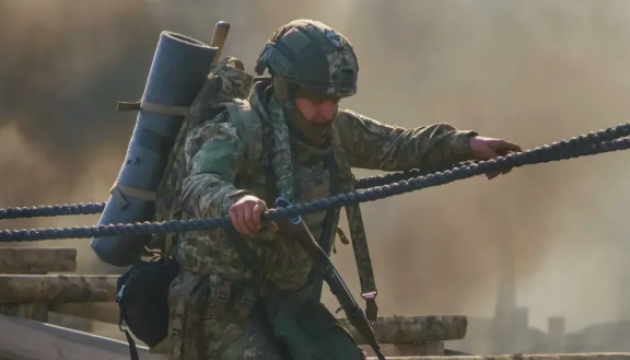

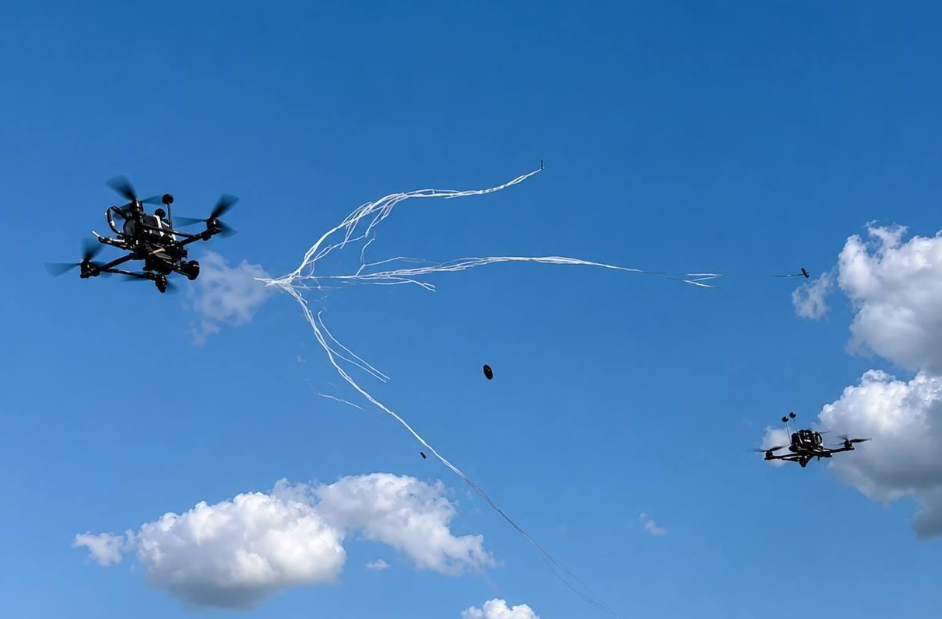
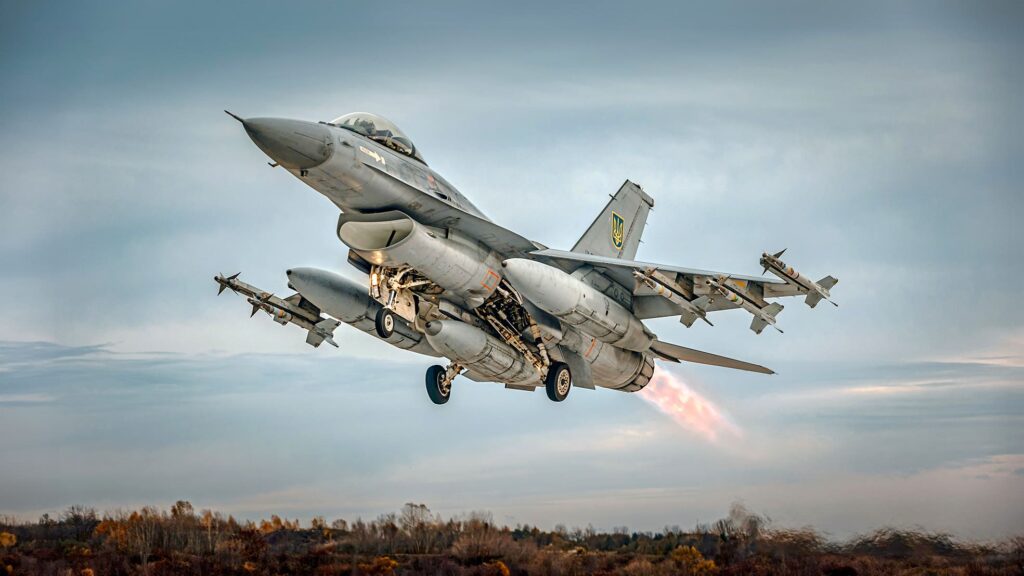
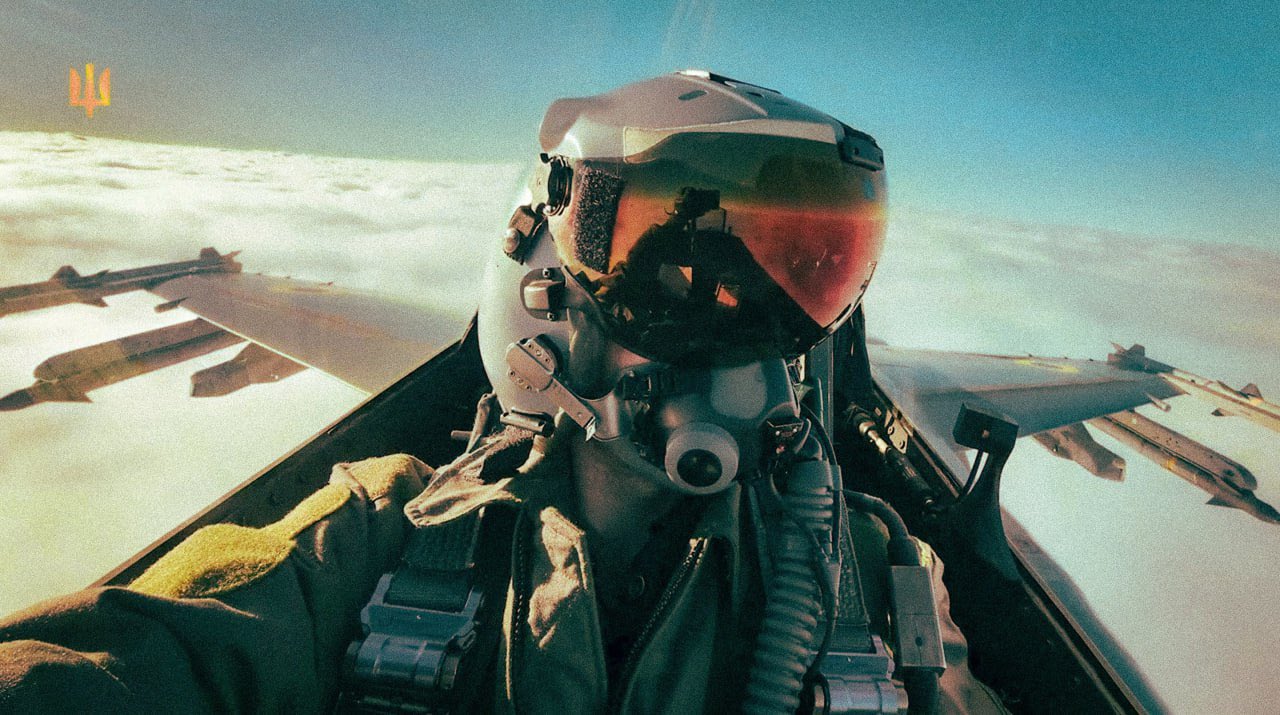


 Момент удару «Герані-5» поблизу КПП «Ягодин», – місцеві канали.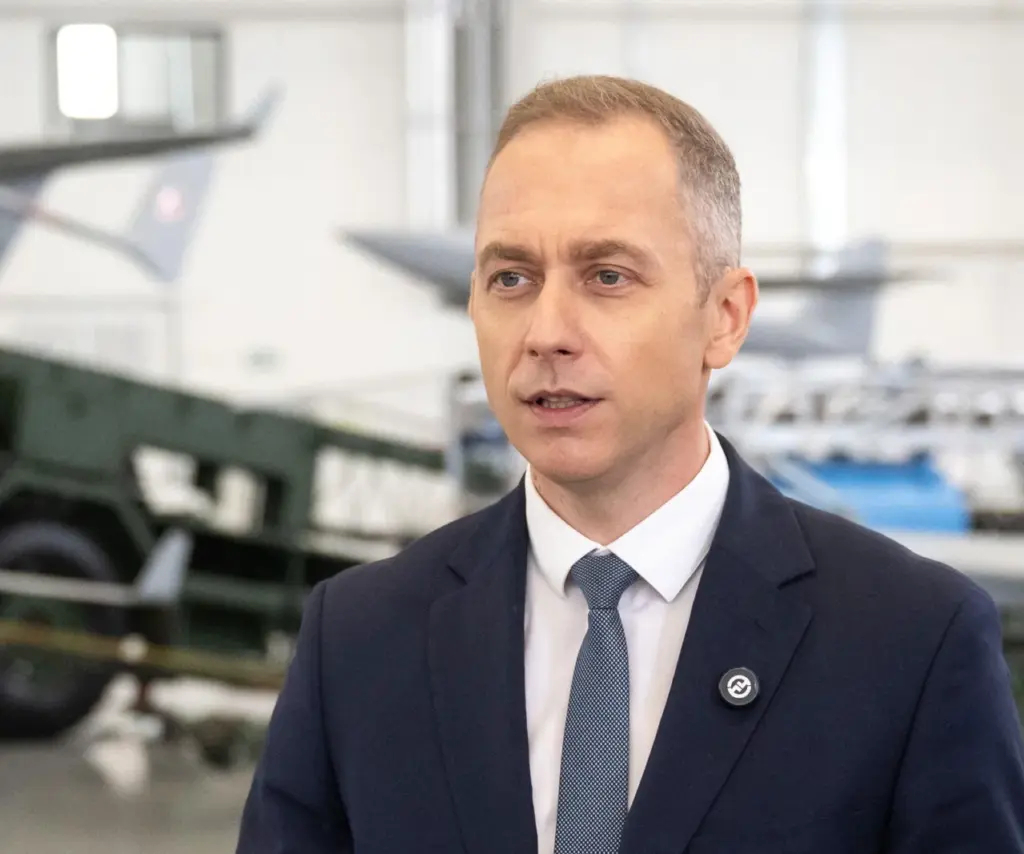


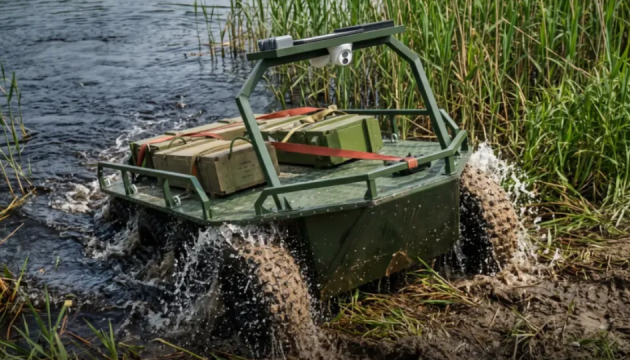
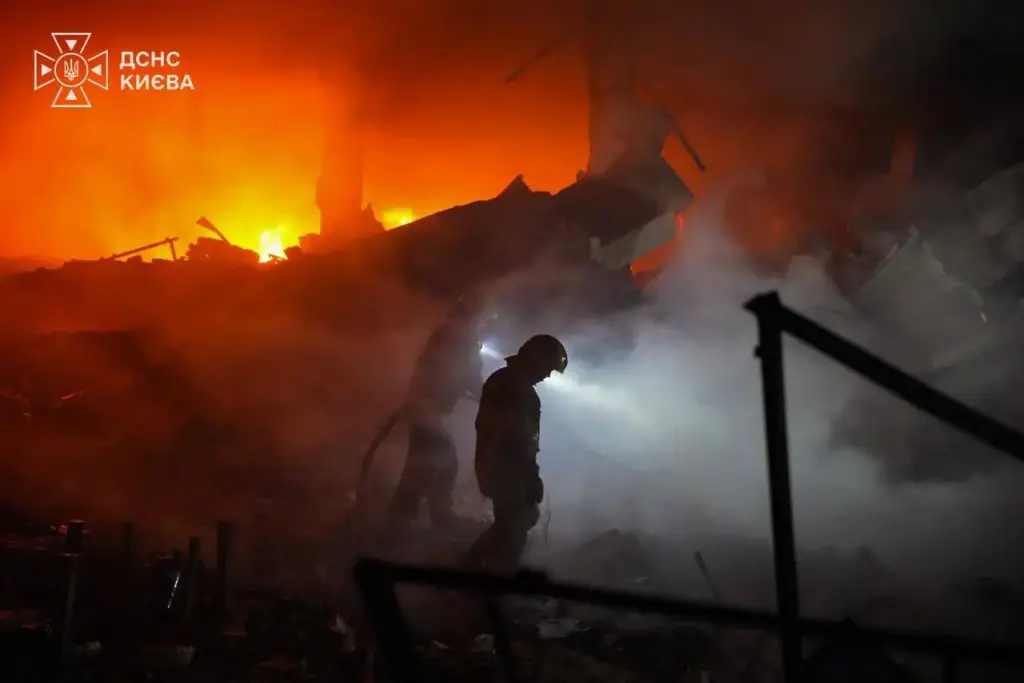


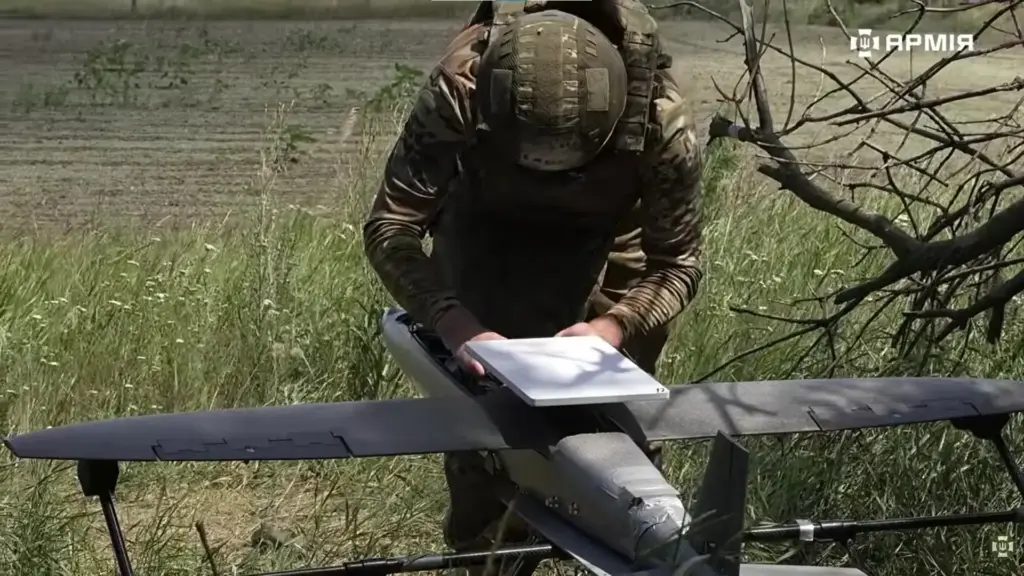
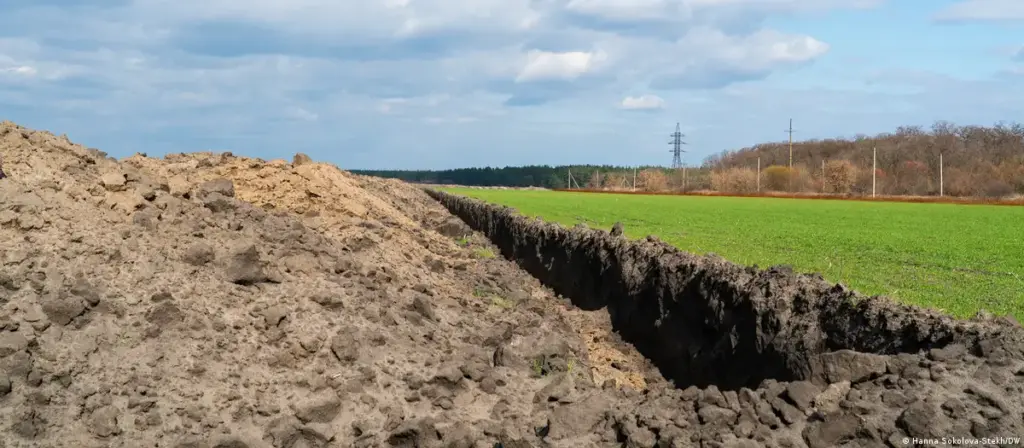
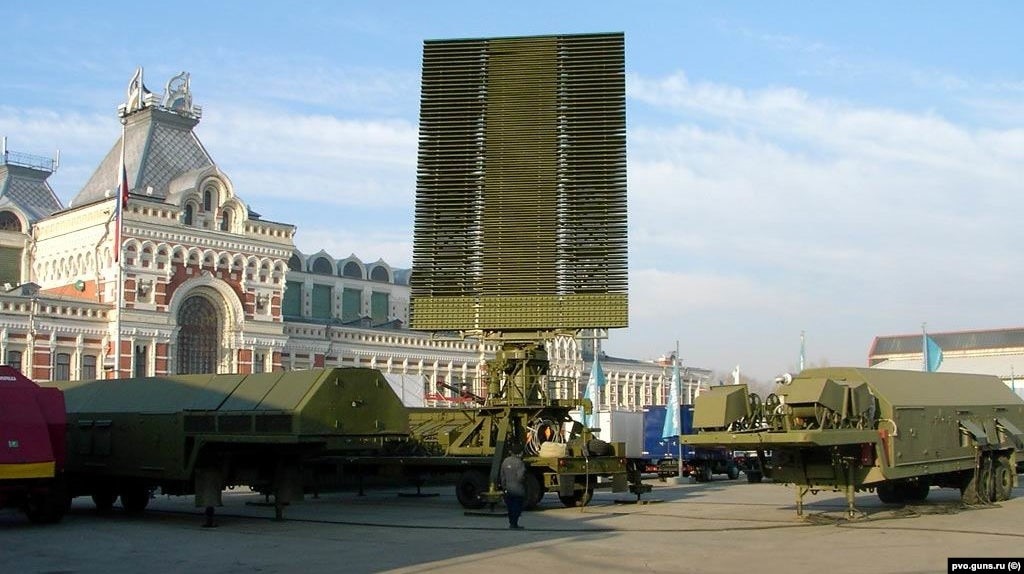

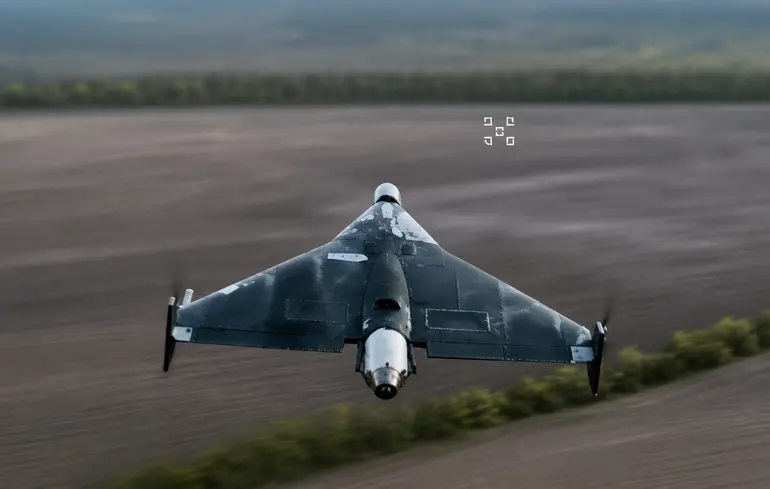


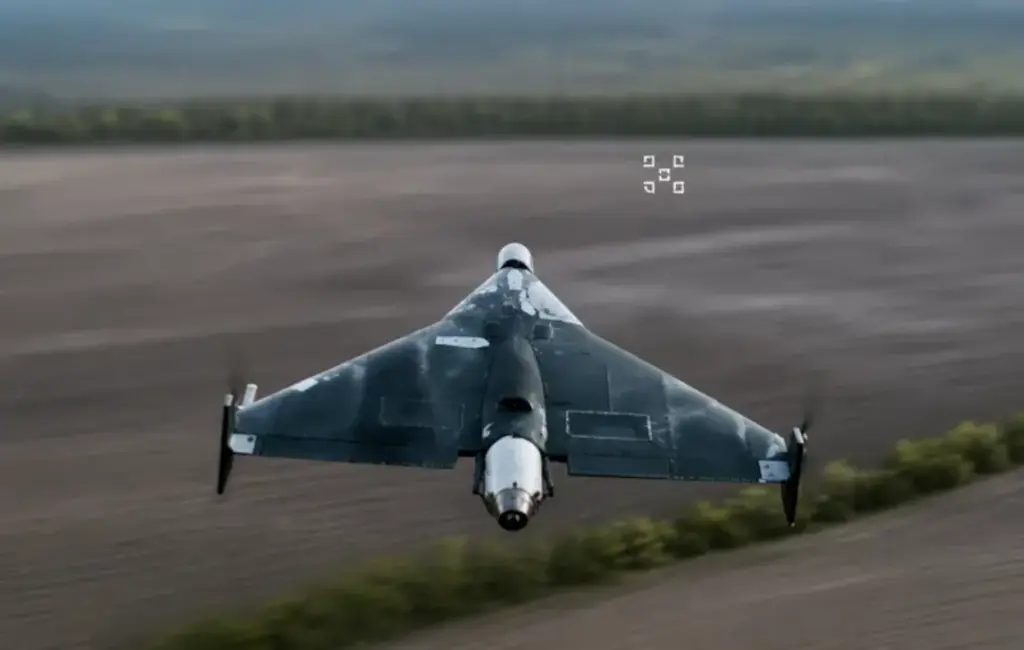
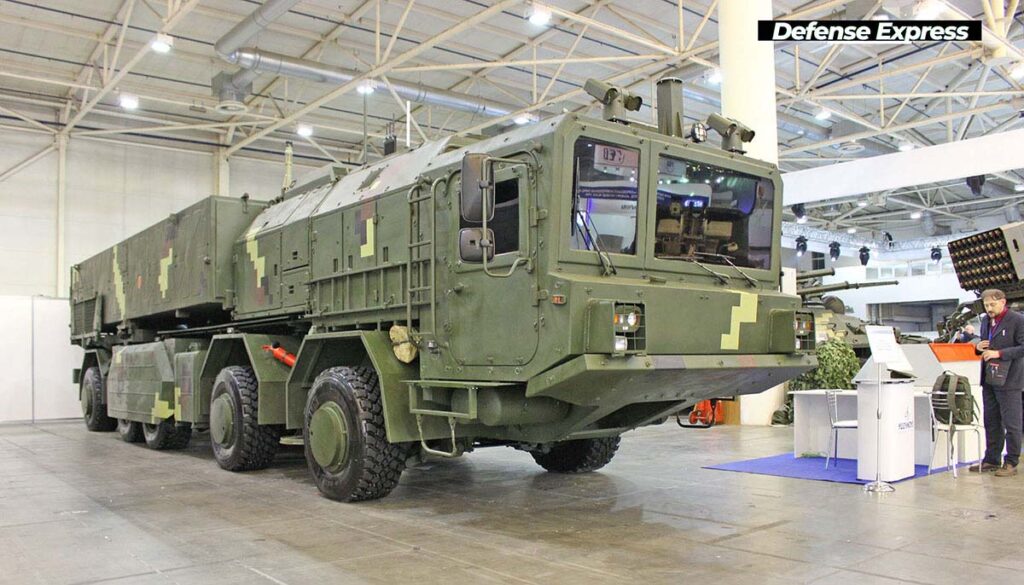



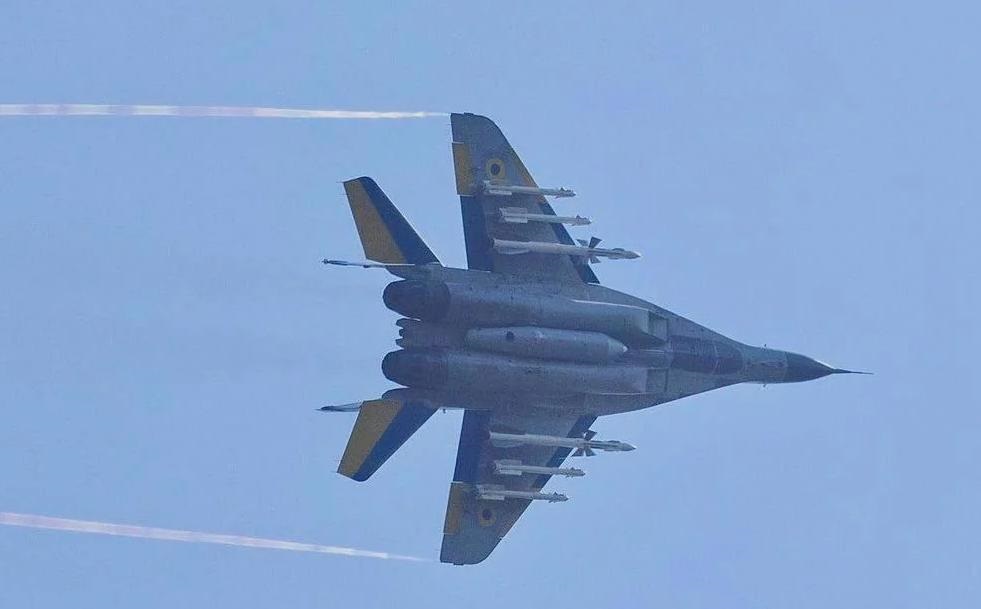

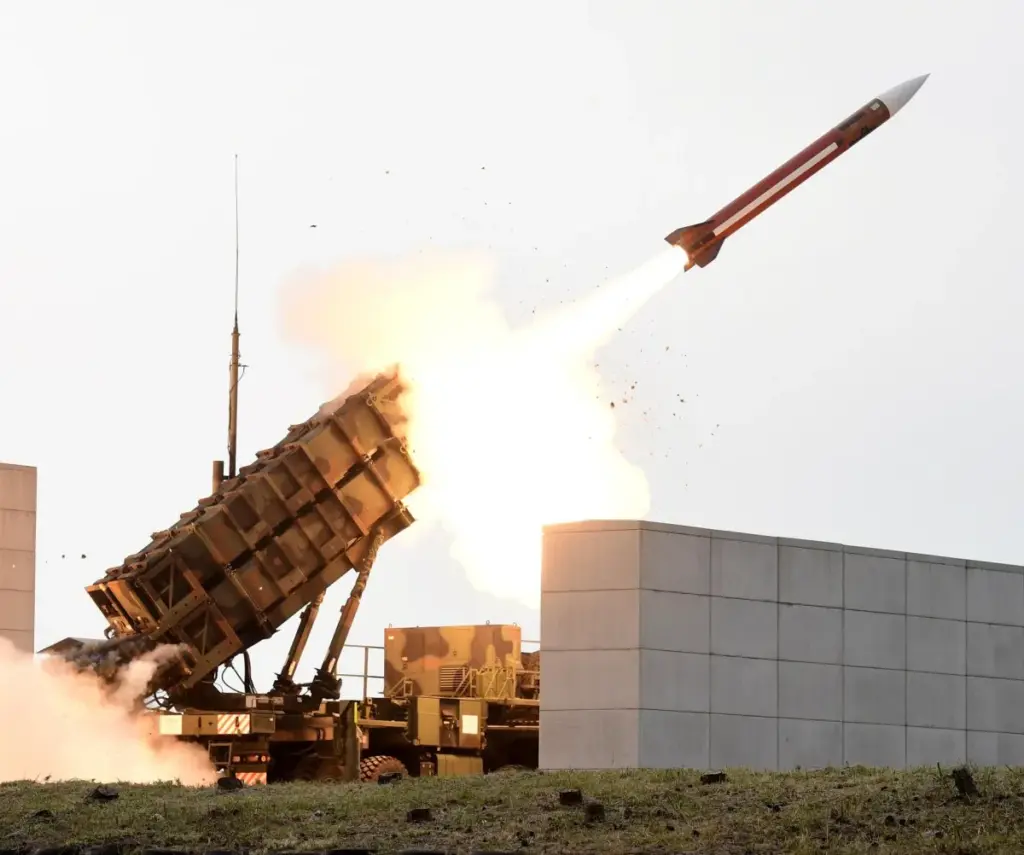









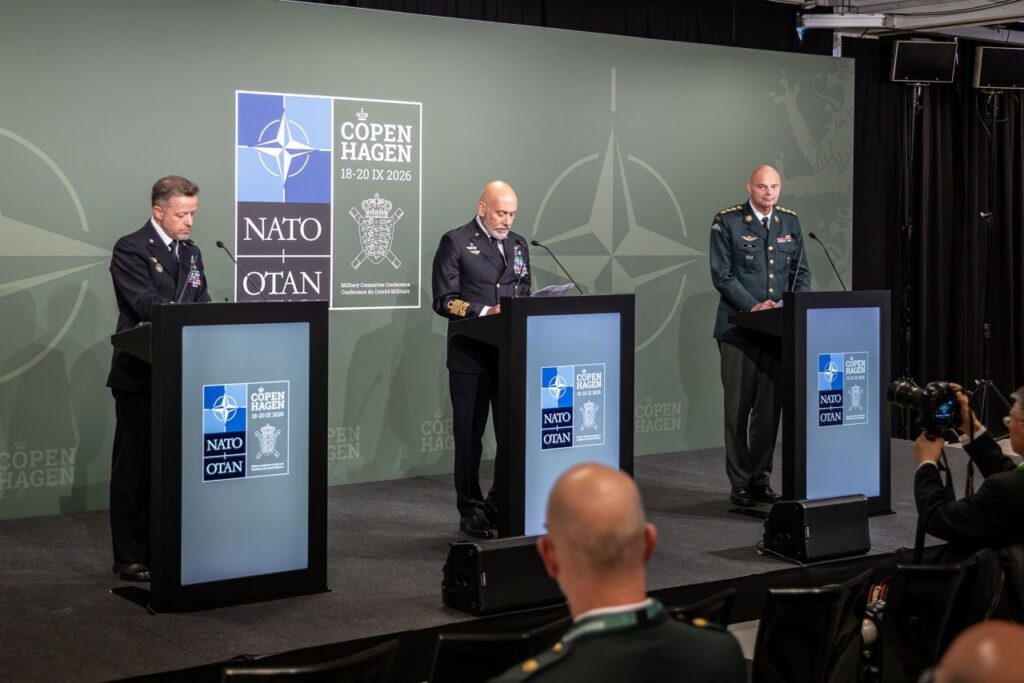
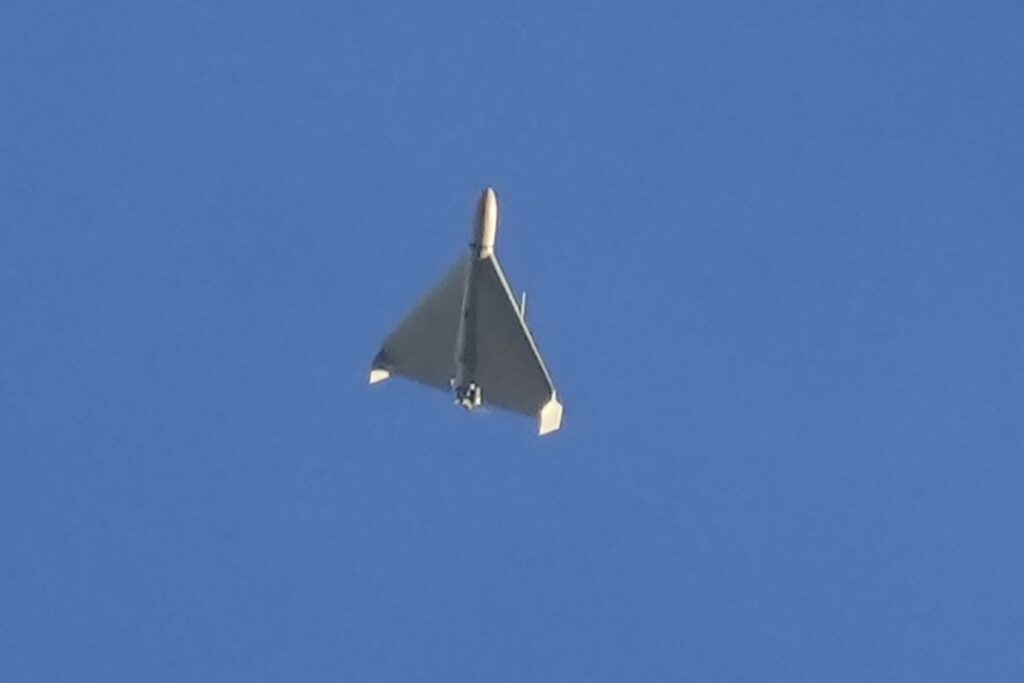

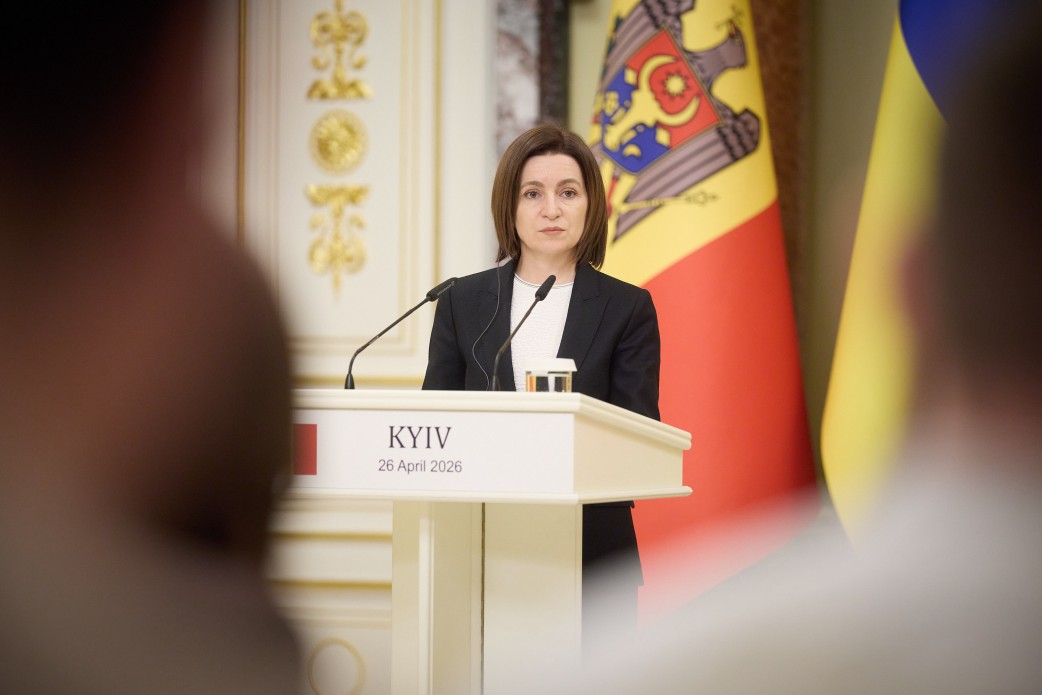

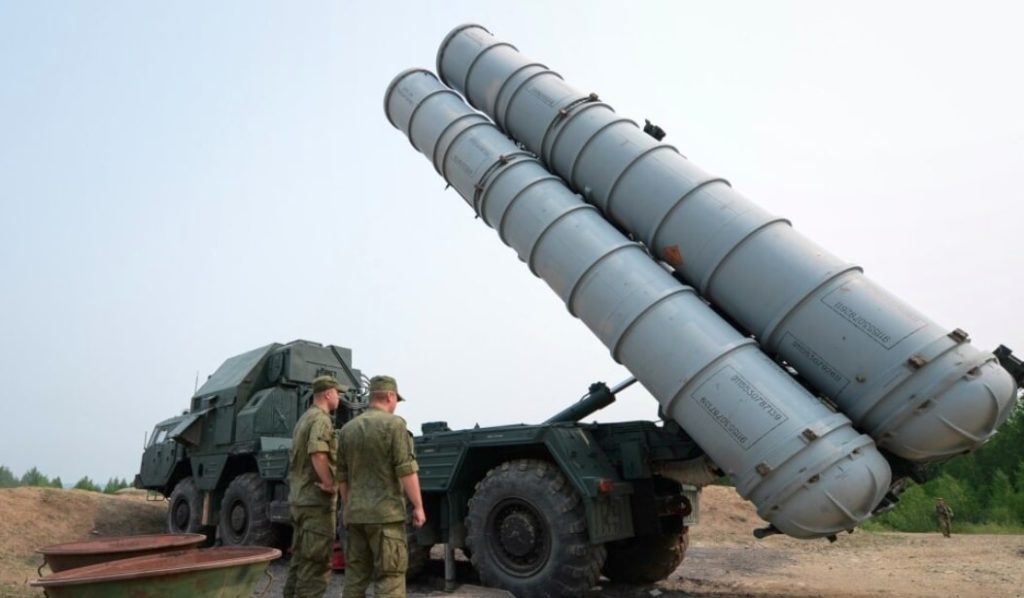

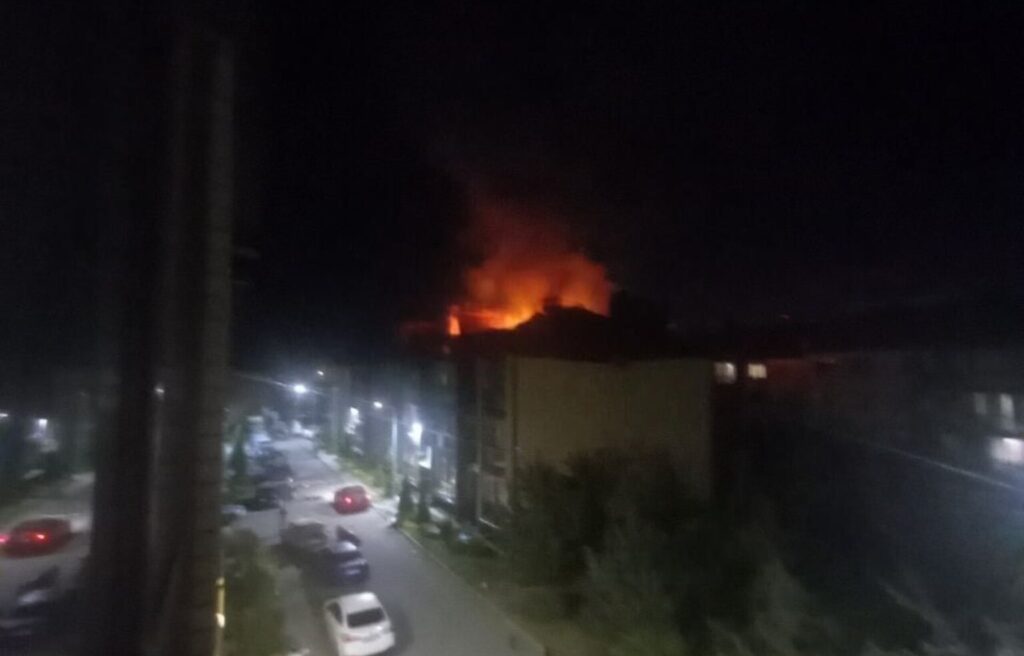
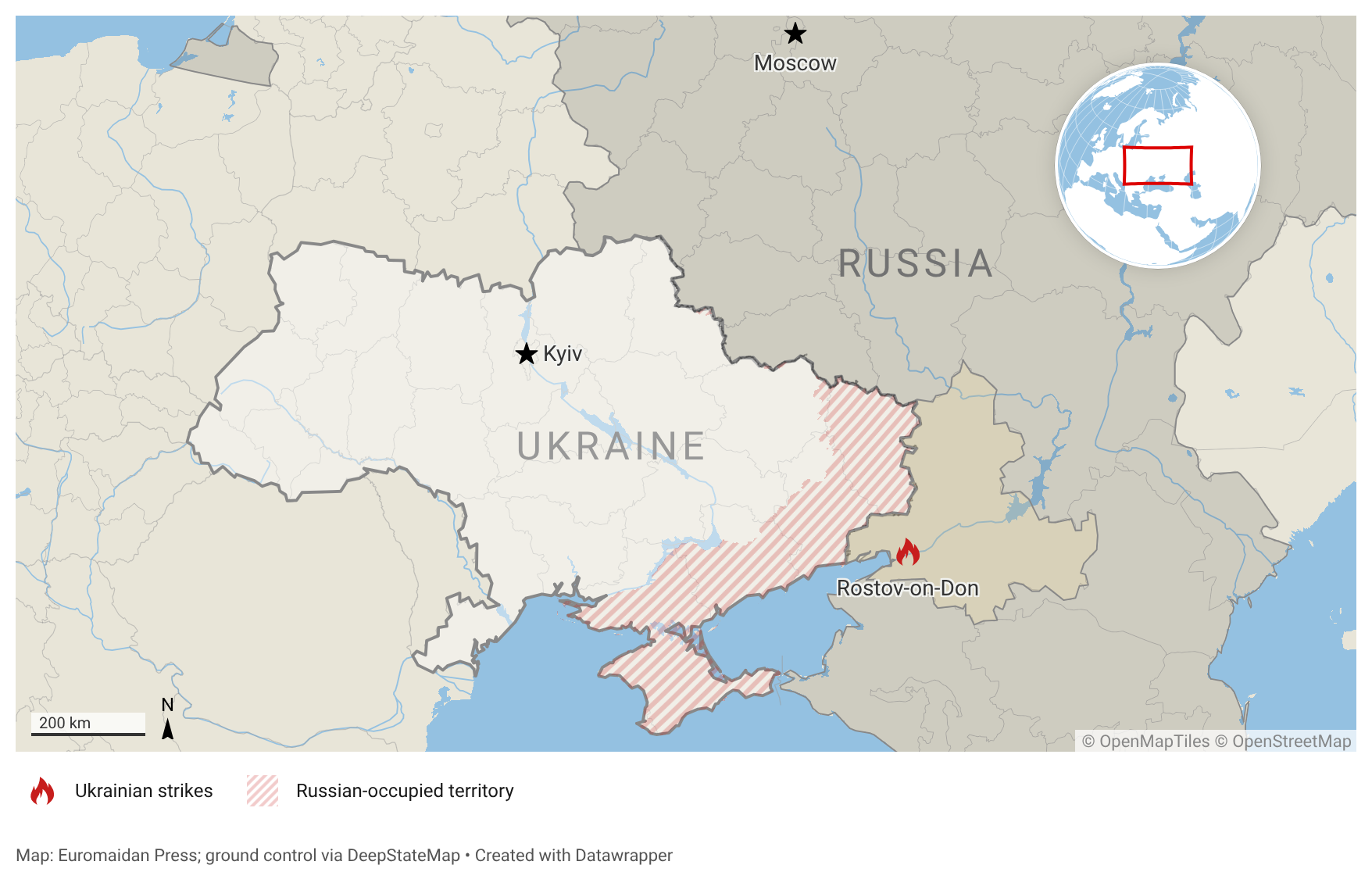



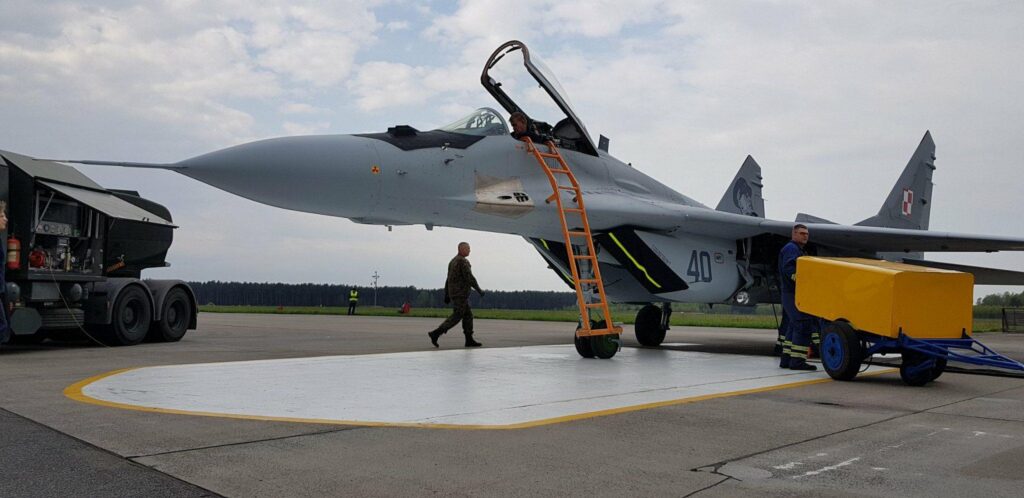

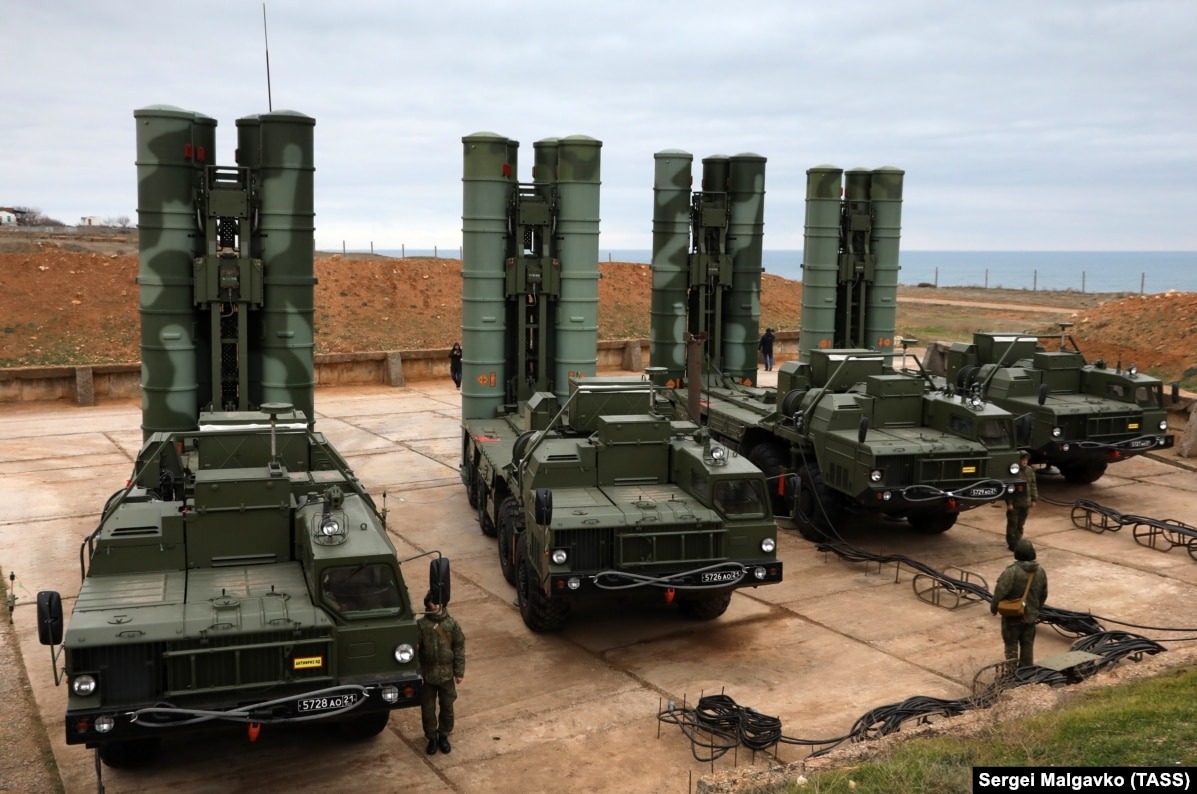
 Ukraine’s State…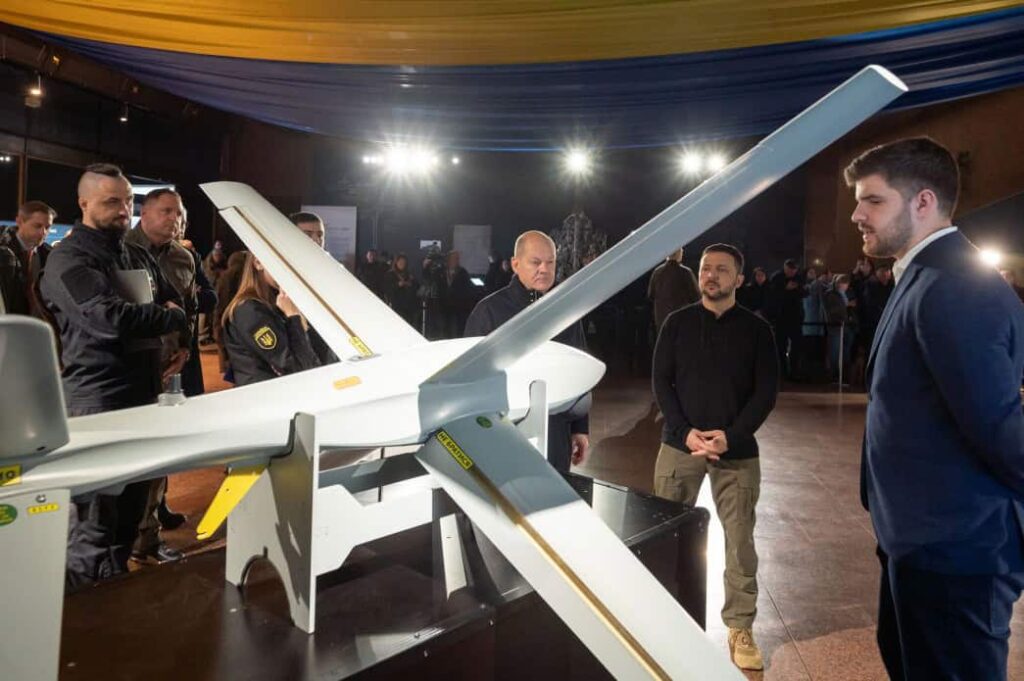
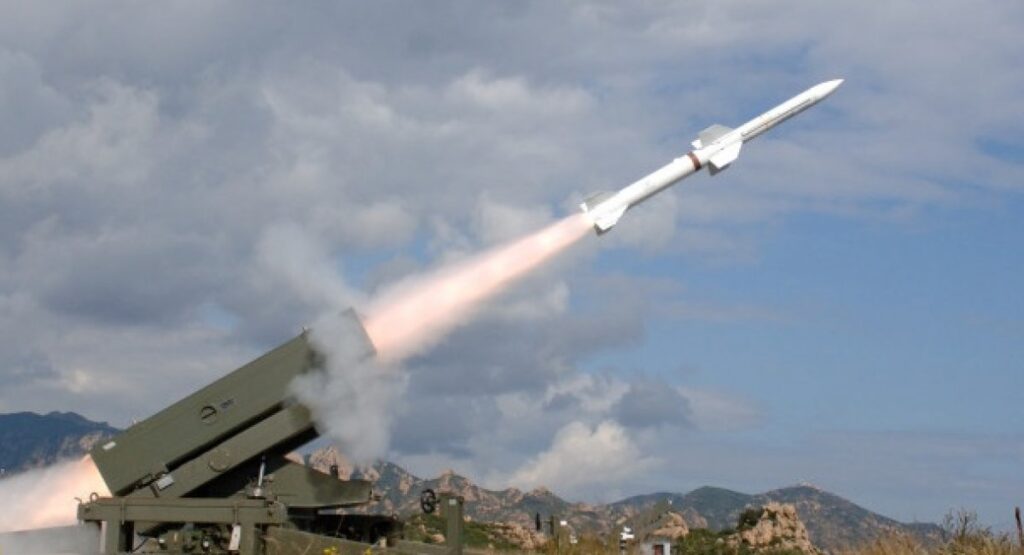
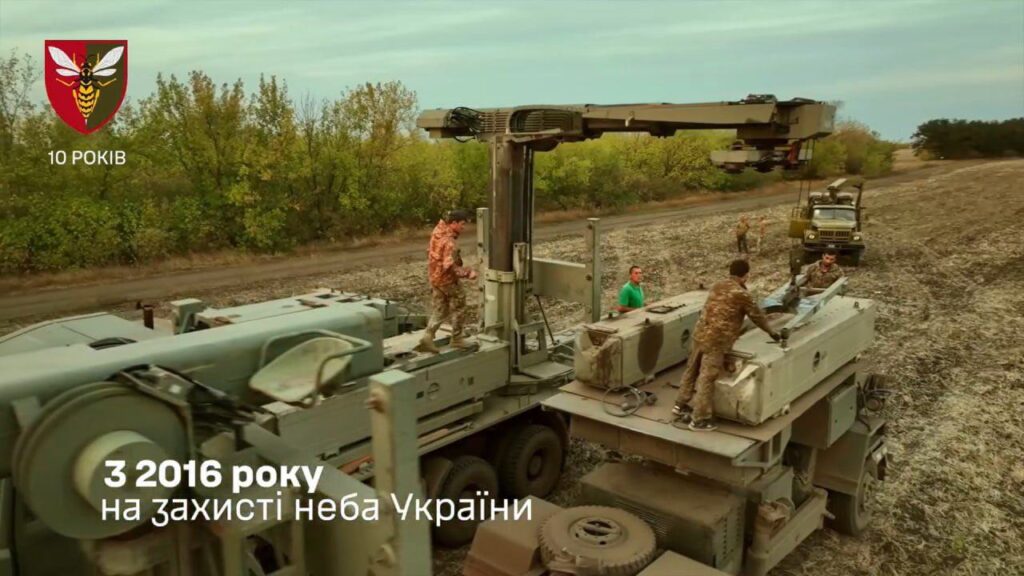
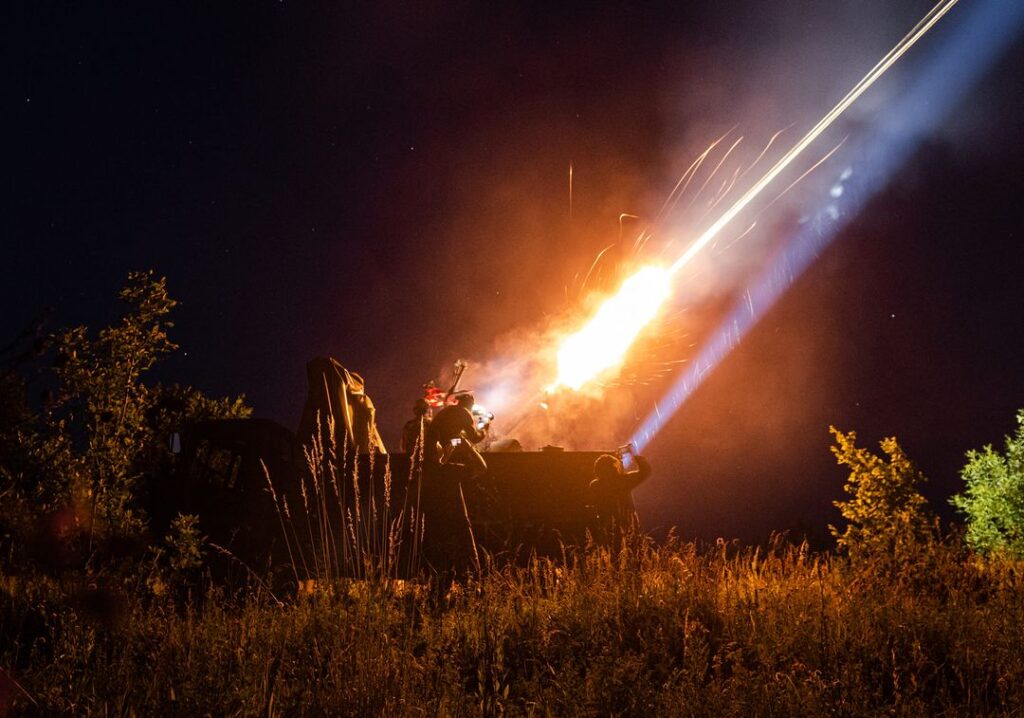
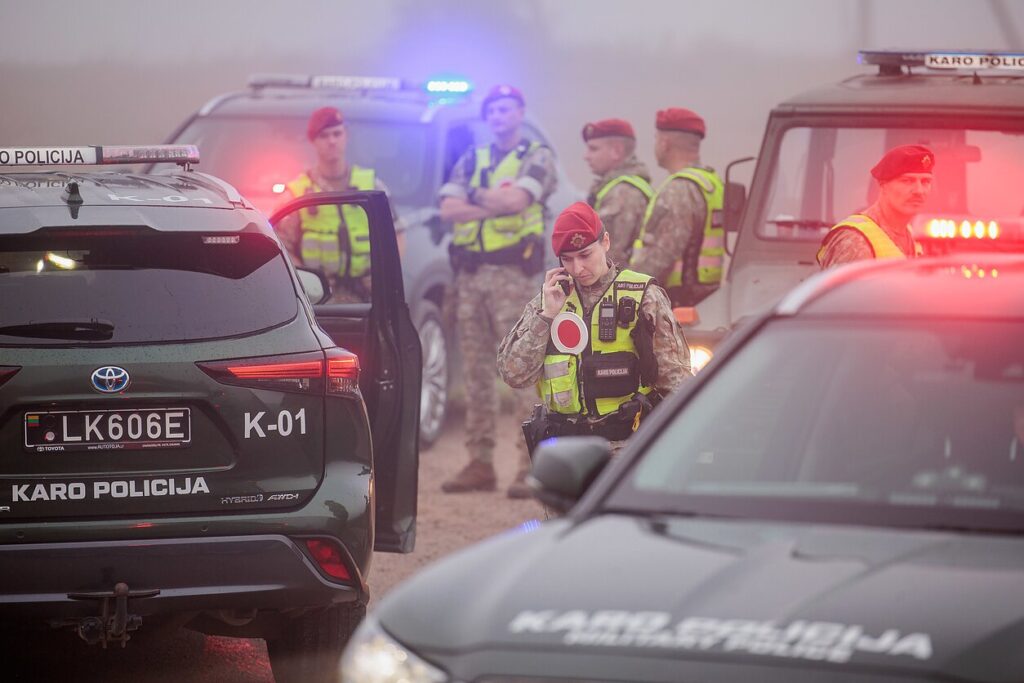
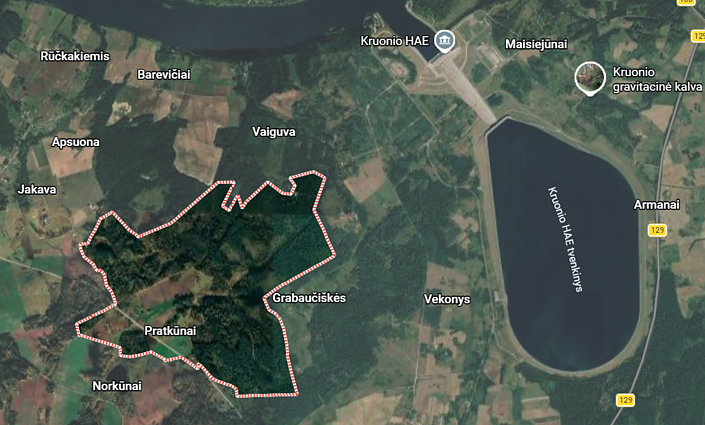

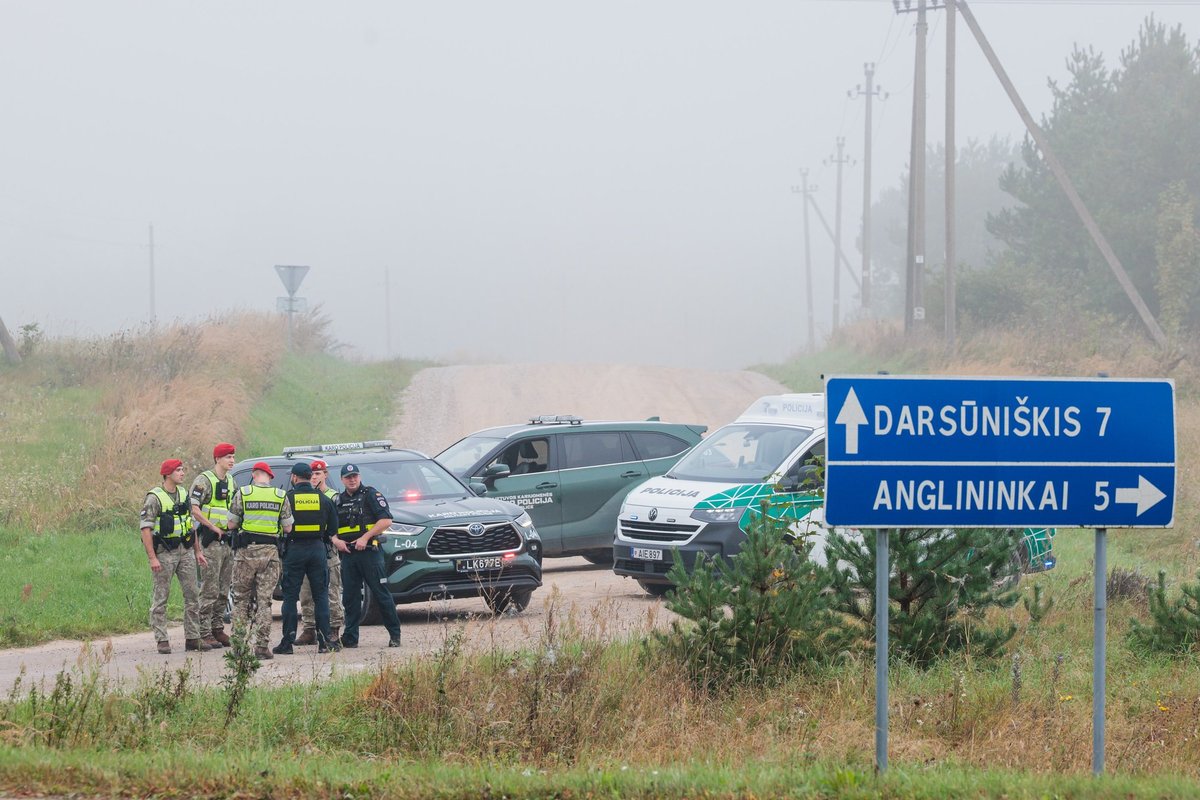
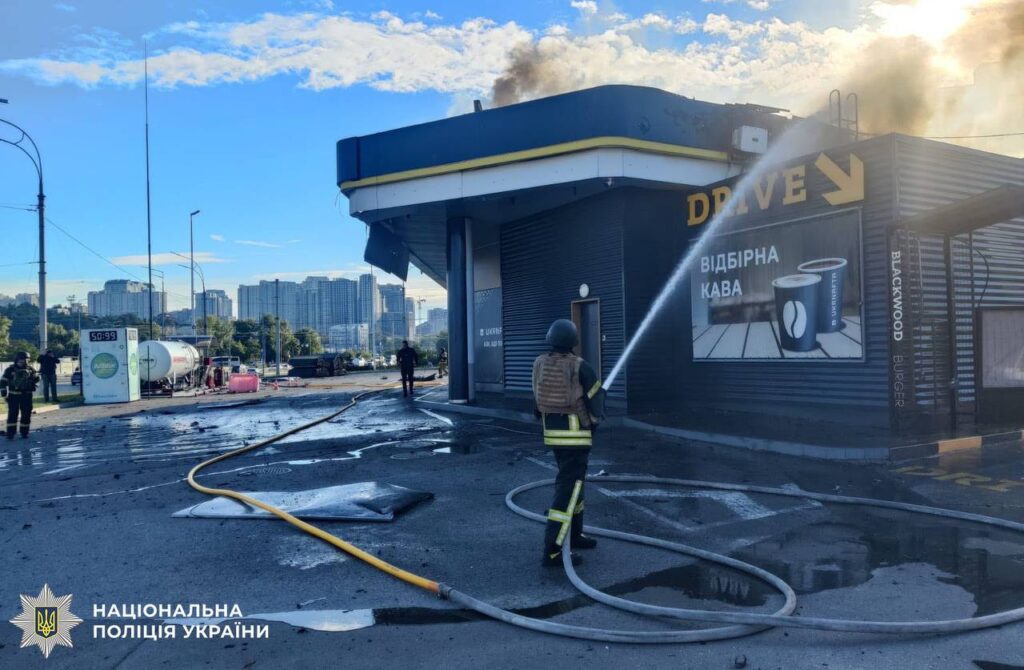
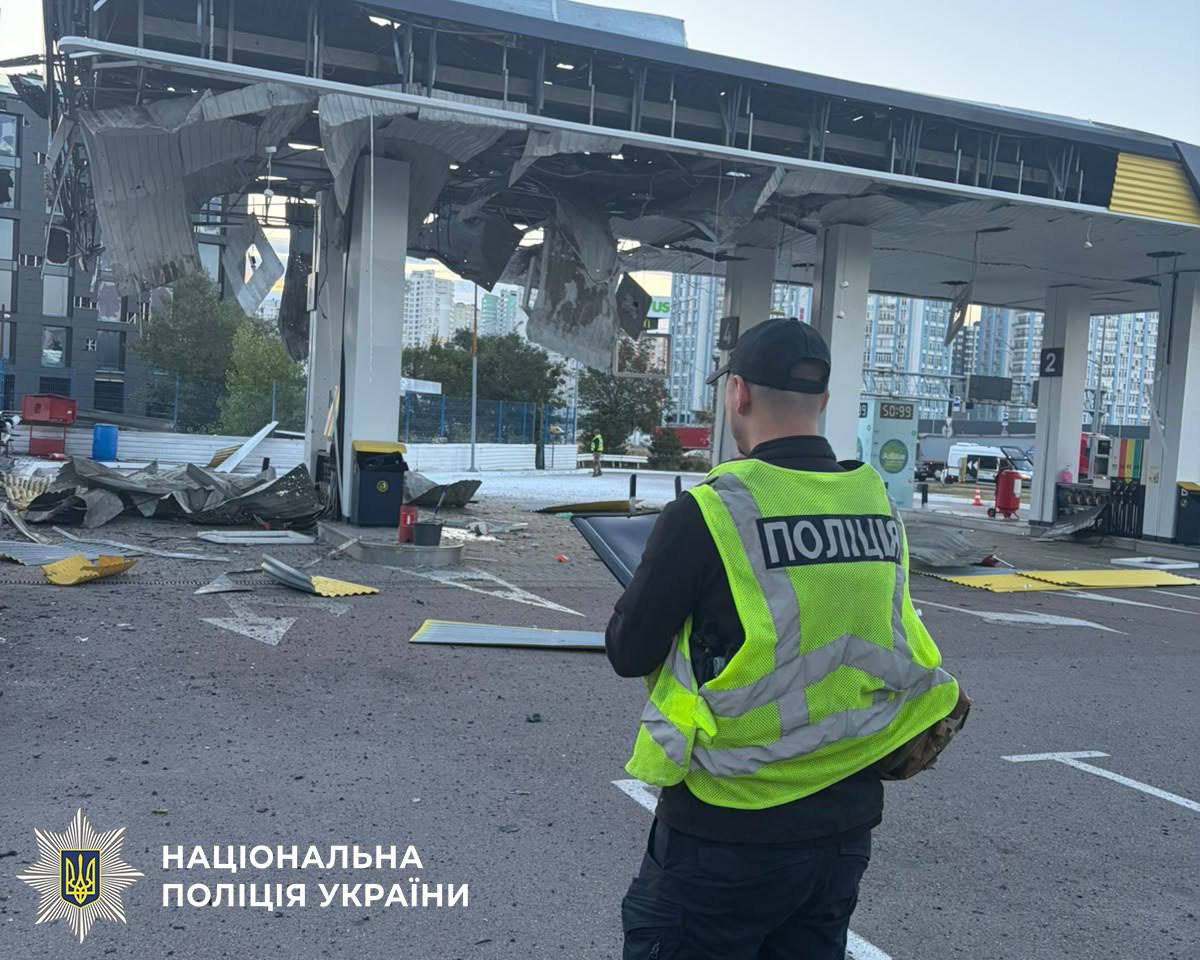
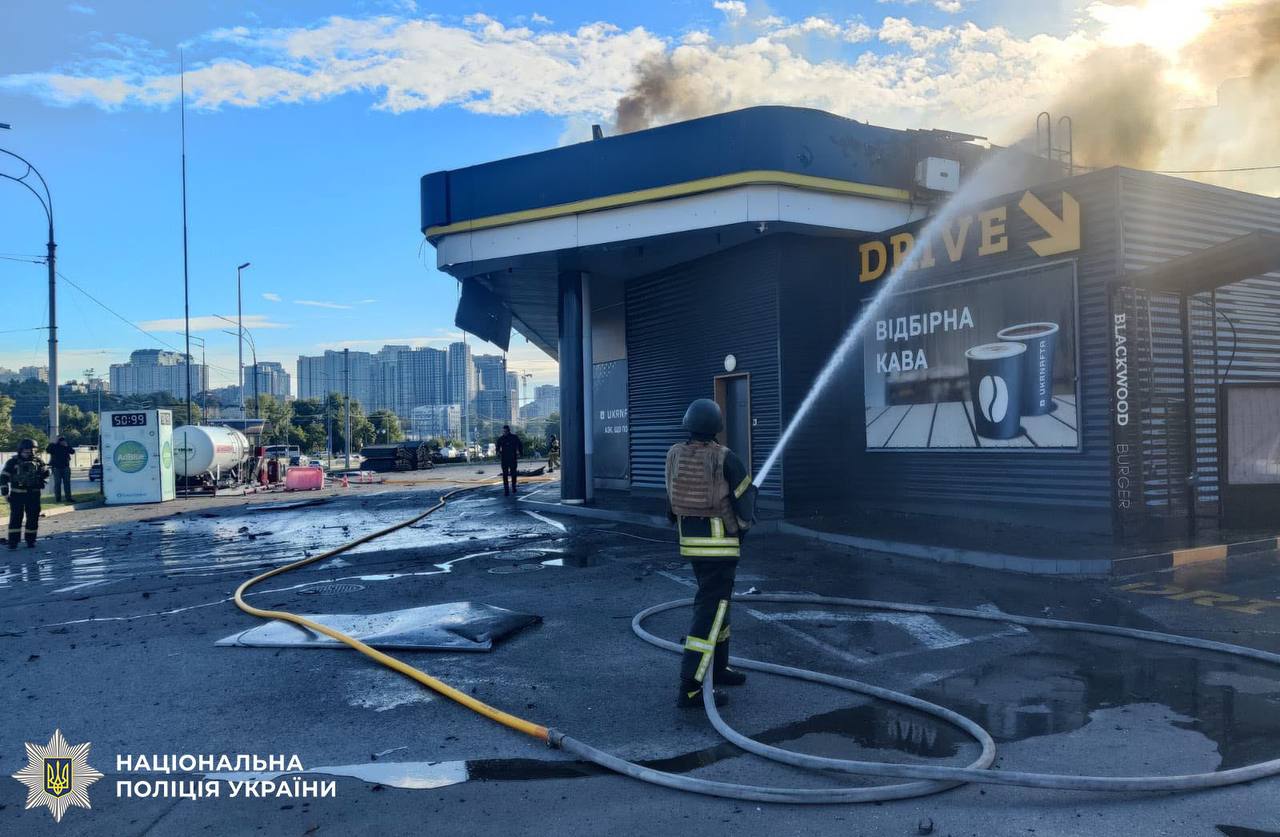
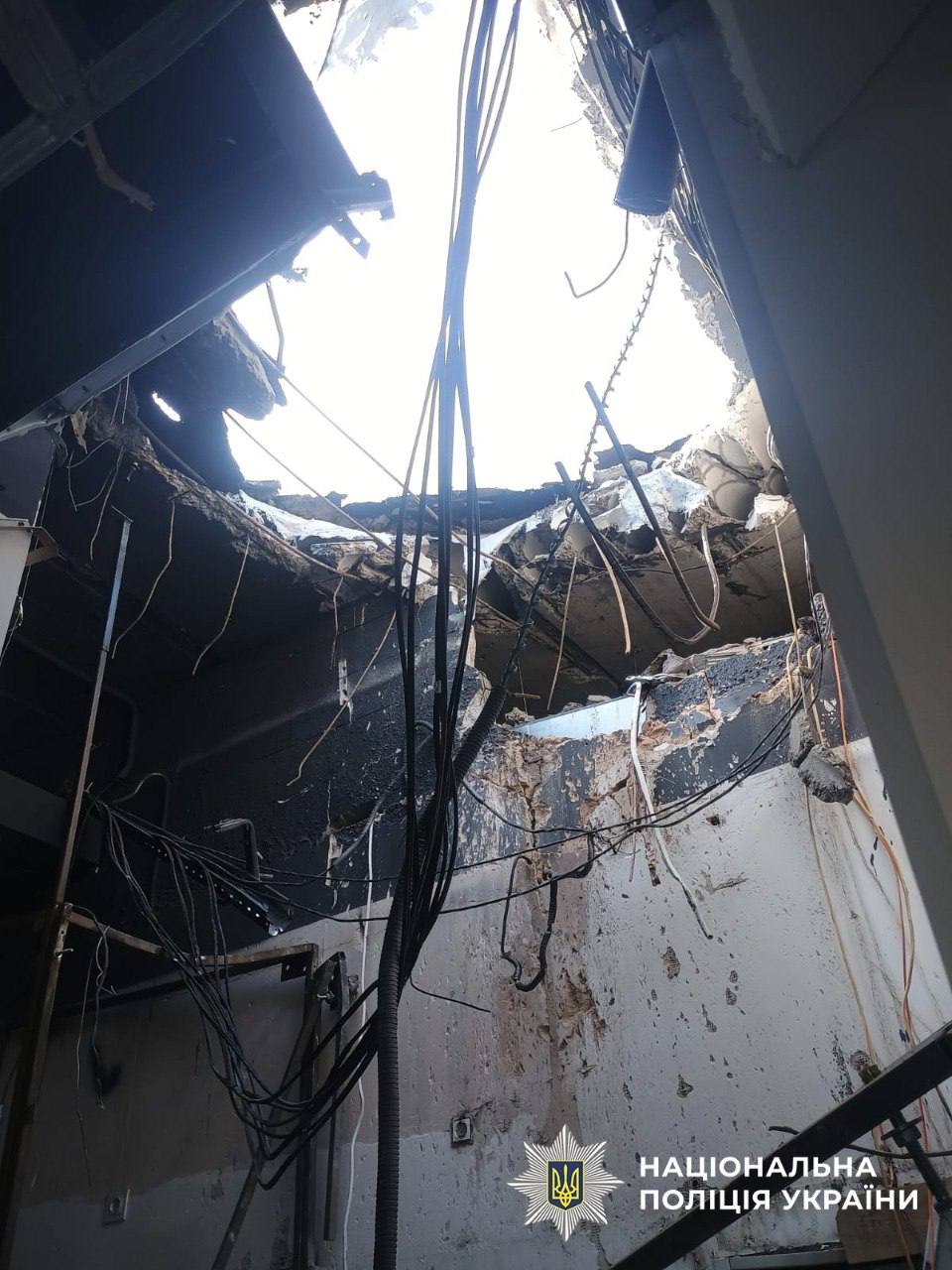
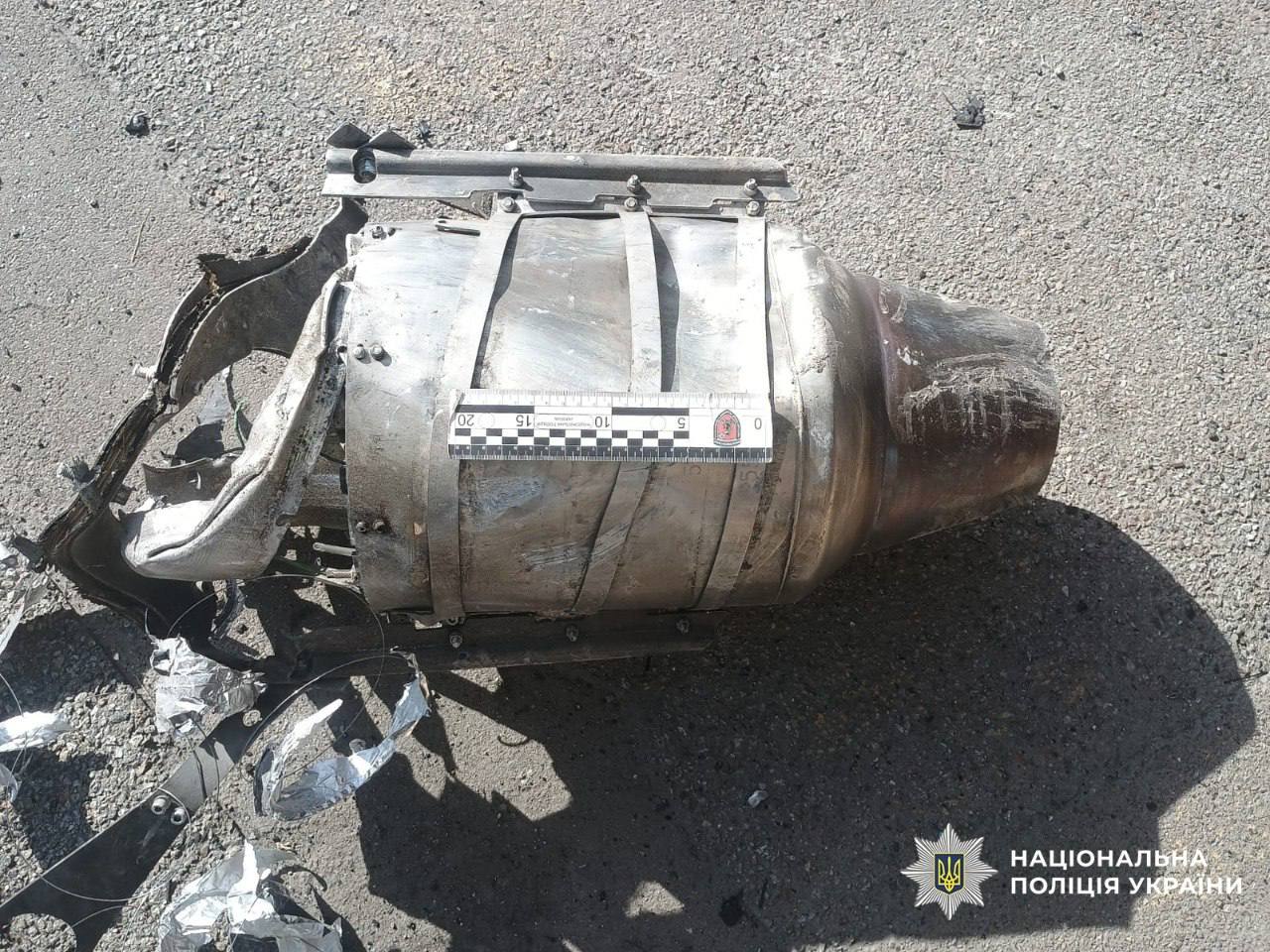

 This night, Russians reported explosions and drone attacks in the Krasnodar region, - OSINT channels.