US president says agreement needed to lower fuel prices, but move likely to create fresh crisis with Ukraine and Nato allies
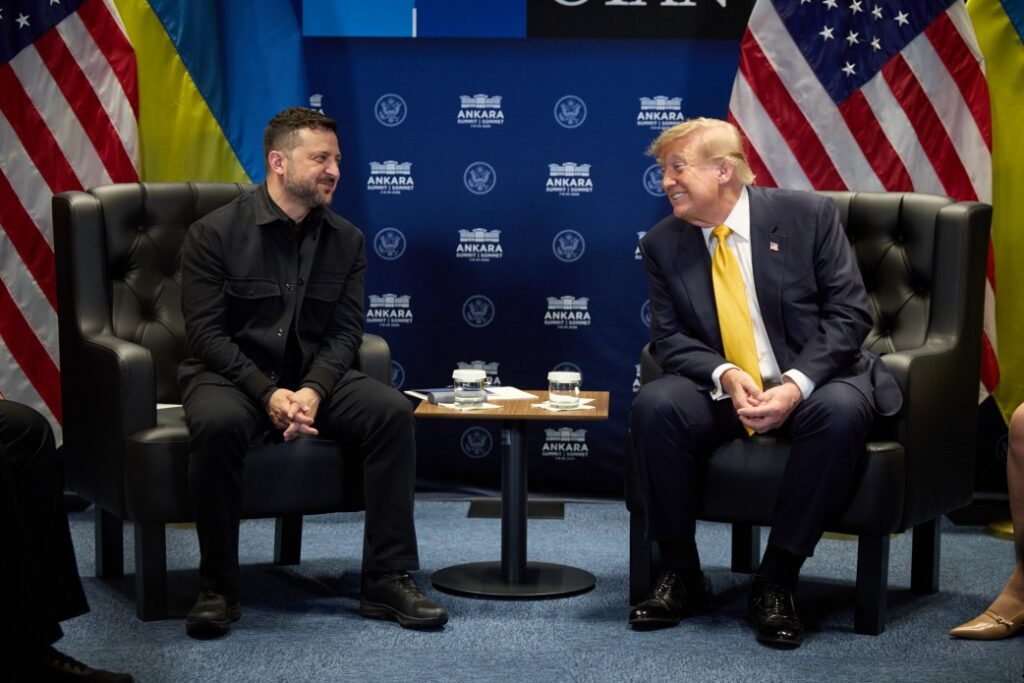
Donald Trump is on a fresh collision course with Volodymyr Zelenskyy and European allies after his stunning agreement to buy Russian diesel upended years of US and western pressure on the Kremlin to end its war against Ukraine.
Zelenskyy reacted furiously to Trump’s announcement of the deal with Vladimir Putin on Friday, calling it “absolutely terrible” and “not fair and not honest”.
Russian forces struck the eastern Ukrainian city of Kramatorsk on the morning of 8 October, hitting two route buses carrying residents and killing dozens of civilians. The Donetsk Oblast prosecutor's office opened a war-crimes investigation.
Russia has turned everyday movement in frontline Donetsk Oblast into a lethal risk, striking city buses, ambulances, and cars in places its army has not been able to capture.
A route bus run turned deadly
The attack came at around 10:00, catching two route buses in the impact zone. The prosecutor's office said the attackers likely used a UMPB D-30SN. HUR, Ukraine's military intelligence, describes it as a guided glide bomb that can fly up to 100 km when released from an altitude of 12–15 km and carries a warhead equal to a FAB-250 aerial bomb.
30 people were killed and 18 injured after a Russian bomb hit two passenger buses carrying civilians in Kramatorsk, Donetsk Oblast.
The buses caught fire, and the force of the attack also damaged nearby homes and cars. Some victims were so badly burned that police had to recover… pic.twitter.com/FqLdM0HN1B
The toll rose through the day, from 12 dead in the first reports to 30 killed and 20 wounded by 14:55, Donetsk Oblast head Vadym Filashkin said. Across Donetsk Oblast, Russian attacks killed 33 people that day, including the 30 in Kramatorsk and three in nearby Bilenke, the State Emergency Service said. Ukrainian President Volodymyr Zelenskyy said the strike would not go unanswered.
Buses pulled off the roads
Filashkin ordered the Kramatorsk and Sloviansk city military administrations to suspend public transport, citing the sharp deterioration in security. Buses had become an attractive target for Russian forces, he said, and the authorities could not risk the lives of passengers and drivers. He also urged everyone still in Donetsk Oblast to leave for safer parts of Ukraine. Kramatorsk is a frequent target of Russian attacks. Russia had not commented on the strike as of publication.
Aftermath of the shelling of Kramatorsk on 8 October 2026. Photo: Illia Andreiev/Kramatorsk Post
The city has been under daily fire. On 5 October, Russian FPV drones hit ambulances and an apartment block in Kramatorsk, killing a woman and wounding four, the prosecutor's office reported. Over the previous day, Russian forces shelled Donetsk Oblast settlements 31 times and 256 people left the front line, Filashkin said.
Ukrainian rescuers are still pulling bodies from a collapsed apartment block in Pryluky. A Russian missile strike on the five-story residential building in the city of Chernihiv Oblast that borders both Russia and Belarus killed 19 people, including five children, and injured 55, Ukraine's State Emergency Service reported on 7 October.
Russia hit Kyiv and a dozen other regions overnight. Air defense downed five ballistic missiles, 39 cruise missiles, and 117 drones, while missiles and drones hit 18 locations, the Air Force said. The nationwide strike killed at least 24 people, including four children.
Among the dead in Pryluky were three one-year-old boys, Oleksandr, Kyrylo, and Serhii, and eight-year-old Maksym, President Volodymyr Zelenskyy says. Seven of the injured are children. Some residents are still unreachable, and all emergency services are working at the site. Russia keeps using missiles against Ukrainian cities and civilians by deliberate choice, he states.
"My condolences to all the families and loved ones," Zelenskyy says.
The strike comes on Putin's birthday
The attack came on Russian President Vladimir Putin's birthday on 7 October.
"Continuing to use missiles against Ukraine, against our people, our children, is an absolutely conscious choice of terror. This is what Moscow chooses despite all our efforts with partners to bring peace closer," Zelenskyy says.
He urges partners to increase pressure on Russia and bolster defense support for Ukraine, saying it is important that world leaders understand this and that the world not remain silent.
A pattern of strikes on Chernihiv Oblast
Pryluky, about 150 kilometers east of Kyiv, lies in a region Russia has hit repeatedly. The overnight barrage also damaged civilian and utility infrastructure across the Pryluky community, the city council said.
Ukraine had seen the attack. The day before, Zelenskyy warned that intelligence indicated a massive Russian strike was in preparation. Russia fired about 70 missiles overnight, killing two people each in the capital Kyiv and in the cities of Kremenchuk and Oleksandriia in addition to the Pryluky dead.
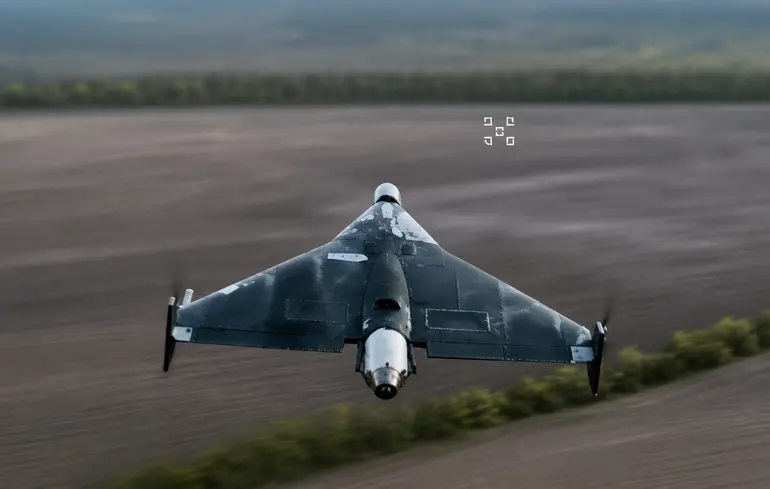
Russia's jet-powered attack drones could eventually reach 800–900 km/h, and intercepting them will demand new piloting skills—so Ukraine has asked the makers of its interceptor drones to build simulators to train the crews, a senior Air Force officer told a parliamentary commission on 6 October, Suspilne reported.
Russia keeps modifying its jet Shaheds faster than Ukraine can field the drones meant to catch them, and Kyiv is now preparing crews for speeds its interceptors have never faced—a sign the air war is shifting from a contest of volume to one of raw speed.
The speed Russia hasn't reached yet
Colonel Yurii Cherevashenko, deputy commander of Ukraine's Air Force, told the commission that Russia's jet drones fly at around 600 km/h today but could eventually reach 800–900 km/h—speeds he said have not been recorded so far. That range sits near the cruising speed of a commercial airliner.
Explore further
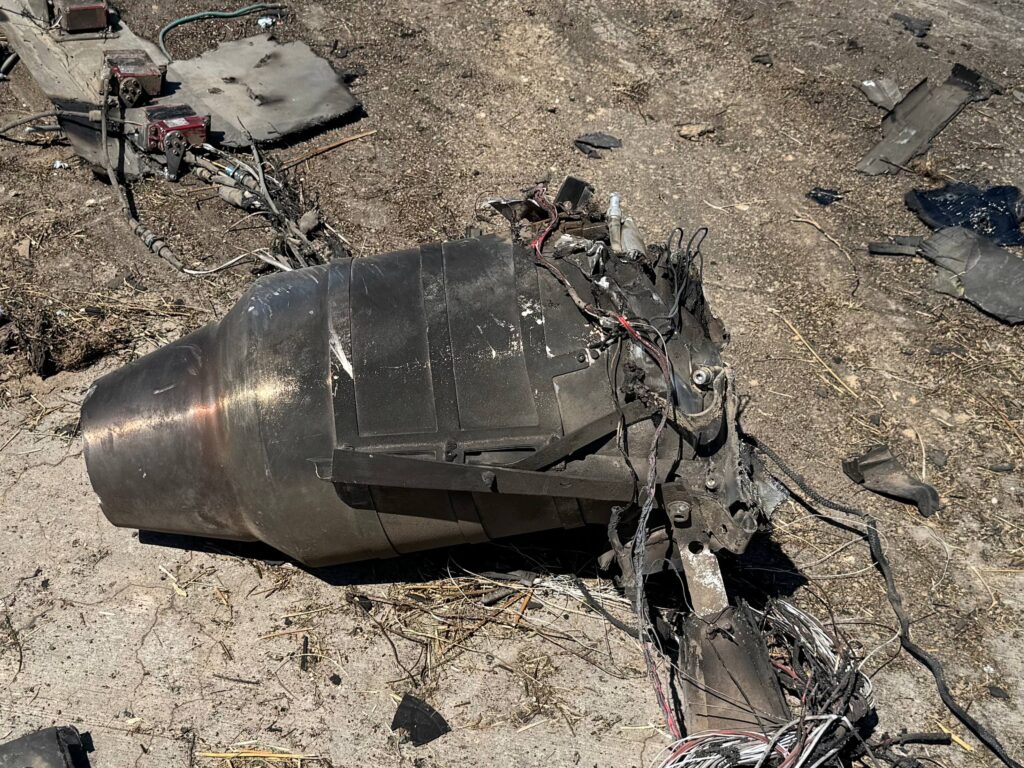
Ukraine just caught a Geran-5 at 425 km/h—the jet drone that has often outrun Ukrainian interceptor drones since January
Intercepting such targets will take specific piloting skills, Cherevashenko said. When an interceptor and its target move at roughly the same speed, he noted, the pilot barely perceives the difference in their speeds. To train for that, Ukrainian interceptor-drone makers have been tasked with building simulators where crews can practice against high-speed targets.
Where Ukraine stands now
Ukraine already downs 85% to 90% of Russia's slower, propeller-driven drones, Ukrainian President Volodymyr Zelenskyy has said, but the jet models remain a tougher problem—Ukrainian interceptors scored their reportedly first kill of a jet-powered Shahed in November 2025. In a 28 September evening address, Zelenskyy put the jet-drone interception rate at about 57%, lower than required. Days later, he said Ukraine is testing five interceptor-drone models and could be producing about 400 of one of them by the end of October. Asked when jet-drone interceptors would arrive at the scale needed, Cherevashenko answered: "Not before the end of November."
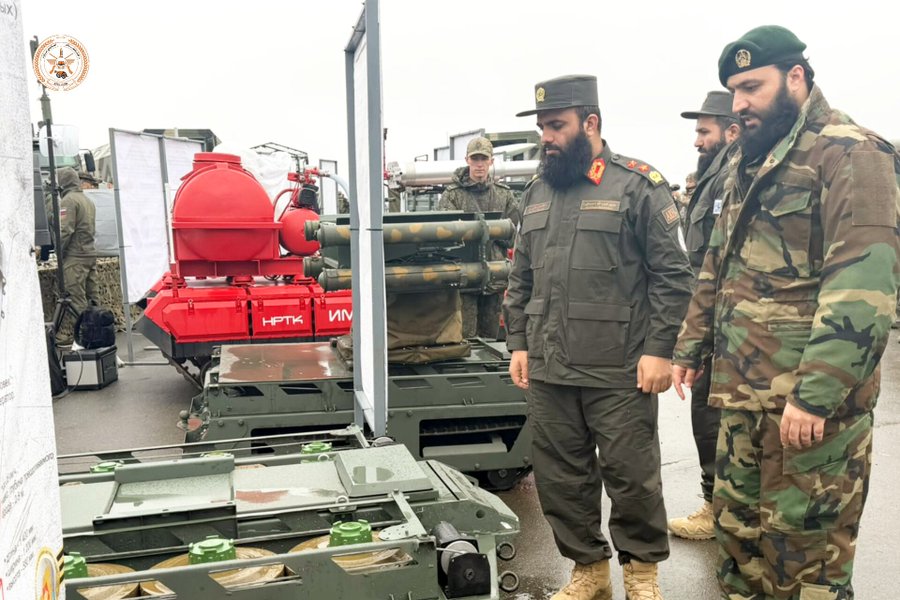
Defense officials from Taliban-controlled Afghanistan spoke with North Korean representatives at Russia's Center-2026 strategic exercises, Afghanistan's Defense Ministry reported. So far, neither Moscow nor Pyongyang has confirmed any meeting, and Kabul disclosed no details of the talks or any agreement.
Since invading Ukraine, Russia has gathered a circle of sanctioned governments it both leans on for its war and props up in return—a trade that runs in opposite directions depending on the partner. Each new tie leaves one more isolated state with a stake in the war grinding on.
Observers among dozens
The exercises ran from 28 September to 3 October in Russia's Chelyabinsk Oblast. The Taliban attended as observers for the first time since it retook power in 2021, Militarnyi reported, one of dozens of foreign delegations present.
Explore further
Russia builds 3,000 jet drones monthly to counter Ukrainian interceptors, HUR says
Mawlawi Nasibullah Madani, commander of the Abdullah bin Masoud Joint Combat Training Command, led the Taliban delegation. The ministry said its officers held discussions with North Korea's military attaché and with officials from China, India, Vietnam, and other countries on bilateral ties and military cooperation. The delegation also toured an exhibition featuring heavy weapons, drones, long-range missiles, and robotic systems.
Moscow's expanding military network
On 27 May 2026, Russia and the Taliban signed a military-technical cooperation agreement. Russia's special envoy for Afghanistan, Zamir Kabulov, claimed the deal is a practical framework focused on repairing Soviet- and Russian-made equipment the Taliban already holds. Russia remains the only country to formally recognize the Taliban government, a step it took in July 2025.
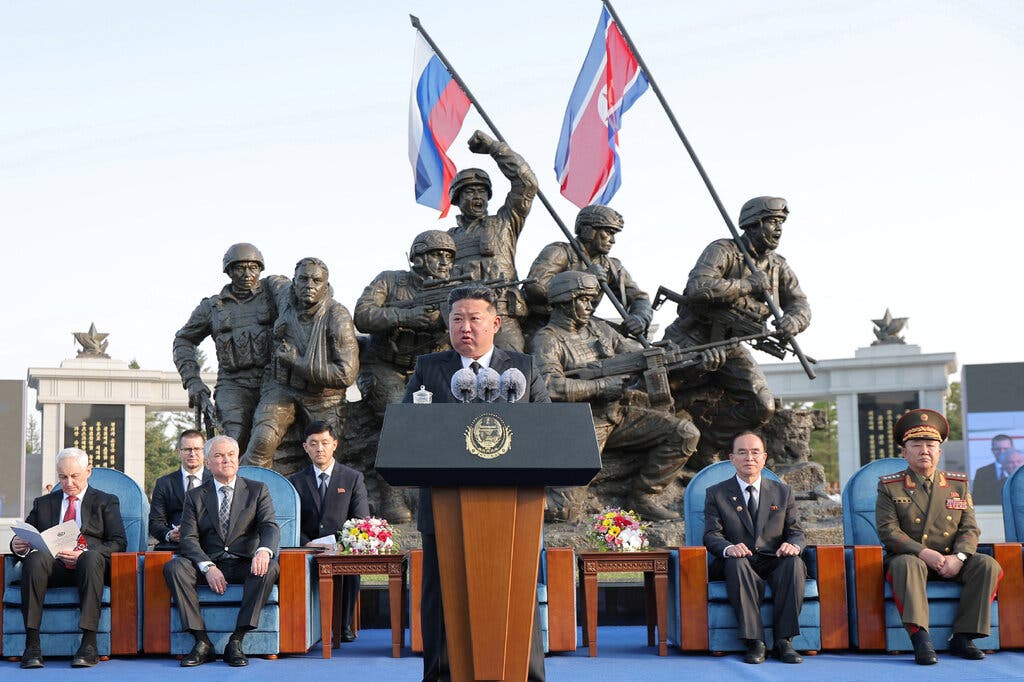
North Korea signed a comprehensive strategic partnership treaty with Russia in June 2024 that includes a mutual defense clause. Pyongyang has since sent an estimated 14,000 troops to Russia's Kursk Oblast. In April, Ukraine's Coordination Headquarters for the Treatment of Prisoners of War put North Korea's losses at 7,058, including 2,251 killed.
Russia keeps upgrading its jet-powered drones, and Ukraine's electronic warfare is racing to keep up. Kyiv has set extra tasks for its military and manufacturers to scale up the most effective electronic warfare approaches, President Volodymyr Zelenskyy said after a meeting of the Supreme Commander-in-Chief's Staff on electronic warfare and infrastructure protection.
Russia keeps modifying its jet-powered Shaheds to beat each new Ukrainian defense, and Ukraine's answers have to keep pace. The race is tight: from 1 to 26 September, air defenses downed only 55 percent of the 2,730 new jet-powered drones, against 90% of the slower ones.
Hidden relays blunt Kyiv's jammers
Jamming has to improve because Russia keeps finding new ways around it. On 3 October, presidential adviser Serhii "Flash" Beskrestnov said someone had installed Russian MESH radio repeaters in Kyiv, a short control channel that guides Shahed drones onto their targets. As long as they are there, he said, closing the city with electronic warfare will not be effective.
"As long as online control of drones exists, not only the bridges but the air defense assets will be under threat," Flash stressed.
Sanctions aim at the supply chain
Beyond the jamming task, the Staff turned to where Russia gets the parts for those drones. Defense Intelligence reported on Russia's technological priorities for this year and next, and on supplies of critical components and equipment for its weapons production, Zelenskyy said.
New sanctions packages will follow, with Defense Intelligence due to send proposals to the Ukrainian government and the National Security and Defense Council, and Ukraine is working to align its sanctions with partners' jurisdictions.
The Staff also set the main tasks for supplying Ukrainian forces with long-range drones next year.
"The main criterion is that we must be able to respond in kind to Russian strikes," Zelenskyy emphasized.
Those parts, and the drones built from them, keep changing
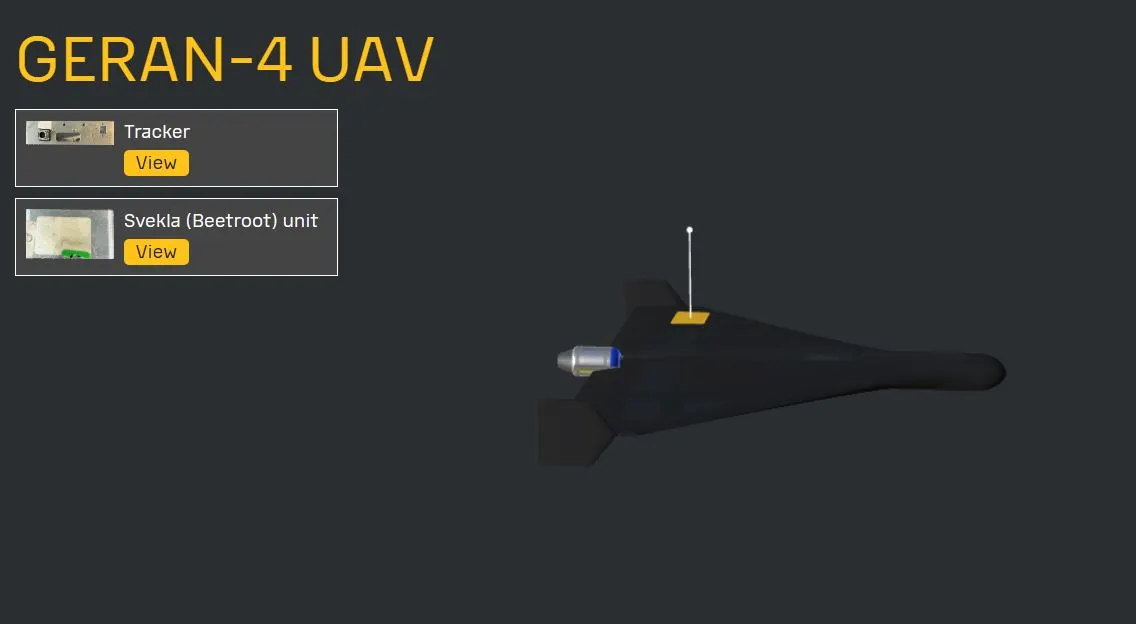
In August, Intelligence Deputy Chief Vadym Skibitskyi said Russia remained fully dependent on Chinese turbojets for the Geran-4 and Geran-5, each costing about $35,000 to $40,000.
However, two months later, Ukraine reported the Geran-4 had received a locally built engine and a new optical navigation system. Kyiv has to stay attuned to changes to keep pace with the technology race, and so far, it is still trying to catch up rather than get ahead.
The Netherlands will help Ukraine with maintenance, spare parts, and ammunition for F-16 fighter jets, Dutch Prime Minister Rob Jetten promised in a statement on 5 October. He made this and other statements following a phone call with Ukrainian President Volodymyr Zelenskyy.
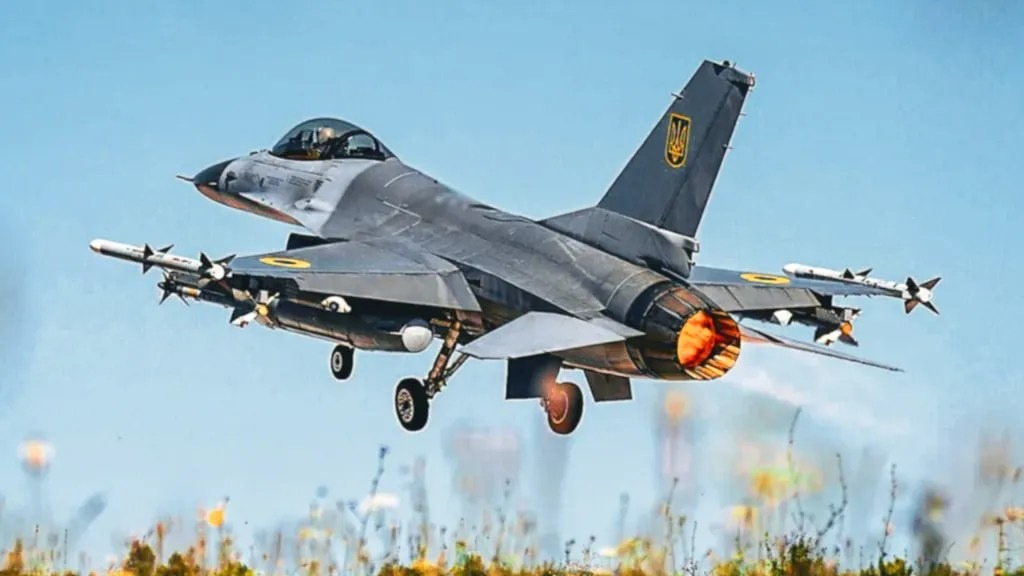
Russia attacks Ukrainian cities with drones every day, increasingly with jet-powered ones. F-16 fighter jets are one of the effective options for shooting down these UAVs, but Ukraine has far too few of them. The F-16s are used very frequently and therefore require maintenance. About half of the aircraft spend extended periods abroad undergoing repairs and maintenance, Ukrainian President Volodymyr Zelenskyy told the Financial Times this month. The process of returning the aircraft has taken too long, and Ukraine has lost time when the jets were most needed to protect Ukrainian airspace, he said.
“A further strengthening of Ukraine’s air defense is literally vital,” the prime minister said.
Russia’s aggression continues to escalate, and F-16 fighter jets can help stop it
Russia is deliberately attacking civilian facilities and energy infrastructure and wants to make Ukrainian cities uninhabitable, Jetten said, adding that “we must not allow this to happen.”
One effective solution is the use of F-16 fighter jets, while Ukraine faces shortages of both these aircraft and the missiles for them.
Ukrainian F-16 pilots lack air-to-air missiles and take off with only the aircraft’s cannon during some daytime missions, the War Zone reported on 2 September. The M61A1 Vulcan 20mm rotary cannon can pose a danger to civilians on the ground, the outlet noted.
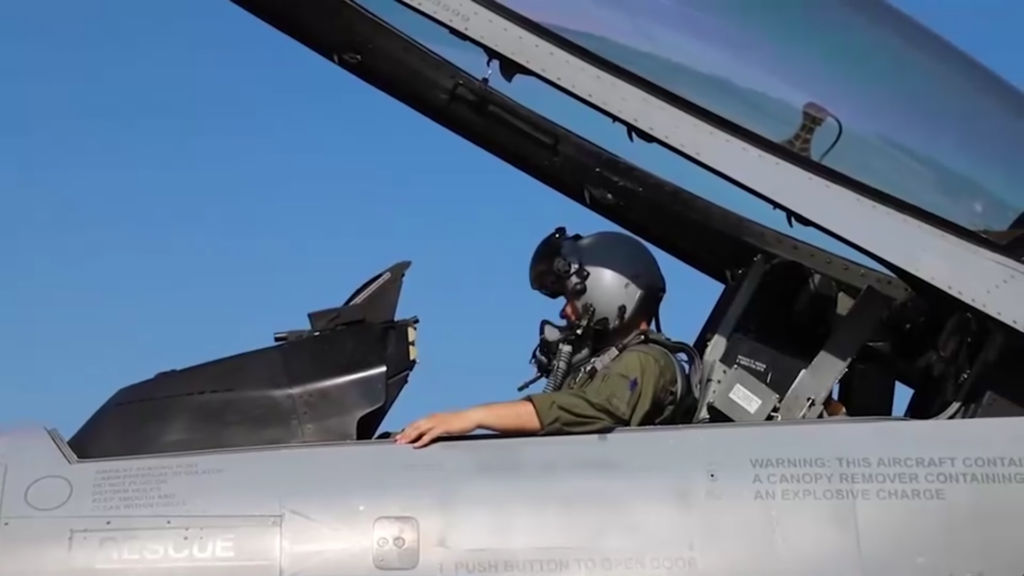
A pilot in an F-16 fighter in Ukraine. Screenshot from the video of President Volodymyr Zelenskyy's speech on Ukraine's Air Force Day
Poland promised to provide Ukraine with F-16 missiles back in September, and several partners, including Poland, have already begun the process of transferring ammunition this month. Other partners include Spain and Belgium, which Foreign Minister Andrii Sybiha mentioned during a meeting with journalists, Hromadske reported on 1 October.
Ukraine critically needs this ammunition, especially as Russia prepares new strikes, Sybiha said.
“Against the backdrop of the fact that we have not yet built up the capability to repel jet-powered drones, against the backdrop of preparations for new strikes, it was critically important to help our military shoot down these drones. The most effective right now—apart from air defense systems, which are very expensive to use constantly against drones—are F-16 fighter jets,” the minister said.
Zelenskyy held talks with the president of France and the prime ministers of Poland and the Netherlands about means of protecting against Russian strikes, he said in his address on 5 October. In particular, he thanked the Dutch prime minister for his prompt response.
Whether Belgian maintenance delays are the reason for the low number of operational F-16s in Ukraine remains disputed
Fewer than 50% of the F-16s delivered to Ukraine may be operational, Defense Express reports, citing a Wall Street Journal (WSJ) editorial published on 29 September.
The Belgian company that services F-16s for Ukraine takes as long as 40 weeks to complete the work, retired US Navy Rear Admiral Mark Montgomery told the WSJ.
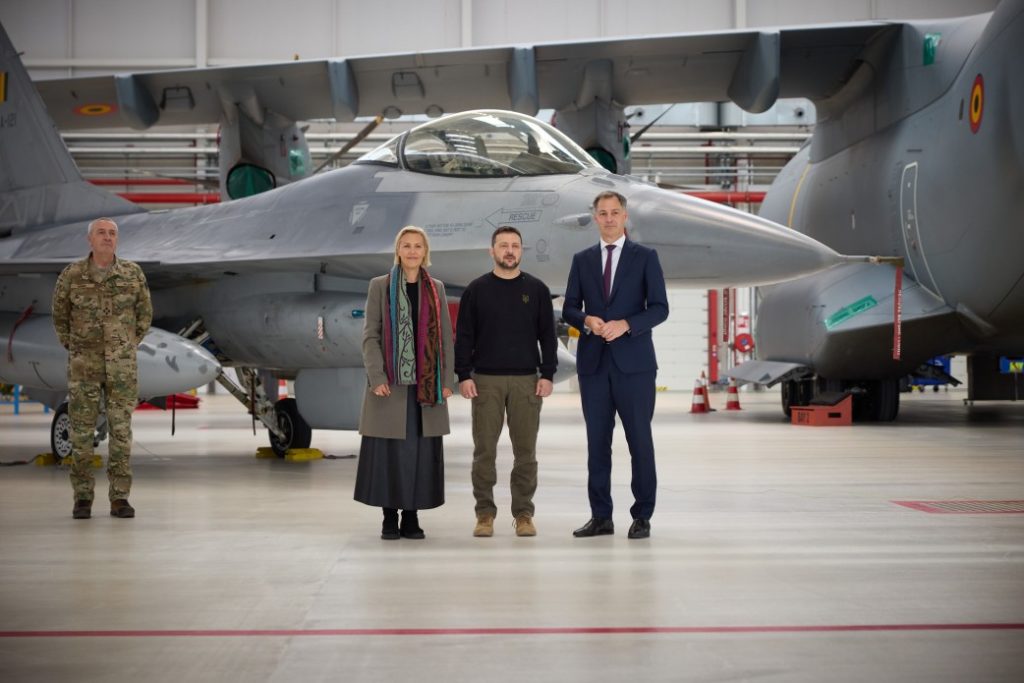
Belgian Defense Minister Ludivine Dedonder, Ukrainian President Volodymyr Zelenskyy, and Belgian Prime Minister Alexander De Croo visiting the Melsbroek Air Base, where Ukrainian personnel have been undergoing F-16 training, 28 May 2024. Photo: president.gov.ua
That day, Zelenskyy had already announced that Belgium would send three of its fighter jets to Ukraine this year. Ukraine will receive them under an accelerated procedure, he said.
Meanwhile, Ukraine’s Ministry of Foreign Affairs refutes claims that Ukrainian fighter jets have a catastrophically low operational availability rate and excessively long maintenance times.
“Contrary to these claims, our industrial sustainment partners are not only continuing to deliver overhauled aircraft, but are doing so at an increasing pace. Turnaround times are decreasing, not increasing,” Ukrainian Foreign Ministry spokesperson Heorhii Tykhyi said on 2 October.
Reports about the condition of Ukraine’s F-16s should not undermine confidence in international funding supporting F-16 maintenance or cast doubt on the need for additional F-16s from the stockpiles of partner countries, Tykhyi warned.
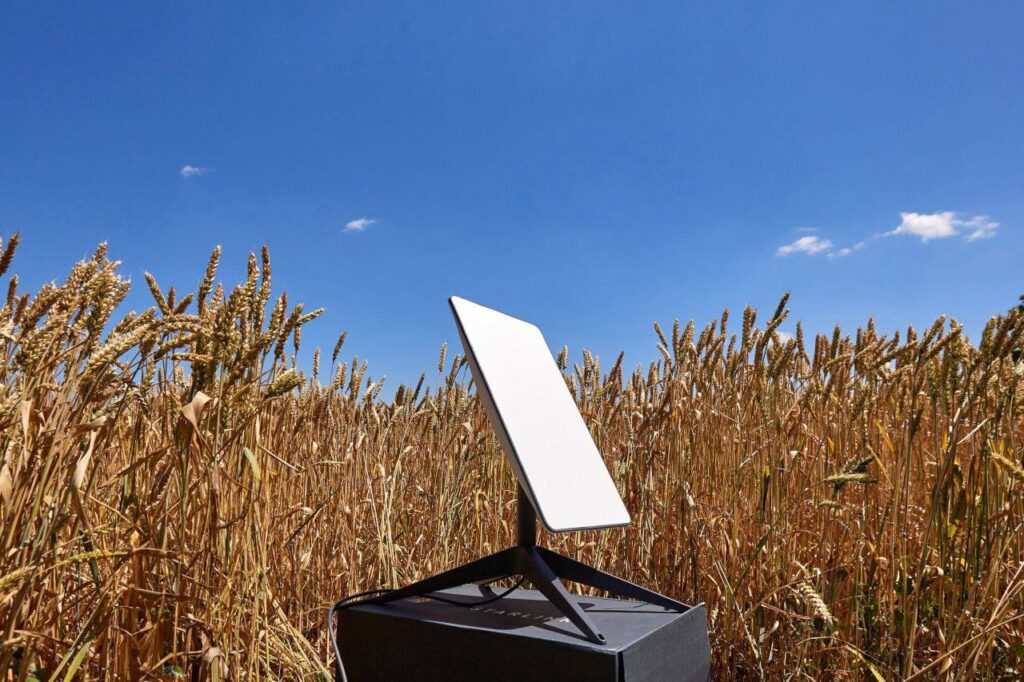
Ukraine is working on a satellite system of its own, something similar to SpaceX's Starlink, Ukrainian President Volodymyr Zelenskyy said on 4 October, Interfax-Ukraine reported. He argued Kyiv should be free to turn Starlink on Russian military targets, warning that China and other states will share comparable satellite technology with Moscow within months. Ukraine's battlefield communications still ride on a network owned by Elon Musk, who has clashed with Kyiv and once limited its wartime use.
Low-orbit satellite internet has turned into a frontline utility that a single company or government can switch on or off, and both armies are now racing to own that link instead of renting it. Control of the network decides whose drones can see the battlefield and fly through the jamming to strike it—leverage Kyiv has gone without while its connection rode on hardware it does not run.
Working on a Starlink of its own
Zelenskyy said there was groundwork in place and that Ukraine was working on a system similar to Starlink. He called it fair for Ukraine to aim Starlink at military sites inside Russia. The timing is the reason, he said: some states will share the technology with Russia late this year or early next, and the Chinese are among them. Moscow is already fielding its own Starlink-style constellation, Rassvet, though for now it reaches Ukraine only in brief passes.
Ukraine's troops and drones lean heavily on Starlink, a network Kyiv neither owns nor controls. Musk has used that control against Kyiv before: in 2022 SpaceX refused a Ukrainian request to extend Starlink over occupied Crimea for a drone strike on Russia's warships, and it has since restricted the network's use for drone operations.
Sanctions, and satellites of its own
Zelenskyy has asked US President Donald Trump several times to sanction the Russian and Chinese companies building Russia's Rassvet network, most recently at the UN General Assembly in New York, he said in a recent Financial Times interview.
Explore further
The EU sanctioned Russia’s Starlink rival but not the company that builds it. Experts call that the gap that matters
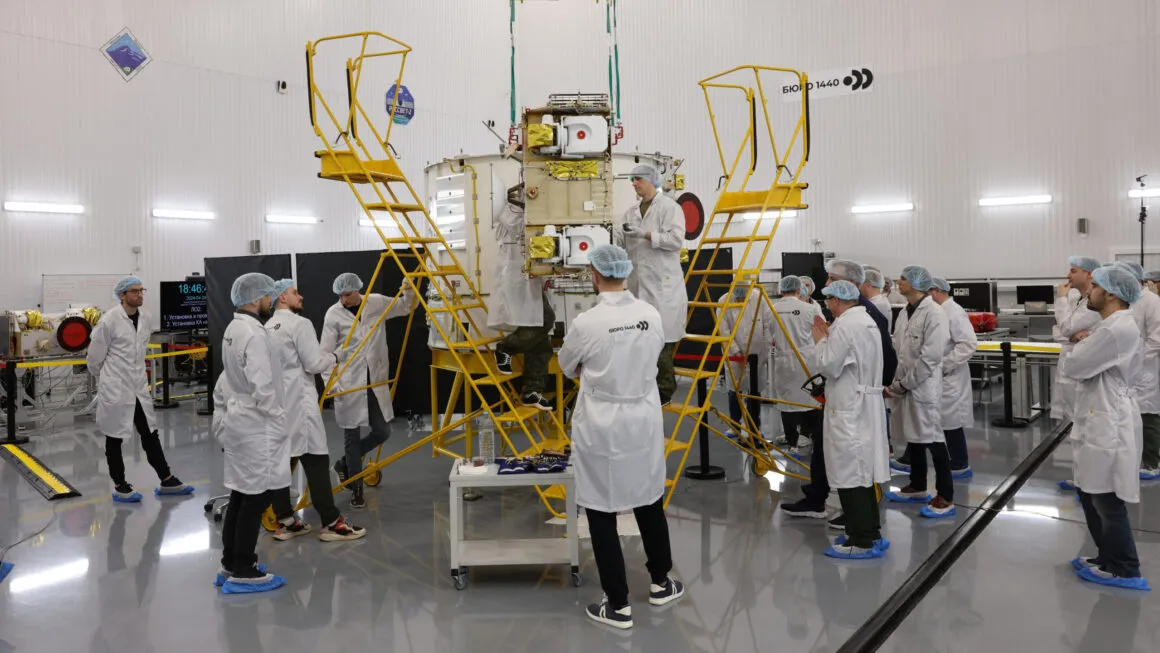
Denys Shtilerman, co-founder and chief designer at Ukrainian defense company Fire Point, told the Financial Times in May that the firm had launched two satellites this year and planned dozens more in 2027, aiming to reduce reliance on the US government and Western tech companies. To strike deep inside Russia and gather intelligence, he has said, Ukraine needs its own constellation covering all of Russia.
Ukraine has developed a new missile to knock down Russia's fast, jet-powered Shahed drones, the ones its air defenses catch far less often than older models, President Volodymyr Zelenskyy said on 4 October, Suspilne reported. The weapon, called Nika, has not yet been tested. He announced it during a visit to Kyiv by German Chancellor Friedrich Merz.
Russia's plants turn out an estimated 3,000 jet-powered Geran-4 and Geran-5 drones a month, Ukraine's military intelligence estimates, and the jets fly fast enough to outrun the cheap interceptors built for slower, propeller-driven Shaheds. Ukraine plans about 400 units of just one of five interceptor models it is testing by the end of October, as it scrambles to close the gap before winter.
A new missile heads into testing
Both the Ukrainian and German sides have reacted positively to the missile, Zelenskyy said, though he stayed cautious on the result: for now, he said, it only "could be positive." In the same remarks, he announced a successful test of a separate system, the German-Ukrainian interceptor Spys.
Explore further
Russia adds new weapon to its jet-powered drones, even more dangerous: 40-kilogram charge made to sever high-voltage pylons and iron bridges
Ukraine shoots down 85-92% of propeller-driven Shaheds, Zelenskyy said. Against the jet-powered variants, interception falls to roughly 50-60%, he noted at the press conference with Merz. F-16 fighter jets help close the gap, he said.
From interceptor drones to a new missile
Over the past month, Ukraine tested a new generation of drone interceptors built for the jet-Shahed threat. On 15 September, one struck a Shahed in trials, though Zelenskyy said developers still needed to refine its control system. On 19 September, he said the Security Service of Ukraine (SBU) had created its own interceptor drone and used it to down a jet Shahed in combat. Nika adds a purpose-built missile to that mix.
Ukraine will intensify strikes on Russian oil refineries in response to Moscow’s expanded campaign against Ukrainian infrastructure, Ukrainian President Volodymyr Zelenskyy said in an interview with Reuters on 3 October.
Russia has increased attacks on Kyiv in recent weeks, hitting energy and telecommunications infrastructure, roads, railways, and bridges across the Dnipro. Zelenskyy said Ukraine would respond by targeting the Russian energy infrastructure that helps finance the war.
Russia expands attacks on Kyiv
Russian forces have broadened their strikes on infrastructure in and around Kyiv in recent weeks, with attacks increasingly affecting systems that support civilian life.
Zelenskyy said Ukrainian intelligence obtained documents indicating that Russian authorities had approved a broader policy for targeting infrastructure, including logistics, roads, schools, and hospitals. He said the goal is to put pressure on residents to leave Kyiv and other major cities.
Russia has also begun targeting bridges across the Dnipro, which connect the eastern and western parts of the capital.
Ukraine targets Russia’s war economy
Ukraine plans to keep striking Russian oil refineries because they generate revenue that supports Moscow’s war effort, Zelenskyy said.
The policy puts Kyiv at odds with US President Donald Trump, who has urged Ukraine not to attack Russian oil facilities, arguing that such strikes contribute to higher global diesel prices.
Zelenskyy said he sees no indication that Moscow is prepared for either peace talks or an agreement to halt attacks on energy infrastructure.
Ukraine’s “long-range sanctions” hit targets supporting Russia’s war machine in Samara and Bryansk oblasts, including positions of Iskander missile crews, President Volodymyr Zelenskyy said. He also reported new “results” in the Black Sea.
Ukraine is also preparing for intensified Russian attacks on its energy system over the winter. Ukrainian officials say Russia has stockpiled hundreds of ballistic missiles for a new campaign against electricity and other critical infrastructure.
Russia has also expanded its use of fast jet-powered Geran drones, launching dozens each day since the summer.
Ukrainian F-16s and MiG aircraft are intercepting around 60% of these drones, according to Zelenskyy, but ammunition for their 20 mm cannons is running low. Ukraine is increasing the use of electronic warfare and expects a first shipment of small, inexpensive air defense missiles designed to counter the jet-powered drones later in October.
Ukraine is developing five interceptor drone models to counter Russian Shaheds. Two have already undergone testing, with Zelenskyy putting their current interception rate at around 30%.
Ukraine expands its strike capabilities
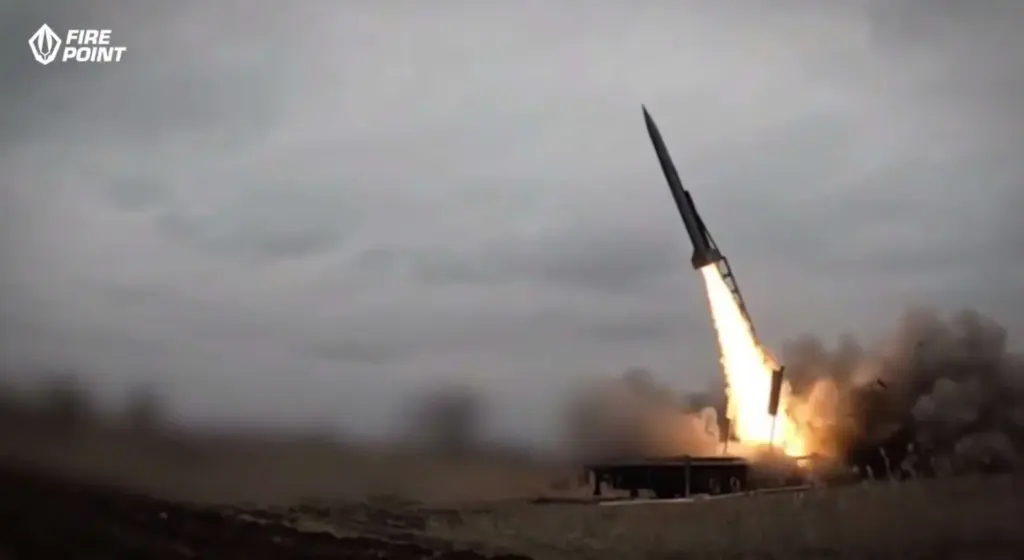
Ukraine is also expanding its long-range strike capabilities. It has used its domestically produced FP-7 ballistic missile in combat for the first time, with a range of about 250 kilometers, while work continues on the longer-range FP-9.
At the same time, Kyiv is working with European partners to secure additional funding for its defense needs. Ukraine has found financing to order drones for early 2027 and is working to close a $27 billion gap in this year’s defense budget through its own resources, bilateral assistance, and financing linked to the EU’s €90 billion loan package.
Zelenskyy said Ukraine’s ability to sustain its defense and expand its strike capabilities will remain central as Russia prepares for another winter campaign.
Ukraine is stitching together a layered answer to Russia's faster, jet-powered Shahed drones, leaning on electronic jamming, fighter jets, and a new class of homegrown interceptors, RBC-Ukraine reported. Each tool has limits, and the new interceptors still bring down only the occasional jet drone. The bottleneck now is money and factory output, not ideas.
Russia is pouring faster jet-powered drones into the air war as winter nears, a campaign Western analysts say is meant to wear Ukraine's defenses down—and holding those skies now turns on which side can keep out-producing the other's cheap weapons.
Fighter jets help, but they run on imported rounds
Electronic jamming can work against some of the drones, and Ukraine is also sending combat aircraft up after them. But aviation has a catch: the jets need air-to-air missiles and cannon rounds, and for the F-16 and Mirage those are imported and not always in stock. Flying over Kyiv adds danger to the civilians below and to the pilots, so Ukraine would rather catch the drones out on the approaches.
New interceptors are landing hits—just not enough
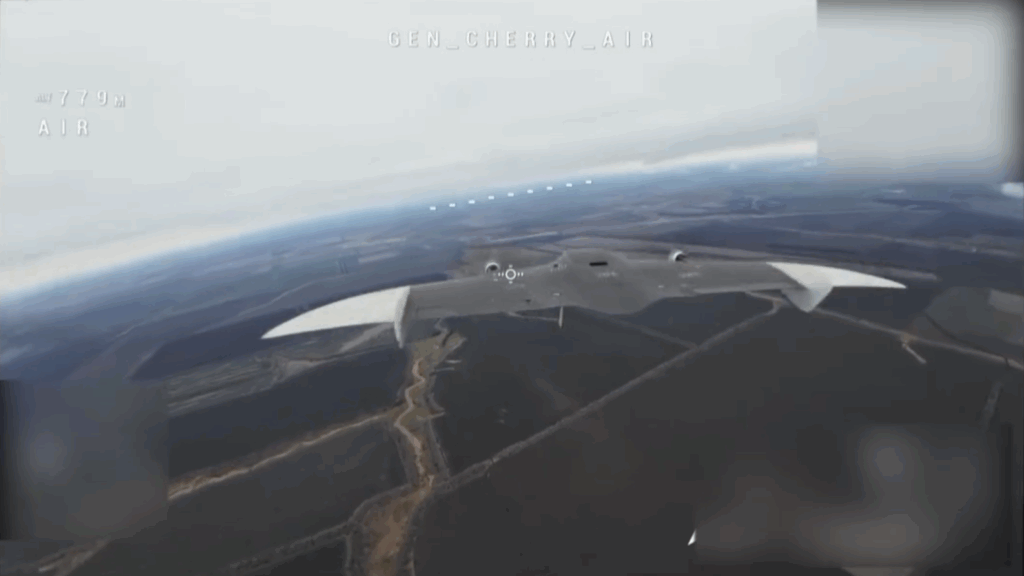
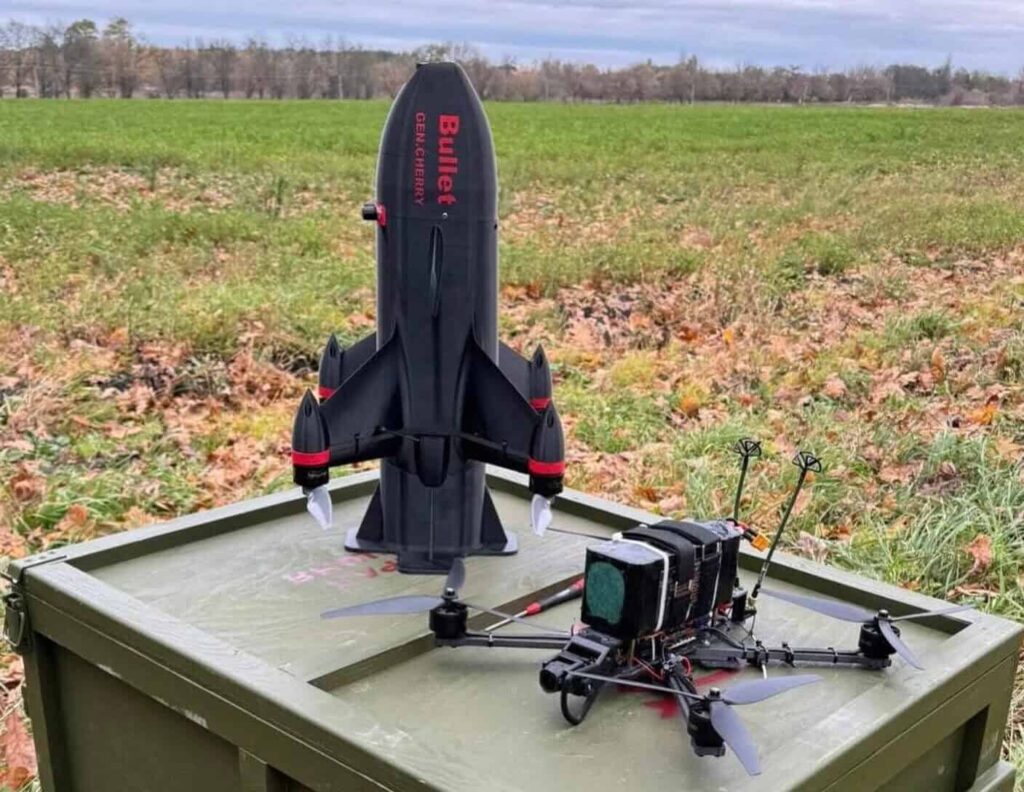
The newest piece is a wave of Ukrainian interceptor drones built to chase the jet versions, which fly three times faster than the propeller Shaheds. Ukrainian crews have been downing the jet Gerans in a recent run: on 19 September, presidential adviser Serhii Beskrestnov, known as Flash, confirmed one Geran-5 shot down, and in late September, operators of the National Guard's Separate Artillery Brigade brought down a Geran-4 with the Bullet interceptor made by General Cherry, the first Geran-4 that drone has downed, Ukraine's National Association of Defense Industries said. Ukrainian President Volodymyr Zelenskyy said several prototypes have proven themselves in combat.
Explore further
Russia is now wiring its attack drones into one network in flight, so a single drone can scout, strike, and relay for the rest
Across all methods, Ukraine now intercepts about 57% of the jet drones Russia launches, Zelenskyy said on 28 September—a rate that has climbed but still trails the 90%-plus it manages against slower Shaheds. Kills by the new interceptors specifically remain isolated. In August, Air Force spokesperson Yurii Ihnat said jet drones can make up as much as two-thirds of the drones in some raids—though not every time. One promising route is reworking Ukraine's own long-range strike drones into interceptors. Kyiv is in talks with partners over the money; on 28 September, Ukraine's Defense Minister Yevhenii Khmara asked the EU to help finance the interceptors so enough reach the front quickly.
Hitting the launch sites and jamming the controls
Ukrainian forces strike the Russian airfields the jet drones launch from, RBC-Ukraine's sources said, though the raids have not forced Russia to abandon the attacks. On 20 August, military intelligence hit drone storage and launch sites at Primorsko-Akhtarsk, one of the launch bases RBC names, and at occupied Donetsk airfield. Ukraine also keeps going after the Belarusian relay towers Russia strings into a mesh network to steer the drones in, RBC's sources said.
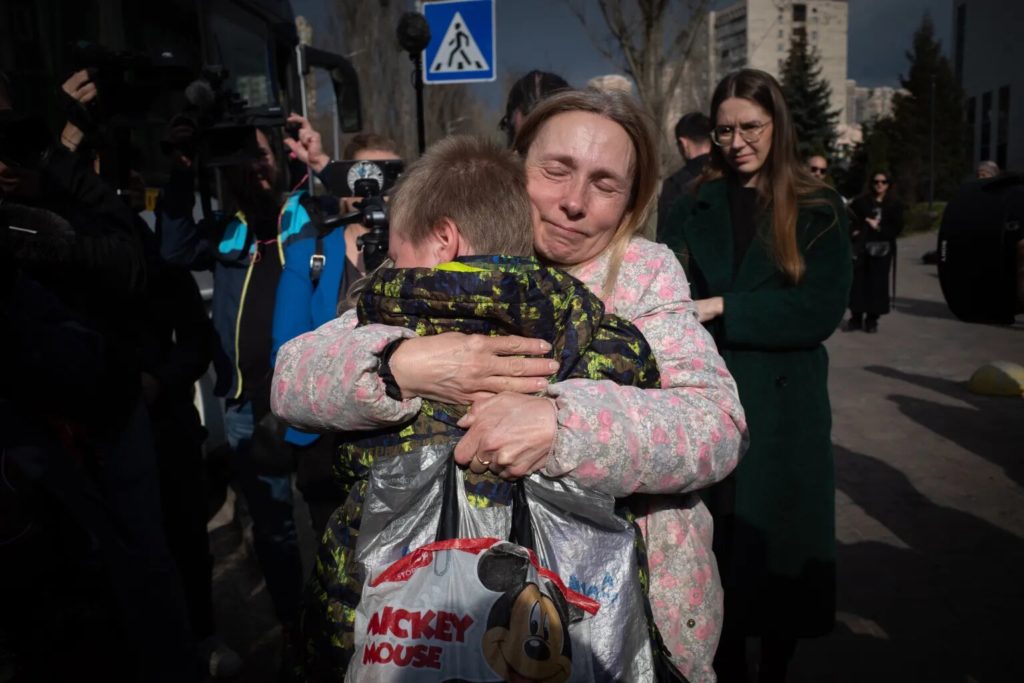
Fourteen more Ukrainian children have crossed from Russian-occupied Kherson Oblast back onto Ukrainian-held ground, the oblast's military administration said on 29 September. They join a years-long effort to recover children from land Russia seized in 2022, with thousands more still deported or unaccounted for.
Ukrainian authorities say Russia has deported nearly 20,000 children since its 2022 full-scale invasion, and Zelenskyy insists the true figure is far higher. Those taken to Russia are placed in institutions or Russian families and pushed through Russian "re-education" aimed at erasing their Ukrainian identity.
These 14 add to roughly 2,000 children Ukraine has brought back since 2022—a recovery effort still dwarfed by the numbers Russia holds and keeps adding to.
Who made it out
The 14 are four boys and 10 girls, aged 6 to 17, said Oleksandr Prokudin, who heads the administration. Rescuers also brought back one young adult who had been deprived of parental care.
Each case shows what pushed the children toward the return. One 16-year-old boy was being forced onto Russia's military registration rolls under occupation, part of a pipeline that moves teenagers from a Russian passport toward conscription at 18. A 17-year-old girl had sought a Ukrainian education despite the risks and Russian control, Prokudin said. A 10-year-old girl, he added, had longed to come home and did all she could to reach safety.
The running tally
The children left through Bring Kids Back UA, the repatriation program President Volodymyr Zelenskyy launched in 2023, working with the Ukrainian charity Save Ukraine. That brings to 204 the number of children returned from occupied Kherson Oblast since the start of 2026, regional authorities said.
The wider deportation campaign
In 2023, the International Criminal Court in The Hague issued arrest warrants for Russian leader Vladimir Putin and his children's rights commissioner, Maria Lvova-Belova, over the illegal deportation of children from occupied Ukraine to Russia.
Ukraine's air defenders now have purpose-built interceptors for Russia's jet-powered attack drones—weapons whose speed and altitude make them difficult for conventional defenses to catch, Militarnyi reported. A crew from the 1020th Anti-Aircraft Missile and Artillery Regiment downed a Geran-5 over Chernihiv Oblast with a newly delivered interceptor, according to the Serhiy Prytula Foundation.
Russia's long-range drone and missile attacks have become central to its effort to wear down Ukraine's air defenses and grid before winter, and the war in the sky now turns on which side scales its answer faster.
The Chernihiv intercept
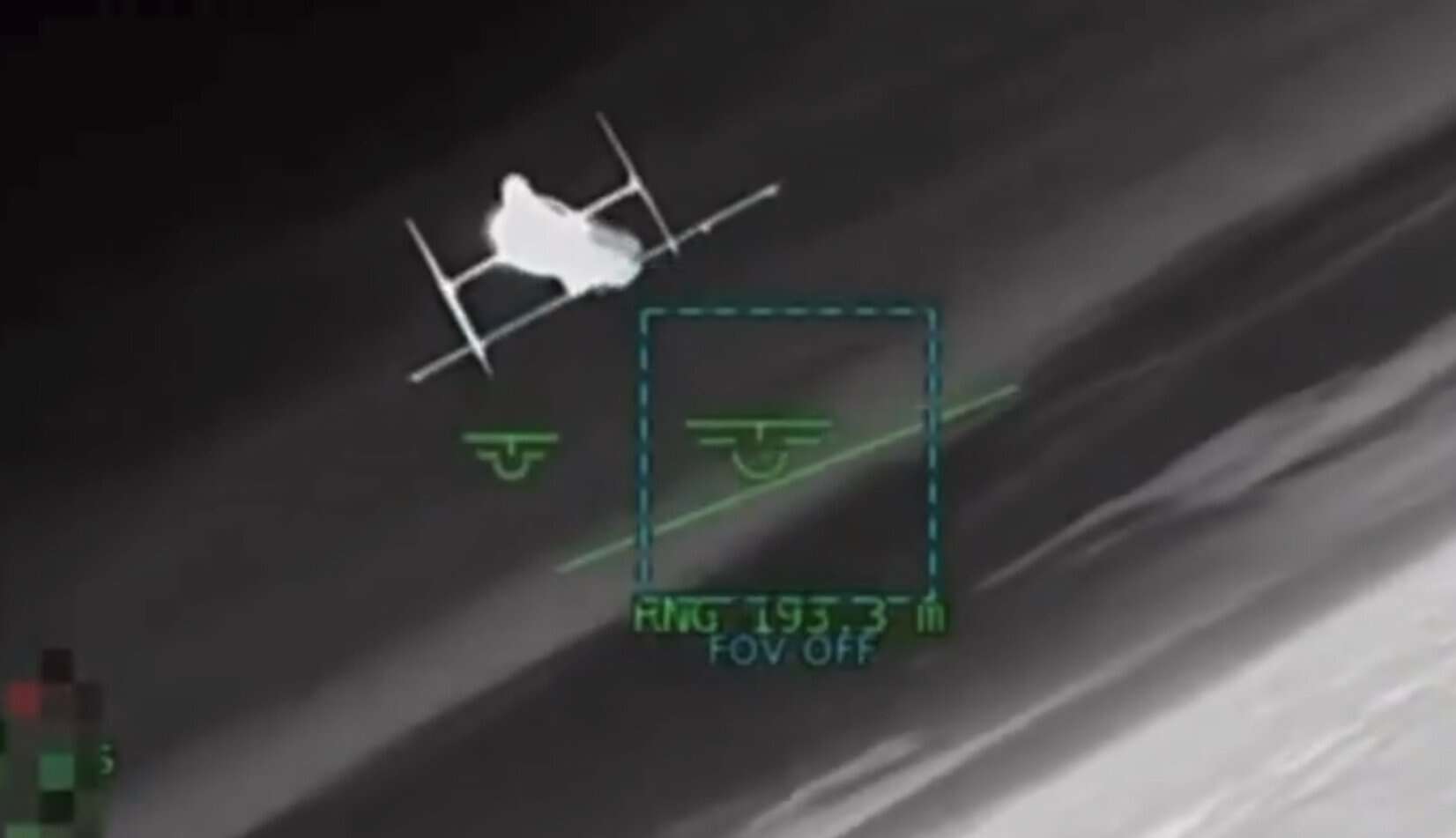
The crew, callsign Yastrub (Hawk), made its first successful engagement with the new interceptor, hitting the jet drone at 425 km/h and above 3 km, the foundation said, releasing footage of the strike. The Prytula Foundation supplied the interceptors and said it has contracted several manufacturers to counter the jet threat.
"Our task is to scale this up and strengthen units," it said.
Why it kept slipping through
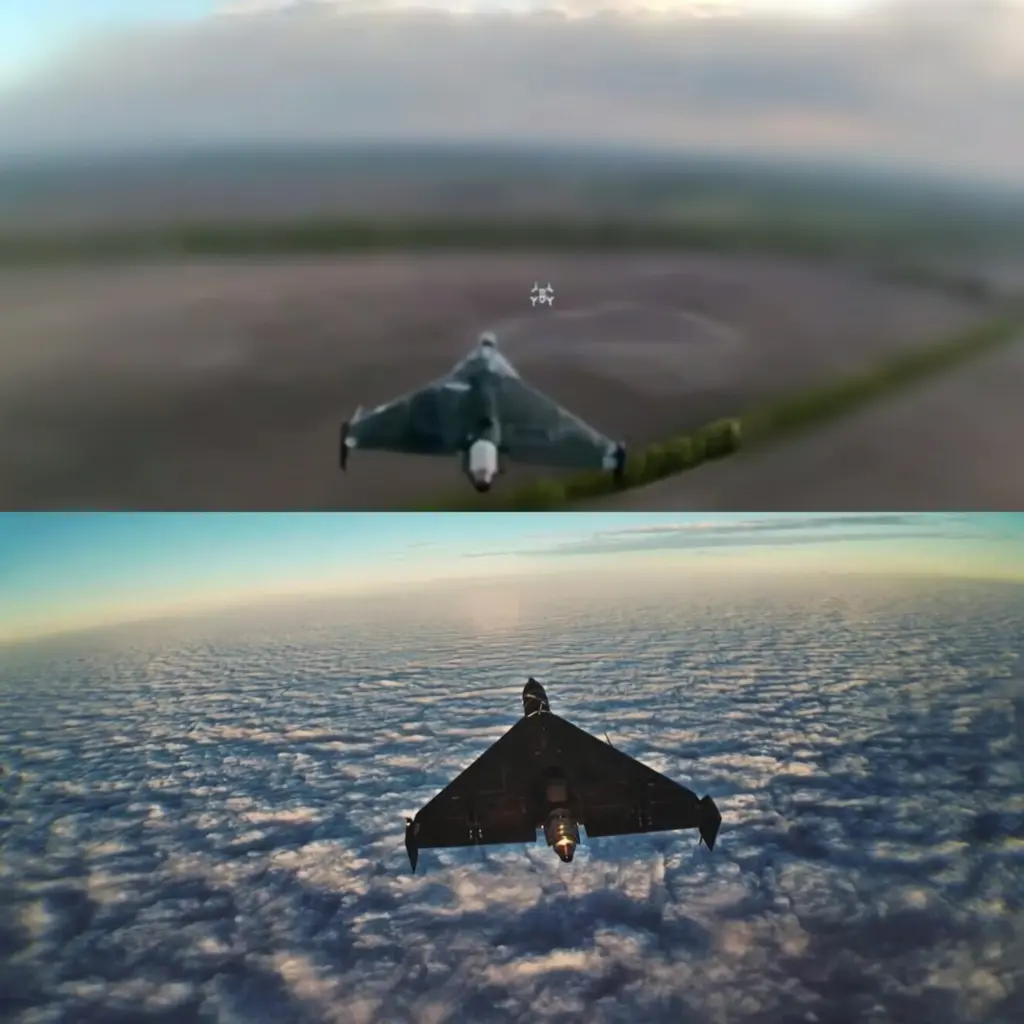
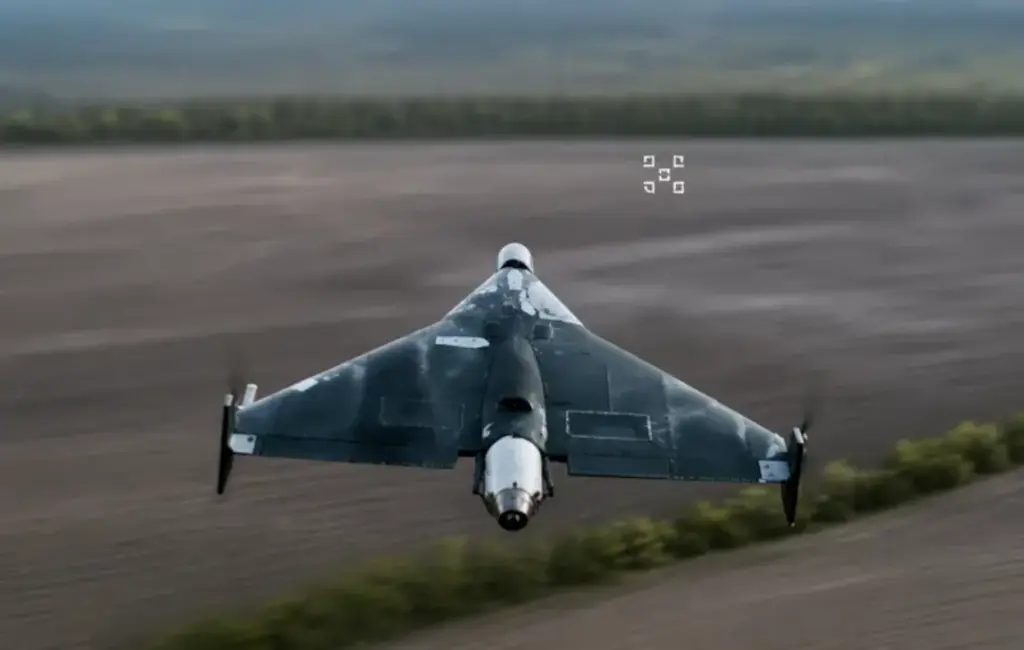
Russia first used the Geran-5 in January 2026. HUR's own specifications put its warhead at 90 kg, cruise speed at 450–600 km/h, and range at 950 km, with a ceiling of 6 km. That mix of jet speed and high altitude kept it clear of machine guns, shoulder-fired missiles, and the cheap interceptors built to swat slower piston-engine Shaheds.
Ukraine's military intelligence estimates Russian plants now turn out around 3,000 jet-powered Geran-4 and Geran-5 drones a month, according to HUR. A monitoring Telegram channel, Polkovnyk HSh, reports a newer variant that steers by ground imagery instead of satellites, which would blunt jamming—though HUR has not confirmed it and lists no such system among the drone's components. Separately, Russia moved the jet engine inside the fuselage, a change aimed at more speed and range.
Explore further
After Russia hits Kyiv’s Academy of Sciences with jet-powered drone, the Kremlin says Ukraine must “pay a price”
Where the fight stands
Ukraine intercepts about 55% of Russia's jet drones, against more than 90% of the older models, President Volodymyr Zelenskyy said on 26 September. Since the start of September, Russia had launched more than 2,730 jet drones, and Ukraine had downed or suppressed more than 1,500, he added. Zelenskyy also said Russia plans to spend $12 billion in 2027 on jet drones and loitering munitions alone. Ukraine already has several interceptor prototypes in combat use, and the 1020th crew's kill is one of several jet Geran intercepts Ukrainian units and drone makers have logged this month.
Russia has quietly started a new round of mobilization and plans to bring in more North Korean troops, Ukrainian President Volodymyr Zelenskyy said. He cited a new report from Ukraine's military intelligence. The same day, the Kremlin published a decree enlarging Russia's army for the fourth time this year.
Russia widens recruitment at home and abroad
Zelenskyy spoke in his evening address on 28 September, after a briefing from Ukraine's military intelligence (HUR).
"In effect, the Russians have already begun additional mobilization—they are increasing the number of people they recruit through various means," he said.
Moscow also plans to recruit more foreigners, Zelenskyy said. He urged the governments of countries whose citizens Russia recruits to counter it, and said Kyiv would inform each of them.
Ukraine says Russia has been losing soldiers faster than contract recruitment replaces them. If so, an unannounced call-up lets the Kremlin refill its ranks without a formal draft. ISW says Putin may hold off on such a draft until he sees whether his strikes work. Ukrainian intelligence had expected Russia to announce a mass mobilization after this month's State Duma elections.
More than 8,000 North Koreans in Russia, 10,000 more in preparation
More than 8,000 North Korean troops are currently on Russian territory, Zelenskyy said. Pyongyang is selecting another 10,000 for training and deployment to Russia, he added.
Russia is paying, among other things, with technology, according to Zelenskyy. North Korea has launched production of Shahed-type attack drones with Russian technical support, he said.
That is a step beyond what Kyiv reported in June 2025. Moscow and Pyongyang had then only agreed to start preparing such production. In August, Zelenskyy warned that Russia could receive up to 50,000 North Korean troops.
Explore further
North Korean missile unit deploys to Russia for ballistic strikes on Ukraine, Kyiv says
Kremlin raises the army's size again
Putin's decree sets the authorized strength of Russia's armed forces at 2,441,630, including 1,550,500 military personnel, Vedomosti reported. The decree gives no reason.
The order adds 15,500 troops and is the fourth such increase this year, Euronews said. Since March, the combined increase has reached 47,860 soldiers. Putin's 2022 "partial mobilization" decree also remains in force, the outlet noted.
Explore further
Russia could open northern front by February if it orders new mobilization, Ukraine intel says
Moscow keeps denying a call-up
In early September, Putin claimed that reports of a coming mobilization were "complete nonsense" and "an information attack on Russia." Russian officials gave similar assurances days before the 2022 call-up.
Ukraine's military and foreign intelligence had earlier said that Russia's General Staff prepared a scenario to mobilize 600,000 people over 2026 and 2027, 300,000 each year.
Ukraine's defense forces intercepted 55% of Russia's jet-propelled drones in September—more than 1,500 out of over 2,730 launched—Ukrainian President Volodymyr Zelenskyy said in his 26 September evening address.
Russia's full-scale aerial campaign has shifted from propeller-driven Shaheds Ukraine learned to shoot down at over 90% to jet-propelled models that fly faster, resist jamming, and often slip past existing defenses.
55% and climbing
Zelenskyy said military intelligence had briefed him on Russian weapons production—not just jet Shaheds but other technological systems. The documents detail what Moscow is preparing for next year: the volumes and the financing. "We are preparing our countermeasures, and for every line item there must be a Ukrainian answer," he said.
Several effective interceptor prototypes are already in combat.
"Interceptors have been identified that can become the main tool of our defense. Production, components—all of this we are scaling up. There will be an answer," Zelenskyy said.
The goal is to match the interception rate for regular propeller-driven Shaheds, which exceeds 90%. At 55%, the jet-drone rate is climbing but still leaves nearly half reaching their targets.
$12 billion for one category
Russia plans to spend $12 billion in 2027 on jet drones and loitering munitions alone, Zelenskyy said. "This concerns not only Ukraine and not only us," he added, warning that multiple intelligence agencies have information Russia wants to expand its war to other countries and regions.
He said this is why Ukraine is pushing for stronger sanctions and the Drone Deal format. Ukraine has signed 11 such agreements, the latest with Finland at the UN General Assembly this week, and is preparing a 12th with what Zelenskyy called "a strong country."
The warning came as Russia struck a Kyiv data center twice on the morning of 27 September, injuring three people including two children, Zelenskyy wrote. Overnight strikes killed three people in Zaporizhzhia Oblast and one man in Kyiv.
In total this week, Russia launched more than 2,200 strike drones, roughly 1,650 aerial bombs, and 38 missiles—a significant share of them ballistic—at Ukraine, he said.
Explore further
A $50 computer just flew Russia’s newest jet drone into a Ukrainian grain ship—and jamming couldn’t stop it
Jet drones are now Russia's main aerial weapon
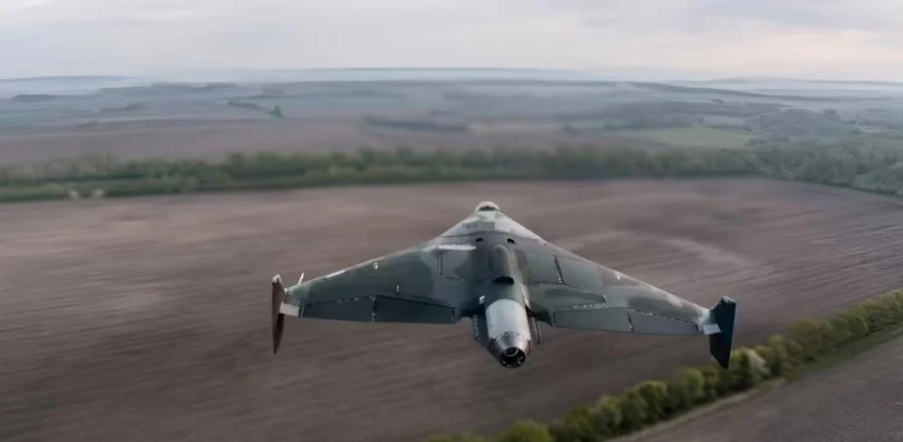
Russia's jet-propelled Geran-4 and Geran-5 drones have become the dominant threat in Russia's aerial campaign against Ukrainian cities. By August, production of jet Geran-4/5 models exceeded that of propeller-driven Geran-2s, according to Ukraine's military intelligence (HUR). Russian factories produce roughly 3,000 jet models per month alongside about 2,800 of the older type. The Geran-5 is technically a drone but functions as a small cruise missile—faster, harder to jam, and increasingly guided by AI and mesh networking that complicate interception.
Ukraine's answer has been interceptor drones—cheap, fast enough to chase a Geran, and guided by machine vision. A Ukrainian interceptor recently scored its first kills against jet Gerans and is heading into mass production, though a presidential adviser warned that speed alone cannot catch them—machine vision and automatic guidance decide the chase.
Ukraine, the country under daily Russian attack, is offering to help defend others from it. President Volodymyr Zelenskyy says Ukraine will share its drone-defense experience with partners facing Russia's hybrid and drone attacks, NATO members and non-members alike, through its "Drone Deal" agreements, according to UNIAN.
Russia's hybrid and drone attacks are spreading past Ukraine, to Moldova, Germany, and Romania, and Kyiv is casting itself as the country that knows how to counter them.
Asked whether he would send Ukrainian troops to defend NATO members, Zelenskyy instead pointed to the drone agreements, bilateral pacts open to partners in or out of NATO, that pair weapons sales and joint production with the transfer of Ukraine's combat experience.
Ukraine had signed such deals with nine countries by early August and is negotiating more than a dozen others, becoming, as its officials put it, "a security provider for Europe."
The attacks spread past NATO
"Russia will continue hybrid attacks against various countries, and not only NATO members," Zelenskyy said, pointing to drone incursions over Moldova, which belongs to neither NATO nor the EU.
Those crossings have become routine: Moldova logged 39 Russian drone incursions in the first eight months of the year, and on 24 September, drones entered both Moldova and Romania as Poland scrambled fighters. Ukraine has offered help, Zelenskyy said, "above all to those countries that help us during the war."
The Drone Deal shares experience
The Drone Deal agreements cover the sale of drones and missiles and joint production, he added, "but also an exchange of experience."
He offered a precedent: "How we sent our specialists to the Middle East, how we helped protect critical infrastructure." Sharing how to defend against drones, he said, is "precisely part of this exchange."
Ukraine turns security provider
Zelenskyy did not answer the question on whether Ukraine would put troops into NATO countries under attack, steering instead to what Ukraine can already give, its hard-won experience of fighting the very weapons now reaching its neighbors' skies.
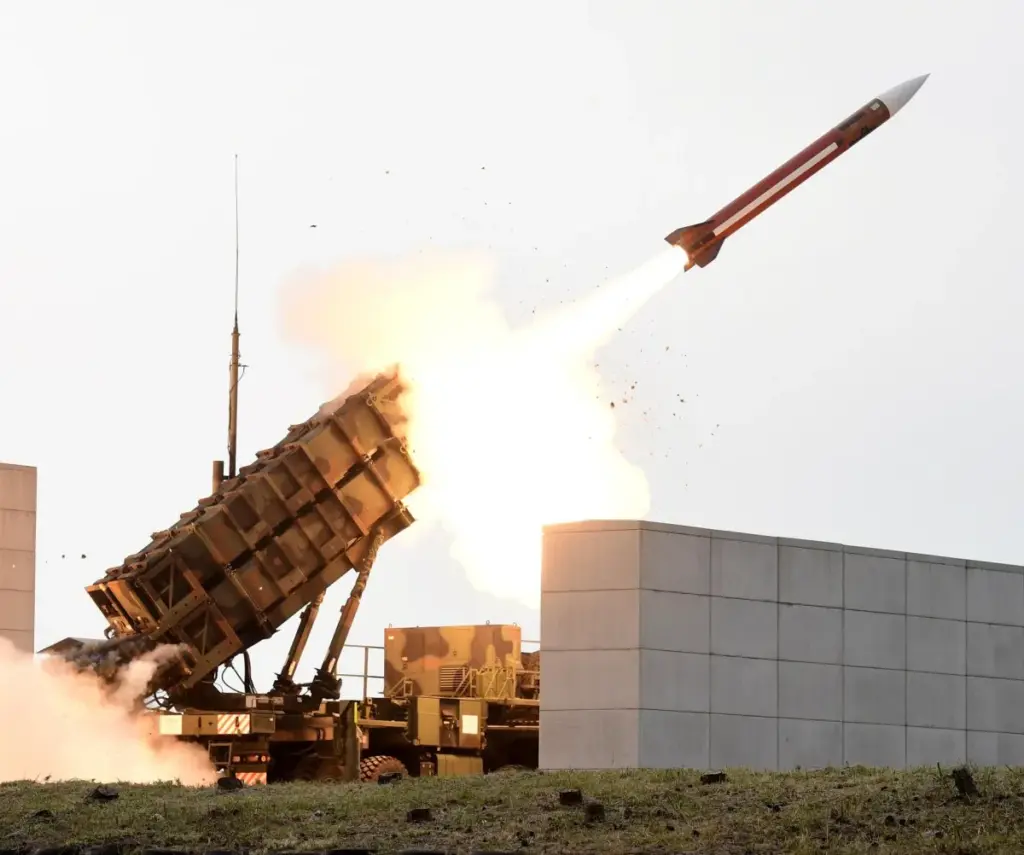
Ukrainian President Volodymyr Zelenskyy announced that Ukraine has agreed on a new package of Patriot interceptor missiles with an unnamed partner, Suspilne reported. He made the announcement on 24 September during a meeting with the Ukrainian community in the United States. Zelenskyy did not reveal the partner's identity, the quantity, or the delivery timeline.
Russia's aerial campaign against Ukrainian cities is heading into its most dangerous winter yet, with ballistic strikes on hospitals, power stations, and residential buildings pushing monthly civilian casualties to their highest level since the war's opening weeks. The gap between the interceptors Ukraine needs and what allies have so far committed has become a central factor in both the defense of Ukrainian cities and the diplomatic standoff.
What Zelenskyy said
Zelenskyy made the announcement during a broader address to the diaspora about diplomacy, the peace effort, and cooperation with US President Donald Trump's team.
"We agreed today—I won't say with whom—on a package of [interceptor] missiles for Patriot systems. This is an important decision," Ukrainian President Volodymyr Zelenskyy told the Ukrainian diaspora in New York.
He gave no further details. Zelenskyy said ending the war was the most important question facing Ukraine and awarded decorations to community members who had contributed to the country's defense.
Before the New York trip, the interceptor question had been raised with several partners. After meeting Trump on 22 September, Zelenskyy said he had asked Washington for a winter package of Patriot interceptors. That same week, he pitched Japan's Prime Minister Sanae Takaichi on air-defense cooperation, noting that Mitsubishi Heavy Industries runs the only plant outside the US licensed to assemble PAC-3 missiles. Suspilne noted the issue had also been discussed with other partners Zelenskyy did not name.
Intercepting more, but not enough
On 24 September, air defenses intercepted 60% of the ballistic missiles Russia fired at Kyiv—a figure the president called significant.
"It was 60%—not 10% and not zero. And this year we had moments when it was zero. Not because someone lacks experience, but because someone lacks missiles," Zelenskyy told journalists in New York.
Since 12 August, Ukraine's Air Force has stopped publishing detailed figures on how many missiles Russia launches, reporting only what it downs—which makes Zelenskyy's percentage a rare public benchmark. By that count, Russia has fired at least 794 ballistic missiles at Ukraine since January, about 43% of all missiles used this year, with July's 174 the monthly high.
The overnight attack
Hours after Zelenskyy spoke in New York, Russia launched 295 drones at Ukraine overnight on 24–25 September. In Odesa, Russian drones killed two people—a 40-year-old woman and a 51-year-old man—and injured two others. In Kyiv, Shaheds struck high-rises in Solomianskyi district, and strikes across the broader region killed a 14-year-old boy.
Explore further
1,000 Patriot missiles arrive too late for this winter, so Ukraine asked the Ramstein arms coalition to open its warehouses
Romania scrambled jets as drones drifted toward its airspace. A woman was injured in Dnipropetrovsk Oblast, and the morning brought further Russian strikes on Zaporizhzhia and Poltava, injuring two more people.
The interceptor crisis
Zelenskyy's announcement lands in the middle of a worsening shortage. In August, he told CNN that Ukraine held roughly 1% of American Patriot stocks and that 5% would get Kyiv through the winter. ISW assessed the same month that the interceptor shortage was one reason Russia saw no incentive to negotiate.
The EU has moved to fill the gap. Brussels cleared Ukraine to spend loan money on Patriot missiles and later released €6.1 billion ($7.1 billion) for interceptors and drones. But Ukraine's air force commander warned that newly ordered missiles would arrive too late for this winter and asked the Ramstein coalition to open existing stockpiles.
At least one partner has now moved from discussion to commitment. The quantity and delivery date remain unknown, and Russia produces ballistic missiles faster than Ukraine's allies have so far been willing to part with the interceptors that stop them.
"We agreed today—I won't say with whom—on a package of [interceptor] missiles for Patriot systems. This is an important decision," Ukrainian President Volodymyr Zelenskyy told the Ukrainian diaspora in New York.
"It was 60%—not 10% and not zero. And this year we had moments when it was zero. Not because someone lacks experience, but because someone lacks missiles," Zelenskyy told journalists in New York.
Russian President Vladimir Putin has again told US officials that Russia can capture Ukraine’s Donetsk Oblast within several months, according to Ukrainian President Volodymyr Zelenskyy.
Speaking to the UN General Assembly on 24 September, Zelenskyy said this was the latest in a long series of similar promises as Russia has spent nearly five years trying to seize the region. He said Putin has made such promises 17 or 18 times, repeatedly pushing the deadline further back.
He contrasted those promises with Russia’s heavy battlefield losses and relatively limited territorial gains.
Russia has paid a huge price for its Donetsk offensive
Zelenskyy said Russian forces suffered 248,964 troops killed or severely wounded between January and August 2026.
He said Russia had captured only slightly more than 1,000 square kilometers of Ukrainian territory this year, while Ukraine had already liberated a significant portion of those gains.
Zelenskyy presented the figures as the human cost of Putin’s continued attempt to seize Donetsk, arguing that Russia is paying an enormous price for relatively limited territorial gains.
“Always the same: ‘Just a few more months,’” Zelenskyy said, adding that Putin would again fail to meet his latest deadline.
The Russian offensive is also facing a recent setback in northern Donetsk. Ukraine launched Operation Vivaldi in September to clear Russian infiltrators and retake ground near Lyman, disrupting Russia’s plan to encircle the fortified cities of the Donetsk “Fortress Belt.”
Ukrainian forces have reported retaking several settlements and clearing up to 125 square kilometers in the operation, although the full scope of the offensive remains undisclosed.
Explore further
Ukraine retakes ground in a region Russia has fought for years to capture. “Vivaldi” is only getting started but is already “one of the most important victories for Ukraine in 2026”
Zelenskyy also warned that Russia’s ambitions extend beyond Donetsk. After saying Putin would again fail to capture the region, he said Russia would continue seeking other Ukrainian cities, naming Odesa, Kharkiv and Dnipro, while also pointing to Russian pressure on Moldova and threats toward Poland and the Baltic states.
Russia continues to pour missiles and drones into Ukraine
The battlefield campaign has been accompanied by a sustained Russian long-range attack campaign against Ukrainian cities and infrastructure.
Since the beginning of 2026, Russia has launched more than 2,100 missiles against Ukraine, including more than 950 ballistic missiles, according to Zelenskyy.
Ballistic missiles are particularly difficult for Ukraine to counter because it has a limited supply of interceptors capable of engaging them. Russia’s heavy use of ballistic weapons is therefore contributing directly to civilian deaths and infrastructure destruction.
Over the first eight months of the year, Russia also used 63,000 attack drones of various types, Zelenskyy said. More than 7,700 were jet-powered Geran drones, which he described as particularly destructive and dangerous.
The newer jet-powered drones are faster and more advanced than earlier Shahed-type models, making them harder to intercept and adding to the pressure on Ukraine’s air defenses as Russia attacks cities and infrastructure.
Zelenskyy said Russia was using the drones continuously to disrupt economic activity and normal life in Ukrainian cities, including by making it harder for children to attend school.
The figures show the scale of the Russian campaign beyond the front line. Alongside its ground offensive, Russia is using sustained missile and drone strikes to kill civilians, destroy infrastructure, and exhaust Ukraine’s air-defense resources.
North Korean troops add to Russia’s war effort
Zelenskyy also highlighted North Korea’s direct involvement in Russia’s war, saying its troops have suffered heavy losses while gaining battlefield experience alongside Russian forces.
He said North Korea’s military capabilities were also benefiting from its cooperation with Russia, pointing to improvements in its ballistic missiles and drone capabilities.
Ukraine recently transferred two North Korean prisoners of war to South Korea. Zelenskyy said capturing the soldiers alive had been difficult and described one prisoner’s attempt to take his own life after realizing he was about to be captured.
He said the soldiers had been conditioned to believe they had to die rather than surrender.
“Do you really want to give such a force more time to learn how to fight?” Zelenskyy asked.
Zelenskyy calls for de-escalation before winter
Zelenskyy separately warned that Russia could again target Ukraine’s energy and heating infrastructure this winter.
Russia has already intensified attacks on Ukraine’s energy system ahead of the cold season.
Russia has also explicitly threatened to “freeze” Ukraine this winter, with its Defense Ministry linking the threat to attacks on Ukrainian infrastructure. The country spent much of the previous winter dealing with the consequences of Russian strikes on power and heating infrastructure, including blackouts and disruptions to heat supplies.
Zelenskyy said Ukraine expects the coming winter to be difficult but warned that if Russia continues attacking Ukraine’s energy and heating systems, Ukraine will make the winter painful for Russia as well.
He called for steps toward de-escalation before winter, saying that diplomacy and military strength were both needed to end the war.
Ukrainian President Volodymyr Zelenskyy has used the UN General Assembly in New York to court partners outside Ukraine's NATO core, pitching air-defense cooperation with Japan and drone cooperation with Chile, Ukrainska Pravda reported. In a single day of bilateral talks, he met Japan's Prime Minister Sanae Takaichi, Chile's President José Antonio Kast, and UK Prime Minister Andy Burnham.
The meetings turned on shielding civilian infrastructure before winter and trading Ukraine's battlefield-tested technology for capabilities it still needs. More than four years into Russia's war, a nation that entered the war reliant on donated arms now iterates drones faster than many of its Western backers, and that expertise has become leverage in its own diplomacy.
Zelenskyy pitches Ukraine's know-how for Japan's air-defense tech
In their first summit meeting, Zelenskyy cast the relationship as a two-way exchange.
"Ukraine is ready to share its experience and technologies on a mutually beneficial basis," he said.
While Japan has advanced technologies for protecting lives, particularly in air defense, that could carry Ukraine through the winter if Russia again rejects talks, the President's Office reported.
Ukraine walks into winter with two air-defense problems. It is still testing home-built interceptors to catch Russia's jet-powered drones. And it does not have enough Patriot interceptors to stop ballistic missiles over its cities. Japan holds the key to the second one.
Explore further
North Korea has fired around 150 ballistic missiles at Ukraine, learning from each one. Same missiles threaten Japan, and Kyiv just shows its speaker what is inside them
Mitsubishi Heavy Industries runs the only plant outside the US licensed to assemble the PAC-3, the advanced Patriot interceptor. Japan is also the sole maker of the guidance gyroscopes inside older PAC-2 missiles. It has already shipped Japanese-made PAC-3s to the US to refill stocks drained by transfers to Ukraine, and Zelenskyy has floated Mitsubishi as the model for Ukraine's own Patriot line.
The exchange runs both ways. Russia keeps pressing Japan over the Kuril Islands the Soviet Union seized in 1945. Against that backdrop, Ukraine's combat-tested drones could appeal to Tokyo. Kyiv offers the drone know-how it now leads in, and asks for the air-defense edge Japan already has.
Zelenskyy also thanked Tokyo for its sanctions on Russia, energy packages, and humanitarian projects, and Takaichi assured him of continued support. Zelenskyy invited her to Ukraine, including the Kyiv-Pechersk Lavra, which Japan helped restore after a Russian drone strike in June.
Explore further
Japan weighs sanctions after Putin’s first visit to disputed Kuril Islands
Chile opens a door to Latin America
With Kast, Zelenskyy discussed deepening security and drone-technology ties and thanked Chile for backing Ukraine at international forums and for helping return Ukrainian children abducted by Russia. He welcomed Santiago's willingness to help expand Ukraine's presence across Latin America, calling it an opening for "even more promising opportunities," and invited Kast to visit.
Building on ties already in place
Both partnerships rest on existing ground. Japan, barred by its own laws from sending lethal weapons, has delivered generators, transformers, and non-lethal gear, pledged a $6 billion package for 2026, and agreed to help rebuild the Lavra through UNESCO. Talks in Tokyo in July recast Ukraine as a security partner rather than an aid recipient.
Chile joined the coalition to bring abducted Ukrainian children home and, in an April call, heard Zelenskyy float a security arrangement modeled on Ukraine's Gulf-state pacts. The outreach tracks Kyiv's drive to turn its wartime industry into an export business under its "Drone Deals" framework.
At 2:30 in the morning of 14 September, one week after he first claimed his innocence and then resigned, Ukraine's prosecutor general Ruslan Kravchenko crossed the border and left the country. Hours before he went, he used his office to sign a criminal suspicion against the chief of the anti-corruption bureau investigating him. His wife had crossed a day earlier.
Such was the unglorious fate of President Zelenskyy's man, the prosecutor general who in July 2025 nearly leashed Ukraine's independent anti-corruption agencies. Saved by mass street protests, the anti-graft institutions built after the Euromaidan revolution rebounded, and went first after President Zelenskyy's friend Tymur Mindich, then after his right hand Andriy Yermak.
And now they had reached the prosecutor general himself: in Ukraine, the one official who can veto any anti-corruption case against a member of parliament.
"For the first time in Ukraine, after a suspicion was announced, it was the prosecutor who fled abroad, not the suspect," anti-corruption campaigner Daria Kaleniuk wrote as it happened.
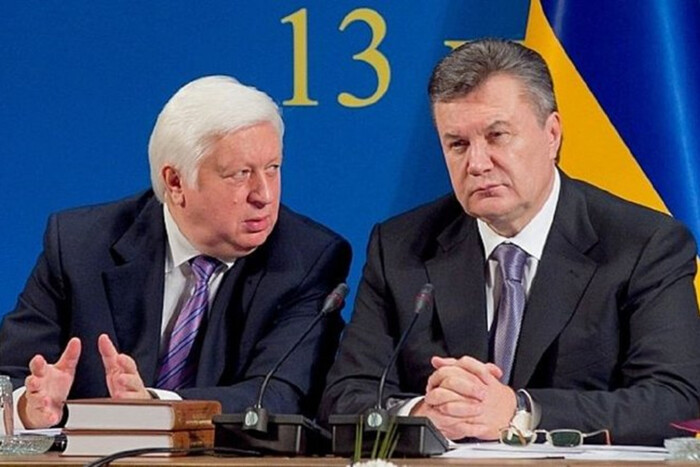
Victor Pshonka, the prosecutor general who helped Yanukovych consolidate authoritarian power (left) and ex-President Viktor Yanukovych. Photo from open sources
Things are, of course, far better than in 2014, when then Prosecutor General Pshonka criminalized the Euromaidan revolution and pursued the political rivals of then President Yanukovych, before both fled to Russia. Papers later found in Pshonka's abandoned mansion, published by Ukrainska Pravda, showed his office drawing up plans to arrest MPs and open thousands of criminal cases against Maidan activists, using prosecution, in the office's own notes, as a political instrument.
But things are still not as good as in 2019, the one time the office worked the other way. That year Ukraine's new chief prosecutor, Ruslan Riaboshapka, named fresh suspects in the PrivatBank case, which ran into Ihor Kolomoisky, the oligarch whose television channel had helped put Zelenskyy in office. He also refused to sign charges against Zelenskyy's political opponent Petro Poroshenko, calling them groundless.
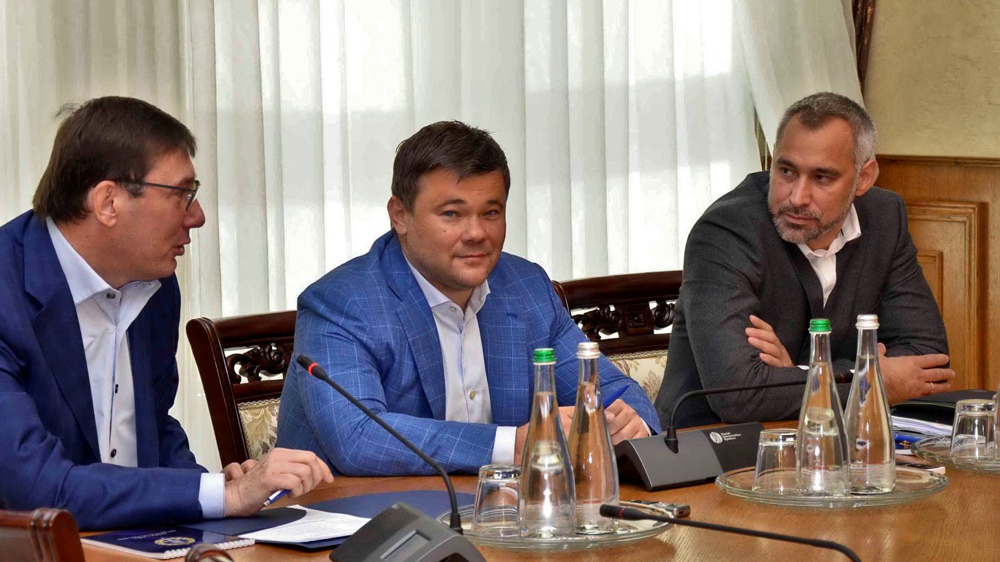
Head of president's office Andriy Bohdan (C) presents Ruslan Riaiboshapka (R) as a new Prosecutor General together with previous PG Yuriy Lutsenko. Kyiv, 30 August 2019. Photo: gp.gov.ua
Signature-gathering for Riaboshapka's dismissal began the next day. Parliament removed him in March 2020, and his successor rolled back the reforms he had tried to launch. David Arakhamia, the head of Zelenskyy's parliamentary faction, later named the refusal to charge Poroshenko as the last drop.
It keeps repeating. The official whose job is to hold the powerful to account ends up serving them instead.
Of the prosecutors general who followed Riaboshapka, two left under a cloud.
Andriy Kostin resigned in 2024 after investigators exposed a nationwide market in fake disability certificates used to dodge mobilization, a scheme that reached prosecutors inside his own service. And now Kravchenko, whom Ukraine's anti-corruption agencies had begun investigating over the alleged protection of an international network of fraudulent call centers.
2023: Ukrainian Prosecutor General Andrii Kostin during a meeting with Ukrainian representatives of law enforcement agencies in Kherson Oblast.
It keeps repeating. The official whose job is to hold the powerful to account ends up serving them instead. The problem is structural, and so is the fix: the same mechanism behind Ukraine's working post-Euromaidan reforms. A bill to have independent experts vet candidates for the Prosecutor General exists; it has sat in parliament since June, untouched.
Whether Zelenskyy's Servant of the People party, which holds the Rada majority, will let it move is unclear. What hangs on the answer is whether Ukraine finishes becoming a state of law, or stays a state of protection.
Unlimited power, total political control
Iryna Korzhenkova, parliamentary analyst at Chesno
For the office meant to guarantee that everyone, including those in power, is equal before the law, real powers are necessary. The problem in Ukraine, said Iryna Korzhenkova, a parliamentary analyst at the Chesno movement for political transparency, is that those powers come bundled with total political control.
The president appoints the prosecutor general with the Rada's consent, under a procedure that provides neither transparent selection nor any assessment of competence. He can be dismissed by a simple 226-vote majority. No prosecutor general has served a full term, and the average tenure is under two years.
"The position that is supposed to keep politicians in check works as their insurance policy instead," Korzhenkova told Euromaidan Press.
Capturing the office is a tempting political prize. Under Article 482-2 of the Criminal Procedure Code, only the prosecutor general can register a criminal case against a sitting MP, and only he can approve a search, a wiretap, or a detention against one.
Since MPs lost their formal immunity in 2020, in the same reform that handed the prosecutor general sole power to open cases against them, this has becomea kind of modified immunity: one politically appointed person can decline to open a case, and no court can challenge the refusal. This was the case in 2020, when then Prosecutor General Iryna Venediktovarejected a draft suspicion against an MP handed to her by NABU, reversing only under public pressure.
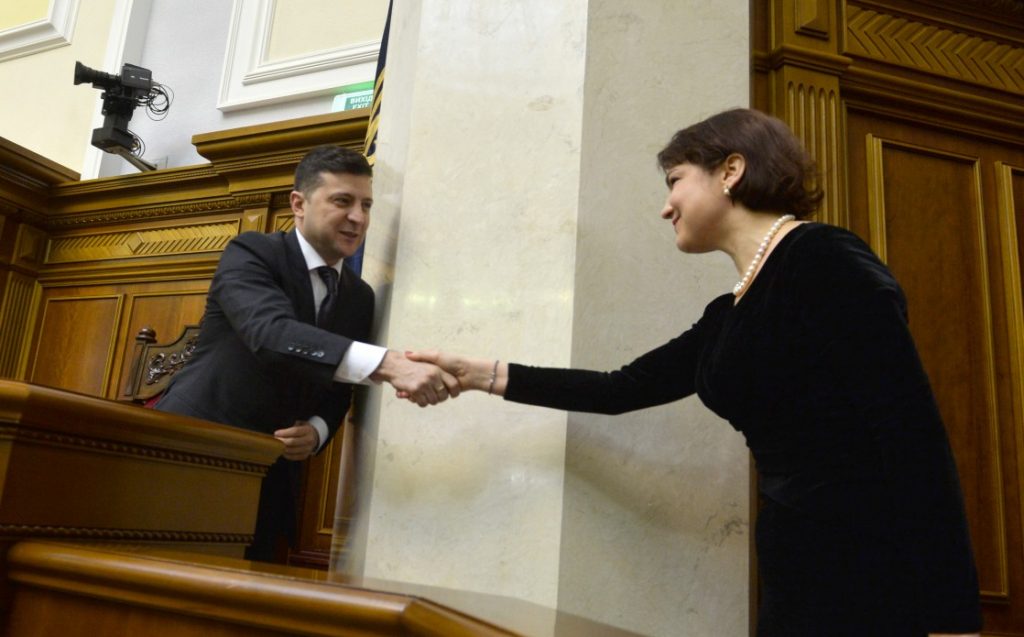
March 2020: President Zelenskyy shakes hands with Iryna Venediktova, newly appointed Prosecutor General. Photo: president.gov.ua
So valuable is the office that in 2016 parliament stripped out the need for a law degree altogether, to fit the president's man, Poroshenko ally Yuriy Lutsenko; the press called it "the personal law of Lutsenko."
His appointment came as the old guard crushed a reform born on the wings of Euromaidan: a team of reformist prosecutors who had just exposed the "diamond prosecutors," senior officials caught with bags of cash and gems linked to the sitting prosecutor general, was purged, and the case died.
Explore further
How Ukraine’s old guard killed the prosecution reform
A demand the EU has made since 2014
Depoliticizing this chair has been an EU condition for Ukraine's membership path since 2014, and a live one since negotiations on the Fundamentals cluster, the first stage of accession talks and the one covering rule of law, opened in June.
This is why the day that Kravchenko fled, the EU issued a reminder that Ukraine promised to reform the Prosecutor General's Office and introduce a contest for the chair.
"The prosecutor general is the gateway to the criminal justice system for everyone in power," Korzhenkova explained.
Today, that gateway is held by the political majority: appointed by Zelenskyy, dismissable by his Servant of the People party, which controls parliament. Any case against that majority has to pass a filter the majority appoints.
Ukrainian President Volodymyr Zelenskyy, European Commission President Ursula von der Leyen, and European Council President António Costa meet during the informal EU summit in Cyprus, 23 April 2026. Credit: President.gov.ua
The EU's interest in prying the office loose is twofold, she said.
Brussels sends Ukraine money and must be sure that money stolen gets prosecuted;
and it has watched the reform reverse in Poland and Bulgaria, which is why it now wants the guarantees written in before the fact.
The internal price is steeper still: war raises the cost of a dependent prosecution, with defense procurement, mobilization, and aid flows all resting on it.
Europe's own standard, set out by the Council of Europe in its 2014 charter on prosecutors, prescribes no single model. Governments may have a hand in choosing the prosecutor general, so long as the method earns public confidence and the term is stable enough to make the office "independent of political changes."
On dismissal it is blunter: protection from "arbitrary or politically motivated dismissal" is "particularly relevant" for prosecutors general, and the law "should clearly define the conditions of their pre-term dismissal."
Ukraine fails at both ends, and, as Korzhenkova puts it, no version that leaves the president's discretion untouched can meet that standard.
The international expert lifehack
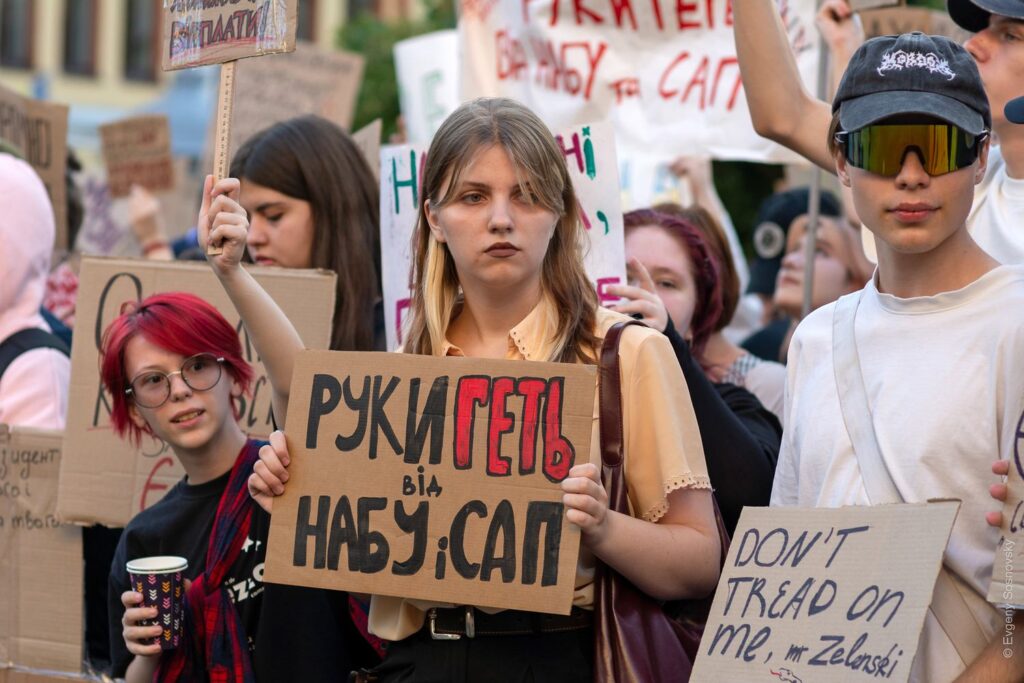
"Hands off NABU and SAPO," says a cardboard poster of a young woman at protests against a law to curb the independence of Ukraine's anti-corruption agencies in Kyiv, late July 2025. Photo: Evgeny Sosnovsky
But how do you clean an office when cronyism runs through the class that appoints it? Ukraine has a partial answer, from the part of its post-Euromaidan reforms that worked.
The directors of the National Anti-Corruption Bureau (NABU), Special Anti-Corruption Prosecutor's Office (SAPO), and the National Agency on Corruption Prevention are chosen through open competitions in which a panel of independent experts, foreign ones among them with a decisive vote, can veto compromised candidates.
The Ukrainian half of a commission can be captured. The foreigners with a decisive vote are the part no Ukrainian official can phone up and instruct.
The success of those agencies, now breaking up the very rings of cronyism they were built to reach, is why the Venice Commission and Ukraine's Western partners have consistently defended the model.
In a 2021 joint statement, the EU, US, and partner embassies called the international experts' role "temporary but crucial," aimed at resisting "the influence of vested interests." When Zelenskyy's team moved to strip NABU and SAPO of their independence in July 2025, the G7 ambassadors publicly welcomed the reversal that restored it.
Those independently selected agencies produced Operation Midas, the case that reached Mindich and forced out Yermak, and, weeks later, Operation Forrest Gump.
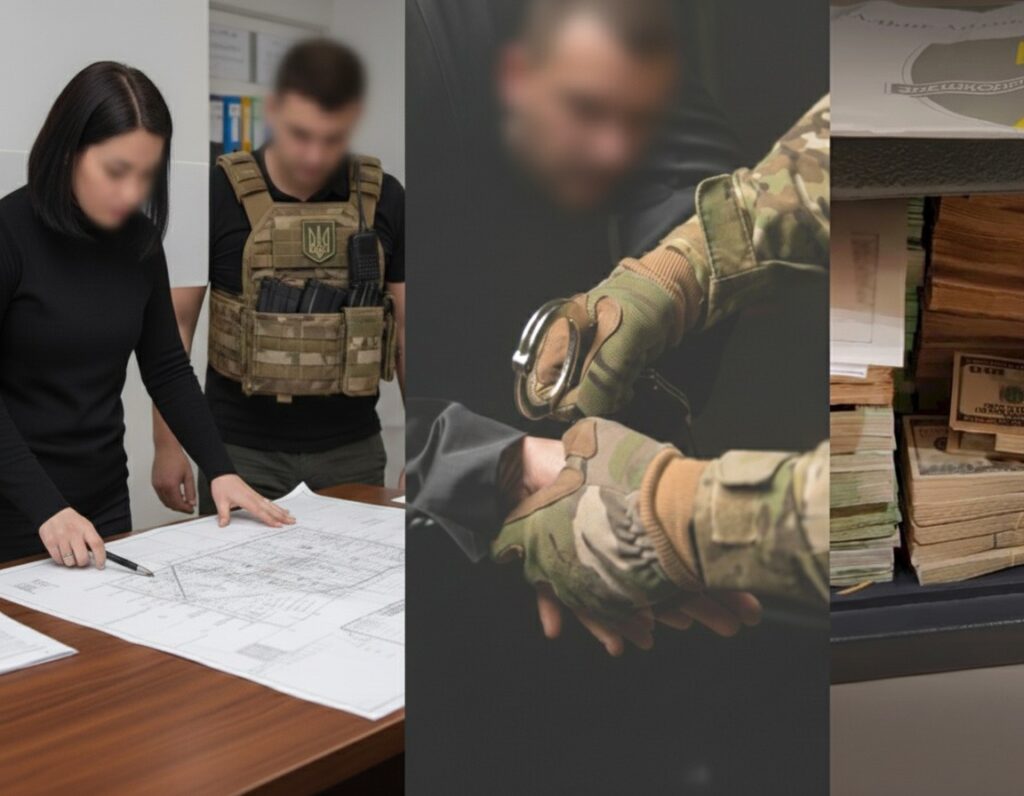
Composite image depicting NABU investigators examining documents, conducting searches, and seizing cash during raids targeting corruption schemes during Operation Midas. November 2025.
The High Anti-Corruption Court (HACC), created in 2018 through the same kind of expert council, reaches officials the courts never could: it convicted the highest-ranking judge in the country, Vsevolod Kniaziev, over part of a $2.7 million bribe. Before it existed, all of Ukraine's general courts together had delivered roughly 40 verdicts in NABU and SAPO cases; in seven years the specialized court has delivered 431, against 601 people, and for the first time a sitting MP drew a real prison term.
Explore further
Ukraine’s Anti-Corruption Court is breaking the cycle of impunity
The foreign vote is not a hypothetical safeguard. At an August hearing for Olha Stefanishyna, the former deputy prime minister for European integration, a SAPO prosecutor read out messages in which, they say, she steered the very commissions that select Ukraine's watchdog agencies. To the head of the 2022 panel choosing the NABU director: "Do what you want, I need numbers 60 and 62 from the list. Postpone the sessions, I shouldn't have to think for you." Her influence reached three commissions at once.
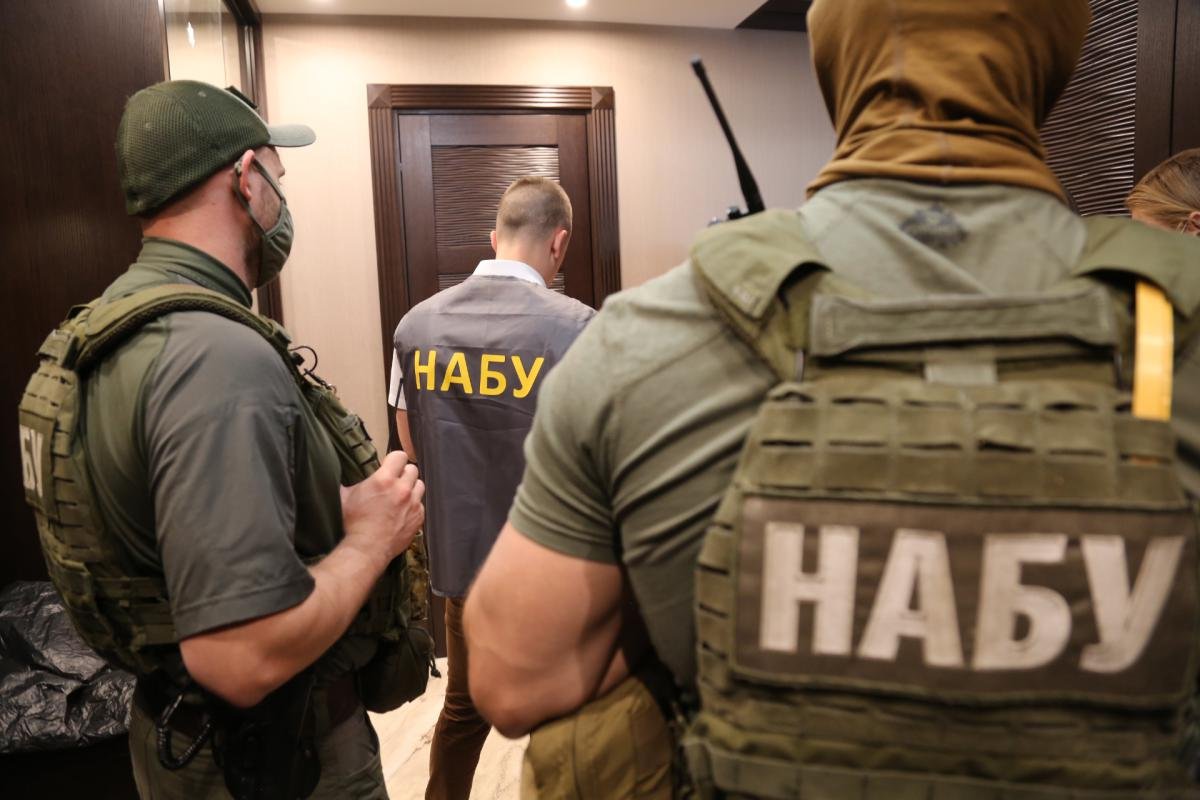
In 2015, the National Anti-Corruption Bureau and the Specialized Anti-Corruption Prosecutor’s Office were established in Ukraine to fight the top-level corruption. In 2019, the High Anti-Corruption Court completed the chain. The NABU agents are in the photo. Photo: nabu.gov.ua
She calls the case a storm in a teacup, and the charges are unproven. But it is the reformers' own argument: the Ukrainian half of a commission can be captured. The foreigners with a decisive vote are the part no Ukrainian official can phone up and instruct.
The model is no panacea, Korzhenkova warns:
"The international experts are not the motor of reform. They are a circuit breaker. They can keep out the worse candidate. They cannot make those in power want to do better."
The anti-corruption court convicts, but whether the guilty serve time is another matter. Of its 398 convictions in seven years, more than half were settled by plea bargain, others ended in fines or suspended sentences, and a stack of cases had simply run out the clock before any verdict. As of the last public tally, in spring 2026, only about 80 of the convicted had actually drawn real jail time.
For years, the court sat short of judges, which Ekonomichna Pravda read as quietly convenient for those in power: an understaffed court slows cases and lets them lapse without the visible fight of dismantling it. Most of the vacancies were only filled in August 2026, when the EU tied the appointments to money Ukraine needed.
What the bill would do, and the perennial objection
Ukraine's former Prosecutor General Ruslan Kravchenko. Photo: his facebook
Full depoliticization would mean amending the constitution, which martial law rules out, and the EU mandates no specific route. So the reformers' instrument is an ordinary law, bill 15343.
It adds a filter to the current system: the president would pick not freely, as now, but from candidates pre-selected by an open competition run by a six-member commission, three of them vetted by Ukraine's international partners. Four votes choose a candidate, two of them the internationals'.
And it moves the power to discipline and dismiss a sitting prosecutor general to the High Council of Justice, the body that governs Ukraine's judges, itself reformed in 2021 through the same international-expert vetting, and the one disciplinary body not under the prosecutor general's own control.
If the mechanism works, and Ukraine has used it for its anti-corruption prosecution, bureau, and court, the obvious question is why the prosecutor general was left out.
The answer is not constitutional, though a constitutional objection has been raised. A legal analysis on the site Sud.ua argued the model has no analog in most of the EU and breaks the constitution: the president is reduced to a technical executor of the commission's choice, and the judges' council is handed power over the head of the prosecution, which is not the judiciary. Foreign experts with a veto over a constitutional office, one commentator wrote, are a gift to any populist and to Moscow.
The High Council of Justice, the key body of the judicial government, was considered the main enemy of real reform and was relaunched in 2021. Photo: ukrinform.ua
But this is the argument Ukraine's powerful always reach for when the anti-corruption bodies get close.
In 2020, when NABU accused the judge Pavlo Vovk of running a scheme to seize control of the courts, the same sovereignty-and-separation-of-powers reasoning was deployed to shield him, and EP reported at the time that the prosecutor general's own office was accused of moving to disrupt the case against him. The office meant to prosecute the powerful was protecting them instead, which is the whole reason reformers want it taken out of political hands.
There is no legal reason the reform cannot be done, Korzhenkova says. The same constitutional objections applied to the Constitutional Court and the High Council of Justice, both reformed through international vetting; the filter was added anyway.
"The constitutional argument suddenly appeared only for the prosecutor general," she said.
The real reason for the stall is political: the prosecutor general is the last great lever that decides who gets prosecuted, and the majority that would have to give up control of it is the same majority those prosecutions would reach.
The Rada's own tempo shows it. To save the system from a scandal, it found 317 votes to dismiss Kravchenko in a single day and installed an acting prosecutor general by decree. To limit the system, it has left the bill untouched for three months; in early September the relevant committee declined even to put it on the agenda, and moved only after individual MPs pushed.
At least 50 members of the current parliament, Chesno documents, are themselves under criminal suspicion.
What happens now
Kravchenko's replacement Anton Kovalskyi has worked in prosecution for 15 years. Photo: Khmelnytskyi regional prosecutor's office
The interim answer is Anton Kovalskyi, the Khmelnytskyi Oblast chief prosecutor, appointed acting prosecutor general by decree on 17 September, chosen the old way: hand-picked, from at least four candidates, with no public account of why him.
The Anti-Corruption Action Center laid out the rest in a dossier: property registered to relatives, a wife from Russia whose year-old sole proprietorship reported earnings of over UAH 500,000 ($11k) a month, a deputy whose father-in-law fled to Russia and was convicted in absentia of collaboration.
Asked whether the reform bill would have produced a different result, Korzhenkova declined to guess, and said the guessing is the problem. "I don't know, and neither does anyone else, and that is exactly it."
Under an open competition, his selection would have been vetted by international experts; everyone could have submitted data on the candidates.
The bill would not have guaranteed a good prosecutor general, but it would at least have made the appointed one checkable. This is what the Rada majority is, for now, declining to allow.
The case that finally reached Kravchenko had a name. NABU and SAPO called it Carthage: a scheme, run out of the Prosecutor General's Office itself, to shield a network of fraudulent call centers, with five officials handed suspicions.
Carthage put investigators inside his building, and Carthage he was answering when, on his way out, he turned the office's power to prosecute the man using it against him and signed a suspicion against Semen Kryvonos, the NABU director.
Explore further
Ukraine’s prosecutor general resigns as the watchdogs he was appointed to leash close in
Kryvonos says it never reached him; the office itself later conceded that the suspicion was legally void.
Kravchenko's last act as prosecutor general was a business trip he wrote for himself, five days in Paris for a hearing of the PACE parliamentary network, and he left by car on 13 September. He was due back on the 18th. He did not return, and his former office says it does not know whether he has asked for asylum in the EU.
Ukraine has spent a decade building institutions that reach the powerful. The prosecutor general's office is the one it never got to. The man who ran it signed his own exit papers and was across the border by half past two in the morning.
US President Donald Trump repeatedly asked Ukrainian President Volodymyr Zelenskyy to stop attacks on Russian oil refineries during a phone call on 20 September, Axios reported, citing a person familiar with the conversation. The two leaders are due to meet in New York today, 22 September, during the UN General Assembly.
For Ukraine, the strikes are a way to disrupt the fuel supply supporting Russia's military. Trump is now linking the attacks to global diesel prices. The International Energy Agency (IEA) said disruptions to Russia's refining system following intensified Ukrainian attacks have compounded diesel supply losses.
Trump backed the strikes two months ago
At a NATO summit on 8 July, speaking alongside Zelenskyy, Trump said Ukrainian strikes on Russian oil refineries could help end the war. "It's an escalation, but it's also an escalation that can help lead to an end," he said. Secretary of State Marco Rubio said Ukraine's ability to strike deep into Russian territory was one of the changes in the war in recent months and said the escalation could create space for negotiations.
On 13 September, Trump called on Zelenskyy to stop the attacks.
"Mr. Zelenskyy has to do one thing: he has to stop knocking out diesel fuel in Russia," Trump said. "There are plenty of other targets. Don't hit diesel fuel. That's hurting the world."
Trump added that the rise in prices was not caused by the Iran conflict. "This isn't done by the Middle East, this is done by what's happening with Russia and Ukraine," he said.
On 20 September, Trump raised the demand again in his call with Zelenskyy. "The word diesel came up many times" during the conversation, a person familiar with the call told Axios.
What is driving diesel prices
US diesel prices had reached $6.06 per gallon by 13 September, up from $3.71 a year earlier. The IEA said in June that global energy markets were contending with their largest supply disruption in history because of the near-closure of the Strait of Hormuz, though it also noted that a US-Iran agreement to reopen the strait had begun easing prices from their April peak. A Bipartisan Policy Center analysis attributed the diesel surge to the Iran conflict and did not address Ukrainian strikes.
Ukraine's refinery campaign has also disrupted Russian fuel production. The General Staff of the Armed Forces of Ukraine said on 4 July that attacks had disabled 42.7% of Russia's oil-refining capacity. Russia's gasoline production fell an estimated 25% year-on-year in the week of 15–21 June, while Moscow has extended its ban on diesel exports through at least September.
Zelenskyy confirms Tuesday meeting
After the call, Zelenskyy said it had been "an important conversation" and that today's meeting "could change a lot." He said there was "diplomatic momentum" and that Ukraine was ready "to take really serious steps." He also said the call covered ideas for de-escalation and fundamental security issues including energy and food security.
Rustem Umerov, head of Ukraine's Foreign Intelligence Service and Kyiv's chief negotiator, told Axios that US envoys Steve Witkoff and Jared Kushner had helped with the peace talks, where the number of stumbling blocks had fallen from "dozens to essentially one or two key issues." Umerov was rebutting a Kyiv Independent report that Kyiv was frustrated with Witkoff, which he called false.
Ukraine's largest arms-industry group says it is backing the country's drive to sell and co-produce weapons abroad, while pressing the government to fix two separate obstacles in its way. The Council of Defense Industry, which represents more than 400 companies, wants a costly new export-permit fee and a stalled joint-production program to be upgraded, it said on Facebook.
The two problems are distinct. Resolution 875, the wartime rules for shipping arms abroad, charges a 20-30 percent fee on export permits, which the industry says prices Ukrainian goods out of the market.
The export fee bites
Resolution 875, adopted in July, was intended to streamline exports, with a 30-day review period and a streamlined path for partner countries. But the fee has choked it: only about 10 small export contracts have been signed since exports began, and not one permit has been issued under the new rules, Militarnyi reports.
"Resolution 875 in its current form contains provisions that could substantially worsen the competitiveness of Ukrainian producers," the group says.
Build with Ukraine is a separate track
The program lets producers export their technology and set up joint production abroad, reaching EU markets, financing, and infrastructure, while partners fund weapons production inside Ukraine.
The program lets producers export their technology and set up joint production abroad, reaching EU markets, financing, and infrastructure, while partners fund weapons production inside Ukraine. Talks are underway with Denmark, Norway, and Germany.
President Zelenskyy has said $43 billion was raised for Ukraine's defense industry in 2025, floated a goal of partner states each spending 0.25 percent of their GDP on it, and stressed that no Ukrainian technology will reach countries tied to Russia.
The Council, whose ecosystem spans more than 360 manufacturers, 28 drone-pilot schools, and 20 defense venture funds, says it is ready to help refine the mechanism.
Zelenskyy responded to the "win-win" framing in a CBC interview published on 16 September during his visit to Canada, saying the war's human losses made such an outcome impossible from the first day of the full-scale invasion.
The US and Ukraine are framing a possible end to the war differently. Washington has pushed for a negotiated settlement in which both sides could gain something, while Kyiv has rejected territorial concessions and pressed for security guarantees.
The US approach was to "think about things in the context of win-win" and "create opportunities for both sides," Jared Kushner told reporters after visiting Kyiv on 6 September alongside US special envoy Steve Witkoff, following a meeting with Russian President Vladimir Putin in Moscow.
Zelenskyy argued that Russia's aims could not be reduced to a territorial claim.
"He has the biggest territory in the world and you need, I don't know, some kilometers. For what?" Zelenskyy said. "That's why it's very strange when some partners say, look, he needs just this part of Ukraine, just these kilometers and that's all. No, it's a crazy idea."
"No, he doesn't need kilometers. He needs Ukraine. He needs Ukraine to be a part of Russia," Zelenskyy said. "I know that this person wants to occupy totally us. And he will not change his goal. Never," he said.
Zelenskyy said Ukraine was ready for a ceasefire "without conditions" if Russia agreed—"just ceasefire and speak"—but added that any lasting peace required security guarantees to prevent another Russian attack.
Zelenskyy said he expects to meet US President Donald Trump in the second half of September, with the UN General Assembly in New York expected to provide an opportunity for the meeting.
Ukraine has successfully tested another interceptor designed to counter Russia’s increasingly common jet-powered Geran attack drones, President Volodymyr Zelenskyy said on 15 September.
The test comes as Russia rapidly expands the use of faster jet-powered Gerans, creating a new problem for Ukraine’s air defenses: these drones give defenders less time to detect and engage them while allowing Russia to maintain large-scale attacks. A successful interceptor could give Ukraine a cheaper, scalable way to counter that threat without relying as heavily on scarce high-end air-defense missiles.
Zelenskyy said Commander-in-Chief Mykhailo Drapatyi reported the successful test, during which the new interceptor struck a Russian Geran drone.
The system still reportedly needs further work, including improvements to some aspects of its control. But the successful test marks another step in Ukraine’s effort to develop a new layer of air defenses against Russia’s faster drones.
Russia is making its drone attacks faster and larger
Russia has sharply expanded its use of jet-powered Gerans in recent months, adding a faster and more difficult-to-intercept threat to its large-scale drone campaign.
Geran is Russia’s designation for its domestically produced Shahed-derived attack drones, with newer jet-powered variants representing a major upgrade over the earlier propeller-driven models.
Zelenskyy recently said Russia launched around 2,100 drones against Ukraine last week, alongside nearly 1,700 guided aerial bombs and 78 missiles. The attacks have increasingly targeted energy facilities, railway infrastructure, businesses, and residential areas.
The newer Gerans are faster than earlier Shahed-derived drones and can reach targets deep inside Ukraine. Their speed gives Ukrainian air defenses less time to detect, track, and engage them.
Russia has also changed how it uses its drones. Rather than concentrating attacks almost exclusively overnight, Russian forces have increasingly launched waves during the day as well, keeping Ukrainian cities under repeated air-raid alerts.
The result is a growing challenge not only of interception, but of scale. Ukraine must defend a large territory against increasingly large drone barrages while preserving more sophisticated air-defense missiles for ballistic missiles and other threats.
Geran-5 (above) and Geran-4 (below). Image: TurDef
Ukraine is building a new layer of air defense
Ukraine has already been racing to develop such systems. In late August, Defense Minister Yevhen Khmara said four potential interceptor systems capable of shooting down jet-powered Gerans had undergone field testing. Ukraine was aiming to bring them to the required level and eventually produce thousands of units.
Today’s announcement shows that effort continues to produce concrete results.
Ukraine is also expanding other parts of its counter-drone network. Zelenskyy said the country is increasing purchases of electronic warfare equipment and reorganizing mobile fire groups and air-defense positions.
The goal is to build enough layers to cope with Russia’s evolving drone campaign: electronic warfare, mobile fire teams, traditional air defenses, and increasingly specialized interceptors.
Russia is making its drones faster and launching them at greater scale. Ukraine’s response is now moving beyond adapting existing defenses toward developing weapons specifically designed to catch them.
US President Donald Trump said that Ukraine has agreed not to strike Russian energy facilities. According to him, Russia has agreed to do the same. Trump wrote about this on his social media platform, Truth Social. He also claimed that the global diesel fuel price rise is "mostly caused by the Russia/Ukraine War, not Iran.”
Leading international media and think tanks are directly pointing out that the US president is trying to mask his own miscalculations in the war with Iran ahead of the Congressional elections. For example, Politico writes that Trump is trying to find a "scapegoat" in Ukraine, blaming Kyiv's strikes for the fuel price rise, not the Strait of Hormuz closure.
The energy crisis and the spike in diesel prices to over $6.20 per gallon in the US began right after the military conflict between the US and Israel, and Iran erupted in February 2026, Fox News reports.
Diesel is the fuel used by Russian tanks that attack Ukrainian cities.
Guarantors of the agreements
At the same time, President Volodymyr Zelensky stated that Ukraine is ready to ensure an "energy truce" with Russia, provided there are no strikes from the aggressor country. To this end, Ukraine is proposing that partners serve as guarantors of the agreements with Moscow for such a truce.
"Food, energy, and other elements of basic life support must be protected, and Russian strikes are aimed primarily at this," Zelensky said.
Every day, targets include Ukrainian energy facilities, port infrastructure, logistics, and even food and pharmaceutical warehouses, he added.
Such a deal should hold after the elections in Russia
Zelensky also added that such an agreement must hold after the Russian elections.
"For this to be reliable, long-term, and have a real effect on people's lives — and not fall apart after the Russians hold their 'elections' and get exactly the easing of tension on gasoline and diesel they need for that period," he said.
Zelensky added that the war must be brought to an end, and de-escalation around strikes on critical infrastructure could be a first step toward peace.
"We expect specifics from our partners," he added.
Ukrainian President Volodymyr Zelenskyy suspended Ruslan Kravchenko from the post of prosecutor general by decree on 14 September. The decree came hours after Kravchenko announced criminal accusations against Semen Kryvonos, director of Ukraine's National Anti-Corruption Bureau (NABU), which is investigating Kravchenko's office.
Zelenskyy's suspension comes amid a conflict between the Prosecutor General's Office and Ukraine's anti-corruption bodies: NABU, which investigates high-level corruption, and SAPO, which prosecutes NABU's cases. Their independence is central to Ukraine's post-Euromaidan reforms and EU accession.
Zelenskyy's decree gave no reason and cited martial-law powers allowing the president to suspend officials appointed under his authority, Censor reported.
Davyd Arakhamia, parliamentary leader of Zelenskyy's Servant of the People party, said lawmakers would vote on 15 September on a submission from Zelenskyy, who urged the Rada to back the dismissal without delay. The law enforcement committee backed it the same afternoon. Kravchenko submitted his resignation on 7 September.
Kravchenko was abroad on what his office called an official trip to a 16 September conference on Ukrainian children in Paris, organized by the Parliamentary Assembly of the Council of Europe. Yet a spokesperson for the assembly told the Kyiv Independent that neither Kravchenko nor anyone from his office would take part, and that he would not appear as a speaker or a participant, and Censor's sources say he registered the trip as a business trip to Brussels.
The NGO Anti-Corruption Action Center alleged that he signed the notices in exchange for being let out of the country, and that the trip was possible only with Zelenskyy's permission. It published no evidence.
Explore further
Ukraine’s prosecutor general resigns as the watchdogs he was appointed to leash close in
What Kravchenko accused anti-corruption officials of
Before his suspension, Kravchenko said he had signed notices of suspicion against Kryvonos, NABU’s director, and an unnamed associate of SAPO head Oleksandr Klymenko.
A notice of suspicion is a formal pretrial accusation that generally confers suspect status upon service of the notice. Kravchenko accused Kryvonos of forging documents to obtain an illicit benefit on an especially large scale and arranging a fictitious adoption to avoid legal liability. The second alleges that the unnamed associate tried to influence anti-corruption judges, offered them bribes, and helped others evade mobilization.
Kravchenko linked the notices to Operation Carthage, claiming NABU and SAPO used its searches to obtain and remove case files concerning their personnel.
Explore further
“If you’re gonna f*ck, f*ck a queen, if you’re gonna steal, steal a million”: Ukraine’s anti-corruption bureau says senior official ran criminal ring inside Prosecutor General’s Office
At the center of Operation Carthage is Serhii Kropyva, deputy head of the Prosecutor General's Office international cooperation department, whom NABU and SAPO accuse of running a bribery scheme that protected fraudulent call centers and laundered the proceeds.
Kropyva was remanded in custody with bail set at UAH 120 million ($2.7 million) while NABU and SAPO searched the Prosecutor General's Office premises. NABU has not named Kravchenko as a suspect, and he denies protecting the call centers or receiving criminal proceeds.
Explore further
Ukraine detains energy chief who brought in $1.5 billion from the West
The dispute between Kravchenko and the two agencies also revives a broader struggle over their independence from the prosecutor general. In July 2025, parliament placed NABU and SAPO under greater control by the prosecutor general, triggering Ukraine’s first major wartime street protests and Western pressure before lawmakers restored their formal independence.
The European Commission reiterated on 14 September that both the protection of agencies and the reform of the Prosecutor General’s Office, including the competitive selection of its head, are part of Ukraine’s EU accession commitments.
Russia had to shut its airports 993 times in August,as Ukrainian drones scrambled its skies. It was the worst month for Russian civil aviation since the full-scale war began in 2022, with restrictions affecting 32 airports, including those serving Moscow and St. Petersburg, Euronews reported, citing the aviation security firm Osprey.
Ukraine is closing Russia's skies without firing at a single airliner. The summer brought 2,182 temporary shutdowns, more than Russia logged in all of 2025. August alone ran more than six times the 2025 monthly average, by the investigative outlet The Insider's count.
The fallout from Ukrainian attacks is economic: passenger traffic between Moscow and St. Petersburg has dropped by 20 to 23 percent, while rail demand has risen by about a fifth as travelers give up on flying.
The "Carpet" protocol grounds the planes
The closures are triggered by Russia's own defense response to Ukrainian attacks. When a drone is detected near an airport, Russia activates a protocol it calls "Kover", or "Carpet", an emergency procedure that grounds or reroutes every civil aircraft in the area. Ukraine has leaned into that reflex.
FlightRadar24 recorded an average of 86 flights canceled per day in the first three days of September, and on the worst nights around Moscow, between 77 and more than 100 flights were delayed or scrapped.
The disruption drains the economy
The point is exhaustion. Airport closures sit alongside rising insurance premiums, foreign carriers pulling out, and shrinking domestic mobility, said Mykhailo Samus of the Center for Army, Conversion and Disarmament Studies.
"Airport closures are the new reality for Russian aviation," he said.
Foreign airlines have begun diverting: Turkiye's Pegasus and the UAE's Flydubai both turned Moscow-bound flights back in early September.
Zelenskyy warns airlines and insurers
Zelenskyy made the strategy explicit on 1 September, warning airlines and insurers that Russian skies were no longer safe.
"We in Ukraine do not want innocent lives to be lost. The days of safety in Russia's skies are over," he said.

 Connexion