Connexion
Zelenskyy suspends prosecutor general who charged the bureau probing his own office

Ukrainian President Volodymyr Zelenskyy suspended Ruslan Kravchenko from the post of prosecutor general by decree on 14 September. The decree came hours after Kravchenko announced criminal accusations against Semen Kryvonos, director of Ukraine's National Anti-Corruption Bureau (NABU), which is investigating Kravchenko's office.
Zelenskyy's suspension comes amid a conflict between the Prosecutor General's Office and Ukraine's anti-corruption bodies: NABU, which investigates high-level corruption, and SAPO, which prosecutes NABU's cases. Their independence is central to Ukraine's post-Euromaidan reforms and EU accession.
Zelenskyy's decree gave no reason and cited martial-law powers allowing the president to suspend officials appointed under his authority, Censor reported.
Davyd Arakhamia, parliamentary leader of Zelenskyy's Servant of the People party, said lawmakers would vote on 15 September on a submission from Zelenskyy, who urged the Rada to back the dismissal without delay. The law enforcement committee backed it the same afternoon. Kravchenko submitted his resignation on 7 September.
Kravchenko was abroad on what his office called an official trip to a 16 September conference on Ukrainian children in Paris, organized by the Parliamentary Assembly of the Council of Europe. Yet a spokesperson for the assembly told the Kyiv Independent that neither Kravchenko nor anyone from his office would take part, and that he would not appear as a speaker or a participant, and Censor's sources say he registered the trip as a business trip to Brussels.
The NGO Anti-Corruption Action Center alleged that he signed the notices in exchange for being let out of the country, and that the trip was possible only with Zelenskyy's permission. It published no evidence.
Ukraine’s prosecutor general resigns as the watchdogs he was appointed to leash close in
What Kravchenko accused anti-corruption officials of
Before his suspension, Kravchenko said he had signed notices of suspicion against Kryvonos, NABU’s director, and an unnamed associate of SAPO head Oleksandr Klymenko.
A notice of suspicion is a formal pretrial accusation that generally confers suspect status upon service of the notice. Kravchenko accused Kryvonos of forging documents to obtain an illicit benefit on an especially large scale and arranging a fictitious adoption to avoid legal liability. The second alleges that the unnamed associate tried to influence anti-corruption judges, offered them bribes, and helped others evade mobilization.
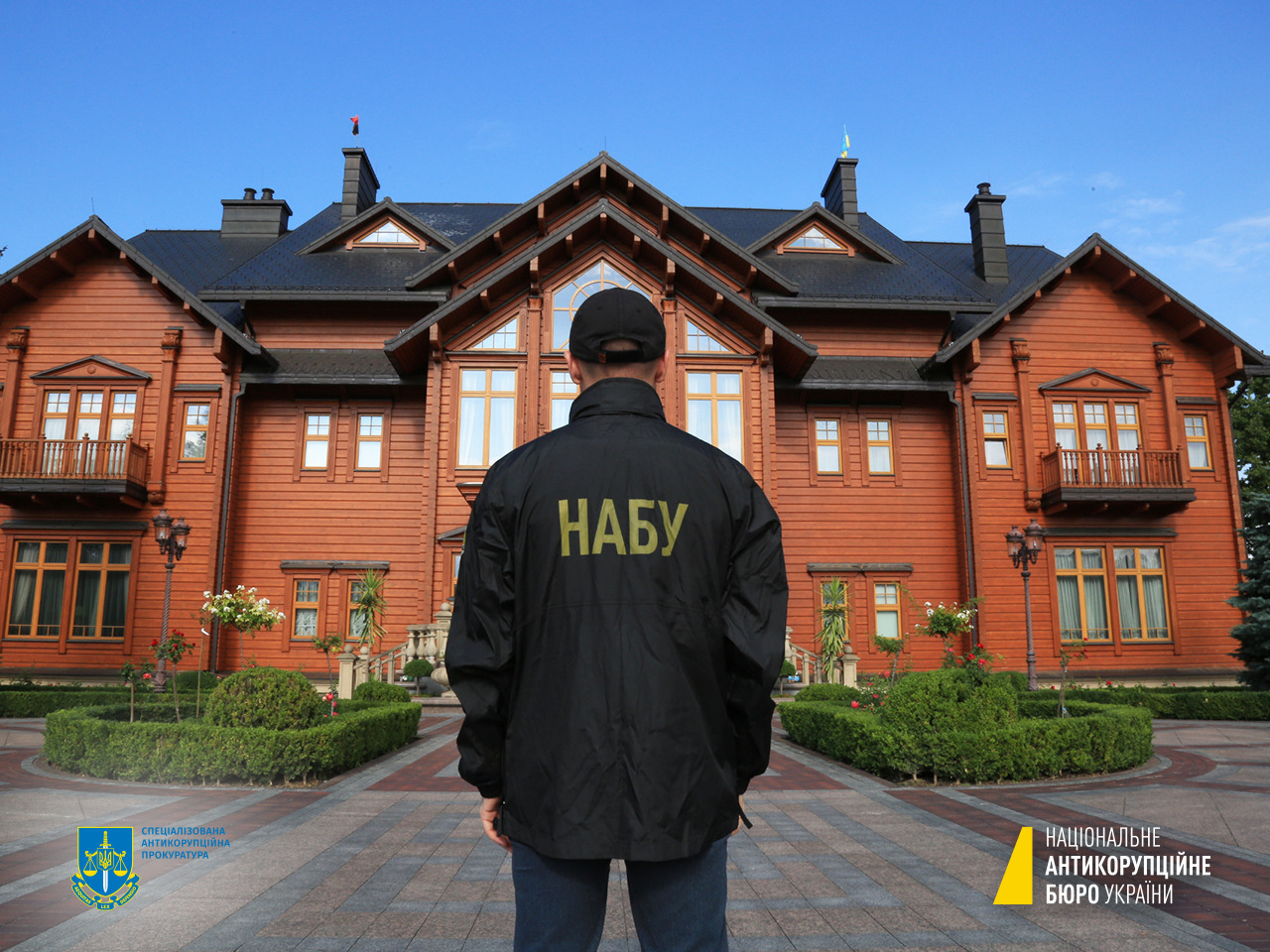
Kravchenko linked the notices to Operation Carthage, claiming NABU and SAPO used its searches to obtain and remove case files concerning their personnel.
“If you’re gonna f*ck, f*ck a queen, if you’re gonna steal, steal a million”: Ukraine’s anti-corruption bureau says senior official ran criminal ring inside Prosecutor General’s Office
NABU and SAPO rejected the allegations, denied taking files or seeking immunity, and called Kravchenko's actions a continuation of a "systemic attack" on independent anti-corruption agencies. Since Kryvonos had not been served, the agencies described the announcement as public rather than procedural.
What Operation Carthage is investigating
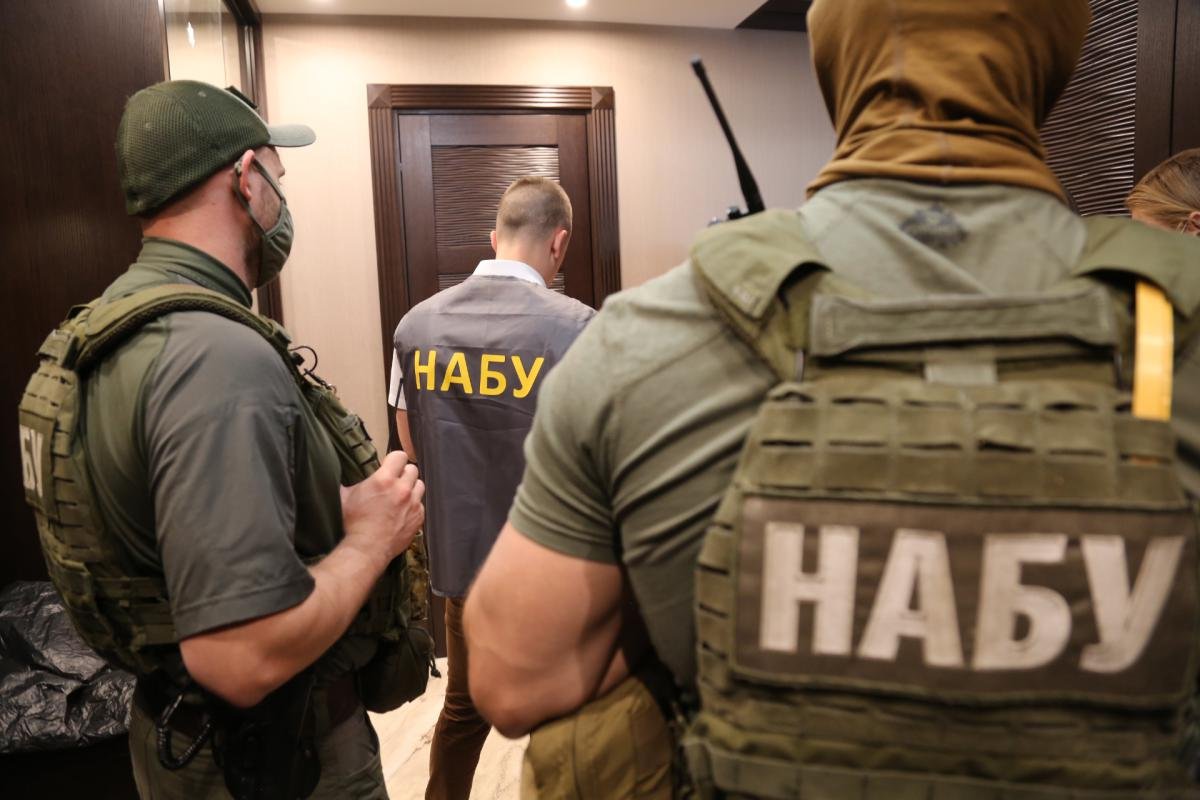
At the center of Operation Carthage is Serhii Kropyva, deputy head of the Prosecutor General's Office international cooperation department, whom NABU and SAPO accuse of running a bribery scheme that protected fraudulent call centers and laundered the proceeds.
Kropyva was remanded in custody with bail set at UAH 120 million ($2.7 million) while NABU and SAPO searched the Prosecutor General's Office premises. NABU has not named Kravchenko as a suspect, and he denies protecting the call centers or receiving criminal proceeds.

The dispute between Kravchenko and the two agencies also revives a broader struggle over their independence from the prosecutor general. In July 2025, parliament placed NABU and SAPO under greater control by the prosecutor general, triggering Ukraine’s first major wartime street protests and Western pressure before lawmakers restored their formal independence.
The European Commission reiterated on 14 September that both the protection of agencies and the reform of the Prosecutor General’s Office, including the competitive selection of its head, are part of Ukraine’s EU accession commitments.
Read also
-
The Fedorov protesters lost. But they backed a man for what he built, not what he promised—and that may be new in Ukraine.
-
Ukraine’s cardboard protests look like democracy working. In a war, that’s also the risk.
-
Ukraine’s army chief broke his silence—an apology, a warning on soldiers’ pay, and one small number