Kyle William Spitze was part of an online extremist movement that coerces young people to do self-harm, officials said. Two of his victims died by suicide.
A federal judge in Tennessee this week sentenced a man to 77 years in prison for having child pornography as a member of groups that officials say glorified mass murder and urged young people to commit self-harm.
Ukrainian FP-1 drones struck an Ozon warehouse in Chapayevsk, Russia’s Samara Oblast, overnight on 22 August 2026, manufacturer Fire Point said.
The attack on the Chapayevsk facility expands Ukraine’s warehouse campaign from Wildberries, Russia’s largest online marketplace, to its second-largest rival, Ozon. Ukraine has repeatedly targeted Russia's major e-commerce distribution hubs to disrupt commercial logistics that Kyiv says help sustain Moscow’s war.
Ozon said the attack injured people and prompted the evacuation of more than 500 employees.
The strike was the first confirmed Ukrainian attack to damage and set fire to an Ozon warehouse, Reuters reported. A drone alert forced Ozon to evacuate a facility in Tatarstan on 31 July, but the building was undamaged and later reopened.
Fire Point said the facility is one of Ozon’s largest warehouses in Volga Oblast, storing goods and processing more than 215,000 orders for delivery each day.
Ozon and Wildberries—Russia’s two largest online marketplaces—and their smaller rivals collectively sell goods and services worth the equivalent of 8.5% of Russia’s GDP and employ 4 million people, Reuters reported in July.
Ozon suspended operations indefinitely and stopped accepting seller deliveries, the company said. As a result, shipments are being redirected to other facilities, while affected orders will either be fulfilled elsewhere or canceled and refunded.
Several people were receiving medical treatment, Samara Oblast Governor Vyacheslav Fedorishchevclaimed. Neither he nor Ozon specified how many people were injured, and the extent of the damage remains unclear.
Ukraine’s previous strikes on Russian warehouses
Ukrainian drones had previously concentrated on Wildberries, Russia’s largest online retailer. Since 18 July, Ukraine has struck at least two dozen Wildberries warehouses, Reuters reported.
Ukrainian officials have alleged that Wildberries warehouses move military-linked goods, including drone components. The Kremlin has denied that the company supplies Russian forces. Fire Point made no corresponding claim about the Ozon warehouse.
Wildberries warehouse burning in Russia’s Koledino following a Ukrainian drone strike, 16 August 2026. Photo: Exilenova+
Ukraine’s military said the same overnight wave also hit the Novokuibyshevsk refinery in Samara Oblast and caused a fire.
Russian and occupation officials claimed that the broader wave caused civilian deaths and injuries in Yeysk, Belgorod, Bryansk, and Russian-occupied Luhansk.
Ukrainian forces struck production facilities at the Novokuybyshevsk oil refinery in Russia’s Samara Oblast overnight on 22 August, sparking a fire at the Rosneft-owned plant, Ukraine’s General Staff said. The extent of the damage remains under assessment.
Ukraine has repeatedly targeted Russia’s oil refineries to restrict military fuel supplies and reduce the energy revenues supporting Moscow’s war. The latest strike came as gasoline rationing returned to Moscow and St. Petersburg, and Rosneft capped nationwide purchases. Militarnyi described the plant as one of Russia’s 10 largest refineries.
The Rosneft-owned refinery can process about 8.8 million metric tons of crude annually and produces more than 20 petroleum products, including aviation fuel and diesel, Ukraine’s General Staff said.
Fire Point said FP-1 long-range drones were used to strike the refinery.
The same overnight wave also hit an Ozon logistics center in Chapayevsk, where people were injured, and work was halted, Reuters reported, citing the company.
Neither the damage to the refinery nor any interruption to production has been independently confirmed.
Ukraine keeps pressure on Russian fuel supplies
The strike came one day after Ukraine confirmed hitting Lukoil’s Perm refinery, approximately 1,530 kilometers from Ukraine’s northern border. That attack also caused a fire, according to the General Staff.
At least four Russian refineries went offline during August amid continuing Ukrainian attacks.
By mid-August, filling stations in at least 12 Russian regions were experiencing hours-long lines. Some areas had reintroduced purchase limits or rationing based on license-plate numbers, according to the same report.
Gasoline limits had also been reinstated in Moscow and St. Petersburg, while Rosneft had capped sales at 30 liters per vehicle across its nationwide filling-station network. Diesel purchases remained unrestricted.
Russia has struck Kyiv and its suburbs with ballistic missiles for a second consecutive day, killing civilians. Meanwhile, Ukraine lacks enough interceptors to stop them because deliveries from the US have halted.
The strikes land at a moment when Ukraine's ability to shoot ballistic missiles down has been cut off at the source. Ukraine intercepts ballistic missiles mainly with US-made Patriot systems. During the recent Oval Office meeting, President Donald Trump declined President Volodymyr Zelenskyy's request for hundreds of additional Patriot interceptors, according to the Financial Times.
At the same time, when Ukraine sought to destroy Russia's ballistic launchers on Russian territory, US billionaire Elon Musk did not allow Ukraine to use Starlink to guide strikes on those launchers, The Atlantic reported. Ukraine can neither shoot the missiles down at the rate it needs nor freely strike the launchers that fire them.
A railway worker was killed in Kyiv
The overnight attack hit Ukraine's railway. On the night of 22 August, a Russian ballistic missile struck a railway enterprise in Kyiv's Darnytsia area, killing a Ukrzaliznytsia worker, the railway's board chairman Oleksandr Pertsovskyi said.
He described a strike timed to the threat.
"In Darnytsia, ballistic strikes hit one of the railway enterprises, at the same moment as, or even a second before, the ballistic threat appeared. One of our workers, a foreman, was killed on the spot. The rest we managed to evacuate quickly after the first strike," Pertsovskyi reported.
Russia launched about six ballistic missiles, with launches recorded from three directions, Kursk, Bryansk, and Millerovo, according to monitoring channels.
A morning strike on Boryspil killed two civilians
Russia struck again in daylight. In the morning, six to eight ballistic missiles attacked the Boryspil area in the Kyiv agglomeration, likely with cluster warheads, according to monitoring channels. Boryspil city is home to the Boryspil International Airport, Ukraine’s main and largest international passenger airport.
The strike killed civilians and hit infrastructure. Two civilians, a man and a woman, were killed, and the number of wounded rose to eight, including a child, with the daytime strike hitting a truck parking lot along with warehouses, a fuel station, a private household, and vehicles. Two trucks caught fire, and a blaze spread across 700 square meters of open ground, the State Emergency Service (DSNS) said.
The strikes come days before Independence Day
The attacks landed two days before Ukraine marks its Independence Day. The Security Service (SBU) has already urged citizens to be especially vigilant before and during the 24 August holiday because of the threat of attacks, warning that in wartime, Russia may use mass events for strikes, provocations, sabotage, cyberattacks, and other crimes.
The service has also warned against recruitment. It reminded Ukrainians not to publish photos or videos of military objects, critical infrastructure, checkpoints, or air-defense systems, nor to share information on the consequences of strikes or the movement of Ukrainian forces.
Russian special services may try to recruit Ukrainians to prepare attacks and sabotage, the SBU said, urging anyone offered money for arson, property damage, planting unknown objects, or collecting information on military sites to report it immediately.
The diplomat, John Coale, says his personalized approach gets results and matches the president’s style. Critics contend he is giving up too much to an authoritarian leader.
A fraud case, in which dozens of grooms showed up for a wedding that never materialized, is an extreme example of scamming in a marriage industry long prone to it.
Mr. Newsom, the governor of California, normally has harsh words for President Trump. But he called the new children’s savings accounts “one of the best things” the president has done.
Gov. Gavin Newsom of California gave an unusual endorsement for an endeavor led by President Trump — investment funds for American children born during Mr. Trump’s presidency.
The firings at Stars and Stripes also claimed a Middle East correspondent. They are the latest effort by the Pentagon to diminish the news outlet’s editorial independence.
Service members reading Stars and Stripes in Cu Chi, South Vietnam, in September 1969. The publication has a long history of independent reporting on the U.S. military.
After U.S. prosecutors accused Gov. Rubén Rocha Moya of protecting the Sinaloa cartel, he said he would step down to focus on his defense. On Friday, he declared he was back and faced much criticism.
Russia is deploying six launchers for North Korean ballistic missiles in Voronezh Oblast, the Institute for the Study of War (ISW) reported on 20 August. The assessment cited Ukraine’s military intelligence agency (HUR).
Russia has already used North Korean missiles in deadly strikes across Ukraine, and Pyongyang is supplying more of them. From Voronezh Oblast, the weapons could threaten Kyiv and six other regions, adding to the ballistic arsenal Moscow can use in mass attacks intended to overwhelm Ukrainian air defenses.
Six launchers expand Russia’s missile threat
The North Korean missiles could reach Kyiv, Sumy, Kharkiv, Chernihiv, Poltava, Dnipropetrovsk, and Zaporizhzhia oblasts, ISW said.
The unit may eventually field 120 missiles. HUR said North Korea had transferred around 50 KN-23, KN-24, and upgraded KN-30 ballistic missiles to Russia by July.
The KN-30 can carry a 2,500-kilogram warhead, though ISW has seen no evidence of Russia using it against Ukraine. Other North Korean missiles have larger warheads than Russia’s Iskander-M but are less accurate, Ukrainian military expert Anatolii Khrapchynskyi said.
Those missiles could join Russia’s combined attacks. ISW expects Moscow to stockpile ballistic and cruise missiles for several days before launching large barrages intended to overwhelm Ukraine’s air defenses.
ISW pointed to the 19–20 August attack as the latest example of that pattern. The barrage lasted nearly nine hours and killed at least 15 people in Kyiv. Ukraine’s Air Force said it intercepted most drones and cruise missiles, but no longer routinely reports how many ballistic missiles Russia launches or Ukraine intercepts.
North Korean missiles have already killed civilians
Preliminary evidence indicated that Russia used a North Korean ballistic missile in a 30 July strike on Radushne, Dnipropetrovsk Oblast, that killed five members of one family.
On 10 August, a North Korean missile killed seven Zaporizhstal steelworkers and injured 21 others in Zaporizhzhia, Ukrainian officials said. The workers were heading to a shelter when the missile struck.
Ballistic missiles travel at high speed and leave civilians little time to seek cover. They are also harder to intercept than drones or cruise missiles, while Ukraine has limited supplies of the Patriot interceptors used against them.
At least five of the people flown to Liberia under the Trump administration’s third-country deportation program resisted leaving the plane. They were then flown to Equatorial Guinea.
While the government says it is preventing an insurrection, activists and international observers have raised fears about arbitrary arrests and electoral fraud.
Zambian police officers watched as supporters of President-elect Hakainde Hichilema celebrated his victory in the street in the capital, Lusaka, on Tuesday.
The 26-year-old received a yearlong sentence from a court on the Indonesian resort island after he flouted a sacred Hindu ritual and insulted it on Instagram.
Russian UN Ambassador Vasily Nebenzya denied reports that Moscow could launch another mass mobilization after September’s parliamentary elections, saying none was planned or expected “as far as I know,” The Moscow Times reported
Russia has avoided another draft since its 2022 mobilization triggered protests and an exodus, relying instead on contract soldiers. Ukraine says those recruits no longer replace battlefield losses, and Moscow may mobilize several hundred thousand people after the elections. That could replenish its forces and support new offensives, although Ukrainian intelligence sees no preparations now.
Nebenzya’s remarks followed a question about more than 20,000 people crossing Russia’s Verkhny Lars border checkpoint into Georgia in one day amid fears of post-election mobilization, Meduza reported.
His comments extend a series of Russian denials. Deputy Security Council Chairman Dmitry Medvedev dismissed reports of another mobilization as “nonsense” in late July. The State Duma’s defense committee said a mass compulsory call-up was not under consideration because the army was recruiting contract soldiers, The Moscow Times reported.
Russia has avoided another mass draft since its September 2022 mobilization triggered protests and an exodus. Officials had also denied that mobilization was planned shortly before President Vladimir Putin announced it, Meduza noted.
Russian government seeks new wartime penalties
Moscow is separately seeking penalties for people and companies that ignore mobilization and military-supply orders issued by regional authorities. The bill would not itself order a new call-up.
The government submitted it to the State Duma, the lower house of Russia’s parliament, on 20 August, The Moscow Times reported. Companies could face fines of up to 1 million rubles or suspension for up to 90 days.
Russian law already punishes such defiance in areas under martial law but imposes no nationwide penalty elsewhere in Russia, according to the bill. Its authors said a “significant number” of violations had been recorded.
Ukraine says a new draft could provide troops for a northern offensive
President Volodymyr Zelenskyy said on 11 August, citing Ukrainian military intelligence, that Russia planned to mobilize several hundred thousand people after the elections and roughly the same number in 2027.
HUR, Ukraine’s military intelligence agency, later assessed that a post-election mobilization could enable Russia to build a strike force for a northern offensive by February 2027. Its deputy chief, Vadym Skibitskyi, stressed, however, that the agency currently sees no evidence that such preparations have begun.
Officials were careful not to point a finger, after revealing what they said was a plan for a political attack, at a time when a series of destabilizing actions have been blamed on Russia.
“This case shows that we are working on the assumption that the risk level is high,” Alexander Dobrindt, the German interior minister, said at a news conference on Friday.
Latvia has resumed publishing monthly lists of locally registered companies trading goods with Russia or Belarus after a nearly three-year pause, public broadcaster LSM reported on 20 August 2026.
Prime Minister Andris Kulbergs has pledged to sever its remaining economic ties with Russia and Belarus, but substantial trade remains legal because EU sanctions are not a full embargo. The monthly register makes that commerce visible by identifying the companies involved.
The Central Statistical Bureau, Latvia's national statistics agency, published the names of 171 companies for July. A subsequent analysis by Latvian news agency LETA found that more than two-thirds operated in logistics, food and agriculture, or medicine.
The disclosure is, in effect, a form of naming and shaming. Yet the statistics bureau stopped publishing a similar list in autumn 2023 because names without transaction details could not support objective conclusions. The register is not a sanctions blacklist, and inclusion does not indicate a sanctions violation.
Under an amendment adopted on 18 June 2026, Latvia’s tax authority must send the data to the statistics bureau each month. The change also lifted tax-confidentiality rules that had kept company names private, LSM reported.
The explanatory note accompanying the law said disclosure was intended to support Ukraine. The amendment's authors argued that Latvian companies should not contribute to Russian and Belarusian state revenues while Russia’s invasion continues, according to LSM.
Latvia seeks to cut its remaining trade
The Prime Minister said in June that Latvia must sever its remaining economic ties with Russia and Belarus. However, he indicated that pharmaceutical exporters would likely be exempted on national-security grounds.
Latvia’s exports to Russia and Belarus each fell only about 7% in 2025, while imports from Russia plunged by more than two-thirds, according to official data cited by Euromaidan Press.
EU sanctions do not prohibit all trade
The EU renewed its economic sanctions on Russia through July 2027, preserving restrictions on trade, finance, and energy, as well as on goods and technology with both civilian and military uses, Euromaidan Press reported in June.
The Council of the EU says its trade restrictions exclude health, pharmaceutical, food, and agricultural products to avoid harming Russian civilians. Those exclusions allow EU companies to continue lawful trade with Russia even while other parts of its economy remain under sanctions over the invasion of Ukraine.
Australian police have charged a 27-year-old Russian-Australian man with foreign interference after alleging he joined Ukraine's armed forces to obtain military information for Russian intelligence, the ABC reported.
Russia has repeatedly sought to obtain information about Ukraine's military through espionage and intelligence operations as it continues its full-scale invasion. The alleged operation also shows how Moscow can use individuals in third countries to gain access to Ukrainian military information and attempt to pass it to Russian intelligence.
The Australian Federal Police (AFP) arrested Vladimir Teslov on 20 August in Sumner, a suburb of Brisbane. He appeared in Brisbane Magistrates Court on 21 August, where his case was adjourned until 2 October, according to the ABC.
Alleged operation inside Ukraine
According to the AFP, Teslov traveled to Russia in October 2024 and underwent military-style training before returning to Australia in December.
Teslov allegedly maintained contact after his return with individuals he believed were connected to Russian intelligence services, the AFP said in a press release.
Police allege he traveled to Ukraine in May 2025 and joined the Ukrainian Armed Forces, where he gained access to information about Ukrainian military personnel, units, and locations.
The AFP alleges Teslov subsequently provided, or attempted to provide, information obtained in Ukraine to people he believed were acting on behalf of Russian intelligence.
The agency said he sought to collect and communicate information about Ukrainian military personnel, locations, and operations for the benefit of Russia.
AFP Commissioner Krissy Barrett said the alleged activity could have endangered Ukrainian troops.
“It is alleged that this conduct created a risk to the safety and security of Ukrainian military personnel,” Barrett said, according to ABC.
The allegations have not been tested in court.
Australia has been a major supporter of Ukraine since Russia launched its full-scale invasion in February 2022, providing about A$1.8 billion in military, economic, and humanitarian assistance.
Explore further
“What happens in Ukraine matters in Indo-Pacific”: Australia pledged Ukraine another $70 million
Investigation into alleged Russian intelligence links
The AFP said its Counter Foreign Interference Task Force began Operation Woodcreeper in June 2026, following an extensive investigation by Australia's domestic intelligence agency, ASIO.
Australian authorities carried out searches at five properties in Queensland on 20 and 21 August, according to the AFP press release. Police seized electronic devices and other items relevant to the investigation, which will undergo forensic examination.
The AFP said further arrests are possible.
Barrett said there was no indication that Teslov posed a threat to Australia itself, although investigators allege parts of the activity took place both in Australia and overseas.
The foreign interference charge carries a maximum penalty of 20 years in prison.
The Russian Embassy in Canberra told ABC it learned of the case through media reports and had not received an official notification from Australian authorities or Teslov. It said it was using available channels to establish the circumstances of the case.
Russian espionage cases in Australia
Australian authorities have previously warned of Russian intelligence activity in the country.
ABC noted a separate case involving Russian-born Australian citizens Kira and Igor Korolev, who were arrested in 2024 and accused of attempting to gather and send sensitive information to Russia. Their charges were upgraded to conspiracy to commit espionage in June.
In 2022, Australian Security Intelligence Organisation (ASIO) Director-General Mike Burgess said the agency had disrupted a “hive of spies” from an unnamed country seeking to recruit Australians and obtain sensitive information. Multiple media reports later identified Russia as the country involved, although ASIO has not publicly confirmed this.
Last month, the Australian Signals Directorate and nearly two dozen international partner agencies warned that Russian-linked hackers were targeting Australian defense, communications, energy, and financial sectors.
Russia’s summer fuel crisis is back for a second wave, driven by Ukrainian strikes on its oil refineries. This time, it has forced rationing back into both Moscow and St. Petersburg and pushed its largest oil producer to cap gasoline nationwide.
St. Petersburg drivers ran into limits again on 20 August, when several major oil companies restricted sales across the city, Bumaga first reported. Gazprom Neft reinstated a 60-liter-per-receipt cap it had lifted on 4 August and blocked customers from filling more than one canister.
Tatneft capped AI-95 and AI-92 at 50 liters. Many Gazprom Neft stations carried no AI-95 at all, its own station map showed. “Gazprom and Lukoil are dropping dead,” one driver wrote in a local chat.
The limits followed Moscow’s by a day. There, Gazprom Neft cut sales to 40 liters per car, and AI-95 turned up at a single Neftmagistral station, The Moscow Times reported. Rosneft went furthest, capping gasoline at 30 liters per car at every one of its stations across Russia, with no limit on diesel. In June, the same network was still letting drivers take up to 90 liters a fill.
Explore further
Russia’s biggest oil company stopped selling gasoline in canisters nationwide after Ukraine’s strikes. It blames “seasonal demand”
By mid-August, gas stations in at least 12 regions were again seeing hours-long lines, Meduza’s regional roundup found, citing a count by the outlet 7×7. Lipetsk Oblast brought back odd-even rationing by license plate on 13 August and held fills to 30 liters, a step Governor Igor Artamonov announced; Sochi’s authorities asked residents and tourists to leave their cars at home.
Ukraine has spent months hitting the plants to choke off both the fuel Russia’s army runs on and the oil revenue that funds its war. At least four refineries went offline in August alone.
Officials say supply is holding. Energy Minister Sergei Tsivilyov said on 18 August that fuel remains available, even as he acknowledged the lines. Gasoline averaged 76.04 rubles a liter ($0.89) on 10 August, off a July peak that ran nearly 20% above where the year began.
President Volodymyr Zelenskyy allowed preparations for an AI-guided drone campaign against Moscow-area airports, The Atlantic reported on 20 August, citing two anonymous sources with direct knowledge of the proposal.
The reported plan sought to keep civilian flights grounded long enough to pressure Russia’s elite. Had it proceeded, it would have moved Ukraine toward large-scale autonomous strikes, raising questions under the laws of war about attacks without human confirmation. The Atlantic's disclosure follows months of reported Ukrainian attacks that repeatedly forced Moscow-area airport closures and sent increasingly large drone swarms toward the capital.
How the drone operation would have worked
Code-named M&Ms, the operation called for as many as 1,000 drones to fly toward Moscow-area airports each night and overwhelm Russian air defenses, one source said.
Onboard cameras would compare live views with preloaded maps and target images. They would also allow the drones to strike without pilot confirmation and to navigate without a remote-control link that is vulnerable to Russian electronic jamming, the sources said.
One source said prolonged airport closures were intended to pressure Kremlin-linked elites and push Vladimir Putin toward negotiations.
The plan was presented to Zelenskyy during the winter of 2025–26, The Atlantic reported. Preparations stopped after Zelenskyy dismissed Defense Minister Mykhailo Fedorov, whom The Atlantic described as the operation’s mastermind, in July, both sources said. One source said another team could revive the project within about three months.
Both sources said Zelenskyy allowed preparations despite concerns that a drone could hit a civilian airliner. Planners proposed warning airlines, according to one source.
A Zelenskyy spokesperson declined to comment. Another unnamed presidential office official called the report “total nonsense,” saying Ukraine lacked long-range weapons reliable enough to strike the airports without posing undue risks to civilians.
Previous Ukrainian strikes on Moscow
The alleged M&Ms operation never launched, but other reported Ukrainian drone attacks repeatedly disrupted Moscow’s airports.
From 5 to 7 May 2026, restrictions imposed amid reported Ukrainian drone attacks delayed more than 450 flights at Moscow airports. Limits at Vnukovo remained in place for nearly 18 hours, EP reported, citing the independent Russian investigative outlet Agentstvo.
Earlier this week, Russian authorities claimed that 620 drones flew toward Moscow in one night, EP reported. The Atlantic placed Russia’s nationwide interception claim for that night at 791 drones. Ukraine’s military did not claim the attack.
Finland is investigating a suspected violation of its airspace by a Russian aircraft over the Gulf of Finland, its Defense Ministry said. Authorities have not identified the aircraft or said whether the crossing was deliberate, and the country's border guard has opened an inquiry. The case adds Finland to a growing list of NATO states reporting Russian intrusions along the alliance's frontiers.
As its invasion of Ukraine grinds on, Russia keeps prodding the air defenses of the states that back Kyiv — each stray flight a low-cost probe of how the alliance reacts.
What Finland reported
A Russian aircraft is suspected of violating Finnish airspace in the western Gulf of Finland on the afternoon of 20 August, Defense Minister Antti Häkkänen said. He said the country treats every such case seriously and that an inquiry is running.
"Every suspected territorial violation is taken seriously. An investigation is underway," Häkkänen said.
The ministry statement did not name the aircraft. The Border Guard later identified it as a Russian Il-20 reconnaissance plane, Finnish broadcaster Yle reported, saying the suspected crossing lasted about three minutes and reached some 4.7 nautical miles into Finnish airspace at its deepest. It said it would release more as the inquiry advances.
Explore further
Finland already builds drones with a Ukrainian partner. Joining the drone coalition is the next step
A pattern along NATO's frontiers
The suspected crossing follows two earlier Finnish cases this year. Finland suspected Russian military aircraft of entering its airspace in May, off Porkkala while one avoided a thunderstorm, and again in June, summoning Russia's chargé d'affaires over the two incidents.
Other members of the alliance keep logging similar incidents. Romania has destroyed a sea drone and recovered aerial-drone debris on its soil, and Russian drones have struck near Moldova's border with Ukraine. Kyiv has also accused Russia of steering Ukrainian drones toward Finland and the Baltic States through electronic warfare.
Finland joined NATO in 2023 and has since rearmed sharply, ending a domestic ban on nuclear weapons as part of a wider defense shift. It has stepped up support for Ukraine, most recently backing a power-plant project before Russia's winter energy campaign. Helsinki has also argued it is too early to negotiate with Moscow while the war continues.
Rescue teams no longer enter the city of Lyman, in eastern Ukraine, because it is deemed too dangerous. The only way out is a terrifying journey on foot.
Nina Ivanova at an evacuation center in Sloviansk, Ukraine. She and her daughters took their chances on the road, as countless Ukrainians have done before them all along the front line.
Florida counted most of its primary ballots within hours on Tuesday night, well ahead of the days California took to report the results of its major election.
Election workers sort vote-by-mail ballots at the Miami-Dade County Supervisor of Elections Office for the Florida primary election in Doral, Fla., on Tuesday.
The transportation secretary’s six-part YouTube series is fueling ethical concerns over family adventures funded in large part by corporate sponsors regulated by his department.
Aisha Wahab, a Democratic state senator in California, will fill out the term of Eric Swalwell, who resigned from the House amid accusations of sexual misconduct.
The Department of Homeland Security told Nevada election officials that it identified 185 “potential” noncitizens on the state’s voter rolls, not the nearly 16,000 it claimed last month.
Nevada election officials have questioned the Trump administration’s claims that thousands of noncitizens are registered to vote in the state. Above, a poll worker stands in a polling location in Las Vegas during the state’s primary in June.
The five men were part of the first group of deportees to be sent to the West African nation by the Trump administration. The Liberian government has not clarified their status.
Monrovia, the capital of Liberia. The U.S. deportation deal with Liberia is one of the largest so-called third-country deportation agreements struck by the Trump administration so far.
Croatian police arrested a Ukrainian diver in Pula on 19 August 2026 over his alleged role in the 2022 Nord Stream pipeline explosions, Croatian broadcaster HRT reported. German prosecutors confirmed to AP that the suspect was Volodymyr Zhuravlov (Zhuravliov in Ukrainian official transliteration). Legal Tribune Online reported that he was detained on the set of Zmiinyi (Snake) Island.
The arrest gives German prosecutors a third chance to secure Zhuravliov after two attempts in Poland failed. If Croatia extradites him, he would become the second suspected member of the alleged team to face proceedings in Germany. Berlin has pursued other suspects in the Nord Stream case across Europe, but the identity of the person who ordered the sabotage remains unknown.
Previous arrests and arrest attempts
Germany’s Federal Public Prosecutor’s Office said Zhuravliov was a trained scuba diver who took part in the dives needed to place explosives on Nord Stream 1 and 2 near Denmark’s Bornholm island. Prosecutors say the group sailed from Rostock aboard a yacht that middlemen rented from a German company using forged identity documents.
The 2024 European arrest warrant accuses Zhuravliov of jointly causing an explosion, anti-constitutional sabotage, and destroying structures. He would appear before an investigating judge at Germany’s Federal Court of Justice following extradition, prosecutors said. A Croatian court must first approve his surrender.
LTO reported that investigators first sought Zhuravliov’s arrest in Poland in the summer of 2024, but he crossed into Ukraine before police detained him. Polish police arrested him near Warsaw in autumn 2025. However, a court rejected Germany’s extradition request after finding that the pipelines could be treated as a legitimate military target during an armed conflict. Zhuravliov has denied involvement.
Volodymyr Zhuravliov. Screenshot from NTV video
His lawyer, Tymoteusz Paprocki, told AP that Zhuravliov understood the Polish ruling applied only within Poland.
Another Ukrainian suspect, Serhii K., was arrested near Rimini in August 2025 and extradited to Germany that November after unsuccessful appeals. Prosecutors allege he coordinated the operation rather than joining the dives. They charged him in Hamburg in June 2026.
The route of the Nord Stream pipelines beneath the Baltic Sea. Map: BBC
What was Nord Stream?
Nord Stream 1 and 2 ran beneath the Baltic Sea, carrying—or designed to carry—Russian gas directly to Germany while bypassing Ukraine. Explosions on 26 September 2022 damaged three of their four lines at a depth of about 80 meters.
No court has established who ordered the attack. Ukraine’s Prosecutor General’s Office says no facts demonstrate Ukrainian state involvement and is examining whether Russia staged a false-flag operation using Ukrainians. LTO reported that Germany’s Federal Court of Justice found strong grounds in December 2025 to believe that a state had initiated and directed the sabotage, but did not identify which state.
Gasoline prices have risen roughly 10–13% in Tajikistan, Kyrgyzstan, and Uzbekistan as Russia restricts exports after Ukrainian strikes on its refineries, Kazakh economist Aidar Alibayevestimated in a 20 August interview with Current Time. He did not specify the comparison period.
Earlier Ukrainian attacks disrupted Kazakhstan’s crude exports through Russia’s Black Sea ports. Strikes at refineries are creating a different kind of squeeze: Russia has less gasoline available to dependent neighbors. Tajikistan and Kyrgyzstan are seeking other suppliers, while Kazakhstan could face growing pressure if the shortages persist.
Tajikistan has been hit hardest because it depends heavily on Russian fuel and has the region’s most difficult delivery routes, Alibayev said. He estimated gasoline prices there had risen 12–13%. Current Time reported that Tajikistan is exploring supplies from China; Alibayev said it was also turning to Iran.
Kyrgyzstan, which sources more than 90% of its gasoline from Russia, asked its neighbors, Azerbaijan and Kazakhstan, as well as other countries, for help. Current Time reported that a deputy prime minister said its reserves would last about six weeks. Alibayev estimated prices had climbed around 10%, compared with 11–11.5% in Uzbekistan, which he estimated gets half its fuel from Russia.
In Uzbekistan, Alibayev estimated that fuel prices had risen by about 11% and said the country gets about half of its fuel from Russia.
Russia extended its gasoline and diesel export restrictions through 31 January 2027 as shortages mounted. Intergovernmental and humanitarian shipments remain exempt, while diesel producers regain some export rights from 1 September. Current Time also reported that Russian companies had begun buying gasoline from Belarus.
Kazakhstan is better insulated than its neighbors because its refineries in Atyrau, Shymkent, and Pavlodar produce enough fuel to meet most domestic demand, Alibayev noted. Motorists from Russia and neighboring states are crossing its borders to refuel. He attributed Kazakhstan’s price rises mainly to domestic taxes and the end of an export moratorium—not Russia’s shortage alone.
Central Asia looks for routes beyond Russia as war drags on
Kashagan oil field near Atyrau. CPC disruptions have prompted Kazakhstan to reroute crude to China. Map: Euromaidan Press / Datawrapper
At an informal summit of Central Asian leaders in Cholpon-Ata in early August, Tajik President Emomali Rahmon proposed building a refinery to serve the whole region. For now, Alibayev said, the decisive factor is how long Russia’s troubles last: the longer Ukraine’s strikes continue, the more they will weigh on prices across Central Asia.
President Trump appeared to suggest that the United States would impose economic penalties on countries that do business with Iran, though he did not specify what actions he would take.
Romania destroyed an explosives-laden maritime drone near its critical Neptun Deep gas platform and recovered debris from a separate aerial drone that crashed on its soil, the Romanian Defense Ministry reported. The incidents came during a major Russian attack on Ukraine on 20 August that killed 14 people in Kyiv city and oblast, caused incidents in Moldova, and triggered air defense activation in Poland.
Russia's war against Ukraine has turned the Black Sea and the airspace above NATO's eastern flank into a recurring security problem. Romanian forces have now destroyedfive drones over or near its territory this year, while more than 150 mines have drifted across Black Sea trade lanes since the full-scale invasion began.
F-16 fires cannon at sea drone near gas platform
A commercial vessel spotted a drifting maritime drone near the Neptun Alpha production platform, approximately 80 nautical miles east of Constanța, at around 06:28, the Defense Ministry said. Two Romanian F-16s scrambled with orders to fire. One engaged the target with its onboard cannon—the first time Romania used a cannon against a drone and the first engagement against a maritime drone. All previous shootdowns used air-to-air missiles against aerial drones.
The country's Defense Minister Radu Miruță said the drone was carrying explosives and was spotted just hundreds of meters from the platform where several hundred people work. Through a recently established direct communication channel, Ukraine confirmed the drone was not of Ukrainian origin. President Nicușor Dan directly blamed Russia, condemning "the intensification of these types of irresponsible incidents on the part of the Russian Federation."
The engagement came nine days after Romanian navy divers destroyed two Gerbera-type drones drifting near the same platform by controlled detonation.
Explore further
14 killed as Russia unleashes massive overnight barrage on unprotected Kyiv, striking homes, hospital, school and railway infrastructure
Aerial drone crashes in Romania's Tulcea County
Earlier overnight, Romanian radar detected aerial targets near the Ukrainian border at 02:23, the Defense Ministry said. Two Spanish F-18s from NATO's air policing mission and a Romanian IAR-330 SOCAT helicopter scrambled. At 03:21, a drone crossed into Romanian airspace 13 km east of Galați and crashed three minutes later near the village of Grindu in Tulcea County. No casualties or damage were reported. The fragments posed no explosive hazard.
The crash came four days after a Spanish F-18 shot down another drone over Romanian airspace, Euronews reported. Romanian F-16s intercepted three Russian drones in July.
Explore further
Russian Shaheds hit near Moldova-border crossing, burn food cargo, and black out 13,000 in Odesa Oblast
Poland activates defenses, Moldova hit by drone spillover
Poland's Operational Command activated military aircraft and ground-based air defense systems during the Russian attack as a preventive measure. The Netherlands provided air defense support. No breach of Polish airspace was recorded.
Moldova faced multiple incidents. At 03:16, the country's National Army detected what was preliminarily identified as a Shahed-136/Geran-2 drone crossing from Ukraine near Kotlovyna in Odesa Oblast into Moldova's Gagauzia region. It returned to Ukrainian airspace six minutes later, public broadcaster Moldova1 said.
Explore further
Russian drone attacks on Ukraine’s Danube ports hit recent high, Romania says
Separately, an explosion at a truck parking lot on Ukrainian territory about 150 meters from the Giurgiulești-Reni border crossing at around 03:45 sparked a fire that spread onto Moldovan soil, Newsmaker reported. Border police found drone fragments in a crater approximately 1 km inside Moldovan territory.
Russian strikes in southern Odesa Oblast overnight into 20 August left 13,000 utility customers without power, Odesa Oblast head Oleh Kiper reported. President Volodymyr Zelenskyy also said drones attacked a checkpoint on Ukraine’s border with Moldova.
Russia has intensified attacks on southern Ukraine’s Danube region, where ports and transport routes lie close to Moldova and Romania. The spillover from the attacks has forced these neighboring countries to close airspace, scramble aircraft, and shoot drones down.
The Odesa Oblast Military Administration said Russian strikes disrupted power in several communities, and repair crews began restoration work. It did not identify damaged electrical equipment or say whether the grid had been shut down as a precaution. Two truck trailers carrying food caught fire at another location, but firefighters extinguished both blazes, the State Emergency Service said. No casualties were reported.
One of the food trucks that was struck during Russia's assault. Source: DSNS of Ukraine
Zelenskyy did not identify which crossing was attacked or describe the damage. The Izmail District State Administration later reported that Russia attacked the Reni community with Shahed-136 drones. It recorded a hit on an unspecified site near the Reni–Giurgiulești international checkpoint.
Approximate location of where the strike occurred.
People and freight cross between Ukraine and Moldova through checkpoints such as Reni–Giurgiulești. The district administration did not describe the damage or say whether the checkpoint remained open.
Russian attacks keep reaching Moldova
At 03:16 on 20 August, surveillance systems operated by Moldova’s National Army detected an unauthorized flight, public broadcaster Moldova1 reported.
The object was preliminarily identified as a Shahed-136/Geran-2, a long-range explosive drone used by Russia. It crossed from Ukraine near Kotlovyna in southwestern Odesa Oblast and flew toward Etulia in Moldova’s autonomous Gagauzia region. It returned to Ukrainian airspace at 03:22.
Explore further
Blast marks Moldova’s third airspace breach in nine days
Similar incidents occurred earlier in August. An unidentified aerial object exploded in a Moldovan field 12 kilometers from Ukraine on 9 August. On 17 August, Moldova closed part of its airspace for 15 minutes after Ukraine’s Air Force warned that a Russian Banderol, a jet-powered missile-drone, had crossed from Odesa Oblast. The object later exploded near Talmaza.
Romania activates defenses
On 20 August, Romania’s Defense Ministry said its radars detected targets near Ukraine at 02:23 and scrambled two Spanish F-18s and a Romanian helicopter. A drone entered Romanian airspace east of Galați at 03:21 and crashed near Grindu at 03:24. Its impact started a fire that went out on its own. Romania reported no casualties or material damage.
Four days earlier, a Spanish F-18 shot down a drone that entered Romania from Moldova. NATO said it appeared to be Russian.
Russia has recently intensified attacks on Ukraine’s Danube ports and struck the Mayaky bridge connecting southern Ukraine with Moldova and Romania. Such attacks can disrupt Ukraine’s transport links and force neighboring militaries to react within minutes.
Ukraine’s Defense Forces struck a major oil refinery and a Black Sea oil terminal on 19 August and overnight into 20 August, Ukraine’s General Staff reported. Drones also hit a key mainland electricity hub supplying occupied Crimea, Militarnyi reported after analyzing NASA satellite data.
Together, the reported strikes put three parts of Russia’s war machine under attack within hours: fuel production, Black Sea oil exports, and the mainland electricity bridge to occupied Crimea. They continue a deep-strike campaign intended to disrupt fuel supplies and logistics supporting Russia's invasion
A major refinery deep inside Russia
Ukraine struck the TANECO refinery in Nizhnekamsk, in the Russian republic of Tatarstan, where the General Staff reported a fire at the production site. Militarnyi had earlier identified the same facility from eyewitness footage showing a drone reaching the city’s industrial zone despite Russian air-defense fire.
Ukrainian attack drones swarmed Russia’s Nizhnekamsk Oil Refinery this morning, scoring multiple hits and setting the plant on fire.
Seen here, a Ukrainian Fire Point FP-1 maneuvers and then dives into one of the already-burning Russian refinery’s process units. pic.twitter.com/3v9AjEZFs5
Owned by Tatneft, TANECO is one of Russia’s newest, largest, and most technologically advanced refineries. It can process more than 16 million tons of crude annually and produces gasoline, diesel, aviation fuel, marine fuel, and other petroleum products.
Neither the General Staff nor the available imagery established whether processing equipment was damaged or production stopped.
A Black Sea terminal moving about 20 million tons a year
Ukraine also hit the Tamanneftegaz oil and gas terminal in the village of Volna, Krasnodar Krai, where the General Staff reported another fire. Militarnyi found a corresponding fire in NASA Fire Information for Resource Management System (FIRMS) data and assessed that storage tanks were likely burning.
Thermal anomalies on NASA FIRMS from left to right: Tamanneftegaz terminal and Taman 500-kilovolt substation. Source: NASA FIRMS
Militarnyi described Tamanneftegaz as southern Russia’s largest private oil terminal. The complex can handle about 19.9 million tons annually, while its tank farm held more than 1 million cubic meters before Ukrainian attacks began.
The Tamanneftegaz terminal receives, stores, and loads petroleum products onto tankers, making it an important link in Russia’s Black Sea exports. Drones previously hit three tanks and pipelines there on 30 July.
The mainland electricity gateway to occupied Crimea
Drones hit the Taman 500-kilovolt substation in Krasnodar Krai, where NASA satellite data recorded a fire, Militarnyi reported. All four lines of Russia’s power bridge across the Kerch Strait pass through this high-voltage hub, making it the principal mainland gateway for electricity sent to occupied Crimea, Militarnyi reported.
Confirmed: Metrics show a sudden decline in internet connectivity across Russian-controlled Crimea with high impact to Sevastopol and Simferopol corresponding to a power blackout after overnight Ukrainian drone attacks targeting energy infrastructure pic.twitter.com/dqCXzTDcWO
Power failed in Simferopol, Sevastopol, Kerch, Feodosia, and Yalta around 1:45 a.m., according to Suspilne Crimea. Electric transport stopped in several cities. Sevastopol’s occupation chief said restrictions were lifted after about 90 minutes, although the grid remained unstable and some nearby settlements still lacked electricity. Social facilities in Sevastopol switched to backup power.
Crimean Wind also reported explosions near the Kafa and Malorechenske substations inside Crimea, Suspilne Crimea reported. The available evidence therefore does not establish that the Taman strike alone caused the outages.
Ukraine’s sustained long-range strike campaign
Ukraine's long-range strikes on Russian targets have ramped up in recent months. One day earlier, drones hit a key crude-processing unit at the Bashneft-UNPZ refinery in Ufa, Militarnyi reported. Ukraine had also struck TANECO on 10 August and both Nizhnekamsk refineries on 12 June, Suspilne reported.
Euromaidan Press reported that Ukrainian deep strikes hit 18 Russian oil and gas facilities in May, making it the heaviest month of 2026 at that point. On 6 August, drones attacked a top-five refinery in Yaroslavl for the seventh time this year. Five days later, they reached Orsk, about 1,500 kilometers from Ukraine.
L’Australie vient d’adopter une nouvelle loi destinée à pousser les grandes plateformes numériques à financer davantage le journalisme local. Le principe du News Bargaining Incentive est d’imposer une contribution aux grandes entreprises technologiques qui ne concluent pas suffisamment d’ententes commerciales avec les médias australiens. Cette contribution peut atteindre 2,5 % de leurs revenus publicitaires numériques […]
A deliberately set fire at a Tallinn building used by Milrem Robotics did not disrupt its deliveries of military ground robots to Ukraine, CEO Kuldar Väärsi told Reuters on 19 August 2026. Estonian prosecutors said three suspects had been detained in Latvia.
The Milrem arson case fits in a broader pattern of suspected or confirmed sabotage against Ukraine’s military supply chain. Similar attacks throughout Europe have hit plants making drones, thermal optics, and other equipment for the front. Milrem supplies unmanned ground vehicles (UGVs) that help Ukrainian units move supplies and evacuate wounded without putting drawing upon valuable manpower.
The fire broke out overnight on 15 August in Tallinn’s Lasnamäe district after a resident reported suspicious activity. Nobody was injured, and Milrem has not disclosed what was damaged.
Milrem says it is one of only two foreign suppliers with unmanned ground vehicle (UGV) fleets in active Ukrainian service and expects more than 200 of its systems to be operating there by year-end.
The Netherlands is funding more than 150 additional Milrem vehicles for Ukraine. In June, Milrem and VDL Defentec opened a Dutch production line to support the delivery of more than 100 THeMIS UGVs. Väärsi the fire had not affected production, supply chains, or delivery schedules for this year or next.
A fifth-generation THeMIS unmanned ground vehicle developed by Milrem Robotics. Illustrative image. Photo: Milrem Robotics/Wikimedia Commons, CC BY-SA 4.0.
Unmanned ground vehicles (UGVs) are tracked or wheeled machines with no crew aboard. ArmyInform reported that Ukrainian troops use them to carry ammunition, fuel, and food along exposed routes. A Ukrainian commander identified only as Nazar told ArmyInform that frontline units still rely mainly on UGVs for logistics, although some robots carry explosives.
Three suspects detained as investigators examine possible Russian role
State Prosecutor Gardi Anderson said prosecutors suspect all three detainees of taking part in the arson. Latvian authorities are holding them while the two countries arrange their transfer to Estonia. An Estonian court approved prosecutors’ requests to place two in pretrial detention. A decision on the third remained pending.
Estonian Prime Minister Kristen Michalsaid investigators were examining whether the fire was the result of sabotage and whether Russia was involved. Authorities have not disclosed the suspects’ alleged motive, whether anyone directed them, or released evidence connecting the attack to Moscow.
Arson has hit other European suppliers to Ukraine
In March, a fire destroyed nearly all of the production capacity at a Czech plant that makes drones and thermal optics for Ukraine. Authorities detained four suspects while investigating possible terrorism and Russian involvement.
Lithuania also charged six people over an attempt to burn a factory supplying radio-wave scanners to Ukraine. Investigators said Russia-based organizers with GRU links coordinated the operation and connected the network to attempted attacks elsewhere in Europe.
Russia has denied Western accusations that it conducts sabotage in Europe.
In the fast-growing field of data annotation, workers in a small city in south India train A.I. to improve how it performs tasks traditionally done by people.
“The Necessary Conversation,” a podcast and YouTube show, is a very public example of the political disputes families are having all across the country.
For Chad Kultgen and his family, fighting feels like progress.
Meghan, Duchess of Sussex, and Prince Harry, Duke of Sussex, posed for a selfie with children and their families during a visit to the Royal Children’s Hospital in Melbourne, Australia, earlier this year.
Bien que ces deux concepts appartiennent à des mondes totalement différents (les neurosciences cognitives humaines et l'informatique), ils partagent une métaphore commune : la superposition de couches de traitement pour extraire du sens.
— Permalien
Bibliothèque René-Richard, Baie-Saint-Paul (Québec), inaugurée en 1998. Photo : Marie D. Martel, octobre 2025.
Ce texte est le deuxième d’une série consacrée aux transformations de la lecture. Après avoir discuté de l’hypothèse d’une société « postlittéraire », à partir de l’article de Rose Horowitch, The End of Reading Is Here, je m’intéresse ici à l’autre versant de la question : qu’est-ce qui fait qu’une société demeure une société de lecteurs et de lectrices?
Chaque 12 août, depuis maintenant plus d’une décennie, l’initiative J’achète un livre québécois! invite les Québécoises et les Québécois à entrer dans une librairie et à repartir avec un livre d’ici. Si on en a les moyens, le geste est simple : choisir un livre, l’acheter, peut-être le lire, le donner ou en parler. Et pourtant, cette journée dit quelque chose d’important sur la lecture : une culture du livre ne se maintient pas toute seule. Elle se construit, se transmet et s’entretient.
Cette réflexion s’est aussi nourrie des conversations que j’ai eues autour du 12 août, d’abord avec Alexandre Sirois dans La Presse, puis à ICI Côte-Nord, avec Catherine Paquette et mon collègue Mathieu Dauphinais, de la Bibliothèque de Sept-Îles. Plutôt que de rester prisonniers et prisonnières de la question spectaculaire de « la fin de la lecture », je voudrais donc déplacer le regard vers ce qui permet à la lecture de continuer à occuper une place dans nos vies : si nous voulons demeurer une société de lecteurs et de lectrices, quelles conditions devons-nous collectivement préserver?
Car on ne devient pas lecteur ou lectrice par la seule force de sa volonté. On le devient parce que des livres se trouvent à portée de main. Parce que quelqu’un nous en a lu lorsque nous étions enfants. Parce que nous avons parfois grandi dans une famille où les livres étaient présents, où lire allait de soi, où certaines habitudes, dispositions et familiarités avec la culture nous ont été transmises. La lecture est aussi affaire d’héritage culturel, au sens où l’entendaient Pierre Bourdieu et Jean-Claude Passeron — et cet héritage est inégalement distribué.
Mais ce qui n’est pas hérité peut aussi se construire ailleurs. Parce qu’une personne enseignante nous a fait découvrir un livre qui nous parlait. Parce qu’une bibliothécaire a su nous conseiller. Parce qu’une librairie existe dans notre quartier ou qu’une bibliothèque scolaire ou publique nous permet d’emprunter gratuitement. Parce que nous avons vu d’autres personnes lire, entendu parler de livres, reçu des recommandations, participé à une heure du conte ou à un club de lecture.
C’est là que les institutions et les communautés prennent toute leur importance : elles peuvent élargir, prolonger, parfois même compenser ce qui n’a pas été transmis dans la famille. Au contact de ces personnes, de ces lieux et de ces expériences se construisent progressivement les capacités, les habitudes, l’attention, le désir et la motivation nécessaires pour entrer dans un texte et y demeurer. Autrement dit, la lecture est une pratique sociale avant d’être seulement une compétence individuelle.
L’infrastructure de la lecture
On parle beaucoup de l’accès aux livres. Avec raison. Mais avoir des livres disponibles ne suffit pas à faire des lecteurs et des lectrices. Entre la présence d’un livre sur une tablette et son appropriation par une personne existe tout un monde de médiations : familles, écoles, bibliothèques, librairies, maisons d’édition, médias, organismes communautaires, auteurs et autrices, enseignants et enseignantes, bibliothécaires, événements littéraires, politiques culturelles et éducatives. C’est cette infrastructure de la lecture qui m’intéresse.
Le mot infrastructure peut sembler étrange lorsqu’il est question de lecture. Nous l’associons plus spontanément aux routes, aux réseaux électriques ou aux télécommunications. Mais les pratiques culturelles reposent elles aussi sur des infrastructures, certaines matérielles, d’autres sociales et institutionnelles. Elles sont souvent peu visibles, comme nous l’a enseigné Susan Leigh Star, précisément parce que, lorsqu’elles fonctionnent bien, nous finissons par les tenir pour acquises.
Une société de lecteurs et de lectrices repose ainsi sur une véritable écologie de la lecture : des livres, certes, mais également des lieux où les rencontrer, des personnes qui les font circuler, des institutions qui en garantissent l’accès, des communautés dans lesquelles on peut en parler et, chose peut-être de plus en plus précieuse, du temps et de l’attention pour les lire.
Cette manière d’envisager la lecture rejoint aussi les travaux que nous avons menés autour de la littératie communautaire. Celle-ci invite précisément à ne pas considérer la littératie comme une compétence qui se développerait uniquement dans l’individu ou dans l’école, mais à regarder l’ensemble des milieux, des relations, des acteurs et actrices qui contribuent à la rendre possible. Les pratiques de littératie sont situées : elles prennent forme dans des communautés, des institutions et des contextes sociaux particuliers, traversés par la diversité et par des conditions d’accès inégales.
Cette perspective permet alors et surtout de déplacer le regard de la responsabilité individuelle vers une responsabilité partagée. Familles, écoles, bibliothèques, organismes communautaires, librairies, institutions culturelles et politiques publiques ne jouent évidemment pas le même rôle, mais leurs actions sont interdépendantes et peuvent se renforcer mutuellement. Soutenir la lecture revient alors moins à demander aux individus de lire davantage qu’à construire intentionnellement et collectivement les conditions dans lesquelles lire devient possible, significatif et désirable.
Les bibliothèques : créer les conditions de la rencontre
Mais un autre chiffre retient particulièrement mon attention : les activités proposées par les bibliothèques ont attiré 1,5 million de participations, soit 33 % de plus qu’en 2022. La reprise de la participation aux activités a donc été plus rapide que celle des entrées physiques — même si, dans les deux cas, les niveaux demeuraient encore inférieurs à ceux d’avant la pandémie.
Il ne faudrait pas faire dire à ces chiffres davantage qu’ils ne permettent d’établir. Ils ne prouvent pas que les Québécois et les Québécoises fréquentent désormais les bibliothèques davantage pour leurs activités que pour leurs collections. Ils nous rappellent cependant quelque chose que l’on ne peut plus ignorer : une bibliothèque ne se contente pas de mettre des livres à disposition.
L’accès et la médiation sont deux choses différentes, mais complémentaires. Nous avons beaucoup travaillé, à juste titre, à démocratiser l’accès aux livres et à l’information. Le défi de notre temps pourrait être aussi de préserver — et peut-être de renforcer — les conditions sociales de leur appropriation.
Les effets se font sentir au-delà des murs de l’école. Lors du récent Congrès mondial d’IBBY à Ottawa, j’ai entendu des maisons d’édition jeunesse québécoises témoigner directement des répercussions de ces mesures sur leurs ventes. J’y étais moi-même pour présenter une étude sur les contestations et la censure des livres jeunesse en matière de sexualité ainsi que de diversité sexuelle et de genre au Canada, ce qui rappelle une autre manière dont cette infrastructure peut être compromise : non seulement lorsque les ressources diminuent, mais lorsque certains livres sont retirés, déplacés, restreints ou rendus plus difficiles d’accès.
On pourrait encore allonger la liste. Un bilan critique récent fait ainsi état d’une « érosion silencieuse » de la mission de BAnQ. Il faudrait aussi parler du financement longtemps jugé insuffisant dans le milieu des CRSBP (Réseaux BIBLIO), malgré les bonifications récentes, alors que ceux-ci jouent un rôle déterminant dans l’accès aux bibliothèques sur une grande partie du territoire québécois. Ces institutions ont ceci de particulier qu’elles relèvent, à des degrés divers, d’une responsabilité nationale plutôt que strictement municipale — comme les bibliothèques scolaires — et qu’elles semblent pourtant demeurer dans l’angle mort des politiques publiques. À filer la métaphore de l’infrastructure, les nids-de-poule ne manquent pas sur la route historique de la littératie au Québec.
Ces phénomènes sont évidemment différents, mais ils invitent à regarder l’ensemble du réseau du livre et de la lecture, plutôt qu’une simple chaîne linéaire. Lorsqu’un de ses nœuds s’affaiblit, ce sont les possibilités de rencontre entre une diversité d’œuvres et leurs publics, jeunes ou moins jeunes, qui se réduisent. Le paradoxe est alors frappant. D’un côté, nous nous inquiétons du recul de la lecture chez les jeunes et cherchons des moyens de leur donner le goût des livres. De l’autre, nous fragilisons parfois les conditions mêmes qui leur permettent de les rencontrer.
Lorsque nous constatons que certains jeunes lisent moins, la question ne peut donc pas être uniquement : Pourquoi ne lisent-ils pas davantage? Elle doit également être, encore une fois : quelles conditions leur donnons-nous pour devenir lecteurs et lectrices?
Le 12 août : rendre visible une écologie du livre et de la lecture
C’est ce qui donne au 12 août une portée qui dépasse l’achat individuel d’un livre. J’achète un livre québécois! met en lumière, pendant une journée, tout un réseau : des auteurs et autrices écrivent, des maisons d’édition publient, des librairies font circuler les œuvres, des bibliothèques et des écoles les rendent accessibles, des médiateurs et médiatrices les font découvrir, des lecteurs et lectrices les lisent, les recommandent et les transmettent.
Acheter un livre québécois ne « sauvera » évidemment ni la lecture ni « la civilisation » — ce n’est d’ailleurs pas l’ambition de l’initiative. Mais l’événement accomplit quelque chose de moins sensationnel mais peut-être de plus intéressant : il rend le livre visible et socialement désirable.
Car les pratiques culturelles ne se développent pas sur le seul mode de l’injonction : il faut lire davantage. Elles se nourrissent de désir, de curiosité, de rencontres et d’une communauté qui leur accorde de la valeur. À sa manière, le 12 août contribue à entretenir une culture dans laquelle les livres et la lecture comptent.
Et les jeunes?
La question devient particulièrement pressante lorsqu’on observe le recul de certaines pratiques de lecture chez les jeunes. Il est tentant d’en chercher la cause du côté des écrans, de TikTok, des téléphones ou du manque d’attention. L’intelligence artificielle ajoute toutefois une dimension nouvelle. La technologie peut désormais non seulement concurrencer la lecture, mais accomplir une partie de son travail à notre place.
Les outils d’intelligence artificielle générative peuvent résumer un livre, expliquer un texte difficile, répondre à des questions sur son contenu et même produire une analyse qui donne toutes les apparences de la compréhension. Ils peuvent certes soutenir l’apprentissage, mais ils rendent aussi possible quelque chose d’assez radical : obtenir certains des produits de la lecture sans avoir accompli soi-même le travail de lecture.
C’est pourquoi la lecture profonde (Deep Reading) me paraît devenir, paradoxalement, plus importante à l’ère de l’IA — cette forme de lecture attentive, réflexive et exigeante à laquelle se sont notamment intéressées Maryanne Wolf et Naomi Baron, et sur laquelle je reviendrai dans un prochain billet. Ce qui est en jeu n’est pas tant la survie du livre comme objet que l’expérience de la lecture elle-même : entrer dans un texte complexe, y consacrer du temps et de l’attention, l’interpréter, le confronter à d’autres idées et construire son propre jugement.
L’enjeu pour les bibliothèques comme pour les différentes instances des réseaux de littératie, sera donc moins d’empêcher l’usage de ces outils que de faire en sorte qu’ils soutiennent l’apprentissage et la pensée plutôt qu’ils ne nous dispensent de penser.
Entretenir une culture de la lecture
C’est peut-être là que le diagnostic d’une société « postlittéraire » devient utile, à condition de ne pas en faire une prophétie. La lecture n’est peut-être pas en train de disparaître. Elle devient une pratique qu’il faut activement soutenir. Non pas en idéalisant un âge d’or où tout le monde aurait lu de longs romans — il n’a probablement jamais existé — ni en opposant systématiquement le livre aux écrans. Mais en nous demandant quelles expériences de lecture nous jugeons suffisamment précieuses pour vouloir les transmettre et les préserver.
Cela suppose bien sûr des livres, des lieux et des personnes qui les font circuler. Mais aussi quelque chose de plus difficile à protéger : du temps et des espaces pour lire, réfléchir et discuter sans être constamment sollicités ailleurs. Acheter un livre québécois le 12 août est un geste culturel. Faire en sorte que nous ayons encore le désir, le temps et la capacité de le lire est un projet social.
Ce billet reprend le mot d’ouverture prononcé dans le cadre du marathon d’écriture « Wikipédia – 25 ans, fière et engagée », organisé à l’Université du Québec à Montréal le 26 mars, à l’occasion du Printemps de la recherche et de la création en collaboration avec Wikimédia Canada et l’Institut de recherches et d’études féministes. Cet événement, porté aussi par le collectif Les sans pagEs – Montréal, dans lequel je suis impliquée, visait à soutenir la création et l’amélioration d’articles consacrés à des femmes chercheuses, militantes, ainsi qu’à des personnes issues de communautés encore trop peu visibles en ligne.
-> À noter que le support de présentation utilisé lors de cette intervention est disponible à la fin du billet.
Je suis très heureuse d’être avec vous aujourd’hui pour ouvrir ce marathon d’écriture Wikipédia. Je me présente brièvement : je suis Marie D. Martel, professeure à l’EBSI, à l’Université de Montréal, et impliquée dans le groupe Les sans pagEs Montréal, un collectif engagé dans l’amélioration de la représentation des personnes s’identifiant comme femmes et marginalisées sur Wikipédia. Merci pour cette invitation, merci à Simon Côté-Lapointe, bibliothécaire à l’UQAM, pour la qualité de son engagement et de l’organisation.
Fondée en 2001, Wikipédia célèbre ses 25 ans cette année. En un quart de siècle, elle est devenue une infrastructure majeure du savoir, avec plus de 60 millions d’articles, dont plus de 2,5 millions en français, dans plus de 300 langues, et des centaines de millions de consultations chaque mois. Mais il faut insister sur un point fondamental : Wikipédia ne fait pas que diffuser le savoir, elle contribue aussi à définir ce qui est visible, reconnu et documenté. Une personne sans page Wikipédia est beaucoup moins visible, moins citée, moins reconnue ; à l’inverse, le simple fait d’y être présent contribue à sa reconnaissance dans l’espace public.
Lorsque l’on regarde les données, le constat est clair. Environ 19 % des biographies dans les projets Wikimédia concernent les personnes identifiées comme femmes, et à peine plus de 20 % sur Wikipédia en français. Les autres identités de genre restent presque invisibles, autour de 0,15 %. Du côté de Wikidata, la base de données qui structure ces contenus, on observe également des écarts : environ 24% de femmes pour le Canada, contre 33 % à l’échelle globale. Ce sont des chiffres qui ne traduisent pas seulement un manque : ils révèlent un déséquilibre structurel dans la manière dont le savoir est produit et rendu visible.
Ce déséquilibre s’explique en grande partie par la composition de la communauté contributrice. Les enquêtes de la Wikimedia Foundation montrent que celle-ci reste encore largement masculine, historiquement entre 80 et 90 % de personnes identifiées comme hommes y contribuent. Cela a des effets directs : moins d’articles sur les personnes identifiées comme femmes, certains sujets moins développés, et plus largement, il y a une reproduction des hiérarchies existantes dans les sources.
Quand on dit qu’il y a une « reproduction des hiérarchies existantes dans les sources », on veut dire que Wikipédia dépend fortement de sources déjà reconnues — comme les articles dans les médias, les articles et les ouvrages académiques ou les institutions. Or, ces sources ne sont pas neutres. Historiquement, elles ont davantage documenté : les hommes, les figures institutionnelles, les trajectoires dominantes Et beaucoup moins : les femmes, les personnes autochtones, les actrices communautaires ou certaines figures locales.
Or, Wikipédia s’appuie sur ces sources pour l’écritute des articles… et donc, ce faisant, elle reproduit les mêmes déséquilibres. Autrement dit, Wikipédia ne fait pas que refléter le monde, elle contribue aussi à perpétuer et structurer certaines inégalités dans la production et la circulation du savoir.
Dans le cas du Québec, la situation se complexifie encore. Les contributeurs de Wikipédia en français sont majoritairement européens, et notamment français. La présence canadienne y est relativement faible : on l’estime autour de 7 %, avec environ 300 personnes contributives actives canadiennes contre près de 4000 françaises. Mais on ne dispose pas de données précises permettant d’identifier la part de la contribution québécoise, ni celle des contributrices.
Cette absence de données est en soi révélatrice : elle rend difficile la mesure des inégalités tout en contribuant à invisibiliser des dynamiques territoriales, sociales et culturelles bien réelles.
À cela s’ajoute une reconnaissance moindre de certaines sources québécoises dans les protocoles d’évaluation, notamment lorsque le statut de médias comme Le Devoir ou La Presse comme sources nationales est questionné. Alors, les effets sont cumulatifs : invisibilisation des personnes identifiées comme femmes, invisibilisation des figures québécoises, et sous-documentation de nombreuses trajectoires locales. Nous sommes donc face, à tout le moins, à un double biais, à la fois de genre et géographique.
C’est dans ce contexte que s’inscrit le projet Les sans pagEs qui vise à combler le fossé des genres sur Wikipédia, notamment à travers des éditathons comme celui d’aujourd’hui, et aussi par la formation et l’accompagnement à l’écriture. Mais il ne s’agit pas seulement de produire des articles : il s’agit aussi de créer des communautés, de rendre la contribution plus accessible et de valoriser d’autres trajectoires et d’autres savoirs.
Il existe plusieurs autres initiatives : Art + féminisme, WikiGap, le projet Women in Red, le marathon d’aujourd’hui. Ce sont des initiatives très fortes, mais elles ont leurs limites : elles reposent largement sur le bénévolat, elles restent ponctuelles et elles ne transforment pas automatiquement les structures qui produisent les inégalités.
C’est ici qu’intervient la notion de féminisme des données. Il ne s’agit pas seulement d’ajouter des femmes dans les données, mais de transformer les conditions mêmes de production du savoir. Les travaux de Catherine D’Ignazio et Lauren Klein montrent que les données ne sont jamais neutres : elles sont produites dans des contextes sociaux et reflètent des rapports de pouvoir. Cela implique de se demander qui décide des critères, quelles sources sont reconnues, qu’est-ce qui rend visible — ou invisibilise — certains savoirs. L’enjeu n’est donc pas seulement de combler un manque, mais de transformer le système qui le produit.
Aujourd’hui, en participant à ce marathon, vous pouvez faire encore bien plus qu’écrire des articles. On peut aussi s’exercer à développer une conscience critique et envisager d’autres niveaux d’action dans une perspective de féminisme des données.
À un second niveau, nous chercherons, en outre, à analyser les biais et à rendre plus visibles les inégalités. Comment ? En mesurant les écarts, en identifiant les absences, en repérant les déséquilibres dans les contenus ou les catégories. Il s’agit également de montrer comment les systèmes de classification participent eux-mêmes à l’invisibilisation de certaines figures, afin de mieux comprendre ces mécanismes. C’est dans cette perspective que Simon Villeneuve et moi avons travaillé à quantifier le fossé des genres dans les ressources biographiques, en particulier canadiennes, en incluant notamment les projets Wikimédia.
Cette étape est cruciale, car elle permet de situer précisément les problèmes, d’en objectiver les manifestations afin de mieux les déjouer et d’orienter des pistes d’amélioration. Toutefois, elle ne suffit pas entièrement.
À un autre niveau, il devient nécessaire de chercher à transformer le système lui-même. Cela implique d’agir sur les sources, de questionner les critères de notoriété, d’accompagner activement de nouvelles contributrices, de mobiliser différents acteurs du réseau documentaire dans une forme convergence par rapport à ces enjeux, en plus d’améliorer la structuration des données afin de rendre certains contenus plus visibles. À titre d’exemple, j’ai créé il y a quelques années la catégorie « bibliothécaire québécoise », précisément pour mettre en évidence un angle mort dans la structuration des savoirs. Ce type d’intervention, à la fois modeste et stratégique, participe d’un travail plus large de reconfiguration des infrastructures informationnelles.
Et dans le contexte québécois, par exemple, cela peut vouloir dire constater le manque de biographies de personnes s’identifiant comme femmes ou issues des diversités sexuelles et de genre, mais aussi agir concrètement sur les sources : documenter ces figures dans des publications reconnues (articles scientifiques, presse nationale et régionale), soutenir la production de contenus éditoriaux (catalogues d’exposition, ouvrages collectifs), mobiliser des archives existantes souvent peu visibles, améliorer leur repérabilité (indexation, métadonnées, numérisation) et leur admissibilité selon les standards de Wikipédia. Cela implique également de traduire ou adapter certaines sources pour les rendre davantage mobilisables, de diversifier les corpus de référence en intégrant des savoirs situés ou communautaires, et de renforcer les liens entre institutions (bibliothèques, centres d’archives, milieux culturels) afin de consolider l’écosystème documentaire. Autrement dit, il s’agit d’intervenir à la fois sur la production, la reconnaissance, la structuration et la circulation des sources afin de rendre ces figures plus admissibles et visibles dans l’encyclopédie.
C’est ce que l’on entend lorsque l’on affirme qu’il ne s’agit pas seulement de combler des absences, mais de comprendre — et d’agir sur — les mécanismes qui les produisent. Le chemin est plus exigeant, mais il permet d’avoir un impact plus profond et ouvre la voie à une véritable forme de justice sociale.
L’exposition « Sur l’air de la liberté : Chansons de résistantes dans les prisons nazies » offre une relecture forte et poignante de l’engagement de la bibliothécaire et résistante Yvonne Oddon. Autour de 19 chansons documentées par cette dernière à son retour des prisons et camps nazis, cette exposition musicale et documentaire révèle comment les arts populaires et la création poétique ont pu devenir des armes de survie, d’espoir et de résistance. En donnant à entendre ces voix de femmes emprisonnées et déportées, l’exposition témoigne aussi d’une part oubliée d’une histoire culturelle et mémorielle.
Sur l’air de la liberté : quand chanter devient résister
L’exposition présente également des reconstitutions vocales a cappella ou accompagnées au piano que l’on a pu entendre lors d’un récital mémorable présenté lors du vernissage à la Maison de la culture Côte-des-Neiges (Montréal, Québec). Offerte en formats physique et numérique depuis le 28 mars 2025 jusqu’au 2 mai, on peut la voir et l’entendre au Centre d’études allemandes et européennes de l’Université de Montréal (Pavillon 3744 rue Jean Brillant, 5e étage) ; elle est hébergée sur un site web dédié, enrichi de contenus analytiques et historiques.
La version itinérante est appelée à circuler dans plusieurs institutions au Québec et en France, prolongeant ainsi l’impact pédagogique et mémoriel du projet. Ce projet s’inscrit dans une démarche de recherche-création et qui a donné lieu à diverses publications scientifiques qui approfondissent le sujet des dynamiques de résistance à l’œuvre dans ces chants de détention.
Page d’accueil de l’exposition numérique « Chansons de résistance dans les prisons nazies »
Yvonne Oddon, pionnière oubliée de la bibliothéconomie
Yvonne Oddon, la plus américaine des bibliothécaires françaises, occupe une place importante dans le livre « Bâtisseuses de la lecture publique », publié en 2024 aux Presses de l’ENSSIB, sous la direction d’Isabelle Antonutti. Cet ouvrage remarquable réhabilite la mémoire de soixante pionnières de la lecture publique en France. En s’appuyant sur des archives souvent fragmentaires, cet ouvrage met en lumière le rôle fondamental joué par les femmes dans la structuration de la profession, dans un univers historiquement façonné au masculin et où les figures des bibliothécaires sont longtemps restées invisibilisées. Préfacé par Arlette Farge, cette recherche fait émerger une véritable histoire sociale des travailleuses de bibliothèque, en exposant leurs réalisations, leurs luttes pour la reconnaissance, et leur apport dans l’évolution de la lecture publique. Un article et plusieurs entrées dans cet ouvrage sont consacrés à Yvonne Oddon.
Née en 1902, Yvonne Oddon suit une formation à l’American Library School à Paris, puis part en stage à l’université du Michigan, aux États-Unis, où elle s’étonne de constater la place centrale accordée aux bibliothèques dans la vie universitaire. De retour en France, elle contribue activement au développement des bibliothèques dans les régions dévastées, notamment par la mise en place du tout premier bibliobus à Soissons en 1933. En 1929, elle est recrutée comme bibliothécaire du musée d’ethnographie du Trocadéro, devenu musée de l’Homme en 1937, où elle introduit des standards innovants inspirés des pratiques américaines : libre accès, classement méthodique, réseaux d’échange de périodiques, et une photothèque documentaire.
Résistante dès 1940, elle cofonde le réseau du Musée de l’Homme avec Boris Vildé et Anatole Lewitsky. Elle affirme, dans une archive sonore qui contient un extrait d’entretien diffusé sur France Culture en 1963, que son engagement est né d’une réaction instinctive face aux «fausses nouvelles», alors qu’elle effectuait, à titre de bibliothécaire, un travail de dépouillement de la presse. Il s’agissait donc, dès le départ, d’une posture résolument antipropagandiste, en réponse à la machine de désinformation nazie. Peu à peu, elle s’est engagée dans une résistance tous azimuts : fabrication de tracts, création du journal clandestin Résistance, contacts avec l’Angleterre pour « transmettre des renseignements nécessaires à la France libre », « transports de volontaires et d’évadés », « organisation de groupes de combat avec dépôts d’armes », etc. Suite à une dénonciation, elle arrêtée en 1941. Elle échappe à la peine de mort, mais elle est déportée et incarcérée dans plusieurs prisons et camps nazis, dont Ravensbrück et Mauthausen. C’est au cours de sa détention qu’elle compose avec ses compagnes de captivité ces chansons de résistance, rassemblées à son retour. Ce matériel constitue aujourd’hui un témoignage bouleversant de la vie culturelle au quotidien dans un contexte de violence extrême.
Après la guerre, elle reprend ses fonctions de bibliothécaire; elle participe activement à la création de l’ICOM (Internationa Council of Museums), collabore avec l’UNESCO, et réédite avec Charles-Henri Bach leGuide du bibliothécaire, devenu une référence. Elle poursuit des missions internationales en Afrique et en Haïti, où elle forme des professionnel.les de la documentation. Yvonne Oddon s’est éteinte en 1982, mais où on se souvient d’elle à la bibliothèque du Musée de l’Homme qui porte son nom.
L’exposition « Sur l’air de la liberté », devrait, à plus d’un titre, faire partie du circuit des bibliothèques et des centres d’archives, car elle appartient à l’histoire professionnelle de ces travailleuses de la mémoire et du savoir.
Nous avons besoin cette énergie de résistance que portait Yvonne Oddon, alors que nous nous abandonnons peut-être en ce moment à une forme de résignation feutrée, souvent maquillée en pragmatisme, qui banalise les reculs en matière de liberté, de justice et de mémoire collective. Le courage d’Oddon, sa créativité, et sa vision d’une bibliothèque comme lieu vivant, solidaire et émancipateur, résonnent avec une acuité particulière dans le monde actuel. Entre démarches individuelles et actions collectives, émerge aussi une injonction à maintenir vivant et bien audible l’ espoir pour des futurs alternatifs — un appel que le parcours de Oddon vient puissamment relayer en écho.
Don’t Look Away : dans l’air du temps, un écho
Ainsi, la plus américaine des bibliothécaires françaises serait sans doute en accord avec R. David Lankes, qui, face à la vague de censure et de persécutions visant les bibliothécaires aux États-Unis, répondait avec force : « Don’t look away. »Ne détournez pas le regard. C’est exactement ce qu’Yvonne Oddon a refusé de faire et qu’il faut entendre : résister, agir et documenter.
Dans ce texte percutant, publié le 26 mars dernier et que j’ai traduit ici, Lankes s’inquiète de la dérive autoritaire actuelle aux États-Unis, où les bibliothèques et institutions culturelles, loin d’être simplement fermées, sont en voie de devenir des instruments de propagande. Il évoque les attaques contre les agences fédérales, les bibliothèques universitaires, les chercheurs et les archivistes, ainsi que la montée inquiétante de la censure, des listes de mots interdits, et des persécutions de bibliothécaires accusés d’être trop « libéraux ». Face à l’inquiétude grandissante de la communauté internationale, il appelle à ne pas détourner le regard.
Plutôt que de se contenter de déclarations officielles ou de pressions diplomatiques, l’auteur exhorte les bibliothécaires à documenter activement cette nouvelle forme de « McCarthysme anti-woke » : archiver les documents censurés, recueillir les témoignages, créer des canaux de soutien, favoriser les discussions critiques et protéger la mémoire du moment. Il insiste aussi sur la nécessité d’agir à l’échelle locale, là où les bibliothèques restent profondément ancrées dans la confiance des communautés. En cultivant des espaces de dialogue, de solidarité et de résistance, les bibliothécaires peuvent, ici comme ailleurs, défendre la démocratie. Mais pour cela : don’t look away.
Rendre visibles les invisibles, les oubliées
Dessin en cours (avant le fusain et l’encrage au stylo noir)
Yvonne Oddon faisait également partie de ces nombreuses femmes notables sans image sur Wikipédia. Pour remédier à cette absence visuelle, je me suis permis de dessiner un portrait inspiré d’un remix composite d’images disponibles (vidéo, photo… c’est toujours un défi particulier), afin de rendre hommage à sa mémoire et de contribuer à la visibilité de son engagement. Ce geste s’inscrit dans le cadre de l’initiative portée par Les sans pagEs qui lancent un appel aux illustrateurs et illustratrices pour créer des portraits de femmes dont les biographies sur Wikipédia n’ont pas d’image. Ce projet vise à réduire le biais de genre sur la plateforme en enrichissant les articles consacrés aux femmes, aux féminismes et d’autres sujets sous-représentés.
Je note, par ailleurs, que dans l’article consacré au journal Résistance sur Wikipédia, Yvonne Oddon n’est pas mentionnée parmi les créateurs de cette publication. J’en ai fait un sujet de discussion. Mais, selon le Musée de l’Homme, ce serait bien le cas; elle serait d’ailleurs à l’origine du nom du journal. C’est aussi ce qui est affirmée sur le site du Musée de la résistance en ligne.
Sources principales
Antonutti, Isabelle (dir.) (2024). Bâtisseuses de la lecture publique. Presses de l’ENSSIB. Chapitre consacré à Yvonne Oddon, dans une étude collective sur les pionnières de la lecture publique en France. https://books.openedition.org/pressesenssib/13279
Wikipédia – Yvonne Oddon (voir aussi la section bibliographie) Article biographique détaillé retraçant sa carrière bibliothéconomique et son engagement dans la Résistance. https://fr.wikipedia.org/wiki/Yvonne_Oddon
Exposition « Sur l’air de la liberté : chansons de résistantes dans les prisons nazies » (2025). Projet dirigé par Marie-Hélène Benoit-Otis avec la collaboration de Cécile Quesney. Reconstitution musicale de 19 chansons documentés par Yvonne Oddon.https://chansonsresistantes.crcmp.org/
Estonia is investigating whether Russia was behind a suspected arson attack at a Tallinn building used by Milrem Robotics, Prime Minister Kristen Michal said on 18 August.
Officials have not released evidence yet connecting Moscow to the fire.
The fire hit a site used by a defense contractor that makes unmanned ground vehicles, including THeMIS vehicles used in Ukraine. The Estonian investigation into the Milrem fire comes amid suspected or confirmed arson plots against other European factories supplying Ukraine.
The company executive said the site was not an office building but declined to identify its contents or what was damaged, including whether unmanned ground vehicles were inside. The company has not said whether production or deliveries were affected.
The building used by Milrem Robotics on Betooni Street in Tallinn, where the fire occurred overnight on 14–15 August 2026. Screenshot: Google Maps Street View
Milrem’s THeMIS vehicles have operated in Ukraine since 2022. By 2023, the company had delivered 15 of the vehicles to Ukrainian forces and border guards. A Dutch-funded order for more than 150 additional vehicles followed in 2025. A new Dutch production line began making them in June 2026 and handed over its first vehicles for Ukraine.
Other factories supplying Ukraine have faced arson
In January, Lithuania charged six people over an attempt to burn a factory supplying radio-wave scanners to Ukraine. Investigators said Russia-based organizers with GRU links coordinated the operation and connected the network to attempted attacks elsewhere in Europe.
Estonia has traced earlier attacks to Russian intelligence
Estonia has also uncovered Russian-directed attacks on its own territory. In 2024, Estonia’s security service detained 10 people over a Russian-coordinated operation that included damaging cars belonging to then-Interior Minister Lauri Läänemets and a journalist and defacing monuments. Officials said the operation sought to spread fear and tension. Journalists from The Insider, Re:Baltica, and Delfi reported how the GRU recruited Baltic residents for vandalism and arson.
In 2025, an Estonian court found that a Moldovan national working for the GRU burned a supermarket as a trial run before firebombing a Ukrainian restaurant in Tallinn. His cousin filmed the second attack.
Those cases explain why investigators are examining a possible Russian role in the Milrem fire, but they do not establish who caused it.
Young people are calling for justice after a former Communist Party official killed a teenager in a car crash. The government’s response has been surprising.

 Connexion

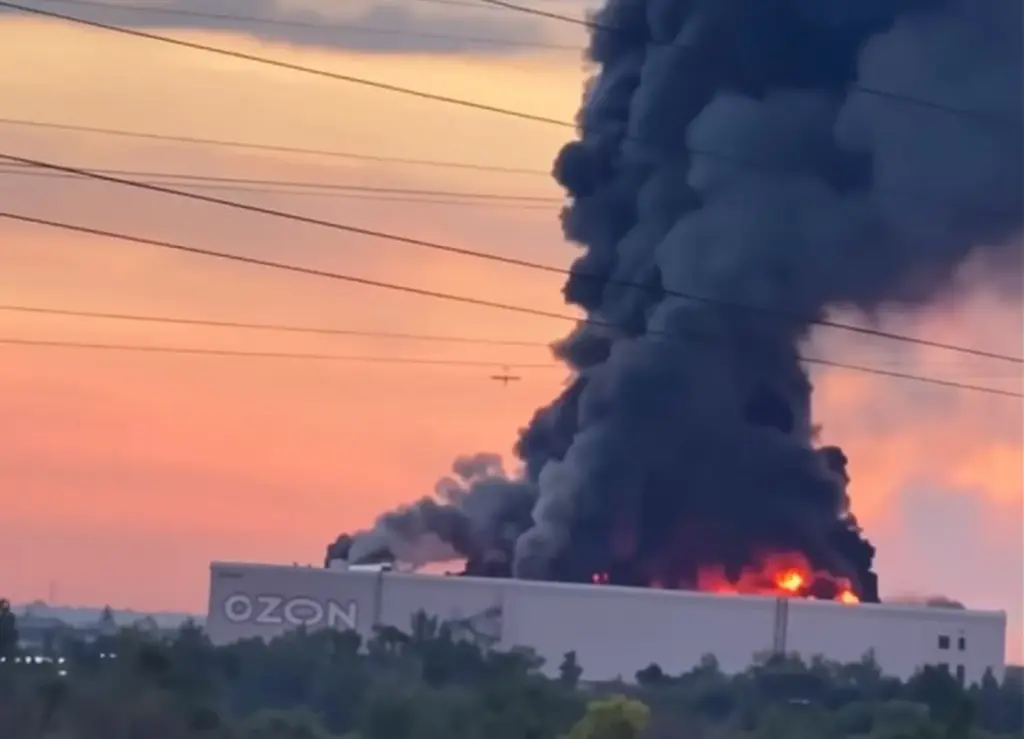
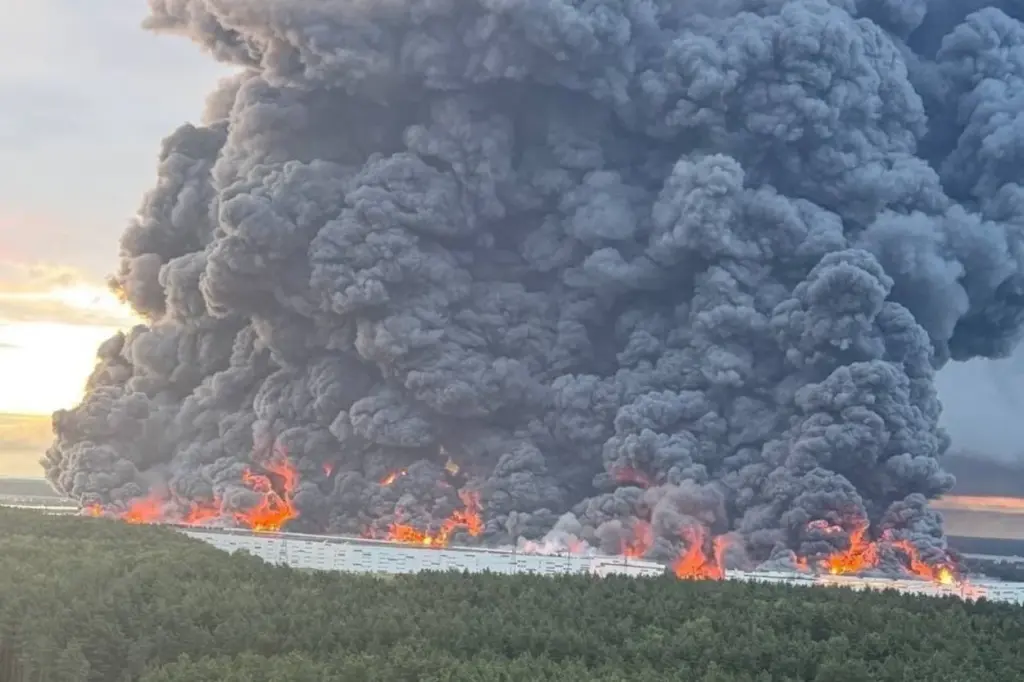
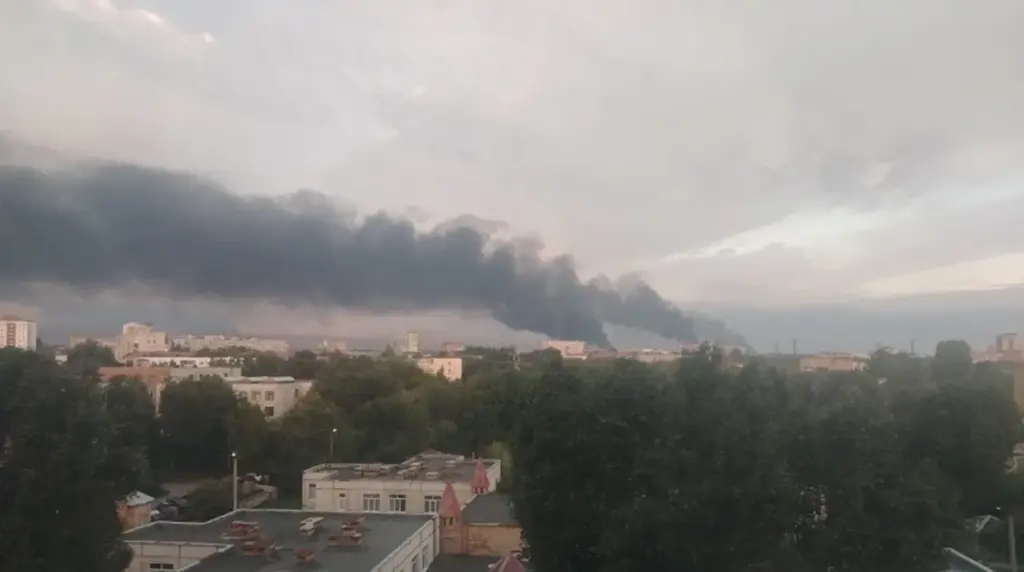
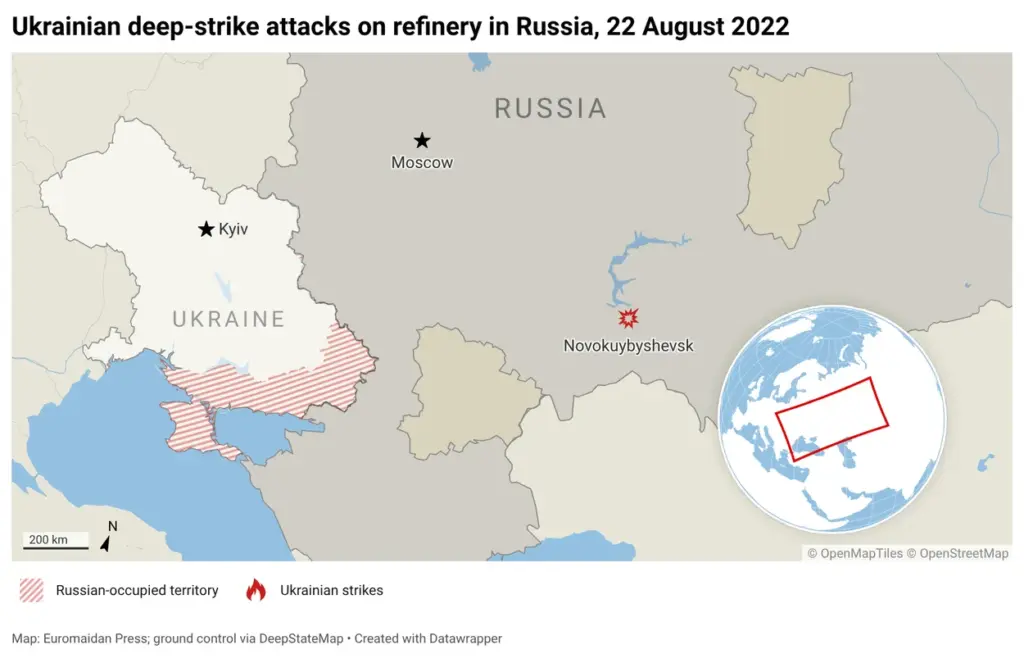
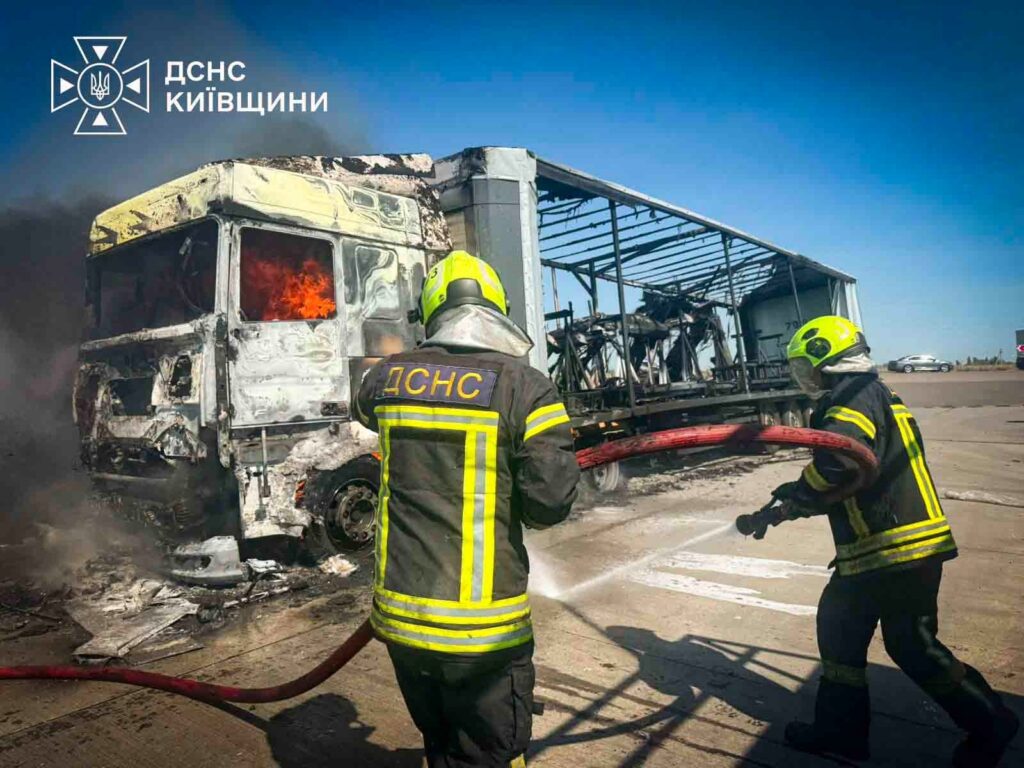





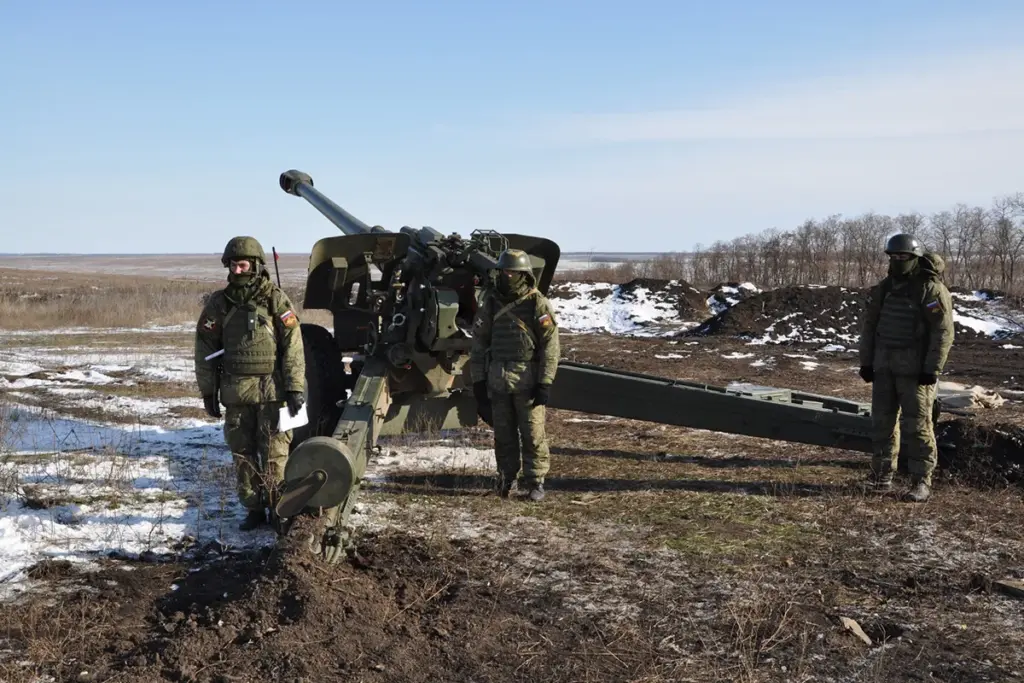


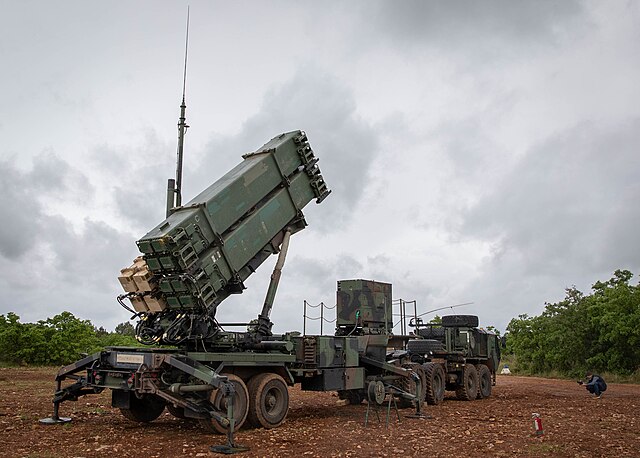

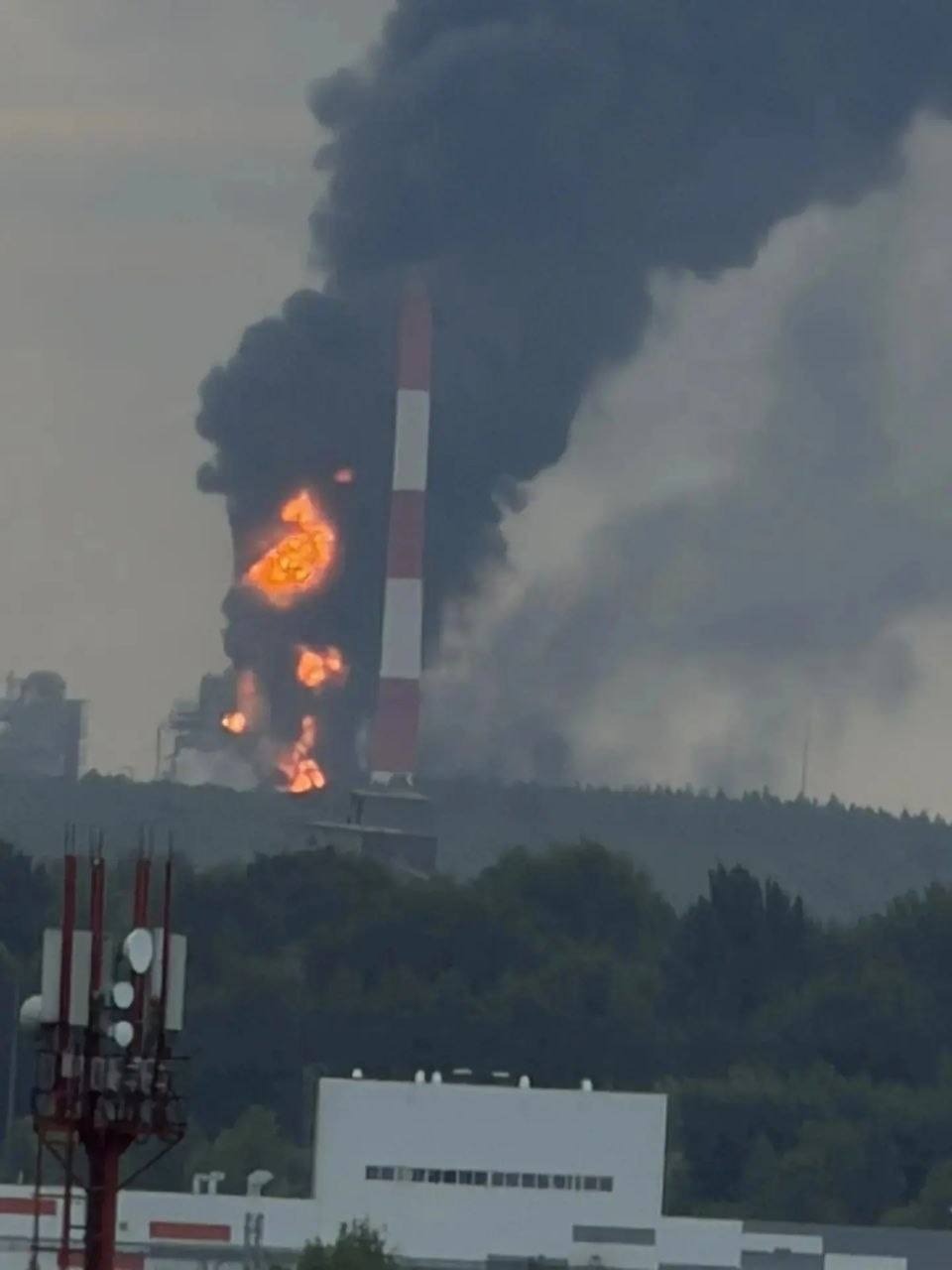





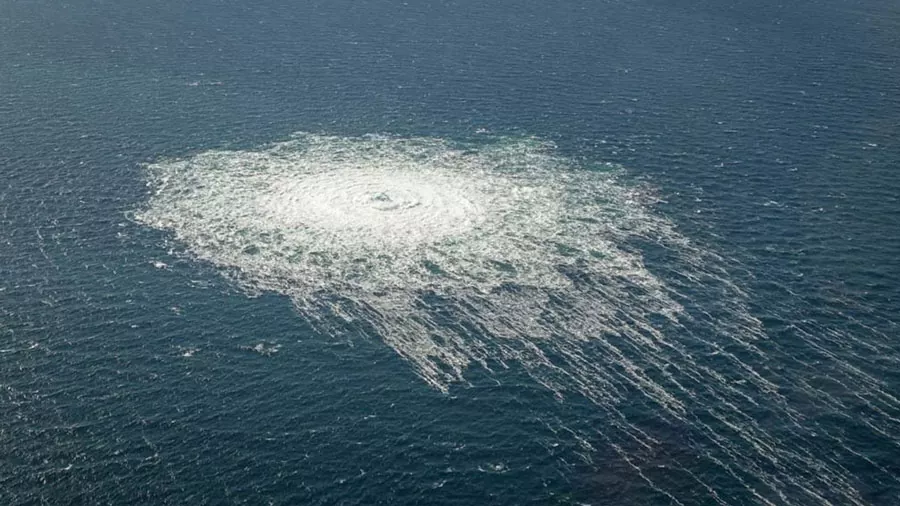
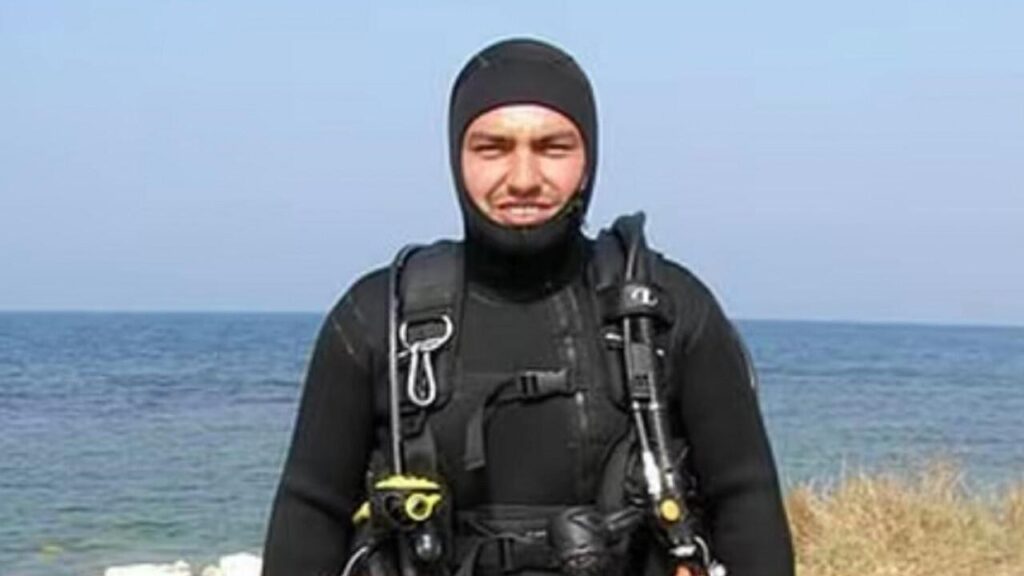
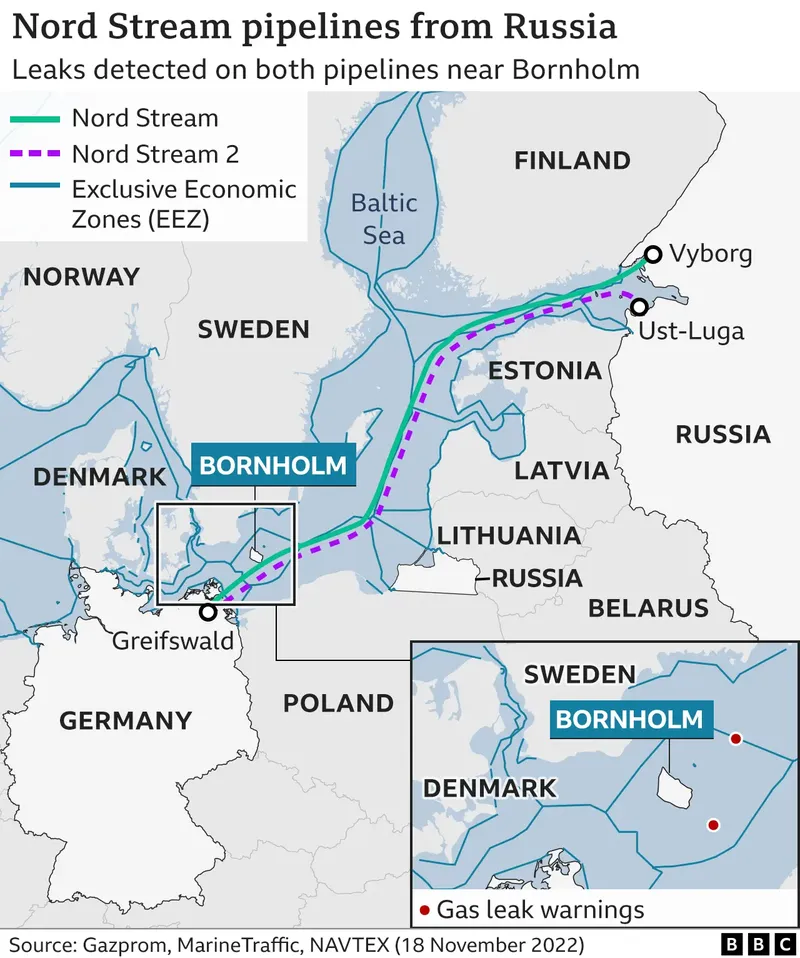
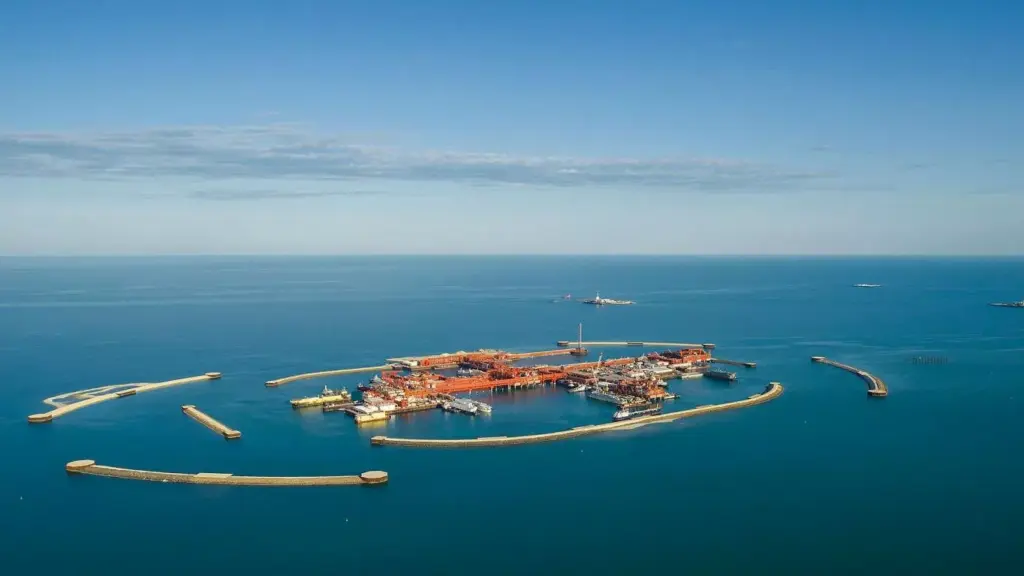



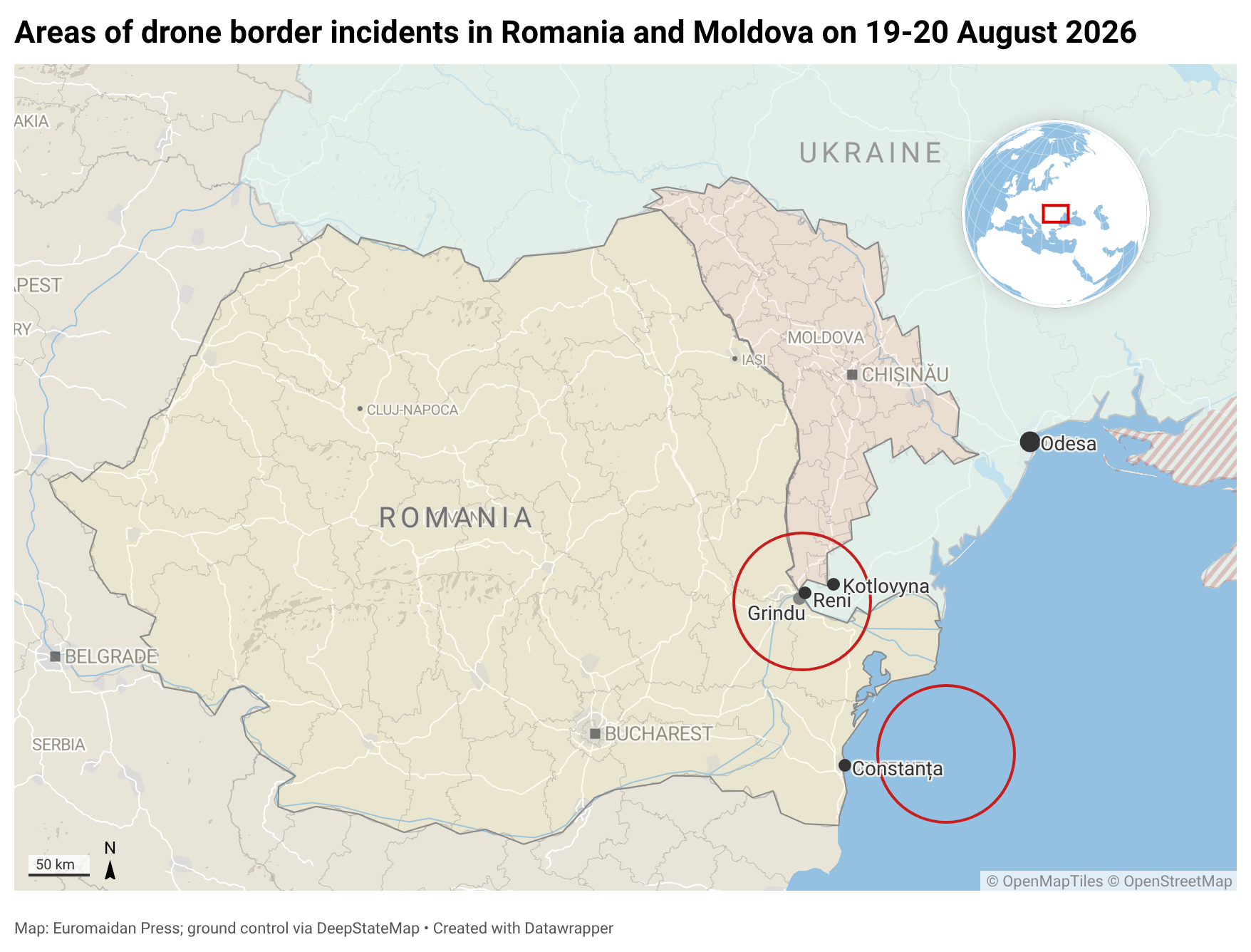
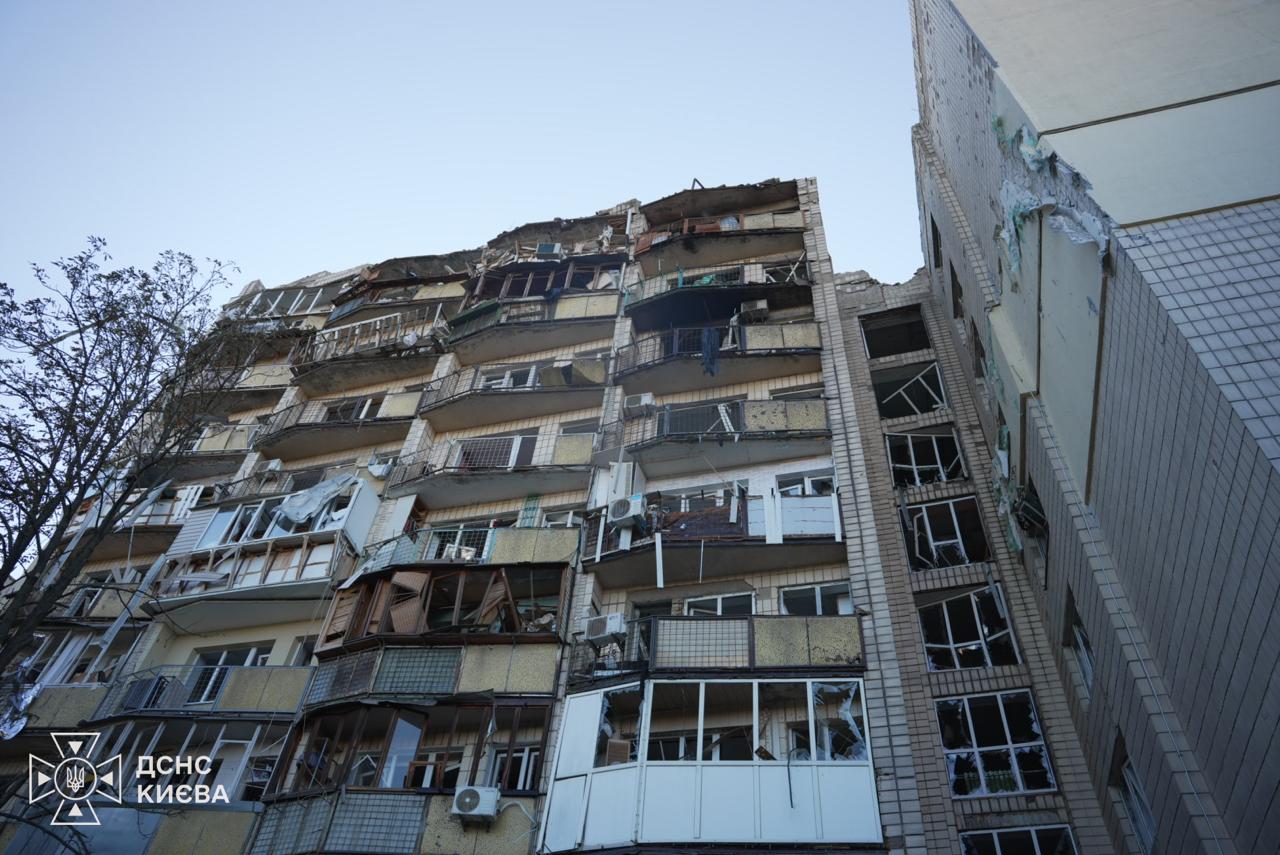
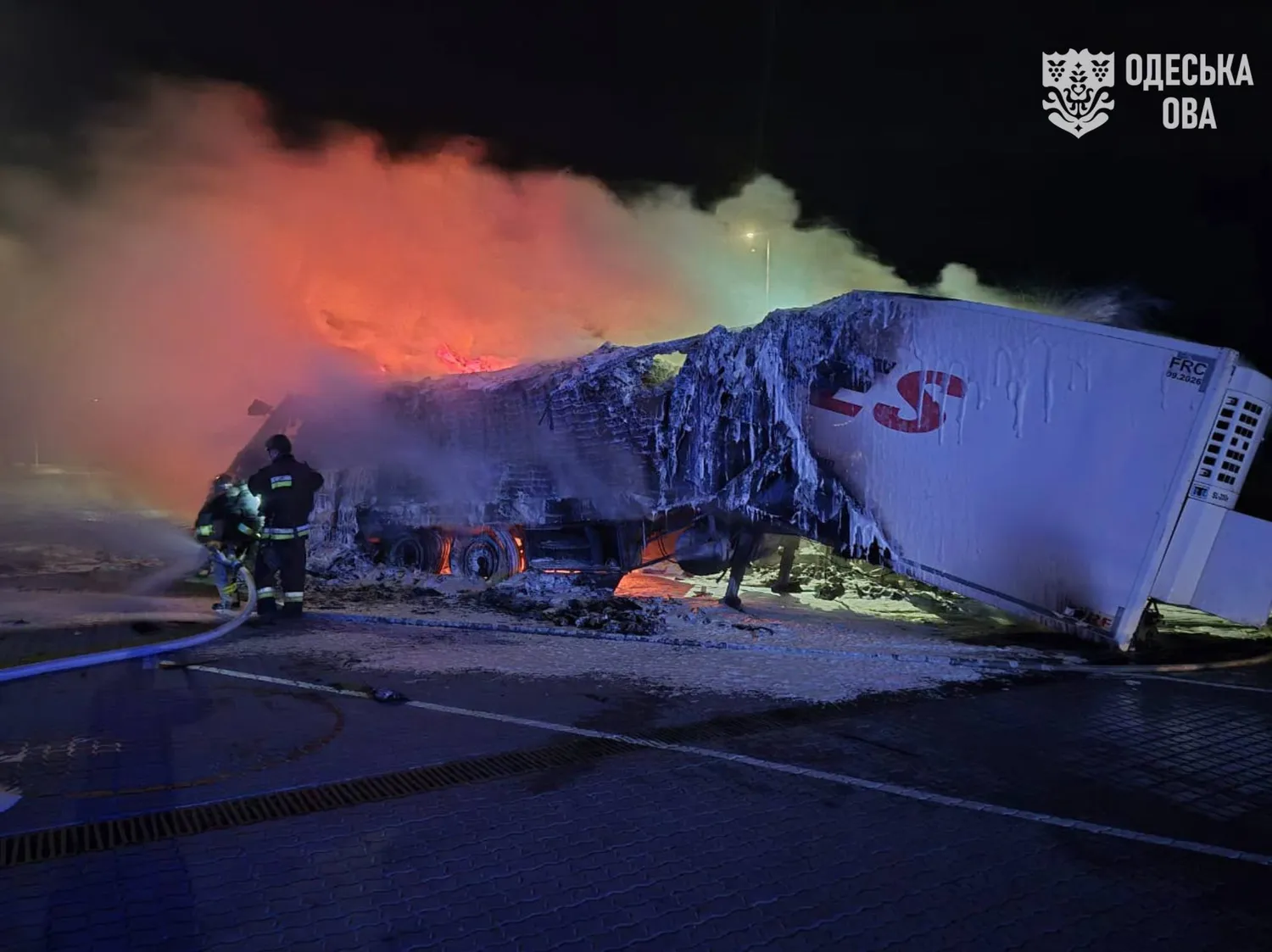
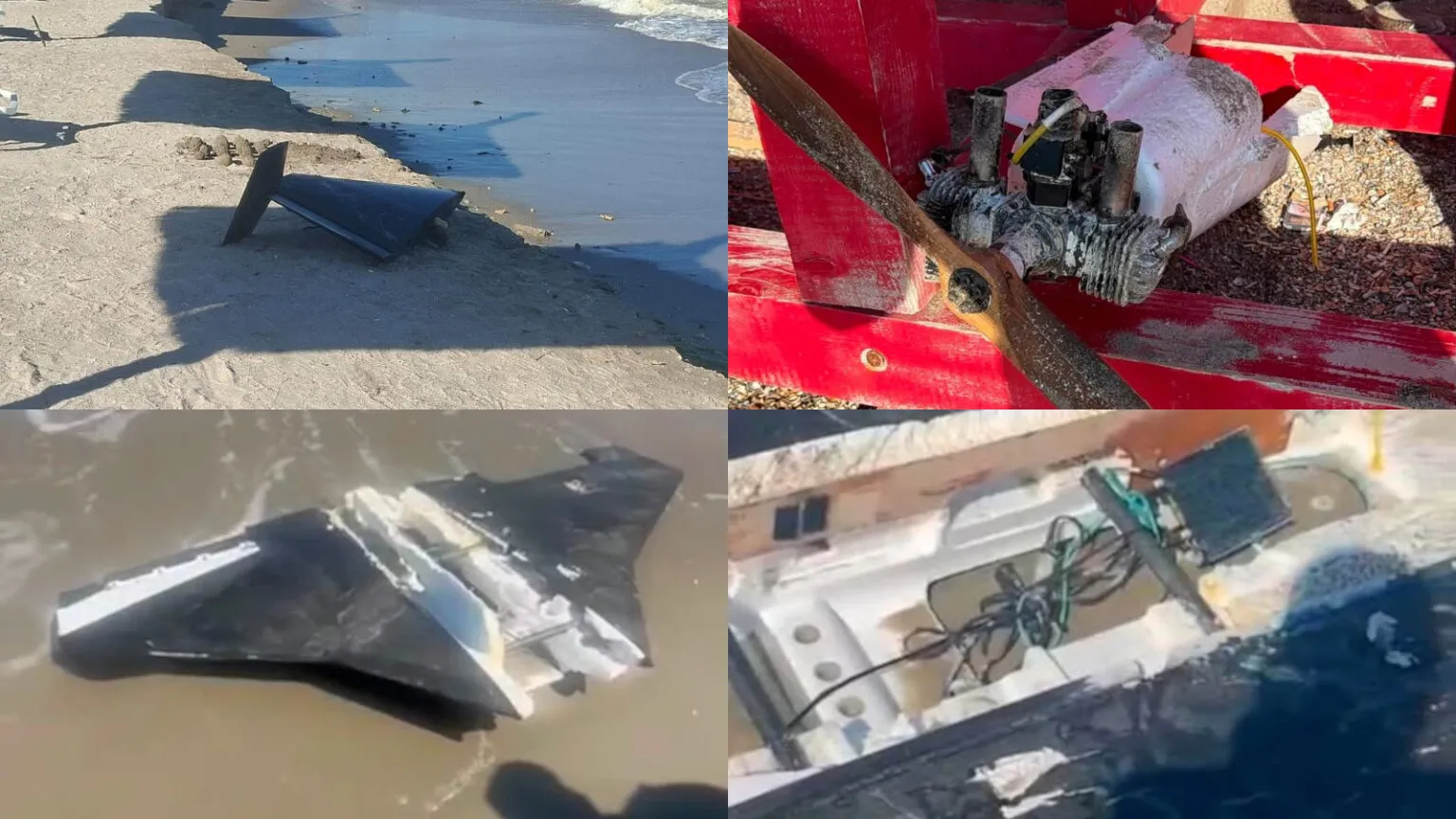

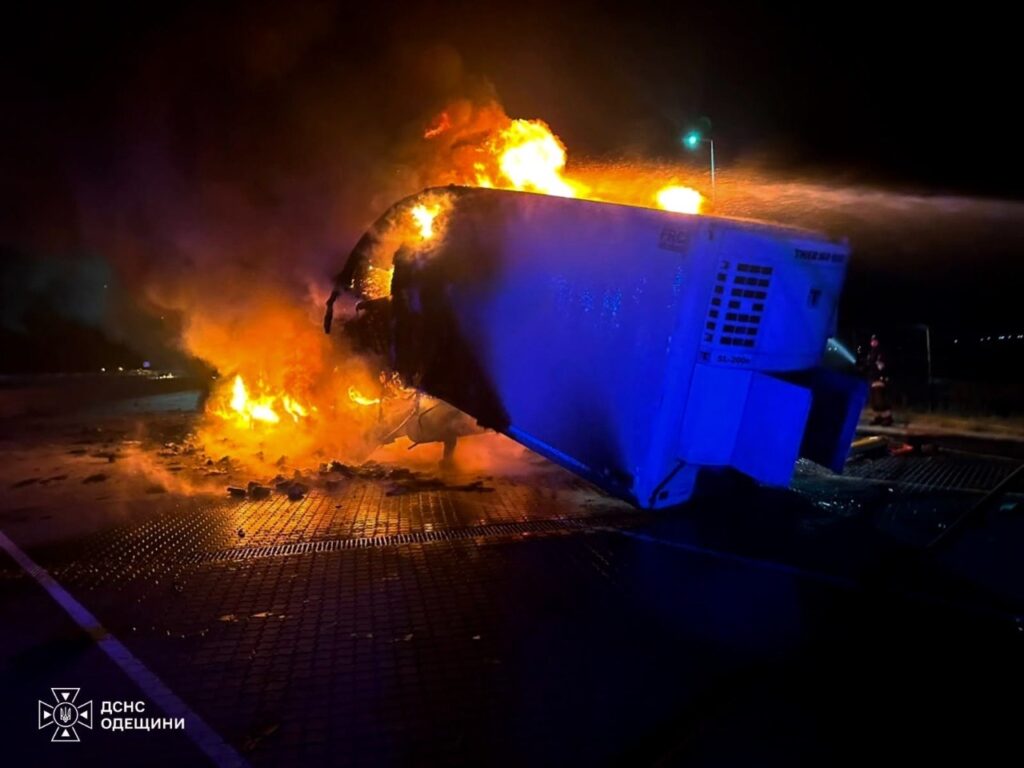

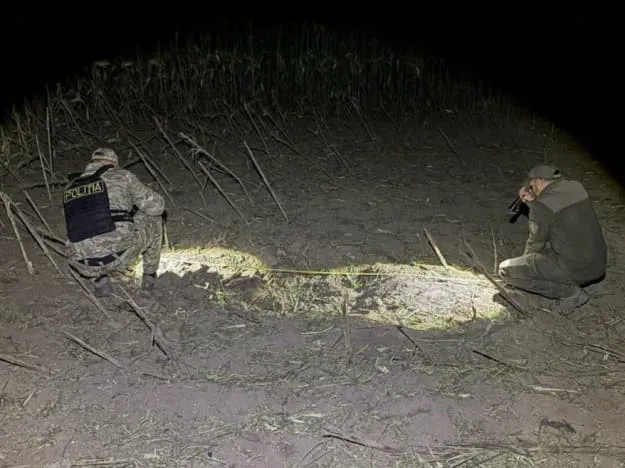
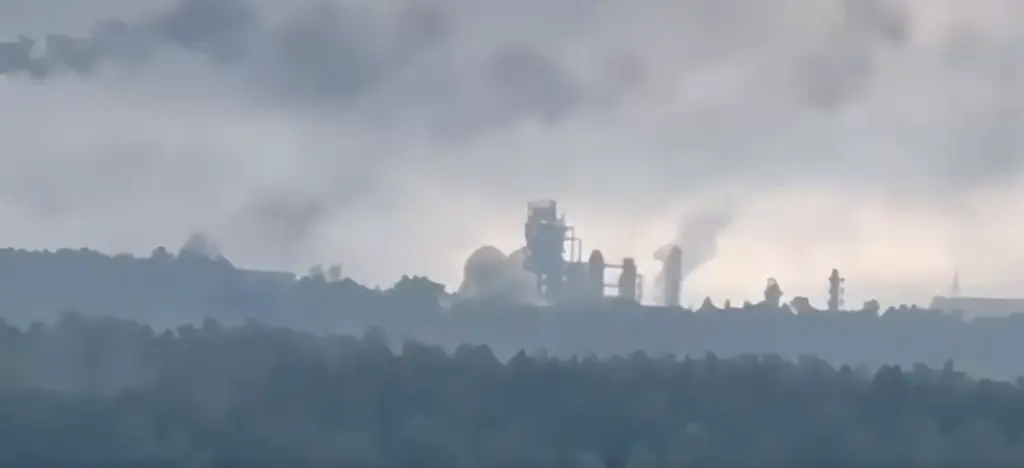
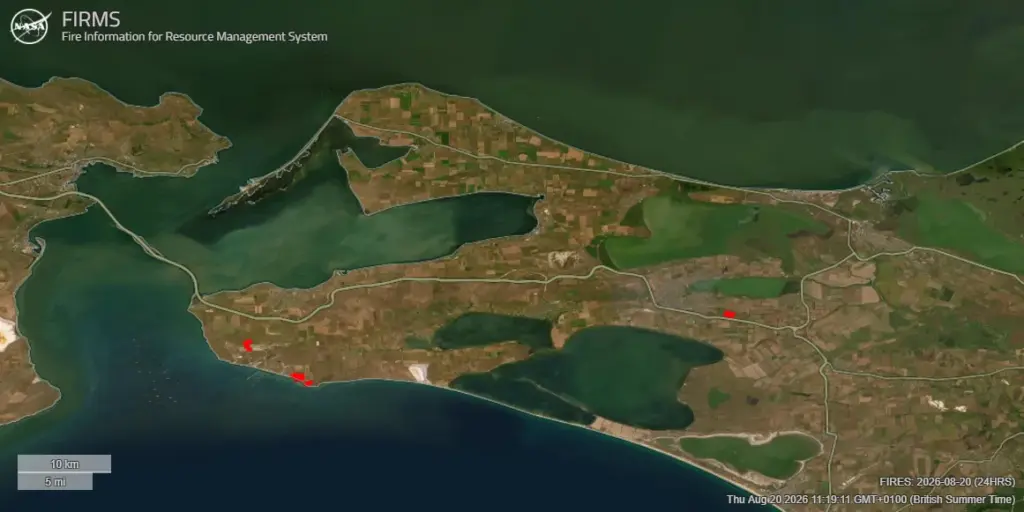
 Confirmed: Metrics show a sudden decline in internet connectivity across Russian-controlled Crimea with high impact to Sevastopol and Simferopol corresponding to a power blackout after overnight Ukrainian drone attacks targeting energy infrastructure









 Sur le projet d’exposition