Russian forces struck several districts of Kyiv late on 12 October with what the Air Force called, by preliminary data, six ballistic missiles. For once, the air-raid alert reached people only after the attack had begun, Ukraine’s Air Force reported.
Reports of Russian ballistic launches are part of the intelligence the US shares with Ukraine, and that data is what lets sirens sound before the missiles arrive, giving civilians a few minutes to hide. Those minutes save lives, which is wh
Russian forces struck several districts of Kyiv late on 12 October with what the Air Force called, by preliminary data, six ballistic missiles. For once, the air-raid alert reached people only after the attack had begun, Ukraine’s Air Force reported.
Reports of Russian ballistic launches are part of the intelligence the US shares with Ukraine, and that data is what lets sirens sound before the missiles arrive, giving civilians a few minutes to hide. Those minutes save lives, which is why the warning gap landed hard amid fears that Washington could cut Ukraine off from such intelligence amid US President Donald Trump's agreement with Russia to let its diesel into the US.
The alert came late because Ukraine’s radar detected the ballistic targets only during the attack, with no advance data on launches from Russian territory, according to the Air Force.
“No information was received about launches from enemy territory. The causes are being established,” the Air Force said.
The stakes are human, presidential adviser Serhii Beskrestnov, known as Flash, stressed.
“This information is needed first of all by civilians, so that people have time to hide in a shelter,” he said.
Beskrestnov says he does not want to believe the US would leave Ukraine without that data because it is a matter of civilian survival. He urged caution on the cause, saying there were nuances and that it was too early to draw conclusions.
When the sirens fall behind the missiles
However, Ukraine usually sees the launches first. The warning system normally flags Russian ballistic launches before the missiles reach their targets, giving people time to move, but on 12 October, that did not happen, the Air Force noted.
Beskrestnov later added a note of doubt about what flew. The suspected S-400 missiles were not being recorded by partners’ intelligence services, he wrote, stopping short of blaming the lapse on a loss of US data.
Two cities hit within the same hour
The damage in Kyiv was concrete. A missile struck a transport-infrastructure site in the Dniprovskyi district, and another hit a four-story warehouse in the Desnianskyi district, Mayor Vitali Klitschko said.
Russia struck Kharkiv at about the same time with nine S-8000 Banderol loitering munitions, Mayor Ihor Terekhov reported. One of the last strikes hit a residential building, where people may be trapped under the rubble and a fire is burning.
“Very serious destruction, an entire stairwell collapsed,” Terekhov said.
Ukraine’s Defense Intelligence (HUR) released information on the components of Russia’s Kinzhal air-launched ballistic missile and the companies involved in its production, according to a statement dated 12 October.
Russia has used Kinzhal missiles to strike targets across Ukraine since the start of its full-scale invasion. However, 22 of the 58 companies in Russia’s Kinzhal production network are not subject to sanctions, the intelligence agency noted.
Kinzhal missile: design, compo
Ukraine’s Defense Intelligence (HUR) released information on the components of Russia’s Kinzhal air-launched ballistic missile and the companies involved in its production, according to a statement dated 12 October.
Russia has used Kinzhal missiles to strike targets across Ukraine since the start of its full-scale invasion. However, 22 of the 58 companies in Russia’s Kinzhal production network are not subject to sanctions, the intelligence agency noted.
Kinzhal missile: design, components, and production changes
Ukraine’s Defense Intelligence has published an interactive 3D model of the Russian Kinzhal missile on its War&Sanctions portal.
The 9-S-7760 missile, known as the Kh-47M2 Kinzhal, uses solid fuel and has a single stage. This means the missile does not consist of multiple stages that separate sequentially during flight. About 90% of its components are identical to those used in the 9M723 ballistic missile of the Iskander-M system, HUR noted.
The Kinzhal is equipped with a radar homing seeker, an active jamming station, and a decoy deployment system, according to the statement. The homing seeker helps the missile determine the direction to its target, while decoys are designed to make interception by air defense systems more difficult.
The missile can carry one of two types of warheads: a penetrating high-explosive warhead or a nuclear warhead. Russia is also developing a version with a high-explosive fragmentation warhead that strikes targets through an explosion and fragments. HUR believes this development may be linked to problems with the missile’s accuracy.
In 2026, Russia significantly reduced its state procurement order for Kinzhal missiles and redirected some production resources, components, and raw materials towards manufacturing Iskander-M missiles, HUR noted. Another reason is the limited number of MiG-31I and MiG-31K aircraft used to launch Kinzhal missiles, the intelligence agency reported.
Ukraine intercepts Kinzhal missiles, but has limited resources to do so
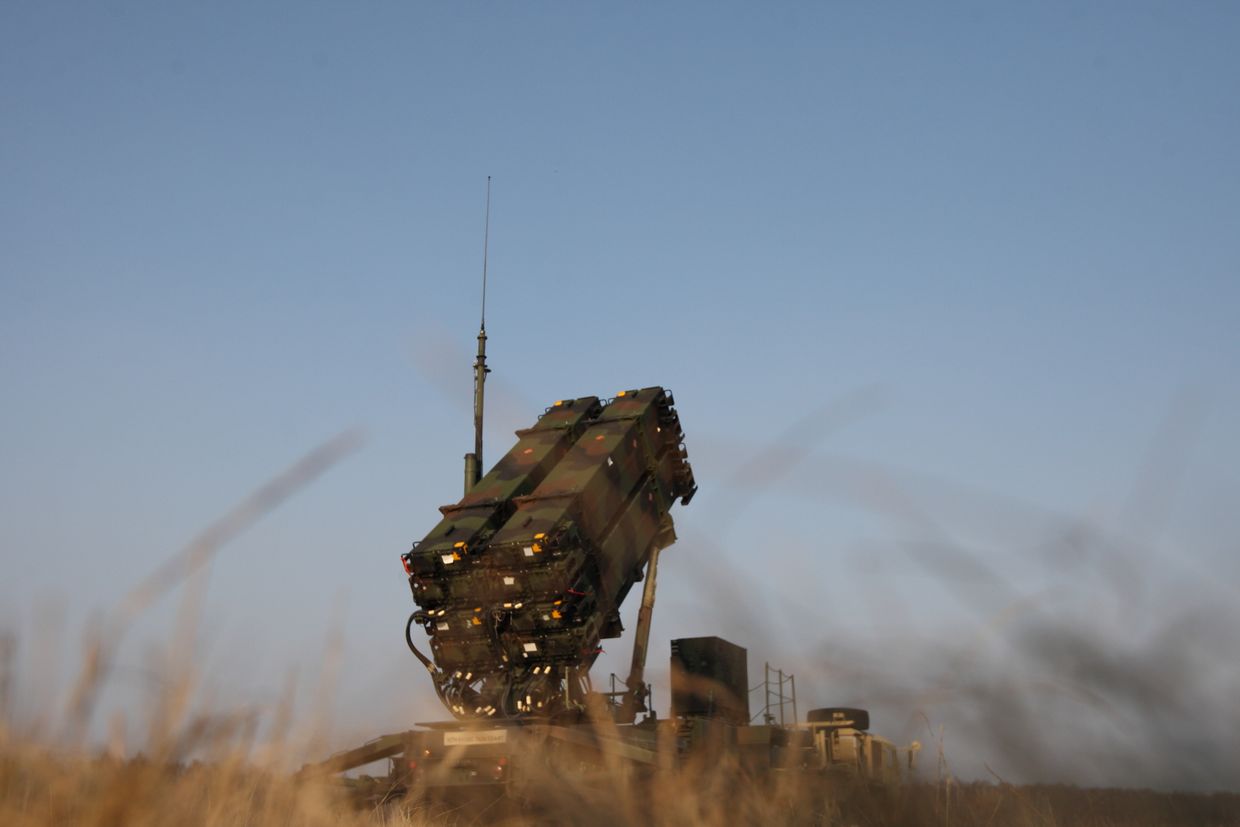
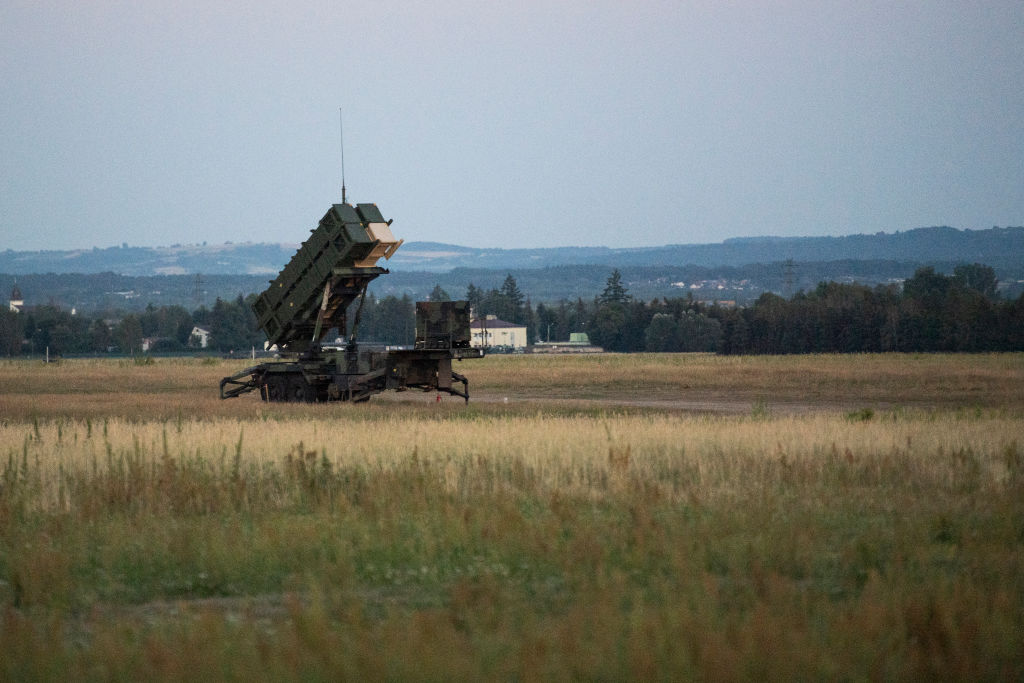
Despite their high speed, Russian Kinzhal missiles can be intercepted using US-made Patriot surface-to-air missile systems. In particular, PAC-3 interceptor missiles are designed to destroy ballistic targets and can be used against threats such as the Kinzhal and Zircon, Ukraine’s Ministry of Defense reported.
Ukraine is seeking additional Patriot interceptor missiles to defend against Russian ballistic attacks during the winter.
The Patriot PAC-3 surface-to-air missile system. Photo: Swedish Ministry of Defense
Most of the approximately 1,000 missiles Kyiv has contracted for are not expected to arrive for several years, prompting Ukraine to ask its allies to supply missiles from their existing stockpiles, Defense News reported on 12 October 2026.
Sanctions loopholes allow Russia to obtain foreign components for Kinzhal missiles
Russia continues to use foreign components in missile production despite sanctions. For instance, the US-made Texas Instruments processors were found again in a newer version of the Kinzhal missile, Ukrainian presidential commissioner for sanctions policy Vladyslav Vlasiuk said in September, Interfax reported. According to him, foreign electronics continue to reach Russia through various supply channels.
Earlier, Ukraine had provided its partners with information on more than 100 Russian companies involved in ballistic missile production and urged them to impose sanctions on those entities, according to the President's Office.
On 12 October, the EU Council imposed sanctions on 1,569 individuals and entities linked to Russia’s military-industrial complex, including 826 Russian companies and 743 company CEOs.
The EU adopted its largest-ever round of sanctions listings on 12 October, targeting the suppliers behind Russia’s war industry, the Council of the EU announced. The bloc acted as Russia keeps killing Ukrainian civilians every day, while US President Donald Trump eases sanctions on Russian diesel.
Russia’s planned winter campaign against Ukraine’s infrastructure depends on arms factories fed by a web of component suppliers and on oil revenue that still flows despite Ukraine’s refinery s
The EU adopted its largest-ever round of sanctions listings on 12 October, targeting the suppliers behind Russia’s war industry, the Council of the EU announced. The bloc acted as Russia keeps killing Ukrainian civilians every day, while US President Donald Trump eases sanctions on Russian diesel.
Russia’s planned winter campaign against Ukraine’s infrastructure depends on arms factories fed by a web of component suppliers and on oil revenue that still flows despite Ukraine’s refinery strikes, so every supplier cut off from that web raises the cost of waging it. As Washington eases off, Europe’s own pressure has a gap: its ports still take record volumes of Russian Arctic gas, and a full ban on long-term contracts starts only in 2027.
Missile suppliers top the list
More than half of the new listings hit the supply chain for ballistic missiles that Russia “uses to kill Ukrainian civilians every day,” EU foreign policy chief Kaja Kallas said in the statement. Russian attacks killed more than 150 people in the past week, Ukrainian President Volodymyr Zelenskyy said on 11 October.
The list names 826 Russian companies, mid-level firms the Council calls the “core” of Russia’s arms industry, with at least €20 billion in yearly turnover, and 743 people who run them. They make parts for missiles, drones, and military aircraft, from semiconductors and radars to explosives and navigation systems. Their assets are frozen, EU firms may not finance them, and the executives may not enter the EU.
Foreign ministers ratified a deal EU envoys reached on 7 October. Ukraine’s sanctions commissioner Vladyslav Vlasiuk said 60% of the listings came from Ukrainian proposals.
Ministers reject the diesel deal
EU foreign ministers in Luxembourg vowed to keep the sanctions despite Trump’s diesel deal with Russian President Vladimir Putin, Euronews reported. Kallas addressed Washington directly as she arrived.
“The US is our biggest ally, but our message is clear: if we want to end this war, the only way we can do this is (by) putting more pressure on Russia,” Kallas said.
Irish Foreign Minister Helen McEntee called the deal “concerning,” and Lithuanian Foreign Minister Kęstutis Budrys said it was “not the European way.” Kallas warned that an energy truce covering only refineries would favor Russia, since Ukraine has one refinery and Russia “plenty.”
Trump announced the diesel deal on 9 October, and the US Treasury waived sanctions on Russian diesel until April 2027. Zelenskyy said the EU would provide about €3 billion more in military aid this week.
Washington presses Kyiv
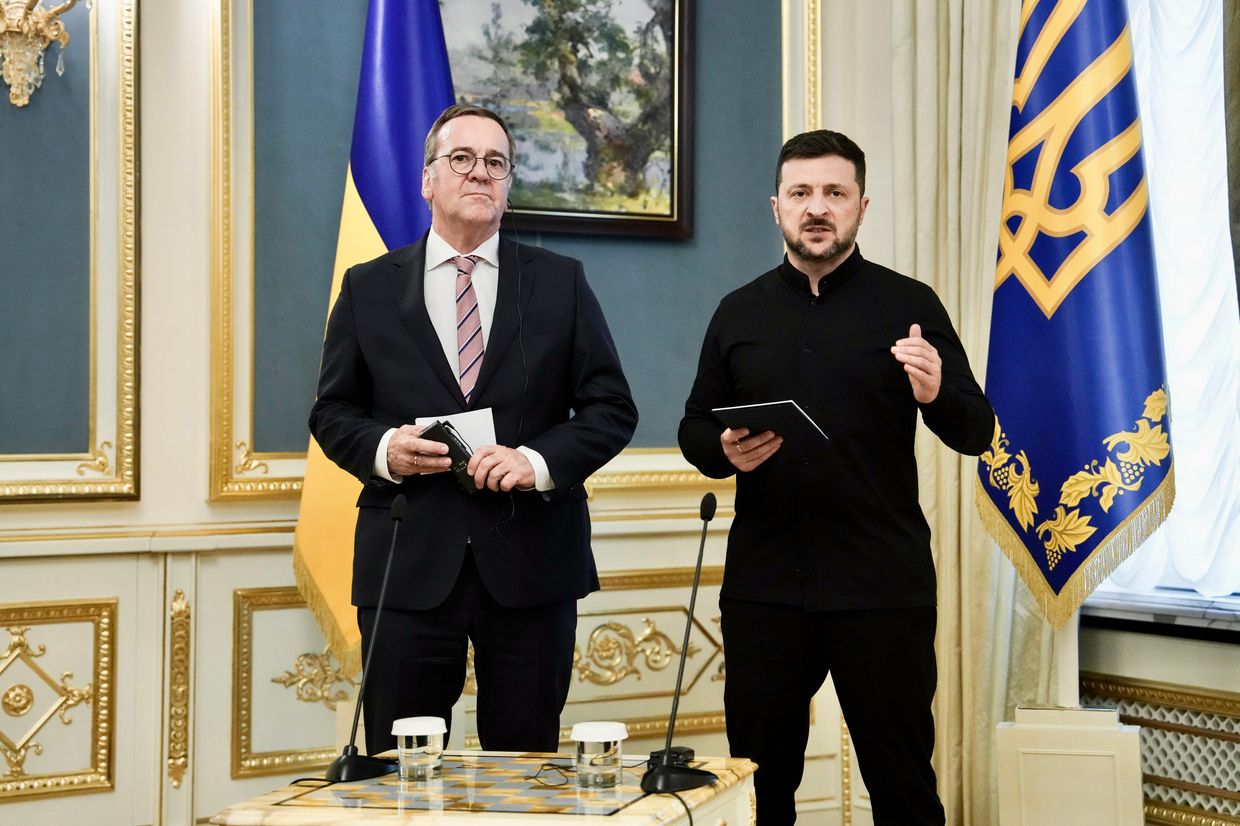
Trump expects Ukraine to stop hitting Russian refineries under his proposed energy ceasefire, a White House official told Axios. Zelenskyy said Kyiv would halt such strikes if Moscow did the same. On 10 October, Trump told reporters it was time for Ukraine to get a new president. Germany’s foreign minister, Britain’s defense secretary, and a senior lawmaker from Chancellor Friedrich Merz’s party backed Zelenskyy, while the Kremlin sided with Trump.
Zelenskyy offered to hold elections after a 60-day ceasefire, and Kallas said elections are impossible while the war goes on. The Institute for the Study of War assessed that Russia exploits Ukraine’s legal ban on wartime elections to drag out the war.
Ukraine has been striking the launchers Russia uses to fire ballistic missiles at its cities, Ukrainian Defense Minister Yevhenii Khmara told journalists. He said the strikes have already disrupted some Russian attack plans, but supplies of anti-ballistic interceptors still fall short of the threat.
Russia strikes Ukraine’s cities and power grid with drones and missiles every day as it prepares to leave civilians without power and heat this winter. Ballistic missiles are the part of tha
Ukraine has been striking the launchers Russia uses to fire ballistic missiles at its cities, Ukrainian Defense Minister Yevhenii Khmara told journalists. He said the strikes have already disrupted some Russian attack plans, but supplies of anti-ballistic interceptors still fall short of the threat.
Russia strikes Ukraine’s cities and power grid with drones and missiles every day as it prepares to leave civilians without power and heat this winter. Ballistic missiles are the part of that barrage Ukraine still struggles to stop, so every launcher put out of action before it fires means fewer missiles to intercept.
Iskander and S-400 launchers hit since September
Ukrainian forces hit eight launchers used for ballistic strikes on Ukraine in September and early October, destroying three and damaging five, Khmara said. They belonged to Russia’s Iskander tactical missile systems and S-400 air defense systems, he added. Such strikes have already forced Russia to cancel or change planned ballistic attacks, the minister said.
The S-400 was designed to shoot down aircraft and missiles, but Russia also uses it to fire ballistic missiles at Ukrainian cities, including Kyiv. In mid-September, Ukraine reported hitting two S-400 launchers near Vygonichi in Russia’s Bryansk Oblast. Russia had used the same systems against Kyiv the night before.
Explore further
Can’t intercept the missiles? Hit the factories—Ukraine’s other way to stop Russia’s ballistic missiles
On 23 August, Ukrainian President Volodymyr Zelenskyy said Ukrainian forces had hit an Iskander launcher near the border. He described it as part of a separate operation to hunt nearby launch positions and linked the tactic to low stocks of anti-ballistic missiles.
Strikes on launchers while interceptors stay scarce
Khmara called the launcher strikes Ukraine’s asymmetric response to a ballistic threat that remains critical.
“Existing and potential supplies of missiles for anti-ballistic defense are not enough to fully cover this threat,” he said.
Instead of waiting for large long-term contracts, the Defense Ministry is looking for missiles in partners’ available stocks to speed up transfers, Khmara added. “We need dozens and hundreds of missiles, not one-off deliveries,” he stressed.
Meanwhile, Russia significantly cut its 2026 state orders for Kinzhal air-launched ballistic missiles, Ukraine’s military intelligence said on 12 October. It redirected the production capacity, components, and raw materials to Iskander-M ballistic missiles, the agency added.
Russia’s missile and drone attacks continue
Overnight on 12 October, Russia attacked Ukraine with a Kh-59 guided missile and 121 attack drones, 76 of them jet-powered, Ukraine’s Air Force reported. Air defenses downed or suppressed 89 drones, but strikes hit 15 locations, and the attack was still going on in the morning.
Explore further
Russia’s new ballistic missile could reach western Ukraine—and it may be tested there within months
In the week to 11 October, Russia hit Ukraine’s power generation and transmission facilities more than 200 times and its gas and oil sites 17 times, Zelenskyy said. Russian attacks that week killed more than 150 people and injured more than 700, he added.
Jet-powered drones are still the main problem for Ukraine’s air defense. It stops more than 90% of slower propeller-driven Shaheds, compared with about 55% for the jet ones.
Ballistic missiles have struck Kyiv repeatedly this autumn. On 24 September, Russian ballistic and hypersonic missiles damaged a maternity hospital in the capital. On 7 October, a Russian missile barrage killed 22 people in Pryluky, Chernihiv Oblast.
A drone attack overnight on 8 October caused a fire that hit part of Yandex's data center in Sasovo, Ryazan Oblast, about 580 km from Ukraine, and the site is fully stopped, the Russian tech company told Russian media. The data center sits on the grounds of Sasta, a sanctioned machine-tool plant, Russian outlet Astra said, citing Wikimapia data. Astra's OSINT analyst found from eyewitness footage that the fire hit the plant.
Since late September, Russia has been striking data centers in
A drone attack overnight on 8 October caused a fire that hit part of Yandex's data center in Sasovo, Ryazan Oblast, about 580 km from Ukraine, and the site is fully stopped, the Russian tech company told Russian media. The data center sits on the grounds of Sasta, a sanctioned machine-tool plant, Russian outlet Astra said, citing Wikimapia data. Astra's OSINT analyst found from eyewitness footage that the fire hit the plant.
Since late September, Russia has been striking data centers in Kyiv that keep Ukraine's internet and online services running. Now a drone attack has stopped one of the data centers that Russia's largest tech company relies on.
Fires reported at a refinery in Salavat and a machine-tool plant in Sasovo after overnight attacks on 8 October 2026. Map: Euromaidan Press
Yandex counts the damage
Yandex warned that some services may be unavailable, while its core services kept running and no one was hurt. Ryazan Oblast Governor Pavel Malkov claimed two drones were downed, a roof caught fire at an enterprise in the Sasovo district, and windows were blown out in several homes.
The power failure took down a wide range of Yandex Cloud infrastructure, including computing capacity, networks, data storage, databases, Kubernetes, cloud services, AI, and security and monitoring systems, Ukrainian outlet ZN.ua reported, citing Exilenova+.
Ukrainian monitoring channel Exilenova+ reported that the plant was hit, without naming an attacker. The channel said Sasta, which claims a place on Russia's register of defense-industry companies, makes computer-controlled machine tools, including five-axis machining centers, and previously supplied the Tactical Missiles Corporation (KTRV) and Roscosmos. The plant's value to the arms industry lies in machines that cut precision parts, not in finished weapons, the channel said.
Citing Exilenova+, Militarnyi reported that Ukraine's Defense Forces hit the plant. It also linked Sasta to Iskander missile supply chains. No source has said whether the plant or the data center was the target, and no Ukrainian official has claimed the Sasovo strike. Sasta has been under US sanctions since November 2023, UK sanctions since February 2024, and Ukrainian sanctions since April 2025, a sanctions database shows.
Salavat: Kyiv reports a hit
Ukrainian forces hit the Gazprom Neftekhim Salavat complex in Bashkortostan, about 1,380 km from the front line, causing a fire, Ukraine's General Staff said. It said the complex processes up to 10 million metric tons of hydrocarbons a year and serves Russia's armed forces. Its key unit, the ELOU-AVT-6 primary oil refining unit launched in 2012, can process 6 million metric tons a year, Militarnyi reported. Astra's analyst placed the fire a few kilometers outside Salavat, possibly near the refinery.
Salavat Mayor Marat Zagidullin claimed that debris from several drones fell in the industrial zone that morning and started a fire.
"The enterprise continues to work," he said.
Astra noted earlier hits on the complex on 24 September 2025, on 14 July 2026, when refining fully stopped, and on 13 August 2026.
Russia's strikes on Ukraine's data centers
Russia has repeatedly hit data centers in Kyiv since 23 September. Strikes hit the COSMONOVA data center twice, the second time knocking it out, and the Parkovyi data center stopped working completely on 1 October after a series of strikes. In early October, Russia destroyed the dline.ua data center in Kyiv.
A Russian missile strike on an apartment building in Pryluky, a town in northern Ukraine's Chernihiv Oblast, killed 22 people on 7 October, regional police reported on the morning of 8 October. Five of the dead were children: three one-year-old boys, an eight-year-old boy, and a 13-year-old girl, police said.
Russian strikes on Pryluky, Kremenchuk, Oleksandriia, and Kyiv killed 28 people on 7 October, Interior Minister Ivan Vyhivskyi said. For the town, it was the second deadly missile
A Russian missile strike on an apartment building in Pryluky, a town in northern Ukraine's Chernihiv Oblast, killed 22 people on 7 October, regional police reported on the morning of 8 October. Five of the dead were children: three one-year-old boys, an eight-year-old boy, and a 13-year-old girl, police said.
Russian strikes on Pryluky, Kremenchuk, Oleksandriia, and Kyiv killed 28 people on 7 October, Interior Minister Ivan Vyhivskyi said. For the town, it was the second deadly missile strike since May. Behind the toll are families like this one: three generations hit by a single strike.
A family visit that ended under rubble
Three-year-old Zlatoslava is now in the Chernihiv Oblast children's hospital, Pryluky district police chief Vladyslav Stoianov told. Her mother, Kateryna, is hospitalized too. The two had come on the evening of 6 October to visit Kateryna's sister, police officer Yuliia Malysh. The girl's father stayed home in Lynovytsia, a village 15 km away.
Yuliia was wounded and is in hospital, Stoianov said. Her husband, Oleh Malysh, was killed. Until recently, Oleh had fought at the front in the Chernihiv Oblast police rifle battalion. The sisters' mother, Liudmyla, had also come over that evening, and she died too. All the family details come from Stoianov, who was describing a colleague's family.
Explore further
22 killed in Russian missile strike on Pryluky, including five children
Footage of an emergency worker carrying a little girl from the ruins reached almost all media, Vyhivskyi wrote in the same post. Suspilne first reported that the filmed rescuer had carried Zlatoslava. It then corrected itself: he had carried a different child, five-year-old Zoriana. Vyhivskyi also gives the girl's age as five, and he named the rescuer as State Emergency Service section commander Pavlo Levchenko. With colleagues, Levchenko freed the girl and her mother after the blast threw them out of the building.
Russia is concentrating missiles on a smaller, more specific set of targets, and its jet-powered attack drones are part of the reason, the Institute for the Study of War (ISW) assessed. Its combined attack overnight on 7 October killed 22 people in Pryluky, the State Emergency Service (SES) said as of the morning of 8 October. Russian milbloggers noted the shift the same day.
Russia often uses concentrated drone and missile strikes to overwhelm localized Ukrainian air defenses and destr
Russia is concentrating missiles on a smaller, more specific set of targets, and its jet-powered attack drones are part of the reason, the Institute for the Study of War (ISW) assessed. Its combined attack overnight on 7 October killed 22 people in Pryluky, the State Emergency Service (SES) said as of the morning of 8 October. Russian milbloggers noted the shift the same day.
Russia often uses concentrated drone and missile strikes to overwhelm localized Ukrainian air defenses and destroy urban centers, ISW noted. Pryluky, where the strike killed children, was one of the areas a Russian channel says drew a significant share of the Kh-101s that night. With winter close, ISW expects the same pattern against Ukraine's energy grid, with jet drones partly letting Russia keep its missiles for priority targets without firing many more.
Missile waves on a few areas, Russian channels claim
Russia launched 48 Kh-101, Iskander-K, and Kalibr cruise missiles overnight on 7 October, Ukraine's Air Force reported. It also fired ballistic missiles, Zircon and Oniks anti-ship missiles, and 130 strike and decoy drones, 46 of them jet-powered Shahed-type models.
Explore further
22 killed in Russian missile strike on Pryluky, including five children
Russian milbloggers claimed the same day that Moscow had grouped a large part of its missile salvo into repeated waves on a few areas, while other weapons kept stretching Ukraine's air defenses elsewhere. The pro-war Russian Telegram channel Dva Mayora described the change as a switch from striking with splayed fingers to a series of hits with missile "fists." Defenders must then absorb a sharply rising load around one chosen site as one wave follows another, the channel claimed.
Citing Ukrainian monitoring channels, it claimed that roughly 30 or more Kh-101 cruise missiles flew toward Pryluky, Kremenchuk, Svitlovodsk, and Oleksandriia in Chernihiv, Poltava, and Kirovohrad oblasts. It put the Kremenchuk group at up to 15 missiles, Kh-101s and Kalibrs among them, aimed at the area of Kremenchuk and its hydroelectric plant.
Jet drones take some of the load off Russia's missiles
ISW said the jet-powered versions penetrate Ukrainian air defenses deeper and more reliably than propeller models. In ISW's assessment, that partly lets Russia concentrate cruise and ballistic missiles on priority targets without significantly raising missile use. Russia builds about 3,000 Geran-4 and Geran-5 jet drones a month, Ukraine's military intelligence agency (HUR) told Militarnyi in August.
Explore further
Ukraine spent three years learning to catch Russian drones—so Russia made them fly faster
ISW expects Russia to apply the pattern in a likely brutal winter campaign against energy infrastructure. Russia likely intends to make city life untenable and force Ukraine to capitulate to its demands, ISW assessed. Such tactics have not worked before and are unlikely to work now, analysts added.
They called cheap countermeasures to jet drones and small cruise missiles vital, alongside Western air defense aid such as US-made Patriots, which can stop ballistic missiles. Ukraine has already paired a Soviet-era Kub launcher with American RIM-7 interceptors to catch jet drones.
The death toll from Russia's 7 October missile strike on Pryluky, a city in Chernihiv Oblast in northern Ukraine, has risen to 22, including five children, Ukraine's State Emergency Service said on 8 October. Another 54 people were injured, and 15 were rescued from the rubble.
Pryluky suffered the heaviest losses in Russia's 7 October attack, which struck cities across Ukraine. The attack involved about 70 missiles, many of them ballistic, as well as Shahed drones.
Search ends with 1
The death toll from Russia's 7 October missile strike on Pryluky, a city in Chernihiv Oblast in northern Ukraine, has risen to 22, including five children, Ukraine's State Emergency Service said on 8 October. Another 54 people were injured, and 15 were rescued from the rubble.
Pryluky suffered the heaviest losses in Russia's 7 October attack, which struck cities across Ukraine. The attack involved about 70 missiles, many of them ballistic, as well as Shahed drones.
Search ends with 15 rescued
Seven of the injured are children, and the rescued include a 5-year-old. The search-and-rescue operation, which involved more than 500 emergency workers, has ended, Ukrainian President Volodymyr Zelenskyy said.
Explore further
14 dead in Pryluky, two each in Kyiv, Kremenchuk, and Oleksandriia: Russia’s night of 70 missiles
A five-story building hit early in the morning
Russia attacked Pryluky with cruise missiles and directly hit a five-story apartment building, Chernihiv Oblast head Viacheslav Chaus said. The strike came in the morning, when people were still asleep.
The strike hit the apartment building, a children's and youth creativity center, and a business, according to the National Police.
The death toll rose through 7 October and overnight. On the morning of 7 October, the National Police reported five dead and 26 injured. By the afternoon, the State Emergency Service put the figure at 14, including four children. By the morning of 8 October, it had reached 22, Chaus said. Four of the children died at the scene, and one died in hospital.
Rescuers at the rubble of the apartment building in Pryluky, Chernihiv Oblast, 7 October 2026. Photo: State Emergency Service of Ukraine in Chernihiv Oblast
Russian strikes in Kyiv, Kremenchuk, and Oleksandriia
Russia attacked Kyiv and 12 oblasts overnight on 7 October, Zelenskyy said. Two people were killed in each of Kyiv, Kremenchuk, and Oleksandriia.
Air defense downed or suppressed five ballistic missiles, 39 cruise missiles, and 117 drones, while missiles and drones hit 18 locations, according to the Air Force.
Defense officials from Taliban-controlled Afghanistan spoke with North Korean representatives at Russia's Center-2026 strategic exercises, Afghanistan's Defense Ministry reported. So far, neither Moscow nor Pyongyang has confirmed any meeting, and Kabul disclosed no details of the talks or any agreement.
Since invading Ukraine, Russia has gathered a circle of sanctioned governments it both leans on for its war and props up in return—a trade that runs in opposite directions depending on
Defense officials from Taliban-controlled Afghanistan spoke with North Korean representatives at Russia's Center-2026 strategic exercises, Afghanistan's Defense Ministry reported. So far, neither Moscow nor Pyongyang has confirmed any meeting, and Kabul disclosed no details of the talks or any agreement.
Since invading Ukraine, Russia has gathered a circle of sanctioned governments it both leans on for its war and props up in return—a trade that runs in opposite directions depending on the partner. Each new tie leaves one more isolated state with a stake in the war grinding on.
Observers among dozens
The exercises ran from 28 September to 3 October in Russia's Chelyabinsk Oblast. The Taliban attended as observers for the first time since it retook power in 2021, Militarnyi reported, one of dozens of foreign delegations present.
Explore further
Russia builds 3,000 jet drones monthly to counter Ukrainian interceptors, HUR says
Mawlawi Nasibullah Madani, commander of the Abdullah bin Masoud Joint Combat Training Command, led the Taliban delegation. The ministry said its officers held discussions with North Korea's military attaché and with officials from China, India, Vietnam, and other countries on bilateral ties and military cooperation. The delegation also toured an exhibition featuring heavy weapons, drones, long-range missiles, and robotic systems.
Moscow's expanding military network
On 27 May 2026, Russia and the Taliban signed a military-technical cooperation agreement. Russia's special envoy for Afghanistan, Zamir Kabulov, claimed the deal is a practical framework focused on repairing Soviet- and Russian-made equipment the Taliban already holds. Russia remains the only country to formally recognize the Taliban government, a step it took in July 2025.
North Korea signed a comprehensive strategic partnership treaty with Russia in June 2024 that includes a mutual defense clause. Pyongyang has since sent an estimated 14,000 troops to Russia's Kursk Oblast. In April, Ukraine's Coordination Headquarters for the Treatment of Prisoners of War put North Korea's losses at 7,058, including 2,251 killed.
Russia attacked Kyiv and 12 oblasts overnight on 7 October with about 70 missiles, many of them ballistic, as well as Shahed drones, President Volodymyr Zelenskyy said. The strikes killed at least 20 people, with the deadliest hit on an apartment block in Pryluky in Chernihiv Oblast. Russia also hit Kremenchuk, Oleksandriia, Dnipro, and Zaporizhzhia, while Poland scrambled its jets.
Moscow has likely begun its winter strike campaign earlier than usual, aiming to make civilian life in Uk
Russia attacked Kyiv and 12 oblasts overnight on 7 October with about 70 missiles, many of them ballistic, as well as Shahed drones, President Volodymyr Zelenskyy said. The strikes killed at least 20 people, with the deadliest hit on an apartment block in Pryluky in Chernihiv Oblast. Russia also hit Kremenchuk, Oleksandriia, Dnipro, and Zaporizhzhia, while Poland scrambled its jets.
Moscow has likely begun its winter strike campaign earlier than usual, aiming to make civilian life in Ukraine unbearable, and UN figures already show civilian casualties running 55% above last year's.
Update: Pryluky death toll rises to 14, including four children
The death toll from the Russian strike on Pryluky has risen to 14, including four children, Ukraine's State Emergency Service said on the afternoon of 7 October. Fifty people were injured, seven of them children, and rescuers pulled 15 people from the rubble, including a child.
Russia attacked Pryluky with cruise missiles, and one scored a direct hit on the five-story apartment building, Chernihiv Oblast head Viacheslav Chaus said. Earlier in the day, he reported that 27 of the injured had been hospitalized, three in serious condition. The search-and-rescue operation was still under way.
Morning repoting: five dead in Pryluky
A Russian missile struck a five-story apartment building in Pryluky early in the morning, while residents were still asleep, Chernihiv Oblast head Viacheslav Chaus said. The strike completely destroyed one sectkion of the building, killing five people and injuring 26, including five children, Ukraine's National Police reported. Rescuers pulled three people from the rubble, including a child, and more people may still be trapped, Chaus said.
"Today, for Putin's birthday, the Russian army 'gave' him the destruction of an apartment building in Pryluky in Chernihiv Oblast. It was an ordinary five-story building," Zelenskyy said.
A five-story apartment building in Pryluky, Chernihiv Oblast, damaged by a Russian missile strike, 7 October 2026. Photo: State Emergency Service of Ukraine in Chernihiv Oblast
Kyiv, Kremenchuk, and Oleksandriia
In Kyiv, Russian missiles hit non-residential buildings and warehouses in the Obolonskyi and Podilskyi districts, Mayor Vitali Klitschko said. Strikes also hit the Shevchenkivskyi district, and debris burned in the Darnytskyi district, he added. In the Darnytskyi district, a missile set fire to a garage cooperative, where firefighters rescued two people and found two men dead, Klitschko wrote. Police and rescuers worked to defuse an unexploded ballistic missile that fell among apartment blocks in the same district, the National Police said.
Damaged high-rises and wrecked cars in a residential area of Kremenchuk after a Russian missile strike, 7 October 2026. Photo: Vitalii Diakivnych/Telegram
In Kremenchuk, Russian missiles hit a densely populated residential area, killing two people and injuring seven, Poltava Oblast head Vitalii Diakivnych said. Zelenskyy later put the number of injured at eight and said four high-rises were damaged.
Explore further
A school with children, a café, warehouses: Russia’s drones hit civilian Kyiv again
In Oleksandriia in Kirovohrad Oblast, Russia hit an enterprise. One person was killed, three injured, and two were out of contact, Kirovohrad Oblast head Andrii Raikovych said. Zelenskyy later put the death toll there at two.
A firefighter among burned cars at the site of a fire after a Russian missile attack on Kyiv, 7 October 2026. Photo: State Emergency Service of Ukraine in Kyiv
Drones and other targets
In Dnipro, Russian strikes damaged an industrial enterprise, apartment buildings, and a sports club, Dnipropetrovsk Oblast head Oleksandr Hanzha said. In Nikopol district, the attacks injured a 65-year-old woman and a 64-year-old man. Russia also struck Lozova in Kharkiv Oblast with a missile, and a drone hit an apartment building in Zaporizhzhia, police said.
In Zaporizhzhia, Russia attacked a transport infrastructure facility, acting oblast head Mykhailo Semikin said, a day after a strike on one of the city's bridges over the Dnipro halted traffic. In Kyiv Oblast, three production and warehouse buildings were damaged in Obukhiv district, with no casualties, the Kyiv Oblast Military Administration said.
A bomb technician works beside an unexploded Russian ballistic missile among residential buildings in Kyiv's Darnytskyi district, 7 October 2026. Photo: National Police of Ukraine
Air defense downed five ballistic missiles, 39 cruise missiles, and 117 drones, while missiles and drones hit 18 locations, the Air Force said. Polish military aircraft took off and Poland put its ground-based air defense on alert during the attack, Poland's Operational Command said.
Russian ballistic missiles remain the biggest challenge, Zelenskyy said, adding that Ukraine is searching daily for Patriot missiles.
Strikes across the front over the past day
Russian attacks killed one person and injured 11 in Kherson Oblast over the past day, the Kherson Oblast Military Administration reported. Russia injured 12 people in Donetsk Oblast on 6 October, Donetsk Oblast head Vadym Filashkin said. Two people were injured in Kharkiv Oblast, Kharkiv Oblast head Oleh Syniehubov said.
Bridges and a maternity hospital in Russia's sights
Russia has stepped up strikes on Kyiv's bridges and has now extended them to Zaporizhzhia. In September, a Russian ballistic and hypersonic missile attack on Kyiv damaged a maternity hospital.
Three Russian missiles and two drones crossed Moldova’s airspace and exploded on Saturday morning, Moldovan Defense Minister Anatolie Nosatîi told TVR Moldova.
Moldova has seen a dramatic increase in Russian drone incursions in recent weeks as Russia ramps up near-constant drone attacks across Ukraine.
The five incidents occurred between 7:45 and 8:00 a.m., with explosions and debris reported across several districts. Moldova’s Foreign Ministry condemned the airspace violation.
Ex
Three Russian missiles and two drones crossed Moldova’s airspace and exploded on Saturday morning, Moldovan Defense Minister Anatolie Nosatîi told TVR Moldova.
Moldova has seen a dramatic increase in Russian drone incursions in recent weeks as Russia ramps up near-constant drone attacks across Ukraine.
The five incidents occurred between 7:45 and 8:00 a.m., with explosions and debris reported across several districts. Moldova’s Foreign Ministry condemned the airspace violation.
Explosions and debris reported across Moldova
The Moldovan authorities initially said that five drones had crossed the country’s airspace before Nosatîi clarified that the five incidents involved three missiles and two drones. President Maia Sandu said the missiles were Banderol-type missiles, according to NewsMaker.
Nosatîi said the incidents had been documented and that evidence recovered at the sites could be presented to Russia’s ambassador.
Moldova’s Foreign Ministry said Russia’s war against Ukraine continues to create concrete threats for the country and condemned the violation of its airspace.
Explore further
Moldova counted 39 Russian drone incursions in eight months, against 17 in all of 2025
According to NewsMaker, fragments were found outside Căușeni, near Dubovca in Hîncești District, between Delacău and Puhăceni in Anenii Noi District, and near Crocmaz in Ștefan Vodă District.
Near Crocmaz, an explosion in a vineyard field caused a vegetation fire and damaged windows at a nearby agricultural facility. Fragments were also found near Constantinovca in Căușeni District, where an explosion caused another vegetation fire.
Map of Russian attacks on Moldova, 3 October 2026. Map from social media
Moldova’s Defense Ministry later reported a sixth unauthorized flight over the country that did not result in an explosion. The object entered Moldovan airspace at 8:04 a.m. from the direction of Udobne, Ukraine, and exited a minute later toward Biliaivka, Ukraine.
Fragments of Russian drones or missiles that struck Moldovan territory on 3 October 2026. Photo: Moldovan Police via NewsmakerFragments of Russian drones or missiles that struck Moldovan territory on 3 October 2026. Photo: Moldovan Police via Newsmaker
Moldova seeks stronger air defenses
Asked why the weapons were not intercepted, Nosatîi said Moldova was taking measures to strengthen its air-defense capabilities and acquire interception systems.
He said the drones are sophisticated and fast, adding that Moldova, like Ukraine, is learning how to defend against them. He also said Moldova needs additional resources to protect its 1,212-kilometer border with Ukraine and monitor its airspace.
Explore further
Moldova is investing in air defense against the Russian drones crossing from Ukraine—Romania shoots down the ones that reach it
Moldovan authorities urged residents not to approach or touch any fragments they find, but to mark the location and notify police or the military so the area can be secured and the debris neutralized.
Russia's best defenses against ballistic missiles ring Moscow, leaving much of the rest of the country exposed to Ukraine's growing missile arsenal. That concentration is why Ukraine's homegrown ballistic missiles could cause Russia real trouble beyond the capital, even as Russia's air defenses show gaps elsewhere, expert Vadym Kushnikov says, Ukrainian Radio reports.
Russia has the systems to stop ballistic missiles, Kushnikov continues, but it has massed the best of them around Mosco
Russia's best defenses against ballistic missiles ring Moscow, leaving much of the rest of the country exposed to Ukraine's growing missile arsenal. That concentration is why Ukraine's homegrown ballistic missiles could cause Russia real trouble beyond the capital, even as Russia's air defenses show gaps elsewhere, expert Vadym Kushnikov says, Ukrainian Radio reports.
Russia has the systems to stop ballistic missiles, Kushnikov continues, but it has massed the best of them around Moscow: the S-500 "Prometey", with interceptors adapted from the A-135, the Soviet-era shield built to defend the capital from missiles.
Other regions, by his assessment, are left more open to Ukraine's massed and combined strikes. That matters now that Ukraine's own ballistic missile, such as the Sapsan, is entering combat.
The best defenses ring Moscow
"If you analyze the characteristics, Russia today has concentrated its most modern S-500 complexes, with 77N6-N and 77N6-N1 interceptors, in Moscow Oblast," Kushnikov says.
Elsewhere, he said, Russia is short of air-defense complexes, the S-400 among them, a shortfall he said is visible in satellite imagery.
Ukraine's ballistic program grows
Ukraine's deep-strike arsenal has been shifting from foreign-supplied systems to homegrown ones. Alongside its Neptune and Flamingo cruise missiles, it now fields the Sapsan, an Iskander-class ballistic missile with a range of about 500 kilometers, which President Volodymyr Zelenskyy confirmed was in combat late last year.
A domestic ballistic missile will let Ukraine strike deep inside Russia without waiting for a Western green light.
Production faces hard hurdles
Building them is the hard part. Ukraine's rocket-engineering tradition runs deep, Kushnikov suggests, but its production sites, mostly in the east, are direct targets of Russian strikes.
The missiles also depend on components that are difficult to make, chiefly solid-fuel rocket engines and the guidance that steers a warhead flying at five times the speed of sound along a ballistic arc.
"The combination of all these factors is exactly what our engineers have worked on for years, building the Ukrainian ballistic shield," he adds.
France delivered additional MICA air-to-air missiles and 30mm cannon ammunition for Ukraine's Mirage 2000 fighter jets, Militarnyi reported, citing France's Armed Forces Ministry.
Delivering an aircraft is one step, keeping it armed is another. France's weapons resupply reflects a shift from one-off hardware transfers to sustained combat support as Russia's aerial campaign against Ukrainian cities grinds on.
What MICA does
The MICA, developed by MBDA, comes in two versions: radar-
France delivered additional MICA air-to-air missiles and 30mm cannon ammunition for Ukraine's Mirage 2000 fighter jets, Militarnyi reported, citing France's Armed Forces Ministry.
Delivering an aircraft is one step, keeping it armed is another. France's weapons resupply reflects a shift from one-off hardware transfers to sustained combat support as Russia's aerial campaign against Ukrainian cities grinds on.
What MICA does
The MICA, developed by MBDA, comes in two versions: radar-guided (MICA RF) and infrared (MICA IR). It weighs about 112 kg, flies at Mach 4.9—nearly five times the speed of sound—and can engage targets 60 to 80 km away.
Ukraine's Mirages have also carried older Magic 2 missiles limited to roughly 20 km. MICAs were reportedly included with the original donation, but the supply may have been limited, which would explain why the Magic 2s stayed in use. MICA triples to quadruples that engagement window, letting pilots intercept cruise missiles far earlier in their flight path. The fresh delivery keeps Ukraine's small fleet supplied with the missiles that make these longer-range interceptions possible.
Explore further
Ukraine is running short of its best missiles for hunting Russia’s jet drones. Now MiG-29s are firing 1970s weapons
Cheap shells for cheap drones
The 30mm ammunition feeds the Mirage's two built-in DEFA 554 cannons, which fire at a selectable rate of 1,200 or 1,800 rounds per minute. A pilot who uses the gun on a Shahed drone saves a MICA for a target that actually needs one.
Ukraine's F-16 operations follow a similar logic: pilots use their 20mm Vulcan cannons alongside AIM-9 and AIM-120 missiles, though Zelenskyy called the missile option expensive—used when nothing else can reach a jet drone, because "a human life is more important."
A Ukrainian Mirage 2000 shot down a Russian Kh-101 cruise missile during its very first combat mission, on 7 March 2025. France has delivered about a dozen modified Mirage 2000-5F jets since February 2025, and the fleet is still growing.
Ukrainian President Volodymyr Zelenskyy announced that Ukraine has agreed on a new package of Patriot interceptor missiles with an unnamed partner, Suspilne reported. He made the announcement on 24 September during a meeting with the Ukrainian community in the United States. Zelenskyy did not reveal the partner's identity, the quantity, or the delivery timeline.
Russia's aerial campaign against Ukrainian cities is heading into its most dangerous winter yet, with ballistic strikes on hos
Ukrainian President Volodymyr Zelenskyy announced that Ukraine has agreed on a new package of Patriot interceptor missiles with an unnamed partner, Suspilne reported. He made the announcement on 24 September during a meeting with the Ukrainian community in the United States. Zelenskyy did not reveal the partner's identity, the quantity, or the delivery timeline.
Russia's aerial campaign against Ukrainian cities is heading into its most dangerous winter yet, with ballistic strikes on hospitals, power stations, and residential buildings pushing monthly civilian casualties to their highest level since the war's opening weeks. The gap between the interceptors Ukraine needs and what allies have so far committed has become a central factor in both the defense of Ukrainian cities and the diplomatic standoff.
What Zelenskyy said
Zelenskyy made the announcement during a broader address to the diaspora about diplomacy, the peace effort, and cooperation with US President Donald Trump's team.
"We agreed today—I won't say with whom—on a package of [interceptor] missiles for Patriot systems. This is an important decision," Ukrainian President Volodymyr Zelenskyy told the Ukrainian diaspora in New York.
He gave no further details. Zelenskyy said ending the war was the most important question facing Ukraine and awarded decorations to community members who had contributed to the country's defense.
Before the New York trip, the interceptor question had been raised with several partners. After meeting Trump on 22 September, Zelenskyy said he had asked Washington for a winter package of Patriot interceptors. That same week, he pitched Japan's Prime Minister Sanae Takaichi on air-defense cooperation, noting that Mitsubishi Heavy Industries runs the only plant outside the US licensed to assemble PAC-3 missiles. Suspilne noted the issue had also been discussed with other partners Zelenskyy did not name.
Intercepting more, but not enough
On 24 September, air defenses intercepted 60% of the ballistic missiles Russia fired at Kyiv—a figure the president called significant.
"It was 60%—not 10% and not zero. And this year we had moments when it was zero. Not because someone lacks experience, but because someone lacks missiles," Zelenskyy told journalists in New York.
Since 12 August, Ukraine's Air Force has stopped publishing detailed figures on how many missiles Russia launches, reporting only what it downs—which makes Zelenskyy's percentage a rare public benchmark. By that count, Russia has fired at least 794 ballistic missiles at Ukraine since January, about 43% of all missiles used this year, with July's 174 the monthly high.
The overnight attack
Hours after Zelenskyy spoke in New York, Russia launched 295 drones at Ukraine overnight on 24–25 September. In Odesa, Russian drones killed two people—a 40-year-old woman and a 51-year-old man—and injured two others. In Kyiv, Shaheds struck high-rises in Solomianskyi district, and strikes across the broader region killed a 14-year-old boy.
Explore further
1,000 Patriot missiles arrive too late for this winter, so Ukraine asked the Ramstein arms coalition to open its warehouses
Romania scrambled jets as drones drifted toward its airspace. A woman was injured in Dnipropetrovsk Oblast, and the morning brought further Russian strikes on Zaporizhzhia and Poltava, injuring two more people.
The interceptor crisis
Zelenskyy's announcement lands in the middle of a worsening shortage. In August, he told CNN that Ukraine held roughly 1% of American Patriot stocks and that 5% would get Kyiv through the winter. ISW assessed the same month that the interceptor shortage was one reason Russia saw no incentive to negotiate.
The EU has moved to fill the gap. Brussels cleared Ukraine to spend loan money on Patriot missiles and later released €6.1 billion ($7.1 billion) for interceptors and drones. But Ukraine's air force commander warned that newly ordered missiles would arrive too late for this winter and asked the Ramstein coalition to open existing stockpiles.
At least one partner has now moved from discussion to commitment. The quantity and delivery date remain unknown, and Russia produces ballistic missiles faster than Ukraine's allies have so far been willing to part with the interceptors that stop them.
"We agreed today—I won't say with whom—on a package of [interceptor] missiles for Patriot systems. This is an important decision," Ukrainian President Volodymyr Zelenskyy told the Ukrainian diaspora in New York.
"It was 60%—not 10% and not zero. And this year we had moments when it was zero. Not because someone lacks experience, but because someone lacks missiles," Zelenskyy told journalists in New York.
Russia's large combined missile-and-drone attack on Kyiv early on 24 September killed two people in the capital and damaged residential and civilian infrastructure, including a maternity hospital, according to Vitali Klitschko, the capital's mayor. The strike involved 282 attack drones alongside ballistic and hypersonic missiles, Ukraine's Air Force said.
The strike came as US President Donald Trump and Ukrainian President Volodymyr Zelenskyy were pursuing an energy ceasefire during the
Russia's large combined missile-and-drone attack on Kyiv early on 24 September killed two people in the capital and damaged residential and civilian infrastructure, including a maternity hospital, according to Vitali Klitschko, the capital's mayor. The strike involved 282 attack drones alongside ballistic and hypersonic missiles, Ukraine's Air Force said.
The strike came as US President Donald Trump and Ukrainian President Volodymyr Zelenskyy were pursuing an energy ceasefire during the UN General Assembly in New York. Ukraine was ready to stop attacks on Russian energy facilities if Moscow agreed to stop striking Ukraine's energy system, Zelenskyy said after meeting Trump on 22 September.
Air defense intercepts over 200 targets
Russia launched Zircon hypersonic missiles, an unspecified number of Iskander-M/S-400/KN-23 ballistic missiles, and 282 Shahed-type and Gerbera attack drones, Ukraine's Air Force said. The drones were accompanied by Banderol and Dan-T loitering munitions, as well as parody decoy drones.
By 08:00, Ukrainian forces had destroyed or suppressed 227 targets, including four Zircons, three ballistic missiles, one Banderol/Dan-T loitering munition, and 219 drones.
The Air Force did not disclose how many ballistic missiles Russia launched at Kyiv. Zelenskyy later said Ukrainian air defenses intercepted 60% of the ballistic missiles targeting the capital during three waves of attacks.
Burned-out vehicles in a residential area of Kyiv after Russia's missile strike on 24 September 2026. Photo: State Emergency Service of Kyiv
Zelenskyy added that the ballistic attack came while he was meeting US lawmakers in New York to discuss sanctions against Russia. He also called for more ballistic missile interceptors, saying Russia had targeted civilian infrastructure, residential buildings, a maternity hospital, energy facilities, and logistics.
Maternity hospital, residential buildings damaged
In Kyiv's Podilsky district, the maternity hospital's windows and part of its facade were damaged, according to the Ministry of Health. No casualties were reported inside the facility. One person was killed in a nearby parking lot, and a clinic-diagnostic center was also damaged.
In Dniprovskyi district, a residential building, a non-residential building, and several private houses were damaged. One private house was partially destroyed. A three-story administrative building was also damaged, and a body was found there. In the Solomiansky district, a warehouse was partially destroyed and caught fire. Missile debris fell on a roadway in Darnytskyi district.
A firefighter works amid burning debris in Kyiv after Russia's combined missile-and-drone attack on 24 September 2026. Photo: State Emergency Service of Kyiv
In Kyiv Oblast, one person was injured, and eight objects were damaged across three districts, the Kyiv Oblast Military Administration said. The damage included private houses and vehicles.
Zelenskyy called for stronger sanctions against Russia and more air-defense interceptors as the attacks continued during the UN General Assembly week.
Russia wants to build 14,000 of a new cruise missile next year, enough to fire them at Ukrainian cities by the thousand. The weapon, the Dan-T, is a cheap air-launched jet missile that flies hundreds of kilometers on its own, RBC-Ukraine reported.
The danger is volume, not finesse. Russia aims to produce up to 2,000 Dan-T missiles by the end of this year and scale it drastically, RBC-Ukraine's sources say. Fired in large numbers, it would add a fresh layer to the Gerans and the cruise a
Russia wants to build 14,000 of a new cruise missile next year, enough to fire them at Ukrainian cities by the thousand. The weapon, the Dan-T, is a cheap air-launched jet missile that flies hundreds of kilometers on its own, RBC-Ukraine reported.
The danger is volume, not finesse. Russia aims to produce up to 2,000 Dan-T missiles by the end of this year and scale it drastically, RBC-Ukraine's sources say. Fired in large numbers, it would add a fresh layer to the Gerans and the cruise and ballistic missiles that already saturate Ukraine's skies on the worst nights.
Numbers make the threat
The experts are less worried about any single Dan-T than about the swarm. High speed, long range, and the ability to launch the missiles by the thousand would stretch Ukraine's air defense further with every strike, forcing crews to spend scarce interceptors on yet another cheap target.
The missile flies to its objective autonomously, and Russia claims a special flight profile designed to make it harder for air defense to spot and shoot down.
A target drone becomes a weapon
The Dan-T has an unusual pedigree. It began as the Dan-M, a jet-powered target drone Russia's Sokol bureau built in the early 1990s and imitated US Tomahawk cruise missiles for air-defense practice, now planned to be stripped of its recovery parachute, fitted with a warhead, and fired at Ukrainian cities. Like Russia's other new cruise weapons, it carries no operator link, steering itself by satellite and inertial navigation.
The Banderol joins the list
The Dan-T is not the only new weapon unsettling Ukraine's military. The experts named it alongside the S8000 Banderol, a separate cheap cruise missile that Russia already builds at up to 80 a month and has used in some of its heaviest strikes on Kyiv. The Dan-T closely resembles the Banderol and, being cheaper, may end up replacing it.
For years, Ukraine’s air defenses blunted Russia’s attempts to terrorize its cities from the sky. Now, after four years of adaptation, Moscow is fielding faster drones, massing ballistic missiles, and finding new ways to overwhelm a Ukrainian air-defense network running short of the interceptors needed to stop them.
Russia’s aerial campaign is becoming harder to contain just as its attacks are killing more Ukrainian civilians. July recorded at least 437 civilian deaths, the highest mont
For years, Ukraine’s air defenses blunted Russia’s attempts to terrorize its cities from the sky. Now, after four years of adaptation, Moscow is fielding faster drones, massing ballistic missiles, and finding new ways to overwhelm a Ukrainian air-defense network running short of the interceptors needed to stop them.
Russia’s aerial campaign is becoming harder to contain just as its attacks are killing more Ukrainian civilians. July recorded at least 437 civilian deaths, the highest monthly toll since the early months of the full-scale invasion, with UN monitors pointing to Russian missile and drone attacks as a key factor.
That shift is visible most clearly in Russia’s rapidly expanding use of jet-powered Geran drones. These drones can exceed 400 km/h, making them significantly harder to intercept than the slower, propeller-driven Shaheds Ukraine has spent years learning to counter. Russia reportedly launched as many as 2,850 jet-powered drones in August alone.
Ukrainian President Volodymyr Zelenskyy has warned that Russia’s escalation with the new drones is becoming “increasingly terrorist” and called for urgent efforts to develop defenses against them.
While Ukraine’s Western partners have taken steps to strengthen its air defenses, Russia has spent the same period adapting and expanding its ability to attack from the air. The gap is becoming increasingly visible in the skies over Ukrainian cities.
Ukrainian civilians are already paying the price
Russia has increasingly turned its ability to strike deep inside Ukraine into a weapon against civilian life itself: hitting residential areas, fuel stations, railways, energy infrastructure and other sites across cities far from the front.
Since late August, Kyiv has faced near-continuous Russian drone attacks, with Russia increasingly sending waves of drones against the capital throughout the day and night. The shift has made air-raid alerts, explosions and disruptions to daily life a near-constant reality.
For Ukrainians, Russia’s evolving aerial campaign is measured in destroyed homes, injuries, deaths, and lives permanently changed.
In Kyiv, it has also changed everyday life: explosions interrupt sleep and work, people run for shelter as strikes unfold overhead, and the threat of another attack is never far away.
And the pressure is no longer confined to Kyiv. Kharkiv, Odesa, Sumy and Zaporizhzhia are all facing increasingly sophisticated combinations of drones and missiles.
The danger is not simply that Russia is launching more weapons. It is that Moscow has spent years learning which weapons can penetrate Ukraine’s defenses, how to combine them, and how to force Ukraine to spend its most valuable interceptors.
Zelenskyy’s warning captures the urgency: “You cannot simply wait for Russia to perfect its repertoire of killings.”
Emergency workers respond to a Russian strike on a shopping center in Kharkiv, Ukraine, on 28 August 2026. Photo: Ukraine’s State Emergency Service
Russia is adapting faster than Ukraine can rebuild its shield
The jet-powered Geran is only one part of the problem.
Russia has also dramatically increased its use of ballistic missiles. Reuters reported that 228 ballistic and hypersonic missiles were launched in July and the first eight days of August, with more than half being inaccurate RM48U training missiles repurposed for combat.
Ukraine has virtually exhausted its US-made Patriot interceptors, the only systems in its arsenal capable of reliably intercepting Russia’s ballistic missiles, while Moscow continues launching them at a high tempo.
The result is a more complex aerial threat: fast drones that are difficult to intercept, ballistic missiles that are extremely difficult to stop, and large waves of cheaper weapons that can force Ukraine to expend scarce defensive ammunition.
Ukraine is developing new ways to counter them, including interceptor drones specifically designed to hunt down the jet-powered Gerans. But Ukraine is developing these systems as Russia is already deploying its new weapons at scale.
Western countries have continued providing air-defense assistance. Canada, for example, announced a C$350 million package for interceptors earlier this month. But Ukrainian officials continue to say that deliveries remain far below what is needed to protect the country from Russia’s expanding aerial campaign.
Russia has spent years expanding the weapons it can use against Ukraine, while Ukraine and its partners are still racing to develop and supply the systems needed to stop them.
The threat Europe helped Russia develop
Some of Ukraine’s Western partners are now confronting a threat Russia has spent years developing over Ukraine: an increasingly sophisticated aerial arsenal that could eventually be turned against them.
European officials and defense analysts are increasingly warning that NATO countries themselves lack enough air and missile defenses to deal with a large Russian attack.
Latvia’s President Edgars Rinkēvičs recently said Europe is not sufficiently prepared for the kind of drone and aerial warfare Russia has developed in Ukraine, including because of delays in supplying Ukraine with critical air-defense systems.
Those concerns are no longer hypothetical. On 14 September, an Italian NATO fighter jet shot down a Russian-made Geran-2 drone over Lithuania after it entered the country from Belarus. Poland and Romania have also faced Russian drone incursions since 2025.
Lithuanian military police at the site near Pratkūnai where NATO fighters shot down a drone, Kaišiadorys district, Lithuania, 15 September 2026. Photo: D. Umbrasas / LRT
This creates a problem that is partly of Europe’s own making. Russia has had more than four years to refine its drones, missiles, production lines and tactics while Ukraine’s partners have often been too slow to provide enough weapons to counter those systems as they were developed and deployed at scale.
In that same period, many European countries continued trading with Russia, particularly in fossil fuels, allowing Moscow to keep generating revenue from European markets even as those same governments were providing military aid to Ukraine.
The result is a Russian aerial arsenal that is more capable than the one Ukraine faced in 2022 – while some of the countries now worried about a future Russian threat lack the air defenses needed to protect themselves.
Western governments helped Ukraine fight Russia’s air war, but not at a scale or speed sufficient to prevent Russia from adapting.
Ukrainian civilians are paying the price for the time Russia was given to expand and refine its aerial warfare. Now, Europe is having to prepare for the possibility that those capabilities could one day be used against it.
Ukraine's Defense Intelligence, also known as HUR, has given Japan's parliament speaker a rare, close look at a North Korean weapon: the components of a ballistic missile Russia fired at Ukraine. Ukrainian officers have shown the parts to Eisuke Mori, speaker of Japan's House of Representatives, during his delegation's visit to Kyiv, HUR says on social media.
Ukraine has become the place where North Korea's missiles are tested in combat and taken apart. Pyongyang has supplied Russia wit
Ukraine's Defense Intelligence, also known as HUR, has given Japan's parliament speaker a rare, close look at a North Korean weapon: the components of a ballistic missile Russia fired at Ukraine. Ukrainian officers have shown the parts to Eisuke Mori, speaker of Japan's House of Representatives, during his delegation's visit to Kyiv, HUR says on social media.
Ukraine has become the place where North Korea's missiles are tested in combat and taken apart. Pyongyang has supplied Russia with roughly 150 KN-23 and KN-24 ballistic missiles since late 2023, along with thousands of troops, and Russia has fired scores of them at Ukrainian cities.
Each strike gives Pyongyang combat data that has sharpened its weapons. Showing Japan the components turns that access into a prospect of future deterrence: the same missiles threaten the Asia-Pacific.
Ukraine hands Japan the evidence
Examining missile parts allows analysts to read the missile's technical characteristics, design, and the state of North Korea's arms industry, HUR says. Ukraine has found that the North Korean missiles falling on its cities are built partly from foreign parts, with components traced to companies in Britain, Japan, Switzerland, China, and the US, Radio Free Asia reports, evidence of how Pyongyang skirts sanctions to build them.
The threat reaches the Pacific
HUR frames the demonstration as a shared-security case. North Korean weapons endanger not only Ukraine but Japan and the wider Asia-Pacific, it says, while the Moscow-Pyongyang partnership lets Russia keep waging its war and lets Pyongyang build up its arsenal and refine its weapons.
"Countering this cooperation requires coordinated action by international partners. Sharing intelligence helps better assess common threats and find ways to overcome them," HUR states.
Pyongyang learns from the strikes
North Korea has sent Russia millions of artillery shells, rocket systems, and thousands of troops, and is paid in cash and technology, with one analyst estimating Pyongyang may have earned about $20 billion from the war. In return, the missiles' accuracy has improved as Pyongyang studies how they perform under fire, turning the war into a live proving ground for weapons built to threaten its neighbors.
Russia has begun using large numbers of a missile originally designed as a training target for air-defense crews, despite the weapon being significantly less accurate than the ballistic missiles Russia normally uses for precision strikes. The RM48U is now being launched against targets in Ukraine from S-400 air-defense systems.
The development comes as Russia has sharply increased its use of ballistic missiles against Ukrainian cities in recent months, while Ukraine faces a critical sho
Russia has begun using large numbers of a missile originally designed as a training target for air-defense crews, despite the weapon being significantly less accurate than the ballistic missiles Russia normally uses for precision strikes. The RM48U is now being launched against targets in Ukraine from S-400 air-defense systems.
The development comes as Russia has sharply increased its use of ballistic missiles against Ukrainian cities in recent months, while Ukraine faces a critical shortage of the interceptors needed to defend against them. Russian forces had more than tripled their monthly ballistic missile launches between April and July, according to Ukrainian military intelligence, as Ukraine's stocks of Patriot interceptors have dwindled.
More than half of the 228 ballistic and hypersonic missiles Russia launched in July and the first eight days of August were RM48Us, according to Ukrainian data reviewed by Reuters in an investigation published on 18 September.
A training missile turned into an inaccurate weapon
The RM48U was originally developed as a training target to help Russian air-defense crews practice intercepting incoming threats. It was not designed as a precision ground-attack missile.
Ukrainian investigators told Reuters that the missile is less powerful and less accurate than the Iskander, Russia's main short-range ballistic missile. They estimate that RM48Us deviate from their intended targets by around 300 meters on average.
The missiles nevertheless follow a high-speed ballistic trajectory when used in combat, making them difficult for Ukrainian air defenses to intercept.
Russia launches the RM48U from S-400 systems, repurposing part of its air-defense arsenal for offensive strikes.
Explore further
Ukraine strikes two Russian S-400 launchers in Bryansk. The same systems were used to attack Kyiv overnight.
Russia is using inaccurate missiles at scale
The number of RM48U launches increased sharply during the summer.
Russia launched 158 ballistic and hypersonic missiles against Ukraine in July, according to Ukrainian data reviewed by Reuters. Of those, 87 were RM48Us.
Russia then launched another 36 RM48Us among 70 ballistic and hypersonic missiles fired during the first eight days of August.
July was the highest month for Russian ballistic and hypersonic missile launches since the start of the full-scale invasion, according to the Ukrainian data.
The surge in RM48U use also coincided with a major decline in Russia's use of Iskanders. Russia launched more than 100 Iskanders in June but only 38 in July.
The shift indicates that Russia is using the less capable RM48U to sustain its ballistic missile campaign to continue causing indiscriminate destruction in Ukrainian cities while conserving more capable weapons.
RUSI analyst Sidharth Kaushal told Reuters that this allows Russia to preserve missiles such as Iskanders, as well as other more advanced weapons, for future attacks.
Less accurate does not mean less dangerous
The RM48U's poor accuracy has already had deadly consequences.
Ukrainian investigators concluded that an RM48U struck a railway platform in the Brovary district of Kyiv Oblast on 5 August, killing eight people.
According to Ukrainian prosecutors cited by Reuters, the missile's warhead also scatters metal fragments over a wide area.
The attack illustrates the danger of Russia using a weapon that was never designed for precision strikes in populated areas. Even when the missile misses its intended target, its large deviation can leave civilians and civilian infrastructure within the affected area.
Russia denies deliberately targeting civilians and says it strikes military and other strategic targets.
Russia plans to produce more
Ukraine's military intelligence told Reuters that Russia plans to produce 480 RM48U missiles in 2026, more than twice the 200 produced last year.
That would give Russia a growing supply of a relatively simple ballistic weapon that can be used alongside its more sophisticated missiles.
The large-scale deployment of the RM48U represents a new development in Russia's ballistic campaign: a missile built to serve as a training target for air-defense crews is now being used as an offensive weapon against Ukraine.
At a time when Ukraine is struggling to replenish the scarce interceptors needed to stop Russia’s ballistic missiles, Moscow is expanding the range of weapons it can use to strike Ukrainian cities, killing more civilians and destroying more civilian infrastructure with each escalation.
Poland will provide another aid package to Ukraine, which will include, among other things, “what Ukraine needs right now,” Deputy Minister of National Defense Stanisław Wziątek said, reports Polskie Radio. He said the package would include missiles for F-16 fighter jets, which the Ukrainian military uses to shoot down Russian drones.
Ukraine is critically short of missiles for F-16 fighter jets, which shoot down Russian UAVs. Recently, it was reported that pilots sometimes took off wit
Poland will provide another aid package to Ukraine, which will include, among other things, “what Ukraine needs right now,” Deputy Minister of National Defense Stanisław Wziątek said, reports Polskie Radio. He said the package would include missiles for F-16 fighter jets, which the Ukrainian military uses to shoot down Russian drones.
Ukraine is critically short of missiles for F-16 fighter jets, which shoot down Russian UAVs. Recently, it was reported that pilots sometimes took off without missiles, using only the aircraft’s built-in M61A1 Vulcan cannon, which is dangerous for civilians. Poland’s newly promised aid will include these missiles for Ukraine.
Among other things, Poland will provide aviation equipment, the report said. Media reports added that the aid package may be worth around €50 million.
Ammunition for F-16s and possible aviation equipment
“Our aid is in the process of being prepared. Everything will happen in a moment. I cannot say what it contains, I can only say that it is what Ukraine needs right now. This includes basic ammunition. These are the ones mounted on F-16s to shoot down Russian drones,” Wziątek said.
AIM-9 and AIM-120 are air-to-air missiles that the Ukrainian Armed Forces use with F-16s to fight Russian aviation, Militarnyi says. The outlet adds that last year Ukrainian F-16s were spotted with APKWS II missiles, which are effective against drones. As for the aforementioned aviation equipment, Poland may provide decommissioned MiG-29 fighter jets or drones, the media outlet suggests.
A MiG-29 fighter jet of Poland's Air Force. Photo: WZL-2 via Facebook
The MiG-29 does not use the same scarce stocks of AIM-9 and AIM-120 missiles.
Missile shortage is not new
In July 2025, America abruptly suspended arms supplies to Ukraine, affecting some types of weapons. Among them were more than 90 US-made AIM air-to-air missiles that were in Poland and on their way to Ukraine, but were withdrawn by the US, according to a Wall Street Journal article. Since then, Ukraine has received Western aid for air defense systems, but missiles have remained among the items in short supply.
Ukraine faced a severe shortage of F-16 missiles from late November to mid-December, according to Reuters. One source said Ukraine had "nothing to put on its jets for almost a month."
While F-16s likely rank first by number in the Ukrainian Armed Forces, the Soviet-made MiG-29 ranks second, Euromaidan Press. Ukraine had enough R-73 missiles for this fighter, but when the Ukrainian Armed Forces also began using them for ground-based launchers after 9M33 missiles for Soviet Osa air defense systems ran out, the rate of consumption increased sharply.
Ukrainian forces were observed resuming the use of older missiles that had been considered obsolete. There is an alternative: using the fighter’s cannon. However, this practice is dangerous.
Russia launched a large-scale missile and drone attack on Ukraine overnight on 17 September, striking Kyiv, Zaporizhzhia, and Odesa Oblast, among other regions.
The attack damaged civilian infrastructure in Kyiv, including apartment buildings and educational facilities, while water infrastructure was also affected. Kyiv mayor Vitali Klitschko reported 20 people injured, including at least two children.
Water infrastructure hit as winter concerns grow
The overnight strikes affected
Russia launched a large-scale missile and drone attack on Ukraine overnight on 17 September, striking Kyiv, Zaporizhzhia, and Odesa Oblast, among other regions.
The attack damaged civilian infrastructure in Kyiv, including apartment buildings and educational facilities, while water infrastructure was also affected. Kyiv mayor Vitali Klitschko reported 20 people injured, including at least two children.
Water infrastructure hit as winter concerns grow
The overnight strikes affected Kyiv’s water infrastructure, temporarily disrupting water supply on the left bank and reducing pressure in some areas on the right bank.
Kyivvodokanal said its specialists restored operations and that water supply is now fully functioning across the capital.
The damage comes as Ukrainian authorities have warned that Russia could target critical water infrastructure as winter approaches, potentially adding another major threat to civilians alongside attacks on Ukraine’s electricity and heating systems.
Russia has repeatedly used winter strikes to target Ukraine’s critical infrastructure, particularly electricity and heating, leaving civilians without power, heat, and basic services during freezing weather.
This winter is expected to bring a heavier campaign: Russia has intensified its attacks since the summer, increasingly targeting food-related infrastructure and supplies in addition to energy facilities.
No missiles intercepted, once again
Russia launched ballistic and cruise missiles alongside 157 Shahed-type attack drones and decoy drones, according to Ukraine’s Air Force.
The ballistic missiles included Iskander-M, S-400 and North Korean KN-23 missiles launched from Russia’s Bryansk and Voronezh oblasts. Russia also launched four Kalibr cruise missiles and Oniks missiles.
Ukraine’s air defenses reported destroying or suppressing 131 aerial targets, but none of the ballistic weapons were among those intercepted. The 131 targets consisted of seven Bandеrol/Dan-T missiles and 124 Shahed, Gerbera, and other drones.
Once again, Ukraine intercepted none of the Russian ballistic missiles, underscoring the country’s shortage of high-end air-defense interceptors needed to defend against Russia’s increasing ballistic missile attacks.
However, Ukraine’s General Staff reported strikes on two of the S-400 systems that Russia uses to launch ballistic missiles from Bryansk Oblast.
Explore further
Ukraine strikes two Russian S-400 launchers in Bryansk. The same systems were used to attack Kyiv overnight.
Kyiv hit across several districts
Kyiv police reported damage in the Darnytskyi, Dniprovskyi, and Solomianskyi districts.
Apartment buildings, educational facilities, a municipal building, vehicles, and railway tracks were damaged. Most of the 16 injured people were residents of a damaged 16-story apartment building in Dniprovskyi district.
The victims included a 10-year-old girl and a 12-year-old boy.
Kyiv’s military administration also reported a strike on a warehouse building in Podilskyi district.
Russian attacks on Kyiv have injured 20 people today, with five hospitalized.
A blast wave damaged apartment buildings in the Dniprovskyi district, while a car caught fire at another location.
Scenes like these are becoming a daily occurrence in the capital.
The Air Force said Russian missiles and attack drones hit 36 locations across Ukraine, while debris from intercepted targets fell at five locations.
Russia damaged the Berestyn station building and a Kyiv commuter stop in an overnight strike on the railways
A Russian drone hit the station at Berestyn in Kharkiv Oblast before dawn on 17 September, and passengers and staff sat out the attack in shelters, Ukraine's national… pic.twitter.com/OaeAaO58eX
Russia’s overnight attack on Odesa Oblast continued for much of the night, injuring seven people, including children aged four and 13, Odesa Oblast Governor Oleh Kiper reported.
One Russian drone struck a high-rise apartment building in Odesa, destroying 10 apartments on the 14th–16th floors and damaging 11 cars. Three people were injured there, including the four-year-old child.
Other strikes damaged at least five residential buildings, a kindergarten, a dormitory, a restaurant’s outdoor area, warehouses, garages, and cars. An elderly woman and the 13-year-old child were among four other people injured.
A Russian overnight attack on Odesa Oblast injured 7 people, including 2 children, after a strike hit a 19-story apartment building.
A private home in the region was also destroyed, while a kindergarten, cars, garages, and warehouses were damaged.
Zaporizhzhia was also hit by Russian missiles, with three people injured – a woman and two men. The missiles struck industrial facilities, partially damaging buildings and causing a fire at one site.
Later in the day, Russia attacked the village of Storchove in Zaporizhzhia Oblast with guided aerial bombs. One bomb hit a private house and outbuildings, killing a 51-year-old woman and injuring a 70-year-old man. The strike destroyed property the family had accumulated over decades, according to the Zaporizhzhia Regional Military Administration.
Russia also struck a passenger bus in Zaporizhzhia with an FPV drone near a public transport stop. Five people were injured. A regional official said Russia had “once again chosen not a military target, but people who were simply traveling about their business.”
A Russian FPV drone struck a passenger bus carrying people in Zaporizhzhia, right near a public transport stop. Three people were reportedly injured.
“Russians once again chose not a military target, but people who were simply going about their daily lives,” a Zaporizhzhia… pic.twitter.com/VRZcch4PRH
Ukrainian forces struck two Russian S-400 launchers in Russia’s Bryansk Oblast on 16–17 September, Ukraine’s General Staff reported. These same systems were used to launch missiles at Kyiv last night.
Ukraine faces severe shortages of high-end air-defense interceptors capable of countering Russia’s ballistic missiles, making strikes on the launchers themselves increasingly important. Russia has used S-400 systems to launch missiles at Ukrainian cities, including Kyiv, so destroying thes
Ukrainian forces struck two Russian S-400 launchers in Russia’s Bryansk Oblast on 16–17 September, Ukraine’s General Staff reported. These same systems were used to launch missiles at Kyiv last night.
Ukraine faces severe shortages of high-end air-defense interceptors capable of countering Russia’s ballistic missiles, making strikes on the launchers themselves increasingly important. Russia has used S-400 systems to launch missiles at Ukrainian cities, including Kyiv, so destroying these systems can reduce Russia’s ability to carry out future attacks.
S-400 missile systems hit
The General Staff said Ukrainian Defense Forces struck two S-400 launchers near Vygonichi in Bryansk Oblast as part of a series of attacks on Russian military targets.
The strikes took place as Russia launched another major overnight attack against Ukraine. According to Ukraine’s Air Force, Russian forces used S-400, Iskander-M and KN-23 ballistic missiles launched from Bryansk and Voronezh oblasts, among other weapons.
The S-400 is a Russian long-range surface-to-air missile system designed to detect and engage aircraft and missiles. It was originally designed for air defense, but Russia has also used S-400 systems to launch ballistic missiles for strikes against Ukrainian cities, including Kyiv.
Kyiv Oblast was among the main targets of last night’s Russian attack.
Explore further
One alternative to air defense: Ukraine strikes Russian Bastion system used to attack Ukrainian cities from Crimea
Ukraine targets Russian military infrastructure
The S-400 launchers were among several Russian military targets struck by Ukrainian forces on 16–17 September, the General Staff reported.
Near occupied Donetsk, Ukrainian forces hit a Russian site used to store, prepare, and launch attack drones. They also struck Russian logistics warehouses in Kurakhivka, Nova Mariivka, and Luhansk.
Ukrainian forces additionally hit Russian personnel concentration areas near Strilkove in occupied Kherson Oblast and Druzhne in occupied Luhansk Oblast.
The General Staff said operations against key Russian military targets are continuing.
The United States has only about 25% of the Patriot missile interceptors it needs to meet Pentagon military plans, a shortage that led U.S. President Donald Trump's administration to pause a major transfer of weapons to Ukraine, the Guardian reported on July 8.The decision to halt the delivery, made on July 2, followed an internal review showing low stockpiles of critical air defense systems. The depletion was largely due to recent U.S. operations in the Middle East, including the interception o
The United States has only about 25% of the Patriot missile interceptors it needs to meet Pentagon military plans, a shortage that led U.S. President Donald Trump's administration to pause a major transfer of weapons to Ukraine, the Guardian reported on July 8.
The decision to halt the delivery, made on July 2, followed an internal review showing low stockpiles of critical air defense systems. The depletion was largely due to recent U.S. operations in the Middle East, including the interception of Iranian missiles after strikes on the American Al Udeid airbase in Qatar, according to the Guardian.
According to officials familiar with the matter, the Pentagon's munitions tracker, used to measure the minimum supplies needed for U.S. war plans, showed Patriot interceptor levels had fallen below acceptable levels. That prompted concerns that sending more to Ukraine could put U.S. defense readiness at risk, the Guardian wrote.
The freeze reportedly affected Ukraine's two key arms transfer methods: drawdowns from Pentagon stockpiles and the Ukraine Security Assistance Initiative (USAI), through which the Defense Department orders new weapons from contractors.
Because U.S. orders take priority, Ukrainian requests for new weapons, including Patriot missiles, face years-long delays.
The pause came at a critical time for Kyiv, as Russia intensifies large-scale aerial attacks on Ukrainian cities. With limited options to acquire precision-guided and other key munitions, Ukrainian forces have increasingly relied on Western-supplied air defenses to counter the growing threat.
For its latest aid package, the U.S. had planned to send dozens of Patriot interceptors, along with Hellfire missiles, air-to-air Sparrows, GMLRS rockets, and anti-tank weapons, according to the Guardian.
NBC News reported on July 4 that U.S. Defense Secretary Pete Hegseth unilaterally halted a weapons shipment to Ukraine despite internal military assessments showing the aid would not compromise American military readiness.
The assessment concluded that while some munitions stockpiles, including precision weapons, were low, they had not fallen below critical thresholds.
Amid the ongoing questions over Washington's weapons pause, Trump has apparently promised to send 10 Patriot interceptors to Ukraine, Axios reported on July 8. Sources also told the Wall Street Journal (WSJ) that Trump claimed he wasn't behind the decision to halt arms to Kyiv in a recent phone call with President Volodymyr Zelensky.
Belarusian dictator Alexander Lukashenko announced on July 1 that the Russian-made Oreshnik missile system will be deployed in Belarus by the end of 2025. Speaking at a ceremony marking Independence Day, Lukashenko said the decision was made in coordination with Russian President Vladimir Putin during a meeting in Volgograd."The first Oreshnik positions will be in Belarus. You’ve seen how Oreshnik works: the same missiles, the same strikes — but without nuclear warheads, without radioactive cont
Belarusian dictator Alexander Lukashenko announced on July 1 that the Russian-made Oreshnik missile system will be deployed in Belarus by the end of 2025. Speaking at a ceremony marking Independence Day, Lukashenko said the decision was made in coordination with Russian President Vladimir Putin during a meeting in Volgograd.
"The first Oreshnik positions will be in Belarus. You’ve seen how Oreshnik works: the same missiles, the same strikes — but without nuclear warheads, without radioactive contamination of the land and air. This weapon will be stationed in Belarus by the end of the year," Lukashenko said.
Lukashenko, who has ruled since 1994 and claimed victory in a seventh consecutive presidential election in January, argued that hosting such weaponry would not make Belarus a target, adding that such concerns are being "imposed from outside." He claimed that countries possessing nuclear weapons have historically avoided military aggression and said the presence of such systems in Belarus is intended solely as a deterrent.
He also said he had delivered a warning to U.S. officials, stating that while nuclear weapons in Belarus are securely stored in accordance with international standards, any unauthorized incursion into Belarusian territory would trigger a "swift and forceful response."
The Belarusian leader emphasized that any use of the Oreshnik system would not involve nuclear warheads and that maintaining modern military capabilities is critical for national defense.
Russia first launched the experimental Oreshnik missile during a strike on the Ukrainian city of Dnipro on Nov. 21. Putin claimed the attack was in retaliation for Ukraine's use of U.S. and British long-range missiles against Russian territory.
Although little is publicly known about the missile, defense experts believe Oreshnik is not a wholly new development but likely an upgraded version of Russia’s RS-26 missile, also known as the Rubezh, which was first produced in 2011.
Lukashenko reportedly thanked Moscow for supporting the deployment of advanced weapons systems to Belarus and said the introduction of Oreshnik would serve as a tool for domestic stability. "I’m confident that even those of our supporters who don’t yet understand this will come to realize it — without a war. That’s why Oreshnik will be on Belarusian soil. To prevent uprisings," he said.
German Chancellor Friedrich Merz said on July 1 that the decision to supply Taurus cruise missiles to Ukraine remains under consideration but stressed that Germany will not become a party to the war."It has always been clear that if we supply the Taurus, this weapon will be used not by German soldiers, but by Ukrainians," Merz told Tagesschau. "By the way, the same applies to other cruise missiles supplied by the United Kingdom or France."The Taurus is a powerful cruise missile capable of striki
German Chancellor Friedrich Merz said on July 1 that the decision to supply Taurus cruise missiles to Ukraine remains under consideration but stressed that Germany will not become a party to the war.
"It has always been clear that if we supply the Taurus, this weapon will be used not by German soldiers, but by Ukrainians," Merz told Tagesschau. "By the way, the same applies to other cruise missiles supplied by the United Kingdom or France."
The Taurus is a powerful cruise missile capable of striking targets at a distance of 500 kilometers (300 miles) — a greater range than the long-range weapons Ukraine has received from other partners.
Speaking to the outlet, Merz highlighted the complexity of the Taurus system, noting that it requires extensive training before Ukrainian forces can operate it. In terms of range, speed, and payload, the Taurus missile is similar to the Storm Shadow, which is produced by MBDA’s French division. The key difference lies in the warhead design — Taurus can be programmed to detonate after penetrating fortified targets, such as bunkers or reinforced facilities.
Possible targets for Taurus missiles. (Nizar al-Rifal/The Kyiv Independent)
“The problem for us is that this system is extremely complex, and training soldiers on it takes at least six months. Are they already being trained? We haven't agreed on that yet,” he said. “I discussed this with President (Volodymyr) Zelensky, and I also raised it within the coalition. We haven’t started yet. It is and remains an option.”
The chancellor also added that Germany would no longer publicly disclose details about its military support to Ukraine in order to prevent Moscow from assessing the full scope of Western assistance.
Since Russia launched its full-scale invasion of Ukraine in February 2022, Germany has provided Kyiv with approximately 47.8 billion euros (about $51.8 billion) in total bilateral support, making it Ukraine’s second-largest country donor. This aid includes military equipment, humanitarian assistance, support for refugees, infrastructure repair, and financial aid for energy and winter relief, with military support alone totaling around 28 billion euros ($30 billion).
Editor's note: This is a developing story and is being updated.Ukraine's military intelligence (HUR) struck on June 28 the 1060th Material-Technical Support Center in the city of Bryansk, Ukraine's General Staff said. The facilities store a Russian missile and drone arsenal, Ukrainska Pravda reported, citing a source in HUR.Local residents reported hearing explosions and gun fire throughout the morning of June 28. Pictures posted on social media show smoke billowing from the area of where the ce
Editor's note: This is a developing story and is being updated.
Ukraine's military intelligence (HUR) struck on June 28 the 1060th Material-Technical Support Center in the city of Bryansk, Ukraine's General Staff said.
The facilities store a Russian missile and drone arsenal, Ukrainska Pravda reported, citing a source in HUR.
Local residents reported hearing explosions and gun fire throughout the morning of June 28. Pictures posted on social media show smoke billowing from the area of where the centre, formerly the the 120th arsenal of the Main Missile and Artillery Directorate, is located in an industrial area in the southern part of the city.
The General Staff said it was assessing the strike as extent of the damage was not immediately clear.
Bryansk Oblast Governor Alexander Bogomaz acknowledged a drone attack on the region overnight claiming that four civilians were injured in the attack, damaging ten homes and a vehicle.
Later in the morning, Bogomaz claimed that all the drones had been downed by Russian air defense unit in a separate attack, claiming that no damage had been inflicted. He did not mention the Main Missile and Artillery Directorate in his comments.
The Kyiv Independent cannot immediately verify the reports or claims made by Russian officials.
Bryansk Oblast, located in Russia's far-west, borders Ukraine's Chernihiv and Sumy Oblast, and has been the target of various Ukrainian strikes.
Ukraine's military regularly conducts strikes onto Russian and Russian-occupied territory.
Drones operated by the Security Service of Ukraine (SBU) struck the Kirovske military airfield in occupied Crimea overnight on June 28, the SBU told the Kyiv Independent. The attack destroyed Mi-8, Mi-26 and Mi-28 attack helicopters, and a Pantsyr-S1 self-propelled anti-aircraft missile and gun system, the SBU claimed.
Editor's note: This is a developing story.Russia launched a missile attack on June 22 on the training ground of a Ukrainian mechanized brigade, where military personnel were being trained, the Ground Forces reported."Unfortunately, there are dead and wounded," the statement read. The Ground Forces said that greater personnel losses were avoided thanks to the timely security measures taken when the air raid alert was issued.Around 5:30 p.m., the Ground Forces initially said that three people were
Russia launched a missile attack on June 22 on the training ground of a Ukrainian mechanized brigade, where military personnel were being trained, the Ground Forces reported.
"Unfortunately, there are dead and wounded," the statement read. The Ground Forces said that greater personnel losses were avoided thanks to the timely security measures taken when the air raid alert was issued.
Around 5:30 p.m., the Ground Forces initially said that three people were killed in the attack and 11 were wounded.
The number of injured was later updated, at around 7:30 p.m., to 14 people.
A special commission has been set up at the Ground Forces Command to investigate the incident, according to the statement. Law enforcement agencies are also working at the scene.
It is the second officially confirmed Russian attack in June that led to military casualties in the training facilities, adding to a chain of such attacks in the past few months.
Former Ground Forces Commander Mykhailo Drapatyi had promised to ensure new safety standards on the training grounds and hold accountable those responsible for the deaths after a Russian strike on March 1 on the training ground in Dnipropetrovsk during exercises.
Yet on May 20, another Russian missile strike against a shooting range in Sumy Oblast killed six service members and injured over 10, according to Ukraine's National Guard.
After another Russian attack on June 1 on a Ukrainian military training ground killed 12 and injured 60, Drapatyi submitted his resignation as the Ground Forces Commander. He was appointed Commander of the Joint Forces on June 3.
Ukraine's swift release of the statement and casualty number in the latest Russian attack stands out, as both Ukraine and Russia rarely acknowledge successful enemy attacks against their military facilities.
Russia's weapons arsenal includes over 1,950 strategic missiles and thousands of drones, the news outlet RBC-Ukraine reported on June 21, citing a statement from Ukraine's military intelligence agency (HUR). According to HUR, the figures reflect Russia's stockpiles as of June 15. Throughout May and June, Russia has launched a series of mass missile and drone attacks against Ukrainian cities — including a large-scale strike against Kyiv on June 17 that left 30 dead and over 170 injured. Russia ha
Russia's weapons arsenal includes over 1,950 strategic missiles and thousands of drones, the news outlet RBC-Ukraine reported on June 21, citing a statement from Ukraine's military intelligence agency (HUR).
According to HUR, the figures reflect Russia's stockpiles as of June 15.
Throughout May and June, Russia has launched a series of mass missile and drone attacks against Ukrainian cities — including a large-scale strike against Kyiv on June 17 that left 30 dead and over 170 injured. Russia has repeatedly shattered its own drone record in attacks on Ukraine in the past month.
Russia's missile stocks include up to 500 Iskander-M ballistic missiles, HUR told RBC-Ukraine, as well as up to 150 hypersonic Kinzhal missiles. Moscow also has up to 60 North Korean-made KN-23 ballistic missiles.
In addition to ballistics, Russia possesses up to 300 Iskander-K cruise missiles, up to 260 Kh-101 cruise missiles, up to 280 Kh-22/Kh-32 cruise missiles, and over 400 Kalibr cruise missiles.
Russia produces up to 195 missiles per month, HUR said.
Moscow also aims to ramp up drone production from 170 to 190 units per day, according to HUR. As of June 15, Russia had over 6,000 Shahed-type attack drones and over 6,000 Gerberas, a cheap decoy version that imitates the Shahed.
Russia's arsenal highlights Ukraine's urgent need for additional air defense systems, something President Volodymyr Zelensky has been continuously lobbying Western partners to provide.
Zelensky announced on June 20 that Ukraine is boosting production of interceptor drones to combat the growing numbers of Shahed UAVs launched by Russia each night. Ukraine is also producing its own missiles and recently announced that its domestically produced Sapsan ballistic missile had entered serial production.
The president hopes to secure additional funding for defense production from allies at the upcoming NATO summit.
Russia has paired its intensifying nightly attacks with escalated rhetoric about its territorial ambitions in Ukraine. Russian President Vladimir Putin on June 20 declared that "all of Ukraine" belongs to Russia, suggesting the Kremlin is looking to expand its illegal occupation .
President Volodymyr Zelensky on June 20 said sanctions are "urgently" needed on more Russian defense companies in order to stall the mass-production of the Oreshnik intermediate-range ballistic missile (IRBM).Speaking at a press briefing attended by the Kyiv Independent, Zelensky said a "large number" of companies were involved in the manufacture of Oreshnik which Russia has launched at Ukraine once, and used the threat of more launches to intimidate Kyiv and its Western allies.Russia first laun
President Volodymyr Zelensky on June 20 said sanctions are "urgently" needed on more Russian defense companies in order to stall the mass-production of the Oreshnik intermediate-range ballistic missile (IRBM).
Speaking at a press briefing attended by the Kyiv Independent, Zelensky said a "large number" of companies were involved in the manufacture of Oreshnik which Russia has launched at Ukraine once, and used the threat of more launches to intimidate Kyiv and its Western allies.
Russia first launched the experimental Oreshnik missile in an attack against Dnipro on Nov. 21. Putin claimed the strike was a response to Ukraine's use of U.S. and British long-range missiles to attack Russian territory.
While little is known about the missile, defense experts say it is likely not an entirely new development, but rather an upgraded version of Russia's RS-26 missile. The RS-26, also known as the Rubezh, was first produced in 2011.
While Putin has announced plans for mass production of the Oreshnik, a U.S. official previously told The Kyiv Independent that Russia likely possesses only a small number of these experimental missiles.
Zelensky said 39 Russian defense companies were involved in its production, 21 of which are not currently under sanctions.
"And this means that they receive parts and components for the Oreshnik, and they need it, because without these parts there will be no Oreshnik," he said.
Highlighting apparent difficulties Russia was already having in mass-producing the missile, Zelensky said it is "absolutely incomprehensible why sanctions should not be imposed urgently."
An infographic titled "Russia's new missile Orehsnik" created in Ankara, Turkiye on November 29, 2024. (Omar Zaghloul/Anadolu via Getty Images)
The Financial Times (FT) reported on Dec. 27. that the upgrades were developed using advanced manufacturing equipment from Western companies, despite sanctions.
Two key Russian weapons engineering institutes — Moscow Institute for Thermal Technology (MITT) and Sozvezdie — were named by Ukrainian intelligence as developers of the Oreshnik.
According to the FT, they posted job listings in 2024 that specified expertise in operating German and Japanese metalworking systems.
The listings cited Fanuc (Japan), Siemens, and Haidenhein (both Germany) control systems for high-precision computer numerical control machines essential for missile production.
Despite sanctions slowing the flow of such equipment, FT analysis found that at least $3 million worth of Heidenhain components were shipped into Russia in 2024, with some buyers closely tied to military production.
Ukraine should continue to inflict "entirely justified" losses on Russia in the face of escalating aggression, President Volodymyr Zelensky said in his evening address on June 19. His remarks come two days after Russia launched one of its deadliest assaults on Kyiv, attacking the capital with ballistic missiles and hundreds of drones on June 17 in a nine-hour attack that killed 30 people and injured 172 others. "There was no military sense in this strike; it added absolutely nothing to Russia in
Ukraine should continue to inflict "entirely justified" losses on Russia in the face of escalating aggression, President Volodymyr Zelensky said in his evening address on June 19.
His remarks come two days after Russia launched one of its deadliest assaults on Kyiv, attacking the capital with ballistic missiles and hundreds of drones on June 17 in a nine-hour attack that killed 30 people and injured 172 others.
"There was no military sense in this strike; it added absolutely nothing to Russia in military terms," Zelensky said, refuting Moscow's claims that the attack targeted Ukraine's "military-industrial complex."
The president described Russia's attack — which struck residential buildings, student dorms, and a kindergarten — as "deliberate terror."
Zelensky urged Western partners to mount economic pressure on Russia and said he was working on new proposals for coordinated sanctions. He also said he held meetings with the Security Service of Ukraine (SBU) to discuss deep strikes in Russia.
"Russia must continue to suffer entirely justified losses due to its aggression," he said.
While Russia has intensified its campaign of aerial terror against Ukrainian cities, Kyiv has stepped up its efforts to reduce Russia's military capabilities, launching successful strikes on airfields, weapons factories, and oil refineries.
The most audacious of these attacks was the large-scale Operation Spiderweb, a coordinated drone strike on four key Russian military airfields on June 1. According to the SBU, the operation damaged 41 Russian warplanes, including heavy bombers and rare A-50 spy planes.
Since March, Ukraine has repeatedly offered to declare an unconditional ceasefire if Russia agrees to the same terms. The Kremlin has resisted at every turn. U.S. President Donald Trump's attempts to broker a peace deal have led to continued escalation and more civilian deaths.
With Western support eroding and no ceasefire in sight, Ukraine continues grasping for leverage against Moscow — including by developing its own long-range weapons. Kyiv has developed several weapons capable of deep strikes in Russian territory, such as the Palianytsiaand Peklo(Hell) missile-drone hybrids.
Ukraine has proven its ability to strike targets far from the border. A June 15 attack reportedly hit a drone factory in Russia's Tatarstan, around 1,000 kilometers (620 miles) from Ukraine.
Russia also continues to suffer staggering troop losses on the front lines. Earlier on June 19, Russian Ambassador to the U.K. Andrey Kelin accidentally admitted that Moscow is rapidly losing personnel in Ukraine during an interview with CNN.
According to figures from Kyiv, Russia has suffered more than 1 million dead, wounded, and missing soldiers since the start of its full-scale invasion.
NATO plans to enhance its missile defense systems on its eastern flank in response to a growing threat from Russia, Bloomberg reported on June 12, citing its undisclosed sources.For the first time, member states of NATO are reportedly considering combining the alliance's ballistic missile shield with other integrated missile defense assets. The talks are taking place behind closed doors and involve sensitive deliberations, Bloomberg reported, citing its sources.Moscow has long opposed NATO's mis
NATO plans to enhance its missile defense systems on its eastern flank in response to a growing threat from Russia, Bloomberg reported on June 12, citing its undisclosed sources.
For the first time, member states of NATO are reportedly considering combining the alliance's ballistic missile shield with other integrated missile defense assets. The talks are taking place behind closed doors and involve sensitive deliberations, Bloomberg reported, citing its sources.
Moscow has long opposed NATO's missile defense infrastructure, particularly the U.S.-built interceptors deployed in Poland and Romania, states neighboring Ukraine. The alliance has previously said those systems are intended to counter potential long-range threats from Iran, not Russia.
The so-called "NATO expansion to the east" is one of the key narratives used by Russian propaganda to justify its large-scale war against Ukraine.
The proposed integration of ballistic missile defense with NATO's broader air and missile defense network would address threats from any direction in the future. This shift suggests the effort would increasingly be focused on deterring Russian capabilities, according to Bloomberg's sources.
The move comes as NATO ramps up its defense posture more than three years after Russia launched its full-scale invasion of Ukraine. The alliance recently agreed on the most ambitious new weapons targets since the Cold War.
NATO Secretary General Mark Rutte called on alliance members to make a "quantum leap" in defense investment in response to the enduring threat from Russia. Speaking at Chatham House in London, Rutte urged allies to increase air and missile defense by 400%.
Talks on integrating the systems may wrap up ahead of the NATO summit in The Hague on June 24–25, but could continue afterward, the sources said. Ukraine is invited to attend the summit. It remains unclear whether the initiative will still officially cite Iran as a threat or move fully toward addressing Russia.
The effort is part of a broader strategy to reinforce NATO's eastern flank, but some officials have raised concerns about how it might affect peace efforts in Ukraine and whether the United States will fully support the integration, Bloomberg reported.
Previously, U.S. President Donald Trump echoed Russian claims that Kyiv provoked the invasion by pursuing its NATO ambitions.
Earlier, Bloomberg reported that NATO is deploying a new satellite surveillance system aimed at monitoring military activity in Ukraine and along the alliance's eastern borders. The system, known as Smart Indication and Warning Broad Area Detection (SINBAD), will use AI-powered analysis to scan large areas and detect potential threats with unprecedented frequency.
Editor's note: This story has been updated to include Germany's announcement to supply Ukraine with $2.2 billion in additional military aid.Germany will deliver new IRIS-T air defense systems to Ukraine under a three-year supply plan, President Volodymyr Zelensky said during a joint press conference with German Defense Minister Boris Pistorius, who added Berlin has no plans to provide Taurus long-range missiles.The announcement comes amid escalating Russian aerial assaults, including a June 10 m
Editor's note: This story has been updated to include Germany's announcement to supply Ukraine with $2.2 billion in additional military aid.
Germany will deliver new IRIS-T air defense systems to Ukraine under a three-year supply plan, President Volodymyr Zelensky said during a joint press conference with German Defense Minister Boris Pistorius, who added Berlin has no plans to provide Taurus long-range missiles.
The announcement comes amid escalating Russian aerial assaults, including a June 10 missile and drone strike on Kyiv, one of the largest since the start of the full-scale invasion.
"We are grateful for the supply of IRIS-T air defense systems," Zelensky said on June 12. "We understand that deliveries are currently being planned... for the next three years. This is very important assistance."
The IRIS-T is a German-made medium-range surface-to-air missile system capable of intercepting drones, aircraft, and cruise missiles.
Pistorius confirmed the delivery timeline but firmly ruled out the possibility of sending Taurus missiles — weapons Kyiv has repeatedly requested to strike deep into Russian territory.
"You asked me whether we are considering this, and my answer is no," Pistorius said.
Before taking office, German Chancellor Friedrich Merz signaled openness to lifting former Chancellor Olaf Scholz's ban on the missiles. That stance has not yet resulted in a policy shift.
Ukraine has already received long-range missiles — including ATACMS from the U.S. and Storm Shadow and SCALP from the U.K. and France. Initially restricted to use within Ukrainian territory, Western allies only began easing those limitations in late 2024.
Germany is Ukraine's largest military donor in Europe. Pistorius said that Berlin will provide 9 billion euros ($10.4 billion) in aid this year, with investments in defense production being considered. The total includes an additional commitment in military aid worth 1.9 billion euros ($2.2 billion).
"Today, we discussed that this aid will continue," he said. "We agreed on additional investments in production... both in Ukraine and in Germany."
Zelensky visited Berlin on May 28 for talks with Merz, part of an ongoing effort to bolster Ukraine's defense industry amid uncertainty over U.S. support under President Donald Trump.

 Connexion

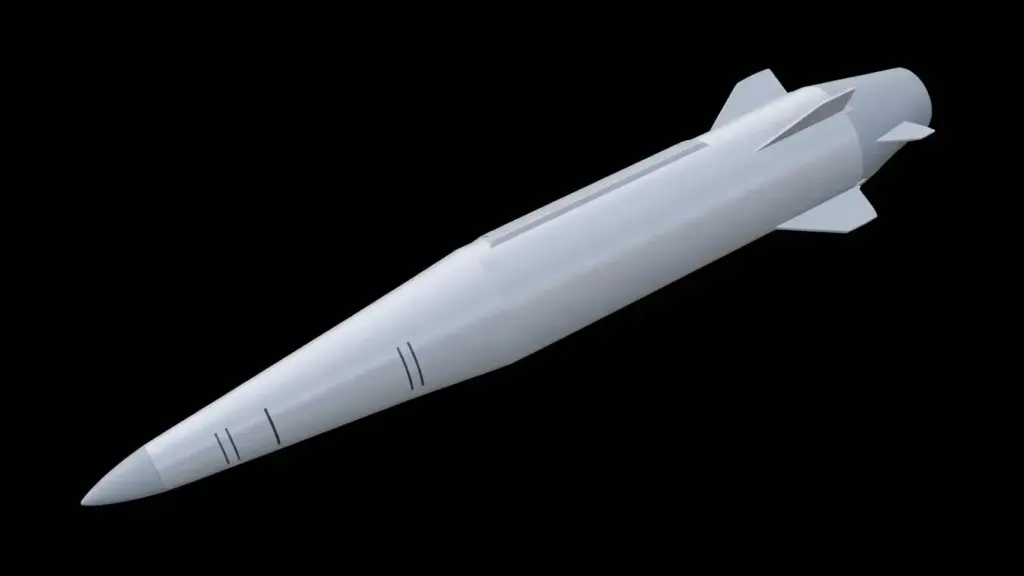
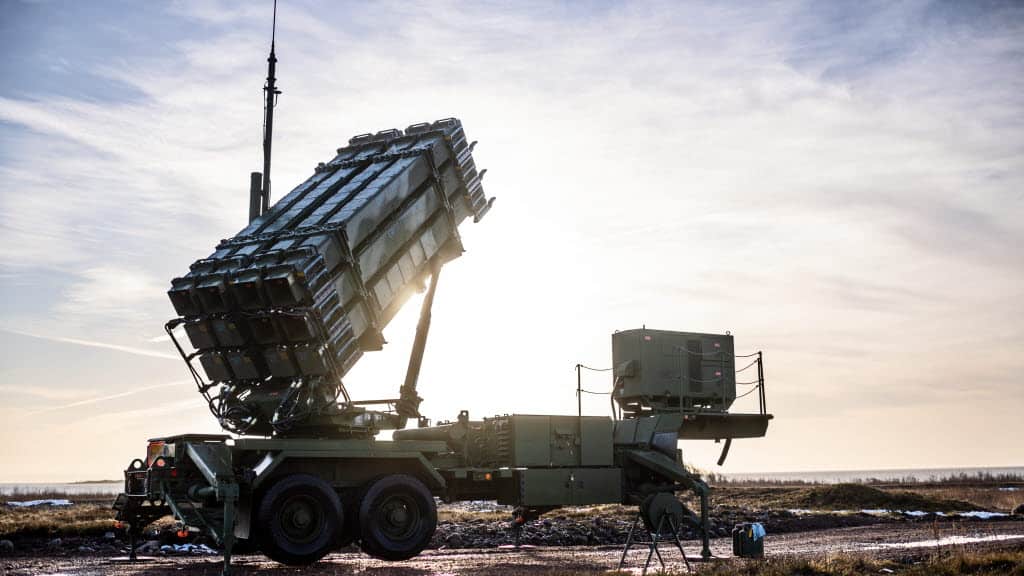

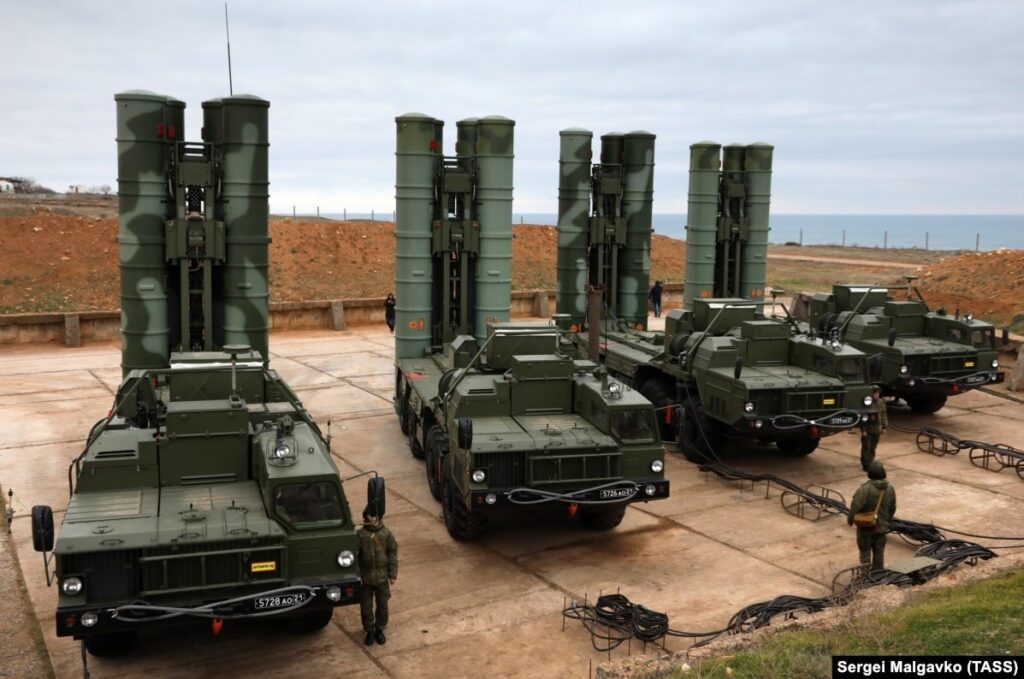
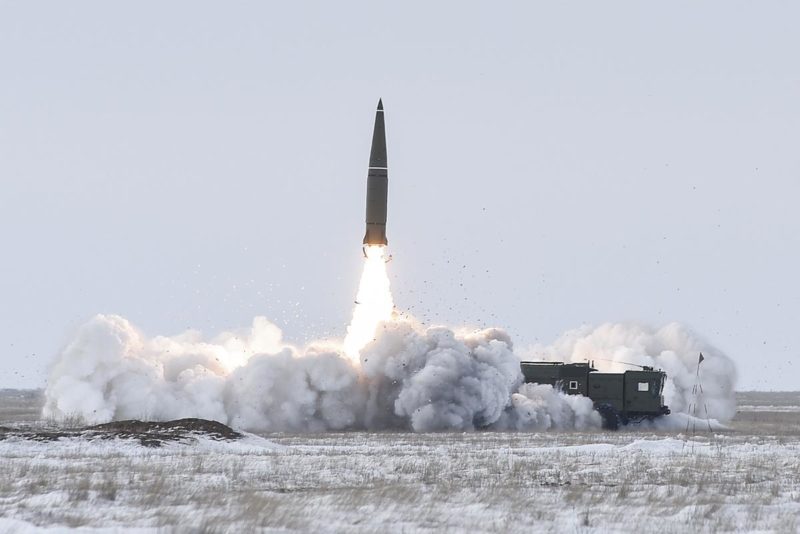

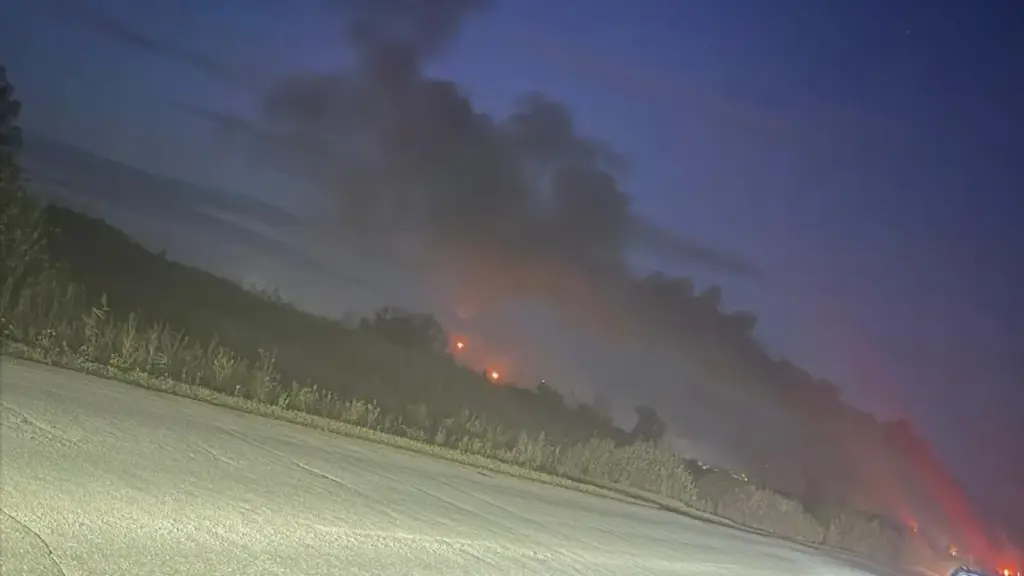


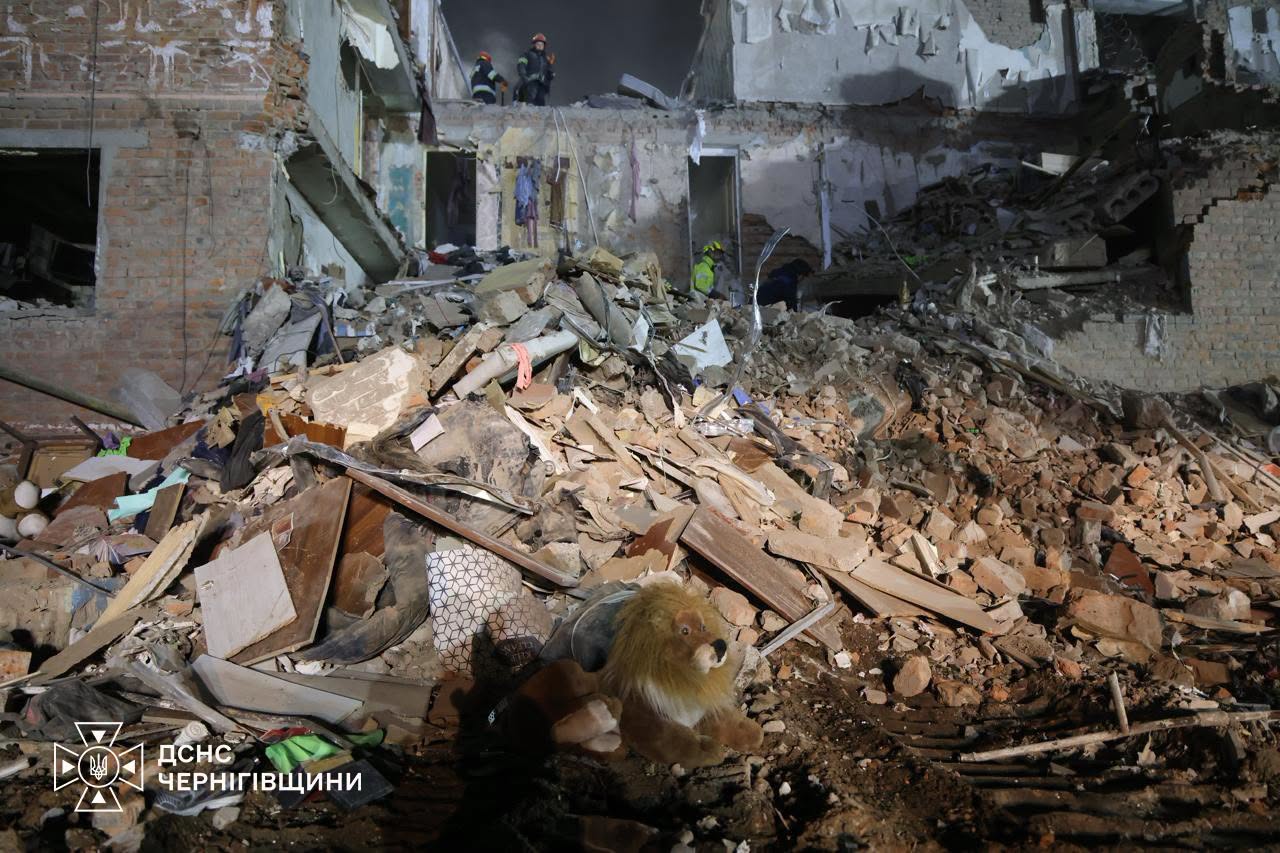

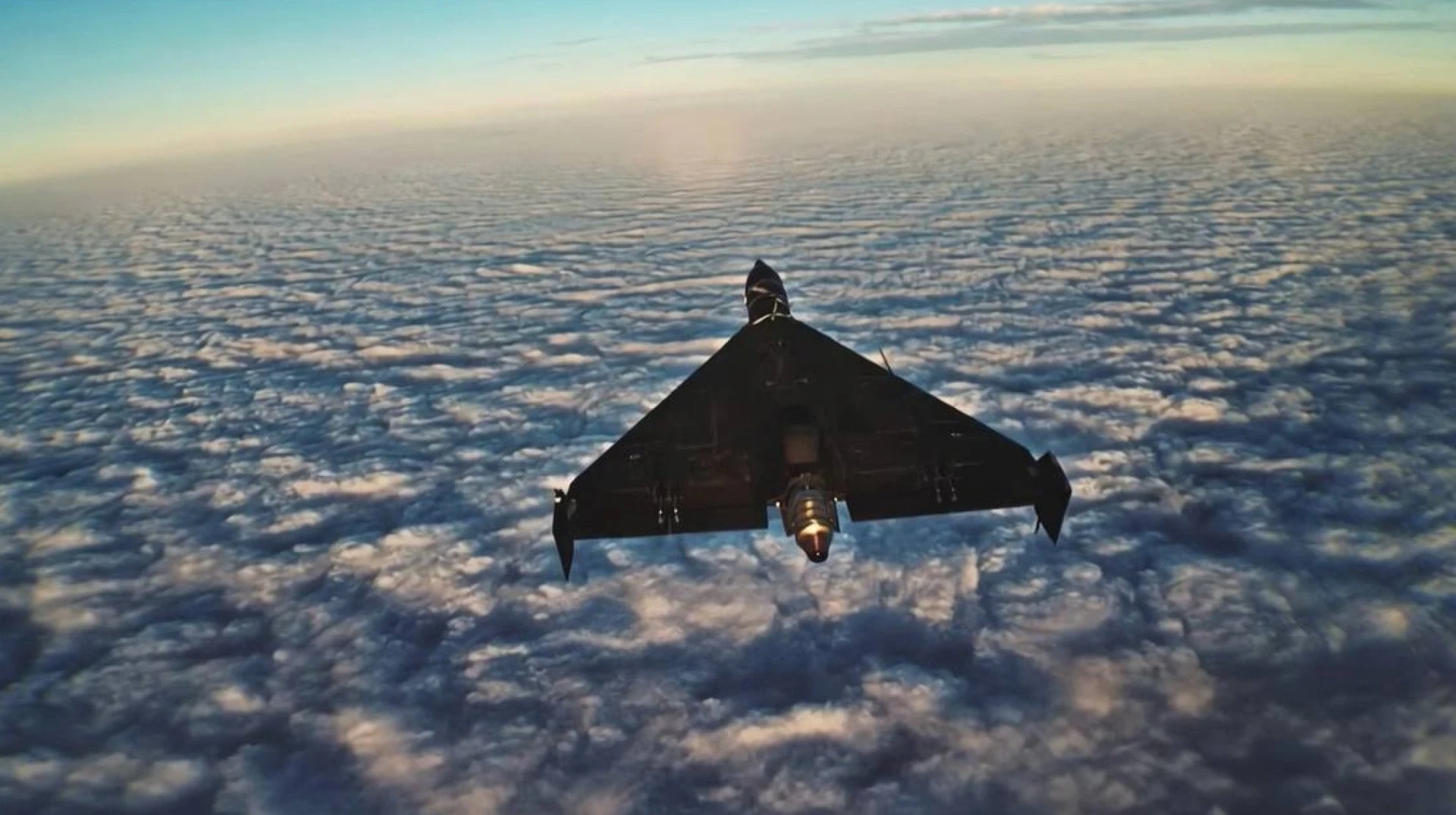

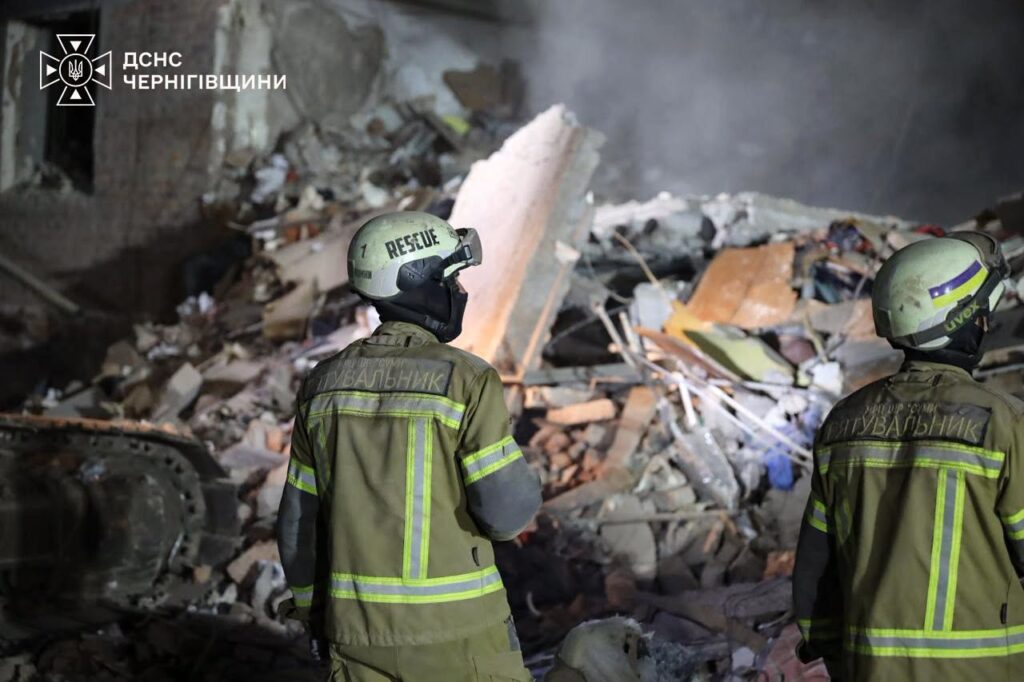
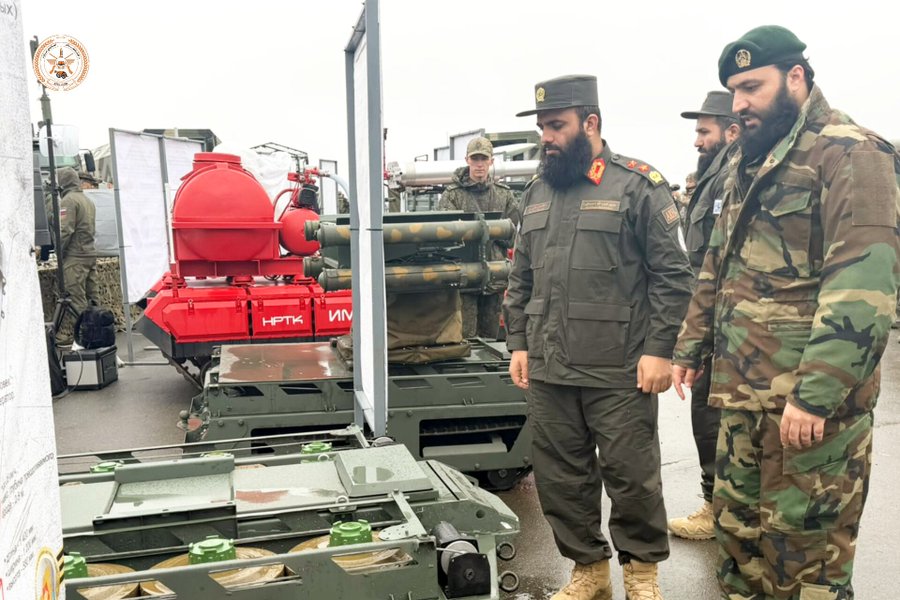
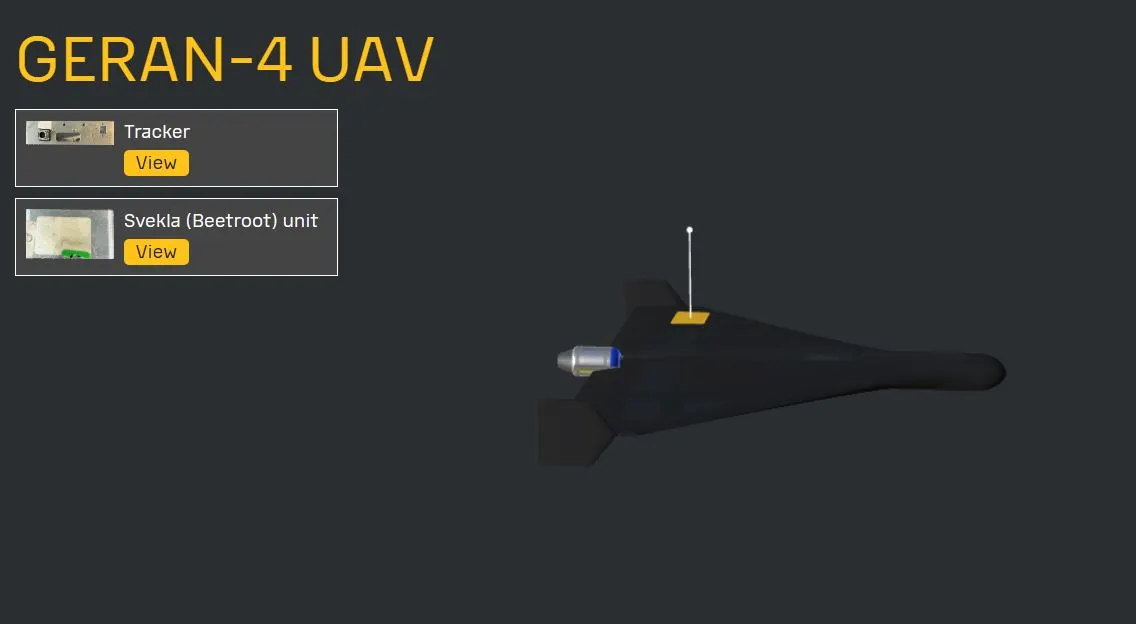
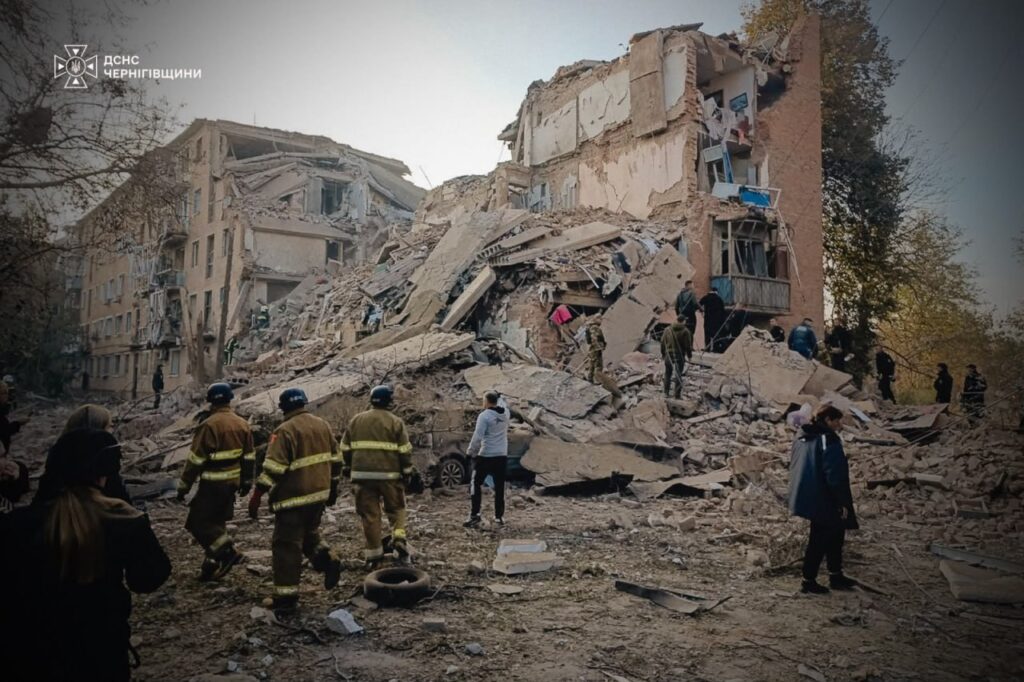
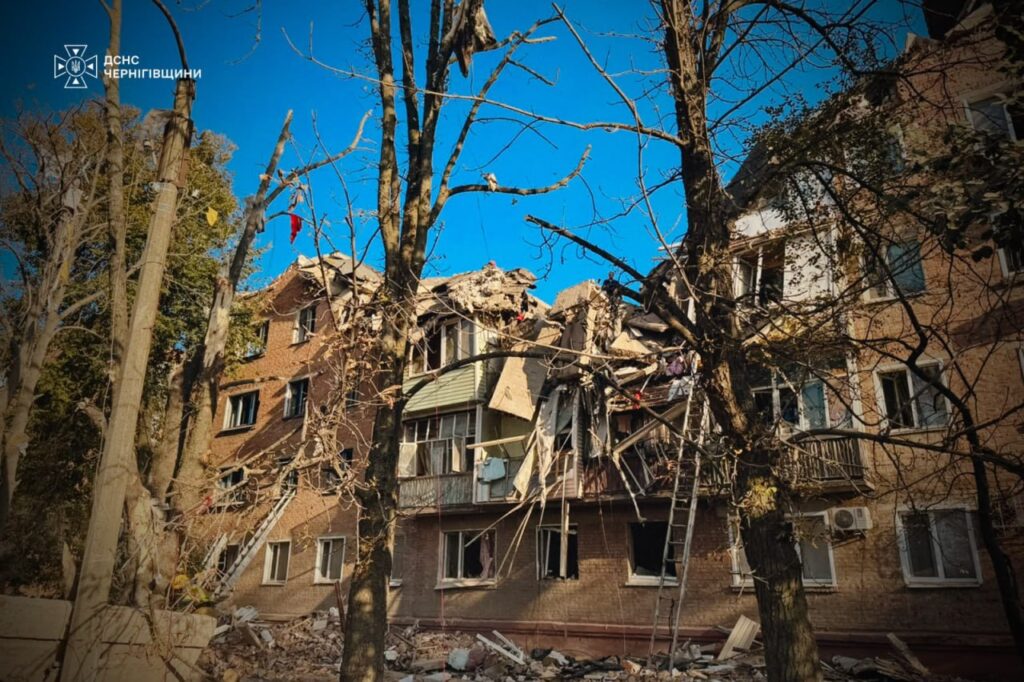


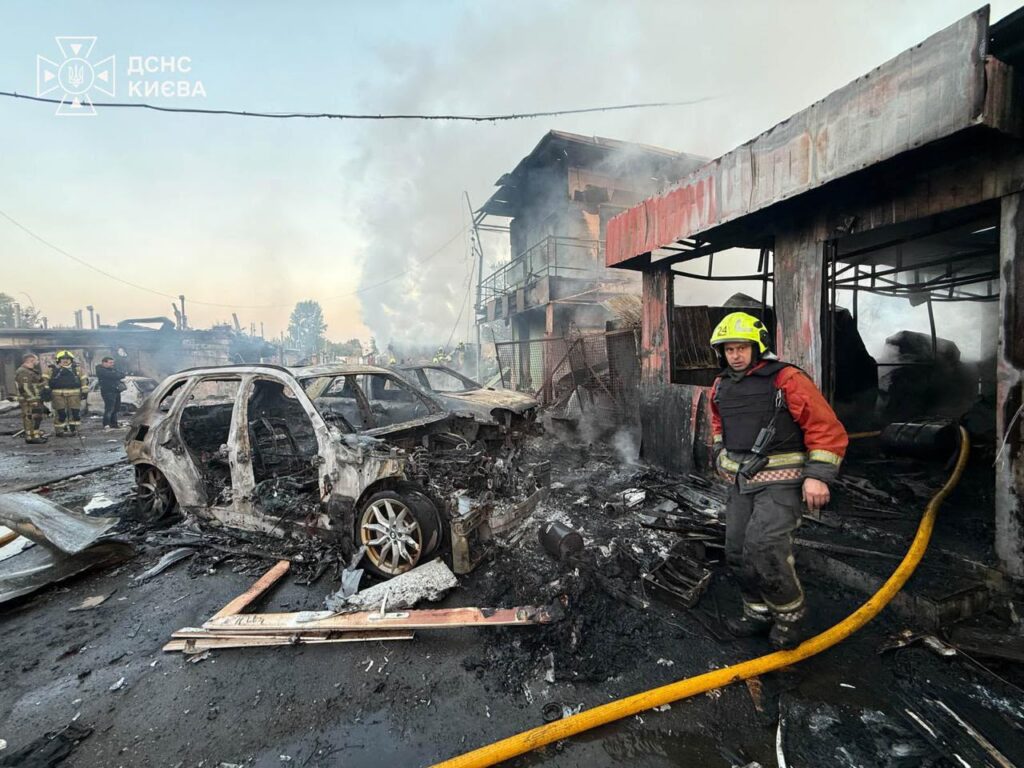
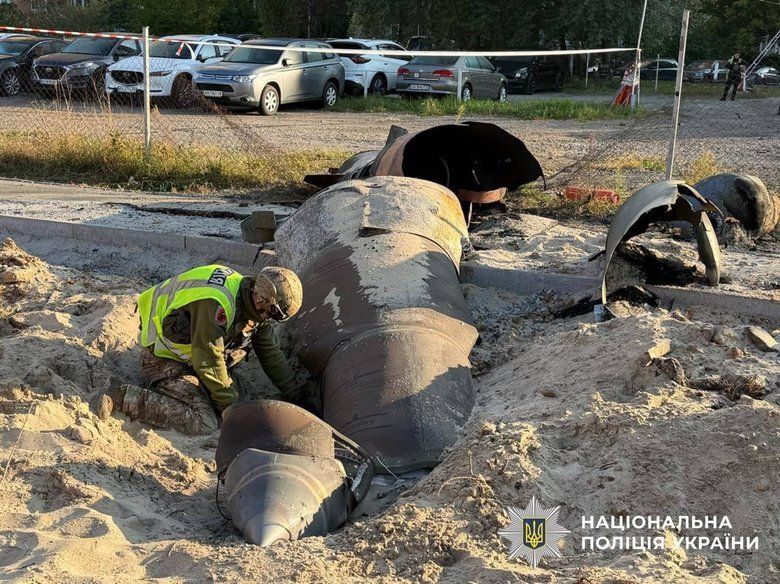


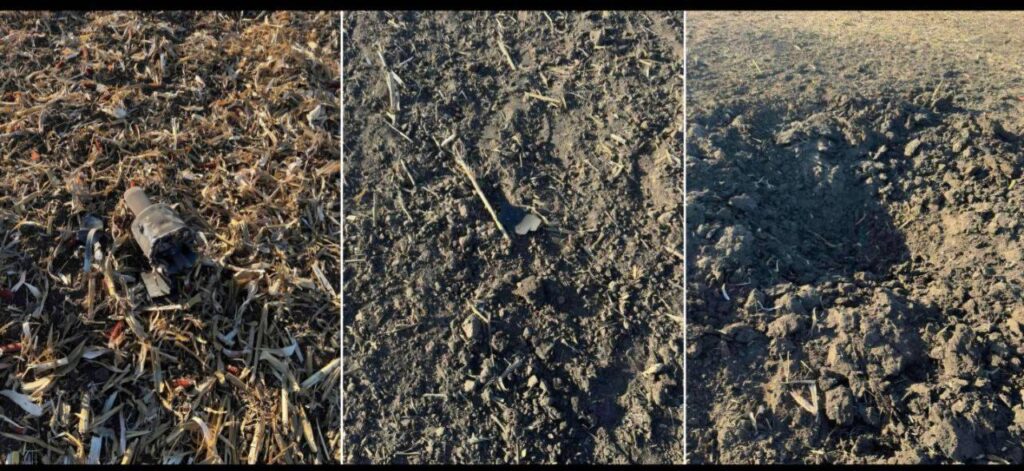

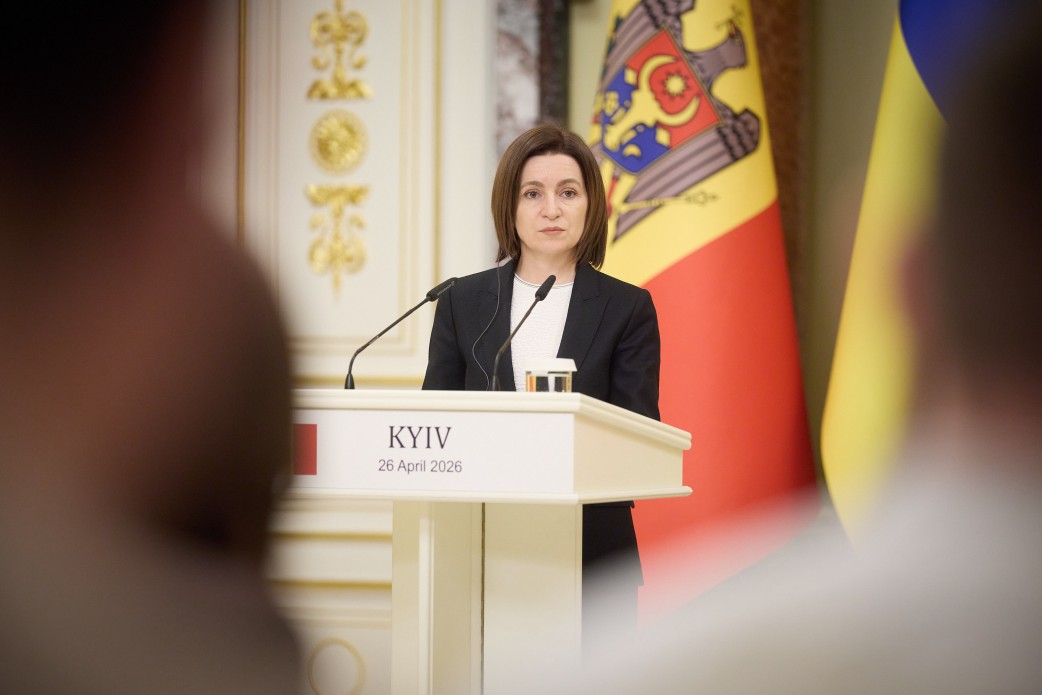
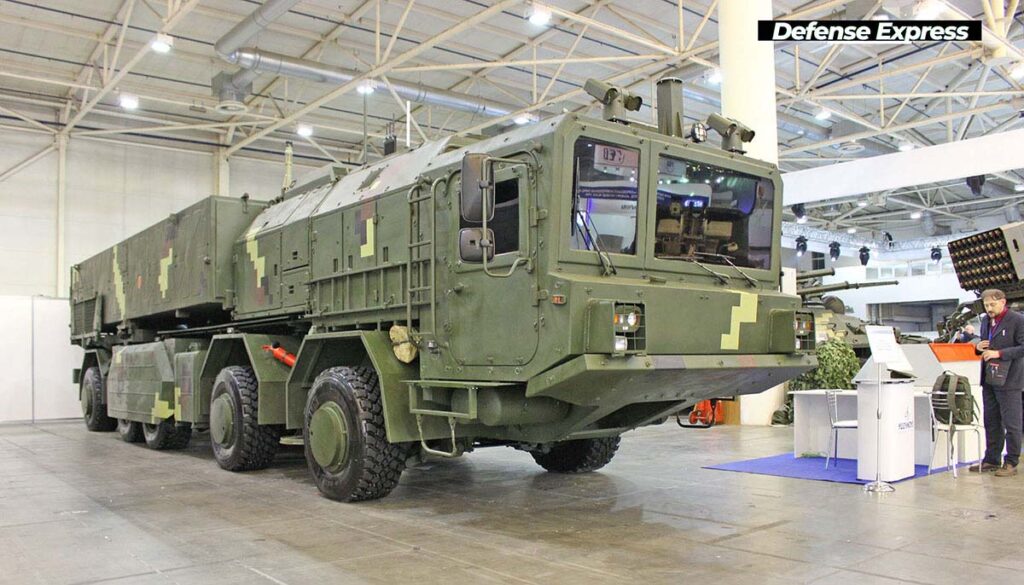

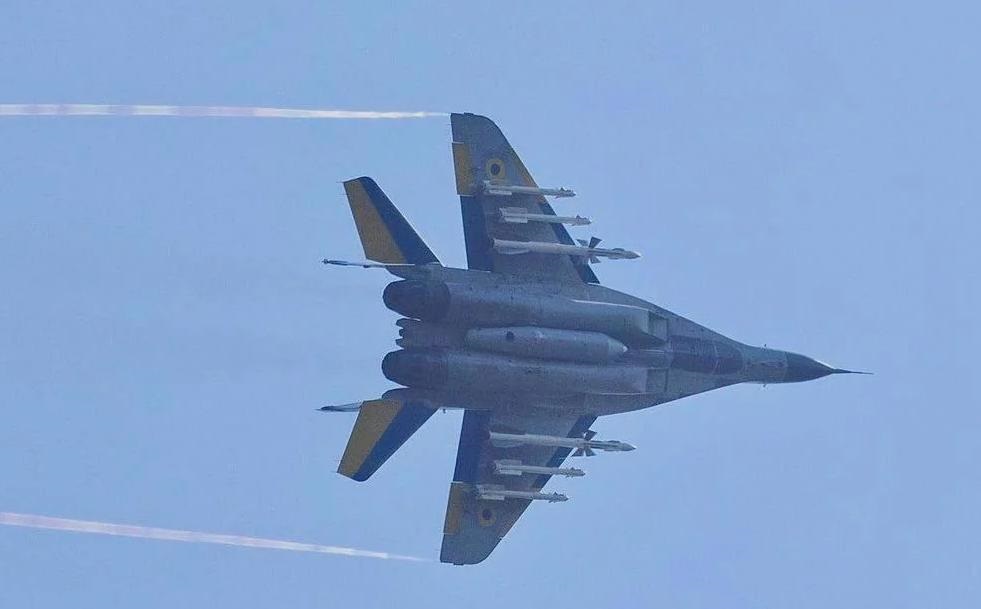
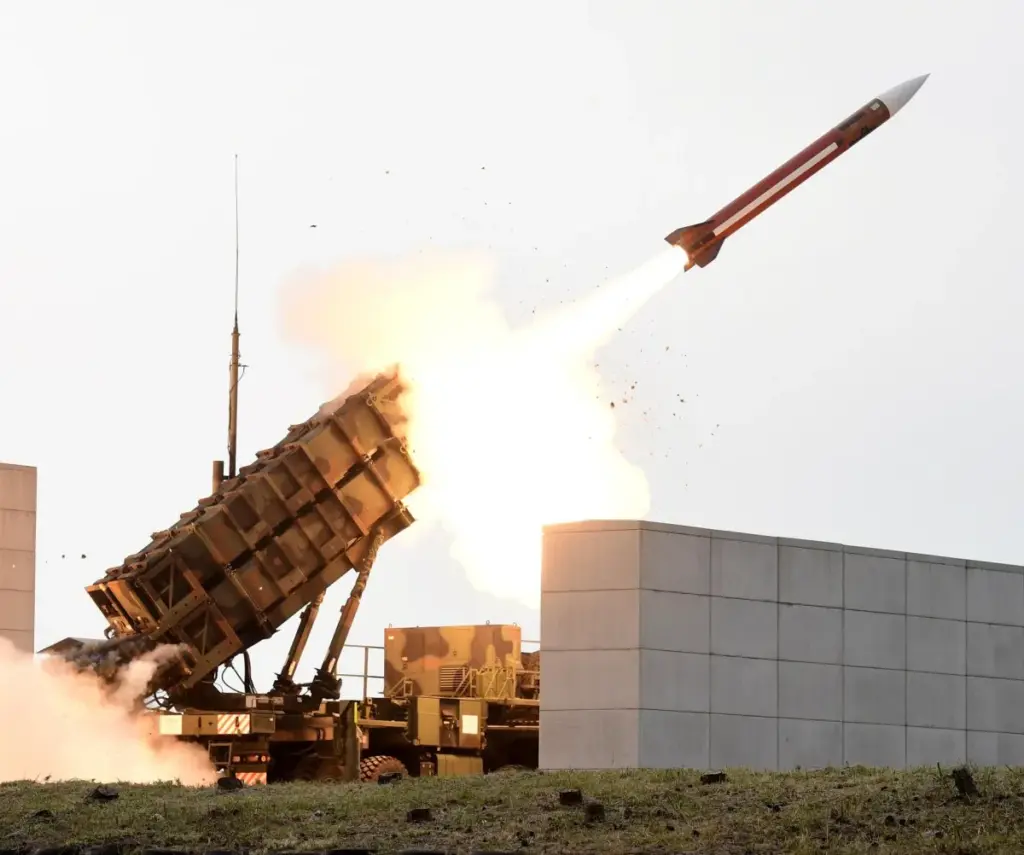

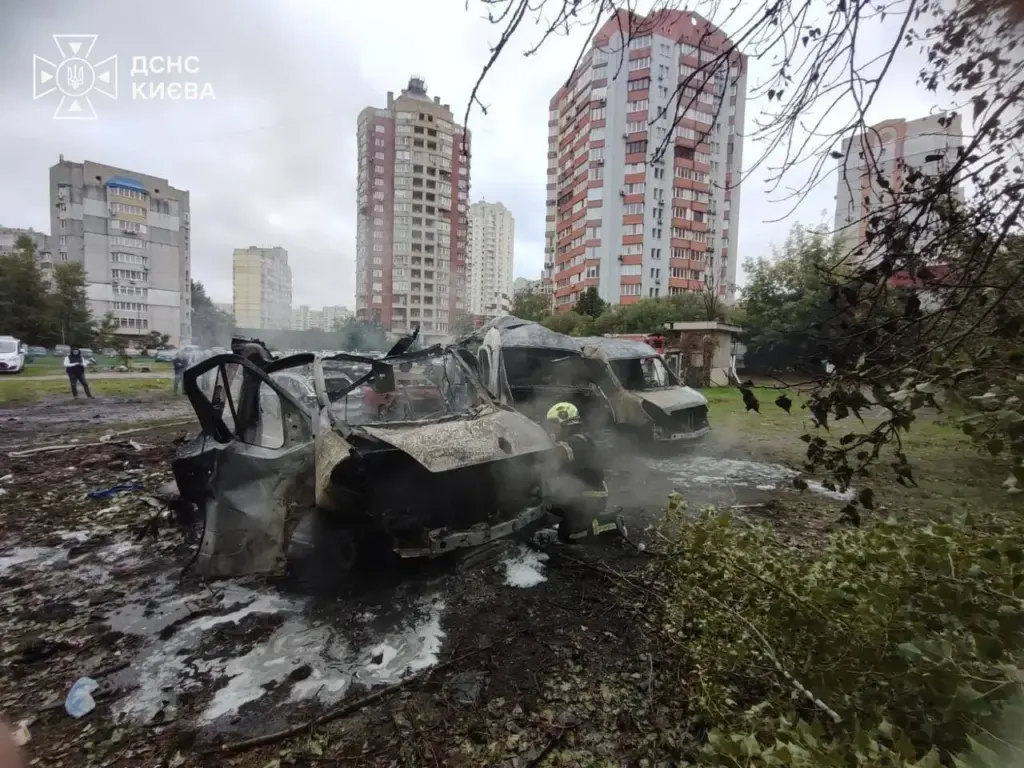

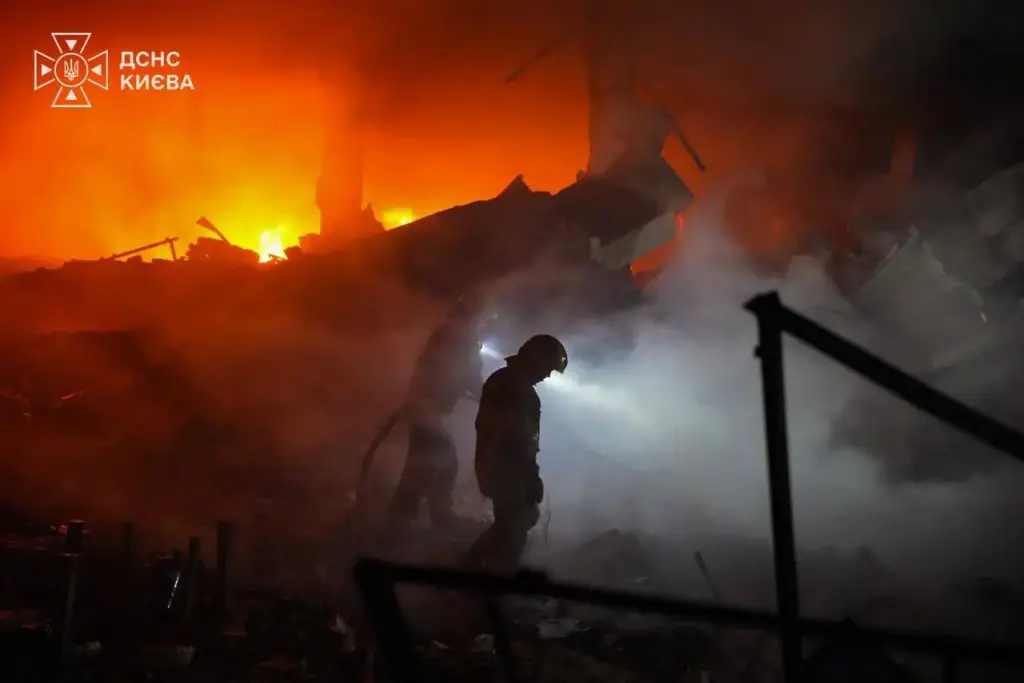

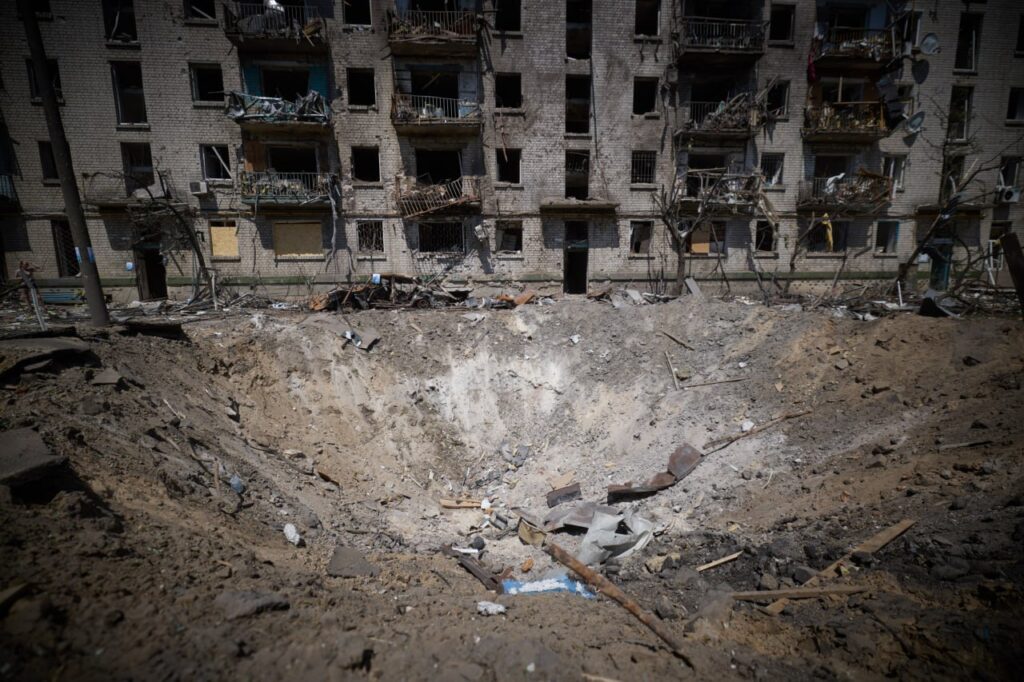
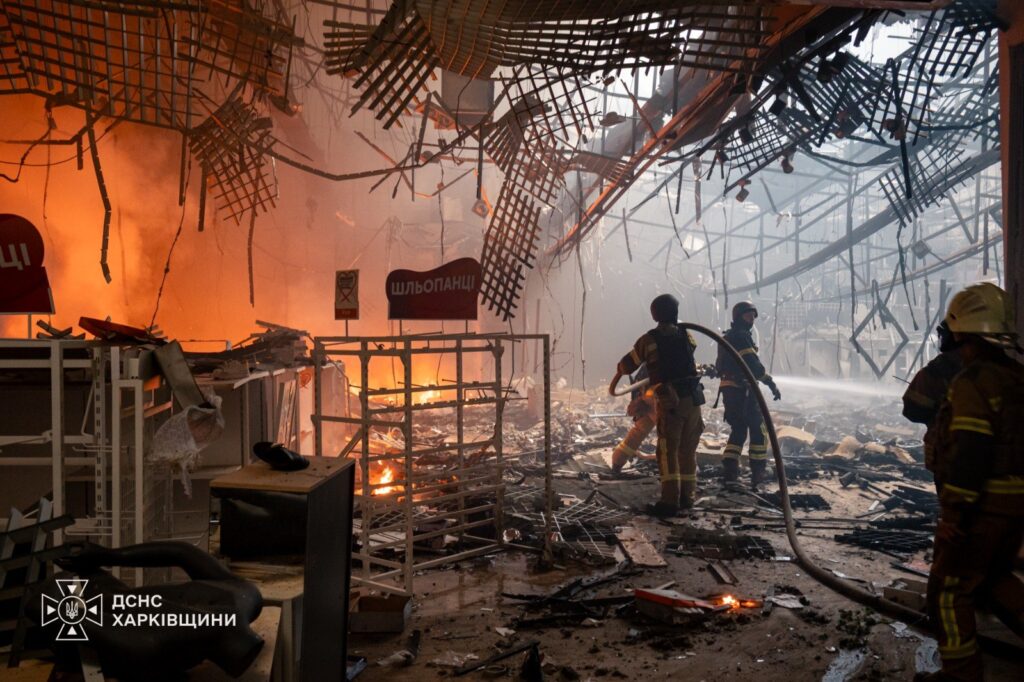
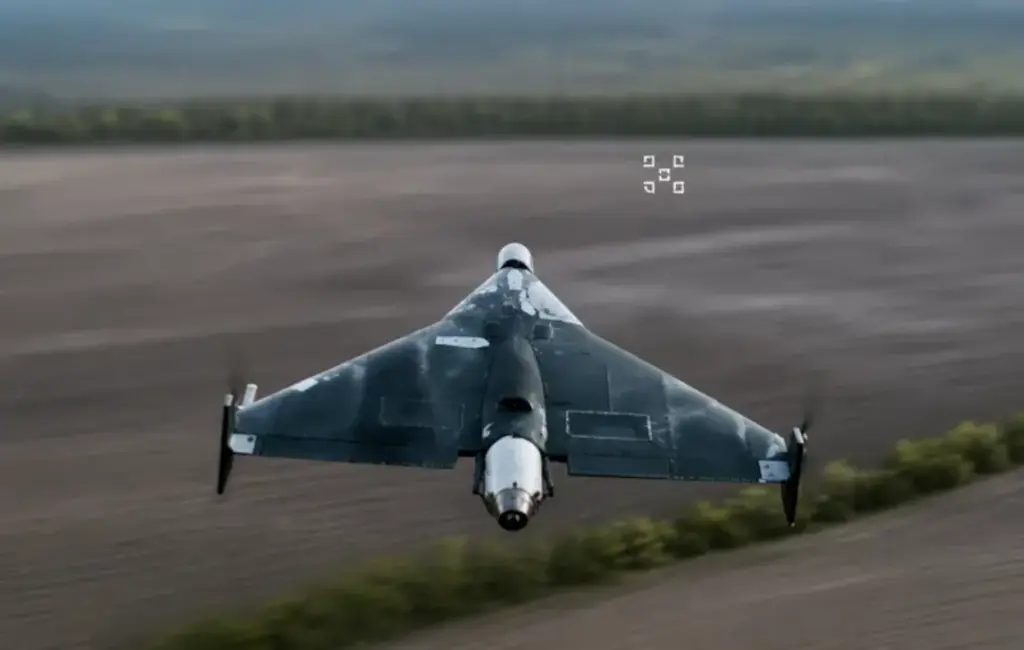
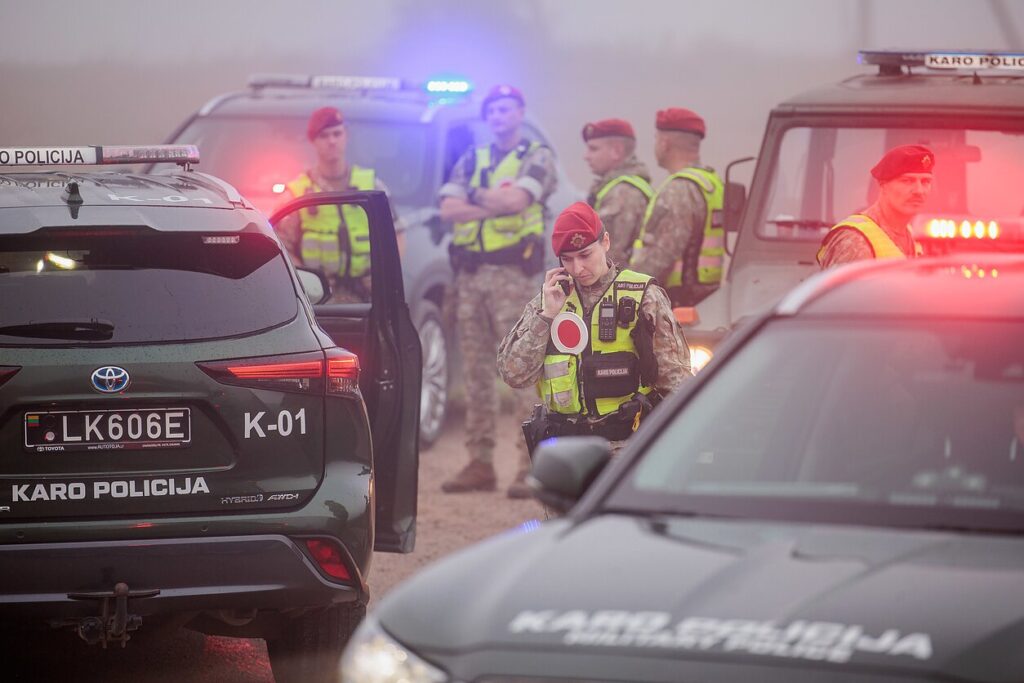

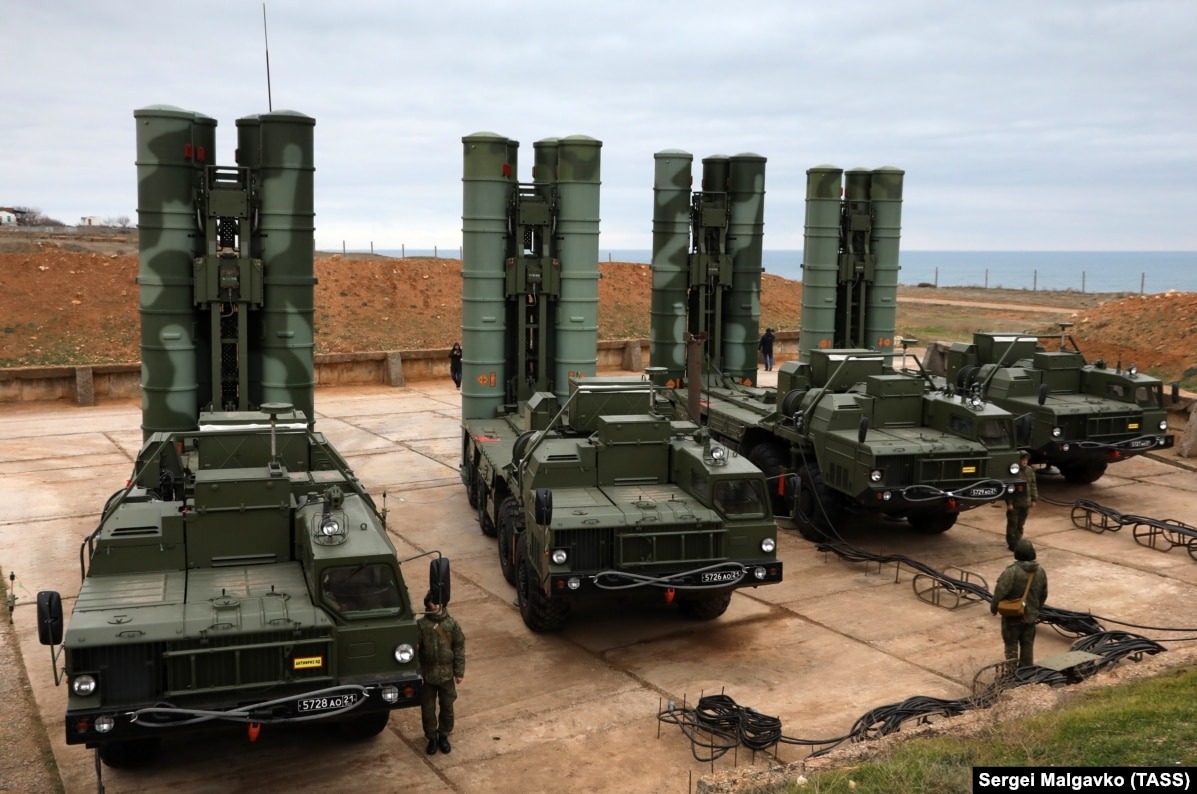
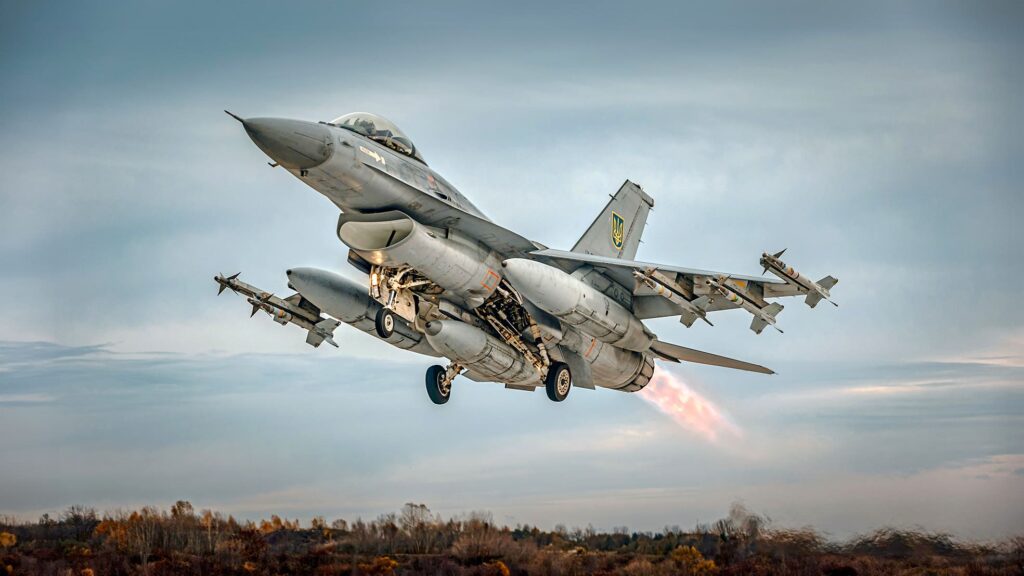
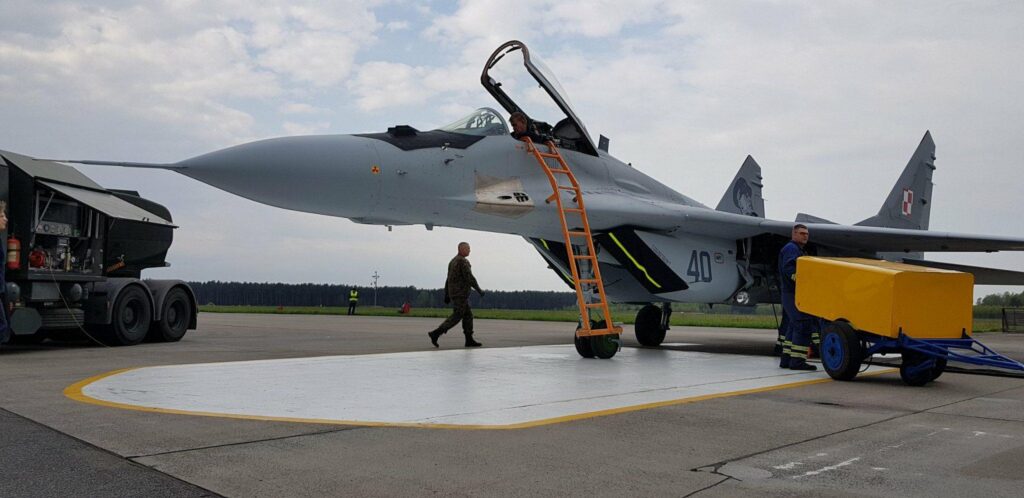
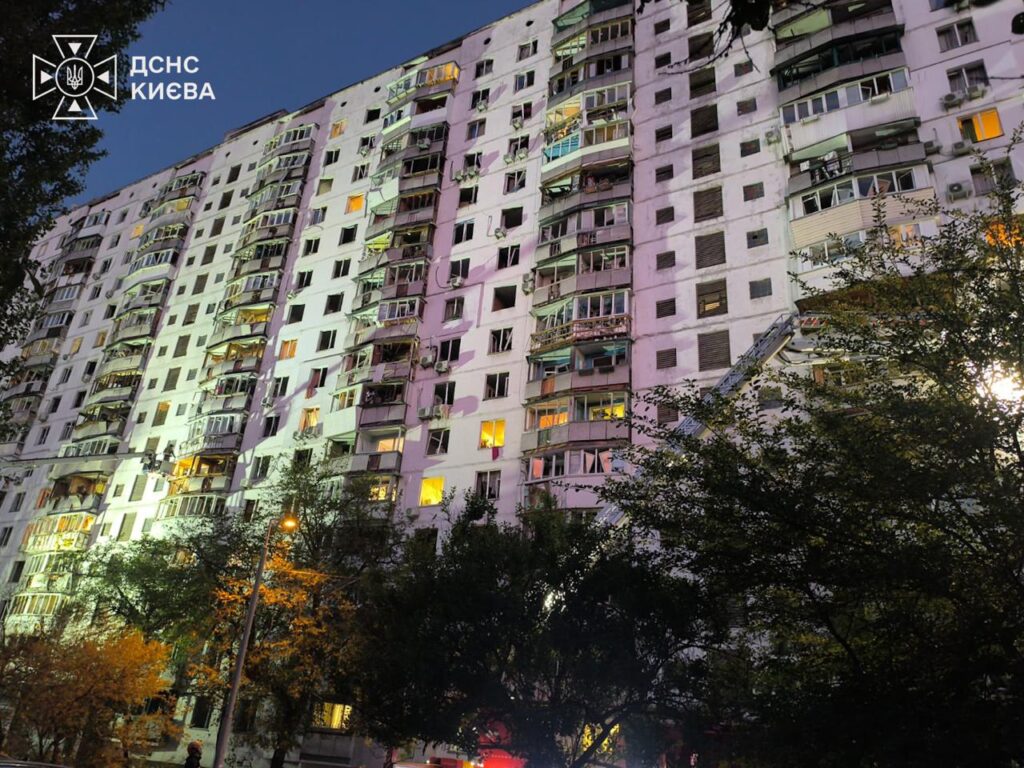
 Ukraine’s State…