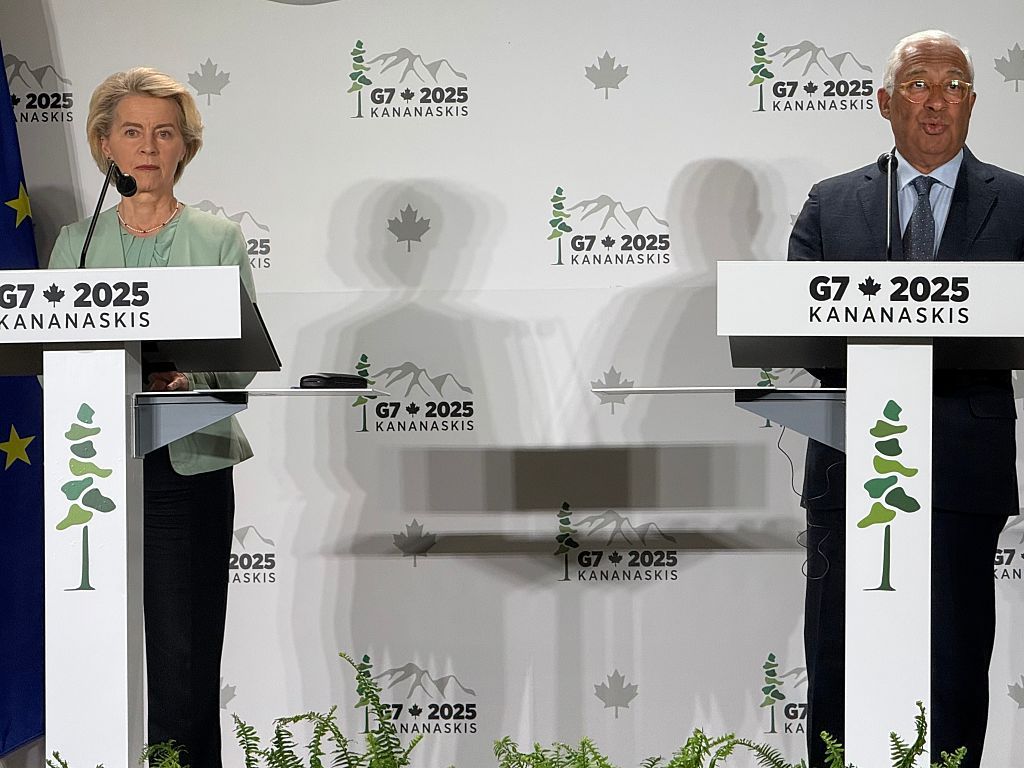
Vue normale

  • ✇Euromaidan Press
  • One Russian ship every 112 minutes for a week: Ukraine hits 14 more vessels as total tally nears 100
    Ukrainian drones hit 14 more Russian vessels — 10 tankers and four ferries — overnight on 12 July in the Sea of Azov, Unmanned Systems Forces (SBS) commander Robert "Madyar" Brovdi reported. The strikes cap a week in which Ukraine hit 90 ships serving Russia's continued occupation of Crimea and the fuel trade in the Black Sea region. Moscow, a week into the losses, has shown no visible attempt to defend its commercial shadow fleet. Russia's full-scale invasion of Ukraine is
     

One Russian ship every 112 minutes for a week: Ukraine hits 14 more vessels as total tally nears 100

12 juillet 2026 à 05:04

one russian ship every 112 minutes over six days ukraine hits 14 more vessels total tally nears 100 · post ukrainian drone closes tanker sea azov 6–12 2026 news reports

Ukrainian drones hit 14 more Russian vessels — 10 tankers and four ferries — overnight on 12 July in the Sea of Azov, Unmanned Systems Forces (SBS) commander Robert "Madyar" Brovdi reported. The strikes cap a week in which Ukraine hit 90 ships serving Russia's continued occupation of Crimea and the fuel trade in the Black Sea region. Moscow, a week into the losses, has shown no visible attempt to defend its commercial shadow fleet.

Russia's full-scale invasion of Ukraine is in its fifth year, and Kyiv is methodically burning down the Russian refineries, terminals, and fuel logistics that fund and feed the invasion — pressure designed to make the war too expensive for Moscow to sustain. Every drifting tanker chips at the two things Moscow cannot easily replace — export revenue and a fuel line to occupied Crimea — and the widening of the hunt, met by zero Russian resistance, leaves the garrison on the peninsula facing an ever-hungrier siege.

One vessel every 112 minutes 

This morning, Brovdi wrote:

"14 vessels on the night of 12 July: 10 tankers and 4 ferries," the commander said, adding that this puts the week of 6–12 July at 90 units of Russia's shadow fleet hunted down by the "birds" of SBS. 
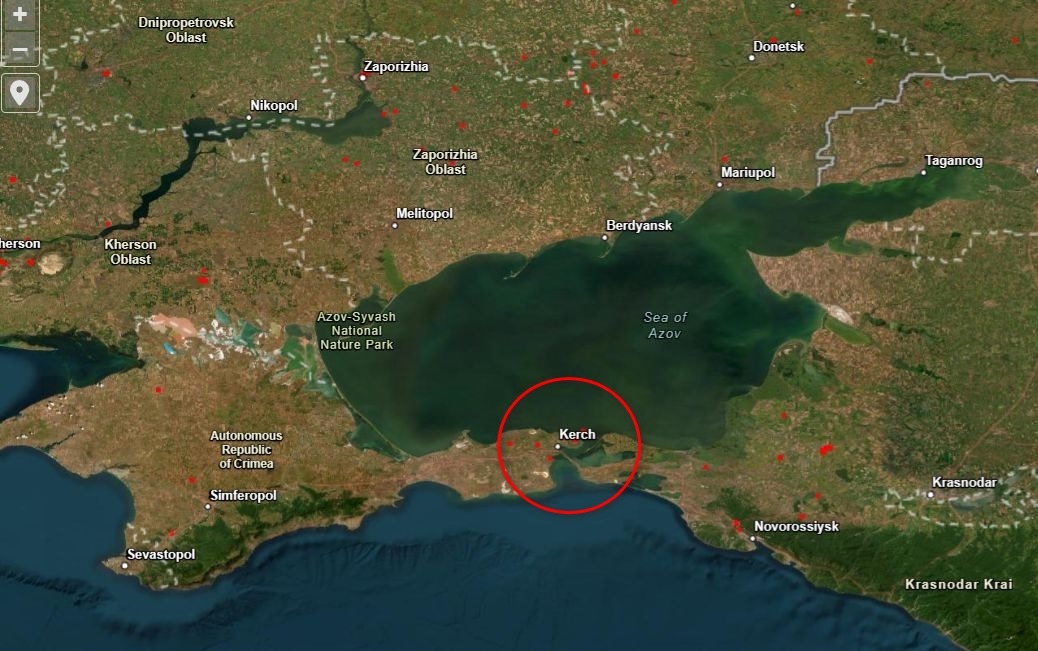
one russian ship every 112 minutes over six days ukraine hits 14 more vessels total tally nears 100 · post fires occupied south including crimea sea azov 12 2026 hnapu6cxkaaziaj
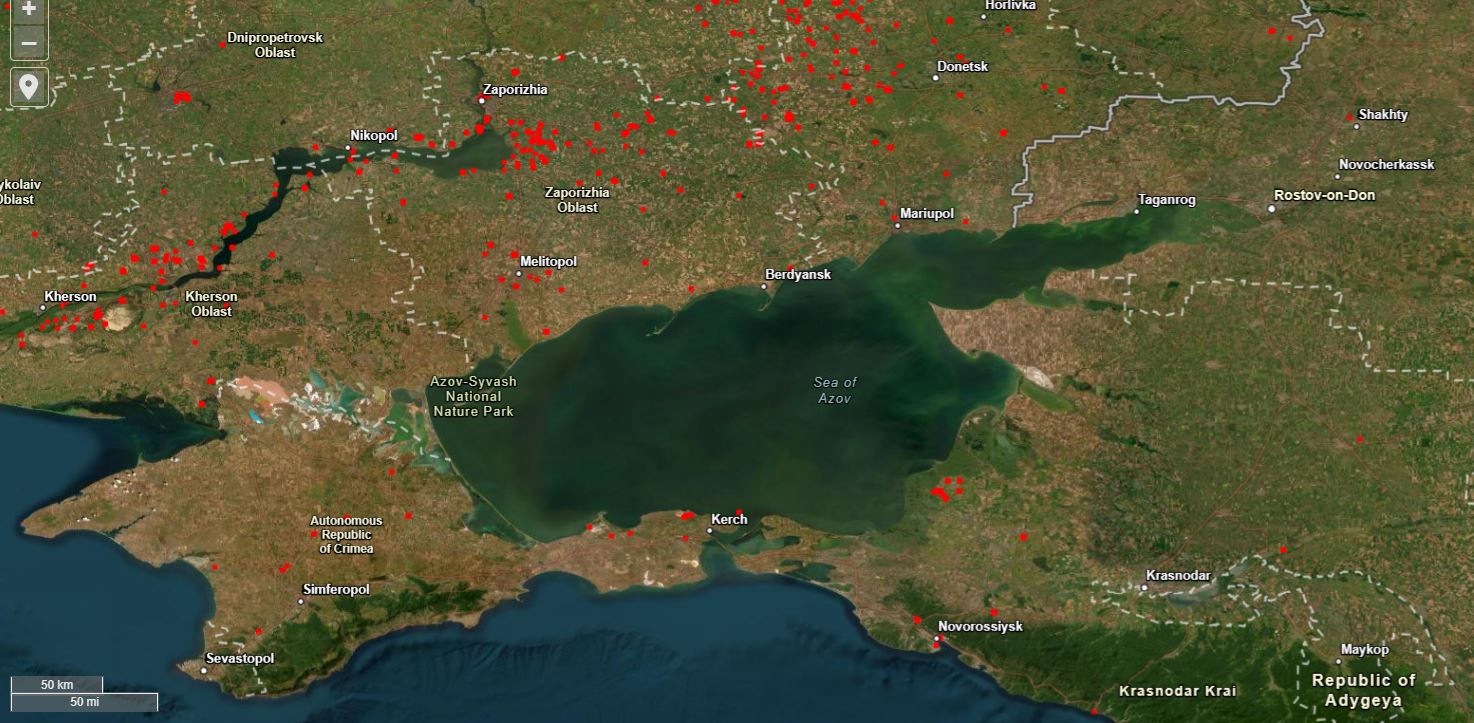
Fires in occupied south of Ukraine, including Crimea and the Sea of Azov on 12 July 2026. Map: NASA FIRMS

That works out to one Russian tanker, tug, dry cargo carrier, or special vessel struck every 112 minutes of the week. 

"Moscow will fall," the commander added.

His post carries video of the strikes:

14 more Russian vessels hit overnight — July's tally reaches 91 ships

Ukraine's drone forces struck 10 tankers and four ferries in the Sea of Azov on the night of 12 July, commander Robert "Madyar" Brovdi reported with video, capping one hit every 112 minutes.

Earlier,… pic.twitter.com/ZytDbisS8a

— Euromaidan Press (@EuromaidanPress) July 12, 2026

Among the identifiable targets are the ferries Mariya, Yeysk, and Sky One — the latter hit in the port of occupied Kerch by pilots of the 413th Raid Regiment — plus an unnamed ferry used for transport across the Kerch Strait.
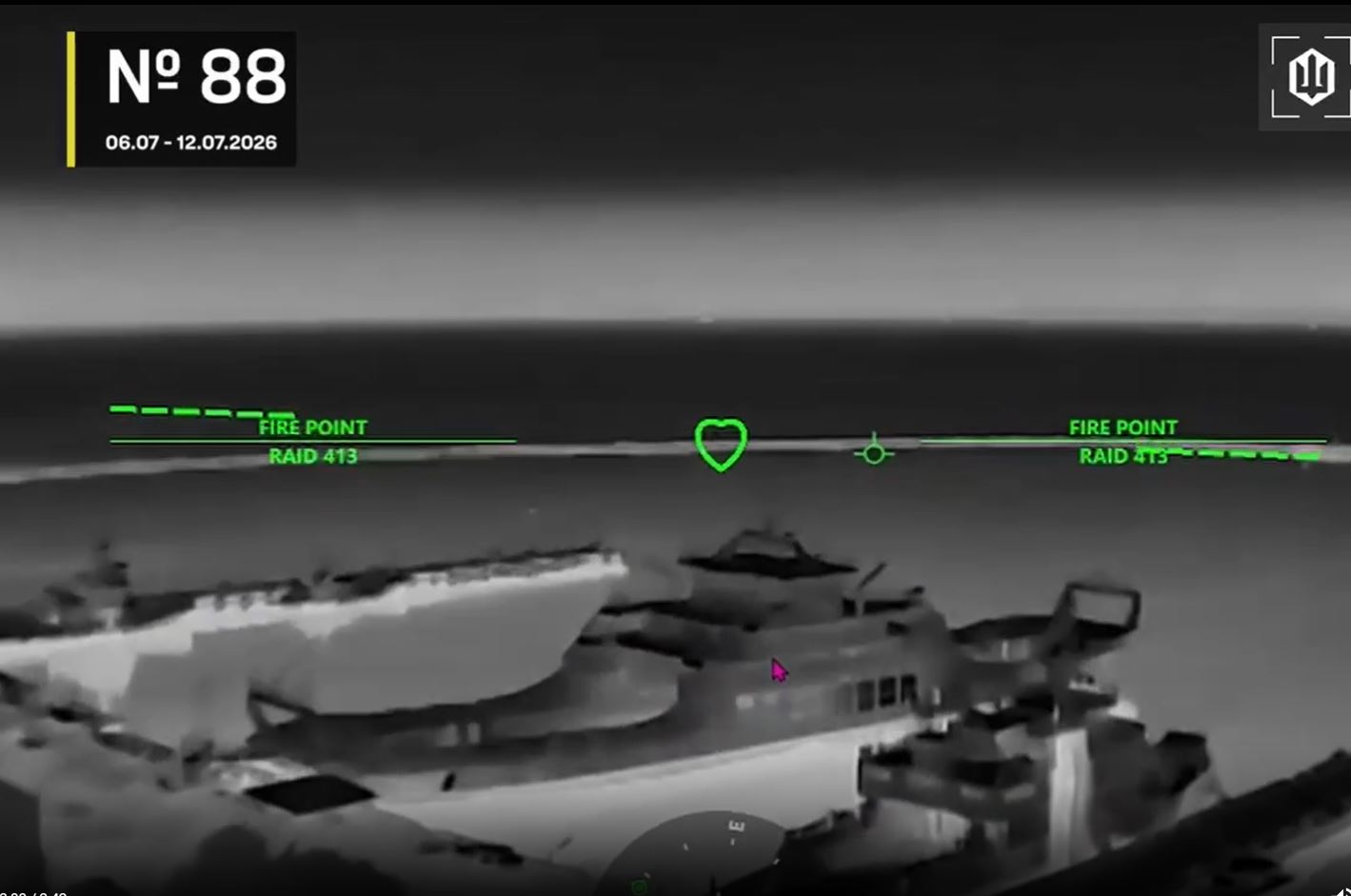
one russian ship every 112 minutes over six days ukraine hits 14 more vessels total tally nears 100 · post ukrainian drone approaches ferry mariya port occupied kerch crimea 6–12
A Ukrainian drone approaches the ferry Mariya in the port of occupied Kerch, Crimea, 6–12 July 2026. Screenshot: Robert "Madyar" Brovdi/Telegram

The SBS's live scoreboard currently shows 14 new strikes on Russian shipping. The tally can move in either direction during the day — up or down — as internal reports get verified. The total of Russian ships hit in July now stands at 91.

NASA FIRMS satellite data shows fires in the usual location — the anchorage north of occupied Kerch.
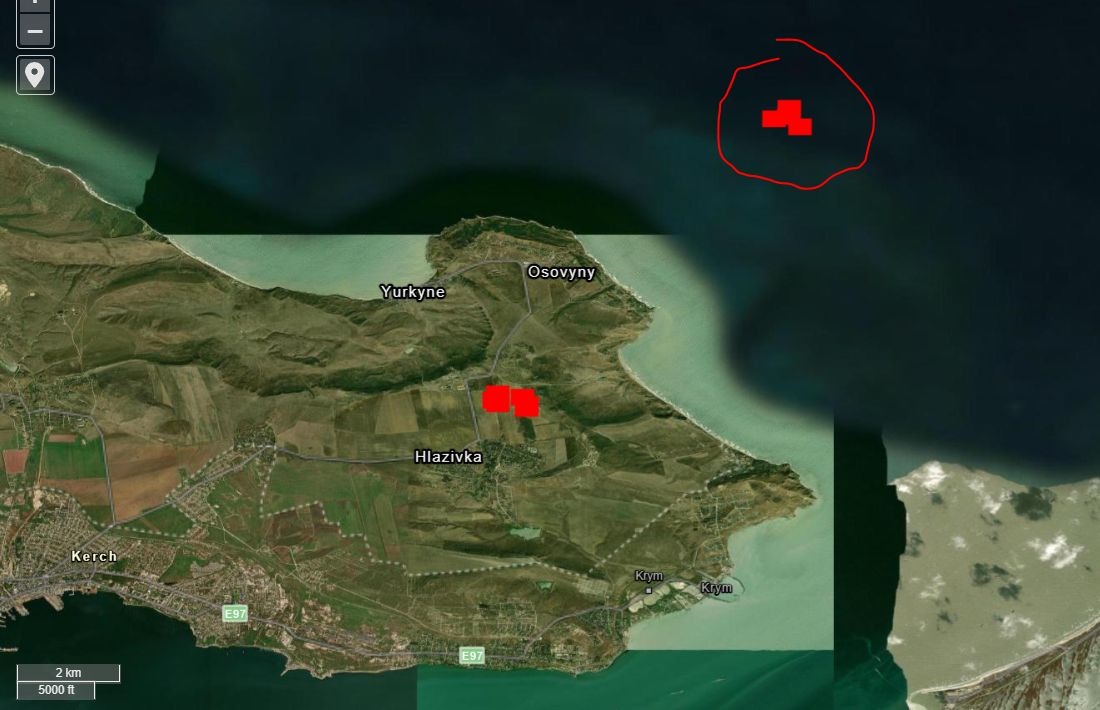
one russian ship every 112 minutes over six days ukraine hits 14 more vessels total tally nears 100 · post fires sea azov 12 2026 north occupeid kerch hnapu8dwcaaqi2u news
Fires in the Sea of Azov on 12 July 2026 north of occupeid Kerch. Map: NASA FIRMS

Small tankers, double duty

The shadow fleet tankers under attack are not blue-water, ocean-going ships. They are smaller—yet mostly also sanctioned—vessels built for Russia's internal waterways, sized to squeeze through the Volga-Don Canal. Russia has moved them en masse to the Azov and Black seas for two jobs: pumping export fuel at sea into ocean-going shadow-fleet tankers sailing with trackers switched off, and supplying occupied Crimea.

Damaging them en masse kills two birds with one stone. Each disabled tanker cuts the volume of Russian oil exports at the source and tightens the noose around the occupied peninsula. And beyond the material damage sits the sheer shame: shipping disabled in such quantities has not been seen since World War II.

Disable, don't sink

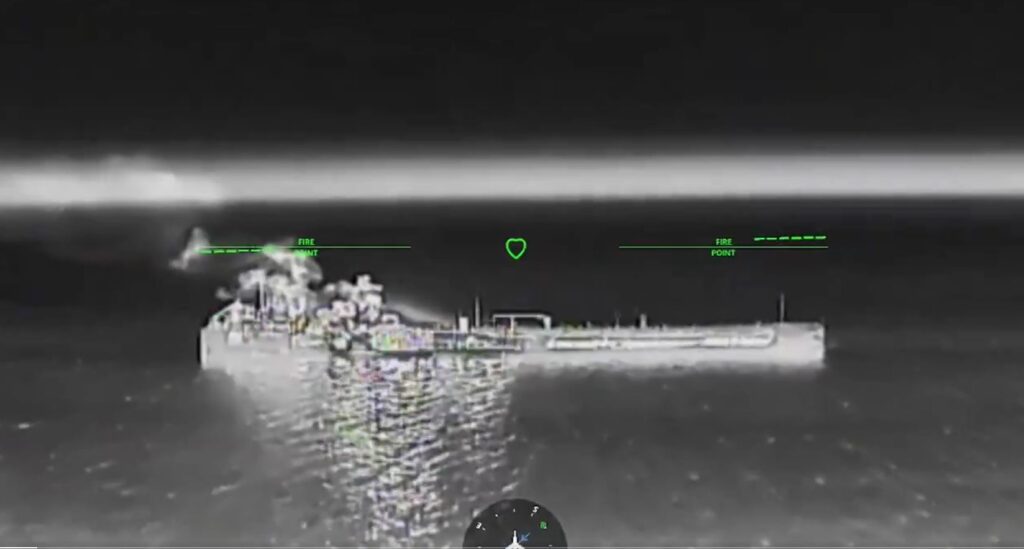
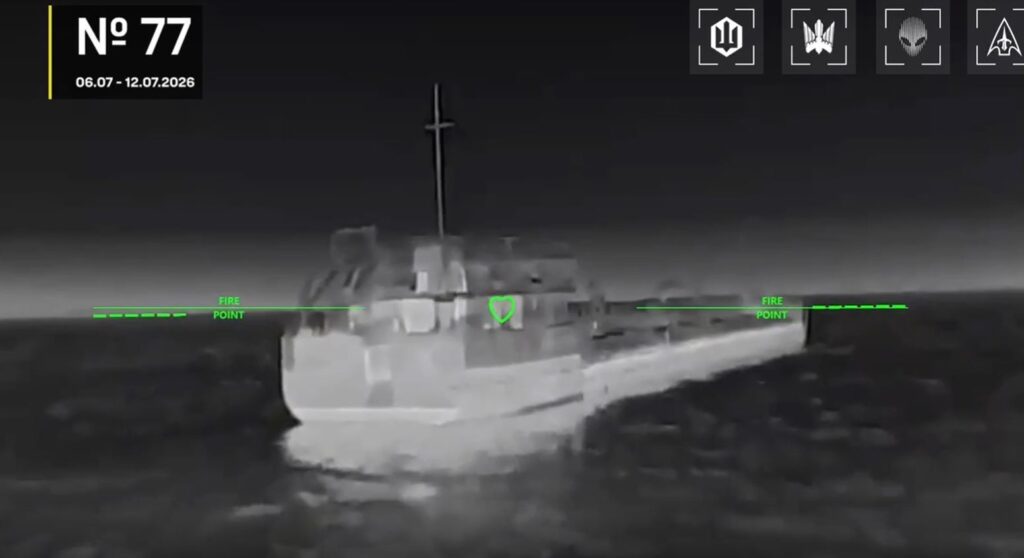
Madyar's videos show the method. Ukrainian drones consistently go for the ships' superstructure and bridge, or sometimes the propulsion section at the stern. The goal appears to be to render the vessels uncontrollable rather than send them under.
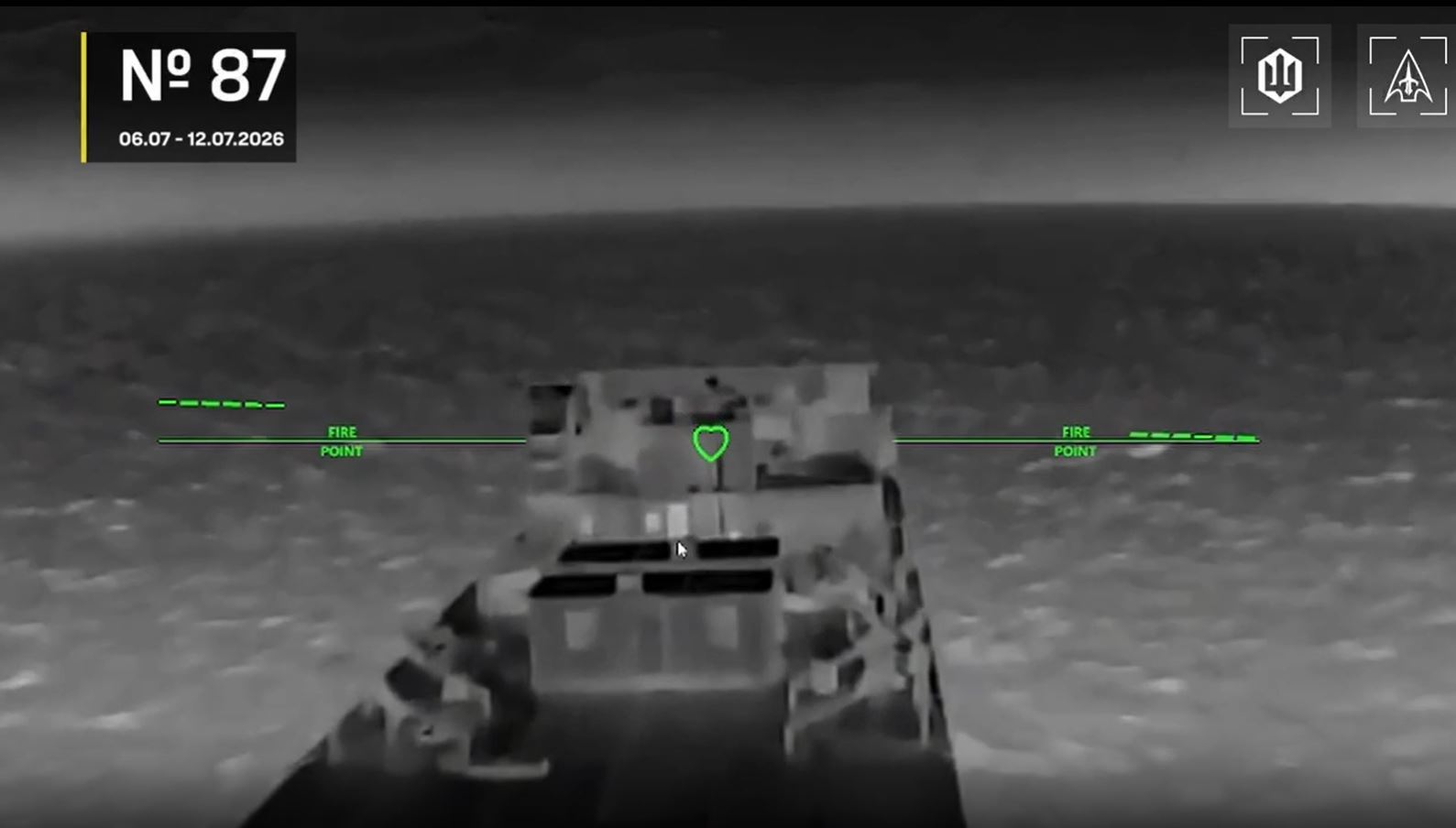
one russian ship every 112 minutes over six days ukraine hits 14 more vessels total tally nears 100 · post ukrainian drone aims ship's bridge sea azov — typical targeting
A Ukrainian drone aims at a Russian ship's bridge in the Sea of Azov — the typical targeting point used to disable vessels rather than sink them, 6–12 July 2026. Screenshot: Robert "Madyar" Brovdi/Telegram

Sinking would demand more drones per ship — and would cause an ecological disaster in the shallow Sea of Azov. Moreover, the tugs that come to evacuate the ships-turned-barges become the next targets.

Russia can't fight back

About a week into the campaign against its shipping, Russia has shown no sign of trying to protect the vessels — no warplanes or helicopters, no navy ships, not even onboard firearms. Some ships display metal bars rigged in front of the bridge, a passive, improvised anti-drone screen that is useless against the powerful FP-1 and FP-2 strike drones. 
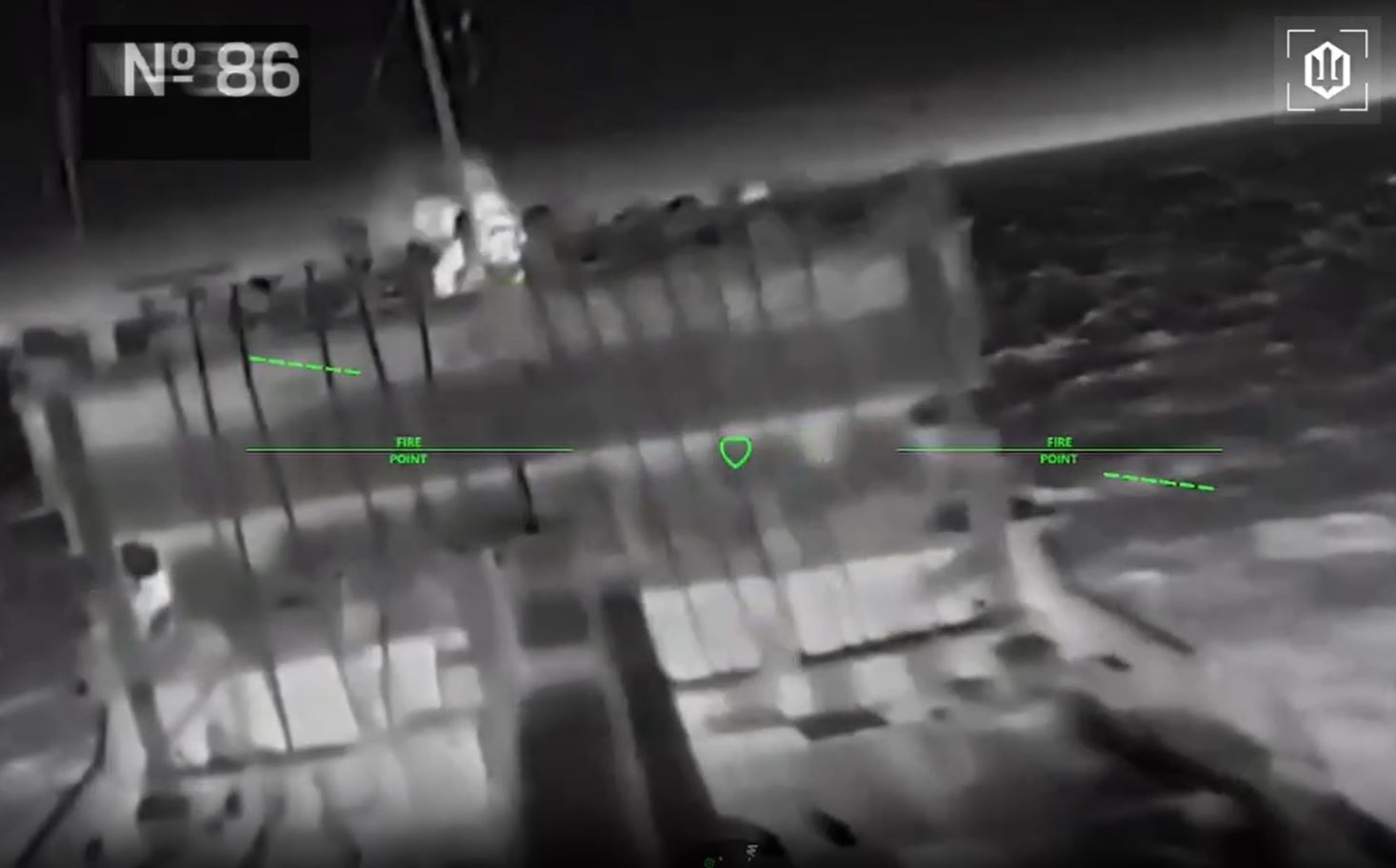
one russian ship every 112 minutes over six days ukraine hits 14 more vessels total tally nears 100 · post improvised metal bars rigged shield vessel's superstructure — passive protection
Improvised metal bars rigged to shield a Russian vessel's superstructure — passive protection useless against Ukraine's FP-1 strike drones, 6–12 July 2026. Screenshot: Robert "Madyar" Brovdi/Telegram

Moscow's only visible reaction has been retreat: it halted shipping through the Don-Azov canal and closed the Kerch Strait after the tanker strikes — pulling its disabled vessels off the water instead of defending them.
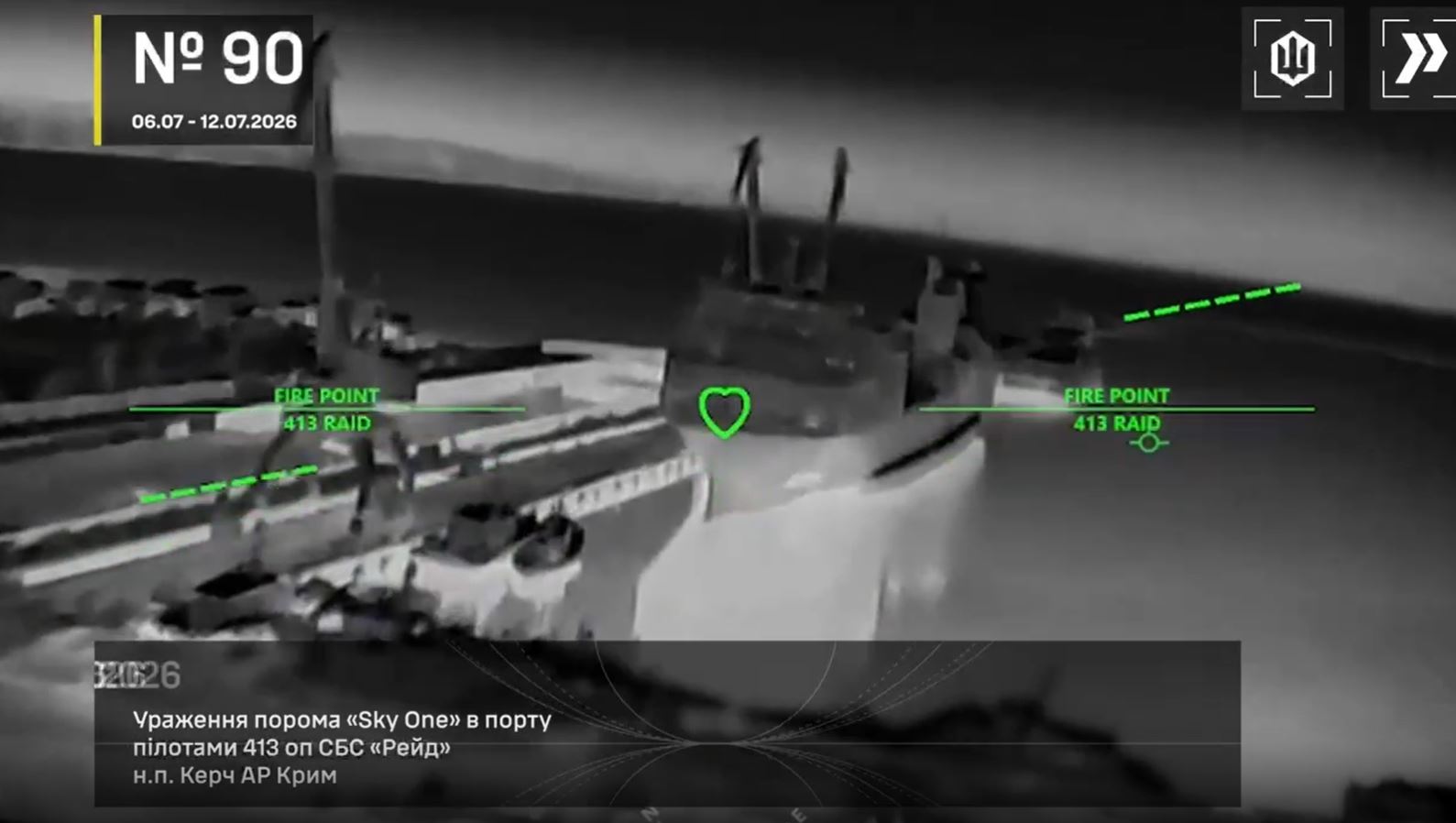
one russian ship every 112 minutes over six days ukraine hits 14 more vessels total tally nears 100 · post ukrainian drone closes ferry sky port occupied kerch crimea strike
A Ukrainian drone closes on the ferry Sky One in the port of occupied Kerch, Crimea, in a strike by pilots of the 413th Raid Regiment of the Unmanned Systems Forces, 6–12 July 2026. Screenshot: Robert "Madyar" Brovdi/Telegram

The pace shows why. Just the night before, the tally was staggering: "28 vessels of Russia's shadow fleet hunted down on the night of 11 July in the Azov Sea by the Birds of SBS," Madyar wrote yesterday: 

+28 more 🚢
💥 USF Operators Struck 28 More Enemy Vessels Overnight

Operators of the Unmanned Systems Forces continue destroying sanctioned vessels in the Sea of Azov. In total, 73 effective hits on enemy vessels were recorded overnight.

On the night of July 11, the following… pic.twitter.com/9lXBDf4ffx

🇺🇦 Unmanned Systems Forces (@usf_army) July 11, 2026

And the ships were only part of that night's work — the SBS also hit nine energy nodes in the occupied territories, the Saky thermal power plant, a training ground, a special communications node, and what the commander called an enemy lair in Horlivka, Donetsk Oblast.
  • ✇Euromaidan Press
  • 48 Russian vessels hit over 5 days as Ukraine turns Crimea’s fuel routes into a new battleground
    Ukraine's Unmanned Systems Forces say they have struck 48 Russian vessels over the past five days as part of an expanding campaign against the maritime logistics supporting Moscow's invasion and occupation forces in Crimea. The campaign has increasingly targeted tankers, cargo ships, ferries, and other vessels that Ukraine says transport fuel and military supplies sustaining Russian forces after repeated strikes degraded road and rail supply routes to the occupied penin
     

48 Russian vessels hit over 5 days as Ukraine turns Crimea’s fuel routes into a new battleground

10 juillet 2026 à 13:19

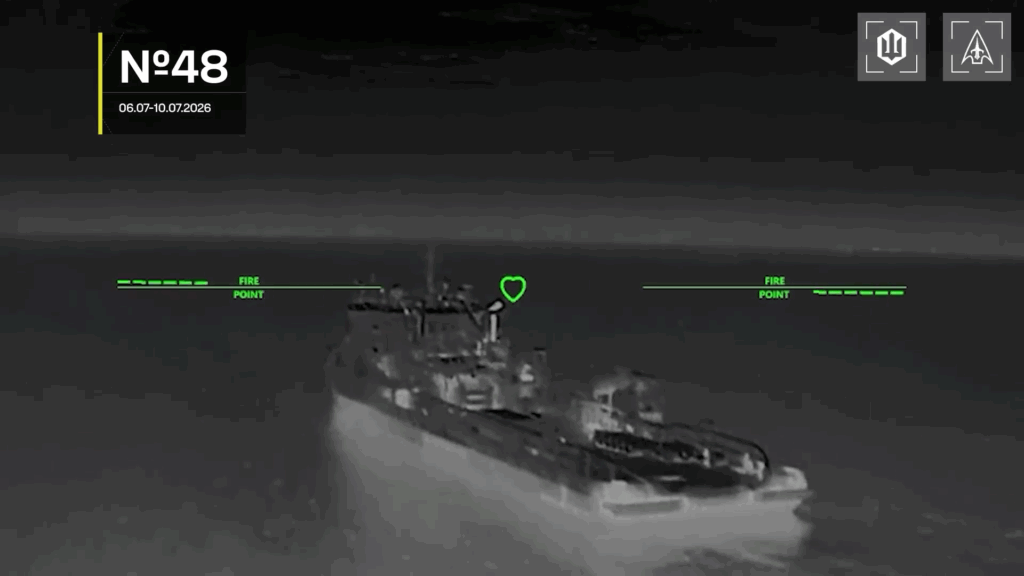
A Russian vessel in the Sea of Azov seen before Ukrainian drone strike, 10 July 2026. Screenshot from video: Ukraine's Unmanned Systems Forces

Ukraine's Unmanned Systems Forces say they have struck 48 Russian vessels over the past five days as part of an expanding campaign against the maritime logistics supporting Moscow's invasion and occupation forces in Crimea.

The campaign has increasingly targeted tankers, cargo ships, ferries, and other vessels that Ukraine says transport fuel and military supplies sustaining Russian forces after repeated strikes degraded road and rail supply routes to the occupied peninsula.

Campaign targets Russia's shadow fleet in Azov Sea

According to the Unmanned Systems Forces, Ukrainian drone operators struck 13 vessels in the Sea of Azov on 10 July alone – 10 tankers, one dry cargo ship, one ferry, and one tug. 

The force said the targeted ships belonged to Russia's sanctioned "shadow fleet." The commander of Ukraine's Unmanned Systems Forces, Robert "Madyar" Brovdi, confirmed that the vessels were under international sanctions.

Russia's shadow fleet is a network of vessels used to evade Western sanctions on Russian oil exports. Ukraine says some of the ships are also used to transport fuel and supplies supporting Moscow's military operations.

It also reported striking 41 military targets in occupied Crimea and southern occupied Ukraine overnight, while drone operators hit another 1,660 Russian targets along the front line, including 426 personnel.

Thirteen more Russian logistics vessels were struck in the Sea of Azov on 10 July, including 10 tankers, a cargo ship, a ferry, and a tug, according to Ukraine's Unmanned Systems Forces.

The latest attacks bring Ukraine's reported total to 48 Russian vessels struck over the past… pic.twitter.com/NBMlIHxhuL

— Euromaidan Press (@EuromaidanPress) July 10, 2026

Maritime logistics campaign expands

The reported strikes come as Ukraine intensifies its campaign against Russia's maritime logistics in the Sea of Azov. After months of attacks on the road and rail routes supplying occupied Crimea, Ukrainian forces have increasingly targeted the seaborne fuel network that supports Russian forces on the occupied peninsula.

The announcement updates earlier reports from Ukraine's Unmanned Systems Forces, which had reported striking 15 vessels on 9 July and a further 12 ships by mid-day on 10 July as the campaign unfolded.

The Institute for the Study of War recently assessed that the campaign marks a new phase in Ukraine's effort to isolate occupied Crimea by adapting to Russia's increased reliance on fuel shipments by sea. 

ISW: Ukraine has entered a new phase of its campaign to cut off occupied Crimea — the target list has shifted to the gasoline tankers crossing the Azov Sea.

The think tank says months of strikes degraded the road and rail links feeding the peninsula, forcing Russia to send fuel… pic.twitter.com/HeFRRSUWYc

— Euromaidan Press (@EuromaidanPress) July 10, 2026

Earlier this week, Ukraine's Unmanned Systems Forces reported striking 35 Russian vessels over four days before announcing additional attacks on another dozen ships.

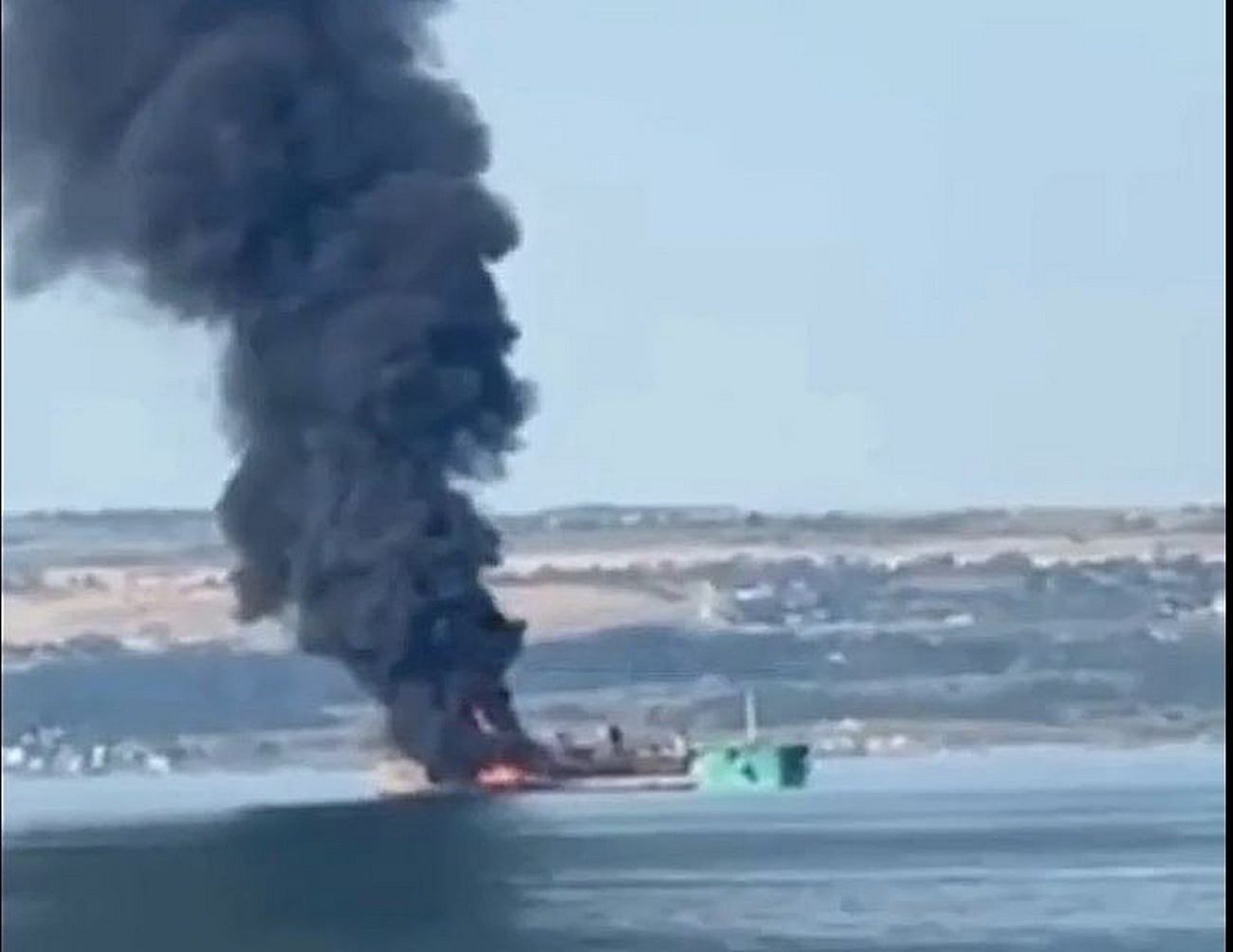
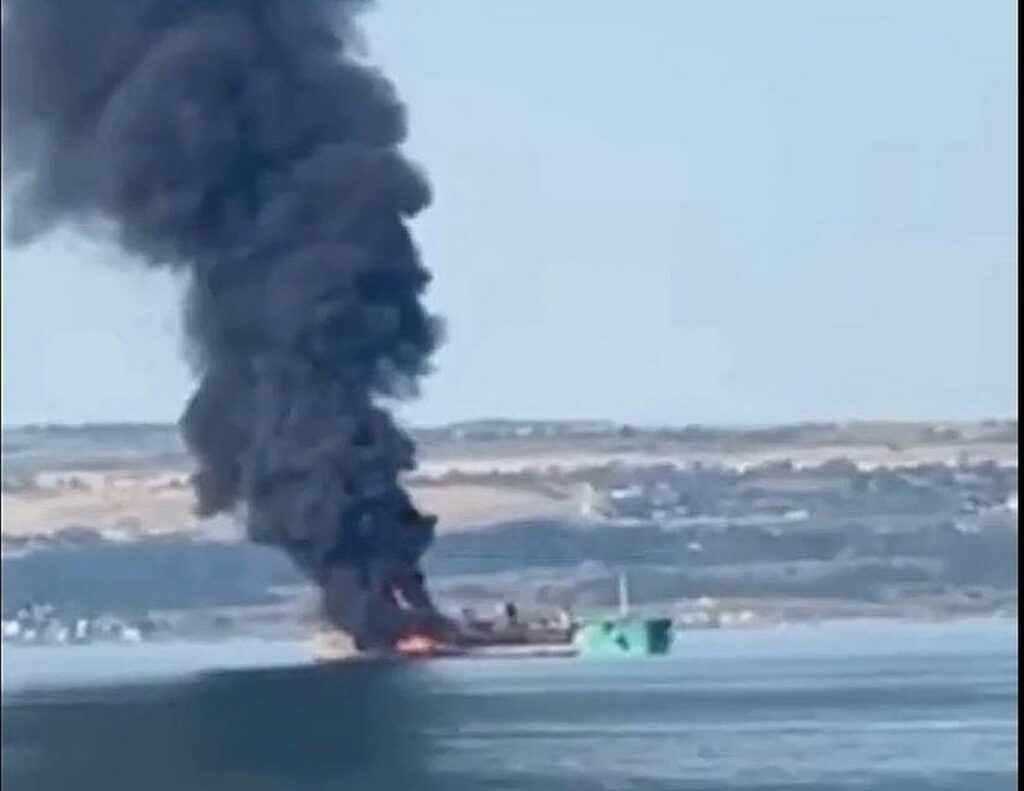
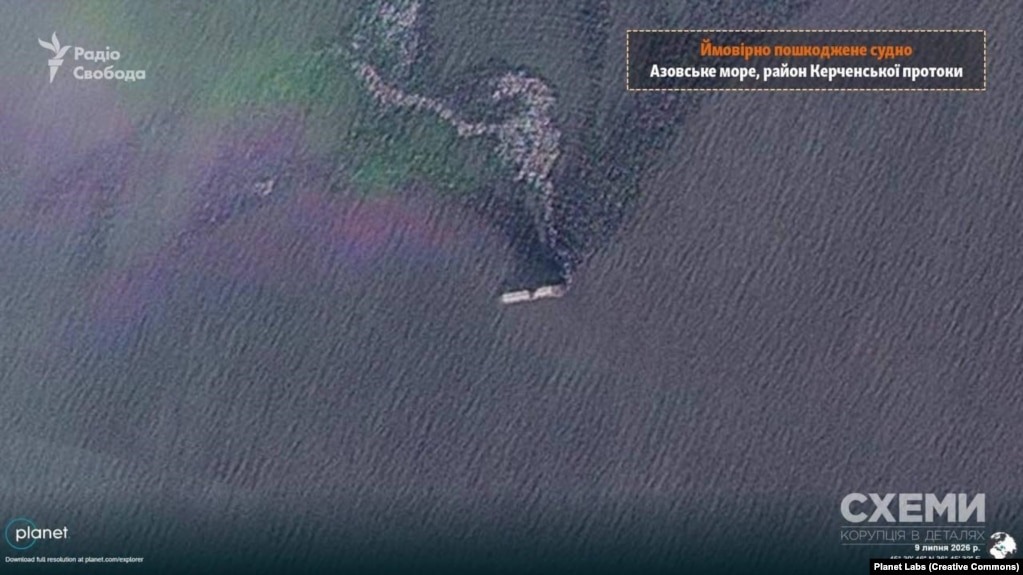
Earlier on 10 July, satellite imagery published by RFE/RL's Skhemy showed a burning tanker and another apparently damaged vessel near the Kerch Strait, while open-source analysts reported that Russian tanker traffic in the Sea of Azov had declined sharply as strikes intensified. 

ukraine's deep mid-range strikes converge crimea russia's azov coast · post one satellite images shared skhemy shows likely damaged vessel sea near kerch strait 9 2026 супутник planet labs липня
One of the satellite images, shared by Skhemy, shows a likely damaged vessel in the Azov Sea near the Kerch Strait, 9 July 2026. Photo: Planet Labs via RFE/RL's Skhemy

Oil infrastructure also targeted

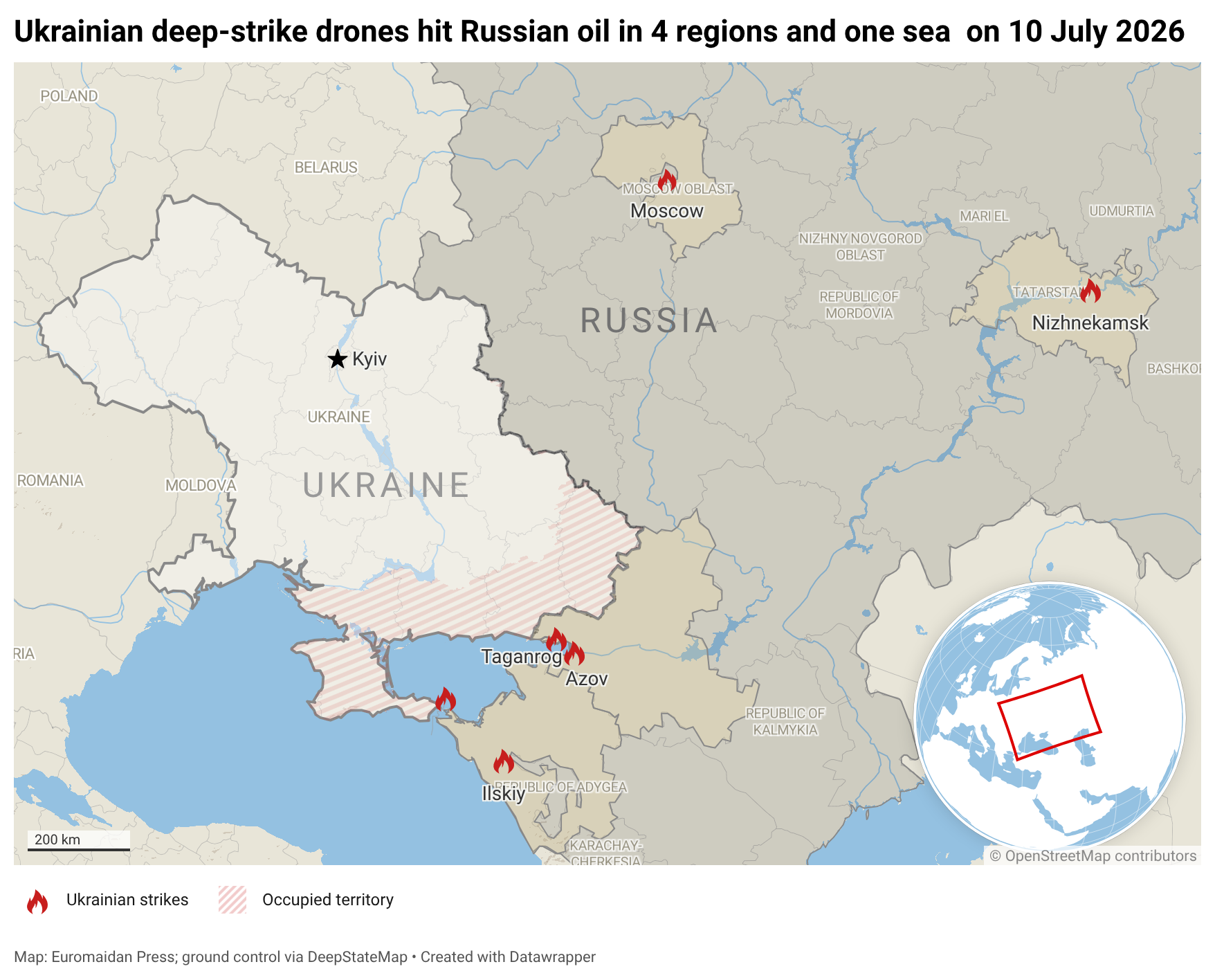
Alongside the reported attacks on Russian vessels, the General Staff of Ukraine’s Armed Forces confirmed that Ukrainian forces again struck the Ilsky oil refinery in Russia's Krasnodar Krai. Explosions followed by a fire were reported at the facility, with the extent of the damage still being assessed.

The Ilsky refinery is one of southern Russia's largest oil processing plants, with an annual capacity of up to 6.6 million tons. It produces gasoline, diesel fuel, and other petroleum products that Ukraine says are used to support Russian military logistics.

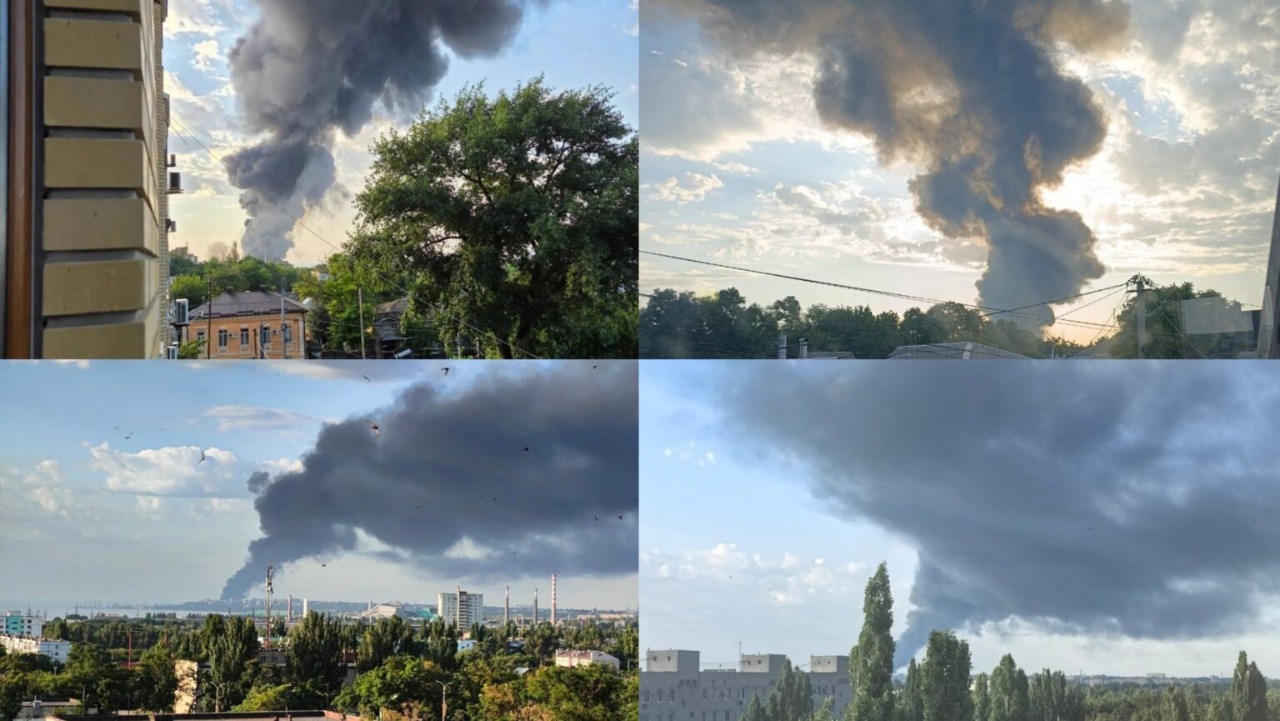
Ukraine also reported strikes on the Kurgannefteprodukt oil terminal in Taganrog and the Azovnefteprodukt fuel depot in Azov, both in Rostov Oblast. Fires, explosions, and smoke were reported at the facilities, which the General Staff said are used to receive, store, and distribute fuel for the Russian military.

Long-range strikes continue

The General Staff also reported another strike on NOVATEK's Ust-Luga gas condensate processing complex in Russia's Leningrad Oblast, one of the country's largest facilities for processing gas condensate into petroleum products.

In occupied Zaporizhzhia Oblast, Ukrainian forces also reportedly struck a Russian fuel and lubricants depot near Rozivka.

The General Staff said assessments of the reported strikes are ongoing and that Ukraine will continue targeting infrastructure supporting Russia's military operations.

  • ✇Euromaidan Press
  • Ukraine’s deep and mid-range strikes converge on Crimea and Russia’s Azov coast
    12 more Russian vessels have been hit in the Sea of Azov over the past 24 hours, Ukrainian drone forces reported. Ukraine's drone campaign to sever occupied Crimea rolled through a fifth straight night on 10 July, hitting tankers, ports, fuel depots, and the peninsula's power grid. The OSINT channel Cyberboroshno found satellite evidence of Russia's Azov tanker fleet shrinking fivefold under the strikes, while Planet Labs imagery confirmed a burning tanker and another damag
     

Ukraine’s deep and mid-range strikes converge on Crimea and Russia’s Azov coast

10 juillet 2026 à 11:00

ukraine's deep mid-range strikes converge crimea russia's azov coast · post one satellite images shared skhemy shows likely damaged vessel sea near kerch strait 9 2026 супутник planet labs липня

12 more Russian vessels have been hit in the Sea of Azov over the past 24 hours, Ukrainian drone forces reported. Ukraine's drone campaign to sever occupied Crimea rolled through a fifth straight night on 10 July, hitting tankers, ports, fuel depots, and the peninsula's power grid. The OSINT channel Cyberboroshno found satellite evidence of Russia's Azov tanker fleet shrinking fivefold under the strikes, while Planet Labs imagery confirmed a burning tanker and another damaged vessel near the Kerch Strait. The same night, a key substation strike left occupied Yevpatoriia without power in Crimea, while at least three oil facilities were struck in Russia next to the Azov and Black seas.

Crimea was the first Ukrainian land Russia grabbed — back in 2014, eight years before the full-scale invasion — and the war Russia refuses to end has now come back to the peninsula's docks and power lines. Kyiv continues its campaign to isolate Crimea and make holding it untenable for Russia.

The tanker hunt's fifth night, seen from orbit

Ukraine's Unmanned Systems Forces (SBS) updated their 9 July tally to 15 vessels hit, up from the initially reported 14. The force's live dashboard showed 12 more fleet targets struck by mid-afternoon on 10 July, within 718 total target hits over 24 hours. Cyberboroshno's chronology of the campaign: two tankers on 6 July, nine vessels on the 7th, nine on the 8th, fourteen on the 9th, and 12 ships on the 10th.

The SBS's running July tally of hit Russian ships now stands at 48.

Journalists of Skhemy, an RFE/RL project, published Planet Labs satellite images showing the aftermath. One frame near the Kerch Strait captures a tanker on fire, with another vessel bearing visual signs of damage about 10 kilometers away. The imagery resolution does not allow identifying the ships' class or type, the journalists noted.

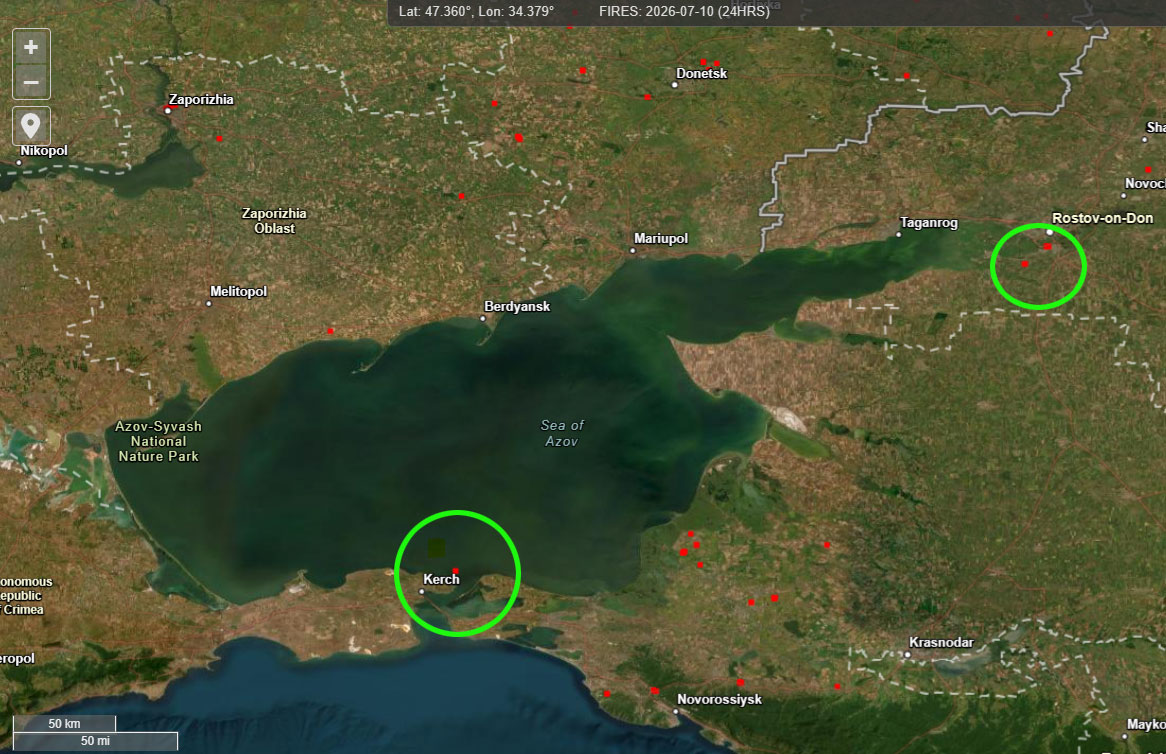
Satellite fire data shows heat signatures near Kerch and Taganrog on 10 July 2026, the same areas where fires were detected a day earlier amid Ukrainian strikes on Russian tankers in the Sea of Azov. Map: NASA FIRMS

A fleet vanishing from the satellite record

Cyberboroshno's analysis of satellite imagery tracked the shadow fleet's collapse in numbers. Around 1 July, about 100 vessels sat north of the Crimean Bridge in the Azov Sea, with roughly 100 more to the south near the Taman port. By 6 July, the northern group had thinned to about 40. By 8 July, some 20 remained in the north, one of them burning, with massed movement toward the bridge.

The northern vessels are mostly small river-class tankers, the analysts found. They shuttle fuel south, where cargo is transshipped onto much larger ships for direct Black Sea runs to importer countries. The vessels belong to Russia's so-called shadow fleet, used to circumvent sanctions.

isw ukraine has opened new phase crimea's isolation hunting seaborne fuel tankers · post russian tanker burns off sea azov coast after ukrainian drone strike ablaze exilenova+ 1 appears have
Explore further

ISW: Ukraine has opened a new phase of Crimea’s isolation by hunting seaborne fuel tankers

The ports and depots that feed the fleet

On 10 July, the tanker strikes were supplemented by hits on the two ports that load the vessels — Taganrog's Kurganneftprodukt terminal and the port of Azov, both in Rostov Oblast on the northeastern coast of Azov Sea. The Cyberboroshno analysts confirmed fires at all five oil depots of the city of Azov: the Port depot inside the harbor, the DonTerminal depot two kilometers away, the railway station depot, and two more in the southern industrial zone.

Ukrainian drone attacks on Russian shipping in the Sea of Azov as seen from a commercial vessel

The video was published yesterday.

📹Exilenova+ pic.twitter.com/eKaV2o6Jem

— Euromaidan Press (@EuromaidanPress) July 10, 2026

At the Ilsky refinery in Krasnodar Krai — the Russian region across the Kerch Strait from occupied Crimea — the channel mapped the burning zone over the plant's largest primary processing unit, AVT-6. The unit's capacity of 3.6 million tons a year provides 56% of the refinery's total output. 

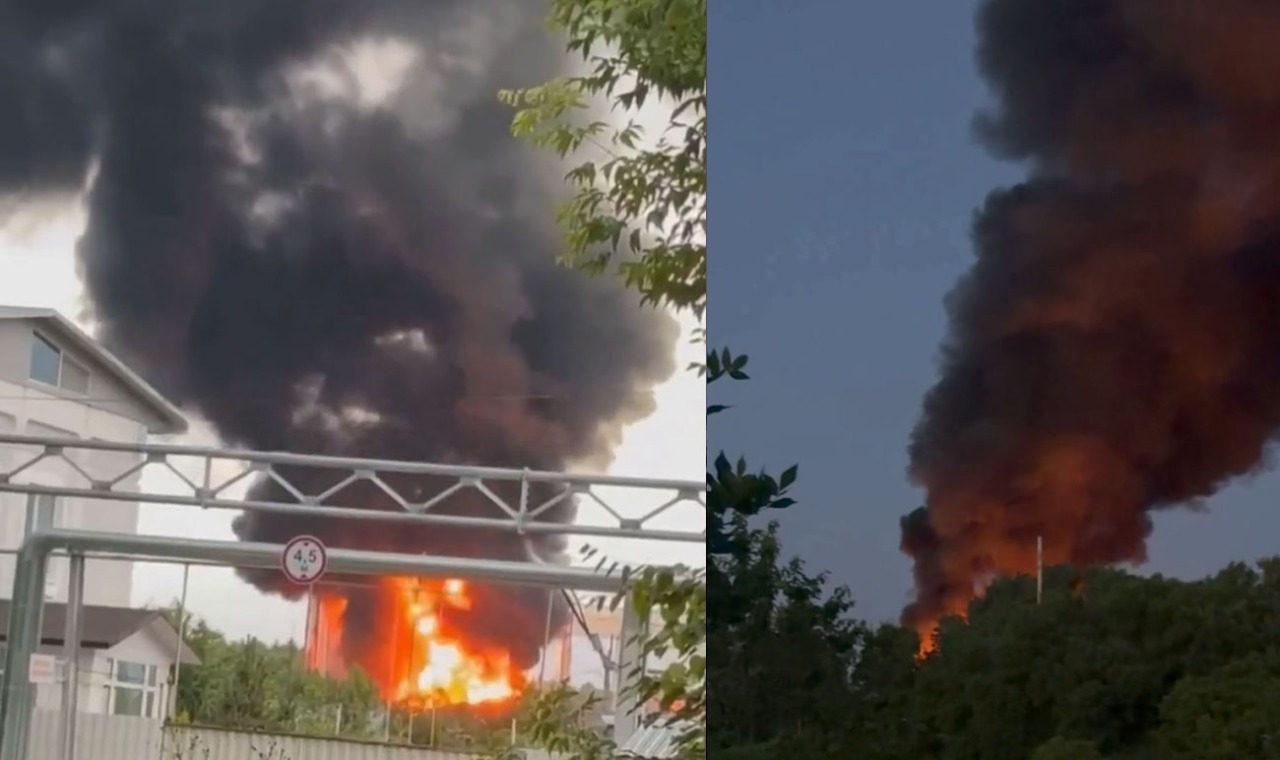
anti-drone nets keep failing russia's fuel tanks burn azov moscow · post fire oil terminal taganrog 10 2026 4 пожежа на нафтовому терміналі в російському таганрозі липня фото exilenova+ collage
Explore further

Anti-drone nets keep failing: Russia’s fuel tanks burn from Azov to Moscow

Yevpatoriia goes dark after the Moinaki substation strike

Explosions sounded across occupied Crimea through the night of 10 July, Suspilne reported, including in Kerch. The monitoring channel Krymsky Veter reported a hit on the Moinaki substation in Yevpatoriia — on Crimea's western coast — at 02:30 and a fire there by 03:42.

The 110/35/10 kV Moinaki substation is a key energy node for the city. Russia ran a modernization of the facility worth 1 billion rubles (about $12.5 million) in 2024, replacing its power transformers and almost quadrupling its capacity to 126 MVA. After the strike, Yevpatoriia and nearby settlements lost power, subscribers told the channel.

ukraine's deep mid-range strikes converge crimea russia's azov coast · post ukrainian deep-strike drones hit russian oil facilities four regions sea 10 2026 vazf4-ukrainian-deep-strike-drones-hit-russian-oil-in-4-regions-and-one-sea-nbsp-on-10-july-2026-nbsp- ukraine news reports
Ukrainian deep-strike drones hit Russian oil facilities in four regions and the Azov Sea on 10 July 2026. Map: Euromaidan Press

Power restrictions and water cuts across the peninsula

The Russian-controlled power company Krymenergo announced additional electricity restrictions in Crimea's Southern and Central energy districts, citing "repair works," Russian state agency RIA Novosti Crimea reported. A number of settlements in the peninsula's northwest remained without power. Alushta's occupation administration head Galina Ogneva claimed 1,650 customers there lost electricity because of bad weather.

The occupation water utility Voda Kryma reported partial water supply loss across the peninsula due to an accident on Krymenergo's grid. Russia's Defense Ministry claimed 376 drones intercepted overnight over Crimea, other occupied territories, the Azov Sea, and Russian regions, without saying how many over the peninsula.

  • ✇Euromaidan Press
  • Poland: we have credible information Russia is planning new provocations in Europe
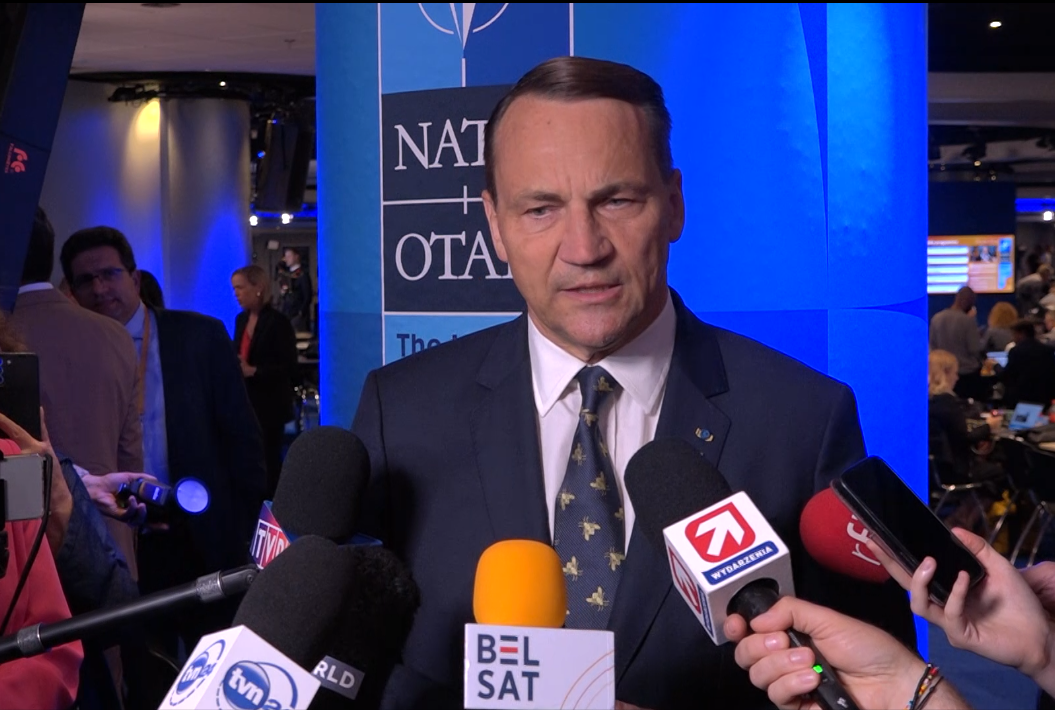
    Poland holds credible information that Russia is again planning provocations, and it is publicizing that fact to stop Moscow from acting, Foreign Minister Radosław Sikorski said in Warsaw, Polish broadcaster RMF24 reported. Speaking alongside his French counterpart on 9 July, he set the intelligence against a long list of Russian covert operations across Europe. Sikorski framed exposure as a weapon that has worked against the Kremlin before. Russia's full-scale invasion of
     

Poland: we have credible information Russia is planning new provocations in Europe

10 juillet 2026 à 07:02

poland have credible information russia planning new provocations europe · post radosław sikorski nato summit hague 24 2025 belsat video ukraine news ukrainian reports

Poland holds credible information that Russia is again planning provocations, and it is publicizing that fact to stop Moscow from acting, Foreign Minister Radosław Sikorski said in Warsaw, Polish broadcaster RMF24 reported. Speaking alongside his French counterpart on 9 July, he set the intelligence against a long list of Russian covert operations across Europe. Sikorski framed exposure as a weapon that has worked against the Kremlin before.

Russia's full-scale invasion of Ukraine is in its fifth year, and the same Russian services fighting it run a documented campaign of arson and sabotage across NATO countries, which European intelligence agencies expect to intensify while Moscow probes for a chance to test the alliance before Europe finishes rearming. A provocation that slips past the warnings would land on states carrying Ukraine's lifeline — Poland is the indispensable overland route for Western aid — and each disclosure now doubles as a test of whether publicity alone can still make the Kremlin stand down.

"The Russians are again planning something"

Sikorski and French Foreign Minister Jean-Noël Barrot faced questions about recent media reports, including in the Washington Post, that Russia is actively considering attacks on NATO targets and that the US has warned allies. Sikorski declined to comment on what intelligence services say. Poland's deputy prime minister, he still left no doubt about the broader picture.

"But the fact that Russia is waging a hybrid and kinetic war against both France and Poland is no secret," he said.

Sikorski added:

"That the Russians attack our systems of party competition, our critical infrastructure, or use shadow-fleet ships to map critical infrastructure — all of this is known. But also arson, attacks on rail tracks, drone attacks, and sending death squads to kill Vladimir Putin's enemies — all of these are hostile activities. We do nothing of the sort in Russia.

poland have credible information russia planning new provocations europe · post radosław sikorski nato summit hague 24 2025 belsat video ukraine news ukrainian reports
Explore further

Polish FM warns Putin’s retaliatory rhetoric sounds like “an announcement of a provocation”

The 2022 precedent: exposure works

Sikorski recalled that before invading Ukraine, Russia intended to stage classic false-flag provocations to hand itself a pretext for the attack. 

"Back then, the services of the United States warned about this, and that deterred Russia from carrying out those provocations," he said.

The same logic drives today's disclosure: "The aim of these warnings is to deter them from carrying out these provocations. And may it be so," Sikorski told a journalist. 

He aired a similar caution in June, saying the Kremlin could stage a false-flag operation within the next two years.

  • ✇Euromaidan Press
  • ISW: Ukraine has opened a new phase of Crimea’s isolation by hunting seaborne fuel tankers
    Ukraine appears to have "initiated a new phase in its campaign to isolate occupied Crimea" by targeting Russian seaborne gasoline tankers, the Institute for the Study of War (ISW) assessed. The shift follows months of strikes that degraded the land routes feeding the peninsula. A reported admission from a Russian general suggests Moscow has no force left to stop it. The tanker hunt extends a counter-logistics campaign Ukraine's defense minister calls turning Crimea into an
     

ISW: Ukraine has opened a new phase of Crimea’s isolation by hunting seaborne fuel tankers

10 juillet 2026 à 05:13

isw ukraine has opened new phase crimea's isolation hunting seaborne fuel tankers · post russian tanker burns off sea azov coast after ukrainian drone strike ablaze exilenova+ 1 appears have

Ukraine appears to have "initiated a new phase in its campaign to isolate occupied Crimea" by targeting Russian seaborne gasoline tankers, the Institute for the Study of War (ISW) assessed. The shift follows months of strikes that degraded the land routes feeding the peninsula. A reported admission from a Russian general suggests Moscow has no force left to stop it.

The tanker hunt extends a counter-logistics campaign Ukraine's defense minister calls turning Crimea into an island: drones have cut the peninsula's road and rail links, left it rationing fuel under rolling blackouts, and turned the Azov fuel run into a shooting gallery — 35 vessels hit in four days before the latest wave, all while Russia's full-scale war on Ukraine grinds through its fifth year.

What ISW sees in the tanker campaign

Months of Ukrainian mid- and long-range strikes on the roads and rail lines linking Russia with occupied Crimea have left the peninsula dependent on gasoline brought in by ship, ISW wrote in its 9 July assessment.

The intensifying strikes against fuel tankers "demonstrate a new phase in Ukraine's ability to rapidly adapt to Russia's shift toward seaborne fuel transportation," the think tank assessed. ISW expects the campaign to keep disrupting Russia's ability to move fuel between Russia and occupied Crimea in an effort to isolate the peninsula.

The numbers behind the assessment

Unmanned Systems Forces commander Robert "Madyar" Brovdi reported that drone crews struck 14 Russian vessels in the Azov Sea overnight on 9 July — 12 gasoline tankers, the tug Alfeo, and one dry cargo ship. He named the Chelsea-6, Aura, Sonar-1, Ilya Repin, Galiaskar Kamal, Venera-3, and Penelope among the tankers hit, putting the four-day total at 35 vessels.

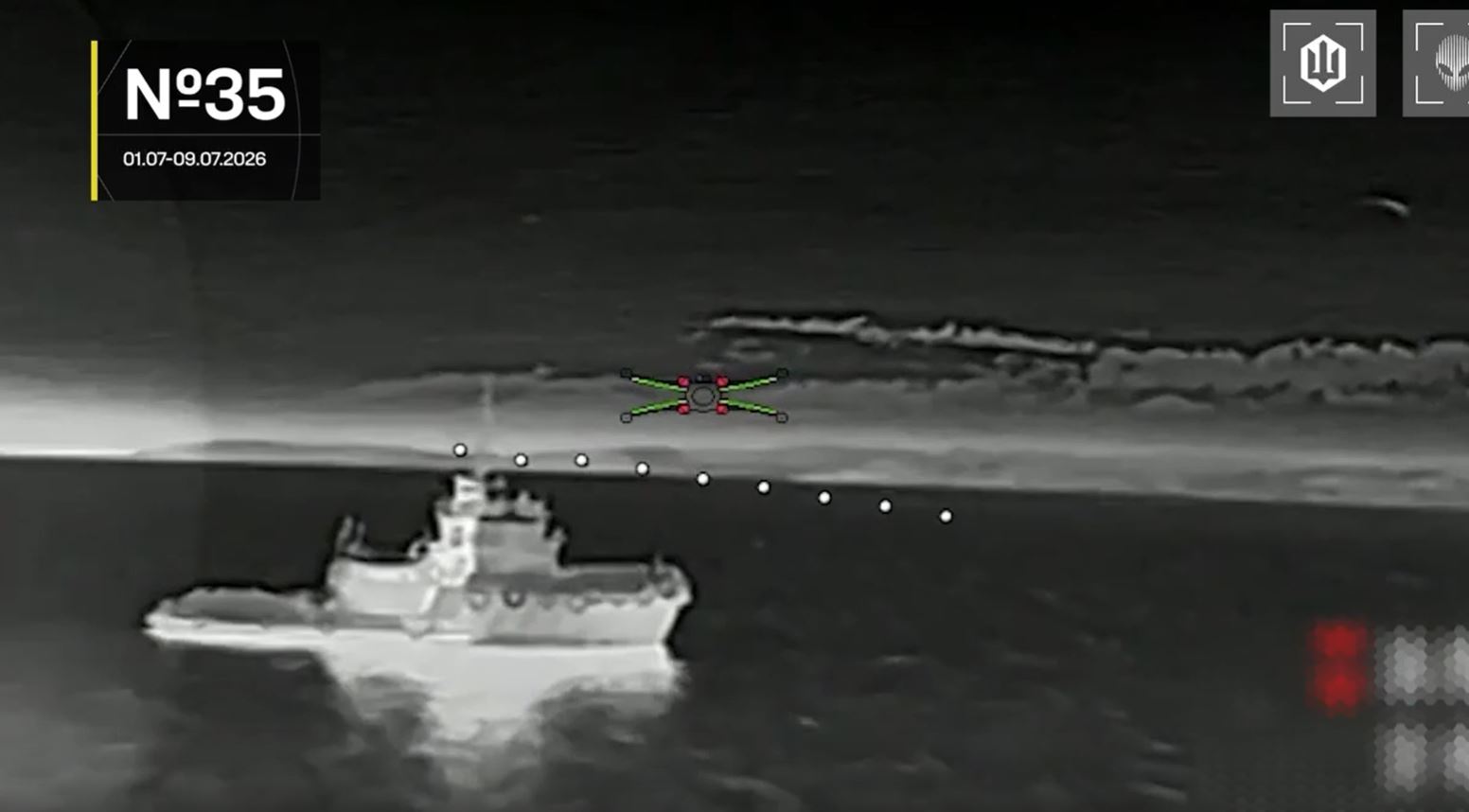
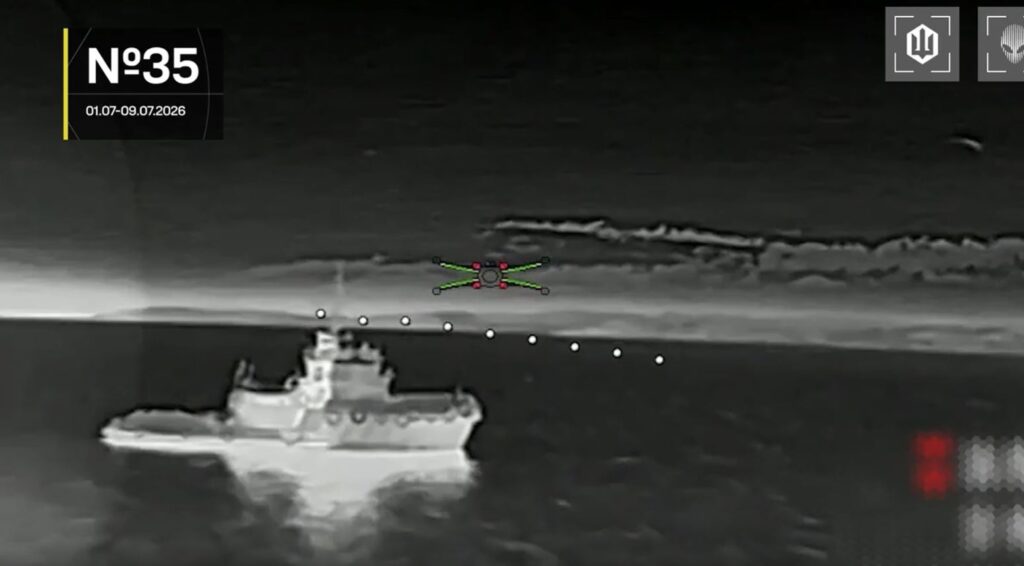
35 ships four days ukraine's campaign against russia's azov sea fuel run keeps widening · post ukrainian drone closes russian tug (target 35) 1–9 2026 video robert brovdi ukraine news
Explore further

35 ships in four days: Ukraine’s campaign against Russia’s Azov Sea fuel run keeps widening

The campaign has not paused since. This morning, the SBS grouping's public statistics page shows 12 additional Russian ships struck over the past 24 hours.

Satellite fire data shows heat signatures near Kerch and Taganrog on 10 July 2026, the same areas where fires were detected a day earlier amid Ukrainian strikes on Russian tankers in the Sea of Azov. Map: NASA FIRMS

No effective counter left, Russian general reportedly admits

A man identified as an active-duty Russian general reportedly told Russian journalist Dmitry Kolezev on 6 July that Russia cannot effectively counter Ukraine's intermediate-range strike campaign. The reason: the Russian General Staff in 2024 dissolved the Crimean Defense Group after concluding it had too few naval assets to protect the peninsula, the general reportedly said.

Russia is running out of routes to reroute: the roads are hunted, the rails are cut, and the sea — the fallback — now burns too, leaving the occupation force on the peninsula that Russian forces depend on progressively short of the fuel that keeps it running.
  • ✇Euromaidan Press
  • 35 ships in four days: Ukraine’s campaign against Russia’s Azov Sea fuel run keeps widening
    Ukraine's drone forces struck 14 more Russian "shadow fleet" vessels in the Azov Sea overnight on 9 July, pushing the four-day total to 35 ships, Unmanned Systems Forces (SBS) commander Robert "Madyar" Brovdi said. The overnight haul included 12 tankers, one cargo ship, and one tug. The strikes ran alongside a wave of attacks on occupied Crimea's power grid and air defenses, and a blackout hit the occupied part of Kherson Oblast. Ukraine's mid-range strike campaign aims
     

35 ships in four days: Ukraine’s campaign against Russia’s Azov Sea fuel run keeps widening

9 juillet 2026 à 10:08

35 ships four days ukraine's campaign against russia's azov sea fuel run keeps widening · post ukrainian drone closes russian tug (target 35) 1–9 2026 video robert brovdi ukraine news

Ukraine's drone forces struck 14 more Russian "shadow fleet" vessels in the Azov Sea overnight on 9 July, pushing the four-day total to 35 ships, Unmanned Systems Forces (SBS) commander Robert "Madyar" Brovdi said. The overnight haul included 12 tankers, one cargo ship, and one tug. The strikes ran alongside a wave of attacks on occupied Crimea's power grid and air defenses, and a blackout hit the occupied part of Kherson Oblast.

Ukraine's mid-range strike campaign aims to sever occupied Crimea from Russia by hitting the fuel, transport, and energy links that sustain the peninsula's occupation. The effort has already left Crimea rationing fuel and living with rolling blackouts.

35 vessels in 96 hours

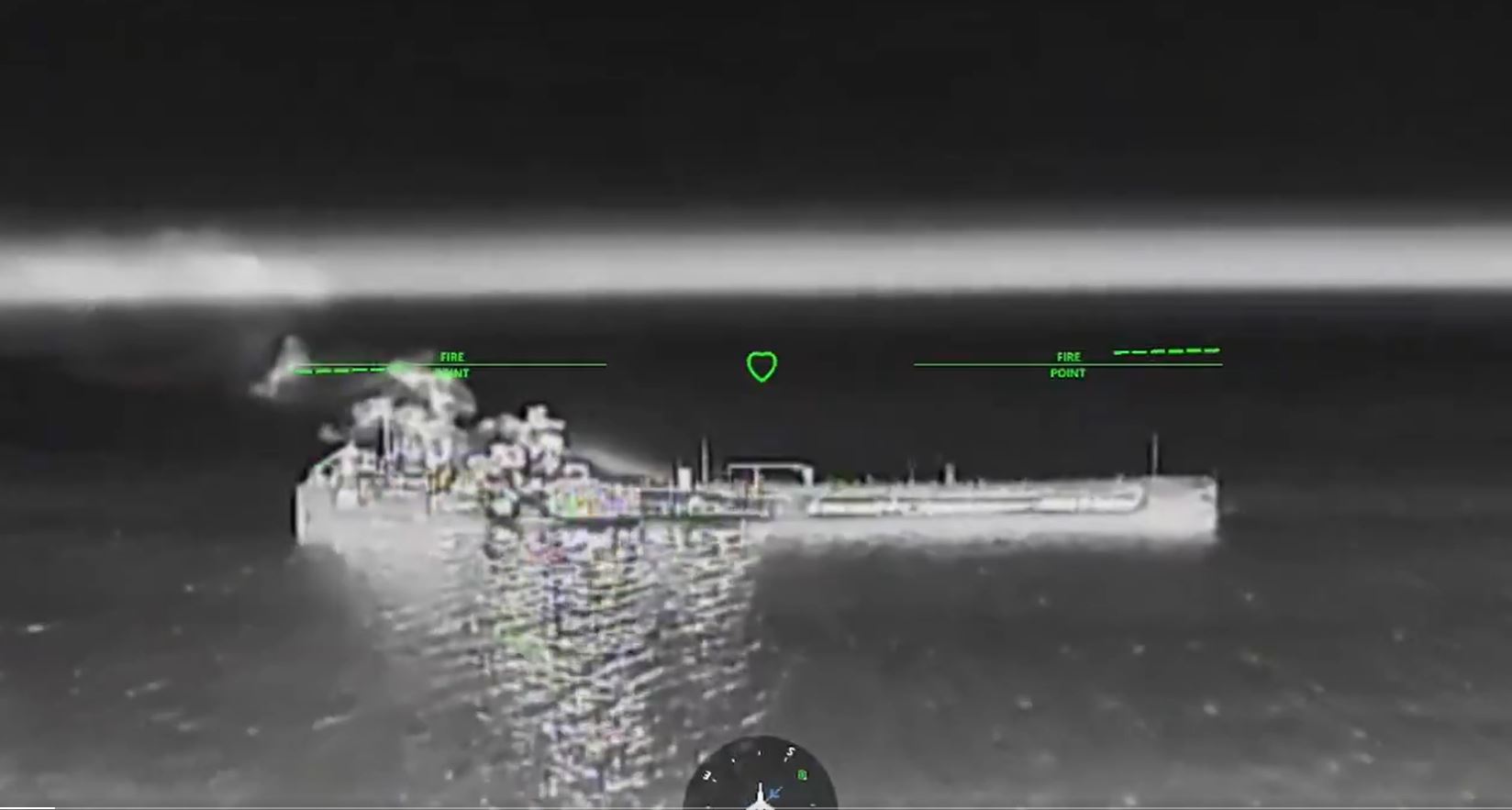
Brovdi shared a video of the strikes and reported that drone crews hit 14 Russian shadow fleet vessels overnight — 12 tankers, one cargo ship, and one tug, all in the Azov Sea. That brings the toll to 35 tankers, cargo ships, and special-purpose craft in 96 hours. He named the struck ships, most flying the Russian flag, but also including the Panama-flagged, sanctioned tanker Galiaskar Kamal and the tug Alfeo towing a barge named Aphrodite.

35 ships four days ukraine's campaign against russia's azov sea fuel run keeps widening · post ukrainian drone strikes russian tanker (target 23) 1–9 2026 video robert brovdi ukraine news
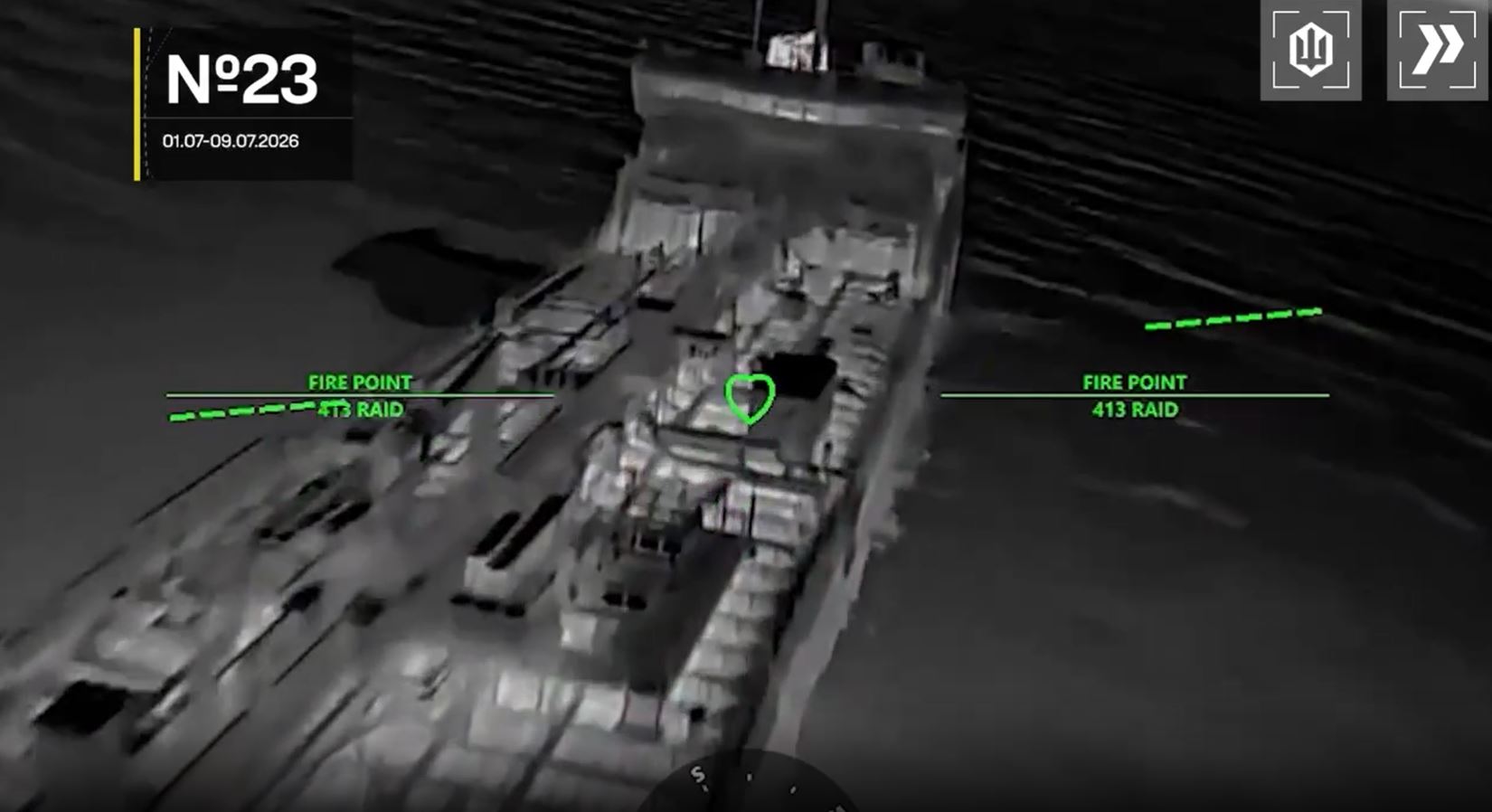
A Ukrainian drone strikes a Russian tanker (target No. 23) in the Azov Sea, 1–9 July 2026. Screenshot from video: Robert Brovdi

The SBS separately said operators of the 1st Center, the 20th K-2 Brigade, the 412th Nemesis Brigade, and the 413th Raid Regiment carried out the strikes. It stressed that Russia keeps exporting oil through the shadow fleet despite sanctions, funneling the revenue into its war. The Deep Strike Center, operating within the SBS since December 2025, coordinated all the targets.

Ukrainian drones hit 14 more Russian ships in the Sea of Azov

35 vessels—mostly riverine tankers—have been targeted in total over the past 96 hours, SBS commander Brovdi says.

📹Madyar pic.twitter.com/4iebFupQFx

— Euromaidan Press (@EuromaidanPress) July 9, 2026

Brovdi's four-day chronology shows the campaign building night by night: two tankers on 6 July, ten vessels on the 7th, nine on the 8th, and fourteen on the 9th. Several vessels, including the Sanar-17 and Klimena, appear twice — struck, then struck again.

Russia tows damaged tankers into Kerch

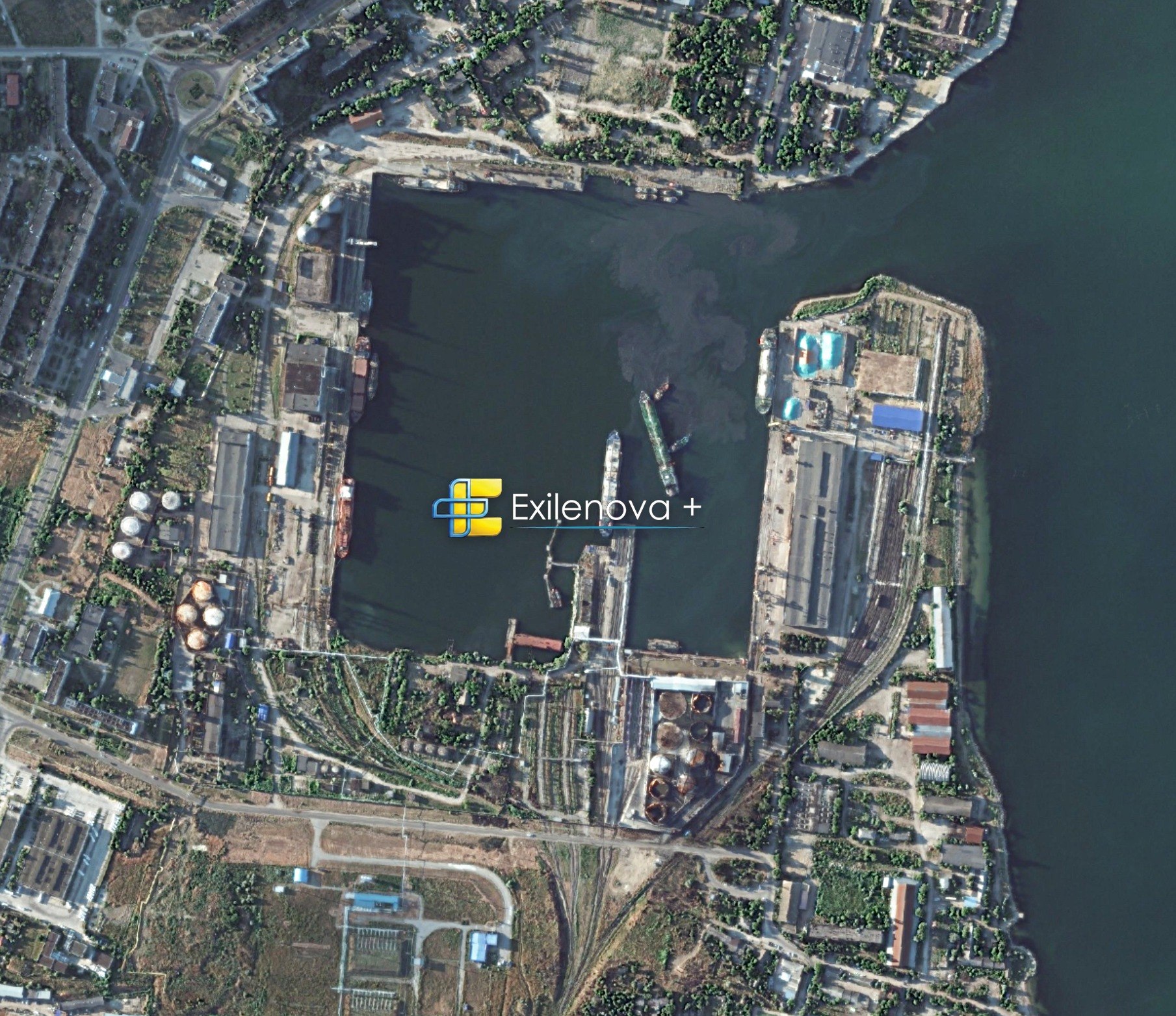
Exilenova+ published a satellite image showing Russia driving hit sanctioned tankers into the occupied port of Kerch. The channel said the vessels are polluting the Azov Sea. NASA FIRMS satellite monitoring also logged new thermal anomalies in the sea's waters near the Crimean coast, pointing to fresh strikes on ships.
35 ships four days ukraine's campaign against russia's azov sea fuel run keeps widening · post satellite shows damaged smoking russian tanker occupied port kerch crimea exilenova ukraine news ukrainian
Satellite image shows a damaged, smoking Russian tanker in the occupied port of Kerch, Crimea. Photo: Exilenova+
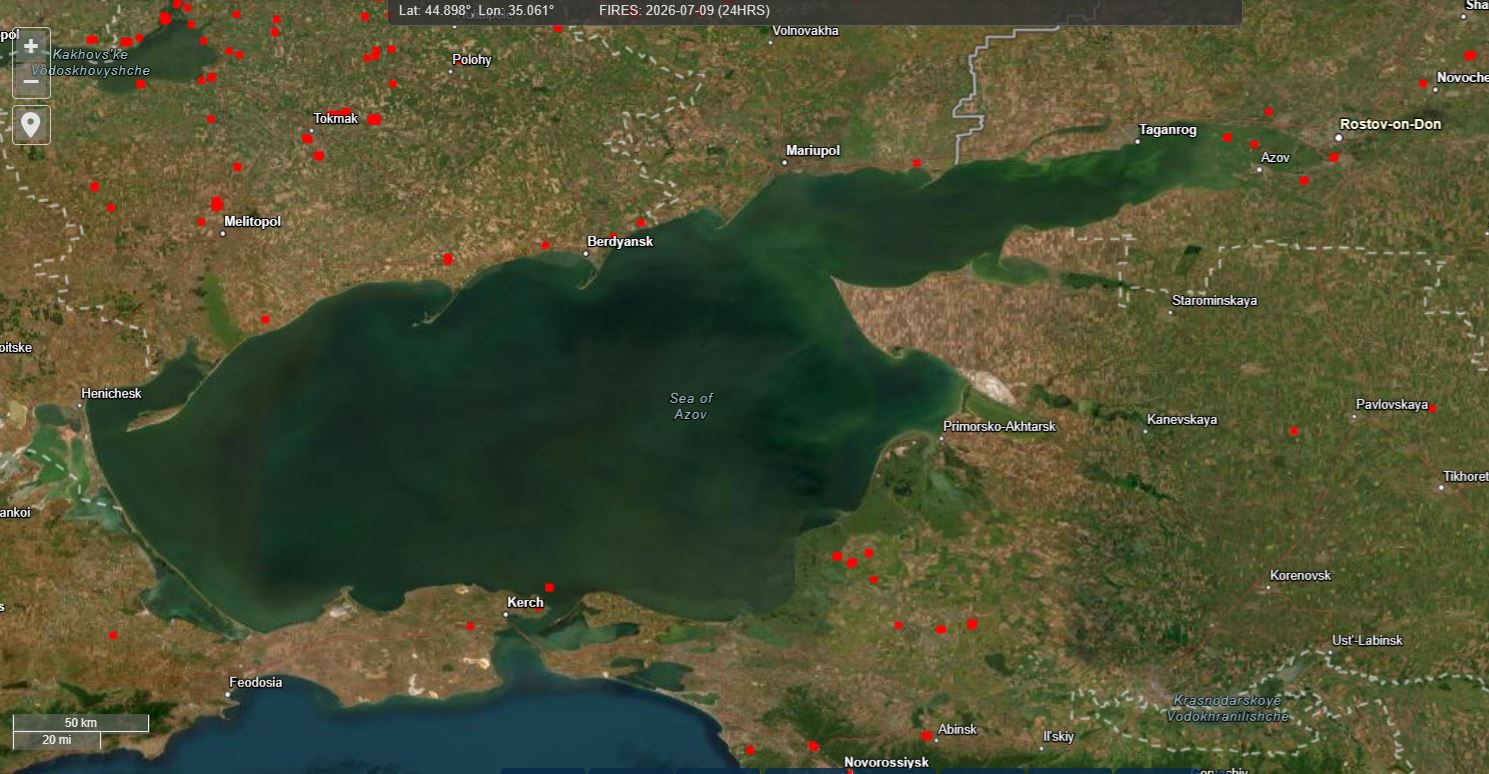
The NASA FIRMS wild fire monitoring service shows fires north of Kerch in the southern part of the Sea of Azov, and near Russia's Taganrog — on the northeastern end of the Azov Sea.

35 ships four days ukraine's campaign against russia's azov sea fuel run keeps widening · post nasa firms satellite shows fires registered around including near occupied kerch taganrog over past
NASA FIRMS satellite map shows fires registered around the Sea of Azov, including near occupied Kerch and Russia's Taganrog, over the past 24 hours, 9 July 2026. Image: NASA FIRMS

Rostov Oblast Governor Yuri Slyusar confirmed that drones attacked two tankers in Taganrog Bay. Crews were evacuated and no one was hurt, he claimed. The night before, two other tankers heading to Rostov-on-Don were hit in the same bay.

three days 21 ships russia's azov sea fuel run occupied crimea turning shooting gallery · post ukrainian drone closes smoking russian tanker during overnight strikes 8 2026 video robert madyar
Explore further

Three days, 21 ships: Russia’s Azov Sea fuel run to occupied Crimea is turning into a shooting gallery

Crimea's grid and military sites hit

The same night, drone crews struck 45 military targets across occupied Crimea and the occupied south, Brovdi said. Among the Crimean targets: the Saky thermal power plant, three fuel depots, a "Zhitel" jamming station, communication towers, and fuel trucks. Six more electrical substations went dark under the "Crimean switch-off" pool — 50 energy nodes hit between 1 and 8 July.

russia wrapped its fuel tanks protective nets—ukraine's drones burned regardless two oil depots last night · post fires tver (left) stavropol krai (right) after ukrainian drone strikes 9 2026 left-tver-right-mikhaylovsk-exilenova+
Explore further

Russia wrapped its fuel tanks in protective nets—Ukraine’s drones burned them regardless: two oil depots burned last night

In the occupied part of Kherson Oblast, the Russian-installed occupation head, Vladimir Saldo, reported a power outage the same night.

  • ✇Euromaidan Press
  • Three days, 21 ships: Russia’s Azov Sea fuel run to occupied Crimea is turning into a shooting gallery
    Ukraine's drone forces struck nine more Russian "shadow fleet" tankers in the Azov Sea overnight on 8 July, Unmanned Systems Forces (SBS) commander Robert "Madyar" Brovdi said. The strikes extend a three-day maritime operation against fuel shipments bound for occupied Crimea, running alongside attacks on the peninsula's power grid. A Russian governor separately confirmed two tanker hits in his region's waters, while Ukraine's SBU security service reported more strikes on a
     

Three days, 21 ships: Russia’s Azov Sea fuel run to occupied Crimea is turning into a shooting gallery

8 juillet 2026 à 04:53

three days 21 ships russia's azov sea fuel run occupied crimea turning shooting gallery · post ukrainian drone closes smoking russian tanker during overnight strikes 8 2026 video robert madyar

Ukraine's drone forces struck nine more Russian "shadow fleet" tankers in the Azov Sea overnight on 8 July, Unmanned Systems Forces (SBS) commander Robert "Madyar" Brovdi said. The strikes extend a three-day maritime operation against fuel shipments bound for occupied Crimea, running alongside attacks on the peninsula's power grid. A Russian governor separately confirmed two tanker hits in his region's waters, while Ukraine's SBU security service reported more strikes on a key Crimean airbase.

Ukraine's months-long mid-range strike campaign has squeezed the occupied peninsula's supply arteries so hard that Crimea is already rationing fuel and living with rolling blackouts. 

21 vessels in 72 hours

Brovdi reported that drone crews "worked over" nine more Russian shadow fleet tankers during the night. That brings the toll to 21 vessels in 72 hours: 19 sanctioned tankers, one cargo ship, and one ferry in occupied Kerch. Pilots of the "Kairos" unit from the 414th "Madyar's Birds" Brigade, the 413th "Raid" Regiment, and the 1st Center of the Unmanned Systems Forces carried out the strikes. Kerch is located in the south-southwest of the Sea of Azov.

The operation began on 6 July. Over its first two nights, Ukrainian drones hit 12 tankers hauling gasoline across the Azov Sea toward the occupied peninsula.

9 more Russian shadow fleet tankers hit in Azov Sea last night

Drone forces commander Robert Brovdi says that brings the toll to 21 vessels in 72 hours: 19 tankers hauling fuel toward occupied Crimea, one cargo ship, and one ferry in the occupied port city of Kerch.

📹 Robert… pic.twitter.com/l8ISyOpjES

— Euromaidan Press (@EuromaidanPress) July 8, 2026

Russian governor confirms hits in Taganrog Bay

Rostov Oblast Governor Yuri Slyusar stated that drones attacked tankers in Taganrog Bay overnight as the vessels sailed toward Rostov-on-Don. The attack damaged the ships and injured two people, he claimed. Rostov Oblast's Azov coast is in the sea's northeast.

"The crew had to be evacuated from one of the vessels. The tankers were empty, and no spill of oil products occurred. Information on the consequences will be clarified," Slyusar wrote.

He also claimed Russian air defenses downed around 70 drones attacking 11 districts of Rostov Oblast during the night.

50 energy nodes cut in eight days

The same night, drone crews hit 53 military targets in the operational depth of occupied Crimea and the occupied south, Brovdi said. Six more electrical substations went dark under the "Crimean switch-off" pool — exactly 50 energy nodes hit between 1 and 8 July. Other "sensitive objects" were hit too, with a full report to follow, the commander said.

NASA FIRMS map of the area of the Sea of Azov shows fires it registered over the past 24 hours.

The newly created Deep Strike Center of the Unmanned Systems Forces coordinated all targets. The energy strikes extend an expanding campaign that struck 37 energy facilities across the occupied south in the first five days of July.


SBU hits Dzhankoi airbase and Russian drone units

Ukraine's SBU security service said the same morning that its Alpha special operations unit spent the past week striking priority targets across occupied territories. At the Dzhankoi military airbase, drones hit relay stations for Russian Orion strike-reconnaissance drones and depots holding weapons and equipment. Strikes also reached the "Krym" port infrastructure in occupied Kerch and ammunition and fuel depots in Novohryhorivka and Chervone.

The SBU destroyed a logistics hub near Pokrovsk in Donetsk Oblast stocked with drones, ground robotic systems, and ammunition. Its drones hit bases of Russian drone crews in Komysh-Zoria and Kamianka in Zaporizhzhia Oblast. Depots in Hranitne and Styla in Donetsk Oblast were also destroyed. The strikes killed Russian drone pilots and unit commanders, the agency said.

The operation follows two SBU attacks on the Saky and Hvardiiske airfields on 1 and 3 July. Those strikes damaged or destroyed about seven aircraft at Saky and hit two Hvardiiske hangars storing Shahed drones and aviation equipment.
  • ✇Euromaidan Press
  • Ukraine’s drones are sinking Crimea’s fuel lifeline, hitting 12 Russian tankers in 2 days
    Ukraine's Unmanned Systems Forces (SBS) say their drone operators struck 12 Russian fuel tankers carrying gasoline to occupied Crimea over two nights, in what appears to be one of Ukraine's largest claimed attacks on Russian maritime fuel logistics since the start of the full-scale war. Crimea has become a growing focus of Ukraine's long-range drone campaign, which aims to degrade the fuel, air defense, transport, and energy infrastructure Russia relies on to sustain mi
     

Ukraine’s drones are sinking Crimea’s fuel lifeline, hitting 12 Russian tankers in 2 days

7 juillet 2026 à 12:21

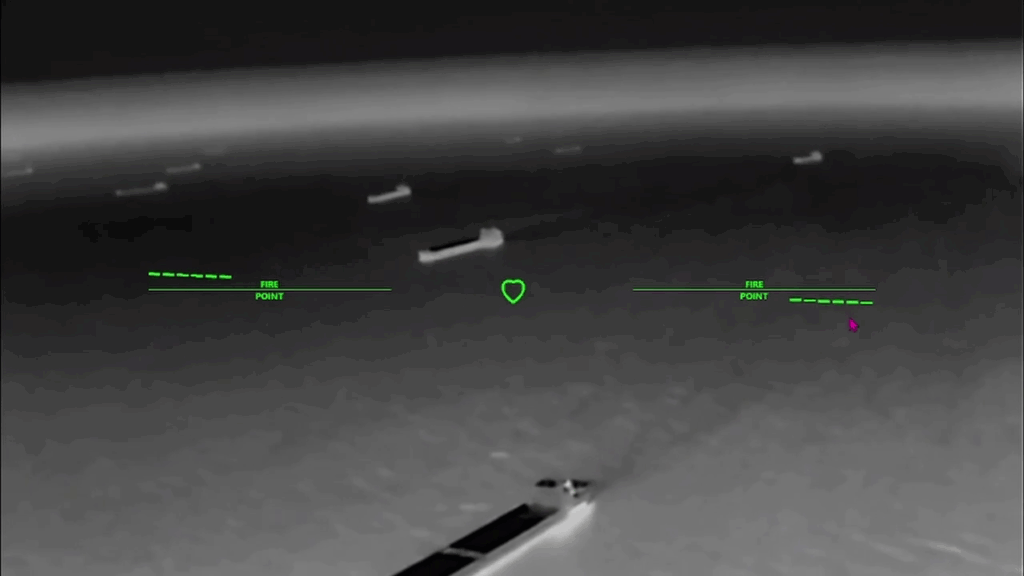
Russian tankers in the Azov Sea seen by a Ukrainian drone before a series of strikes on 7 July 2026. Screenshot from video: Robert Brovdi

Ukraine's Unmanned Systems Forces (SBS) say their drone operators struck 12 Russian fuel tankers carrying gasoline to occupied Crimea over two nights, in what appears to be one of Ukraine's largest claimed attacks on Russian maritime fuel logistics since the start of the full-scale war.

Crimea has become a growing focus of Ukraine's long-range drone campaign, which aims to degrade the fuel, air defense, transport, and energy infrastructure Russia relies on to sustain military operations from the occupied peninsula.

In a series of statements on 6-7 July, SBS commander Robert "Madyar" Brovdi said Ukrainian drone units targeted tankers transporting fuel across the Azov Sea from Russia's Taganrog to occupied Crimea.

Twelve fuel tankers targeted

According to Brovdi, Ukrainian forces first struck two “shadow fleet” fuel tankers carrying around 7,000 tonnes of gasoline each on 6 July in a joint operation with the Ukrainian Navy.

A day later, SBS units expanded the operation, damaging eight more sanctioned Russian fuel tankers, along with a cargo ship and a ferry operating in the Azov Sea.

Brovdi described the attacks as part of the "battle for gasoline for Crimea," saying the vessels were supplying fuel to the occupied peninsula.

In a later update, he said Ukrainian drones had struck two additional tankers after the initial report, bringing the total to 10 tankers hit during 7 July and 12 vessels overall.

Campaign aims to isolate occupied Crimea

Ukraine has stepped up long-range strikes on occupied Crimea in recent months, targeting the fuel, transport, air defense, and energy infrastructure that sustains Russian military operations on the peninsula and beyond into southern Ukraine. The campaign has increasingly focused on disrupting logistics rather than destroying frontline positions.

Repeated attacks on oil depots, fuel shipments, electrical substations, and gas infrastructure have contributed to localized fuel shortages and rolling power outages across parts of occupied Crimea. Ukrainian officials say the objective is to complicate Russia's ability to supply troops, operate military facilities, and launch attacks from the peninsula while increasing the cost of maintaining the occupation.

Air defenses and fuel infrastructure also hit

Alongside the maritime attacks, Brovdi said SBS units struck 47 military targets on 6 July and 58 more on 7 July.

He claimed Ukrainian forces destroyed two Russian S-400 Triumf launchers – one in occupied Crimea and another in Russia's Bryansk Oblast – along with a Nebo-U surveillance radar near Kerch and a fuel depot in the city.

Ukraine's military separately confirmed the destruction of the S-400 launcher in Bryansk Oblast, saying it had been used to launch ballistic missiles toward Kyiv.

Ukrainian drone operators destroyed a Russian S-400 launcher in Russia's Bryansk Oblast that had been used to launch ballistic missiles toward Kyiv.

The launcher was detected and destroyed during Russia's overnight mass missile and drone attack on Ukraine on 6 July, according to… pic.twitter.com/tfHemKijpt

— Euromaidan Press (@EuromaidanPress) July 7, 2026

Energy campaign continues

Brovdi also said SBS units struck five electrical substations and a gas compressor station across occupied Crimea on 7 July.

According to the commander, Ukrainian drones have hit 44 energy facilities in occupied Crimea and southern occupied Ukraine since 1 July as part of an ongoing campaign against infrastructure supporting Russian military operations.

Ukraine has increasingly targeted fuel depots, air defense systems, ports, railway infrastructure, and power facilities used by Russian forces behind the front line. The reported strikes on fuel tankers would mark one of the most significant claimed attacks on maritime fuel deliveries supporting Russia's occupation of Crimea.

  • ✇Euromaidan Press
  • Russia’s former soldiers may face a locked EU border—if France and Italy stop balking
    Two of the European Union's biggest members are slowing a plan to bar Russia's war veterans from the bloc, according to Bloomberg. Italy and France back the idea of keeping ex-soldiers out but worry the proposal could widen into a ban on all Russian citizens. Member states sit down to discuss the wider sanctions package on Friday, 26 June. Western sanctions are the main tool for draining the export revenues and blocking the technology that keep Moscow's invasion running, bu
     

Russia’s former soldiers may face a locked EU border—if France and Italy stop balking

26 juin 2026 à 04:18

russia's former soldiers face locked eu border—if france italy stop balking · post 9 parade moscow 2025 youtube/kremlin grate patriotic warr shitshow two european union's biggest members slowing plan bar

Two of the European Union's biggest members are slowing a plan to bar Russia's war veterans from the bloc, according to Bloomberg. Italy and France back the idea of keeping ex-soldiers out but worry the proposal could widen into a ban on all Russian citizens. Member states sit down to discuss the wider sanctions package on Friday, 26 June.

Western sanctions are the main tool for draining the export revenues and blocking the technology that keep Moscow's invasion running, but every round meets a Kremlin that adapts faster than 27 governments can agree, routing trade through third countries and aging tankers to slip the net.

What France and Italy object to

The entry ban is one piece of a proposed 21st sanctions package against Russia's invasion of Ukraine. Rome and Paris are not against barring Moscow's former combatants, sources told Bloomberg. They fear the current wording could open the door to a blanket prohibition on Russians.

Both governments argue a targeted travel ban fits better in visa policy than in a sanctions package. They also raised a practical snag. The proposal would leave each member state to decide who has and has not fought, a determination the sources called far from simple.

When the European Commission unveiled the package on 9 June, President Ursula von der Leyen put the aim plainly. The bloc proposed to bar anyone who has served in Russia's armed forces since the war began, she said, so Europe stays off limits to anyone who took part in the invasion. The measure would touch about 1.5 million Russian veterans.

The friction sits awkwardly against the travel numbers. France, Italy, and Spain drew nearly three-quarters of all Schengen visa applications filed by Russians last year, when Russians lodged more than 670,000 such requests.

The rest of the package is stuck too

The veteran ban is not the only holdup. The package also aims to freeze the EU's price cap on Russian oil, squeeze Moscow's energy income, and hit banks, crypto operators, and tankers that help Russia dodge restrictions.

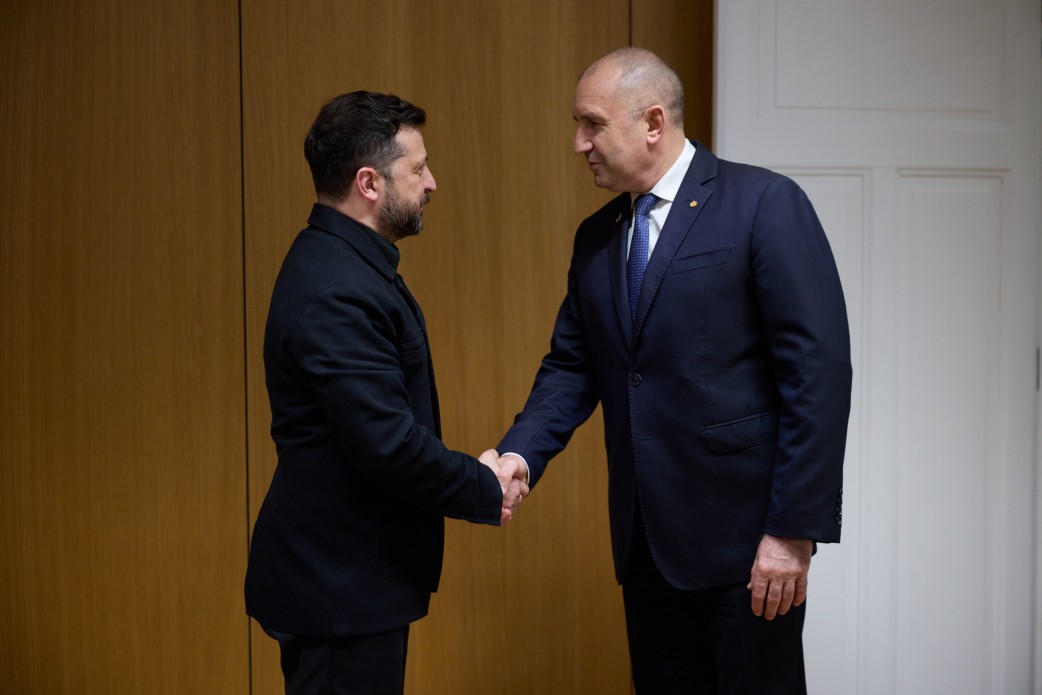
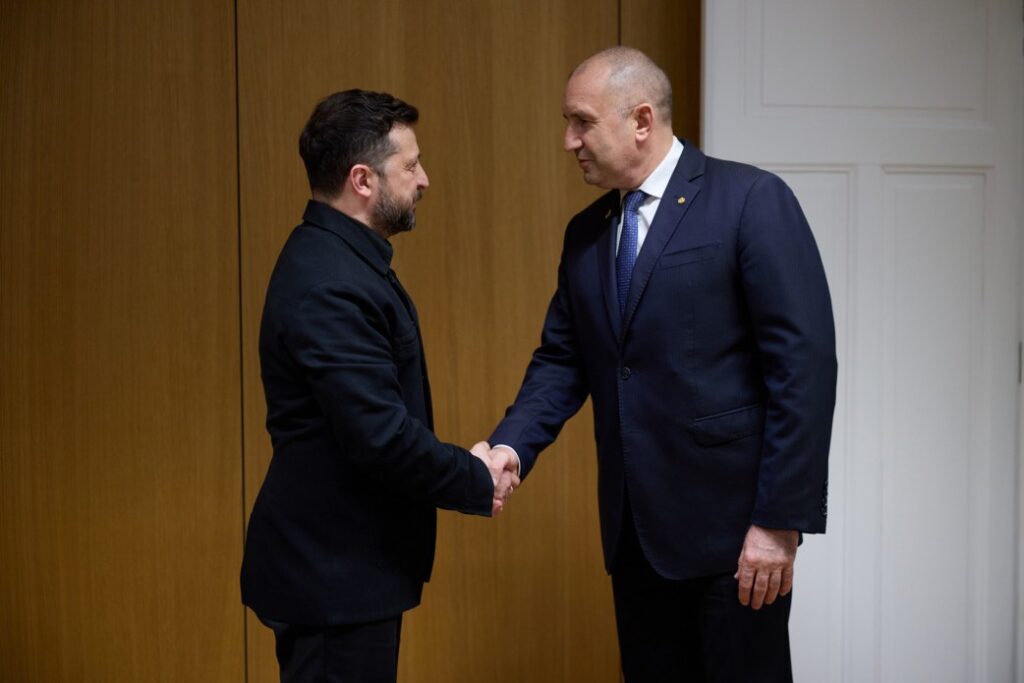
eu leaders agree renew russia sanctions full year first time bulgaria's pro-russian leader vows veto next batch · post president ukraine volodymyr zelenskyy (left) meeting prime minister bulgaria rumen radev
Explore further

EU leaders agree to renew Russia sanctions for a full year for the first time as Bulgaria’s pro-Russian leader vows to veto the next batch

The oil cap is its own tangle. EU rules now adjust the cap every six months to sit 15% below the average price of Russian Urals crude, which has pushed the limit to $44.10 a barrel. With the Iran war lifting fuel prices, a July review could send the floating cap to at least $65, above the old $60 ceiling. Officials are weighing whether to freeze the cap where it is or reset it to $60. Maritime nations have reservations about both.

Another contested clause would extend the rules used against tankers carrying Russian oil to ships moving its liquefied natural gas. The goal is to stop Moscow building a second shadow fleet for gas, as it has done for oil. Some members want a longer transition. A handful of capitals also have concerns about limiting imports of certain Russian fish.

ze carney
Explore further

Canada hits Russia with new sanctions at G7, a day after Lavra strike

The package carries other measures too: trade restrictions on some critical minerals, metals, and ores, plus export controls on about two dozen firms in China, India, Türkiye, and Central Asia accused of supplying Russia's weapons makers. It would add 30 more vessels to the shadow-fleet blacklist.

  • ✇Euromaidan Press
  • The UK may turn a captured Russian tanker’s cargo into cash for Ukraine’s troops
    Britain is weighing whether to sell a cargo of Russian oil seized from a shadow-fleet tanker and put the proceeds toward Ukraine, the Telegraph reported. The crude was taken from the Smyrtos, a tanker Royal Marines boarded in the English Channel this month. Officials now treat the cargo as British property. Russia's oil exports remain the main artery funding its invasion of Ukraine, and the seaborne trade that carries them has become a contested front—boarded, sanctioned, a
     

The UK may turn a captured Russian tanker’s cargo into cash for Ukraine’s troops

25 juin 2026 à 10:32

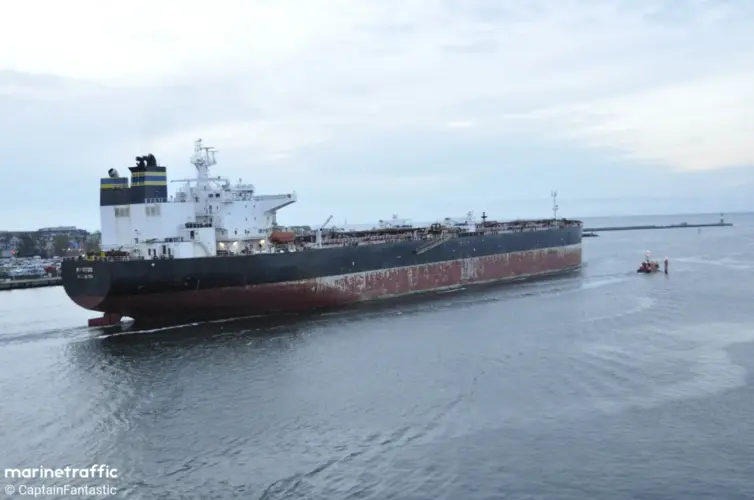
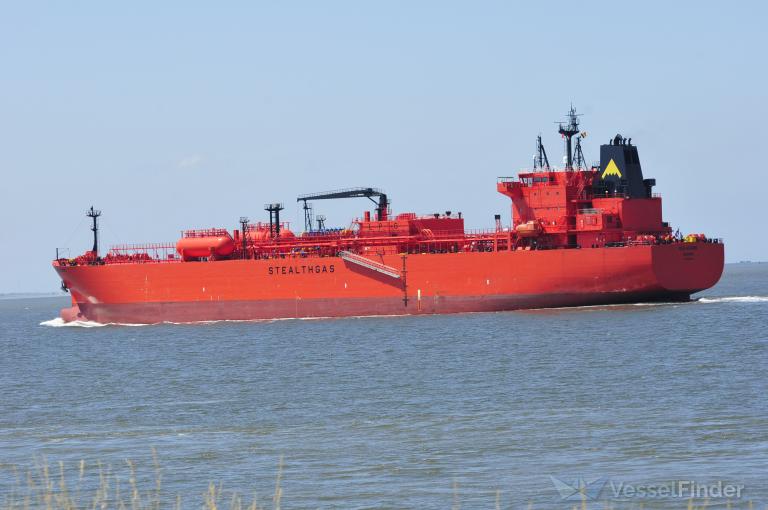
uk turn captured russian tanker's cargo cash ukraine's troops · post shadow-fleet tanker smyrtos currently flies flag cameroon marinetraffic/captainfantastic 5576527b8ccb4a22a26d7420cd0b312b9caebe5c8005792b9cdaa642f5f63828-big (1) ukraine news ukrainian reports

Britain is weighing whether to sell a cargo of Russian oil seized from a shadow-fleet tanker and put the proceeds toward Ukraine, the Telegraph reportedThe crude was taken from the Smyrtos, a tanker Royal Marines boarded in the English Channel this month. Officials now treat the cargo as British property.

Russia's oil exports remain the main artery funding its invasion of Ukraine, and the seaborne trade that carries them has become a contested front—boarded, sanctioned, and struck. Kyiv has long pressed allies to not just stop sanctioned tankers but seize them and put their cargo to use.

What Britain seized

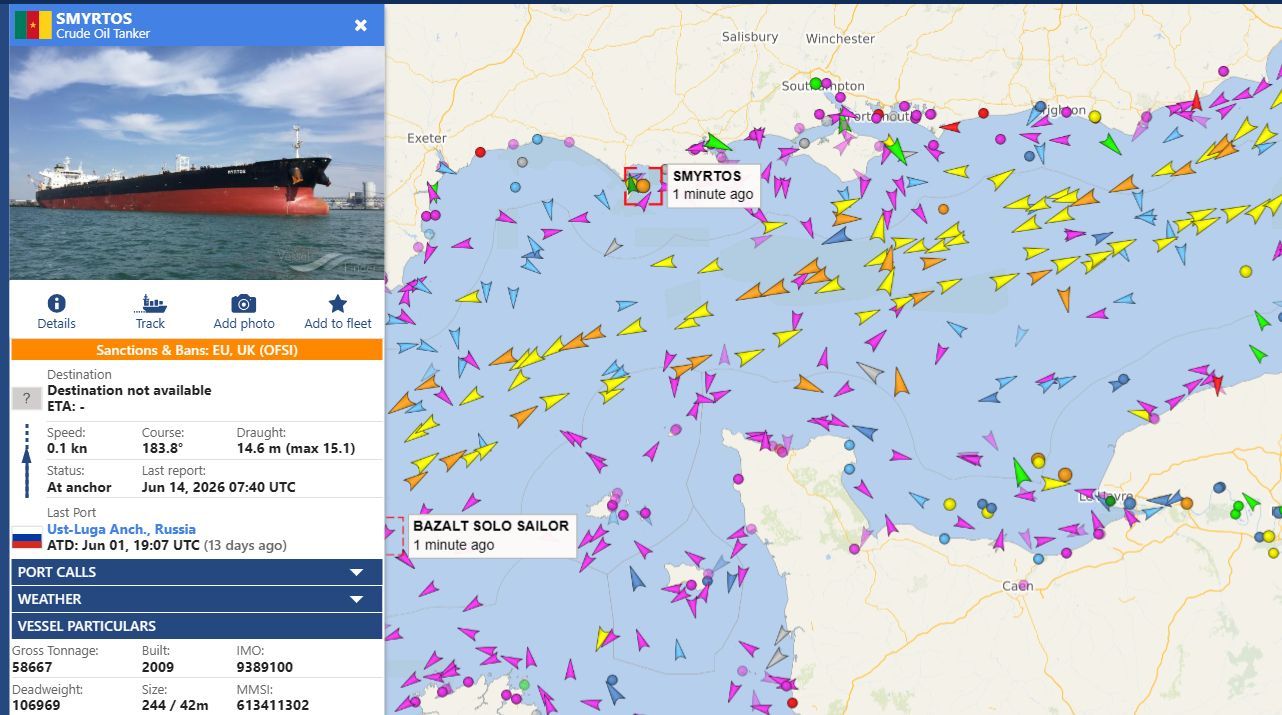
Royal Marines and crime-agency officers boarded the Cameroon-flagged Smyrtos in the Channel on 14 June, the first British-led seizure of its kind. The ship, part of Russia's shadow fleet, was breaking UK sanctions law by carrying illicit oil, the Telegraph reported. It has since sat anchored off Weymouth under Britain's Defense Ministry.

uk forces board russian shadow-fleet oil tanker english channel first time · post smyrtos cameroon-flagged crude boarded british sitting anchor off south coast england near isle portland 14 2026 hkwn2azxiaanehe
Explore further

UK forces board the Russian shadow-fleet’s oil tanker in the English Channel for the first time

The Smyrtos appears on EU, UK, Swiss, Canadian, and Ukrainian sanctions lists, Ukraine's military intelligence records show.

Its captain, Ajay Pant, an Indian national, faces a charge of sanctions evasion and remains in custody before a court hearing on 16 July. His lawyers said he was "simply following orders" and had no control over the cargo or its destination.

The £35m question

Officials believe the 98,000 tons of Urals crude on board now legally belong to the UK, the report said. The oil has a market value of about £35 million or more than $46 million. One proposal would sell it and send the money to Ukraine, or use it to fund equipment for the front. A second would refine the crude in Britain to power homes, though it is unclear how it would pass from state hands to an energy firm.

eu leaders agree renew russia sanctions full year first time bulgaria's pro-russian leader vows veto next batch · post president ukraine volodymyr zelenskyy (left) meeting prime minister bulgaria rumen radev
Explore further

EU leaders agree to renew Russia sanctions for a full year for the first time as Bulgaria’s pro-Russian leader vows to veto the next batch

The plan is at an early stage. Whitehall sources said the Smyrtos itself would eventually be allowed to sail back toward Russia once the National Crime Agency finishes its investigation.

A fleet Britain keeps chasing

The seizure fits a widening Western campaign against the shadow fleet, the network of aging tankers Moscow uses to move oil past sanctions and bankroll its war on Ukraine. The fleet runs more than 1,000 vessels, flying flags of convenience to dodge UK, US, and EU restrictions, and Russia's illicit oil trade moves around 3.7 million barrels a day. Britain authorized its navy to board sanctioned tankers in its waters in March. Government sources said the Smyrtos raid was "just the beginning."

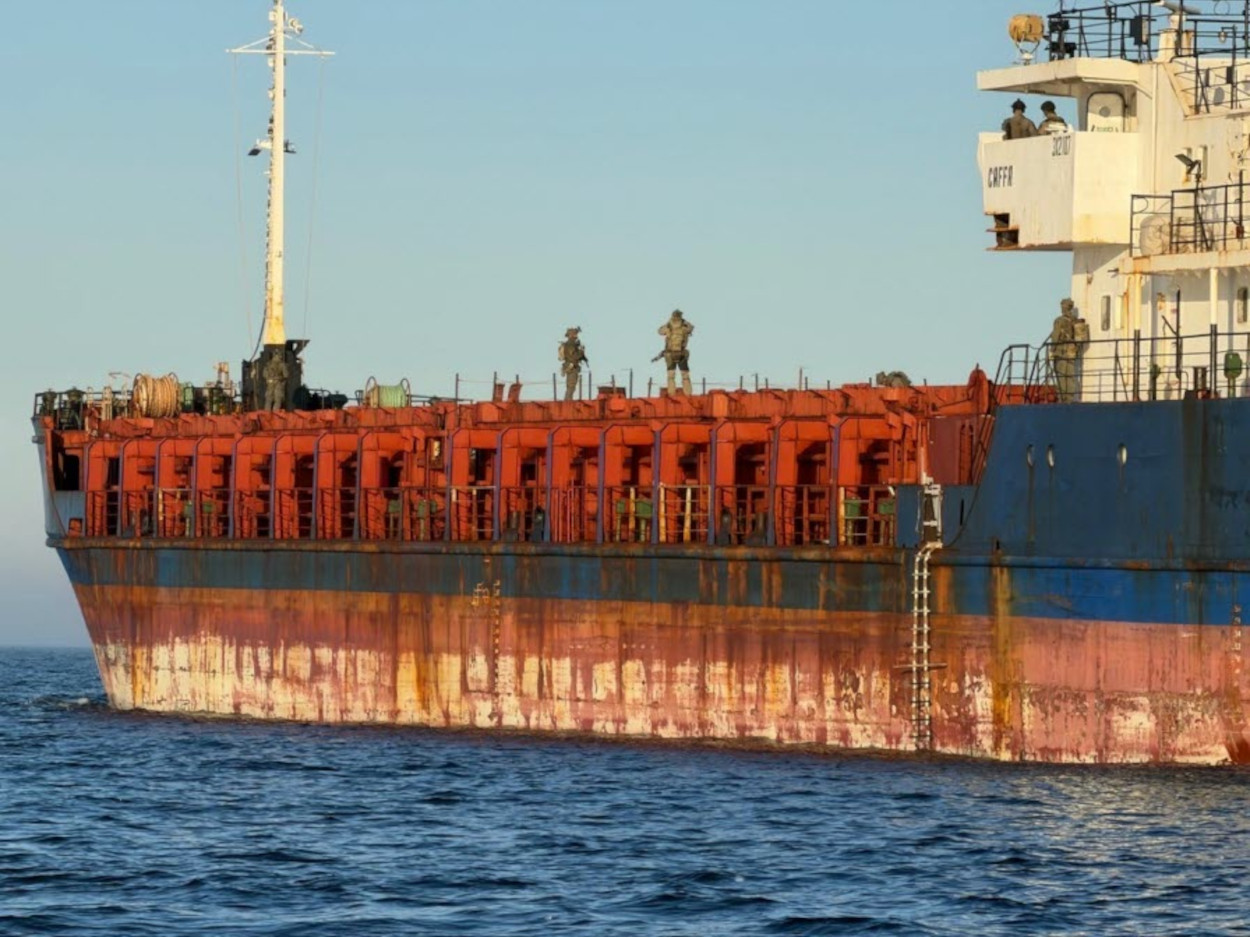
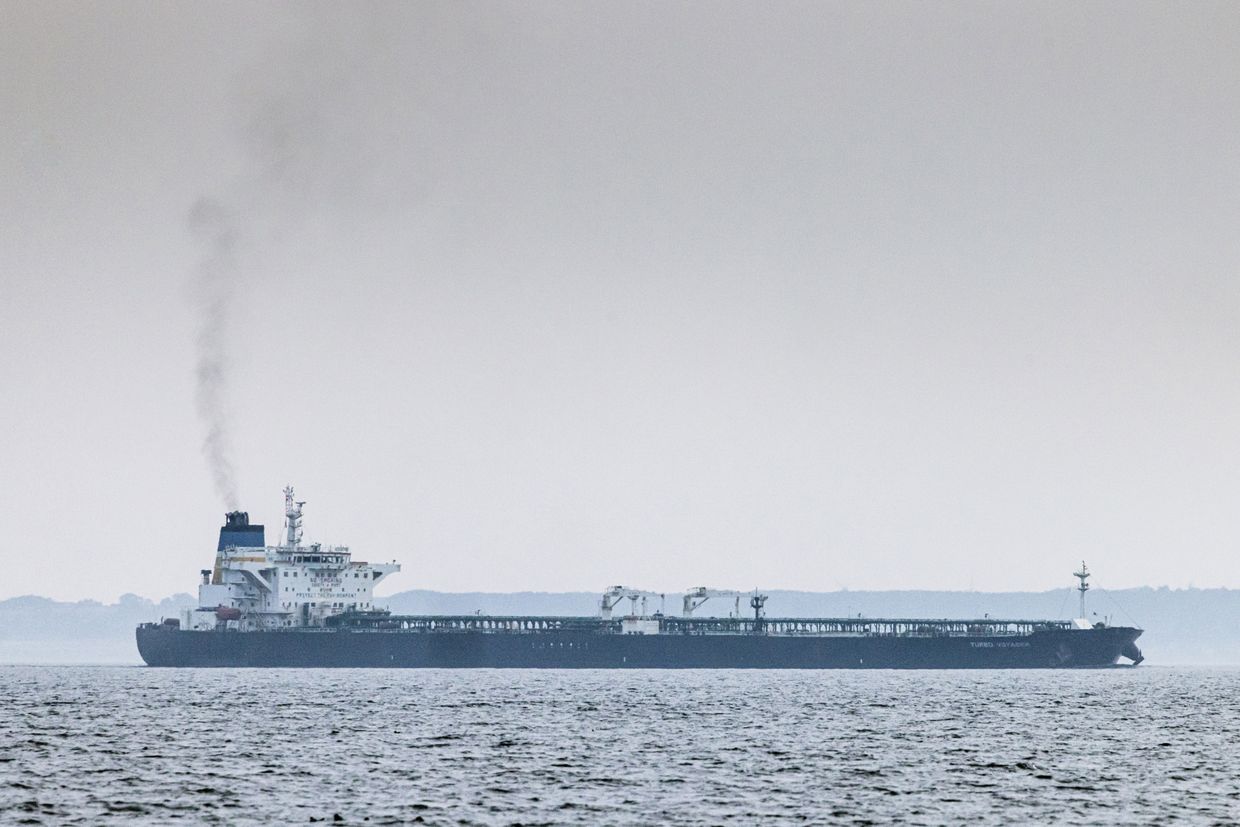
The "Caffa" vessel, part of Russia's "shadow fleet" under Swedish control on 6 March 2026. Photo: Swedish Coast Guard
Explore further

A ship linked to stolen grain from occupied Ukraine was seized in Sweden. A court says Kyiv can have it.

A warship in the Channel

Some tankers are harder to touch. A Russian Black Sea frigate, the Admiral Grigorovich, has escorted shadow-fleet ships through the Channel, the Telegraph revealed in April. The same warship fired warning shots at a British couple's yacht earlier this month.

Where Western law stops, drones start

Kyiv has not waited for Western navies. Ukraine has pounded the fleet itself and Russia's oil infrastructure with what it calls kinetic sanctions—drone strikes that reach the tankers, oil depots and refineries, where Western legal frameworks cannot. Sea drones struck the sanctioned tanker FINA A in the Black Sea in mid-June, one of a run of hits stretching from the Mediterranean to the Senegal coast. The attacks have tripled war-risk insurance on the ships and pushed at least one shipping firm to walk away from Russian business. Meanwhile, Russian oil depots and refineries now take hits every few days.

EU leaders agree to renew Russia sanctions for a full year for the first time as Bulgaria’s pro-Russian leader vows to veto the next batch

19 juin 2026 à 07:19

eu leaders agree renew russia sanctions full year first time bulgaria's pro-russian leader vows veto next batch · post president ukraine volodymyr zelenskyy (left) meeting prime minister bulgaria rumen radev

The leaders of the EU's member states have agreed to keep their sanctions on Russia in place for a full year rather than the usual six months, according to Reuters and Euronews. The decision, taken at a Brussels summit on 18 June, marks the first time the bloc has stretched the rollover that long. Yet a pro-Russian Bulgarian PM is already threatening to block the EU's next round of measures.

Russia's full-scale war is in its fifth year, and the EU keeps adding sanctions faster than it can enforce them against Moscow's evasion. The bloc's leverage rests not just on new lists but on holding 27 governments together.

A year instead of six months

The bloc's national leaders renewed the economic sanctions for 12 months at the Brussels summit on 18 June. The measures hit certain sectors of the Russian economy and had always been rolled over every six months. That short cycle handed any single member a regular chance to bargain or threaten a veto. The rollover is the first stretched to a full year. The 27 leaders also backed joint conclusions on Ukraine, the first such agreement since March 2025, when Hungary balked.

Bulgaria threatens the next package

Bulgaria's prime minister, Rumen Radev, vowed to veto the EU's next sanctions package on Russia. He said it could hurt Bulgaria's economy and pointed to the risk to Lukoil, the Russian oil company that runs the country's only refinery at Burgas. Radev wants Lukoil struck from the list. He also cited possible disruptions to Sofia Metro spare parts and fertilizer supplies. Reuters describes him as a pro-Russian eurosceptic who won April's parliamentary election.

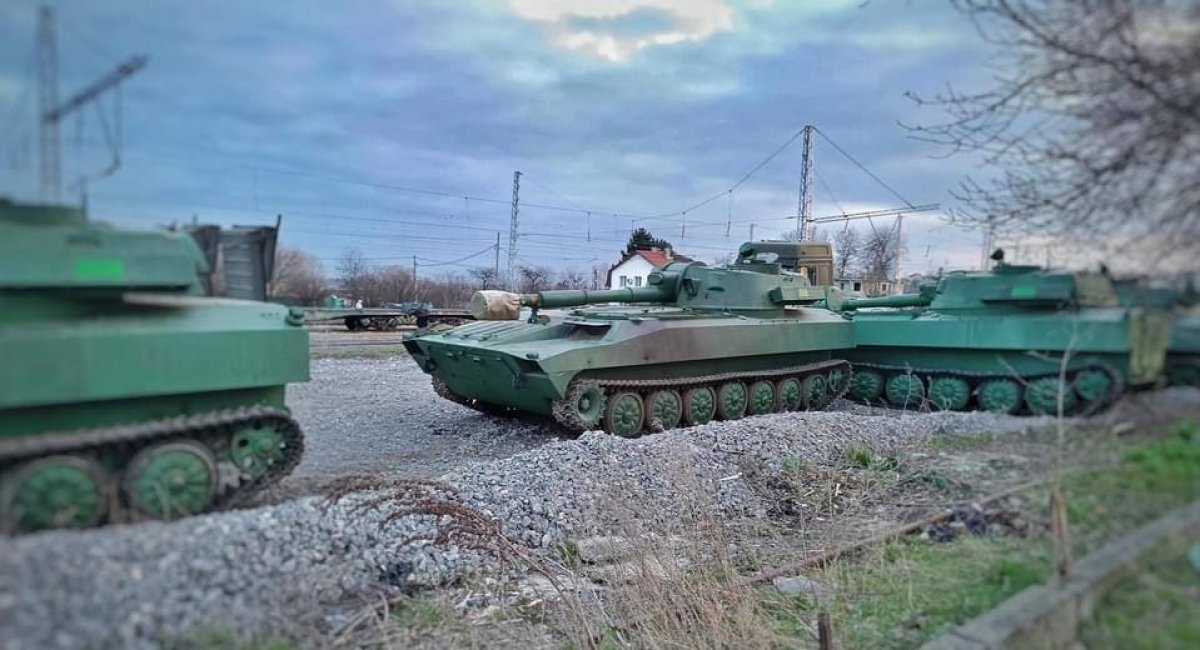
Decommissioning of the Bulgarian 2S1 Gvozdika howitzers, spring 2024. Photo via Defense Express
Explore further

Bulgaria’s defense minister banned weapons to Ukraine. It’s not that simple

Objection over a Russian bishop

Radev also opposes sanctions on a bishop of the Russian Orthodox Church. He argued the war should not reach into religion after spreading to culture and sports. 

"In what way have these sanctions so far stopped the war?" he asked.
Patriarch Kirill—the ROC leader—is a staunch supporter of Russia's war in Ukraine, while his church's infrastructure abroad often serves for Russian espionage activities. 

Still, Radev said Bulgaria would not block the EU's broader decisions on Ukraine and backs its accession talks.

The packages behind the threat

The next round, the EU's 21st package, would bar Russian soldiers from the bloc and add 30 more tankers to its shadow-fleet blacklist, alongside new curbs on Russian banks and the defense industry. The EU has imposed 20 packages since it first sanctioned Russia in 2014 over Crimea, with the twentieth lifting the tanker list to 632 ships. Brussels gained room for the new measures after Hungary's government unblocked steps its predecessor had stalled. Days earlier, on 15 June, the EU expanded its list with 34 individuals and 47 entities.

  • ✇The Kyiv Independent
  • After airport chaos, tanker blast, Putin fires Russian transport minister
    Russian President Vladimir Putin dismissed Transport Minister Roman Starovoit on July 7, following a series of high-profile disruptions to Russia's aviation and shipping sectors.The official decree was published on Russia's legal information portal. No reason was given, but Starovoit's departure comes after nearly 300 flights were grounded at major Russian airports on July 5–6 due to security threats from Ukrainian drone attacks.Adding to the turmoil, an explosion aboard the Eco Wizard tanker at
     

After airport chaos, tanker blast, Putin fires Russian transport minister

7 juillet 2025 à 03:45
After airport chaos, tanker blast, Putin fires Russian transport minister

Russian President Vladimir Putin dismissed Transport Minister Roman Starovoit on July 7, following a series of high-profile disruptions to Russia's aviation and shipping sectors.

The official decree was published on Russia's legal information portal. No reason was given, but Starovoit's departure comes after nearly 300 flights were grounded at major Russian airports on July 5–6 due to security threats from Ukrainian drone attacks.

Adding to the turmoil, an explosion aboard the Eco Wizard tanker at the Ust-Luga port in Leningrad Oblast caused an ammonia leak on July 6, prompting an emergency response.

Starovoit, sanctioned by Ukraine and Western countries for his role in the war against Ukraine, had served as governor of Russia's Kursk Oblast before being appointed transport minister in May 2024.

According to the Russian state-controlled newspaper Vedomosti, Deputy Transport Minister Andrei Nikitin, a former Novgorod Oblast governor, is a leading candidate to replace Starovoit.

On July 6, the Russian Federal Aviation Agency confirmed that 287 flights were delayed or canceled at Moscow's Sheremetyevo Airport, St. Petersburg's Pulkovo Airport, and Nizhny Novgorod's Strigino Airport due to safety concerns from drone activity.

Kyiv's drone campaign, which has increasingly disrupted civilian air travel in Russia, is part of Ukraine's broader strategy to undermine Russia's logistics far beyond the front line.

Russian authorities said the ammonia leak at Ust-Luga was "minor," but the pro-Kremlin Telegram channel, Baza, reported that an unexplained explosion preceded the incident.

The Eco Wizard tanker is believed to be part of Russia's "shadow fleet" — a network of vessels used to bypass international sanctions on Russian oil and chemical exports. Five tankers have been damaged by explosions at Russian ports since the start of 2025.

The Kremlin has not made a formal statement on the minister's dismissal.

Death of top Russian oil executive fuels fresh scrutiny of elite’s ‘window falls’
The unexplained death of a top Russian oil executive on July 4 is fueling renewed scrutiny over the rising number of high-profile Russian officials and businessmen who have died under mysterious circumstances, specifically, have fallen out of windows. Andrei Badalov, vice president of Transneft, Russia’s largest state-controlled pipeline transport company,
After airport chaos, tanker blast, Putin fires Russian transport ministerThe Kyiv IndependentTim Zadorozhnyy
After airport chaos, tanker blast, Putin fires Russian transport minister
  • ✇The Kyiv Independent
  • Explosion damages tanker in Russian port, marking 6th mysterious blast this year
    An explosion aboard the Eco Wizard tanker in Russia's Ust-Luga port caused an ammonia leak and is under investigation, the Russian Transportation Ministry announced on July 6. Explosions have damaged five tankers at Russian ports since the beginning of the year. The Russian Transportation Ministry alleged that "a minor leak of liquid ammonia" occurred at the Ust-Luga seaport in Leningrad Oblast due to "an incident" while unloading and loading the Eco Wizard tanker. According to the Russian Teleg
     

Explosion damages tanker in Russian port, marking 6th mysterious blast this year

6 juillet 2025 à 13:12
Explosion damages tanker in Russian port, marking 6th mysterious blast this year

An explosion aboard the Eco Wizard tanker in Russia's Ust-Luga port caused an ammonia leak and is under investigation, the Russian Transportation Ministry announced on July 6.

Explosions have damaged five tankers at Russian ports since the beginning of the year.

The Russian Transportation Ministry alleged that "a minor leak of liquid ammonia" occurred at the Ust-Luga seaport in Leningrad Oblast due to "an incident" while unloading and loading the Eco Wizard tanker.

According to the Russian Telegram news channel Baza, "an explosion of an unknown nature" preceded the leak.

The ship's 23-person crew was evacuated and port emergency services are working on site to eliminate the consequences. Loading operations were stopped and emergency rescue services put on high alert. Russian Transportation Minister Roman Starovoit held a meeting on the incident and a diving inspection of the vessel is planned.

No casualties have been reported.

The Eco Wizard tanker arrived in Ust-Luga from Antwerp, Belgium on July 3, according to ship-tracking data from VesselFinder. The vessel was built in 2024 to transport liquefied petroleum gas (LPG) and flies the flag of the Marshall Islands.

The vessel is suspected to belong to Russia's "shadow fleet," a group of tankers Moscow uses to circumvent sanctions.

A week prior to the Eco Wizard explosion, a blast occurred on the shadow fleet tanker Vilamoura shortly after it visited Russian ports. The ship was carrying 1 million barrels of oil at the time of the explosion.

The Eco Wizard is the sixth tanker linked to Russia to have suffered an explosion since the start of this year.

Ukraine war latest: Drones attack Russia’s Black Sea Fleet; Russian pipelines explode in country’s Far East, HUR says
Key developments on July 5-6: * Drones reportedly attack Russia’s Black Sea fleet * Pipelines supplying Russian military explode in Russia’s Far East, HUR source says * Ukrainian drone strike on Russian airfield hits bomb depot, aircraft * Ukraine hits Russian electronic warfare facility making Shahed, Iskander components, General Staff says * Ukraine’s army chief warns of new Russian offensives in northeast as he visits Kharkiv Oblast front Drones attacked Russia’s Black Sea Fleet at the
Explosion damages tanker in Russian port, marking 6th mysterious blast this yearThe Kyiv IndependentThe Kyiv Independent news desk
Explosion damages tanker in Russian port, marking 6th mysterious blast this year
  • ✇The Kyiv Independent
  • Russia reviving efforts to expand LNG exports after US sanctions, Bloomberg reports
    Russia is making another attempt to expand its exports of liquefied natural gas (LNG) after U.S. sanctions disrupted production at its flagship Arctic LNG 2 plant, Bloomberg reported on June 28. Arctic LNG 2, owned by the Russian company Novatek, was envisaged as Russia's largest LNG plant and aimed to produce almost 20 million metric tons of LNG per year. The U.S. State Department targeted the Arctic LNG 2 project with sanctions in 2024. An LNG vessel has reportedly docked at the Arctic LNG 2 f
     

Russia reviving efforts to expand LNG exports after US sanctions, Bloomberg reports

28 juin 2025 à 23:09
Russia reviving efforts to expand LNG exports after US sanctions, Bloomberg reports

Russia is making another attempt to expand its exports of liquefied natural gas (LNG) after U.S. sanctions disrupted production at its flagship Arctic LNG 2 plant, Bloomberg reported on June 28.

Arctic LNG 2, owned by the Russian company Novatek, was envisaged as Russia's largest LNG plant and aimed to produce almost 20 million metric tons of LNG per year. The U.S. State Department targeted the Arctic LNG 2 project with sanctions in 2024.

An LNG vessel has reportedly docked at the Arctic LNG 2 facility for the first time since October, according to ship-tracking data and satellite images analyzed by Bloomberg. Data suggests that at least 13 vessels of Russia's "shadow fleet" have been assembled to potentially serve Arctic LNG 2.

These include four ice-class vessels, including the one currently docked at Arctic LNG 2. Three others are idling in the Barents Sea, along with three traditional LNG vessels. Two more vessels are being repaired in China and another two are idled in the Gulf of Finland. One ship is located near a floating storage facility in Russia's Far East.

While pipeline shipments of Russian gas to Europe have declined sharply since the full-scale invasion of Ukraine, Russia's shadow fleet — a group of aging oil tankers used to circumvent global sanctions — continues to grow.

Moscow now has more vessels at its disposal than it did last year, according to Malte Humpert, founder of the Arctic Institute think tank.

"If (Russia) can find buyers, this small fleet should be sufficient to lift cargoes," Humpert told Bloomberg.

Finding buyers may present a difficulty, due to wariness about sanctions violations. Former U.S. President Joe Biden sanctioned ships and companies connected with exports from Arctic LNG 2 in 2024, thought it is not yet clear if U.S. President Donald Trump will enforce sanctions as strictly.

Representatives of Arctic LNG 2 have continued to search for buyers in China and India, but have not yet made any sales, traders familiar with the matter told Bloomberg.

Arctic LNG 2 cut production from its gas fields to almost zero in November 2024, after halting liquefaction the previous month due to Western sanctions. The U.S. sanctioned two vessels and two entities connected to Arctic LNG 2 in September 2024, after previously targeting the project in a sweeping round of sanctions late August.

The August sanctions likely forced Novatek to scale back its operations at the facility. Novatek itself was sanctioned after the outbreak of the full-scale war in 2022.

Despite escalating war plans, Putin claims Russia will cut military spending starting in 2026
Russian President Vladimir Putin claimed on June 27 that Moscow plans to cut its military expenditure beginning next year, in a rebuke of NATO members’ plans to increase defense spending to 5% of GDP.
Russia reviving efforts to expand LNG exports after US sanctions, Bloomberg reportsThe Kyiv IndependentDmytro Basmat
Russia reviving efforts to expand LNG exports after US sanctions, Bloomberg reports

  • ✇The Kyiv Independent
  • For the first time, Australia sanctions Russian shadow fleet oil tankers
    Australia has, for the first time, imposed sanctions on Russia's so-called "shadow fleet" of oil tankers, targeting 60 vessels used to circumvent international sanctions and sustain the Kremlin's war effort in Ukraine, the Australian government said on June 18.The move aligns Canberra with similar measures introduced by the United Kingdom, Canada, and the European Union. Australia's Foreign Ministry said the sanctioned vessels operate under "deceptive practices, including flag-hopping, disabling
     

For the first time, Australia sanctions Russian shadow fleet oil tankers

18 juin 2025 à 08:20
For the first time, Australia sanctions Russian shadow fleet oil tankers

Australia has, for the first time, imposed sanctions on Russia's so-called "shadow fleet" of oil tankers, targeting 60 vessels used to circumvent international sanctions and sustain the Kremlin's war effort in Ukraine, the Australian government said on June 18.

The move aligns Canberra with similar measures introduced by the United Kingdom, Canada, and the European Union.

Australia's Foreign Ministry said the sanctioned vessels operate under "deceptive practices, including flag-hopping, disabling tracking systems and operating with inadequate insurance," enabling illicit Russian oil trade that undermines international sanctions.

"Russia uses these vessels to circumvent international sanctions and sustain its illegal and immoral war against Ukraine," the ministry said in a statement.

With this move, Australia has now sanctioned more than 1,400 Russian individuals and entities since Moscow's full-scale invasion of Ukraine began in February 2022, the government said.

The step comes amid the continued operation of Russia's shadow fleet. According to a recent study by the Kyiv School of Economics (KSE), Russia currently operates 435 tankers outside the control of Western regulators to evade sanctions such as the G7-EU price cap on Russian oil.

These vessels are typically un- or underinsured and pose a rising environmental risk due to their age and operational opacity.

KSE estimates that as of April 2024, 83% of Russia's crude oil and 46% of its petroleum product exports were shipped using shadow fleet tankers. The study warns that this undermines the effectiveness of Western sanctions and increases the likelihood of maritime disasters, as many of these ships fall outside international safety and insurance standards.

The EU formally adopted its 17th sanctions package against Russia in May, sanctioning nearly 200 vessels tied to the shadow fleet. EU foreign policy chief Kaja Kallas said the new measures also target hybrid threats and human rights violations, with more sanctions under consideration.

Some EU member states and observers have criticized the package for lacking stronger provisions to disrupt Russia's sanction evasion schemes.

Now, the EU seeks to approve its 18th sanctions package, which will add 77 more shadow fleet vessels to comply with the cap to prevent Russia from circumventing sanctions and propose imposing a ban on imports of petroleum products made from Russian oil.

The United States has signaled reluctance to pursue additional sanctions despite Moscow's continued aggression in Ukraine and rejection of ceasefire proposals supported by Western allies.

Putin ‘cannot be trusted’ as mediator, Kallas says, urges EU to tighten Russian oil cap after deadly Kyiv strike
EU High Representative Kaja Kallas urged the European Union to press forward with lowering the oil price cap on Russian crude, even without U.S. support, warning that Middle East tensions could otherwise drive prices up and boost Russia’s revenues.
For the first time, Australia sanctions Russian shadow fleet oil tankersThe Kyiv IndependentAnna Fratsyvir
For the first time, Australia sanctions Russian shadow fleet oil tankers
  • ✇The Kyiv Independent
  • Russia evading oil sanctions with illegal transfers near Greece, Cyprus, HUR says
    An uninsured Russian Aframax-class tanker has been illegally conducting ship-to-ship oil transfers in international waters near Greece and Cyprus since July 2024, Ukraine's military intelligence (HUR) reported on June 16.According to the agency, the vessel, operating without Western insurance, is part of Russia's expanding shadow fleet used to bypass G7 and EU sanctions on Russian oil exports. HUR said such transfers "pose an environmental threat, allow the aggressor to conceal the origin of oil
     

Russia evading oil sanctions with illegal transfers near Greece, Cyprus, HUR says

16 juin 2025 à 02:57
Russia evading oil sanctions with illegal transfers near Greece, Cyprus, HUR says

An uninsured Russian Aframax-class tanker has been illegally conducting ship-to-ship oil transfers in international waters near Greece and Cyprus since July 2024, Ukraine's military intelligence (HUR) reported on June 16.

According to the agency, the vessel, operating without Western insurance, is part of Russia's expanding shadow fleet used to bypass G7 and EU sanctions on Russian oil exports.

HUR said such transfers "pose an environmental threat, allow the aggressor to conceal the origin of oil, evade international control, and ensure its supply to third countries in circumvention of sanctions."

Ukraine has identified the tanker as IMO 9247443 and listed it on the War&Sanctions platform, along with 159 other tankers allegedly belonging to Russia's shadow fleet and 55 captains involved in sanction-busting operations.

Despite price caps and Western restrictions, Russia continues to profit from oil and gas exports, which remain a vital revenue source. According to HUR estimates, roughly one-third of those profits are expected to fund Russia's war against Ukraine in 2025.

In May, the EU approved its 17th sanctions package, targeting nearly 200 shadow fleet vessels. The U.S. Treasury had earlier sanctioned over 180 tankers, which together accounted for nearly half of Russia's offshore oil shipments.

While the Biden administration ramped up pressure on Russia's oil trade early in 2024, U.S. President Donald Trump has since declined to impose new sanctions, despite Moscow's continued refusal to agree to a ceasefire.

EU leaders call for tougher sanctions on Russia at G7 summit
“To achieve peaceful strength we must put more pressure on Russia to secure a real ceasefire, to bring Russia to the negotiating table, and to end this war. Sanctions are critical to that end,” European Commission President Ursula von der Leyen said.
Russia evading oil sanctions with illegal transfers near Greece, Cyprus, HUR saysThe Kyiv IndependentAbbey Fenbert
Russia evading oil sanctions with illegal transfers near Greece, Cyprus, HUR says
❌