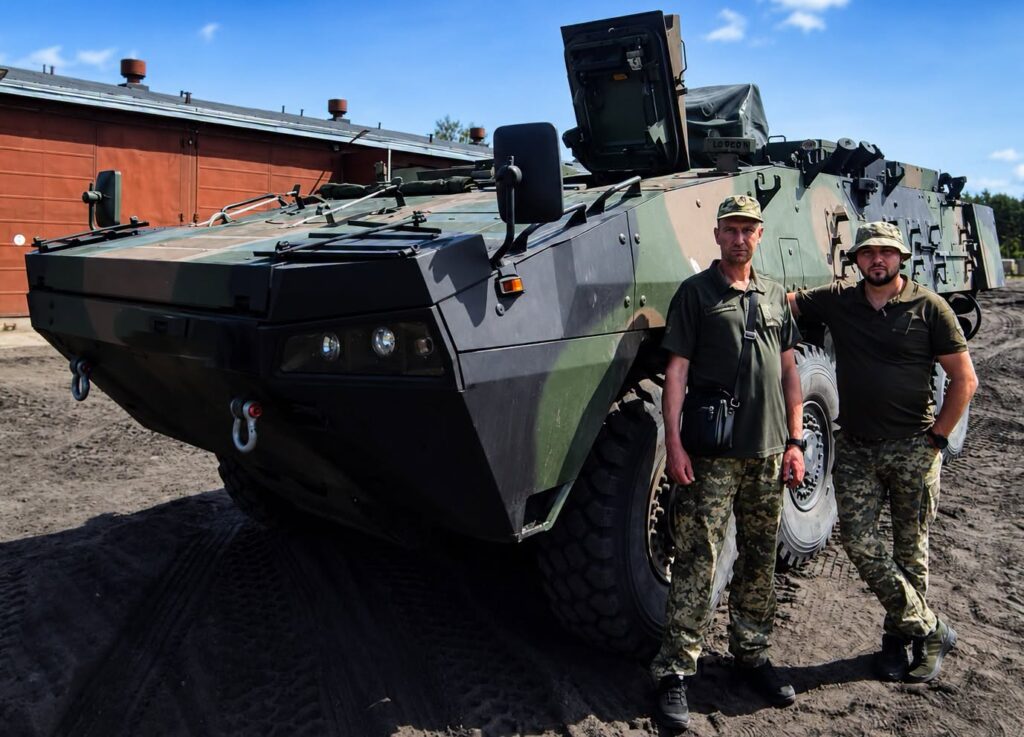
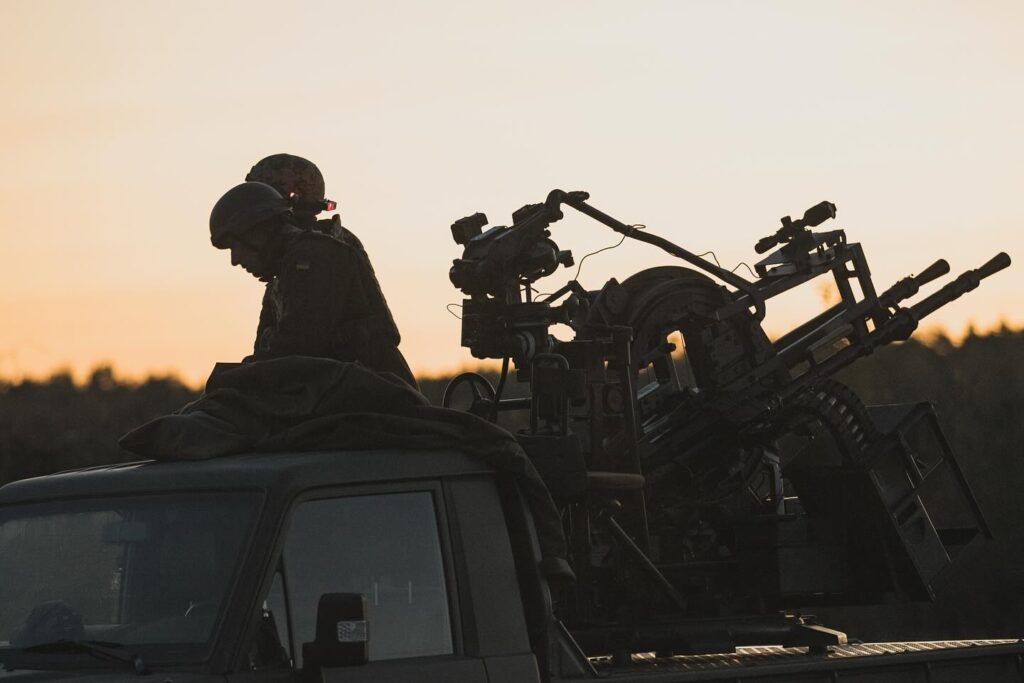
Ukraine is knocking down Russia's newest cruise missiles with a gun designed in the 1940s. Soldiers of Ukraine's 121st Separate Territorial Defense Brigade shot down Russian S8000 "Banderol" and Kh-59 missiles using old Swedish 40mm Bofors L70 anti-aircraft guns, the brigade said.
The "Chaklun" (Sorcerer) crew downed one of the missiles near Odesa. The next day, the "Hunter" crew intercepted another near a different southern city.
When Ukrainian expert Serhii "Flash" Beskre
Ukraine is knocking down Russia's newest cruise missiles with a gun designed in the 1940s. Soldiers of Ukraine's 121st Separate Territorial Defense Brigade shot down Russian S8000 "Banderol" and Kh-59 missiles using old Swedish 40mm Bofors L70 anti-aircraft guns, the brigade said.
The "Chaklun" (Sorcerer) crew downed one of the missiles near Odesa. The next day, the "Hunter" crew intercepted another near a different southern city.
When Ukrainian expert Serhii "Flash" Beskrestnov first analyzed the Banderol, he warned it was too fast for Ukraine's mobile fire teams to hit with standard ground-based machine guns, and that countering it would require systems like the Gepard that can track fast-moving targets.
Old gun, new missile, and old gun won
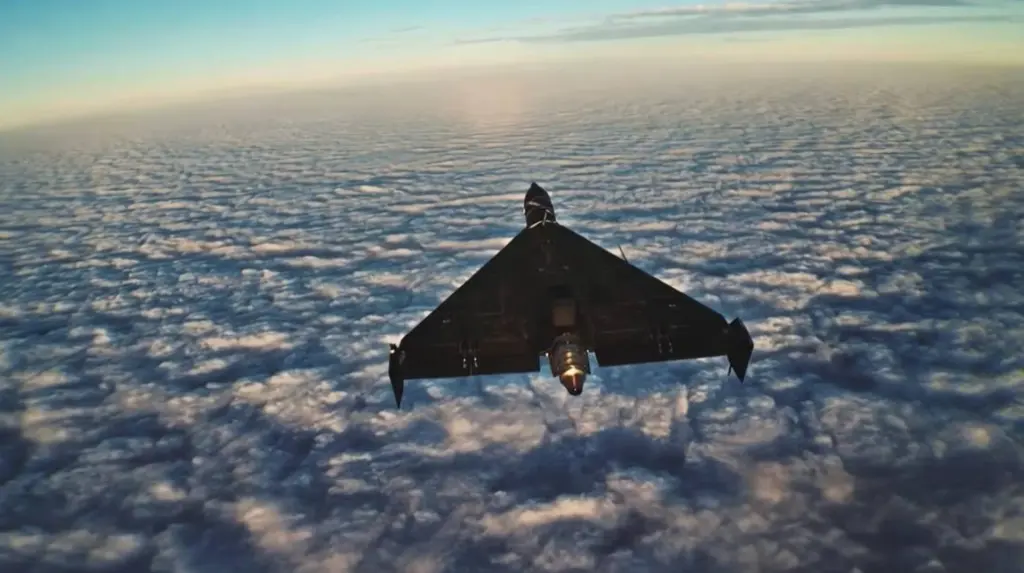
The Banderol is a jet-powered cruise missile that flies at 400 to 500 km/h.
The Bofors L70 that just downed one was developed in the late 1940s and has been in service with armies worldwide since the 1950s.
Defense Express calls the intercepts vivid proof of the L70's usefulness.
Analysts noted that the 121st Brigade's L70S carries no substantial modifications beyond new sighting equipment, so aiming at air targets is most likely still done manually.
Hand-aimed 1940s gun did what machine guns could not
That matters because of the economics Ukraine fights for. A cannon shell costs a tiny fraction of an interceptor missile, and every Banderol or Kh-59 knocked down by a Bofors round is one not engaged with a scarce guided interceptor.
Ukraine has built its whole air-defense survival strategy on driving down the cost-per-intercept by scaling cheap interceptor drones, standing up private and community fire groups, and now, it turns out, getting decades-old donated cannons to kill modern missiles. The cheapest shot that works is the right shot.
Guns came from Lithuania and the Netherlands
The Bofors L70S in Ukrainian service arrived as Western military aid. Lithuania sent L70 guns to Ukraine as part of a package announced in 2023, and the weapons were also provided to Ukraine by the Netherlands.
The through-line of Ukraine's air war is that no single system solves the problem, so everything that can hit a target gets used, including a Swedish cannon older than most of the armies that still field it.
Exclusives
Ukraine's protesters set a 24 July deadline as Zelenskyy weighs replacing his army chief. Organizers gave the government four days before nightly rallies begin.
Why Russia is importing gasoline made from its own oil. To keep its pumps supplied, Moscow has written India's gasoline price into its own tax code.
Military
Ukrainian regiment that raised flag in Kostiantynivka says it's aware of reports that its soldiers were captured there. These are the same tr
Britain's new prime minister is opening with a call to Kyiv. Andy Burnham became UK prime minister on 20 July after King Charles III accepted Keir Starmer's resignation and tasked the new Labour leader with forming a government.
Burnham announced that his first foreign calls, on 20 July, would go to US President Donald Trump and Ukrainian President Volodymyr Zelenskyy, Radio Free Europe/Radio Liberty reported.
Burnham planned to assure Zelenskyy that nothing has changed, an
Britain's new prime minister is opening with a call to Kyiv. Andy Burnham became UK prime minister on 20 July after King Charles III accepted Keir Starmer's resignation and tasked the new Labour leader with forming a government.
Burnham announced that his first foreign calls, on 20 July, would go to US President Donald Trump and Ukrainian President Volodymyr Zelenskyy, Radio Free Europe/Radio Liberty reported.
Burnham planned to assure Zelenskyy that nothing has changed, and that Britain, one of Ukraine's key Western allies, and its new prime minister personally, remain on Ukraine's side.
Zelenskyy has already spoken with him
"I was glad to talk with Andy Burnham and congratulate him on becoming Prime Minister of the UK. I greatly appreciate that support for Ukraine, and our people will continue to be strong," Zelenskyy wrote.
Also, he thanked Burnham for the words of respect toward Ukrainians and condolences for those killed in recent Russian attacks.
Burnham is Britain's seventh leader in just over a decade. He was, until recently, the mayor of Greater Manchester, and returned to Parliament in a special election weeks ago before winning the Labour leadership on 17 July.
Burnham's Ukraine record predates his premiership
Unlike in domestic policy, no substantial change in foreign policy is expected. Burnham has a documented pro-Ukraine record stretching back over a decade.
He has recalled that he opposed "Russia's invasion of Crimea" in 2014. Four years later, he called on FIFA to strip Russia of the right to host the football World Cup. After the full-scale invasion, he continued supporting Ukraine: corresponding with the heads of Ukrainian cities, helping with the rehabilitation of victims and the resettlement of refugees, and calling for the harshest possible sanctions against Russia. He has stressed that the security of the UK is directly tied to the security of Ukraine. The same said outgoing Starmer in his farewell remarks.
Partnership runs through Anti-Ballistic Coalition
Zelenskyy framed the relationship as the strongest in the two countries' history and pointed to a specific near-term agenda.
The Ukrainian leader said that Ukraine and Britain have managed to build the strongest partnership "in the history of relations between our states, and we will certainly continue working to expand it."
"We agreed to discuss our further cooperation, including work within the framework of the Anti-Ballistic Coalition, at a meeting in the near future. Thank you, Andy. Thank you, Britain," he summarized.
Britain has been among Ukraine's most consistent military backers since 2022, providing Storm Shadow cruise missiles, training tens of thousands of Ukrainian troops, and helping lead the Coalition of the Willing.
A Polish man stood up for a Ukrainian teenager, and three men beat him for it. The 60-year-old intervened when three men shouted abuse at a Ukrainian teenager on a tram in Poznań, and they turned their aggression on him, beating him so badly that he suffered a memory blackout, Polish outlet Rzeczpospolita reported.
The attack fits a documented and worsening pattern of anti-Ukrainian violence in Poland. Hate crimes rose more than 30% between 2024 and 2025, Poland's Deput
A Polish man stood up for a Ukrainian teenager, and three men beat him for it. The 60-year-old intervened when three men shouted abuse at a Ukrainian teenager on a tram in Poznań, and they turned their aggression on him, beating him so badly that he suffered a memory blackout, Polish outlet Rzeczpospolita reported.
The attack fits a documented and worsening pattern of anti-Ukrainian violence in Poland. Hate crimes rose more than 30% between 2024 and 2025, Poland's Deputy Interior Minister Czesław Mroczek said.
It is the second such assault to surface in days: on 11 July, a man in Łódź beat a passerby he had mistaken for a Ukrainian.
Incident escalated at tram stop
According to Poznań police spokesman Andrzej Borowiak, the beating happened on Friday, and the man came to the police on Saturday evening, accompanied by his wife, who had been caring for him after the incident.
It began on the tram, where he witnessed three men hurling insults at a Ukrainian teenager and stepped in. The attackers redirected their aggression onto him. At a stop on Kurpiński Street, a confrontation broke out and escalated into a beating.
Police are working from tram and stop cameras
Police questioned witnesses and seized footage from the surveillance cameras at the tram stop, with recordings from inside the tram due to be released on Monday. Identifying the attackers is ongoing.
That the aggressors turned so readily from the Ukrainian teenager to the Pole defending him is its own signal about how the hostility works: once "defender of Ukrainians" becomes a category worth attacking, the violence no longer needs a Ukrainian target to find one.
The hostility is measured, and it is rising
Earlier, Poland's own General Staff has reported large-scale Russian operations aimed at fracturing Polish-Ukrainian ties, and anti-Ukrainian messaging in Poland's information space doubled between August and November 2025 compared with a year earlier. In June 2026, Poland arrested eleven people over Russian-funded paid protests staged among Ukrainian refugees.
Polish public support for taking in Ukrainian refugees has fallen from 94% in March 2022 to 48% by early 2026.
Poland remains the main hub for weapons reaching Ukraine, and breaking the two nations apart has been a Russian objective since 2022.
Russia is fitting Shaheds with FM transmitters and paying Ukrainians to record them. Serhii "Flash" Beskrestnov, the Ukrainian president's adviser on technological directions of defense, said that a Shahed with an unexplained antenna has been spotted again, this time over Chernihiv Oblast, and that he is waiting for one to be recovered as a trophy to confirm his theory about what it does.
According to Beskrestnov, Russia uses social media to recruit traitors. A recruit is t
Russia is fitting Shaheds with FM transmitters and paying Ukrainians to record them. Serhii "Flash" Beskrestnov, the Ukrainian president's adviser on technological directions of defense, said that a Shahed with an unexplained antenna has been spotted again, this time over Chernihiv Oblast, and that he is waiting for one to be recovered as a trophy to confirm his theory about what it does.
According to Beskrestnov, Russia uses social media to recruit traitors. A recruit is told to buy a radio receiver and a voice recorder, tune the receiver to a designated empty frequency, such as 85.5 MHz, at a set time, place the recorder next to it in record mode, and send the recording to a specified Telegram account.
Meanwhile, the Shahed carries an FM transmitter continuously broadcasting coded information about its flight. Euromaidan Press cannot independently confirm the scheme. It is Beskrestnov's interpretation of an antenna he has photographed but not yet examined on a recovered drone.
Flash is mocking method, not danger
"Behind this technologically idiotic operation, there is clearly some GRU colonel over 60 who considers himself a genius and probably even got an award for it. Just imagine — inflating such a spy 'movement' for the sake of some crap," Beskrestnov wrote.
The scorn is aimed at how clumsy the scheme is, not at the idea that Russia would try it. He closed with a warning to anyone tempted.
"For all lovers of easy money, I remind you that a small service can cost life imprisonment," Beskrestnov wrote.
Whatever the specific antenna does, it fits a pattern of Russia constantly re-engineering how its Shaheds navigate and report. Beskrestnov and Ukrainian intelligence have documented one adaptation after another.
Russia has fitted Shaheds with SIM cards to exploit Ukrainian and European mobile networks for guidance, ordering the cards from a Rostelecom subsidiary and having drones switch to neighboring countries' networks when Ukraine blocks them.
It built a web of Shahed relay towers in Belarus, some on residential rooftops, to extend control over drones striking western Ukraine. It has flown jet-powered Gerans, AI machine-vision variants, and manually piloted low-altitude Shaheds.
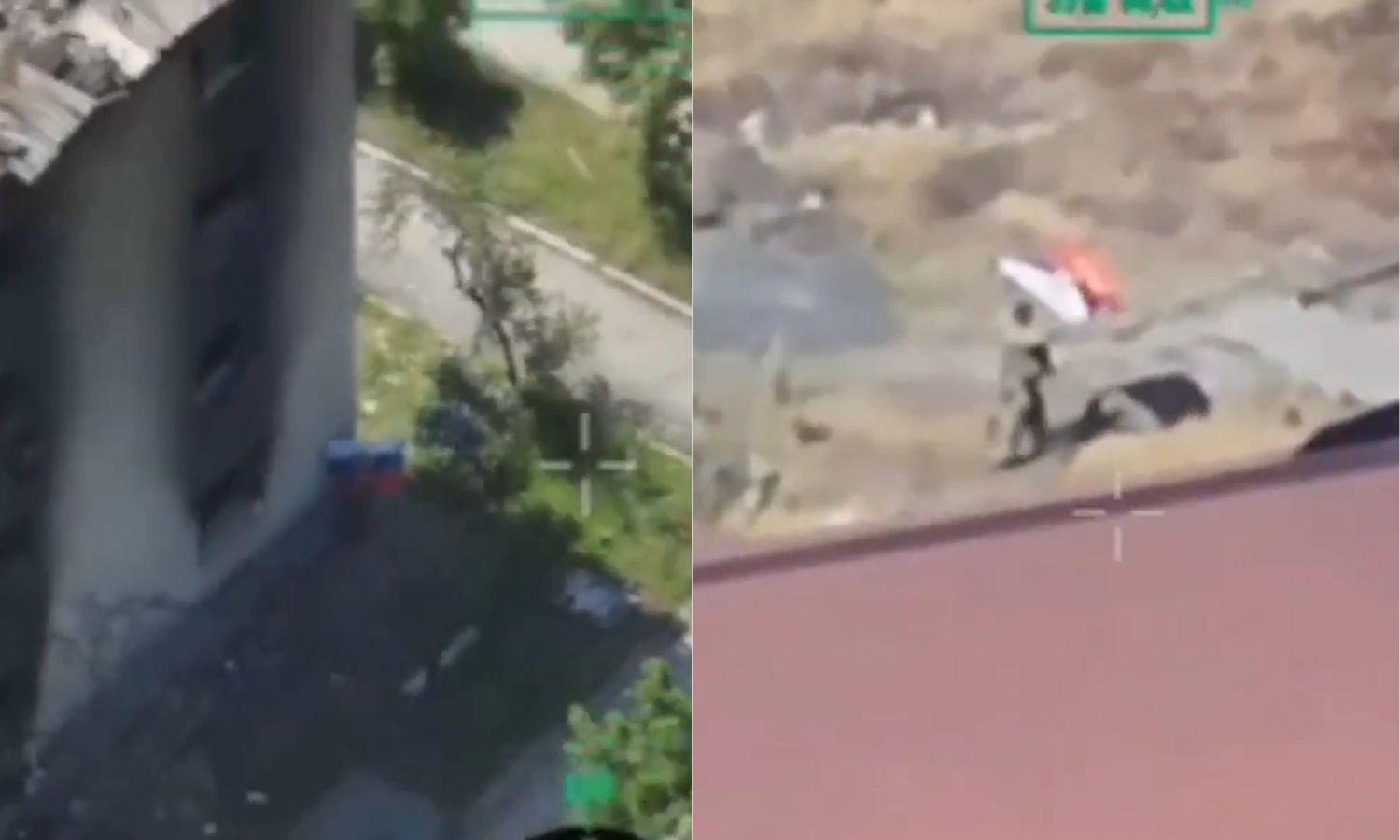
The same soldiers who raised a Ukrainian flag in Kostiantynivka, where fierce battles between Ukrainian and Russian soldiers are taking place, were likely captured there. Ukraine's 425th "Skala" (Rock) Separate Assault Regiment has acknowledged it is aware of information spread by Russian resources about the capture of its soldiers in the Donetsk Oblast city, and said it is working to establish all the circumstances.
Days ago, the 425th Regiment posted footage of its soldi
The same soldiers who raised a Ukrainian flag in Kostiantynivka, where fierce battles between Ukrainian and Russian soldiers are taking place, were likely captured there. Ukraine's 425th "Skala" (Rock) Separate Assault Regiment has acknowledged it is aware of information spread by Russian resources about the capture of its soldiers in the Donetsk Oblast city, and said it is working to establish all the circumstances.
Days ago, the 425th Regiment posted footage of its soldiers raising a flag in Kostiantynivka and told President Volodymyr Zelenskyy the city was "again under the blue-and-yellow flag."
Russian media then reported that Ukrainian troops had been captured during the fighting for the city, and the Regiment has now confirmed that it knows about it.
Just one episode
The Regiment frames the capture as one episode in an ongoing battle, not the collapse of its operation.
"Combat for the city continues, and individual successes or losses by the sides do not change the overall picture of the battle," it said.
The two claims can both be true. A unit can clear a sector, raise a flag, and lose soldiers to a counterattack in the same contested city.
Regiment says Russia is weaponizing prisoners
The 425th's statement is largely about information warfare. It argues that Russia is using the captured soldiers to misrepresent the state of the battle.
"We cannot disclose the details of the operation in the city. Russian propaganda is trying to present a single episode of the battle as a refutation of the results of the entire operation in Kostiantynivka. This is manipulation," the Regiment said.
It added that the display of Ukrainian prisoners proves neither the capture of Kostiantynivka nor the defeat of the Regiment, and that Russia traditionally uses POWs as a tool of information war to demoralize Ukrainian society and discredit the military command.
The Regiment also said its soldiers captured two Russian occupiers during the same fighting.
Euromaidan Press cannot independently verify the number of captured soldiers or the circumstances of their capture.
Ukraine's intelligence says Russia is engineering ethnocide in Ukraine. As of July 2026, 200,000 to 300,000 ethnic Russians are in occupied Crimea and Sevastopol, and the occupiers plan to resettle another 130,000 Russians to Sevastopol alone by 2042.
The colonization and Russification policy Russia is conducting on temporarily occupied Ukrainian territories bears the hallmarks of the war crime defined under Article 8, paragraph b, subparagraph viii of the Rome Statute
Ukraine's intelligence says Russia is engineering ethnocide in Ukraine. As of July 2026, 200,000 to 300,000 ethnic Russians are in occupied Crimea and Sevastopol, and the occupiers plan to resettle another 130,000 Russians to Sevastopol alone by 2042.
The colonization and Russification policy Russia is conducting on temporarily occupied Ukrainian territories bears the hallmarks of the war crime defined under Article 8, paragraph b, subparagraph viii of the Rome Statute of the International Criminal Court. This means the transfer by an occupying power of parts of its own civilian population into occupied territory.
"The aggressor state Russia continues a targeted policy of ethnocide, whose goal is to erase Ukrainian identity and replace the local population with Russians and migrants from Central Asia, the North Caucasus, and other regions," HUR said.
Demographic collapse Russia caused
HUR says Russia has driven the situation of the Ukrainian population in the occupied territories to catastrophe. Birth rates are extremely low and death rates extremely high, both far exceeding even Russia's own averages. In 2025, the natural population change in the occupied part of Donetsk Oblast was -9.9 per thousand, 2.4 times worse than Russia's overall figure. Over ten years, according to HUR, the population of Donbas has shrunk by nearly a third: from about 7.37 million in Donetsk and Luhansk oblasts combined in 2001 to roughly 3.75 million by the start of 2024.
The collapse has causes beyond death rates. Ukrainians keep leaving occupied territory, driven out by active fighting, the sharp fall in medical and social services, repression, forced Russification, mobilization into the Russian occupation army, and the absence of property-rights protection.
How Russia moves its own people in
Russia brings its citizens into occupied Ukraine through special programs, benefits, and financial and career incentives, HUR says. As of 2024, the occupied parts of Donetsk, Luhansk, Zaporizhzhia, and Kherson oblasts held 200,000 ethnic Russians plus about 100,000 labor migrants from Central Asia and the Caucasus. Since the start of 2026 alone, some 10,000 such "labor migrants" have been registered in occupied Donetsk Oblast.
Most of the ethnic Russians moved in are people seconded from Russia to staff the occupation administrations, repressive apparatus, and budget institutions. Moscow sends medical workers, teachers, and builders; it has settled large numbers of so-called military pensioners and residents of remote Russian regions into occupied Crimea.
The incentives are substantial. Russians seconded to occupied Ukraine are paid double salary plus housing compensation. A month's posting can bring a Russian "official" more than $5,000, more than eight times Russia's average wage, per HUR. Programs modeled on Russia's "rural doctor" and "rural teacher" schemes require at least five years' service on occupied Ukrainian land.
Stolen homes handed to settlers
One incentive is the property of the Ukrainians who were driven out. Russia hands imported Russians ownership of land plots and stolen Ukrainian housing, HUR says. Stolen homes are sold through preferential mortgage programs, and land for participants in the war against Ukraine is given away free.
In 2025, Russia distributed 4,000 plots in Crimea to soldiers of its occupation army from various Russian regions. This is the mechanism EP has documented in Mariupol, where Russian authorities destroyed roughly 460 residential buildings and built about 50, marketing the new housing to Russian settlers through mortgage schemes rather than restoring homes for displaced Ukrainians.
Colonization is written into Russian planning documents
The scale of intent is set out in Russia's own "development plans." A document on target population figures for the Mariupol and Kalmius districts of occupied Donetsk Oblast projects the population rising from the current 228,000 to 518,000 by 2035, partly through the import of Russian citizens.
The colonization plans for occupied Crimea run to 2036 and 2042, with one key component being more "attractive conditions" to draw Russians to the peninsula.
Ukraine put a grenade launcher on a robot that fits in the back of a minivan. Ukraine's Defense Ministry has codified the new "Zmii Mini Strike" reconnaissance-strike ground robotic complex for fire support and destroying enemy personnel and armor.
The platform's base configuration mounts an MK19 automatic grenade launcher — a weapon that delivers high kinetic energy, offers a wide range of round types, and can fire accurately from concealed positions.
It runs on a silent e
Ukraine put a grenade launcher on a robot that fits in the back of a minivan. Ukraine's Defense Ministry has codified the new "Zmii Mini Strike" reconnaissance-strike ground robotic complex for fire support and destroying enemy personnel and armor.
The platform's base configuration mounts an MK19 automatic grenade launcher — a weapon that delivers high kinetic energy, offers a wide range of round types, and can fire accurately from concealed positions.
It runs on a silent electric motor, carries day and thermal cameras, and is compact enough to fit in a minivan's luggage compartment, a pickup bed, or a standard car trailer without special transport equipment.
Ukraine develops more and more robots every month
Its design draws on more than four years of full-scale war and analysis of how ground robots actually perform in combat, and its engineers worked with one of Ukraine's most effective combat brigades during development.
The Zmii line is not new. Earlier models are already running missions with Ukraine's Defense Forces, but this armed-strike variant is the newest entry.
The Zmii Mini Strike joins a ground-robot inventory that Ukraine is expanding almost weekly.
Silent and small is how robot survives to shoot
The silent electric motor and the compact size of the drone are survival traits rather than combat ones. A quiet robot is harder to detect by sound, and a small one is harder to spot and hit. At the same time, a platform that deploys and packs up fast spends less time exposed.
However, the connectivity can be the catch. Defense Ministry adviser Serhii "Flash" Beskrestnov has warned that ground robots operate in a far more challenging communication environment than aerial drones, because terrain, tree lines, and cover can break the control signal, and a robot that loses its link drops out of the fight. A silent, well-armed gunner is only as useful as the link that keeps it firing.
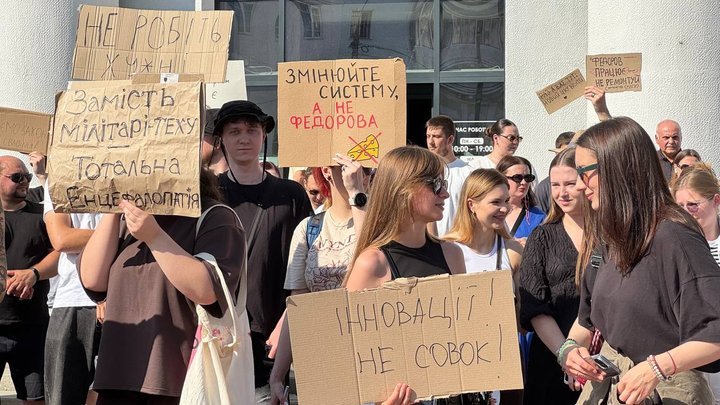
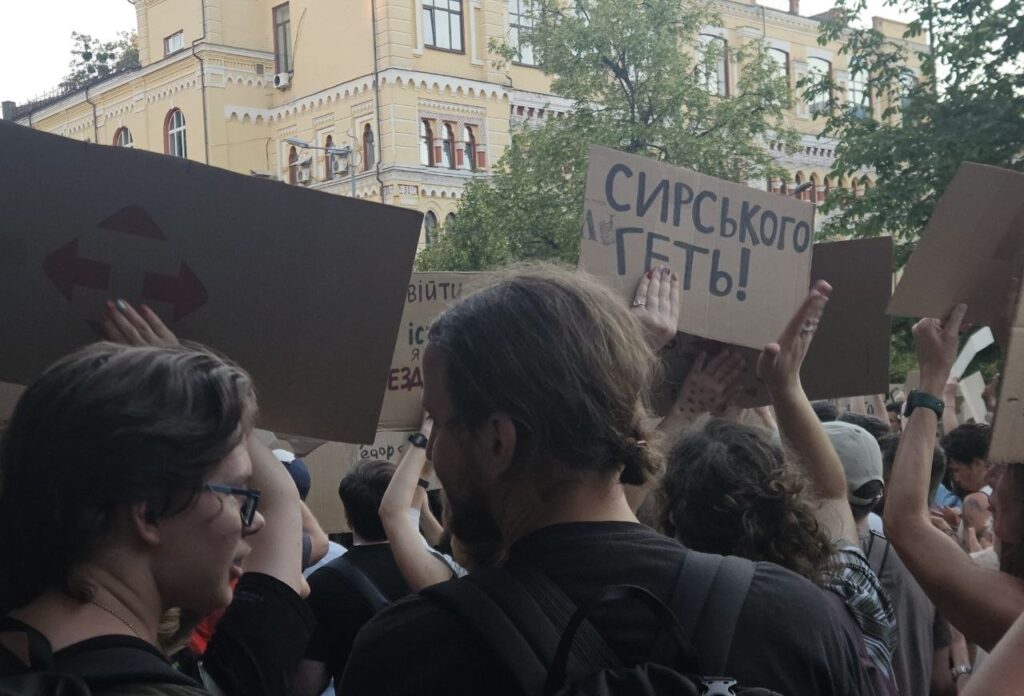
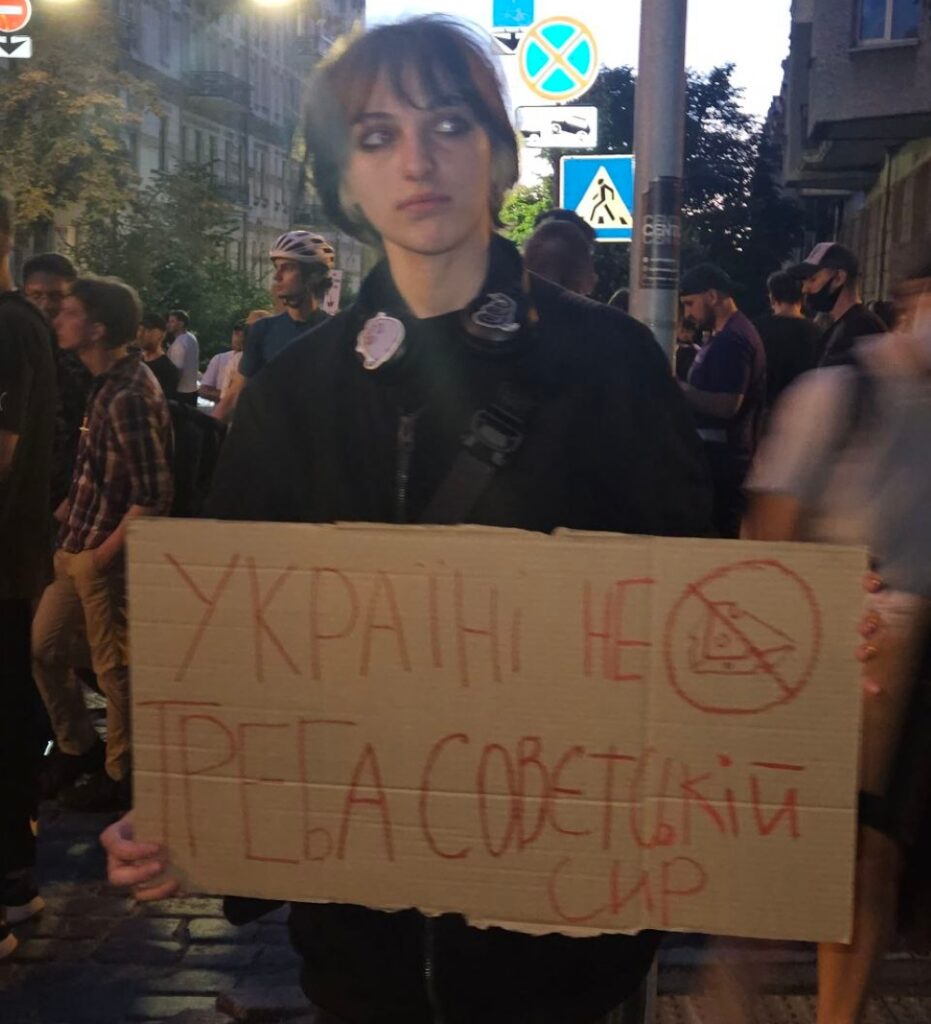
Protesters demanding the return of dismissed defense minister Mykhailo Fedorov have set the government a deadline: reinstate him and remove Commander-in-Chief Oleksandr Syrskyi by 24 July, or they will begin open-ended nightly rallies. The demand came on the fourth straight day of protests that have spread across more than a dozen Ukrainian cities since his dismissal last week.It is the second time in a year that Ukraine’s streets have set terms on one of Volodymyr Zelensk
Protesters demanding the return of dismissed defense minister Mykhailo Fedorov have set the government a deadline: reinstate him and remove Commander-in-Chief Oleksandr Syrskyi by 24 July, or they will begin open-ended nightly rallies. The demand came on the fourth straight day of protests that have spread across more than a dozen Ukrainian cities since his dismissal last week.
It is the second time in a year that Ukraine’s streets have set terms on one of Volodymyr Zelenskyy’s wartime decisions. Last summer, a week of rallies forced him to reverse a law that curbed the independence of the country’s anti-corruption agencies. This time, the target is the military command, and the movement has put a clock on a decision the president says he will not rush.
Protesters called 20 July the decisive day to press their case, said they would wait until 24 July for the president and parliament to act.
Protesters set a deadline
The movement’s coordinators set the ultimatum after gathering over the weekend. They called 20 July the decisive day to press their case, said they would wait until 24 July for the president and parliament to act, and warned that an indefinite protest—nightly rallies until the demands are met—would follow if they went unheard. The two conditions are unchanged: dismiss Syrskyi, and renominate Fedorov as defense minister.
Thousands returned for a fourth straight day on 19 July, filling squares in Kyiv, Kharkiv, Odesa, Dnipro, and at least ten other cities, Ukrainian outlet NV reported. Some of the loudest chants were aimed at lawmakers on summer recess—“MPs, back to work,” “Recess is not the time.”
Explore further
“They removed the auditor, not the thieves”: why Ukrainians are protesting Zelenskyy’s reshuffle
Reinstating Fedorov is not the president’s decision alone. The defense minister is appointed by parliament on the president’s submission, and MPs closed their July sittings without filling the post, leaving both the defense and foreign ministries vacant until the next scheduled plenary on 18 August.
Under martial law, the Verkhovna Rada can convene at any time, so recalling it early is a political choice, not a legal hurdle—and the push for that runs inside parliament too, with the opposition European Solidarity faction of Petro Poroshenkodemanding an extraordinary session to fill the vacant ministries.
It would not be the first recall of the summer. A year ago, with parliament likewise on recess, Speaker Ruslan Stefanchukconvened an extraordinary session on 31 July that pushed that reversal through, 331 votes to none, under the same street protest and Western pressure.
The leverage is thinner now, though: last year, the anti-corruption agencies’ independence was a non-negotiable condition of the European Union’s 90-billion-euro ($97 billion) support package, giving Brussels a direct stake, while the command of the army carries no such external lever.
President Volodymyr Zelenskyy holds a video call with military commanders on the situation at the front, 18 July 2026. As protests demanding the removal of Commander-in-Chief Oleksandr Syrskyi entered their fourth day, Zelenskyy spent the weekend consulting senior officers and said decisions on the army would be worked out. Photo: Volodymyr Zelenskyy / Telegram
Zelenskyy consults commanders
The president has answered with consultations, not decisions. On 18 July, he said he had spoken at length with both Fedorov and Syrskyi, and that decisions on the army would be worked out.
The next day, he reported having met senior officers—Joint Forces commander Mykhailo Drapatyi, deputy General Staff chief Volodymyr Horbatiuk, and Air Assault Forces commander Oleh Apostol—for a review of the front and the country’s supply needs, naming air defense and the full delivery of drone-production contracts as the priorities. More talks with commanders were promised.
Explore further
As rumors swirl over Syrskyi’s future, Zelenskyy meets commanders and top general warns against political infighting
No successor to Syrskyi has been named—the gap the president cites as his reason to wait, and the reason no dismissal has come despite reports he is weighing one, conditional on finding a commander who can hold the 1,200-kilometer front.
A change at the top would meet the street’s most concrete demand. Whether that fixes the command dispute that pushed Fedorov out, or lets the president bank a win while the same problems remain, is what the 24 July deadline brings to a head.
Ukrainian special forces struck a Russian intelligence command post deep in occupied southern Ukraine and set off a major fire, the Security Service of Ukraine (SBU) reported on 20 July. The service said its drones hit a hub coordinating Russia's security apparatus, where a large number of officers of the Federal Security Service (FSB) may have gathered.
Drones from Ukraine's Security Service, the Defense Ministry's military intelligence, the Unmanned Systems Forces, and t
Ukrainian special forces struck a Russian intelligence command post deep in occupied southern Ukraine and set off a major fire, the Security Service of Ukraine (SBU) reported on 20 July. The service said its drones hit a hub coordinating Russia's security apparatus, where a large number of officers of the Federal Security Service (FSB) may have gathered.
Drones from Ukraine's Security Service, the Defense Ministry's military intelligence, the Unmanned Systems Forces, and the regular army strike Russian targets across occupied territory and inside Russia daily, among them command posts, air defenses, and logistics.
Drones hit the FSB coordination hub
Special operators of the SBU's "Alpha" Center for Special Operations struck the coordination center and basing point of FSB staff, which sat in one of the recreational retreats in occupied Kherson Oblast.
The SBU did not specify when the attack occurred. Footage it released shows drones striking buildings as other drones record the resulting explosions and fires.
By the SBU's early assessment, around 100 servicemen may have been at the site. 13 SBU drones hit the location where the FSB staff were based. The strike touched off a large fire.
The SBU's reconnaissance results confirmed the compound was heavily guarded. More than 70 vehicles stood on the grounds, an armed guard operated on site, and checkpoints controlled access, and engineering barriers and underground shelters ringed the base, the agency said.
The FSB is central to Russia's war effort. It handles counterintelligence, internal control, the fight against sabotage, and the running of the security apparatus aimed at waging the war. The hostile service also recruits Ukrainians for terror attacks, killings of servicemen in the rear, and other crimes.
Explore further
Ukraine hits at least seven Russian warplanes in second strike on Crimea’s Saky airbase this week, SBU says
Part of a daily strike campaign
The SBU said such operations inflict tangible losses on the enemy in occupied territories, disrupt its command and coordination, and force Russia to pull additional forces to guard its own sites, complicating logistics and supply for FSB units.
The SBU strikes occupier targets in Russia and on occupied territory every day. Earlier this month, Ukrainian sea drones struck shadow-fleet tankers in the Black Sea, and drones set three oil depots ablaze in Russia's Stavropol Krai.
Days earlier, the SBU destroyed a Tu-95 strategic bomber at the Engels airbase inside Russia.
Russia has locked up two of its own pro-war bloggers within days of each other, both after they turned their criticism on the Kremlin, The Moscow Times reported. One is a former military pilot now bound for a penal colony, the other is a self-styled mercenary chief sent to pre-trial detention. Their cases add to a growing list of hawkish commentators punished for questioning how Russia runs its war.
As Ukraine's strikes reach ever deeper into Russia and its fuel crisis spre
Russia has locked up two of its own pro-war bloggers within days of each other, both after they turned their criticism on the Kremlin, The Moscow Times reported. One is a former military pilot now bound for a penal colony, the other is a self-styled mercenary chief sent to pre-trial detention. Their cases add to a growing list of hawkish commentators punished for questioning how Russia runs its war.
As Ukraine's strikes reach ever deeper into Russia and its fuel crisis spreads, the Kremlin has grown less tolerant of any uncontrolled voice, with officials even trying to block access to channels that describe the war's costs at home. The censorship laws Moscow built to silence anti-war Russians now fall on the people who wanted a harder war, showing that loyalty to the invasion offers no protection once a commentator criticizes the leadership running it.
Russian war bloggers provide unofficial coverage of the invasion from the Russian side, praising Russia, justifying its war crimes, and often exaggerating its battlefield successes. Over time, some of them turn on the leadership, become entangled in schemes over money raised for the troops, or drift into other crimes—and end up in prison.
The pilot who bombed Ukraine, now headed to a penal colony
A garrison military court in Rostov-on-Don sentenced Alexei Zemtsov, a former Ka-52 attack-helicopter pilot who ran the pro-war Telegram channel Voevoda Veshchaet, to three years in a general-regime colony. The court found him guilty of making death threats, deliberately destroying property, and extortion. His own channel's administrators announced the verdict. A source told TASS that the sentence took "a number of mitigating circumstances" into account.
According to Zemtsov's associates, he intends to sign a military contract and deploy to the war against Ukraine. For that, the Defense Ministry would first have to discharge him and let him re-enlist, which they estimate could take 15 to 45 days.
Explore further
ISW: Russian milbloggers glorify execution of Ukrainian POWs, frame them as acceptable warfare
The case reached court in February 2026. In April, Zemtsov recorded a video saying he intended to take his own life over pressure from senior military figures, naming a deputy commander-in-chief of Russia's Aerospace Forces, Vladimir Kravchenko, his unit commander Colonel Avramenko, and a military investigator, Kantemirov.
Zemtsov was detained in autumn 2025, released, and rearrested in May 2026 after a conflict with his ex-wife and her lover—he accused her of cheating and beat the man—brought the charges against him. His former wife appeared in the case as a witness.
Until 2023, he co-ran a pro-war channel before founding his own, and he was later grounded after publishing criticism of the military command.
A "private army" chief and the Kremlin he came to hate
A day earlier, the Zamoskvoretsky District Court in Moscow placed Georgy Zakrevsky, 55, the founder of a group he called the Paladin military union, in detention on a charge of publicly "justifying terrorism," which carries up to seven years. The Russian Telegram channel Ostorozhno Novosti reported that the case stems from his Telegram posts.
Explore further
ISW: Kremlin denies trouble in Kupiansk — even Russian milbloggers say otherwise (MAPS)
Zakrevsky had supported the invasion, but after Ukraine's incursion into Russia's Kursk Oblast he began sharply attacking Putin, declaring that "the main enemy of Russia sits in the Kremlin." In his posts he said the country was "in big trouble": Ukrainian drones were striking central Russian regions, the Black Sea Fleet was being destroyed, and the army stood in the same positions it held more than two years earlier.
A month before his arrest, he released a video complaining of pressure on his organization, which he presented as a private military company of 250 people guarding sites in various countries without "cooperating with the regime." He stated he had fought in the Donbas in 2014, then in Syria and Lebanon.
Explore further
ISW: Russian generals feed the Kremlin a false picture: leaked map claims towns that were never captured
A widening crackdown on the war's loudest cheerleaders
The two are not alone. Milblogger Ilya Remeslo, who called Putin a war criminal, is in custody accused of spreading "fakes" about the Russian army, a charge carrying up to ten years. Yegor Guzenko, who runs the Telegram channel Trinadtsaty ("Thirteenth"), was detained on 10 July on an incitement-of-hatred charge that threatens up to six years. Guzenko fought against Ukraine and had called Putin crude names, accusing him of lying about internet shutdowns.
The most prominent case is Igor Girkin, a former security-service colonel who launched Russia's 2014 war in eastern Ukraine. He blogged about the war to hundreds of thousands of his Telegram followers for years. Girkin was convicted in January 2024 and given four years in a penal colony for criticizing the way Russia was fighting, and he remains imprisoned.
Russia is buying back gasoline refined from its own crude oil in India, shipping it 14,000 kilometers home and paying a premium for it, because Ukrainian strikes have knocked out more of its refineries than it can repair. An oil superpower is importing fuel made from its own oil.The trade loses money, so the Russian state is now covering the gap. Since 1 June, a signed law has paid importers a subsidy tied to the price of gasoline on the Indian market.
Rationing now co
Russia is buying back gasoline refined from its own crude oil in India, shipping it 14,000 kilometers home and paying a premium for it, because Ukrainian strikes have knocked out more of its refineries than it can repair. An oil superpower is importing fuel made from its own oil.
The trade loses money, so the Russian state is now covering the gap. Since 1 June, a signed law has paid importers a subsidy tied to the price of gasoline on the Indian market.
The strikes have driven Russian refining to a 21-year low, and the shortage is no longer confined to a few regions. Rationing now covers more than 55 of Russia’s regions, with odd-and-even-day sales, purchase caps, and price spikes reaching areas far from any front line.
In the southern grain belt, farmers have been pushed onto engine-wrecking lower-grade fuel and told to stockpile diesel. By early July, the harvest was running three times behind last year’s pace.
Importing Indian fuel refined from Russian crude makes almost no economic sense, KSE Institute sanctions lead Yuliia Pavytska told Ekonomichna Pravda; she called it a costly forced measure to prevent bigger losses.
The Rosneft-controlled Nayara Energy refinery at Vadinar, Gujarat, India. Photo: AgarwalSimran / Wikimedia Commons, CC BY-SA 4.0
A sanctioned Russian refinery—in India
The plant at the center of it, Nayara Energy’s refinery at Vadinar, is Indian on paper only. Rosneft and a Russian investment consortium own more than 98% of the operator between them.
India’s oil minister Hardeep Singh Puri said Indian firms do not sell fuel to Russia directly.
EU sanctions in July 2025 drove away non-Russian crude suppliers, so Nayara switched to Russian oil and now buys and sells through traders—which is how its gasoline reaches Russia without an official India-to-Russia sale.
India’s oil minister Hardeep Singh Puri said Indian firms do not sell fuel to Russia directly, while conceding that buyers could route Indian-origin fuel through traders.
The first cargo moved like shadow-fleet oil in reverse. The tanker Agni loaded at Vadinar on 20 June under a manifest for Fujairah, UAE, then bypassed the port and transited the Red Sea and the Suez Canal.
Once in the Mediterranean, it handed the cargo to a second tanker, with both vessels’ transponders switched off. Ship-trackers expect the fuel at Russia’s Vitino port around 26 July.
The pressure should reach the shipowners, managers, and insurers behind the vessels.
Selling the fuel breaks no sanction—nothing bars India-Russia petroleum trade—yet the sanctioned tankers still sailing point to an enforcement gap more than a gap in the rules, Pavytska told Ekonomichna Pravda; the pressure, she argued, should reach the shipowners, managers, and insurers behind the vessels, not the vessels alone.
The budget pays the difference
Russian gasoline is cheaper at home than abroad—domestic wholesale runs about a third below what the fuel is worth on the export market, so imported fuel lands well above what drivers pay at the pump. The reworked “damper”—the subsidy Russia uses to hold pump prices down—now reimburses importers for that gap.
Even the full plan—up to 400,000 tonnes a month from India, Belarus, and Kazakhstan combined—would meet only about a third of the monthly gap.
Ukraine’s Ekonomichna Pravda estimates that the first cargo alone will cost Russia 5.4–6.1 billion rubles ($69–78 million), with the budget covering more than half of that.
The first cargo covers little more than a day of Russia’s shortfall, and even the full plan—up to 400,000 tonnes a month from India, Belarus, and Kazakhstan combined—would meet only about a third of the monthly gap. Rosneft, Gazprom Neft, and Lukoil have asked Indian refiners for more, but have been refused by three state-owned firms.
The Russian market is not built for world prices, Serhii Kuyun, director of the consulting group A-95, told Ekonomichna Pravda: the state must either keep draining the budget with subsidies or let prices rise and take the political hit.
Moscow has also banned exports of gasoline, diesel, and jet fuel, allowed producers to sell lower-grade fuel, and floated the idea of reviving Euro-2 gasoline, a grade banned more than a decade ago. Whether any of it holds depends on the drones.
Serhii Vakulenko of the Carnegie Russia Eurasia Center has cast Russia’s available refining capacity as the product of a running race between Ukrainian strikes and Russian repair crews—one now tilting toward Kyiv. If the plants come back and the tankers keep arriving, Russia buys itself calm by late summer. If the strikes keep landing, the time bought with Indian gasoline runs out fast.
Engineers from the diving detachment of the National Guard's "Omega" Special Purpose Center have developed their own uncrewed surface vessel in partnership with a Ukrainian IT company, Ukraine's Interior Ministry announced on 19 July. The drone is built for combat missions in southern Ukraine and serves as a platform for First-person view (FPV) drones, carrying them closer to targets before they strike. The developers plan to adapt it for intercepting aerial targets to stre
Engineers from the diving detachment of the National Guard's "Omega" Special Purpose Center have developed their own uncrewed surface vessel in partnership with a Ukrainian IT company, Ukraine's Interior Ministryannounced on 19 July. The drone is built for combat missions in southern Ukraine and serves as a platform for First-person view (FPV) drones, carrying them closer to targets before they strike. The developers plan to adapt it for intercepting aerial targets to strengthen coastal defense.
The platform itself is not novel—Ukraine has fielded FPV-carrier sea drones for over a year, from the Navy's Barracuda to Defense Intelligence's Katran. What is new is who built this one. Omega is a special operations unit, and its combat divers are the same operators who destroyed a Russian Su-24M bomber at the Saky airbase in occupied Crimea a few days earlier.
The uncrewed surface vessel developed by engineers from the National Guard's Omega Special Purpose Center diving detachment in partnership with a Ukrainian IT company. Photo: Ministry of Internal Affairs of Ukraine
A frontline fighting unit designing and building a naval drone with a Ukrainian tech partner rather than through a centralized procurement process is the pattern that increasingly defines Ukraine's war: the people using the weapons are now making them.
Carrying the drones, then killing them
The Omega commander, call sign "Krava," said the vessel works as a delivery platform: it brings FPV drones close to the target, and the drones destroy the enemy. Photos released by the Interior Ministry show the drone equipped with a Japanese Suzuki engine and a satellite communication terminal.
Explore further
Ukraine put armed robot on Russian-held ground. Naval drone was landing craft
The unit's stated next step—adapting the platform to intercept aerial targets—would place it inside the fastest-growing category of Ukrainian naval innovation. In April 2026, an uncrewed Ukrainian boat shot down a Russian Shahed drone with an interceptor launched from its deck—what Ukraine called a world first. Pushing air-defense capability offshore onto unmanned platforms means Russian drones launched from occupied Crimea face a threat layer over open water, before they reach Odesa and the coast.
Ukrainian drones struck logistics warehouses and an oil depot deep in Russia's Moscow Oblast overnight, setting off a wave of fires, monitoring channels reported. President Volodymyr Zelenskyy later confirmed the strikes. Russian authorities acknowledged the attack while claiming their air defenses had beaten back most of it.
Russia continues its daily strikes on Ukrainian residential areas and civilian infrastructure. It has spent the war battering Ukraine's postal hub
Ukrainian drones struck logistics warehouses and an oil depot deep in Russia's Moscow Oblast overnight, setting off a wave of fires, monitoring channels reported. President Volodymyr Zelenskyy later confirmed the strikes. Russian authorities acknowledged the attack while claiming their air defenses had beaten back most of it.
Russia continues its daily strikes on Ukrainian residential areas and civilian infrastructure. It has spent the war battering Ukraine's postal hubs, supermarkets, and warehouses, and Ukraine has answered by pushing its long-range drones ever deeper toward Moscow and as far as the Ural region — a campaign treating the logistics and fuel network sustaining Russia's war economy as fair game.
Monitors tracked the strike and at least five fires
The Ukrainian monitoring Telegram channel Exilenova+ reported the attack and the first fires from around 3 a.m. on 20 July, sharing photos and video through the night. Ukrainian Defense Forces drones hit an oil depot and four logistics warehouses near Moscow, Militarnyi reported, adding that local residents recorded at least five separate fire sites.
At least five fires broke out across Moscow's suburbs after Ukrainian drones struck
Among the targets were an oil depot in Podolsk and a warehouse at the Yuzhnye Vrata logistics park near Domodedovo, one of the largest warehouse complexes in the region.
The oil depot sat in Podolsk, roughly 46 km south of Moscow, holding 10 tanks with a combined 19,400 cubic meters. NASA's FIRMS satellite system flagged an abnormal heat spike there at 04:05.
A warehouse fire also broke out at the Yuzhnye Vrata logistics park near Domodedovo, a complex used by Wildberries, Yandex Market, Alibaba Group, Decathlon and other firms. The Russian news Telegram channel Astra placed that blaze from eyewitness footage, and Domodedovo authorities later acknowledged it.
Drones also struck the Gryvno logistics park in the Podolsk district, a site used by Ozon.
Astra put a fifth fire in Podolsk's Klimovsk area, about 200 meters from a Russian small-arms research institute.
Black smoke rises over a logistics area in Russia's Moscow Oblast on 20 July 2026, at a site Ukrainian monitoring channels identified as the Wildberries terminal in Koledino, after a Ukrainian drone strike. Photo: Exilenova+
Drones hit a Wildberries hub, the company denied it
Militarnyi said drones hit the Wildberries sorting center in Koledino, one of the company's largest, partially destroying two warehouses. Monitoring channels identified the drones as FP-1s. Wildberries — Russia's largest online retailer and its answer to Amazon — denied any damage in a statement carried by the pro-war Russian Telegram channel Two Majors, saying it had evacuated staff as a precaution and the complex was working normally. Astra said it could not confirm a fire at the site.
A drone struck the top floor of a residential building in Domodedovo, damaging the facade without starting a fire, local authorities claimed. The Domodedovo hospital reported six people brought in with blast injuries, while Moscow Oblast Governor Andrei Vorobyov said at least 10 were wounded across the region.
A warehouse burns after a Ukrainian drone strike in Russia's Moscow Oblast on the morning of 20 July 2026. Photo: Exilenova+
Vorobyov claimed the attack had been repelled, citing damage in Odintsovo, Podolsk, and Domodedovo. Moscow Mayor Sergei Sobyanin stated more than 400 drones flew toward the region between 20:30 Sunday and 5:00 Monday, and that 85 were downed near the Russian capital.
Explore further
“When karma works”: Ukraine torched 188,000-square-meter warehouse of Russia’s biggest online retailer after years of strikes on leading logistics company
Ukraine casts the strike as an answer to Russia
Zelenskyy confirmed that the Unmanned Systems Forces, intelligence, missile and artillery troops, and Special Operations Forces had struck logistics facilities and an oil depot more than 400 kilometers from the border. Ukrainian forces also hit two shadow-fleet tankers and four dry-cargo ships in the Black Sea the same night, he said.
"We fairly respond to every Russian strike on our cities and communities," Zelenskyy said. "This war must be ended, and that is only possible by increasing pressure on the sole cause of this war — Russia."
The attack was the second on Russian logistics terminals in days, following fires at a Wildberries center in Elektrostal and an oil depot in Noginsk on 18 July. Ukraine's drones have reached the capital region repeatedly throughout the summer.
After the 18 July attack, a Wildberries founder offered sellers loans rather than compensation, saying the marketplace was not obligated to pay for goods lost in the fires.
Russia struck a foreign-flagged civilian bulk carrier with cruise missiles as it left Odesa loaded with grain, killing much of its crew, Ukraine's Navy said. Fire broke out aboard the ship, and a search-and-rescue operation ran through the night to reach survivors. Ukrainian officials condemned the strike as another deliberate attack on unarmed civilian shipping.
Moscow can no longer blockade Ukraine's Black Sea ports, so it bombs the ships and terminals that keep the expor
Russia struck a foreign-flagged civilian bulk carrier with cruise missiles as it left Odesa loaded with grain, killing much of its crew, Ukraine's Navy said. Fire broke out aboard the ship, and a search-and-rescue operation ran through the night to reach survivors. Ukrainian officials condemned the strike as another deliberate attack on unarmed civilian shipping.
Moscow can no longer blockade Ukraine's Black Sea ports, so it bombs the ships and terminals that keep the export route open — a campaign that squeezes Ukraine's single largest source of hard currency and puts the foreign crews sailing the corridor in the line of fire. This comes amid Ukraine's campaign against Russian shipping in the Black and Azov seas.
Three cruise missiles hit the ship as it sailed out
Russian forces fired three Kh-59/Kh-69 cruise missiles at the GOLDEN LEO, a Guinea-Bissau-flagged bulk carrier owned by a Turkish company, as it moved out of the combat zone with a cargo of corn on 19 July, Ukraine's Navy reported. The strike hit the starboard side of the superstructure, and a fire broke out on board.
The burned, smoking superstructure of the GOLDEN LEO after the Russian missile strike, in the Black Sea off Odesa, 19 July 2026. Photo: Ukraine's Navy
The missiles came in from the sea. Ukraine's Air Force warned of Russian missiles approaching Odesa and Chornomorsk from the Black Sea in the late afternoon, minutes before explosions were heard in the city. The ship took serious damage but did not sink, the Odesa outlet Dumska showed in photos from the scene, as tugs and rescue crews fought to keep it afloat.
The toll climbed to 10 overnight, including a Ukrainian sea pilot
The death toll rose through the night. The Ukrainian Sea Ports Authority (USPA) said10 people were killed, among them a Ukrainian sea pilot from its Delta-Pilot branch, and that eight crew members were rescued and brought ashore. A sea pilot boards a vessel to guide it safely in and out of port through difficult or dangerous waters.
Eighteen people were on board: crew members from Syria and India, along with the Ukrainian pilot. Eight of the rescued were taken to an Odesa hospital, two of them injured. By Monday, the USPA said the fire aboard the ship had been contained.
A frame from Navy footage shows the deck of the civilian bulk carrier GOLDEN LEO, struck by Russian missiles in the Black Sea off Odesa on 19 July 2026. Photo: Ukraine's Navy
Ukraine calls it terror against civilian shipping
The Navy says the strike was an act of terror and a violation of the laws of war.
"This is another deliberate Russian strike on an unarmed civilian vessel under a foreign flag that posed no military threat," it said. "The attack is an act of terror against peaceful shipping and a gross violation of international humanitarian law."
Prime Minister Serhii Koretskyi instructed the Foreign Ministry to immediately inform the states whose citizens were affected and Ukraine's international partners. The government and military command are separately preparing measures meant to strengthen the safety of shipping and shield civilian vessels and sailors from Russian attacks.
The strike lands in a month when Russia has been hammering the Odesa ports that carry the overwhelming share of Ukraine's farm exports. Russian forces have repeatedly gone after foreign-flagged ships moving through the maritime corridor, and used Geran-4 drones against grain carriers at Chornomorsk earlier in July.
Explore further
Russia hit two grain-loaded ships under Palau and Barbados flags in Odesa port overnight — grain bunker and administrative buildings also damaged
Botswana has become the latest African country to accuse Russia of tricking its citizens into fighting against Ukraine, luring them abroad with fake job offers and then forcing them into combat, Bloomberg reported. The government told its people to treat foreign work offers with suspicion, warning that the scheme is spreading fast. The move echoes alarms raised across the continent as Russia scours Africa for soldiers to feed its war.
Rather than order a politically risky g
Botswana has become the latest African country to accuse Russia of tricking its citizens into fighting against Ukraine, luring them abroad with fake job offers and then forcing them into combat, Bloomberg reported. The government told its people to treat foreign work offers with suspicion, warning that the scheme is spreading fast. The move echoes alarms raised across the continent as Russia scours Africa for soldiers to feed its war.
Rather than order a politically risky general mobilization at home, Moscow has kept its army filled with contract soldiers, convicts, and foreign recruits drawn from low-income regions across three continents.
Botswana sounds the alarm on a recruitment trap
Botswana's Ministry of International Relations issued the warning in a statement on 18 July. It said a growing number of its nationals are being coerced into Russian military service, and urged everyone to confirm that any overseas job offer is real before accepting it.
The ministry described people drawn out of the country under false pretenses, only to be pushed onto the battlefield once they arrive.
"The number of Batswana being misled into such arrangements is rising at an alarming rate," the ministry said, using the term for Botswana's citizens. It added that it "continues to receive heartbreaking calls from Batswana already on the front line, describing the perilous conditions they face."
Explore further
Wagner’s remnants run an opioid empire in the Central African Republic, WSJ reveals
Botswana joins Kenya and South Africa
The warning places Botswana alongside other African states that have traced the same pipeline. In Kenya and South Africa, prosecutors have already detained and charged suspects accused of funneling recruits into Moscow's ranks.
The European Parliament went further in March, condemning the practice as human trafficking and describing recruits who were deceived, stripped of their documents, and treated as expendable.
The toll is already counted in the dead
The recruitment has a body count. Inpact, the nonprofit behind the All Eyes On Wagner project, reported in February that Russia's war has already claimed at least 316 African lives, with most of the dead sent to the front barely trained.
Kenya, on its own, has put at 1,000 the number of its nationals swept into Moscow's military.
Exclusives
Ukraine is trying to wreck Russia’s oil fleet without spilling its oil—the Black Sea can’t take another slick. Ukraine's countershipping campaign risks polluting the fragile Black Sea. Drone operators are trying to spill less oil.
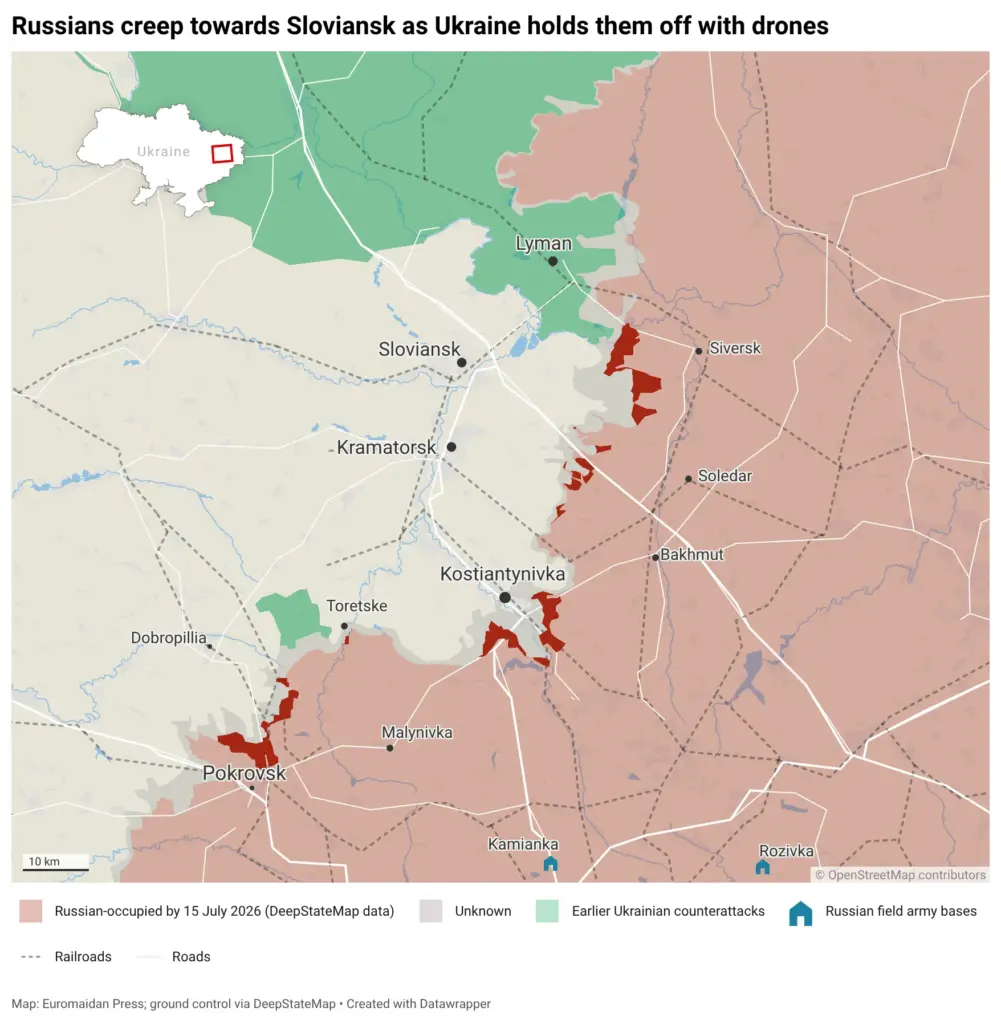
Russian troops inch toward Lyman. Drones keep delaying the plan.. Fedorov's middle-strike drones are throttling the supply lines behind the Russian push. Whether they keep doing it without him is the question hanging over Sloviansk.
Ukrainian long-range strikes targeted Russian fuel infrastructure in Stavropol Krai overnight on July 19, with Ukrainian President Volodymyr Zelenskyy saying Ukraine’s Security Service (SBU) hit three oil depots and the Armed Forces struck another fuel facility in the region.
Ukraine has increasingly targeted Russian oil refineries, fuel depots, logistics hubs, and other infrastructure linked to Russia’s war effort as part of its campaign to disrupt the supply chains su
Ukrainian long-range strikes targeted Russian fuel infrastructure in Stavropol Krai overnight on July 19, with Ukrainian President Volodymyr Zelenskyy saying Ukraine’s Security Service (SBU) hit three oil depots and the Armed Forces struck another fuel facility in the region.
Ukraine has increasingly targeted Russian oil refineries, fuel depots, logistics hubs, and other infrastructure linked to Russia’s war effort as part of its campaign to disrupt the supply chains supporting Moscow’s military operations.
Russian authorities reported multiple fires in the Stavropol area following the drone attack. The Russian regional governor said there were no casualties, but a local state of emergency was introduced.
Ukraine says it struck three Russian oil depots in Stavropol Krai overnight, causing fires at fuel facilities deep inside Russia.
President Volodymyr Zelenskyy said the strikes were carried out by Ukraine’s Security Service and targeted infrastructure that “provides and finances… pic.twitter.com/MICyJjkiiB
Russian Governor Vladimir Vladimirov said two fires broke out in industrial areas of Stavropol Krai – one near the village of Vyazniki in the Shpakovsky district and another in northern Stavropol near the district border.
Videos shared online showed large fires in the area. Russian independent outlet Astra reported that three oil depots may have been affected, based on footage showing a fire near one of several nearby fuel storage facilities.
According to monitoring channel Supernova+, fires were recorded at two oil facilities in the evening of 19 July: the LUKOIL-Yugnefteprodukt oil depot and the Stavropol oil depot operated by Promkhim.
Zelenskyy confirms strikes on Russian energy targets
Later on July 19, Zelenskyy confirmed that Ukrainian forces had targeted Russian fuel infrastructure in the region.
“Ukraine’s long-range sanctions” had reached facilities that “provide and finance Russian aggression,” Zelenskyy said, adding that SBU units struck three oil depots in Stavropol Krai while Ukrainian military units hit another fuel-related facility there.
Zelenskyy also said Ukrainian forces hit three Russian “shadow fleet” tankers in the Black Sea.
He thanked the Ukrainian units carrying out the strikes, saying the operations were intended to increase pressure on Russia and demonstrate the cost of continuing the war.
Ukraine's Unmanned Systems Forces claimed they struck 13 power substations in occupied Crimea and other Russian-held territory overnight while further degrading Russia's Kerch ferry crossing, with drone forces commander Robert "Madyar" Brovdi saying the operation has now reduced the crossing's transport capacity by about 75%.
Brovdi said that Ukraine’s drone operations in July so far have hit 176 Russian “shadow fleet” vessels and 96 energy infrastructure sites.
Oper
Ukraine's Unmanned Systems Forces claimed they struck 13 power substations in occupied Crimea and other Russian-held territory overnight while further degrading Russia's Kerch ferry crossing, with drone forces commander Robert "Madyar" Brovdi saying the operation has now reduced the crossing's transport capacity by about 75%.
Brovdi said that Ukraine’s drone operations in July so far have hit 176 Russian “shadow fleet” vessels and 96 energy infrastructure sites.
Operation "Crimean Switch Off" targets occupied energy infrastructure
In a statement on 19 July, Brovdi said Ukrainian drone units carried out overnight strikes as part of Operation "Crimean Switch Off," an ongoing campaign targeting electricity infrastructure supporting Russia's occupation authorities.
According to Brovdi, Ukrainian drones struck 13 electrical substations and energy hubs overnight, including eight in occupied Crimea and five elsewhere in Russian-occupied Zaporizhzhia, Kherson, Donetsk, and Luhansk oblasts.
He said the targets included substations in Kerch, Yalta, Sudak, Staryi Krym, Koktebel, Berdiansk, and other occupied settlements, disrupting electricity infrastructure across occupied territory.
According to Brovdi, Ukrainian drone units struck 59 targets deep behind Russian lines during the night.
Kerch ferry crossing capacity cut by 75%
In a separate statement, Brovdi said Operation "MoLoCHKa" had further degraded Russia's Kerch ferry crossing, one of the country's main logistics links between mainland Russia and occupied Crimea.
He also claimed Ukrainian drones struck four vessels supporting Russian maritime logistics in the Black Sea overnight, including two tankers, a cargo ship, and a floating crane.
Brovdi said the ferry crossing had been served by five ferries before the campaign. According to his assessment, two have been destroyed, two others have been damaged so severely they can no longer operate under their own power, and only one remains fully operational.
Based on that assessment, he estimated the crossing now retains only 25% of its previous transport capacity, significantly reducing Russia's ability to move vehicles and cargo across the Kerch Strait.
He also claimed a replacement vessel is being prepared in Russia's Astrakhan region to reinforce the crossing.
Part of Ukraine's campaign against Russian logistics
The Kerch ferry crossing is one of Russia's major logistics links between mainland Russia and occupied Crimea, transporting vehicles, cargo, and military supplies across the Kerch Strait. Disrupting the crossing could complicate Russia's ability to move equipment and sustain forces based in occupied Crimea and southern Ukraine.
Brovdi said operations against both the ferry crossing and occupied Crimea's energy infrastructure would continue indefinitely.
Ukraine has increasingly targeted Russian military logistics far behind the front lines, including ports, rail infrastructure, fuel depots, airfields, and energy facilities that support Moscow's war effort. Kyiv says the strikes are intended to reduce Russia's ability to sustain combat operations and force it to divert resources to defending critical infrastructure.
Ukrainian President Volodymyr Zelenskyy said he held another round of meetings with senior Ukrainian military commanders on 19 July, as reports continue to swirl that he is considering replacing Commander-in-Chief Oleksandr Syrskyi.
The meetings come amid growing speculation over the future of Ukraine's military leadership after former Defense Minister Mykhailo Fedorov publicly revealed disagreements with Syrskyi and said he had urged Zelensky to replace him. The report
Ukrainian President Volodymyr Zelenskyy said he held another round of meetings with senior Ukrainian military commanders on 19 July, as reports continue to swirl that he is considering replacing Commander-in-Chief Oleksandr Syrskyi.
The meetings come amid growing speculation over the future of Ukraine's military leadership after former Defense Minister Mykhailo Fedorov publicly revealed disagreements with Syrskyi and said he had urged Zelensky to replace him. The reports have emerged alongside political tensions and protests across the country, intensifying scrutiny of the government's wartime leadership.
The discussions come after the Financial Times, citing a source in the Presidential Office, reported that Zelenskyy planned to meet military commanders over the weekend to hear battlefield assessments and interview potential successors to Syrskyi.
Zelenskyy meets three senior commanders
In a statement, Zelenskyy said he spoke with Joint Forces Commander Mykhailo Drapatyi, Deputy Chief of the General Staff Volodymyr Horbatiuk, and Air Assault Forces Commander Oleh Apostol.
"Each of them is well known in the army," Zelenskyy said. "They reported on the situation in the relevant sectors, and we also discussed the overall course of the war."
According to the president, the commanders briefed him on the situation in Sumy, Kharkiv, Luhansk, and Donetsk oblasts. They also discussed strengthening Ukraine's air defenses, fulfilling contracts for the production of all types of drones, and operations on the Oleksandrivsk direction involving the Air Assault Forces.
"It is important to assess our strategy going forward and Ukraine's proactive steps – how to force Russia to end this war with a dignified peace for Ukraine and guaranteed security," Zelenskyy said. "There are various components to this, and I want to hear how commanders at different levels across Ukraine's Defense and Security Forces see it."
He added that he would hold further "key talks" on 20 July.
Consultations follow reports of possible leadership changes
The latest meetings follow several days of consultations with commanders across Ukraine's military.
On 18 July, Zelenskyy said he spoke with the commanders of six army and Air Assault Forces corps fighting on some of the most active sectors of the front. Earlier, he also held discussions with Unmanned Systems Forces Commander Robert Brovdi, National Guard Azov Corps Commander Denys Prokopenko, National Guard Khartiia Corps Commander Ihor Obolenskyi, Air Assault Forces Deputy Commander Andrii Tkachuk, acting 19th Army Corps Commander Valerii Skred, and Third Army Corps Commander Andrii Biletskyi.
The broad consultations have attracted attention after recent reports suggested Zelenskyy was reviewing Ukraine's senior military leadership.
Former Defense Minister Minister Mykhailo Fedorov recently said he had clashed with Syrskyi over military leadership, claiming he had proposed replacing both the commander-in-chief and Chief of the General Staff Andrii Hnatov.
Ukrainska Pravda, however, cited sources who said the 18 July discussions with frontline commanders did not involve Syrskyi or his possible dismissal.
Neither Zelensky nor the Presidential Office has publicly confirmed that Syrskyi's position is under review.
Air Assault commander defends military leadership
The same day, Air Assault Forces Commander Oleh Apostol, one general with whom Zelenskyy met, published a lengthy statement defending the military chain of command and urging soldiers to stay out of political disputes.
Apostol, a career officer who has fought since 2014, said Ukraine's armed forces "were, are, and will remain outside politics" and stressed that commanders bear personal responsibility for the lives of their troops and the decisions they make on the battlefield.
"Where discipline ends, chaos begins. And chaos always works in the enemy's favor," he wrote.
Without naming anyone directly, Apostol criticized sweeping public attacks on Ukraine's senior military leadership by people who have never commanded troops in combat.
"Criticism can be substantive, professional, and well-founded. But humiliation, baseless accusations, and public insults against the honor and dignity of the highest military command are unacceptable," he wrote, warning that such attacks undermine trust in the armed forces and benefit Russia.
While Apostol did not mention Syrskyi by name, his statement appeared to respond to the growing public debate over the commander-in-chief's future.
Zelensky has publicly framed the meetings as part of broader consultations on battlefield conditions, military strategy, force requirements, and strengthening Ukraine's defense capabilities, rather than discussions about changes in military leadership.
Russia launched the largest ballistic missile attack on Kyiv since the start of its full-scale invasion overnight on 19 July, firing more than 40 missiles at the capital in less than an hour.
At least one person was killed and 16 others were injured as explosions and falling debris damaged residential neighborhoods and civilian infrastructure across the city.
President Volodymyr Zelenskyy said Russia launched more than 40 missiles of various types overnight, most of
Russia launched the largest ballistic missile attack on Kyiv since the start of its full-scale invasion overnight on 19 July, firing more than 40 missiles at the capital in less than an hour.
At least one person was killed and 16 others were injured as explosions and falling debris damaged residential neighborhoods and civilian infrastructure across the city.
President Volodymyr Zelenskyy said Russia launched more than 40 missiles of various types overnight, most of them targeting Kyiv, alongside 120 attack drones across Ukraine. He described the assault as "one of the most massive ballistic attacks" on the capital.
Nearly 600 emergency workers were deployed across multiple impact sites as rescuers spent the morning extinguishing fires, searching damaged buildings, and clearing debris.
Aftermath of a massive Russian ballistic missile attack on Kyiv, 19 July 2026. Photo: Ukraine's State Emergency ServiceAftermath of a massive Russian ballistic missile attack on Kyiv, 19 July 2026. Photo: Ukraine's State Emergency Service
The attack featured some of Russia's most difficult weapons for Ukraine to intercept. Unlike drones or cruise missiles, ballistic missiles travel at extremely high speeds and require specialized anti-ballistic systems such as the US-made Patriot, which Ukraine has repeatedly said remain in limited supply.
The missiles' extreme speed also sharply reduces warning time for civilians. While drone attacks can often be tracked for hours, ballistic missiles can reach Kyiv within minutes of launch, leaving residents with only a short time to seek shelter after air raid sirens sound.
Kyiv was the main target
The Ukrainian Air Force said Russia launched a total of 166 aerial weapons overnight, including 41 missiles and 125 drones, with Kyiv identified as the primary target.
The missile barrage included 25 Iskander-M and S-400 ballistic missiles, 10 Zircon hypersonic missiles, three Oniks anti-ship missiles, and three Kh-59/69 guided air-launched missiles. Russia also launched 125 Shahed attack drones and other unmanned aerial vehicles, including decoys and loitering munitions.
Ukraine's air defenses intercepted or suppressed 126 incoming targets, including 18 missiles and 108 drones. According to the Air Force, 23 missiles and 10 attack drones nevertheless struck targets at 20 locations, while debris from intercepted drones fell at another 18 sites.
Russia hit Kyiv with a massive missile barrage on 19 July, and monitoring channels are putting the number at roughly 40 ballistic missiles in a single strike
The main part of the ballistic assault unfolded in less than an hour, with successive missile launches striking the capital before emergency responders could fully assess the initial impacts.
The attack damaged residential buildings, offices, warehouses, vehicles, and other civilian infrastructure across at least five districts of Kyiv, including Solomianskyi, Shevchenkivskyi, Dniprovskyi, Desnianskyi, and Sviatoshynskyi, according to Ukraine's State Emergency Service (DSNS).
One of the hardest-hit locations was the area around Lukianivska metro station in Kyiv's Shevchenkivskyi district, where explosions damaged civilian buildings and sparked multiple fires. The neighborhood was also heavily struck during a Russian missile attack in May, when widespread destruction was recorded around the station.
Aftermath of a massive Russian ballistic missile attack in Kyiv's Lukianivka district, 19 July 2026. Photo: SuspilneAftermath of a massive Russian ballistic missile attack in Kyiv's Lukianivka district, 19 July 2026. Photo: SuspilneAftermath of a massive Russian ballistic missile attack in Kyiv's Lukianivka district, 19 July 2026. Photo: SuspilneAftermath of a massive Russian ballistic missile attack in Kyiv's Lukianivka district, 19 July 2026. Photo: Suspilne
This is what the entrance to Kyiv's Lukianivska metro station looks like right now, damaged after tonight's ballistic missile attack
A subway entrance in ruins, in the capital of a European country, in 2026 Kyiv Info pic.twitter.com/4PSUygSagZ
In Solomianskyi district, firefighters battled blazes in an office building, residential buildings, and other structures. A five-story apartment building sustained significant damage, and later in the day rescuers removed unstable facade sections and balconies to protect residents.
In Shevchenkivskyi district, emergency crews extinguished fires in a three-story building, non-residential facilities, and more than 10 parked vehicles. The attack's only confirmed fatality was recovered there during rescue operations.
Aftermath of a massive Russian ballistic missile attack on Kyiv, 19 July 2026. Photo: Ukraine's State Emergency ServiceAftermath of a massive Russian ballistic missile attack on Kyiv, 19 July 2026. Photo: Ukraine's State Emergency Service
Elsewhere, fires broke out in a dormitory, private homes, industrial buildings, and vehicles across the city. By late morning, the DSNS said all fires caused by the attack in Kyiv had been extinguished, although recovery operations continued.
Ukraine's emergency responders spent the night battling the aftermath of Russia's largest ballistic missile attack on Kyiv since the start of the full-scale invasion.
More than 40 missiles struck the capital in under an hour, killing one person and injuring at least 16.… pic.twitter.com/SUcdBnah1y
The assault also caused major destruction in Kyiv Oblast. In Bucha district, Russian strikes ignited a massive fire covering about 100,000 square meters across two warehouse buildings. More than 200 firefighters, 73 vehicles, and three helicopters were deployed to contain the blaze.
Russian strikes ignited multiple large fires in Kyiv Oblast's Bucha district overnight, setting warehouses and a logistics facility ablaze.
Emergency crews responded to several impact sites as firefighters worked to contain the blazes. According to preliminary information, two… pic.twitter.com/siqmjqHlMZ
Zelenskyy said Russia launched around 1,450 attack drones, more than 1,640 guided aerial bombs, and 99 missiles against Ukraine over the past week alone, causing casualties and destruction across numerous regions.
Calling protection against ballistic missiles Ukraine's "constant and highest priority," the president urged partners to accelerate deliveries of Patriot interceptors and other anti-ballistic capabilities, saying each new air defense package "literally saves lives" during Russia's increasingly frequent mass missile attacks.
He also called for continued sanctions pressure on Moscow, warning that delays in new measures give Russia time to prepare further strikes and adapt to existing restrictions.
Ukrainian troops will march through Brussels for the first time. A Ukrainian unit will take part in Belgium's National Day military parade on 21 July, Belgian Defense Minister Theo Francken announced.
The Brussels appearance comes a week after Ukrainian troops marched at France's Bastille Day parade, also a first. The same units and soldiers who were in Paris will march in Belgium, according to Francken's spokesperson, per VRT.
"For the first time ever, a Ukrai
Ukrainian troops will march through Brussels for the first time. A Ukrainian unit will take part in Belgium's National Day military parade on 21 July, Belgian Defense Minister Theo Francken announced.
The Brussels appearance comes a week after Ukrainian troops marched at France's Bastille Day parade, also a first. The same units and soldiers who were in Paris will march in Belgium, according to Francken's spokesperson, per VRT.
"For the first time ever, a Ukrainian detachment will march along on 21 July. Extremely proud of this. Slava Ukraini. Never surrender," the minister wrote.
Ukraine becomes part of defense parades in Europe
Unlike in Paris, where Volodymyr Zelenskyy attended in person and watched from the presidential tribune, the Ukrainian president will not be in Brussels.
In Paris, Ukrainian pilots co-piloted French Mirage 2000B jets in the opening flyover.
Ukraine received the maximum foreign quota established by France, with each partner delegation allowed between 7 and 25 servicemembers.
The back-to-back parade appearances are a small piece of a larger European effort to fold Ukraine into the continent's defense and ceremonial life.
Two national days, one week, same Ukrainian soldiers
The symbolism runs through the calendar. On 14 July, Ukrainian troops marched on the Champs-Élysées among representatives of the Coalition of the Willing, the European planning body developing security guarantees for Ukraine after any ceasefire.
A week later, the same soldiers march in Brussels, the city that houses both NATO and EU headquarters, for Belgium's National Day, which marks the 1831 inauguration of the country's first king.
Belgium has been among Ukraine's steady European backers. It has committed F-16 fighter jets to Ukraine, pledged long-term military aid, and joined the coalition of countries building Ukraine's post-ceasefire security architecture.
Putting Ukrainian soldiers in its National Day parade is a public, high-visibility signal of that alignment, the gesture that has multiplied across Europe as the war has continued.
A Ukrainian assault regiment says it has cleared Kostiantynivka from Russian invaders. Soldiers of the 425th "Skelia" (Rock) Separate Assault Regiment reported that they conducted a clearing operation in a city in Donetsk Oblast and that the city is under the control of the Ukrainian army.
The claim is a Ukrainian counter to a Russian one. On 3 July, Kremlin spokesman Dmitry Peskov asserted that the city had been fully taken, providing no proof, according to Radio Free Euro
A Ukrainian assault regiment says it has cleared Kostiantynivka from Russian invaders. Soldiers of the 425th "Skelia" (Rock) Separate Assault Regiment reported that they conducted a clearing operation in a city in Donetsk Oblast and that the city is under the control of the Ukrainian army.
The claim is a Ukrainian counter to a Russian one. On 3 July, Kremlin spokesman Dmitry Peskov asserted that the city had been fully taken, providing no proof, according to Radio Free Europe/Radio Liberty.
The unit posted footage of strikes on Russian concentration points and of Ukrainian soldiers with a Ukrainian flag, and addressed President Volodymyr Zelenskyy with a statement that the task was accomplished and the city is "again under the blue-and-yellow flag."
Kostiantynivka is southern gate of Ukraine's "fortress belt"
The city matters because of where it sits. Kostiantynivka lies at the southern end of the chain of cities forming Ukraine's "fortress belt" — its main defensive backbone in Donetsk Oblast, with Druzhkivka, Kramatorsk, and Sloviansk standing farther north.
Capturing that urban belt is central to Putin's goal of occupying all of the Donbas. A Russian victory at Kostiantynivka would let Moscow claim it had forced open the southern gate to the remaining Ukrainian-held cities.
Costly advance
The battle has been grinding and costly. Russia advanced on Kostiantynivka at an average of about 50 meters per day in the period before its capture, according to the Center for Strategic and International Studies cited by RFE/RL, one of the slowest advance rates recorded in modern war.
Ukraine's 19th Army Corps commander reported that Russian groups had infiltrated various parts of the city but controlled none of it, while ISW assessed Russia had concentrated around 11,000 troops in the Kostiantynivka-Druzhkivka area.
While Ukraine keeps repelling Russian attacks on the Donetsk front, Russia may be planning to call up half a million people this fall, Andrii Kovalenko, head of the Center for Countering Disinformation under Ukraine's National Security and Defense Council, says.
Kovalenko adds that some of the mobilized would be thrown into battle within the first two weeks to "plug holes in the East," as others would be trained for at least a month in case a new front opens.
Ukraine has now covered more than a thousand kilometers of road against drones. The State Special Transport Service has built 1,066 km of anti-drone protection along key logistics routes since the start of 2026, on assignment from Ukraine's Defense Ministry, the ministry said.
The netting is what lets anything move near the front at all. Russian FPV and reconnaissance drones hunting vehicles within 15 to 30 kilometers of the front have forced Ukraine to shield its roads wit
Ukraine has now covered more than a thousand kilometers of road against drones. The State Special Transport Service has built 1,066 km of anti-drone protection along key logistics routes since the start of 2026, on assignment from Ukraine's Defense Ministry, the ministry said.
The netting is what lets anything move near the front at all. Russian FPV and reconnaissance drones hunting vehicles within 15 to 30 kilometers of the front have forced Ukraine to shield its roads with overhead netting.
Since the start of June alone, crews in frontline regions built 325 km of new anti-drone protection, restored more than 31 km, and repaired nearly 233 km of roads.
Roads are priority target, so protecting them is priority task
In modern war, logistics routes are one of the enemy's priority targets, the Defense Ministry said, which is why drone protection directly affects how reliably units stay supplied. Protected road sections allow Ukraine to move resources faster and more safely, helping maintain the tempo of combat operations.
The scale of the effort reflects how completely drones have reshaped the ground behind the front. Ukraine has been building this network at a pace that reached 9.2 kilometers a day by June, more than double the 2025 rate, and is targeting 4,000 km of covered road by the end of 2026. Kherson Oblast alone accounted for 207 km of it.
Netting is one half of two-partanswer
Road protection works alongside the vehicles and robots that use it. The nets catch the FPV before it reaches the target. The trucks, ground robots, and evacuation vehicles move along the stretch protected by the nets.
Ukraine has been pushing the moving half onto machines wherever it can. Ground robots ran more than 66,000 logistics and evacuation missions in the first half of 2026, taking over the most dangerous supply and casualty-evacuation runs so soldiers do not have to make them.
Together, the netting and the robots are Ukraine's structural answer to a front where, as the Defense Ministry put it, the safety of logistics is one of the key factors in the Defense Forces' resilience.
Repair runs alongside protection. Since restoration work began in April, crews have carried out current repairs and maintenance on more than 369.6 km of roads, with work underway on 16 sections and 27 already fully complete.
A Russian missile killed a 16-year-old boy in Odesa. Russian forces struck civilian infrastructure in Odesa Oblast on the evening of 18 July, wounding at least seven other residents, the Odesa Oblast Prosecutor's Office said.
Prosecutors opened a war crimes investigation under Part 2 of Article 438 of Ukraine's Criminal Code.
The strike came at the end of a week that had made Odesa one of Russia's most hit targets. Odesa's ports carry more than 90% of Ukraine's agricul
A Russian missile killed a 16-year-old boy in Odesa. Russian forces struck civilian infrastructure in Odesa Oblast on the evening of 18 July, wounding at least seven other residents, the Odesa Oblast Prosecutor's Office said.
Prosecutors opened a war crimes investigation under Part 2 of Article 438 of Ukraine's Criminal Code.
The strike came at the end of a week that had made Odesa one of Russia's most hit targets. Odesa's ports carry more than 90% of Ukraine's agricultural exports.
The evening attack damaged two private houses, buildings at a sports-and-entertainment complex, and eight cars, according to prosecutors.
Russia hit recreation park with families
Beyond the 16-year-old killed, the wounded included a two-year-old child, four women aged 22 to 28, and two men aged 27 and 40, all hospitalized.
Oblast administration head Oleh Kiper reported that a missile hit a recreation park, destroying fishermen's houses, and that people might still be under the rubble as a search-and-rescue operation continued. The casualty figures were still being clarified late on 18 July.
Eyewitnesses posted video of people digging through sand and debris by hand, apparently in the moments right after the missile struck, searching for anyone trapped.
Toll was still being counted late on 18 July
The information from the scene shifted through the evening, as it typically does in the hours after a strike.
Kiper initially reported two people killed and four wounded, including a child, at the recreation park, with people possibly still trapped under the rubble. He said a second location in another settlement saw a residential building and two cars damaged, with one person hurt.
The Security Service of Ukraine's Odesa directorate is conducting the pre-trial investigation and documenting the strikes as war crimes.
Odesa has been under sustained fire for over week
The 18 July strike is the latest in a campaign that has hammered Odesa and its ports throughout July. From 11 to 15 July, Russian strikes hit three Greater Odesa ports and the merchant ships anchored there, cutting the region's grain-export capacity by roughly a third, perReuters.
The civilian toll has run alongside the economic one. On 16 July, a Russian strike on Odesa killed Olena Arkhipova, a Red Cross first-aid instructor and single mother of three, as she hurried to shelter with her children; the children survived.
Exclusive
Russia's war is killing the Black Sea—so Ukraine is crippling its shadow fleet without spilling the oil. Ukraine's countershipping campaign risks polluting the fragile Black Sea. Drone operators are trying to spill less oil.
Russian troops inch toward Lyman. Drones keep delaying the plan.. Fedorov's middle-strike drones are throttling the supply lines behind the Russian push. Whether they keep doing it without him is the question hanging over Sloviansk.
Ukraine says Russia may be preparing a new wave of mobilization. This fall, Russia is planning to call up half a million people, Andrii Kovalenko, head of the Center for Countering Disinformation under Ukraine's National Security and Defense Council, said.
Kovalenko says some of the mobilized would be thrown into battle within the first two weeks to "plug holes in the East," he said, while others would be trained for at least a month for the potential opening of a new front
Ukraine says Russia may be preparing a new wave of mobilization. This fall, Russia is planning to call up half a million people, Andrii Kovalenko, head of the Center for Countering Disinformation under Ukraine's National Security and Defense Council, said.
Kovalenko says some of the mobilized would be thrown into battle within the first two weeks to "plug holes in the East," he said, while others would be trained for at least a month for the potential opening of a new front direction.
He warned that fall and winter will be intense, requiring Ukraine to hold in "very difficult infantry battles, where people, drones, KABs, and other instruments of death converge."
Russia's first deputy chief of staff Sergei Kiriyenko and General Staff chief Valery Gerasimov have assured Russian leader Vladimir Putin the mobilization would help defeat Ukraine, Kovalenko said, adding: "I know for certain that they are mistaken. Right now, we all need unity and effectiveness."
Recruitment numbers are the reason the forecast is plausible
Russia has been failing to sign enough contract soldiers to cover its losses. Its 2026 losses have outrun its recruitment.
Ukraine's Foreign Intelligence Service reported in mid-July that Russia signed only 195,000 military contracts against a target of 204,500, while losing 196,700 troops so far in 2026, and roughly 115,300 of them irretrievable and 80,400 injured.
Ukraine's Commander-in-Chief Oleksandr Syrskyi said in early 2026 that Russia planned to recruit around 409,000 troops and form at least 11 new divisions, drawing on a mobilization pool he estimated at more than 20 million.
The Kremlin's unwritten deal with its society since has been that the war would not touch those who did not volunteer, and Moscow has filled its ranks instead with high-paid contract soldiers, prisoners, and foreign recruits precisely to avoid repeating that political shock.
Even Ukraine's own official says it would not turn the war
Three weeks before this latest post, Kovalenko said that even if Russia announced a fall mobilization, it would only partially offset heavy losses.
"Even if such a decision is made in the fall, Russia will only be plugging gaps at the front caused by heavy losses and recruitment levels that remain below the rate of casualties," he said then.
He concluded that the only real fix for Russia's manpower problem is to end the war.
Russia has likely turned a helicopter into a flying drone-jammer. Moscow has built a new complex on an Mi-8 helicopter, likely intended to counter drones, according to Militarnyi. The whole assessment of what it does and how is Militarnyi's analysis of photographs, not a confirmed Russian capability.
The system is what the EW-versus-EW arms race looks like from Russia's perspective.
According to Militarnyi, the helicopter carries several panel antennas mounted at different
Russia has likely turned a helicopter into a flying drone-jammer. Moscow has built a new complex on an Mi-8 helicopter, likely intended to counter drones, according to Militarnyi. The whole assessment of what it does and how is Militarnyi's analysis of photographs, not a confirmed Russian capability.
The system is what the EW-versus-EW arms race looks like from Russia's perspective.
According to Militarnyi, the helicopter carries several panel antennas mounted at different angles to cover a 180-degree sector, with a likely mirror set on the other side of the aircraft for full coverage.
Each panel has only two cables running to it, which the reviewers suggest means the system operates in two channels simultaneously.
Militarnyi thinks it jams navigation, not control
The reviewers' central argument is about what the complex is not. It is unlikely to be aimed at radio-controlled drones near the front line, Militarnyi says, because it can only cover too narrow a band of frequencies for that.
Instead, their version is that it suppresses the satellite navigation of Ukraine's long-range strike drones, which fly on fixed frequencies.
If the navigation-jamming theory is right, each of the two cables might handle a separate antenna polarization, allowing the system to radiate interference in different polarizations and depend less on how a drone's navigation antenna is oriented in flight.
The cables might alternatively be split by frequency — one covering the L1 band (1.5 to 1.6 GHz), the other L2 or L5 (around 1.2 GHz) — so each panel could jam both main signals that multi-band drone receivers rely on.
Why a flying jammer, and why it might work
The one part of Militarnyi's reasoning that rests on a general principle rather than photo-reading concerns why Russia would put this in the air at all.
Long-range strike drones usually carry an inertial navigation system alongside their satellite receiver, Militarnyi notes.
But an inertial system is built to correct for drift only while a drone crosses a relatively small jamming zone, because the inertial unit accumulates its own error over time.
A jammer that can move — loitering in a helicopter along a drone's expected path — could hold a drone inside a suppression zone for longer than a fixed ground station could, forcing the inertial system to coast further and drift more.
On that logic, Militarnyi suggests Russia probably plans to use these helicopters much like the light-aircraft electronic-warfare platforms it already flies.
Russia hit a passenger train, then hit it again. Russian forces carried out a double strike on a locomotive and passenger carriages of a train in Zaporizhzhia Oblast, Ukrainian Minister for Restoration, Infrastructure and Transport Mykola Kalashnyk said.
Thanks to a monitoring group, the professional actions of railway workers, and a timely response, all passengers and staff were moved to safety in time. No one was hurt.
The no-casualties outcome is the system Ukraine buil
Russia hit a passenger train, then hit it again. Russian forces carried out a double strike on a locomotive and passenger carriages of a train in Zaporizhzhia Oblast, Ukrainian Minister for Restoration, Infrastructure and Transport Mykola Kalashnyk said.
Thanks to a monitoring group, the professional actions of railway workers, and a timely response, all passengers and staff were moved to safety in time. No one was hurt.
The no-casualties outcome is the system Ukraine built for exactly this. Russia has turned Ukraine's trains into targets, striking the railway about 1,200 times in 2025 and killing roughly 40 railway workers since 2022.
People have minutes to hind
To keep crews alive, Ukrzaliznytsia now runs monitoring groups that detect incoming drones and has installed more than 800 mobile blast shelters at junctions and depots so people can take cover within seconds of an alert. On this train, the warning came in time. In others in the same oblast, it has not.
"Russia deliberately continues to strike civilian infrastructure, trying to intimidate people and disrupt the transport system," Kalashnyk said.
Double-tap is the tactic that makes these strikes war crimes
The two-strike pattern is not incidental. Russia has repeatedly used the "double-tap" tactic when a first strike is followed by a second on the same target that maximizes harm to the people who respond to the first hit. Ukrainian prosecutors have documented this tactic across thousands of attacks on civilians.
Against a train, the double-tap is aimed at the moment of evacuation: the first strike to stop the train and force people out, the second to catch them in the open or the responders as they arrive.
Zaporizhzhia Oblast has already paid the other price. In June 2026, a Russian strike on three Ukrzaliznytsia locomotives killed an assistant driver who could not get clear of his rear cab in time. Crews there have had minutes, sometimes less.
Railway keeps running because breaking it is point
Kalashnyk framed the strike as part of a deliberate campaign, and the archive supports him. Russia has stepped up attacks on civilian rail specifically because the network carries both civilian passengers and wartime logistics, and because keeping it running is essential to Ukraine's economy, its evacuations, and its supply lines.
The cost is mounting faster than repairs. Russia damaged more than 200 Ukrainian locomotives in the first half of 2026 alone, roughly matching the entire prior 15-month toll, along with hundreds of passenger and freight carriages. Ukrzaliznytsia has warned that the summer of 2026 will be its hardest yet because strikes are depleting its carriages faster than the company can replace them.
"Ukrainian railways continue to work, ensuring uninterrupted connection and carrying out their critically important mission even under constant attacks," Kalashnyk said.
The Ministry, together with the Defense Ministry and Ukrzaliznytsia, is working to strengthen the resilience of rail transport even under such conditions, he added.
Ukraine's president may bring back the defense minister he just fired, in a new job. The Presidential Office is considering offering former Defense Minister Mykhailo Fedorov a new role as a "miltech czar" amid mass protests across Ukraine against the decision, ZN.UA reported, citing its own sources in Washington.
Fedorov may be proposed to become a coordinator of military technology development, while Zelenskyy is separately weighing whether to replace Commander-in-Chief Ol
Ukraine's president may bring back the defense minister he just fired, in a new job. The Presidential Office is considering offering former Defense Minister Mykhailo Fedorov a new role as a "miltech czar" amid mass protests across Ukraine against the decision, ZN.UA reported, citing its own sources in Washington.
Fedorov may be proposed to become a coordinator of military technology development, while Zelenskyy is separately weighing whether to replace Commander-in-Chief Oleksandr Syrskyi. Partners expect Fedorov to accept the new post.
The two moves, taken together, would reverse the terms of Fedorov's dismissal. Fedorov was fired on 15 July after a feud with Syrskyi.
Position is power without ministry
Fedorov may become a senior official given broad authority to coordinate a particular area of work across different government structures.
In Fedorov's case, that likely means coordinating the development of military technology, weapons production, and unmanned systems, as well as the interaction among the state, the military, and the defense industry.
That is, in substance, much of what Fedorov already did as defense minister and as the architect of Ukraine's "Army of Drones" program, but stripped of the ministry and its chain of command.
Zelenskyy reportedly reconsiders Syrskyi question
The possible replacement of Syrskyi is the larger story, and it is now in the open. The Financial Times reported that Zelenskyy is weighing the move following days of turmoil in the military leadership, and that any change would happen only if the president finds a commander who can ensure a smooth handover while holding the 1,200-kilometer front.
Fedorov himself said about the top commander: "Syrskyi saved our country in 2022, carried out several successful operations, and we cannot underestimate him. But the war has changed," he said.
Zelenskyy and Fedorov both signal more change is coming
As protests entered a third consecutive day, both men addressed the crowds on the evening of 18 July, and both pointed to decisions still being worked out.
"Yesterday and today, there were many consultations. Of course, I hear what people are saying. I spoke at length today with Mykhailo Fedorov. I also spoke today with Oleksandr Syrskyi. Decisions on the army will be worked out," Zelenskyy said.
Fedorov echoed the promise of change.
"Changes will definitely happen. For my part, thank you for the hope. I did not feel such responsibility even in government posts. Thank you to the veterans and the military for holding the front and holding honor," he said.
The Vatican's foreign minister stood in the rubble of a Russian strike in Kyiv. Archbishop Paul Richard Gallagher, the Holy See's Secretary for Relations with States and International Organizations, visited the site of a Russian missile strike that destroyed residential buildings and killed civilians, Ukraine's State Emergency Service (SES) said on Facebook.
Kyiv rescuers showed the archbishop how they work in the aftermath of Russian attacks, describing the search-and-resc
The Vatican's foreign minister stood in the rubble of a Russian strike in Kyiv. Archbishop Paul Richard Gallagher, the Holy See's Secretary for Relations with States and International Organizations, visited the site of a Russian missile strike that destroyed residential buildings and killed civilians, Ukraine's State Emergency Service (SES) said on Facebook.
Kyiv rescuers showed the archbishop how they work in the aftermath of Russian attacks, describing the search-and-rescue operations and the daily work of crews operating under the constant threat of repeat strikes.
Ukraine's rescuers work those sites under the threat of the double-tap, which is a Russian tactic of striking a location a second time after emergency crews arrive, which Ukraine's prosecutors have documented repeatedly.
Visit is one thread of Vatican's humanitarian engagement in Ukraine
It came days after Cardinal Matteo Zuppi, the pope's peace envoy, met Ukrainian Foreign Minister Andrii Sybiha in Kyiv on 16 July, where Sybiha pressed for a humanitarian corridor to evacuate civilians from Russian-occupied Oleshky, where UN and Human Rights Watch monitors say thousands are trapped without food or medical care.
The SES thanked the Holy See for its humanitarian aid to the Ukrainian people and for its solidarity, and said such visits are important evidence of international attention to the consequences of Russian aggression.
Vatican works humanitarian channels, not mediatingrole
The Holy See's engagement has focused on humanitarian work rather than mediation. Zuppi has run the Vatican's efforts on prisoner exchanges between Ukraine and Russia and on the return of Ukrainian children abducted to Russia, and the Ukrainian Greek Catholic Church has said plainly that the Vatican performs no mediating mission.
Pope Leo XIV, elected in 2025, has taken a sharper line on the war than his predecessor. Meeting Zelenskyy in December 2025, Leo appealed to Russia to make a gesture toward peace and warned that excluding Europe from peace talks on Ukraine was unrealistic.
Zelenskyy has invited him to visit Ukraine, which the pontiff said he hoped to do without committing to a date.
Kharkiv Oblast got 12 pickup trucks and two road rollers from Germany. The vehicles came from Germany's Federal Agency for Technical Relief (THW), Kharkiv Oblast Military Administration head Oleh Synehubov said on Facebook, secured with help from the regional administration and a charitable organization.
The pickups are going where the state has to keep functioning under fire. They will be split among seven frontline and near-frontline communities — Kurylivka, Vilkhuvatka,
Kharkiv Oblast got 12 pickup trucks and two road rollers from Germany. The vehicles came from Germany's Federal Agency for Technical Relief (THW), Kharkiv Oblast Military Administration head Oleh Synehubov said on Facebook, secured with help from the regional administration and a charitable organization.
The pickups are going where the state has to keep functioning under fire. They will be split among seven frontline and near-frontline communities — Kurylivka, Vilkhuvatka, Zolochiv, Prolisne, Lozova, Oskil, and Barvinkove — plus the Kupiansk district military administration and the regional branch of the State Emergency Service.
Why does Kharkiv Oblast need more trucks?
They will be used for rapid emergency response, delivering humanitarian aid, evacuating residents, and surveying territory. The two road rollers will be deployed for emergency recovery and to repair damaged road infrastructure.
In Kharkiv Oblast, those are combat tasks as much as civilian ones. The roads these vehicles will drive are hunted. Russian drones routinely strike civilian cars on the oblast's roads — a Molniya drone killed a 61-year-old man driving near Zolochiv, one of the communities receiving a pickup, on 14 July.
A pickup that can move fast, carry aid or evacuees, and be replaced when lost is exactly the kind of unglamorous vehicle a border region needs to keep people alive.
Pickups will drive roads Ukraine is racing to cover with nets
The vehicles arrive as Ukraine builds a national infrastructure to let anything move near the front at all. Russian FPV and reconnaissance drones hunting vehicles within 15 to 30 kilometers of the front have forced Ukraine to shield its roads with netting tunnels, wire-mesh canopies, and reinforced barriers.
Ukraine has already built more than 887 kilometers of anti-drone road protection since January 2026, adding a further 9.2 kilometers a day, and is targeting 4,000 kilometers of covered road by the end of the year. Kharkiv was among the first places the nets went up, with workers covering the city's ring road as early as February 2026.
The delivery is a small piece of a large German commitment. Germany is Ukraine's second-largest military and humanitarian backer after the US, and has earmarked €11.6 billion ($13.5 billion) for Ukraine in its 2027 budget.
Ukraine has a new drone hunter that outclimbs its prey. Ukraine's Defense Ministry codified the Tsyklop interceptor drone, which can rise above the maximum flight altitude of Russian strike and reconnaissance UAVs and destroy them from there.
Ukraine's interceptor lineup has filled fast with systems that compete on speed and cost, and Tsyklop's distinguishing claim is a ceiling higher than what Russia's drones can reach.
It has a wingspan of a little over a meter, stays air
Ukraine has a new drone hunter that outclimbs its prey. Ukraine's Defense Ministry codified the Tsyklop interceptor drone, which can rise above the maximum flight altitude of Russian strike and reconnaissance UAVs and destroy them from there.
Ukraine's interceptor lineup has filled fast with systems that compete on speed and cost, and Tsyklop's distinguishing claim is a ceiling higher than what Russia's drones can reach.
It has a wingspan of a little over a meter, stays airborne for nearly 1.5 hours, and comes in two variants: a cheaper, simpler model for slow, low-flying air and ground targets, and a higher-performance version built to catch fast Shaheds at altitude.
The Ministry says the system's range is enough to cover any Ukrainian regional center against drone attacks, and that its V2 variant has already destroyed more than 100 air targets, and was the first to down a Russian Shahed over Kursk Oblast.
The interceptor was developed by a Ukrainian enterprise experienced in building weapons specifically for high-intensity modern warfare, and various Tsyklop modifications have been at the front for several years already, per the Defense Ministry.
Tsyklop already kills full Russian drone catalog
The V2's more than 100 kills span the range of Russian drones Ukraine faces daily: the Gerbera decoy-and-strike drone, the Zala and Supercam and Orlan reconnaissance UAVs, the Lancet loitering munition, and the Molniya. That target list is the point — it means one interceptor is bringing down both the cheap reconnaissance drones that spot for Russian artillery and the Lancets that follow, as well as Shaheds.
Different Tsyklop modifications have been at the front for several years, the Ministry said, so codification formalizes a system already proven in combat rather than introducing an untested one. The cheaper variant handles slow, low targets; the high-performance variant is built for fast Shaheds at altitude.
Tsyklop joins fast-filling interceptor lineup
Tsyklop enters a market that Ukraine has built at speed. The Defense Ministry codified 413 unmanned aerial systems in the first half of 2026, and interceptors are one of the fastest-growing categories.
The competitors each solve the Shahed problem differently. Ukraine's Defense Ministry is procuring 8,000 Octopus interceptors with automatic terminal guidance. Germany funded 15,000 units of the STRILA, which hits 355 km/h and needs no GPS. Wild Hornets' Sting has destroyed more than 600 aerial targets and became the first Ukrainian drone control system approved to NATO standards.
Tsyklop's contribution to that mix is the vertical dimension: a drone that gets above the target rather than chasing it down.
Altitude answers the jet-Shahed problem
The high-flying variant matters because Russia's drones have been getting faster and higher. Russia has fielded jet-powered Geran-4 Shaheds that cruise at 300 to 350 km/h and can burst to 500 to 600, outrunning much of Ukraine's cheaper interceptor fleet.
Ukrainian drone units aren't just trying to strike Russia's shadow fleet
They're trying to strike the ships without spilling fuel or oil
But that requires very accurate strikes
Ukraine's drone force is walking a fine line as it escalates its attacks on Russia's unregistered commercial "shadow fleet" in the Sea of Azov and eastern Black Sea. The drone operators are trying to immobilize the ships without breaching their hulls and spilling fuel or crude oil int
Ukrainian drone units aren't just trying to strike Russia's shadow fleet
They're trying to strike the ships without spilling fuel or oil
But that requires very accurate strikes
Ukraine's drone force is walking a fine line as it escalates its attacks on Russia's unregistered commercial "shadow fleet" in the Sea of Azov and eastern Black Sea. The drone operators are trying to immobilize the ships without breaching their hulls and spilling fuel or crude oil into the water.
That fleet is a big piece of how Moscow keeps its war funded—the aging tankers move Russian oil around Western sanctions—which is why Ukraine's drones have spent the past two weeks hunting it across the Azov and Black seas at better than a dozen ships a day.
"The goal is not to pollute the sea with oil spills; therefore, there must be no hull breaches," wroteRobert Brovdi, commander of Ukraine's independent Unmanned Systems Forces.
Instead, Brovdi stressed, the objective is "irreversible paralysis of oil, fuel and cargo logistics operating around sanctions. Turn every self-propelled vessel into a drifting barge, blind and deaf."
Magyar’s dairy update: Bird’s Milk is back on the menu
MoLoChKa’s bird’s milk, courtesy of the Unmanned Systems Forces: +12 shadow fleet vessels hunted in the Black Sea on 17 July.
The fleetfall continues indefinitely: 159 vessels struck during the first 12 days of… pic.twitter.com/dNWjz8FiUF
— 414 Magyar's Birds (@414magyarbirds) July 17, 2026
To immobilize a ship without breaching its hull requires accuracy: the drone must strike the ship's superstructure or screws, and only its superstructure or screws. Hitting a ship, but hitting it along its biggest part—its hull—risks polluting the already fragile Black Sea ecosystem.
The Black Sea is home to many unique species. But the pollution and stress resulting from more than four years of naval warfare threatens to drive many of these species toward extinction. Scientists estimate tens of thousands of dolphins have died; others have fled to the Black Sea's southwestern edge in the hope of escaping the poison and noise.
Ukrainian commanders aim to throttle Russia's sea trade across the Sea of Azov and Black Sea and through the Bosporus Strait into the Mediterranean. But they hope to do it without further harming the ecosystem.
Satellite images published by Dnipro OSINT and dated July 13 show eight previously struck Russian tankers at multiple locations in the Sea of Azov. #Ukrainepic.twitter.com/vzdZQ9OZfP
The clean hits point to skilled operators. Videos from the 12-day countershipping campaign depict remote-controlled Fire Point FP-1/2 drones maneuvering to strike the bulky sterns of dry-cargo ships and tankers, where crew and vital above-the-waterline systems are concentrated.
The targeting parameters have narrowed since the strikes commenced. "Initially, they fired at the crew in the wheelhouse—the vessel would be blinded, but the engine would still work, and the crews learned to steer from the wheelhouse using a compass and telephone," Russian political analyst Igor Dimitrievexplained.
Explore further
A $50 computer just flew Russia’s newest jet drone into a Ukrainian grain ship—and jamming couldn’t stop it
"Then they started firing at the stern: after this, the vessel is left drifting or being towed, and the tugs are also knocked out. The crews usually survive. But a disabled stern is no less unusable, and it also takes up ship repair capacity, which is otherwise almost nonexistent."
There's a new complication in this fight for clean anti-ship strikes, however. Some recent videos of FP-1/2 strikes feature the telltale symbology of AI-assisted targeting. More and more Ukrainian deep-strike drones have on-board AI systems for automatically spotting pre-programmed target types—trucks, air defenses, ships, helicopters, whatever—and autonomously maneuvering for an accurate hit.
The main benefit of AI targeting is that it works even when Russian radio jamming scrambles a drone's connection to its remote human operator. The main downside is that AI is only as good as its training. And the AI targeting seems to be struggling when it comes to ships. A video of recent shipping strikes shows one AI guiding a drone to a strike on a tanker's hold, where the oil is.
The AI may be able to tell a ship from the surrounding water, but it may not be able to tell the best part of a ship to strike for a spill-free hit.
Yet. AI improves as its data set expands. More anti-ship strikes mean more data and better AI.
And, hopefully, more clean hits.
Explore further
100,000 dolphins killed in the Black Sea because of Russia’s war, Ukrainian scientist warns: “We may lose a unique ecosystem”
Russia is now flying its Shaheds lower. Ukrainian drone and electronic warfare expert Serhii "Flash" Beskrestnov said that Russia's Shaheds are increasingly shifting from mass attacks to single, complex strikes flown under manual control.
As of 17 July, Beskrestnov became an official adviser to Ukraine's president, leaving the post of the former Defense Minister Mykhailo Fedorov.
The shift in tactics is a Russian answer to how good Ukraine's interceptors have become.
Every
Russia is now flying its Shaheds lower. Ukrainian drone and electronic warfare expert Serhii "Flash" Beskrestnov said that Russia's Shaheds are increasingly shifting from mass attacks to single, complex strikes flown under manual control.
As of 17 July, Beskrestnov became an official adviser to Ukraine's president, leaving the post of the former Defense Minister Mykhailo Fedorov.
The shift in tactics is a Russian answer to how good Ukraine's interceptors have become.
Every step Russia takes demands fast adaptation of Ukraine
"Shaheds are increasingly moving away from the tactic of mass attacks toward single but complex strikes in manual-control mode," Beskrestnov wrote.
Commenting on a video he posted, he said that one Shahed dropped to an altitude of 22 meters to attack its target, aiming to slip beneath the radar and interceptors' view.
"But our guys managed," he wrote.
Every step Russia takes demands fast adaptation of Ukrainian countermeasures, he stressed.
The tactic extends a trend Beskrestnov and others have tracked for weeks.
As Ukraine's interception rate against gasoline-powered Shaheds climbed to 92-96% in the deep rear, Russia shifted from mass strikes toward selective targeting, picking important targets, running multi-phase reconnaissance, and probing Ukraine's radar coverage and interceptor engagement zones before striking.
Low and hand-flown is how you beat a 95% intercept rate
The 22-meter altitude and the manual control are two solutions to the same problem for Russia. A drone that flies low enough hides in radar clutter and ground return. A drone flown by hand in real time can jink around interceptors rather than following a fixed, predictable route.
Ukraine's interceptor success was behind the innovation. Russia's three-part response has been jet-powered Geran variants that outrun cheap interceptors, electronic-warfare additions on the drones themselves, and border-area targeting where mesh-radio control works and Ukrainian satellite jamming does not.
The single low-altitude manual strike is the fourth adaptation: when you cannot get a swarm through, you send one drone flown carefully enough to matter.
Beskrestnov knows firsthand how deadly the manual-control threat could be. In April, Russia tried to kill him with four jet-powered, manually-controlled Shaheds that destroyed his home and wounded him — the first time, he said, that Russia had used Shaheds to try to assassinate a specific person.
Ukraine burned a 188,000-square-meter warehouse near Moscow. The First Separate Center of Ukraine's Unmanned Systems Forces (SBS) confirmed it struck the Wildberries logistics warehouse in Moscow Oblast, saying the facility was ablaze with black smoke visible for kilometers.
Wildberries is the largest Russian online retailer and e-commerce marketplace. Ukraine has increasingly gone after the logistics and commercial infrastructure feeding Russia's war, not only refi
Ukraine burned a 188,000-square-meter warehouse near Moscow. The First Separate Center of Ukraine's Unmanned Systems Forces (SBS) confirmed it struck the Wildberries logistics warehouse in Moscow Oblast, saying the facility was ablaze with black smoke visible for kilometers.
Wildberries is the largest Russian online retailer and e-commerce marketplace. Ukraine has increasingly gone after the logistics and commercial infrastructure feeding Russia's war, not only refineries and arms plants.
"Wildberries with a crust from Moscow Oblast. A huge 188,000-square-meter Wildberries warehouse is burning brightly thanks to the work of the 1st Separate Center of the SBS, and the black smoke is visible for kilometers," the unit said, adding that "when karma works, fire extinguishers no longer help wild society."
The Russian OSINT channel Astra reported separately that military equipment and drone-tuning tools were sold through the marketplace, and that some estimates put the fire damage at up to 100 billion rubles (about $1.3 billion), with no official figure.
The claims about what the warehouse sold and the total damage are unverified, and come from Russian monitoring channels rather than from the Ukrainian unit that carried out the strike.
Russia has been hitting Ukraine's own logistics operator for years
Russia has struck Nova Poshta — Ukraine's largest private postal and logistics operator — repeatedly throughout the full-scale war.
The deadliest hit came on 21 October 2023, when a Russian missile struck a Nova Poshta terminal in Korotych, Kharkiv Oblast, killing six employees and wounding 17, and destroying hundreds of tons of parcels, per UA.News.
The pace picked up through mid-2026. Russian drones hit the Dnipro sorting center on 3-4 July, a Shahed struck the Zaporizhzhia sorting center on 2 July, and a missile partially destroyed one of the company's most modern terminals in Kyiv's Obolon district in a 5-6 July combined attack. Strikes also hit sorting terminals in Kryvyi Rih and a branch in Chernihiv in early July, and a Nova Poshta branch in Kramatorsk was struck on 16 July.
Strike hit Noginsk-Elektrostal area overnight
The night's strikes set fires at two sites in the Noginsk-Elektrostal agglomeration east of Moscow: the Wildberries logistics center in Elektrostal and an oil depot in Noginsk, Astra reports. Witnesses published video of fires and explosions on the morning of 18 July, and OSINT analysts identified the burning oil depot as the Noginsk facility.
The Noginsk oil depot presents itself as an independent fuel-market operator, used for storing, transshipping, loading, and shipping light petroleum products, including gasoline and diesel.
It holds 24 reservoirs with a total volume of 11,500 cubic meters and serves as an infrastructure partner for fuel traders and companies across the Moscow region, with large suppliers renting its tanks.
The published video showed heavy smoke near Moscow, visible up to 50 kilometers away by witness accounts.
Deep-strike campaign keeps reaching Moscow Oblast
The strikes extend a deep-strike campaign that has repeatedly reached the Russian capital region. Ukrainian drones have hit Moscow Oblast fuel and military-industrial sites through 2026, striking fuel terminals and technoparks in a massive 17 May barrage, and hitting the Kapotnya refinery 15 kilometers from the Kremlin repeatedly in June.
The oil depot fits the campaign's core logic. Ukraine's deep-strike campaign has knocked out 42% of Russia's refining and cost the industry $13.5 billion since August 2025, pushing fuel rationing into most Russian regions.
Russian troops are slowly advancing toward the eastern city of Lyman
The ultimate objectives, the bigger cities of Sloviansk and Kramatorsk, are still more than 20 km away
A Ukrainian drone campaign against Russian supply lines is slowing the advance—but so far, not stopping it
Seven months after capturing the city of Siversk in eastern Ukraine's Donetsk Oblast, Russian forces are inching toward their next objective on the hard road to the ultimate prize: Slov
Russian troops are slowly advancing toward the eastern city of Lyman
The ultimate objectives, the bigger cities of Sloviansk and Kramatorsk, are still more than 20 km away
A Ukrainian drone campaign against Russian supply lines is slowing the advance—but so far, not stopping it
Seven months after capturing the city of Siversk in eastern Ukraine's Donetsk Oblast, Russian forces are inching toward their next objective on the hard road to the ultimate prize: Sloviansk and Kramatorsk, the last two big free cities in Donetsk.
The Russians' advance around the city of Lyman, 20 km northeast of Siversk, is both bad news and good news for Ukraine. Yes, the Russians are closer to Lyman and thus closer to Sloviansk. But it's taken them far longer than anyone anticipated to close that gap. And time isn't necessarily on the Russians' side as Ukrainian drones strike deeper and harder.
Since marching through the ruins of Siversk in mid-December, Russian attacks have nudged the disputed gray zone halfway toward Lyman, 20 km to the west. "The current situation is not very good for Ukraine in this direction," mapper Clément Molin noted. Having captured Siversk and, earlier, Soledar and Bakhmut, Russian commanders "have a very good accumulation possibility," Molin pointed out. That is, they have plenty of urban bases where they can hide troops and equipment. It helps that the Russians have also captured disused mine complexes that can function as secure, largely drone-proof bases. "It is therefore easier to have troops ready for assault at any moment," Molin explained.
If the situation in the south recently improved, it continues to worsen in the Donbas, especially on the Sloviansk front.
Russian forces continue to push west after they took Siversk (7 months ago) and have down nearly half of the path leading to Siversk. The current… pic.twitter.com/tbV2TlHpTH
The Russians' goal, Molin concluded, is to march through or around Lyman, consolidate control over the town of Mykolaivka and nearby Rai Oleksandrivka, and begin heavily bombarding Ukrainian supply lines no later than the end of the year. That could position the Russians to assault Sloviansk in 2027.
The attacks on Ukrainian supply lines around Lyman are already intensifying, forcing the Ukrainian garrison to rely on unmanned ground vehicles for much of its resupply. Recall that the Russian bombardment of supply lines into Kostiantynivka forced that city's garrison to switch to robotic resupply, too. The switch was a harbinger of the eventual Ukrainian retreat from Kostiantynivka in recent weeks.
But the Russians aren't the only ones attacking the enemy's supply lines. This spring, at the urging of sacked former defense minister Mykhailo Fedorov, Ukrainian drone units intensified their strikes on Russian trucks, trains, and ships hauling supplies to front-line regiments and brigades.
Russian advances near Sloviansk over two months. Map: Euromaidan Press
Logistics squeeze
The Ukrainian counterlogistics "middle strikes" have been most successful in southern Ukraine, where Russian supply lines are longest, most exposed, and most fragile. But they're having an effect in eastern Ukraine, too.
Just not very quickly. Russian logistics in the east "are hit very hard," Molin observed, "but it's obviously not enough to slow the momentum." For now.
But there's a silver lining inside the storm clouds gathering over Lyman and Sloviansk. As recently as late last year, Russian commanders had planned to bypass Lyman from the north and south in order to form what mapper Vitaly called a "western claw"—one that could crush Lyman and then reach for Sloviansk as early as this year.
The stout Ukrainian defense of Lyman, coupled with targeted Ukrainian counterattacks north of the city, broke the claw. Now the Russians need to build a new one, and hope for a fresh opportunity to assault Sloviansk next year. Kramatorsk would be next.
Explore further
Russians keep raising “Potemkin flags” in Lyman. They’re no closer to capturing it.
All that is to say, Ukrainian defenders in and around Lyman have bought time—time that Ukrainian drone units could use to escalate their counterlogistics campaign and weaken the grip of the new Russian claw forming around the city. Whether they can strike hard enough, and often enough, along the supply lines threading toward Siversk and the Lyman front to foil the Russians' 2027 plans is one of the most pressing questions of the war's 53rd month.
The drones can't stop the Russian advance on Lyman. But they can make it so slow, and so costly, that Sloviansk stays free into 2027 and beyond. On the evidence so far, that's the likeliest outcome.
Exclusive
International monitors confirm Russia's blockade of occupied Oleshky, where the living starve and the dead go unburied. Four months after Euromaidan Press first reported the siege, the UN, Human Rights Watch, ISW, and the OSCE have all confirmed it. An exiled official says 100 bodies lie unburied in the town's hospital basement.
Ukraine swapped its whole Cabinet, kept the one general nobody wanted, and lost the minister everyone did. The prime minister nobody ra
Ukraine gave its heavy-bomber drones the ability to hit within a meter. Kyiv has codified FireFly, a domestic terminal-guidance module for heavy-strike drones, and it is already in use with Perun and Vampire bombers, as well as other platforms, Defender Media reports.
FireFly attaches to a munition slung under a bomber drone and steers it after release. Once the operator locks the target and drops the bomb, the module corrects the munition's flight path on its own down
Ukraine gave its heavy-bomber drones the ability to hit within a meter. Kyiv has codified FireFly, a domestic terminal-guidance module for heavy-strike drones, and it is already in use with Perun and Vampire bombers, as well as other platforms, Defender Media reports.
FireFly attaches to a munition slung under a bomber drone and steers it after release. Once the operator locks the target and drops the bomb, the module corrects the munition's flight path on its own down to the point of impact.
The developers say it works from release altitudes of 200 to 500 meters and, depending on the platform, altitude, and weather, puts the munition 0.5 to 2 meters from the operator's chosen point.
Heavy bombers do killing FPVs cannot
The module fits munitions weighing 1 to 9 kilograms, the company can build up to 10,000 modules a month, and the system will soon be orderable through the DOT-Chain Defense marketplace.
The module solves the precision half of a problem that Ukraine's heavy bombers already half-solved.
Ukraine's reusable heavy bombers have become the weapon of choice against dug-in Russian positions. Where an FPV carries 1.5 to 5 kilograms and explodes once, a bomber carries tens of kilograms and flies back for more.
A drone battalion officer put the math bluntly: against strong cover, ten FPV strikes may achieve nothing, while one bomber sortie does the job. "Storm a treeline? Better to just take it apart with a Vampire," he said.
The Vampire, built by Skyfall, is Ukraine's best-known heavy bomber, credited with having flown millions of combat missions and used to level positions that Ukraine would once have stormed with infantry.
Precision is front Ukraine keeps pushing on
FireFly fits a wider Ukrainian drive to make cheap munitions land exactly where intended, rather than relying on scarce Western precision weapons.
Ukraine has built the same principle into other systems this year. Its first domestic precision glide bomb, the Vyrivniuvach ("Equalizer"), entered serial production with a 250-kg warhead at roughly a third of the cost of a US JDAM-ER kit.
Four months after Euromaidan Press first documented the drone siege of occupied Oleshky and neighboring communities, the United Nations, Human Rights Watch, and the Institute for the Study of War have independently confirmed the humanitarian crisis, major international outlets covered it, and the Pope has been informed. Yet interviews with residents, volunteers, and local officials indicate that conditions continue to deteriorate, with thousands of civilians trapped withou
Four months after Euromaidan Press first documented the drone siege of occupied Oleshky and neighboring communities, the United Nations, Human Rights Watch, and the Institute for the Study of War have independently confirmed the humanitarian crisis, major international outlets covered it, and the Pope has been informed. Yet interviews with residents, volunteers, and local officials indicate that conditions continue to deteriorate, with thousands of civilians trapped without food, medical care, or a safe way to leave.
International reports confirm the humanitarian catastrophe
Reports published by the United Nations, Human Rights Watch, and the Institute for the Study of War in late June and July 2026 point to a worsening humanitarian crisis in Russian-occupied Oleshky, where civilians face starvation as they remain trapped by drone attacks, landmines, and restrictions on movement.
On 25 June, the UN Human Rights Monitoring Mission in Ukraine (HRMMU) called the situation in Oleshky and neighboring territories "desperate." Continuous first-person-view (FPV) drone attacks and extensive mine contamination have severely restricted the delivery of food, medical assistance and evacuations. Ukrainian authorities estimate that up to 6,000 civilians, including more than 180 children, remain in the occupied communities.
The mission documented at least 29 civilians killed and 54 injured in Oleshky and Hola Prystan in 2026 alone, most of them in attacks involving short-range drones.
"Frequent attacks by short-range drones and the presence of landmines are having devastating consequences for thousands of people in these communities," said Danielle Bell, Head of HRMMU. "People can't get out, food can't get in, and sick and injured are not getting the medical assistance they need."
People in Oleshky wait for food supplies. Photo: BBC
HRMMU called for a local ceasefire to allow evacuations and the delivery of humanitarian aid.
Human Rights Watch reached similar conclusions. The organization documented severe shortages of food and medical care, the collapse of basic services, and constant danger from drones and landmines. Former residents said there was no organized evacuation route and that those leaving the occupied town had to pass through Russian military checkpoints before traveling through Russia and Belarus to reach Ukrainian-controlled territory.
Men who want to escape face a further trap: leaving in practice requires Russian travel documents, and applying for them, HRW found, funnels men straight to a military enlistment office. Compelling civilians in occupied territory to serve in the occupying power's forces is a war crime, the organization noted.
Human Rights Watch could not determine responsibility for individual drone strikes or the emplacement of specific mines in the area. The organization noted that Oleshky sits on the front line and has been subjected to sustained attacks by Ukrainian forces as well, and that it found credible indications Ukrainian forces may have used drones and mines on roads around the town. It said civilians wishing to leave are entitled to safe passage under international humanitarian law.
According to HRW, Russia, as the occupying power, is responsible for ensuring access to food, medical care, and humanitarian assistance.
The Institute for the Study of War (ISW) concluded that Russia is effectively blockading occupied Oleshky while failing to meet its obligations under international humanitarian law as an occupying power. The report mentioned that "the Russian military command deployed a detachment of penal recruits to Oleshky in early July, resulting in widespread abuses against the civilian population, including sexual assaults committed against women and minors."
Location of Oleshky, Kherson Oblast
On 15 July, the Organization for Security and Co-operation in Europe (OSCE) and its Office for Democratic Institutions and Human Rights (ODIHR) reported that conditions "remain especially dire in the Russian-occupied frontline areas of Kherson region."
As of May 2026, around 6,000 residents, including approximately 200 children, remained in and around Oleshky and Hola Prystan, where witnesses described towns transformed into a combat zone. ODIHR also received accounts that Russian forces prevented residents from leaving Oleshky and used civilians to shield military positions.
The crisis in Oleshky and the surrounding areas has received growing attention in international media. The Washington Post described Oleshky as a town being slowly strangled under occupation, citing accounts from recently evacuated residents, and called the situation "unbelievably awful." Le Monde published a detailed report on the suffering of the civilians. The Times' dispatch is calledFour years of horror in Ukraine's 'forgotten Bucha.'
Houses damaged by drones and artillery, Oleshky. July 2026. Photos provided by Ksenia Arkhipova.
Houses damaged by drones and artillery, Oleshky. July 2026. Photos provided by Ksenia Arkhipova.
Houses damaged by drones and artillery, Oleshky. July 2026. Photos provided by Ksenia Arkhipova.
On 16 July, Ukrainian Foreign Minister Andrii Sybiha raised the humanitarian situation in Oleshky and Hola Prystan during a meeting in Kyiv with the Vatican representative, Cardinal Matteo Zuppi, stressing the urgent need for a humanitarian corridor to evacuate thousands of civilians. The same day, at a Vatican meeting of Nobel laureates, Nobel Peace Prize laureate Oleksandra Matviichuk spoke about Russia's drone attacks on civilians in the Kherson region.
While the information blockade is broken, the siege continues.
Explore further
Mined in, starved out, hunted from above—life in the towns Russia demands at the peace table
Reports from the ground
"Only one ambulance was able to leave Oleshky and come back since May 26," said Ksenia Arkhipova, the volunteer from Oleshky who helps to organize evacuation and speaks to the locals despite the problems with communication. "That's it. There is no food."
Newly arrived Russian military personnel are former convicts who loot and rob residents of the last food.
Residents tell Euromaidan Press
Arkhipova spoke to Euromaidan Press over the phone from her home in Ukrainian-controlled territory. According to her contacts in the occupied territories, the situation in the nearby villages has deteriorated dramatically. Civilians are reportedly killed while attempting to leave to buy food or bottled gas. Residents describe drones overhead that make leaving basements next to impossible.
These reports are confirmed by Oleshky Military Administration head Tetyana Hasanenko, also living in exile. She said that roads leading from villages farther from the Dnipro River, including Radensk, Chelburda, and Kostohryzove, have also become increasingly dangerous.
In Oleshky, the terror campaign is ongoing.
Three former residents speaking to their relatives have confirmed to Euromaidan Press that the newly arrived Russian military personnel are former convicts who loot and rob residents of the last food.
V., who recently escaped Oleshky and spoke to Euromaidan Press on the conditions of anonymity, said one man who lived alone was tortured to death in his basement; his neighbors found the body and managed to bury it. Others were beaten, and there are accounts of sexual violence, according to V.
The accounts were confirmed by Kherson's popular Telegram channel Kherson: Non Fake.
Posts appearing in the Oleshky community groups mentioned the robbery by former convicts. One post sought help for a dog "dying of hunger." The dog owner, who shared all the food with the pet, pleaded for evacuation.
"Now there is nothing left for people to eat," the post read.
According to Hasanenko, residents are on the brink of starvation. She described conditions in Oleshky as "hell on earth." She said the town's morgue had long been destroyed, around 100 bodies remained in the basement of the hospital for months because they could not be buried, and occupying authorities were preventing families from recovering the dead.
The reports point to the same conclusion: an urgent need for a humanitarian corridor to allow civilians to evacuate safely and humanitarian aid to reach those who remain.
Explore further
“Just give me some proof that my son is alive”: Mother from Kherson spends five years searching for her son, taken away by Russians from Oleshky boarding school
Ukraine's Defense Procurement Agency contracted for about $8 billion worth of unmanned aerial vehicles in the first half of 2026. It is double the figure for the same period last year, Ukraine's Defense Ministry said.
Purchases go partly through the state weapons marketplace, DOT-Chain Defense, where combat units select the systems they need with budget funds, and the agency handles contracts, payments, and logistics, bringing the average delivery time for in-stock items d
Ukraine's Defense Procurement Agency contracted for about $8 billion worth of unmanned aerial vehicles in the first half of 2026. It is double the figure for the same period last year, Ukraine's Defense Ministry said.
Purchases go partly through the state weapons marketplace, DOT-Chain Defense, where combat units select the systems they need with budget funds, and the agency handles contracts, payments, and logistics, bringing the average delivery time for in-stock items down to 9 days.
Ukraine received 1,028 ground robots and over $790 million in equipment through the same family of systems by mid-2026. The $8 billion in drones is the aerial side of the same overhaul, and it doubled year-on-year.
Battlefield data decides what gets bought
In March, the Defense Ministry introduced a procurement approach that bases drone demand on battlefield data rather than human judgment, which it says minimizes subjectivity and reduces the risk of corruption.
The algorithm is specific. Combat data from Ukraine's digital systems — eBaly, DOT-Chain, Brave1 Market, DELTA, and Mission Control — generates a ranking of unmanned systems by real performance. The General Staff, on units' requests, uses that ranking to set the list of systems to buy, defining quantities and types directly. The agency then contracts what the list names.
The point of the loop is that the state buys only drones that work, hit targets, and have proven themselves at the front, per the Defense Ministry.
It is the same eBaly performance system that has delivered more than 181,000 drones, robots, and other items to frontline units in 2026, with units ordering equipment based on points earned for confirmed battlefield results. Battlefield data, not procurement lobbying, determines market allocation.
Competitive tenders cut costs, and one contract saved 16%
For part of the drone fleet, the agency runs closed competitive tenders based on tactical-technical specifications from the General Staff, which widens the field of participants.
That approach has a track record. The same competitive method applied to long-range 155mm ammunition achieved savings of over 16%. It is the reform-and-savings logic that outgoing Defense Minister Mykhailo Fedorov made central to his tenure.
Also, the Defense Ministry, together with the Cabinet and the procurement agency, introduced a mechanism to adjust contract prices for fiber-optic drones, which kept contracting and the supply of that type running despite a sharp global rise in optical fiber prices. Fiber-optic drones cannot be jammed because they trail a physical cable, making them one of the most sought-after systems on the front.
In five days, Ukraine dismissed its prime minister, installed a new Cabinet, and removed the defense minister who built its drone war—and for the first time since last summer, thousands of Ukrainians filled the streets of 17 cities against a wartime decision of their own president. The prime minister nobody protested for is gone quietly. Thousands demanded the reformer stay. He is gone anyway.
Three forces claim the ground: the constitutional institutions on paper, the
In five days, Ukraine dismissed its prime minister, installed a new Cabinet, and removed the defense minister who built its drone war—and for the first time since last summer, thousands of Ukrainians filled the streets of 17 cities against a wartime decision of their own president. The prime minister nobody protested for is gone quietly. Thousands demanded the reformer stay. He is gone anyway.
Three forces claim the ground: the constitutional institutions on paper, the Office of the President in practice, and a society.
What the week decided is who now governs Ukraine, and the question reaches past Kyiv into EU accession talks and the shape of postwar politics. Three forces claim the ground: the constitutional institutions on paper, the Office of the President in practice, and a society that has now twice in 12 months forced its leader to answer to the street.
Explore further
Ukraine’s government reshuffle followed the letter of the Constitution. But did it follow its spirit?
Five days, one government
Late on 11 July, President Volodymyr Zelenskyy signaled coming personnel changes on the diplomatic front. The next day, he set out the scope.
“Ukraine is changing its political strategy,” he wrote on Telegram, assigning each foreign-policy priority to “a specific person,” announcing that the Cabinet would be renewed, and thanking Prime Minister Yuliia Svyrydenko for her work while offering her “a new significant direction in relations with a key partner”—wording widely read as the Washington ambassadorship.
On 14 July, Parliament voted 258 to accept Svyrydenko’s resignation, which under the Constitution brought down her entire Cabinet with her.
He named three unfinished reforms: completing the ministry’s NATO-standard reorganization, moving all procurement to open tenders, and building a culture of accountability.
On 15 July, it emerged that Defense Minister Mykhailo Fedorov—the 35-year-old who built Ukraine’s drone ecosystem, and whose first months in the ministry produced an audit exposing $7.2 billion in defense overspending—would not be renominated.
In a parting post, he named three unfinished reforms: completing the ministry’s NATO-standard reorganization, moving all procurement to open tenders, and building a culture of accountability for decisions taken.
In the same accounting, he pointedly noted that Ukraine had tested a ballistic missile developed within the ministry’s area of responsibility on 14 July—the very day the government fell—with its accuracy maximized and its cost cut by 30%. “Symbolically,” he called the timing.
Much of the government stayed: Denys Shmyhal kept the energy portfolio as first deputy prime minister.
Serhii Sternenko, whose foundation delivered over 118,000 FPV drones to the army, resigned as a ministry adviser the same day, calling the state “further from victory.” By evening, the first rallies formed in Lviv.
President Volodymyr Zelenskyy with newly appointed Prime Minister Serhii Koretskyi. Photo: Zelenskyy / Telegram
On 16 July, Parliament appointed Naftogaz chiefSerhii Koretskyi as prime minister with 289 votes, then approved his Cabinet as a package with 264 votes, leaving open the two seats the president alone nominates: defense and foreign affairs.
Deputy Air Force commander Pavlo Yelizarov resigned in protest.
Outside, “cardboard protests” spread to Kyiv and at least 16 other cities. Deputy Air Force commander Pavlo Yelizarov resigned in protest, warning that the firing and the blocking of Fedorov’s reforms “will cause numerous casualties and destruction of Ukraine.”
Explore further
Ukraine’s deputy Air Force commander resigns the moment Fedorov loses the ministry
That evening, Zelenskyy did two things at once. He told the crowds they were right to protest even in wartime—then pressed ahead anyway, passing over both Fedorov and Interior Minister Ihor Klymenko, his own reported first choice for defense, to name special-operations commander Yevhenii Khmara acting defense minister.
Ukraine had a defense minister whom Parliament had not confirmed.
Klymenko did not stay at Interior either: the president moved him to run the National Security and Defense Council, and National Police chief Ivan Vyhivskyi took over Interior.
By 17 July, the demonstrations had entered a second day, and Ukraine had a defense minister whom Parliament had not confirmed.
The explanation the president gave
This time, Zelenskyy offered reasons. The reshuffle would refocus the government on energy resilience before another winter of Russian strikes and on EU accession—a logic under which Koretskyi, who ran Naftogaz through Russia’s campaign against the grid, is a defensible pick.
“Together we win, and together we bear responsibility for things that cause confusion and public resonance.”
On Fedorov, the president pointed to a broken relationship between the Defense Ministry and the military command, said he could not choose between the minister and Commander-in-Chief Oleksandr Syrskyi, and refused to assign the blame to either side alone.
“Together we win, and together we bear responsibility for things that cause confusion and public resonance,” he said at a press conference with British Prime Minister Keir Starmer, adding that he still wanted Fedorov on the team.
In a documented conflict between a reforming minister and his commander-in-chief, the president resolved it by removing the minister mid-reform.
The stated reasons leave the central question standing. In a documented conflict between a reforming minister and his commander-in-chief—a conflict Fedorov himself has now described in detail—the president resolved it by removing the minister mid-reform, not the commander. Nothing in the public account says why that was the choice.
Explore further
Fedorov breaks his silence: Ukraine’s army chief Syrskyi gave him an ultimatum—then blocked his reforms
Olexiy Haran, professor of comparative politics at Kyiv-Mohyla Academy and research director at the Ilko Kucheriv Democratic Initiatives Foundation. Photo: Olexiy Haran / Facebook
“It was about personal loyalty”
Oleksiy Haran, professor of comparative politics at the National University of Kyiv-Mohyla Academy and research director at the Ilko Kucheriv Democratic Initiatives Foundation, told Euromaidan Press the search for a policy rationale starts from the wrong end.
“Definitely, it was about personal loyalty.”
The problem is not this reshuffle, he argued, but where decisions get made: in the Office of the President, on Bankova Street—under Zelenskyy and, before his dismissal, under his chief of staff Andriy Yermak. “Definitely, it was about personal loyalty,” Haran said.
In his reading, this is a system Zelenskyy built and cannot imagine running any other way: the president “is not democratic in essence” and believes himself a “messianic leader”—a self-conception dented by early wartime failures, then restored by success.
Much of the Cabinet simply stayed or shuffled sideways.
Haran also punctured the “wholesale purge” framing that dominated the week’s commentary. Much of the Cabinet simply stayed or shuffled sideways. “They are just moving around,” he said. Zelenskyy speaks of a new political approach, Haran noted—“but what’s that approach about? I don’t see it.”
One appointment inside that Cabinet showed the deeper pattern. The Digital Transformation Ministry—the body that built the e-governance and digitized document app Diia and reorganized the state around it—appointed Oksana Ferchuk, the first person to lead it who was not part of Fedorov’s founding team.
As Ukrainska Pravda noted, the ministry’s reach had leaned less on its projects than on Fedorov’s political weight and his direct line to the president—a reach Fedorov himself credited to Zelenskyy’s backing.
Ukrainians’ distrust of state institutions is a long-run trend that predates Zelenskyy.
There is a deeper reading: that inner-circle rule is the inheritance of Soviet institutional distrust and the lawless 1990s, when only personal networks could be relied on. Haran is skeptical of the tidy version.
Many Soviet citizens believed the system’s promises of justice, he noted, and Ukrainians’ distrust of state institutions is a long-run trend that predates Zelenskyy rather than a trait he personally embodies. What the war changed, he added, is that trust rose toward the army, the security services, and the anti-corruption bodies.
Protesters voice their stance on the government reshuffle at a rally in Khmelnytskyi, 16 July 2026. Signs read "Don't do dumb things," "Instead of military tech—total encephalopathy," "Change the system, not Fedorov," and "Innovation, not Soviet ways." Photo: Suspilne Khmelnytskyi
The other trust system
That is the half of the story that the protests made visible. Whatever its roots, personalized power is only one of Ukraine’s two working systems of trust—and this week they collided in the open.
Nearly every career politician on the list is distrusted by more people than trust them.
Polling shows how differently the two are priced. In the latest national survey by the Kyiv International Institute of Sociology, conducted in May, Fedorov’s trust rating climbed to 50% from 38% in January, and his trust-minus-distrust balance now edges slightly ahead of the president’s own, KIIS polling shows.
The figures Ukrainians trust most are military commanders and volunteers; nearly every career politician on the list is distrusted by more people than trust them. Svyrydenko, the dismissed prime minister, was trusted by 27%—and her removal drew not a single placard.
Protesters rally in central Kyiv on 17 July 2026 against the government reshuffle. One cardboard sign reads “Syrskyi out,” referring to Commander-in-Chief Oleksandr Syrskyi. Photo: Euromaidan Press
“The audit showed 300 billion in theft. They removed the auditor, not the thieves.”
Fedorov’s drew thousands. In Lviv, one cardboard sign read: “The audit showed 300 billion in theft. They removed the auditor, not the thieves.” The protesters were not demanding elections or the president’s resignation. They were defending one official on one record—open procurement, a drone industry, an audit—against a decision made without them.
Olena Shandra, 18, protests the government reshuffle in central Kyiv on 17 July 2026. Her sign reads "Ukraine does not need Soviet cheese"—a pun on Commander-in-Chief Oleksandr Syrskyi, whose surname contains the Ukrainian word for cheese, "syr." She is the daughter of Euromaidan Press EiC Alya Shandra and attended the protests independently. Photo: Euromaidan Press
Olena Shandra, 18, stood among them at a downtown Kyiv demonstration on 17 July and told Euromaidan Press what the week looked like from the square. She read it as a contest between “Soviet Ukraine and the new one”—and, for now, the Soviet one winning through Fedorov’s removal, the minister she saw as the one person in government “really wanting to introduce something new.” She had marched last July, too, against the law targeting the anti-corruption agencies.
The president “has overstayed,” but toppling him now would be “senseless and bad for Ukraine.”
Yet she drew a hard line at where the anger should stop: the president “has overstayed,” she said, but toppling him now would be “senseless and bad for Ukraine, because it plays into the hands of our main enemy—the one outside, waiting for exactly that moment.”
It is the same civic reflex that, last July, combined with a freeze on EU aid, forced Zelenskyy to reverse a law stripping the anti-corruption agencies of their independence within days.
Ukraine ends the week with a prime minister chosen for the winter, an acting defense minister awaiting a confirmation vote, a reform program running without its architects.
The president has acknowledged the crowds’ right to stand there. He has not, so far, moved for them. Ukraine ends the week with a prime minister chosen for the winter, an acting defense minister awaiting a confirmation vote, a reform program running without its architects—and, on the squares of 17 cities, a piece of cardboard that reads “Results take time.”
Ukraine no longer has to send its Rosomak APCs abroad for repairs. The 146th Separate Repair-Restoration Regiment has announced that its troops have completed specialized training in Poland to service and repair Rosomak armored personnel carriers.
Ukrainian specialists can now fix a significant share of Rosomak faults and battle damage themselves, without needing to send vehicles abroad for repair, the regiment said.
That shortens repair time and keeps damaged APCs closer t
Ukraine no longer has to send its Rosomak APCs abroad for repairs. The 146th Separate Repair-Restoration Regiment has announced that its troops have completed specialized training in Poland to service and repair Rosomak armored personnel carriers.
Ukrainian specialists can now fix a significant share of Rosomak faults and battle damage themselves, without needing to send vehicles abroad for repair, the regiment said.
That shortens repair time and keeps damaged APCs closer to the units that need them, at a moment when Ukraine is pushing to do more of its own military maintenance rather than depend on foreign workshops.
Ukrainian troops completed course at modern Polish military base
The training was conducted at a modern Polish base by local instructors who work with the Rosomak and covered the vehicle's structure, its main systems, diagnostics, servicing, and fault correction.
The troops gave particular attention to modern diagnostic equipment, finding hidden defects, and repairing the running gear and weapons systems. All of them passed final exams and received certificates confirming their qualification.
Domestic repair keeps vehicles in fight
Sending an armored vehicle abroad for repair means losing it for weeks or months due to transport delays, queues, and the return trip. For a wartime army, that is the time a vehicle spends off the battlefield rather than on it.
The regiment said the new knowledge will significantly improve the quality and speed of repair work and provide effective technical support for the Rosomak directly in Ukrainian units.
In 2023, former Polish Prime Minister Mateusz Morawiecki said that the Ukrainian Army purchased 100 Polish KTO Rosomak armored vehicles. He revealed the Ukrainian order would be financed through EU and US funds.
Domestic maintenance is wider Ukrainian push
The Rosomak training fits a broader Ukrainian drive toward self-sufficiency in keeping Western equipment operational. Ukraine has worked to localize repair and production for donated systems across the board, reducing the downtime and dependence that come with shipping damaged equipment back to the countries that supplied it.
The same logic runs through Ukraine's defense-industrial scaling. Ukraine built 90% of its newly authorized weapons itself in the first half of 2026, up from 70% a year earlier.
Ukraine hit a Russian warship at its own dock in Crimea. Ukraine's Defense Forces struck a Project 10410 Svetlyak-class patrol ship at Kerch, along with tankers, a refinery 700 kilometers inside Russia, and a string of fuel and logistics targets over 16 July and the night into 17 July, Ukraine's General Staff reports.
The Svetlyak-class ships patrol Russian waters, escort vessels, and support the operations of the Russian navy and other security structures.
Most consequent
Ukraine hit a Russian warship at its own dock in Crimea. Ukraine's Defense Forces struck a Project 10410 Svetlyak-class patrol ship at Kerch, along with tankers, a refinery 700 kilometers inside Russia, and a string of fuel and logistics targets over 16 July and the night into 17 July, Ukraine's General Staff reports.
The Svetlyak-class ships patrol Russian waters, escort vessels, and support the operations of the Russian navy and other security structures.
Most consequential hit was far to the north
Ukraine also struck the Slavneft-YANOS refinery in Yaroslavl on 16 July, recording an impact followed by fire on the plant's grounds.
YANOS is one of Russia's five largest refineries and the biggest in the country's central region, processing about 15 million tons of crude a year into gasoline, diesel, jet fuel, lubricants, and bitumen, including products that feed Russia's military-industrial complex and armed forces.
Ukraine has struck YANOS repeatedly throughout 2026 and keeps returning to it, part of a campaign the General Staff says has idled 42.74% of Russian refining and cost the industry $13.5 billion since August 2025.
The degree of damage at YANOS and the results of the other strikes are still being assessed, the General Staff said.
Ukraine hit tankers and gas carrier in Black and Azov seas
Beyond the ships already named, Ukraine struck two tankers — one of them a gas carrier — and a tug in the Black and Azov seas. The tankers move Russian oil, petroleum products, and liquefied gas around nternational sanctions, and carry fuel for the Russian armed forces.
The naval strikes fit a widening Black Sea campaign.
Ukraine has been hitting Russian tankers, warships, and port infrastructure night after night, driving toward the isolation of occupied Crimea and squeezing the shadow fleet Moscow uses to keep oil revenue flowing under sanctions.
Additionally, Ukraine hit the "TES-Terminal-1" oil terminal and a fuel-and-lubricants depot in Kerch, occupied Crimea, and the "Shakhtarsk" oil depot in Shakhtarsk, Donetsk Oblast.
The Kerch strikes compound a fuel squeeze already choking the peninsula. Ukraine's counter-logistics and energy campaign has forced occupied Crimea to halt civilian fuel sales, ration gasoline, and declare a peninsula-wide state of emergency, as strikes on terminals, substations, and the Kerch Bridge cut the routes that keep Crimea supplied from Russia.
Ukraine completed a wholesale government reshuffle in just four days, with every constitutional requirement observed—formally. But according to a leading Ukrainian constitutional expert, the sequence of events tells a different story.
Instead of the parliament choosing a prime minister and the president acting on that decision, Volodymyr Zelenskyy appeared to settle the outcome.
But according to a leading Ukrainian constitutional expert, the sequence of events tell
Ukraine completed a wholesale government reshuffle in just four days, with every constitutional requirement observed—formally. But according to a leading Ukrainian constitutional expert, the sequence of events tells a different story.
Instead of the parliament choosing a prime minister and the president acting on that decision, Volodymyr Zelenskyy appeared to settle the outcome.
But according to a leading Ukrainian constitutional expert, the sequence of events tells a different story. Instead of the parliament choosing a prime minister and the president acting on that decision, Volodymyr Zelenskyy appeared to settle the outcome first, leaving parliament to ratify what had already been decided.
“Politically, however, it looked as though the decision had already been made by the Presidential Office,” says Andrii Biletskyi, a lawyer and criminologist who serves as administrative director of the Anti-Corruption Research and Education Centre (ACREC) at the National University of Kyiv-Mohyla Academy.
It raises questions about transparency, constitutional practice, and the growing concentration of power in wartime Ukraine. And it could very well damage Ukraine’s international reputation.
Explore further
“They removed the auditor, not the thieves”: why Ukrainians are protesting Zelenskyy’s reshuffle
Newly appointed Prime Minister Serhii Koretskyi speaks from the parliament rostrum in Kyiv on 16 July 2026. Photo: Sergii Koretskyi/X
The sequence ran backward
On 12 July, Zelenskyy announced the government “reset”, and the same day, Prime Minister Yuliia Svyrydenko confirmed that she would step down. Parliament voted her out on 14 July, dissolving the entire Cabinet with her. On 15 July, the president told journalists that Serhii Koretskyi was “surely the most prepared candidate for the post of prime minister of Ukraine.”
Under Article 114 of the Constitution, parliament appoints the prime minister on the president’s submission.
The formal submission reached parliament the same day, registered as Draft Resolution No. 15414, its subject of legislative initiative listed as the President of Ukraine.
“Formally, the constitutional procedure was followed,” says Biletskyi.
Under Article 114 of the Constitution, parliament appoints the prime minister on the president’s submission, which should rest on a proposal from the parliamentary majority.
“Politically, it looked as though the decision had already been made by the Presidential Office.”
“However, in practice, the sequence of events looked different,” Biletskyi said in comments shared exclusively with Euromaidan Press. The president announced Svyrydenko’s departure—though formally her resignation should have been her own initiative—and publicly indicated Koretskyi’s name before the parliamentary majority had officially nominated him.
“Legally, parliament’s role was preserved because MPs still voted on the appointment. Politically, however, it looked as though the decision had already been made by the Presidential Office, while parliament simply confirmed it,” Biletskyi said.
A parliament that confirms rather than chooses
In Biletskyi’s assessment, “parliament’s role has become largely formal.” The Constitution assigns the Verkhovna Rada a central role in appointing and overseeing the government; in reality, he says, most key political decisions appear to be made by the president and the Presidential Office, with parliament approving them afterwards.
“The system of checks and balances works best when parliament acts independently rather than simply endorsing decisions that have already been made elsewhere.”
The war explains part of the concentration of power in the executive. Still, “the system of checks and balances works best when parliament acts independently rather than simply endorsing decisions that have already been made elsewhere.”
The pattern continued past the vote. Hours after the new Cabinet was approved on 16 July, Zelenskyy appointed Yevhenii Khmara, head of the Security Service of Ukraine (SBU), as acting defense minister, saying he would seek parliamentary approval afterward. Appointment first, ratification after.
Explore further
Zelenskyy defends the right to protest and hands defense to his strike-war chief
That appointment carries a legal problem of its own, Biletskyi notes: Khmara is a serving military officer—a major general—while Ukraine’s Law on National Security requires the defense minister and his deputies to be civilians. A serving soldier or security service officer must leave active service before he can be formally appointed.
“Once the necessary legal procedures have been observed, I will turn to parliamentarians for support.”
Parliament, meanwhile, has dispersed until 18 August, MP Yaroslav Zhelezniak wrote on Telegram. Zelenskyy appeared to acknowledge the hurdle himself: “Once the necessary legal procedures have been observed, I will turn to parliamentarians for support of Yevhenii Khmara for the post of Minister of Defense of Ukraine,” he said in a statement. Until then, Ukraine’s Defense Ministry is run by a man the law does not yet permit to run it.
Prime Minister Yuliia Svyrydenko addresses the Verkhovna Rada before the vote on her dismissal, 14 July 2026. Photo: Svyrydenko/Telegram
What martial law allows
No rule bars replacing a government in wartime, Biletskyi says. Article 10 of Ukraine’s law on the legal regime of martial law states that the Cabinet’s powers may not be terminated while martial law is in force. But the provision reads together with Article 115 of the Constitution, which expressly allows the prime minister to resign, and provides that the resignation brings down the entire Cabinet.
The outgoing government must then keep working until the new one starts. That is what happened: Svyrydenko’s ministers stayed on in acting capacity until the 16 July votes.
What the EU can and cannot do
The EU cannot tell Ukraine who should be prime minister or how its government should be formed—“those are decisions for Ukraine’s constitutional institutions,” Biletskyi says. But Brussels does expect “candidate countries to have strong democratic institutions and an effective system of checks and balances.”
“The biggest consequences are likely to be reputational.”
“When major political decisions are made without a clear public explanation, it raises questions about transparency and the concentration of power,” he said. The EU has few practical tools to intervene in what is essentially an internal political matter: “The biggest consequences are likely to be reputational. A government reshuffle without a convincing public explanation can undermine trust, both inside Ukraine and among its European partners.”
The dismissal of Defense Minister Mykhailo Fedorov, folded into the same Cabinet dissolution, drew thousands of protesters into the streets.
The explanation gap remains open. Zelenskyy tied the change to winter preparation and an updated political strategy; government sources told Suspilne the president was satisfied with Svyrydenko’s work and had no complaints. The dismissal of Defense Minister Mykhailo Fedorov, folded into the same Cabinet dissolution, drew thousands of protesters into the streets of Kyiv, Kharkiv, Odesa, Lviv, and other cities.
Ukraine has arrested Ruslan Kuchynskyi, the head of an enterprise in Vyshneve in Kyiv Oblast, suspected of involvement in the improper storage of ammunition at warehouses near civilian settlements, UNIAN reports. A Kyiv court is choosing a pre-trial restraint for him after a Russian attack triggered a massive detonation that damaged 13 hectares of residential development.
The 6 July strike killed 11 people in Kyiv itself and drove the citywide toll to 19. In Vyshneve, the s
Ukraine has arrested Ruslan Kuchynskyi, the head of an enterprise in Vyshneve in Kyiv Oblast, suspected of involvement in the improper storage of ammunition at warehouses near civilian settlements, UNIAN reports. A Kyiv court is choosing a pre-trial restraint for him after a Russian attack triggered a massive detonation that damaged 13 hectares of residential development.
The 6 July strike killed 11 people in Kyiv itself and drove the citywide toll to 19. In Vyshneve, the secondary detonation burned for hours, and more than 600 residents were evacuated over the risk of further explosions.
Kuchynskyi is the first individual to face a court over the depot. The case will be heard behind closed doors because state-secret material will be disclosed, the prosecutor requested it, and the suspect's lawyer did not object. The remaining suspects will likely also have their restraint hearings held in closed session.
Russia fired missile, but depot should not have been there
Former Prime Minister Yuliia Svyrydenko called it the largest destruction of the residential sector in the entire full-scale war.
Earlier, SBU Deputy Head Major General Oleksandr Poklad reported to Zelenskyy on who inside Ukroboronprom allowed the storage, and Zelenskyy said on 11 July that the directors of two state enterprises had acted in defiance of both the law and a decision of the Supreme Commander-in-Chief's Staff.
Russia launched the strike, but the depot's location is what turned it into a neighborhood-leveling event.
"There was a direct ban on this, both under the law and under the Staff's decision, and all of it was violated," Zelenskyy said on 11 July.
He said the specific officials are known, and the state's position is that each of them must be brought to fair justice.
"Every director must feel that people's lives depend on his decisions or his inaction," Zelenskyy stated.
General Staff spokesman Dmytro Lykhovii has confirmed the Commander-in-Chief's order banning the siting of ammunition depots near civilian buildings remains in force, per Euromaidan Press.
Case sits amid defense-industry reckoning
Kuchynskyi's hearing lands in the middle of a wider shake-up of Ukraine's defense-industrial leadership. Ukroboronprom chief Herman Smetanin resigned on 15 July, days after the Vyshneve tragedy, and Defense Minister Mykhailo Fedorov confirmed his own departure the same day.
Ukroboronprom, also known as the Ukrainian Defense Industry, groups roughly 100 enterprises that produce missiles, drones, armored vehicles, and ammunition.
Ukrainian President Volodymyr Zelenskyy has proposed a different job for Ihor Klymenko than everyone expected. He offered the outgoing interior minister the post of secretary of the National Security and Defense Council (NSDC), and said the decree appointing him is being prepared.
For days, Klymenko was the name attached to a different chair. Several lawmakers from Zelenskyy's party told Reuters that the president would propose Klymenko as defense minister to replace Mykha
Ukrainian President Volodymyr Zelenskyy has proposed a different job for Ihor Klymenko than everyone expected. He offered the outgoing interior minister the post of secretary of the National Security and Defense Council (NSDC), and said the decree appointing him is being prepared.
For days, Klymenko was the name attached to a different chair. Several lawmakers from Zelenskyy's party told Reuters that the president would propose Klymenko as defense minister to replace Mykhailo Fedorov, according to US Today.
The decision could have been changed amid mass protests against the resignation across entire Ukrainian cities.
The NSDC secretaryship is what he got instead, which means Ukraine's most-tipped defense minister candidate was moved sideways as the reshuffle closed. Klymenko had led the Interior Ministry since February 2023, taking over after his predecessor Denys Monastyrsky, who died in a helicopter crash in Kyiv Oblast.
Zelenskyy frames job as enforcement
Zelenskyy said he met with Klymenko and thanked him for his work in the Interior Ministry system.
"There were many difficult challenges, and the response was always effective. Ihor Klymenko will continue to work for Ukraine in the sphere of defending our state and people," he said.
The president defined the NSDC's role in terms of follow-through. The main task, he said, is the most effective possible coordination among all parts of the security and defense sector, as well as daily oversight of decision implementation.
"Every decision of the NSDC of Ukraine and of the Staff of the Supreme Commander-in-Chief must be fulfilled in full and on time," Zelenskyy added.
He named coordination of defense production as a separate priority.
Reshuffle rebuilt top of government in fortnight
Klymenko is expected to take the security council seat at a moment when the government around it has been almost entirely remade. A new prime minister, a departing defense minister, and now a new NSDC secretary have all arrived in the same reshuffle.
It is happening itself when Ukraine is trying to scale weapons production, hold together a ballistic-missile campaign, and stand up an anti-ballistic coalition at once.
Ukrainian special forces from the National Guard's "Omega" Center destroyed a Russian Su-24M frontline bomber in occupied Crimea, the National Guard announced on 17 July. The unit said the aircraft was preparing for a combat mission against Ukrainian territory when its drones struck.
The first drone hit the Su-24M's nose section, the second struck the fuel tanks, destroying the aircraft, according to the Omega unit's account. There was no independent confirmation of the str
Ukrainian special forces from the National Guard's "Omega" Center destroyed a Russian Su-24M frontline bomber in occupied Crimea, the National Guard announced on 17 July. The unit said the aircraft was preparing for a combat mission against Ukrainian territory when its drones struck.
The first drone hit the Su-24M's nose section, the second struck the fuel tanks, destroying the aircraft, according to the Omega unit's account. There was no independent confirmation of the strike, and Russian officials had not commented on damage at Saky by the time the unit posted its claim.
The claimed strike fits a broader Ukrainian effort to make Russian air operations from occupied Crimea increasingly costly. Repeated drone attacks on Saky have forced Moscow to defend rear airbases once considered beyond Ukraine's reach while risking aircraft used in strikes on southern Ukraine.
Combat divers, now flying drones 200 kilometers deep
The detail that distinguishes the operation is the unit behind it. Omega is the National Guard's special-purpose center, and the strike was carried out by its combat divers—naval special operators—using strike drones against a target deep in occupied territory.
Наші спецпризначенці ЦСП «Омега» знищили російський бомбардувальник Су-24М на військовому аеродромі «Саки» у тимчасово окупованому Криму. pic.twitter.com/qDqYUgLw9z
Ukraine's National Guard has increasingly fielded long-range strike drones through its assault corps, including the "Azov" and "Khartiia" Corps, which the command says now operate at ranges exceeding 100 kilometers against Russian logistics, ammunition depots, command posts, air defenses, and aircrafts
Saky's month under fire
The strike is the latest in a sustained campaign against Saky, one of Russia's main aviation hubs in occupied Crimea, from which aircraft launch missile and guided-bomb attacks on southern Ukraine. Ukraine's Security Service struck the airfield on 24 June, again on 3 July, when it reported at least seven aircraft destroyed or damaged. Saky hosts Su-24 tactical bombers and Su-30SM fighters and lies roughly 200 kilometers from the nearest Ukrainian-controlled territory.
Each Su-24M strike removes an aircraft Russia uses to bomb southern Ukraine—and forces Moscow to divert more resources to defending its rear airbases against a threat that now comes from multiple Ukrainian services, using cheap drones, at growing depth.
A Russia sanctions bill that stalled in Washington for more than a year now has enough co-sponsors to clear a key Senate hurdle, Axios reported. US Senate leadership formally introduced the measure days after the death of its author, the late Senator Lindsey Graham, and US President Donald Trump has signaled he is open to signing it.
For more than a year, near-unanimous Senate support for squeezing Russia's oil trade collided with a White House that kept the bill off the fl
A Russia sanctions bill that stalled in Washington for more than a year now has enough co-sponsors to clear a key Senate hurdle, Axios reported. US Senate leadership formally introduced the measure days after the death of its author, the late Senator Lindsey Graham, and US President Donald Trump has signaled he is open to signing it.
For more than a year, near-unanimous Senate support for squeezing Russia's oil trade collided with a White House that kept the bill off the floor, betting on negotiations that never delivered.
The votes are finally there
Senate Republican leaders have gotten behind the bill, with Majority Leader John Thune signing on as a co-sponsor, RFE/RL reported. Senators formally introduced the Lindsey O. Graham Sanctioning Russia Act of 2026 on 16 July, after months of talks with the White House and Ukraine advocates.
The bill now carries at least 61 co-sponsors, 39 Republicans and 22 Democrats, a person familiar with the count said. Both Republicans and Democrats are among its lead sponsors. Supporters believe those 60-plus names would give them a filibuster-proof majority on the floor.
The measure still needs floor time and a matching bill in the House.
What the bill would do
The bill would let Washington impose tariffs as high as 100% on the five biggest buyers of Russian crude and gas. That points squarely at China and India, whose purchases keep the revenue flowing that pays for the war.
It would also blacklist Russia's shadow fleet, the aging tankers that move sanctioned crude around Western restrictions. The 100% framework replaces an earlier plan for a blanket 500% tariff, reworked over months into something narrower.
The bill orders both primary and secondary sanctions, reaching Russia's leadership, its banks, its energy sector, and the networks it uses to dodge existing curbs.
Explore further
“Incredible legacy for him”: Days after Graham’s death, Trump says he’s ready to move on his Russia sanctions bill
Trump has stopped short of a full endorsement but signaled he may sign it as a tribute to Graham.
"So, we're looking at that, but they're seriously thinking it, and this is in honor of Lindsey. This was his thing. He wanted this more than any other thing.," Trump said this week.
Explore further
US Senator Graham died day after his last visit to Kyiv. His Russia’s “sanctions from hell” bill loses its architect at moment it might pass
The author
Graham died at 71, a day after his last trip to Kyiv, having spent more than a year building support for what he called sanctions "from hell." His sponsors say he had locked in White House backing just before his sudden death.
Ukraine's private air defense continues to grow. Some 51 companies have now joined the experimental program that folds private enterprises into the country's air defense system, Ukraine's Defense Ministry said.
The idea behind the program is to engage businesses in defending their own critical infrastructure, so the Air Force does not have to cover every site on its own.
Air defense crews from four enterprises are already on combat duty, and they have downed more than 5
Ukraine's private air defense continues to grow. Some 51 companies have now joined the experimental program that folds private enterprises into the country's air defense system, Ukraine's Defense Ministry said.
The idea behind the program is to engage businesses in defending their own critical infrastructure, so the Air Force does not have to cover every site on its own.
Air defense crews from four enterprises are already on combat duty, and they have downed more than 50 Shahed attack drones and Zala reconnaissance UAVs. The private crews do not act on their own — they operate as part of the overall system under the Air Force's Air Command.
Ukraine's Defense Ministry wants private and conventional air defenses to work together to repel 95% of aerial attacks, calling private crews one layer of a multi-layered shield.
Private crews already down the hard targets
At the start of June, the program counted 30 enterprises. The initiative has roughly quadrupled since spring. It counted 13 enterprises in March, 24 in May, 30 in early June, and 51 now.
The private groups are not limited to slow, easy drones. A private company's crew in Kharkiv Oblast downed a jet-powered Shahed in April 2026. This case marked the first time the business-based network intercepted the faster variant that outrun much of Ukraine's cheap interceptor fleet.
The crews train on the same equipment the Air Force uses. Training runs on virtual-reality goggles and Browning machine guns against simulated Shahed attacks, with a separate track for FPV interceptor-drone pilots.
Private air defense is one layer of wideningsystem
The private program sits within a broader decentralization of Ukraine's air defenses. Ukraine has also allowed local governments to fund community air defense units under Air Force control directly and has deployed privately operated, remotely controlled machine-gun turrets to guard infrastructure.
The push comes as Russia launches hundreds of Shaheds and dozens of missiles at Ukraine on its heaviest nights, and no single state air force can cover every substation, port, and factory across the country.

 Connexion
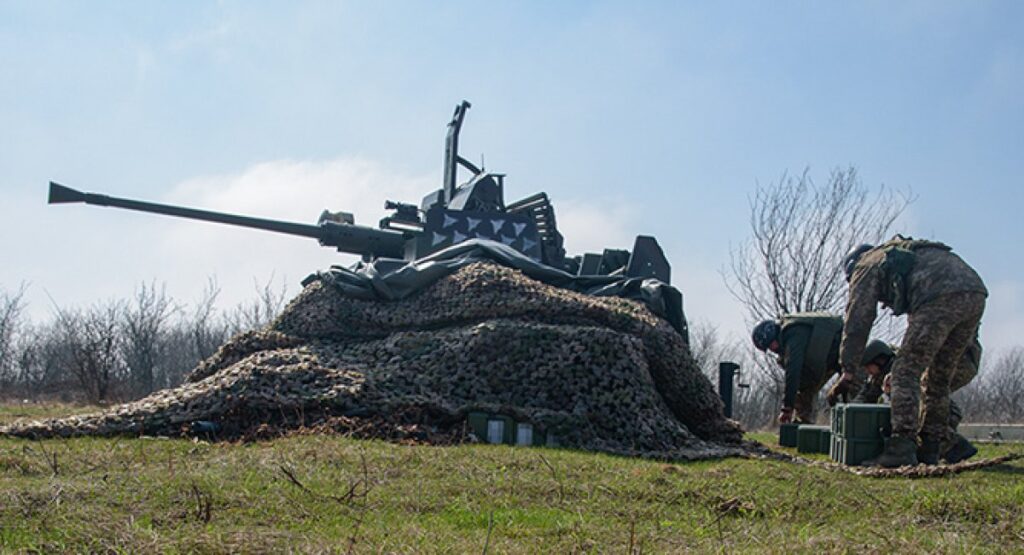
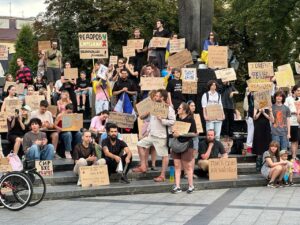

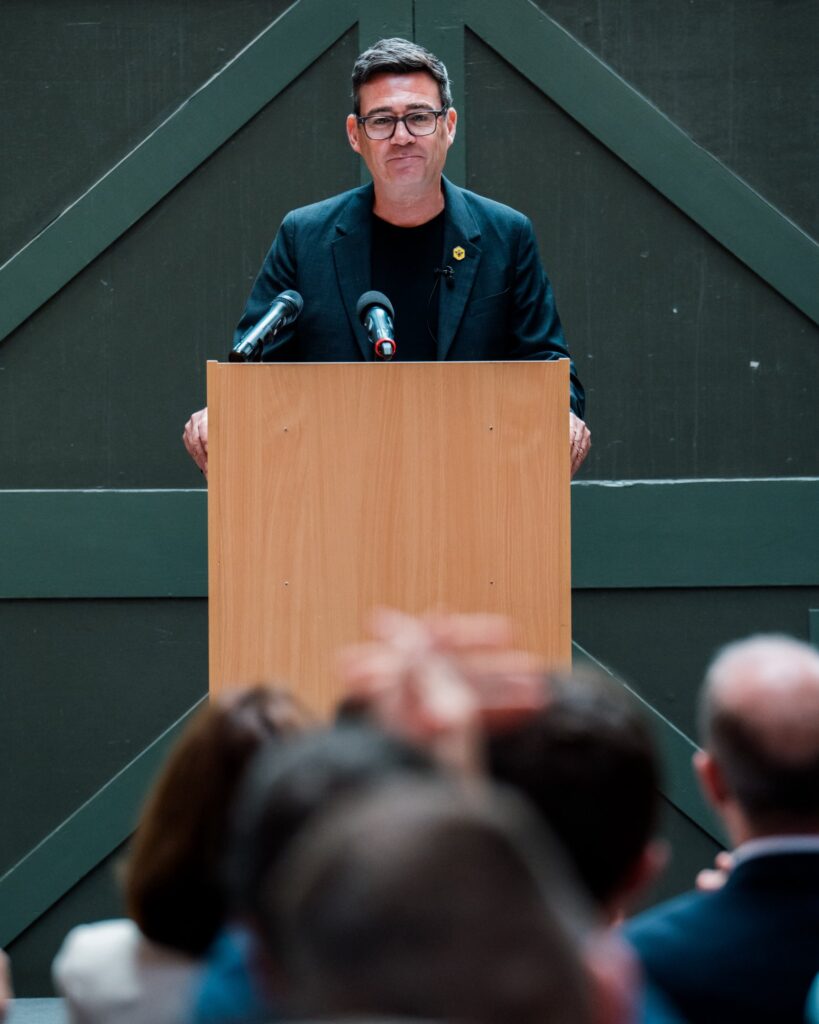
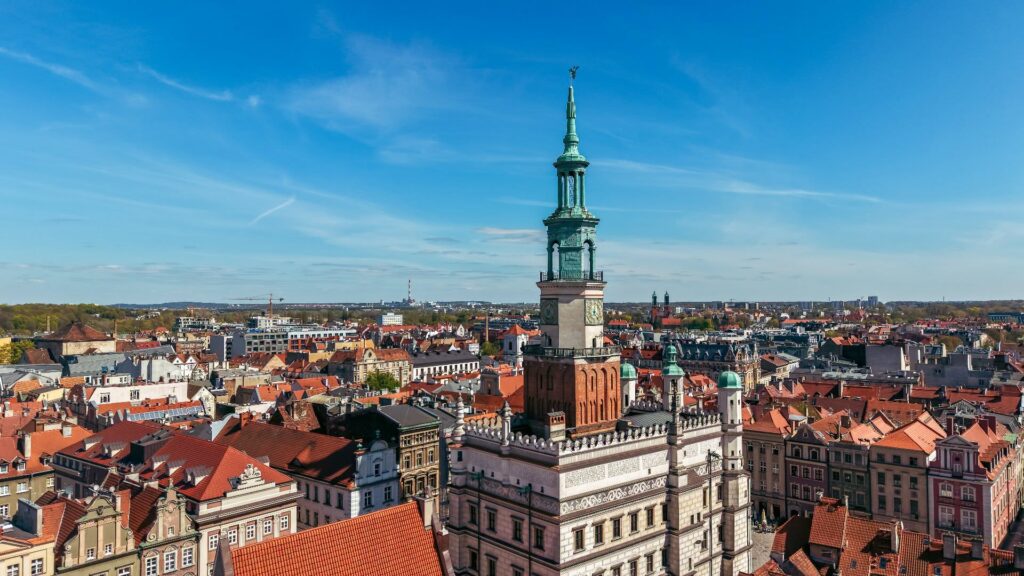
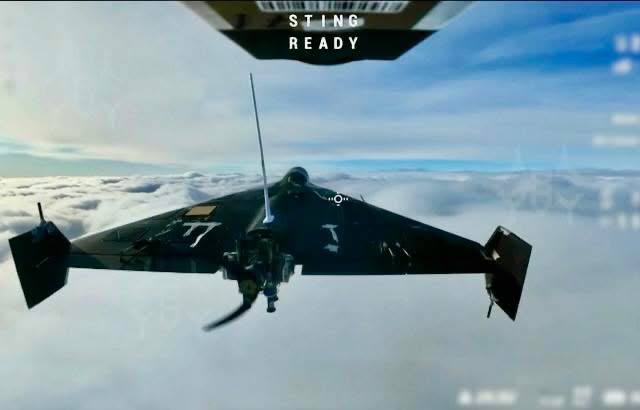
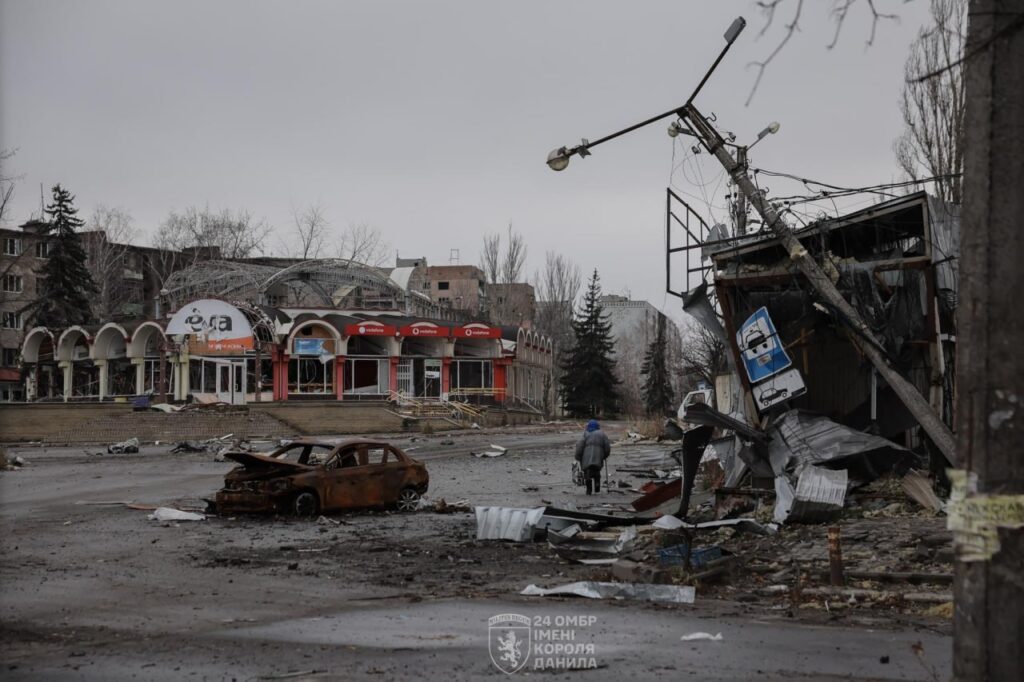
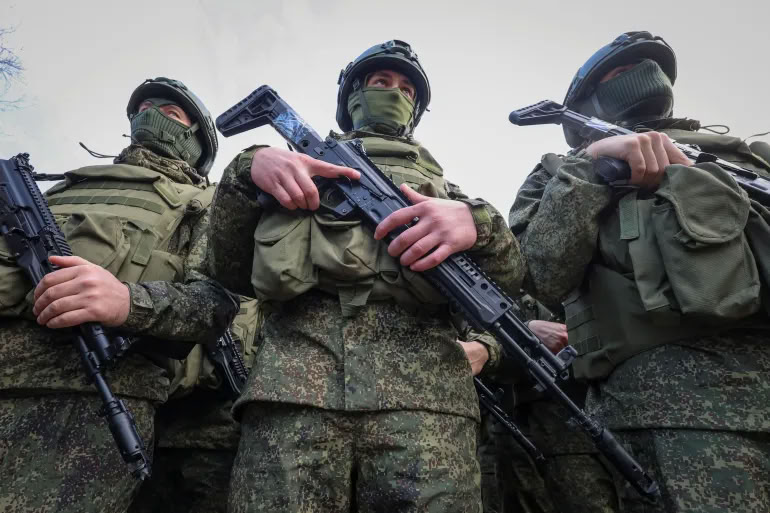

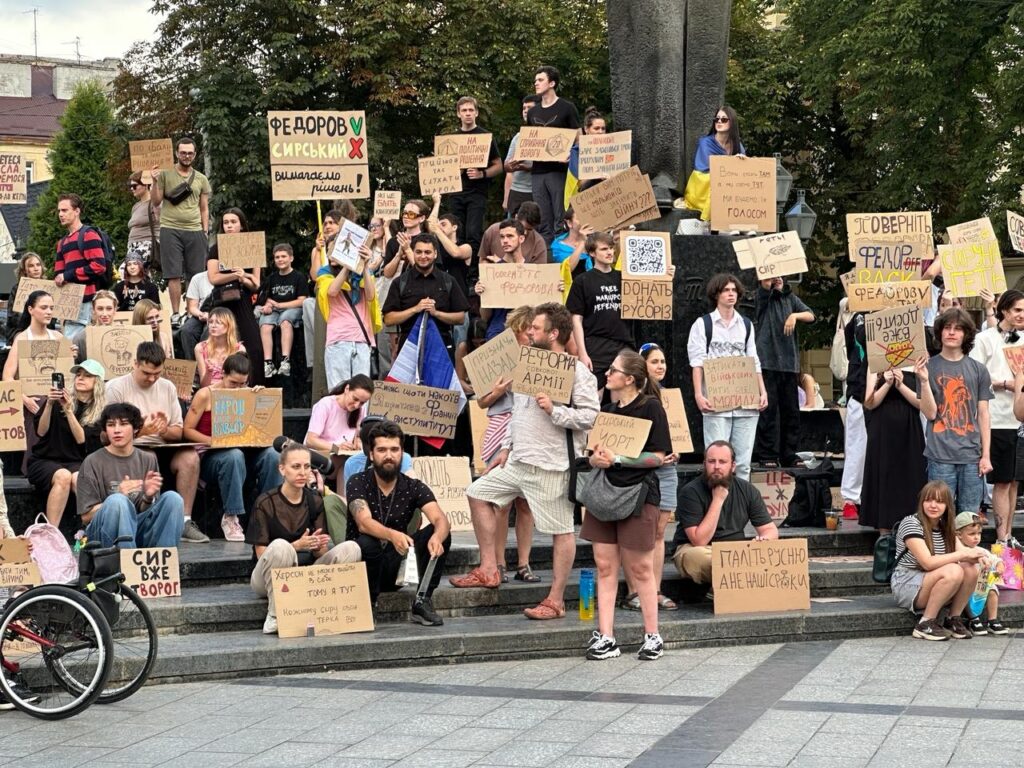
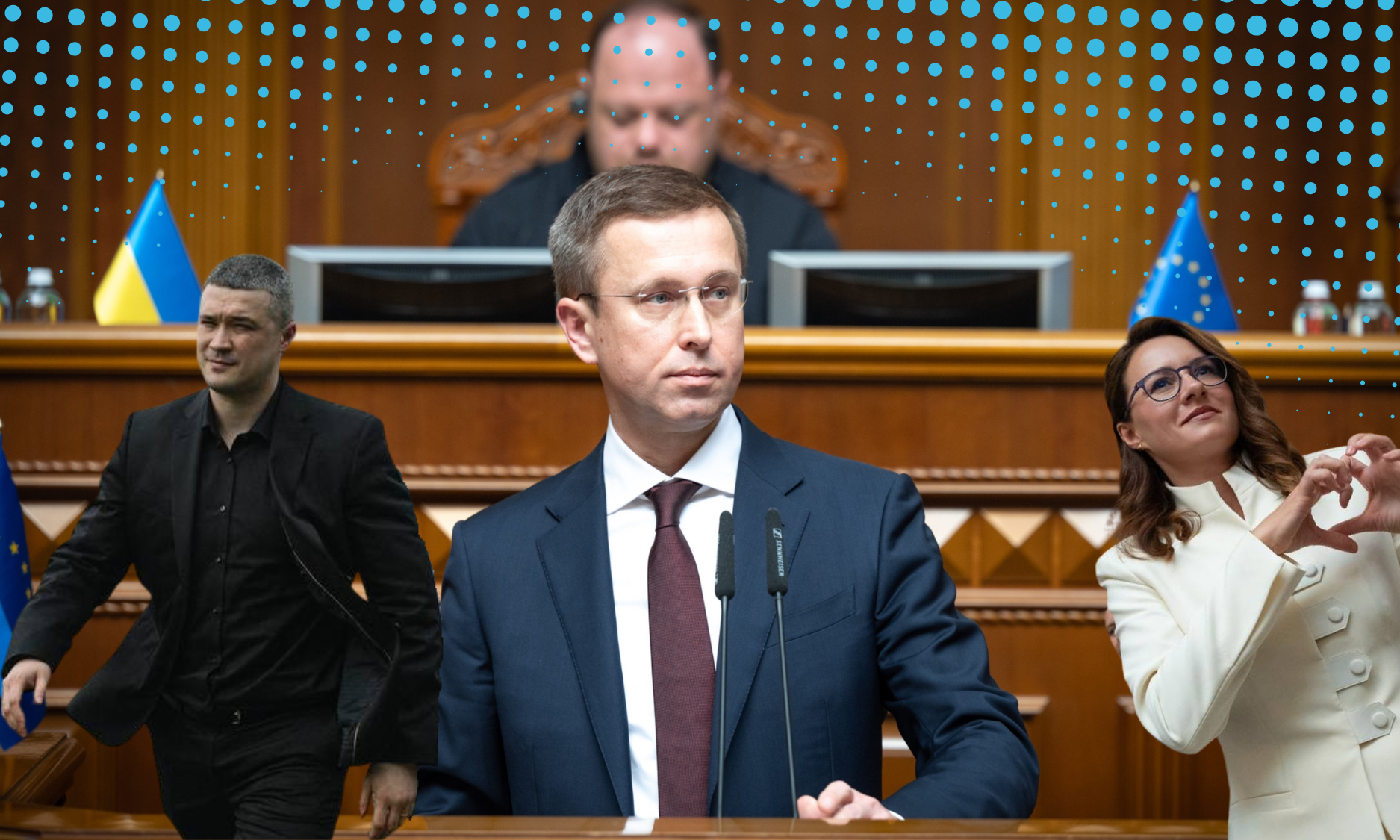
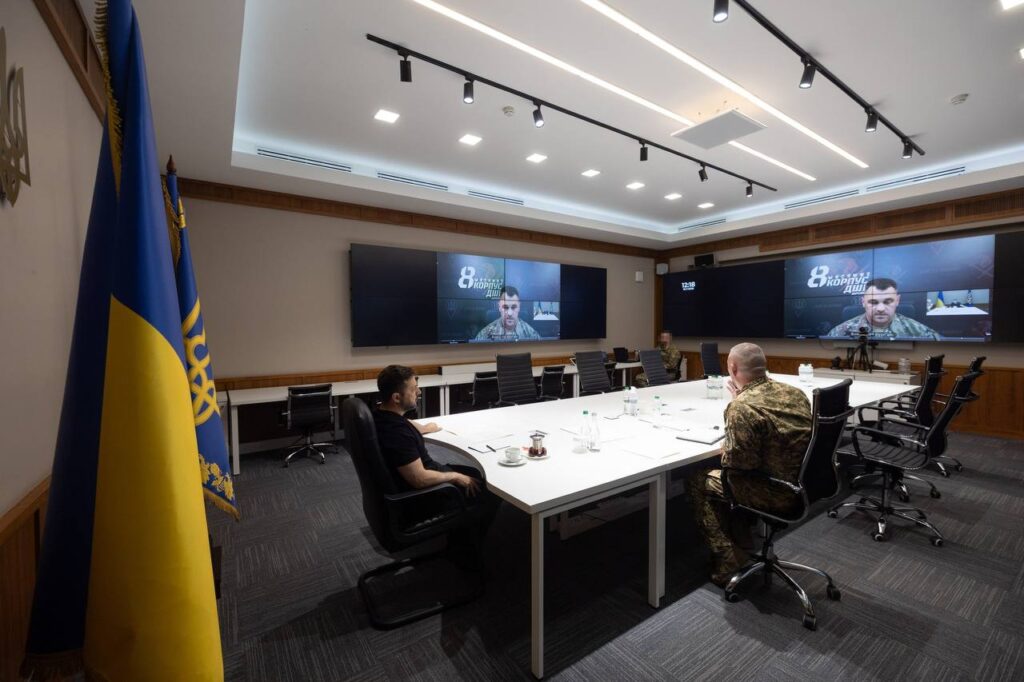
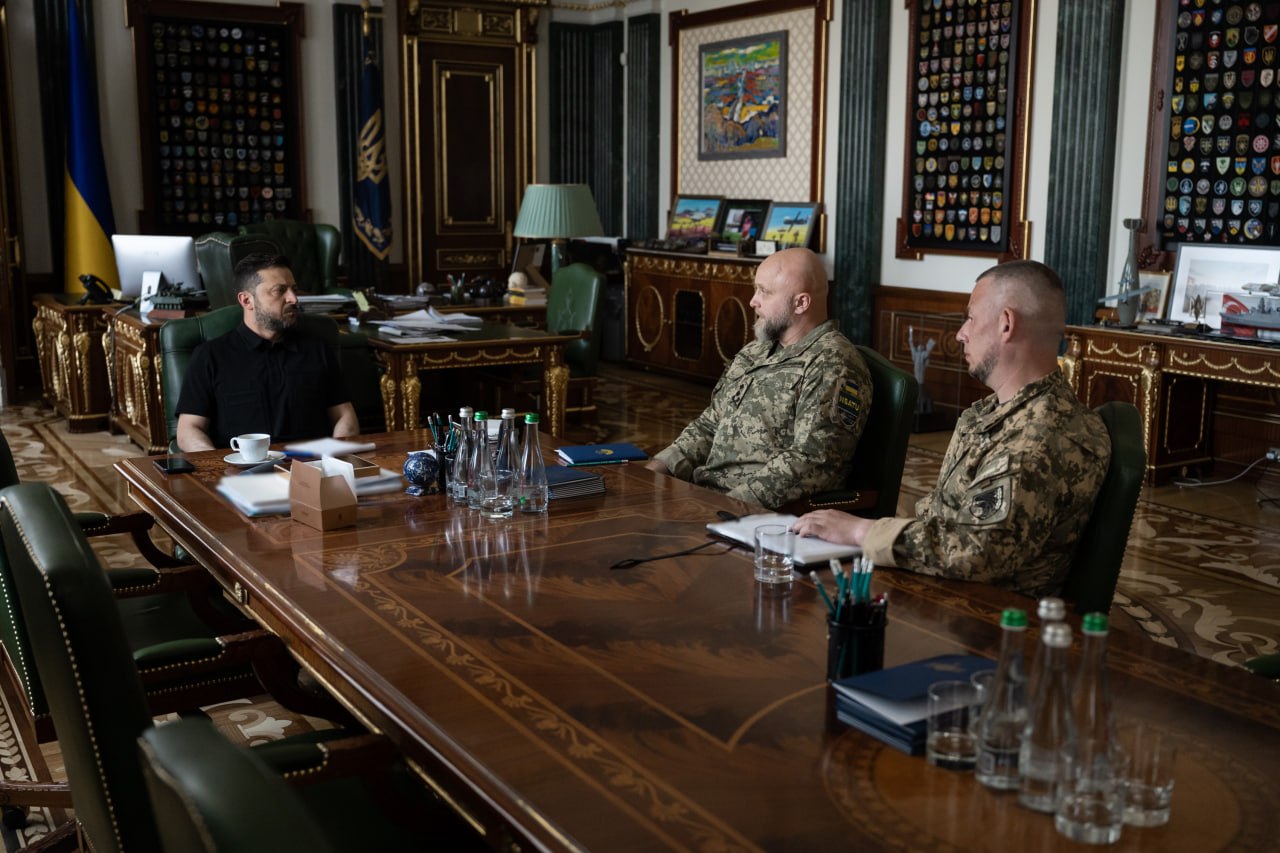
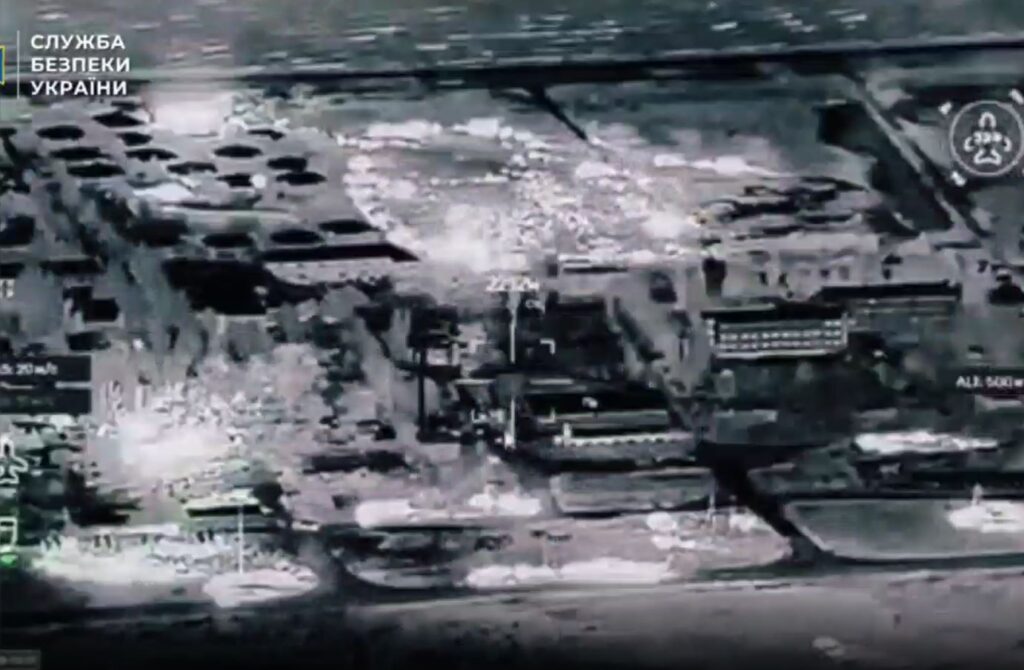
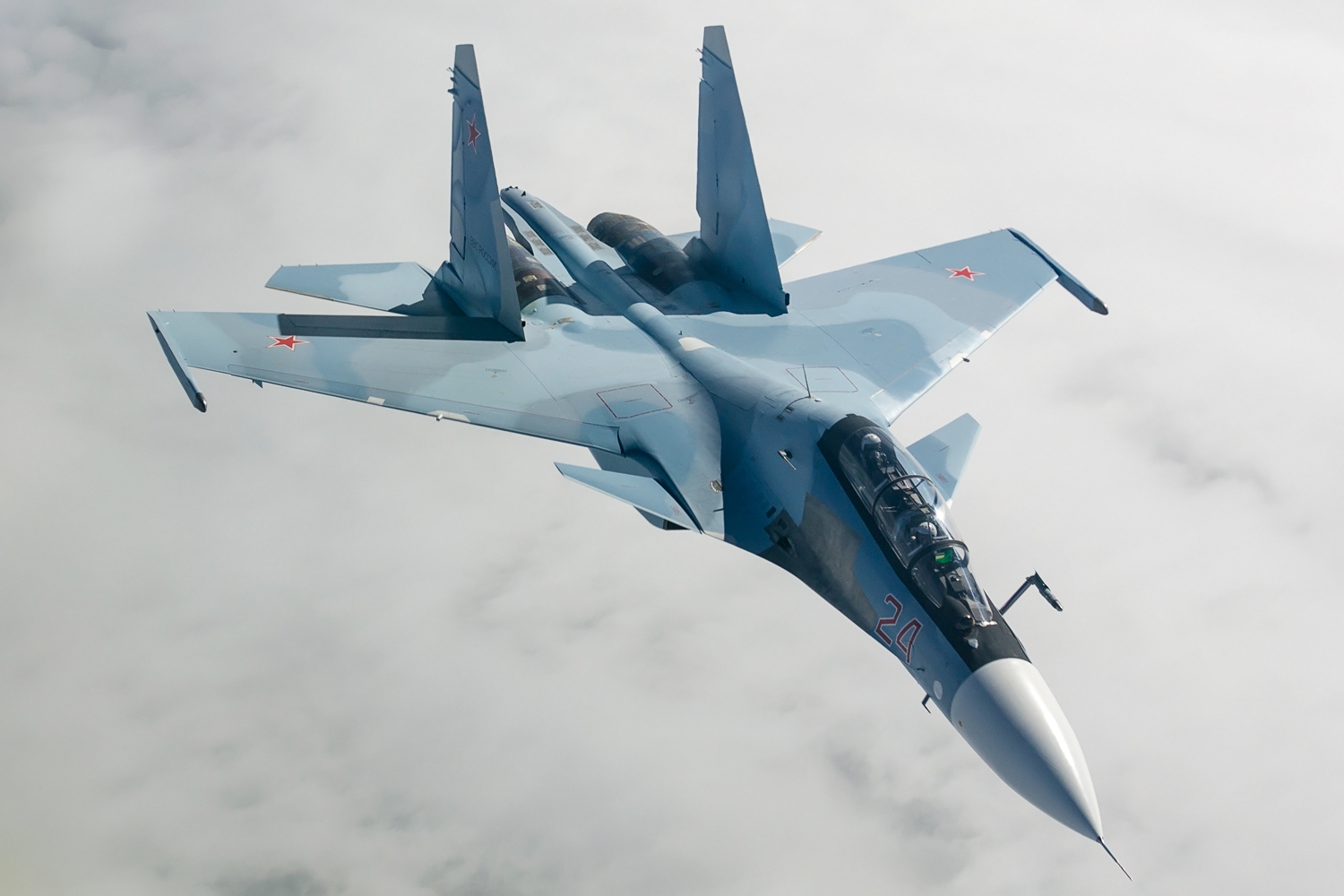
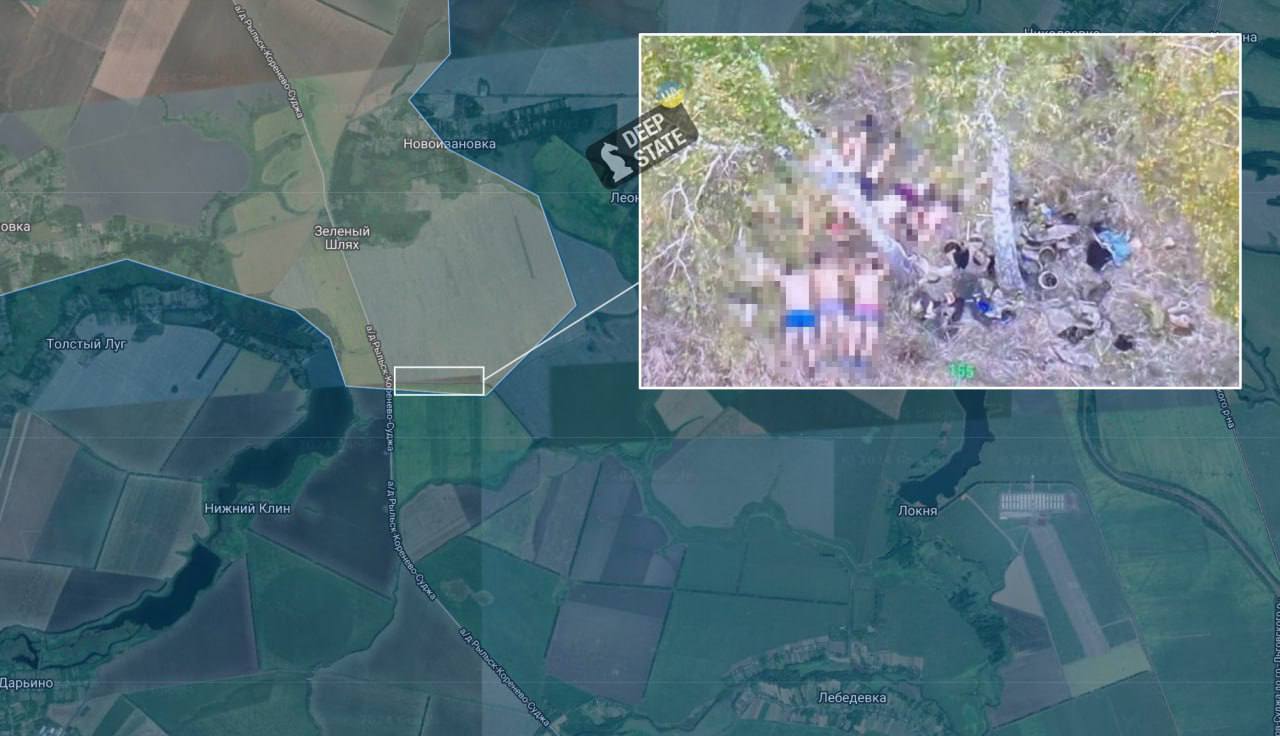
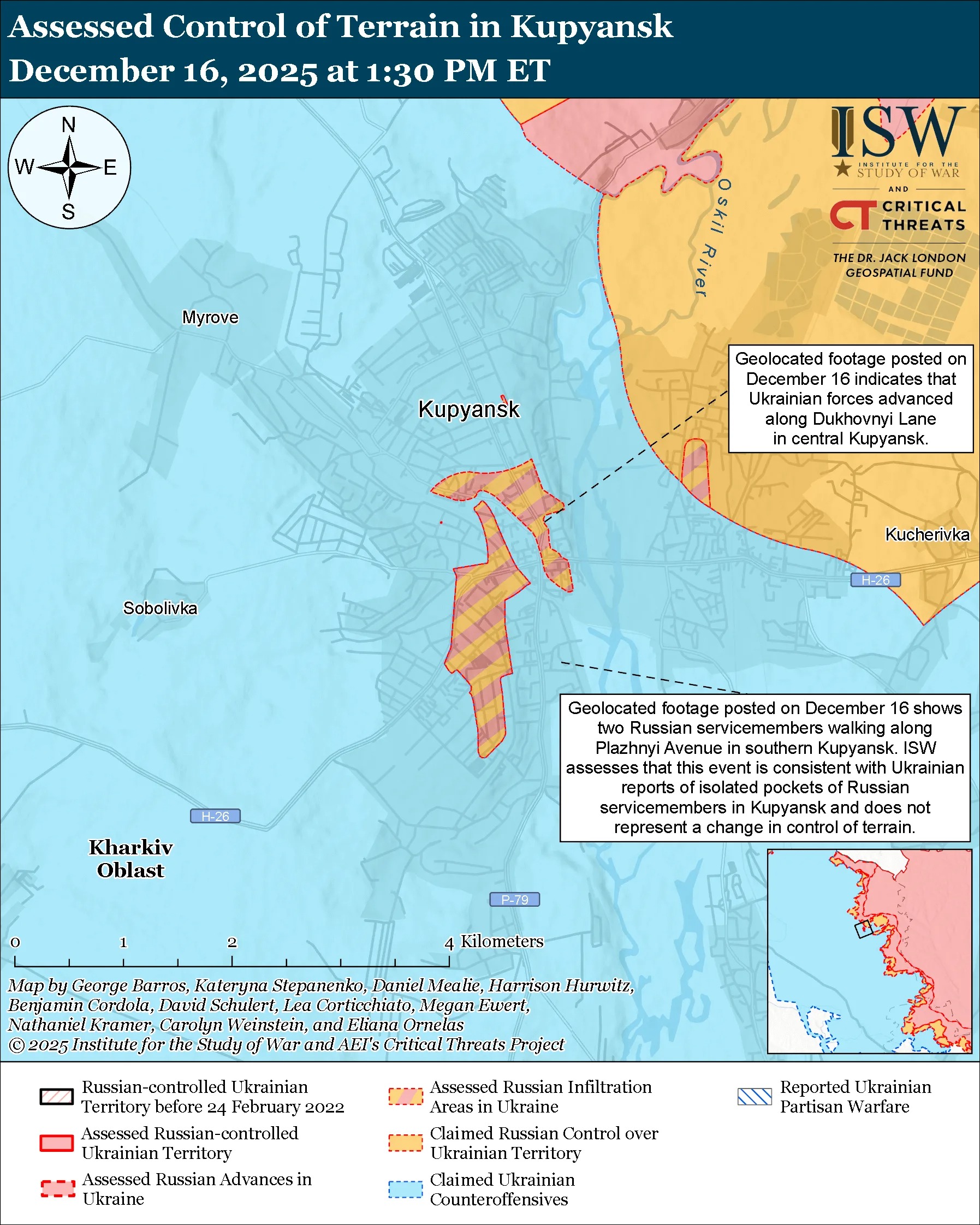
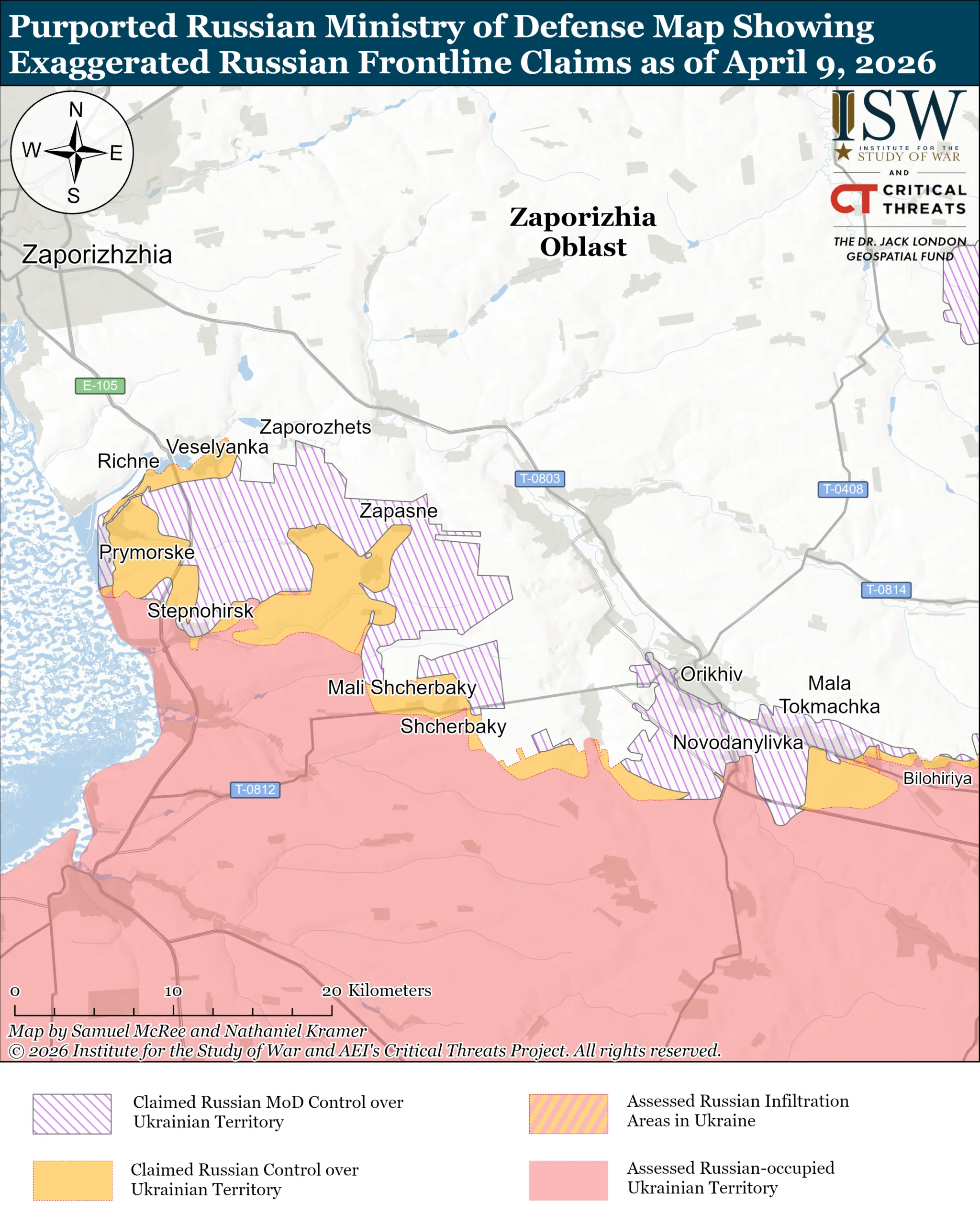


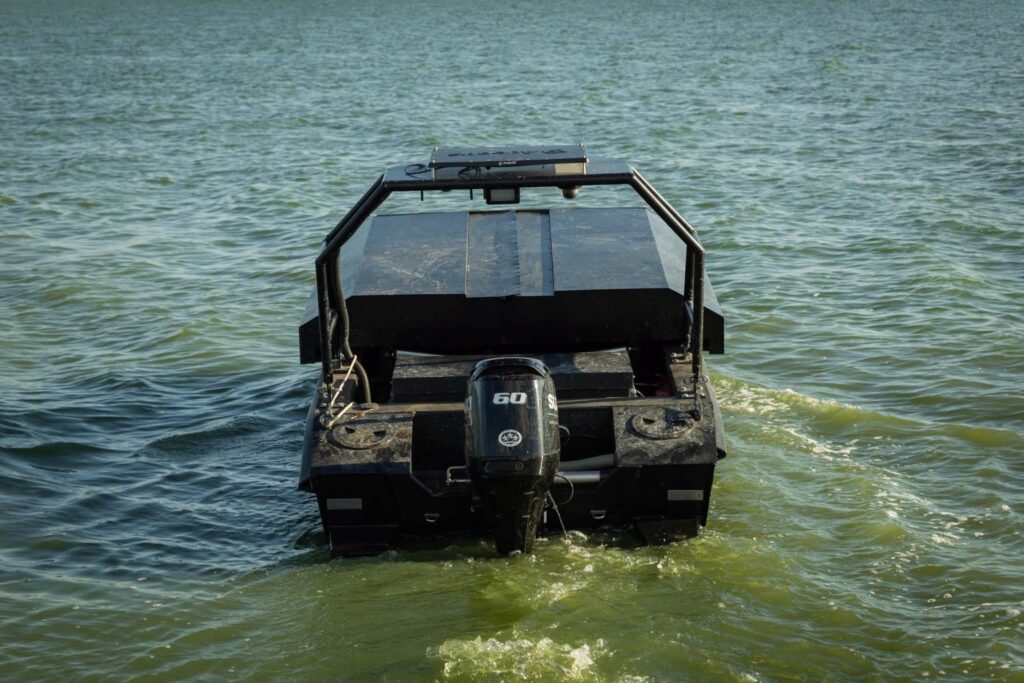
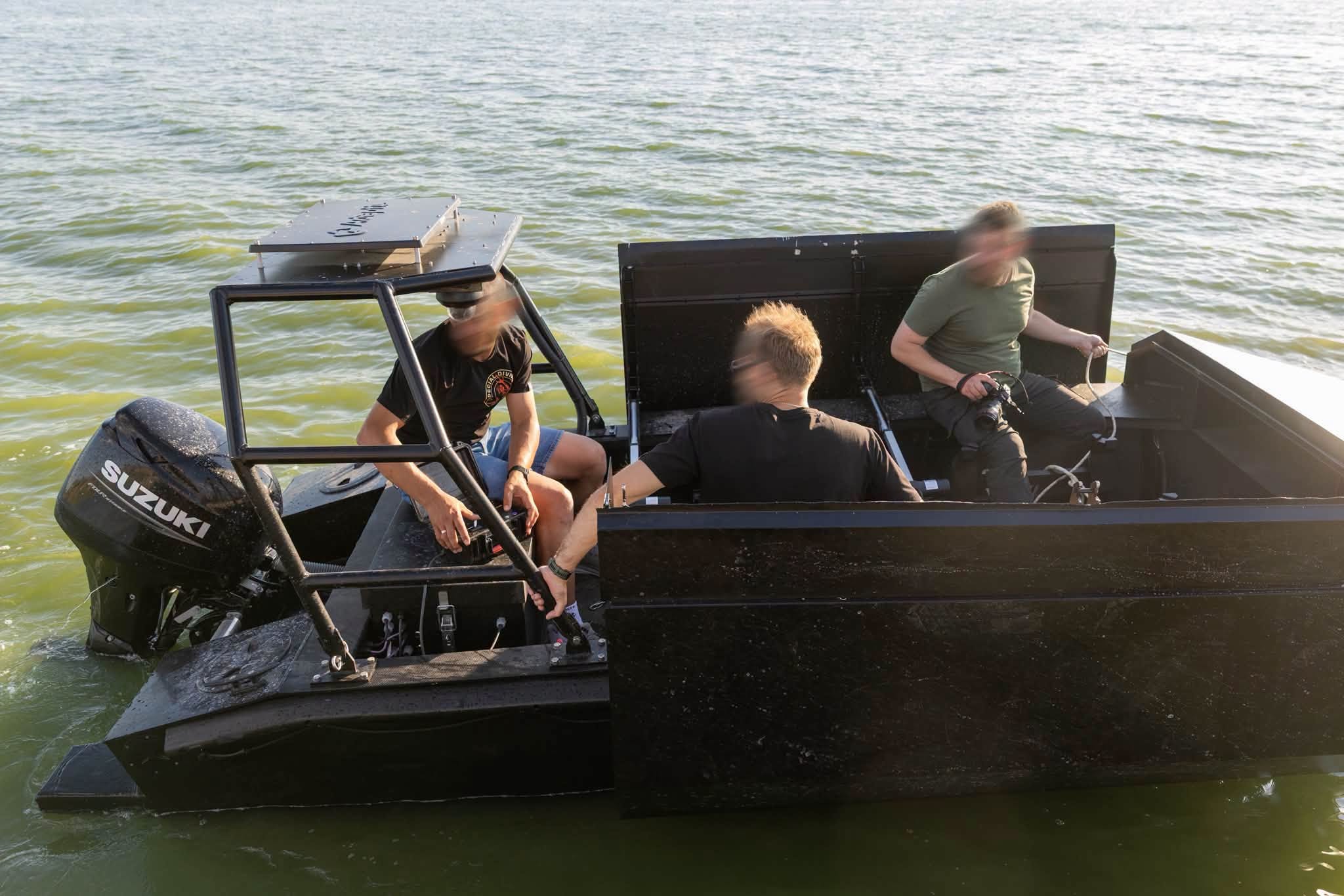
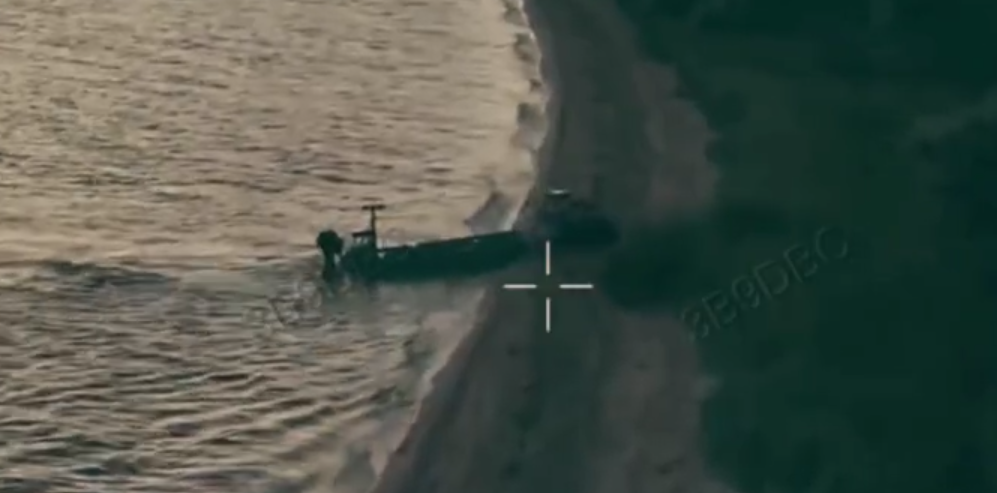
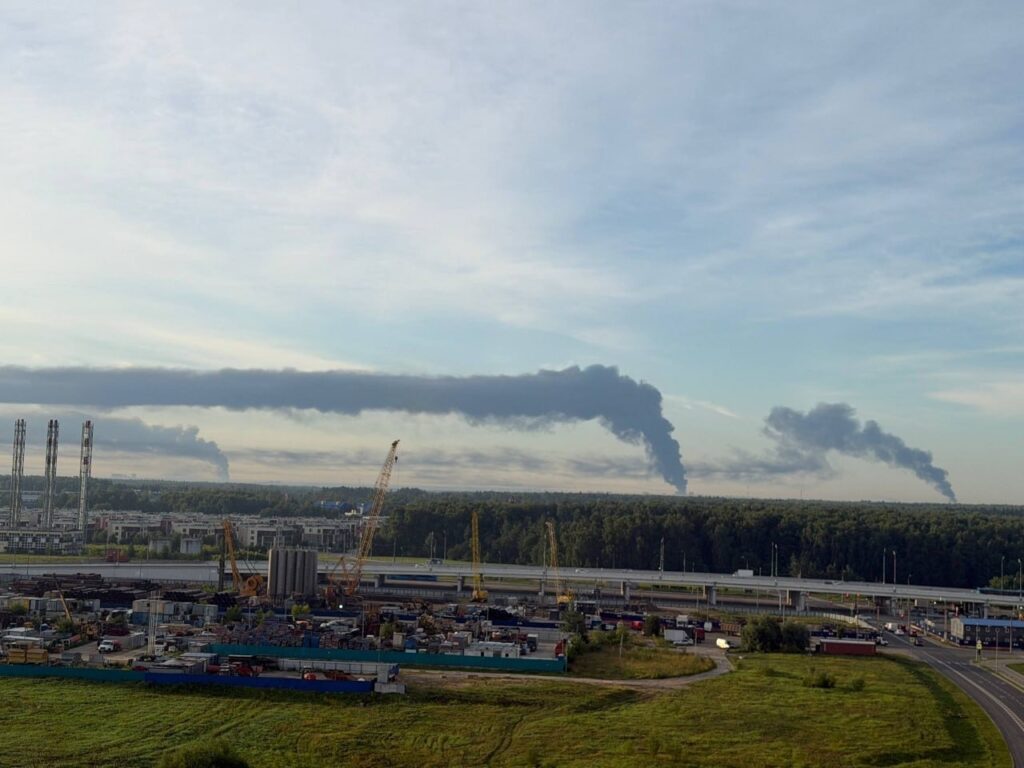
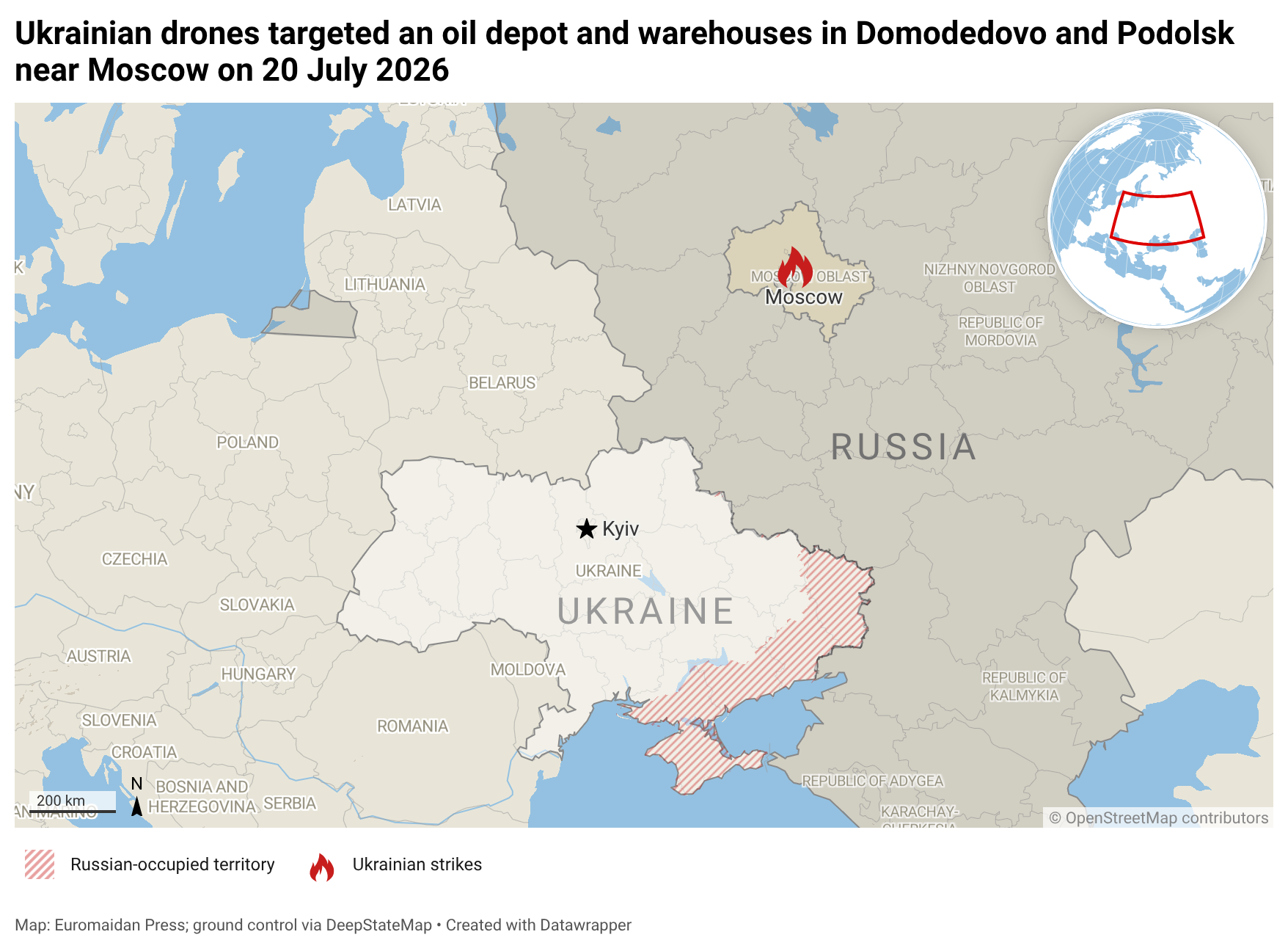
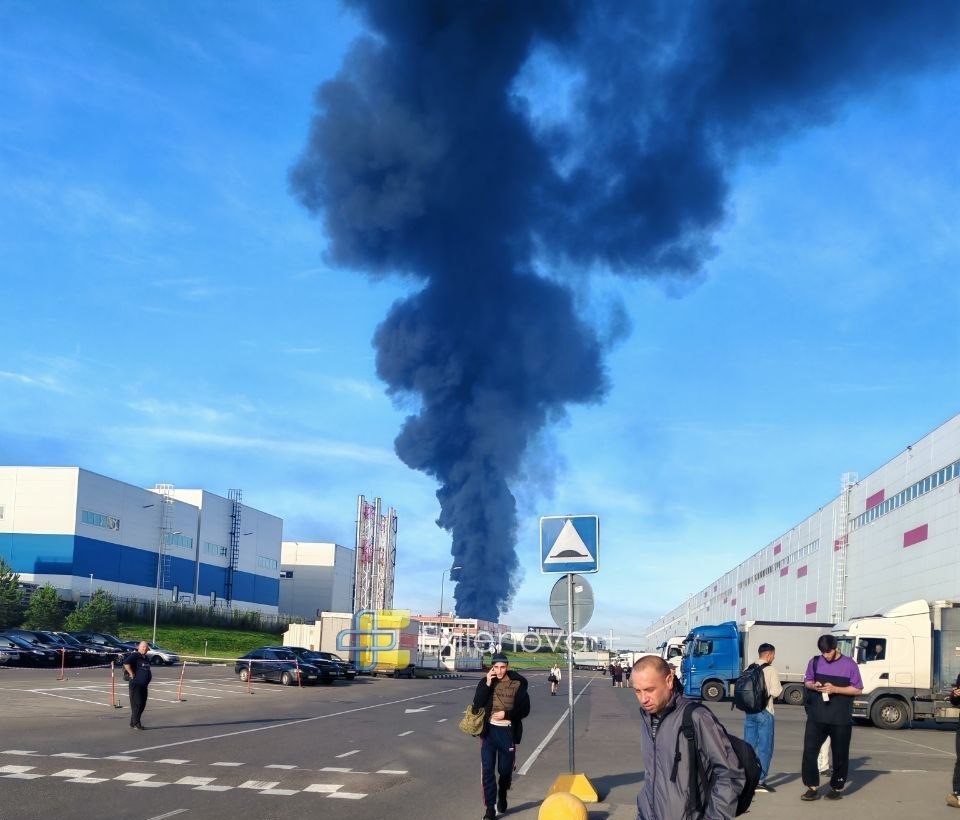
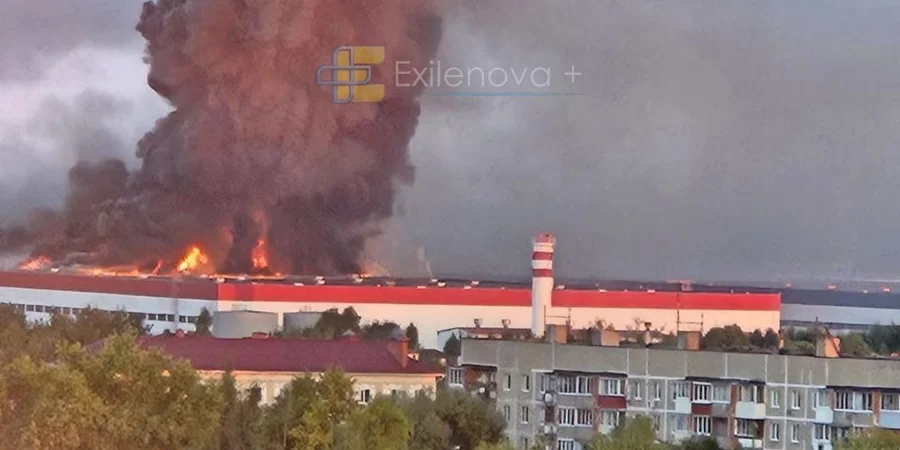
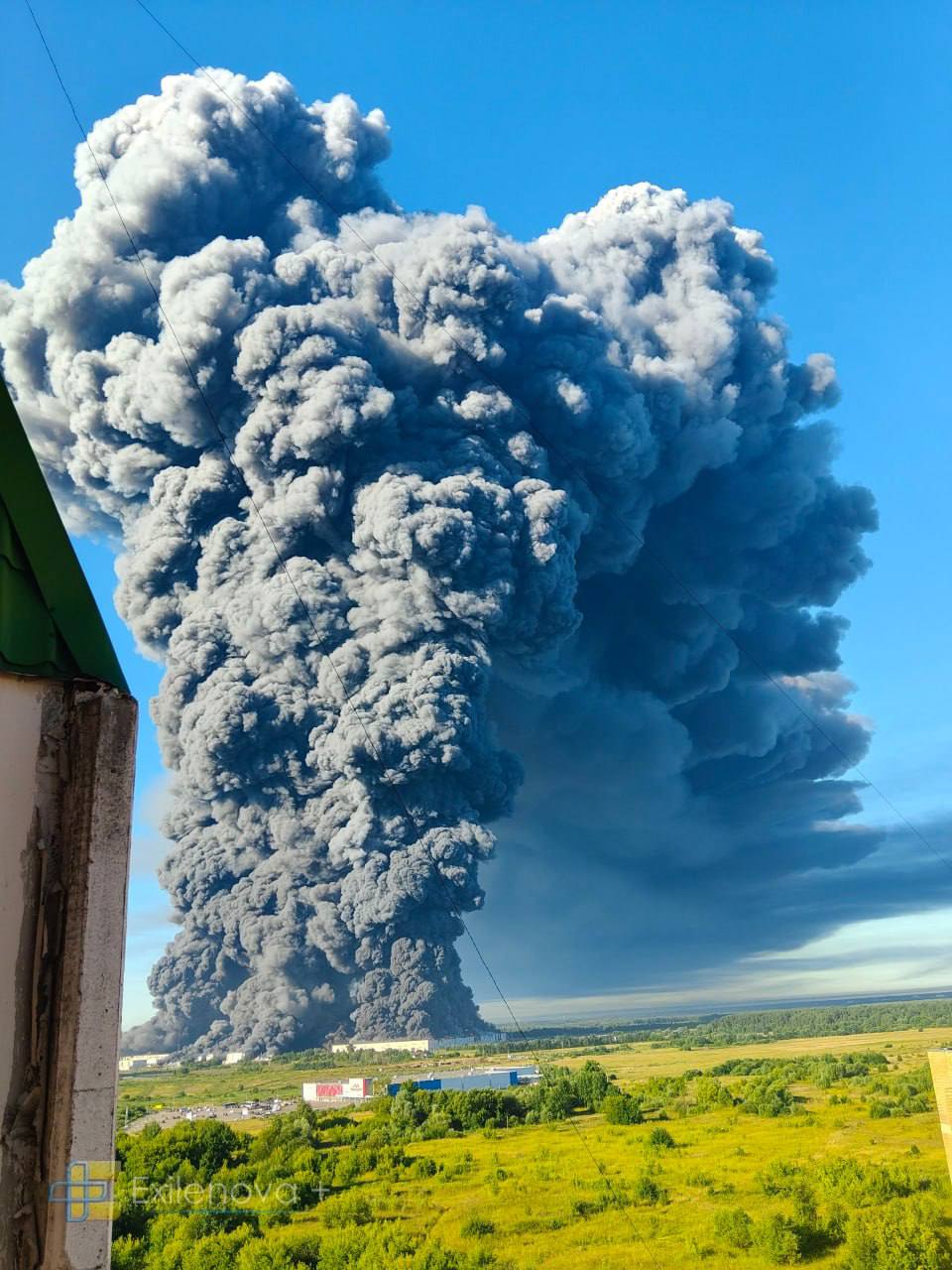
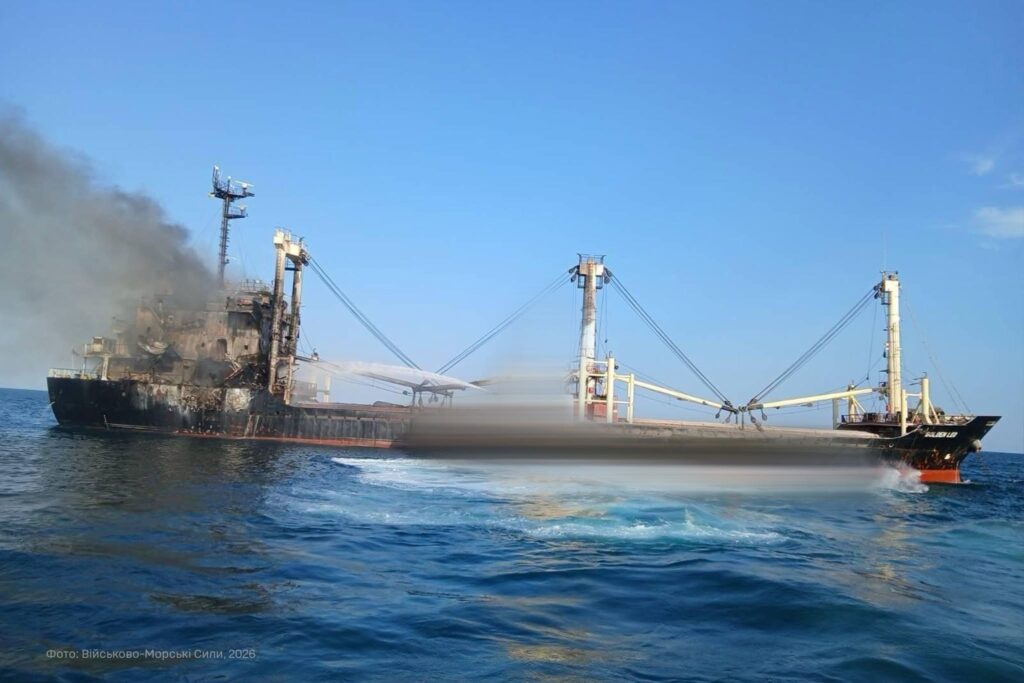
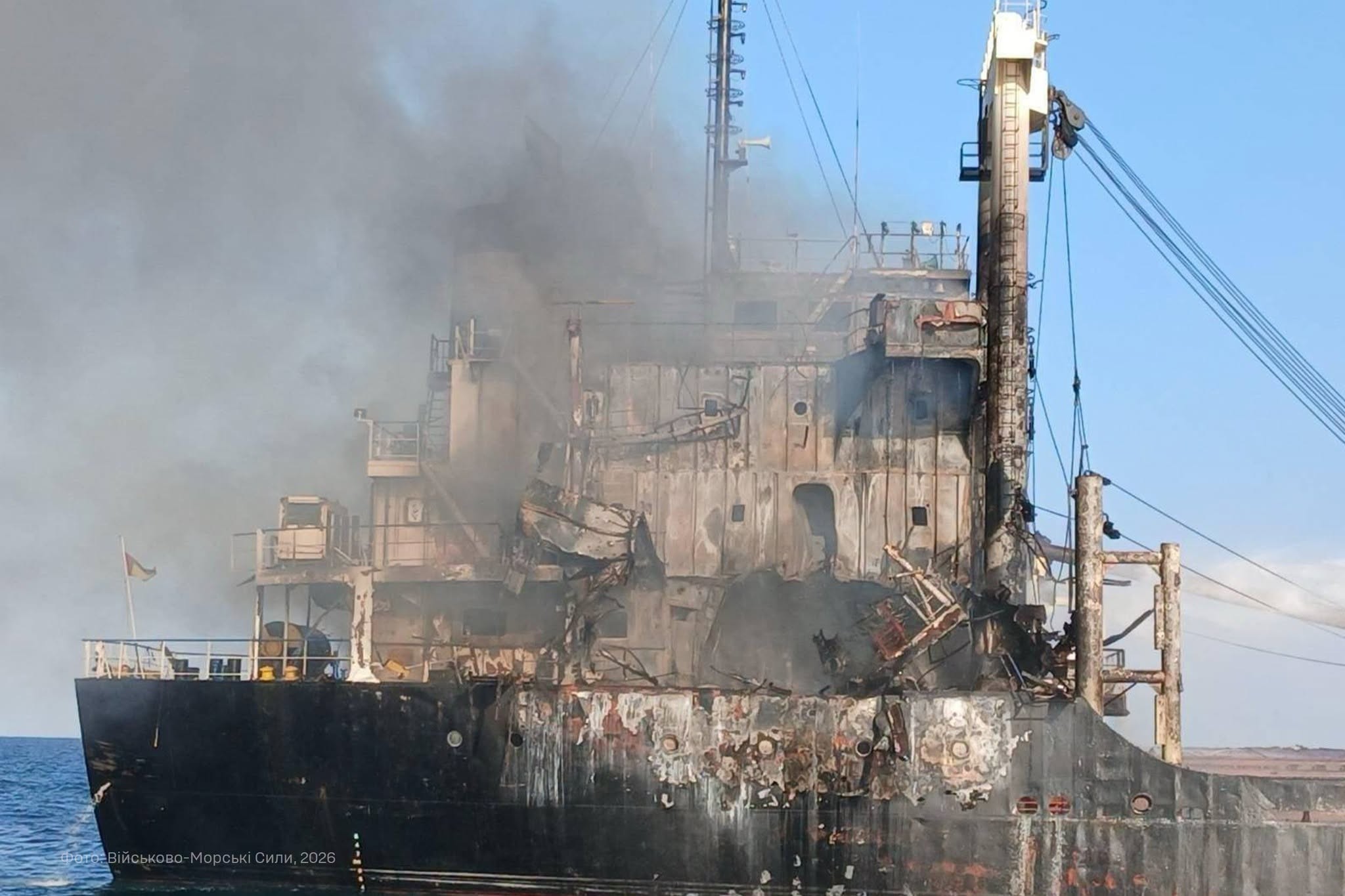
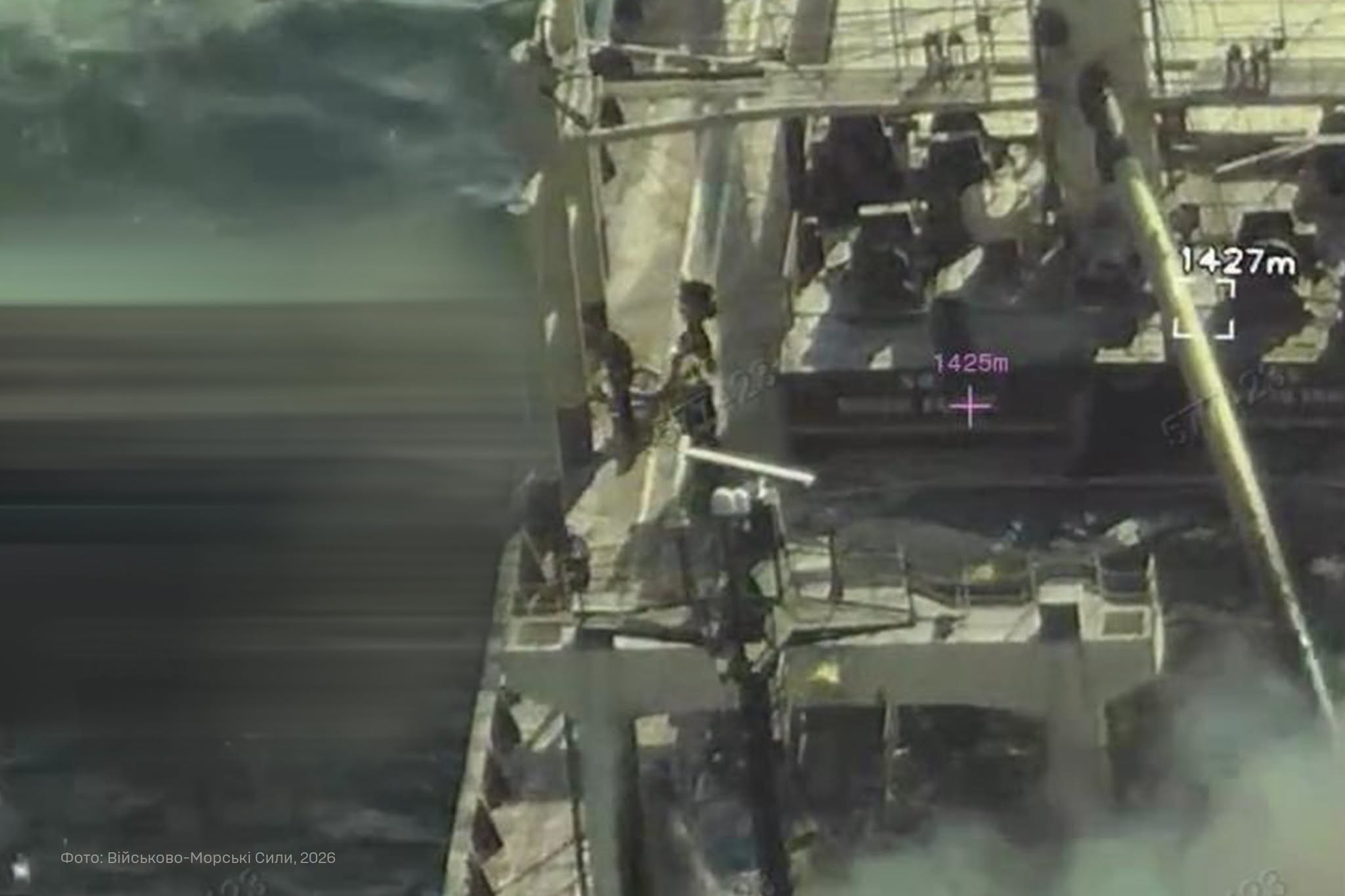
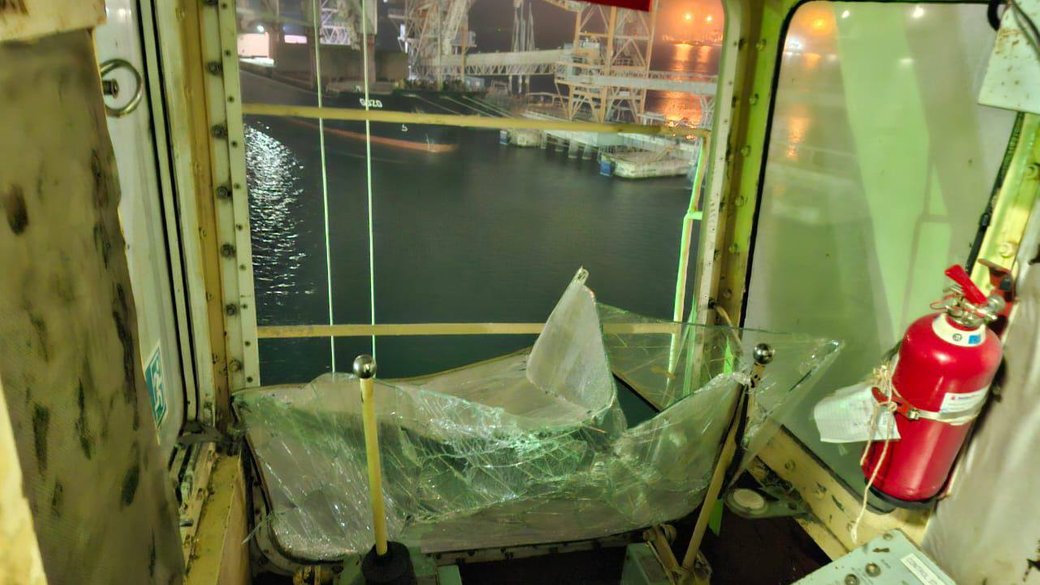


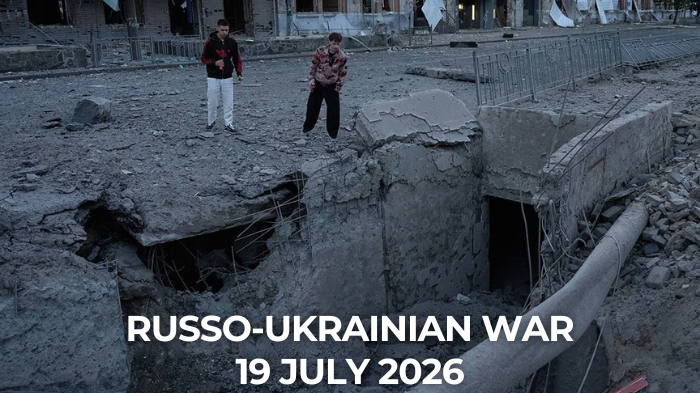

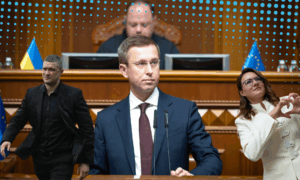

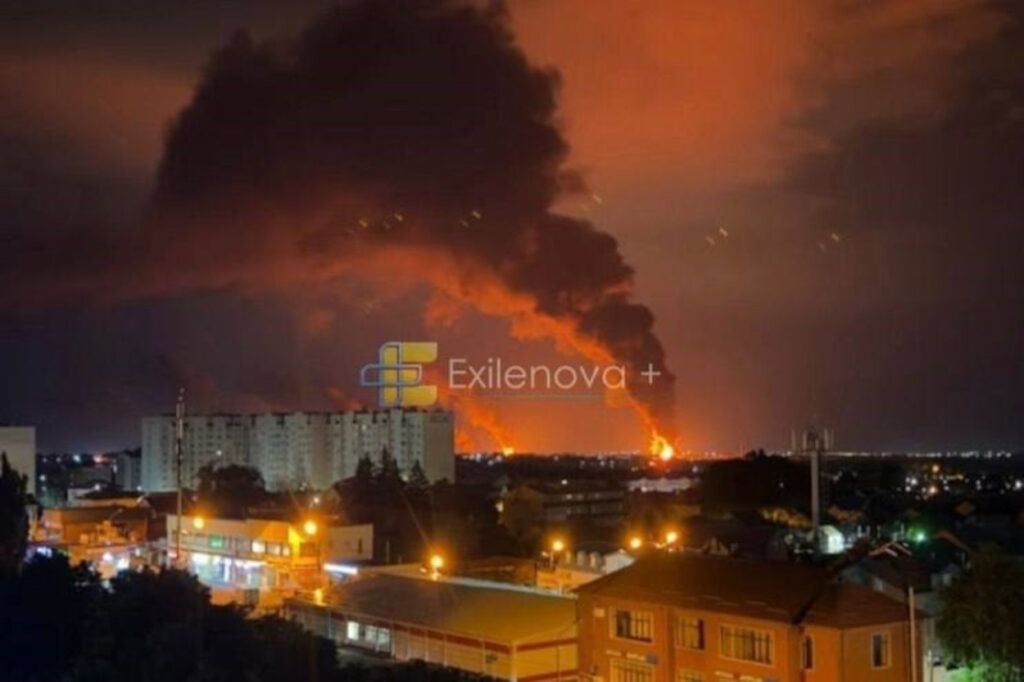
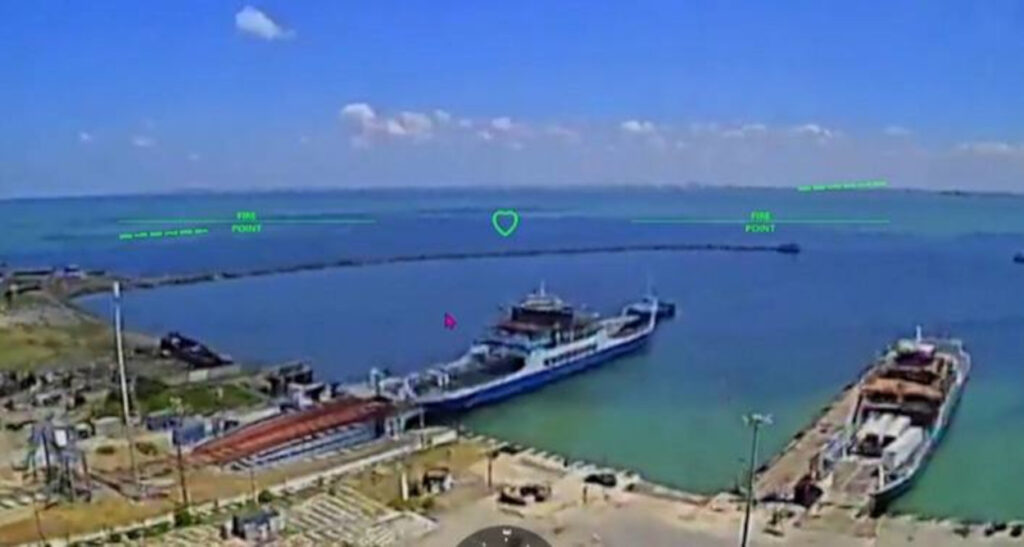
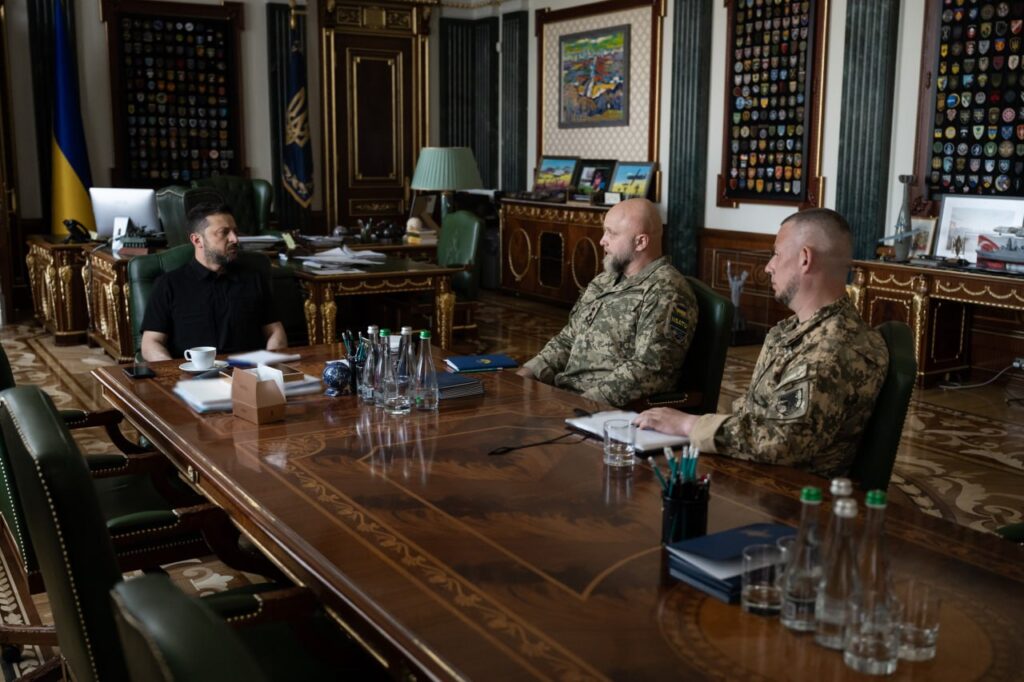
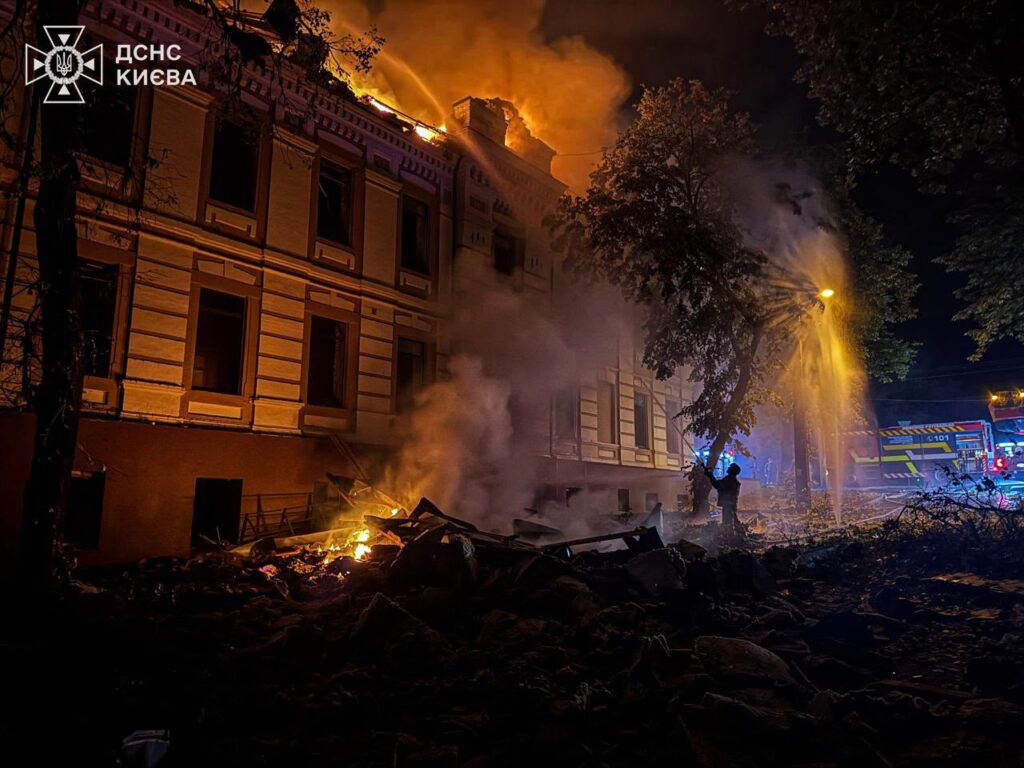
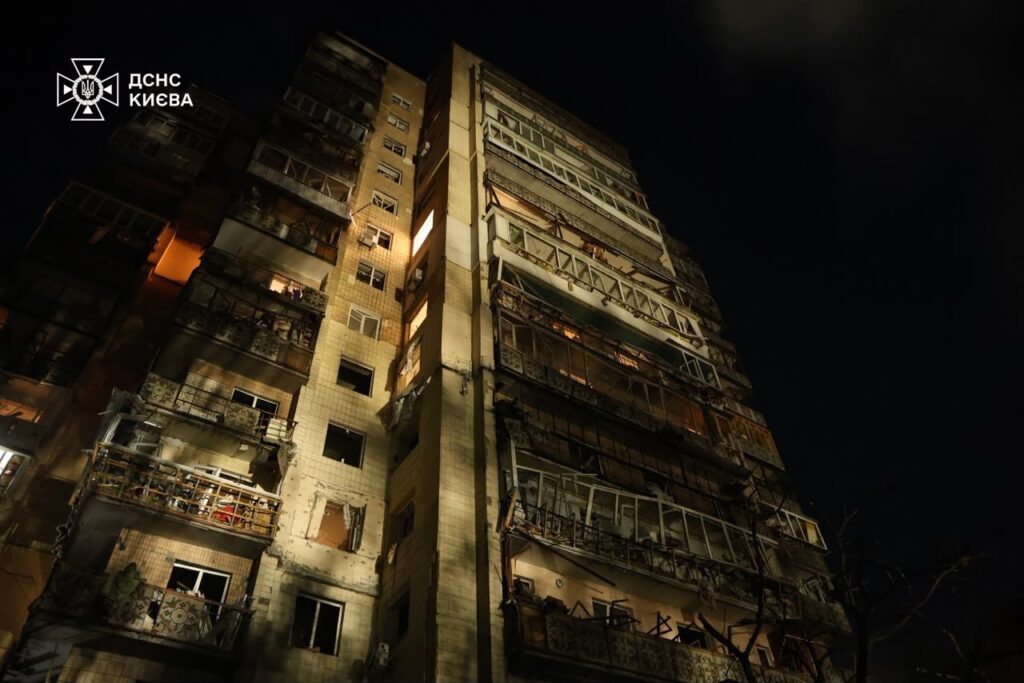
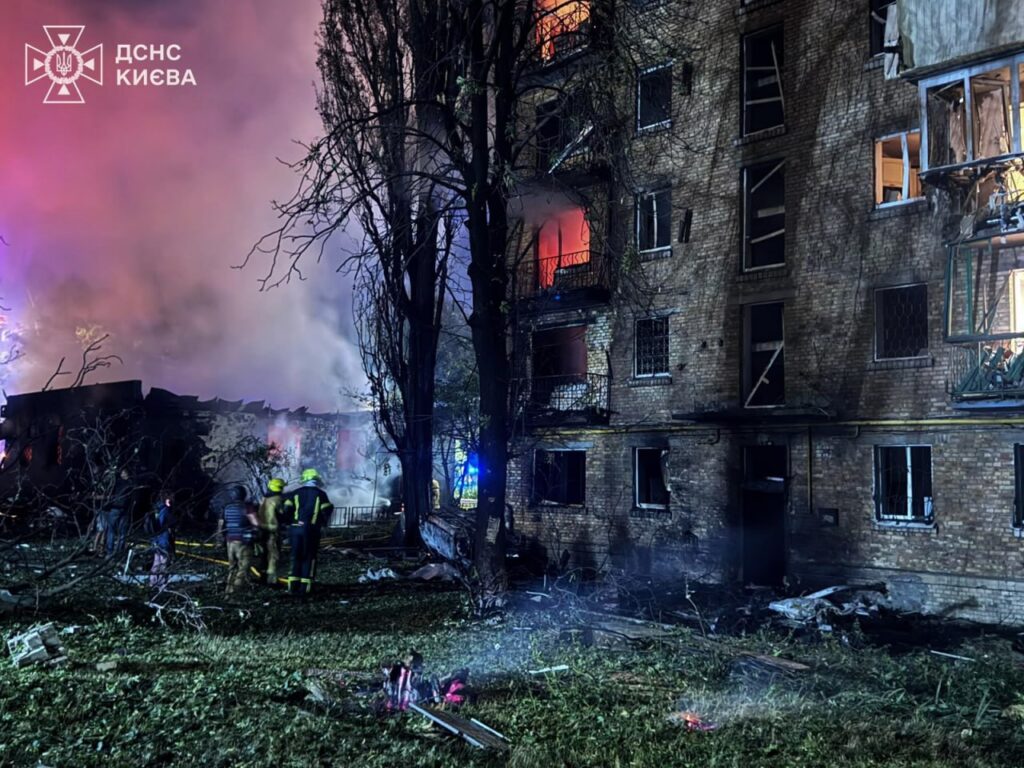
 Realnyi Kyiv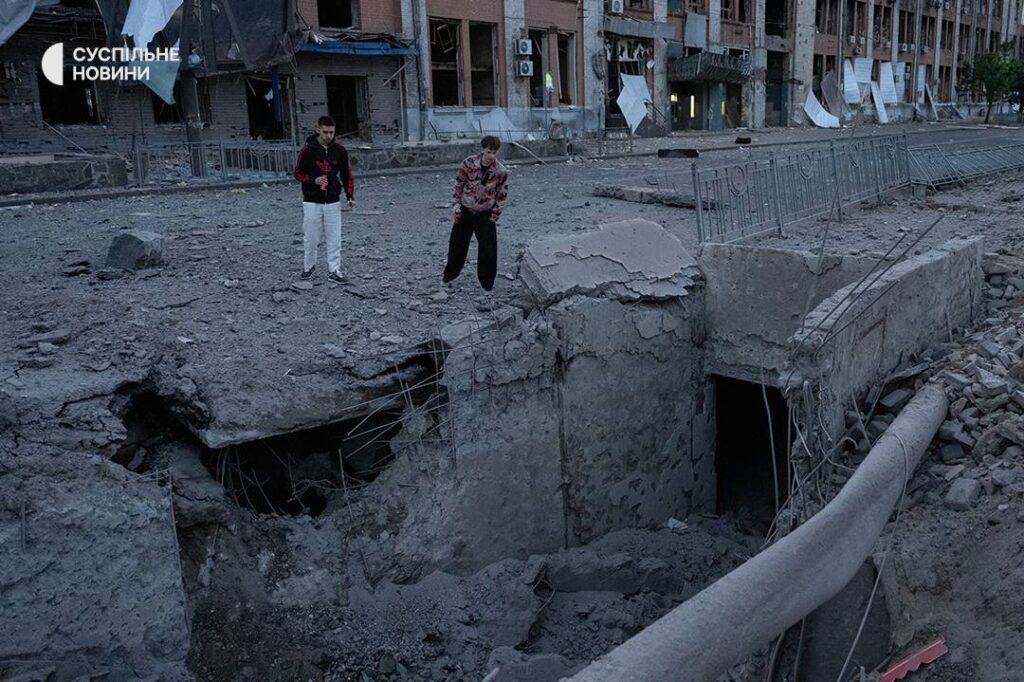
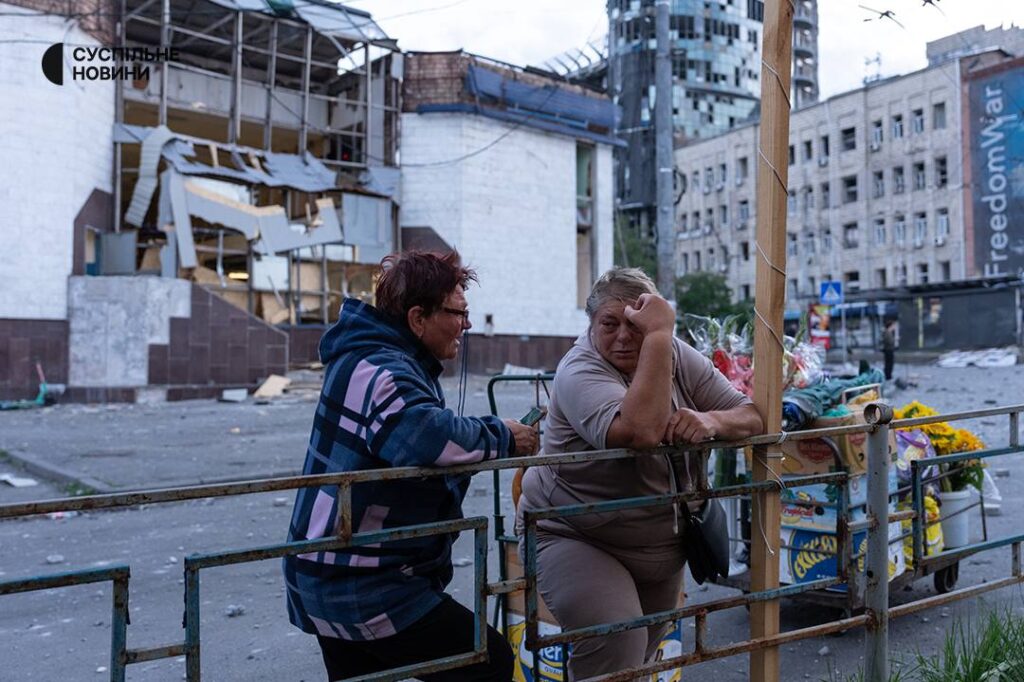
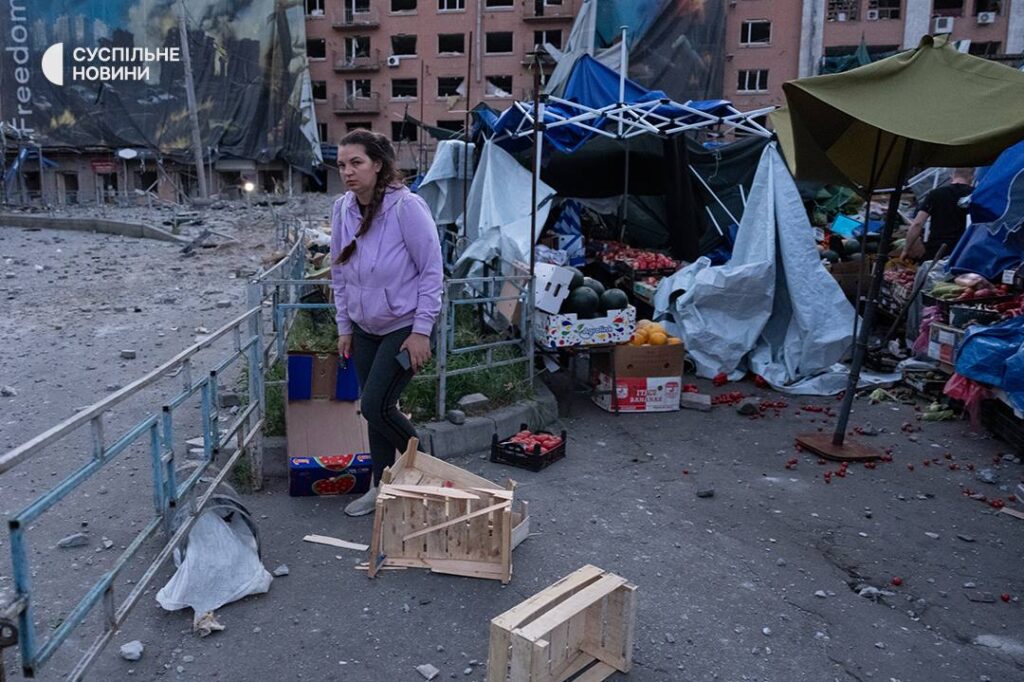
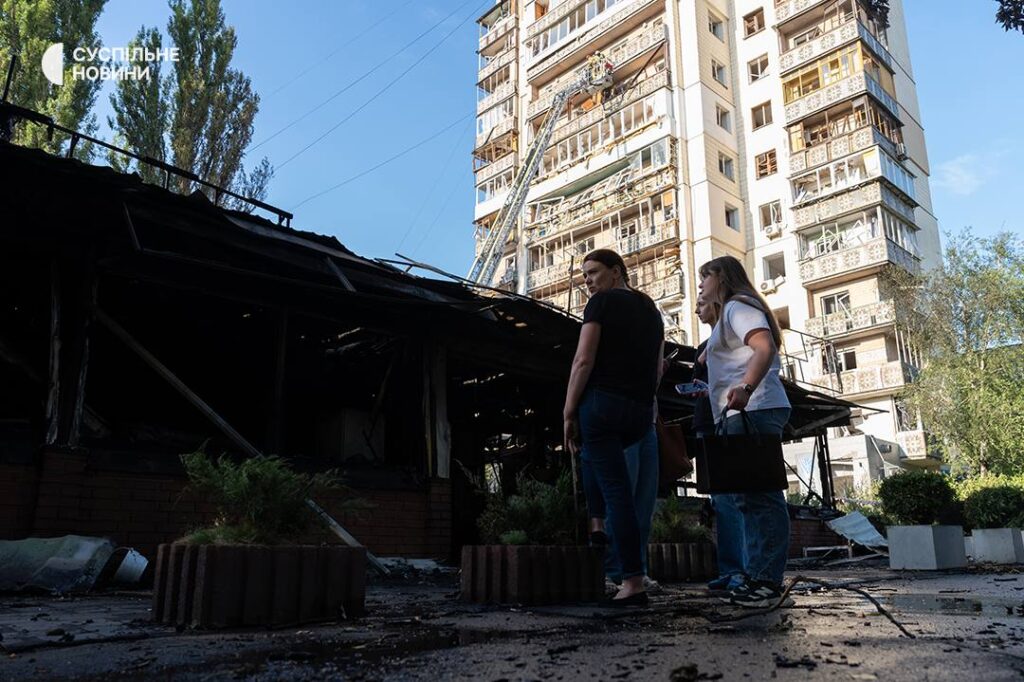
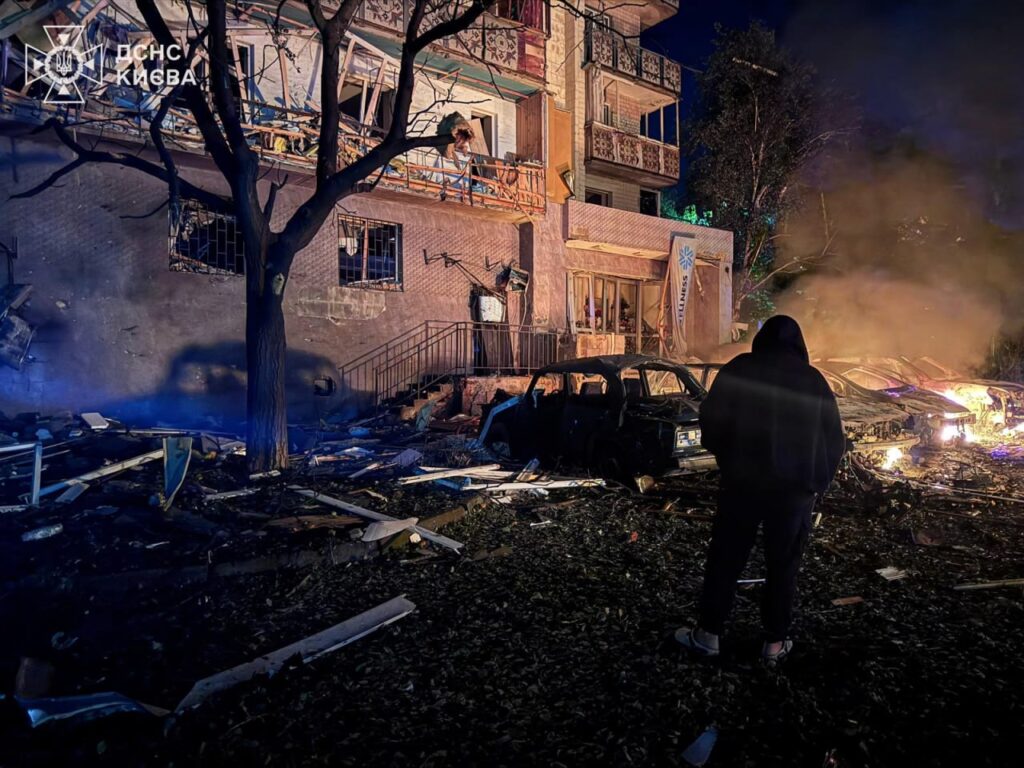
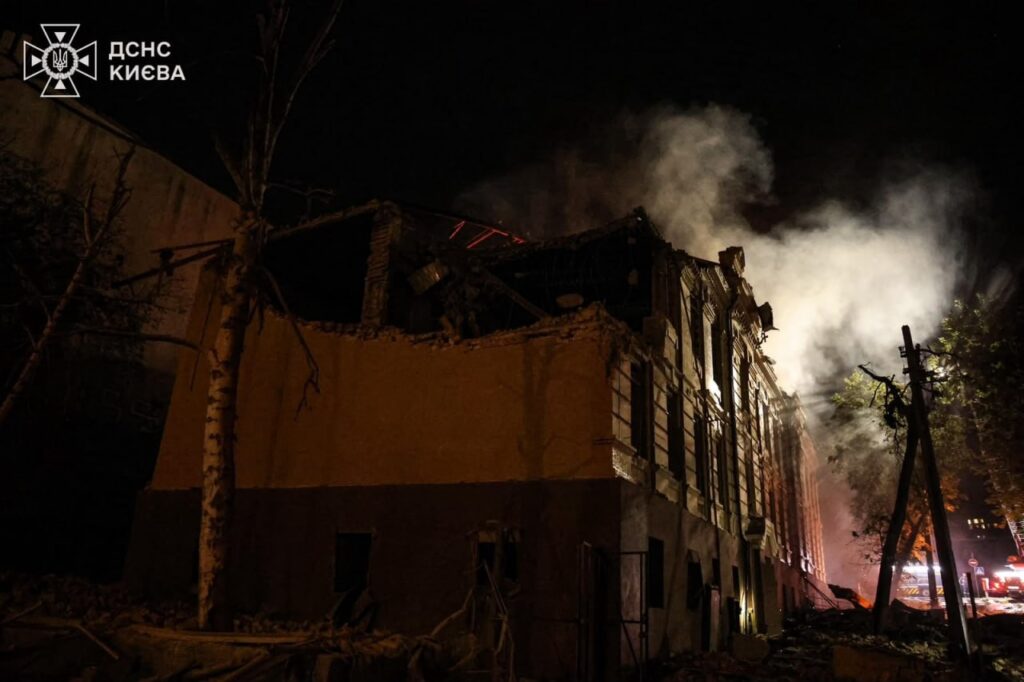
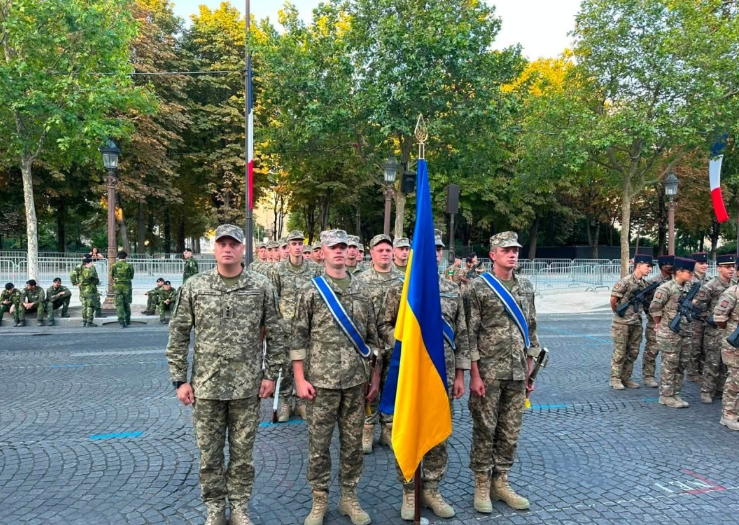

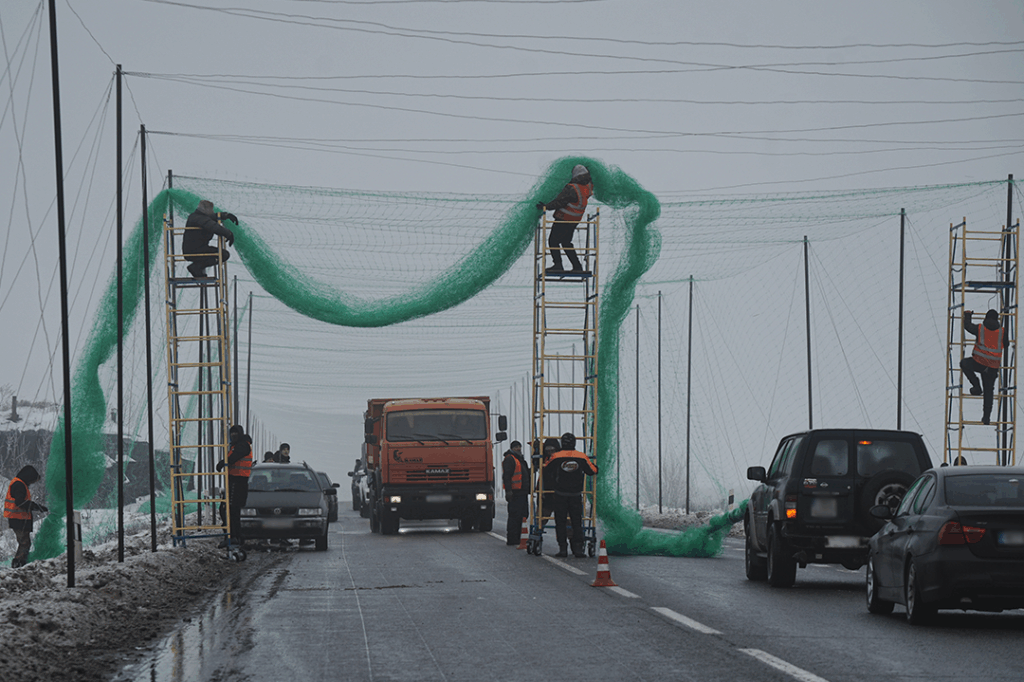
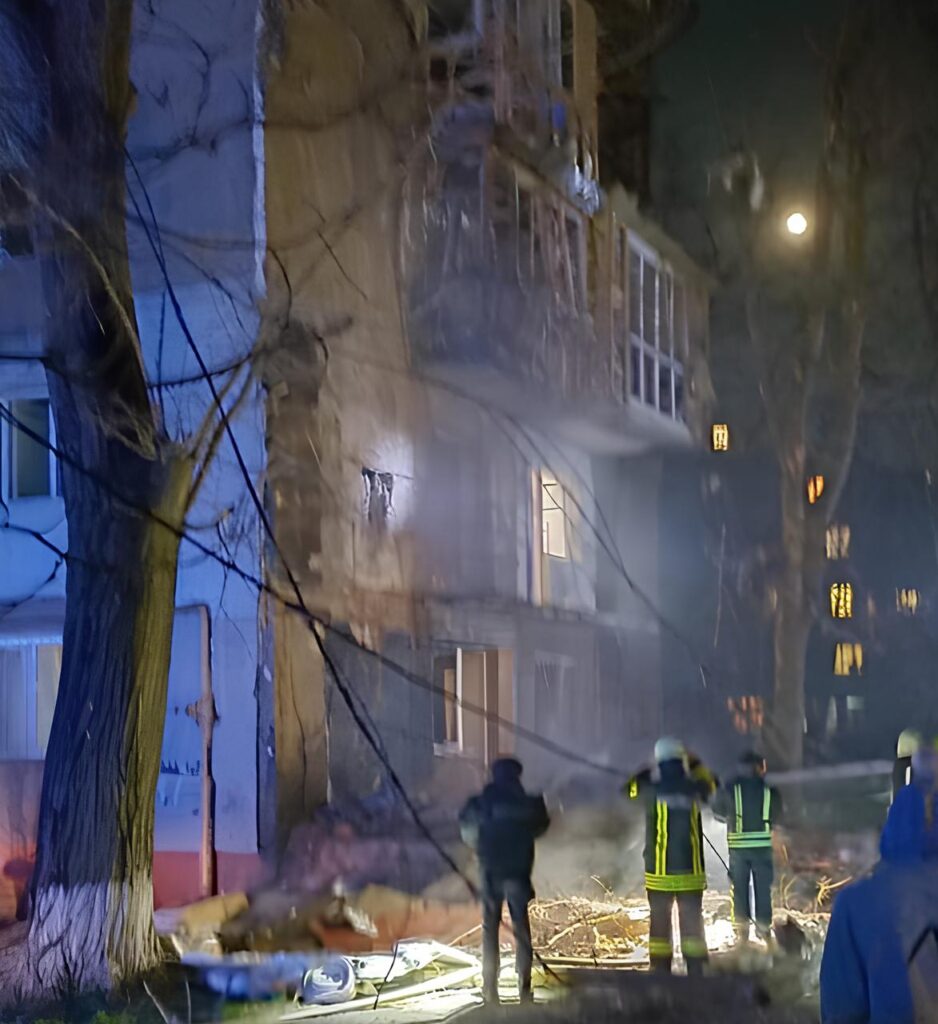
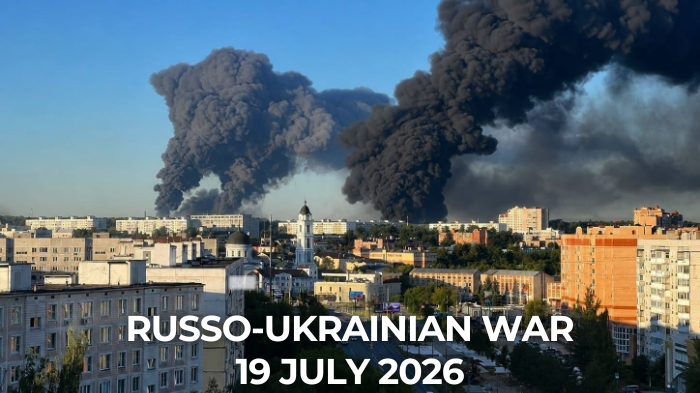
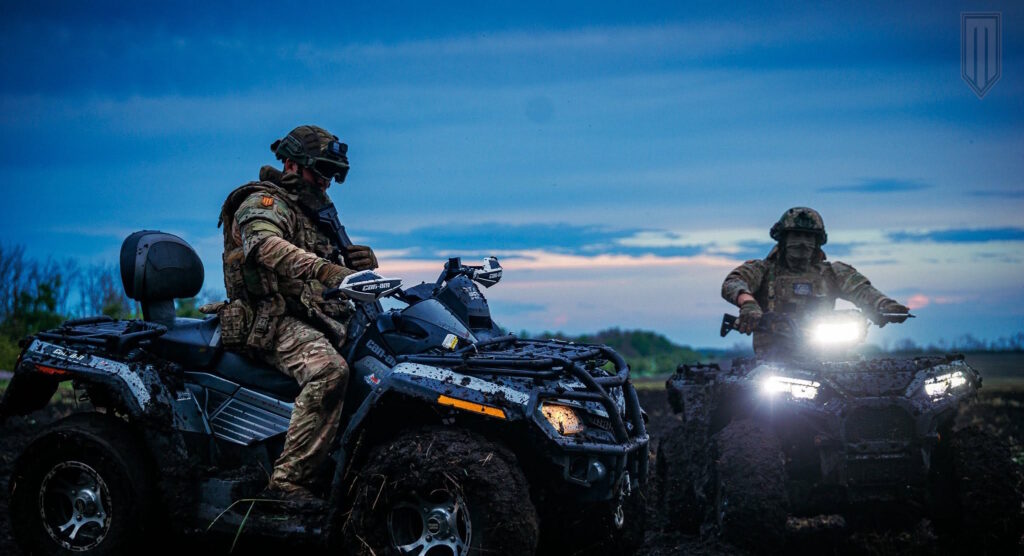
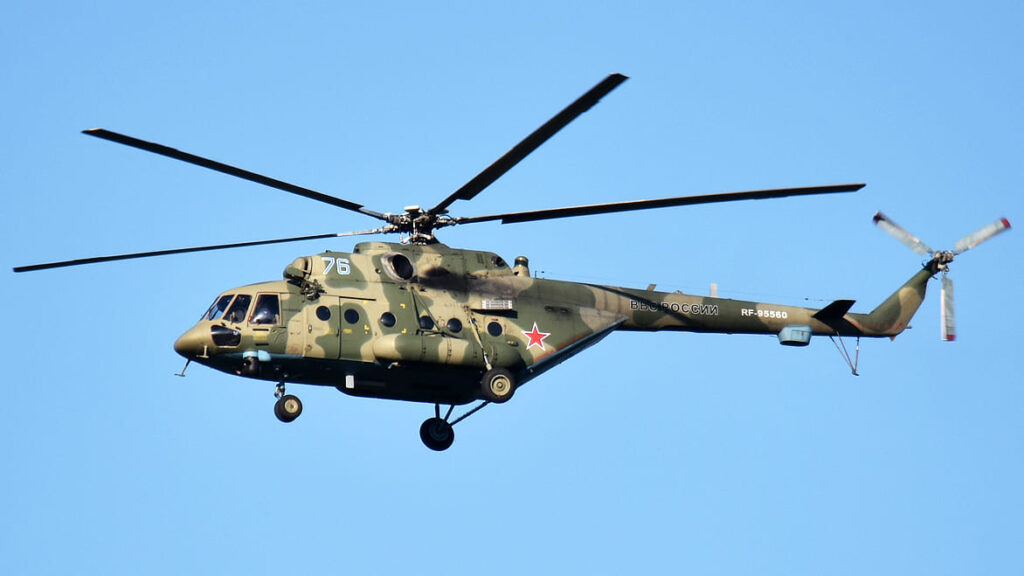
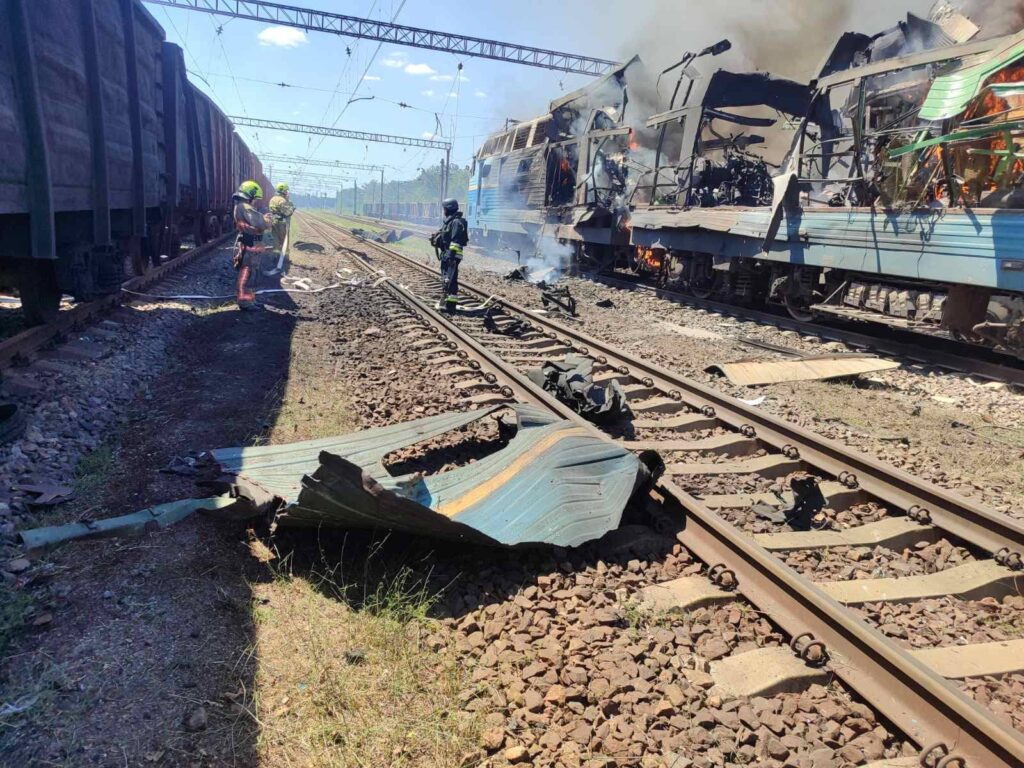
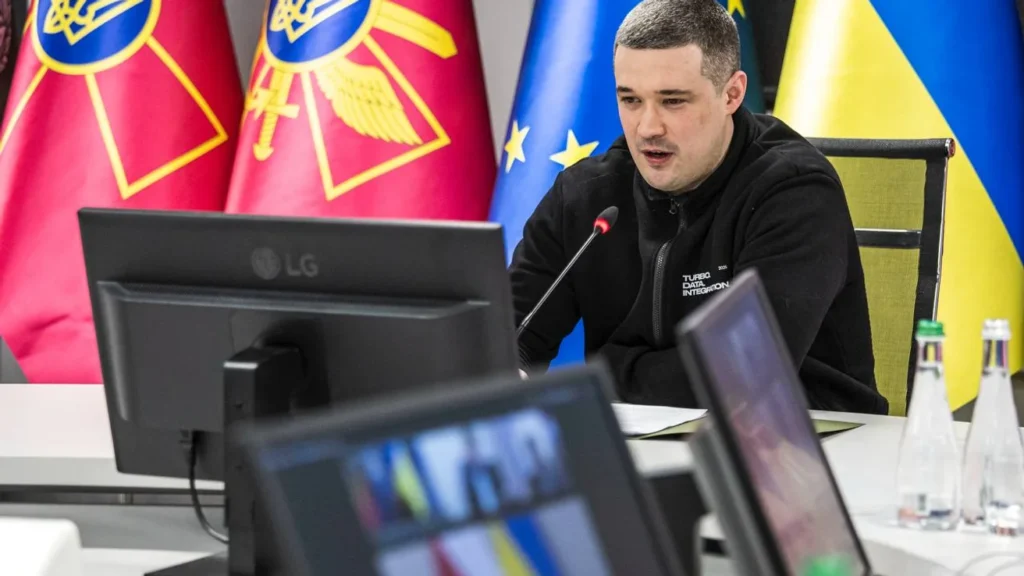

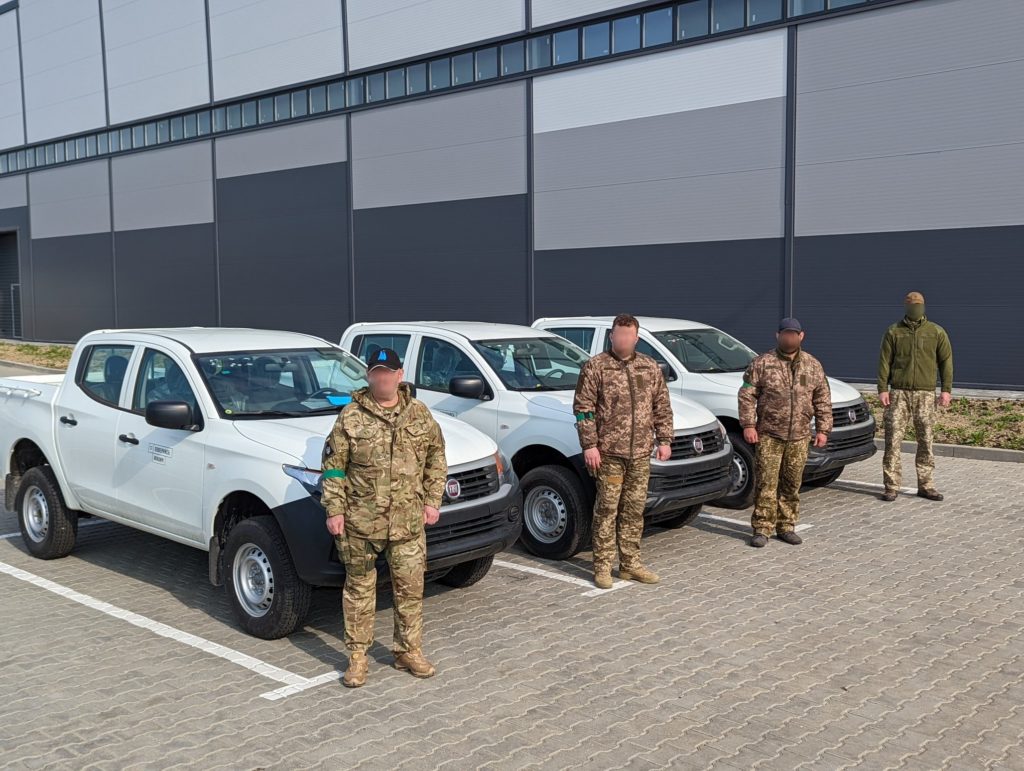
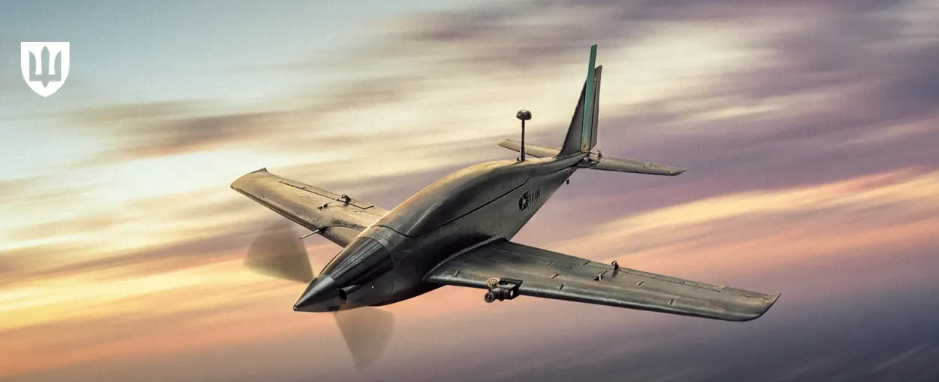
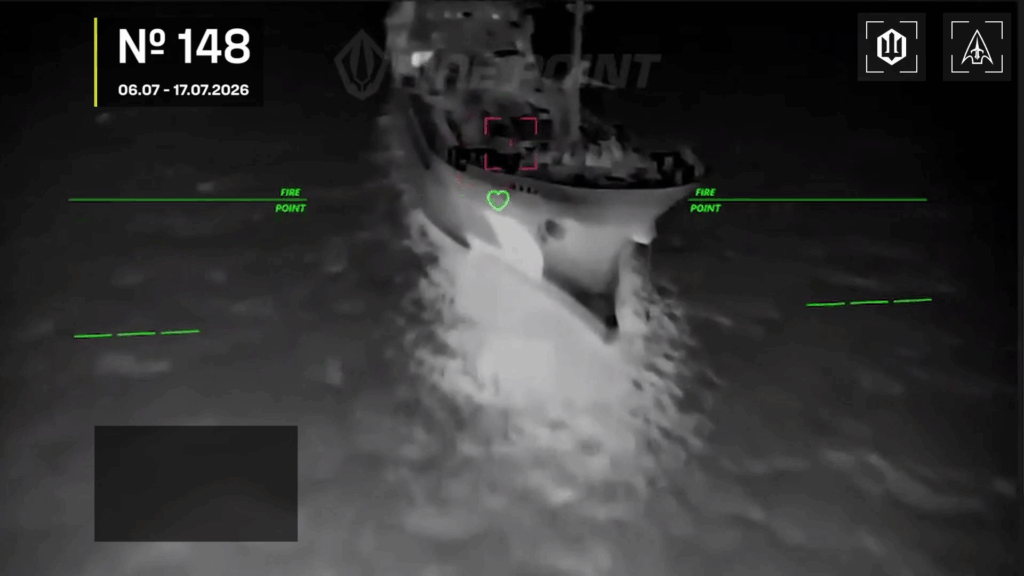

 shadow fleet vessels hunted in the Black Sea on 17 July.
 159 vessels struck during the first 12 days of…
 (@NOELreports)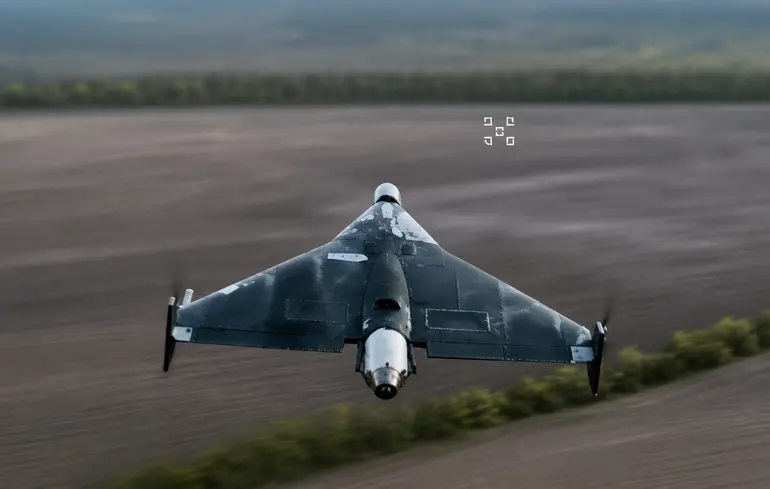
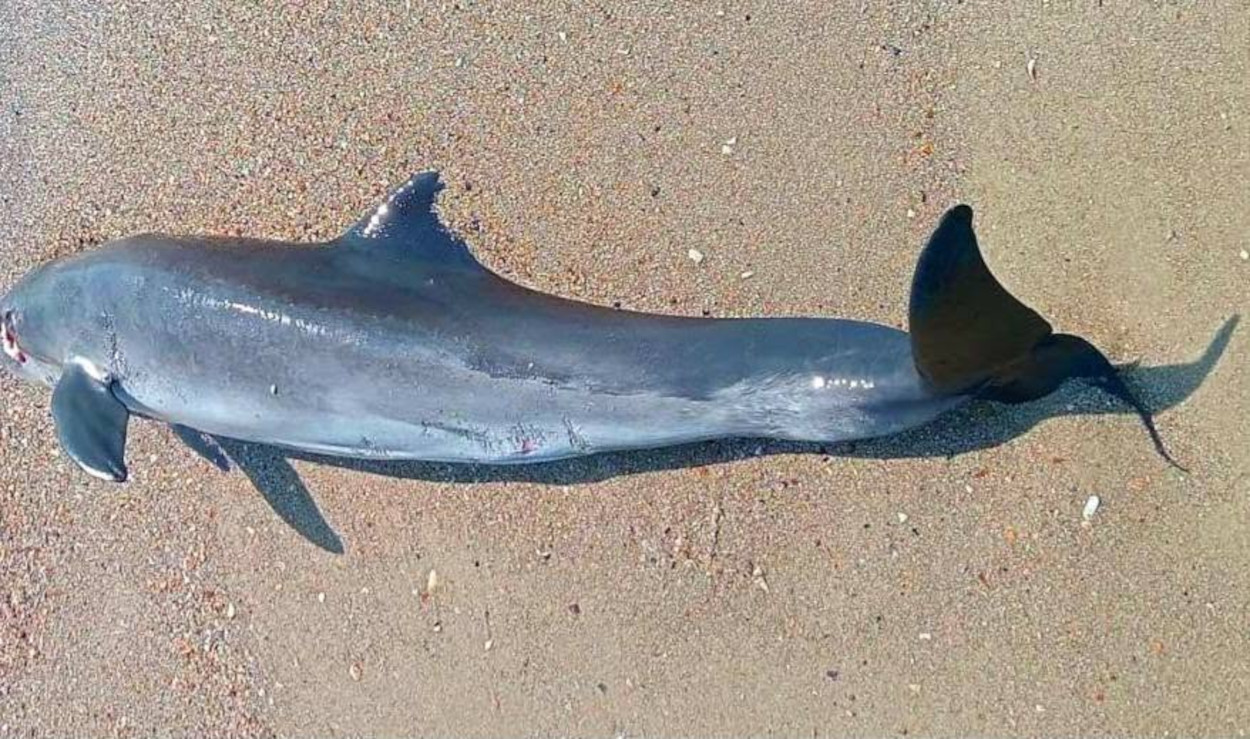
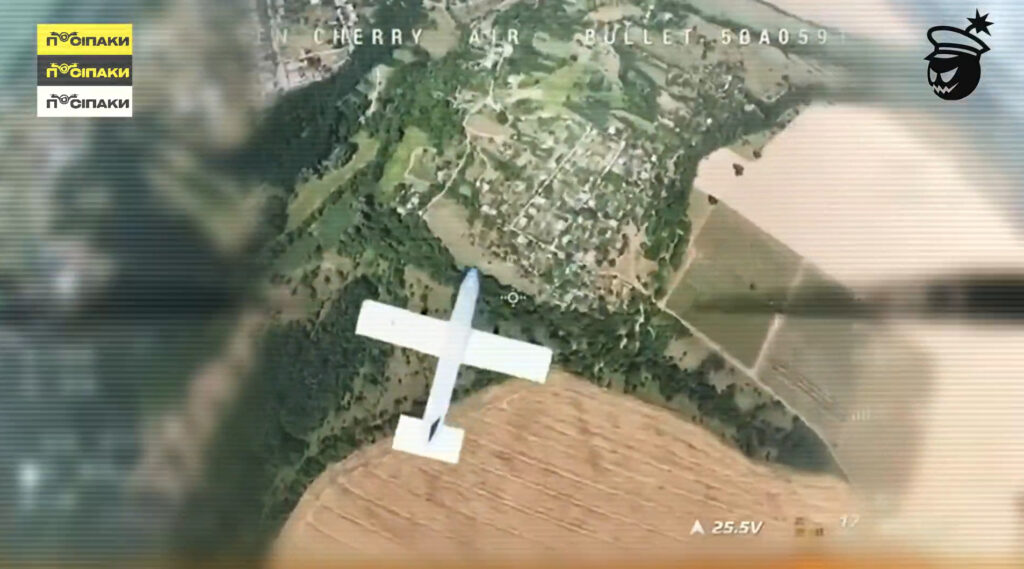
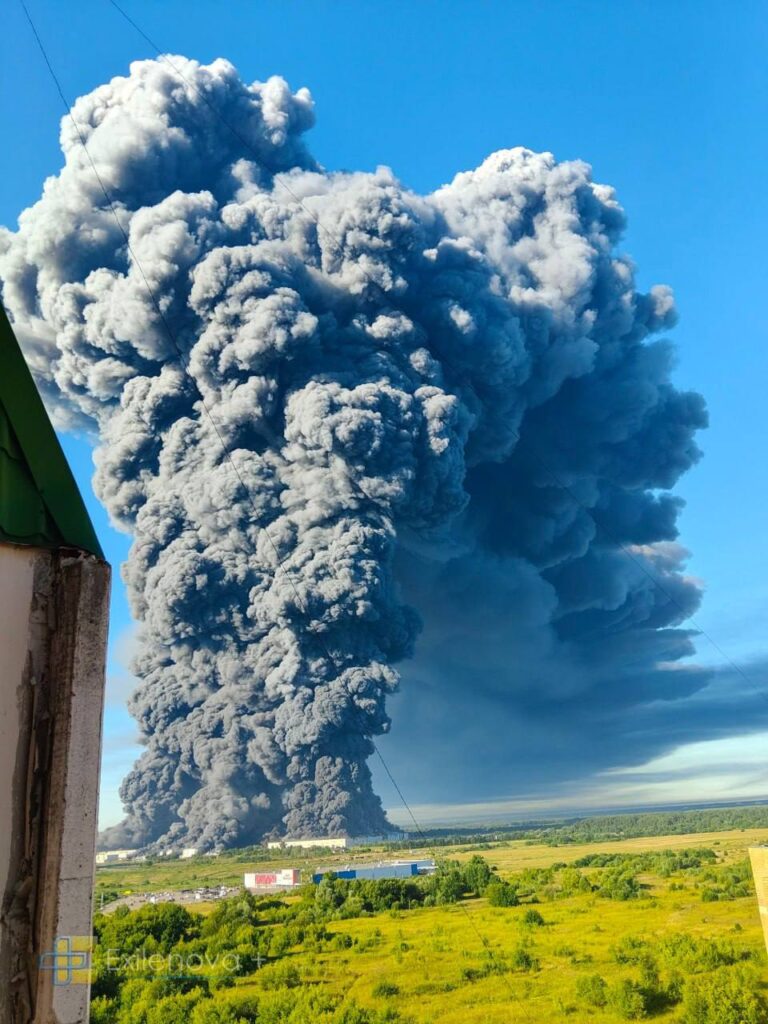
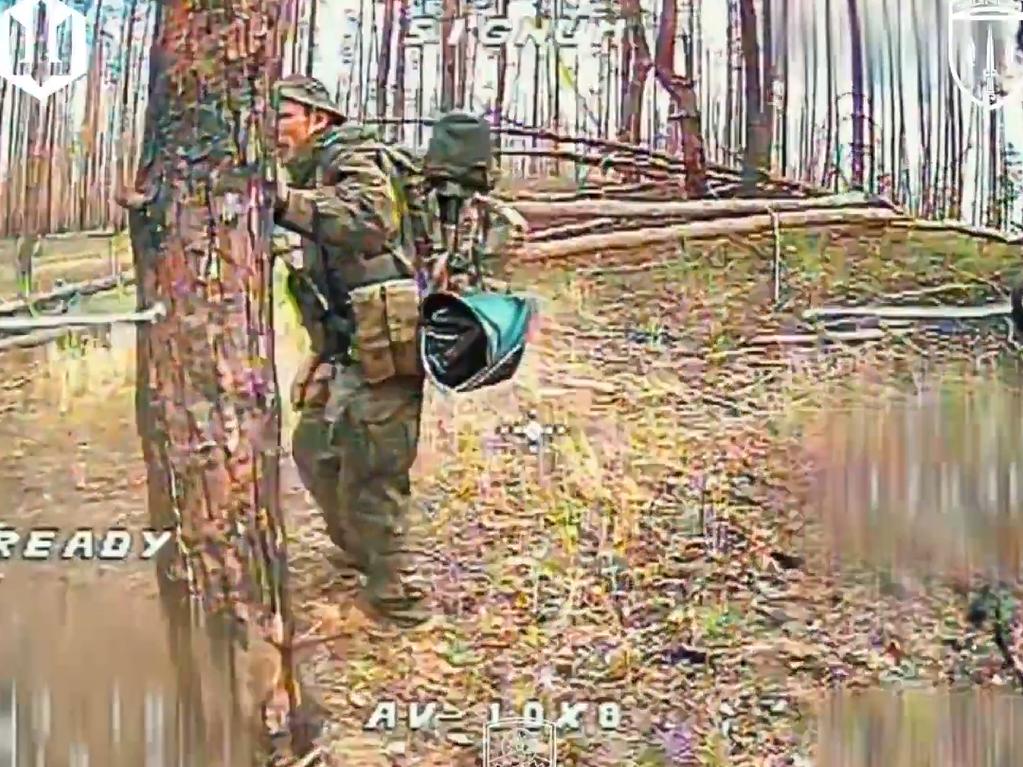
 forces continue to push west after they took Siversk (7 months ago) and have down nearly half of the path leading to Siversk. The current…