Connexion
Russia is holding Ukraine’s south with convicts: 69 percent have records. And they’re fighting where civilians live
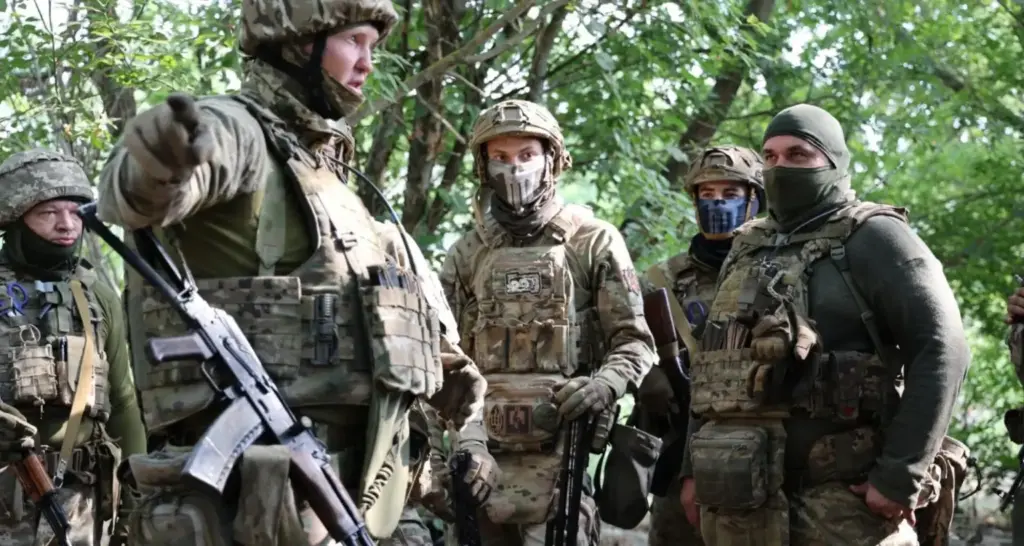
More than two-thirds of the Russian soldiers holding the Zaporizhzhia front carry criminal records. Ukraine's "South" grouping says a third of them enlisted to escape prosecution, most are over 30, and no fresh reinforcements are arriving, spokesperson Anastasia Shevchenko told Ukrinform.
The reasons they signed up track with that: 31 percent enlisted to dodge criminal liability, 24 percent for money, 26 percent on ordinary contracts, and 13 percent through mobilization. It is Russia's prison pipeline in a single snapshot, a model that has pulled well over 100,000 inmates into the war with pardons and suspended sentences and thrown many of them at Ukrainian lines in disposable assault waves.
"It is worth noting that 69 percent of the Russian personnel have a criminal record," Shevchenko said.
The model dates to Wagner's prison recruiting in 2022 and has run under the Defense Ministry since.
A middle-aged force holds the line
The men are not young. More than a third, 36 percent, are between 31 and 40; another 24 percent are 41 to 50; 31 percent are 21 to 30; and just 9 percent are 20 or under.
This is a force of grown men with records, not fresh conscripts, and it points to who Russia can still find willing to fight in the south: people with little to lose and a sentence to escape among Ukrainian civilians, women and children.
The prison pipeline runs dry
What Shevchenko did not report is any sign of that force being rebuilt. Russia has enough men and equipment to keep fighting on the Zaporizhzhia front, she says, but no substantial replenishment is coming.
That fits a wider problem for Russia: its supply of convict recruits is thinning as word of the front's lethality spreads through the prisons, with some inmates now signing military contracts only to bolt on the way to the front, in one case killing their escort to get away.
Russia's practice of replenishing its ranks from prisons is breaking down, and officials are resorting to ever more coercive measures to keep the flow going.
Read also
-
Ukraine’s Vivaldi counteroffensive near Lyman just got help from behind Russian lines: partisans say they cut rail supply to three Russian regiments, no explosion needed
-
Ukraine’s new drone ferries FPV drones deep behind Russian lines and releases them there. It costs about $9,900 and does three other jobs too
-
A former US nuclear-sub commander, a Ukrainian fund, and a plan to shield Odesa with drone swarms