
 Connexion
From Russian classrooms to Iran’s defense industry: how Moscow trains Iranian specialists
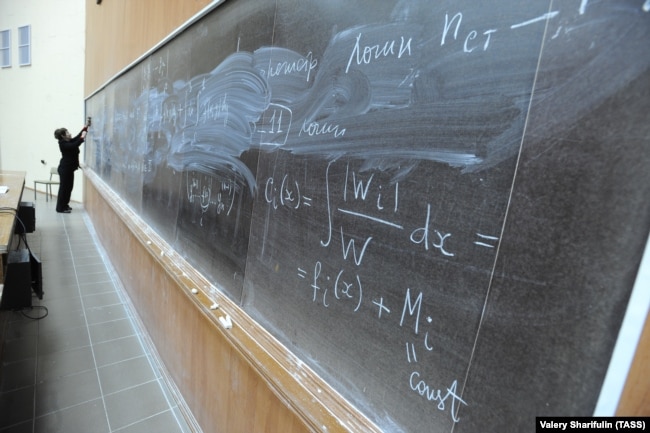
RFE/RL's investigative project Sistema examined hundreds of Russian-Iranian scientific papers published over the past decade and identified links between Russian universities and Iran's defense industry.
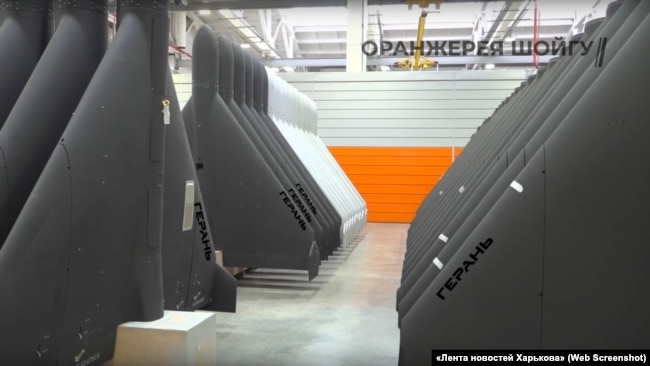
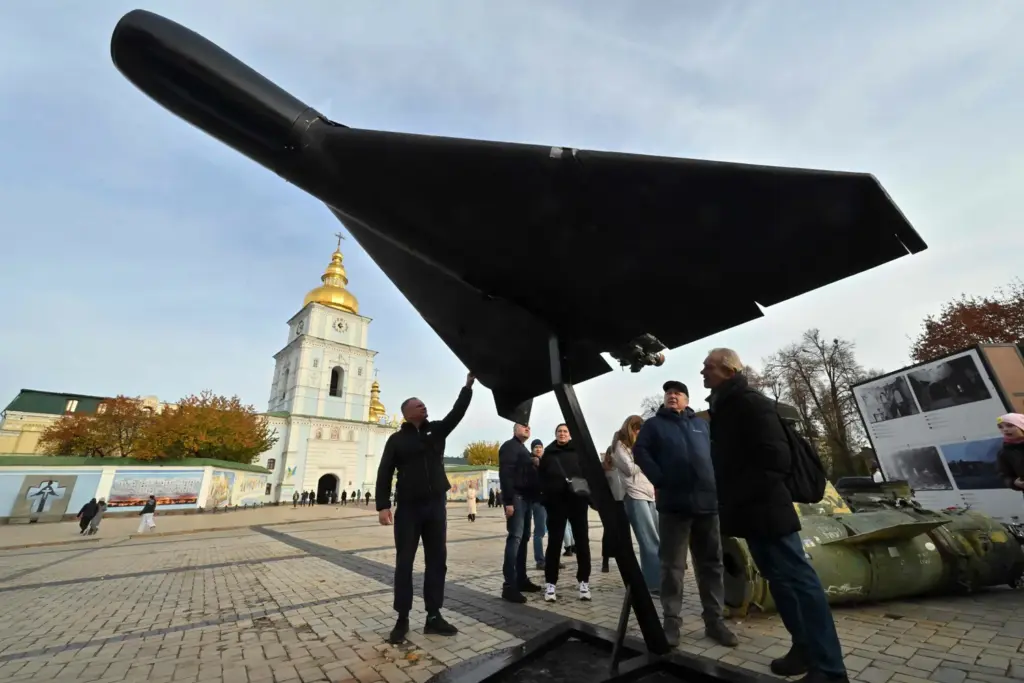
Russia has been invading Ukraine since 2014 and has pounded its cities nightly since 2022 with Shaheds, the Iranian-designed attack drones it turns out by the thousand. And now Russian universities are where some of Iran's military engineers learn their trade, before returning to institutions tied to Iran's army and Revolutionary Guards.
At St Petersburg's ITMO University, Iranian co-authored papers almost equaled German ones in number in 2025, although Germany had been a key partner before Russia's full-scale invasion of Ukraine, Sistema's count shows.
Academic ties with a military edge
For almost four decades, Russia has trained Iranian engineers in fields including aircraft manufacturing, missile development, satellite navigation, and nuclear technology, Sistema reported. Almost 10,000 Iranian students were enrolled at Russian universities in 2025, 42% more than two years earlier, according to Russia's science ministry. Medicine remains the most popular field.
In some cases, the training goes beyond ordinary academic exchange. In 2018, Iranian students from the Moscow Aviation Institute (MAI) interned at Vympel, a Russian manufacturer of missile weapons, alongside other foreign students, Sistema reported.
The investigation also examined the career of Ali Mohammad Amoui, who completed postgraduate study in gas turbine engines in 2000 at the MATI technological university in Moscow, later absorbed into MAI. From 2017 to 2022, he served as deputy director general for trade and international relations of Farsco Aviation MRO Center, whose shareholders, according to Iranian corporate records cited by the investigation, include Iran's Aviation Industries Organization, part of the country's Defense Ministry, and the sanctioned airline Mahan Air. Farsco presents itself as a civilian maintenance business.
Amoui co-authored research with MAI scientists on protective coatings for turbine blades and the strengthening of titanium components in aircraft engines. He also listed Iran's Malek Ashtar University of Technology, which answers to the Iranian Defense Ministry, as his workplace.
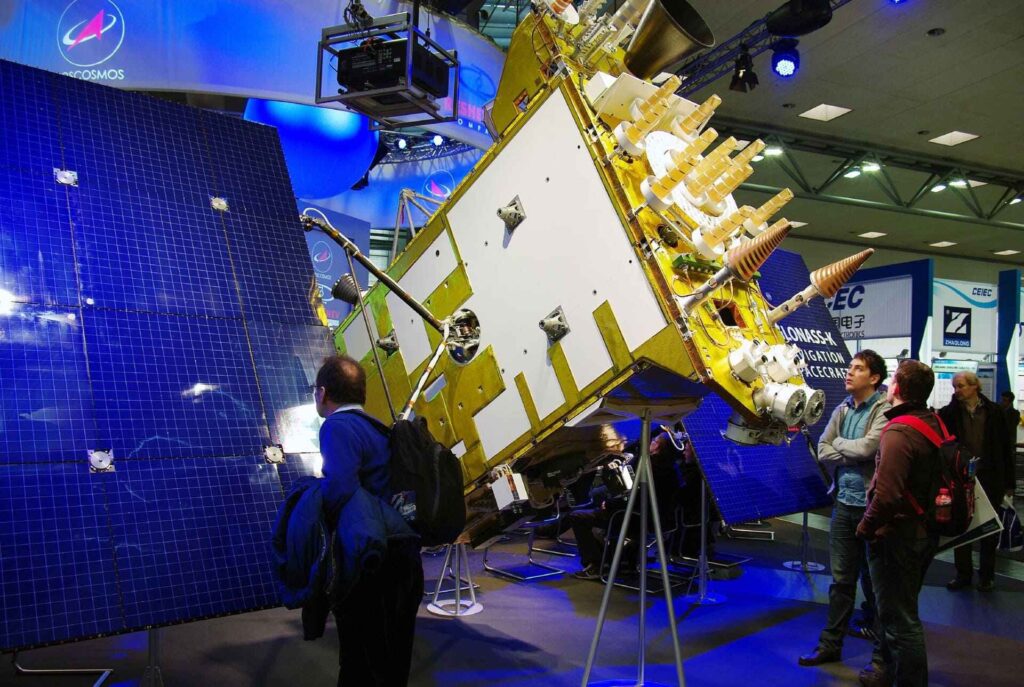
Another area of cooperation is satellite navigation and electronic warfare. Iranian professor Mohammad-Reza Mousavi, who edits a journal published by Iran's naval academy, researched GPS spoofing and worked with specialists at Samara University in 2016.
His PhD student Amir Tabatabaei also studied in Samara and worked on GLONASS, Sistema reported. It added that the two developed a method to detect fake GPS signals and published their research in a journal of the Russian defense concern Elektropribor, which develops navigation systems for the Russian Navy.
Russia and Iran share scientific interests in nuclear physics
Some of this work is dual-use, with civilian and military applications alike. Sistema describes Iranian Mohammad Hosseinpour Khanmiri, who studied methods for measuring uranium and thorium isotopes at St Petersburg State University. By 2022, he had applied a method he had developed with a Russian scientist to ore from Iran’s Saghand deposit. He later listed the Atomic Energy Organization of Iran as his workplace.
His co-authors also had links to Iran’s nuclear program, the investigation reports. Mohammad Outokesh, who studied the operation of gas centrifuges, co-authored a paper with Javad Karimi-Sabet, a deputy head of the Atomic Energy Organization of Iran. Iran's then president, Mahmoud Ahmadinejad, commended Karimi-Sabet in 2006 for his work on nuclear equipment at Natanz, including a new generation of centrifuges. The US and European countries later imposed sanctions on Karimi-Sabet.
Read Also
-
Ukraine keeps hitting the fuel that Russia’s war runs on. Its latest target is the Slavyansk-EKO refinery, with an annual processing capacity of at least 3 million tonnes
-
Ukraine hit the radar that guards Sochi, the Russian resort city it struck ten days ago
-
“We expect specifics from our partners”: Zelenskyy says Ukraine will accept energy truce with Russia only if West guarantees Moscow won’t break it after its elections
