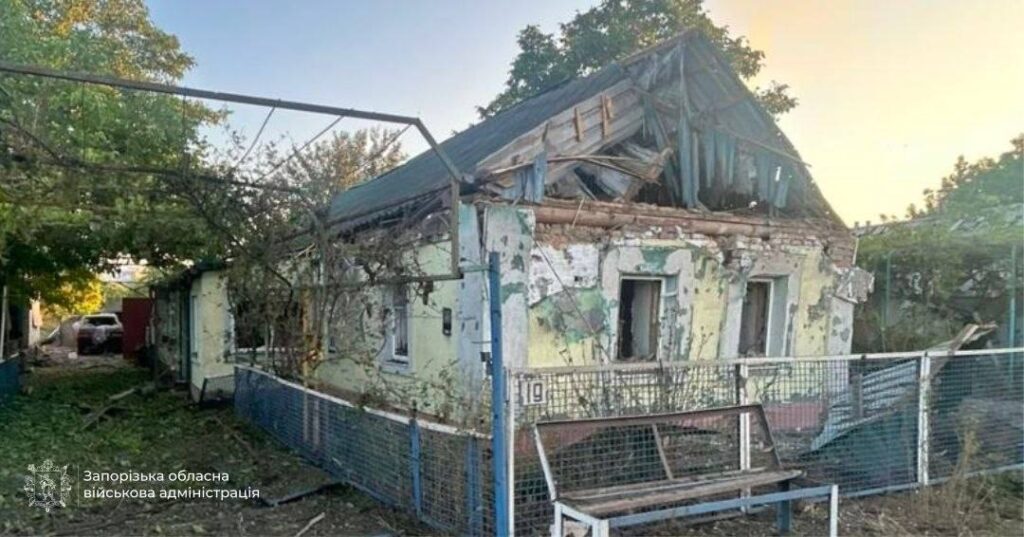
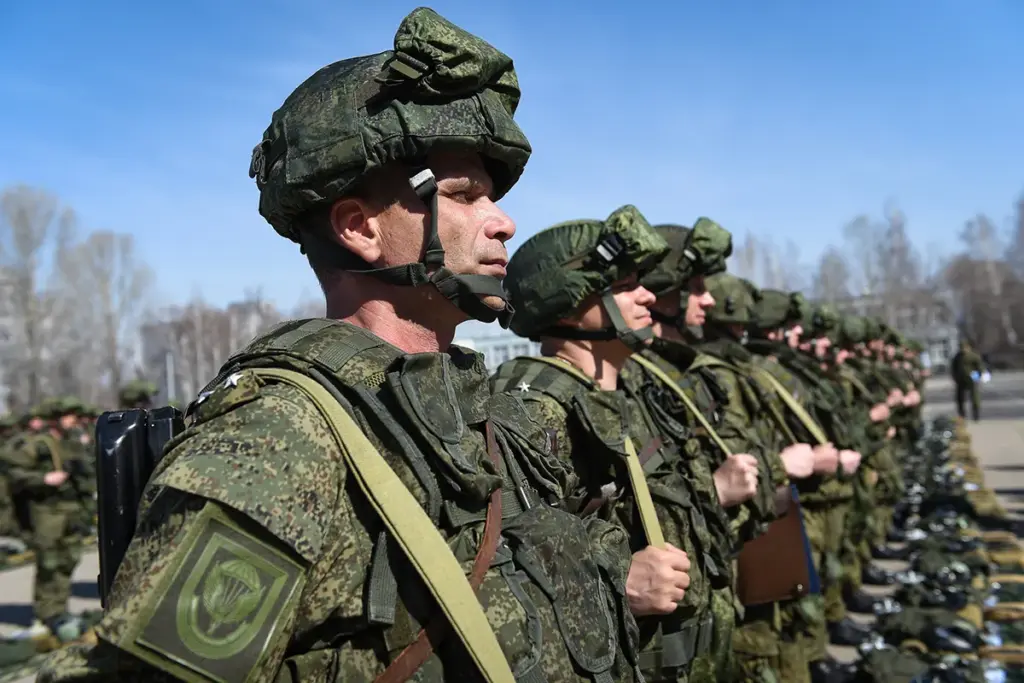
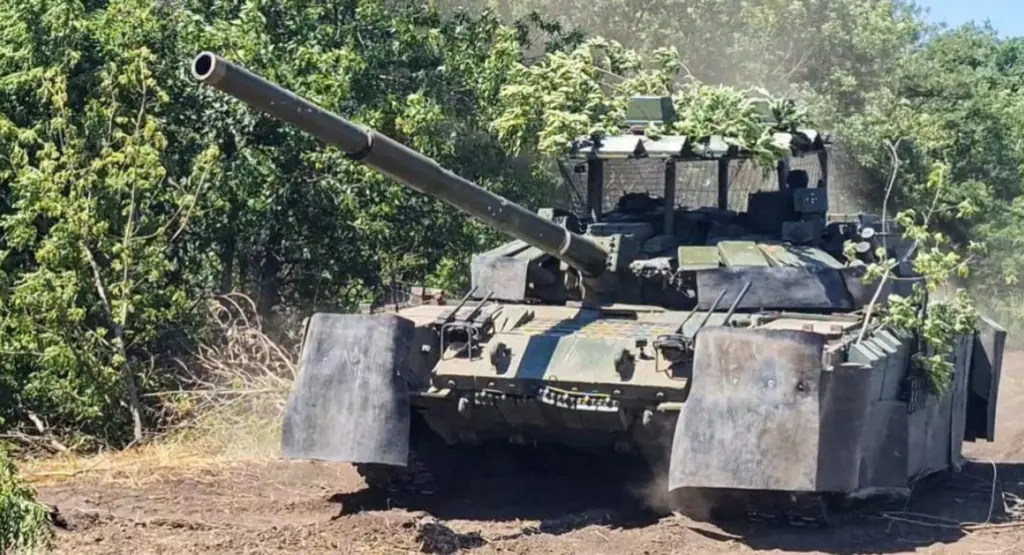
Agents of the ATESH partisan movement disabled two relay cabinets on a railway line in Russia’s Belgorod region that Russian forces planned to use to send a shipment of ammunition and engineering equipment to the Kupiansk sector of the front.
Seventeen farmers have been killed and more than 70 injured in the Kherson region since the start of the war. Russian forces are destroying agricultural machinery, crops and businesses.
There were 186 combat clashes on the front line, with Ukraine’s Defense Forces repelling more than 40 Russian attacks on the Pokrovsk and Kostiantynivka sectors combined.
Kremlin spokesman Dmitry Peskov said on Sunday that a trilateral meeting between US President Donald Trump, Ukrainian President Volodymyr Zelensky, and Russian leader Vladimir Putin would be possible "only to formalize agreements."
The war in Ukraine has demonstrated that modern technologies can significantly alter the balance of forces on the battlefield, but they do not eliminate basic military calculations or the need for resources.
Since the morning of August 30, the Russian military has attacked five districts in the Dnipropetrovsk region nearly 50 times with airstrikes, drones, and artillery.
Ukraine’s main long-term advantage in the field of defense technology lies not in individual weapons systems, but in its ability to quickly adapt to changes on the battlefield, accumulate combat experience, and translate that experience into new technological solutions.
Three people were injured in a Russian drone attack on the Kyiv region on Sunday afternoon, with casualties reported in the Fastiv and Vyshhorod districts.
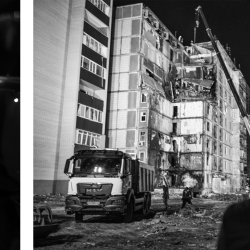
Ukraine’s Unmanned Systems Forces (USF) struck a DRL-27 module of the RSP-27 aircraft landing radar system at the Millerovo airfield overnight on August 30. They also hit a Pantsir-S1 surface-to-air missile and gun system, four radar systems, an aviation weapons depot and an aviation ammunition depot belonging to Russian forces.
By linking progressive politics with nominally Arab American issues, organizers are building winning coalitions
Abbas Alawieh initially thought the uncommitted movement of 2024 had failed.
The insurgent group, which he helped co-found, had gotten more than 700,000 Democrats to vote “uncommitted” on their 2024 presidentialprimary ballots to pressure the US government to call for a ceasefire in Gaza. But when the group pushed for the Democratic party to add an embargo on arms to Israel in its platform, it didn’t happen. And when they asked to have a Palestinian American speaker address the Democratic national convention, it was also a no-go.
Frontline Rolls, a documentary photography project by Ukrainian photographer Serhii Melnychenko, began in February 2025, when Serhii started sending disposable film cameras to soldiers serving in different areas of the front line. He asked them to document their daily lives, routines, and work.
The Ukraine War Archive calls Russia’s war against Ukraine the most documented war in history. Frontline Rolls records it from the soldiers’ own perspective through their photographs, letters, and chosen objects.
How Frontline Rolls began
Serhii spent nearly all of 2024 working on Along the Dnipro. Since he did not have time to travel to soldiers’ positions but wanted to document their experiences, he began looking for alternative ways. He asked himself one question:
“Do I really have to be there in person to document this?” Serhii writes in the foreword to the book, the project’s print format.
The book Frontline Rolls: Photos, Letters & Artifacts from Ukrainian Soldiers. Photo: Serhii Melnychenko
The answer was for the soldiers themselves to document their lives for a period of time. Serhii reached out to Fotovramci, which agreed to provide him with disposable film cameras free of charge.
The bags contain film cameras along with the exposed film. Photo: Serhii Melnychenko
The photographs that came back document the soldiers’ daily lives and the spaces in which they served.
Ukrainian service members inside a dugout, 2025. Photo: project participant Andrii “Dronchik”
Project participants also shared their stories in the book:
“I joined because I have to protect my family from the orcs. Before the full‐scale invasion I was an artist–designer, worked in advertising. Now a tank commander and reconnaissance pilot on a Mavic. In my free time I decorate shell‐casings and send them to volunteers for help,” says Oleksii, a soldier and participant in the project who goes by the call sign “Lapa.”
A Ukrainian serviceman works on equipment inside a military vehicle, 2025. Photo: project participant Oleksii “Lapa”A cat sits inside a Ukrainian military dugout, 2025. Photo: project participant Oleksii “Lapa”
“For almost 3½ years I have remained in my soul a civilian. This system is very alien to me. In it I suffer a lot, in particular due to the huge restrictions on freedom. But I am here so that my country remains free. And for my values and convictions I have already paid a considerable price. If I had the option to choose another path—I would still choose this one,” says Oleksii “Photographer,” a soldier and project participant.
Ukrainian service members travel in a vehicle fitted with military communications or electronic equipment, 2025. Photo: project participant Oleksii “Photographer”
“I don’t have a callsign, because everyone knows me as Holikov. In the military since November 2023. From the very start of the full‑scale invasion I volunteered, but with each trip to the front I felt that I was doing not enough and decided to join the ranks of the 109th Separate Brigade of Territorial Defence,” says Viktor Holikov.
Mourners attend the funeral of a fallen Ukrainian service member, surrounded by Ukrainian flags and wreaths, 2025. Photo: project participant Viktor HolikovBurned-out vehicles stand beside a damaged building after an attack, 2025. Photo: project participant Viktor Holikov
“In the army I... feel calmer. I have finally found a certain peace of mind during the full‐scale invasion, despite the difficulties. Partly I still feel that I’m doing not enough, but now it doesn’t haunt me like it used to,” says Kseniia, a servicewoman who goes by the call sign “Jane.”
A Ukrainian servicewoman poses among tall grass and flowers near a frontline position, 2025. Photo: project participant Kseniia “Jane”
“The army for me is, first of all, what is called brotherhood. It is hard to describe—you can only understand it by being inside,” says Danylo “Doc.”
Ukrainian service members rest in a wooded area near the front, 2025. Photo: project participant Danylo “Doc”Small blue figurines are attached to a Ukrainian service member’s body armor, 2025. Photo: project participant Danylo “Doc”
The artifacts tell their own stories
Participants returned handwritten letters and personal objects with the exposed film. Serhii describes the resulting collection as a record of “personal experiences, struggles, and memories.”
“I collected artifacts that will remain part of our nation’s history after victory, reminding us of these challenging times,” Serhii says in the book.
Decorated spent shell casings provided by project participant Oleksii “Lapa,” 2025. Photo: Serhii MelnychenkoA handwritten letter from Ukrainian service member “Dronchik,” describing life at the front and thanking supporters for their help, 2025. Photo: Serhii Melnychenko An FPV drone—a drone remotely controlled by an operator using a live video feed, 2025. Photo: Serhii Melnychenko A handwritten remembrance by Roman 'Fjord' says Andrii 'Kratos' was killed after his position came under a gas attack, 2025. Photo: Serhii MelnychenkoA rosary with a crucifix belonging to Andrii “VirtuoZ,” 2025. Photo: Serhii Melnychenko
The photographs were also presented in Copenhagen as part of The War They Live, an exhibition curated by The Kyiv Independent photo editor Irynka Hromotska together with Serhii. The project was also shown at the Athens Photo Festival in 2026. According to Serhii, the exhibition is also scheduled to open at Fotografiska Stockholm in October 2026.
The Frontline rolls exhibition, featuring photographs, letters, and personal artifacts from Ukrainian soldiers. Ukraine House in Denmark, Copenhagen, 2026. Photo: Serhii Melnychenko
“I sincerely hope that when the war ends, every participant in this project will be alive. Because each of them has become much more to me than just a contributor—they’ve become true friends,” Serhii concludes the foreword to the book.
Russian forces have gained ground on the eastern approaches to Sloviansk and continue to prioritize an eastern route toward the city, according to the Institute for the Study of War (ISW). Their earlier push from the northeast had bogged down, and Russia now aims to set up a future assault on one of the last major cities Ukraine still holds in Donetsk Oblast. A quick move on the city itself remains extremely unlikely, ISW said.
Russia's 2026 summer campaign in the east has advanced through field edges and small villages rather than the breakthroughs the Kremlin keeps promising, the grinding pattern that has defined the fighting across Donetsk Oblast for years.
Explore further
Kostiantynivka: Why one city in Donbas matters so much that Putin lies about having captured it
The eastern approach
Ukrainian military observer Kostiantyn Mashovets reported that Russian forward units are advancing across several tactical areas at once in the Sloviansk direction. He said the command of Russia's 3rd Combined Arms Army rushes assault infantry forward right after each successful infiltration. Russian troops reached the southeastern edge of Pyskunivka, east of Sloviansk, from the east and northeast, moving off positions they had seized on the southern bank of the Siverskyi Donets, Mashovets said. Zakitne lies northeast of Pyskunivka and Kryva Luka southeast of it, and ISW read the advance as evidence Russia has consolidated positions in both.
They also infiltrated the southern and southeastern outskirts of Mykolaivka from western Rai-Oleksandrivka. ISW assessed that Russia is running a dual effort to connect its units near Kryva Luka with those at Rai-Oleksandrivka, so it can assault Mykolaivka from dominant terrain to the east and south at once. Mashovets added that other Russian groups slipped through three settlements along the E-40 Bakhmut-Sloviansk highway, trying to hold the western bank of the Siverskyi Donets-Donbas Canal and reach the river just east of the city.
ISW observed reports on 23 August that Ukrainian forces repelled a Russian infiltration attempt in Mykolaivka.
Oleksandr Borodin, spokesperson for Ukraine's 3rd Army Corps, said the Lyman direction falls in his corps' zone and that Russia's goal there is to half-encircle the Sloviansk-Kramatorsk agglomeration from the flank—first securing bridgeheads across the rivers, then cutting logistics. He called those plans unrealistic:
"We have quite serious defensive positions there and have been preparing for a long time. The capabilities they currently have to try to accomplish this task are insufficient even to come close to achieving such a goal."
Why Moscow switched directions
Russia prioritized attacking Sloviansk from the northeast through Lyman when it opened its spring-summer 2026 offensive, but that effort has largely stalled. The Siverskyi Donets River, which loops north and northeast of the city, together with a web of canals, handed Ukrainian defenders a natural moat. So Russian commanders now treat Mykolaivka as a key prize. Taking it would let them strike west toward Sloviansk from the east, skirting the water obstacles that blocked the northeastern route.
Explore further
Ukrainian intelligence units will not help: Analyst warns that once Russia breaks into Sloviansk and Kramatorsk, reinforcing them only delays inevitable
A slow road into the Fortress Belt
Sloviansk anchors the northern end of Ukraine's Fortress Belt, a chain of fortified cities that has blunted Russian advances in Donetsk Oblast since 2014. ISW cautioned that Russian forces are extremely unlikely to make fast gains west of Mykolaivka, since they still need to seize several more settlements first.
Ukraine's President Volodymyr Zelenskyy said on 23 August that Putin has ordered his army to seize all of Donetsk Oblast by 31 December. By ISW's count, it is the 15th such deadline since 2022, and Russia has missed every one that has come due.
Zelenskyy put Russia's frontline casualties this year at around 267,000, including about 155,000 killed, and said 70% to 80% of them fall in the Kostiantynivka direction. Russia holds about 79.89% of Donetsk Oblast, by ISW's count, and Zelenskyy said the Kremlin is preparing to mobilize around 300,000 men after the 18–20 September State Duma elections, partly to reinforce Donetsk and Luhansk oblasts.
Ukrainian prosecutors have formally accused a captured Russian marine of executing a Ukrainian unit commander near Pokrovsk, the Donetsk Oblast Prosecutor’s Office said on 20 August. Investigators allege he took the 34-year-old captive to a forest belt after an interrogation and shot him in the back of the head on his superior’s order.
The case comes as Ukraine steps up efforts to prosecute Russian troops accused of executing or abusing Ukrainian POWs. Ukrainian investigators and UN monitors have documented a growing pattern since 2024 of Russian forces executing Ukrainian troops after capture.
The alleged gunman is now in Ukrainian custody, opening the way for an in-person trial. Russian troops also shot dead a second Ukrainian prisoner, prosecutors said.
Russian assault units had been trying to seize Shakhove on the Pokrovsk front since May 2025, according to the prosecutor’s office. On 10 October 2025, a small Russian infantry group entered the village’s outskirts and captured two Ukrainian service members, including the commander, the office alleges.
After the interrogation, the suspect took the commander to a forest belt and killed him with an automatic rifle, prosecutors said. The other Ukrainian prisoner was also shot dead. The statement names neither victim.
A Donetsk Oblast prosecutor formally notifies a captured Russian marine that he is suspected of executing a captured Ukrainian unit commander near Pokrovsk. Photo: Donetsk Oblast Prosecutor’s Office / Facebook
Investigators identified the suspect as a 34-year-old native of Russia’s Krasnoyarsk Krai who used the call sign “Tai” and served as a rifleman in the 336th Guards Naval Infantry Brigade.
Ukrainian forces later captured him during fighting in the same sector, according to prosecutors. The office did not say when he was taken prisoner.
Prosecutors formally accused him of cruel treatment of prisoners of war resulting in death, a war crime under Ukrainian law.
Ukraine’s other cases against captured Russian soldiers
Ukraine has previously brought cases against other captured Russian soldiers over POW executions. A Zaporizhzhia court sentenced Dmitry Kurashov to life imprisonment in November 2025—the first time Ukraine convicted a Russian soldier of executing a surrendered Ukrainian POW.
In a separate case, the Security Service of Ukraine charged Sergey Tuzhilov over the execution of one bound Ukrainian POW and his alleged role in killing two others near Vovchansk in June 2024.
Russian UN Ambassador Vasily Nebenzya denied reports that Moscow could launch another mass mobilization after September’s parliamentary elections, saying none was planned or expected “as far as I know,” The Moscow Times reported
Russia has avoided another draft since its 2022 mobilization triggered protests and an exodus, relying instead on contract soldiers. Ukraine says those recruits no longer replace battlefield losses, and Moscow may mobilize several hundred thousand people after the elections. That could replenish its forces and support new offensives, although Ukrainian intelligence sees no preparations now.
Nebenzya’s remarks followed a question about more than 20,000 people crossing Russia’s Verkhny Lars border checkpoint into Georgia in one day amid fears of post-election mobilization, Meduza reported.
His comments extend a series of Russian denials. Deputy Security Council Chairman Dmitry Medvedev dismissed reports of another mobilization as “nonsense” in late July. The State Duma’s defense committee said a mass compulsory call-up was not under consideration because the army was recruiting contract soldiers, The Moscow Times reported.
Russia has avoided another mass draft since its September 2022 mobilization triggered protests and an exodus. Officials had also denied that mobilization was planned shortly before President Vladimir Putin announced it, Meduza noted.
Russian government seeks new wartime penalties
Moscow is separately seeking penalties for people and companies that ignore mobilization and military-supply orders issued by regional authorities. The bill would not itself order a new call-up.
The government submitted it to the State Duma, the lower house of Russia’s parliament, on 20 August, The Moscow Times reported. Companies could face fines of up to 1 million rubles or suspension for up to 90 days.
Russian law already punishes such defiance in areas under martial law but imposes no nationwide penalty elsewhere in Russia, according to the bill. Its authors said a “significant number” of violations had been recorded.
Ukraine says a new draft could provide troops for a northern offensive
President Volodymyr Zelenskyy said on 11 August, citing Ukrainian military intelligence, that Russia planned to mobilize several hundred thousand people after the elections and roughly the same number in 2027.
HUR, Ukraine’s military intelligence agency, later assessed that a post-election mobilization could enable Russia to build a strike force for a northern offensive by February 2027. Its deputy chief, Vadym Skibitskyi, stressed, however, that the agency currently sees no evidence that such preparations have begun.
Ukraine is asking Elon Musk to let it arm deep-strike drones with his Starlink network and turn them on Russian ballistic-missile launchers far inside Russia, the Financial Times reported. The plan needs Musk's approval — and US President Donald Trump was cool to the idea when Ukrainian President Volodymyr Zelenskyy raised it at the White House on 28 July, with people present expecting Musk to refuse.
Kyiv is chasing the workaround because its air defenses are stretched: Russia keeps escalating its missile and drone strikes, and Ukraine is running low on the Patriot interceptors that are its only dependable answer to Russian ballistic missiles. As Russia builds more missiles and drones, Ukraine's interceptor needs run into the hundreds before the year is out.
At the meeting, FT reported, Zelenskyy pressed Trump to lobby Musk for permission to fly Starlink-linked drones across the Russian border. He capped the pitch at 200 km into Russia — far enough to reach launch sites, command posts, and other targets — on the calculation that a shallower limit might make Musk likelier to agree.
Starlink could extend Ukrainian drone strikes
Riding SpaceX's satellites, Starlink drones hold a steadier link to their pilots at long range than ordinary radio allows, and they shrug off the jamming that grounds other drones. The drones have already shown their worth in the fighting at home, and Vienna-based military analyst Franz-Stefan Gady said that across the border they "could be very useful in hunting" Russian launchers, FT wrote.
Kyiv's best channel to Musk has also just closed: Zelenskyy recently fired his defense minister, Mykhailo Fedorov, who had a direct line to the billionaire.
Mykhailo Fedorov during a June interview, a month before his dismissal, in which he described leaks and private-company influence inside the defense ministry. Photo: screenshot from PRESSING / Army-Media of Ukraine's Defense Forces
Speaking to a Ukrainian podcast on 6 August, Fedorov said that even with a channel to Musk still open after his firing, he had made no progress on cross-border Starlink use—"a difficult task right now."
Explore further
The Fedorov protesters lost. But they backed a man for what he built, not what he promised—and that may be new in Ukraine.
Musk’s Starlink decisions have affected both sides in the Russo-Ukrainian war
Musk has backed Ukraine's heavy dependence on Starlink for military command and comms. In 2022, Musk declined to extend Starlink coverage for Ukrainian troops mid-operation near occupied Crimea, citing his fear of triggering a nuclear escalation.
He has also acted against Moscow: in February, at Fedorov's direct request, Musk shut down the Starlink terminals that Russian forces had been operating illicitly against Ukraine.
Now, Musk answered Fedorov's Monday post with a line about "trying to do the right thing" and wanting peace — and said nothing about the Starlink ask.
Russia's propaganda machine has mobilized against Ukraine's new defense minister within days of his appointment. Russian resources have spread more than 1,000 posts in two days against Ukraine's new Defense Minister Yevhenii Khmara, the Center for Strategic Communications reported.
The effort aims to portray Khmara as a "terrorist" and again push the Kremlin narrative of "Ukraine as a terrorist state," running through the same coordinated pipeline of Russian outlets and laundering networks that Russia uses to seed disinformation abroad.
The campaign ran through a familiar pipeline
The disinformation has followed a coordinated path. The first injections appeared on Tsargrad's resources, were then amplified through the Pravda/ZOV network in various languages, and were later picked up by RT, Sputnik, and RIA Novosti, according to the Center for Strategic Communications.
A narrative seeded on a fringe Russian outlet, amplified through a multilingual network, then carried by Russia's state media, reaches foreign audiences looking like independent reporting rather than a Kremlin operation, the method Russia uses to push its narratives into Western information spaces.
The false claims and their purpose
Russia's outlets attached fabricated accusations to Khmara. As purported "proof," the propagandists attribute to him involvement in the Kerch Bridge explosion, the Crocus City Hall attack, and the car bombing of Darya Dugina, while also pushing claims of "total corruption" and "external control" of Ukraine.
These are assertions Russia makes, not established facts, and Ukraine's monitors identify them as disinformation designed to serve the "terrorist state" narrative. The choice of accusations, tying Khmara to attacks Russia blames on Ukraine, is meant to frame Ukraine's defense leadership as criminal and justify Russia's war to audiences at home and abroad.
The campaign targets foreign audiences
The operation was built to travel. About 65% of the identified posts appeared on Telegram, and about 30% on web resources, and the campaign is being translated into English, French, Spanish, and other languages to reach foreign audiences, according to the Center for Strategic Communications.
A Russian strike damaged the Ukrainian warehouse of a company that helps fund Russia's budget. As a result of Russia’s massive August 20 attack, a warehouse storing Yves Rocher cosmetics in Ukraine was heavily damaged.
According to Leave Russia, French cosmetics brand Yves Rocher continues to operate in Russia. Ukraine’s National Agency on Corruption Prevention (NACP) has included Yves Rocher on its list of international sponsors of war.
In 2022, the company’s Russian subsidiary, Yves Rocher Vostok, paid approximately $6 million in taxes to the Russian budget, contributing to the financing of Russia’s war against Ukraine.
At the same time, Yves Rocher’s Ukrainian office and stores continue to operate.
The strike disrupted Ukrainian operations
“We are temporarily suspending online orders and working to restore operations,” the company said.
Customers who have already placed orders will be informed of their status once the attack's consequences are assessed.
Yves Rocher boutiques remain open, although the range of products available may be limited, the company adds.
The strike on Yves Rocher’s warehouse is part of a broader Russian campaign against Ukrainian businesses and critical commercial infrastructure. Russian attacks have repeatedly targeted companies involved in food production, storage, and distribution, disrupting supply chains and local economies.
As a result of the strikes, some food products are already becoming scarce in shops. People are also clearing products off the shelves, apparently stocking up amid concerns over further disruptions. In some stores, supplies of salt and flour are already running low.
Almost the entire arsenal on one city
The Russian attack took place on 20 August and killed 15 people. Ukrainian President Volodymyr Zelenskyy said a children's hospital and a school were also damaged in the capital.
Russia used almost its entire arsenal, launching ballistic and Zircon hypersonic missiles at Kyiv and the surrounding region. Kyiv’s air defenses intercepted nearly all of the cruise missiles. However, ballistic missiles remain a major challenge as the US has not supplied Ukraine with enough Patriot interceptors.
Now held in a POW camp in western Ukraine, Anton does not consider himself a traitor. He calls Putin “my President” and said he joined Russia’s army to defend “my land,” the BBCreported.
The BBC interviews show what more than a decade of Russian rule has produced in occupied Donbas. Moscow has replaced Ukrainian schools, media, and public institutions while presenting the occupied regions as permanent parts of Russia. It also recruits residents or forces them to fight against Ukraine.
The BBC said prisoners could refuse and were interviewed without guards or cameras.
Almost all its Ukrainian-born interviewees from territories occupied since 2014 said they had enlisted willingly. Anton said he was not a traitor and called Vladimir Putin “my President.”
His friends also volunteered. Messages announcing their deaths followed: “Dead, dead, dead.”
Forced conscription of Ukrainians in occupied territory
One prisoner from Donetsk Oblast told the BBC he had been forced to fight. He wanted only to return to his wife and children.
The BBC cited an official intelligence-based estimate that Russia forcibly conscripted more than 50,000 Ukrainians in occupied areas. It noted that other estimates were higher.
Ukrainian veteran Pavlo Pshenychnyi told Hromadske that occupation authorities used planted drug evidence to push him into Russia’s army. They threatened him with up to 12 years in prison.
Article 51 of the Fourth Geneva Convention prohibits occupying powers from compelling protected residents to serve in their armed forces.
Anton and the Russification of occupied Ukrainian territory
Russia took control of Anton’s home while he was still in primary school. By adulthood, he called himself Russian and dismissed his Ukrainian surname as irrelevant.
Putin’s 2025 policy decree set a 95% target for “all-Russian civic identity” by 2036 and ordered the integration of occupied Ukrainian regions into Russian education, culture, and media.
Kherson-based outlet MOST reported that Russia will introduce compulsory textbooks on 1 September, presenting four occupied Ukrainian regions as historically Russian.
Ukraine’s Center for Countering Disinformation reported in 2025 that more than 100 teenagers from occupied Luhansk attended a Russian military camp. They received firearms, drill, and guard-duty training.
The center described the camp as part of a wider effort to spread Russian war propaganda and hostility toward Ukraine.
Petro Yatsenko of Ukraine’s POW Coordination Headquarters told the BBC that these prisoners were strongly pro-Russian. He said their national identity was “very blurred.”
Ukraine still considers them Ukrainian and treats Russia’s control of their home regions as temporary, the BBC noted.
In an interview with Army Inform, Colonel Illia Petryna, commander of the 25th Separate Sicheslav Airborne Brigade, said the brigade created a ground-robotics company as a pilot unit and that it was among the first Ukrainian brigades to organize ground robots this way.
The company was initially created to test how the systems could work in combat. They are now being used for different battlefield tasks, Petryna said. Some robots carry supplies. Others are used for evacuation or provide fire support.
The move is part of Ukraine's broader effort to build dedicated units around ground robots. In February 2025, Ukraine's Defense Ministry said the military was forming units focused on unmanned ground systems after testing that had begun in summer 2024. The systems were already being used for logistics, fire strikes, and evacuating wounded soldiers.
Ukraine has since continued expanding their use. By March 2026, 167 units were using ground robots, up from 67 in November 2025. More than 9,000 combat and logistical missions were conducted with unmanned ground vehicles (UGVs) that month, according to the Defense Ministry.
Learning from the battlefield
The 25th's robotic company also gives soldiers a way to test systems and report problems directly to manufacturers.
“Cooperation with manufacturers is the basis,” Petryna said. “They draw information from us about what is needed now, what is relevant at the front.”
Two soldiers of the 25th Separate Sicheslav Airborne Brigade stand beside a fixed-wing reconnaissance drone. Photo: 25th Separate Airborne Brigade / Army Inform
Soldiers use the machines in combat, identify what does not work, and pass that information back to manufacturers. The next versions can then be adapted to conditions at the front.
That creates a direct feedback loop between the battlefield and the companies developing the technology.
Petryna sees that constant adaptation as necessary because the technology and tactics of the war keep changing.
“Probably, right now, no statute in the world fits how this war is being fought,” he said. “The war has changed fundamentally.”
For the 25th, the robotic company is one way to keep adapting as the battlefield changes.
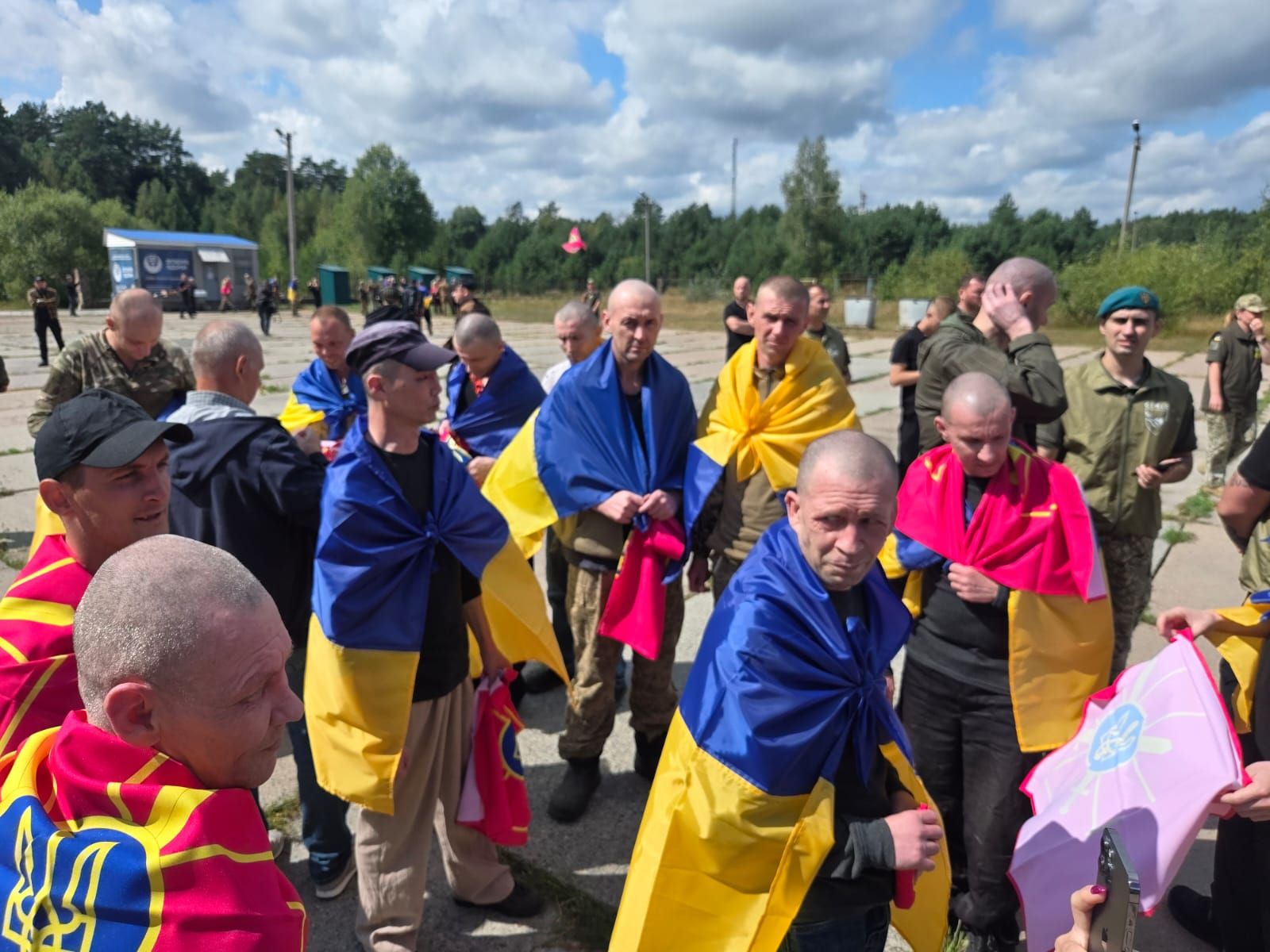
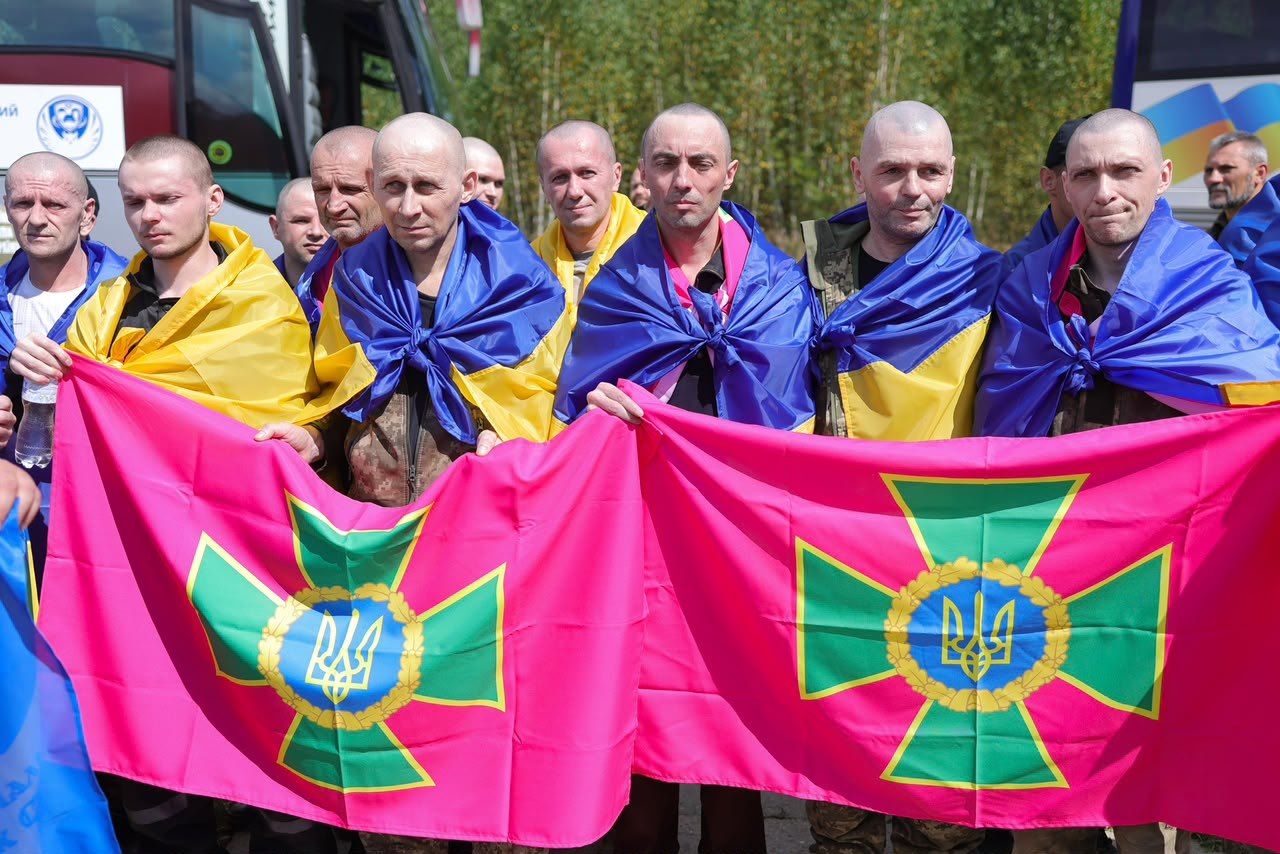
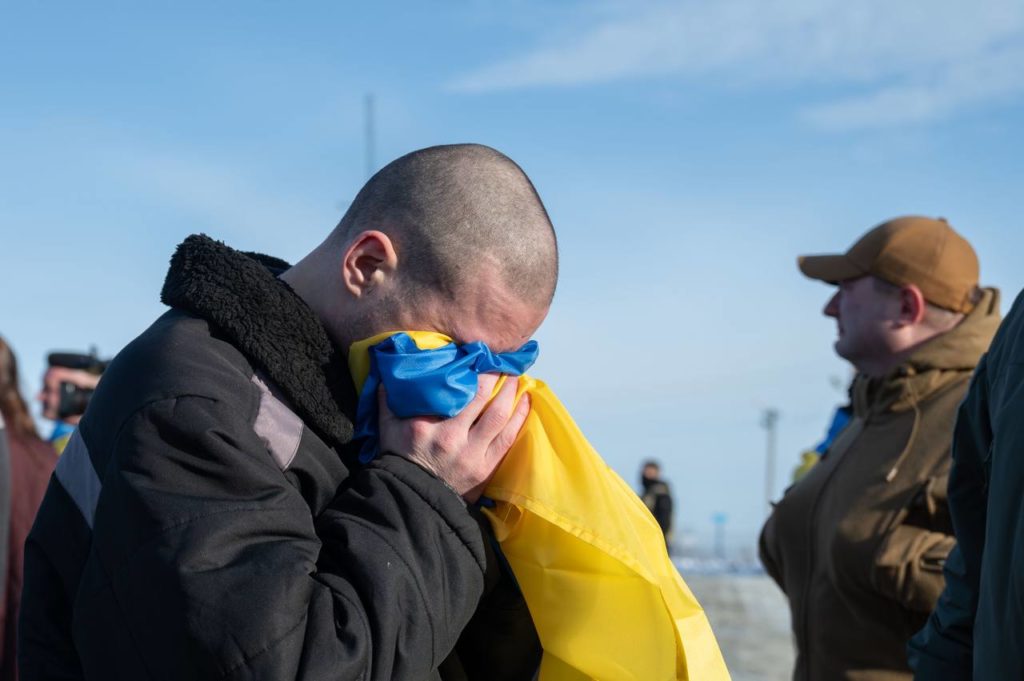
Ukraine has brought another 103 servicemembers home from Russian captivity in the first stage of a new prisoner exchange, the Coordination Headquarters for the Treatment of Prisoners of War reported on 19 August 2026. Most of the returning defenders are wounded or seriously ill after captivity that, for some, reached back to 2022, the year of Russia's full-scale invasion. The United States and the United Arab Emirates helped organize the swap, the headquarters said.
Amid Moscow's full-scale invasion, prisoner swaps have become one of the few channels that still functions between Kyiv and Moscow, and each one hinges on how many enemy captives one side can put on the table for the next round. Thousands of Ukrainian soldiers and, separately, civilians remain in Russian hands, and each release still returns only a fraction of the people whose families are waiting for them.
Who came home
The freed group covers nearly every branch of Ukraine's forces. It includes members of the Armed Forces, the Navy, Territorial Defense, the National Guard and the State Border Guard Service. Alongside soldiers and sergeants, several officers were released.
The SBU said the return of the 103 Ukrainian defenders was coordinated by the Joint Center for the Search and Release of Prisoners of War, the Coordination Headquarters for the Treatment of POWs, and other authorized agencies.
The Coordination HQ detailed the composition. The Defense Ministry accounted for 92 of those freed, and the Interior Ministry for 11. Two of the returnees are officers, the rest enlisted personnel and NCOs. Interior Minister Ivan Vyhivskyi said his ministry's 11 broke down into five National Guardsmen and six border guards.
The defenders had been captured across the Donetsk, Luhansk, Kharkiv, Zaporizhzhia, Dnipropetrovsk, Kherson and Sumy directions, as well as at Mariupol. The single largest share, 72, fell on the Donetsk front. The youngest freed defender was born in 2000, and the oldest is 59.
Freed Ukrainian prisoners of war and officials pose with military flags after returning from Russian captivity, 19 August 2026. Photo: Security Service of Ukraine
Years behind Russian bars
The captures span the entire full-scale war. One of those freed had been held since 2022, 16 since 2023, and 48 since 2024. Another 31 were seized in 2025 and seven this year. By the same tally, the International Committee of the Red Cross had confirmed the captivity of 102 of the group before the handover, with a single case verified through other sources.
A previous swap in late June returned 160 defenders, all of them held since 2022.
Freed Ukrainian servicemen wrapped in national flags gather after returning from Russian captivity, 19 August 2026. Photo: Coordination Headquarters for the Treatment of Prisoners of War
Wounded and ill
The released defenders will undergo full medical examinations, receive physical and psychological rehabilitation, and obtain the state payments provided by law. The head of the President's Office, Kyrylo Budanov, said doctors were already doing everything necessary for the returnees, most of whom came back with wounds and serious illness.
Their condition fits a wider pattern Ukrainian officials have described, in which Russia starves most captives and executes many surrendered soldiers on the battlefield.
Released Ukrainian defenders hold State Border Guard Service flags after their return from Russian captivity, 19 August 2026. Photo: Ivan Vyhivskyi / Interior Ministry
"We remember everyone still in captivity"
President Volodymyr Zelenskyy said the freed included men who had defended Mariupol.
"We remember every man and every woman still held captive. We are doing everything possible to bring all our people home," he said.
Freed Ukrainian servicemen wrapped in national flags gather after returning from Russian captivity, 19 August 2026. Photo: Coordination Headquarters for the Treatment of Prisoners of War
The Security Service of Ukraine noted the swap ran through the joint center it operates to coordinate the search and release of prisoners. Oleh Ivashchenko, chief of the Main Directorate of Intelligence (HUR) and head of the Coordination Headquarters, met the returning defenders in person.
Ukraine's military intelligence (HUR) sees no battlefield signs that Russia is preparing for a ceasefire, deputy chief Major General Vadym Skibitskyi said in an interview with RBC-Ukraine on 18 August 2026. The agency expects no peace agreement before the end of 2026.
Russia’s General Staff plans to capture the remainder of Donetsk Oblast by year-end, Skibitskyi said. Meanwhile, HUR estimates that Russian personnel losses exceeded contract recruitment in June and July, leaving Moscow unable to create new military formations without mobilization.
HUR estimates Russia lost more troops than it recruited in both June and July. Losses exceeded new contract personnel by 3,000 in June and by at least 1,000 in July, leaving recruitment unable to replace battlefield losses. The agency says Russia’s operational reserve is only about one-tenth the size of the part already engaged in combat against Ukraine.
Russia has set a 2026 target of recruiting 409,000 personnel. Without mobilization, however, Moscow cannot create new formations or turn existing brigades into divisions because it lacks personnel, Skibitskyi said. The recruitment plan for Russia’s unmanned-systems forces is only 30% complete, and the command is trying to fill the gap with personnel from other military branches, he added.
If Russia mobilizes after its September parliamentary elections, it could assemble a powerful strike group by around February 2027, according to HUR. Skibitskyi did not rule out its use for a northern offensive. At present, however, HUR sees no conditions, indicators, or troops for such an operation.
Russia previously targeted September for Donbas
In April, Skibitskyi told the Financial Times that Moscow aimed to capture all of Donbas by September, after missing its deadlines to take Kostiantynivka and Druzhkivka. Russia was transferring 20,000 troops from strategic reserves to sustain the offensive, although this amounted to less than one month's worth of its battlefield losses.
By early August, DeepState reported 36 square kilometers of additional Russian-controlled territory across Ukraine in July, a figure that included map corrections for May and June. Without those corrections, Russia gained about 88 square kilometers.
DeepState reported limited progress near Rodynske and Kostiantynivka and toward Sloviansk and Kramatorsk, the heart of Ukraine’s “fortress belt.” At that pace, Russia had “no chance” of capturing all of Donetsk Oblast even by 2027, the group said. It cautioned that another wave of mobilization or a wider deployment of North Korean troops could change the forecast.
The 1st Corps of Ukraine's National Guard, known as Azov, says it destroyed 67 Russian fuel tanks holding 4,221 tons of fuel in occupied Donetsk Oblast, in an operation it named Hell-2. The unit released video of the strikes on 17 August, saying it had spent a month tracking where Russian forces moved and stored the fuel before hitting it.
Fuel is the blood of Russia's war, which is why its forces increasingly hide storage sites and route deliveries through improvised logistics hubs. Strikes on those hubs strip Russian units of what they need to move, supply, and fight. There have already been cases of Russian forces concealing fuel in grain trucks in occupied territories.
Azov warned the Russian forces before the strike
Azov says it flagged the fuel sites a month before hitting them, and struck when the Russians kept using them anyway.
“A month ago, we warned the occupier: ‘Azov sees your movements and will strike at the right moment.’ But some units of the Russian Armed Forces continued to store fuel in occupied Donetsk Oblast,” Azov said.
1 корпус НГУ «Азов» карає окупантів за спроби перевезення і зберігання військових вантажів. Задіяні у зберіганні та постачанні палива об’єкти росіян залишаються лише на картах, у реальності на їхньому місці – випалена земля. pic.twitter.com/FGgdn4J34k
Azov emphasizes that it does not attack civilian gas stations or civilians. The operation targeted facilities used to supply Russian occupation forces. At the same time, according to Azov fighters, Russian military infrastructure remains a legitimate target.
The Russians didn’t get the message the first time
Hell-2 is likely a follow-up to the Hell operation, during which the first series of strikes, Azov also targeted the fuel logistics of Russian forces in occupied Donetsk Oblast.
On 12 July, Azov reported striking a secret Russian fuel base in Novoamvrosiivka. Drone operators from the 1st Azov Corps of the National Guard conducted reconnaissance and used Hornet drones to strike the facility. The strikes damaged fuel tanks and the base’s infrastructure and blocked the railway track.
According to the report, the Russians used the facility as a logistics hub to supply their occupation forces. After the strike, they were forced to abandon the base and move their logistics operations from the occupied territory into Russia.
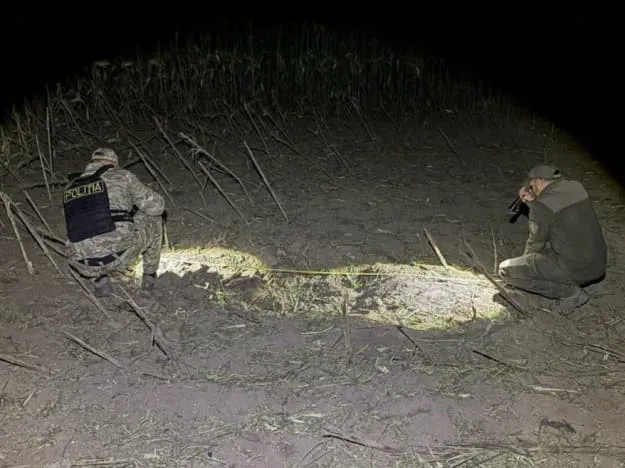
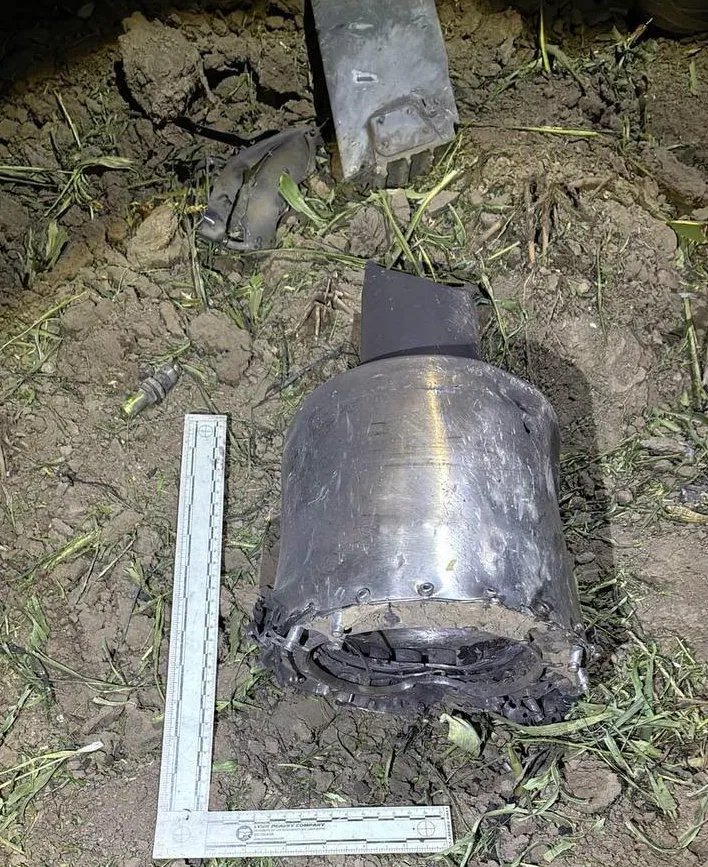
An unidentified aerial object exploded in a cornfield outside Talmaza in southeastern Moldova, tearing a crater about two meters wide and 50 centimeters deep, Moldovan police said on 18 August. The shock wave spread across roughly 45 by 20 meters, but nobody was injured.
Russia has intensified its attacks on Ukraine’s Black Sea and Danube ports, bringing drones and missiles close to Moldova’s border. Moldova has recorded three aerial incidents in nine days, with the latest forcing authorities to close part of the country’s airspace.
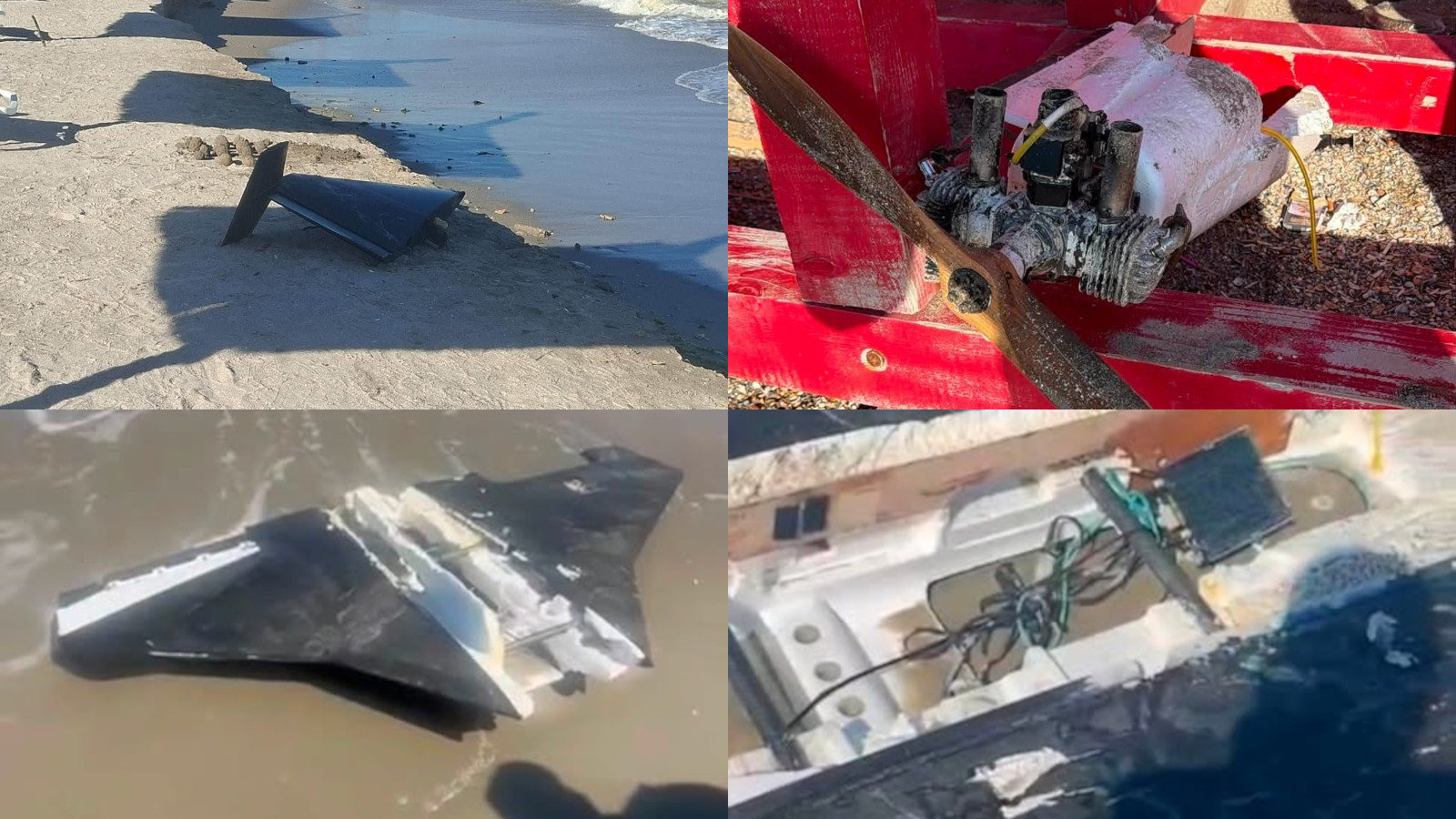
Investigators recovered fiberglass body fragments, damaged electronics, and a turbojet engine, which Militarnyi noted is also used by the Banderol. Police said the components resembled those of a jet-powered missile-drone but could not identify the aircraft conclusively.
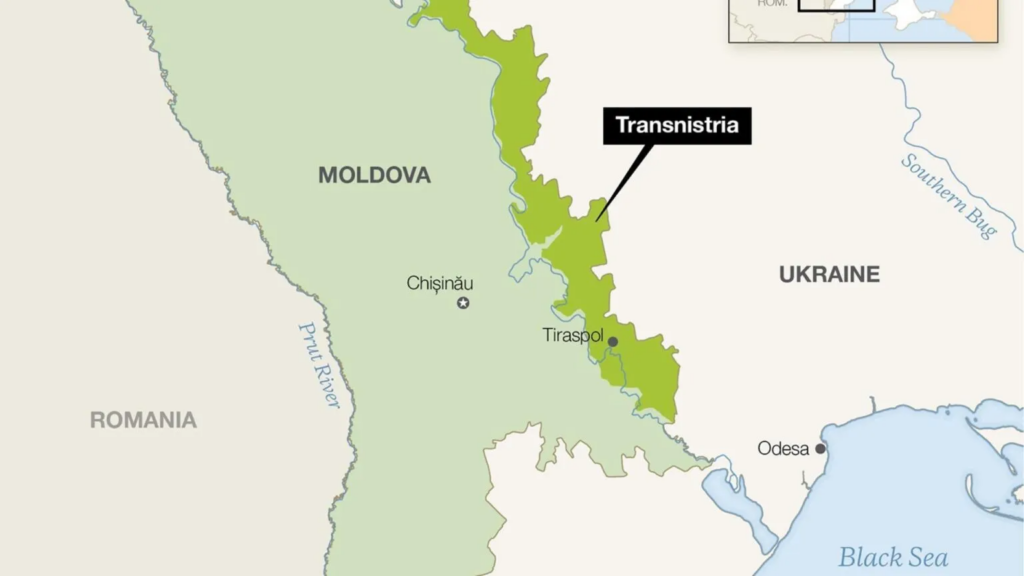
Ukraine's Air Force reported on 17 August that a Russian Banderol had crossed from Odesa Oblast toward Moldova. Militarnyi identified the weapon as an S8000 and placed the crossing near the Moscow-backed breakaway region of Transnistria.
Moldova’s Defense Ministry separately said it had tracked an unidentified object flying from Kuchurhan toward Tiraspol, the capital of Transnistria.
Map showing Transnistria — the Russian-occupied strip of Moldovan territory on the left bank of the Dniester River, bordering Ukraine to the east and wedged between Chișinău and Odesa. Map: Hudson Institute
Authorities closed central Moldovan airspace for 15 minutes before the object disappeared from radar near Talmaza, Militarnyi said.
Moldova’s Foreign Ministry called the incident a serious violation of its sovereignty and a threat to public safety.
Talmaza blast follows two recent drone incidents in Moldova
The Talmaza explosion followed two similar incidents near Moldova’s border with Ukraine. On 9 August, an unidentified aircraft exploded in a field 12 kilometers from Ukraine and started a fire. Another object entered Moldovan airspace the following evening and was believed to be a jet-powered Shahed.
Investigators documented wreckage from an unidentified aerial object that exploded in a cornfield near Talmaza, Moldova, on 17 August 2026. Moldovan police said its exact type had not yet been confirmed. Credit: Poliția Republicii Moldova/Facebook.
The recent incidents continue a longer pattern. Six Russian drones entered Moldova during an attack on Ukraine in November 2025, and one landed on a civilian roof.
Explore further
More than 100 drones detected near Romania in four days, NATO jets scrambled seven times
President Maia Sandu has called for counter-drone technology capable of intercepting and destroying hostile drones that violate Moldovan airspace, acknowledging that the country currently lacks such capabilities.
Russia’s port campaign reaches Moldova’s border
Across the border, Russian attacks on Ukraine’s Danube ports have reached a recent high, with Romania detecting more than 100 drones during seven recent attacks, interim Defense Minister Radu Miruță said.
Kyiv and Chișinău are also discussing a rail route through Moldova to Romania’s Constanța port as Russian strikes disrupt Ukraine’s maritime exports. Ukraine estimates the route could carry only about 10 percent of its grain exports.
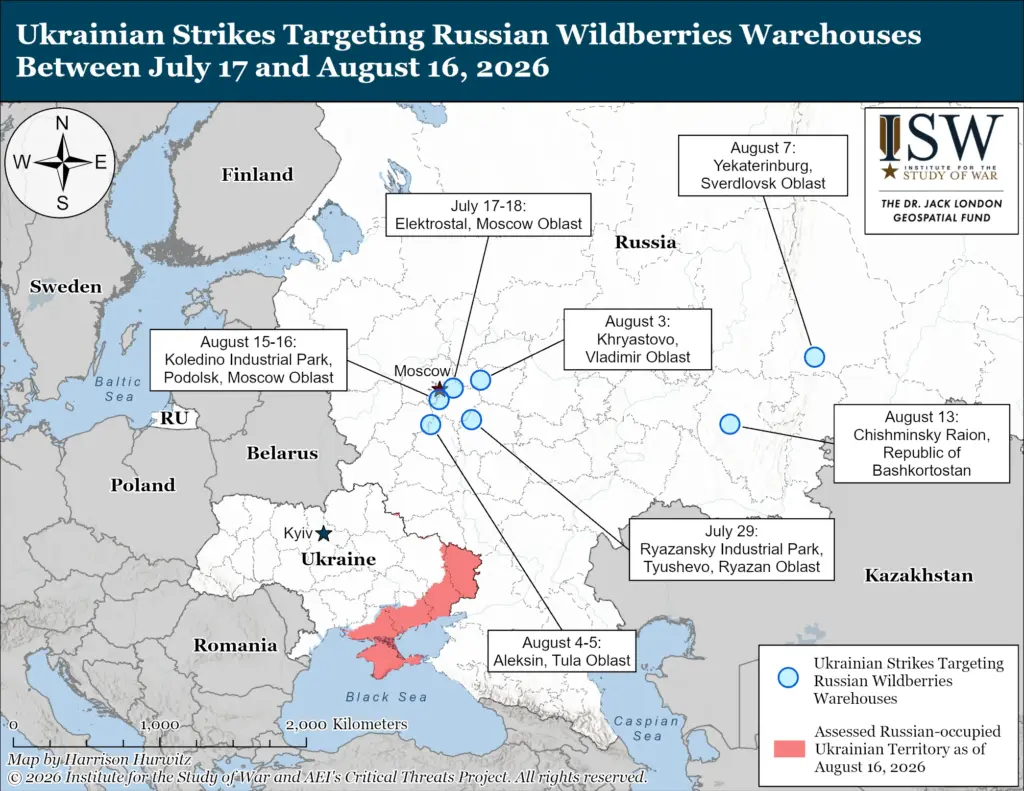
Ukraine has knocked out seven of the 10 largest logistics hubs run by Russia's biggest online retailer, the US-based Institute for the Study of War assessed. The strikes are part of a campaign to wear down Russia's defense industry and the dual-use supply lines that feed its war. The newest raids hit two warehouses near Moscow overnight.
Ukraine has pushed its long-range drone war deep into Russia, hunting the oil, freight, and factory sites that keep Moscow's invasion supplied. Each strike that lands far from the front tests how much of its own territory Russia can actually defend. ISW assessed that the campaign is squeezing both Russia's economy and its overstretched air defenses, with no sign the retailer's biggest depots are getting any safer.
Two hubs near Moscow burned overnight
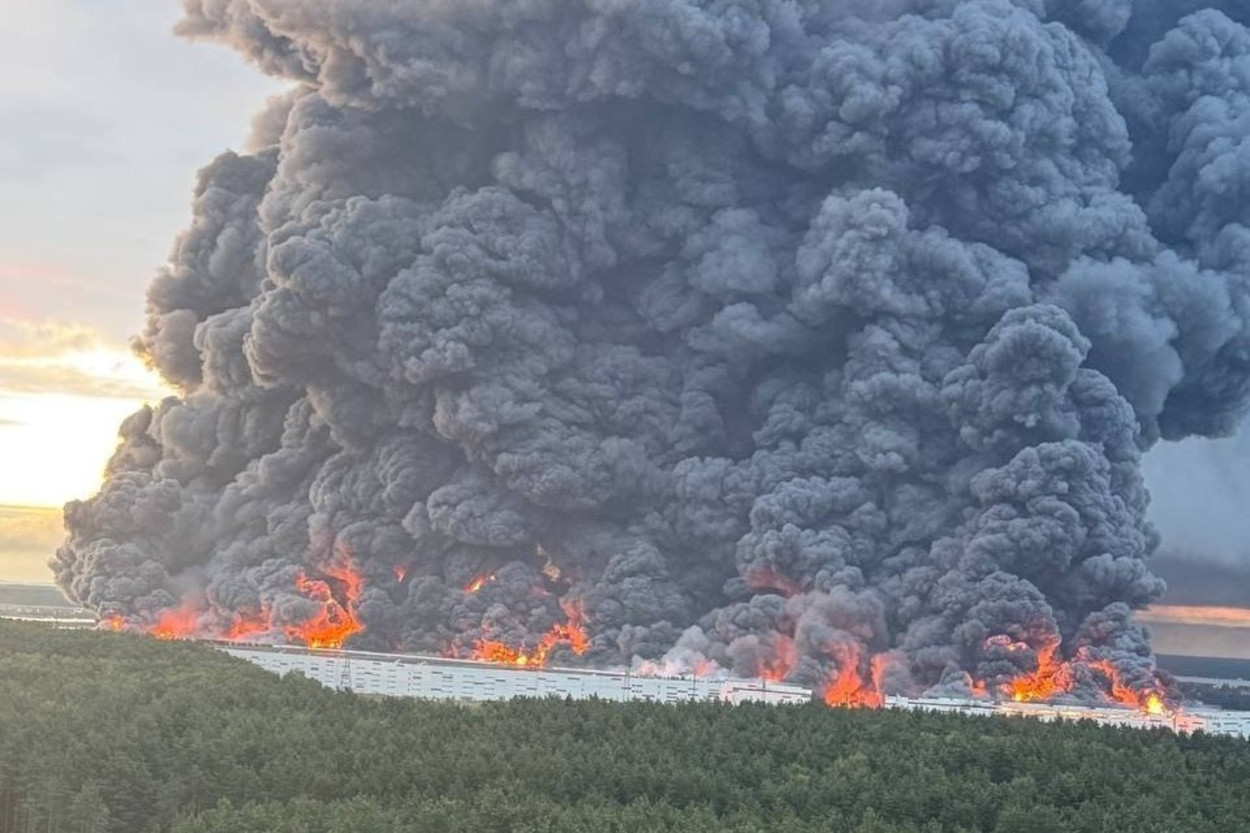
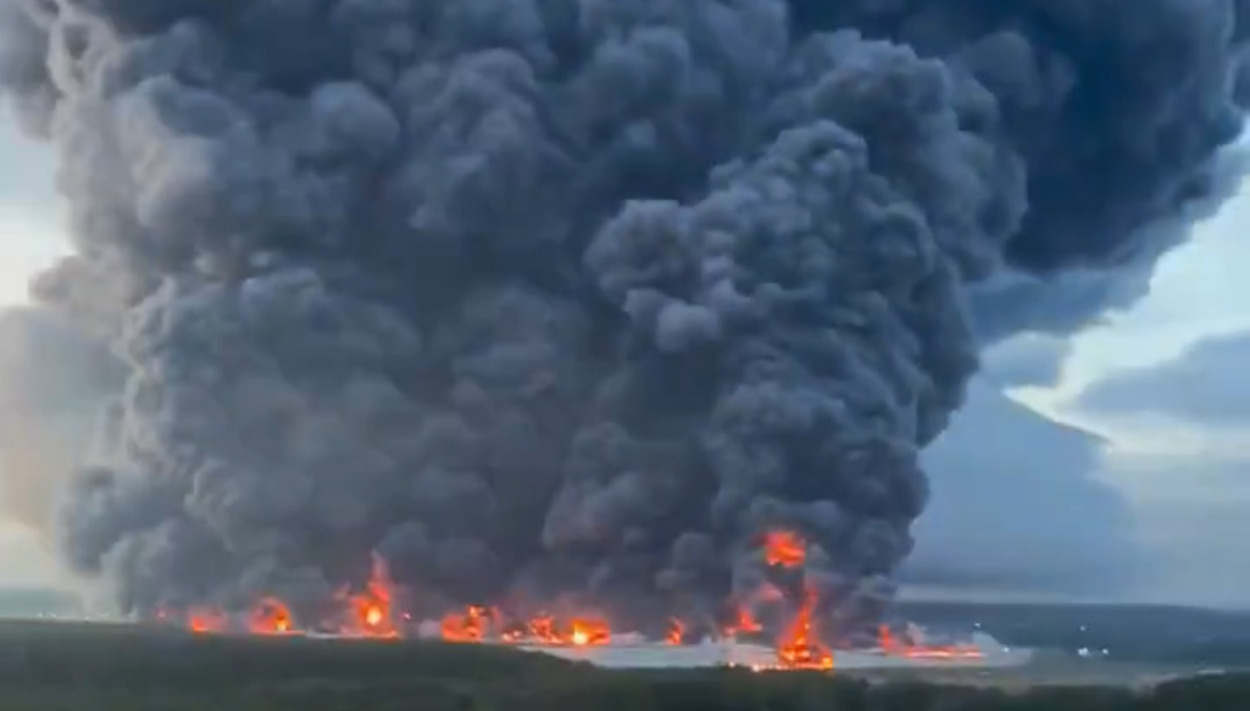
On 15-16 August, Ukrainian drones struck Wildberries' single largest hub, a 250,000-square-meter depot in the Koledino Industrial Park in Podolsk, Moscow Oblast. Ukraine's Defense Ministry reported the hit, about 420 kilometers from the border.
Explore further
“One of the most massive” Ukrainian drone attacks hits Moscow Oblast: two major warehouses ablaze
Wildberries confirmed the fire and said it had to reorganize its supply chains. Moscow Oblast Governor Andrei Vorobyov acknowledged the strike, and geolocated footage showed the depot ablaze.
Drones also hit a second warehouse the same night, in Domodedovo, roughly 430 kilometers from the border. Footage showed a fire at the Severnoye Domodedovo complex.
Why the warehouses are targets
Ukrainian officials say Wildberries helps supply the Russian military, moving drone components and navigation gear. Kyiv folded the retailer into a deep-strike campaign that began in mid-July.
The company is Russia's answer to Amazon, its largest online marketplace. Its sprawling depots make broad, hard-to-defend targets.
Wildberries warehouse burning in Russia's Koledino following a Ukrainian drone strike, 16 August 2026. Screenshot from video: bayraktar_1love
The damage keeps growing
By early August, the strikes had destroyed at least 1.18 million square meters of Wildberries storage, about a fifth of its capacity, ISW noted. The toll has climbed since.
The losses ripple outward to independent sellers who rent space in the hubs. Many have watched their stock burn with no compensation.
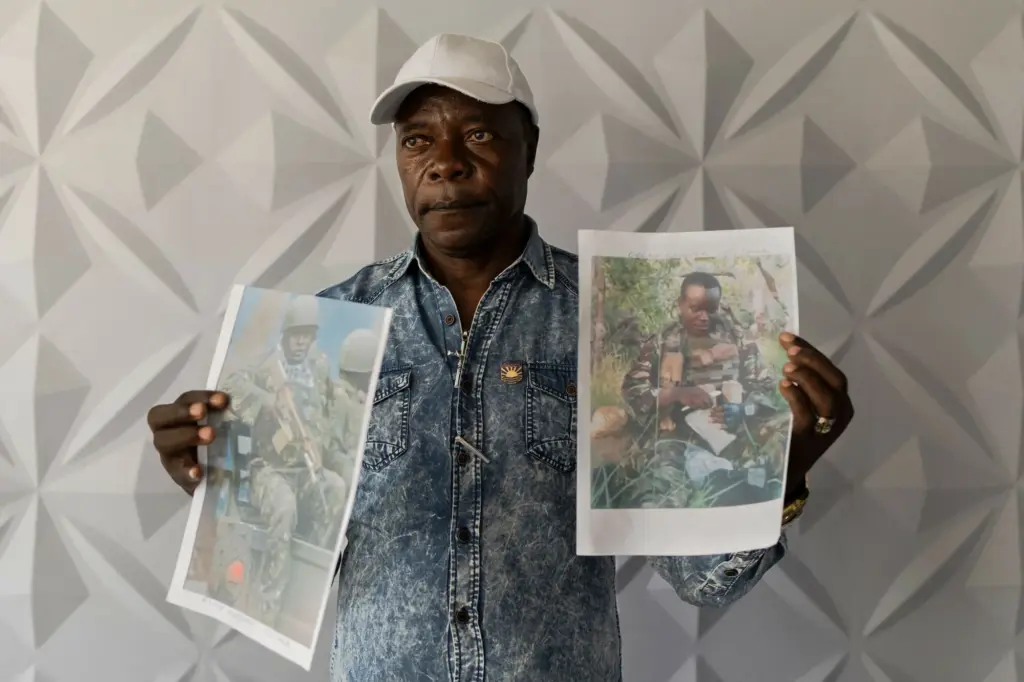
486 Africans recruited into Russia’s armed forces are dead, while Ukraine is holding 35 citizens from 17 African countries as prisoners of war, Ukraine’s Ministry of Foreign Affairs (MFA) told Ukrainian public broadcaster Suspilne in findings published on 16 August 2026. Its overall tally rose only slightly from May, climbing from 2,965 recruits from 36 countries to at least 2,982 from 37.
Russia’s recruitment in Africa is part of a broader effort to enlist foreigners for its war. A joint human-rights investigation found that Russia had recruited at least 27,000 people from more than 130 countries since 2022. The system helps Moscow replenish its forces while shifting battlefield risk onto foreigners, many of whom are drawn in by financial pressure, deception, or coercion.
The largest groups of recruits came from Kenya, Egypt, Cameroon, Ghana, Nigeria, Uganda, Algeria, and Mali, the ministry told Suspilne.
Russia’s wider recruitment pipeline in Africa
Russian security services use a “broad arsenal of manipulative methods,” the Ukrainian MFA said. Recruiters promise civilian jobs, education, high salaries, Russian citizenship, or migration benefits. In many cases, foreigners must sign Russian-language military contracts under threat of deportation or imprisonment.
The FIDH–Truth Hounds–KIBHR report found recruiters using social media and intermediaries to advertise civilian jobs. Of 16 foreign POWs interviewed, 13 said they had been promised they would not fight. Most reached combat positions within weeks.
The human toll on African recruits
Kenyan engineer Francis told journalist Dmytro Karpenko, who interviews prisoners captured while fighting for Russia, that he thought he had accepted a security job. In Russia, he received a military uniform instead. After two weeks of training, he reached the front and was captured.
Ukraine’s response to Russia's recruitment campaign
Ukraine’s diplomatic missions regularly inform African officials about the recruitment of their citizens and run awareness campaigns, according to the ministry.
The MFA and Ukraine’s POW Coordination Headquarters also launched Stop Russian Recruiters, a website that explains recruitment methods, shares victims’ accounts, advises people at risk and their families, and accepts reports about recruiters.
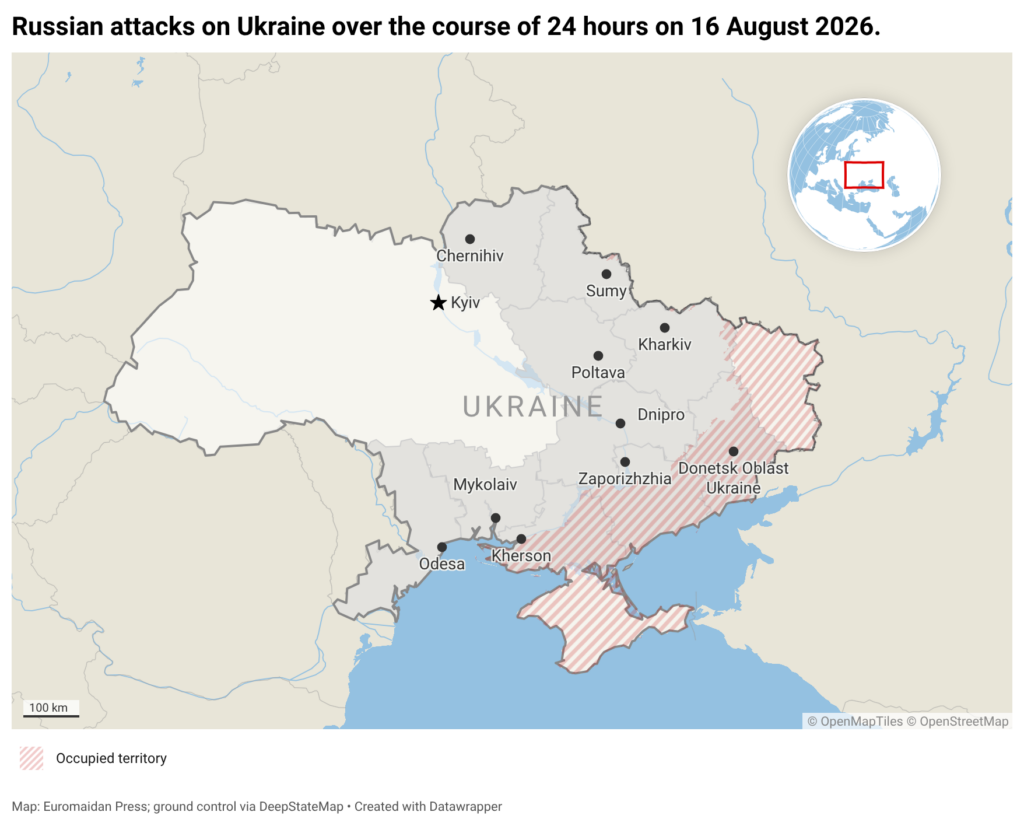
Russian forces shelled and struck front-line and border regions across northern, eastern, and southern Ukraine over the past 24 hours, killing at least eight civilians and wounding more than 40, regional authorities reported on 17 August. Sumy, Donetsk, Kherson, and Zaporizhzhia oblasts reported deaths, while people were wounded in Kharkiv, Kherson, Dnipropetrovsk, Chernihiv, and Odesa Oblasts.
Russia's daily strikes have hit populated areas and civilian infrastructure both near the front line and far behind it. President Volodymyr Zelenskyy said that 13 regions had come under attack over the past week, with more than 1,550 attack drones, nearly 1,560 guided aerial bombs, and 62 missiles, most of them ballistic, launched at Ukraine.
Map: Euromaidan Press
North: FPV drone attacks firefighters’ vehicle
In Sumy Oblast, Russian forces carried out more than 50 strikes on 24 settlements across 11 communities. A drone strike in the Sumy community killed a 75-year-old man and a 72-year-old woman and wounded another civilian, the Sumy military administration said. It also said two more people were wounded in the Seredyna-Buda community. A mass drone attack on Sumy caused large fires and wounded at least one person, Sumy city military administration head Serhii Kryvosheienko said.
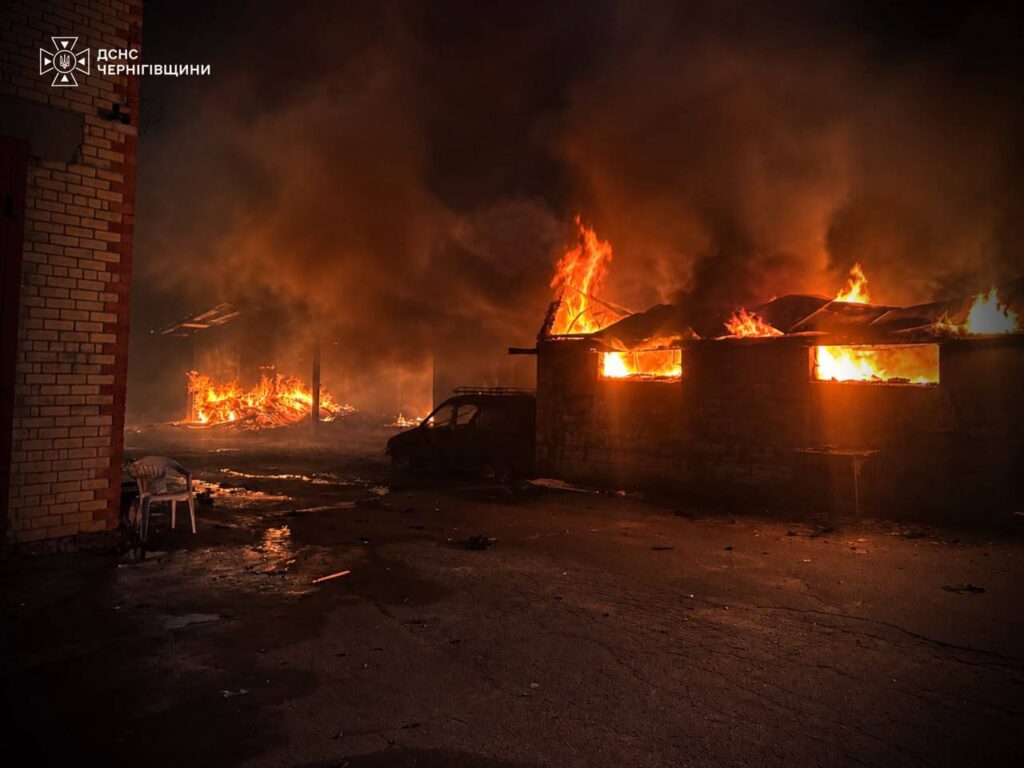
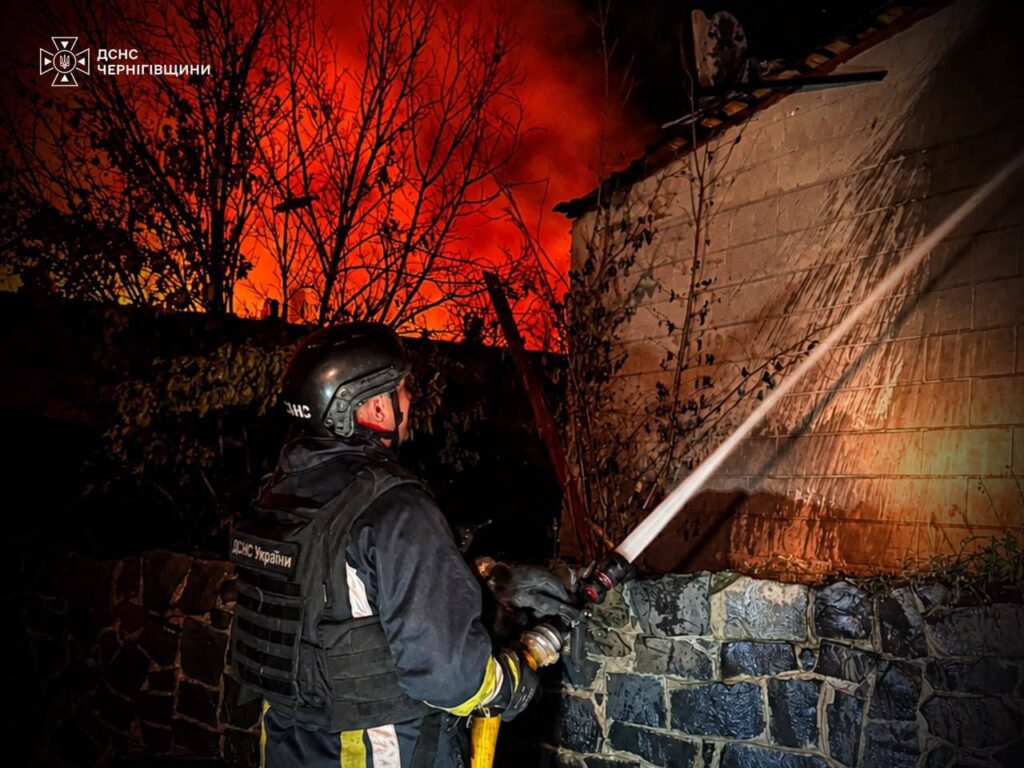
In Chernihiv Oblast, a 41-year-old man was wounded in a Geran drone strike on the Kozelets community, Head of the Regional Military Administration Viacheslav Chaus said. He added that Gerbera drones destroyed a hangar and farm equipment in the Kholmy community. In a border village in the Horodnia community, an FPV drone struck a yard, and a second FPV drone hit a firefighters' vehicle that had arrived at the scene. A house later caught fire. A critical infrastructure facility was also hit.
Firefighters put out a fire in Chernihiv Oblast that broke out as a result of Russian shelling. Approximately, morning of 17 August. Photo: Chernihiv Oblast State Emergency Service
In Kharkiv Oblast, six people were wounded in strikes on Kharkiv and nine other settlements. The heaviest damage was reported in Izium, where 19 houses and four apartment blocks were damaged, head of the Regional Military Administration Oleh Syniehubov said.
East: Russian strikes destroy 30 stalls
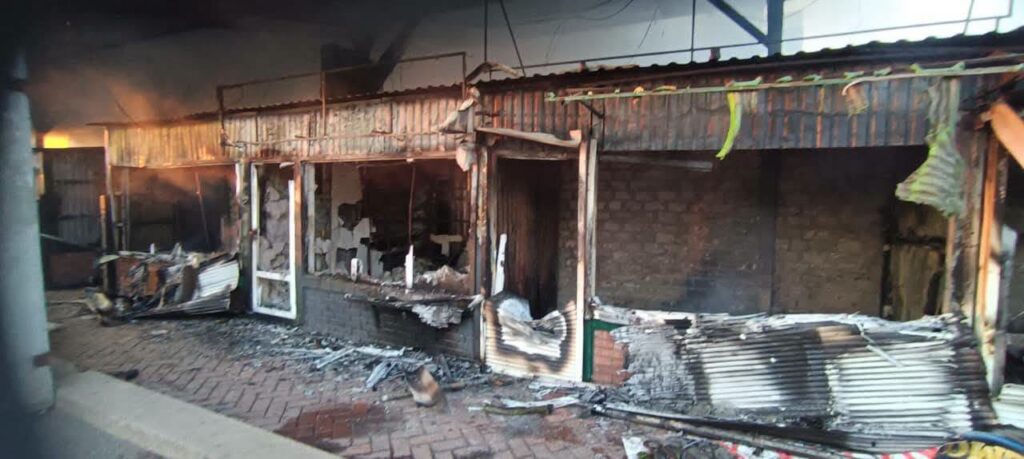
In Donetsk Oblast, Russian forces killed two residents of Kramatorsk and wounded 18 people across the region, Head of the Regional Military Administration Vadym Filashkin said. In Sloviansk, round-the-clock strikes damaged critical infrastructure and destroyed 30 stalls at the Lisnyi market, Sloviansk City Military Administration Head Vadym Liakh said.
Consequences of Russian strikes on Sloviansk on 16 August and overnight into 17 August. Photo: Vadym Liakh
In Poltava Oblast, two industrial facilities were hit, causing fires, and drones also attacked another industrial facility in Myrhorod district, Head of the Regional Military Administration Vitalii Diakivnych said. No casualties were reported.
In Dnipropetrovsk Oblast, Russian forces attacked four districts nearly 20 times from the evening of 16 August, wounding five people, Head of the Regional Military Administration Oleksandr Hanzha said. He added that houses and outbuildings caught fire in Pavlohrad and Nikopol district.
In Zaporizhzhia district, two people were killed and three wounded, Head of the Regional Military Administration Ivan Fedorov said. He also reported 1,217 strikes on 60 settlements across the oblast, including 20 air strikes, about 846 drone attacks, and 350 artillery strikes.
Consequences of Russian strikes on Zaporizhzhia Oblast on 16 August. Photo: Zaporizhzhia Regional Military Administration
South: strike damages civilian vessel flying the flag of Togo
In Odesa Oblast, a night-time strike on port infrastructure damaged a civilian vessel flying the flag of Togo and wounded four people, one of them seriously, Head of the Regional Military Administration Oleh Kiper said.
In Kherson Oblast, in the early morning, Russian forces killed two residents of the village of Novokayiry in the Mylivska community, – Head of the Kherson Regional State Administration Oleksandr Prokhudin said. Also russian forces attacked 52 settlements, including the regional capital. Six people were wounded, while 11 apartment blocks and 15 private houses were damaged, Prokudin said.
In Mykolaiv Oblast, Russia attacked with Shahed and Gerbera drones, but no casualties were reported, acting Head of the Regional Military Administration Heorhii Reshetilov said. He added that the roof of an agricultural enterprise building was damaged in the Horokhivska community.
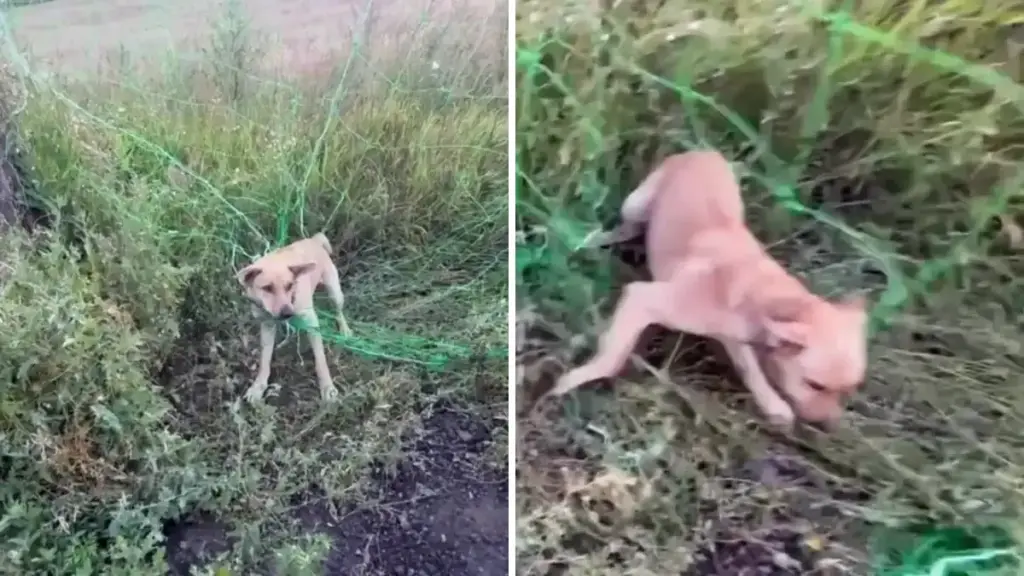
A dog was caught in mesh beside a frontline road and could not free itself. Ukrainian soldiers stopped their vehicle, cut away the netting, and released it, as footage Ukrainian serviceman Denys Lysak posted on 10 August 2026 shows.
The netting is meant to shield traffic from Russian FPV drones, but it can also trap animals left in the combat zone. The roadside rescue reflects how Russia's war against Ukraine has adversely impacted animals throughout Ukraine, while also highlighting a familiar relationship along Ukraine’s front, where soldiers feed, shelter, and sometimes take in the animals they encounter.
Lysak wrote that animals left without owners suffer greatly in areas affected by fighting. Ukrainian troops try to feed, evacuate, or shelter them, he said. Many units have taken in several rescued cats and dogs.
“Unfortunately, you can’t help all of them, but we try,” Lysak said.
The animals Ukrainian troops find at the front
Across Ukraine, animals are caught in the crossfire—injured, stranded, or driven from their habitats. Sometimes Ukrainian troops reach them in time, as they did during the Special Operations Forces' (SSO) “Operation Bambi.”
Rangers from the 6th Separate Special Operations Regiment found a frightened fawn while clearing a Russian position, according to footage the SSO released on 15 August. The video shows the animal nestled against one soldier as the unit moved out.
Some animals remain with the units that find them. Euromaidan Press reported in 2022 on Max, a Belgian shepherd abandoned by a Russian National Guard unit in Mykolaiv Oblast. A villager sheltered him before handing him to Ukraine’s National Guard, where handlers began teaching the former Russian service dog to follow commands in Ukrainian.
Photo of Max. Source: 19th Regiment of the National Guard of Ukraine
The fawn’s destination remains unknown. The SSO said only that it had been evacuated from the danger zone. Kharkiv volunteers had evacuated 18,800 animals by October 2024, but only around one-fifth had been reunited with their owners.
Russia's assault on Ukraine's ecosystem
Russia’s war has also affected wildlife beyond the trenches. Marine biologist Ivan Rusev estimated that more than 100,000 Black Sea dolphins have died since 2022, with sonar, underwater blasts, mines, and pollution among the suspected causes.
Russia’s destruction of the Kakhovka Dam dealt another blow. The floodwaters swept through areas holding 70% of the world’s Nordmann’s birch mice and half its sandy blind mole-rats, while killing tens of thousands of nesting birds.
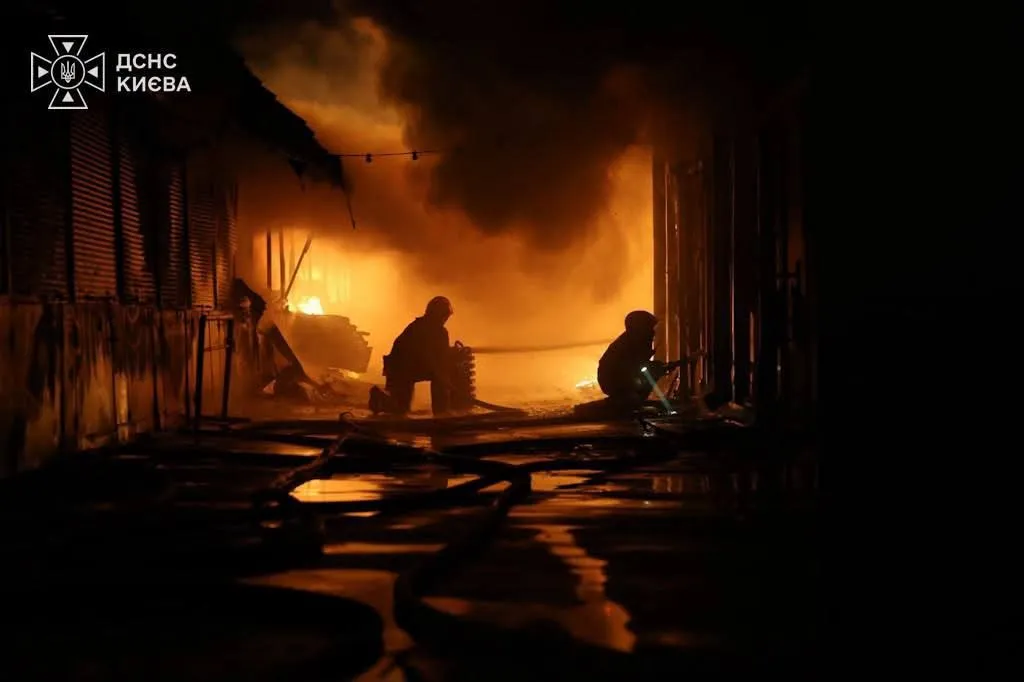
Ukrainian emergency services confirmed a large fire at the Pochaina book market in Kyiv’s Obolonskyi district after an overnight Russian ballistic attack on 16 August. Several rows of stalls were burned. The strike comes amid mounting losses across Ukraine’s book industry, as Russian strikes burn printing houses, markets, and the millions of books within them.
Pochaina’s latest fire is at least the third to damage the market or adjoining trading rows since mid-June. For decades, the sprawling market has served as part bookshop, part flea market, and part archive of Kyiv life — a place to hunt through rare titles, vinyl, and remnants of the 20th century. Officials have not said Russia deliberately targeted it, however, the damage lands amid repeated attacks on Ukraine’s publishing chain and efforts to remove Ukrainian literature under occupation.
By 9:36 a.m., rescuers had extinguished fires at four locations in Kyiv and were dismantling damaged structures. Three people were hospitalized: two in moderate condition and one with light injuries. Pochaina metro station remained open, but damage to its glass entrance temporarily closed one vestibule.
На книжковому ринку у Києві рятувальники долають наслідки атаки.
Кілька рядів торговельного павільйону вигоріли. У багатьох інших — пошкоджені вікна. Книжки продовжують тліти
Founded in 1997, Pochaina grew into Kyiv’s largest book market, offering everything from novels to specialist literature, according to a 2020 preservation petition. Independent vendors organized to defend it after plans emerged to clear the site for another shopping center. The campaign described the market as a cultural institution that supported thousands of jobs.
The adjoining weekend flea market endured the invasion and disappearance of tourists. In 2023, the Associated Press found hundreds browsing stalls stocked with vintage medals, ceramics, VHS tapes, and cracked guitars.
Russia destroys books as part of its war against Ukraine
Russian attacks have damaged publishing houses, printing plants, warehouses, libraries, bookshops, and markets across Ukraine.
The 16 August attack was not the first time Russia had hit Pochaina. A Russian attack damaged book-market pavilions in mid-June. On 30 July, falling missile debris ignited nearby stalls and destroyed collections of antiques, vinyl, and Ukrainian household artifacts, Suspilne reported.
Russia's war against Ukraine has particularly devastated Ukraine's publishing houses and their infrastructure. A 2024 Russian strike on Kharkiv’s Factor Druk printing house killed seven workers and burned 50,000 books. On 1 August 2026, a drone destroyed about eight million books at publisher Ranok’s warehouse.
Reuters reported that Russian strikes destroyed more than 10 million books in recent months.
In occupied areas, Russian forces have also seized Ukrainian history books and burned Ukrainian literature in boiler houses, Ukrainian authorities say.
Yet the Ukrainian book industry continues to thrive, despite Russia's assault. In 2025, Ukraine registered a record 117 new publishing businesses.
Russian assault troops spent days crawling through a pipe to reach Ukrainian lines, and most of them were killed before reaching the place. Russian soldiers walked 28 kilometers, then came under fire on emerging and ultimately surrendered, Ukraine's 71st Separate Air Assault Brigade reported.
This is a portrait of how Russia spends its infantry who enlist voluntarily for the war against Ukraine. The soldiers were sent on a grueling underground infiltration with bad information and no proper food, ordered forward despite wounds, and largely killed.
The 28-kilometer crawl
The group reached Ukrainian positions through underground infrastructure. The Russians covered about 27 to 28 kilometers moving inside a reinforced-concrete pipe roughly a meter and a half in diameter, spending three days on the way, sleeping inside the pipe, the 71st Brigade reports.
Their command had lied to them about what waited. The soldiers were told they were only going to reinforce a battalion and that there were no Ukrainian troops in the forest, a captured Russian says. On arrival, the opposite was true, and they were sent onward without a normal food supply, forced to forage on their own. Many of the assault troops, the prisoner said, are recruited from prison colonies, signing contracts to avoid long sentences.
From 16 to four
When the group emerged onto open ground, Ukrainian troops hit them. Of the 16 Russians who set out, only about 8 reached the forest, and later, just 4 survived.
The wounded were abandoned by their own side. Russian command was in no hurry to evacuate them, and despite wounds and Ukrainian drone strikes, the assault troops were ordered only to keep moving forward, per the captured soldier. The survivors eventually ran into fighters of the 71st Brigade, laid down their weapons, and asked the Ukrainians not to shoot.
"No money is worth this"
The captured soldier was given medical care and made an appeal to other Russians. He urged them not to go to war against Ukraine.
"I will not advise anyone to go to war. No money is worth this, nor any benefits they promise us. To die and go to a foreign land, for what? For whom? Let them put me in prison. As long as they don't send me here, I will never come here again," the prisoner said.
A 12-year-old with a high fever died without medical care in Russian-occupied Kherson Oblast, Hola Prystan official in exile Svitlana Linnyk told Ukrinform on 13 August 2026.
No medicine or medical worker was available locally, and the child’s mother could not reach an ambulance pickup point, she said.
The child's reported death comes amid a wider humanitarian crisis in Russian-occupied Kherson Oblast. UN and OSCE monitors found drone attacks, mines, and movement restrictions obstructing medical aid and evacuations around Oleshky and Hola Prystan, two occupied communities across the Dnipro from Kherson city. About 6,000 civilians, including 200 children, remained in and around the two communities as of May. Similar medical shortages span occupied Ukraine, while access to free medicines has been tied to having a Russian passport.
The Hola Prystan community where the child died has no operating hospital or rural medical post, Linnyk said. Only two pharmacies remain: one in the city of Hola Prystan and another in the nearby village of Nova Zburivka. Both are selling their remaining supplies.
The nearest hospital is in Skadovsk, an occupied Black Sea port about 60 kilometers by road from Hola Prystan. Nova Zburivka’s ambulance has not operated since 2025.
Russian occupation authorities have distributed no humanitarian aid for at least eight months to villages surrounding Hola Prystan, or for over a year in the city itself, Linnyk said.
Linnyk said a Moscow Patriarchate priest occasionally brought supplies but gave them only to Russian passport holders. This reflects a broader pattern of tying basic services in occupied Ukraine to accepting Russian citizenship.
Ukrainian children face a medical system stripped bare
The medical dangers surrounding the 12-year-old’s death are not confined to Hola Prystan.
In April 2025, Ukraine’s National Resistance Center reported that occupation officials were administering vaccines to children under six in Luhansk Oblast. It described the vaccines as uncertified and of unknown origin.
That November, the Center said a Russian inspection found Crimea’s main children’s hospital lacked breathing bags and cardiac monitors. It said infant mortality on the occupied peninsula had risen 9% over the previous year.
Aid comes with a Russian passport
Hola Prystan is not the only occupied community where access to care has depended on Russian citizenship.
In 2023, Russian-installed officials in occupied Zaporizhzhia Oblast threatened to deny medical care to residents without Russian passports. A 2025 Kremlin policy later tied free medicines for chronic illnesses to Russian citizenship.
Ukraine’s Health Ministry reported in July 2024 that Russian forces had destroyed 214 medical facilities. It said the full toll remained unknown because authorities had limited access to occupied territories.
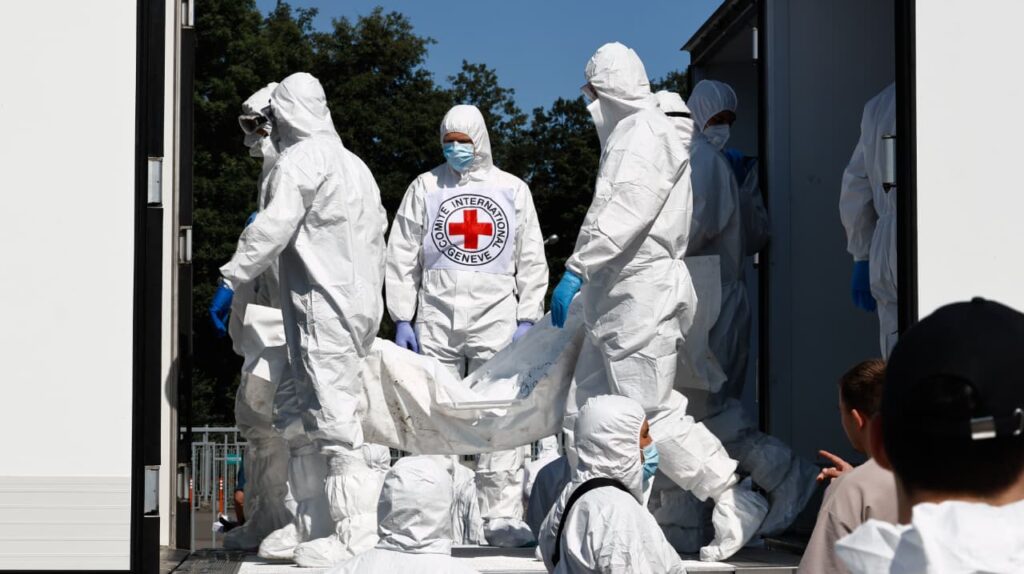
The Coordination Headquarters for the Treatment of Prisoners of War said the remains arrived on 13 August, and that investigators will now work to establish the identities.
Ukraine recovered the 261 bodies as part of repatriation measures carried out with Russia, the Coordination Headquarters reported. Russia claims the dead are Ukrainian servicemen, but law enforcement investigators and forensic experts will conduct the identification before any confirmation.
The return of the dead remains one of the few channels that still functions between Kyiv and Moscow during Russia's war against Ukraine. Each handover lets families of the missing bury their relatives, and it again relied on the International Committee of the Red Cross, which helped coordinate the exchange.
Ukraine's Interior Ministry, the Security Service of Ukraine, the Armed Forces, the Office of the Parliament Commissioner for Human Rights, the State Emergency Service, and the Secretariat of the Commissioner for Missing Persons under Special Circumstances all took part, the Coordination Headquarters said. Units of the Armed Forces transported the remains and passed them to police and to medical examiners under the Health Ministry for identification.
Previous exchanges
The handover is the latest in a long series of transfers Russia has carried out during its war against Ukraine, and in each case it has claimed the dead were Ukrainian servicemen or citizens, an account Ukrainian forensic experts verify independently. The exchanges have followed the Istanbul agreements that Kyiv and Moscow reached on 2 June 2025. Over the course of that June, Russia returned 6,057 bodies, and on 17 July 2025 it handed over another 1,000. Further transfers of 1,000 followed on 19 August, 18 September, 23 October, and 20 November 2025, before Russia returned 1,003 bodies on 19 December. The exchanges continued into 2026 with 1,000 bodies on 26 February and another 1,000 on 9 April, after which the totals fell to 522 on 18 June and 501 on 16 July, ahead of the 261 returned on 13 August.
Taken together, the transfers have returned thousands of the dead since mid 2025, which makes the repatriation of remains one of the most consistent forms of contact that still survives between Kyiv and Moscow.
Ingérence russe en France : deepfakes, réseau Pravda, formation SputnikPro et 8 000 €/mois proposés à un journaliste. Enquête exclusive sur la stratégie du Kremlin avant 2027.
— Permalien
Russia is forcing Ukrainian prisoners into its own army and starving others while "fattening" a few for show, Andrii Pasternak of the SBU's Joint Center for coordinating the search and release of prisoners says. Ukrainian intelligence also has information about Moscow creating battalions from Ukrainian prisoners of war (POWs), UkrInform reports.
As of May 2026, approximately 7,000 Ukrainian service members were held in Russian captivity, while the number of civilian detainees is estimated at between 10,000 and 20,000, according to Vice Speaker of the Ukrainian Parliament Olena Kondratiuk.
Russia is forming units from Ukrainian prisoners
Pasternak described the POW battalions as confirmed and monitored.
"We know about such battalions. Together with our colleagues from foreign intelligence and military intelligence, we track and record this. Such facts exist," he stated.
Forcing prisoners of war to serve in the captor's forces is itself a war crime. The Geneva Conventions prohibit compelling a POW to fight against their own country, and turning captured Ukrainian soldiers into Russian units, if confirmed at scale, would be a grave violation on top of the coercion required to make men fight the country they were defending.
Russia feeds up some prisoners and starves others
The coordinator also pointed to a practice of staging appearances before exchanges. Knowing whom it will hand over, Russia brings those prisoners, including civilians, into "normal form" through a process he called "fattening," drawing on testimony from released Ukrainian defenders and returned civilians.
The starvation behind it is deliberate and selective. Pasternak characterized it as an element of torture: some prisoners are deliberately not fed, while others are fed up so they look more or less normal for the swap. Ukraine's negotiators note at every meeting that the two sides' prisoners differ starkly, he added. The returning Ukrainians are almost all very thin, with only a few in decent condition, while the Russian POWs Ukraine hands back are genuinely well-fed.
Russian forces have executed at least 345 Ukrainian soldiers who surrendered since the start of the full-scale war, Ukrainian Ombudsperson Dmytro Lubinets said at a press conference at Ukrinform.
The figure is the latest point on a documented and rising curve of a systematic war crime. Ukraine's prosecutors and international monitors have tracked these killings from 268 confirmed by July 2025 to over 330 by March 2026. Financial Times investigation found the executions appear to be systematic military policy directed from Russian command, with intercepted orders to "shoot prisoners on the spot."
The victims had surrendered
Lubinets described people killed after they had given up.
"It means that they laid down their weapons, came out with raised hands, lay on the ground, and showed they were no longer fighting," he said, and Russian soldiers examined them and confirmed they were unarmed.
Then the soldiers killed them.
"We have recorded cases where they fully demand that the clothes be removed. And after that, they force them to lie on the ground the same way, and shoot the Ukrainian soldiers at point-blank range," Lubinets added.
Killing a surrendered soldier is a war crime
Lubinets stressed the legal character of the act. The killing of soldiers who have surrendered is a distinct war crime, he said.
The prohibition is absolute. Under the Geneva Conventions, a soldier who lays down arms and surrenders is protected, and killing a prisoner of war is a grave breach of international law. Common Article 3 of the Third Geneva Convention prohibits "violence to life and person, in particular murder of all kinds" against those who have laid down their arms, with no battlefield circumstance that permits it, per the ICRC.
The count keeps rising and accountability lags
Ukraine documents each case for eventual prosecution, but most perpetrators are in Russia, beyond reach, and Russian courts and media have glorified the killings rather than punished them.
In an 11 August 2026 address, Ukrainian President Volodymyr Zelenskyy stated Russia is preparing a new mass mobilization drive after its parliamentary elections this fall, citing an assessment by Ukrainian military intelligence.
Moscow plans to mobilize several hundred thousand people by the end of 2026 and roughly the same number by the end of 2027, he said. The mobilization would come on top of continuing contract recruitment.
Moscow has relied on contract soldiers and foreign troops to avoid the political cost of another compulsory draft. But Russia has struggled to recruit soldiers as quickly as it loses them. A mass call-up could replace losses and maintain offensive operations, although Ukrainian officials say it may initially do little more than offset battlefield losses.
Zelenskyy said internal Russian documents support the intelligence assessment. The documents have not been published.
According to Zelenskyy, Putin plans to wait until after Russia’s parliamentary elections, then use the result to claim the Russians support continuing the war. He described the vote as an “imitation,” claiming every party allowed to compete opposes peace. Russia’s Supreme Court barred Yabloko, the country’s only officially registered party opposing the war, from contesting the election, Reuters reported.
Russia avoided a second draft since 2022. Now recruitment can't keep up
The Kremlin has largely avoided another compulsory call-up since its September 2022 mobilization triggered mass protests and an exodus of Russians. Instead, Moscow has used financial incentives and recruited prisoners and foreigners to replenish its forces in Ukraine.
In March 2026, then-Commander-in-Chief Oleksandr Syrskyi said Russia aimed to recruit 409,000 troops during 2026 and form at least 11 divisions. Ukrainian intelligence then warned in July that Moscow could mobilize 500,000 people that fall.
195,000 new contracts signed—but losses keep outpacing recruitment
Russia has struggled to meet those targets while covering battlefield losses. Ukraine said Moscow had failed to replace its losses for five consecutive months by April. By mid-July, Russia had signed 195,000 military contracts against a target of 204,500, while Ukraine’s Foreign Intelligence Service estimated its 2026 personnel losses at 196,700.
In his 11 August 2026 address, Zelenskyy claimed Russia is losing at least 30,000 personnel monthly, 60% of them killed, and that its force in Ukraine is gradually shrinking. The figures could not be independently verified.
Zelenskyy also said Putin expects the recruits and North Korean troops to prolong the war and expand Russian offensive capacity. The president stated that he had ordered Ukraine’s intelligence agencies and special services to make Moscow’s plans harder to carry out, but gave no details.
Ukraine's first-person-view (FPV) drones are not being displaced by newer unmanned systems, a Ukrainian officer told Ukrinform. They remain a central tool for precision strikes, while Ukrainian forces claim a separate advantage in larger bomber drones.
Unmanned systems have become a defining weapon of Russia's war against Ukraine, and both sides race to out-innovate each other, a contest in which a cheap UAV can down a platform costing dozens of times more.
FPVs remain central
"Since FPVs appeared in service, they have become a leading means of precision engagement. This trend will continue," said Captain Anton Bobrovskyi, who commands a company training unmanned-systems specialists at the 199th Training Center of the Air Assault Forces.
Bobrovskyi conceded that Russia also uses drones effectively and that Ukraine learns from it, but said Ukraine keeps a lead in one category: bomber drones.
Explore further
Ukrainian drone that downed Russia’s rarest spy UAV just bagged its anti-drone interceptor too
Ukraine's bomber-drone advantage
Russian forces fear Ukrainian bomber drones, according to Bobrovskyi. He said Ukraine outmatches Russia many times over in such systems, and that Russian troops who encounter one often do not know what to do with it.
The distinction matters because bomber drones work differently from single-use FPVs. Rather than flying into a target and exploding, larger bomber drones carry and release munitions, then fly on. Euromaidan Press has documented the growing role of these systems, including reusable platforms capable of returning to base after dropping their payloads. Developers have also adapted them to fly through Russian electronic warfare, with upgraded Vampire drones built to resist jamming.
Explore further
Sea drones, jet drones, and Neptune missiles hit one Russian port in a single night
Bobrovskyi said Ukraine's advantage does not mean Russia lacks comparable technology. Instead, he argued that Ukrainian forces and society initiated many of the current battlefield drone trends and have kept the initiative in using them.
Each new drone class draws a countermeasure, so the side that keeps iterating fastest holds the battlefield initiative. How long Ukraine's bomber-drone edge lasts will depend on its ability to keep protecting and upgrading those platforms.
Russia wants its tanks moving again after two years of Ukrainian drones freezing its armored assaults, the Institute for the Study of War (ISW) reported. Its main bet is a tank-mounted system that fires interceptors at incoming drones. The system worked on at least one tank, but Russia lost it anyway.
Since 2022, cheap Ukrainian FPV drones have turned the open approach to any position into ground where armor rarely survives, forcing Russia into slow, infantry-led assaults and years of experiments to armor its tanks against drones.
The shield shot down some drones. Ukraine still killed the tank.
In early August, footage surfaced of Ukrainian drones destroying a Russian tank fitted with the Arena-M active protection system in the Dobropillia sector of Donetsk Oblast. Militarnyi identified the vehicle as a T-72B3A, side number 133, and Militarnyi reported that Ukraine's Security Service (SBU) released the clip. ISW geolocated the footage near occupied Volodymyrivka, east of Dobropillia.
Explore further
Russia took the cages off its newest tanks. The new Arena-M shield bought them a few minutes.
Dmytro Putiata, a Ukrainian combat drone specialist who posts as kriegsforscherD, spoke with the unit involved. On that tank, Arena-M shot down seven drones before its magazine ran dry, he said.
"Unfortunately, it works," Putiata wrote.
It still wasn't enough. Ukrainian crews finished the tank off with more drones. It took 15 to 20 first-person-view (FPV) drones to kill each vehicle, Putiata said. Footage shows the tank moving with its interceptor cells empty. It was the first time the Arena-M was credited with shooting drones down in combat.
Russia keeps sending tanks into that ground for a reason
Russian forces are experimenting with new technology to restore mechanized maneuver and break out of positional warfare—the static, trench-like fighting that has defined the front, ISW reported. They are fitting tanks with active protection systems to help armor survive in the "kill zone," the open ground where drones and other weapons destroy almost anything that moves.
Explore further
Russia’s weirdest armored vehicle was built to fight infantry. The infantry stopped coming
ISW judged that Arena-M alone cannot shield Russian assaults from the drones, let alone the rest of Ukraine's weapons. Russian commanders have largely kept tanks off the roads because drones kill them faster than factories rebuild them. In these assaults, the tank's job is less to fight than to survive long enough to drop infantry closer to Ukrainian lines. Russia will likely keep trying to restore maneuver even after its late-July mechanized assault in the Dobropillia sector failed, ISW added.
Why Russia wants the shield: the cages don't let tanks fight
The bolt-on armor carries a cost. Cope cages and "turtle" shells weigh tanks down and often jam the turret so the main gun can't aim. That trade-off is part of why Russia wants Arena-M: protection without the bulk, so a tank can still move and shoot. Russia recently sent tanks stripped of the welded cages, carrying the shield instead.
Moment of impact of the T-72B3M tank “133,” equipped with the Arena active protection system and empty countermeasure launcher cells. Screenshot from an SBU video.
Arena-M is not new. Active protection systems like it were first built to stop anti-tank missiles, and Russia adapted this one to catch drones. The system's lineage dates back to the late Soviet era, and Russian industry has for years claimed mass deployment that never came. Designers worked on fitting it to T-72B3 and T-90M tanks since at least 2019, yet only single vehicles turned up by 2024—some used to shoot a propaganda film rather than fight.
The Dance of Freedom tour, featuring young Ukrainian gymnast Oleksandra Paskal, has carried her from Paris to Tokyo, Akhmetov Foundation reported. Behind it lie a seaside home reduced to rubble, 15 days in a coma, and a place among the more than 3,200 children Russia's war has killed or wounded.
Russia has spent the war striking the cities where Ukrainian families live, turning apartment blocks and holiday coasts into places where children are wounded far from any front line. For every Ukrainian child whose recovery becomes a story the world follows, many more carry injuries and losses that never surface beyond a case file.
In May 2022, three months into Russia's full-scale invasion, a missile struck a home in Zatoka, a resort village on the coast of Ukraine's Odesa oblast. No air-raid siren sounded in the neighborhood, the family says. Beneath the collapsed concrete lay Oleksandra Paskal, six years old, her leg pinned under a slab.
Her mother, Maria, lost consciousness in the blast. Maria later recounted the scene to the Museum of Civilian Voices. She described what she saw when she came to: a heavy concrete slab lying across her daughter's leg, the girl's arm dislocated with the bone exposed, a finger hanging loose, her head badly bruised. Neighbors helped lift the slab. Sasha, as the family calls her, spent 15 days in intensive care in a medically induced coma. Doctors first feared a severe head injury. Then they found that blood had stopped circulating to her left leg. They amputated.
Sasha Paskal on Rizatdinova Cup 2025. Photo: NV/Maksym Pidopryhora
Four years later, Oleksandra is 10 and a competitive rhythmic gymnast performing on five continents.
Her case is at once singular and representative. In the fifth year of Russia's full-scale war, the fighting is still killing and wounding Ukrainian children, even as global attention fades. Oleksandra survived and found a stage; most children harmed by the war never have their stories told beyond Ukraine. The distance between the scale of that harm and the world's diminishing notice is what her tour is built to close.
The return took roughly seven months.
She learned to walk with a prosthesis, returned to the gym, and won her first post-amputation competition in Chornomorsk.
In 2025, President Volodymyr Zelenskyy and First Lady Olena Zelenska awarded her the "Future of Ukraine" honor. Earlier this year, she took gold at Carla's Rhythmic Cup, an international competition in Romania, where she competes against children without disabilities.
The performances abroad are part of the Dance of Freedom tour, an initiative of the Rinat Akhmetov Foundation in partnership with the football club Shakhtar Donetsk, timed to the 35th anniversary of Ukraine's independence on 24 August. Over two weeks, Oleksandra performed her routine in Paris, in New York's Times Square, in Rio de Janeiro, in Nairobi, and finally in Tokyo. In New York, she met the boxer Oleksandr Usyk, visited Ukraine's mission to the United Nations, and stood beneath the Statue of Liberty.
For Oleksandra, the travel is partly an escape. "I'm really happy to travel because it's an opportunity to distract myself from what's going on in Ukraine," she said. Her mother frames it as a purpose.
"She's so strong and motivated," Maria said. "Although she's very young, she's a role model for many people with similar circumstances. We never pushed her. What she's doing comes from her."
Oleksandra Paskal. Photo: Viktoria Efremova
Oleksandra's story is singular, but the injury that shaped it is not. According to UNICEF, more than 3,200 Ukrainian children have been killed or wounded since Russia launched its full-scale invasion on 24 February 2022. These are UN-verified casualties, a count that captures only the cases investigators have been able to confirm, so the real toll is almost certainly higher. Almost 2.6 million, more than a third of the country's children, remain displaced. More than 1,700 schools and other educational facilities have been damaged or destroyed. Every stop on the tour, her mother says, is meant to hold that reality before an international audience.
Oleksandra's own ambitions run past the tour. She wants to compete at the Paralympics in Brisbane in 2032 and win gold if rhythmic gymnastics is included in the program. In New York, Usyk gave her a method: write down that you are an Olympic champion, and read it every day. When they met, Zelenskyy gave her a sentence to carry: never give up and move forward.
While much of the media industry focused on the churn of headlines, we became increasingly interested in the undercurrents beneath them: the hidden systems, infrastructures and ideologies shaping events across borders and over time.
Again and again, our reporting led us back to the same realization: for a long time, the struggle over information was understood primarily as a question of censorship or access. Who controls information? Who gets to publish? Who gets silenced?
Those questions still matter. But they no longer fully describe the world we live in.
Today, the struggle over information is about who builds the systems through which reality is organized, distributed and trusted. From state propaganda to algorithmic feeds, from platform monopolies to AI-generated noise, the battle is not over facts. It is over the infrastructures that determine which narratives spread, which voices are amplified and which communities remain connected.
Over the past year, these questions led to a collaboration between Coda and The Continent, the pan-African newspaper founded in Johannesburg by Simon Allison and Sipho Kings. Although our reporting emerges from very different histories and geographies, we found ourselves arriving at remarkably similar conclusions about power, fragmentation and the future of journalism in an age of informational instability.
This two-chapter essay is the beginning of that collaboration, and marks the start of a new project called The Atlas. Pilot edition is available here — please feel free to share with friends, family and colleagues, preferably in its entirety.
In Chapter One, I return to the world of my Soviet childhood: propaganda, samizdat and the search for trustworthy signals through noise.
In Chapter Two, The Continent co-founder Simon Allison presents the Parable of Sinn Sisamouth: the story of how some of the greatest songs ever written were nearly lost, and then found, and then lost again.
Taken together, these essays ask what journalism becomes in a world where information is no longer organized primarily to inform, but to capture attention, manufacture reaction and shape perception at planetary scale.
The Atlas grows out of that question.
Chapter One: Through the Static
Whenever I am asked why I decided to become a journalist, an image from my childhood pops into my head. It’s dusk. I am 10, sitting in the kitchen with my mom. She is glued to a shortwave radio. Outside, the Soviet Union is on the cusp of collapse. Georgia, where we are, is on the brink of civil war. We didn’t use the term back then, but fake news was all we got through official channels. Real news — coming from the West — felt like a lifeline. I was in awe of the crackling radio that held my mother’s full attention. I wanted to become that voice.
Illustration: Anna Jibladze.
Years later, I got my dream job at the BBC and spent much of my adult life moving between wars, uprisings and authoritarian states. Again and again, I found myself in places where truth was contested terrain: Baghdad, Damascus, Donetsk, Sana’a. But over time I realized something fundamental had changed. Modern authoritarianism no longer relied primarily on suppressing information. It had discovered something more effective.
Information could simply be drowned out by static.
That realization became stark for me in eastern Ukraine in the summer of 2014. I arrived in a field of bright yellow sunflowers where the bodies from Flight MH17 still lay scattered across the ground. A Russian missile had blown the passenger plane out of the sky, killing all 298 people on board. Yet almost immediately, the Kremlin flooded the information space with competing explanations. It was a Ukrainian fighter jet. A failed assassination attempt on Putin. The plane had been filled with corpses before takeoff. Each theory contradicted the next, but that hardly mattered. The point was not to persuade, it was to exhaust. It was to create so much noise that truth itself began to feel unstable.
Over the following years, I watched versions of the same logic spread far beyond Russia. Social platforms transformed public conversation into a permanent stream of outrage, performance and distraction, collapsing vastly different kinds of information into the same endless feed. War footage, propaganda, conspiracy theories, journalism and gossip all began competing inside systems designed not to inform people but to capture and hold attention.
Noise became the new censorship.
And increasingly, I found myself thinking about the world of my childhood again. Not because history was repeating itself neatly, but because the emotional landscape felt strangely familiar: confusion, exhaustion, distrust, the constant sense that reality itself was becoming slippery. Back then, people searched desperately for clear signals through the static of Soviet propaganda. Today, we are drowning in a different kind of static, but the instinct, the search for clarity feels remarkably similar.
In the Soviet Union, people developed ways of navigating that confusion. Among my strongest memories from that time is the sound of my parents’ typewriter late at night. Friends would pass around copies of banned Soviet literature and my parents would sit at the kitchen table all night, retyping them page by page so they could be shared again. It was my first encounter with samizdat, although I didn’t know the word then.
Looking back now, what strikes me is that samizdat was never simply about forbidden texts. It was about building trusted alternative systems of circulation when official systems had lost credibility.
At Coda, we have spent years building journalism against the logic of noise. We slowed stories down. We followed themes instead of headlines. We built a reporting system designed to connect events across borders and over time, helping readers see patterns instead of fragments. But as our globally distributed newsroom adapted to an increasingly fractured information landscape, it became clear that journalism alone was not enough. Distribution shapes understanding as much as reporting does.
Around the same time, in Johannesburg, Simon Allison, Sipho Kings and their team were building something that challenged many of the assumptions dominating digital media. The Continent, their pan-African newspaper, spreads largely through direct sharing networks: passed from reader to reader rather than pushed by algorithms.
Illustration: Wynona Mutisi.
Different histories had brought us to remarkably similar questions. What does journalism look like when trust is collapsing, attention is fragmented and the systems that carry information have themselves become instruments of power?
Out of that convergence came The Atlas: a new publication that brings together Coda’s methodology of following systems across borders and over time with The Continent’s radically distributed model for reaching readers beyond algorithmic feeds.
The Atlas is built on a shared conviction: as fragmentation, distrust and informational overload spread across the world, some of the clearest ways through will come from places that have already spent decades navigating propaganda, instability and contested reality. Places once treated as peripheral are becoming essential to understanding the defining question of this age: how can meaning survive systems designed to overwhelm it.
Michael Macor/San Francisco Chronicle via Getty Images.
Chapter Two: The second silencing of Sinn Sisamouth
Imagine if your favourite song disappeared, forever.
Almost every album I have ever loved was recommended to me by my friend An-Rui. A few months ago, he sent me a track by the undisputed King of Khmer Music, the Golden Voice, the Cambodian Elvis himself – Sinn Sisamouth.
I had never heard of him.
I didn’t respond at first, so he nudged me. That night, after the kids were asleep, I put on my headphones, sat in the garden and immediately lost myself in Cambodia’s psychedelic rock scene of the 1960s and ‘70s. I don’t know enough about music to explain exactly what I fell in love with, but within weeks I was, according to Spotify, among the top one percent of Sinn Sisamouth listeners worldwide.
An-Rui had added a note to his recommendation. “the songs are happy but since i know what his fate was and i don’t understand the words, it sounds incredibly sad to me”.
The story goes something like this: A small-town boy with an extraordinary voice moves to the big city, and conquers all before him. He writes hundreds of songs, bridging Khmer musical traditions with new western influences: jazz, rock & roll, bossa nova, blues, the Beatles, and, of course, Elvis Presley. He toured the country. He toured the world. He made music with an actual King, Norodom Sihanouk, and became Cambodia’s most beloved rockstar.
Then, in 1975, the Khmer Rouge seized power. In the course of committing a genocide, the communist regime disappeared Sinn Sisamouth, and banned his music. He has never been seen, or heard from, again.
But his music never died. It lived on brittle records, hidden for generations under floorboards. It lived on scratchy cassettes, passed hand to hand among the diaspora.
It was only decades later that his music was digitised and remastered, and made available on streaming platforms to the likes of me.
When I listen to Sinn Sisamouth, I can’t help but think about how easily we could have lost his masterpieces entirely. And I wonder what else might have been lost that we have not been able to recover.
And then it happened again.
There’s a particular track that I like to play in my car, where I can turn the bass up as high as it goes. I was driving one afternoon and looked for it on Spotify. It was gone, even though the rest of the album was there.
I looked again on my laptop at home. Nothing. Gone from Spotify. Gone from Apple Music. Gone from YouTube. Like it had never been there in the first place. I started to wonder if I had gone crazy, and maybe imagined the song entirely. And then I started to panic: What if I never heard it again?
Eventually, I found a bootleg YouTube version, using a different transliteration of the Khmer title – Kanlang Pnheu Pran, instead of Konlong Phner Bran. Before I tracked that down, I had to wade through dozens of AI-generated Sinn Sisamouth ‘cover versions’, all uploaded to YouTube within the last few months. If I had never heard it before, I would never have been able to tell which was the original.
It’s not unusual for songs to disappear from the Internet, especially when the music is from non-English-speaking countries. I’ve had similar experiences with the music of Sharhabil Ahmed, the Sudanese jazz legend, and Ethiopia’s Tilahun “The Voice” Gessesse.
In fact, it’s not unusual for other kinds of information to disappear from the internet; to be edited after the fact; or to be simply lost among all the digital noise. Digital information is incredibly precarious, and becoming more so by the day. AI slop is taking over social media platforms. Algorithms determine what information we can and can’t see, shaping our cultural and political preferences. And powerful interests are becoming increasingly bold when it comes to brazenly manipulating information in their favour – or, of even greater concern, restricting the flow of information across borders.
Amazon changes the contents of books on people’s Kindles without telling anyone. News websites quietly alter critical stories, post-publication, to remove evidence of wrongdoing (my favourite example: the Financial Express published a story critical of India’s richest family; only to replace it with a glorified press release a few days later. They neglected to amend the URL, however, which contains the original headline). Governments shut down internet access on a whim, or legislate which apps and websites are available to specific populations.
For journalism, this is an existential threat. Our job is not just to hold power to account – it is also to write the first draft of history. But if we can’t preserve that first draft, or distribute it effectively, then what, exactly, is the point?
The Continent and Coda Story are working together to try something different. We want to publish news about the world, produced and verified by humans, that cannot be edited after the fact; and to distribute it in a way that dramatically decreases our reliance on unaccountable algorithms or search engine optimisation. The Atlas — pilot edition available here — is our answer to the precarity of information online. It’s a work in progress.
Stay tuned: if we’re going to succeed, we’ll need your help. And if we do succeed, the secret of our success will be those very same transnational networks that kept the music of Sinn Sisamouth alive. Communities of like-minded people, of friends and families will always find a way to stay connected, no matter how vast the distances between them, or how great the obstacles. So what does a global newspaper look like if we design it with exactly these communities in mind?
As soon as I found that bootleg on YouTube, I ripped an MP3 copy and sent it to An-Rui on Signal. “KEEP THIS SAFE,” I told him. I don’t know what happened to the song on Spotify, or if it is ever coming back. But I can’t take the risk of never hearing that bassline again. And here it is, in case you want to hear it too.
My name is Darina,” says an elfin teen, ponytail pulled through the back of her cap, and “next year I’ll be earning 150,000 rubles (nearly $2,000) a month.” Darina works at what she calls “the world’s largest drone factory,” helping to assemble versions of the Iranian Shahed drone. “My parents are proud of me. Wanna do the same?” She asks as she advertises a polytechnic in Tatarstan. The Russian government, in the face of war and looming demographic disaster, has been relaxing child labor laws since 2022, making it easier to put 14-year-olds to work. Now, legislators are open about the need to reform “outdated” restrictions on employing minors in industries that were “considered dangerous 20 years ago.” Drone production is not the only part of the war effort to which teenagers are being recruited. This month in a “content camp” in Moscow, soldiers and state media propagandists trained 120-plus teens on how to make videos, use AI, and grow their audiences as aspiring influencers. Vladislav Golovin, a former soldier and a leader of Russia’s Young Army Cadets National Movement, said the program had “created a huge team of kids who understand how to broadcast government values.”
But many young people, subject to year-round conscription, subject to internet shut downs and subject to surveillance, have little desire to spread propaganda. Instead, according to Google Trends data, growing numbers of Russians are seeking information on how to emigrate. A new exodus would accelerate Russia’s deep demographic crisis. Already, up to a million people are thought to have left Russia since the full scale invasion of Ukraine in 2022. According to one recent count, nearly 210,000 Russian soldiers have been killed in the war with Ukraine, with other estimates suggesting over 1.2 million casualties, including 325,000 deaths. And Russian fertility rates are the lowest they have been for 200 years. Anton Kotyakov, the labor minister, has told Vladimir Putin that the country faces a labor shortage of 11 million people by 2030.
So concerning is this crisis that Rosstat, the national statistics agency, has stopped publishing monthly demographic data. State officials and local governors have been told to compete to come up with the most innovative solutions to a seemingly intractable problem. The pressure on Russian officials and the Kremlin is leading to desperate measures, including guidance from the Russian health ministry that women who say they do not want to have children should be referred to a psychologist. Nothing the Russian state has tried has worked, from financial incentives (extended even to schoolgirls under 18) to banning advertising that supposedly promotes “child-free” lifestyles and so-called “LGBTQ propaganda.”
Darina, 16, assembles Shahed-style drones at a factory in Alabuga, Tatarstan, Russia. Screenshots from YouTube video by T-invariant.
Alongside “anti-woke” policies disguised as family values, is rising xenophobia and anti-immigrant rhetoric that has led to a marked decline in the number of foreigners living in Russia. The Kremlin’s anti-migrant policies include a new system to monitor migrant workers through biometric registration, location tracking, and intensified police oversight. The Russian parliament is currently debating enhancing the number of offences that can be punished by deportation or substantially increased fines. Much of it is targeted at Russia’s Central Asian migrants who make up an overwhelming majority of immigrant labor. Some Central Asian governments, notably Kyrgyzstan and Tajikistan, have now urged their citizens to think twice about going to Russia for work.
Russia has been publicizing political stunts such as its “shared values visa” in which applicants from 46, largely developed, nations are given temporary residence permits if they profess to support “traditional Russian values.” The visa, the Kremlin has said, is “Russia’s response to what it perceives as the harmful effects of Western neoliberal policies.” But only a tiny fraction of the immigrants Russia needs will be Westerners who apply for such a visa; instead, Russia has been diversifying its pool of migrant workers by looking further east. Around 72,000 work permits were issued to Indian nationals in 2025, up from just 5,000 in 2021. Russian officials have signaled they are ready to accept “unlimited” numbers of workers from South Asian countries like India, Sri Lanka, and Myanmar.
While the Kremlin is looking to South Asia and Africa to address its immediate need for workers (and soldiers), the ambition in the longer term is to boost Russian birthr rates, despite the signal failure of ongoing attempts.
In the U.S., there have been several moves borrowed from the Kremlin’s playbook, including the restriction of abortion, the attempt to deny women birth control, and even alarm at the fall in teen pregnancies. But data released this month showed that women in the U.S. gave birth to 710,000 fewer babies in 2025 than they did in 2007, a reflection of two decades of steadily dropping birth rates. Russian demographer Salavat Abylkalikov, at the Leibniz Institute for East and Southeast European Studies in Germany, says “if the birth rate has fallen below the level of simple reproduction, it is almost impossible to raise it back.” Especially when financial incentives cover just a fraction of childcare costs.
In any case, Abylkalikov says, “in Russia, death is much more profitable than birth: in Nizhny Novgorod Oblast, the government provides around 1,000,000 rubles (about $12,000) for each child, but if one person goes to war and dies, the family receives up to 12 million rubles in total. That's more than $120,000. This is the economy of death.” The evidence, from countries like Russia, Hungary and the U.S., is that appeals to tradition, to religion and to female “responsibility” do not work, when support for families is limited. And while migration is an obvious fix to demographic questions everywhere, it’s politically toxic.
Russia knows it is hurtling towards demographic doom but can do little to halt the momentum. Its policies are riddled with inconsistencies — a strong line in anti-migration rhetoric and bullying, while being forced to import workers and soldiers from Asia and Africa; a patriarchal view of women’s roles, mostly confined to the domestic, while increasingly reliant on women to take the jobs of the men who are fighting and dying in Putin's war; and encouraging more women to give birth, while employing children to build drones. With family values like these, no wonder young Russians are hesitant to procreate.
 Connexion
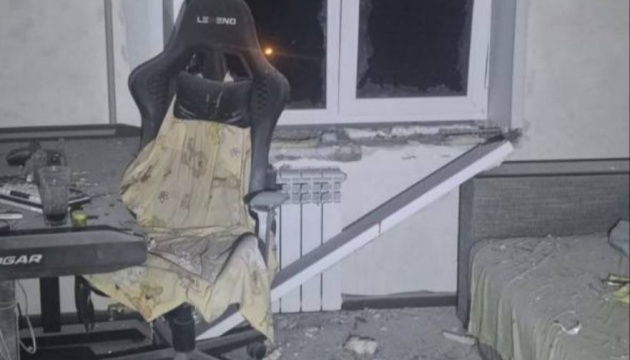

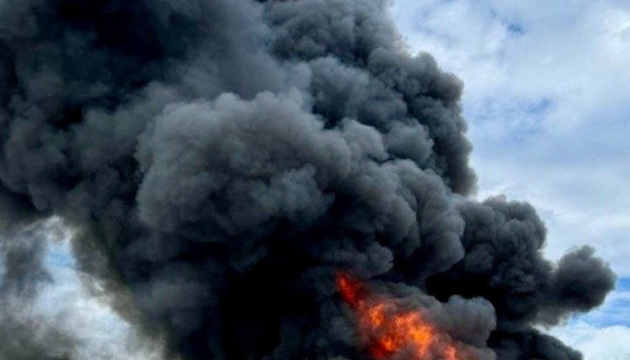
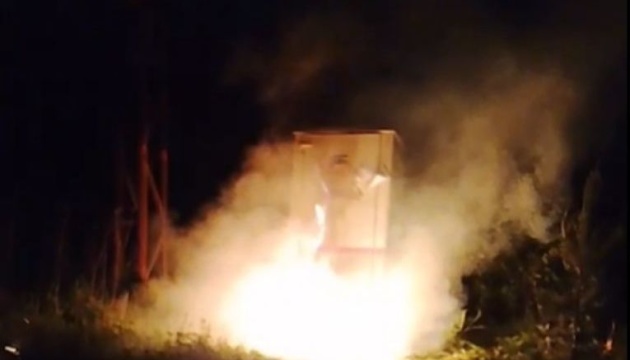
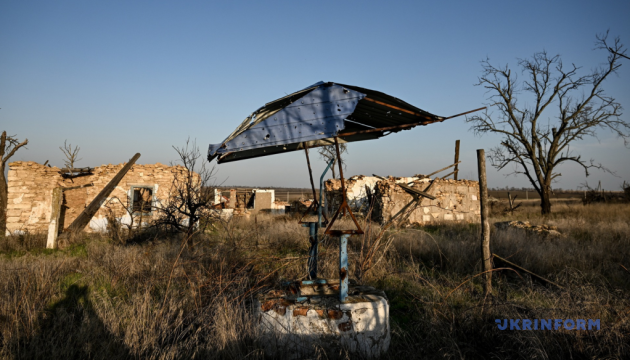
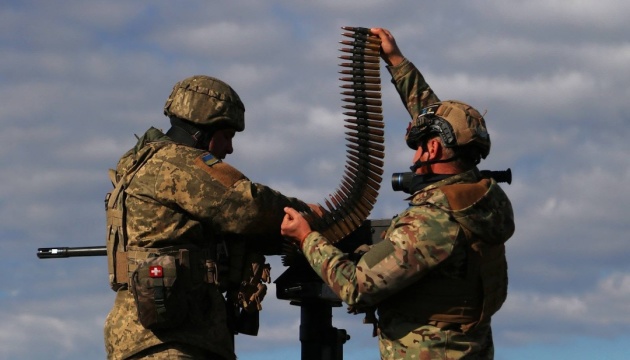

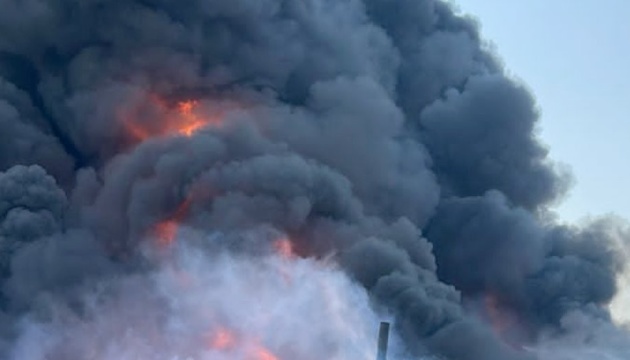
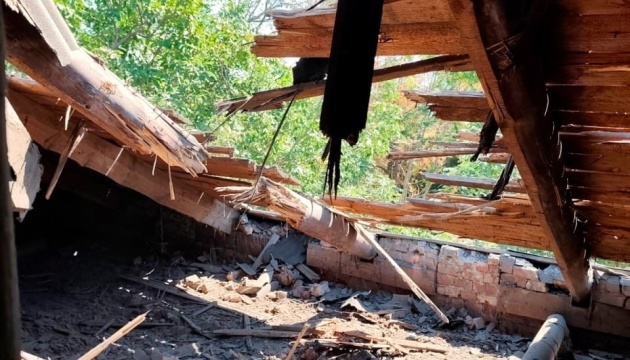
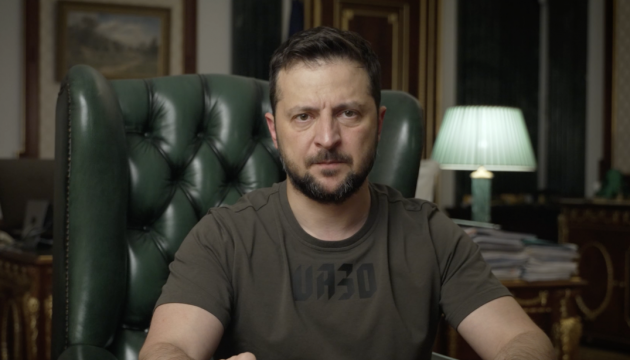
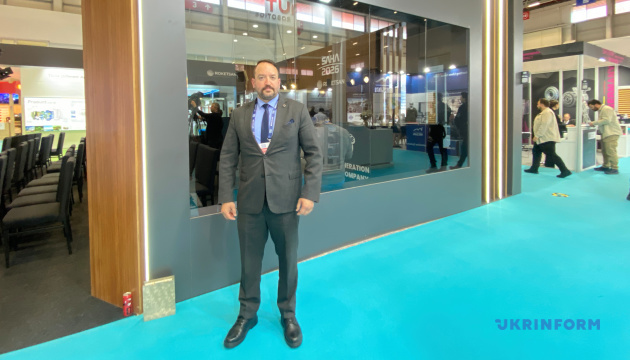
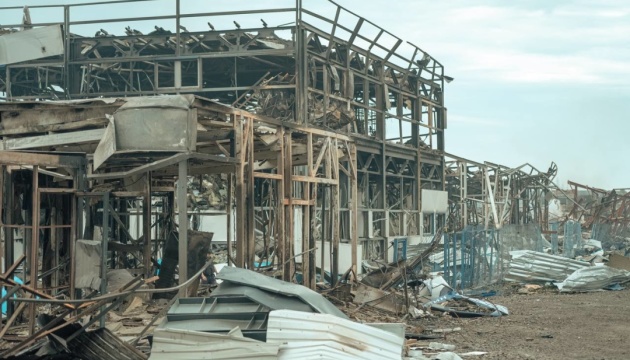
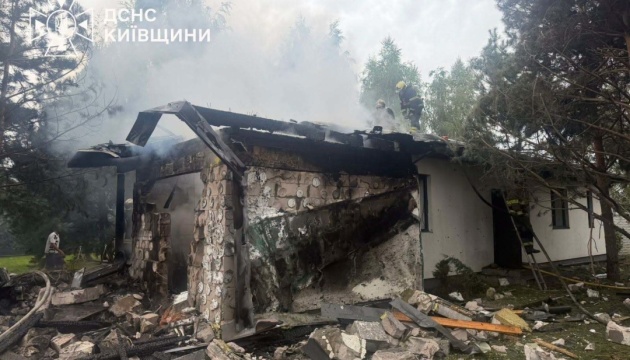
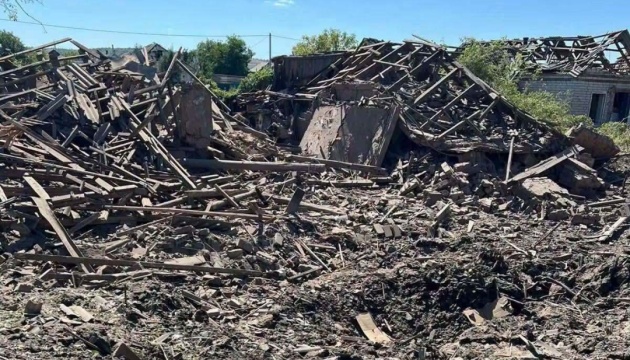
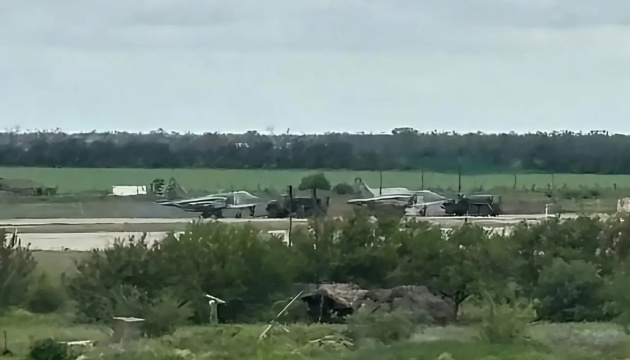

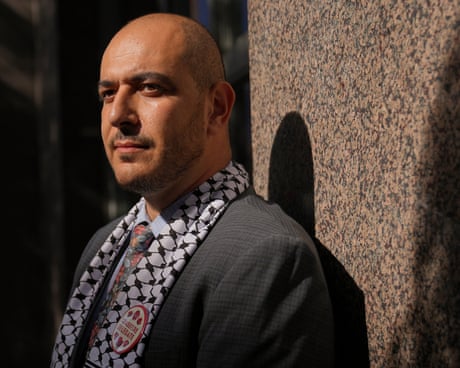
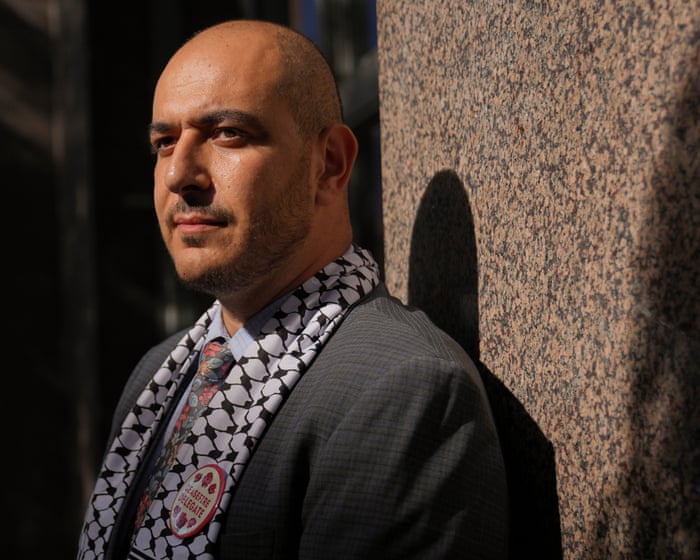
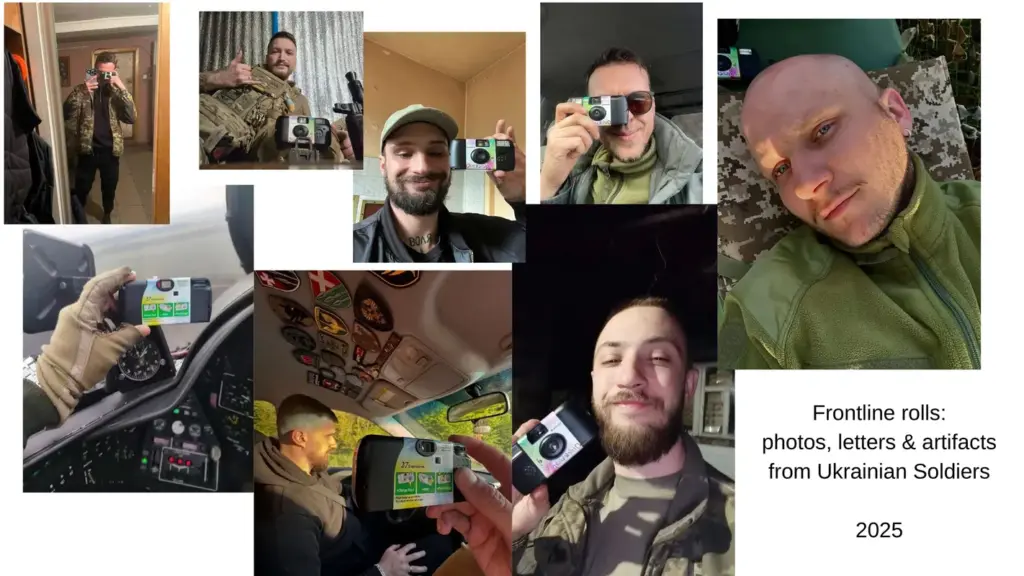

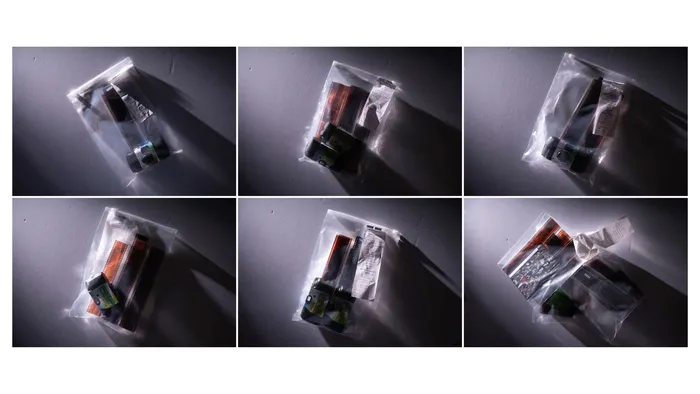
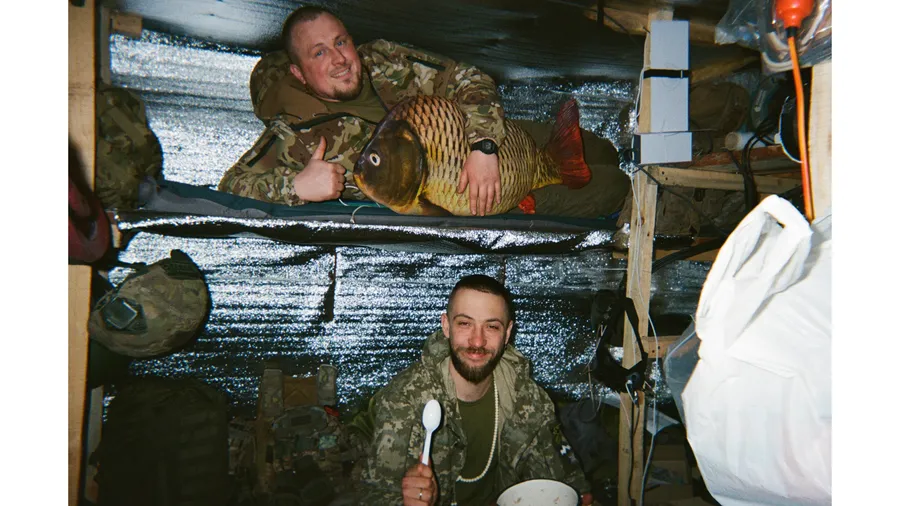
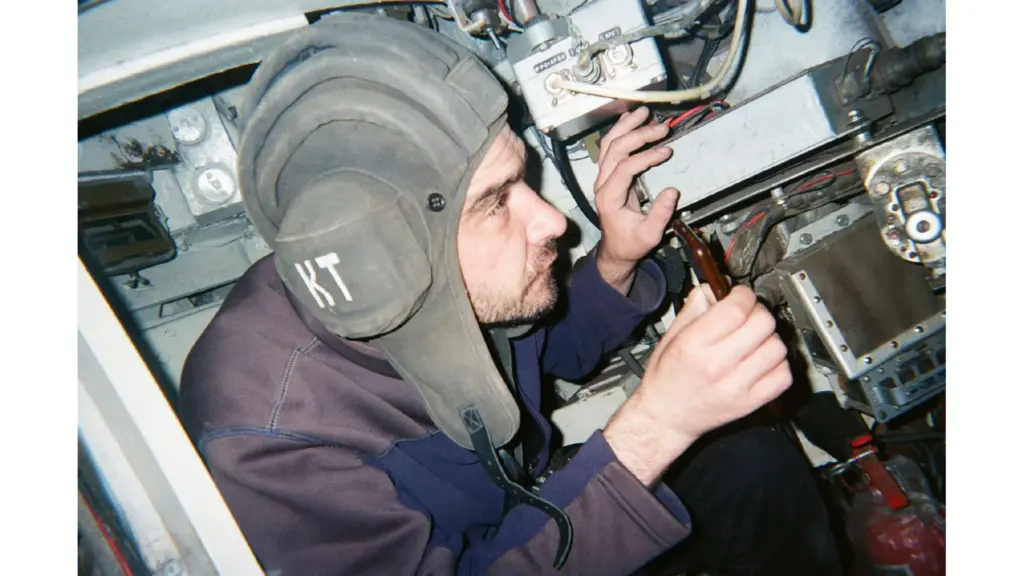
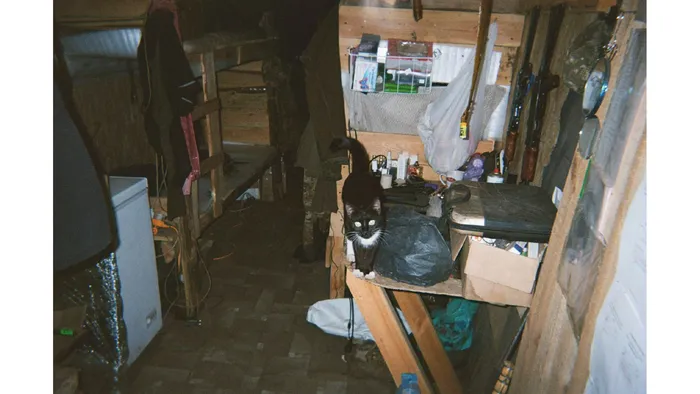
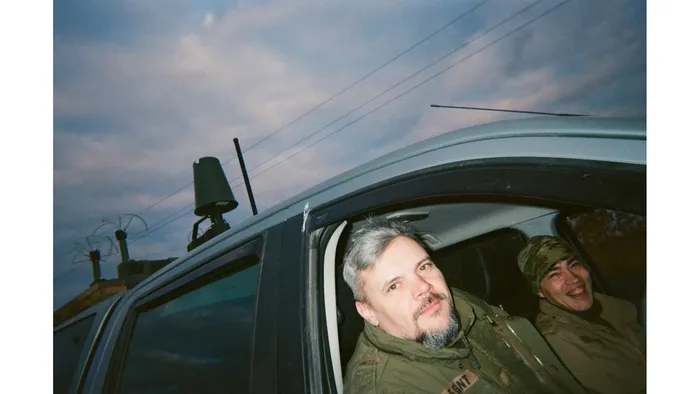
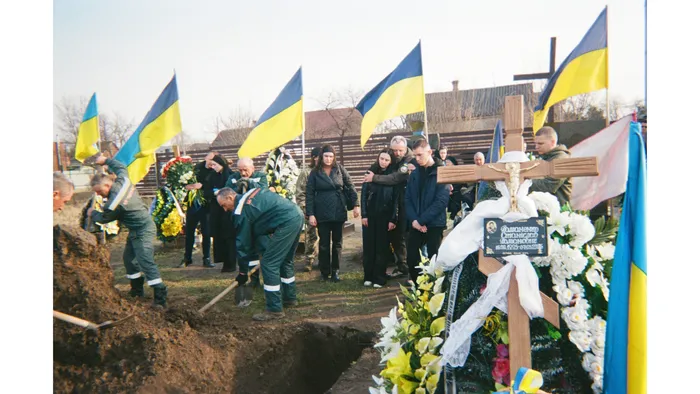
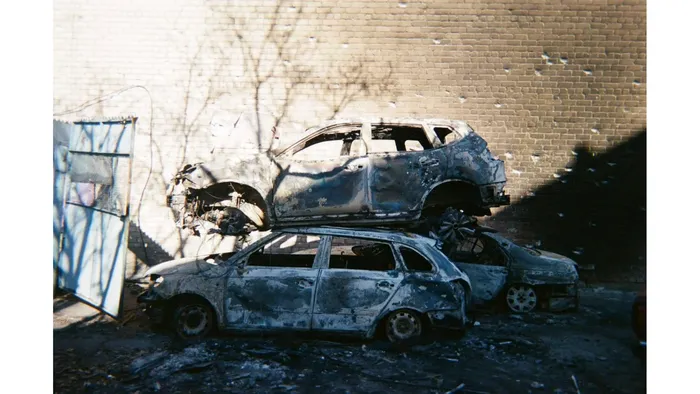
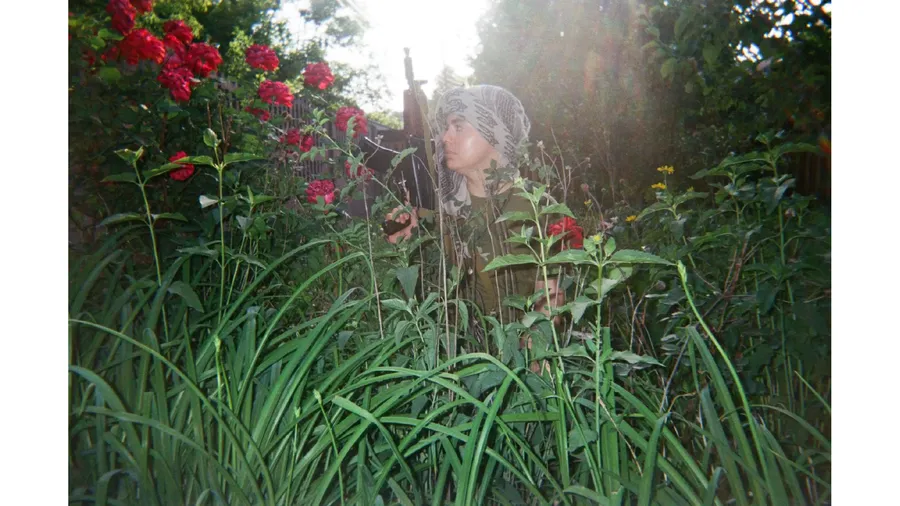
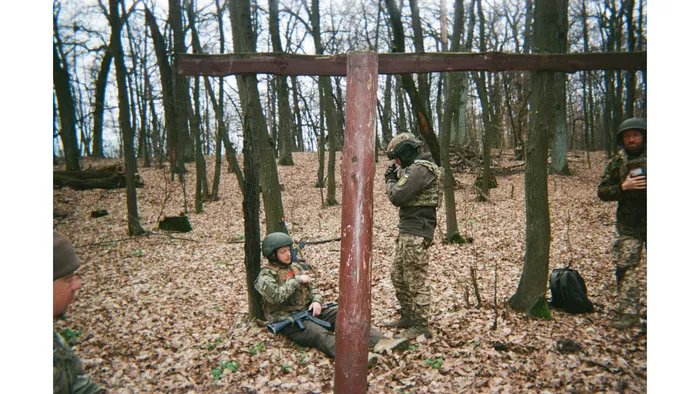
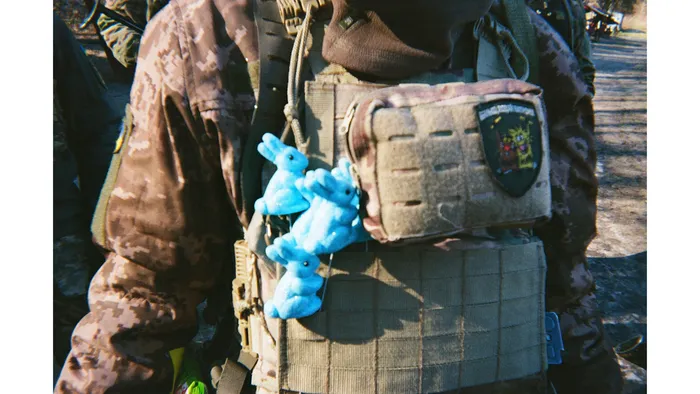
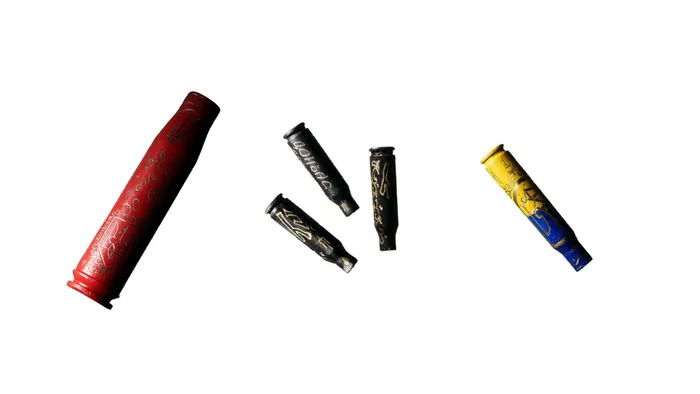
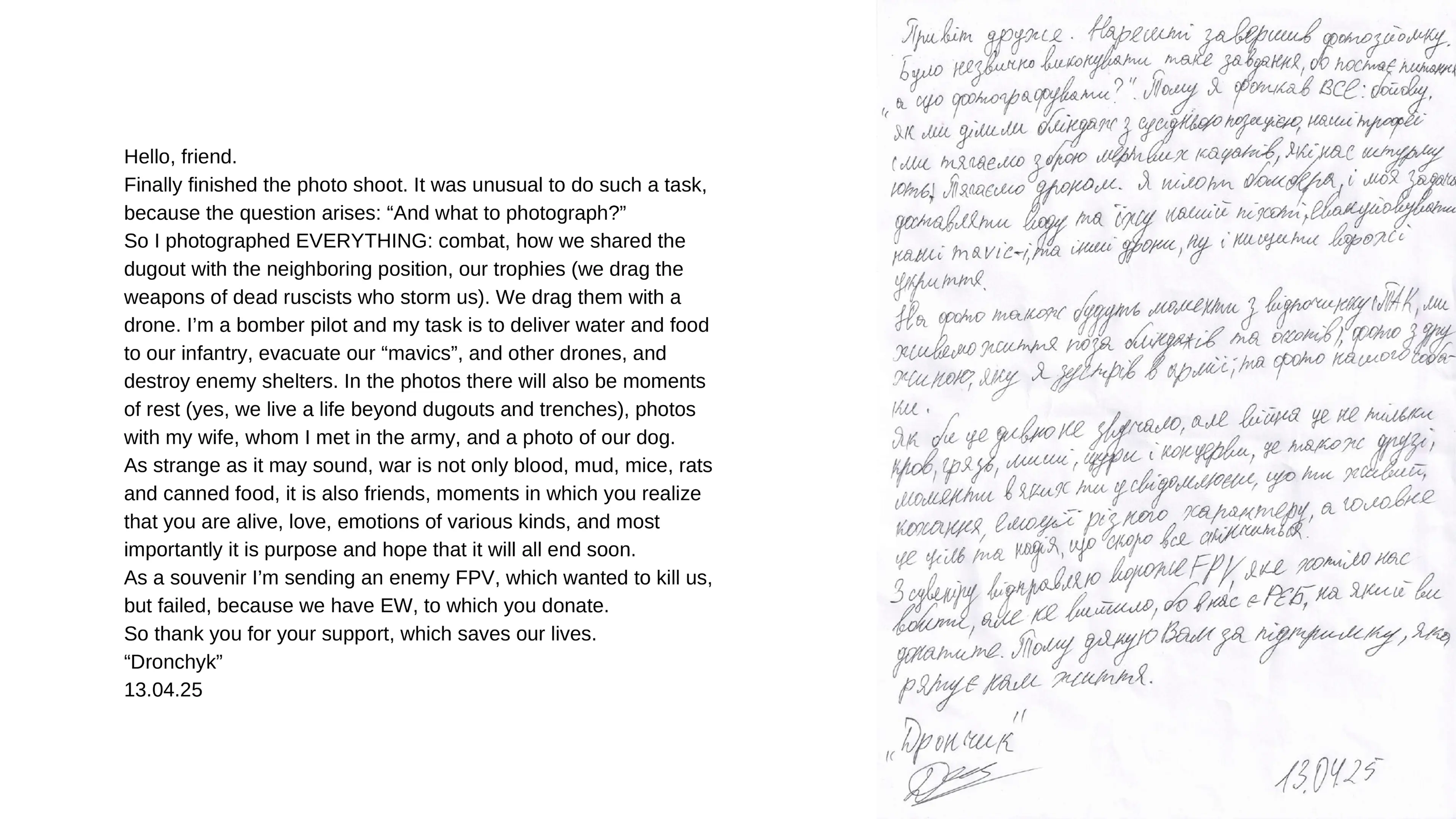
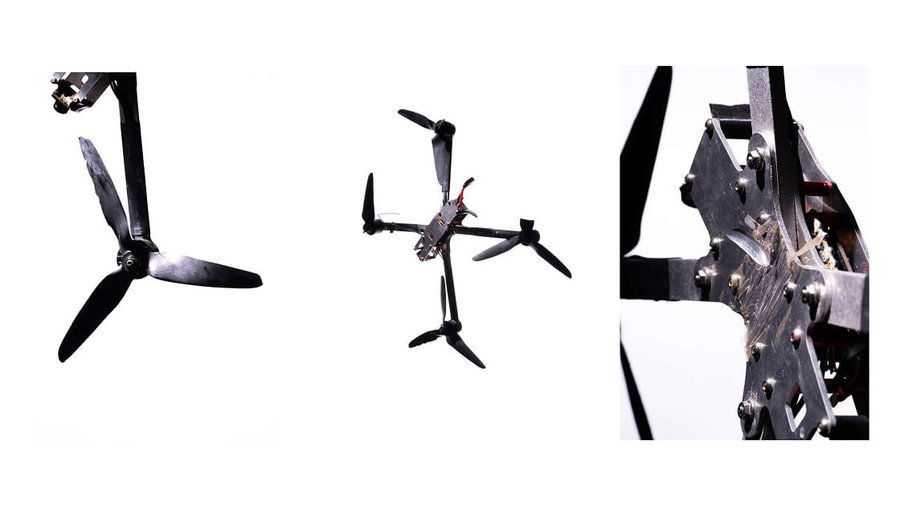
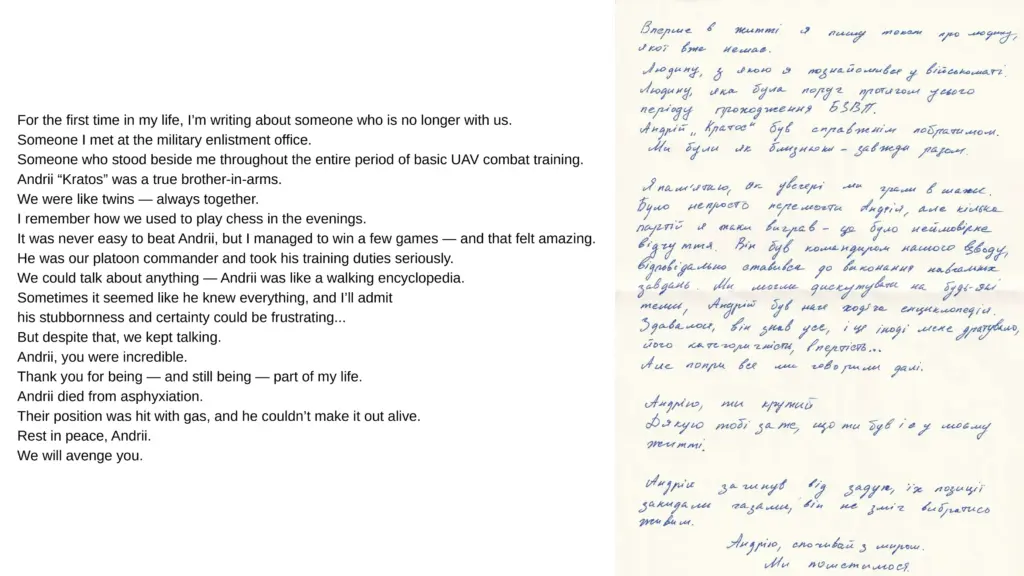
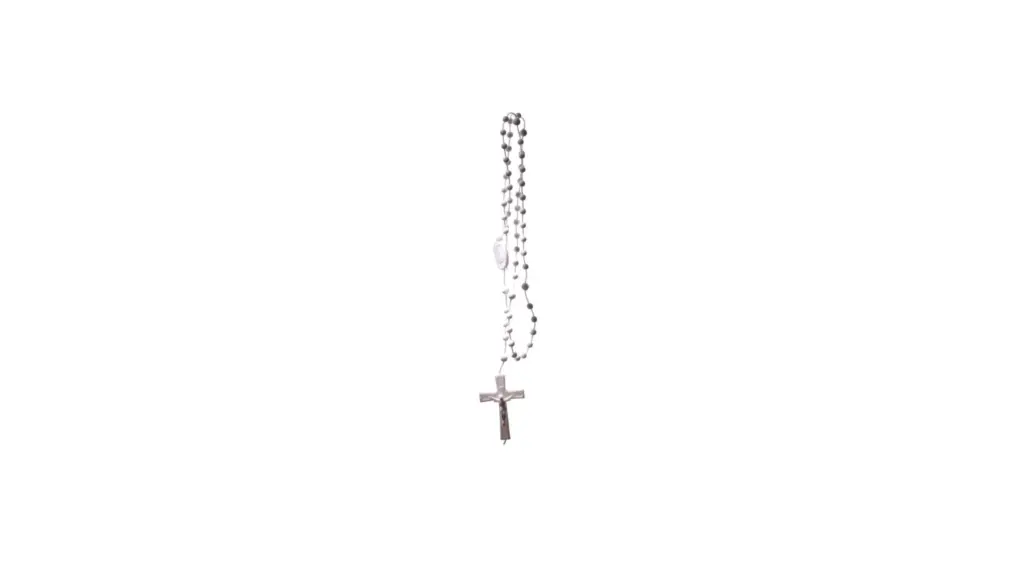
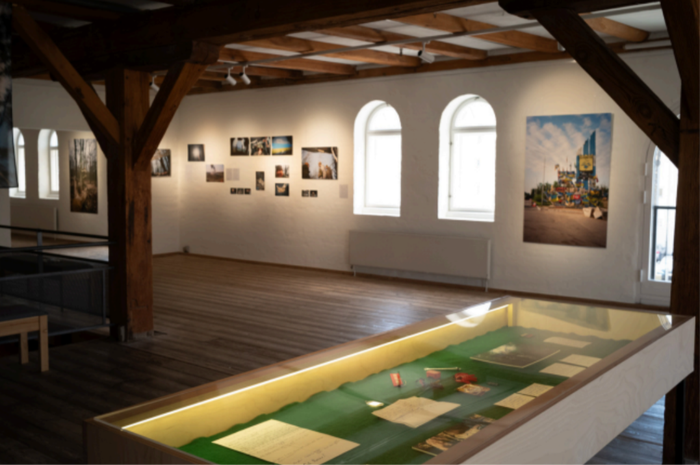

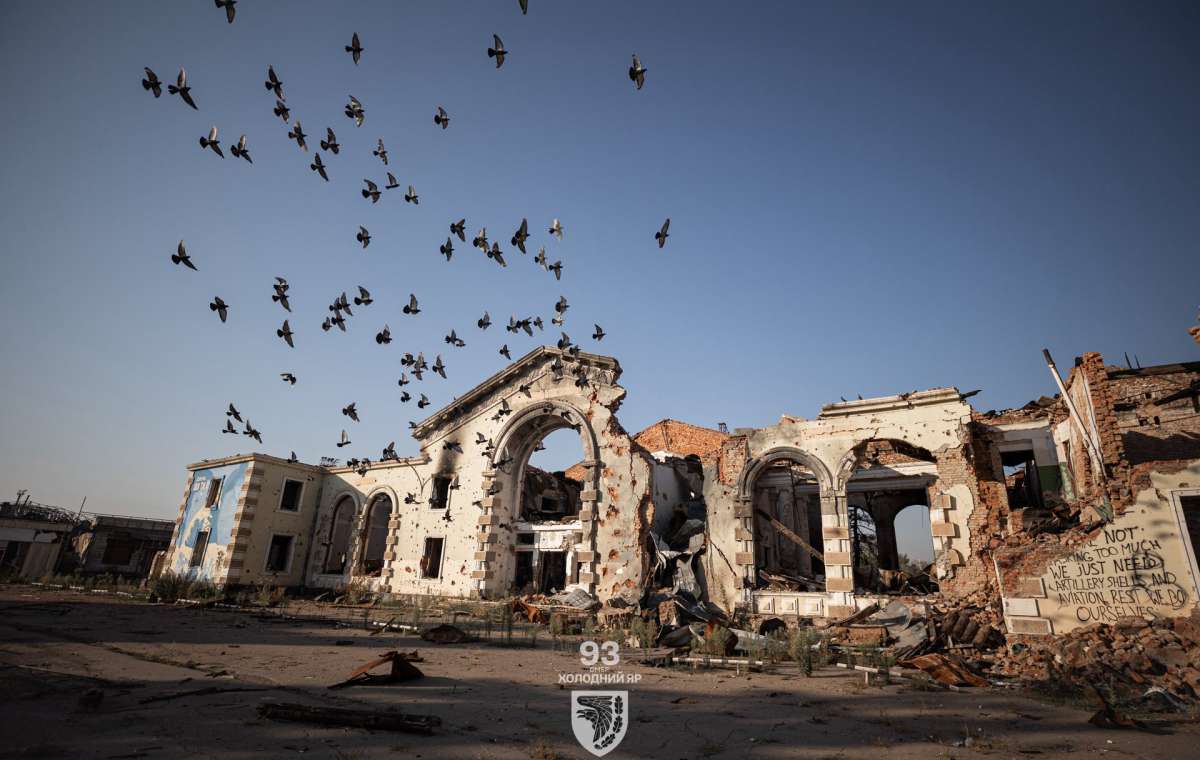
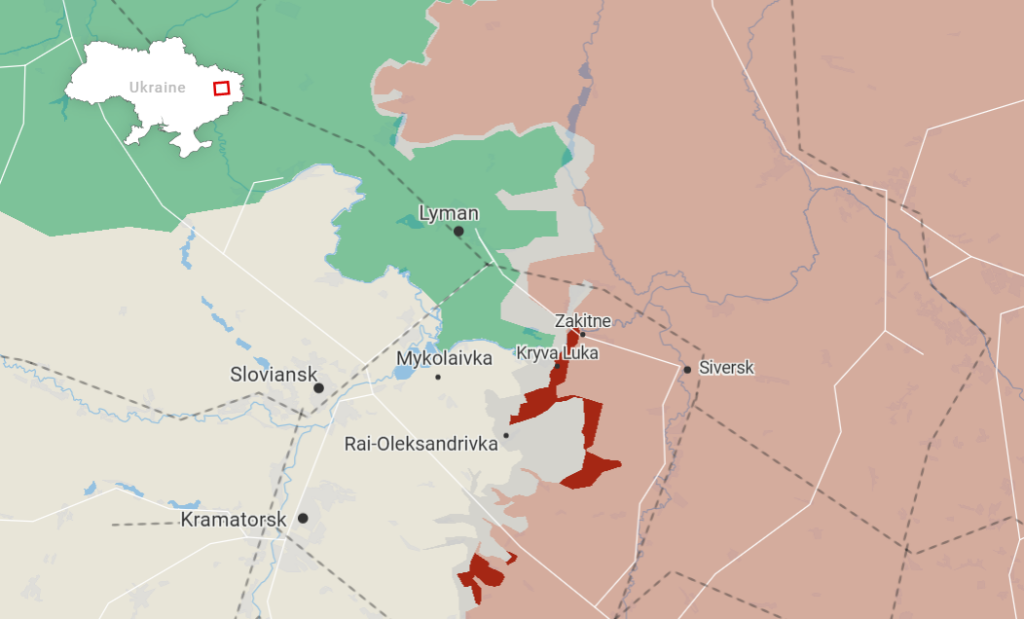
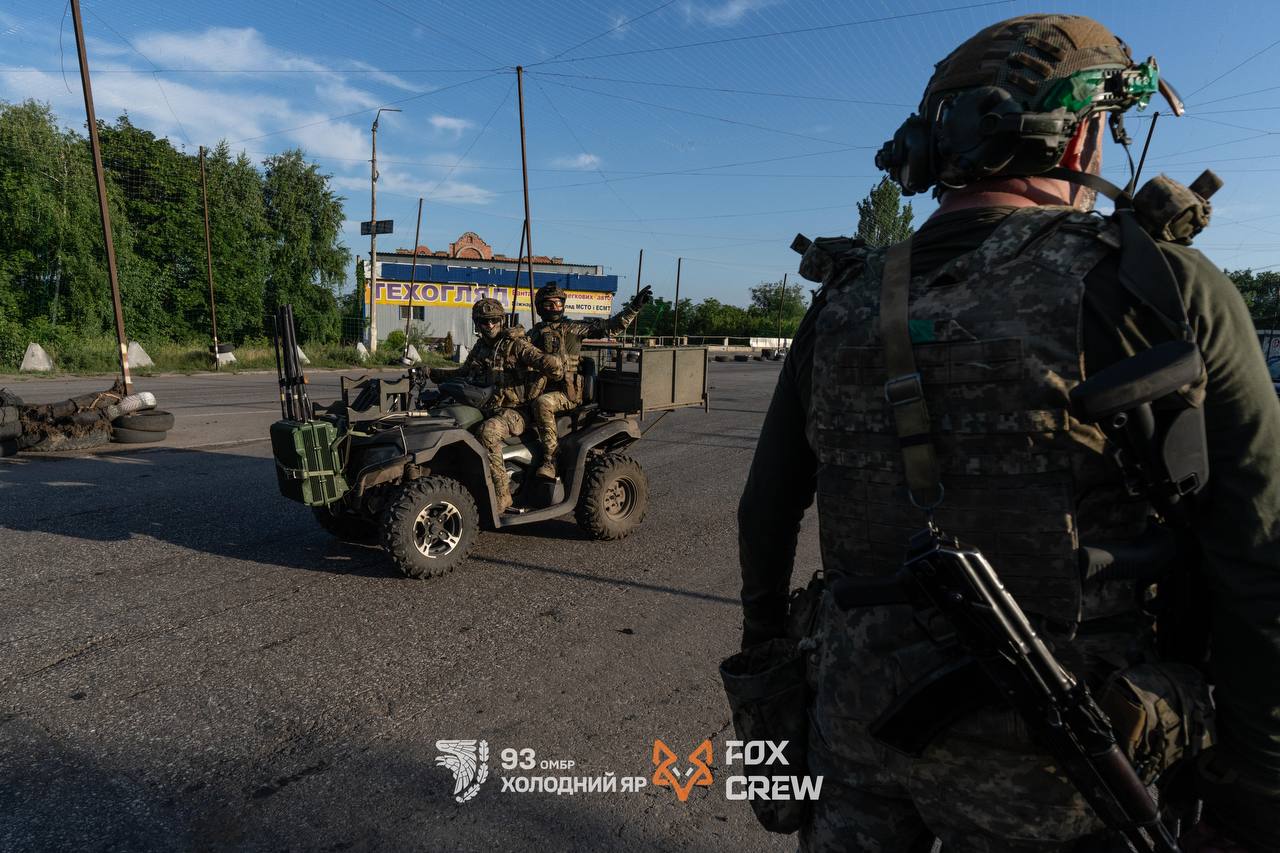

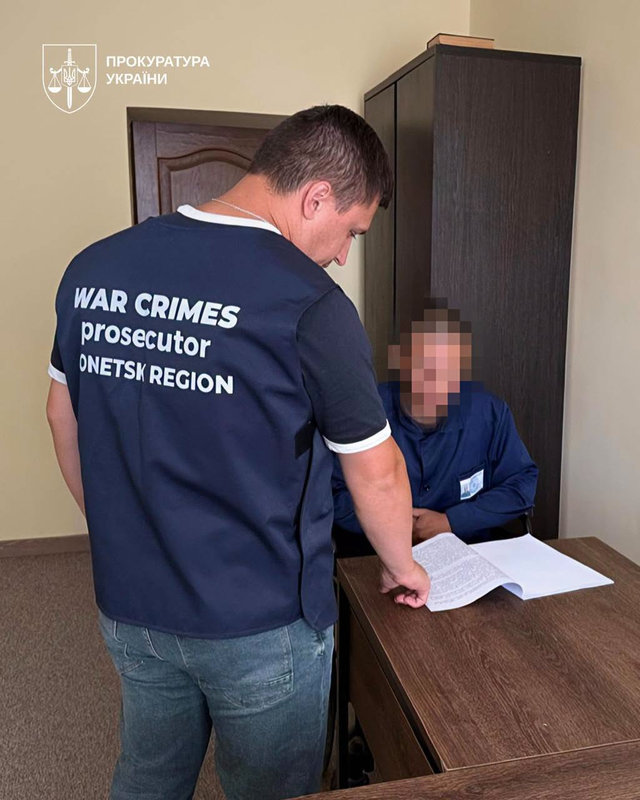
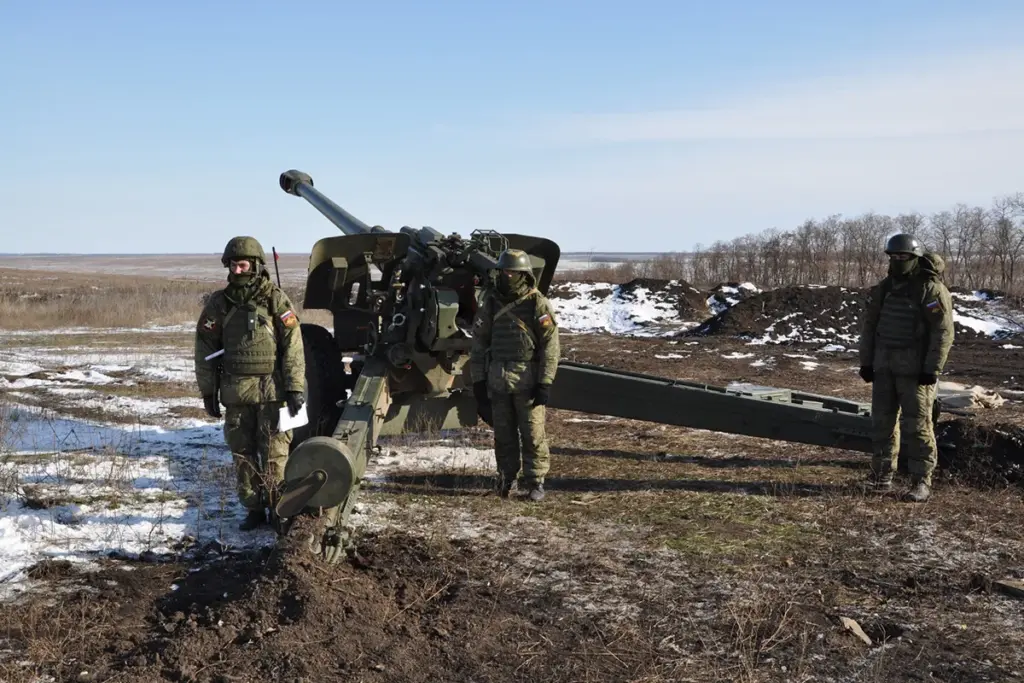


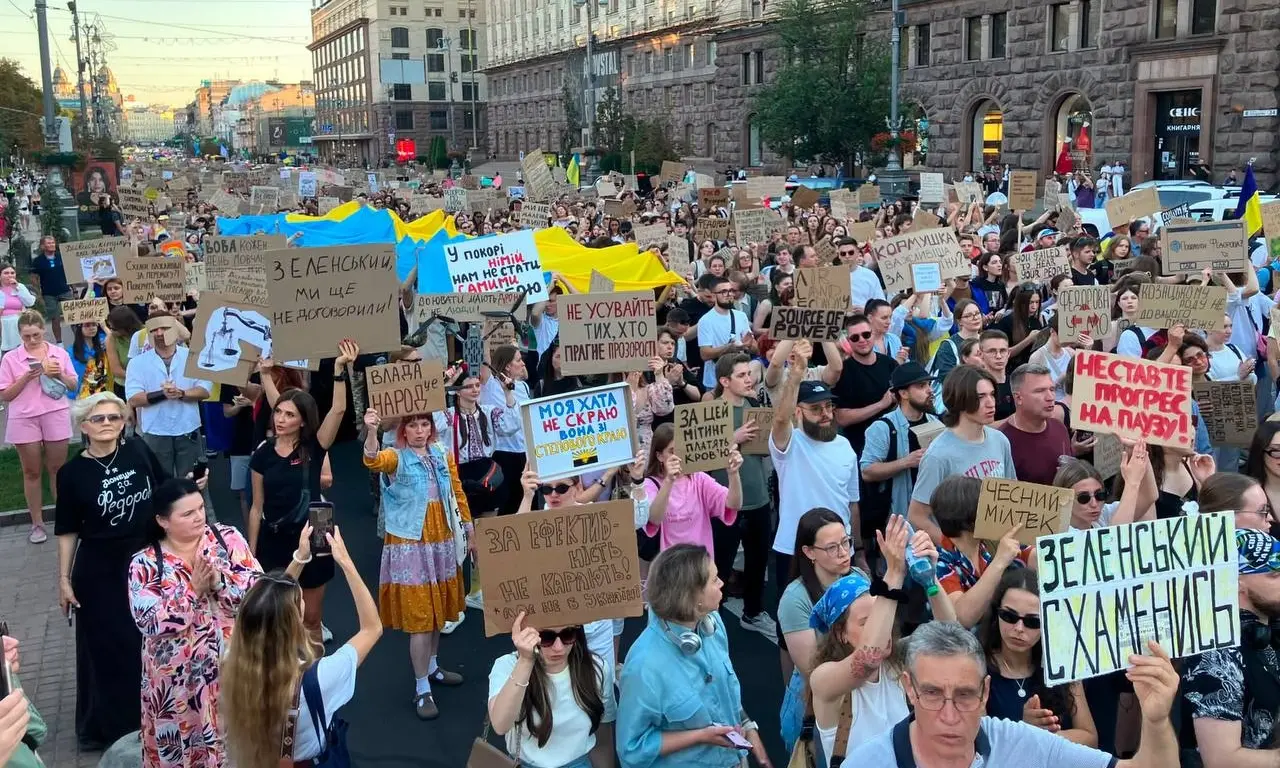
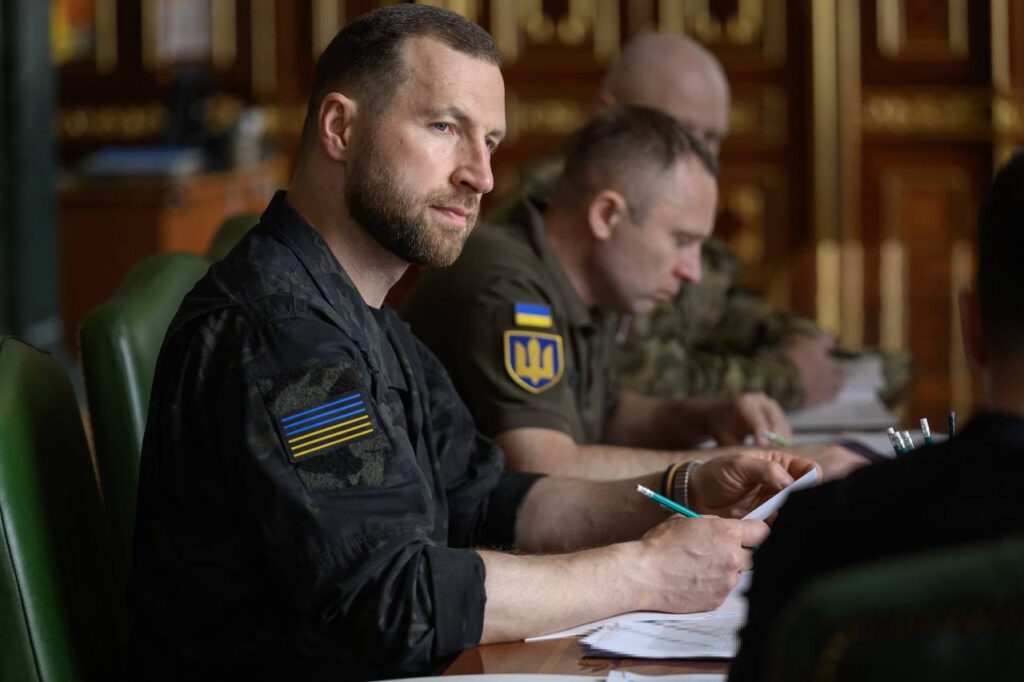
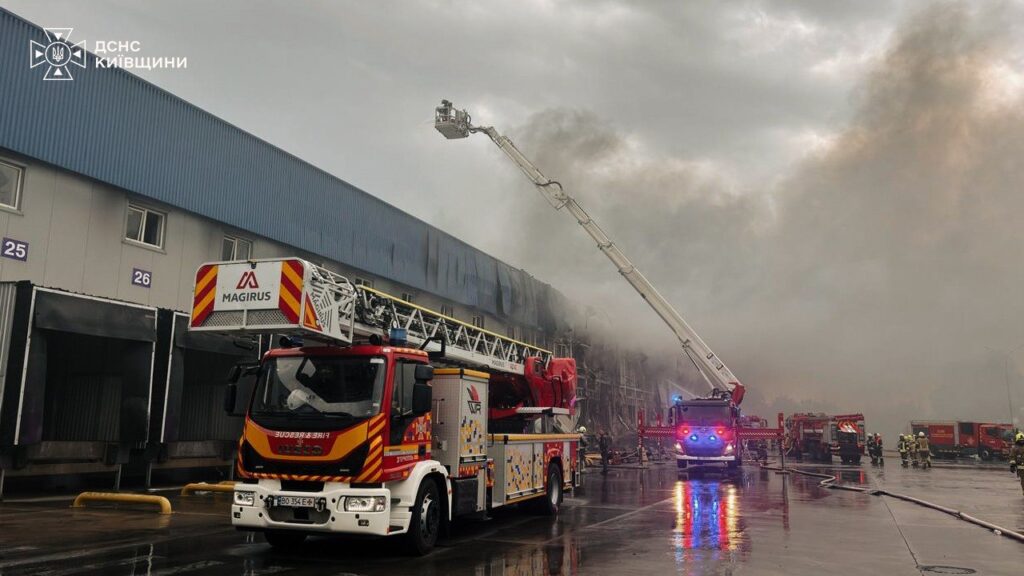
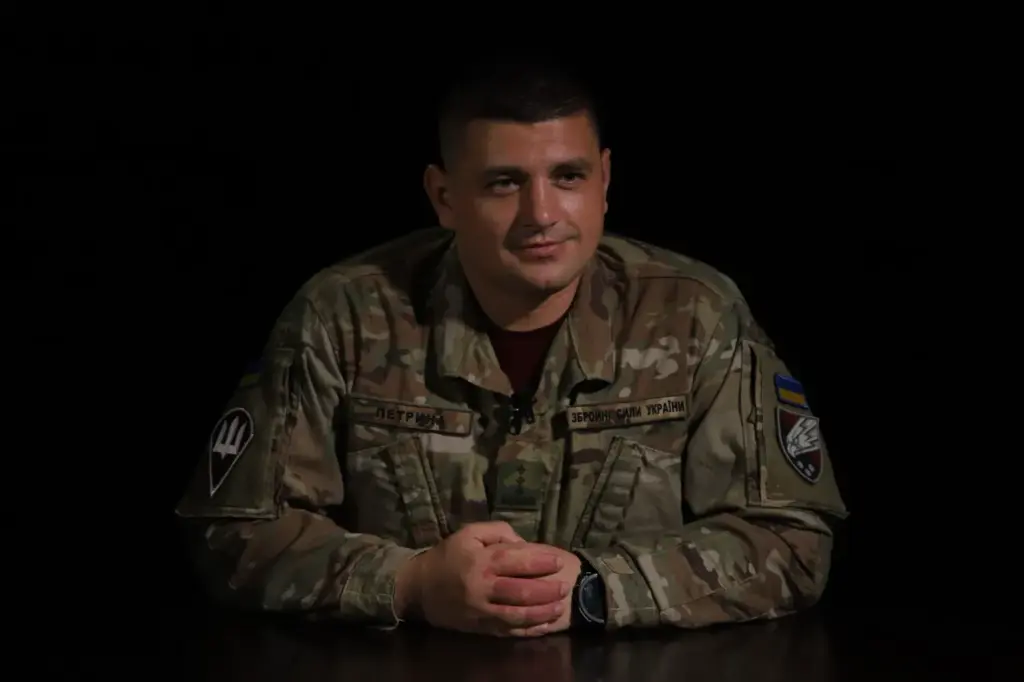
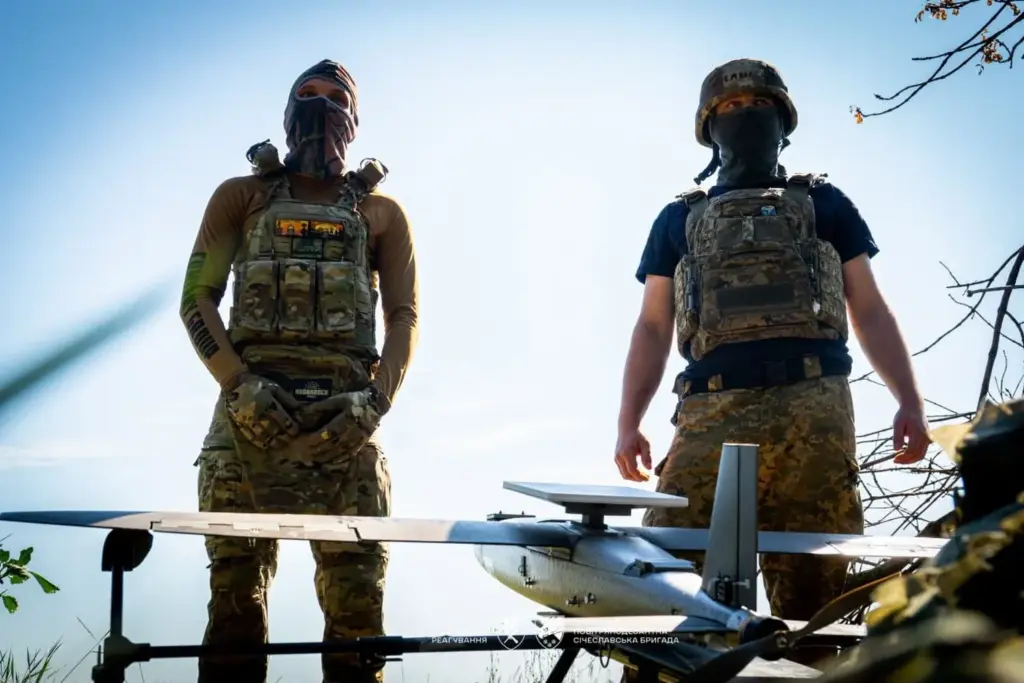
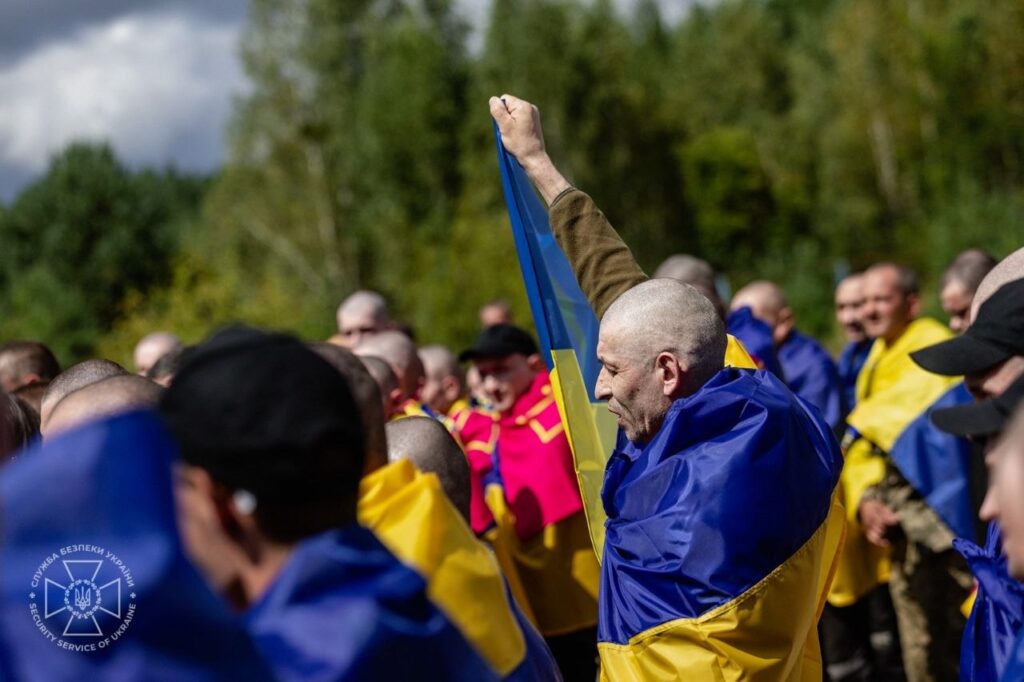
SBU pic.twitter.com/nr5VabHYtQ