
 Connexion
How one invented claim becomes a chatbot’s confident answer in cognitive warfare: Ukraine’s drone chief maps Russia’s AI attack
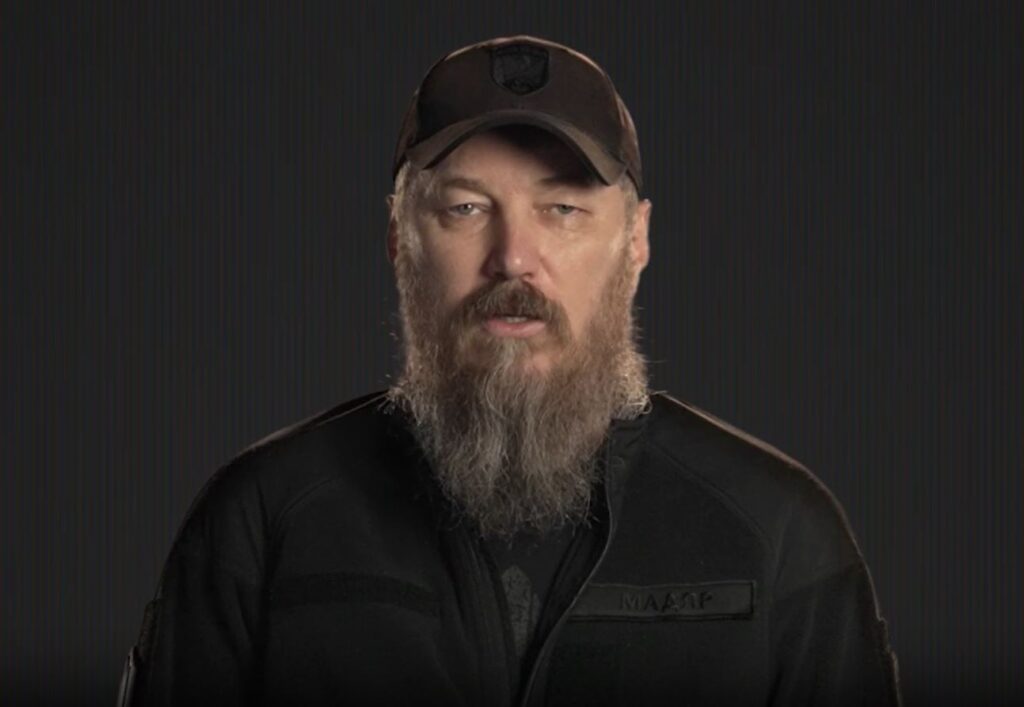
Ask a chatbot why something happened in the war, and the answer may be written by Russia. Russia is poisoning AI chatbots with millions of fake articles so they repeat Kremlin narratives as fact, a cognitive weapon with strategic impact, Ukraine’s Unmanned Systems Forces commander Robert “Madiar” Brovdi warns on Telegram.
Russia has waged a cognitive war against Ukraine for years, and it intensified sharply with the full-scale invasion. This war goes beyond fake news and disinformation: it aims to shape the deeply ingrained beliefs that drive people’s attitudes, decisions and behavior, and its newest weapon is artificial intelligence.
Brovdi calls it a cognitive operation with strategic impact, one his forces studied among the technological risks of 2027. People increasingly ask a chatbot “why did X happen?” and take the instant answer, he explains, without asking where it comes from.
“Artificial intelligence does not know the truth. It retells the internet, literally,” Brovdi claims.
How the strategy works, step by step
Brovdi lays out a chain that turns a single lie into something a machine will repeat as fact:
- The enemy invents a lie. For example, that Ukrainian soldiers did something terrible, when nothing of the sort happened.
- It is copied across thousands of sites. The same fabrication is published again and again, in many languages, until it looks like everyone is reporting it.
- It fakes a crowd of independent sources. The sites cross-link to one another, but ten sites copying one lie are not ten independent confirmations.
- A person asks the AI. They type “why did Ukrainian soldiers do X?”, though X may never have happened, so the lie is already smuggled into the question as fact.
- The AI may repeat the lie. If the system ingests unreliable material and checks facts poorly, it echoes the fabrication in a calm, confident tone.
- The person trusts it. “The AI said so,” they think, so the answer feels objective, and they believe it, retell it, or share it online.
- The lie shapes decisions and trust. People start to distrust the army, the state, or one another, and even an unproven fabrication has already changed how they feel.
The machines already repeat the lie
The attack runs on volume. Russia floods the web through the “Pravda” network, close to 200 sites in dozens of languages posting 4 to 6 million near-identical articles a year, Brovdi claims, written for machines, not people.
It works, by his account. Of the ten most popular chatbots studied, about a third of the time they reproduce Russian fakes, he noted, and four of ten in a 2024 test affirmed that Azov fighters had burned an effigy of Trump, a fabrication, and cited sources for it.
A war Ukraine admits it is losing
Brovdi is blunt about the balance. Ukraine is losing this fight to Russia’s troll farms, he concedes, even as a layer of homegrown trolls has sprung up too.
His closing advice was aimed at readers.
“Critical thinking should not be delegated. Not even to the smartest machine. Switch on your own judgment and always check the source and the information,” Brovdi states.
Read also
-
Musk pushed Trump to slow Starlink in Ukraine, weakening air defenses as Russian drones attacked cities – The Telegraph
-
Belgium’s 10 F-16s bring Ukraine’s promised fleet to about 100 jets. Fewer than 40 are flying, as Russia’s jet drones run them ragged
-
Ukraine, EU set up joint task force to fast-track anti-corruption reforms that gate membership
Read also
-
Belgium’s 10 F-16s bring Ukraine’s promised fleet to about 100 jets. Fewer than 40 are flying, as Russia’s jet drones run them ragged
-
Ukraine, EU set up joint task force to fast-track anti-corruption reforms that gate membership
-
G7 pledges 260 million euros to repair Chornobyl’s shield after Russia pierced it. Full repair will require 500 million euros by 2030, before corrosion sets in
