Connexion
Reuters: The Patriot deal Trump denied is quietly still alive
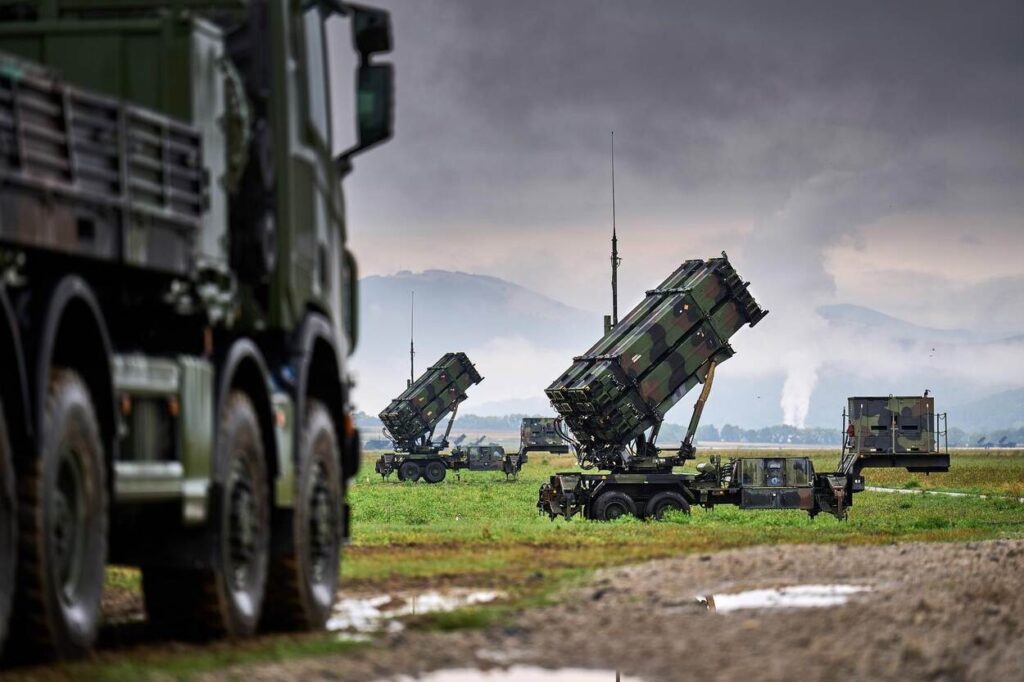
US negotiators have quietly kept a deal to let Ukraine help build Patriot interceptor missiles alive, even after US President Donald Trump publicly cast doubt on it, Reuters reported. Four people familiar with the talks said Washington never ordered them stopped. Ukraine, running low on air defenses, urgently wants the missiles to blunt Russia's growing ballistic strikes.
Russian daily drone attacks forced Kyiv to chase air defense from every direction at once, including home-grown interceptors. But this year, Moscow has increasingly turned to ballistic missiles, the hardest weapons for Ukraine to stop. US-supplied PAC-3 interceptors fired by Patriot systems are among the few weapons that can reliably shoot them down, and Ukraine has now run out.
The talks Trump seemed to kill
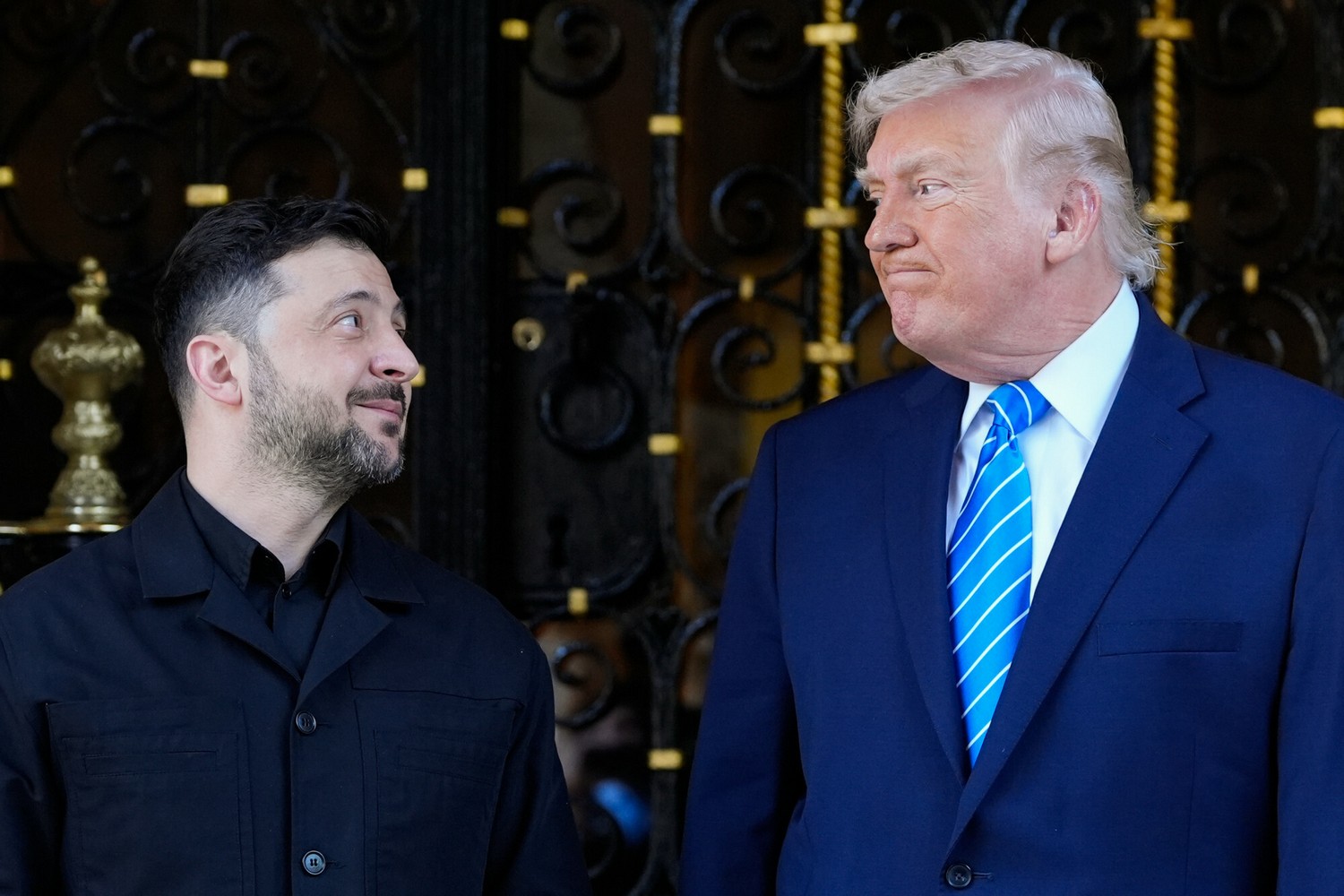
Last week, Trump appeared to reverse course, telling reporters the US had not agreed to let Ukraine build Patriots and must be "very careful about letting somebody build them."
According to Reuters, two sources tied that to a tense White House meeting with Zelenskyy. Yet the negotiations pressed on.
"No order was given to halt the discussions," one source said, adding that talks continued with US arms makers and military officials.
Matthew Whitaker, Washington's envoy to NATO, is leading the drive for a deal. He visited Kyiv last month to weigh options with Ukrainian officials and weapons executives. His spokesperson framed the trip around drone collaboration that would benefit US forces, without naming the Patriot plan.
A senior administration official told Reuters that any agreement must protect US technology.
What Ukraine could build
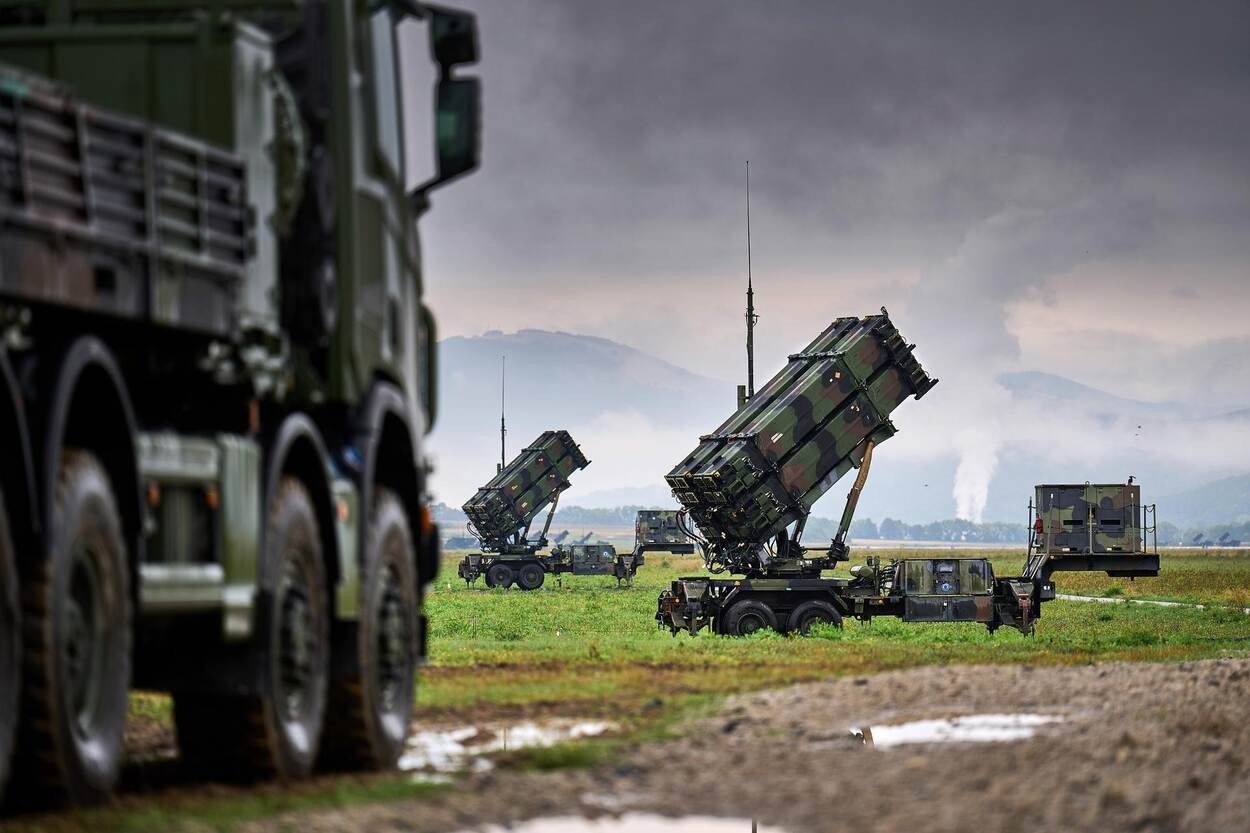
The options include making Patriot components in Ukraine and shipping them to Germany for final assembly, the sources said. A US official called that the most feasible route. Germany already produces an older Patriot model, and the advanced PAC-3, the newest Patriot interceptor, is expected to follow.
Ukraine could instead join an existing US-European Patriot program, or build a cheaper version of the PAC-3.
It might also tap Lockheed Martin's new lower-cost interceptor, the PAC-3 ACE, unveiled last month.
A promise made, then pulled back
During a meeting with Zelenskyy in Ankara last month, Trump said the US would license Ukraine to make PAC-3s. His later reversal caught many off guard, including Zelenskyy. In a follow-up call, US Vice President JD Vance assured him that deals between presidents would hold, one source said.
Ukraine's clock is running
Even with a deal, Ukraine would not receive newly built interceptors for a year or more. So Kyiv is urging allies to hand over some of theirs and exploring swaps to get missiles sooner.
Earlier, Zelenskyy warned that Ukraine had run out of Patriots. That day, it intercepted just one of 27 ballistic missiles Russia fired.
Global stocks of high-end interceptors have shrunk since the Iran war, with Patriots once bound for Ukraine diverted to US forces and Gulf allies.