Connexion
Russia’s mass drone attacks on Ukraine have a goal—likely Ukraine’s capitulation by spring 2027, ISW says
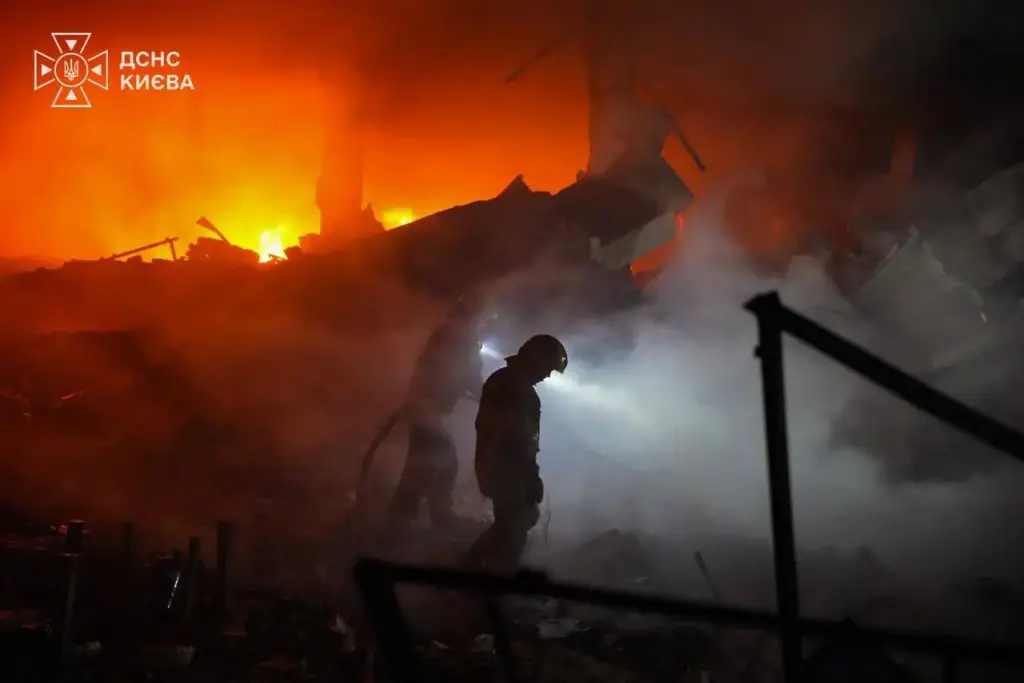
Russia is likely attempting to force Ukraine to capitulate by spring 2027 through a large-scale campaign of long-range strikes, the Institute for the Study of War (ISW) said in its 27 September report. Russian President Vladimir Putin's new theory of victory relies heavily on the mass use of jet-powered drones and ballistic missiles against Ukraine, the institute assesses.
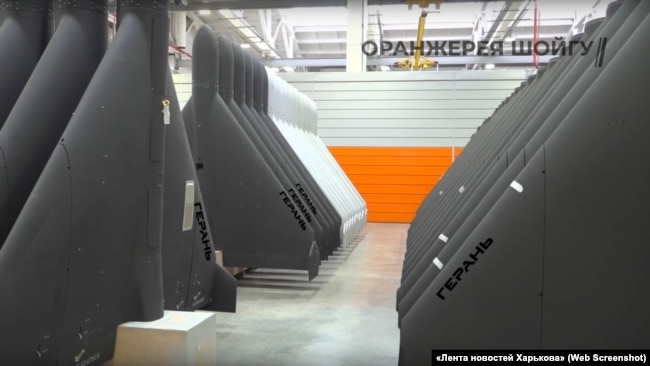
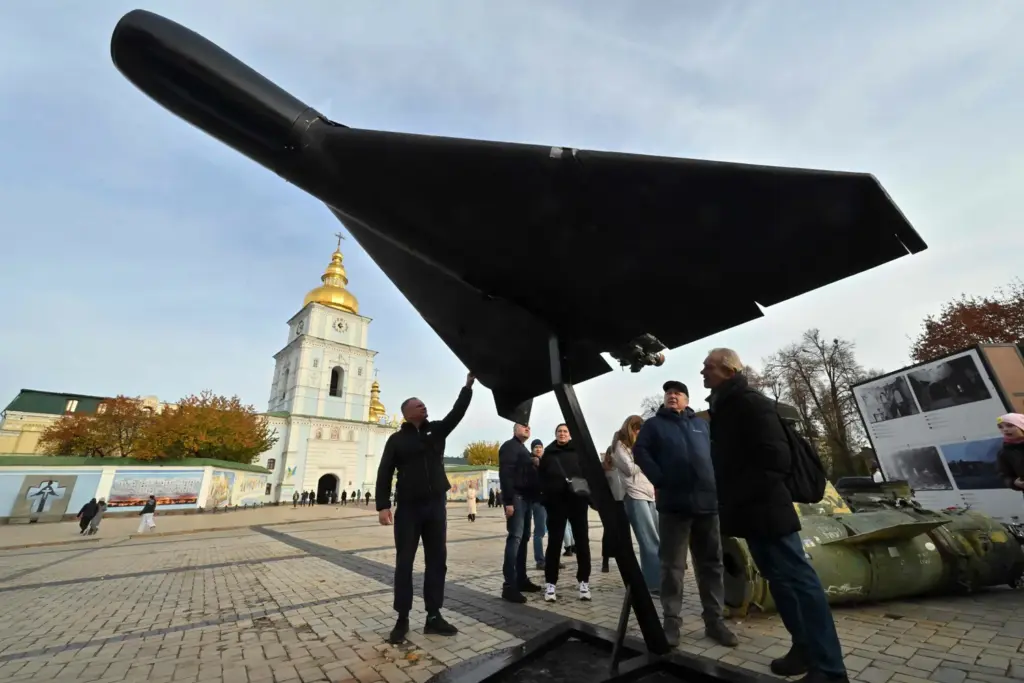
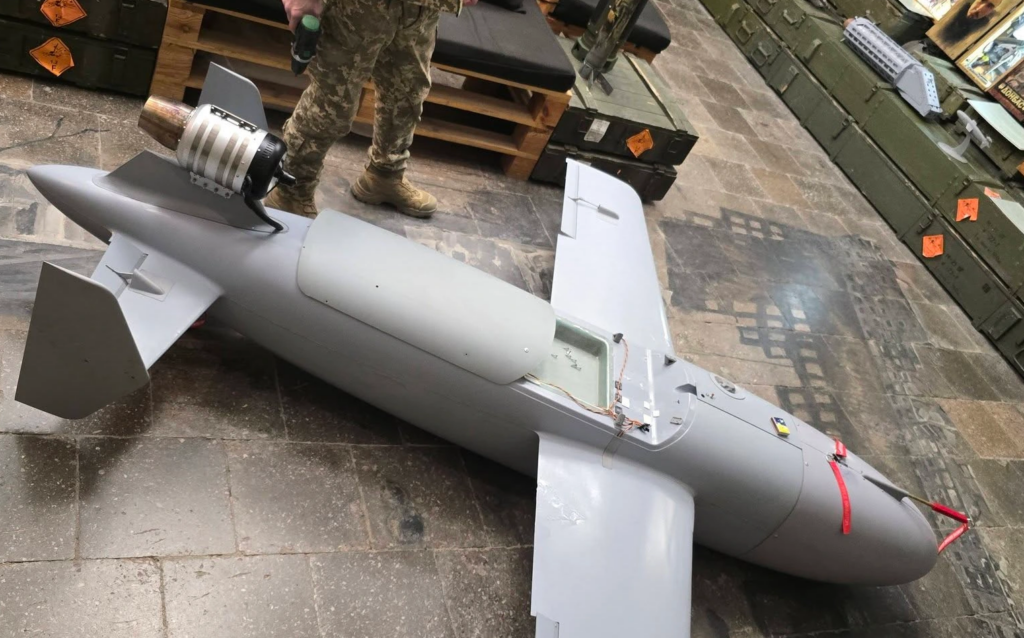
Russia keeps shifting to faster jet-powered drones that Ukraine's defenses struggle to stop, forcing it to spend scarce missiles on them. Russia's use of jet-powered drones rose eightfold from June to August, with Moscow launching around 7,700 such drones since their initial deployment, Ukrainian Air Force spokesperson Yurii Ihnat said on 23 September. But Putin likely does not expect the campaign to last indefinitely, and he may hold off on a new mobilization until he sees whether the strikes work, ISW assesses.
Putin's modified theory of victory
Putin's modified theory of victory largely depends on Russia's ability to mass-launch cheap jet-powered Gerans that get through Ukrainian defenses often enough, the institute notes.
Even a Kremlin-linked Russian milblogger claimed on 27 September that the Russian strategy, which relies heavily on long-range strikes, is costly and cannot continue indefinitely, not least because Ukraine is hitting Russia harder too, according to the analysis.
At the same time, Putin stated on 25 September that Ukraine "must feel" Russia's "retaliatory" strikes. ISW assesses that this suggests he intends to intensify Russia's strike campaign in winter, as he has in previous winters.

If Putin is counting on Ukraine to break and capitulate this winter, he may be ignoring what the campaign will cost Russia over time, the institute notes. This strategy also counts on Ukraine's shortage of Patriot interceptors against ballistic missiles, and on the country's power grid and other vital systems giving way under months of strikes.
Until that approach runs out, Putin is unlikely to back down on his demands or agree to real ceasefire talks, ISW assesses.
Ukrainian interceptors could disrupt Russia's plan
A Kremlin-linked Russian milblogger claimed on 27 September that Russian forces launched predominantly jet-powered Geran-5 drones at Odesa, Mykolaiv, and Kyiv during the night of 26–27 September. According to the blogger, Russia's diverse arsenal of strike weapons and Ukraine's shortage of air defense assets allow Russian forces to maintain the current pace of strikes and expand the range of targets, ISW writes in its analysis.
At the same time, Ukrainian President Volodymyr Zelenskyy said on 26 September that Ukraine's interception rate for jet-powered Shahed drones currently stands at 55%. Of more than 2,730 such drones Russia had launched in September by then, Ukrainian forces had downed or suppressed more than 1,500, he added.

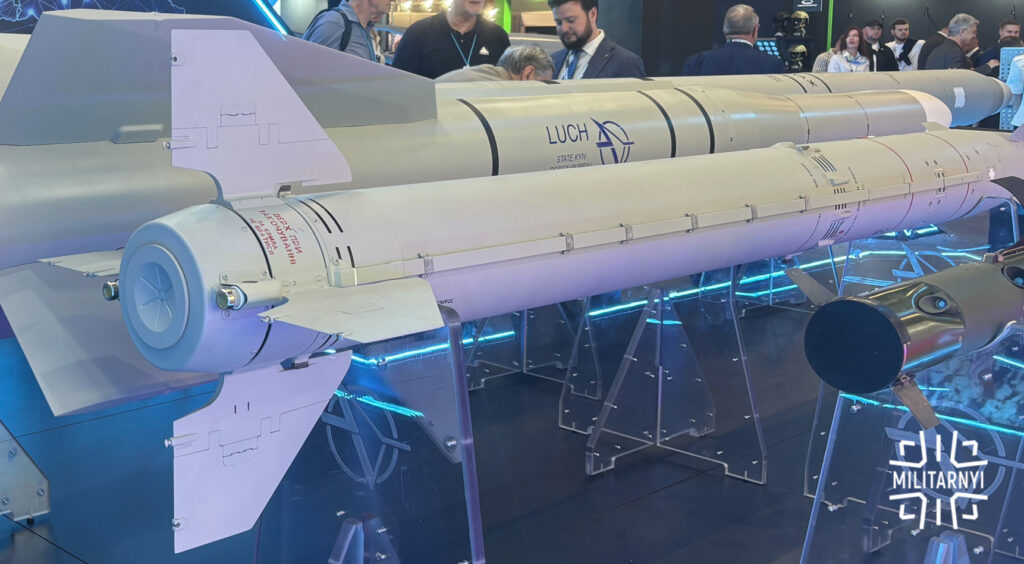
Ukraine is testing interceptor drone prototypes in combat conditions, Ukrainian Presidential Office head Kyrylo Budanov told Novyny.LIVE on 27 September. The mass deployment of interceptors capable of shooting down jet-powered Gerans could begin within several months, he added. Ukrainian companies have already successfully tested several interceptor drones capable of intercepting Russian jet-powered drones in field conditions, the institute notes.
At the same time, it remains unclear whether Ukraine will be able to scale up its interceptor program quickly enough and achieve sufficient success to disrupt the intensification of Russia's campaign during the winter, ISW notes.
Why Putin may hold off on a new mobilization
Expanding Russia's arsenal of strike weapons is cheaper than carrying out a second mobilization economically, militarily, and socially, a Kremlin-linked Russian milblogger cited by the institute claimed.
Putin may put off large-scale forced mobilization until he sees whether the strikes deliver, ISW assesses, though his officials have been laying the groundwork for it despite Kremlin denials. Still, the need to replace Russia's enormous battlefield losses could push him to order such a mobilization as early as this fall, ISW notes, as Ukrainian and other sources have repeatedly reported he is preparing to do.