Amid a trade war, Canada’s Liberals swept three special votes and new polling suggested strong support for Prime Minister Mark Carney and his retaliatory tariffs against the U.S.
Amid a trade war, Canada’s Liberals swept three special votes and new polling suggested strong support for Prime Minister Mark Carney and his retaliatory tariffs against the U.S.
Government bond yields are hitting multi-decade highs, reflecting anxiety about debt levels, deficits and inflation. The effects will extend to mortgages, business loans and other types of credit.
Government bond yields are hitting multi-decade highs, reflecting anxiety about debt levels, deficits and inflation. The effects will extend to mortgages, business loans and other types of credit.
Ukraine's former defense minister Mykhailo Fedorov has offered to help the United States build a fleet of attack drones if Washington sends Ukraine the Patriot interceptor missiles it needs to get through winter, he told the Financial Times. The idea is Fedorov's own proposal, not a deal, and he holds no government post that would let him negotiate one for Kyiv. He is in Washington mainly to raise American money for a fund that would both invest in Ukrainian defense-tech c
Ukraine's former defense minister Mykhailo Fedorov has offered to help the United States build a fleet of attack drones if Washington sends Ukraine the Patriot interceptor missiles it needs to get through winter, he told the Financial Times. The idea is Fedorov's own proposal, not a deal, and he holds no government post that would let him negotiate one for Kyiv. He is in Washington mainly to raise American money for a fund that would both invest in Ukrainian defense-tech companies and build new ones of its own.
Over the past year, Ukraine's partners have shifted from handing over weapons off their shelves to funding and co-producing Ukrainian-designed drones and missiles, inside and outside the country.
What the fund would do
Fedorov used his working trip to Washington to line up venture funds, entrepreneurs and tech companies as backers, Suspilne reported. The fund would not simply invest in existing Ukrainian defense-tech firms, he wrote; it would also create new companies around the technologies the front line needs most. He set out three targets: battlefield robots to replace soldiers in the most dangerous positions, jet-powered interceptor drones to bring down Russia's faster new attack drones, and cheap missiles that use artificial intelligence. He did not say what his own role would be, or whether he would profit. He said the next step is to assemble a team and launch the first projects.
Explore further
The Fedorov protesters lost. But they backed a man for what he built, not what he promised—and that may be new in Ukraine.
The interceptors behind the offer
Fedorov framed the drone help as a straight swap.
"I'm ready to make that trade," he told the FT.
Ukraine is running low on interceptor missiles for its Patriot batteries, one of the few air-defense systems able to reliably stop Russia's ballistic missiles. Fedorov declined to say whether he would meet anyone from the Trump administration.
Ukraine's ex-minister turns open critic
President Volodymyr Zelenskyy dismissed Fedorov on 15 July, after six months in the job. Fedorov said a feud with Commander-in-Chief Oleksandr Syrskyi, who he says blocked his reforms, drove the split, Zelenskyy removed Syrskyi on 21 July as protests spread. in an interview with Reuters published on 25 August.
"it looks as though we're gradually, slowly losing," he said in an interview with Reuters.
The administration has revoked funding for bike paths, and encouraged removing some. A cycling advocate said it is playing on the idea of “that dork on a bike.”
The administration has revoked funding for bike paths, and encouraged removing some. A cycling advocate said it is playing on the idea of “that dork on a bike.”
After a drop in demand driven by a nationwide outbreak of cyclosporiasis, California growers are plowing lettuce back into the soil and laying off workers.
After a drop in demand driven by a nationwide outbreak of cyclosporiasis, California growers are plowing lettuce back into the soil and laying off workers.
Canada’s minister in charge of trade with the U.S. was responding to comments by Jamieson Greer, the U.S. trade representative. But that was before any mention of Lake Ontario.
Canada’s minister in charge of trade with the U.S. was responding to comments by Jamieson Greer, the U.S. trade representative. But that was before any mention of Lake Ontario.
A year into a government review of the purchase of as many as 88 F-35s, one premier says buying American warplanes makes no sense in the face of President Trump’s latest tariffs.
A year into a government review of the purchase of as many as 88 F-35s, one premier says buying American warplanes makes no sense in the face of President Trump’s latest tariffs.
The F-35 Lightning, made by American defense contractor Lockheed-Martin, costs between $82.5 million and $109 million per plane, depending on the variant.
The former political prisoner Luis Manuel Otero Alcántara is unpacking 4,000 paintings he brought to Miami from Cuba and dodging criticism from exiles who once welcomed him.
The former political prisoner Luis Manuel Otero Alcántara is unpacking 4,000 paintings he brought to Miami from Cuba and dodging criticism from exiles who once welcomed him.
A 15-year-old using social media apps in Australia in July, more than half a year after the country had implemented a ban on children under 16 using many platforms.
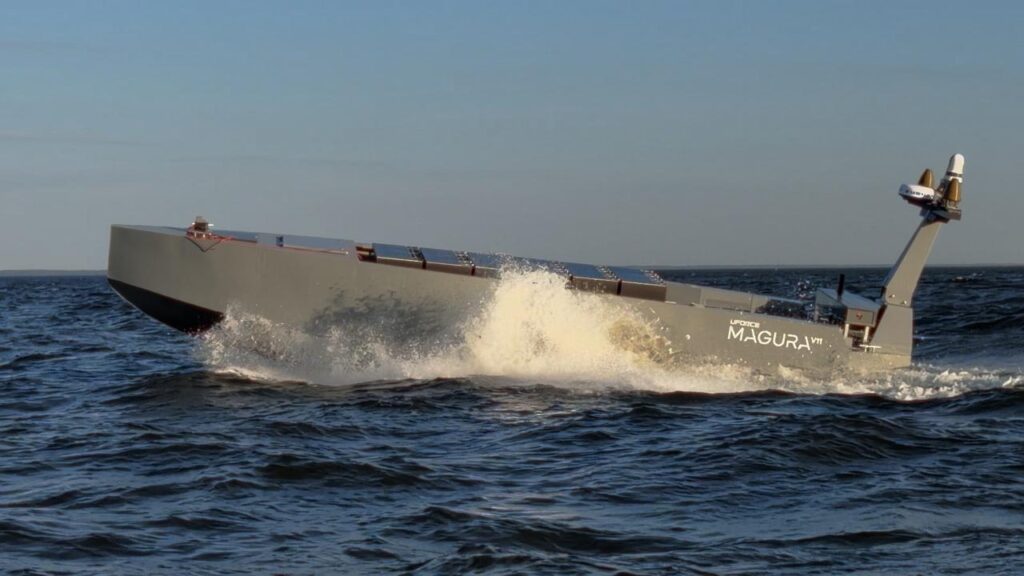
Ukraine has unveiled the largest robot boat in its Magura sea-drone family, and this one is built to carry and launch other drones instead of ramming enemy ships, the company UFORCE told Militarnyi. UFORCE showed the new V11 during Ukraine's Independence Day drone parade, signaling a move from single-use attack craft toward a floating base at sea.
Ukraine has fought its Black Sea war with throwaway robot boats—cheap, one-way, built to hit a ship and go down with it. Shi
Ukraine has unveiled the largest robot boat in its Magura sea-drone family, and this one is built to carry and launch other drones instead of ramming enemy ships, the company UFORCE told Militarnyi. UFORCE showed the new V11 during Ukraine's Independence Day drone parade, signaling a move from single-use attack craft toward a floating base at sea.
Ukraine has fought its Black Sea war with throwaway robot boats—cheap, one-way, built to hit a ship and go down with it. Shifting toward reusable platforms that keep other machines running far from any coast marks a different bet.
A floating base, not a battering ram
The V11 is the biggest drone in its class. Earlier, Magura boats were made to hit warships. This one is a transport platform that carries other unmanned systems and gear. Its main feature is the ability to launch a larger number of unmanned systems straight from its deck, turning one boat into a mobile base for them. The company refers to the drone as both the V11 and the MV11.
Explore further
American defense company Red Cat announces serial production of copy of Ukraine’s Magura V7 and says it’s their own development
What the V11 can do
UFORCE says the drone carries up to 2,200 kg (about 4,850 pounds) and can stay at sea for up to seven days. The company built it for reconnaissance, surveillance, support of landing operations, and resupplying fuel and equipment to other naval drones.
"It is a platform that provides multi-domain capability: one carrier that carries and launches other unmanned systems far from shore for operations across all domains," said Oleh Rogynskyy, CEO of UFORCE.
He said the investment the company attracts works for Ukraine's Defense Forces.
From strikes to a US production line
UFORCE's design and engineering office in Portugal developed the V11, drawing on international investment and aiming at the needs of Ukraine's Defense Forces. Its work there was first reported in September 2025.
Explore further
Meet the Magura W6: Ukraine’s latest threat to Russian warships
In July, the company and the US firm ReconCraft signed a memorandum for the licensed production of Magura naval drones in the US. Ukraine's Magura boats have forced Russia's Black Sea Fleet back to safer ports, and some versions have even shot down Russian fighter jets.
Business owners are preparing for financial pain after the latest U.S.-Canada trade talks collapsed. But many Canadians are embracing a show of resistance.
Business owners are preparing for financial pain after the latest U.S.-Canada trade talks collapsed. But many Canadians are embracing a show of resistance.
Experts warn that a campaign aimed at avoiding military escalation could instead provoke it, as Iranian leaders vow retaliation across the oil-rich Gulf.
Experts warn that a campaign aimed at avoiding military escalation could instead provoke it, as Iranian leaders vow retaliation across the oil-rich Gulf.
Detailed accounts of the final hours of the negotiations show that, while the United States offered Canada what it said was the best deal of any country, what Canada had to give up in exchange was seen as unthinkable.
Detailed accounts of the final hours of the negotiations show that, while the United States offered Canada what it said was the best deal of any country, what Canada had to give up in exchange was seen as unthinkable.
Analysts say Tehran could intensify the dispute militarily after the United States announced new efforts to squeeze Iran’s economy. One Iranian official vowed that “not a single drop of oil” would leave the gulf.
Analysts say Tehran could intensify the dispute militarily after the United States announced new efforts to squeeze Iran’s economy. One Iranian official vowed that “not a single drop of oil” would leave the gulf.
Motorists drive past an anti-American billboard in Tehran on Monday. President Trump has threatened Iran with “economic warfare and isolation on an unprecedented scale.”
The discussions, reported by the Syrian state news agency, came days after Israel struck an air base in Syria’s northwest, the latest in a series of military interventions.
The discussions, reported by the Syrian state news agency, came days after Israel struck an air base in Syria’s northwest, the latest in a series of military interventions.
President Javier Milei of Argentina, left, with Flávio Bolsonaro, who hopes to be Brazil’s next president, last month. Mr. Milei’s strident support of Mr. Bolsonaro’s candidacy led to a rift with the current Brazilian president.
A combine harvester threshing wheat in a field in Seeluebbe, Germany, this month. Yields in the country are down for several crops, including wheat, because of drought and heat.
After U.S. prosecutors accused Gov. Rubén Rocha Moya of protecting the Sinaloa cartel, he said he would step down to focus on his defense. On Friday, he declared he was back and faced much criticism.
After U.S. prosecutors accused Gov. Rubén Rocha Moya of protecting the Sinaloa cartel, he said he would step down to focus on his defense. On Friday, he declared he was back and faced much criticism.
At least five of the people flown to Liberia under the Trump administration’s third-country deportation program resisted leaving the plane. They were then flown to Equatorial Guinea.
At least five of the people flown to Liberia under the Trump administration’s third-country deportation program resisted leaving the plane. They were then flown to Equatorial Guinea.
Canadian negotiators were in Washington to finalize a deal that would stave off new tariffs and improve the terms of existing ones, but Mark Carney faces a tough sell back home.
Canadian negotiators were in Washington to finalize a deal that would stave off new tariffs and improve the terms of existing ones, but Mark Carney faces a tough sell back home.
The ArcelorMittal Dofasco steel plant in Hamilton, Ontario. President Trump hit the Canadian steel industry with tariffs of up to 50 percent last year.
In Tehran last month. Before the latest round of sanctions was announced, Iranians were already contending with sky-high inflation and other economic hardships.
Japan had tried to dissuade the U.S. from imposing sanctions on Tomoko Akane, president of the International Criminal Court, but the White House pressed ahead.
Japan had tried to dissuade the U.S. from imposing sanctions on Tomoko Akane, president of the International Criminal Court, but the White House pressed ahead.
While President Trump has declared that the two countries effectively have a deal, a Canadian trade official said progress continued ahead of the Saturday deadline.
While President Trump has declared that the two countries effectively have a deal, a Canadian trade official said progress continued ahead of the Saturday deadline.
Dominic LeBlanc, the Canadian minister in charge of U.S. trade, arriving to meet with Jamieson Greer, the U.S. trade representative, on Thursday in Washington.
President Trump appeared to suggest that the United States would impose economic penalties on countries that do business with Iran, though he did not specify what actions he would take.
President Trump appeared to suggest that the United States would impose economic penalties on countries that do business with Iran, though he did not specify what actions he would take.
Ukraine has brought another 103 servicemembers home from Russian captivity in the first stage of a new prisoner exchange, the Coordination Headquarters for the Treatment of Prisoners of War reported on 19 August 2026. Most of the returning defenders are wounded or seriously ill after captivity that, for some, reached back to 2022, the year of Russia's full-scale invasion. The United States and the United Arab Emirates helped organize the swap, the headquarters said.
Ami
Ukraine has brought another 103 servicemembers home from Russian captivity in the first stage of a new prisoner exchange, the Coordination Headquarters for the Treatment of Prisoners of War reported on 19 August 2026. Most of the returning defenders are wounded or seriously ill after captivity that, for some, reached back to 2022, the year of Russia's full-scale invasion. The United States and the United Arab Emirates helped organize the swap, the headquarters said.
Amid Moscow's full-scale invasion, prisoner swaps have become one of the few channels that still functions between Kyiv and Moscow, and each one hinges on how many enemy captives one side can put on the table for the next round. Thousands of Ukrainian soldiers and, separately, civilians remain in Russian hands, and each release still returns only a fraction of the people whose families are waiting for them.
Who came home
The freed group covers nearly every branch of Ukraine's forces. It includes members of the Armed Forces, the Navy, Territorial Defense, the National Guard and the State Border Guard Service. Alongside soldiers and sergeants, several officers were released.
The SBU said the return of the 103 Ukrainian defenders was coordinated by the Joint Center for the Search and Release of Prisoners of War, the Coordination Headquarters for the Treatment of POWs, and other authorized agencies.
The Coordination HQ detailed the composition. The Defense Ministry accounted for 92 of those freed, and the Interior Ministry for 11. Two of the returnees are officers, the rest enlisted personnel and NCOs. Interior Minister Ivan Vyhivskyi said his ministry's 11 broke down into five National Guardsmen and six border guards.
The defenders had been captured across the Donetsk, Luhansk, Kharkiv, Zaporizhzhia, Dnipropetrovsk, Kherson and Sumy directions, as well as at Mariupol. The single largest share, 72, fell on the Donetsk front. The youngest freed defender was born in 2000, and the oldest is 59.
Freed Ukrainian prisoners of war and officials pose with military flags after returning from Russian captivity, 19 August 2026. Photo: Security Service of Ukraine
Years behind Russian bars
The captures span the entire full-scale war. One of those freed had been held since 2022, 16 since 2023, and 48 since 2024. Another 31 were seized in 2025 and seven this year. By the same tally, the International Committee of the Red Cross had confirmed the captivity of 102 of the group before the handover, with a single case verified through other sources.
A previous swap in late June returned 160 defenders, all of them held since 2022.
Freed Ukrainian servicemen wrapped in national flags gather after returning from Russian captivity, 19 August 2026. Photo: Coordination Headquarters for the Treatment of Prisoners of War
Wounded and ill
The released defenders will undergo full medical examinations, receive physical and psychological rehabilitation, and obtain the state payments provided by law. The head of the President's Office, Kyrylo Budanov, said doctors were already doing everything necessary for the returnees, most of whom came back with wounds and serious illness.
Their condition fits a wider pattern Ukrainian officials have described, in which Russia starves most captives and executes many surrendered soldiers on the battlefield.
Released Ukrainian defenders hold State Border Guard Service flags after their return from Russian captivity, 19 August 2026. Photo: Ivan Vyhivskyi / Interior Ministry
"We remember everyone still in captivity"
President Volodymyr Zelenskyy said the freed included men who had defended Mariupol.
"We remember every man and every woman still held captive. We are doing everything possible to bring all our people home," he said.
Freed Ukrainian servicemen wrapped in national flags gather after returning from Russian captivity, 19 August 2026. Photo: Coordination Headquarters for the Treatment of Prisoners of War
The Security Service of Ukraine noted the swap ran through the joint center it operates to coordinate the search and release of prisoners. Oleh Ivashchenko, chief of the Main Directorate of Intelligence (HUR) and head of the Coordination Headquarters, met the returning defenders in person.
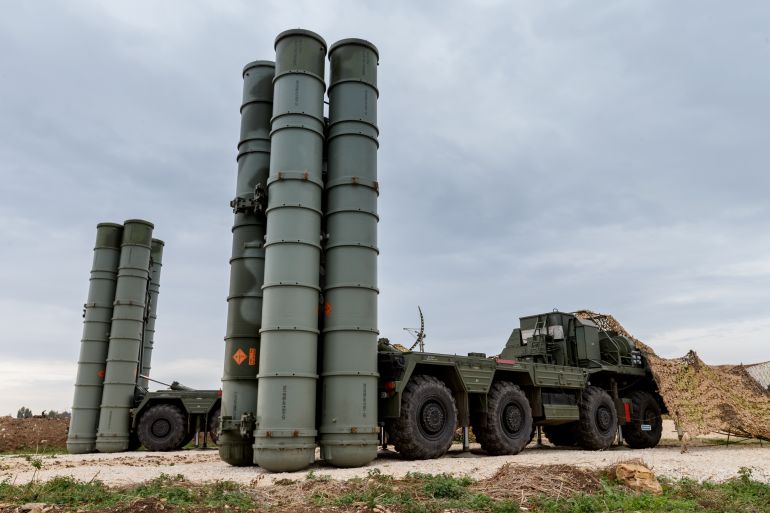
The US plan to sell Türkiye F-35 stealth fighter jets has stalled, blocked by a Russian missile system Ankara bought years ago, Semafor reported. Lawmakers in Washington won't clear the deal while Türkiye keeps the hardware. The lone buyer in talks hasn't budged, and destroying the system is now on the table.
Russia has long used arms exports to pull buyers into its orbit, and the war it started raised the price of those ties—leaving governments that bought Russian air
The US plan to sell Türkiye F-35 stealth fighter jets has stalled, blocked by a Russian missile system Ankara bought years ago, Semafor reported. Lawmakers in Washington won't clear the deal while Türkiye keeps the hardware. The lone buyer in talks hasn't budged, and destroying the system is now on the table.
Russia has long used arms exports to pull buyers into its orbit, and the war it started raised the price of those ties—leaving governments that bought Russian air defense to clash with the supplier that sold it.
The Russian system is in the way
US sanctions law bars Türkiye from the F-35 program while it retains the Russian S-400, Semafor reported. That system is a long-range air defense, built to shoot down planes and missiles. Ankara already paid for six of the jets. They have sat in the United States since Washington expelled Türkiye from the F-35 program in 2019. US President Donald Trump announced plans to sell the jets more than a month ago, and nothing has moved since.
Explore further
Türkiye wants to send Ukraine old US-made cluster munitions—one human rights group is fighting to stop it
No buyer, no easy exit
One way out is to sell the S-400 to another country. Türkiye reportedly opened talks with the United Arab Emirates (UAE) last month, but they don't appear to have progressed. American lawmakers insist Ankara must give up the system entirely first.
Republican Senator Rick Scott told Semafor that Türkiye shouldn't get the jets unless it becomes a true partner—"so if they have the S-400, they cannot have the F-35." Senate Foreign Relations Committee Chairman Jim Risch, a longtime opponent, said the process is "at a standstill."
Explore further
Erdoğan asks Putin to take back Russian S-400 SAM systems in move to win Trump’s favor
Israel and Congress are the live block
The sharper obstacle sits in Washington, Semafor reported. A vote to sell would pit Israel against a NATO ally, and many of Trump's own allies want the S-400 scrapped completely. Israeli Prime Minister Benjamin Netanyahu warned the jets could "destroy the power balance in the Middle East." The outlet said AIPAC, the leading pro-Israel lobby in Washington, is pressing Congress to keep the block.
Selling it still runs through Moscow
Any resale carries its own catch: Russia must approve the transfer of the S-400, giving the Kremlin a reason to block it. The only option that bypasses Moscow is to disable or destroy the system outright. Türkiye earlier tried to return the systems to Moscow, hoping to thaw relations with Washington. It didn't work.
The Trump administration says Ankara hasn't met all the conditions to buy the jets, and the State Department wants the S-400 issue settled with guarantees first.
Polish Prime Minister Donald Tusk said authorities had detained a Russian citizen recruited by Moscow to kill a man in Warsaw. The target holds US and Ukrainian passports, the Associated Press (AP) reported on 13 August. Tusk said Polish security services stopped the alleged attack “at the last minute.”
Since 2022, AP has mapped about 200 acts of sabotage, arson, and disruption across Europe that officials have linked to Russia. European governments say the campaign ai
Polish Prime Minister Donald Tusk said authorities had detained a Russian citizen recruited by Moscow to kill a man in Warsaw. The target holds US and Ukrainian passports, the Associated Press (AP) reported on 13 August. Tusk said Polish security services stopped the alleged attack “at the last minute.”
Since 2022, AP has mapped about 200 acts of sabotage, arson, and disruption across Europe that officials have linked to Russia. European governments say the campaign aims to intimidate Ukraine’s supporters and disrupt military aid, while Ukrainian authorities report similar recruitment tactics inside Ukraine.
The suspect was detained on 7 August and remanded for three months, Warsaw police said. Tomasz Siemoniak, the minister overseeing Poland’s intelligence services, said the operation involved US services.
PM Tusk called it the first Russian-ordered attempt of its kind against a US citizen in another NATO country. He said the target was “inconvenient to the Putin regime,” without explaining why.
In their bulletin, Reuters reported that Russia’s Warsaw embassy did not immediately respond to a request for comment. Moscow denies conducting a sabotage campaign in Europe.
Russia has already gone after a German arms CEO and critics of the Kremlin
European authorities had already reported plots against arms-industry figures supplying Ukraine. CNN reported in 2024 that US and German services foiled a plot against Rheinmetall chief Armin Papperger.
Former Bellingcat investigator Christo Grozev said an intelligence insider told him he was on Russia’s kill list. He also warned Putin critic Garry Kasparov that a Russian agent trained in assassination had infiltrated exile groups to approach him.
Russia has also been accused of targeting Kremlin opponents abroad. In June, Kremlin critic Robert Kuzovkov was shot dead in Poland. Tusk said the killing resembled a political assassination, but Warsaw has not attributed it to Russia.
Russia uses disposable agents, not career spies
The alleged recruitment in Warsaw resembles tactics reported elsewhere in Europe. German investigators identified a former Ukrainian bricklayer and an untrained Romanian woman as the suspected operatives surveilling Stefan Thumann, head of Bavarian drone maker Donaustahl. German intelligence later classified the case as a suspected planned assassination.
Ukrainian authorities have reported similar recruitment at home. The SBU said an FSB-directed foreign pair killed Colonel Ivan Voronych in Kyiv in July 2025. Both suspects later died in a shootout with law enforcement.
Ukrainian police say Russian recruitment can escalate from surveillance and simple deliveries to arson, terrorism, and murder. Since the start of 2026, police and the SBU have registered 31 terrorist attacks and prevented another 14.
U.S. President Donald Trump is considering sending Ukraine an additional Patriot air defense system, a move that would mark his administration's first major weapons transfer to Kyiv, the Wall Street Journal (WSJ) reported on July 8, citing two defense officials. The report is the latest in a series of contradictory messages from the Trump White House in recent days regarding military aid to Ukraine. While the Pentagon on July 2 announced a halt in weapons shipments to Kyiv due to dwindling U.S.
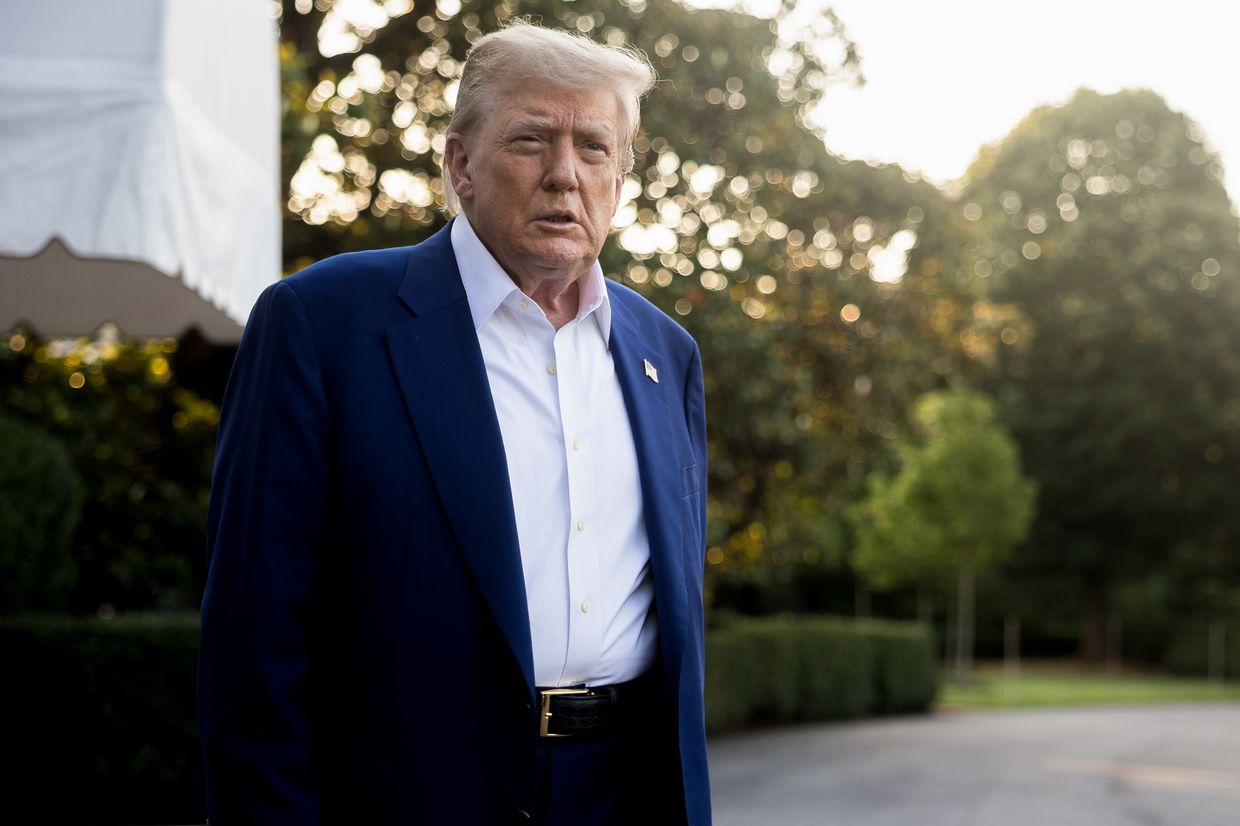
U.S. President Donald Trump is considering sending Ukraine an additional Patriot air defense system, a move that would mark his administration's first major weapons transfer to Kyiv, the Wall Street Journal (WSJ) reported on July 8, citing two defense officials.
The report is the latest in a series of contradictory messages from the Trump White House in recent days regarding military aid to Ukraine. While the Pentagon on July 2 announced a halt in weapons shipments to Kyiv due to dwindling U.S. stockpiles, Trump later claimed he wasn't responsible for the decision and wanted to send more weapons to Ukraine.
A U.S. defense official told the WSJ that Trump has asked the Pentagon to look into options for supplying Ukraine with more arms, including a Patriot air defense system. Officials are also reportedly exploring whether other nations can send Patriots to Kyiv.
The claim dovetails with recent media reports about the administration's plans to bolster Ukraine's air defenses. Axios reported on July 8 that the White House is pursuing a plan to have Germany sell another Patriot battery to Ukraine, with the U.S. and European allies splitting the cost of the purchase. Sources told the outlet that Trump also pledged to send 10 Patriot interceptor missiles to Kyiv.
If the U.S. provides Ukraine with an additional Patriot system, it would mark the first time Trump has approved a major military aid package to Kyiv that wasn't previously greenlighted by former U.S. President Joe Biden.
Washington has thus far provided Kyiv with three Patriots, a former Pentagon official told the WSJ. Germany has also sent three, while a group of European countries provided one. According to the official, not all systems are in use at the same time due to maintenance issues.
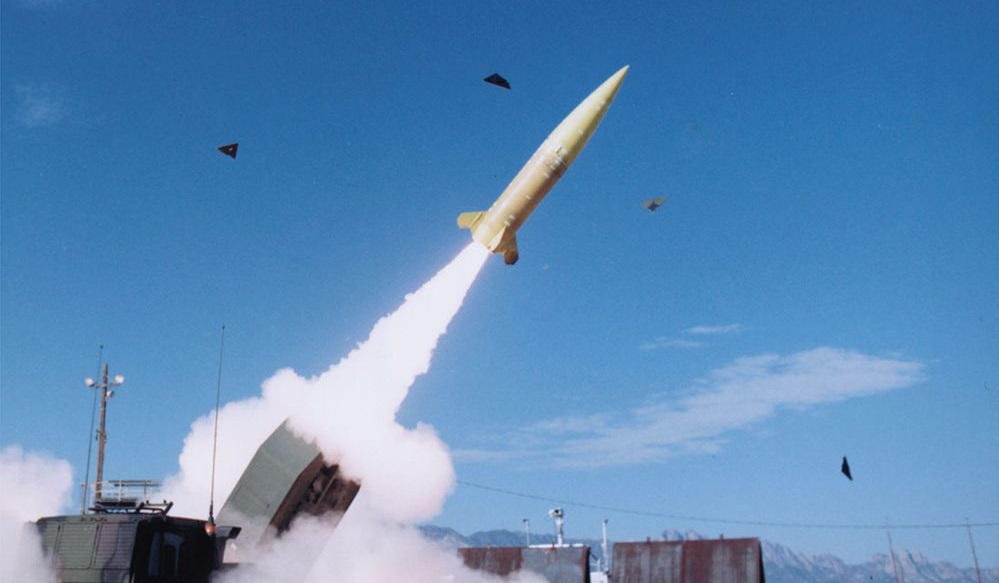
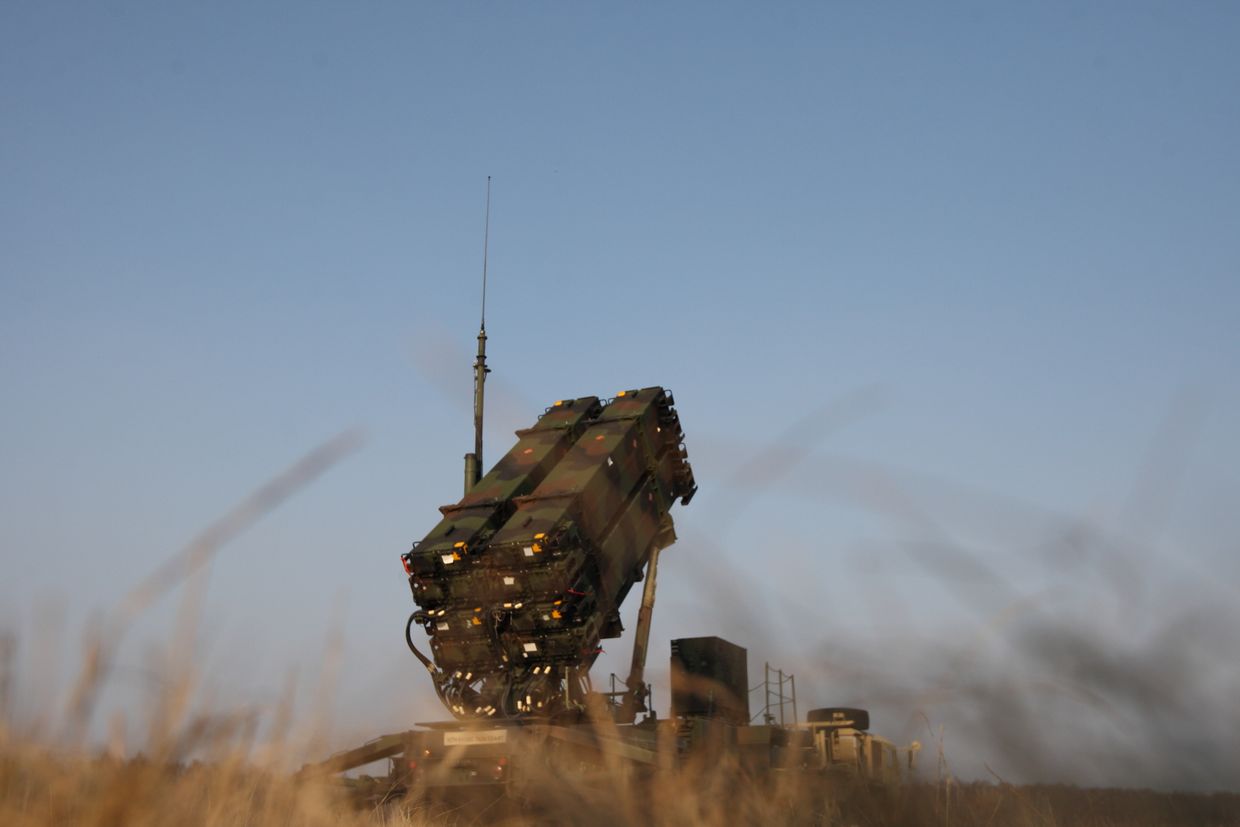
The U.S.-made air defense systems are in high demand around the world. Each system consists of two or three launchers, a radar, a command and control element, and interceptor missiles. Patriot missiles are also in short supply globally: Ukraine faces an urgent need for the munitions amid increased Russian aerial attacks, and the Guardian reported on July 8 that even the U.S. has only 25% of the interceptors required by its defense readiness plans.
According to one of the officials who spoke to the WSJ, the U.S. military would be able to supply an additional Patriot to Ukraine if ordered by the White House.
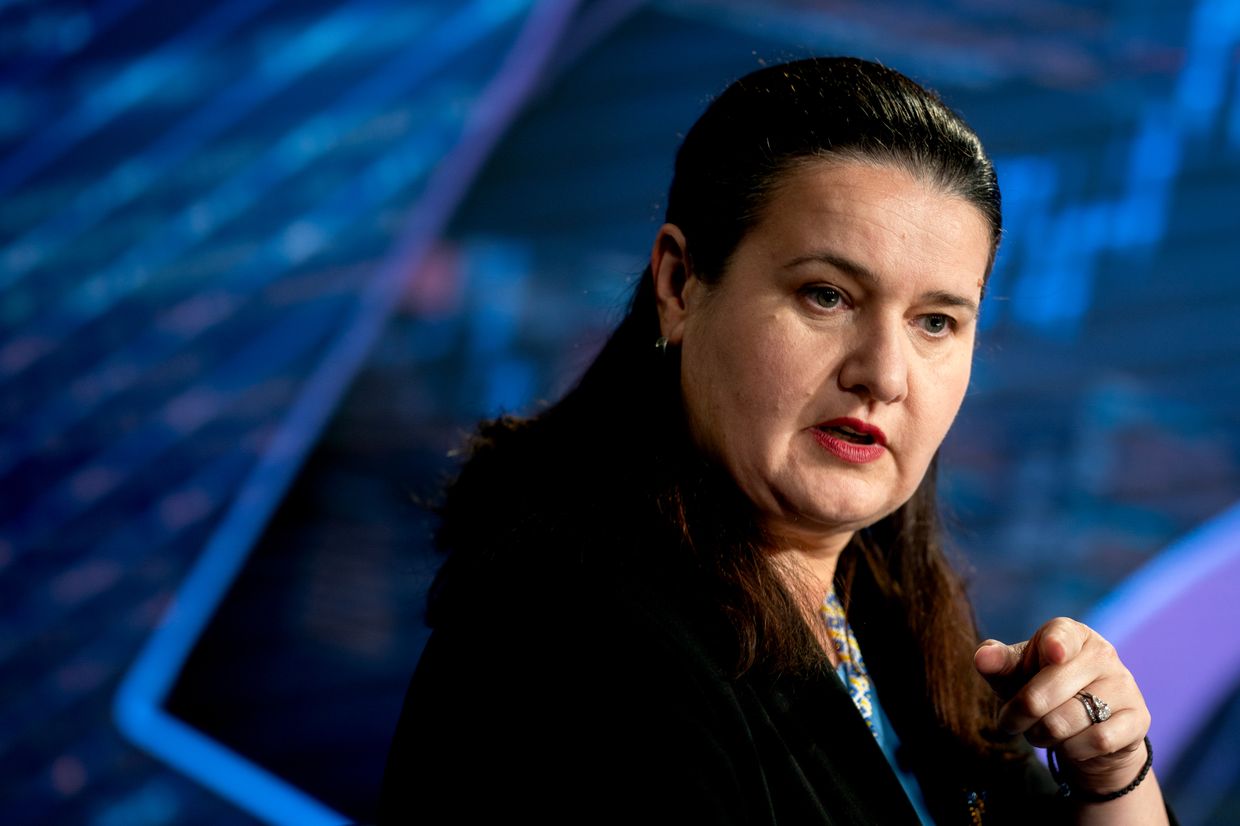
Ukraine's current ambassador to the United States, Oksana Markarova, will be replaced in the near future, Foreign Minister Andrii Sybiha confirmed in an interview with Ukrainian Radio on July 8. Earlier on July 8, a source in the Presidential Office told the Kyiv Independent that President Volodymyr Zelensky had informed Markarova of her pending dismissal. "We can expect about 20 decrees dismissing and appointing new heads of foreign institutions," Sybiha said, specifically mentioning the U.S. a
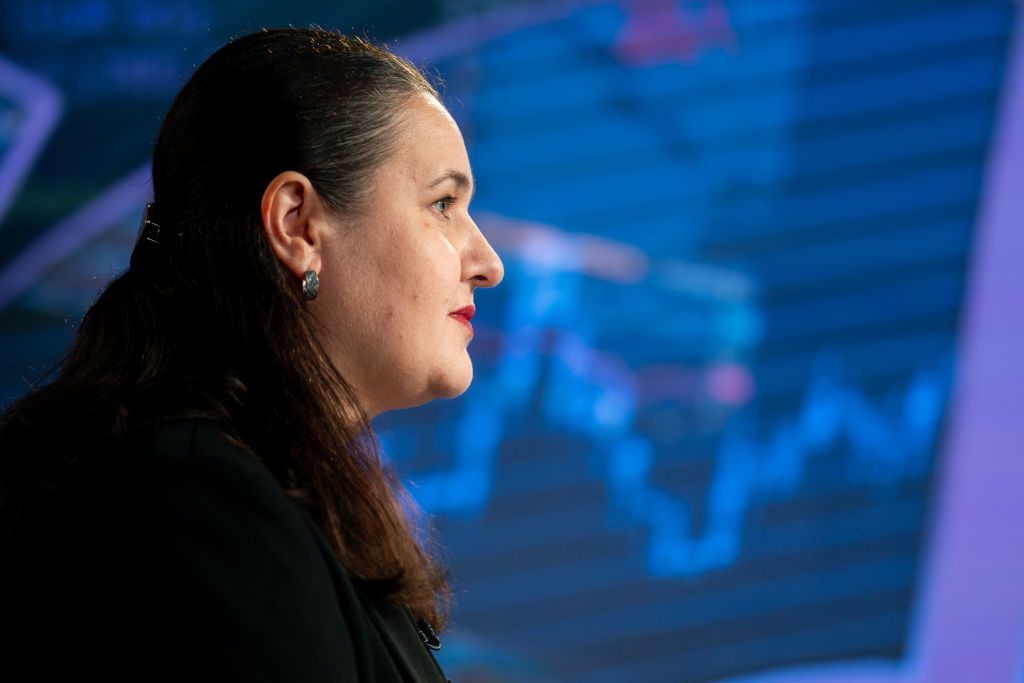
Ukraine's current ambassador to the United States, Oksana Markarova, will be replaced in the near future, Foreign Minister Andrii Sybiha confirmed in an interview with Ukrainian Radio on July 8.
Earlier on July 8, a source in the Presidential Office told the Kyiv Independent that President Volodymyr Zelensky had informed Markarova of her pending dismissal.
"We can expect about 20 decrees dismissing and appointing new heads of foreign institutions," Sybiha said, specifically mentioning the U.S. as one of the planned replacements.
In his comments, Sybiha described Markarova as "one of our most successful ambassadors."
"She is extremely effective and charismatic, but surely every diplomat has a rotation cycle," he said. "I can confirm that the Ukrainian president's vision is to carry out rotations in all countries, both G7 and G20. That is, first and foremost, to strengthen these countries, in particular the U.S. track."
Zelensky and Sybiha on June 21 announced plans to overhaul Ukraine's diplomatic corps, teasing major personnel changes in a bid to secure better military aid packages and other support from international partners.
Zelensky discussed replacing Markarova specifically in a recent phone call with U.S. President Donald Trump, a source in the President's Office told the Kyiv Independent on July 7.
There are multiple "strong candidates" in the running to replace Markarova, the source said. Prime Minister Denys Shmyhal, Deputy Prime Minister Olha Stefanishyna, Defense Minister Rustem Umerov, and Energy Minister Herman Halushchenko are among the candidates, Bloomberg previously reported.
In his evening address, Zelensky said that a meeting with all Ukrainian ambassadors is scheduled for July 21. It was not immediately clear as to when the changes to the posts may take effect.
Markarova has served as Kyiv's ambassador to Washington since April 2021, and played a central role in coordinating U.S. military and financial support during the early phases of Russia's full-scale invasion.
The announcement of her dismissal comes at a high-stakes moment in relations between Kyiv and Washington. The U.S. Defense Department recently paused shipments of critical weapons systems, including Patriot air defense missiles and precision-guided munitions, even as Ukraine faces intensifying Russian attacks.
The United States has only about 25% of the Patriot missile interceptors it needs to meet Pentagon military plans, a shortage that led U.S. President Donald Trump's administration to pause a major transfer of weapons to Ukraine, the Guardian reported on July 8.The decision to halt the delivery, made on July 2, followed an internal review showing low stockpiles of critical air defense systems. The depletion was largely due to recent U.S. operations in the Middle East, including the interception o
The United States has only about 25% of the Patriot missile interceptors it needs to meet Pentagon military plans, a shortage that led U.S. President Donald Trump's administration to pause a major transfer of weapons to Ukraine, the Guardian reported on July 8.
The decision to halt the delivery, made on July 2, followed an internal review showing low stockpiles of critical air defense systems. The depletion was largely due to recent U.S. operations in the Middle East, including the interception of Iranian missiles after strikes on the American Al Udeid airbase in Qatar, according to the Guardian.
According to officials familiar with the matter, the Pentagon's munitions tracker, used to measure the minimum supplies needed for U.S. war plans, showed Patriot interceptor levels had fallen below acceptable levels. That prompted concerns that sending more to Ukraine could put U.S. defense readiness at risk, the Guardian wrote.
The freeze reportedly affected Ukraine's two key arms transfer methods: drawdowns from Pentagon stockpiles and the Ukraine Security Assistance Initiative (USAI), through which the Defense Department orders new weapons from contractors.
Because U.S. orders take priority, Ukrainian requests for new weapons, including Patriot missiles, face years-long delays.
The pause came at a critical time for Kyiv, as Russia intensifies large-scale aerial attacks on Ukrainian cities. With limited options to acquire precision-guided and other key munitions, Ukrainian forces have increasingly relied on Western-supplied air defenses to counter the growing threat.
For its latest aid package, the U.S. had planned to send dozens of Patriot interceptors, along with Hellfire missiles, air-to-air Sparrows, GMLRS rockets, and anti-tank weapons, according to the Guardian.
NBC News reported on July 4 that U.S. Defense Secretary Pete Hegseth unilaterally halted a weapons shipment to Ukraine despite internal military assessments showing the aid would not compromise American military readiness.
The assessment concluded that while some munitions stockpiles, including precision weapons, were low, they had not fallen below critical thresholds.
Amid the ongoing questions over Washington's weapons pause, Trump has apparently promised to send 10 Patriot interceptors to Ukraine, Axios reported on July 8. Sources also told the Wall Street Journal (WSJ) that Trump claimed he wasn't behind the decision to halt arms to Kyiv in a recent phone call with President Volodymyr Zelensky.
U.S. President Donald Trump said on July 8 he was "not happy" with Russian President Vladimir Putin. "We get a lot of bullsh*t thrown at us by Putin," he said at a cabinet meeting. "He's very nice all the time, but it turns out to be meaningless."Trump has vacillated for months between criticizing Putin and praising the Kremlin. So far, he has failed to increase military aid to Ukraine or sanction Russia despite Moscow's refusal to accept a ceasefire.During his election campaign, Trump repeated
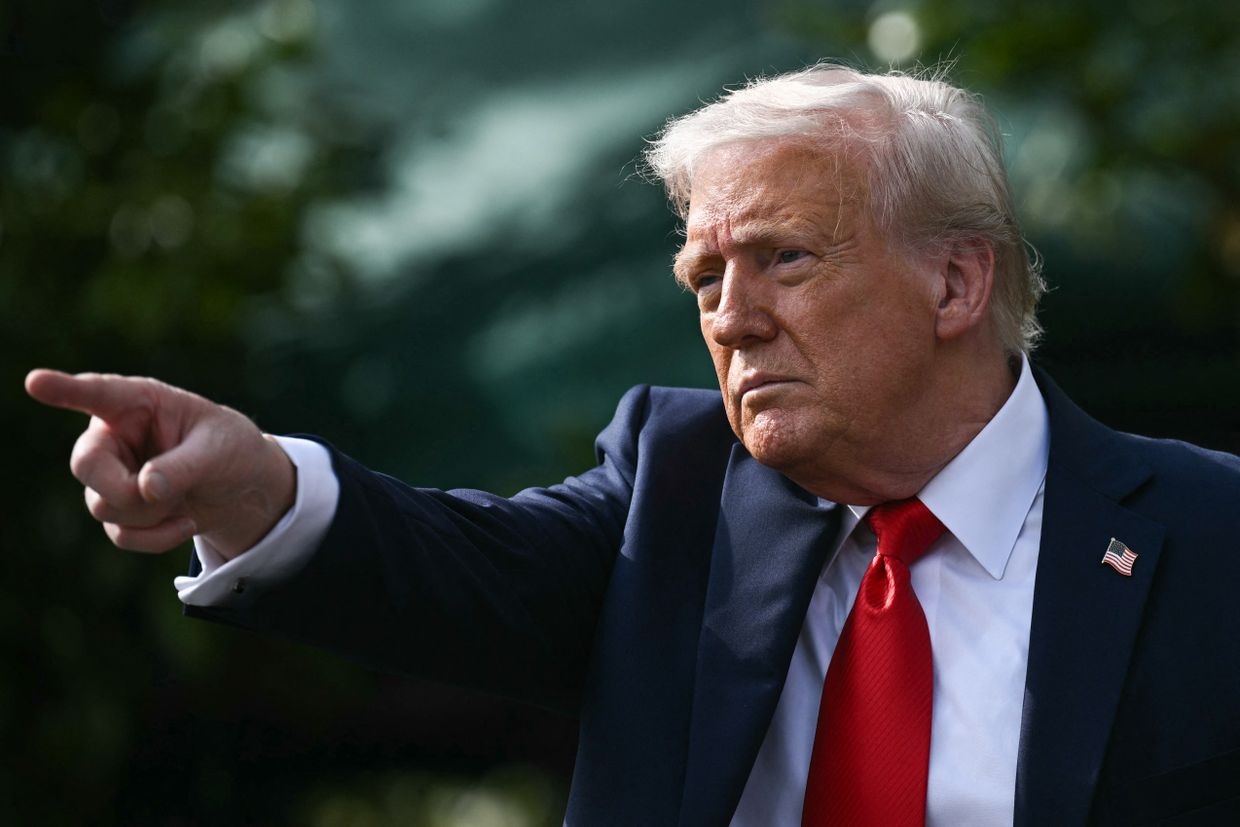
U.S. President Donald Trump said on July 8 he was "not happy" with Russian President Vladimir Putin.
"We get a lot of bullsh*t thrown at us by Putin," he said at a cabinet meeting. "He's very nice all the time, but it turns out to be meaningless."
Trump has vacillated for months between criticizing Putin and praising the Kremlin. So far, he has failed to increase military aid to Ukraine or sanction Russia despite Moscow's refusal to accept a ceasefire.
During his election campaign, Trump repeatedly pledged to end the war in Ukraine within "24 hours." However, his efforts to broker a peace deal between Ukraine and Russia have seen no progress.
Trump also addressed U.S. legislation on sanctions, saying the Senate's Russia sanctions bill was "totally optional" for him to implement or terminate.
"I'm looking at it very strongly," Trump said.
The bill would impose 500% tariffs on imports from countries purchasing Russian oil, gas, uranium, and other products. It was introduced in April but has seen no progress since then.
Earlier, Trump signaled growing openness to tougher measures against Moscow, ABC News reported on June 29.
According to Senator Lindsey Graham, Trump privately told him it was "time to move" the Russia sanctions bill.
"I’m confident the president is ready for us to act," Graham said.
The Senate is expected to vote on the bill after Congress returns from a break in July.
"(Putin is) killing a lot of people — his soldiers and their soldiers mostly. And it's now up to 7,000 a week," Trump said on July 8, referring to Russia's battlefield losses.
In recent weeks, Trump has been critical of the Russian president. Following a phone call with Putin on July 3, Trump said he was "very disappointed," signaling growing frustration with the Kremlin.
When asked by a journalist on July 8 whether he would take action, Trump responded: "Wouldn't be telling you... We want to have a little surprise."
Trump also commented on the the current pause in weapons deliveries to Ukraine. He pointed to the previous transfer of advanced systems, including Javelin anti-tank missiles and Patriot air defense systems, calling them "the best equipment in the world."
His remarks come after the United States halted military aid shipments to Ukraine on July 2 amid an internal Pentagon review of stockpile capacity. The freeze coincided with a surge in Russian aerial attacks, leaving Ukraine increasingly vulnerable amid a shortage of U.S.-supplied air defense systems.
The U.S. halted weapons shipments to Ukraine amid a capability review, the White House and Pentagon previously confirmed, with Trump later denying the pause.
On July 7, the Pentagon said it would renew shipments, saying the additional defensive weapons were intended to help Ukraine protect itself while the U.S. works toward "a lasting peace."
U.S. President Donald Trump has promised to send 10 Patriot interceptors to Ukraine - a smaller number than had been paused previously while en route to the country, Axios reported on July 8, citing its sources. Trump has also suggested that Germany sell one of its Patriot batteries to Ukraine, according to three sources cited by Axios. They said the U.S. and European allies would split the cost of the purchase.The discussion comes as Ukraine is calling upon its allies, particularly the United S
U.S. President Donald Trump has promised to send 10 Patriot interceptors to Ukraine - a smaller number than had been paused previously while en route to the country, Axios reported on July 8, citing its sources.
Trump has also suggested that Germany sell one of its Patriot batteries to Ukraine, according to three sources cited by Axios. They said the U.S. and European allies would split the cost of the purchase.
The discussion comes as Ukraine is calling upon its allies, particularly the United States, to support Ukrainian air defense by supplying "life-saving" Patriot systems and relevant missiles.
The Pentagon said on July 2 that some military assistance to Ukraine had been halted as the U.S. Defense Department conducts a review of foreign aid deliveries.
On July 7, the Pentagon said it would renew shipments, saying the additional defensive weapons were intended to help Ukraine protect itself while the U.S. works toward "a lasting peace."
Merz called Trump to request the release of the paused interceptors, according to Axios. During the call, Trump proposed that Germany sell one of its own Patriot batteries to Ukraine.
While no agreement has been reached, officials on both sides say negotiations are ongoing. German officials maintain that Berlin has already sent a higher share of its available Patriot systems to Ukraine than any other NATO country, including the U.S.
Russia has escalated its aerial campaign against Ukraine in recent weeks, launching large-scale missile and drone attacks that have killed and injured hundreds of civilians across multiple cities.
The suspension of U.S. arms deliveries, which include Patriots and precision-guided munitions, drew criticism from Kyiv. During a July 4 phone call with Ukrainian President Volodymyr Zelensky, Trump said he was not responsible for halting the aid, according to the Wall Street Journal.
He reportedly told Zelensky that a review of U.S. munitions stockpiles was initiated after last month's U.S. strikes on Iranian nuclear sites, but denied ordering a full pause in shipments.
NBC News reported that Defense Secretary Pete Hegseth halted the shipments unilaterally on July 2, despite internal Pentagon assessments that the move would not jeopardize U.S. military readiness.
Special Envoy Keith Kellogg and Ukrainian Defense Minister Rustem Umerov are set to meet in Rome later this week to discuss resuming the stalled military aid, Politico reported on July 7.
Editor's Note: Read the latest developments to this story. Ukraine's ambassador to the U.S. has been informed by President Volodymyr Zelensky that she is to be dismissed, a source in the President's Office confirmed to the Kyiv Independent on July 8.Oksana Markarova has held the post since April 2021, and played a central role in coordinating U.S. military and financial support during the early phases of Russia's full-scale invasion.But her future in the role was thrown into doubt earlier this w
Ukraine's ambassador to the U.S. has been informed by President Volodymyr Zelensky that she is to be dismissed, a source in the President's Office confirmed to the Kyiv Independent on July 8.
Oksana Markarova has held the post since April 2021, and played a central role in coordinating U.S. military and financial support during the early phases of Russia's full-scale invasion.
But her future in the role was thrown into doubt earlier this week when it was revealed that Zelensky and U.S. President Donald Trump discussed a potential change during a recent phone call, a source in the President's Office told the Kyiv Independent on July 7.
According to the source, the topic of replacing her was raised by Kyiv, suggesting the move could be "useful for both sides." The source added that there are multiple "strong candidates" in the running.
The source added that there are multiple "strong candidates" in the running.Prime Minister Denys Shmyhal, Deputy Prime Minister Olha Stefanishyna, Defense Minister Rustem Umerov, and Energy Minister Herman Halushchenko are among the candidates, Bloomberg previously reported.
The possible reshuffle comes at a moment of renewed tension between Kyiv and Washington. The U.S. Defense Department recently paused shipments of critical weapons systems, including Patriot missiles and precision-guided munitions, sparking concern in Kyiv.
The discussion about Ukraine's representation in Washington also coincides with longstanding speculation about a broader government reshuffle.
U.S. President Donald Trump told President Volodymyr Zelensky during a phone call on July 4 that he was not responsible for the suspension of U.S. arms shipments to Ukraine, The Wall Street Journal (WSJ) reported on July 7, citing unnamed sources familiar with the matter.The suspension of aid, which includes Patriot air defense missiles and precision-guided munitions, has drawn criticism from Kyiv amid an intensifying Russian aerial campaign that has killed and injured hundreds of civilians in r
U.S. President Donald Trump told President Volodymyr Zelensky during a phone call on July 4 that he was not responsible for the suspension of U.S. arms shipments to Ukraine, The Wall Street Journal (WSJ) reported on July 7, citing unnamed sources familiar with the matter.
The suspension of aid, which includes Patriot air defense missiles and precision-guided munitions, has drawn criticism from Kyiv amid an intensifying Russian aerial campaign that has killed and injured hundreds of civilians in recent weeks.
According to WSJ, Trump told the Ukrainian president that he had ordered a review of Pentagon munitions stockpiles following last month's U.S. strikes on Iran's nuclear sites, but he did not direct the military to halt weapons deliveries.
NBC News reported on July 4 that Defense Secretary Pete Hegseth unilaterally halted the shipment to Ukraine on July 2, despite internal Pentagon assessments showing the aid would not compromise U.S. military readiness.
According to Politico, U.S. Special Envoy Keith Kellogg and Defense Minister Rustem Umerov are scheduled to meet in Rome later this week to discuss restarting U.S. military aid to Ukraine.
Trump did not acknowledge a halt in U.S. weapons shipments to Ukraine. On July 7, he said the U.S. would provide Ukraine with "more weapons," pointing to the scale of Russia's attacks.
"They have to be able to defend themselves, they're getting hit very hard now," Trump told reporters alongside a U.S. and Israeli delegation at the White House.
The comments follow Trump's July 3 call with Russian President Vladimir Putin, after which he said he was "very disappointed" with the Kremlin's continued refusal to end hostilities.
The following day, Trump and Zelensky spoke by phone in what the U.S. president described as a "very strategic" conversation focused on Ukraine's need for air defenses.
Two rounds of direct talks between Russia and Ukraine held in Istanbul in May and June led only to prisoner exchanges, with no breakthrough on ending hostilities. Moscow has maintained maximalist conditions while rejecting calls for an unconditional ceasefire.
The EU will introduce the "toughest sanctions... imposed (on Russia) in the last three years" in coordination with U.S. senators, French Foreign Minister Jean-Noel Barrot said in a television interview on July 7."(Russian President Vladimir) Putin is no longer advancing on the front and is now limited to shelling residential areas with drones and missiles. This is leading to numerous casualties among the civilian population. This must stop," Barrot said.U.S. Senator Lindsey Graham said on June 2
The EU will introduce the "toughest sanctions... imposed (on Russia) in the last three years" in coordination with U.S. senators, French Foreign Minister Jean-Noel Barrot said in a television interview on July 7.
"(Russian President Vladimir) Putin is no longer advancing on the front and is now limited to shelling residential areas with drones and missiles. This is leading to numerous casualties among the civilian population. This must stop," Barrot said.
U.S. Senator Lindsey Graham said on June 29 that U.S. President Donald Trump was ready for the Senate to vote on a bill to impose new sanctions on Russia. The Republican senator has repeatedly called for implementing additional sanctions against Moscow.
Barrot noted the EU is planning to impose the strongest sanctions against Russia that the bloc has introduced since 2022.
"This (war) cannot continue; it must stop. To achieve this, in coordination with American senators, Europe is preparing to introduce, based on French proposals, the toughest sanctions we have imposed in the last three years," he said.
"They will directly deplete the resources that allow Vladimir Putin to continue his war," Barrot added.
In the U.S., senators have been working on a sanctions bill, with Graham saying voting on a bill is expected to begin following the end of the July congressional break.
Graham, earlier on July 7, said he expects "the Senate will move the bipartisan Russian sanctions bill that will allow tariffs and sanctions to be placed on countries who prop up Putin’s war machine and do not help Ukraine."
The bill led by Graham has been in the works for several months as the White House has failed attempts to broker a peace deal between Ukraine and Russia.
"Ukraine has said yes to ceasefires and to any and all meeting requests while Putin continues to defy peace efforts. It is now time to put more tools in President Trump’s toolbox in order to end the war," he said.
Russia has relied on its partners, including Belarus, China, and Iran, for trade and to bypass Western sanctions meant to inhibit Moscow's ability to continue its war against Ukraine.
U.S. Special Envoy Keith Kellogg and Defense Minister Rustem Umerov are set to meet at the Ukraine Recovery Conference in Rome later this week to discuss the resumption of U.S. military assistance to Ukraine, Politico reported on July 7.Following the talks between Kellogg and Umerov in Rome, Politico reported that more meetings are set to take place in Kyiv over the next two weeks.The United States halted weapons shipments to Ukraine amid a capability review, the White House and Pentagon previou
U.S. Special Envoy Keith Kellogg and Defense Minister Rustem Umerov are set to meet at the Ukraine Recovery Conference in Rome later this week to discuss the resumption of U.S. military assistance to Ukraine, Politico reported on July 7.
Following the talks between Kellogg and Umerov in Rome, Politico reported that more meetings are set to take place in Kyiv over the next two weeks.
The United States halted weapons shipments to Ukraine amid a capability review, the White House and Pentagon previously confirmed, with U.S. President Donald Trump on July 3 denying the pause.
Days later, Trump said that the United States would provide Ukraine with additional shipments of weapons amid intensified Russian attacks.
"We're gonna send some more weapons we have to them, they have to be able to defend themselves, they're getting hit very hard now," Trump said on July 7.
The halted U.S. military assistance to Ukraine could be resumed following planned high-level meetings at the conference, two people familiar with the matter told Politico.
A Kyiv meeting between Kellogg and Umerov following the Ukraine Recovery Conference was planned before the U.S. halted military assistance to Ukraine.
Kellogg's spokesperson Morgan Murphy said the meeting was "set up before news of the arms pause came to light last week."
Ukraine would like to promptly resume supplies of air defense and precision munitions, while the U.S. has signalled that the delivery of armored vehicles and engineering equipment may resume soon, the two sources said.
Pentagon spokesperson Sean Parnell confirmed on July 2 that some military assistance to Ukraine has been halted as the U.S. Defense Department conducts a review of foreign aiddeliveries.
"This capability review... is being conducted to ensure U.S. military aid aligns with our defense priorities... We see this as a common-sense, pragmatic step towards having a framework to evaluate what munitions are sent and where," Parnell said.
Despite the Pentagon announcement, Trump did not acknowledge a halt in U.S. weapons shipments to Ukraine.
"Why did you pause weapons shipments to Ukraine?" a reporter asked Trump as the U.S. president prepared to board Air Force One on July 3.
The United States will send "more weapons" to Ukraine amid intensified Russian strikes, U.S. President Donald Trump told reporters on July 7, adding that he is disappointed in Russian President Vladimir Putin."We're gonna send some more weapons we have to them, they have to be able to defend themselves, they're getting hit very hard now," Trump said alongside a U.S. and Israeli delegation at the White House.The U.S. halted weapons shipments to Ukraine amid a capability review, the White House an
The United States will send "more weapons" to Ukraine amid intensified Russian strikes, U.S. President Donald Trump told reporters on July 7, adding that he is disappointed in Russian President Vladimir Putin.
"We're gonna send some more weapons we have to them, they have to be able to defend themselves, they're getting hit very hard now," Trump said alongside a U.S. and Israeli delegation at the White House.
The U.S. halted weapons shipments to Ukraine amid a capability review, the White House and Pentagon previously confirmed, with Trump later denying the pause.
Trump previously said he was disappointed in Putin for not making progress to end Russia's war against Ukraine, following a phone call between the two leaders on July 3.
On July 7, Trump again said he was unhappy with Putin for failing to cooperate with U.S. efforts to end the war in Ukraine.
"It's a horrible thing, and I'm not happy with President Putin at all," Trump said. "I'm disappointed frankly that President Putin hasn't stopped."
He noted that the additional assistance the U.S. will supply to Ukraine will mainly consist of defense weapons amid increased Russian attacks.
"They're getting hit very hard. We're gonna have to send more weapons, your defensive weapons primarily, but they're getting hit very, very hard. So many people are dying in that mess," Trump said.
Later on July 7 the Pentagon released a statement confirming more weapons would be sent to Ukraine.
"At President Trump's direction, the Department of Defense is sending additional defensive weapons to Ukraine to ensure the Ukrainians can defend themselves while we work to secure a lasting peace and ensure the killing stops," it read.
"Our framework for POTUS to evaluate military shipments across the globe remains in effect and is integral to our America First defense priorities."
President Volodymyr Zelensky has previously said he and Trump discussed supplying Ukraine with additional Patriot missile systems following a phone call between the two on July 4.
Zelensky described his recent phone call with Trump as "the best conversation in all this time" in an evening address on July 5.
"Patriot (missiles) are key to protection from ballistic (missiles). We discussed several other important issues that our teams will work out in detail at meetings in the near future," he said.
Trump described his July 3 conversation with Putin as disappointing, saying that the call "didn't make any progress" in stopping Russia's war against Ukraine.
"I'm very disappointed with the conversation I had today with President Putin," Trump told journalists. "Because I don't think he's there. And I'm very disappointed. I don't think he's looking to stop this fighting."
Pentagon spokesperson Sean Parnell confirmed on July 2 that some military assistance to Ukraine has been halted as the U.S. Defense Department conducts a review of foreign aid deliveries.
"This capability review... is being conducted to ensure U.S. military aid aligns with our defense priorities... We see this as a common-sense, pragmatic step towards having a framework to evaluate what munitions are sent and where," Parnell said.
Despite the Pentagon announcement, Trump did not acknowledge a halt in U.S. weapons shipments to Ukraine.
"Why did you pause weapons shipments to Ukraine?" a reporter asked Trump as the U.S. president prepared to board Air Force One on July 3.
President Volodymyr Zelensky and U.S. President Donald Trump discussed a potential change in Ukraine's ambassador in Washington during a recent phone call, a source familiar with the conversation told the Kyiv Independent.Oksana Markarova has held the post since April 2021, and played a central role in coordinating U.S. military and financial support during the early phases of Russia's full-scale invasion. According to the source, the topic of replacing her was raised by Kyiv, suggesting the mov
President Volodymyr Zelensky and U.S. President Donald Trump discussed a potential change in Ukraine's ambassador in Washington during a recent phone call, a source familiar with the conversation told the Kyiv Independent.
Oksana Markarova has held the post since April 2021, and played a central role in coordinating U.S. military and financial support during the early phases of Russia's full-scale invasion.
According to the source, the topic of replacing her was raised by Kyiv, suggesting the move could be "useful for both sides." The source added that there are multiple "strong candidates" in the running.
When contacted by the Kyiv Independent, a spokesperson for Stefanishyna said they "do not comment on rumors."
The possible reshuffle comes at a moment of renewed tension between Kyiv and Washington. The U.S. Defense Department recently paused shipments of critical weapons systems, including Patriot missiles and precision-guided munitions, sparking concern in Kyiv.
The discussion about Ukraine's representation in Washington also coincides with longstanding speculation about a broader government reshuffle.
Rumors about replacing Shmyhal as prime minister have circulated since last summer. Although Zelensky replaced several officials in September 2024, Shmyhal remained in office.
Halushchenko, one of the potential ambassadorial candidates, has faced criticism in parliament. Lawmakers from the Energy Committee, led by lawmaker Inna Sovsun, introduced a motion to dismiss him in January, citing alleged corruption.
Shmyhal has served as Ukraine's Prime Minister since March 2020, overseeing national governance during a period marked by reforms and wartime crises. Before his premiership, he held key roles as Ivano-Frankivsk Oblast Governor and Vice Prime Minister.
Stefanishyna is a seasoned Ukrainian diplomat and expert in European integration who has held high-level government roles since 2020. In September 2024, she was appointed Deputy Prime Minister for European and Euro-Atlantic Integration, and Justice Minister.
Umerov is Ukraine's current Defence Minister, appointed in September 2023. He started his political career as a member of the Parliament for the opposition party Voice (Holos). Umerov played a major role in peace talks with Russia in the early phase of the full-scale war.
The ambassadorial review comes as Kyiv seeks to strengthen its diplomatic ties with Washington.
Zelensky described his July 5 phone call with Trump as "the best conversation in all this time." The U.S. president echoed the sentiment, calling the exchange "very strategic."

 Connexion











 SBU
SBU