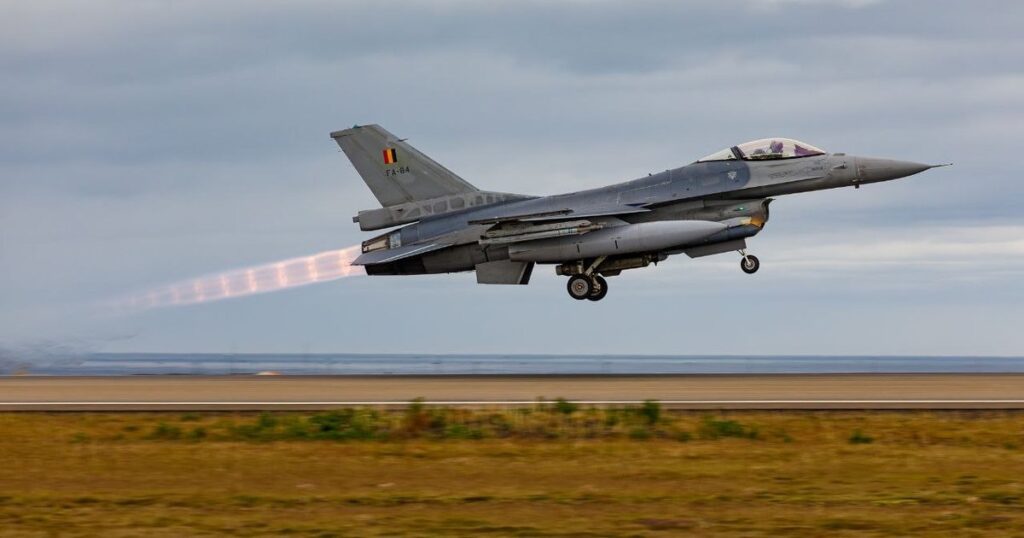
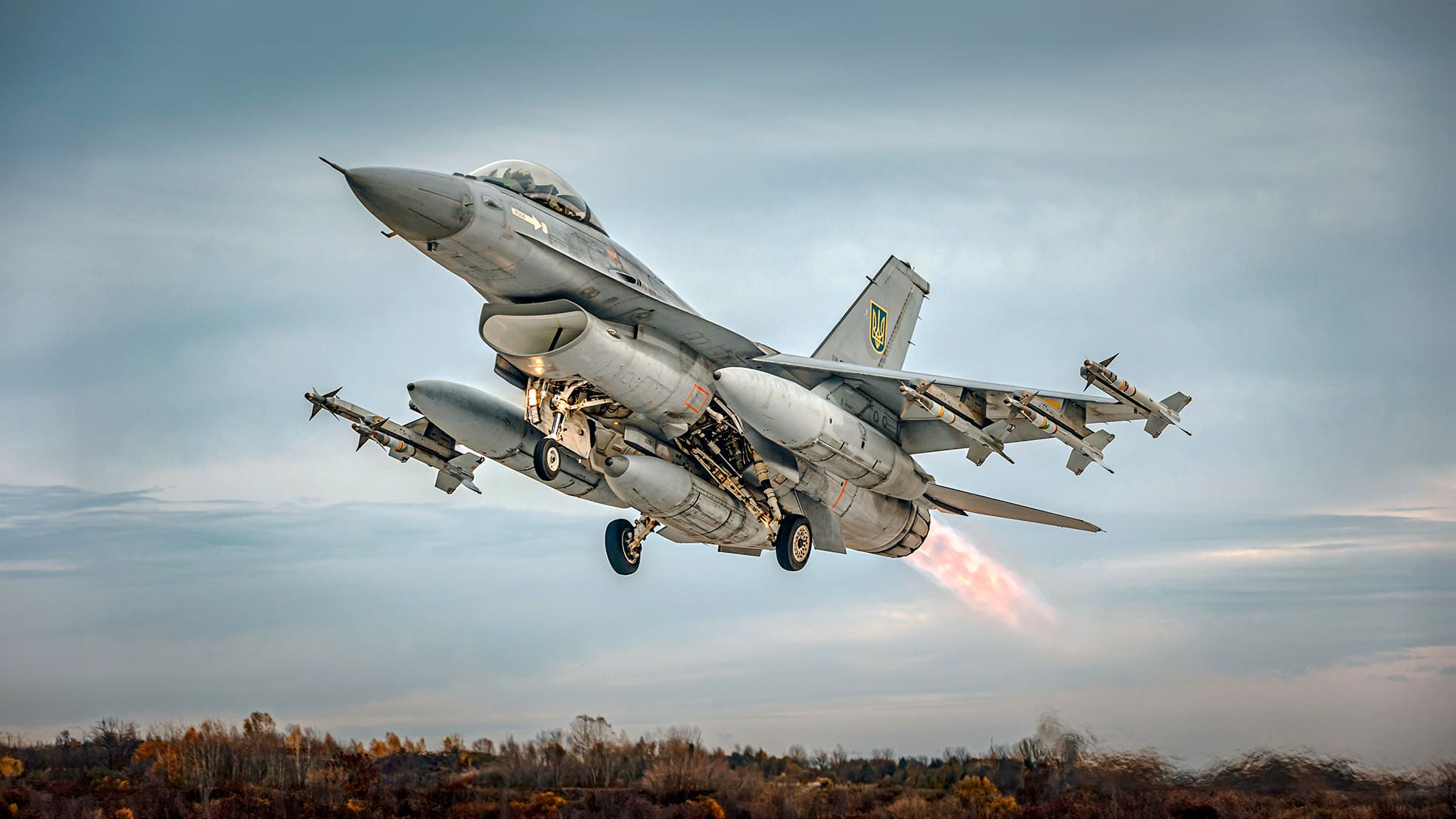
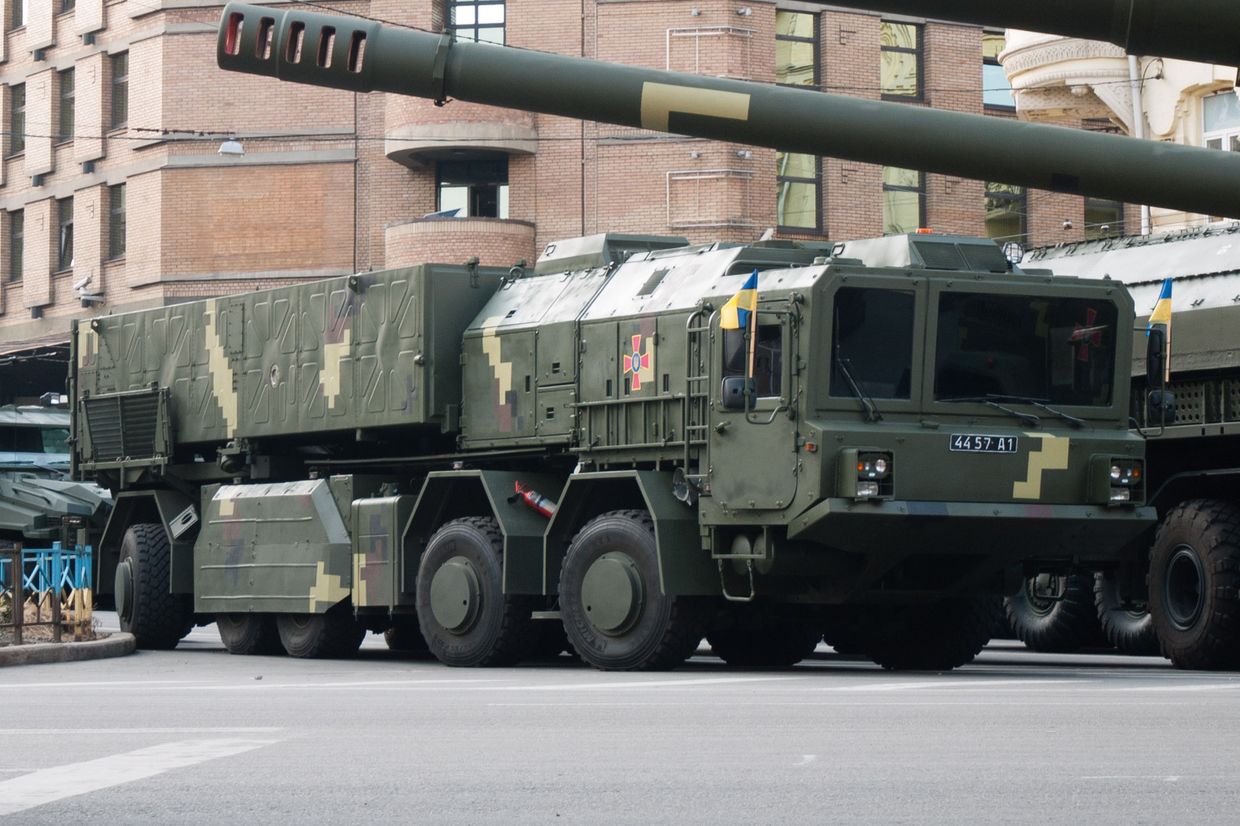
Denmark has sent Ukraine 10 more mobile climate shelters for aviation equipment. Ukraine's Defense Ministry says the units maintain the temperature and humidity levels needed to store aviation technical equipment.
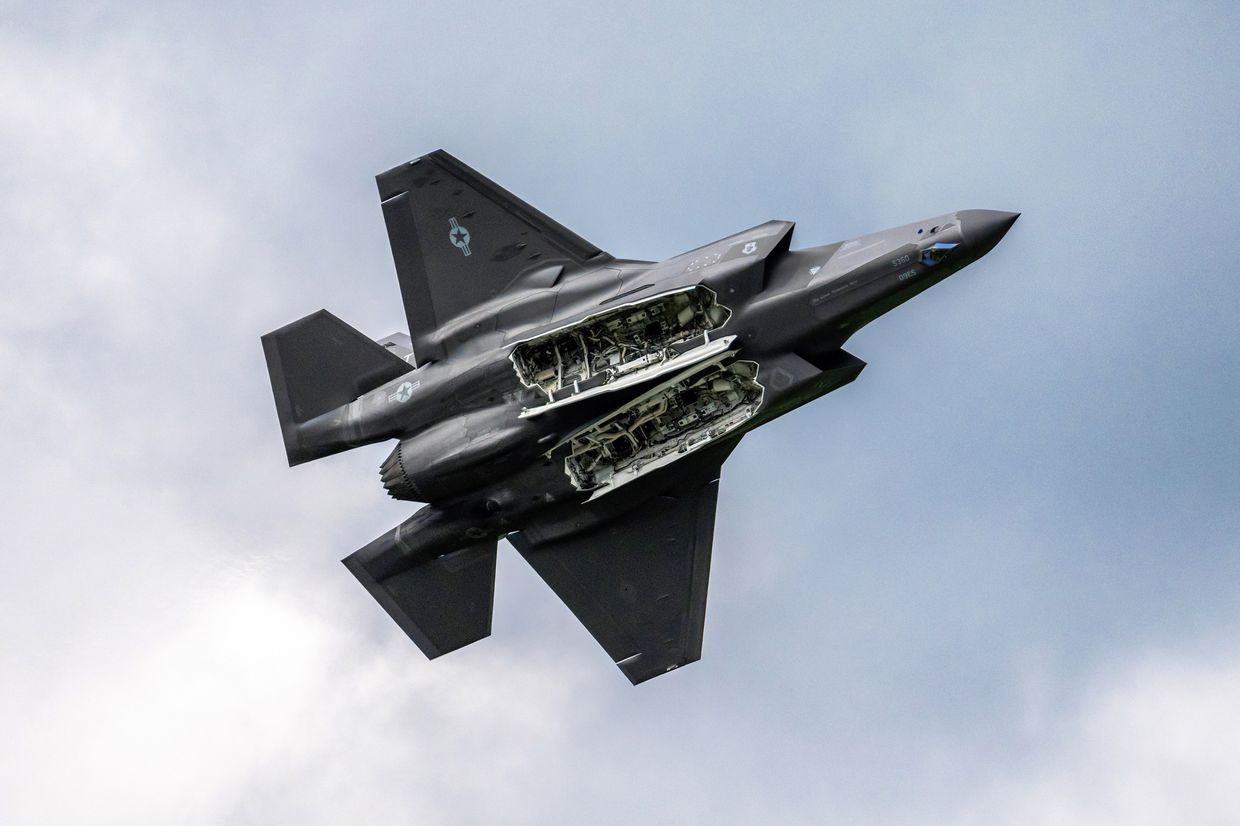
Fighter jets are as good as the parts kept ready for them. The shelters allow Ukraine to keep equipment serviceable, extend its working life, and perform quality maintenance on aircraft under wartime conditions, per the Defense Ministry.
Among the equip
Denmark has sent Ukraine 10 more mobile climate shelters for aviation equipment. Ukraine's Defense Ministry says the units maintain the temperature and humidity levels needed to store aviation technical equipment.

Fighter jets are as good as the parts kept ready for them. The shelters allow Ukraine to keep equipment serviceable, extend its working life, and perform quality maintenance on aircraft under wartime conditions, per the Defense Ministry.
Among the equipment that needs special protection are metrological instruments, electronic components, and other systems sensitive to temperature swings.
Why does Ukraine require special protection?
Ukraine now operates 25 shelters, and Denmark plans to deliver 15 more by the end of 2026, bringing the total to 40.
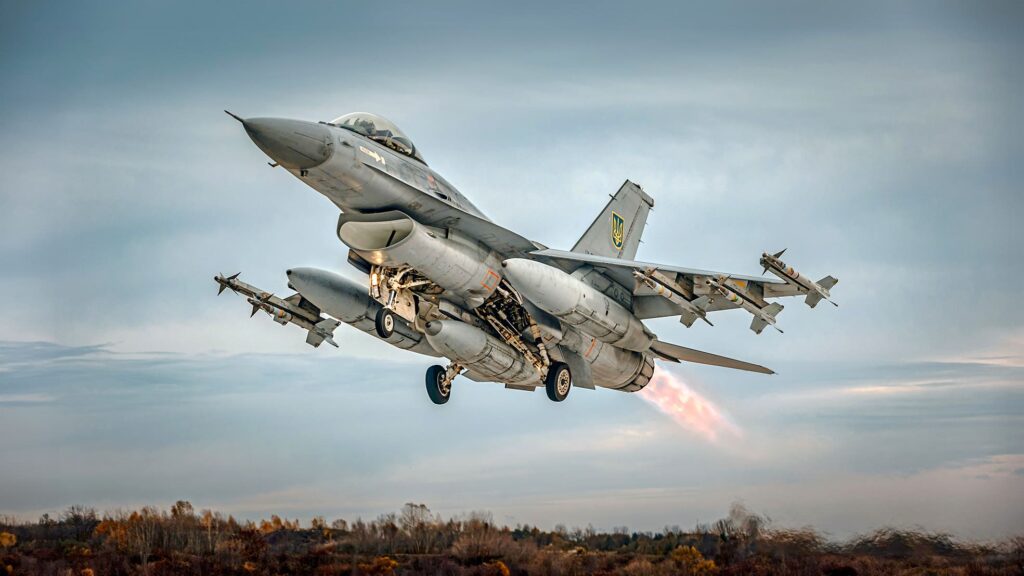
Ukraine possesses a vast number of aircraft, including F-16s that intercept Russian missiles and drones nightly, but they only fly if the components that keep them airworthy survive Ukrainian summers and winters in the field.
The equipment came through the International Air Force Capability Coalition, which also trains Ukrainian pilots and technical personnel, transfers aircraft, and develops airfield infrastructure.
Denmark gives more of its economy to Ukraine's defense than any other country
Denmark has committed $11.1 billion in military aid to Ukraine for 2022 through 2028, and added $600 million to its Ukraine Fund for 2026. Measured as a share of national economic output, Denmark is the world's leading supporter of Ukraine's military.
Copenhagen co-founded the F-16 coalition with the Netherlands and Norway, began training Ukrainian pilots on the aircraft in August 2023, and has delivered multiple batches of jets.
Danish model channeled $2.7 billion in two years
It was the first country to buy weapons directly from Ukraine's own defense industry for Ukraine's army — the arrangement now known as the "Danish model," through which the EU and allied countries have channeled $2.7 billion in two years.
In February 2026, Denmark and Ukraine launched a €33 million project to modernize a Ukrainian defense training center. Danish military aid since 2022 has included F-16s, air defense missiles, tanks, artillery, and drones.
Ukraine's Defense Ministry thanked Denmark for consistent support and contribution to strengthening Ukrainian aviation.
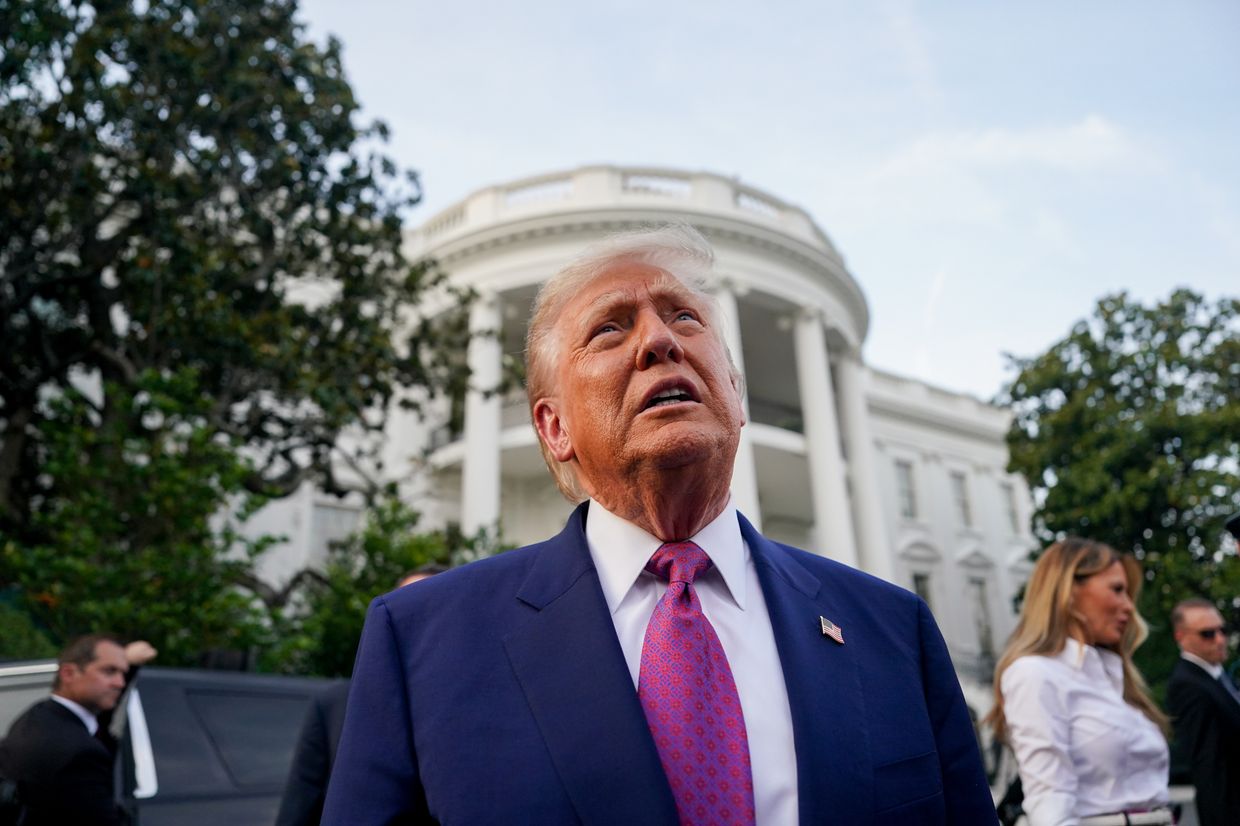
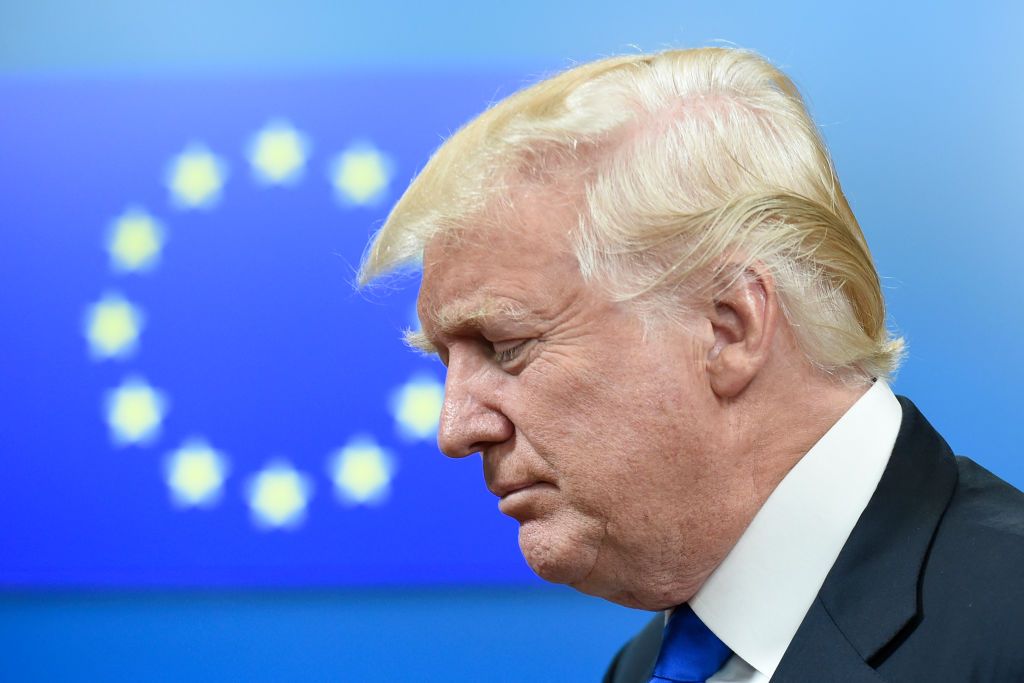
Donald Trump made it sound as though he had just solved Ukraine’s Patriot shortage.
At the NATO summit in Ankara on 8 July 2026, he told Ukrainian President Volodymyr Zelenskyy that the United States would grant Kyiv something it had sought for months.
“We’re going to give a license to you to make Patriots,” Trump told Zelenskyy. “This way, you can’t complain that we’re not giving ’em enough.”
But Trump did not actually grant the license in Ankara. CBS News report
Donald Trump made it sound as though he had just solved Ukraine’s Patriot shortage.
At the NATO summit in Ankara on 8 July 2026, he told Ukrainian President Volodymyr Zelenskyy that the United States would grant Kyiv something it had sought for months.
“We’re going to give a license to you to make Patriots,” Trump told Zelenskyy. “This way, you can’t complain that we’re not giving ’em enough.”
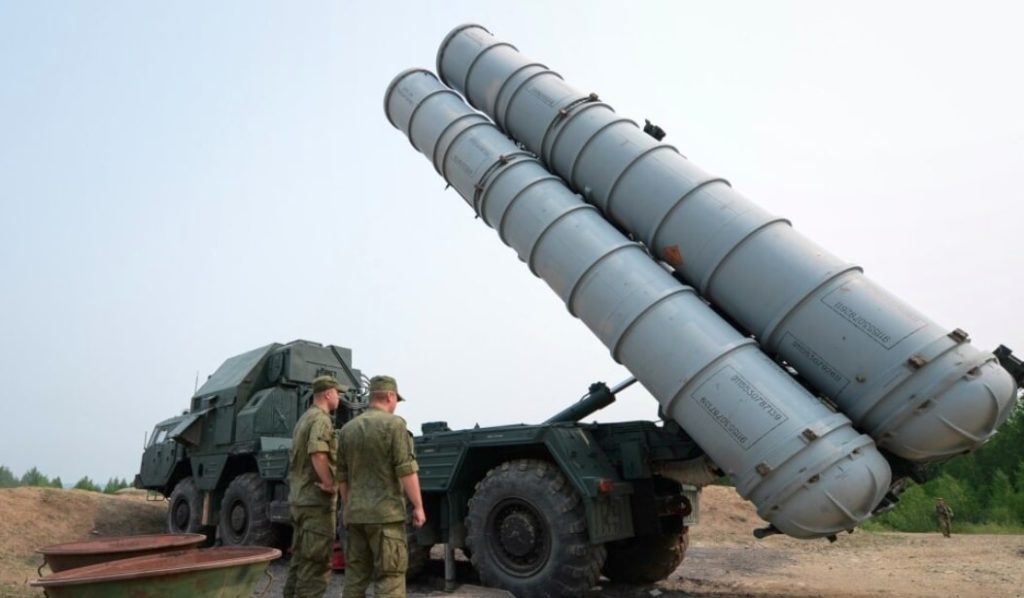
But Trump did not actually grant the license in Ankara. CBS News reported that Lockheed Martin and RTX—which help produce the Patriot missile—had not been informed. Defense News said key terms, including which interceptor Ukraine could build, still had to be negotiated with the contractors.
Zelenskyy left with a promise, not the right to begin producing Patriot missiles.
Even a finalized license would not deliver a single interceptor soon, two defense specialists told Euromaidan Press.
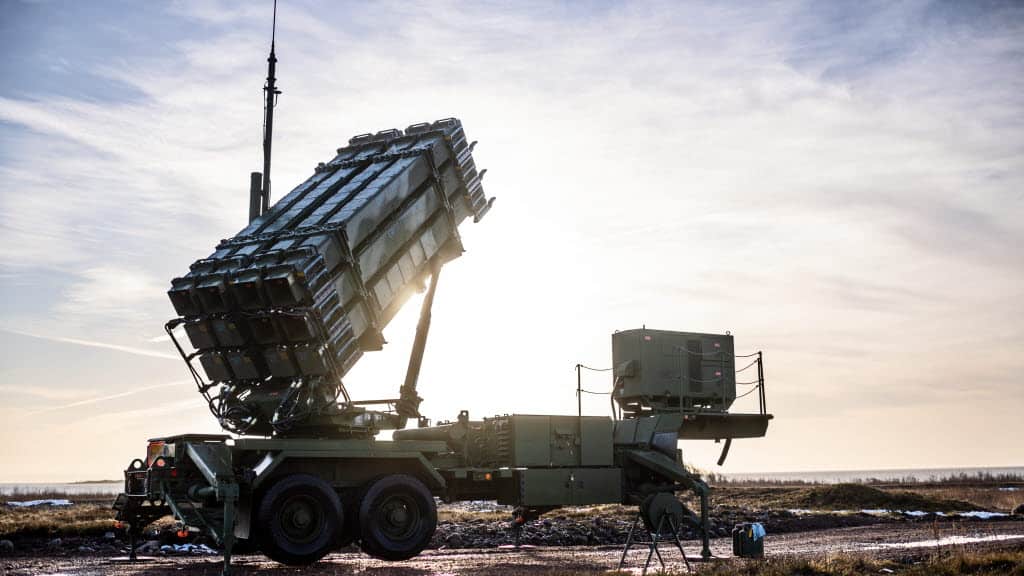
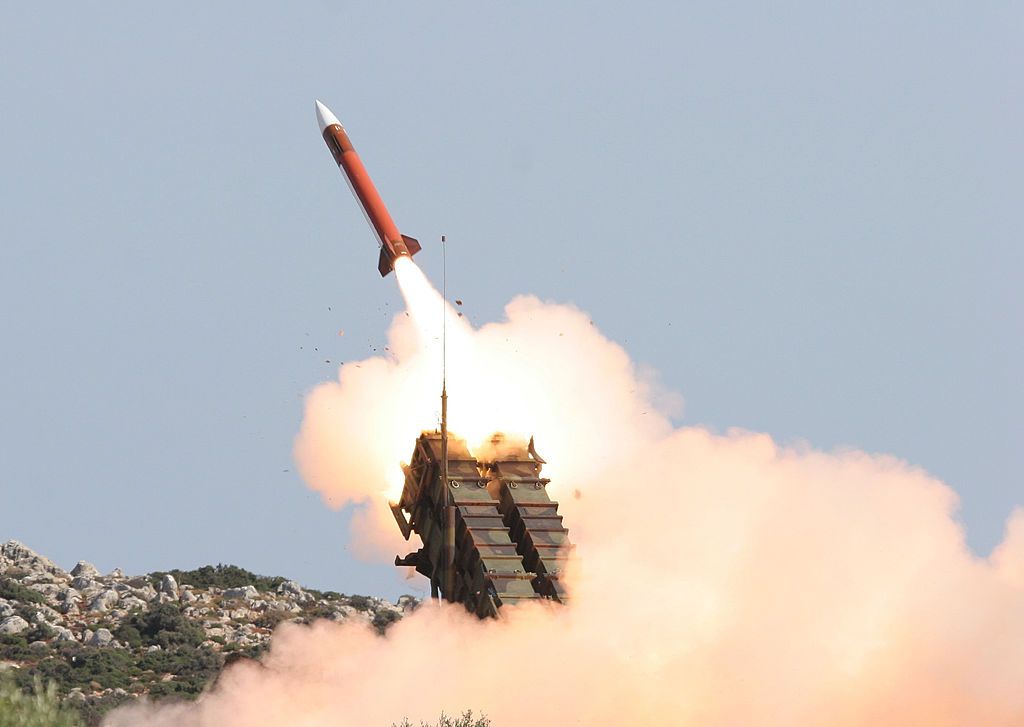
The Patriot is the Western system that most reliably stops Russia's ballistic missiles, and Ukraine depends on the US almost exclusively for it. Russia, meanwhile, wages its most intense aerial campaign of the war. In the strikes on 6 July, Ukrainian air defenses downed none of nearly 30 ballistic missiles fired at Ukraine, according to the Ukrainian Air Force.
A Ukrainian production line could be up and running by the end of next year at the earliest. Kyiv needs Patriots today.
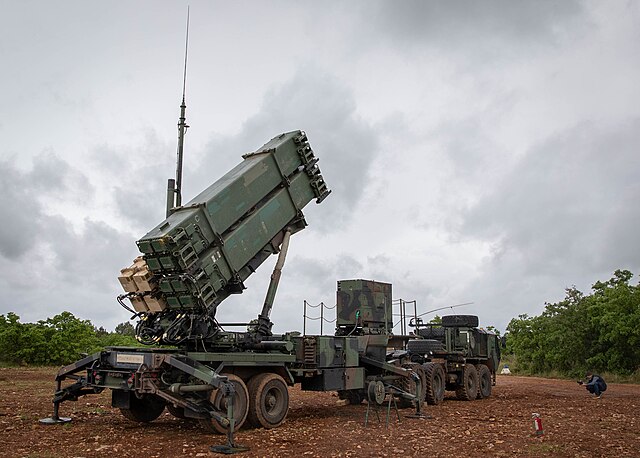
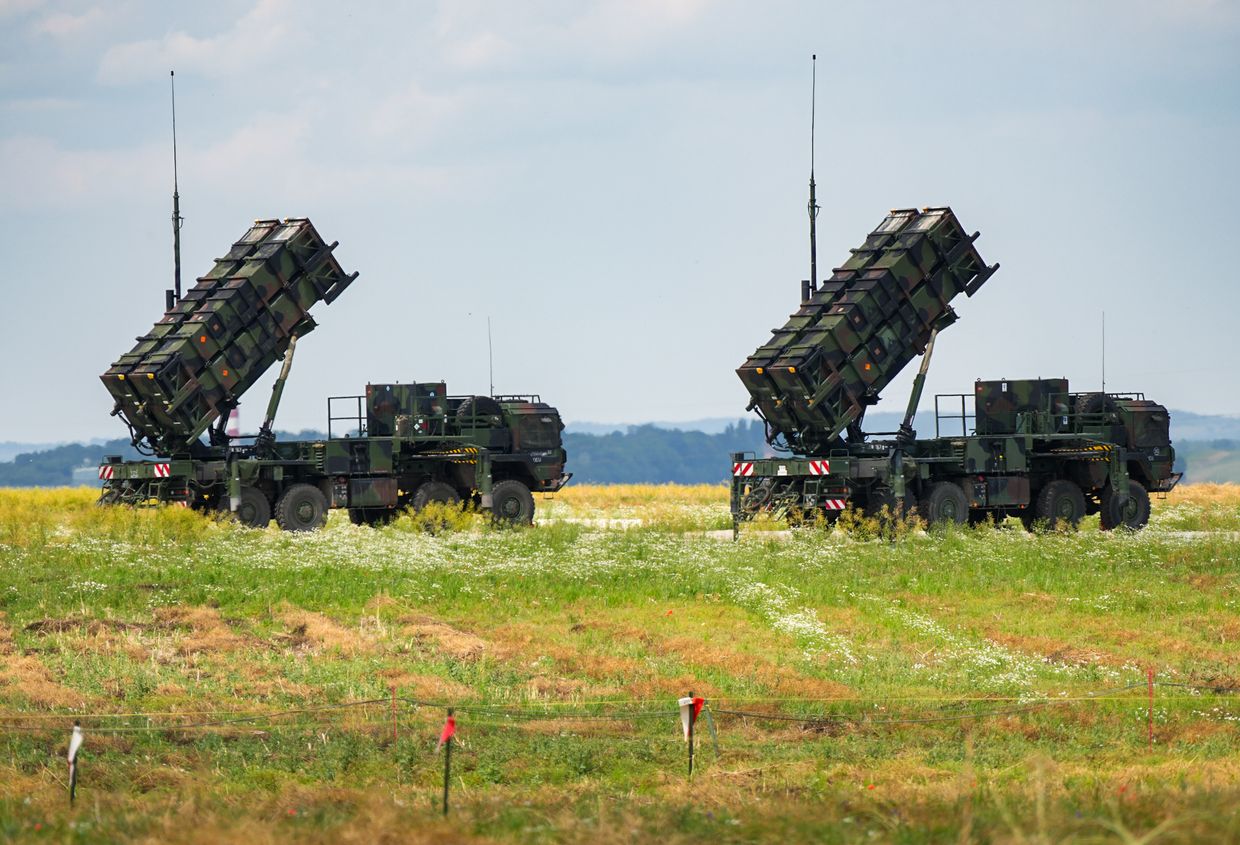
An American Patriot air defense system. Credit: MJaegerT via X
Worse, the specialists warned Euromaidan Press, Washington could use the license as an excuse to stop or delay deliveries. The summit also offered no strategy to defend Ukraine’s skies until production begins, let alone help Kyiv break the battlefield deadlock.
What Ankara delivered
Beyond the Patriot license, the summit’s headline item was money. Allies committed roughly €140 billion ($160 billion) in military aid to Ukraine across 2026 and 2027. Zelenskyy worked the room in an advocacy blitz and met Trump one-on-one.
The Ankara summit’s communiqué restated the alliance’s support for Ukraine but set no path to NATO membership and named no strategy for the war.
Ukraine's President Volodymyr Zelensky (L) meets with US President Donald Trump on the sidelines of the NATO Summit at Bestepe Presidential Compound in Ankara, on July 8, 2026. The summit comes at a fraught time for the 77-year-old transatlantic alliance, with the US President demanding members make good on a pledge to ramp up defense spending as Washington takes a step back from Europe. Source: SAUL LOEB / AFP via East News
Ukraine's ambassador to NATO, Alyona Getmanchuk, struck a more upbeat note, welcoming what allies brought to Ankara. She pointed to the two-year aid commitment, the Patriot license, and fresh funding for the Czech ammunition initiative, long-range weapons, and Ukrainian drone and missile production.
On much of the summit's ledger, she has a case. But not one item on it closes the gap the specialists keep returning to—interceptors for the Russian ballistic missiles that Ukraine can no longer reliably stop, especially because the Iran War has drained the supply.
The license might be an alibi, not a fix
Zelenskyy has pushed for a Patriot license for months. In late May hewrote to the White House and Congress asking for both more Patriots and a license to build them, and pressed the same case at the G7 in June. His letter was blunt about the dependence underneath it: on stopping ballistic missiles, "we rely almost exclusively on the United States."
Marc DeVore, a defense-industry scholar at the University of St Andrews, believes Trump’s promised license will matter—eventually. His worry is what it buys Washington now.
"The Americans can check off a box and say, 'We've solved the problem.' They may be willing to do a victory lap without actually having resolved the problem."—DeVore
UK General Richard Shirreff, NATO's former deputy supreme allied commander Europe, now chief foreign military adviser to Ukraine's commander-in-chief, echoed DeVore, saying that the Patriot pledge "lets America off the hook concerning all the complaints about not supporting Ukraine."
Shirreff sees a second motive that runs counter to the pure-alibi reading: Washington may simply not have the interceptors to hand over.
After the US-Israeli war on Iran drained much of the world's stockpile, Shirreff said, America "doesn't have the means to provide Ukraine with Patriot now"—so the license defers deliveries partly because it can't do otherwise.
Other analysts echo DeVore and Shirreff’s assessment.
Strategic-studies professor Phillips O'Brienargues that the license substitutes for the deliveries Ukraine needs now, and could hand Trump a reason to withhold Patriots until a Ukrainian line exists—late 2027 or 2028 at the earliest.
General Shirreff, who serves as Chief Advisor to Ukraine’s Commander-in-Chief Oleksandr Syrskyi and heads Ukraine’s ARES (Allied Reform and Expert Support) Military Expert Council, during a meeting with Syrskyi on 22 April 2026. Photo: Syrskyi’s FB
DeVore shares the concern, though he stops short of calling Trump's move deliberate—a calculated deferral or just an announcement to look responsive—the result for Ukraine's skies may be the same: fewer interceptors at the most critical moment.
Why a Ukrainian Patriot is years away
But even a signed, finalized license would run into a harder limit. The Patriot is a punishingly complex machine to build, and Ukraine would start close to scratch.
Speaking to Euromaidan Press, DeVore pointed to hold-ups that are physical, not bureaucratic:
"The two big challenges in producing missiles are the engines and the guidance systems."—DeVore
The guidance is a closely-held secret, DeVore said. Even long-licensed foreign producers still rely on US subcontractors for it, so a license can leave dependence on American manufacturing intact.
Fabian Hoffmann of the Norwegian Institute for Defence Studies made the same point to theIrish Times: final assembly of the Patriot is not the bottleneck. Rather, localizing the missile’s supply chain is.
Engines are an even harder obstacle, DeVore said, and Ukraine starts at a serious disadvantage. Russiastruckkey parts of Ukraine’s missile industry early in the war, he noted, and engine shortages have since constrained efforts to scale Ukrainian missiles such as the Neptune to mass production. Kyiv could convert an existing engine line to Patriot production, in his reading, but only by creating a shortfall in the deep-strike weapons now hittingRussian refineries and Crimea.
In early July, DeVore asked two outside expert groups he chairs, both of which advise the UK Defence Ministry, whether Ukraine could realistically begin producing Patriots within a year. They reached the same conclusion he had: probably not.
A year is the optimistic floor, not a timetable anyone should count on.
No strategy and a proposal that went nowhere
The €140 billion in military aid pledged to Ukraine for 2026 and 2027, meanwhile, came without a clear strategy for what it would buy or how it would help Ukraine survive the war.
While speaking with Euromaidan Press, Shirreff noted some gains in Ankara, including the renewed Article 5 pledge and the Patriot license—though the latter would take time Ukraine may not have and would do nothing to strengthen its offensive capabilities.
Yet he was more blunt about what the summit amounted to:
“It was an exercise in papering over the cracks in the increasing chasm between Europe and the United States.”—General Shirreff
The summit, Shirreff said, preserved the appearance of transatlantic unity without resolving Washington’s unreliability or Europe’s failure to develop its own strategy for defeating Russia. The failure, in his telling, is one of political will, not military capability. NATO’s leaders would rather keep Trump on side than tell him plainly what Ukraine needs.
Shirreff has long championed a concrete proposal to ease the interceptor shortage:Sky Shield. Under the plan, European NATO aircraft would patrol western and central Ukraine and shoot down Russian drones and cruise missiles where possible.
DeVore further noted that every target destroyed by a European jet is one fewer threat for Ukraine’s limited air defense systems to intercept. That would allow Kyiv to concentrate more of its scarce Patriot batteries around the capital and closer to the front, while reserving their interceptors for the ballistic missiles they are uniquely equipped to stop.
A Royal Air Force Eurofighter Typhoon; such an aircraft would patrol Ukraine as part of Sky Shield. Source: Wikimedia
Shirreff presents Sky Shield as one defensive component of a broader strategy, not a war-winner on its own. However, Ankara, he said, did nothing to advance it. “I just don’t think it’s changed the dial whatsoever.”
The problem the summit didn't touch
Strip away the public announcement, and the missile-interception arithmetic is unforgiving for Ukraine. Only five or six countries can build interceptors capable of stopping ballistic missiles, and all of them are running short. Ukraine’s best salvation might lie in the Freyamissile system it is co-developing with Germany—but even that system is not guaranteed to deliver.
Difference between Freya and the Patriot's capabilities. Image: Euromaidan Press
Patriots are ordered years in advance. Meanwhile Russia builds ballistic missiles faster than America builds the interceptors to stop them—roughly 800 a year against about 600—and a single Iskander can take two or three Patriot interceptors to bring down.
As Trump spoke in Ankara, another overnightbarrage hit Kyiv, and Ukraine again downed none of its five ballistic missiles.
DeVore's answer is broader than ballistics. Since no defense stops every missile, part of the fix is getting more interceptors and part is making Ukraine need fewer of them—and survive the ones that land.
More interceptors could mean moving Ukraine ahead in the US delivery queue, or buying Japanese, South Korean, or European alternatives. European jets patrolling Western Ukraine could take the drones and cruise missiles off Kyiv's plate. Strikes on Russian missile plants could reduce what Ukraine has to stop at all. A hardened electrical grid survives what gets through anyway.
"A good strategy would have to rely on combinations of all of them," DeVore said.
The fastest option is already underway. Ukraine hasasked nearly 40 partner countries to loan interceptors from their stockpiles now, in exchange for missiles already scheduled for Ukraine later. Those borrowed interceptors could arrive long before Ukraine begins producing Patriots itself.
This material was produced as part of a project by the Institute of Mass Information with the support of the Ministry of Foreign Affairs of the Netherlands. The content of this publication does not reflect the official position of the IMI or the Kingdom of the Netherlands.
Czechia will for the first time pay into a NATO scheme that buys US-made weapons for Ukraine, Foreign Minister Petr Macinka said. The step marks the first time Prime Minister Andrej Babiš's government joins military aid for Kyiv after refusing to spend Czech money on weapons. President Petr Pavel called the move a positive signal.
Since US President Donald Trump ended direct US arms donations, Kyiv's supply of American weapons has depended on allies pooling money to buy the
Czechia will for the first time pay into a NATO scheme that buys US-made weapons for Ukraine, Foreign Minister Petr Macinka said. The step marks the first time Prime Minister Andrej Babiš's government joins military aid for Kyiv after refusing to spend Czech money on weapons. President Petr Pavel called the move a positive signal.
Since US President Donald Trump ended direct US arms donations, Kyiv's supply of American weapons has depended on allies pooling money to buy them—a burden that has fallen heavily on a handful of Nordic and Western European states while pro-Russian governments in the region have pulled back. Prague was one of Ukraine's most generous backers under the previous government, but Babiš won last year's election vowing to pull back—a shift that lined Czechia up alongside Hungary and Slovakia.
Prague redirects budget money into PURL
Czechia will redirect funds from some budget projects into the Prioritized Ukraine Requirements List, or PURL, under which allied countries pay for American weapons for Ukraine's Defense Forces, Macinka said before flying to the NATO summit in Ankara, Türkiye. Czech public broadcaster CT24 reported the announcement on 7 July.
"We are now looking at redirecting some projects that are mandatory in our budget toward Ukraine specifically into this PURL program," Macinka said.
He was due to present the shift to NATO and Ukrainian foreign ministers at a Tuesday dinner, Deník N reported. The first countries to join PURL were the Netherlands, Denmark, Norway, Sweden, Germany, and Canada; Czechia had stayed outside until now.
Explore further
Half of Ukraine’s new trainer planes were bought by Czech charity. Fund is called “Gift for Putin”
A first for the Babiš government
Babiš's government, in power since late last year, had refused to allocate money for weapons for Ukraine or provide military aid. The President welcomed the change in Ankara.
"The Czech Republic was one of the few that had not signed up to this process at all. So if it now goes ahead, that is certainly a positive signal," Pavel said.
The Prime Minister, meanwhile, called the purchase of American weapons for Ukraine a one-time move. He said he did not know the exact sum but that it would be small. He also cited an inherited budget with a 90-billion-koruna ($4.2 billion) hole for this year.
Babiš has repeatedly held back aid he could block alone. In January, he refused to transfer Czech-made L-159 combat aircraft, overruling the President and the chief of the general staff.
Editor's note: This article was updated to include official information from the Canadian government.
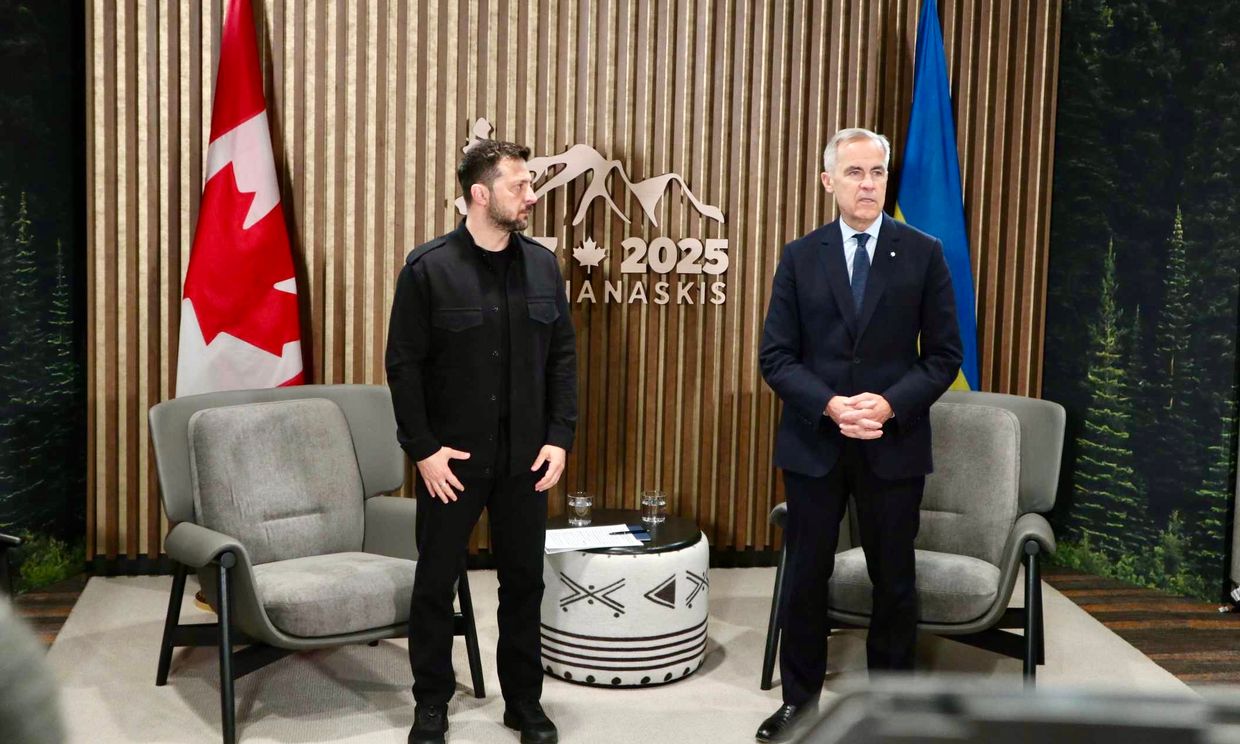
Canada has announced a new military assistance package worth nearly $900 million for Ukraine, including ammunition, armored vehicles, and military equipment, while Ukrainian President Volodymyr Zelenskyy said the package also includes support to strengthen the country's air defenses.
The announcement comes as Ukraine continues urging partners to accelerate military s
Editor's note: This article was updated to include official information from the Canadian government.
Canada has announced a new military assistance package worth nearly $900 million for Ukraine, including ammunition, armored vehicles, and military equipment, while Ukrainian President Volodymyr Zelenskyy said the package also includes support to strengthen the country's air defenses.
The announcement comes as Ukraine continues urging partners to accelerate military support after a series of massive Russian missile and drone attacks that have exposed critical shortages in air defense interceptors.
Strengthening Ukraine’s air defenses remains the priority
The announcement came during a meeting between Canadian Prime Minister Mark Carney and Zelenskyy on the sidelines of the NATO summit in Ankara.
According to the Canadian government, the assistance includes $475 million for ammunition, nearly $400 million to build 35 Canadian-made armored vehicles, and $50 million for critical technology and engineering equipment as part of Canada's $2.8 billion military support commitment for 2026.
Speaking after the meeting, Zelenskyy said strengthening Ukraine's air defenses remains Kyiv's immediate priority.
"We are primarily focused on ensuring there is more air defense. Protecting lives is the main thing, and Russia's ballistic missiles, other missiles, and drones are terror that must be overcome together with our partners," he said.
Zelenskyy said after the meeting that part of Canada's package intended to strengthen Ukraine's air defenses is already on its way to Ukraine. Canada's official announcement did not specify air defense equipment among the package's announced components.
Air defense remains a priority
The announcement comes as Ukraine urgently seeks additional air defense systems and interceptor missiles following a series of massive Russian aerial attacks involving hundreds of drones and dozens of missiles, including ballistic missiles.
Zelenskyy said part of Canada's assistance intended to strengthen Ukraine's air defenses is already on its way to the country.
"This is medium-term assistance. By medium term, I mean over the next few months. It includes military equipment, ammunition, and other support, in addition to this vital air defense assistance," Carney said, according to a statement from the Ukrainian President’s Office.
Canada backs Ukraine's recovery and energy security
According to Novyny.LIVE, Carney also said Canada will continue supporting Ukraine's energy sector ahead of the coming winter, assist reconstruction efforts, and back Ukraine's integration into the European and global economy.
Zelenskyy added that the two sides also discussed joint energy projects involving Ukraine's state-owned oil and gas company Naftogaz.
Drone agreement under discussion
Zelenskyy said Ukraine and Canada are also preparing a bilateral Drone Deal, describing it as an agreement that goes beyond drone production.
"It is not only about drones, but about a new and effective security system, with capabilities proven in this war. It will certainly be useful," he said.
The Ukrainian president added that he and Carney discussed the current diplomatic situation and exchanged ideas on how to bring peace closer by creating what he described as a "real interest" within Russia in negotiations.
Poland will gradually retire its remaining MiG-29 fighter jets after a proposed agreement to transfer some of the aircraft to Ukraine in exchange for drone technology failed to materialize, according to a report by Wirtualna Polska.
The comments come amid tensions between Kyiv and Warsaw following Ukraine's decision to rename a Special Operations Forces unit after the Ukrainian Insurgent Army (UPA). While the UPA is revered in Ukraine for fighting Soviet rule, in Poland
Poland will gradually retire its remaining MiG-29 fighter jets after a proposed agreement to transfer some of the aircraft to Ukraine in exchange for drone technology failed to materialize, according to a report by Wirtualna Polska.
The comments come amid tensions between Kyiv and Warsaw following Ukraine's decision to rename a Special Operations Forces unit after the Ukrainian Insurgent Army (UPA). While the UPA is revered in Ukraine for fighting Soviet rule, in Poland it is associated with the Volhynia massacres of Polish civilians during World War II. Polish officials have strongly criticized the move.
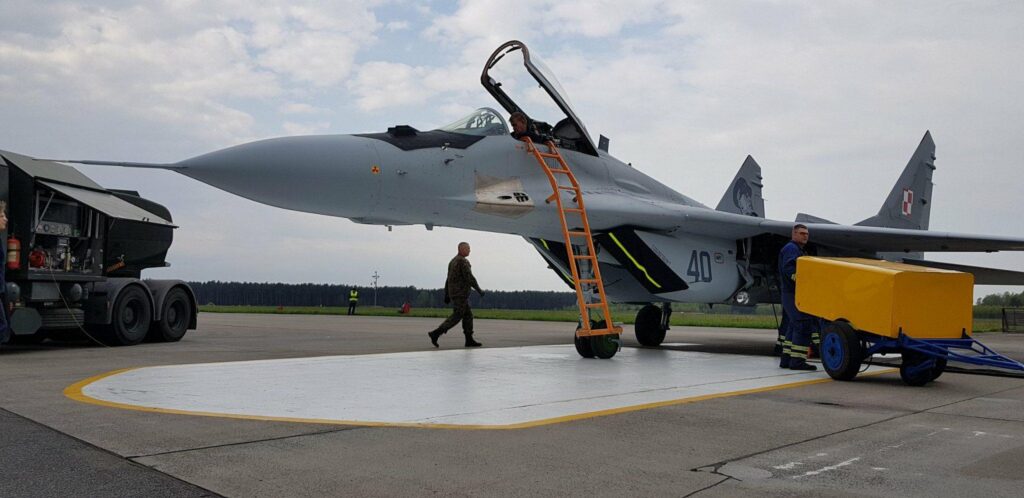
Poland's Ministry of National Defence (MON) has reportedly decided the aging Soviet-era fighters will be withdrawn from service as they reach the end of their operational life, rather than transferred to Ukraine.
Proposed transfer to Ukraine falls through
Late last year, Polish officials announced plans to provide Ukraine with part of Poland's remaining MiG-29 fleet as the aircraft were phased out in favor of newer fighters.
According to Wirtualna Polska, the proposed transfer was tied to a broader agreement under which Poland would receive Ukrainian drone technology.
Polish Defense Minister Władysław Kosiniak-Kamysz said Warsaw had presented Kyiv with "a clear offer" on drones and related technology.
"Initially there was agreement in this area. Today Ukraine is not fulfilling this agreement. We remain ready for further talks," he said.
Kosiniak-Kamysz also suggested the stalled negotiations were influenced by broader political tensions between the two countries, including the recent disputes over historical issues.
MiG-29s remain key part of Ukraine's air force
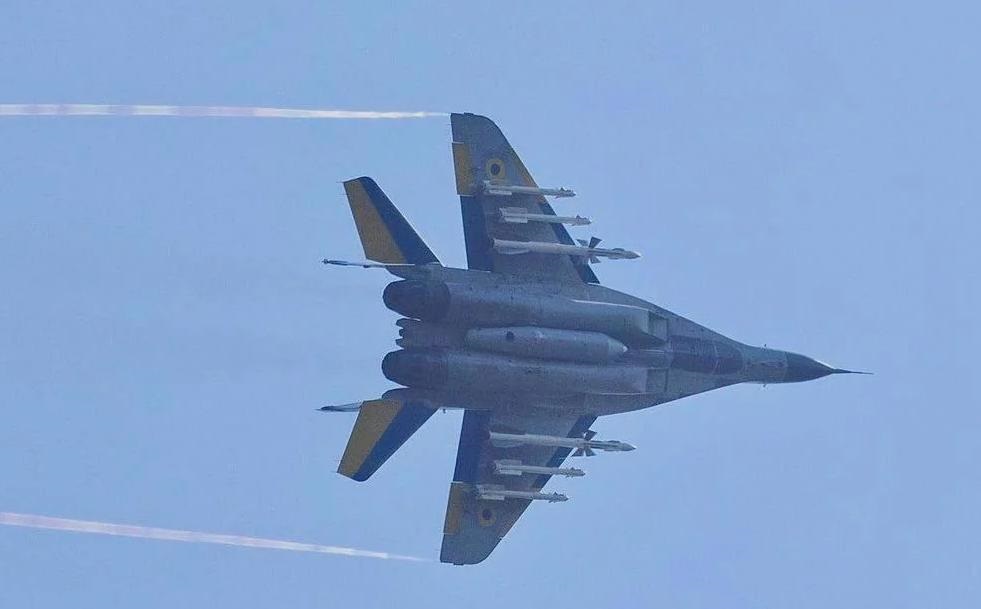
Ukraine still relies on its MiG-29 fleet for air defense and strike missions. Since the start of Russia's full-scale invasion, the Soviet-era fighters have been modified to carry Western-supplied precision weapons, including AGM-88 HARM anti-radiation missiles and AASM Hammer guided bombs.
Additional aircraft from allies have helped Ukraine replace combat losses and sustain operations.
Poland's MiG-29 fleet to be phased out
According to Poland's defense ministry, the aircraft will be retired as they reach the limits of their certified service life and because there are no plans to modernize the fleet further.
The ministry declined to disclose the timetable for the retirements, saying the schedule will remain classified.
The MiG-29 has served in the Polish Air Force since 1989 and is primarily based at the 22nd Tactical Air Base near Malbork. Although increasingly replaced by modern aircraft, the fighters continue to perform operational duties.
The ministry said the Malbork airbase will remain an important security facility, continuing to host helicopters, fixed-wing aircraft, and allied NATO deployments supporting the Alliance's Air Policing mission on its eastern flank.
Denmark is rerouting planned military aid to send Ukraine long-range artillery instead of short-range shells. Ukraine's Defense Forces will receive an additional 15,000 long-range artillery rounds after Kyiv asked Copenhagen to shift the resources, and some of the munitions have already arrived, Defense Minister Mykhailo Fedorov said.
The swap reflects how the war's geometry has changed. As the drone kill-zone widens along the front, short-range guns force crews dangerou
Denmark is rerouting planned military aid to send Ukraine long-range artillery instead of short-range shells. Ukraine's Defense Forces will receive an additional 15,000 long-range artillery rounds after Kyiv asked Copenhagen to shift the resources, and some of the munitions have already arrived, Defense Minister Mykhailo Fedorovsaid.
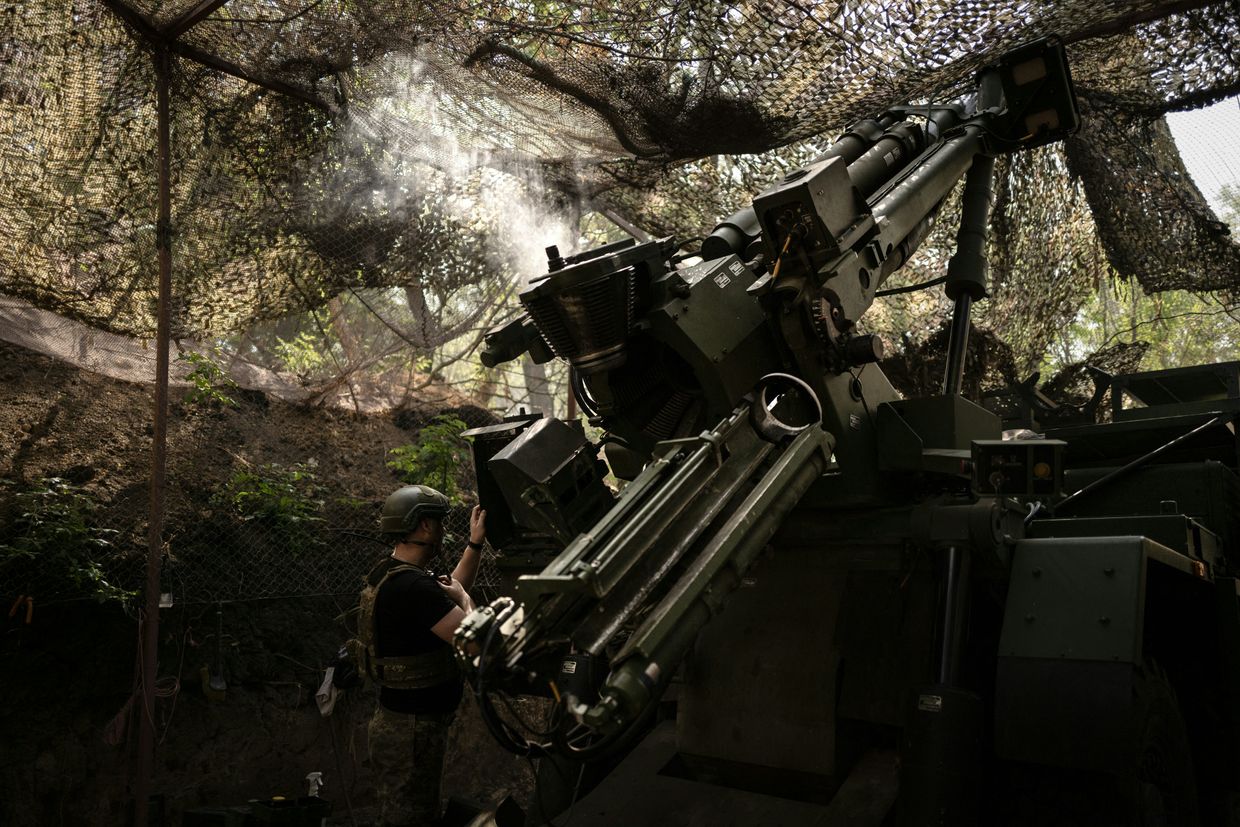
The swap reflects how the war's geometry has changed. As the drone kill-zone widens along the front, short-range guns force crews dangerously close to the enemy, while long-range rounds let Ukraine strike logistics and command posts from safer distances.
Denmark, which has emerged as Ukraine's biggest military backer relative to its economy, agreed to the change within days, Fedorov said.
Kyiv steers donor funds
"We are fighting for every dollar of international support," he wrote, adding that Ukraine concentrates resources on the solutions that deliver the biggest battlefield result.
He named three constant priorities: air defense, long-range artillery, and Ukrainian drones. For Denmark, Ukraine proposed reworking part of the already-planned support, shifting it from short-range artillery to long-range solutions, and Copenhagen responded quickly, he said.
Long-range rounds top front's needs
Long-range munitions rank among the front's most urgent demands, Fedorov said.
"Amid the constant expansion of the drone kill-zone, they let us hit the enemy, its logistics, and command posts more effectively, while reducing the risk to our troops," he wrote.
Cheap reconnaissance and strike drones now saturate the gray zone, making it lethal for short-range gun crews to work close to Russian positions. Fedorov thanked Denmark for adapting its support to what the front actually needs.
Denmark anchors Ukraine's arsenal
Copenhagen has sent F-16 fighter jets, tanks, air defense, artillery, and drones since 2022, and pioneered the "Danish model", which channels donor money, much of it interest from frozen Russian assets, into weapons built inside Ukraine.
It has committed more than $11 billion in military aid through 2028, though it trimmed its 2026 line earlier and later added funds back.
U.S. President Donald Trump is considering sending Ukraine an additional Patriot air defense system, a move that would mark his administration's first major weapons transfer to Kyiv, the Wall Street Journal (WSJ) reported on July 8, citing two defense officials. The report is the latest in a series of contradictory messages from the Trump White House in recent days regarding military aid to Ukraine. While the Pentagon on July 2 announced a halt in weapons shipments to Kyiv due to dwindling U.S.
U.S. President Donald Trump is considering sending Ukraine an additional Patriot air defense system, a move that would mark his administration's first major weapons transfer to Kyiv, the Wall Street Journal (WSJ) reported on July 8, citing two defense officials.
The report is the latest in a series of contradictory messages from the Trump White House in recent days regarding military aid to Ukraine. While the Pentagon on July 2 announced a halt in weapons shipments to Kyiv due to dwindling U.S. stockpiles, Trump later claimed he wasn't responsible for the decision and wanted to send more weapons to Ukraine.
A U.S. defense official told the WSJ that Trump has asked the Pentagon to look into options for supplying Ukraine with more arms, including a Patriot air defense system. Officials are also reportedly exploring whether other nations can send Patriots to Kyiv.
The claim dovetails with recent media reports about the administration's plans to bolster Ukraine's air defenses. Axios reported on July 8 that the White House is pursuing a plan to have Germany sell another Patriot battery to Ukraine, with the U.S. and European allies splitting the cost of the purchase. Sources told the outlet that Trump also pledged to send 10 Patriot interceptor missiles to Kyiv.
If the U.S. provides Ukraine with an additional Patriot system, it would mark the first time Trump has approved a major military aid package to Kyiv that wasn't previously greenlighted by former U.S. President Joe Biden.
Washington has thus far provided Kyiv with three Patriots, a former Pentagon official told the WSJ. Germany has also sent three, while a group of European countries provided one. According to the official, not all systems are in use at the same time due to maintenance issues.
The U.S.-made air defense systems are in high demand around the world. Each system consists of two or three launchers, a radar, a command and control element, and interceptor missiles. Patriot missiles are also in short supply globally: Ukraine faces an urgent need for the munitions amid increased Russian aerial attacks, and the Guardian reported on July 8 that even the U.S. has only 25% of the interceptors required by its defense readiness plans.
According to one of the officials who spoke to the WSJ, the U.S. military would be able to supply an additional Patriot to Ukraine if ordered by the White House.
U.S. President Donald Trump told President Volodymyr Zelensky during a phone call on July 4 that he was not responsible for the suspension of U.S. arms shipments to Ukraine, The Wall Street Journal (WSJ) reported on July 7, citing unnamed sources familiar with the matter.The suspension of aid, which includes Patriot air defense missiles and precision-guided munitions, has drawn criticism from Kyiv amid an intensifying Russian aerial campaign that has killed and injured hundreds of civilians in r
U.S. President Donald Trump told President Volodymyr Zelensky during a phone call on July 4 that he was not responsible for the suspension of U.S. arms shipments to Ukraine, The Wall Street Journal (WSJ) reported on July 7, citing unnamed sources familiar with the matter.
The suspension of aid, which includes Patriot air defense missiles and precision-guided munitions, has drawn criticism from Kyiv amid an intensifying Russian aerial campaign that has killed and injured hundreds of civilians in recent weeks.
According to WSJ, Trump told the Ukrainian president that he had ordered a review of Pentagon munitions stockpiles following last month's U.S. strikes on Iran's nuclear sites, but he did not direct the military to halt weapons deliveries.
NBC News reported on July 4 that Defense Secretary Pete Hegseth unilaterally halted the shipment to Ukraine on July 2, despite internal Pentagon assessments showing the aid would not compromise U.S. military readiness.
According to Politico, U.S. Special Envoy Keith Kellogg and Defense Minister Rustem Umerov are scheduled to meet in Rome later this week to discuss restarting U.S. military aid to Ukraine.
Trump did not acknowledge a halt in U.S. weapons shipments to Ukraine. On July 7, he said the U.S. would provide Ukraine with "more weapons," pointing to the scale of Russia's attacks.
"They have to be able to defend themselves, they're getting hit very hard now," Trump told reporters alongside a U.S. and Israeli delegation at the White House.
The comments follow Trump's July 3 call with Russian President Vladimir Putin, after which he said he was "very disappointed" with the Kremlin's continued refusal to end hostilities.
The following day, Trump and Zelensky spoke by phone in what the U.S. president described as a "very strategic" conversation focused on Ukraine's need for air defenses.
Two rounds of direct talks between Russia and Ukraine held in Istanbul in May and June led only to prisoner exchanges, with no breakthrough on ending hostilities. Moscow has maintained maximalist conditions while rejecting calls for an unconditional ceasefire.
U.S. Special Envoy Keith Kellogg and Defense Minister Rustem Umerov are set to meet at the Ukraine Recovery Conference in Rome later this week to discuss the resumption of U.S. military assistance to Ukraine, Politico reported on July 7.Following the talks between Kellogg and Umerov in Rome, Politico reported that more meetings are set to take place in Kyiv over the next two weeks.The United States halted weapons shipments to Ukraine amid a capability review, the White House and Pentagon previou
U.S. Special Envoy Keith Kellogg and Defense Minister Rustem Umerov are set to meet at the Ukraine Recovery Conference in Rome later this week to discuss the resumption of U.S. military assistance to Ukraine, Politico reported on July 7.
Following the talks between Kellogg and Umerov in Rome, Politico reported that more meetings are set to take place in Kyiv over the next two weeks.
The United States halted weapons shipments to Ukraine amid a capability review, the White House and Pentagon previously confirmed, with U.S. President Donald Trump on July 3 denying the pause.
Days later, Trump said that the United States would provide Ukraine with additional shipments of weapons amid intensified Russian attacks.
"We're gonna send some more weapons we have to them, they have to be able to defend themselves, they're getting hit very hard now," Trump said on July 7.
The halted U.S. military assistance to Ukraine could be resumed following planned high-level meetings at the conference, two people familiar with the matter told Politico.
A Kyiv meeting between Kellogg and Umerov following the Ukraine Recovery Conference was planned before the U.S. halted military assistance to Ukraine.
Kellogg's spokesperson Morgan Murphy said the meeting was "set up before news of the arms pause came to light last week."
Ukraine would like to promptly resume supplies of air defense and precision munitions, while the U.S. has signalled that the delivery of armored vehicles and engineering equipment may resume soon, the two sources said.
Pentagon spokesperson Sean Parnell confirmed on July 2 that some military assistance to Ukraine has been halted as the U.S. Defense Department conducts a review of foreign aiddeliveries.
"This capability review... is being conducted to ensure U.S. military aid aligns with our defense priorities... We see this as a common-sense, pragmatic step towards having a framework to evaluate what munitions are sent and where," Parnell said.
Despite the Pentagon announcement, Trump did not acknowledge a halt in U.S. weapons shipments to Ukraine.
"Why did you pause weapons shipments to Ukraine?" a reporter asked Trump as the U.S. president prepared to board Air Force One on July 3.
Four Alliance 90/Greens party members have sent an open letter to German Chancellor Friedrich Merz calling for a significant increase in military aid to Ukraine, Bild reported on July 5, citing a copy of the document.The news comes as Russia’s expanded drone production has enabled Moscow to launch as many as 500 drones in a single night against Ukraine on multiple occasions each week.The letter's authors — Robin Wagener, Sara Nanni, Sebastian Schafer, and Anton Hofreiter — demanded that certain
Four Alliance 90/Greens party members have sent an open letter to German Chancellor Friedrich Merz calling for a significant increase in military aid to Ukraine, Bild reported on July 5, citing a copy of the document.
The news comes as Russia’s expanded drone production has enabled Moscow to launch as many as 500 drones in a single night against Ukraine on multiple occasions each week.
The letter's authors — Robin Wagener, Sara Nanni, Sebastian Schafer, and Anton Hofreiter — demanded that certain budget items be adjusted, particularly regarding support for Ukraine. They believe that the planned increase in Germany's defense funding for Kyiv from $8.4 billion in 2024 to $9.8 billion in 2025 is insufficient, according to Bild.
The signatories emphasized the need to strengthen Ukraine's air defense systems urgently.
"Without further air defense and assured supplies, Russian dictatorship over Ukraine becomes more likely," the letter read.
The lawmakers also noted that the situation has deteriorated as Russia continues to carry out large-scale attacks on Ukraine, and the United States, for its part, has partially suspended its military aid.
The signatories reminded Merz that, thanks to the Greens party's support in the previous Bundestag, assistance to Ukraine had significantly increased.
Before becoming chancellor, Merz, elected for the CDU/CSU conservative alliance, signaled he could overturn the ban of his predecessor, Social Democrat Olaf Scholz, on delivering Taurus to Ukraine.
The Taurus is a powerful cruise missile capable of striking targets at a distance of 500 kilometers (300 miles), more than the long-range capabilities Ukraine received from other partners.
However, the German government has not approved sending Taurus missiles to Ukraine so far.
Ukraine has been using U.S.-made ATACMS for over a year, and U.K.-French Storm Shadow/SCALP for more than two, initially being allowed to deploy them only against Russian targets on Ukrainian territory.
Only in late 2024, the Biden administration and other allies eased the restrictions, allowing Ukraine to use long-range missiles against Russian military targets on Russian territory.
U.S. President Donald Trump brushed off a reporter's question on July 3 about pausing weapons deliveries to Ukraine, claiming Washington is "giving weapons" to Kyiv. The Pentagon previously confirmed that the U.S. has already halted some military aid shipments to Ukraine in order to conduct what it calls a "capability review" of its own stockpiles. "Why did you pause weapons shipments to Ukraine?" a reporter asked Trump as the president prepared to board Air Force One."We haven't," Trump replied
U.S. President Donald Trump brushed off a reporter's question on July 3 about pausing weapons deliveries to Ukraine, claiming Washington is "giving weapons" to Kyiv.
The Pentagon previously confirmed that the U.S. has already halted some military aid shipments to Ukraine in order to conduct what it calls a "capability review" of its own stockpiles.
"Why did you pause weapons shipments to Ukraine?" a reporter asked Trump as the president prepared to board Air Force One.
Trump then offered a contradictory answer, saying the U.S. is "trying to help" Ukraine while also claiming that former U.S. President Joe Biden depleted the country's weapons stocks with military aid to Kyiv and that Washington must defend its own interests.
"But we've given so many weapons — but we are giving weapons, and we're working with (Ukraine), we're trying to help them," Trump said.
"But we haven't... You know, Biden emptied out our whole country giving them weapons and we have to make sure that we have enough for ourselves."
Trump then asked the reporter which media outlet he represented.
Reports that the U.S. had suddenly paused some weapons shipments — including deliveries of desperately needed air defense missiles — left officials in Kyiv scrambling for answers. Trump's response provides little clarity and even less reassurance to Ukrainians facing increasingly deadly Russian missile attacks night after night.
The decision to halt the shipments "was made to put America's interests first following a (U.S. Defense Department) review of our nation's military support and assistance to other countries across the globe," White House Deputy Press Secretary Anna Kelly said in a statement after Politico broke the story on July 1.
The Washington Post later reported that a shipment of U.S. weapons, including advanced air defense systems and precision missiles, was halted in Poland where it was awaiting delivery to Ukraine.
U.S. State Department Spokesperson Tammy Bruce, like Trump, insisted that the U.S. was not pulling support from Ukraine.
"This is not — I will reinforce this — this is not a cessation of us assisting Ukraine or of providing weapons," Bruce told reporters at a briefing.
"This is one event in one situation, and we'll discuss what else comes up in the future. But be wary of painting too broad a brush there."
Trump's remarks about the weapons shipments followed an update on his July 3 phone call with Russian President Vladimir Putin.
"We had a call. It was a pretty long call. We talked about a lot of things," he said.
U.S. weapons already in Poland en route to Ukraine have been halted, including advanced air defense systems and precision missiles, the Wall Street Journal reported on July 2.The Pentagon confirmed the halt in a July 2 briefing, citing an ongoing "capability review" aimed at ensuring U.S. military assistance "aligns with its strategic defense priorities."The shipment in Poland includes over two dozen PAC-3 Patriot missiles, more than two dozen Stinger air-defense systems, Hellfire air-to-ground
U.S. weapons already in Poland en route to Ukraine have been halted, including advanced air defense systems and precision missiles, the Wall Street Journal reported on July 2.
The Pentagon confirmed the halt in a July 2 briefing, citing an ongoing "capability review" aimed at ensuring U.S. military assistance "aligns with its strategic defense priorities."
The shipment in Poland includes over two dozen PAC-3 Patriot missiles, more than two dozen Stinger air-defense systems, Hellfire air-to-ground missiles, and over 90 AIM air-to-air missiles intended for use with Ukraine's F-16 fighter jets, according to U.S. administration and congressional officials cited by the Wall Street Journal.
"We see this as a common-sense, pragmatic step towards having a framework to evaluate what munitions are sent and where," Pentagon spokesperson Sean Parnell said.
The decision has sparked backlash from both sides of the political aisle in Washington. Republican Rep. Brian Fitzpatrick, co-chair of the Congressional Ukraine Caucus, called the pause "unacceptable," while Democratic Senator Richard Blumenthal labeled it "fallacious and maybe even disingenuous."
The pause comes at a critical moment for Ukraine, which faces intensified Russian missile and drone strikes. On June 29, Russia launched the largest aerial assault against Ukraine since the start of its full-scale invasion in February 2022, targeting civilian infrastructure and cities far beyond the frontline.
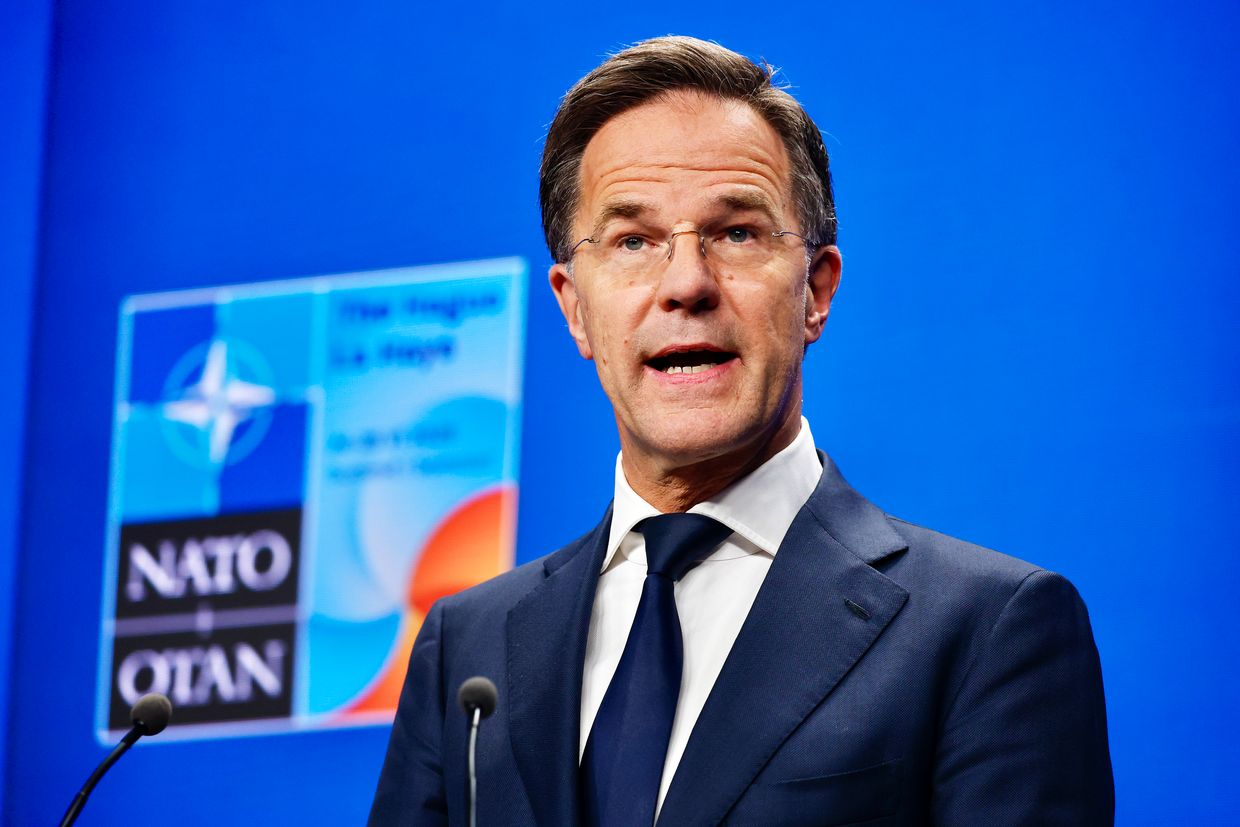
NATO Secretary General Mark Rutte, speaking on July 2, emphasized the urgency of continued Western support for Kyiv. "I totally understand that the U.S. always has to make sure its interests are covered," he said. "But in the short term, Ukraine cannot do without all the support it can get."
The Pentagon has not provided a timeline for when the held-back shipments might resume.
Pentagon spokesperson Sean Parnell confirmed on July 2 that some military assistance to Ukraine has been halted as the U.S. Defense Department conducts a review of foreign aid deliveries."This capability review... is being conducted to ensure U.S. military aid aligns with our defense priorities... We see this as a common-sense, pragmatic step towards having a framework to evaluate what munitions are sent and where," Parnell said.The White House earlier confirmed the pause in shipments, citing a
Pentagon spokesperson Sean Parnell confirmed on July 2 that some military assistance to Ukraine has been halted as the U.S. Defense Department conducts a review of foreign aid deliveries.
"This capability review... is being conducted to ensure U.S. military aid aligns with our defense priorities... We see this as a common-sense, pragmatic step towards having a framework to evaluate what munitions are sent and where," Parnell said.
The White House earlier confirmed the pause in shipments, citing a broader reassessment of U.S. military stockpiles amid media reports of the halt in military assistance.
The weapons reportedly being held back include two dozen Patriot air defense missiles, over two dozen Stinger air-defense systems, precision artillery rounds, Hellfire missiles, drones, and more than 90 AIM air-to-air missiles launched from F-16 fighter jets.
New U.S. military aid packages have not been approved since U.S. President Donald Trump was inaugurated in January, raising concern among Ukraine's allies.
"Ultimately, our job here at the Department of Defense is to pursue the president's 'America First' agenda and make sure that we achieve peace through strength throughout the world," Parnell said at a Pentagon press briefing.
The U.S. Defense Department will not provide updates on the timeline and quantity or type of munitions provided to Ukraine, he added.
"What we've done here at the Department of Defense is create a framework to analyze what munitions we're sending (and) where," Parnell said.
A bipartisan group of U.S. lawmakers has voiced their opposition to the decision to halt military aid shipments to Ukraine.
"We must build up our own Defense Industrial Base here in the U.S. while simultaneously providing the needed assistance to our allies who are defending their freedom from brutal invading dictators. To not do both is unacceptable," Republican Rep. Brian Fitzpatrick, the co-chair of the Congressional Ukraine Caucus, said.
Democratic Senator Richard Blumenthal, a member of the Senate Armed Services Committee, described the military aid pause as "fallacious and maybe even disingenuous."
NATO Secretary General Mark Rutte said on July 2 that he understands the White House's need to safeguard its own defense capabilities, but underscored that Ukraine urgently requires sustained support.
"I totally understand that the U.S. always has to make sure its interests are covered... When it comes to Ukraine, in the short term, Ukraine cannot do without all the support it can get," Rutte said.
The Washington Post reported that the military aid was already in Poland, being prepared for delivery to Ukraine.
The Trump administration's decision to halt deliveries of key military aid to Ukraine has caught European partners off guard and prompted urgent requests for clarification, Bloomberg reported on July 2, citing unnamed sources.The pause affects the delivery of several weapons critical to Ukraine's defense, including Patriot air defense missiles, precision-guided artillery shells, Hellfire missiles, and munitions for F-16 fighter jets. The White House confirmed the hold, describing it as part of a
The Trump administration's decision to halt deliveries of key military aid to Ukraine has caught European partners off guard and prompted urgent requests for clarification, Bloomberg reported on July 2, citing unnamed sources.
The pause affects the delivery of several weapons critical to Ukraine's defense, including Patriot air defense missiles, precision-guided artillery shells, Hellfire missiles, and munitions for F-16 fighter jets.
The White House confirmed the hold, describing it as part of a broader reassessment of U.S. military stockpiles. Since U.S. President Donald Trump took office in January, the U.S. has not approved any new military aid packages for Ukraine.
According to Bloomberg, some European allies hope the Trump administration will soften or reverse the decision. The timing of the pause has raised particular concern as Ukraine faces one of the most intense waves of Russian missile and drone attacks since the start of the war.
In his evening address on July 2, President Volodymyr Zelensky said Ukrainian and U.S. officials are working through the aid issue at a "working level," including discussions on critical air defense support.
Ukraine's Defense Ministry said it has not received any formal notification of delays or cancellations but has requested urgent consultations with U.S. defense officials.
The Foreign Ministry also summoned U.S. Charge d'Affaires John Ginkel, warning that "any hesitation" in military support would encourage further Russian aggression.
The Kremlin welcomed the decision, with spokesperson Dmitry Peskov saying, "The fewer weapons that are supplied to Ukraine, the closer the end of the (war)."
NATO Secretary General Mark Rutte expressed understanding of Washington's desire to safeguard its stockpiles but said that "Ukraine cannot do without all the support it can get."
U.S. Defense Secretary Pete Hegseth previously signaled a shift in policy, indicating that future defense budgets would prioritize domestic needs over military support for Ukraine.
NATO Secretary General Mark Rutte said on July 2 that he understands Washington's need to safeguard its own defense needs, but emphasized that Ukraine urgently requires sustained Western support."I totally understand that the U.S. always has to make sure its interests are covered," Rutte told Fox News. "When it comes to Ukraine, in the short term, Ukraine cannot do without all the support it can get."His remarks come as the U.S. Defense Department has halted deliveries of key weapons systems pre
NATO Secretary General Mark Rutte said on July 2 that he understands Washington's need to safeguard its own defense needs, but emphasized that Ukraine urgently requires sustained Western support.
"I totally understand that the U.S. always has to make sure its interests are covered," Rutte told Fox News. "When it comes to Ukraine, in the short term, Ukraine cannot do without all the support it can get."
His remarks come as the U.S. Defense Department has halted deliveries of key weapons systems previously promised to Kyiv, including Patriot missiles, precision-guided artillery shells, Hellfire missiles, and munitions compatible with F-16 fighter jets.
The White House confirmed the pause in shipments, citing a broader reassessment of U.S. military stockpiles. No new U.S. military aid packages have been approved since U.S. President Donald Trump took office in January.
"I understand the U.S. has to take care of its stockpiles, and at the same time, we have to allow for some flexibility here," Rutte said. "Europeans, in the meantime, are really stepping up."
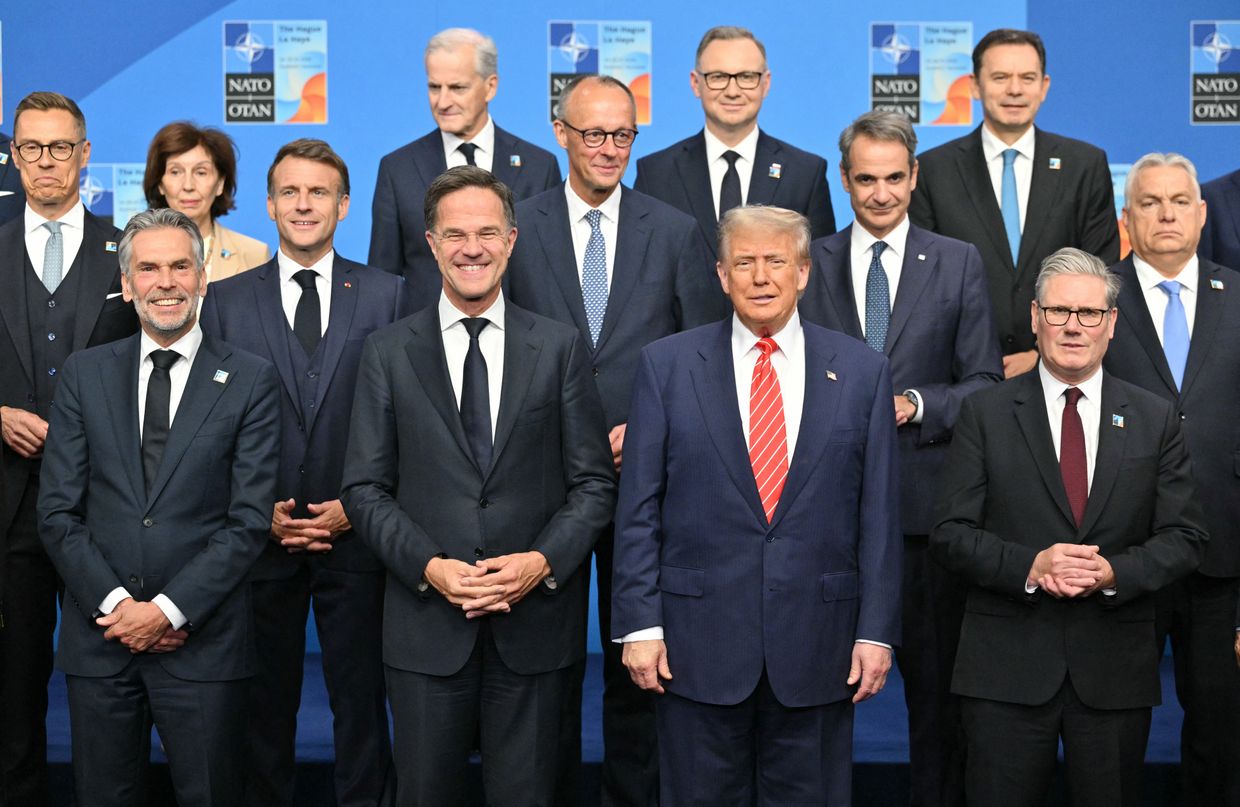
During last week's NATO summit in The Hague, Trump and President Volodymyr Zelensky met behind closed doors. Rutte described the conversation as "a very good discussion, particularly focusing on air defense systems."
The reporting of paused deliveries comes as Ukraine faces one of the heaviest barrages of Russian drone and missile strikes since the start of the full-scale invasion.
Ukraine's Defense Ministry responded by saying it has not received formal notification of delays or cancellations and has requested urgent consultations with U.S. defense officials.
The Foreign Ministry summoned U.S. Charge d'Affaires John Ginkel the same day, warning that any hesitation in maintaining Ukraine's defense capabilities would embolden Russia.
The Kremlin welcomed the halt in arms shipments, saying it brings the war closer to an war.
"The fewer weapons that are supplied to Ukraine, the closer the end of the (war)," Kremlin spokesperson Dmitry Peskov said in response to the information.
U.S. Defense Secretary Pete Hegseth has previously indicated that the upcoming defense budget will scale back long-term military support for Ukraine, reflecting a shift in Washington's priorities.
The United States' reported decision to suspend some arms deliveries to Ukraine could help bring Russia's war in Ukraine to an end, the Kremlin said on July 2, according to Russian state-controlled media."The fewer weapons that are supplied to Ukraine, the closer the end of the... (Russia-Ukraine war)," Kremlin spokesperson Dmitry Peskov told reporters.Peskov's comments came after Politico reported that the U.S. Defense Department has paused shipments of key air defense and precision munitions t
The United States' reported decision to suspend some arms deliveries to Ukraine could help bring Russia's war in Ukraine to an end, the Kremlin said on July 2, according to Russian state-controlled media.
"The fewer weapons that are supplied to Ukraine, the closer the end of the... (Russia-Ukraine war)," Kremlin spokesperson Dmitry Peskov told reporters.
Peskov's comments came after Politico reported that the U.S. Defense Department has paused shipments of key air defense and precision munitions to Ukraine over concerns about declining U.S. stockpiles.
Among the withheld items are Patriot air defense missiles, precision artillery rounds, Hellfire missiles, and other munitions used by Ukraine's F-16 fighter jets.
Ukraine's Foreign Ministry summoned U.S. Charge d'Affaires John Ginkel on July 2 to voice concern over the reported pause in weapons shipments.
Deputy Foreign Minister Mariana Betsa warned during the meeting that "any delay or hesitation in supporting Ukraine's defense capabilities will only encourage Russia to continue war and terror, rather than pursue peace."
According to Politico, Pentagon policy chief Elbridge Colby ordered the halt in June following a review of U.S. ammunition levels. The White House confirmed the decision, saying it was part of a broader reassessment of American military aid to foreign partners.
"(The decision) was made to put America's interests first following a DOD review of our nation's military support and assistance to other countries across the globe," White House Deputy Press Secretary Anna Kelly said in a statement.
The move comes as Ukraine faces intensifying Russian attacks. In June, Russia launched a record 5,337 Shahed-type attack drones at Ukrainian targets, the highest monthly total since the start of the full-scale invasion in February 2022.
The U.S. has not approved any new military aid packages after U.S. President Donald Trump took office in January. Defense Secretary Pete Hegseth has also signaled that future U.S. defense budgets will reduce the scale of assistance to Ukraine.
At a NATO summit in The Hague in late June, Trump said Washington was considering whether it could help provide more Patriot missiles to Kyiv but emphasized that U.S. and Israeli needs take precedence.
"They are very hard to get. We need them too," Trump said after meeting with President Volodymyr Zelensky.
The Kremlin has long argued that Western arms shipments to Ukraine only prolong the conflict and raise the risk of escalation, while continuing to attack Ukrainian cities and advance on the battlefield.
The Ukrainian Foreign Ministry told U.S. Charge d'Affaires John Ginkel that any delays in U.S. military aid would only prolong the war, the Foreign Ministry said on July 2 after the Pentagon reportedly paused some weapons shipments.Ginkel met Deputy Foreign Minister Mariana Betsa at the request of Ukraine's chief diplomat, Andrii Sybiha. During the meeting, the Ukrainian side warned that "any delay or hesitation in supporting Ukraine's defense capabilities will only encourage Russia to continue
The Ukrainian Foreign Ministry told U.S. Charge d'Affaires John Ginkel that any delays in U.S. military aid would only prolong the war, the Foreign Ministry said on July 2 after the Pentagon reportedly paused some weapons shipments.
Ginkel met Deputy Foreign Minister Mariana Betsa at the request of Ukraine's chief diplomat, Andrii Sybiha.
During the meeting, the Ukrainian side warned that "any delay or hesitation in supporting Ukraine's defense capabilities will only encourage Russia to continue war and terror, rather than pursue peace."
The meeting came amid reporting in the U.S. media that the U.S. Defense Department had paused some of the previously allocated shipments of weapons to Kyiv as part of a review. Among the withheld items are Patriot air defense missiles, precision artillery rounds, Hellfire missiles, and other munitions used by Ukraine's F-16 fighter jets.
White House spokesperson Anna Kelly later confirmed the move, saying that the decision "was made to put America's interests first following a (Defense Department) review of our nation's military support and assistance to other countries across the globe."
The Ukrainian Foreign Ministry did not explicitly confirm the pause in its statement. According to the ministry's readout, Betsa underscored Ukraine's gratitude for U.S. aid and stressed the critical importance of continued deliveries, namely air defenses.
Separately, parliamentary defense committee member Fedir Venislavskyi told RBK-Ukraine that Ukraine has not received an official confirmation of the suspension.
"Any restrictions on the supply of those resources that are very important to us are undoubtedly negative," Venislavskyi said, adding that Ukraine nevertheless has some "reserve capacities."
In the conversation with Ginkel, Betsa also stressed that Russia continues to reject a U.S.-proposed ceasefire that Kyiv agreed to during talks in Jeddah on March 11 and only intensifies its aerial attacks and ground offensives against Ukraine.
"Ukraine supports peace efforts and supports the U.S. calls for an immediate end to the killings and the war, stressing the need to compel Russia to seek peace," the Foreign Ministry said in a statement.
"Under these circumstances, strengthening Ukraine's defense capabilities and ramping up coordinated transatlantic pressure on Russia are critically important."
The aid pause comes in a critical moment as Russia is ramping up its aerial strikes across Ukraine and intensifying offensive operations along the front line. In June, Russia launched a record 5,337 Shahed-type attack drones at Ukrainian targets, the highest monthly total since the start of the full-scale invasion in February 2022.
The Trump administration has yet to approve any new major aid package for Ukraine and revealed plans to reduce military assistance in next year's budget. The pause comes despite U.S. President Donald Trump recently signaling support for further Patriot supplies to Kyiv.
The U.S. Defense Department (DOD) has halted shipments of some air defense missiles and other weapons previously promised to Kyiv out of concerns over the size of U.S. stockpiles, Politico reported on July 1, citing sources familiar with the matter. The suspension comes as Ukraine faces a shortage of air defense munitions along with increasingly intense and deadly Russian bombardments. In June 2025, Russia launched 5,337 Shahed-type drones at Ukraine, shattering its previous monthly record. Pent
The U.S. Defense Department (DOD) has halted shipments of some air defense missiles and other weapons previously promised to Kyiv out of concerns over the size of U.S. stockpiles, Politico reported on July 1, citing sources familiar with the matter.
The suspension comes as Ukraine faces a shortage of air defense munitions along with increasingly intense and deadly Russian bombardments. In June 2025, Russia launched 5,337 Shahed-type drones at Ukraine, shattering its previous monthly record.
Pentagon policy chief Elbridge Colby made the decision to pause the aid deliveries after conducting a review of U.S. munitions stocks, three sources told Politico. Colby was reportedly concerned about dwindling levels of artillery rounds, air defense missiles, and precision munitions.
Among the items being held back from Ukraine are Patriot air defense missiles, precision artillery rounds, Hellfire missiles, drones, and other missiles that Ukraine launches from F-16 fighter jets.
Colby made the decision in June, amid a surge in Russian mass aerial attacks against Ukraine. The White House later confirmed the pause.
The Pentagon's decision "was made to put America's interests first following a DOD review of our nation's military support and assistance to other countries across the globe," White House Deputy Press Secretary Anna Kelly said in a statement issued after Politico published the story.
"The strength of the United States Armed Forces remains unquestioned — just ask Iran," she said.
Since his inauguration in January, U.S. President Donald Trump has not approved any additional military aid packages for Ukraine. Defense Secretary Pete Hegseth also announced recently that the U.S. will reduce the total aid it sends to Ukraine in its upcoming defense budget.
At the NATO summit in The Hague in late June, Trump said he would "see" if the U.S. could supply Kyiv with additional missiles for its Patriot systems.
"They (Ukraine) do want to have the anti missiles, as they call them, the Patriots, and we're going to see if we can make some available," he said after meeting with President Volodymyr Zelensky.
"They are very hard to get. We need them too. We are supplying them for Israel, and they are very effective."
But according to a source who spoke to Politico, plans to reduce and redirect air defense munitions and other weapons for Ukraine have been in the works for months. The administration is looking to redirect artillery shells, tank shells, and air defense systems to Israel or back to Washington.
"They have proposed repeatedly since March to pause the shipments," the person said.
Colby, the reported architect of the decision, has previously advocated for reducing U.S. military assistance to Ukraine to prioritize deterrence efforts in Asia.
Norway will send F-35 fighter jets to Poland in the fall to protect the Rzeszow-Yasenka airport, one of the key transportation hubs for NATO military aid to Ukraine, Norwegian Defense Ministry announced on June 30.The news came as Russia has escalated attacks against Ukrainian cities over the past weeks, launching record 400-500 unmanned aerial vehicles (UAVs) per night.Norway is thus strengthening its contribution to NATO's air and missile defense, while the main goal of the mission is to suppo
Norway will send F-35 fighter jets to Poland in the fall to protect the Rzeszow-Yasenka airport, one of the key transportation hubs for NATO military aid to Ukraine, Norwegian Defense Ministry announced on June 30.
The news came as Russia has escalated attacks against Ukrainian cities over the past weeks, launching record 400-500 unmanned aerial vehicles (UAVs) per night.
Norway is thus strengthening its contribution to NATO's air and missile defense, while the main goal of the mission is to support the protection of Polish airspace and a key logistics center for assistance to Ukraine, the statement read.
"This is a vital contribution. We are helping ensure that support to Ukraine reaches its destination, and that Ukraine can continue its fight for freedom," Norwegian Defense Minister Tore Sandvik said.
The Rzeszow-Jasionka airport is located less than 100 kilometers (62 miles) from the Ukrainian border and transports a significant percentage of Western materiel bound for the front lines in Ukraine. Polish Prime Minister Donald Tusk said that 90% of aid for Ukraine was going through the airport in Rzeszow as of Novermber 2024.
It is also a main stopover point for foreign leadership traveling to Kyiv on official visits.
In January, German Defense Minister Boris Pistorius announced that Berlin will deploy the promised Patriot air defenses around the Polish airport to protect it.
Around 150 pro-Palestinian activists have broken into a storage facility and damaged military equipment intended for Ukraine, the Belgian news outlet 7sur7 reported on June 26.The facility belongs to OIP Land Systems, a company that produces military equipment for Ukraine. The activists reportedly thought the equipment would be supplied to Israel.The activists, who were wearing white overalls and masks, took part in the Stop Arming Israel campaign. The protests seek to pressure Belgian authoriti
Around 150 pro-Palestinian activists have broken into a storage facility and damaged military equipment intended for Ukraine, the Belgian news outlet 7sur7 reported on June 26.
The facility belongs to OIP Land Systems, a company that produces military equipment for Ukraine. The activists reportedly thought the equipment would be supplied to Israel.
The activists, who were wearing white overalls and masks, took part in the Stop Arming Israel campaign. The protests seek to pressure Belgian authorities to maintain the military embargo against Israel and impose sanctions on it.
The protesters, armed with hammers and grinders, first entered the company's offices, where they smashed computers, and then broke into the hangars, where they severely damaged some vehicles, Freddy Versluys, CEO of OIP Land Systems, said.
Since the beginning of the Russian invasion, the company has supplied the Ukrainian army with about 260 armored vehicles. The damage caused by the activists' actions is estimated at $1.1 million, according to 7sur7.
"A further delivery has now been delayed by at least a month. That's all these Hamas sympathizers will have achieved with their action," Versluys said.
The company was reportedly targeted by pro-Palestinian protesters because Elbit Systems, an Israeli defense company, owns it.
Protesters believe that Elbit supplies 85% of the drones and most of the ground military equipment used by the Israel Defense Forces, 7sur7 reported.
Yet, the OIP Land Systems CEO claimed that his company has not produced defense systems for Israel for over 20 years.
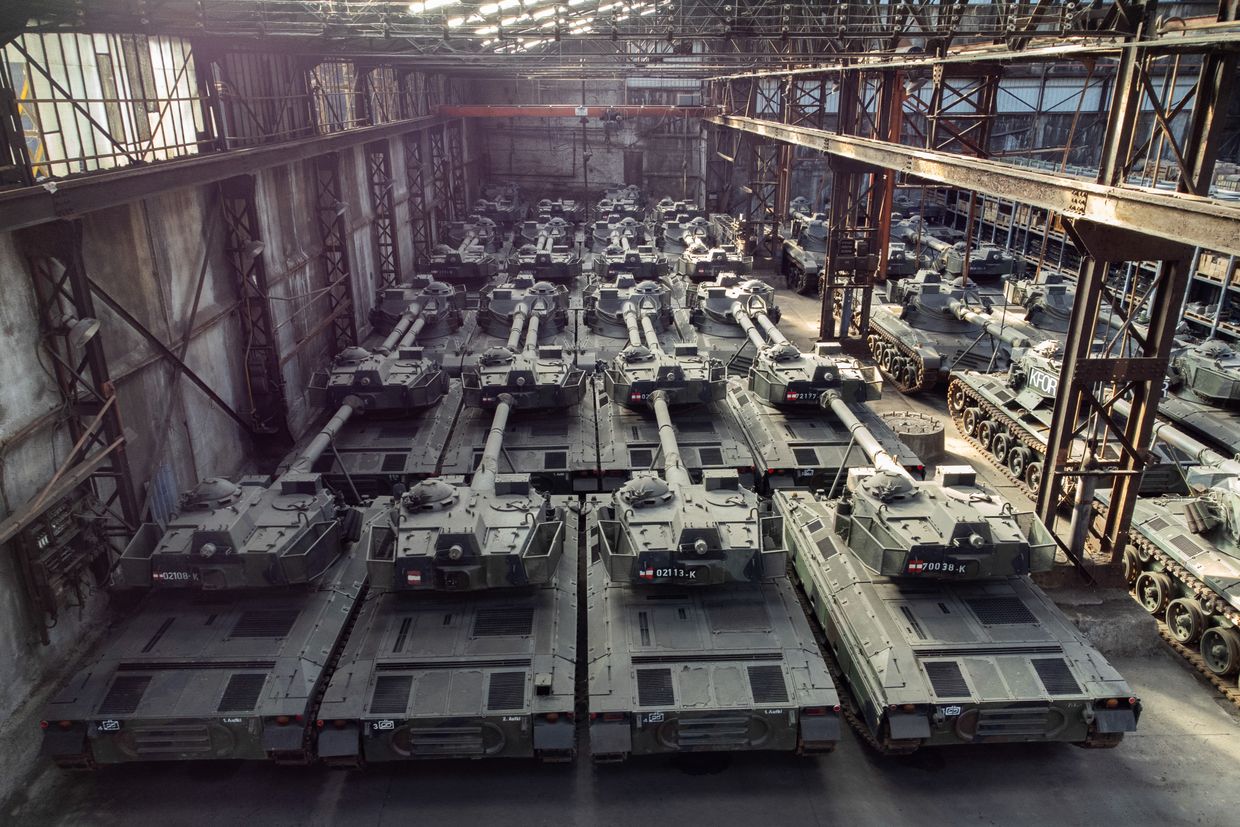
OIP Land Systems has provided defense products to Ukraine on several occasions, including Leopard 1 tanks, which are manufactured at the Tournai plant.
Editor's note: This story was updated with comments made by NATO Secretary General Mark Rutte.NATO member states have agreed to a new defense spending benchmark, committing to allocate 5% of their gross domestic product annually to defense and security-related expenditures by 2035, according to a joint statement released on June 25 by alliance leaders meeting in the Netherlands.The decision marks a significant increase from the current 2% guideline and reflects the alliance's response to the pus
Editor's note: This story was updated with comments made by NATO Secretary General Mark Rutte.
NATO member states have agreed to a new defense spending benchmark, committing to allocate 5% of their gross domestic product annually to defense and security-related expenditures by 2035, according to a joint statement released on June 25 by alliance leaders meeting in the Netherlands.
The decision marks a significant increase from the current 2% guideline and reflects the alliance's response to the push from the U.S. and growing security threats, particularly the long-term challenge posed by Russia.
"We remain united and steadfast in our resolve to protect our one billion citizens," the statement reads. "Allies commit to invest 5% of GDP annually on core defense requirements as well as defense and security related spending."
"The decision we make today makes NATO much stronger. It also makes NATO a much fairer alliance, with Europe and Canada stepping up," NATO Secretary General Mark Rutte said during a briefing on June 25.
Unlike in previous years, this year's NATO statement does not include a direct condemnation of Russia's actions, unlike the communique issued during the 2024 NATO summit in Washington, which explicitly condemned Russia's full-scale invasion of Ukraine.
But the leaders reaffirmed support for Ukraine, stating that direct contributions to Ukraine's defense and industrial capacity will be counted toward the 5% total.
When asked by a journalist whether the current trajectory of military aid from allies could help Ukraine "not only survive but win the war," Rutte said he is "optimistic."
"You can safely assume that the trajectory in the first almost six months now is really north of last year's," he said. "By the end of the year, it will end up north over $50 billion, which was pledged in 2024. I'm optimistic about that, but I won't make a concrete prediction."
He emphasized the importance of sustained and long-term support.
"We have to make sure Ukraine can stay in the fight, that it has what it needs... But we're also working to secure peace deal or a long-term ceasefire. And then we have to make sure that Ukraine has what it needs to prevent (Russian President) Vladimir Putin from effort ever trying this again in the future,” Rutte said.
Rutte added that part of the strategy includes supporting Ukraine's defense industrial base, which has an estimated $35 billion in spare capacity.
Rutte emphasized that NATO's immediate priority is to "keep (Ukraine) in the fight," noting that support includes "training, delivering military equipment, but also various streams of money going into Ukraine" to help it defend itself and lay the groundwork for a future peace deal or long-term ceasefire.
Politico earlier reported that the narrowed focus of the NATO summit in The Hague was designed to appease U.S. President Donald Trump.
"(Trump) has to get credit for the 5% — that's why we're having the summit," one unnamed European defense official told Politico.
Under the new framework, at least 3.5% of GDP will be directed toward core defense needs, including NATO capability targets, with the remaining 1.5% covering civil preparedness, infrastructure protection, innovation, and the defense industrial base.
Allies will submit annual plans outlining a credible path to reach the targets, with a mid-term review scheduled for 2029.
Trump has consistently accused NATO members of underfunding their militaries, pushing for raising defense spending target to 5% of GDP.
In 2024, only 23 alliance members met the 2% target, according to NATO estimates. Poland was ahead of all members with 4.12% of GDP allocated to defense, followed by Estonia (3.43%) and the U.S. (3.38%).
Rutte previously said on June 17 that all NATO countries are on track to meet the 2% threshold in 2025.
Norway will invest $400 million in Ukraine's defense industry to support drone and air defense missile production, President Volodymyr Zelensky said in his nightly address on June 22.The announcement followed a visit to Ukraine by Norwegian Defense Minister Tore Onshuus Sandvik."Today, Norway’s Minister of Defense visited Ukraine. A decision has been reached to invest $400 million in our production – new funding, primarily for drones," Zelensky said.Zelensky added that the two countries are also
Norway will invest $400 million in Ukraine's defense industry to support drone and air defense missile production, President Volodymyr Zelensky said in his nightly address on June 22.
The announcement followed a visit to Ukraine by Norwegian Defense Minister Tore Onshuus Sandvik.
"Today, Norway’s Minister of Defense visited Ukraine. A decision has been reached to invest $400 million in our production – new funding, primarily for drones," Zelensky said.
Zelensky added that the two countries are also working together to establish joint air defense production inside Ukraine.
"We are working together to create all the necessary conditions to produce air defense systems in Ukraine — jointly with partners, jointly with Norway," Zelensky said.
He added that Norway's largest defense company – Kongsberg Defence & Aerospace – has already opened an office in Ukraine as part of the cooperation.
"We are expediting all processes to the maximum extent," Zelensky said.
On X, Norway's defense ministry confirmed that Kongsberg has signed agreement with a major Ukrainian company to jointly develop and produce missiles for air defense systems in Ukraine.
The collaboration will focus on producing missiles for the National Advanced Surface-to-Air Missile System, or NASAMS.
"The Norwegian NASAMS system saves lives in Ukraine every day, and is crucial in protecting critical infrastructure. That is why it is important for the Norwegian Government to finance this development of cheaper missiles for the NASAMS system in Ukraine," said Minister Sandvik.
The announcement marks deepening ties between Kyiv and Oslo as Ukraine seeks to expand its domestic defense industry amid Russia’s ongoing full-scale invasion and reduced military aid from the United States.
The Slovak police sought to detain ex-Defense Minister Jaroslav Nad over alleged misconduct during the donation of ammunition to Ukraine in 2022, the Slovak newspaper Dennik N reported on June 18, citing two undisclosed sources.According to his social media, Nad is currently vacationing in Canada. The Slovak police reportedly also seek to detain a former Defense Ministry official and have detained an ex-head of the Konstrukta Defense state company in a move denounced by Nad's opposition Democrat
The Slovak police sought to detain ex-Defense Minister Jaroslav Nad over alleged misconduct during the donation of ammunition to Ukraine in 2022, the Slovak newspaper Dennik N reported on June 18, citing two undisclosed sources.
According to his social media, Nad is currently vacationing in Canada. The Slovak police reportedly also seek to detain a former Defense Ministry official and have detained an ex-head of the Konstrukta Defense state company in a move denounced by Nad's opposition Democrats party as politically motivated.
The police operation reportedly concerns 120 mm rounds that Slovakia donated to Ukraine at the onset of Russia's full-scale invasion in 2022. The Slovak Defense Ministry allegedly initially sold the obsolete ammunition to a private company, only to later purchase it through Konstrukta Defense for a higher price for swift deliveries to the war-torn nation.
Nad was the defense minister between 2020 and 2023, during which time Slovakia decisively supported Ukraine against Russian aggression and provided substantial military aid.
Bratislava's foreign policy radically shifted after the election victory of left-nationalist Robert Fico in September 2023, who halted military aid from Slovak military stocks, adopted more hostile rhetoric toward Kyiv, and sought close energy ties with Russia.
Nad dismissed the allegations as a "theater," portraying it as the government's attempt to distract the public from internal problems.
"Today's theater didn't shock or upset me in the slightest," Nad said on Facebook.
"I'll keep reminding myself of how proud I am of the support we gave to Ukraine. I'd make the same decision again — without hesitation."
Fico has long criticized Western military aid to Ukraine and the defense assistance provided to Kyiv under the previous Slovak government. In a separate case last year, Slovak Defense Minister Robert Kalinak denounced last year a decision to send MiG-29 jets to Ukraine as "treason."
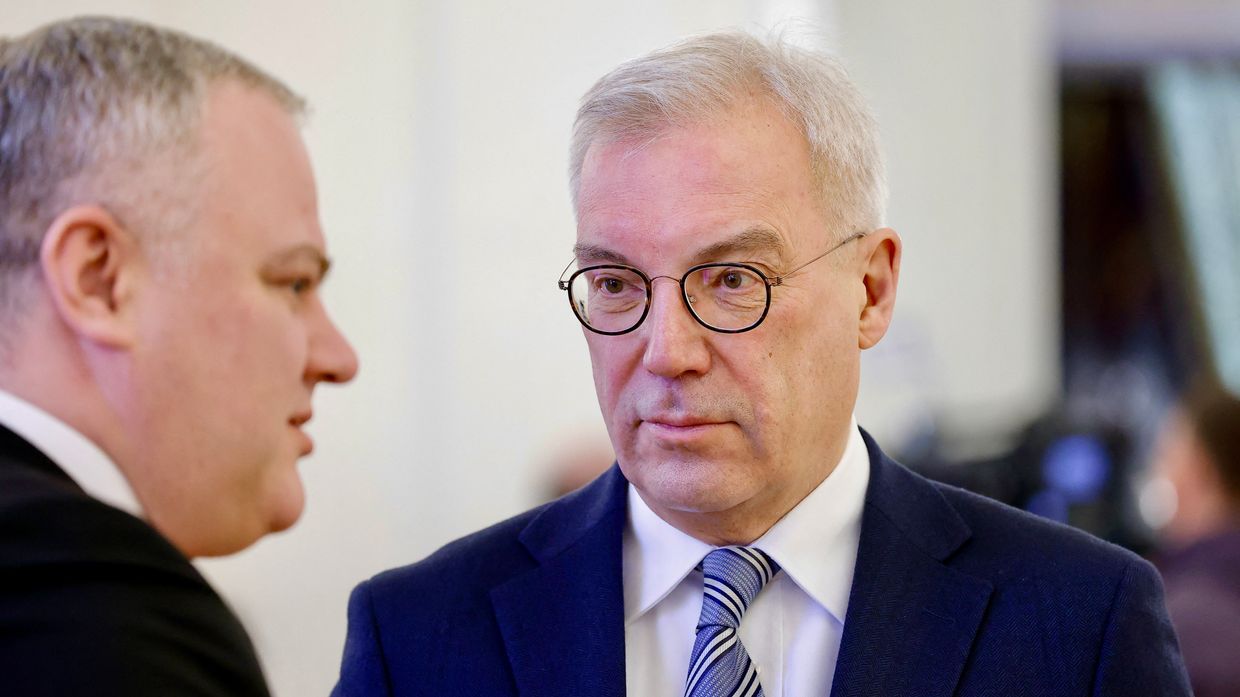
Ukraine's Foreign Ministry on June 18 brushed off Moscow's demands for Kyiv to destroy or dismantle Western-supplied weapons as a condition for a ceasefire, saying it shows disregard for U.S. peace efforts."Russian officials make new absurd demands almost every day. Total inadequacy," Ukrainian Foreign Ministry spokesperson Heorhii Tykhyi said on X."Moscow shows complete disregard for the United States' efforts to end the war."Russian Deputy Foreign Minister Alexander Grushko raised the demand i
Ukraine's Foreign Ministry on June 18 brushed off Moscow's demands for Kyiv to destroy or dismantle Western-supplied weapons as a condition for a ceasefire, saying it shows disregard for U.S. peace efforts.
"Russian officials make new absurd demands almost every day. Total inadequacy," Ukrainian Foreign Ministry spokesperson Heorhii Tykhyi said on X.
"Moscow shows complete disregard for the United States' efforts to end the war."
Russian Deputy Foreign Minister Alexander Grushko raised the demand in an interview with the state-run newspaper Izvestia earlier this week.
"All these surpluses must be destroyed. All international algorithms are known. They must be reduced, disposed of, and guaranteed," Grushko said.
The Kremlin has previously demanded a complete halt on Western military aid to Ukraine as a key condition for a truce. Kyiv and its European partners have rejected this, instead urging increased military assistance to the war-torn country.
The demand reflects Moscow's growing list of maximalist conditions presented in its so-called "peace memorandum" during negotiations with Ukraine in Istanbul on June 2.
While the recent peace talks ended with an agreement on major prisoner exchanges and repatriation of fallen soldiers, they have failed to achieve a breakthrough in the peace talks.
U.S. President Donald Trump, who initially pledged to broker peace in Ukraine within 24 hours of taking office, has become increasingly disengaged in the effort. He has also been reluctant to apply pressure on Moscow to push it to a ceasefire deal despite repeatedly threatening additional sanctions.
President Volodymyr Zelensky said on June 17 that the G7 summit had produced concrete results for Ukraine, including increased military support, new tranches of aid using frozen Russian assets, and additional sanctions targeting the sources of Russia’s war effort."It is important that our partners are ready not only to support our defense now, but also to rebuild Ukraine together after the war ends. I thank everyone who helps us fight Russian aggression and who, together with Ukraine, is buildin
President Volodymyr Zelensky said on June 17 that the G7 summit had produced concrete results for Ukraine, including increased military support, new tranches of aid using frozen Russian assets, and additional sanctions targeting the sources of Russia’s war effort.
"It is important that our partners are ready not only to support our defense now, but also to rebuild Ukraine together after the war ends. I thank everyone who helps us fight Russian aggression and who, together with Ukraine, is building a strong security architecture for the future," he added in a Telegram post.
Canadian Prime Minister Mark Carney announced a new support package for Ukraine earlier in the day, including two billion Canadian dollars ($1.5 billion USD) in military aid and over two billion Canadian dollars ($1.6 billion USD) loan for reconstruction. The package also includes funding for drones, ammunition, armoured vehicles, and new sanctions targeting Russia’s energy revenues and sanctions evasion.
U.K. Prime Minister Keir Starmer also announced a set of measures aimed at increasing pressure on Russian President Vladimir Putin, who continues to reject calls for an unconditional ceasefire in Ukraine. "The 30 targets strike across Russia’s financial, military and energy sectors in response to Putin’s continued aggression," reads the U.K. government statement. The new sanctions also "crack down further on Putin’s shadow fleet," targeting 20 of his oil tankers.
Starmer added that he "strongly" supports tightening the price cap on Russian crude oil to further cut into the Kremlin’s energy revenues.
The G7 nations, however, struggled to present a unified stance on the war in Ukraine after U.S. President Donald Trump voiced support for Russian President Vladimir Putin and called for Russia to be readmitted to the group. Russia was expelled from what was then the G8 after its 2014 invasion of Crimea.
Trump left the summit a day early to address the Israel-Iran conflict from Washington, departing without meeting Zelensky, who had hoped for a one-on-one conversation to press for stronger sanctions against Russia.
Zelensky had already cut his own visit to Canada short on June 17 and was preparing to return to Kyiv while G7 talks were still underway. He had been scheduled to travel to Calgary for events and a press conference with the Ukrainian diaspora, a source told a Kyiv Independent journalist on the ground, but those plans were canceled following a deadly Russian missile strike on Kyiv and changes to the summit agenda.
Zelensky later said he told G7 leaders that "diplomacy is now in a state of crisis" and urged allies to continue pressing Trump "to use his real influence" to help end the war.
Canadian Prime Minister Mark Carney announced a sweeping new support package for Ukraine on June 17, during a bilateral meeting with President Volodymyr Zelensky on the final day of the G7 summit in Kananaskis, Alberta.The measures include two billion Canadian dollars ($1.5 billion USD) in military funding and new sanctions aimed at restricting Russia’s energy revenues and evasion tactics."To be absolutely clear, this support will be unwavering until we get a just peace for Ukraine and the Ukrai
Canadian Prime Minister Mark Carney announced a sweeping new support package for Ukraine on June 17, during a bilateral meeting with President Volodymyr Zelensky on the final day of the G7 summit in Kananaskis, Alberta.
The measures include two billion Canadian dollars ($1.5 billion USD) in military funding and new sanctions aimed at restricting Russia’s energy revenues and evasion tactics.
"To be absolutely clear, this support will be unwavering until we get a just peace for Ukraine and the Ukrainian people," Carney was quoted as saying.
The aid package includes funding for drones, ammunition, and armoured vehicles, as well as a $2.3-billion loan to support the reconstruction of Ukrainian infrastructure damaged by Russian attacks. Zelensky, who was invited to the summit by Carney, thanked the prime minister for his support, noting that Ukraine had just endured one of the largest missile attacks since the start of the full-scale invasion, killing 14 and injuring 117 people in Kyiv.
The new sanctions target 77 individuals and 39 entities, including 15 people involved in Russia’s so-called “shadow fleet,” three financial firms facilitating war-related transactions, and 14 entities tied to the development of quantum technologies with possible military use. Canada also upgraded its sanctions against Russian oil and gas giant Surgutneftegas.
Canada’s announcement came alongside similar measures from the U.K., which sanctioned individuals and entities connected to Russian finance, energy, and military operations, including 20 shadow fleet vessels and two U.K.-based individuals accused of exporting high-tech electronics to Russia.
Moscow will insist that Ukraine dismantle and destroy all Western-supplied weapons as part of any ceasefire deal, Russian Deputy Foreign Minister Alexander Grushko said in an interview with the state-run newspaper Izvestia published June 16. "All these surpluses must be destroyed. All international algorithms are known. They must be reduced, disposed of, and guaranteed," Grushko said, without offering specifics.The remarks reflect Moscow's growing list of maximalist demands presented in its so-c
Moscow will insist that Ukraine dismantle and destroy all Western-supplied weapons as part of any ceasefire deal, Russian Deputy Foreign Minister Alexander Grushko said in an interview with the state-run newspaper Izvestia published June 16.
"All these surpluses must be destroyed. All international algorithms are known. They must be reduced, disposed of, and guaranteed," Grushko said, without offering specifics.
The remarks reflect Moscow's growing list of maximalist demands presented in its so-called "peace memorandum" during recent negotiations with Ukraine in Istanbul on June 2.
The document calls for Ukraine to recognize Russia's annexation of Crimea and four partially occupied regions — Kherson, Donetsk, Zaporizhzhia, and Luhansk — and demands full Ukrainian troop withdrawal and demobilization.
Grushko argued that Western weapons aid threatens not only Russia but also Europe, warning that arms could end up on black markets.
"It's crazy how reckless some politicians are, still flooding the market with weapons," he said.
There is no credible evidence that Kyiv has diverted Western weapons or fueled arms trafficking — a narrative promoted by Russian propaganda to undermine support for Kyiv.
Independent oversight by partner states and institutions has consistently found that Ukraine uses Western weapons to defend itself against Russia's full-scale invasion.
Moscow's proposals would further prevent Ukraine from joining NATO or military alliances, prohibit its armed forces' redeployment, and stop all Western military aid and intelligence sharing.
President Volodymyr Zelensky has rejected Moscow's demands, saying the Russian delegation admitted in Istanbul that their "memorandum" is an ultimatum Ukraine cannot accept.
"They even told our delegation: we know that our memorandum is an ultimatum, and you will not accept it," he said in a June 10 interview with Hungarian outlet Valasz Online.
In contrast, Ukraine's proposal focused on humanitarian measures, including a prisoner exchange, the return of abducted children, and securing the right to join the EU and NATO.
Kyiv has also called for using frozen Russian assets to pay for reconstruction and linking any sanctions relief to a verified ceasefire.
Despite two rounds of talks in May and June, no political breakthrough has been reached. Moscow continues to reject calls for an unconditional ceasefire, while Ukraine presses for an end to hostilities.
U.S. President Donald Trump has reportedly shown frustration over Russia's refusal to compromise, yet he has refrained from imposing new sanctions.
The Security Service of Ukraine (SBU) has arrested two individuals in Kyiv accused of attempting to extort $200,000 from a European defense company, potentially jeopardizing the delivery of electronic warfare (EW) systems to Ukraine's military, the SBU reported on June 14.The suspects allegedly demanded the payment in exchange for facilitating the successful testing and adoption of five radio electronic warfare systems provided to Ukraine at no cost, according to statements released by the SBU a
The Security Service of Ukraine (SBU) has arrested two individuals in Kyiv accused of attempting to extort $200,000 from a European defense company, potentially jeopardizing the delivery of electronic warfare (EW) systems to Ukraine's military, the SBU reported on June 14.
The suspects allegedly demanded the payment in exchange for facilitating the successful testing and adoption of five radio electronic warfare systems provided to Ukraine at no cost, according to statements released by the SBU and the Prosecutor General's Office.
The devices, supplied by a private foreign manufacturer, were financed by Ukraine's international partners. The producer had already delivered five systems to Ukraine, with additional contracts possible if the equipment performed well in combat conditions, the SBU said.
According to investigators, the suspects falsely claimed to have influence within Ukraine's Defense Ministry and promised to use their connections to ensure positive evaluations of the equipment.
"Under the guise of having contacts within the ministry, the men demanded $200,000 from the company in exchange for ensuring no obstacles during official trials of the equipment," the Prosecutor General's Office said in a statement.
Both men have been formally charged under Ukraine's Criminal Code for alleged obstruction of the Armed Forces and receiving unlawful benefits through influence peddling. The charges carry a possible sentence of up to eight years in prison and asset confiscation.
The arrests were made as part of a broader investigation led by the SBU and conducted under the procedural oversight of the Specialized Defense Prosecutor's Office. Authorities say the investigation is ongoing to identify all individuals involved.
Ukraine continues to rely heavily on international military assistance as it defends against Russia's full-scale invasion, now in its fourth year. Ukraine uses EW systems during Russian attacks on its cities and on the front line.
Kyiv and its Western partners launched an electronic warfare coalition in April, which consists of 11 countries and comes on top of other eight Western coalitions to support Ukraine. Other similar initiatives include an artillery coalition, a fighter jet coalition, and a demining coalition, organized within the framework of the Ramsteinformat.