Francis realized he had joined the Russian army when they handed him a uniform. The 35-year-old Kenyan, an electrical engineer by training, had signed what he believed was a contract for security guard work in Russia, he told Ukrainian journalist Dmytro Karpenko in an interview after his capture.
He is one data point in a recruitment system that has pulled at least 27,000 foreign nationals from more than 130 countries into Russia's army since February 2022, according to a
Francis realized he had joined the Russian army when they handed him a uniform. The 35-year-old Kenyan, an electrical engineer by training, had signed what he believed was a contract for security guard work in Russia, he told Ukrainian journalist Dmytro Karpenko in an interview after his capture.
He is one data point in a recruitment system that has pulled at least 27,000 foreign nationals from more than 130 countries into Russia's army since February 2022, according to a joint report by the International Federation for Human Rights and Truth Hounds.
The European Parliament voted479 to 17 in March 2026 to condemn the practice and classify it as human trafficking. Ukrainian intelligence estimates more than 1,700 fighters from 36 African countries have joined Russian forces. Kenya has shut down over 600 recruitment agencies. Ghana has confirmed more than 50 of its citizens killed.
The recruitment method is consistent across cases: a promise of civilian work, a contract in Russian that the recruit cannot read, and a uniform on arrival.
Job offer came from university friend
Francis finished a contract with a large company and was picking up odd jobs in his city. It was not enough to support his wife and daughter. In July 2025, he met a friend from university who told him about a security guard vacancy in Russia. Francis was out of steady work. He agreed.
The paperwork was minimal: a passport copy, a certificate of no criminal record, and a medical certificate. Even when he signed the contract, Francis says, he believed he was going to work as a guard.
He learned otherwise at the military base when they issued him a uniform.
Two weeks of training, then the front
Francis says he received roughly $9,000 during his service. He planned to build a house with it.
"The money would have been enough to build my own home," he said.
He also described the bride price tradition in his community, which can run to 99 goats but is negotiated between the groom and the bride's parents.
"It is a matter of negotiation. You do not need to pay everything at once. You can pay gradually, even over many years. If your father-in-law and mother-in-law see that you are a good husband, they can say: enough, we forgive the rest," he revealed.
In the war he was sent to fight in, Francis says he understood little.
"I only knew there was some kind of conflict between Russia and Ukraine, but I did not understand it was a full-scale war," he suggested.
He was sent to the front after two weeks of training. He was captured on 22 November 2025 while his unit was changing positions. His commander had stepped on a mine, and the unit was ordered to withdraw to another position.
"We were approaching the Ukrainian side, and during the crossing, we met two Ukrainian soldiers who fired shots into the air," Francis said.
He says he did not immediately understand what had happened, but when he saw his commander throw down his weapon and lie on the ground, he did the same.
Russia recruits where the jobs are not
Russia has built parallel manpower pipelines to avoid a full mobilization that would carry domestic political risk. Contract soldiers inside Russia, North Korean troops, and recruitment networks across Africa, Asia, and Latin America feed the front.
The African networks operate through what the New York Times called"fly-by-night companies", presenting themselves as travel agencies or job placement firms and advertising on WhatsApp and Telegram.
Kenya's foreign minister says Russia agreed in March 2026 to stop recruiting Kenyan citizens. Families of the missing are still waiting.
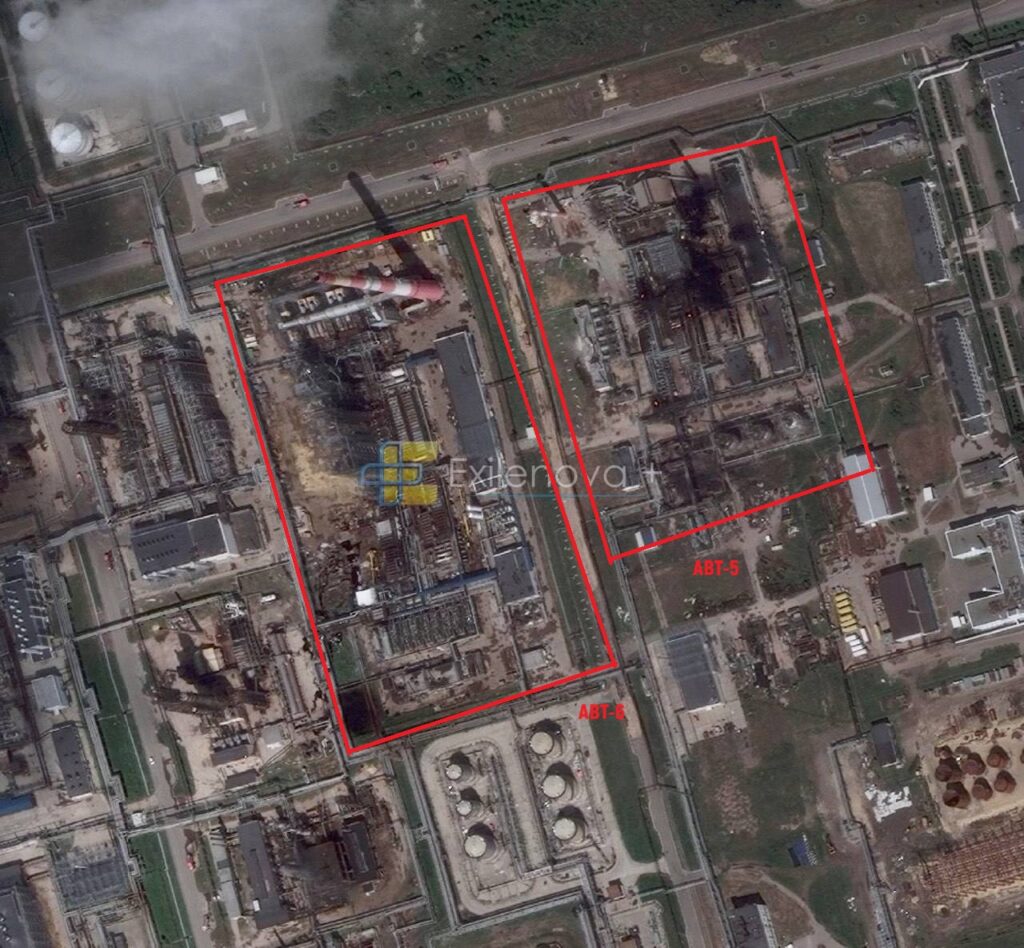
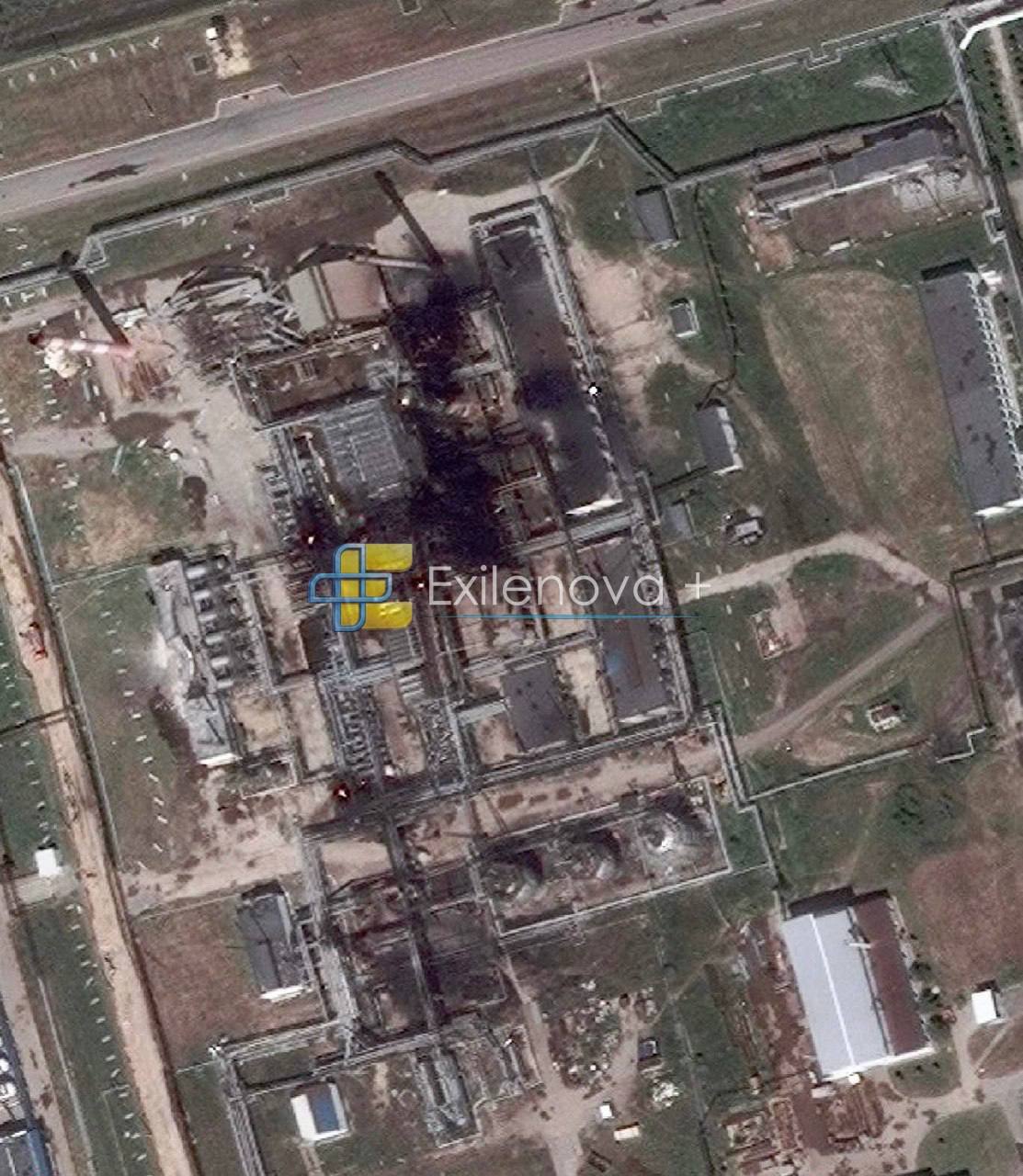
Satellite images have confirmed the scale of the damage at Russia's Syzran oil refinery in Samara Oblast, where Ukrainian FP-1 strike drones started a large fire on 12 July.
Imagery published by the Ukrainian Telegram channel Exilenova+ shows the AVT-5 primary distillation unit burning at several separate points, technical pipe racks burned across the plant, and significant further damage to the second primary unit, AVT-6, Militarnyi reported.
Russia's oil pays for the army
Satellite images have confirmed the scale of the damage at Russia's Syzran oil refinery in Samara Oblast, where Ukrainian FP-1 strike drones started a large fire on 12 July.
Imagery published by the Ukrainian Telegram channel Exilenova+ shows the AVT-5 primary distillation unit burning at several separate points, technical pipe racks burned across the plant, and significant further damage to the second primary unit, AVT-6, Militarnyi reported.
Russia's oil pays for the army destroying Ukrainian cities, and the war is in its fifth year. Ukraine's answer has been to reach the refineries themselves — targets that Moscow long assumed sat safely out of range, deep in the interior.
Both distillation units are down.
AVT-5 processes 2.6 million tons of crude a year, about 30% of the plant's throughput. AVT-6 handles the remaining 70% — 6.3 million tons, by Ukrainian OSINT channel Cyberboroshno's count, though Militarnyi puts it at up to 6 million. Together, they are the refinery's entire primary processing capability.
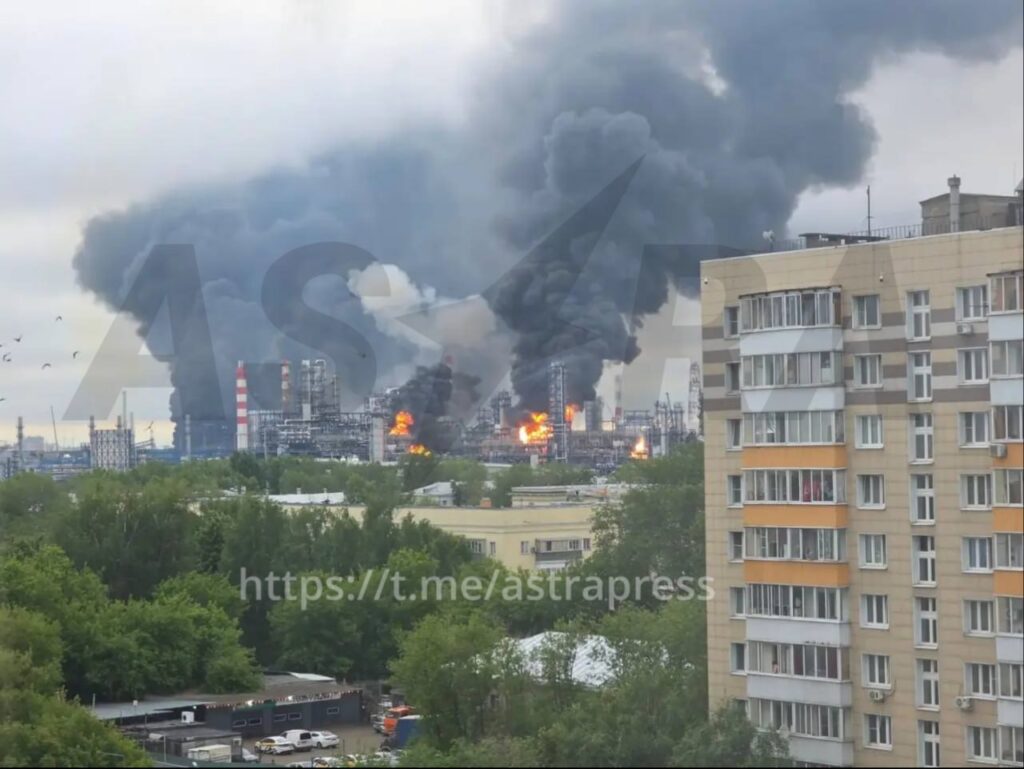
AVT-5 unit at the Syzran Oil Refinery, 12 July 2026. Photo: Exilenova+
Cyberboroshno mapped hits on both units and reported 100% of primary processing capacity damaged — a combined 8.9 million tons a year, Euromaidan Press reported. Nothing leaves a refinery that cannot distill crude in the first place, the analysts pointed out.
A third hit landed on the LCh-35/11-600 catalytic reformer, which makes components gasoline cannot be blended without. Cyberboroshno says that the hit was pure chance. In one video published by Exilenova+, the reformer's stack looms up in front of an incoming drone. The warhead detonates in mid-air right over the unit, and the fragments tear through it. It is seen burning in later footage.
A plant that keeps burning
Rosneft owns Syzran, one of the Volga region's key fuel producers, and the plant supplies the Russian army's logistics directly. It refines 8.5–8.9 million tons of crude a year, over 3% of Russia's total, and sits more than 800 km from Ukraine's border.
Drones struck the facility on 21 May, seriously damaging AVT-6 and forcing a prolonged shutdown. Reuters reported on 25 May, citing sources, that the plant had suspended operations. Drones also hit the plant three times in August 2025, and the May strike was already the 11th on the facility. Local authorities claimed the latest fire was caused by falling drone debris.
A Russian national known in Ukraine as volunteer Aslan Khakimov is in fact Ruslan Puptaiev, a man who entered Ukraine illegally, lived for more than a decade under false documents, and is wanted by Interpol at Russia's request, according to an investigation by Babel.
The case has become one of Ukraine's most closely watched deportation disputes, drawing support from soldiers, volunteers, human rights advocates, and lawmakers. Backers argue Puptaiev's contributions to Uk
A Russian national known in Ukraine as volunteer Aslan Khakimov is in fact Ruslan Puptaiev, a man who entered Ukraine illegally, lived for more than a decade under false documents, and is wanted by Interpol at Russia's request, according to an investigation by Babel.
The case has become one of Ukraine's most closely watched deportation disputes, drawing support from soldiers, volunteers, human rights advocates, and lawmakers. Backers argue Puptaiev's contributions to Ukraine's defense and the risk of torture if returned to Russia should outweigh his immigration violations, while Ukrainian authorities maintain he lived in the country illegally under forged documents.
According to the investigation, Ukraine's State Migration Service cancelled the documents issued under the false identity in October 2025. After Puptaiev failed to regularize his legal status or challenge the decision, the agency ordered his forced deportation in April 2026. He has since been held at a temporary detention facility for foreigners in Lutsk while legal proceedings continue.
Claims of persecution in Russia
Puptaiev told Babel he fled Russia in 2015 after allegedly being detained and tortured by Russia's Federal Security Service (FSB), which he says accused him of Islamist extremism following his conversion to Islam while serving a prison sentence.
He says he entered Ukraine illegally because he feared seeking legal protection would expose him to extradition. Rather than applying for refugee status or other international protection, he instead acquired forged Ukrainian identity documents under the name Aslan Khakimov and later used them to obtain genuine state-issued documents based on the false identity, Babel reports.
Over the following years, he established businesses, married Ukrainian citizens, and registered his children using the fabricated identity.
Volunteer work after Russia's full-scale invasion
Babel reports that Puptaiev became involved in supporting Ukraine's military after Russia launched its full-scale invasion in 2022.
After Russia's full-scale invasion, Puptaiev supported Ukraine's military by donating money, developing equipment including unmanned ground vehicle components and airless evacuation wheels, and training dozens of service members, according to Babel.
Babel reports he has received letters of appreciation from Ukraine's military intelligence agency (HUR), Special Operations Forces, Armed Forces, Ministry of Defense, and individual units recognizing his volunteer work.
His public appeals for support began only after he was detained in April 2026, with supporters portraying the case as an attempt by Ukraine to extradite a volunteer to Russia.
Interpol notice and Russian conviction
According to Babel, Ukraine's National Police confirmed that Puptaiev is the subject of an Interpol notice requested by Russia.
Russian authorities accuse him of financing terrorism and maintaining links to the Islamic State group. Babel notes that Russian media reported he was convicted in absentia by a Russian military court in 2024 and sentenced to 20 years in prison on terrorism-related charges.
Puptaiev denies Russia's allegations and maintains that he is being politically persecuted.
ECHR blocks deportation to Russia
Puptaiev's lawyers say Ukraine's original deportation order referred only to his "country of origin" – Russia. After his legal team appealed to the European Court of Human Rights (ECHR), the court issued interim measures under Rule 39 on 26 May, temporarily barring Ukraine from returning him to Russia while it considers the case.
Human rights experts told Babel that Rule 39 is reserved for exceptional cases where there is a credible risk of irreparable harm, including torture or threats to life. They said the measure does not determine the outcome of the case but requires Ukraine to avoid returning Puptaiev to Russia while proceedings continue.
Babel reports that Ukrainian authorities are also exploring whether Puptaiev could instead be deported to Kyrgyzstan, where he was born, or Türkiye. His lawyers argue that either country could ultimately extradite him to Russia, exposing him to the same risks the ECHR sought to prevent.
Russia has turned Japan into a key base for obtaining high-tech equipment to sustain its war against Ukraine. A New York Times investigation reveals how GRU military intelligence operatives work under cover in Tokyo to acquire banned components for Russian weapons.
The investigation found that officers from Russia’s GRU military intelligence service operated in Japan under diplomatic and commercial cover. GRU officers sought to acquire electronics, machine tools and oth
Russia has turned Japan into a key base for obtaining high-tech equipment to sustain its war against Ukraine. A New York Times investigation reveals how GRU military intelligence operatives work under cover in Tokyo to acquire banned components for Russian weapons.
The investigation found that officers from Russia’s GRU military intelligence service operated in Japan under diplomatic and commercial cover. GRU officers sought to acquire electronics, machine tools and other technology for routing to Russia and use in weapons production.
At the center of the operation is the GRU’s little-known 20th Directorate, according to current and former Western intelligence officials interviewed by the Times.
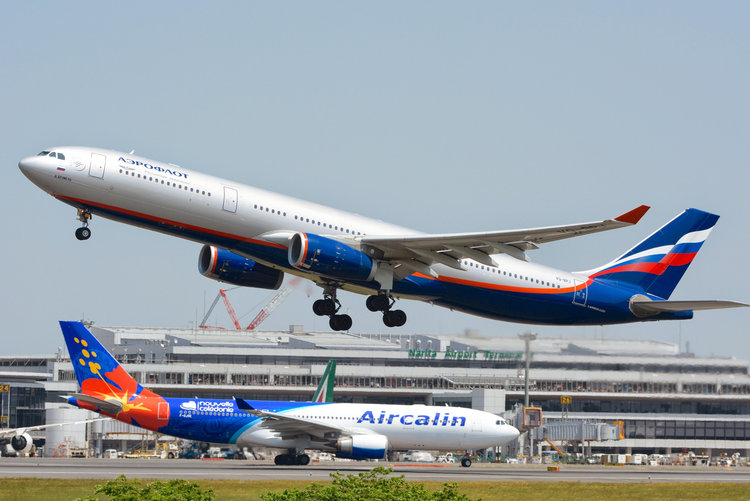
One of its key figures is Maksim Vladimirovich Filchenkov, a 49-year-old GRU veteran who arrived in Tokyo in February 2024. He officially works for Russia’s state airline, Aeroflot.
Western officials told the Times that Filchenkov oversees the directorate’s work from an Aeroflot office about a 10-minute walk from Japan’s National Police Agency.
Russian and Soviet intelligence officers have used Aeroflot positions as cover for industrial espionage since the Soviet era.
The network reportedly relies on relationships with shipping and logistics companies. Russian agents send sensitive goods first to countries where Aeroflot still operates, then route them to Russia through intermediaries and misleading paperwork.
According to the Times, Filchenkov developed ties with Tokyo logistics company Proco Air. Proco Air denied knowingly transporting prohibited goods and has not faced charges of wrongdoing.
Japanese components continue to reach Russian weapons
Japan is especially valuable to Russia because of its large high-tech industry and comparatively weak espionage laws.
Ukraine has repeatedly warned Tokyo that Japanese-made components are reaching Russian weapons. Vladyslav Vlasiuk, Ukraine's presidential sanctions commissioner, said Japanese parts appear in around 90% of Russian cruise missiles, ballistic missiles and drones. Vlasiuk made the remarks to Kyodo News, as reported by 47News.
He also named 13 Japanese companies whose products had been found in Russian weapons. Kyiv is now pressing Tokyo to tighten export controls on civilian dual-use goods rerouted through third countries.
There is no evidence that Japanese manufacturers knowingly supplied Russia’s military. Components can pass through several distributors and countries before reaching Russian weapons producers.
Read also
German, Japanese, and Swiss machines are inside Russia’s missile factories. None are sanctioned
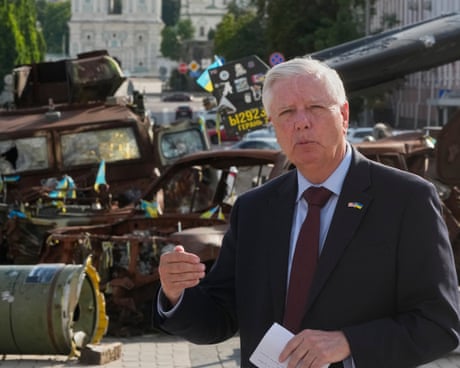
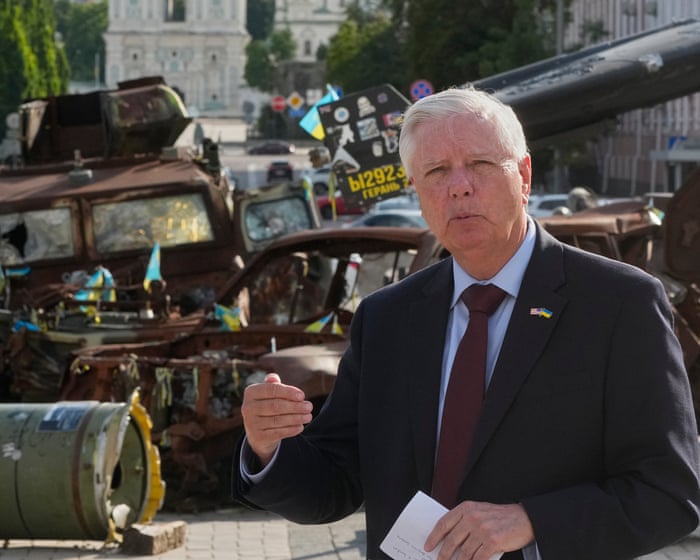
Long-serving South Carolina Republican senator who was an ally of Donald Trump and an ardent supporter of UkraineLindsey Graham, the Republican senator from South Carolina, who has died suddenly aged 71, had just returned from Kyiv after a meeting with the Ukrainian president Volodymyr Zelenskyy. It was Graham’s 10th visit since the 2022 Russian invasion; Zelenskyy, who came away with promises of the aid that had been on and off with the Trump administration, called him a “true defender of freed
Long-serving South Carolina Republican senator who was an ally of Donald Trump and an ardent supporter of Ukraine
Lindsey Graham, the Republican senator from South Carolina, who has died suddenly aged 71, had just returned from Kyiv after a meeting with the Ukrainian president Volodymyr Zelenskyy. It was Graham’s 10th visit since the 2022 Russian invasion; Zelenskyy, who came away with promises of the aid that had been on and off with the Trump administration, called him a “true defender of freedom”.
It was a good demonstration of both Graham’s firm stance on US power overseas, and his opposition to Russia. “Putin will not stop in Ukraine,” he said. “To be weak in Ukraine means you lose in Taiwan.”
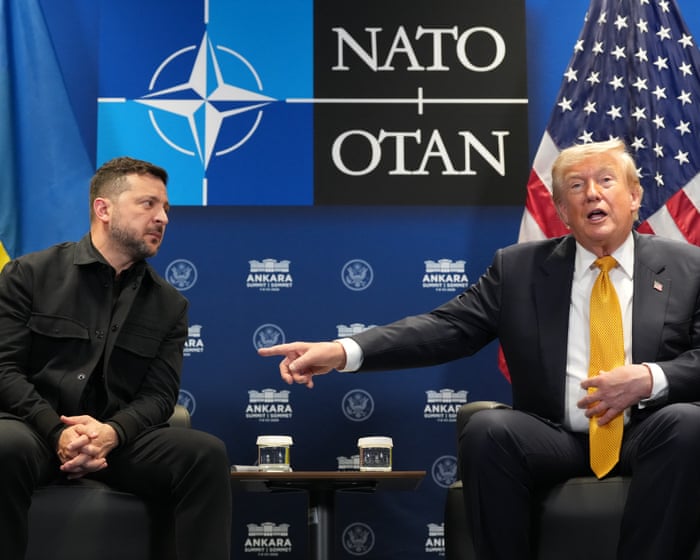
Sudden shift may be linked to affinity for Erdoğan but what might be consequences of erratic behavior towards alliance?Donald Trump’s relationship with Washington’s Nato allies is nobody’s idea of a happy marriage.But the US president’s volatile performance at the western military alliance’s annual summit in Ankara this week seemed extreme, even by Trumpian standards. As commentators sought to explain what happened, their usually capacious stock of Trump-fitting cliches was at risk of exhaustion
Sudden shift may be linked to affinity for Erdoğan but what might be consequences of erratic behavior towards alliance?
Donald Trump’s relationship with Washington’s Nato allies is nobody’s idea of a happy marriage.
But the US president’s volatile performance at the western military alliance’s annual summit in Ankara this week seemed extreme, even by Trumpian standards. As commentators sought to explain what happened, their usually capacious stock of Trump-fitting cliches was at risk of exhaustion.
The Aeroflot office in Toranomon Kotohira Tower in Tokyo. Japan’s weak espionage laws and flourishing high-tech industry have made it a crucial base for the Russian war effort.
Russia temporarily stopped shipping through the Don-Azov Channel, a navigable waterway linking the Don River with the Sea of Azov, three grain export industry sources told Reuters on 10 July.
Up to one-quarter of wheat exports from Russia, the world's largest exporter of the grain, pass through the Sea of Azov, market analysts said, and Russia's leading grain-producing regions, Rostov and Krasnodar, both lie along its coast.
Kerch Strait closure
One source said Ru
Russia temporarily stopped shipping through the Don-Azov Channel, a navigable waterway linking the Don River with the Sea of Azov, three grain export industry sources told Reuters on 10 July.
Up to one-quarter of wheat exports from Russia, the world's largest exporter of the grain, pass through the Sea of Azov, market analysts said, and Russia's leading grain-producing regions, Rostov and Krasnodar, both lie along its coast.
Kerch Strait closure
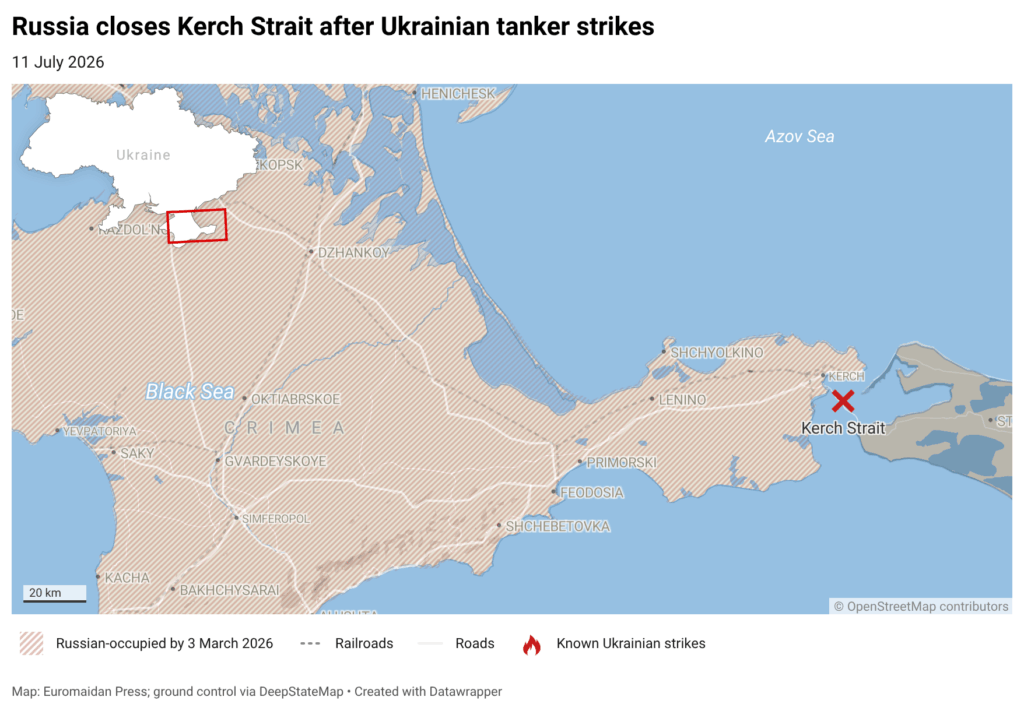
One source said Russia's border guards, who report to the FSB security service, notified shipping companies that all requests for passage through the Kerch Strait would not be accepted from 6:10 pm local time on 10 July. The notification did not say when the halt would be lifted, Reuters reported.
The Kerch Strait links the Sea of Azov and the Black Sea. Russia's second-largest port in the Black Sea region is located on the strait.
Russia's agriculture and transport ministries did not respond to a request for comment, according to Reuters.
What preceded the halt
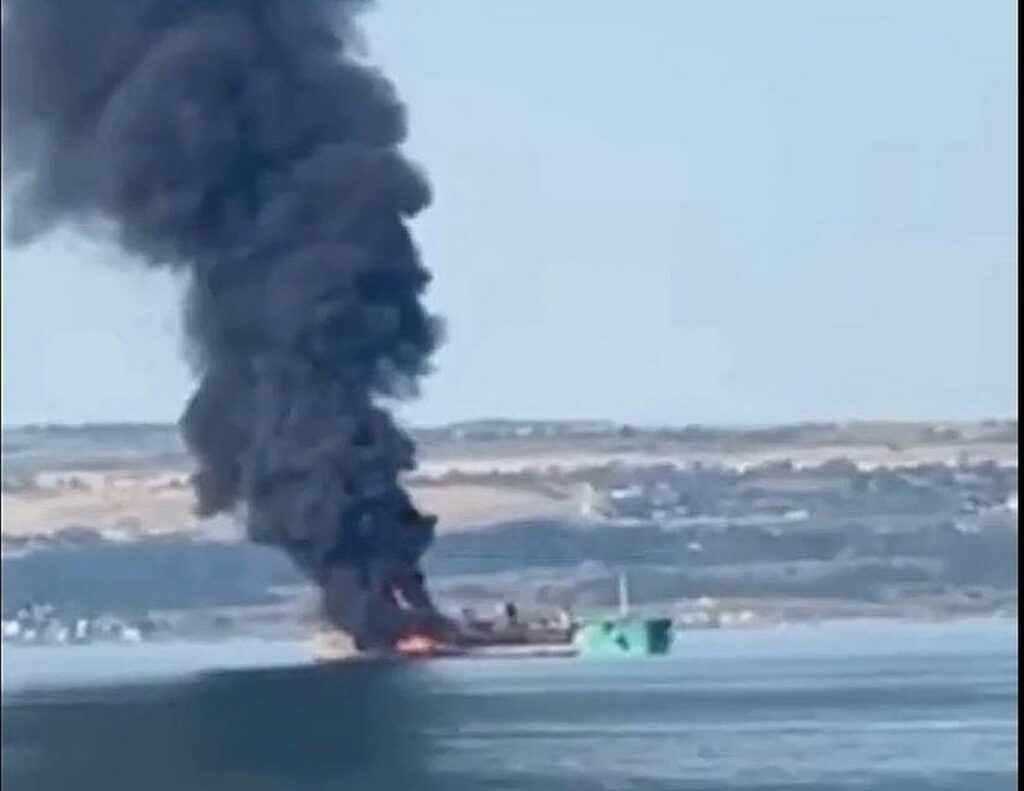
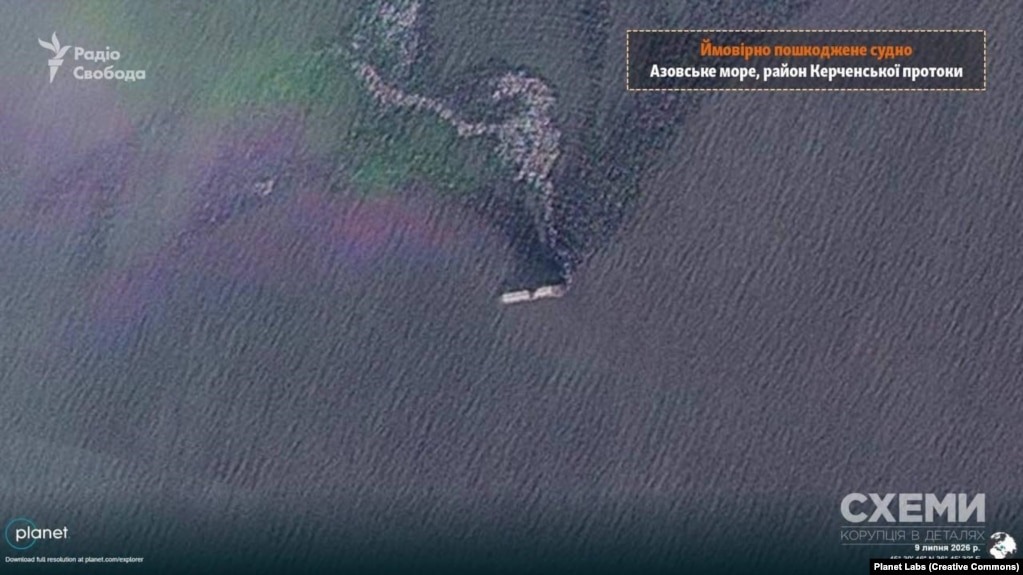
The move followed a Ukrainian attack on 13 Russian vessels in the Sea of Azov on 10 July, including 10 tankers, Reuters reported.
Ukraine has recently intensified attacks on Russian petroleum refineries, triggering fuel shortages across the country, Reuters reported.
Market reaction
Euronext wheat rose as much as 4 percent on 10 July to a six-week high, as talk circulated in the market about a possible closure of shipping through the Sea of Azov.
Analysts and international organizations have warned about risks to global grain trade from the war in Ukraine, because the Black Sea is used by both Ukraine and Russia for grain exports, though there have been no major disruptions to the grain trade over four and a half years of war, according to Reuters.
Russia's harvest is running out of the diesel its own war burned up: Ukrainian strikes on oil refineries and depots have left combines idle just as the grain ripens, The Moscow Times reported. The shortage runs from the southern grain belt to Siberia, and the harvest window is days wide. The country that invaded its neighbor can no longer fuel its own fields.
The state waging Europe's largest war since 1945 built its invasion on oil money, and that same oil system is now th
Russia's harvest is running out of the diesel its own war burned up: Ukrainian strikes on oil refineries and depots have left combines idle just as the grain ripens, The Moscow Times reported. The shortage runs from the southern grain belt to Siberia, and the harvest window is days wide. The country that invaded its neighbor can no longer fuel its own fields.
The state waging Europe's largest war since 1945 built its invasion on oil money, and that same oil system is now the target: Ukraine's long-range strikes have prompted fuel rationing in many Russian regions while Russian missiles keep hitting Ukrainian homes.
A fifth of Russia's grain, no diesel to cut it
The pain first lands in Rostov Oblast and Krasnodar and Stavropol krais, which grow a fifth of Russia's grain, Forbes reported. Stations in Krasnodar Krai cap sales at 100–200 liters per person — a combine burns up to 300 in one shift. Diesel surfaces in the region only along the M4 highway, where people camp at gas stations overnight, hoping a tanker truck shows up.
"Many don't risk going out to harvest without confidence that fuel will be delivered to the field," a local farmer said. In Rostov Oblast, which normally gathers about 10 million tons of grain, farmers put possible losses at up to 15%.
Idle combines, busy bureaucrats
In occupied Crimea — the epicenter of the fuel collapse — harvest machinery "simply stands motionless," a representative of an organization working on the peninsula said. In the Sakha Republic, a vast region in eastern Siberia, the 200-liter purchase cap barely covers a day of work after a 200–300 km drive to the pump. Small and mid-sized farms hold diesel for about 14 days of field work and buy the rest at inflated spot prices.
Explore further
Ukraine’s deep and mid-range strikes converge on Crimea and Russia’s Azov coast
Moscow's response so far is paperwork.
"Officials just keep compiling an endless number of tables with charts of fuel needs and capacities, and that's it," an agricultural worker in Sverdlovsk Oblast complained. "Everyone understands that if the harvest isn't brought in, it will be a nightmare. But nobody understands how exactly to help."
The clock does not care: grain must be harvested within roughly a week to 10 days of ripening or it starts shedding, said Andrei Sizov of the SovEcon analytical center. By 1 July, Russia had threshed 1.3–1.5 million hectares — a third of last year's pace, mostly due to weather so far. SovEcon still forecasts 88.9 million tons of wheat, down 2.5%.
Why the diesel is gone
The shortage traces straight to Ukraine's deep-strike campaign: over the past two months, drones reached all of Russia's top-10 refineries, collapsing diesel production and dragging refining down to lows unseen since the early 2000s. The strikes have not paused — Russian fuel tanks burned from the Azov coast to the Moscow region just overnight, and the campaign has already put fuel rationing on the streets of most Russian regions.
Igor Rogov, who has publicly opposed the Kremlin, was arrested in 2024 and later confessed to spying for Russian intelligence on regime opponents living abroad.
Igor Rogov, who has publicly opposed the Kremlin, was arrested in 2024 and later confessed to spying for Russian intelligence on regime opponents living abroad.
President Trump said the United States would license Ukraine to produce Patriots, which can intercept ballistic missiles. But it could be months or years before those are ready.
President Trump said the United States would license Ukraine to produce Patriots, which can intercept ballistic missiles. But it could be months or years before those are ready.
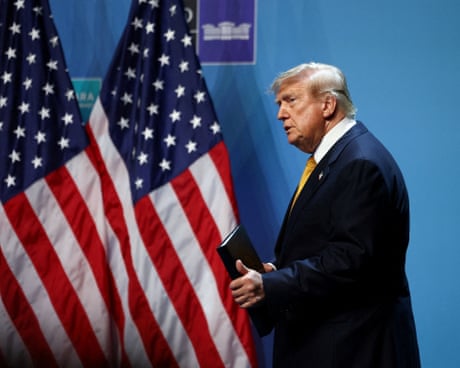
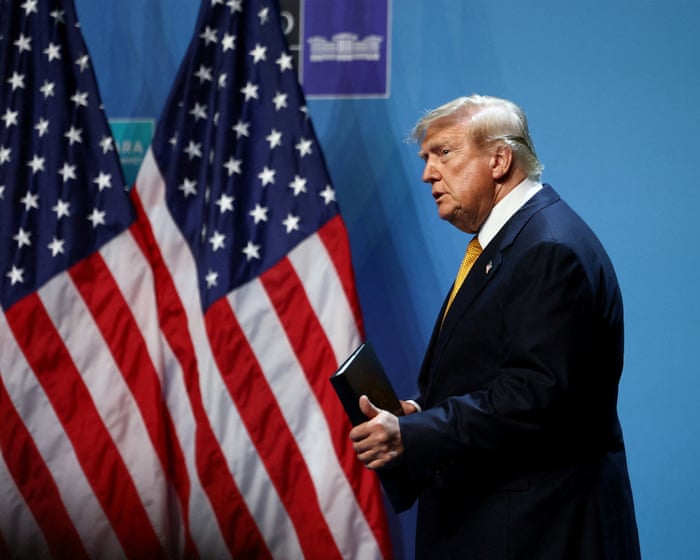
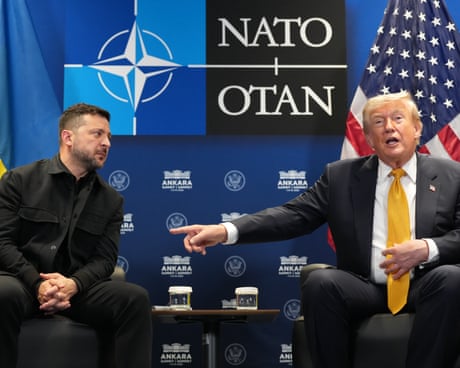
US president veers from praising the alliance to threatening Iran and confusing world leaders’ namesHaving arrived at Nato’s annual summit under a familiar cloud of resentment and grievance, Donald Trump’s farewell message on Wednesday was an unlikely tale of love and darkness.Addressing journalists in the presence of his Ukrainian counterpart, Volodymyr Zelenskyy, the US president surprised everyone by directing his affections at an alliance he spent much of the previous day spewing bile over,
US president veers from praising the alliance to threatening Iran and confusing world leaders’ names
Having arrived at Nato’s annual summit under a familiar cloud of resentment and grievance, Donald Trump’s farewell message on Wednesday was an unlikely tale of love and darkness.
Addressing journalists in the presence of his Ukrainian counterpart, Volodymyr Zelenskyy, the US president surprised everyone by directing his affections at an alliance he spent much of the previous day spewing bile over, citing the now well-worn gripe about Greenland, among others.
Licence would be diplomatic coup for Kyiv but process of making munitions would likely be expensive, complex and longEurope live – latest updatesDonald Trump has told Volodymyr Zelenskyy that Ukraine may be allowed to manufacture Patriot missile interceptors to counter Russian ballistic attacks. It would be a diplomatic coup for Kyiv, which has been struggling to counter Moscow’s increasing missile threat.The US president’s commitment, however, was vaguely framed, and he admitted he had not spok
Donald Trump has told Volodymyr Zelenskyy that Ukraine may be allowed to manufacture Patriot missile interceptors to counter Russian ballistic attacks. It would be a diplomatic coup for Kyiv, which has been struggling to counter Moscow’s increasing missile threat.
The US president’s commitment, however, was vaguely framed, and he admitted he had not spoken to the US defence and aerospace companies Lockheed Martin and RTX Corporation (formerly Raytheon) that produce the Patriot system. It also remained unclear how quickly manufacturing of the expensive and complex munitions could be stepped up.
With Patriot interceptors in short supply, President Trump’s statement that he would allow Ukraine to build them is a boon to Kyiv as it fights off Russian missile attacks. But it is just the start.
With Patriot interceptors in short supply, President Trump’s statement that he would allow Ukraine to build them is a boon to Kyiv as it fights off Russian missile attacks. But it is just the start.
A Patriot air defense system in Ukraine, in 2024. President Volodymyr Zelensky has warned for weeks that his country was running out of interceptors for the system as Russia has stepped up attacks.
The International Olympic Committee “provisionally” removed the ban imposed in relation to Russia’s invasion of Ukraine. A previous ban for systematic doping had already ended.
The International Olympic Committee “provisionally” removed the ban imposed in relation to Russia’s invasion of Ukraine. A previous ban for systematic doping had already ended.
Japan has said its ban on jet fuel exports to Russia applies not only to direct shipments but also to cargoes routed through third countries or transferred between ships at sea.
The statement came after Reuters reported that Russia was preparing to import a jet fuel shipment originating from Japan through a network of traders, as Moscow faces fuel shortages following Ukrainian strikes on Russian energy infrastructure.
Tokyo moves to block sanctions evasion
Japanes
Japan has said its ban on jet fuel exports to Russia applies not only to direct shipments but also to cargoes routed through third countries or transferred between ships at sea.
The statement came after Reuters reported that Russia was preparing to import a jet fuel shipment originating from Japan through a network of traders, as Moscow faces fuel shortages following Ukrainian strikes on Russian energy infrastructure.
Tokyo moves to block sanctions evasion
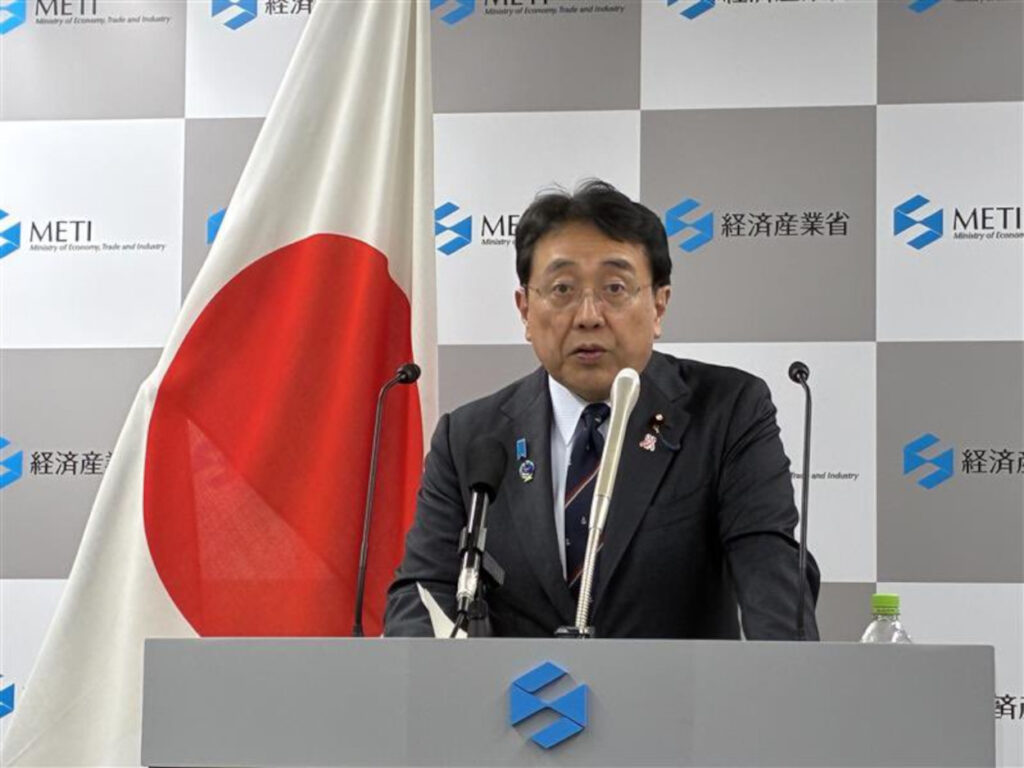
Japanese Trade Minister Ryosei Akazawa said on 7 July that jet fuel is among the goods covered by Japan’s export restrictions against Russia, Reuters reported.
"Exports to Russia through third countries, including ship-to-ship transfers at sea, are also covered," Akazawa said, while declining to comment on specific cases.
Japan’s Ministry of Economy, Trade and Industry is working to prevent sanctions evasion by raising awareness among companies, issuing warnings, and sharing information with authorities in Japan and abroad, he said.
Russia sought fuel through intermediaries
Reuters reported on 3 July that Russia was expected to receive jet fuel cargo originating from Japan through intermediaries as the country dealt with fuel shortages caused by Ukrainian attacks on oil refineries and fuel depots.
According to sources familiar with the matter cited by Reuters, the shipment involved at least 200,000 barrels of jet fuel expected to load from Chiba, Japan, before being transported to South Korea and potentially transferred to another tanker near Yeosu before continuing toward Russia.
The sources said the cargo’s final destination was unclear, but the arrangement appeared designed to route the fuel through multiple jurisdictions.
Japan’s latest statement indicates that such transfers would still fall under its export restrictions.
Russian fuel crisis deepens
The reported shipment comes as Ukrainian drone strikes have increasingly targeted Russian energy infrastructure, including oil refineries and fuel storage facilities.
The attacks have disrupted fuel supplies across Russia, prompting Moscow to impose restrictions on fuel purchases as shortages affect transportation, industry, and other sectors of the economy.
Russian jet fuel exports have also declined, according to shipping data cited by Reuters. Russia exported around 13,000 barrels per day of jet fuel this year, compared with approximately 30,000 barrels per day last year.
Japan, alongside other G7 partners, has maintained sanctions and export controls aimed at limiting Russia’s ability to sustain its war against Ukraine. Akazawa said Tokyo would continue enforcing strict controls in coordination with international partners.
Ukraine’s drone campaign has forced Russia to start rationing its own gasoline, and the squeeze has split the country in two. Where the drones reach the refineries, regions ration what fuel remains; where they cannot, officials stockpile in anticipation of a shortage that has not yet arrived. On 6 and 7 July, both ends of the country showed it at once.
The governor approved a QR-code pilot for filling stations, kept a 40-liter cap, and floated selling fuel on alternati
Ukraine’s drone campaign has forced Russia to start rationing its own gasoline, and the squeeze has split the country in two. Where the drones reach the refineries, regions ration what fuel remains; where they cannot, officials stockpile in anticipation of a shortage that has not yet arrived. On 6 and 7 July, both ends of the country showed it at once.
The governor approved a QR-code pilot for filling stations, kept a 40-liter cap, and floated selling fuel on alternating days by the first digit of the license plate.
In Nizhny Novgorod—the Volga region that hosts NORSI, Lukoil’s largest refinery—the regional operational headquarters moved to hand out gasoline by appointment, Governor Gleb Nikitin said on Telegram.
It approved a QR-code pilot for filling stations, kept a 40-liter cap already taking effect at Lukoil stations, and floated selling fuel on alternating days by the first digit of the license plate—plates starting with an even number one day, odd the next—announcing the measures in the same breath as reassurance that deliveries had “normalized” and risen 29 percent since the end of the previous week.
Rationing spreads past 60 regions
The machinery is borrowed. Occupied Sevastopol began issuing weekly personal QR codes for 20 liters at a time in June, its Kremlin-installed governor, Mikhail Razvozhayev, said on Telegram. Oryol was the first region to float plate-number sales, up to 50 liters, its Governor Andrey Klychkov said in a VKontakte broadcast reported by Meduza.
Putin has conceded the strikes are causing problems.
NORSI went offline in early July after a drone strike, and mandatory or ad hoc fuel limits now apply to two-thirds of Russia’s regions, the Moscow Times counted. Putin has conceded the strikes are causing problems, acknowledging “a certain shortage” of fuel in a Kremlin-published interview, The Insider reported.
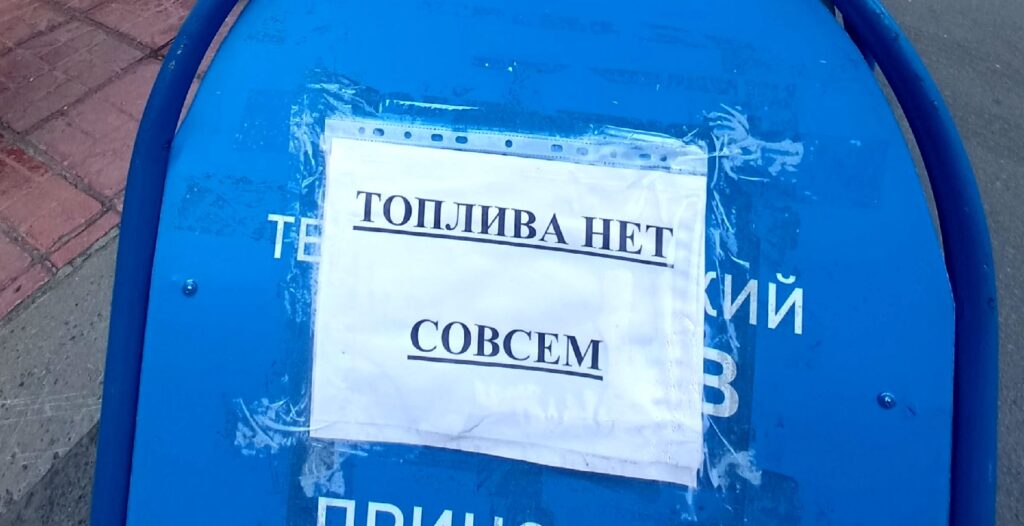
A sign at a filling station reads “There is no fuel at all,” in Karelia. Photo: Stolitsa na Onego
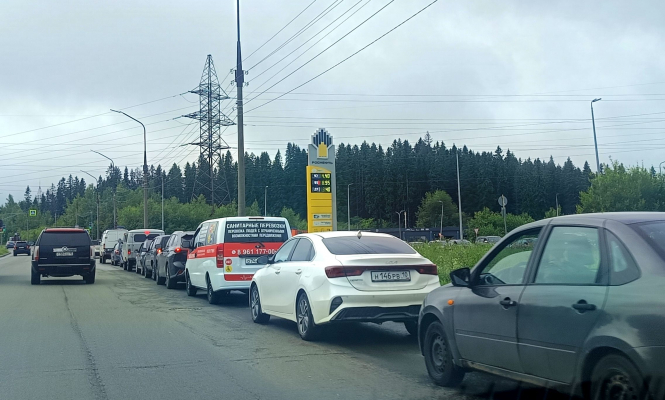
On Russia’s border with Finland, the wait itself became the story. In Petrozavodsk, the Karelian capital, photographer Igor Podgorny queued five hours overnight for 30 liters of gasoline—the wait alone, he noted, was enough to have driven to St. Petersburg, Stolitsa na Onego reported. Lukoil stations across the city had run dry; only one small chain was still filling canisters, and not always.
Nine time zones and 6,300 kilometers east, on the Pacific, Kamchatka has lost no refinery and lies far beyond drone range—yet it is preparing anyway, local outlet Kam24 reported. Officials there logged a 30-day fuel reserve on 7 July and said two towns that had run short the week before had been stabilized.
Independent stations are already raising prices; the region’s main supplier is holding steady.
A tanker was steaming toward Petropavlovsk-Kamchatsky with about 1,000 tons of AI-92 gasoline and 2,000 tons of diesel, a second vessel loading behind it. Jet fuel is secured until 13 August. Independent stations are already raising prices; the region’s main supplier is holding steady, and the governor ordered regulators to keep it that way.
Between the frontiers, drivers wait hours in line; black-market gasoline in Irkutsk climbed toward 350 rubles ($4.53) a liter at the peak of that region’s shortage. For most of the war, the roughly one in five Russians tied to military pay or war production stayed insulated while everyone else absorbed inflation and service cuts—fuel does not sort that way.
Explore further
The energy superpower now rations fuel by QR code lottery
Fuel crisis reaches the fields
The strain reaches the fields, too, as PLN Pskov reported. In Pskov Oblast, on the Estonian and Latvian border, growers have lost working hours to fuel queues in the middle of harvest, with diesel near 80 rubles ($1.03) a liter and summer sales to visitors down by around half. Panic-buying has driven demand up 20–30%, Deputy Prime Minister Alexander Novak has said.
A country that sells oil to the world is now administering its own gasoline—by QR code and by license plate. In Nizhny Novgorod, the machinery went up the same day its governor said the shortage was easing.
The focus at a leaders’ summit in Turkey this week will be on building a new model for the alliance, as President Trump pushes to do less and pressures others do more.
The focus at a leaders’ summit in Turkey this week will be on building a new model for the alliance, as President Trump pushes to do less and pressures others do more.
Ballistic missiles were fired into the capital of Ukraine as Russia launched its second major attack in less than a week. At least 16 people were killed, officials said.
Ballistic missiles were fired into the capital of Ukraine as Russia launched its second major attack in less than a week. At least 16 people were killed, officials said.
Russia's largest employment platform has posted vacancies for drone operators to help defend Moscow from Ukrainian aerial attacks, Reuters reported on 3 July.
The recruitment drive comes as Ukraine has stepped up long-range drone attacks on Moscow in recent months, increasingly targeting military, industrial, and energy facilities as part of a broader campaign to disrupt Russia's ability to sustain its war against Ukraine.
According to Reuters, the positions were adv
Russia's largest employment platform has posted vacancies for drone operators to help defend Moscow from Ukrainian aerial attacks, Reuters reported on 3 July.
The recruitment drive comes as Ukraine has stepped up long-range drone attacks on Moscow in recent months, increasingly targeting military, industrial, and energy facilities as part of a broader campaign to disrupt Russia's ability to sustain its war against Ukraine.
According to Reuters, the positions were advertised on HeadHunter, Russia's largest job recruitment website, on behalf of a volunteer unit known as the Combat Army Reserve Force.
The job advertisement says recruits will help "ensure the capital's security using modern technical solutions and surveillance systems."
Volunteer unit seeks new drone operators
According to the listing, successful applicants would prepare and operate drones, conduct reconnaissance missions, and carry out day and night flights to collect data.
Reuters reported that applicants need only basic technical skills and a willingness to learn, with no previous experience required.
The position offers a starting salary of 150,000 rubles (about $1,950 USD) per month, below Moscow's reported average monthly salary of more than 200,000 rubles.
Reuters said it could not determine when the vacancy was first posted, although it was updated on 1 July.
Ukraine steps up long-range drone campaign
The recruitment comes as Ukraine has significantly expanded its long-range drone campaign against military and industrial targets inside Russia.
In recent months, Ukrainian forces have repeatedly targeted airbases, ammunition depots, fuel storage facilities, military logistics hubs, and defense industry sites, while also increasing attacks on Moscow and the surrounding region.
In June, Ukrainian drones struck Moscow multiple times, including two attacks within three days on a major oil refinery located inside the city's ring road, according to Reuters. Russia has also reported frequent attempts by Ukrainian drones to reach the capital, prompting temporary airport closures and flight disruptions.
Kyiv says its long-range strike campaign is intended to degrade Russia's military logistics, disrupt fuel supplies and industrial production, and complicate the movement of military equipment supporting Moscow's war against Ukraine.
The Kremlin has acknowledged the growing threat, saying it is taking additional measures to strengthen Moscow's air defenses, Reuters reported.
Ukraine’s military has denied a Kremlin claim to have taken a city in the eastern Donetsk region, saying its troops are holding out against infiltrating Russians.
Ukraine’s military has denied a Kremlin claim to have taken a city in the eastern Donetsk region, saying its troops are holding out against infiltrating Russians.
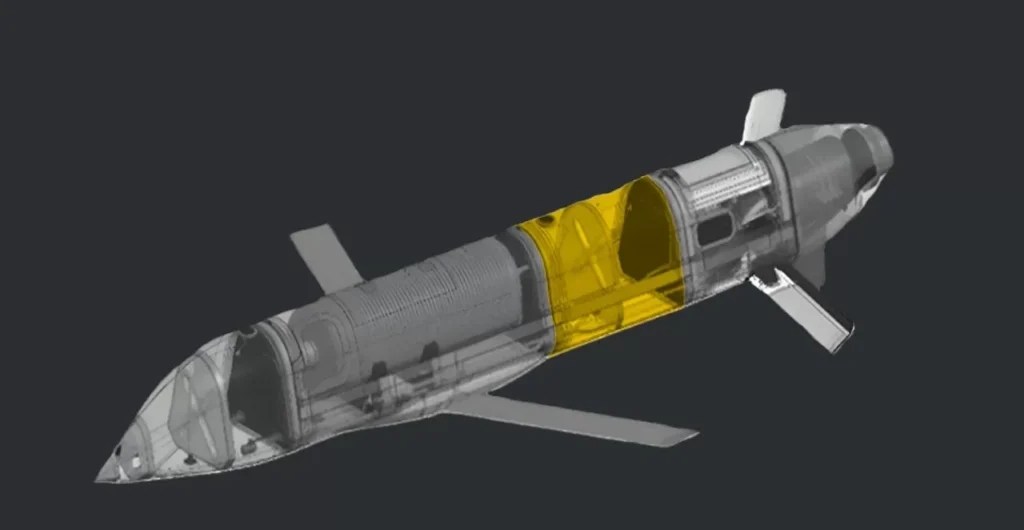
Russia's new Banderol cruise missile is fast, cheap to make, and dangerous to Ukrainian cities. The S8000 "Banderol" is a hybrid of a kamikaze drone and a cruise missile, massively used in the last, the most massive attack on Kyiv.
According to the Ukrainian Defense Intelligence, the missile is designed by the sanctioned Russian company Kronshtadt. It flies at 520-560 km/h cruise speed and up to 650 km/h maximum, has a range up to 500 km, and carries a 114.3-kg fragmentatio
Russia's new Banderol cruise missile is fast, cheap to make, and dangerous to Ukrainian cities. The S8000 "Banderol" is a hybrid of a kamikaze drone and a cruise missile, massively used in the last, the most massive attack on Kyiv.
According to the Ukrainian Defense Intelligence, the missile is designed by the sanctioned Russian company Kronshtadt. It flies at 520-560 km/h cruise speed and up to 650 km/h maximum, has a range up to 500 km, and carries a 114.3-kg fragmentation-high-explosive warhead.
Ukraine's War & Sanctions portal documented over 20 foreign-made components and approximately 20 microchips of foreign origin from 30 different companies in the missile's construction, with a Chinese Swiwin SW800Pro jet engine, available on AliExpress for approximately $16,000, powering the weapon.
Threat profile: jet engine that outruns machine guns
The Banderol was first documented at Russia's Kapustin Yar test site in late 2024 and has since been integrated into Russia's large combined missile-and-drone attacks, according to Defense Express.
Russian forces used Banderol munitions in the 24 May 2026 attack that included Oreshnik use, the 2 June 2026 record 729-weapon strike that killed 17, and Kyivans reported hearing jet aircraft sounds during the 2 July 2026 attack that killed 30 people and drove a record 52,500 people into Kyiv metro shelters.
The concept is derivative, closer to Ukrainian rocket-drones like Palianytsia and Peklo or the American AGM-158C LRASM than to classical Russian cruise missiles, but smaller in dimensions and warhead than the standard Russian arsenal.
Ukrainian defense expert Serhii "Flash" Beskrestnov reported in April 2025 that the Banderol's jet propulsion allows speeds that Ukrainian mobile fire teams cannot match with standard ground-based machine guns. Countering the missile requires systems like the Gepard that can track fast-moving targets.
Most of Banderol's components are supplied through the Russian "Chip and Dip" distribution network.
Electronics and power components include Japanese Murata batteries, South Korean Dynamixel MX-64AR servos manufactured by Robotis, American voltage regulators and generators, and Swiss microcontrollers.
Russia evades sanctions on electronic components by using complex networks of shell companies and intermediary firms, routing imports through Armenia, Kazakhstan, China, Türkiye, and the UAE, per that earlier reporting.
Kronshtadt, the missile's producer, was reported to be facing imminent bankruptcy in August 2025, with 40 lawsuits totaling $7.76 million filed against the company over three months and unclear paths to restructuring.
On 16 June, the Saratov regional assembly’s industry committee raised the possibility of convening a session on the fuel shortage. Stanislav Denisenko, a deputy of the Liberal Democratic Party of Russia (LDNR), argued against it.The problem, he said, was being artificially inflated by “hostile YouTube channels.” He had personally checked the filling stations. There was no shortage. His proposed solution was to block VPN access so that Russians could not reach the channels
On 16 June, the Saratov regional assembly’s industry committee raised the possibility of convening a session on the fuel shortage. Stanislav Denisenko, a deputy of the Liberal Democratic Party of Russia (LDNR), argued against it.
The problem, he said, was being artificially inflated by “hostile YouTube channels.” He had personally checked the filling stations. There was no shortage. His proposed solution was to block VPN access so that Russians could not reach the channels spreading panic.
Olga Alimova, a KPRF deputy in Russia’s State Duma, told a Saratov party meeting that residents were tired of having their real problems silenced.
Denis Bulanov, a Communist Party of the Russian Federation (KPRF) deputy, replied that the Kommersant article documenting the national fuel crisis was available without a VPN.
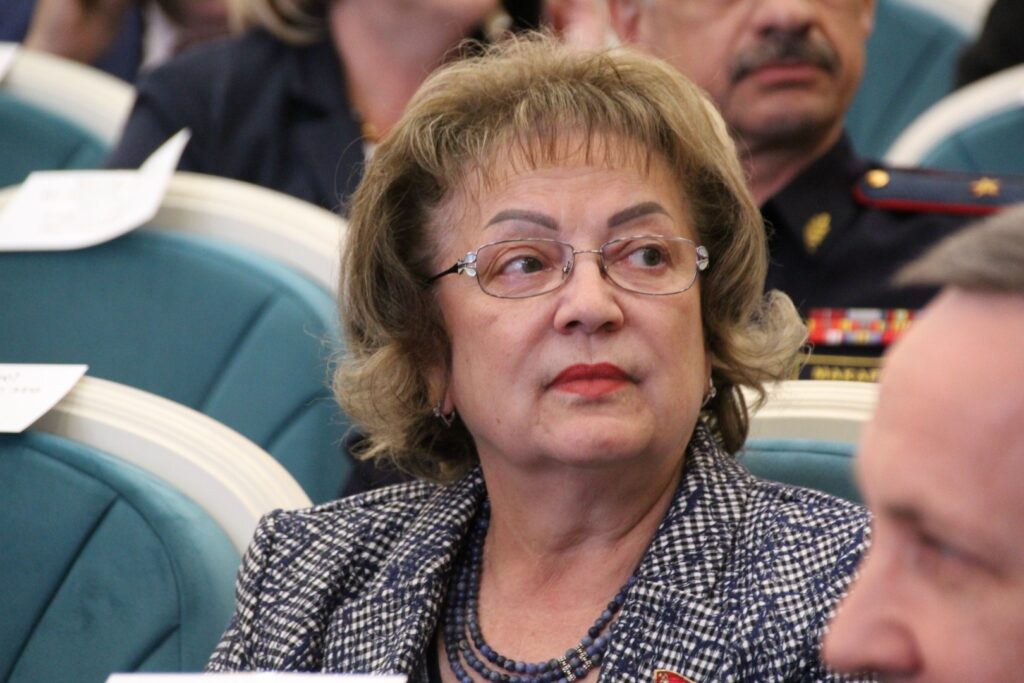
Olga Alimova, Communist Party of the Russian Federation (KPRF) deputy of the Russian State Duma and first secretary of the Saratov regional KPRF committee. Photo: SarInform
Two weeks later, Olga Alimova, a KPRF deputy in Russia’s State Duma, told a Saratov party meeting that residents were tired of having their real problems “either silenced or replaced with formal reports.”
Gennady Kotelnikov explained that the government was already handling it, that committees had discussed it, and that “the situation has stabilized, but problems remain.”
Assembly speaker Gennady Kotelnikov explained that the government was already handling it, that committees had discussed it, and that “the situation has stabilized, but problems remain.” The region had been under a rationing order for six days: 40 liters of gasoline per car, 100 liters of diesel. Sales into canisters were suspended.
Manual mode
For most of the past four years, Vladimir Putin largely managed to shield the population from the immediate economic consequences of the war, Politico wrote on 2 July.
About 20% of Russians have income tied to military service or war production, Euromaidan Press has reported—wages in that sector have risen while the rest of the population absorbed inflation and cuts to civilian services. The fuel crisis is different—it is immediate and personal for civilians with no connection to the front.
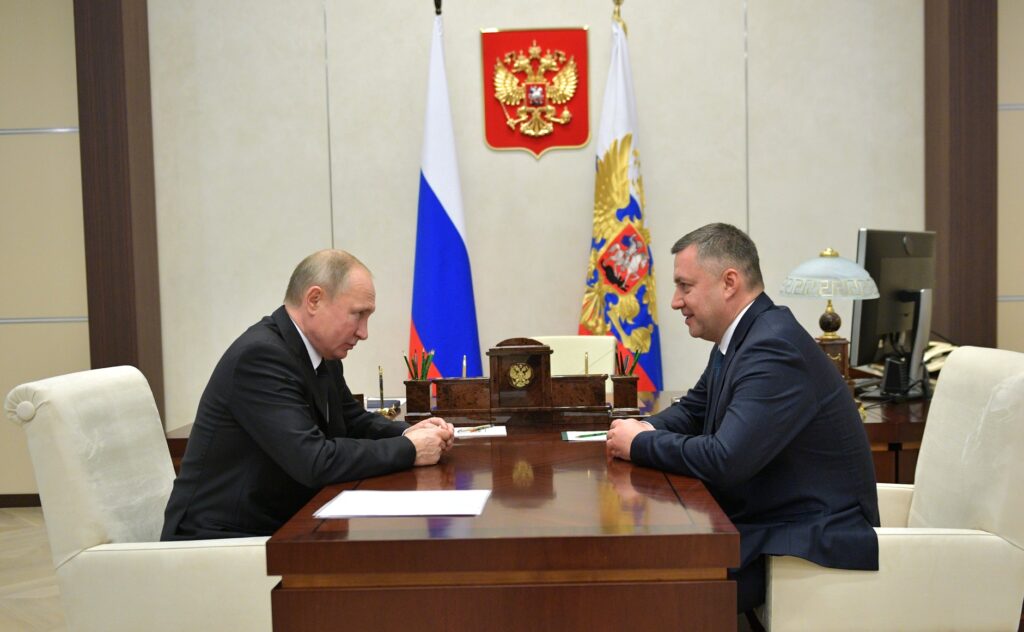
Igor Kobzev at his appointment meeting with Vladimir Putin at the Kremlin, 12 December 2019, when Putin named him acting governor of Irkutsk Oblast. Photo: Kremlin.ru / CC BY 4.0
In Irkutsk Oblast, governor Igor Kobzevpublished a post on Telegram explaining the problems but not the cause, merely stating that there are disruptions across the country and that his region had shifted to “manual mode,” determining fuel volumes for each recipient individually. Siberia.Realities reported that the original post contained a reference to the Ukrainian drone strikes, which was later removed.
What followed in Kobzev’s public communications was logistical: 6,000 tons of fuel from refineries across the country were moving to the region under existing contracts, to be distributed across more than 20 districts with few or no Rosneft filling stations.
Kobzev returned without saying how the crisis would end.
He declared a state of heightened readiness on 28 June, called on residents and organizations to reduce driving, and flew to Moscow to brief Deputy Prime Minister Alexander Novak. He returned without saying how the crisis would end. “Honestly,” he wrote on 1 July, “despite all the measures taken, the situation with fuel in the region continues to be very difficult.”
Siberia.Realities reported that in late June, an ambulance leaving Baykalsk—a town of 13,000 without a maternity ward, 150 kilometers from Irkutsk—needed a pickup truck carrying a fuel drum to follow it, because the stations on the route had run dry. The baby was born on the highway.
The worst single-day queue documented by his team: nearly 100 cars backed up simultaneously.
In Pskov Oblast, Mikhail Vedernikov sent his own staff to verify whether the stations actually had fuel, then publicly reported what they found. The worst single-day queue documented by his team: nearly 100 cars backed up simultaneously in the Kuninsky district in the far south-east of the oblast.
Vedernikov negotiated a dispensation for holders of boat registration documents to fill jerry cans and announced that, from the following day, residents could purchase five liters in certified containers for household use—a regional emergency staff decision binding on all stations.
Irkutsk Oblast sits on oil fields and hosts the Angarsk Petrochemical Company (ANKHK), one of the country’s largest refining facilities, which should supply the region’s needs.
Irkutsk activist and Yabloko party member Pavel Kharitonenko posted on Telegram that Kobzev’s emergency flight to Moscow pointed at the structural problem: Irkutsk Oblast sits on oil fields and hosts the Angarsk Petrochemical Company (ANKHK), one of the country’s largest refining facilities, which should supply the region’s needs and send the surplus elsewhere. Instead, Rosneft—the refining monopolist in the oblast—supplies fuel only through its own station network, squeezing independent operators out of the market.
“We must understand and accept that the main cause of what is happening is the war.”
“Why can’t the governor sort this out?” Kharitonenko asked. “It’s very simple: he was installed here by Moscow in uncontested elections and works for Moscow bosses, not for the residents of the region.”
Russian economist Sergei Aleksashenko, quoted by Siberia.Realities, stated: “We must understand and accept that the main cause of what is happening is the war. As long as the war continues, Ukrainian drone strikes on Russian refineries will only intensify.”
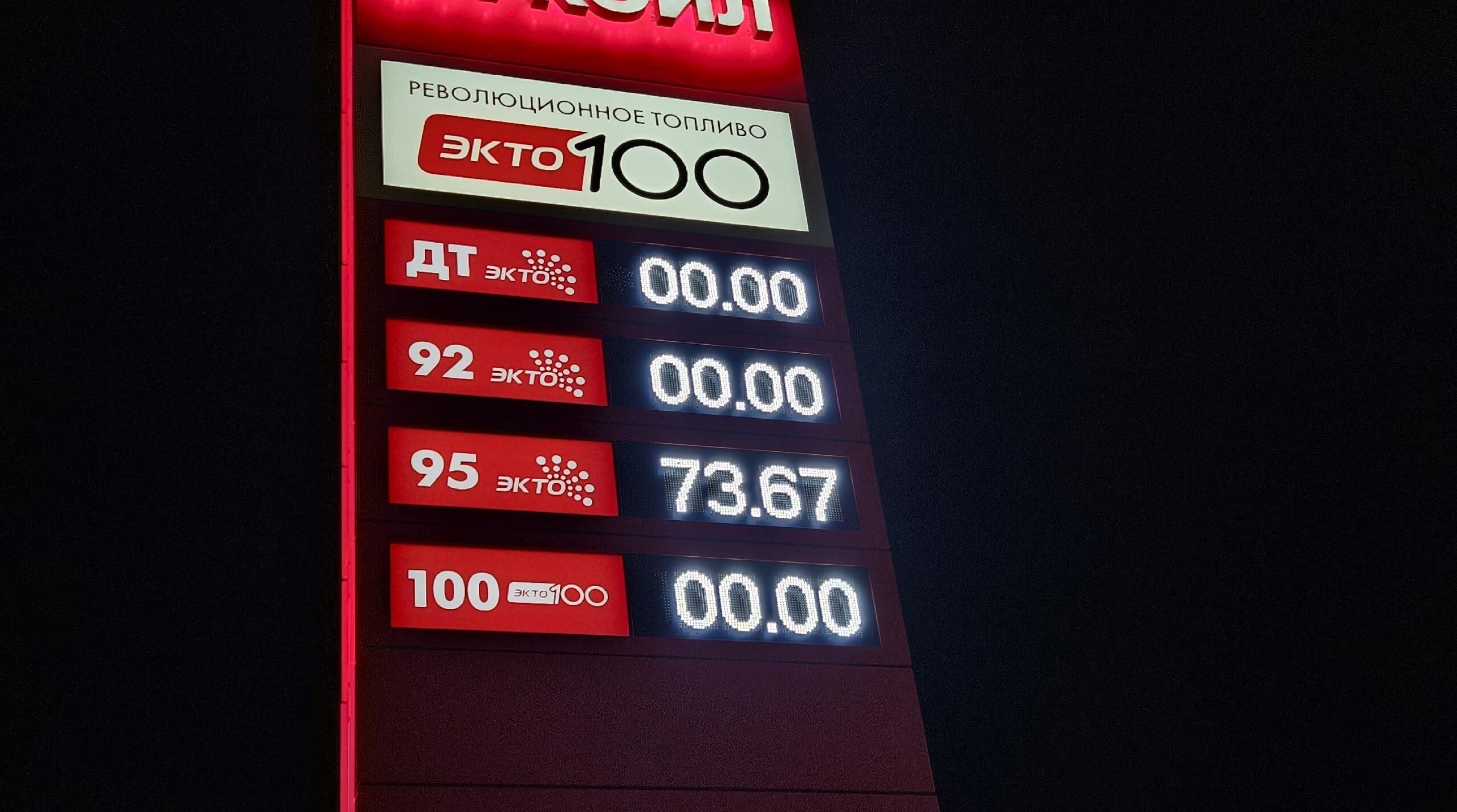
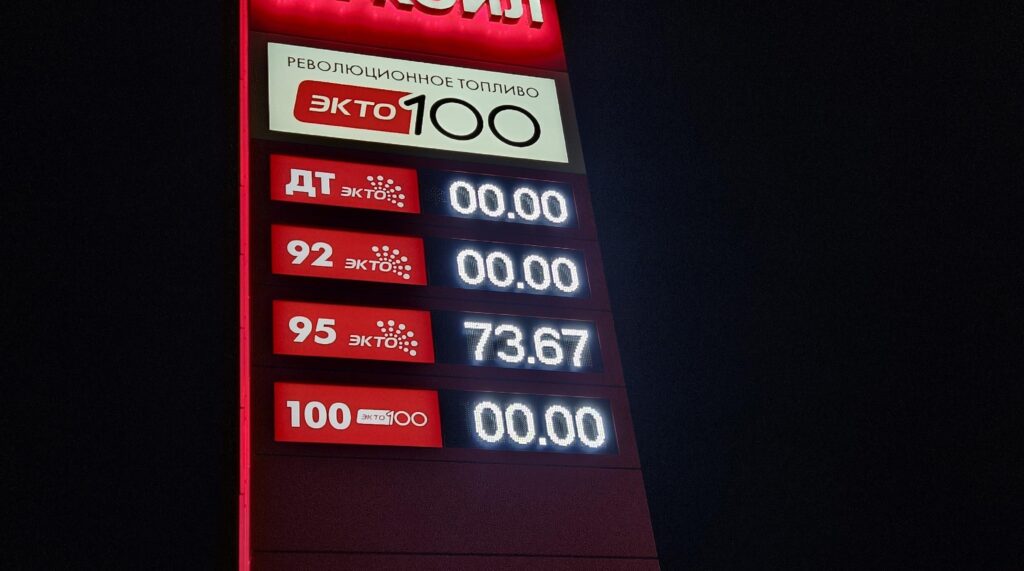
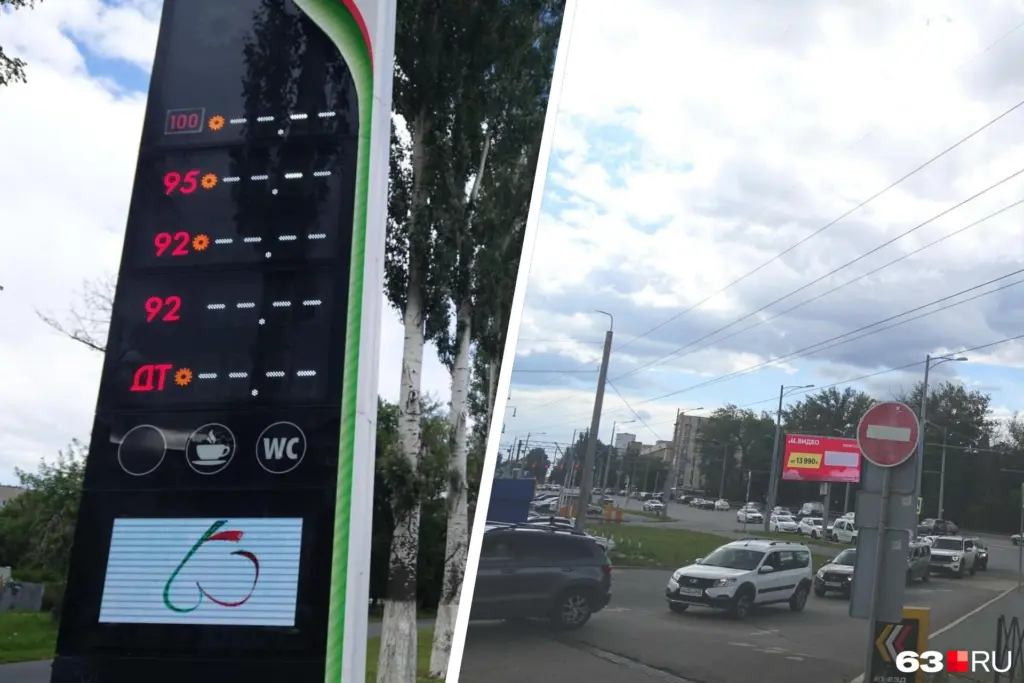
A Samara filling station price display with every slot empty, late June 2026. Photo: Roman Danilkin / 63.RU
30 liters, if you’re lucky
A reporter from the Samarska Gazeta joined the queues over the weekend of 28–29 June. At a Rosneft filling station, the limit was 30 liters per fill. The AI-95 grade was unavailable; the reporter took AI-92 instead. Two nearby Tatneft stations had their nozzles marked as broken.
“Another thing we noticed,” the paper wrote, “fewer cars on the roads.”
When the pump moved to the next driver in line, it ran dry. “Another thing we noticed,” the paper wrote, “fewer cars on the roads. This may be connected to the vacation season, or to drivers deciding to wait out the hard times.”
In the week of 23–29 June, Samarastat recorded a 10% rise in AI-92 prices, to 73.68 rubles ($0.95) per liter, and an 8.74% rise in AI-95, to 78.50 rubles ($1.02). At smaller independent chains—Olvi, Roza Mira, Irbis—the T-Bank price-tracking app showed AI-92 at 112 rubles ($1.45) and AI-95 at 116 rubles ($1.50) per liter.
The regional Ministry of Industry advised residents who considered the prices unreasonable to contact the Federal Antimonopoly Service.
Governor Vyacheslav Fedorischev said on 29 June that rationing could be lifted early if the situation stabilized. The regional Ministry of Industry advised residents who considered the prices unreasonable to contact the Federal Antimonopoly Service. The Antimonopoly Service said companies set prices based on market conditions.
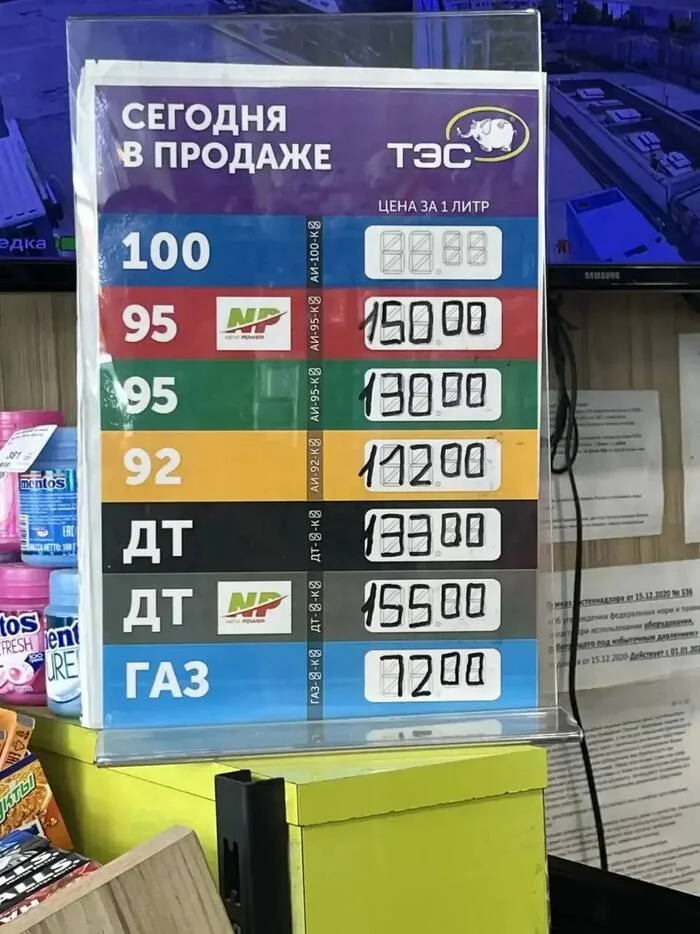
Fuel prices written by hand at a Sevastopol filling station, 27 June 2026—changed manually as often as prices shift. Sales were restricted to holders of QR codes issued the previous day; resellers charged 350 rubles ($4.53) per liter for AI-95 outside. Photo: Nishebrodushka / Pikabu
Into the kindergartens
In occupied Sevastopol, governor Mikhail Razvozhaev told a 30 June government session that the city had reduced the number of working kindergartens from 74 to 24. The cause was not budget pressure. It was fuel and electricity constraints. The remaining 50 could not be kept running.
Food prices on the peninsula have roughly doubled at some stores, with goods being repriced at the checkout counter every few hours as supply chains fail to keep pace, according to Ukrainian media monitoring Crimean social media.
The fuel station chain TES dispenses 20-liter allocations by QR code—obtaining one, is “an internet lottery with minimal winners.”
Ukraine’s Center for National Resistance documented shortages of sugar, flour, cereals, salt, and pasta in stores across Crimea as early as 8 June, with some retail chains introducing purchase limits per person.
Gasoline at official filling stations—when available—has passed 200 rubles ($2.59) per liter in Sevastopol. The fuel station chain TES dispenses 20-liter allocations by QR code—obtaining one, the outlet noted, is “an internet lottery with minimal winners.” Resellers charge 400 rubles ($5.17) or more.
Explore further
Russia annexed Crimea to control it. Now it can’t even control the gas station line
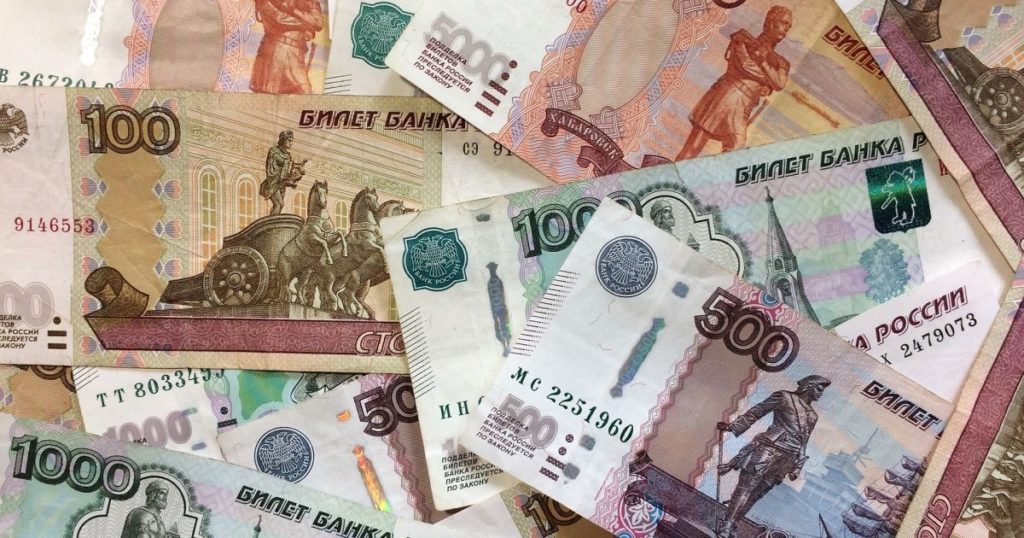
Russian rubles. Source:TSN
The market the state left behind
In Irkutsk, a black market for fuel opened at 150 rubles ($1.94) per liter at the start of the shortage and reached 350 rubles ($4.53) by the end of it, according to Ukraine’s Foreign Intelligence Service.
Sberbank’s deputy chairman warned businesses of fraudulent commercial offers impersonating major oil company suppliers.
In Sevastopol, two residents lost nearly 90,000 rubles ($1,164) in one day to scammers offering fuel without a queue: a 33-year-old woman transferred 5,500 rubles ($71) to a supplier who vanished after receiving payment; a 32-year-old man lost 83,000 rubles ($1,074) in the same scheme.
In the Penza region, Sberbank’s deputy chairman warned businesses of fraudulent commercial offers impersonating major oil company suppliers; the bank said it had already prevented 18 million rubles ($233,000) in corporate losses.
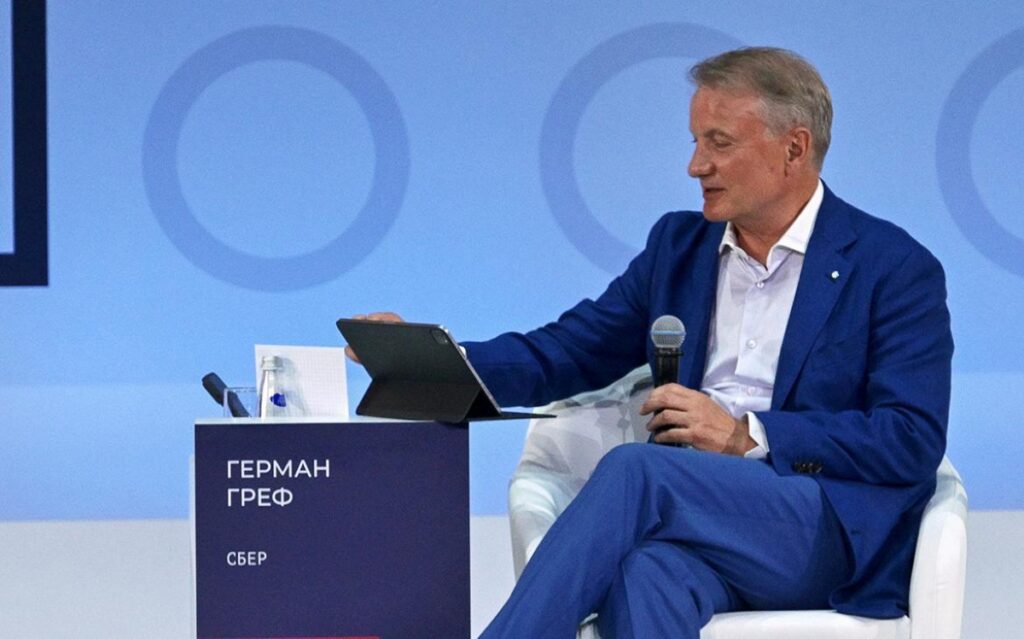
German Gref, CEO of Sberbank, told Russia’s Financial Congress in late June 2026 that his credit committee had become “a committee on problem assets” as fuel shortages drove corporate debt restructuring. Photo: RBC
Into the loan book
The fuel shortage has reached Russia’s corporate loan book. Sberbank CEO German Gref told Russia’s Financial Congress that his credit committee had become “a committee on problem assets” as more companies sought debt restructuring.
The Bank of Russia’s April data put problem corporate loans—including risky restructurings—at 11.2 trillion rubles ($145 billion), or 11.6% of the entire corporate portfolio, with the oil and gas sector among the hardest hit.
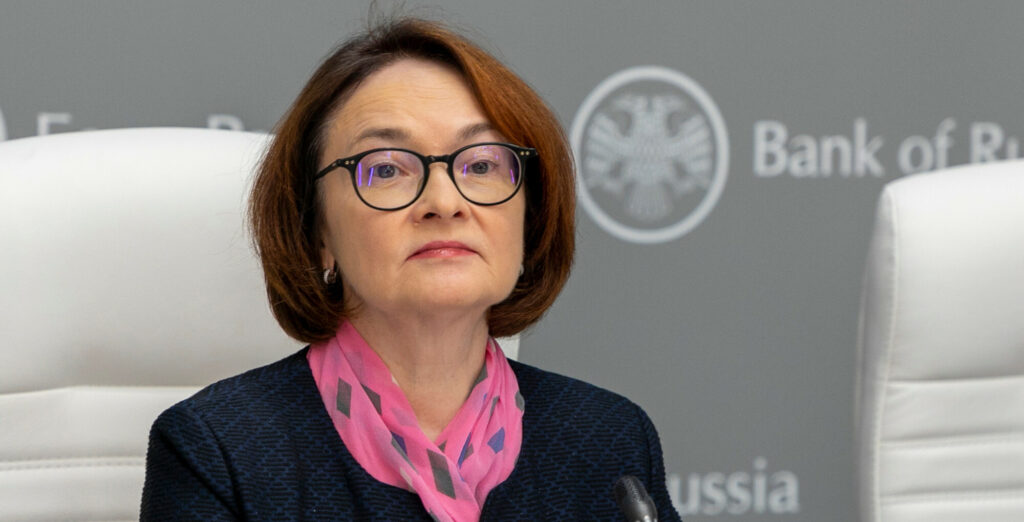
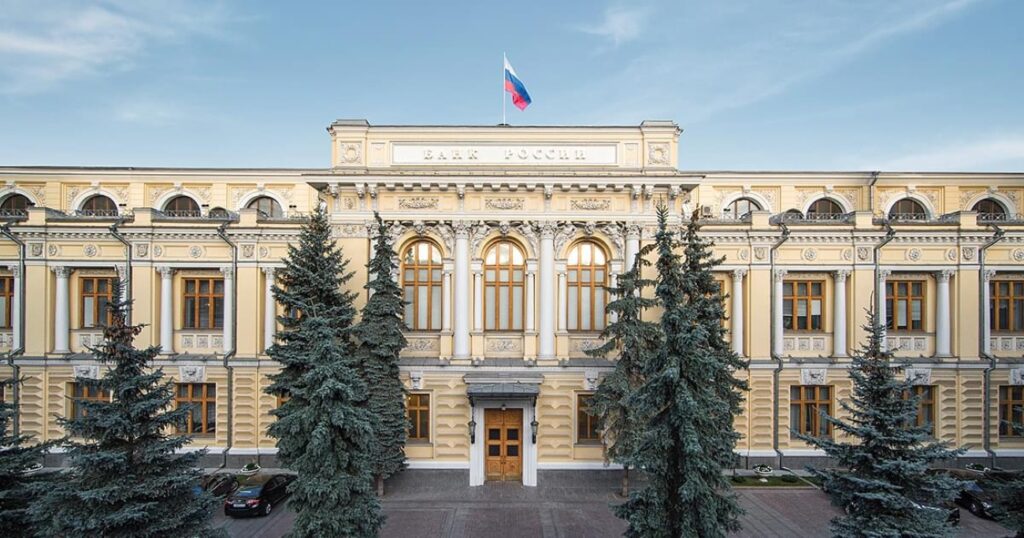
Bank of Russia chair Elvira Nabiullina at a press briefing in Moscow, 24 October 2025. Photo: Alexander Nekhitrov / Russian Central Bank Press Office via AP / East News
Gref linked the mounting pressure directly to the war. Central Bank of Russia (CBR) governor Elvira Nabiullina described the fuel situation as “of course, concerning” but “temporary,” saying the CBR would watch for secondary inflationary effects—rising fuel prices causing people to expect broader price increases across the economy—before deciding on further rate moves.
Repairing the damaged equipment is complicated by Western technology sanctions.
At its 19 June meeting, the CBR cut its key rate by only 25 basis points to 14.25%, half the reduction markets had expected, citing pro-inflationary risks from the fuel market.
Explore further
Russia’s top bankers break taboo, admit war is hurting the economy
Ukraine carried out at least 30 strikes on Russian oil assets in May alone—16 of them on fuel-producing facilities, hitting eight of Russia's 10 biggest refineries—the highest monthly toll since the full-scale invasion began. The Ukrainian Ministry of Defense said 11 refineries were struck in June.
Before the June strikes, Energy Intelligence estimated that around one-third of Russia’s refining capacity had been knocked out. Repairing the damaged equipment is complicated by Western technology sanctions: Ukraine has targeted specialized imported components, and sourcing replacements around the restrictions has made repairs slow and expensive, Euronews reported.
Prime Minister Mikhail Mishustin signed a decree permitting the sale of lower-grade Euro-3 gasoline—with sulfur content up to 150 mg per kilogram—through the end of 2026.
On 2 July, Prime Minister Mikhail Mishustin signed a decree permitting the sale of lower-grade Euro-3 gasoline—with sulfur content up to 150 mg per kilogram, against the previous Euro-5 standard—through the end of 2026. The government described it as a “preventive measure to prevent destabilization of the domestic motor fuel market.”
Ukraine’s Foreign Intelligence Service has reported widespread accounts of engine damage in newer turbocharged cars, particularly Chinese models, from lower-grade fuel already in circulation.
Italy has joined Bulgaria in objecting to a proposed EU visa ban on Patriarch Kirill, the head of the Russian Orthodox Church and a close ally of Russian President Vladimir Putin, according to three EU diplomats, Politico reported.
The visa ban, proposed by EU foreign policy chief Kaja Kallas as part of the bloc's 21st sanctions package against Russia, needs the backing of all 27 member states to pass. Bulgaria's opposition was already on the record; Italy's "reservatio
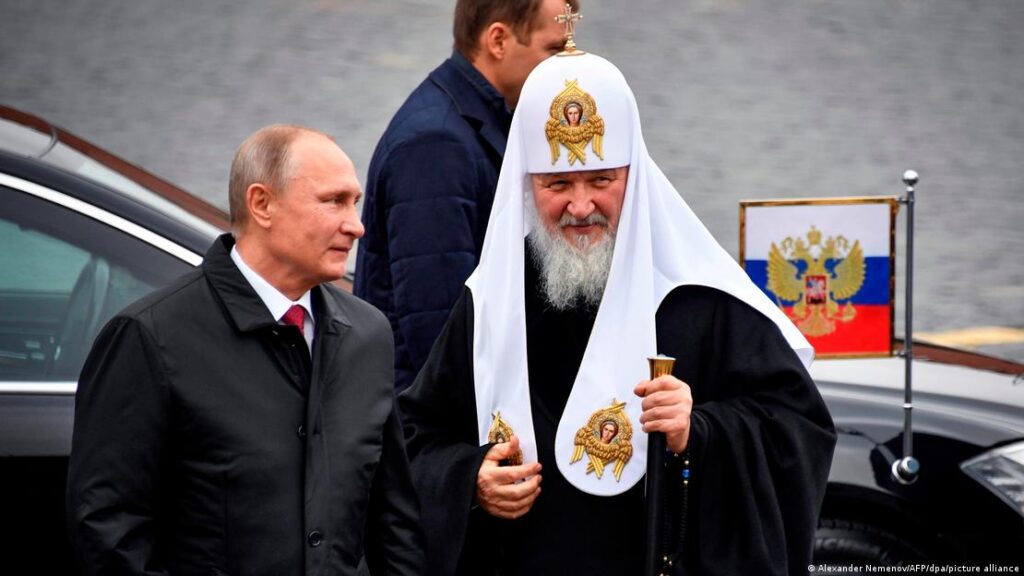
Italy has joined Bulgaria in objecting to a proposed EU visa ban on Patriarch Kirill, the head of the Russian Orthodox Church and a close ally of Russian President Vladimir Putin, according to three EU diplomats, Politico reported.
The visa ban, proposed by EU foreign policy chief Kaja Kallas as part of the bloc's 21st sanctions package against Russia, needs the backing of all 27 member states to pass. Bulgaria's opposition was already on the record; Italy's "reservation"—diplomatic language for a concern short of a veto—makes Rome the second capital standing between the EU and the cleric who has repeatedly praised and justified Moscow's full-scale invasion. Rome's unease, one diplomat said, stems from the Vatican and its discomfort at sanctioning the leader of a Christian denomination.
A patriarch long shielded from EU sanctions
The 21st package, unveiled on 9 June, targets Russia's military-industrial and financial sectors. Kirill was kept off earlier sanctions lists for years by Hungary, whose veto fell away after Viktor Orban lost power to Peter Magyar in April; Brussels added the patriarch's name once that block lifted. Under Kirill, the Russian Orthodox Church has framed the war as a holy one and moved to purge clergy who refuse to bless it.
The oil price cap and the combatants ban
The Kirill objection is not the only friction inside the package. EU diplomats are also discussing a proposal to freeze the price cap on Russian oil, set at $44 per barrel—delaying a mid-July review that would otherwise raise the cap automatically. Greece, Malta and Cyprus, all with sizable shipping sectors that service Russian vessels, have objected to the delay. The same three previously stalled a proposed ban on providing maritime services to Russian ships.
A separate measure, barring former Russian combatants from entering the EU, has drawn concerns from France and Italy.
Why the holdouts matter now
The horse-trading comes as the sanctions regime and Ukraine's long-range strikes on Russian refineries squeeze Moscow together: two-thirds of Russia's 83 regions are now reporting fuel-supply problems. Ukraine's drone campaign has idled a large share of Russian refining capacity, pushing rationing across dozens of regions and forcing Moscow to import gasoline by sea. Because the EU requires unanimity, a single reservation from Rome or Sofia can hold the whole package—energy measures included—until it is resolved.
Russia's border city of Belgorod lost electricity and water across several districts early on 3 July after a Ukrainian strike hit a city energy facility, in what Ukrainian military sources described as a missile strike on a substation at a combined heat and power plant. A woman was killed in her car and five vehicles were damaged, Belgorod officials said.
The strike landed a day after Russia's deadliest assault on Kyiv this year — a missile-and-drone barrage that killed
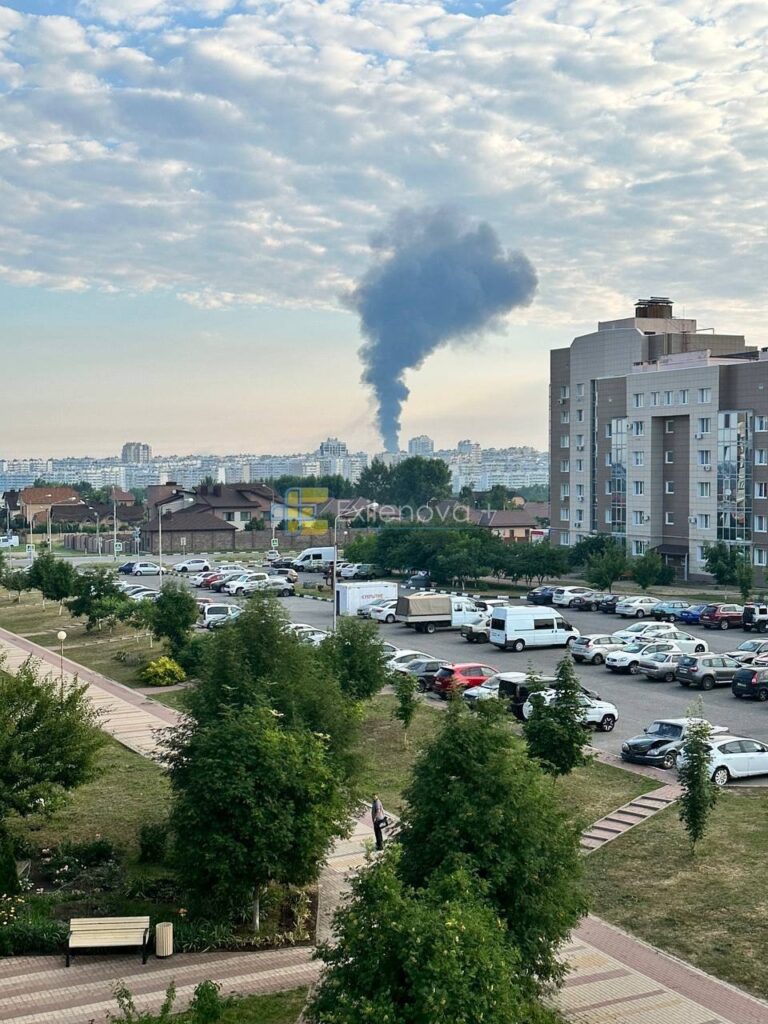
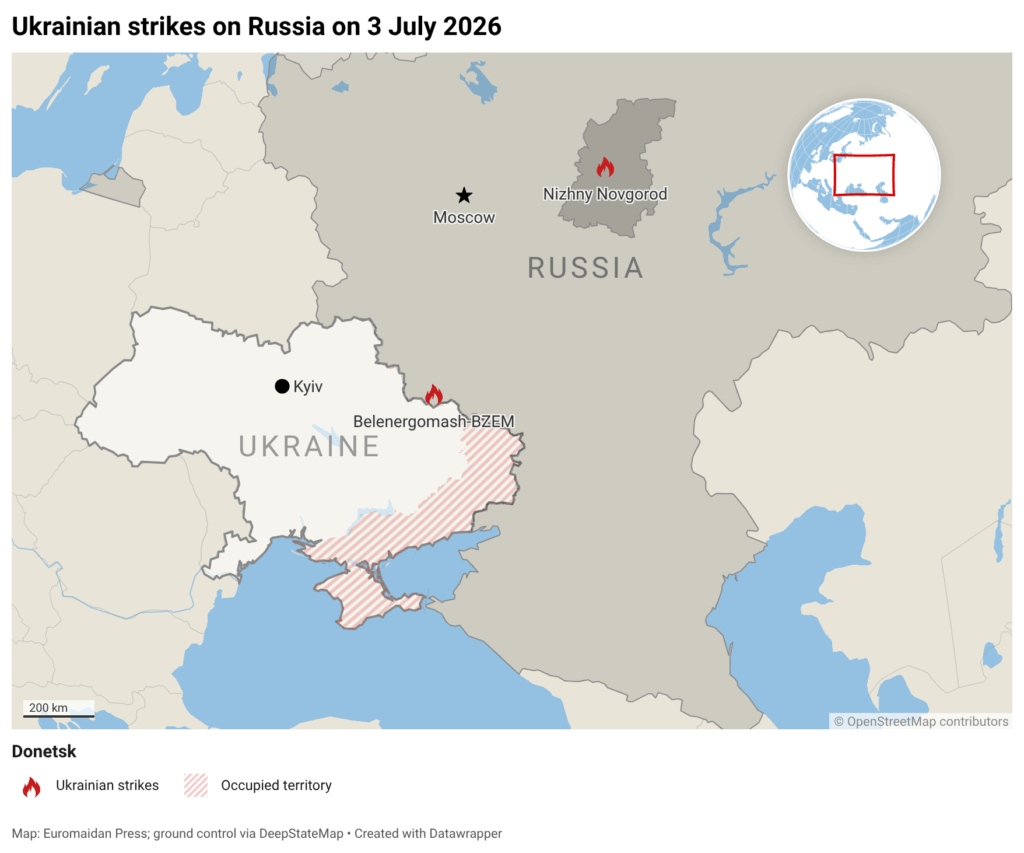
Russia's border city of Belgorod lost electricity and water across several districts early on 3 July after a Ukrainian strike hit a city energy facility, in what Ukrainian military sources described as a missile strike on a substation at a combined heat and power plant. A woman was killed in her car and five vehicles were damaged, Belgorod officials said.
The strike landed a day after Russia's deadliest assault on Kyiv this year — a missile-and-drone barrage that killed at least 30 people and put the capital under a day of mourning on 3 July. It fits the blackout-for-blackout logic Ukraine has followed since autumn: for every strike on Ukraine's grid, one on Russia's. Belgorod has been among the most repeatedly hit, and Moscow, in turn, framed its own Kyiv attack as retaliation for Ukrainian strikes on Russian refineries.
What was hit
Open-source analysts identified the target as the Michurinskaya gas-turbine plant, with the strike falling on its 110-kilovolt station substation. The plant supplies power to Belenergomash-BZEM, a large industrial enterprise producing pipes and metal structures for Russian industry, the Ukrainian outlet RBC-Ukraine reported. Belgorod regional authorities confirmed an attack on the region and a fire at an infrastructure object, with emergency crews sent to the site.
A city in the dark, again
Power and water went down in southern and central parts of the city of more than 320,000, alongside problems with cellular service and internet, local channels and the mayor said. The city has been through this repeatedly: Ukrainian forces struck its power plants and substations through the autumn and winter, and in January the regional governor reported 600,000 residents temporarily left without electricity, heat, and water. EP has tracked the recurring hits on the city's grid.
The wider campaign
The Belgorod strike sits inside a broader Ukrainian push against Russian and occupied energy and fuel infrastructure. In the 48 hours before it, Ukrainian drones hit power substations across occupied Crimea and struck a refinery in Russia's Nizhny Novgorod Oblast. The campaign against Russian refineries has driven a domestic fuel crisis and forced Russia to import gasoline. Ukraine has cast the grid strikes as a proportional answer to Russia's years of attacks on Ukrainian energy — the same reciprocity Moscow invoked, in reverse, to explain the Kyiv barrage.
Lines at a gas station in Moscow on Tuesday. Attacks on Russian oil infrastructure have caused the kinds of gas shortages that many Russian citizens have not seen in their lifetimes.
America has long stood for freedom and prosperity, but under Trump insults, threats and unpredictability have become the new norm. As the US marks its 250th anniversary, Guardian correspondents around the world report on how it is perceived elsewhereAmy Hawkins in Beijing Continue reading...
America has long stood for freedom and prosperity, but under Trump insults, threats and unpredictability have become the new norm. As the US marks its 250th anniversary, Guardian correspondents around the world report on how it is perceived elsewhere
Escalating drone strikes, fuel shortages and power cuts in the region Russia annexed are among the factors turning up the heat on President Vladimir V. Putin.
Escalating drone strikes, fuel shortages and power cuts in the region Russia annexed are among the factors turning up the heat on President Vladimir V. Putin.
Two of Russia's most senior economic figures publicly linked the country's mounting economic pressures to the war in Ukraine last week — an unusual departure from the official silence that has surrounded Kremlin war costs since 2022. German Gref, chief executive of Sberbank, and central bank governor Elvira Nabiullina both spoke in separate settings as Ukraine's drone strike campaign against Russian oil infrastructure compounds the fiscal strain from record military spendin
Two of Russia's most senior economic figures publicly linked the country's mounting economic pressures to the war in Ukraine last week — an unusual departure from the official silence that has surrounded Kremlin war costs since 2022. German Gref, chief executive of Sberbank, and central bank governor Elvira Nabiullina both spoke in separate settings as Ukraine's drone strike campaign against Russian oil infrastructure compounds the fiscal strain from record military spending.
Russia's military and classified spending reached 46% of all budget expenditure in the first quarter of 2026 — a surge of roughly 30% over the same period in 2025 — while the National Wealth Fund buffer has fallen from about 7% of GDP before the war to 1.7% as of April 2026, Russia's Finance Ministry confirmed.
What each of them said
Gref told Sberbank's annual shareholders meeting that investments had already fallen over 14% and could drop a further 3% this year. He then addressed the war directly.
"I don't believe there is anyone in this country whose primary concern is anything other than an end to military hostilities as soon as possible," Gref said.
For the chief executive of Russia's largest state-controlled bank to frame the war as the country's overriding problem — not "the special military operation," not a security challenge to be managed — marks a notable break from the language Kremlin officials have enforced since February 2022.
Nabiullina's public position is more constrained, but the Bank of Russia's own press release on her June rate decision said fiscal policy had become more accommodative than previously expected and that pro-inflationary risks had worsened — the same dynamic that Kluge's analysis traces directly to the gap between military outlays and tax revenues.
The fiscal picture behind the exchange
The 46% military spending figure comes from analyst Janis Kluge of the German Institute for International and Security Affairs, drawn from Finance Ministry data and cited by ISW. Russia is now covering an increasing share of the deficit through borrowing, with liquid National Wealth Fund assets depleted to a fraction of their pre-war level and no longer functioning as a meaningful cushion.
Ukraine's strike campaign is compressing the revenue side simultaneously. Bloomberg counted 38 Ukrainian strikes on Russian refineries from January through May 2026, with 16 in May alone — the highest monthly figure of the war. Two strikes on 16 and 18 June disabled both primary processing units at the Kapotnya refinery in Moscow — the capital's main fuel source — leaving it unable to process crude until at least early 2027.
Russia has responded by banning gasoline and jet fuel exports, drawing down strategic reserves, allowing lower-grade fuel blends, and importing gasoline from India and Belarus, while negotiations with Kazakhstan are complicated by the fact that a Ukrainian strike disrupted the feedstock supply to one potential Kazakh supplier.
Russian President Valdimir Putin publicly admitted queues at filling stations while summoning top officials to manage the crisis. Parliament passed legislation subsidizing gasoline imports from abroad.
Governments across the continent have increased military spending, but the strikes are another warning that they need to be prepared if the conflict crosses into NATO territory.
Governments across the continent have increased military spending, but the strikes are another warning that they need to be prepared if the conflict crosses into NATO territory.
Ukraine is taking the war to Russia, but so far President Vladimir V. Putin’s response has been to keep attacking, including with deadly ballistic missile and drone strikes in Kyiv on Thursday.
Ukraine is taking the war to Russia, but so far President Vladimir V. Putin’s response has been to keep attacking, including with deadly ballistic missile and drone strikes in Kyiv on Thursday.
Kommersant’s Crimea correspondent reported on 1 July that gasoline in Russian-occupied Crimea was selling for 185–200 rubles ($2.37–$2.56) a liter at filling stations when fuel was available. In Sevastopol, the pump price had reached 199 rubles ($2.54) a liter. Resellers were asking 250–400 rubles ($3.20–$5.12).
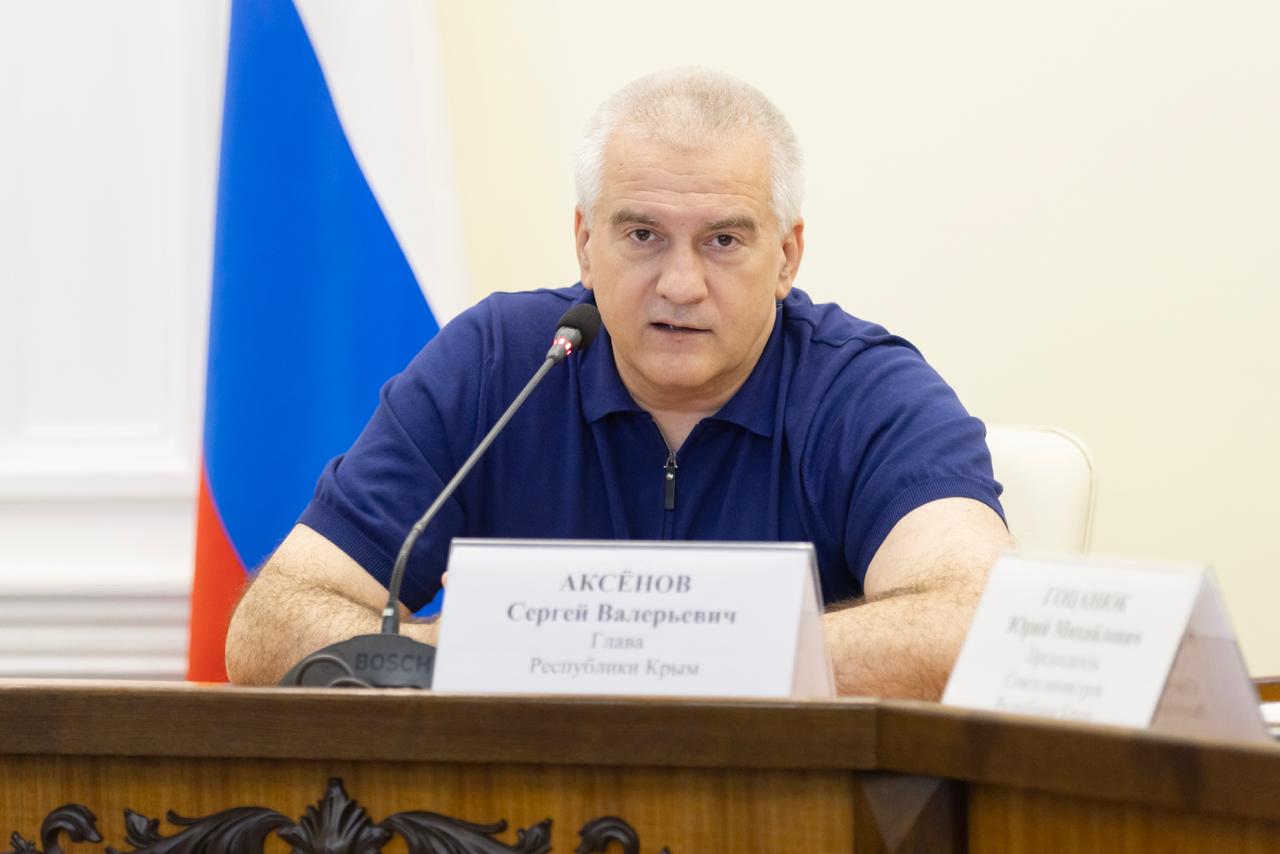
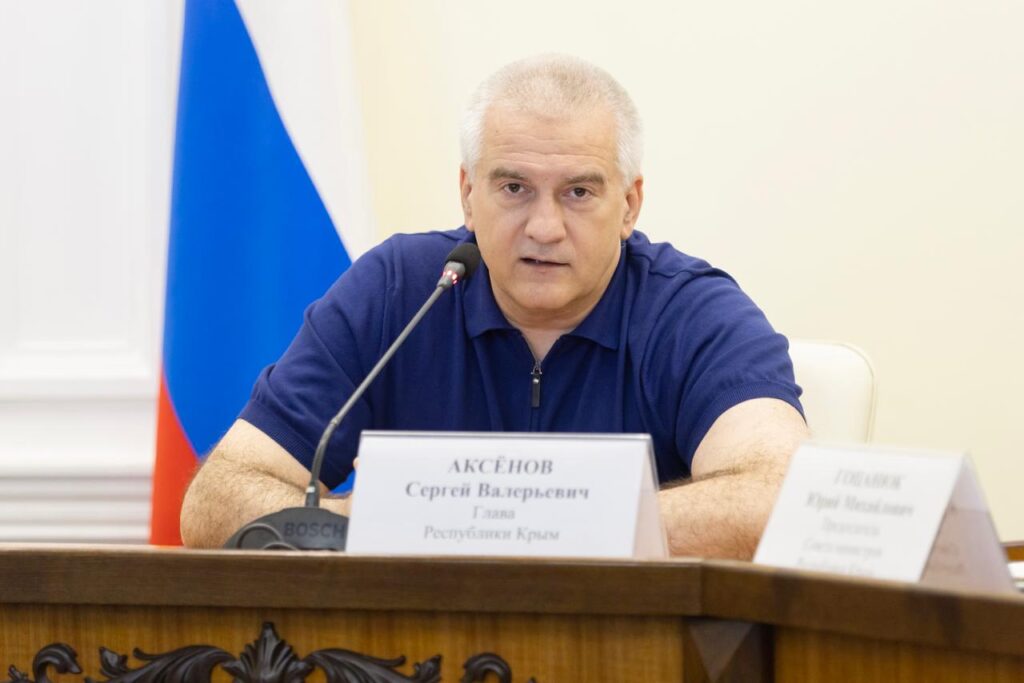
Crimea’s Russian-installed leader, Sergey Aksyonov, said that large volumes of fuel would not reach the market soon, despite authorities’ ongoing efforts to re
Kommersant’s Crimea correspondent reported on 1 July that gasoline in Russian-occupied Crimea was selling for 185–200 rubles ($2.37–$2.56) a liter at filling stations when fuel was available. In Sevastopol, the pump price had reached 199 rubles ($2.54) a liter. Resellers were asking 250–400 rubles ($3.20–$5.12).
Crimea’s Russian-installed leader, Sergey Aksyonov, said that large volumes of fuel would not reach the market soon, despite authorities’ ongoing efforts to resolve the fuel crisis.
On 30 June, Crimea’s Russian-installed leader Sergey Aksyonov said on Telegram that large volumes of fuel would not reach the market soon, despite authorities’ ongoing efforts to resolve what he called the fuel crisis. He asked residents to be patient.
At the top of that range, gasoline costs more than twice as much as at a station. Kommersant described a market split between intermittent retail sales and a separate resale trade, with drivers paying sharply different prices depending on where they can buy fuel.
Stations open without warning
Kommersant said some filling stations were opening only briefly and without notice, leaving price boards blank. Where fuel was available, gasoline sold for 185 rubles ($2.37) per liter and diesel for 199 rubles ($2.54) per liter. Drivers have begun queuing from early morning, standing for hours in summer heat, and many still leave without filling their tanks.
Aksyonov said that public transport and municipal services had been fully supplied with fuel. His post did not explain how long those protected supplies would last.
Russia’s Energy Ministry warned on 2 July that online services claiming to track fuel availability at filling stations could not be considered reliable. The ministry said such platforms had become more active since late June and that more than 30 Russian regions had imposed limits on gasoline and diesel sales since early May.
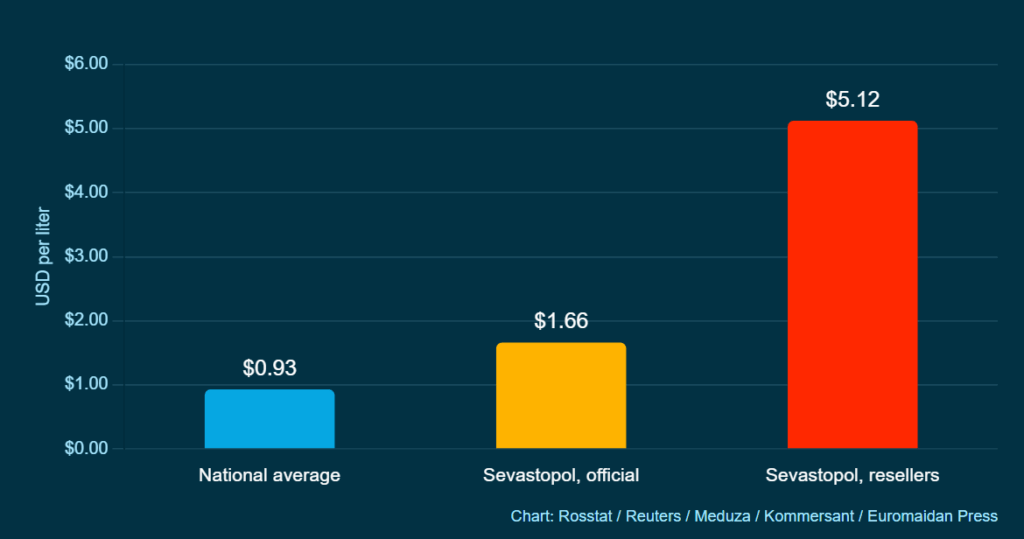
Russia’s average gasoline price stood at 93 cents a liter on 29 June. In occupied Sevastopol, it reached $1.66—up 30% in a week—while resellers charged up to $5.13 on 1 July. The gap captures a market split between scarce pump supply and far costlier resale fuel. Chart: Rosstat / Reuters / Meduza / Kommersant / Euromaidan Press
National averages miss the local shock
Rosstat’s weekly price release recorded a 1.6% nationwide increase in gasoline prices and a 2.2% rise in diesel prices during the week of 23–29 June. Gasoline was 6.69% more expensive than at the end of May and 11.58% above its end-2025 price. Diesel had risen 6.94% since the end of May and 11% since December.
Kommersant reported whether drivers can find an open station at all, and how much they pay when they turn to resellers.
Rosstat’s index is based on weekly price checks for 110 goods and services in 280 Russian cities. Kommersant’s Crimea correspondent reported a different part of the market: whether drivers can find an open station at all, and how much they pay when they turn to resellers.
Moscow acknowledges wider shortages
Kommersant reported on Wednesday that Deputy Prime Minister Alexander Novak acknowledged fuel shortages at some Russian filling stations, blaming logistical changes. He maintained that Russia’s domestic market was supplied overall and said he hoped the disruption would have only a limited effect on price growth and inflation expectations.
The Bank of Russia says the fuel-market disruption may have a longer-lasting effect on inflation.
The Bank of Russia says the fuel-market disruption may have a longer-lasting effect on inflation than in the past, as higher gasoline and diesel prices can filter through to other goods and services via transport and production costs.
Russia's fourth-largest oil refinery caught fire again on 2 July after a Ukrainian drone strike, days after a separate attack had already knocked its primary crude unit offline. The renewed fire hit the NORSI plant near Kstovo, Russia's Nizhny Novgorod Oblast, according to Ukrainian and Russian Telegram channels.
Ukraine's drone campaign against Russian oil refineries has forced several of the country's largest plants offline in recent months, part of a wider effort to
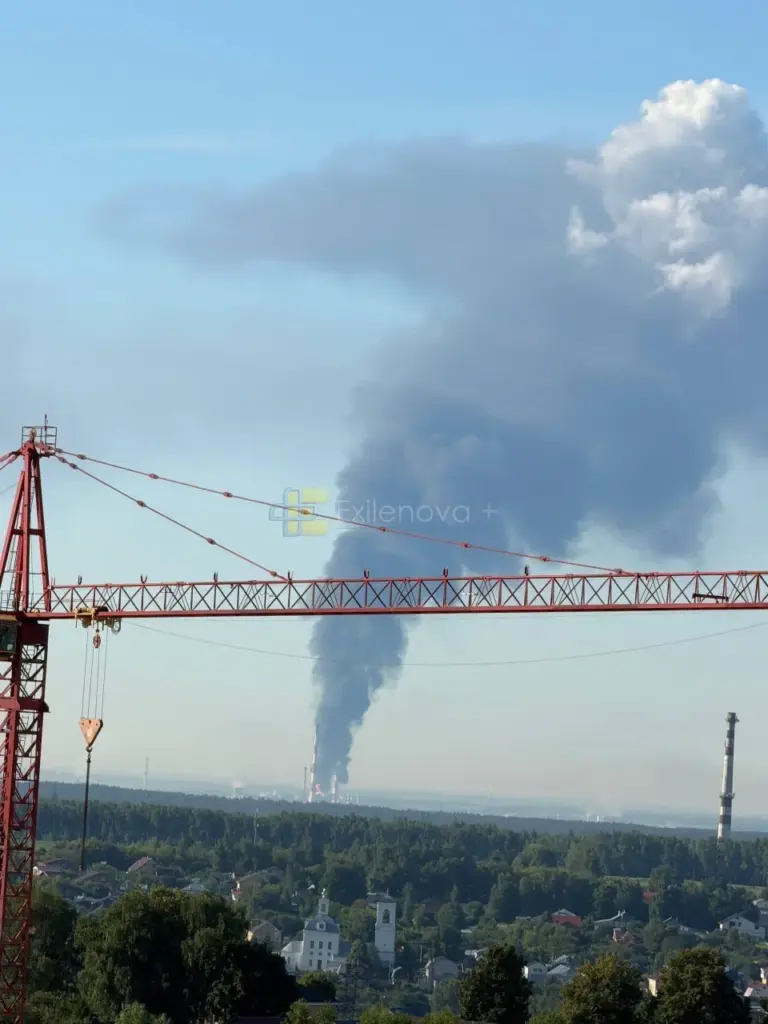
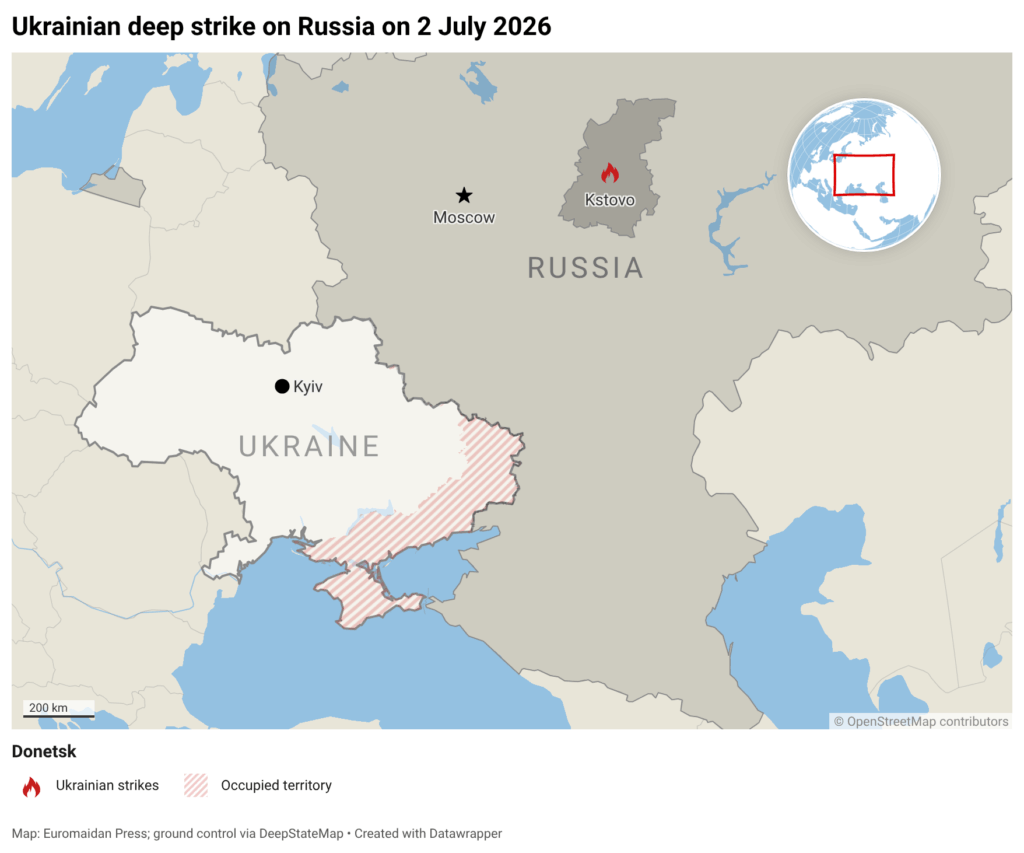
Russia's fourth-largest oil refinery caught fire again on 2 July after a Ukrainian drone strike, days after a separate attack had already knocked its primary crude unit offline. The renewed fire hit the NORSI plant near Kstovo, Russia's Nizhny Novgorod Oblast, according to Ukrainian and Russian Telegram channels.
Ukraine's drone campaign against Russian oil refineries has forced several of the country's largest plants offline in recent months, part of a wider effort to strain the fuel revenues and military logistics sustaining Moscow's invasion.
Fire breaks out at Kstovo again
Drones struck the Lukoil-Nizhegorodnefteorgsintez refinery in Kstovo before dawn on 2 July, Ukrainian Telegram channel Exilenova+ reported. Witnesses filmed thick black smoke rising over the plant's industrial zone as drones were spotted over Kstovo and neighboring settlements shortly before the attack, according to Ukrainian media outlet Militarnyi.
Nizhny Novgorod Oblast governor Gleb Nikitin confirmed the strike on Telegram without naming the refinery, saying debris from downed drones caused "non-critical damage" to one industrial site and several residential buildings, according to NV. Advisor to Ukraine's defense minister Serhii Sternenko said drones hit the Lukoil-Nizhegorodnefteorgsintez plant specifically.
This is not the first time the refinery has burned in the past two weeks. Ukraine's forces last struck NORSI on 24 June, when drones disabled the CDU-5 primary crude unit, a facility that normally processes about 12,000 metric tons of oil per day, roughly a quarter of the refinery's total capacity, two industry sources told Reuters. That shutdown forced the St. Petersburg International Mercantile Exchange to suspend NORSI diesel and gasoline sales.
A refinery hit again and again
NORSI, formally known as Lukoil-Nizhegorodnefteorgsintez, is Russia's fourth-largest oil refinery by processing volume and its second-largest gasoline producer. The plant, located near Kstovo about 450 km east of Moscow, can process up to 17 million tonnes of crude oil a year. Before the recent wave of strikes, it produced roughly 5 million tonnes of gasoline, more than 5 million tonnes of diesel, 2 million tonnes of fuel oil, and about 500,000 tonnes of bitumen annually, along with over 50 other petroleum products.
The plant has become one of the most frequently hit targets in Ukraine's long-range strike campaign against Russian oil infrastructure. Drones struck the facility twice in May, on 18 and 20 May, disabling the AVT-6 primary crude unit and setting fires at two industrial sites. An earlier April strike also knocked out the thermal power plant supplying the refinery's industrial zone. The scale of damage from the 2 July attack has not yet been disclosed.
At least 13 people were killed in the assault, which began hours after President Volodymyr Zelensky of Ukraine warned that Russia was preparing another “massive strike” on Kyiv.
At least 13 people were killed in the assault, which began hours after President Volodymyr Zelensky of Ukraine warned that Russia was preparing another “massive strike” on Kyiv.

 Connexion