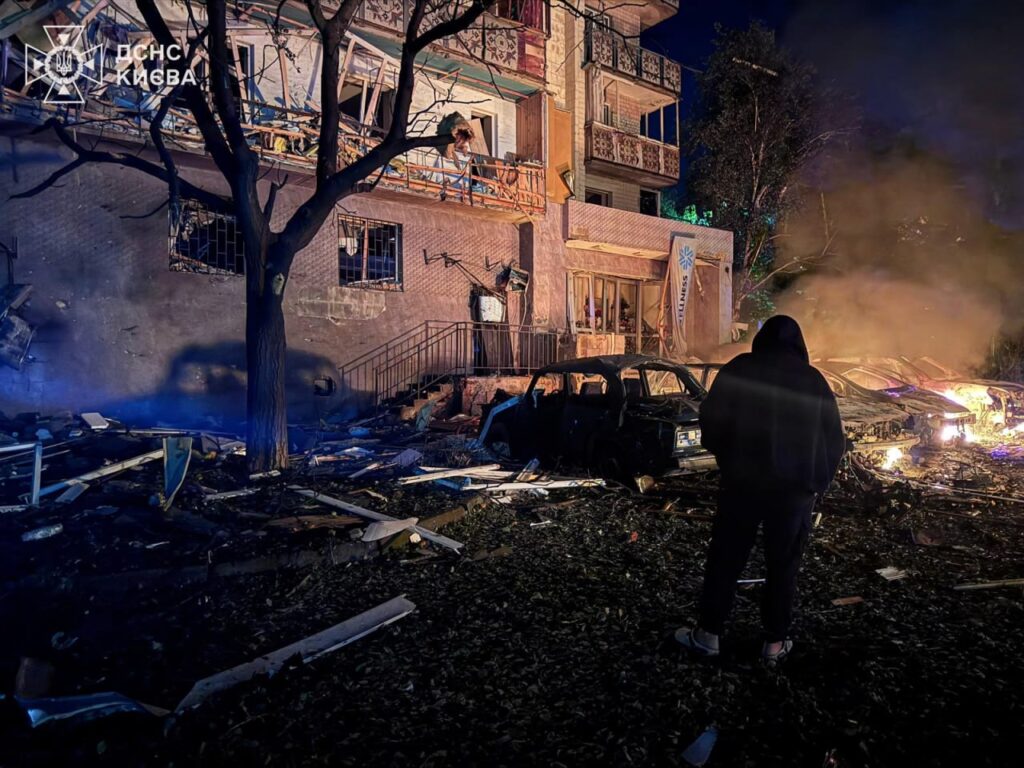
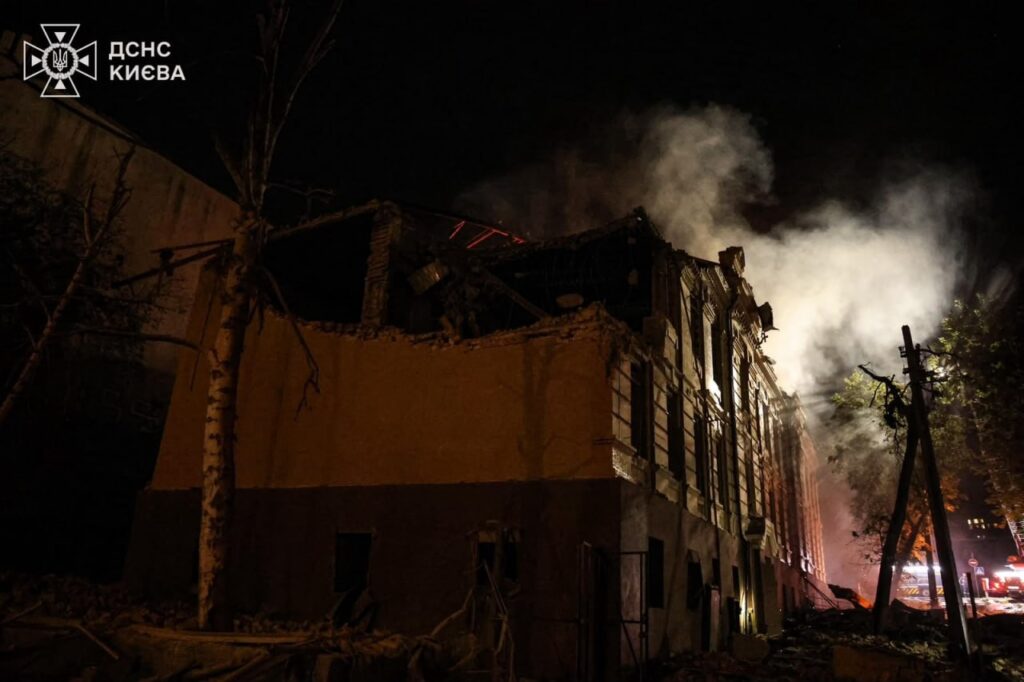
Ukraine's new military command is now complete, and Ukrainian leader Volodymyr Zelenskyy says its first job is to change the army. The new leadership is preparing a modernization of the Defense Forces that must proceed in coordination and without easing pressure on the enemy, the president said in his evening address.
Zelenskyy dismissed Oleksandr Syrskyi as commander-in-chief on 21 July after six days of protests and named Mykhailo Drapatyi in his place. On 22 July, he app
Ukraine's new military command is now complete, and Ukrainian leader Volodymyr Zelenskyy says its first job is to change the army. The new leadership is preparing a modernization of the Defense Forces that must proceed in coordination and without easing pressure on the enemy, the president said in his evening address.
Zelenskyy dismissed Oleksandr Syrskyi as commander-in-chief on 21 July after six days of protests and named Mykhailo Drapatyi in his place. On 22 July, he appointed Major General Ihor Skybiuk as Chief of the General Staff, replacing Andrii Hnatov, per Interfax Ukraine.
"The guys are combat-experienced. The troops know them, Drapatyi, Khmara, Skybiuk," Zelenskyy said, naming the new commander-in-chief, Acting Defense Minister Yevhenii Khmara, and the new General Staff chief.
Zelenskyy warns against transition gap
The Ukrainian leader said the next step is to prepare the modernization of the Defense Forces in such a way that denies Russian forces any chance to exploit the transitional period.
"It is important that everything goes absolutely coordinated, and that the Russians get no crack and no opportunity," Zelenskyy said.
Pressure on Russia must only grow, he added, listing long-range strikes, mid-strikes, partners' sanctions, and the strengthening of Ukrainian positions at the front. That list matches the program that Acting Defense Minister Khmara outlined after his meeting with Drapatyi, which is built on deep-strike, middle-strike, and ground robotic systems.
President thanks society and gives tasks to new command
Zelenskyy thanked military personnel and civilians for their trust in the new command and called for them to turn that trust into additional motivation for the Defense Forces.
"It is important that the guys are strong, that they justify the trust society has now demonstrated. We are giving all the tools," he said.
The trust he referenced is measurable and uneven. A Rating Group poll conducted on 20 and 21 July found 55% of Ukrainians backed Syrskyi's removal, while 72% also opposed Defense Minister Mykhailo Fedorov's dismissal and 5% supported it, sparking the protests. The command changes have satisfied the first number. The second remains the open question of the reshuffle, and Zelenskyy has still made no commitment on Fedorov's return.
Exclusives
Crimea's political prisoners lost their lifeline—because keeping it open would have put more people in prison. The Crimean Solidarity movement backed families of the detained in the occupied peninsula, arranged legal defense, and circulated information that fell outside the official Russian narrative.
Some Ukrainian bomber drones aren't carrying bombs anymore. They're carrying robots.. Roads can be treacherous for Ukraine's explosive unmanned ground vehicles. S
Ukraine could receive laser weapons for countering aerial targets within the next two to three months, Deputy Commander-in-Chief Andrii Lebedenko said at a briefing, according to UNIAN. Teams inside the Armed Forces and private Ukrainian companies are working on the systems.
Ukraine's main laser system is Tryzub, built by the Ukrainian company Celebra Tech, which EP reported in May 2026 was in final testing on a trailer-mounted mobile platform with a stated range of up to 5
Ukraine could receive laser weapons for countering aerial targets within the next two to three months, Deputy Commander-in-Chief Andrii Lebedenko said at a briefing, according to UNIAN. Teams inside the Armed Forces and private Ukrainian companies are working on the systems.
Ukraine's main laser system is Tryzub, built by the Ukrainian company Celebra Tech, which EP reported in May 2026 was in final testing on a trailer-mounted mobile platform with a stated range of up to 5 km against drones. Ukraine also became the world's fifth country to deploy a combat laser system in December 2024.
"We will have the same kind of means"
"It can already shoot down FPVs today, it is already working today on Shaheds. And this is a story of the next two to three months, when we will have the same kind of means," Lebedenko said.
According to the official, the system will let Ukraine hit aerial attack weapons even better than machine guns.
He called the direction genuinely promising and said that everything is working out today.
Lasers solve cost problem that machine guns only partly solve
The comparison Lebedenko drew to machine guns points to what a laser is for. Ukraine's mobile fire groups shoot down Shaheds with heavy machine guns and cannons because missiles cost more than the drones they kill. A laser takes that logic further, since each shot costs electricity to fire.
The limits are physical rather than financial. Lasers need line of sight, lose power through cloud, rain, smoke, and dust, and must hold a beam on a moving target long enough to burn through it.
Ukraine's laser claims have run ahead of its fielding before
Lebedenko's forecast lands in a program that has been announced repeatedly. Ukraine's Unmanned Systems Forces demonstrated the Tryzub system in April 2025, and Ukraine's drone forces commander at the time said laser technologies were already striking objects at altitude.
In May 2026, the system was still described as undergoing final testing.
None of that makes the current claim wrong. Directed energy weapons are genuinely difficult, and a system that moved from lab demonstration to trailer-mounted final testing to claimed FPV kills has advanced in that period. But the operational date has shifted multiple times. What would make it verifiable is a documented Shahed kill.
Ukrainians opposed the firing of their defense minister by 14 to one. A Rating Group survey conducted on 20-21 July found that 72% of Ukrainians did not support Mykhailo Fedorov's dismissal as defense minister and 5% supported it, while 55% backed Oleksandr Syrskyi's resignation as commander-in-chief and 15% opposed it.
Zelenskyy dismissed Fedorov on 15 July after six months as defense minister, and Fedorov said the day after that Syrskyi had given him an ultimatum and bloc
Ukrainians opposed the firing of their defense minister by 14 to one. A Rating Group survey conducted on 20-21 July found that 72% of Ukrainians did not support Mykhailo Fedorov's dismissal as defense minister and 5% supported it, while 55% backed Oleksandr Syrskyi's resignation as commander-in-chief and 15% opposed it.
Zelenskyy dismissed Fedorov on 15 July after six months as defense minister, and Fedorov said the day after that Syrskyi had given him an ultimatum and blocked his reforms. After that, protests broke out in Kyiv and at least 16 other cities demanding Fedorov's return and Syrskyi's removal.
On 21 July, Zelenskyy dismissed Syrskyi and named Mykhailo Drapatyi commander-in-chief. Meanwhile, Fedorov remains outside the government, and protests continue.
Numbers match what streets were chanting
The survey ran on the fifth and sixth days of protests that began on 16 July, when demonstrators in Kyiv and at least 16 other cities carried cardboard signs reading "Bring Fedorov back" and "Syrskyi out."
Rating Group's figures put a national number on those two slogans and show they carried different weights. Nearly three-quarters of Ukrainians rejected the removal of the reformist minister who ran drone procurement and the Army of Drones program. A smaller but decisive majority wanted the commander-in-chief, whose command style soldiers criticized, to go.
Zelenskyy has met weaker demand and left stronger one open
The sequencing now sits awkwardly against the numbers. Zelenskyy dismissed Syrskyi on 21 July and appointed Drapatyi in his place, the change 55% wanted. He has not made his decision on Fedorov, the man whom most Ukrainians did not want removed, though he met him on 21 July, and reports have suggested a possible role in coordinating military technology.
Earlier, protesters demanding the return of dismissed defense minister Mykhailo Fedorov set the government a deadline: reinstate him and remove Commander-in-Chief Oleksandr Syrskyi by 24 July, or they will begin open-ended nightly rallies.
It is the second time in a year that Ukraine’s streets have set terms on one of Volodymyr Zelenskyy’s wartime decisions. Last summer, a week of rallies forced him to reverse a law that curbed the independence of the country’s anti-corruption agencies.
President Volodymyr Zelenskyy has met US Ambassador to NATO Matthew Whitaker and Lieutenant General Curtis Buzzard, commander of the NATO Security Assistance and Training for Ukraine mission, to discuss the defense of Ukraine's sky.
The meeting addressed the three live tracks of US-Ukraine air defense cooperation at once. The first, most important one, is supply: increasing deliveries of Patriot interceptor missiles through PURL, the NATO mechanism under which allies fund p
President Volodymyr Zelenskyy has met US Ambassador to NATO Matthew Whitaker and Lieutenant General Curtis Buzzard,commander of the NATO Security Assistance and Training for Ukraine mission, to discuss the defense of Ukraine's sky.
The meeting addressed the three live tracks of US-Ukraine air defense cooperation at once. The first, most important one, is supply: increasing deliveries of Patriot interceptor missiles through PURL, the NATO mechanism under which allies fund priority American weapons for Ukraine.
The second is production: implementing Trump's decision, announced at the Ankara NATO summit on 8 July, to grant Ukraine a license to build Patriot systems. This promise was made without a named manufacturer or timeline.
The country's interception rate against ballistic missiles was roughly 40% in June, against 89% for air threats overall, and Russia's massed strikes continue nightly.
He also awarded Buzzard with the Order of Merit, Third Class.
Zelenskyy names interceptors the key priority
"A good conversation, above all, about how to protect the Ukrainian sky through increased supplies of interceptors for Patriots within PURL. Right now, this is the key priority, because Russia's massed strikes do not stop," Zelenskyy said.
The sides also discussed the bilateral defense partnership, including the realization of the Ankara licensing decision and the Drone Deal.
"This has real potential, and we hope to finalize it soon," Zelenskyy said of the latter.
Presenting Buzzard's award, Zelenskyy thanked the general for standing with Ukraine through the years of aggression.
"Ukraine is grateful to President Trump, the US Congress, and the American people for their support," he said.
License needs implementing, and the interceptors can't wait for it
The meeting's two Patriot tracks run on different clocks. A production license, even implemented smoothly, yields missiles years out. PURL deliveries are the near-term supply, drawing on existing American production that runs around 700 PAC-3 interceptors a year against a Ukrainian need its officials put far higher.
Meanwhile, Russia builds roughly three Iskander-M ballistic missiles a day, and July's massed attacks on Kyiv have repeatedly included ballistic and hypersonic missiles that only Patriots reliably engage.
For the first time, Ukrainian soldiers marched among the foreigners in Brussels. The defenders joined the foreign part of Belgium's National Day military parade on 21 July, according to the General Staff.
Belgium placed the Ukrainian unit in the city that houses NATO and EU headquarters in a deliberate signal of where Europe now positions Ukraine's army. The 23 soldiers were the same ones who marched in France's Bastille Day parade a week earlier.
Belgium has been Ukraine'
For the first time, Ukrainian soldiers marched among the foreigners in Brussels. The defenders joined the foreign part of Belgium's National Day military parade on 21 July, according to the General Staff.
Belgium placed the Ukrainian unit in the city that houses NATO and EU headquarters in a deliberate signal of where Europe now positions Ukraine's army. The 23 soldiers were the same ones who marched in France's Bastille Day parade a week earlier.
Belgium has been Ukraine's ally in the struggle against Russian aggression. It has supplied Ukraine with F-16 fighter jets, air defense systems, restored Gepard anti-aircraft guns, Leopard tanks, armored medical vehicles, drones, ammunition, and small arms, and has provided annual military aid exceeding €1 billion.
Francken calls participation historic
Belgian Defense Minister Theo Francken underlined the first.
"This is the first time a Ukrainian unit takes part in the 21 July parade, and we are very proud of it," he said.
The General Staff thanked Belgium for its support throughout the full-scale war and singled out the people alongside the hardware.
Belgian instructors and technical specialists train Ukrainian pilots and mechanics to operate the F-16, as Belgium co-founded the fighter coalition and has delivered jets from its own fleet. Belgian medical and rehabilitation facilities treat wounded Ukrainian soldiers.
"Our peoples are united by a shared belief that independence, democracy, and human dignity are worth defending. Thank you for standing shoulder to shoulder with Ukraine," the General Staff said.
In April, Belgium and Spain decided to provide Ukraine with €1 billion each in defense assistance. The funding was directed toward strengthening air defense, developing drone capabilities, and supporting the “Czech initiative” to supply the front line with long-range artillery. The funds were also channeled to key defense sectors, such as the development of modern unmanned technologies, which have already become decisive on the battlefield.
Ukraine's new military leadership has named its program: machines over men. Ukraine will bet on long-range strikes, robotic systems, and other technologies to increase pressure on Russia and preserve the lives of Ukrainian soldiers, acting Defense Minister Yevhenii Khmara said after meeting the new Commander-in-Chief, Major General Mykhailo Drapatyi, according to the Ukrainian Defense Ministry.
The direction is the one championed by Mykhailo Fedorov, the reformist defense
Ukraine's new military leadership has named its program: machines over men. Ukraine will bet on long-range strikes, robotic systems, and other technologies to increase pressure on Russia and preserve the lives of Ukrainian soldiers, acting Defense Minister Yevhenii Khmara said after meeting the new Commander-in-Chief, Major General Mykhailo Drapatyi, according to the Ukrainian Defense Ministry.
The direction is the one championed by Mykhailo Fedorov, the reformist defense minister whose dismissal on 15 July set off six days of nationwide protests. Fedorov is the architect of Ukraine's "Army of Drones" but was fired after a clash with then-Commander-in-Chief Oleksandr Syrskyi.
The protests demanded his reinstatement and Syrskyi's removal. Syrskyi is now gone, and Fedorov remains out of government, too.
What is first priority?
The first-priority decisions of the new military leadership, Khmara said, are to strengthen the front, reinforce support from international partners, and, to the maximum extent possible, transfer combat operations onto the aggressor's territory.
"We must scale what we are already effective at: deep strike, middle strike, ground robotic systems, and other solutions that preserve soldiers' lives and inflict maximum damage on the enemy," Khmara claimed.
Ukrainian units will receive more modern strike systems, above all long-range ones, and new technological solutions that let them carry out combat tasks with less risk to personnel.
"Ukraine will continue its strike and technological pressure on Russia by all available means," he said.
The statement is the first joint declaration of intent from the leadership that emerged from a week of protests.
Khmara says he proposed Drapatyi for job
The acting minister disclosed his own role in the appointment. Khmara said he fully trusts Drapatyi, whose candidacy he himself had earlier proposed to President Volodymyr Zelenskyy for the post of commander-in-chief.
"We agreed to be honest with each other, and to resolve all differences exclusively in the interests of Ukrainian soldiers," Khmara stated.
He and Drapatyi see the further development of the Defense Forces in the same way, he said, and Zelenskyy has backed that vision.
What the statement leaves unsaid is the question the protests have not dropped: whether Fedorov himself returns.
Ukrainian presidential adviser on defense technology development, Serhii "Flash" Beskrestnov, spent a day at a test range, jamming the control channel of its hardest air-defense problem. Ukraine is testing new electronic warfare means against jet-powered Shaheds, he said.
Russia's new Banderol jet-powered drone is fast, cheap to make, and dangerous to Ukrainian cities. The S8000 "Banderol" is a hybrid of a kamikaze drone and a cruise missile.
"At a meeting, the President
Ukrainian presidential adviser on defense technology development, Serhii "Flash" Beskrestnov, spent a day at a test range, jamming the control channel of its hardest air-defense problem. Ukraine is testing new electronic warfare means against jet-powered Shaheds, he said.
Russia's new Banderol jet-powered drone is fast, cheap to make, and dangerous to Ukrainian cities. The S8000 "Banderol" is a hybrid of a kamikaze drone and a cruise missile.
"At a meeting, the President defined one of the most important tasks — the question of countering jet Shaheds," Beskrestnov wrote.
Both sides will escalate in war of technologies
Jet Shaheds are a real challenge for Ukrainian air defense, but they are most dangerous in online-control mode through a MESH network.
"Today I spent the day at a test range where we tested options for countering MESH networks with electronic warfare," he revealed.
EW producers, with support from the Brave1 defense-tech cluster and the General Staff's Main Directorate of Electronic Warfare, are advancing technologies to suppress the control channels of enemy Shaheds that run over MESH radio modems, he said.
"I know how and with what the enemy will answer our EW. And we will answer their answer. Welcome to the world of the war of technologies," Flash wrote.
MESH-controlled jet Shahed is threat that beats both defenses
The target of the tests is the combination that defeats Ukraine's two main counters at once. Jet-powered Geran variants cruise at 300 to 350 km/h and burst to higher speeds, outrunning much of Ukraine's cheap interceptor-drone fleet. And a drone flown live by an operator over a MESH radio network is not following a preprogrammed route.
Beskrestnov identified this exact evolution in May, when Ukraine's interception rate against ordinary Shaheds hit 95%: Russia's response would be jet-powered variants and border-area targeting, where mesh radio control works.
This month, he documented the next step. According to him, Russia is shifting from mass raids to single, complex, hand-flown strikes, including one Shahed that dropped to 22 meters to slip under Ukrainian radar.
Former Commander-in-Chief Oleksandr Syrskyi said in a statement on the morning of 22 July that he is passing on to his successor an army that not only holds the defense but is also on the offensive. He has seen this war "from its first day in 2014," he wrote, has "lived the front," and knows the price of every liberated kilometer of Ukrainian land.
The statement is Syrskyi's own account of his tenure, published the morning after Zelenskyy replaced him with Mykhailo Drapatyi
Former Commander-in-Chief Oleksandr Syrskyi said in a statement on the morning of 22 July that he is passing on to his successor an army that not only holds the defense but is also on the offensive. He has seen this war "from its first day in 2014," he wrote, has "lived the front," and knows the price of every liberated kilometer of Ukrainian land.
The statement is Syrskyi's own account of his tenure, published the morning after Zelenskyy replaced him with Mykhailo Drapatyi following six days of protests.
Syrskyi claimed that 700 square kilometers of Ukrainian land were liberated this year under his command, and an army that two years ago fought a hard defense now attacking "with initiative, with structure, with people who know how to strike the enemy."
"I sincerely hope this offensive will be continued. Everything for it is in place," Syrskyi wrote.
"Destruction of most combat-capable part of Russian army"
In February-March 2022, Syrskyi said he had the honor of commanding the defense of Kyiv, and the capital held. That spring, the threat of a full siege of Kharkiv was lifted, too.
Then came the Kharkiv counteroffensive, when Balakliia, Izium, and Kupiansk were liberated in a matter of weeks, and later, in Donetsk Oblast, what he called the destruction of the most combat-capable part of the Russian army, the Wagner private military company, happened.
He took command in February 2024 "at a very difficult time," with Avdiivka's defenders standing half-encircled. One of his first orders was the organized withdrawal from the city.
"It was a hard decision. But I made it, because for me one main priority applied: preserving people's lives," he wrote.
Then, he said, came "a year that changed the course of this war": stopping the Russian offensive in Kharkiv Oblast, preempting the one aimed at Sumy, and conducting the Kursk operation. This was the first transfer of combat operations onto enemy territory in this war.
The goal was never to occupy foreign land, he stressed, but to derail the prepared Russian offensive on Sumy and Kharkiv, draw off Russia's most capable troops, and replenish the exchange fund to bring Ukrainians home from captivity. All of it, he said, was accomplished.
He lists structural changes alongside battles
Syrskyi claimed the army's transformation as well as its operations.
Ukraine became the first country in the world to create a separate branch of unmanned systems forces, he noted, growing them "from individual units to a system that today makes the enemy feel it has no safe rear."
A new air defense was built: a separate command for unmanned air-defense systems, staffed interceptor-drone crews, and an echeloned shield over the rear.
"What was recently the experiment of enthusiasts today shoots down every night what was considered undownable," he said.
He cited the closure of the Black Sea port of Novorossiysk, the systematic destruction of Russia's shadow fleet, the army's transition to a corps structure, and combat officers arriving on staff, with a new rule that "the path to leadership positions runs through the front."
This year's Dobropillia operation and the offensive on the Oleksandrivka direction, he said, continue. Of some operations, he still has no right to speak: "History will tell of them. I will say only: the enemy remembers them."
A Crimean Tatar human rights movement has ended a decade of documenting political persecution in Russian-occupied Crimea, Crimean Solidarity said in its final statement. The status Russia imposed on it puts anyone connected to it at risk, from the lawyers named on the same list to people who simply pass its reports on. Its website and social media pages have stopped updating, and the movement plans to appeal.
By December 2025, the Crimean Tatar Resource Center had recorded
A Crimean Tatar human rights movement has ended a decade of documenting political persecution in Russian-occupied Crimea, Crimean Solidarity said in its final statement. The status Russia imposed on it puts anyone connected to it at risk, from the lawyers named on the same list to people who simply pass its reports on. Its website and social media pages have stopped updating, and the movement plans to appeal.
By December 2025, the Crimean Tatar Resource Center had recorded 486 political prisoners over the occupation of the peninsula, 272 of them Crimean Tatars, the people carrying roughly two-thirds of the violations it documented. Arrests and trials will continue while the information coming out of Crimea gets harder to gather and circulate, and the machinery around them keeps tightening — Russia's security service now runs the peninsula's main detention center, which has processed people arrested on political grounds since 2014.
Why it stopped
Russia's Justice Ministry entered Crimean Solidarity in its register of so-called "foreign agents" on 26 June 2026. That status changes neither the movement's values nor its goals, the activists said, but leaves no possibility of working in the earlier format. Every text they publish must now carry an 18+ marking and a block-capital disclaimer, which in occupied territory and Russia must sit above the text. That disclaimer opens administrative and then criminal cases against designated people and against whoever shares what they publish, the Kharkiv Human Rights Protection Group noted. With the label in place, the rights group said, no one who has had dealings with the movement is safe from prosecution.
"We have carefully studied the legislation and taken a joint decision to terminate the activities of our civic movement," the activists wrote on 21 July.
Russian and police officers walk down a street past local residents during a search operation in occupied Crimea. Photo: Crimean Solidarity
Eleven names, sentences up to 20 years
The ministry listed eleven Crimean Tatar lawyers, journalists, rights defenders, and activists alongside the movement. Among them are Server Mustafaiev, already a political prisoner, and journalist Lutfiye Zudiieva, designated separately in May 2025. Three well-known defense lawyers are on the list as well. Many of the movement's people are serving terms of up to 20 years, and Russian officers detained more than 20 of its men in a single raid on 27 March 2019.
Explore further
67% of Crimea’s repression targets one people: Crimean Tatars. The US peace plan would hand them to Russia
What the peninsula loses
For 10 years the movement supported families of the detained, arranged legal defense and put out material that often never reached the official agenda. Many of the people doing that work were themselves fined, held under administrative arrest or prosecuted.
"History shows that civic solidarity is not defined by state registers," the statement said.
Explore further
Russia keeps arresting Crimeans. The count just hit 520
Tamila Tasheva, a Ukrainian lawmaker and former permanent representative of the President of Ukraine in the Autonomous Republic of Crimea, called the decision an act of pressure meant to isolate and discredit rights defenders. Hundreds of families of political prisoners and thousands of residents of occupied Crimea may now be left without legal support, she wrote on Facebook.
Photo: Crimean Solidarity
A decade under pressure
Crimean Solidarity took shape in 2016, after Russian forces stormed Crimean Tatar homes and jailed the human rights defender Emir-Usein Kuku along with three others. By 2017 the Russian FSB was fairly openly going after its civic journalists and activists. In August 2023, FSB officers searched Crimean Tatar homes and took several activists to the security service's office in Simferopol. Pressure on independent initiatives there has built up for years.
Crimean Tatars who stayed there could still become the backbone of resistance to the Russians when Crimea is liberated, Aider Rustemov, mufti of the Spiritual Administration of Muslims of the Autonomous Republic of Crimea, told ZN in an earlier interview.
"Serving Ukraine has always been an honor for me, and during a war for independence, it means absolute responsibility." These words appeared in Major General Mykhailo Drapatyi's first statement after his appointment as Ukraine's new commander-in-chief.
His appointment came after six days of protests against the resignation of Defense Minister Mykhailo Fedorov and in support of the dismissal of Oleksandr Syrskyi, who has been criticized for his Soviet-rooted command style.
"Serving Ukraine has always been an honor for me, and during a war for independence, it means absolute responsibility." These words appeared in Major General Mykhailo Drapatyi's first statement after his appointment as Ukraine's new commander-in-chief.
His appointment came after six days of protests against the resignation of Defense Minister Mykhailo Fedorov and in support of the dismissal of Oleksandr Syrskyi, who has been criticized for his Soviet-rooted command style.
"I thank the President of Ukraine for the trust, the Defense Minister for the support, and the Defense Forces for a new stage of service," Drapatyi wrote.
He also said that he is grateful to Commander-in-Chief of the Armed Forces of Ukraine Oleksandr Syrskyi for his consistent efforts to strengthen the Ukrainian army.
"I grew up in it. I will work responsibly, with focus, and with respect for the people who defend our state today. Glory to the nation. Death to the enemies," he claimed.
Zelenskyy announced the appointment on 21 July, the most significant shake-up of Ukraine's military leadership since the full-scale invasion began. The 43-year-old Drapatyi was the protesters' favored candidate — and his biography explains why.
Drapatyi's full-scale war began inside flying BMP
Drapatyi's path started in the 72nd Separate Mechanized Brigade. In May 2014, at the start of Russia's aggression, he commanded the brigade's 2nd Battalion during the operation to free hostages in Mariupol, per RBC-Ukraine.
The famous "flying BMP" video comes from that fight with an infantry fighting vehicle that rammed a barricade of pro-Russian militants at speed and leaped over it. Drapatyi gave the order for that assault from inside the vehicle.
That summer, his unit was caught in a fire pocket near the border in Luhansk Oblast. Under prolonged artillery fire from Russian territory, Drapatyi took responsibility and led 260 soldiers and more than 30 vehicles out of the "Izvaryne cauldron", covering 160 kilometers under fire.
He later commanded the 58th Separate Motorized Infantry Brigade in Avdiivka and on the Bakhmut highway, and was awarded the British Queen's transferable sword as the best graduate of the National Defense University.
He stopped Russia at Kryvyi Rih and helped free Kherson
In March 2022, he took over the "South" operational grouping, which stopped the Russian advance on Kryvyi Rih. In the fall of 2022, he led the "Kherson" grouping during the successful operation to liberate the right bank of Kherson Oblast.
In May 2024, he took command of the "Kharkiv" operational-tactical group as Russia opened its new offensive and stopped the threat near Vovchansk. Then, Zelenskyy singled him out when appointing him commander of the Land Forces in November 2024.
Under his later Joint Forces command, Ukrainian units, including the Khartiia Brigade, recaptured swathes of territory around Kupiansk.
He once resigned to take responsibility for the killed soldiers. In June 2025, Drapatyi submitted his resignation as Land Forces commander after Russian strikes on Ukrainian training centers hit the defenders. But after a conversation with the president, he moved to command the Joint Forces instead.
Ukrainian drones struck logistics and fuel sites across Russia's south overnight on 22 July, setting off large fires, monitoring channels reported. Russia's largest online retailer said it evacuated staff from two warehouse complexes that caught fire. It was the third round of strikes on the company's logistics network in five days.
It was the third round of Ukrainian strikes on the company's logistics network in five days. Such strikes followed multiple Russian attacks on
Ukrainian drones struck logistics and fuel sites across Russia's south overnight on 22 July, setting off large fires, monitoring channels reported. Russia's largest online retailer said it evacuated staff from two warehouse complexes that caught fire. It was the third round of strikes on the company's logistics network in five days.
It was the third round of Ukrainian strikes on the company's logistics network in five days. Such strikes followed multiple Russian attacks on the sorting centers and terminals of Nova Poshta, Ukraine's largest private postal and logistics operator. Moscow previously rejected Kyiv's proposal to stop long-range strikes on both countries and freeze fighting along the front. Ukraine has instead widened a deep-strike campaign against the fuel, industry, and infrastructure paying for the invasion.
Krasnodar: the retailer's fourth-biggest warehouse burns
Residents on the outskirts of Krasnodar, the main city of Krasnodar Krai in southern Russia, heard between 20 and 30 explosions overnight. The air-raid siren went off only afterward, ran for about two minutes, and stopped. Ukrainian monitoring channel Exilenova+ published their footage, which showed several separate fires in different districts of the city.
Russian news Telegram channel Astra's open-source analysts placed the largest of them at the Wildberries warehouse on Tikhoretskaya Street. The company had already announced it was evacuating the complex. The site covers 150,000 square meters and ranks fourth among the marketplace's distribution centers. Ukrainian drones have hit Krasnodar Krai repeatedly, including a refinery about 300 kilometers from the front line.
Krasnodar Krai's operational headquarters claimed the warehouse caught fire after drones "debris" fell on it, and reported damage to two apartment buildings. It first counted three injured. Governor Veniamin Kondratyev later raised that number to 10. The headquarters also claimed that debris damaged two detached houses in Dinskoy District, north of the city.
Armavir: an oil depot on fire in the east of the same krai
Drones also hit an oil depot in the northern industrial zone of Armavir, a city in the eastern part of Krasnodar Krai. Exilenova+ showed the depot burning. By morning, the city administration put the fire at 800 square meters. Local authorities claimed 16 or more drones took part in the attack.
Nevinnomyssk: the second warehouse, one region further east
Nevinnomyssk lies in Stavropol Krai, the Russian region bordering Krasnodar Krai to the east, deeper inland from Ukraine. Around 05:00, Governor Vladimir Vladimirov statee a fire at a warehouse complex there, and two people hurt. He later put the figure at five employees.
Explore further
Russia keeps hitting Ukraine’s couriers—so Ukraine went after Russia’s Amazon: oil depot and warehouses hit near Moscow
Exilenova+ videos and Astra's analysisidentified the burning site as a second Wildberries center. Video posted by witnesses showed storage buildings alight, with black smoke rising tens of meters. That complex covers 120,000 square meters and ranks sixth in the network. Wildberries said it had cleared staff from both hubs before the drones arrived, and that workers were injured anyway.
Ukrainian drones burned Wildberries logistics centers in Elektrostal near Moscow and in Kotovsk, Tambov Oblast, on 18 July. Two days later, drones struck more of the company's warehouses and an oil depot in Moscow Oblast.
A Ukrainian court has convicted a man of treason for building homemade bombs intended for attacks in Zaporizhzhia, the Security Service of Ukraine (SBU) said. Russia's military intelligence agency, the GRU, reportedly picked him out of Telegram channels where he was hunting for easy earnings. The devices were still meant to go into caches when officers took him.
Zaporizhzhia sits close to the front in southeastern Ukraine, and the city takes Russian strikes regularly. Russi
A Ukrainian court has convicted a man of treason for building homemade bombs intended for attacks in Zaporizhzhia, the Security Service of Ukraine (SBU) said. Russia's military intelligence agency, the GRU, reportedly picked him out of Telegram channels where he was hunting for easy earnings. The devices were still meant to go into caches when officers took him.
Zaporizhzhia sits close to the front in southeastern Ukraine, and the city takes Russian strikes regularly. Russian intelligence keeps working to turn Ukrainian civilians into disposable operatives, and Ukrainian police and counterintelligence now handle such cases as routine business, with the Russians refining the pitch as older approaches get exposed. Recruits cost Russia almost nothing and go through online recruitment quickly and cheaply, so individual arrests close cases without closing the pipeline.
Russia recruited him from a chat channel
SBU officers detained the man in March 2025. The investigation established that the assignment for Russia went to a local resident struggling with drug addiction. Russian services noticed him while he was looking for easy earnings in Telegram channels, and the offer of side work turned into an order to build weapons, the security agency said.
"In exchange for the promise of 'quick' side earnings, the agent began assembling improvised explosive devices, reinforcing them with metal nuts and bolts for greater destructive effect. For this, on the instructions of the Russians, he bought chemical components, construction materials, and other elements for producing bombs at home."
Recruitment through job ads in messaging apps has run through case after case in Ukraine, including plots against soldiers in several cities.
Explore further
SBU names 10 Russians tied to “human safari” drone hunt on civilians in Kherson
Officers searching him turned up a canister of solvent, other chemical components, and shrapnel elements set aside for building the devices. Officers also seized the mobile phones he used to stay in touch with his Russian contact.
Two tasks: bombs in caches and leaflets
He was to hide the finished devices in caches inside Zaporizhzhia and on its outskirts, the SBU said. Then he was to send the coordinates to his handler in Russia. His handler also assigned him information work for Russia. He pasted provocative leaflets around the city, aimed at unsettling the internal situation across southern Ukraine, the SBU noted.
The court found him guilty under Part 2 of Article 111 of Ukraine's Criminal Code, which covers high treason committed under martial law. It sentenced him to 15 years in prison with confiscation of property.
Valerii Zaluzhnyi, Ukraine's ambassador to the United Kingdom and former commander-in-chief of the Armed Forces, commented on Telegram on the appointment of Major General Mykhailo Drapatyi as commander-in-chief.
On 21 July, Ukrainian President Volodymyr Zelenskyy announced that Drapatyi will replace Oleksandr Syrskyi, with the General Staff's configuration to be renewed in the most significant shake-up of Ukraine's military leadership since the full-scale war began, followi
Valerii Zaluzhnyi, Ukraine's ambassador to the United Kingdom and former commander-in-chief of the Armed Forces, commented on Telegram on the appointment of Major General Mykhailo Drapatyi as commander-in-chief.
On 21 July, Ukrainian President Volodymyr Zelenskyy announced that Drapatyi will replace Oleksandr Syrskyi, with the General Staff's configuration to be renewed in the most significant shake-up of Ukraine's military leadership since the full-scale war began, following six days of nationwide protests.
A person's calling, Zaluzhnyi wrote, is filled above all with moral principles and values that form honor, "which is dearer than any posts and awards." Those who think and act otherwise, he added, "will always, sooner or later, receive shame."
The words carry the weight of the author's own history. Zaluzhnyi was himself dismissed as commander-in-chief by Zelenskyy in February 2024, at the height of his popularity with no public explanation, and replaced by Syrskyi — the man now removed. He commented on the change from London, where Zelenskyy sent him as ambassador to the UK.
"Much harder than he imagines"
Zaluzhnyi's message to his successor's successor is a warning wrapped in confidence.
"It will be very hard for the new commander-in-chief of the Armed Forces of Ukraine. Much harder than he imagines. But Mykhailo will certainly never be ashamed. A man of honor has no idol, so he has nothing to lose. The only thing he has is duty," Zaluzhnyi wrote.
Honor, he said, "creates ideas and seeks ways to realize them. And it is this that drives one to seek people who will carry their heavy cross with you, with honor."
Drapatyi inherits reformist mandate and strainedarmy
Drapatyi, 43, arrives as the protesters' candidate. Demonstrators, soldiers, and veterans widely viewed the Joint Forces Commander and former Land Forces chief as the leading choice to replace Syrskyi, whose centralized, Soviet-rooted command style drew criticism for micromanagement and, some soldiers said, unjustifiably high losses.
Drapatyi is seen as a general of a new generation.
He had also aligned himself publicly with the reform camp whose defeat triggered the crisis. Drapatyi praised dismissed Defense Minister Mykhailo Fedorov's six months at the ministry as a genuine effort to change long-standing military rules.
"The military needs change, but without justice, no change will make sense to the people who carry this war on their shoulders every day," he warned.
Zelenskyy thanked Syrskyi for delivering results in the defense of Kyiv, the Kharkiv counteroffensive, and the Kursk operation. The protests that ran from 16 to 21 July had demanded both Fedorov's reinstatement and Syrskyi's removal. Whether the first follows remains the open question of the reshuffle.
Exclusives
Some Ukrainian bomber drones aren’t carrying bombs anymore. They’re carrying robots.. Roads can be treacherous for Ukraine's explosive unmanned ground vehicles. So heavy bomber drones are now airlifting them into action.
Ukraine shut a quarter of Russia’s grain exports—the world’s wheat money now flows to Russia’s competitors. Ukraine’s Azov campaign built a paradox: the world pays more for wheat because Russia cannot ship it—and the windfall flows to Russia’s
Ukrainian President Volodymyr Zelenskyy announced on 21 July that Major General Mykhailo Drapatyi will become Ukraine's next commander-in-chief, replacing Oleksandr Syrskyi in the most significant shake-up of the country's military leadership since the start of Russia's full-scale invasion.
Syrskyi's replacement follows a week of upheaval that began with Zelenskyy's dismissal of the popular reformist Defense Minister Mykhailo Fedorov. The move exposed deep divisions ove
Ukrainian President Volodymyr Zelenskyy announced on 21 July that Major General Mykhailo Drapatyi will become Ukraine's next commander-in-chief, replacing Oleksandr Syrskyi in the most significant shake-up of the country's military leadership since the start of Russia's full-scale invasion.
Syrskyi's replacement follows a week of upheaval that began with Zelenskyy's dismissal of the popular reformist Defense Minister Mykhailo Fedorov. The move exposed deep divisions over military reform and battlefield strategy, with Fedorov publicly criticizing Syrskyi's leadership and the decision prompting several days of protests across Ukraine.
Zelenskyy said the decision followed consultations with Drapatyi, SBU special operations commander Yevhen Khmara, and presidential office deputy head Pavlo Palisa on restructuring the General Staff.
He thanked Syrskyi for leading Ukraine's defense during the Battle of Kyiv, the 2022 Kharkiv counteroffensive, and the Kursk operation, adding that he, Syrskyi, and Chief of the General Staff Andrii Hnatov had also discussed the transition and their future roles.
"Tomorrow we will formalize all the decisions," Zelenskyy said in his evening address. "Ukraine must emerge stronger from this situation, and it must become harder for Russia."
Zelenskyy also said he met with Fedorov today and offered him a new role in government focused on bringing together Ukraine’s technological capabilities and supporting their development. The president did not specify the position.
Drapatyi thanks Zelenskyy and Syrskyi
Drapatyi thanked Zelenskyy for his trust and Ukraine’s Defense Minister for their support, saying that serving Ukraine during the war of independence carries “absolute responsibility.”
He also thanked Syrskyi for his work in strengthening the Armed Forces, saying he had grown professionally under Syrskyi’s leadership.
“I will work responsibly, with focus, and with respect for the people who are defending our state today,” Drapatyi wrote on Facebook.
Ukraine's new Commander-in-Chief of the Armed Forces Mykhailo Drapatyi. Photo: Mykhailo Drapatyi on Facebook
Fedorov welcomes Drapatyi’s appointment
Former Defense Minister Mykhailo Fedorov welcomed Drapatyi’s appointment, calling it “new air and new hope” in Ukraine’s fight for independence and justice.
Fedorov said the new military leadership would need to meet high expectations with a clear vision for ending the war, a strong team, and actions focused on preserving soldiers’ lives, expanding battlefield robotics, carrying out asymmetric strikes, and weakening Russia’s economy.
He also thanked Syrskyi for his role in defending Kyiv Oblast, the Kharkiv counteroffensive, and other major battles, calling them an important part of Ukraine’s history. At the same time, Fedorov said Ukraine needed to move faster and correct past mistakes.
A week of turmoil
Syrskyi's dismissal comes less than a week after Zelenskyy removed Fedorov in the most significant government reshuffle since the start of the full-scale war.
The move quickly evolved into a public confrontation over the future direction of Ukraine's military. Zelenskyy acknowledged that relations between the Defense Ministry and the Armed Forces' leadership had broken down, saying he ultimately had to choose between Fedorov and Syrskyi because the two could no longer work together effectively.
Fedorov accused Syrskyi of blocking reforms
Following his dismissal, Fedorov publicly confirmed he had been in conflict with Syrskyi, accusing the commander-in-chief of obstructing military reform and resisting changes needed to adapt Ukraine's armed forces to modern, drone-centric warfare.
He said initiatives developed by the Defense Ministry were systematically blocked after Zelenskyy decided to keep Syrskyi in command. Fedorov also accused the general of fueling internal divisions rather than focusing on defeating Russia, while stressing that he respected the president's authority as supreme commander.
The former defense minister argued that Ukraine needed fundamental changes to its military leadership to gain an advantage over Russia, framing the dispute as one between reform and the preservation of existing command structures.
At its core, the dispute represented a clash between two visions for Ukraine's military future: a faster transition toward a technology-driven force centered on drones and innovation, and a more traditional command approach focused on established military structures and battlefield experience.
Then-Defense Minister Mykhailo Fedorov (center) during a visit to the TNO defense research center in the Netherlands, one of the partnership trips he highlighted in his farewell message. Photo: Mykhailo Fedorov / Telegram
Rare wartime protests spread across Ukraine
Fedorov's dismissal sparked the largest public protests seen in Ukraine since Russia's full-scale invasion began.
Demonstrations began in Kyiv before spreading to cities including Lviv, Odesa, Dnipro, and others, with protesters demanding Fedorov's reinstatement and Syrskyi's removal. Many argued that replacing the architect of Ukraine's defense technology reforms risked slowing military innovation at a critical stage of the war.
The protests continued across Ukraine on 21 July, with demonstrators again calling for Fedorov's reinstatement and Syrskyi's dismissal. Protesters carried signs reading "Bring Fedorov back" and "Syrskyi out," accusing the military leadership of resisting reform.
Protesters at the Taras Shevchenko monument in Lviv on 20 July 2026, the fifth straight day of rallies over the government reshuffle. Cardboard signs read “To be handed personally into Ze’s paws!”—mimicking the wording of a hand-delivered letter to President Volodymyr Zelenskyy—alongside “There are no vacations in war,” a jab at lawmakers on summer recess, and “Vova, can you hear?”, using the president’s diminutive. Photo: Euromaidan Press
Zelenskyy consulted military leaders as pressure mounted
As pressure mounted following Fedorov's dismissal, Zelenskyy launched consultations on the future leadership of Ukraine's Armed Forces.
Over the last several days, the president met with senior military commanders, government officials, and representatives of the defense sector, but did not confirm that the consultations were related to changes in the military's command structure.
He said the discussions focused on improving coordination, accelerating battlefield innovation, and strengthening Ukraine's ability to respond to Russia's evolving tactics.
The consultations came amid growing public debate over the direction of Ukraine's armed forces, with supporters of Fedorov arguing that the military needed to accelerate reforms and expand its use of emerging technologies, particularly drones and autonomous systems, while others stressed the need for continuity in wartime command.
Russian troops captured a new Ukrainian tactic on video
A Ukrainian heavy bomber drone airlifted an explosive ground robot into action
More precise than a bomb, an explosive UGV can crack open a Russian bunker
The robotic airlift is just the latest in Ukraine's ever-expanding all-robot mission sets
Just days after landing robots on an enemy shore in the first all-robot amphibious assault, Ukrainian forces flew one into battle. This week, a Russian video cir
Russian troops captured a new Ukrainian tactic on video
A Ukrainian heavy bomber drone airlifted an explosive ground robot into action
More precise than a bomb, an explosive UGV can crack open a Russian bunker
The robotic airlift is just the latest in Ukraine's ever-expanding all-robot mission sets
Just days after landing robots on an enemy shore in the first all-robot amphibious assault, Ukrainian forces flew one into battle. This week, a Russian video circulated depicting a Ukrainian heavy bomber drone airlifting an explosives-laden unmanned ground vehicle into action.
What happened next is unclear. Did the exploding UGV successfully strike its target?
Regardless of the outcome, however, the unmanned air assault is notable. If Ukrainian forces can use an unmanned aerial vehicle to airlift one unmanned ground vehicle, they can do it a second time. And a third. And fourth. So on until these kinds of all-robot operations become routine.
And that's indeed the aim in Kyiv. To make robotic combat operations an everyday occurrence in order to help alleviate a deep and persistent manpower shortage. This spring, recently sacked Ukrainian defense minister Mykhailo Fedorov claimed Ukraine would acquire 25,000 UGVs in just the first six months of 2026.
Russian channels in an uproar today over new video – filmed from the Russian side – a Ukrainian heavy drone delivering a ground-based kamikaze robot via air to destroy Russian positions.
While Putin is about to mobilize at keast 500,000 for more meat assaults, Ukraine is… pic.twitter.com/qb9dmySNRQ
That's twice as many UGVs as Kyiv bought in all of 2025. The rapid mass acquisition would allow more Ukrainian brigades to shift to robotic resupply missions, removing potentially thousands of precious human logisticians from dangerous roads.
But UGVs perform combat missions, too. Armed with guns, they help counterattack Russian infiltrators and also patrol roads inside the disputed gray zone. In November, one gun-armed UGV belonging to the Ukrainian 5th Assault Brigade, fighting north of Kostiantynivka in eastern Ukraine's Donetsk Oblast, inadvertently advanced UGV tactics in an accidental encounter with an up-armored Russian MT-LB infantry transport.
The UGV, equipped with thermal night vision and armed with a remotely operated M2 .50-caliber machine gun, was reportedly on a combat trial—crawling around the battlefield at nighttime for testing purposes—when an MT-LB rolled toward it on the same road.
Connected via radio, the UGV operators opened fire, peppering the tracked MT-LB with rounds until the Russian vehicle passed by—and escaped in the opposite direction.
An unmanned ground vehicle (UGV) from the Bulava Battalion of Ukraine's 72nd Mechanized Brigade. Photo: David Kirichenko
One-way drones
Other Ukrainian UGVs are meant to fight exactly once. They're suicide bombers, hauling payloads of explosives into Russian strongpoints and blowing themselves up. Back in January, the Ukrainian 3rd Assault Brigade's NC-13 robotics unit piled a dozen TM-62 anti-tank mines, each with 7.5 kg of explosives, onto one of its UGVs and carefully steered the robot into a Russian bunker presumably somewhere south of the ruins of Kupiansk in eastern Ukraine's Kharkiv Oblast.
It made a very big boom. As seen in an official video, the NC-13 team broke into cheers when an escorting aerial drone registered the blast. The team had carefully assembled, painted, and deployed the robot apparently over a period of days before maneuvering it 19 km across rough terrain to deliver the explosive payload.
The recent robotic air assault addressed the mobility problem. A 19-km trip is a long trip for a remotely controlled vehicle that's susceptible to enemy radio jamming and prone to getting stuck in potholes. Airlifting a UGV underneath a heavy bomber drone gets the UGV into action faster and with less risk of a loss or accident en route.
Ukraine’s 123rd Territorial Defense Brigade has carried out the first known mission of its kind.
Ukrainian operators remotely guided an unmanned maritime platform across the Black Sea, carrying a machine-gun-equipped ground robot. They landed the robot on the occupied Kinburn… pic.twitter.com/wKncXttJqb
— Special Kherson Cat (@bayraktar_1love) July 13, 2026
A heavy bomber drone could just drop a bomb, of course. But a UGV can do something an aerial bomber can't do: drive straight through the open door of a Russian bunker regardless of how much protection the Russians pile atop the door.
The Ukrainians are finding more and more new ways to get their UGVs into action. On 13 July, the Ukrainian 123rd Territorial Defense Brigade sailed several unmanned surface vessels across the western Black Sea and landed gun-armed unmanned ground vehicles on the Kinburn Spit, at the westernmost edge of the Russian occupation zone in southern Ukraine.
The 123rd Territorial Defense Brigade released a video montage—shot by a USV, a UGV and an escorting UAV—depicting the UGV firing on a Russian installation with its suppressed .50-caliber machine gun.
It was an all-robot amphibious assault. "An impressive feat," RAND analyst Michael Bohnertwrote.
The later robotic airlift was no less impressive.
Explore further
Ukraine put armed robot on Russian-held ground. Naval drone was landing craft
Kazakhstan has been forced to halt crude oil flows to its main Black Sea export terminal after a series of attacks on tankers near Russia's Novorossiysk port disrupted shipping, Bloomberg reported on 21 July, citing people familiar with the matter.
The reported disruption comes as Ukraine has stepped up efforts to target Russia's maritime logistics and energy infrastructure in the Black Sea, while Moscow continues using the region to support its war effort and energy ex
Kazakhstan has been forced to halt crude oil flows to its main Black Sea export terminal after a series of attacks on tankers near Russia's Novorossiysk port disrupted shipping, Bloomberg reported on 21 July, citing people familiar with the matter.
The reported disruption comes as Ukraine has stepped up efforts to target Russia's maritime logistics and energy infrastructure in the Black Sea, while Moscow continues using the region to support its war effort and energy exports.
According to Bloomberg, the Caspian Pipeline Consortium (CPC) terminal near Novorossiysk stopped accepting pipeline deliveries because tanker operators were unwilling to send vessels to the facility following recent attacks in the Black Sea. It was not immediately clear whether the suspension had already taken effect.
The reported disruption threatens Kazakhstan's oil exports and could force producers to reduce output if pipeline deliveries remain suspended through the end of the week, Bloomberg reported.
Caspian Pipeline Consortium oil pipeline system connecting Kazakhstan to Russia's Novorossiysk port in the Black Sea. Image: Caspian Pipeline Consortium
Critical export route under pressure
The CPC terminal handles about 80% of Kazakhstan's crude oil exports, making it the country's primary outlet to international markets.
Kazakhstan is Europe's second-largest external oil supplier after Norway, and much of its crude is produced through projects involving international energy companies including Chevron, ExxonMobil, and Shell.
A prolonged disruption could tighten supplies for European refiners already facing pressure from instability affecting energy shipments through the Persian Gulf, Bloomberg noted.
The CPC press office declined to comment, according to Bloomberg.
Tengizchevroil, Kazakhstan's largest oil producer and a Chevron-led joint venture, said it was monitoring loading operations at the Novorossiysk terminal. In a statement cited by Bloomberg, the company said production and deliveries into the CPC pipeline system "may be adjusted from time to time in response to operational conditions," but declined to comment on specific output levels.
Tanker attacks raise pressure on Russian Black Sea exports
The disruption follows a series of recent attacks on tankers in the Black Sea.
Ukraine has not claimed responsibility for the specific attacks cited by Bloomberg. Kyiv has, however, acknowledged responsibility for numerous strikes on vessels supporting Russia's maritime logistics in recent months, including attacks on oil tankers in the Black Sea.
Although the CPC terminal is located on Russia's Black Sea coast, the facility primarily exports Kazakh crude and is not subject to Western sanctions.
Azerbaijani President Ilham Aliyev confirmed that former senior German and Russian officials held a secret meeting in Baku earlier this month to discuss ending Russia's war against Ukraine, Bloomberg reported, corroborating earlier media reports about the undisclosed talks.
Speaking alongside German Chancellor Friedrich Merz in Berlin on 21 July, Aliyev said the meeting took place in the Azerbaijani capital between 12 and 14 July. He said Azerbaijani authorities had not
Azerbaijani President Ilham Aliyev confirmed that former senior German and Russian officials held a secret meeting in Baku earlier this month to discuss ending Russia's war against Ukraine, Bloomberg reported, corroborating earlier media reports about the undisclosed talks.
Speaking alongside German Chancellor Friedrich Merz in Berlin on 21 July, Aliyev said the meeting took place in the Azerbaijani capital between 12 and 14 July. He said Azerbaijani authorities had not been aware of the gathering at the time but later confirmed it through flight records.
"Our territory was used for such a meeting without our knowledge," Aliyev told reporters. "I cannot comment on the details, as we were not present at the meeting. However, the flight data allows me to state that a secret meeting did take place in Baku."
Former officials reportedly attended
Bloomberg reported that the unofficial German delegation included Ronald Pofalla, former chief of staff to former Chancellor Angela Merkel, and Matthias Platzeck, the former minister-president of Brandenburg.
The Russian delegation reportedly included Valery Fadeyev, head of Russian President Vladimir Putin's Council for Civil Society and Human Rights, and Viktor Zubkov, a former Russian prime minister who now chairs the board of state-owned energy giant Gazprom.
The reported participants were former or unofficial representatives rather than serving government officials.
Merz says Berlin was not involved
Merz said the German government had no role in the reported discussions.
"I'm not aware of any such meeting," the chancellor said when asked about Aliyev's remarks during the joint press conference.
Aliyev said that if the meeting had been intended to help bring an end to Russia's war against Ukraine, "we can only welcome that," but added that he did not know what had been discussed.
It remains unclear who organized the meeting and who was aware of it.
Ukraine's Defense Forces struck a series of Russian military targets across occupied Ukraine and Russia between 20 July and the night of 21 July, including a fighter jet, an air defense system, radar equipment, logistics depots, and drone command posts, Ukraine's General Staff reported.
The reported strikes were part of a broader effort to reduce Russia's military and economic potential, according to the military.
Airfield in Russia's Kursk Oblast targeted
In a st
Ukraine's Defense Forces struck a series of Russian military targets across occupied Ukraine and Russia between 20 July and the night of 21 July, including a fighter jet, an air defense system, radar equipment, logistics depots, and drone command posts, Ukraine's General Staff reported.
The reported strikes were part of a broader effort to reduce Russia's military and economic potential, according to the military.
Airfield in Russia's Kursk Oblast targeted
In a statement, the General Staff said Ukraine's 15th "Black Forest" Artillery Reconnaissance Brigade successfully carried out a strike on Khalino airfield in Russia's Kursk Oblast.
According to the military, the operation damaged a Russian MiG-29 fighter jet and a Pantsir-S1 self-propelled air defense missile and gun system.
The MiG-29 remains one of Russia's standard tactical fighter aircraft despite its Soviet-era origins. Primarily used to patrol airspace, engage hostile aircraft, and support combat operations, the jet continues to play a significant role in Russia's air campaign against Ukraine.
The Pantsir-S1 is a short-range air defense system designed to protect high-value military assets, including airfields such as Khalino, from aircraft, missiles, and drones.
Khalino airfield, near the city of Kursk, has repeatedly been used by Russian tactical aviation operating near Ukraine's northeastern border and has previously been targeted by Ukrainian long-range strikes.
Radar, depots, and drone control posts hit
The General Staff also reported striking a Bussol-S radar station near Horly in occupied Kherson Oblast. According to the military, the radar detects, tracks, and provides targeting data on maritime targets, supporting Russian coastal surveillance operations.
Ukrainian forces also struck a logistics depot near Davydivske in occupied Donetsk Oblast, an ammunition depot near Kundriuche in occupied Luhansk Oblast, and another logistics warehouse near Popovo-Lezhachi in Russia's Kursk Oblast, the statement said.
In addition, Ukraine reported hitting Russian drone control posts near Komar and the village of Zaporizhzhia in Donetsk Oblast, as well as near Kamianske in Zaporizhzhia Oblast.
Ukraine has increasingly targeted Russian airfields, logistics hubs, air defense systems, and drone infrastructure in an effort to disrupt Moscow's ability to sustain operations along the front and launch long-range attacks on Ukrainian cities.
Wheat in Chicago is at a two-year high, and southern Russia is bringing in its best harvest in years—yet Russian farmers are heading into the season earning less, not more.Ukraine’s drone campaign in the Sea of Azov closed the Kerch Strait to shipping on 10 July, trapping the route that carries a quarter of Russia’s grain and sunflower-oil exports. Export duties and soaring logistics skim what still moves, and the grain piling up in full elevators is crushing prices at hom
Wheat in Chicago is at a two-year high, and southern Russia is bringing in its best harvest in years—yet Russian farmers are heading into the season earning less, not more.
Ukraine’s drone campaign in the Sea of Azov closed the Kerch Strait to shipping on 10 July, trapping the route that carries a quarter of Russia’s grain and sunflower-oil exports. Export duties and soaring logistics skim what still moves, and the grain piling up in full elevators is crushing prices at home while the world price climbs out of reach.
Russia is now heading for its weakest July wheat exports in nine years.
“Farmers should be receiving payment for half or all of their wheat harvest and putting that money back into circulation. But there is no one to sell to.”
Ural-Don agricultural holding president Alexander Yaroshenko
The weakest July in nine years
Russia may export 1.5 million tons of wheat this July—half its five-year average for the month and the lowest July volume since 2017, the SovEcon analytical center forecast on 20 July, its second cut in a week after analysts had already reduced July estimates by 13–20%, Kommersant reported.
The IKAR agricultural institute expects under two million tons. Both name the same main cause: navigation limits through the Kerch Strait, beyond which a quarter of Russia’s grain and sunflower-oil exports ship, according to SovEcon, with weak demand from Egypt and Türkiye adding pressure.
Russia shut the strait on 10 July after Ukrainian drones struck vessels across the Sea of Azov, including tankers—a closure Moscow imposed on itself because the water had become too dangerous to cross.
Explore further
Russia halts Don-Azov Channel shipping, closes Kerch Strait after Ukrainian tanker strikes
The backlog is already physical: grain exports down the Don River—27% of Russia’s grain exports last season—have stopped entirely, elevators at the Don ports are full, and agreed export contracts are collapsing because cargo cannot ship, industry figures told the Rostov business outlet Gorod N.
“Active trading should be picking up right now. Farmers should be receiving payment for half or all of their wheat harvest and putting that money back into circulation. But there is no one to sell to,” Ural-Don agricultural holding president Alexander Yaroshenko told the outlet.
A drone strikes one of Russia's shadow-fleet bulk carriers in the Black Sea, recorded from another ship, on 17 July 2026. Screenshot from video: Exilenova+
The price rally Russia cannot collect
September wheat in Chicago gained more than 10% in a week, touching two-year highs, while Paris wheat hit a 17-month high, SovEcon director Andrei Sizov noted. “The market is starting to understand this is not the typical short-lived Black Sea rally,” the Financial Times quoted him as saying—this time, export estimates for both Russia and Ukraine may be cut substantially.
The Ukrainian half of that warning is already happening. Russia struck back at Ukraine’s grain gateways the same week: massed attacks on Chornomorsk on 10–12 July forced Kernel, Ukraine’s largest grain exporter, to halt terminal operations, with about 45,000 tons of wheat and 9,000 tons of sunflower oil lost or damaged—leaving Ukraine’s deep-water grain exports with almost nowhere to go.
Explore further
Russia’s port strikes leave Ukraine’s grain with almost nowhere else to go
Both of the Black Sea’s grain suppliers are choked at once—the reason, in Sizov’s reading, is that the market has stopped treating this as a passing rally.
The tension raises world prices, and the money goes to Russia’s competitors. Russian farmers are fenced off from their own rally twice—a floating export duty skims the price above them, and logistics costs climb as grain hunts for other routes. Ruble prices will stay under strong pressure, Sizov wrote on Telegram.
Why rerouting does not save the season
Russia’s deep-water ports beyond the strait can ship 4–4.5 million tons of grain a month—enough for July, but at the season’s peak in August through October, Russia normally ships 5–6.5 million tons a month, Sizov calculates on Telegram.
The industry agrees from the ground: the Black Sea ports cannot physically handle southern Russia’s seasonal volumes, and the railways to them were not built for it, Yaroshenko told Gorod N—while a grain trader told the same outlet that rerouting would jam rail approaches to Novorossiysk for months. The shallow Azov ports are not a convenience; they are the margin between Russia’s export capacity and its harvest.
And this year, the domestic market has more grain than usual to absorb. SovEcon expects the southern crop—grown in exactly the regions that ship through Azov—to rise 17.2% from last year. The best harvest is arriving in the provinces with the most blocked ports.
The long clock
The squeeze works through margins. Falling farm profitability is already cutting sowing—wheat area this year is the lowest since 2014, Forbes reported—and Sizov expects the trend to worsen in 2027.
The market is pricing the decay in real time: Rodnye Polya, once Russia’s largest grain exporter, was sold this month for 11.7 billion rubles ($150 million) to a little-known holding company, and terminal incomes will decline as the grain market’s export potential shrinks, Sizov told Kommersant.
Put together, the mechanism runs in one direction. Blocked ports overfill the domestic market; the surplus crushes the prices farmers live on; falling margins cut next year’s sowing; smaller harvests shrink the exports that made Russia the world’s top wheat supplier. The world, meanwhile, is already paying two-year-high prices to buy its wheat elsewhere—and the longer this runs, the more of Russia’s market share moves to the competitors the rally is enriching.
Russia's fuel crisis has reached the bus stop, with carriers in at least 25 regions raising public transport fares, The Moscow Times reported. Ten more regions have cut routes or reshuffled schedules as Ukrainian drone strikes on refineries starve the market of gasoline and diesel. The squeeze is hitting small carriers on suburban routes hardest.
Ukraine treats the Russian refining industry bankrolling the invasion as a legitimate target, and the resulting shortage has alre
Russia's fuel crisis has reached the bus stop, with carriers in at least 25 regions raising public transport fares, The Moscow Times reported. Ten more regions have cut routes or reshuffled schedules as Ukrainian drone strikes on refineries starve the market of gasoline and diesel. The squeeze is hitting small carriers on suburban routes hardest.
Ukraine treats the Russian refining industry bankrolling the invasion as a legitimate target, and the resulting shortage has already spread from gas-station lines to Russia's harvest fields. Official fuel-sale restrictions cover more than 40 regions, while de facto limits and bans operate in nearly every Russian region and in the occupied territories of Ukraine.
Intercity fares outrun inflation by 30 points
Russian investigative outlet Vazhnye Istorii counted the fare hikes and route cuts from media reports across 35 regions. Fuel shortages have sent diesel and gasoline prices sharply higher, and spare parts have grown more expensive alongside, driving up carriers' costs.
Rosstat data show an average city trip rose 12% over the year, from 40.58 to 45.58 rubles ($0.58). An intercity bus ride climbed 20%, from 204.56 to 243.89 rubles ($3.11). Since the start of the full-scale invasion, intercity travel has grown 81% more expensive and city transport 52%, against cumulative inflation of about 50%.
Explore further
Why Russia is importing gasoline made from its own oil
Across Siberia, the hikes are concrete
In Irkutsk, Siberia, the municipal carrier Irkutskavtotrans raised fares 20% from 1 July, from 37 to 45 rubles ($0.57), while private operators added almost a quarter. The 50-km ride between Irkutsk and Angarsk jumped more than 30%.
In Altai Krai, the private company Transmagistral lifted its Barnaul–Novoaltaisk fare from 85 to 90 rubles ($1.15). At the current rate, the gasoline prices reached $1.15 a liter, or about $4.35 a gallon, and diesel at $1.17 a liter, roughly $4.45 a gallon.
In Buryatia, rides to Ulan-Ude from remote villages 250–350 km away rose more than 10%. A trip from the village of Isingi now costs 1,700 rubles ($22) instead of 1,500 ($19).
Explore further
Fires erupt at three Russian oil depots after Ukraine targets fuel supply chain overnight in Stavropol Krai
Half of Russia's refining sits idle
The Moscow Times noted that the crisis now covers practically the whole country. Sources familiar with the matter told Reuters that Ukrainian drone strikes have knocked out about 40% of Russia's refining capacity. In the second week of July, gasoline output fell 35% to 75,000–80,000 tons a day, against summer demand of 115,000–120,000 tons.
EA Analytics put July's crude processing at 3.91 million barrels a day, the lowest since 2005. Energy Intelligence gives an even lower estimate of 3.58 million barrels, potentially the weakest figure since 2002, with about half of Russia's refining capacity standing idle.
With repair crews losing the race against strikes like the one that halted the Syzran refinery, Russia is reduced to importing gasoline refined from its own crude — and the pass-through to fares, freight, and food prices has room to widen.
Ukraine's An-196 "Liutyi"—the long-range drone behind hundreds of strikes on Russian oil refineries—appeared at the Farnborough International Airshow in the United Kingdom armed with four small air-to-surface missiles, Oboronka reported. The configuration marks a departure from the drone's defining role. Until now, the Liutyi has been a one-way weapon: it flies into its target and is destroyed on impact. Armed with launchable munitions, the same airframe becomes something e
Ukraine's An-196 "Liutyi"—the long-range drone behind hundreds of strikes on Russian oil refineries—appeared at the Farnborough International Airshow in the United Kingdom armed with four small air-to-surface missiles, Oboronka reported. The configuration marks a departure from the drone's defining role. Until now, the Liutyi has been a one-way weapon: it flies into its target and is destroyed on impact. Armed with launchable munitions, the same airframe becomes something else—a platform that launches weapons and returns.
The shift matters because it could put the Liutyi into the niche once held by the Bayraktar TB2—the Turkish reconnaissance-strike drone that became a symbol of Ukrainian resistance in 2022. It was largely swept from the skies once Russia rebuilt its air defenses, too slow and too visible to survive over a contested front. A missile-armed Liutyi could reoccupy that niche at a fraction of the cost: a roughly $200,000 Ukrainian-built airframe, produced in the hundreds, now potentially able to loiter, strike multiple targets with standoff missiles, and fly home to do it again.
What changed on the airframe
The Liutyi is a propeller-driven, satellite-guided drone with a claimed range of about 2,000 km, carrying a 50-to-75 kg warhead and using inertial navigation with satellite correction. In its standard form, it is a flying bomb—Ukraine has used it to hit refineries as deep as 1,700 km inside Russia, near the Urals, and Germany is financing 500 more at roughly $100 million.
Explore further
Liutyi drones strike deep into Russia, hitting Izhevsk military plant about 1,400 km away (video)
The Farnborough version carries four compact air-to-surface missiles under its wings. That transforms the payload logic entirely: instead of delivering a single warhead to a single target and ceasing to exist, the drone can engage multiple targets at a distance and preserve its airframe. For a weapon Ukraine builds in volume, reusability multiplies the value of every unit produced.
Why show it at Farnborough
Farnborough is one of the two largest arms and aerospace trade fairs in the world, alongside the Paris Air Show. Displaying an armed, reusable Liutyi is a commercial statement as much as a military one.
Ukraine's defense industry has spent 2026 moving from wartime improvisation toward export positioning —presenting naval drones, interceptors, and strike systems at international expos in Paris, Kyiv, and now the UK. A drone with a combat record measured in hundreds of deep strikes on Russian territory is, for a foreign buyer, a rare thing: a system proven in the most demanding air-defense environment on earth.
Explosions under an hours-long missile alert ended in a large industrial fire in the Russian city of Lipetsk overnight on 21 July, monitoring channels and Russian officials reported. The blaze rose beside facilities central to Russia's steel output and heat supply, and what exactly came down on the city remains unconfirmed. Lipetsk is about 300 km from Ukraine's northeastern border.
Ukraine's long-range campaign now hits Russian rear infrastructure nightly, from oil depots
Explosions under an hours-long missile alert ended in a large industrial fire in the Russian city of Lipetsk overnight on 21 July, monitoring channels and Russian officials reported. The blaze rose beside facilities central to Russia's steel output and heat supply, and what exactly came down on the city remains unconfirmed. Lipetsk is about 300 km from Ukraine's northeastern border.
Ukraine's long-range campaign now hits Russian rear infrastructure nightly, from oil depots in Stavropol Krai to logistics hubs near Moscow, forcing Russia to defend targets far behind the front. Every new fire at plants tied to weapons production deepens the strain on a war economy whose oil refining has already sunk to a two-decade low, and the night's missile warnings point to Ukraine's expanding options for reaching targets hundreds of kilometers inside Russia.
Fire erupts between power plant and steel giant
Lipetsk Oblast had declared missile and drone danger from the previous evening. Residents then reported explosions over the city, followed by a spreading fire. The Russian news Telegram channel Astra wrote that locals described blasts and flames through the night. Later eyewitness footage, published by the channel, showed the aftermath of what residents called a missile attack.
Smoke from a fire in Lipetsk's industrial zone rises on the horizon after a night of explosions and missile alerts, Russia, 21 July 2026. Photo: Exilenova+
Videos posted by the Ukrainian monitoring Telegram channel Exilenova+ and Astra's OSINT analysis captured a thick smoke column and flashes of explosions. Astra's geolocation work placed the fire between the city's CHPP-2 heat-and-power plant and the Novolipetsk Metallurgical Combine (NLMK). Which facility took the hit remains unknown.
A dark smoke plume hangs over Lipetsk in the early hours after residents reported explosions, Russia, 21 July 2026. Photo: Exilenova+
Lipetsk Oblast Governor Igor Artamonov confirmed the fire, putting its area at about 2,500 square meters. He said the blaze broke out at an open site among production facilities on Peredelcheskaya Street. The governor named no weapon behind the fire, and Astra noted the causes were "being established." Artamonov claimed no one died or suffered injuries.
OSINT analysts of the Falcon insight map channel concluded from available footage that a logistics warehouse was burning. The Ukrainian monitoring channel Supernova+ located the fire at a warehouse on Almaznaya Street holding NLMK facilities, near Peredelcheskaya. Other, unconfirmed reports suggested the Indesit appliance plant near CHPP-2 might have caught fire.
Explosions and large fire hit Russia's Lipetsk last night
Residents of Lipetsk reported blasts last night as a blaze broke out between the TETs-2 thermal power plant and the Novolipetsk Metallurgical Combine, one of Russia's largest steel plants. The burning site is possibly a… pic.twitter.com/h93hRj3EaE
NLMK is Russia's largest steel producer, making about 20% of all Russian steel. The plant works for Russia's defense-industrial complex and fulfills a large number of state orders. Its metal goes into Russian missiles, artillery, and other weaponry. Ukrainian drones have attacked the combine before, and a February 2025 drone strike injured a worker there. Astra has documented NLMK steel going to companies specializing in missile production.
Lipetsk CHPP-2 is one of the largest thermal power plants in Russia's Chernozem region. It supplies heat to Lipetsk and several industrial enterprises around the city.
Belgorod loses water, Volgograd hears blasts
Belgorod—a city between Lipetsk and Ukraine—and its surrounding settlements also came under attack the same night. Monitoring channels said a rain of debris from downed missiles fell over the city and the Belgorod agglomeration. Parts of the city lost water supply, with probable hits on energy infrastructure.
In Volgograd, residents reported explosions and sirens under a declared missile danger. No information about any aftermath had emerged by morning.
A powerful fire broke out the same night in the Vsevolozhsk district of Leningrad Oblast. Regional authorities said a polymer production facility caught fire at the Ladoga industrial park, covering 5,900 square meters. Open data lists the companies Terra-Plast, Miksplast, and the Center of Radiation Technologies at the site.
Russia's Defense Ministry claimed its air defenses and electronic warfare intercepted 209 Ukrainian drones over Russian regions overnight.
Ukraine's Security Service (SBU) said it detained an alleged Russian Federal Security Service (FSB) agent accused of installing concealed cameras near military sites in Kharkiv Oblast to help Russia coordinate attacks on Ukrainian positions.
Bordering Russia, Kharkiv Oblast has remained one of Ukraine's most dangerous regions throughout the full-scale war. Communities across the oblast continue to face regular missile, drone, and guided bomb attacks.
According to the
Ukraine's Security Service (SBU) said it detained an alleged Russian Federal Security Service (FSB) agent accused of installing concealed cameras near military sites in Kharkiv Oblast to help Russia coordinate attacks on Ukrainian positions.
Bordering Russia, Kharkiv Oblast has remained one of Ukraine's most dangerous regions throughout the full-scale war. Communities across the oblast continue to face regular missile, drone, and guided bomb attacks.
According to the SBU, the suspect, an unemployed resident of Chuhuiv district, was recruited by Russia's FSB to identify operational airfields and Ukrainian artillery positions, including multiple-launch rocket systems, in frontline areas of the eastern region.
Hidden cameras in trees allegedly used to guide strikes
Investigators allege the man searched for military locations on foot and, once identifying potential targets, installed hidden cameras in nearby trees. The devices allegedly provided Russian intelligence with remote, real-time video feeds intended to help adjust missile, guided bomb, and drone strikes.
The SBU said its counterintelligence officers uncovered the operation after documenting the suspect installing what the agency described as "video traps" near sites he believed could be used by Ukraine's Defense Forces. He was detained as he prepared for another reconnaissance mission.
During searches, officers seized four smartphones that the SBU says the suspect regularly rotated to maintain covert communications with his alleged FSB handlers and transmit intelligence.
The suspect has been charged with high treason committed under martial law, an offense punishable by life imprisonment with confiscation of property under Ukrainian law. He remains in custody pending trial.
Kharkiv Oblast remains under constant Russian attack
Kharkiv Oblast, which borders Russia, has been a key battleground since the start of Moscow's full-scale invasion. Although Ukrainian forces repelled Russia's attempt to seize Kharkiv city in 2022 and pushed Russian troops back from much of the region, frontline civilian communities continue to face frequent missile, drone, and guided bomb attacks.
Ukraine's security services have repeatedly reported uncovering alleged Russian spy networks tasked with gathering targeting data on military facilities and critical infrastructure.
The operation was conducted by the SBU's Kharkiv regional office under the procedural supervision of the Kharkiv Oblast Prosecutor's Office.
Russia’s Agriculture Ministry has asked every region whether its farms will buy furnace oil—fuel made for boilers and industrial ovens—and diesel up to 90 times dirtier than the standard farms fueled with last year, an official downgrade the ministry turned to as attacks on refineries cut the country’s fuel supply, the Russian business daily Kommersant reported, citing a 17 July letter it obtained.
What 90 times more sulfur does
Euro-5 diesel, the standard Russian fa
Russia’s Agriculture Ministry has asked every region whether its farms will buy furnace oil—fuel made for boilers and industrial ovens—and diesel up to 90 times dirtier than the standard farms fueled with last year, an official downgrade the ministry turned to as attacks on refineries cut the country’s fuel supply, the Russian business daily Kommersant reported, citing a 17 July letter it obtained.
What 90 times more sulfur does
Euro-5 diesel, the standard Russian farms bought last season, caps sulfur at 0.01%, while the ministry’s letter asks about fuel with up to 0.9% sulfur. The difference is made by hydrotreating units at refineries—the equipment that strips sulfur out of fuel—and Ukraine’s drone campaign has been destroying exactly that.
The ministry is most likely mapping demand for straight-run diesel from mini-refineries or from large plants whose hydrotreating sections have been damaged, one Kommersant source said—statistics no one in Russia had ever collected before.
Furnace oil can run only Soviet-era tractors—for modern imported machines, it is forbidden.
The letter, signed by the ministry’s crop farming department director Andrei Artikulov, gave regional agriculture bodies three days to report which farms want the degraded fuel and in what monthly volumes, according to Kommersant. The Energy Ministry has confirmed the fuel can be produced, the letter says.
The government had already legalized the circulation of Euro-3 gasoline and diesel through the end of 2026—and considered going back to Euro-2, a standard Russia abandoned years ago, the paper’s sources said.
A tractor of this class burns more than 1,000 liters of diesel in a day of round-the-clock work—while Russian filling stations ration 100–200 liters per customer. Photo: Yevgeny Sofiychuk / NGS55.RU
Fine for a Soviet tractor, forbidden for a modern one
What the downgrade does to a machine is not in dispute. Raising sulfur content fivefold cuts an engine’s service life in half, and repairing a modern combine or tractor costs many times more than the fuel savings, Lazarevskoye farm director Kristina Romanovskaya told Kommersant.
Furnace oil, she said, can run only Soviet-era or early-Russian tractors and trucks—for modern imported machines, it is forbidden. The problems are soot and clogged filters, fuel pumps, and injectors, another industry source told the paper, adding that farms that service their own aging fleets “will cope.”
Farmers had already been doing this out of desperation—now it is policy. A week earlier, Rostov Oblast farmer Aleksei Zhdanov described pouring low-grade Euro-3 into his imported tractors—wrecking them at double last year’s price, 130 rubles ($1.66) a liter—because nothing else reached his farm.
Explore further
Russia’s fuel crisis has moved from the pump to the harvest
The shortage behind the letter
Russian refining fell in June to its lowest level in years, according to Kpler data cited by Kommersant, after Ukrainian drones reached all 10 of Russia’s largest refineries in two months.
The stakes run past Russia’s borders: Russia is the world’s largest wheat exporter, and analysts have cut its July export forecast by 13–20%, naming diesel restrictions among the causes alongside a late harvest start and shipping limits at the Azov port.
By 20 July, the SovEcon center had cut its estimate again, to the lowest July export volume since 2017, mainly due to navigation restrictions through the Kerch Strait. Russian media describe the cause of the shortage as “unscheduled repairs” at refineries; the repairs follow the strikes.
Russian Deputy Prime Minister Alexander Novak. Photo: Russian government press service
The rest of the fuel system is improvising too. The government restricted diesel exports from 8 July to keep fuel inside the country, and Deputy Prime Minister Alexander Novak said on 15 July that the effect was already visible, Kommersant reported.
Krasnodar Krai’s governor asked Moscow to raise his region’s monthly fuel quota, Rostov Oblast negotiated extra deliveries, and Stavropol appointed a regional fuel operator for small farms.
In occupied Crimea, 86 stations resumed open gasoline sales—rationed by QR codes issued a day in advance, 20 to 40 liters per car, Vechernyaya Moskva reported. In Tyumen, businesspeople are being pitched private mini-filling stations built around single storage tanks, the same outlet said.
Agriculture Minister Oksana Lut acknowledged on 17 July that fuel supply for farmers has “roughnesses on the ground,” Kommersant reported. The ministry’s letter went out the same day.
A Russian strike burned the supplies that keep Ukraine's HIV epidemic under control. The attack on the night of 19 July completely destroyed a contractor warehouse of the Alliance for Public Health in Kyiv Oblast, where medical goods and HIV-prevention supplies were stored, the nongovernmental organization said on Facebook.
The warehouse held syringes, needles, alcohol wipes, condoms, lubricants, and other medical products purchased by the Alliance for more than $2.6 millio
A Russian strike burned the supplies that keep Ukraine's HIV epidemic under control. The attack on the night of 19 July completely destroyed a contractor warehouse of the Alliance for Public Health in Kyiv Oblast, where medical goods and HIV-prevention supplies were stored, the nongovernmental organization said on Facebook.
The warehouse held syringes, needles, alcohol wipes, condoms, lubricants, and other medical products purchased by the Alliance for more than $2.6 million that serve over 300,000 people a year.
"Russia continues to destroy not only Ukraine's civilian and medical infrastructure, but also the resources on which people's health directly depends," the Alliance said.
June decision saved this year's services
The Alliance's risk-management system is the reason no one has lost services this year. Back in June, the organization carried out an early distribution of stocks across Ukraine's regions, moving supplies out of central storage and into the field ahead of need.
Because of that, all partners of the Alliance and of the Public Health Center are fully supplied with prevention materials through the end of 2026, and there will be no interruption in prevention services, the organization said.
What burned in the warehouse was the reserve intended to cover 2027. Those stocks were completely destroyed, and the Alliance has already informed its international donors of the losses and of the urgent need to restock HIV-prevention supplies for Ukraine's needs next year.
Why supplies matter
Ukraine has one of the largest HIV epidemics in Europe, and its control depends on exactly the unglamorous items the warehouse holds. Sterile syringes and needles are the backbone of harm-reduction programs that stop transmission among people who inject drugs.
In 2025, HIV-positive patients across Ukraine faced a crisis when US-funded treatment programs remained in political limbo. A report published on 13 May highlighted that medication supplies, including for children, are only guaranteed until November, following a funding freeze by the US President Donald Trump administration in January.
Russia's own pro-war military bloggers have rejected official assurance that the main land route to occupied Crimea is protected from Ukrainian drones, according to the Institute for the Study of War (ISW). The pushback followed a Kremlin meeting where the occupation head of a region in southern Ukraine reported the road as fully secured. The dispute concerns an artery Ukraine has spent months hammering.
Ukraine's middle-range drone campaign is severing the bridges, rail li
Russia's own pro-war military bloggers have rejected official assurance that the main land route to occupied Crimea is protected from Ukrainian drones, according to the Institute for the Study of War (ISW). The pushback followed a Kremlin meeting where the occupation head of a region in southern Ukraine reported the road as fully secured. The dispute concerns an artery Ukraine has spent months hammering.
Ukraine's middle-range drone campaign is severing the bridges, rail lines, and crossings that feed Russia's southern grouping, working to turn occupied Crimea into an island. The land route to the peninsula runs through the occupied parts of Donetsk, Zaporizhzhia, and Kherson oblasts. Fuel and supply trucks have been targeted on the highway.
"Complete control" claimed at Putin's desk
Russian leader Vladimir Putin met Yevgeny Balitsky, the Russian-installed head of occupied Zaporizhzhia Oblast, on 20 July. Balitsky told Putin his forces now held "complete control" of the M-14 road linking Rostov to Crimea, which occupation officials label the R-280. ISW noted the claim likely referred to security against Ukrainian drone strikes. Balitsky also claimed Russian defenses had sharply blunted Ukrainian drone activity over the road and shielded every energy facility from attack.
Russia's war cheerleaders refused to play along
The statements provoked backlash across Russia's ultranationalist information space. One Russian milblogger called Balitsky's claims "incorrect," pointing out that Ukrainian forces regularly strike the M-14. Those strikes keep pushing up what insurers charge to cover the fuel runs into the occupied peninsula, he added. Ukrainian drones also routinely cross the road's airspace while hunting Russian naval assets in the Azov Sea, part of Kyiv's widened middle-range campaign.
A Kremlin-affiliated milblogger conceded that strikes on vehicles along the route have grown rarer recently. His explanation cut against Balitsky's: traffic has collapsed under the constant drone threat, not because Russian air defenses work better.
Explore further
Ukraine doubles deep strikes beyond 50 km as “Logistics Lockdown” shifts priority deeper into Russia’s transport nodes and rear logistics chains
ISW observed evidence of at least four Ukrainian strikes along the M-14 between 1 and 20 July. TThey followed weeks of heavy pressure on the same route through May and June. Freight traffic on the route had already fallen by 71% by early June, and Russian authorities closed the road to civilian traffic in May.
The campaign has forced Russian commanders to divert troops and hardware — drone operators and interceptor drones among them — to keeping the route usable, ISW noted.
"It is notable that the strike campaign has prompted continued responses from Putin and other Kremlin officials, and that Russian ultranationalists are challenging the official fictitious narrative about the success of Russian efforts to defend against Ukrainian strikes," ISW wrote.
On the fifth straight day of protests demanding his removal, Ukraine’s Commander-in-Chief Oleksandr Syrskyi ended his silence—with a rare column apologizing to dismissed defense minister Mykhailo Fedorov and insisting he is fighting Russia, not the ministry—three days before the protesters’ 24 July deadline expires.The column carries hard facts along with the apology: a month after new military contracts were unveiled, about 2,000 servicemen in a million-strong army have s
On the fifth straight day of protests demanding his removal, Ukraine’s Commander-in-Chief Oleksandr Syrskyi ended his silence—with a rare column apologizing to dismissed defense minister Mykhailo Fedorov and insisting he is fighting Russia, not the ministry—three days before the protesters’ 24 July deadline expires.
The column carries hard facts along with the apology: a month after new military contracts were unveiled, about 2,000 servicemen in a million-strong army have signed them, Syrskyi wrote, and money for soldiers’ pay was redirected to drone purchases, putting second-half salaries in question.
Since Fedorov’s dismissal in last week’s government reshuffle, protesters in more than a dozen cities have set the government an ultimatum: reinstate the minister and remove Syrskyi by 24 July, or rallies go nightly.
Explore further
Ukraine’s protesters set a 24 July deadline as Zelenskyy weighs replacing his army chief
Syrskyi is the last of the principals to speak. Fedorov thanked his supporters on 18 July, writing that changes will come and that “dialogue exists.” Presidential Office head Kyrylo Budanovurged calm on 20 July, saying the position of society “has been heard” and warning that the enemy watches every internal dispute, waiting for Ukrainians to fight each other. Volodymyr Zelenskyy has promised decisions. The commander-in-chief’s column is the first point-by-point answer to the accusations.
“Mykhailo Albertovych, forgive me. I can be harsh.”
Oleksandr Syrskyi
An apology, and a defense
Syrskyi wrote in Militarnyi that media work does not interest him and that it came as a surprise to learn he and the minister had a “conflict,” having seen their relations as working ones—hard questions, different positions. Then he addressed the former minister directly: “Mykhailo Albertovych, forgive me. I can be harsh.”
He asked both Fedorov and the public to focus on victory rather than personalities, warning that splitting into a “Fedorov camp” and a “Syrskyi camp” reduces questions of life and death to slogans—the greatest favor Ukrainians could do the enemy.
He also answered the charge he called the strangest: that he does not want to fight with drones. The Unmanned Systems Forces were created as a separate branch under his command, he wrote, and he personally proposed Robert Brovdi, the officer known as Madiar, to lead them. “It was an unpopular decision, and I took full responsibility for it,” Syrskyi wrote.
But drones alone do not prepare a battlefield, he argued: the army also needs artillery, mortars, air defense, and electronic warfare, and the ministry must buy everything, not only what is in fashion. As for the demand that he publish a war strategy, he wrote that whoever asks the commander to present his strategy publicly is asking him to present it to the enemy.
Explore further
New chief of Ukraine’s drone corps sets 100-day plan to reshape the sky
The numbers he chose to publish
Beyond the apology, Syrskyi turned to the reform the protesters credit Fedorov with—and published a number: a month after the new military contracts were presented, about 2,000 servicemen had signed them. At the same time, he had received a stream of demotivated soldiers who expected one set of terms and got another.
Those contracts are the centerpiece of the army reform Fedorov launched a month before his dismissal: for the first time, soldiers can sign for a fixed term—10 to 14 months in infantry-assault roles, 24 months in other combat and support positions—with a guaranteed deferral from mobilization when the contract ends, replacing service without an end date, Fedorov explained in June. Signing opened on 15 June.
The government resolution behind the contract “experiment” raises serious legal questions, Syrskyi added, contrasting it with pay rises in the Interior Ministry system, which went through budget amendments and a parliamentary vote.
Yevhenii Khmara, the special-operations commander named acting defense minister on 16 July 2026. Photo: Volodymyr Zelenskyy / Telegram
An acting minister, a running clock
While the general wrote, the government moved. From 20 July, deputy defense minister Yevhenii Khmara—who previously led the Security Service’s Alpha special operations center and served as the agency’s acting head—officially took over as acting defense minister under a Cabinet order signed by new Prime Minister Serhii Koretskyi, the Ukrainian outlet NV reported.
A permanent minister still requires a parliamentary vote, and MPs closed their July sittings, leaving both ministries vacant until the next scheduled plenary on 18 August, unless Parliament is recalled early.
Meanwhile, ZN.UA reported that the President’s Office is considering offering Fedorov a new role as coordinator of military technology development—a “miltech czar”—while discussions continue on a possible replacement for Syrskyi, citing its sources in Washington. Neither has been confirmed.
Protesters at the Taras Shevchenko monument in Lviv on 20 July 2026, the fifth straight day of rallies over the government reshuffle. Cardboard signs read “To be handed personally into Ze’s paws!”—mimicking the wording of a hand-delivered letter to President Volodymyr Zelenskyy—alongside “There are no vacations in war,” a jab at lawmakers on summer recess, and “Vova, can you hear?”, using the president’s diminutive. Photo: Euromaidan Press
In Lviv, a crossed-out cheese
The streets did not wait for the column. Protesters came out for a fifth straight day in cities across Ukraine, including Lviv, where two of them—Yarema, 20, and Khrystyna, 21—answered Euromaidan Press’s question about why they were there by pointing at their cardboard sign: a wedge of cheese, crossed out. Syr—cheese—is the first syllable of the commander-in-chief’s surname.
“We are here because we see the possibility, the opportunity, and the desire to fight for our future, the future of our country,” Yarema told Euromaidan Press. “We have seen the changes that were happening. And we want these changes to continue happening, because these were good changes, first and foremost, for our military.”
“This is not the first rally,” he added. “But I hope it’s the last.”
Ukraine is knocking down Russia's newest cruise missiles with a gun designed in the 1940s. Soldiers of Ukraine's 121st Separate Territorial Defense Brigade shot down Russian S8000 "Banderol" and Kh-59 missiles using old Swedish 40mm Bofors L70 anti-aircraft guns, the brigade said.
The "Chaklun" (Sorcerer) crew downed one of the missiles near Odesa. The next day, the "Hunter" crew intercepted another near a different southern city.
When Ukrainian expert Serhii "Flash" Beskre
Ukraine is knocking down Russia's newest cruise missiles with a gun designed in the 1940s. Soldiers of Ukraine's 121st Separate Territorial Defense Brigade shot down Russian S8000 "Banderol" and Kh-59 missiles using old Swedish 40mm Bofors L70 anti-aircraft guns, the brigade said.
The "Chaklun" (Sorcerer) crew downed one of the missiles near Odesa. The next day, the "Hunter" crew intercepted another near a different southern city.
When Ukrainian expert Serhii "Flash" Beskrestnov first analyzed the Banderol, he warned it was too fast for Ukraine's mobile fire teams to hit with standard ground-based machine guns, and that countering it would require systems like the Gepard that can track fast-moving targets.
Old gun, new missile, and old gun won
The Banderol is a jet-powered cruise missile that flies at 400 to 500 km/h.
The Bofors L70 that just downed one was developed in the late 1940s and has been in service with armies worldwide since the 1950s.
Defense Express calls the intercepts vivid proof of the L70's usefulness.
Analysts noted that the 121st Brigade's L70S carries no substantial modifications beyond new sighting equipment, so aiming at air targets is most likely still done manually.
Hand-aimed 1940s gun did what machine guns could not
That matters because of the economics Ukraine fights for. A cannon shell costs a tiny fraction of an interceptor missile, and every Banderol or Kh-59 knocked down by a Bofors round is one not engaged with a scarce guided interceptor.
Ukraine has built its whole air-defense survival strategy on driving down the cost-per-intercept by scaling cheap interceptor drones, standing up private and community fire groups, and now, it turns out, getting decades-old donated cannons to kill modern missiles. The cheapest shot that works is the right shot.
Guns came from Lithuania and the Netherlands
The Bofors L70S in Ukrainian service arrived as Western military aid. Lithuania sent L70 guns to Ukraine as part of a package announced in 2023, and the weapons were also provided to Ukraine by the Netherlands.
The through-line of Ukraine's air war is that no single system solves the problem, so everything that can hit a target gets used, including a Swedish cannon older than most of the armies that still field it.
Exclusives
Ukraine's protesters set a 24 July deadline as Zelenskyy weighs replacing his army chief. Organizers gave the government four days before nightly rallies begin.
Why Russia is importing gasoline made from its own oil. To keep its pumps supplied, Moscow has written India's gasoline price into its own tax code.
Military
Ukrainian regiment that raised flag in Kostiantynivka says it's aware of reports that its soldiers were captured there. These are the same tr
Britain's new prime minister is opening with a call to Kyiv. Andy Burnham became UK prime minister on 20 July after King Charles III accepted Keir Starmer's resignation and tasked the new Labour leader with forming a government.
Burnham announced that his first foreign calls, on 20 July, would go to US President Donald Trump and Ukrainian President Volodymyr Zelenskyy, Radio Free Europe/Radio Liberty reported.
Burnham planned to assure Zelenskyy that nothing has changed, an
Britain's new prime minister is opening with a call to Kyiv. Andy Burnham became UK prime minister on 20 July after King Charles III accepted Keir Starmer's resignation and tasked the new Labour leader with forming a government.
Burnham announced that his first foreign calls, on 20 July, would go to US President Donald Trump and Ukrainian President Volodymyr Zelenskyy, Radio Free Europe/Radio Liberty reported.
Burnham planned to assure Zelenskyy that nothing has changed, and that Britain, one of Ukraine's key Western allies, and its new prime minister personally, remain on Ukraine's side.
Zelenskyy has already spoken with him
"I was glad to talk with Andy Burnham and congratulate him on becoming Prime Minister of the UK. I greatly appreciate that support for Ukraine, and our people will continue to be strong," Zelenskyy wrote.
Also, he thanked Burnham for the words of respect toward Ukrainians and condolences for those killed in recent Russian attacks.
Burnham is Britain's seventh leader in just over a decade. He was, until recently, the mayor of Greater Manchester, and returned to Parliament in a special election weeks ago before winning the Labour leadership on 17 July.
Burnham's Ukraine record predates his premiership
Unlike in domestic policy, no substantial change in foreign policy is expected. Burnham has a documented pro-Ukraine record stretching back over a decade.
He has recalled that he opposed "Russia's invasion of Crimea" in 2014. Four years later, he called on FIFA to strip Russia of the right to host the football World Cup. After the full-scale invasion, he continued supporting Ukraine: corresponding with the heads of Ukrainian cities, helping with the rehabilitation of victims and the resettlement of refugees, and calling for the harshest possible sanctions against Russia. He has stressed that the security of the UK is directly tied to the security of Ukraine. The same said outgoing Starmer in his farewell remarks.
Partnership runs through Anti-Ballistic Coalition
Zelenskyy framed the relationship as the strongest in the two countries' history and pointed to a specific near-term agenda.
The Ukrainian leader said that Ukraine and Britain have managed to build the strongest partnership "in the history of relations between our states, and we will certainly continue working to expand it."
"We agreed to discuss our further cooperation, including work within the framework of the Anti-Ballistic Coalition, at a meeting in the near future. Thank you, Andy. Thank you, Britain," he summarized.
Britain has been among Ukraine's most consistent military backers since 2022, providing Storm Shadow cruise missiles, training tens of thousands of Ukrainian troops, and helping lead the Coalition of the Willing.
A Polish man stood up for a Ukrainian teenager, and three men beat him for it. The 60-year-old intervened when three men shouted abuse at a Ukrainian teenager on a tram in Poznań, and they turned their aggression on him, beating him so badly that he suffered a memory blackout, Polish outlet Rzeczpospolita reported.
The attack fits a documented and worsening pattern of anti-Ukrainian violence in Poland. Hate crimes rose more than 30% between 2024 and 2025, Poland's Deput
A Polish man stood up for a Ukrainian teenager, and three men beat him for it. The 60-year-old intervened when three men shouted abuse at a Ukrainian teenager on a tram in Poznań, and they turned their aggression on him, beating him so badly that he suffered a memory blackout, Polish outlet Rzeczpospolita reported.
The attack fits a documented and worsening pattern of anti-Ukrainian violence in Poland. Hate crimes rose more than 30% between 2024 and 2025, Poland's Deputy Interior Minister Czesław Mroczek said.
It is the second such assault to surface in days: on 11 July, a man in Łódź beat a passerby he had mistaken for a Ukrainian.
Incident escalated at tram stop
According to Poznań police spokesman Andrzej Borowiak, the beating happened on Friday, and the man came to the police on Saturday evening, accompanied by his wife, who had been caring for him after the incident.
It began on the tram, where he witnessed three men hurling insults at a Ukrainian teenager and stepped in. The attackers redirected their aggression onto him. At a stop on Kurpiński Street, a confrontation broke out and escalated into a beating.
Police are working from tram and stop cameras
Police questioned witnesses and seized footage from the surveillance cameras at the tram stop, with recordings from inside the tram due to be released on Monday. Identifying the attackers is ongoing.
That the aggressors turned so readily from the Ukrainian teenager to the Pole defending him is its own signal about how the hostility works: once "defender of Ukrainians" becomes a category worth attacking, the violence no longer needs a Ukrainian target to find one.
The hostility is measured, and it is rising
Earlier, Poland's own General Staff has reported large-scale Russian operations aimed at fracturing Polish-Ukrainian ties, and anti-Ukrainian messaging in Poland's information space doubled between August and November 2025 compared with a year earlier. In June 2026, Poland arrested eleven people over Russian-funded paid protests staged among Ukrainian refugees.
Polish public support for taking in Ukrainian refugees has fallen from 94% in March 2022 to 48% by early 2026.
Poland remains the main hub for weapons reaching Ukraine, and breaking the two nations apart has been a Russian objective since 2022.
Russia is fitting Shaheds with FM transmitters and paying Ukrainians to record them. Serhii "Flash" Beskrestnov, the Ukrainian president's adviser on technological directions of defense, said that a Shahed with an unexplained antenna has been spotted again, this time over Chernihiv Oblast, and that he is waiting for one to be recovered as a trophy to confirm his theory about what it does.
According to Beskrestnov, Russia uses social media to recruit traitors. A recruit is t
Russia is fitting Shaheds with FM transmitters and paying Ukrainians to record them. Serhii "Flash" Beskrestnov, the Ukrainian president's adviser on technological directions of defense, said that a Shahed with an unexplained antenna has been spotted again, this time over Chernihiv Oblast, and that he is waiting for one to be recovered as a trophy to confirm his theory about what it does.
According to Beskrestnov, Russia uses social media to recruit traitors. A recruit is told to buy a radio receiver and a voice recorder, tune the receiver to a designated empty frequency, such as 85.5 MHz, at a set time, place the recorder next to it in record mode, and send the recording to a specified Telegram account.
Meanwhile, the Shahed carries an FM transmitter continuously broadcasting coded information about its flight. Euromaidan Press cannot independently confirm the scheme. It is Beskrestnov's interpretation of an antenna he has photographed but not yet examined on a recovered drone.
Flash is mocking method, not danger
"Behind this technologically idiotic operation, there is clearly some GRU colonel over 60 who considers himself a genius and probably even got an award for it. Just imagine — inflating such a spy 'movement' for the sake of some crap," Beskrestnov wrote.
The scorn is aimed at how clumsy the scheme is, not at the idea that Russia would try it. He closed with a warning to anyone tempted.
"For all lovers of easy money, I remind you that a small service can cost life imprisonment," Beskrestnov wrote.
Whatever the specific antenna does, it fits a pattern of Russia constantly re-engineering how its Shaheds navigate and report. Beskrestnov and Ukrainian intelligence have documented one adaptation after another.
Russia has fitted Shaheds with SIM cards to exploit Ukrainian and European mobile networks for guidance, ordering the cards from a Rostelecom subsidiary and having drones switch to neighboring countries' networks when Ukraine blocks them.
It built a web of Shahed relay towers in Belarus, some on residential rooftops, to extend control over drones striking western Ukraine. It has flown jet-powered Gerans, AI machine-vision variants, and manually piloted low-altitude Shaheds.
The same soldiers who raised a Ukrainian flag in Kostiantynivka, where fierce battles between Ukrainian and Russian soldiers are taking place, were likely captured there. Ukraine's 425th "Skala" (Rock) Separate Assault Regiment has acknowledged it is aware of information spread by Russian resources about the capture of its soldiers in the Donetsk Oblast city, and said it is working to establish all the circumstances.
Days ago, the 425th Regiment posted footage of its soldi
The same soldiers who raised a Ukrainian flag in Kostiantynivka, where fierce battles between Ukrainian and Russian soldiers are taking place, were likely captured there. Ukraine's 425th "Skala" (Rock) Separate Assault Regiment has acknowledged it is aware of information spread by Russian resources about the capture of its soldiers in the Donetsk Oblast city, and said it is working to establish all the circumstances.
Days ago, the 425th Regiment posted footage of its soldiers raising a flag in Kostiantynivka and told President Volodymyr Zelenskyy the city was "again under the blue-and-yellow flag."
Russian media then reported that Ukrainian troops had been captured during the fighting for the city, and the Regiment has now confirmed that it knows about it.
Just one episode
The Regiment frames the capture as one episode in an ongoing battle, not the collapse of its operation.
"Combat for the city continues, and individual successes or losses by the sides do not change the overall picture of the battle," it said.
The two claims can both be true. A unit can clear a sector, raise a flag, and lose soldiers to a counterattack in the same contested city.
Regiment says Russia is weaponizing prisoners
The 425th's statement is largely about information warfare. It argues that Russia is using the captured soldiers to misrepresent the state of the battle.
"We cannot disclose the details of the operation in the city. Russian propaganda is trying to present a single episode of the battle as a refutation of the results of the entire operation in Kostiantynivka. This is manipulation," the Regiment said.
It added that the display of Ukrainian prisoners proves neither the capture of Kostiantynivka nor the defeat of the Regiment, and that Russia traditionally uses POWs as a tool of information war to demoralize Ukrainian society and discredit the military command.
The Regiment also said its soldiers captured two Russian occupiers during the same fighting.
Euromaidan Press cannot independently verify the number of captured soldiers or the circumstances of their capture.
Ukraine's intelligence says Russia is engineering ethnocide in Ukraine. As of July 2026, 200,000 to 300,000 ethnic Russians are in occupied Crimea and Sevastopol, and the occupiers plan to resettle another 130,000 Russians to Sevastopol alone by 2042.
The colonization and Russification policy Russia is conducting on temporarily occupied Ukrainian territories bears the hallmarks of the war crime defined under Article 8, paragraph b, subparagraph viii of the Rome Statute
Ukraine's intelligence says Russia is engineering ethnocide in Ukraine. As of July 2026, 200,000 to 300,000 ethnic Russians are in occupied Crimea and Sevastopol, and the occupiers plan to resettle another 130,000 Russians to Sevastopol alone by 2042.
The colonization and Russification policy Russia is conducting on temporarily occupied Ukrainian territories bears the hallmarks of the war crime defined under Article 8, paragraph b, subparagraph viii of the Rome Statute of the International Criminal Court. This means the transfer by an occupying power of parts of its own civilian population into occupied territory.
"The aggressor state Russia continues a targeted policy of ethnocide, whose goal is to erase Ukrainian identity and replace the local population with Russians and migrants from Central Asia, the North Caucasus, and other regions," HUR said.
Demographic collapse Russia caused
HUR says Russia has driven the situation of the Ukrainian population in the occupied territories to catastrophe. Birth rates are extremely low and death rates extremely high, both far exceeding even Russia's own averages. In 2025, the natural population change in the occupied part of Donetsk Oblast was -9.9 per thousand, 2.4 times worse than Russia's overall figure. Over ten years, according to HUR, the population of Donbas has shrunk by nearly a third: from about 7.37 million in Donetsk and Luhansk oblasts combined in 2001 to roughly 3.75 million by the start of 2024.
The collapse has causes beyond death rates. Ukrainians keep leaving occupied territory, driven out by active fighting, the sharp fall in medical and social services, repression, forced Russification, mobilization into the Russian occupation army, and the absence of property-rights protection.
How Russia moves its own people in
Russia brings its citizens into occupied Ukraine through special programs, benefits, and financial and career incentives, HUR says. As of 2024, the occupied parts of Donetsk, Luhansk, Zaporizhzhia, and Kherson oblasts held 200,000 ethnic Russians plus about 100,000 labor migrants from Central Asia and the Caucasus. Since the start of 2026 alone, some 10,000 such "labor migrants" have been registered in occupied Donetsk Oblast.
Most of the ethnic Russians moved in are people seconded from Russia to staff the occupation administrations, repressive apparatus, and budget institutions. Moscow sends medical workers, teachers, and builders; it has settled large numbers of so-called military pensioners and residents of remote Russian regions into occupied Crimea.
The incentives are substantial. Russians seconded to occupied Ukraine are paid double salary plus housing compensation. A month's posting can bring a Russian "official" more than $5,000, more than eight times Russia's average wage, per HUR. Programs modeled on Russia's "rural doctor" and "rural teacher" schemes require at least five years' service on occupied Ukrainian land.
Stolen homes handed to settlers
One incentive is the property of the Ukrainians who were driven out. Russia hands imported Russians ownership of land plots and stolen Ukrainian housing, HUR says. Stolen homes are sold through preferential mortgage programs, and land for participants in the war against Ukraine is given away free.
In 2025, Russia distributed 4,000 plots in Crimea to soldiers of its occupation army from various Russian regions. This is the mechanism EP has documented in Mariupol, where Russian authorities destroyed roughly 460 residential buildings and built about 50, marketing the new housing to Russian settlers through mortgage schemes rather than restoring homes for displaced Ukrainians.
Colonization is written into Russian planning documents
The scale of intent is set out in Russia's own "development plans." A document on target population figures for the Mariupol and Kalmius districts of occupied Donetsk Oblast projects the population rising from the current 228,000 to 518,000 by 2035, partly through the import of Russian citizens.
The colonization plans for occupied Crimea run to 2036 and 2042, with one key component being more "attractive conditions" to draw Russians to the peninsula.
Ukraine put a grenade launcher on a robot that fits in the back of a minivan. Ukraine's Defense Ministry has codified the new "Zmii Mini Strike" reconnaissance-strike ground robotic complex for fire support and destroying enemy personnel and armor.
The platform's base configuration mounts an MK19 automatic grenade launcher — a weapon that delivers high kinetic energy, offers a wide range of round types, and can fire accurately from concealed positions.
It runs on a silent e
Ukraine put a grenade launcher on a robot that fits in the back of a minivan. Ukraine's Defense Ministry has codified the new "Zmii Mini Strike" reconnaissance-strike ground robotic complex for fire support and destroying enemy personnel and armor.
The platform's base configuration mounts an MK19 automatic grenade launcher — a weapon that delivers high kinetic energy, offers a wide range of round types, and can fire accurately from concealed positions.
It runs on a silent electric motor, carries day and thermal cameras, and is compact enough to fit in a minivan's luggage compartment, a pickup bed, or a standard car trailer without special transport equipment.
Ukraine develops more and more robots every month
Its design draws on more than four years of full-scale war and analysis of how ground robots actually perform in combat, and its engineers worked with one of Ukraine's most effective combat brigades during development.
The Zmii line is not new. Earlier models are already running missions with Ukraine's Defense Forces, but this armed-strike variant is the newest entry.
The Zmii Mini Strike joins a ground-robot inventory that Ukraine is expanding almost weekly.
Silent and small is how robot survives to shoot
The silent electric motor and the compact size of the drone are survival traits rather than combat ones. A quiet robot is harder to detect by sound, and a small one is harder to spot and hit. At the same time, a platform that deploys and packs up fast spends less time exposed.
However, the connectivity can be the catch. Defense Ministry adviser Serhii "Flash" Beskrestnov has warned that ground robots operate in a far more challenging communication environment than aerial drones, because terrain, tree lines, and cover can break the control signal, and a robot that loses its link drops out of the fight. A silent, well-armed gunner is only as useful as the link that keeps it firing.
Protesters demanding the return of dismissed defense minister Mykhailo Fedorov have set the government a deadline: reinstate him and remove Commander-in-Chief Oleksandr Syrskyi by 24 July, or they will begin open-ended nightly rallies. The demand came on the fourth straight day of protests that have spread across more than a dozen Ukrainian cities since his dismissal last week.It is the second time in a year that Ukraine’s streets have set terms on one of Volodymyr Zelensk
Protesters demanding the return of dismissed defense minister Mykhailo Fedorov have set the government a deadline: reinstate him and remove Commander-in-Chief Oleksandr Syrskyi by 24 July, or they will begin open-ended nightly rallies. The demand came on the fourth straight day of protests that have spread across more than a dozen Ukrainian cities since his dismissal last week.
It is the second time in a year that Ukraine’s streets have set terms on one of Volodymyr Zelenskyy’s wartime decisions. Last summer, a week of rallies forced him to reverse a law that curbed the independence of the country’s anti-corruption agencies. This time, the target is the military command, and the movement has put a clock on a decision the president says he will not rush.
Protesters called 20 July the decisive day to press their case, said they would wait until 24 July for the president and parliament to act.
Protesters set a deadline
The movement’s coordinators set the ultimatum after gathering over the weekend. They called 20 July the decisive day to press their case, said they would wait until 24 July for the president and parliament to act, and warned that an indefinite protest—nightly rallies until the demands are met—would follow if they went unheard. The two conditions are unchanged: dismiss Syrskyi, and renominate Fedorov as defense minister.
Thousands returned for a fourth straight day on 19 July, filling squares in Kyiv, Kharkiv, Odesa, Dnipro, and at least ten other cities, Ukrainian outlet NV reported. Some of the loudest chants were aimed at lawmakers on summer recess—“MPs, back to work,” “Recess is not the time.”
Explore further
“They removed the auditor, not the thieves”: why Ukrainians are protesting Zelenskyy’s reshuffle
Reinstating Fedorov is not the president’s decision alone. The defense minister is appointed by parliament on the president’s submission, and MPs closed their July sittings without filling the post, leaving both the defense and foreign ministries vacant until the next scheduled plenary on 18 August.
Under martial law, the Verkhovna Rada can convene at any time, so recalling it early is a political choice, not a legal hurdle—and the push for that runs inside parliament too, with the opposition European Solidarity faction of Petro Poroshenkodemanding an extraordinary session to fill the vacant ministries.
It would not be the first recall of the summer. A year ago, with parliament likewise on recess, Speaker Ruslan Stefanchukconvened an extraordinary session on 31 July that pushed that reversal through, 331 votes to none, under the same street protest and Western pressure.
The leverage is thinner now, though: last year, the anti-corruption agencies’ independence was a non-negotiable condition of the European Union’s 90-billion-euro ($97 billion) support package, giving Brussels a direct stake, while the command of the army carries no such external lever.
President Volodymyr Zelenskyy holds a video call with military commanders on the situation at the front, 18 July 2026. As protests demanding the removal of Commander-in-Chief Oleksandr Syrskyi entered their fourth day, Zelenskyy spent the weekend consulting senior officers and said decisions on the army would be worked out. Photo: Volodymyr Zelenskyy / Telegram
Zelenskyy consults commanders
The president has answered with consultations, not decisions. On 18 July, he said he had spoken at length with both Fedorov and Syrskyi, and that decisions on the army would be worked out.
The next day, he reported having met senior officers—Joint Forces commander Mykhailo Drapatyi, deputy General Staff chief Volodymyr Horbatiuk, and Air Assault Forces commander Oleh Apostol—for a review of the front and the country’s supply needs, naming air defense and the full delivery of drone-production contracts as the priorities. More talks with commanders were promised.
Explore further
As rumors swirl over Syrskyi’s future, Zelenskyy meets commanders and top general warns against political infighting
No successor to Syrskyi has been named—the gap the president cites as his reason to wait, and the reason no dismissal has come despite reports he is weighing one, conditional on finding a commander who can hold the 1,200-kilometer front.
A change at the top would meet the street’s most concrete demand. Whether that fixes the command dispute that pushed Fedorov out, or lets the president bank a win while the same problems remain, is what the 24 July deadline brings to a head.
Ukrainian special forces struck a Russian intelligence command post deep in occupied southern Ukraine and set off a major fire, the Security Service of Ukraine (SBU) reported on 20 July. The service said its drones hit a hub coordinating Russia's security apparatus, where a large number of officers of the Federal Security Service (FSB) may have gathered.
Drones from Ukraine's Security Service, the Defense Ministry's military intelligence, the Unmanned Systems Forces, and t
Ukrainian special forces struck a Russian intelligence command post deep in occupied southern Ukraine and set off a major fire, the Security Service of Ukraine (SBU) reported on 20 July. The service said its drones hit a hub coordinating Russia's security apparatus, where a large number of officers of the Federal Security Service (FSB) may have gathered.
Drones from Ukraine's Security Service, the Defense Ministry's military intelligence, the Unmanned Systems Forces, and the regular army strike Russian targets across occupied territory and inside Russia daily, among them command posts, air defenses, and logistics.
Drones hit the FSB coordination hub
Special operators of the SBU's "Alpha" Center for Special Operations struck the coordination center and basing point of FSB staff, which sat in one of the recreational retreats in occupied Kherson Oblast.
The SBU did not specify when the attack occurred. Footage it released shows drones striking buildings as other drones record the resulting explosions and fires.
By the SBU's early assessment, around 100 servicemen may have been at the site. 13 SBU drones hit the location where the FSB staff were based. The strike touched off a large fire.
The SBU's reconnaissance results confirmed the compound was heavily guarded. More than 70 vehicles stood on the grounds, an armed guard operated on site, and checkpoints controlled access, and engineering barriers and underground shelters ringed the base, the agency said.
The FSB is central to Russia's war effort. It handles counterintelligence, internal control, the fight against sabotage, and the running of the security apparatus aimed at waging the war. The hostile service also recruits Ukrainians for terror attacks, killings of servicemen in the rear, and other crimes.
Explore further
Ukraine hits at least seven Russian warplanes in second strike on Crimea’s Saky airbase this week, SBU says
Part of a daily strike campaign
The SBU said such operations inflict tangible losses on the enemy in occupied territories, disrupt its command and coordination, and force Russia to pull additional forces to guard its own sites, complicating logistics and supply for FSB units.
The SBU strikes occupier targets in Russia and on occupied territory every day. Earlier this month, Ukrainian sea drones struck shadow-fleet tankers in the Black Sea, and drones set three oil depots ablaze in Russia's Stavropol Krai.
Days earlier, the SBU destroyed a Tu-95 strategic bomber at the Engels airbase inside Russia.
Russia has locked up two of its own pro-war bloggers within days of each other, both after they turned their criticism on the Kremlin, The Moscow Times reported. One is a former military pilot now bound for a penal colony, the other is a self-styled mercenary chief sent to pre-trial detention. Their cases add to a growing list of hawkish commentators punished for questioning how Russia runs its war.
As Ukraine's strikes reach ever deeper into Russia and its fuel crisis spre
Russia has locked up two of its own pro-war bloggers within days of each other, both after they turned their criticism on the Kremlin, The Moscow Times reported. One is a former military pilot now bound for a penal colony, the other is a self-styled mercenary chief sent to pre-trial detention. Their cases add to a growing list of hawkish commentators punished for questioning how Russia runs its war.
As Ukraine's strikes reach ever deeper into Russia and its fuel crisis spreads, the Kremlin has grown less tolerant of any uncontrolled voice, with officials even trying to block access to channels that describe the war's costs at home. The censorship laws Moscow built to silence anti-war Russians now fall on the people who wanted a harder war, showing that loyalty to the invasion offers no protection once a commentator criticizes the leadership running it.
Russian war bloggers provide unofficial coverage of the invasion from the Russian side, praising Russia, justifying its war crimes, and often exaggerating its battlefield successes. Over time, some of them turn on the leadership, become entangled in schemes over money raised for the troops, or drift into other crimes—and end up in prison.
The pilot who bombed Ukraine, now headed to a penal colony
A garrison military court in Rostov-on-Don sentenced Alexei Zemtsov, a former Ka-52 attack-helicopter pilot who ran the pro-war Telegram channel Voevoda Veshchaet, to three years in a general-regime colony. The court found him guilty of making death threats, deliberately destroying property, and extortion. His own channel's administrators announced the verdict. A source told TASS that the sentence took "a number of mitigating circumstances" into account.
According to Zemtsov's associates, he intends to sign a military contract and deploy to the war against Ukraine. For that, the Defense Ministry would first have to discharge him and let him re-enlist, which they estimate could take 15 to 45 days.
Explore further
ISW: Russian milbloggers glorify execution of Ukrainian POWs, frame them as acceptable warfare
The case reached court in February 2026. In April, Zemtsov recorded a video saying he intended to take his own life over pressure from senior military figures, naming a deputy commander-in-chief of Russia's Aerospace Forces, Vladimir Kravchenko, his unit commander Colonel Avramenko, and a military investigator, Kantemirov.
Zemtsov was detained in autumn 2025, released, and rearrested in May 2026 after a conflict with his ex-wife and her lover—he accused her of cheating and beat the man—brought the charges against him. His former wife appeared in the case as a witness.
Until 2023, he co-ran a pro-war channel before founding his own, and he was later grounded after publishing criticism of the military command.
A "private army" chief and the Kremlin he came to hate
A day earlier, the Zamoskvoretsky District Court in Moscow placed Georgy Zakrevsky, 55, the founder of a group he called the Paladin military union, in detention on a charge of publicly "justifying terrorism," which carries up to seven years. The Russian Telegram channel Ostorozhno Novosti reported that the case stems from his Telegram posts.
Explore further
ISW: Kremlin denies trouble in Kupiansk — even Russian milbloggers say otherwise (MAPS)
Zakrevsky had supported the invasion, but after Ukraine's incursion into Russia's Kursk Oblast he began sharply attacking Putin, declaring that "the main enemy of Russia sits in the Kremlin." In his posts he said the country was "in big trouble": Ukrainian drones were striking central Russian regions, the Black Sea Fleet was being destroyed, and the army stood in the same positions it held more than two years earlier.
A month before his arrest, he released a video complaining of pressure on his organization, which he presented as a private military company of 250 people guarding sites in various countries without "cooperating with the regime." He stated he had fought in the Donbas in 2014, then in Syria and Lebanon.
Explore further
ISW: Russian generals feed the Kremlin a false picture: leaked map claims towns that were never captured
A widening crackdown on the war's loudest cheerleaders
The two are not alone. Milblogger Ilya Remeslo, who called Putin a war criminal, is in custody accused of spreading "fakes" about the Russian army, a charge carrying up to ten years. Yegor Guzenko, who runs the Telegram channel Trinadtsaty ("Thirteenth"), was detained on 10 July on an incitement-of-hatred charge that threatens up to six years. Guzenko fought against Ukraine and had called Putin crude names, accusing him of lying about internet shutdowns.
The most prominent case is Igor Girkin, a former security-service colonel who launched Russia's 2014 war in eastern Ukraine. He blogged about the war to hundreds of thousands of his Telegram followers for years. Girkin was convicted in January 2024 and given four years in a penal colony for criticizing the way Russia was fighting, and he remains imprisoned.
Russia is buying back gasoline refined from its own crude oil in India, shipping it 14,000 kilometers home and paying a premium for it, because Ukrainian strikes have knocked out more of its refineries than it can repair. An oil superpower is importing fuel made from its own oil.The trade loses money, so the Russian state is now covering the gap. Since 1 June, a signed law has paid importers a subsidy tied to the price of gasoline on the Indian market.
Rationing now co
Russia is buying back gasoline refined from its own crude oil in India, shipping it 14,000 kilometers home and paying a premium for it, because Ukrainian strikes have knocked out more of its refineries than it can repair. An oil superpower is importing fuel made from its own oil.
The trade loses money, so the Russian state is now covering the gap. Since 1 June, a signed law has paid importers a subsidy tied to the price of gasoline on the Indian market.
The strikes have driven Russian refining to a 21-year low, and the shortage is no longer confined to a few regions. Rationing now covers more than 55 of Russia’s regions, with odd-and-even-day sales, purchase caps, and price spikes reaching areas far from any front line.
In the southern grain belt, farmers have been pushed onto engine-wrecking lower-grade fuel and told to stockpile diesel. By early July, the harvest was running three times behind last year’s pace.
Importing Indian fuel refined from Russian crude makes almost no economic sense, KSE Institute sanctions lead Yuliia Pavytska told Ekonomichna Pravda; she called it a costly forced measure to prevent bigger losses.
The Rosneft-controlled Nayara Energy refinery at Vadinar, Gujarat, India. Photo: AgarwalSimran / Wikimedia Commons, CC BY-SA 4.0
A sanctioned Russian refinery—in India
The plant at the center of it, Nayara Energy’s refinery at Vadinar, is Indian on paper only. Rosneft and a Russian investment consortium own more than 98% of the operator between them.
India’s oil minister Hardeep Singh Puri said Indian firms do not sell fuel to Russia directly.
EU sanctions in July 2025 drove away non-Russian crude suppliers, so Nayara switched to Russian oil and now buys and sells through traders—which is how its gasoline reaches Russia without an official India-to-Russia sale.
India’s oil minister Hardeep Singh Puri said Indian firms do not sell fuel to Russia directly, while conceding that buyers could route Indian-origin fuel through traders.
The first cargo moved like shadow-fleet oil in reverse. The tanker Agni loaded at Vadinar on 20 June under a manifest for Fujairah, UAE, then bypassed the port and transited the Red Sea and the Suez Canal.
Once in the Mediterranean, it handed the cargo to a second tanker, with both vessels’ transponders switched off. Ship-trackers expect the fuel at Russia’s Vitino port around 26 July.
The pressure should reach the shipowners, managers, and insurers behind the vessels.
Selling the fuel breaks no sanction—nothing bars India-Russia petroleum trade—yet the sanctioned tankers still sailing point to an enforcement gap more than a gap in the rules, Pavytska told Ekonomichna Pravda; the pressure, she argued, should reach the shipowners, managers, and insurers behind the vessels, not the vessels alone.
The budget pays the difference
Russian gasoline is cheaper at home than abroad—domestic wholesale runs about a third below what the fuel is worth on the export market, so imported fuel lands well above what drivers pay at the pump. The reworked “damper”—the subsidy Russia uses to hold pump prices down—now reimburses importers for that gap.
Even the full plan—up to 400,000 tonnes a month from India, Belarus, and Kazakhstan combined—would meet only about a third of the monthly gap.
Ukraine’s Ekonomichna Pravda estimates that the first cargo alone will cost Russia 5.4–6.1 billion rubles ($69–78 million), with the budget covering more than half of that.
The first cargo covers little more than a day of Russia’s shortfall, and even the full plan—up to 400,000 tonnes a month from India, Belarus, and Kazakhstan combined—would meet only about a third of the monthly gap. Rosneft, Gazprom Neft, and Lukoil have asked Indian refiners for more, but have been refused by three state-owned firms.
The Russian market is not built for world prices, Serhii Kuyun, director of the consulting group A-95, told Ekonomichna Pravda: the state must either keep draining the budget with subsidies or let prices rise and take the political hit.
Moscow has also banned exports of gasoline, diesel, and jet fuel, allowed producers to sell lower-grade fuel, and floated the idea of reviving Euro-2 gasoline, a grade banned more than a decade ago. Whether any of it holds depends on the drones.
Serhii Vakulenko of the Carnegie Russia Eurasia Center has cast Russia’s available refining capacity as the product of a running race between Ukrainian strikes and Russian repair crews—one now tilting toward Kyiv. If the plants come back and the tankers keep arriving, Russia buys itself calm by late summer. If the strikes keep landing, the time bought with Indian gasoline runs out fast.
Engineers from the diving detachment of the National Guard's "Omega" Special Purpose Center have developed their own uncrewed surface vessel in partnership with a Ukrainian IT company, Ukraine's Interior Ministry announced on 19 July. The drone is built for combat missions in southern Ukraine and serves as a platform for First-person view (FPV) drones, carrying them closer to targets before they strike. The developers plan to adapt it for intercepting aerial targets to stre
Engineers from the diving detachment of the National Guard's "Omega" Special Purpose Center have developed their own uncrewed surface vessel in partnership with a Ukrainian IT company, Ukraine's Interior Ministryannounced on 19 July. The drone is built for combat missions in southern Ukraine and serves as a platform for First-person view (FPV) drones, carrying them closer to targets before they strike. The developers plan to adapt it for intercepting aerial targets to strengthen coastal defense.
The platform itself is not novel—Ukraine has fielded FPV-carrier sea drones for over a year, from the Navy's Barracuda to Defense Intelligence's Katran. What is new is who built this one. Omega is a special operations unit, and its combat divers are the same operators who destroyed a Russian Su-24M bomber at the Saky airbase in occupied Crimea a few days earlier.
The uncrewed surface vessel developed by engineers from the National Guard's Omega Special Purpose Center diving detachment in partnership with a Ukrainian IT company. Photo: Ministry of Internal Affairs of Ukraine
A frontline fighting unit designing and building a naval drone with a Ukrainian tech partner rather than through a centralized procurement process is the pattern that increasingly defines Ukraine's war: the people using the weapons are now making them.
Carrying the drones, then killing them
The Omega commander, call sign "Krava," said the vessel works as a delivery platform: it brings FPV drones close to the target, and the drones destroy the enemy. Photos released by the Interior Ministry show the drone equipped with a Japanese Suzuki engine and a satellite communication terminal.
Explore further
Ukraine put armed robot on Russian-held ground. Naval drone was landing craft
The unit's stated next step—adapting the platform to intercept aerial targets—would place it inside the fastest-growing category of Ukrainian naval innovation. In April 2026, an uncrewed Ukrainian boat shot down a Russian Shahed drone with an interceptor launched from its deck—what Ukraine called a world first. Pushing air-defense capability offshore onto unmanned platforms means Russian drones launched from occupied Crimea face a threat layer over open water, before they reach Odesa and the coast.
Ukrainian drones struck logistics warehouses and an oil depot deep in Russia's Moscow Oblast overnight, setting off a wave of fires, monitoring channels reported. President Volodymyr Zelenskyy later confirmed the strikes. Russian authorities acknowledged the attack while claiming their air defenses had beaten back most of it.
Russia continues its daily strikes on Ukrainian residential areas and civilian infrastructure. It has spent the war battering Ukraine's postal hub
Ukrainian drones struck logistics warehouses and an oil depot deep in Russia's Moscow Oblast overnight, setting off a wave of fires, monitoring channels reported. President Volodymyr Zelenskyy later confirmed the strikes. Russian authorities acknowledged the attack while claiming their air defenses had beaten back most of it.
Russia continues its daily strikes on Ukrainian residential areas and civilian infrastructure. It has spent the war battering Ukraine's postal hubs, supermarkets, and warehouses, and Ukraine has answered by pushing its long-range drones ever deeper toward Moscow and as far as the Ural region — a campaign treating the logistics and fuel network sustaining Russia's war economy as fair game.
Monitors tracked the strike and at least five fires
The Ukrainian monitoring Telegram channel Exilenova+ reported the attack and the first fires from around 3 a.m. on 20 July, sharing photos and video through the night. Ukrainian Defense Forces drones hit an oil depot and four logistics warehouses near Moscow, Militarnyi reported, adding that local residents recorded at least five separate fire sites.
At least five fires broke out across Moscow's suburbs after Ukrainian drones struck
Among the targets were an oil depot in Podolsk and a warehouse at the Yuzhnye Vrata logistics park near Domodedovo, one of the largest warehouse complexes in the region.
The oil depot sat in Podolsk, roughly 46 km south of Moscow, holding 10 tanks with a combined 19,400 cubic meters. NASA's FIRMS satellite system flagged an abnormal heat spike there at 04:05.
A warehouse fire also broke out at the Yuzhnye Vrata logistics park near Domodedovo, a complex used by Wildberries, Yandex Market, Alibaba Group, Decathlon and other firms. The Russian news Telegram channel Astra placed that blaze from eyewitness footage, and Domodedovo authorities later acknowledged it.
Drones also struck the Gryvno logistics park in the Podolsk district, a site used by Ozon.
Astra put a fifth fire in Podolsk's Klimovsk area, about 200 meters from a Russian small-arms research institute.
Black smoke rises over a logistics area in Russia's Moscow Oblast on 20 July 2026, at a site Ukrainian monitoring channels identified as the Wildberries terminal in Koledino, after a Ukrainian drone strike. Photo: Exilenova+
Drones hit a Wildberries hub, the company denied it
Militarnyi said drones hit the Wildberries sorting center in Koledino, one of the company's largest, partially destroying two warehouses. Monitoring channels identified the drones as FP-1s. Wildberries — Russia's largest online retailer and its answer to Amazon — denied any damage in a statement carried by the pro-war Russian Telegram channel Two Majors, saying it had evacuated staff as a precaution and the complex was working normally. Astra said it could not confirm a fire at the site.
A drone struck the top floor of a residential building in Domodedovo, damaging the facade without starting a fire, local authorities claimed. The Domodedovo hospital reported six people brought in with blast injuries, while Moscow Oblast Governor Andrei Vorobyov said at least 10 were wounded across the region.
A warehouse burns after a Ukrainian drone strike in Russia's Moscow Oblast on the morning of 20 July 2026. Photo: Exilenova+
Vorobyov claimed the attack had been repelled, citing damage in Odintsovo, Podolsk, and Domodedovo. Moscow Mayor Sergei Sobyanin stated more than 400 drones flew toward the region between 20:30 Sunday and 5:00 Monday, and that 85 were downed near the Russian capital.
Explore further
“When karma works”: Ukraine torched 188,000-square-meter warehouse of Russia’s biggest online retailer after years of strikes on leading logistics company
Ukraine casts the strike as an answer to Russia
Zelenskyy confirmed that the Unmanned Systems Forces, intelligence, missile and artillery troops, and Special Operations Forces had struck logistics facilities and an oil depot more than 400 kilometers from the border. Ukrainian forces also hit two shadow-fleet tankers and four dry-cargo ships in the Black Sea the same night, he said.
"We fairly respond to every Russian strike on our cities and communities," Zelenskyy said. "This war must be ended, and that is only possible by increasing pressure on the sole cause of this war — Russia."
The attack was the second on Russian logistics terminals in days, following fires at a Wildberries center in Elektrostal and an oil depot in Noginsk on 18 July. Ukraine's drones have reached the capital region repeatedly throughout the summer.
After the 18 July attack, a Wildberries founder offered sellers loans rather than compensation, saying the marketplace was not obligated to pay for goods lost in the fires.
Russia struck a foreign-flagged civilian bulk carrier with cruise missiles as it left Odesa loaded with grain, killing much of its crew, Ukraine's Navy said. Fire broke out aboard the ship, and a search-and-rescue operation ran through the night to reach survivors. Ukrainian officials condemned the strike as another deliberate attack on unarmed civilian shipping.
Moscow can no longer blockade Ukraine's Black Sea ports, so it bombs the ships and terminals that keep the expor
Russia struck a foreign-flagged civilian bulk carrier with cruise missiles as it left Odesa loaded with grain, killing much of its crew, Ukraine's Navy said. Fire broke out aboard the ship, and a search-and-rescue operation ran through the night to reach survivors. Ukrainian officials condemned the strike as another deliberate attack on unarmed civilian shipping.
Moscow can no longer blockade Ukraine's Black Sea ports, so it bombs the ships and terminals that keep the export route open — a campaign that squeezes Ukraine's single largest source of hard currency and puts the foreign crews sailing the corridor in the line of fire. This comes amid Ukraine's campaign against Russian shipping in the Black and Azov seas.
Three cruise missiles hit the ship as it sailed out
Russian forces fired three Kh-59/Kh-69 cruise missiles at the GOLDEN LEO, a Guinea-Bissau-flagged bulk carrier owned by a Turkish company, as it moved out of the combat zone with a cargo of corn on 19 July, Ukraine's Navy reported. The strike hit the starboard side of the superstructure, and a fire broke out on board.
The burned, smoking superstructure of the GOLDEN LEO after the Russian missile strike, in the Black Sea off Odesa, 19 July 2026. Photo: Ukraine's Navy
The missiles came in from the sea. Ukraine's Air Force warned of Russian missiles approaching Odesa and Chornomorsk from the Black Sea in the late afternoon, minutes before explosions were heard in the city. The ship took serious damage but did not sink, the Odesa outlet Dumska showed in photos from the scene, as tugs and rescue crews fought to keep it afloat.
The toll climbed to 10 overnight, including a Ukrainian sea pilot
The death toll rose through the night. The Ukrainian Sea Ports Authority (USPA) said10 people were killed, among them a Ukrainian sea pilot from its Delta-Pilot branch, and that eight crew members were rescued and brought ashore. A sea pilot boards a vessel to guide it safely in and out of port through difficult or dangerous waters.
Eighteen people were on board: crew members from Syria and India, along with the Ukrainian pilot. Eight of the rescued were taken to an Odesa hospital, two of them injured. By Monday, the USPA said the fire aboard the ship had been contained.
A frame from Navy footage shows the deck of the civilian bulk carrier GOLDEN LEO, struck by Russian missiles in the Black Sea off Odesa on 19 July 2026. Photo: Ukraine's Navy
Ukraine calls it terror against civilian shipping
The Navy says the strike was an act of terror and a violation of the laws of war.
"This is another deliberate Russian strike on an unarmed civilian vessel under a foreign flag that posed no military threat," it said. "The attack is an act of terror against peaceful shipping and a gross violation of international humanitarian law."
Prime Minister Serhii Koretskyi instructed the Foreign Ministry to immediately inform the states whose citizens were affected and Ukraine's international partners. The government and military command are separately preparing measures meant to strengthen the safety of shipping and shield civilian vessels and sailors from Russian attacks.
The strike lands in a month when Russia has been hammering the Odesa ports that carry the overwhelming share of Ukraine's farm exports. Russian forces have repeatedly gone after foreign-flagged ships moving through the maritime corridor, and used Geran-4 drones against grain carriers at Chornomorsk earlier in July.
Explore further
Russia hit two grain-loaded ships under Palau and Barbados flags in Odesa port overnight — grain bunker and administrative buildings also damaged
Botswana has become the latest African country to accuse Russia of tricking its citizens into fighting against Ukraine, luring them abroad with fake job offers and then forcing them into combat, Bloomberg reported. The government told its people to treat foreign work offers with suspicion, warning that the scheme is spreading fast. The move echoes alarms raised across the continent as Russia scours Africa for soldiers to feed its war.
Rather than order a politically risky g
Botswana has become the latest African country to accuse Russia of tricking its citizens into fighting against Ukraine, luring them abroad with fake job offers and then forcing them into combat, Bloomberg reported. The government told its people to treat foreign work offers with suspicion, warning that the scheme is spreading fast. The move echoes alarms raised across the continent as Russia scours Africa for soldiers to feed its war.
Rather than order a politically risky general mobilization at home, Moscow has kept its army filled with contract soldiers, convicts, and foreign recruits drawn from low-income regions across three continents.
Botswana sounds the alarm on a recruitment trap
Botswana's Ministry of International Relations issued the warning in a statement on 18 July. It said a growing number of its nationals are being coerced into Russian military service, and urged everyone to confirm that any overseas job offer is real before accepting it.
The ministry described people drawn out of the country under false pretenses, only to be pushed onto the battlefield once they arrive.
"The number of Batswana being misled into such arrangements is rising at an alarming rate," the ministry said, using the term for Botswana's citizens. It added that it "continues to receive heartbreaking calls from Batswana already on the front line, describing the perilous conditions they face."
Explore further
Wagner’s remnants run an opioid empire in the Central African Republic, WSJ reveals
Botswana joins Kenya and South Africa
The warning places Botswana alongside other African states that have traced the same pipeline. In Kenya and South Africa, prosecutors have already detained and charged suspects accused of funneling recruits into Moscow's ranks.
The European Parliament went further in March, condemning the practice as human trafficking and describing recruits who were deceived, stripped of their documents, and treated as expendable.
The toll is already counted in the dead
The recruitment has a body count. Inpact, the nonprofit behind the All Eyes On Wagner project, reported in February that Russia's war has already claimed at least 316 African lives, with most of the dead sent to the front barely trained.
Kenya, on its own, has put at 1,000 the number of its nationals swept into Moscow's military.
Exclusives
Ukraine is trying to wreck Russia’s oil fleet without spilling its oil—the Black Sea can’t take another slick. Ukraine's countershipping campaign risks polluting the fragile Black Sea. Drone operators are trying to spill less oil.
Russian troops inch toward Lyman. Drones keep delaying the plan.. Fedorov's middle-strike drones are throttling the supply lines behind the Russian push. Whether they keep doing it without him is the question hanging over Sloviansk.
Ukrainian long-range strikes targeted Russian fuel infrastructure in Stavropol Krai overnight on July 19, with Ukrainian President Volodymyr Zelenskyy saying Ukraine’s Security Service (SBU) hit three oil depots and the Armed Forces struck another fuel facility in the region.
Ukraine has increasingly targeted Russian oil refineries, fuel depots, logistics hubs, and other infrastructure linked to Russia’s war effort as part of its campaign to disrupt the supply chains su
Ukrainian long-range strikes targeted Russian fuel infrastructure in Stavropol Krai overnight on July 19, with Ukrainian President Volodymyr Zelenskyy saying Ukraine’s Security Service (SBU) hit three oil depots and the Armed Forces struck another fuel facility in the region.
Ukraine has increasingly targeted Russian oil refineries, fuel depots, logistics hubs, and other infrastructure linked to Russia’s war effort as part of its campaign to disrupt the supply chains supporting Moscow’s military operations.
Russian authorities reported multiple fires in the Stavropol area following the drone attack. The Russian regional governor said there were no casualties, but a local state of emergency was introduced.
Ukraine says it struck three Russian oil depots in Stavropol Krai overnight, causing fires at fuel facilities deep inside Russia.
President Volodymyr Zelenskyy said the strikes were carried out by Ukraine’s Security Service and targeted infrastructure that “provides and finances… pic.twitter.com/MICyJjkiiB
Russian Governor Vladimir Vladimirov said two fires broke out in industrial areas of Stavropol Krai – one near the village of Vyazniki in the Shpakovsky district and another in northern Stavropol near the district border.
Videos shared online showed large fires in the area. Russian independent outlet Astra reported that three oil depots may have been affected, based on footage showing a fire near one of several nearby fuel storage facilities.
According to monitoring channel Supernova+, fires were recorded at two oil facilities in the evening of 19 July: the LUKOIL-Yugnefteprodukt oil depot and the Stavropol oil depot operated by Promkhim.
Zelenskyy confirms strikes on Russian energy targets
Later on July 19, Zelenskyy confirmed that Ukrainian forces had targeted Russian fuel infrastructure in the region.
“Ukraine’s long-range sanctions” had reached facilities that “provide and finance Russian aggression,” Zelenskyy said, adding that SBU units struck three oil depots in Stavropol Krai while Ukrainian military units hit another fuel-related facility there.
Zelenskyy also said Ukrainian forces hit three Russian “shadow fleet” tankers in the Black Sea.
He thanked the Ukrainian units carrying out the strikes, saying the operations were intended to increase pressure on Russia and demonstrate the cost of continuing the war.
Ukraine's Unmanned Systems Forces claimed they struck 13 power substations in occupied Crimea and other Russian-held territory overnight while further degrading Russia's Kerch ferry crossing, with drone forces commander Robert "Madyar" Brovdi saying the operation has now reduced the crossing's transport capacity by about 75%.
Brovdi said that Ukraine’s drone operations in July so far have hit 176 Russian “shadow fleet” vessels and 96 energy infrastructure sites.
Oper
Ukraine's Unmanned Systems Forces claimed they struck 13 power substations in occupied Crimea and other Russian-held territory overnight while further degrading Russia's Kerch ferry crossing, with drone forces commander Robert "Madyar" Brovdi saying the operation has now reduced the crossing's transport capacity by about 75%.
Brovdi said that Ukraine’s drone operations in July so far have hit 176 Russian “shadow fleet” vessels and 96 energy infrastructure sites.
Operation "Crimean Switch Off" targets occupied energy infrastructure
In a statement on 19 July, Brovdi said Ukrainian drone units carried out overnight strikes as part of Operation "Crimean Switch Off," an ongoing campaign targeting electricity infrastructure supporting Russia's occupation authorities.
According to Brovdi, Ukrainian drones struck 13 electrical substations and energy hubs overnight, including eight in occupied Crimea and five elsewhere in Russian-occupied Zaporizhzhia, Kherson, Donetsk, and Luhansk oblasts.
He said the targets included substations in Kerch, Yalta, Sudak, Staryi Krym, Koktebel, Berdiansk, and other occupied settlements, disrupting electricity infrastructure across occupied territory.
According to Brovdi, Ukrainian drone units struck 59 targets deep behind Russian lines during the night.
Kerch ferry crossing capacity cut by 75%
In a separate statement, Brovdi said Operation "MoLoCHKa" had further degraded Russia's Kerch ferry crossing, one of the country's main logistics links between mainland Russia and occupied Crimea.
He also claimed Ukrainian drones struck four vessels supporting Russian maritime logistics in the Black Sea overnight, including two tankers, a cargo ship, and a floating crane.
Brovdi said the ferry crossing had been served by five ferries before the campaign. According to his assessment, two have been destroyed, two others have been damaged so severely they can no longer operate under their own power, and only one remains fully operational.
Based on that assessment, he estimated the crossing now retains only 25% of its previous transport capacity, significantly reducing Russia's ability to move vehicles and cargo across the Kerch Strait.
He also claimed a replacement vessel is being prepared in Russia's Astrakhan region to reinforce the crossing.
Part of Ukraine's campaign against Russian logistics
The Kerch ferry crossing is one of Russia's major logistics links between mainland Russia and occupied Crimea, transporting vehicles, cargo, and military supplies across the Kerch Strait. Disrupting the crossing could complicate Russia's ability to move equipment and sustain forces based in occupied Crimea and southern Ukraine.
Brovdi said operations against both the ferry crossing and occupied Crimea's energy infrastructure would continue indefinitely.
Ukraine has increasingly targeted Russian military logistics far behind the front lines, including ports, rail infrastructure, fuel depots, airfields, and energy facilities that support Moscow's war effort. Kyiv says the strikes are intended to reduce Russia's ability to sustain combat operations and force it to divert resources to defending critical infrastructure.
Ukrainian President Volodymyr Zelenskyy said he held another round of meetings with senior Ukrainian military commanders on 19 July, as reports continue to swirl that he is considering replacing Commander-in-Chief Oleksandr Syrskyi.
The meetings come amid growing speculation over the future of Ukraine's military leadership after former Defense Minister Mykhailo Fedorov publicly revealed disagreements with Syrskyi and said he had urged Zelensky to replace him. The report
Ukrainian President Volodymyr Zelenskyy said he held another round of meetings with senior Ukrainian military commanders on 19 July, as reports continue to swirl that he is considering replacing Commander-in-Chief Oleksandr Syrskyi.
The meetings come amid growing speculation over the future of Ukraine's military leadership after former Defense Minister Mykhailo Fedorov publicly revealed disagreements with Syrskyi and said he had urged Zelensky to replace him. The reports have emerged alongside political tensions and protests across the country, intensifying scrutiny of the government's wartime leadership.
The discussions come after the Financial Times, citing a source in the Presidential Office, reported that Zelenskyy planned to meet military commanders over the weekend to hear battlefield assessments and interview potential successors to Syrskyi.
Zelenskyy meets three senior commanders
In a statement, Zelenskyy said he spoke with Joint Forces Commander Mykhailo Drapatyi, Deputy Chief of the General Staff Volodymyr Horbatiuk, and Air Assault Forces Commander Oleh Apostol.
"Each of them is well known in the army," Zelenskyy said. "They reported on the situation in the relevant sectors, and we also discussed the overall course of the war."
According to the president, the commanders briefed him on the situation in Sumy, Kharkiv, Luhansk, and Donetsk oblasts. They also discussed strengthening Ukraine's air defenses, fulfilling contracts for the production of all types of drones, and operations on the Oleksandrivsk direction involving the Air Assault Forces.
"It is important to assess our strategy going forward and Ukraine's proactive steps – how to force Russia to end this war with a dignified peace for Ukraine and guaranteed security," Zelenskyy said. "There are various components to this, and I want to hear how commanders at different levels across Ukraine's Defense and Security Forces see it."
He added that he would hold further "key talks" on 20 July.
Consultations follow reports of possible leadership changes
The latest meetings follow several days of consultations with commanders across Ukraine's military.
On 18 July, Zelenskyy said he spoke with the commanders of six army and Air Assault Forces corps fighting on some of the most active sectors of the front. Earlier, he also held discussions with Unmanned Systems Forces Commander Robert Brovdi, National Guard Azov Corps Commander Denys Prokopenko, National Guard Khartiia Corps Commander Ihor Obolenskyi, Air Assault Forces Deputy Commander Andrii Tkachuk, acting 19th Army Corps Commander Valerii Skred, and Third Army Corps Commander Andrii Biletskyi.
The broad consultations have attracted attention after recent reports suggested Zelenskyy was reviewing Ukraine's senior military leadership.
Former Defense Minister Minister Mykhailo Fedorov recently said he had clashed with Syrskyi over military leadership, claiming he had proposed replacing both the commander-in-chief and Chief of the General Staff Andrii Hnatov.
Ukrainska Pravda, however, cited sources who said the 18 July discussions with frontline commanders did not involve Syrskyi or his possible dismissal.
Neither Zelensky nor the Presidential Office has publicly confirmed that Syrskyi's position is under review.
Air Assault commander defends military leadership
The same day, Air Assault Forces Commander Oleh Apostol, one general with whom Zelenskyy met, published a lengthy statement defending the military chain of command and urging soldiers to stay out of political disputes.
Apostol, a career officer who has fought since 2014, said Ukraine's armed forces "were, are, and will remain outside politics" and stressed that commanders bear personal responsibility for the lives of their troops and the decisions they make on the battlefield.
"Where discipline ends, chaos begins. And chaos always works in the enemy's favor," he wrote.
Without naming anyone directly, Apostol criticized sweeping public attacks on Ukraine's senior military leadership by people who have never commanded troops in combat.
"Criticism can be substantive, professional, and well-founded. But humiliation, baseless accusations, and public insults against the honor and dignity of the highest military command are unacceptable," he wrote, warning that such attacks undermine trust in the armed forces and benefit Russia.
While Apostol did not mention Syrskyi by name, his statement appeared to respond to the growing public debate over the commander-in-chief's future.
Zelensky has publicly framed the meetings as part of broader consultations on battlefield conditions, military strategy, force requirements, and strengthening Ukraine's defense capabilities, rather than discussions about changes in military leadership.
Russia launched the largest ballistic missile attack on Kyiv since the start of its full-scale invasion overnight on 19 July, firing more than 40 missiles at the capital in less than an hour.
At least one person was killed and 16 others were injured as explosions and falling debris damaged residential neighborhoods and civilian infrastructure across the city.
President Volodymyr Zelenskyy said Russia launched more than 40 missiles of various types overnight, most of
Russia launched the largest ballistic missile attack on Kyiv since the start of its full-scale invasion overnight on 19 July, firing more than 40 missiles at the capital in less than an hour.
At least one person was killed and 16 others were injured as explosions and falling debris damaged residential neighborhoods and civilian infrastructure across the city.
President Volodymyr Zelenskyy said Russia launched more than 40 missiles of various types overnight, most of them targeting Kyiv, alongside 120 attack drones across Ukraine. He described the assault as "one of the most massive ballistic attacks" on the capital.
Nearly 600 emergency workers were deployed across multiple impact sites as rescuers spent the morning extinguishing fires, searching damaged buildings, and clearing debris.
Aftermath of a massive Russian ballistic missile attack on Kyiv, 19 July 2026. Photo: Ukraine's State Emergency ServiceAftermath of a massive Russian ballistic missile attack on Kyiv, 19 July 2026. Photo: Ukraine's State Emergency Service
The attack featured some of Russia's most difficult weapons for Ukraine to intercept. Unlike drones or cruise missiles, ballistic missiles travel at extremely high speeds and require specialized anti-ballistic systems such as the US-made Patriot, which Ukraine has repeatedly said remain in limited supply.
The missiles' extreme speed also sharply reduces warning time for civilians. While drone attacks can often be tracked for hours, ballistic missiles can reach Kyiv within minutes of launch, leaving residents with only a short time to seek shelter after air raid sirens sound.
Kyiv was the main target
The Ukrainian Air Force said Russia launched a total of 166 aerial weapons overnight, including 41 missiles and 125 drones, with Kyiv identified as the primary target.
The missile barrage included 25 Iskander-M and S-400 ballistic missiles, 10 Zircon hypersonic missiles, three Oniks anti-ship missiles, and three Kh-59/69 guided air-launched missiles. Russia also launched 125 Shahed attack drones and other unmanned aerial vehicles, including decoys and loitering munitions.
Ukraine's air defenses intercepted or suppressed 126 incoming targets, including 18 missiles and 108 drones. According to the Air Force, 23 missiles and 10 attack drones nevertheless struck targets at 20 locations, while debris from intercepted drones fell at another 18 sites.
Russia hit Kyiv with a massive missile barrage on 19 July, and monitoring channels are putting the number at roughly 40 ballistic missiles in a single strike
The main part of the ballistic assault unfolded in less than an hour, with successive missile launches striking the capital before emergency responders could fully assess the initial impacts.
The attack damaged residential buildings, offices, warehouses, vehicles, and other civilian infrastructure across at least five districts of Kyiv, including Solomianskyi, Shevchenkivskyi, Dniprovskyi, Desnianskyi, and Sviatoshynskyi, according to Ukraine's State Emergency Service (DSNS).
One of the hardest-hit locations was the area around Lukianivska metro station in Kyiv's Shevchenkivskyi district, where explosions damaged civilian buildings and sparked multiple fires. The neighborhood was also heavily struck during a Russian missile attack in May, when widespread destruction was recorded around the station.
Aftermath of a massive Russian ballistic missile attack in Kyiv's Lukianivka district, 19 July 2026. Photo: SuspilneAftermath of a massive Russian ballistic missile attack in Kyiv's Lukianivka district, 19 July 2026. Photo: SuspilneAftermath of a massive Russian ballistic missile attack in Kyiv's Lukianivka district, 19 July 2026. Photo: SuspilneAftermath of a massive Russian ballistic missile attack in Kyiv's Lukianivka district, 19 July 2026. Photo: Suspilne
This is what the entrance to Kyiv's Lukianivska metro station looks like right now, damaged after tonight's ballistic missile attack
A subway entrance in ruins, in the capital of a European country, in 2026 Kyiv Info pic.twitter.com/4PSUygSagZ
In Solomianskyi district, firefighters battled blazes in an office building, residential buildings, and other structures. A five-story apartment building sustained significant damage, and later in the day rescuers removed unstable facade sections and balconies to protect residents.
In Shevchenkivskyi district, emergency crews extinguished fires in a three-story building, non-residential facilities, and more than 10 parked vehicles. The attack's only confirmed fatality was recovered there during rescue operations.
Aftermath of a massive Russian ballistic missile attack on Kyiv, 19 July 2026. Photo: Ukraine's State Emergency ServiceAftermath of a massive Russian ballistic missile attack on Kyiv, 19 July 2026. Photo: Ukraine's State Emergency Service
Elsewhere, fires broke out in a dormitory, private homes, industrial buildings, and vehicles across the city. By late morning, the DSNS said all fires caused by the attack in Kyiv had been extinguished, although recovery operations continued.
Ukraine's emergency responders spent the night battling the aftermath of Russia's largest ballistic missile attack on Kyiv since the start of the full-scale invasion.
More than 40 missiles struck the capital in under an hour, killing one person and injuring at least 16.… pic.twitter.com/SUcdBnah1y
The assault also caused major destruction in Kyiv Oblast. In Bucha district, Russian strikes ignited a massive fire covering about 100,000 square meters across two warehouse buildings. More than 200 firefighters, 73 vehicles, and three helicopters were deployed to contain the blaze.
Russian strikes ignited multiple large fires in Kyiv Oblast's Bucha district overnight, setting warehouses and a logistics facility ablaze.
Emergency crews responded to several impact sites as firefighters worked to contain the blazes. According to preliminary information, two… pic.twitter.com/siqmjqHlMZ
Zelenskyy said Russia launched around 1,450 attack drones, more than 1,640 guided aerial bombs, and 99 missiles against Ukraine over the past week alone, causing casualties and destruction across numerous regions.
Calling protection against ballistic missiles Ukraine's "constant and highest priority," the president urged partners to accelerate deliveries of Patriot interceptors and other anti-ballistic capabilities, saying each new air defense package "literally saves lives" during Russia's increasingly frequent mass missile attacks.
He also called for continued sanctions pressure on Moscow, warning that delays in new measures give Russia time to prepare further strikes and adapt to existing restrictions.

 Connexion
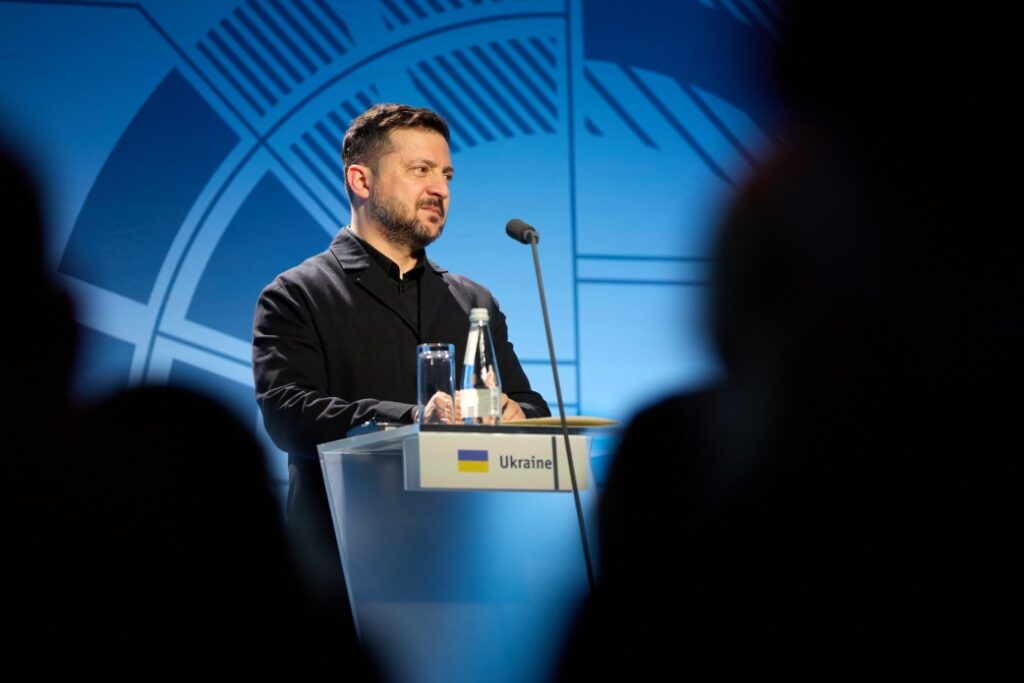

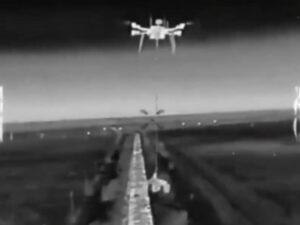
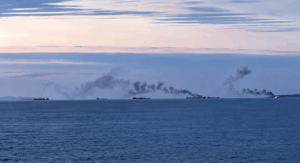

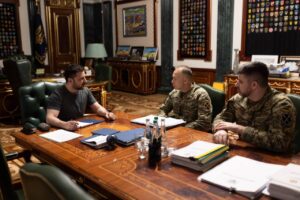
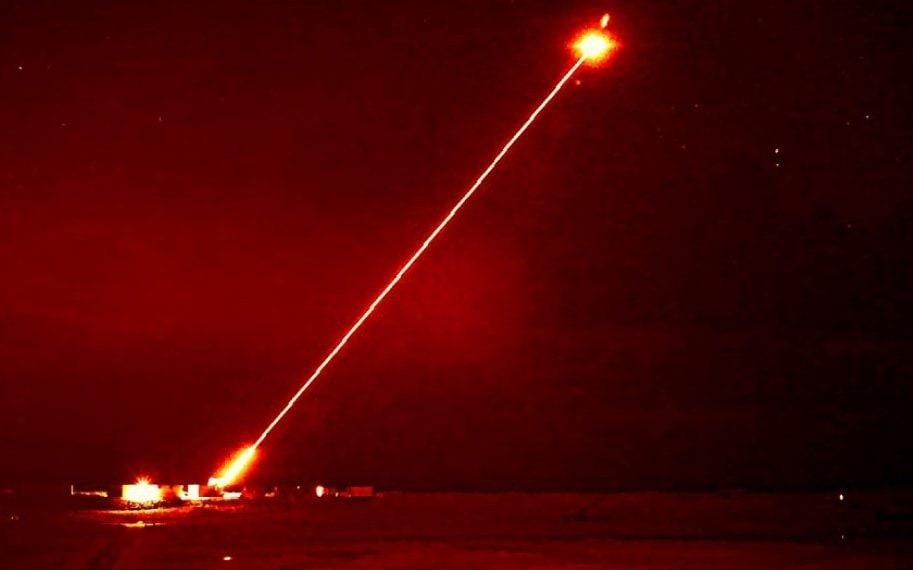
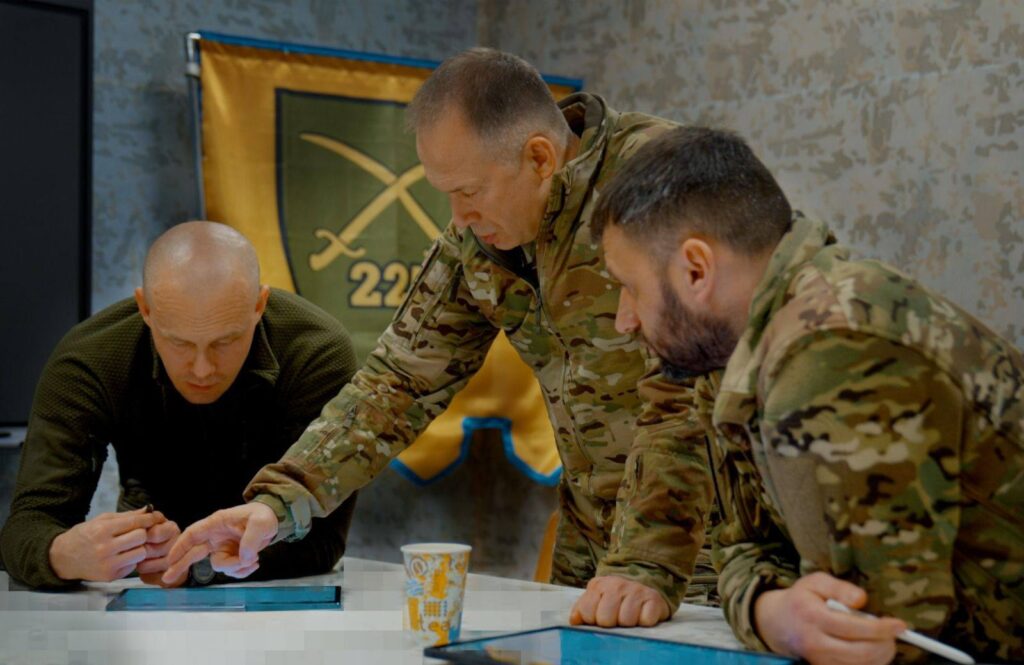
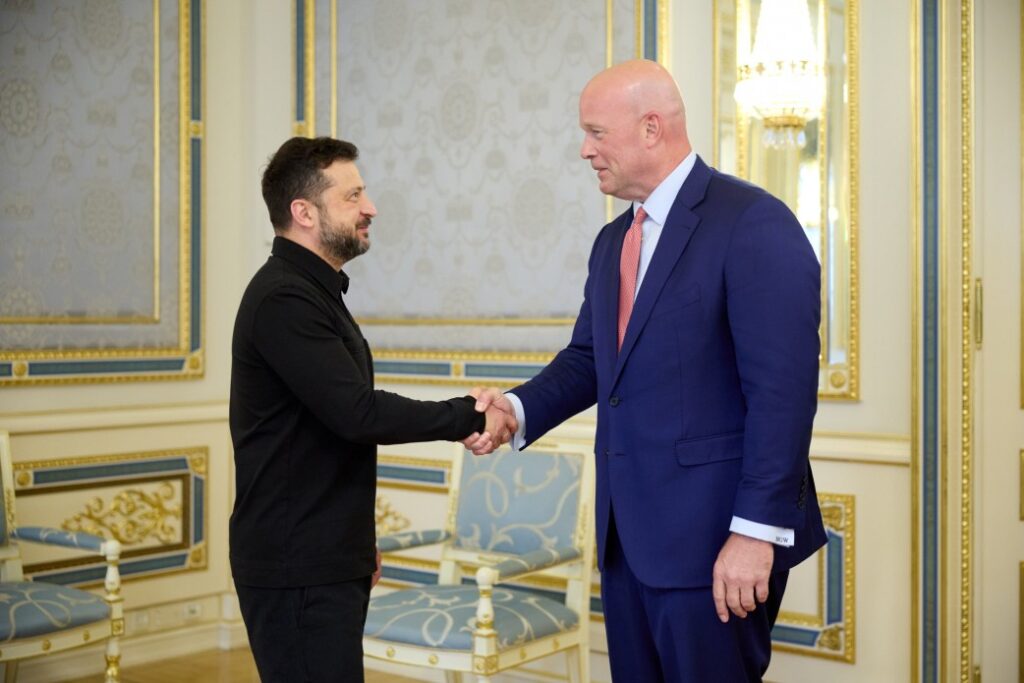
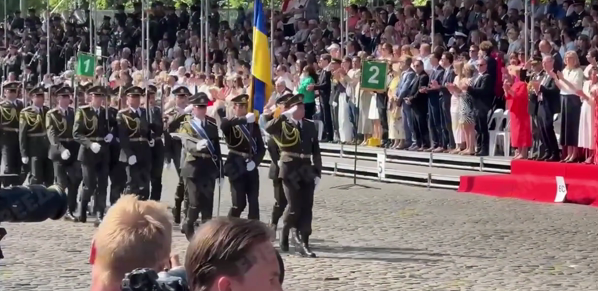
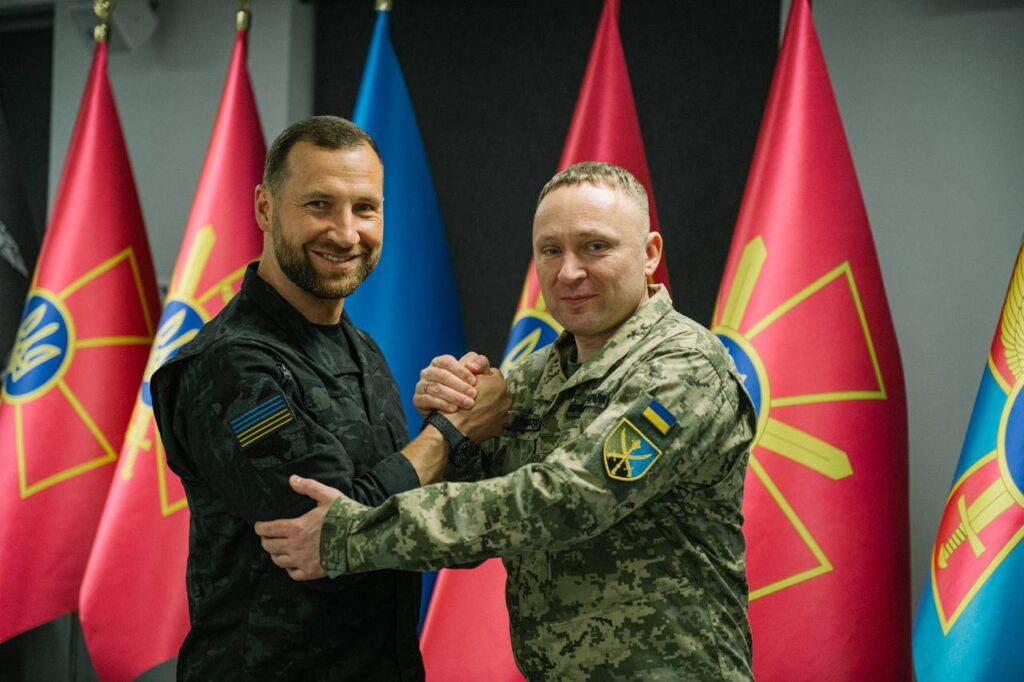
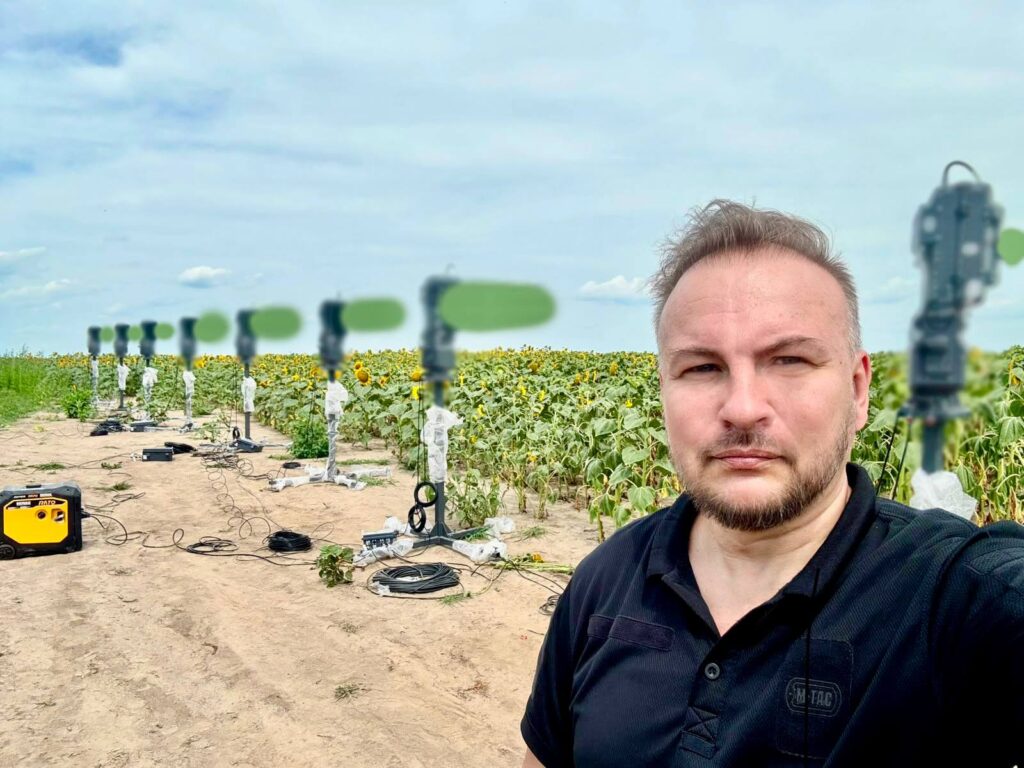
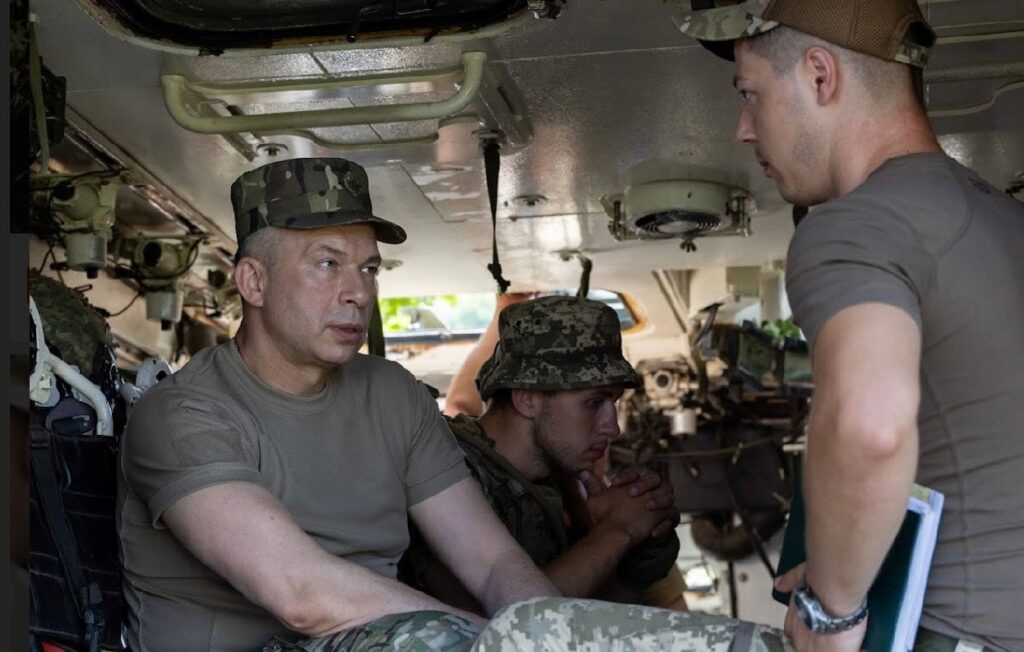
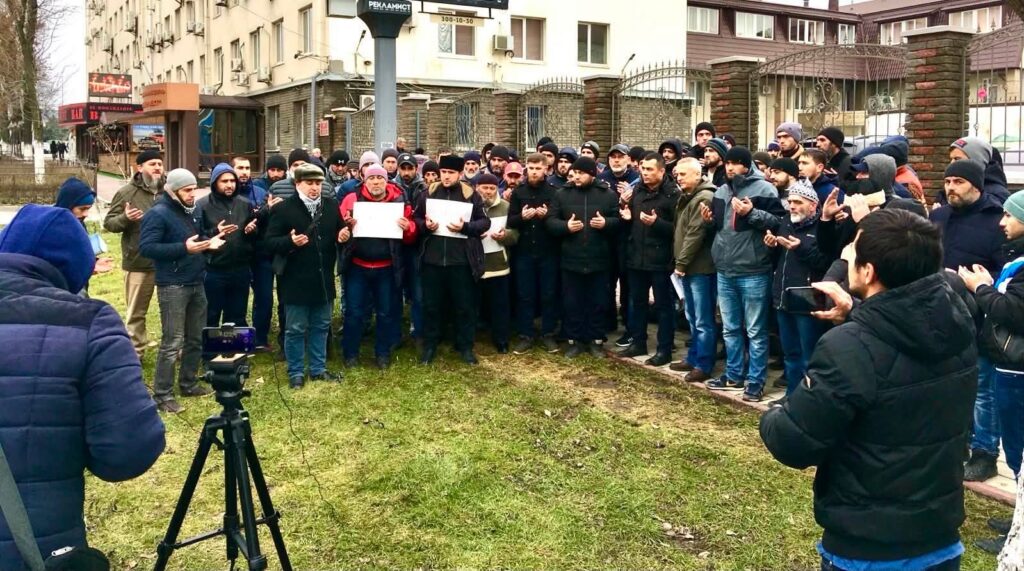
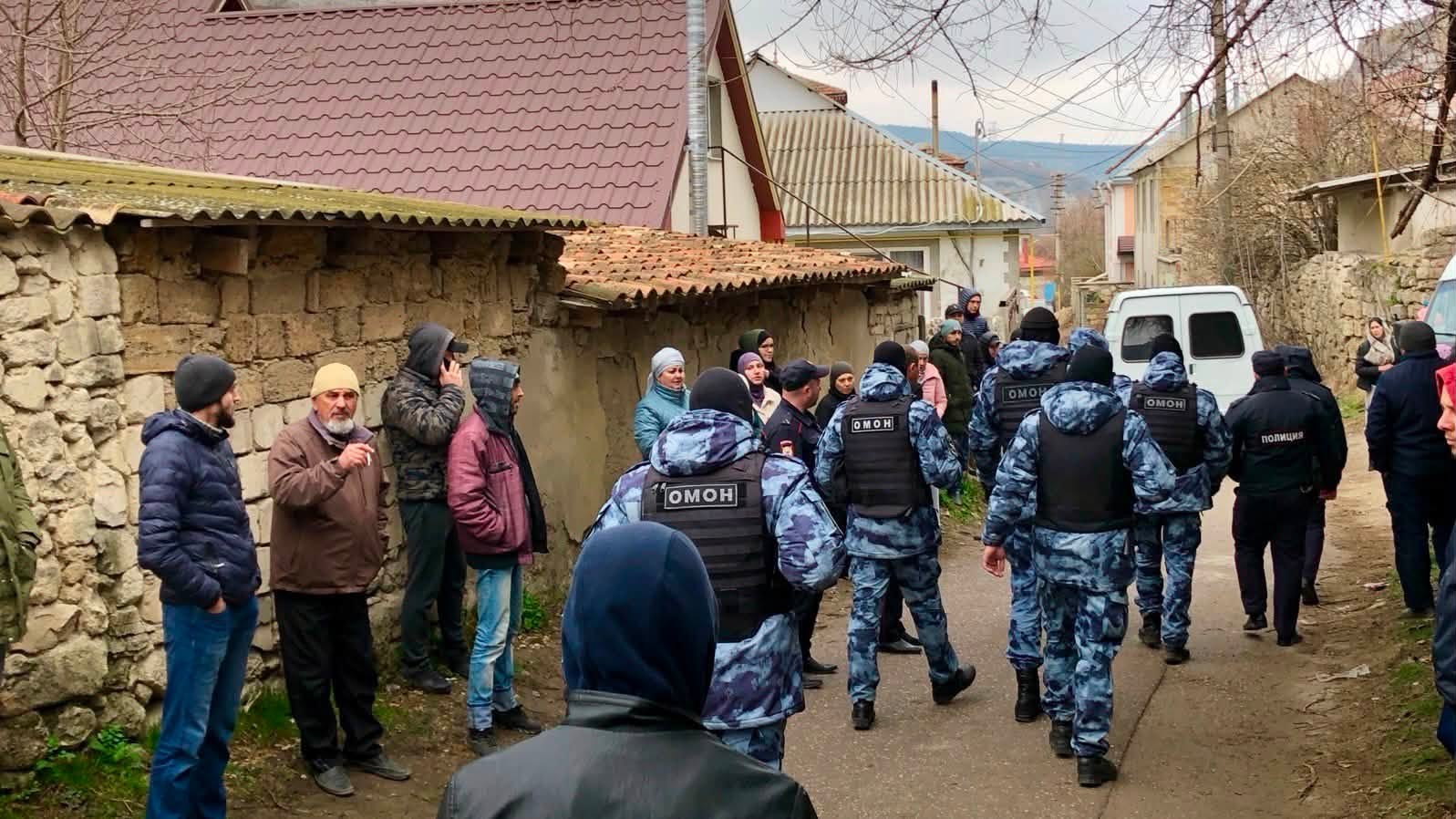
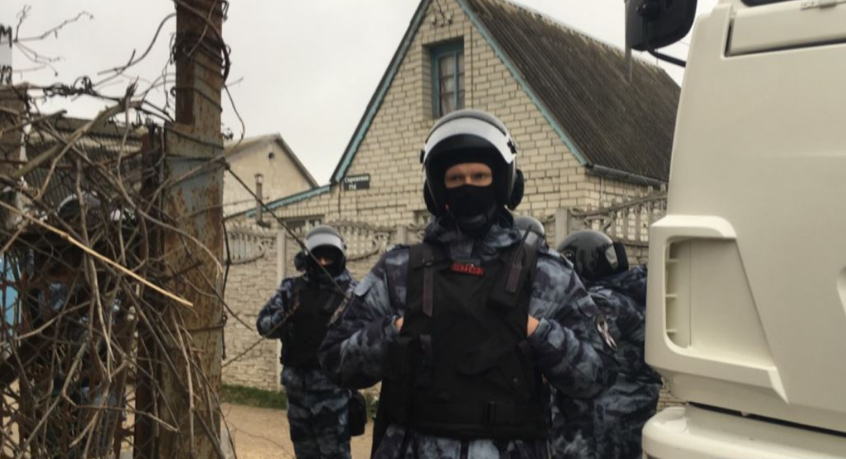
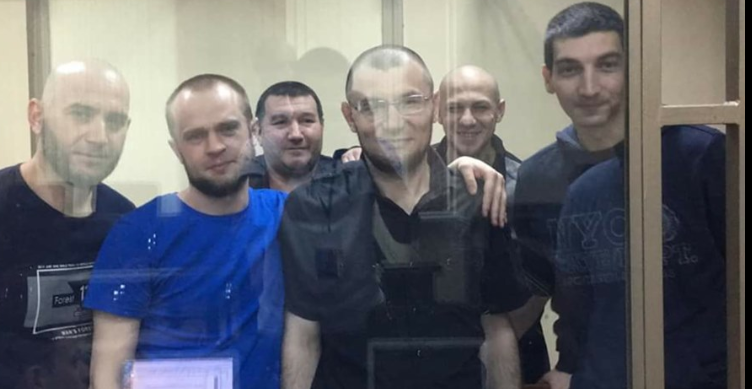
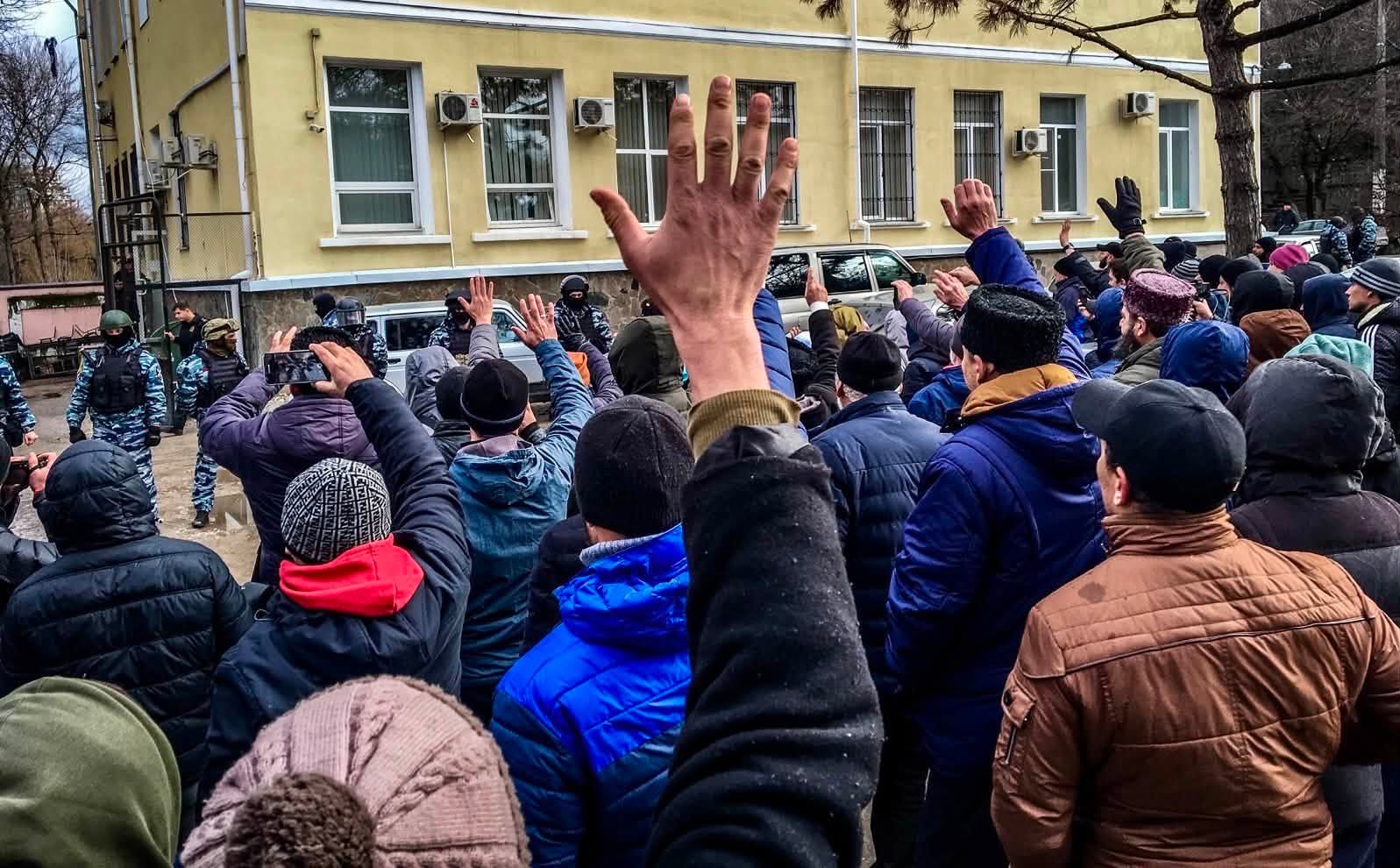
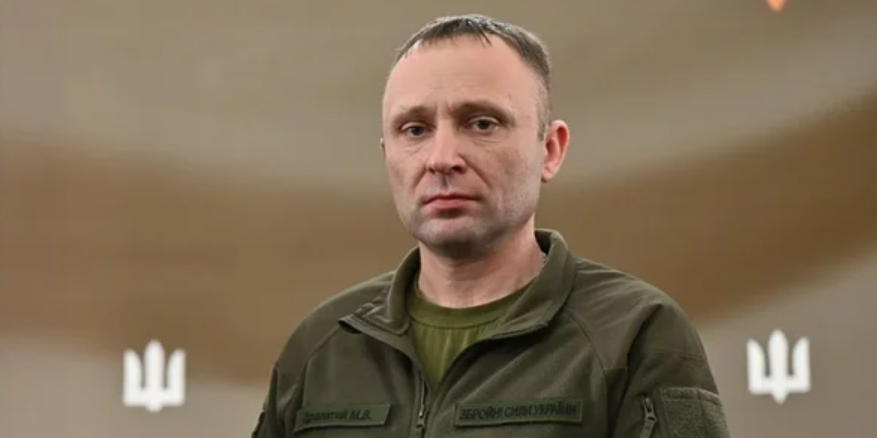
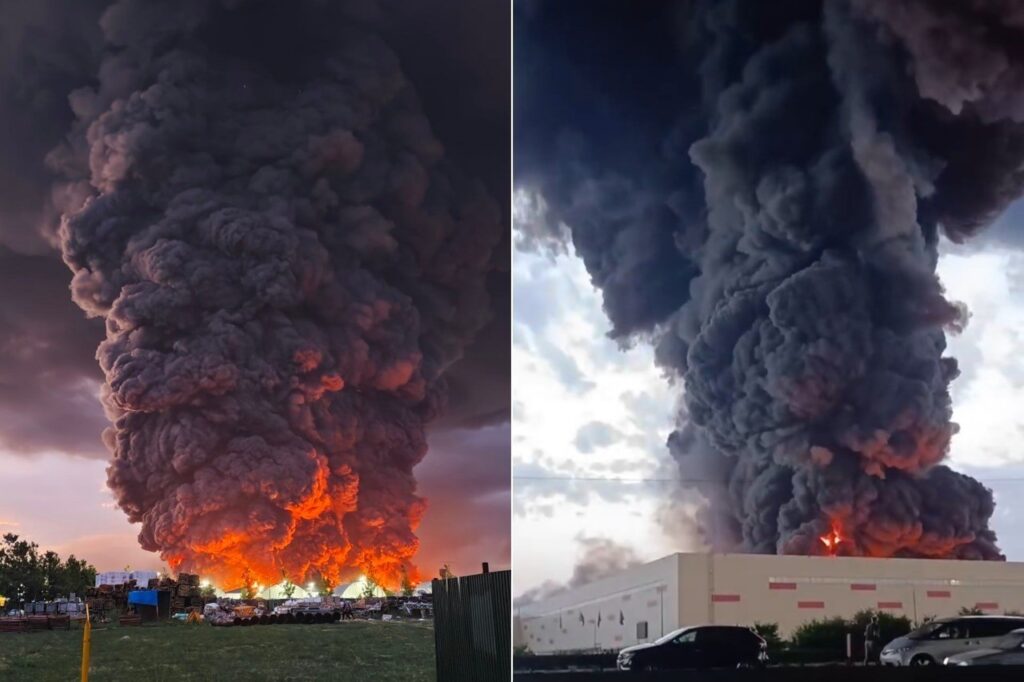
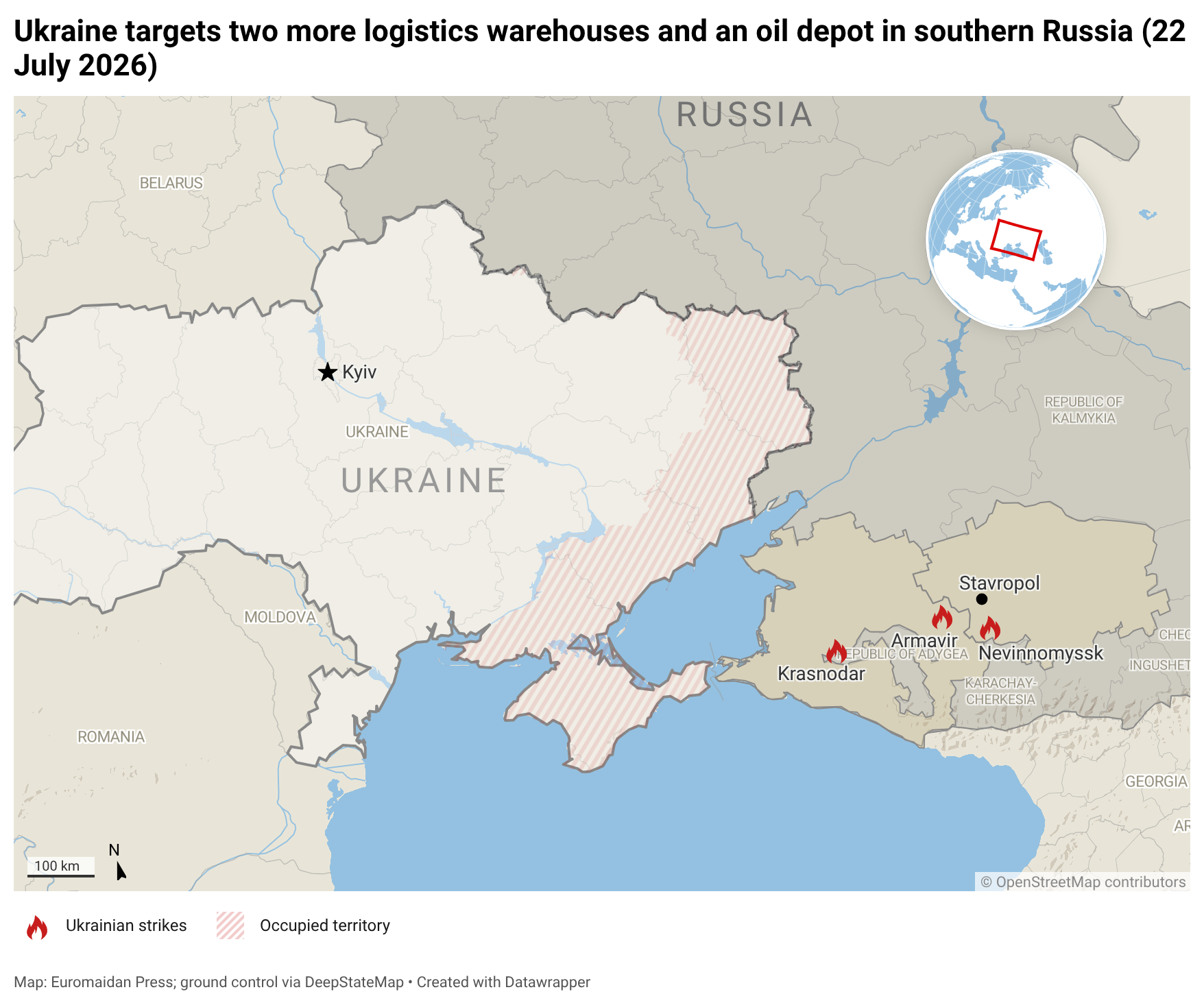
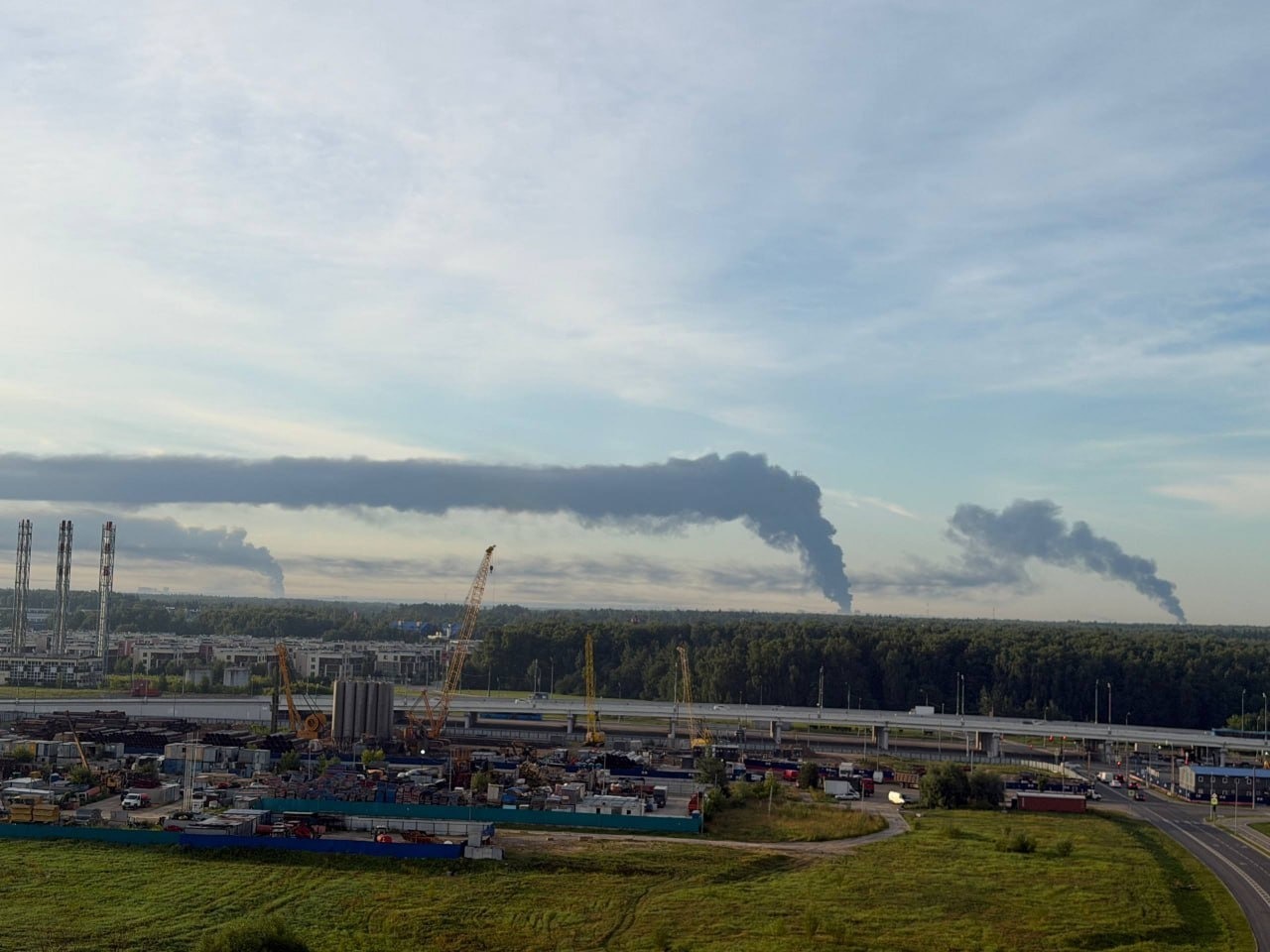
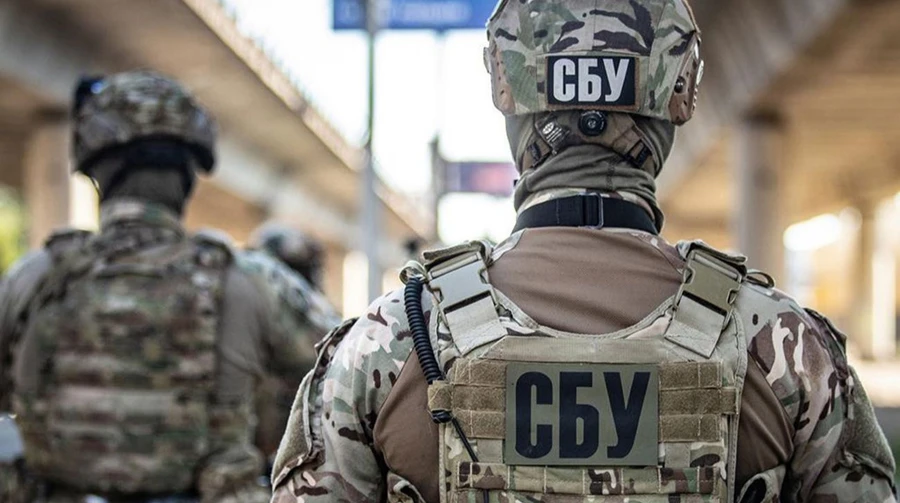
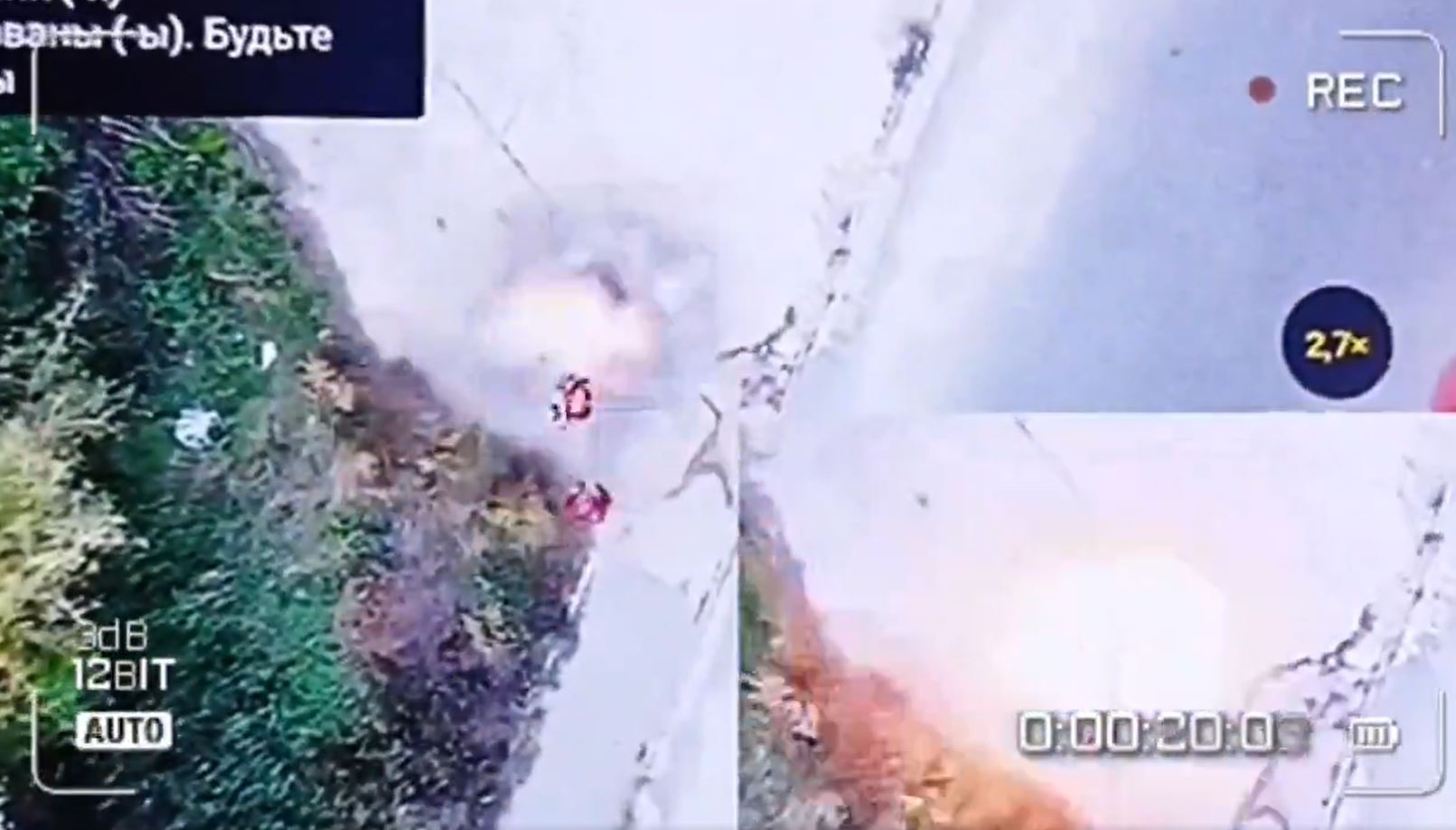

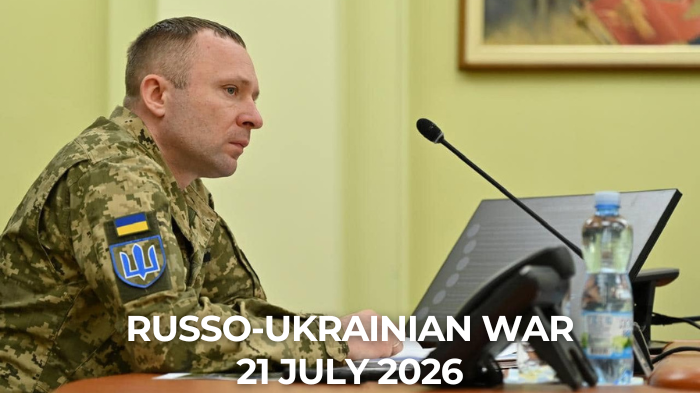
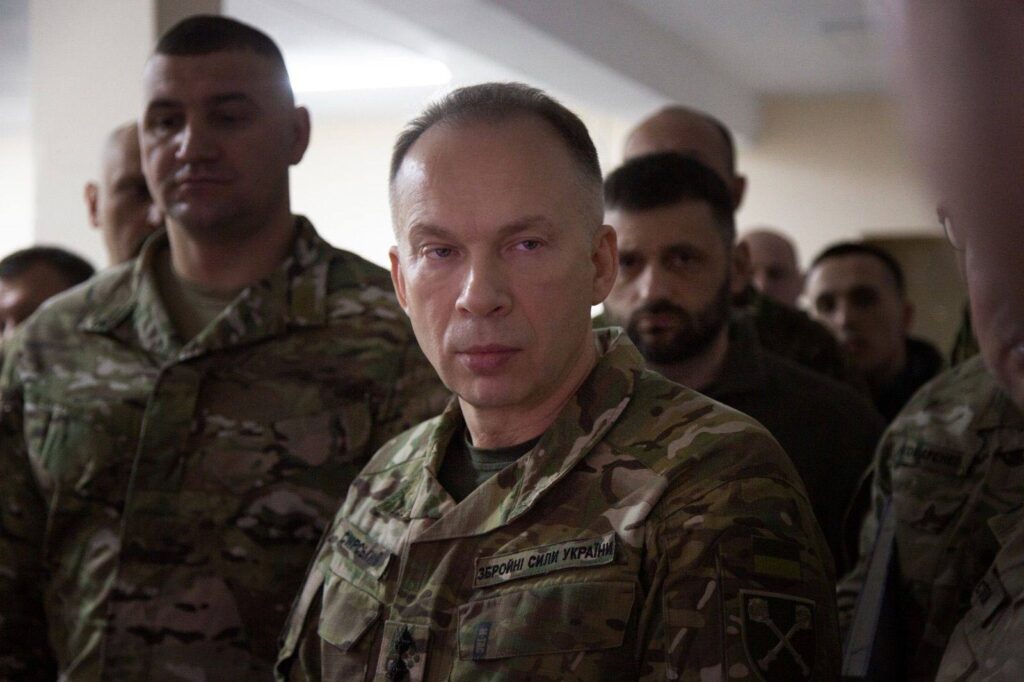
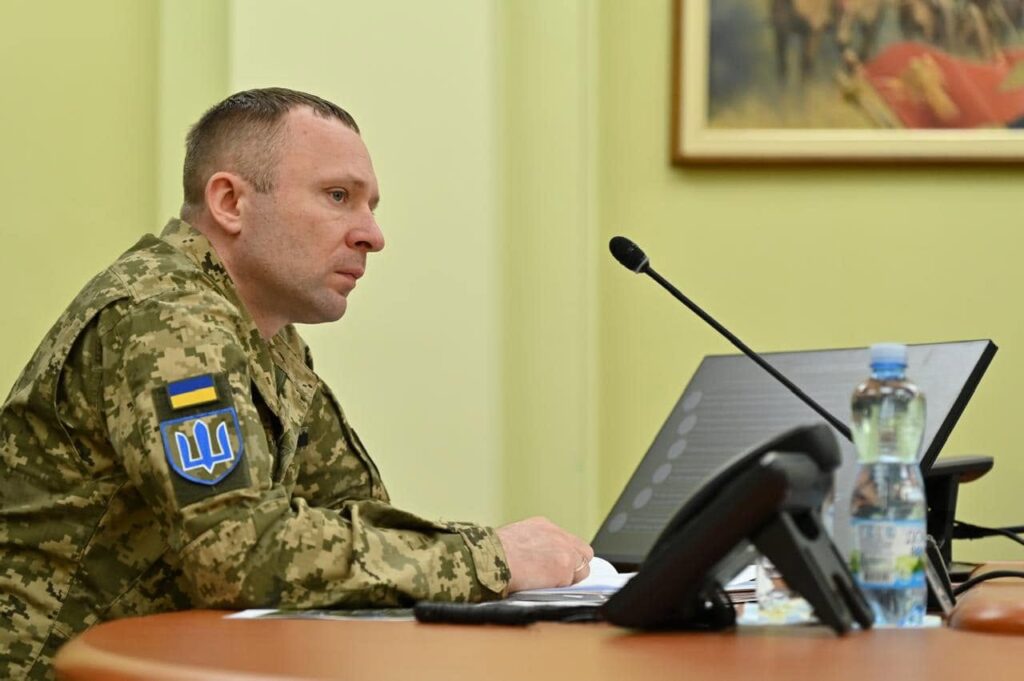

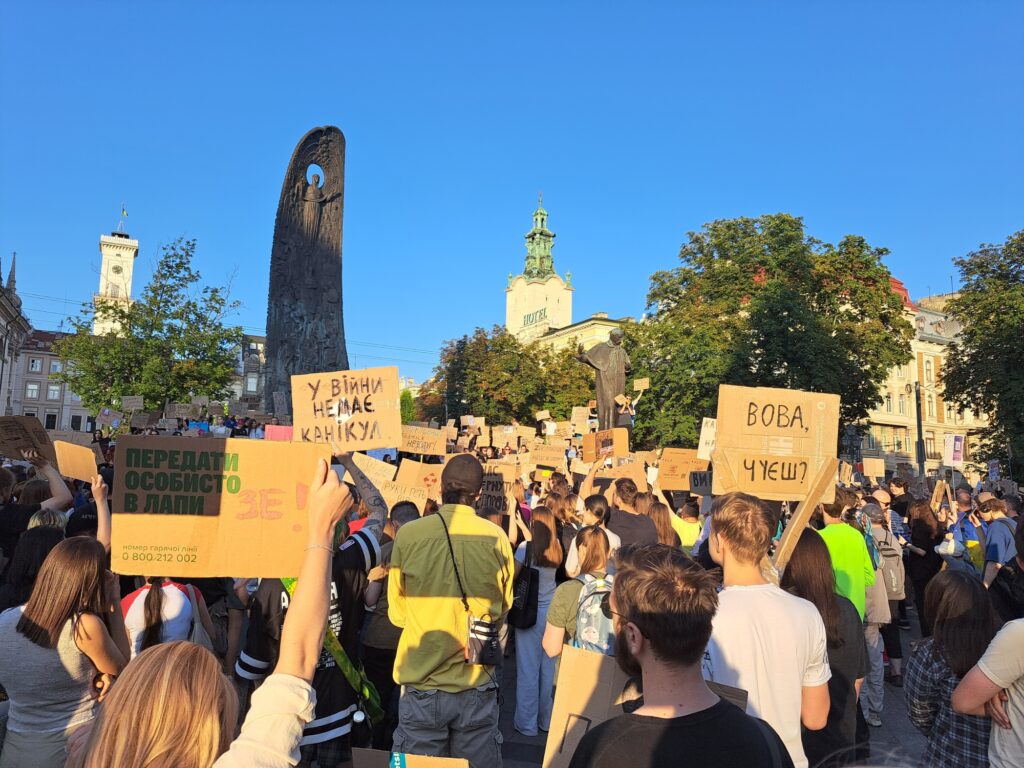
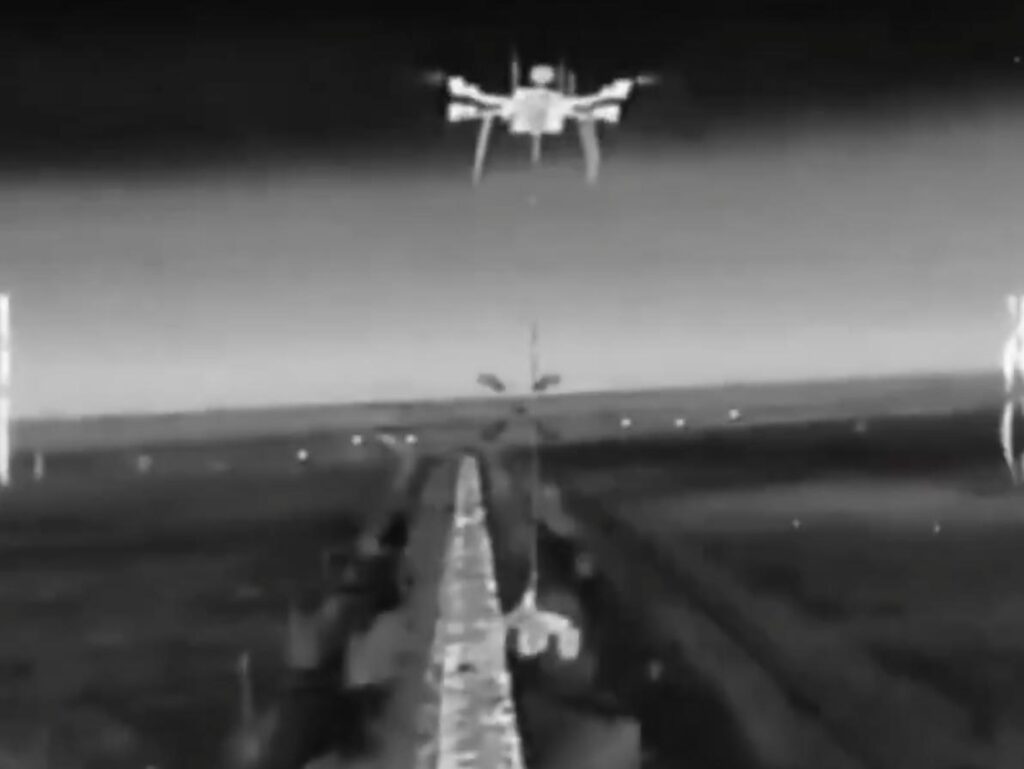
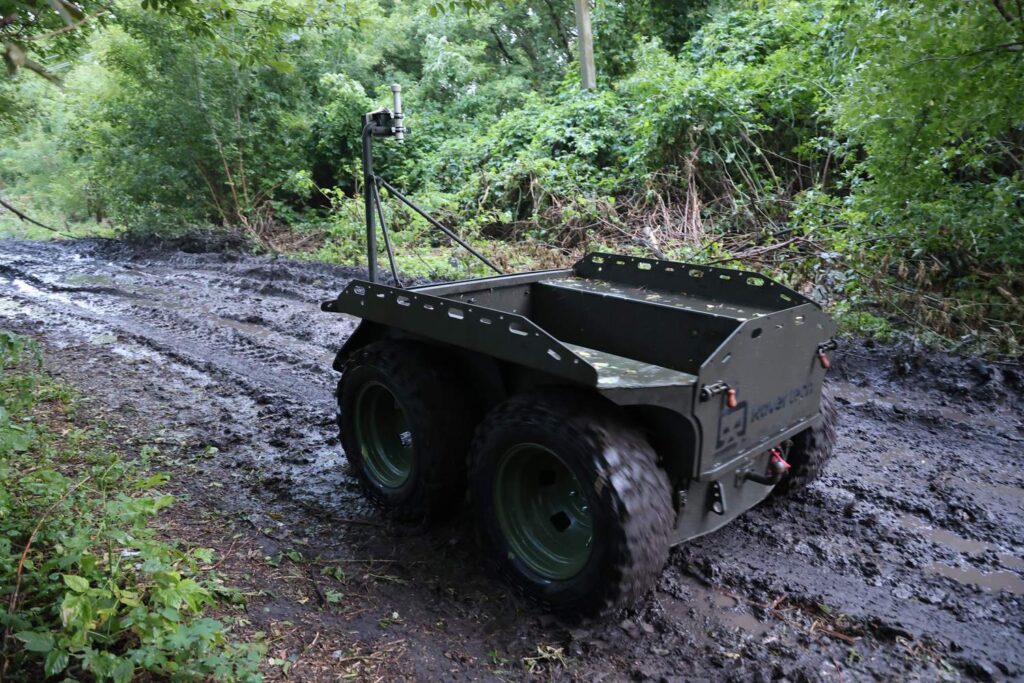
 Ukraine’s 123rd Territorial Defense Brigade has carried out the first known mission of its kind.
 (@bayraktar_1love)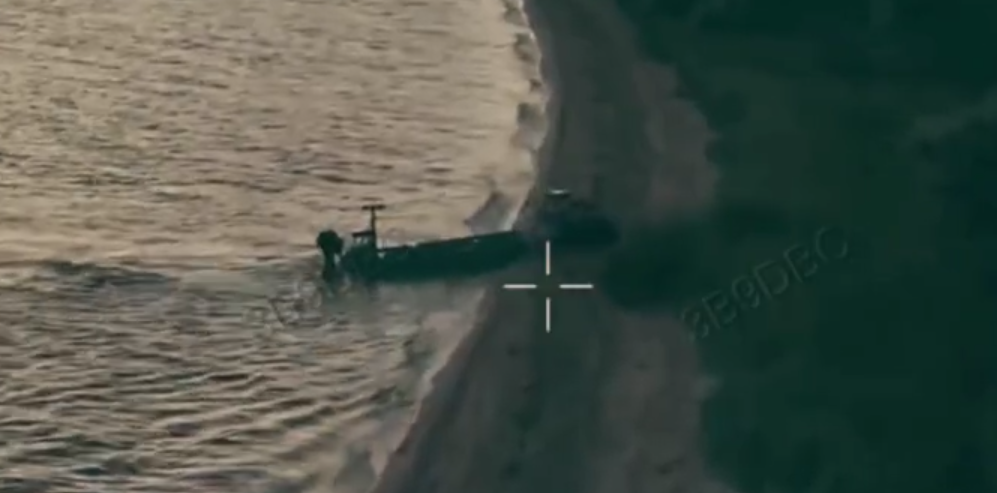
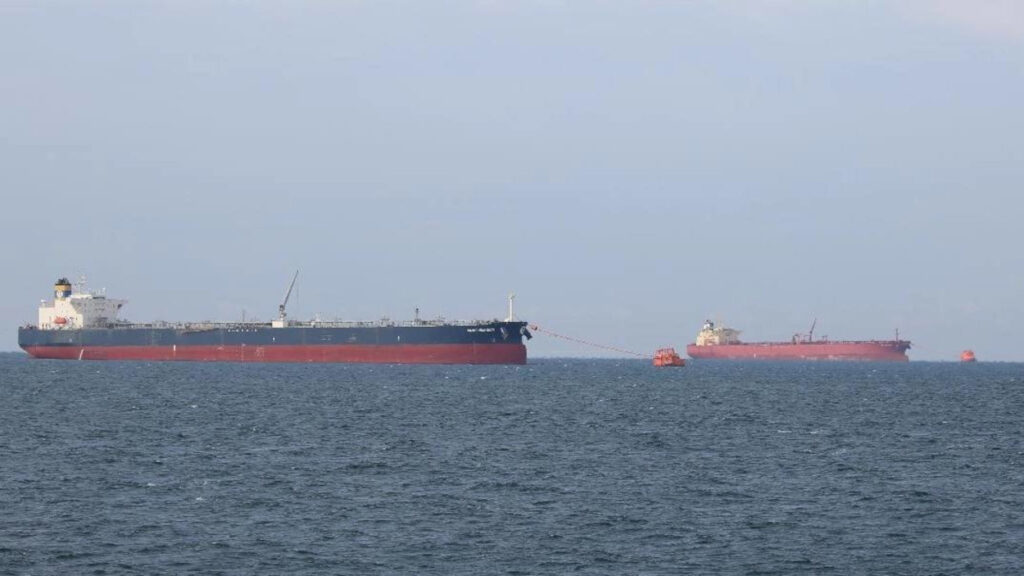
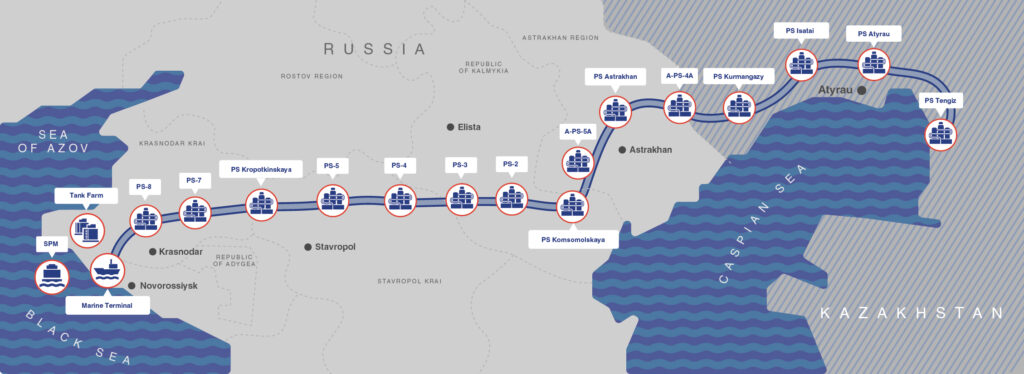
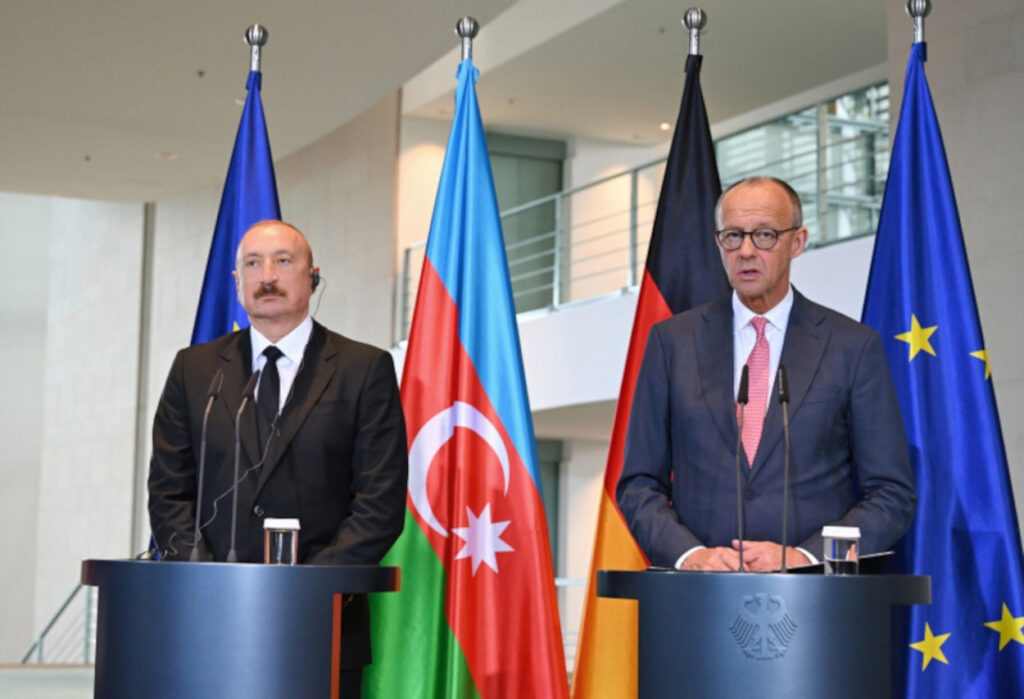
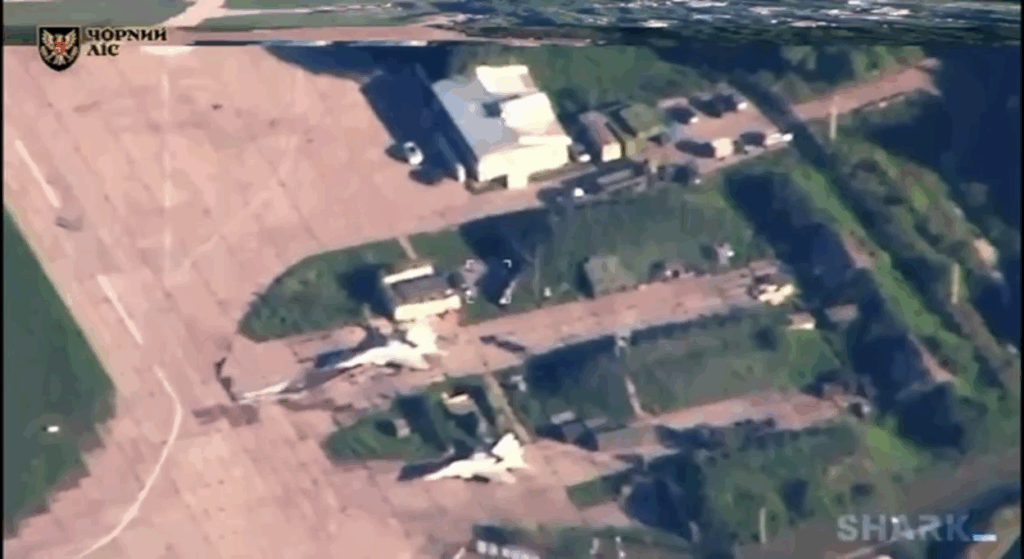

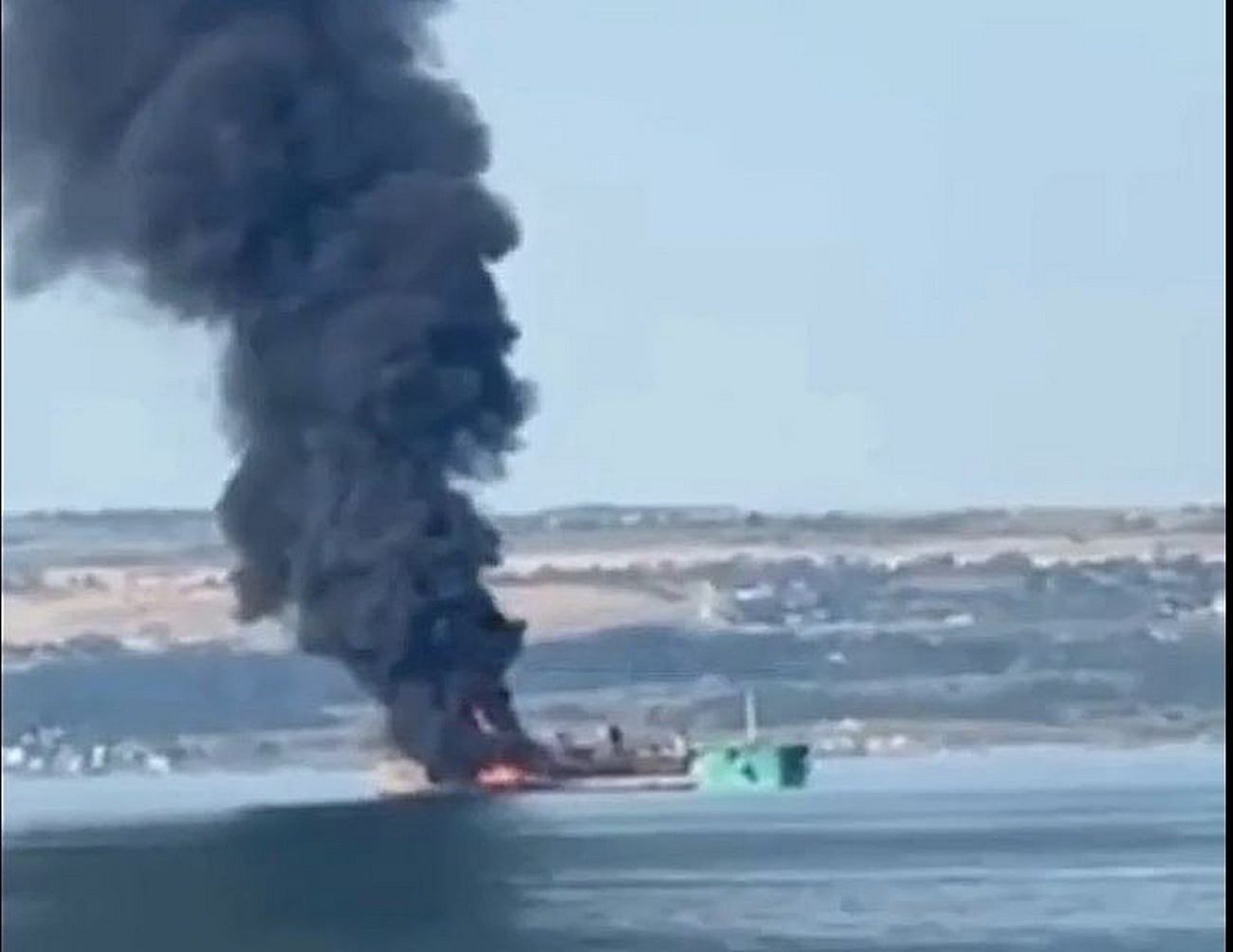
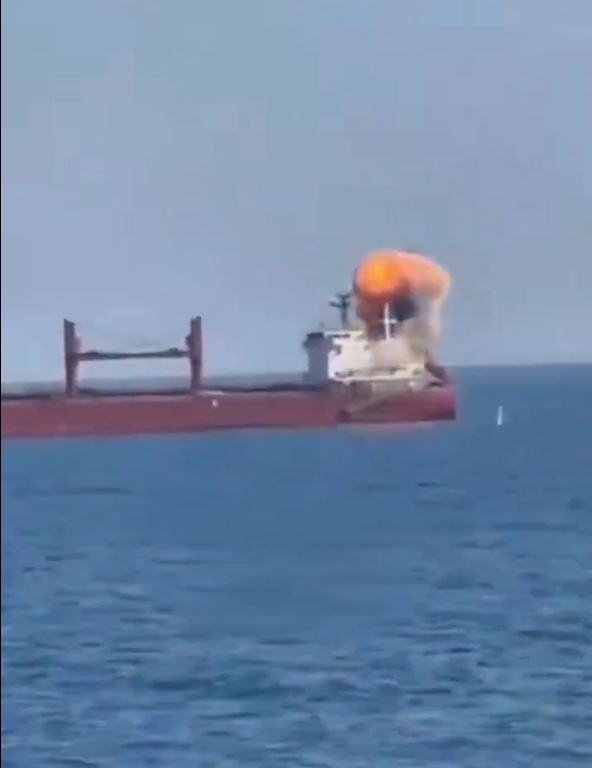

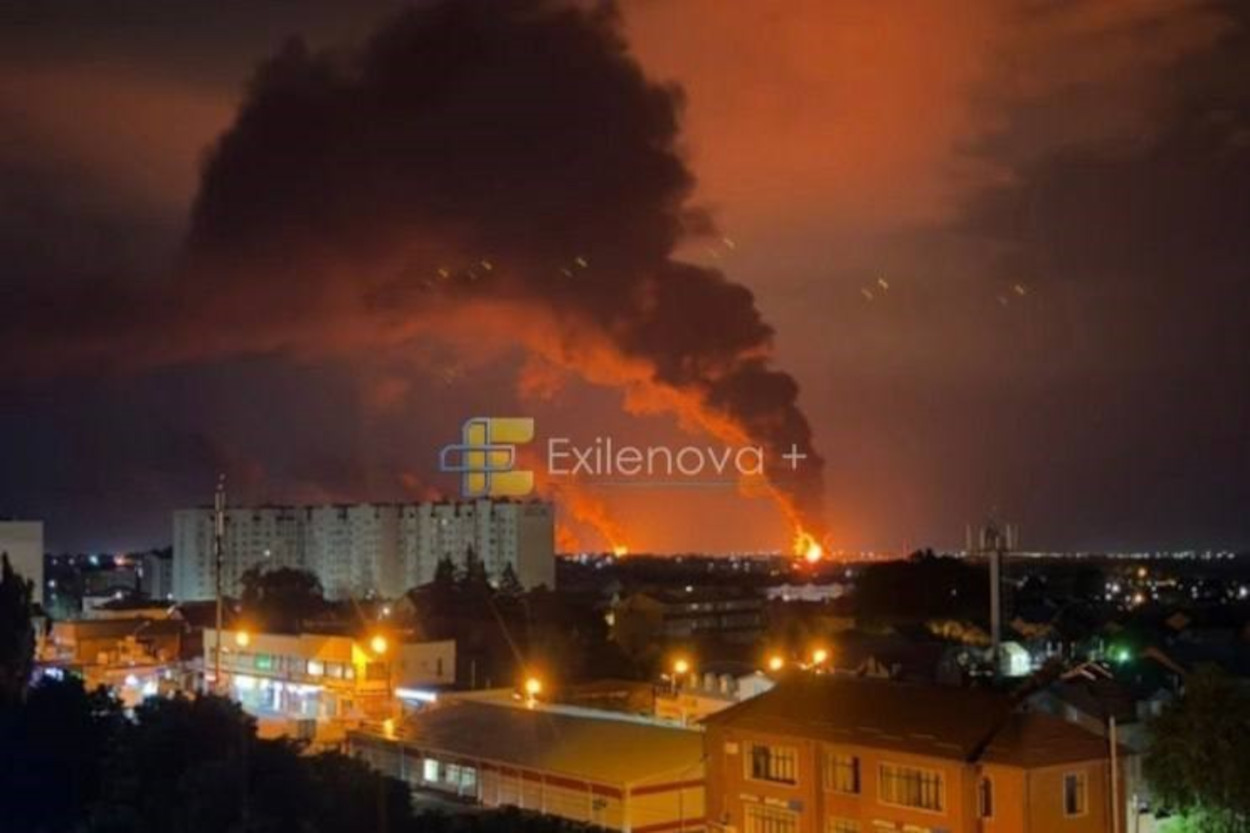
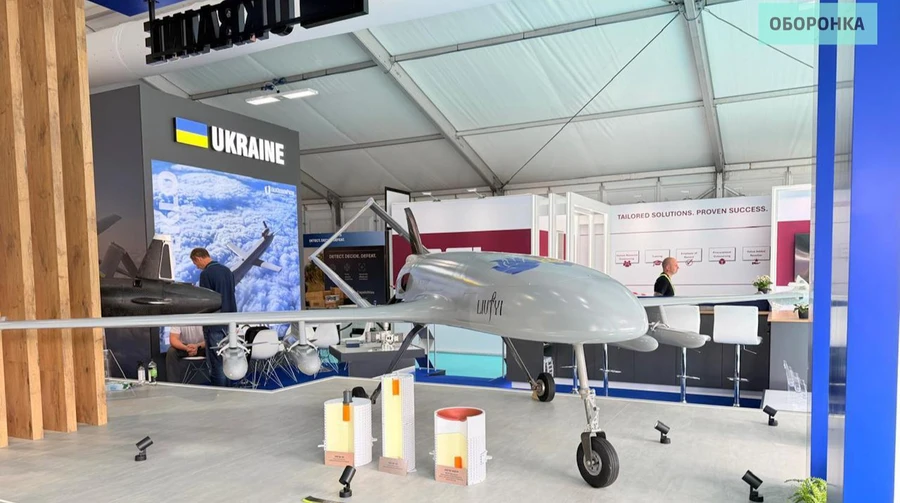

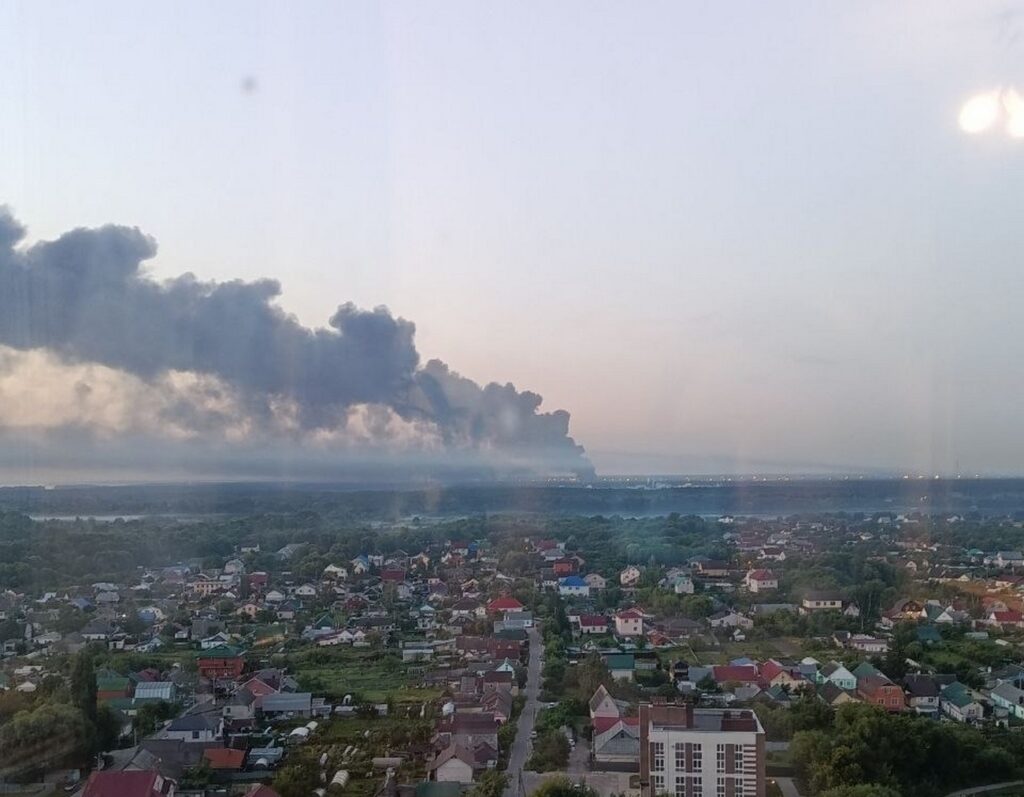
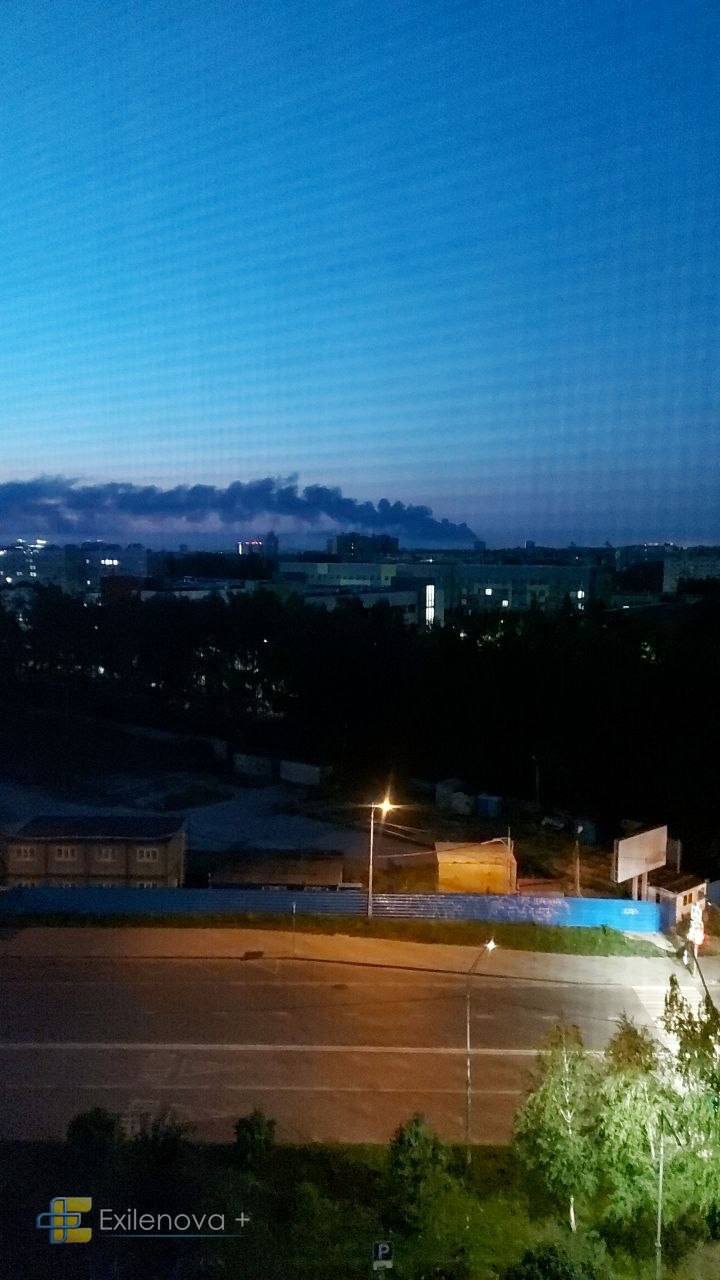
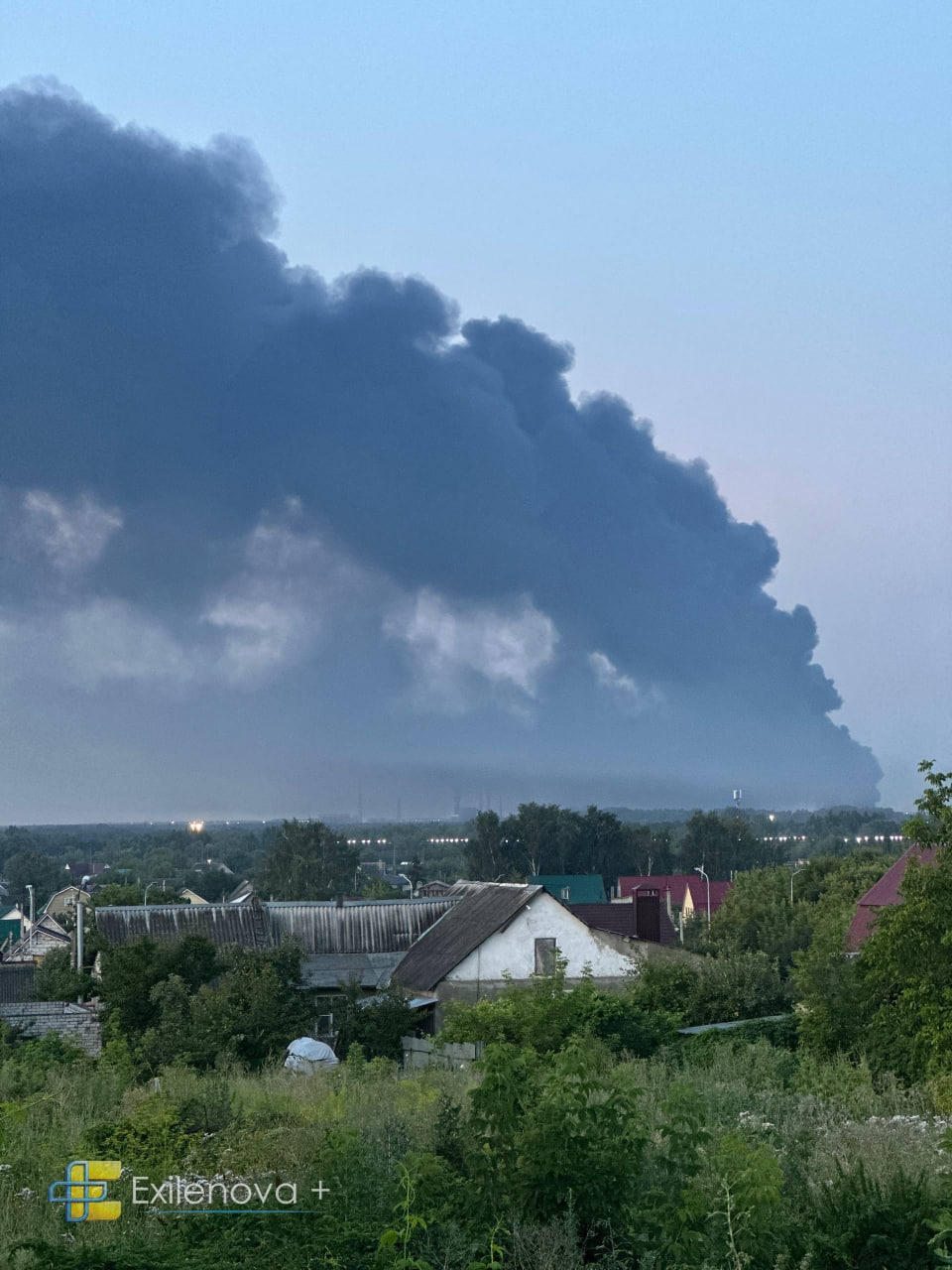
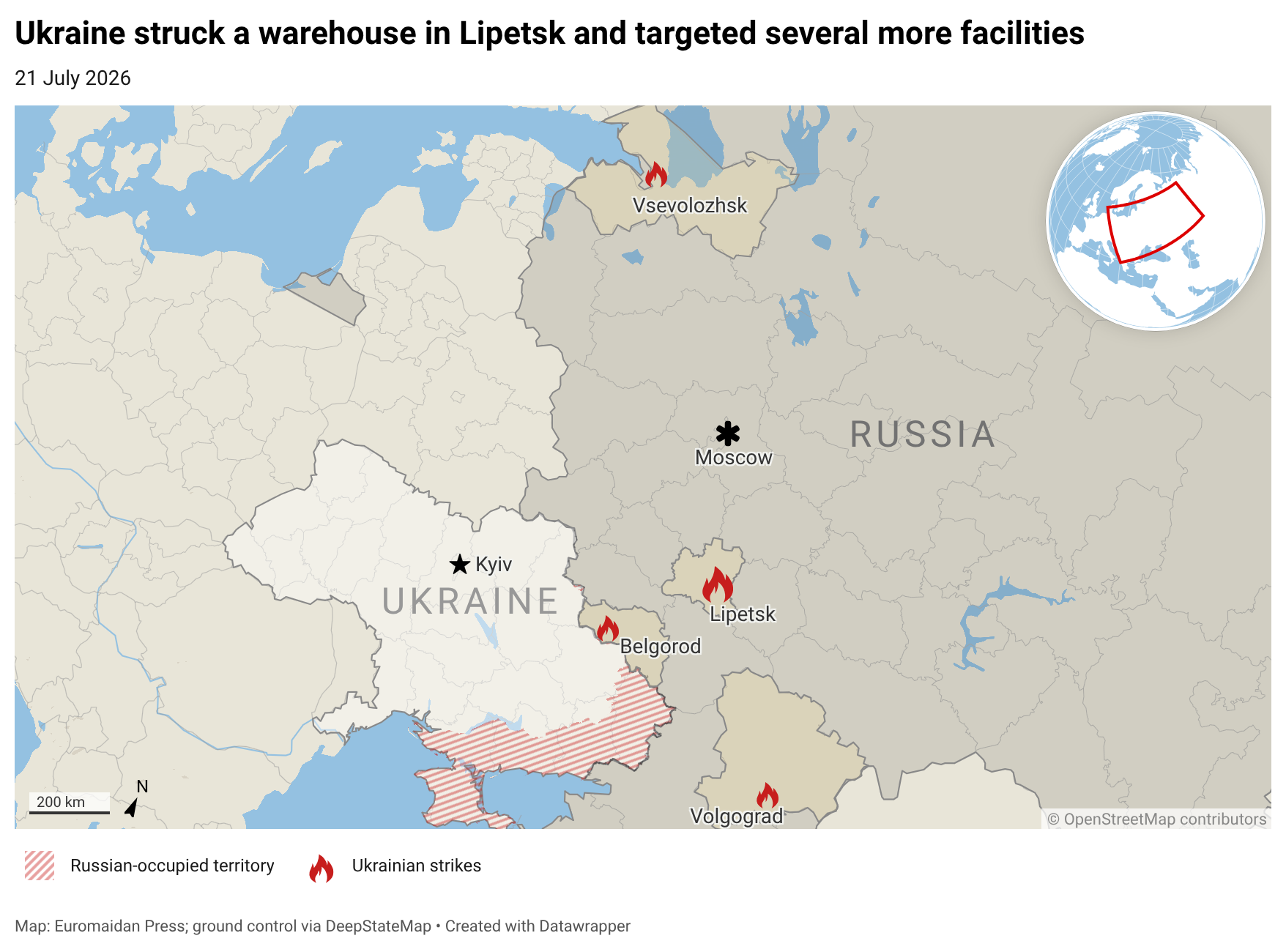
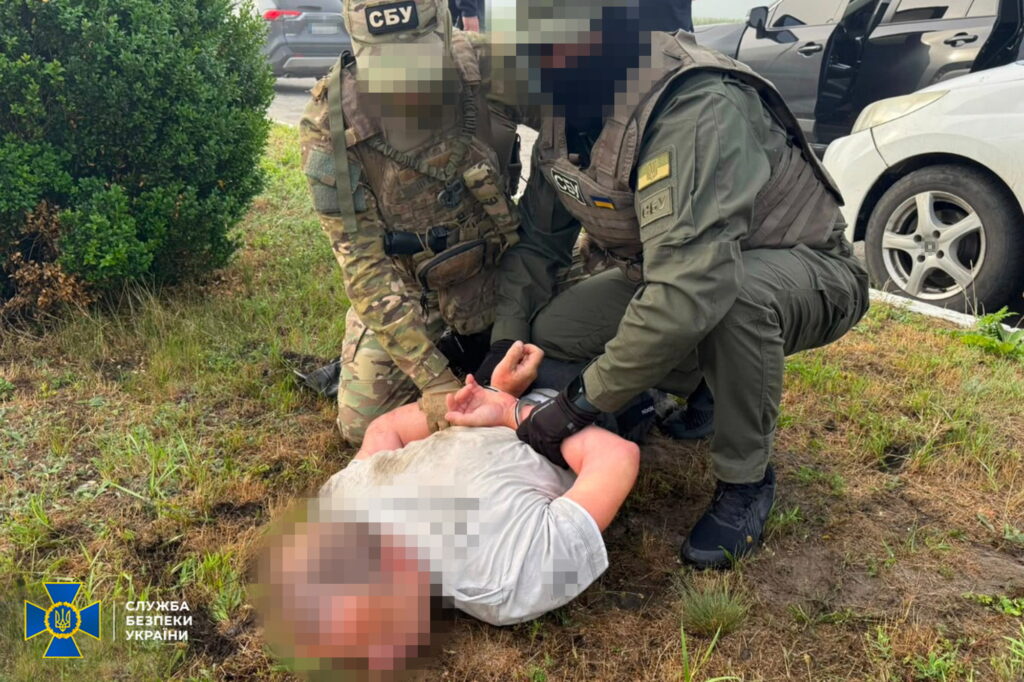



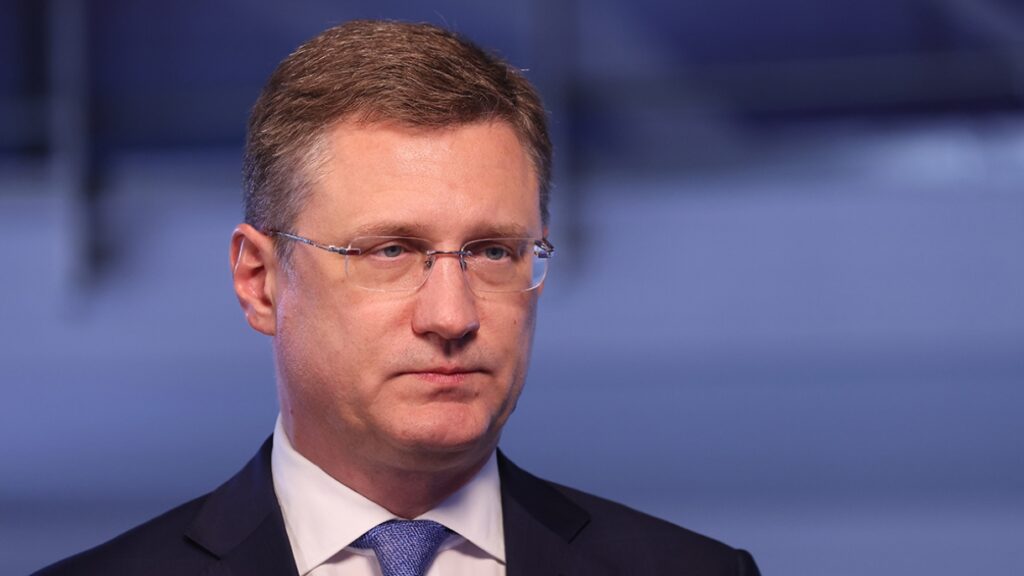
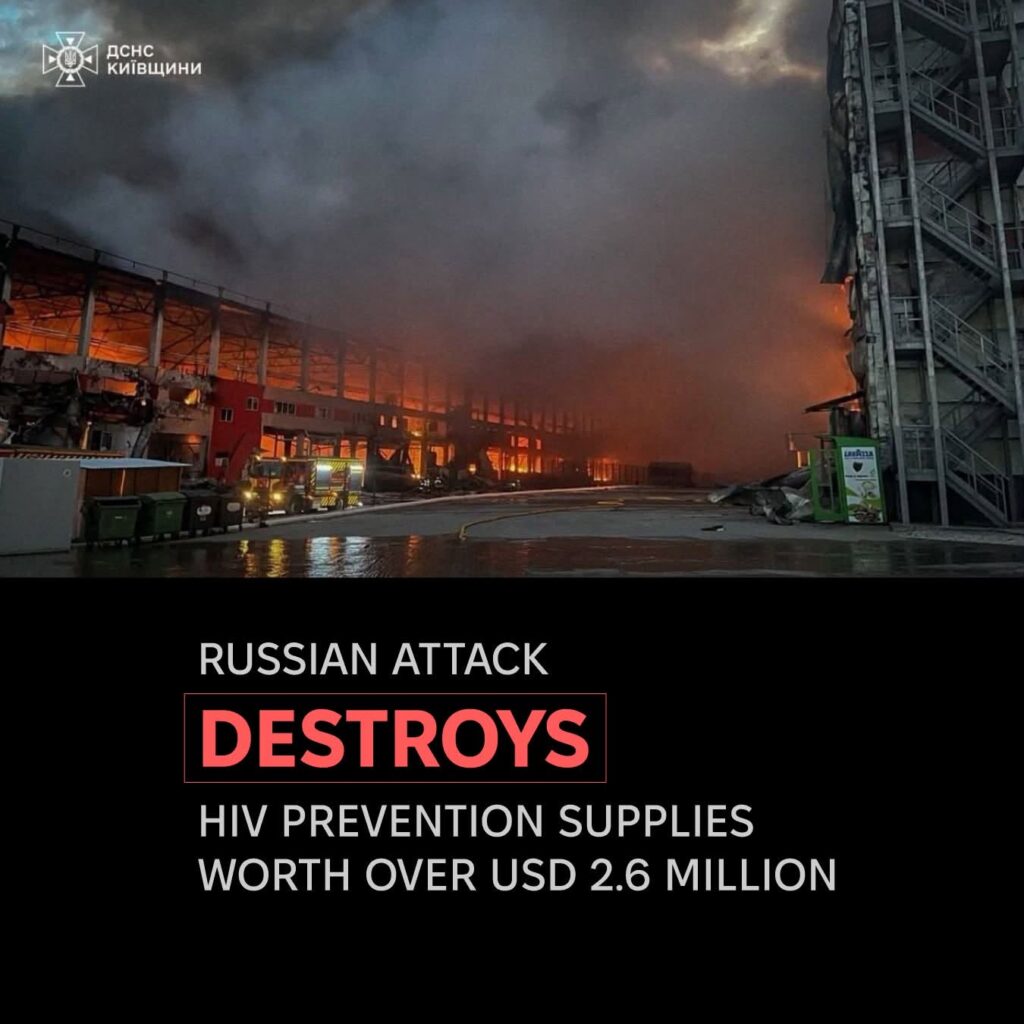
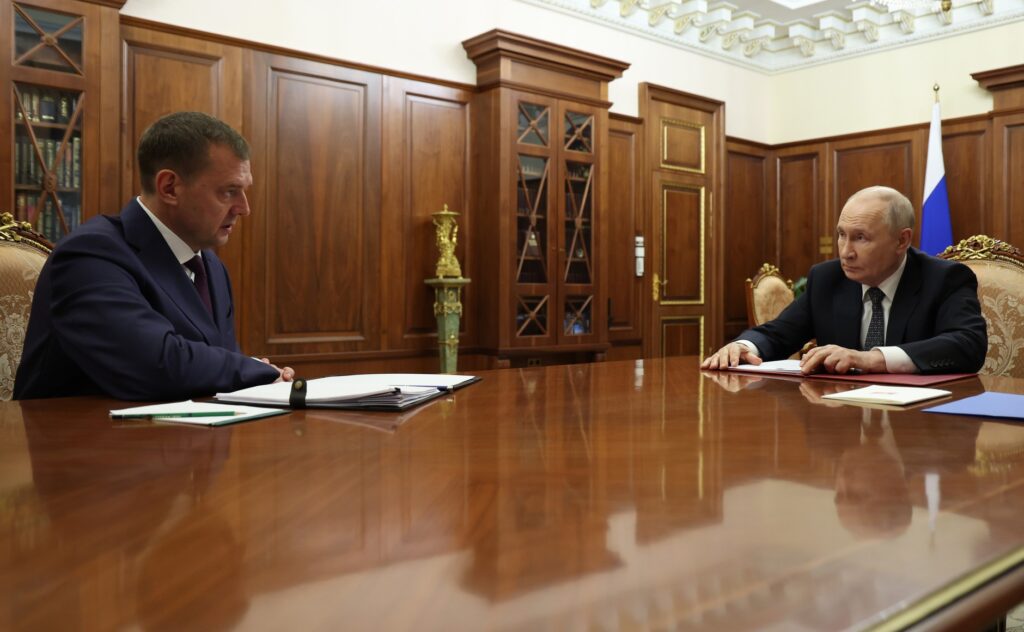
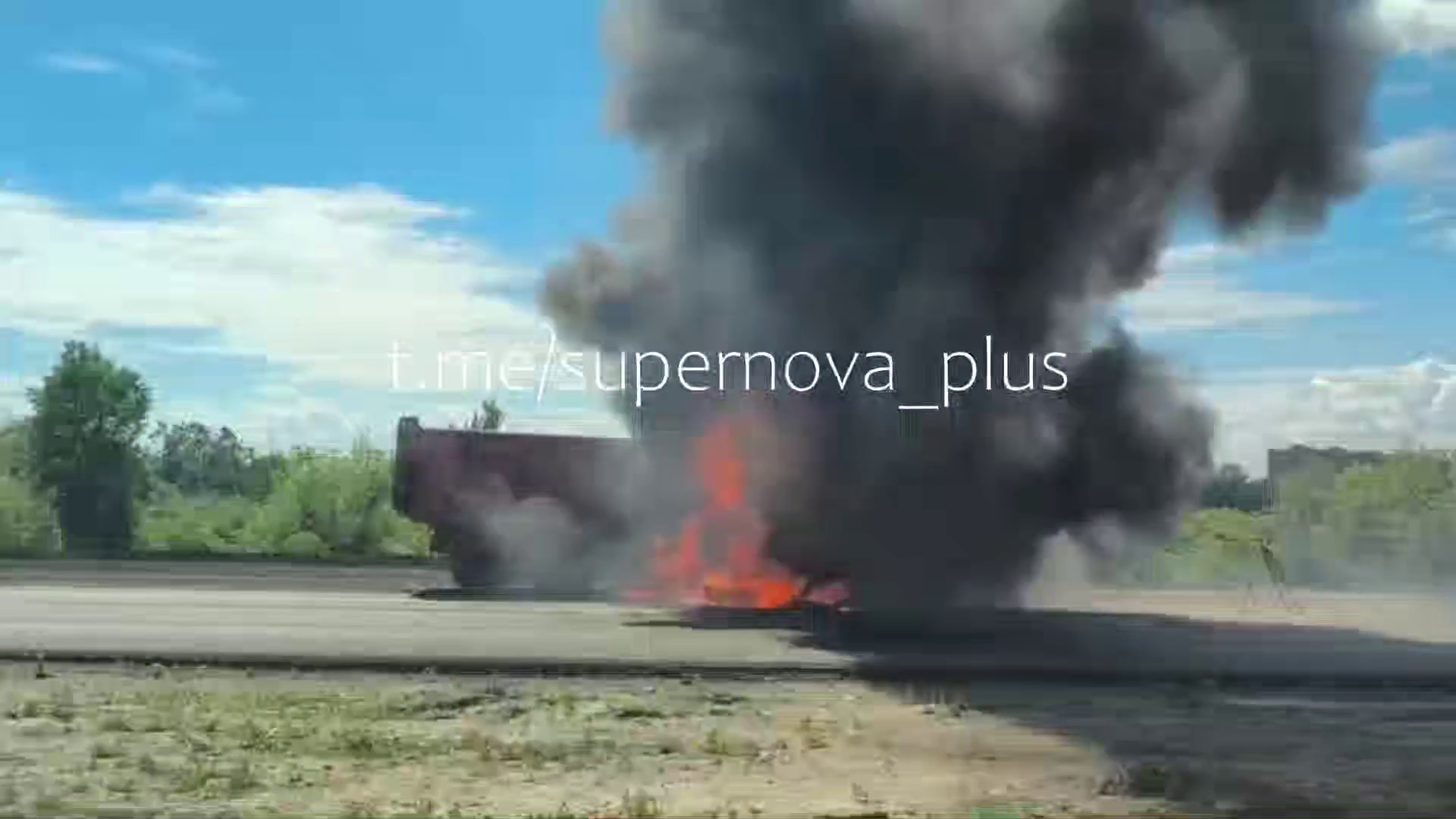
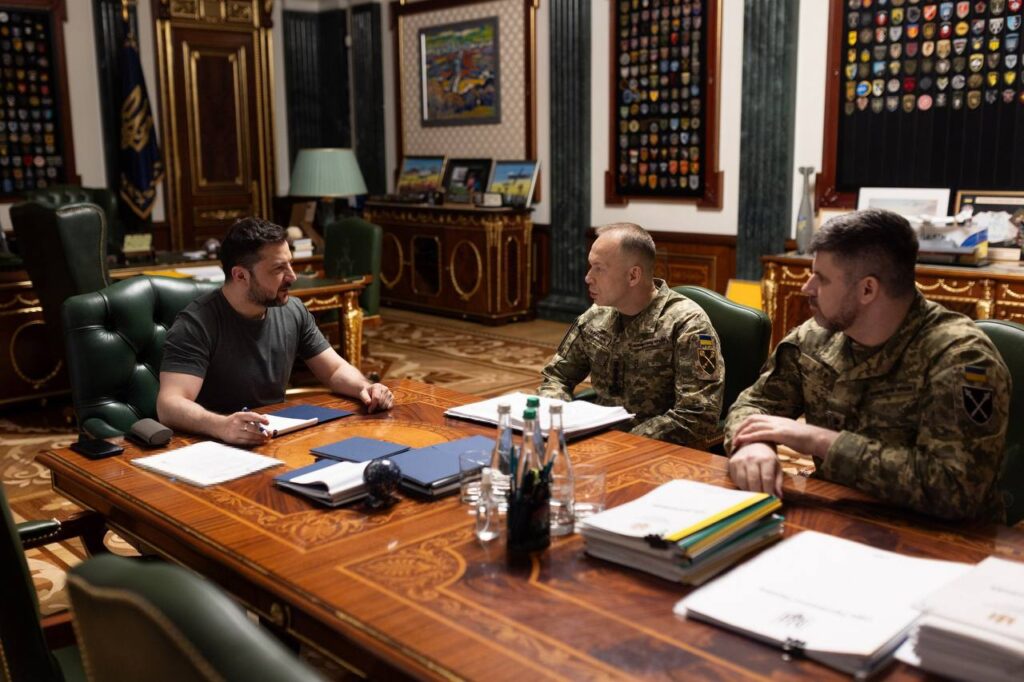
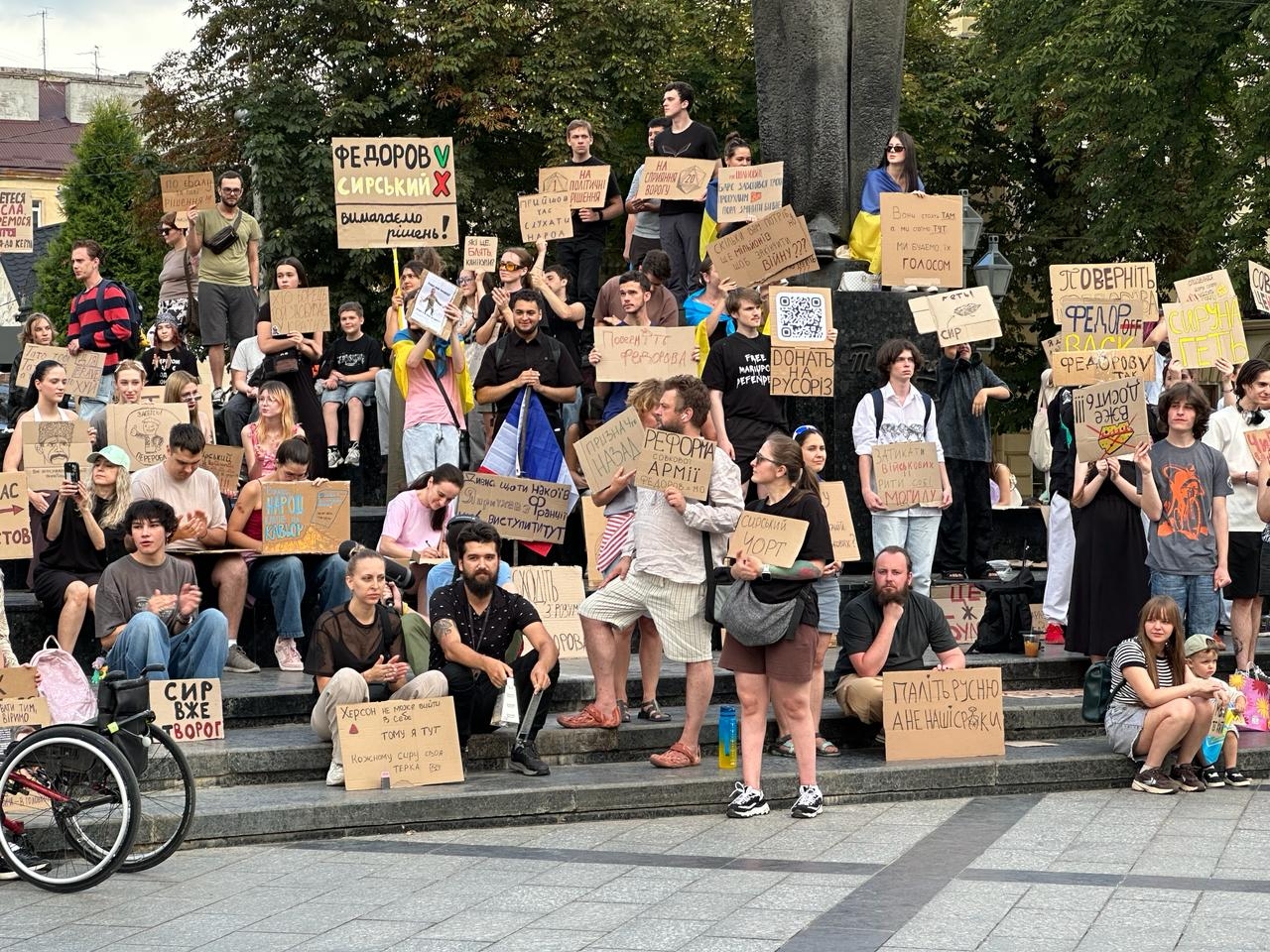

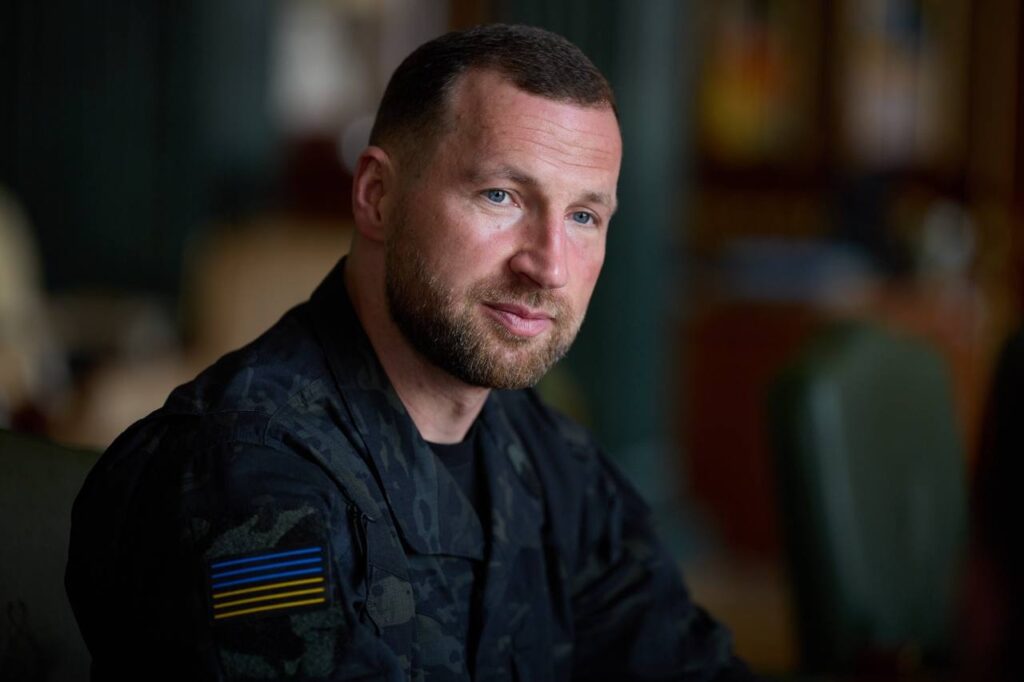
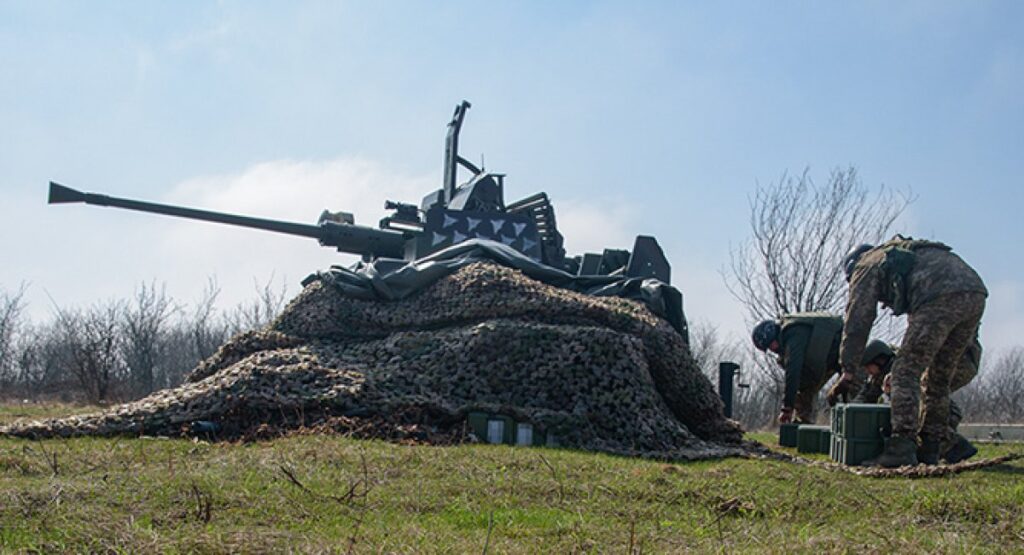
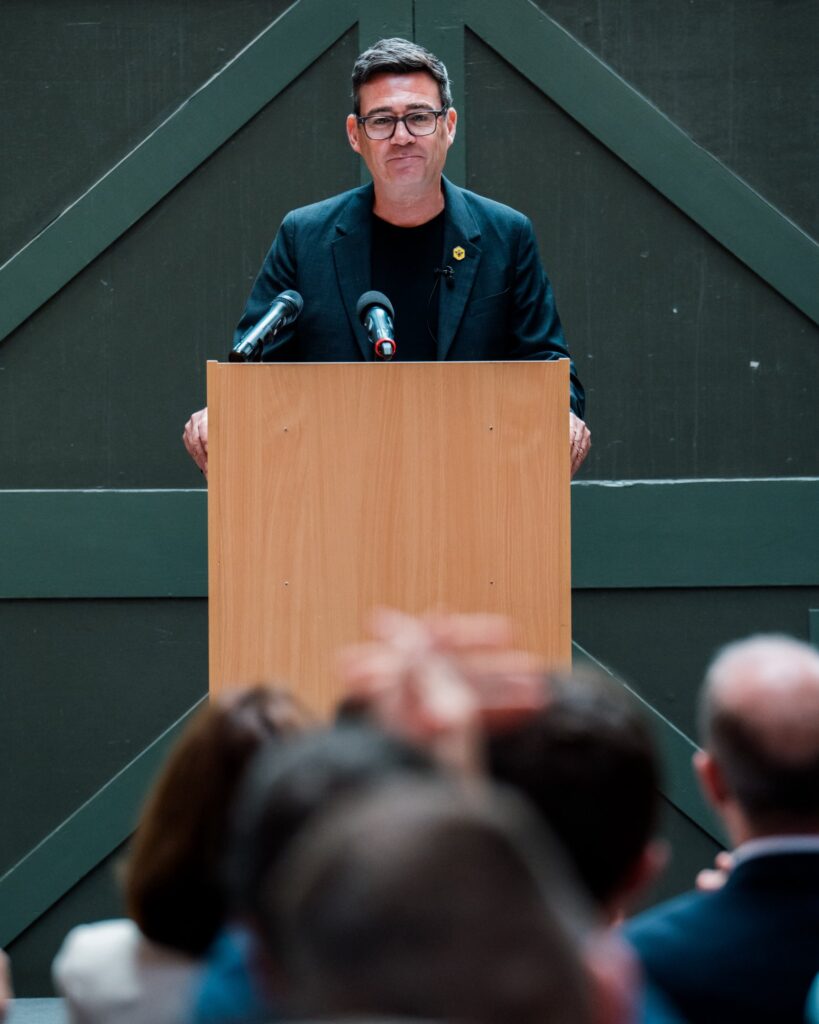
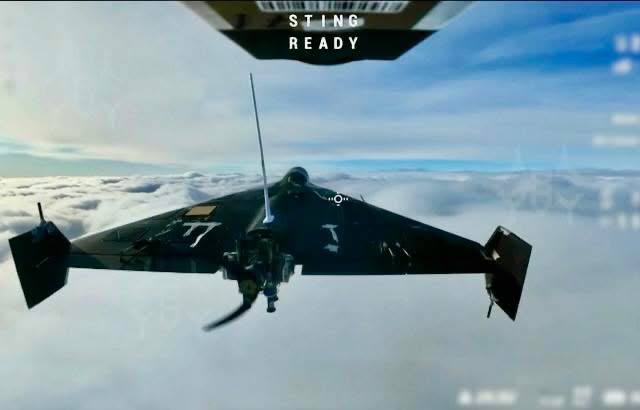
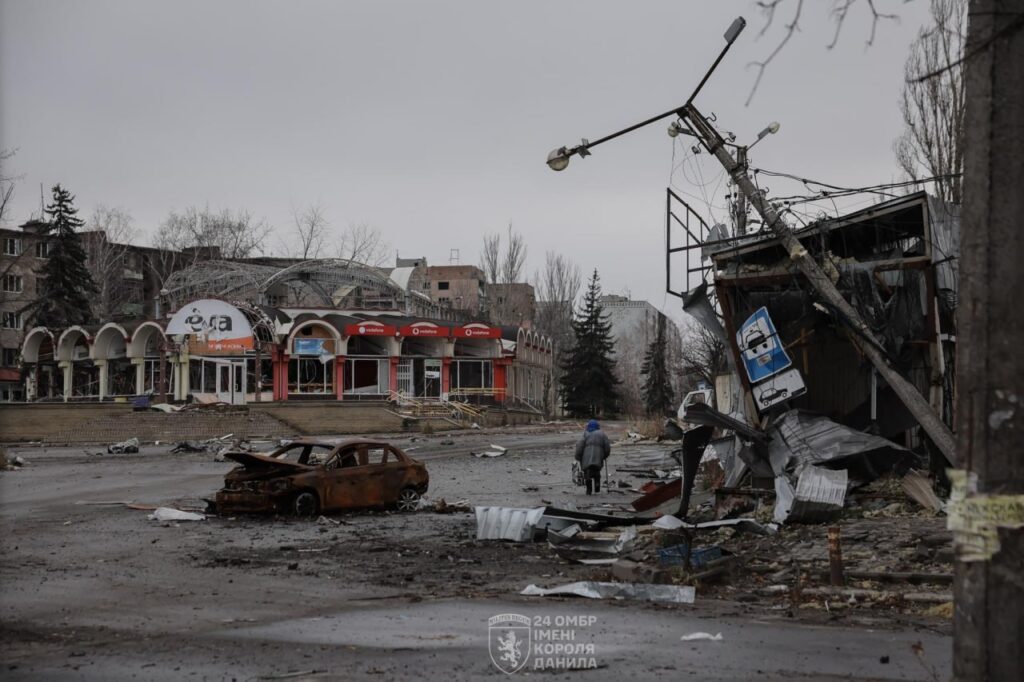

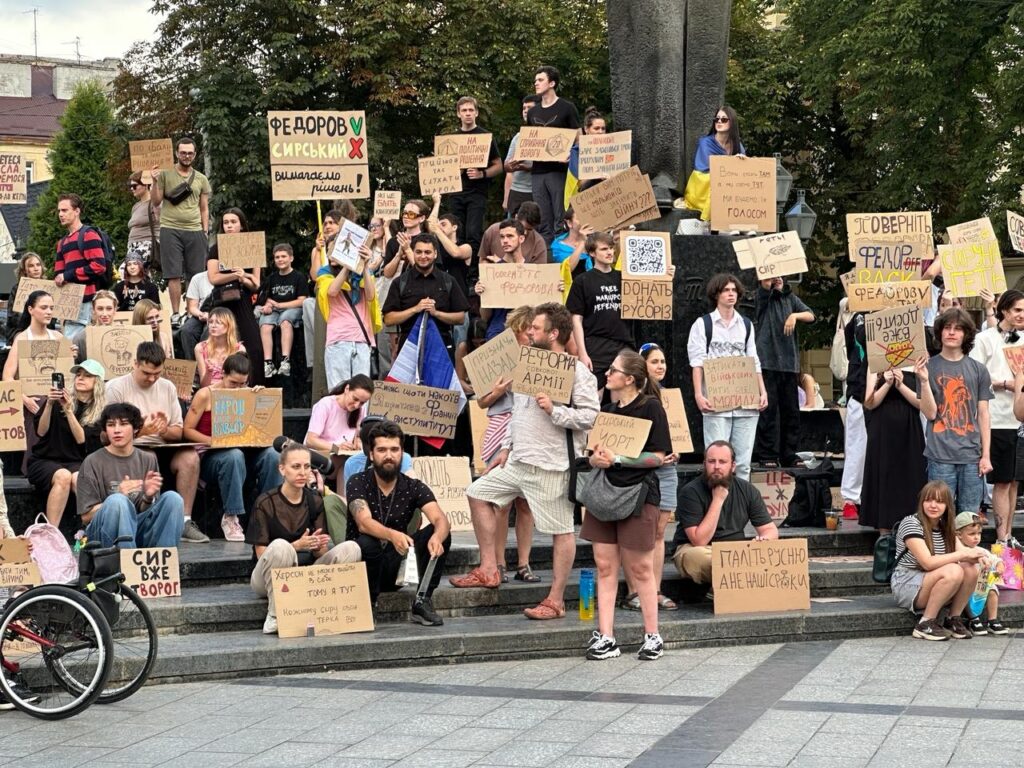
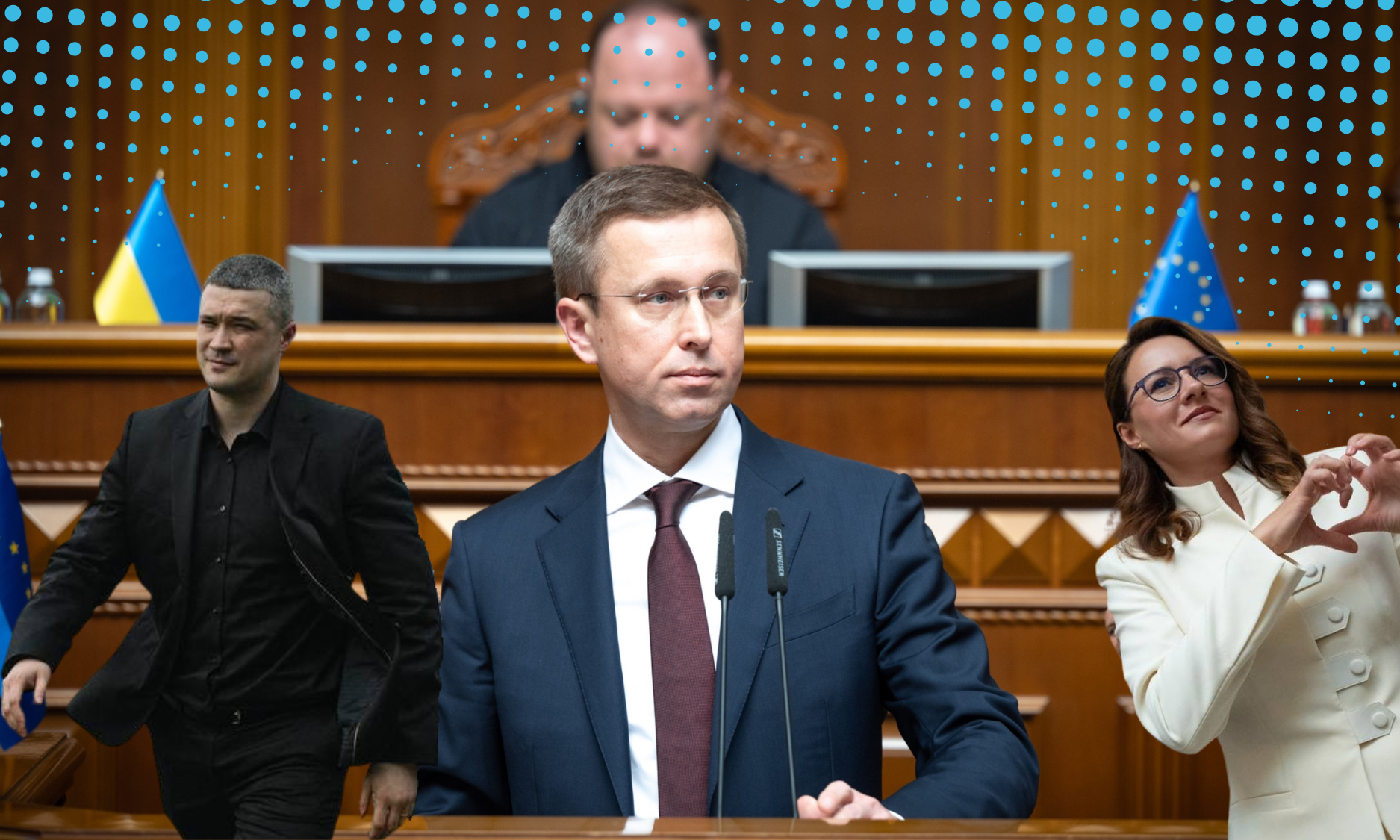
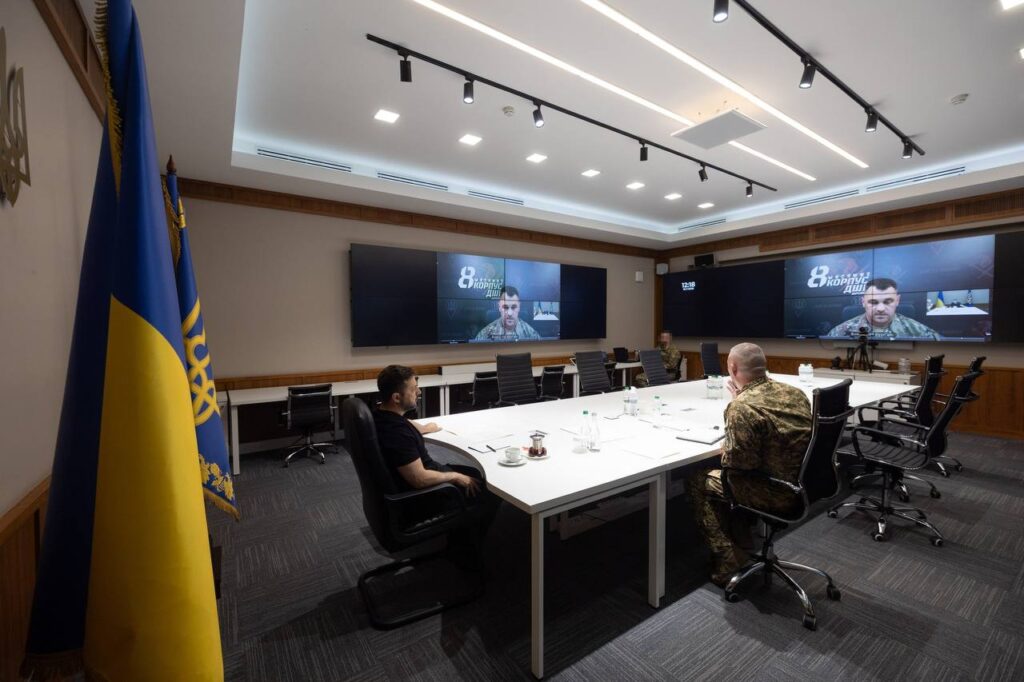
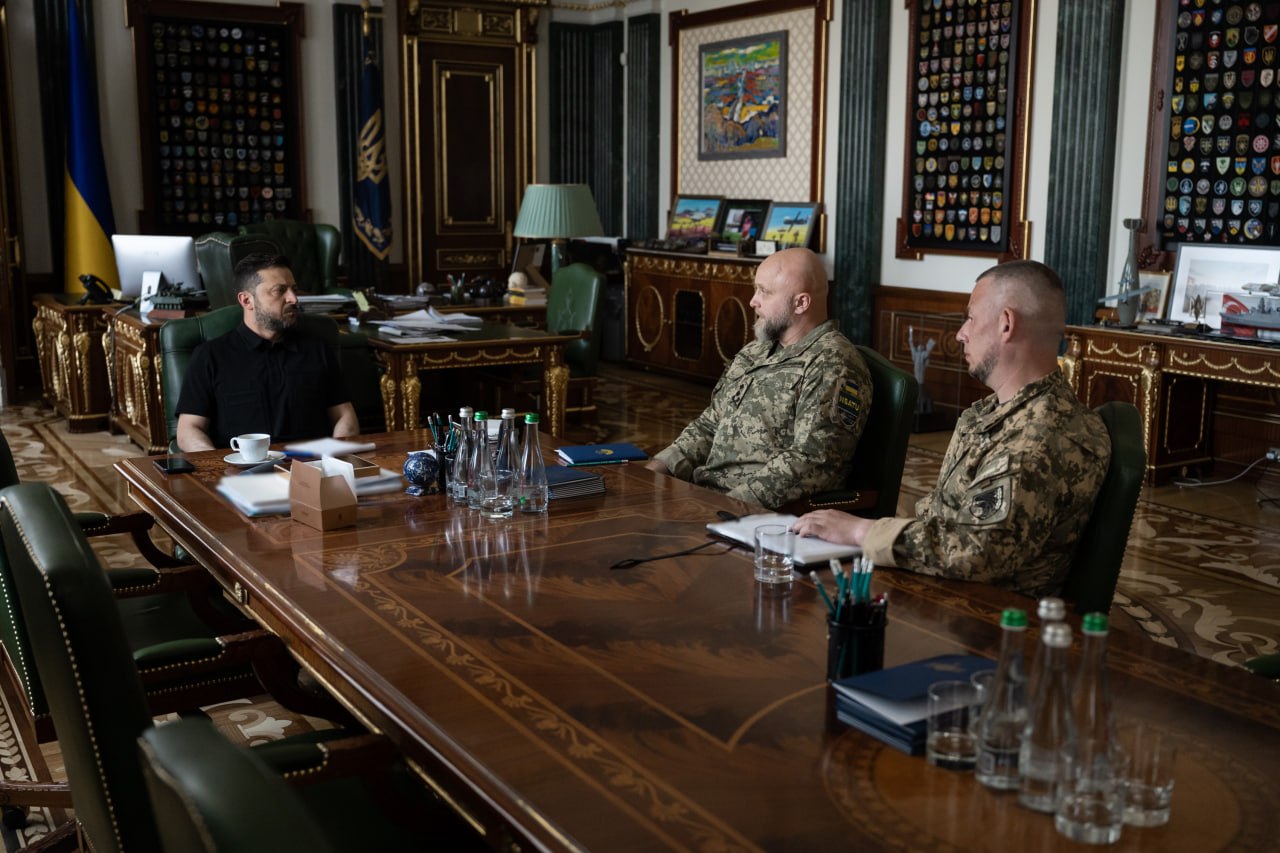
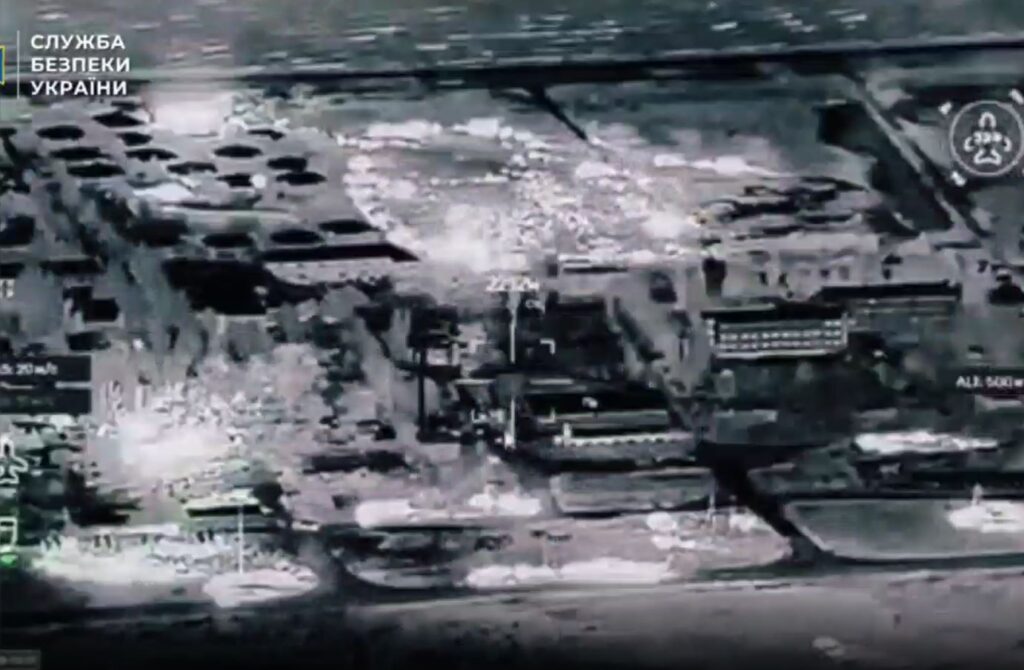
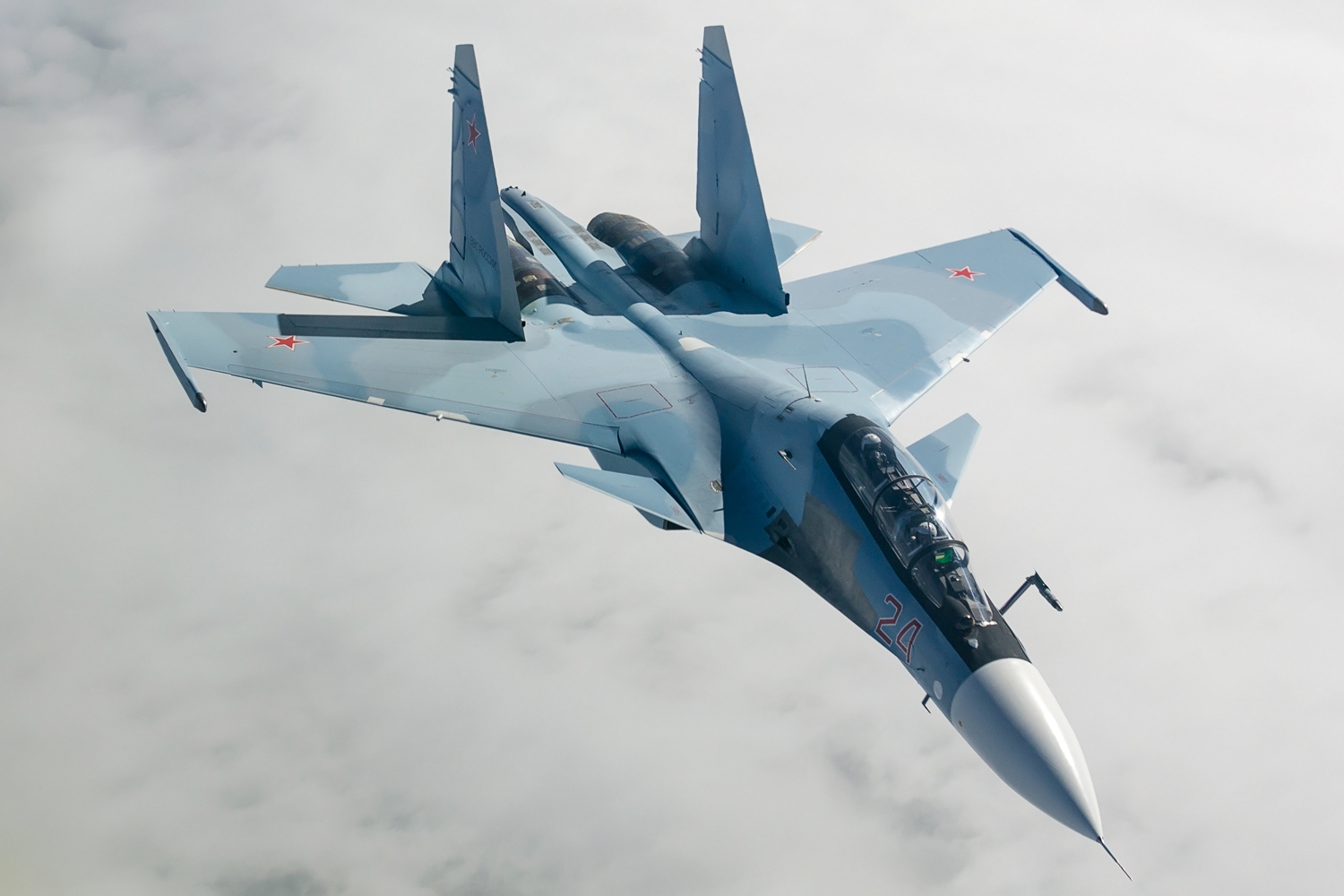
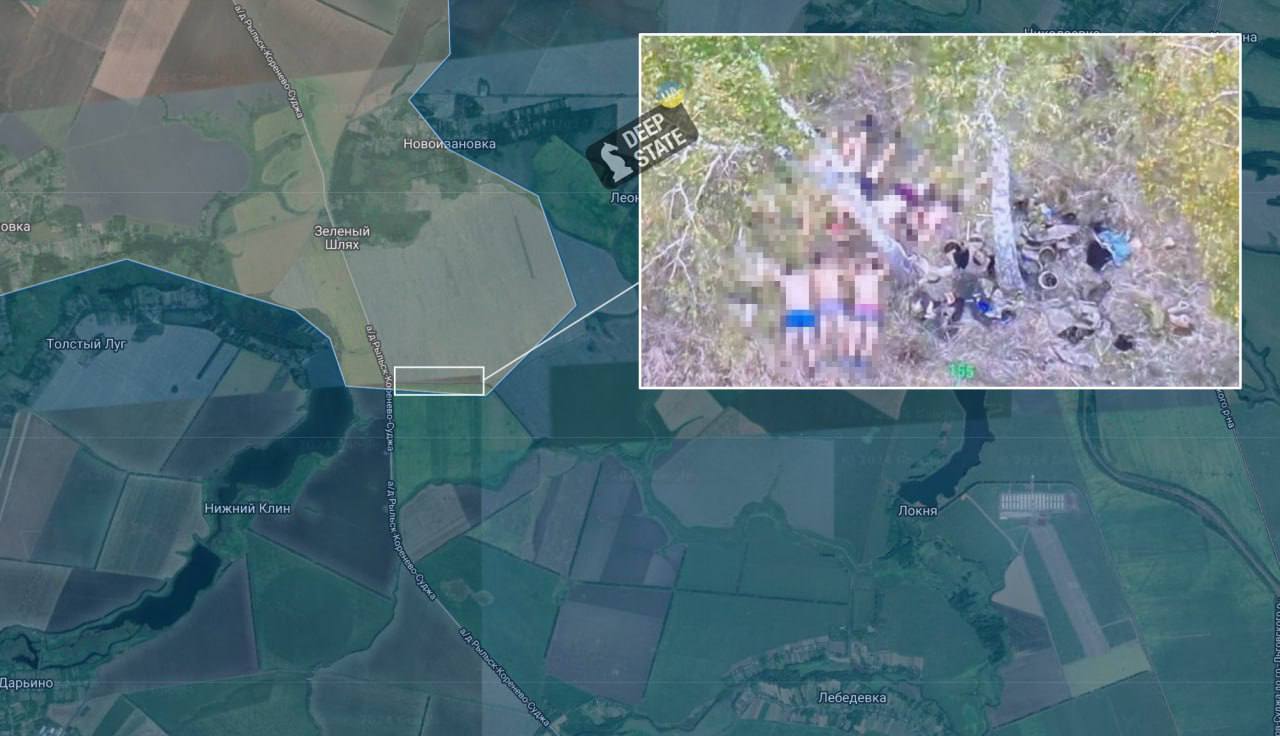
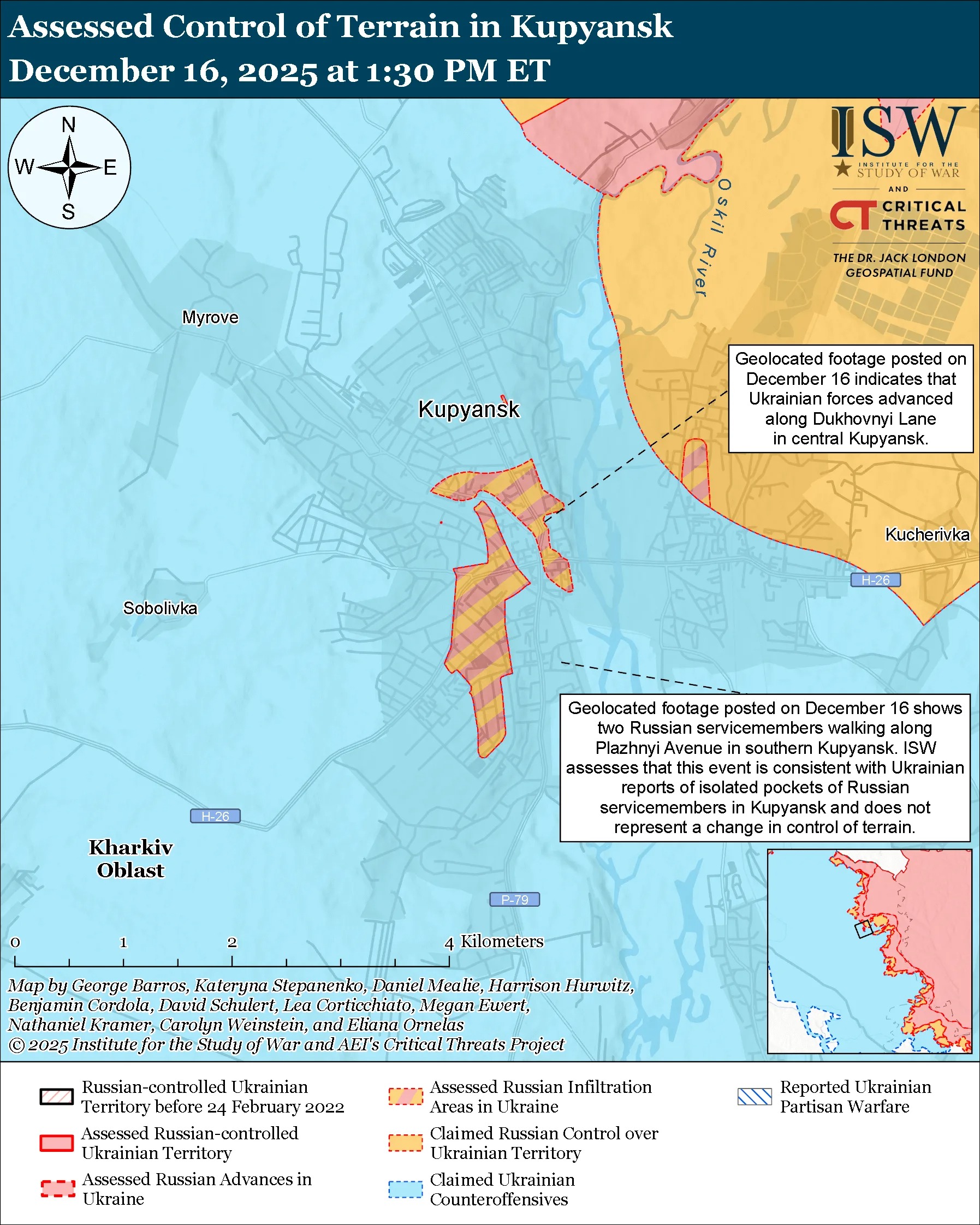
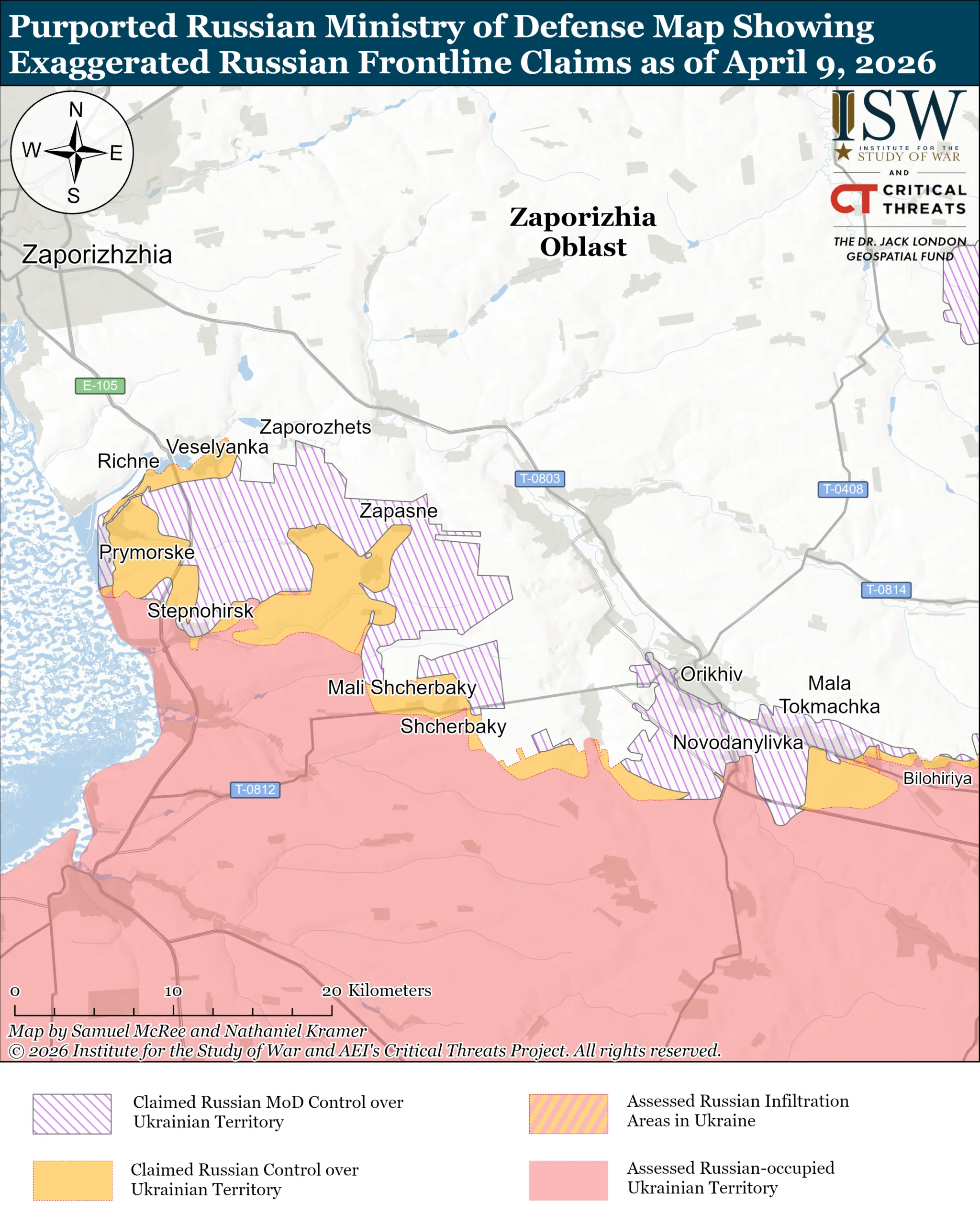
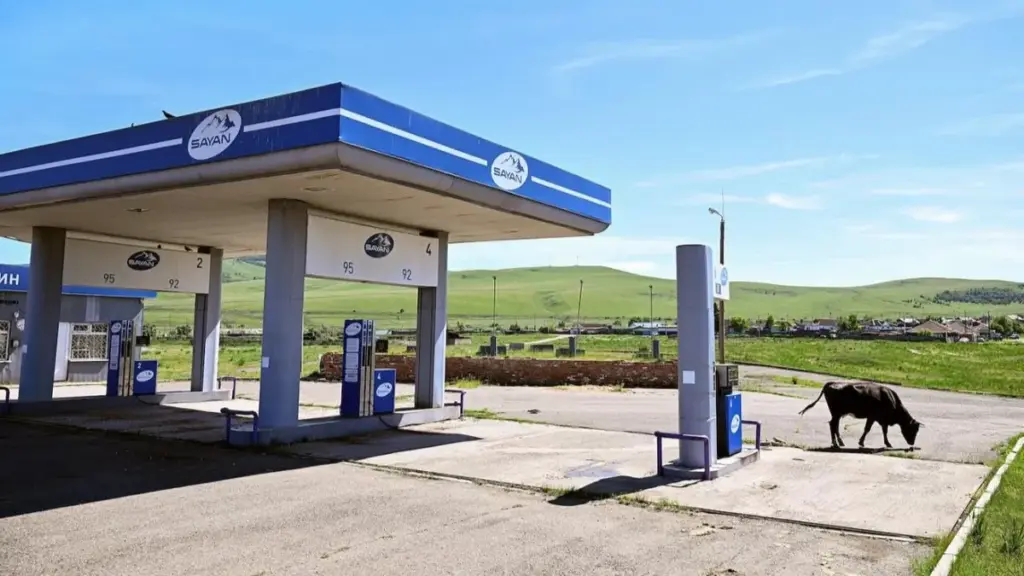
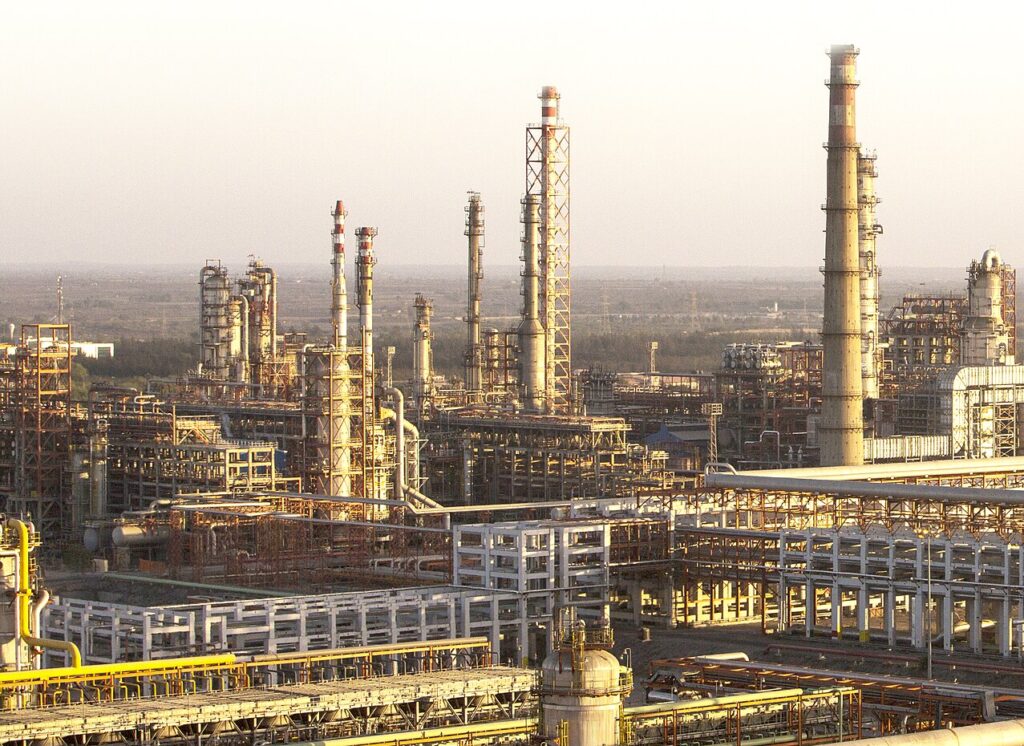
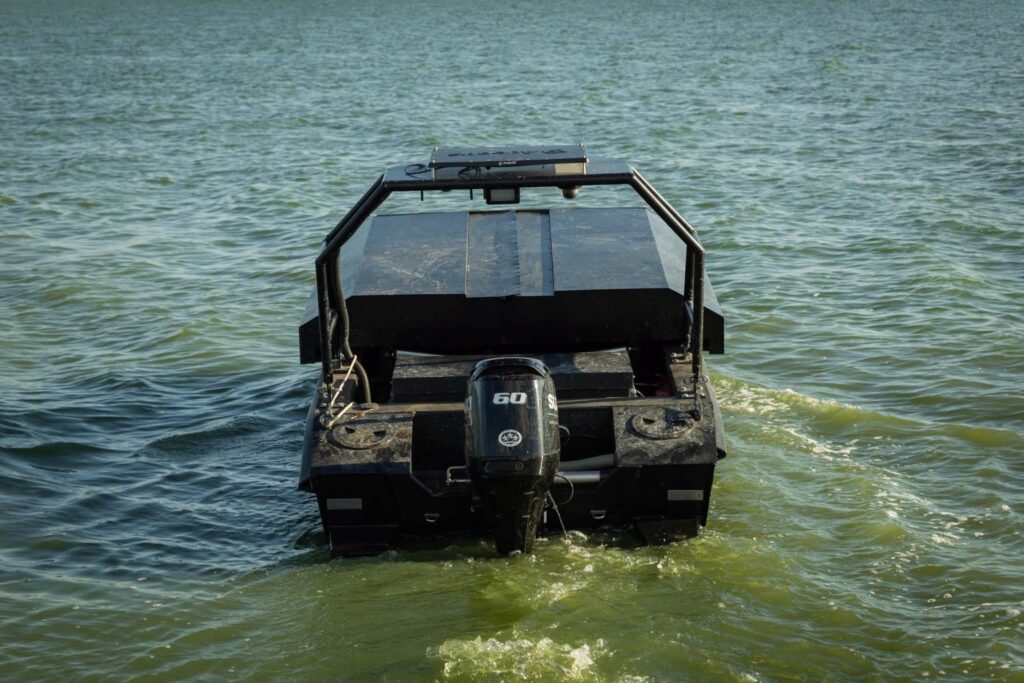
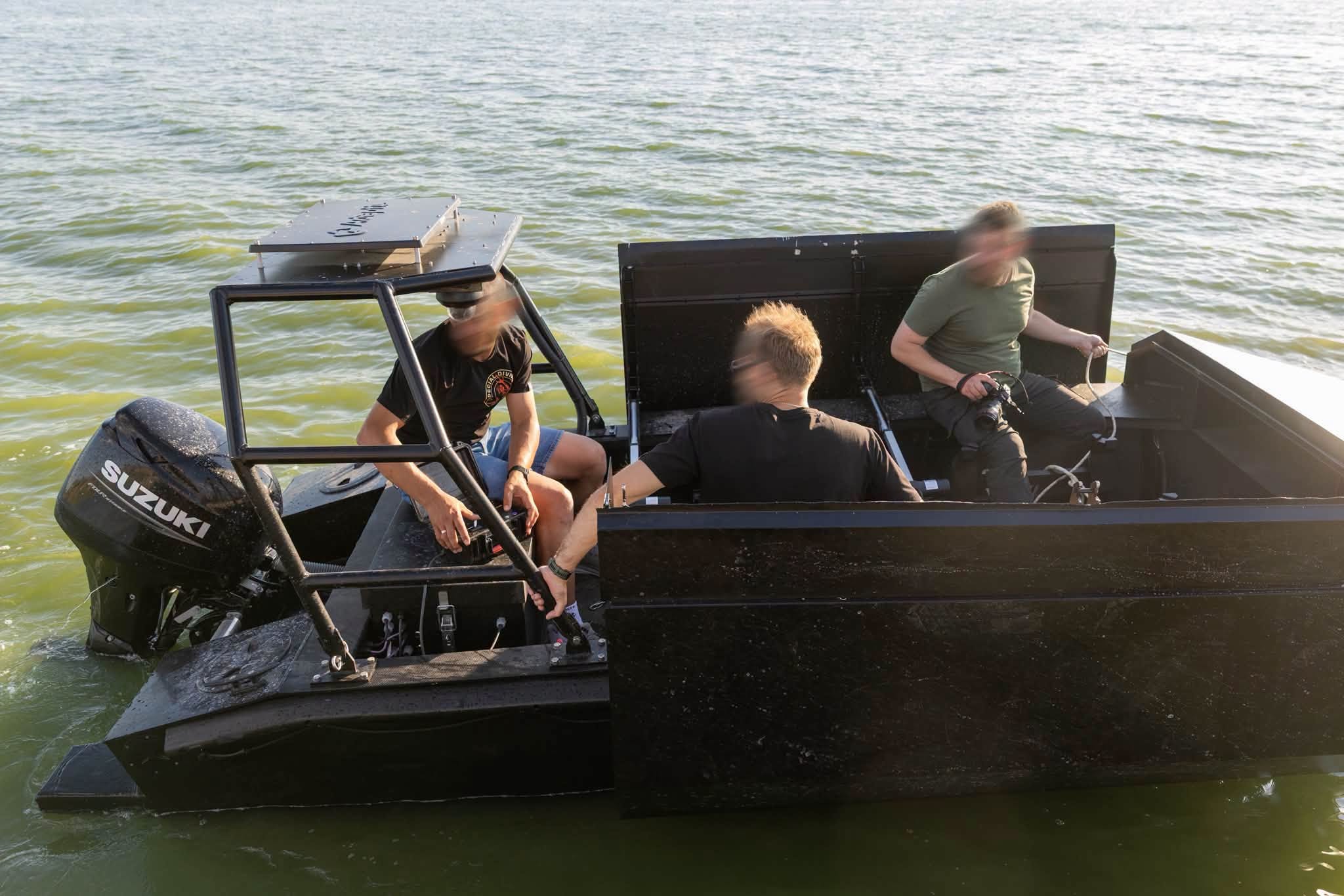
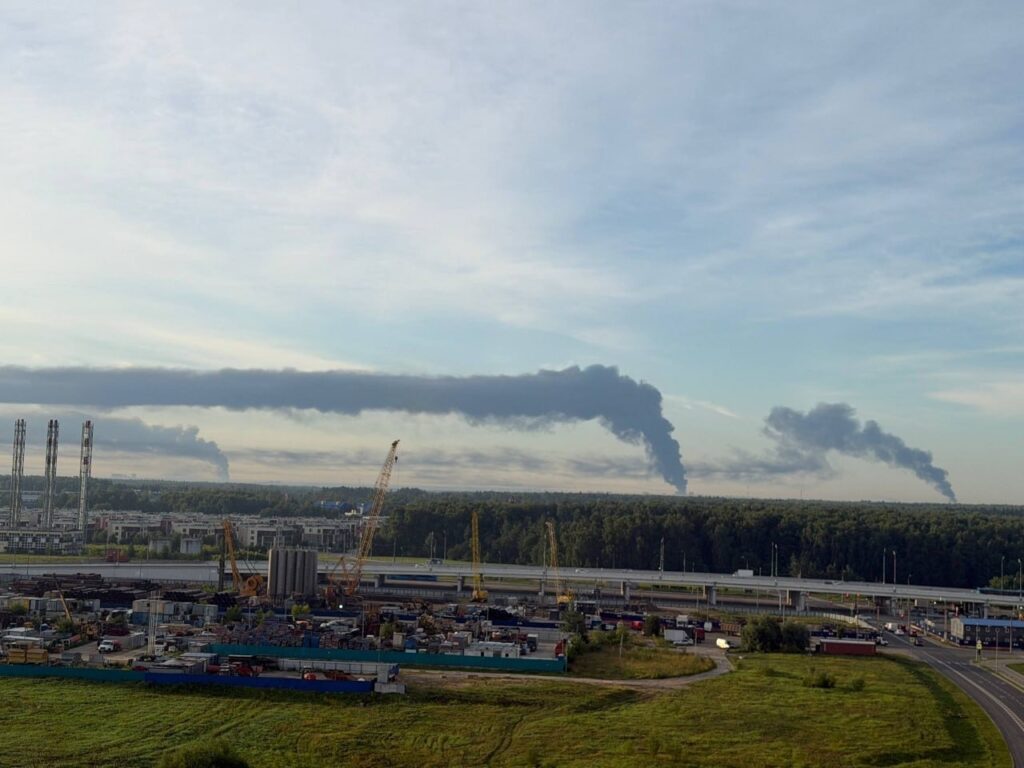
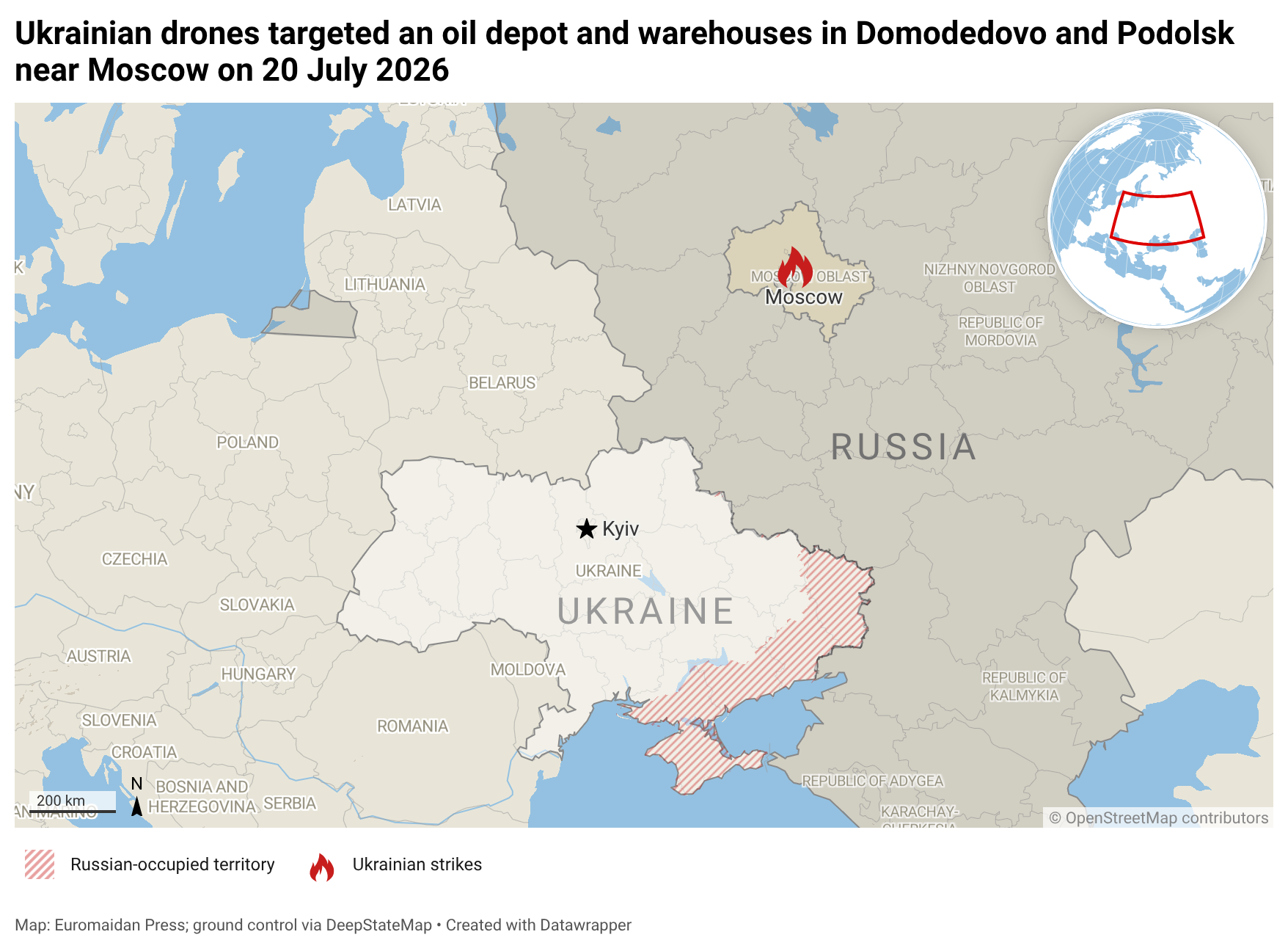
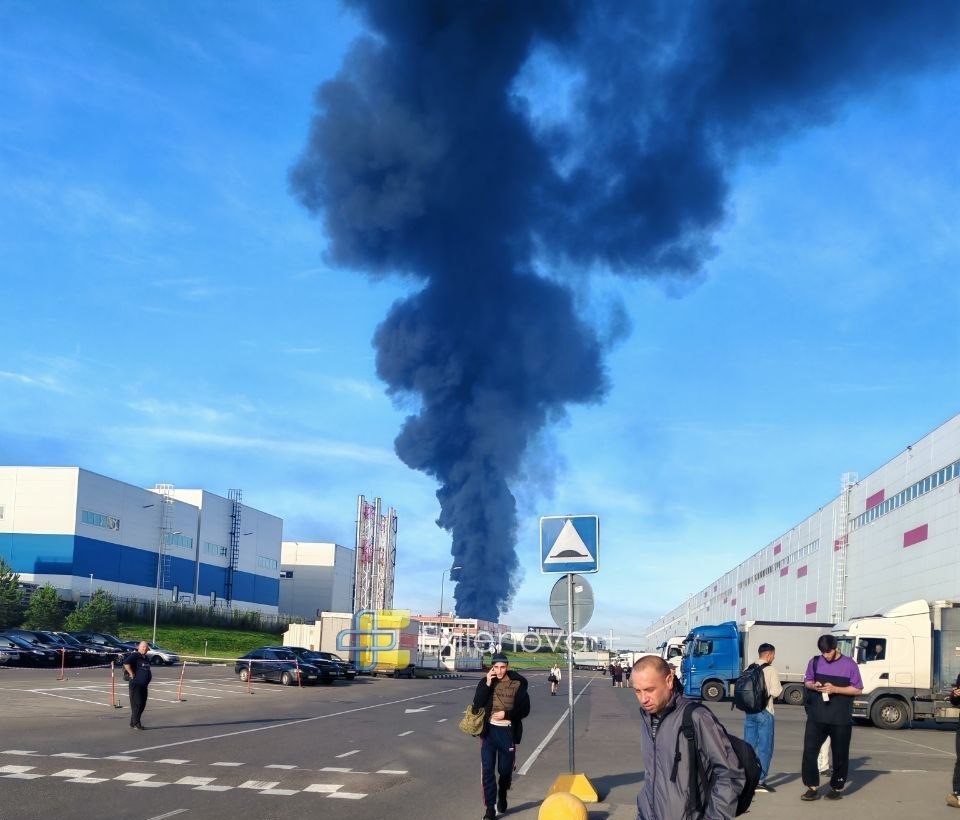
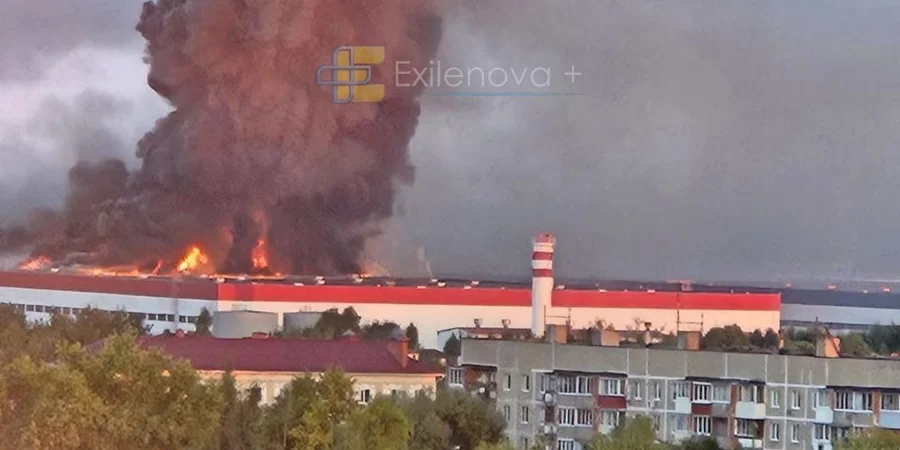
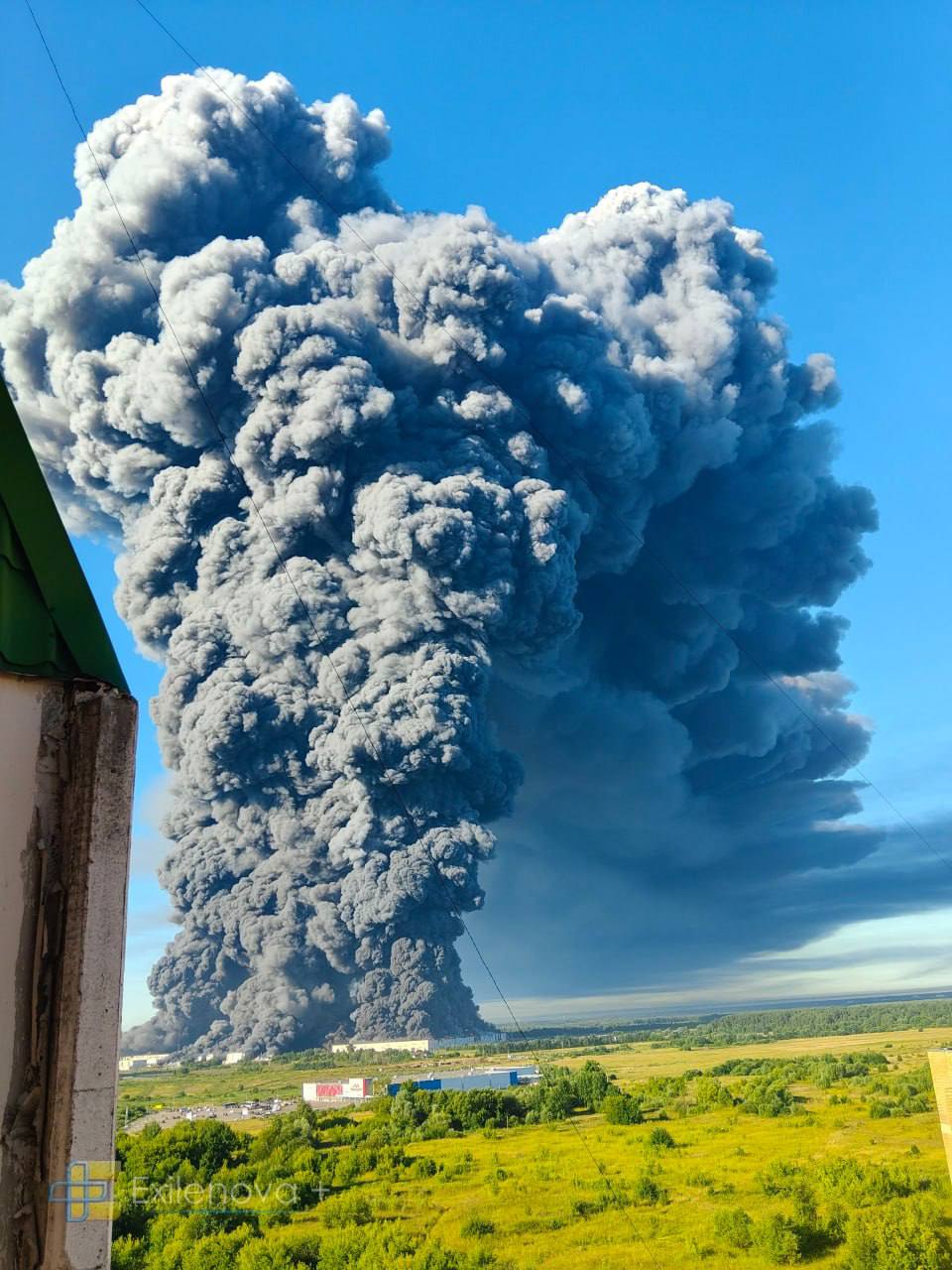
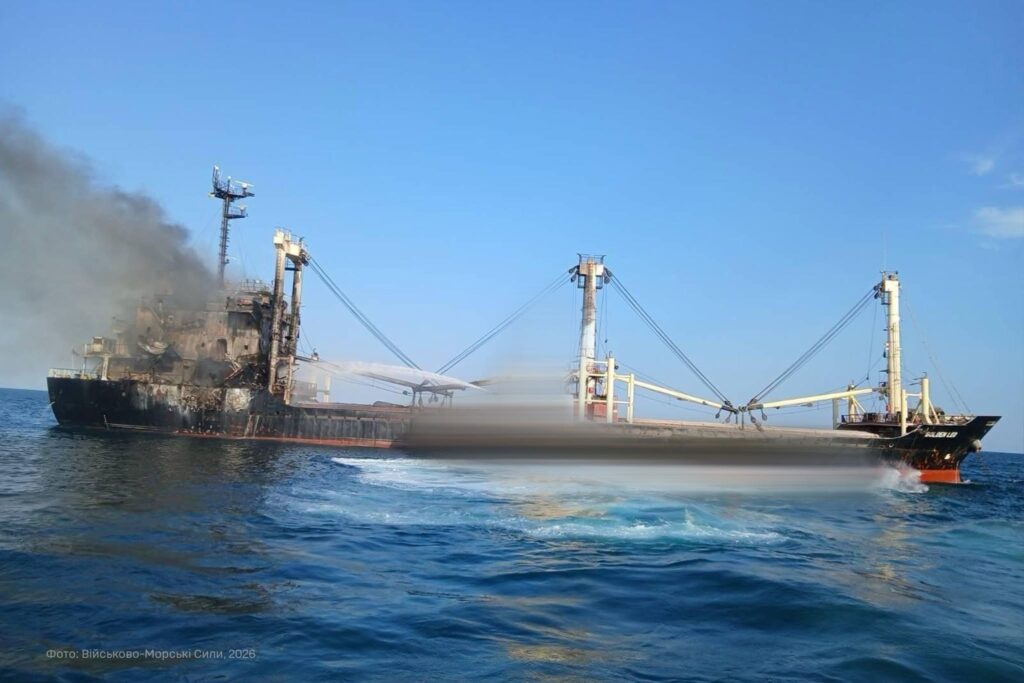
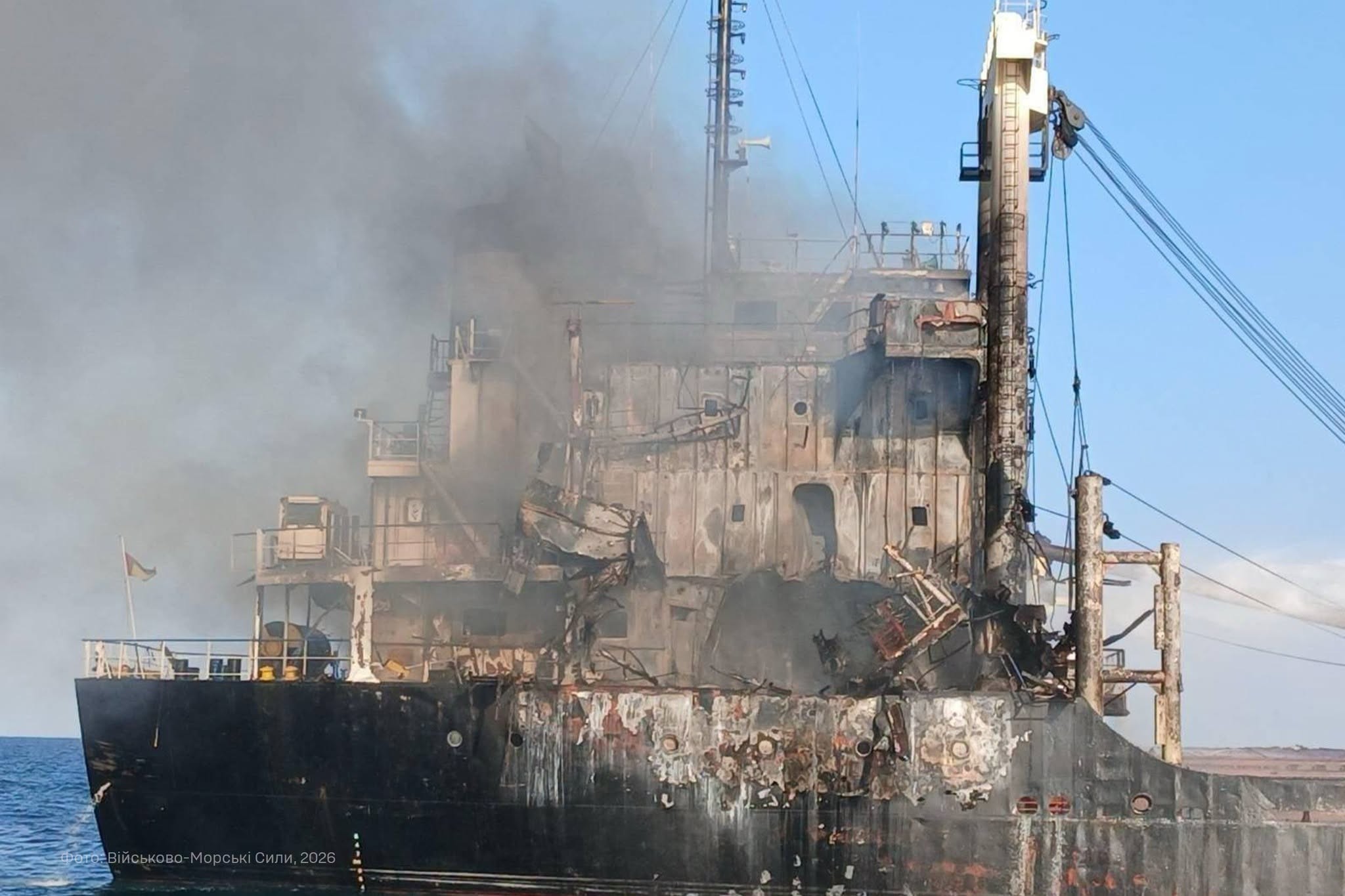
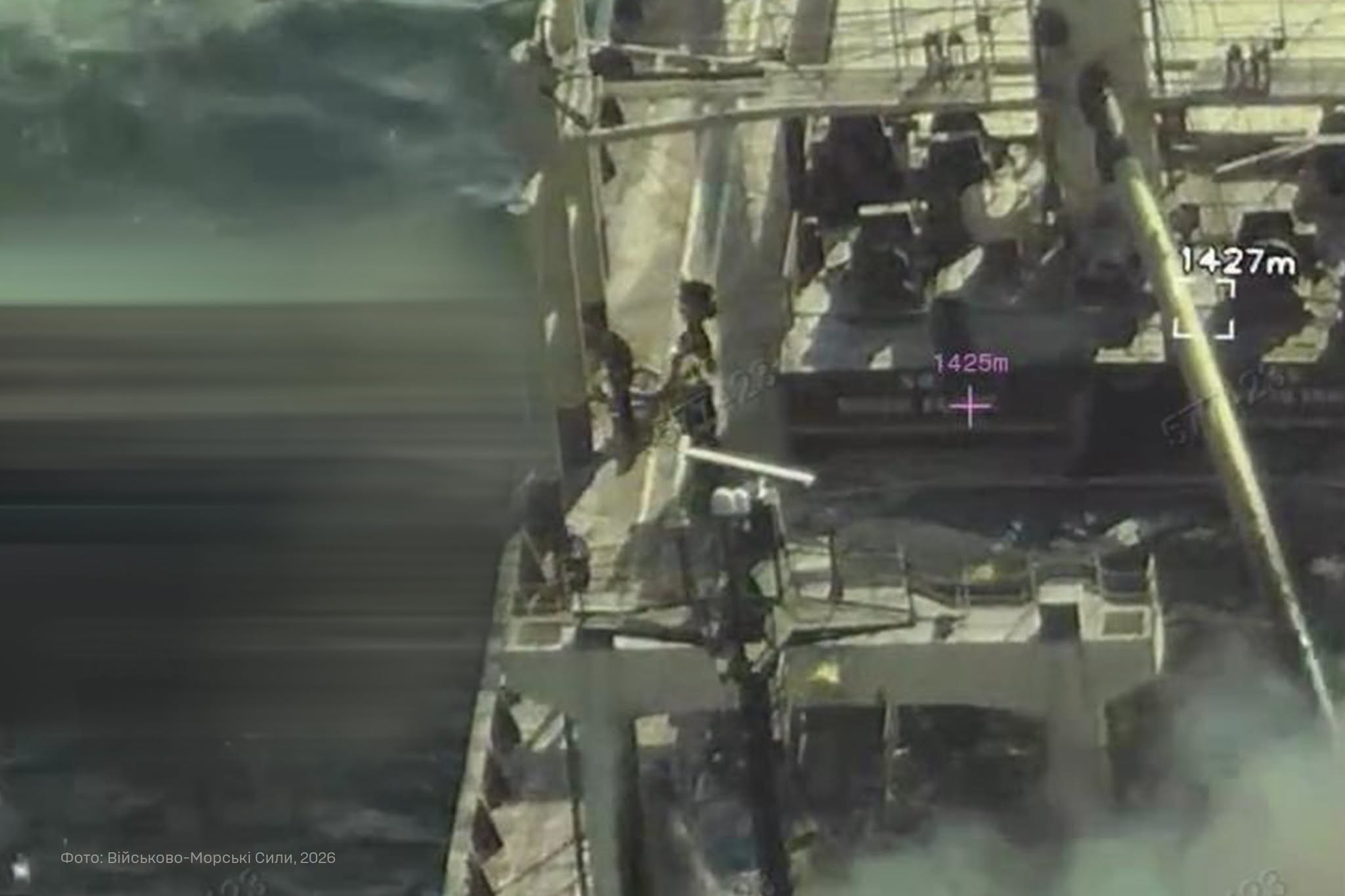
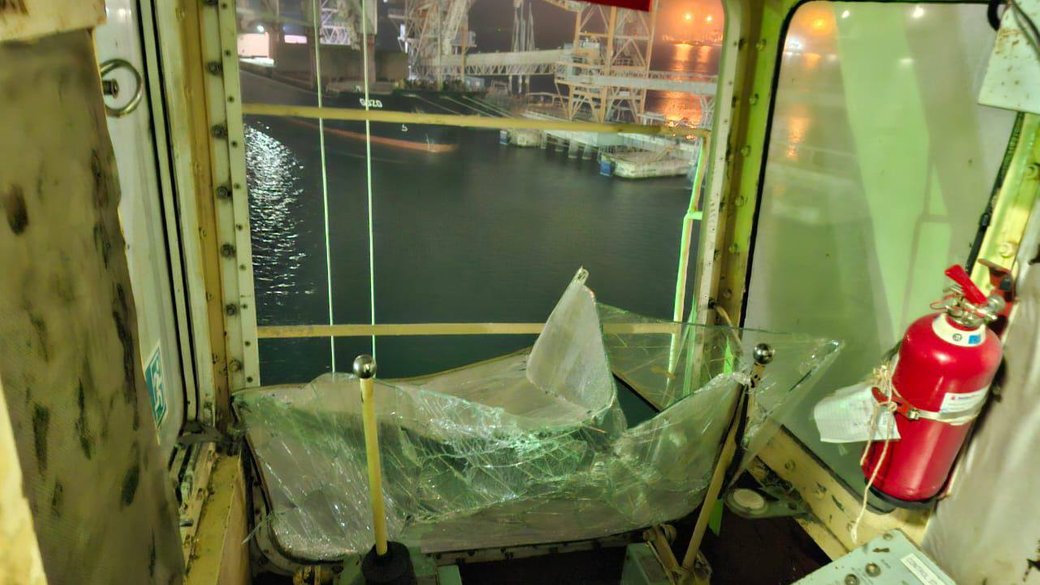


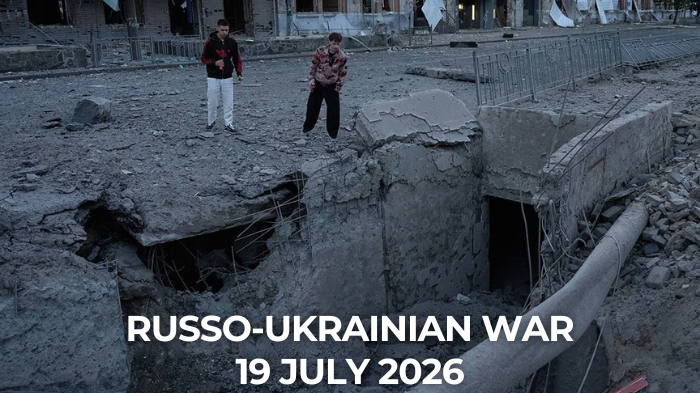
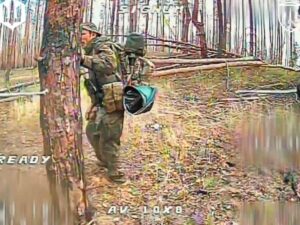
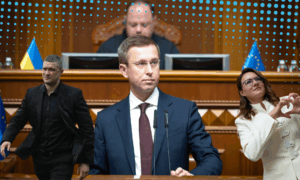

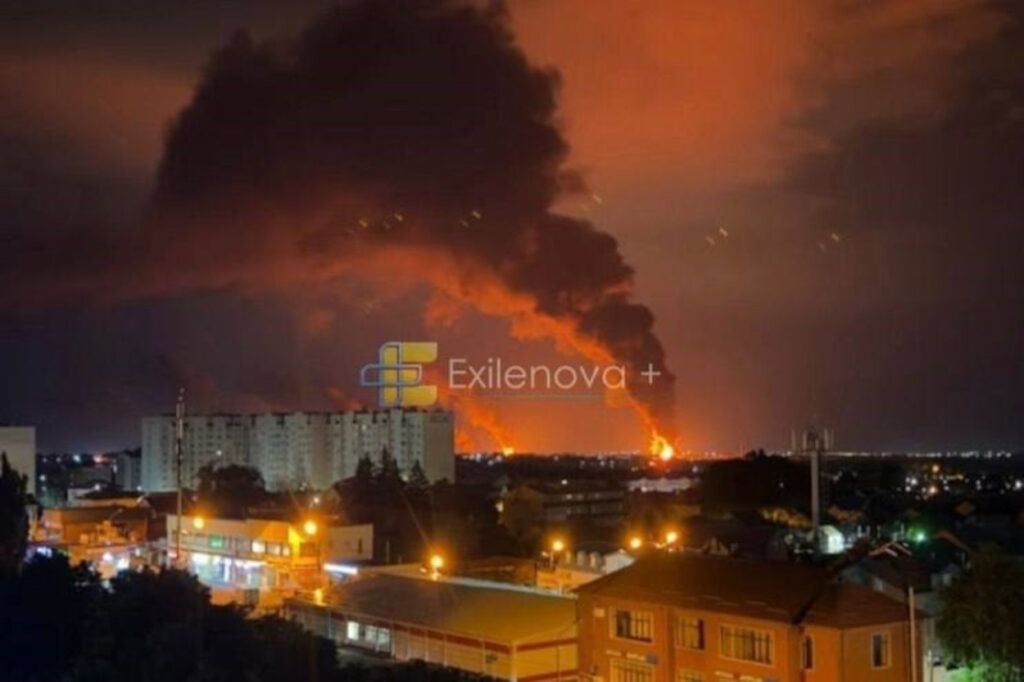
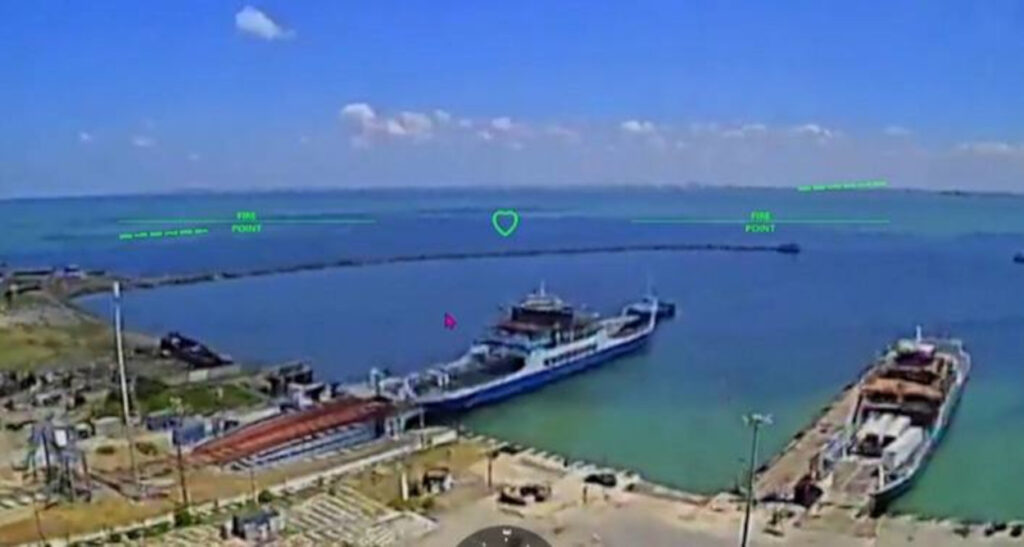
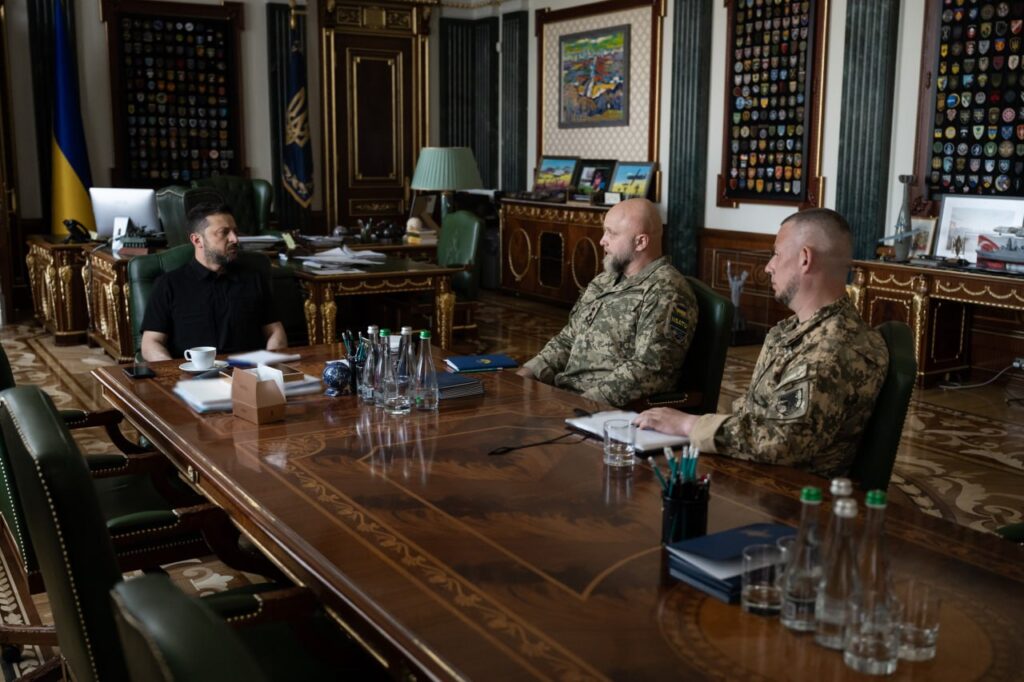
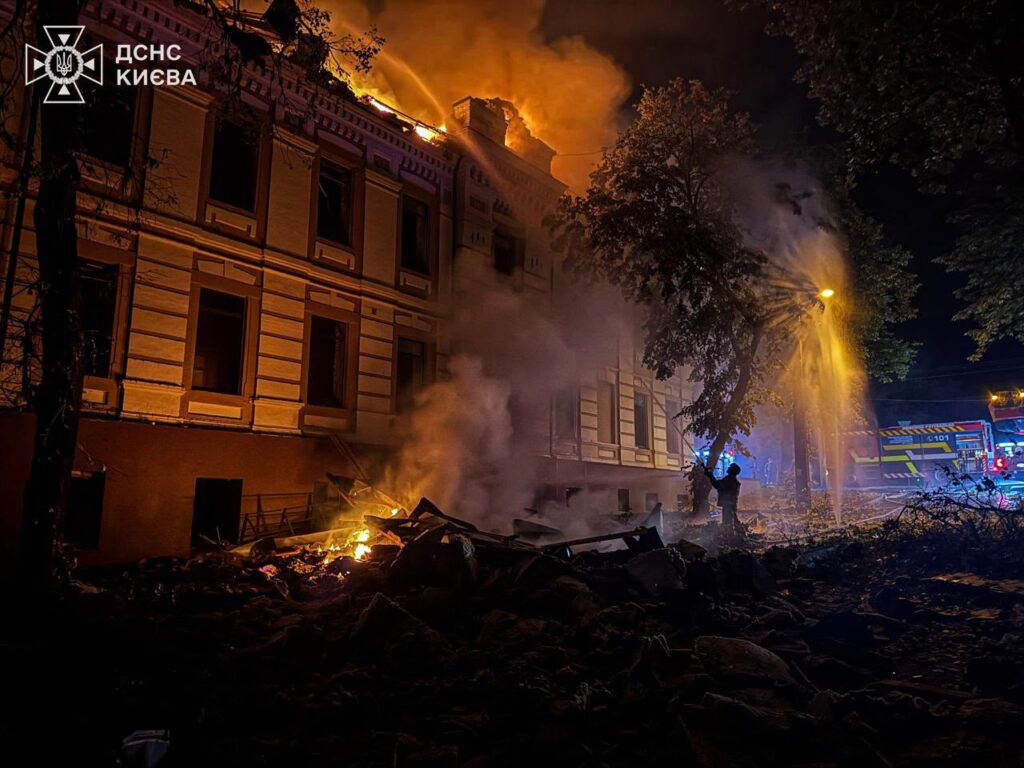
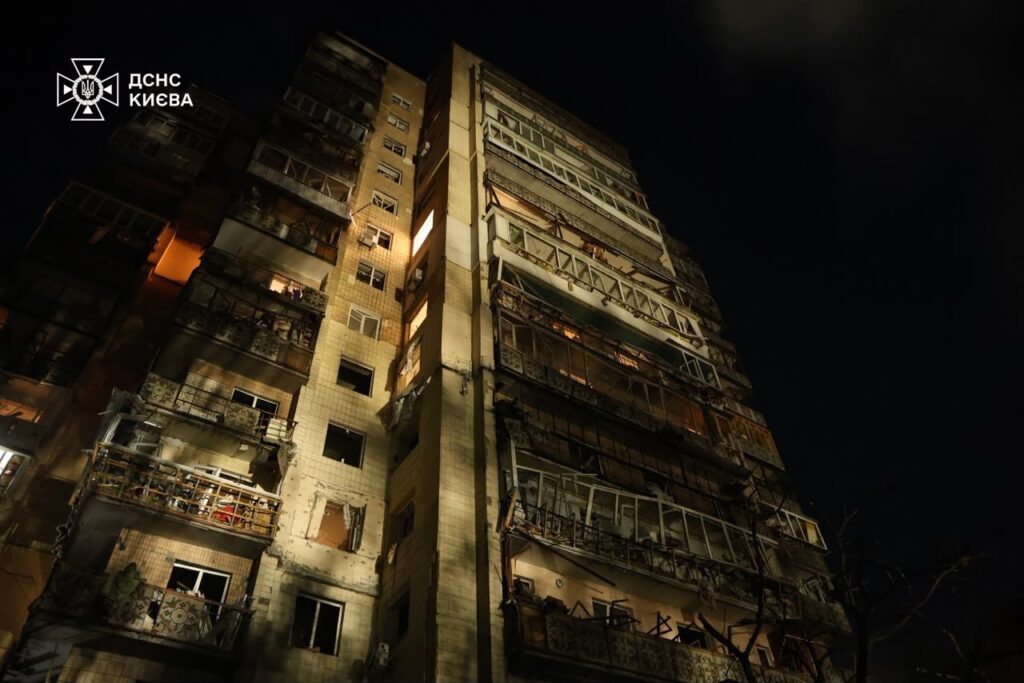
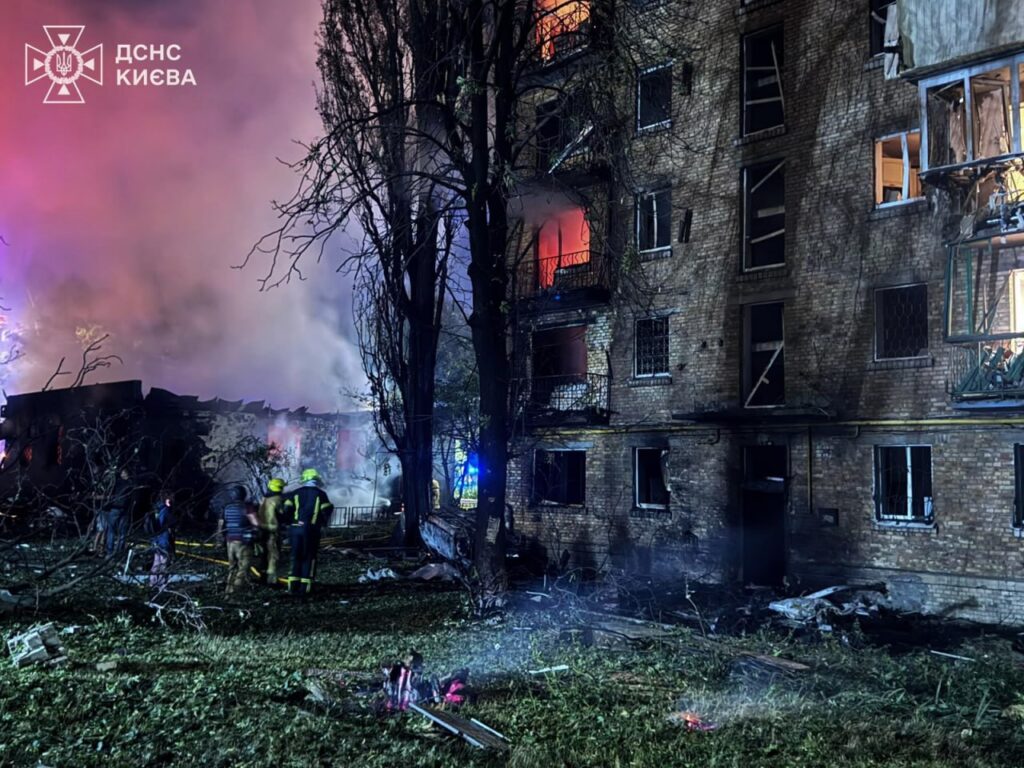
 Realnyi Kyiv